

Block Blaster
14.4k 投稿

Block Blaster
 厳選トピック確認済+
報告
ユーザーをブロック
Crypto trader | Altcoin hunter | Risk managed, gains maximized
取引を発注
高頻度トレーダー
1.3年
426 フォロー
38.2K+ フォロワー
20.6K+ いいね
投稿
ポートフォリオ
すべて
引用
ライブ
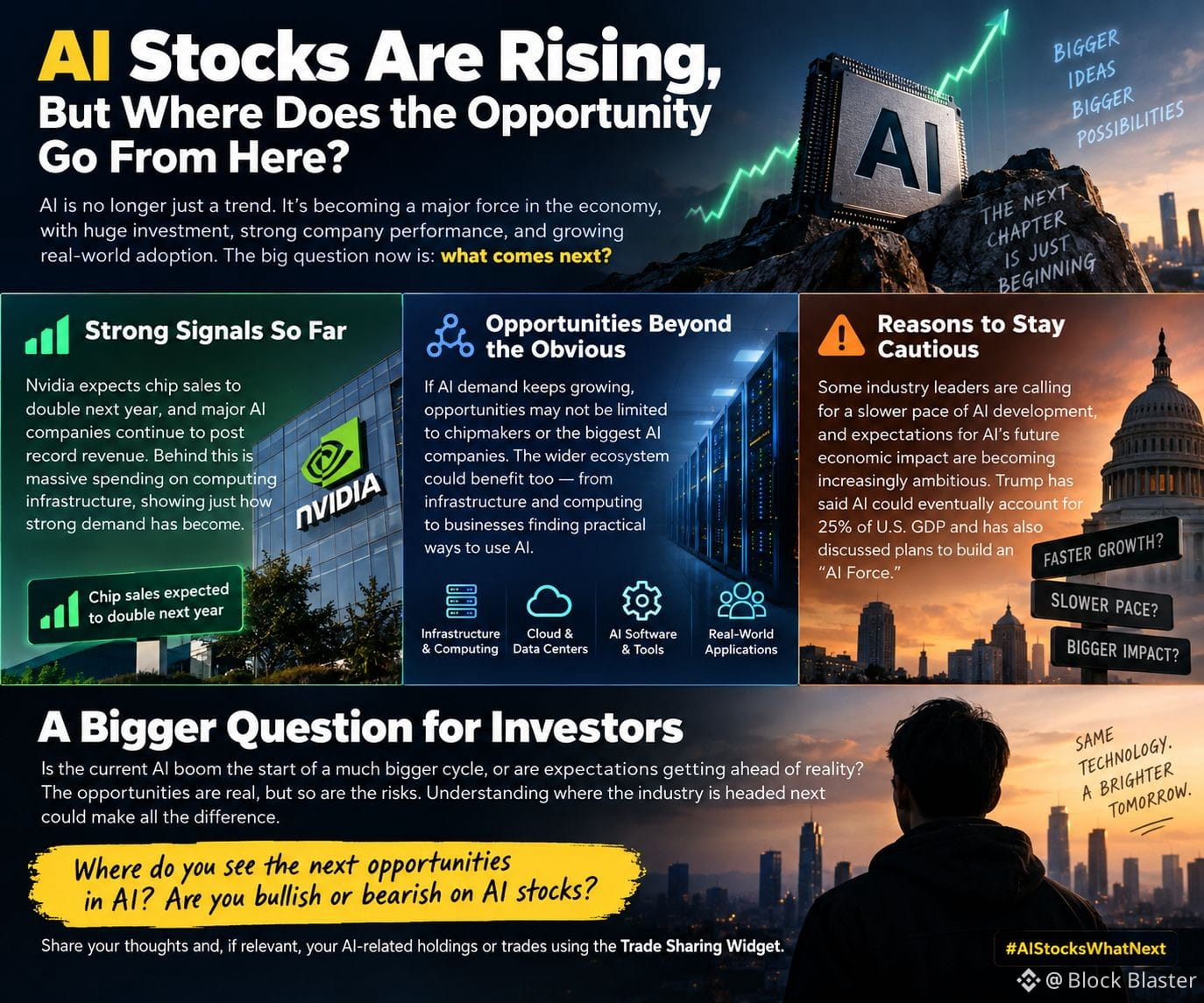
AI株は上昇中。しかし、次のチャンスはどこにある?
AI株は目覚ましい上昇を続けており、業界にどれだけの資金が流れ込んでいるかを無視しづらくなってきました。Nvidiaはチップ売上が今後も伸び続けると見込んでいます。一方で主要なAI企業は、引き続き強い売上を報告しています。その背景には、計算能力やインフラへの巨額な投資があります。
ただ、今より一段深い面白い問いはこれです。目に見える“勝ち組AI”の次に何が来るのか?
もしAI需要が伸び続けるなら、チップメーカーや最大手のAI企業に限られるとは限りません。AIを支えるより広いエコシステム全体にも機会が広がる可能性があります。インフラやコンピューティングから、技術を実用的に活用することで成果を出そうとする企業までです。
もちろん、慎重になるべき理由もあります。業界のリーダーの中には、AI開発のペースを落とすよう求める声も出てきています。また、AIが将来もたらす経済的な影響への見通しは、ますます野心的になってきています。トランプ氏は、AIがいずれ米国のGDPの25%を占めうると述べており、さらに「AI Force」を構築する計画についても語っています。
これにより、投資家には興味深い議論が残ります。現在のAIブームは、より大きなサイクルの始まりなのでしょうか。それとも期待が現実を先回りしすぎているのでしょうか?
AIの進展が続く中で、皆さんが次のチャンスをどこに見ているのか気になります。引き続きAI株に強気ですか?それとも他のセクターを見始めていますか?
#AIStocksWhatNext
AI株は上昇中。しかし、次のチャンスはどこにある?
AI株は目覚ましい上昇を続けており、業界にどれだけの資金が流れ込んでいるかを無視しづらくなってきました。Nvidiaはチップ売上が今後も伸び続けると見込んでいます。一方で主要なAI企業は、引き続き強い売上を報告しています。その背景には、計算能力やインフラへの巨額な投資があります。
ただ、今より一段深い面白い問いはこれです。目に見える“勝ち組AI”の次に何が来るのか?
もしAI需要が伸び続けるなら、チップメーカーや最大手のAI企業に限られるとは限りません。AIを支えるより広いエコシステム全体にも機会が広がる可能性があります。インフラやコンピューティングから、技術を実用的に活用することで成果を出そうとする企業までです。
もちろん、慎重になるべき理由もあります。業界のリーダーの中には、AI開発のペースを落とすよう求める声も出てきています。また、AIが将来もたらす経済的な影響への見通しは、ますます野心的になってきています。トランプ氏は、AIがいずれ米国のGDPの25%を占めうると述べており、さらに「AI Force」を構築する計画についても語っています。
これにより、投資家には興味深い議論が残ります。現在のAIブームは、より大きなサイクルの始まりなのでしょうか。それとも期待が現実を先回りしすぎているのでしょうか?
AIの進展が続く中で、皆さんが次のチャンスをどこに見ているのか気になります。引き続きAI株に強気ですか?それとも他のセクターを見始めていますか?
#AIStocksWhatNext
AI株は目覚ましい上昇を続けており、業界にどれだけの資金が流れ込んでいるかを無視しづらくなってきました。Nvidiaはチップ売上が今後も伸び続けると見込んでいます。一方で主要なAI企業は、引き続き強い売上を報告しています。その背景には、計算能力やインフラへの巨額な投資があります。
ただ、今より一段深い面白い問いはこれです。目に見える“勝ち組AI”の次に何が来るのか?
もしAI需要が伸び続けるなら、チップメーカーや最大手のAI企業に限られるとは限りません。AIを支えるより広いエコシステム全体にも機会が広がる可能性があります。インフラやコンピューティングから、技術を実用的に活用することで成果を出そうとする企業までです。
もちろん、慎重になるべき理由もあります。業界のリーダーの中には、AI開発のペースを落とすよう求める声も出てきています。また、AIが将来もたらす経済的な影響への見通しは、ますます野心的になってきています。トランプ氏は、AIがいずれ米国のGDPの25%を占めうると述べており、さらに「AI Force」を構築する計画についても語っています。
これにより、投資家には興味深い議論が残ります。現在のAIブームは、より大きなサイクルの始まりなのでしょうか。それとも期待が現実を先回りしすぎているのでしょうか?
AIの進展が続く中で、皆さんが次のチャンスをどこに見ているのか気になります。引き続きAI株に強気ですか?それとも他のセクターを見始めていますか?
#AIStocksWhatNext
192
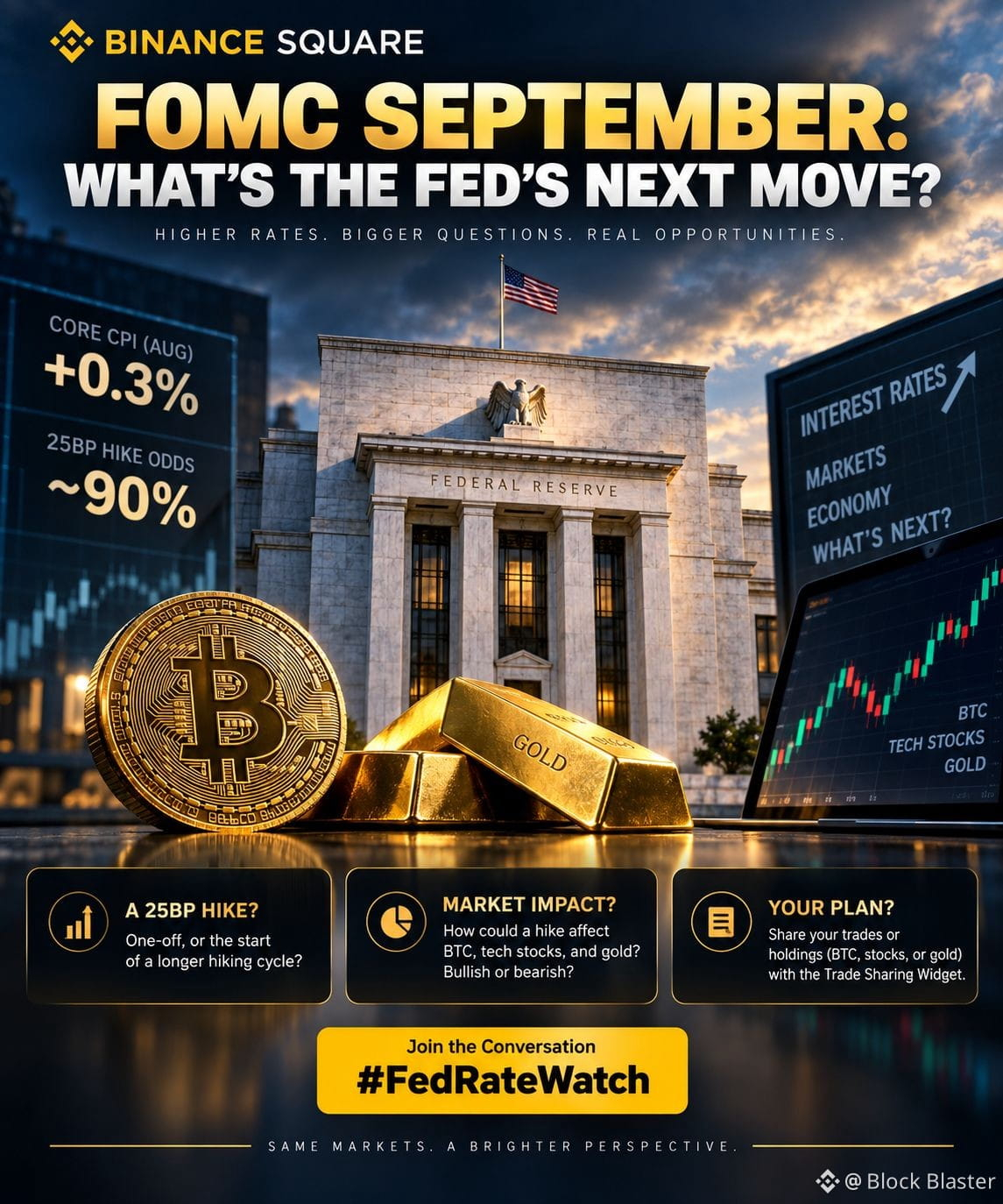
FOMC 9月:FRBの次の一手は?
市場が9月のFOMC決定に備える中、FRBが再び注目を集めています。8月のコアCPIが前月比0.3%上昇し、今週の25ベーシスポイント利上げの確率が90%近くまで高まっているため、焦点は「FRBが動くかどうか」だけではなく、「その動きが今後数カ月に何を意味し得るのか」に移っています。
今週、25bpの利上げが行われると見ていますか? もし実施されるなら、それは一時的な調整なのか、それともより長い利上げサイクルの始まりだと捉えるでしょうか?
市場への影響は、金利を超えて広がる可能性があります。利上げは、ビットコインやテクノロジー株といったリスク資産に影響を与えるかもしれません。また、金も金融政策に関する見通しの変化に反応するでしょう。FRBの決定を受けて、これらの市場は強気に傾くと思いますか、それとも弱気でしょうか?
トレーダーや投資家にとって、これはポジショニングを考える良い機会でもあります。次の一手について、あなたの計画は何ですか? Trade Sharing Widget を使って、あなたのBTC、株、または金の取引や保有を共有し、現在の金利環境にどのように向き合っているのかを説明してください。
キャンペーンに参加するには、#FedRateWatch を付けて短い投稿または記事を公開してください。キャンペーンのガイドラインに従い、100語を超える投稿は、ランダムなトラフィックブースト(500〜3,000ビュー)の対象としてレビューされる可能性があり、選ばれた記事は Binance Square Official で特集されるチャンスがあります。
活動期間は、UTCの9月15日11:00から9月17日3:00までです。
コンテンツはオリジナルで、わかりやすくしてください。このキャンペーンでは、参加者に対し、アイデアを完成形で生成するためにAIを使用したり、画像を捏造したりしないこと、内容に関係する場合は実在の個人的な経験や取引共有ウィジェット/スクリーンショットを除外すること、また公式または他のクリエイターのコンテンツを自分のものとしてコピー&ペーストしないことを特に求めています。
#FedRateWatch
FOMC 9月:FRBの次の一手は?
市場が9月のFOMC決定に備える中、FRBが再び注目を集めています。8月のコアCPIが前月比0.3%上昇し、今週の25ベーシスポイント利上げの確率が90%近くまで高まっているため、焦点は「FRBが動くかどうか」だけではなく、「その動きが今後数カ月に何を意味し得るのか」に移っています。
今週、25bpの利上げが行われると見ていますか? もし実施されるなら、それは一時的な調整なのか、それともより長い利上げサイクルの始まりだと捉えるでしょうか?
市場への影響は、金利を超えて広がる可能性があります。利上げは、ビットコインやテクノロジー株といったリスク資産に影響を与えるかもしれません。また、金も金融政策に関する見通しの変化に反応するでしょう。FRBの決定を受けて、これらの市場は強気に傾くと思いますか、それとも弱気でしょうか?
トレーダーや投資家にとって、これはポジショニングを考える良い機会でもあります。次の一手について、あなたの計画は何ですか? Trade Sharing Widget を使って、あなたのBTC、株、または金の取引や保有を共有し、現在の金利環境にどのように向き合っているのかを説明してください。
キャンペーンに参加するには、#FedRateWatch を付けて短い投稿または記事を公開してください。キャンペーンのガイドラインに従い、100語を超える投稿は、ランダムなトラフィックブースト(500〜3,000ビュー)の対象としてレビューされる可能性があり、選ばれた記事は Binance Square Official で特集されるチャンスがあります。
活動期間は、UTCの9月15日11:00から9月17日3:00までです。
コンテンツはオリジナルで、わかりやすくしてください。このキャンペーンでは、参加者に対し、アイデアを完成形で生成するためにAIを使用したり、画像を捏造したりしないこと、内容に関係する場合は実在の個人的な経験や取引共有ウィジェット/スクリーンショットを除外すること、また公式または他のクリエイターのコンテンツを自分のものとしてコピー&ペーストしないことを特に求めています。
#FedRateWatch
市場が9月のFOMC決定に備える中、FRBが再び注目を集めています。8月のコアCPIが前月比0.3%上昇し、今週の25ベーシスポイント利上げの確率が90%近くまで高まっているため、焦点は「FRBが動くかどうか」だけではなく、「その動きが今後数カ月に何を意味し得るのか」に移っています。
今週、25bpの利上げが行われると見ていますか? もし実施されるなら、それは一時的な調整なのか、それともより長い利上げサイクルの始まりだと捉えるでしょうか?
市場への影響は、金利を超えて広がる可能性があります。利上げは、ビットコインやテクノロジー株といったリスク資産に影響を与えるかもしれません。また、金も金融政策に関する見通しの変化に反応するでしょう。FRBの決定を受けて、これらの市場は強気に傾くと思いますか、それとも弱気でしょうか?
トレーダーや投資家にとって、これはポジショニングを考える良い機会でもあります。次の一手について、あなたの計画は何ですか? Trade Sharing Widget を使って、あなたのBTC、株、または金の取引や保有を共有し、現在の金利環境にどのように向き合っているのかを説明してください。
キャンペーンに参加するには、#FedRateWatch を付けて短い投稿または記事を公開してください。キャンペーンのガイドラインに従い、100語を超える投稿は、ランダムなトラフィックブースト(500〜3,000ビュー)の対象としてレビューされる可能性があり、選ばれた記事は Binance Square Official で特集されるチャンスがあります。
活動期間は、UTCの9月15日11:00から9月17日3:00までです。
コンテンツはオリジナルで、わかりやすくしてください。このキャンペーンでは、参加者に対し、アイデアを完成形で生成するためにAIを使用したり、画像を捏造したりしないこと、内容に関係する場合は実在の個人的な経験や取引共有ウィジェット/スクリーンショットを除外すること、また公式または他のクリエイターのコンテンツを自分のものとしてコピー&ペーストしないことを特に求めています。
#FedRateWatch
1
170
·
--
ブリッシュ
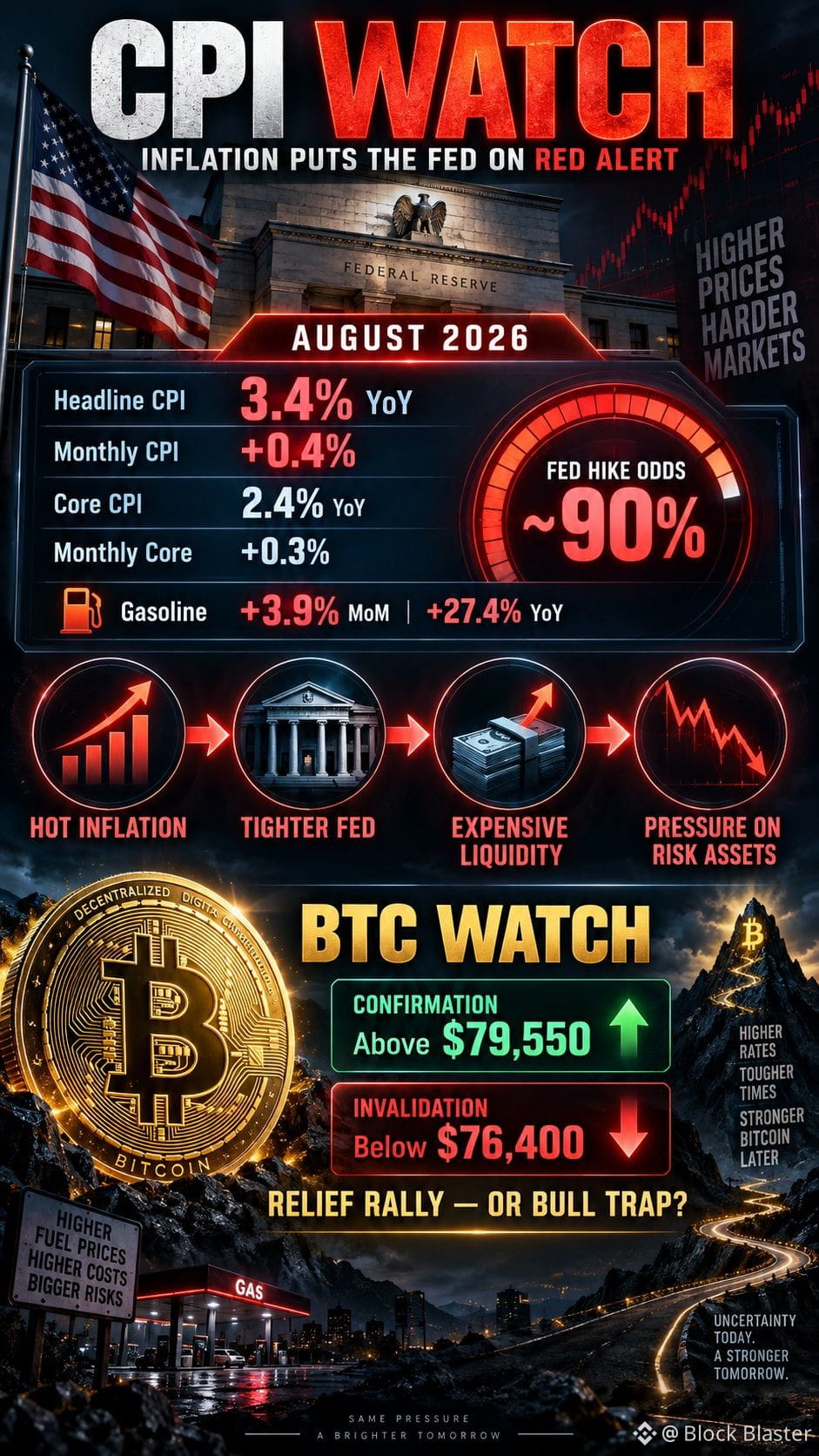
#CPIWatch — インフレが“ただちに”FRBをレッドアラートにした 🚨
数字を確認したところ、見出しは落ち着いて見えるものの、その下では圧力が積み上がっています。
🇺🇸 8月のCPI:
• 見出し:前年比 +3.4%
• 月次CPI:+0.4%
• コアCPI:前年比 +2.4%
• 月次コア:+0.3%(市場予想の+0.2%を上回り)
• ガソリン:前月比 +3.9% / 前年比 +27.4%
ガソリンだけで月次CPIの上昇の3分の1超を占め、また住居費(シェルター)は+0.3%でした。年次のコア水準は鈍化したものの、より高い月次の数字は、インフレが打ち負かされたわけではないことを示しています。("BLS" (https://www.bls.gov/news.release/cpi.nr0.htm))
市場の反応は鋭く、9月16日の25bpのFRB利上げ確率は約90%まで急騰しました(およそ70%から上昇)。("Reuters" (https://www.reuters.com/business/view-august-core-inflation-reading-boosts-rate-hike-expectations-2026-09-11/))
ビットコインは当初、約79,000ドル付近まで反発しましたが、現在は約77,300ドルです。これは、最初の安心材料よりも“高金利観測”が勝ってしまう可能性への警告です。
方程式はシンプルです:
高いインフレ → よりタイトなFRB → 高コストな流動性 → リスク資産への圧力。
BTCが79,550ドルを上回る回復を見せれば、強気の反応がさらに強まります。日中安値の76,400ドルを失うと、より深いリスクオフの動きが露出するかもしれません。
CPIの“安堵”は本物?それともFRBの判断前のバウンス(罠)だったのでしょうか?
#Bitcoin #BTC #Crypto
#CPIWatch — インフレが“ただちに”FRBをレッドアラートにした 🚨
数字を確認したところ、見出しは落ち着いて見えるものの、その下では圧力が積み上がっています。
🇺🇸 8月のCPI:
• 見出し:前年比 +3.4%
• 月次CPI:+0.4%
• コアCPI:前年比 +2.4%
• 月次コア:+0.3%(市場予想の+0.2%を上回り)
• ガソリン:前月比 +3.9% / 前年比 +27.4%
ガソリンだけで月次CPIの上昇の3分の1超を占め、また住居費(シェルター)は+0.3%でした。年次のコア水準は鈍化したものの、より高い月次の数字は、インフレが打ち負かされたわけではないことを示しています。("BLS" (https://www.bls.gov/news.release/cpi.nr0.htm))
市場の反応は鋭く、9月16日の25bpのFRB利上げ確率は約90%まで急騰しました(およそ70%から上昇)。("Reuters" (https://www.reuters.com/business/view-august-core-inflation-reading-boosts-rate-hike-expectations-2026-09-11/))
ビットコインは当初、約79,000ドル付近まで反発しましたが、現在は約77,300ドルです。これは、最初の安心材料よりも“高金利観測”が勝ってしまう可能性への警告です。
方程式はシンプルです:
高いインフレ → よりタイトなFRB → 高コストな流動性 → リスク資産への圧力。
BTCが79,550ドルを上回る回復を見せれば、強気の反応がさらに強まります。日中安値の76,400ドルを失うと、より深いリスクオフの動きが露出するかもしれません。
CPIの“安堵”は本物?それともFRBの判断前のバウンス(罠)だったのでしょうか?
#Bitcoin #BTC #Crypto
数字を確認したところ、見出しは落ち着いて見えるものの、その下では圧力が積み上がっています。
🇺🇸 8月のCPI:
• 見出し:前年比 +3.4%
• 月次CPI:+0.4%
• コアCPI:前年比 +2.4%
• 月次コア:+0.3%(市場予想の+0.2%を上回り)
• ガソリン:前月比 +3.9% / 前年比 +27.4%
ガソリンだけで月次CPIの上昇の3分の1超を占め、また住居費(シェルター)は+0.3%でした。年次のコア水準は鈍化したものの、より高い月次の数字は、インフレが打ち負かされたわけではないことを示しています。("BLS" (https://www.bls.gov/news.release/cpi.nr0.htm))
市場の反応は鋭く、9月16日の25bpのFRB利上げ確率は約90%まで急騰しました(およそ70%から上昇)。("Reuters" (https://www.reuters.com/business/view-august-core-inflation-reading-boosts-rate-hike-expectations-2026-09-11/))
ビットコインは当初、約79,000ドル付近まで反発しましたが、現在は約77,300ドルです。これは、最初の安心材料よりも“高金利観測”が勝ってしまう可能性への警告です。
方程式はシンプルです:
高いインフレ → よりタイトなFRB → 高コストな流動性 → リスク資産への圧力。
BTCが79,550ドルを上回る回復を見せれば、強気の反応がさらに強まります。日中安値の76,400ドルを失うと、より深いリスクオフの動きが露出するかもしれません。
CPIの“安堵”は本物?それともFRBの判断前のバウンス(罠)だったのでしょうか?
#Bitcoin #BTC #Crypto
1
156
·
--
ブリッシュ
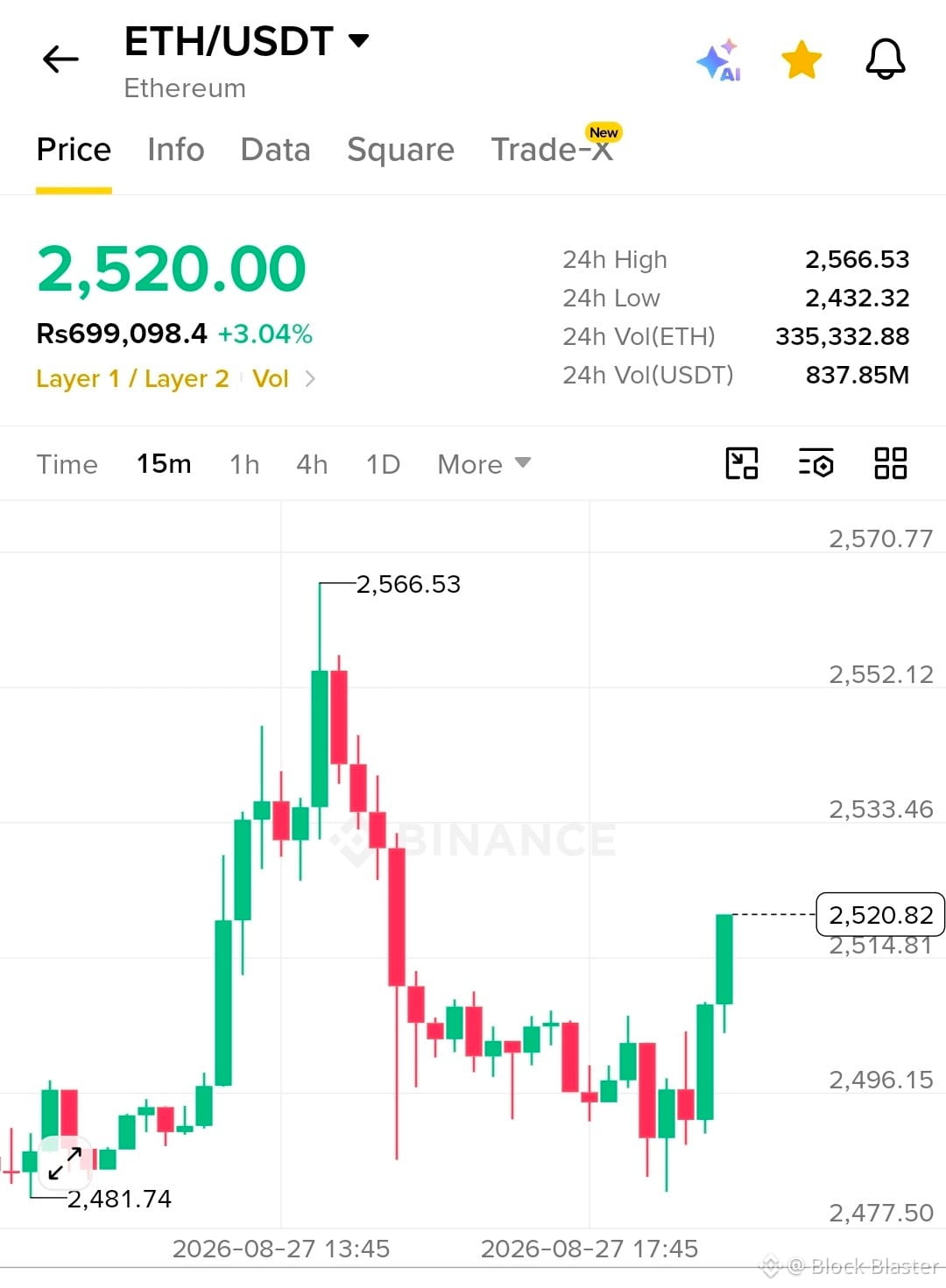
$ETH は懸命に反撃している。🔥
イーサリアムは$2,520を取り戻し、24時間で約3%上昇した(Binanceのスナップショット時点)。買い手が$2,480〜$2,490のエリアを防衛したためだ。直近の戦場は$2,566—本日の高値(ローカルハイ)。明確なブレイクが起こればさらなる上昇の扉が開く可能性がある。一方で$2,480を失うと、この反発は弱まるだろう。
そして、この動きの裏には本当の燃料がある。報道によれば、米国の現物ETH ETFは8月26日に約$184Mの純流入を記録し、7日連続の流入記録を延長した。さらに、イーサリアムの予定されているGlamsterdamアップグレードも、もう一つ重要なストーリーとなっている。
ETHの買い手には勢いがある。あとはブレイクアウトを必要としている。👀🚀
$ETH は懸命に反撃している。🔥
イーサリアムは$2,520を取り戻し、24時間で約3%上昇した(Binanceのスナップショット時点)。買い手が$2,480〜$2,490のエリアを防衛したためだ。直近の戦場は$2,566—本日の高値(ローカルハイ)。明確なブレイクが起こればさらなる上昇の扉が開く可能性がある。一方で$2,480を失うと、この反発は弱まるだろう。
そして、この動きの裏には本当の燃料がある。報道によれば、米国の現物ETH ETFは8月26日に約$184Mの純流入を記録し、7日連続の流入記録を延長した。さらに、イーサリアムの予定されているGlamsterdamアップグレードも、もう一つ重要なストーリーとなっている。
ETHの買い手には勢いがある。あとはブレイクアウトを必要としている。👀🚀
イーサリアムは$2,520を取り戻し、24時間で約3%上昇した(Binanceのスナップショット時点)。買い手が$2,480〜$2,490のエリアを防衛したためだ。直近の戦場は$2,566—本日の高値(ローカルハイ)。明確なブレイクが起こればさらなる上昇の扉が開く可能性がある。一方で$2,480を失うと、この反発は弱まるだろう。
そして、この動きの裏には本当の燃料がある。報道によれば、米国の現物ETH ETFは8月26日に約$184Mの純流入を記録し、7日連続の流入記録を延長した。さらに、イーサリアムの予定されているGlamsterdamアップグレードも、もう一つ重要なストーリーとなっている。
ETHの買い手には勢いがある。あとはブレイクアウトを必要としている。👀🚀
2
185
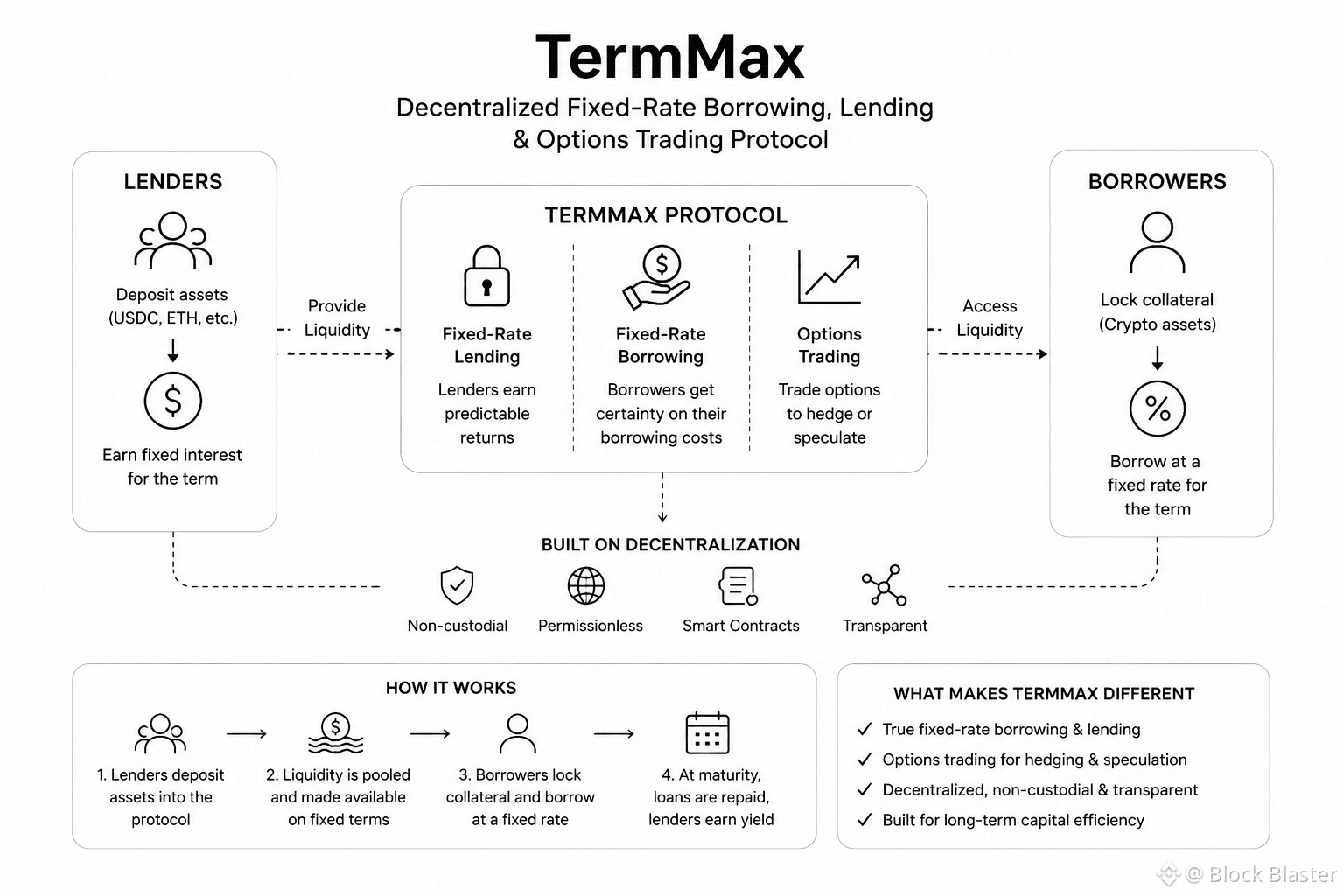
TermMaxについて調べ始めたのは、メインストーリーが固定金利の貸付であると考えていたからです。知っている金利で借り、予測可能なリターンで貸す。とても分かりやすい話です。
でも掘り下げてみると、もっと面白い問いはずっとシンプルなものだと思えてきました。
人々は本当に、固定金利のローンを必要としてここに来ているのでしょうか?
TVLだけでは答えは出せません。
DeFiには、次に魅力的な利回りやインセンティブが現れた場所へと動く十分な資本があります。預けた資金はすぐに集まって、同じくらい素早く引き揚げられます。借り手は偽物にしにくい。
だからこそ、私がTermMaxでより注目しているのは、流動性がどれだけ預けられるかという量よりも、借り手が何をしているかです。
もう一つ、このタイミングの要素も興味深い点です。変動金利が安いときは、金利を固定することの重要性はあまり感じられません。でも市場が荒れて、借入コストがあちこちで跳ね上がり始めると、自分が結局いくら支払うことになるのかを正確に把握している価値が急に上がります。
これは、金利の不確実性に対する保険みたいなものです。誰も傘のことは雲が出てくるまではあまり考えません。
もしかするとTermMaxは、この点を軸に安定した需要を作り上げられるかもしれません。あるいは、ユーザーは依然として変動金利市場の柔軟性を好むのかもしれません。
いずれにせよ、TVLだけでは全体像は語れないと思います。
私にとって本当のシグナルは、追加のニンジンで資金を引きつけていない状態でも、借り手が繰り返し戻ってくるかどうかです。
それを見ています。
@termmax #TermMax
TermMaxについて調べ始めたのは、メインストーリーが固定金利の貸付であると考えていたからです。知っている金利で借り、予測可能なリターンで貸す。とても分かりやすい話です。
でも掘り下げてみると、もっと面白い問いはずっとシンプルなものだと思えてきました。
人々は本当に、固定金利のローンを必要としてここに来ているのでしょうか?
TVLだけでは答えは出せません。
DeFiには、次に魅力的な利回りやインセンティブが現れた場所へと動く十分な資本があります。預けた資金はすぐに集まって、同じくらい素早く引き揚げられます。借り手は偽物にしにくい。
だからこそ、私がTermMaxでより注目しているのは、流動性がどれだけ預けられるかという量よりも、借り手が何をしているかです。
もう一つ、このタイミングの要素も興味深い点です。変動金利が安いときは、金利を固定することの重要性はあまり感じられません。でも市場が荒れて、借入コストがあちこちで跳ね上がり始めると、自分が結局いくら支払うことになるのかを正確に把握している価値が急に上がります。
これは、金利の不確実性に対する保険みたいなものです。誰も傘のことは雲が出てくるまではあまり考えません。
もしかするとTermMaxは、この点を軸に安定した需要を作り上げられるかもしれません。あるいは、ユーザーは依然として変動金利市場の柔軟性を好むのかもしれません。
いずれにせよ、TVLだけでは全体像は語れないと思います。
私にとって本当のシグナルは、追加のニンジンで資金を引きつけていない状態でも、借り手が繰り返し戻ってくるかどうかです。
それを見ています。
@TermMax #TermMax
でも掘り下げてみると、もっと面白い問いはずっとシンプルなものだと思えてきました。
人々は本当に、固定金利のローンを必要としてここに来ているのでしょうか?
TVLだけでは答えは出せません。
DeFiには、次に魅力的な利回りやインセンティブが現れた場所へと動く十分な資本があります。預けた資金はすぐに集まって、同じくらい素早く引き揚げられます。借り手は偽物にしにくい。
だからこそ、私がTermMaxでより注目しているのは、流動性がどれだけ預けられるかという量よりも、借り手が何をしているかです。
もう一つ、このタイミングの要素も興味深い点です。変動金利が安いときは、金利を固定することの重要性はあまり感じられません。でも市場が荒れて、借入コストがあちこちで跳ね上がり始めると、自分が結局いくら支払うことになるのかを正確に把握している価値が急に上がります。
これは、金利の不確実性に対する保険みたいなものです。誰も傘のことは雲が出てくるまではあまり考えません。
もしかするとTermMaxは、この点を軸に安定した需要を作り上げられるかもしれません。あるいは、ユーザーは依然として変動金利市場の柔軟性を好むのかもしれません。
いずれにせよ、TVLだけでは全体像は語れないと思います。
私にとって本当のシグナルは、追加のニンジンで資金を引きつけていない状態でも、借り手が繰り返し戻ってくるかどうかです。
それを見ています。
@TermMax #TermMax
3
477
·
--
ブリッシュ
固定金利の借入が面白そうだと思って、TermMaxを掘り下げ始めました。
でも見ていくほど、借入が実際の主役なのか疑問に思うようになりました。
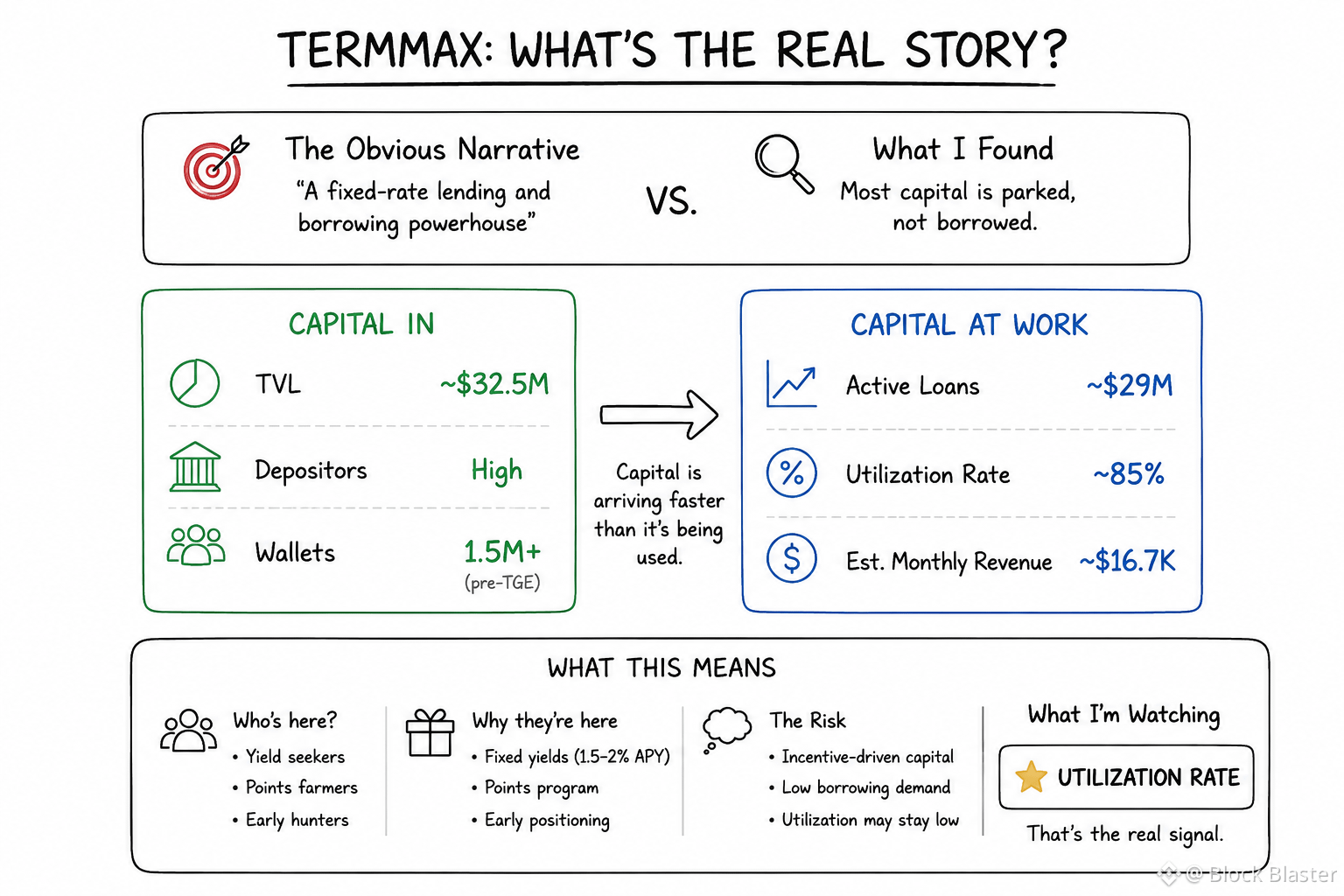
多くの資本は、貸出プロトコルの中にあまり動かずに滞留することがあります。TVLはダッシュボード上では見栄えがしますが、預金と実際の借入需要は別物です。
つまり、半分の車が一度も出てこないような、忙しい駐車場みたいなものです。
だから私は、TermMaxがどれくらいのお金を集めているかよりも、人々がそれを実際にどう使っているのかに関心があります。
借入が預金に追いついてきたら、状況は変わります。
追いつかなければ、見出しのTVLはそれほど重要ではなくなります。
そのギャップこそが、私が注目しているところです。
@termmax #TermMax
固定金利の借入が面白そうだと思って、TermMaxを掘り下げ始めました。
でも見ていくほど、借入が実際の主役なのか疑問に思うようになりました。
多くの資本は、貸出プロトコルの中にあまり動かずに滞留することがあります。TVLはダッシュボード上では見栄えがしますが、預金と実際の借入需要は別物です。
つまり、半分の車が一度も出てこないような、忙しい駐車場みたいなものです。
だから私は、TermMaxがどれくらいのお金を集めているかよりも、人々がそれを実際にどう使っているのかに関心があります。
借入が預金に追いついてきたら、状況は変わります。
追いつかなければ、見出しのTVLはそれほど重要ではなくなります。
そのギャップこそが、私が注目しているところです。
@TermMax #TermMax
でも見ていくほど、借入が実際の主役なのか疑問に思うようになりました。
多くの資本は、貸出プロトコルの中にあまり動かずに滞留することがあります。TVLはダッシュボード上では見栄えがしますが、預金と実際の借入需要は別物です。
つまり、半分の車が一度も出てこないような、忙しい駐車場みたいなものです。
だから私は、TermMaxがどれくらいのお金を集めているかよりも、人々がそれを実際にどう使っているのかに関心があります。
借入が預金に追いついてきたら、状況は変わります。
追いつかなければ、見出しのTVLはそれほど重要ではなくなります。
そのギャップこそが、私が注目しているところです。
@TermMax #TermMax
1
1
179
@termmax #TermMax
私は、TermMaxの「固定金利」が通常の貸出市場と同じように機能していて、借り入れ時に金利が単純に固定されるのだとずっと思い込んでいました。
見落としていたのは、固定費が実際にはその負債トークンの取引の仕方から来ているという点です。
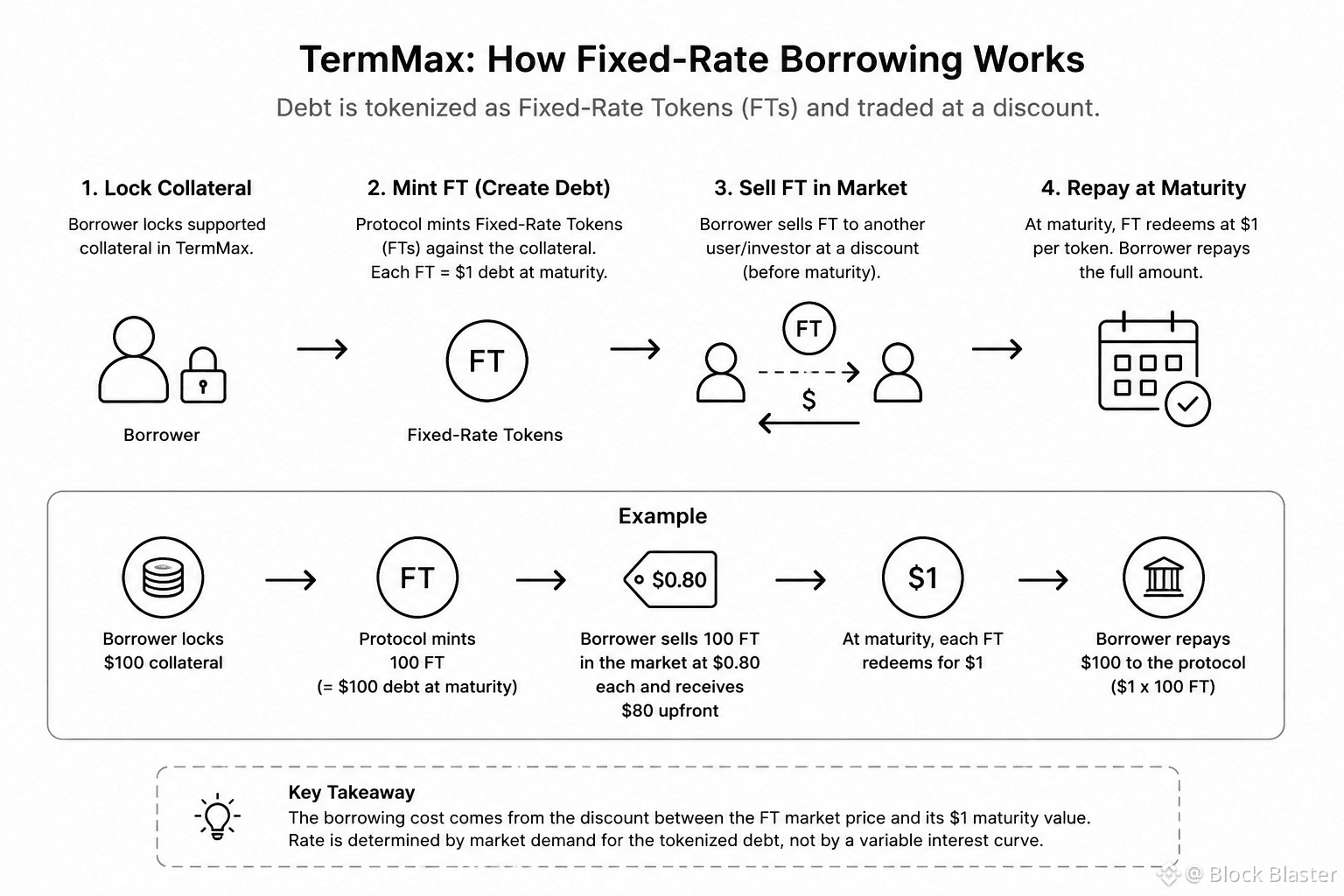
借り手は、担保化されたポジションに対して固定金利トークン(Fixed-Rate Tokens)を発行します。これらのトークンには満期時の既知の価値がありますが、今日ではその価値よりも安く売却できます。例えば、FTが後で$1で決済される一方で、市場がそれを現在$0.80で買うなら、借り手は前払いで$0.80を受け取り、$1の返済義務を負います。
この$0.20の差が、基本的に借入コストです。
私の見方が変わったのは、金利が単にプロトコルによって割り当てられる「数字」ではなく、その将来の返済に対して誰かが支払う意思のある価格から生まれるものだということです。
それによって借り手にとって構造はより予測しやすくなりますが、一方で流動性そのものが金利の一部になることも意味します。最終的な負債額がすでに分かっていても、需要が薄ければ資金調達が高くつきえます。
この設計が筋が通っている理由も分かります。利用率曲線が常に変動することに頼らず、市場が価格付けを行うからです。
ただ、それによって実際に固定金利DeFiがよりクリーンになるのか、それとも単にトークンの流動性の中に金利リスクを隠しているだけなのか、という点はどうなのでしょうか?
@TermMax #TermMax
私は、TermMaxの「固定金利」が通常の貸出市場と同じように機能していて、借り入れ時に金利が単純に固定されるのだとずっと思い込んでいました。
見落としていたのは、固定費が実際にはその負債トークンの取引の仕方から来ているという点です。
借り手は、担保化されたポジションに対して固定金利トークン(Fixed-Rate Tokens)を発行します。これらのトークンには満期時の既知の価値がありますが、今日ではその価値よりも安く売却できます。例えば、FTが後で$1で決済される一方で、市場がそれを現在$0.80で買うなら、借り手は前払いで$0.80を受け取り、$1の返済義務を負います。
この$0.20の差が、基本的に借入コストです。
私の見方が変わったのは、金利が単にプロトコルによって割り当てられる「数字」ではなく、その将来の返済に対して誰かが支払う意思のある価格から生まれるものだということです。
それによって借り手にとって構造はより予測しやすくなりますが、一方で流動性そのものが金利の一部になることも意味します。最終的な負債額がすでに分かっていても、需要が薄ければ資金調達が高くつきえます。
この設計が筋が通っている理由も分かります。利用率曲線が常に変動することに頼らず、市場が価格付けを行うからです。
ただ、それによって実際に固定金利DeFiがよりクリーンになるのか、それとも単にトークンの流動性の中に金利リスクを隠しているだけなのか、という点はどうなのでしょうか?
私は、TermMaxの「固定金利」が通常の貸出市場と同じように機能していて、借り入れ時に金利が単純に固定されるのだとずっと思い込んでいました。
見落としていたのは、固定費が実際にはその負債トークンの取引の仕方から来ているという点です。
借り手は、担保化されたポジションに対して固定金利トークン(Fixed-Rate Tokens)を発行します。これらのトークンには満期時の既知の価値がありますが、今日ではその価値よりも安く売却できます。例えば、FTが後で$1で決済される一方で、市場がそれを現在$0.80で買うなら、借り手は前払いで$0.80を受け取り、$1の返済義務を負います。
この$0.20の差が、基本的に借入コストです。
私の見方が変わったのは、金利が単にプロトコルによって割り当てられる「数字」ではなく、その将来の返済に対して誰かが支払う意思のある価格から生まれるものだということです。
それによって借り手にとって構造はより予測しやすくなりますが、一方で流動性そのものが金利の一部になることも意味します。最終的な負債額がすでに分かっていても、需要が薄ければ資金調達が高くつきえます。
この設計が筋が通っている理由も分かります。利用率曲線が常に変動することに頼らず、市場が価格付けを行うからです。
ただ、それによって実際に固定金利DeFiがよりクリーンになるのか、それとも単にトークンの流動性の中に金利リスクを隠しているだけなのか、という点はどうなのでしょうか?
2
2
220
·
--
ブリッシュ
@Dusk_Foundation #dusk $DUSK #Dusk
Dusk Networkには興味が湧きますが、難しい問いを無視するほどではありません。仮想通貨は、面白いアイデアでも常に成功するプロダクトになるとは限らないことを教えてくれました。
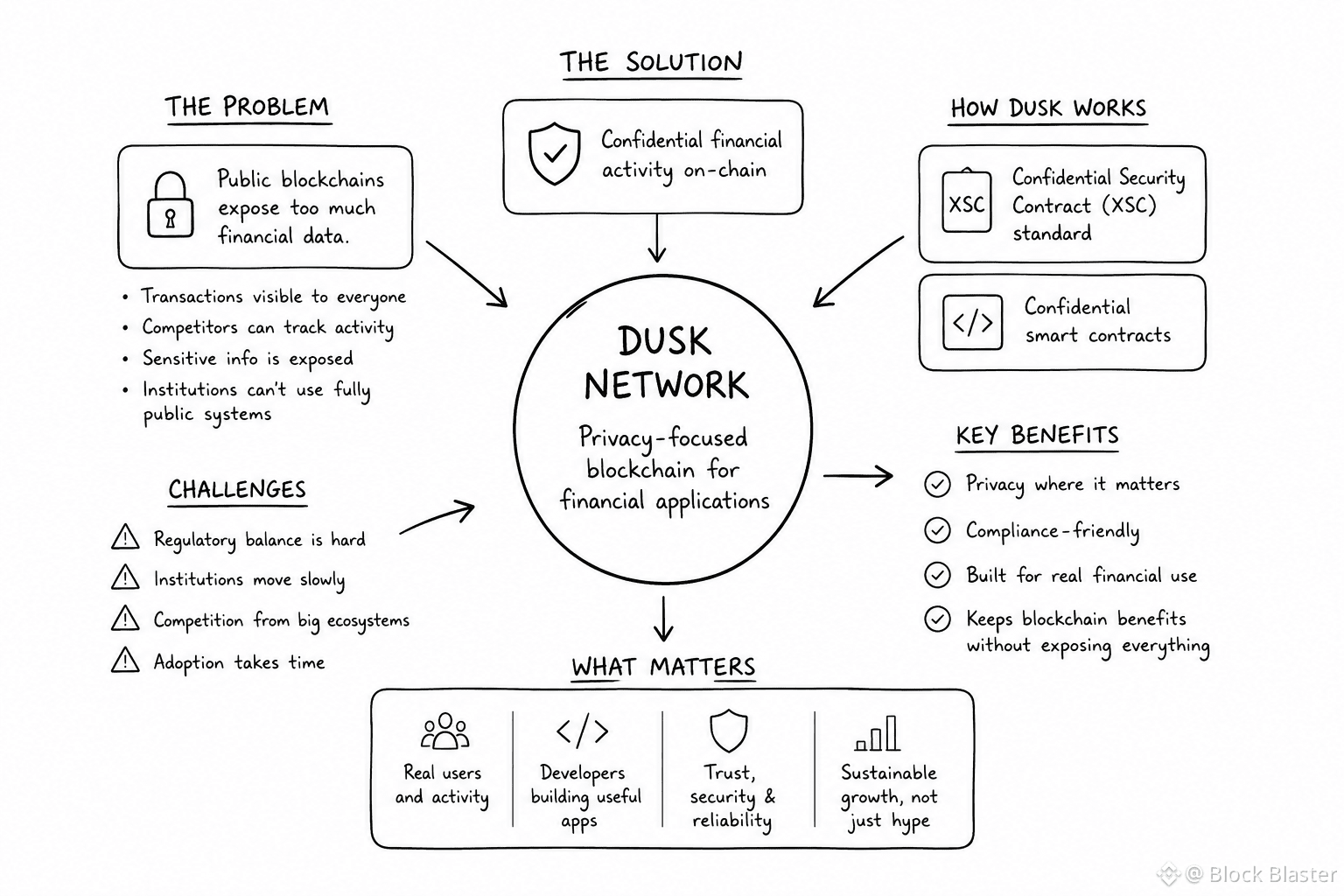
Duskは、金融アプリケーション向けのプライバシーに焦点を当てたレイヤー1ブロックチェーンです。機密スマートコントラクトとXSC標準を通じて、必要な検証を可能にしながら機微情報を保護することを目指しています。
正直に言うと、問題は現実です。パブリック・ブロックチェーンは残高、取引、ウォレットの活動を公開してしまい、多くの金融機関には不向きです。
Duskは、完全な透明性と完全な秘匿性の間に落としどころを見つけようとしています。しかし、投資家を検証し、資格情報を管理し、制限を施行し、情報が開示されるタイミングを判断するのは、誰かでなければなりません。
良いプライバシー技術だけでは導入は広がりません。Duskが必要とするのは、開発者、機関、取引所、投資家、そして規制当局に、ネットワークを信頼して利用してもらうことです。
DUSKトークンは手数料やステーキングに使われますが、その目的が納得できるものに感じられるのは、本物の金融活動が伴って初めてでしょう。
Duskはブロックチェーン金融の現実的な弱点に取り組んでいますが、現実の問題があるからといって成功する解決策が保証されるわけではありません。
うまくいくかもしれないし、うまくいかないかもしれません。今のところ、Duskには無邪気な熱狂ではなく、慎重な注目がふさわしいです。
@Dusk #dusk $DUSK #Dusk
Dusk Networkには興味が湧きますが、難しい問いを無視するほどではありません。仮想通貨は、面白いアイデアでも常に成功するプロダクトになるとは限らないことを教えてくれました。
Duskは、金融アプリケーション向けのプライバシーに焦点を当てたレイヤー1ブロックチェーンです。機密スマートコントラクトとXSC標準を通じて、必要な検証を可能にしながら機微情報を保護することを目指しています。
正直に言うと、問題は現実です。パブリック・ブロックチェーンは残高、取引、ウォレットの活動を公開してしまい、多くの金融機関には不向きです。
Duskは、完全な透明性と完全な秘匿性の間に落としどころを見つけようとしています。しかし、投資家を検証し、資格情報を管理し、制限を施行し、情報が開示されるタイミングを判断するのは、誰かでなければなりません。
良いプライバシー技術だけでは導入は広がりません。Duskが必要とするのは、開発者、機関、取引所、投資家、そして規制当局に、ネットワークを信頼して利用してもらうことです。
DUSKトークンは手数料やステーキングに使われますが、その目的が納得できるものに感じられるのは、本物の金融活動が伴って初めてでしょう。
Duskはブロックチェーン金融の現実的な弱点に取り組んでいますが、現実の問題があるからといって成功する解決策が保証されるわけではありません。
うまくいくかもしれないし、うまくいかないかもしれません。今のところ、Duskには無邪気な熱狂ではなく、慎重な注目がふさわしいです。
Dusk Networkには興味が湧きますが、難しい問いを無視するほどではありません。仮想通貨は、面白いアイデアでも常に成功するプロダクトになるとは限らないことを教えてくれました。
Duskは、金融アプリケーション向けのプライバシーに焦点を当てたレイヤー1ブロックチェーンです。機密スマートコントラクトとXSC標準を通じて、必要な検証を可能にしながら機微情報を保護することを目指しています。
正直に言うと、問題は現実です。パブリック・ブロックチェーンは残高、取引、ウォレットの活動を公開してしまい、多くの金融機関には不向きです。
Duskは、完全な透明性と完全な秘匿性の間に落としどころを見つけようとしています。しかし、投資家を検証し、資格情報を管理し、制限を施行し、情報が開示されるタイミングを判断するのは、誰かでなければなりません。
良いプライバシー技術だけでは導入は広がりません。Duskが必要とするのは、開発者、機関、取引所、投資家、そして規制当局に、ネットワークを信頼して利用してもらうことです。
DUSKトークンは手数料やステーキングに使われますが、その目的が納得できるものに感じられるのは、本物の金融活動が伴って初めてでしょう。
Duskはブロックチェーン金融の現実的な弱点に取り組んでいますが、現実の問題があるからといって成功する解決策が保証されるわけではありません。
うまくいくかもしれないし、うまくいかないかもしれません。今のところ、Duskには無邪気な熱狂ではなく、慎重な注目がふさわしいです。
3
4
272
·
--
ブリッシュ
$BNB 炸裂のローディング?
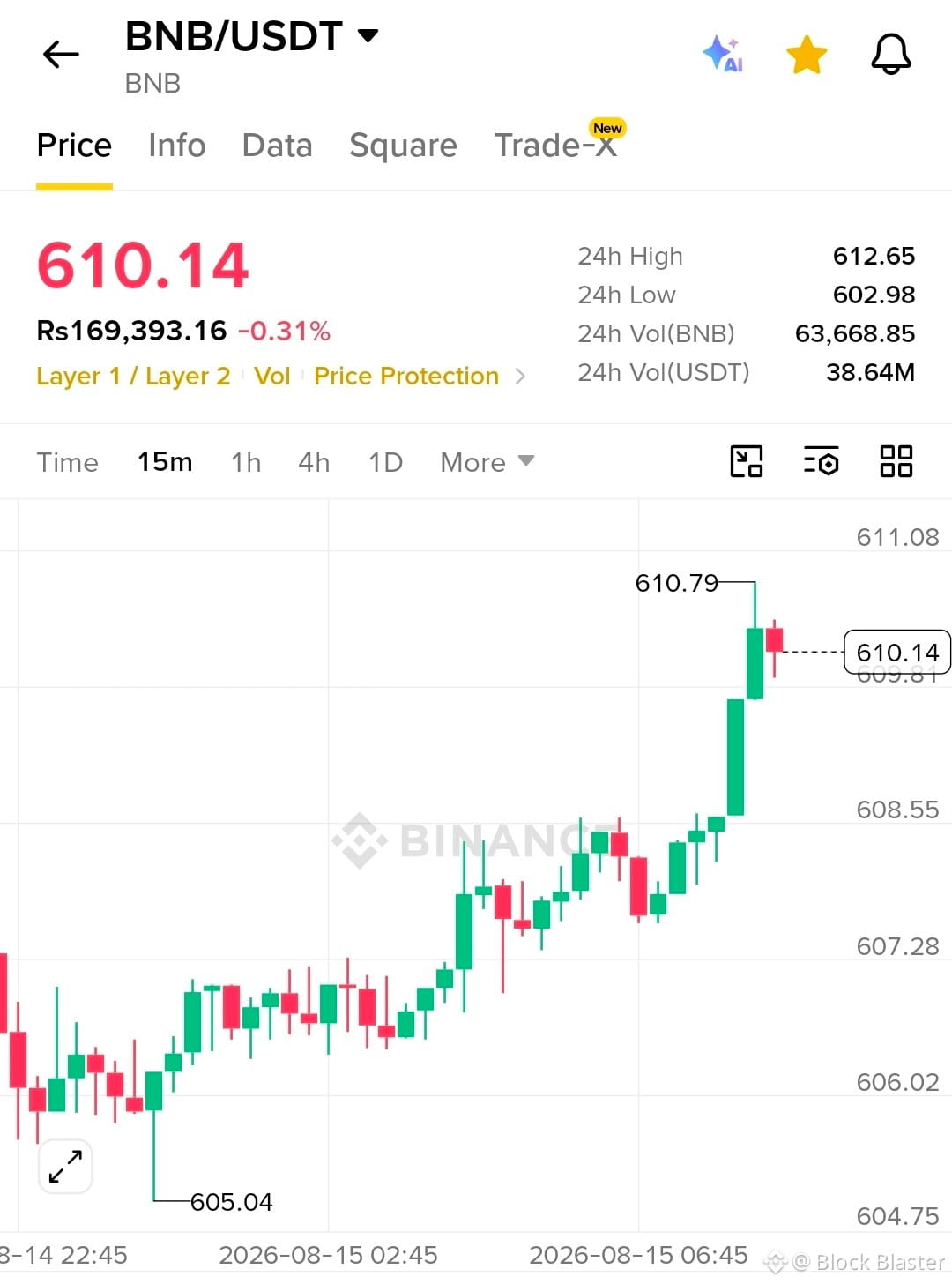
BNBは15Mチャートで強い勢いを見せており、$605.04からローカル高値の$610.79まで押し上げています。現在の価格は約$610.14で、24H高値は$612.65です。
LONG(買い)セットアップ
EP: $609.80–$610.20
TP1: $610.80
TP2: $612.00
TP3: $612.60
SL: $608.40
強気派には勢いがありますが、$610.79–$612.65が重要なレジスタンスゾーンです。綺麗なブレイクアウトが起これば、次の上昇の扉が開くかもしれません。
さあBNB!
※投資助言ではありません。リスク管理を行ってください。
$BNB 炸裂のローディング?
BNBは15Mチャートで強い勢いを見せており、$605.04からローカル高値の$610.79まで押し上げています。現在の価格は約$610.14で、24H高値は$612.65です。
LONG(買い)セットアップ
EP: $609.80–$610.20
TP1: $610.80
TP2: $612.00
TP3: $612.60
SL: $608.40
強気派には勢いがありますが、$610.79–$612.65が重要なレジスタンスゾーンです。綺麗なブレイクアウトが起これば、次の上昇の扉が開くかもしれません。
さあBNB!
※投資助言ではありません。リスク管理を行ってください。
BNBは15Mチャートで強い勢いを見せており、$605.04からローカル高値の$610.79まで押し上げています。現在の価格は約$610.14で、24H高値は$612.65です。
LONG(買い)セットアップ
EP: $609.80–$610.20
TP1: $610.80
TP2: $612.00
TP3: $612.60
SL: $608.40
強気派には勢いがありますが、$610.79–$612.65が重要なレジスタンスゾーンです。綺麗なブレイクアウトが起これば、次の上昇の扉が開くかもしれません。
さあBNB!
※投資助言ではありません。リスク管理を行ってください。
148
·
--
ブリッシュ
@Dusk_Foundation #dusk $DUSK #Dusk
Dusk Networkは、派手なストーリーがなくても成り立つタイプのプロジェクトのひとつです。
その焦点は、機密性の高い金融活動にあります。取り組むべき現実的な課題を捉えているのです。すなわち、公的なブロックチェーンは、真剣な金融にとっては情報を出しすぎてしまうということです。
率直に言うと、この領域でのプライバシーは「機能」というより、基本的なインフラのように感じます。
とはいえ、導入が簡単だというわけではありません。機関は動きが遅く、規制は複雑であり、また優れた技術だけでは決して十分ではありません。
しかし、問題自体は確かに現実のものです。
Duskがそのバランスをうまく取れているのか、それともそうではないのか——それはこれからです。
少なくとも私は、誇大な期待(ハイプ)を軸に作られた別のプロジェクトよりも、現実の金融インフラを直そうとしているものを見ていたいと思います。
@Dusk #dusk $DUSK #Dusk
Dusk Networkは、派手なストーリーがなくても成り立つタイプのプロジェクトのひとつです。
その焦点は、機密性の高い金融活動にあります。取り組むべき現実的な課題を捉えているのです。すなわち、公的なブロックチェーンは、真剣な金融にとっては情報を出しすぎてしまうということです。
率直に言うと、この領域でのプライバシーは「機能」というより、基本的なインフラのように感じます。
とはいえ、導入が簡単だというわけではありません。機関は動きが遅く、規制は複雑であり、また優れた技術だけでは決して十分ではありません。
しかし、問題自体は確かに現実のものです。
Duskがそのバランスをうまく取れているのか、それともそうではないのか——それはこれからです。
少なくとも私は、誇大な期待(ハイプ)を軸に作られた別のプロジェクトよりも、現実の金融インフラを直そうとしているものを見ていたいと思います。
Dusk Networkは、派手なストーリーがなくても成り立つタイプのプロジェクトのひとつです。
その焦点は、機密性の高い金融活動にあります。取り組むべき現実的な課題を捉えているのです。すなわち、公的なブロックチェーンは、真剣な金融にとっては情報を出しすぎてしまうということです。
率直に言うと、この領域でのプライバシーは「機能」というより、基本的なインフラのように感じます。
とはいえ、導入が簡単だというわけではありません。機関は動きが遅く、規制は複雑であり、また優れた技術だけでは決して十分ではありません。
しかし、問題自体は確かに現実のものです。
Duskがそのバランスをうまく取れているのか、それともそうではないのか——それはこれからです。
少なくとも私は、誇大な期待(ハイプ)を軸に作られた別のプロジェクトよりも、現実の金融インフラを直そうとしているものを見ていたいと思います。
5
2
183
·
--
ブリッシュ
@Dusk_Foundation #dusk #Dusk $DUSK
Dusk Networkが面白いのは、実際に重要な問題――すなわち金融プライバシー――に取り組んでいるからです。
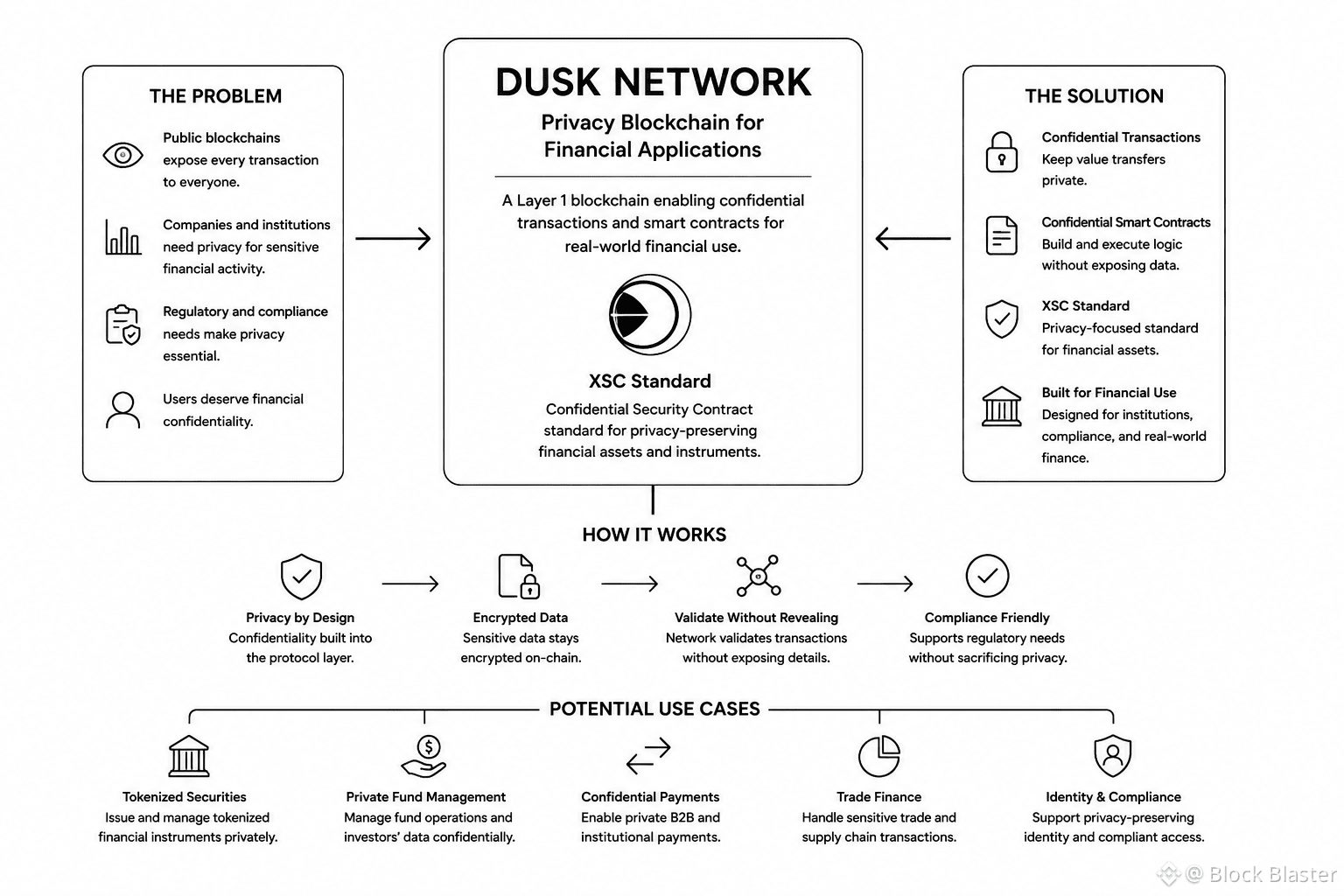
パブリック・ブロックチェーンはほとんどすべてを可視化しますが、現実の金融活動はしばしば秘匿性が必要です。Duskは、プライバシーに重点を置いたインフラストラクチャと機密スマートコントラクトによって、この課題に対処しようとしています。
考え方は筋が通っていますが、技術だけでは十分ではありません。真の試練は導入(アダプション)です。開発者、機関、規制のある金融アプリは、Duskを使う明確な理由を見つけられるのでしょうか?
使うかもしれないし、使わないかもしれません。ともあれ、問題は現実です――そして実行(サービス)は、その有効性を証明し続けなければなりません。
@Dusk #dusk #Dusk $DUSK
Dusk Networkが面白いのは、実際に重要な問題――すなわち金融プライバシー――に取り組んでいるからです。
パブリック・ブロックチェーンはほとんどすべてを可視化しますが、現実の金融活動はしばしば秘匿性が必要です。Duskは、プライバシーに重点を置いたインフラストラクチャと機密スマートコントラクトによって、この課題に対処しようとしています。
考え方は筋が通っていますが、技術だけでは十分ではありません。真の試練は導入(アダプション)です。開発者、機関、規制のある金融アプリは、Duskを使う明確な理由を見つけられるのでしょうか?
使うかもしれないし、使わないかもしれません。ともあれ、問題は現実です――そして実行(サービス)は、その有効性を証明し続けなければなりません。
Dusk Networkが面白いのは、実際に重要な問題――すなわち金融プライバシー――に取り組んでいるからです。
パブリック・ブロックチェーンはほとんどすべてを可視化しますが、現実の金融活動はしばしば秘匿性が必要です。Duskは、プライバシーに重点を置いたインフラストラクチャと機密スマートコントラクトによって、この課題に対処しようとしています。
考え方は筋が通っていますが、技術だけでは十分ではありません。真の試練は導入(アダプション)です。開発者、機関、規制のある金融アプリは、Duskを使う明確な理由を見つけられるのでしょうか?
使うかもしれないし、使わないかもしれません。ともあれ、問題は現実です――そして実行(サービス)は、その有効性を証明し続けなければなりません。
1
232
·
--
ブリッシュ
@babylonlabs_io #baby $BABY
最近バビロンについて考えていました。
それが確実に大成功になるからではありません。暗号資産が、そうした楽観的な考え方に対して私を懐疑的にさせてきました。
私の関心を引いたのは、解決しようとしている課題です。
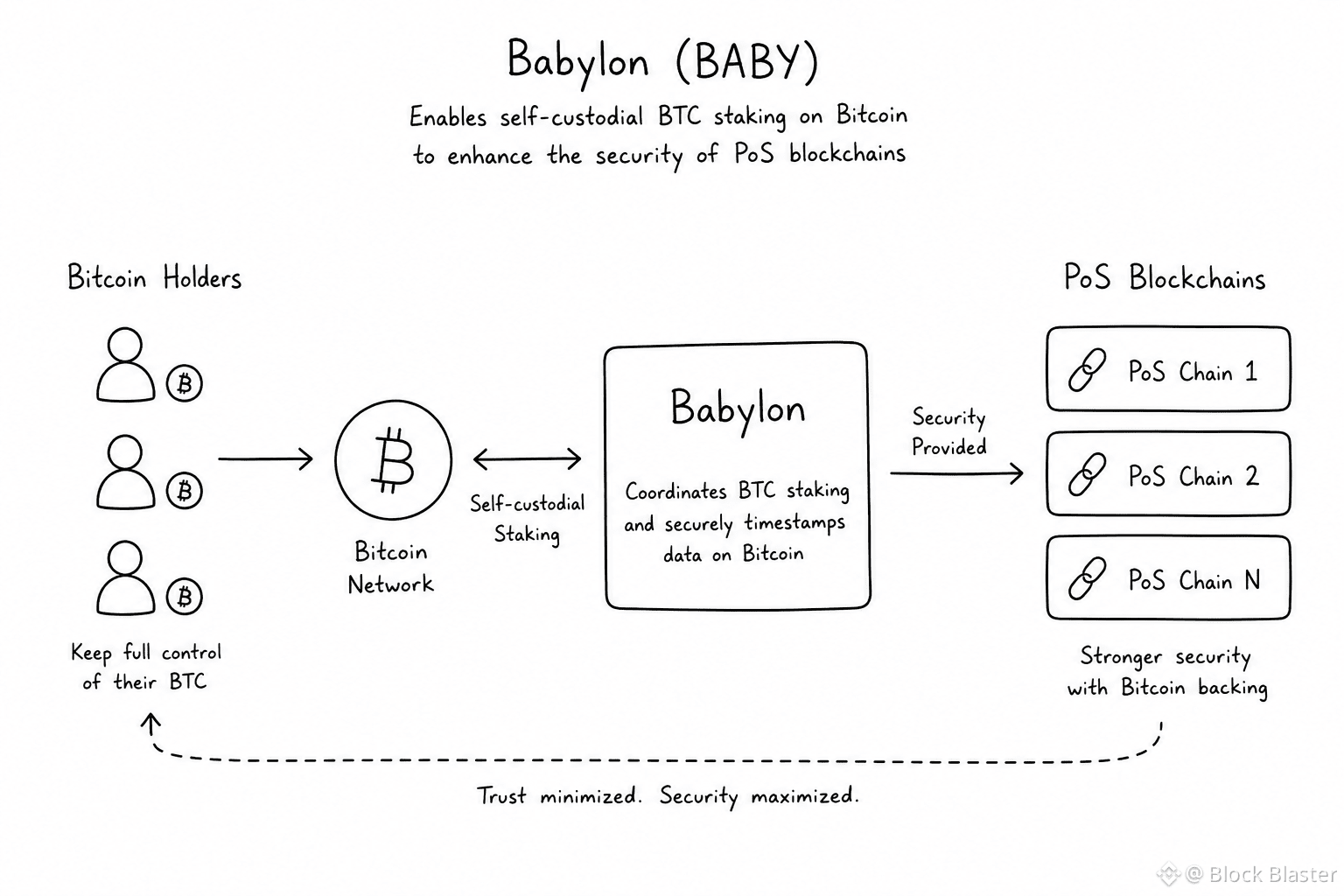
ビットコインは暗号資産の中で最大の資産ですが、その多くはただそこに置かれているだけで、新しいネットワークがセキュリティをゼロから作ろうとし続けています。これは私にはあまり筋が通っているように思えませんでした。
また、自主保管から会話が始まるのもいいですね。これまでに見てきたこと――取引所の崩壊、ハッキングされたブリッジ、凍結された出金――がある中で、別の仲介者を信じてくれと頼むのは、もはや勝てる売り込み文句ではありません。
とはいえ、私はまだ慎重です。
インフラを作るのは大変です。実際に人々に使ってもらうのは、さらに難しい。
そして、もちろん、すべてのインフラ・プロジェクトに独自トークンが本当に必要なのかどうかも、私は今でも疑っています。それが、暗号資産の何年もが私にもたらした結論です。
たぶんバビロンはうまくいくでしょう。
うまくいかないかもしれません。
いずれにせよ、私は空っぽの約束で組まれる次のバズ(誇大宣伝)の波よりも、現実の問題を直そうとしているプロジェクトを見ていたいです。
この時点では、退屈なインフラのほうが、派手なマーケティングよりもずっと魅力的に思えます。
@BabylonLabs_io #baby $BABY
最近バビロンについて考えていました。
それが確実に大成功になるからではありません。暗号資産が、そうした楽観的な考え方に対して私を懐疑的にさせてきました。
私の関心を引いたのは、解決しようとしている課題です。
ビットコインは暗号資産の中で最大の資産ですが、その多くはただそこに置かれているだけで、新しいネットワークがセキュリティをゼロから作ろうとし続けています。これは私にはあまり筋が通っているように思えませんでした。
また、自主保管から会話が始まるのもいいですね。これまでに見てきたこと――取引所の崩壊、ハッキングされたブリッジ、凍結された出金――がある中で、別の仲介者を信じてくれと頼むのは、もはや勝てる売り込み文句ではありません。
とはいえ、私はまだ慎重です。
インフラを作るのは大変です。実際に人々に使ってもらうのは、さらに難しい。
そして、もちろん、すべてのインフラ・プロジェクトに独自トークンが本当に必要なのかどうかも、私は今でも疑っています。それが、暗号資産の何年もが私にもたらした結論です。
たぶんバビロンはうまくいくでしょう。
うまくいかないかもしれません。
いずれにせよ、私は空っぽの約束で組まれる次のバズ(誇大宣伝)の波よりも、現実の問題を直そうとしているプロジェクトを見ていたいです。
この時点では、退屈なインフラのほうが、派手なマーケティングよりもずっと魅力的に思えます。
最近バビロンについて考えていました。
それが確実に大成功になるからではありません。暗号資産が、そうした楽観的な考え方に対して私を懐疑的にさせてきました。
私の関心を引いたのは、解決しようとしている課題です。
ビットコインは暗号資産の中で最大の資産ですが、その多くはただそこに置かれているだけで、新しいネットワークがセキュリティをゼロから作ろうとし続けています。これは私にはあまり筋が通っているように思えませんでした。
また、自主保管から会話が始まるのもいいですね。これまでに見てきたこと――取引所の崩壊、ハッキングされたブリッジ、凍結された出金――がある中で、別の仲介者を信じてくれと頼むのは、もはや勝てる売り込み文句ではありません。
とはいえ、私はまだ慎重です。
インフラを作るのは大変です。実際に人々に使ってもらうのは、さらに難しい。
そして、もちろん、すべてのインフラ・プロジェクトに独自トークンが本当に必要なのかどうかも、私は今でも疑っています。それが、暗号資産の何年もが私にもたらした結論です。
たぶんバビロンはうまくいくでしょう。
うまくいかないかもしれません。
いずれにせよ、私は空っぽの約束で組まれる次のバズ(誇大宣伝)の波よりも、現実の問題を直そうとしているプロジェクトを見ていたいです。
この時点では、退屈なインフラのほうが、派手なマーケティングよりもずっと魅力的に思えます。
3
3
206
·
--
ブリッシュ
@babylonlabs_io #baby $BABY
仮想通貨に十分な時間を費やすと、同じパターンに気づき始めます。
みんなが「次の大きなもの」について語ります。
新しい物語。新しいトークン。新しい約束。
でも何かが壊れると、私たちはいつも同じ退屈な話題に戻ってきます:
セキュリティ。
その理由で、Babylon(BABY)に注目しました。
誇大宣伝があるからでも、すべてを変えるという大きな主張があるからでもありません。
クリプトが何度も繰り返し直面している問題を解決しようとしているからです。
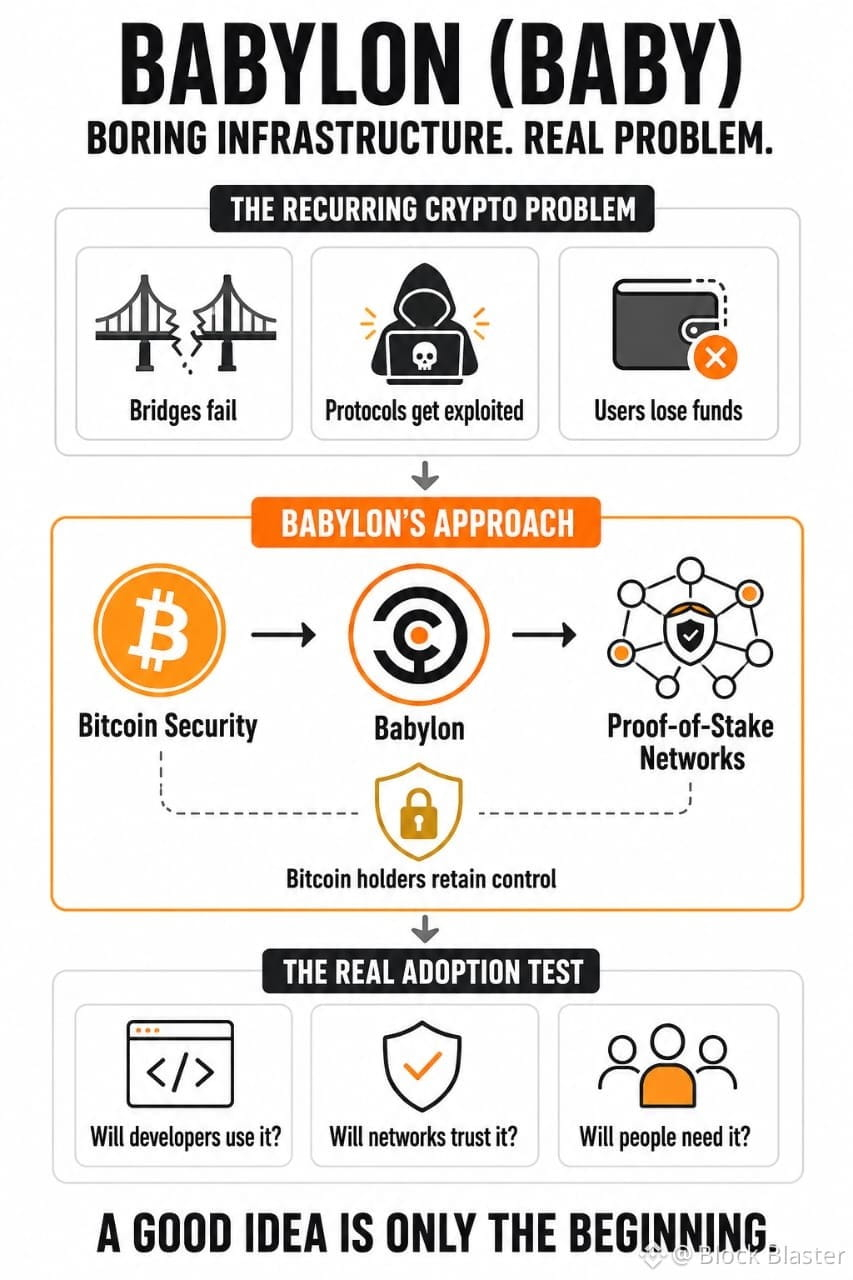
ブリッジが失敗しました。プロトコルが悪用されました。基盤となるインフラが十分に強くなかったために、ユーザーがお金を失いました。
おもしろいのは、すべてがうまく動いているときは、誰もインフラに関心を持たないことです。
壊れたときだけ、関心が向きます。
Babylonは、ビットコインのセキュリティが、ビットコイン保有者が資産をコントロールしたまま、プルーフ・オブ・ステークのネットワークを支えるのにどう役立つかを探ることで、別のアプローチを取っています。
この発想は理にかなっています。
ただ、現実を言うと——良いアイデアは始まりに過ぎません。
仮想通貨には、素晴らしいコンセプトを持ちながら、導入が想定より難しくて定着しなかったプロジェクトがたくさんあります。
本当の試験はシンプルです:
開発者はそれを使うのか?
ネットワークはそれを信頼するのか?
人々は実際にそれを必要とするのか?
ここからが面白くなります。
私はBabylonを「次の大きなもの」と呼びに来たわけではありません。仮想通貨は私に、そういう高揚感に飛びつかないための教訓を十分にくれました。
うまくいくかもしれない。
時間が何年もかかるかもしれない。
人々が期待するレベルに届かないかもしれない。
でも、少なくとも本当に存在する問題に焦点を当てています。
ノイズだらけの市場では、ときには退屈なインフラ系プロジェクトこそが、注目に値するものです。
@BabylonLabs_io #baby $BABY
仮想通貨に十分な時間を費やすと、同じパターンに気づき始めます。
みんなが「次の大きなもの」について語ります。
新しい物語。新しいトークン。新しい約束。
でも何かが壊れると、私たちはいつも同じ退屈な話題に戻ってきます:
セキュリティ。
その理由で、Babylon(BABY)に注目しました。
誇大宣伝があるからでも、すべてを変えるという大きな主張があるからでもありません。
クリプトが何度も繰り返し直面している問題を解決しようとしているからです。
ブリッジが失敗しました。プロトコルが悪用されました。基盤となるインフラが十分に強くなかったために、ユーザーがお金を失いました。
おもしろいのは、すべてがうまく動いているときは、誰もインフラに関心を持たないことです。
壊れたときだけ、関心が向きます。
Babylonは、ビットコインのセキュリティが、ビットコイン保有者が資産をコントロールしたまま、プルーフ・オブ・ステークのネットワークを支えるのにどう役立つかを探ることで、別のアプローチを取っています。
この発想は理にかなっています。
ただ、現実を言うと——良いアイデアは始まりに過ぎません。
仮想通貨には、素晴らしいコンセプトを持ちながら、導入が想定より難しくて定着しなかったプロジェクトがたくさんあります。
本当の試験はシンプルです:
開発者はそれを使うのか?
ネットワークはそれを信頼するのか?
人々は実際にそれを必要とするのか?
ここからが面白くなります。
私はBabylonを「次の大きなもの」と呼びに来たわけではありません。仮想通貨は私に、そういう高揚感に飛びつかないための教訓を十分にくれました。
うまくいくかもしれない。
時間が何年もかかるかもしれない。
人々が期待するレベルに届かないかもしれない。
でも、少なくとも本当に存在する問題に焦点を当てています。
ノイズだらけの市場では、ときには退屈なインフラ系プロジェクトこそが、注目に値するものです。
仮想通貨に十分な時間を費やすと、同じパターンに気づき始めます。
みんなが「次の大きなもの」について語ります。
新しい物語。新しいトークン。新しい約束。
でも何かが壊れると、私たちはいつも同じ退屈な話題に戻ってきます:
セキュリティ。
その理由で、Babylon(BABY)に注目しました。
誇大宣伝があるからでも、すべてを変えるという大きな主張があるからでもありません。
クリプトが何度も繰り返し直面している問題を解決しようとしているからです。
ブリッジが失敗しました。プロトコルが悪用されました。基盤となるインフラが十分に強くなかったために、ユーザーがお金を失いました。
おもしろいのは、すべてがうまく動いているときは、誰もインフラに関心を持たないことです。
壊れたときだけ、関心が向きます。
Babylonは、ビットコインのセキュリティが、ビットコイン保有者が資産をコントロールしたまま、プルーフ・オブ・ステークのネットワークを支えるのにどう役立つかを探ることで、別のアプローチを取っています。
この発想は理にかなっています。
ただ、現実を言うと——良いアイデアは始まりに過ぎません。
仮想通貨には、素晴らしいコンセプトを持ちながら、導入が想定より難しくて定着しなかったプロジェクトがたくさんあります。
本当の試験はシンプルです:
開発者はそれを使うのか?
ネットワークはそれを信頼するのか?
人々は実際にそれを必要とするのか?
ここからが面白くなります。
私はBabylonを「次の大きなもの」と呼びに来たわけではありません。仮想通貨は私に、そういう高揚感に飛びつかないための教訓を十分にくれました。
うまくいくかもしれない。
時間が何年もかかるかもしれない。
人々が期待するレベルに届かないかもしれない。
でも、少なくとも本当に存在する問題に焦点を当てています。
ノイズだらけの市場では、ときには退屈なインフラ系プロジェクトこそが、注目に値するものです。
9
7
245
·
--
ブリッシュ
@babylonlabs_io $BABY #baby
私は単純な理由でBabylon(BABY)に興味があります。それは、暗号資産がすでに「ブリッジ」や「カストディ(保管)」がどれほどひどく失敗し得るかを私たちに示してきたからです。
私たちはBTCをラップし、チェーンをまたいで移し、第三者を信頼し、配管が壊れたときに驚いたふりをしました。資金は消え、出金は止まり、その後で皆がリスク警告を読んだのです。
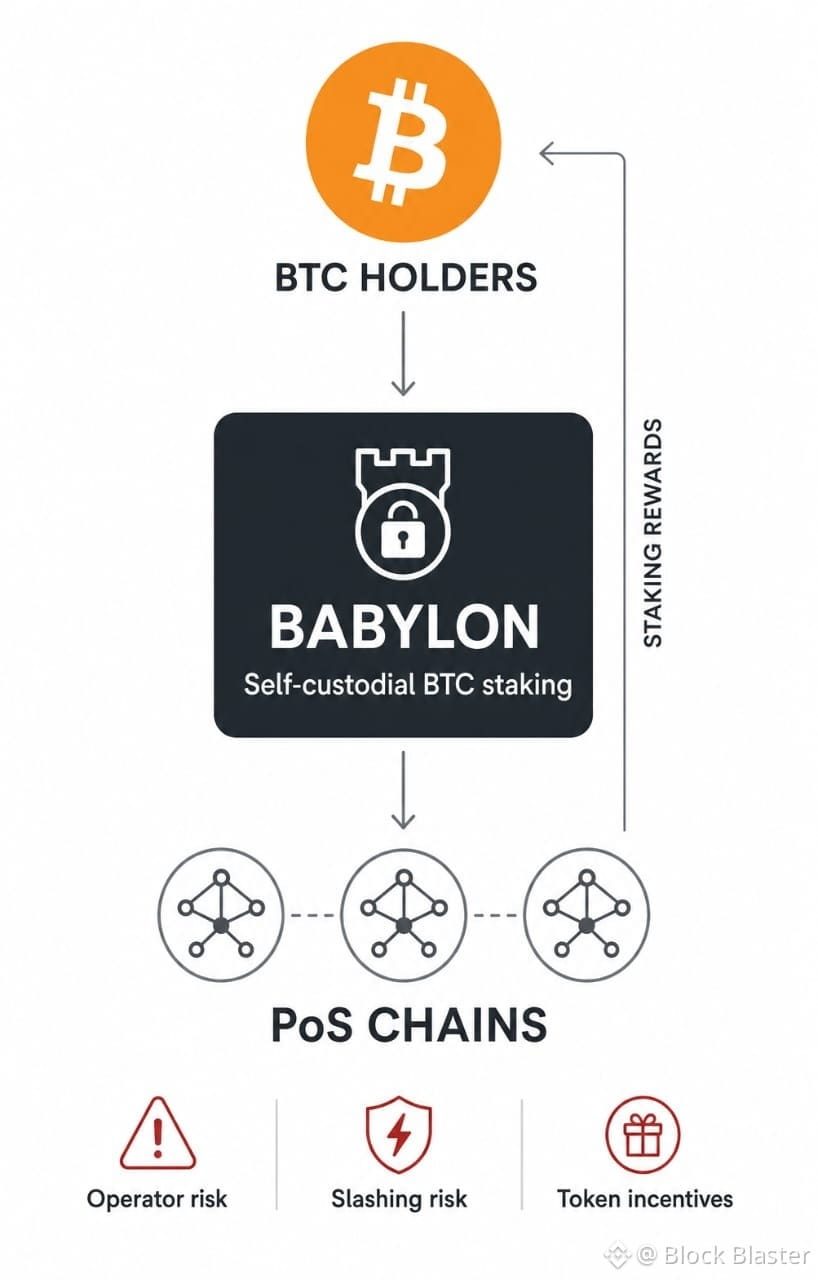
Babylonは別のルートを試そうとしています。Bitcoin保有者に、自分のBTCを使って、カストディを手放したり、それを別のラップ資産に変えたりすることなく、プルーフ・オブ・ステーク(PoS)チェーンのセキュリティ確保に役立ててもらいたいのです。
正直、それは筋が通っています。
しかし、自分で管理すること(セルフ・カストディ)はリスクがゼロという意味ではありません。裏側にはまだコードがあります。運用者やペナルティのルール、物事がややこしくなったときに—市場が落ち着いているときだけでなく—確実に動作する必要がある統合があります。
そしてBABY、トークンの存在です。
初期の報酬が尽きたらどうなるのでしょう? PoSチェーンは本当にこのセキュリティのために支払い続けるのでしょうか? Bitcoin保有者は、妥当なリターンのために追加のリスクを受け入れるのでしょうか? それとも、インセンティブが魅力を失った途端に、活動の大半は消えてしまうのでしょうか?
わかりません。
だからこそ興味があるのであって、わくわくしているわけではありません。
問題は現実です。PoSチェーンにはより強いセキュリティが必要で、BTC保有者には、別のブリッジやカストディを信頼する以外の、より良い選択肢が必要です。Babylonは、両者の間に退屈な(しかし重要な)インフラを作ろうとしているのです。
時間がかかるかもしれません。失敗するかもしれません。でも、役に立つ配管(インフラ)になる可能性もあります。
今のところ、私は“盛り上がっている最中”ではなく、その後に何が起きるのかを見ています。
@BabylonLabs_io $BABY #baby
私は単純な理由でBabylon(BABY)に興味があります。それは、暗号資産がすでに「ブリッジ」や「カストディ(保管)」がどれほどひどく失敗し得るかを私たちに示してきたからです。
私たちはBTCをラップし、チェーンをまたいで移し、第三者を信頼し、配管が壊れたときに驚いたふりをしました。資金は消え、出金は止まり、その後で皆がリスク警告を読んだのです。
Babylonは別のルートを試そうとしています。Bitcoin保有者に、自分のBTCを使って、カストディを手放したり、それを別のラップ資産に変えたりすることなく、プルーフ・オブ・ステーク(PoS)チェーンのセキュリティ確保に役立ててもらいたいのです。
正直、それは筋が通っています。
しかし、自分で管理すること(セルフ・カストディ)はリスクがゼロという意味ではありません。裏側にはまだコードがあります。運用者やペナルティのルール、物事がややこしくなったときに—市場が落ち着いているときだけでなく—確実に動作する必要がある統合があります。
そしてBABY、トークンの存在です。
初期の報酬が尽きたらどうなるのでしょう? PoSチェーンは本当にこのセキュリティのために支払い続けるのでしょうか? Bitcoin保有者は、妥当なリターンのために追加のリスクを受け入れるのでしょうか? それとも、インセンティブが魅力を失った途端に、活動の大半は消えてしまうのでしょうか?
わかりません。
だからこそ興味があるのであって、わくわくしているわけではありません。
問題は現実です。PoSチェーンにはより強いセキュリティが必要で、BTC保有者には、別のブリッジやカストディを信頼する以外の、より良い選択肢が必要です。Babylonは、両者の間に退屈な(しかし重要な)インフラを作ろうとしているのです。
時間がかかるかもしれません。失敗するかもしれません。でも、役に立つ配管(インフラ)になる可能性もあります。
今のところ、私は“盛り上がっている最中”ではなく、その後に何が起きるのかを見ています。
私は単純な理由でBabylon(BABY)に興味があります。それは、暗号資産がすでに「ブリッジ」や「カストディ(保管)」がどれほどひどく失敗し得るかを私たちに示してきたからです。
私たちはBTCをラップし、チェーンをまたいで移し、第三者を信頼し、配管が壊れたときに驚いたふりをしました。資金は消え、出金は止まり、その後で皆がリスク警告を読んだのです。
Babylonは別のルートを試そうとしています。Bitcoin保有者に、自分のBTCを使って、カストディを手放したり、それを別のラップ資産に変えたりすることなく、プルーフ・オブ・ステーク(PoS)チェーンのセキュリティ確保に役立ててもらいたいのです。
正直、それは筋が通っています。
しかし、自分で管理すること(セルフ・カストディ)はリスクがゼロという意味ではありません。裏側にはまだコードがあります。運用者やペナルティのルール、物事がややこしくなったときに—市場が落ち着いているときだけでなく—確実に動作する必要がある統合があります。
そしてBABY、トークンの存在です。
初期の報酬が尽きたらどうなるのでしょう? PoSチェーンは本当にこのセキュリティのために支払い続けるのでしょうか? Bitcoin保有者は、妥当なリターンのために追加のリスクを受け入れるのでしょうか? それとも、インセンティブが魅力を失った途端に、活動の大半は消えてしまうのでしょうか?
わかりません。
だからこそ興味があるのであって、わくわくしているわけではありません。
問題は現実です。PoSチェーンにはより強いセキュリティが必要で、BTC保有者には、別のブリッジやカストディを信頼する以外の、より良い選択肢が必要です。Babylonは、両者の間に退屈な(しかし重要な)インフラを作ろうとしているのです。
時間がかかるかもしれません。失敗するかもしれません。でも、役に立つ配管(インフラ)になる可能性もあります。
今のところ、私は“盛り上がっている最中”ではなく、その後に何が起きるのかを見ています。
7
6
279
·
--
弱気相場
$币安人生 は依然として最強クラスのプロジェクトの1つであり、サポートから鋭く反発する可能性があります。
取引アイデア:
エントリー:$0.620 - $0.640
目標:$0.690 / $0.740 / $0.800
損切り:$0.590
さあ、今すぐ取引しよう $币安人生
{spot}(币安人生USDT)
$币安人生 は依然として最強クラスのプロジェクトの1つであり、サポートから鋭く反発する可能性があります。
取引アイデア:
エントリー:$0.620 - $0.640
目標:$0.690 / $0.740 / $0.800
損切り:$0.590
さあ、今すぐ取引しよう $币安人生
取引アイデア:
エントリー:$0.620 - $0.640
目標:$0.690 / $0.740 / $0.800
損切り:$0.590
さあ、今すぐ取引しよう $币安人生
36
$ERA は依然として最も強力なプロジェクトの1つであり、サポートから鋭く反発する可能性があります。
取引アイデア:
エントリー: $0.0600 - $0.0620
ターゲット: $0.0670 / $0.0730 / $0.0800
損切り: $0.0570
さあ、今すぐ取引しよう $ERA
{spot}(ERAUSDT)
$ERA は依然として最も強力なプロジェクトの1つであり、サポートから鋭く反発する可能性があります。
取引アイデア:
エントリー: $0.0600 - $0.0620
ターゲット: $0.0670 / $0.0730 / $0.0800
損切り: $0.0570
さあ、今すぐ取引しよう $ERA
取引アイデア:
エントリー: $0.0600 - $0.0620
ターゲット: $0.0670 / $0.0730 / $0.0800
損切り: $0.0570
さあ、今すぐ取引しよう $ERA
176
$AWE は依然として最も強力なプロジェクトの1つであり、サポートから急反発する可能性があります。
取引アイデア:
エントリー:$0.0565 - $0.0580
目標:$0.0620 / $0.0670 / $0.0730
損切り(ストップロス):$0.0540
さあ今すぐ取引しよう $AWE
{spot}(AWEUSDT)
$AWE は依然として最も強力なプロジェクトの1つであり、サポートから急反発する可能性があります。
取引アイデア:
エントリー:$0.0565 - $0.0580
目標:$0.0620 / $0.0670 / $0.0730
損切り(ストップロス):$0.0540
さあ今すぐ取引しよう $AWE
取引アイデア:
エントリー:$0.0565 - $0.0580
目標:$0.0620 / $0.0670 / $0.0730
損切り(ストップロス):$0.0540
さあ今すぐ取引しよう $AWE
48
$NXPC は、最も強力なプロジェクトの1つであり、サポートから鋭く反発する可能性があります。
取引アイデア:
エントリー:$0.230 - $0.236
目標:$0.250 / $0.270 / $0.295
損切り:$0.220
さあ今すぐ取引しよう $NXPC
{spot}(NXPCUSDT)
$NXPC は、最も強力なプロジェクトの1つであり、サポートから鋭く反発する可能性があります。
取引アイデア:
エントリー:$0.230 - $0.236
目標:$0.250 / $0.270 / $0.295
損切り:$0.220
さあ今すぐ取引しよう $NXPC
取引アイデア:
エントリー:$0.230 - $0.236
目標:$0.250 / $0.270 / $0.295
損切り:$0.220
さあ今すぐ取引しよう $NXPC
347
·
--
弱気相場
$QTUM は最も強力なプロジェクトの1つであり、サポートから急反発する可能性があります。
取引アイデア:
エントリー:$0.690 - $0.710
ターゲット:$0.760 / $0.820 / $0.900
損切り:$0.660
さあ今すぐ取引しよう $QTUM
{spot}(QTUMUSDT)
$QTUM は最も強力なプロジェクトの1つであり、サポートから急反発する可能性があります。
取引アイデア:
エントリー:$0.690 - $0.710
ターゲット:$0.760 / $0.820 / $0.900
損切り:$0.660
さあ今すぐ取引しよう $QTUM
取引アイデア:
エントリー:$0.690 - $0.710
ターゲット:$0.760 / $0.820 / $0.900
損切り:$0.660
さあ今すぐ取引しよう $QTUM
66
$EGLD は最も強力なプロジェクトの1つであり、サポートから大きく反発する可能性があります。
取引アイデア:
エントリー:$3.08 - $3.18
目標:$3.40 / $3.70 / $4.10
損切り:$2.95
さあ今すぐ取引しよう $EGLD
{spot}(EGLDUSDT)
$EGLD は最も強力なプロジェクトの1つであり、サポートから大きく反発する可能性があります。
取引アイデア:
エントリー:$3.08 - $3.18
目標:$3.40 / $3.70 / $4.10
損切り:$2.95
さあ今すぐ取引しよう $EGLD
取引アイデア:
エントリー:$3.08 - $3.18
目標:$3.40 / $3.70 / $4.10
損切り:$2.95
さあ今すぐ取引しよう $EGLD
1
127
ログインして、さらにコンテンツを読む
厳選トピックで世界の暗号資産トレーダーの仲間入り
⚡️ 暗号資産に関する最新かつ有益な情報が見つかります。
💬 世界最大の暗号資産取引所から信頼されています。
👍 認証を受けたクリエイターから、有益なインサイトを得られます。
メール / 電話番号
トレンドトピック
DriftHackVictimsBeginClaims
閲覧回数 37,476
509人が討論中
🚨失った金額1ドルにつき1セント
#DriftHackVictimsBeginClaims
Drift Foundationは、4月に発生した2億9,540万ドルのエクスプロイト被害に関するDFXの申請受付を開始しました。被害者は失った金額1ドルにつき約1セントを受け取れる可能性があり、Velocityの収益と回収資金によって、基金は2028年まで拡大する予定です。
$DRIFT
$1000000BOB
$GTC
Jacob trade
·いいね:0件
·閲覧回数 178
SolanaTokenizedStockVolumeTops$4.4BInSeptember
閲覧回数 5,670
59人が討論中
BitcoinSpotETFsDraw$6.34BInflowsInQ3
閲覧回数 18,035
175人が討論中