
#pixels
pixels
閲覧回数 4.7M
4,364人が討論中
注目
最新

·
--
ブリッシュ
🔥 $NVDAB
{spot}(NVDABUSDT)
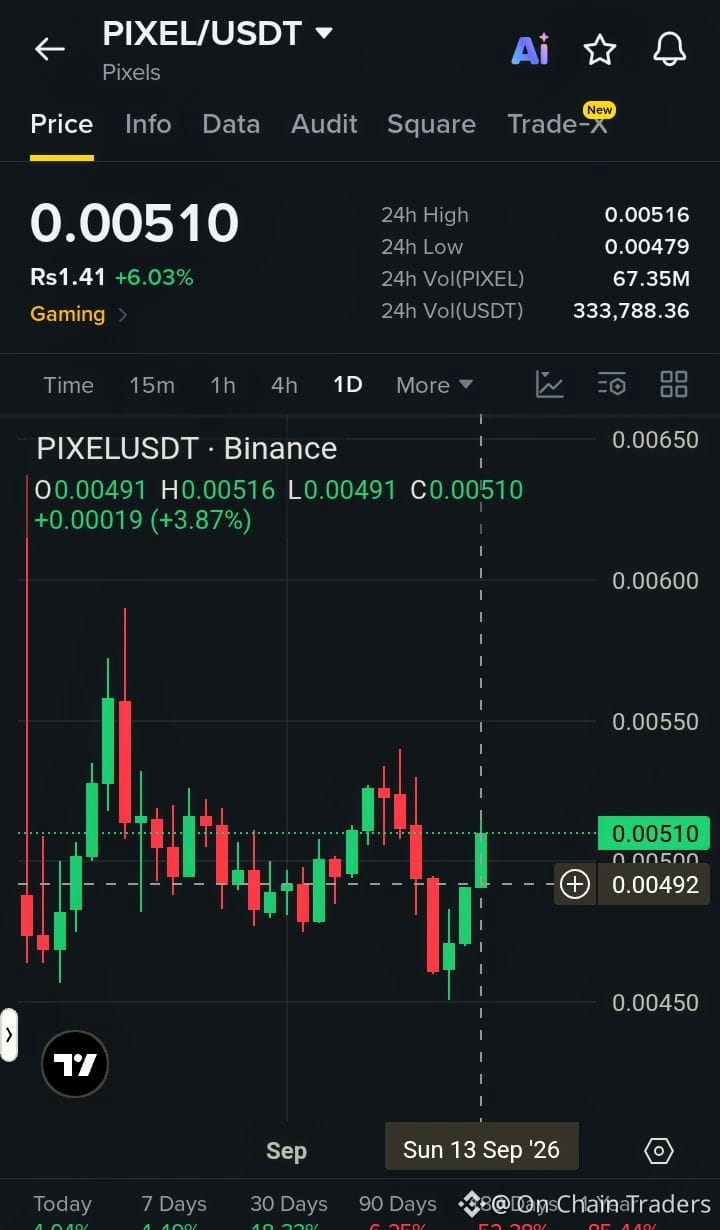
PIXELは0.00500以上を維持し、強いボリュームと強気の勢いを示しています。
📌 エントリー: $0.00495–$0.00505
🎯 TP1: $0.00516 | TP2: $0.00550 | TP3: $0.00600
🛑 SL: $0.00478
📈 見通し: $0.00490以上では強気。$0.00516を上抜けると、$PIXELは$0.00550〜$0.00600へ向かう可能性があります。
#pepe⚡ #Pixels #BinanceSquareFamily #CryptoWatchMay2024 #BinancePizzaVN
🔥 $NVDAB
PIXELは0.00500以上を維持し、強いボリュームと強気の勢いを示しています。
📌 エントリー: $0.00495–$0.00505
🎯 TP1: $0.00516 | TP2: $0.00550 | TP3: $0.00600
🛑 SL: $0.00478
📈 見通し: $0.00490以上では強気。$0.00516を上抜けると、$PIXELは$0.00550〜$0.00600へ向かう可能性があります。
#pepe⚡ #Pixels #BinanceSquareFamily #CryptoWatchMay2024 #BinancePizzaVN
PIXELは0.00500以上を維持し、強いボリュームと強気の勢いを示しています。
📌 エントリー: $0.00495–$0.00505
🎯 TP1: $0.00516 | TP2: $0.00550 | TP3: $0.00600
🛑 SL: $0.00478
📈 見通し: $0.00490以上では強気。$0.00516を上抜けると、$PIXELは$0.00550〜$0.00600へ向かう可能性があります。
#pepe⚡ #Pixels #BinanceSquareFamily #CryptoWatchMay2024 #BinancePizzaVN
1
109

·
--
最近、市場で$PIXEL への注目度が突然高まっていますが、さまざまな概念が混ざった議論が混乱も招いており、短期的な価格変動につながる可能性があります。
現在のコミュニティの議論では、GameFiプロジェクトのPixelsのネイティブトークン、NFTプロジェクト、さらにはGoogle Pixelのスマホ、Androidシステム開発などの内容が一緒くたにされています。市場には統一された焦点がなく、投資家は情報の混同によって誤判断しやすくなっています。
現在の$PIXEL の価格は0.00497ドル、24時間の取引高は442万ドル、市場規模は1723万ドルです。参加する前に、必ず概念の区別をし、あなたが投資しているのが結局どのプロジェクトなのかを見極めてください。
$PIXEL #Pixels #暗号通貨
最近、市場で$PIXEL への注目度が突然高まっていますが、さまざまな概念が混ざった議論が混乱も招いており、短期的な価格変動につながる可能性があります。
現在のコミュニティの議論では、GameFiプロジェクトのPixelsのネイティブトークン、NFTプロジェクト、さらにはGoogle Pixelのスマホ、Androidシステム開発などの内容が一緒くたにされています。市場には統一された焦点がなく、投資家は情報の混同によって誤判断しやすくなっています。
現在の$PIXEL の価格は0.00497ドル、24時間の取引高は442万ドル、市場規模は1723万ドルです。参加する前に、必ず概念の区別をし、あなたが投資しているのが結局どのプロジェクトなのかを見極めてください。
$PIXEL #Pixels #暗号通貨
現在のコミュニティの議論では、GameFiプロジェクトのPixelsのネイティブトークン、NFTプロジェクト、さらにはGoogle Pixelのスマホ、Androidシステム開発などの内容が一緒くたにされています。市場には統一された焦点がなく、投資家は情報の混同によって誤判断しやすくなっています。
現在の$PIXEL の価格は0.00497ドル、24時間の取引高は442万ドル、市場規模は1723万ドルです。参加する前に、必ず概念の区別をし、あなたが投資しているのが結局どのプロジェクトなのかを見極めてください。
$PIXEL #Pixels #暗号通貨
100

·
--
Pixels ($PIXEL) 近24時間の価格上昇率が21%を超え、24時間の取引高は約2706万ドル、市場規模は約1598万ドル。
表面的には、GoogleのPixel 11シリーズの発表とAI機能のアップグレードによって「pixel」という概念が再び市場の注目を集め、関連する取引のセンチメントが温まりました。PIXELUSDTの出来高も同時に拡大し、短期資金の流入がはっきりと見て取れます。
しかし警戒すべきなのは、このような外部の消費者向けエレクトロニクスのホットテーマに連動した上昇は、往々にしてオンチェーンのファンダメンタルズによる継続的な裏付けが欠けがちだという点です。GoogleとこのPixelsプロジェクトには直接の関連がなく、主に同名による注目の“あふれ”です。いったんPixel 11の発売熱が冷めると、資金の「概念に便乗する」ロジックは反転しやすくなります。
短期的には、センチメント面がなお価格を下支えする可能性はありますが、ボラティリティもそれに伴って拡大するでしょう。中長期では、最終的にプロジェクト自身のユーザー増加、オンチェーンの活発度、そしてエコシステムの進展に立ち返って判断する必要があります。運用としてはポジションをコントロールし、高値追いは避け、ホットテーマの切り替えによる下落に備えることをおすすめします。
#Pixels#AI#GameFi
Pixels ($PIXEL ) 近24時間の価格上昇率が21%を超え、24時間の取引高は約2706万ドル、市場規模は約1598万ドル。
表面的には、GoogleのPixel 11シリーズの発表とAI機能のアップグレードによって「pixel」という概念が再び市場の注目を集め、関連する取引のセンチメントが温まりました。PIXELUSDTの出来高も同時に拡大し、短期資金の流入がはっきりと見て取れます。
しかし警戒すべきなのは、このような外部の消費者向けエレクトロニクスのホットテーマに連動した上昇は、往々にしてオンチェーンのファンダメンタルズによる継続的な裏付けが欠けがちだという点です。GoogleとこのPixelsプロジェクトには直接の関連がなく、主に同名による注目の“あふれ”です。いったんPixel 11の発売熱が冷めると、資金の「概念に便乗する」ロジックは反転しやすくなります。
短期的には、センチメント面がなお価格を下支えする可能性はありますが、ボラティリティもそれに伴って拡大するでしょう。中長期では、最終的にプロジェクト自身のユーザー増加、オンチェーンの活発度、そしてエコシステムの進展に立ち返って判断する必要があります。運用としてはポジションをコントロールし、高値追いは避け、ホットテーマの切り替えによる下落に備えることをおすすめします。
#Pixels#AI#GameFi
表面的には、GoogleのPixel 11シリーズの発表とAI機能のアップグレードによって「pixel」という概念が再び市場の注目を集め、関連する取引のセンチメントが温まりました。PIXELUSDTの出来高も同時に拡大し、短期資金の流入がはっきりと見て取れます。
しかし警戒すべきなのは、このような外部の消費者向けエレクトロニクスのホットテーマに連動した上昇は、往々にしてオンチェーンのファンダメンタルズによる継続的な裏付けが欠けがちだという点です。GoogleとこのPixelsプロジェクトには直接の関連がなく、主に同名による注目の“あふれ”です。いったんPixel 11の発売熱が冷めると、資金の「概念に便乗する」ロジックは反転しやすくなります。
短期的には、センチメント面がなお価格を下支えする可能性はありますが、ボラティリティもそれに伴って拡大するでしょう。中長期では、最終的にプロジェクト自身のユーザー増加、オンチェーンの活発度、そしてエコシステムの進展に立ち返って判断する必要があります。運用としてはポジションをコントロールし、高値追いは避け、ホットテーマの切り替えによる下落に備えることをおすすめします。
#Pixels#AI#GameFi
11

Pixels($PIXEL)直近24時間の価格上昇率が21%を超え、取引量も2700万ドル規模まで同時に拡大。時価総額は一時約1600万ドル。
今回の熱は、オンチェーンのセンチメントだけでなく、外部の触媒も重要です――Google Pixel 11シリーズの発表とAI機能のアップグレードにより、「Pixel」という概念が再び主流の視野に戻り、関連トークンが資金のローテーションで注目を集めています。
注意すべきは、$PIXEL の現在の流通時価総額はまだ低めであり、価格の弾力性が大きく、ボラティリティも激しいため、短期資金による押し上げ局面では急速な戻り(利確)が起こりやすいことです。ニュース面とテクニカル面が同時に作用する段階では、出来高の持続性を見極めるのがより適しており、追いかけ買いは避けるべきでしょう。
注目ポイントは2つです。1つ目は、オンチェーンのアクティブアドレス数と保有アドレス数の変化。2つ目は、PIXELUSDTの主要取引ペアにおける売買板の厚みです。熱が語り(ナラティブ)の層に留まり、実際の利用シーンでの需要が十分に支えられていなければ、プレミアムはすぐに解消されます。
ホットトピックは冷静に捉えましょう。チャンスは往々にして意見の割れ(コンフリクト)の中で熟成され、一致して強気の時にまとまって一気に買い増す場面ではありません。
#Pixels #AI概念 #山寨币机会
Pixels($PIXEL )直近24時間の価格上昇率が21%を超え、取引量も2700万ドル規模まで同時に拡大。時価総額は一時約1600万ドル。
今回の熱は、オンチェーンのセンチメントだけでなく、外部の触媒も重要です――Google Pixel 11シリーズの発表とAI機能のアップグレードにより、「Pixel」という概念が再び主流の視野に戻り、関連トークンが資金のローテーションで注目を集めています。
注意すべきは、$PIXEL の現在の流通時価総額はまだ低めであり、価格の弾力性が大きく、ボラティリティも激しいため、短期資金による押し上げ局面では急速な戻り(利確)が起こりやすいことです。ニュース面とテクニカル面が同時に作用する段階では、出来高の持続性を見極めるのがより適しており、追いかけ買いは避けるべきでしょう。
注目ポイントは2つです。1つ目は、オンチェーンのアクティブアドレス数と保有アドレス数の変化。2つ目は、PIXELUSDTの主要取引ペアにおける売買板の厚みです。熱が語り(ナラティブ)の層に留まり、実際の利用シーンでの需要が十分に支えられていなければ、プレミアムはすぐに解消されます。
ホットトピックは冷静に捉えましょう。チャンスは往々にして意見の割れ(コンフリクト)の中で熟成され、一致して強気の時にまとまって一気に買い増す場面ではありません。
#Pixels #AI概念 #山寨币机会
今回の熱は、オンチェーンのセンチメントだけでなく、外部の触媒も重要です――Google Pixel 11シリーズの発表とAI機能のアップグレードにより、「Pixel」という概念が再び主流の視野に戻り、関連トークンが資金のローテーションで注目を集めています。
注意すべきは、$PIXEL の現在の流通時価総額はまだ低めであり、価格の弾力性が大きく、ボラティリティも激しいため、短期資金による押し上げ局面では急速な戻り(利確)が起こりやすいことです。ニュース面とテクニカル面が同時に作用する段階では、出来高の持続性を見極めるのがより適しており、追いかけ買いは避けるべきでしょう。
注目ポイントは2つです。1つ目は、オンチェーンのアクティブアドレス数と保有アドレス数の変化。2つ目は、PIXELUSDTの主要取引ペアにおける売買板の厚みです。熱が語り(ナラティブ)の層に留まり、実際の利用シーンでの需要が十分に支えられていなければ、プレミアムはすぐに解消されます。
ホットトピックは冷静に捉えましょう。チャンスは往々にして意見の割れ(コンフリクト)の中で熟成され、一致して強気の時にまとまって一気に買い増す場面ではありません。
#Pixels #AI概念 #山寨币机会
22
·
--
Pixel($PIXEL)24時間の上昇率が21%を超え、出来高は2700万ドル以上まで急増。背景にはオンチェーン取引の活発化に加えて、見落とされがちなもう一つの触媒――Google Pixel 11シリーズの発表とAI機能のアップグレードがある。再び「pixel」という概念を大衆の視野に引き戻したのだ。
注意すべきは、ここには異なる2つのストーリーが重なっている点だ。1つ目はWeb3ゲーム「Pixels」自体のエコシステム進展。2つ目はコンシューマー・エレクトロニクス分野でのPixel 11による注目の波及。短期の価格変動は、単一のファンダメンタルズによるものというより、市場心理の共鳴によるものが大きい。
次の2つの観点に注目することを勧める:
- オンチェーンデータ:PIXELUSDTの出来高が高水準を維持できるか、そして保有アドレスの変化
- ストーリーのタイミング:コンシューマー・エレクトロニクスにおける「pixel」人気の持続期間。通常、発表会効果は1〜2週間で減衰する
上昇率だけに目を奪われず、ドライバーの出所を切り分けてから判断しよう。#Pixels
Pixel($PIXEL )24時間の上昇率が21%を超え、出来高は2700万ドル以上まで急増。背景にはオンチェーン取引の活発化に加えて、見落とされがちなもう一つの触媒――Google Pixel 11シリーズの発表とAI機能のアップグレードがある。再び「pixel」という概念を大衆の視野に引き戻したのだ。
注意すべきは、ここには異なる2つのストーリーが重なっている点だ。1つ目はWeb3ゲーム「Pixels」自体のエコシステム進展。2つ目はコンシューマー・エレクトロニクス分野でのPixel 11による注目の波及。短期の価格変動は、単一のファンダメンタルズによるものというより、市場心理の共鳴によるものが大きい。
次の2つの観点に注目することを勧める:
- オンチェーンデータ:PIXELUSDTの出来高が高水準を維持できるか、そして保有アドレスの変化
- ストーリーのタイミング:コンシューマー・エレクトロニクスにおける「pixel」人気の持続期間。通常、発表会効果は1〜2週間で減衰する
上昇率だけに目を奪われず、ドライバーの出所を切り分けてから判断しよう。#Pixels
注意すべきは、ここには異なる2つのストーリーが重なっている点だ。1つ目はWeb3ゲーム「Pixels」自体のエコシステム進展。2つ目はコンシューマー・エレクトロニクス分野でのPixel 11による注目の波及。短期の価格変動は、単一のファンダメンタルズによるものというより、市場心理の共鳴によるものが大きい。
次の2つの観点に注目することを勧める:
- オンチェーンデータ:PIXELUSDTの出来高が高水準を維持できるか、そして保有アドレスの変化
- ストーリーのタイミング:コンシューマー・エレクトロニクスにおける「pixel」人気の持続期間。通常、発表会効果は1〜2週間で減衰する
上昇率だけに目を奪われず、ドライバーの出所を切り分けてから判断しよう。#Pixels
115


·
--
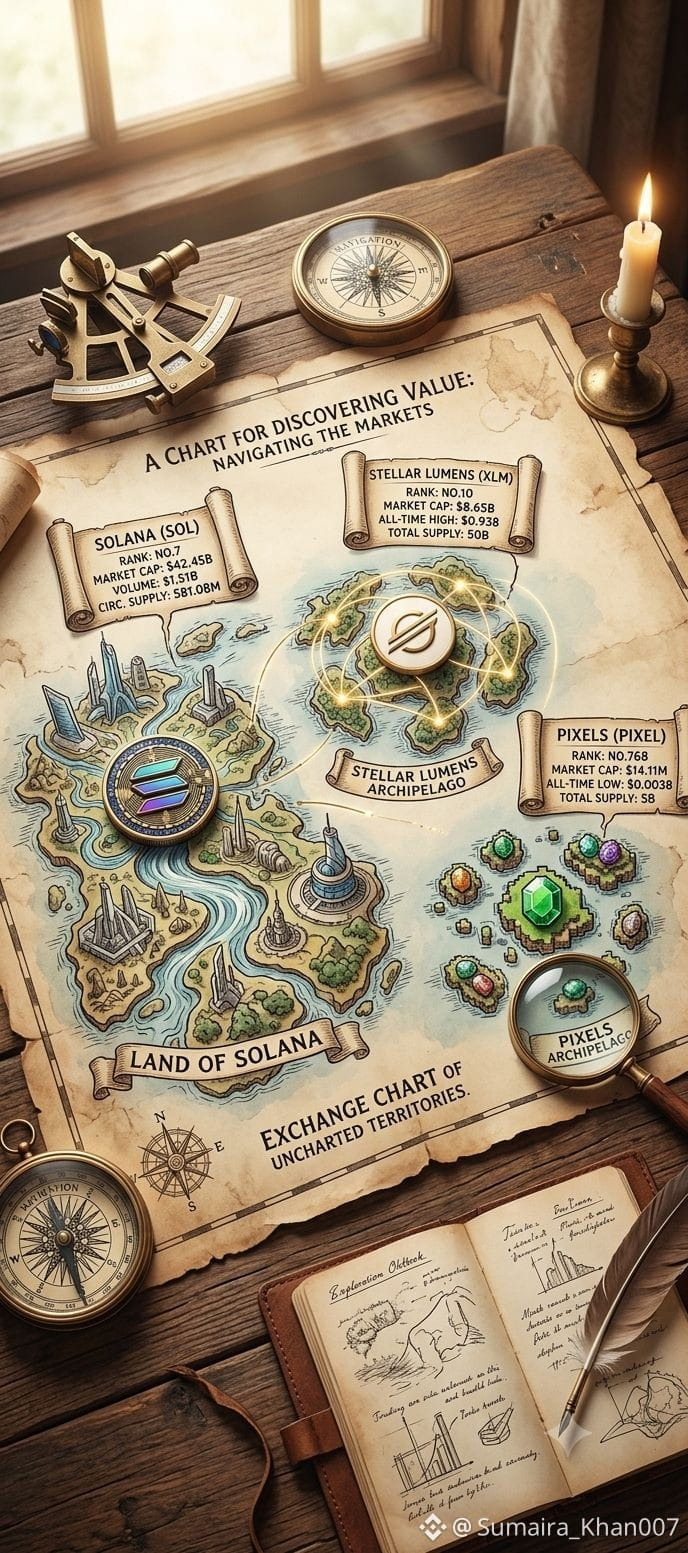
📊 市場概況:SOL、XLM、PIXELのポートフォリオ内訳
🔵 SOL(Solana)— メガキャップの巨人
$SOL
{future}(SOLUSDT)
順位:7
時価総額:42.45B USD
24h出来高:1.51B USD
市場支配率:1.97%
エキスパート所見:Solanaはトップクラスのレイヤー1として、その地位を維持し続けています。健全な出来高/時価総額比率(3.55%)を示しており、小売・機関投資家双方のトレーダーから安定的で継続的な関心があることを物語っています。大規模ポートフォリオの基盤となる資産です。
🟢 XLM(Stellar Lumens)— 完全希薄化済みのベテラン
$XLM
{future}(XLMUSDT)
順位:10
時価総額:8.65B USD
流通供給量:50B(流通100%)
エキスパート所見:トップ10の中で非常に落ち着いた位置にあり、Stellarはレガシー銘柄として重要なファンダメンタル上の優位性を持っています。完全希薄化後の時価総額(8.65B USD)が、現在の時価総額とちょうど一致しているのです。すでに500億トークンが全て流通しているため、将来のトークン解放によるインフレや、供給ショックを心配する必要がありません。
🟣 PIXEL(Pixels)— 高ボラティリティなマイクロキャップ
$PIXEL
{future}(PIXELUSDT)
順位:768
時価総額:14.11M USD
出来高/時価総額比率:43.04%
エキスパート所見:PIXELは、小さな規模にもかかわらず非常に極端な取引活動を見せています。43%超の出来高比率は、高い流動性と高いボラティリティを意味します。重要:7月30日、2026年に史上安値(0.0038 USD)を直近で更新しました。これは、経験豊富なスキャルパーやデイトレーダー向けの「超高リスク・超高リターン」な取り組みです。
💡 結論:
配分は賢く管理しましょう。基盤の成長にはSOLを使い、供給の見通しが安定しているXLMに注目し、PIXELのような高ボラティリティなトークンの取引には資金の一部だけを使ってください。
賢く取引し、リスクを管理しましょう! 📉📈
#stellar #Pixels #cryptotrading #marketanalysis. #Write2Earn
📊 市場概況:SOL、XLM、PIXELのポートフォリオ内訳
🔵 SOL(Solana)— メガキャップの巨人
$SOL
順位:7
時価総額:42.45B USD
24h出来高:1.51B USD
市場支配率:1.97%
エキスパート所見:Solanaはトップクラスのレイヤー1として、その地位を維持し続けています。健全な出来高/時価総額比率(3.55%)を示しており、小売・機関投資家双方のトレーダーから安定的で継続的な関心があることを物語っています。大規模ポートフォリオの基盤となる資産です。
🟢 XLM(Stellar Lumens)— 完全希薄化済みのベテラン
$XLM
順位:10
時価総額:8.65B USD
流通供給量:50B(流通100%)
エキスパート所見:トップ10の中で非常に落ち着いた位置にあり、Stellarはレガシー銘柄として重要なファンダメンタル上の優位性を持っています。完全希薄化後の時価総額(8.65B USD)が、現在の時価総額とちょうど一致しているのです。すでに500億トークンが全て流通しているため、将来のトークン解放によるインフレや、供給ショックを心配する必要がありません。
🟣 PIXEL(Pixels)— 高ボラティリティなマイクロキャップ
$PIXEL
順位:768
時価総額:14.11M USD
出来高/時価総額比率:43.04%
エキスパート所見:PIXELは、小さな規模にもかかわらず非常に極端な取引活動を見せています。43%超の出来高比率は、高い流動性と高いボラティリティを意味します。重要:7月30日、2026年に史上安値(0.0038 USD)を直近で更新しました。これは、経験豊富なスキャルパーやデイトレーダー向けの「超高リスク・超高リターン」な取り組みです。
💡 結論:
配分は賢く管理しましょう。基盤の成長にはSOLを使い、供給の見通しが安定しているXLMに注目し、PIXELのような高ボラティリティなトークンの取引には資金の一部だけを使ってください。
賢く取引し、リスクを管理しましょう! 📉📈
#stellar #Pixels #cryptotrading #marketanalysis. #Write2Earn
🔵 SOL(Solana)— メガキャップの巨人
$SOL
順位:7
時価総額:42.45B USD
24h出来高:1.51B USD
市場支配率:1.97%
エキスパート所見:Solanaはトップクラスのレイヤー1として、その地位を維持し続けています。健全な出来高/時価総額比率(3.55%)を示しており、小売・機関投資家双方のトレーダーから安定的で継続的な関心があることを物語っています。大規模ポートフォリオの基盤となる資産です。
🟢 XLM(Stellar Lumens)— 完全希薄化済みのベテラン
$XLM
順位:10
時価総額:8.65B USD
流通供給量:50B(流通100%)
エキスパート所見:トップ10の中で非常に落ち着いた位置にあり、Stellarはレガシー銘柄として重要なファンダメンタル上の優位性を持っています。完全希薄化後の時価総額(8.65B USD)が、現在の時価総額とちょうど一致しているのです。すでに500億トークンが全て流通しているため、将来のトークン解放によるインフレや、供給ショックを心配する必要がありません。
🟣 PIXEL(Pixels)— 高ボラティリティなマイクロキャップ
$PIXEL
順位:768
時価総額:14.11M USD
出来高/時価総額比率:43.04%
エキスパート所見:PIXELは、小さな規模にもかかわらず非常に極端な取引活動を見せています。43%超の出来高比率は、高い流動性と高いボラティリティを意味します。重要:7月30日、2026年に史上安値(0.0038 USD)を直近で更新しました。これは、経験豊富なスキャルパーやデイトレーダー向けの「超高リスク・超高リターン」な取り組みです。
💡 結論:
配分は賢く管理しましょう。基盤の成長にはSOLを使い、供給の見通しが安定しているXLMに注目し、PIXELのような高ボラティリティなトークンの取引には資金の一部だけを使ってください。
賢く取引し、リスクを管理しましょう! 📉📈
#stellar #Pixels #cryptotrading #marketanalysis. #Write2Earn
2
177

·
--
オンチェーンのシグナル観測:$PIXEL の現在の見値 $0.00526、24時間の出来高 741万ドル、時価総額はわずか1823万で、典型的な低時価総額・高回転(高換金回転)構造に該当します。
最近の公開議論では、Google Pixelのスマホ、ピクセルアート、NFTの歴史などと同名の話題により、内容が薄められているのが一般的です。実際に「Pixels」ゲームの基本に真正面から向き合った情報は少なく、これが価格ストーリーが不明確になる主な理由の一つです——市場が不足しているのは流動性ではなく、共通認識のアンカーポイントです。
次の3つの手がかりに注目:
1. 日次アクティブと土地システムの定着データは、トークン需要側を判断する上での重要な鍵;
2. Roninエコシステムとの連動のリズムが、短期資金が回流できるかどうかを決めます;
3. 換金率(回転率)が40%を継続して上回るなら、コマ(保有資産)がまだ素早く入れ替わっており、トレンドの方向性が定まっていないことを示します。
低時価総額+情報の非対称性は、ボラティリティが増幅されることを意味します。ナラティブでポジションを代用せず、データでポジションを調整してください。
#Pixels #GameFi #オンチェーンデータ
オンチェーンのシグナル観測:$PIXEL の現在の見値 $0.00526、24時間の出来高 741万ドル、時価総額はわずか1823万で、典型的な低時価総額・高回転(高換金回転)構造に該当します。
最近の公開議論では、Google Pixelのスマホ、ピクセルアート、NFTの歴史などと同名の話題により、内容が薄められているのが一般的です。実際に「Pixels」ゲームの基本に真正面から向き合った情報は少なく、これが価格ストーリーが不明確になる主な理由の一つです——市場が不足しているのは流動性ではなく、共通認識のアンカーポイントです。
次の3つの手がかりに注目:
1. 日次アクティブと土地システムの定着データは、トークン需要側を判断する上での重要な鍵;
2. Roninエコシステムとの連動のリズムが、短期資金が回流できるかどうかを決めます;
3. 換金率(回転率)が40%を継続して上回るなら、コマ(保有資産)がまだ素早く入れ替わっており、トレンドの方向性が定まっていないことを示します。
低時価総額+情報の非対称性は、ボラティリティが増幅されることを意味します。ナラティブでポジションを代用せず、データでポジションを調整してください。
#Pixels #GameFi #オンチェーンデータ
最近の公開議論では、Google Pixelのスマホ、ピクセルアート、NFTの歴史などと同名の話題により、内容が薄められているのが一般的です。実際に「Pixels」ゲームの基本に真正面から向き合った情報は少なく、これが価格ストーリーが不明確になる主な理由の一つです——市場が不足しているのは流動性ではなく、共通認識のアンカーポイントです。
次の3つの手がかりに注目:
1. 日次アクティブと土地システムの定着データは、トークン需要側を判断する上での重要な鍵;
2. Roninエコシステムとの連動のリズムが、短期資金が回流できるかどうかを決めます;
3. 換金率(回転率)が40%を継続して上回るなら、コマ(保有資産)がまだ素早く入れ替わっており、トレンドの方向性が定まっていないことを示します。
低時価総額+情報の非対称性は、ボラティリティが増幅されることを意味します。ナラティブでポジションを代用せず、データでポジションを調整してください。
#Pixels #GameFi #オンチェーンデータ
29
·
--
$PIXEL 現値 $0.00526、24時間の出来高 741万ドル、時価総額 1823万ドル――データとしては目立たないが、少なくとも「情報の空白」を埋めはした。
最近 Pixels の基本情報を調べたいと思った人なら、同じ感覚があるはずだ。検索結果には Google Pixel の携帯、ピクセルアート、そして初期の NFT 歴史ばかりが詰め込まれていて、このチェーンゲームのトークンに関する本当の議論は逆に埋もれている。情報のノイズそのものがリスクで、個人投資家はきれいなデータを手に入れにくく、感情は盤面の動きにつられやすい。
小型時価総額+低流動性の組み合わせは、少しでも大きな売買が入ればボラティリティを増幅しうることを意味する。短期では出来高が 700万ドル級で安定できるかがポイントで、中期ではプロジェクト側が土地系の仕組みとユーザーの定着において進展を見せられるかに戻ってくる。
新しい物語の触媒がない限り、私はそれを注視用の保有枠として見ていて、重めに賭けるものではないと思っている。
#Pixels #GameFi #チェーンゲーム・トークン
$PIXEL 現値 $0.00526、24時間の出来高 741万ドル、時価総額 1823万ドル――データとしては目立たないが、少なくとも「情報の空白」を埋めはした。
最近 Pixels の基本情報を調べたいと思った人なら、同じ感覚があるはずだ。検索結果には Google Pixel の携帯、ピクセルアート、そして初期の NFT 歴史ばかりが詰め込まれていて、このチェーンゲームのトークンに関する本当の議論は逆に埋もれている。情報のノイズそのものがリスクで、個人投資家はきれいなデータを手に入れにくく、感情は盤面の動きにつられやすい。
小型時価総額+低流動性の組み合わせは、少しでも大きな売買が入ればボラティリティを増幅しうることを意味する。短期では出来高が 700万ドル級で安定できるかがポイントで、中期ではプロジェクト側が土地系の仕組みとユーザーの定着において進展を見せられるかに戻ってくる。
新しい物語の触媒がない限り、私はそれを注視用の保有枠として見ていて、重めに賭けるものではないと思っている。
#Pixels #GameFi #チェーンゲーム・トークン
最近 Pixels の基本情報を調べたいと思った人なら、同じ感覚があるはずだ。検索結果には Google Pixel の携帯、ピクセルアート、そして初期の NFT 歴史ばかりが詰め込まれていて、このチェーンゲームのトークンに関する本当の議論は逆に埋もれている。情報のノイズそのものがリスクで、個人投資家はきれいなデータを手に入れにくく、感情は盤面の動きにつられやすい。
小型時価総額+低流動性の組み合わせは、少しでも大きな売買が入ればボラティリティを増幅しうることを意味する。短期では出来高が 700万ドル級で安定できるかがポイントで、中期ではプロジェクト側が土地系の仕組みとユーザーの定着において進展を見せられるかに戻ってくる。
新しい物語の触媒がない限り、私はそれを注視用の保有枠として見ていて、重めに賭けるものではないと思っている。
#Pixels #GameFi #チェーンゲーム・トークン
108


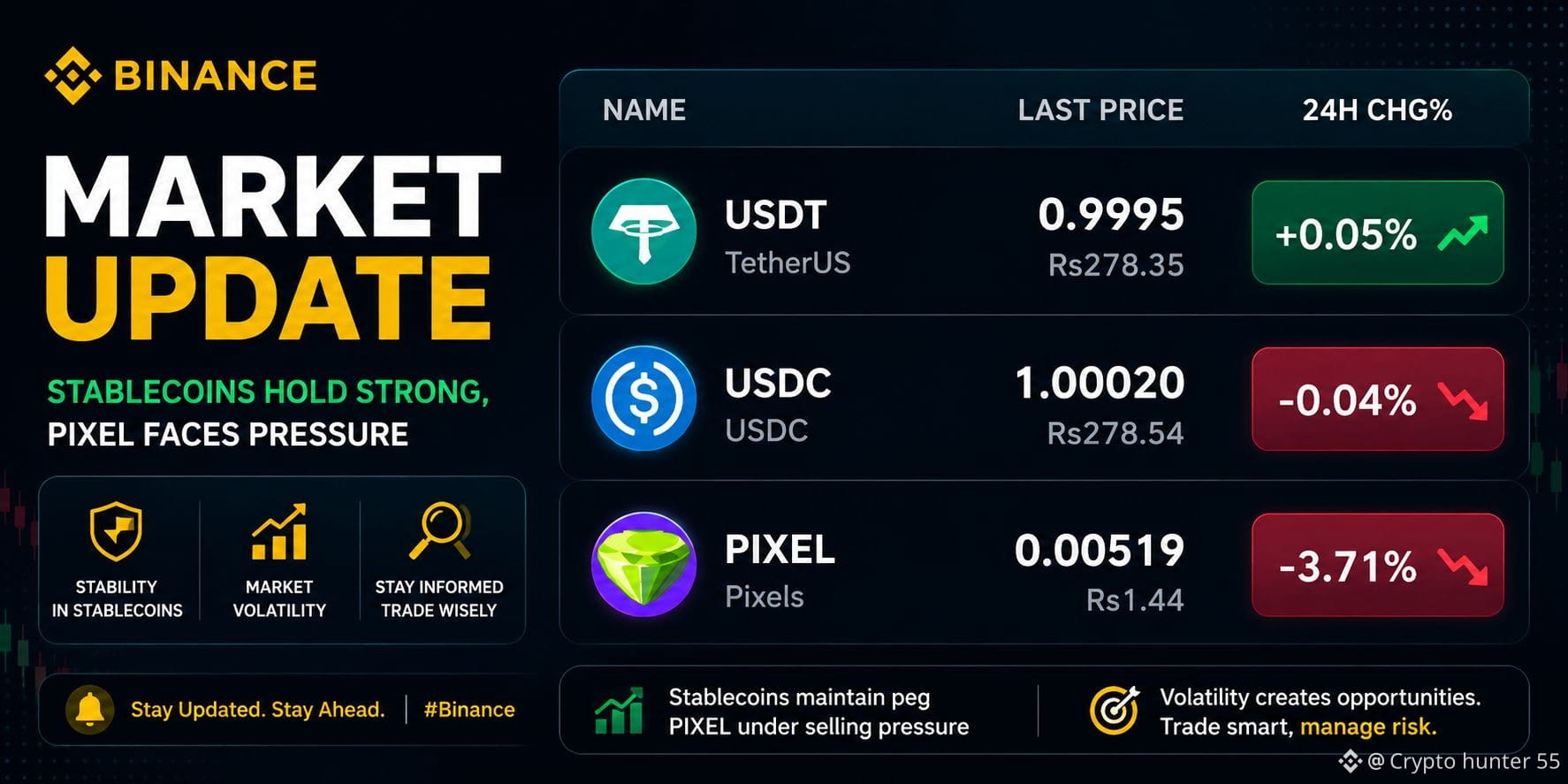
📊 ステーブルコインは安定を保ち、PIXELは圧力に直面
今日のマーケットスナップショットでは、ステーブルコインがペッグを維持している一方で、ゲームトークンは引き続きボラティリティを経験しています。
🟢 $USDT (テザーUS)
💰 価格: $0.9995
🇵🇰 PKR価値: Rs278.35
📈 24H変化: +0.05%
🔵 $USDC
💰 価格: $1.00020
🇵🇰 PKR価値: Rs278.54
📉 24H変化: -0.04%
🟣 $PIXEL (ピクセル)
💰 価格: $0.00519
🇵🇰 PKR価値: Rs1.44
📉 24H変化: -3.71%
📌 ステーブルコインはトレーダーに価格の安定性を提供し続けていますが、PIXELは短期的なショート圧力の下にあります。常に市場のボラティリティは情報を持った投資家にとってリスクと機会を生み出します。
#Crypto #USDT #USDC #Pixels #USDT時価総額がイーサリアムを上回る
📊 ステーブルコインは安定を保ち、PIXELは圧力に直面
今日のマーケットスナップショットでは、ステーブルコインがペッグを維持している一方で、ゲームトークンは引き続きボラティリティを経験しています。
🟢 $USDT (テザーUS)
💰 価格: $0.9995
🇵🇰 PKR価値: Rs278.35
📈 24H変化: +0.05%
🔵 $USDC
💰 価格: $1.00020
🇵🇰 PKR価値: Rs278.54
📉 24H変化: -0.04%
🟣 $PIXEL (ピクセル)
💰 価格: $0.00519
🇵🇰 PKR価値: Rs1.44
📉 24H変化: -3.71%
📌 ステーブルコインはトレーダーに価格の安定性を提供し続けていますが、PIXELは短期的なショート圧力の下にあります。常に市場のボラティリティは情報を持った投資家にとってリスクと機会を生み出します。
#Crypto #USDT #USDC #Pixels #USDT時価総額がイーサリアムを上回る
今日のマーケットスナップショットでは、ステーブルコインがペッグを維持している一方で、ゲームトークンは引き続きボラティリティを経験しています。
🟢 $USDT (テザーUS)
💰 価格: $0.9995
🇵🇰 PKR価値: Rs278.35
📈 24H変化: +0.05%
🔵 $USDC
💰 価格: $1.00020
🇵🇰 PKR価値: Rs278.54
📉 24H変化: -0.04%
🟣 $PIXEL (ピクセル)
💰 価格: $0.00519
🇵🇰 PKR価値: Rs1.44
📉 24H変化: -3.71%
📌 ステーブルコインはトレーダーに価格の安定性を提供し続けていますが、PIXELは短期的なショート圧力の下にあります。常に市場のボラティリティは情報を持った投資家にとってリスクと機会を生み出します。
#Crypto #USDT #USDC #Pixels #USDT時価総額がイーサリアムを上回る
140
·
--
当$PIXEL 的关注度被 Google Pixel 手机、像素艺术和老 NFT 故事稀释,真正属于项目本身的叙事反而模糊了。
现价 $0.00526,24h 成交 741 万美元,市值仅 1823 万美元——这是一个被"情報ノイズ"压住的小市值样本。
我更关心三件事:
1. 链游侧的日活与土地/资产循环是否还在跑通
2. 团队近期是否有可验证的路线图更新,而不是只靠社区回忆
3. 成交量与市值比在小盘中偏活跃,说明筹码轮换未死,但也意味着波动放大
在缺乏清晰基本面披露前,与其押方向,不如把它当作"情報修復型"标的:一旦官方叙事重新占据搜索首屏,估值锚才会回来。在那之前,仓位与止损比观点更重要。
#Pixels #GameFi #小市值观察
当$PIXEL 的关注度被 Google Pixel 手机、像素艺术和老 NFT 故事稀释,真正属于项目本身的叙事反而模糊了。
现价 $0.00526,24h 成交 741 万美元,市值仅 1823 万美元——这是一个被"情報ノイズ"压住的小市值样本。
我更关心三件事:
1. 链游侧的日活与土地/资产循环是否还在跑通
2. 团队近期是否有可验证的路线图更新,而不是只靠社区回忆
3. 成交量与市值比在小盘中偏活跃,说明筹码轮换未死,但也意味着波动放大
在缺乏清晰基本面披露前,与其押方向,不如把它当作"情報修復型"标的:一旦官方叙事重新占据搜索首屏,估值锚才会回来。在那之前,仓位与止损比观点更重要。
#Pixels #GameFi #小市值观察
现价 $0.00526,24h 成交 741 万美元,市值仅 1823 万美元——这是一个被"情報ノイズ"压住的小市值样本。
我更关心三件事:
1. 链游侧的日活与土地/资产循环是否还在跑通
2. 团队近期是否有可验证的路线图更新,而不是只靠社区回忆
3. 成交量与市值比在小盘中偏活跃,说明筹码轮换未死,但也意味着波动放大
在缺乏清晰基本面披露前,与其押方向,不如把它当作"情報修復型"标的:一旦官方叙事重新占据搜索首屏,估值锚才会回来。在那之前,仓位与止损比观点更重要。
#Pixels #GameFi #小市值观察
102

·
--
💥🚀🎮 $PIXEL モメンタム・ウォッチ
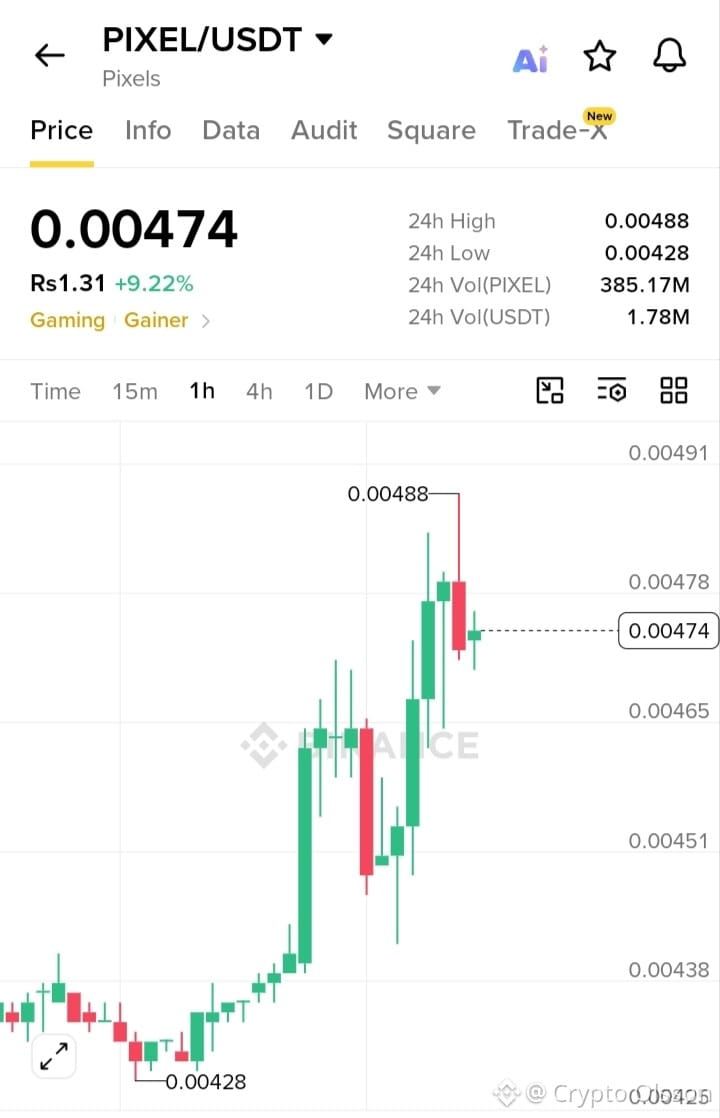
PIXELは約$0.0042〜$0.0048で推移しており、24Hの出来高は約$5M〜$6Mです。最近のデータでは、トークンが7月の安値付近にとどまっている一方で、流動性はまだ活発です。
📊 主要レベル:
• サポート:$0.0040
• レジスタンス:$0.0050
• $0.0050を上抜け+出来高の増加=より強いモメンタムのシグナル
• $0.0040を割り込む=下方向のリスク
私見:PIXELは高ボラティリティなゲーム系トークンで、価格そのものより出来高の確認がより重要です。$0.0050のゾーンをしっかり注視しましょう。👀
#PIXEL #Pixels #Crypto #gaming #BinanceSquareFamily 💥🚀
{spot}(PIXELUSDT)
💥🚀🎮 $PIXEL モメンタム・ウォッチ
PIXELは約$0.0042〜$0.0048で推移しており、24Hの出来高は約$5M〜$6Mです。最近のデータでは、トークンが7月の安値付近にとどまっている一方で、流動性はまだ活発です。
📊 主要レベル:
• サポート:$0.0040
• レジスタンス:$0.0050
• $0.0050を上抜け+出来高の増加=より強いモメンタムのシグナル
• $0.0040を割り込む=下方向のリスク
私見:PIXELは高ボラティリティなゲーム系トークンで、価格そのものより出来高の確認がより重要です。$0.0050のゾーンをしっかり注視しましょう。👀
#PIXEL #Pixels #Crypto #gaming #BinanceSquareFamily 💥🚀
PIXELは約$0.0042〜$0.0048で推移しており、24Hの出来高は約$5M〜$6Mです。最近のデータでは、トークンが7月の安値付近にとどまっている一方で、流動性はまだ活発です。
📊 主要レベル:
• サポート:$0.0040
• レジスタンス:$0.0050
• $0.0050を上抜け+出来高の増加=より強いモメンタムのシグナル
• $0.0040を割り込む=下方向のリスク
私見:PIXELは高ボラティリティなゲーム系トークンで、価格そのものより出来高の確認がより重要です。$0.0050のゾーンをしっかり注視しましょう。👀
#PIXEL #Pixels #Crypto #gaming #BinanceSquareFamily 💥🚀
1
119

·
--

記事
🎉🏆 報酬、NFT コミュニティ & サッカーがPIXELSで交わる 🏆🎉Pixels Community Cupは競争だけでなく、コミュニティ全体を一つにすることに関するものです。
プレイヤーは以下の周りにチームを作成できます:
🌎 国々
🎨 NFT コレクション
👥 コミュニティ
⚔️ ギルド
🏴 地域
リアルワールドサッカー大会に参加する48カ国を代表する特別な国のジャージがゲーム内で入手可能で、コミュニティのリクエストに基づいてさらに多くの国が追加されます。
もちろん... 勝者には報酬が待っています 👀
🥇 トップチームは独占トロフィーを受け取ります
🎉🏆 報酬、NFT コミュニティ & サッカーがPIXELSで交わる 🏆🎉
Pixels Community Cupは競争だけでなく、コミュニティ全体を一つにすることに関するものです。
プレイヤーは以下の周りにチームを作成できます:
🌎 国々
🎨 NFT コレクション
👥 コミュニティ
⚔️ ギルド
🏴 地域
リアルワールドサッカー大会に参加する48カ国を代表する特別な国のジャージがゲーム内で入手可能で、コミュニティのリクエストに基づいてさらに多くの国が追加されます。
もちろん... 勝者には報酬が待っています 👀
🥇 トップチームは独占トロフィーを受け取ります
プレイヤーは以下の周りにチームを作成できます:
🌎 国々
🎨 NFT コレクション
👥 コミュニティ
⚔️ ギルド
🏴 地域
リアルワールドサッカー大会に参加する48カ国を代表する特別な国のジャージがゲーム内で入手可能で、コミュニティのリクエストに基づいてさらに多くの国が追加されます。
もちろん... 勝者には報酬が待っています 👀
🥇 トップチームは独占トロフィーを受け取ります
576
·
--
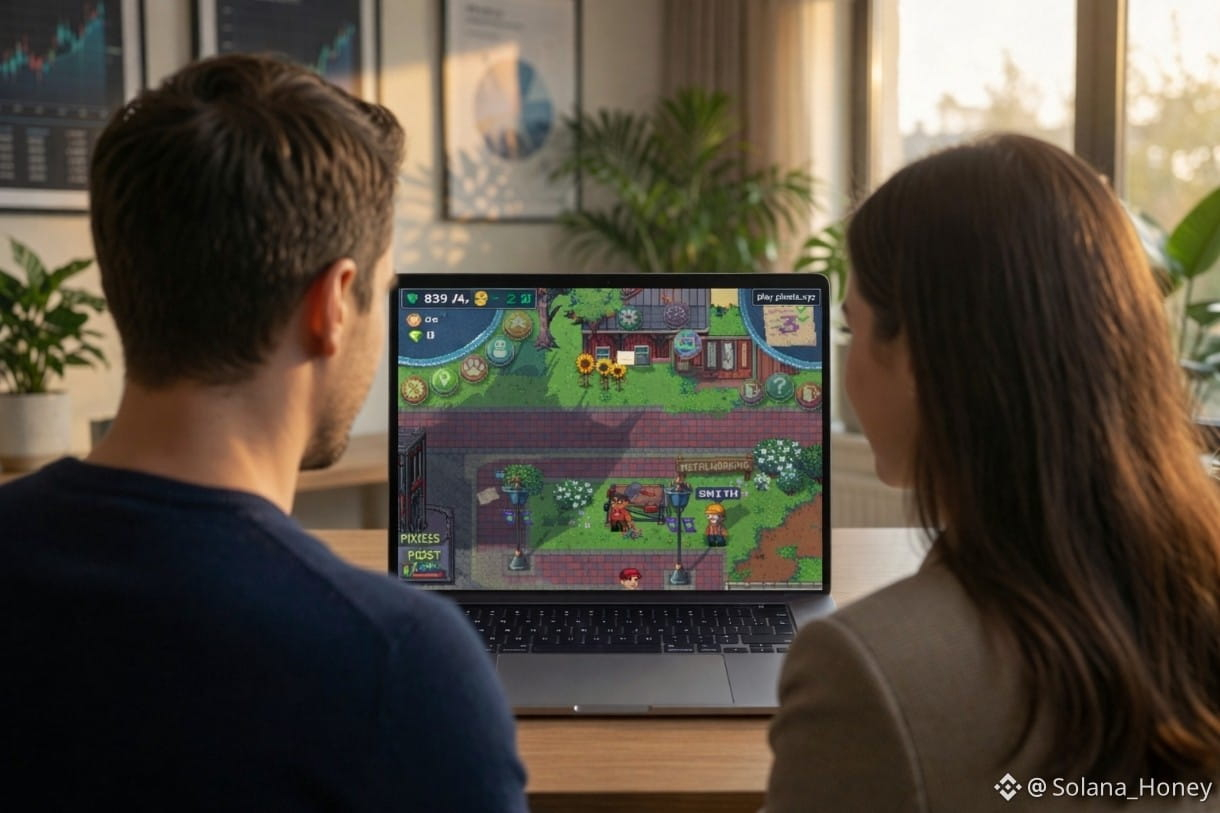
🚀 PIXELS GAMEFI:本物のGameFiを征服する「O Farming」! 🌾 $PIXEL
やあ、Pixelsの熱狂ファンのみんな!
楽しくて中毒性があり、しかもブロックチェーン上に本物の経済があるゲームが好きなら、Pixelsはずっと成果を届け続けているプロジェクトだよ。オープンなピクセルワールドで、畑を植えて、探索して、自分のファームを建てて、クエストをこなし、ペットを育てて、コミュニティと交流しながら——$PIXEL で本当に稼げるんだ。
ただの「すぐ死ぬ」Play-to-Earnじゃない。PixelsはGameFiに革新をもたらした:誰でも始めやすいfree-to-play、Roninとの強力な統合、限定パーク付きのステーキング(#PIXELS )、コミュニティのガバナンス、そして進化し続けるエコシステム。
なぜ$PIXEL は今注目に値するの?
• ゲーム内での本当の実用性(クラフティング、VIP、ギルド、NFTペット)
• 構築中の持続可能な経済
• 活発で情熱的なコミュニティ
• 次のGameFiサイクルでの成長の可能性
Pixelsで既に植えている人、手を挙げて!🌱 ゲーム内で一番好きな戦略は? ベリーを育てる、マーケットプレイスでトレードする、それとも$PIXELをがっつりステーキング?
下にコメントして、友達のファーマーにもタグ付けして、この宇宙を一緒に育てていこう!
#Pixels #PIXEL #GameFi #PlayToEarn
{spot}(PIXELUSDT)
{spot}(RONINUSDT)
🚀 PIXELS GAMEFI:本物のGameFiを征服する「O Farming」! 🌾 $PIXEL
やあ、Pixelsの熱狂ファンのみんな!
楽しくて中毒性があり、しかもブロックチェーン上に本物の経済があるゲームが好きなら、Pixelsはずっと成果を届け続けているプロジェクトだよ。オープンなピクセルワールドで、畑を植えて、探索して、自分のファームを建てて、クエストをこなし、ペットを育てて、コミュニティと交流しながら——$PIXEL で本当に稼げるんだ。
ただの「すぐ死ぬ」Play-to-Earnじゃない。PixelsはGameFiに革新をもたらした:誰でも始めやすいfree-to-play、Roninとの強力な統合、限定パーク付きのステーキング(#PIXELS )、コミュニティのガバナンス、そして進化し続けるエコシステム。
なぜ$PIXEL は今注目に値するの?
• ゲーム内での本当の実用性(クラフティング、VIP、ギルド、NFTペット)
• 構築中の持続可能な経済
• 活発で情熱的なコミュニティ
• 次のGameFiサイクルでの成長の可能性
Pixelsで既に植えている人、手を挙げて!🌱 ゲーム内で一番好きな戦略は? ベリーを育てる、マーケットプレイスでトレードする、それとも$PIXEL をがっつりステーキング?
下にコメントして、友達のファーマーにもタグ付けして、この宇宙を一緒に育てていこう!
#Pixels #PIXEL #GameFi #PlayToEarn
やあ、Pixelsの熱狂ファンのみんな!
楽しくて中毒性があり、しかもブロックチェーン上に本物の経済があるゲームが好きなら、Pixelsはずっと成果を届け続けているプロジェクトだよ。オープンなピクセルワールドで、畑を植えて、探索して、自分のファームを建てて、クエストをこなし、ペットを育てて、コミュニティと交流しながら——$PIXEL で本当に稼げるんだ。
ただの「すぐ死ぬ」Play-to-Earnじゃない。PixelsはGameFiに革新をもたらした:誰でも始めやすいfree-to-play、Roninとの強力な統合、限定パーク付きのステーキング(#PIXELS )、コミュニティのガバナンス、そして進化し続けるエコシステム。
なぜ$PIXEL は今注目に値するの?
• ゲーム内での本当の実用性(クラフティング、VIP、ギルド、NFTペット)
• 構築中の持続可能な経済
• 活発で情熱的なコミュニティ
• 次のGameFiサイクルでの成長の可能性
Pixelsで既に植えている人、手を挙げて!🌱 ゲーム内で一番好きな戦略は? ベリーを育てる、マーケットプレイスでトレードする、それとも$PIXEL をがっつりステーキング?
下にコメントして、友達のファーマーにもタグ付けして、この宇宙を一緒に育てていこう!
#Pixels #PIXEL #GameFi #PlayToEarn
390
·
--

記事
🏆⚽ PIXELSコミュニティカップ形式&スケジュール ⚽🏆あなたのチームはチャンピオンになるポテンシャルがあると思う?
トーナメントの流れはこうだ:
📅 6月15-19日
チームの登録が開始される。
📅 6月20-22日
チームが確認され、グループに配置される。
🎲 6月22日
公式グループ抽選がライブで行われる。
すべてのチームが対戦相手を確認し、戦いの準備を始める。
📅 6月23-26日
グループステージ開始
⚽ ラウンドロビン形式
⏱️ 25分マッチ
• 10分ハーフが2回
• 5分のハーフタイム
最高のパフォーマンスを発揮したチームがノックアウトステージに進出し、そこでは最強のチームだけが生き残る。
🏆⚽ PIXELSコミュニティカップ形式&スケジュール ⚽🏆
あなたのチームはチャンピオンになるポテンシャルがあると思う?
トーナメントの流れはこうだ:
📅 6月15-19日
チームの登録が開始される。
📅 6月20-22日
チームが確認され、グループに配置される。
🎲 6月22日
公式グループ抽選がライブで行われる。
すべてのチームが対戦相手を確認し、戦いの準備を始める。
📅 6月23-26日
グループステージ開始
⚽ ラウンドロビン形式
⏱️ 25分マッチ
• 10分ハーフが2回
• 5分のハーフタイム
最高のパフォーマンスを発揮したチームがノックアウトステージに進出し、そこでは最強のチームだけが生き残る。
トーナメントの流れはこうだ:
📅 6月15-19日
チームの登録が開始される。
📅 6月20-22日
チームが確認され、グループに配置される。
🎲 6月22日
公式グループ抽選がライブで行われる。
すべてのチームが対戦相手を確認し、戦いの準備を始める。
📅 6月23-26日
グループステージ開始
⚽ ラウンドロビン形式
⏱️ 25分マッチ
• 10分ハーフが2回
• 5分のハーフタイム
最高のパフォーマンスを発揮したチームがノックアウトステージに進出し、そこでは最強のチームだけが生き残る。
1
5
302
$PIXEL 現在の価格 $0.00526、24h 出来高 741 万ドル、時価総額はわずか 1823 万ドル。流動性はやや薄いが、取引回転は高すぎない。
最近の Pixels に関する公開の議論は、ほぼ Google Pixel のスマホ、ピクセルアート、そして初期の NFT の歴史に引っ張られており、トークンの基本的な価値やチェーンゲーム(チェーン上のゲーム)の進捗に本当に焦点を当てる声は多くない。これが、価格に方向性が出にくい理由の一つでもある——市場が話題にしていないから、当然ながら値付けもされにくい。
私にとって、このような小型時価総額の GameFi を判断する軸は2つだけ。1つ目は、オンチェーンのアクティブアドレスと日常タスクの継続率が安定して維持できるかどうか。2つ目は、チームの今後のアップデート頻度だ。どちらかが欠ければ、反発はただの感情的な動きにすぎない。
基本面のデータが回復しているのを確認できるまでは様子見の方がよく、追いかけて高値掴みはしない。押し目で重要なサポートに再度反応したところで、少額から試しに検討する。
#Pixels #GameFi #小型時価総額トークン
$PIXEL 現在の価格 $0.00526、24h 出来高 741 万ドル、時価総額はわずか 1823 万ドル。流動性はやや薄いが、取引回転は高すぎない。
最近の Pixels に関する公開の議論は、ほぼ Google Pixel のスマホ、ピクセルアート、そして初期の NFT の歴史に引っ張られており、トークンの基本的な価値やチェーンゲーム(チェーン上のゲーム)の進捗に本当に焦点を当てる声は多くない。これが、価格に方向性が出にくい理由の一つでもある——市場が話題にしていないから、当然ながら値付けもされにくい。
私にとって、このような小型時価総額の GameFi を判断する軸は2つだけ。1つ目は、オンチェーンのアクティブアドレスと日常タスクの継続率が安定して維持できるかどうか。2つ目は、チームの今後のアップデート頻度だ。どちらかが欠ければ、反発はただの感情的な動きにすぎない。
基本面のデータが回復しているのを確認できるまでは様子見の方がよく、追いかけて高値掴みはしない。押し目で重要なサポートに再度反応したところで、少額から試しに検討する。
#Pixels #GameFi #小型時価総額トークン
最近の Pixels に関する公開の議論は、ほぼ Google Pixel のスマホ、ピクセルアート、そして初期の NFT の歴史に引っ張られており、トークンの基本的な価値やチェーンゲーム(チェーン上のゲーム)の進捗に本当に焦点を当てる声は多くない。これが、価格に方向性が出にくい理由の一つでもある——市場が話題にしていないから、当然ながら値付けもされにくい。
私にとって、このような小型時価総額の GameFi を判断する軸は2つだけ。1つ目は、オンチェーンのアクティブアドレスと日常タスクの継続率が安定して維持できるかどうか。2つ目は、チームの今後のアップデート頻度だ。どちらかが欠ければ、反発はただの感情的な動きにすぎない。
基本面のデータが回復しているのを確認できるまでは様子見の方がよく、追いかけて高値掴みはしない。押し目で重要なサポートに再度反応したところで、少額から試しに検討する。
#Pixels #GameFi #小型時価総額トークン
114
·
--

記事
⚽🔥 ピクセルコミュニティカップが来た! 🔥⚽お気に入りのファーミングゲームが、さらに競争の激しいものになろうとしています。
ピクセルコミュニティカップが正式にスタートし、サッカーをピクセルの世界に直接持ち込むことになります。コミュニティ全体のプレイヤーがチームを結成し、グループステージを戦い抜き、ランキングを上げ、チャンピオンシップの栄光を目指します。
あなたが代表しているのは:
🌎 国
🏴 地域
🎨 NFTコレクション
👥 コミュニティ
🔥 ギルド
選択はあなた次第。
チームはラウンドロビンのグループステージで競い合い、その後、すべての試合が重要な激しいノックアウトラウンドに進みます。
⚽🔥 ピクセルコミュニティカップが来た! 🔥⚽
お気に入りのファーミングゲームが、さらに競争の激しいものになろうとしています。
ピクセルコミュニティカップが正式にスタートし、サッカーをピクセルの世界に直接持ち込むことになります。コミュニティ全体のプレイヤーがチームを結成し、グループステージを戦い抜き、ランキングを上げ、チャンピオンシップの栄光を目指します。
あなたが代表しているのは:
🌎 国
🏴 地域
🎨 NFTコレクション
👥 コミュニティ
🔥 ギルド
選択はあなた次第。
チームはラウンドロビンのグループステージで競い合い、その後、すべての試合が重要な激しいノックアウトラウンドに進みます。
ピクセルコミュニティカップが正式にスタートし、サッカーをピクセルの世界に直接持ち込むことになります。コミュニティ全体のプレイヤーがチームを結成し、グループステージを戦い抜き、ランキングを上げ、チャンピオンシップの栄光を目指します。
あなたが代表しているのは:
🌎 国
🏴 地域
🎨 NFTコレクション
👥 コミュニティ
🔥 ギルド
選択はあなた次第。
チームはラウンドロビンのグループステージで競い合い、その後、すべての試合が重要な激しいノックアウトラウンドに進みます。
142
バンカーからトレーダーへ $BTC $ETH
構造化された銀行の役割から、もっと独立して柔軟なものに大きなシフトをしたようですね。トレーディングは、特に自分の決定をコントロールし、仕事の直接的な結果を見ることができるので、日々の報酬感が確かに高いです。
とはいえ、トレードオフについて少し現実的でいることも大切です。銀行業は通常、安定性、予測可能な収入、長期的なセキュリティを提供しますが、トレーディングの収入は市場やリスク管理によって大きく変動する可能性があります。変化に満足することは重要ですが、それが持続可能であることも同じくらい重要です。
覚えておくべきことがいくつかあります:
短期間だけでなく、時間をかけて一貫して利益を上げていますか?
悪いトレーディング期間のための安全ネットや貯金はありますか?
リスクを慎重に管理していますか(ポジションサイズ、ストップロスなど)?
これらの基盤が整っていれば、トレーディングがもたらす自由を楽しむための強いポジションにいることができます。
#Pixels
$PIXEL
バンカーからトレーダーへ $BTC $ETH
構造化された銀行の役割から、もっと独立して柔軟なものに大きなシフトをしたようですね。トレーディングは、特に自分の決定をコントロールし、仕事の直接的な結果を見ることができるので、日々の報酬感が確かに高いです。
とはいえ、トレードオフについて少し現実的でいることも大切です。銀行業は通常、安定性、予測可能な収入、長期的なセキュリティを提供しますが、トレーディングの収入は市場やリスク管理によって大きく変動する可能性があります。変化に満足することは重要ですが、それが持続可能であることも同じくらい重要です。
覚えておくべきことがいくつかあります:
短期間だけでなく、時間をかけて一貫して利益を上げていますか?
悪いトレーディング期間のための安全ネットや貯金はありますか?
リスクを慎重に管理していますか(ポジションサイズ、ストップロスなど)?
これらの基盤が整っていれば、トレーディングがもたらす自由を楽しむための強いポジションにいることができます。
#Pixels
$PIXEL
構造化された銀行の役割から、もっと独立して柔軟なものに大きなシフトをしたようですね。トレーディングは、特に自分の決定をコントロールし、仕事の直接的な結果を見ることができるので、日々の報酬感が確かに高いです。
とはいえ、トレードオフについて少し現実的でいることも大切です。銀行業は通常、安定性、予測可能な収入、長期的なセキュリティを提供しますが、トレーディングの収入は市場やリスク管理によって大きく変動する可能性があります。変化に満足することは重要ですが、それが持続可能であることも同じくらい重要です。
覚えておくべきことがいくつかあります:
短期間だけでなく、時間をかけて一貫して利益を上げていますか?
悪いトレーディング期間のための安全ネットや貯金はありますか?
リスクを慎重に管理していますか(ポジションサイズ、ストップロスなど)?
これらの基盤が整っていれば、トレーディングがもたらす自由を楽しむための強いポジションにいることができます。
#Pixels
$PIXEL


1
1
59

·
--
@pixels2026年には、PIXELデジタル通貨がゲームの内部経済を支える多くの重要な機能を提供します。これは特別な通貨であり、種を購入するような基本的な取引には使用されませんが、高価値のアクションに特化しています。これには、プレミアムメンバーシップの購入が含まれ、プレイヤーにエネルギーの再生を増加させ、排他的なエリアへのアクセスを提供します。さらに、PIXELは「ペット」のNFTトークンを作成し、「ギルド」システムに参加するために必要です。このシステムは、ゲームの社会的および競争的構造の背骨となっています。
@pixels
2026年には、PIXELデジタル通貨がゲームの内部経済を支える多くの重要な機能を提供します。これは特別な通貨であり、種を購入するような基本的な取引には使用されませんが、高価値のアクションに特化しています。これには、プレミアムメンバーシップの購入が含まれ、プレイヤーにエネルギーの再生を増加させ、排他的なエリアへのアクセスを提供します。さらに、PIXELは「ペット」のNFTトークンを作成し、「ギルド」システムに参加するために必要です。このシステムは、ゲームの社会的および競争的構造の背骨となっています。
68

·
--
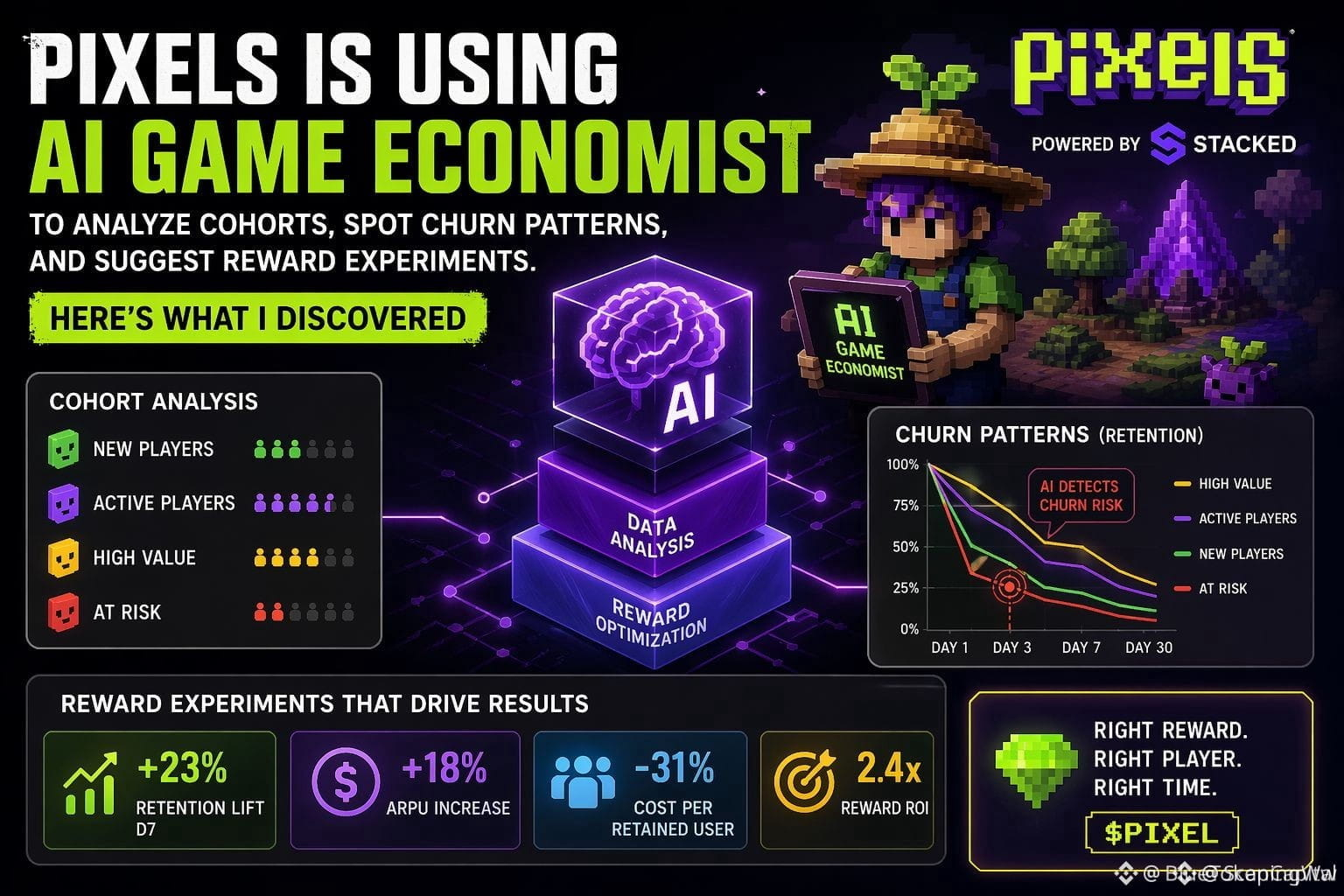
Pixelsは静かにGameFi経済をアップグレードしています $PIXEL 🔥
これは重要です。StackedのAIエコノミストは、リアルなプレイヤーをエクストラクターから分け、早期にチャンを見つけ、報酬をコホートごとに再価格設定することができます。全員に同じエミッションをダンプするのではなく。このループが機能すれば、市場は価値の漏出を止め、精密な資本のようなインセンティブを使用し始めます。これがまさにクジラの行動とリテンションメトリクスが整合する方法です。
これは投資アドバイスではありません。リスクを管理し、資本を守ってください。
#GameFi #Aİ #Crypto #Pixels #Web3 ✦
{future}(PIXELUSDT)
Pixelsは静かにGameFi経済をアップグレードしています $PIXEL 🔥
これは重要です。StackedのAIエコノミストは、リアルなプレイヤーをエクストラクターから分け、早期にチャンを見つけ、報酬をコホートごとに再価格設定することができます。全員に同じエミッションをダンプするのではなく。このループが機能すれば、市場は価値の漏出を止め、精密な資本のようなインセンティブを使用し始めます。これがまさにクジラの行動とリテンションメトリクスが整合する方法です。
これは投資アドバイスではありません。リスクを管理し、資本を守ってください。
#GameFi #Aİ #Crypto #Pixels #Web3 ✦
これは重要です。StackedのAIエコノミストは、リアルなプレイヤーをエクストラクターから分け、早期にチャンを見つけ、報酬をコホートごとに再価格設定することができます。全員に同じエミッションをダンプするのではなく。このループが機能すれば、市場は価値の漏出を止め、精密な資本のようなインセンティブを使用し始めます。これがまさにクジラの行動とリテンションメトリクスが整合する方法です。
これは投資アドバイスではありません。リスクを管理し、資本を守ってください。
#GameFi #Aİ #Crypto #Pixels #Web3 ✦
17
ログインして、さらにコンテンツを読む
厳選トピックで世界の暗号資産トレーダーの仲間入り
⚡️ 暗号資産に関する最新かつ有益な情報が見つかります。
💬 世界最大の暗号資産取引所から信頼されています。
👍 認証を受けたクリエイターから、有益なインサイトを得られます。
メール / 電話番号
トレンドトピック
1
#FedRateWatch
閲覧回数 753,330
3,566人が討論中
2
#ArgentinaCommitsToOECDCryptoReportingBy2029
閲覧回数 2,890
92人が討論中
3
#EthereumFallsBelow$2400
閲覧回数 2,012
48人が討論中
4
#USDTLaunchesOnZamaPrivacyProtocol
閲覧回数 800
40人が討論中
5
#USSenateBlocksClarityAct
閲覧回数 14,590
267人が討論中
6
#BitcoinSlidesTo$76000
閲覧回数 33,695
150人が討論中
7
#BitcoinReboundsTo$79K
閲覧回数 66,263
424人が討論中
8
#StrategyMarketCapPassesFord
閲覧回数 58,090
862人が討論中
9
#ClarityActOddsHalveOnPolymarket
閲覧回数 96,130
782人が討論中
10
#US30YTreasuryYieldTops5.40%
閲覧回数 49,985
496人が討論中