
CipherX
5.4k 投稿

CipherX
 厳選トピック確認済+
報告
ユーザーをブロック
X: Cipher2x :KOL
低高頻度トレーダー
4.8年
169 フォロー
33.2K+ フォロワー
37.9K+ いいね
投稿
すべて
引用
ライブ
PINNED
·
--

記事
私のバイナンスとの旅と、バイナンススクエアが私の学び方、取引の仕方、そして暗号を共有する方法をどう変えたか私はバイナンススクエアを過小評価していましたが、それは私の暗号の旅の最も重要な部分の一つになりました
バイナンスアプリの中で初めてバイナンススクエアに気づいたとき、私は完全に誤解していました
私には、それは市場が静かなときに意見、ニュース、またはランダムな投稿をスクロールするための別のフィードのように見えました。
私はそれを深刻なものとは見ていませんでした。
私は確かに、それが成長、学び、または収入に役割を果たすことができるものだとは見ていませんでした。
それは私の間違いでした
バイナンススクエアはフィードではないからです
私のバイナンスとの旅と、バイナンススクエアが私の学び方、取引の仕方、そして暗号を共有する方法をどう変えたか
私はバイナンススクエアを過小評価していましたが、それは私の暗号の旅の最も重要な部分の一つになりました
バイナンスアプリの中で初めてバイナンススクエアに気づいたとき、私は完全に誤解していました
私には、それは市場が静かなときに意見、ニュース、またはランダムな投稿をスクロールするための別のフィードのように見えました。
私はそれを深刻なものとは見ていませんでした。
私は確かに、それが成長、学び、または収入に役割を果たすことができるものだとは見ていませんでした。
それは私の間違いでした
バイナンススクエアはフィードではないからです
バイナンスアプリの中で初めてバイナンススクエアに気づいたとき、私は完全に誤解していました
私には、それは市場が静かなときに意見、ニュース、またはランダムな投稿をスクロールするための別のフィードのように見えました。
私はそれを深刻なものとは見ていませんでした。
私は確かに、それが成長、学び、または収入に役割を果たすことができるものだとは見ていませんでした。
それは私の間違いでした
バイナンススクエアはフィードではないからです
61
10
173
79.4k
·
--
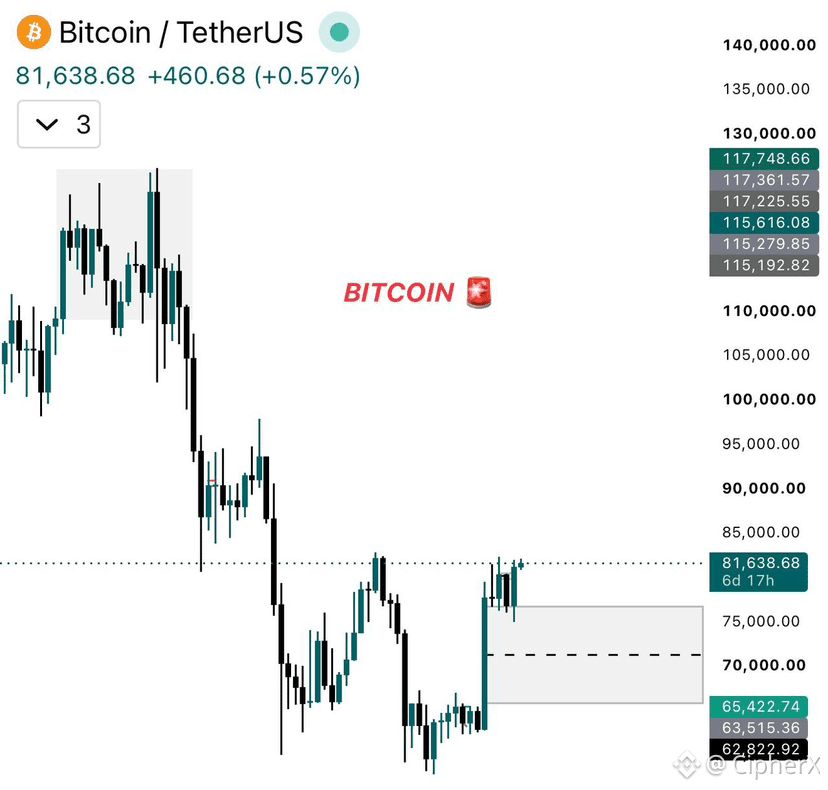
市場の様子がかなり変わり始めています
$BTC は過去4か月で最も高い週次水準でクローズしました
そして50週移動平均がついに回復されました
ビットコインがこのトレンドラインを上回ることができたのは、2025年11月以来です
完全に戻ってきました。
市場の様子がかなり変わり始めています
$BTC は過去4か月で最も高い週次水準でクローズしました
そして50週移動平均がついに回復されました
ビットコインがこのトレンドラインを上回ることができたのは、2025年11月以来です
完全に戻ってきました。
$BTC は過去4か月で最も高い週次水準でクローズしました
そして50週移動平均がついに回復されました
ビットコインがこのトレンドラインを上回ることができたのは、2025年11月以来です
完全に戻ってきました。
1
3.4k
·
--
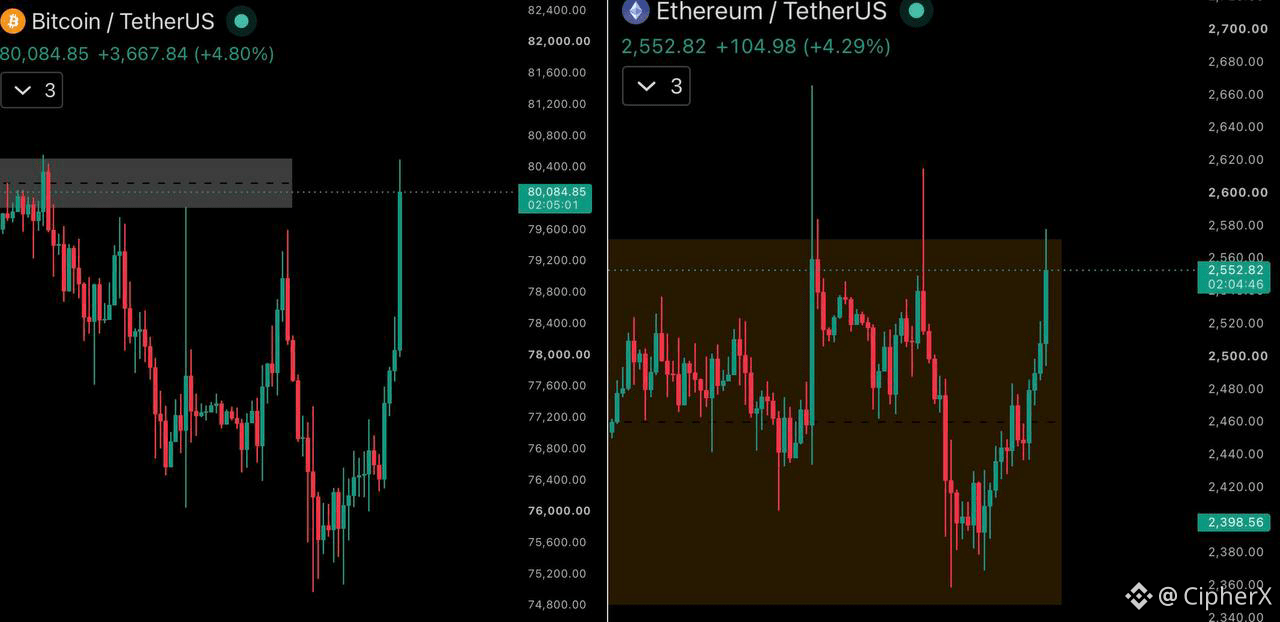
$BTC は 80K ドルを取り戻しました
$ETH は 2,500 ドルを再び上回りました
仮想通貨市場全体がまたグリーンに転じています
そしてようやく、勢いが切り替わってきているのを感じられます
強気派が戻ってきています
私たちは本当に戻ってきました。
$BTC は 80K ドルを取り戻しました
$ETH は 2,500 ドルを再び上回りました
仮想通貨市場全体がまたグリーンに転じています
そしてようやく、勢いが切り替わってきているのを感じられます
強気派が戻ってきています
私たちは本当に戻ってきました。
$ETH は 2,500 ドルを再び上回りました
仮想通貨市場全体がまたグリーンに転じています
そしてようやく、勢いが切り替わってきているのを感じられます
強気派が戻ってきています
私たちは本当に戻ってきました。
403
·
--
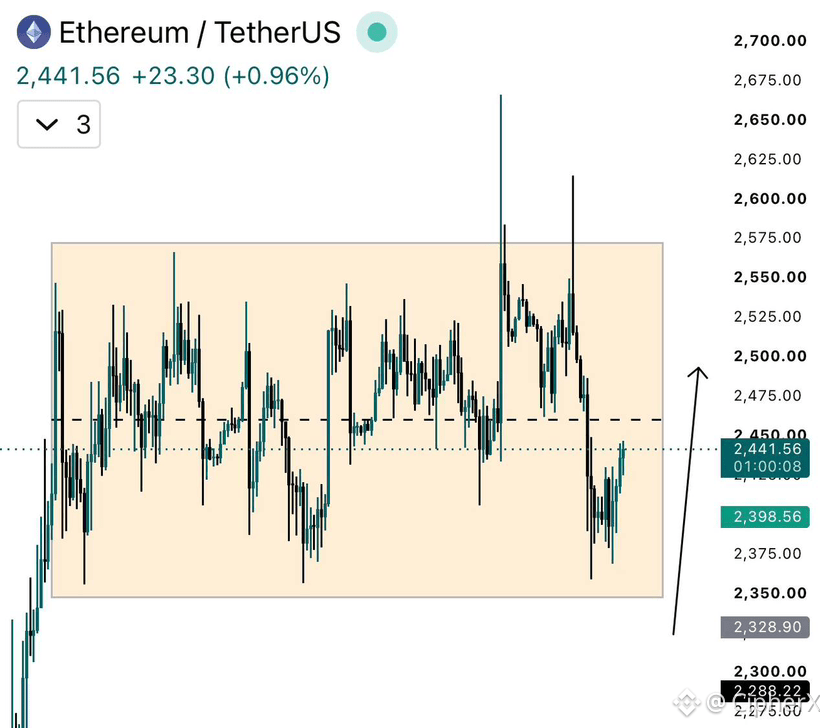
$ETH UPDATE
価格はかなり前から揉み合いを続けています
このレンジ内で複数回の値動きを確認しました
次の上昇局面に入る前に、もう一段下方向への動きが来ると見込んでいます
$2,300 へのスイープを監視しています
そこから、$2,550 そしてそれ以上へ向かう強気の動きを狙えます
これが私のETHのセットアップです
$ETH UPDATE
価格はかなり前から揉み合いを続けています
このレンジ内で複数回の値動きを確認しました
次の上昇局面に入る前に、もう一段下方向への動きが来ると見込んでいます
$2,300 へのスイープを監視しています
そこから、$2,550 そしてそれ以上へ向かう強気の動きを狙えます
これが私のETHのセットアップです
価格はかなり前から揉み合いを続けています
このレンジ内で複数回の値動きを確認しました
次の上昇局面に入る前に、もう一段下方向への動きが来ると見込んでいます
$2,300 へのスイープを監視しています
そこから、$2,550 そしてそれ以上へ向かう強気の動きを狙えます
これが私のETHのセットアップです
9
18
14.7k
·
--
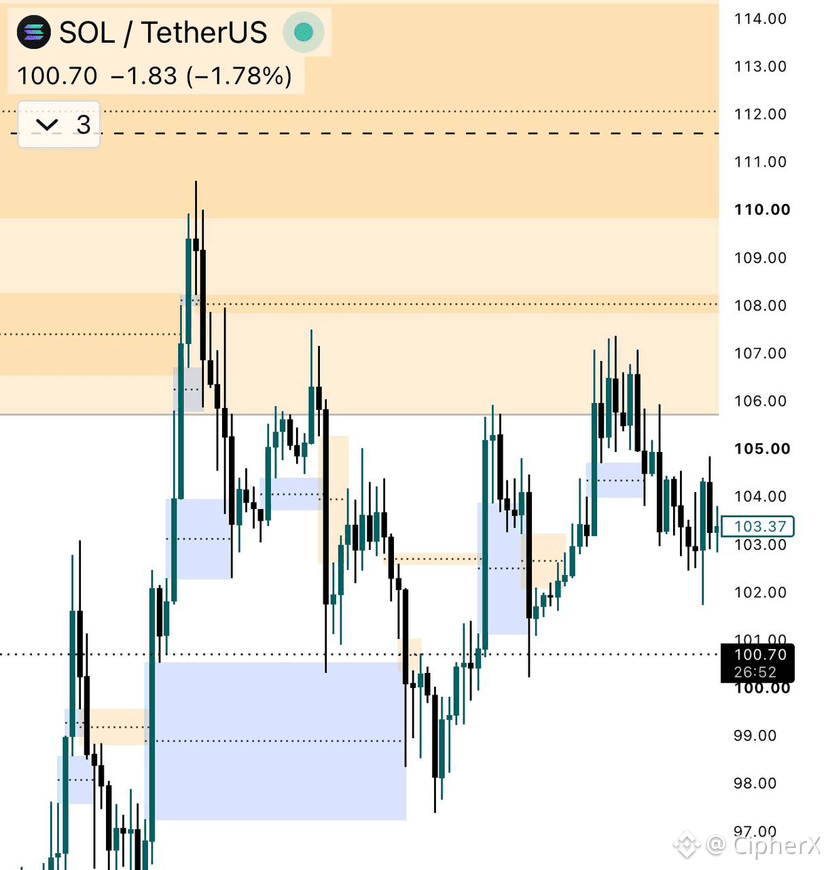
$SOL UPDATE
これまでのところ、SOLは私が予想していた通りかなり正確に動いてきました
週次FVGからは反発を受け、その後も価格は下方向に継続して動いていますが、私が待っている“強気の週次FVG”にはまだ到達していません
私の計画は変わりません
それまでは何も変わりません。
$SOL UPDATE
これまでのところ、SOLは私が予想していた通りかなり正確に動いてきました
週次FVGからは反発を受け、その後も価格は下方向に継続して動いていますが、私が待っている“強気の週次FVG”にはまだ到達していません
私の計画は変わりません
それまでは何も変わりません。
これまでのところ、SOLは私が予想していた通りかなり正確に動いてきました
週次FVGからは反発を受け、その後も価格は下方向に継続して動いていますが、私が待っている“強気の週次FVG”にはまだ到達していません
私の計画は変わりません
それまでは何も変わりません。
10
18
11k
·
--
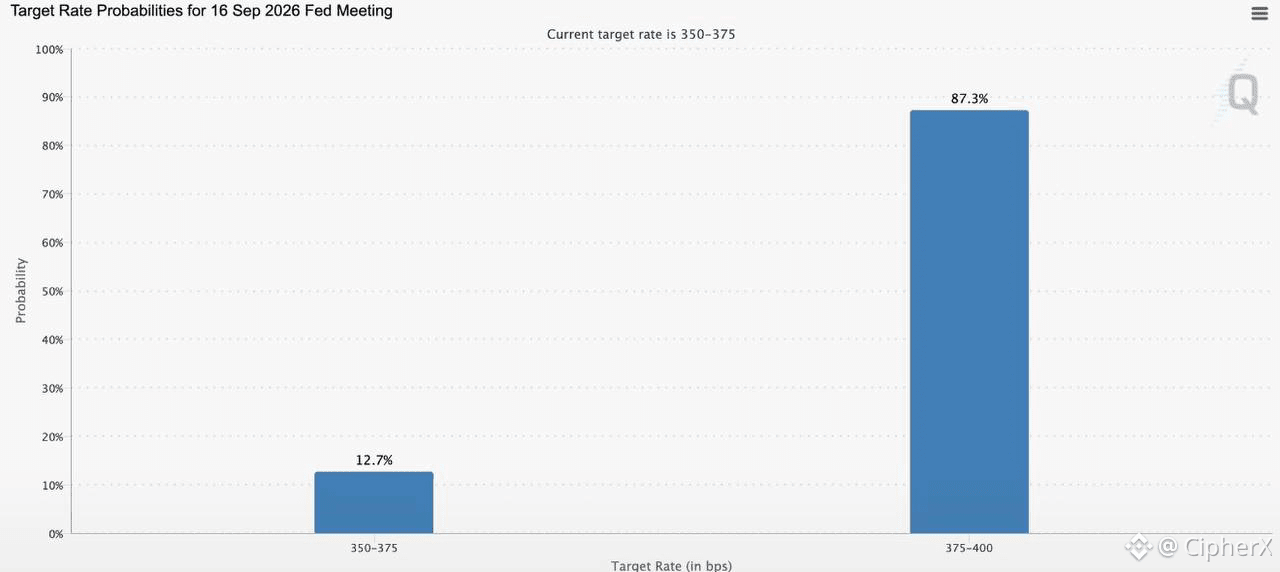
3日後にFRBが利上げする確率は78%
それは、いま必要としているのが$BTC とは限りません
金利が高いほど通常は流動性がタイトになり、$BTC のようなリスク資産に追加の圧力がかかりやすくなります
とはいえ、確率に怯えるよりも、市場がどう反応するかを見たいです
重要なのは見出しよりも反応です。
3日後にFRBが利上げする確率は78%
それは、いま必要としているのが$BTC とは限りません
金利が高いほど通常は流動性がタイトになり、$BTC のようなリスク資産に追加の圧力がかかりやすくなります
とはいえ、確率に怯えるよりも、市場がどう反応するかを見たいです
重要なのは見出しよりも反応です。
それは、いま必要としているのが$BTC とは限りません
金利が高いほど通常は流動性がタイトになり、$BTC のようなリスク資産に追加の圧力がかかりやすくなります
とはいえ、確率に怯えるよりも、市場がどう反応するかを見たいです
重要なのは見出しよりも反応です。
8
9
345
·
--
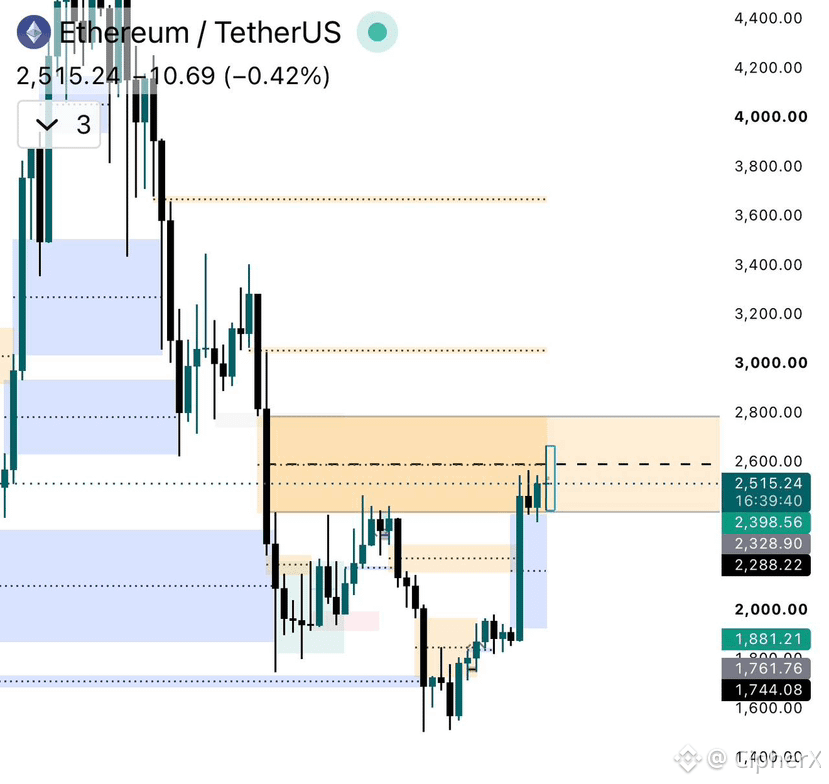
$ETH は週次のギャップの直下に位置しています
マークされたゾーンの上での週次クローズは、トレンドがより高い方向へ移行していることを強く裏付けるものになります
ETHがブレイクアウトを維持するなら、次の主要な目標は$3,000です
この水準が重要です。
週次のクローズが決め手です。
GM
$ETH は週次のギャップの直下に位置しています
マークされたゾーンの上での週次クローズは、トレンドがより高い方向へ移行していることを強く裏付けるものになります
ETHがブレイクアウトを維持するなら、次の主要な目標は$3,000です
この水準が重要です。
週次のクローズが決め手です。
GM
マークされたゾーンの上での週次クローズは、トレンドがより高い方向へ移行していることを強く裏付けるものになります
ETHがブレイクアウトを維持するなら、次の主要な目標は$3,000です
この水準が重要です。
週次のクローズが決め手です。
GM
10
14
8k
·
--
@termmax docsと見ていて、ロールがMorphoの変動型のexitに固定されているのを確認しました。ロードマップの話だけではないようです。
TermMaxのアイドル資本は、文字どおりゼロには決してなりません。貸し手のUSDCが未約定の指値で待っている間、それは裏側でAaveまたはMorphoのベース利回りへ自動的にルーティングされます。
DefiLlamaの最新スナップショットではTVLが約$71m、アクティブローンは約$27m弱と控えめな数字ですが、ポイントは規模ではなく仕組みそのものです。
私が引っかかったのは、そのアイドル資本のルーティングで最初に得をするのが誰かという点です。つまり、レンジオーダーの価格付けができるだけの十分な知見を持つキュレーターやバルトの預金者が、そのベース利回りのスプレッドを、小売向けのAPY数値に表示される前に確実に取りにいくのです。
全員向けの「固定金利のピッチ」は本物ですが、その下にある資本効率の層は、まずはプロ向けに静かに作られています。
さらにスクロールしていて、Ondo Global Marketsの担保の部分で、トークン化された株式がローン担保として使われているところを見ましたが、紙の上ではかなりワイルドです。ただ、コアのUSDC/Aaveループと比べると、使用状況は薄く見えました。
それでも、Morphoのロールからexitへの変更が、満期クラフ(崖)リスクを本当に取り除くのか、それとも後になって別の誰かの変動金利問題として言い換えているだけなのか、まだ誰か実際のロールオーバーで試した人はいますか?
#TermMax
@TermMax docsと見ていて、ロールがMorphoの変動型のexitに固定されているのを確認しました。ロードマップの話だけではないようです。
TermMaxのアイドル資本は、文字どおりゼロには決してなりません。貸し手のUSDCが未約定の指値で待っている間、それは裏側でAaveまたはMorphoのベース利回りへ自動的にルーティングされます。
DefiLlamaの最新スナップショットではTVLが約$71m、アクティブローンは約$27m弱と控えめな数字ですが、ポイントは規模ではなく仕組みそのものです。
私が引っかかったのは、そのアイドル資本のルーティングで最初に得をするのが誰かという点です。つまり、レンジオーダーの価格付けができるだけの十分な知見を持つキュレーターやバルトの預金者が、そのベース利回りのスプレッドを、小売向けのAPY数値に表示される前に確実に取りにいくのです。
全員向けの「固定金利のピッチ」は本物ですが、その下にある資本効率の層は、まずはプロ向けに静かに作られています。
さらにスクロールしていて、Ondo Global Marketsの担保の部分で、トークン化された株式がローン担保として使われているところを見ましたが、紙の上ではかなりワイルドです。ただ、コアのUSDC/Aaveループと比べると、使用状況は薄く見えました。
それでも、Morphoのロールからexitへの変更が、満期クラフ(崖)リスクを本当に取り除くのか、それとも後になって別の誰かの変動金利問題として言い換えているだけなのか、まだ誰か実際のロールオーバーで試した人はいますか?
#TermMax
TermMaxのアイドル資本は、文字どおりゼロには決してなりません。貸し手のUSDCが未約定の指値で待っている間、それは裏側でAaveまたはMorphoのベース利回りへ自動的にルーティングされます。
DefiLlamaの最新スナップショットではTVLが約$71m、アクティブローンは約$27m弱と控えめな数字ですが、ポイントは規模ではなく仕組みそのものです。
私が引っかかったのは、そのアイドル資本のルーティングで最初に得をするのが誰かという点です。つまり、レンジオーダーの価格付けができるだけの十分な知見を持つキュレーターやバルトの預金者が、そのベース利回りのスプレッドを、小売向けのAPY数値に表示される前に確実に取りにいくのです。
全員向けの「固定金利のピッチ」は本物ですが、その下にある資本効率の層は、まずはプロ向けに静かに作られています。
さらにスクロールしていて、Ondo Global Marketsの担保の部分で、トークン化された株式がローン担保として使われているところを見ましたが、紙の上ではかなりワイルドです。ただ、コアのUSDC/Aaveループと比べると、使用状況は薄く見えました。
それでも、Morphoのロールからexitへの変更が、満期クラフ(崖)リスクを本当に取り除くのか、それとも後になって別の誰かの変動金利問題として言い換えているだけなのか、まだ誰か実際のロールオーバーで試した人はいますか?
#TermMax
2
411
·
--
#termmax @termmax
TermMaxの最近の数字を見て、そもそも本当の「シグナル」が何なのかを考え直しました。
重要なのは、固定金利のメカニクス自体ではありません——手数料(フィー)のアクティビティが実際にどこから生じているのか、そこです。
最新のオンチェーンデータでは、プロトコル手数料がおよそ3.5Kドルで、期間中に約7.1Kドルが生成されたことが示されています。つまり、週の手数料アクティビティのほぼ半分が、たった1日へと集中していました。
最初は、固定金利の貸付プロトコルなら主に、安定して予測可能な借入アクティビティによって価値を示すのだろうと考えていました。
しかしTermMaxは、それとは違う様子を見せています。
利用状況はかなり集中しており、需要がスムーズに連続して活発な貸付市場のように振る舞うというより、特定の期間に需要が寄っています。
それによって、私のTermMaxの見方が変わりました。
最初は、プロダクト構造や固定金利貸付の魅力にばかり注目していました。ですが今は、より興味深いシグナルは、ユーザーが実際にそれを使うために支払う意思があるのは「いつ」なのかだと思っています。
手数料の集中は、需要がどこから来ていて、何がそれを引き起こしているのかを明らかにできます。
ただし、それだけでは需要が持続的であることは証明しません。
でも、追いかける価値のあるパターンがあることは示唆しています。
#termmax @TermMax
TermMaxの最近の数字を見て、そもそも本当の「シグナル」が何なのかを考え直しました。
重要なのは、固定金利のメカニクス自体ではありません——手数料(フィー)のアクティビティが実際にどこから生じているのか、そこです。
最新のオンチェーンデータでは、プロトコル手数料がおよそ3.5Kドルで、期間中に約7.1Kドルが生成されたことが示されています。つまり、週の手数料アクティビティのほぼ半分が、たった1日へと集中していました。
最初は、固定金利の貸付プロトコルなら主に、安定して予測可能な借入アクティビティによって価値を示すのだろうと考えていました。
しかしTermMaxは、それとは違う様子を見せています。
利用状況はかなり集中しており、需要がスムーズに連続して活発な貸付市場のように振る舞うというより、特定の期間に需要が寄っています。
それによって、私のTermMaxの見方が変わりました。
最初は、プロダクト構造や固定金利貸付の魅力にばかり注目していました。ですが今は、より興味深いシグナルは、ユーザーが実際にそれを使うために支払う意思があるのは「いつ」なのかだと思っています。
手数料の集中は、需要がどこから来ていて、何がそれを引き起こしているのかを明らかにできます。
ただし、それだけでは需要が持続的であることは証明しません。
でも、追いかける価値のあるパターンがあることは示唆しています。
TermMaxの最近の数字を見て、そもそも本当の「シグナル」が何なのかを考え直しました。
重要なのは、固定金利のメカニクス自体ではありません——手数料(フィー)のアクティビティが実際にどこから生じているのか、そこです。
最新のオンチェーンデータでは、プロトコル手数料がおよそ3.5Kドルで、期間中に約7.1Kドルが生成されたことが示されています。つまり、週の手数料アクティビティのほぼ半分が、たった1日へと集中していました。
最初は、固定金利の貸付プロトコルなら主に、安定して予測可能な借入アクティビティによって価値を示すのだろうと考えていました。
しかしTermMaxは、それとは違う様子を見せています。
利用状況はかなり集中しており、需要がスムーズに連続して活発な貸付市場のように振る舞うというより、特定の期間に需要が寄っています。
それによって、私のTermMaxの見方が変わりました。
最初は、プロダクト構造や固定金利貸付の魅力にばかり注目していました。ですが今は、より興味深いシグナルは、ユーザーが実際にそれを使うために支払う意思があるのは「いつ」なのかだと思っています。
手数料の集中は、需要がどこから来ていて、何がそれを引き起こしているのかを明らかにできます。
ただし、それだけでは需要が持続的であることは証明しません。
でも、追いかける価値のあるパターンがあることは示唆しています。
2
3
776
·
--
$BABY は、多くのトレーダーが次の眩しい物語を追いかけている間に、静かに勢いを積み上げています。
強いコミュニティは、大きな価格変動の後ではなく、その前に生まれることが多いです。導入が伸び続け、流動性が健全に保たれるなら、$BABY は今サイクルで多くの人を驚かせるかもしれません。
最高のチャンスは、群衆が気づかないまま、手遅れになるまで無視されているもののこともあります。
@babylonlabs_io #baby
$BABY は、多くのトレーダーが次の眩しい物語を追いかけている間に、静かに勢いを積み上げています。
強いコミュニティは、大きな価格変動の後ではなく、その前に生まれることが多いです。導入が伸び続け、流動性が健全に保たれるなら、$BABY は今サイクルで多くの人を驚かせるかもしれません。
最高のチャンスは、群衆が気づかないまま、手遅れになるまで無視されているもののこともあります。
@BabylonLabs_io #baby
強いコミュニティは、大きな価格変動の後ではなく、その前に生まれることが多いです。導入が伸び続け、流動性が健全に保たれるなら、$BABY は今サイクルで多くの人を驚かせるかもしれません。
最高のチャンスは、群衆が気づかないまま、手遅れになるまで無視されているもののこともあります。
@BabylonLabs_io #baby
12
15
2.5k
·
--
$BABY は、単一のハイプ・サイクルで勝ちにいくために動いているのではなく、長期的な普及を見据えて構築しています。
最強のコミュニティは、価格変動だけで生まれるのではありません。継続的な開発、熱意ある保有者、そして実際のエコシステムの成長によって築かれます。
忍耐は、多くの場合、信念に報います。
$BABY の最大の強みは、チャートだけではありません。そこにあるコミュニティこそが本質です。
@babylonlabs_io #baby
$BABY は、単一のハイプ・サイクルで勝ちにいくために動いているのではなく、長期的な普及を見据えて構築しています。
最強のコミュニティは、価格変動だけで生まれるのではありません。継続的な開発、熱意ある保有者、そして実際のエコシステムの成長によって築かれます。
忍耐は、多くの場合、信念に報います。
$BABY の最大の強みは、チャートだけではありません。そこにあるコミュニティこそが本質です。
@BabylonLabs_io #baby
最強のコミュニティは、価格変動だけで生まれるのではありません。継続的な開発、熱意ある保有者、そして実際のエコシステムの成長によって築かれます。
忍耐は、多くの場合、信念に報います。
$BABY の最大の強みは、チャートだけではありません。そこにあるコミュニティこそが本質です。
@BabylonLabs_io #baby
3
6
917
·
--
$BABY は毎日盛り上げる必要はありません—必要なのは時間です。
最強のコミュニティは静かな局面の中で築かれます。一方でせっかちなトレーダーは、次のキラキラした物語を探し続けます。本当の確信は、短期の価格変動を追いかけることではなく、ビジョンを理解することで生まれます。
すべてのサイクルは、群衆が来る前に質の高いものを積み上げる人に報酬を与えます。ファンダメンタルが改善し続けるなら、今日の忍耐は明日の最大の優位性になり得ます。
$BABY は、これからも注意深く見守っていくのが楽しみです。
@babylonlabs_io #baby
$BABY は毎日盛り上げる必要はありません—必要なのは時間です。
最強のコミュニティは静かな局面の中で築かれます。一方でせっかちなトレーダーは、次のキラキラした物語を探し続けます。本当の確信は、短期の価格変動を追いかけることではなく、ビジョンを理解することで生まれます。
すべてのサイクルは、群衆が来る前に質の高いものを積み上げる人に報酬を与えます。ファンダメンタルが改善し続けるなら、今日の忍耐は明日の最大の優位性になり得ます。
$BABY は、これからも注意深く見守っていくのが楽しみです。
@BabylonLabs_io #baby
最強のコミュニティは静かな局面の中で築かれます。一方でせっかちなトレーダーは、次のキラキラした物語を探し続けます。本当の確信は、短期の価格変動を追いかけることではなく、ビジョンを理解することで生まれます。
すべてのサイクルは、群衆が来る前に質の高いものを積み上げる人に報酬を与えます。ファンダメンタルが改善し続けるなら、今日の忍耐は明日の最大の優位性になり得ます。
$BABY は、これからも注意深く見守っていくのが楽しみです。
@BabylonLabs_io #baby
8
8
815
·
--
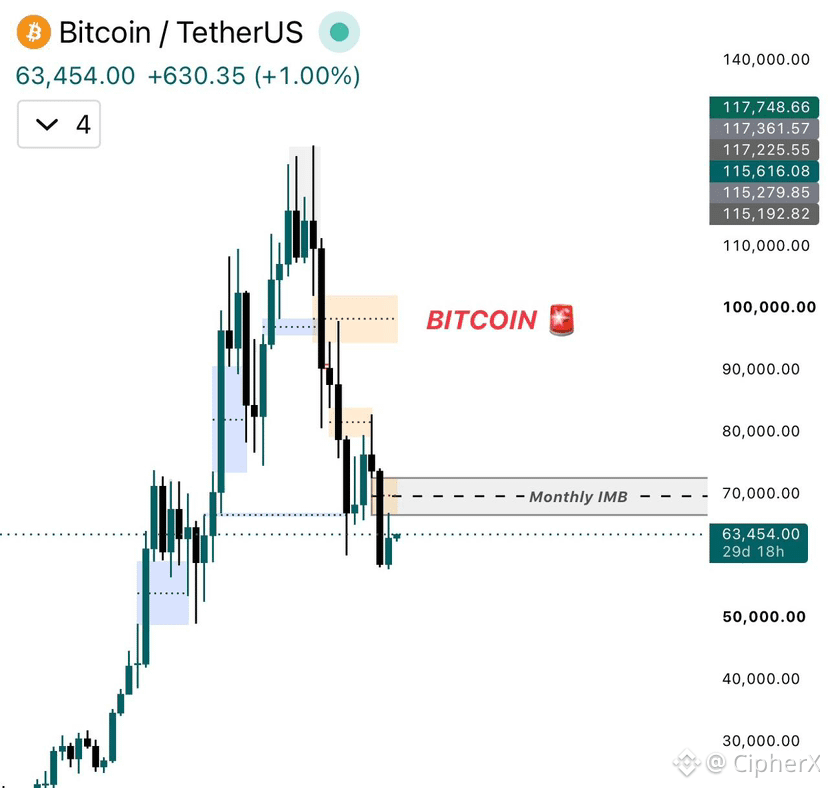
$BTC UPDATE
月足のローソク足が確定し、現在では価格より上にMonthly FVG(上方FVG)とインバランスが形成されています。
まずはビットコインがそのエリアへ値を戻してくることを見込んでいます。
そこからきれいに拒否(反発)が見られたら、ショートを狙います。
拒否がなく、価格がそのエリアを受け入れる(アダプトする)場合は、代わりにロングを狙います。
$BTC UPDATE
月足のローソク足が確定し、現在では価格より上にMonthly FVG(上方FVG)とインバランスが形成されています。
まずはビットコインがそのエリアへ値を戻してくることを見込んでいます。
そこからきれいに拒否(反発)が見られたら、ショートを狙います。
拒否がなく、価格がそのエリアを受け入れる(アダプトする)場合は、代わりにロングを狙います。
月足のローソク足が確定し、現在では価格より上にMonthly FVG(上方FVG)とインバランスが形成されています。
まずはビットコインがそのエリアへ値を戻してくることを見込んでいます。
そこからきれいに拒否(反発)が見られたら、ショートを狙います。
拒否がなく、価格がそのエリアを受け入れる(アダプトする)場合は、代わりにロングを狙います。
13
1
82
150.8k
·
--
多くの人は、プロジェクトがすでにトレンドになってから注目します。
しかし賢い参加者はずっと早い段階で兆候を見ています。継続的な開発、熱意のあるコミュニティ、そして市場の状況にかかわらず成果を出し続けるチームです。
だからこそ $BABY は際立ち続けています。アップデートのたびに土台が強化され、マイルストーンの達成のたびにエコシステムがより盤石になり、コミュニティは短期的な誇大宣伝ではなく本物の確信をもって成長し続けています。
最大のチャンスは、群衆が到着する前に見極められることが多いのです。
@babylonlabs_io #baby
多くの人は、プロジェクトがすでにトレンドになってから注目します。
しかし賢い参加者はずっと早い段階で兆候を見ています。継続的な開発、熱意のあるコミュニティ、そして市場の状況にかかわらず成果を出し続けるチームです。
だからこそ $BABY は際立ち続けています。アップデートのたびに土台が強化され、マイルストーンの達成のたびにエコシステムがより盤石になり、コミュニティは短期的な誇大宣伝ではなく本物の確信をもって成長し続けています。
最大のチャンスは、群衆が到着する前に見極められることが多いのです。
@BabylonLabs_io #baby
しかし賢い参加者はずっと早い段階で兆候を見ています。継続的な開発、熱意のあるコミュニティ、そして市場の状況にかかわらず成果を出し続けるチームです。
だからこそ $BABY は際立ち続けています。アップデートのたびに土台が強化され、マイルストーンの達成のたびにエコシステムがより盤石になり、コミュニティは短期的な誇大宣伝ではなく本物の確信をもって成長し続けています。
最大のチャンスは、群衆が到着する前に見極められることが多いのです。
@BabylonLabs_io #baby
4
5
519
·
--
最強の暗号資産ナラティブは、投機ではなくインフラの上に築かれます。
$BABY は、ビットコインの中核となるセキュリティモデルを損なうことなく、Proof-of-Stakeネットワークを強固にするネイティブBTCステーキングを可能にすることで、ビットコインの新しい章を切り開いています。
より多くのエコシステムが、ビットコインの比類ないセキュリティを継承しようとしている中で、このアプローチの価値はますます明確になっています。
今日その基盤を築いているプロジェクトは、次のマーケットサイクルをリードすることが多いものです。$BABY は注目すべき存在です。
@babylonlabs_io #baby
最強の暗号資産ナラティブは、投機ではなくインフラの上に築かれます。
$BABY は、ビットコインの中核となるセキュリティモデルを損なうことなく、Proof-of-Stakeネットワークを強固にするネイティブBTCステーキングを可能にすることで、ビットコインの新しい章を切り開いています。
より多くのエコシステムが、ビットコインの比類ないセキュリティを継承しようとしている中で、このアプローチの価値はますます明確になっています。
今日その基盤を築いているプロジェクトは、次のマーケットサイクルをリードすることが多いものです。$BABY は注目すべき存在です。
@BabylonLabs_io #baby
$BABY は、ビットコインの中核となるセキュリティモデルを損なうことなく、Proof-of-Stakeネットワークを強固にするネイティブBTCステーキングを可能にすることで、ビットコインの新しい章を切り開いています。
より多くのエコシステムが、ビットコインの比類ないセキュリティを継承しようとしている中で、このアプローチの価値はますます明確になっています。
今日その基盤を築いているプロジェクトは、次のマーケットサイクルをリードすることが多いものです。$BABY は注目すべき存在です。
@BabylonLabs_io #baby
7
5
408
·
--
インフラは、開発者が「インセンティブがあるから」ではなく「実際の課題を解決するから」それを土台にして構築を選ぶときに勝利を収めます。
それが、$BABY が追いかけている機会です。
強固なエコシステムは、TVLだけで測られるものではありません。ビルダーを惹きつけ、アプリケーションを支援し、シームレスなユーザー体験を生み出し、流動性が生産性を保ったまま居続ける理由を与えることから生まれます。
$BABY の次のフェーズは、見出しのためではなく実行のためです。新たな統合、エコシステムのパートナーシップ、そしてローンチされる各アプリケーションが、時間とともに複利で強まるネットワーク効果を強化していきます。
@babylonlabs_io #baby
インフラは、開発者が「インセンティブがあるから」ではなく「実際の課題を解決するから」それを土台にして構築を選ぶときに勝利を収めます。
それが、$BABY が追いかけている機会です。
強固なエコシステムは、TVLだけで測られるものではありません。ビルダーを惹きつけ、アプリケーションを支援し、シームレスなユーザー体験を生み出し、流動性が生産性を保ったまま居続ける理由を与えることから生まれます。
$BABY の次のフェーズは、見出しのためではなく実行のためです。新たな統合、エコシステムのパートナーシップ、そしてローンチされる各アプリケーションが、時間とともに複利で強まるネットワーク効果を強化していきます。
@BabylonLabs_io #baby
それが、$BABY が追いかけている機会です。
強固なエコシステムは、TVLだけで測られるものではありません。ビルダーを惹きつけ、アプリケーションを支援し、シームレスなユーザー体験を生み出し、流動性が生産性を保ったまま居続ける理由を与えることから生まれます。
$BABY の次のフェーズは、見出しのためではなく実行のためです。新たな統合、エコシステムのパートナーシップ、そしてローンチされる各アプリケーションが、時間とともに複利で強まるネットワーク効果を強化していきます。
@BabylonLabs_io #baby
12
11
1k
·
--
ほとんどのプロジェクトは流動性の獲得に焦点を当てています。$BABY isは、それを生産的に保つことに注力しています。
本当のチャンスは、単にユーザーをオンボーディングすることだけではありません。流動性、インセンティブ、アプリケーションが時間をかけて互いに強化し合うエコシステムをつくることにあります。そこでこそ、長期的な価値が形づくられます。
エコシステムが拡大するにつれて、注目すべき指標はTVLの成長、アクティブユーザー数、開発者の活動、プロトコルの統合です。強固な基礎は、短期的な市場の熱狂よりも長く持ちこたえる傾向があります。
この調子で実行が続くなら、$BABY は、このサイクルで追う価値のあるエコシステムの一つになるための材料を備えています。
@babylonlabs_io #baby
ほとんどのプロジェクトは流動性の獲得に焦点を当てています。$BABY isは、それを生産的に保つことに注力しています。
本当のチャンスは、単にユーザーをオンボーディングすることだけではありません。流動性、インセンティブ、アプリケーションが時間をかけて互いに強化し合うエコシステムをつくることにあります。そこでこそ、長期的な価値が形づくられます。
エコシステムが拡大するにつれて、注目すべき指標はTVLの成長、アクティブユーザー数、開発者の活動、プロトコルの統合です。強固な基礎は、短期的な市場の熱狂よりも長く持ちこたえる傾向があります。
この調子で実行が続くなら、$BABY は、このサイクルで追う価値のあるエコシステムの一つになるための材料を備えています。
@BabylonLabs_io #baby
本当のチャンスは、単にユーザーをオンボーディングすることだけではありません。流動性、インセンティブ、アプリケーションが時間をかけて互いに強化し合うエコシステムをつくることにあります。そこでこそ、長期的な価値が形づくられます。
エコシステムが拡大するにつれて、注目すべき指標はTVLの成長、アクティブユーザー数、開発者の活動、プロトコルの統合です。強固な基礎は、短期的な市場の熱狂よりも長く持ちこたえる傾向があります。
この調子で実行が続くなら、$BABY は、このサイクルで追う価値のあるエコシステムの一つになるための材料を備えています。
@BabylonLabs_io #baby
8
6
666
·
--
すべての主要なブロックチェーンが直面している同じ課題があります。それは「セキュリティのブートストラップ(立ち上げ)は高コストだ」ということです。
Babylonは、その方程式をひっくり返します。
新しいネットワークに対して、ゼロから自前のセキュリティを構築することを求めるのではなく、Babylonはそれらがビットコインの比類なき経済的セキュリティを活用できるようにします。これにより、「このチェーンをどうやって守るのか?」という会話から、
「どれだけ素早くイノベーションできるか?」
へと話題が変わるのです。
だからこそBabylonは、単なる別のインフラプロジェクトではありません。ビットコインが、分散型ネットワークの次の世代全体のセキュリティ層になる未来を構築しているのです。
最も強いエコシステムは、信頼をさらに増やすことで築かれるのではなく、すでに存在する最強の信頼を活用することで築かれます。
@babylonlabs_io #baby $BABY
すべての主要なブロックチェーンが直面している同じ課題があります。それは「セキュリティのブートストラップ(立ち上げ)は高コストだ」ということです。
Babylonは、その方程式をひっくり返します。
新しいネットワークに対して、ゼロから自前のセキュリティを構築することを求めるのではなく、Babylonはそれらがビットコインの比類なき経済的セキュリティを活用できるようにします。これにより、「このチェーンをどうやって守るのか?」という会話から、
「どれだけ素早くイノベーションできるか?」
へと話題が変わるのです。
だからこそBabylonは、単なる別のインフラプロジェクトではありません。ビットコインが、分散型ネットワークの次の世代全体のセキュリティ層になる未来を構築しているのです。
最も強いエコシステムは、信頼をさらに増やすことで築かれるのではなく、すでに存在する最強の信頼を活用することで築かれます。
@BabylonLabs_io #baby $BABY
Babylonは、その方程式をひっくり返します。
新しいネットワークに対して、ゼロから自前のセキュリティを構築することを求めるのではなく、Babylonはそれらがビットコインの比類なき経済的セキュリティを活用できるようにします。これにより、「このチェーンをどうやって守るのか?」という会話から、
「どれだけ素早くイノベーションできるか?」
へと話題が変わるのです。
だからこそBabylonは、単なる別のインフラプロジェクトではありません。ビットコインが、分散型ネットワークの次の世代全体のセキュリティ層になる未来を構築しているのです。
最も強いエコシステムは、信頼をさらに増やすことで築かれるのではなく、すでに存在する最強の信頼を活用することで築かれます。
@BabylonLabs_io #baby $BABY
4
4
353
·
--
市場には注目を集めようとするプロジェクトがあふれています。
$BABY は、ひっそりと実績を積み上げています。
流動性は改善しています。さらに多くのアプリケーションがローンチされます。ユーザーの活動も拡大しており、それが短期的な値動きを超えて重要な成長の形です。
強いブロックチェーンは、単一の強い緑のローソク足で測られるものではありません。人々が熱狂が冷めても使い続けるかどうかで測られます。
私が注目していること:
• アクティブウォレットの成長
• 今後数か月のTVL(総ロック資産)の推移
• 新しいdAppsによるエコシステムの拡大
• 開発者のコミットメントと出荷スピード
• ネットワークへ資本が戻ってくる流れ
これらの指標が正しい方向に動き続けるなら、市場はやがて価値を認めざるを得なくなります。
価格は見出しを作ります。
採用は勝者を生みます。
@babylonlabs_io #baby $BABY
市場には注目を集めようとするプロジェクトがあふれています。
$BABY は、ひっそりと実績を積み上げています。
流動性は改善しています。さらに多くのアプリケーションがローンチされます。ユーザーの活動も拡大しており、それが短期的な値動きを超えて重要な成長の形です。
強いブロックチェーンは、単一の強い緑のローソク足で測られるものではありません。人々が熱狂が冷めても使い続けるかどうかで測られます。
私が注目していること:
• アクティブウォレットの成長
• 今後数か月のTVL(総ロック資産)の推移
• 新しいdAppsによるエコシステムの拡大
• 開発者のコミットメントと出荷スピード
• ネットワークへ資本が戻ってくる流れ
これらの指標が正しい方向に動き続けるなら、市場はやがて価値を認めざるを得なくなります。
価格は見出しを作ります。
採用は勝者を生みます。
@BabylonLabs_io #baby $BABY
$BABY は、ひっそりと実績を積み上げています。
流動性は改善しています。さらに多くのアプリケーションがローンチされます。ユーザーの活動も拡大しており、それが短期的な値動きを超えて重要な成長の形です。
強いブロックチェーンは、単一の強い緑のローソク足で測られるものではありません。人々が熱狂が冷めても使い続けるかどうかで測られます。
私が注目していること:
• アクティブウォレットの成長
• 今後数か月のTVL(総ロック資産)の推移
• 新しいdAppsによるエコシステムの拡大
• 開発者のコミットメントと出荷スピード
• ネットワークへ資本が戻ってくる流れ
これらの指標が正しい方向に動き続けるなら、市場はやがて価値を認めざるを得なくなります。
価格は見出しを作ります。
採用は勝者を生みます。
@BabylonLabs_io #baby $BABY
7
6
748
·
--
市場は物語に報酬を与える。暗号資産はインフラによって成り立っている。
バビロンは、最も重要なレイヤーである「セキュリティ」に焦点を当てた数少ないプロジェクトのひとつだ。
ビットコインは15年以上かけて、他のどのブロックチェーンよりも優れている点を証明してきた――価値を守る能力だ。にもかかわらず、そのセキュリティは主にビットコイン・ネットワークの内部に閉じたままだった。
バビロンは方程式を変える。
バビロンはビットコインを、単に価値を保存する資産から、自己管理型のビットコイン・ステーキングによって分散型エコシステム全体に信頼を拡張できるものへと変える。
これにより強力なフライホイールが生まれる:
* ビットコイン保有者は自分のBTCの管理を維持する。
* ネットワークは実戦で鍛えられた経済的セキュリティにアクセスできる。
* 開発者は、初日からより強いセキュリティ保証をもとに構築できる。
@babylonlabs_io #baby $BABY
市場は物語に報酬を与える。暗号資産はインフラによって成り立っている。
バビロンは、最も重要なレイヤーである「セキュリティ」に焦点を当てた数少ないプロジェクトのひとつだ。
ビットコインは15年以上かけて、他のどのブロックチェーンよりも優れている点を証明してきた――価値を守る能力だ。にもかかわらず、そのセキュリティは主にビットコイン・ネットワークの内部に閉じたままだった。
バビロンは方程式を変える。
バビロンはビットコインを、単に価値を保存する資産から、自己管理型のビットコイン・ステーキングによって分散型エコシステム全体に信頼を拡張できるものへと変える。
これにより強力なフライホイールが生まれる:
* ビットコイン保有者は自分のBTCの管理を維持する。
* ネットワークは実戦で鍛えられた経済的セキュリティにアクセスできる。
* 開発者は、初日からより強いセキュリティ保証をもとに構築できる。
@BabylonLabs_io #baby $BABY
バビロンは、最も重要なレイヤーである「セキュリティ」に焦点を当てた数少ないプロジェクトのひとつだ。
ビットコインは15年以上かけて、他のどのブロックチェーンよりも優れている点を証明してきた――価値を守る能力だ。にもかかわらず、そのセキュリティは主にビットコイン・ネットワークの内部に閉じたままだった。
バビロンは方程式を変える。
バビロンはビットコインを、単に価値を保存する資産から、自己管理型のビットコイン・ステーキングによって分散型エコシステム全体に信頼を拡張できるものへと変える。
これにより強力なフライホイールが生まれる:
* ビットコイン保有者は自分のBTCの管理を維持する。
* ネットワークは実戦で鍛えられた経済的セキュリティにアクセスできる。
* 開発者は、初日からより強いセキュリティ保証をもとに構築できる。
@BabylonLabs_io #baby $BABY
4
3
428
ログインして、さらにコンテンツを読む
厳選トピックで世界の暗号資産トレーダーの仲間入り
⚡️ 暗号資産に関する最新かつ有益な情報が見つかります。
💬 世界最大の暗号資産取引所から信頼されています。
👍 認証を受けたクリエイターから、有益なインサイトを得られます。
メール / 電話番号
トレンドトピック
AIStocksWhatNext
閲覧回数 29,813
51人が討論中
注目ハッシュタグキャンペーンでトラフィック報酬を「シェア&ウィン」しよう
✨トピック:AI株が上昇し続ける中、ほかにどんな投資チャンスが残っている?
👉参加方法:
ハッシュタグ #AIStocksWhatNext を付けて短い投稿または記事を公開する
強気か弱気かを共有し、AI株の保有または取引を投稿してください—取引ウィジェットを使うと資格を得やすくなる可能性があります。
データやチャートを共有し、AI生成画像を避けることで、投稿をさらに強化できます。
✍️以下の切り口を参考にコンテンツを作成してください:
- Nvidiaは来年のチップ販売が倍増すると述べ、主要なAI企業は記録的な売上を更新し続けています。これを支える計算コストはそれだけでも驚異的です。本当にAI需要は伸びているのか? そして、それはどれくらい続くのでしょうか?AI株は全体的に上昇中。これは本物のブレイクアウトなのか、それとも短期的な戻りなのか?
- 産業のリーダーたちはAI開発のペースを落とすよう求めています。一方でトランプは「AIフォース」を構築する計画で、AIが将来的に米国のGDPの25%を占める可能性があると主張しています。あなたはどちら側ですか? AI株に対する州レベルの後押しは長期的な勝利になりますか?
- あなたはAI株を買っていますか? 取引/保有を、取引シェアリングウィジェットで共有してください。
⏰キャンペーン期間:
- 2026-09-22 7:00 - 2026-09-24 4:00(UTC)
🎁報酬:
- 上記のガイドラインを満たし、100語を超える適格投稿は審査され、ランダムなトラフィックブースト(500〜3,000ビュー)が付与される場合があります。投稿が選ばれた場合は、フィード担当者から通知が届きます。
- Binance Square Officialに記事が掲載されるチャンス
投稿のアイデアが必要ですか? トピックページ #AIStocksWhatNext または Square Guide on How to Post for Better Reach をご覧ください。
Binance Square Official
·いいね:119件
·閲覧回数 133.8k
StrategyAdds950Bitcoin
閲覧回数 869
0人が討論中
CardanoAddedToX402KitForADAPayments
閲覧回数 5,809
180人が討論中