

PINDI BOY PK²⁵
4.8k 投稿

PINDI BOY PK²⁵
 厳選トピック確認済+
報告
ユーザーをブロック
📊 Market Analyst & Mentor | 📈 Spot & Futures Veteran | X@Pindiboy25

SLPホルダー
超高頻度トレーダー
5.4年
5.3K+ フォロー
32.0K+ フォロワー
11.9K+ いいね
投稿
すべて
引用
動画
ライブ
PINNED
·
--
ブリッシュ
翻訳参照
🎁❤️ A little surprise for my crypto family!
🔥 ETH Red Packet is LIVE!
💎 A small gift, but filled with crypto love.
🎁 Claim your share before the Red Packet is gone!
❤️ Sending some ETH vibes your way today.
🚀 Who’s going to be lucky enough to claim it?
💰 Don’t wait too long — the packet won’t stay forever!
🎉 Tap in, claim your ETH, and enjoy the surprise!
💎 Crypto is better when we share the moment.
❤️ Good luck everyone — hope this Red Packet finds you!
🎁 Claim your ETH now! 🚀
$ETH $SOL $GOOGL.US
🎁❤️ A little surprise for my crypto family!
🔥 ETH Red Packet is LIVE!
💎 A small gift, but filled with crypto love.
🎁 Claim your share before the Red Packet is gone!
❤️ Sending some ETH vibes your way today.
🚀 Who’s going to be lucky enough to claim it?
💰 Don’t wait too long — the packet won’t stay forever!
🎉 Tap in, claim your ETH, and enjoy the surprise!
💎 Crypto is better when we share the moment.
❤️ Good luck everyone — hope this Red Packet finds you!
🎁 Claim your ETH now! 🚀
$ETH $SOL $GOOGL.US
🔥 ETH Red Packet is LIVE!
💎 A small gift, but filled with crypto love.
🎁 Claim your share before the Red Packet is gone!
❤️ Sending some ETH vibes your way today.
🚀 Who’s going to be lucky enough to claim it?
💰 Don’t wait too long — the packet won’t stay forever!
🎉 Tap in, claim your ETH, and enjoy the surprise!
💎 Crypto is better when we share the moment.
❤️ Good luck everyone — hope this Red Packet finds you!
🎁 Claim your ETH now! 🚀
$ETH $SOL $GOOGL.US

286
4
27
361
PINNED
·
--
ブリッシュ
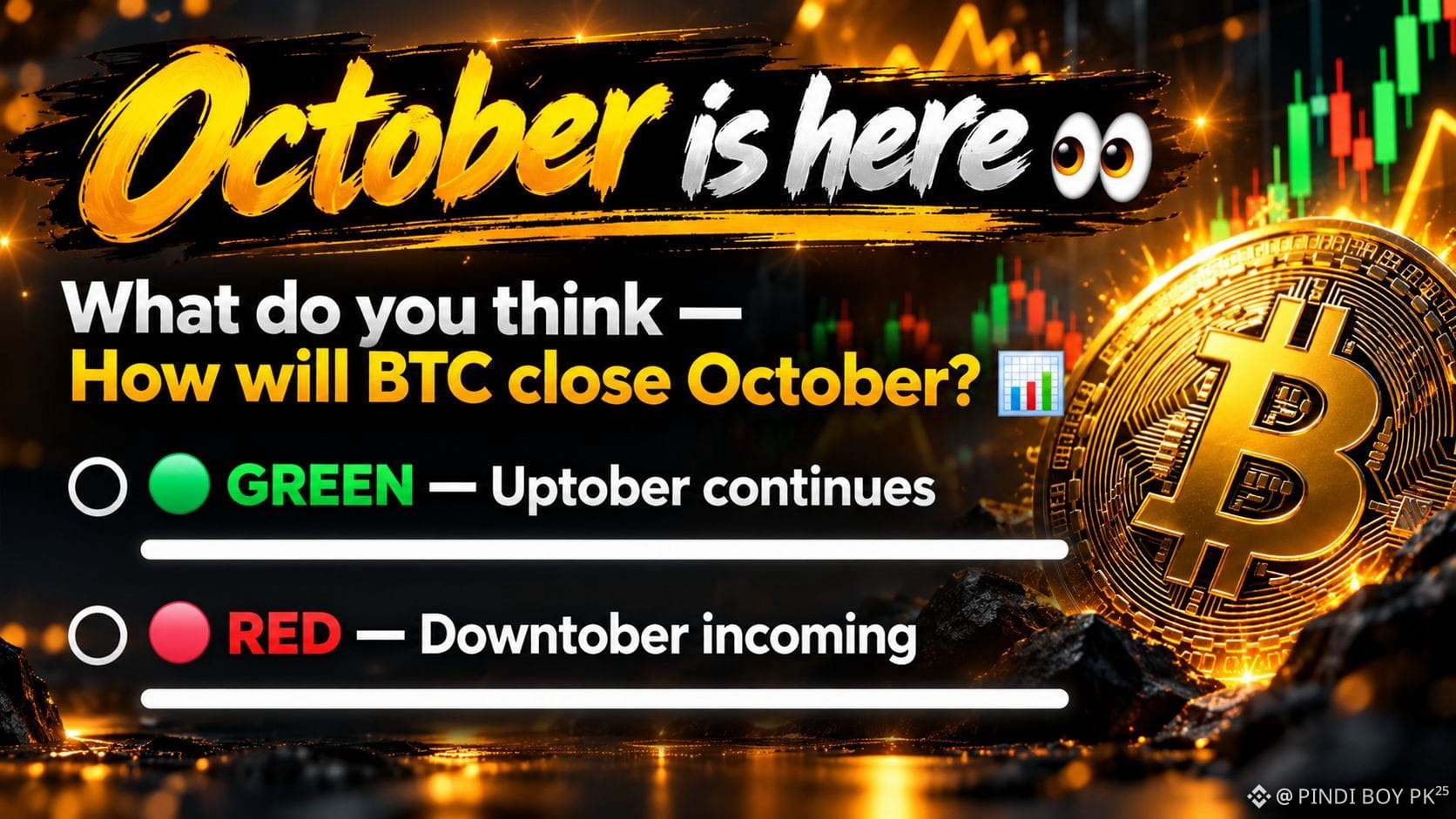
10月がやってきた 👀
そして大きな疑問が戻ってきました——
今月BTCはどう終えるのか? 📊
また“グリーンの10月”になる? 🟢
それとも「ダウンどーバー(Downtober)」がすぐそこまで来ている? 🔴
ビットコインには、10月を面白くする癖があります。
強い一手が、相場の空気を完全に変えることもあります。
強気派は、より高い高値と強い買い圧を見守るでしょう。
一方、弱気派は、拒否反応(リジェクション)や弱さを狙います。
私にとって一番面白いのは、予想そのものではありません。
最初の大きな値動きの後にやってくる値動きです。
BTCは勢いをつけて、さらに上を目指すのか?
それとも売り手が入ってきて、10月を赤い月に変えるのか?
闇雲に当てに行く必要はありません。
出来高、流動性、重要なサポートとレジスタンスの水準を見ましょう。
市場は最終的に答えをくれます。
だからシンプルにいきます:
🟢 GREEN — アプトーバー(Uptober)が継続
🔴 RED — ダウントーバー(Downtober)到来
あなたはどちらを見ていますか?
下にコメントして 👇
$BTC $BNB $NEAR
10月がやってきた 👀
そして大きな疑問が戻ってきました——
今月BTCはどう終えるのか? 📊
また“グリーンの10月”になる? 🟢
それとも「ダウンどーバー(Downtober)」がすぐそこまで来ている? 🔴
ビットコインには、10月を面白くする癖があります。
強い一手が、相場の空気を完全に変えることもあります。
強気派は、より高い高値と強い買い圧を見守るでしょう。
一方、弱気派は、拒否反応(リジェクション)や弱さを狙います。
私にとって一番面白いのは、予想そのものではありません。
最初の大きな値動きの後にやってくる値動きです。
BTCは勢いをつけて、さらに上を目指すのか?
それとも売り手が入ってきて、10月を赤い月に変えるのか?
闇雲に当てに行く必要はありません。
出来高、流動性、重要なサポートとレジスタンスの水準を見ましょう。
市場は最終的に答えをくれます。
だからシンプルにいきます:
🟢 GREEN — アプトーバー(Uptober)が継続
🔴 RED — ダウントーバー(Downtober)到来
あなたはどちらを見ていますか?
下にコメントして 👇
$BTC $BNB $NEAR
そして大きな疑問が戻ってきました——
今月BTCはどう終えるのか? 📊
また“グリーンの10月”になる? 🟢
それとも「ダウンどーバー(Downtober)」がすぐそこまで来ている? 🔴
ビットコインには、10月を面白くする癖があります。
強い一手が、相場の空気を完全に変えることもあります。
強気派は、より高い高値と強い買い圧を見守るでしょう。
一方、弱気派は、拒否反応(リジェクション)や弱さを狙います。
私にとって一番面白いのは、予想そのものではありません。
最初の大きな値動きの後にやってくる値動きです。
BTCは勢いをつけて、さらに上を目指すのか?
それとも売り手が入ってきて、10月を赤い月に変えるのか?
闇雲に当てに行く必要はありません。
出来高、流動性、重要なサポートとレジスタンスの水準を見ましょう。
市場は最終的に答えをくれます。
だからシンプルにいきます:
🟢 GREEN — アプトーバー(Uptober)が継続
🔴 RED — ダウントーバー(Downtober)到来
あなたはどちらを見ていますか?
下にコメントして 👇
$BTC $BNB $NEAR
2
325
mq
mq

Minu Queen _1807
·
--
💗こんにちは 友よ 💗
一緒に来て 👇🏻
特にあなたへ👇🏻🎊🎊🎉🎉
「幸せ」を書いて 👍🏻
報酬を受け取って 🎁🎁🎁🎁🧧🧧
いいね✅ シェア✅ リポスト✅
$BTC $BNB $ETH
一緒に来て 👇🏻
特にあなたへ👇🏻🎊🎊🎉🎉
「幸せ」を書いて 👍🏻
報酬を受け取って 🎁🎁🎁🎁🧧🧧
いいね✅ シェア✅ リポスト✅
$BTC $BNB $ETH

1
262
翻訳参照
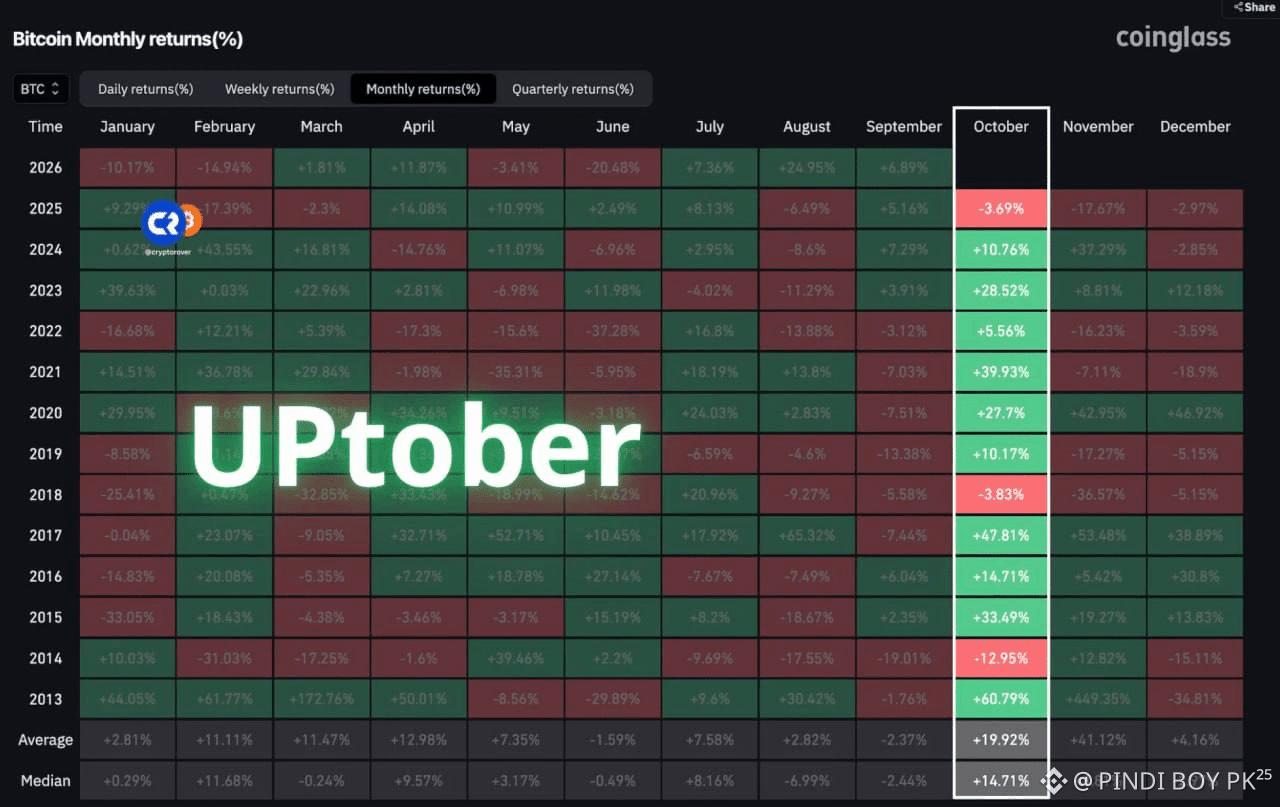
Uptober has begun, ladies and gentlemen!
Bitcoin is back above $85,000–$86,000 and has gained about 2–3% in the last 24 hours.
The market has already priced in the seasonal rally, and those waiting for the "perfect pullback" risk watching the rise from the sidelines.
It is still far from the all-time high. At the current $86,000, this is not the finish line but the midpoint of the journey.
The sell wall at $85,000 has been absorbed, short positions worth hundreds of millions have been liquidated in the last 24 hours, and exchange-traded funds saw the best inflows of the year last week. Exchange supply is low, and demand from funds is not ending.
The only brake today is the evening US employment report.
Weak figures will open the road to $90,000 before the weekend, while strong figures may dampen the momentum.$BTC
{spot}(BTCUSDT)
Uptober has begun, ladies and gentlemen!
Bitcoin is back above $85,000–$86,000 and has gained about 2–3% in the last 24 hours.
The market has already priced in the seasonal rally, and those waiting for the "perfect pullback" risk watching the rise from the sidelines.
It is still far from the all-time high. At the current $86,000, this is not the finish line but the midpoint of the journey.
The sell wall at $85,000 has been absorbed, short positions worth hundreds of millions have been liquidated in the last 24 hours, and exchange-traded funds saw the best inflows of the year last week. Exchange supply is low, and demand from funds is not ending.
The only brake today is the evening US employment report.
Weak figures will open the road to $90,000 before the weekend, while strong figures may dampen the momentum.$BTC
Bitcoin is back above $85,000–$86,000 and has gained about 2–3% in the last 24 hours.
The market has already priced in the seasonal rally, and those waiting for the "perfect pullback" risk watching the rise from the sidelines.
It is still far from the all-time high. At the current $86,000, this is not the finish line but the midpoint of the journey.
The sell wall at $85,000 has been absorbed, short positions worth hundreds of millions have been liquidated in the last 24 hours, and exchange-traded funds saw the best inflows of the year last week. Exchange supply is low, and demand from funds is not ending.
The only brake today is the evening US employment report.
Weak figures will open the road to $90,000 before the weekend, while strong figures may dampen the momentum.$BTC
1
132
翻訳参照
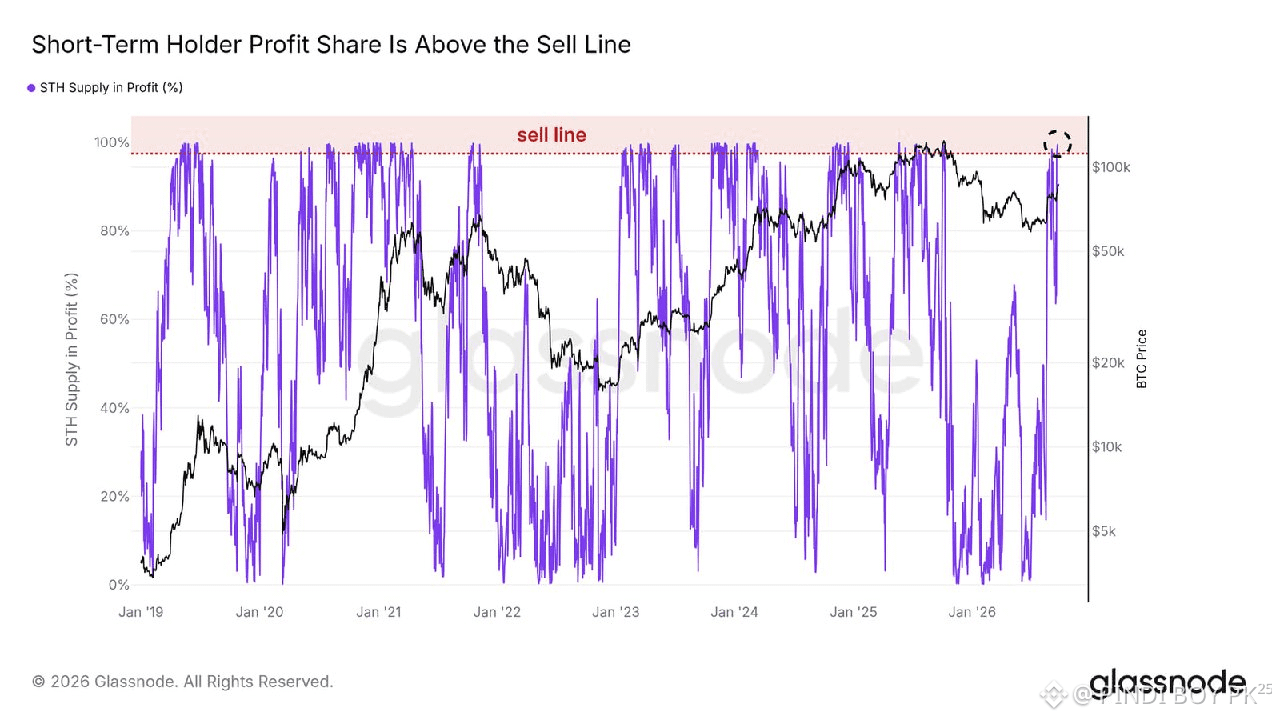
Short-term holders are the most likely to sell into a rally, and almost all of them are now in profit. Their share of supply in profit is above the sell line, where their selling has picked up in the past. The line has been crossed early in recoveries, such as 2019 and 2023, and near tops, such as 2021 and 2025. On its own, it does not show which way price goes next.
Realized profit across all holders is still low, so the incentive to sell has not yet turned into heavy selling. A drop back below the sell line, together with rising realized profit, would be the first sign that recent buyers are taking profits.
$MAGMA $ENJ $GTC
Short-term holders are the most likely to sell into a rally, and almost all of them are now in profit. Their share of supply in profit is above the sell line, where their selling has picked up in the past. The line has been crossed early in recoveries, such as 2019 and 2023, and near tops, such as 2021 and 2025. On its own, it does not show which way price goes next.
Realized profit across all holders is still low, so the incentive to sell has not yet turned into heavy selling. A drop back below the sell line, together with rising realized profit, would be the first sign that recent buyers are taking profits.
$MAGMA $ENJ $GTC
Realized profit across all holders is still low, so the incentive to sell has not yet turned into heavy selling. A drop back below the sell line, together with rising realized profit, would be the first sign that recent buyers are taking profits.
$MAGMA $ENJ $GTC
3
707
翻訳参照
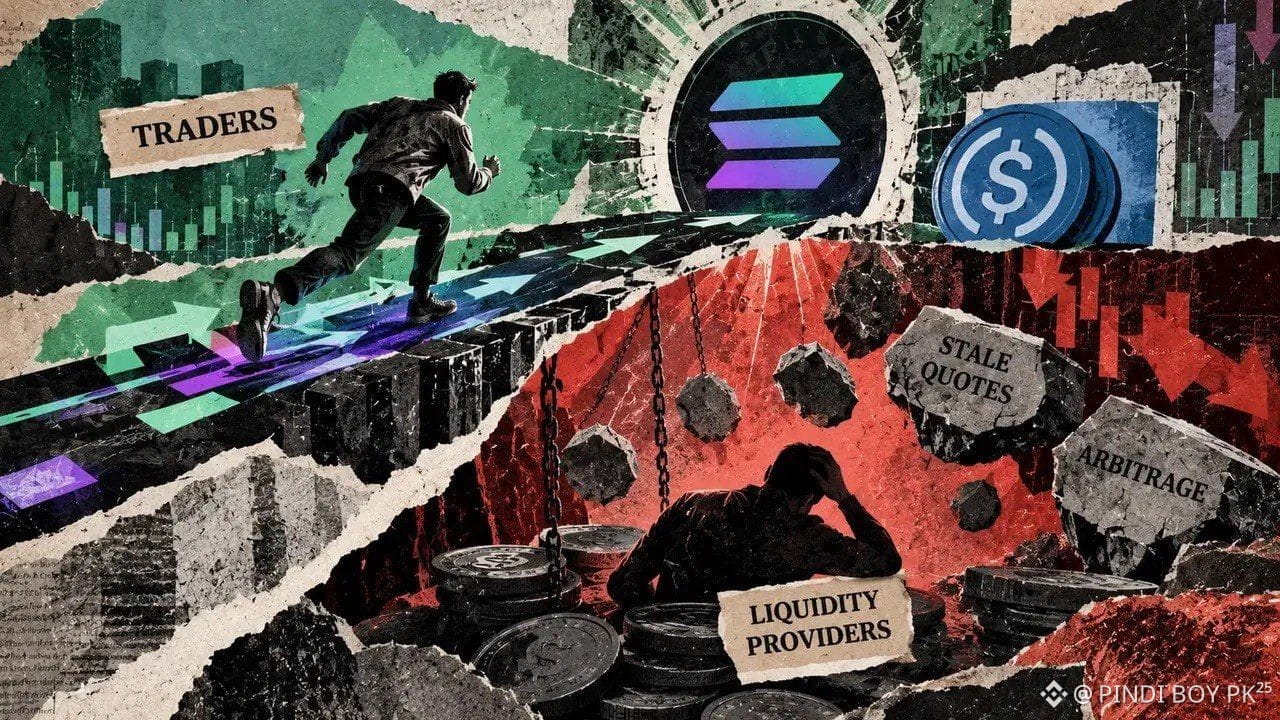
A September preprint puts $SOL /USDC execution costs at 0.26 basis points for professional propAMMs versus 2.59 for public AMMs. Traders can receive cheaper fills while passive depositors remain exposed to stale-quote arbitrage.
Two-second maker markouts measure pricing risk, not net depositor returns. Fees, inventory and other position costs still need accounting. The study does not establish that professional pools caused aggregate passive-LP losses.
A September preprint puts $SOL /USDC execution costs at 0.26 basis points for professional propAMMs versus 2.59 for public AMMs. Traders can receive cheaper fills while passive depositors remain exposed to stale-quote arbitrage.
Two-second maker markouts measure pricing risk, not net depositor returns. Fees, inventory and other position costs still need accounting. The study does not establish that professional pools caused aggregate passive-LP losses.
Two-second maker markouts measure pricing risk, not net depositor returns. Fees, inventory and other position costs still need accounting. The study does not establish that professional pools caused aggregate passive-LP losses.
1
1
199
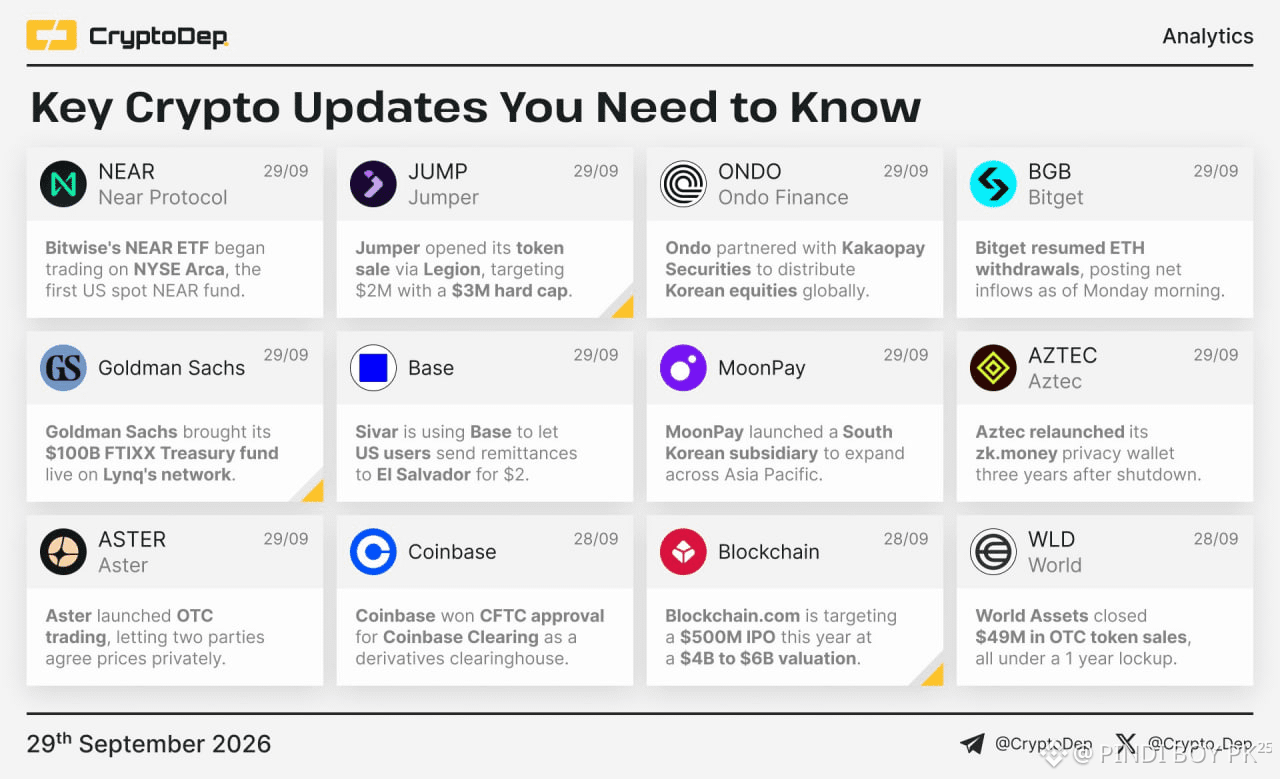
知っておくべき重要なアップデート
$ASTER $NEAR $ONDO
知っておくべき重要なアップデート
$ASTER $NEAR $ONDO
$ASTER $NEAR $ONDO
2
608
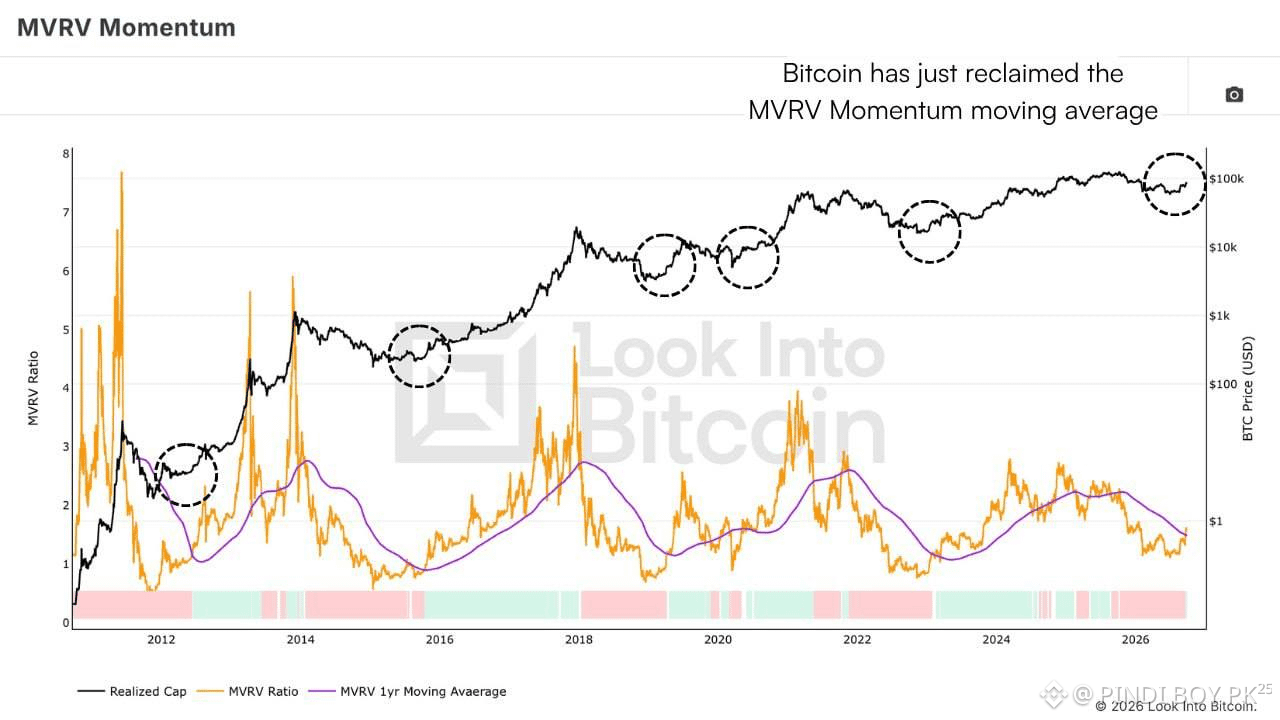
ビットコインがMVRVモメンタムの移動平均をちょうど取り戻しました。
$BTC $XRP $SUI
ビットコインがMVRVモメンタムの移動平均をちょうど取り戻しました。
$BTC $XRP $SUI
$BTC $XRP $SUI
464
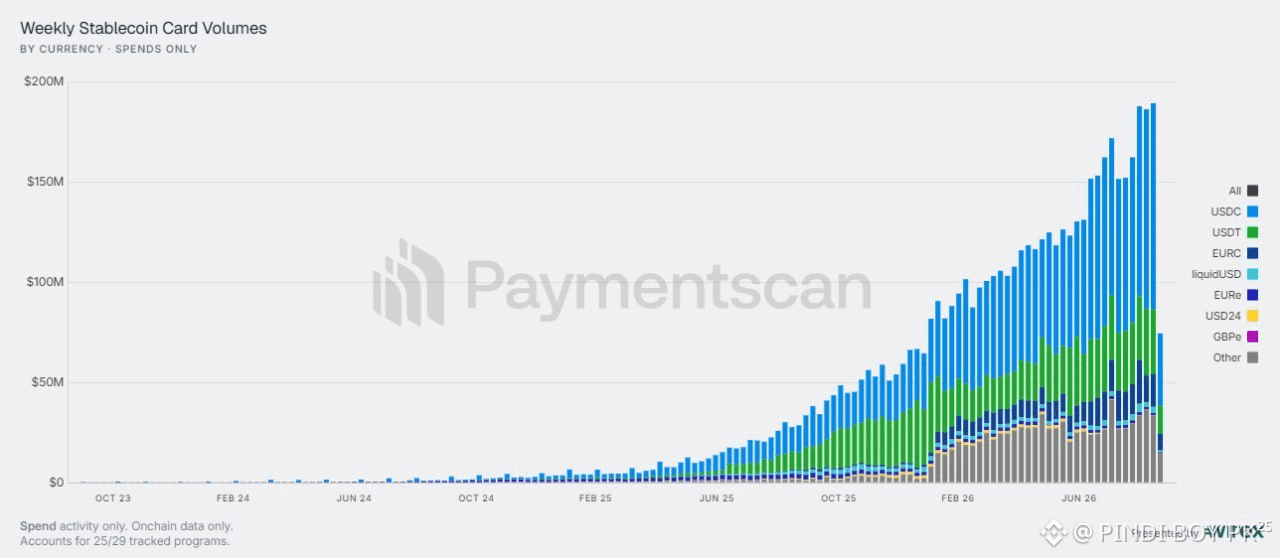
ステーブルコインカードの週次支出は、9月14日の週に1億8,900万ドルという新記録を更新しました。
$RAVE $PUMP $NIGHT
ステーブルコインカードの週次支出は、9月14日の週に1億8,900万ドルという新記録を更新しました。
$RAVE $PUMP $NIGHT
$RAVE $PUMP $NIGHT
1
238
Binance Earn 10月マンスリー・リーダーボード:デュアル投資で最大5,888 USDCの報酬を獲得
Binance Earnは、すべてのデュアル投資ユーザー向けに10月マンスリー・リーダーボードを提供します。最大5,888 USDCの報酬。$BNB $SOON $MOVR
Binance Earn 10月マンスリー・リーダーボード:デュアル投資で最大5,888 USDCの報酬を獲得
Binance Earnは、すべてのデュアル投資ユーザー向けに10月マンスリー・リーダーボードを提供します。最大5,888 USDCの報酬。$BNB $SOON $MOVR
Binance Earnは、すべてのデュアル投資ユーザー向けに10月マンスリー・リーダーボードを提供します。最大5,888 USDCの報酬。$BNB $SOON $MOVR

3
526
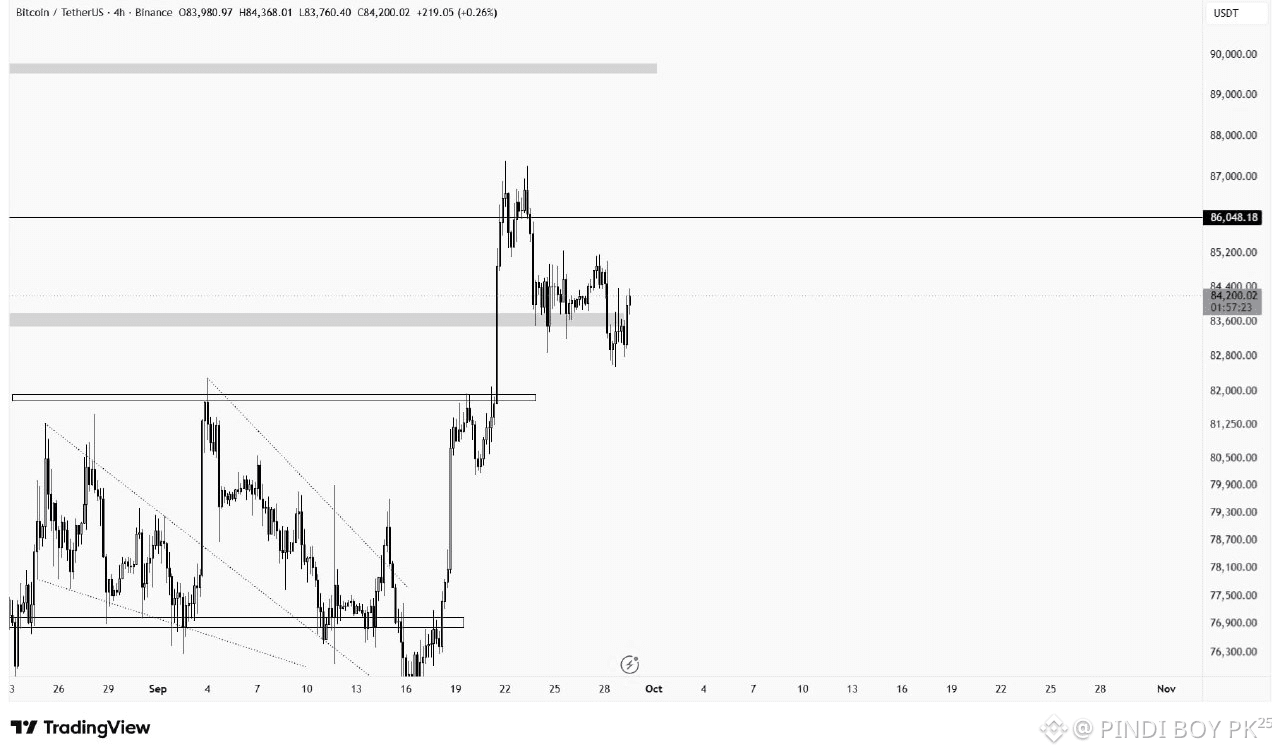
$BTC はH4のタイムフレームではクリーンなブレイクが見られますが、日足(Daily)のタイムフレームではそれが維持されています。その後の鋭い上昇の後、価格が横ばい、または小さな押し戻しが起きている場合、市場は次の値動きの準備をしていると考えられます。もし日足のローソク足が、直前のローソク足の高値を強く上抜けて終値を付けるなら、その上昇の継続が$90,000.$ESPORTS $BTW まで続くことが期待できます
$BTC はH4のタイムフレームではクリーンなブレイクが見られますが、日足(Daily)のタイムフレームではそれが維持されています。その後の鋭い上昇の後、価格が横ばい、または小さな押し戻しが起きている場合、市場は次の値動きの準備をしていると考えられます。もし日足のローソク足が、直前のローソク足の高値を強く上抜けて終値を付けるなら、その上昇の継続が$90,000.$ESPORTS $BTW まで続くことが期待できます
1
379
重大な警告:ワームホールWebサイトのリンクが乗っ取られています
🚨👀
公式のワームホール「dot com」サイトは現在、フッターのDiscordアイコンにアクティブなリンク改ざんが発生しています。
そこから、218,000+の代わりにメンバーがわずか218人のクローンサーバーへ誘導されます。検証ボットは、資産を盗むためにRabby Walletによってフラグが立てられている新しいドレイナー用ドメイン(portals-land dot com)へユーザーを誘導します。
フッターのリンクは避け、そのサーバーから離れ、ウォレットには決して接続しないでください。
$PARTI $CRWDB $CME.US
重大な警告:ワームホールWebサイトのリンクが乗っ取られています
🚨👀
公式のワームホール「dot com」サイトは現在、フッターのDiscordアイコンにアクティブなリンク改ざんが発生しています。
そこから、218,000+の代わりにメンバーがわずか218人のクローンサーバーへ誘導されます。検証ボットは、資産を盗むためにRabby Walletによってフラグが立てられている新しいドレイナー用ドメイン(portals-land dot com)へユーザーを誘導します。
フッターのリンクは避け、そのサーバーから離れ、ウォレットには決して接続しないでください。
$PARTI $CRWDB $CME.US
🚨👀
公式のワームホール「dot com」サイトは現在、フッターのDiscordアイコンにアクティブなリンク改ざんが発生しています。
そこから、218,000+の代わりにメンバーがわずか218人のクローンサーバーへ誘導されます。検証ボットは、資産を盗むためにRabby Walletによってフラグが立てられている新しいドレイナー用ドメイン(portals-land dot com)へユーザーを誘導します。
フッターのリンクは避け、そのサーバーから離れ、ウォレットには決して接続しないでください。
$PARTI $CRWDB $CME.US

1
711
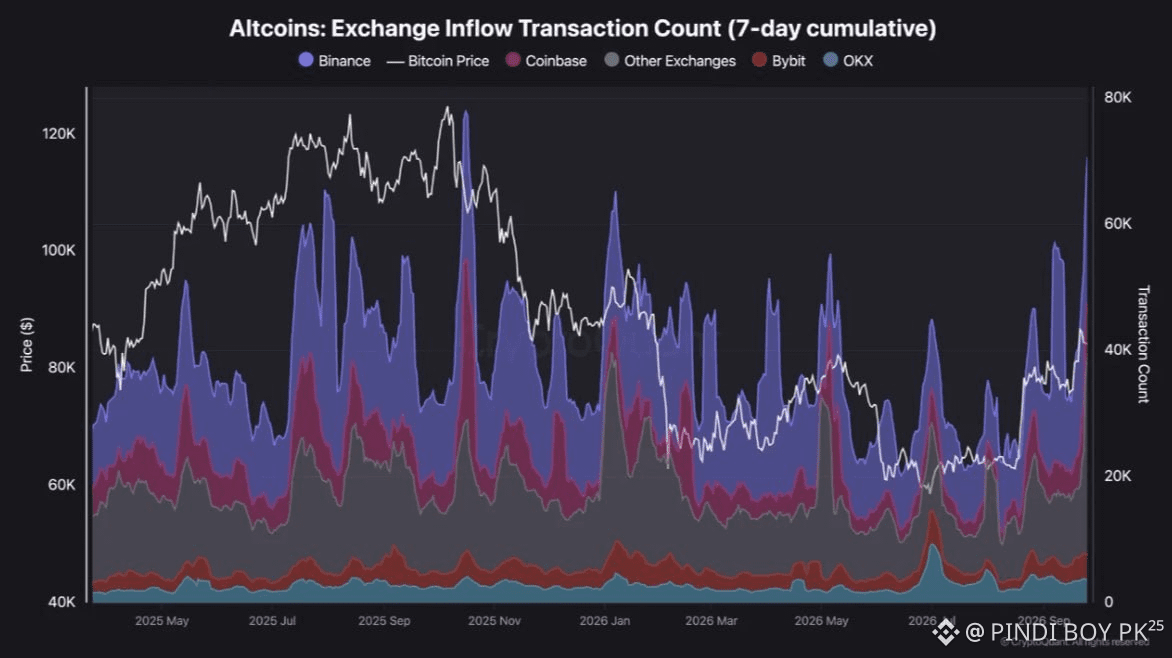
CryptoQuant:アルトコインの取引所流入が2025年10月以来の最高水準に到達
#CryptoQuant
同氏は、暗号資産市場が直前の最高値に近かった2025年10月以来、アルトコインの取引所流入が過去最高の水準に達したと述べています。同時に、ビットコインは逆方向に動いており、過去7日間で中央集権型取引所から34,123BTC(約28億ドル)が引き出されています。
$GPROB $CRV $MINA
CryptoQuant:アルトコインの取引所流入が2025年10月以来の最高水準に到達
#CryptoQuant
同氏は、暗号資産市場が直前の最高値に近かった2025年10月以来、アルトコインの取引所流入が過去最高の水準に達したと述べています。同時に、ビットコインは逆方向に動いており、過去7日間で中央集権型取引所から34,123BTC(約28億ドル)が引き出されています。
$GPROB $CRV $MINA
#CryptoQuant
同氏は、暗号資産市場が直前の最高値に近かった2025年10月以来、アルトコインの取引所流入が過去最高の水準に達したと述べています。同時に、ビットコインは逆方向に動いており、過去7日間で中央集権型取引所から34,123BTC(約28億ドル)が引き出されています。
$GPROB $CRV $MINA
757
本人確認中
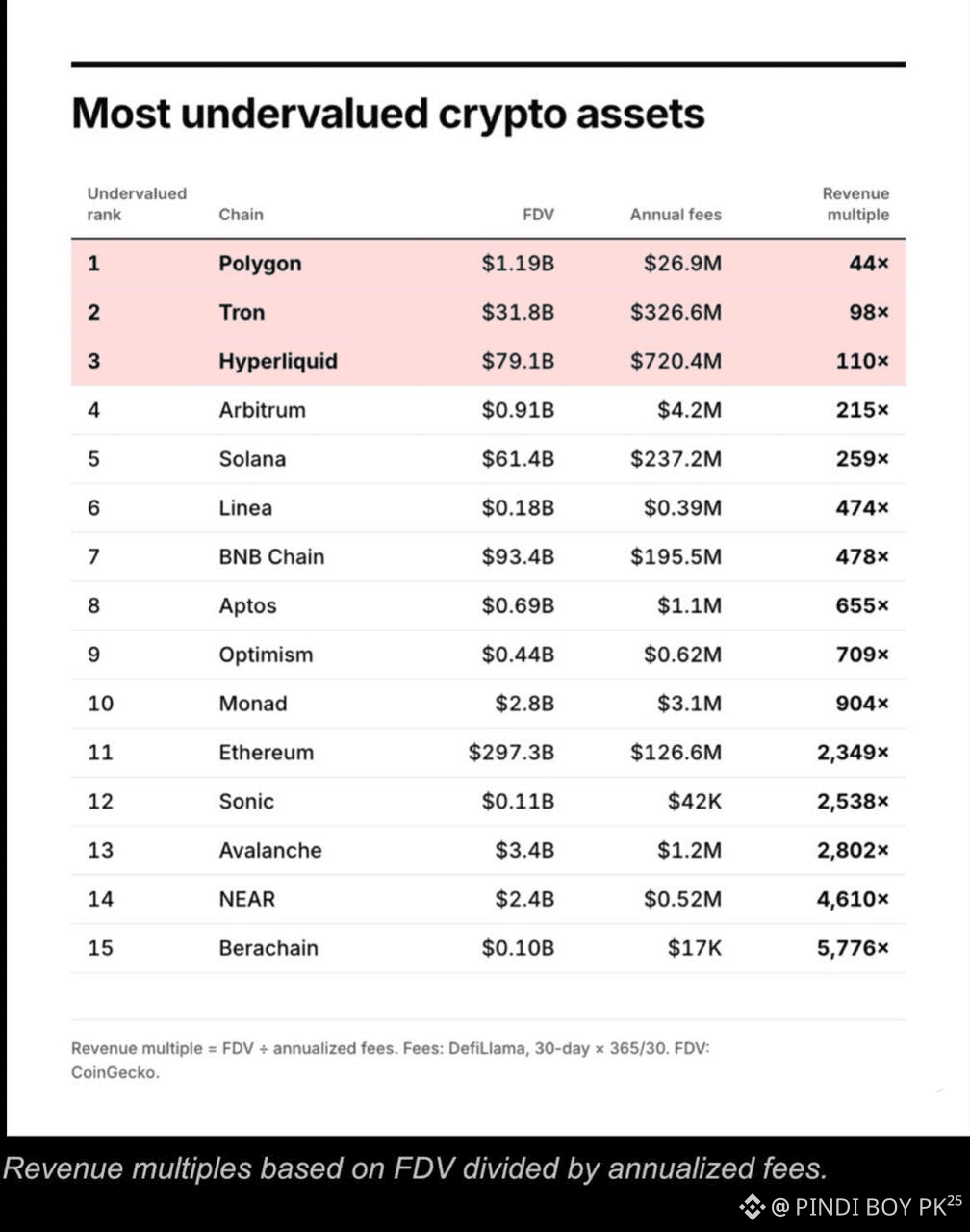
ポリゴンの共同創業者が「POLは暗号資産の中で最も過小評価されているトークンの1つだ」と語る
ポリゴンの共同創業者サンディープ・ナイルワル氏は、POLが市場で最も過小評価されているトークンの1つだと述べています。すでにネットワーク収益から約1,130万ドル相当のPOL(約1億POL)が焼却されており、さらに2,500万POLも焼却の準備が進んでいます。また、Polygon PoSは、1ミリ秒のトランザクション承認を目指したブロックストリーミングにも取り組んでいます。
$POL $RUNE $JST
ポリゴンの共同創業者が「POLは暗号資産の中で最も過小評価されているトークンの1つだ」と語る
ポリゴンの共同創業者サンディープ・ナイルワル氏は、POLが市場で最も過小評価されているトークンの1つだと述べています。すでにネットワーク収益から約1,130万ドル相当のPOL(約1億POL)が焼却されており、さらに2,500万POLも焼却の準備が進んでいます。また、Polygon PoSは、1ミリ秒のトランザクション承認を目指したブロックストリーミングにも取り組んでいます。
$POL $RUNE $JST
ポリゴンの共同創業者サンディープ・ナイルワル氏は、POLが市場で最も過小評価されているトークンの1つだと述べています。すでにネットワーク収益から約1,130万ドル相当のPOL(約1億POL)が焼却されており、さらに2,500万POLも焼却の準備が進んでいます。また、Polygon PoSは、1ミリ秒のトランザクション承認を目指したブロックストリーミングにも取り組んでいます。
$POL $RUNE $JST
2
690
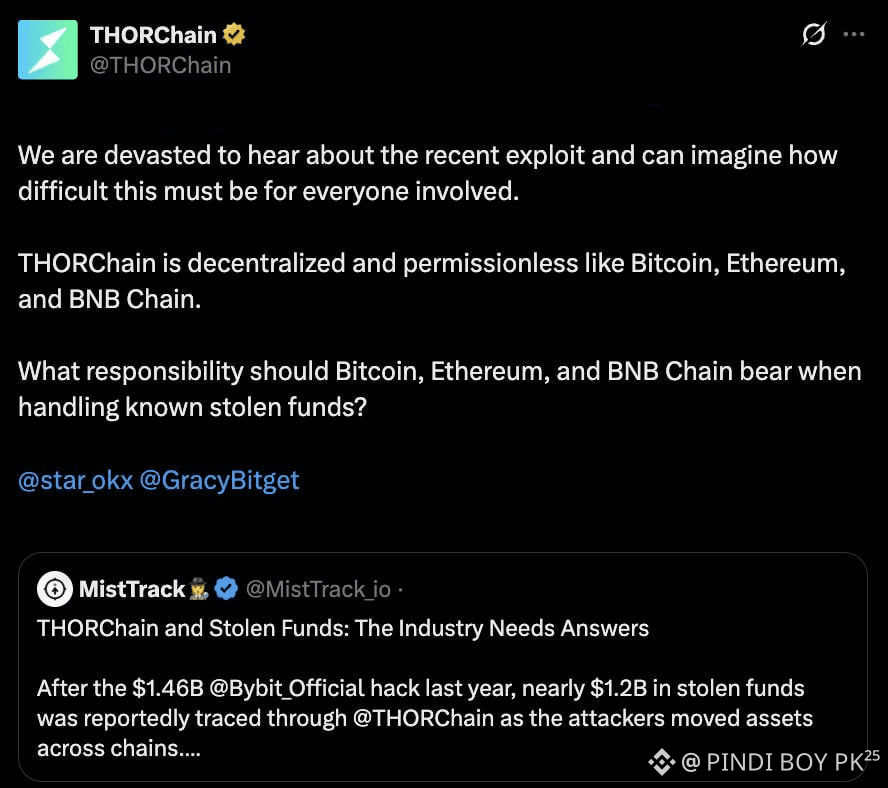
THORChain、ハッカー資金の凍結要請を拒否
THORChain
BitgetのCEOによるハッカー関連資金の遮断要請に対し、プロトコルは分散型で許可不要(パーミッションレス)だと強調して反応した。チームは、Bitcoin、Ethereum、BNB Chainのようなそのアーキテクチャには、検閲や取引のブロックは含まれていないと述べている。
#ThorchainSuccess $SQQQB $SKL $ST
THORChain、ハッカー資金の凍結要請を拒否
THORChain
BitgetのCEOによるハッカー関連資金の遮断要請に対し、プロトコルは分散型で許可不要(パーミッションレス)だと強調して反応した。チームは、Bitcoin、Ethereum、BNB Chainのようなそのアーキテクチャには、検閲や取引のブロックは含まれていないと述べている。
#ThorchainSuccess $SQQQB $SKL $ST
THORChain
BitgetのCEOによるハッカー関連資金の遮断要請に対し、プロトコルは分散型で許可不要(パーミッションレス)だと強調して反応した。チームは、Bitcoin、Ethereum、BNB Chainのようなそのアーキテクチャには、検閲や取引のブロックは含まれていないと述べている。
#ThorchainSuccess $SQQQB $SKL $ST
346
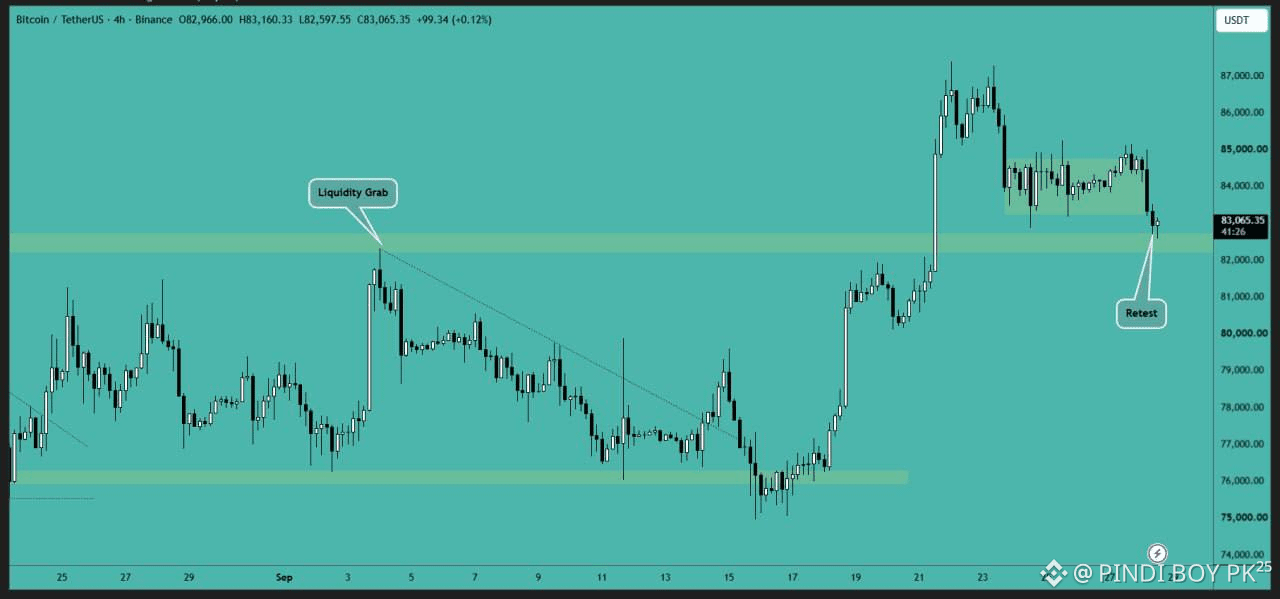
ビットコインは蓄積レンジをブレイクし、現在サポートエリアをテストしています。もしBTCがこの水準を維持できれば、大きな上昇のプッシュが見られる可能性があります。市場がどのように反応するか見ていきましょう。
$BTC $PUMP $XLM
ビットコインは蓄積レンジをブレイクし、現在サポートエリアをテストしています。もしBTCがこの水準を維持できれば、大きな上昇のプッシュが見られる可能性があります。市場がどのように反応するか見ていきましょう。
$BTC $PUMP $XLM
$BTC $PUMP $XLM
205
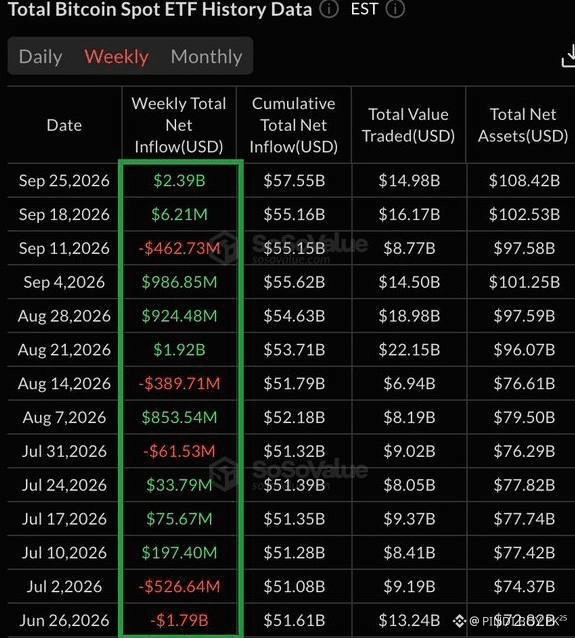
米国のビットコインETF、2026年で最大の週次流入を記録
米国のスポット・ビットコインETFは今週、ビットコインを23.9億ドル分購入し、8月に設定された2026年のこれまでの週次記録(19.2億ドル)を大幅に更新しました。
機関投資家のビットコイン需要が、年間の新たな高値に到達。
$SOXSB $IOTA $LINK
米国のビットコインETF、2026年で最大の週次流入を記録
米国のスポット・ビットコインETFは今週、ビットコインを23.9億ドル分購入し、8月に設定された2026年のこれまでの週次記録(19.2億ドル)を大幅に更新しました。
機関投資家のビットコイン需要が、年間の新たな高値に到達。
$SOXSB $IOTA $LINK
米国のスポット・ビットコインETFは今週、ビットコインを23.9億ドル分購入し、8月に設定された2026年のこれまでの週次記録(19.2億ドル)を大幅に更新しました。
機関投資家のビットコイン需要が、年間の新たな高値に到達。
$SOXSB $IOTA $LINK
171
本人確認中
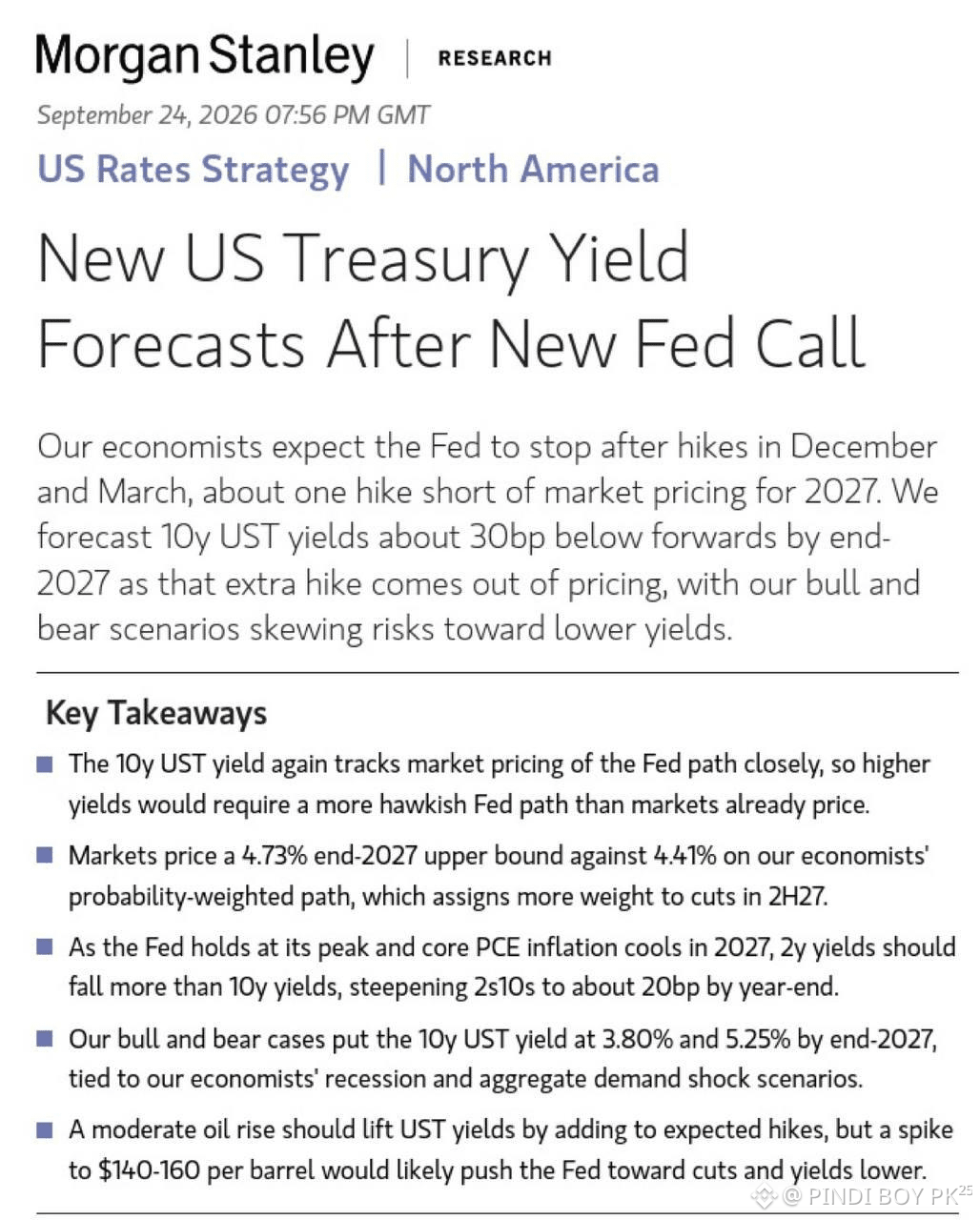
5%台で推移している直近の10年金利の期間は、長くは続かない可能性が高い。
モルガン・スタンレーは、FRBが今年の12月と来年の3月にそれぞれ25ベーシスポイントずつ利上げし、その後はベンチマーク金利を4.25〜4.50%に据え置くと予測している。
市場では、2027年までに追加の利上げがもう1回行われる可能性を織り込んでいる。したがって、こうした見通しが後退すれば、国債利回りは下がり得る。
特に、2027年後半には10年金利よりも2年金利のほうがより大きく低下すると見込まれており、これによって利回り曲線が再びスティープ化する可能性がある。
注目すべき重要な要因は、原油価格と景気である。
現在、国債市場はFRBによるさらなる引き締めの可能性に対して過剰に反応しているように見え、2027年に米国債利回りが低下する確率のほうが上昇する確率より高いと考えられている。
#FederalReserve $NMR $ALGO $MUBARAK
5%台で推移している直近の10年金利の期間は、長くは続かない可能性が高い。
モルガン・スタンレーは、FRBが今年の12月と来年の3月にそれぞれ25ベーシスポイントずつ利上げし、その後はベンチマーク金利を4.25〜4.50%に据え置くと予測している。
市場では、2027年までに追加の利上げがもう1回行われる可能性を織り込んでいる。したがって、こうした見通しが後退すれば、国債利回りは下がり得る。
特に、2027年後半には10年金利よりも2年金利のほうがより大きく低下すると見込まれており、これによって利回り曲線が再びスティープ化する可能性がある。
注目すべき重要な要因は、原油価格と景気である。
現在、国債市場はFRBによるさらなる引き締めの可能性に対して過剰に反応しているように見え、2027年に米国債利回りが低下する確率のほうが上昇する確率より高いと考えられている。
#FederalReserve $NMR $ALGO $MUBARAK
モルガン・スタンレーは、FRBが今年の12月と来年の3月にそれぞれ25ベーシスポイントずつ利上げし、その後はベンチマーク金利を4.25〜4.50%に据え置くと予測している。
市場では、2027年までに追加の利上げがもう1回行われる可能性を織り込んでいる。したがって、こうした見通しが後退すれば、国債利回りは下がり得る。
特に、2027年後半には10年金利よりも2年金利のほうがより大きく低下すると見込まれており、これによって利回り曲線が再びスティープ化する可能性がある。
注目すべき重要な要因は、原油価格と景気である。
現在、国債市場はFRBによるさらなる引き締めの可能性に対して過剰に反応しているように見え、2027年に米国債利回りが低下する確率のほうが上昇する確率より高いと考えられている。
#FederalReserve $NMR $ALGO $MUBARAK
1
1.2k
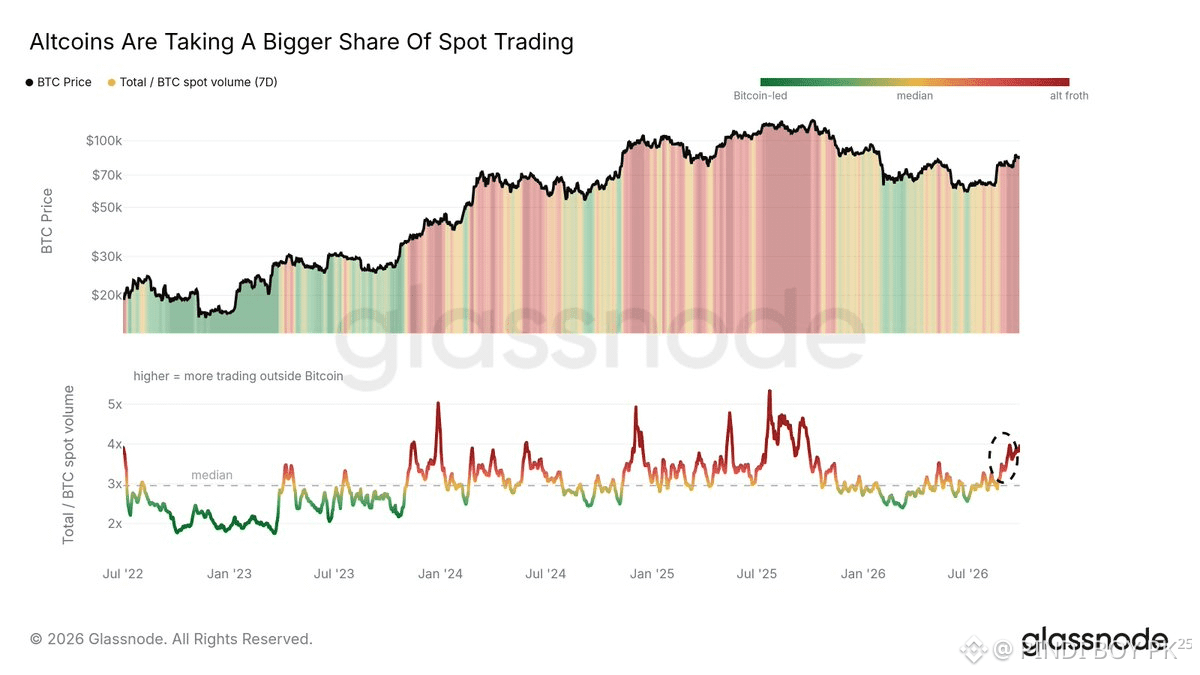
スポットトレーダーがアルトコインに注目しています。
現在のスポット取引総額はビットコインの約4倍で、2025年9月以来の最高水準です。
このようなより高いリスクへの需要は、これまでしばしば
$BTC $ONE $AMCB
スポットトレーダーがアルトコインに注目しています。
現在のスポット取引総額はビットコインの約4倍で、2025年9月以来の最高水準です。
このようなより高いリスクへの需要は、これまでしばしば
$BTC $ONE $AMCB
現在のスポット取引総額はビットコインの約4倍で、2025年9月以来の最高水準です。
このようなより高いリスクへの需要は、これまでしばしば
$BTC $ONE $AMCB
2
2
493
バイナンスは、MarsCoin(MARSCOIN)ホルダー向けのSpaceX(SPCXB)エアドロップおよび、牛来(牛来)ホルダー向けのInvesco QQQ Trust(QQQB)エアドロップをサポートします
バイナンスは、MarsCoin(MARSCOIN)ホルダー向けのSpaceX(SPCXB)エアドロップと、牛来(牛来)ホルダー向けのInvesco QQQ Trust(QQQB)エアドロップをサポートします。
$SPCXB
バイナンスは、MarsCoin(MARSCOIN)ホルダー向けのSpaceX(SPCXB)エアドロップおよび、牛来(牛来)ホルダー向けのInvesco QQQ Trust(QQQB)エアドロップをサポートします
バイナンスは、MarsCoin(MARSCOIN)ホルダー向けのSpaceX(SPCXB)エアドロップと、牛来(牛来)ホルダー向けのInvesco QQQ Trust(QQQB)エアドロップをサポートします。
$SPCXB
バイナンスは、MarsCoin(MARSCOIN)ホルダー向けのSpaceX(SPCXB)エアドロップと、牛来(牛来)ホルダー向けのInvesco QQQ Trust(QQQB)エアドロップをサポートします。
$SPCXB

346
ログインして、さらにコンテンツを読む
厳選トピックで世界の暗号資産トレーダーの仲間入り
⚡️ 暗号資産に関する最新かつ有益な情報が見つかります。
💬 世界最大の暗号資産取引所から信頼されています。
👍 認証を受けたクリエイターから、有益なインサイトを得られます。
メール / 電話番号