
#fomoalert
fomoalert
閲覧回数 1.3M
3,962人が討論中
注目
最新


投資アドバイス(FOMO)
⚠️ FOMOの罠に引っかからないで!
「本日トップ成績」のリストでコインを見かけたときは、チャンスを逃す恐れ(FOMO)から、いちばん高値で買わないようにしましょう。🛑
最も賢い戦略:調整(Retest)を待ち、上昇の終盤で買うのではなく、強力なサポート領域に流動性が入ってくるのを見てエントリーすることです。
#FOMOalert
$FORM
{future}(FORMUSDT)
投資アドバイス(FOMO)
⚠️ FOMOの罠に引っかからないで!
「本日トップ成績」のリストでコインを見かけたときは、チャンスを逃す恐れ(FOMO)から、いちばん高値で買わないようにしましょう。🛑
最も賢い戦略:調整(Retest)を待ち、上昇の終盤で買うのではなく、強力なサポート領域に流動性が入ってくるのを見てエントリーすることです。
#FOMOalert
$FORM
⚠️ FOMOの罠に引っかからないで!
「本日トップ成績」のリストでコインを見かけたときは、チャンスを逃す恐れ(FOMO)から、いちばん高値で買わないようにしましょう。🛑
最も賢い戦略:調整(Retest)を待ち、上昇の終盤で買うのではなく、強力なサポート領域に流動性が入ってくるのを見てエントリーすることです。
#FOMOalert
$FORM
1
85

こちらは強く魅力的なアラビア語の言い換えです:
FOMO(恐怖に負けること)で市場を追いかける人には、3つのシナリオが待っています:
1️⃣ 市場は上昇を続けますが、その後に急落が来て取引をしている人を動揺させ、最初に彼らのポジションを手放させます。
2️⃣ この上昇がただの罠だと判明し、後から買いに入った人たちは大きな損失を被ります。
3️⃣ 上昇トライアングルのチャートモデルが想定どおりに機能し、市場はそのまま上昇を継続します。
問題は、ほとんどのトレーダーが:
📉 シナリオ1に耐えられない。
😨 シナリオ2では恐慌の中で売りに走る。
🚀 そしてシナリオ3は、彼らが市場を早々に離れてしまうため取り逃がす。
市場では、タイミングは重要な要素なだけではありません……最も重要な要素です。そしてFOMOは、その事実を忘れた人が支払う代償です。
#Crypto #Bitcoin #Trading #FOMOalert
こちらは強く魅力的なアラビア語の言い換えです:
FOMO(恐怖に負けること)で市場を追いかける人には、3つのシナリオが待っています:
1️⃣ 市場は上昇を続けますが、その後に急落が来て取引をしている人を動揺させ、最初に彼らのポジションを手放させます。
2️⃣ この上昇がただの罠だと判明し、後から買いに入った人たちは大きな損失を被ります。
3️⃣ 上昇トライアングルのチャートモデルが想定どおりに機能し、市場はそのまま上昇を継続します。
問題は、ほとんどのトレーダーが:
📉 シナリオ1に耐えられない。
😨 シナリオ2では恐慌の中で売りに走る。
🚀 そしてシナリオ3は、彼らが市場を早々に離れてしまうため取り逃がす。
市場では、タイミングは重要な要素なだけではありません……最も重要な要素です。そしてFOMOは、その事実を忘れた人が支払う代償です。
#Crypto #Bitcoin #Trading #FOMOalert
FOMO(恐怖に負けること)で市場を追いかける人には、3つのシナリオが待っています:
1️⃣ 市場は上昇を続けますが、その後に急落が来て取引をしている人を動揺させ、最初に彼らのポジションを手放させます。
2️⃣ この上昇がただの罠だと判明し、後から買いに入った人たちは大きな損失を被ります。
3️⃣ 上昇トライアングルのチャートモデルが想定どおりに機能し、市場はそのまま上昇を継続します。
問題は、ほとんどのトレーダーが:
📉 シナリオ1に耐えられない。
😨 シナリオ2では恐慌の中で売りに走る。
🚀 そしてシナリオ3は、彼らが市場を早々に離れてしまうため取り逃がす。
市場では、タイミングは重要な要素なだけではありません……最も重要な要素です。そしてFOMOは、その事実を忘れた人が支払う代償です。
#Crypto #Bitcoin #Trading #FOMOalert
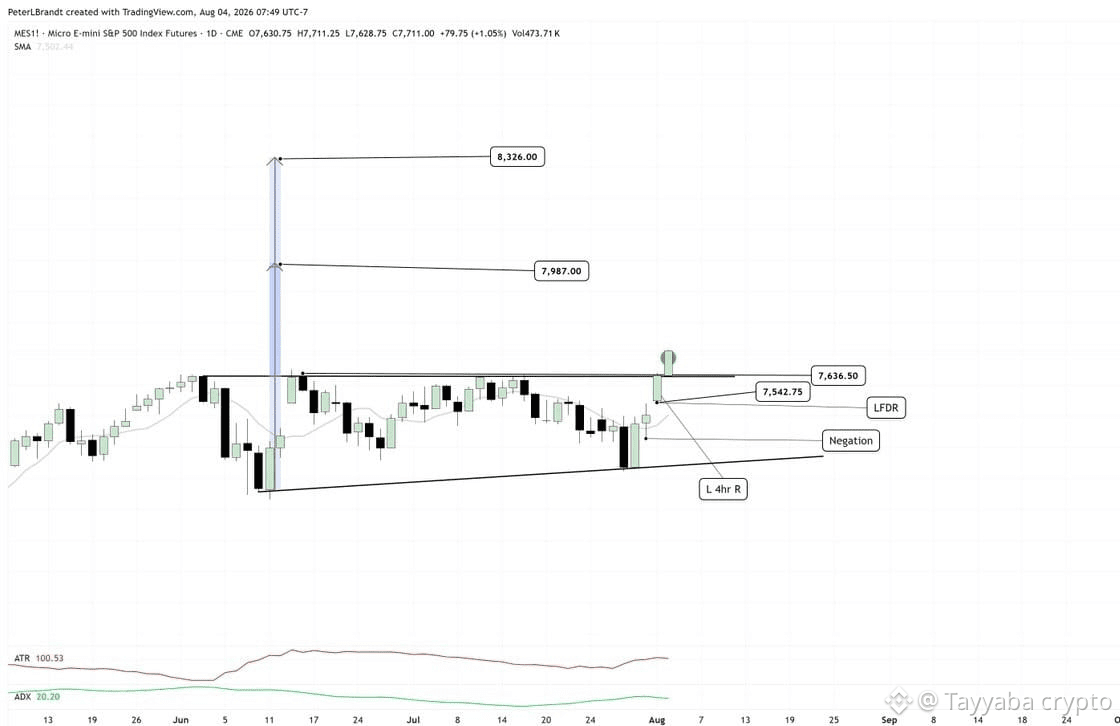
34

⚠️ ほとんどのビットコイン初心者が犯しがちな最大のミス
多くの人は、価格がすでに急騰したあとにビットコインを買います。待ちきれない(FOMO)という恐れがあるからです。残念ながら、これは多くの場合、値段が高いところで買ってしまう原因になります。
経験豊富なトレーダーは通常:
✅ 確認を待つ
✅ 取引の計画に従う
✅ リスクを管理する
✅ チャートの足(キャンドル)を追いかけるのではなく、辛抱強く待つ
覚えておいてください:暗号資産では、利益を出すのと同じくらい資本を守ることが重要です。
💬 FOMOで買ってしまったことはありますか?
「Yes」または「No」で返信し、何が起きたか教えてください。
#Bitcoin #BTC #crypto #BİNANCESQUARE #Trading #cryptoeducation #FOMOalert
⚠️ ほとんどのビットコイン初心者が犯しがちな最大のミス
多くの人は、価格がすでに急騰したあとにビットコインを買います。待ちきれない(FOMO)という恐れがあるからです。残念ながら、これは多くの場合、値段が高いところで買ってしまう原因になります。
経験豊富なトレーダーは通常:
✅ 確認を待つ
✅ 取引の計画に従う
✅ リスクを管理する
✅ チャートの足(キャンドル)を追いかけるのではなく、辛抱強く待つ
覚えておいてください:暗号資産では、利益を出すのと同じくらい資本を守ることが重要です。
💬 FOMOで買ってしまったことはありますか?
「Yes」または「No」で返信し、何が起きたか教えてください。
#Bitcoin #BTC #crypto #BİNANCESQUARE #Trading #cryptoeducation #FOMOalert
多くの人は、価格がすでに急騰したあとにビットコインを買います。待ちきれない(FOMO)という恐れがあるからです。残念ながら、これは多くの場合、値段が高いところで買ってしまう原因になります。
経験豊富なトレーダーは通常:
✅ 確認を待つ
✅ 取引の計画に従う
✅ リスクを管理する
✅ チャートの足(キャンドル)を追いかけるのではなく、辛抱強く待つ
覚えておいてください:暗号資産では、利益を出すのと同じくらい資本を守ることが重要です。
💬 FOMOで買ってしまったことはありますか?
「Yes」または「No」で返信し、何が起きたか教えてください。
#Bitcoin #BTC #crypto #BİNANCESQUARE #Trading #cryptoeducation #FOMOalert
24

·
--
エンゲージメント
FOMOかFUDか?
どちらが暗号資産(クリプト)投資家により大きなダメージを与える?
🔥 FOMO
😨 FUD
私の答え:FOMOです。計画なしでポジションに入ってしまうことがあるから。
あなたの答えは?
#FOMOalert #FUD
エンゲージメント
FOMOかFUDか?
どちらが暗号資産(クリプト)投資家により大きなダメージを与える?
🔥 FOMO
😨 FUD
私の答え:FOMOです。計画なしでポジションに入ってしまうことがあるから。
あなたの答えは?
#FOMOalert #FUD
FOMOかFUDか?
どちらが暗号資産(クリプト)投資家により大きなダメージを与える?
🔥 FOMO
😨 FUD
私の答え:FOMOです。計画なしでポジションに入ってしまうことがあるから。
あなたの答えは?
#FOMOalert #FUD
1
39

$ZEC $BTC $BNB
🇺🇸 仮想通貨マクロの現実確認 — データを見ろ、煽りではなく
最新の米雇用統計は、予想を大きく上回りました:
📊 8月雇用者数: +162K
📊 失業率: 4.1%
📊 賃金上昇率: 前年比 +3.1%
これにより、9月のFRB利上げ観測が強まり、米国債利回りは上昇しました。報告後、ビットコインも80Kドルを下回りました。
次の大きな注目材料は、9月11日の米CPIです。
🔴 強いCPI: 利上げ観測の強まり → 利回り/DXY上昇の可能性 → BTC & 特に高ベータのアルトコインに圧力。
🟢 弱いCPI: 利上げ懸念が和らぐ → 利回り低下の可能性 → 仮想通貨に राहतが入る可能性。
ただし、覚えておいてください:
大きく上昇した後は、むやみにその動きを追いかけないこと。
仮想通貨では、このパターンを何度も見てきました:
🚀 強い上昇
📈 FOMO
🔥 レバレッジ増加
⚠️ 市場が過熱
📉 その後に冷却/調整
これは、上昇した銘柄が必ず暴落するという意味ではありません。長く上昇した後は、リスク/リターンが大きく変わるということです。
投資では: 市場が落ち着くのを待ち、より良いリスク/リターンを探してください。
トレードでは: 慎重に取引し、BTC、CPI、FRBの見通し、利回り、DXY、OI、資金調達率、清算を確認してください。
👉 データを見ろ。実際に何が起きたのかを理解しろ。そして次に何が起こりうるかを判断しろ。
盲目的な投資はしないこと。必ず自分のコインを調査してください。
#ZECHitsANewAllTimeHigh #FOMOalert #Fed
$ZEC $BTC $BNB
🇺🇸 仮想通貨マクロの現実確認 — データを見ろ、煽りではなく
最新の米雇用統計は、予想を大きく上回りました:
📊 8月雇用者数: +162K
📊 失業率: 4.1%
📊 賃金上昇率: 前年比 +3.1%
これにより、9月のFRB利上げ観測が強まり、米国債利回りは上昇しました。報告後、ビットコインも80Kドルを下回りました。
次の大きな注目材料は、9月11日の米CPIです。
🔴 強いCPI: 利上げ観測の強まり → 利回り/DXY上昇の可能性 → BTC & 特に高ベータのアルトコインに圧力。
🟢 弱いCPI: 利上げ懸念が和らぐ → 利回り低下の可能性 → 仮想通貨に राहतが入る可能性。
ただし、覚えておいてください:
大きく上昇した後は、むやみにその動きを追いかけないこと。
仮想通貨では、このパターンを何度も見てきました:
🚀 強い上昇
📈 FOMO
🔥 レバレッジ増加
⚠️ 市場が過熱
📉 その後に冷却/調整
これは、上昇した銘柄が必ず暴落するという意味ではありません。長く上昇した後は、リスク/リターンが大きく変わるということです。
投資では: 市場が落ち着くのを待ち、より良いリスク/リターンを探してください。
トレードでは: 慎重に取引し、BTC、CPI、FRBの見通し、利回り、DXY、OI、資金調達率、清算を確認してください。
👉 データを見ろ。実際に何が起きたのかを理解しろ。そして次に何が起こりうるかを判断しろ。
盲目的な投資はしないこと。必ず自分のコインを調査してください。
#ZECHitsANewAllTimeHigh #FOMOalert #Fed
🇺🇸 仮想通貨マクロの現実確認 — データを見ろ、煽りではなく
最新の米雇用統計は、予想を大きく上回りました:
📊 8月雇用者数: +162K
📊 失業率: 4.1%
📊 賃金上昇率: 前年比 +3.1%
これにより、9月のFRB利上げ観測が強まり、米国債利回りは上昇しました。報告後、ビットコインも80Kドルを下回りました。
次の大きな注目材料は、9月11日の米CPIです。
🔴 強いCPI: 利上げ観測の強まり → 利回り/DXY上昇の可能性 → BTC & 特に高ベータのアルトコインに圧力。
🟢 弱いCPI: 利上げ懸念が和らぐ → 利回り低下の可能性 → 仮想通貨に राहतが入る可能性。
ただし、覚えておいてください:
大きく上昇した後は、むやみにその動きを追いかけないこと。
仮想通貨では、このパターンを何度も見てきました:
🚀 強い上昇
📈 FOMO
🔥 レバレッジ増加
⚠️ 市場が過熱
📉 その後に冷却/調整
これは、上昇した銘柄が必ず暴落するという意味ではありません。長く上昇した後は、リスク/リターンが大きく変わるということです。
投資では: 市場が落ち着くのを待ち、より良いリスク/リターンを探してください。
トレードでは: 慎重に取引し、BTC、CPI、FRBの見通し、利回り、DXY、OI、資金調達率、清算を確認してください。
👉 データを見ろ。実際に何が起きたのかを理解しろ。そして次に何が起こりうるかを判断しろ。
盲目的な投資はしないこと。必ず自分のコインを調査してください。
#ZECHitsANewAllTimeHigh #FOMOalert #Fed
303

今すぐ$BTC を買うかどうか迷っています。
すでに投資したいものの一部は用意できているのですが、肝心な分で半分以上がまだ外に残っていて、残りを入れるべきか、それとも調整(下落)を待つべきか迷っています。皆さんはもう外に出ていますか?それともどうする予定ですか? #FOMOalert 🤔
今すぐ$BTC を買うかどうか迷っています。
すでに投資したいものの一部は用意できているのですが、肝心な分で半分以上がまだ外に残っていて、残りを入れるべきか、それとも調整(下落)を待つべきか迷っています。皆さんはもう外に出ていますか?それともどうする予定ですか? #FOMOalert 🤔
すでに投資したいものの一部は用意できているのですが、肝心な分で半分以上がまだ外に残っていて、残りを入れるべきか、それとも調整(下落)を待つべきか迷っています。皆さんはもう外に出ていますか?それともどうする予定ですか? #FOMOalert 🤔
260

·
--
ブリッシュ
Topinformer
·
--
#ethstakingratiohitsrecord34.4%
$AKE に注意してください
#etherium は確実に市場を変えるでしょう
待って!
$AKE に注意してください
#etherium は確実に市場を変えるでしょう
待って!
204

·
--
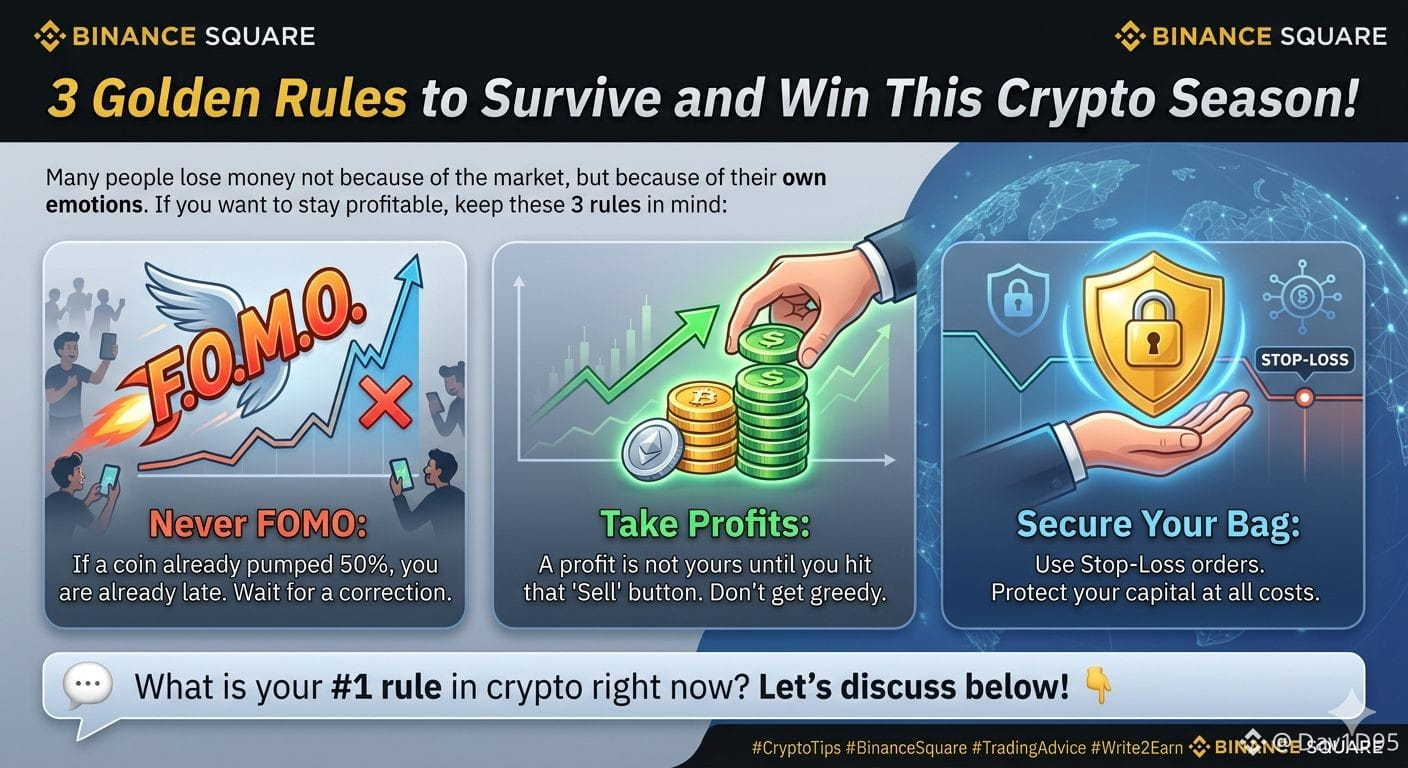
🚨 この暗号シーズンを生き残り、勝つための3つのゴールデンルール! 🚨
多くの人が市場のせいではなく、自分の感情のせいでお金を失います。利益を上げ続けたいなら、この3つのルールを心に留めておいてください:
1️⃣ FOMOを避けろ:コインがすでに50%も上がっているなら、あなたはもう遅れています。修正を待ちましょう。
2️⃣ 利益を確定しろ:利益は「売却」ボタンを押すまであなたのものではありません。欲をかかないでください。
3️⃣ バッグを守れ:ストップロス注文を使え。資本をどんな手段でも守るべきです。
💬 現在の暗号でのあなたの第一のルールは何ですか?下で話しましょう! 👇
#crypto #BinanceSquare #FOMOalert #GOLD
🚨 この暗号シーズンを生き残り、勝つための3つのゴールデンルール! 🚨
多くの人が市場のせいではなく、自分の感情のせいでお金を失います。利益を上げ続けたいなら、この3つのルールを心に留めておいてください:
1️⃣ FOMOを避けろ:コインがすでに50%も上がっているなら、あなたはもう遅れています。修正を待ちましょう。
2️⃣ 利益を確定しろ:利益は「売却」ボタンを押すまであなたのものではありません。欲をかかないでください。
3️⃣ バッグを守れ:ストップロス注文を使え。資本をどんな手段でも守るべきです。
💬 現在の暗号でのあなたの第一のルールは何ですか?下で話しましょう! 👇
#crypto #BinanceSquare #FOMOalert #GOLD
多くの人が市場のせいではなく、自分の感情のせいでお金を失います。利益を上げ続けたいなら、この3つのルールを心に留めておいてください:
1️⃣ FOMOを避けろ:コインがすでに50%も上がっているなら、あなたはもう遅れています。修正を待ちましょう。
2️⃣ 利益を確定しろ:利益は「売却」ボタンを押すまであなたのものではありません。欲をかかないでください。
3️⃣ バッグを守れ:ストップロス注文を使え。資本をどんな手段でも守るべきです。
💬 現在の暗号でのあなたの第一のルールは何ですか?下で話しましょう! 👇
#crypto #BinanceSquare #FOMOalert #GOLD
1
85

市場は機会損失への恐れではなく、自分自身で調べることに報酬を与える。
もし、根拠のない噂や物語を追いかけて金を失い続けるのであれば、自分に責任があるのは唯一あなた自身です。
これはただの空疎な言葉ではありません。市場が何度も何度も繰り返し教える教訓です
$AAPLB $SNDKB $BTC
#FOMCWatching
#no_fomo #FOMOalert
市場は機会損失への恐れではなく、自分自身で調べることに報酬を与える。
もし、根拠のない噂や物語を追いかけて金を失い続けるのであれば、自分に責任があるのは唯一あなた自身です。
これはただの空疎な言葉ではありません。市場が何度も何度も繰り返し教える教訓です
$AAPLB $SNDKB $BTC
#FOMCWatching
#no_fomo #FOMOalert
もし、根拠のない噂や物語を追いかけて金を失い続けるのであれば、自分に責任があるのは唯一あなた自身です。
これはただの空疎な言葉ではありません。市場が何度も何度も繰り返し教える教訓です
$AAPLB $SNDKB $BTC
#FOMCWatching
#no_fomo #FOMOalert
1
511

·
--
HBAR 対応が危険域? ロングスクイーズが見えてきた? 🚨
👇
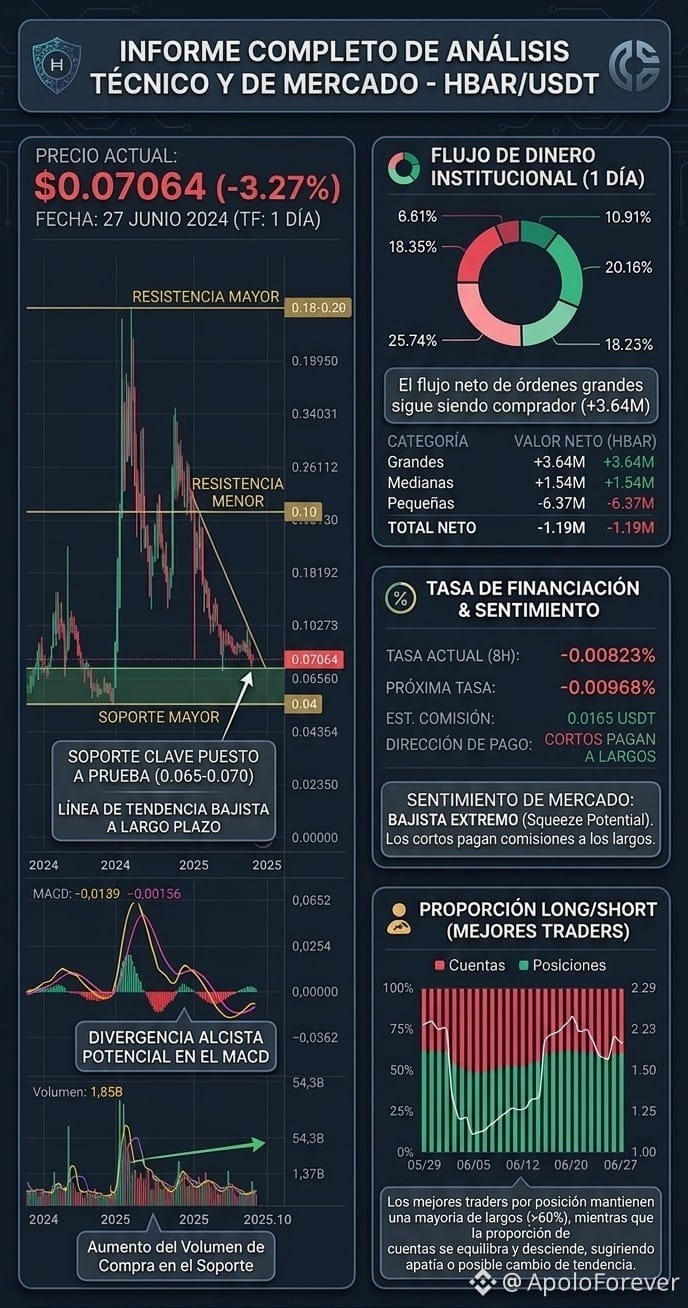
価格は $0.0706。長期の重要サポート(0.065-0.070)のど真ん中です。ですが、今日の -3% の背後では、データが別のことを示しています。
👇
🐋 機関投資家のクジラ👉明確に買い越し(+3.64M HBAR)。小売が恐怖で売っている間に、積み上げています。
💀 極端なファンディング:-0.008%。ポジション維持のためにショート勢が支払いをしている状態です!
📊 MACD&出来高👉強気のダイバージェンス+サポートでの買い出来高の増加。
#hbar
構造は明確です👉価格が $0.10 のレジスタンスをブレイクできれば、数か月続いた下落トレンドは決定的に反転し、大規模なショートスクイーズを引き起こします。
#FOMOalert
市場は「極度の恐怖」ですが、クジラたちはすでに布陣済み。
爆発したら、置いていかれるリスクを取りますか? 🚀🔥
HBAR 対応が危険域? ロングスクイーズが見えてきた? 🚨
👇
価格は $0.0706。長期の重要サポート(0.065-0.070)のど真ん中です。ですが、今日の -3% の背後では、データが別のことを示しています。
👇
🐋 機関投資家のクジラ👉明確に買い越し(+3.64M HBAR)。小売が恐怖で売っている間に、積み上げています。
💀 極端なファンディング:-0.008%。ポジション維持のためにショート勢が支払いをしている状態です!
📊 MACD&出来高👉強気のダイバージェンス+サポートでの買い出来高の増加。
#hbar
構造は明確です👉価格が $0.10 のレジスタンスをブレイクできれば、数か月続いた下落トレンドは決定的に反転し、大規模なショートスクイーズを引き起こします。
#FOMOalert
市場は「極度の恐怖」ですが、クジラたちはすでに布陣済み。
爆発したら、置いていかれるリスクを取りますか? 🚀🔥
👇
価格は $0.0706。長期の重要サポート(0.065-0.070)のど真ん中です。ですが、今日の -3% の背後では、データが別のことを示しています。
👇
🐋 機関投資家のクジラ👉明確に買い越し(+3.64M HBAR)。小売が恐怖で売っている間に、積み上げています。
💀 極端なファンディング:-0.008%。ポジション維持のためにショート勢が支払いをしている状態です!
📊 MACD&出来高👉強気のダイバージェンス+サポートでの買い出来高の増加。
#hbar
構造は明確です👉価格が $0.10 のレジスタンスをブレイクできれば、数か月続いた下落トレンドは決定的に反転し、大規模なショートスクイーズを引き起こします。
#FOMOalert
市場は「極度の恐怖」ですが、クジラたちはすでに布陣済み。
爆発したら、置いていかれるリスクを取りますか? 🚀🔥
176

市場への影響 ⚠️
CPI、Clarity Act、そしてFOMC は主要なボラティリティの引き金となります。
強いCPI(米ドル↑)| BTC&金↓
弱いCPI(米ドル↓)| BTC&金↑
Clarity Act:前向きな結果なら暗号資産のセンチメントを押し上げる可能性 📈
FOMC タカ派=リスク資産にとって弱材料 | ハト派=強材料
これらのイベントの周辺では高いボラティリティと、ダマシ(フェイクアウト)が起こりやすい見込みです。
$BTC $ETH #CPIWatch #CLARITYActRevisionToRuleNonDeFiControllers #FOMOalert
市場への影響 ⚠️
CPI、Clarity Act、そしてFOMC は主要なボラティリティの引き金となります。
強いCPI(米ドル↑)| BTC&金↓
弱いCPI(米ドル↓)| BTC&金↑
Clarity Act:前向きな結果なら暗号資産のセンチメントを押し上げる可能性 📈
FOMC タカ派=リスク資産にとって弱材料 | ハト派=強材料
これらのイベントの周辺では高いボラティリティと、ダマシ(フェイクアウト)が起こりやすい見込みです。
$BTC $ETH #CPIWatch #CLARITYActRevisionToRuleNonDeFiControllers #FOMOalert
CPI、Clarity Act、そしてFOMC は主要なボラティリティの引き金となります。
強いCPI(米ドル↑)| BTC&金↓
弱いCPI(米ドル↓)| BTC&金↑
Clarity Act:前向きな結果なら暗号資産のセンチメントを押し上げる可能性 📈
FOMC タカ派=リスク資産にとって弱材料 | ハト派=強材料
これらのイベントの周辺では高いボラティリティと、ダマシ(フェイクアウト)が起こりやすい見込みです。
$BTC $ETH #CPIWatch #CLARITYActRevisionToRuleNonDeFiControllers #FOMOalert

147


ビットコインの急騰に注意:スポットショートに警戒!
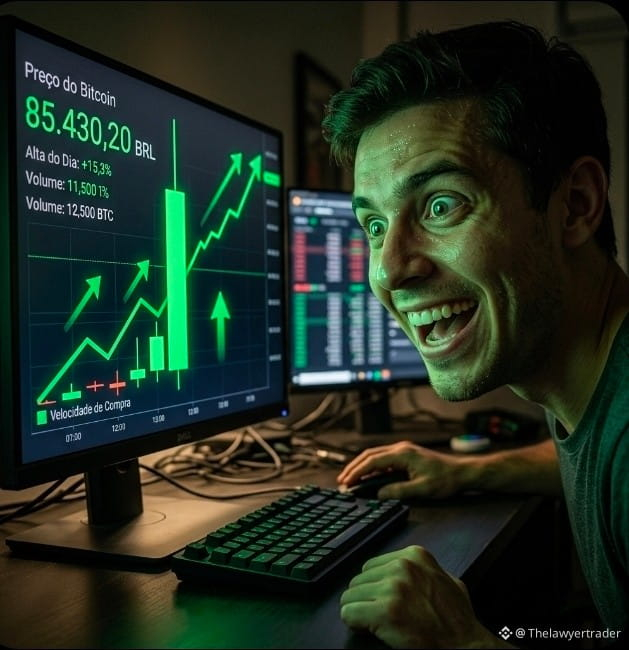
ビットコインは4時間足チャートで縦の大陽線を形成し、69,500ドルにタッチしました。祝う前にRSIを確認してください:RSIは91で、極端な買われ過ぎ水準です。このような値動きは、実需による上昇というより、ショートポジションの強制清算が起きていることが多いです。
そして状況も追い風ではありません。8月はBTCにとって歴史的に弱い月です:2013年以降、月の中央値は-7.49%で、13回中4回しか8月の月末が上昇で終わっていません。2026年には、すでに年初来で約26%下落が積み上がっています。
急騰 + 極端なRSI + 景気(季節)的に悪い月 = 調整リスクが高い。 この大陽線の上部で入った人は、今後の数セッションで価格がその動きを帳消しにするのを見る可能性があります。
入るなら、調整を待ち、サポートの確認を取りに行きましょう。このような値動きの“高値掴み”でエントリーするのは、統計に賭けることです。
*投資助言ではありません。*
#FOMOalert #BTC走势分析 $BTC
ビットコインの急騰に注意:スポットショートに警戒!
ビットコインは4時間足チャートで縦の大陽線を形成し、69,500ドルにタッチしました。祝う前にRSIを確認してください:RSIは91で、極端な買われ過ぎ水準です。このような値動きは、実需による上昇というより、ショートポジションの強制清算が起きていることが多いです。
そして状況も追い風ではありません。8月はBTCにとって歴史的に弱い月です:2013年以降、月の中央値は-7.49%で、13回中4回しか8月の月末が上昇で終わっていません。2026年には、すでに年初来で約26%下落が積み上がっています。
急騰 + 極端なRSI + 景気(季節)的に悪い月 = 調整リスクが高い。 この大陽線の上部で入った人は、今後の数セッションで価格がその動きを帳消しにするのを見る可能性があります。
入るなら、調整を待ち、サポートの確認を取りに行きましょう。このような値動きの“高値掴み”でエントリーするのは、統計に賭けることです。
*投資助言ではありません。*
#FOMOalert #BTC走势分析 $BTC
ビットコインは4時間足チャートで縦の大陽線を形成し、69,500ドルにタッチしました。祝う前にRSIを確認してください:RSIは91で、極端な買われ過ぎ水準です。このような値動きは、実需による上昇というより、ショートポジションの強制清算が起きていることが多いです。
そして状況も追い風ではありません。8月はBTCにとって歴史的に弱い月です:2013年以降、月の中央値は-7.49%で、13回中4回しか8月の月末が上昇で終わっていません。2026年には、すでに年初来で約26%下落が積み上がっています。
急騰 + 極端なRSI + 景気(季節)的に悪い月 = 調整リスクが高い。 この大陽線の上部で入った人は、今後の数セッションで価格がその動きを帳消しにするのを見る可能性があります。
入るなら、調整を待ち、サポートの確認を取りに行きましょう。このような値動きの“高値掴み”でエントリーするのは、統計に賭けることです。
*投資助言ではありません。*
#FOMOalert #BTC走势分析 $BTC
7
7
6.7k

·
--
教育的 / 戦略(リスク管理)
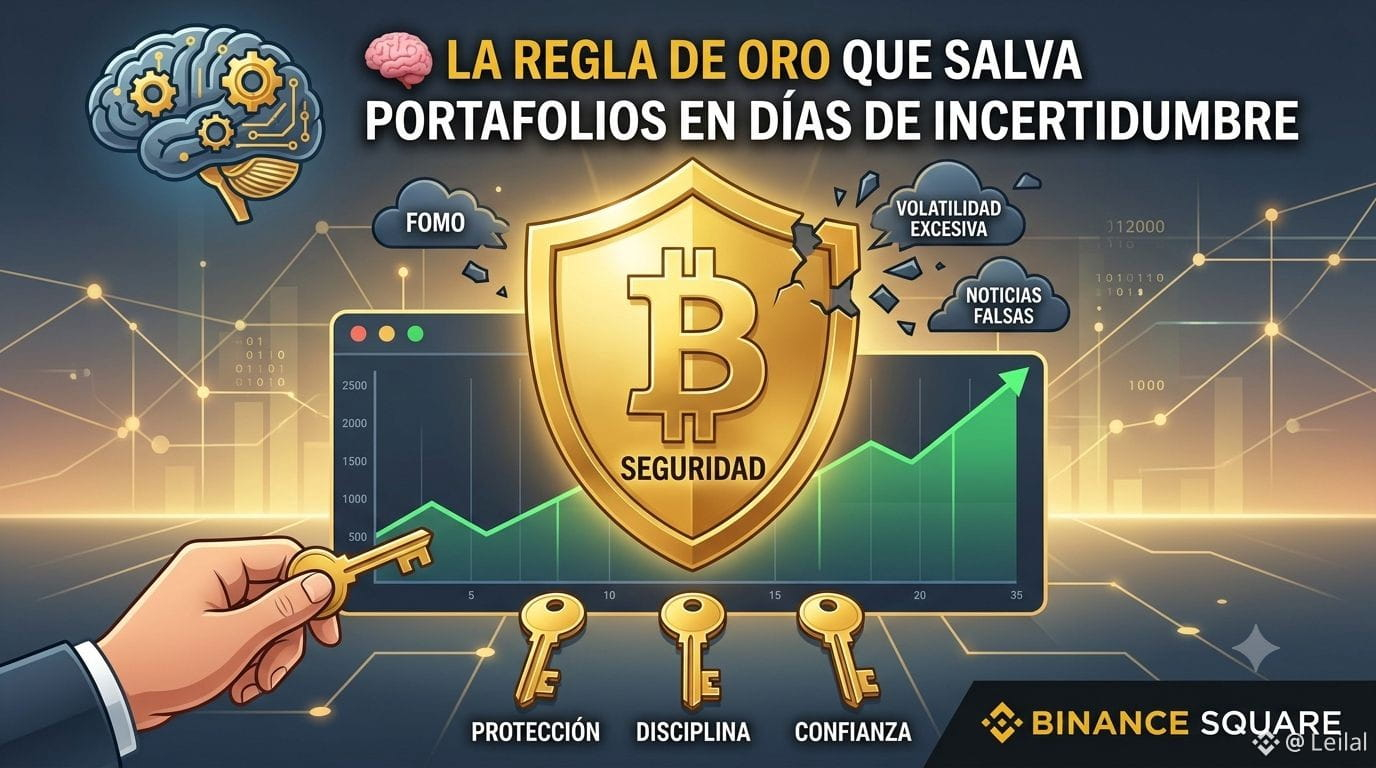
🧠 不確実な日々にポートフォリオを救う黄金ルール
昨日はここで更新がありませんでしたが、市場は決して眠りません。価格が明確な方向性なく揺れ動くような日には、どんなテクニカル指標よりも規律が勝ります。
今日あなたの資本を守るための、素早い3つのルールはこちら:
過度なレバレッジを避ける:デリバティブへの関心が高まると、急なボラティリティが双方の方向でポジションを一掃する可能性があります。
戦略的な分散:エクスポージャーを1つの資産に集中させないでください。
FOMOより忍耐:取り残される恐れから市場に入ることは、最も高くつくミスになりがちです。
この投稿を保存して、次回のトレーディング・セッションで思い出してください。📌
#BinanceSquare #Write2Earn #EducaciónFinanciera #FOMOalert
$BTC
教育的 / 戦略(リスク管理)
🧠 不確実な日々にポートフォリオを救う黄金ルール
昨日はここで更新がありませんでしたが、市場は決して眠りません。価格が明確な方向性なく揺れ動くような日には、どんなテクニカル指標よりも規律が勝ります。
今日あなたの資本を守るための、素早い3つのルールはこちら:
過度なレバレッジを避ける:デリバティブへの関心が高まると、急なボラティリティが双方の方向でポジションを一掃する可能性があります。
戦略的な分散:エクスポージャーを1つの資産に集中させないでください。
FOMOより忍耐:取り残される恐れから市場に入ることは、最も高くつくミスになりがちです。
この投稿を保存して、次回のトレーディング・セッションで思い出してください。📌
#BinanceSquare #Write2Earn #EducaciónFinanciera #FOMOalert
$BTC
🧠 不確実な日々にポートフォリオを救う黄金ルール
昨日はここで更新がありませんでしたが、市場は決して眠りません。価格が明確な方向性なく揺れ動くような日には、どんなテクニカル指標よりも規律が勝ります。
今日あなたの資本を守るための、素早い3つのルールはこちら:
過度なレバレッジを避ける:デリバティブへの関心が高まると、急なボラティリティが双方の方向でポジションを一掃する可能性があります。
戦略的な分散:エクスポージャーを1つの資産に集中させないでください。
FOMOより忍耐:取り残される恐れから市場に入ることは、最も高くつくミスになりがちです。
この投稿を保存して、次回のトレーディング・セッションで思い出してください。📌
#BinanceSquare #Write2Earn #EducaciónFinanciera #FOMOalert
$BTC
2
106

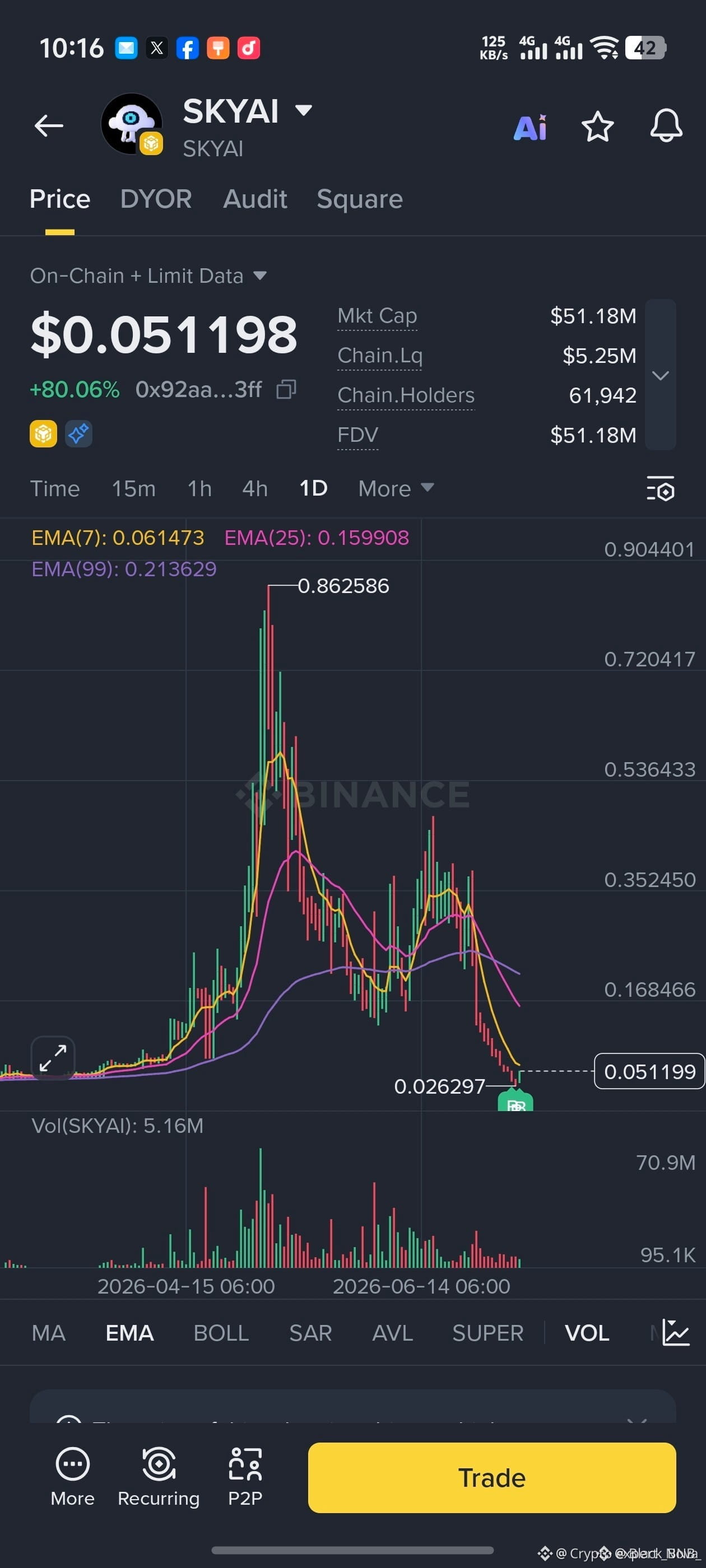
長い💸 $SKYAI
Entry: 今
TP1: 0.0680
TP2: 0.0950
TP3: 0.1350
TP4: 0.1800
SL: 0.0420
{future}(SKYAIUSDT)
#SKYAISUDT #Crypto_Jobs🎯 #FOMOalert
長い💸 $SKYAI
Entry: 今
TP1: 0.0680
TP2: 0.0950
TP3: 0.1350
TP4: 0.1800
SL: 0.0420
#SKYAISUDT #Crypto_Jobs🎯 #FOMOalert
Entry: 今
TP1: 0.0680
TP2: 0.0950
TP3: 0.1350
TP4: 0.1800
SL: 0.0420
#SKYAISUDT #Crypto_Jobs🎯 #FOMOalert
92
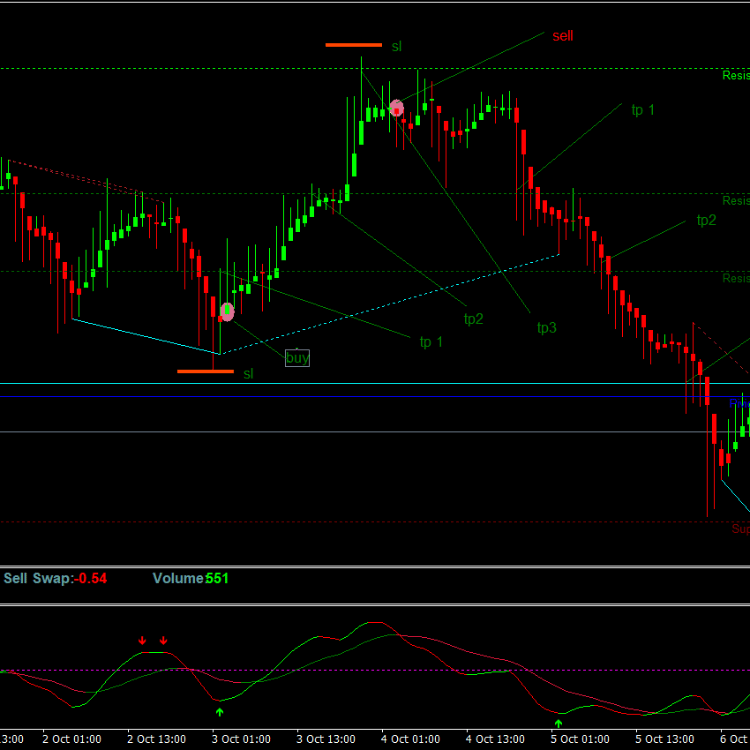
1分足のチャートをまるで次の10年を予言するかのように分析すると…🧠📊
深夜2時の自分:完璧な下降ウェッジを描いて、レオンアルド・ダ・ヴィンチみたいにPOCを63,947にラベル付けする🎨✨
BTC:宇宙から見えるレベルの緑の陽線を解き放つ🚀👽
弱気派は、その下降チャネルが安全地帯だと思っていた。プロットツイスト:実は発射台だった。
🐻➡️🚀 あのブレイクはトレンドラインをぶっ壊しただけじゃない。心・ストップロス・そしてだいたい12本の弱気系Twitterスレッドまで粉砕した💔📉
POC at 63,947?ただ敬意を払っただけじゃない。そこをムーンウォークで踏み越えた🕺🌙 レベル4はもう古代の歴史。レベル5は今、実存的危機に陥ってる。🎯😰
「$50Kを待ってる」と言ってたみんなにリスペクト。その待ちを楽しんでくれ。俺はここで、コーヒーがまだ熱いうちにスナイパーのエントリーが刺さるのを見てるよ☕😎 そしてショート勢へ?UberEatsの配達員が挨拶してる🍔🛵
免責事項:これは投資助言ではない。いまだにブロックチェーンが何かを完全には説明できない。🙃💸
#BTC BTCUSDT #Bitcoin #Crypto #BinanceSquare #TradingSignals ngView #BullRun #Breakout #SniperTrading #BearsRekt #Follow_Like_Comment #FOMOalert MO #GreenCandle #CryptoHumor #TradingMemes #WAGMI #ToTheMoon #Binance #BTC #CryptoCommunity #ChartArt #NotFinancialAdvice
1分足のチャートをまるで次の10年を予言するかのように分析すると…🧠📊
深夜2時の自分:完璧な下降ウェッジを描いて、レオンアルド・ダ・ヴィンチみたいにPOCを63,947にラベル付けする🎨✨
BTC:宇宙から見えるレベルの緑の陽線を解き放つ🚀👽
弱気派は、その下降チャネルが安全地帯だと思っていた。プロットツイスト:実は発射台だった。
🐻➡️🚀 あのブレイクはトレンドラインをぶっ壊しただけじゃない。心・ストップロス・そしてだいたい12本の弱気系Twitterスレッドまで粉砕した💔📉
POC at 63,947?ただ敬意を払っただけじゃない。そこをムーンウォークで踏み越えた🕺🌙 レベル4はもう古代の歴史。レベル5は今、実存的危機に陥ってる。🎯😰
「$50Kを待ってる」と言ってたみんなにリスペクト。その待ちを楽しんでくれ。俺はここで、コーヒーがまだ熱いうちにスナイパーのエントリーが刺さるのを見てるよ☕😎 そしてショート勢へ?UberEatsの配達員が挨拶してる🍔🛵
免責事項:これは投資助言ではない。いまだにブロックチェーンが何かを完全には説明できない。🙃💸
#BTC BTCUSDT #Bitcoin #Crypto #BinanceSquare #TradingSignals ngView #BullRun #Breakout #SniperTrading #BearsRekt #Follow_Like_Comment #FOMOalert MO #GreenCandle #CryptoHumor #TradingMemes #WAGMI #ToTheMoon #Binance #BTC #CryptoCommunity #ChartArt #NotFinancialAdvice
深夜2時の自分:完璧な下降ウェッジを描いて、レオンアルド・ダ・ヴィンチみたいにPOCを63,947にラベル付けする🎨✨
BTC:宇宙から見えるレベルの緑の陽線を解き放つ🚀👽
弱気派は、その下降チャネルが安全地帯だと思っていた。プロットツイスト:実は発射台だった。
🐻➡️🚀 あのブレイクはトレンドラインをぶっ壊しただけじゃない。心・ストップロス・そしてだいたい12本の弱気系Twitterスレッドまで粉砕した💔📉
POC at 63,947?ただ敬意を払っただけじゃない。そこをムーンウォークで踏み越えた🕺🌙 レベル4はもう古代の歴史。レベル5は今、実存的危機に陥ってる。🎯😰
「$50Kを待ってる」と言ってたみんなにリスペクト。その待ちを楽しんでくれ。俺はここで、コーヒーがまだ熱いうちにスナイパーのエントリーが刺さるのを見てるよ☕😎 そしてショート勢へ?UberEatsの配達員が挨拶してる🍔🛵
免責事項:これは投資助言ではない。いまだにブロックチェーンが何かを完全には説明できない。🙃💸
#BTC BTCUSDT #Bitcoin #Crypto #BinanceSquare #TradingSignals ngView #BullRun #Breakout #SniperTrading #BearsRekt #Follow_Like_Comment #FOMOalert MO #GreenCandle #CryptoHumor #TradingMemes #WAGMI #ToTheMoon #Binance #BTC #CryptoCommunity #ChartArt #NotFinancialAdvice

122
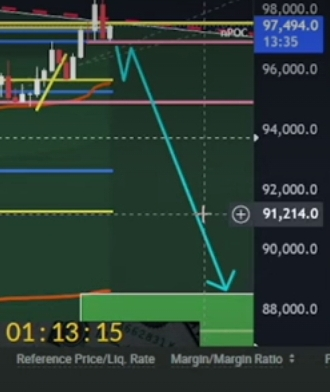
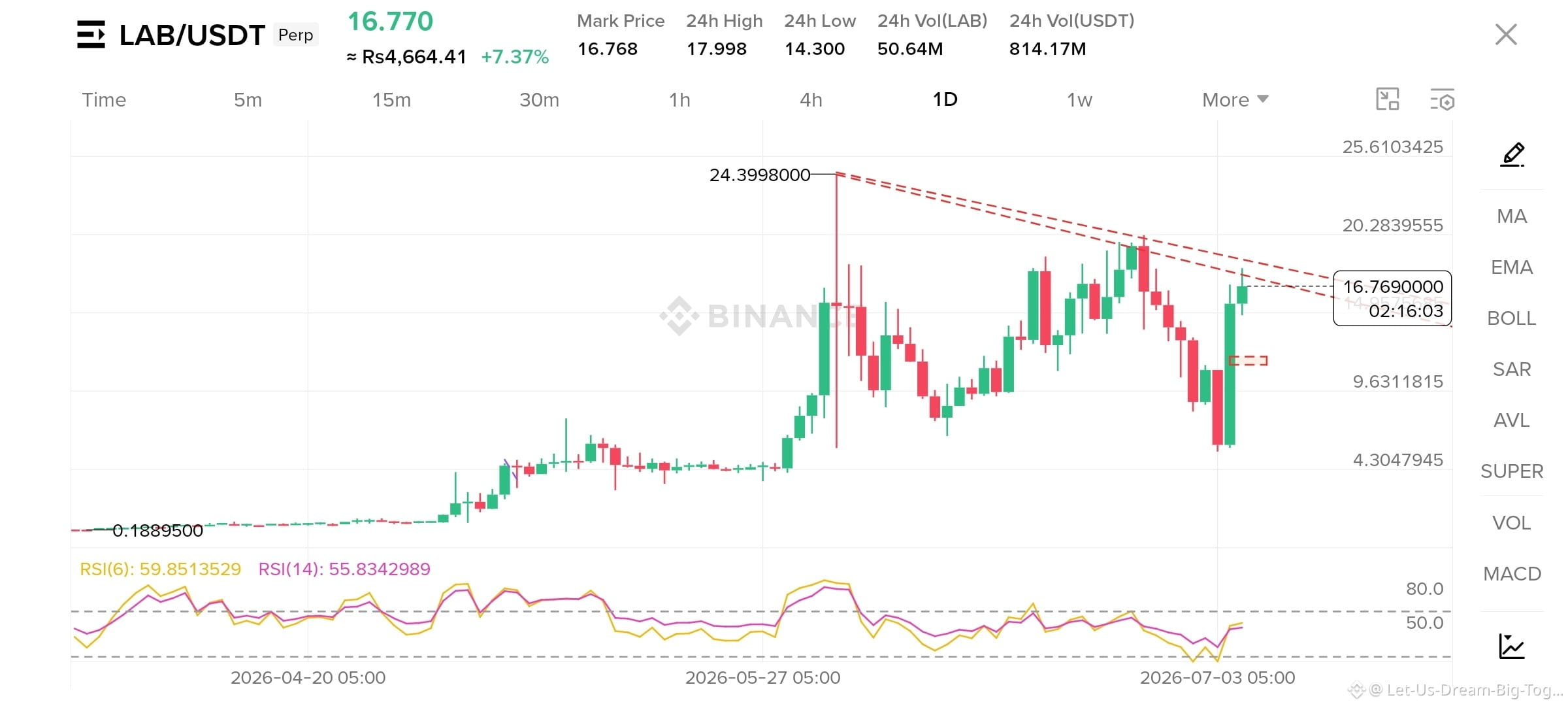
$LAB rallyは私には終わったように見えます。間違っているかもしれませんが、ショートゾーンは私が何をしているかを示しています。FOMOはまだ残っています。20や26、あるいはそれ以上と呼びかける人たちは罠にかかっている可能性があります。これは大きな取引ではありませんが、経験です。
私はリテーラーですが、クジラのように考えようとしています 🐋。
#LABUSDT
#FOMOalert
$LAB rallyは私には終わったように見えます。間違っているかもしれませんが、ショートゾーンは私が何をしているかを示しています。FOMOはまだ残っています。20や26、あるいはそれ以上と呼びかける人たちは罠にかかっている可能性があります。これは大きな取引ではありませんが、経験です。
私はリテーラーですが、クジラのように考えようとしています 🐋。
#LABUSDT
#FOMOalert
私はリテーラーですが、クジラのように考えようとしています 🐋。
#LABUSDT
#FOMOalert
373
ログインして、さらにコンテンツを読む
厳選トピックで世界の暗号資産トレーダーの仲間入り
⚡️ 暗号資産に関する最新かつ有益な情報が見つかります。
💬 世界最大の暗号資産取引所から信頼されています。
👍 認証を受けたクリエイターから、有益なインサイトを得られます。
メール / 電話番号
トレンドトピック
1
#StellarActivatesProtocol28At211TPS
閲覧回数 1,289
67人が討論中
2
#SECGrantsInnovationExemptionForTokenizedStocks
閲覧回数 1,014
92人が討論中
3
#XRPGains3%AsRippleAddsMPPSupport
閲覧回数 583
70人が討論中
4
#SPGlobalToAcquireOpenZeppelin
閲覧回数 470
49人が討論中
5
#BitcoinSurpasses$77000
閲覧回数 19,374
234人が討論中
6
#ParadigmDisclosesZECHolding
閲覧回数 79,348
1,160人が討論中
7
#BitcoinETFsShed$450M
閲覧回数 27,626
221人が討論中
8
#USWeeklyJoblessClaimsFallTo196K
閲覧回数 43,853
662人が討論中
9
#ArkhamSaysBlackRockBuys$1.5BInETH
閲覧回数 7,397
74人が討論中
10
#FCARaidsThreeLondonIllegalCryptoSites
閲覧回数 3,203
88人が討論中