
#vanar
vanar
閲覧回数 10.4M
193,110人が討論中
注目
最新

·
--
$VANRY 最新アップデート:🚀👀
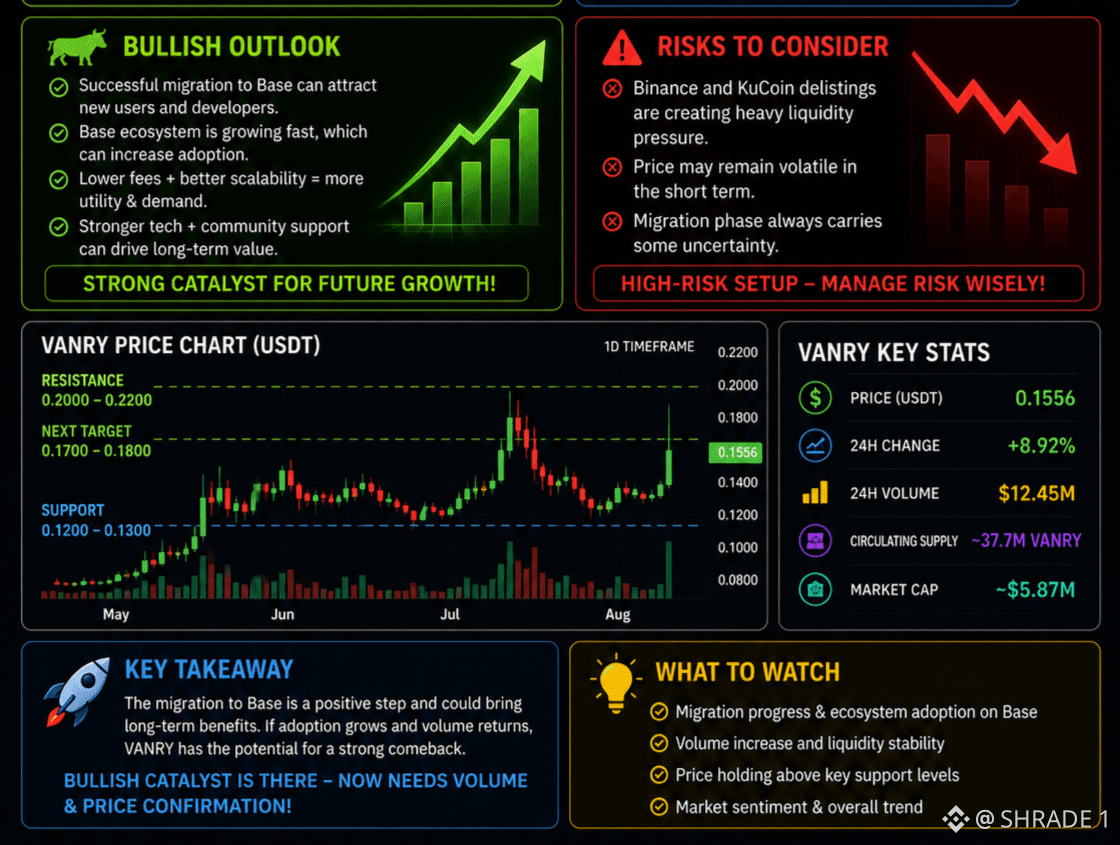
$VANRY ベースの移行は1:1のスワップで開始され、Ku Coinがそれをサポートしています。🔥
これはVANRYのBase + AIエコシステムにとって前向きな一歩になる可能性がありますが、8月17日のBinance上場廃止は依然として短期的な大きなリスクです。
移行が今の起爆剤です。取引量を注視しましょう。👀
{spot}(VANRYUSDT)
#VANRY #Vanar #crypto #altcoins #BinanceSquare
$VANRY 最新アップデート:🚀👀
$VANRY ベースの移行は1:1のスワップで開始され、Ku Coinがそれをサポートしています。🔥
これはVANRYのBase + AIエコシステムにとって前向きな一歩になる可能性がありますが、8月17日のBinance上場廃止は依然として短期的な大きなリスクです。
移行が今の起爆剤です。取引量を注視しましょう。👀
#VANRY #Vanar #crypto #altcoins #BinanceSquare
$VANRY ベースの移行は1:1のスワップで開始され、Ku Coinがそれをサポートしています。🔥
これはVANRYのBase + AIエコシステムにとって前向きな一歩になる可能性がありますが、8月17日のBinance上場廃止は依然として短期的な大きなリスクです。
移行が今の起爆剤です。取引量を注視しましょう。👀
#VANRY #Vanar #crypto #altcoins #BinanceSquare
160

🚀 Vanar Chain($VANRY ):単なるトレンド以上のもの?
$VANRY が注目を集めていますが、より大きな物語は **Base 上でのAI重視のエコシステムへの移行** です。このプロジェクトは、1:1のトークン移行を計画することでエコシステムを拡大しつつ、開発者とAIアプリケーションを惹きつけることを目指しています。
**トレーダー**にとっては、取引量の増加がチャンスを生むこともありますが、最初の熱狂の後に勢いが維持されるかを注意して見ましょう。
**投資家**にとって重要なのは、今日の価格ではありません。Vanarが本物のAIプロダクトを提供できるか、開発者を引きつけられるか、そしてユーザー採用を成長させられるかがポイントです。
**保有者**にとっては、中長期的な価値は、エコシステムの成長、移行の成功、そして新しいトークノミクスが時間の経過とともにどのように運用されるかに左右されます。
🏛️ PMIF™ Insight
物語は注目を生む。
実行が価値を生む。
チャートだけでなく、採用を見よう。
#Vanar #Aİ #Web3 #Crypto
🚀 Vanar Chain($VANRY ):単なるトレンド以上のもの?
$VANRY が注目を集めていますが、より大きな物語は **Base 上でのAI重視のエコシステムへの移行** です。このプロジェクトは、1:1のトークン移行を計画することでエコシステムを拡大しつつ、開発者とAIアプリケーションを惹きつけることを目指しています。
**トレーダー**にとっては、取引量の増加がチャンスを生むこともありますが、最初の熱狂の後に勢いが維持されるかを注意して見ましょう。
**投資家**にとって重要なのは、今日の価格ではありません。Vanarが本物のAIプロダクトを提供できるか、開発者を引きつけられるか、そしてユーザー採用を成長させられるかがポイントです。
**保有者**にとっては、中長期的な価値は、エコシステムの成長、移行の成功、そして新しいトークノミクスが時間の経過とともにどのように運用されるかに左右されます。
🏛️ PMIF™ Insight
物語は注目を生む。
実行が価値を生む。
チャートだけでなく、採用を見よう。
#Vanar #Aİ #Web3 #Crypto
$VANRY が注目を集めていますが、より大きな物語は **Base 上でのAI重視のエコシステムへの移行** です。このプロジェクトは、1:1のトークン移行を計画することでエコシステムを拡大しつつ、開発者とAIアプリケーションを惹きつけることを目指しています。
**トレーダー**にとっては、取引量の増加がチャンスを生むこともありますが、最初の熱狂の後に勢いが維持されるかを注意して見ましょう。
**投資家**にとって重要なのは、今日の価格ではありません。Vanarが本物のAIプロダクトを提供できるか、開発者を引きつけられるか、そしてユーザー採用を成長させられるかがポイントです。
**保有者**にとっては、中長期的な価値は、エコシステムの成長、移行の成功、そして新しいトークノミクスが時間の経過とともにどのように運用されるかに左右されます。
🏛️ PMIF™ Insight
物語は注目を生む。
実行が価値を生む。
チャートだけでなく、採用を見よう。
#Vanar #Aİ #Web3 #Crypto
1
90


·
--
$VANRY andのチャートがようやく合ってきました
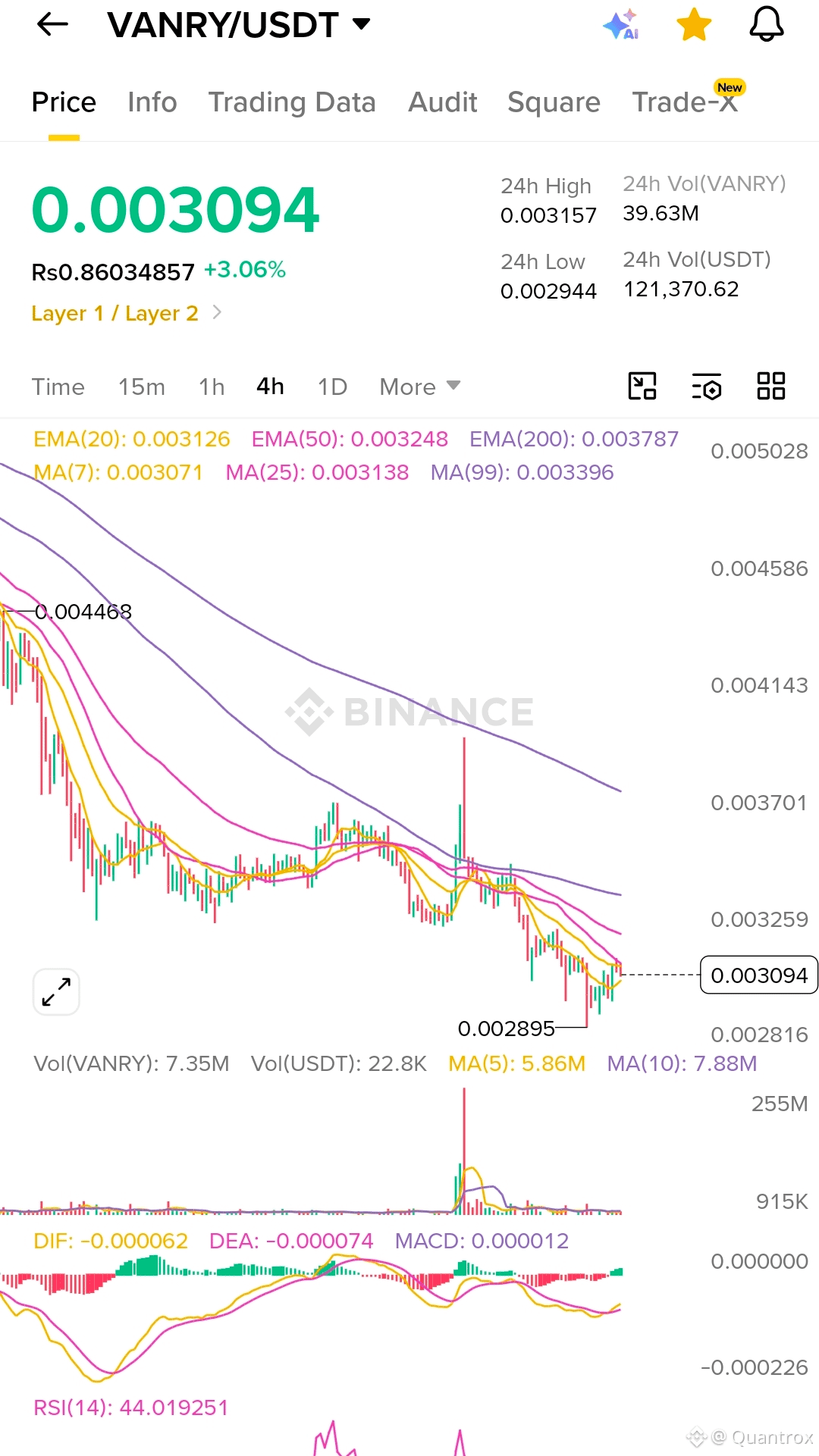
0.002895の安値を保ち、MACDは4Hで強気にクロス。今回の反発で出来高が急増—これはただの個人売買のノイズじゃない。
RSIが回復し、MA7はすでに価格を下回った状態に反転。忍耐が報われてます。
🎯 トレードプラン
エントリーゾーン:0.003050 – 0.003100
✅ ターゲット1:0.003260
✅ ターゲット2:0.003500
❌ ストップロス:0.002820
DYOR | NFA
#VANRY #Vanar #CryptoTrading
$VANRY andのチャートがようやく合ってきました
0.002895の安値を保ち、MACDは4Hで強気にクロス。今回の反発で出来高が急増—これはただの個人売買のノイズじゃない。
RSIが回復し、MA7はすでに価格を下回った状態に反転。忍耐が報われてます。
🎯 トレードプラン
エントリーゾーン:0.003050 – 0.003100
✅ ターゲット1:0.003260
✅ ターゲット2:0.003500
❌ ストップロス:0.002820
DYOR | NFA
#VANRY #Vanar #CryptoTrading
0.002895の安値を保ち、MACDは4Hで強気にクロス。今回の反発で出来高が急増—これはただの個人売買のノイズじゃない。
RSIが回復し、MA7はすでに価格を下回った状態に反転。忍耐が報われてます。
🎯 トレードプラン
エントリーゾーン:0.003050 – 0.003100
✅ ターゲット1:0.003260
✅ ターゲット2:0.003500
❌ ストップロス:0.002820
DYOR | NFA
#VANRY #Vanar #CryptoTrading
1
337

·
--
すべての人がインフラストラクチャ上で眠りにつく中、@ヴァナーチェインは静かに完璧なAIアンチウイルス・スタックを構築している
イグニッション(点火)フェーズがここに来ました。保有するメモリと検証可能な実行が本番稼働に入ることで、私たちは単に別のチェーンを見ているのではなく、実際のエコシステムの離陸を目撃しているのです。ビルダーたちが入ってくる—月は目前
他に誰がロードしていますか?💎🚀 #Vanar #AI
すべての人がインフラストラクチャ上で眠りにつく中、@ヴァナーチェインは静かに完璧なAIアンチウイルス・スタックを構築している
イグニッション(点火)フェーズがここに来ました。保有するメモリと検証可能な実行が本番稼働に入ることで、私たちは単に別のチェーンを見ているのではなく、実際のエコシステムの離陸を目撃しているのです。ビルダーたちが入ってくる—月は目前
他に誰がロードしていますか?💎🚀 #Vanar #AI
イグニッション(点火)フェーズがここに来ました。保有するメモリと検証可能な実行が本番稼働に入ることで、私たちは単に別のチェーンを見ているのではなく、実際のエコシステムの離陸を目撃しているのです。ビルダーたちが入ってくる—月は目前
他に誰がロードしていますか?💎🚀 #Vanar #AI
41

$VANRY 短い期間で劇的に変動しているが、全体のトレンドはやや強め。保有高が何度も大きく急増し、最高の1回あたりの増加幅は +63.4%。毎回の出来高の増加は価格の短期的な急騰を伴っており、資金が流入してきた意図は明確だ。
現在値 $0.00344、24時間の取引高 8.4M、時価総額はわずか 8.18M。典型的な「低時価総額×高回転率」構造で、ボラティリティは大きいが、下落(リトレース)も同様に鋭いことを意味する。
注目すべき点として、バイナンスはすでにこれを監視タグ付きとして表示しており、短期的には確かに売り圧力を押し出した一方で、関心度も直接引き上げている。こうしたタグは往々にして諸刃の剣で、心理面ではむしろ燃え上がりやすくなる。
個人的な見解:買い手(ロング)の感情は依然として優勢。保有高がさらに膨らみつつ、なおかつ直近の安値のサポートを割らなければ、追跡する価値は回避する価値を上回る。ただしポジション管理は必須で、監視タグが付いている取引のリスク管理(コントラクトの風控)はより一層引き締めるべきだ。
#VANRY #Vanar #アルト相場
$VANRY 短い期間で劇的に変動しているが、全体のトレンドはやや強め。保有高が何度も大きく急増し、最高の1回あたりの増加幅は +63.4%。毎回の出来高の増加は価格の短期的な急騰を伴っており、資金が流入してきた意図は明確だ。
現在値 $0.00344、24時間の取引高 8.4M、時価総額はわずか 8.18M。典型的な「低時価総額×高回転率」構造で、ボラティリティは大きいが、下落(リトレース)も同様に鋭いことを意味する。
注目すべき点として、バイナンスはすでにこれを監視タグ付きとして表示しており、短期的には確かに売り圧力を押し出した一方で、関心度も直接引き上げている。こうしたタグは往々にして諸刃の剣で、心理面ではむしろ燃え上がりやすくなる。
個人的な見解:買い手(ロング)の感情は依然として優勢。保有高がさらに膨らみつつ、なおかつ直近の安値のサポートを割らなければ、追跡する価値は回避する価値を上回る。ただしポジション管理は必須で、監視タグが付いている取引のリスク管理(コントラクトの風控)はより一層引き締めるべきだ。
#VANRY #Vanar #アルト相場
現在値 $0.00344、24時間の取引高 8.4M、時価総額はわずか 8.18M。典型的な「低時価総額×高回転率」構造で、ボラティリティは大きいが、下落(リトレース)も同様に鋭いことを意味する。
注目すべき点として、バイナンスはすでにこれを監視タグ付きとして表示しており、短期的には確かに売り圧力を押し出した一方で、関心度も直接引き上げている。こうしたタグは往々にして諸刃の剣で、心理面ではむしろ燃え上がりやすくなる。
個人的な見解:買い手(ロング)の感情は依然として優勢。保有高がさらに膨らみつつ、なおかつ直近の安値のサポートを割らなければ、追跡する価値は回避する価値を上回る。ただしポジション管理は必須で、監視タグが付いている取引のリスク管理(コントラクトの風控)はより一層引き締めるべきだ。
#VANRY #Vanar #アルト相場
33

·
--
チャートの現実:ヴァナーの下落トレンドをどう切り抜けるか 📉
$VANARについて話しましょう。正直に言うと、現在の値動きは明確に弱気で、上値には大きな圧力がかかっています。こういう局面では、感情と戦略を切り離すことがトレーダーの生存を左右します。
今すぐに投げ売りしたり、落ちてくるナイフを何も考えずに掴みに行くのではなく、必要なのは冷静な忍耐です。私はマクロのサポート水準を注意深く監視しており、買い手がようやく踏み込んで、強固な積み上げの下限(蓄積のフロア)を作る地点を見極めています。弱気トレンドは単なる下げ局面ではなく、市場がリセットされて次の構造形成の準備をしている状態でもあります。
確定したトレンド転換、または上位タイムフレームでの堅実なダブルボトムの形が確認できるまでの優先事項は、厳格なストップロスによるリスク管理と、ドライパウダー(待機資金)を温存しておくことです。
下位のサポートでディップを拾いにいくつもりですか?それとも、確定した強気のマーケット構造への転換を待って傍観していますか?下のコメント欄であなたの戦略を教えてください!👇
#vanar #CryptoAnalysis #TradingStrategy #Altcoins #Write2Earn
$VANRY
{spot}(VANRYUSDT)
$GOOGL.US
{stock_us}(GOOGL.US)
チャートの現実:ヴァナーの下落トレンドをどう切り抜けるか 📉
$VANARについて話しましょう。正直に言うと、現在の値動きは明確に弱気で、上値には大きな圧力がかかっています。こういう局面では、感情と戦略を切り離すことがトレーダーの生存を左右します。
今すぐに投げ売りしたり、落ちてくるナイフを何も考えずに掴みに行くのではなく、必要なのは冷静な忍耐です。私はマクロのサポート水準を注意深く監視しており、買い手がようやく踏み込んで、強固な積み上げの下限(蓄積のフロア)を作る地点を見極めています。弱気トレンドは単なる下げ局面ではなく、市場がリセットされて次の構造形成の準備をしている状態でもあります。
確定したトレンド転換、または上位タイムフレームでの堅実なダブルボトムの形が確認できるまでの優先事項は、厳格なストップロスによるリスク管理と、ドライパウダー(待機資金)を温存しておくことです。
下位のサポートでディップを拾いにいくつもりですか?それとも、確定した強気のマーケット構造への転換を待って傍観していますか?下のコメント欄であなたの戦略を教えてください!👇
#vanar #CryptoAnalysis #TradingStrategy #Altcoins #Write2Earn
$VANRY
$GOOGL.US
$VANARについて話しましょう。正直に言うと、現在の値動きは明確に弱気で、上値には大きな圧力がかかっています。こういう局面では、感情と戦略を切り離すことがトレーダーの生存を左右します。
今すぐに投げ売りしたり、落ちてくるナイフを何も考えずに掴みに行くのではなく、必要なのは冷静な忍耐です。私はマクロのサポート水準を注意深く監視しており、買い手がようやく踏み込んで、強固な積み上げの下限(蓄積のフロア)を作る地点を見極めています。弱気トレンドは単なる下げ局面ではなく、市場がリセットされて次の構造形成の準備をしている状態でもあります。
確定したトレンド転換、または上位タイムフレームでの堅実なダブルボトムの形が確認できるまでの優先事項は、厳格なストップロスによるリスク管理と、ドライパウダー(待機資金)を温存しておくことです。
下位のサポートでディップを拾いにいくつもりですか?それとも、確定した強気のマーケット構造への転換を待って傍観していますか?下のコメント欄であなたの戦略を教えてください!👇
#vanar #CryptoAnalysis #TradingStrategy #Altcoins #Write2Earn
$VANRY
$GOOGL.US
423

·
--
ブリッシュ
#Vanar (VANRY)は、実世界での採用を目的に設計されたL1ブロックチェーンです。
ゲーム🎮やAI 🤖からメタバース 🌐、そしてグローバルブランドまで、Vanarは次の30億人のユーザーに向けてWeb3をより簡単にしています。
👀 $VANRY に注目してください。
#VANRY #Vanar #Web3 #BinanceSquare $VANRY
{spot}(VANRYUSDT)
#Vanar (VANRY)は、実世界での採用を目的に設計されたL1ブロックチェーンです。
ゲーム🎮やAI 🤖からメタバース 🌐、そしてグローバルブランドまで、Vanarは次の30億人のユーザーに向けてWeb3をより簡単にしています。
👀 $VANRY に注目してください。
#VANRY #Vanar #Web3 #BinanceSquare $VANRY
ゲーム🎮やAI 🤖からメタバース 🌐、そしてグローバルブランドまで、Vanarは次の30億人のユーザーに向けてWeb3をより簡単にしています。
👀 $VANRY に注目してください。
#VANRY #Vanar #Web3 #BinanceSquare $VANRY

130
VANRYが1日で57.6%急騰、バイナンス先物の建玉(未決済ポジション)が急増63%。Vanar Chainは、このアルトシーズンで最も注目を集める名前の一つになりつつあります。
価格と建玉が連動して拡大していることは、通常「現物の踏み上げ」だけではなく、増分の資金が実際に流入していることを意味します。このように出来高と価格が噛み合ったトレンドでは、短期のセンチメントは非常に高揚しますが、注意も必要です。資金調達率(ファンディングレート)が高水準まで跳ね上がり、買い手が混みすぎている場合、いつでも大きな押し目を伴う“洗い”が起き得ます。
個人的な見方:Vanar ChainはエンタメとAIアプリのユースケースに位置付けられており、物語(ナラティブ)自体には想像力を掻き立てる余地があります。ただし、ファンダメンタルズの裏付けが出るには時間がかかるはずです。短期的には感情(ムード)で動くトレーディング銘柄として扱い、分厚い底値ポジションにはしません。高値追いはせず、調整を待つのが良いです。さらに先物のポジションは必ずレバレッジを抑え、いちばん熱い時にチップを全額投入しないようにしてください。
アルトのローテーションは往々にして波が次々と来ます。特定のコインを掴むよりも、リズムを掴むことが大切です。
$VANRY #Vanar #山寨季 #合約持仓
VANRYが1日で57.6%急騰、バイナンス先物の建玉(未決済ポジション)が急増63%。Vanar Chainは、このアルトシーズンで最も注目を集める名前の一つになりつつあります。
価格と建玉が連動して拡大していることは、通常「現物の踏み上げ」だけではなく、増分の資金が実際に流入していることを意味します。このように出来高と価格が噛み合ったトレンドでは、短期のセンチメントは非常に高揚しますが、注意も必要です。資金調達率(ファンディングレート)が高水準まで跳ね上がり、買い手が混みすぎている場合、いつでも大きな押し目を伴う“洗い”が起き得ます。
個人的な見方:Vanar ChainはエンタメとAIアプリのユースケースに位置付けられており、物語(ナラティブ)自体には想像力を掻き立てる余地があります。ただし、ファンダメンタルズの裏付けが出るには時間がかかるはずです。短期的には感情(ムード)で動くトレーディング銘柄として扱い、分厚い底値ポジションにはしません。高値追いはせず、調整を待つのが良いです。さらに先物のポジションは必ずレバレッジを抑え、いちばん熱い時にチップを全額投入しないようにしてください。
アルトのローテーションは往々にして波が次々と来ます。特定のコインを掴むよりも、リズムを掴むことが大切です。
$VANRY #Vanar #山寨季 #合約持仓
価格と建玉が連動して拡大していることは、通常「現物の踏み上げ」だけではなく、増分の資金が実際に流入していることを意味します。このように出来高と価格が噛み合ったトレンドでは、短期のセンチメントは非常に高揚しますが、注意も必要です。資金調達率(ファンディングレート)が高水準まで跳ね上がり、買い手が混みすぎている場合、いつでも大きな押し目を伴う“洗い”が起き得ます。
個人的な見方:Vanar ChainはエンタメとAIアプリのユースケースに位置付けられており、物語(ナラティブ)自体には想像力を掻き立てる余地があります。ただし、ファンダメンタルズの裏付けが出るには時間がかかるはずです。短期的には感情(ムード)で動くトレーディング銘柄として扱い、分厚い底値ポジションにはしません。高値追いはせず、調整を待つのが良いです。さらに先物のポジションは必ずレバレッジを抑え、いちばん熱い時にチップを全額投入しないようにしてください。
アルトのローテーションは往々にして波が次々と来ます。特定のコインを掴むよりも、リズムを掴むことが大切です。
$VANRY #Vanar #山寨季 #合約持仓
106

·
--
VANRYは1日で急騰57.6%、バイナンスの先物建玉(未決済)合計が63%急増——資金が“本物のお金”で投票しています。
Vanar ChainはエンタメとAI向けのL1パブリックチェーンで、最近になって物語(ナラティブ)が再び注目を集めています。先物のOI(建玉)が63%跳ね上がったことは、新たなレバレッジ資金が大規模に流入したことを示し、単なる現物の押し上げではありません。この手の相場は往々にしてボラティリティが増幅され、双方向での刈り取り(両建て的な損失の出やすさ)につながりやすいです。
個人的見解:
1. 急騰後に追いかけてロングするリスクが急増するため、先物の資金調達率(ファンディング)とロング/ショート比をしっかり注視すべき;
2. もし直近高値を上抜け、その後の押し目で再度割られないなら、比較的健全な構造です;
3. アルトの資金ローテーション(乗り換え)シグナルが出てきたなら、時価総額の小さいテーマ銘柄が短期のセンチメント好機を迎える可能性があります。
高値追いはせず、粘り過ぎもしない。損切り(ストップ)を設定してからチャンスを考えましょう。
$VANRY #VANRY #Vanar #アルトシーズン
VANRYは1日で急騰57.6%、バイナンスの先物建玉(未決済)合計が63%急増——資金が“本物のお金”で投票しています。
Vanar ChainはエンタメとAI向けのL1パブリックチェーンで、最近になって物語(ナラティブ)が再び注目を集めています。先物のOI(建玉)が63%跳ね上がったことは、新たなレバレッジ資金が大規模に流入したことを示し、単なる現物の押し上げではありません。この手の相場は往々にしてボラティリティが増幅され、双方向での刈り取り(両建て的な損失の出やすさ)につながりやすいです。
個人的見解:
1. 急騰後に追いかけてロングするリスクが急増するため、先物の資金調達率(ファンディング)とロング/ショート比をしっかり注視すべき;
2. もし直近高値を上抜け、その後の押し目で再度割られないなら、比較的健全な構造です;
3. アルトの資金ローテーション(乗り換え)シグナルが出てきたなら、時価総額の小さいテーマ銘柄が短期のセンチメント好機を迎える可能性があります。
高値追いはせず、粘り過ぎもしない。損切り(ストップ)を設定してからチャンスを考えましょう。
$VANRY #VANRY #Vanar #アルトシーズン
Vanar ChainはエンタメとAI向けのL1パブリックチェーンで、最近になって物語(ナラティブ)が再び注目を集めています。先物のOI(建玉)が63%跳ね上がったことは、新たなレバレッジ資金が大規模に流入したことを示し、単なる現物の押し上げではありません。この手の相場は往々にしてボラティリティが増幅され、双方向での刈り取り(両建て的な損失の出やすさ)につながりやすいです。
個人的見解:
1. 急騰後に追いかけてロングするリスクが急増するため、先物の資金調達率(ファンディング)とロング/ショート比をしっかり注視すべき;
2. もし直近高値を上抜け、その後の押し目で再度割られないなら、比較的健全な構造です;
3. アルトの資金ローテーション(乗り換え)シグナルが出てきたなら、時価総額の小さいテーマ銘柄が短期のセンチメント好機を迎える可能性があります。
高値追いはせず、粘り過ぎもしない。損切り(ストップ)を設定してからチャンスを考えましょう。
$VANRY #VANRY #Vanar #アルトシーズン
121

·
--
ブリッシュ
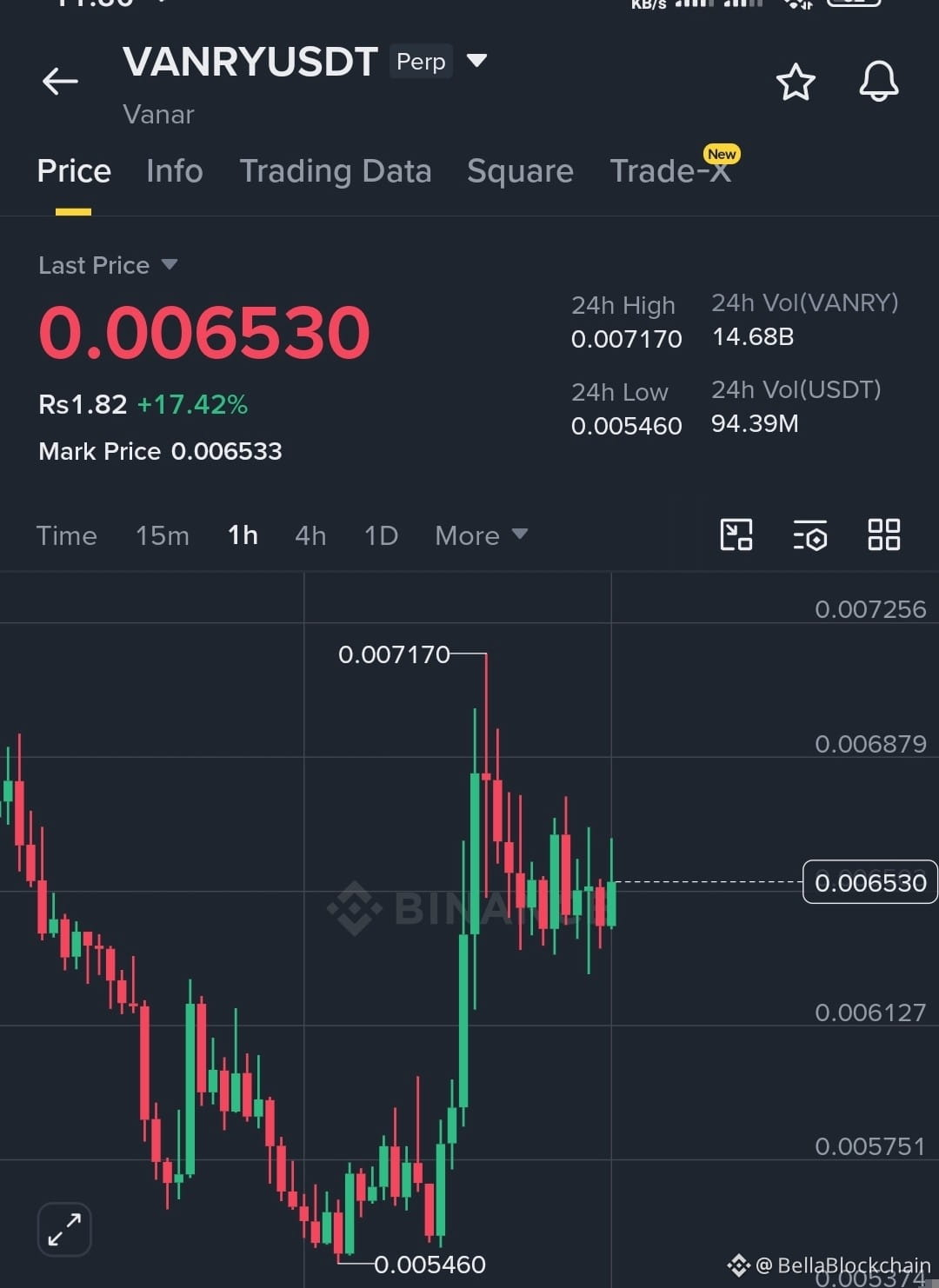
$VANRY は、1時間足チャートで力強いリカバリーを見せ、直近の24時間安値0.005460から17%以上急騰しました。急騰して0.007170のピークまで到達した後、価格は短い調整局面に入り、現在は0.006530付近で堅調に推移しています。大幅な出来高は市場の関心が依然として高いことを示しており、買い手がこの現在のベースラインを守れば、トークンは次の上昇局面に向けて好位置にあります。
目標1: 0.006879
目標2: 0.007170
目標3: 0.007500
#VANRY #Vanar #CryptoTrading
$VANRY
{future}(VANRYUSDT)
$VANRY は、1時間足チャートで力強いリカバリーを見せ、直近の24時間安値0.005460から17%以上急騰しました。急騰して0.007170のピークまで到達した後、価格は短い調整局面に入り、現在は0.006530付近で堅調に推移しています。大幅な出来高は市場の関心が依然として高いことを示しており、買い手がこの現在のベースラインを守れば、トークンは次の上昇局面に向けて好位置にあります。
目標1: 0.006879
目標2: 0.007170
目標3: 0.007500
#VANRY #Vanar #CryptoTrading
$VANRY
目標1: 0.006879
目標2: 0.007170
目標3: 0.007500
#VANRY #Vanar #CryptoTrading
$VANRY
87

·
--
ブリッシュ
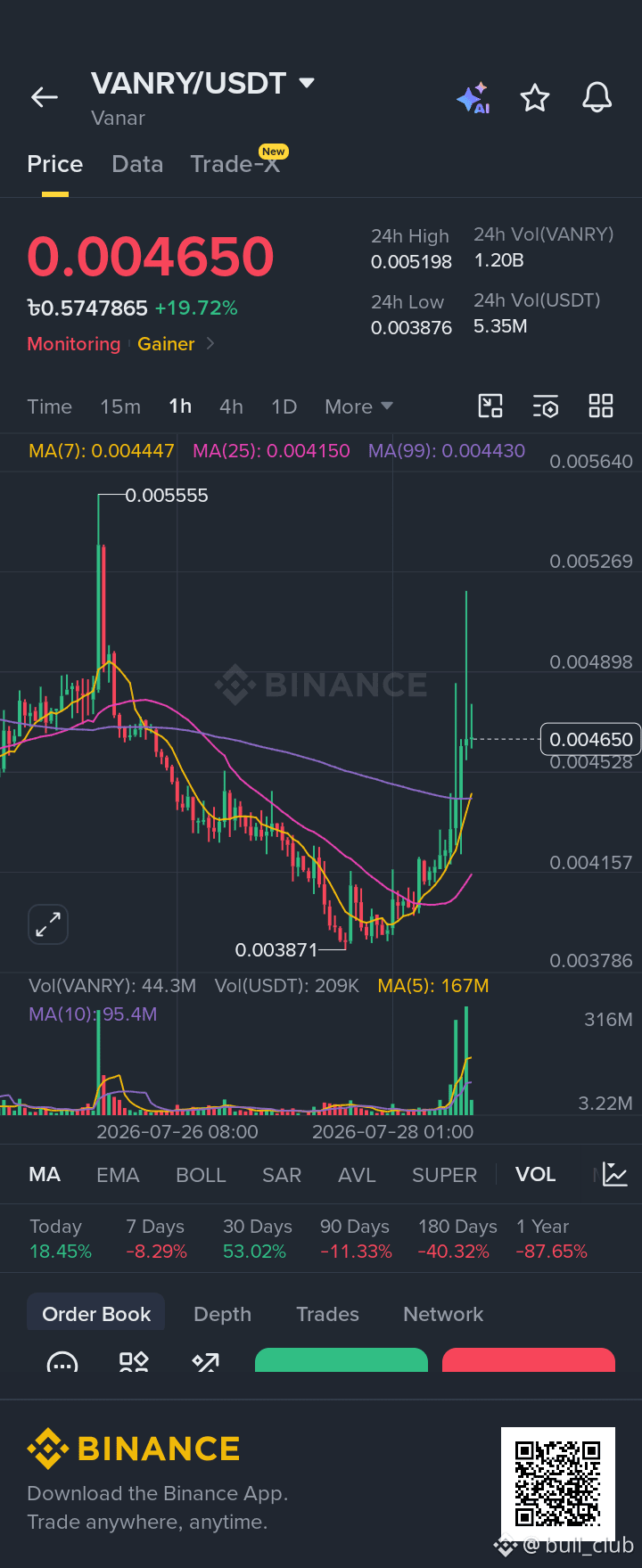
VANRYは今日は19%の上昇で勢いよく上がっています。取引量は1.20Bトークンで爆発的に増加しています。
こちらが私の取引プランです。
エントリー 0.00440〜0.00450。
目標 0.00500と0.00520。
損切り 0.00410。
価格は0.003871の安値から反発して、現在0.004650をテスト中です。MA7は0.004447で、MA25は0.004150です。移動平均は強気に積み上がっています。0.00480をブレイクしたら次の目標は0.00520です。もし跳ね返されるようなら、0.00440のサポートまで下がる可能性があります。
VANRYについてあなたのプランは?コメントで教えてください。
投資助言ではありません。自己判断で調べてください。
$VANRY
{future}(VANRYUSDT)
#VANRY #Vanar #Crypto #trading
VANRYは今日は19%の上昇で勢いよく上がっています。取引量は1.20Bトークンで爆発的に増加しています。
こちらが私の取引プランです。
エントリー 0.00440〜0.00450。
目標 0.00500と0.00520。
損切り 0.00410。
価格は0.003871の安値から反発して、現在0.004650をテスト中です。MA7は0.004447で、MA25は0.004150です。移動平均は強気に積み上がっています。0.00480をブレイクしたら次の目標は0.00520です。もし跳ね返されるようなら、0.00440のサポートまで下がる可能性があります。
VANRYについてあなたのプランは?コメントで教えてください。
投資助言ではありません。自己判断で調べてください。
$VANRY
#VANRY #Vanar #Crypto #trading
こちらが私の取引プランです。
エントリー 0.00440〜0.00450。
目標 0.00500と0.00520。
損切り 0.00410。
価格は0.003871の安値から反発して、現在0.004650をテスト中です。MA7は0.004447で、MA25は0.004150です。移動平均は強気に積み上がっています。0.00480をブレイクしたら次の目標は0.00520です。もし跳ね返されるようなら、0.00440のサポートまで下がる可能性があります。
VANRYについてあなたのプランは?コメントで教えてください。
投資助言ではありません。自己判断で調べてください。
$VANRY
#VANRY #Vanar #Crypto #trading
1
1
1.2k
VANRコインは1日で急騰57.6%!バイナンスの先物建玉(オープン・インタレスト)も同時に急増63%!資金がこっそりとこのゲーム系パブリックチェーン分野へ流れ込んでいるようです。
チャートを見ると、現物とデリバティブの両方で出来高が増えており、今回が単なる現物のFOMO(取り残され不安)だけではないことが分かります。レバレッジ資金も同じタイミングで参入し、トレンド型の相場らしさがより濃いです。
ただし、冷静に見ておきたいポイントが2つあります。
1つ目は、建玉(OI)の増加ペースが価格の上昇率を上回っていること。短期のレバレッジは過密気味で、どんな調整でも増幅される可能性があるという点です。
2つ目は、Vanar Chainはゲーム・エンタメ寄りのL1であり、ファンダメンタルの物語は依然としてエコシステムのデータで裏付けが必要だということ。現状は、感情(センチメント)主導+低時価総額による弾力性が中心です。
実際の運用では、いま高値追いするリスクはすでに小さくありません。より堅実なのは、最初の深い押し目で買い支えを確認してから判断することで、ヒゲ(急な一瞬の値動き)を刺した位置でロングを追うことではありません。資金調達率(ファンディング)とOIの変化は、次に「強気(ロング)」にまだ余力があるかを見極める重要な指標です。
スモール銘柄の輪動が来る季節には、$VANRY のように小型が一斉に上がる銘柄がこれからさらに増えていきます。上昇幅を取りに行くよりも、ポジション(資金)管理の方が重要です。
#VANRY #Vanar #山寨季
VANRコインは1日で急騰57.6%!バイナンスの先物建玉(オープン・インタレスト)も同時に急増63%!資金がこっそりとこのゲーム系パブリックチェーン分野へ流れ込んでいるようです。
チャートを見ると、現物とデリバティブの両方で出来高が増えており、今回が単なる現物のFOMO(取り残され不安)だけではないことが分かります。レバレッジ資金も同じタイミングで参入し、トレンド型の相場らしさがより濃いです。
ただし、冷静に見ておきたいポイントが2つあります。
1つ目は、建玉(OI)の増加ペースが価格の上昇率を上回っていること。短期のレバレッジは過密気味で、どんな調整でも増幅される可能性があるという点です。
2つ目は、Vanar Chainはゲーム・エンタメ寄りのL1であり、ファンダメンタルの物語は依然としてエコシステムのデータで裏付けが必要だということ。現状は、感情(センチメント)主導+低時価総額による弾力性が中心です。
実際の運用では、いま高値追いするリスクはすでに小さくありません。より堅実なのは、最初の深い押し目で買い支えを確認してから判断することで、ヒゲ(急な一瞬の値動き)を刺した位置でロングを追うことではありません。資金調達率(ファンディング)とOIの変化は、次に「強気(ロング)」にまだ余力があるかを見極める重要な指標です。
スモール銘柄の輪動が来る季節には、$VANRY のように小型が一斉に上がる銘柄がこれからさらに増えていきます。上昇幅を取りに行くよりも、ポジション(資金)管理の方が重要です。
#VANRY #Vanar #山寨季
チャートを見ると、現物とデリバティブの両方で出来高が増えており、今回が単なる現物のFOMO(取り残され不安)だけではないことが分かります。レバレッジ資金も同じタイミングで参入し、トレンド型の相場らしさがより濃いです。
ただし、冷静に見ておきたいポイントが2つあります。
1つ目は、建玉(OI)の増加ペースが価格の上昇率を上回っていること。短期のレバレッジは過密気味で、どんな調整でも増幅される可能性があるという点です。
2つ目は、Vanar Chainはゲーム・エンタメ寄りのL1であり、ファンダメンタルの物語は依然としてエコシステムのデータで裏付けが必要だということ。現状は、感情(センチメント)主導+低時価総額による弾力性が中心です。
実際の運用では、いま高値追いするリスクはすでに小さくありません。より堅実なのは、最初の深い押し目で買い支えを確認してから判断することで、ヒゲ(急な一瞬の値動き)を刺した位置でロングを追うことではありません。資金調達率(ファンディング)とOIの変化は、次に「強気(ロング)」にまだ余力があるかを見極める重要な指標です。
スモール銘柄の輪動が来る季節には、$VANRY のように小型が一斉に上がる銘柄がこれからさらに増えていきます。上昇幅を取りに行くよりも、ポジション(資金)管理の方が重要です。
#VANRY #Vanar #山寨季
117

·
--
確認済み
記事
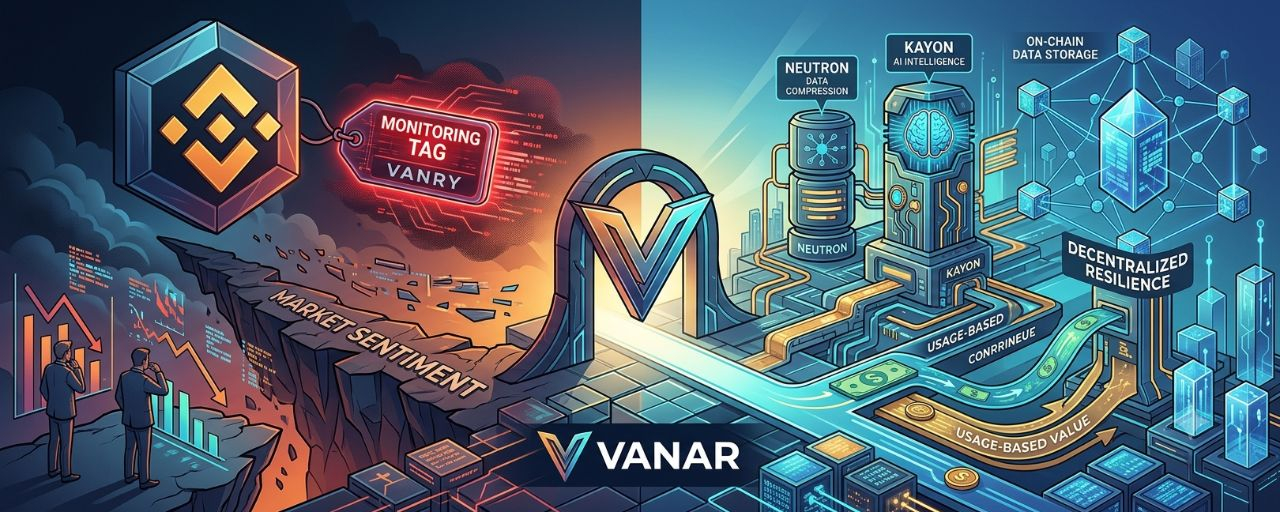
AIインフラの成長が続く一方、Vanar Chainはバイナンスの圧力に直面バナー・チェーンは危機的な段階に到達しました。一方では、バイナンスがVANRYに監視タグ(Monitoring Tag)を付与し、そのトークンが取引所の上場基準を満たさない可能性について、より厳密な審査が行われていることを示しています。これは上場廃止の決定ではありませんが、不確実性を生み、投資家に対して慎重さを促します。タグが残っている限り、市場のセンチメントは引き続き圧迫される可能性が高いです。
短期的な課題の背後で、バナーはAIインフラの拡大を継続しています。オンチェーン・データ圧縮のNeutronや、その分散型インテリジェンスエンジンであるKayonといった中核プロダクトはすでに稼働しており、サブスクリプション型モデルへ移行しつつあります。狙いは、市場の投機に主に頼るのではなく、VANRYの価値を実際のネットワーク利用と直接結びつけることです。
AIインフラの成長が続く一方、Vanar Chainはバイナンスの圧力に直面
バナー・チェーンは危機的な段階に到達しました。一方では、バイナンスがVANRYに監視タグ(Monitoring Tag)を付与し、そのトークンが取引所の上場基準を満たさない可能性について、より厳密な審査が行われていることを示しています。これは上場廃止の決定ではありませんが、不確実性を生み、投資家に対して慎重さを促します。タグが残っている限り、市場のセンチメントは引き続き圧迫される可能性が高いです。
短期的な課題の背後で、バナーはAIインフラの拡大を継続しています。オンチェーン・データ圧縮のNeutronや、その分散型インテリジェンスエンジンであるKayonといった中核プロダクトはすでに稼働しており、サブスクリプション型モデルへ移行しつつあります。狙いは、市場の投機に主に頼るのではなく、VANRYの価値を実際のネットワーク利用と直接結びつけることです。
短期的な課題の背後で、バナーはAIインフラの拡大を継続しています。オンチェーン・データ圧縮のNeutronや、その分散型インテリジェンスエンジンであるKayonといった中核プロダクトはすでに稼働しており、サブスクリプション型モデルへ移行しつつあります。狙いは、市場の投機に主に頼るのではなく、VANRYの価値を実際のネットワーク利用と直接結びつけることです。
3
18
1.1k

·
--
ブリッシュ
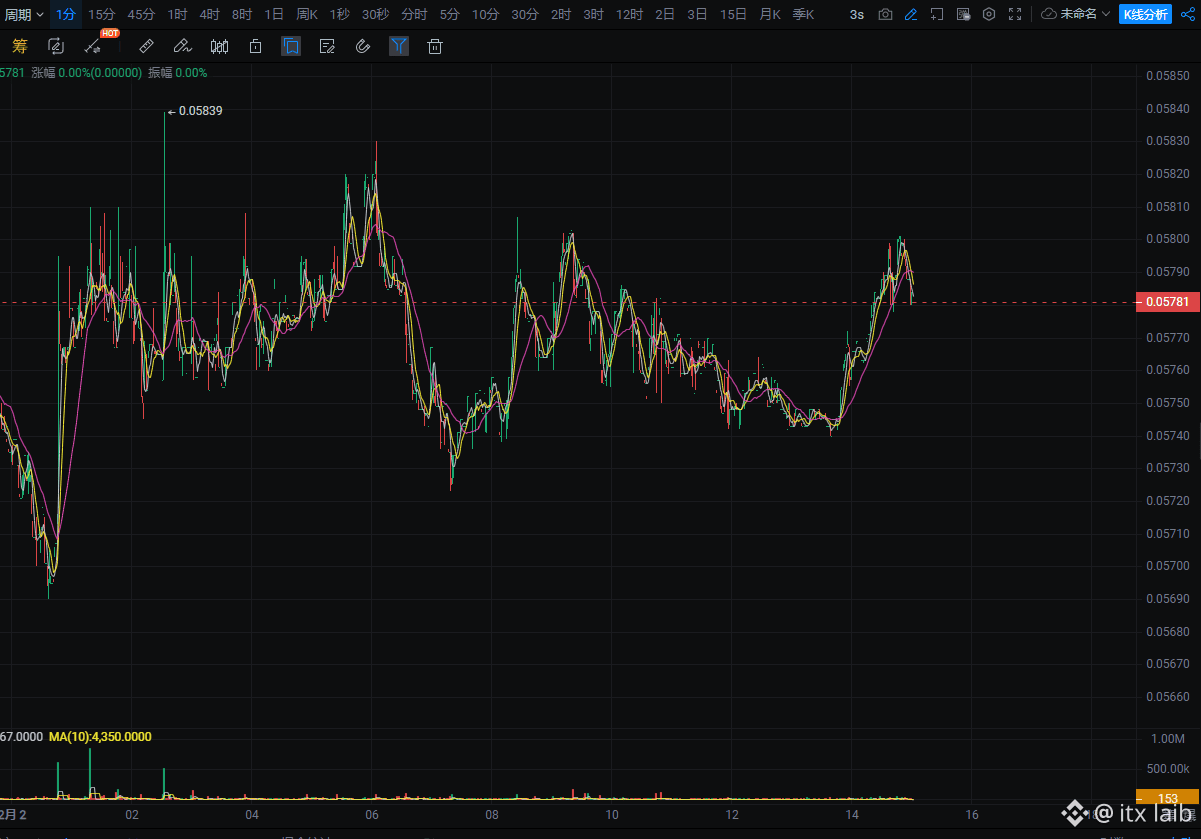
$VANRY は、長い下落トレンドの後に重要なサポート・ゾーン付近で取引されています。 • $GOOG.US
{stock_us}(GOOG.US)
0.0054 を上抜け、強い出来高が伴えば、強気の勢いを確認できる可能性があります。
#USStrikesIran13thNightTrumpNotReadyToNegotiate #vanar #Altcoin #Binance $BNB
{future}(BNBUSDT)
$VANRY は、長い下落トレンドの後に重要なサポート・ゾーン付近で取引されています。 • $GOOG.US
0.0054 を上抜け、強い出来高が伴えば、強気の勢いを確認できる可能性があります。
#USStrikesIran13thNightTrumpNotReadyToNegotiate #vanar #Altcoin #Binance $BNB
0.0054 を上抜け、強い出来高が伴えば、強気の勢いを確認できる可能性があります。
#USStrikesIran13thNightTrumpNotReadyToNegotiate #vanar #Altcoin #Binance $BNB
1
109

·
--
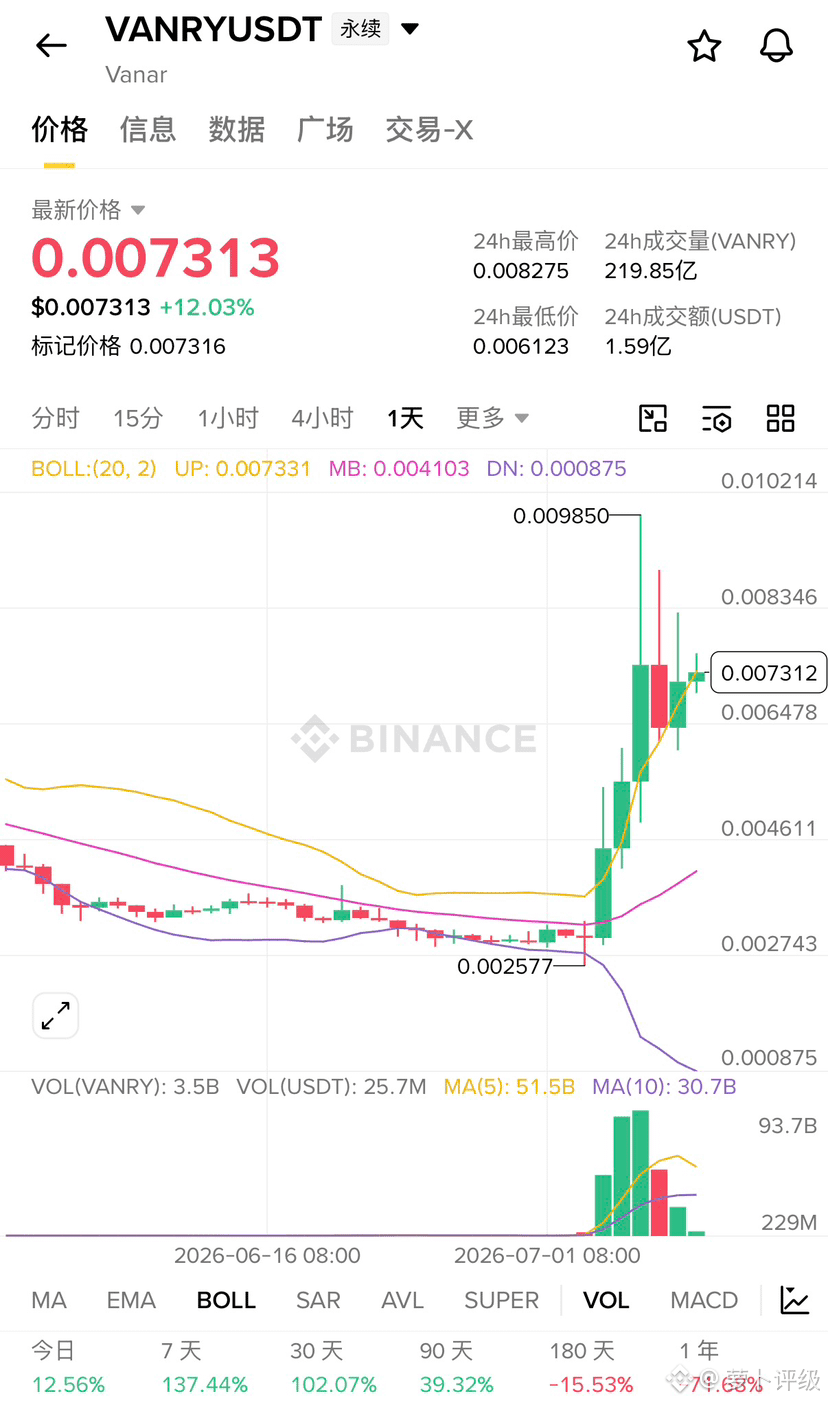
$VANRY 今日は+12%上昇したが、単なる過剰下落からの反発だと思っていると、最近Neutronが推しているAIの記憶基盤を見逃してしまうかもしれない。
VanarはAIエージェント向けに基盤から設計されたブロックチェーンで、最近力を入れているNeutronは、ユーザーがファイルをプライベートで持ち運べ、さらに自分だけの秘密鍵で制御できるAIの記憶に変えることを可能にする。公式では無料APIも提供されており、開発者が試すことができる。だが一方で、コミュニティはバイナンスが$VANRY に監視タグを付けたことで揉めている——「これが最後の警告だ」と考え、上位5大ウォレットが保有比率63%を握っているとして「プロジェクト側は詐欺だ」と主張する人もいれば、「バイナンスはまず監視してから上げることが多く、ファンダメンタルの反転に期待している」と見る人もいる。ここまで論争が大きいと、次はNeutronが本物の開発者を惹きつけられるかどうかに注目だ。
#Vanar #AI #DePIN
{future}(VANRYUSDT)
$VANRY 今日は+12%上昇したが、単なる過剰下落からの反発だと思っていると、最近Neutronが推しているAIの記憶基盤を見逃してしまうかもしれない。
VanarはAIエージェント向けに基盤から設計されたブロックチェーンで、最近力を入れているNeutronは、ユーザーがファイルをプライベートで持ち運べ、さらに自分だけの秘密鍵で制御できるAIの記憶に変えることを可能にする。公式では無料APIも提供されており、開発者が試すことができる。だが一方で、コミュニティはバイナンスが$VANRY に監視タグを付けたことで揉めている——「これが最後の警告だ」と考え、上位5大ウォレットが保有比率63%を握っているとして「プロジェクト側は詐欺だ」と主張する人もいれば、「バイナンスはまず監視してから上げることが多く、ファンダメンタルの反転に期待している」と見る人もいる。ここまで論争が大きいと、次はNeutronが本物の開発者を惹きつけられるかどうかに注目だ。
#Vanar #AI #DePIN
VanarはAIエージェント向けに基盤から設計されたブロックチェーンで、最近力を入れているNeutronは、ユーザーがファイルをプライベートで持ち運べ、さらに自分だけの秘密鍵で制御できるAIの記憶に変えることを可能にする。公式では無料APIも提供されており、開発者が試すことができる。だが一方で、コミュニティはバイナンスが$VANRY に監視タグを付けたことで揉めている——「これが最後の警告だ」と考え、上位5大ウォレットが保有比率63%を握っているとして「プロジェクト側は詐欺だ」と主張する人もいれば、「バイナンスはまず監視してから上げることが多く、ファンダメンタルの反転に期待している」と見る人もいる。ここまで論争が大きいと、次はNeutronが本物の開発者を惹きつけられるかどうかに注目だ。
#Vanar #AI #DePIN
1
317

·
--
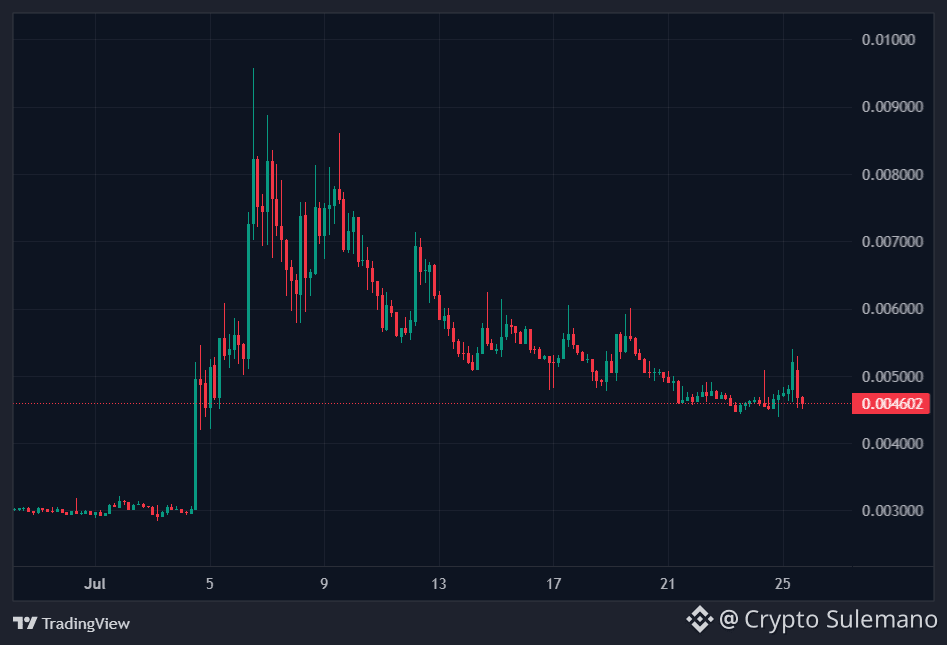
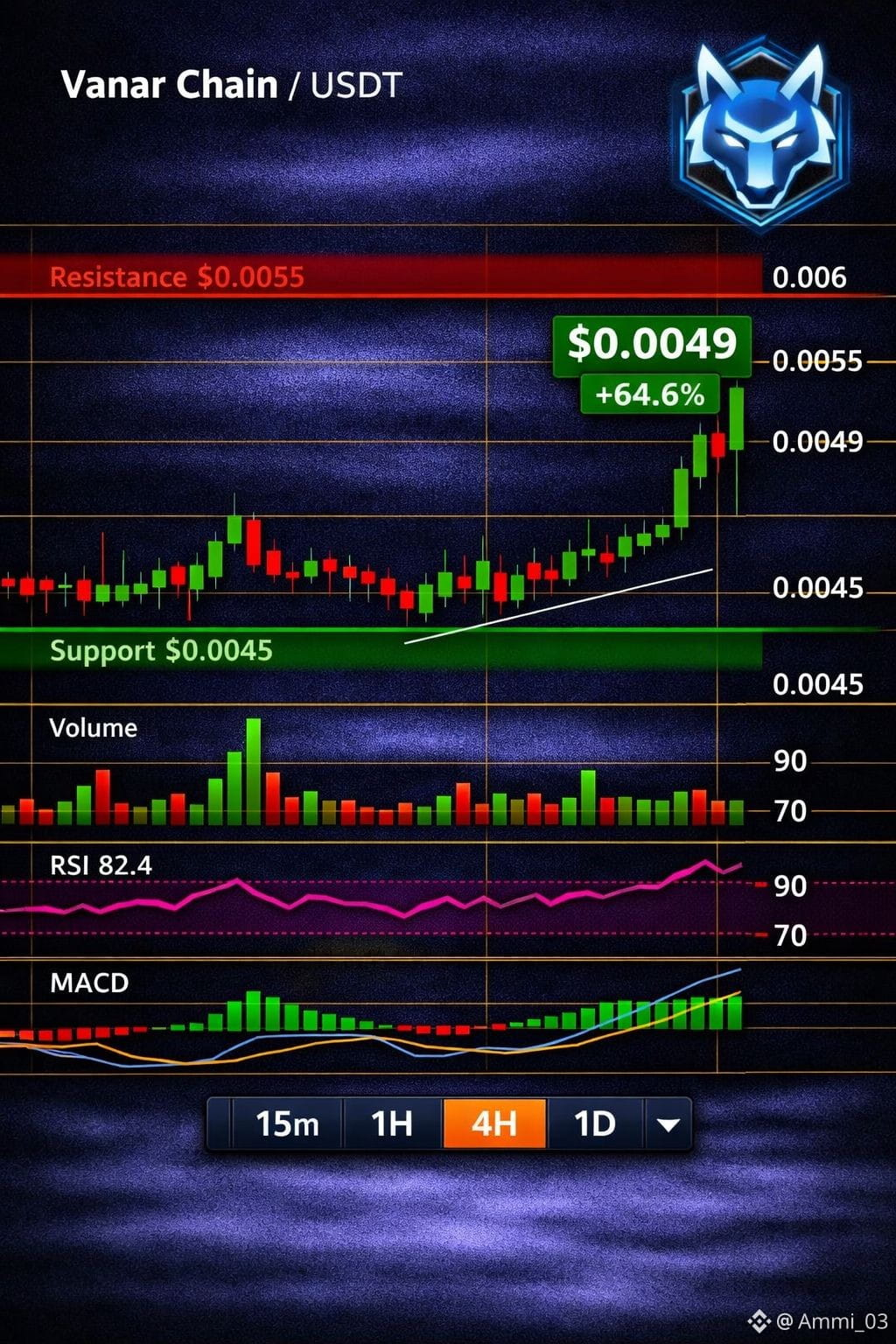
2026年7月上旬、バナル・チェーン($VANRY )は60%以上急騰し、約0.0049ドル近辺で取引されています。しかし、この上昇は主に強固なファンダメンタルというより、極端なデリバティブ取引の活発化やアルトコインへの資金ローテーションによる投機的な面が大きいです。バイナンスはVANRYに「モニタリングタグ」を付与しており、取引所リスクと流動性の脆さを示唆しています。
___________________________________
📊 現在の価格 & 売買心理
● 価格(2026年7月4〜5日):約0.0049ドル
● 24時間変化:+64.6%
● 時価総額:約10.6Mドル
● 売買高:約27〜49Mドル(時価総額の4〜5倍、高度に投機的)
● 売買心理:強気の勢いはあるがリスクが高い ___________________________________
主要なテクニカル・レベル
🟩 サポート:0.0045ドル
🟥 レジスタンス:0.0055ドル
● リスクゾーン:出来高の崩壊が起きると、0.0038〜0.0040ドルへ押し戻される可能性
___________________________________
⚙️ 触媒(カタリスト) & リスク
● 投機的な勢い:売買高が589%急増しており、おそらくショートスクイーズ(踏み上げ)。
● アルトコイン・ローテーション:アルトコイン・シーズン指標(+12.7%)の上昇により、高β(値動きの大きい)トークンへ資金が流入。
● 取引所リスク:バイナンスのモニタリングタグ(2026年7月3日)は、上場廃止の懸念を高める。
● ファンダメンタル:開発者活動はほぼゼロで、流動性はトルコリラ建てペアに集中(出来高の約44%)。
● 技術的な野心:バナルはAIネイティブなブロックチェーン・ツールを推進(Neutron圧縮、Kayon AIエンジン)しているが、採用は限定的。
___________________________________
🎯 見通し
● 強気シナリオ:出来高が20Mドル超で維持され、0.0045ドルを保てれば、上昇が0.0055ドル方向へ続く可能性。
● 弱気リスク:出来高の急落、またはバイナンスの上場廃止で、VANRYが0.0028ドル(直近の史上最安値)へ戻る恐れ。
● 中長期の可能性:AIネイティブのブロックチェーンサービスにおける実需を証明し、開発者の関与を引き付けられるか次第。
___________________________________
リスク & 諸課題
● 取引所の監視:モニタリングタグは、流動性の問題や上場廃止の前触れになることが多い。
● 投機的な熱狂:今回の上昇は、ファンダメンタル上の支えが薄い。
● 開発者活動:停滞しており、エコシステムの信頼性を損なう。
● 流動性の集中:特定地域(トルコ)への依存度が高く、脆さが増している。
#vanar
2026年7月上旬、バナル・チェーン($VANRY )は60%以上急騰し、約0.0049ドル近辺で取引されています。しかし、この上昇は主に強固なファンダメンタルというより、極端なデリバティブ取引の活発化やアルトコインへの資金ローテーションによる投機的な面が大きいです。バイナンスはVANRYに「モニタリングタグ」を付与しており、取引所リスクと流動性の脆さを示唆しています。
___________________________________
📊 現在の価格 & 売買心理
● 価格(2026年7月4〜5日):約0.0049ドル
● 24時間変化:+64.6%
● 時価総額:約10.6Mドル
● 売買高:約27〜49Mドル(時価総額の4〜5倍、高度に投機的)
● 売買心理:強気の勢いはあるがリスクが高い ___________________________________
主要なテクニカル・レベル
🟩 サポート:0.0045ドル
🟥 レジスタンス:0.0055ドル
● リスクゾーン:出来高の崩壊が起きると、0.0038〜0.0040ドルへ押し戻される可能性
___________________________________
⚙️ 触媒(カタリスト) & リスク
● 投機的な勢い:売買高が589%急増しており、おそらくショートスクイーズ(踏み上げ)。
● アルトコイン・ローテーション:アルトコイン・シーズン指標(+12.7%)の上昇により、高β(値動きの大きい)トークンへ資金が流入。
● 取引所リスク:バイナンスのモニタリングタグ(2026年7月3日)は、上場廃止の懸念を高める。
● ファンダメンタル:開発者活動はほぼゼロで、流動性はトルコリラ建てペアに集中(出来高の約44%)。
● 技術的な野心:バナルはAIネイティブなブロックチェーン・ツールを推進(Neutron圧縮、Kayon AIエンジン)しているが、採用は限定的。
___________________________________
🎯 見通し
● 強気シナリオ:出来高が20Mドル超で維持され、0.0045ドルを保てれば、上昇が0.0055ドル方向へ続く可能性。
● 弱気リスク:出来高の急落、またはバイナンスの上場廃止で、VANRYが0.0028ドル(直近の史上最安値)へ戻る恐れ。
● 中長期の可能性:AIネイティブのブロックチェーンサービスにおける実需を証明し、開発者の関与を引き付けられるか次第。
___________________________________
リスク & 諸課題
● 取引所の監視:モニタリングタグは、流動性の問題や上場廃止の前触れになることが多い。
● 投機的な熱狂:今回の上昇は、ファンダメンタル上の支えが薄い。
● 開発者活動:停滞しており、エコシステムの信頼性を損なう。
● 流動性の集中:特定地域(トルコ)への依存度が高く、脆さが増している。
#vanar
___________________________________
📊 現在の価格 & 売買心理
● 価格(2026年7月4〜5日):約0.0049ドル
● 24時間変化:+64.6%
● 時価総額:約10.6Mドル
● 売買高:約27〜49Mドル(時価総額の4〜5倍、高度に投機的)
● 売買心理:強気の勢いはあるがリスクが高い ___________________________________
主要なテクニカル・レベル
🟩 サポート:0.0045ドル
🟥 レジスタンス:0.0055ドル
● リスクゾーン:出来高の崩壊が起きると、0.0038〜0.0040ドルへ押し戻される可能性
___________________________________
⚙️ 触媒(カタリスト) & リスク
● 投機的な勢い:売買高が589%急増しており、おそらくショートスクイーズ(踏み上げ)。
● アルトコイン・ローテーション:アルトコイン・シーズン指標(+12.7%)の上昇により、高β(値動きの大きい)トークンへ資金が流入。
● 取引所リスク:バイナンスのモニタリングタグ(2026年7月3日)は、上場廃止の懸念を高める。
● ファンダメンタル:開発者活動はほぼゼロで、流動性はトルコリラ建てペアに集中(出来高の約44%)。
● 技術的な野心:バナルはAIネイティブなブロックチェーン・ツールを推進(Neutron圧縮、Kayon AIエンジン)しているが、採用は限定的。
___________________________________
🎯 見通し
● 強気シナリオ:出来高が20Mドル超で維持され、0.0045ドルを保てれば、上昇が0.0055ドル方向へ続く可能性。
● 弱気リスク:出来高の急落、またはバイナンスの上場廃止で、VANRYが0.0028ドル(直近の史上最安値)へ戻る恐れ。
● 中長期の可能性:AIネイティブのブロックチェーンサービスにおける実需を証明し、開発者の関与を引き付けられるか次第。
___________________________________
リスク & 諸課題
● 取引所の監視:モニタリングタグは、流動性の問題や上場廃止の前触れになることが多い。
● 投機的な熱狂:今回の上昇は、ファンダメンタル上の支えが薄い。
● 開発者活動:停滞しており、エコシステムの信頼性を損なう。
● 流動性の集中:特定地域(トルコ)への依存度が高く、脆さが増している。
#vanar
1
153

·
--
ブリッシュ
@Vanar Chain をしばらく追跡してきましたが、他と違うのはいつもの暗号資産のマーケティングではなく、現実世界のインフラ層を構築することに対する徹底的な集中です。
大手のエンタメ企業やエンタープライズ企業が実際にブロックチェーンへ移行していく中で、ガスコストが高騰せずに巨大な取引量を処理できる高効率なネットワークは、究極の差別化要因になります。市場サイクルを生き残る、そうした持続可能でユーティリティ主導の土台こそが必要です。#vanar
エンタープライズの導入はまだ初期段階ですが、間違いなく注目しておくべきプロジェクトです。
$VANRY
{spot}(VANRYUSDT)
@Vanarchain Chain をしばらく追跡してきましたが、他と違うのはいつもの暗号資産のマーケティングではなく、現実世界のインフラ層を構築することに対する徹底的な集中です。
大手のエンタメ企業やエンタープライズ企業が実際にブロックチェーンへ移行していく中で、ガスコストが高騰せずに巨大な取引量を処理できる高効率なネットワークは、究極の差別化要因になります。市場サイクルを生き残る、そうした持続可能でユーティリティ主導の土台こそが必要です。#vanar
エンタープライズの導入はまだ初期段階ですが、間違いなく注目しておくべきプロジェクトです。
$VANRY
大手のエンタメ企業やエンタープライズ企業が実際にブロックチェーンへ移行していく中で、ガスコストが高騰せずに巨大な取引量を処理できる高効率なネットワークは、究極の差別化要因になります。市場サイクルを生き残る、そうした持続可能でユーティリティ主導の土台こそが必要です。#vanar
エンタープライズの導入はまだ初期段階ですが、間違いなく注目しておくべきプロジェクトです。
$VANRY

1
2
406

·
--
🚨 $VANRY 最大のニュースは値動きではありません… ではなく、プロジェクト構造の全面的な変更です
Vanarは、トークンと構造をBaseネットワークへ移行する作業を開始し、公式チャネルを通じてVANRY保有者を1:1でリロケーションします。同時に、計画は総供給を24億から100億トークンへ引き上げる方向へ進んでおり、約62%は当初ロックされたままとして、新たな割当分は5年間かけて段階的に解放されます。
この施策により、プロジェクトがBaseエコシステム内の流動性や開発者へより簡単にアクセスできる可能性はありますが、一方で希薄化についての本質的な疑問も開きます。つまり、「AIインテリジェンスの利用」が「供給増加」の成長よりも速く伸びるのでしょうか?
私は、新しい公式コントラクト、移行を支援するプラットフォーム、実際の解放スケジュール、そして移行後のアプリ数とユーザー数を注視しています。さらに重要なのは、DM(プライベートメッセージ)経由のいかなる“切り替えリンク”も使わないことです。
Baseへの移行は、再出発ですか?それとも独立チェーンとしてのアイデンティティを手放すことになるのでしょうか?
⚠️ 教育目的の分析;移行と希薄化のリスクは高いです。
$VANRY #vanar r #Base #Aİ
🚨 $VANRY 最大のニュースは値動きではありません… ではなく、プロジェクト構造の全面的な変更です
Vanarは、トークンと構造をBaseネットワークへ移行する作業を開始し、公式チャネルを通じてVANRY保有者を1:1でリロケーションします。同時に、計画は総供給を24億から100億トークンへ引き上げる方向へ進んでおり、約62%は当初ロックされたままとして、新たな割当分は5年間かけて段階的に解放されます。
この施策により、プロジェクトがBaseエコシステム内の流動性や開発者へより簡単にアクセスできる可能性はありますが、一方で希薄化についての本質的な疑問も開きます。つまり、「AIインテリジェンスの利用」が「供給増加」の成長よりも速く伸びるのでしょうか?
私は、新しい公式コントラクト、移行を支援するプラットフォーム、実際の解放スケジュール、そして移行後のアプリ数とユーザー数を注視しています。さらに重要なのは、DM(プライベートメッセージ)経由のいかなる“切り替えリンク”も使わないことです。
Baseへの移行は、再出発ですか?それとも独立チェーンとしてのアイデンティティを手放すことになるのでしょうか?
⚠️ 教育目的の分析;移行と希薄化のリスクは高いです。
$VANRY #vanar r #Base #Aİ
Vanarは、トークンと構造をBaseネットワークへ移行する作業を開始し、公式チャネルを通じてVANRY保有者を1:1でリロケーションします。同時に、計画は総供給を24億から100億トークンへ引き上げる方向へ進んでおり、約62%は当初ロックされたままとして、新たな割当分は5年間かけて段階的に解放されます。
この施策により、プロジェクトがBaseエコシステム内の流動性や開発者へより簡単にアクセスできる可能性はありますが、一方で希薄化についての本質的な疑問も開きます。つまり、「AIインテリジェンスの利用」が「供給増加」の成長よりも速く伸びるのでしょうか?
私は、新しい公式コントラクト、移行を支援するプラットフォーム、実際の解放スケジュール、そして移行後のアプリ数とユーザー数を注視しています。さらに重要なのは、DM(プライベートメッセージ)経由のいかなる“切り替えリンク”も使わないことです。
Baseへの移行は、再出発ですか?それとも独立チェーンとしてのアイデンティティを手放すことになるのでしょうか?
⚠️ 教育目的の分析;移行と希薄化のリスクは高いです。
$VANRY #vanar r #Base #Aİ
1
297

·
--

記事
ひとつの画面にはもう収まりきらないことに気づいた人今朝、市場を見ていると、ある銘柄が目に留まった。
$VANRY 70%を超える上昇を記録していた。
プロジェクトの細部はすべて分からなかったので、少し調べることにした。
そして、まったく別のことを考えるようになった。
数日前、若い男性がスマホであるアプリから別のアプリへ切り替えるのを見た。
ある部屋には写真があった。
また別の部屋には、動画があった。
また別の部屋には、ひとつのビデオゲームがあった。
また別の部屋には、彼のウォレットがあった。
また別の部屋には、彼のSNSがあった。
すべてが彼のもののように見えた。
しかし実際には、彼のデジタル・アイデンティティはいたるところに分散していた。
ひとつの画面にはもう収まりきらないことに気づいた人
今朝、市場を見ていると、ある銘柄が目に留まった。
$VANRY 70%を超える上昇を記録していた。
プロジェクトの細部はすべて分からなかったので、少し調べることにした。
そして、まったく別のことを考えるようになった。
数日前、若い男性がスマホであるアプリから別のアプリへ切り替えるのを見た。
ある部屋には写真があった。
また別の部屋には、動画があった。
また別の部屋には、ひとつのビデオゲームがあった。
また別の部屋には、彼のウォレットがあった。
また別の部屋には、彼のSNSがあった。
すべてが彼のもののように見えた。
しかし実際には、彼のデジタル・アイデンティティはいたるところに分散していた。
$VANRY 70%を超える上昇を記録していた。
プロジェクトの細部はすべて分からなかったので、少し調べることにした。
そして、まったく別のことを考えるようになった。
数日前、若い男性がスマホであるアプリから別のアプリへ切り替えるのを見た。
ある部屋には写真があった。
また別の部屋には、動画があった。
また別の部屋には、ひとつのビデオゲームがあった。
また別の部屋には、彼のウォレットがあった。
また別の部屋には、彼のSNSがあった。
すべてが彼のもののように見えた。
しかし実際には、彼のデジタル・アイデンティティはいたるところに分散していた。
3
260

ログインして、さらにコンテンツを読む
厳選トピックで世界の暗号資産トレーダーの仲間入り
⚡️ 暗号資産に関する最新かつ有益な情報が見つかります。
💬 世界最大の暗号資産取引所から信頼されています。
👍 認証を受けたクリエイターから、有益なインサイトを得られます。
メール / 電話番号
トレンドトピック
1
#CPIWatch
閲覧回数 86.5M
501,416人が討論中
2
#BitcoinReboundsAbove$79KAfterCPI
閲覧回数 17
9人が討論中
3
#BNBTops730USDT
閲覧回数 582
135人が討論中
4
#BitcoinOpenInterestShareRisesTo42.1%
閲覧回数 96
28人が討論中
5
#OpenAILaunchesAgentsAPIPublicBeta
閲覧回数 54
17人が討論中
6
#SpotGoldRises0.87%SilverGains1.13%
閲覧回数 126
21人が討論中
7
#USCoreCPIRises0.3%InAugustBeatingForecasts
閲覧回数 1,562
144人が討論中
8
#BitcoinFallsTo$77KAfterGoldenCross
閲覧回数 1,843
55人が討論中
9
#OracleJumpsOver6%OnEarningsBeat
閲覧回数 12,585
303人が討論中
10
#CLARITYActRevisionToRuleNonDeFiControllers
閲覧回数 17,688
401人が討論中