
#usoil
usoil
閲覧回数 25,243
170人が討論中
注目
最新


記事
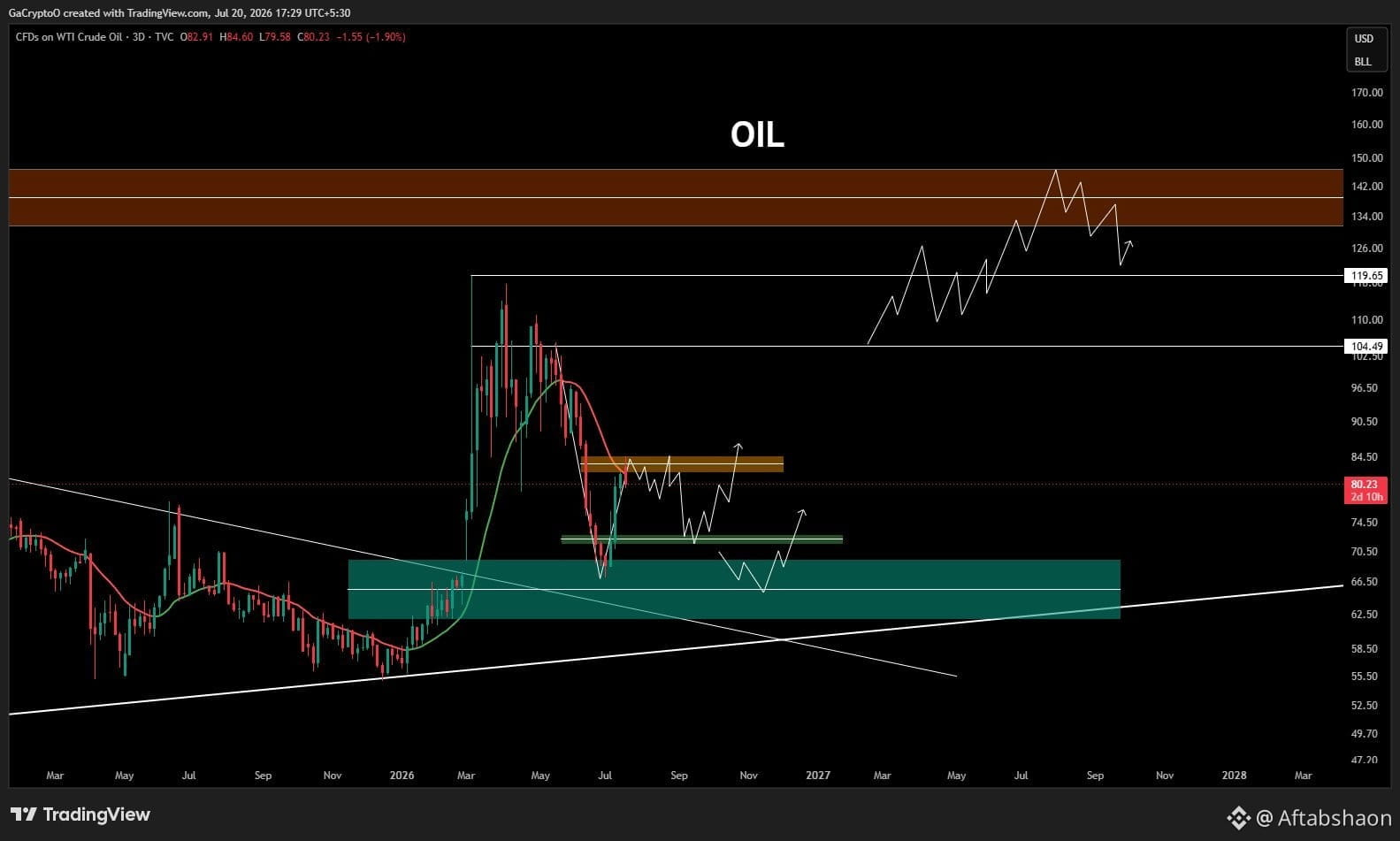
WTIは中盤の99ドル台半ば近辺で上昇を維持し、供給懸念の中で数か月ぶりの高値を視野に#USOIL
中東の緊張が供給懸念をあおる中、WTIは強気の地合いを維持している。サウジアラビアは先週木曜にドローン攻撃を受けたことを理由に、東西を結ぶ原油パイプラインを停止した。イランは、同国の条件が満たされるまで交渉は行わないとして、和平協議を拒否した。指標となる米国産の原油価格(WTI=ウエスト・テキサス・インターミディエイト)は、前日の売買で上下に揺れた後、買い注文が入り直し、火曜の欧州序盤にかけて力強い日中上昇を維持している。黒い液体は現在、$99.30〜$99.35近辺で取引されており、日中で約1.30%高。5月21日以来の高値に迫った状態で、先週金曜日に付けた水準のすぐ近くにある。フーシ派とサウジアラビアの間で紛争が拡大していることが、中東における供給途絶への懸念を押し上げており、その結果として原油価格を下支えしている。実際、サウジアラビアは先週木曜、イラン国境近くのイラク領土から発射されたドローン攻撃を受けて、東西を結ぶ原油パイプラインを一時的に停止せざるを得なかった。さらに、イラン支援のフーシ派勢力が月曜にハミース・ムシャイトのサウジの空軍基地に大規模な攻撃を実行した。これは先週、イエメンのフーシ派がイエメンの紅海沿岸とバブ・アル・マンドゥブ海峡を掌握したことに続く。加えて、ホルムズ海峡をめぐる米国とイランの対立が、原油価格に対するさらなる短期的な上昇(目先の上値修正)の材料となっている。こうした中、イランの最高国家安全保障評議会のモハセン・レザエイ事務局長は、米国との即時交渉の可能性を退け、「テヘランは条件が満たされるまで協議に戻らない」と述べた。これにより、戦争終結に向けた外交的解決への期待が薄れ、地政学的リスクプレミアムが引き続き意識されることになり、原油価格に対する短期的な強気見通しが裏付けられている。もっとも、トレーダーは水曜のFOMC(米連邦公開市場委員会)の重要な決定を待つ姿勢だ。これがグリーンバックと、米ドル建ての商品(原油価格を含む)に影響を与えるためだ。それでも、景況の基本的背景からは、当該商品の「抵抗の少ない道」が上方向であることを示唆している。WTI 日足テクニカル分析 100日単純移動平均(SMA)$85.39をしっかり上回って推移しており、さらに78.6%のフィボナッチ・リトレースメント($98.57)を取り戻したため、目先のバイアスは強気を維持している。相対力指数(RSI)(14)はプラス圏で70近辺をうろついており、強いもののやや行き過ぎた上昇モメンタムを示唆する。一方、MACDはプラス圏にとどまり、ヒストグラムも堅調で、継続的な買い圧力を補強している。下方向では、最初のサポートが78.6%のフィボ・リトレースメントである$98.57に現れ、さらに$91.78(61.8%リトレースメント)付近で需要が見込まれる。これを下回ると、$87.01(50.0%リトレースメント)が$85.39(100日SMA)と一致し、より広いサポート帯を形成する。さらに深いフィボナッチ水準である$82.24および$76.33の前に、買い手が調整的な押し戻しを食い止めようとする可能性がある。 (※本ストーリーのテクニカル分析はAIツールの支援を受けて執筆された。詳細はこちら。)WTI(原油)FAQ WTIオイルとは? WTIオイルは、国際市場で売買される原油の一種。WTIは
WTIは中盤の99ドル台半ば近辺で上昇を維持し、供給懸念の中で数か月ぶりの高値を視野に
#USOIL
中東の緊張が供給懸念をあおる中、WTIは強気の地合いを維持している。サウジアラビアは先週木曜にドローン攻撃を受けたことを理由に、東西を結ぶ原油パイプラインを停止した。イランは、同国の条件が満たされるまで交渉は行わないとして、和平協議を拒否した。指標となる米国産の原油価格(WTI=ウエスト・テキサス・インターミディエイト)は、前日の売買で上下に揺れた後、買い注文が入り直し、火曜の欧州序盤にかけて力強い日中上昇を維持している。黒い液体は現在、$99.30〜$99.35近辺で取引されており、日中で約1.30%高。5月21日以来の高値に迫った状態で、先週金曜日に付けた水準のすぐ近くにある。フーシ派とサウジアラビアの間で紛争が拡大していることが、中東における供給途絶への懸念を押し上げており、その結果として原油価格を下支えしている。実際、サウジアラビアは先週木曜、イラン国境近くのイラク領土から発射されたドローン攻撃を受けて、東西を結ぶ原油パイプラインを一時的に停止せざるを得なかった。さらに、イラン支援のフーシ派勢力が月曜にハミース・ムシャイトのサウジの空軍基地に大規模な攻撃を実行した。これは先週、イエメンのフーシ派がイエメンの紅海沿岸とバブ・アル・マンドゥブ海峡を掌握したことに続く。加えて、ホルムズ海峡をめぐる米国とイランの対立が、原油価格に対するさらなる短期的な上昇(目先の上値修正)の材料となっている。こうした中、イランの最高国家安全保障評議会のモハセン・レザエイ事務局長は、米国との即時交渉の可能性を退け、「テヘランは条件が満たされるまで協議に戻らない」と述べた。これにより、戦争終結に向けた外交的解決への期待が薄れ、地政学的リスクプレミアムが引き続き意識されることになり、原油価格に対する短期的な強気見通しが裏付けられている。もっとも、トレーダーは水曜のFOMC(米連邦公開市場委員会)の重要な決定を待つ姿勢だ。これがグリーンバックと、米ドル建ての商品(原油価格を含む)に影響を与えるためだ。それでも、景況の基本的背景からは、当該商品の「抵抗の少ない道」が上方向であることを示唆している。WTI 日足テクニカル分析 100日単純移動平均(SMA)$85.39をしっかり上回って推移しており、さらに78.6%のフィボナッチ・リトレースメント($98.57)を取り戻したため、目先のバイアスは強気を維持している。相対力指数(RSI)(14)はプラス圏で70近辺をうろついており、強いもののやや行き過ぎた上昇モメンタムを示唆する。一方、MACDはプラス圏にとどまり、ヒストグラムも堅調で、継続的な買い圧力を補強している。下方向では、最初のサポートが78.6%のフィボ・リトレースメントである$98.57に現れ、さらに$91.78(61.8%リトレースメント)付近で需要が見込まれる。これを下回ると、$87.01(50.0%リトレースメント)が$85.39(100日SMA)と一致し、より広いサポート帯を形成する。さらに深いフィボナッチ水準である$82.24および$76.33の前に、買い手が調整的な押し戻しを食い止めようとする可能性がある。 (※本ストーリーのテクニカル分析はAIツールの支援を受けて執筆された。詳細はこちら。)WTI(原油)FAQ WTIオイルとは? WTIオイルは、国際市場で売買される原油の一種。WTIは
中東の緊張が供給懸念をあおる中、WTIは強気の地合いを維持している。サウジアラビアは先週木曜にドローン攻撃を受けたことを理由に、東西を結ぶ原油パイプラインを停止した。イランは、同国の条件が満たされるまで交渉は行わないとして、和平協議を拒否した。指標となる米国産の原油価格(WTI=ウエスト・テキサス・インターミディエイト)は、前日の売買で上下に揺れた後、買い注文が入り直し、火曜の欧州序盤にかけて力強い日中上昇を維持している。黒い液体は現在、$99.30〜$99.35近辺で取引されており、日中で約1.30%高。5月21日以来の高値に迫った状態で、先週金曜日に付けた水準のすぐ近くにある。フーシ派とサウジアラビアの間で紛争が拡大していることが、中東における供給途絶への懸念を押し上げており、その結果として原油価格を下支えしている。実際、サウジアラビアは先週木曜、イラン国境近くのイラク領土から発射されたドローン攻撃を受けて、東西を結ぶ原油パイプラインを一時的に停止せざるを得なかった。さらに、イラン支援のフーシ派勢力が月曜にハミース・ムシャイトのサウジの空軍基地に大規模な攻撃を実行した。これは先週、イエメンのフーシ派がイエメンの紅海沿岸とバブ・アル・マンドゥブ海峡を掌握したことに続く。加えて、ホルムズ海峡をめぐる米国とイランの対立が、原油価格に対するさらなる短期的な上昇(目先の上値修正)の材料となっている。こうした中、イランの最高国家安全保障評議会のモハセン・レザエイ事務局長は、米国との即時交渉の可能性を退け、「テヘランは条件が満たされるまで協議に戻らない」と述べた。これにより、戦争終結に向けた外交的解決への期待が薄れ、地政学的リスクプレミアムが引き続き意識されることになり、原油価格に対する短期的な強気見通しが裏付けられている。もっとも、トレーダーは水曜のFOMC(米連邦公開市場委員会)の重要な決定を待つ姿勢だ。これがグリーンバックと、米ドル建ての商品(原油価格を含む)に影響を与えるためだ。それでも、景況の基本的背景からは、当該商品の「抵抗の少ない道」が上方向であることを示唆している。WTI 日足テクニカル分析 100日単純移動平均(SMA)$85.39をしっかり上回って推移しており、さらに78.6%のフィボナッチ・リトレースメント($98.57)を取り戻したため、目先のバイアスは強気を維持している。相対力指数(RSI)(14)はプラス圏で70近辺をうろついており、強いもののやや行き過ぎた上昇モメンタムを示唆する。一方、MACDはプラス圏にとどまり、ヒストグラムも堅調で、継続的な買い圧力を補強している。下方向では、最初のサポートが78.6%のフィボ・リトレースメントである$98.57に現れ、さらに$91.78(61.8%リトレースメント)付近で需要が見込まれる。これを下回ると、$87.01(50.0%リトレースメント)が$85.39(100日SMA)と一致し、より広いサポート帯を形成する。さらに深いフィボナッチ水準である$82.24および$76.33の前に、買い手が調整的な押し戻しを食い止めようとする可能性がある。 (※本ストーリーのテクニカル分析はAIツールの支援を受けて執筆された。詳細はこちら。)WTI(原油)FAQ WTIオイルとは? WTIオイルは、国際市場で売買される原油の一種。WTIは
183

·
--
ブリッシュ
#usoil
サウジの東西パイプライン、3〜5週間停止へ-報道
AP通信、名指ししない当局者の発言を引用
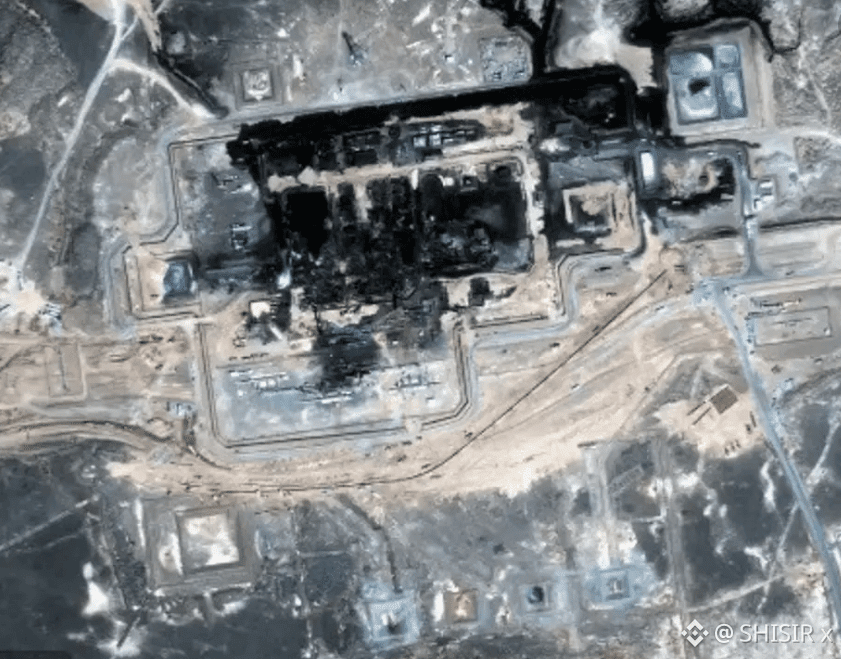
今週のエネルギー市場での大きな論点は、サウジの東西パイプラインを通る流れをどれだけの期間で復旧できるかだ。背景として、これは戦争開始時に稼働を開始したパイプラインで、国内を横断して原油を紅海へ送る役割を担っている。
しかし木曜の朝、攻撃――イラクからだったとされる――により、全長100kmの区間のパイプが複数箇所で損傷した。上の画像は完全に破壊されたように見えるポンプ場で、そこには「8回の別々の命中があったのでは」という話もある。
#usoil
サウジの東西パイプライン、3〜5週間停止へ-報道
AP通信、名指ししない当局者の発言を引用
今週のエネルギー市場での大きな論点は、サウジの東西パイプラインを通る流れをどれだけの期間で復旧できるかだ。背景として、これは戦争開始時に稼働を開始したパイプラインで、国内を横断して原油を紅海へ送る役割を担っている。
しかし木曜の朝、攻撃――イラクからだったとされる――により、全長100kmの区間のパイプが複数箇所で損傷した。上の画像は完全に破壊されたように見えるポンプ場で、そこには「8回の別々の命中があったのでは」という話もある。
サウジの東西パイプライン、3〜5週間停止へ-報道
AP通信、名指ししない当局者の発言を引用
今週のエネルギー市場での大きな論点は、サウジの東西パイプラインを通る流れをどれだけの期間で復旧できるかだ。背景として、これは戦争開始時に稼働を開始したパイプラインで、国内を横断して原油を紅海へ送る役割を担っている。
しかし木曜の朝、攻撃――イラクからだったとされる――により、全長100kmの区間のパイプが複数箇所で損傷した。上の画像は完全に破壊されたように見えるポンプ場で、そこには「8回の別々の命中があったのでは」という話もある。
90

記事
WTI、エネルギー供給リスクのさらなる懸念を背景に寄り付きの上昇を継続$BTC
$ETH
#USOIL
..サウジの主要パイプライン閉鎖でエネルギー供給リスクへの懸念が高まり、原油価格は99.50ドルを大きく上回って大幅に上昇。サウジは、イラン支援の武装勢力フーシ派によるドローン攻撃を受けて主要パイプラインを停止した。ホルムズ海峡の管理を目的とした暫定取引に関する協議で、テヘランと湾岸諸国の間の合意取り付けを図る予定だった会合は延期された。NYMEXのWTI(ウェスト・テキサス・インターミディエート)先物は月曜の欧州取引で寄り付きの上昇をさらに拡大し、99.50ドル弱をわずかに上回る水準で約3%高で取引されている。金曜遅くに相次いだ攻撃を受けて主要サウジ・パイプラインが予防的に停止されたこと、ならびに本日予定されていたイランと他の湾岸諸国との間で、ホルムズ海峡を通る暫定の海上回廊の創設について協議する会合が延期されたことにより、原油価格は大きく上昇したと、ドイツ銀行のアナリストが報告した。CNNによると、サウジアラビアのエネルギー省は金曜、自国ウェブサイトに掲載した声明で、パイプラインが攻撃され「予防措置として停止された」と述べた。木曜には、イランの後ろ盾を持つフーシ派が紅海沿いの戦略的地点を制圧しようと、さまざまなドローンを投入していた。一方、ホルムズ海峡を通じた輸送を管理する暫定取引に関して湾岸諸国側の同意取り付けを狙った、イランと湾岸諸国の予定会合の中止も、原油価格の上昇(リラリー)の引き金となっている。会合について、イラン外務省のスポークスマンは「サウジアラビアは、オマーンでのテヘランと湾岸諸国の間の会合が行われないよう主張した」と述べた。ドイツ銀行は、これらの動きが「地域の供給の安全保障と主要な海上輸送ルートをめぐる市場の懸念」を強めたと指摘した。WTIテクニカル分析:日足チャートでは、WTI米原油は99.45ドルで取引されており、20日指数移動平均(EMA)89.92ドルを大きく上回ったまま推移し、強い強気局面を延長している。この主要なトレンド指標を現物が安定して上回っていることは、根底にある需要が依然としてしっかりしていることを示唆する。一方、相対力指数(RSI、14)は69.63で過熱圏に近い水準にとどまっており、上値の勢いが維持されているとはいえ、直近の上昇(リラリー)がより成熟した段階に入ってきている可能性を示している。下方向では、当初の下値支持は20日EMAの89.92ドルに見られ、より広い上昇トレンドを支え、調整的な押し目が入る場合にも注目されるだろう。(本記事のテクニカル分析はAIツールの協力を得て作成されました。詳しくはこちら。)WTI原油のFAQ:WTI原油とは何ですか?WTI原油は、国際市場で取引される一種の原油です。WTIは、ブレントやドバイ原油を含む3つの主要タイプのうちの1つで、「ウエスト・テキサス・インターミディエート」の略です。WTIは、相対的に比重が軽く硫黄分が少ないため、それぞれ「light(軽質)」「sweet(甘口)」とも呼ばれます。精製しやすい高品質の原油と考えられており、原産は米国で、配給は「The Pipeline Crossroads of the World(世界のパイプラインの交差点)」とされるクッシング・ハブを通じて行われます。WTIは原油市場の指標であり、WTI価格はメディアで頻繁に引用されます。WTI原油の価格を動かす要因は?他の資産と同様に、WTI原油の価格の主要なドライバーは需給です。したがって、世界経済の成長は需要増につながる可能性があり、逆に世界経済が弱い場合は需要の減少につながり得ます。政治的不安、戦争、制裁も供給を混乱させ、価格に影響を与えます。主要な原油生産国のグループであるOPEC(石油輸出国機構)の判断も、もう一つの重要な価格要因です。原油は主に米ドルで取引されるため、米ドルの価値がWTI原油の価格に影響します。つまり、米ドル安になれば原油がより手頃になり、逆もまた成り立ちます。WTI原油の在庫データは価格にどう影響しますか?米国石油協会(API)と米エネルギー情報局(EIA)が公表する週次の原油在庫レポートは、WTI原油の価格に影響します。在庫の変化は、供給と需要の変動を反映します。データで在庫の減少が示される場合は、需要が増えていることを示し、原油価格を押し上げる可能性があります。在庫が増えることは、供給が増えていることを示し、価格を押し下げる要因になり得ます。APIのレポートは毎週火曜日に公表され、EIAはその翌日です。両者の結果は通常似ており、相互の差が1%以内に収まる確率は75%です。EIAのデータは政府機関のため、より信頼性が高いとされています。OPECはWTI原油の価格にどう影響しますか?OPEC(石油輸出国機構)は、12の原油生産国のグループで、加盟国の生産枠(クオータ)を年2回の会合で共同決定します。OPECの判断はしばしばWTI原油の価格に影響します。OPECがクオータを引き下げると、供給が引き締まり、原油価格は上がる傾向があります。逆に、OPECが生産を増やせば、逆の効果になります。OPEC+は、OPECに加えて10の非OPEC加盟国を含む拡大グループを指し、とりわけ注目されるのがロシアです。
WTI、エネルギー供給リスクのさらなる懸念を背景に寄り付きの上昇を継続
$BTC
$ETH
#USOIL
..サウジの主要パイプライン閉鎖でエネルギー供給リスクへの懸念が高まり、原油価格は99.50ドルを大きく上回って大幅に上昇。サウジは、イラン支援の武装勢力フーシ派によるドローン攻撃を受けて主要パイプラインを停止した。ホルムズ海峡の管理を目的とした暫定取引に関する協議で、テヘランと湾岸諸国の間の合意取り付けを図る予定だった会合は延期された。NYMEXのWTI(ウェスト・テキサス・インターミディエート)先物は月曜の欧州取引で寄り付きの上昇をさらに拡大し、99.50ドル弱をわずかに上回る水準で約3%高で取引されている。金曜遅くに相次いだ攻撃を受けて主要サウジ・パイプラインが予防的に停止されたこと、ならびに本日予定されていたイランと他の湾岸諸国との間で、ホルムズ海峡を通る暫定の海上回廊の創設について協議する会合が延期されたことにより、原油価格は大きく上昇したと、ドイツ銀行のアナリストが報告した。CNNによると、サウジアラビアのエネルギー省は金曜、自国ウェブサイトに掲載した声明で、パイプラインが攻撃され「予防措置として停止された」と述べた。木曜には、イランの後ろ盾を持つフーシ派が紅海沿いの戦略的地点を制圧しようと、さまざまなドローンを投入していた。一方、ホルムズ海峡を通じた輸送を管理する暫定取引に関して湾岸諸国側の同意取り付けを狙った、イランと湾岸諸国の予定会合の中止も、原油価格の上昇(リラリー)の引き金となっている。会合について、イラン外務省のスポークスマンは「サウジアラビアは、オマーンでのテヘランと湾岸諸国の間の会合が行われないよう主張した」と述べた。ドイツ銀行は、これらの動きが「地域の供給の安全保障と主要な海上輸送ルートをめぐる市場の懸念」を強めたと指摘した。WTIテクニカル分析:日足チャートでは、WTI米原油は99.45ドルで取引されており、20日指数移動平均(EMA)89.92ドルを大きく上回ったまま推移し、強い強気局面を延長している。この主要なトレンド指標を現物が安定して上回っていることは、根底にある需要が依然としてしっかりしていることを示唆する。一方、相対力指数(RSI、14)は69.63で過熱圏に近い水準にとどまっており、上値の勢いが維持されているとはいえ、直近の上昇(リラリー)がより成熟した段階に入ってきている可能性を示している。下方向では、当初の下値支持は20日EMAの89.92ドルに見られ、より広い上昇トレンドを支え、調整的な押し目が入る場合にも注目されるだろう。(本記事のテクニカル分析はAIツールの協力を得て作成されました。詳しくはこちら。)WTI原油のFAQ:WTI原油とは何ですか?WTI原油は、国際市場で取引される一種の原油です。WTIは、ブレントやドバイ原油を含む3つの主要タイプのうちの1つで、「ウエスト・テキサス・インターミディエート」の略です。WTIは、相対的に比重が軽く硫黄分が少ないため、それぞれ「light(軽質)」「sweet(甘口)」とも呼ばれます。精製しやすい高品質の原油と考えられており、原産は米国で、配給は「The Pipeline Crossroads of the World(世界のパイプラインの交差点)」とされるクッシング・ハブを通じて行われます。WTIは原油市場の指標であり、WTI価格はメディアで頻繁に引用されます。WTI原油の価格を動かす要因は?他の資産と同様に、WTI原油の価格の主要なドライバーは需給です。したがって、世界経済の成長は需要増につながる可能性があり、逆に世界経済が弱い場合は需要の減少につながり得ます。政治的不安、戦争、制裁も供給を混乱させ、価格に影響を与えます。主要な原油生産国のグループであるOPEC(石油輸出国機構)の判断も、もう一つの重要な価格要因です。原油は主に米ドルで取引されるため、米ドルの価値がWTI原油の価格に影響します。つまり、米ドル安になれば原油がより手頃になり、逆もまた成り立ちます。WTI原油の在庫データは価格にどう影響しますか?米国石油協会(API)と米エネルギー情報局(EIA)が公表する週次の原油在庫レポートは、WTI原油の価格に影響します。在庫の変化は、供給と需要の変動を反映します。データで在庫の減少が示される場合は、需要が増えていることを示し、原油価格を押し上げる可能性があります。在庫が増えることは、供給が増えていることを示し、価格を押し下げる要因になり得ます。APIのレポートは毎週火曜日に公表され、EIAはその翌日です。両者の結果は通常似ており、相互の差が1%以内に収まる確率は75%です。EIAのデータは政府機関のため、より信頼性が高いとされています。OPECはWTI原油の価格にどう影響しますか?OPEC(石油輸出国機構)は、12の原油生産国のグループで、加盟国の生産枠(クオータ)を年2回の会合で共同決定します。OPECの判断はしばしばWTI原油の価格に影響します。OPECがクオータを引き下げると、供給が引き締まり、原油価格は上がる傾向があります。逆に、OPECが生産を増やせば、逆の効果になります。OPEC+は、OPECに加えて10の非OPEC加盟国を含む拡大グループを指し、とりわけ注目されるのがロシアです。
$ETH
#USOIL
..サウジの主要パイプライン閉鎖でエネルギー供給リスクへの懸念が高まり、原油価格は99.50ドルを大きく上回って大幅に上昇。サウジは、イラン支援の武装勢力フーシ派によるドローン攻撃を受けて主要パイプラインを停止した。ホルムズ海峡の管理を目的とした暫定取引に関する協議で、テヘランと湾岸諸国の間の合意取り付けを図る予定だった会合は延期された。NYMEXのWTI(ウェスト・テキサス・インターミディエート)先物は月曜の欧州取引で寄り付きの上昇をさらに拡大し、99.50ドル弱をわずかに上回る水準で約3%高で取引されている。金曜遅くに相次いだ攻撃を受けて主要サウジ・パイプラインが予防的に停止されたこと、ならびに本日予定されていたイランと他の湾岸諸国との間で、ホルムズ海峡を通る暫定の海上回廊の創設について協議する会合が延期されたことにより、原油価格は大きく上昇したと、ドイツ銀行のアナリストが報告した。CNNによると、サウジアラビアのエネルギー省は金曜、自国ウェブサイトに掲載した声明で、パイプラインが攻撃され「予防措置として停止された」と述べた。木曜には、イランの後ろ盾を持つフーシ派が紅海沿いの戦略的地点を制圧しようと、さまざまなドローンを投入していた。一方、ホルムズ海峡を通じた輸送を管理する暫定取引に関して湾岸諸国側の同意取り付けを狙った、イランと湾岸諸国の予定会合の中止も、原油価格の上昇(リラリー)の引き金となっている。会合について、イラン外務省のスポークスマンは「サウジアラビアは、オマーンでのテヘランと湾岸諸国の間の会合が行われないよう主張した」と述べた。ドイツ銀行は、これらの動きが「地域の供給の安全保障と主要な海上輸送ルートをめぐる市場の懸念」を強めたと指摘した。WTIテクニカル分析:日足チャートでは、WTI米原油は99.45ドルで取引されており、20日指数移動平均(EMA)89.92ドルを大きく上回ったまま推移し、強い強気局面を延長している。この主要なトレンド指標を現物が安定して上回っていることは、根底にある需要が依然としてしっかりしていることを示唆する。一方、相対力指数(RSI、14)は69.63で過熱圏に近い水準にとどまっており、上値の勢いが維持されているとはいえ、直近の上昇(リラリー)がより成熟した段階に入ってきている可能性を示している。下方向では、当初の下値支持は20日EMAの89.92ドルに見られ、より広い上昇トレンドを支え、調整的な押し目が入る場合にも注目されるだろう。(本記事のテクニカル分析はAIツールの協力を得て作成されました。詳しくはこちら。)WTI原油のFAQ:WTI原油とは何ですか?WTI原油は、国際市場で取引される一種の原油です。WTIは、ブレントやドバイ原油を含む3つの主要タイプのうちの1つで、「ウエスト・テキサス・インターミディエート」の略です。WTIは、相対的に比重が軽く硫黄分が少ないため、それぞれ「light(軽質)」「sweet(甘口)」とも呼ばれます。精製しやすい高品質の原油と考えられており、原産は米国で、配給は「The Pipeline Crossroads of the World(世界のパイプラインの交差点)」とされるクッシング・ハブを通じて行われます。WTIは原油市場の指標であり、WTI価格はメディアで頻繁に引用されます。WTI原油の価格を動かす要因は?他の資産と同様に、WTI原油の価格の主要なドライバーは需給です。したがって、世界経済の成長は需要増につながる可能性があり、逆に世界経済が弱い場合は需要の減少につながり得ます。政治的不安、戦争、制裁も供給を混乱させ、価格に影響を与えます。主要な原油生産国のグループであるOPEC(石油輸出国機構)の判断も、もう一つの重要な価格要因です。原油は主に米ドルで取引されるため、米ドルの価値がWTI原油の価格に影響します。つまり、米ドル安になれば原油がより手頃になり、逆もまた成り立ちます。WTI原油の在庫データは価格にどう影響しますか?米国石油協会(API)と米エネルギー情報局(EIA)が公表する週次の原油在庫レポートは、WTI原油の価格に影響します。在庫の変化は、供給と需要の変動を反映します。データで在庫の減少が示される場合は、需要が増えていることを示し、原油価格を押し上げる可能性があります。在庫が増えることは、供給が増えていることを示し、価格を押し下げる要因になり得ます。APIのレポートは毎週火曜日に公表され、EIAはその翌日です。両者の結果は通常似ており、相互の差が1%以内に収まる確率は75%です。EIAのデータは政府機関のため、より信頼性が高いとされています。OPECはWTI原油の価格にどう影響しますか?OPEC(石油輸出国機構)は、12の原油生産国のグループで、加盟国の生産枠(クオータ)を年2回の会合で共同決定します。OPECの判断はしばしばWTI原油の価格に影響します。OPECがクオータを引き下げると、供給が引き締まり、原油価格は上がる傾向があります。逆に、OPECが生産を増やせば、逆の効果になります。OPEC+は、OPECに加えて10の非OPEC加盟国を含む拡大グループを指し、とりわけ注目されるのがロシアです。
146

記事
翻訳参照
WTI rebounds toward nearly four-month highs after Saudi pipeline shutdown.#USOIL
Saudi Arabia halted the East-West pipeline following drone attacks, disrupting a vital route avoiding the Strait of Hormuz. Regional diplomatic talks to establish a temporary shipping corridor through the Strait of Hormuz were postponed. The closed pipeline, boasting a seven million barrel daily capacity, highlights ongoing Middle East energy security risks. West Texas Intermediate (WTI) oil price rebounds after falling nearly 4% in the previous trading day, hovering around $99.40 per barrel during Asian hours on Monday. Crude oil prices are rising toward nearly four-month highs following a drone attack that forced Saudi Arabia to shut down a major crude pipeline. This disruption has heavily impacted a critical route traditionally used to bypass the Strait of Hormuz. As a precautionary measure, Saudi operations on the East-West pipeline were suspended immediately following Thursday's attacks, and officials have not yet indicated when normal operations will resume.Concurrently, diplomatic efforts have stalled in the region. According to Oman's Foreign Minister Badr Albusaidi, talks between Iran and several Gulf nations aimed at establishing a temporary shipping corridor through Hormuz have been postponed. Reports indicate that Saudi Arabia harbored concerns regarding the proposal, while Bahrain officially stated it would not participate. The unexpected closure of the East-West pipeline underscores its vital role in maintaining steady energy flows across the Middle East, particularly while the US and Iran remain at an impasse over the control of Hormuz. Stretching across Saudi Arabia to deliver oil directly to Red Sea ports, the pipeline boasts a massive capacity of around 7 million barrels per day.Brown Brothers Harriman's Elias Haddad cautions that, despite the recent easing in Brent after its latest surge, geopolitical risk remains a key constraint on any sustained downside. BBH argues that "Iran has every incentive to keep the heat on ahead of the November 3 midterms and hurt Republicans," suggesting that any relief-driven pullback in Oil prices is likely to be shallow and short-lived. WTI Oil FAQs What is WTI Oil? WTI Oil is a type of Crude Oil sold on international markets. The WTI stands for West Texas Intermediate, one of three major types including Brent and Dubai Crude. WTI is also referred to as "light" and "sweet" because of its relatively low gravity and sulfur content respectively. It is considered a high quality Oil that is easily refined. It is sourced in the United States and distributed via the Cushing hub, which is considered "The Pipeline Crossroads of the World". It is a benchmark for the Oil market and WTI price is frequently quoted in the media. What factors drive the price of WTI Oil? Like all assets, supply and demand are the key drivers of WTI Oil price. As such, global growth can be a driver of increased demand and vice versa for weak global growth. Political instability, wars, and sanctions can disrupt supply and impact prices. The decisions of OPEC, a group of major Oil-producing countries, is another key driver of price. The value of the US Dollar influences the price of WTI Crude Oil, since Oil is predominantly traded in US Dollars, thus a
weaker US Dollar can make Oil more affordable and vice versa. How does inventory data impact the price of WTI Oil The weekly Oil inventory reports published by the American Petroleum Institute (API) and the Energy Information Agency (EIA) impact the price of WTI Oil. Changes in inventories reflect fluctuating supply and demand. If the data shows a drop in inventories it can indicate increased demand, pushing up Oil price. Higher inventories can reflect increased supply, pushing down prices. API's report is published every Tuesday and EIA's the day after. Their results are usually similar, falling within 1% of each other 75% of the time. The EIA data is considered more reliable, since it is a government agency. How does OPEC influence the price of WTI Oil? OPEC (Organization of the Petroleum Exporting Countries) is a group of 12 Oil-producing nations who collectively decide production quotas for member countries at twice-yearly meetings. Their decisions often impact WTI Oil prices. When OPEC decides to lower quotas, it can tighten supply, pushing up Oil prices. When OPEC increases production, it has the opposite effect. OPEC+ refers to an expanded group that includes ten extra non-OPEC members, the most notable of which is Russia.
WTI rebounds toward nearly four-month highs after Saudi pipeline shutdown.
#USOIL
Saudi Arabia halted the East-West pipeline following drone attacks, disrupting a vital route avoiding the Strait of Hormuz. Regional diplomatic talks to establish a temporary shipping corridor through the Strait of Hormuz were postponed. The closed pipeline, boasting a seven million barrel daily capacity, highlights ongoing Middle East energy security risks. West Texas Intermediate (WTI) oil price rebounds after falling nearly 4% in the previous trading day, hovering around $99.40 per barrel during Asian hours on Monday. Crude oil prices are rising toward nearly four-month highs following a drone attack that forced Saudi Arabia to shut down a major crude pipeline. This disruption has heavily impacted a critical route traditionally used to bypass the Strait of Hormuz. As a precautionary measure, Saudi operations on the East-West pipeline were suspended immediately following Thursday's attacks, and officials have not yet indicated when normal operations will resume.Concurrently, diplomatic efforts have stalled in the region. According to Oman's Foreign Minister Badr Albusaidi, talks between Iran and several Gulf nations aimed at establishing a temporary shipping corridor through Hormuz have been postponed. Reports indicate that Saudi Arabia harbored concerns regarding the proposal, while Bahrain officially stated it would not participate. The unexpected closure of the East-West pipeline underscores its vital role in maintaining steady energy flows across the Middle East, particularly while the US and Iran remain at an impasse over the control of Hormuz. Stretching across Saudi Arabia to deliver oil directly to Red Sea ports, the pipeline boasts a massive capacity of around 7 million barrels per day.Brown Brothers Harriman's Elias Haddad cautions that, despite the recent easing in Brent after its latest surge, geopolitical risk remains a key constraint on any sustained downside. BBH argues that "Iran has every incentive to keep the heat on ahead of the November 3 midterms and hurt Republicans," suggesting that any relief-driven pullback in Oil prices is likely to be shallow and short-lived. WTI Oil FAQs What is WTI Oil? WTI Oil is a type of Crude Oil sold on international markets. The WTI stands for West Texas Intermediate, one of three major types including Brent and Dubai Crude. WTI is also referred to as "light" and "sweet" because of its relatively low gravity and sulfur content respectively. It is considered a high quality Oil that is easily refined. It is sourced in the United States and distributed via the Cushing hub, which is considered "The Pipeline Crossroads of the World". It is a benchmark for the Oil market and WTI price is frequently quoted in the media. What factors drive the price of WTI Oil? Like all assets, supply and demand are the key drivers of WTI Oil price. As such, global growth can be a driver of increased demand and vice versa for weak global growth. Political instability, wars, and sanctions can disrupt supply and impact prices. The decisions of OPEC, a group of major Oil-producing countries, is another key driver of price. The value of the US Dollar influences the price of WTI Crude Oil, since Oil is predominantly traded in US Dollars, thus a
weaker US Dollar can make Oil more affordable and vice versa. How does inventory data impact the price of WTI Oil The weekly Oil inventory reports published by the American Petroleum Institute (API) and the Energy Information Agency (EIA) impact the price of WTI Oil. Changes in inventories reflect fluctuating supply and demand. If the data shows a drop in inventories it can indicate increased demand, pushing up Oil price. Higher inventories can reflect increased supply, pushing down prices. API's report is published every Tuesday and EIA's the day after. Their results are usually similar, falling within 1% of each other 75% of the time. The EIA data is considered more reliable, since it is a government agency. How does OPEC influence the price of WTI Oil? OPEC (Organization of the Petroleum Exporting Countries) is a group of 12 Oil-producing nations who collectively decide production quotas for member countries at twice-yearly meetings. Their decisions often impact WTI Oil prices. When OPEC decides to lower quotas, it can tighten supply, pushing up Oil prices. When OPEC increases production, it has the opposite effect. OPEC+ refers to an expanded group that includes ten extra non-OPEC members, the most notable of which is Russia.
Saudi Arabia halted the East-West pipeline following drone attacks, disrupting a vital route avoiding the Strait of Hormuz. Regional diplomatic talks to establish a temporary shipping corridor through the Strait of Hormuz were postponed. The closed pipeline, boasting a seven million barrel daily capacity, highlights ongoing Middle East energy security risks. West Texas Intermediate (WTI) oil price rebounds after falling nearly 4% in the previous trading day, hovering around $99.40 per barrel during Asian hours on Monday. Crude oil prices are rising toward nearly four-month highs following a drone attack that forced Saudi Arabia to shut down a major crude pipeline. This disruption has heavily impacted a critical route traditionally used to bypass the Strait of Hormuz. As a precautionary measure, Saudi operations on the East-West pipeline were suspended immediately following Thursday's attacks, and officials have not yet indicated when normal operations will resume.Concurrently, diplomatic efforts have stalled in the region. According to Oman's Foreign Minister Badr Albusaidi, talks between Iran and several Gulf nations aimed at establishing a temporary shipping corridor through Hormuz have been postponed. Reports indicate that Saudi Arabia harbored concerns regarding the proposal, while Bahrain officially stated it would not participate. The unexpected closure of the East-West pipeline underscores its vital role in maintaining steady energy flows across the Middle East, particularly while the US and Iran remain at an impasse over the control of Hormuz. Stretching across Saudi Arabia to deliver oil directly to Red Sea ports, the pipeline boasts a massive capacity of around 7 million barrels per day.Brown Brothers Harriman's Elias Haddad cautions that, despite the recent easing in Brent after its latest surge, geopolitical risk remains a key constraint on any sustained downside. BBH argues that "Iran has every incentive to keep the heat on ahead of the November 3 midterms and hurt Republicans," suggesting that any relief-driven pullback in Oil prices is likely to be shallow and short-lived. WTI Oil FAQs What is WTI Oil? WTI Oil is a type of Crude Oil sold on international markets. The WTI stands for West Texas Intermediate, one of three major types including Brent and Dubai Crude. WTI is also referred to as "light" and "sweet" because of its relatively low gravity and sulfur content respectively. It is considered a high quality Oil that is easily refined. It is sourced in the United States and distributed via the Cushing hub, which is considered "The Pipeline Crossroads of the World". It is a benchmark for the Oil market and WTI price is frequently quoted in the media. What factors drive the price of WTI Oil? Like all assets, supply and demand are the key drivers of WTI Oil price. As such, global growth can be a driver of increased demand and vice versa for weak global growth. Political instability, wars, and sanctions can disrupt supply and impact prices. The decisions of OPEC, a group of major Oil-producing countries, is another key driver of price. The value of the US Dollar influences the price of WTI Crude Oil, since Oil is predominantly traded in US Dollars, thus a
weaker US Dollar can make Oil more affordable and vice versa. How does inventory data impact the price of WTI Oil The weekly Oil inventory reports published by the American Petroleum Institute (API) and the Energy Information Agency (EIA) impact the price of WTI Oil. Changes in inventories reflect fluctuating supply and demand. If the data shows a drop in inventories it can indicate increased demand, pushing up Oil price. Higher inventories can reflect increased supply, pushing down prices. API's report is published every Tuesday and EIA's the day after. Their results are usually similar, falling within 1% of each other 75% of the time. The EIA data is considered more reliable, since it is a government agency. How does OPEC influence the price of WTI Oil? OPEC (Organization of the Petroleum Exporting Countries) is a group of 12 Oil-producing nations who collectively decide production quotas for member countries at twice-yearly meetings. Their decisions often impact WTI Oil prices. When OPEC decides to lower quotas, it can tighten supply, pushing up Oil prices. When OPEC increases production, it has the opposite effect. OPEC+ refers to an expanded group that includes ten extra non-OPEC members, the most notable of which is Russia.
146

記事
翻訳参照
Oman meeting between Gulf states and Iran delayed - Reuters.#USOIL
#USOilProduction
..Omani Foreign Minister Badr Albusaidi said that a meeting in Oman between Gulf countries and Iran to discuss possible agreements on the Strait of Hormuz, which had been scheduled for Monday, has been postponed, Reuters reported on Sunday. Albusaidi said in a post on X that the meeting is being delayed "in the interests of consensus," without offering any details about next steps. Oman's Foreign Ministry added a planned meeting was put off to ensure "appropriate conditions for a constructive dialogue that contributes to achieving sustainable understandings supporting the region's security and stability." WTI Oil FAQs What is WTI Oil? WTI Oil is a type of Crude Oil sold on international markets. The WTI stands for West Texas Intermediate, one of three major types including Brent and Dubai Crude. WTI is also referred to as "light" and "sweet" because of its relatively low gravity and sulfur content respectively. It is considered a high quality Oil that is easily refined. It is sourced in the United States and distributed via the Cushing hub, which is considered "The Pipeline Crossroads of the World". It is a benchmark for the Oil market and WTI price is frequently quoted in the media. What factors drive the price of WTI Oil? Like all assets, supply and demand are the key drivers of WTI Oil price. As such, global growth can be a driver of increased demand and vice versa for weak global growth. Political instability, wars, and sanctions can disrupt supply and impact prices. The decisions of OPEC, a group of major Oil-producing countries, is another key driver of price. The value of the US Dollar influences the price of WTI Crude Oil, since Oil is predominantly traded in US Dollars, thus a weaker US Dollar can make Oil more affordable and vice versa. How does inventory data impact the price of WTI Oil The weekly Oil inventory reports published by the American Petroleum Institute (API) and the Energy Information Agency (EIA) impact the price of WTI Oil. Changes in inventories reflect fluctuating supply and demand. If the data shows a drop in inventories it can indicate increased demand, pushing up Oil price. Higher inventories can reflect increased supply, pushing down prices. API's report is published every Tuesday and EIA's the day after. Their results are usually similar, falling within 1% of each other 75% of the time. The EIA data is considered more reliable, since it is a government agency. How does OPEC influence the price of WTI Oil? OPEC (Organization of the Petroleum Exporting Countries) is a group of 12 Oil-producing nations who collectively decide production quotas for member countries at twice-yearly meetings. Their decisions often impact WTI Oil prices. When OPEC decides to lower quotas, it can tighten supply, pushing up Oil prices. When OPEC increases production, it has the opposite effect. OPEC+ refers to an expanded group that includes ten extra non-OPEC members, the most notable of which is Russia.
Oman meeting between Gulf states and Iran delayed - Reuters.
#USOIL
#USOilProduction
..Omani Foreign Minister Badr Albusaidi said that a meeting in Oman between Gulf countries and Iran to discuss possible agreements on the Strait of Hormuz, which had been scheduled for Monday, has been postponed, Reuters reported on Sunday. Albusaidi said in a post on X that the meeting is being delayed "in the interests of consensus," without offering any details about next steps. Oman's Foreign Ministry added a planned meeting was put off to ensure "appropriate conditions for a constructive dialogue that contributes to achieving sustainable understandings supporting the region's security and stability." WTI Oil FAQs What is WTI Oil? WTI Oil is a type of Crude Oil sold on international markets. The WTI stands for West Texas Intermediate, one of three major types including Brent and Dubai Crude. WTI is also referred to as "light" and "sweet" because of its relatively low gravity and sulfur content respectively. It is considered a high quality Oil that is easily refined. It is sourced in the United States and distributed via the Cushing hub, which is considered "The Pipeline Crossroads of the World". It is a benchmark for the Oil market and WTI price is frequently quoted in the media. What factors drive the price of WTI Oil? Like all assets, supply and demand are the key drivers of WTI Oil price. As such, global growth can be a driver of increased demand and vice versa for weak global growth. Political instability, wars, and sanctions can disrupt supply and impact prices. The decisions of OPEC, a group of major Oil-producing countries, is another key driver of price. The value of the US Dollar influences the price of WTI Crude Oil, since Oil is predominantly traded in US Dollars, thus a weaker US Dollar can make Oil more affordable and vice versa. How does inventory data impact the price of WTI Oil The weekly Oil inventory reports published by the American Petroleum Institute (API) and the Energy Information Agency (EIA) impact the price of WTI Oil. Changes in inventories reflect fluctuating supply and demand. If the data shows a drop in inventories it can indicate increased demand, pushing up Oil price. Higher inventories can reflect increased supply, pushing down prices. API's report is published every Tuesday and EIA's the day after. Their results are usually similar, falling within 1% of each other 75% of the time. The EIA data is considered more reliable, since it is a government agency. How does OPEC influence the price of WTI Oil? OPEC (Organization of the Petroleum Exporting Countries) is a group of 12 Oil-producing nations who collectively decide production quotas for member countries at twice-yearly meetings. Their decisions often impact WTI Oil prices. When OPEC decides to lower quotas, it can tighten supply, pushing up Oil prices. When OPEC increases production, it has the opposite effect. OPEC+ refers to an expanded group that includes ten extra non-OPEC members, the most notable of which is Russia.
#USOilProduction
..Omani Foreign Minister Badr Albusaidi said that a meeting in Oman between Gulf countries and Iran to discuss possible agreements on the Strait of Hormuz, which had been scheduled for Monday, has been postponed, Reuters reported on Sunday. Albusaidi said in a post on X that the meeting is being delayed "in the interests of consensus," without offering any details about next steps. Oman's Foreign Ministry added a planned meeting was put off to ensure "appropriate conditions for a constructive dialogue that contributes to achieving sustainable understandings supporting the region's security and stability." WTI Oil FAQs What is WTI Oil? WTI Oil is a type of Crude Oil sold on international markets. The WTI stands for West Texas Intermediate, one of three major types including Brent and Dubai Crude. WTI is also referred to as "light" and "sweet" because of its relatively low gravity and sulfur content respectively. It is considered a high quality Oil that is easily refined. It is sourced in the United States and distributed via the Cushing hub, which is considered "The Pipeline Crossroads of the World". It is a benchmark for the Oil market and WTI price is frequently quoted in the media. What factors drive the price of WTI Oil? Like all assets, supply and demand are the key drivers of WTI Oil price. As such, global growth can be a driver of increased demand and vice versa for weak global growth. Political instability, wars, and sanctions can disrupt supply and impact prices. The decisions of OPEC, a group of major Oil-producing countries, is another key driver of price. The value of the US Dollar influences the price of WTI Crude Oil, since Oil is predominantly traded in US Dollars, thus a weaker US Dollar can make Oil more affordable and vice versa. How does inventory data impact the price of WTI Oil The weekly Oil inventory reports published by the American Petroleum Institute (API) and the Energy Information Agency (EIA) impact the price of WTI Oil. Changes in inventories reflect fluctuating supply and demand. If the data shows a drop in inventories it can indicate increased demand, pushing up Oil price. Higher inventories can reflect increased supply, pushing down prices. API's report is published every Tuesday and EIA's the day after. Their results are usually similar, falling within 1% of each other 75% of the time. The EIA data is considered more reliable, since it is a government agency. How does OPEC influence the price of WTI Oil? OPEC (Organization of the Petroleum Exporting Countries) is a group of 12 Oil-producing nations who collectively decide production quotas for member countries at twice-yearly meetings. Their decisions often impact WTI Oil prices. When OPEC decides to lower quotas, it can tighten supply, pushing up Oil prices. When OPEC increases production, it has the opposite effect. OPEC+ refers to an expanded group that includes ten extra non-OPEC members, the most notable of which is Russia.
149
翻訳参照
Crude Oil buckles early and grinds back on talk of a Hormuz arrangement.#USOIL
WTI Crude Oil buckles early and grinds back, down about 3.4% on Hormuz talks. Gasoline supplied more than a third of the August CPI monthly increase. Global inventories are down 507 million barrels since the war began in February. West Texas Intermediate (WTI) trades near $97.00, about 3.4% lower and on track for its first down session in five. The Financial Times reported on Friday that Gulf foreign ministers will meet their Iranian counterpart in the Omani city of Salalah, in a push to win backing for a temporary arrangement covering shipping through the Strait of Hormuz. The meeting is on Monday. The price moved on Friday. Nothing moved through the strait, and the price moved anyway Preliminary vessel tracking counted seven ships through the Strait of Hormuz on September 10, against eleven the day before. Before the war began on February 28, the waterway handled roughly 125 cargo vessels a day and about one-fifth of the world's seaborne Crude Oil and liquefied natural gas (LNG). The waterway is not congested.Gulf producers have kept barrels moving by shuttling cargoes out to waiting tankers rather than sailing loaded ships through the strait, so exports have held up better than transit counts suggest. The cost of that workaround sits on top of every cargo, and tanker earnings are at records because of it. Friday's discount was applied to the freight, not to a barrel that has started moving again. Saudi Arabia's August output fell by around 1.9 million barrels a day, and Houthi strikes hit Saudi energy sites this week. American inventories drew a further 300K barrels in the week to September 4. The barrel now sets the inflation rate it gets punished for The August Consumer Price Index (CPI) rose 0.4% on the month and held at 3.4% YoY, both in line with consensus. Gasoline rose 3.9% and supplied more than a third of the monthly increase on its own. Fuel costs ran 28% higher YoY and diesel 52%, which reads as a report on the Gulf rather than on the American consumer. Diesel is the number that travels, because it prices trucking and delivery into every shelf in the country, which is how an energy shock stops being an energy shock. It was the last inflation print before the rate decision. Core CPI rose 0.3% against a 0.2% consensus and eased to 2.4% YoY, so the part of the index that excludes energy also firmed in the month energy did the damage. Rate futures now price a quarter-point increase on September 16 at roughly 70%, which would be the first move of the year out of a target range unchanged since January at 3.50% to 3.75%. A quarter point on the funds rate does not reopen a strait. The demand downgrade was the smaller number in its own reportThe International Energy Agency (IEA) published its monthly report on Friday and cut 2026 demand by a further 940K barrels a day, taking the full-year decline to 2.5 million. The same document has supply falling 5.7 million barrels a day this year to 100.7 million, with more than 10 million barrels a day of Gulf output still shut in through August. Production is put at 100.1 million barrels a day in August, down 1.6 million on the month. Output is forecast to rebound 8 million barrels a day next year, a recovery that
difference. Observed global stocks have fallen 507 million barrels since the war began, an average draw of 2.8 million barrels a day, and August alone took out 95 million. The agency puts the Gulf recovery in 2027. The balance has been paid for out of tanks, and tanks only empty once. One meeting has a published time and the other has a draftThe Federal Open Market Committee (FOMC) convenes on September 15 and 16, with the statement, the press conference and an updated Summary of Economic Projections (SEP) landing on the second day. Gulf ministers meet in Salalah the day before that. Rate futures put the quarter point near 70%, an events exchange nearer 57% and a prediction market nearer 49%. One European bank raised its year-end Brent forecast by $10.00 this week. Brent trades above $100.00. The June memorandum between Washington and Tehran produced a corridor hugging the Omani coast. Iran called that southern route a breach of the memorandum and attacked ships using it, and the interim deal collapsed. It is possible Monday produces a corridor that ships actually use. Two have been announced since June. Levels to watchResistance: The session high just above $100.50 is the first mark, with the $101.00 handle above it. Beyond that sits the May 18 to May 20 shelf just above $103.00, and the late-April peak short of $107.50 behind that. Support: The session low just beneath $95.50 held the whole pullback. Thursday's low just beneath $93.00 is the next mark, and the $90.00 handle below it carries the September advance. Bias: Higher while the $95.50 area holds, with $100.50 the first objective and $103.00 behind it. Friday's low gave back not quite half of the four-day advance, and the session has since recovered a third of that drop. The daily Stochastic Relative Strength Index (Stoch RSI) near 80 has dipped and turned back up rather than rolling over. Invalidation is a daily close beneath $93.00, which erases Thursday. A Salalah arrangement that insurers will price does it faster than any chart level, and so does a rate path that reaches demand. WTI spot daily chart WTI Oil FAQs What is WTI Oil? WTI Oil is a type of Crude Oil sold on international markets. The WTI stands for West Texas Intermediate, one of three major types including Brent and Dubai Crude. WTI is also referred to as "light" and "sweet" because of its relatively low gravity and sulfur content respectively. It is considered a high quality Oil that is easily refined. It is sourced in the United States and distributed via the Cushing hub, which is considered "The Pipeline Crossroads of the World". It is a benchmark for the Oil market and WTI price is frequently quoted in the media. What factors drive the price of WTI Oil? Like all assets, supply and demand are the key drivers of WTI Oil price. As such, global growth can be a driver of increased demand and vice versa for weak global growth. Political instability, wars, and sanctions can disrupt supply and impact prices. The decisions of OPEC, a group of major Oil-producing countries, is another key driver of price. The value of the US Dollar influences the price of WTI Crude Oil, since Oil is predominantly traded in US Dollars, thus
a weaker US Dollar can make Oil more affordable and vice versa. How does inventory data impact the price of WTI Oil The weekly Oil inventory reports published by the American Petroleum Institute (API) and the Energy Information Agency (EIA) impact the price of WTI Oil. Changes in inventories reflect fluctuating supply and demand. If the data shows a drop in inventories it can indicate increased demand, pushing up Oil price. Higher inventories can reflect increased supply, pushing down prices. API's report is published every Tuesday and EIA's the day after. Their results are usually similar, falling within 1% of each other 75% of the time. The EIA data is considered more reliable, since it is a government agency. How does OPEC influence the price of WTI Oil? OPEC (Organization of the Petroleum Exporting Countries) is a group of 12 Oil-producing nations who collectively decide production
quotas for member countries at twice-yearly meetings. Their decisions often impact WTI Oil prices. When OPEC decides to lower quotas, it can tighten supply, pushing up Oil prices. When OPEC increases production, it has the opposite effect. OPEC+ refers to an expanded group that includes ten extra non-OPEC members, the most notable of which is Russia.
#USOIL
#ETH(二饼)
#BTC走势分析
Crude Oil buckles early and grinds back on talk of a Hormuz arrangement.
#USOIL
WTI Crude Oil buckles early and grinds back, down about 3.4% on Hormuz talks. Gasoline supplied more than a third of the August CPI monthly increase. Global inventories are down 507 million barrels since the war began in February. West Texas Intermediate (WTI) trades near $97.00, about 3.4% lower and on track for its first down session in five. The Financial Times reported on Friday that Gulf foreign ministers will meet their Iranian counterpart in the Omani city of Salalah, in a push to win backing for a temporary arrangement covering shipping through the Strait of Hormuz. The meeting is on Monday. The price moved on Friday. Nothing moved through the strait, and the price moved anyway Preliminary vessel tracking counted seven ships through the Strait of Hormuz on September 10, against eleven the day before. Before the war began on February 28, the waterway handled roughly 125 cargo vessels a day and about one-fifth of the world's seaborne Crude Oil and liquefied natural gas (LNG). The waterway is not congested.Gulf producers have kept barrels moving by shuttling cargoes out to waiting tankers rather than sailing loaded ships through the strait, so exports have held up better than transit counts suggest. The cost of that workaround sits on top of every cargo, and tanker earnings are at records because of it. Friday's discount was applied to the freight, not to a barrel that has started moving again. Saudi Arabia's August output fell by around 1.9 million barrels a day, and Houthi strikes hit Saudi energy sites this week. American inventories drew a further 300K barrels in the week to September 4. The barrel now sets the inflation rate it gets punished for The August Consumer Price Index (CPI) rose 0.4% on the month and held at 3.4% YoY, both in line with consensus. Gasoline rose 3.9% and supplied more than a third of the monthly increase on its own. Fuel costs ran 28% higher YoY and diesel 52%, which reads as a report on the Gulf rather than on the American consumer. Diesel is the number that travels, because it prices trucking and delivery into every shelf in the country, which is how an energy shock stops being an energy shock. It was the last inflation print before the rate decision. Core CPI rose 0.3% against a 0.2% consensus and eased to 2.4% YoY, so the part of the index that excludes energy also firmed in the month energy did the damage. Rate futures now price a quarter-point increase on September 16 at roughly 70%, which would be the first move of the year out of a target range unchanged since January at 3.50% to 3.75%. A quarter point on the funds rate does not reopen a strait. The demand downgrade was the smaller number in its own reportThe International Energy Agency (IEA) published its monthly report on Friday and cut 2026 demand by a further 940K barrels a day, taking the full-year decline to 2.5 million. The same document has supply falling 5.7 million barrels a day this year to 100.7 million, with more than 10 million barrels a day of Gulf output still shut in through August. Production is put at 100.1 million barrels a day in August, down 1.6 million on the month. Output is forecast to rebound 8 million barrels a day next year, a recovery that
difference. Observed global stocks have fallen 507 million barrels since the war began, an average draw of 2.8 million barrels a day, and August alone took out 95 million. The agency puts the Gulf recovery in 2027. The balance has been paid for out of tanks, and tanks only empty once. One meeting has a published time and the other has a draftThe Federal Open Market Committee (FOMC) convenes on September 15 and 16, with the statement, the press conference and an updated Summary of Economic Projections (SEP) landing on the second day. Gulf ministers meet in Salalah the day before that. Rate futures put the quarter point near 70%, an events exchange nearer 57% and a prediction market nearer 49%. One European bank raised its year-end Brent forecast by $10.00 this week. Brent trades above $100.00. The June memorandum between Washington and Tehran produced a corridor hugging the Omani coast. Iran called that southern route a breach of the memorandum and attacked ships using it, and the interim deal collapsed. It is possible Monday produces a corridor that ships actually use. Two have been announced since June. Levels to watchResistance: The session high just above $100.50 is the first mark, with the $101.00 handle above it. Beyond that sits the May 18 to May 20 shelf just above $103.00, and the late-April peak short of $107.50 behind that. Support: The session low just beneath $95.50 held the whole pullback. Thursday's low just beneath $93.00 is the next mark, and the $90.00 handle below it carries the September advance. Bias: Higher while the $95.50 area holds, with $100.50 the first objective and $103.00 behind it. Friday's low gave back not quite half of the four-day advance, and the session has since recovered a third of that drop. The daily Stochastic Relative Strength Index (Stoch RSI) near 80 has dipped and turned back up rather than rolling over. Invalidation is a daily close beneath $93.00, which erases Thursday. A Salalah arrangement that insurers will price does it faster than any chart level, and so does a rate path that reaches demand. WTI spot daily chart WTI Oil FAQs What is WTI Oil? WTI Oil is a type of Crude Oil sold on international markets. The WTI stands for West Texas Intermediate, one of three major types including Brent and Dubai Crude. WTI is also referred to as "light" and "sweet" because of its relatively low gravity and sulfur content respectively. It is considered a high quality Oil that is easily refined. It is sourced in the United States and distributed via the Cushing hub, which is considered "The Pipeline Crossroads of the World". It is a benchmark for the Oil market and WTI price is frequently quoted in the media. What factors drive the price of WTI Oil? Like all assets, supply and demand are the key drivers of WTI Oil price. As such, global growth can be a driver of increased demand and vice versa for weak global growth. Political instability, wars, and sanctions can disrupt supply and impact prices. The decisions of OPEC, a group of major Oil-producing countries, is another key driver of price. The value of the US Dollar influences the price of WTI Crude Oil, since Oil is predominantly traded in US Dollars, thus
a weaker US Dollar can make Oil more affordable and vice versa. How does inventory data impact the price of WTI Oil The weekly Oil inventory reports published by the American Petroleum Institute (API) and the Energy Information Agency (EIA) impact the price of WTI Oil. Changes in inventories reflect fluctuating supply and demand. If the data shows a drop in inventories it can indicate increased demand, pushing up Oil price. Higher inventories can reflect increased supply, pushing down prices. API's report is published every Tuesday and EIA's the day after. Their results are usually similar, falling within 1% of each other 75% of the time. The EIA data is considered more reliable, since it is a government agency. How does OPEC influence the price of WTI Oil? OPEC (Organization of the Petroleum Exporting Countries) is a group of 12 Oil-producing nations who collectively decide production
quotas for member countries at twice-yearly meetings. Their decisions often impact WTI Oil prices. When OPEC decides to lower quotas, it can tighten supply, pushing up Oil prices. When OPEC increases production, it has the opposite effect. OPEC+ refers to an expanded group that includes ten extra non-OPEC members, the most notable of which is Russia.
#USOIL
#ETH(二饼)
#BTC走势分析
WTI Crude Oil buckles early and grinds back, down about 3.4% on Hormuz talks. Gasoline supplied more than a third of the August CPI monthly increase. Global inventories are down 507 million barrels since the war began in February. West Texas Intermediate (WTI) trades near $97.00, about 3.4% lower and on track for its first down session in five. The Financial Times reported on Friday that Gulf foreign ministers will meet their Iranian counterpart in the Omani city of Salalah, in a push to win backing for a temporary arrangement covering shipping through the Strait of Hormuz. The meeting is on Monday. The price moved on Friday. Nothing moved through the strait, and the price moved anyway Preliminary vessel tracking counted seven ships through the Strait of Hormuz on September 10, against eleven the day before. Before the war began on February 28, the waterway handled roughly 125 cargo vessels a day and about one-fifth of the world's seaborne Crude Oil and liquefied natural gas (LNG). The waterway is not congested.Gulf producers have kept barrels moving by shuttling cargoes out to waiting tankers rather than sailing loaded ships through the strait, so exports have held up better than transit counts suggest. The cost of that workaround sits on top of every cargo, and tanker earnings are at records because of it. Friday's discount was applied to the freight, not to a barrel that has started moving again. Saudi Arabia's August output fell by around 1.9 million barrels a day, and Houthi strikes hit Saudi energy sites this week. American inventories drew a further 300K barrels in the week to September 4. The barrel now sets the inflation rate it gets punished for The August Consumer Price Index (CPI) rose 0.4% on the month and held at 3.4% YoY, both in line with consensus. Gasoline rose 3.9% and supplied more than a third of the monthly increase on its own. Fuel costs ran 28% higher YoY and diesel 52%, which reads as a report on the Gulf rather than on the American consumer. Diesel is the number that travels, because it prices trucking and delivery into every shelf in the country, which is how an energy shock stops being an energy shock. It was the last inflation print before the rate decision. Core CPI rose 0.3% against a 0.2% consensus and eased to 2.4% YoY, so the part of the index that excludes energy also firmed in the month energy did the damage. Rate futures now price a quarter-point increase on September 16 at roughly 70%, which would be the first move of the year out of a target range unchanged since January at 3.50% to 3.75%. A quarter point on the funds rate does not reopen a strait. The demand downgrade was the smaller number in its own reportThe International Energy Agency (IEA) published its monthly report on Friday and cut 2026 demand by a further 940K barrels a day, taking the full-year decline to 2.5 million. The same document has supply falling 5.7 million barrels a day this year to 100.7 million, with more than 10 million barrels a day of Gulf output still shut in through August. Production is put at 100.1 million barrels a day in August, down 1.6 million on the month. Output is forecast to rebound 8 million barrels a day next year, a recovery that
difference. Observed global stocks have fallen 507 million barrels since the war began, an average draw of 2.8 million barrels a day, and August alone took out 95 million. The agency puts the Gulf recovery in 2027. The balance has been paid for out of tanks, and tanks only empty once. One meeting has a published time and the other has a draftThe Federal Open Market Committee (FOMC) convenes on September 15 and 16, with the statement, the press conference and an updated Summary of Economic Projections (SEP) landing on the second day. Gulf ministers meet in Salalah the day before that. Rate futures put the quarter point near 70%, an events exchange nearer 57% and a prediction market nearer 49%. One European bank raised its year-end Brent forecast by $10.00 this week. Brent trades above $100.00. The June memorandum between Washington and Tehran produced a corridor hugging the Omani coast. Iran called that southern route a breach of the memorandum and attacked ships using it, and the interim deal collapsed. It is possible Monday produces a corridor that ships actually use. Two have been announced since June. Levels to watchResistance: The session high just above $100.50 is the first mark, with the $101.00 handle above it. Beyond that sits the May 18 to May 20 shelf just above $103.00, and the late-April peak short of $107.50 behind that. Support: The session low just beneath $95.50 held the whole pullback. Thursday's low just beneath $93.00 is the next mark, and the $90.00 handle below it carries the September advance. Bias: Higher while the $95.50 area holds, with $100.50 the first objective and $103.00 behind it. Friday's low gave back not quite half of the four-day advance, and the session has since recovered a third of that drop. The daily Stochastic Relative Strength Index (Stoch RSI) near 80 has dipped and turned back up rather than rolling over. Invalidation is a daily close beneath $93.00, which erases Thursday. A Salalah arrangement that insurers will price does it faster than any chart level, and so does a rate path that reaches demand. WTI spot daily chart WTI Oil FAQs What is WTI Oil? WTI Oil is a type of Crude Oil sold on international markets. The WTI stands for West Texas Intermediate, one of three major types including Brent and Dubai Crude. WTI is also referred to as "light" and "sweet" because of its relatively low gravity and sulfur content respectively. It is considered a high quality Oil that is easily refined. It is sourced in the United States and distributed via the Cushing hub, which is considered "The Pipeline Crossroads of the World". It is a benchmark for the Oil market and WTI price is frequently quoted in the media. What factors drive the price of WTI Oil? Like all assets, supply and demand are the key drivers of WTI Oil price. As such, global growth can be a driver of increased demand and vice versa for weak global growth. Political instability, wars, and sanctions can disrupt supply and impact prices. The decisions of OPEC, a group of major Oil-producing countries, is another key driver of price. The value of the US Dollar influences the price of WTI Crude Oil, since Oil is predominantly traded in US Dollars, thus
a weaker US Dollar can make Oil more affordable and vice versa. How does inventory data impact the price of WTI Oil The weekly Oil inventory reports published by the American Petroleum Institute (API) and the Energy Information Agency (EIA) impact the price of WTI Oil. Changes in inventories reflect fluctuating supply and demand. If the data shows a drop in inventories it can indicate increased demand, pushing up Oil price. Higher inventories can reflect increased supply, pushing down prices. API's report is published every Tuesday and EIA's the day after. Their results are usually similar, falling within 1% of each other 75% of the time. The EIA data is considered more reliable, since it is a government agency. How does OPEC influence the price of WTI Oil? OPEC (Organization of the Petroleum Exporting Countries) is a group of 12 Oil-producing nations who collectively decide production
quotas for member countries at twice-yearly meetings. Their decisions often impact WTI Oil prices. When OPEC decides to lower quotas, it can tighten supply, pushing up Oil prices. When OPEC increases production, it has the opposite effect. OPEC+ refers to an expanded group that includes ten extra non-OPEC members, the most notable of which is Russia.
#USOIL
#ETH(二饼)
#BTC走势分析
306

·
--
🚨 $USOILが供給混乱の再編で“100ドル”を取り戻す—世界のエネルギー・流動性に激震! 💥
機関投資家の買いが即座に$USOILへ流入し、重要なパイプライン閉鎖によってエネルギーの需給フローが組み替えられました。サウジアラビアの東西迂回ルートが突然停止したことで、システム全体の供給リスクがリアルタイムで再評価され、価格は再び心理的節目の$100を上回る水準へ。 🔍
“スマートマネー”は製油所、掘削業者、エネルギー関連株をまたいで、エクスポージャーを積極的に再調整しています。短期の混乱はすぐに吸収される一方、長引く停止となれば、インフレ圧力が消費者のマージンに波及することで、より広範な機関のポジション見直しが引き金になります。 📊
💬 この価格急騰は、一時的なボラティリティの上昇だと思いますか?それとも持続的な構造トレンドの始まりでしょうか? 👇
⚠️ 投資助言ではありません。常にリスクを管理してください。 🛡️
🏷️ #USOIL #Macro #Oil #Inflation #Commodities
🎯 🔍
🚨 $USOILが供給混乱の再編で“100ドル”を取り戻す—世界のエネルギー・流動性に激震! 💥
機関投資家の買いが即座に$USOILへ流入し、重要なパイプライン閉鎖によってエネルギーの需給フローが組み替えられました。サウジアラビアの東西迂回ルートが突然停止したことで、システム全体の供給リスクがリアルタイムで再評価され、価格は再び心理的節目の$100を上回る水準へ。 🔍
“スマートマネー”は製油所、掘削業者、エネルギー関連株をまたいで、エクスポージャーを積極的に再調整しています。短期の混乱はすぐに吸収される一方、長引く停止となれば、インフレ圧力が消費者のマージンに波及することで、より広範な機関のポジション見直しが引き金になります。 📊
💬 この価格急騰は、一時的なボラティリティの上昇だと思いますか?それとも持続的な構造トレンドの始まりでしょうか? 👇
⚠️ 投資助言ではありません。常にリスクを管理してください。 🛡️
🏷️ #USOIL #Macro #Oil #Inflation #Commodities
🎯 🔍
機関投資家の買いが即座に$USOILへ流入し、重要なパイプライン閉鎖によってエネルギーの需給フローが組み替えられました。サウジアラビアの東西迂回ルートが突然停止したことで、システム全体の供給リスクがリアルタイムで再評価され、価格は再び心理的節目の$100を上回る水準へ。 🔍
“スマートマネー”は製油所、掘削業者、エネルギー関連株をまたいで、エクスポージャーを積極的に再調整しています。短期の混乱はすぐに吸収される一方、長引く停止となれば、インフレ圧力が消費者のマージンに波及することで、より広範な機関のポジション見直しが引き金になります。 📊
💬 この価格急騰は、一時的なボラティリティの上昇だと思いますか?それとも持続的な構造トレンドの始まりでしょうか? 👇
⚠️ 投資助言ではありません。常にリスクを管理してください。 🛡️
🏷️ #USOIL #Macro #Oil #Inflation #Commodities
🎯 🔍
62

·
--
サウジ・パイプライン停止が原油($US OIL)を押し上げ、世界の需給リスクが急騰する中で100ドル超へ!🚨 💥
サウジアラビアが日量700万バレルの東西連結の幹線を封鎖したことで、エネルギーデスクに即座に衝撃が走り、原油が実需でトリプル桁(100ドル超)へとまっすぐ押し戻されました。📊 主力のレッドシー(バイパス)ルートが機能不全となると、機関投資家のアルゴリズムが、世界の商品市場における地政学リスクを積極的に再評価しています。
この重要な停止が短期の修復で終わらない場合、第二の締め付けが輸送コスト(マージン)へ急速に波及し、粘着性のあるインフレ圧力を再燃させる可能性があります。⚡ 賢い資金は高いボラティリティに備えて積極的にポジショニングしており、高コストのサプライチェーンは打撃に備えています。💬 この供給ショックはすぐに解消すると見ていますか?それとも、エネルギー・アセットに対する長期のマクロ再調整(リセット)を前にしているのでしょうか?👇
⚠️ 投資助言ではありません。常にリスク管理をしてください。🛡️
🏷️ #USOIL #CrudeOil #Macro #Energy #Breakout
🔥 ⚡
サウジ・パイプライン停止が原油($US OIL)を押し上げ、世界の需給リスクが急騰する中で100ドル超へ!🚨 💥
サウジアラビアが日量700万バレルの東西連結の幹線を封鎖したことで、エネルギーデスクに即座に衝撃が走り、原油が実需でトリプル桁(100ドル超)へとまっすぐ押し戻されました。📊 主力のレッドシー(バイパス)ルートが機能不全となると、機関投資家のアルゴリズムが、世界の商品市場における地政学リスクを積極的に再評価しています。
この重要な停止が短期の修復で終わらない場合、第二の締め付けが輸送コスト(マージン)へ急速に波及し、粘着性のあるインフレ圧力を再燃させる可能性があります。⚡ 賢い資金は高いボラティリティに備えて積極的にポジショニングしており、高コストのサプライチェーンは打撃に備えています。💬 この供給ショックはすぐに解消すると見ていますか?それとも、エネルギー・アセットに対する長期のマクロ再調整(リセット)を前にしているのでしょうか?👇
⚠️ 投資助言ではありません。常にリスク管理をしてください。🛡️
🏷️ #USOIL #CrudeOil #Macro #Energy #Breakout
🔥 ⚡
サウジアラビアが日量700万バレルの東西連結の幹線を封鎖したことで、エネルギーデスクに即座に衝撃が走り、原油が実需でトリプル桁(100ドル超)へとまっすぐ押し戻されました。📊 主力のレッドシー(バイパス)ルートが機能不全となると、機関投資家のアルゴリズムが、世界の商品市場における地政学リスクを積極的に再評価しています。
この重要な停止が短期の修復で終わらない場合、第二の締め付けが輸送コスト(マージン)へ急速に波及し、粘着性のあるインフレ圧力を再燃させる可能性があります。⚡ 賢い資金は高いボラティリティに備えて積極的にポジショニングしており、高コストのサプライチェーンは打撃に備えています。💬 この供給ショックはすぐに解消すると見ていますか?それとも、エネルギー・アセットに対する長期のマクロ再調整(リセット)を前にしているのでしょうか?👇
⚠️ 投資助言ではありません。常にリスク管理をしてください。🛡️
🏷️ #USOIL #CrudeOil #Macro #Energy #Breakout
🔥 ⚡
9
WTIが97ドルを4%超下回る、利益確定が主因 イラン情勢が損失を抑制 ....#USOIL
WTI原油は、今週初めの力強い上昇の後、トレーダーが利益確定に動いたことで、金曜日に4%超下落した。米国の原油在庫は予想ほど減少せず、価格にさらなる下押し圧力がかかっている。ホルムズ海峡周辺での新たな攻撃が続き、世界的な供給懸念はなおくすぶっており、原油価格の下値は一部で限定される可能性がある。ウェスト・テキサス・インターミディエート(WTI)米原油は金曜日に4.54%下落し、執筆時点で約96.00ドルで取引されている。今週初めの急伸を受けて原油は大規模な利益確定の圧力にさらされており、米国の原油在庫が予想より小幅に減少したことも、価格への圧力を強めている。それでもWTIは、米国とイランの対立に関連する地政学的リスク・プレミアムの上昇を追い風に、週としては依然として大きく上昇している。したがって金曜日の下落は、投資家が最新の米在庫データを評価する中での利益確定が主因とみられる。エネルギー情報局(EIA)は、9月4日までの週に米原油在庫が39.1万バレル減少したと報告している。前週は445万バレルの減少だった。市場は160万バレルのより大きな減少を見込んでいた。減少幅が小さいことは、米国市場における需給バランスが、想定されていたほどはタイトではないことを示唆している。しかし、中東の地政学的緊張は、WTIの調整を制限し続ける見込みだ。トランプ米大統領は木曜日、イランとの取引を求めていないと述べ、米中間選挙が終わるまで原油価格が高止まりする可能性があるとの見方を示した。
WTIが97ドルを4%超下回る、利益確定が主因 イラン情勢が損失を抑制 ....
#USOIL
WTI原油は、今週初めの力強い上昇の後、トレーダーが利益確定に動いたことで、金曜日に4%超下落した。米国の原油在庫は予想ほど減少せず、価格にさらなる下押し圧力がかかっている。ホルムズ海峡周辺での新たな攻撃が続き、世界的な供給懸念はなおくすぶっており、原油価格の下値は一部で限定される可能性がある。ウェスト・テキサス・インターミディエート(WTI)米原油は金曜日に4.54%下落し、執筆時点で約96.00ドルで取引されている。今週初めの急伸を受けて原油は大規模な利益確定の圧力にさらされており、米国の原油在庫が予想より小幅に減少したことも、価格への圧力を強めている。それでもWTIは、米国とイランの対立に関連する地政学的リスク・プレミアムの上昇を追い風に、週としては依然として大きく上昇している。したがって金曜日の下落は、投資家が最新の米在庫データを評価する中での利益確定が主因とみられる。エネルギー情報局(EIA)は、9月4日までの週に米原油在庫が39.1万バレル減少したと報告している。前週は445万バレルの減少だった。市場は160万バレルのより大きな減少を見込んでいた。減少幅が小さいことは、米国市場における需給バランスが、想定されていたほどはタイトではないことを示唆している。しかし、中東の地政学的緊張は、WTIの調整を制限し続ける見込みだ。トランプ米大統領は木曜日、イランとの取引を求めていないと述べ、米中間選挙が終わるまで原油価格が高止まりする可能性があるとの見方を示した。
WTI原油は、今週初めの力強い上昇の後、トレーダーが利益確定に動いたことで、金曜日に4%超下落した。米国の原油在庫は予想ほど減少せず、価格にさらなる下押し圧力がかかっている。ホルムズ海峡周辺での新たな攻撃が続き、世界的な供給懸念はなおくすぶっており、原油価格の下値は一部で限定される可能性がある。ウェスト・テキサス・インターミディエート(WTI)米原油は金曜日に4.54%下落し、執筆時点で約96.00ドルで取引されている。今週初めの急伸を受けて原油は大規模な利益確定の圧力にさらされており、米国の原油在庫が予想より小幅に減少したことも、価格への圧力を強めている。それでもWTIは、米国とイランの対立に関連する地政学的リスク・プレミアムの上昇を追い風に、週としては依然として大きく上昇している。したがって金曜日の下落は、投資家が最新の米在庫データを評価する中での利益確定が主因とみられる。エネルギー情報局(EIA)は、9月4日までの週に米原油在庫が39.1万バレル減少したと報告している。前週は445万バレルの減少だった。市場は160万バレルのより大きな減少を見込んでいた。減少幅が小さいことは、米国市場における需給バランスが、想定されていたほどはタイトではないことを示唆している。しかし、中東の地政学的緊張は、WTIの調整を制限し続ける見込みだ。トランプ米大統領は木曜日、イランとの取引を求めていないと述べ、米中間選挙が終わるまで原油価格が高止まりする可能性があるとの見方を示した。
134

🛢️ 米国原油(WTI)市場インサイト:原油は次にどうなる?
マクロ経済の変化と需給ダイナミクスにより、いま世界の原油市場は非常にボラティリティが高い状態です!📈📉
💡 注目すべきポイント:
🔹 インフレ&金利:原油価格の変動は、世界的にインフレ指標へ直接影響します。
🔹 ドルの強さ:原油はUSD建てのため、指標の変動がコモディティの勢いに直結します。
🔹 ヘッジ・ポートフォリオ:賢い投資家は、より広範なマクロリスクを管理するために、暗号資産と並行してコモディティにも注目しています。
今月残りの原油について、強気ですか?弱気ですか?目標を下にコメントしてください!👇
#USOil #crudeoil #WTIUp6.17%BrentUp7.04% #CommodityTrading #BinanceSquareFamily
🛢️ 米国原油(WTI)市場インサイト:原油は次にどうなる?
マクロ経済の変化と需給ダイナミクスにより、いま世界の原油市場は非常にボラティリティが高い状態です!📈📉
💡 注目すべきポイント:
🔹 インフレ&金利:原油価格の変動は、世界的にインフレ指標へ直接影響します。
🔹 ドルの強さ:原油はUSD建てのため、指標の変動がコモディティの勢いに直結します。
🔹 ヘッジ・ポートフォリオ:賢い投資家は、より広範なマクロリスクを管理するために、暗号資産と並行してコモディティにも注目しています。
今月残りの原油について、強気ですか?弱気ですか?目標を下にコメントしてください!👇
#USOil #crudeoil #WTIUp6.17%BrentUp7.04% #CommodityTrading #BinanceSquareFamily
マクロ経済の変化と需給ダイナミクスにより、いま世界の原油市場は非常にボラティリティが高い状態です!📈📉
💡 注目すべきポイント:
🔹 インフレ&金利:原油価格の変動は、世界的にインフレ指標へ直接影響します。
🔹 ドルの強さ:原油はUSD建てのため、指標の変動がコモディティの勢いに直結します。
🔹 ヘッジ・ポートフォリオ:賢い投資家は、より広範なマクロリスクを管理するために、暗号資産と並行してコモディティにも注目しています。
今月残りの原油について、強気ですか?弱気ですか?目標を下にコメントしてください!👇
#USOil #crudeoil #WTIUp6.17%BrentUp7.04% #CommodityTrading #BinanceSquareFamily

156

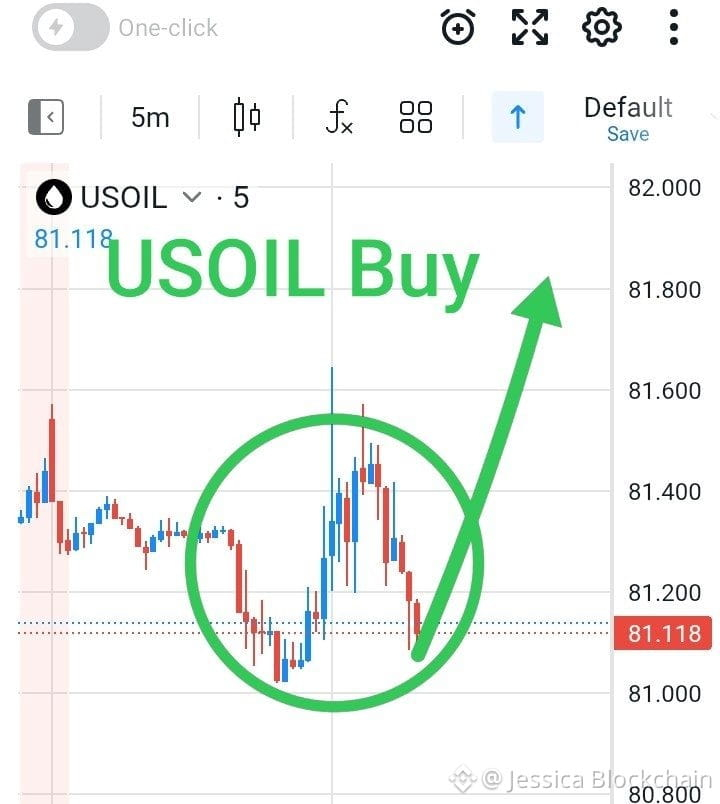
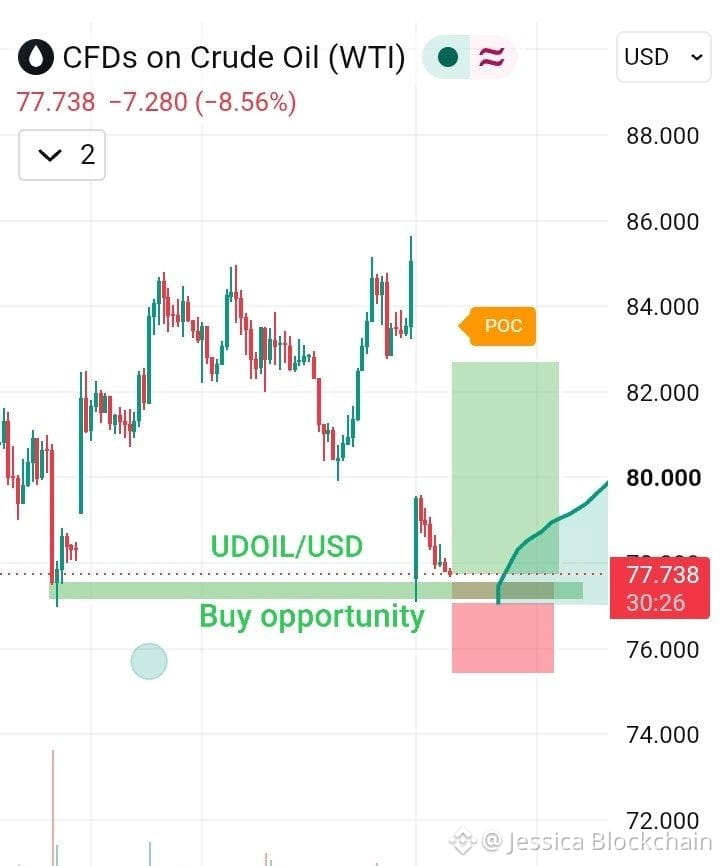
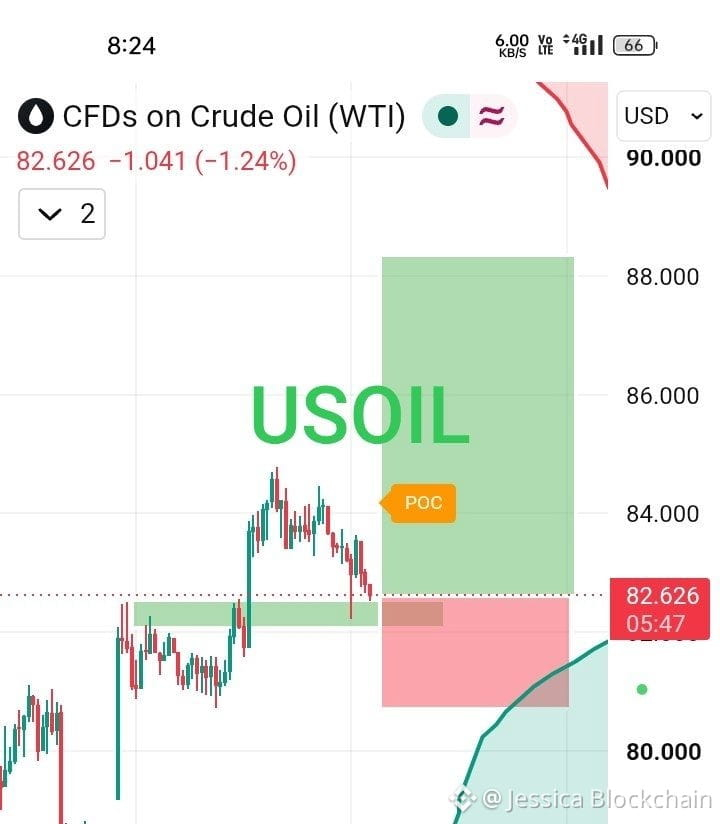
$CL #USOIL Forex Guys 今日だけ USOIL 買い 大きく その理由はホルムズの思惑で意図がまた高まる 今日 ✅💯 83.00 すぐ買い 大きく オイル ではない $XAU 今日だけ オイル 買い
{future}(CLUSDT)
$NVDAB
$CL #USOIL Forex Guys 今日だけ USOIL 買い 大きく その理由はホルムズの思惑で意図がまた高まる 今日 ✅💯 83.00 すぐ買い 大きく オイル ではない $XAU 今日だけ オイル 買い
$NVDAB
$NVDAB
100

🚨 米国の原油在庫危機、50年ぶりの安値が深刻な流動性のミスマッチを示唆!💥
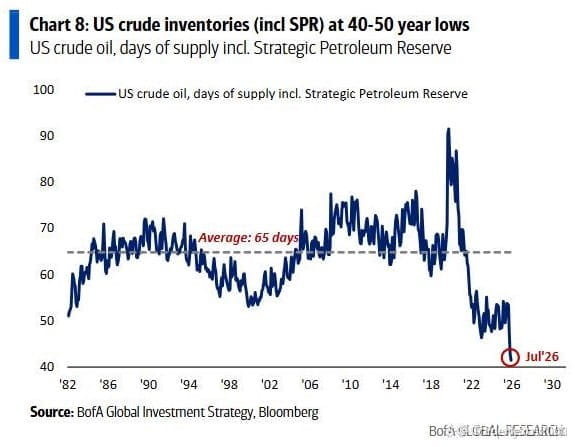
米国の原油供給準備(在庫)はわずか41日分まで崩れ落ちており、50年ぶりの構造的な不足を意味します。機関投資家は、バッファ(緩衝)が消えると、いかなる地政学的な摩擦や運用上の失敗も、暴力的な形での上方再価格(再評価)を引き起こし得ることを鋭く認識しています。📊
1970年代の歴史的な注文フローの前例では、供給のクッションが薄い局面では製油所のマージンが圧縮される一方で、上流の生産者の利幅(利得)が拡大することが確認されています。🔍 エネルギーのボラティリティが個人消費(景気敏感な裁量)市場へ漏れ出すと、より広範なリスク資産にも締め付けが及ぶでしょう。⚡
賢い資金は、ボラティリティのプレミアムが本格的に織り込まれる前に、この供給側の非効率をすでに地図のように描いています。💬 エネルギーの上振れがポートフォリオをヘッジしてくれるでしょうか?それとも、消費者側の流動性がショックを吸収すると想定していますか?👇
⚠️ 金融助言ではありません。常にリスク管理を。🛡️
🏷️ #USOIL #Macro #Commodities #Energy #MarketStructure
🎯 🦈
🚨 米国の原油在庫危機、50年ぶりの安値が深刻な流動性のミスマッチを示唆!💥
米国の原油供給準備(在庫)はわずか41日分まで崩れ落ちており、50年ぶりの構造的な不足を意味します。機関投資家は、バッファ(緩衝)が消えると、いかなる地政学的な摩擦や運用上の失敗も、暴力的な形での上方再価格(再評価)を引き起こし得ることを鋭く認識しています。📊
1970年代の歴史的な注文フローの前例では、供給のクッションが薄い局面では製油所のマージンが圧縮される一方で、上流の生産者の利幅(利得)が拡大することが確認されています。🔍 エネルギーのボラティリティが個人消費(景気敏感な裁量)市場へ漏れ出すと、より広範なリスク資産にも締め付けが及ぶでしょう。⚡
賢い資金は、ボラティリティのプレミアムが本格的に織り込まれる前に、この供給側の非効率をすでに地図のように描いています。💬 エネルギーの上振れがポートフォリオをヘッジしてくれるでしょうか?それとも、消費者側の流動性がショックを吸収すると想定していますか?👇
⚠️ 金融助言ではありません。常にリスク管理を。🛡️
🏷️ #USOIL #Macro #Commodities #Energy #MarketStructure
🎯 🦈
米国の原油供給準備(在庫)はわずか41日分まで崩れ落ちており、50年ぶりの構造的な不足を意味します。機関投資家は、バッファ(緩衝)が消えると、いかなる地政学的な摩擦や運用上の失敗も、暴力的な形での上方再価格(再評価)を引き起こし得ることを鋭く認識しています。📊
1970年代の歴史的な注文フローの前例では、供給のクッションが薄い局面では製油所のマージンが圧縮される一方で、上流の生産者の利幅(利得)が拡大することが確認されています。🔍 エネルギーのボラティリティが個人消費(景気敏感な裁量)市場へ漏れ出すと、より広範なリスク資産にも締め付けが及ぶでしょう。⚡
賢い資金は、ボラティリティのプレミアムが本格的に織り込まれる前に、この供給側の非効率をすでに地図のように描いています。💬 エネルギーの上振れがポートフォリオをヘッジしてくれるでしょうか?それとも、消費者側の流動性がショックを吸収すると想定していますか?👇
⚠️ 金融助言ではありません。常にリスク管理を。🛡️
🏷️ #USOIL #Macro #Commodities #Energy #MarketStructure
🎯 🦈
24
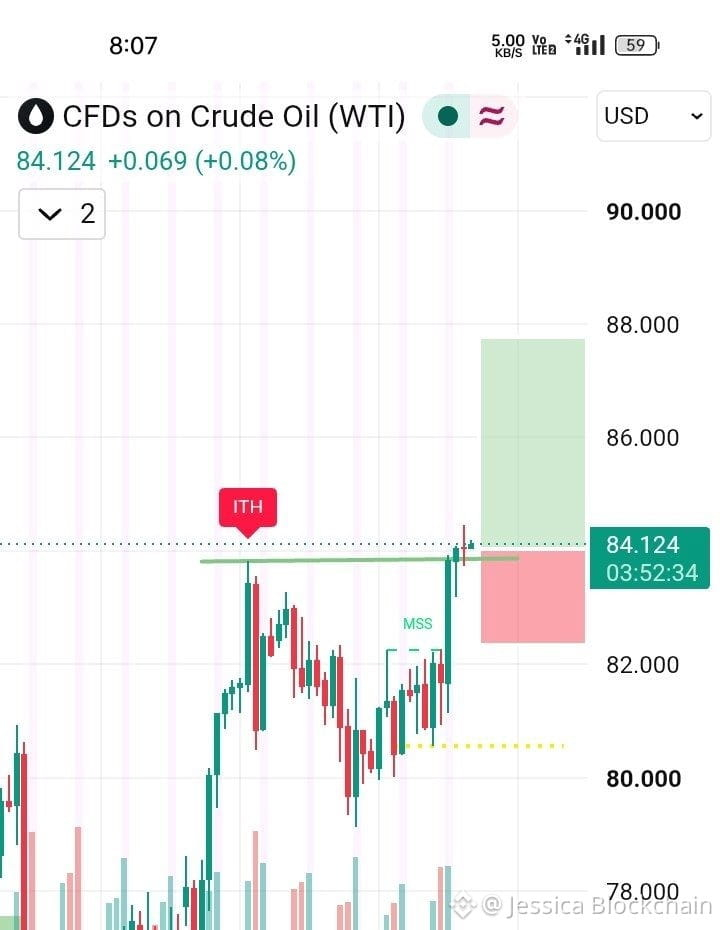
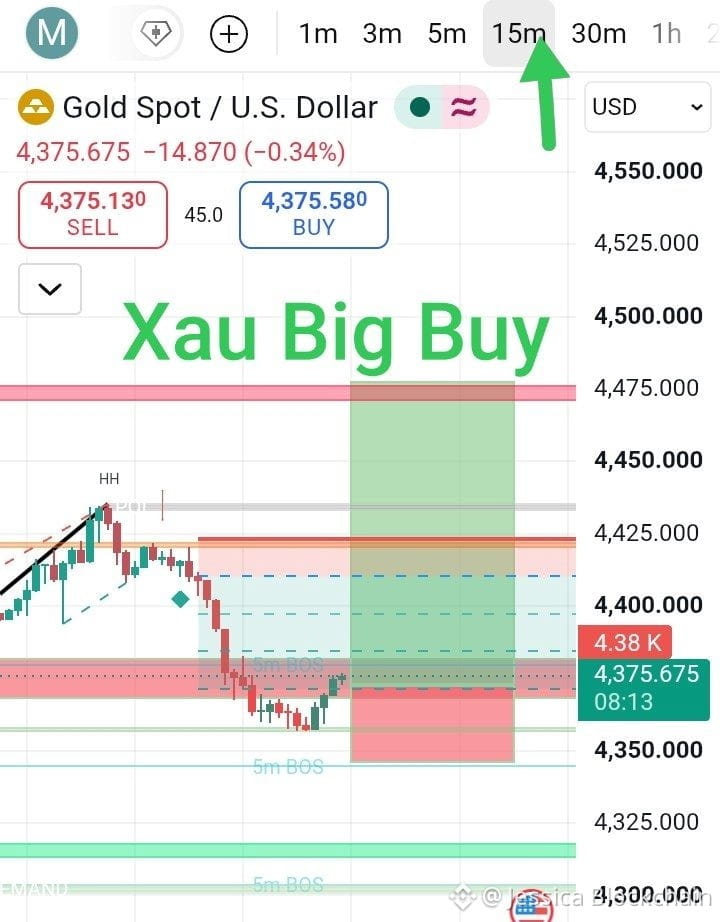
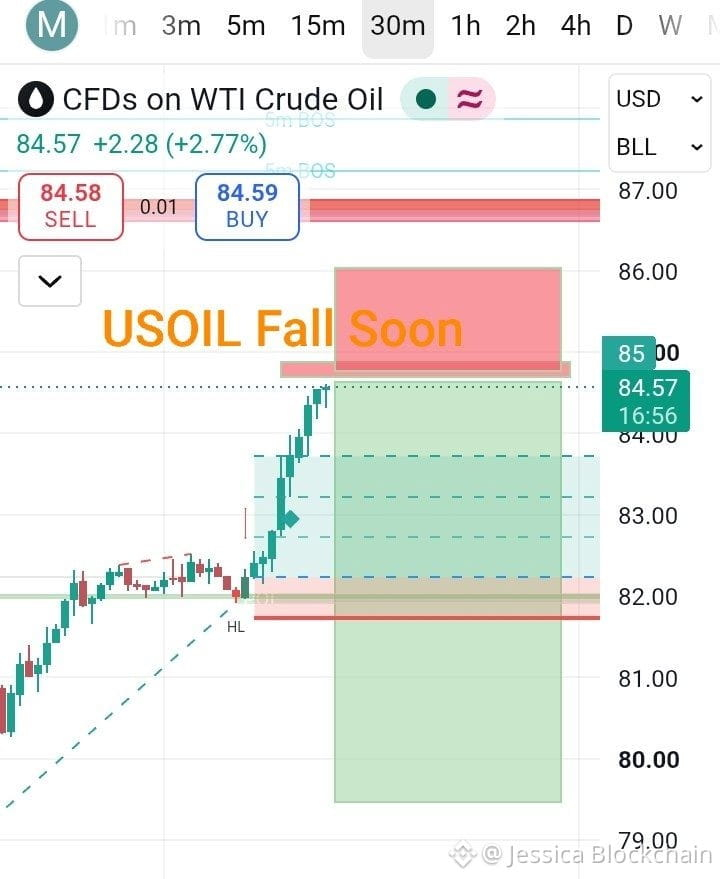
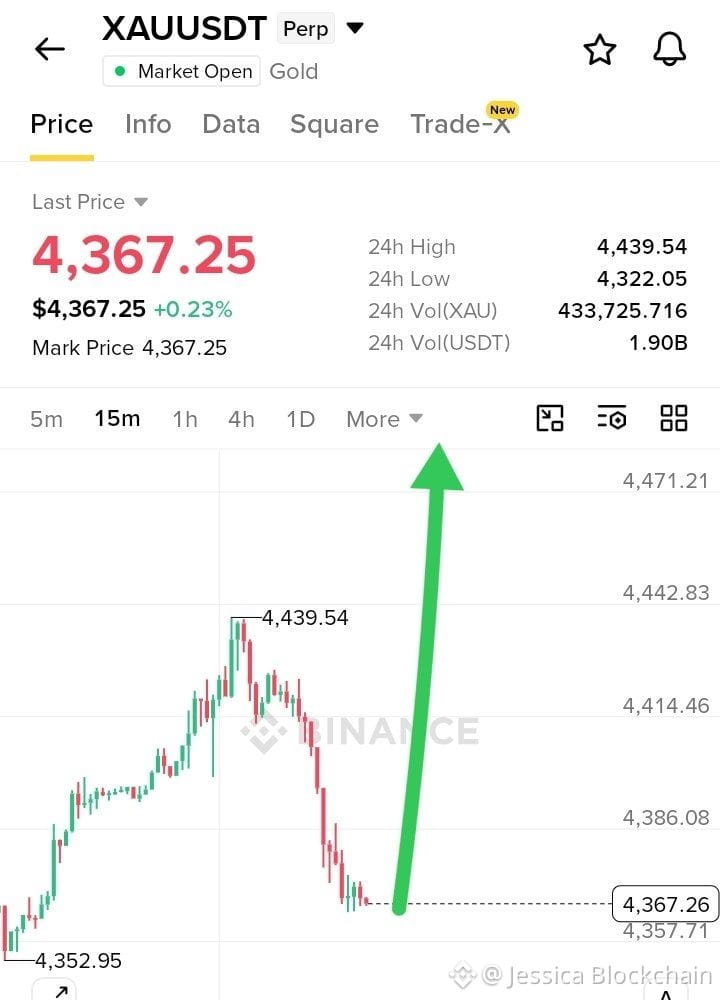
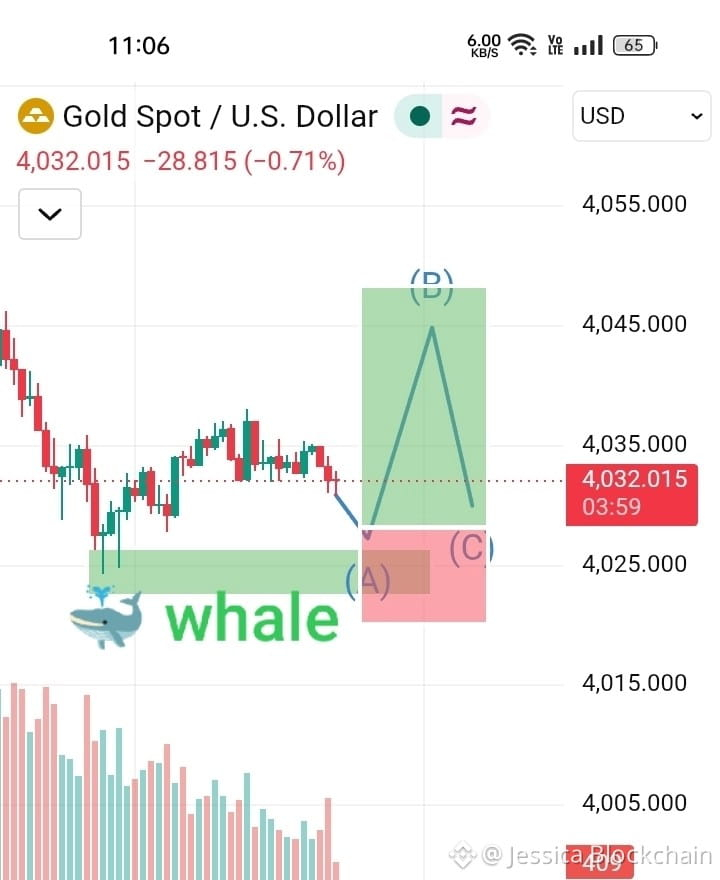
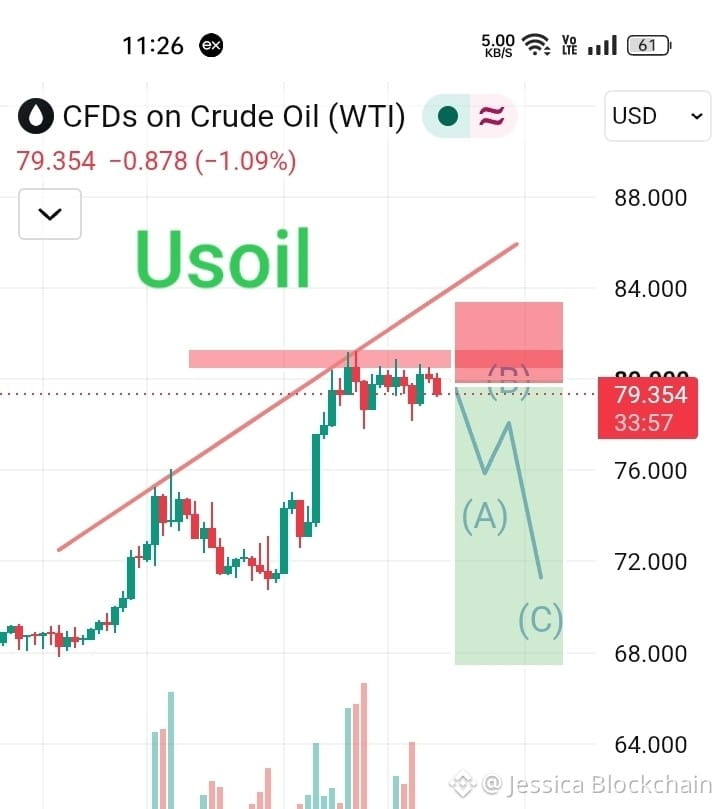
$XAU and $CL #USOIL 15m の時間枠と 30m の時間枠の分析。見て判断しました。あなたはどうするのですか。戦争はすぐに終わるのか、今日か明日か。秘密のニュースはすでに漏れている
{future}(XAUUSDT)
$NVDA.US
$XAU and $CL #USOIL 15m の時間枠と 30m の時間枠の分析。見て判断しました。あなたはどうするのですか。戦争はすぐに終わるのか、今日か明日か。秘密のニュースはすでに漏れている
$NVDA.US
$NVDA.US
123
·
--
ブリッシュ
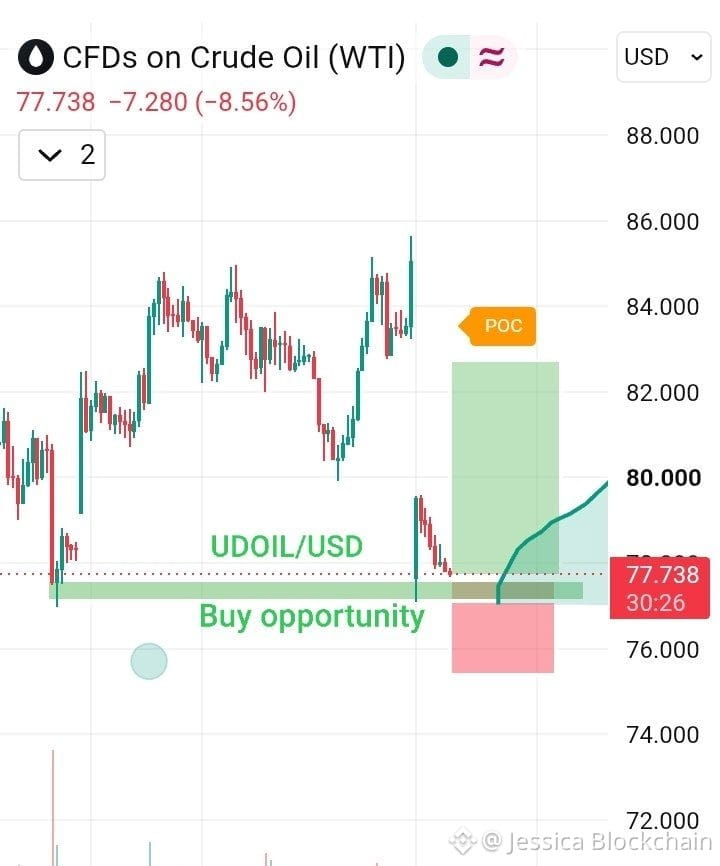
$CL #USOIL フォレックス買いのクジラが大きなチャンスを大量購入、もしかしてあなたが見逃しているのは…USOILがまたすぐに来るかも?80/83に行って、後でありがとうと言わせて 💯✅
{future}(CLUSDT)
$XAU 閉じたら買い:原油
$NVDA.US
#Whale.Alert
$CL #USOIL フォレックス買いのクジラが大きなチャンスを大量購入、もしかしてあなたが見逃しているのは…USOILがまたすぐに来るかも?80/83に行って、後でありがとうと言わせて 💯✅
$XAU 閉じたら買い:原油
$NVDA.US
#Whale.Alert
$XAU 閉じたら買い:原油
$NVDA.US
#Whale.Alert
157

ログインして、さらにコンテンツを読む
厳選トピックで世界の暗号資産トレーダーの仲間入り
⚡️ 暗号資産に関する最新かつ有益な情報が見つかります。
💬 世界最大の暗号資産取引所から信頼されています。
👍 認証を受けたクリエイターから、有益なインサイトを得られます。
メール / 電話番号
トレンドトピック
1
#FedRateWatch
閲覧回数 698,649
3,318人が討論中
2
#ArgentinaCommitsToOECDCryptoReportingBy2029
閲覧回数 0
2人が討論中
3
#EthereumFallsBelow$2400
閲覧回数 1,059
37人が討論中
4
#USSenateBlocksClarityAct
閲覧回数 6,336
204人が討論中
5
#BitcoinSlidesTo$76000
閲覧回数 30,353
142人が討論中
6
#BitcoinReboundsTo$79K
閲覧回数 65,050
417人が討論中
7
#StrategyMarketCapPassesFord
閲覧回数 51,738
807人が討論中
8
#ClarityActOddsHalveOnPolymarket
閲覧回数 85,471
716人が討論中
9
#US30YTreasuryYieldTops5.40%
閲覧回数 44,365
461人が討論中
10
#BessentEndorsesFinalClarityActDraft
閲覧回数 67,270
840人が討論中