

#longtermthinking
longtermthinking
閲覧回数 103,994
328人が討論中
注目
最新

·
--
翻訳参照
Conviction is free at entry. It gets expensive later.
The hardest part of long-term investing in crypto isn't finding a good thesis — it's holding through the window between "correct" and "paid." That window is routinely 2-4 years, and during it you will look wrong every single day.
$BTC spent years underwater from cycle peaks. $ETH holders watched their thesis validated by real usage while price said otherwise. $SOL went from -95% to new highs. In every case, the thesis didn't change — the tolerance for sitting in drawdown did.
Most people don't lose conviction because new information arrived. They lose it because the position size they chose at entry makes the drawdown physically unbearable. A thesis you can't hold through its worst historical stretch isn't a conviction — it's a hope you sized too aggressively.
Real conviction has structure:
→ Written thesis before entry
→ Defined invalidation conditions (what would prove it wrong)
→ A size you can hold at -70% without panic-selling the bottom
→ Scheduled reviews instead of emotional ones
Tourist capital exits at the worst possible time — not because it's stupid, but because it was never committed to the duration. Liquidity makes exiting easy. That's exactly why uncommitted money underperforms: the option to leave is always priced into your behavior.
The market doesn't reward belief. It rewards surviving the time between belief and proof.
#LongTermThinking #CryptoInvesting #MarketPsychology #Conviction #BinanceSquare
Conviction is free at entry. It gets expensive later.
The hardest part of long-term investing in crypto isn't finding a good thesis — it's holding through the window between "correct" and "paid." That window is routinely 2-4 years, and during it you will look wrong every single day.
$BTC spent years underwater from cycle peaks. $ETH holders watched their thesis validated by real usage while price said otherwise. $SOL went from -95% to new highs. In every case, the thesis didn't change — the tolerance for sitting in drawdown did.
Most people don't lose conviction because new information arrived. They lose it because the position size they chose at entry makes the drawdown physically unbearable. A thesis you can't hold through its worst historical stretch isn't a conviction — it's a hope you sized too aggressively.
Real conviction has structure:
→ Written thesis before entry
→ Defined invalidation conditions (what would prove it wrong)
→ A size you can hold at -70% without panic-selling the bottom
→ Scheduled reviews instead of emotional ones
Tourist capital exits at the worst possible time — not because it's stupid, but because it was never committed to the duration. Liquidity makes exiting easy. That's exactly why uncommitted money underperforms: the option to leave is always priced into your behavior.
The market doesn't reward belief. It rewards surviving the time between belief and proof.
#LongTermThinking #CryptoInvesting #MarketPsychology #Conviction #BinanceSquare
The hardest part of long-term investing in crypto isn't finding a good thesis — it's holding through the window between "correct" and "paid." That window is routinely 2-4 years, and during it you will look wrong every single day.
$BTC spent years underwater from cycle peaks. $ETH holders watched their thesis validated by real usage while price said otherwise. $SOL went from -95% to new highs. In every case, the thesis didn't change — the tolerance for sitting in drawdown did.
Most people don't lose conviction because new information arrived. They lose it because the position size they chose at entry makes the drawdown physically unbearable. A thesis you can't hold through its worst historical stretch isn't a conviction — it's a hope you sized too aggressively.
Real conviction has structure:
→ Written thesis before entry
→ Defined invalidation conditions (what would prove it wrong)
→ A size you can hold at -70% without panic-selling the bottom
→ Scheduled reviews instead of emotional ones
Tourist capital exits at the worst possible time — not because it's stupid, but because it was never committed to the duration. Liquidity makes exiting easy. That's exactly why uncommitted money underperforms: the option to leave is always priced into your behavior.
The market doesn't reward belief. It rewards surviving the time between belief and proof.
#LongTermThinking #CryptoInvesting #MarketPsychology #Conviction #BinanceSquare
36

·
--
1957年、ライカは最初の宇宙へ旅立つ生命体となりました。
彼女が帰ってこられるかどうか誰も知りませんでしたが、人類の足取りはこうして前に進み始めたのです。
以前memeで遊んでいた頃は、私は注目度や感情に目を向けていて、追っていたのは数日間の波動でした。
今 $LAIKA を見ていると、視点が変わった——私が本当に立ち止まって真剣に調べたいのは、K線ではなく、この図の背後にある一本の暗い糸です:
meme文化から出発して、RWAやWeb3の実物資産の方向へ進む。
これは銘柄を煽って売買を促すような空気の物語ではなく、文化的な合意を基盤インフラとして沈殿させようとする長期実験です。
短期の価格は誰にも当てられませんが、ここ数年で私は少しずつ一つのことを確信するようになりました:
強気相場も弱気相場もまたいで生き残れるのは、誰かが銘柄を煽っていないとき、誰も注目していないときに、黙々と“作る”プロジェクトだということ。
勇気が旅を始め、コミュニティが未来を築く——この言葉はどんなサイクルでも色あせません。
ライカは当時、帰還を待てませんでしたが、その後のすべての宇宙探査への道を切り開きました。
ある銘柄の価値は、どれだけ持っていれば何倍になるかではなく、それがある方向へ本当に前進を促しているかどうかにあります。
最後にみなさんに質問です:あなたたちは、memeの分野は最終的に本当のファンダメンタルズを育てられると思いますか?コメント欄であなたの見立てを聞かせてください。
$LAIKA #Memecoin #RWA #Web3 #XLayer #LongTermThinking 🚀
1957年、ライカは最初の宇宙へ旅立つ生命体となりました。
彼女が帰ってこられるかどうか誰も知りませんでしたが、人類の足取りはこうして前に進み始めたのです。
以前memeで遊んでいた頃は、私は注目度や感情に目を向けていて、追っていたのは数日間の波動でした。
今 $LAIKA を見ていると、視点が変わった——私が本当に立ち止まって真剣に調べたいのは、K線ではなく、この図の背後にある一本の暗い糸です:
meme文化から出発して、RWAやWeb3の実物資産の方向へ進む。
これは銘柄を煽って売買を促すような空気の物語ではなく、文化的な合意を基盤インフラとして沈殿させようとする長期実験です。
短期の価格は誰にも当てられませんが、ここ数年で私は少しずつ一つのことを確信するようになりました:
強気相場も弱気相場もまたいで生き残れるのは、誰かが銘柄を煽っていないとき、誰も注目していないときに、黙々と“作る”プロジェクトだということ。
勇気が旅を始め、コミュニティが未来を築く——この言葉はどんなサイクルでも色あせません。
ライカは当時、帰還を待てませんでしたが、その後のすべての宇宙探査への道を切り開きました。
ある銘柄の価値は、どれだけ持っていれば何倍になるかではなく、それがある方向へ本当に前進を促しているかどうかにあります。
最後にみなさんに質問です:あなたたちは、memeの分野は最終的に本当のファンダメンタルズを育てられると思いますか?コメント欄であなたの見立てを聞かせてください。
$LAIKA #Memecoin #RWA #Web3 #XLayer #LongTermThinking 🚀
彼女が帰ってこられるかどうか誰も知りませんでしたが、人類の足取りはこうして前に進み始めたのです。
以前memeで遊んでいた頃は、私は注目度や感情に目を向けていて、追っていたのは数日間の波動でした。
今 $LAIKA を見ていると、視点が変わった——私が本当に立ち止まって真剣に調べたいのは、K線ではなく、この図の背後にある一本の暗い糸です:
meme文化から出発して、RWAやWeb3の実物資産の方向へ進む。
これは銘柄を煽って売買を促すような空気の物語ではなく、文化的な合意を基盤インフラとして沈殿させようとする長期実験です。
短期の価格は誰にも当てられませんが、ここ数年で私は少しずつ一つのことを確信するようになりました:
強気相場も弱気相場もまたいで生き残れるのは、誰かが銘柄を煽っていないとき、誰も注目していないときに、黙々と“作る”プロジェクトだということ。
勇気が旅を始め、コミュニティが未来を築く——この言葉はどんなサイクルでも色あせません。
ライカは当時、帰還を待てませんでしたが、その後のすべての宇宙探査への道を切り開きました。
ある銘柄の価値は、どれだけ持っていれば何倍になるかではなく、それがある方向へ本当に前進を促しているかどうかにあります。
最後にみなさんに質問です:あなたたちは、memeの分野は最終的に本当のファンダメンタルズを育てられると思いますか?コメント欄であなたの見立てを聞かせてください。
$LAIKA #Memecoin #RWA #Web3 #XLayer #LongTermThinking 🚀

2
106

$AAPL $HD
{future}(HDUSDT)
{future}(AAPLUSDT)
A 45-year lesson that applies to crypto too
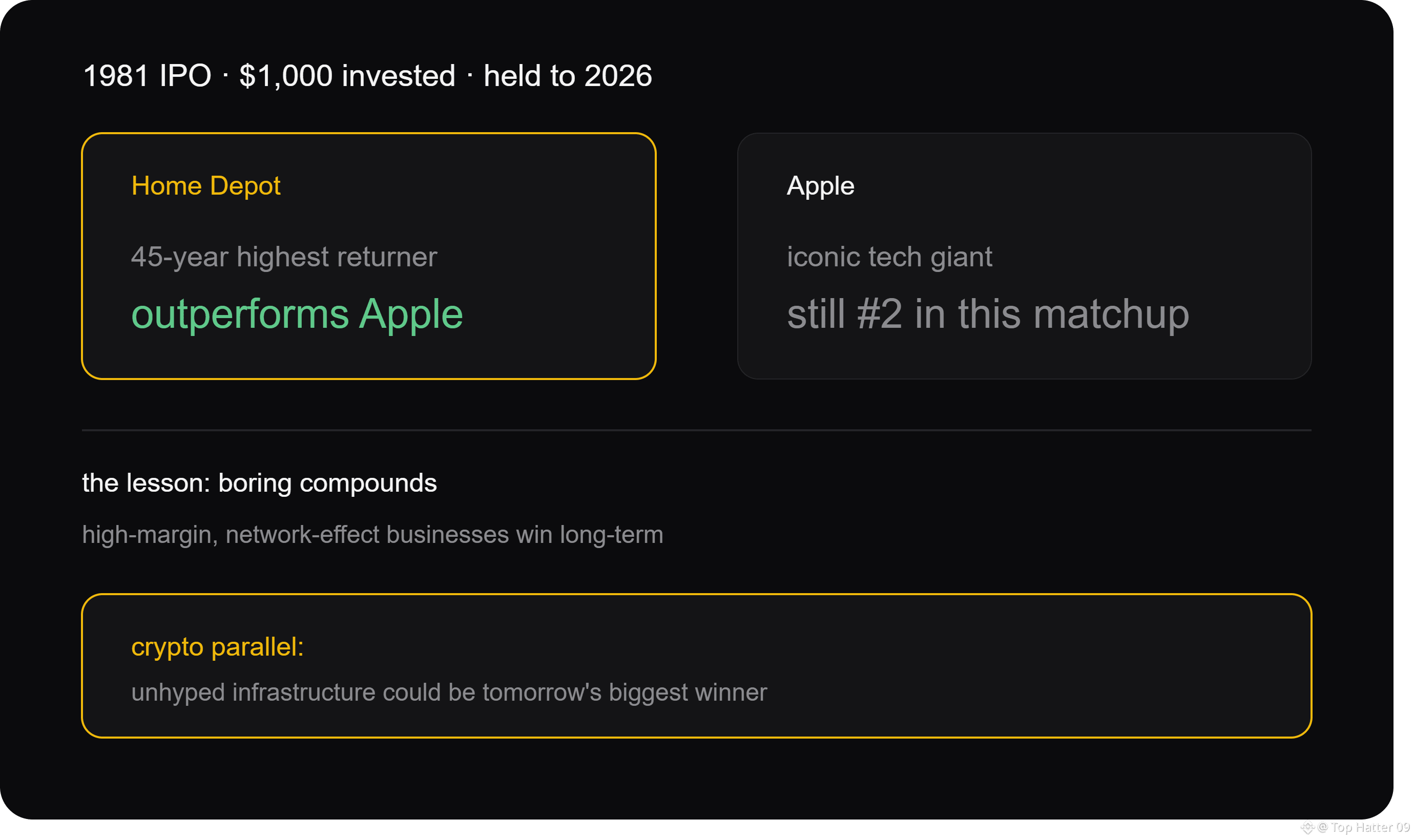
1981年に、ホーム・デポとアップルはどちらもIPOを行いました。双方に1,000ドルずつ投資し、今日まで保有した場合、ホーム・デポのほうがトータルリターンでアップルを上回っている──Acquiredポッドキャストのデータによるとそうです。
それはすごい数字ですね。ホーム・デポは派手ではありません。ホームセンターや住宅改善です。でも、着実で高い利益率の事業が、現実のネットワーク効果によって積み上がり、過去45年間で最高のリターンを生む銘柄になった。あの時代でもっとも象徴的なテック企業を上回ったんです。
暗号資産への教訓はこうです。いちばんワクワクする、話題のプロジェクトが、必ずしも長期保有として最良とは限らない。「退屈」なインフラ──決済レール、データレイヤー、実世界の決済システム──が、十分に長い時間をかけて、派手なナラティブのコインを静かに上回って増えていくことがある。
考えてしまいますね。今の「退屈な」暗号資産インフラ事業で、今は目立たないように見えるけれど、2045年になったら誰もが振り返る物語になっているのは、どれだろう?
#CryptoInvesting #LongTermThinking #Web3
$AAPL $HD
A 45-year lesson that applies to crypto too
1981年に、ホーム・デポとアップルはどちらもIPOを行いました。双方に1,000ドルずつ投資し、今日まで保有した場合、ホーム・デポのほうがトータルリターンでアップルを上回っている──Acquiredポッドキャストのデータによるとそうです。
それはすごい数字ですね。ホーム・デポは派手ではありません。ホームセンターや住宅改善です。でも、着実で高い利益率の事業が、現実のネットワーク効果によって積み上がり、過去45年間で最高のリターンを生む銘柄になった。あの時代でもっとも象徴的なテック企業を上回ったんです。
暗号資産への教訓はこうです。いちばんワクワクする、話題のプロジェクトが、必ずしも長期保有として最良とは限らない。「退屈」なインフラ──決済レール、データレイヤー、実世界の決済システム──が、十分に長い時間をかけて、派手なナラティブのコインを静かに上回って増えていくことがある。
考えてしまいますね。今の「退屈な」暗号資産インフラ事業で、今は目立たないように見えるけれど、2045年になったら誰もが振り返る物語になっているのは、どれだろう?
#CryptoInvesting #LongTermThinking #Web3
A 45-year lesson that applies to crypto too
1981年に、ホーム・デポとアップルはどちらもIPOを行いました。双方に1,000ドルずつ投資し、今日まで保有した場合、ホーム・デポのほうがトータルリターンでアップルを上回っている──Acquiredポッドキャストのデータによるとそうです。
それはすごい数字ですね。ホーム・デポは派手ではありません。ホームセンターや住宅改善です。でも、着実で高い利益率の事業が、現実のネットワーク効果によって積み上がり、過去45年間で最高のリターンを生む銘柄になった。あの時代でもっとも象徴的なテック企業を上回ったんです。
暗号資産への教訓はこうです。いちばんワクワクする、話題のプロジェクトが、必ずしも長期保有として最良とは限らない。「退屈」なインフラ──決済レール、データレイヤー、実世界の決済システム──が、十分に長い時間をかけて、派手なナラティブのコインを静かに上回って増えていくことがある。
考えてしまいますね。今の「退屈な」暗号資産インフラ事業で、今は目立たないように見えるけれど、2045年になったら誰もが振り返る物語になっているのは、どれだろう?
#CryptoInvesting #LongTermThinking #Web3
41

💡 短期市場での長期思考:なぜ2026年の静かな相場が2030年の好機なのか
2026年7月19日、暗号資産の時価総額が$2.30Tで、過去最高値を大きく下回り、$64,673のところで$BTC と取引されつつも、市場のセンチメントは慎重でした。このように、長期の積み増しに適した条件が整っています。2030年に最も利益を得る投資家とは、2026年にポジションを築いている人たちです。
イーサリアム($ETH at $1,866)、ソラナ($SOL at $75.92)、そして質の高いアルトコインは、後から振り返れば驚くほど安く見える価格で手に入ります。最も難しいのは、周囲が確信を持てないときに買うという判断をすることです。
📌 重要ポイント:
質の高い暗号資産を積み増す最良のタイミングは、物語(ナラティブ)が混乱していて、価格がピークを大きく下回っているときです。2026年の忍耐と確信は、2030年に報われます——それは、これまでのすべてのサイクルで起きてきたのと同じパターンです。
#LongTermThinking #CryptoInvesting #Patience
#BinanceAlphaAlert
💡 短期市場での長期思考:なぜ2026年の静かな相場が2030年の好機なのか
2026年7月19日、暗号資産の時価総額が$2.30Tで、過去最高値を大きく下回り、$64,673のところで$BTC と取引されつつも、市場のセンチメントは慎重でした。このように、長期の積み増しに適した条件が整っています。2030年に最も利益を得る投資家とは、2026年にポジションを築いている人たちです。
イーサリアム($ETH at $1,866)、ソラナ($SOL at $75.92)、そして質の高いアルトコインは、後から振り返れば驚くほど安く見える価格で手に入ります。最も難しいのは、周囲が確信を持てないときに買うという判断をすることです。
📌 重要ポイント:
質の高い暗号資産を積み増す最良のタイミングは、物語(ナラティブ)が混乱していて、価格がピークを大きく下回っているときです。2026年の忍耐と確信は、2030年に報われます——それは、これまでのすべてのサイクルで起きてきたのと同じパターンです。
#LongTermThinking #CryptoInvesting #Patience
#BinanceAlphaAlert
2026年7月19日、暗号資産の時価総額が$2.30Tで、過去最高値を大きく下回り、$64,673のところで$BTC と取引されつつも、市場のセンチメントは慎重でした。このように、長期の積み増しに適した条件が整っています。2030年に最も利益を得る投資家とは、2026年にポジションを築いている人たちです。
イーサリアム($ETH at $1,866)、ソラナ($SOL at $75.92)、そして質の高いアルトコインは、後から振り返れば驚くほど安く見える価格で手に入ります。最も難しいのは、周囲が確信を持てないときに買うという判断をすることです。
📌 重要ポイント:
質の高い暗号資産を積み増す最良のタイミングは、物語(ナラティブ)が混乱していて、価格がピークを大きく下回っているときです。2026年の忍耐と確信は、2030年に報われます——それは、これまでのすべてのサイクルで起きてきたのと同じパターンです。
#LongTermThinking #CryptoInvesting #Patience
#BinanceAlphaAlert
57

#bedrock $BR
💡 投資中に稼ぐ: 忍耐の力
多くの人は、投資は安く買って高く売ることだけだと思っていますが、資産をホールドしながら稼ぐ方法はいくつかあります。Binanceのようなプラットフォームでは、ユーザーはSimple Earn、ステーキング、その他の報酬プログラムなどの機会を探り、サポートされている暗号通貨でパッシブインカムを生成することができます。
最も重要な戦略は、あなたがホールドできるだけの資金だけを投資し、決定を下す前に必ず独自のリサーチを行うことです。市場はボラティリティが高いですが、 disciplinedな長期的アプローチと適切なリスク管理が感情的なトレーディングを減少させるのに役立ちます。
すべてのトレンドを追いかけるのではなく、学ぶこと、ポートフォリオの多様化、情報に基づいた選択をすることに集中しましょう。今日の小さく一貫したステップが、将来のために強固な財務習慣を築くことができます。
#Investing #PassiveIncome #dyor #LongTermThinking
#bedrock $BR
💡 投資中に稼ぐ: 忍耐の力
多くの人は、投資は安く買って高く売ることだけだと思っていますが、資産をホールドしながら稼ぐ方法はいくつかあります。Binanceのようなプラットフォームでは、ユーザーはSimple Earn、ステーキング、その他の報酬プログラムなどの機会を探り、サポートされている暗号通貨でパッシブインカムを生成することができます。
最も重要な戦略は、あなたがホールドできるだけの資金だけを投資し、決定を下す前に必ず独自のリサーチを行うことです。市場はボラティリティが高いですが、 disciplinedな長期的アプローチと適切なリスク管理が感情的なトレーディングを減少させるのに役立ちます。
すべてのトレンドを追いかけるのではなく、学ぶこと、ポートフォリオの多様化、情報に基づいた選択をすることに集中しましょう。今日の小さく一貫したステップが、将来のために強固な財務習慣を築くことができます。
#Investing #PassiveIncome #dyor #LongTermThinking
💡 投資中に稼ぐ: 忍耐の力
多くの人は、投資は安く買って高く売ることだけだと思っていますが、資産をホールドしながら稼ぐ方法はいくつかあります。Binanceのようなプラットフォームでは、ユーザーはSimple Earn、ステーキング、その他の報酬プログラムなどの機会を探り、サポートされている暗号通貨でパッシブインカムを生成することができます。
最も重要な戦略は、あなたがホールドできるだけの資金だけを投資し、決定を下す前に必ず独自のリサーチを行うことです。市場はボラティリティが高いですが、 disciplinedな長期的アプローチと適切なリスク管理が感情的なトレーディングを減少させるのに役立ちます。
すべてのトレンドを追いかけるのではなく、学ぶこと、ポートフォリオの多様化、情報に基づいた選択をすることに集中しましょう。今日の小さく一貫したステップが、将来のために強固な財務習慣を築くことができます。
#Investing #PassiveIncome #dyor #LongTermThinking
1
19

🚀 もしあなたの最高の暗号資産(クリプト)判断が…何もしないことだったら? ⏳
ノイズだらけの市場では、ときに最も賢い行動は即座に反応しないことです。
毎日あなたは目にするでしょう:
📈「このコインは月に行く(爆上げする)!」
📉「今すぐ全部売れ!」
しかし成功している投資家は、ただ一つ知っています:
💡 すべての見出しに“行動”が必要とは限らない。
すべてのトレンドを追いかける代わりに:
🔹 戦略を見直す。
🔹 リスクを再確認する。
🔹 実際のプロジェクトの進展でアップデートされ続ける。
🔹 感情(FOMO)ではなく論理で判断する。
🌱 富は、たまたまの1回の取引で築かれることはほとんどありません。
時間をかけて積み重ねた、何百もの規律ある判断によって築かれます。
覚えておいて:
✅ 焦りよりも忍耐。
✅ 興奮よりも継続。
✅ 噂よりも知識。
クリプト市場は常に次の機会を提供します。1回のポンプを逃すことは、1回の不注意なミスをするよりずっとましです。
🎯 より良い投資家になることに集中しよう――忙しいトレーダーになるだけではなく。
あなたの未来のポートフォリオは、今日あなたが下す選択によって形作られます。
🔥 落ち着いて。好奇心を持って。継続しよう。
#BinanceSquare #Crypto #Blockchain #Web3 #DYOR #InvestSmart #Cryptomindset #LongTermThinking #DigitalFinance
🚀 もしあなたの最高の暗号資産(クリプト)判断が…何もしないことだったら? ⏳
ノイズだらけの市場では、ときに最も賢い行動は即座に反応しないことです。
毎日あなたは目にするでしょう:
📈「このコインは月に行く(爆上げする)!」
📉「今すぐ全部売れ!」
しかし成功している投資家は、ただ一つ知っています:
💡 すべての見出しに“行動”が必要とは限らない。
すべてのトレンドを追いかける代わりに:
🔹 戦略を見直す。
🔹 リスクを再確認する。
🔹 実際のプロジェクトの進展でアップデートされ続ける。
🔹 感情(FOMO)ではなく論理で判断する。
🌱 富は、たまたまの1回の取引で築かれることはほとんどありません。
時間をかけて積み重ねた、何百もの規律ある判断によって築かれます。
覚えておいて:
✅ 焦りよりも忍耐。
✅ 興奮よりも継続。
✅ 噂よりも知識。
クリプト市場は常に次の機会を提供します。1回のポンプを逃すことは、1回の不注意なミスをするよりずっとましです。
🎯 より良い投資家になることに集中しよう――忙しいトレーダーになるだけではなく。
あなたの未来のポートフォリオは、今日あなたが下す選択によって形作られます。
🔥 落ち着いて。好奇心を持って。継続しよう。
#BinanceSquare #Crypto #Blockchain #Web3 #DYOR #InvestSmart #Cryptomindset #LongTermThinking #DigitalFinance
ノイズだらけの市場では、ときに最も賢い行動は即座に反応しないことです。
毎日あなたは目にするでしょう:
📈「このコインは月に行く(爆上げする)!」
📉「今すぐ全部売れ!」
しかし成功している投資家は、ただ一つ知っています:
💡 すべての見出しに“行動”が必要とは限らない。
すべてのトレンドを追いかける代わりに:
🔹 戦略を見直す。
🔹 リスクを再確認する。
🔹 実際のプロジェクトの進展でアップデートされ続ける。
🔹 感情(FOMO)ではなく論理で判断する。
🌱 富は、たまたまの1回の取引で築かれることはほとんどありません。
時間をかけて積み重ねた、何百もの規律ある判断によって築かれます。
覚えておいて:
✅ 焦りよりも忍耐。
✅ 興奮よりも継続。
✅ 噂よりも知識。
クリプト市場は常に次の機会を提供します。1回のポンプを逃すことは、1回の不注意なミスをするよりずっとましです。
🎯 より良い投資家になることに集中しよう――忙しいトレーダーになるだけではなく。
あなたの未来のポートフォリオは、今日あなたが下す選択によって形作られます。
🔥 落ち着いて。好奇心を持って。継続しよう。
#BinanceSquare #Crypto #Blockchain #Web3 #DYOR #InvestSmart #Cryptomindset #LongTermThinking #DigitalFinance
12

·
--
ブリッシュ
🚨 最大の利益は、誰もが安全だと感じているときには滅多に得られない。
CZがかつて指摘したように:
> “最大の利益を得た人々は、全体の最高値で買ったわけではない。恐れ、不安、疑念があふれているときに買った。”
歴史は、市場がしばしば忍耐と信念を報いることを示している。恐れが見出しを支配すると、多くの人がパニックで売ってしまうが、長期投資家は機会を探す。
本当の問いは「市場は快適か?」ではなく、「他の人がためらっているときに行動する勇気があるか?」だ。
💬 みんなが恐れているときに買う?あなたの考えを下に共有してね。👇
#Marketpsychology #HODLwithZeusInCrypto #WealthBuilding #FudBuddies #LongTermThinking
🚨 最大の利益は、誰もが安全だと感じているときには滅多に得られない。
CZがかつて指摘したように:
> “最大の利益を得た人々は、全体の最高値で買ったわけではない。恐れ、不安、疑念があふれているときに買った。”
歴史は、市場がしばしば忍耐と信念を報いることを示している。恐れが見出しを支配すると、多くの人がパニックで売ってしまうが、長期投資家は機会を探す。
本当の問いは「市場は快適か?」ではなく、「他の人がためらっているときに行動する勇気があるか?」だ。
💬 みんなが恐れているときに買う?あなたの考えを下に共有してね。👇
#Marketpsychology #HODLwithZeusInCrypto #WealthBuilding #FudBuddies #LongTermThinking
CZがかつて指摘したように:
> “最大の利益を得た人々は、全体の最高値で買ったわけではない。恐れ、不安、疑念があふれているときに買った。”
歴史は、市場がしばしば忍耐と信念を報いることを示している。恐れが見出しを支配すると、多くの人がパニックで売ってしまうが、長期投資家は機会を探す。
本当の問いは「市場は快適か?」ではなく、「他の人がためらっているときに行動する勇気があるか?」だ。
💬 みんなが恐れているときに買う?あなたの考えを下に共有してね。👇
#Marketpsychology #HODLwithZeusInCrypto #WealthBuilding #FudBuddies #LongTermThinking
3
128

·
--
$AI IS THE MOST VALUABLE SKILL FOR THE NEXT DECADE ACCORDING TO THIS FORMER OPENAI RESEARCHER 🔥
フィル・チェン(元OpenAI研究者、DeepMindエンジニア)は、AIが定量化できる課題を次々とこなしていく中で、「本当に重要な問題を見極める力」が最も希少なスキルになると主張しています。彼は、時間・人間関係・評判(それらは資本よりも複製が難しい資産)に投資することを勧めています。
試験は実行力を測りますが、真の価値は判断とリソース配分にあります。賢いお金とは、効率ではなく、人間の創造性と長期的な意思決定に賭けることです。
あなたは、AIが損失関数として定義できない問題をどんなものとして解こうとしていますか?
これは投資助言ではありません。常にリスクを管理してください。
#AI #FutureOfWork #CareerAdvice #LongTermThinking
💎
$AI IS THE MOST VALUABLE SKILL FOR THE NEXT DECADE ACCORDING TO THIS FORMER OPENAI RESEARCHER 🔥
フィル・チェン(元OpenAI研究者、DeepMindエンジニア)は、AIが定量化できる課題を次々とこなしていく中で、「本当に重要な問題を見極める力」が最も希少なスキルになると主張しています。彼は、時間・人間関係・評判(それらは資本よりも複製が難しい資産)に投資することを勧めています。
試験は実行力を測りますが、真の価値は判断とリソース配分にあります。賢いお金とは、効率ではなく、人間の創造性と長期的な意思決定に賭けることです。
あなたは、AIが損失関数として定義できない問題をどんなものとして解こうとしていますか?
これは投資助言ではありません。常にリスクを管理してください。
#AI #FutureOfWork #CareerAdvice #LongTermThinking
💎
フィル・チェン(元OpenAI研究者、DeepMindエンジニア)は、AIが定量化できる課題を次々とこなしていく中で、「本当に重要な問題を見極める力」が最も希少なスキルになると主張しています。彼は、時間・人間関係・評判(それらは資本よりも複製が難しい資産)に投資することを勧めています。
試験は実行力を測りますが、真の価値は判断とリソース配分にあります。賢いお金とは、効率ではなく、人間の創造性と長期的な意思決定に賭けることです。
あなたは、AIが損失関数として定義できない問題をどんなものとして解こうとしていますか?
これは投資助言ではありません。常にリスクを管理してください。
#AI #FutureOfWork #CareerAdvice #LongTermThinking
💎
85

·
--
タイトル:
感情コントロールが市場予測より重要な理由
多くの人がクリプトに参入する際、成功は市場を正確に予測することから来ると信じています。しかし、時間が経つにつれて異なる真実が明らかになります。それは、感情コントロールが予測よりも重要な場合が多いということです。
ある人は良い市場観を持っていても、忍耐力の欠如、恐怖、欲、または過信のために損をすることがあります。一方で、平均的な予測を持ちながらも強いディシプリンを持つ人は、感情的なミスを避けることでしばしばより良いパフォーマンスを発揮します。クリプトでは、行動がボラティリティよりも早くポートフォリオを傷つけることがあります。
だからこそ、感情コントロールは単なる個人的な資質ではありません。それは投資戦略の一部です。人々がパニック売り、衝動買い、そして物語間の常時スイッチを避けるのを助けます。それはより良いタイミング、明確な思考、そして一貫した決定をするためのスペースを作ります。
市場は常に不確実です。誰もすべての動きを予測することはできません。しかし、投資家はどのように反応するかを改善することができます。長期的には、プレッシャーの下で冷静を保つ能力が次のトレンドを予測する能力よりも価値があるかもしれません。
ハッシュタグ:
クリプト #投資家マインドセット #リスク管理 #バイナンス #LongTermThinking
タイトル:
感情コントロールが市場予測より重要な理由
多くの人がクリプトに参入する際、成功は市場を正確に予測することから来ると信じています。しかし、時間が経つにつれて異なる真実が明らかになります。それは、感情コントロールが予測よりも重要な場合が多いということです。
ある人は良い市場観を持っていても、忍耐力の欠如、恐怖、欲、または過信のために損をすることがあります。一方で、平均的な予測を持ちながらも強いディシプリンを持つ人は、感情的なミスを避けることでしばしばより良いパフォーマンスを発揮します。クリプトでは、行動がボラティリティよりも早くポートフォリオを傷つけることがあります。
だからこそ、感情コントロールは単なる個人的な資質ではありません。それは投資戦略の一部です。人々がパニック売り、衝動買い、そして物語間の常時スイッチを避けるのを助けます。それはより良いタイミング、明確な思考、そして一貫した決定をするためのスペースを作ります。
市場は常に不確実です。誰もすべての動きを予測することはできません。しかし、投資家はどのように反応するかを改善することができます。長期的には、プレッシャーの下で冷静を保つ能力が次のトレンドを予測する能力よりも価値があるかもしれません。
ハッシュタグ:
クリプト #投資家マインドセット #リスク管理 #バイナンス #LongTermThinking
感情コントロールが市場予測より重要な理由
多くの人がクリプトに参入する際、成功は市場を正確に予測することから来ると信じています。しかし、時間が経つにつれて異なる真実が明らかになります。それは、感情コントロールが予測よりも重要な場合が多いということです。
ある人は良い市場観を持っていても、忍耐力の欠如、恐怖、欲、または過信のために損をすることがあります。一方で、平均的な予測を持ちながらも強いディシプリンを持つ人は、感情的なミスを避けることでしばしばより良いパフォーマンスを発揮します。クリプトでは、行動がボラティリティよりも早くポートフォリオを傷つけることがあります。
だからこそ、感情コントロールは単なる個人的な資質ではありません。それは投資戦略の一部です。人々がパニック売り、衝動買い、そして物語間の常時スイッチを避けるのを助けます。それはより良いタイミング、明確な思考、そして一貫した決定をするためのスペースを作ります。
市場は常に不確実です。誰もすべての動きを予測することはできません。しかし、投資家はどのように反応するかを改善することができます。長期的には、プレッシャーの下で冷静を保つ能力が次のトレンドを予測する能力よりも価値があるかもしれません。
ハッシュタグ:
クリプト #投資家マインドセット #リスク管理 #バイナンス #LongTermThinking
95

·
--
暗号資産市場は本質的にはあまり変わらない――変わるのはプレイヤーだけ暗号資産は動きが速く、価格は上がり、その後また下がります。物語が変わり、人々は興奮し、恐怖が支配し、そのあとでまた欲望が戻ってきます。でも、視点を引いて見ると、ゲーム自体はだいたい同じなんです。私たちはこのサイクルを何度も見てきましたし、また見ることになるでしょう。
覚えておいてほしいことがいくつかあります:
1. サイクルは当たり前
強気相場では「価格はただ上がっていくはずだ」と感じ、弱気相場では「暗号資産は終わった」と感じます。でも、どちらの感情も永遠には続きません。市場はサイクルで動いていて、生き残る人たちはそれを理解している人たちです。
暗号資産市場は本質的にはあまり変わらない――変わるのはプレイヤーだけ
暗号資産は動きが速く、価格は上がり、その後また下がります。物語が変わり、人々は興奮し、恐怖が支配し、そのあとでまた欲望が戻ってきます。でも、視点を引いて見ると、ゲーム自体はだいたい同じなんです。私たちはこのサイクルを何度も見てきましたし、また見ることになるでしょう。
覚えておいてほしいことがいくつかあります:
1. サイクルは当たり前
強気相場では「価格はただ上がっていくはずだ」と感じ、弱気相場では「暗号資産は終わった」と感じます。でも、どちらの感情も永遠には続きません。市場はサイクルで動いていて、生き残る人たちはそれを理解している人たちです。
覚えておいてほしいことがいくつかあります:
1. サイクルは当たり前
強気相場では「価格はただ上がっていくはずだ」と感じ、弱気相場では「暗号資産は終わった」と感じます。でも、どちらの感情も永遠には続きません。市場はサイクルで動いていて、生き残る人たちはそれを理解している人たちです。
71

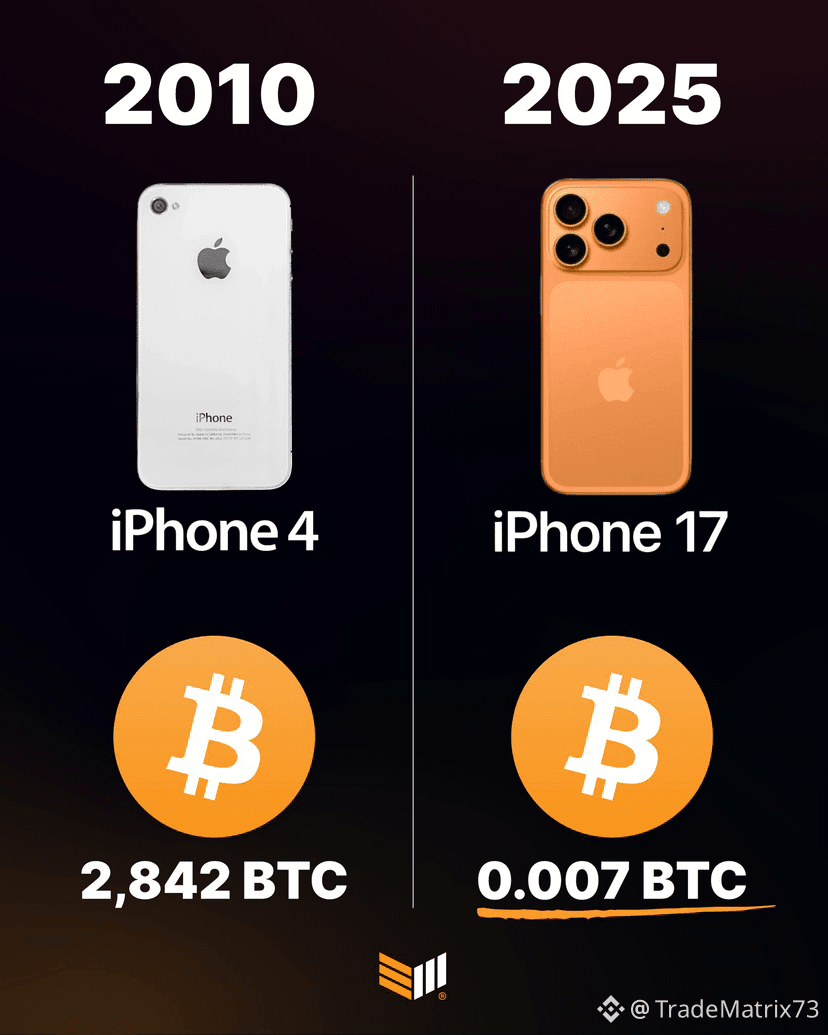
2010年には、1台のiPhoneが2,842 BTCでした。
2025年の今日、同じiPhoneはわずか0.007 $BTC です。
これをじっくり考えてみてください…
iPhoneが安くなったわけではなく、
ビットコインが強くなったのです。
時間が視点を変えます。
当時は高価に見えたものが…
今では逃したチャンスの思い出です。
本当の問いは:
👉 今日私たちが過小評価しているものは何で、明日私たちを驚かせるのでしょうか?
#bitcoin #crypto #LongTermThinking #WealthMindset
{future}(BTCUSDT)
2010年には、1台のiPhoneが2,842 BTCでした。
2025年の今日、同じiPhoneはわずか0.007 $BTC です。
これをじっくり考えてみてください…
iPhoneが安くなったわけではなく、
ビットコインが強くなったのです。
時間が視点を変えます。
当時は高価に見えたものが…
今では逃したチャンスの思い出です。
本当の問いは:
👉 今日私たちが過小評価しているものは何で、明日私たちを驚かせるのでしょうか?
#bitcoin #crypto #LongTermThinking #WealthMindset
2025年の今日、同じiPhoneはわずか0.007 $BTC です。
これをじっくり考えてみてください…
iPhoneが安くなったわけではなく、
ビットコインが強くなったのです。
時間が視点を変えます。
当時は高価に見えたものが…
今では逃したチャンスの思い出です。
本当の問いは:
👉 今日私たちが過小評価しているものは何で、明日私たちを驚かせるのでしょうか?
#bitcoin #crypto #LongTermThinking #WealthMindset
1
129
記事
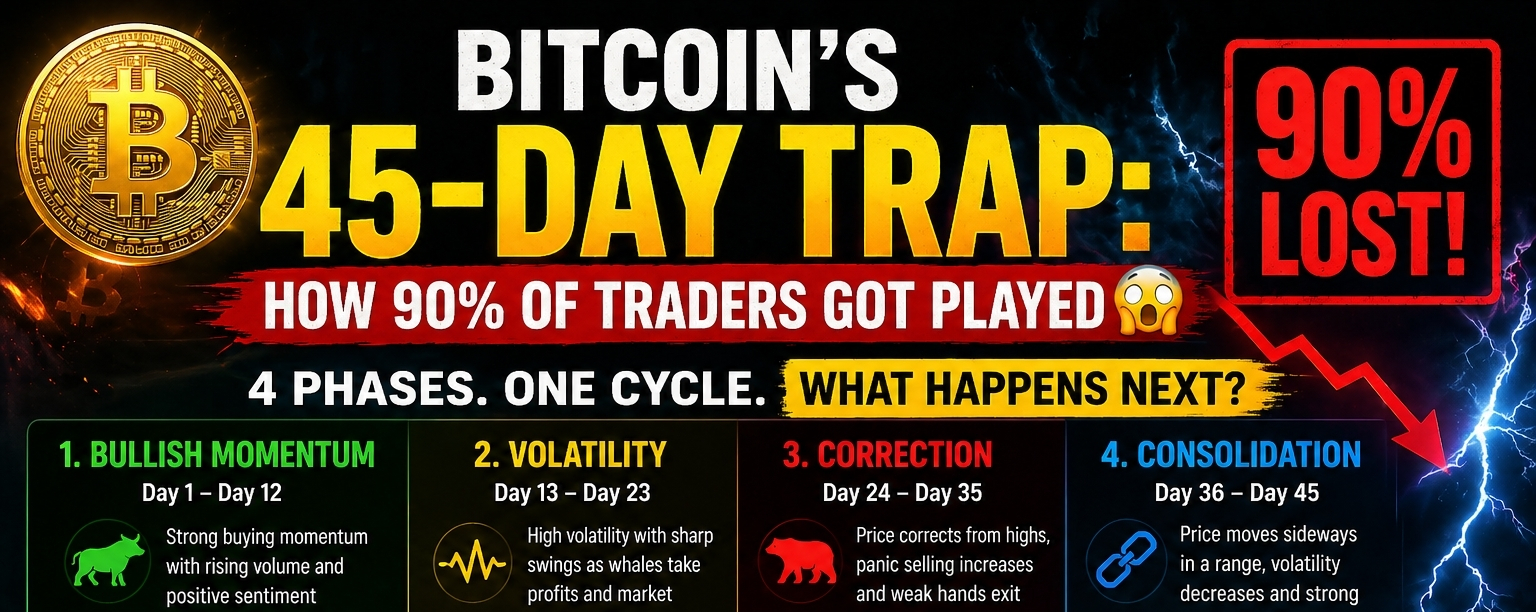
🚀 45日でのビットコイン: ハイプからシェイクアウト、そして沈黙… 次は何?👀たった45日で、$BTC は皆にクリプトの王である理由を思い出させ、また、弱者には向いていない理由も教えてくれた。
これは単なる価格の動きではなかった。
これは感情のジェットコースターだった。🎢
🔥 フェーズ1: FOMOの爆発
純粋なブルエネルギーで始まった。
価格が日々上昇中 📈
SNSが「BTCは月へ」🚀で賑わっている
新しいトレーダーが押し寄せている
スマートマネー?すでにポジションを取っている。
リテール?今、入ってきたばかり。
⚡ フェーズ2: トラップ
そして予想外の展開が来た。
強いラリーの後に突然のディップ
🚀 45日でのビットコイン: ハイプからシェイクアウト、そして沈黙… 次は何?👀
たった45日で、$BTC は皆にクリプトの王である理由を思い出させ、また、弱者には向いていない理由も教えてくれた。
これは単なる価格の動きではなかった。
これは感情のジェットコースターだった。🎢
🔥 フェーズ1: FOMOの爆発
純粋なブルエネルギーで始まった。
価格が日々上昇中 📈
SNSが「BTCは月へ」🚀で賑わっている
新しいトレーダーが押し寄せている
スマートマネー?すでにポジションを取っている。
リテール?今、入ってきたばかり。
⚡ フェーズ2: トラップ
そして予想外の展開が来た。
強いラリーの後に突然のディップ
これは単なる価格の動きではなかった。
これは感情のジェットコースターだった。🎢
🔥 フェーズ1: FOMOの爆発
純粋なブルエネルギーで始まった。
価格が日々上昇中 📈
SNSが「BTCは月へ」🚀で賑わっている
新しいトレーダーが押し寄せている
スマートマネー?すでにポジションを取っている。
リテール?今、入ってきたばかり。
⚡ フェーズ2: トラップ
そして予想外の展開が来た。
強いラリーの後に突然のディップ
9
157
💎 多くの人が決して見ることのないクリプトの美しい側面
1️⃣ クリプトは普通の人々に、かつては限られた機会へのアクセスを提供します。
2️⃣ お金、投資、そして経済的自由について学ぶことを促します。
3️⃣ 多くの人が認識している以上に、忍耐を報われることが多いです。
4️⃣ 未来に対する共通のビジョンを通じて、異なる国々の人々をつなげます。
5️⃣ 難しいマーケットサイクルの中でレジリエンスを教えてくれます。
6️⃣ すべてのミスは貴重な教訓に変わることができます。
7️⃣ この旅はしばしば規律、自信、そして長期的な思考を育てます。
🧠 隠された真実:
ほとんどの人がクリプトに入る理由はお金を稼ぐため...
👉 しかし多くの人がより価値のあるものを持って去ります:
まったく異なる考え方。
利益は来たり去ったりします。
しかし、教訓、規律、そしてマインドセットは一生持つことができます。
💎 好奇心を持ち続けよう。
🧠 一貫性を保とう。
#CryptoPsychology #CryptoMindset #FinancialFreedom #LongTermThinking #InvestorPsychology #Discipline #crypto
💎 多くの人が決して見ることのないクリプトの美しい側面
1️⃣ クリプトは普通の人々に、かつては限られた機会へのアクセスを提供します。
2️⃣ お金、投資、そして経済的自由について学ぶことを促します。
3️⃣ 多くの人が認識している以上に、忍耐を報われることが多いです。
4️⃣ 未来に対する共通のビジョンを通じて、異なる国々の人々をつなげます。
5️⃣ 難しいマーケットサイクルの中でレジリエンスを教えてくれます。
6️⃣ すべてのミスは貴重な教訓に変わることができます。
7️⃣ この旅はしばしば規律、自信、そして長期的な思考を育てます。
🧠 隠された真実:
ほとんどの人がクリプトに入る理由はお金を稼ぐため...
👉 しかし多くの人がより価値のあるものを持って去ります:
まったく異なる考え方。
利益は来たり去ったりします。
しかし、教訓、規律、そしてマインドセットは一生持つことができます。
💎 好奇心を持ち続けよう。
🧠 一貫性を保とう。
#CryptoPsychology #CryptoMindset #FinancialFreedom #LongTermThinking #InvestorPsychology #Discipline #crypto
1️⃣ クリプトは普通の人々に、かつては限られた機会へのアクセスを提供します。
2️⃣ お金、投資、そして経済的自由について学ぶことを促します。
3️⃣ 多くの人が認識している以上に、忍耐を報われることが多いです。
4️⃣ 未来に対する共通のビジョンを通じて、異なる国々の人々をつなげます。
5️⃣ 難しいマーケットサイクルの中でレジリエンスを教えてくれます。
6️⃣ すべてのミスは貴重な教訓に変わることができます。
7️⃣ この旅はしばしば規律、自信、そして長期的な思考を育てます。
🧠 隠された真実:
ほとんどの人がクリプトに入る理由はお金を稼ぐため...
👉 しかし多くの人がより価値のあるものを持って去ります:
まったく異なる考え方。
利益は来たり去ったりします。
しかし、教訓、規律、そしてマインドセットは一生持つことができます。
💎 好奇心を持ち続けよう。
🧠 一貫性を保とう。
#CryptoPsychology #CryptoMindset #FinancialFreedom #LongTermThinking #InvestorPsychology #Discipline #crypto
72

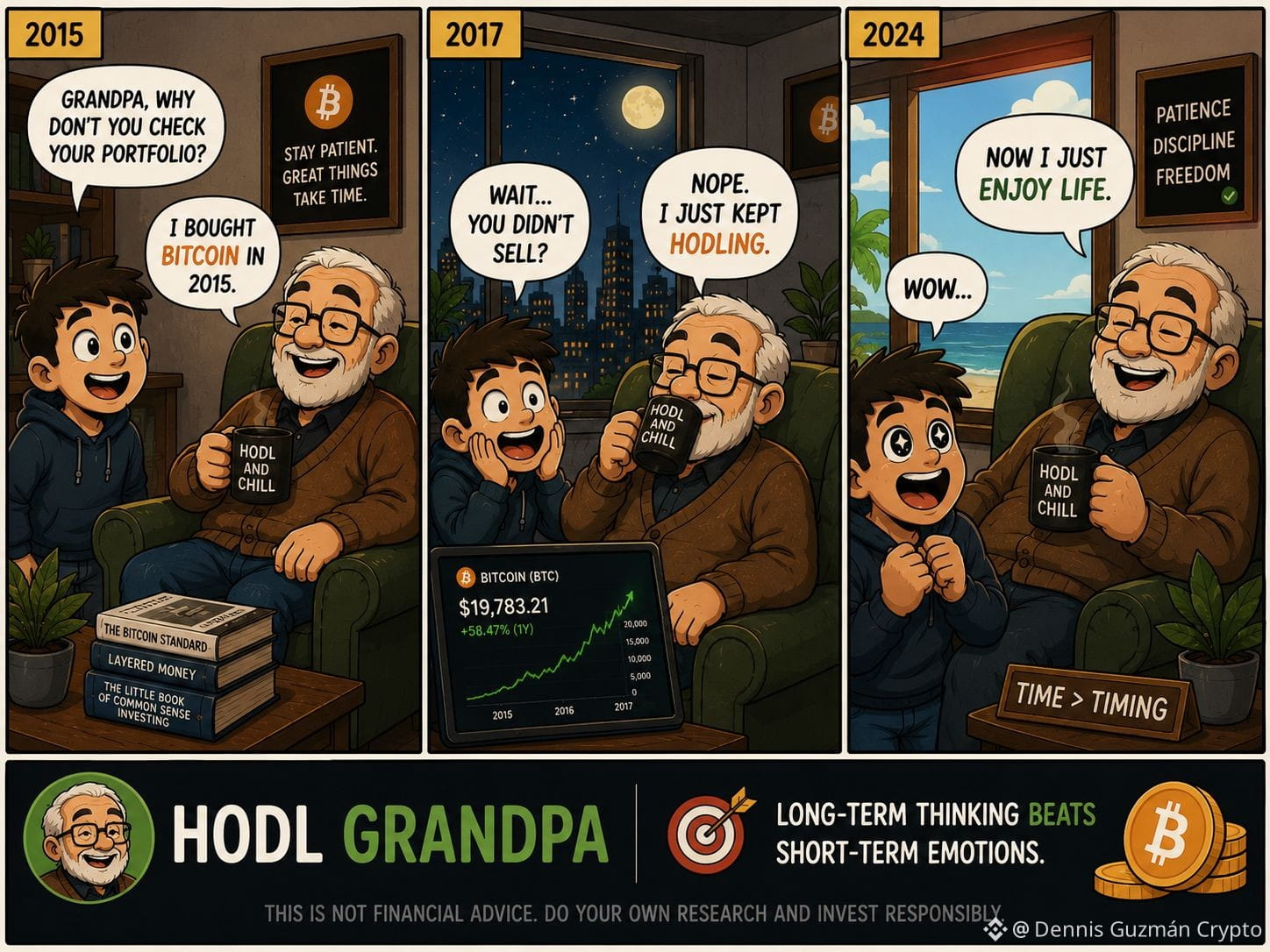
👴 投資における最大の利点は、常に次のチャンスを見つけることではありません。コースを走り切るための忍耐力を持つことです。
多くの人は市場のタイミングを計ろうとしますが、経験豊富な投資家は多くの場合「市場にいる時間」を重視します。長期的な視点、継続的な学習、そして感情の規律が、あらゆる価格変動に反応すること以上に大きな違いを生みます。
#LongTermThinking #financialeducation
👴 投資における最大の利点は、常に次のチャンスを見つけることではありません。コースを走り切るための忍耐力を持つことです。
多くの人は市場のタイミングを計ろうとしますが、経験豊富な投資家は多くの場合「市場にいる時間」を重視します。長期的な視点、継続的な学習、そして感情の規律が、あらゆる価格変動に反応すること以上に大きな違いを生みます。
#LongTermThinking #financialeducation
多くの人は市場のタイミングを計ろうとしますが、経験豊富な投資家は多くの場合「市場にいる時間」を重視します。長期的な視点、継続的な学習、そして感情の規律が、あらゆる価格変動に反応すること以上に大きな違いを生みます。
#LongTermThinking #financialeducation
1
37

TRXの解説: なぜ「退屈」なプロジェクトが生き残るのか
暗号通貨では、最も騒がしいプロジェクトが注目を集める。
しかし、静かなものほど長く生き残ることが多い。
TRON (TRX)はその一つだ。
TRXはもはやハイプに依存していない。
奇跡を約束もしない。
それでも…まだここにいる。
なぜ?
なぜなら、TRONは投機ではなく実際の使用のために構築されているからだ。
何百万人もの人々が毎日利用している:
迅速な決済
安価なステーブルコインの送金
効率的な価値の移動
そしてここが重要な教訓:
実際の使用がプロジェクトを生かし続ける。
ハイプは価格を変えるだけだ。
だからTRXは:
市場とともに暴落した ✅
しかし決して消えなかった ✅
価格は上下する。
ユーティリティは働き続ける。
次の投稿では、
コインが長期保有向きか短期トレード向きかを判断する方法を説明する。
キャンドルだけでなく、全体像を知りたいならフォローしてくれ。
$TRX
{spot}(TRXUSDT)
#TRX #TRON #CryptoEducation #BinanceSquare #LongTermThinking
TRXの解説: なぜ「退屈」なプロジェクトが生き残るのか
暗号通貨では、最も騒がしいプロジェクトが注目を集める。
しかし、静かなものほど長く生き残ることが多い。
TRON (TRX)はその一つだ。
TRXはもはやハイプに依存していない。
奇跡を約束もしない。
それでも…まだここにいる。
なぜ?
なぜなら、TRONは投機ではなく実際の使用のために構築されているからだ。
何百万人もの人々が毎日利用している:
迅速な決済
安価なステーブルコインの送金
効率的な価値の移動
そしてここが重要な教訓:
実際の使用がプロジェクトを生かし続ける。
ハイプは価格を変えるだけだ。
だからTRXは:
市場とともに暴落した ✅
しかし決して消えなかった ✅
価格は上下する。
ユーティリティは働き続ける。
次の投稿では、
コインが長期保有向きか短期トレード向きかを判断する方法を説明する。
キャンドルだけでなく、全体像を知りたいならフォローしてくれ。
$TRX
#TRX #TRON #CryptoEducation #BinanceSquare #LongTermThinking
暗号通貨では、最も騒がしいプロジェクトが注目を集める。
しかし、静かなものほど長く生き残ることが多い。
TRON (TRX)はその一つだ。
TRXはもはやハイプに依存していない。
奇跡を約束もしない。
それでも…まだここにいる。
なぜ?
なぜなら、TRONは投機ではなく実際の使用のために構築されているからだ。
何百万人もの人々が毎日利用している:
迅速な決済
安価なステーブルコインの送金
効率的な価値の移動
そしてここが重要な教訓:
実際の使用がプロジェクトを生かし続ける。
ハイプは価格を変えるだけだ。
だからTRXは:
市場とともに暴落した ✅
しかし決して消えなかった ✅
価格は上下する。
ユーティリティは働き続ける。
次の投稿では、
コインが長期保有向きか短期トレード向きかを判断する方法を説明する。
キャンドルだけでなく、全体像を知りたいならフォローしてくれ。
$TRX
#TRX #TRON #CryptoEducation #BinanceSquare #LongTermThinking
1
179
·
--
開発者アクティビティは暗号資産における最も正直な先行指標である
価格チャートは注目を集めます。開発者アクティビティが未来をつくります。
あらゆる主要な市場サイクルにおいて、継続的な開発者のコミットは、プロトコルのブレイクアウトに先行して数か月、時には数年にわたって現れてきました。価格が横ばい、または下落しているときでも、ビルドを続けるチームは静かにオプション性を積み上げています。誰もがパニックになっているとき、GitHubのリポジトリは別の物語を語ります。
パターンを見てください:
$ETH は、暗号資産の開発者エコシステムとして長年にわたり最も深いものを維持してきました—数千のアクティブなリポジトリ、新しいEIPの投入、ツールの成熟。こうした重力は弱気相場で消えることはなく、むしろ堀(モート)を広げます。
研究からデプロイまでのプロセスが明確なレイヤー1は、動きは遅いものの、構造的には本気です。逆境の後にコミュニティが再建され、そしてツールが改善される—そうしたものは、実際の測定可能な勢いを示します。
$SOL は、FTX崩壊後の開発者ルネサンスを経験しました。コミュニティは再建されました。ツールは改善されました。勢いは本物です。
$BNB Chainの開発者アクティビティはopBNBおよびBEP-520のアップグレードによって加速しています—これは、エコシステムが単なる取引量だけでなく、インフラを積み上げていることを示すシグナルです。
考え方(メンタルモデル):開発者アクティビティを、長期価値の“底(フロア)”として扱ってください。コミットが減少し、価格が上昇するプロトコルは脆い。コミットが増加し、価格が横ばいのプロトコルはチャンスです。
スマートマネーはGitHubを見ています。あなたも見たほうがいいかもしれません。
#CryptoInsights #Web3Development #BlockchainTech #LongTermThinking #CryptoStrategy
開発者アクティビティは暗号資産における最も正直な先行指標である
価格チャートは注目を集めます。開発者アクティビティが未来をつくります。
あらゆる主要な市場サイクルにおいて、継続的な開発者のコミットは、プロトコルのブレイクアウトに先行して数か月、時には数年にわたって現れてきました。価格が横ばい、または下落しているときでも、ビルドを続けるチームは静かにオプション性を積み上げています。誰もがパニックになっているとき、GitHubのリポジトリは別の物語を語ります。
パターンを見てください:
$ETH は、暗号資産の開発者エコシステムとして長年にわたり最も深いものを維持してきました—数千のアクティブなリポジトリ、新しいEIPの投入、ツールの成熟。こうした重力は弱気相場で消えることはなく、むしろ堀(モート)を広げます。
研究からデプロイまでのプロセスが明確なレイヤー1は、動きは遅いものの、構造的には本気です。逆境の後にコミュニティが再建され、そしてツールが改善される—そうしたものは、実際の測定可能な勢いを示します。
$SOL は、FTX崩壊後の開発者ルネサンスを経験しました。コミュニティは再建されました。ツールは改善されました。勢いは本物です。
$BNB Chainの開発者アクティビティはopBNBおよびBEP-520のアップグレードによって加速しています—これは、エコシステムが単なる取引量だけでなく、インフラを積み上げていることを示すシグナルです。
考え方(メンタルモデル):開発者アクティビティを、長期価値の“底(フロア)”として扱ってください。コミットが減少し、価格が上昇するプロトコルは脆い。コミットが増加し、価格が横ばいのプロトコルはチャンスです。
スマートマネーはGitHubを見ています。あなたも見たほうがいいかもしれません。
#CryptoInsights #Web3Development #BlockchainTech #LongTermThinking #CryptoStrategy
価格チャートは注目を集めます。開発者アクティビティが未来をつくります。
あらゆる主要な市場サイクルにおいて、継続的な開発者のコミットは、プロトコルのブレイクアウトに先行して数か月、時には数年にわたって現れてきました。価格が横ばい、または下落しているときでも、ビルドを続けるチームは静かにオプション性を積み上げています。誰もがパニックになっているとき、GitHubのリポジトリは別の物語を語ります。
パターンを見てください:
$ETH は、暗号資産の開発者エコシステムとして長年にわたり最も深いものを維持してきました—数千のアクティブなリポジトリ、新しいEIPの投入、ツールの成熟。こうした重力は弱気相場で消えることはなく、むしろ堀(モート)を広げます。
研究からデプロイまでのプロセスが明確なレイヤー1は、動きは遅いものの、構造的には本気です。逆境の後にコミュニティが再建され、そしてツールが改善される—そうしたものは、実際の測定可能な勢いを示します。
$SOL は、FTX崩壊後の開発者ルネサンスを経験しました。コミュニティは再建されました。ツールは改善されました。勢いは本物です。
$BNB Chainの開発者アクティビティはopBNBおよびBEP-520のアップグレードによって加速しています—これは、エコシステムが単なる取引量だけでなく、インフラを積み上げていることを示すシグナルです。
考え方(メンタルモデル):開発者アクティビティを、長期価値の“底(フロア)”として扱ってください。コミットが減少し、価格が上昇するプロトコルは脆い。コミットが増加し、価格が横ばいのプロトコルはチャンスです。
スマートマネーはGitHubを見ています。あなたも見たほうがいいかもしれません。
#CryptoInsights #Web3Development #BlockchainTech #LongTermThinking #CryptoStrategy
41
記事
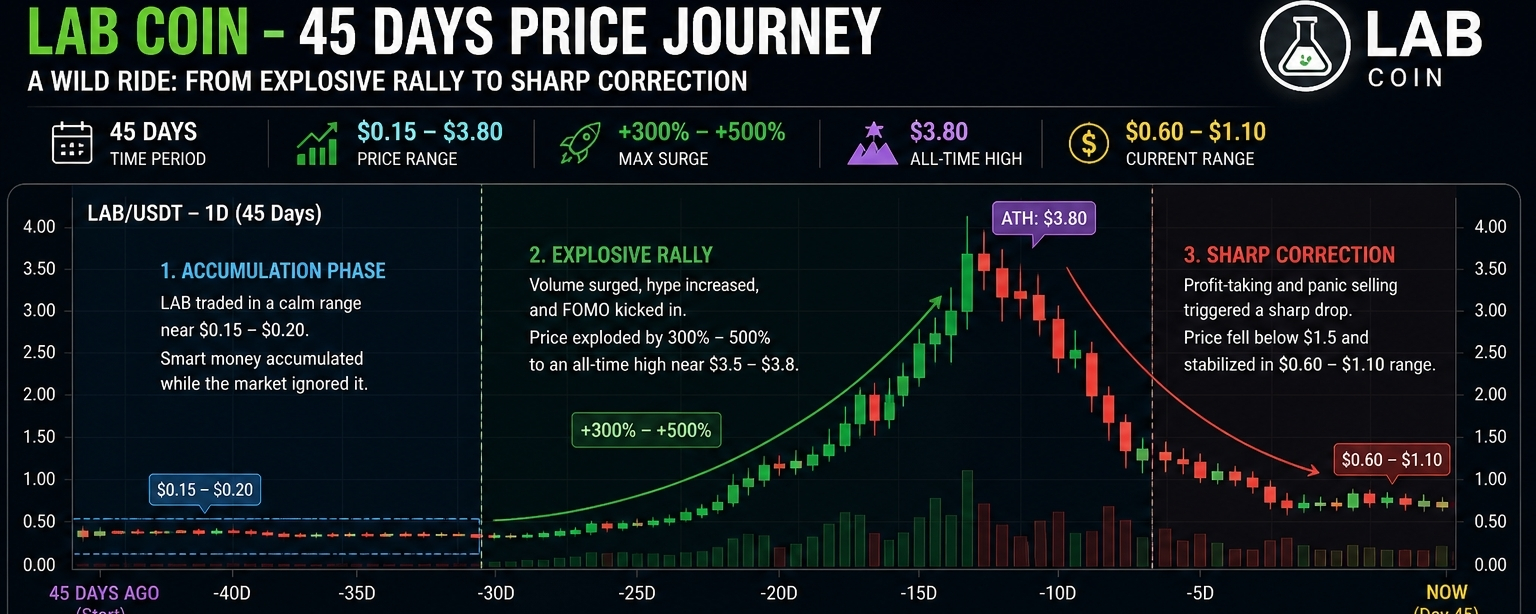
🚀 LABコインのワイルドな45日間の旅:ブームから現実チェックへここ45日間で、$LAB コインはクリプト市場の特性を完璧に捉えた劇的な価格サイクルを提供しました。静かにスタートし、$0.15〜$0.20付近で取引され、早期の投資家がポジションを積み上げる一方で、多くの市場は無視していました。次に、ボリュームの上昇、ハイプ、FOMOに駆動された爆発的なブレイクアウトが起こり、価格は300%〜500%も上昇し、$3.5〜$3.8の史上最高値に達しました。この急激な上昇は大きな注目を集めましたが、多くの放物線的な動きと同様に、持続可能ではありませんでした。
🚀 LABコインのワイルドな45日間の旅:ブームから現実チェックへ
ここ45日間で、$LAB コインはクリプト市場の特性を完璧に捉えた劇的な価格サイクルを提供しました。静かにスタートし、$0.15〜$0.20付近で取引され、早期の投資家がポジションを積み上げる一方で、多くの市場は無視していました。次に、ボリュームの上昇、ハイプ、FOMOに駆動された爆発的なブレイクアウトが起こり、価格は300%〜500%も上昇し、$3.5〜$3.8の史上最高値に達しました。この急激な上昇は大きな注目を集めましたが、多くの放物線的な動きと同様に、持続可能ではありませんでした。
1
388


🚀 富は一晩で築かれることはめったにない。
しかし、悪い判断は数分で数年の進歩を破壊することができる。
忍耐は弱さではない。忍耐は戦略だ。
$BTC $ETH $SOL
#WealthBuilding #LongTermThinking #Investing #bitcoin #cryptouniverseofficial
🚀 富は一晩で築かれることはめったにない。
しかし、悪い判断は数分で数年の進歩を破壊することができる。
忍耐は弱さではない。忍耐は戦略だ。
$BTC $ETH $SOL
#WealthBuilding #LongTermThinking #Investing #bitcoin #cryptouniverseofficial
しかし、悪い判断は数分で数年の進歩を破壊することができる。
忍耐は弱さではない。忍耐は戦略だ。
$BTC $ETH $SOL
#WealthBuilding #LongTermThinking #Investing #bitcoin #cryptouniverseofficial
1
101
🚨 DCAが退屈な理由... だからこそ、効果的なんだ (ドルコスト平均法)
1️⃣ DCAは一夜にして富を約束しない。
2️⃣ 毎日ワクワク感を生まない。
3️⃣ 完璧なタイミングを必要としない。
4️⃣ 目を引くのではなく、一貫性で効果を発揮する。
5️⃣ 多くの人が結果が遅いと感じて辞めてしまう。
6️⃣ 彼らはより早い戦略や大きな約束を追い求める。
7️⃣ しかし、富はしばしば興奮ではなく、忍耐によって築かれる。
🧠 隠された真実:
ほとんどの人がDCAが機能しないから失敗するわけではない...
👉 彼らはDCAが退屈すぎて続けられないから失敗する。
市場は激しさよりも一貫性を報いる。
時には、最も退屈な戦略が最も強力なものになる。
落ち着いて、一貫性を保とう。
#CryptoPsychology #DCA #CryptoMindset #InvestorPsychology #MarketPsychology #LongTermThinking #DisciplinePays #wealthbuilding
🚨 DCAが退屈な理由... だからこそ、効果的なんだ (ドルコスト平均法)
1️⃣ DCAは一夜にして富を約束しない。
2️⃣ 毎日ワクワク感を生まない。
3️⃣ 完璧なタイミングを必要としない。
4️⃣ 目を引くのではなく、一貫性で効果を発揮する。
5️⃣ 多くの人が結果が遅いと感じて辞めてしまう。
6️⃣ 彼らはより早い戦略や大きな約束を追い求める。
7️⃣ しかし、富はしばしば興奮ではなく、忍耐によって築かれる。
🧠 隠された真実:
ほとんどの人がDCAが機能しないから失敗するわけではない...
👉 彼らはDCAが退屈すぎて続けられないから失敗する。
市場は激しさよりも一貫性を報いる。
時には、最も退屈な戦略が最も強力なものになる。
落ち着いて、一貫性を保とう。
#CryptoPsychology #DCA #CryptoMindset #InvestorPsychology #MarketPsychology #LongTermThinking #DisciplinePays #wealthbuilding
1️⃣ DCAは一夜にして富を約束しない。
2️⃣ 毎日ワクワク感を生まない。
3️⃣ 完璧なタイミングを必要としない。
4️⃣ 目を引くのではなく、一貫性で効果を発揮する。
5️⃣ 多くの人が結果が遅いと感じて辞めてしまう。
6️⃣ 彼らはより早い戦略や大きな約束を追い求める。
7️⃣ しかし、富はしばしば興奮ではなく、忍耐によって築かれる。
🧠 隠された真実:
ほとんどの人がDCAが機能しないから失敗するわけではない...
👉 彼らはDCAが退屈すぎて続けられないから失敗する。
市場は激しさよりも一貫性を報いる。
時には、最も退屈な戦略が最も強力なものになる。
落ち着いて、一貫性を保とう。
#CryptoPsychology #DCA #CryptoMindset #InvestorPsychology #MarketPsychology #LongTermThinking #DisciplinePays #wealthbuilding
80
💰 100倍コインを見つけることより大切な10の富の習慣
1️⃣ 利益を追い求める前に資本を守る。
2️⃣ 結果が出るまで忍耐強く待つ。
3️⃣ 感情ではなく計画に従う。
4️⃣ ブル市場での強欲をコントロールする。
5️⃣ リワードを考える前にリスクを管理する。
6️⃣ 日ではなく年単位で考える。
7️⃣ 隠れるのではなく、損失から学ぶ。
8️⃣ 市場が退屈に感じても一貫性を保つ。
9️⃣ 予測よりも規律に焦点を当てる。
🔟 複数の市場サイクルを生き抜ける習慣を築く。
🧠 隠された真実:
ほとんどの人は次の100倍コインを探して何年も費やす...
👉 しかし、富は一つの機会によって築かれることは稀である。
富は、時間をかけて繰り返される習慣によって築かれる。
素晴らしいコインは機会を生むことができる。
しかし、忍耐、規律、感情のコントロールがその機会が持続的な富になるかどうかを決定する。
💎 良い習慣が重なると富もまた重なる。
🧠 冷静でいよう。一貫性を保とう。
#CryptoPsychology #CryptoMindset #WealthBuilding #InvestorPsychology #LongTermThinking #Discipline
💰 100倍コインを見つけることより大切な10の富の習慣
1️⃣ 利益を追い求める前に資本を守る。
2️⃣ 結果が出るまで忍耐強く待つ。
3️⃣ 感情ではなく計画に従う。
4️⃣ ブル市場での強欲をコントロールする。
5️⃣ リワードを考える前にリスクを管理する。
6️⃣ 日ではなく年単位で考える。
7️⃣ 隠れるのではなく、損失から学ぶ。
8️⃣ 市場が退屈に感じても一貫性を保つ。
9️⃣ 予測よりも規律に焦点を当てる。
🔟 複数の市場サイクルを生き抜ける習慣を築く。
🧠 隠された真実:
ほとんどの人は次の100倍コインを探して何年も費やす...
👉 しかし、富は一つの機会によって築かれることは稀である。
富は、時間をかけて繰り返される習慣によって築かれる。
素晴らしいコインは機会を生むことができる。
しかし、忍耐、規律、感情のコントロールがその機会が持続的な富になるかどうかを決定する。
💎 良い習慣が重なると富もまた重なる。
🧠 冷静でいよう。一貫性を保とう。
#CryptoPsychology #CryptoMindset #WealthBuilding #InvestorPsychology #LongTermThinking #Discipline
1️⃣ 利益を追い求める前に資本を守る。
2️⃣ 結果が出るまで忍耐強く待つ。
3️⃣ 感情ではなく計画に従う。
4️⃣ ブル市場での強欲をコントロールする。
5️⃣ リワードを考える前にリスクを管理する。
6️⃣ 日ではなく年単位で考える。
7️⃣ 隠れるのではなく、損失から学ぶ。
8️⃣ 市場が退屈に感じても一貫性を保つ。
9️⃣ 予測よりも規律に焦点を当てる。
🔟 複数の市場サイクルを生き抜ける習慣を築く。
🧠 隠された真実:
ほとんどの人は次の100倍コインを探して何年も費やす...
👉 しかし、富は一つの機会によって築かれることは稀である。
富は、時間をかけて繰り返される習慣によって築かれる。
素晴らしいコインは機会を生むことができる。
しかし、忍耐、規律、感情のコントロールがその機会が持続的な富になるかどうかを決定する。
💎 良い習慣が重なると富もまた重なる。
🧠 冷静でいよう。一貫性を保とう。
#CryptoPsychology #CryptoMindset #WealthBuilding #InvestorPsychology #LongTermThinking #Discipline
1
80
ログインして、さらにコンテンツを読む
厳選トピックで世界の暗号資産トレーダーの仲間入り
⚡️ 暗号資産に関する最新かつ有益な情報が見つかります。
💬 世界最大の暗号資産取引所から信頼されています。
👍 認証を受けたクリエイターから、有益なインサイトを得られます。
メール / 電話番号
トレンドトピック
1
#EarningsSeason
閲覧回数 138,900
1,321人が討論中
2
#BitwiseLaunchesFirstSpotNEARETF
閲覧回数 804
83人が討論中
3
#USJobOpeningsFallToFiveMonthLow
閲覧回数 1,204
64人が討論中
4
#ECBToTestAIAgentsInDigitalEuroPayments
閲覧回数 7,158
259人が討論中
5
#JapanFSABacksFourthStablecoinTradeSettlementPilot
閲覧回数 7,659
326人が討論中
6
#BitgetHackerFailsToMoveStolenFunds
閲覧回数 20,129
455人が討論中
7
#BitMineETHHoldingsTop6Million
閲覧回数 20,846
605人が討論中
8
#StrategyAdds1666BTCHoldingsReach847666
閲覧回数 16,677
419人が討論中
9
#NvidiaApproves$150BBuyback
閲覧回数 3,937
65人が討論中
10
#OpenAIDelaysGPT6.1OverSafetyIssues
閲覧回数 29,655
776人が討論中