

ninitaa
84 Posting

ninitaa
Laporkan
Blokir Pengguna
bitcoin free mony crypto
Perdagangan Terbuka
Pedagang Rutin
4.7 Tahun
22 Mengikuti
358 Pengikut
185 Disukai
Posting
Portofolio
Semua
Kuotasi
·
--
Bullish
Lihat terjemahan
$BTC
{future}(BTCUSDT)
$BNB
{future}(BNBUSDT)
سوف يرتفع البيتكوين نهاية السنة إلى 200 ألف دولار
$BTC
$BNB
سوف يرتفع البيتكوين نهاية السنة إلى 200 ألف دولار
$BNB
سوف يرتفع البيتكوين نهاية السنة إلى 200 ألف دولار
23
·
--
Lihat terjemahan
ربح عملة roboانشر ما لا يقل عن منشور أصلي واحد على Binance Square باستخدام مُحرر المقالات، بطول لا يقل عن 500 حرف. يجب أن يتضمن المنشور حساب المشروع @FabricFND، ويُشير إلى رمز $ROBO المميز، واستخدام الهاشتاج #ROBO. ينبغي أن يكون المحتوى مرتبطًا بشكل مباشر بمشروع Fabric Foundation و $ROBO وأن يكون أصليًا، وغير منسوخ أو مكرر. هذه المهمة مستمرة وتتجدد يوميًا حتى نهاية الحملة، ولن تعتبر مكتملة
#ROBO @FabricFND $ROBO
{future}(ROBOUSDT)
ربح عملة robo
انشر ما لا يقل عن منشور أصلي واحد على Binance Square باستخدام مُحرر المقالات، بطول لا يقل عن 500 حرف. يجب أن يتضمن المنشور حساب المشروع @FabricFND، ويُشير إلى رمز $ROBO المميز، واستخدام الهاشتاج #ROBO. ينبغي أن يكون المحتوى مرتبطًا بشكل مباشر بمشروع Fabric Foundation و $ROBO وأن يكون أصليًا، وغير منسوخ أو مكرر. هذه المهمة مستمرة وتتجدد يوميًا حتى نهاية الحملة، ولن تعتبر مكتملة
#ROBO @FabricFND $ROBO
#ROBO @FabricFND $ROBO
3
·
--
Lihat terjemahan
ربح roboتابع وانشر وتداول لكسب 4,300,000 ROBO من مُكافآت الرموز المميزة من لائحة الصدارة العالمية. للتأهل للائحة الصدارة والمكافأة، يجب عليك إكمال كل نوع من المهام (نشر: اختر 1) مرّة واحدة على الأقل خلال الفعالية للتأهل. ستُعدّ المنشورات التي تتضمن ظروف حمراء أو هدايا غير مؤهلة. سيتم استبعاد أي مشارك يثبت تورطه في أنشطة مشبوهة، أو استخدام محتمل للروبوتات الآلية. كما أن أي تعديل على منشورات منشورة مسبقًا ذات تفاعل مرتفع بغرض إعادة استخدامها كإسهامات في المشروع سيؤدي إلى الاستبعاد.
ربح robo
تابع وانشر وتداول لكسب 4,300,000 ROBO من مُكافآت الرموز المميزة من لائحة الصدارة العالمية. للتأهل للائحة الصدارة والمكافأة، يجب عليك إكمال كل نوع من المهام (نشر: اختر 1) مرّة واحدة على الأقل خلال الفعالية للتأهل. ستُعدّ المنشورات التي تتضمن ظروف حمراء أو هدايا غير مؤهلة. سيتم استبعاد أي مشارك يثبت تورطه في أنشطة مشبوهة، أو استخدام محتمل للروبوتات الآلية. كما أن أي تعديل على منشورات منشورة مسبقًا ذات تفاعل مرتفع بغرض إعادة استخدامها كإسهامات في المشروع سيؤدي إلى الاستبعاد.
6
·
--
Lihat terjemahan
#robo $ROBO
تابع وانشر وتداول لكسب 4,300,000 ROBO من مُكافآت الرموز المميزة من لائحة الصدارة العالمية. للتأهل للائحة الصدارة والمكافأة، يجب عليك إكمال كل نوع من المهام (نشر: اختر 1) مرّة واحدة على الأقل خلال الفعالية للتأهل. ستُعدّ المنشورات التي تتضمن ظروف حمراء أو هدايا غير مؤهلة. سيتم استبعاد أي مشارك يثبت تورطه في أنشطة مشبوهة، أو استخدام محتمل للروبوتات الآلية. كما أن أي تعديل على منشورات منشورة مسبقًا ذات تفاعل مرتفع بغرض إعادة استخدامها كإسهامات في المشروع سيؤدي إلى الاستبعاد.
#robo $ROBO
تابع وانشر وتداول لكسب 4,300,000 ROBO من مُكافآت الرموز المميزة من لائحة الصدارة العالمية. للتأهل للائحة الصدارة والمكافأة، يجب عليك إكمال كل نوع من المهام (نشر: اختر 1) مرّة واحدة على الأقل خلال الفعالية للتأهل. ستُعدّ المنشورات التي تتضمن ظروف حمراء أو هدايا غير مؤهلة. سيتم استبعاد أي مشارك يثبت تورطه في أنشطة مشبوهة، أو استخدام محتمل للروبوتات الآلية. كما أن أي تعديل على منشورات منشورة مسبقًا ذات تفاعل مرتفع بغرض إعادة استخدامها كإسهامات في المشروع سيؤدي إلى الاستبعاد.
تابع وانشر وتداول لكسب 4,300,000 ROBO من مُكافآت الرموز المميزة من لائحة الصدارة العالمية. للتأهل للائحة الصدارة والمكافأة، يجب عليك إكمال كل نوع من المهام (نشر: اختر 1) مرّة واحدة على الأقل خلال الفعالية للتأهل. ستُعدّ المنشورات التي تتضمن ظروف حمراء أو هدايا غير مؤهلة. سيتم استبعاد أي مشارك يثبت تورطه في أنشطة مشبوهة، أو استخدام محتمل للروبوتات الآلية. كما أن أي تعديل على منشورات منشورة مسبقًا ذات تفاعل مرتفع بغرض إعادة استخدامها كإسهامات في المشروع سيؤدي إلى الاستبعاد.
8
·
--
Lihat terjemahan
moi
moi

Al Buraq
·
--
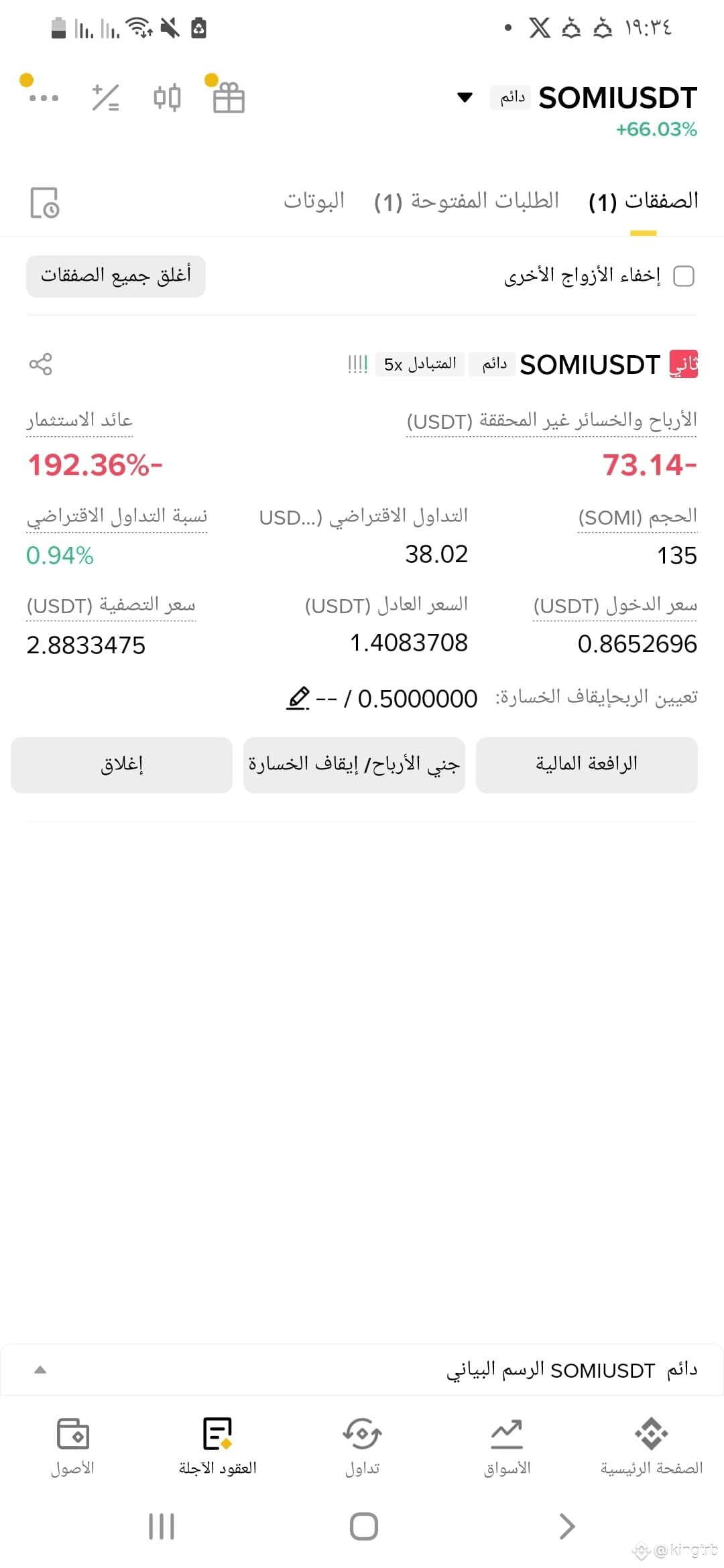
$SOMI koin yang sangat volatil, beri tahu saya untuk bertahan atau menutup
7
·
--
Artikel
Saham stablecoin Hong Kong turun saat aturan baru mulai berlaku, para ahli melihat reset yang sehat
Stablecoin coSaham stablecoin Hong Kong turun saat aturan baru mulai berlaku, para ahli melihat reset yang sehat
Perusahaan stablecoin yang beroperasi di Hong Kong mencatat kerugian dua digit pada hari Jumat di tengah pergeseran regulasi lokal dan koreksi pasar yang lebih luas.
Bright Smart Securities & Commodities Group jatuh hampir 20% pada hari Jumat, menurut data Google Finance. Yunfeng Financial Group turun lebih dari 16% selama sesi perdagangan, sementara Guotai Junan International Holdings merosot 11% dan OSL Group turun 10,5%.
Perusahaan-perusahaan ini disebut sebagai “perusahaan konsep stablecoin Hong Kong,” dengan harga saham yang didorong oleh eksposur terhadap penerbitan stablecoin, kustodi, perdagangan, atau infrastruktur terkait. Namun, beberapa ahli lokal melihat koreksi ini sebagai penyesuaian pasar yang positif.
Saham stablecoin Hong Kong turun saat aturan baru mulai berlaku, para ahli melihat reset yang sehat Stablecoin co
Saham stablecoin Hong Kong turun saat aturan baru mulai berlaku, para ahli melihat reset yang sehat
Perusahaan stablecoin yang beroperasi di Hong Kong mencatat kerugian dua digit pada hari Jumat di tengah pergeseran regulasi lokal dan koreksi pasar yang lebih luas.
Bright Smart Securities & Commodities Group jatuh hampir 20% pada hari Jumat, menurut data Google Finance. Yunfeng Financial Group turun lebih dari 16% selama sesi perdagangan, sementara Guotai Junan International Holdings merosot 11% dan OSL Group turun 10,5%.
Perusahaan-perusahaan ini disebut sebagai “perusahaan konsep stablecoin Hong Kong,” dengan harga saham yang didorong oleh eksposur terhadap penerbitan stablecoin, kustodi, perdagangan, atau infrastruktur terkait. Namun, beberapa ahli lokal melihat koreksi ini sebagai penyesuaian pasar yang positif.
Perusahaan stablecoin yang beroperasi di Hong Kong mencatat kerugian dua digit pada hari Jumat di tengah pergeseran regulasi lokal dan koreksi pasar yang lebih luas.
Bright Smart Securities & Commodities Group jatuh hampir 20% pada hari Jumat, menurut data Google Finance. Yunfeng Financial Group turun lebih dari 16% selama sesi perdagangan, sementara Guotai Junan International Holdings merosot 11% dan OSL Group turun 10,5%.
Perusahaan-perusahaan ini disebut sebagai “perusahaan konsep stablecoin Hong Kong,” dengan harga saham yang didorong oleh eksposur terhadap penerbitan stablecoin, kustodi, perdagangan, atau infrastruktur terkait. Namun, beberapa ahli lokal melihat koreksi ini sebagai penyesuaian pasar yang positif.
1
12
·
--

Artikel
Lihat terjemahan
crypto trades crypto trades?
Key takeaways:
Gemini is now used by crypto traders to monitor market catalysts and breaking news in real time.
The Gemini Pro version’s longer context window and web access boost its usefulness for macro and sentiment tracking.
It lacks native support for charts, portfolios or backtesting; traders still need external tools.
Gemini is a powerful signal tool, but you should always validate with real-time data before acting; AI can hint, but it can’t replace execution judgment.
In 2025, AI tools aren’t just summarizing text; they’re being used by crypto traders to make sense of fast-moving narratives. Gemini, particularly its Pro version, stands out because it can natively access Google Search. This means traders can ask it to pull news updates, summarize catalysts or cross-check signals without relying on plugins or extensions.
While ChatGPT remains dominant for trade structuring and prompt design, Gemini’s edge lies in its built-in Google Search capability. It can surface real-time news and cross-check catalysts without needing plugins. However, it has major limitations: no price charts, no exchange access and no execution capability. It won’t replace trading platforms, but it helps filter signals from noise.
Also, please note that Gemini does not forecast crypto prices. It helps verify whether a narrative or signal holds water. In noisy markets, that’s valuable but only when paired with other tools and human oversight.
Using Gemini for crypto trading: Strengths and limits, explained
Below are prompt templates for crypto trading, organized by workflow stage. Render Token (RNDR) is used as the example token, based on July 2025 data.
Please note that prompts used in steps 1 and 2 were fed to Gemini on July 10, 2025, to scan RNDR news
Market scan on RNDR token
“Scan Google News and major crypto publications for the last 24 hours on $RNDR. List top catalysts with links.”
Gemini’s output is shown in the image below.
Here are the four key signals Gemini is highlighting from the above output:
Narrative momentum: RNDR is consistently grouped with trending AI and Web3 tokens, reinforcing its long-term relevance.
Sentiment spillover: Positive coverage of similar tokens (e.g., BlockDAG, ICP, TAO) benefits RNDR by association.
Media visibility: Articles from July and May still carry weight due to narrative alignment, not just recency.
Sector leader tag: RNDR is directly named as a top AI crypto project in major 2025 outlook lists.
Narrative depth without real-time signal
Prompt used on July 10, 2025:
“Yesterday’s volume on RNDR spiked 50%. Summarize if any specific token announcements or wallet movements explain this, citing date/time and source.”
Gemini’s output:
Gemini’s output showed no clear news catalyst for RNDR’s 50% volume spike on July 9, 2025, instead offering contextual analysis tied to long-term AI narratives.
Gemini confirms broader narratives but often misses short-term catalysts, highlighting the need to cross-check with wallet trackers or token-specific feeds before trading volume spikes.
RNDR technical setup: Gemini can’t replace charts
Once the RNDR narrative checked out, Gemini was prompted to simulate a technical trade. It outlined assumed entry and exit levels using standard rules like the 200-day moving average (MA) but couldn’t verify live relative strength index (RSI) or moving average convergence/divergence (MACD).
Prompt used:
“I want a trade setup for RNDR based on technicals. Use 200-day MA for trend filtering; indicate RSI, MACD level, entry range, stop-loss, and target levels with risk/reward.”
As observed, while Gemini can generate a logically sound trade setup, like the one shown for RNDR, with defined entry, stop-loss and target levels, it does so based on assumed, not verified, technical indicators. Metrics such as RSI and MACD are approximated or manually inserted, not pulled from real-time price feeds.
As a result, any risk-reward ratios or suggested trade ranges are hypothetical and illustrative, not actionable without further verification. Gemini can assist with planning, prompt structuring and scenario modeling, but it cannot confirm trend conditions, monitor live volatility or adapt to sudden market shifts. This makes it useful for backtesting or learning but unsuitable for executing or timing real trades unless paired with a reliable charting tool or live market data platform.
Risk logic, not blind entry
Rather than chasing setups blindly, Gemini was asked to calculate position sizing and invalidation rules for a $10,000 portfolio risking 2% on the RNDR trade. It returned a max size of $3,240, assuming a 6.2% stop-loss, and flagged eight invalidation conditions, including bearish RSI shifts, negative news and macro disruptions.
Prompt used:
“Given the RNDR setup, what’s the max position size if I risk 2% of a $10,000 portfolio, and what scenarios might invalidate the trade?”
Gemini’s answer followed basic trading heuristics, but the final decision still depended on user-defined volatility and conviction. So, Gemini’s risk framing is useful but not precise.
When Gemini gets it wrong
Even advanced models have blind spots. Here are five ways Gemini can misfire in crypto trading:
So, AI tools like Gemini can guide, but they’re not flawless. Always know the blind spots before you trade.
How Gemini compares with ChatGPT and Grok for crypto trading
Google Gemini isn’t the only AI tool traders are using, but it fits into a growing toolkit that includes models like ChatGPT and xAI’s Grok. Each has strengths and gaps, depending on what you’re optimizing for: market context, signal detection, trade planning or execution.
Gemini could outperform for news-driven setups, while ChatGPT may offer stronger support for coding strategies and trade simulations.
Depending upon their risk tolerance, traders could use Grok to detect token chatter, then Gemini to verify news validity and ChatGPT to structure a full trade plan.
How to use Gemini responsibly in crypto trading
Gemini can be used for research and structuring trade setups, not for live signals or execution. Always validate its outputs through platforms like CoinMarketCap or TradingView. For better results, combine it with tools like Grok (sentiment) and ChatGPT (logic). Since it lacks onchain and price feeds, all strategies should be tested in simulation before deployment.
Tips for using Gemini in crypto trading:
Use Gemini for narrative validation, not live trading.
Cross-check Gemini’s outputs with onchain data.
Combine Gemini with Grok (sentiment) and ChatGPT (logic).
Never trade without manually verifying RSI, volume or token flows.
Treat Gemini setups as drafts, not signals that test them in simulation first.
As AI becomes more integrated into crypto workflows, understanding how to prompt, how to verify AI-generated outputs and how to manage risk is more important than ever.
This article does not contain investment advice or recommendations. Every investment and trading move involves risk, and readers should conduct their own research when making a decision.
crypto trades
crypto trades?
Key takeaways:
Gemini is now used by crypto traders to monitor market catalysts and breaking news in real time.
The Gemini Pro version’s longer context window and web access boost its usefulness for macro and sentiment tracking.
It lacks native support for charts, portfolios or backtesting; traders still need external tools.
Gemini is a powerful signal tool, but you should always validate with real-time data before acting; AI can hint, but it can’t replace execution judgment.
In 2025, AI tools aren’t just summarizing text; they’re being used by crypto traders to make sense of fast-moving narratives. Gemini, particularly its Pro version, stands out because it can natively access Google Search. This means traders can ask it to pull news updates, summarize catalysts or cross-check signals without relying on plugins or extensions.
While ChatGPT remains dominant for trade structuring and prompt design, Gemini’s edge lies in its built-in Google Search capability. It can surface real-time news and cross-check catalysts without needing plugins. However, it has major limitations: no price charts, no exchange access and no execution capability. It won’t replace trading platforms, but it helps filter signals from noise.
Also, please note that Gemini does not forecast crypto prices. It helps verify whether a narrative or signal holds water. In noisy markets, that’s valuable but only when paired with other tools and human oversight.
Using Gemini for crypto trading: Strengths and limits, explained
Below are prompt templates for crypto trading, organized by workflow stage. Render Token (RNDR) is used as the example token, based on July 2025 data.
Please note that prompts used in steps 1 and 2 were fed to Gemini on July 10, 2025, to scan RNDR news
Market scan on RNDR token
“Scan Google News and major crypto publications for the last 24 hours on $RNDR. List top catalysts with links.”
Gemini’s output is shown in the image below.
Here are the four key signals Gemini is highlighting from the above output:
Narrative momentum: RNDR is consistently grouped with trending AI and Web3 tokens, reinforcing its long-term relevance.
Sentiment spillover: Positive coverage of similar tokens (e.g., BlockDAG, ICP, TAO) benefits RNDR by association.
Media visibility: Articles from July and May still carry weight due to narrative alignment, not just recency.
Sector leader tag: RNDR is directly named as a top AI crypto project in major 2025 outlook lists.
Narrative depth without real-time signal
Prompt used on July 10, 2025:
“Yesterday’s volume on RNDR spiked 50%. Summarize if any specific token announcements or wallet movements explain this, citing date/time and source.”
Gemini’s output:
Gemini’s output showed no clear news catalyst for RNDR’s 50% volume spike on July 9, 2025, instead offering contextual analysis tied to long-term AI narratives.
Gemini confirms broader narratives but often misses short-term catalysts, highlighting the need to cross-check with wallet trackers or token-specific feeds before trading volume spikes.
RNDR technical setup: Gemini can’t replace charts
Once the RNDR narrative checked out, Gemini was prompted to simulate a technical trade. It outlined assumed entry and exit levels using standard rules like the 200-day moving average (MA) but couldn’t verify live relative strength index (RSI) or moving average convergence/divergence (MACD).
Prompt used:
“I want a trade setup for RNDR based on technicals. Use 200-day MA for trend filtering; indicate RSI, MACD level, entry range, stop-loss, and target levels with risk/reward.”
As observed, while Gemini can generate a logically sound trade setup, like the one shown for RNDR, with defined entry, stop-loss and target levels, it does so based on assumed, not verified, technical indicators. Metrics such as RSI and MACD are approximated or manually inserted, not pulled from real-time price feeds.
As a result, any risk-reward ratios or suggested trade ranges are hypothetical and illustrative, not actionable without further verification. Gemini can assist with planning, prompt structuring and scenario modeling, but it cannot confirm trend conditions, monitor live volatility or adapt to sudden market shifts. This makes it useful for backtesting or learning but unsuitable for executing or timing real trades unless paired with a reliable charting tool or live market data platform.
Risk logic, not blind entry
Rather than chasing setups blindly, Gemini was asked to calculate position sizing and invalidation rules for a $10,000 portfolio risking 2% on the RNDR trade. It returned a max size of $3,240, assuming a 6.2% stop-loss, and flagged eight invalidation conditions, including bearish RSI shifts, negative news and macro disruptions.
Prompt used:
“Given the RNDR setup, what’s the max position size if I risk 2% of a $10,000 portfolio, and what scenarios might invalidate the trade?”
Gemini’s answer followed basic trading heuristics, but the final decision still depended on user-defined volatility and conviction. So, Gemini’s risk framing is useful but not precise.
When Gemini gets it wrong
Even advanced models have blind spots. Here are five ways Gemini can misfire in crypto trading:
So, AI tools like Gemini can guide, but they’re not flawless. Always know the blind spots before you trade.
How Gemini compares with ChatGPT and Grok for crypto trading
Google Gemini isn’t the only AI tool traders are using, but it fits into a growing toolkit that includes models like ChatGPT and xAI’s Grok. Each has strengths and gaps, depending on what you’re optimizing for: market context, signal detection, trade planning or execution.
Gemini could outperform for news-driven setups, while ChatGPT may offer stronger support for coding strategies and trade simulations.
Depending upon their risk tolerance, traders could use Grok to detect token chatter, then Gemini to verify news validity and ChatGPT to structure a full trade plan.
How to use Gemini responsibly in crypto trading
Gemini can be used for research and structuring trade setups, not for live signals or execution. Always validate its outputs through platforms like CoinMarketCap or TradingView. For better results, combine it with tools like Grok (sentiment) and ChatGPT (logic). Since it lacks onchain and price feeds, all strategies should be tested in simulation before deployment.
Tips for using Gemini in crypto trading:
Use Gemini for narrative validation, not live trading.
Cross-check Gemini’s outputs with onchain data.
Combine Gemini with Grok (sentiment) and ChatGPT (logic).
Never trade without manually verifying RSI, volume or token flows.
Treat Gemini setups as drafts, not signals that test them in simulation first.
As AI becomes more integrated into crypto workflows, understanding how to prompt, how to verify AI-generated outputs and how to manage risk is more important than ever.
This article does not contain investment advice or recommendations. Every investment and trading move involves risk, and readers should conduct their own research when making a decision.
Key takeaways:
Gemini is now used by crypto traders to monitor market catalysts and breaking news in real time.
The Gemini Pro version’s longer context window and web access boost its usefulness for macro and sentiment tracking.
It lacks native support for charts, portfolios or backtesting; traders still need external tools.
Gemini is a powerful signal tool, but you should always validate with real-time data before acting; AI can hint, but it can’t replace execution judgment.
In 2025, AI tools aren’t just summarizing text; they’re being used by crypto traders to make sense of fast-moving narratives. Gemini, particularly its Pro version, stands out because it can natively access Google Search. This means traders can ask it to pull news updates, summarize catalysts or cross-check signals without relying on plugins or extensions.
While ChatGPT remains dominant for trade structuring and prompt design, Gemini’s edge lies in its built-in Google Search capability. It can surface real-time news and cross-check catalysts without needing plugins. However, it has major limitations: no price charts, no exchange access and no execution capability. It won’t replace trading platforms, but it helps filter signals from noise.
Also, please note that Gemini does not forecast crypto prices. It helps verify whether a narrative or signal holds water. In noisy markets, that’s valuable but only when paired with other tools and human oversight.
Using Gemini for crypto trading: Strengths and limits, explained
Below are prompt templates for crypto trading, organized by workflow stage. Render Token (RNDR) is used as the example token, based on July 2025 data.
Please note that prompts used in steps 1 and 2 were fed to Gemini on July 10, 2025, to scan RNDR news
Market scan on RNDR token
“Scan Google News and major crypto publications for the last 24 hours on $RNDR. List top catalysts with links.”
Gemini’s output is shown in the image below.
Here are the four key signals Gemini is highlighting from the above output:
Narrative momentum: RNDR is consistently grouped with trending AI and Web3 tokens, reinforcing its long-term relevance.
Sentiment spillover: Positive coverage of similar tokens (e.g., BlockDAG, ICP, TAO) benefits RNDR by association.
Media visibility: Articles from July and May still carry weight due to narrative alignment, not just recency.
Sector leader tag: RNDR is directly named as a top AI crypto project in major 2025 outlook lists.
Narrative depth without real-time signal
Prompt used on July 10, 2025:
“Yesterday’s volume on RNDR spiked 50%. Summarize if any specific token announcements or wallet movements explain this, citing date/time and source.”
Gemini’s output:
Gemini’s output showed no clear news catalyst for RNDR’s 50% volume spike on July 9, 2025, instead offering contextual analysis tied to long-term AI narratives.
Gemini confirms broader narratives but often misses short-term catalysts, highlighting the need to cross-check with wallet trackers or token-specific feeds before trading volume spikes.
RNDR technical setup: Gemini can’t replace charts
Once the RNDR narrative checked out, Gemini was prompted to simulate a technical trade. It outlined assumed entry and exit levels using standard rules like the 200-day moving average (MA) but couldn’t verify live relative strength index (RSI) or moving average convergence/divergence (MACD).
Prompt used:
“I want a trade setup for RNDR based on technicals. Use 200-day MA for trend filtering; indicate RSI, MACD level, entry range, stop-loss, and target levels with risk/reward.”
As observed, while Gemini can generate a logically sound trade setup, like the one shown for RNDR, with defined entry, stop-loss and target levels, it does so based on assumed, not verified, technical indicators. Metrics such as RSI and MACD are approximated or manually inserted, not pulled from real-time price feeds.
As a result, any risk-reward ratios or suggested trade ranges are hypothetical and illustrative, not actionable without further verification. Gemini can assist with planning, prompt structuring and scenario modeling, but it cannot confirm trend conditions, monitor live volatility or adapt to sudden market shifts. This makes it useful for backtesting or learning but unsuitable for executing or timing real trades unless paired with a reliable charting tool or live market data platform.
Risk logic, not blind entry
Rather than chasing setups blindly, Gemini was asked to calculate position sizing and invalidation rules for a $10,000 portfolio risking 2% on the RNDR trade. It returned a max size of $3,240, assuming a 6.2% stop-loss, and flagged eight invalidation conditions, including bearish RSI shifts, negative news and macro disruptions.
Prompt used:
“Given the RNDR setup, what’s the max position size if I risk 2% of a $10,000 portfolio, and what scenarios might invalidate the trade?”
Gemini’s answer followed basic trading heuristics, but the final decision still depended on user-defined volatility and conviction. So, Gemini’s risk framing is useful but not precise.
When Gemini gets it wrong
Even advanced models have blind spots. Here are five ways Gemini can misfire in crypto trading:
So, AI tools like Gemini can guide, but they’re not flawless. Always know the blind spots before you trade.
How Gemini compares with ChatGPT and Grok for crypto trading
Google Gemini isn’t the only AI tool traders are using, but it fits into a growing toolkit that includes models like ChatGPT and xAI’s Grok. Each has strengths and gaps, depending on what you’re optimizing for: market context, signal detection, trade planning or execution.
Gemini could outperform for news-driven setups, while ChatGPT may offer stronger support for coding strategies and trade simulations.
Depending upon their risk tolerance, traders could use Grok to detect token chatter, then Gemini to verify news validity and ChatGPT to structure a full trade plan.
How to use Gemini responsibly in crypto trading
Gemini can be used for research and structuring trade setups, not for live signals or execution. Always validate its outputs through platforms like CoinMarketCap or TradingView. For better results, combine it with tools like Grok (sentiment) and ChatGPT (logic). Since it lacks onchain and price feeds, all strategies should be tested in simulation before deployment.
Tips for using Gemini in crypto trading:
Use Gemini for narrative validation, not live trading.
Cross-check Gemini’s outputs with onchain data.
Combine Gemini with Grok (sentiment) and ChatGPT (logic).
Never trade without manually verifying RSI, volume or token flows.
Treat Gemini setups as drafts, not signals that test them in simulation first.
As AI becomes more integrated into crypto workflows, understanding how to prompt, how to verify AI-generated outputs and how to manage risk is more important than ever.
This article does not contain investment advice or recommendations. Every investment and trading move involves risk, and readers should conduct their own research when making a decision.
1
29
·
--

Artikel
Lihat terjemahan
openai valuation
OpenAI has raised $8.3 billion at a $300 billion valuation, accelerating its plan to secure $40 billion in funding by year’s end. The latest round, led by Dragoneer Investment Group, comes after the company raised $2.5 billion in March.
According to The New York Times on Friday, Dragoneer committed $2.8 billion to the raise, representing roughly 10% of its total funds. The funding round brings OpenAI closer to its 2025 target, which includes a $30 billion commitment from SoftBank.
The funding round was five times oversubscribed, meaning investors wanted to invest roughly $40 billion, the Times said. OpenAI prioritized new strategic investors over existing backers, frustrating some investors who received smaller allocations than they hoped for.
Other investors include Blackstone, TPG, Sequoia Capital, Fidelity Management, Andreessen Horowitz, Altimeter Capital, Coatue Management, D1 Capital Partners, Thrive Capital and Tiger Global.
A brief history of OpenAI
OpenAI was founded in 2015 by Elon Musk, Sam Altman, Greg Brockman, Ilya Sutskever and others as a nonprofit research lab committed to ensuring artificial general intelligence benefits humanity.
In 2019, it created a capped-profit subsidiary, OpenAI LP, to raise outside funding, securing a $1 billion investment from Microsoft and transitioning toward a more commercially driven model.
OpenAI expects to generate $12.7 billion in total revenue in 2025, according to internal projections reported by Bloomberg in March.
More recently, DealBook reported that the company’s annual recurring revenue has reached $13 billion and is projected to surpass $20 billion by year-end. In September, OpenAI reported reaching 1 million paid users for its business-focused ChatGPT plans.
ChatGPT has also dominated its Large Language Model competitors. Data from FirstPageSage shows it has steadily maintained more than 70% of the LLM market share since January 2024.
Despite surging adoption, OpenAI doesn’t expect to be cash-flow positive until 2029, when revenue could top $125 billion.
AI-focused crypto projects attract fresh venture capital
While OpenAI continues to attract record-breaking investment from traditional venture firms, the crypto industry is carving out its own AI frontier. A growing wave of decentralized AI startups is raising capital to build open-source, token-powered alternatives to proprietary models.
In April, AI startup Nous Research raised $50 million in a Series A round led by Paradigm, valuing the company at $1 billion. Nous is developing open-source AI models on the Solana blockchain to provide decentralized alternatives to platforms like OpenAI and DeepSeek.
In July, Poseidon raised $15 million in seed funding led by a16z Crypto. The US-based full-stack AI data layer aims to solve the shortage of high-quality, legally cleared training data for AI models by providing structured, real-world data sets that can be used without copyright concerns.
Overall, crypto venture funding has surged in Q2 of 2025 to over $10 billion, its best quarter since early 2022. In June alone, $5.14 billion was raised.
AI Eye: Growing numbers of users are taking LSD with ChatGPT
openai
valuation
OpenAI has raised $8.3 billion at a $300 billion valuation, accelerating its plan to secure $40 billion in funding by year’s end. The latest round, led by Dragoneer Investment Group, comes after the company raised $2.5 billion in March.
According to The New York Times on Friday, Dragoneer committed $2.8 billion to the raise, representing roughly 10% of its total funds. The funding round brings OpenAI closer to its 2025 target, which includes a $30 billion commitment from SoftBank.
The funding round was five times oversubscribed, meaning investors wanted to invest roughly $40 billion, the Times said. OpenAI prioritized new strategic investors over existing backers, frustrating some investors who received smaller allocations than they hoped for.
Other investors include Blackstone, TPG, Sequoia Capital, Fidelity Management, Andreessen Horowitz, Altimeter Capital, Coatue Management, D1 Capital Partners, Thrive Capital and Tiger Global.
A brief history of OpenAI
OpenAI was founded in 2015 by Elon Musk, Sam Altman, Greg Brockman, Ilya Sutskever and others as a nonprofit research lab committed to ensuring artificial general intelligence benefits humanity.
In 2019, it created a capped-profit subsidiary, OpenAI LP, to raise outside funding, securing a $1 billion investment from Microsoft and transitioning toward a more commercially driven model.
OpenAI expects to generate $12.7 billion in total revenue in 2025, according to internal projections reported by Bloomberg in March.
More recently, DealBook reported that the company’s annual recurring revenue has reached $13 billion and is projected to surpass $20 billion by year-end. In September, OpenAI reported reaching 1 million paid users for its business-focused ChatGPT plans.
ChatGPT has also dominated its Large Language Model competitors. Data from FirstPageSage shows it has steadily maintained more than 70% of the LLM market share since January 2024.
Despite surging adoption, OpenAI doesn’t expect to be cash-flow positive until 2029, when revenue could top $125 billion.
AI-focused crypto projects attract fresh venture capital
While OpenAI continues to attract record-breaking investment from traditional venture firms, the crypto industry is carving out its own AI frontier. A growing wave of decentralized AI startups is raising capital to build open-source, token-powered alternatives to proprietary models.
In April, AI startup Nous Research raised $50 million in a Series A round led by Paradigm, valuing the company at $1 billion. Nous is developing open-source AI models on the Solana blockchain to provide decentralized alternatives to platforms like OpenAI and DeepSeek.
In July, Poseidon raised $15 million in seed funding led by a16z Crypto. The US-based full-stack AI data layer aims to solve the shortage of high-quality, legally cleared training data for AI models by providing structured, real-world data sets that can be used without copyright concerns.
Overall, crypto venture funding has surged in Q2 of 2025 to over $10 billion, its best quarter since early 2022. In June alone, $5.14 billion was raised.
AI Eye: Growing numbers of users are taking LSD with ChatGPT
OpenAI has raised $8.3 billion at a $300 billion valuation, accelerating its plan to secure $40 billion in funding by year’s end. The latest round, led by Dragoneer Investment Group, comes after the company raised $2.5 billion in March.
According to The New York Times on Friday, Dragoneer committed $2.8 billion to the raise, representing roughly 10% of its total funds. The funding round brings OpenAI closer to its 2025 target, which includes a $30 billion commitment from SoftBank.
The funding round was five times oversubscribed, meaning investors wanted to invest roughly $40 billion, the Times said. OpenAI prioritized new strategic investors over existing backers, frustrating some investors who received smaller allocations than they hoped for.
Other investors include Blackstone, TPG, Sequoia Capital, Fidelity Management, Andreessen Horowitz, Altimeter Capital, Coatue Management, D1 Capital Partners, Thrive Capital and Tiger Global.
A brief history of OpenAI
OpenAI was founded in 2015 by Elon Musk, Sam Altman, Greg Brockman, Ilya Sutskever and others as a nonprofit research lab committed to ensuring artificial general intelligence benefits humanity.
In 2019, it created a capped-profit subsidiary, OpenAI LP, to raise outside funding, securing a $1 billion investment from Microsoft and transitioning toward a more commercially driven model.
OpenAI expects to generate $12.7 billion in total revenue in 2025, according to internal projections reported by Bloomberg in March.
More recently, DealBook reported that the company’s annual recurring revenue has reached $13 billion and is projected to surpass $20 billion by year-end. In September, OpenAI reported reaching 1 million paid users for its business-focused ChatGPT plans.
ChatGPT has also dominated its Large Language Model competitors. Data from FirstPageSage shows it has steadily maintained more than 70% of the LLM market share since January 2024.
Despite surging adoption, OpenAI doesn’t expect to be cash-flow positive until 2029, when revenue could top $125 billion.
AI-focused crypto projects attract fresh venture capital
While OpenAI continues to attract record-breaking investment from traditional venture firms, the crypto industry is carving out its own AI frontier. A growing wave of decentralized AI startups is raising capital to build open-source, token-powered alternatives to proprietary models.
In April, AI startup Nous Research raised $50 million in a Series A round led by Paradigm, valuing the company at $1 billion. Nous is developing open-source AI models on the Solana blockchain to provide decentralized alternatives to platforms like OpenAI and DeepSeek.
In July, Poseidon raised $15 million in seed funding led by a16z Crypto. The US-based full-stack AI data layer aims to solve the shortage of high-quality, legally cleared training data for AI models by providing structured, real-world data sets that can be used without copyright concerns.
Overall, crypto venture funding has surged in Q2 of 2025 to over $10 billion, its best quarter since early 2022. In June alone, $5.14 billion was raised.
AI Eye: Growing numbers of users are taking LSD with ChatGPT
1
19
·
--
Bullish
Lihat terjemahan
SEC’s crypto task force to hit the road with 10 roundtables across the US
US SEC Commissioner Hester Peirce will hit the road this fall, leading a 10-city tour as part of the Securities and Exchange Commission’s new crypto outreach initiative. The regulator announced a roundtable series on Friday aimed at gathering feedback from industry stakeholders, developers and investors as the agency weighs future digital asset rules.
“The Crypto Task Force is acutely aware that any regulatory framework will have far-reaching effects, and we want to ensure that our outreach is as comprehensive as possible,” Peirce said in a statement.
The agency's crypto task force is “particularly interested” in meeting with crypto startups less than two years old and with 10 or fewer employees. The roundtable discussions will take place between August and December.
Many of the 2025 roundtable discussions hosted by the SEC have featured input from crypto and traditional heavyweights like a16z Crypto and asset management companies BlackRock. In its previous roundtables, the crypto task force has discussed the regulation of crypto, custody, tokenization and decentralized finance.
Founded in 1934, the SEC oversees and enforces US securities laws. While the agency had an often antagonistic relationship with the crypto industry, its approach has shifted under the administration of President Donald Trump. Enforcement actions against high-profile firms such as Coinbase, Uniswap and Kraken have been dropped, and the agency is now signaling a willingness to engage in open dialogue with players.
It is unclear whether the SEC has conducted this type of outreach before or how much it will cost. The agency receives its budget through the congressional appropriations process. Cointelegraph reached out for comment but had not received a response at time of publication.
Trump’s crypto promises gain momentum
The SEC’s initiatives come months after Trump said he would make the US the “world capital of crypto.”
On July 18, Trump signed the GENIUS Act, a bill that regulates stablecoins
SEC’s crypto task force to hit the road with 10 roundtables across the US
US SEC Commissioner Hester Peirce will hit the road this fall, leading a 10-city tour as part of the Securities and Exchange Commission’s new crypto outreach initiative. The regulator announced a roundtable series on Friday aimed at gathering feedback from industry stakeholders, developers and investors as the agency weighs future digital asset rules.
“The Crypto Task Force is acutely aware that any regulatory framework will have far-reaching effects, and we want to ensure that our outreach is as comprehensive as possible,” Peirce said in a statement.
The agency's crypto task force is “particularly interested” in meeting with crypto startups less than two years old and with 10 or fewer employees. The roundtable discussions will take place between August and December.
Many of the 2025 roundtable discussions hosted by the SEC have featured input from crypto and traditional heavyweights like a16z Crypto and asset management companies BlackRock. In its previous roundtables, the crypto task force has discussed the regulation of crypto, custody, tokenization and decentralized finance.
Founded in 1934, the SEC oversees and enforces US securities laws. While the agency had an often antagonistic relationship with the crypto industry, its approach has shifted under the administration of President Donald Trump. Enforcement actions against high-profile firms such as Coinbase, Uniswap and Kraken have been dropped, and the agency is now signaling a willingness to engage in open dialogue with players.
It is unclear whether the SEC has conducted this type of outreach before or how much it will cost. The agency receives its budget through the congressional appropriations process. Cointelegraph reached out for comment but had not received a response at time of publication.
Trump’s crypto promises gain momentum
The SEC’s initiatives come months after Trump said he would make the US the “world capital of crypto.”
On July 18, Trump signed the GENIUS Act, a bill that regulates stablecoins
US SEC Commissioner Hester Peirce will hit the road this fall, leading a 10-city tour as part of the Securities and Exchange Commission’s new crypto outreach initiative. The regulator announced a roundtable series on Friday aimed at gathering feedback from industry stakeholders, developers and investors as the agency weighs future digital asset rules.
“The Crypto Task Force is acutely aware that any regulatory framework will have far-reaching effects, and we want to ensure that our outreach is as comprehensive as possible,” Peirce said in a statement.
The agency's crypto task force is “particularly interested” in meeting with crypto startups less than two years old and with 10 or fewer employees. The roundtable discussions will take place between August and December.
Many of the 2025 roundtable discussions hosted by the SEC have featured input from crypto and traditional heavyweights like a16z Crypto and asset management companies BlackRock. In its previous roundtables, the crypto task force has discussed the regulation of crypto, custody, tokenization and decentralized finance.
Founded in 1934, the SEC oversees and enforces US securities laws. While the agency had an often antagonistic relationship with the crypto industry, its approach has shifted under the administration of President Donald Trump. Enforcement actions against high-profile firms such as Coinbase, Uniswap and Kraken have been dropped, and the agency is now signaling a willingness to engage in open dialogue with players.
It is unclear whether the SEC has conducted this type of outreach before or how much it will cost. The agency receives its budget through the congressional appropriations process. Cointelegraph reached out for comment but had not received a response at time of publication.
Trump’s crypto promises gain momentum
The SEC’s initiatives come months after Trump said he would make the US the “world capital of crypto.”
On July 18, Trump signed the GENIUS Act, a bill that regulates stablecoins
1
18
·
--
Bullish
Lihat terjemahan
#BTC & ETH Launchpool Yield Exceeds 3%#
🚀 الحالة الأخيرة: BTC | ETH | SOL | XRP | SUI
وفقًا لتحديث جديد من شركة سانتيمنت لتحليلات العملات الرقمية، تشير المؤشرات الرئيسية وسلوكيات الحيتان إلى تحولات محتملة في السوق عبر الأصول الكبرى.
📉 الكلمة "dip" تتصدر الترند بشكل كبير على وسائل التواصل الاجتماعي - علامة على أن المستثمرين الأفراد يبحثون عن فرص الشراء في القاع. ومع ذلك، يحذر المحلل براين: غالبًا ما تتحرك الأسواق ضد الحشد.
🔍 إشارات مخاطر السوق:
(BTC) MVRV لمدة 30 يوما: 1.8٪
(BTC) MVRV لمدة 365 يوما: 22٪
➡️ يشير السوق إلى أنه قد يكون مفرط السخونة.
🐋 حركات الحيتان:
حيتان BTC (10–10K محفظة BTC) باعت حوالي 16,500 BTC منذ 15 يوليو.
ليس انخفاضًا ضخمًا - لكنه ليس إيجابيًا أيضًا.
🔷 إيثيريوم (ETH) التوقعات:
لقد زادت الحيتان التي تحتفظ بأكثر من 10,000 ETH من حيازاتها بنسبة 0.5% من إجمالي المعروض في الأسابيع الثلاثة الماضية.
معدل MVRV لمدة 30 يومًا: ~14%
نسبة MVRV على مدار 365 يومًا: ~36.5%
⚠️ مقاييس عالية = تصحيح محتمل في الطريق.
📊 رؤى الألتكوين:
XRP:
نسبة MVRV لمدة 30 يومًا = 8.7%
نسبة MVRV لمدة 365 يومًا = 45%
👉 منطقة عالية المخاطر
سولانا (SOL):
يسيطر الخوف على المشاعر الاجتماعية، مع وجود تعليقات إيجابية أقل.
سوي:
شعور متفائل للغاية - نسبة 7:1 من الإشارات الإيجابية إلى السلبية
👉 قد تشير إلى نشوة السوق
#BTC & ETH Launchpool Yield Exceeds 3%#
🚀 الحالة الأخيرة: BTC | ETH | SOL | XRP | SUI
وفقًا لتحديث جديد من شركة سانتيمنت لتحليلات العملات الرقمية، تشير المؤشرات الرئيسية وسلوكيات الحيتان إلى تحولات محتملة في السوق عبر الأصول الكبرى.
📉 الكلمة "dip" تتصدر الترند بشكل كبير على وسائل التواصل الاجتماعي - علامة على أن المستثمرين الأفراد يبحثون عن فرص الشراء في القاع. ومع ذلك، يحذر المحلل براين: غالبًا ما تتحرك الأسواق ضد الحشد.
🔍 إشارات مخاطر السوق:
(BTC) MVRV لمدة 30 يوما: 1.8٪
(BTC) MVRV لمدة 365 يوما: 22٪
➡️ يشير السوق إلى أنه قد يكون مفرط السخونة.
🐋 حركات الحيتان:
حيتان BTC (10–10K محفظة BTC) باعت حوالي 16,500 BTC منذ 15 يوليو.
ليس انخفاضًا ضخمًا - لكنه ليس إيجابيًا أيضًا.
🔷 إيثيريوم (ETH) التوقعات:
لقد زادت الحيتان التي تحتفظ بأكثر من 10,000 ETH من حيازاتها بنسبة 0.5% من إجمالي المعروض في الأسابيع الثلاثة الماضية.
معدل MVRV لمدة 30 يومًا: ~14%
نسبة MVRV على مدار 365 يومًا: ~36.5%
⚠️ مقاييس عالية = تصحيح محتمل في الطريق.
📊 رؤى الألتكوين:
XRP:
نسبة MVRV لمدة 30 يومًا = 8.7%
نسبة MVRV لمدة 365 يومًا = 45%
👉 منطقة عالية المخاطر
سولانا (SOL):
يسيطر الخوف على المشاعر الاجتماعية، مع وجود تعليقات إيجابية أقل.
سوي:
شعور متفائل للغاية - نسبة 7:1 من الإشارات الإيجابية إلى السلبية
👉 قد تشير إلى نشوة السوق
🚀 الحالة الأخيرة: BTC | ETH | SOL | XRP | SUI
وفقًا لتحديث جديد من شركة سانتيمنت لتحليلات العملات الرقمية، تشير المؤشرات الرئيسية وسلوكيات الحيتان إلى تحولات محتملة في السوق عبر الأصول الكبرى.
📉 الكلمة "dip" تتصدر الترند بشكل كبير على وسائل التواصل الاجتماعي - علامة على أن المستثمرين الأفراد يبحثون عن فرص الشراء في القاع. ومع ذلك، يحذر المحلل براين: غالبًا ما تتحرك الأسواق ضد الحشد.
🔍 إشارات مخاطر السوق:
(BTC) MVRV لمدة 30 يوما: 1.8٪
(BTC) MVRV لمدة 365 يوما: 22٪
➡️ يشير السوق إلى أنه قد يكون مفرط السخونة.
🐋 حركات الحيتان:
حيتان BTC (10–10K محفظة BTC) باعت حوالي 16,500 BTC منذ 15 يوليو.
ليس انخفاضًا ضخمًا - لكنه ليس إيجابيًا أيضًا.
🔷 إيثيريوم (ETH) التوقعات:
لقد زادت الحيتان التي تحتفظ بأكثر من 10,000 ETH من حيازاتها بنسبة 0.5% من إجمالي المعروض في الأسابيع الثلاثة الماضية.
معدل MVRV لمدة 30 يومًا: ~14%
نسبة MVRV على مدار 365 يومًا: ~36.5%
⚠️ مقاييس عالية = تصحيح محتمل في الطريق.
📊 رؤى الألتكوين:
XRP:
نسبة MVRV لمدة 30 يومًا = 8.7%
نسبة MVRV لمدة 365 يومًا = 45%
👉 منطقة عالية المخاطر
سولانا (SOL):
يسيطر الخوف على المشاعر الاجتماعية، مع وجود تعليقات إيجابية أقل.
سوي:
شعور متفائل للغاية - نسبة 7:1 من الإشارات الإيجابية إلى السلبية
👉 قد تشير إلى نشوة السوق
1
16
·
--
Bullish
Lihat terjemahan
لقد ولدت من جديد،
يتم بيع جميع الأصول للشراء على $ETH,
يعتقد الجميع أنني أحمق،
لكن فقط أنا أعلم,
في الثامن عشر من أغسطس ، حدث غموض عالمي.
تزاوج العملات الافتراضية مع الواقع,
الأشخاص العاديون سيرثون المراكز داخل البورصة لإكمال التحول.
في حياتي السابقة لم أختار القيام بشراء ETH,
ثم في اليوم العاشر من البقاء على قيد الحياة
تم اغتياله على يد ابن عاق.
كنت أعتقد أن حياتي ستنتهي هنا.
لم أكن أتوقع أن أعود إلى هذا اليوم الذي بلغ فيه سعر الإيثيريوم 3700 دولار.
يبدو أنني مقدر لي في هذه الحياة أن أصل إلى ذروة الحياة.
لقد ولدت من جديد،
يتم بيع جميع الأصول للشراء على $ETH,
يعتقد الجميع أنني أحمق،
لكن فقط أنا أعلم,
في الثامن عشر من أغسطس ، حدث غموض عالمي.
تزاوج العملات الافتراضية مع الواقع,
الأشخاص العاديون سيرثون المراكز داخل البورصة لإكمال التحول.
في حياتي السابقة لم أختار القيام بشراء ETH,
ثم في اليوم العاشر من البقاء على قيد الحياة
تم اغتياله على يد ابن عاق.
كنت أعتقد أن حياتي ستنتهي هنا.
لم أكن أتوقع أن أعود إلى هذا اليوم الذي بلغ فيه سعر الإيثيريوم 3700 دولار.
يبدو أنني مقدر لي في هذه الحياة أن أصل إلى ذروة الحياة.
يتم بيع جميع الأصول للشراء على $ETH,
يعتقد الجميع أنني أحمق،
لكن فقط أنا أعلم,
في الثامن عشر من أغسطس ، حدث غموض عالمي.
تزاوج العملات الافتراضية مع الواقع,
الأشخاص العاديون سيرثون المراكز داخل البورصة لإكمال التحول.
في حياتي السابقة لم أختار القيام بشراء ETH,
ثم في اليوم العاشر من البقاء على قيد الحياة
تم اغتياله على يد ابن عاق.
كنت أعتقد أن حياتي ستنتهي هنا.
لم أكن أتوقع أن أعود إلى هذا اليوم الذي بلغ فيه سعر الإيثيريوم 3700 دولار.
يبدو أنني مقدر لي في هذه الحياة أن أصل إلى ذروة الحياة.
1
17
·
--
Lihat terjemahan
🎉 إثيريوم احتفلت للتو بعامها العاشر، مع عدم وجود أي توقف منذ عام 2015. من منشور في منتدى إلى حركة عالمية، لقد دعمت DAOs وDeFi وNFTs والمزيد. مهمة فيتاليك: الحفاظ على تشغيلها، وفتحها، وعدم توقفها. المستقبل؟ أكبر حتى. #Ethereum10# #NFTs#
🎉 إثيريوم احتفلت للتو بعامها العاشر، مع عدم وجود أي توقف منذ عام 2015. من منشور في منتدى إلى حركة عالمية، لقد دعمت DAOs وDeFi وNFTs والمزيد. مهمة فيتاليك: الحفاظ على تشغيلها، وفتحها، وعدم توقفها. المستقبل؟ أكبر حتى. #Ethereum10# #NFTs#
1
15
·
--
Bullish
Lihat hasil investasi saya dan rincian portofolio saya. Ikuti saya untuk mendapatkan lebih banyak tips investasi
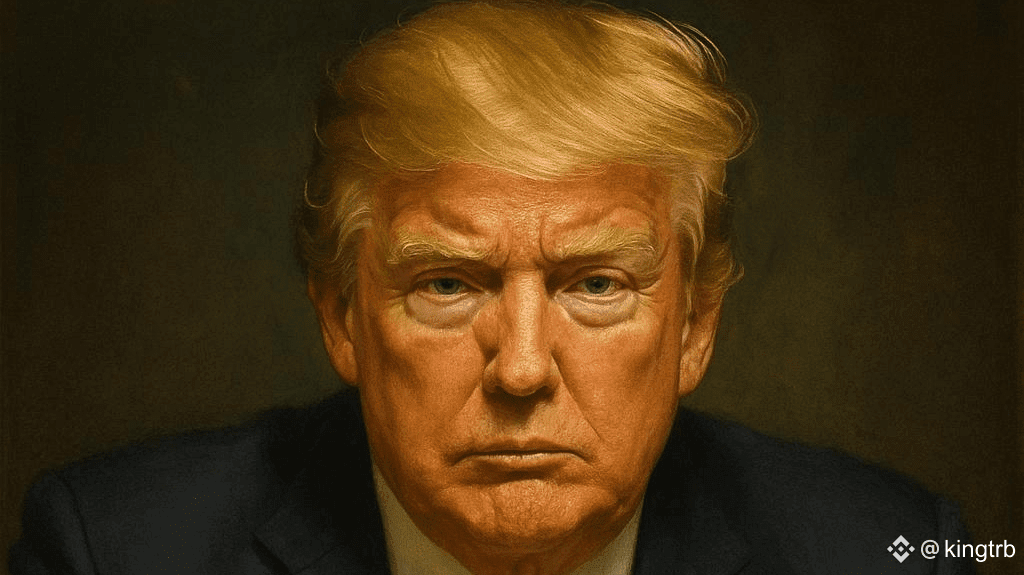
Trump: Ada alternatif untuk Powell, dan mungkin ada tiga, dan Powell tidak berada di bawah tekanan. Memecat Powell akan menjadi langkah besar, dan saya rasa tidak ada kebutuhan untuk itu. Saya percaya bahwa Powell akan melakukan hal yang benar.
Pertanyaan ujian muncul, siapa tiga orang potensial itu? Itu sudah dibicarakan kemarin.$XRP $BNB $ID
Lihat hasil investasi saya dan rincian portofolio saya. Ikuti saya untuk mendapatkan lebih banyak tips investasi
Trump: Ada alternatif untuk Powell, dan mungkin ada tiga, dan Powell tidak berada di bawah tekanan. Memecat Powell akan menjadi langkah besar, dan saya rasa tidak ada kebutuhan untuk itu. Saya percaya bahwa Powell akan melakukan hal yang benar.
Pertanyaan ujian muncul, siapa tiga orang potensial itu? Itu sudah dibicarakan kemarin.$XRP $BNB $ID
Trump: Ada alternatif untuk Powell, dan mungkin ada tiga, dan Powell tidak berada di bawah tekanan. Memecat Powell akan menjadi langkah besar, dan saya rasa tidak ada kebutuhan untuk itu. Saya percaya bahwa Powell akan melakukan hal yang benar.
Pertanyaan ujian muncul, siapa tiga orang potensial itu? Itu sudah dibicarakan kemarin.$XRP $BNB $ID
1
299
·
--
Lihat terjemahan
ترامب: هناك بدائل لباول، وقد يكون هناك ثلاثة، ولم يتم الضغط على باول. إن إقالة باول ستكون خطوة كبيرة، وأعتقد أنه ليس هناك حاجة لذلك. أنا أؤمن أن باول سيفعل الشيء الصحيح.
سؤال الاختبار جاء، من هم الثلاثة الأشخاص المحتملين؟ لقد تم التحدث عن ذلك بالأمس.
ترامب: هناك بدائل لباول، وقد يكون هناك ثلاثة، ولم يتم الضغط على باول. إن إقالة باول ستكون خطوة كبيرة، وأعتقد أنه ليس هناك حاجة لذلك. أنا أؤمن أن باول سيفعل الشيء الصحيح.
سؤال الاختبار جاء، من هم الثلاثة الأشخاص المحتملين؟ لقد تم التحدث عن ذلك بالأمس.
سؤال الاختبار جاء، من هم الثلاثة الأشخاص المحتملين؟ لقد تم التحدث عن ذلك بالأمس.
12
·
--
Lihat terjemahan
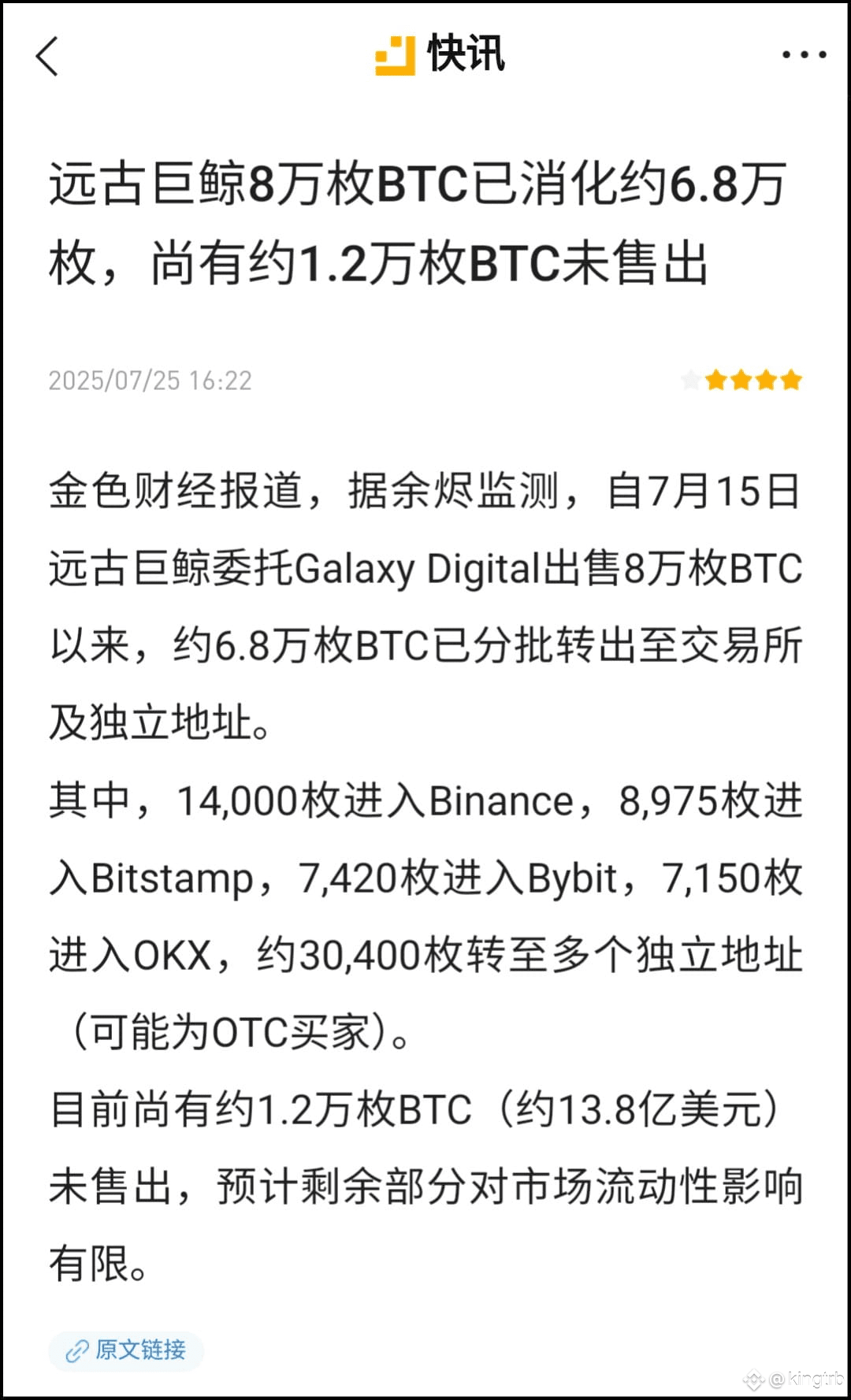
الذئب جاء، الذئب جاء حقًا، في المرة السابقة عندما قلت إنه سيتم البيع، كانت في النهاية مجرد خدعة، ولكن هذه المرة كانت عملية البيع المفاجئة مفاجئة للسوق، وكان ذلك بالضبط يوم الجمعة.
بالتأكيد، كان يوم الجمعة الأسود مدينًا للجميع بانخفاض حاد، فقد انتظرنا طويلاً، وكان هناك الكثير من العقود العالقة في الأسفل. في فترة السوق الصاعدة، يكفي خبر سيء كبير لتحفيز الانخفاض، وهذا أمر حتمي.
اتجاه الانخفاض اليوم يظهر اتجاهًا أحادي الاتجاه، وكانت قوة الارتداد في منتصف الطريق ضعيفة جداً، لولا أن الوضع كان مستقرًا، لكان قد انخفض بشكل حاد دون مستوى 11.5.
إذا كنت ترغب في الحصول على دو، فلا بد من الانتظار حتى حوالي 11.4، خاصة أن السلوك الحالي لا يزال فوق 3600. $BTC $XRP $BNB
الذئب جاء، الذئب جاء حقًا، في المرة السابقة عندما قلت إنه سيتم البيع، كانت في النهاية مجرد خدعة، ولكن هذه المرة كانت عملية البيع المفاجئة مفاجئة للسوق، وكان ذلك بالضبط يوم الجمعة.
بالتأكيد، كان يوم الجمعة الأسود مدينًا للجميع بانخفاض حاد، فقد انتظرنا طويلاً، وكان هناك الكثير من العقود العالقة في الأسفل. في فترة السوق الصاعدة، يكفي خبر سيء كبير لتحفيز الانخفاض، وهذا أمر حتمي.
اتجاه الانخفاض اليوم يظهر اتجاهًا أحادي الاتجاه، وكانت قوة الارتداد في منتصف الطريق ضعيفة جداً، لولا أن الوضع كان مستقرًا، لكان قد انخفض بشكل حاد دون مستوى 11.5.
إذا كنت ترغب في الحصول على دو، فلا بد من الانتظار حتى حوالي 11.4، خاصة أن السلوك الحالي لا يزال فوق 3600. $BTC $XRP $BNB
بالتأكيد، كان يوم الجمعة الأسود مدينًا للجميع بانخفاض حاد، فقد انتظرنا طويلاً، وكان هناك الكثير من العقود العالقة في الأسفل. في فترة السوق الصاعدة، يكفي خبر سيء كبير لتحفيز الانخفاض، وهذا أمر حتمي.
اتجاه الانخفاض اليوم يظهر اتجاهًا أحادي الاتجاه، وكانت قوة الارتداد في منتصف الطريق ضعيفة جداً، لولا أن الوضع كان مستقرًا، لكان قد انخفض بشكل حاد دون مستوى 11.5.
إذا كنت ترغب في الحصول على دو، فلا بد من الانتظار حتى حوالي 11.4، خاصة أن السلوك الحالي لا يزال فوق 3600. $BTC $XRP $BNB
1
122
·
--
Bullish
Lihat terjemahan
🔥 استعد! الأسواق ستنفجر قريبًا... وإليك كيف لا تفوت اللحظة! 🔥 مرحبًا، أصدقائي! 👋 هل لاحظتم كيف أن هناك صمتًا مروعًا قبل العاصفة الأقوى؟ 🌩️ صمت... ⚠️ لكن ليس هدوءًا! إنه الآن وقت مماثل في الأسواق العالمية!
بيتكوين (BTC)، ومؤشر S&P 500 الأمريكي وحتى الذهب الموثوق (GOLD) يتصرفون... بهدوء شديد. 😌 إن "عصبيتهم" لمدة 30 يومًا (تقلب) تتراجع وتتراجع. 📉
لكن التاريخ يصرخ لنا:🔄 في كل مرة حدث فيها ذلك – بام! 💥 – تلتها قفزات هائلة في الأسعار! سواء للأعلى أو للأسفل – لكن الأسواق بدأت ترقص بجنون! 💃🕺
🔍 نراقب كل همسات السوق بعناية.
📊 نقوم بتحليل البيانات ونبحث عن إشارات مهمة ( مثل التي لدينا الآن!).
📣 نشارك يوميًا تحليلات جديدة وواضحة! لا معلومات قديمة - فقط رؤى حديثة
$BTC $SOL $YGG
🔥 استعد! الأسواق ستنفجر قريبًا... وإليك كيف لا تفوت اللحظة! 🔥 مرحبًا، أصدقائي! 👋 هل لاحظتم كيف أن هناك صمتًا مروعًا قبل العاصفة الأقوى؟ 🌩️ صمت... ⚠️ لكن ليس هدوءًا! إنه الآن وقت مماثل في الأسواق العالمية!
بيتكوين (BTC)، ومؤشر S&P 500 الأمريكي وحتى الذهب الموثوق (GOLD) يتصرفون... بهدوء شديد. 😌 إن "عصبيتهم" لمدة 30 يومًا (تقلب) تتراجع وتتراجع. 📉
لكن التاريخ يصرخ لنا:🔄 في كل مرة حدث فيها ذلك – بام! 💥 – تلتها قفزات هائلة في الأسعار! سواء للأعلى أو للأسفل – لكن الأسواق بدأت ترقص بجنون! 💃🕺
🔍 نراقب كل همسات السوق بعناية.
📊 نقوم بتحليل البيانات ونبحث عن إشارات مهمة ( مثل التي لدينا الآن!).
📣 نشارك يوميًا تحليلات جديدة وواضحة! لا معلومات قديمة - فقط رؤى حديثة
$BTC $SOL $YGG
بيتكوين (BTC)، ومؤشر S&P 500 الأمريكي وحتى الذهب الموثوق (GOLD) يتصرفون... بهدوء شديد. 😌 إن "عصبيتهم" لمدة 30 يومًا (تقلب) تتراجع وتتراجع. 📉
لكن التاريخ يصرخ لنا:🔄 في كل مرة حدث فيها ذلك – بام! 💥 – تلتها قفزات هائلة في الأسعار! سواء للأعلى أو للأسفل – لكن الأسواق بدأت ترقص بجنون! 💃🕺
🔍 نراقب كل همسات السوق بعناية.
📊 نقوم بتحليل البيانات ونبحث عن إشارات مهمة ( مثل التي لدينا الآن!).
📣 نشارك يوميًا تحليلات جديدة وواضحة! لا معلومات قديمة - فقط رؤى حديثة
$BTC $SOL $YGG
1
14
·
--
Bullish
Jumat, 25 Juli 2025
#HariIni#XRP / Dolar AS
①Strategi Pembelian Ripple📈: Masuk dekat 3.1031, Stop Loss 3.0731, Ambil Untung dekat 3.4066 Keuntungan akan dikurangi secara bertahap kemudian Stop Loss dinaikkan ke titik masuk untuk menjaga modal 【Transaksi dengan Stop Loss + Manajemen Ukuran yang Ketat】
$XRP $HYPE $C Hanya berbagi gratis untuk referensi saja Tidak merupakan saran investasi
Jumat, 25 Juli 2025
#HariIni#XRP / Dolar AS
①Strategi Pembelian Ripple📈: Masuk dekat 3.1031, Stop Loss 3.0731, Ambil Untung dekat 3.4066 Keuntungan akan dikurangi secara bertahap kemudian Stop Loss dinaikkan ke titik masuk untuk menjaga modal 【Transaksi dengan Stop Loss + Manajemen Ukuran yang Ketat】
$XRP $HYPE $C Hanya berbagi gratis untuk referensi saja Tidak merupakan saran investasi
#HariIni#XRP / Dolar AS
①Strategi Pembelian Ripple📈: Masuk dekat 3.1031, Stop Loss 3.0731, Ambil Untung dekat 3.4066 Keuntungan akan dikurangi secara bertahap kemudian Stop Loss dinaikkan ke titik masuk untuk menjaga modal 【Transaksi dengan Stop Loss + Manajemen Ukuran yang Ketat】
$XRP $HYPE $C Hanya berbagi gratis untuk referensi saja Tidak merupakan saran investasi

1
19
Masuk untuk menjelajahi konten lainnya
Bergabunglah dengan pengguna kripto global di Binance Square
⚡️ Dapatkan informasi terbaru dan berguna tentang kripto.
💬 Dipercayai oleh bursa kripto terbesar di dunia.
👍 Temukan wawasan nyata dari kreator terverifikasi.
Email/Nomor Ponsel
Topik Sedang Tren
CircleMints500MUSDCOnSolana
12,028 penayangan
506 Berdiskusi
#circlemints500musdconsolana
🚨 BOOM Likuiditas! Circle Mencetak $500 Juta USDC di Solana — Apakah Reli DeFi Besar Berikutnya? 🚀
💵 Apa yang Terjadi?
Dalam sebuah peristiwa on-chain besar, Treasury USDC menerbitkan $500 juta dalam USDC langsung di jaringan Solana melalui dua transaksi senilai $250M.
Masuknya modal besar yang didukung mata uang riil ini menyoroti meningkatnya minat pada stablecoin di ekosistem berkecepatan tinggi dan berbiaya rendah.
🔑 Poin Penting & Sorotan
Likuiditas On-Chain Baru: USDC yang baru dicetak meningkatkan liquidity pool di DEX berbasis Solana, pasar pinjam-meminjam, dan protokol yield.
$SOL
Isyarat Institusional: Karena setiap USDC didukung 1:1 oleh cadangan riil, peristiwa pencetakan dalam skala besar mencerminkan masuknya modal institusional atau komersial yang benar-benar memasuki ekosistem.
Ekspansi Pangsa Pasar Solana: Solana terus merebut porsi yang semakin besar dari total peredaran USDC, mengancam distribusi pasar stablecoin tradisional.
Konteks Makro & The Fed: Saat trader memantau perkembangan makroekonomi global dan prospek suku bunga, peluang on-chain berimbal hasil tinggi menarik kembali modal yang menganggur ke Web3.
💡 Kenapa Ini Penting bagi Trader
Slippage Lebih Rendah & Swap Lebih Baik: Kedalaman stablecoin yang lebih tinggi berarti perdagangan yang lebih besar dapat dilakukan tanpa dampak pasar yang berat.
Potensi Hasil DeFi: Cadangan USDC yang meningkat mendorong TVL (Total Value Locked) yang lebih tinggi pada protokol lending dan farming Solana.
Perubahan Sentimen: Suntikan stablecoin dalam jumlah besar secara historis merupakan indikator bullish untuk token ekosistem ($SOL,$JUP, $RAY,$KMNO).
Giliran Anda bagaimana? Apakah Anda menyimpan uang di pinggir atau ikut arus gelombang likuiditas Solana? Tulis pendapat Anda di bawah! 👇
#BlackRockBuildsTokenizedPortfoliosForOndo #solana #defi
Lily星星
·Disukai 4 Kali
·2.1k penayangan
PolymarketBankFailureBetsDrawFDICConcern
27,392 penayangan
702 Berdiskusi
BlackRockBuildsTokenizedPortfoliosForOndo
21,513 penayangan
478 Berdiskusi