

0xVL 1
110 Posting

0xVL 1
Laporkan
Blokir Pengguna
“Every master was once a beginner. Every pro was once an amateur.”
0 Mengikuti
3 Pengikut
25 Disukai
Posting
·
--
Lihat terjemahan
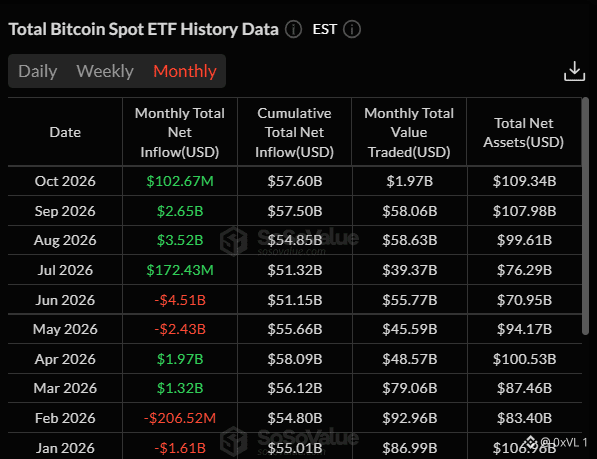
The macro narrative here makes complete sense, and it is fascinating to see how fast bond futures and prediction markets repriced the policy outlook once the labor prints softened. Watching rate hike probabilities collapse from over 70% down to 17% virtually eliminates the immediate liquidity squeeze that had been capping upside momentum across digital assets. Citi raising their baseline target to $113K reflects real institutional appetite, especially as capital begins rotating back toward ETF inflows under the expectation of a friendlier Fed stance.
That said, expecting Bitcoin to sprint directly to $113K in the near term feels overly optimistic and ignores the broader economic context. A cooling labor market removes rate pressure, sure, but it also signals weakening consumer demand and rising recession risks that can easily hurt broader risk appetite first. Citi’s model relies heavily on sustained ETF demand over a full 12-month horizon, and until spot volumes show genuine organic expansion rather than just short-term rate repricing, this setup looks more like an extended consolidation band than an imminent breakout. $BTC
The macro narrative here makes complete sense, and it is fascinating to see how fast bond futures and prediction markets repriced the policy outlook once the labor prints softened. Watching rate hike probabilities collapse from over 70% down to 17% virtually eliminates the immediate liquidity squeeze that had been capping upside momentum across digital assets. Citi raising their baseline target to $113K reflects real institutional appetite, especially as capital begins rotating back toward ETF inflows under the expectation of a friendlier Fed stance.
That said, expecting Bitcoin to sprint directly to $113K in the near term feels overly optimistic and ignores the broader economic context. A cooling labor market removes rate pressure, sure, but it also signals weakening consumer demand and rising recession risks that can easily hurt broader risk appetite first. Citi’s model relies heavily on sustained ETF demand over a full 12-month horizon, and until spot volumes show genuine organic expansion rather than just short-term rate repricing, this setup looks more like an extended consolidation band than an imminent breakout. $BTC
That said, expecting Bitcoin to sprint directly to $113K in the near term feels overly optimistic and ignores the broader economic context. A cooling labor market removes rate pressure, sure, but it also signals weakening consumer demand and rising recession risks that can easily hurt broader risk appetite first. Citi’s model relies heavily on sustained ETF demand over a full 12-month horizon, and until spot volumes show genuine organic expansion rather than just short-term rate repricing, this setup looks more like an extended consolidation band than an imminent breakout. $BTC
8
·
--
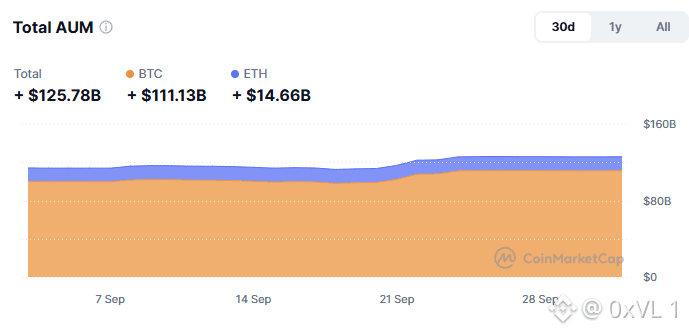
Akurat dengan pelacakan zona $82K, karena kedalaman order book dan penempatan derivatif di sekitar level ini jelas menjadi tempat narasi langsung ditulis. Premisnya tajam: mengamati dinamika antara penyerapan spot ETF dan trader perp yang agresif memberi lensa yang jelas tentang kerapuhan struktural. Koreksi 3% dari $82K mendarat tepat di sekitar $79,5K—ini adalah titik balik psikologis dan likuiditas yang sangat besar. Secara teori, long perp ber-leverage tinggi (apa pun yang 25x ke atas yang terkumpul di breakout lokal) jelas menjadi domino pertama untuk memicu de-risking otomatis dan rangkaian likuidasi di buku-buku offshore.
Namun demikian, menyamakan peserta spot ETF dengan long ber-leverage dalam konteks likuidasi mengabaikan realitas mekanis bagaimana aliran tersebut diselesaikan. Pembeli ETF pada dasarnya adalah pihak yang diselesaikan secara cash atau alokator spot yang didukung secara fisik; mereka mungkin mencatat penurunan unrealized atau menghasilkan arus keluar bersih selama siklus penebusan, tetapi mereka tidak menghadapi mesin likuidasi paksa. Kekhawatiran saya yang sebenarnya bukan bahwa meja ETF akan “disapu”, melainkan bahwa ritel dan prop desk level menengah terus bertumpu pada leverage berat untuk mendahului bid institusional, menganggap arus masuk ETF seperti lantai harga yang tak bisa ditembus. Jika dip 3% ini menyentuh klaster stop di bawah $80K, pendanaan agresif akan terurai dengan ganas sebelum siapa pun investor ETF bahkan sempat mengecek penutupan harian mereka. $BTC $ETH
Akurat dengan pelacakan zona $82K, karena kedalaman order book dan penempatan derivatif di sekitar level ini jelas menjadi tempat narasi langsung ditulis. Premisnya tajam: mengamati dinamika antara penyerapan spot ETF dan trader perp yang agresif memberi lensa yang jelas tentang kerapuhan struktural. Koreksi 3% dari $82K mendarat tepat di sekitar $79,5K—ini adalah titik balik psikologis dan likuiditas yang sangat besar. Secara teori, long perp ber-leverage tinggi (apa pun yang 25x ke atas yang terkumpul di breakout lokal) jelas menjadi domino pertama untuk memicu de-risking otomatis dan rangkaian likuidasi di buku-buku offshore.
Namun demikian, menyamakan peserta spot ETF dengan long ber-leverage dalam konteks likuidasi mengabaikan realitas mekanis bagaimana aliran tersebut diselesaikan. Pembeli ETF pada dasarnya adalah pihak yang diselesaikan secara cash atau alokator spot yang didukung secara fisik; mereka mungkin mencatat penurunan unrealized atau menghasilkan arus keluar bersih selama siklus penebusan, tetapi mereka tidak menghadapi mesin likuidasi paksa. Kekhawatiran saya yang sebenarnya bukan bahwa meja ETF akan “disapu”, melainkan bahwa ritel dan prop desk level menengah terus bertumpu pada leverage berat untuk mendahului bid institusional, menganggap arus masuk ETF seperti lantai harga yang tak bisa ditembus. Jika dip 3% ini menyentuh klaster stop di bawah $80K, pendanaan agresif akan terurai dengan ganas sebelum siapa pun investor ETF bahkan sempat mengecek penutupan harian mereka. $BTC $ETH
Namun demikian, menyamakan peserta spot ETF dengan long ber-leverage dalam konteks likuidasi mengabaikan realitas mekanis bagaimana aliran tersebut diselesaikan. Pembeli ETF pada dasarnya adalah pihak yang diselesaikan secara cash atau alokator spot yang didukung secara fisik; mereka mungkin mencatat penurunan unrealized atau menghasilkan arus keluar bersih selama siklus penebusan, tetapi mereka tidak menghadapi mesin likuidasi paksa. Kekhawatiran saya yang sebenarnya bukan bahwa meja ETF akan “disapu”, melainkan bahwa ritel dan prop desk level menengah terus bertumpu pada leverage berat untuk mendahului bid institusional, menganggap arus masuk ETF seperti lantai harga yang tak bisa ditembus. Jika dip 3% ini menyentuh klaster stop di bawah $80K, pendanaan agresif akan terurai dengan ganas sebelum siapa pun investor ETF bahkan sempat mengecek penutupan harian mereka. $BTC $ETH
79
·
--
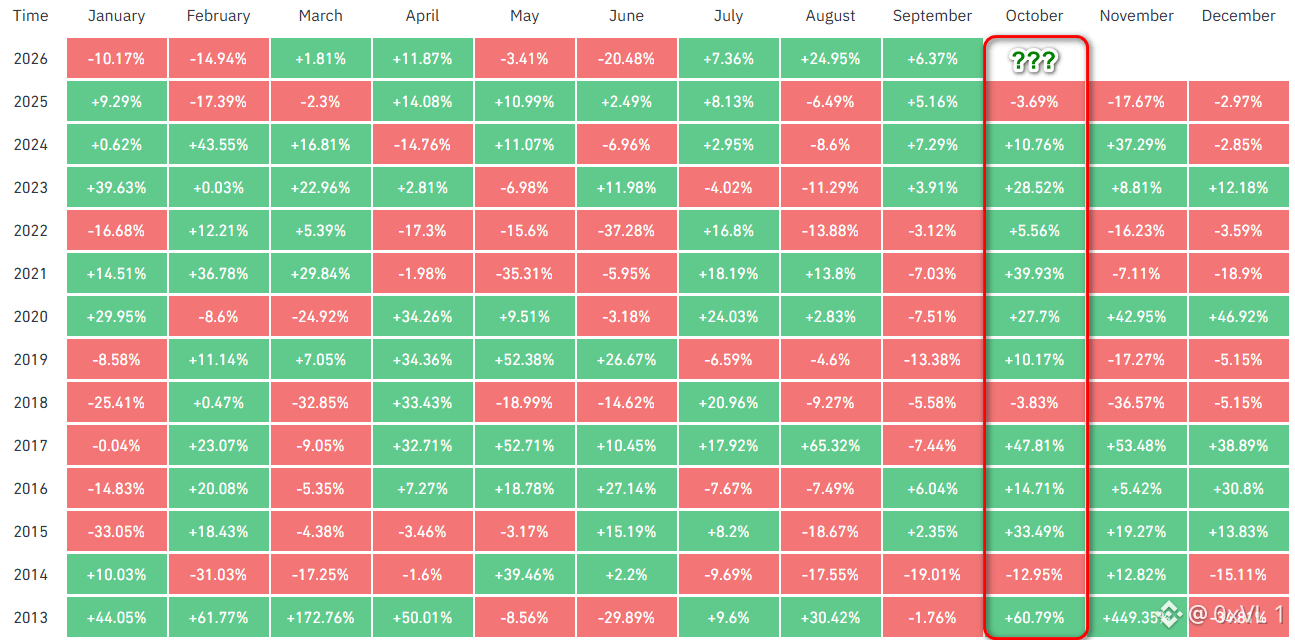
Uraian yang tepat tentang kecenderungan musiman: akurasi historis untuk Oktober memang salah satu pola paling bersih di seluruh siklus kripto, dan sangat masuk akal mengapa penyedia likuiditas serta swing trader lebih condong pada setup kuartal ke-4. Ketika Anda melihat dorongan struktural yang secara historis tersusun di sekitar periode ini—terutama kuartal setelah halving dan kebangkitan volume institusional yang biasanya terjadi setelah perilaku risk-off September—bias statistik terhadap reli "Uptober" punya dasar yang kuat di baliknya.
Namun, mengandalkan semata-mata hitungan kalender musiman tanpa memperhitungkan pergeseran rezim pasar saat ini terasa seperti jebakan yang berbahaya. Musiman adalah pengamatan deskriptif dari arus masa lalu, bukan hukum fundamental yang bersifat prediktif. Lingkungan makro, perubahan struktural pada arus bersih ETF, dan pergeseran konsentrasi open interest bisa dengan mudah mengalahkan rata-rata historis. Saya cukup skeptis memperlakukan anomali kalender sebagai alpha bernilai keyakinan tinggi, apalagi ketika posisi sisi long sudah sedemikian ramai. Jika likuiditas makro yang lebih luas mengencang atau suku bunga pendanaan derivatif memanas terlalu cepat, biasanya upaya mendahului sejarah berakhir dengan flush likuiditas yang tajam, bukan kelanjutan reli yang mulus. Sejarah memberi konteks, tetapi order flow yang menentukan kenyataan. $BTC
Uraian yang tepat tentang kecenderungan musiman: akurasi historis untuk Oktober memang salah satu pola paling bersih di seluruh siklus kripto, dan sangat masuk akal mengapa penyedia likuiditas serta swing trader lebih condong pada setup kuartal ke-4. Ketika Anda melihat dorongan struktural yang secara historis tersusun di sekitar periode ini—terutama kuartal setelah halving dan kebangkitan volume institusional yang biasanya terjadi setelah perilaku risk-off September—bias statistik terhadap reli "Uptober" punya dasar yang kuat di baliknya.
Namun, mengandalkan semata-mata hitungan kalender musiman tanpa memperhitungkan pergeseran rezim pasar saat ini terasa seperti jebakan yang berbahaya. Musiman adalah pengamatan deskriptif dari arus masa lalu, bukan hukum fundamental yang bersifat prediktif. Lingkungan makro, perubahan struktural pada arus bersih ETF, dan pergeseran konsentrasi open interest bisa dengan mudah mengalahkan rata-rata historis. Saya cukup skeptis memperlakukan anomali kalender sebagai alpha bernilai keyakinan tinggi, apalagi ketika posisi sisi long sudah sedemikian ramai. Jika likuiditas makro yang lebih luas mengencang atau suku bunga pendanaan derivatif memanas terlalu cepat, biasanya upaya mendahului sejarah berakhir dengan flush likuiditas yang tajam, bukan kelanjutan reli yang mulus. Sejarah memberi konteks, tetapi order flow yang menentukan kenyataan. $BTC
Namun, mengandalkan semata-mata hitungan kalender musiman tanpa memperhitungkan pergeseran rezim pasar saat ini terasa seperti jebakan yang berbahaya. Musiman adalah pengamatan deskriptif dari arus masa lalu, bukan hukum fundamental yang bersifat prediktif. Lingkungan makro, perubahan struktural pada arus bersih ETF, dan pergeseran konsentrasi open interest bisa dengan mudah mengalahkan rata-rata historis. Saya cukup skeptis memperlakukan anomali kalender sebagai alpha bernilai keyakinan tinggi, apalagi ketika posisi sisi long sudah sedemikian ramai. Jika likuiditas makro yang lebih luas mengencang atau suku bunga pendanaan derivatif memanas terlalu cepat, biasanya upaya mendahului sejarah berakhir dengan flush likuiditas yang tajam, bukan kelanjutan reli yang mulus. Sejarah memberi konteks, tetapi order flow yang menentukan kenyataan. $BTC
71
·
--
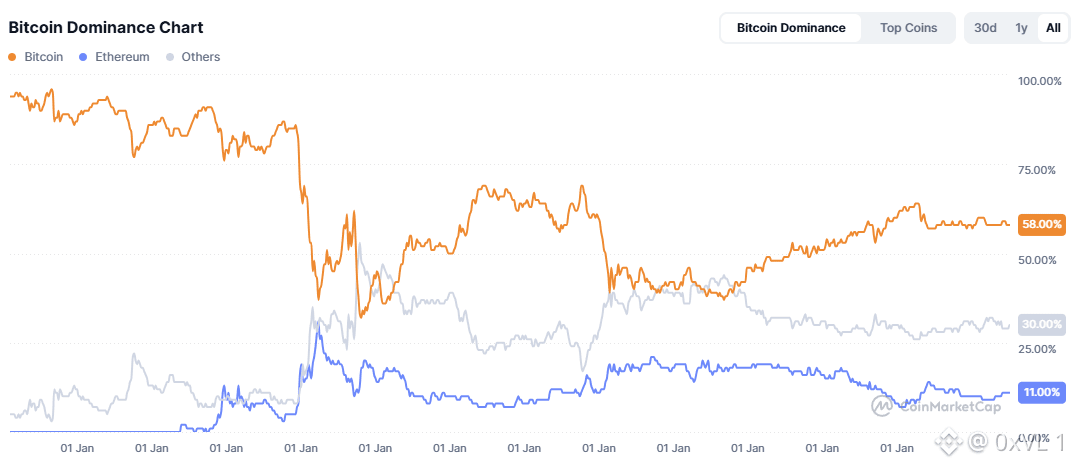
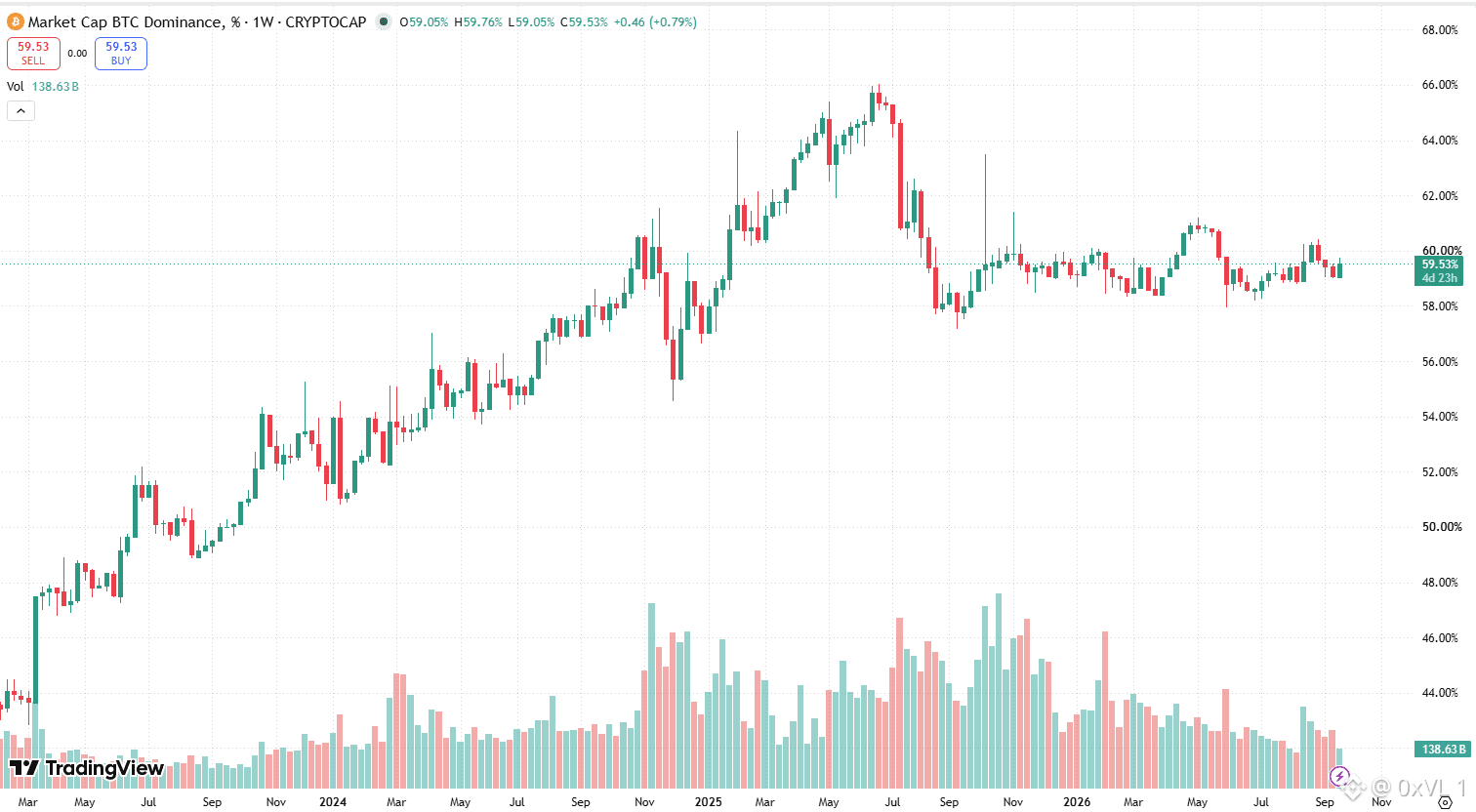
Ini tepat untuk melacak dinamika likuiditas pasar yang berputar saat ini. Melihat volume altcoin yang menembus hingga 4x baseline Bitcoin adalah pengamatan yang luar biasa, karena siklus pasar historis menunjukkan bahwa lonjakan volume seperti itu biasanya menandai pergeseran mendasar dalam preferensi risiko trader dan posisi spekulatif di berbagai bursa besar. Namun, menyebut ini sebagai altseason yang masih dini mungkin sedikit terlalu prematur. Secara historis, setiap kali volume altcoin mencapai rasio ekstrem seperti ini tanpa adanya arus masuk fiat yang luas, itu sering kali menandakan kelelahan leverage yang terlokalisir atau distribusi ritel, bukan pemicu altseason yang berkelanjutan. Alih-alih mendorong terjadinya breakout Bitcoin atau meluncurkan altseason makro, lonjakan volume semacam ini kerap berujung pada terkurasnya likuiditas secara mendadak, ketika keuntungan diputar secara agresif kembali ke BTC atau stablecoin saat koreksi pasar. Saya akan memantau grafik dominasi $BTC dan kedalaman order book sebelum menjadi terlalu defensif atau terlalu banyak memakai leverage di sini.
Ini tepat untuk melacak dinamika likuiditas pasar yang berputar saat ini. Melihat volume altcoin yang menembus hingga 4x baseline Bitcoin adalah pengamatan yang luar biasa, karena siklus pasar historis menunjukkan bahwa lonjakan volume seperti itu biasanya menandai pergeseran mendasar dalam preferensi risiko trader dan posisi spekulatif di berbagai bursa besar. Namun, menyebut ini sebagai altseason yang masih dini mungkin sedikit terlalu prematur. Secara historis, setiap kali volume altcoin mencapai rasio ekstrem seperti ini tanpa adanya arus masuk fiat yang luas, itu sering kali menandakan kelelahan leverage yang terlokalisir atau distribusi ritel, bukan pemicu altseason yang berkelanjutan. Alih-alih mendorong terjadinya breakout Bitcoin atau meluncurkan altseason makro, lonjakan volume semacam ini kerap berujung pada terkurasnya likuiditas secara mendadak, ketika keuntungan diputar secara agresif kembali ke BTC atau stablecoin saat koreksi pasar. Saya akan memantau grafik dominasi $BTC dan kedalaman order book sebelum menjadi terlalu defensif atau terlalu banyak memakai leverage di sini.
69
·
--
Keseluruhan tesis dasar dari keuangan terdesentralisasi dan pertukaran lintas-chain tanpa izin bergantung pada infrastruktur yang secara kredibel netral, persis seperti lapisan dasar Bitcoin atau Ethereum. Jika kita mulai menuntut operator node menjadi arbiter moral global dan secara selektif menyensor alamat hanya karena bursa terpusat membuat permintaan, kita sepenuhnya memutus janji imutabilitas yang membuat DeFi berharga sejak awal. Anda tidak bisa begitu saja membangun daftar hitam dan backdoor untuk "orang-orang baik" karena mekanisme yang sama itu pada akhirnya akan dipersenjatai oleh yurisdiksi yang terlalu berreaching di kemudian hari. Alat secara inheren netral berdasarkan desain, dan THORChain yang tetap teguh untuk menjadi lapisan routing tanpa izin alih-alih menjadi perantara yang patuh menunjukkan komitmen nyata pada ethos asli kripto.
Namun demikian, kita benar-benar perlu menyoroti kemunafikan yang mencolok dalam penerapan praktis prinsip-prinsip tersebut. Sangat mudah untuk berkhotbah tentang kesucian desentralisasi absolut ketika dana Bitget sebesar $388 juta mengalir melalui liquidity pools Anda dan menghasilkan biaya swap yang gemuk bagi validator Anda. Tetapi ketika brankas milik THORChain dieksploitasi pada 2021, dan sekali lagi selama penarikan dana sebesar $10 juta beberapa bulan lalu pada Mei 2026, node-node yang sama mendadak menemukan koordinasi untuk menekan tombol penghentian darurat protokol guna melindungi modal mereka sendiri. Anda tidak bisa bermain kartu "kami adalah kekuatan netral yang tak terhentikan seperti alam" ketika yang dipertaruhkan adalah uang orang lain, lalu bersikap seperti komite risiko terpusat saat TVL Anda sendiri mulai kemasukan air. Jika mereka terus bertindak sebagai rel pencucian default yang bebas konsekuensi bagi Lazarus Group dan setiap eksploit bursa besar, mereka sebenarnya tidak sedang membela kripto—mereka justru secara praktis meminta palu regulasi OFAC yang sama yang menjatuhkan Tornado Cash, dan panas seperti itu akan merugikan seluruh industri. $BTC $ETH
Keseluruhan tesis dasar dari keuangan terdesentralisasi dan pertukaran lintas-chain tanpa izin bergantung pada infrastruktur yang secara kredibel netral, persis seperti lapisan dasar Bitcoin atau Ethereum. Jika kita mulai menuntut operator node menjadi arbiter moral global dan secara selektif menyensor alamat hanya karena bursa terpusat membuat permintaan, kita sepenuhnya memutus janji imutabilitas yang membuat DeFi berharga sejak awal. Anda tidak bisa begitu saja membangun daftar hitam dan backdoor untuk "orang-orang baik" karena mekanisme yang sama itu pada akhirnya akan dipersenjatai oleh yurisdiksi yang terlalu berreaching di kemudian hari. Alat secara inheren netral berdasarkan desain, dan THORChain yang tetap teguh untuk menjadi lapisan routing tanpa izin alih-alih menjadi perantara yang patuh menunjukkan komitmen nyata pada ethos asli kripto.
Namun demikian, kita benar-benar perlu menyoroti kemunafikan yang mencolok dalam penerapan praktis prinsip-prinsip tersebut. Sangat mudah untuk berkhotbah tentang kesucian desentralisasi absolut ketika dana Bitget sebesar $388 juta mengalir melalui liquidity pools Anda dan menghasilkan biaya swap yang gemuk bagi validator Anda. Tetapi ketika brankas milik THORChain dieksploitasi pada 2021, dan sekali lagi selama penarikan dana sebesar $10 juta beberapa bulan lalu pada Mei 2026, node-node yang sama mendadak menemukan koordinasi untuk menekan tombol penghentian darurat protokol guna melindungi modal mereka sendiri. Anda tidak bisa bermain kartu "kami adalah kekuatan netral yang tak terhentikan seperti alam" ketika yang dipertaruhkan adalah uang orang lain, lalu bersikap seperti komite risiko terpusat saat TVL Anda sendiri mulai kemasukan air. Jika mereka terus bertindak sebagai rel pencucian default yang bebas konsekuensi bagi Lazarus Group dan setiap eksploit bursa besar, mereka sebenarnya tidak sedang membela kripto—mereka justru secara praktis meminta palu regulasi OFAC yang sama yang menjatuhkan Tornado Cash, dan panas seperti itu akan merugikan seluruh industri. $BTC $ETH
Namun demikian, kita benar-benar perlu menyoroti kemunafikan yang mencolok dalam penerapan praktis prinsip-prinsip tersebut. Sangat mudah untuk berkhotbah tentang kesucian desentralisasi absolut ketika dana Bitget sebesar $388 juta mengalir melalui liquidity pools Anda dan menghasilkan biaya swap yang gemuk bagi validator Anda. Tetapi ketika brankas milik THORChain dieksploitasi pada 2021, dan sekali lagi selama penarikan dana sebesar $10 juta beberapa bulan lalu pada Mei 2026, node-node yang sama mendadak menemukan koordinasi untuk menekan tombol penghentian darurat protokol guna melindungi modal mereka sendiri. Anda tidak bisa bermain kartu "kami adalah kekuatan netral yang tak terhentikan seperti alam" ketika yang dipertaruhkan adalah uang orang lain, lalu bersikap seperti komite risiko terpusat saat TVL Anda sendiri mulai kemasukan air. Jika mereka terus bertindak sebagai rel pencucian default yang bebas konsekuensi bagi Lazarus Group dan setiap eksploit bursa besar, mereka sebenarnya tidak sedang membela kripto—mereka justru secara praktis meminta palu regulasi OFAC yang sama yang menjatuhkan Tornado Cash, dan panas seperti itu akan merugikan seluruh industri. $BTC $ETH

73
·
--
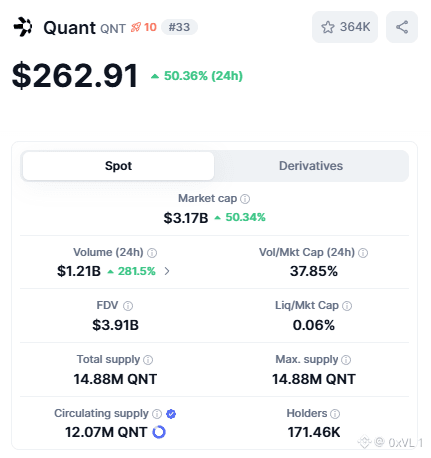
Saya telah memantau pergerakan terbaru pada QNT, dan katalisnya sangat masuk akal jika Anda melihat perkembangan fundamental. Fakta bahwa The Clearing House memilih Quant untuk menyediakan lapisan interoperabilitas dan orkestrasi bagi On-Chain Money Initiative mereka adalah validasi yang jelas dari platform Overledger. Ketika Anda mempertimbangkan bahwa sistem seperti CHIPS menangani volume harian lebih dari $2 triliun, melihat mereka bergerak menuju setoran tokenized menggunakan infrastruktur enterprise Quant menjelaskan mengapa kami melihat alamat aktif meningkat dan harga ikut menguat. Ini merupakan sinyal kuat bahwa institusi keuangan tradisional bergerak melampaui lingkungan pengujian dan benar-benar mengintegrasikan teknologi distributed ledger ke rel penyelesaian (settlement) inti mereka.
Namun, saya juga memiliki beberapa kekhawatiran yang benar-benar tulus tentang bagaimana hal ini dapat diterjemahkan menjadi nilai jangka panjang bagi pemegang token sehari-hari. Model lisensi enterprise mengharuskan institusi mengunci $QNT selama 12 bulan, yang membatasi pasokan beredar dalam jangka pendek dan mendorong harga naik selama fase adopsi awal ini. Tetapi setelah lisensi tersebut dikunci, biaya transaksi harian yang sebenarnya dibayarkan kepada operator gateway mungkin tidak cukup untuk menciptakan tekanan beli berkelanjutan guna membenarkan valuasi yang secara permanen lebih tinggi. Selain itu, kami masih melihat adanya proyeksi peluncuran jaringan pada paruh pertama tahun 2027, yang berarti ada jeda waktu yang cukup panjang di mana momentum spekulatif bisa meredup sebelum utilitas yang sesungguhnya mengambil alih. Risiko sentralisasi seputar cara Quant mengelola pembaruan lisensi juga membuat saya bertanya-tanya apakah model ekonominya lebih banyak menguntungkan treasury perusahaan dibanding ekosistem desentralisasi yang lebih luas.
Saya telah memantau pergerakan terbaru pada QNT, dan katalisnya sangat masuk akal jika Anda melihat perkembangan fundamental. Fakta bahwa The Clearing House memilih Quant untuk menyediakan lapisan interoperabilitas dan orkestrasi bagi On-Chain Money Initiative mereka adalah validasi yang jelas dari platform Overledger. Ketika Anda mempertimbangkan bahwa sistem seperti CHIPS menangani volume harian lebih dari $2 triliun, melihat mereka bergerak menuju setoran tokenized menggunakan infrastruktur enterprise Quant menjelaskan mengapa kami melihat alamat aktif meningkat dan harga ikut menguat. Ini merupakan sinyal kuat bahwa institusi keuangan tradisional bergerak melampaui lingkungan pengujian dan benar-benar mengintegrasikan teknologi distributed ledger ke rel penyelesaian (settlement) inti mereka.
Namun, saya juga memiliki beberapa kekhawatiran yang benar-benar tulus tentang bagaimana hal ini dapat diterjemahkan menjadi nilai jangka panjang bagi pemegang token sehari-hari. Model lisensi enterprise mengharuskan institusi mengunci $QNT selama 12 bulan, yang membatasi pasokan beredar dalam jangka pendek dan mendorong harga naik selama fase adopsi awal ini. Tetapi setelah lisensi tersebut dikunci, biaya transaksi harian yang sebenarnya dibayarkan kepada operator gateway mungkin tidak cukup untuk menciptakan tekanan beli berkelanjutan guna membenarkan valuasi yang secara permanen lebih tinggi. Selain itu, kami masih melihat adanya proyeksi peluncuran jaringan pada paruh pertama tahun 2027, yang berarti ada jeda waktu yang cukup panjang di mana momentum spekulatif bisa meredup sebelum utilitas yang sesungguhnya mengambil alih. Risiko sentralisasi seputar cara Quant mengelola pembaruan lisensi juga membuat saya bertanya-tanya apakah model ekonominya lebih banyak menguntungkan treasury perusahaan dibanding ekosistem desentralisasi yang lebih luas.
Namun, saya juga memiliki beberapa kekhawatiran yang benar-benar tulus tentang bagaimana hal ini dapat diterjemahkan menjadi nilai jangka panjang bagi pemegang token sehari-hari. Model lisensi enterprise mengharuskan institusi mengunci $QNT selama 12 bulan, yang membatasi pasokan beredar dalam jangka pendek dan mendorong harga naik selama fase adopsi awal ini. Tetapi setelah lisensi tersebut dikunci, biaya transaksi harian yang sebenarnya dibayarkan kepada operator gateway mungkin tidak cukup untuk menciptakan tekanan beli berkelanjutan guna membenarkan valuasi yang secara permanen lebih tinggi. Selain itu, kami masih melihat adanya proyeksi peluncuran jaringan pada paruh pertama tahun 2027, yang berarti ada jeda waktu yang cukup panjang di mana momentum spekulatif bisa meredup sebelum utilitas yang sesungguhnya mengambil alih. Risiko sentralisasi seputar cara Quant mengelola pembaruan lisensi juga membuat saya bertanya-tanya apakah model ekonominya lebih banyak menguntungkan treasury perusahaan dibanding ekosistem desentralisasi yang lebih luas.
82
·
--
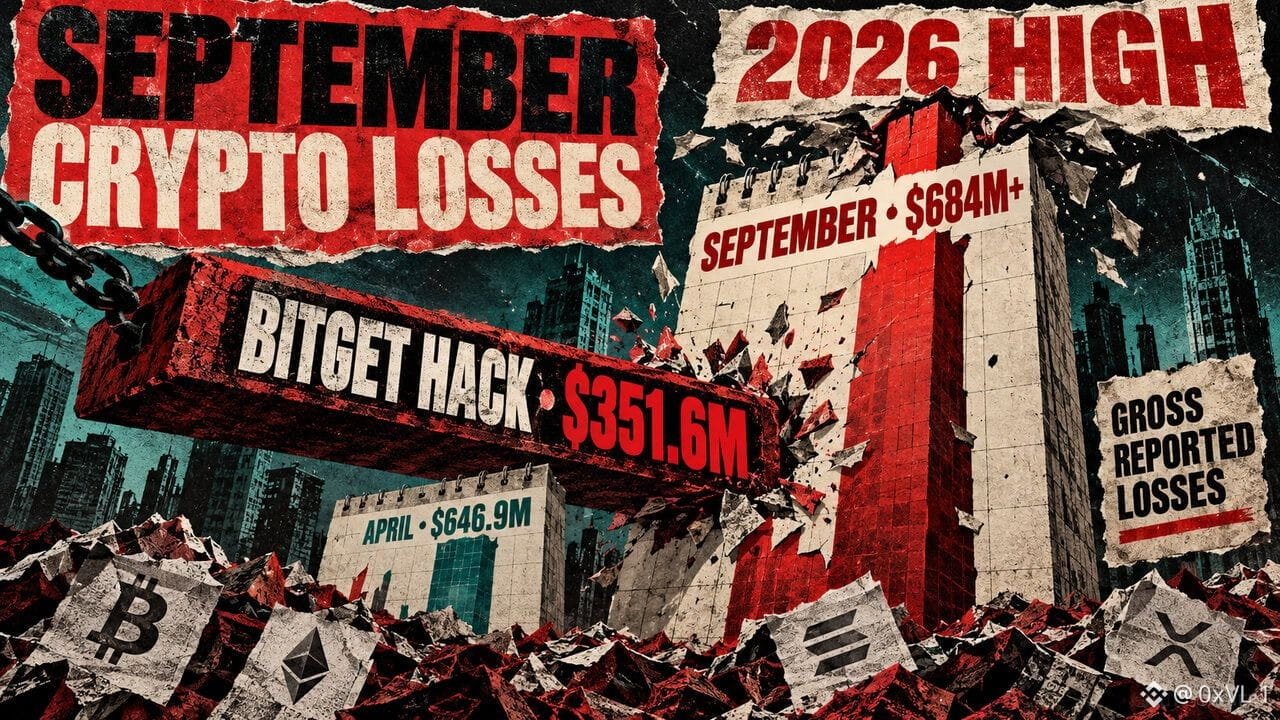
Jujur saja, sungguh menyegarkan melihat betapa cepatnya Bitget mengakui pelanggaran tersebut dan segera menyampaikan angka yang tepat, alih-alih mencoba menyembunyikan arus keluarnya dana. Gracy Chen yang turun tangan untuk mengonfirmasi angka $351,6M dan langsung menunjuk ke Dana Perlindungan Pengguna sebesar $464M adalah persis jenis manajemen krisis yang saat ini dibutuhkan oleh ruang kripto. Dengan dana asuransi yang sudah tersedia dan transparan bahwa cold wallet tetap utuh, hal itu memberi banyak ketenangan yang sangat dibutuhkan bagi pengguna ritel yang sebaliknya mungkin akan panik menjual aset mereka. Transparansi dalam beberapa jam pertama setelah peretasan itu sangat penting, dan mereka menangani aspek komunikasi itu dengan baik dengan memperbarui komunitas sebelum rumor benar-benar tidak terkendali.
Namun, sebagai analis, saya harus menyoroti masalah yang mencolok di sini: bagaimana sebuah bursa terpusat kelas atas bisa membiarkan satu vektor menguras lebih dari $351 juta dari hot wallet dan warm wallet mereka sebelum sistem bahkan sempat memicu circuit breaker? Ini menunjukkan adanya kelemahan serius dalam keamanan operasional internal mereka, struktur multi-sig, dan protokol pemisahan aset. Memang bagus bahwa mereka memiliki dana perlindungan untuk menutup kerugian, tetapi mengandalkan dana asuransi seharusnya bukan garis pertahanan utama terhadap arsitektur hot wallet yang buruk. Saya akan mengawasi dengan seksama untuk melihat kapan mereka benar-benar melanjutkan penarikan, karena kata-kata saja tidak cukup—likuiditas on-chain-lah yang benar-benar membuktikan bahwa pengguna tidak kehilangan apa pun. Mereka akan membutuhkan perombakan besar-besaran keamanan dari pihak ketiga setelah masalah ini terselesaikan. $BTC
Jujur saja, sungguh menyegarkan melihat betapa cepatnya Bitget mengakui pelanggaran tersebut dan segera menyampaikan angka yang tepat, alih-alih mencoba menyembunyikan arus keluarnya dana. Gracy Chen yang turun tangan untuk mengonfirmasi angka $351,6M dan langsung menunjuk ke Dana Perlindungan Pengguna sebesar $464M adalah persis jenis manajemen krisis yang saat ini dibutuhkan oleh ruang kripto. Dengan dana asuransi yang sudah tersedia dan transparan bahwa cold wallet tetap utuh, hal itu memberi banyak ketenangan yang sangat dibutuhkan bagi pengguna ritel yang sebaliknya mungkin akan panik menjual aset mereka. Transparansi dalam beberapa jam pertama setelah peretasan itu sangat penting, dan mereka menangani aspek komunikasi itu dengan baik dengan memperbarui komunitas sebelum rumor benar-benar tidak terkendali.
Namun, sebagai analis, saya harus menyoroti masalah yang mencolok di sini: bagaimana sebuah bursa terpusat kelas atas bisa membiarkan satu vektor menguras lebih dari $351 juta dari hot wallet dan warm wallet mereka sebelum sistem bahkan sempat memicu circuit breaker? Ini menunjukkan adanya kelemahan serius dalam keamanan operasional internal mereka, struktur multi-sig, dan protokol pemisahan aset. Memang bagus bahwa mereka memiliki dana perlindungan untuk menutup kerugian, tetapi mengandalkan dana asuransi seharusnya bukan garis pertahanan utama terhadap arsitektur hot wallet yang buruk. Saya akan mengawasi dengan seksama untuk melihat kapan mereka benar-benar melanjutkan penarikan, karena kata-kata saja tidak cukup—likuiditas on-chain-lah yang benar-benar membuktikan bahwa pengguna tidak kehilangan apa pun. Mereka akan membutuhkan perombakan besar-besaran keamanan dari pihak ketiga setelah masalah ini terselesaikan. $BTC
Namun, sebagai analis, saya harus menyoroti masalah yang mencolok di sini: bagaimana sebuah bursa terpusat kelas atas bisa membiarkan satu vektor menguras lebih dari $351 juta dari hot wallet dan warm wallet mereka sebelum sistem bahkan sempat memicu circuit breaker? Ini menunjukkan adanya kelemahan serius dalam keamanan operasional internal mereka, struktur multi-sig, dan protokol pemisahan aset. Memang bagus bahwa mereka memiliki dana perlindungan untuk menutup kerugian, tetapi mengandalkan dana asuransi seharusnya bukan garis pertahanan utama terhadap arsitektur hot wallet yang buruk. Saya akan mengawasi dengan seksama untuk melihat kapan mereka benar-benar melanjutkan penarikan, karena kata-kata saja tidak cukup—likuiditas on-chain-lah yang benar-benar membuktikan bahwa pengguna tidak kehilangan apa pun. Mereka akan membutuhkan perombakan besar-besaran keamanan dari pihak ketiga setelah masalah ini terselesaikan. $BTC
64
·
--
Menyelam solid ke dinamika pasar opsi di sini, karena overhang open interest $18B tentu cukup besar untuk memengaruhi posisi dealer dalam jangka pendek. Melacak level max pain saat spot diperdagangkan $10K di atasnya menawarkan wawasan nyata tentang di mana market maker menempatkan saldo lindung nilai (hedge), terutama ketika efek gamma pinning yang positif mulai terasa menjelang berakhirnya kuartal besar. Kesenjangan $10K itu jelas menunjukkan seberapa agresif partisipan pasar telah membidkan opsi call untuk potensi kenaikan dalam beberapa pekan terakhir.
Namun, memperlakukan max pain sebagai semacam magnet gravitasi yang tak terhindarkan biasanya terlalu menyederhanakan struktur pasar yang sebenarnya. Max pain adalah cuplikan statis, sedangkan momentum spot yang digerakkan oleh arus masuk bersih ETF atau likuiditas makro dengan mudah mengalahkan insentif hedging dealer. Ketika spot tetap tinggi mendekati jatuh tempo, delta hedging justru mewajibkan market maker untuk membeli spot saat menguat, bukan menekan harga turun; yang sering kali memicu squeeze setelah jatuh tempo ketika overhang opsi tersebut sudah terserap. $BTC
Menyelam solid ke dinamika pasar opsi di sini, karena overhang open interest $18B tentu cukup besar untuk memengaruhi posisi dealer dalam jangka pendek. Melacak level max pain saat spot diperdagangkan $10K di atasnya menawarkan wawasan nyata tentang di mana market maker menempatkan saldo lindung nilai (hedge), terutama ketika efek gamma pinning yang positif mulai terasa menjelang berakhirnya kuartal besar. Kesenjangan $10K itu jelas menunjukkan seberapa agresif partisipan pasar telah membidkan opsi call untuk potensi kenaikan dalam beberapa pekan terakhir.
Namun, memperlakukan max pain sebagai semacam magnet gravitasi yang tak terhindarkan biasanya terlalu menyederhanakan struktur pasar yang sebenarnya. Max pain adalah cuplikan statis, sedangkan momentum spot yang digerakkan oleh arus masuk bersih ETF atau likuiditas makro dengan mudah mengalahkan insentif hedging dealer. Ketika spot tetap tinggi mendekati jatuh tempo, delta hedging justru mewajibkan market maker untuk membeli spot saat menguat, bukan menekan harga turun; yang sering kali memicu squeeze setelah jatuh tempo ketika overhang opsi tersebut sudah terserap. $BTC
Namun, memperlakukan max pain sebagai semacam magnet gravitasi yang tak terhindarkan biasanya terlalu menyederhanakan struktur pasar yang sebenarnya. Max pain adalah cuplikan statis, sedangkan momentum spot yang digerakkan oleh arus masuk bersih ETF atau likuiditas makro dengan mudah mengalahkan insentif hedging dealer. Ketika spot tetap tinggi mendekati jatuh tempo, delta hedging justru mewajibkan market maker untuk membeli spot saat menguat, bukan menekan harga turun; yang sering kali memicu squeeze setelah jatuh tempo ketika overhang opsi tersebut sudah terserap. $BTC
56
·
--
Ini adalah pengelompokan yang sangat solid untuk dibahas karena secara sempurna menyoroti dinamika pasar yang aneh yang sedang kita lihat sekarang: altcoin yang terlepas (decoupling) dari $BTC dalam lonjakan-lonjakan singkat yang agresif. Saya sepenuhnya setuju bahwa melihat $XRP, $DOGE, $BCH, dan $NEAR sebagai satu keranjang bercerita jauh lebih baik tentang rotasi likuiditas daripada hanya menatap chart Bitcoin sepanjang hari. Menarik sekali bagaimana siklus modal bergerak melalui koin legacy lama dan protokol Layer 1 yang lebih baru hampir secara bersamaan ketika dominansi Bitcoin mulai mandek atau bergerak menyamping. Anda bisa melihat dengan jelas setup yang berbeda untuk masing-masing, dan masuk akal mengapa orang berusaha mencari tahu breakout mana yang benar-benar punya daya tahan.
Namun, jika kita memisahkan sinyal dari kebisingan di sini, saya harus cukup skeptis bahwa beberapa dari pergerakan ini akan benar-benar punya “kaki”. NEAR adalah satu-satunya yang menurut saya merupakan pergerakan yang secara struktural nyata, didukung oleh adopsi on-chain yang benar-benar terjadi dan aktivitas developer yang konsisten saat ini. Lonjakan DOGE dan BCH terasa seperti permainan beta refleksif yang klasik—modal ritel yang kurang yakin mengejar bayang-bayang likuiditas begitu BTC beristirahat. Biasanya, mereka retrace sama cepatnya saat mereka mencetak kenaikan. Sedangkan untuk XRP, ia selalu memiliki lonjakan volume yang terisolasi yang didorong oleh judul-judul hukum atau pergeseran narasi yang lebih lokal, tetapi hampir tidak pernah mampu bertahan dalam tren makro jangka panjang melawan BTC setelah euforia awal mereda. Jika saya melihat ini secara objektif, saya mengurangi eksposur pada fork lama dan likuiditas meme, serta lebih memperhatikan jaringan-jaringan yang benar-benar sedang menggerakkan data dan pengguna yang nyata.
Ini adalah pengelompokan yang sangat solid untuk dibahas karena secara sempurna menyoroti dinamika pasar yang aneh yang sedang kita lihat sekarang: altcoin yang terlepas (decoupling) dari $BTC dalam lonjakan-lonjakan singkat yang agresif. Saya sepenuhnya setuju bahwa melihat $XRP, $DOGE, $BCH, dan $NEAR sebagai satu keranjang bercerita jauh lebih baik tentang rotasi likuiditas daripada hanya menatap chart Bitcoin sepanjang hari. Menarik sekali bagaimana siklus modal bergerak melalui koin legacy lama dan protokol Layer 1 yang lebih baru hampir secara bersamaan ketika dominansi Bitcoin mulai mandek atau bergerak menyamping. Anda bisa melihat dengan jelas setup yang berbeda untuk masing-masing, dan masuk akal mengapa orang berusaha mencari tahu breakout mana yang benar-benar punya daya tahan.
Namun, jika kita memisahkan sinyal dari kebisingan di sini, saya harus cukup skeptis bahwa beberapa dari pergerakan ini akan benar-benar punya “kaki”. NEAR adalah satu-satunya yang menurut saya merupakan pergerakan yang secara struktural nyata, didukung oleh adopsi on-chain yang benar-benar terjadi dan aktivitas developer yang konsisten saat ini. Lonjakan DOGE dan BCH terasa seperti permainan beta refleksif yang klasik—modal ritel yang kurang yakin mengejar bayang-bayang likuiditas begitu BTC beristirahat. Biasanya, mereka retrace sama cepatnya saat mereka mencetak kenaikan. Sedangkan untuk XRP, ia selalu memiliki lonjakan volume yang terisolasi yang didorong oleh judul-judul hukum atau pergeseran narasi yang lebih lokal, tetapi hampir tidak pernah mampu bertahan dalam tren makro jangka panjang melawan BTC setelah euforia awal mereda. Jika saya melihat ini secara objektif, saya mengurangi eksposur pada fork lama dan likuiditas meme, serta lebih memperhatikan jaringan-jaringan yang benar-benar sedang menggerakkan data dan pengguna yang nyata.
Namun, jika kita memisahkan sinyal dari kebisingan di sini, saya harus cukup skeptis bahwa beberapa dari pergerakan ini akan benar-benar punya “kaki”. NEAR adalah satu-satunya yang menurut saya merupakan pergerakan yang secara struktural nyata, didukung oleh adopsi on-chain yang benar-benar terjadi dan aktivitas developer yang konsisten saat ini. Lonjakan DOGE dan BCH terasa seperti permainan beta refleksif yang klasik—modal ritel yang kurang yakin mengejar bayang-bayang likuiditas begitu BTC beristirahat. Biasanya, mereka retrace sama cepatnya saat mereka mencetak kenaikan. Sedangkan untuk XRP, ia selalu memiliki lonjakan volume yang terisolasi yang didorong oleh judul-judul hukum atau pergeseran narasi yang lebih lokal, tetapi hampir tidak pernah mampu bertahan dalam tren makro jangka panjang melawan BTC setelah euforia awal mereda. Jika saya melihat ini secara objektif, saya mengurangi eksposur pada fork lama dan likuiditas meme, serta lebih memperhatikan jaringan-jaringan yang benar-benar sedang menggerakkan data dan pengguna yang nyata.
56
·
--
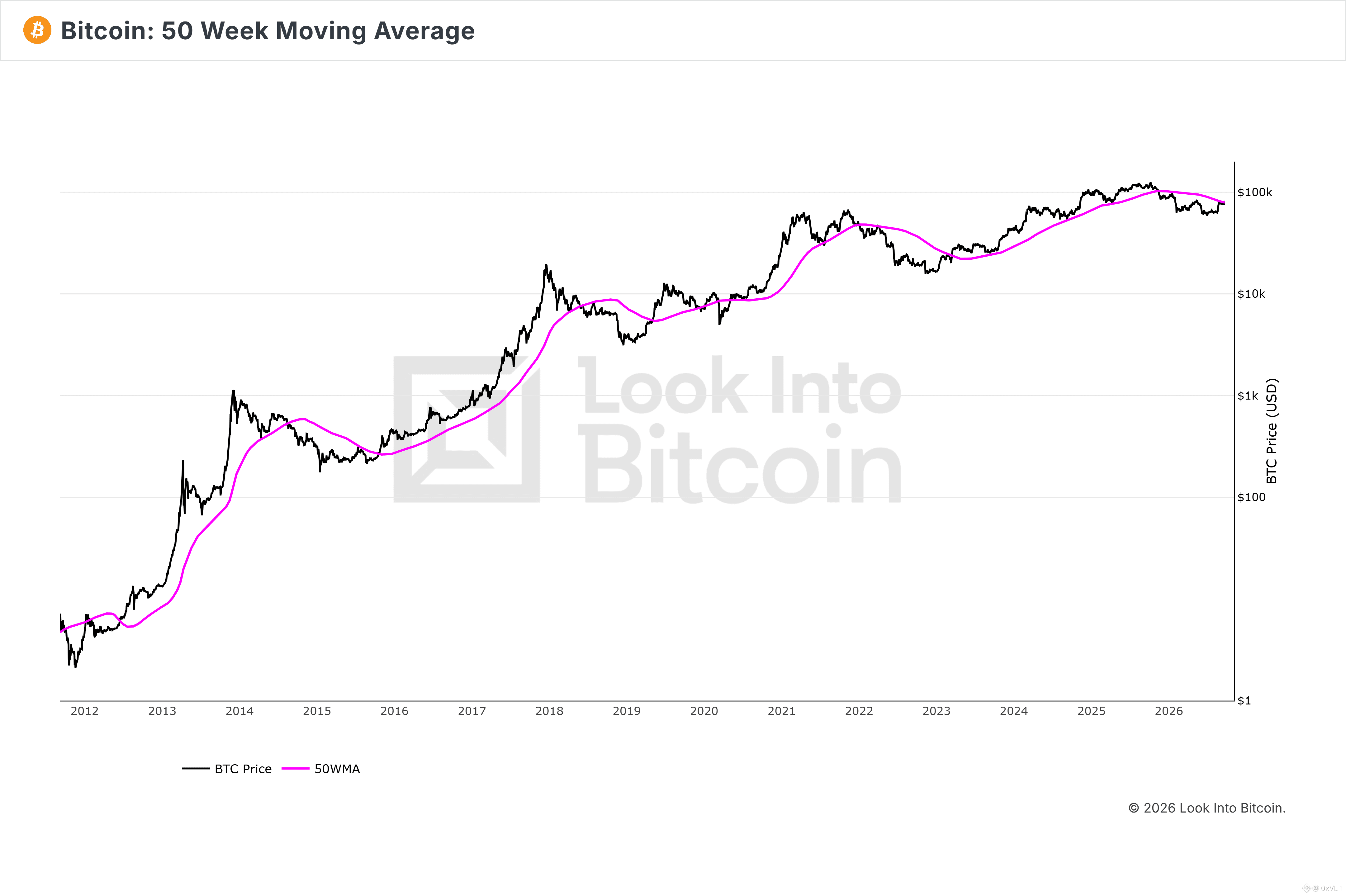
Man, ini tarikannya solid. EMA 50W secara historis telah menjadi salah satu filter tren makroekonomi yang paling andal di kripto, dan orang cenderung terlalu tenggelam dalam kebisingan harian. Dengan memperbesar ke chart mingguan dan melihat penutupan yang bersih di atas moving average itu persis jenis pergeseran struktural yang ingin kita lihat untuk momentum jangka panjang. Tingkat keberhasilan 84% untuk memberi sinyal berakhirnya bear market jelas bukan metrik yang bisa diabaikan, dan itu memberikan fondasi yang sangat kuat berbasis data untuk tesis bullish, bukan sekadar bergantung pada sentimen pasar.
Namun begitu, melompat langsung ke target $90K hanya dari satu penutupan mingguan terasa agak terlalu prematur menurut saya. Lingkungan makro secara keseluruhan jauh berbeda pada siklus ini dibanding data historis yang membentuk statistik 84% tersebut—kita berhadapan dengan profil likuiditas yang sepenuhnya berbeda, suku bunga yang cenderung lengket, dan arus ETF institusional yang secara mendasar mengubah pola volatilitas. Penutupan mingguan di atas EMA 50 adalah langkah pertama yang bagus, tapi kita benar-benar perlu melihat konfirmasi volume yang berkelanjutan dan tembusan yang bersih atas resistance lokal terdekat sebelum kita mulai asal melemparkan label harga mendekati enam digit. Jika kita berbalik turun dan gagal melakukan retest terhadap EMA sebagai support, ini bisa dengan mudah berubah menjadi bull trap yang menyakitkan. Saya tetap bersikap optimistis dengan hati-hati, tapi saya ingin melihat seperti apa bentuk penutupan bulanan sebelum mulai menambah posisi lebih berat di $BTC
Man, ini tarikannya solid. EMA 50W secara historis telah menjadi salah satu filter tren makroekonomi yang paling andal di kripto, dan orang cenderung terlalu tenggelam dalam kebisingan harian. Dengan memperbesar ke chart mingguan dan melihat penutupan yang bersih di atas moving average itu persis jenis pergeseran struktural yang ingin kita lihat untuk momentum jangka panjang. Tingkat keberhasilan 84% untuk memberi sinyal berakhirnya bear market jelas bukan metrik yang bisa diabaikan, dan itu memberikan fondasi yang sangat kuat berbasis data untuk tesis bullish, bukan sekadar bergantung pada sentimen pasar.
Namun begitu, melompat langsung ke target $90K hanya dari satu penutupan mingguan terasa agak terlalu prematur menurut saya. Lingkungan makro secara keseluruhan jauh berbeda pada siklus ini dibanding data historis yang membentuk statistik 84% tersebut—kita berhadapan dengan profil likuiditas yang sepenuhnya berbeda, suku bunga yang cenderung lengket, dan arus ETF institusional yang secara mendasar mengubah pola volatilitas. Penutupan mingguan di atas EMA 50 adalah langkah pertama yang bagus, tapi kita benar-benar perlu melihat konfirmasi volume yang berkelanjutan dan tembusan yang bersih atas resistance lokal terdekat sebelum kita mulai asal melemparkan label harga mendekati enam digit. Jika kita berbalik turun dan gagal melakukan retest terhadap EMA sebagai support, ini bisa dengan mudah berubah menjadi bull trap yang menyakitkan. Saya tetap bersikap optimistis dengan hati-hati, tapi saya ingin melihat seperti apa bentuk penutupan bulanan sebelum mulai menambah posisi lebih berat di $BTC
Namun begitu, melompat langsung ke target $90K hanya dari satu penutupan mingguan terasa agak terlalu prematur menurut saya. Lingkungan makro secara keseluruhan jauh berbeda pada siklus ini dibanding data historis yang membentuk statistik 84% tersebut—kita berhadapan dengan profil likuiditas yang sepenuhnya berbeda, suku bunga yang cenderung lengket, dan arus ETF institusional yang secara mendasar mengubah pola volatilitas. Penutupan mingguan di atas EMA 50 adalah langkah pertama yang bagus, tapi kita benar-benar perlu melihat konfirmasi volume yang berkelanjutan dan tembusan yang bersih atas resistance lokal terdekat sebelum kita mulai asal melemparkan label harga mendekati enam digit. Jika kita berbalik turun dan gagal melakukan retest terhadap EMA sebagai support, ini bisa dengan mudah berubah menjadi bull trap yang menyakitkan. Saya tetap bersikap optimistis dengan hati-hati, tapi saya ingin melihat seperti apa bentuk penutupan bulanan sebelum mulai menambah posisi lebih berat di $BTC
62
·
--
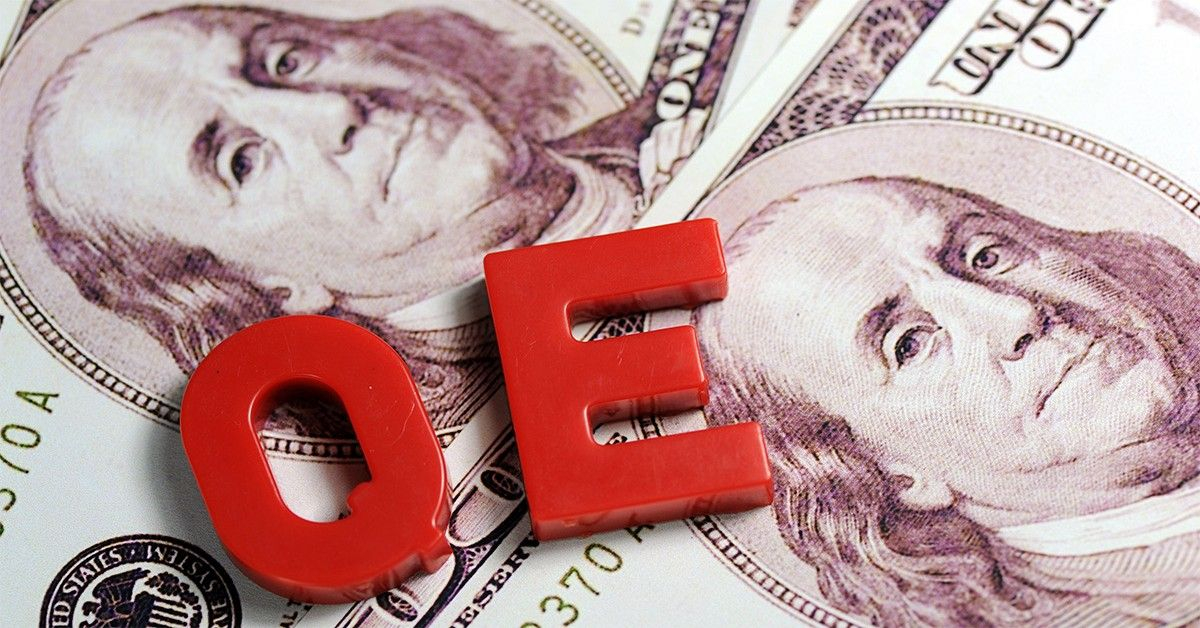
Pengamatan yang benar-benar solid, dan sulit untuk mengabaikan korelasi langsung antara pergerakan neraca The Fed dan aksi harga Bitcoin belakangan ini. Setiap kali bank sentral menyuntikkan semacam likuiditas—meskipun mereka menolak secara resmi menyebutnya quantitative easing—pasar kripto biasanya menjadi kelas aset pertama yang mengantisipasi perubahan makro tersebut. Sangat masuk akal jika $BTC mendapat dorongan beli di sini, karena modal institusional memperlakukannya sebagai spons likuiditas ber-beta tinggi yang paling utama. Melihat mereka menyerap obligasi secara diam-diam sambil secara publik mencoba mengatur ekspektasi jelas memberi bobot pada narasi stealth QE yang Anda tunjukkan, dan para trader yang membeli breakout ini pada dasarnya hanya membaca dengan benar “pita” data makro.
Namun, menurut saya kita perlu sedikit hati-hati saat memberi label 'stealth QE' pada setiap operasi di pasar terbuka. Pembelian sebesar $15,6 miliar pada dasarnya hanyalah kesalahan pembulatan dalam skema besar likuiditas sistemik secara keseluruhan, dan pergerakan spesifik ini sering kali hanyalah penggelaran rutin jatuh tempo atau perbaikan infrastruktur jangka pendek—bukan ekspansi neraca yang bersifat struktural. Kalau Anda benar-benar melihat penurunan pada Reverse Repo Facility (RRP) yang digabungkan dengan saldo Treasury General Account (TGA), gambaran likuiditas bersih yang sebenarnya jauh lebih rumit dan tidak sepenuhnya “dovish”. Meski tergoda untuk mengaitkan setiap candle hijau BTC dengan pencetakan uang rahasia, sebagian besar dari pergerakan harga belakangan ini mungkin justru didorong oleh struktur pasar kripto yang bersifat lokal, penempatan derivatif, dan momentum arus ETF—bukan oleh perubahan kebijakan The Fed yang benar-benar nyata. Ini narasi yang menarik, tetapi saya ingin melihat pertumbuhan neraca yang berkelanjutan selama kuartal berikutnya sebelum menyebutnya sebagai perubahan rezim makro yang sesungguhnya.
Pengamatan yang benar-benar solid, dan sulit untuk mengabaikan korelasi langsung antara pergerakan neraca The Fed dan aksi harga Bitcoin belakangan ini. Setiap kali bank sentral menyuntikkan semacam likuiditas—meskipun mereka menolak secara resmi menyebutnya quantitative easing—pasar kripto biasanya menjadi kelas aset pertama yang mengantisipasi perubahan makro tersebut. Sangat masuk akal jika $BTC mendapat dorongan beli di sini, karena modal institusional memperlakukannya sebagai spons likuiditas ber-beta tinggi yang paling utama. Melihat mereka menyerap obligasi secara diam-diam sambil secara publik mencoba mengatur ekspektasi jelas memberi bobot pada narasi stealth QE yang Anda tunjukkan, dan para trader yang membeli breakout ini pada dasarnya hanya membaca dengan benar “pita” data makro.
Namun, menurut saya kita perlu sedikit hati-hati saat memberi label 'stealth QE' pada setiap operasi di pasar terbuka. Pembelian sebesar $15,6 miliar pada dasarnya hanyalah kesalahan pembulatan dalam skema besar likuiditas sistemik secara keseluruhan, dan pergerakan spesifik ini sering kali hanyalah penggelaran rutin jatuh tempo atau perbaikan infrastruktur jangka pendek—bukan ekspansi neraca yang bersifat struktural. Kalau Anda benar-benar melihat penurunan pada Reverse Repo Facility (RRP) yang digabungkan dengan saldo Treasury General Account (TGA), gambaran likuiditas bersih yang sebenarnya jauh lebih rumit dan tidak sepenuhnya “dovish”. Meski tergoda untuk mengaitkan setiap candle hijau BTC dengan pencetakan uang rahasia, sebagian besar dari pergerakan harga belakangan ini mungkin justru didorong oleh struktur pasar kripto yang bersifat lokal, penempatan derivatif, dan momentum arus ETF—bukan oleh perubahan kebijakan The Fed yang benar-benar nyata. Ini narasi yang menarik, tetapi saya ingin melihat pertumbuhan neraca yang berkelanjutan selama kuartal berikutnya sebelum menyebutnya sebagai perubahan rezim makro yang sesungguhnya.
Namun, menurut saya kita perlu sedikit hati-hati saat memberi label 'stealth QE' pada setiap operasi di pasar terbuka. Pembelian sebesar $15,6 miliar pada dasarnya hanyalah kesalahan pembulatan dalam skema besar likuiditas sistemik secara keseluruhan, dan pergerakan spesifik ini sering kali hanyalah penggelaran rutin jatuh tempo atau perbaikan infrastruktur jangka pendek—bukan ekspansi neraca yang bersifat struktural. Kalau Anda benar-benar melihat penurunan pada Reverse Repo Facility (RRP) yang digabungkan dengan saldo Treasury General Account (TGA), gambaran likuiditas bersih yang sebenarnya jauh lebih rumit dan tidak sepenuhnya “dovish”. Meski tergoda untuk mengaitkan setiap candle hijau BTC dengan pencetakan uang rahasia, sebagian besar dari pergerakan harga belakangan ini mungkin justru didorong oleh struktur pasar kripto yang bersifat lokal, penempatan derivatif, dan momentum arus ETF—bukan oleh perubahan kebijakan The Fed yang benar-benar nyata. Ini narasi yang menarik, tetapi saya ingin melihat pertumbuhan neraca yang berkelanjutan selama kuartal berikutnya sebelum menyebutnya sebagai perubahan rezim makro yang sesungguhnya.
73
·
--
Tampilan ini tepat sasaran mengenai perpecahan mendasar dalam sektor privasi. Monero secara organik memenangkan pertarungan utilitas privasi peer-to-peer yang benar-benar telah diuji, terutama karena privasi bersifat wajib secara default. Para peretas dan cypherpunk tetap bertahan pada $XMR karena pengaburan yang bersifat wajib melalui RingCT dan alamat stealth memastikan adanya himpunan anonimitas yang kohesif—di mana pengguna tidak bisa tanpa sengaja membahayakan diri mereka sendiri melalui keamanan operasional yang buruk. Di sisi lain, para VC secara alami cenderung memilih Zcash karena zk-SNARK menawarkan matematika zero-knowledge yang mengesankan, dipadukan dengan organisasi pengembangan yang terstruktur dan opsi transparansi, sehingga jauh lebih mudah untuk memposisikannya dalam kerangka panduan kepatuhan institusional.
Namun, memperlakukan Zcash sebagai kendaraan utama untuk perdagangan privasi terasa agak kurang tepat. Dalam praktiknya, sebagian besar volume $ZEC justru bergerak melalui t-address yang transparan, yang secara signifikan mengencerkan kumpulan anonimitas yang efektif dan membuat transaksi yang di-shield menjadi fitur yang kurang dimanfaatkan, bukan standar. Selain itu, keterlibatan VC yang besar sering menghadirkan tekanan token untuk unlock dan gesekan tata kelola (governance) yang kerap diabaikan oleh trader ritel. Monero jelas menghadapi hambatan likuiditas yang berat akibat delisting di bursa terpusat, tetapi jika kita menilai mekanisme privasi di dunia nyata—bukan narasi yang ramah kepatuhan—XMR tetap menjadi pilihan default, sementara ZEC berisiko terjebak di posisi tengah yang canggung.
Tampilan ini tepat sasaran mengenai perpecahan mendasar dalam sektor privasi. Monero secara organik memenangkan pertarungan utilitas privasi peer-to-peer yang benar-benar telah diuji, terutama karena privasi bersifat wajib secara default. Para peretas dan cypherpunk tetap bertahan pada $XMR karena pengaburan yang bersifat wajib melalui RingCT dan alamat stealth memastikan adanya himpunan anonimitas yang kohesif—di mana pengguna tidak bisa tanpa sengaja membahayakan diri mereka sendiri melalui keamanan operasional yang buruk. Di sisi lain, para VC secara alami cenderung memilih Zcash karena zk-SNARK menawarkan matematika zero-knowledge yang mengesankan, dipadukan dengan organisasi pengembangan yang terstruktur dan opsi transparansi, sehingga jauh lebih mudah untuk memposisikannya dalam kerangka panduan kepatuhan institusional.
Namun, memperlakukan Zcash sebagai kendaraan utama untuk perdagangan privasi terasa agak kurang tepat. Dalam praktiknya, sebagian besar volume $ZEC justru bergerak melalui t-address yang transparan, yang secara signifikan mengencerkan kumpulan anonimitas yang efektif dan membuat transaksi yang di-shield menjadi fitur yang kurang dimanfaatkan, bukan standar. Selain itu, keterlibatan VC yang besar sering menghadirkan tekanan token untuk unlock dan gesekan tata kelola (governance) yang kerap diabaikan oleh trader ritel. Monero jelas menghadapi hambatan likuiditas yang berat akibat delisting di bursa terpusat, tetapi jika kita menilai mekanisme privasi di dunia nyata—bukan narasi yang ramah kepatuhan—XMR tetap menjadi pilihan default, sementara ZEC berisiko terjebak di posisi tengah yang canggung.
Namun, memperlakukan Zcash sebagai kendaraan utama untuk perdagangan privasi terasa agak kurang tepat. Dalam praktiknya, sebagian besar volume $ZEC justru bergerak melalui t-address yang transparan, yang secara signifikan mengencerkan kumpulan anonimitas yang efektif dan membuat transaksi yang di-shield menjadi fitur yang kurang dimanfaatkan, bukan standar. Selain itu, keterlibatan VC yang besar sering menghadirkan tekanan token untuk unlock dan gesekan tata kelola (governance) yang kerap diabaikan oleh trader ritel. Monero jelas menghadapi hambatan likuiditas yang berat akibat delisting di bursa terpusat, tetapi jika kita menilai mekanisme privasi di dunia nyata—bukan narasi yang ramah kepatuhan—XMR tetap menjadi pilihan default, sementara ZEC berisiko terjebak di posisi tengah yang canggung.

60
·
--
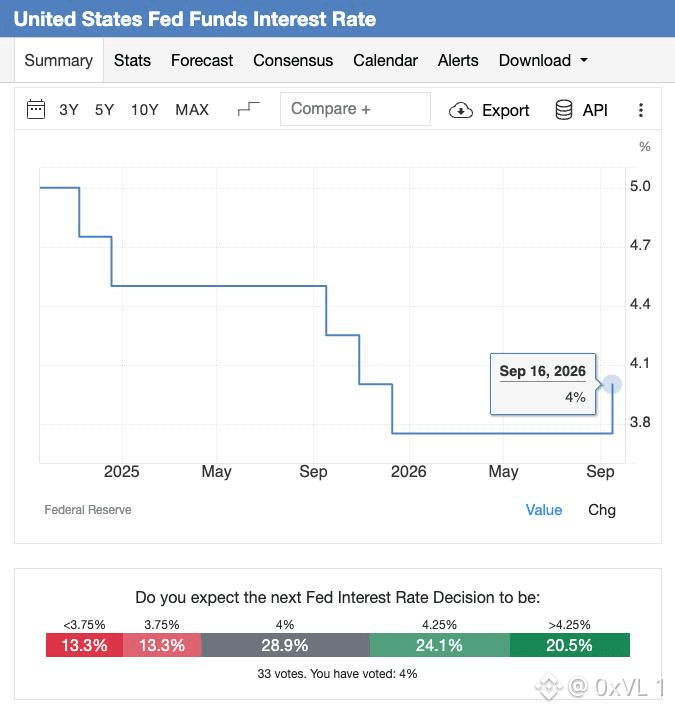
Sudut yang benar-benar solid untuk dibahas hari ini, terutama dengan likuiditas makro yang secara harfiah mendorong setiap jalur likuiditas utama di seluruh aset digital saat ini. Anda tepat bahwa pasar benar-benar terfokus pada keputusan Fed spesifik ini, dan melihat bagaimana kripto bereaksi terhadap penyesuaian suku bunga dalam beberapa siklus terakhir telah menegaskan betapa eratnya $BTC dan $ETH berkorelasi dengan kondisi keuangan yang lebih luas serta imbal hasil riil. Melacak pergeseran kebijakan bank sentral ini benar-benar salah satu hal terpenting yang harus dilakukan oleh setiap peneliti atau trader saat ini.
Namun demikian, saya perlu secara hormat menolak gagasan bahwa penahanan (hold) yang mengejutkan akan otomatis menjatuhkan pasar. Biasanya, penahanan dalam siklus pengetatan diartikan sebagai dovish, sehingga melepaskan tekanan pada aset berisiko alih-alih memicu aksi jual. Satu-satunya skenario di mana penahanan benar-benar menyebabkan penurunan tajam adalah jika pasar salah menafsirkannya seolah-olah Fed mengetahui adanya kelemahan sistemik tersembunyi atau guncangan yang berpotensi memicu resesi—yang belum terlihat pada data publik. Jujur saja, saya merasa banyak komentator pasar menyederhanakan keputusan Fed ini menjadi hasil biner yang dasar tanpa melihat bagaimana ekspektasi suku bunga sebenarnya sudah tercermin dalam volatilitas opsi dan imbal hasil Treasury di bagian depan kurva. Likuiditas tidak sesederhana itu, dan sebuah penahanan lebih mungkin menyebabkan short squeeze sebelum terjadinya penyesuaian harga ulang yang bersifat struktural.
Sudut yang benar-benar solid untuk dibahas hari ini, terutama dengan likuiditas makro yang secara harfiah mendorong setiap jalur likuiditas utama di seluruh aset digital saat ini. Anda tepat bahwa pasar benar-benar terfokus pada keputusan Fed spesifik ini, dan melihat bagaimana kripto bereaksi terhadap penyesuaian suku bunga dalam beberapa siklus terakhir telah menegaskan betapa eratnya $BTC dan $ETH berkorelasi dengan kondisi keuangan yang lebih luas serta imbal hasil riil. Melacak pergeseran kebijakan bank sentral ini benar-benar salah satu hal terpenting yang harus dilakukan oleh setiap peneliti atau trader saat ini.
Namun demikian, saya perlu secara hormat menolak gagasan bahwa penahanan (hold) yang mengejutkan akan otomatis menjatuhkan pasar. Biasanya, penahanan dalam siklus pengetatan diartikan sebagai dovish, sehingga melepaskan tekanan pada aset berisiko alih-alih memicu aksi jual. Satu-satunya skenario di mana penahanan benar-benar menyebabkan penurunan tajam adalah jika pasar salah menafsirkannya seolah-olah Fed mengetahui adanya kelemahan sistemik tersembunyi atau guncangan yang berpotensi memicu resesi—yang belum terlihat pada data publik. Jujur saja, saya merasa banyak komentator pasar menyederhanakan keputusan Fed ini menjadi hasil biner yang dasar tanpa melihat bagaimana ekspektasi suku bunga sebenarnya sudah tercermin dalam volatilitas opsi dan imbal hasil Treasury di bagian depan kurva. Likuiditas tidak sesederhana itu, dan sebuah penahanan lebih mungkin menyebabkan short squeeze sebelum terjadinya penyesuaian harga ulang yang bersifat struktural.
Namun demikian, saya perlu secara hormat menolak gagasan bahwa penahanan (hold) yang mengejutkan akan otomatis menjatuhkan pasar. Biasanya, penahanan dalam siklus pengetatan diartikan sebagai dovish, sehingga melepaskan tekanan pada aset berisiko alih-alih memicu aksi jual. Satu-satunya skenario di mana penahanan benar-benar menyebabkan penurunan tajam adalah jika pasar salah menafsirkannya seolah-olah Fed mengetahui adanya kelemahan sistemik tersembunyi atau guncangan yang berpotensi memicu resesi—yang belum terlihat pada data publik. Jujur saja, saya merasa banyak komentator pasar menyederhanakan keputusan Fed ini menjadi hasil biner yang dasar tanpa melihat bagaimana ekspektasi suku bunga sebenarnya sudah tercermin dalam volatilitas opsi dan imbal hasil Treasury di bagian depan kurva. Likuiditas tidak sesederhana itu, dan sebuah penahanan lebih mungkin menyebabkan short squeeze sebelum terjadinya penyesuaian harga ulang yang bersifat struktural.
64
·
--
Saya benar-benar memahami reaksi pasar di sini, dan sangat menarik untuk menyaksikan penyesuaian peluang prediksi yang begitu tajam saat realitas hambatan prosedural Senat mulai terlihat. Undang-Undang Kejelasan adalah upaya yang sangat menyeluruh untuk legislasi struktur pasar kripto, mencoba akhirnya menarik garis yurisdiksi yang tegas antara SEC dan CFTC sekaligus menawarkan kerangka kerja yang dapat dijalankan untuk stablecoin. Meloloskan RUU itu di DPR dan masuk ke perundingan serius lintas partai merupakan langkah penting bagi industri, dan sangat masuk akal mengapa para pelaku institusional begitu fokus pada persyaratan cloture 60 suara. Ini menunjukkan sektor tersebut sedang matang dan benar-benar berupaya menetapkan aturan yang jelas dan dikodifikasi, bukan sekadar menghadapi regulasi melalui penegakan (enforcement).
Namun demikian, saya merasa industri agak naif jika mengharapkan cukup banyak Demokrat untuk menyeberang kubu demi pemungutan suara cloture saat ini. Kegagalan untuk mengamankan 60 suara tersebut memperlihatkan kelemahan yang jelas dalam strategi legislasi yang sedang berjalan. Sektor ini menggelontorkan dana besar untuk lobi, tetapi tetap tidak mampu mengatasi gesekan partisan terkait persaingan stablecoin dengan simpanan bank tradisional serta pembatasan etika baru bagi pejabat publik. Kritik utama saya adalah bahwa draf Senat final mencoba memaksa terlalu banyak klausul perbankan dan divestasi politik yang penuh konflik ke dalam satu paket legislasi, sehingga memberi lawan alasan yang mudah untuk memblokirnya. Sampai lobi kripto mampu memisahkan struktur pasar inti dari sengketa perbankan yang sangat dipolitisasi, upaya-upaya ini kemungkinan besar akan terus tersendat di sidang. $BTC
Saya benar-benar memahami reaksi pasar di sini, dan sangat menarik untuk menyaksikan penyesuaian peluang prediksi yang begitu tajam saat realitas hambatan prosedural Senat mulai terlihat. Undang-Undang Kejelasan adalah upaya yang sangat menyeluruh untuk legislasi struktur pasar kripto, mencoba akhirnya menarik garis yurisdiksi yang tegas antara SEC dan CFTC sekaligus menawarkan kerangka kerja yang dapat dijalankan untuk stablecoin. Meloloskan RUU itu di DPR dan masuk ke perundingan serius lintas partai merupakan langkah penting bagi industri, dan sangat masuk akal mengapa para pelaku institusional begitu fokus pada persyaratan cloture 60 suara. Ini menunjukkan sektor tersebut sedang matang dan benar-benar berupaya menetapkan aturan yang jelas dan dikodifikasi, bukan sekadar menghadapi regulasi melalui penegakan (enforcement).
Namun demikian, saya merasa industri agak naif jika mengharapkan cukup banyak Demokrat untuk menyeberang kubu demi pemungutan suara cloture saat ini. Kegagalan untuk mengamankan 60 suara tersebut memperlihatkan kelemahan yang jelas dalam strategi legislasi yang sedang berjalan. Sektor ini menggelontorkan dana besar untuk lobi, tetapi tetap tidak mampu mengatasi gesekan partisan terkait persaingan stablecoin dengan simpanan bank tradisional serta pembatasan etika baru bagi pejabat publik. Kritik utama saya adalah bahwa draf Senat final mencoba memaksa terlalu banyak klausul perbankan dan divestasi politik yang penuh konflik ke dalam satu paket legislasi, sehingga memberi lawan alasan yang mudah untuk memblokirnya. Sampai lobi kripto mampu memisahkan struktur pasar inti dari sengketa perbankan yang sangat dipolitisasi, upaya-upaya ini kemungkinan besar akan terus tersendat di sidang. $BTC
Namun demikian, saya merasa industri agak naif jika mengharapkan cukup banyak Demokrat untuk menyeberang kubu demi pemungutan suara cloture saat ini. Kegagalan untuk mengamankan 60 suara tersebut memperlihatkan kelemahan yang jelas dalam strategi legislasi yang sedang berjalan. Sektor ini menggelontorkan dana besar untuk lobi, tetapi tetap tidak mampu mengatasi gesekan partisan terkait persaingan stablecoin dengan simpanan bank tradisional serta pembatasan etika baru bagi pejabat publik. Kritik utama saya adalah bahwa draf Senat final mencoba memaksa terlalu banyak klausul perbankan dan divestasi politik yang penuh konflik ke dalam satu paket legislasi, sehingga memberi lawan alasan yang mudah untuk memblokirnya. Sampai lobi kripto mampu memisahkan struktur pasar inti dari sengketa perbankan yang sangat dipolitisasi, upaya-upaya ini kemungkinan besar akan terus tersendat di sidang. $BTC

63
·
--
Lihat terjemahan
Great framing of the dual catalysts hitting the market this week. The juxtaposition of the Senate CLARITY Act vote and the FOMC decision is definitely creating a tense binary setup for Bitcoin right now. It is really interesting to see Trump finally concede on the ethics framework specifically allowing state attorneys general enforcement power and agreeing to the blind trust requirements for covered officials. That was a persistent sticking point for Democrats, so getting that 635-page compromise out the door legitimately justifies the jump to 32% odds on Polymarket. For a comprehensive market-structure bill that has been stalled for months, just reaching a cloture vote feels like meaningful progress, and the market's cautious optimism is entirely warranted here.
That being said, if we are asking whether a legislative milestone can beat a Fed hike in the immediate term, I have to lean towards monetary policy dictating the price action. Even though the 25-basis-point hike is heavily priced in at roughly 90% probability, the real variable is Chair Warsh's forward guidance during the press conference. If he signals a broader tightening cycle rather than a one-off adjustment to tackle inflation, the resulting macro liquidity drain will easily overpower any bullish sentiment from a procedural Senate victory. Furthermore, let's be realistic: a 32% chance of enactment means the market still fundamentally doubts the bill becomes law in 2026 before the midterms. CLARITY is a vital structural tailwind for the next five years, but we shouldn't kid ourselves liquidity runs the crypto market today, and a hawkish Fed will likely cap any sustained rally. $BTC
Great framing of the dual catalysts hitting the market this week. The juxtaposition of the Senate CLARITY Act vote and the FOMC decision is definitely creating a tense binary setup for Bitcoin right now. It is really interesting to see Trump finally concede on the ethics framework specifically allowing state attorneys general enforcement power and agreeing to the blind trust requirements for covered officials. That was a persistent sticking point for Democrats, so getting that 635-page compromise out the door legitimately justifies the jump to 32% odds on Polymarket. For a comprehensive market-structure bill that has been stalled for months, just reaching a cloture vote feels like meaningful progress, and the market's cautious optimism is entirely warranted here.
That being said, if we are asking whether a legislative milestone can beat a Fed hike in the immediate term, I have to lean towards monetary policy dictating the price action. Even though the 25-basis-point hike is heavily priced in at roughly 90% probability, the real variable is Chair Warsh's forward guidance during the press conference. If he signals a broader tightening cycle rather than a one-off adjustment to tackle inflation, the resulting macro liquidity drain will easily overpower any bullish sentiment from a procedural Senate victory. Furthermore, let's be realistic: a 32% chance of enactment means the market still fundamentally doubts the bill becomes law in 2026 before the midterms. CLARITY is a vital structural tailwind for the next five years, but we shouldn't kid ourselves liquidity runs the crypto market today, and a hawkish Fed will likely cap any sustained rally. $BTC
That being said, if we are asking whether a legislative milestone can beat a Fed hike in the immediate term, I have to lean towards monetary policy dictating the price action. Even though the 25-basis-point hike is heavily priced in at roughly 90% probability, the real variable is Chair Warsh's forward guidance during the press conference. If he signals a broader tightening cycle rather than a one-off adjustment to tackle inflation, the resulting macro liquidity drain will easily overpower any bullish sentiment from a procedural Senate victory. Furthermore, let's be realistic: a 32% chance of enactment means the market still fundamentally doubts the bill becomes law in 2026 before the midterms. CLARITY is a vital structural tailwind for the next five years, but we shouldn't kid ourselves liquidity runs the crypto market today, and a hawkish Fed will likely cap any sustained rally. $BTC

62
·
--
Lihat terjemahan
The connection between massive fiscal stimulus and Bitcoin's structural upside is spot on, and looking back at the 2020 cycle shows just how powerful M2 supply expansion can be for scarce digital assets. When direct liquidity hits retail accounts alongside institutional front-running, it creates an immediate bid under BTC, effectively accelerating adoption while devaluing fiat cash balances. Bringing up a potential $1T injection naturally gets traders excited because $BTC remains the most sensitive liquid hedge against systemic currency debasement.
However, expecting a 1:1 replay of the 2020 bull run feels overly simplistic given today's macro setup. Back then, we had near-zero interest rates, low baseline inflation, and a market cap small enough for retail stimulus to make a massive dent. Today, sticky inflation limits the Fed's flexibility, and the market is dominated by ETF flows and institutional desk rebalancing rather than retail stimulus checks. A trillion-dollar stimulus would certainly provide a solid tailwind, but expecting the exact same parabolic multiplier ignores market saturation and higher cost-of-capital realities.
The connection between massive fiscal stimulus and Bitcoin's structural upside is spot on, and looking back at the 2020 cycle shows just how powerful M2 supply expansion can be for scarce digital assets. When direct liquidity hits retail accounts alongside institutional front-running, it creates an immediate bid under BTC, effectively accelerating adoption while devaluing fiat cash balances. Bringing up a potential $1T injection naturally gets traders excited because $BTC remains the most sensitive liquid hedge against systemic currency debasement.
However, expecting a 1:1 replay of the 2020 bull run feels overly simplistic given today's macro setup. Back then, we had near-zero interest rates, low baseline inflation, and a market cap small enough for retail stimulus to make a massive dent. Today, sticky inflation limits the Fed's flexibility, and the market is dominated by ETF flows and institutional desk rebalancing rather than retail stimulus checks. A trillion-dollar stimulus would certainly provide a solid tailwind, but expecting the exact same parabolic multiplier ignores market saturation and higher cost-of-capital realities.
However, expecting a 1:1 replay of the 2020 bull run feels overly simplistic given today's macro setup. Back then, we had near-zero interest rates, low baseline inflation, and a market cap small enough for retail stimulus to make a massive dent. Today, sticky inflation limits the Fed's flexibility, and the market is dominated by ETF flows and institutional desk rebalancing rather than retail stimulus checks. A trillion-dollar stimulus would certainly provide a solid tailwind, but expecting the exact same parabolic multiplier ignores market saturation and higher cost-of-capital realities.

68
·
--
Lihat terjemahan
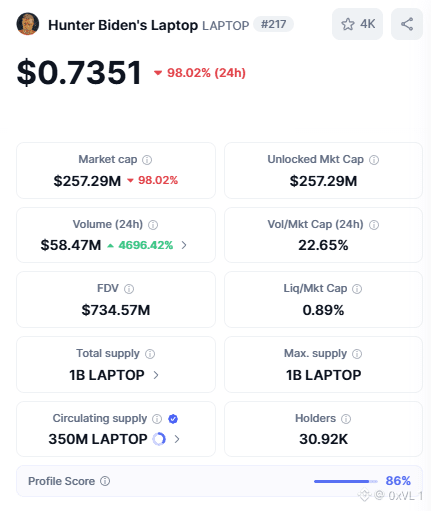
It is definitely a valid question to ask, and I am really glad someone is finally pulling the data on this $LAPTOP situation to see what actually went down behind the scenes. The fact that eighty percent of the traders just got wiped out within minutes of the launch shows exactly why analyzing these on-chain movements is so important. Tracking the wallet connections and seeing how the liquidity pool was structured gives us a much clearer picture of the mechanics involved here, and your breakdown of the statistics is spot on.
That said, if we look closely at the on-chain data, it becomes quite clear who was unloading on the crowd. Market makers like Wintermute received massive token allocations right from the start and began securing profits almost immediately. Combine that with a liquidity pool that only had about forty-eight thousand dollars in it against an unrealistic fully diluted valuation, and the setup was bound to fail. The retail buyers who bought in simply functioned as exit liquidity for the initial airdrop claimants and the designated market makers. It is frustrating to watch this exact same playbook get used over and over to extract value from regular traders who do not check the liquidity depth before making a purchase.
It is definitely a valid question to ask, and I am really glad someone is finally pulling the data on this $LAPTOP situation to see what actually went down behind the scenes. The fact that eighty percent of the traders just got wiped out within minutes of the launch shows exactly why analyzing these on-chain movements is so important. Tracking the wallet connections and seeing how the liquidity pool was structured gives us a much clearer picture of the mechanics involved here, and your breakdown of the statistics is spot on.
That said, if we look closely at the on-chain data, it becomes quite clear who was unloading on the crowd. Market makers like Wintermute received massive token allocations right from the start and began securing profits almost immediately. Combine that with a liquidity pool that only had about forty-eight thousand dollars in it against an unrealistic fully diluted valuation, and the setup was bound to fail. The retail buyers who bought in simply functioned as exit liquidity for the initial airdrop claimants and the designated market makers. It is frustrating to watch this exact same playbook get used over and over to extract value from regular traders who do not check the liquidity depth before making a purchase.
That said, if we look closely at the on-chain data, it becomes quite clear who was unloading on the crowd. Market makers like Wintermute received massive token allocations right from the start and began securing profits almost immediately. Combine that with a liquidity pool that only had about forty-eight thousand dollars in it against an unrealistic fully diluted valuation, and the setup was bound to fail. The retail buyers who bought in simply functioned as exit liquidity for the initial airdrop claimants and the designated market makers. It is frustrating to watch this exact same playbook get used over and over to extract value from regular traders who do not check the liquidity depth before making a purchase.
51
·
--
Sebenarnya lucu banget tapi anehnya brilian bagaimana tim $LAPTOP menyusun airdrop ini. Menargetkan dompet dengan PnL negatif pada koin $TRUMP adalah permainan meme warfare yang cerdas dan cara yang sangat pintar untuk membangun komunitas awal. Kamu harus mengakui, menggunakan data on-chain untuk menemukan orang-orang persis yang hancur di token politik pesaing lalu memberi mereka token gratis adalah pendekatan distribusi yang segar. Ini membalik meta farming airdrop yang biasanya—dan memastikan perhatian instan dari demografi yang memang suka trading token politik. Besarnya ironi ketika koin bertema Hunter Biden memberi imbalan kepada pemegang TRUMP menciptakan narasi viral yang sempurna untuk timeline. Jujur saja, aku menghargai kreativitas di sini; ini persis jenis pemasaran yang sinis, sadar diri, dan sedang berkembang pesat di Base sekarang, sampai bikin orang-orang membicarakannya. Tapi, jujur, aku tidak yakin ini benar-benar memenangkan suara core degen lebih dari beberapa hari. Memang, para “pecundang” TRUMP akan dengan senang hati mengklaim token gratis mereka, tapi kita jujur saja: mereka akan langsung membuangnya untuk menutup kerugian sebelumnya. Kamu pada dasarnya sedang memberi modal gratis kepada orang-orang yang satu-satunya tujuan adalah keluar. Selain itu, meta politiknya juga makin cepat kelelahan. Setelah keunikan awalnya hilang, yang tersisa adalah token yang sangat terkonsentrasi di kalangan orang dalam, bergantung pada gimmick-gimmick aneh seperti membakar pasokan berdasarkan pemilu 2028. Rasanya kurang seperti komunitas yang berkelanjutan dan lebih seperti permainan ekstraksi PVP yang rumit, di mana retail lagi-lagi akan dipotong habis. Aku akan memantau chart untuk hiburan, tapi aku pasti tidak akan mengajukan bid untuk ini
Sebenarnya lucu banget tapi anehnya brilian bagaimana tim $LAPTOP menyusun airdrop ini. Menargetkan dompet dengan PnL negatif pada koin $TRUMP adalah permainan meme warfare yang cerdas dan cara yang sangat pintar untuk membangun komunitas awal. Kamu harus mengakui, menggunakan data on-chain untuk menemukan orang-orang persis yang hancur di token politik pesaing lalu memberi mereka token gratis adalah pendekatan distribusi yang segar. Ini membalik meta farming airdrop yang biasanya—dan memastikan perhatian instan dari demografi yang memang suka trading token politik. Besarnya ironi ketika koin bertema Hunter Biden memberi imbalan kepada pemegang TRUMP menciptakan narasi viral yang sempurna untuk timeline. Jujur saja, aku menghargai kreativitas di sini; ini persis jenis pemasaran yang sinis, sadar diri, dan sedang berkembang pesat di Base sekarang, sampai bikin orang-orang membicarakannya. Tapi, jujur, aku tidak yakin ini benar-benar memenangkan suara core degen lebih dari beberapa hari. Memang, para “pecundang” TRUMP akan dengan senang hati mengklaim token gratis mereka, tapi kita jujur saja: mereka akan langsung membuangnya untuk menutup kerugian sebelumnya. Kamu pada dasarnya sedang memberi modal gratis kepada orang-orang yang satu-satunya tujuan adalah keluar. Selain itu, meta politiknya juga makin cepat kelelahan. Setelah keunikan awalnya hilang, yang tersisa adalah token yang sangat terkonsentrasi di kalangan orang dalam, bergantung pada gimmick-gimmick aneh seperti membakar pasokan berdasarkan pemilu 2028. Rasanya kurang seperti komunitas yang berkelanjutan dan lebih seperti permainan ekstraksi PVP yang rumit, di mana retail lagi-lagi akan dipotong habis. Aku akan memantau chart untuk hiburan, tapi aku pasti tidak akan mengajukan bid untuk ini

62
·
--
Lihat terjemahan
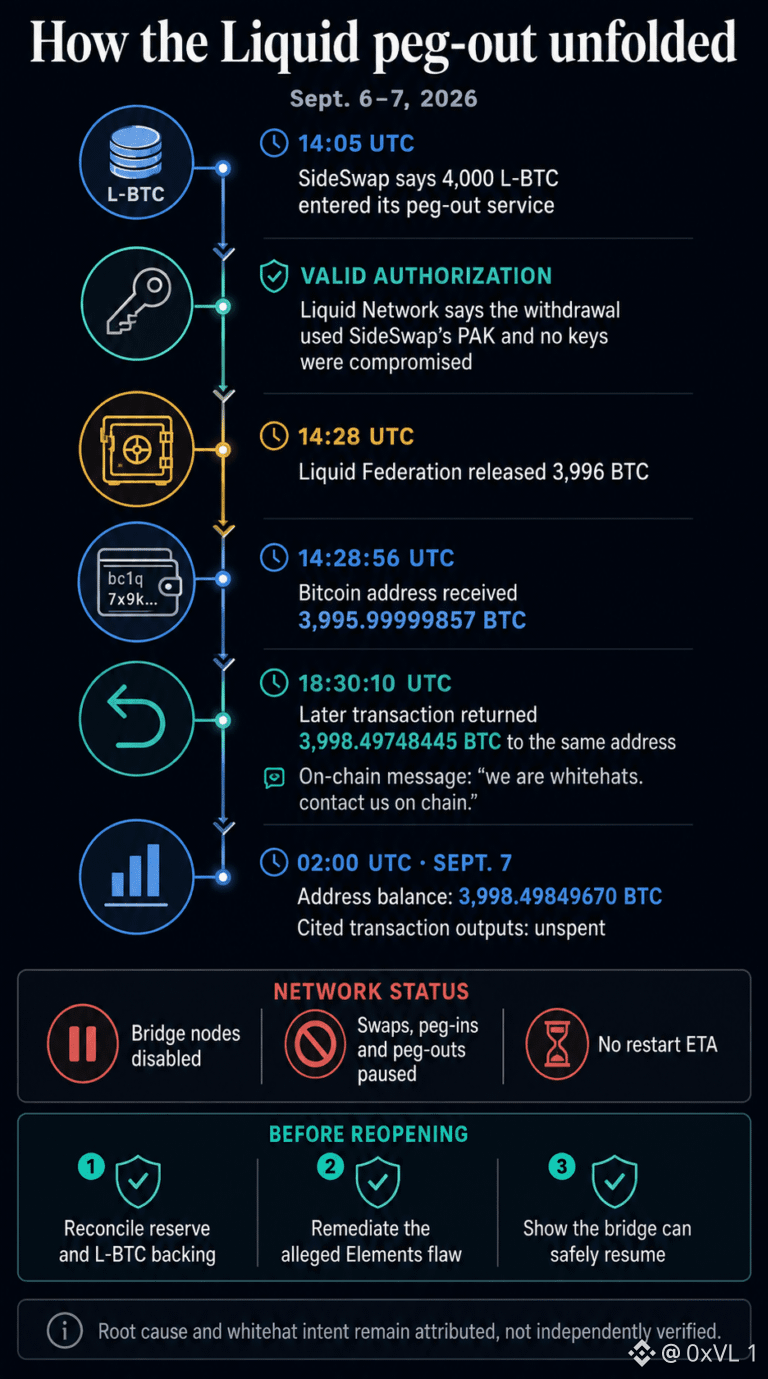
Tracking this Liquid Network situation has been highly engaging from a research perspective. It is genuinely interesting to watch a self-proclaimed white hat use OP_RETURN messages to negotiate directly with Blockstream on-chain, treating a $320 million withdrawal like a live bug bounty. The fact that they bypassed the 11-of-15 multisig by exploiting a logic flaw in the Elements software rather than stealing private keys shows a solid understanding of sidechain architecture. It reminds me of past bridge exploits where the code failed while the custody model technically worked as intended. I have to acknowledge the technical execution here; proving you can generate unbacked L-BTC and peg it out for real $BTC provides a very clear lesson for the ecosystem.
That being said, I have real concerns with how this entire scenario is playing out. Holding $320 million hostage until developers prove they have patched every node crosses the line from ethical disclosure to forced compliance. A standard white hat reports the vulnerability and collects a bounty; they do not unilaterally freeze liquidity and dictate operational terms to a federation of exchanges. This incident severely dents the trust we place in federated sidechain models. If a single software flaw can bypass the consensus mechanism and drain 95% of the reserves, we need to seriously re-evaluate the security assumptions used for scaling Bitcoin. Blockstream will need to provide a very thorough post-mortem once the dust settles.
Tracking this Liquid Network situation has been highly engaging from a research perspective. It is genuinely interesting to watch a self-proclaimed white hat use OP_RETURN messages to negotiate directly with Blockstream on-chain, treating a $320 million withdrawal like a live bug bounty. The fact that they bypassed the 11-of-15 multisig by exploiting a logic flaw in the Elements software rather than stealing private keys shows a solid understanding of sidechain architecture. It reminds me of past bridge exploits where the code failed while the custody model technically worked as intended. I have to acknowledge the technical execution here; proving you can generate unbacked L-BTC and peg it out for real $BTC provides a very clear lesson for the ecosystem.
That being said, I have real concerns with how this entire scenario is playing out. Holding $320 million hostage until developers prove they have patched every node crosses the line from ethical disclosure to forced compliance. A standard white hat reports the vulnerability and collects a bounty; they do not unilaterally freeze liquidity and dictate operational terms to a federation of exchanges. This incident severely dents the trust we place in federated sidechain models. If a single software flaw can bypass the consensus mechanism and drain 95% of the reserves, we need to seriously re-evaluate the security assumptions used for scaling Bitcoin. Blockstream will need to provide a very thorough post-mortem once the dust settles.
That being said, I have real concerns with how this entire scenario is playing out. Holding $320 million hostage until developers prove they have patched every node crosses the line from ethical disclosure to forced compliance. A standard white hat reports the vulnerability and collects a bounty; they do not unilaterally freeze liquidity and dictate operational terms to a federation of exchanges. This incident severely dents the trust we place in federated sidechain models. If a single software flaw can bypass the consensus mechanism and drain 95% of the reserves, we need to seriously re-evaluate the security assumptions used for scaling Bitcoin. Blockstream will need to provide a very thorough post-mortem once the dust settles.
63
·
--
Melihat $ZEC dan $XRP menampilkan breakout teknis yang bersih setelah berbulan-bulan konsolidasi adalah sinyal yang benar-benar menggembirakan bagi pasar. Ini menunjukkan bahwa rotasi modal sedang bergerak aktif menuruni kurva risiko, dan melihat nama-nama besar/legacy yang berkapitalisasi tinggi memimpin laju selalu menghadirkan likuiditas segar serta perhatian ritel yang kembali mengalir ke altcoin. Kenaikan volume pada pasangan-pasangan spesifik ini menunjukkan adanya permintaan spot yang nyata dan momentum bullish jangka pendek yang tidak bisa diabaikan.
Namun, menyatakan altseason penuh sudah dimulai hanya dari pergerakan ini terasa sedikit terlalu cepat. Altseason makro yang sesungguhnya biasanya membutuhkan penurunan dominasi Bitcoin yang berkelanjutan sekaligus pemerataan sentimen pasar (market breadth) yang luas di DeFi, L1, dan token mid-cap—bukan lonjakan terisolasi yang dipicu oleh berita yang spesifik atau short squeeze. Sampai kita melihat ekspansi volume yang persisten dan efek tumpahan likuiditas ke aset berkapitalisasi lebih rendah tanpa Bitcoin menarik semuanya turun saat terjadi pullback, ini tampak lebih seperti rotasi likuiditas taktis daripada awal siklus bull alt yang panjang.
Melihat $ZEC dan $XRP menampilkan breakout teknis yang bersih setelah berbulan-bulan konsolidasi adalah sinyal yang benar-benar menggembirakan bagi pasar. Ini menunjukkan bahwa rotasi modal sedang bergerak aktif menuruni kurva risiko, dan melihat nama-nama besar/legacy yang berkapitalisasi tinggi memimpin laju selalu menghadirkan likuiditas segar serta perhatian ritel yang kembali mengalir ke altcoin. Kenaikan volume pada pasangan-pasangan spesifik ini menunjukkan adanya permintaan spot yang nyata dan momentum bullish jangka pendek yang tidak bisa diabaikan.
Namun, menyatakan altseason penuh sudah dimulai hanya dari pergerakan ini terasa sedikit terlalu cepat. Altseason makro yang sesungguhnya biasanya membutuhkan penurunan dominasi Bitcoin yang berkelanjutan sekaligus pemerataan sentimen pasar (market breadth) yang luas di DeFi, L1, dan token mid-cap—bukan lonjakan terisolasi yang dipicu oleh berita yang spesifik atau short squeeze. Sampai kita melihat ekspansi volume yang persisten dan efek tumpahan likuiditas ke aset berkapitalisasi lebih rendah tanpa Bitcoin menarik semuanya turun saat terjadi pullback, ini tampak lebih seperti rotasi likuiditas taktis daripada awal siklus bull alt yang panjang.
Namun, menyatakan altseason penuh sudah dimulai hanya dari pergerakan ini terasa sedikit terlalu cepat. Altseason makro yang sesungguhnya biasanya membutuhkan penurunan dominasi Bitcoin yang berkelanjutan sekaligus pemerataan sentimen pasar (market breadth) yang luas di DeFi, L1, dan token mid-cap—bukan lonjakan terisolasi yang dipicu oleh berita yang spesifik atau short squeeze. Sampai kita melihat ekspansi volume yang persisten dan efek tumpahan likuiditas ke aset berkapitalisasi lebih rendah tanpa Bitcoin menarik semuanya turun saat terjadi pullback, ini tampak lebih seperti rotasi likuiditas taktis daripada awal siklus bull alt yang panjang.

70
Masuk untuk menjelajahi konten lainnya
Bergabunglah dengan pengguna kripto global di Binance Square
⚡️ Dapatkan informasi terbaru dan berguna tentang kripto.
💬 Dipercayai oleh bursa kripto terbesar di dunia.
👍 Temukan wawasan nyata dari kreator terverifikasi.
Email/Nomor Ponsel