

Kaan Kaya 1
429 Posting

Kaan Kaya 1
Laporkan
Blokir Pengguna
Web3 strategist | On-chain analyst Building new projects, sharing smart money insights 📊 Open to collaborations with teams creating real value.
0 Mengikuti
1 Pengikut
17 Disukai
Posting
·
--
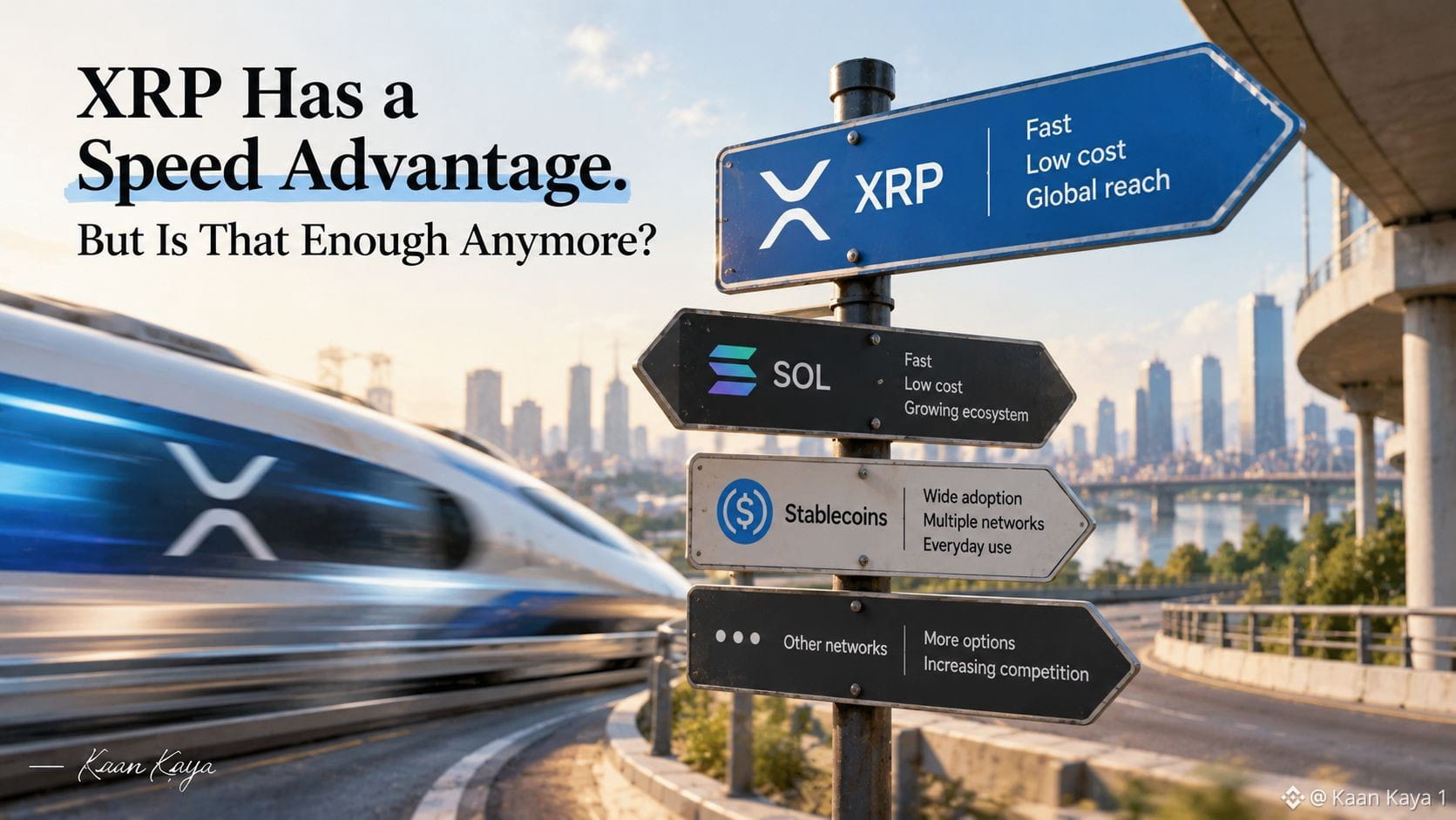
XRP Unggul dalam Kecepatan. Tapi Apakah Itu Masih Cukup? Ingat saat transfer yang cepat dan murah menjadi nilai jual utama di dunia kripto? Selama bertahun-tahun, itulah yang ditawarkan $XRP. Tapi sekarang ada $SOL, stablecoin di berbagai jaringan, dan banyak cara lain untuk mengirim uang dengan biaya rendah. Jadi, saya penasaran apa sebenarnya keunggulan terbesar XRP saat ini. Apakah teknologinya, kemitraan pembayarannya, atau sekadar namanya yang sudah dikenal orang? Bukan berarti XRP akan hilang. Hanya saja, rasanya persaingan di beberapa bidang sudah menyusul. Ada yang masih menggunakan XRP untuk transfer, atau sekarang kebanyakan hanya menyimpannya? #Wawasan Makro# #Musim Altcoin#
XRP Unggul dalam Kecepatan. Tapi Apakah Itu Masih Cukup? Ingat saat transfer yang cepat dan murah menjadi nilai jual utama di dunia kripto? Selama bertahun-tahun, itulah yang ditawarkan $XRP. Tapi sekarang ada $SOL, stablecoin di berbagai jaringan, dan banyak cara lain untuk mengirim uang dengan biaya rendah. Jadi, saya penasaran apa sebenarnya keunggulan terbesar XRP saat ini. Apakah teknologinya, kemitraan pembayarannya, atau sekadar namanya yang sudah dikenal orang? Bukan berarti XRP akan hilang. Hanya saja, rasanya persaingan di beberapa bidang sudah menyusul. Ada yang masih menggunakan XRP untuk transfer, atau sekarang kebanyakan hanya menyimpannya? #Wawasan Makro# #Musim Altcoin#
66
·
--
🔍 Saya Mencari Batas Transfer, tetapi Malah Lebih Dulu Menemukan Batas Saldo Saya Saya sudah cukup sering menggunakan dompet $BTC dan aplikasi bursa kripto hingga tahu bahwa setiap tombol “kirim” biasanya punya batasan. Biasanya ada jumlah minimum yang membuat transfer kecil jadi tak praktis, atau batas harian yang muncul tepat saat Anda perlu mengirim lebih banyak 🙃 Jadi, saat membuka QuickSend di aplikasi WhiteBIT, saya melakukan hal yang selalu saya lakukan saat mencoba fitur transfer baru: mencari tahu batasannya sebelum mengirim uang sungguhan. https://bit.ly/4dBD8CM Pertama, saya mencoba mengirim jumlah terkecil, dan ternyata bisa serendah nilai setara 1 USDT. Lalu saya mengetik angka yang jauh lebih besar daripada jumlah yang benar-benar akan saya kirim, dan menunggu pesan “batas terlampaui” seperti biasanya. Pesan itu tak pernah muncul, karena QuickSend tidak memiliki batas maksimum, dan satu-satunya hal yang menghentikan saya adalah saldo saya sendiri 😅 Selebihnya, cara kerjanya seperti yang Anda harapkan dari aplikasi pesan. Anda memilih orang lewat nama panggilan atau memindai kode QR mereka, uang langsung sampai, dan Anda punya waktu 10 detik untuk membatalkan jika tidak sengaja menekan tombol kirim. Pengalaman ini membuat saya memandang fitur transfer lain di ponsel saya dengan cara berbeda. Kebanyakan diam-diam dirancang untuk satu tujuan tertentu. Ada yang dibuat untuk patungan makan siang, dengan jumlah kecil dan batas rendah, sementara yang lain dirancang untuk mengirim uang dalam jumlah besar, dengan batas minimum yang cukup tinggi sehingga Anda tak akan pernah menggunakannya untuk mengirim beberapa dolar kepada teman. Di sini, layar yang sama bisa digunakan untuk membelikan kopi rekan kerja maupun mengirim jumlah yang jauh lebih besar, tanpa perlu berpindah aplikasi. Saya menghabiskan waktu sebentar untuk menguji batasannya, lalu terpikir betapa banyaknya informasi yang disampaikan angka-angka itu tentang siapa yang dituju oleh sebuah fitur. Lain kali saya perlu mengirim beberapa dolar kepada seseorang atau mengirim jumlah yang lebih besar, saya akan tetap memakai tombol yang sama 🙂 Penafian: Ini bukan saran keuangan atau investasi. Lakukan riset sendiri sebelum mengambil keputusan. Gunakan dengan risiko Anda sendiri. #Analisis Harga BTC# #Prediksi Harga Bitcoin: Apa langkah Bitcoin selanjutnya?#
🔍 Saya Mencari Batas Transfer, tetapi Malah Lebih Dulu Menemukan Batas Saldo Saya Saya sudah cukup sering menggunakan dompet $BTC dan aplikasi bursa kripto hingga tahu bahwa setiap tombol “kirim” biasanya punya batasan. Biasanya ada jumlah minimum yang membuat transfer kecil jadi tak praktis, atau batas harian yang muncul tepat saat Anda perlu mengirim lebih banyak 🙃 Jadi, saat membuka QuickSend di aplikasi WhiteBIT, saya melakukan hal yang selalu saya lakukan saat mencoba fitur transfer baru: mencari tahu batasannya sebelum mengirim uang sungguhan. https://bit.ly/4dBD8CM Pertama, saya mencoba mengirim jumlah terkecil, dan ternyata bisa serendah nilai setara 1 USDT. Lalu saya mengetik angka yang jauh lebih besar daripada jumlah yang benar-benar akan saya kirim, dan menunggu pesan “batas terlampaui” seperti biasanya. Pesan itu tak pernah muncul, karena QuickSend tidak memiliki batas maksimum, dan satu-satunya hal yang menghentikan saya adalah saldo saya sendiri 😅 Selebihnya, cara kerjanya seperti yang Anda harapkan dari aplikasi pesan. Anda memilih orang lewat nama panggilan atau memindai kode QR mereka, uang langsung sampai, dan Anda punya waktu 10 detik untuk membatalkan jika tidak sengaja menekan tombol kirim. Pengalaman ini membuat saya memandang fitur transfer lain di ponsel saya dengan cara berbeda. Kebanyakan diam-diam dirancang untuk satu tujuan tertentu. Ada yang dibuat untuk patungan makan siang, dengan jumlah kecil dan batas rendah, sementara yang lain dirancang untuk mengirim uang dalam jumlah besar, dengan batas minimum yang cukup tinggi sehingga Anda tak akan pernah menggunakannya untuk mengirim beberapa dolar kepada teman. Di sini, layar yang sama bisa digunakan untuk membelikan kopi rekan kerja maupun mengirim jumlah yang jauh lebih besar, tanpa perlu berpindah aplikasi. Saya menghabiskan waktu sebentar untuk menguji batasannya, lalu terpikir betapa banyaknya informasi yang disampaikan angka-angka itu tentang siapa yang dituju oleh sebuah fitur. Lain kali saya perlu mengirim beberapa dolar kepada seseorang atau mengirim jumlah yang lebih besar, saya akan tetap memakai tombol yang sama 🙂 Penafian: Ini bukan saran keuangan atau investasi. Lakukan riset sendiri sebelum mengambil keputusan. Gunakan dengan risiko Anda sendiri. #Analisis Harga BTC# #Prediksi Harga Bitcoin: Apa langkah Bitcoin selanjutnya?#
·
--
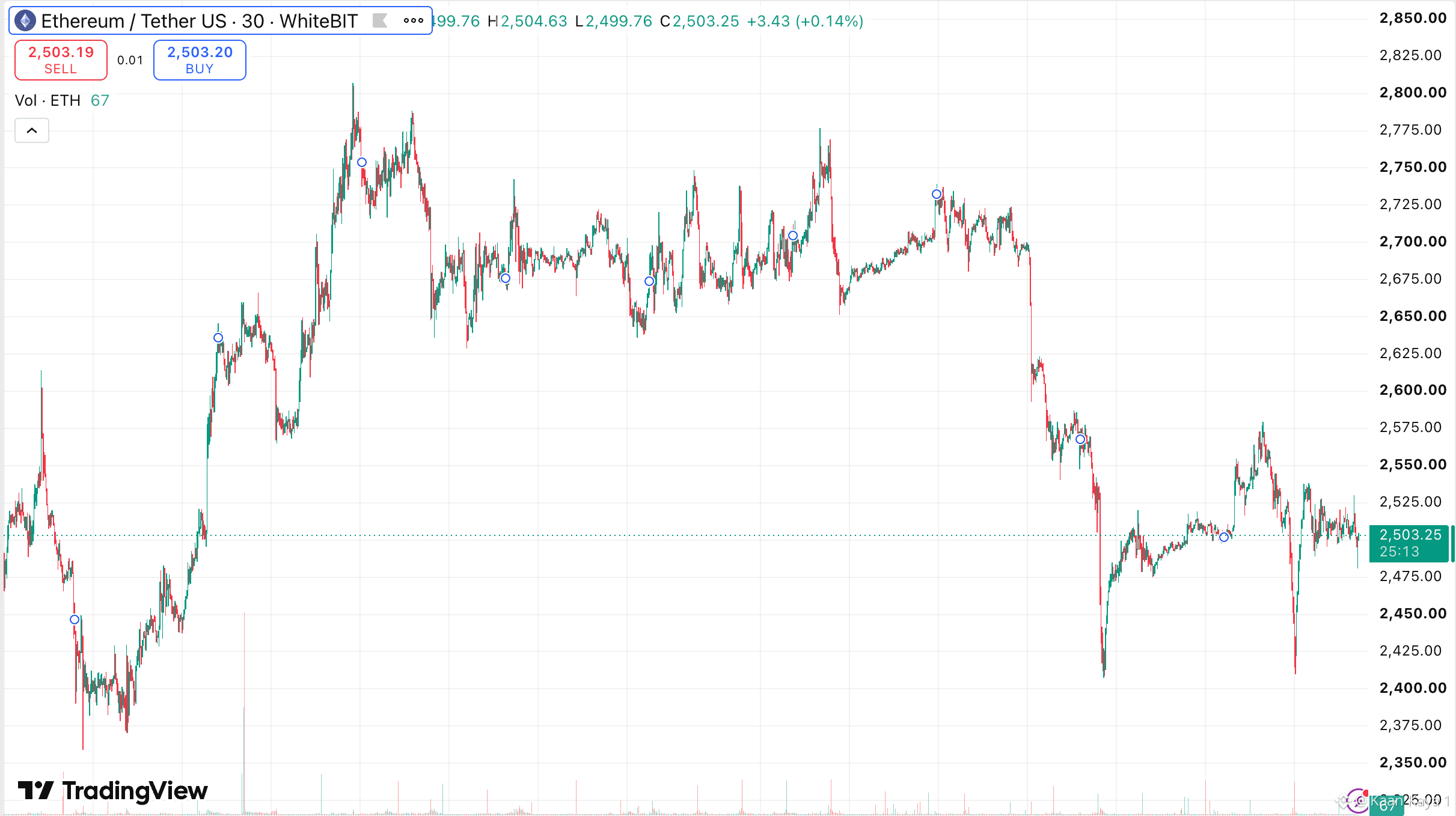
Semua Orang Menantikan Musim Altcoin Berikutnya. Tapi Siapa yang Sebenarnya Membeli? Setiap kali Bitcoin bergerak lambat selama beberapa hari, prediksi musim altcoin kembali bermunculan. Seseorang mengunggah grafik ETH/BTC, orang lain menemukan pola tahun 2021 yang terlupakan, dan tiba-tiba setengah linimasa membicarakan rotasi. 😂 Tapi ada satu hal yang ingin saya lihat sebelum ikut bersemangat: apakah orang-orang benar-benar memasukkan uang baru ke altcoin, atau hanya memindahkan modal yang sama ke sana kemari? Bayangkan $BTC tetap datar sementara $ETH naik 5%, lalu para trader mengambil keuntungan dan beralih ke $SOL, yang naik 8% lagi. Beberapa grafik terlihat bagus, tetapi itu belum tentu berarti pasar secara keseluruhan menarik banyak modal baru. Dan rotasi bukanlah hal yang buruk. Rotasi memang bagian dari cara kerja pasar kripto. Saya hanya berpikir ada perbedaan antara beberapa token populer yang mengungguli pasar dan ratusan proyek kecil yang menemukan permintaan berkelanjutan. Untuk saat ini, saya akan mengamati apakah volume perdagangan meluas di luar nama-nama yang biasanya muncul dan apakah reli bertahan setelah gelombang antusiasme pertama. Karena menyebutnya musim altcoin setelah tiga candle hijau itu mudah. Benar-benar menghasilkan uang selama musim tersebut adalah pengalaman yang sama sekali berbeda. #Analisis Harga BTC# #Prediksi Harga Bitcoin: Apa langkah Bitcoin selanjutnya?#
Semua Orang Menantikan Musim Altcoin Berikutnya. Tapi Siapa yang Sebenarnya Membeli? Setiap kali Bitcoin bergerak lambat selama beberapa hari, prediksi musim altcoin kembali bermunculan. Seseorang mengunggah grafik ETH/BTC, orang lain menemukan pola tahun 2021 yang terlupakan, dan tiba-tiba setengah linimasa membicarakan rotasi. 😂 Tapi ada satu hal yang ingin saya lihat sebelum ikut bersemangat: apakah orang-orang benar-benar memasukkan uang baru ke altcoin, atau hanya memindahkan modal yang sama ke sana kemari? Bayangkan $BTC tetap datar sementara $ETH naik 5%, lalu para trader mengambil keuntungan dan beralih ke $SOL, yang naik 8% lagi. Beberapa grafik terlihat bagus, tetapi itu belum tentu berarti pasar secara keseluruhan menarik banyak modal baru. Dan rotasi bukanlah hal yang buruk. Rotasi memang bagian dari cara kerja pasar kripto. Saya hanya berpikir ada perbedaan antara beberapa token populer yang mengungguli pasar dan ratusan proyek kecil yang menemukan permintaan berkelanjutan. Untuk saat ini, saya akan mengamati apakah volume perdagangan meluas di luar nama-nama yang biasanya muncul dan apakah reli bertahan setelah gelombang antusiasme pertama. Karena menyebutnya musim altcoin setelah tiga candle hijau itu mudah. Benar-benar menghasilkan uang selama musim tersebut adalah pengalaman yang sama sekali berbeda. #Analisis Harga BTC# #Prediksi Harga Bitcoin: Apa langkah Bitcoin selanjutnya?#
65
·
--
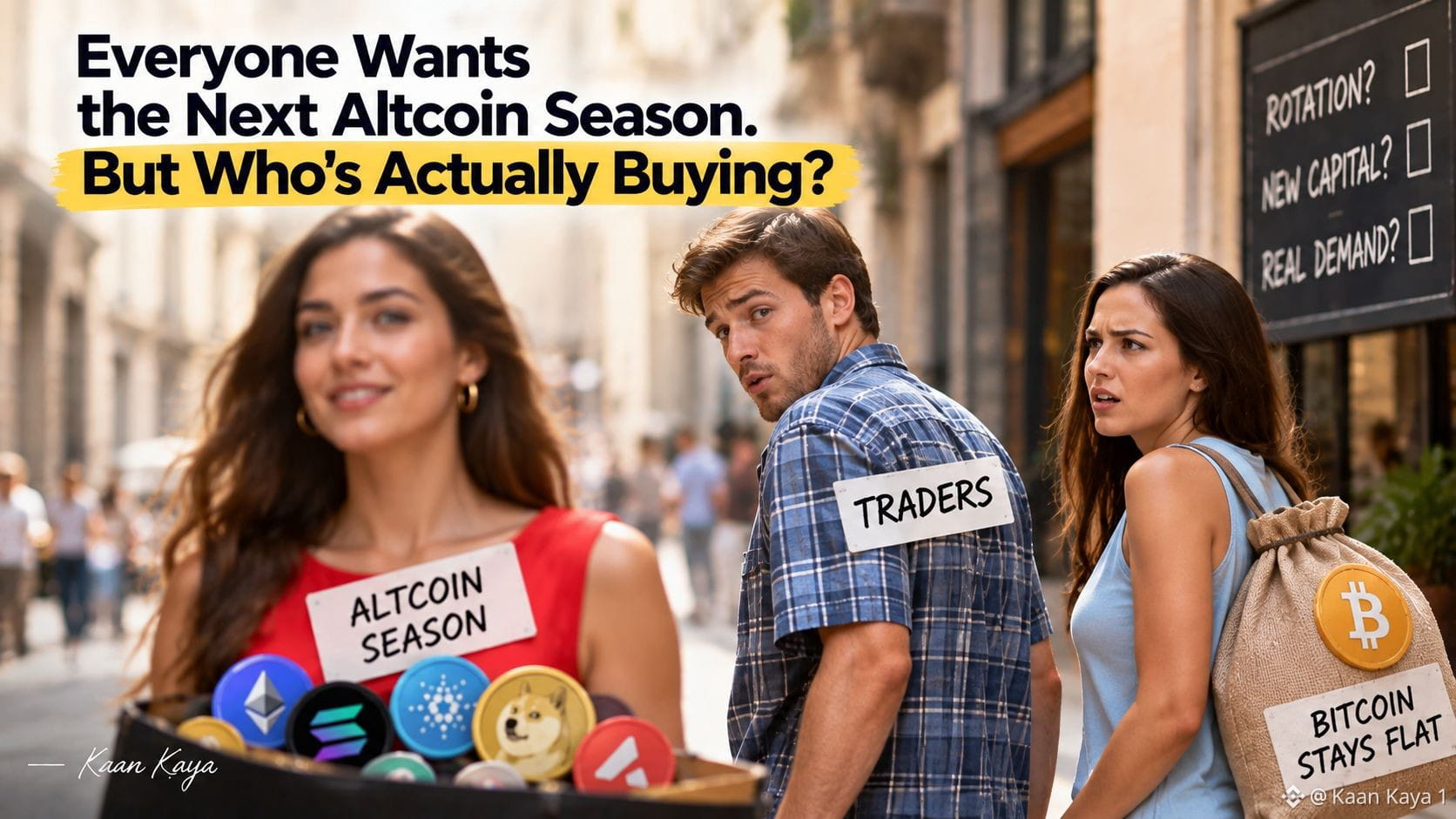
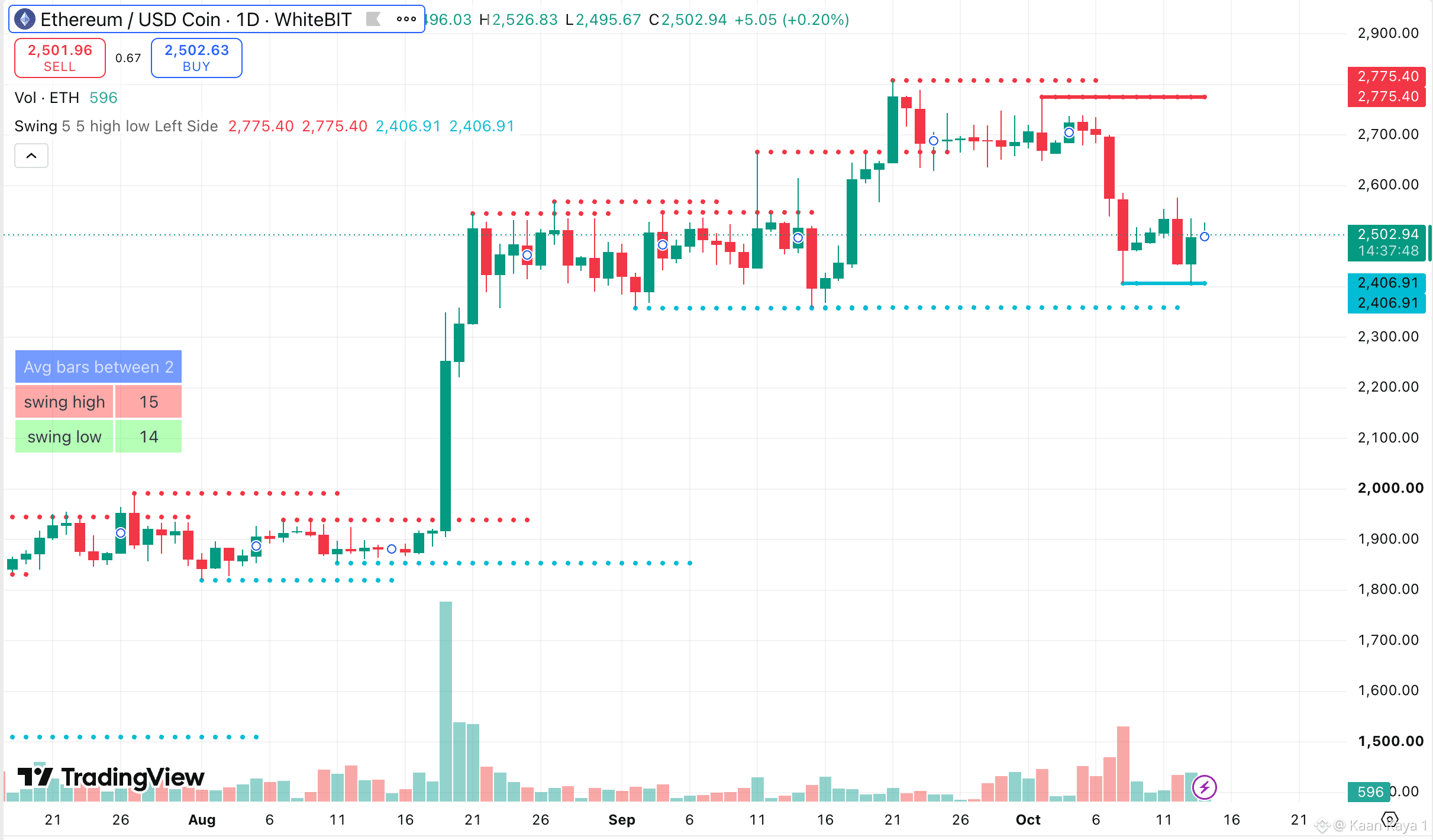
Semua Orang Menantikan Musim Altcoin Berikutnya. Tapi Siapa yang Benar-Benar Membeli? Setiap kali Bitcoin melambat selama beberapa hari, prediksi musim altcoin mulai bermunculan lagi. Seseorang mengunggah grafik ETH/BTC, orang lain menemukan pola tahun 2021 yang terlupakan, lalu tiba-tiba setengah linimasa membicarakan rotasi. 😂 Tapi ada satu hal yang ingin saya lihat sebelum ikut bersemangat: apakah orang-orang benar-benar memasukkan uang baru ke altcoin, atau hanya memindahkan modal yang sama ke sana kemari? Bayangkan $BTC tetap datar sementara $ETH naik 5%, lalu para trader mengambil untung dan beralih ke $SOL, yang naik 8% lagi. Beberapa grafik tampak bagus, tetapi itu belum tentu berarti pasar secara keseluruhan menarik banyak modal baru. Dan rotasi bukanlah hal yang salah. Rotasi adalah bagian dari cara pasar kripto bekerja. Menurut saya, ada perbedaan antara beberapa token populer yang berkinerja lebih baik dan ratusan proyek kecil yang berhasil mendapatkan permintaan berkelanjutan. Untuk saat ini, saya akan mengamati apakah volume perdagangan meluas ke luar nama-nama yang biasanya itu dan apakah reli bertahan setelah gelombang antusiasme pertama. Sebab, menyebutnya musim altcoin setelah tiga candle hijau itu mudah. Benar-benar menghasilkan uang selama musim seperti itu adalah pengalaman yang sama sekali berbeda. #ETHBlockchain #ETHFoundation
Semua Orang Menantikan Musim Altcoin Berikutnya. Tapi Siapa yang Benar-Benar Membeli? Setiap kali Bitcoin melambat selama beberapa hari, prediksi musim altcoin mulai bermunculan lagi. Seseorang mengunggah grafik ETH/BTC, orang lain menemukan pola tahun 2021 yang terlupakan, lalu tiba-tiba setengah linimasa membicarakan rotasi. 😂 Tapi ada satu hal yang ingin saya lihat sebelum ikut bersemangat: apakah orang-orang benar-benar memasukkan uang baru ke altcoin, atau hanya memindahkan modal yang sama ke sana kemari? Bayangkan $BTC tetap datar sementara $ETH naik 5%, lalu para trader mengambil untung dan beralih ke $SOL, yang naik 8% lagi. Beberapa grafik tampak bagus, tetapi itu belum tentu berarti pasar secara keseluruhan menarik banyak modal baru. Dan rotasi bukanlah hal yang salah. Rotasi adalah bagian dari cara pasar kripto bekerja. Menurut saya, ada perbedaan antara beberapa token populer yang berkinerja lebih baik dan ratusan proyek kecil yang berhasil mendapatkan permintaan berkelanjutan. Untuk saat ini, saya akan mengamati apakah volume perdagangan meluas ke luar nama-nama yang biasanya itu dan apakah reli bertahan setelah gelombang antusiasme pertama. Sebab, menyebutnya musim altcoin setelah tiga candle hijau itu mudah. Benar-benar menghasilkan uang selama musim seperti itu adalah pengalaman yang sama sekali berbeda. #ETHBlockchain #ETHFoundation
80
·
--
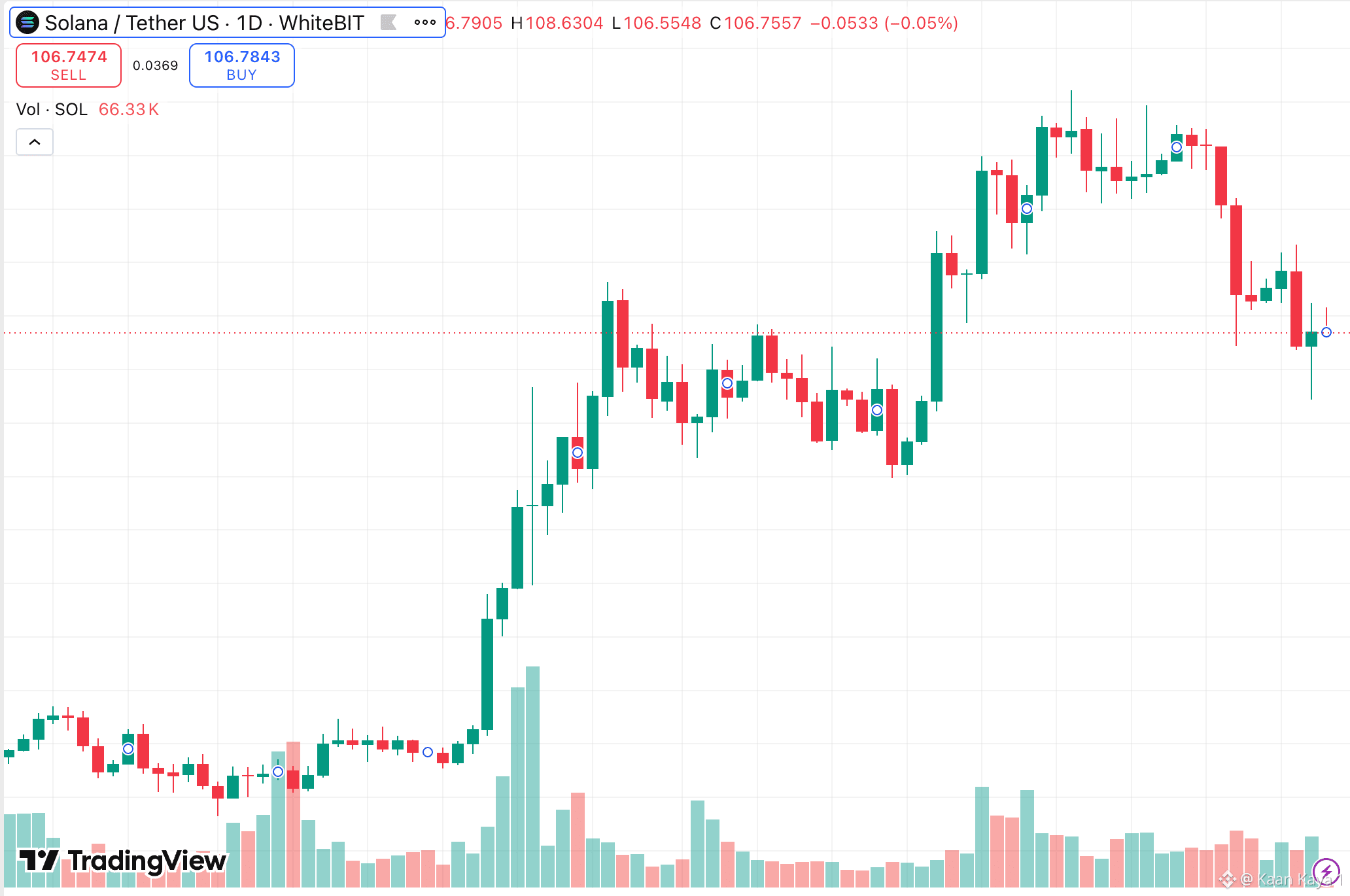
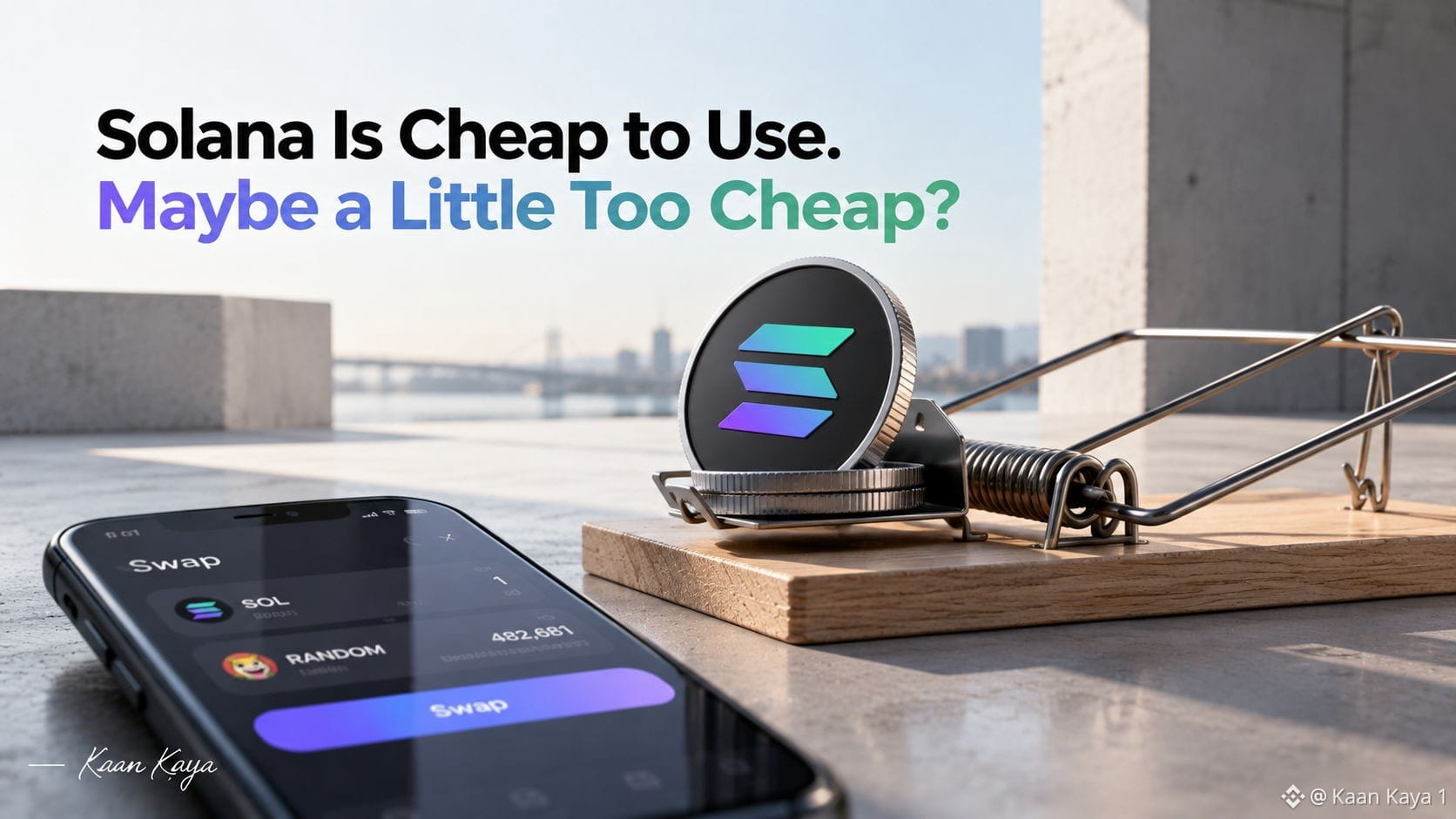
Solana Murah Digunakan. Mungkin Sedikit Terlalu Murah? 😉 Satu hal yang menurutku lucu tentang $SOL adalah betapa mudahnya memperdagangkan sesuatu yang mungkin sebaiknya tidak kamu perdagangkan. 😂 Biayanya sangat rendah, sampai melakukan swap lagi nyaris terasa bukan sebuah keputusan. Melihat token acak sedang tren? Dua kali klik dan kamu langsung ikut. Itu bagus untuk adopsi, tapi aku penasaran seberapa banyak aktivitas yang berasal dari orang-orang yang benar-benar menggunakan Solana dibandingkan para trader yang berpindah-pindah di antara koin meme sepanjang hari. Tentu saja, aku tidak mengeluhkan biaya transaksi yang murah. Aku hanya bertanya-tanya apakah membuat trading lebih mudah juga membuat trading berlebihan jadi sedikit terlalu menggoda. Ada yang merasakan hal yang sama? #Wawasan Makro# #Musim Altcoin#
Solana Murah Digunakan. Mungkin Sedikit Terlalu Murah? 😉 Satu hal yang menurutku lucu tentang $SOL adalah betapa mudahnya memperdagangkan sesuatu yang mungkin sebaiknya tidak kamu perdagangkan. 😂 Biayanya sangat rendah, sampai melakukan swap lagi nyaris terasa bukan sebuah keputusan. Melihat token acak sedang tren? Dua kali klik dan kamu langsung ikut. Itu bagus untuk adopsi, tapi aku penasaran seberapa banyak aktivitas yang berasal dari orang-orang yang benar-benar menggunakan Solana dibandingkan para trader yang berpindah-pindah di antara koin meme sepanjang hari. Tentu saja, aku tidak mengeluhkan biaya transaksi yang murah. Aku hanya bertanya-tanya apakah membuat trading lebih mudah juga membuat trading berlebihan jadi sedikit terlalu menggoda. Ada yang merasakan hal yang sama? #Wawasan Makro# #Musim Altcoin#
47
·
--
Dogecoin tidak punya peta jalan untuk menguasai dunia. Dan itu tidak masalah. Lucu juga melihat betapa seriusnya orang-orang mencoba menganalisis $DOGE kadang-kadang. 😂 Kamu akan menemukan ulasan sepanjang sepuluh halaman tentang tokenomik, skenario adopsi, dan target harga jangka panjang untuk koin yang benar-benar dimulai sebagai lelucon. Tapi mungkin justru itu sebabnya Dogecoin bisa bertahan begitu lama. Koin ini tidak perlu berpura-pura sedang merevolusi dunia keuangan. Orang-orang tahu persis apa yang mereka beli. Bukan berarti itu menjadikannya investasi yang bagus, tentu saja. Hanya saja, terkadang komunitas yang kuat dan meme yang mudah dikenali bisa membuat sebuah koin tetap relevan lebih lama daripada whitepaper yang keren. Apakah kamu masih akan menyimpan DOGE pada 2030? #Wawasan Makro# #Musim Altcoin#
Dogecoin tidak punya peta jalan untuk menguasai dunia. Dan itu tidak masalah. Lucu juga melihat betapa seriusnya orang-orang mencoba menganalisis $DOGE kadang-kadang. 😂 Kamu akan menemukan ulasan sepanjang sepuluh halaman tentang tokenomik, skenario adopsi, dan target harga jangka panjang untuk koin yang benar-benar dimulai sebagai lelucon. Tapi mungkin justru itu sebabnya Dogecoin bisa bertahan begitu lama. Koin ini tidak perlu berpura-pura sedang merevolusi dunia keuangan. Orang-orang tahu persis apa yang mereka beli. Bukan berarti itu menjadikannya investasi yang bagus, tentu saja. Hanya saja, terkadang komunitas yang kuat dan meme yang mudah dikenali bisa membuat sebuah koin tetap relevan lebih lama daripada whitepaper yang keren. Apakah kamu masih akan menyimpan DOGE pada 2030? #Wawasan Makro# #Musim Altcoin#

70
·
--
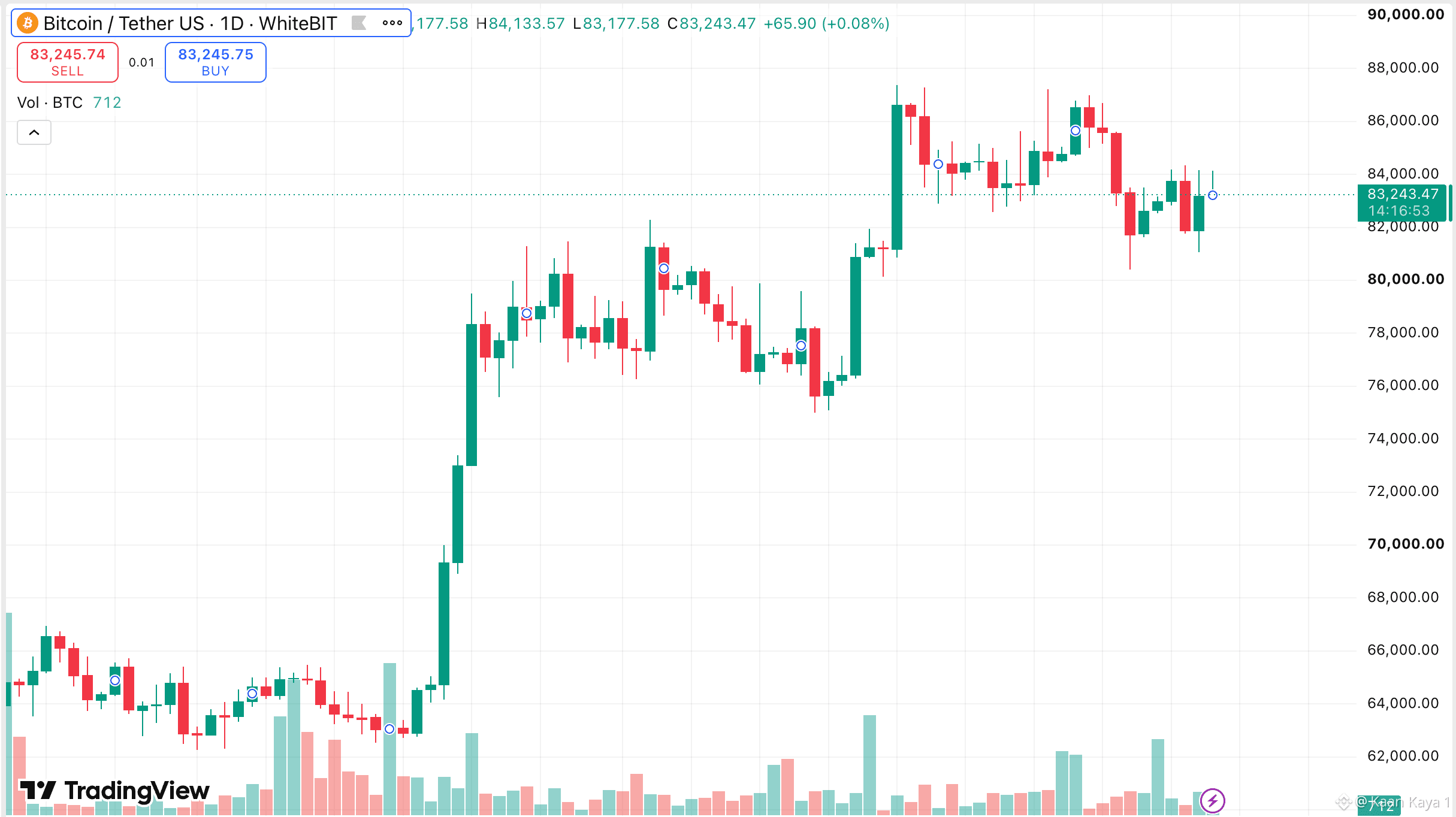
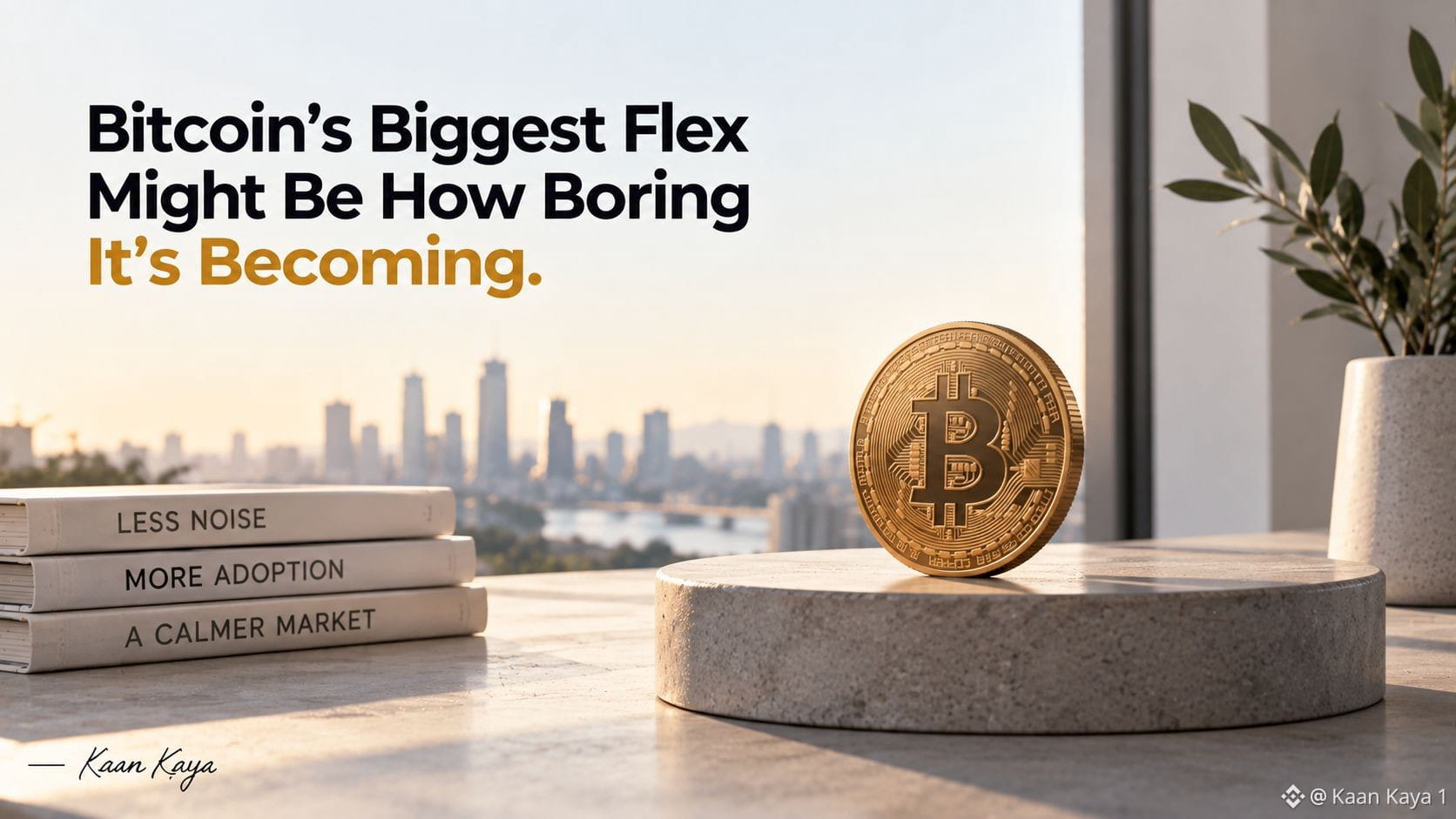
Pameran terbesar Bitcoin mungkin adalah betapa membosankannya Bitcoin sekarang Ingat saat pergerakan 10% pada $BTC nyaris tak mengejutkan siapa pun? Sekarang para trader menghabiskan waktu berjam-jam memperdebatkan candle 2% seolah-olah itu peristiwa bersejarah. 😂 Mungkin seperti inilah pasar Bitcoin yang lebih matang. Lebih banyak institusi, lebih banyak pemegang jangka panjang, dan lebih sedikit orang yang berharap setiap hari Selasa akan mengubah hidup mereka. Tentu saja, Bitcoin masih bisa mengejutkan semua orang saat volatilitas kembali. Tapi saya penasaran, apakah diam-diam sebagian trader lebih merindukan kekacauannya daripada keuntungannya. Kamu lebih memilih $BTC yang lebih stabil atau Bitcoin yang liar seperti pada 2021? #Analisis Harga BTC# #Prediksi Harga Bitcoin: Apa langkah Bitcoin selanjutnya?#
Pameran terbesar Bitcoin mungkin adalah betapa membosankannya Bitcoin sekarang Ingat saat pergerakan 10% pada $BTC nyaris tak mengejutkan siapa pun? Sekarang para trader menghabiskan waktu berjam-jam memperdebatkan candle 2% seolah-olah itu peristiwa bersejarah. 😂 Mungkin seperti inilah pasar Bitcoin yang lebih matang. Lebih banyak institusi, lebih banyak pemegang jangka panjang, dan lebih sedikit orang yang berharap setiap hari Selasa akan mengubah hidup mereka. Tentu saja, Bitcoin masih bisa mengejutkan semua orang saat volatilitas kembali. Tapi saya penasaran, apakah diam-diam sebagian trader lebih merindukan kekacauannya daripada keuntungannya. Kamu lebih memilih $BTC yang lebih stabil atau Bitcoin yang liar seperti pada 2021? #Analisis Harga BTC# #Prediksi Harga Bitcoin: Apa langkah Bitcoin selanjutnya?#
43
·
--
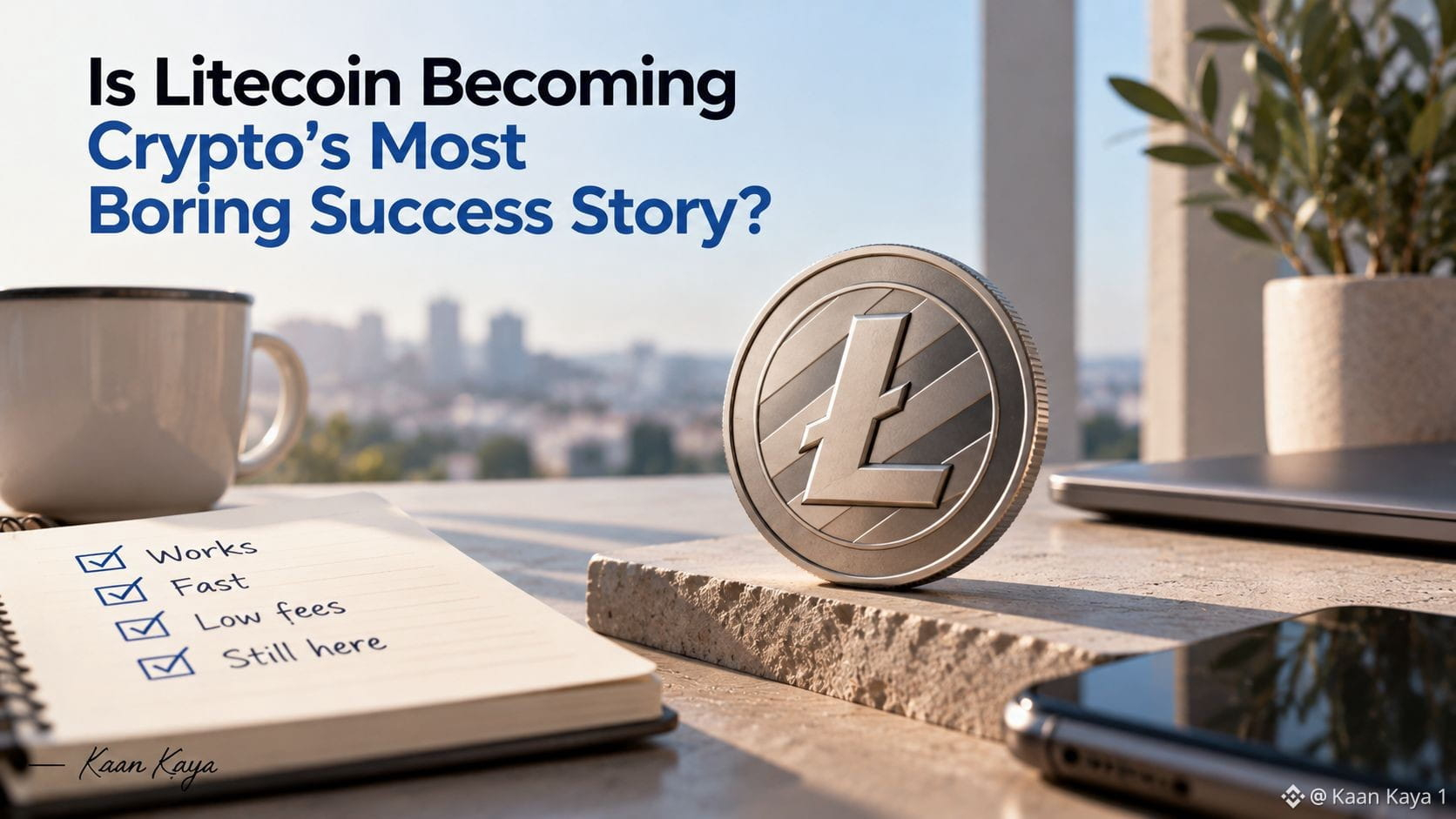
Apakah Litecoin Menjadi Kisah Sukses Kripto Paling Membosankan? Tak ada yang benar-benar membicarakan $LTC lagi, lucu juga mengingat koin ini masih bertahan setelah bertahun-tahun. 😅 Tak ada hype tanpa akhir, tak ada narasi baru setiap minggu. Hanya sebuah jaringan yang bisa digunakan orang untuk memindahkan aset kripto. Kadang aku bertanya-tanya apakah kita begitu terobsesi mencari aset berikutnya yang bisa naik 100 kali lipat sampai lupa bahwa ada nilai dalam hal-hal yang sekadar berfungsi dengan baik. Masih ada yang menggunakan Litecoin di sini, atau koin ini sudah benar-benar hilang dari radar kalian? #Wawasan Makro# #Musim Altcoin#
Apakah Litecoin Menjadi Kisah Sukses Kripto Paling Membosankan? Tak ada yang benar-benar membicarakan $LTC lagi, lucu juga mengingat koin ini masih bertahan setelah bertahun-tahun. 😅 Tak ada hype tanpa akhir, tak ada narasi baru setiap minggu. Hanya sebuah jaringan yang bisa digunakan orang untuk memindahkan aset kripto. Kadang aku bertanya-tanya apakah kita begitu terobsesi mencari aset berikutnya yang bisa naik 100 kali lipat sampai lupa bahwa ada nilai dalam hal-hal yang sekadar berfungsi dengan baik. Masih ada yang menggunakan Litecoin di sini, atau koin ini sudah benar-benar hilang dari radar kalian? #Wawasan Makro# #Musim Altcoin#
51
·
--
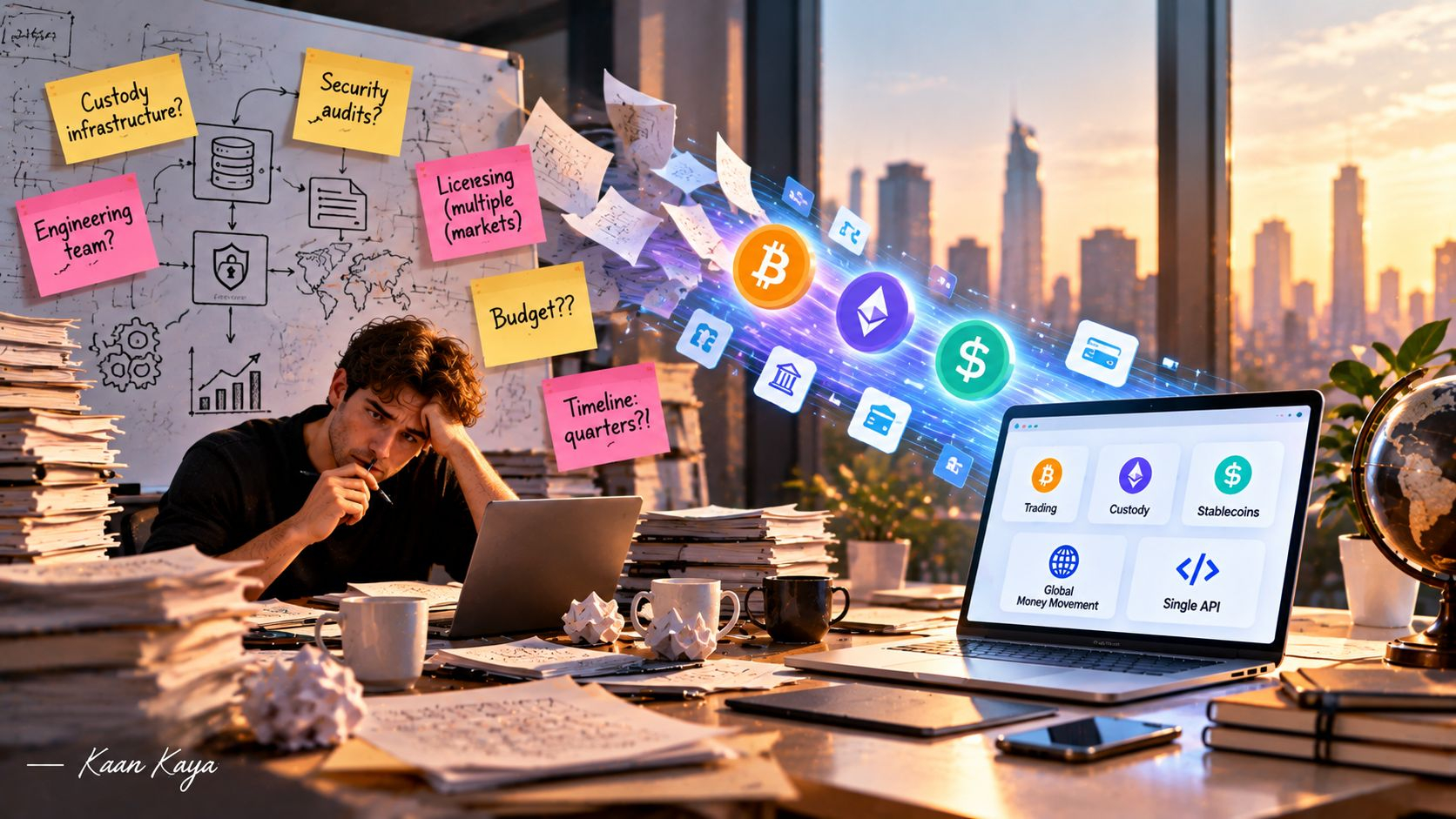
🚨 Menambahkan Kripto ke EMI Anda? Jangan Bangun Backend dari Nol Bayangkan: pengguna Anda terus meminta $BTC, $ETH, semua aset kripto, lalu seseorang menyarankan untuk membangun sendiri sistem kustodian dan perdagangan. Kemudian, estimasi biaya pun datang. Insinyur, audit keamanan, perizinan di setiap pasar yang Anda masuki, dan jadwal pengerjaan yang dihitung dalam hitungan kuartal. Saat semuanya selesai, pasar mungkin sudah beralih 😬 Jika Anda mencari jalan pintas, layanan seperti Crypto as a Service dari Notbank mungkin layak dipertimbangkan. Secara teori, layanan ini memungkinkan bisnis mengintegrasikan perdagangan kripto, kustodian, stablecoin, dan transfer uang global melalui satu API, dengan SDK Python, Java, dan Node untuk mempercepat proses 🌍 https://www.notbank.com/en/crypto-as-a-service?utm_source=coinmarketcap&utm_medium=caaaaskkk&utm_campaign=post Tim kepatuhan kemungkinan besar akan paling memperhatikan aspek keamanan. Notbank bersertifikasi ISO/IEC 27001:2013 dan beroperasi melalui entitas yang teregulasi di Chili, Argentina, Brasil, Kolombia, dan Peru. Jadi, EMI dapat memeriksa kesesuaian persetujuan tersebut dengan pasar yang dituju. 🛡 Meminta demo bisa menjadi langkah awal yang masuk akal untuk melihat kecocokannya dengan sistem Anda 🚀 Penafian: Ini bukan nasihat keuangan atau investasi. Lakukan riset sendiri sebelum mengambil keputusan. Gunakan dengan risiko Anda sendiri. #AnalisisHargaBTC# #PrediksiHargaBitcoin: Apa langkah Bitcoin selanjutnya?#
🚨 Menambahkan Kripto ke EMI Anda? Jangan Bangun Backend dari Nol Bayangkan: pengguna Anda terus meminta $BTC, $ETH, semua aset kripto, lalu seseorang menyarankan untuk membangun sendiri sistem kustodian dan perdagangan. Kemudian, estimasi biaya pun datang. Insinyur, audit keamanan, perizinan di setiap pasar yang Anda masuki, dan jadwal pengerjaan yang dihitung dalam hitungan kuartal. Saat semuanya selesai, pasar mungkin sudah beralih 😬 Jika Anda mencari jalan pintas, layanan seperti Crypto as a Service dari Notbank mungkin layak dipertimbangkan. Secara teori, layanan ini memungkinkan bisnis mengintegrasikan perdagangan kripto, kustodian, stablecoin, dan transfer uang global melalui satu API, dengan SDK Python, Java, dan Node untuk mempercepat proses 🌍 https://www.notbank.com/en/crypto-as-a-service?utm_source=coinmarketcap&utm_medium=caaaaskkk&utm_campaign=post Tim kepatuhan kemungkinan besar akan paling memperhatikan aspek keamanan. Notbank bersertifikasi ISO/IEC 27001:2013 dan beroperasi melalui entitas yang teregulasi di Chili, Argentina, Brasil, Kolombia, dan Peru. Jadi, EMI dapat memeriksa kesesuaian persetujuan tersebut dengan pasar yang dituju. 🛡 Meminta demo bisa menjadi langkah awal yang masuk akal untuk melihat kecocokannya dengan sistem Anda 🚀 Penafian: Ini bukan nasihat keuangan atau investasi. Lakukan riset sendiri sebelum mengambil keputusan. Gunakan dengan risiko Anda sendiri. #AnalisisHargaBTC# #PrediksiHargaBitcoin: Apa langkah Bitcoin selanjutnya?#
67
·
--
Uniswap Punya Tantangan yang Lebih Besar daripada Menemukan Koin 10x Berikutnya Semua orang sibuk berburu koin meme berikutnya, tapi saya lebih tertarik apakah orang-orang benar-benar terus menggunakan bursa tempat mereka memperdagangkannya. 😅 Ambil contoh Uniswap. Kebanyakan orang yang menukar $ETH dengan USDC tidak peduli soal tata kelola atau teknologi canggih. Mereka hanya menginginkan harga yang bagus, biaya rendah, dan transaksi yang berhasil. Di sinilah $UNI menjadi menarik. Volume perdagangan yang lebih besar tidak otomatis berarti nilai tokennya meningkat. Saya lebih suka melihat para trader kembali setiap minggu daripada melihat lonjakan volume besar sekali karena koin meme entah apa tiba-tiba viral. Menurutmu, mana yang lebih penting bagi DEX: volume perdagangan atau pengguna setia? #Wawasan Makro# #Musim Altcoin#
Uniswap Punya Tantangan yang Lebih Besar daripada Menemukan Koin 10x Berikutnya Semua orang sibuk berburu koin meme berikutnya, tapi saya lebih tertarik apakah orang-orang benar-benar terus menggunakan bursa tempat mereka memperdagangkannya. 😅 Ambil contoh Uniswap. Kebanyakan orang yang menukar $ETH dengan USDC tidak peduli soal tata kelola atau teknologi canggih. Mereka hanya menginginkan harga yang bagus, biaya rendah, dan transaksi yang berhasil. Di sinilah $UNI menjadi menarik. Volume perdagangan yang lebih besar tidak otomatis berarti nilai tokennya meningkat. Saya lebih suka melihat para trader kembali setiap minggu daripada melihat lonjakan volume besar sekali karena koin meme entah apa tiba-tiba viral. Menurutmu, mana yang lebih penting bagi DEX: volume perdagangan atau pengguna setia? #Wawasan Makro# #Musim Altcoin#

48
·
--
Meminjamkan atau Menahan? Bagaimana Tim Treasury Bisa Memilih di Antara Keduanya Kebanyakan diskusi dewan tentang treasury kripto berakhir dengan angkat bahu. "Tergantung." Saya ingin melihat seperti apa jawabannya jika aturannya benar-benar ditulis. Jadi, saya menyusun studi kasus fiktif tetapi realistis: sebuah perusahaan dengan $10M dalam $BTC dan stablecoin, dewan yang menginginkan cadangan yang jelas, serta tim treasury yang membutuhkan keleluasaan untuk menempatkan sisanya dalam program deposito. Artikel ini membahas bagaimana kebijakan tersebut dibentuk, di mana lending dan staking berperan, serta mengapa orang yang bisa memindahkan dana sama pentingnya dengan jumlahnya. Di sepanjang pembahasan, saya melihat bagaimana WhiteBIT, BitGo, dan Kraken dapat masuk ke dalam gambaran tersebut. Artikel ini singkat, dan penutupnya sengaja dibuat biasa saja. Memang itu intinya. 👉 Baca artikel lengkapnya: https://medium.com/coinmonks/ten-million-in-stablecoins-three-million-untouchable-now-what-1aea741787ab #Analisis Harga BTC# #Prediksi Harga Bitcoin: Apa langkah Bitcoin selanjutnya?#
Meminjamkan atau Menahan? Bagaimana Tim Treasury Bisa Memilih di Antara Keduanya Kebanyakan diskusi dewan tentang treasury kripto berakhir dengan angkat bahu. "Tergantung." Saya ingin melihat seperti apa jawabannya jika aturannya benar-benar ditulis. Jadi, saya menyusun studi kasus fiktif tetapi realistis: sebuah perusahaan dengan $10M dalam $BTC dan stablecoin, dewan yang menginginkan cadangan yang jelas, serta tim treasury yang membutuhkan keleluasaan untuk menempatkan sisanya dalam program deposito. Artikel ini membahas bagaimana kebijakan tersebut dibentuk, di mana lending dan staking berperan, serta mengapa orang yang bisa memindahkan dana sama pentingnya dengan jumlahnya. Di sepanjang pembahasan, saya melihat bagaimana WhiteBIT, BitGo, dan Kraken dapat masuk ke dalam gambaran tersebut. Artikel ini singkat, dan penutupnya sengaja dibuat biasa saja. Memang itu intinya. 👉 Baca artikel lengkapnya: https://medium.com/coinmonks/ten-million-in-stablecoins-three-million-untouchable-now-what-1aea741787ab #Analisis Harga BTC# #Prediksi Harga Bitcoin: Apa langkah Bitcoin selanjutnya?#

76
·
--
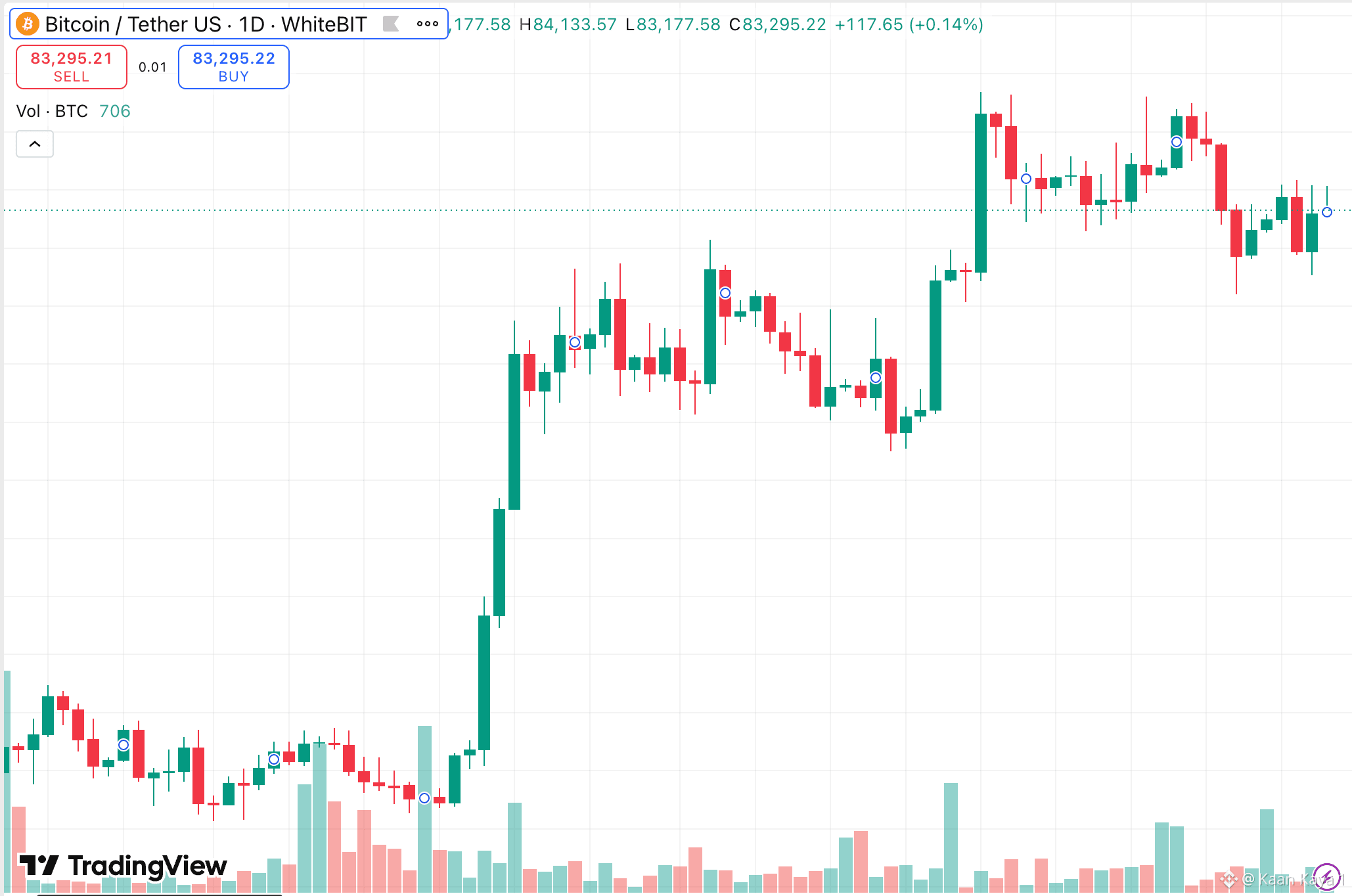
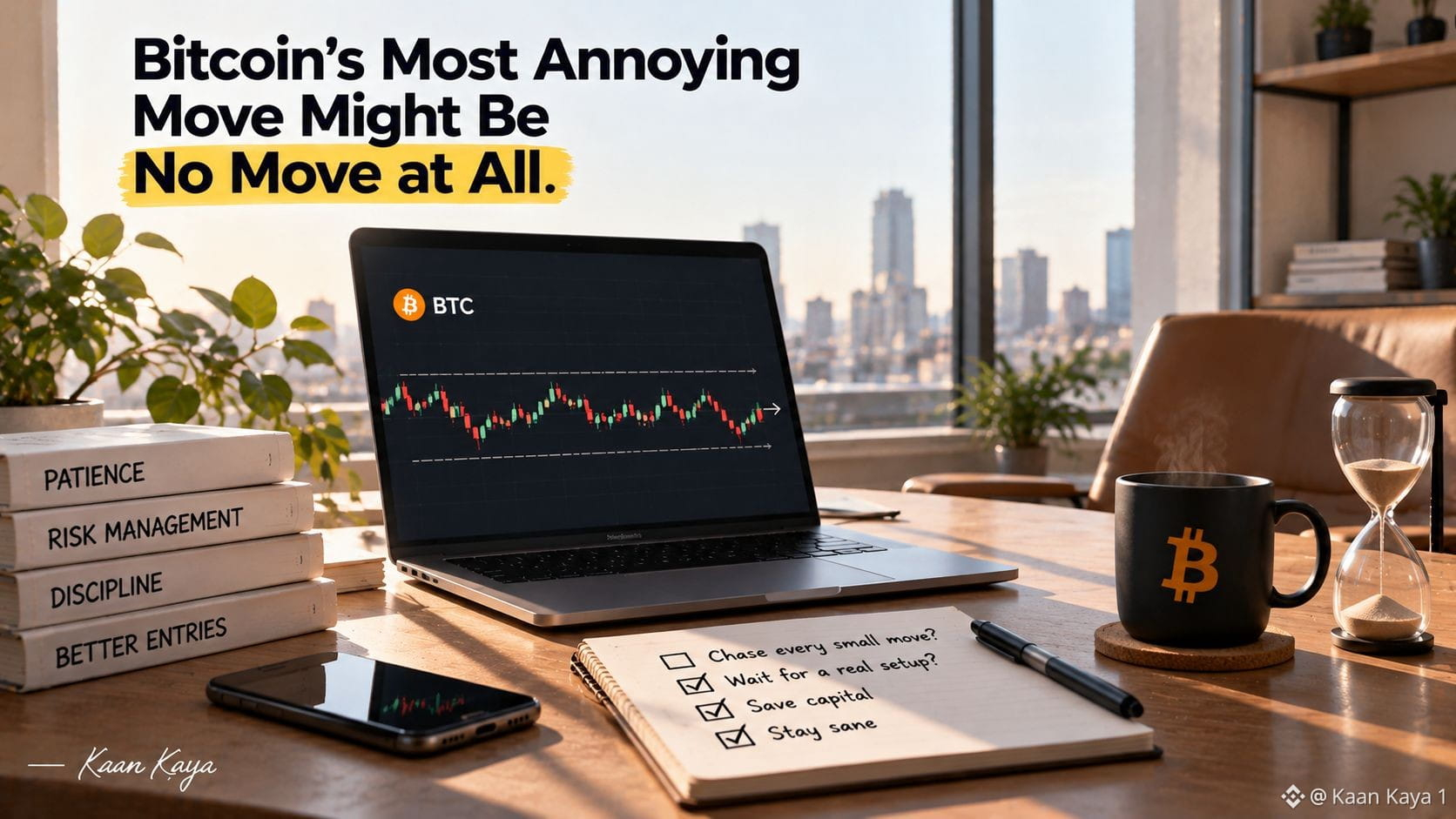
Pergerakan Bitcoin yang Paling Menyebalkan Mungkin Justru Tidak Bergerak Sama Sekali 👀 Semua orang menunggu Bitcoin melakukan sesuatu yang dramatis, tetapi sejujurnya, pasar yang bergerak mendatar bisa lebih melelahkan daripada kejatuhan sungguhan. 😅 Harganya naik sedikit, kamu mulai berpikir bahwa penembusan akhirnya terjadi, lalu dua jam kemudian $BTC kembali ke titik awal. Lucunya, tidak melakukan apa-apa juga merupakan keputusan dalam trading. Kamu tidak harus menangkap setiap pergerakan kecil hanya karena grafiknya sedang terbuka. Saya sering melihat orang kehilangan lebih banyak uang karena mencoba trading di pasar yang membosankan daripada jika mereka menunggu sampai ada peluang yang tepat. Ada yang makin jago menahan diri, atau kita semua masih berpura-pura setiap candle hijau adalah awal dari sesuatu? #Analisis Harga BTC# #Prediksi Harga Bitcoin: Apa pergerakan Bitcoin selanjutnya?#
Pergerakan Bitcoin yang Paling Menyebalkan Mungkin Justru Tidak Bergerak Sama Sekali 👀 Semua orang menunggu Bitcoin melakukan sesuatu yang dramatis, tetapi sejujurnya, pasar yang bergerak mendatar bisa lebih melelahkan daripada kejatuhan sungguhan. 😅 Harganya naik sedikit, kamu mulai berpikir bahwa penembusan akhirnya terjadi, lalu dua jam kemudian $BTC kembali ke titik awal. Lucunya, tidak melakukan apa-apa juga merupakan keputusan dalam trading. Kamu tidak harus menangkap setiap pergerakan kecil hanya karena grafiknya sedang terbuka. Saya sering melihat orang kehilangan lebih banyak uang karena mencoba trading di pasar yang membosankan daripada jika mereka menunggu sampai ada peluang yang tepat. Ada yang makin jago menahan diri, atau kita semua masih berpura-pura setiap candle hijau adalah awal dari sesuatu? #Analisis Harga BTC# #Prediksi Harga Bitcoin: Apa pergerakan Bitcoin selanjutnya?#
61
·
--
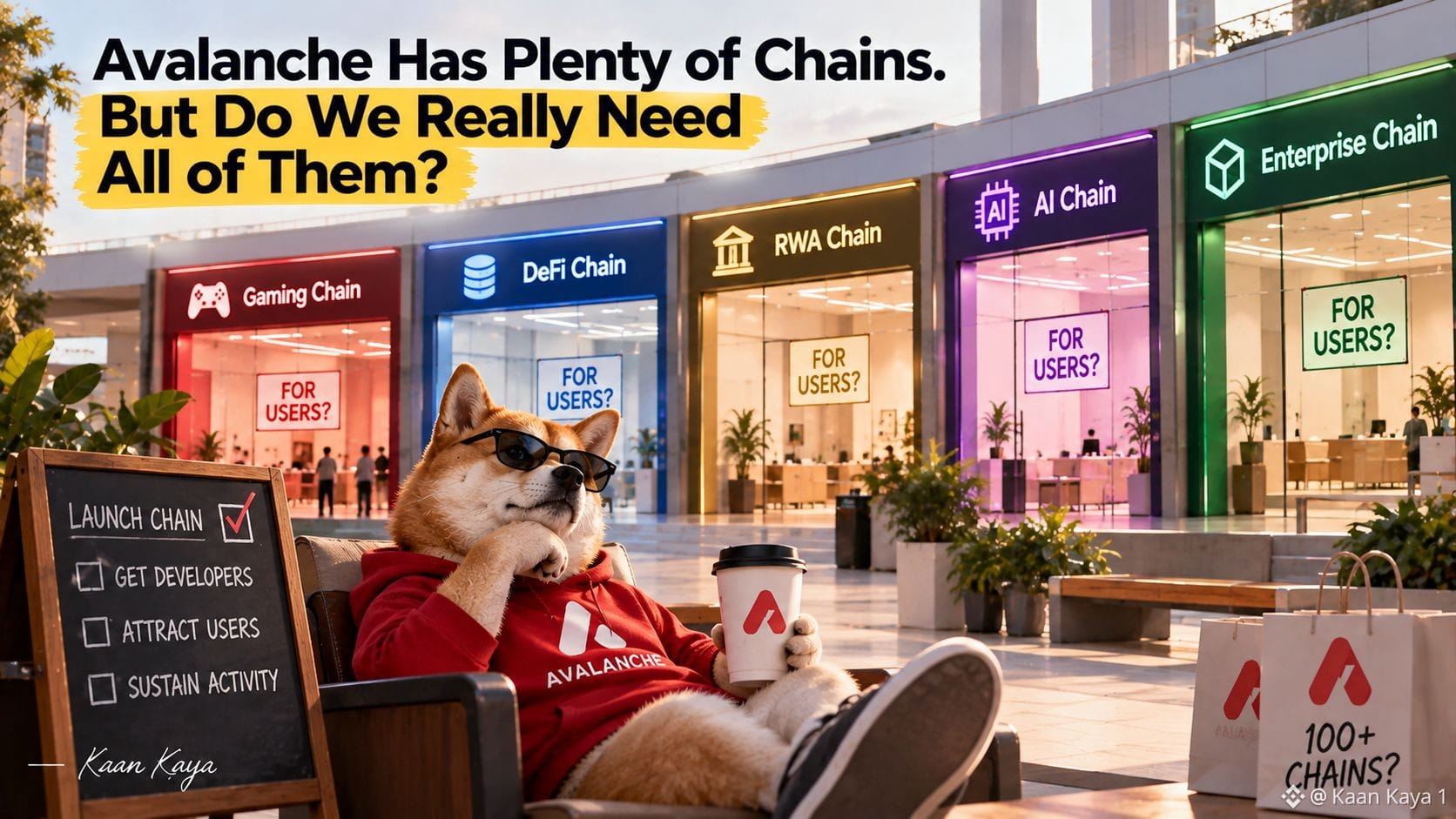
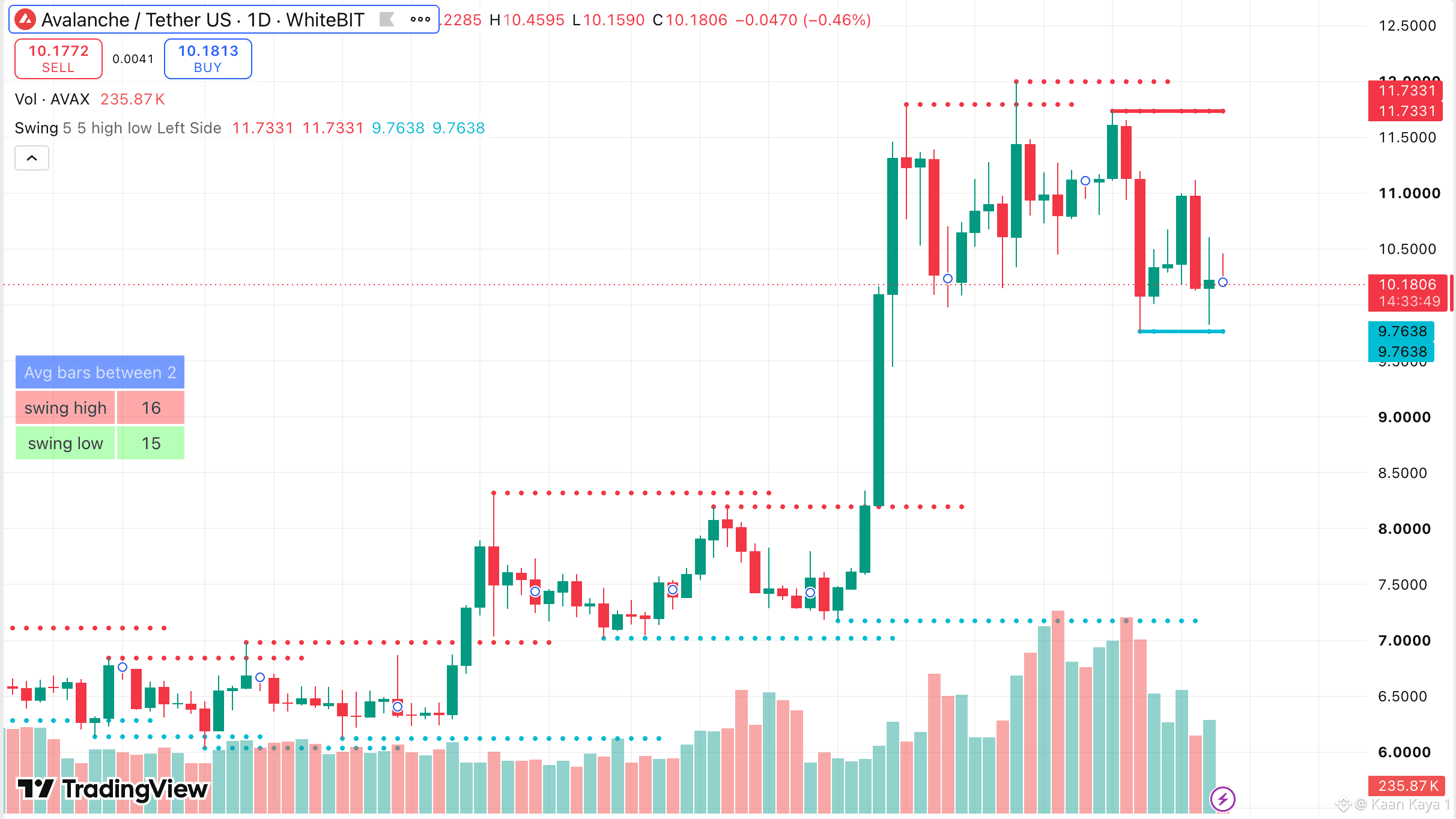
Avalanche Punya Banyak Chain. Tapi Apa Kita Benar-Benar Membutuhkan Semuanya? Ingat saat setiap proyek kripto ingin punya token sendiri? Sekarang rasanya semua orang juga ingin punya blockchain sendiri. 😅 Avalanche terus mendorong gagasan bahwa bisnis, game, dan platform keuangan bisa menjalankan jaringan khusus, alih-alih memaksakan semuanya masuk ke satu chain bersama. Saya bisa memahami daya tariknya. Perusahaan game mungkin tidak ingin transaksinya bersaing dengan likuidasi DeFi. Institusi keuangan mungkin membutuhkan aturan khusus terkait validator, izin, dan kepatuhan. Tapi di sinilah saya mulai sedikit skeptis. Meluncurkan blockchain semakin mudah. Memberi orang alasan untuk menggunakannya tetap sangat sulit. Sebuah perusahaan bisa memiliki validator sendiri, biaya khusus, dan ekosistem yang dirancang dengan indah. Namun, semua itu tidak menjamin developer akan membangun di sana atau pengguna akan berdatangan. Untuk $AVAX, saya akan mengamati apakah jaringan khusus ini menghasilkan aktivitas yang berkelanjutan, dan bagaimana aktivitas tersebut mendorong permintaan terhadap tokennya. Menghitung jumlah chain yang diluncurkan saja tidak memberi kita cukup informasi. Ini agak mirip membuka lima puluh pusat perbelanjaan. Kedengarannya mengesankan sampai kamu berkunjung pada hari Sabtu dan menyadari bahwa sebagian besar tokonya kosong. Saya lebih suka melihat sepuluh jaringan yang ramai daripada seratus jaringan yang keberadaannya terutama hanya tercantum dalam pengumuman kemitraan. #Wawasan Makro# #Musim Altcoin#
Avalanche Punya Banyak Chain. Tapi Apa Kita Benar-Benar Membutuhkan Semuanya? Ingat saat setiap proyek kripto ingin punya token sendiri? Sekarang rasanya semua orang juga ingin punya blockchain sendiri. 😅 Avalanche terus mendorong gagasan bahwa bisnis, game, dan platform keuangan bisa menjalankan jaringan khusus, alih-alih memaksakan semuanya masuk ke satu chain bersama. Saya bisa memahami daya tariknya. Perusahaan game mungkin tidak ingin transaksinya bersaing dengan likuidasi DeFi. Institusi keuangan mungkin membutuhkan aturan khusus terkait validator, izin, dan kepatuhan. Tapi di sinilah saya mulai sedikit skeptis. Meluncurkan blockchain semakin mudah. Memberi orang alasan untuk menggunakannya tetap sangat sulit. Sebuah perusahaan bisa memiliki validator sendiri, biaya khusus, dan ekosistem yang dirancang dengan indah. Namun, semua itu tidak menjamin developer akan membangun di sana atau pengguna akan berdatangan. Untuk $AVAX, saya akan mengamati apakah jaringan khusus ini menghasilkan aktivitas yang berkelanjutan, dan bagaimana aktivitas tersebut mendorong permintaan terhadap tokennya. Menghitung jumlah chain yang diluncurkan saja tidak memberi kita cukup informasi. Ini agak mirip membuka lima puluh pusat perbelanjaan. Kedengarannya mengesankan sampai kamu berkunjung pada hari Sabtu dan menyadari bahwa sebagian besar tokonya kosong. Saya lebih suka melihat sepuluh jaringan yang ramai daripada seratus jaringan yang keberadaannya terutama hanya tercantum dalam pengumuman kemitraan. #Wawasan Makro# #Musim Altcoin#
75
·
--
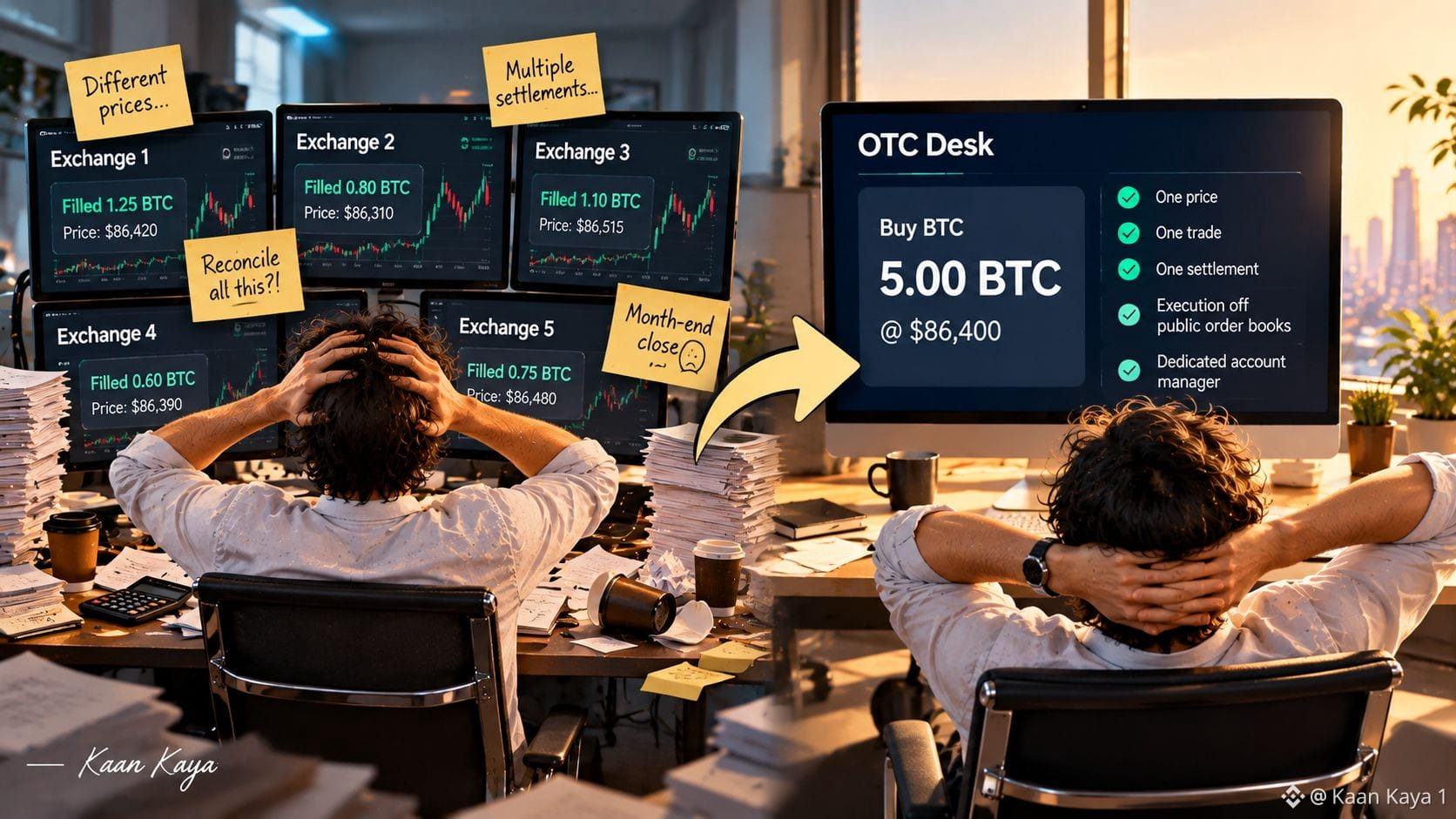
Pesanan $BTC Besar Anda Dibagi Menjadi Lima. Perlukah? Membagi pesanan besar terdengar cerdas sampai Anda harus mencocokkan lima akun, lima harga, dan lima penyelesaian transaksi di akhir bulan 😩. Misalnya, Anda perlu memindahkan sejumlah $BTC dan tidak ada satu pun bursa yang memiliki kedalaman pasar untuk menampung semuanya. Itulah situasi yang bisa ditangani desk OTC. Mereka menghubungkan pembeli dan penjual besar secara langsung, sehingga transaksi besar sering kali dapat diselesaikan sekaligus, bukan dalam beberapa bagian. Desk WhiteBIT adalah contoh bagus tentang cara kerjanya. Layanan ini mendukung transaksi tanpa batas maksimum, menjaga eksekusi tetap privat di luar order book publik, serta menyediakan kuotasi waktu nyata dan manajer akun yang bisa Anda hubungi langsung. https://institutional.whitebit.com/otc?utm_source=coinmarketcap&utm_medium=otcdkkk&utm_campaign=post Layanan ini juga dapat mencakup USD, EUR, GBP, CHF, USDT, dan USDC, dengan jumlah minimum yang biasanya sekitar $100K. Alternatif yang umum adalah membagi pesanan. Satu bagian dikirim ke satu platform, bagian lain ke desk kedua, dan bagian ketiga ke tempat lain. Setiap transaksi yang tereksekusi memiliki harga dan penyelesaiannya sendiri, lalu seseorang di tim operasional harus merapikan semuanya setelah itu. Siapa pun yang pernah menyelesaikan pembukuan akhir bulan pasti tahu bagaimana repotnya. Satu transaksi OTC terlihat jauh lebih rapi. Anda menyepakati satu harga, menandatangani satu perjanjian, dan akhirnya hanya memiliki satu catatan untuk diarsipkan. Jika sebuah desk dapat menampung seluruh jumlahnya, itu bisa mengurangi banyak kerepotan. Membagi pesanan tetap masuk akal jika tidak ada satu platform pun yang mampu menangani jumlah sebesar itu. Jadi, pertanyaan sebenarnya adalah seberapa besar pesanan Anda dibandingkan dengan kapasitas satu desk 🤝. Penafian: Ini bukan nasihat keuangan atau investasi. Lakukan riset sendiri sebelum mengambil keputusan. Gunakan dengan risiko Anda sendiri. #Analisis Harga BTC# #Prediksi Harga Bitcoin: Apa langkah Bitcoin selanjutnya?#
Pesanan $BTC Besar Anda Dibagi Menjadi Lima. Perlukah? Membagi pesanan besar terdengar cerdas sampai Anda harus mencocokkan lima akun, lima harga, dan lima penyelesaian transaksi di akhir bulan 😩. Misalnya, Anda perlu memindahkan sejumlah $BTC dan tidak ada satu pun bursa yang memiliki kedalaman pasar untuk menampung semuanya. Itulah situasi yang bisa ditangani desk OTC. Mereka menghubungkan pembeli dan penjual besar secara langsung, sehingga transaksi besar sering kali dapat diselesaikan sekaligus, bukan dalam beberapa bagian. Desk WhiteBIT adalah contoh bagus tentang cara kerjanya. Layanan ini mendukung transaksi tanpa batas maksimum, menjaga eksekusi tetap privat di luar order book publik, serta menyediakan kuotasi waktu nyata dan manajer akun yang bisa Anda hubungi langsung. https://institutional.whitebit.com/otc?utm_source=coinmarketcap&utm_medium=otcdkkk&utm_campaign=post Layanan ini juga dapat mencakup USD, EUR, GBP, CHF, USDT, dan USDC, dengan jumlah minimum yang biasanya sekitar $100K. Alternatif yang umum adalah membagi pesanan. Satu bagian dikirim ke satu platform, bagian lain ke desk kedua, dan bagian ketiga ke tempat lain. Setiap transaksi yang tereksekusi memiliki harga dan penyelesaiannya sendiri, lalu seseorang di tim operasional harus merapikan semuanya setelah itu. Siapa pun yang pernah menyelesaikan pembukuan akhir bulan pasti tahu bagaimana repotnya. Satu transaksi OTC terlihat jauh lebih rapi. Anda menyepakati satu harga, menandatangani satu perjanjian, dan akhirnya hanya memiliki satu catatan untuk diarsipkan. Jika sebuah desk dapat menampung seluruh jumlahnya, itu bisa mengurangi banyak kerepotan. Membagi pesanan tetap masuk akal jika tidak ada satu platform pun yang mampu menangani jumlah sebesar itu. Jadi, pertanyaan sebenarnya adalah seberapa besar pesanan Anda dibandingkan dengan kapasitas satu desk 🤝. Penafian: Ini bukan nasihat keuangan atau investasi. Lakukan riset sendiri sebelum mengambil keputusan. Gunakan dengan risiko Anda sendiri. #Analisis Harga BTC# #Prediksi Harga Bitcoin: Apa langkah Bitcoin selanjutnya?#
·
--
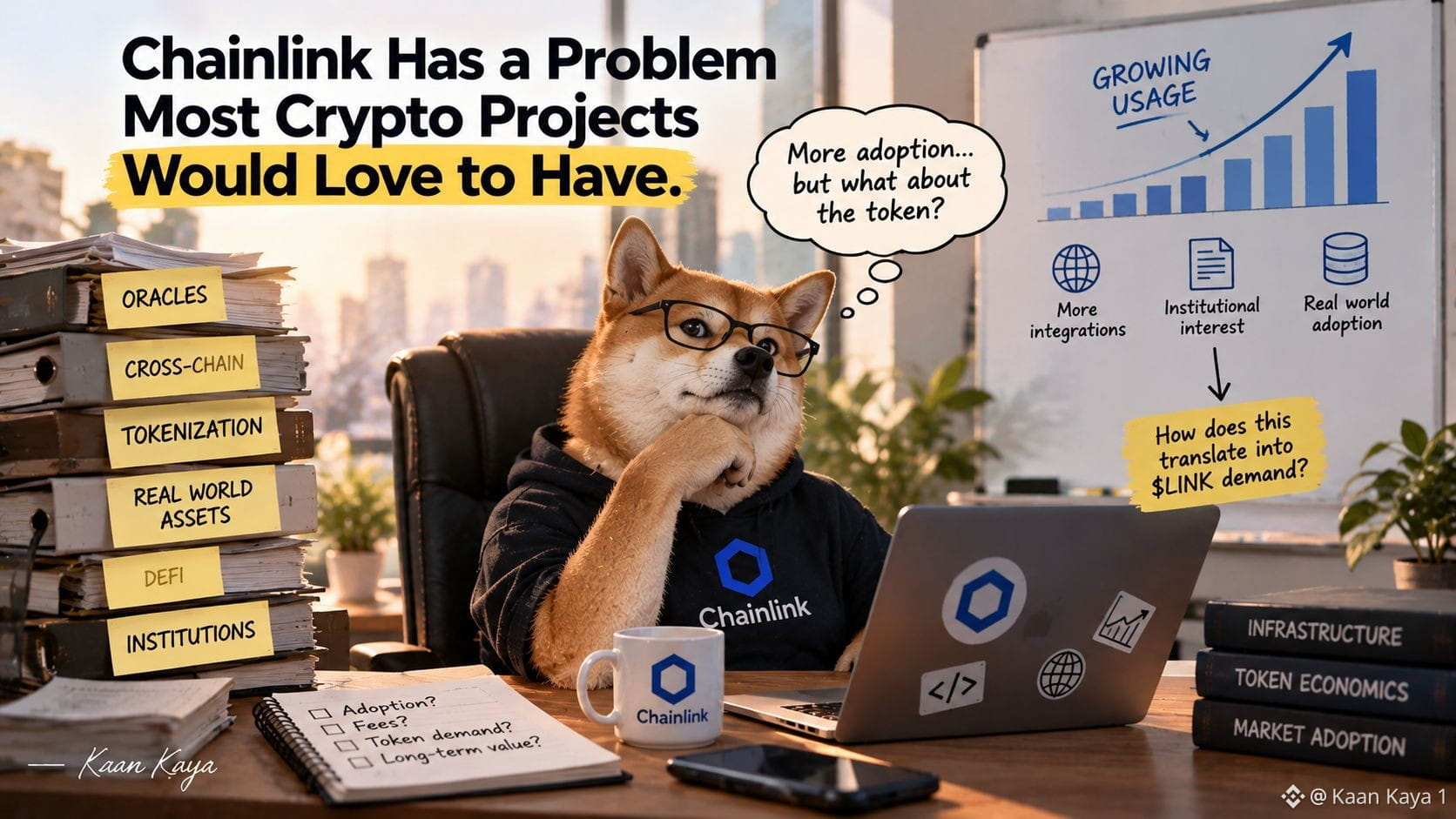
Chainlink Punya Masalah yang Diinginkan Banyak Proyek Kripto
Chainlink adalah salah satu proyek yang tidak mendapat banyak perhatian, tidak seperti koin meme terbaru, meskipun terlibat dalam beberapa bagian penting infrastruktur kripto.
Oracle, pengiriman pesan lintas jaringan, aset yang ditokenisasi... daftarnya terus bertambah. Namun, ada hal yang belakangan ini saya pikirkan: proyek yang semakin berguna tidak otomatis membuat tokennya semakin berharga.
Bank bisa mengintegrasikan teknologi Chainlink, protokol DeFi bisa mengandalkan umpan datanya, dan institusi bisa menggunakan infrastrukturnya untuk memindahkan aset yang ditokenisasi antarjaringan.
Bagus untuk adopsi. Namun, apa artinya bagi seseorang yang memegang $LINK? Di sinilah saya akan lebih banyak mencermati bagaimana penggunaan jaringan diterjemahkan menjadi permintaan token, biaya, dan insentif, alih-alih sekadar menghitung pengumuman kemitraan.
Jangan salah paham, menurut saya adopsi infrastruktur layak untuk diikuti. Hanya saja, saya lebih tertarik pada ekonomi di baliknya daripada berita utama lain tentang institusi besar yang bereksperimen dengan blockchain.
Pengumuman kemitraan bisa membuat trader bersemangat selama sehari. Permintaan yang berkelanjutan adalah pembahasan yang jauh lebih panjang.
#Wawasan Makro# #Musim Altcoin#
Chainlink Punya Masalah yang Diinginkan Banyak Proyek Kripto
Chainlink adalah salah satu proyek yang tidak mendapat banyak perhatian, tidak seperti koin meme terbaru, meskipun terlibat dalam beberapa bagian penting infrastruktur kripto.
Oracle, pengiriman pesan lintas jaringan, aset yang ditokenisasi... daftarnya terus bertambah. Namun, ada hal yang belakangan ini saya pikirkan: proyek yang semakin berguna tidak otomatis membuat tokennya semakin berharga.
Bank bisa mengintegrasikan teknologi Chainlink, protokol DeFi bisa mengandalkan umpan datanya, dan institusi bisa menggunakan infrastrukturnya untuk memindahkan aset yang ditokenisasi antarjaringan.
Bagus untuk adopsi. Namun, apa artinya bagi seseorang yang memegang $LINK? Di sinilah saya akan lebih banyak mencermati bagaimana penggunaan jaringan diterjemahkan menjadi permintaan token, biaya, dan insentif, alih-alih sekadar menghitung pengumuman kemitraan.
Jangan salah paham, menurut saya adopsi infrastruktur layak untuk diikuti. Hanya saja, saya lebih tertarik pada ekonomi di baliknya daripada berita utama lain tentang institusi besar yang bereksperimen dengan blockchain.
Pengumuman kemitraan bisa membuat trader bersemangat selama sehari. Permintaan yang berkelanjutan adalah pembahasan yang jauh lebih panjang.
#Wawasan Makro# #Musim Altcoin#
Chainlink adalah salah satu proyek yang tidak mendapat banyak perhatian, tidak seperti koin meme terbaru, meskipun terlibat dalam beberapa bagian penting infrastruktur kripto.
Oracle, pengiriman pesan lintas jaringan, aset yang ditokenisasi... daftarnya terus bertambah. Namun, ada hal yang belakangan ini saya pikirkan: proyek yang semakin berguna tidak otomatis membuat tokennya semakin berharga.
Bank bisa mengintegrasikan teknologi Chainlink, protokol DeFi bisa mengandalkan umpan datanya, dan institusi bisa menggunakan infrastrukturnya untuk memindahkan aset yang ditokenisasi antarjaringan.
Bagus untuk adopsi. Namun, apa artinya bagi seseorang yang memegang $LINK? Di sinilah saya akan lebih banyak mencermati bagaimana penggunaan jaringan diterjemahkan menjadi permintaan token, biaya, dan insentif, alih-alih sekadar menghitung pengumuman kemitraan.
Jangan salah paham, menurut saya adopsi infrastruktur layak untuk diikuti. Hanya saja, saya lebih tertarik pada ekonomi di baliknya daripada berita utama lain tentang institusi besar yang bereksperimen dengan blockchain.
Pengumuman kemitraan bisa membuat trader bersemangat selama sehari. Permintaan yang berkelanjutan adalah pembahasan yang jauh lebih panjang.
#Wawasan Makro# #Musim Altcoin#
47
·
--
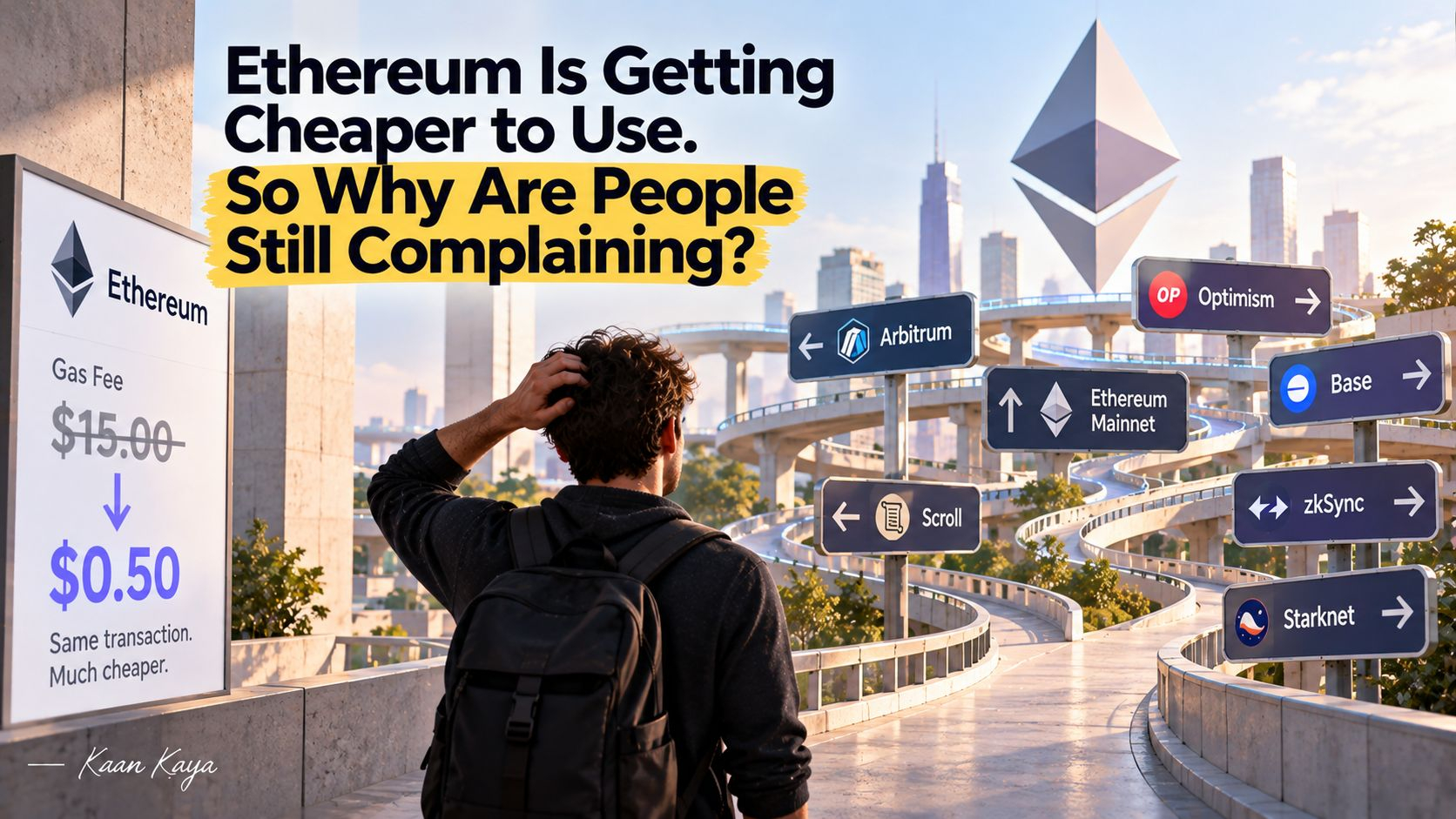
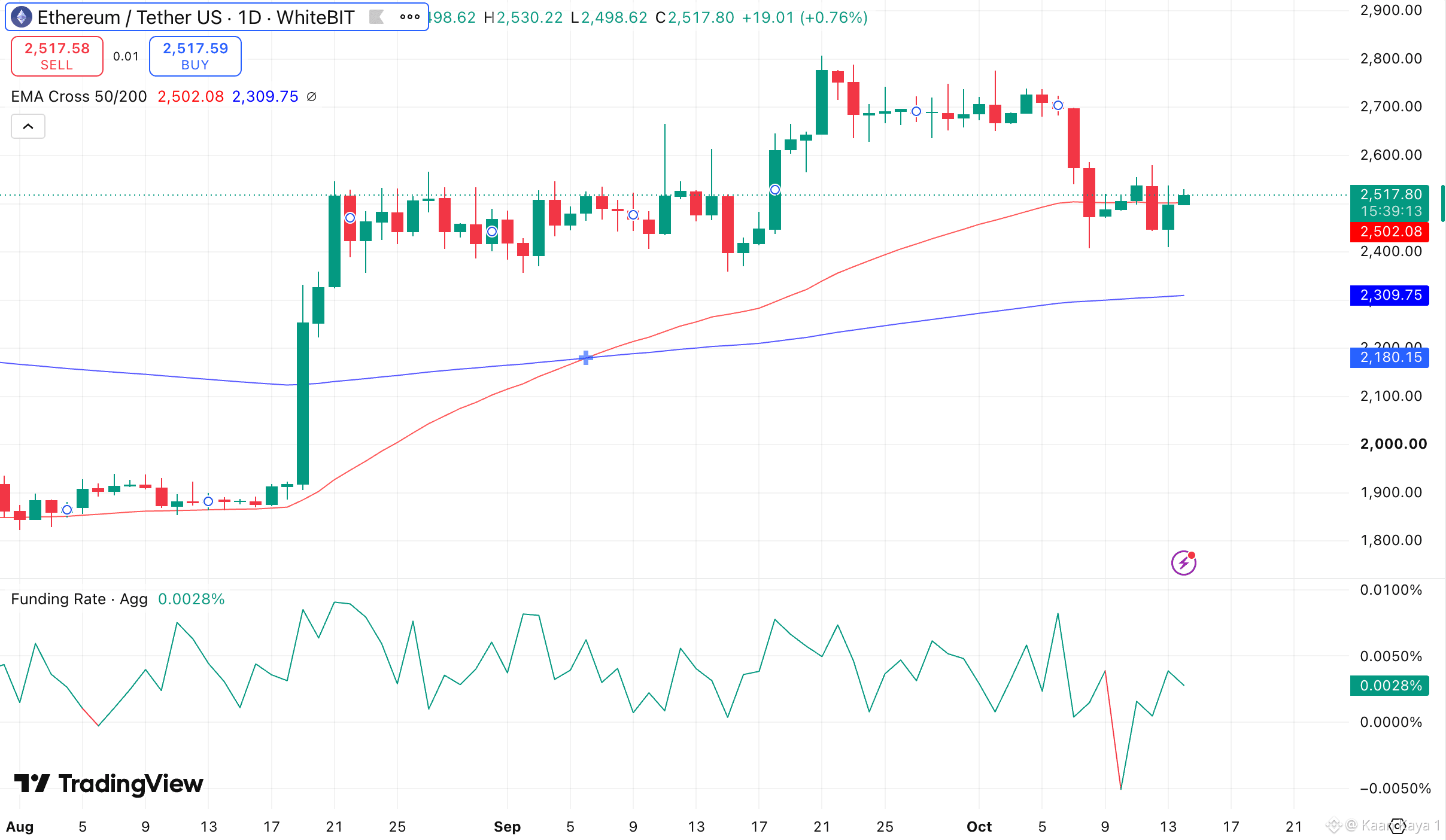
Ethereum Makin Murah Digunakan. Jadi, Mengapa Orang Masih Mengeluh? Ingat saat mengirim kripto senilai $20 bisa menghabiskan $15 lagi untuk biaya gas? Ethereum telah berkembang jauh sejak saat itu, terutama jika kamu menggunakan jaringan Layer 2. Tapi ada satu hal yang terus saya perhatikan: orang belum tentu merasa bahwa kripto jadi lebih mudah digunakan. Kamu tetap harus mencari tahu dana kamu berada di jaringan mana, apakah bursa mendukung jaringan tersebut, dan mengapa token yang sama kadang muncul di lima tempat berbeda. Dan jangan sampai kamu mengirim aset lewat jaringan yang salah 😅 Itulah kompromi unik dari strategi penskalaan Ethereum. Transaksi jadi lebih murah karena aktivitas tersebar di berbagai jaringan, tetapi pengalaman pengguna juga jadi lebih rumit bagi siapa pun yang belum terbiasa dengan kripto. Saya rasa $ETH tidak perlu perbandingan kecepatan transaksi yang mengesankan lagi untuk menarik pengguna sehari-hari. Yang dibutuhkan adalah lebih banyak aplikasi yang memungkinkan orang mengirim uang, berdagang, atau membayar sesuatu tanpa perlu memikirkan jaringan mana yang menjalankan prosesnya. Transaksi murah itu bagus. Tapi tidak perlu menjelaskannya kepada teman-temanmu akan lebih baik lagi. #ETHBlockchain #ETHFoundation
Ethereum Makin Murah Digunakan. Jadi, Mengapa Orang Masih Mengeluh? Ingat saat mengirim kripto senilai $20 bisa menghabiskan $15 lagi untuk biaya gas? Ethereum telah berkembang jauh sejak saat itu, terutama jika kamu menggunakan jaringan Layer 2. Tapi ada satu hal yang terus saya perhatikan: orang belum tentu merasa bahwa kripto jadi lebih mudah digunakan. Kamu tetap harus mencari tahu dana kamu berada di jaringan mana, apakah bursa mendukung jaringan tersebut, dan mengapa token yang sama kadang muncul di lima tempat berbeda. Dan jangan sampai kamu mengirim aset lewat jaringan yang salah 😅 Itulah kompromi unik dari strategi penskalaan Ethereum. Transaksi jadi lebih murah karena aktivitas tersebar di berbagai jaringan, tetapi pengalaman pengguna juga jadi lebih rumit bagi siapa pun yang belum terbiasa dengan kripto. Saya rasa $ETH tidak perlu perbandingan kecepatan transaksi yang mengesankan lagi untuk menarik pengguna sehari-hari. Yang dibutuhkan adalah lebih banyak aplikasi yang memungkinkan orang mengirim uang, berdagang, atau membayar sesuatu tanpa perlu memikirkan jaringan mana yang menjalankan prosesnya. Transaksi murah itu bagus. Tapi tidak perlu menjelaskannya kepada teman-temanmu akan lebih baik lagi. #ETHBlockchain #ETHFoundation
83
·
--
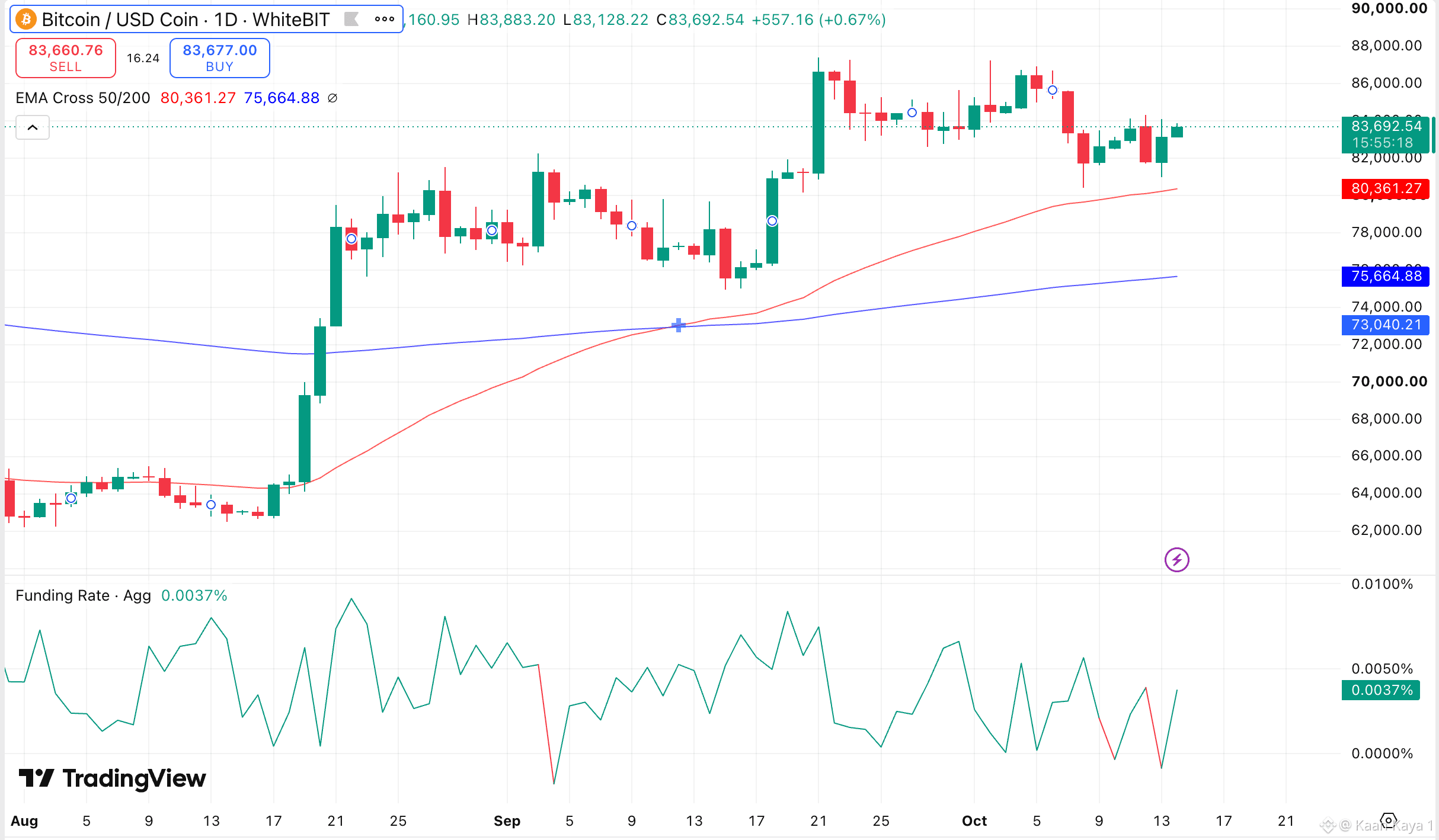
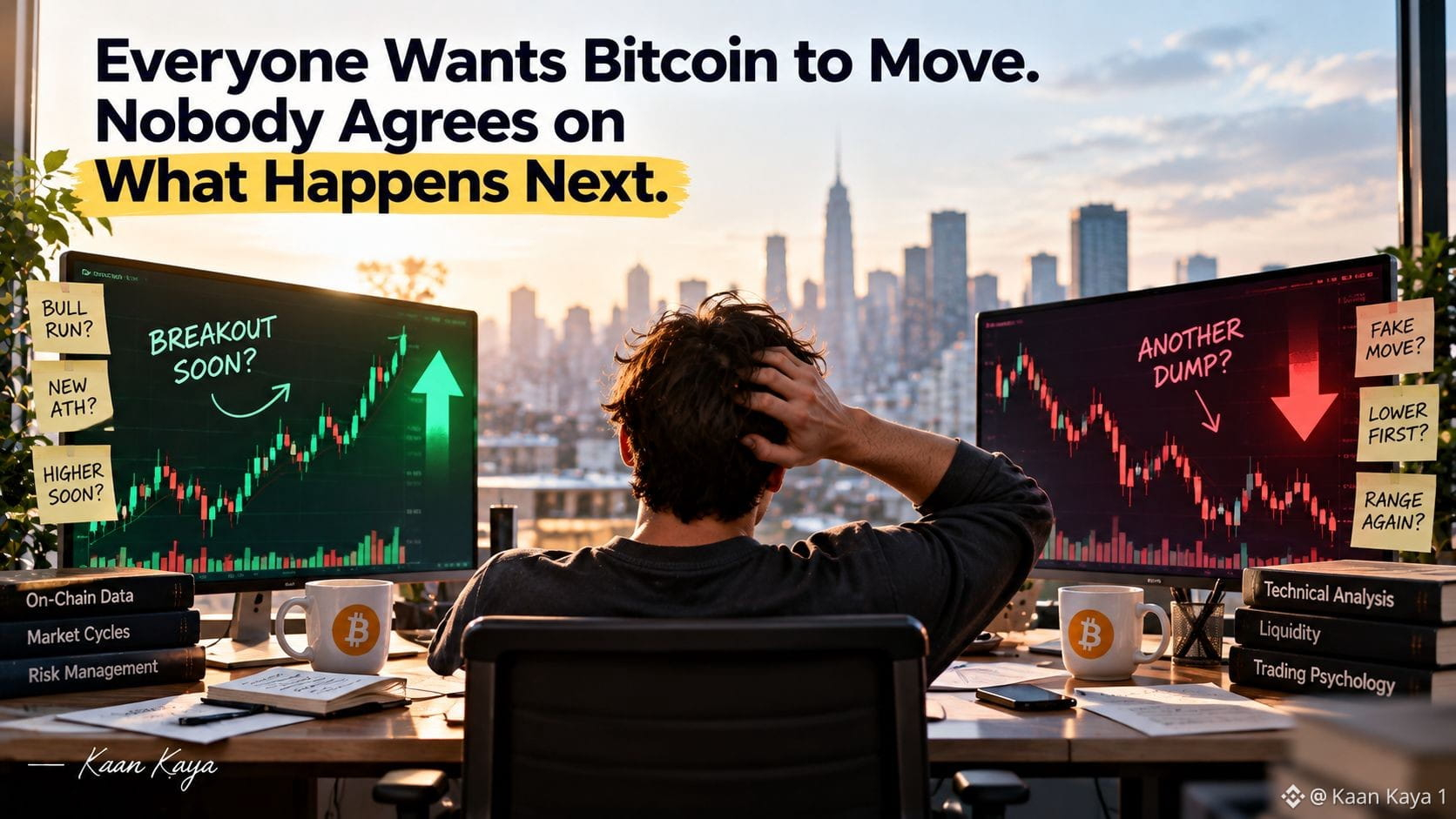
Semua Orang Ingin Bitcoin Bergerak. Tak Ada yang Sepakat Apa yang Akan Terjadi Selanjutnya. Crypto Twitter memang lucu saat Bitcoin mulai bergerak mendatar. Setengah dari linimasa yakin penembusan akan terjadi, sementara setengah lainnya sudah bersiap menghadapi penurunan lagi. Entah bagaimana, kedua kubu punya grafik yang tampak meyakinkan 😂 Saya rasa bagian tersulit dalam trading $BTC saat ini bukanlah mencari peluang yang mungkin. Melainkan menentukan sinyal mana yang benar-benar layak diperhatikan. Beberapa candle hijau bisa membuat level resistance tampak lemah. Satu candle merah yang tiba-tiba muncul bisa membuat seluruh pasar kembali terasa bearish. Keduanya tak banyak berarti jika volume, likuiditas, dan pergerakan lanjutan tidak mendukungnya. Secara pribadi, saya lebih memilih melewatkan 2% pertama dari reli daripada menghabiskan tiga hari berikutnya membela posisi yang saya ambil hanya karena semua orang di X tiba-tiba bersemangat. Penasaran bagaimana orang lain menyikapi hal ini. Apakah kalian memperdagangkan pergerakan kecil, atau menunggu Bitcoin menentukan arah? #Analisis Harga BTC# #Prediksi Harga Bitcoin: Apa langkah Bitcoin selanjutnya?#
Semua Orang Ingin Bitcoin Bergerak. Tak Ada yang Sepakat Apa yang Akan Terjadi Selanjutnya. Crypto Twitter memang lucu saat Bitcoin mulai bergerak mendatar. Setengah dari linimasa yakin penembusan akan terjadi, sementara setengah lainnya sudah bersiap menghadapi penurunan lagi. Entah bagaimana, kedua kubu punya grafik yang tampak meyakinkan 😂 Saya rasa bagian tersulit dalam trading $BTC saat ini bukanlah mencari peluang yang mungkin. Melainkan menentukan sinyal mana yang benar-benar layak diperhatikan. Beberapa candle hijau bisa membuat level resistance tampak lemah. Satu candle merah yang tiba-tiba muncul bisa membuat seluruh pasar kembali terasa bearish. Keduanya tak banyak berarti jika volume, likuiditas, dan pergerakan lanjutan tidak mendukungnya. Secara pribadi, saya lebih memilih melewatkan 2% pertama dari reli daripada menghabiskan tiga hari berikutnya membela posisi yang saya ambil hanya karena semua orang di X tiba-tiba bersemangat. Penasaran bagaimana orang lain menyikapi hal ini. Apakah kalian memperdagangkan pergerakan kecil, atau menunggu Bitcoin menentukan arah? #Analisis Harga BTC# #Prediksi Harga Bitcoin: Apa langkah Bitcoin selanjutnya?#
78
·
--
🔍 Strategi atau Solusi Sementara? Mengaudit Bot Saya Sendiri Beberapa hari lalu, saya sedang merapikan konfigurasi bot lama—salah satu pekerjaan yang prinsipnya “kalau masih berfungsi, jangan diutak-atik”. 😅 Saya menyadari banyak baris kode hanya dibuat agar saya tidak melewati batas rate API. Saya mengelompokkan permintaan, lebih jarang memeriksa order book $BTC, dan melewatkan beberapa pendekatan karena hitung-hitungannya tidak masuk akal. Selama bertahun-tahun, saya menganggap itu praktik yang baik. Lalu batas rate saya dinaikkan melalui Program VIP WhiteBIT, dan saya mulai memandang aturan-aturan lama itu dengan cara berbeda. Apakah ini memang bagian dari strategi, atau hanya solusi sementara? https://whitebit.com/vip-program?utm_source=coinmarketcap&utm_medium=post&utm_campaign=kaannViP Pengaturan waktu order adalah hal yang paling mudah terlihat. Saya memberi jeda antarorder karena batas permintaan, lalu mulai menganggapnya sebagai bagian dari strategi. Setelah beberapa waktu, saya benar-benar lupa dari mana aturan itu berasal. ⚙️ Batas rate yang lebih tinggi membuat saya menyadarinya. Konektivitas API yang sederhana sangat membantu, biaya trading yang lebih rendah—hingga -0.001%, bergantung pada level VIP dan ketentuannya—berdampak besar dalam skala besar, dan dukungan personal sangat berguna ketika bot sudah rutin berjalan. Lucunya, tidak ada satu “fitur besar” yang mengubah segalanya. Saya hanya menyadari betapa banyak keputusan yang dulu ditentukan oleh batas tersebut. Ternyata separuh dari hal yang saya sebut filosofi trading hanyalah upaya menyiasati batas rate. Penafian: Ini bukan saran keuangan atau investasi. Lakukan riset sendiri sebelum mengambil keputusan. Gunakan dengan risiko Anda sendiri. #Analisis Harga BTC# #Prediksi Harga Bitcoin: Apa langkah Bitcoin selanjutnya?#
🔍 Strategi atau Solusi Sementara? Mengaudit Bot Saya Sendiri Beberapa hari lalu, saya sedang merapikan konfigurasi bot lama—salah satu pekerjaan yang prinsipnya “kalau masih berfungsi, jangan diutak-atik”. 😅 Saya menyadari banyak baris kode hanya dibuat agar saya tidak melewati batas rate API. Saya mengelompokkan permintaan, lebih jarang memeriksa order book $BTC, dan melewatkan beberapa pendekatan karena hitung-hitungannya tidak masuk akal. Selama bertahun-tahun, saya menganggap itu praktik yang baik. Lalu batas rate saya dinaikkan melalui Program VIP WhiteBIT, dan saya mulai memandang aturan-aturan lama itu dengan cara berbeda. Apakah ini memang bagian dari strategi, atau hanya solusi sementara? https://whitebit.com/vip-program?utm_source=coinmarketcap&utm_medium=post&utm_campaign=kaannViP Pengaturan waktu order adalah hal yang paling mudah terlihat. Saya memberi jeda antarorder karena batas permintaan, lalu mulai menganggapnya sebagai bagian dari strategi. Setelah beberapa waktu, saya benar-benar lupa dari mana aturan itu berasal. ⚙️ Batas rate yang lebih tinggi membuat saya menyadarinya. Konektivitas API yang sederhana sangat membantu, biaya trading yang lebih rendah—hingga -0.001%, bergantung pada level VIP dan ketentuannya—berdampak besar dalam skala besar, dan dukungan personal sangat berguna ketika bot sudah rutin berjalan. Lucunya, tidak ada satu “fitur besar” yang mengubah segalanya. Saya hanya menyadari betapa banyak keputusan yang dulu ditentukan oleh batas tersebut. Ternyata separuh dari hal yang saya sebut filosofi trading hanyalah upaya menyiasati batas rate. Penafian: Ini bukan saran keuangan atau investasi. Lakukan riset sendiri sebelum mengambil keputusan. Gunakan dengan risiko Anda sendiri. #Analisis Harga BTC# #Prediksi Harga Bitcoin: Apa langkah Bitcoin selanjutnya?#

·
--
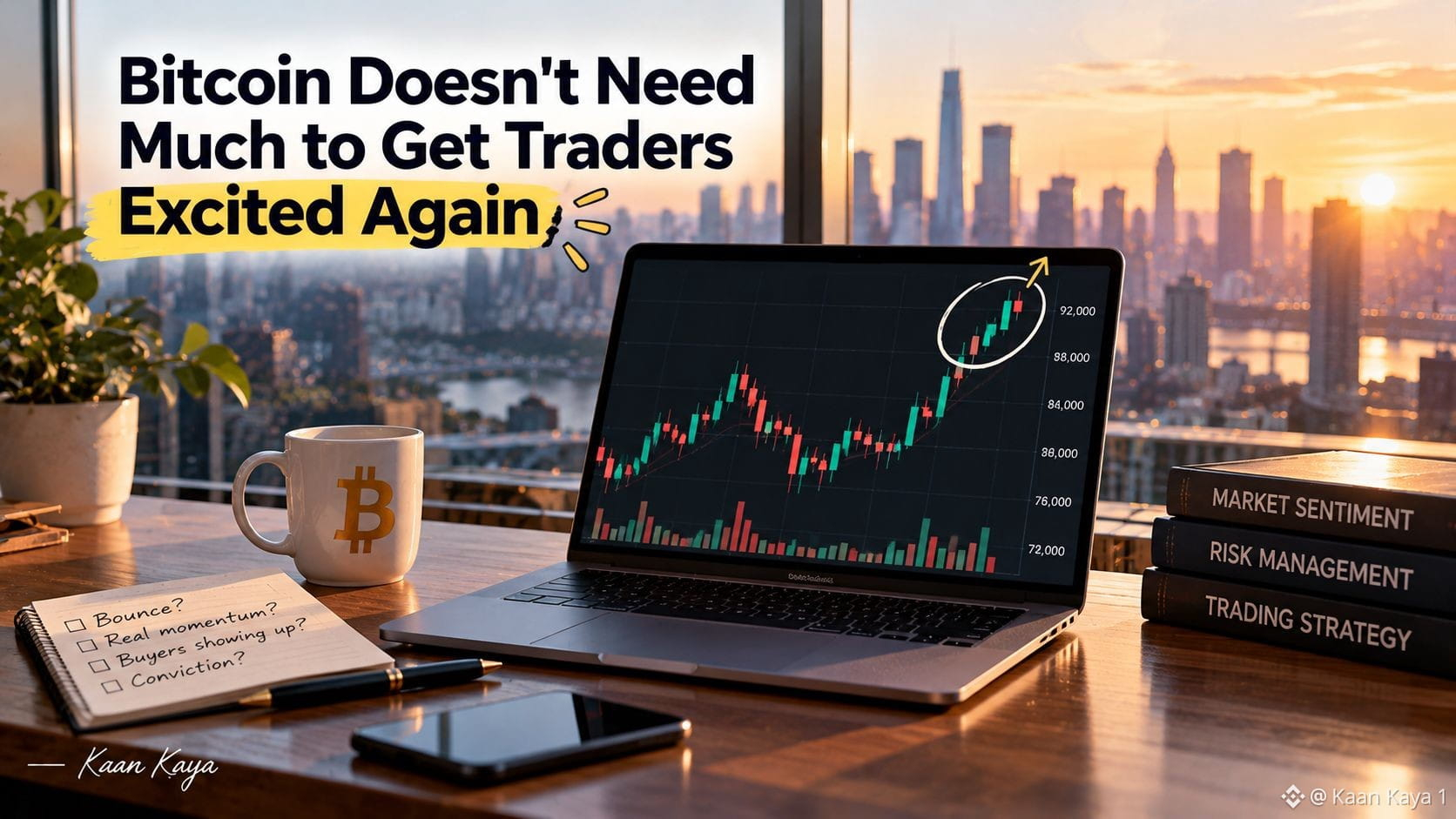
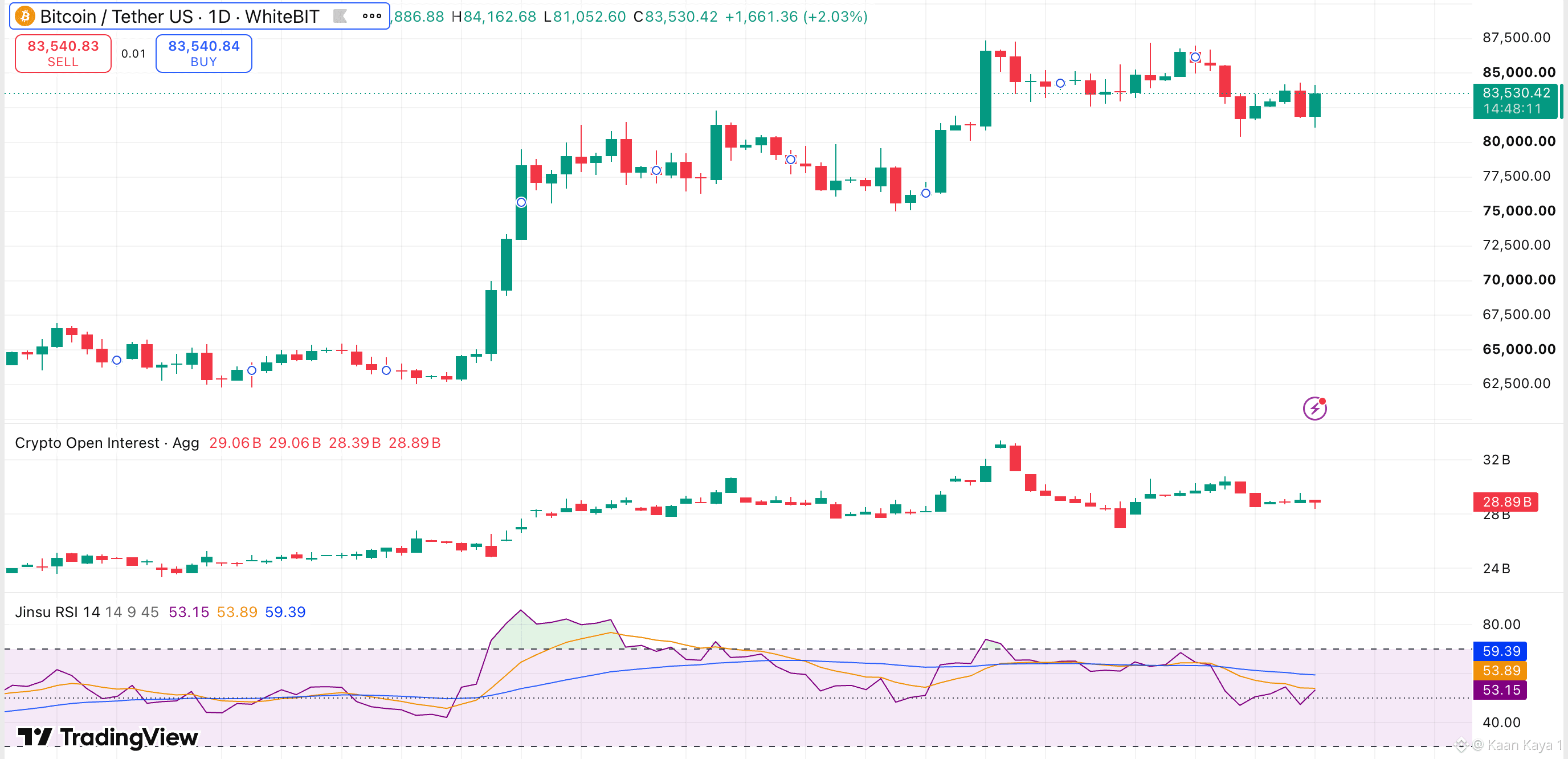
Bitcoin Tidak Butuh Banyak Hal untuk Membuat Trader Kembali Bersemangat 👀 Lucu melihat betapa cepatnya suasana berubah seputar $BTC. Beberapa candle hijau saja, dan tiba-tiba semua orang mulai membicarakan breakout besar berikutnya. Tapi ada perbedaan antara pantulan singkat dan pasar yang benar-benar siap bergerak naik. Saya lebih tertarik melihat apakah pembeli akan terus bermunculan setelah euforia awal mereda. Biasanya, saat itulah kita mengetahui seberapa besar keyakinan yang sebenarnya mendasari suatu pergerakan. Ada yang juga memantau Bitcoin, tetapi belum merasa ingin buru-buru masuk? #Analisis Harga BTC# #Prediksi Harga Bitcoin: Apa langkah Bitcoin selanjutnya?#
Bitcoin Tidak Butuh Banyak Hal untuk Membuat Trader Kembali Bersemangat 👀 Lucu melihat betapa cepatnya suasana berubah seputar $BTC. Beberapa candle hijau saja, dan tiba-tiba semua orang mulai membicarakan breakout besar berikutnya. Tapi ada perbedaan antara pantulan singkat dan pasar yang benar-benar siap bergerak naik. Saya lebih tertarik melihat apakah pembeli akan terus bermunculan setelah euforia awal mereda. Biasanya, saat itulah kita mengetahui seberapa besar keyakinan yang sebenarnya mendasari suatu pergerakan. Ada yang juga memantau Bitcoin, tetapi belum merasa ingin buru-buru masuk? #Analisis Harga BTC# #Prediksi Harga Bitcoin: Apa langkah Bitcoin selanjutnya?#
79
·
--
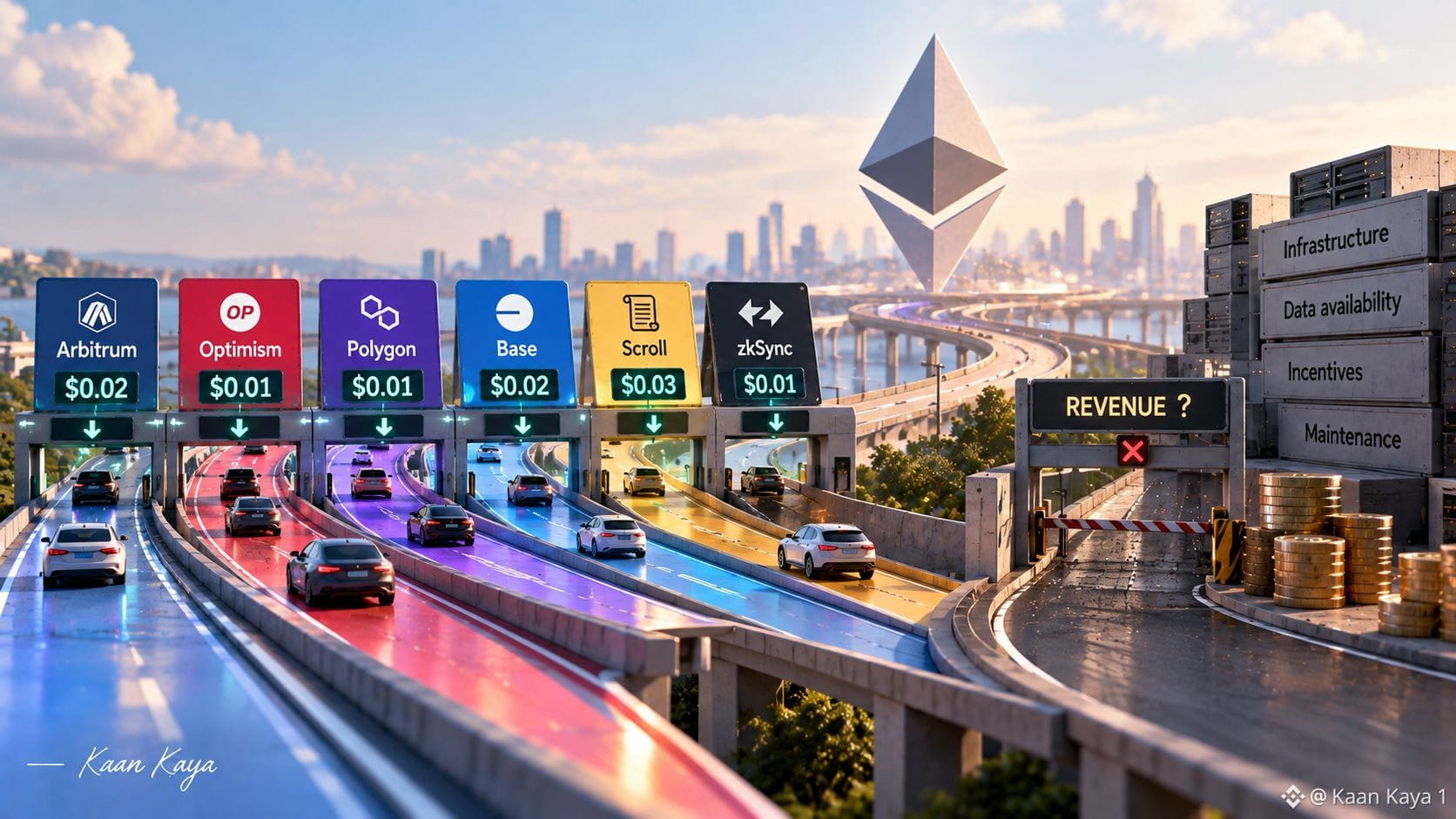
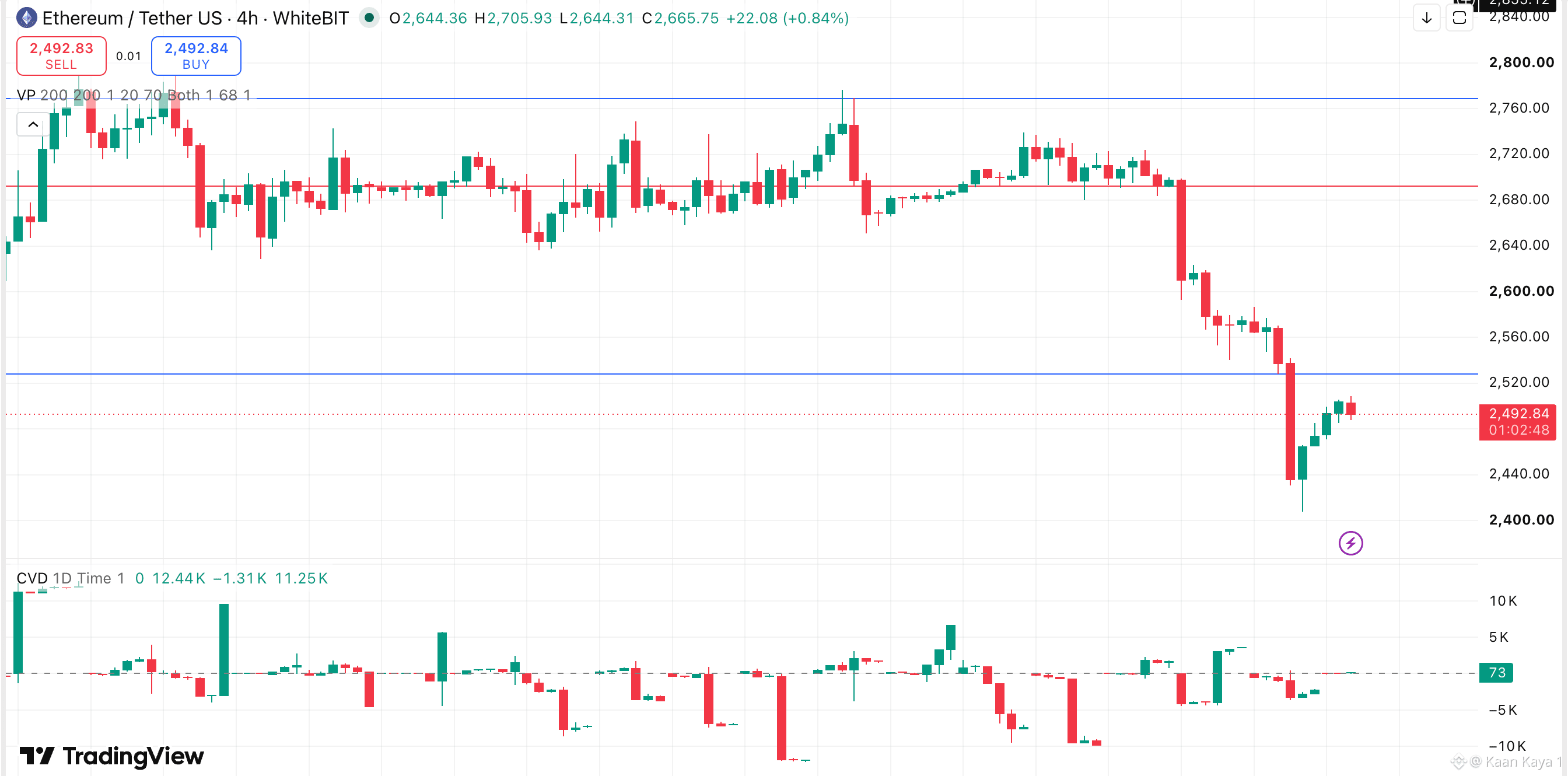
Biaya L2 Ethereum Makin Murah. Jadi, Siapa yang Sebenarnya Menghasilkan Uang? Ingat saat transaksi $ETH seharga $30 dianggap hal yang cukup biasa di hari Selasa? Sekarang, Anda bisa memindahkan dana di beberapa jaringan Layer 2 hanya dengan beberapa sen, bahkan terkadang kurang. Bagus untuk pengguna. Namun, percakapan ini sedikit lebih canggung bagi bisnis yang menjalankan jaringan tersebut. Begini masalahnya: biaya yang lebih rendah tidak otomatis berarti model bisnis yang lebih baik. L2 dapat memproses jutaan transaksi dan membuat pengguna senang, tetapi tetap kesulitan menghasilkan pendapatan yang berarti setelah biaya infrastruktur, ketersediaan data, dan insentif ekosistem diperhitungkan. Ada satu hal lagi. Jika beberapa jaringan menawarkan transfer murah yang pada dasarnya sama dan akses ke aplikasi serupa, mengapa orang harus tetap menggunakan salah satunya? Selama bertahun-tahun, kita bertanya-tanya apakah Ethereum bisa berkembang dalam skala besar. Mungkin pertanyaan berikutnya adalah apakah semua jaringan penskalaan ini bisa membangun bisnis yang layak dipertahankan. Saya tidak akan heran jika persaingan besar L2 berikutnya bukan lagi soal siapa yang menawarkan biaya terendah, melainkan siapa yang punya pengguna yang benar-benar kembali tanpa perlu dibayar. #ETHBlockchain #ETHFoundation
Biaya L2 Ethereum Makin Murah. Jadi, Siapa yang Sebenarnya Menghasilkan Uang? Ingat saat transaksi $ETH seharga $30 dianggap hal yang cukup biasa di hari Selasa? Sekarang, Anda bisa memindahkan dana di beberapa jaringan Layer 2 hanya dengan beberapa sen, bahkan terkadang kurang. Bagus untuk pengguna. Namun, percakapan ini sedikit lebih canggung bagi bisnis yang menjalankan jaringan tersebut. Begini masalahnya: biaya yang lebih rendah tidak otomatis berarti model bisnis yang lebih baik. L2 dapat memproses jutaan transaksi dan membuat pengguna senang, tetapi tetap kesulitan menghasilkan pendapatan yang berarti setelah biaya infrastruktur, ketersediaan data, dan insentif ekosistem diperhitungkan. Ada satu hal lagi. Jika beberapa jaringan menawarkan transfer murah yang pada dasarnya sama dan akses ke aplikasi serupa, mengapa orang harus tetap menggunakan salah satunya? Selama bertahun-tahun, kita bertanya-tanya apakah Ethereum bisa berkembang dalam skala besar. Mungkin pertanyaan berikutnya adalah apakah semua jaringan penskalaan ini bisa membangun bisnis yang layak dipertahankan. Saya tidak akan heran jika persaingan besar L2 berikutnya bukan lagi soal siapa yang menawarkan biaya terendah, melainkan siapa yang punya pengguna yang benar-benar kembali tanpa perlu dibayar. #ETHBlockchain #ETHFoundation
67
Masuk untuk menjelajahi konten lainnya
Bergabunglah dengan pengguna kripto global di Binance Square
⚡️ Dapatkan informasi terbaru dan berguna tentang kripto.
💬 Dipercayai oleh bursa kripto terbesar di dunia.
👍 Temukan wawasan nyata dari kreator terverifikasi.
Email/Nomor Ponsel
Topik Sedang Tren
BinancePick
3.1M penayangan
153,869 Berdiskusi
Gabung #EarningsSeason: Prediksi Pendapatan di Binance Pick, Bagikan Pendapat Anda di Binance Square!
Binance Square Official
·Disukai 413 Kali
·343.5k penayangan
EarningsSeason
5.3M penayangan
26,079 Berdiskusi
AnthropicTTMRevenueGrewAbout1200%
36,565 penayangan
447 Berdiskusi