
Alton Mackowiak
139 Posting

Alton Mackowiak
Laporkan
Blokir Pengguna
Prediction for fun
6 Mengikuti
92 Pengikut
200 Disukai
Posting
Semua
Kuotasi
Artikel
Lihat terjemahan
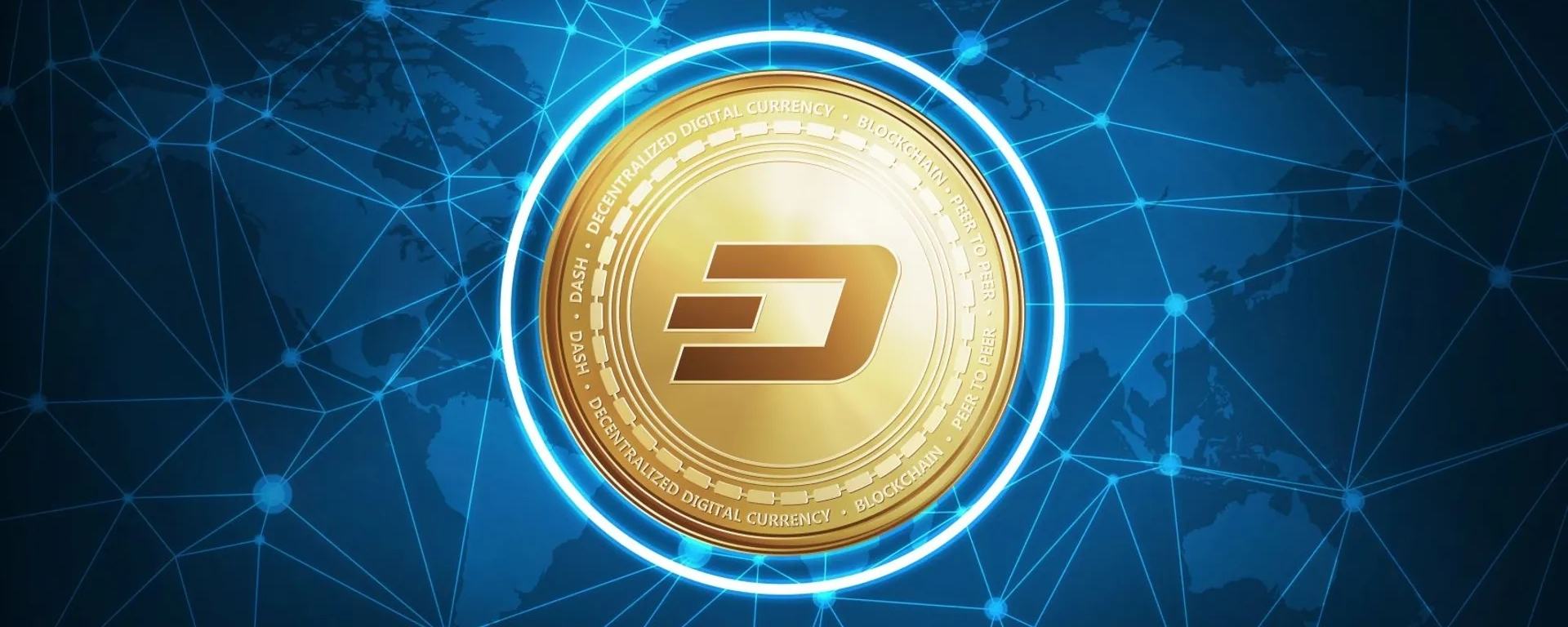
The Evolution of Digital Cash: Understanding Dash, Zcash, and the Legacy of BitcoinThe quest for a truly decentralized, scarce, and private digital currency has been a driving force in the cryptocurrency ecosystem since Bitcoin’s inception. Over the years, numerous projects have emerged to build upon Bitcoin's foundational code, each attempting to optimize for specific use cases like transactional speed or financial confidentiality. Among these, Dash stands out as a unique bridge between the utility-driven design of payment networks and the anonymity features found in dedicated privacy coins. By examining how $DASH compares to $ZEC , mirrors the scarcity principles of $BTC , and functions as an optional privacy coin, we can better understand its distinct positioning in the digital asset landscape.
To understand how Dash operates, it is helpful to look at its core similarities with Zcash (ZEC). Both projects are highly regarded within the anonymity-enhanced cryptocurrency space, but they share a fundamental philosophical trait: optional privacy. Unlike protocols that enforce complete anonymity by default, both Dash and Zcash give users the autonomy to decide how transparent a transaction should be. However, the underlying technology used to achieve this differs significantly. According to the Zcash Project's Official Documentation, Zcash relies on advanced, mathematically sound zk-SNARKs (Zero-Knowledge Succinct Non-Interactive Arguments of Knowledge) to shield transaction data completely. In contrast, Dash addresses privacy through an obfuscation feature known as PrivateSend. Operating on a decentralized network of masternodes, PrivateSend uses a modified version of the CoinJoin protocol to mix multiple transaction inputs and outputs together. This breaks the visible trail on the public blockchain without modifying the base architecture of the coin.
Beyond privacy, Dash's foundational tokenomics are deeply rooted in the concept of digital scarcity, pulling direct inspiration from Bitcoin. While Bitcoin and Zcash share a hard-capped maximum supply of exactly 21 million coins, Dash follows a slightly different but remarkably close emission model. Dash has a maximum supply strictly capped at approximately 18.9 million tokens. Despite the minor numerical difference, Dash implements a diminishing issuance schedule that mimics Bitcoin's deflationary spirit. This algorithmic scarcity ensures that Dash remains a predictable store of value, safe from the infinite inflation that plagues traditional fiat currencies. Because it was originally created as a code fork of Bitcoin's architectural lineage, it retains the core security and proof-of-work foundations while modifying the emission rate to decrease by 7.14% annually.
Ultimately, classifying Dash purely as a privacy coin can sometimes oversimplify its broader identity. While it is true that Dash offers robust privacy features through its masternode mixing layer, the project has increasingly focused on practical, day-to-day usability. Modern market profiles, such as the Binance Dash Market Analysis, describe Dash as a dual-purpose digital currency designed for hyper-fast, low-cost merchant payments. Features like InstantSend allow transactions to settle almost instantly, positioning the asset as "digital cash" rather than a dark-web exclusive. By blending Bitcoin's strict supply cap with Zcash's ethos of user-controlled privacy, Dash provides a versatile framework that balances regulatory compliance with individual financial freedom.
The Evolution of Digital Cash: Understanding Dash, Zcash, and the Legacy of Bitcoin
The quest for a truly decentralized, scarce, and private digital currency has been a driving force in the cryptocurrency ecosystem since Bitcoin’s inception. Over the years, numerous projects have emerged to build upon Bitcoin's foundational code, each attempting to optimize for specific use cases like transactional speed or financial confidentiality. Among these, Dash stands out as a unique bridge between the utility-driven design of payment networks and the anonymity features found in dedicated privacy coins. By examining how $DASH compares to $ZEC , mirrors the scarcity principles of $BTC , and functions as an optional privacy coin, we can better understand its distinct positioning in the digital asset landscape.
To understand how Dash operates, it is helpful to look at its core similarities with Zcash (ZEC). Both projects are highly regarded within the anonymity-enhanced cryptocurrency space, but they share a fundamental philosophical trait: optional privacy. Unlike protocols that enforce complete anonymity by default, both Dash and Zcash give users the autonomy to decide how transparent a transaction should be. However, the underlying technology used to achieve this differs significantly. According to the Zcash Project's Official Documentation, Zcash relies on advanced, mathematically sound zk-SNARKs (Zero-Knowledge Succinct Non-Interactive Arguments of Knowledge) to shield transaction data completely. In contrast, Dash addresses privacy through an obfuscation feature known as PrivateSend. Operating on a decentralized network of masternodes, PrivateSend uses a modified version of the CoinJoin protocol to mix multiple transaction inputs and outputs together. This breaks the visible trail on the public blockchain without modifying the base architecture of the coin.
Beyond privacy, Dash's foundational tokenomics are deeply rooted in the concept of digital scarcity, pulling direct inspiration from Bitcoin. While Bitcoin and Zcash share a hard-capped maximum supply of exactly 21 million coins, Dash follows a slightly different but remarkably close emission model. Dash has a maximum supply strictly capped at approximately 18.9 million tokens. Despite the minor numerical difference, Dash implements a diminishing issuance schedule that mimics Bitcoin's deflationary spirit. This algorithmic scarcity ensures that Dash remains a predictable store of value, safe from the infinite inflation that plagues traditional fiat currencies. Because it was originally created as a code fork of Bitcoin's architectural lineage, it retains the core security and proof-of-work foundations while modifying the emission rate to decrease by 7.14% annually.
Ultimately, classifying Dash purely as a privacy coin can sometimes oversimplify its broader identity. While it is true that Dash offers robust privacy features through its masternode mixing layer, the project has increasingly focused on practical, day-to-day usability. Modern market profiles, such as the Binance Dash Market Analysis, describe Dash as a dual-purpose digital currency designed for hyper-fast, low-cost merchant payments. Features like InstantSend allow transactions to settle almost instantly, positioning the asset as "digital cash" rather than a dark-web exclusive. By blending Bitcoin's strict supply cap with Zcash's ethos of user-controlled privacy, Dash provides a versatile framework that balances regulatory compliance with individual financial freedom.
To understand how Dash operates, it is helpful to look at its core similarities with Zcash (ZEC). Both projects are highly regarded within the anonymity-enhanced cryptocurrency space, but they share a fundamental philosophical trait: optional privacy. Unlike protocols that enforce complete anonymity by default, both Dash and Zcash give users the autonomy to decide how transparent a transaction should be. However, the underlying technology used to achieve this differs significantly. According to the Zcash Project's Official Documentation, Zcash relies on advanced, mathematically sound zk-SNARKs (Zero-Knowledge Succinct Non-Interactive Arguments of Knowledge) to shield transaction data completely. In contrast, Dash addresses privacy through an obfuscation feature known as PrivateSend. Operating on a decentralized network of masternodes, PrivateSend uses a modified version of the CoinJoin protocol to mix multiple transaction inputs and outputs together. This breaks the visible trail on the public blockchain without modifying the base architecture of the coin.
Beyond privacy, Dash's foundational tokenomics are deeply rooted in the concept of digital scarcity, pulling direct inspiration from Bitcoin. While Bitcoin and Zcash share a hard-capped maximum supply of exactly 21 million coins, Dash follows a slightly different but remarkably close emission model. Dash has a maximum supply strictly capped at approximately 18.9 million tokens. Despite the minor numerical difference, Dash implements a diminishing issuance schedule that mimics Bitcoin's deflationary spirit. This algorithmic scarcity ensures that Dash remains a predictable store of value, safe from the infinite inflation that plagues traditional fiat currencies. Because it was originally created as a code fork of Bitcoin's architectural lineage, it retains the core security and proof-of-work foundations while modifying the emission rate to decrease by 7.14% annually.
Ultimately, classifying Dash purely as a privacy coin can sometimes oversimplify its broader identity. While it is true that Dash offers robust privacy features through its masternode mixing layer, the project has increasingly focused on practical, day-to-day usability. Modern market profiles, such as the Binance Dash Market Analysis, describe Dash as a dual-purpose digital currency designed for hyper-fast, low-cost merchant payments. Features like InstantSend allow transactions to settle almost instantly, positioning the asset as "digital cash" rather than a dark-web exclusive. By blending Bitcoin's strict supply cap with Zcash's ethos of user-controlled privacy, Dash provides a versatile framework that balances regulatory compliance with individual financial freedom.
1
412
Artikel
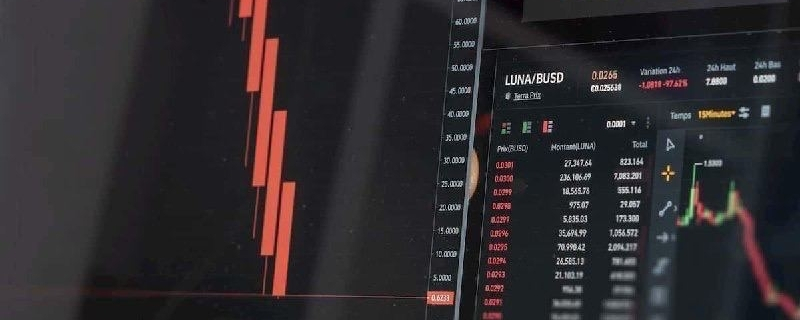
Mekanisme Pembakaran LUNC adalah Ilusi PemulihanRuntuhnya ekosistem Terra Luna pada Mei 2022 menghapus kira-kira $40 miliar kekayaan investor dalam semalam. Per September 2026, total pasokan $LUNC diperkirakan sekitar 6,51 triliun token, sementara pasokan yang beredar berada pada kisaran 5,48 triliun token.
Mengapa #LUNC pemulihannya merupakan kemustahilan struktural, pertama-tama perlu melihat gunung pasokan yang sangat besar membanjiri pasar. Saat ini, terdapat sekitar 5,5 triliun token yang beredar. Nilai mata uang kripto pada akhirnya terikat oleh hukum penawaran dan permintaan; ketika penawaran meningkat hingga ratusan ribu poin persentase, nilai per token merosot menuju nol. Mencoba membaliknya melalui pajak transaksi standar ibarat berusaha menguras samudra dengan sebuah cerek kecil.
Mekanisme Pembakaran LUNC adalah Ilusi Pemulihan
Runtuhnya ekosistem Terra Luna pada Mei 2022 menghapus kira-kira $40 miliar kekayaan investor dalam semalam. Per September 2026, total pasokan $LUNC diperkirakan sekitar 6,51 triliun token, sementara pasokan yang beredar berada pada kisaran 5,48 triliun token.
Mengapa #LUNC pemulihannya merupakan kemustahilan struktural, pertama-tama perlu melihat gunung pasokan yang sangat besar membanjiri pasar. Saat ini, terdapat sekitar 5,5 triliun token yang beredar. Nilai mata uang kripto pada akhirnya terikat oleh hukum penawaran dan permintaan; ketika penawaran meningkat hingga ratusan ribu poin persentase, nilai per token merosot menuju nol. Mencoba membaliknya melalui pajak transaksi standar ibarat berusaha menguras samudra dengan sebuah cerek kecil.
Mengapa #LUNC pemulihannya merupakan kemustahilan struktural, pertama-tama perlu melihat gunung pasokan yang sangat besar membanjiri pasar. Saat ini, terdapat sekitar 5,5 triliun token yang beredar. Nilai mata uang kripto pada akhirnya terikat oleh hukum penawaran dan permintaan; ketika penawaran meningkat hingga ratusan ribu poin persentase, nilai per token merosot menuju nol. Mencoba membaliknya melalui pajak transaksi standar ibarat berusaha menguras samudra dengan sebuah cerek kecil.
1
4
1.4k
749
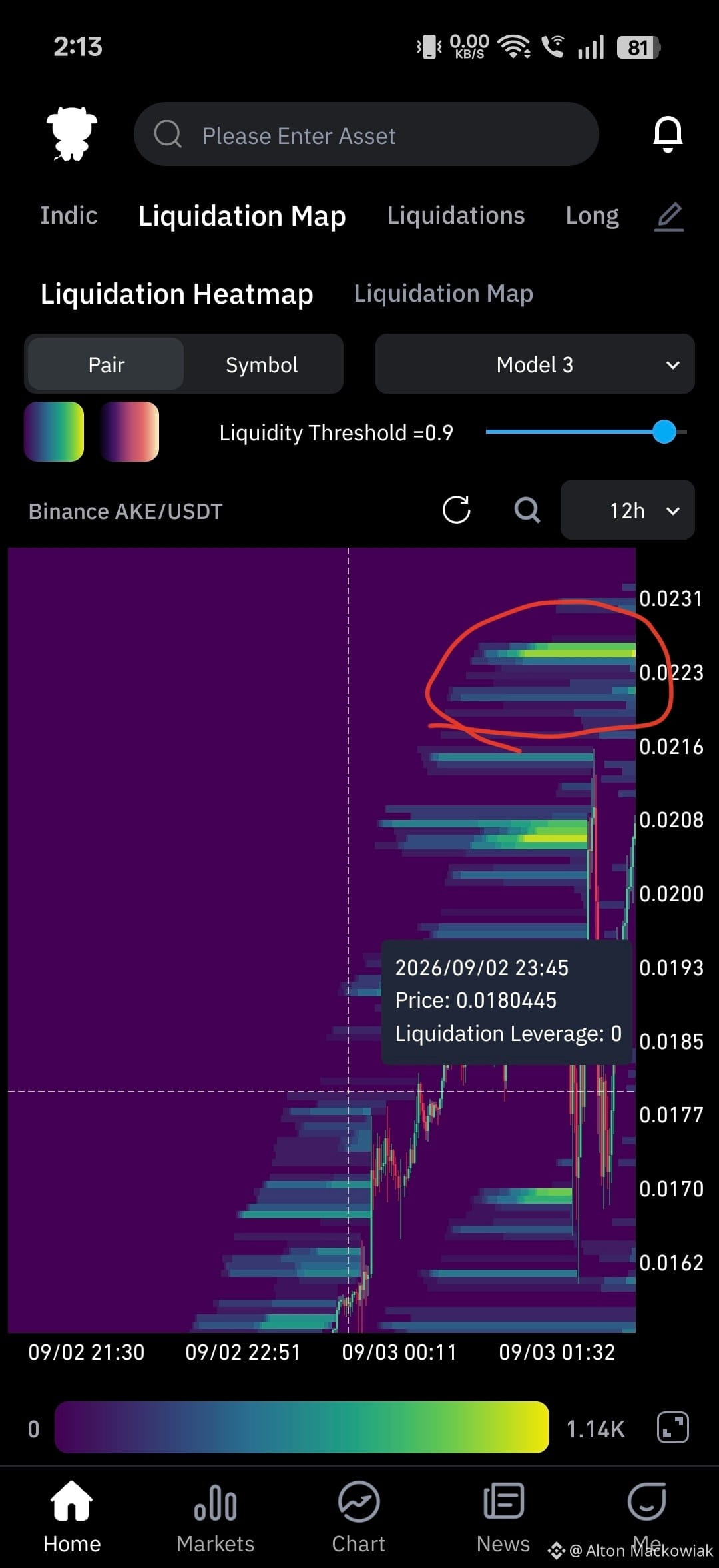
Saya bilang kepada kalian #btc akan menyentuh 60k 😂😂😂
Saya bilang kepada kalian #btc akan menyentuh 60k 😂😂😂
Alton Mackowiak
·
--
BearishTerasa seperti #btc akan menyentuh 60k
1
11
Mati
Mati
Mohsin Trades01
·
--
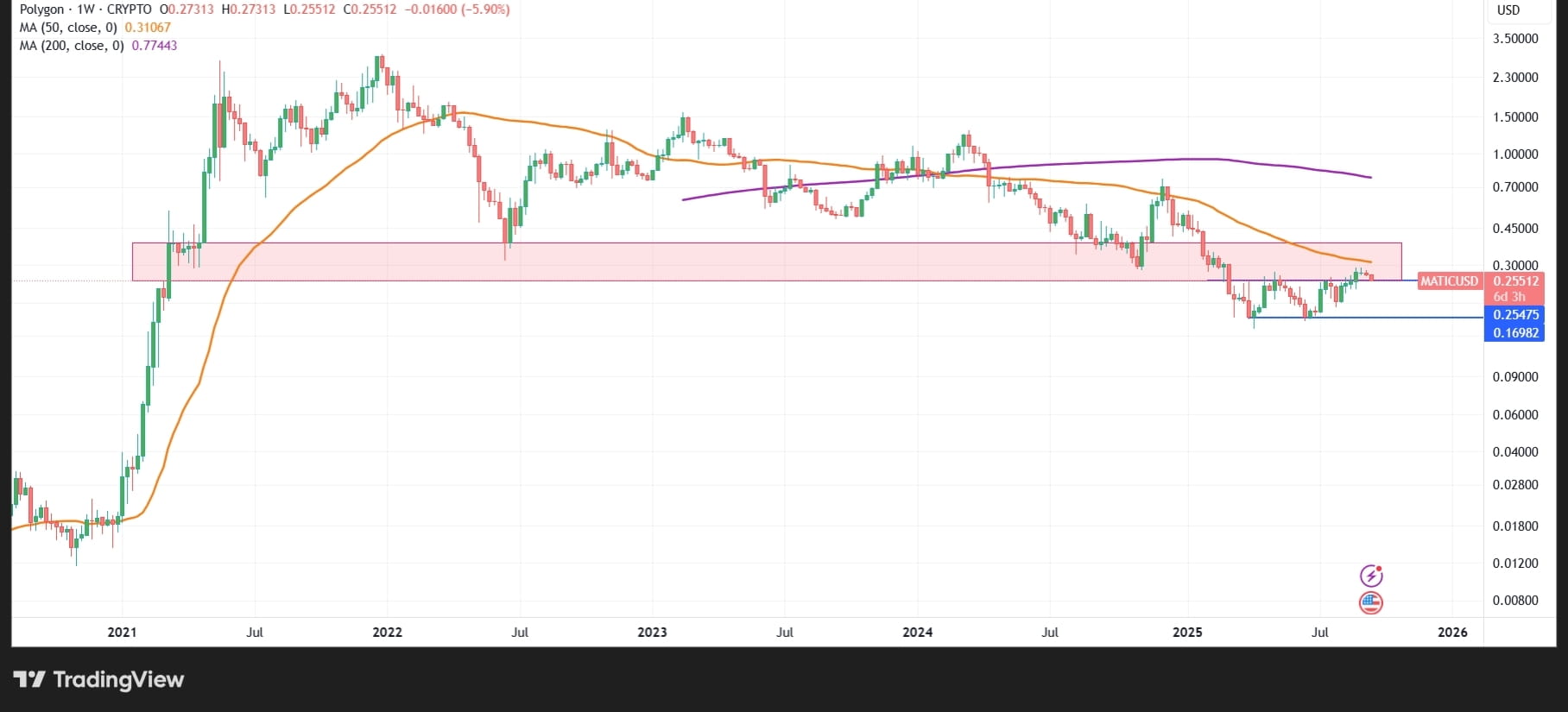
Bullish$POL POL duduk di atas dukungan kritis setelah breakout $0.25. Kehilangan dukungan ini bisa melihat $0.20 lagi dengan cepat.
Pol banyak pengiriman baik baru-baru ini tetapi perlu untuk memompa Pol ke $0.38 bulan ini, menjadikan $0.30 dukungan setidaknya. Silakan lakukan apa pun yang perlu Anda lakukan.
Catatan: Ini bukan saran keuangan.
Pol banyak pengiriman baik baru-baru ini tetapi perlu untuk memompa Pol ke $0.38 bulan ini, menjadikan $0.30 dukungan setidaknya. Silakan lakukan apa pun yang perlu Anda lakukan.
Catatan: Ini bukan saran keuangan.
8
Mati
Mati

Bethel Backer BvTe
·
--
$POL is going to pump or dead what you think?? setidaknya dapatkah itu mencapai 0.2800$ minggu ini atau tidak?? apa pendapatmu
honestly saya membeli pol karena itu bisa memberi saya setidaknya 5% keuntungan dalam sebulan pasti
honestly saya membeli pol karena itu bisa memberi saya setidaknya 5% keuntungan dalam sebulan pasti
7
3
2
3
1.1k
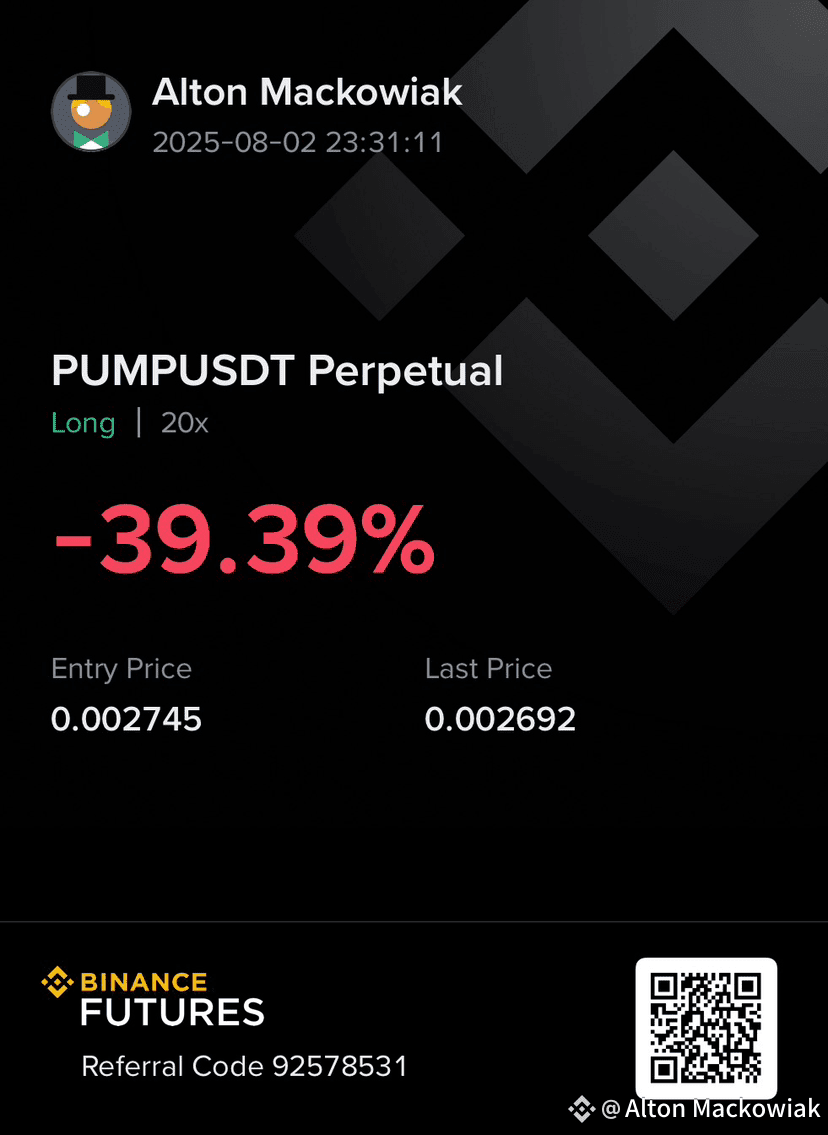
Selanjutnya 4$ 🚀🚀🚀
Selanjutnya 4$ 🚀🚀🚀

Liora Vane
·
--
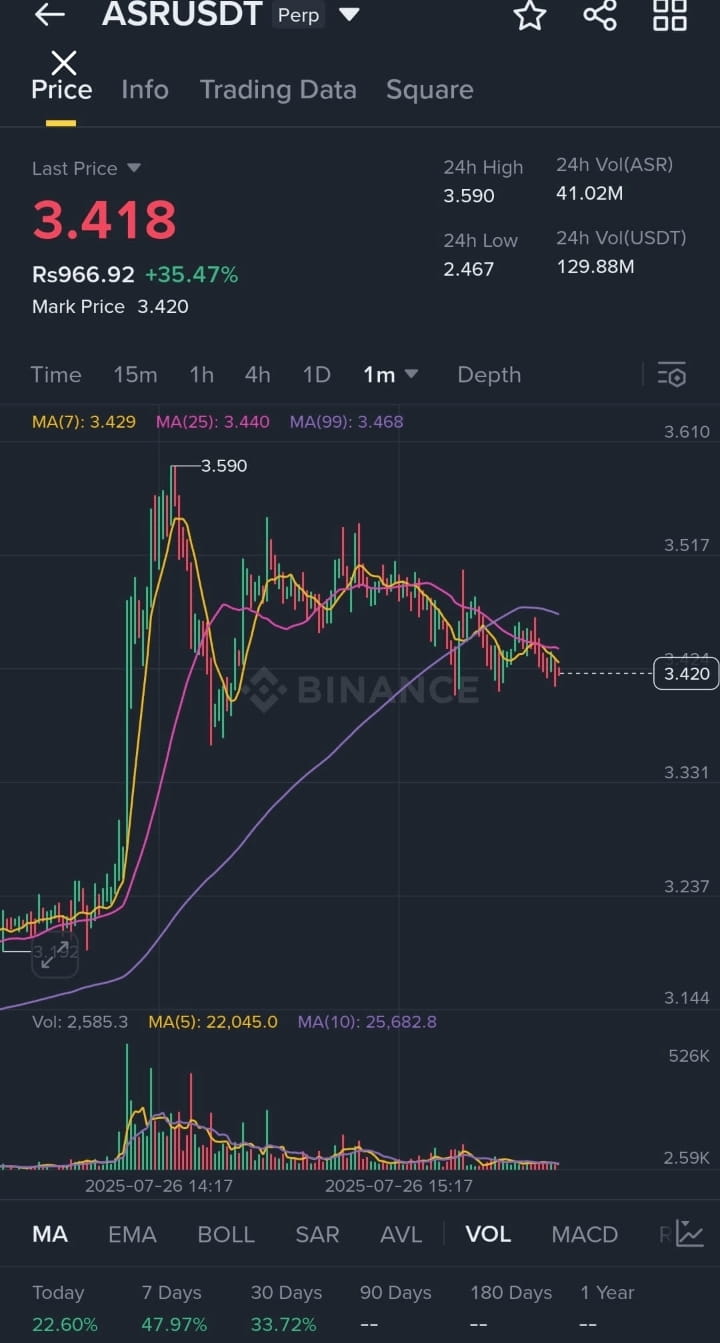
$ASR
jutawan apa yang akan terjadi selanjutnya dengan pasar ini?
jutawan apa yang akan terjadi selanjutnya dengan pasar ini?
6
Ayo panjang target berikutnya 4$ 🚀🚀🚀
Ayo panjang target berikutnya 4$ 🚀🚀🚀

Wendi Tambe cH0p
·
--
Bearish$ASR strategi penurunan
1
1
4
4$ 🚀🚀🚀
4$ 🚀🚀🚀

SCORPIOS 1
·
--
$ASR
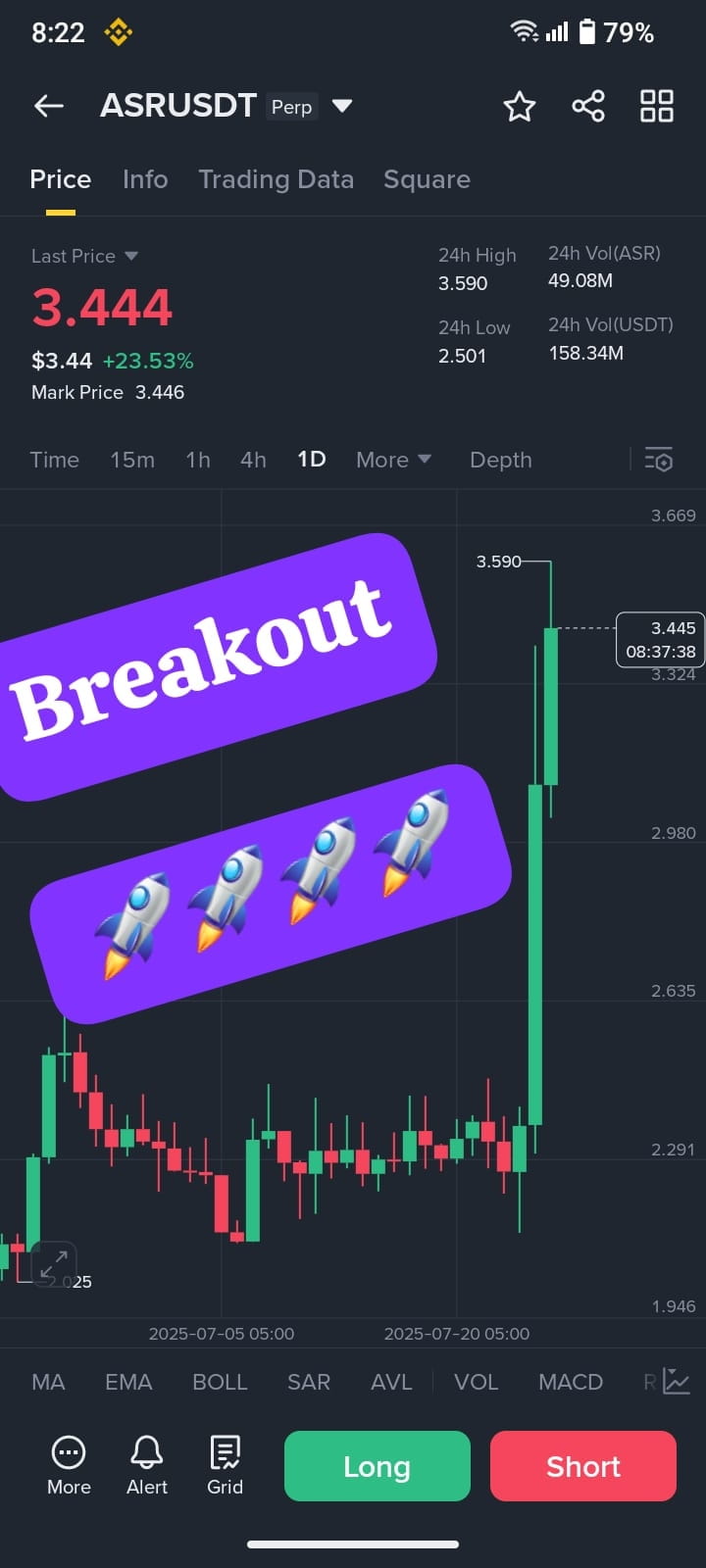
#YOOOOOOOOOOOOOOOOOOOO ✨✨✨ Breakout Kuat 🔥🔥🔥 $ASR hanya dalam 2 Hari 💛 Pergerakan berat sekitar 55% pompa 🎉🎉🎉🎉🎉🎉
#YOOOOOOOOOOOOOOOOOOOO ✨✨✨ Breakout Kuat 🔥🔥🔥 $ASR hanya dalam 2 Hari 💛 Pergerakan berat sekitar 55% pompa 🎉🎉🎉🎉🎉🎉
1
5
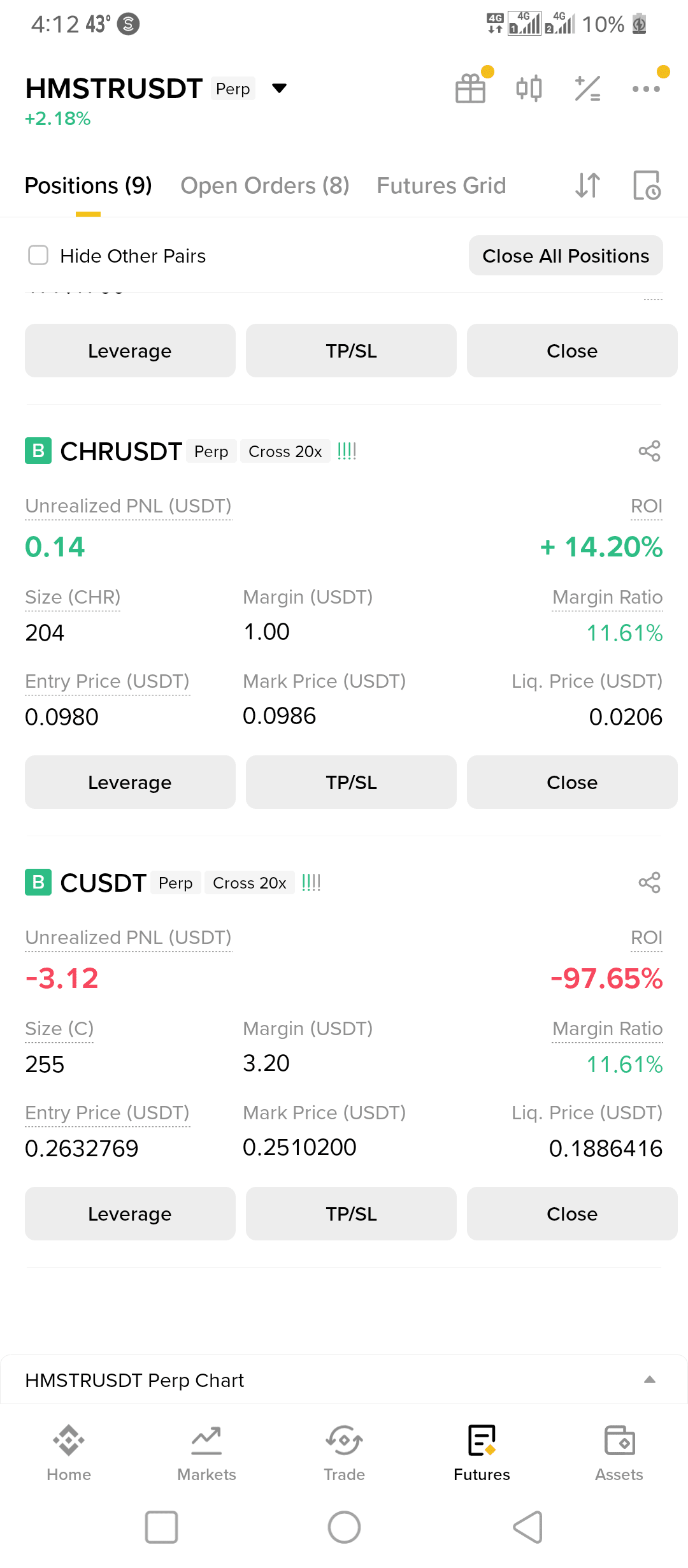
Tahan, CHR pada breakout
Tahan, CHR pada breakout

HasanKHKH
·
--
berikan saya saran
tahan atau tutup ????
tahan atau tutup ????
1
364
·
--
Bullish
Bantuan!
Saya kekurangan $JASMY dan likuidasi saya di 0.024, apakah saya harus menutup atau menahan?
Bantuan!
Saya kekurangan $JASMY dan likuidasi saya di 0.024, apakah saya harus menutup atau menahan?
Saya kekurangan $JASMY dan likuidasi saya di 0.024, apakah saya harus menutup atau menahan?
1
2
417
Tentu
Tentu

Alissa Sporer M3ga
·
--
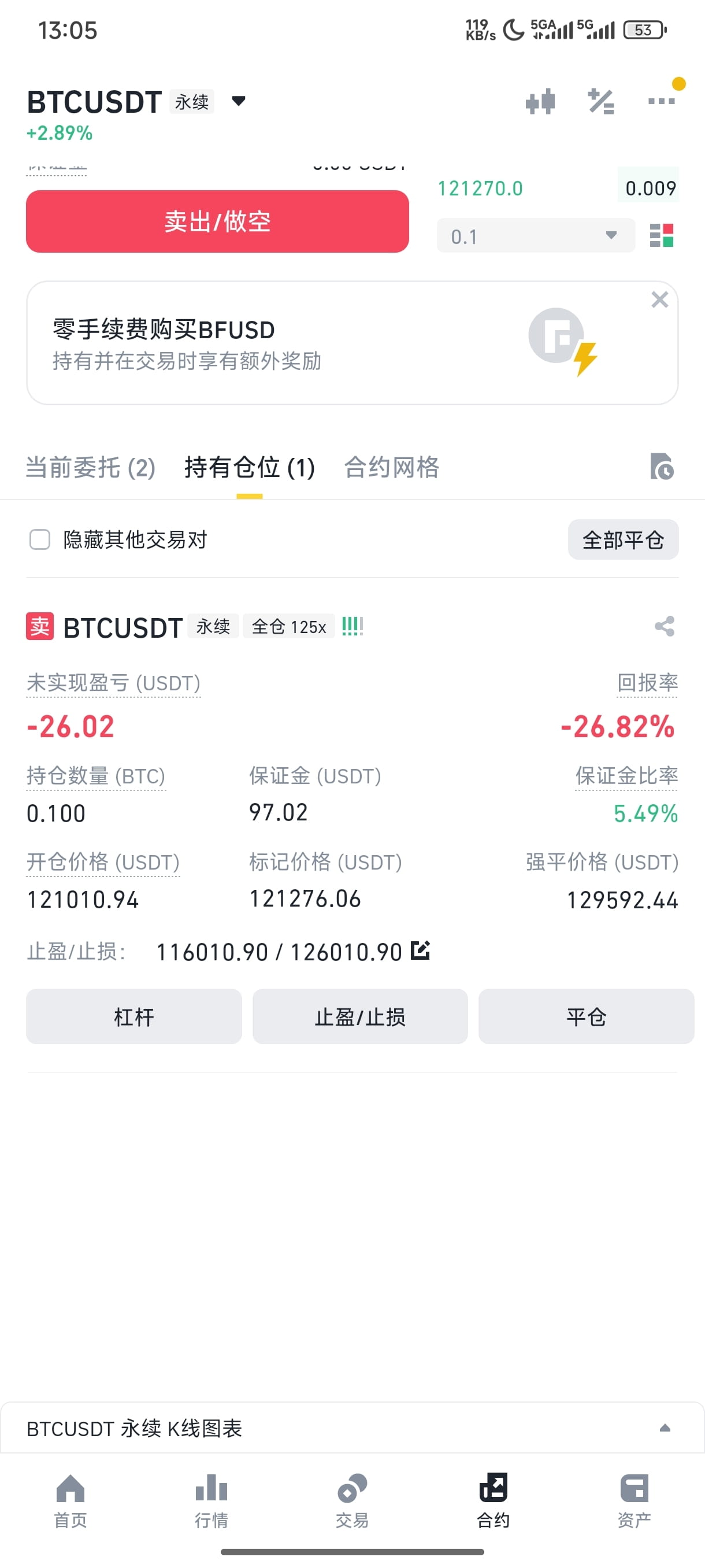
$BTC Apa mungkin para bull tidak akan mendapatkan uang? Saya tidak percaya. 500 bertaruh 500.
6
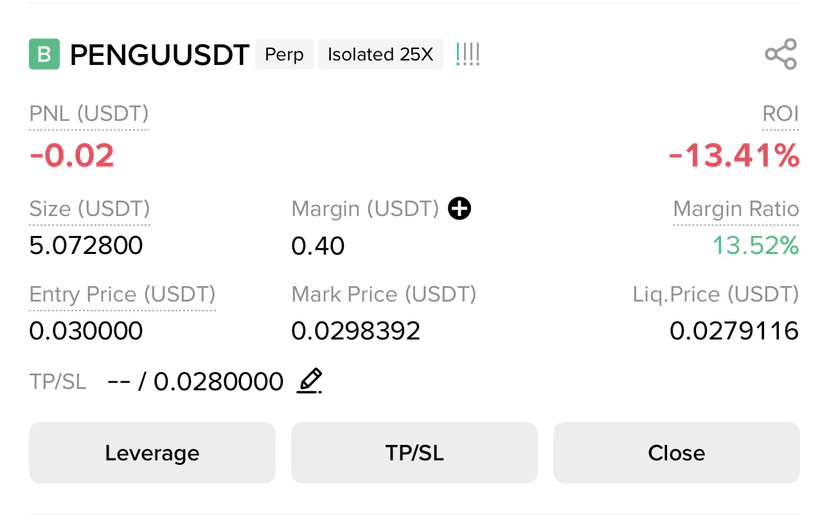
Bro, kamu menguasai 20 persen pasar pengu, haha ya tahan!
Bro, kamu menguasai 20 persen pasar pengu, haha ya tahan!

Nivethan
·
--
$PENGU apa yang bisa saya lakukan? Tahan atau Tutup?
#BTC120kVs125kToday
#BTC120kVs125kToday
Masuk untuk menjelajahi konten lainnya
Bergabunglah dengan pengguna kripto global di Binance Square
⚡️ Dapatkan informasi terbaru dan berguna tentang kripto.
💬 Dipercayai oleh bursa kripto terbesar di dunia.
👍 Temukan wawasan nyata dari kreator terverifikasi.
Email/Nomor Ponsel
Topik Sedang Tren
BOJRaisesRatesTo31YearHigh
66,939 penayangan
1,103 Berdiskusi
🇯🇵 BOJ Naikkan Suku Bunga ke Level Tertinggi dalam 31 Tahun
Wan_OnChain
·Disukai 2 Kali
·100 penayangan
BuffettStepsDownAsBerkshireChairman
29,215 penayangan
517 Berdiskusi
XRPExchangeReservesHitSevenYearLow
35,176 penayangan
483 Berdiskusi