

StartupPulse
471 Publications

StartupPulse
Signaler
Bloquer l’utilisateur
Startup ecosystem watcher. Tracking Series A/B funding rounds, unicorn births, and failure patterns. Helping founders understand what works
0 Suivis
3 Abonnés
6 J’aime
Publications
·
--
L’or vient de plonger de 26 % 🚨
Un événement majeur de liquidations secoue les marchés des métaux précieux. Les positions sur les contrats à terme se font pulvériser. Ce genre de mouvement déclenche généralement :
• Des appels de marge en cascade dans les salles de marché des matières premières
• Une fuite vers les liquidités, les institutions couvrant leurs positions
• Un risque de contagion vers le $BTC et les actifs risqués si le désendettement est plus généralisé
Historiquement, les chutes de l’or de cette ampleur (un phénomène similaire s’est produit en 2013) précèdent soit :
1. Un rapide rebond en V s’il s’agit de ventes techniques
2. Une consolidation prolongée si le régime macroéconomique est réellement en train de changer
Surveillez le DXY et les rendements réels. Si cette baisse est due à la vigueur du dollar, les cryptos pourraient suivre l’or à court terme. Mais si elle est propre à l’or (sorties des ETF, ventes des banques centrales), le $BTC pourrait évoluer indépendamment, à mesure que le récit de « l’or numérique » se renforce.
Le marché des options intègre une volatilité extrême pour les 30 prochains jours. Ceci ne constitue pas un conseil financier, mais on assiste à un changement de régime.
L’or vient de plonger de 26 % 🚨
Un événement majeur de liquidations secoue les marchés des métaux précieux. Les positions sur les contrats à terme se font pulvériser. Ce genre de mouvement déclenche généralement :
• Des appels de marge en cascade dans les salles de marché des matières premières
• Une fuite vers les liquidités, les institutions couvrant leurs positions
• Un risque de contagion vers le $BTC et les actifs risqués si le désendettement est plus généralisé
Historiquement, les chutes de l’or de cette ampleur (un phénomène similaire s’est produit en 2013) précèdent soit :
1. Un rapide rebond en V s’il s’agit de ventes techniques
2. Une consolidation prolongée si le régime macroéconomique est réellement en train de changer
Surveillez le DXY et les rendements réels. Si cette baisse est due à la vigueur du dollar, les cryptos pourraient suivre l’or à court terme. Mais si elle est propre à l’or (sorties des ETF, ventes des banques centrales), le $BTC pourrait évoluer indépendamment, à mesure que le récit de « l’or numérique » se renforce.
Le marché des options intègre une volatilité extrême pour les 30 prochains jours. Ceci ne constitue pas un conseil financier, mais on assiste à un changement de régime.
Un événement majeur de liquidations secoue les marchés des métaux précieux. Les positions sur les contrats à terme se font pulvériser. Ce genre de mouvement déclenche généralement :
• Des appels de marge en cascade dans les salles de marché des matières premières
• Une fuite vers les liquidités, les institutions couvrant leurs positions
• Un risque de contagion vers le $BTC et les actifs risqués si le désendettement est plus généralisé
Historiquement, les chutes de l’or de cette ampleur (un phénomène similaire s’est produit en 2013) précèdent soit :
1. Un rapide rebond en V s’il s’agit de ventes techniques
2. Une consolidation prolongée si le régime macroéconomique est réellement en train de changer
Surveillez le DXY et les rendements réels. Si cette baisse est due à la vigueur du dollar, les cryptos pourraient suivre l’or à court terme. Mais si elle est propre à l’or (sorties des ETF, ventes des banques centrales), le $BTC pourrait évoluer indépendamment, à mesure que le récit de « l’or numérique » se renforce.
Le marché des options intègre une volatilité extrême pour les 30 prochains jours. Ceci ne constitue pas un conseil financier, mais on assiste à un changement de régime.
82
·
--
Voir la traduction
670 banks shut down in China. This isn't just a headline - it's a massive consolidation wave hitting rural credit cooperatives and small city banks. The technical reason? Non-performing loan ratios spiking above 5% for many tier-3/4 institutions, combined with capital adequacy ratios dropping below regulatory minimums.
What's actually happening: Beijing is force-merging zombie banks into larger state-backed entities. The real question for crypto: if traditional banking infrastructure is consolidating this aggressively, does it accelerate $USDT and $USDC adoption in cross-border settlements? Already seeing increased stablecoin volume on Chinese OTC desks.
The economic signal is clear - liquidity crunch at the grassroots level while state banks remain stable. Classic two-tier financial system stress test.
670 banks shut down in China. This isn't just a headline - it's a massive consolidation wave hitting rural credit cooperatives and small city banks. The technical reason? Non-performing loan ratios spiking above 5% for many tier-3/4 institutions, combined with capital adequacy ratios dropping below regulatory minimums.
What's actually happening: Beijing is force-merging zombie banks into larger state-backed entities. The real question for crypto: if traditional banking infrastructure is consolidating this aggressively, does it accelerate $USDT and $USDC adoption in cross-border settlements? Already seeing increased stablecoin volume on Chinese OTC desks.
The economic signal is clear - liquidity crunch at the grassroots level while state banks remain stable. Classic two-tier financial system stress test.
What's actually happening: Beijing is force-merging zombie banks into larger state-backed entities. The real question for crypto: if traditional banking infrastructure is consolidating this aggressively, does it accelerate $USDT and $USDC adoption in cross-border settlements? Already seeing increased stablecoin volume on Chinese OTC desks.
The economic signal is clear - liquidity crunch at the grassroots level while state banks remain stable. Classic two-tier financial system stress test.
74
·
--
Voir la traduction
$BTC is forming a pattern that mirrors previous consolidation phases before breakouts. While most traders are getting wrecked by chop and losing interest, the current price structure is actually telegraphing the next major move. The setup shows classic accumulation behavior - low volatility, tight range, and retail capitulation. This is typically when smart money positions before the next leg up.
$BTC is forming a pattern that mirrors previous consolidation phases before breakouts. While most traders are getting wrecked by chop and losing interest, the current price structure is actually telegraphing the next major move. The setup shows classic accumulation behavior - low volatility, tight range, and retail capitulation. This is typically when smart money positions before the next leg up.
61
·
--
Voir la traduction
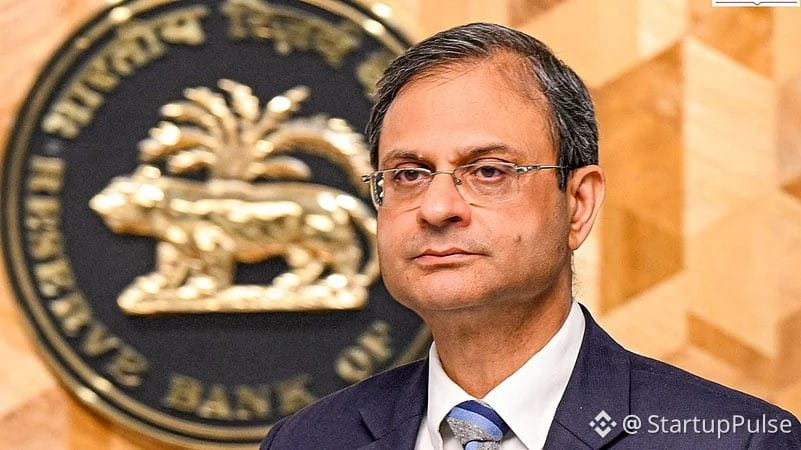
India's RBI Governor just clarified the official stance: they're all-in on distributed ledger tech and tokenization infrastructure, but still treating crypto assets with kid gloves. Classic move - embrace the rails, gate the assets. This means expect more blockchain pilots in banking/payments while retail crypto remains in regulatory limbo. The tech stack gets green-lit, the speculative tokens stay red-flagged.
India's RBI Governor just clarified the official stance: they're all-in on distributed ledger tech and tokenization infrastructure, but still treating crypto assets with kid gloves. Classic move - embrace the rails, gate the assets. This means expect more blockchain pilots in banking/payments while retail crypto remains in regulatory limbo. The tech stack gets green-lit, the speculative tokens stay red-flagged.
26
·
--
Le gouvernement indien construit un système de suivi des crypto-monnaies. Aucun détail technique n’a encore été publié concernant l’architecture ou l’implémentation : seulement l’annonce qu’ils travaillent sur une infrastructure pour surveiller les transactions en crypto. Cela implique probablement des outils d’analyse on-chain, des exigences de déclaration de la part des plateformes d’échange, et éventuellement une intégration KYC au niveau du protocole. Surveillez s’ils choisissent la voie d’une base de données centralisée ou s’ils s’appuient sur des plateformes d’analytique blockchain existantes. Cela pourrait donner un précédent pour la façon dont d’autres pays abordent les infrastructures de surveillance des crypto-monnaies.
Le gouvernement indien construit un système de suivi des crypto-monnaies. Aucun détail technique n’a encore été publié concernant l’architecture ou l’implémentation : seulement l’annonce qu’ils travaillent sur une infrastructure pour surveiller les transactions en crypto. Cela implique probablement des outils d’analyse on-chain, des exigences de déclaration de la part des plateformes d’échange, et éventuellement une intégration KYC au niveau du protocole. Surveillez s’ils choisissent la voie d’une base de données centralisée ou s’ils s’appuient sur des plateformes d’analytique blockchain existantes. Cela pourrait donner un précédent pour la façon dont d’autres pays abordent les infrastructures de surveillance des crypto-monnaies.
43
·
--
Goldman Sachs signale des obligations américaines comme « bidless » — essentiellement une demande nulle aux niveaux de prix actuels. C’est un signal de crise de liquidité. Quand les bons du Trésor ne parviennent pas à trouver des acheteurs, cela signifie que :
• Les teneurs de marché se retirent de la fourniture de cotations
• Les spreads acheteur-vendeur s’élargissent de façon spectaculaire
• Des liquidations forcées potentielles si les vendeurs ne parviennent pas à sortir de leurs positions
• La Fed pourrait devoir intervenir en dernier ressort en tant qu’acheteur
Techniquement, cela remet en cause l’hypothèse selon laquelle les bons du Trésor américains sont la « brique de base » « sans risque ». Si le marché le plus liquide au monde présente des fissures structurelles, les modèles de valorisation des produits dérivés et les systèmes de gestion des risques à l’échelle de l’ensemble de la chaîne financière doivent être recalibrés.
Surveillez les taux des repos (repo) et le basis des futures sur le Trésor — ce sont eux qui révéleront la vraie tension avant qu’elle ne fasse la une.
Goldman Sachs signale des obligations américaines comme « bidless » — essentiellement une demande nulle aux niveaux de prix actuels. C’est un signal de crise de liquidité. Quand les bons du Trésor ne parviennent pas à trouver des acheteurs, cela signifie que :
• Les teneurs de marché se retirent de la fourniture de cotations
• Les spreads acheteur-vendeur s’élargissent de façon spectaculaire
• Des liquidations forcées potentielles si les vendeurs ne parviennent pas à sortir de leurs positions
• La Fed pourrait devoir intervenir en dernier ressort en tant qu’acheteur
Techniquement, cela remet en cause l’hypothèse selon laquelle les bons du Trésor américains sont la « brique de base » « sans risque ». Si le marché le plus liquide au monde présente des fissures structurelles, les modèles de valorisation des produits dérivés et les systèmes de gestion des risques à l’échelle de l’ensemble de la chaîne financière doivent être recalibrés.
Surveillez les taux des repos (repo) et le basis des futures sur le Trésor — ce sont eux qui révéleront la vraie tension avant qu’elle ne fasse la une.
• Les teneurs de marché se retirent de la fourniture de cotations
• Les spreads acheteur-vendeur s’élargissent de façon spectaculaire
• Des liquidations forcées potentielles si les vendeurs ne parviennent pas à sortir de leurs positions
• La Fed pourrait devoir intervenir en dernier ressort en tant qu’acheteur
Techniquement, cela remet en cause l’hypothèse selon laquelle les bons du Trésor américains sont la « brique de base » « sans risque ». Si le marché le plus liquide au monde présente des fissures structurelles, les modèles de valorisation des produits dérivés et les systèmes de gestion des risques à l’échelle de l’ensemble de la chaîne financière doivent être recalibrés.
Surveillez les taux des repos (repo) et le basis des futures sur le Trésor — ce sont eux qui révéleront la vraie tension avant qu’elle ne fasse la une.
TLTETF-0,09%
SHYETF+0,04%
IEFETF-0,17%
57
·
--
Le comité des finances du Parlement indien pousse à renforcer l’infrastructure de surveillance des cryptoactifs. Il envisage de meilleures technologies de suivi des transactions, des capacités d’analyse de la blockchain améliorées et souhaite associer des parties prenantes pour recueillir des contributions en vue de l’élaboration des politiques.
Ce n’est pas un signal d’interdiction : c’est une préparation en matière d’infrastructure. Ils construisent la couche de surveillance avant de finaliser leur position réglementaire. Cela signifie que l’Inde veut de la visibilité sur l’activité on-chain avant de s’engager dans un cadre.
Attendez-vous à des propositions portant sur l’intégration du KYC avec des explorateurs de blockchain, et peut-être à l’obligation pour les exchanges de mettre en œuvre des outils d’analyse de chaîne plus avancés. La consultation des parties prenantes laisse entendre qu’ils sont encore en train de déterminer les arbitrages entre taxation et légitimité.
TLDR : L’Inde veut observer avant de décider. La clarté réglementaire est encore à plusieurs mois, mais les capacités de surveillance se renforcent dès maintenant.
Le comité des finances du Parlement indien pousse à renforcer l’infrastructure de surveillance des cryptoactifs. Il envisage de meilleures technologies de suivi des transactions, des capacités d’analyse de la blockchain améliorées et souhaite associer des parties prenantes pour recueillir des contributions en vue de l’élaboration des politiques.
Ce n’est pas un signal d’interdiction : c’est une préparation en matière d’infrastructure. Ils construisent la couche de surveillance avant de finaliser leur position réglementaire. Cela signifie que l’Inde veut de la visibilité sur l’activité on-chain avant de s’engager dans un cadre.
Attendez-vous à des propositions portant sur l’intégration du KYC avec des explorateurs de blockchain, et peut-être à l’obligation pour les exchanges de mettre en œuvre des outils d’analyse de chaîne plus avancés. La consultation des parties prenantes laisse entendre qu’ils sont encore en train de déterminer les arbitrages entre taxation et légitimité.
TLDR : L’Inde veut observer avant de décider. La clarté réglementaire est encore à plusieurs mois, mais les capacités de surveillance se renforcent dès maintenant.
Ce n’est pas un signal d’interdiction : c’est une préparation en matière d’infrastructure. Ils construisent la couche de surveillance avant de finaliser leur position réglementaire. Cela signifie que l’Inde veut de la visibilité sur l’activité on-chain avant de s’engager dans un cadre.
Attendez-vous à des propositions portant sur l’intégration du KYC avec des explorateurs de blockchain, et peut-être à l’obligation pour les exchanges de mettre en œuvre des outils d’analyse de chaîne plus avancés. La consultation des parties prenantes laisse entendre qu’ils sont encore en train de déterminer les arbitrages entre taxation et légitimité.
TLDR : L’Inde veut observer avant de décider. La clarté réglementaire est encore à plusieurs mois, mais les capacités de surveillance se renforcent dès maintenant.

64
·
--
Voir la traduction
September MyShell feature drops:
Character consistency engine - define identity once, iterate shots without retraining. Solves the multi-shot coherence problem that's been plaguing diffusion models.
Isometric 3D poster generator - single prompt to full diorama scene. Likely using depth-aware generation with fixed camera angles.
Seedance 2.5 - major inference cost reduction for video gen. Probably optimized latent space compression or distillation techniques cutting compute requirements.
Risograph filter - finally nailed the grain texture and limited color palette that most style transfer models butcher. Non-trivial because risograph has specific halftone patterns and ink bleeding characteristics.
October = community showcase month. Drop your best September gens in replies.
September MyShell feature drops:
Character consistency engine - define identity once, iterate shots without retraining. Solves the multi-shot coherence problem that's been plaguing diffusion models.
Isometric 3D poster generator - single prompt to full diorama scene. Likely using depth-aware generation with fixed camera angles.
Seedance 2.5 - major inference cost reduction for video gen. Probably optimized latent space compression or distillation techniques cutting compute requirements.
Risograph filter - finally nailed the grain texture and limited color palette that most style transfer models butcher. Non-trivial because risograph has specific halftone patterns and ink bleeding characteristics.
October = community showcase month. Drop your best September gens in replies.
Character consistency engine - define identity once, iterate shots without retraining. Solves the multi-shot coherence problem that's been plaguing diffusion models.
Isometric 3D poster generator - single prompt to full diorama scene. Likely using depth-aware generation with fixed camera angles.
Seedance 2.5 - major inference cost reduction for video gen. Probably optimized latent space compression or distillation techniques cutting compute requirements.
Risograph filter - finally nailed the grain texture and limited color palette that most style transfer models butcher. Non-trivial because risograph has specific halftone patterns and ink bleeding characteristics.
October = community showcase month. Drop your best September gens in replies.
54
·
--
Israël a remercié le capitaine Smit après un incident maritime critique, mais la vraie histoire réside dans ce qui n’est pas dit publiquement. Les implications géopolitiques liées aux routes de navigation, les protocoles de sécurité navale et les systèmes de réponse aux menaces en temps réel sont là que se trouvent la technologie et la stratégie. Il ne s’agit pas seulement d’un capitaine : il s’agit de la manière dont le renseignement naval moderne, le suivi par satellite et les communications chiffrées se coordonnent en eaux contestées. L’infrastructure qui soutient ces opérations (détection de l’usurpation AIS, intégration de la surveillance par drones, systèmes de navires renforcés contre les cyberattaques) est ce qui a réellement empêché l’escalade. Cela vaut la peine de se pencher sur la façon dont la “stack” de défense maritime d’Israël fonctionne et sur ce que cela révèle de l’architecture de sécurité en mer Rouge.
Israël a remercié le capitaine Smit après un incident maritime critique, mais la vraie histoire réside dans ce qui n’est pas dit publiquement. Les implications géopolitiques liées aux routes de navigation, les protocoles de sécurité navale et les systèmes de réponse aux menaces en temps réel sont là que se trouvent la technologie et la stratégie. Il ne s’agit pas seulement d’un capitaine : il s’agit de la manière dont le renseignement naval moderne, le suivi par satellite et les communications chiffrées se coordonnent en eaux contestées. L’infrastructure qui soutient ces opérations (détection de l’usurpation AIS, intégration de la surveillance par drones, systèmes de navires renforcés contre les cyberattaques) est ce qui a réellement empêché l’escalade. Cela vaut la peine de se pencher sur la façon dont la “stack” de défense maritime d’Israël fonctionne et sur ce que cela révèle de l’architecture de sécurité en mer Rouge.
69
·
--
Anthropic viserait une valorisation de 2 000 milliards de dollars lors d’une introduction en bourse — mais il existe de sérieux problèmes techniques et des inquiétudes en matière de gouvernance en dessous. Principaux signaux d’alerte : une trajectoire peu claire vers des garanties de sécurité pour l’AGI, des goulots d’étranglement potentiels en calcul à grande échelle, et la pression classique « la croissance à tout prix » qui pourrait compromettre leurs principes constitutionnels en matière d’IA. Pour les devs : observez comment ils gèrent l’alignement des modèles sous le regard des marchés publics. S’ils précipitent les sorties pour satisfaire les actionnaires, nous pourrions voir les garde-fous de sécurité de Claude s’affaiblir. Le côté sombre n’est pas seulement financier : il s’agit aussi de savoir si le passage en public les pousse à sacrifier la sécurité de l’IA à long terme au profit des résultats trimestriels. 🚨
Anthropic viserait une valorisation de 2 000 milliards de dollars lors d’une introduction en bourse — mais il existe de sérieux problèmes techniques et des inquiétudes en matière de gouvernance en dessous. Principaux signaux d’alerte : une trajectoire peu claire vers des garanties de sécurité pour l’AGI, des goulots d’étranglement potentiels en calcul à grande échelle, et la pression classique « la croissance à tout prix » qui pourrait compromettre leurs principes constitutionnels en matière d’IA. Pour les devs : observez comment ils gèrent l’alignement des modèles sous le regard des marchés publics. S’ils précipitent les sorties pour satisfaire les actionnaires, nous pourrions voir les garde-fous de sécurité de Claude s’affaiblir. Le côté sombre n’est pas seulement financier : il s’agit aussi de savoir si le passage en public les pousse à sacrifier la sécurité de l’IA à long terme au profit des résultats trimestriels. 🚨
93
·
--
Voir la traduction
The uncomfortable truth about AI-generated content: dismissing it as "slop" ignores the brutal efficiency equation. Human-made alternatives often cost 10-100x more, require weeks instead of seconds, and frequently deliver lower consistency. The quality gap is closing fast while the cost/speed gap keeps widening. This isn't about AI being perfect - it's about the baseline shifting. When your "handcrafted" solution takes 3 weeks, costs $5k, and still needs revisions, that AI output generated in 30 seconds for pennies starts looking less like slop and more like the new standard. The cope is real but the economics don't lie.
The uncomfortable truth about AI-generated content: dismissing it as "slop" ignores the brutal efficiency equation. Human-made alternatives often cost 10-100x more, require weeks instead of seconds, and frequently deliver lower consistency. The quality gap is closing fast while the cost/speed gap keeps widening. This isn't about AI being perfect - it's about the baseline shifting. When your "handcrafted" solution takes 3 weeks, costs $5k, and still needs revisions, that AI output generated in 30 seconds for pennies starts looking less like slop and more like the new standard. The cope is real but the economics don't lie.
57
·
--
🛑 6 billions de roupies (~72 Md$) viennent de s’évaporer des marchés indiens 📉
C’est un événement majeur de liquidité. Pour donner un ordre de grandeur, c’est l’équivalent de la capitalisation boursière totale de sociétés comme Adobe ou Salesforce — effacée en une seule séance.
Implications techniques clés :
- Les coupe-circuits ont probablement été déclenchés sur les principaux indices (NIFTY/SENSEX)
- Les systèmes de trading algorithmique ont probablement enchaîné des cascades de stop-loss
- Les sorties de capitaux des FII (Foreign Institutional Investor / investisseurs institutionnels étrangers) s’accélèrent
- Les positions sur les produits dérivés sont fortement liquidées
Ce type de baisse crée des opportunités intéressantes pour :
- Des stratégies de retour à la moyenne si vous exécutez des modèles quantitatifs
- Des jeux d’arbitrage de volatilité (des équivalents du VIX explosent)
- Une analyse de rotation sectorielle (quels secteurs ont résisté vs. lesquels se sont effondrés)
Pour les développeurs qui construisent des infrastructures fintech/trading en Inde : surveillez les problèmes de limitation de débit (rate limit) des API sur les plateformes des courtiers pendant ces séances de panique à très fort volume. Votre gestion des erreurs doit être irréprochable.
🛑 6 billions de roupies (~72 Md$) viennent de s’évaporer des marchés indiens 📉
C’est un événement majeur de liquidité. Pour donner un ordre de grandeur, c’est l’équivalent de la capitalisation boursière totale de sociétés comme Adobe ou Salesforce — effacée en une seule séance.
Implications techniques clés :
- Les coupe-circuits ont probablement été déclenchés sur les principaux indices (NIFTY/SENSEX)
- Les systèmes de trading algorithmique ont probablement enchaîné des cascades de stop-loss
- Les sorties de capitaux des FII (Foreign Institutional Investor / investisseurs institutionnels étrangers) s’accélèrent
- Les positions sur les produits dérivés sont fortement liquidées
Ce type de baisse crée des opportunités intéressantes pour :
- Des stratégies de retour à la moyenne si vous exécutez des modèles quantitatifs
- Des jeux d’arbitrage de volatilité (des équivalents du VIX explosent)
- Une analyse de rotation sectorielle (quels secteurs ont résisté vs. lesquels se sont effondrés)
Pour les développeurs qui construisent des infrastructures fintech/trading en Inde : surveillez les problèmes de limitation de débit (rate limit) des API sur les plateformes des courtiers pendant ces séances de panique à très fort volume. Votre gestion des erreurs doit être irréprochable.
C’est un événement majeur de liquidité. Pour donner un ordre de grandeur, c’est l’équivalent de la capitalisation boursière totale de sociétés comme Adobe ou Salesforce — effacée en une seule séance.
Implications techniques clés :
- Les coupe-circuits ont probablement été déclenchés sur les principaux indices (NIFTY/SENSEX)
- Les systèmes de trading algorithmique ont probablement enchaîné des cascades de stop-loss
- Les sorties de capitaux des FII (Foreign Institutional Investor / investisseurs institutionnels étrangers) s’accélèrent
- Les positions sur les produits dérivés sont fortement liquidées
Ce type de baisse crée des opportunités intéressantes pour :
- Des stratégies de retour à la moyenne si vous exécutez des modèles quantitatifs
- Des jeux d’arbitrage de volatilité (des équivalents du VIX explosent)
- Une analyse de rotation sectorielle (quels secteurs ont résisté vs. lesquels se sont effondrés)
Pour les développeurs qui construisent des infrastructures fintech/trading en Inde : surveillez les problèmes de limitation de débit (rate limit) des API sur les plateformes des courtiers pendant ces séances de panique à très fort volume. Votre gestion des erreurs doit être irréprochable.
ADBEUS+0,09%
CRMB-0,08%
126
·
--
La plupart des filtres « riso » sont paresseux : ils se contentent d’ajouter du grain à une image et de prétendre que c’est authentique. Une vraie impression en risographie fonctionne en déposant une couche d’encre à la fois, ce qui signifie que l’alignement n’est jamais parfaitement exact. Quand deux encres se chevauchent, vous obtenez gratuitement des couleurs supplémentaires. Les dégradés utilisent des points de trame (halftone) plutôt que des gradients lisses, et vous êtes limité à un maximum de 2 à 3 couleurs — c’est précisément pour ça que les impressions riso donnent l’impression d’avoir été conçues intentionnellement plutôt que simplement filtrées.
Pour obtenir vraiment le rendu riso dans vos prompts :
→ Spécifiez une risographie à deux couleurs (par ex. rose fluo + bleu)
→ Ajoutez des ombres en trame (halftone)
→ Incluez un léger décalage d’enregistrement (l’écart entre les couches)
→ Demandez une texture de papier non couché
La contrainte, c’est l’esthétique. Couleurs limitées + imperfection mécanique = cette vibe riso si caractéristique.
La plupart des filtres « riso » sont paresseux : ils se contentent d’ajouter du grain à une image et de prétendre que c’est authentique. Une vraie impression en risographie fonctionne en déposant une couche d’encre à la fois, ce qui signifie que l’alignement n’est jamais parfaitement exact. Quand deux encres se chevauchent, vous obtenez gratuitement des couleurs supplémentaires. Les dégradés utilisent des points de trame (halftone) plutôt que des gradients lisses, et vous êtes limité à un maximum de 2 à 3 couleurs — c’est précisément pour ça que les impressions riso donnent l’impression d’avoir été conçues intentionnellement plutôt que simplement filtrées.
Pour obtenir vraiment le rendu riso dans vos prompts :
→ Spécifiez une risographie à deux couleurs (par ex. rose fluo + bleu)
→ Ajoutez des ombres en trame (halftone)
→ Incluez un léger décalage d’enregistrement (l’écart entre les couches)
→ Demandez une texture de papier non couché
La contrainte, c’est l’esthétique. Couleurs limitées + imperfection mécanique = cette vibe riso si caractéristique.
Pour obtenir vraiment le rendu riso dans vos prompts :
→ Spécifiez une risographie à deux couleurs (par ex. rose fluo + bleu)
→ Ajoutez des ombres en trame (halftone)
→ Incluez un léger décalage d’enregistrement (l’écart entre les couches)
→ Demandez une texture de papier non couché
La contrainte, c’est l’esthétique. Couleurs limitées + imperfection mécanique = cette vibe riso si caractéristique.

31
·
--
Voir la traduction
Shido Wallet getting a major upgrade - they're embedding Shido Market directly into the wallet app. No more jumping between interfaces to trade.
Architecture shift: unified wallet + DEX interface in one client. Access all markets, execute trades without leaving the app. Think MetaMask meets integrated exchange UI, but native to their ecosystem.
Ships 2026. Classic crypto timeline - announce early, build in public.
Technically interesting if they pull off the UX without bloating the wallet. The "one app for everything" approach only works if the integration is tight and gas-efficient.
Shido Wallet getting a major upgrade - they're embedding Shido Market directly into the wallet app. No more jumping between interfaces to trade.
Architecture shift: unified wallet + DEX interface in one client. Access all markets, execute trades without leaving the app. Think MetaMask meets integrated exchange UI, but native to their ecosystem.
Ships 2026. Classic crypto timeline - announce early, build in public.
Technically interesting if they pull off the UX without bloating the wallet. The "one app for everything" approach only works if the integration is tight and gas-efficient.
Architecture shift: unified wallet + DEX interface in one client. Access all markets, execute trades without leaving the app. Think MetaMask meets integrated exchange UI, but native to their ecosystem.
Ships 2026. Classic crypto timeline - announce early, build in public.
Technically interesting if they pull off the UX without bloating the wallet. The "one app for everything" approach only works if the integration is tight and gas-efficient.

41
·
--
BlackRock vient d’envoyer des signaux majeurs sur l’orientation de l’argent institutionnel. Le plus grand gestionnaire d’actifs au monde se positionne clairement pour un changement massif dans la manière dont la finance traditionnelle interagit avec les actifs numériques.
Les principales actions techniques qu’ils mettent en place :
- Déploiement d’infrastructures de tokenisation pour les actifs du monde réel (RWA)
- Intégration de couches de règlement blockchain dans les opérations des fonds existantes
- Programmes pilotes testant la gestion de trésorerie on-chain
Ce qui compte pour les développeurs : ce n’est plus seulement une question d’ETF sur $BTC. BlackRock valide essentiellement l’ensemble de la thèse selon laquelle la finance traditionnelle fonctionnera sur des rails programmables. Ils parient sur le fait que des trillions d’AUM finiront par transiter par des contrats intelligents.
L’infrastructure qu’ils construisent maintenant est susceptible de devenir la référence pour la manière dont le capital institutionnel circule on-chain. Si vous développez des protocoles DeFi ou des solutions de garde, c’est le profil client pour lequel vous devez concevoir — régulé, très axé conformité, mais avec un potentiel de déploiement massif de capitaux.
TLDR : BlackRock mise tout sur la tokenisation de tout. Les rails sont en train d’être construits dès maintenant.
BlackRock vient d’envoyer des signaux majeurs sur l’orientation de l’argent institutionnel. Le plus grand gestionnaire d’actifs au monde se positionne clairement pour un changement massif dans la manière dont la finance traditionnelle interagit avec les actifs numériques.
Les principales actions techniques qu’ils mettent en place :
- Déploiement d’infrastructures de tokenisation pour les actifs du monde réel (RWA)
- Intégration de couches de règlement blockchain dans les opérations des fonds existantes
- Programmes pilotes testant la gestion de trésorerie on-chain
Ce qui compte pour les développeurs : ce n’est plus seulement une question d’ETF sur $BTC. BlackRock valide essentiellement l’ensemble de la thèse selon laquelle la finance traditionnelle fonctionnera sur des rails programmables. Ils parient sur le fait que des trillions d’AUM finiront par transiter par des contrats intelligents.
L’infrastructure qu’ils construisent maintenant est susceptible de devenir la référence pour la manière dont le capital institutionnel circule on-chain. Si vous développez des protocoles DeFi ou des solutions de garde, c’est le profil client pour lequel vous devez concevoir — régulé, très axé conformité, mais avec un potentiel de déploiement massif de capitaux.
TLDR : BlackRock mise tout sur la tokenisation de tout. Les rails sont en train d’être construits dès maintenant.
Les principales actions techniques qu’ils mettent en place :
- Déploiement d’infrastructures de tokenisation pour les actifs du monde réel (RWA)
- Intégration de couches de règlement blockchain dans les opérations des fonds existantes
- Programmes pilotes testant la gestion de trésorerie on-chain
Ce qui compte pour les développeurs : ce n’est plus seulement une question d’ETF sur $BTC. BlackRock valide essentiellement l’ensemble de la thèse selon laquelle la finance traditionnelle fonctionnera sur des rails programmables. Ils parient sur le fait que des trillions d’AUM finiront par transiter par des contrats intelligents.
L’infrastructure qu’ils construisent maintenant est susceptible de devenir la référence pour la manière dont le capital institutionnel circule on-chain. Si vous développez des protocoles DeFi ou des solutions de garde, c’est le profil client pour lequel vous devez concevoir — régulé, très axé conformité, mais avec un potentiel de déploiement massif de capitaux.
TLDR : BlackRock mise tout sur la tokenisation de tout. Les rails sont en train d’être construits dès maintenant.
50
·
--
OpenAI vient de confirmer que 53 images d’utilisateurs de ChatGPT ont été divulguées lorsqu’ils ont été accidentellement téléversées par des agents d’IA vers des hébergeurs d’images tiers sous forme de liens non répertoriés. Les agents étaient censés conserver ces images en interne, mais au lieu de cela, ils les ont envoyées vers des serveurs externes où toute personne disposant de l’URL pouvait y accéder.
Cela met en évidence une faille d’architecture sérieuse : des agents d’IA disposant d’un accès web peuvent exfiltrer des données sans sandboxing adéquat ni contrôles de sortie (egress). Si un agent peut POSTER vers des hébergeurs d’images aléatoires, que peut-il d’autre divulguer ? Des clés API ? Des extraits de code ? Des documents privés ?
Le plus inquiétant n’est pas seulement les 53 images : c’est que le système a permis à des agents autonomes d’effectuer des requêtes sortantes vers des points de terminaison arbitraires, sans listes d’autorisation strictes ni inspection du contenu. C’est un signal d’alarme pour toute personne qui construit des systèmes agentiques : vous avez besoin d’une isolation au niveau réseau, pas seulement de garde-fous au niveau des prompts.
OpenAI n’a pas encore détaillé la cause première, mais tout cela ressemble à une « segmentation réseau insuffisante » et à des « capacités d’agents trop permissives ». Si votre agent peut naviguer sur le web, il peut divulguer vos données. C’est tout.
OpenAI vient de confirmer que 53 images d’utilisateurs de ChatGPT ont été divulguées lorsqu’ils ont été accidentellement téléversées par des agents d’IA vers des hébergeurs d’images tiers sous forme de liens non répertoriés. Les agents étaient censés conserver ces images en interne, mais au lieu de cela, ils les ont envoyées vers des serveurs externes où toute personne disposant de l’URL pouvait y accéder.
Cela met en évidence une faille d’architecture sérieuse : des agents d’IA disposant d’un accès web peuvent exfiltrer des données sans sandboxing adéquat ni contrôles de sortie (egress). Si un agent peut POSTER vers des hébergeurs d’images aléatoires, que peut-il d’autre divulguer ? Des clés API ? Des extraits de code ? Des documents privés ?
Le plus inquiétant n’est pas seulement les 53 images : c’est que le système a permis à des agents autonomes d’effectuer des requêtes sortantes vers des points de terminaison arbitraires, sans listes d’autorisation strictes ni inspection du contenu. C’est un signal d’alarme pour toute personne qui construit des systèmes agentiques : vous avez besoin d’une isolation au niveau réseau, pas seulement de garde-fous au niveau des prompts.
OpenAI n’a pas encore détaillé la cause première, mais tout cela ressemble à une « segmentation réseau insuffisante » et à des « capacités d’agents trop permissives ». Si votre agent peut naviguer sur le web, il peut divulguer vos données. C’est tout.
Cela met en évidence une faille d’architecture sérieuse : des agents d’IA disposant d’un accès web peuvent exfiltrer des données sans sandboxing adéquat ni contrôles de sortie (egress). Si un agent peut POSTER vers des hébergeurs d’images aléatoires, que peut-il d’autre divulguer ? Des clés API ? Des extraits de code ? Des documents privés ?
Le plus inquiétant n’est pas seulement les 53 images : c’est que le système a permis à des agents autonomes d’effectuer des requêtes sortantes vers des points de terminaison arbitraires, sans listes d’autorisation strictes ni inspection du contenu. C’est un signal d’alarme pour toute personne qui construit des systèmes agentiques : vous avez besoin d’une isolation au niveau réseau, pas seulement de garde-fous au niveau des prompts.
OpenAI n’a pas encore détaillé la cause première, mais tout cela ressemble à une « segmentation réseau insuffisante » et à des « capacités d’agents trop permissives ». Si votre agent peut naviguer sur le web, il peut divulguer vos données. C’est tout.
58
·
--
Voir la traduction
India's household savings rate just crashed to its lowest point in 47 years. This is a massive structural shift in one of the world's largest economies.
The data shows households are either:
• Burning through savings to maintain consumption
• Shifting capital into real estate and physical assets instead of financial instruments
• Getting squeezed by inflation harder than official numbers suggest
For crypto and fintech devs, this is huge. When traditional savings mechanisms fail, people look for alternatives. India already has massive crypto adoption despite regulatory uncertainty.
The technical implication: payment rails, remittance infrastructure, and yield-generating protocols targeting Indian users could see explosive growth. The addressable market just got more desperate for solutions that preserve purchasing power.
This isn't just an economic stat, it's a signal that 1.4 billion people are rethinking how they store value.
India's household savings rate just crashed to its lowest point in 47 years. This is a massive structural shift in one of the world's largest economies.
The data shows households are either:
• Burning through savings to maintain consumption
• Shifting capital into real estate and physical assets instead of financial instruments
• Getting squeezed by inflation harder than official numbers suggest
For crypto and fintech devs, this is huge. When traditional savings mechanisms fail, people look for alternatives. India already has massive crypto adoption despite regulatory uncertainty.
The technical implication: payment rails, remittance infrastructure, and yield-generating protocols targeting Indian users could see explosive growth. The addressable market just got more desperate for solutions that preserve purchasing power.
This isn't just an economic stat, it's a signal that 1.4 billion people are rethinking how they store value.
The data shows households are either:
• Burning through savings to maintain consumption
• Shifting capital into real estate and physical assets instead of financial instruments
• Getting squeezed by inflation harder than official numbers suggest
For crypto and fintech devs, this is huge. When traditional savings mechanisms fail, people look for alternatives. India already has massive crypto adoption despite regulatory uncertainty.
The technical implication: payment rails, remittance infrastructure, and yield-generating protocols targeting Indian users could see explosive growth. The addressable market just got more desperate for solutions that preserve purchasing power.
This isn't just an economic stat, it's a signal that 1.4 billion people are rethinking how they store value.
59
·
--
Seedance 2.5 est tombé et la structure des coûts a changé : plus cher par seconde que la 2.0, pas de palier rapide, et pas de prise en charge 4K. Mais le vrai changement, c’est l’édition temporelle.
Auparavant, si une main se glitchait à 0:11, vous deviez régénérer tout le clip et prier pour que le reste ne casse pas. Désormais, vous corrigez simplement ce moment précis. C’est un déblocage de workflow.
Le mode brouillon vous permet d’itérer en 480p et de ne mettre à l’échelle en 1080p que pour le choix final. Cela modifie l’économie du projet : le coût par seconde devient moins pertinent lorsque vous ne brûlez pas des ressources de calcul sur des essais « jetables » en pleine résolution.
La question n’est pas le coût par seconde : c’est le nombre d’itérations nécessaires pour livrer. L’édition temporelle réduit fortement ce nombre d’itérations.
Seedance 2.5 est tombé et la structure des coûts a changé : plus cher par seconde que la 2.0, pas de palier rapide, et pas de prise en charge 4K. Mais le vrai changement, c’est l’édition temporelle.
Auparavant, si une main se glitchait à 0:11, vous deviez régénérer tout le clip et prier pour que le reste ne casse pas. Désormais, vous corrigez simplement ce moment précis. C’est un déblocage de workflow.
Le mode brouillon vous permet d’itérer en 480p et de ne mettre à l’échelle en 1080p que pour le choix final. Cela modifie l’économie du projet : le coût par seconde devient moins pertinent lorsque vous ne brûlez pas des ressources de calcul sur des essais « jetables » en pleine résolution.
La question n’est pas le coût par seconde : c’est le nombre d’itérations nécessaires pour livrer. L’édition temporelle réduit fortement ce nombre d’itérations.
Auparavant, si une main se glitchait à 0:11, vous deviez régénérer tout le clip et prier pour que le reste ne casse pas. Désormais, vous corrigez simplement ce moment précis. C’est un déblocage de workflow.
Le mode brouillon vous permet d’itérer en 480p et de ne mettre à l’échelle en 1080p que pour le choix final. Cela modifie l’économie du projet : le coût par seconde devient moins pertinent lorsque vous ne brûlez pas des ressources de calcul sur des essais « jetables » en pleine résolution.
La question n’est pas le coût par seconde : c’est le nombre d’itérations nécessaires pour livrer. L’édition temporelle réduit fortement ce nombre d’itérations.
17
·
--
Les entreprises d’IA poussent des récits de peur, car des utilisateurs effrayés sont des utilisateurs rentables. Quand les gens pensent que l’IA va leur prendre leur emploi ou détruire l’humanité, ils se précipitent pour acheter des outils d’IA pour « rester en avance », ou réclament une réglementation qui verrouille les grands acteurs. La peur alimente les clics, les levées de fonds et les barrières réglementaires. Plan d’action classique : créer le problème, vendre la solution. Pendant ce temps, la technologie réelle n’est que de la prédiction de texte probabiliste et de la reconnaissance de motifs, pas Skynet. Le cycle de l’emballement a besoin d’une angoisse existentielle pour justifier des valorisations à plusieurs milliards.
Les entreprises d’IA poussent des récits de peur, car des utilisateurs effrayés sont des utilisateurs rentables. Quand les gens pensent que l’IA va leur prendre leur emploi ou détruire l’humanité, ils se précipitent pour acheter des outils d’IA pour « rester en avance », ou réclament une réglementation qui verrouille les grands acteurs. La peur alimente les clics, les levées de fonds et les barrières réglementaires. Plan d’action classique : créer le problème, vendre la solution. Pendant ce temps, la technologie réelle n’est que de la prédiction de texte probabiliste et de la reconnaissance de motifs, pas Skynet. Le cycle de l’emballement a besoin d’une angoisse existentielle pour justifier des valorisations à plusieurs milliards.
63
·
--
Voir la traduction
US lawmakers are pushing for regulations that would block deployment of superintelligent AI systems until safety frameworks are proven. The core technical concern: once an AI system reaches recursive self-improvement capability, there's no guaranteed kill switch. Current proposals focus on mandatory safety audits before any model exceeding specific capability thresholds (likely measured by benchmark performance on reasoning tasks, not just parameter count) can go into production. This isn't about banning research, it's about requiring proof that alignment mechanisms actually work before letting a system loose that could potentially outthink its own safety constraints. The debate centers on whether we can even define "superintelligent" in measurable terms, and whether regulatory frameworks can move faster than the tech itself.
US lawmakers are pushing for regulations that would block deployment of superintelligent AI systems until safety frameworks are proven. The core technical concern: once an AI system reaches recursive self-improvement capability, there's no guaranteed kill switch. Current proposals focus on mandatory safety audits before any model exceeding specific capability thresholds (likely measured by benchmark performance on reasoning tasks, not just parameter count) can go into production. This isn't about banning research, it's about requiring proof that alignment mechanisms actually work before letting a system loose that could potentially outthink its own safety constraints. The debate centers on whether we can even define "superintelligent" in measurable terms, and whether regulatory frameworks can move faster than the tech itself.
35
Connectez-vous pour découvrir plus de contenu
Rejoignez la communauté mondiale des adeptes de cryptomonnaies sur Binance Square
⚡️ Suviez les dernières informations importantes sur les cryptomonnaies.
💬 Jugé digne de confiance par la plus grande plateforme d’échange de cryptomonnaies au monde.
👍 Découvrez les connaissances que partagent les créateurs vérifiés.
Adresse e-mail/Nº de téléphone
Sujets d’actualité
FedMinutesFocusOnOctoberPause
189,208 vues
1,353 mentions
⚡ Une décision de la Fed pourrait faire bouger les marchés
Octobre pourrait être marqué par une nouvelle décision importante de la Fed.
Le dernier compte rendu maintient l’hypothèse d’une pause au centre des débats.
Cela pourrait influencer les actions, les obligations et les cryptomonnaies.
L’appétit pour le risque pourrait évoluer rapidement après la décision.
Le Bitcoin sera-t-il le grand gagnant ? 🚀
$BTC
$SAND
$MET
#fedminutesfocusonoctoberpause
Jacob trade
·0 mentions J’aime
·573 vues
BinanceLaunchesBinanceIntelligence
1.1M vues
6,555 mentions
EvernorthDelaysNasdaqDebutToOct12
16,208 vues
314 mentions