

Crypto Cyrstal
8.8k Publications

Crypto Cyrstal
Signaler
Bloquer l’utilisateur
Ouvert au trading
Trade fréquemment
10.1 mois
3 Suivis
12.7K+ Abonnés
6.8K+ J’aime
Publications
Portefeuille
Tous
Direct
·
--
Haussier
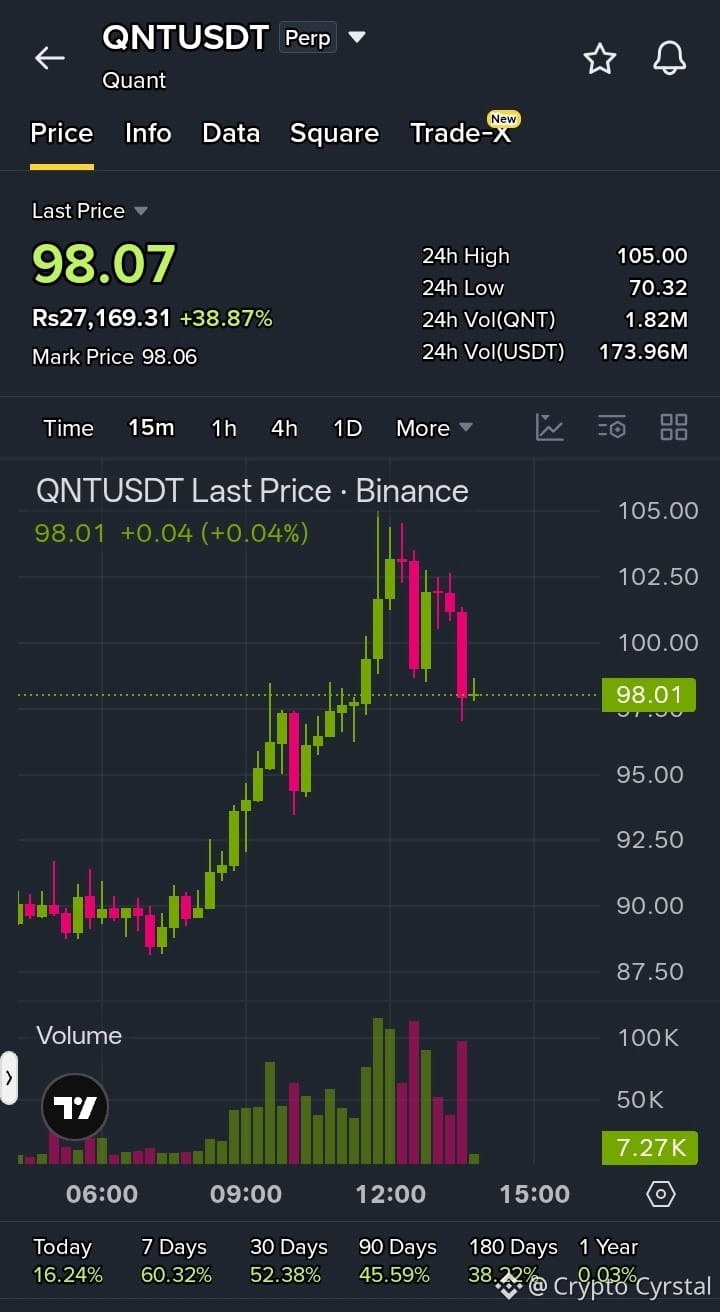
⚡ $QNT
{spot}(QNTUSDT)
USDT
▣ Cp : 98.07
▣ SL : 93.80
▣ TP1 : 102.50
▣ TP2 : 105.00
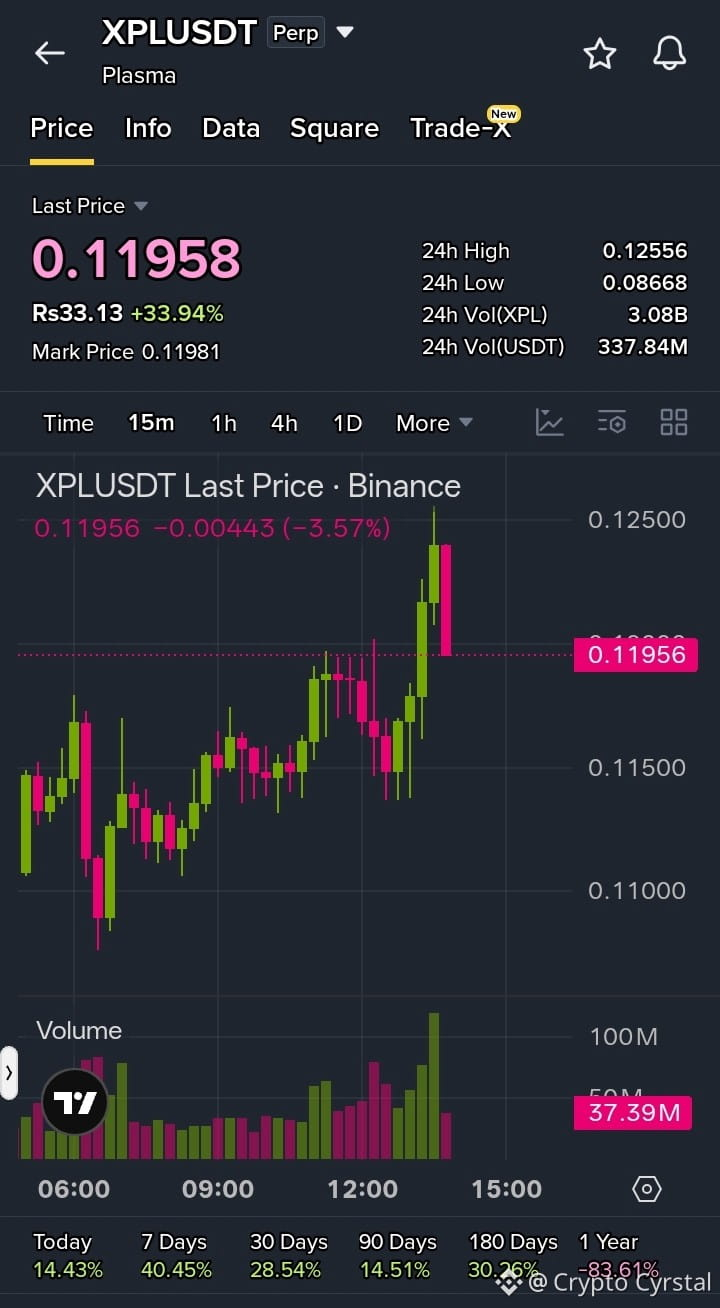
🔥 $XPL
{spot}(XPLUSDT)
USDT
▣ Cp : 0.11958
▣ SL : 0.11400
▣ TP1 : 0.12350
▣ TP2 : 0.12550
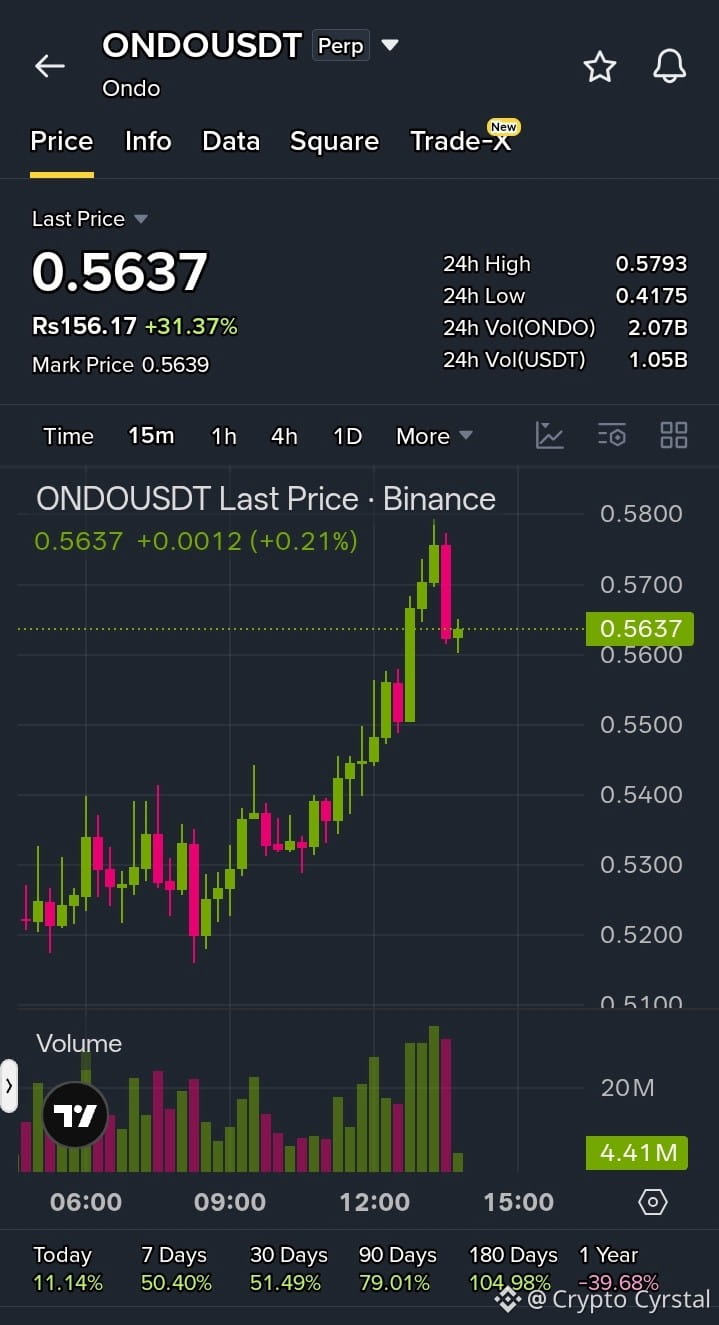
🚀 $ONDO
{spot}(ONDOUSDT)
USDT
▣ Cp : 0.5637
▣ SL : 0.5400
▣ TP1 : 0.5790
▣ TP2 : 0.6000
⚡ $QNT
USDT
▣ Cp : 98.07
▣ SL : 93.80
▣ TP1 : 102.50
▣ TP2 : 105.00
🔥 $XPL
USDT
▣ Cp : 0.11958
▣ SL : 0.11400
▣ TP1 : 0.12350
▣ TP2 : 0.12550
🚀 $ONDO
USDT
▣ Cp : 0.5637
▣ SL : 0.5400
▣ TP1 : 0.5790
▣ TP2 : 0.6000
USDT
▣ Cp : 98.07
▣ SL : 93.80
▣ TP1 : 102.50
▣ TP2 : 105.00
🔥 $XPL
USDT
▣ Cp : 0.11958
▣ SL : 0.11400
▣ TP1 : 0.12350
▣ TP2 : 0.12550
🚀 $ONDO
USDT
▣ Cp : 0.5637
▣ SL : 0.5400
▣ TP1 : 0.5790
▣ TP2 : 0.6000
1
291
·
--
Haussier
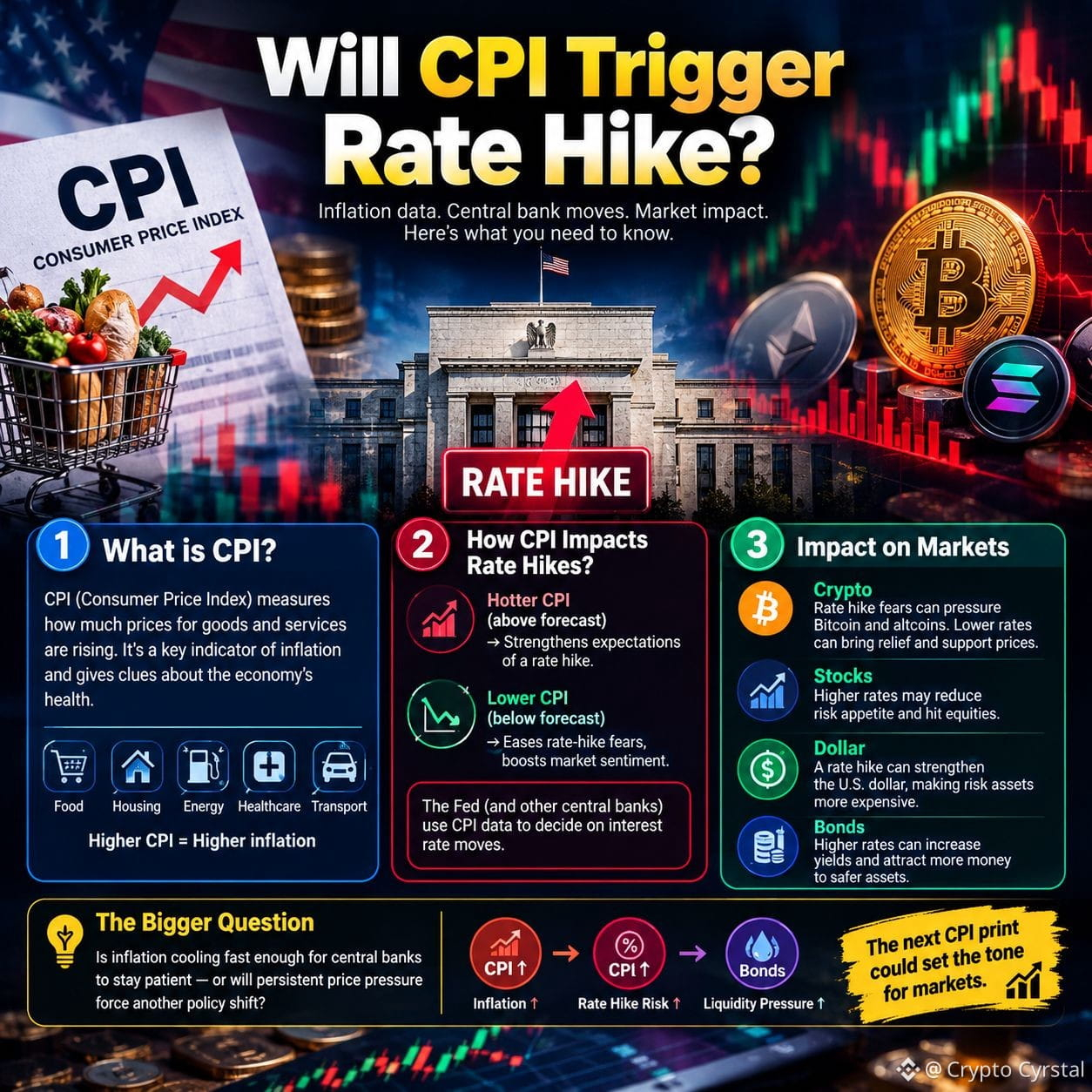
✨ Le CPI déclenchera-t-il une hausse des taux ?
Les marchés surveillent de près les prochaines données de l’IPC. Une inflation plus élevée que prévu pourrait renforcer les attentes d’une politique monétaire plus restrictive, mettant sous pression les actifs risqués comme le Bitcoin et la crypto.
Si l’IPC ressort plus bas que les prévisions, les craintes de hausse des taux pourraient s’atténuer, ce qui pourrait soutenir les actions et la crypto.
La question clé est de savoir si l’inflation ralentit suffisamment vite pour que les banques centrales restent patientes — ou si la pression persistante sur les prix force un nouveau changement de politique.
📊 CPI = Indicateur de l’inflation
Inflation ↑ = Risque de hausse des taux ↑
Risque de hausse des taux ↑ = Pression sur la liquidité ↑
Le prochain chiffre de l’IPC pourrait donner le ton aux marchés.
#CPIWatch
$牛来
{future}(牛来USDT)
$RAYSOL
{future}(RAYSOLUSDT)
$LSK
{future}(LSKUSDT)
✨ Le CPI déclenchera-t-il une hausse des taux ?
Les marchés surveillent de près les prochaines données de l’IPC. Une inflation plus élevée que prévu pourrait renforcer les attentes d’une politique monétaire plus restrictive, mettant sous pression les actifs risqués comme le Bitcoin et la crypto.
Si l’IPC ressort plus bas que les prévisions, les craintes de hausse des taux pourraient s’atténuer, ce qui pourrait soutenir les actions et la crypto.
La question clé est de savoir si l’inflation ralentit suffisamment vite pour que les banques centrales restent patientes — ou si la pression persistante sur les prix force un nouveau changement de politique.
📊 CPI = Indicateur de l’inflation
Inflation ↑ = Risque de hausse des taux ↑
Risque de hausse des taux ↑ = Pression sur la liquidité ↑
Le prochain chiffre de l’IPC pourrait donner le ton aux marchés.
#CPIWatch
$牛来
$RAYSOL
$LSK
Les marchés surveillent de près les prochaines données de l’IPC. Une inflation plus élevée que prévu pourrait renforcer les attentes d’une politique monétaire plus restrictive, mettant sous pression les actifs risqués comme le Bitcoin et la crypto.
Si l’IPC ressort plus bas que les prévisions, les craintes de hausse des taux pourraient s’atténuer, ce qui pourrait soutenir les actions et la crypto.
La question clé est de savoir si l’inflation ralentit suffisamment vite pour que les banques centrales restent patientes — ou si la pression persistante sur les prix force un nouveau changement de politique.
📊 CPI = Indicateur de l’inflation
Inflation ↑ = Risque de hausse des taux ↑
Risque de hausse des taux ↑ = Pression sur la liquidité ↑
Le prochain chiffre de l’IPC pourrait donner le ton aux marchés.
#CPIWatch
$牛来
$RAYSOL
$LSK
1.4k
·
--
Baissier
Vérifié
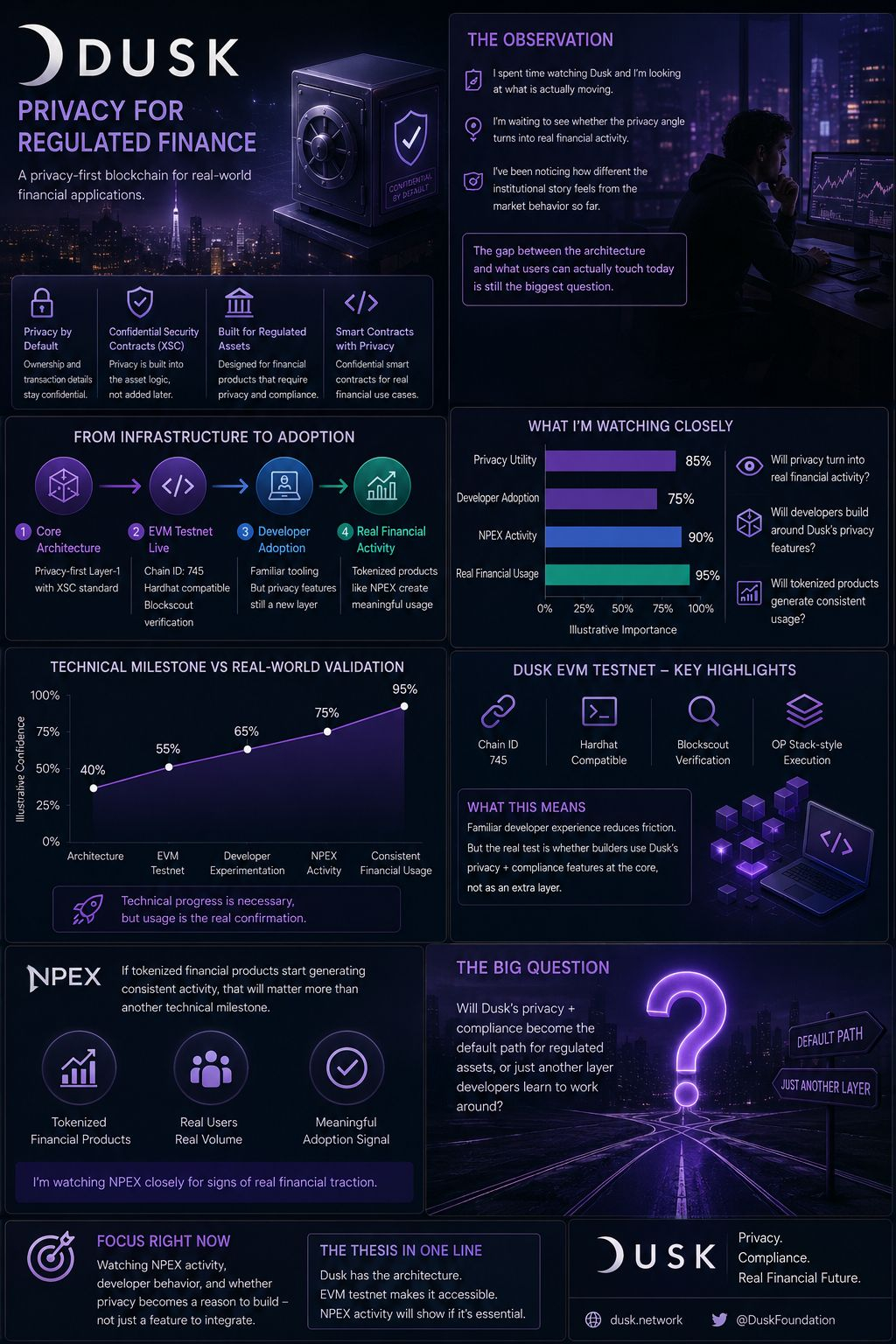
D’abord, j’ai passé du temps à observer Dusk et je regarde ce qui est réellement en mouvement. J’attends de voir si l’aspect confidentialité se transforme en activité financière concrète. Je remarque déjà à quel point l’histoire institutionnelle semble différente du comportement du marché jusqu’à présent.
Pour moi, Dusk fait sens quand je pense à des actifs réglementés pour lesquels la propriété et les détails des transactions ne peuvent pas simplement rester visibles publiquement. L’idée de Confidential Security Contract est intéressante, car elle cherche à intégrer la confidentialité à la logique de l’actif plutôt que d’en faire quelque chose d’ajouté après coup. Mais je reviens sans cesse à l’écart entre l’architecture et ce que les utilisateurs peuvent réellement toucher aujourd’hui.
Le testnet EVM change un peu la donne. Des outils familiers, la compatibilité avec Hardhat et la vérification via Blockscout rendent le côté développeur moins étranger, mais la vraie question est de savoir si les développeurs construiront autour des fonctionnalités de confidentialité et de conformité de Dusk, plutôt que d’y voir simplement une couche supplémentaire à apprendre.
Je surveille aussi de près NPEX. Si des produits financiers tokenisés commencent à générer une activité régulière, cela me paraîtrait plus significatif qu’un autre jalon technique. Pour l’instant, j’essaie encore de distinguer l’infrastructure qui fonctionne de celle dont les gens ont réellement besoin, car ce ne sont pas les mêmes choses.
@Dusk_Foundation #dusk $DUSK
{future}(DUSKUSDT)
D’abord, j’ai passé du temps à observer Dusk et je regarde ce qui est réellement en mouvement. J’attends de voir si l’aspect confidentialité se transforme en activité financière concrète. Je remarque déjà à quel point l’histoire institutionnelle semble différente du comportement du marché jusqu’à présent.
Pour moi, Dusk fait sens quand je pense à des actifs réglementés pour lesquels la propriété et les détails des transactions ne peuvent pas simplement rester visibles publiquement. L’idée de Confidential Security Contract est intéressante, car elle cherche à intégrer la confidentialité à la logique de l’actif plutôt que d’en faire quelque chose d’ajouté après coup. Mais je reviens sans cesse à l’écart entre l’architecture et ce que les utilisateurs peuvent réellement toucher aujourd’hui.
Le testnet EVM change un peu la donne. Des outils familiers, la compatibilité avec Hardhat et la vérification via Blockscout rendent le côté développeur moins étranger, mais la vraie question est de savoir si les développeurs construiront autour des fonctionnalités de confidentialité et de conformité de Dusk, plutôt que d’y voir simplement une couche supplémentaire à apprendre.
Je surveille aussi de près NPEX. Si des produits financiers tokenisés commencent à générer une activité régulière, cela me paraîtrait plus significatif qu’un autre jalon technique. Pour l’instant, j’essaie encore de distinguer l’infrastructure qui fonctionne de celle dont les gens ont réellement besoin, car ce ne sont pas les mêmes choses.
@Dusk #dusk $DUSK
Pour moi, Dusk fait sens quand je pense à des actifs réglementés pour lesquels la propriété et les détails des transactions ne peuvent pas simplement rester visibles publiquement. L’idée de Confidential Security Contract est intéressante, car elle cherche à intégrer la confidentialité à la logique de l’actif plutôt que d’en faire quelque chose d’ajouté après coup. Mais je reviens sans cesse à l’écart entre l’architecture et ce que les utilisateurs peuvent réellement toucher aujourd’hui.
Le testnet EVM change un peu la donne. Des outils familiers, la compatibilité avec Hardhat et la vérification via Blockscout rendent le côté développeur moins étranger, mais la vraie question est de savoir si les développeurs construiront autour des fonctionnalités de confidentialité et de conformité de Dusk, plutôt que d’y voir simplement une couche supplémentaire à apprendre.
Je surveille aussi de près NPEX. Si des produits financiers tokenisés commencent à générer une activité régulière, cela me paraîtrait plus significatif qu’un autre jalon technique. Pour l’instant, j’essaie encore de distinguer l’infrastructure qui fonctionne de celle dont les gens ont réellement besoin, car ce ne sont pas les mêmes choses.
@Dusk #dusk $DUSK
1
2
2k
·
--
Haussier
Vérifié
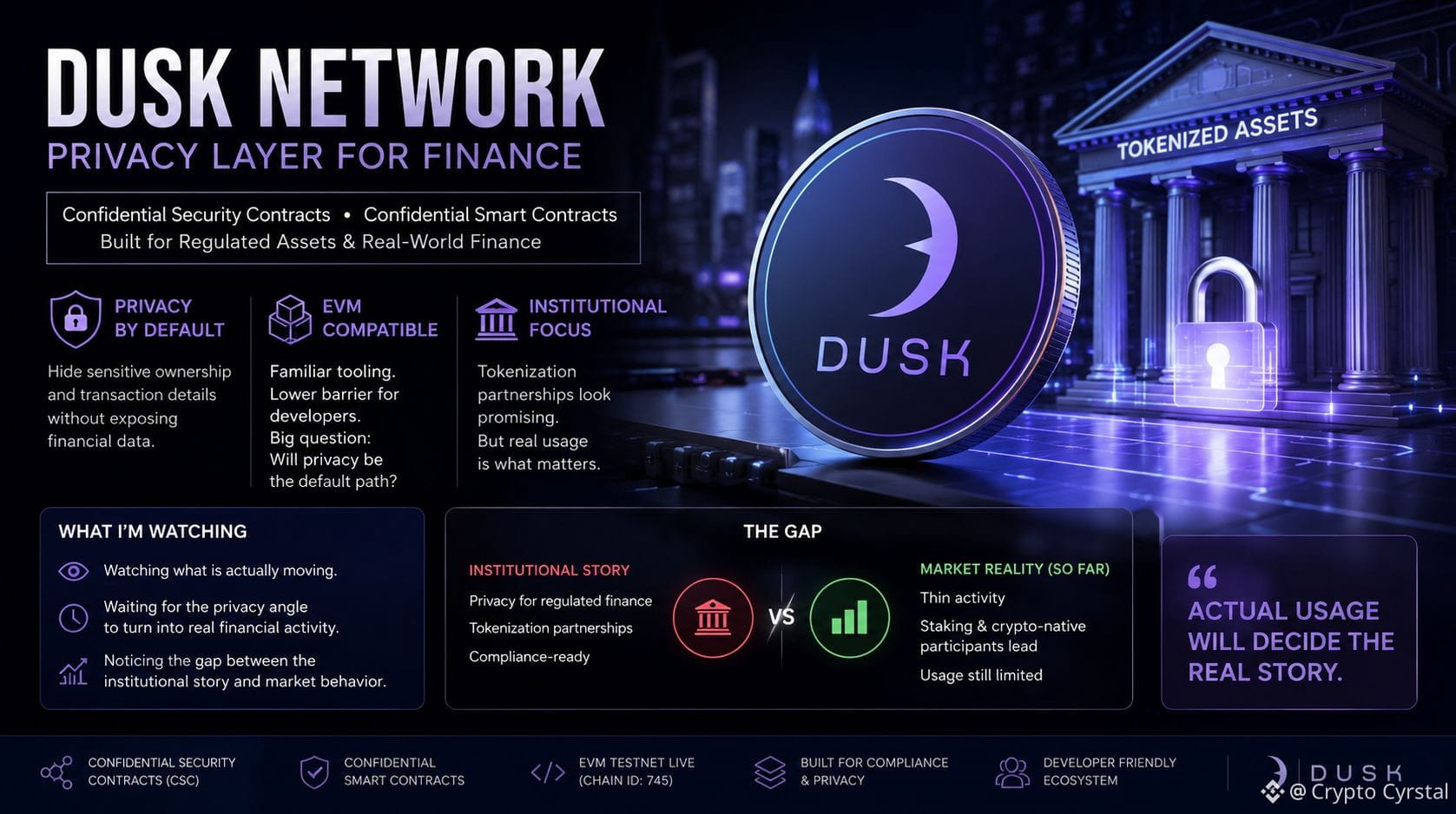
J’ai passé du temps à regarder Dusk et j’observe ce qui bouge réellement. J’attends de voir si l’angle « confidentialité » se traduit par une activité financière concrète. Je remarque à quel point l’histoire institutionnelle que l’on raconte semble différente, jusqu’ici, du comportement du marché.
Dusk essaie de construire une couche axée sur la confidentialité pour les applications financières, avec sa norme Confidential Security Contract et des smart contracts confidentiels au cœur du dispositif. Cela semble utile lorsque les actifs sont réglementés, car personne ne veut, par défaut, que les détails sensibles de propriété ou de transactions soient exposés. Mais le point difficile consiste à faire fonctionner la confidentialité sans ajouter une friction que les développeurs ou les utilisateurs finiraient par éviter.
La direction prise par l’EVM rend la chose encore plus intéressante. Des outils familiers peuvent abaisser la barrière pour les développeurs, mais cela pose aussi la question de savoir si les fonctionnalités de confidentialité et de conformité de Dusk deviennent le chemin par défaut, ou bien une couche supplémentaire dont les développeurs doivent tenir compte.
J’observe aussi de près le volet institutionnel. Les partenariats de tokenisation peuvent paraître importants sur le papier, mais c’est l’utilisation réelle qui compte. Si l’activité reste faible pendant que le staking et la participation crypto-native dominent la thèse, alors l’ensemble commence à avoir un autre sens. C’est précisément cet écart que je surveille encore.
@Dusk_Foundation #dusk $DUSK
{future}(DUSKUSDT)
J’ai passé du temps à regarder Dusk et j’observe ce qui bouge réellement. J’attends de voir si l’angle « confidentialité » se traduit par une activité financière concrète. Je remarque à quel point l’histoire institutionnelle que l’on raconte semble différente, jusqu’ici, du comportement du marché.
Dusk essaie de construire une couche axée sur la confidentialité pour les applications financières, avec sa norme Confidential Security Contract et des smart contracts confidentiels au cœur du dispositif. Cela semble utile lorsque les actifs sont réglementés, car personne ne veut, par défaut, que les détails sensibles de propriété ou de transactions soient exposés. Mais le point difficile consiste à faire fonctionner la confidentialité sans ajouter une friction que les développeurs ou les utilisateurs finiraient par éviter.
La direction prise par l’EVM rend la chose encore plus intéressante. Des outils familiers peuvent abaisser la barrière pour les développeurs, mais cela pose aussi la question de savoir si les fonctionnalités de confidentialité et de conformité de Dusk deviennent le chemin par défaut, ou bien une couche supplémentaire dont les développeurs doivent tenir compte.
J’observe aussi de près le volet institutionnel. Les partenariats de tokenisation peuvent paraître importants sur le papier, mais c’est l’utilisation réelle qui compte. Si l’activité reste faible pendant que le staking et la participation crypto-native dominent la thèse, alors l’ensemble commence à avoir un autre sens. C’est précisément cet écart que je surveille encore.
@Dusk #dusk $DUSK
Dusk essaie de construire une couche axée sur la confidentialité pour les applications financières, avec sa norme Confidential Security Contract et des smart contracts confidentiels au cœur du dispositif. Cela semble utile lorsque les actifs sont réglementés, car personne ne veut, par défaut, que les détails sensibles de propriété ou de transactions soient exposés. Mais le point difficile consiste à faire fonctionner la confidentialité sans ajouter une friction que les développeurs ou les utilisateurs finiraient par éviter.
La direction prise par l’EVM rend la chose encore plus intéressante. Des outils familiers peuvent abaisser la barrière pour les développeurs, mais cela pose aussi la question de savoir si les fonctionnalités de confidentialité et de conformité de Dusk deviennent le chemin par défaut, ou bien une couche supplémentaire dont les développeurs doivent tenir compte.
J’observe aussi de près le volet institutionnel. Les partenariats de tokenisation peuvent paraître importants sur le papier, mais c’est l’utilisation réelle qui compte. Si l’activité reste faible pendant que le staking et la participation crypto-native dominent la thèse, alors l’ensemble commence à avoir un autre sens. C’est précisément cet écart que je surveille encore.
@Dusk #dusk $DUSK
4
4
4.5k
·
--
Haussier
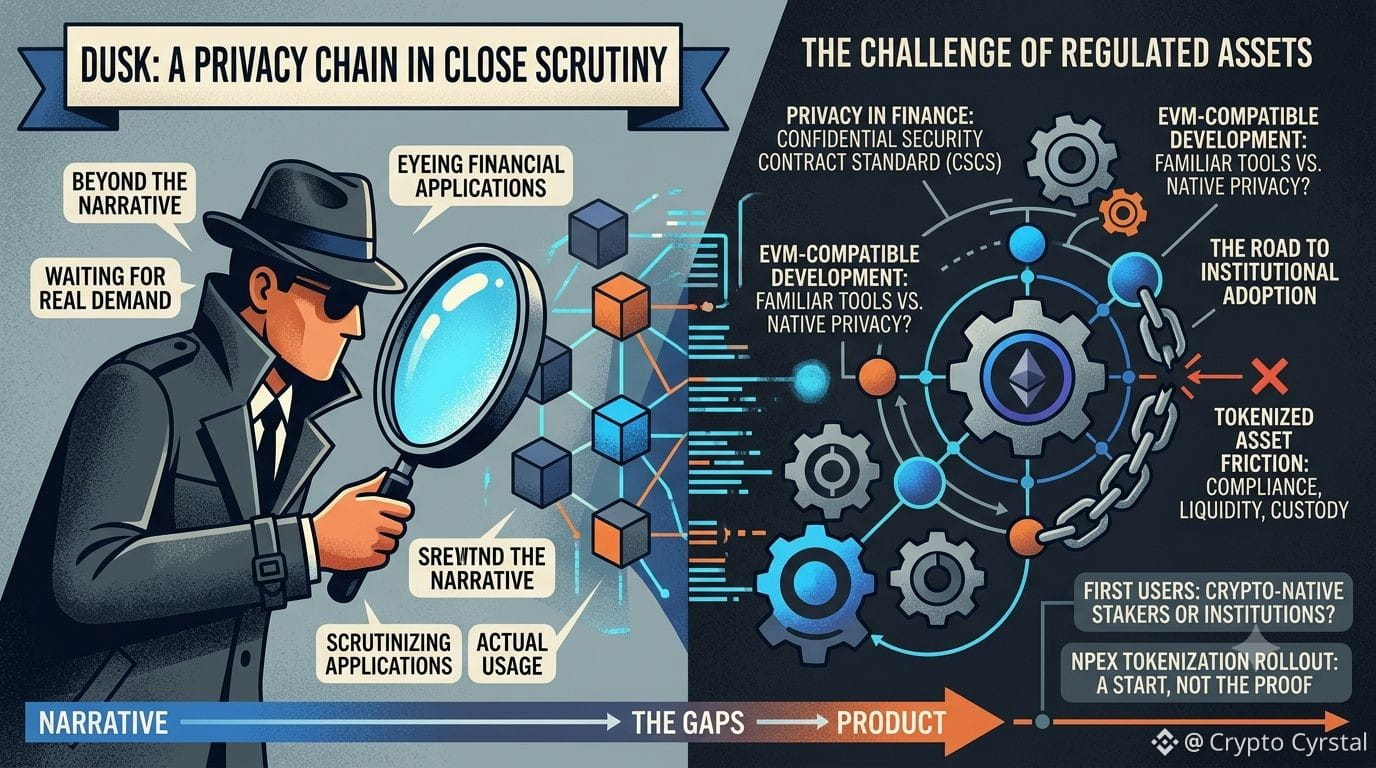
Au début, je pensais simplement regarder une autre histoire de chaîne axée sur la confidentialité. Je regarde Dusk de plus près maintenant. J’examine ce qui est réellement utilisé. J’attends de voir si l’angle financier se transforme en demande réelle. J’ai remarqué l’écart entre le récit et le produit.
Dusk essaie de construire quelque chose de plus spécifique qu’une chaîne à usage général. Sa norme de Contrat de Sécurité Confidential (Confidential Security Contract) vise à intégrer la confidentialité dans des applications financières, ce qui paraît utile lorsque les actifs en jeu sont réglementés et sensibles. Mais c’est là que je me sens mal à l’aise.
Les marchés financiers ne bougent pas seulement parce que la technologie fonctionne. Un actif tokenisé a encore besoin de conformité à l’émission, de liquidité, de garde (custody) et de participants réels. Si une partie est bancale, l’ensemble de l’expérience peut sembler inachevé. La direction d’orientation vers l’EVM rend le développement plus familier, mais je me demande si les développeurs vont naturellement utiliser les fonctionnalités de confidentialité ou simplement construire d’abord des applications familières.
Cette distinction compte. Si les premiers utilisateurs significatifs sont des stakers natifs de la crypto plutôt que des institutions, le réseau pourrait prouver autre chose que la thèse initiale. Le déploiement de la tokenisation NPEX est intéressant exactement pour cette raison, mais je ne considère pas encore un seul déploiement comme une preuve d’adoption institutionnelle.
Je continue d’observer qui se présente, ce qu’ils construisent réellement et à quel moment les frictions commencent à devenir impossible à ignorer.
@Dusk_Foundation #dusk $DUSK
{future}(DUSKUSDT)
Au début, je pensais simplement regarder une autre histoire de chaîne axée sur la confidentialité. Je regarde Dusk de plus près maintenant. J’examine ce qui est réellement utilisé. J’attends de voir si l’angle financier se transforme en demande réelle. J’ai remarqué l’écart entre le récit et le produit.
Dusk essaie de construire quelque chose de plus spécifique qu’une chaîne à usage général. Sa norme de Contrat de Sécurité Confidential (Confidential Security Contract) vise à intégrer la confidentialité dans des applications financières, ce qui paraît utile lorsque les actifs en jeu sont réglementés et sensibles. Mais c’est là que je me sens mal à l’aise.
Les marchés financiers ne bougent pas seulement parce que la technologie fonctionne. Un actif tokenisé a encore besoin de conformité à l’émission, de liquidité, de garde (custody) et de participants réels. Si une partie est bancale, l’ensemble de l’expérience peut sembler inachevé. La direction d’orientation vers l’EVM rend le développement plus familier, mais je me demande si les développeurs vont naturellement utiliser les fonctionnalités de confidentialité ou simplement construire d’abord des applications familières.
Cette distinction compte. Si les premiers utilisateurs significatifs sont des stakers natifs de la crypto plutôt que des institutions, le réseau pourrait prouver autre chose que la thèse initiale. Le déploiement de la tokenisation NPEX est intéressant exactement pour cette raison, mais je ne considère pas encore un seul déploiement comme une preuve d’adoption institutionnelle.
Je continue d’observer qui se présente, ce qu’ils construisent réellement et à quel moment les frictions commencent à devenir impossible à ignorer.
@Dusk #dusk $DUSK
Dusk essaie de construire quelque chose de plus spécifique qu’une chaîne à usage général. Sa norme de Contrat de Sécurité Confidential (Confidential Security Contract) vise à intégrer la confidentialité dans des applications financières, ce qui paraît utile lorsque les actifs en jeu sont réglementés et sensibles. Mais c’est là que je me sens mal à l’aise.
Les marchés financiers ne bougent pas seulement parce que la technologie fonctionne. Un actif tokenisé a encore besoin de conformité à l’émission, de liquidité, de garde (custody) et de participants réels. Si une partie est bancale, l’ensemble de l’expérience peut sembler inachevé. La direction d’orientation vers l’EVM rend le développement plus familier, mais je me demande si les développeurs vont naturellement utiliser les fonctionnalités de confidentialité ou simplement construire d’abord des applications familières.
Cette distinction compte. Si les premiers utilisateurs significatifs sont des stakers natifs de la crypto plutôt que des institutions, le réseau pourrait prouver autre chose que la thèse initiale. Le déploiement de la tokenisation NPEX est intéressant exactement pour cette raison, mais je ne considère pas encore un seul déploiement comme une preuve d’adoption institutionnelle.
Je continue d’observer qui se présente, ce qu’ils construisent réellement et à quel moment les frictions commencent à devenir impossible à ignorer.
@Dusk #dusk $DUSK
20
9
6.3k
·
--
Haussier
Vérifié
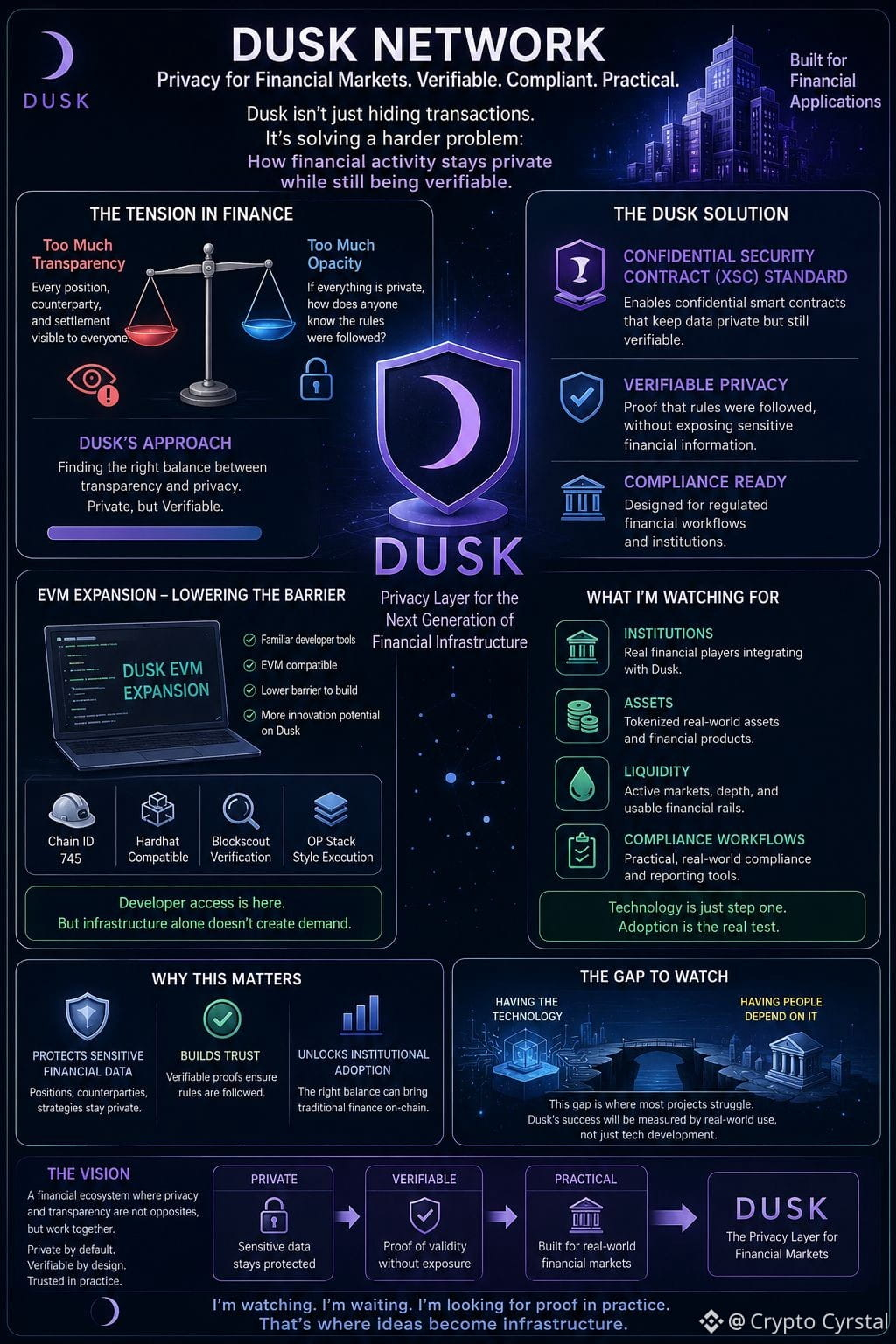
Je regarde Dusk. J’examine la façon dont l’angle « confidentialité » s’insère réellement dans les marchés financiers. J’attends de voir à quel moment le produit commence à prouver l’idée dans la pratique.
Ce qui m’intéresse, c’est que Dusk ne traite pas la confidentialité comme un simple fait de masquer des transactions. Sa norme Confidential Security Contract et ses smart contracts confidentiels visent un problème plus difficile : comment l’activité financière peut rester privée tout en étant vérifiable.
C’est important, car les informations financières traditionnelles sont sensibles pour des raisons évidentes. Un fonds ne voudrait probablement pas que chaque position, contrepartie ou détail de règlement soit exposé sur un registre public. Mais l’autre extrême crée un problème inverse : si tout devient privé, comment un acteur externe peut-il vérifier que les règles ont bien été respectées ?
C’est dans cette tension que je continue de chercher. Dusk essaie de se placer quelque part entre une transparence totale et une opacité totale, ce qui semble raisonnable, mais la mise en œuvre est généralement là que ces idées deviennent inconfortables.
L’expansion de la machine virtuelle (EVM) rend aussi l’ensemble plus intéressant, car des outils de développement familiers peuvent abaisser la barrière pour construire sur Dusk. Pourtant, l’accès des développeurs ne crée pas automatiquement une demande financière.
Je surveille l’apparition d’institutions réelles, d’actifs, de liquidités et de flux de conformité autour de l’infrastructure. Cet écart entre le fait d’avoir la technologie et le fait d’avoir des gens qui en dépendent est encore la partie que je ne peux pas ignorer.
@Dusk_Foundation #dusk $DUSK
{future}(DUSKUSDT)
Je regarde Dusk. J’examine la façon dont l’angle « confidentialité » s’insère réellement dans les marchés financiers. J’attends de voir à quel moment le produit commence à prouver l’idée dans la pratique.
Ce qui m’intéresse, c’est que Dusk ne traite pas la confidentialité comme un simple fait de masquer des transactions. Sa norme Confidential Security Contract et ses smart contracts confidentiels visent un problème plus difficile : comment l’activité financière peut rester privée tout en étant vérifiable.
C’est important, car les informations financières traditionnelles sont sensibles pour des raisons évidentes. Un fonds ne voudrait probablement pas que chaque position, contrepartie ou détail de règlement soit exposé sur un registre public. Mais l’autre extrême crée un problème inverse : si tout devient privé, comment un acteur externe peut-il vérifier que les règles ont bien été respectées ?
C’est dans cette tension que je continue de chercher. Dusk essaie de se placer quelque part entre une transparence totale et une opacité totale, ce qui semble raisonnable, mais la mise en œuvre est généralement là que ces idées deviennent inconfortables.
L’expansion de la machine virtuelle (EVM) rend aussi l’ensemble plus intéressant, car des outils de développement familiers peuvent abaisser la barrière pour construire sur Dusk. Pourtant, l’accès des développeurs ne crée pas automatiquement une demande financière.
Je surveille l’apparition d’institutions réelles, d’actifs, de liquidités et de flux de conformité autour de l’infrastructure. Cet écart entre le fait d’avoir la technologie et le fait d’avoir des gens qui en dépendent est encore la partie que je ne peux pas ignorer.
@Dusk #dusk $DUSK
Ce qui m’intéresse, c’est que Dusk ne traite pas la confidentialité comme un simple fait de masquer des transactions. Sa norme Confidential Security Contract et ses smart contracts confidentiels visent un problème plus difficile : comment l’activité financière peut rester privée tout en étant vérifiable.
C’est important, car les informations financières traditionnelles sont sensibles pour des raisons évidentes. Un fonds ne voudrait probablement pas que chaque position, contrepartie ou détail de règlement soit exposé sur un registre public. Mais l’autre extrême crée un problème inverse : si tout devient privé, comment un acteur externe peut-il vérifier que les règles ont bien été respectées ?
C’est dans cette tension que je continue de chercher. Dusk essaie de se placer quelque part entre une transparence totale et une opacité totale, ce qui semble raisonnable, mais la mise en œuvre est généralement là que ces idées deviennent inconfortables.
L’expansion de la machine virtuelle (EVM) rend aussi l’ensemble plus intéressant, car des outils de développement familiers peuvent abaisser la barrière pour construire sur Dusk. Pourtant, l’accès des développeurs ne crée pas automatiquement une demande financière.
Je surveille l’apparition d’institutions réelles, d’actifs, de liquidités et de flux de conformité autour de l’infrastructure. Cet écart entre le fait d’avoir la technologie et le fait d’avoir des gens qui en dépendent est encore la partie que je ne peux pas ignorer.
@Dusk #dusk $DUSK
26
16
6.1k
·
--
Baissier
Vérifié
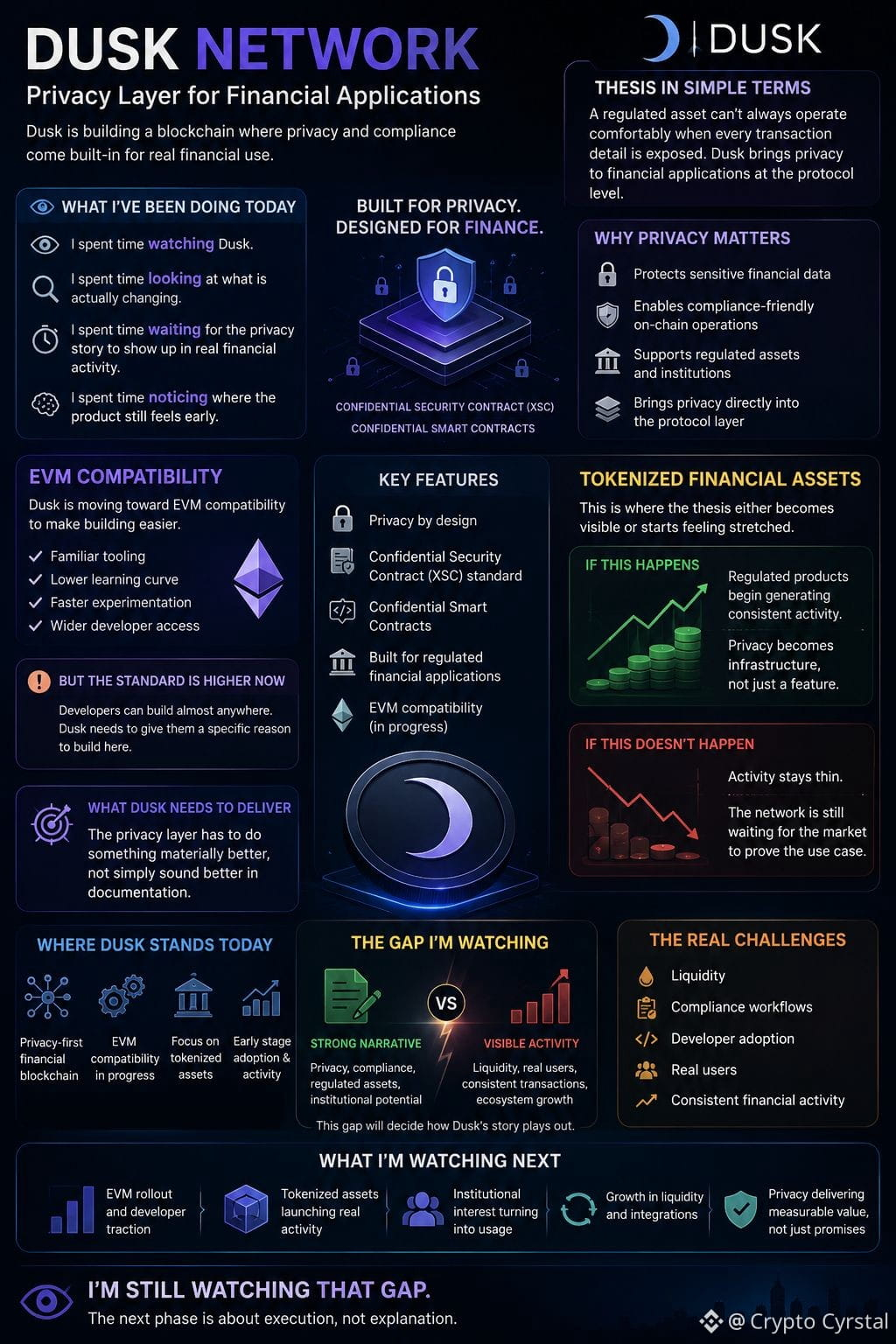
J’ai passé du temps à regarder Dusk aujourd’hui. J’ai passé du temps à observer ce qui change réellement. J’ai passé du temps à attendre que l’histoire de la confidentialité se traduise par une activité financière concrète. J’ai passé du temps à remarquer là où le produit donne encore une impression d’être précoce.
Dusk construit autour de la confidentialité pour les applications financières, avec sa norme Confidential Security Contract et des smart contracts confidentiels placés au cœur de la conception. Je comprends pourquoi c’est important. Un actif réglementé ne peut pas toujours fonctionner en toute sérénité lorsque chaque détail de transaction est exposé. Mais la confidentialité, à elle seule, ne supprime pas les problèmes plus difficiles liés à la liquidité, aux flux de conformité, à l’adoption par les développeurs et aux utilisateurs réels.
Ce qui retient particulièrement mon attention, c’est l’évolution vers la compatibilité EVM. Des outils familiers peuvent faciliter l’expérimentation, mais cela fait aussi monter les exigences. Si les développeurs peuvent presque tout construire partout, alors Dusk doit leur donner une raison précise de construire ici. La couche de confidentialité doit faire quelque chose de nettement meilleur, et pas seulement sembler meilleur dans la documentation.
Je reviens sans cesse aux actifs financiers tokenisés. C’est là que la thèse devient visible, ou qu’elle commence à sembler étirée. Si des produits réglementés commencent à générer une activité cohérente, la confidentialité devient une infrastructure plutôt qu’une simple fonctionnalité. Si l’activité reste faible, alors le réseau attend encore que le marché prouve le bien-fondé du cas d’usage.
Je continue d’observer cet écart.
@Dusk_Foundation #dusk $DUSK
{future}(DUSKUSDT)
J’ai passé du temps à regarder Dusk aujourd’hui. J’ai passé du temps à observer ce qui change réellement. J’ai passé du temps à attendre que l’histoire de la confidentialité se traduise par une activité financière concrète. J’ai passé du temps à remarquer là où le produit donne encore une impression d’être précoce.
Dusk construit autour de la confidentialité pour les applications financières, avec sa norme Confidential Security Contract et des smart contracts confidentiels placés au cœur de la conception. Je comprends pourquoi c’est important. Un actif réglementé ne peut pas toujours fonctionner en toute sérénité lorsque chaque détail de transaction est exposé. Mais la confidentialité, à elle seule, ne supprime pas les problèmes plus difficiles liés à la liquidité, aux flux de conformité, à l’adoption par les développeurs et aux utilisateurs réels.
Ce qui retient particulièrement mon attention, c’est l’évolution vers la compatibilité EVM. Des outils familiers peuvent faciliter l’expérimentation, mais cela fait aussi monter les exigences. Si les développeurs peuvent presque tout construire partout, alors Dusk doit leur donner une raison précise de construire ici. La couche de confidentialité doit faire quelque chose de nettement meilleur, et pas seulement sembler meilleur dans la documentation.
Je reviens sans cesse aux actifs financiers tokenisés. C’est là que la thèse devient visible, ou qu’elle commence à sembler étirée. Si des produits réglementés commencent à générer une activité cohérente, la confidentialité devient une infrastructure plutôt qu’une simple fonctionnalité. Si l’activité reste faible, alors le réseau attend encore que le marché prouve le bien-fondé du cas d’usage.
Je continue d’observer cet écart.
@Dusk #dusk $DUSK
Dusk construit autour de la confidentialité pour les applications financières, avec sa norme Confidential Security Contract et des smart contracts confidentiels placés au cœur de la conception. Je comprends pourquoi c’est important. Un actif réglementé ne peut pas toujours fonctionner en toute sérénité lorsque chaque détail de transaction est exposé. Mais la confidentialité, à elle seule, ne supprime pas les problèmes plus difficiles liés à la liquidité, aux flux de conformité, à l’adoption par les développeurs et aux utilisateurs réels.
Ce qui retient particulièrement mon attention, c’est l’évolution vers la compatibilité EVM. Des outils familiers peuvent faciliter l’expérimentation, mais cela fait aussi monter les exigences. Si les développeurs peuvent presque tout construire partout, alors Dusk doit leur donner une raison précise de construire ici. La couche de confidentialité doit faire quelque chose de nettement meilleur, et pas seulement sembler meilleur dans la documentation.
Je reviens sans cesse aux actifs financiers tokenisés. C’est là que la thèse devient visible, ou qu’elle commence à sembler étirée. Si des produits réglementés commencent à générer une activité cohérente, la confidentialité devient une infrastructure plutôt qu’une simple fonctionnalité. Si l’activité reste faible, alors le réseau attend encore que le marché prouve le bien-fondé du cas d’usage.
Je continue d’observer cet écart.
@Dusk #dusk $DUSK
9
11
4k
·
--
Haussier
Vérifié
Je surveille Dusk de près. J’attends de voir si l’histoire de la confidentialité se transforme en activité financière réelle. Je regarde le produit, pas seulement le récit. J’ai remarqué à quel point le discours diffère de ce qui bouge visiblement on-chain.
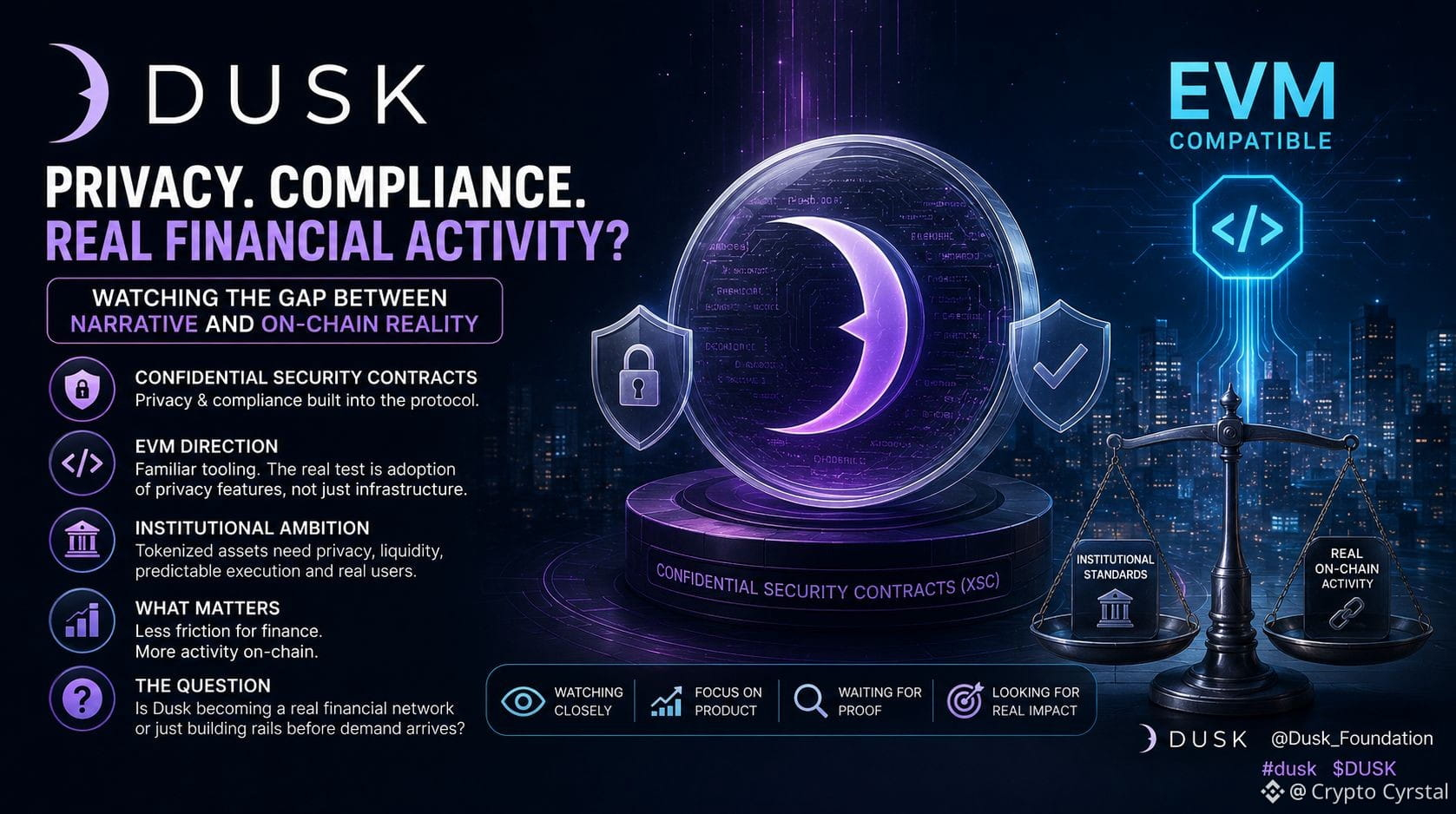
Dusk essaie d’intégrer la confidentialité et la conformité directement à la blockchain grâce à sa norme Confidential Security Contract et à ses smart contracts confidentiels. Cela semble utile, mais la partie intéressante pour moi est la manière dont cela crée moins de friction pour les applications financières, au lieu d’ajouter une couche technique supplémentaire.
La nouvelle orientation vers l’EVM rend cette question plus difficile à ignorer. Les développeurs se familiarisent avec des outils éprouvés, tandis que Dusk doit encore prouver que ses fonctionnalités de confidentialité et de conformité sont réellement utilisées par des équipes, plutôt que simplement admirées. Cette distinction compte. Une chaîne peut avoir une architecture solide et pourtant avoir du mal à attirer une activité significative.
Je surveille aussi l’angle institutionnel. Les actifs tokenisés et les marchés réglementés ont besoin de confidentialité, mais ils ont aussi besoin de liquidité, d’exécution prévisible et d’utilisateurs prêts à y opérer. Si ces éléments n’arrivent pas ensemble, l’infrastructure peut paraître impressionnante tout en restant discrète.
Pour l’instant, j’essaie toujours de déterminer si Dusk devient un véritable réseau financier ou s’il construit les infrastructures avant que la demande n’arrive.
@Dusk_Foundation #dusk $DUSK
{future}(DUSKUSDT)
Je surveille Dusk de près. J’attends de voir si l’histoire de la confidentialité se transforme en activité financière réelle. Je regarde le produit, pas seulement le récit. J’ai remarqué à quel point le discours diffère de ce qui bouge visiblement on-chain.
Dusk essaie d’intégrer la confidentialité et la conformité directement à la blockchain grâce à sa norme Confidential Security Contract et à ses smart contracts confidentiels. Cela semble utile, mais la partie intéressante pour moi est la manière dont cela crée moins de friction pour les applications financières, au lieu d’ajouter une couche technique supplémentaire.
La nouvelle orientation vers l’EVM rend cette question plus difficile à ignorer. Les développeurs se familiarisent avec des outils éprouvés, tandis que Dusk doit encore prouver que ses fonctionnalités de confidentialité et de conformité sont réellement utilisées par des équipes, plutôt que simplement admirées. Cette distinction compte. Une chaîne peut avoir une architecture solide et pourtant avoir du mal à attirer une activité significative.
Je surveille aussi l’angle institutionnel. Les actifs tokenisés et les marchés réglementés ont besoin de confidentialité, mais ils ont aussi besoin de liquidité, d’exécution prévisible et d’utilisateurs prêts à y opérer. Si ces éléments n’arrivent pas ensemble, l’infrastructure peut paraître impressionnante tout en restant discrète.
Pour l’instant, j’essaie toujours de déterminer si Dusk devient un véritable réseau financier ou s’il construit les infrastructures avant que la demande n’arrive.
@Dusk #dusk $DUSK
Dusk essaie d’intégrer la confidentialité et la conformité directement à la blockchain grâce à sa norme Confidential Security Contract et à ses smart contracts confidentiels. Cela semble utile, mais la partie intéressante pour moi est la manière dont cela crée moins de friction pour les applications financières, au lieu d’ajouter une couche technique supplémentaire.
La nouvelle orientation vers l’EVM rend cette question plus difficile à ignorer. Les développeurs se familiarisent avec des outils éprouvés, tandis que Dusk doit encore prouver que ses fonctionnalités de confidentialité et de conformité sont réellement utilisées par des équipes, plutôt que simplement admirées. Cette distinction compte. Une chaîne peut avoir une architecture solide et pourtant avoir du mal à attirer une activité significative.
Je surveille aussi l’angle institutionnel. Les actifs tokenisés et les marchés réglementés ont besoin de confidentialité, mais ils ont aussi besoin de liquidité, d’exécution prévisible et d’utilisateurs prêts à y opérer. Si ces éléments n’arrivent pas ensemble, l’infrastructure peut paraître impressionnante tout en restant discrète.
Pour l’instant, j’essaie toujours de déterminer si Dusk devient un véritable réseau financier ou s’il construit les infrastructures avant que la demande n’arrive.
@Dusk #dusk $DUSK
2
1
6
2.1k
·
--
Haussier
Vérifié
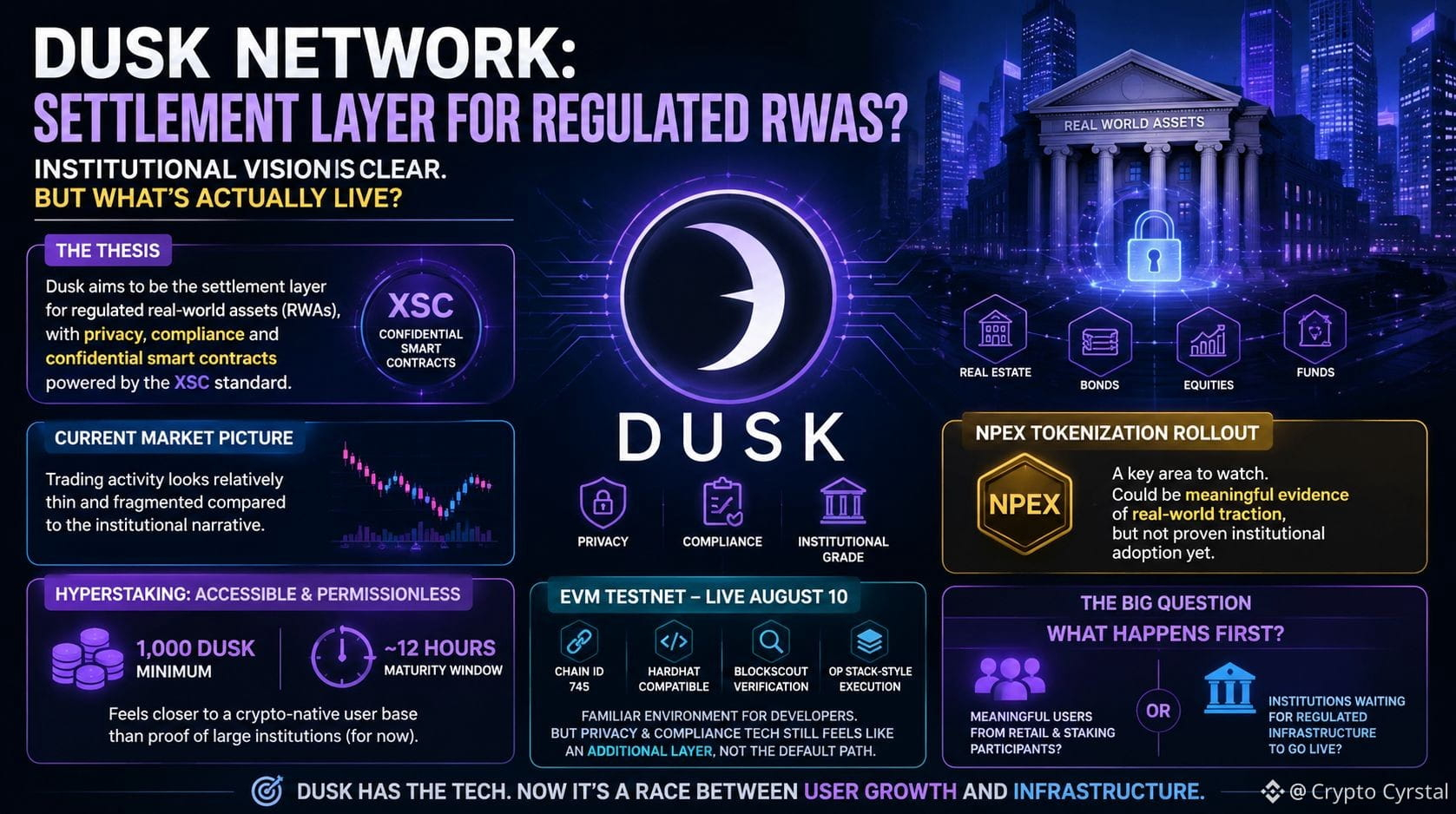
J’ai suivi Dusk et j’ai passé plus de temps à observer ce qui est réellement en cours que le pitch institutionnel. DUSK veut devenir une couche de règlement pour les RWAs réglementés, avec de la confidentialité, de la conformité et des smart contracts confidentiels construits autour de sa norme XSC. La thèse a du sens, mais l’image actuelle du marché donne encore l’impression d’être beaucoup plus petite : l’activité de trading paraît relativement mince et fragmentée par rapport au récit institutionnel.
Le hyperstaking a aussi retenu mon attention. Un minimum de 1 000 DUSK avec une fenêtre de maturité d’environ 12 heures rend la participation assez accessible et sans permission. Pour l’instant, cela ressemble davantage à une base d’utilisateurs native de la crypto qu’à une preuve de l’arrivée de grandes institutions.
Ensuite, il y a le testnet EVM, lancé le 10 août. L’ID de chaîne 745, la compatibilité avec Hardhat, la vérification Blockscout et une exécution de type OP Stack offrent aux développeurs un environnement familier, ce qui pourrait faciliter l’expérimentation. Mais il existe une tension intéressante ici : côté EVM, tout semble familier, tandis que la technologie plus profonde de confidentialité et de conformité de Dusk apparaît toujours comme une couche supplémentaire plutôt que comme le chemin de développement par défaut.
Je surveille également de près le déploiement de la tokenisation NPEX. Cela pourrait devenir une preuve significative de l’ancrage dans le monde réel, mais je ne la traiterais pas encore comme une adoption institutionnelle avérée.
Alors, que se passe-t-il en premier : les utilisateurs significatifs de Dusk émergent-ils des participants existants de détail et de staking, ou d’institutions qui attendent encore que l’infrastructure réglementée soit réellement opérationnelle ?
@Dusk_Foundation #dusk $DUSK
{future}(DUSKUSDT)
J’ai suivi Dusk et j’ai passé plus de temps à observer ce qui est réellement en cours que le pitch institutionnel. DUSK veut devenir une couche de règlement pour les RWAs réglementés, avec de la confidentialité, de la conformité et des smart contracts confidentiels construits autour de sa norme XSC. La thèse a du sens, mais l’image actuelle du marché donne encore l’impression d’être beaucoup plus petite : l’activité de trading paraît relativement mince et fragmentée par rapport au récit institutionnel.
Le hyperstaking a aussi retenu mon attention. Un minimum de 1 000 DUSK avec une fenêtre de maturité d’environ 12 heures rend la participation assez accessible et sans permission. Pour l’instant, cela ressemble davantage à une base d’utilisateurs native de la crypto qu’à une preuve de l’arrivée de grandes institutions.
Ensuite, il y a le testnet EVM, lancé le 10 août. L’ID de chaîne 745, la compatibilité avec Hardhat, la vérification Blockscout et une exécution de type OP Stack offrent aux développeurs un environnement familier, ce qui pourrait faciliter l’expérimentation. Mais il existe une tension intéressante ici : côté EVM, tout semble familier, tandis que la technologie plus profonde de confidentialité et de conformité de Dusk apparaît toujours comme une couche supplémentaire plutôt que comme le chemin de développement par défaut.
Je surveille également de près le déploiement de la tokenisation NPEX. Cela pourrait devenir une preuve significative de l’ancrage dans le monde réel, mais je ne la traiterais pas encore comme une adoption institutionnelle avérée.
Alors, que se passe-t-il en premier : les utilisateurs significatifs de Dusk émergent-ils des participants existants de détail et de staking, ou d’institutions qui attendent encore que l’infrastructure réglementée soit réellement opérationnelle ?
@Dusk #dusk $DUSK
Le hyperstaking a aussi retenu mon attention. Un minimum de 1 000 DUSK avec une fenêtre de maturité d’environ 12 heures rend la participation assez accessible et sans permission. Pour l’instant, cela ressemble davantage à une base d’utilisateurs native de la crypto qu’à une preuve de l’arrivée de grandes institutions.
Ensuite, il y a le testnet EVM, lancé le 10 août. L’ID de chaîne 745, la compatibilité avec Hardhat, la vérification Blockscout et une exécution de type OP Stack offrent aux développeurs un environnement familier, ce qui pourrait faciliter l’expérimentation. Mais il existe une tension intéressante ici : côté EVM, tout semble familier, tandis que la technologie plus profonde de confidentialité et de conformité de Dusk apparaît toujours comme une couche supplémentaire plutôt que comme le chemin de développement par défaut.
Je surveille également de près le déploiement de la tokenisation NPEX. Cela pourrait devenir une preuve significative de l’ancrage dans le monde réel, mais je ne la traiterais pas encore comme une adoption institutionnelle avérée.
Alors, que se passe-t-il en premier : les utilisateurs significatifs de Dusk émergent-ils des participants existants de détail et de staking, ou d’institutions qui attendent encore que l’infrastructure réglementée soit réellement opérationnelle ?
@Dusk #dusk $DUSK
22
13
2.7k
·
--
Haussier
Vérifié
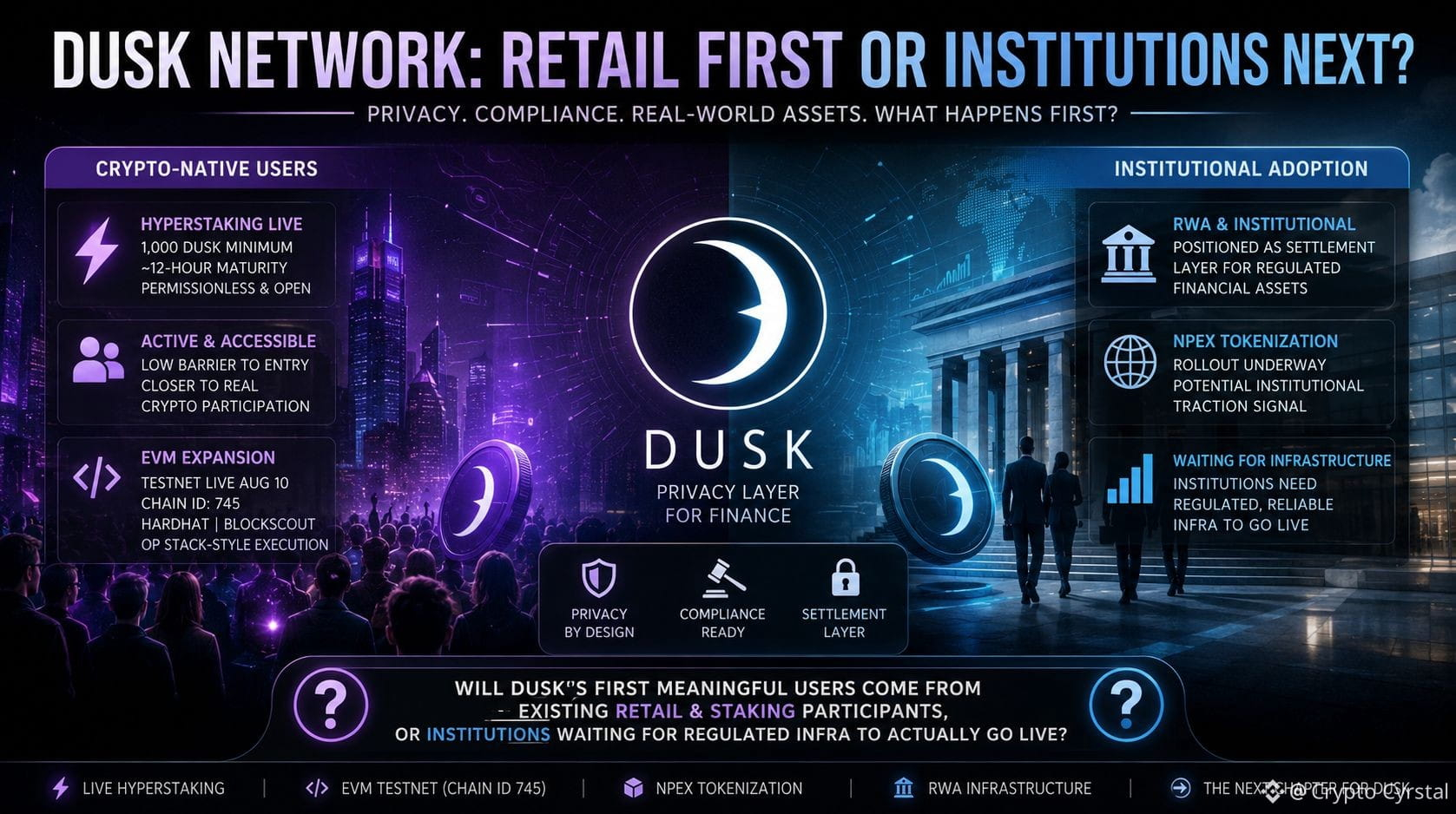
J’ai observé Dusk de plus près, et ce qui m’intéresse en particulier, c’est l’écart entre le récit institutionnel autour de la RWA et ce qui semble fonctionner de manière visible aujourd’hui. $DUSK is est positionné comme une couche de règlement pour des actifs financiers réglementés, avec la confidentialité et la conformité intégrées à l’architecture, mais l’activité de trading actuelle paraît encore relativement mince et fragmentée par rapport à cette ambition.
Le Hyperstaking envoie un signal différent. Un minimum de 1 000 DUSK et une fenêtre de maturité d’environ 12 heures rendent la participation assez accessible et sans autorisation, ce qui ressemble davantage à une base d’utilisateurs crypto-native active qu’aux institutions traditionnelles.
Il y a ensuite l’expansion de l’EVM. Le nouveau testnet EVM de Dusk est passé en ligne le 10 août, avec l’ID de chaîne 745, la compatibilité Hardhat, la vérification Blockscout et une exécution de style OP Stack. Cette expérience développeur familière pourrait réduire la barrière à l’expérimentation, mais à l’heure actuelle, la technologie plus profonde de confidentialité et de conformité semble encore être une couche supplémentaire plutôt que le chemin par défaut pour les développeurs.
Je surveille aussi de près le déploiement de la tokenisation NPEX. Cela pourrait devenir une preuve significative d’une traction institutionnelle, mais je ne pense pas que ce soit encore une démonstration convaincante dans ce sens.
Je me demande donc : les premiers utilisateurs réellement significatifs de Dusk viendront-ils de la base existante de particuliers et de participants au staking, ou d’institutions en attente d’infrastructures réglementées pour qu’elles passent enfin à l’activité ?
@Dusk_Foundation #dusk $DUSK
{spot}(DUSKUSDT)
J’ai observé Dusk de plus près, et ce qui m’intéresse en particulier, c’est l’écart entre le récit institutionnel autour de la RWA et ce qui semble fonctionner de manière visible aujourd’hui. $DUSK is est positionné comme une couche de règlement pour des actifs financiers réglementés, avec la confidentialité et la conformité intégrées à l’architecture, mais l’activité de trading actuelle paraît encore relativement mince et fragmentée par rapport à cette ambition.
Le Hyperstaking envoie un signal différent. Un minimum de 1 000 DUSK et une fenêtre de maturité d’environ 12 heures rendent la participation assez accessible et sans autorisation, ce qui ressemble davantage à une base d’utilisateurs crypto-native active qu’aux institutions traditionnelles.
Il y a ensuite l’expansion de l’EVM. Le nouveau testnet EVM de Dusk est passé en ligne le 10 août, avec l’ID de chaîne 745, la compatibilité Hardhat, la vérification Blockscout et une exécution de style OP Stack. Cette expérience développeur familière pourrait réduire la barrière à l’expérimentation, mais à l’heure actuelle, la technologie plus profonde de confidentialité et de conformité semble encore être une couche supplémentaire plutôt que le chemin par défaut pour les développeurs.
Je surveille aussi de près le déploiement de la tokenisation NPEX. Cela pourrait devenir une preuve significative d’une traction institutionnelle, mais je ne pense pas que ce soit encore une démonstration convaincante dans ce sens.
Je me demande donc : les premiers utilisateurs réellement significatifs de Dusk viendront-ils de la base existante de particuliers et de participants au staking, ou d’institutions en attente d’infrastructures réglementées pour qu’elles passent enfin à l’activité ?
@Dusk #dusk $DUSK
Le Hyperstaking envoie un signal différent. Un minimum de 1 000 DUSK et une fenêtre de maturité d’environ 12 heures rendent la participation assez accessible et sans autorisation, ce qui ressemble davantage à une base d’utilisateurs crypto-native active qu’aux institutions traditionnelles.
Il y a ensuite l’expansion de l’EVM. Le nouveau testnet EVM de Dusk est passé en ligne le 10 août, avec l’ID de chaîne 745, la compatibilité Hardhat, la vérification Blockscout et une exécution de style OP Stack. Cette expérience développeur familière pourrait réduire la barrière à l’expérimentation, mais à l’heure actuelle, la technologie plus profonde de confidentialité et de conformité semble encore être une couche supplémentaire plutôt que le chemin par défaut pour les développeurs.
Je surveille aussi de près le déploiement de la tokenisation NPEX. Cela pourrait devenir une preuve significative d’une traction institutionnelle, mais je ne pense pas que ce soit encore une démonstration convaincante dans ce sens.
Je me demande donc : les premiers utilisateurs réellement significatifs de Dusk viendront-ils de la base existante de particuliers et de participants au staking, ou d’institutions en attente d’infrastructures réglementées pour qu’elles passent enfin à l’activité ?
@Dusk #dusk $DUSK
1
3
1.7k
·
--
Baissier
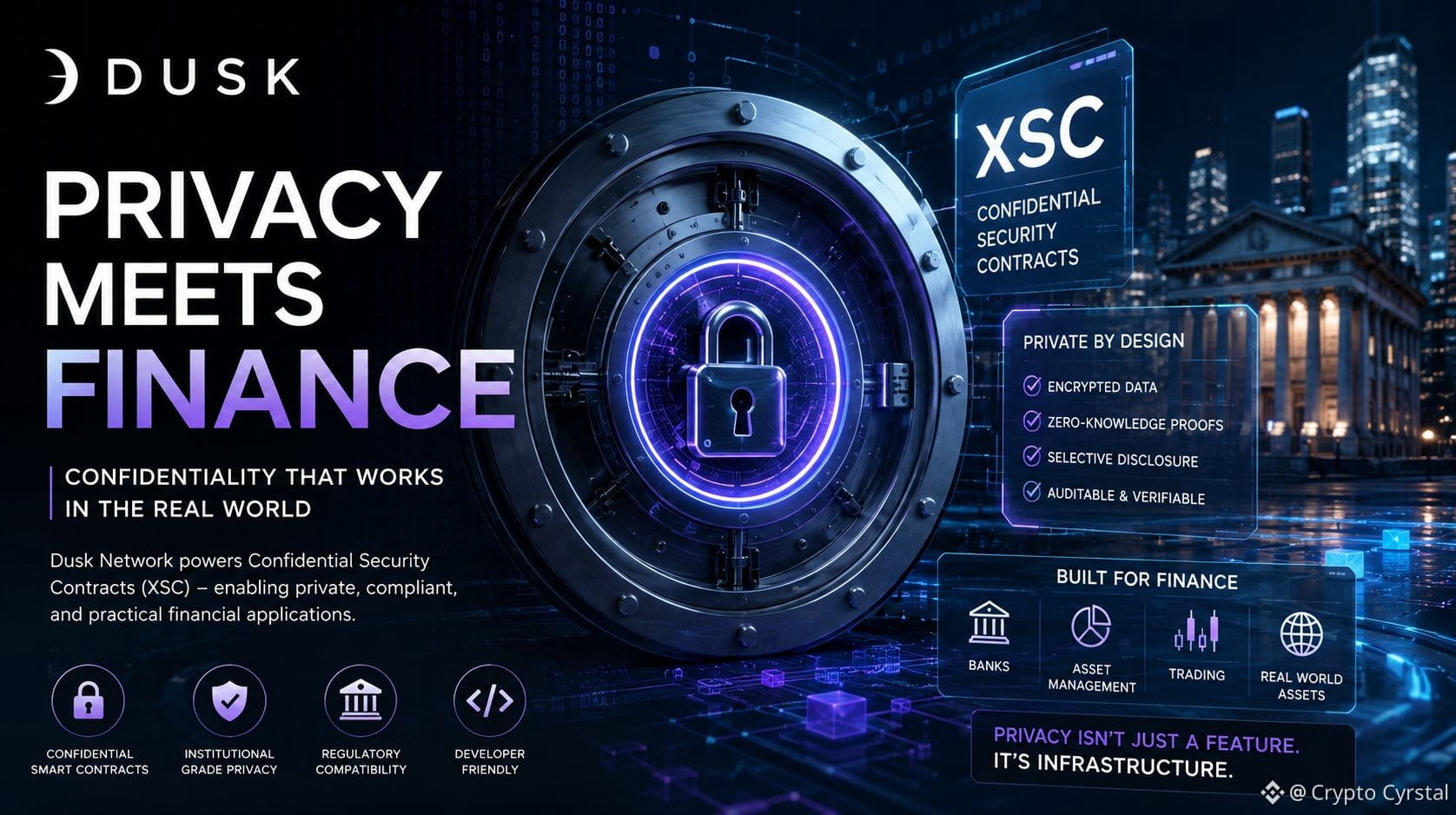
Je regarde Dusk, j’attends de voir comment le récit sur la confidentialité se traduit en usage financier concret. Je m’intéresse à la norme XSC, et j’ai remarqué à quel point le problème change lorsque la confidentialité rencontre les smart contracts.
Ce qui ramène constamment mon attention vers Dusk, c’est l’écart entre l’affirmation « blockchain privée » et le fait de rendre l’activité financière suffisamment privée pour être utile. Une banque ou une institution ne veut probablement pas que chaque transaction, position ou détail de contrat soit affiché ouvertement sur une chaîne publique, mais elle ne peut pas non plus tout masquer et espérer que les régulateurs, les contreparties ou les auditeurs fassent confiance au système. Le cas d’usage financier semble logique, mais l’adoption dépend du fait que les développeurs puissent réellement construire avec ces outils sans devoir lutter contre l’infrastructure. Je surveille encore attentivement cette partie, car la confidentialité est précieuse, mais la confidentialité utile doit résister au contact avec de vrais marchés.
@Dusk_Foundation #dusk $DUSK
{future}(DUSKUSDT)
Je regarde Dusk, j’attends de voir comment le récit sur la confidentialité se traduit en usage financier concret. Je m’intéresse à la norme XSC, et j’ai remarqué à quel point le problème change lorsque la confidentialité rencontre les smart contracts.
Ce qui ramène constamment mon attention vers Dusk, c’est l’écart entre l’affirmation « blockchain privée » et le fait de rendre l’activité financière suffisamment privée pour être utile. Une banque ou une institution ne veut probablement pas que chaque transaction, position ou détail de contrat soit affiché ouvertement sur une chaîne publique, mais elle ne peut pas non plus tout masquer et espérer que les régulateurs, les contreparties ou les auditeurs fassent confiance au système. Le cas d’usage financier semble logique, mais l’adoption dépend du fait que les développeurs puissent réellement construire avec ces outils sans devoir lutter contre l’infrastructure. Je surveille encore attentivement cette partie, car la confidentialité est précieuse, mais la confidentialité utile doit résister au contact avec de vrais marchés.
@Dusk #dusk $DUSK
Ce qui ramène constamment mon attention vers Dusk, c’est l’écart entre l’affirmation « blockchain privée » et le fait de rendre l’activité financière suffisamment privée pour être utile. Une banque ou une institution ne veut probablement pas que chaque transaction, position ou détail de contrat soit affiché ouvertement sur une chaîne publique, mais elle ne peut pas non plus tout masquer et espérer que les régulateurs, les contreparties ou les auditeurs fassent confiance au système. Le cas d’usage financier semble logique, mais l’adoption dépend du fait que les développeurs puissent réellement construire avec ces outils sans devoir lutter contre l’infrastructure. Je surveille encore attentivement cette partie, car la confidentialité est précieuse, mais la confidentialité utile doit résister au contact avec de vrais marchés.
@Dusk #dusk $DUSK
1
1.1k
·
--
Baissier
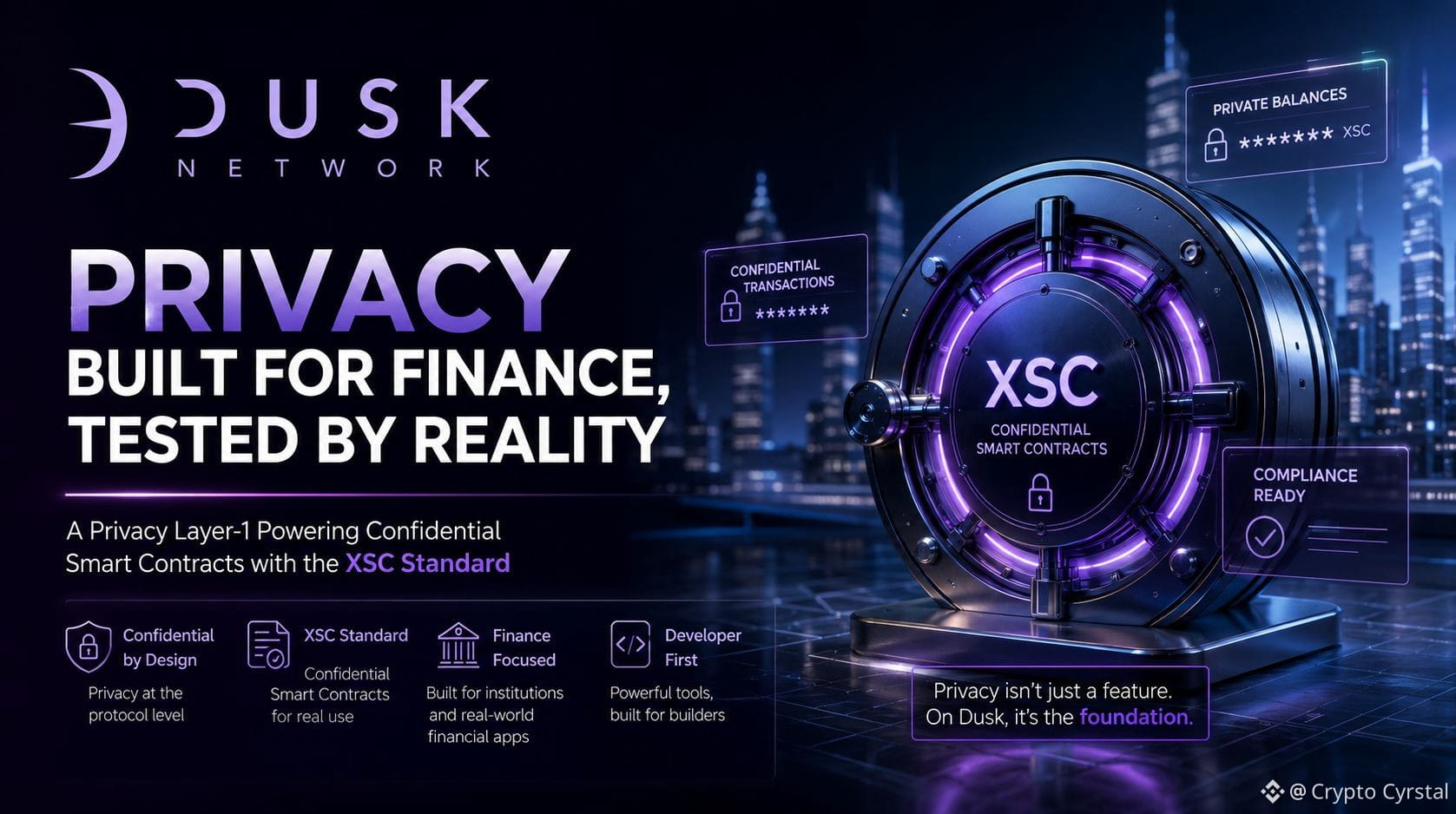
Je regarde Dusk. J’attends de voir comment le récit sur la confidentialité se comporte quand une activité financière réelle vient le rencontrer. Je m’intéresse à la norme XSC. J’ai remarqué l’écart entre ce qui semble utile et ce qui est réellement utilisé. Je me concentre sur cette friction.
Le réseau Dusk me paraît intéressant parce qu’il ne cherche pas à vendre la confidentialité comme une simple fonctionnalité de plus. Toute la couche 1 est construite autour d’applications financières pour lesquelles les détails des transactions ne peuvent pas toujours être exposés publiquement. Sur le papier, cela a du sens, surtout pour des institutions qui gèrent des positions sensibles, des soldes, ou des données de conformité.
Mais je continue d’observer le côté pratique. Les smart contracts confidentiels semblent puissants jusqu’au moment où les développeurs doivent construire avec, où les utilisateurs doivent comprendre ce qui est dissimulé, et où les applications doivent encore disposer de suffisamment de transparence pour fonctionner correctement. Cet équilibre paraît difficile.
La norme XSC est probablement l’endroit où l’idée sera vraiment mise à l’épreuve. Si elle peut permettre à des contrats financiers de rester confidentiels sans les rendre douloureusement compliqués, Dusk a quelque chose qui vaut le coup d’être suivi. Si les développeurs rencontrent trop de friction, l’avantage en matière de confidentialité pourrait ne pas compter.
Je surveille aussi la liquidité et l’adoption, parce qu’une technologie seule ne crée pas un marché. Une chaîne de confidentialité peut être techniquement élégante et pourtant avoir du mal si les utilisateurs, les développeurs et le capital n’arrivent pas en même temps. C’est la partie dont je ne suis pas encore entièrement convaincu.
@Dusk_Foundation #dusk $DUSK
{future}(DUSKUSDT)
Je regarde Dusk. J’attends de voir comment le récit sur la confidentialité se comporte quand une activité financière réelle vient le rencontrer. Je m’intéresse à la norme XSC. J’ai remarqué l’écart entre ce qui semble utile et ce qui est réellement utilisé. Je me concentre sur cette friction.
Le réseau Dusk me paraît intéressant parce qu’il ne cherche pas à vendre la confidentialité comme une simple fonctionnalité de plus. Toute la couche 1 est construite autour d’applications financières pour lesquelles les détails des transactions ne peuvent pas toujours être exposés publiquement. Sur le papier, cela a du sens, surtout pour des institutions qui gèrent des positions sensibles, des soldes, ou des données de conformité.
Mais je continue d’observer le côté pratique. Les smart contracts confidentiels semblent puissants jusqu’au moment où les développeurs doivent construire avec, où les utilisateurs doivent comprendre ce qui est dissimulé, et où les applications doivent encore disposer de suffisamment de transparence pour fonctionner correctement. Cet équilibre paraît difficile.
La norme XSC est probablement l’endroit où l’idée sera vraiment mise à l’épreuve. Si elle peut permettre à des contrats financiers de rester confidentiels sans les rendre douloureusement compliqués, Dusk a quelque chose qui vaut le coup d’être suivi. Si les développeurs rencontrent trop de friction, l’avantage en matière de confidentialité pourrait ne pas compter.
Je surveille aussi la liquidité et l’adoption, parce qu’une technologie seule ne crée pas un marché. Une chaîne de confidentialité peut être techniquement élégante et pourtant avoir du mal si les utilisateurs, les développeurs et le capital n’arrivent pas en même temps. C’est la partie dont je ne suis pas encore entièrement convaincu.
@Dusk #dusk $DUSK
Le réseau Dusk me paraît intéressant parce qu’il ne cherche pas à vendre la confidentialité comme une simple fonctionnalité de plus. Toute la couche 1 est construite autour d’applications financières pour lesquelles les détails des transactions ne peuvent pas toujours être exposés publiquement. Sur le papier, cela a du sens, surtout pour des institutions qui gèrent des positions sensibles, des soldes, ou des données de conformité.
Mais je continue d’observer le côté pratique. Les smart contracts confidentiels semblent puissants jusqu’au moment où les développeurs doivent construire avec, où les utilisateurs doivent comprendre ce qui est dissimulé, et où les applications doivent encore disposer de suffisamment de transparence pour fonctionner correctement. Cet équilibre paraît difficile.
La norme XSC est probablement l’endroit où l’idée sera vraiment mise à l’épreuve. Si elle peut permettre à des contrats financiers de rester confidentiels sans les rendre douloureusement compliqués, Dusk a quelque chose qui vaut le coup d’être suivi. Si les développeurs rencontrent trop de friction, l’avantage en matière de confidentialité pourrait ne pas compter.
Je surveille aussi la liquidité et l’adoption, parce qu’une technologie seule ne crée pas un marché. Une chaîne de confidentialité peut être techniquement élégante et pourtant avoir du mal si les utilisateurs, les développeurs et le capital n’arrivent pas en même temps. C’est la partie dont je ne suis pas encore entièrement convaincu.
@Dusk #dusk $DUSK
2
3
568
·
--
Haussier
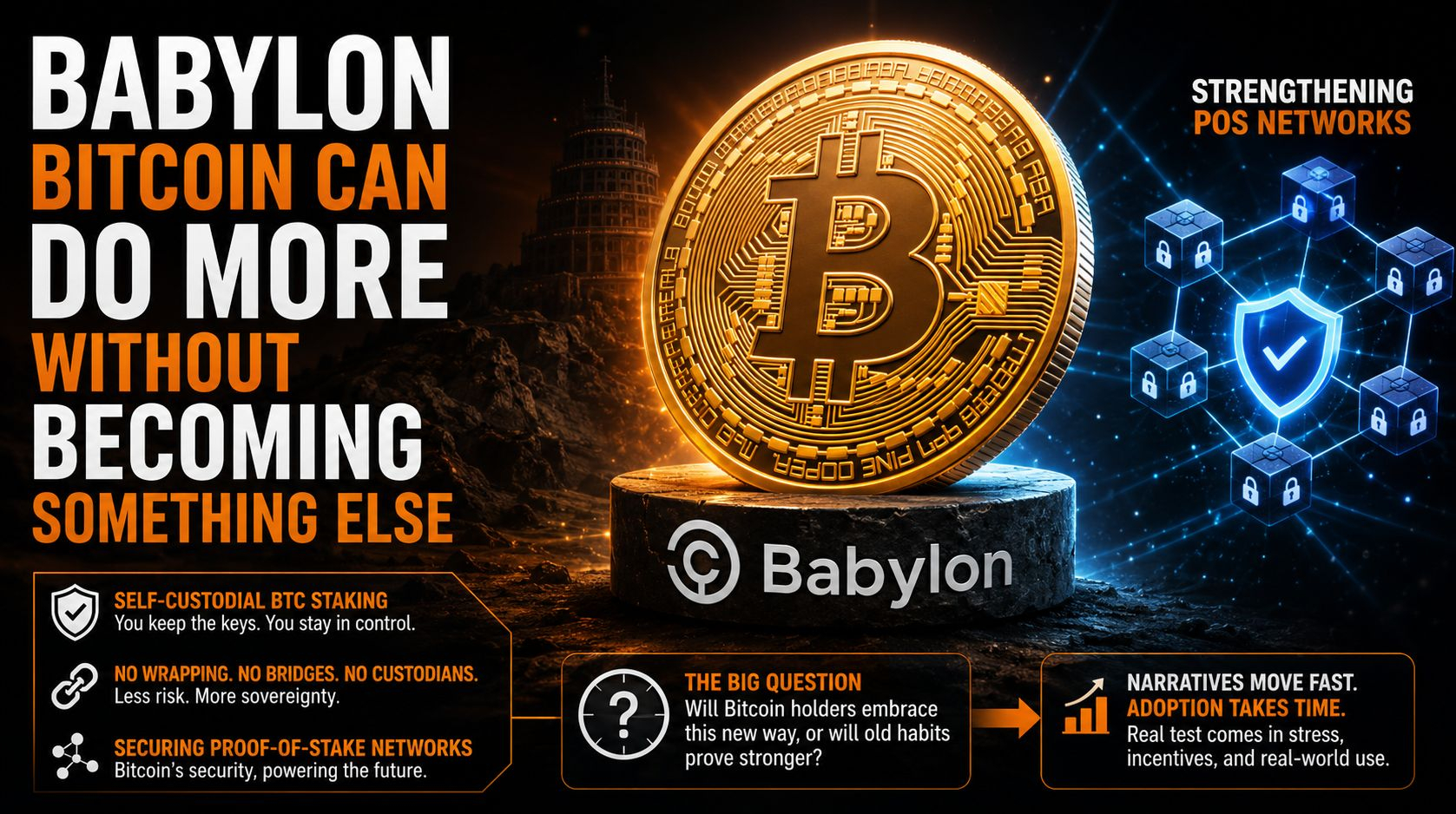
J’ai passé les derniers jours à observer comment Bitcoin continue de trouver de nouveaux débouchés au-delà du simple fait de rester en stockage à froid. J’ai examiné les conversations autour de Babylon sans me laisser emporter par l’enthousiasme. Je remarque que les idées les plus intéressantes suscitent généralement autant de questions qu’elles n’apportent de réponses. Je m’intéresse moins au prix et davantage à savoir si la conception tient encore la route une fois que de vrais capitaux en dépendent.
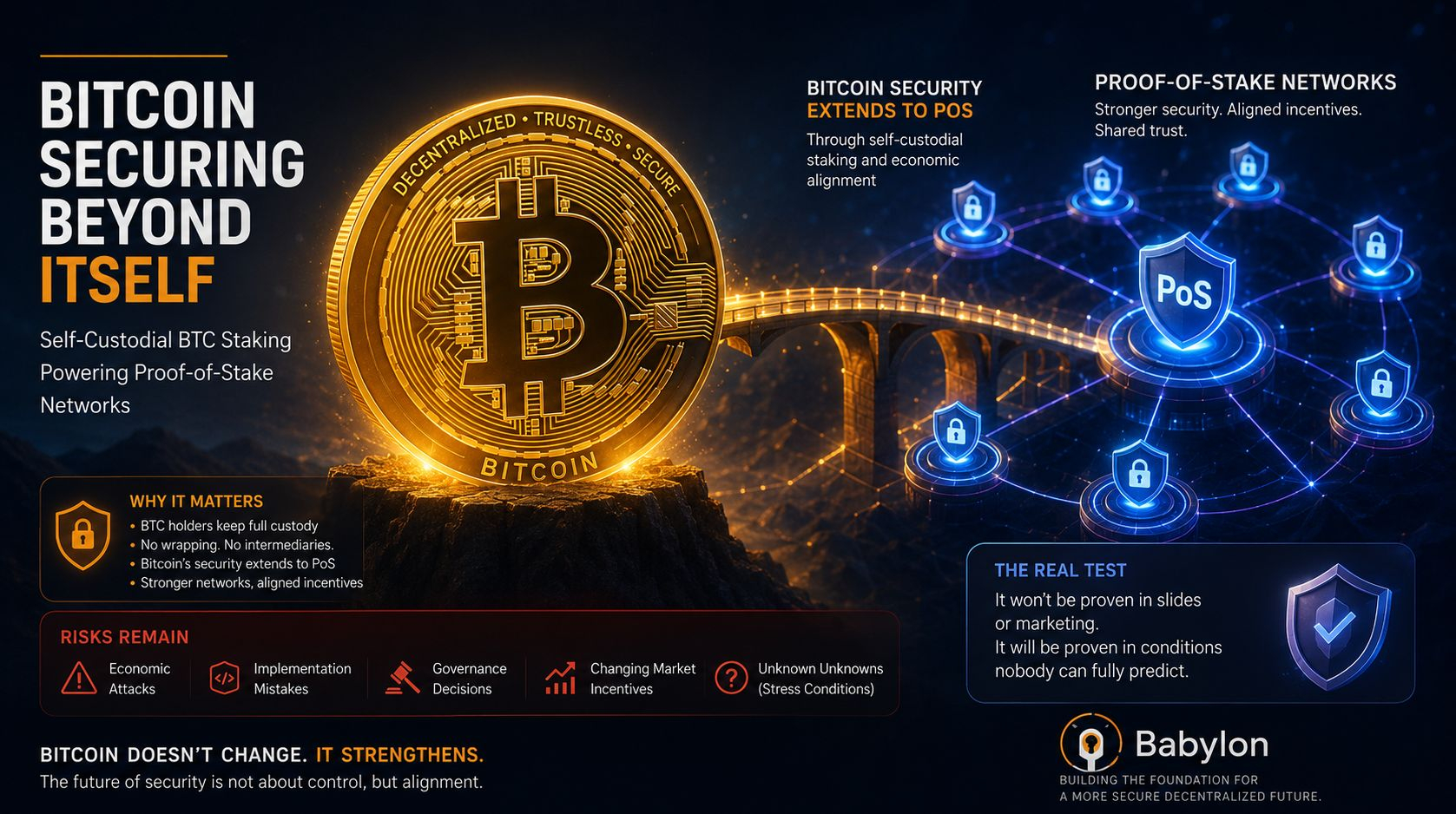
Ce qui ne cesse de me ramener, c’est l’idée de permettre à Bitcoin de renforcer des réseaux Proof-of-Stake sans demander aux détenteurs de BTC de céder la garde des fonds. Cela paraît simple jusqu’au moment où j’y pense : la sécurité devient bien plus difficile dès que les incitations commencent à entrer en collision. Les marchés adorent les diagrammes élégants, mais les systèmes réels se comportent rarement comme des schémas. Un mécanisme peut sembler parfait sur le papier et pourtant rencontrer des difficultés quand la liquidité se tarit, que les validateurs se disputent les récompenses ou que des comportements inattendus apparaissent sous contrainte.
Le staking de BTC en auto-conservation me semble être une étape significative, car il évite beaucoup des hypothèses introduites par les actifs tokenisés, tout en sachant que supprimer une couche de confiance ne supprime pas toutes les couches de risque. Les attaques économiques, les erreurs d’implémentation, les choix de gouvernance et l’évolution des incitations de marché continuent d’exister. Je me demande sans cesse si le plus grand défi n’est pas d’attirer des détenteurs de Bitcoin, mais de prouver que la sécurité gagnée par les chaînes PoS dépasse de façon constante la complexité ajoutée. Cette réponse ne viendra probablement ni du marketing ni de graphiques. Elle viendra discrètement, quand le système
“survivra” dans des conditions que personne ne peut prédire avec certitude.
@babylonlabs_io #baby $BABY
{future}(BABYUSDT)
J’ai passé les derniers jours à observer comment Bitcoin continue de trouver de nouveaux débouchés au-delà du simple fait de rester en stockage à froid. J’ai examiné les conversations autour de Babylon sans me laisser emporter par l’enthousiasme. Je remarque que les idées les plus intéressantes suscitent généralement autant de questions qu’elles n’apportent de réponses. Je m’intéresse moins au prix et davantage à savoir si la conception tient encore la route une fois que de vrais capitaux en dépendent.
Ce qui ne cesse de me ramener, c’est l’idée de permettre à Bitcoin de renforcer des réseaux Proof-of-Stake sans demander aux détenteurs de BTC de céder la garde des fonds. Cela paraît simple jusqu’au moment où j’y pense : la sécurité devient bien plus difficile dès que les incitations commencent à entrer en collision. Les marchés adorent les diagrammes élégants, mais les systèmes réels se comportent rarement comme des schémas. Un mécanisme peut sembler parfait sur le papier et pourtant rencontrer des difficultés quand la liquidité se tarit, que les validateurs se disputent les récompenses ou que des comportements inattendus apparaissent sous contrainte.
Le staking de BTC en auto-conservation me semble être une étape significative, car il évite beaucoup des hypothèses introduites par les actifs tokenisés, tout en sachant que supprimer une couche de confiance ne supprime pas toutes les couches de risque. Les attaques économiques, les erreurs d’implémentation, les choix de gouvernance et l’évolution des incitations de marché continuent d’exister. Je me demande sans cesse si le plus grand défi n’est pas d’attirer des détenteurs de Bitcoin, mais de prouver que la sécurité gagnée par les chaînes PoS dépasse de façon constante la complexité ajoutée. Cette réponse ne viendra probablement ni du marketing ni de graphiques. Elle viendra discrètement, quand le système
“survivra” dans des conditions que personne ne peut prédire avec certitude.
@BabylonLabs_io #baby $BABY
Ce qui ne cesse de me ramener, c’est l’idée de permettre à Bitcoin de renforcer des réseaux Proof-of-Stake sans demander aux détenteurs de BTC de céder la garde des fonds. Cela paraît simple jusqu’au moment où j’y pense : la sécurité devient bien plus difficile dès que les incitations commencent à entrer en collision. Les marchés adorent les diagrammes élégants, mais les systèmes réels se comportent rarement comme des schémas. Un mécanisme peut sembler parfait sur le papier et pourtant rencontrer des difficultés quand la liquidité se tarit, que les validateurs se disputent les récompenses ou que des comportements inattendus apparaissent sous contrainte.
Le staking de BTC en auto-conservation me semble être une étape significative, car il évite beaucoup des hypothèses introduites par les actifs tokenisés, tout en sachant que supprimer une couche de confiance ne supprime pas toutes les couches de risque. Les attaques économiques, les erreurs d’implémentation, les choix de gouvernance et l’évolution des incitations de marché continuent d’exister. Je me demande sans cesse si le plus grand défi n’est pas d’attirer des détenteurs de Bitcoin, mais de prouver que la sécurité gagnée par les chaînes PoS dépasse de façon constante la complexité ajoutée. Cette réponse ne viendra probablement ni du marketing ni de graphiques. Elle viendra discrètement, quand le système
“survivra” dans des conditions que personne ne peut prédire avec certitude.
@BabylonLabs_io #baby $BABY
26
15
1.2k
·
--
Haussier
J’ai remarqué que Bitcoin reste tranquillement là, pendant que la conversation autour de lui continue d’évoluer. J’observe vers où se déplace l’attention à chaque fois que le marché commence à regarder au-delà du prix seul. J’attends de voir quelles idées survivent une fois l’excitation retombée. Je continue de me concentrer sur les projets qui cherchent à élargir le rôle de Bitcoin sans lui demander de devenir quelque chose d’autre.
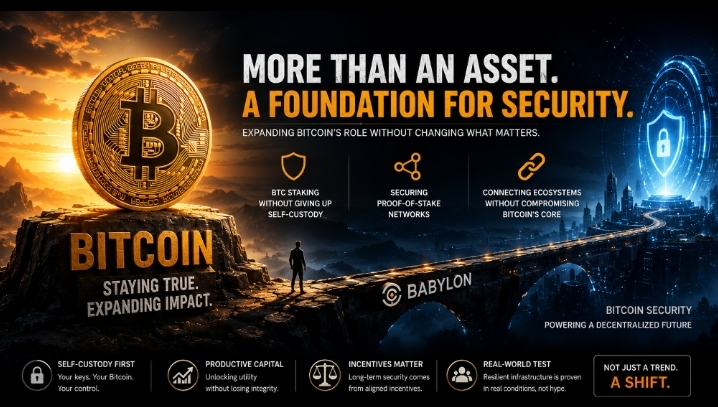
Babylon attire constamment mon attention parce qu’il remet en cause une hypothèse qui existe depuis des années. Bitcoin a généralement été traité comme un actif à conserver, à échanger ou à transférer entre des écosystèmes. L’utiliser pour renforcer des réseaux Proof-of-Stake tout en le gardant en auto-conservation (self-custody) représente une direction tout à fait différente. L’idée paraît simple jusqu’au moment où j’y pense du point de vue des incitations. La sécurité est facile à promettre lorsque les conditions sont calmes, mais les marchés restent rarement calmes très longtemps. Chaque nouvelle connexion entre réseaux introduit des problèmes de calendrier, de coordination, et des questions sur la manière dont les participants se comportent quand les récompenses changent de façon inattendue.
Ce qui m’intéresse n’est pas de savoir si le staking de BTC devient une autre tendance. C’est plutôt de voir si les gens commencent à traiter Bitcoin comme un capital productif sans renoncer aux propriétés qui lui ont donné de la valeur en premier lieu. Cet équilibre me semble difficile à maintenir. L’infrastructure paraît souvent élégante sur le papier, jusqu’à l’arrivée de vrais utilisateurs avec des attentes différentes, des risques différents, et des raisons différentes de participer. C’est cette partie que je continue d’observer de plus près que les gros titres.
@babylonlabs_io #baby $BABY
{future}(BABYUSDT)
J’ai remarqué que Bitcoin reste tranquillement là, pendant que la conversation autour de lui continue d’évoluer. J’observe vers où se déplace l’attention à chaque fois que le marché commence à regarder au-delà du prix seul. J’attends de voir quelles idées survivent une fois l’excitation retombée. Je continue de me concentrer sur les projets qui cherchent à élargir le rôle de Bitcoin sans lui demander de devenir quelque chose d’autre.
Babylon attire constamment mon attention parce qu’il remet en cause une hypothèse qui existe depuis des années. Bitcoin a généralement été traité comme un actif à conserver, à échanger ou à transférer entre des écosystèmes. L’utiliser pour renforcer des réseaux Proof-of-Stake tout en le gardant en auto-conservation (self-custody) représente une direction tout à fait différente. L’idée paraît simple jusqu’au moment où j’y pense du point de vue des incitations. La sécurité est facile à promettre lorsque les conditions sont calmes, mais les marchés restent rarement calmes très longtemps. Chaque nouvelle connexion entre réseaux introduit des problèmes de calendrier, de coordination, et des questions sur la manière dont les participants se comportent quand les récompenses changent de façon inattendue.
Ce qui m’intéresse n’est pas de savoir si le staking de BTC devient une autre tendance. C’est plutôt de voir si les gens commencent à traiter Bitcoin comme un capital productif sans renoncer aux propriétés qui lui ont donné de la valeur en premier lieu. Cet équilibre me semble difficile à maintenir. L’infrastructure paraît souvent élégante sur le papier, jusqu’à l’arrivée de vrais utilisateurs avec des attentes différentes, des risques différents, et des raisons différentes de participer. C’est cette partie que je continue d’observer de plus près que les gros titres.
@BabylonLabs_io #baby $BABY
Babylon attire constamment mon attention parce qu’il remet en cause une hypothèse qui existe depuis des années. Bitcoin a généralement été traité comme un actif à conserver, à échanger ou à transférer entre des écosystèmes. L’utiliser pour renforcer des réseaux Proof-of-Stake tout en le gardant en auto-conservation (self-custody) représente une direction tout à fait différente. L’idée paraît simple jusqu’au moment où j’y pense du point de vue des incitations. La sécurité est facile à promettre lorsque les conditions sont calmes, mais les marchés restent rarement calmes très longtemps. Chaque nouvelle connexion entre réseaux introduit des problèmes de calendrier, de coordination, et des questions sur la manière dont les participants se comportent quand les récompenses changent de façon inattendue.
Ce qui m’intéresse n’est pas de savoir si le staking de BTC devient une autre tendance. C’est plutôt de voir si les gens commencent à traiter Bitcoin comme un capital productif sans renoncer aux propriétés qui lui ont donné de la valeur en premier lieu. Cet équilibre me semble difficile à maintenir. L’infrastructure paraît souvent élégante sur le papier, jusqu’à l’arrivée de vrais utilisateurs avec des attentes différentes, des risques différents, et des raisons différentes de participer. C’est cette partie que je continue d’observer de plus près que les gros titres.
@BabylonLabs_io #baby $BABY
21
14
4k
·
--
Haussier
J’ai passé la majeure partie de la journée à revenir sur Babylon, parce qu’il revient sans cesse dans les discussions quand des détenteurs de Bitcoin veulent un rendement sans renoncer à la garde. Cette idée paraît simple, jusqu’au moment où je m’y attarde. Le Bitcoin a toujours porté cette réputation d’être l’actif qu’on détient, pas celui qu’on « mise » activement. Babylon remet discrètement en question cette hypothèse, et rien que ça rend difficile de l’ignorer.
La partie intéressante ne concerne pas seulement le fait de miser du BTC en self-custody. L’objectif est de permettre au Bitcoin de renforcer des réseaux de preuve d’enjeu (proof-of-stake) sans envelopper les coins, les transférer via des ponts entre plusieurs chaînes, ni confier les clés à un autre dépositaire. Cela supprime une couche de risque que des gens dénoncent depuis des années, mais n’élimine pas tous les problèmes. Je me demande à quelle vitesse les détenteurs de Bitcoin les plus prudents vont réellement changer des habitudes établies de longue date, simplement parce que l’infrastructure s’est améliorée.
Les marchés récompensent souvent de nouvelles narrations bien avant de récompenser des systèmes qui fonctionnent. C’est là que je ralentis. Les affirmations en matière de sécurité semblent toujours convaincantes jusqu’à ce que les réseaux subissent de vraies tensions, que les validateurs soient confrontés à des incitations inattendues, ou que la liquidité commence à bouger d’une manière différente de celle prévue. Ces moments révèlent si des conceptions élégantes tiennent face aux contraintes réelles.
BABY occupe une position inhabituelle, car sa valeur dépend du fait que les gens croient que le Bitcoin peut faire davantage sans devenir autre chose. Si cet équilibre tient, le projet pourrait ouvrir un autre chapitre de la participation au Bitcoin au sein de l’écosystème crypto plus large. Sinon, l’idée risque de devenir une autre solution techniquement impressionnante, en quête d’un comportement que les utilisateurs n’adoptent jamais pleinement. Pour l’instant, cette incertitude me semble plus importante que n’importe quel mouvement de prix à l’écran.
@babylonlabs_io #baby $BABY
{future}(BABYUSDT)
J’ai passé la majeure partie de la journée à revenir sur Babylon, parce qu’il revient sans cesse dans les discussions quand des détenteurs de Bitcoin veulent un rendement sans renoncer à la garde. Cette idée paraît simple, jusqu’au moment où je m’y attarde. Le Bitcoin a toujours porté cette réputation d’être l’actif qu’on détient, pas celui qu’on « mise » activement. Babylon remet discrètement en question cette hypothèse, et rien que ça rend difficile de l’ignorer.
La partie intéressante ne concerne pas seulement le fait de miser du BTC en self-custody. L’objectif est de permettre au Bitcoin de renforcer des réseaux de preuve d’enjeu (proof-of-stake) sans envelopper les coins, les transférer via des ponts entre plusieurs chaînes, ni confier les clés à un autre dépositaire. Cela supprime une couche de risque que des gens dénoncent depuis des années, mais n’élimine pas tous les problèmes. Je me demande à quelle vitesse les détenteurs de Bitcoin les plus prudents vont réellement changer des habitudes établies de longue date, simplement parce que l’infrastructure s’est améliorée.
Les marchés récompensent souvent de nouvelles narrations bien avant de récompenser des systèmes qui fonctionnent. C’est là que je ralentis. Les affirmations en matière de sécurité semblent toujours convaincantes jusqu’à ce que les réseaux subissent de vraies tensions, que les validateurs soient confrontés à des incitations inattendues, ou que la liquidité commence à bouger d’une manière différente de celle prévue. Ces moments révèlent si des conceptions élégantes tiennent face aux contraintes réelles.
BABY occupe une position inhabituelle, car sa valeur dépend du fait que les gens croient que le Bitcoin peut faire davantage sans devenir autre chose. Si cet équilibre tient, le projet pourrait ouvrir un autre chapitre de la participation au Bitcoin au sein de l’écosystème crypto plus large. Sinon, l’idée risque de devenir une autre solution techniquement impressionnante, en quête d’un comportement que les utilisateurs n’adoptent jamais pleinement. Pour l’instant, cette incertitude me semble plus importante que n’importe quel mouvement de prix à l’écran.
@BabylonLabs_io #baby $BABY
La partie intéressante ne concerne pas seulement le fait de miser du BTC en self-custody. L’objectif est de permettre au Bitcoin de renforcer des réseaux de preuve d’enjeu (proof-of-stake) sans envelopper les coins, les transférer via des ponts entre plusieurs chaînes, ni confier les clés à un autre dépositaire. Cela supprime une couche de risque que des gens dénoncent depuis des années, mais n’élimine pas tous les problèmes. Je me demande à quelle vitesse les détenteurs de Bitcoin les plus prudents vont réellement changer des habitudes établies de longue date, simplement parce que l’infrastructure s’est améliorée.
Les marchés récompensent souvent de nouvelles narrations bien avant de récompenser des systèmes qui fonctionnent. C’est là que je ralentis. Les affirmations en matière de sécurité semblent toujours convaincantes jusqu’à ce que les réseaux subissent de vraies tensions, que les validateurs soient confrontés à des incitations inattendues, ou que la liquidité commence à bouger d’une manière différente de celle prévue. Ces moments révèlent si des conceptions élégantes tiennent face aux contraintes réelles.
BABY occupe une position inhabituelle, car sa valeur dépend du fait que les gens croient que le Bitcoin peut faire davantage sans devenir autre chose. Si cet équilibre tient, le projet pourrait ouvrir un autre chapitre de la participation au Bitcoin au sein de l’écosystème crypto plus large. Sinon, l’idée risque de devenir une autre solution techniquement impressionnante, en quête d’un comportement que les utilisateurs n’adoptent jamais pleinement. Pour l’instant, cette incertitude me semble plus importante que n’importe quel mouvement de prix à l’écran.
@BabylonLabs_io #baby $BABY
2
4
1.1k
·
--
Baissier
Je continue d’observer comment Bitcoin trouve de nouveaux rôles au-delà du simple fait d’être un actif à conserver. Je me penche sur la façon dont différents projets essaient de bâtir autour de lui sans demander aux gens d’abandonner le contrôle. J’ai remarqué que le marché prête d’abord attention aux récits, puis commence lentement à se demander si l’infrastructure peut réellement les prendre en charge.
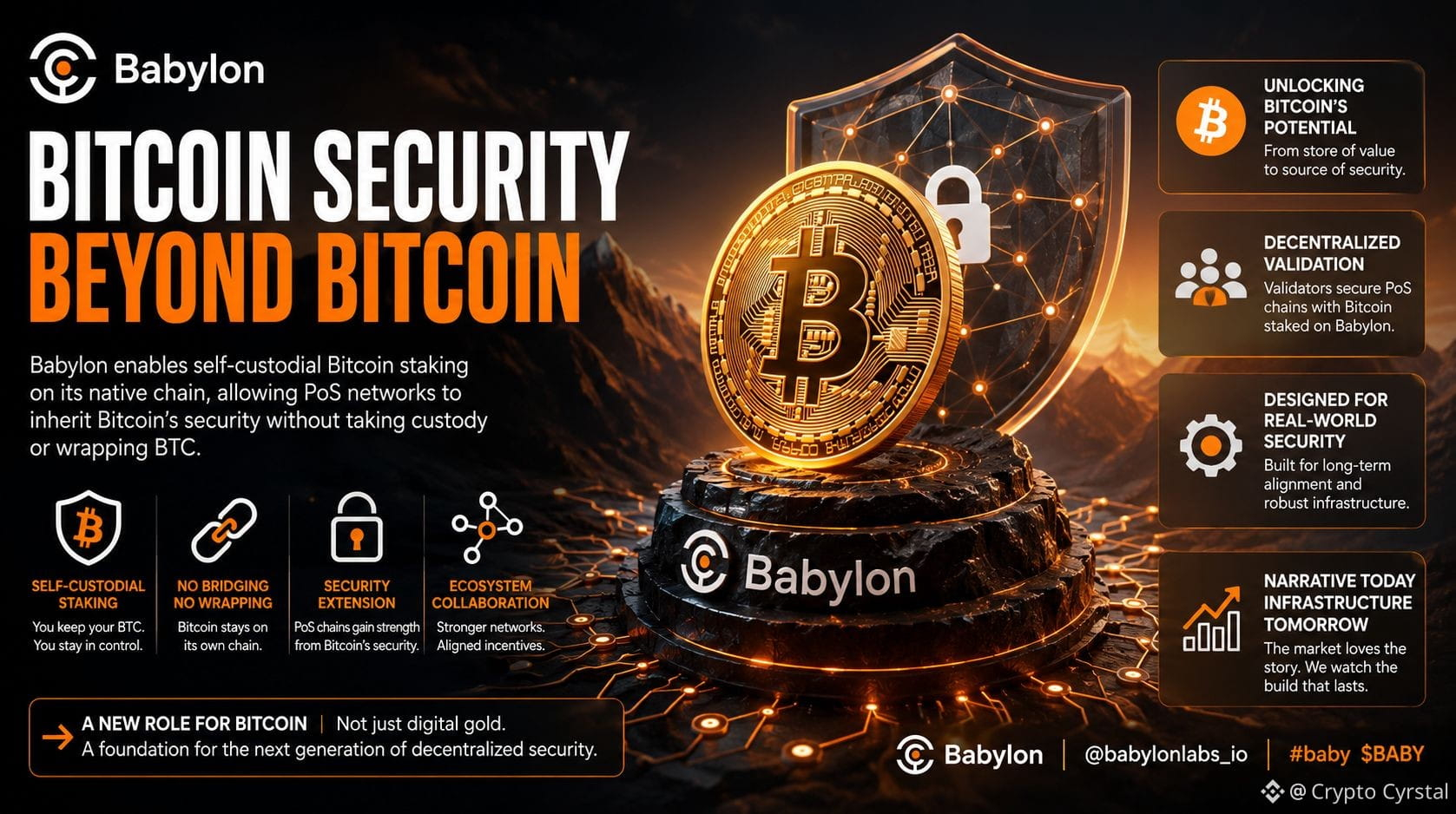
Babylon ($BABY) a attiré mon attention parce qu’il aborde Bitcoin sous un angle différent. Au lieu de demander aux détenteurs de BTC de transférer des actifs via un pont ou de les confier à un autre réseau, il s’appuie sur un staking en auto-conservation tout en gardant Bitcoin sur sa propre chaîne. Cela change la conversation : on passe de la recherche de rendement à la réflexion sur la manière dont la sécurité de Bitcoin peut s’étendre au-delà de lui-même. L’idée semble simple jusqu’à ce que les questions pratiques commencent à apparaître. Chaque modèle de sécurité supplémentaire implique des compromis, chaque incitation des validateurs modifie le comportement, et chaque nouvelle connexion entre écosystèmes introduit des hypothèses qui ne deviennent visibles qu’en situation de stress.
Je me demande sans cesse si la prochaine phase d’adoption de Bitcoin est moins axée sur le fait de rendre le BTC plus rapide et davantage sur le fait de rendre sa sécurité utile ailleurs. Si des réseaux en Proof-of-Stake peuvent emprunter de la confiance à Bitcoin sans compromettre l’auto-conservation, alors les incitations évoluent de manière intéressante. Les marchés récompensent généralement d’abord l’histoire, mais je prête davantage attention à savoir si les développeurs, les validateurs et les utilisateurs continuent de choisir cette conception quand l’enthousiasme retombe et que les conditions du quotidien commencent à révéler les détails.
@babylonlabs_io #baby $BABY
{future}(BABYUSDT)
Je continue d’observer comment Bitcoin trouve de nouveaux rôles au-delà du simple fait d’être un actif à conserver. Je me penche sur la façon dont différents projets essaient de bâtir autour de lui sans demander aux gens d’abandonner le contrôle. J’ai remarqué que le marché prête d’abord attention aux récits, puis commence lentement à se demander si l’infrastructure peut réellement les prendre en charge.
Babylon ($BABY ) a attiré mon attention parce qu’il aborde Bitcoin sous un angle différent. Au lieu de demander aux détenteurs de BTC de transférer des actifs via un pont ou de les confier à un autre réseau, il s’appuie sur un staking en auto-conservation tout en gardant Bitcoin sur sa propre chaîne. Cela change la conversation : on passe de la recherche de rendement à la réflexion sur la manière dont la sécurité de Bitcoin peut s’étendre au-delà de lui-même. L’idée semble simple jusqu’à ce que les questions pratiques commencent à apparaître. Chaque modèle de sécurité supplémentaire implique des compromis, chaque incitation des validateurs modifie le comportement, et chaque nouvelle connexion entre écosystèmes introduit des hypothèses qui ne deviennent visibles qu’en situation de stress.
Je me demande sans cesse si la prochaine phase d’adoption de Bitcoin est moins axée sur le fait de rendre le BTC plus rapide et davantage sur le fait de rendre sa sécurité utile ailleurs. Si des réseaux en Proof-of-Stake peuvent emprunter de la confiance à Bitcoin sans compromettre l’auto-conservation, alors les incitations évoluent de manière intéressante. Les marchés récompensent généralement d’abord l’histoire, mais je prête davantage attention à savoir si les développeurs, les validateurs et les utilisateurs continuent de choisir cette conception quand l’enthousiasme retombe et que les conditions du quotidien commencent à révéler les détails.
@BabylonLabs_io #baby $BABY
Babylon ($BABY ) a attiré mon attention parce qu’il aborde Bitcoin sous un angle différent. Au lieu de demander aux détenteurs de BTC de transférer des actifs via un pont ou de les confier à un autre réseau, il s’appuie sur un staking en auto-conservation tout en gardant Bitcoin sur sa propre chaîne. Cela change la conversation : on passe de la recherche de rendement à la réflexion sur la manière dont la sécurité de Bitcoin peut s’étendre au-delà de lui-même. L’idée semble simple jusqu’à ce que les questions pratiques commencent à apparaître. Chaque modèle de sécurité supplémentaire implique des compromis, chaque incitation des validateurs modifie le comportement, et chaque nouvelle connexion entre écosystèmes introduit des hypothèses qui ne deviennent visibles qu’en situation de stress.
Je me demande sans cesse si la prochaine phase d’adoption de Bitcoin est moins axée sur le fait de rendre le BTC plus rapide et davantage sur le fait de rendre sa sécurité utile ailleurs. Si des réseaux en Proof-of-Stake peuvent emprunter de la confiance à Bitcoin sans compromettre l’auto-conservation, alors les incitations évoluent de manière intéressante. Les marchés récompensent généralement d’abord l’histoire, mais je prête davantage attention à savoir si les développeurs, les validateurs et les utilisateurs continuent de choisir cette conception quand l’enthousiasme retombe et que les conditions du quotidien commencent à révéler les détails.
@BabylonLabs_io #baby $BABY
4
4
167
·
--
Baissier
J’ai remarqué à quel point l’attention se déplace rapidement dès que Bitcoin trouve un nouvel usage au-delà du simple fait d’être détenu. Je continue de chercher d’où vient la demande réelle. J’attends de voir quelles idées survivront une fois l’enthousiasme retombé. Je me concentre moins sur les titres et davantage sur ce qui change réellement en profondeur.
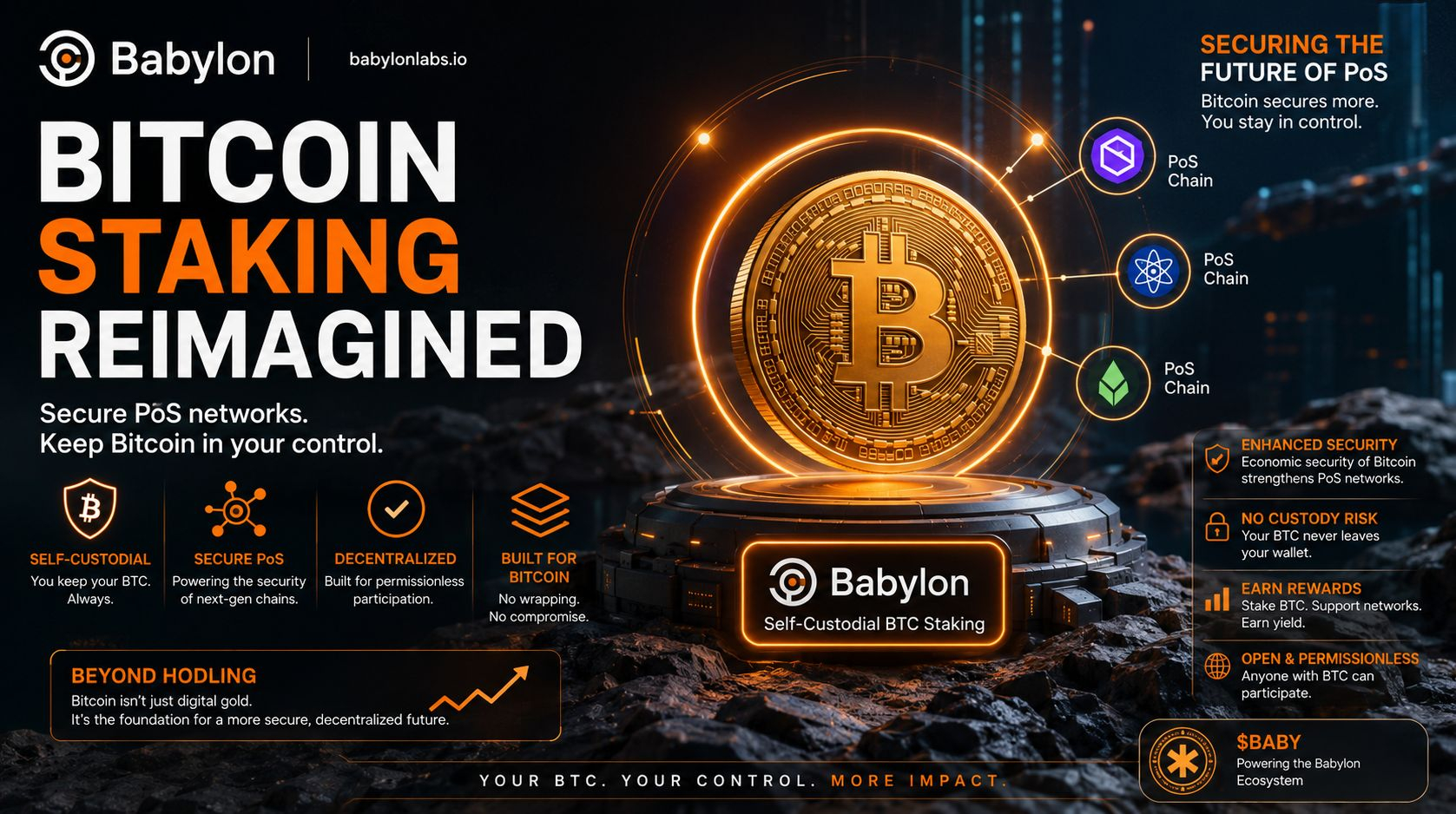
Babylon me ramène toujours vers cette question, parce que le staking de BTC en auto-garde (self-custodial) me paraît être une direction différente, plutôt qu’une nouvelle tentative d’enrober Bitcoin dans quelque chose pour lequel il n’a jamais été conçu. L’idée d’aider à sécuriser des blockchains PoS tout en gardant Bitcoin sous le contrôle du propriétaire semble simple jusqu’à ce que je pense à tout le niveau de coordination nécessaire en coulisses. La sécurité est facile à décrire, mais beaucoup plus difficile à maintenir quand différents réseaux, incitations et utilisateurs n’évoluent pas tous au même rythme.
Je me demande sans cesse si la confiance vient du design lui-même ou du fait de le voir résister à une pression réelle. Si les détenteurs de Bitcoin peuvent participer sans abandonner la garde, la discussion autour du staking prend alors un autre visage. Dans le même temps, chaque nouvelle couche introduit de nouvelles hypothèses que les marchés finissent par tester. Le point intéressant n’est pas de savoir si Babylon fonctionne en théorie. C’est de savoir si les gens continuent de le choisir quand du capital réel, des conditions imprévisibles et des opportunités concurrentes commencent à détourner l’attention dans des directions différentes.
@babylonlabs_io #baby $BABY
{spot}(BABYUSDT)
J’ai remarqué à quel point l’attention se déplace rapidement dès que Bitcoin trouve un nouvel usage au-delà du simple fait d’être détenu. Je continue de chercher d’où vient la demande réelle. J’attends de voir quelles idées survivront une fois l’enthousiasme retombé. Je me concentre moins sur les titres et davantage sur ce qui change réellement en profondeur.
Babylon me ramène toujours vers cette question, parce que le staking de BTC en auto-garde (self-custodial) me paraît être une direction différente, plutôt qu’une nouvelle tentative d’enrober Bitcoin dans quelque chose pour lequel il n’a jamais été conçu. L’idée d’aider à sécuriser des blockchains PoS tout en gardant Bitcoin sous le contrôle du propriétaire semble simple jusqu’à ce que je pense à tout le niveau de coordination nécessaire en coulisses. La sécurité est facile à décrire, mais beaucoup plus difficile à maintenir quand différents réseaux, incitations et utilisateurs n’évoluent pas tous au même rythme.
Je me demande sans cesse si la confiance vient du design lui-même ou du fait de le voir résister à une pression réelle. Si les détenteurs de Bitcoin peuvent participer sans abandonner la garde, la discussion autour du staking prend alors un autre visage. Dans le même temps, chaque nouvelle couche introduit de nouvelles hypothèses que les marchés finissent par tester. Le point intéressant n’est pas de savoir si Babylon fonctionne en théorie. C’est de savoir si les gens continuent de le choisir quand du capital réel, des conditions imprévisibles et des opportunités concurrentes commencent à détourner l’attention dans des directions différentes.
@BabylonLabs_io #baby $BABY
Babylon me ramène toujours vers cette question, parce que le staking de BTC en auto-garde (self-custodial) me paraît être une direction différente, plutôt qu’une nouvelle tentative d’enrober Bitcoin dans quelque chose pour lequel il n’a jamais été conçu. L’idée d’aider à sécuriser des blockchains PoS tout en gardant Bitcoin sous le contrôle du propriétaire semble simple jusqu’à ce que je pense à tout le niveau de coordination nécessaire en coulisses. La sécurité est facile à décrire, mais beaucoup plus difficile à maintenir quand différents réseaux, incitations et utilisateurs n’évoluent pas tous au même rythme.
Je me demande sans cesse si la confiance vient du design lui-même ou du fait de le voir résister à une pression réelle. Si les détenteurs de Bitcoin peuvent participer sans abandonner la garde, la discussion autour du staking prend alors un autre visage. Dans le même temps, chaque nouvelle couche introduit de nouvelles hypothèses que les marchés finissent par tester. Le point intéressant n’est pas de savoir si Babylon fonctionne en théorie. C’est de savoir si les gens continuent de le choisir quand du capital réel, des conditions imprévisibles et des opportunités concurrentes commencent à détourner l’attention dans des directions différentes.
@BabylonLabs_io #baby $BABY
23
12
135
·
--
Haussier
$AMD
{future}(AMDUSDT)
(Advanced Micro Devices)
AMD augmente ses prix ! 🔥
AMD se négocie à 514,04 $ en préouverture, en hausse de +3,66 %. Une forte dynamique haussière se construit et une cassure au-dessus de la résistance pourrait ouvrir la voie à une nouvelle hausse.
CP : 514,04 $
SL : 505,00 $
TP1 : 522,00 $
TP2 : 530,00 $
⚠️ Tradez intelligemment et utilisez toujours une gestion des risques appropriée.
#AMD #AIStocks #NASDAQ
$AMD
(Advanced Micro Devices)
AMD augmente ses prix ! 🔥
AMD se négocie à 514,04 $ en préouverture, en hausse de +3,66 %. Une forte dynamique haussière se construit et une cassure au-dessus de la résistance pourrait ouvrir la voie à une nouvelle hausse.
CP : 514,04 $
SL : 505,00 $
TP1 : 522,00 $
TP2 : 530,00 $
⚠️ Tradez intelligemment et utilisez toujours une gestion des risques appropriée.
#AMD #AIStocks #NASDAQ
(Advanced Micro Devices)
AMD augmente ses prix ! 🔥
AMD se négocie à 514,04 $ en préouverture, en hausse de +3,66 %. Une forte dynamique haussière se construit et une cassure au-dessus de la résistance pourrait ouvrir la voie à une nouvelle hausse.
CP : 514,04 $
SL : 505,00 $
TP1 : 522,00 $
TP2 : 530,00 $
⚠️ Tradez intelligemment et utilisez toujours une gestion des risques appropriée.
#AMD #AIStocks #NASDAQ
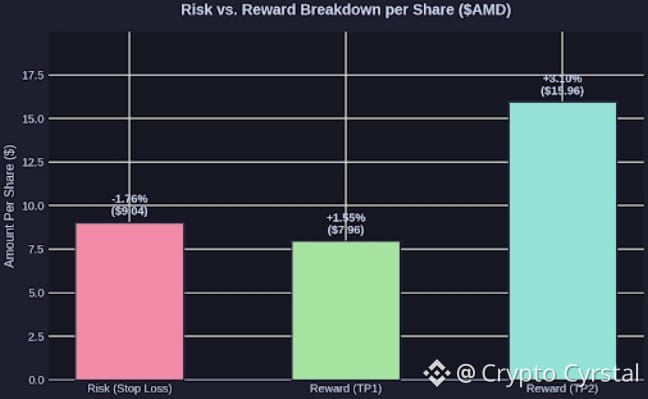
3
105
·
--
Baissier
$AAPL
{future}(AAPLUSDT)
(Apple)
Apple est sous pression ! 🍎
AAPL s’échange à 332,45 $ en préouverture, en baisse de 0,32 %. Les baissiers ont l’avantage pour l’instant, mais un fort rebond depuis le support pourrait inverser la dynamique rapidement.
CP : 332,45 $
SL : 329,50 $
TP1 : 336,00 $
TP2 : 340,00 $
⚠️ Attendez une confirmation et gérez toujours votre risque.
#Apple #NASDAQ #TechStocks
$AAPL
(Apple)
Apple est sous pression ! 🍎
AAPL s’échange à 332,45 $ en préouverture, en baisse de 0,32 %. Les baissiers ont l’avantage pour l’instant, mais un fort rebond depuis le support pourrait inverser la dynamique rapidement.
CP : 332,45 $
SL : 329,50 $
TP1 : 336,00 $
TP2 : 340,00 $
⚠️ Attendez une confirmation et gérez toujours votre risque.
#Apple #NASDAQ #TechStocks
(Apple)
Apple est sous pression ! 🍎
AAPL s’échange à 332,45 $ en préouverture, en baisse de 0,32 %. Les baissiers ont l’avantage pour l’instant, mais un fort rebond depuis le support pourrait inverser la dynamique rapidement.
CP : 332,45 $
SL : 329,50 $
TP1 : 336,00 $
TP2 : 340,00 $
⚠️ Attendez une confirmation et gérez toujours votre risque.
#Apple #NASDAQ #TechStocks
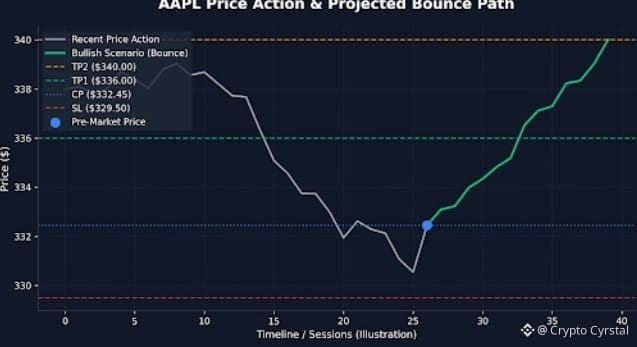
1
99
·
--
Haussier
$SNDK
{future}(SNDKUSDT)
(SanDisk)
Les actions de la mémoire chauffent ! 🔥
SNDK s’échange à 1 412,37 $ en pré-marché, en hausse de +4,03 %. Les haussiers reprennent du rythme, et une cassure au-dessus d’une résistance pourrait déclencher une nouvelle forte reprise.
CP : 1 412,37 $
SL : 1 390,00 $
TP1 : 1 435,00 $
TP2 : 1 460,00 $
⚠️ Utilisez toujours une gestion des risques appropriée. Ceci n’est pas un conseil financier.
#SanDisk #NASDAQ #TechStocks
$SNDK
(SanDisk)
Les actions de la mémoire chauffent ! 🔥
SNDK s’échange à 1 412,37 $ en pré-marché, en hausse de +4,03 %. Les haussiers reprennent du rythme, et une cassure au-dessus d’une résistance pourrait déclencher une nouvelle forte reprise.
CP : 1 412,37 $
SL : 1 390,00 $
TP1 : 1 435,00 $
TP2 : 1 460,00 $
⚠️ Utilisez toujours une gestion des risques appropriée. Ceci n’est pas un conseil financier.
#SanDisk #NASDAQ #TechStocks
(SanDisk)
Les actions de la mémoire chauffent ! 🔥
SNDK s’échange à 1 412,37 $ en pré-marché, en hausse de +4,03 %. Les haussiers reprennent du rythme, et une cassure au-dessus d’une résistance pourrait déclencher une nouvelle forte reprise.
CP : 1 412,37 $
SL : 1 390,00 $
TP1 : 1 435,00 $
TP2 : 1 460,00 $
⚠️ Utilisez toujours une gestion des risques appropriée. Ceci n’est pas un conseil financier.
#SanDisk #NASDAQ #TechStocks
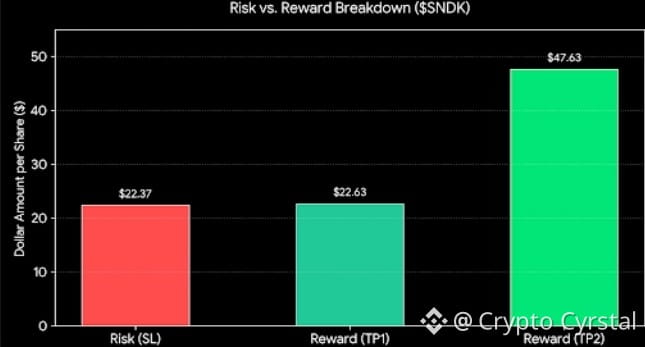
276
Connectez-vous pour découvrir plus de contenu
Rejoignez la communauté mondiale des adeptes de cryptomonnaies sur Binance Square
⚡️ Suviez les dernières informations importantes sur les cryptomonnaies.
💬 Jugé digne de confiance par la plus grande plateforme d’échange de cryptomonnaies au monde.
👍 Découvrez les connaissances que partagent les créateurs vérifiés.
Adresse e-mail/Nº de téléphone
Sujets d’actualité
BinanceLaunchesBinanceIntelligence
825,712 vues
5,131 mentions
🚨 BINANCE FAIT ENTRER L’IA PLUS PROFONDÉMENT DANS LA CRYPTO.
Binance a lancé Binance Intelligence — une nouvelle couche basée sur l’IA, conçue autour de la recherche de marché, des processus de trading et des données crypto.
Le plus intéressant ?
Ce n’est pas qu’un seul outil.
🧠 Binance AI → analyses personnalisées du marché, alertes et informations sur le portefeuille
⚡ Binance AI Pro → transforme des idées formulées en langage naturel en processus de trading
🤖 Agent OS → connecte les agents d’IA aux capacités du marché, des portefeuilles et de la blockchain
C’est un grand changement.
Les plateformes crypto ne se contentent plus de fournir aux traders des graphiques et des données.
Elles commencent à leur proposer des systèmes d’IA capables d’interpréter ces données.
La vraie question, c’est :
L’IA deviendra-t-elle aussi courante chez les traders que les indicateurs et les graphiques aujourd’hui ? 👀
$BTC
$GRIFFAIN
$NMR
#BinanceLaunchesBinanceIntelligence
Jacob trade
·1 mentions J’aime
·139 vues
RobinhoodAdds$25MInBitcoinToBalanceSheet
0 vues
0 mentions
SP500AndNasdaqHitRecordHighs
0 vues
19 mentions