
The Billionaire Trades
670 Publications

The Billionaire Trades
Signaler
Bloquer l’utilisateur
Billions Network Market Strategist - Xerox Token Founder 🇿🇦
Ouvert au trading
Trade occasionnellement
1.1 an(s)
108 Suivis
48 Abonnés
66 J’aime
Publications
Portefeuille
Tous
Citations
Article
Voir la traduction
Solana Foundation takes majority stake in crypto data provider CoinGeckoThe foundation plans Solana-powered trading on CoinGecko's website, GeckoTerminal and app.
The Solana Foundation has taken a majority interest in CoinGecko, one of the crypto ecosystem’s most popular price-tracking platforms.
The deal could bring Solana-based trading to CoinGecko's 18 million registered users, according to a Solana Foundation announcement. The platform also supplies market data to 180,000 crypto apps and businesses through its data interfaces, the foundation said.
Solana Foundation’s chief product officer, Vibhu Norby, revealed the majority stake on social media, though neither side disclosed the purchase price or the foundation’s exact stake.
CoinDesk has reached out for comments but hasn’t heard back at the time of writing.
The deal, announced at the Breakpoint conference in London, will focus on expanding CoinGecko's market data, research tools and exploring trading.
The foundation said it plans to bring Solana-powered trading to CoinGecko's website, GeckoTerminal platform and mobile app. Norby also outlined plans for decentralized finance tools and broader coverage of stocks and tokenized real-world assets.
CoinGecko's own announcement described trading as an area under exploration. The move could let users research tokens, track prices and place trades without leaving CoinGecko, giving Solana a new way to reach crypto investors.
CoinGecko also plans to expand coverage of blockchain-based assets, derivatives and tokenized real-world assets while improving its data services for businesses and financial firms.
The deal comes years after leading cryptocurrency exchange Binance acquired rival crypto market data provider CoinMarketCap in 2020
CoinGecko said it would maintain coverage of the wider crypto market using its own technology and public data methods.
#TheBillionaireTrades #TheBillionaireTradesMarketInsights
{spot}(SOLUSDT)
Solana Foundation takes majority stake in crypto data provider CoinGecko
The foundation plans Solana-powered trading on CoinGecko's website, GeckoTerminal and app.
The Solana Foundation has taken a majority interest in CoinGecko, one of the crypto ecosystem’s most popular price-tracking platforms.
The deal could bring Solana-based trading to CoinGecko's 18 million registered users, according to a Solana Foundation announcement. The platform also supplies market data to 180,000 crypto apps and businesses through its data interfaces, the foundation said.
Solana Foundation’s chief product officer, Vibhu Norby, revealed the majority stake on social media, though neither side disclosed the purchase price or the foundation’s exact stake.
CoinDesk has reached out for comments but hasn’t heard back at the time of writing.
The deal, announced at the Breakpoint conference in London, will focus on expanding CoinGecko's market data, research tools and exploring trading.
The foundation said it plans to bring Solana-powered trading to CoinGecko's website, GeckoTerminal platform and mobile app. Norby also outlined plans for decentralized finance tools and broader coverage of stocks and tokenized real-world assets.
CoinGecko's own announcement described trading as an area under exploration. The move could let users research tokens, track prices and place trades without leaving CoinGecko, giving Solana a new way to reach crypto investors.
CoinGecko also plans to expand coverage of blockchain-based assets, derivatives and tokenized real-world assets while improving its data services for businesses and financial firms.
The deal comes years after leading cryptocurrency exchange Binance acquired rival crypto market data provider CoinMarketCap in 2020
CoinGecko said it would maintain coverage of the wider crypto market using its own technology and public data methods.
#TheBillionaireTrades #TheBillionaireTradesMarketInsights
28

Article
Voir la traduction
Nvidia doubles revenue as board says it does not intend to reinstate Jensen HuangCompany issues first earnings report after ouster of CEO over allegations of affair with suspected Chinese spy.
Nvidia “does not intend to reinstate Jensen as CEO”, the chairman of the company’s board said Tuesday. Harvey Jones made the remark during Nvidia’s first quarterly earnings report since Jensen Huang’s ouster.
Nvidia announced the same day that its quarterly revenue beat expectations, coming in at $115.84bn, doubling from the same time period a year ago. The third-quarter earnings report comes just days after the world’s most valuable chip company saw the ouster of Huang over allegations of several extramarital affairs, including one with a suspected Chinese spy and two with his own employees.
Following the tumult, Nvidia’s stock tumbled more than 10%, shedding hundreds of billions in value and dropping its valuation to $3.7tn. In October, the company had hit an all-time-high valuation of nearly $6tn, but its share price has steadily fallen since then amid a broader AI slowdown.
then amid a broader AI slowdown.
In after-hours trading on Tuesday, Nvidia’s stock ticked up 5% from earlier in the day.
Colette Kress, Nvidia’s chief financial officer, was named interim CEO last week and delivered the financial results on Tuesday.
Nvidia reported a revenue of $115.84bn and earnings of $2.68 per share, beating Wall Street’s expectations of $109.15bn in revenue and $2.47 earnings per share, according to Bloomberg analyst consensus. Nvidia’s revenue is now up 103% from the same time last year and up 20% over last quarter.
“We delivered another outstanding quarter,” Kress said during an earnings call with investors. “Our ambition will not change.”
When investors asked about negative effects on Nvidia’s talent retention in response to Huang’s ouster, Kress said she believed the company’s staff was “committed” and that “we will take care of our employees during this transition”.
When it comes to running the business, she said “it’s business as usual”.
Nvidia designs powerful computing chips used for artificial intelligence. The company controls about 90% of the chips market and the world’s top AI companies, including OpenAI, Anthropic and Google, rely on Nvidia for their technology. With much of Wall Street’s billions invested in Nvidia, the company’s twists and turns can have an outsized effect on the US economy.
Huang co-founded Nvidia in 1993 and grew it from a niche firm geared toward video game chips to a trillion-dollar juggernaut at the center of the AI boom. As the CEO, he had about 60 direct reports, giving him control over most of the company’s daily functions.
Last week, following reports that Huang had a romantic relationship with an alleged Chinese asset, the CEO confessed to an extramarital affair. Days later, reports uncovered two more alleged affairs with company employees. On Thursday, Nvidia’s board of directors announced Huang’s resignation saying it was “effective immediately”.
Donald Trump and Silicon Valley insiders, including Elon Musk, the disgraced Uber co-founder Travis Kalanick and prominent venture capitalists, have called for Huang’s reinstatement as the CEO of Nvidia. On Monday, before departing on a trip to Asia, Trump told reporters he would not mind Huang’s return: “I would not mind that … I think he learned a big lesson.”
Huang issued his first public statement on Tuesday morning apologizing for his mistakes and thanking his friends and colleagues for their support. He also said he would be willing to return as CEO.
“If the Board of Directors decides that my return is in the best interest of our shareholders, our employees, the company, and America, I would be honored to answer these calls and return as CEO,” he wrote.
Elaborating on the position that Huang would not return, Jones said that the former CEO had voluntarily stepped down and the board accepted his resignation. Jones nodded to Kress’s 13-year tenure at Nvidia, saying she has been “at the center of this company’s extraordinary growth”.
“While this was an unexpected transition,” Jones said. “The board is proactively dealing with the consequences.”
Huang agreed on Tuesday to appear before the House foreign affairs committee, the select committee on the Chinese Communist party and the House intelligence committee for transcribed interviews in early December. The company is also facing an investigation by the US Securities and Exchange Commission over its business in China in the wake of Huang’s resignation, the Wall Street Journal reported on Tuesday.
#TheBillionaireTrades #TheBillionaireTradesMarketInsights
{spot}(NVDABUSDT)
Nvidia doubles revenue as board says it does not intend to reinstate Jensen Huang
Company issues first earnings report after ouster of CEO over allegations of affair with suspected Chinese spy.
Nvidia “does not intend to reinstate Jensen as CEO”, the chairman of the company’s board said Tuesday. Harvey Jones made the remark during Nvidia’s first quarterly earnings report since Jensen Huang’s ouster.
Nvidia announced the same day that its quarterly revenue beat expectations, coming in at $115.84bn, doubling from the same time period a year ago. The third-quarter earnings report comes just days after the world’s most valuable chip company saw the ouster of Huang over allegations of several extramarital affairs, including one with a suspected Chinese spy and two with his own employees.
Following the tumult, Nvidia’s stock tumbled more than 10%, shedding hundreds of billions in value and dropping its valuation to $3.7tn. In October, the company had hit an all-time-high valuation of nearly $6tn, but its share price has steadily fallen since then amid a broader AI slowdown.
then amid a broader AI slowdown.
In after-hours trading on Tuesday, Nvidia’s stock ticked up 5% from earlier in the day.
Colette Kress, Nvidia’s chief financial officer, was named interim CEO last week and delivered the financial results on Tuesday.
Nvidia reported a revenue of $115.84bn and earnings of $2.68 per share, beating Wall Street’s expectations of $109.15bn in revenue and $2.47 earnings per share, according to Bloomberg analyst consensus. Nvidia’s revenue is now up 103% from the same time last year and up 20% over last quarter.
“We delivered another outstanding quarter,” Kress said during an earnings call with investors. “Our ambition will not change.”
When investors asked about negative effects on Nvidia’s talent retention in response to Huang’s ouster, Kress said she believed the company’s staff was “committed” and that “we will take care of our employees during this transition”.
When it comes to running the business, she said “it’s business as usual”.
Nvidia designs powerful computing chips used for artificial intelligence. The company controls about 90% of the chips market and the world’s top AI companies, including OpenAI, Anthropic and Google, rely on Nvidia for their technology. With much of Wall Street’s billions invested in Nvidia, the company’s twists and turns can have an outsized effect on the US economy.
Huang co-founded Nvidia in 1993 and grew it from a niche firm geared toward video game chips to a trillion-dollar juggernaut at the center of the AI boom. As the CEO, he had about 60 direct reports, giving him control over most of the company’s daily functions.
Last week, following reports that Huang had a romantic relationship with an alleged Chinese asset, the CEO confessed to an extramarital affair. Days later, reports uncovered two more alleged affairs with company employees. On Thursday, Nvidia’s board of directors announced Huang’s resignation saying it was “effective immediately”.
Donald Trump and Silicon Valley insiders, including Elon Musk, the disgraced Uber co-founder Travis Kalanick and prominent venture capitalists, have called for Huang’s reinstatement as the CEO of Nvidia. On Monday, before departing on a trip to Asia, Trump told reporters he would not mind Huang’s return: “I would not mind that … I think he learned a big lesson.”
Huang issued his first public statement on Tuesday morning apologizing for his mistakes and thanking his friends and colleagues for their support. He also said he would be willing to return as CEO.
“If the Board of Directors decides that my return is in the best interest of our shareholders, our employees, the company, and America, I would be honored to answer these calls and return as CEO,” he wrote.
Elaborating on the position that Huang would not return, Jones said that the former CEO had voluntarily stepped down and the board accepted his resignation. Jones nodded to Kress’s 13-year tenure at Nvidia, saying she has been “at the center of this company’s extraordinary growth”.
“While this was an unexpected transition,” Jones said. “The board is proactively dealing with the consequences.”
Huang agreed on Tuesday to appear before the House foreign affairs committee, the select committee on the Chinese Communist party and the House intelligence committee for transcribed interviews in early December. The company is also facing an investigation by the US Securities and Exchange Commission over its business in China in the wake of Huang’s resignation, the Wall Street Journal reported on Tuesday.
#TheBillionaireTrades #TheBillionaireTradesMarketInsights
73
Article
Voir la traduction
The Crypto Fear & Greed Index Is in "Extreme Fear" Territory. History Says This Happens Next.Periods of fearfulness like this one are rarely reversed quickly, but conditions still improve eventually.
The Crypto Fear & Greed Index, a high-level measure of market sentiment, is, as of Nov. 16, at an "extreme fear" reading of 13, marking a reversal from the widespread bullish mood this summer that saw the index at 80 on Aug. 25. Bitcoin (
$BTC
+0.19%
) traded at $78,565 on Aug. 25, versus $64,931 on Nov. 16.
Wild volatility and extremes of sentiment have been common for Bitcoin. Here's what history suggests will happen next, given the fearful market.
Recoveries from extremely fearful conditions take plenty of time.
In an analysis in February 2026, Coin Bureau co-founder Nic Puckrin found that when crypto's Fear & Greed Index fell or lingered below 25, Bitcoin's average 90-day returns afterward were just 2.4%. For example, when the index was at 24 on Jan. 21 of this year, Bitcoin's price was $89,364, and it has fallen 26% since then.
Part of the reason this dynamic exists is that extreme market fear usually occurs during crypto bear markets or immediately after crashes or hacks that destroy investor confidence. But even if the 90-day returns aren't that great on average, waiting longer -- perhaps even a lot longer -- tends to give way to a recovery eventually.
In the coronavirus crash of March 2020, the index sank to 3. Despite plunging along with everything else during that period, Bitcoin is now up nearly 1,190% since then. Buying during that panic took confidence in the asset, but it paid off.
In the coronavirus crash of March 2020, the index sank to 3. Despite plunging along with everything else during that period, Bitcoin is now up nearly 1,190% since then. Buying during that panic took confidence in the asset, but it paid off.
Which cryptos should you buy during extreme fear?
Nearly two-thirds of 2021's 100 largest altcoins — esentially all cryptos aside from Bitcoin — were down by more than 90% as of Oct. 21 of this year, and nearly all coins outside the top 100 effectively lost all their value. That means it is not wise to simply buy a basket of declining cryptocurrencies and hope that time will heal all wounds afterward. Focusing on assets that were growing strongly during the current slump is a better approach.
During the 12 months through Nov. 16, which includes the year's low so far on June 30, Zcash (
$ZEC
+3.61%
) is up 33%, and Hyperliquid (
HYPE
-1.28%
) is up 78%. Whereas Zcash is a coin that aims to stoke demand by providing privacy for holders and using a Bitcoin-like capped supply policy, Hyperliquid is a decentralized crypto exchange for crypto-financial derivatives like perpetual futures, and it spends nearly all the trading fees it earns buying back its coin.
Neither of those coins needs its price to go up for its fundamental value to increase. And while Bitcoin hasn't done well, it's still getting scarcer over time, regardless of what its price is doing. Each of its halving events cuts by 50% the reward miners receive for each block added to the chains, occurring roughly every four years, and slowing the supply growth rate.
There's no rush to buy anything right now. Don't let the market's fearfulness become yours, and stay focused on the long term in the meantime.
Missed AI’s "Act 1"? Act 2 Could Be Much Bigger
Most investors think they missed the AI boat because they didn't buy Nvidia in 2005.
But according to our analysts, we’re only at the end of "Act 1"—the R&D phase. "Act 2" is the global rollout, a massive technology build-out that Google’s CEO says could be more profound than fire or electricity.
While everyone watches the chip designers, one "backbone" company provides the critical technology that Nvidia and AMD literally cannot function without. We’ve detailed this under-the-radar player in our new AI Playbook.
#TheBillionaireTrades #TheBillionaireTradesMarketInsights
{spot}(BTCUSDT)
{spot}(ZECUSDT)
The Crypto Fear & Greed Index Is in "Extreme Fear" Territory. History Says This Happens Next.
Periods of fearfulness like this one are rarely reversed quickly, but conditions still improve eventually.
The Crypto Fear & Greed Index, a high-level measure of market sentiment, is, as of Nov. 16, at an "extreme fear" reading of 13, marking a reversal from the widespread bullish mood this summer that saw the index at 80 on Aug. 25. Bitcoin (
$BTC
+0.19%
) traded at $78,565 on Aug. 25, versus $64,931 on Nov. 16.
Wild volatility and extremes of sentiment have been common for Bitcoin. Here's what history suggests will happen next, given the fearful market.
Recoveries from extremely fearful conditions take plenty of time.
In an analysis in February 2026, Coin Bureau co-founder Nic Puckrin found that when crypto's Fear & Greed Index fell or lingered below 25, Bitcoin's average 90-day returns afterward were just 2.4%. For example, when the index was at 24 on Jan. 21 of this year, Bitcoin's price was $89,364, and it has fallen 26% since then.
Part of the reason this dynamic exists is that extreme market fear usually occurs during crypto bear markets or immediately after crashes or hacks that destroy investor confidence. But even if the 90-day returns aren't that great on average, waiting longer -- perhaps even a lot longer -- tends to give way to a recovery eventually.
In the coronavirus crash of March 2020, the index sank to 3. Despite plunging along with everything else during that period, Bitcoin is now up nearly 1,190% since then. Buying during that panic took confidence in the asset, but it paid off.
In the coronavirus crash of March 2020, the index sank to 3. Despite plunging along with everything else during that period, Bitcoin is now up nearly 1,190% since then. Buying during that panic took confidence in the asset, but it paid off.
Which cryptos should you buy during extreme fear?
Nearly two-thirds of 2021's 100 largest altcoins — esentially all cryptos aside from Bitcoin — were down by more than 90% as of Oct. 21 of this year, and nearly all coins outside the top 100 effectively lost all their value. That means it is not wise to simply buy a basket of declining cryptocurrencies and hope that time will heal all wounds afterward. Focusing on assets that were growing strongly during the current slump is a better approach.
During the 12 months through Nov. 16, which includes the year's low so far on June 30, Zcash (
$ZEC
+3.61%
) is up 33%, and Hyperliquid (
HYPE
-1.28%
) is up 78%. Whereas Zcash is a coin that aims to stoke demand by providing privacy for holders and using a Bitcoin-like capped supply policy, Hyperliquid is a decentralized crypto exchange for crypto-financial derivatives like perpetual futures, and it spends nearly all the trading fees it earns buying back its coin.
Neither of those coins needs its price to go up for its fundamental value to increase. And while Bitcoin hasn't done well, it's still getting scarcer over time, regardless of what its price is doing. Each of its halving events cuts by 50% the reward miners receive for each block added to the chains, occurring roughly every four years, and slowing the supply growth rate.
There's no rush to buy anything right now. Don't let the market's fearfulness become yours, and stay focused on the long term in the meantime.
Missed AI’s "Act 1"? Act 2 Could Be Much Bigger
Most investors think they missed the AI boat because they didn't buy Nvidia in 2005.
But according to our analysts, we’re only at the end of "Act 1"—the R&D phase. "Act 2" is the global rollout, a massive technology build-out that Google’s CEO says could be more profound than fire or electricity.
While everyone watches the chip designers, one "backbone" company provides the critical technology that Nvidia and AMD literally cannot function without. We’ve detailed this under-the-radar player in our new AI Playbook.
#TheBillionaireTrades #TheBillionaireTradesMarketInsights
80
Article
Voir la traduction
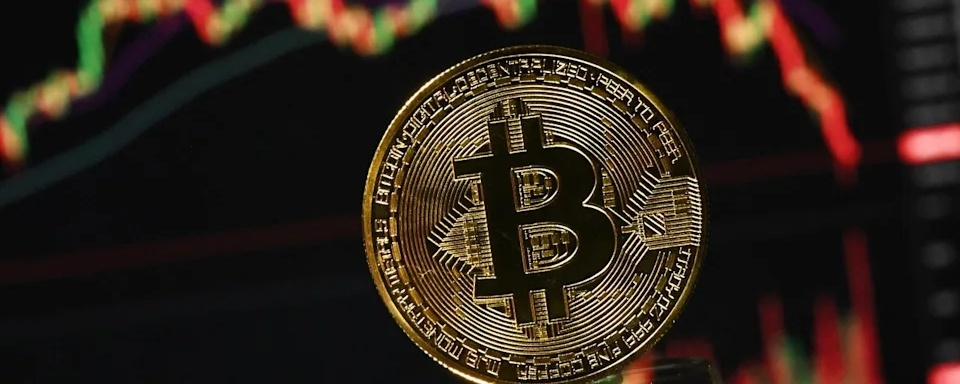
Bitcoin was supposed to gain as AI faltered, but it crashed. Here's why.The price action runs counter to a crypto-market view that a cooling AI trade would trigger a rotation into digital assets and spark a rally.
Bitcoin
$BTC
$64,707.03
has crashed 16% this month, briefly dropping to nearly $62,000, the lowest in four months, over the weekend.
The more worrying news is that the slide occurred alongside a selloff in AI-linked stocks such as Nvidia
$NVDAB
$154.91
·
Market Closed
and in exchange-traded funds like the iShares AI Innovation and Tech Active ETF (BAI) and the VanEck Semiconductor ETF (SMH). All have dropped around 30% from recent highs.
The weekend split the onchain market in two,” he told CoinDesk. Even as bitcoin fell, “tokenized real-world assets barely moved. Distributed RWA value sits at $39.5 billion, down 1.7% over 30 days, and the number of holders grew 6% to 5.75 million in the same period,” he said.
“Tokenized assets are bought for yield and held, so hardly anybody sells a tokenized credit fund to cover a bad week in tech," he added, stressing that expectations for another U.S. interest-rate increase in December could bode well for RWAs.
What next?
The price action runs counter to a crypto-market view that a cooling AI trade would trigger a rotation into digital assets and spark a sharp rally.
The price action runs counter to a crypto-market view that a cooling AI trade would trigger a rotation into digital assets and spark a sharp rally.
The idea that an AI unwind would automatically send capital into crypto was always too simplistic,” Lacie Zhang, the research lead at Bitget Wallet, told CoinDesk. “AI equities and Bitcoin are both long-duration, liquidity-sensitive risk assets, often held in the same leveraged or momentum-driven portfolios. When volatility rises, institutions tend to reduce gross exposure and raise cash rather than rotate immediately from one high-beta trade into another.”
In other words, funds that hold both tend to sell both when markets get shaky, preferring to hold cash. Bitcoin ETFs have seen $2.35 billion in net outflows over two weeks, according to data source SoSoValue.
"Crypto also faces its own headwinds, including forced liquidations, weak US spot demand and security concerns," Zhang said
Martin Lee, the insights lead at market maker DWF Labs, said the AI trade has been unwinding since July.
"Whether the capital flows into crypto will depend on whether investors are shifting their attention into alternative risk-on assets (after unwinding from AI) or are they shifting completely to completely different types of assets," he said.
Right now, the appetite for risk is clearly not there, though that might change after the impending Anthropic IPO.
How the markets shift when Anthropic IPOs will be a good indicator of that," he said.
Marcin Kazmierczak, co-founder and chief operating officer at DeFi-focused blockchain RedStone, indirectly pointed to yield as the dividing line.
Tokenized real-world assets (RWAs), which include Treasury funds and credit funds recorded on a blockchain, barely saw capital leave even as bitcoin slumped.
The weekend split the onchain market in two,” he told CoinDesk. Even as bitcoin fell, “tokenized real-world assets barely moved. Distributed RWA value sits at $39.5 billion, down 1.7% over 30 days, and the number of holders grew 6% to 5.75 million in the same period,” he said.
“Tokenized assets are bought for yield and held, so hardly anybody sells a tokenized credit fund to cover a bad week in tech," he added, stressing that expectations for another U.S. interest-rate increase in December could bode well for RWAs.
What next?
Zhang said the trend will stay fragile until bitcoin reclaims the $69,000-$70,000 range and ETF flows turn positive. Lee said volatility will stay high and price action choppy until the market absorbs the move, noting that the first three to six months after U.S. midterm elections have historically been weak for bitcoin.
Kazmierczak said Nvidia's earnings on Tuesday will again move tech and crypto, while tokenized RWAs will keep tracking interest rates, not sentiment. Stay alert!
#TheBillionaireTrades #TheBillionaireTradesMarketInsights
{spot}(BTCUSDT)
{spot}(NVDABUSDT)
Bitcoin was supposed to gain as AI faltered, but it crashed. Here's why.
The price action runs counter to a crypto-market view that a cooling AI trade would trigger a rotation into digital assets and spark a rally.
Bitcoin
$BTC
$64,707.03
has crashed 16% this month, briefly dropping to nearly $62,000, the lowest in four months, over the weekend.
The more worrying news is that the slide occurred alongside a selloff in AI-linked stocks such as Nvidia
$NVDAB
$154.91
·
Market Closed
and in exchange-traded funds like the iShares AI Innovation and Tech Active ETF (BAI) and the VanEck Semiconductor ETF (SMH). All have dropped around 30% from recent highs.
The weekend split the onchain market in two,” he told CoinDesk. Even as bitcoin fell, “tokenized real-world assets barely moved. Distributed RWA value sits at $39.5 billion, down 1.7% over 30 days, and the number of holders grew 6% to 5.75 million in the same period,” he said.
“Tokenized assets are bought for yield and held, so hardly anybody sells a tokenized credit fund to cover a bad week in tech," he added, stressing that expectations for another U.S. interest-rate increase in December could bode well for RWAs.
What next?
The price action runs counter to a crypto-market view that a cooling AI trade would trigger a rotation into digital assets and spark a sharp rally.
The price action runs counter to a crypto-market view that a cooling AI trade would trigger a rotation into digital assets and spark a sharp rally.
The idea that an AI unwind would automatically send capital into crypto was always too simplistic,” Lacie Zhang, the research lead at Bitget Wallet, told CoinDesk. “AI equities and Bitcoin are both long-duration, liquidity-sensitive risk assets, often held in the same leveraged or momentum-driven portfolios. When volatility rises, institutions tend to reduce gross exposure and raise cash rather than rotate immediately from one high-beta trade into another.”
In other words, funds that hold both tend to sell both when markets get shaky, preferring to hold cash. Bitcoin ETFs have seen $2.35 billion in net outflows over two weeks, according to data source SoSoValue.
"Crypto also faces its own headwinds, including forced liquidations, weak US spot demand and security concerns," Zhang said
Martin Lee, the insights lead at market maker DWF Labs, said the AI trade has been unwinding since July.
"Whether the capital flows into crypto will depend on whether investors are shifting their attention into alternative risk-on assets (after unwinding from AI) or are they shifting completely to completely different types of assets," he said.
Right now, the appetite for risk is clearly not there, though that might change after the impending Anthropic IPO.
How the markets shift when Anthropic IPOs will be a good indicator of that," he said.
Marcin Kazmierczak, co-founder and chief operating officer at DeFi-focused blockchain RedStone, indirectly pointed to yield as the dividing line.
Tokenized real-world assets (RWAs), which include Treasury funds and credit funds recorded on a blockchain, barely saw capital leave even as bitcoin slumped.
The weekend split the onchain market in two,” he told CoinDesk. Even as bitcoin fell, “tokenized real-world assets barely moved. Distributed RWA value sits at $39.5 billion, down 1.7% over 30 days, and the number of holders grew 6% to 5.75 million in the same period,” he said.
“Tokenized assets are bought for yield and held, so hardly anybody sells a tokenized credit fund to cover a bad week in tech," he added, stressing that expectations for another U.S. interest-rate increase in December could bode well for RWAs.
What next?
Zhang said the trend will stay fragile until bitcoin reclaims the $69,000-$70,000 range and ETF flows turn positive. Lee said volatility will stay high and price action choppy until the market absorbs the move, noting that the first three to six months after U.S. midterm elections have historically been weak for bitcoin.
Kazmierczak said Nvidia's earnings on Tuesday will again move tech and crypto, while tokenized RWAs will keep tracking interest rates, not sentiment. Stay alert!
#TheBillionaireTrades #TheBillionaireTradesMarketInsights
70
Article
Prévision du cours du Ripple : le XRP accélère sa baisse sous 1,00 $ alors que la participation des particuliers s’essouffleLe XRP reste sous pression sous le seuil clé de 1,00 $, s’échangeant autour de 0,95 $ lundi.
La demande de produits dérivés sur le XRP s’essouffle tandis que les acheteurs particuliers se retirent et que l’intérêt ouvert des contrats à terme tombe à 2,1 milliards de XRP.
La structure technique du XRP témoigne d’une faiblesse persistante malgré des conditions de survente.
Le Ripple (XRP) recule lundi, s’échangeant à 0,95 $ tandis que les vendeurs restent largement maîtres du marché. Les tentatives des acheteurs de reprendre le contrôle ont échoué de plus en plus souvent ces dernières semaines, dans le sillage du marché crypto dans son ensemble.
La demande de produits dérivés s’effondre alors que le XRP s’échange près de ses plus bas niveaux depuis plusieurs années.
Prévision du cours du Ripple : le XRP accélère sa baisse sous 1,00 $ alors que la participation des particuliers s’essouffle
Le XRP reste sous pression sous le seuil clé de 1,00 $, s’échangeant autour de 0,95 $ lundi.
La demande de produits dérivés sur le XRP s’essouffle tandis que les acheteurs particuliers se retirent et que l’intérêt ouvert des contrats à terme tombe à 2,1 milliards de XRP.
La structure technique du XRP témoigne d’une faiblesse persistante malgré des conditions de survente.
Le Ripple (XRP) recule lundi, s’échangeant à 0,95 $ tandis que les vendeurs restent largement maîtres du marché. Les tentatives des acheteurs de reprendre le contrôle ont échoué de plus en plus souvent ces dernières semaines, dans le sillage du marché crypto dans son ensemble.
La demande de produits dérivés s’effondre alors que le XRP s’échange près de ses plus bas niveaux depuis plusieurs années.
1
315
Article
Voir la traduction
Solana drops 'mainnet beta' label and adopts protocol version 1.0The Solana Foundation has retired the network's “mainnet beta” designation and introduced Solana 1.0 as a shared protocol version independent of individual validator client versions.
In a statement on Monday, the foundation said the change recognizes Solana's technical progress and separates its protocol version from the software releases of individual validator clients.
Solana 1.0 recognizes the progress on network performance, resilience, and developer experience," the foundation wrote. "That progress continues with this simplification of nomenclature."
The foundation said the change does not require any action from users, while SOL
SolanaSOL+0.41% holdings, transaction histories, and accounts remain unaffected.
Developers and validator operators should continue following individual software release guidance, since assigning a protocol version does not automatically activate every associated network improvement, according to the statement.
Alpenglow and Firedancer milestones
The name change comes as Solana has been upgrading its infrastructure. In October, the network's mainnet activated Alpenglow, a consensus upgrade that targets transaction finality of about 150 milliseconds, down from 12.8 seconds.
Jump Crypto's Firedancer went live on Solana mainnet in December 2025, giving operators an independently developed alternative to Agave. The two are built with separate codebases, release schedules, and version numbers.
Following the name change, both development teams, validators, and infrastructure operators will have a common way to identify changes to Solana, regardless of which client they run, the foundation said.
Last week, the Depository Trust & Clearing Corporation announced plans to connect its tokenization service to the network in the second half of 2027.
Formation Securities has also notified the SEC of plans to operate a tokenized securities trading venue on Solana, targeting an early 2027 launch.
Separately, asset manager Schroders launched a tokenized emerging-markets debt fund on Solana through Centrifuge earlier this month. Other notable launches on Solana this year include USDC accounts for U.S. Samsung Galaxy users and integration with Polygon Labs' Open Money Stack.
#TheBillionaireTrades #TheBillionaireTradesMarketInsights
{spot}(SOLUSDT)
Solana drops 'mainnet beta' label and adopts protocol version 1.0
The Solana Foundation has retired the network's “mainnet beta” designation and introduced Solana 1.0 as a shared protocol version independent of individual validator client versions.
In a statement on Monday, the foundation said the change recognizes Solana's technical progress and separates its protocol version from the software releases of individual validator clients.
Solana 1.0 recognizes the progress on network performance, resilience, and developer experience," the foundation wrote. "That progress continues with this simplification of nomenclature."
The foundation said the change does not require any action from users, while SOL
SolanaSOL+0.41% holdings, transaction histories, and accounts remain unaffected.
Developers and validator operators should continue following individual software release guidance, since assigning a protocol version does not automatically activate every associated network improvement, according to the statement.
Alpenglow and Firedancer milestones
The name change comes as Solana has been upgrading its infrastructure. In October, the network's mainnet activated Alpenglow, a consensus upgrade that targets transaction finality of about 150 milliseconds, down from 12.8 seconds.
Jump Crypto's Firedancer went live on Solana mainnet in December 2025, giving operators an independently developed alternative to Agave. The two are built with separate codebases, release schedules, and version numbers.
Following the name change, both development teams, validators, and infrastructure operators will have a common way to identify changes to Solana, regardless of which client they run, the foundation said.
Last week, the Depository Trust & Clearing Corporation announced plans to connect its tokenization service to the network in the second half of 2027.
Formation Securities has also notified the SEC of plans to operate a tokenized securities trading venue on Solana, targeting an early 2027 launch.
Separately, asset manager Schroders launched a tokenized emerging-markets debt fund on Solana through Centrifuge earlier this month. Other notable launches on Solana this year include USDC accounts for U.S. Samsung Galaxy users and integration with Polygon Labs' Open Money Stack.
#TheBillionaireTrades #TheBillionaireTradesMarketInsights
62
Article
Le marché des cryptomonnaies perd environ 330 milliards de dollars en une semaine, tandis que le Bitcoin chute et que les craintes inflationnistes s’intensifientUne vague de ventes de cryptomonnaies qui durait depuis six semaines s’est accélérée au cours de la semaine du 9 novembre, amputant le marché d’environ 330 milliards de dollars, alors que les investisseurs faisaient face à une inflation américaine plus forte que prévu, à des anticipations de politique monétaire plus stricte et à un regain de volatilité des valeurs technologiques.
Le marché mondial des cryptomonnaies a reculé de 13 %, à environ 2 200 milliards de dollars, selon l’agence Anadolu, enregistrant ainsi sa sixième baisse hebdomadaire consécutive. La perte estimée à 330 milliards de dollars est calculée à partir du pourcentage de baisse annoncé et de la valeur arrondie du marché.
Le marché des cryptomonnaies perd environ 330 milliards de dollars en une semaine, tandis que le Bitcoin chute et que les craintes inflationnistes s’intensifient
Une vague de ventes de cryptomonnaies qui durait depuis six semaines s’est accélérée au cours de la semaine du 9 novembre, amputant le marché d’environ 330 milliards de dollars, alors que les investisseurs faisaient face à une inflation américaine plus forte que prévu, à des anticipations de politique monétaire plus stricte et à un regain de volatilité des valeurs technologiques.
Le marché mondial des cryptomonnaies a reculé de 13 %, à environ 2 200 milliards de dollars, selon l’agence Anadolu, enregistrant ainsi sa sixième baisse hebdomadaire consécutive. La perte estimée à 330 milliards de dollars est calculée à partir du pourcentage de baisse annoncé et de la valeur arrondie du marché.
Le marché mondial des cryptomonnaies a reculé de 13 %, à environ 2 200 milliards de dollars, selon l’agence Anadolu, enregistrant ainsi sa sixième baisse hebdomadaire consécutive. La perte estimée à 330 milliards de dollars est calculée à partir du pourcentage de baisse annoncé et de la valeur arrondie du marché.
11

Article
Le cours actuel de Billions Network (BILL) oscille autour de 0,0041 $ à 0,00438 $, selon les conditions du marché en temps réelAperçu du cours de Billions Network
• Fourchette de prix actuelle : 0,0041 $ – 0,00438 $
• Offre en circulation : ~2,43 milliards de BILL
• Capitalisation boursière : ~10 millions de dollars
Facteurs clés du marché et risques
Faible liquidité et volatilité : avec une capitalisation boursière relativement faible (~10 millions de dollars) et un carnet d’ordres peu profond par rapport aux valorisations entièrement diluées totales, les transactions individuelles de gros volume peuvent entraîner une forte volatilité à court terme.
Adoption de l’écosystème : Billions Network se concentre sur la vérification humaine à divulgation nulle de connaissance et les cadres Know-Your-Agent (KYA) pour l’IA. Une intégration plus large du protocole et le sentiment du marché (l’indice de peur et de cupidité, actuellement orienté vers la peur ou la neutralité autour de 34) déterminent fortement la trajectoire à court terme.
Le cours actuel de Billions Network (BILL) oscille autour de 0,0041 $ à 0,00438 $, selon les conditions du marché en temps réel
Aperçu du cours de Billions Network
• Fourchette de prix actuelle : 0,0041 $ – 0,00438 $
• Offre en circulation : ~2,43 milliards de BILL
• Capitalisation boursière : ~10 millions de dollars
Facteurs clés du marché et risques
Faible liquidité et volatilité : avec une capitalisation boursière relativement faible (~10 millions de dollars) et un carnet d’ordres peu profond par rapport aux valorisations entièrement diluées totales, les transactions individuelles de gros volume peuvent entraîner une forte volatilité à court terme.
Adoption de l’écosystème : Billions Network se concentre sur la vérification humaine à divulgation nulle de connaissance et les cadres Know-Your-Agent (KYA) pour l’IA. Une intégration plus large du protocole et le sentiment du marché (l’indice de peur et de cupidité, actuellement orienté vers la peur ou la neutralité autour de 34) déterminent fortement la trajectoire à court terme.
2
583
Article
Le XRP Ledger établit un nouveau seuil : 1 milliard sécuriséMalgré le repli du marché, le $XRP Ledger affiche une tendance plutôt rassurante : le cours a rebondi en direction du seuil de 1 $ et, heureusement, ce mouvement s’accompagne d’une hausse des volumes, qui pourrait marquer le début d’un véritable rallye de reprise.
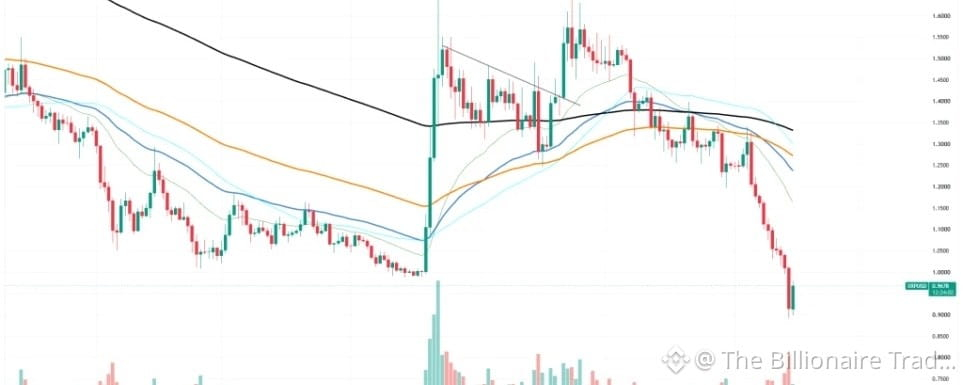
Le XRP s’échange à 0,96 $ après avoir chuté à 0,89 $. Le seuil de 1 $, dont le franchissement à la baisse entraîne généralement une chute rapide, a cédé le 14 novembre. C’est la première fois depuis la mi-août que le XRP s’échange sous 1 $.
Le marché est baissier, et le RSI est tombé dans la zone des 20, considérée comme « extrêmement survendue ». Les moyennes mobiles continuent de diverger rapidement, ce qui pourrait accentuer la dynamique baissière.
Le XRP Ledger établit un nouveau seuil : 1 milliard sécurisé
Malgré le repli du marché, le $XRP Ledger affiche une tendance plutôt rassurante : le cours a rebondi en direction du seuil de 1 $ et, heureusement, ce mouvement s’accompagne d’une hausse des volumes, qui pourrait marquer le début d’un véritable rallye de reprise.
Le XRP s’échange à 0,96 $ après avoir chuté à 0,89 $. Le seuil de 1 $, dont le franchissement à la baisse entraîne généralement une chute rapide, a cédé le 14 novembre. C’est la première fois depuis la mi-août que le XRP s’échange sous 1 $.
Le marché est baissier, et le RSI est tombé dans la zone des 20, considérée comme « extrêmement survendue ». Les moyennes mobiles continuent de diverger rapidement, ce qui pourrait accentuer la dynamique baissière.
50
Article
Le Bitcoin se dirige vers une sixième baisse hebdomadaire, tandis que l’énorme introduction en Bourse d’Anthropic se profileLe Bitcoin $BTC est en baisse de 21 % cette année, alors que les investisseurs évaluent l’introduction en Bourse très attendue d’Anthropic, les bouleversements à la direction de Nvidia et les anticipations croissantes de hausses des taux de la Fed.
Le Bitcoin s’apprête à enregistrer sa sixième baisse hebdomadaire consécutive, rappelant sa série de pertes du premier trimestre, lorsque son cours avait atteint un creux proche de 60 000 dollars. Le record est de neuf semaines, établi en 2022. Le Bitcoin accuse désormais une baisse de 11 % en novembre, de 17 % au quatrième trimestre et de 21 % depuis le début de 2026.
L’un des grands événements boursiers de la semaine prochaine sera l’introduction en Bourse très attendue d’Anthropic. L’offre a suscité des demandes correspondant à environ six fois le nombre d’actions disponibles, rapporte Bloomberg. L’entreprise d’IA vise à lever jusqu’à 64,4 milliards de dollars, en plus d’un placement privé de 26 milliards de dollars, pour une valorisation entièrement diluée d’environ 1 400 milliards de dollars. Nvidia s’est engagée à investir près de 10 milliards de dollars dans le placement privé. Le chiffre d’affaires annualisé d’Anthropic atteignait 81 milliards de dollars fin octobre, en hausse de 10 milliards en un mois. Les actions devraient être négociées au Nasdaq sous le symbole $ANTHROPIC .
Le Bitcoin se dirige vers une sixième baisse hebdomadaire, tandis que l’énorme introduction en Bourse d’Anthropic se profile
Le Bitcoin $BTC est en baisse de 21 % cette année, alors que les investisseurs évaluent l’introduction en Bourse très attendue d’Anthropic, les bouleversements à la direction de Nvidia et les anticipations croissantes de hausses des taux de la Fed.
Le Bitcoin s’apprête à enregistrer sa sixième baisse hebdomadaire consécutive, rappelant sa série de pertes du premier trimestre, lorsque son cours avait atteint un creux proche de 60 000 dollars. Le record est de neuf semaines, établi en 2022. Le Bitcoin accuse désormais une baisse de 11 % en novembre, de 17 % au quatrième trimestre et de 21 % depuis le début de 2026.
L’un des grands événements boursiers de la semaine prochaine sera l’introduction en Bourse très attendue d’Anthropic. L’offre a suscité des demandes correspondant à environ six fois le nombre d’actions disponibles, rapporte Bloomberg. L’entreprise d’IA vise à lever jusqu’à 64,4 milliards de dollars, en plus d’un placement privé de 26 milliards de dollars, pour une valorisation entièrement diluée d’environ 1 400 milliards de dollars. Nvidia s’est engagée à investir près de 10 milliards de dollars dans le placement privé. Le chiffre d’affaires annualisé d’Anthropic atteignait 81 milliards de dollars fin octobre, en hausse de 10 milliards en un mois. Les actions devraient être négociées au Nasdaq sous le symbole $ANTHROPIC .
69
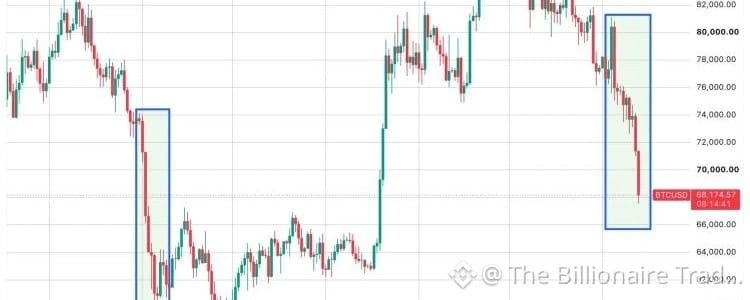
$BTC doit se maintenir au niveau des 70 000 $. Une cassure ou une clôture journalière sous ce niveau pourrait exercer une forte pression à la baisse sur le marché.
Actuellement, le Bitcoin se trouve à l’intersection de deux lignes de tendance clés qui servent de supports : une ligne de tendance haussière et une ligne de tendance baissière.
Idéalement, nous devrions voir un fort rebond depuis cette zone afin de maintenir la structure actuelle.
Si le BTC se maintient au-dessus de 70 000 $, mes objectifs à la hausse sont :
🎯 83 000 $
🎯 86 000 $
🎯 88 000 $
🎯 92 000 $
Cependant, si le niveau des 70 000 $ ne tient pas, le prochain objectif majeur à la baisse pourrait être 60 000 $.
Le niveau des 70 000 $ est à surveiller. Le prochain mouvement pourrait déterminer la direction du Bitcoin.
#TheBillionaireTrades
{spot}(BTCUSDT)
$BTC doit se maintenir au niveau des 70 000 $. Une cassure ou une clôture journalière sous ce niveau pourrait exercer une forte pression à la baisse sur le marché.
Actuellement, le Bitcoin se trouve à l’intersection de deux lignes de tendance clés qui servent de supports : une ligne de tendance haussière et une ligne de tendance baissière.
Idéalement, nous devrions voir un fort rebond depuis cette zone afin de maintenir la structure actuelle.
Si le BTC se maintient au-dessus de 70 000 $, mes objectifs à la hausse sont :
🎯 83 000 $
🎯 86 000 $
🎯 88 000 $
🎯 92 000 $
Cependant, si le niveau des 70 000 $ ne tient pas, le prochain objectif majeur à la baisse pourrait être 60 000 $.
Le niveau des 70 000 $ est à surveiller. Le prochain mouvement pourrait déterminer la direction du Bitcoin.
#TheBillionaireTrades
1
78
Voir la traduction
Russia loses ground as Europe's 4th-largest economy doubles exports to Africa's largest oil reserve holder, with Italy–Libya trade hitting €6.8 billion
Bilateral trade between Italy, Europe's 4th-largest economy (statista ranking), and Libya, Africa's largest oil reserve holder, experienced dramatic growth during the first seven months of 2026, driven by a surge in commercial shipments and refined petroleum sales.
Bilateral trade between Italy and Libya saw a significant 44.9% increase in the first seven months of 2026, reaching nearly €6.8 billion.
Italian exports to Libya doubled, with refined petroleum products making up 58.8% of total exports and non-energy sectors also growing.
Italy became Libya's largest foreign trading partner, supplying 17% of all Libyan imports and diversifying into sectors like construction materials and consumer goods.
As a result, Russian fuel exports to Libya plummeted from 56,000 to about 5,000 barrels per day, with Italy now providing most of Libya's imported fuel.
#TheBillionaireTrades
43
Le bitcoin recule, les turbulences chez Nvidia pesant sur l’appétit pour le risque
Le bitcoin $BTC a reculé jeudi, alors que le regain d’inquiétude concernant les valeurs technologiques pesait sur l’appétit pour le risque. Les retraits persistants des fonds négociés en bourse au comptant américains ont accentué la pression.
La cryptomonnaie originelle a chuté jusqu’à 2,2 % et s’échangeait autour de 72 900 $ tôt le matin à New York. D’autres cryptomonnaies ont également reculé, tout comme les contrats à terme sur les actions américaines, plombés par les inquiétudes suscitées par les turbulences à la tête de Nvidia Corp., qui ont pesé sur les valeurs liées à l’intelligence artificielle.
#TheBillionaireTrades
{spot}(BTCUSDT)
Le bitcoin recule, les turbulences chez Nvidia pesant sur l’appétit pour le risque
Le bitcoin $BTC a reculé jeudi, alors que le regain d’inquiétude concernant les valeurs technologiques pesait sur l’appétit pour le risque. Les retraits persistants des fonds négociés en bourse au comptant américains ont accentué la pression.
La cryptomonnaie originelle a chuté jusqu’à 2,2 % et s’échangeait autour de 72 900 $ tôt le matin à New York. D’autres cryptomonnaies ont également reculé, tout comme les contrats à terme sur les actions américaines, plombés par les inquiétudes suscitées par les turbulences à la tête de Nvidia Corp., qui ont pesé sur les valeurs liées à l’intelligence artificielle.
#TheBillionaireTrades
283
Billions Network (BILL) a connu une nouvelle chute, atteignant un nouveau plus bas historique à 0,004716 $.
Aperçu
• La chute : Le token a poursuivi sa trajectoire baissière, passant nettement sous les précédents niveaux de stabilisation et atteignant un plancher historique absolu de 0,004716 USD.
• Situation actuelle : Au 4 novembre 2026, BILL s’échange autour de 0,00485 USD sur les principales plateformes. Cela représente une nouvelle baisse par rapport au plancher de 0,00535 USD mentionné dans la précédente alerte.
• Impact technique : Le token reste pris dans une forte tendance baissière de fond et s’échange environ 97,9 % sous son plus haut historique structurel de 0,23 USD. Les indicateurs de momentum révèlent une pression vendeuse intense et persistante, sans signe immédiat de retournement.
Résumé et perspectives du marché
• Nouveau plancher : Les données de suivi du marché de CryptoSlate confirment que le token a atteint son plus bas historique absolu au cours de cette période d’observation.
• Répartition des volumes : Les données agrégées sur les produits dérivés de CoinGecko montrent que les positions vendeuses restent dominantes, avec des volumes sur 24 heures se chiffrant en millions, concentrés sur les contrats à terme de Binance et d’OKX.
• Perspectives à court terme : Le token tente actuellement une dérive à faible volume. Les graphiques structurels à court terme indiquent que toute reprise potentielle devra d’abord reconquérir et maintenir la zone de liquidité comprise entre 0,0050 et 0,0055 $ avant que les acheteurs puissent viser une tendance plus large.
#TheBillionaireTrades
{future}(BILLUSDT)
Billions Network (BILL) a connu une nouvelle chute, atteignant un nouveau plus bas historique à 0,004716 $.
Aperçu
• La chute : Le token a poursuivi sa trajectoire baissière, passant nettement sous les précédents niveaux de stabilisation et atteignant un plancher historique absolu de 0,004716 USD.
• Situation actuelle : Au 4 novembre 2026, BILL s’échange autour de 0,00485 USD sur les principales plateformes. Cela représente une nouvelle baisse par rapport au plancher de 0,00535 USD mentionné dans la précédente alerte.
• Impact technique : Le token reste pris dans une forte tendance baissière de fond et s’échange environ 97,9 % sous son plus haut historique structurel de 0,23 USD. Les indicateurs de momentum révèlent une pression vendeuse intense et persistante, sans signe immédiat de retournement.
Résumé et perspectives du marché
• Nouveau plancher : Les données de suivi du marché de CryptoSlate confirment que le token a atteint son plus bas historique absolu au cours de cette période d’observation.
• Répartition des volumes : Les données agrégées sur les produits dérivés de CoinGecko montrent que les positions vendeuses restent dominantes, avec des volumes sur 24 heures se chiffrant en millions, concentrés sur les contrats à terme de Binance et d’OKX.
• Perspectives à court terme : Le token tente actuellement une dérive à faible volume. Les graphiques structurels à court terme indiquent que toute reprise potentielle devra d’abord reconquérir et maintenir la zone de liquidité comprise entre 0,0050 et 0,0055 $ avant que les acheteurs puissent viser une tendance plus large.
#TheBillionaireTrades
672

Article
Prévisions des cours des principaux altcoins : Ripple, Cardano et Solana restent exposés à de nouvelles pertesRipple se maintient au-dessus de son support psychologique de 1,00 $ mardi, après cinq jours consécutifs de baisse.
Cardano évolue au-dessus de 0,1700 $, les acheteurs défendant le niveau de support de 0,1712 $ qui retient l’attention.
Solana poursuit sa tendance baissière après être passée sous une ligne de tendance de support à long terme.
Ripple $XRP , Cardano $ADA et Solana $SOL peinent à trouver leur équilibre après le repli de la semaine dernière, dans un contexte de baisse de l’appétit pour le risque des investisseurs institutionnels. Ripple est proche de tester son seuil psychologique de 1,00 $, Cardano met à l’épreuve un niveau horizontal crucial, tandis que Solana risque toujours de prolonger sa tendance baissière après avoir cassé une ligne de tendance de support essentielle.
Prévisions des cours des principaux altcoins : Ripple, Cardano et Solana restent exposés à de nouvelles pertes
Ripple se maintient au-dessus de son support psychologique de 1,00 $ mardi, après cinq jours consécutifs de baisse.
Cardano évolue au-dessus de 0,1700 $, les acheteurs défendant le niveau de support de 0,1712 $ qui retient l’attention.
Solana poursuit sa tendance baissière après être passée sous une ligne de tendance de support à long terme.
Ripple $XRP , Cardano $ADA et Solana $SOL peinent à trouver leur équilibre après le repli de la semaine dernière, dans un contexte de baisse de l’appétit pour le risque des investisseurs institutionnels. Ripple est proche de tester son seuil psychologique de 1,00 $, Cardano met à l’épreuve un niveau horizontal crucial, tandis que Solana risque toujours de prolonger sa tendance baissière après avoir cassé une ligne de tendance de support essentielle.
256

Article
La chute de Nvidia s’accélère. Quelle suite pour le titre ?Les actions du géant des puces ont terminé mardi en baisse de 5,5 %, reculant pour une deuxième journée cette semaine et atteignant des niveaux qui n’avaient plus été observés depuis le printemps. À la clôture de mardi, elles s’établissaient à 168,47 $, après avoir récemment évolué autour de 168 $. Elles ont perdu environ 10 % depuis la clôture de vendredi, les investisseurs digérant les informations selon lesquelles le PDG Jensen Huang ferait l’objet d’une enquête en raison de liens présumés avec un espion chinois, tout en composant avec un climat baissier plus général, alimenté en partie par de nouvelles craintes de hausses des taux.
Ce dernier repli porte la baisse du titre à quelque 18 % ce mois-ci. La suite pour Huang — et Nvidia (NVDA) — reste incertaine.
La chute de Nvidia s’accélère. Quelle suite pour le titre ?
Les actions du géant des puces ont terminé mardi en baisse de 5,5 %, reculant pour une deuxième journée cette semaine et atteignant des niveaux qui n’avaient plus été observés depuis le printemps. À la clôture de mardi, elles s’établissaient à 168,47 $, après avoir récemment évolué autour de 168 $. Elles ont perdu environ 10 % depuis la clôture de vendredi, les investisseurs digérant les informations selon lesquelles le PDG Jensen Huang ferait l’objet d’une enquête en raison de liens présumés avec un espion chinois, tout en composant avec un climat baissier plus général, alimenté en partie par de nouvelles craintes de hausses des taux.
Ce dernier repli porte la baisse du titre à quelque 18 % ce mois-ci. La suite pour Huang — et Nvidia (NVDA) — reste incertaine.
Ce dernier repli porte la baisse du titre à quelque 18 % ce mois-ci. La suite pour Huang — et Nvidia (NVDA) — reste incertaine.
NVDAB-0,69%
ARKKETF+0,83%
113
Billions Network $BILL affiche une note technique globale de vente forte sur les unités de temps journalières et hebdomadaires, sous l’effet de fortes tendances baissières sur plusieurs mois et d’une importante concentration de l’offre.
Cours actuel et aperçu du marché
• Cours actuel : environ 0,0045 à 0,0055 USD
• Plus haut historique (mai 2026) : 0,23 à 0,24 USD (en baisse de plus de 96 % par rapport au sommet)
• Capitalisation boursière : environ 13,26 M USD (rang n° 555)
• Valorisation entièrement diluée (FDV) : environ 42,5 à 54,7 M USD
• Offre en circulation : environ 2 milliards / 10 milliards de jetons au total (24,2 %)
Principaux risques techniques et fondamentaux
• Concentration de l’offre : les indicateurs on-chain révèlent que l’équipe centrale et les 10 principaux portefeuilles contrôlent environ 94 à 97 % de l’offre totale de 10 milliards de jetons.
• Pression vendeuse : le faible flottant en circulation (24,2 %), associé aux prochains déblocages de jetons, entraîne une pression vendeuse persistante et une faible liquidité.
• Niveaux clés à surveiller :
• Support : si les ventes persistent, le risque immédiat de baisse pourrait pousser le cours sous 0,0045 USD.
• Résistance : il faut que le cours repasse au-dessus de 0,0050 à 0,0051 USD et clôture la journée au-dessus de ces niveaux pour signaler une première stabilisation à court terme.
#TheBillionaireTrades
{future}(BILLUSDT)
Billions Network $BILL affiche une note technique globale de vente forte sur les unités de temps journalières et hebdomadaires, sous l’effet de fortes tendances baissières sur plusieurs mois et d’une importante concentration de l’offre.
Cours actuel et aperçu du marché
• Cours actuel : environ 0,0045 à 0,0055 USD
• Plus haut historique (mai 2026) : 0,23 à 0,24 USD (en baisse de plus de 96 % par rapport au sommet)
• Capitalisation boursière : environ 13,26 M USD (rang n° 555)
• Valorisation entièrement diluée (FDV) : environ 42,5 à 54,7 M USD
• Offre en circulation : environ 2 milliards / 10 milliards de jetons au total (24,2 %)
Principaux risques techniques et fondamentaux
• Concentration de l’offre : les indicateurs on-chain révèlent que l’équipe centrale et les 10 principaux portefeuilles contrôlent environ 94 à 97 % de l’offre totale de 10 milliards de jetons.
• Pression vendeuse : le faible flottant en circulation (24,2 %), associé aux prochains déblocages de jetons, entraîne une pression vendeuse persistante et une faible liquidité.
• Niveaux clés à surveiller :
• Support : si les ventes persistent, le risque immédiat de baisse pourrait pousser le cours sous 0,0045 USD.
• Résistance : il faut que le cours repasse au-dessus de 0,0050 à 0,0051 USD et clôture la journée au-dessus de ces niveaux pour signaler une première stabilisation à court terme.
#TheBillionaireTrades
572
Le prix actuel de Billions Network $BILL / BILLIONSN est d’environ 0,0043 à 0,0059 USD, reflétant une tendance à la baisse au cours des dernières 24 heures.
Actualités et analyse du marché
• Dynamique baissière : Billions Network a connu d’importants replis sur plusieurs semaines et sur un mois, avec une baisse d’environ 48 % à 52 % au cours du dernier mois et de plus de 75 % sur les 3 derniers mois.
• Perspectives techniques : Dans l’ensemble, les indicateurs techniques, les oscillateurs et les moyennes mobiles affichent des tendances neutres à baissières à court terme, tandis que le jeton se consolide après avoir atteint ses précédents sommets de 2026.
• Rôle dans l’écosystème : Billions Network fonctionne comme un réseau universel pour les humains et l’IA, conçu en priorité pour les appareils mobiles. Il utilise des preuves à divulgation nulle de connaissance pour préserver la confidentialité lors de la vérification des humains et de la validation des agents d’IA. Le jeton est négocié sur les principales plateformes d’échange centralisées et décentralisées.
#TheBillionaireTrades
{future}(BILLUSDT)
Le prix actuel de Billions Network $BILL / BILLIONSN est d’environ 0,0043 à 0,0059 USD, reflétant une tendance à la baisse au cours des dernières 24 heures.
Actualités et analyse du marché
• Dynamique baissière : Billions Network a connu d’importants replis sur plusieurs semaines et sur un mois, avec une baisse d’environ 48 % à 52 % au cours du dernier mois et de plus de 75 % sur les 3 derniers mois.
• Perspectives techniques : Dans l’ensemble, les indicateurs techniques, les oscillateurs et les moyennes mobiles affichent des tendances neutres à baissières à court terme, tandis que le jeton se consolide après avoir atteint ses précédents sommets de 2026.
• Rôle dans l’écosystème : Billions Network fonctionne comme un réseau universel pour les humains et l’IA, conçu en priorité pour les appareils mobiles. Il utilise des preuves à divulgation nulle de connaissance pour préserver la confidentialité lors de la vérification des humains et de la validation des agents d’IA. Le jeton est négocié sur les principales plateformes d’échange centralisées et décentralisées.
#TheBillionaireTrades
393

Article
Le bitcoin reste sous les 76 000 $ alors que les fermetures de comptes Binance dans l’UE accentuent la pression sur le marché cryptoLe bitcoin $BTC s’échangeait sous les 76 000 $ dimanche, alors que de nouvelles inquiétudes réglementaires et sécuritaires pesaient sur le secteur des cryptomonnaies. Binance s’apprête à fermer certains comptes de clients européens, tandis que les autorités renforcent leur surveillance des transactions d’actifs numériques.
La plus grande cryptomonnaie au monde a inversé sa tendance de début de journée pour progresser de 0,3 % à 75 908 $ à 15 h 20 HE (20 h 20 GMT), après une semaine difficile pour les actifs numériques. Le bitcoin est resté sous la barre des 80 000 $, tandis que les investisseurs évaluaient les évolutions réglementaires et les risques entourant les principales plateformes de cryptomonnaies.
Le bitcoin reste sous les 76 000 $ alors que les fermetures de comptes Binance dans l’UE accentuent la pression sur le marché crypto
Le bitcoin $BTC s’échangeait sous les 76 000 $ dimanche, alors que de nouvelles inquiétudes réglementaires et sécuritaires pesaient sur le secteur des cryptomonnaies. Binance s’apprête à fermer certains comptes de clients européens, tandis que les autorités renforcent leur surveillance des transactions d’actifs numériques.
La plus grande cryptomonnaie au monde a inversé sa tendance de début de journée pour progresser de 0,3 % à 75 908 $ à 15 h 20 HE (20 h 20 GMT), après une semaine difficile pour les actifs numériques. Le bitcoin est resté sous la barre des 80 000 $, tandis que les investisseurs évaluaient les évolutions réglementaires et les risques entourant les principales plateformes de cryptomonnaies.
La plus grande cryptomonnaie au monde a inversé sa tendance de début de journée pour progresser de 0,3 % à 75 908 $ à 15 h 20 HE (20 h 20 GMT), après une semaine difficile pour les actifs numériques. Le bitcoin est resté sous la barre des 80 000 $, tandis que les investisseurs évaluaient les évolutions réglementaires et les risques entourant les principales plateformes de cryptomonnaies.
55
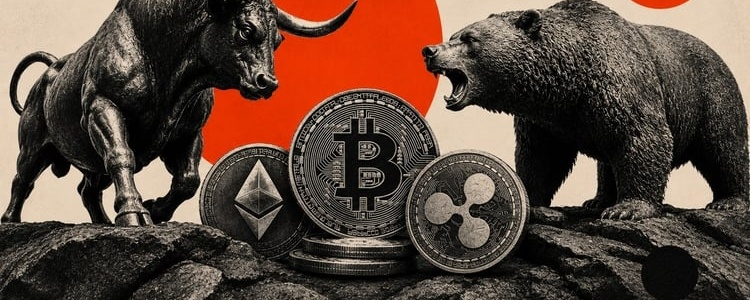
Article
1 Md$ liquidé sur le marché crypto alors que le Bitcoin et l'Ethereum chutentLes traders crypto qui avaient parié sur une hausse des cours viennent de passer quelques jours qui leur ont coûté très cher.
Plus d'un milliard de dollars de positions à effet de levier ont été liquidées alors que le Bitcoin $BTC , l'Ethereum $ETH , $XRP et le Solana sont tous passés sous des seuils de prix importants. Une publication sur le marché largement relayée a estimé les pertes à 1 milliard de dollars en seulement 10 minutes. Les données plus générales sur les produits dérivés montrent que plus de 1,05 milliard de dollars ont été liquidés au cours des 24 heures précédant le 6 novembre 2026.
Le déclencheur n'était ni un piratage, ni l'effondrement d'une plateforme d'échange, ni un tweet provocateur. Il est venu de Wall Street, où une forte baisse des actions américaines des secteurs de la tech et de l'IA a entraîné les cryptomonnaies dans sa chute.
1 Md$ liquidé sur le marché crypto alors que le Bitcoin et l'Ethereum chutent
Les traders crypto qui avaient parié sur une hausse des cours viennent de passer quelques jours qui leur ont coûté très cher.
Plus d'un milliard de dollars de positions à effet de levier ont été liquidées alors que le Bitcoin $BTC , l'Ethereum $ETH , $XRP et le Solana sont tous passés sous des seuils de prix importants. Une publication sur le marché largement relayée a estimé les pertes à 1 milliard de dollars en seulement 10 minutes. Les données plus générales sur les produits dérivés montrent que plus de 1,05 milliard de dollars ont été liquidés au cours des 24 heures précédant le 6 novembre 2026.
Le déclencheur n'était ni un piratage, ni l'effondrement d'une plateforme d'échange, ni un tweet provocateur. Il est venu de Wall Street, où une forte baisse des actions américaines des secteurs de la tech et de l'IA a entraîné les cryptomonnaies dans sa chute.
85
Connectez-vous pour découvrir plus de contenu
Rejoignez la communauté mondiale des adeptes de cryptomonnaies sur Binance Square
⚡️ Suviez les dernières informations importantes sur les cryptomonnaies.
💬 Jugé digne de confiance par la plus grande plateforme d’échange de cryptomonnaies au monde.
👍 Découvrez les connaissances que partagent les créateurs vérifiés.
Adresse e-mail/Nº de téléphone
Sujets d’actualité
NvidiaBeatsEstimatesWith$130BQ4Outlook
55,021 vues
278 mentions
Nvidia dépasse les attentes avec un chiffre d’affaires de 115,8 milliards de dollars, prévoit 130 milliards et ajoute 150 milliards de dollars à son programme de rachats d’actions
Binance News
·73 mentions J’aime
·48.4k vues
AnthropicIPOPriceCouldExceed$80
56,852 vues
238 mentions
RussiaCentralBankAddsAlfaBankToCryptoExchangeRegister
3,266 vues
46 mentions