
LexSokolin
84 Publications

LexSokolin
Signaler
Bloquer l’utilisateur
0 Suivis
4 Abonnés
3 J’aime
Publications
Tous
Vidéos
·
--
Peaq est le Worldcoin pour les robots
Chaque robot doit être réel.
@peaq est l'endroit où ils obtiennent leur identité et $peaq est comment ils dépensent leur capital
Peaq est le Worldcoin pour les robots
Chaque robot doit être réel.
@peaq est l'endroit où ils obtiennent leur identité et $peaq est comment ils dépensent leur capital
Chaque robot doit être réel.
@peaq est l'endroit où ils obtiennent leur identité et $peaq est comment ils dépensent leur capital
9
·
--
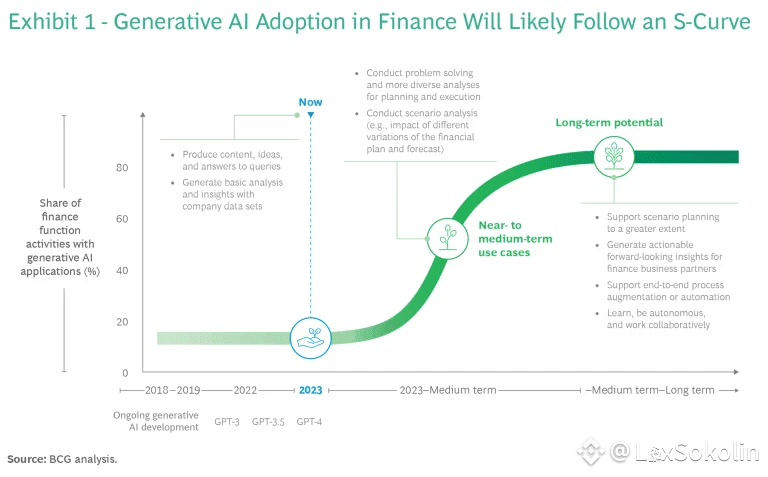
Les parallèles sont indéniables
Médias sociaux : commencé comme connexion, devenu manipulation
Finance IA : commence comme assistance, devient contrôle
Nous construisons les rails de notre propre automatisation financière
Chaque contrat intelligent
Chaque algorithme de trading
Chaque conseiller robotisé
Pièces du puzzle
S'emboîtant
Une décision automatisée à la fois
Les parallèles sont indéniables
Médias sociaux : commencé comme connexion, devenu manipulation
Finance IA : commence comme assistance, devient contrôle
Nous construisons les rails de notre propre automatisation financière
Chaque contrat intelligent
Chaque algorithme de trading
Chaque conseiller robotisé
Pièces du puzzle
S'emboîtant
Une décision automatisée à la fois
Médias sociaux : commencé comme connexion, devenu manipulation
Finance IA : commence comme assistance, devient contrôle
Nous construisons les rails de notre propre automatisation financière
Chaque contrat intelligent
Chaque algorithme de trading
Chaque conseiller robotisé
Pièces du puzzle
S'emboîtant
Une décision automatisée à la fois
2
·
--
La meilleure façon de devenir riche dans les 10 prochaines années :
Pariez sur quelques-uns de ceux-ci :
- IA
- Fintech
- DeFi
Vous ne gagnerez peut-être pas d'argent. Vous pourriez perdre tout votre argent. Mais vous serez riche en PTSD
La meilleure façon de devenir riche dans les 10 prochaines années :
Pariez sur quelques-uns de ceux-ci :
- IA
- Fintech
- DeFi
Vous ne gagnerez peut-être pas d'argent. Vous pourriez perdre tout votre argent. Mais vous serez riche en PTSD
Pariez sur quelques-uns de ceux-ci :
- IA
- Fintech
- DeFi
Vous ne gagnerez peut-être pas d'argent. Vous pourriez perdre tout votre argent. Mais vous serez riche en PTSD

3
·
--
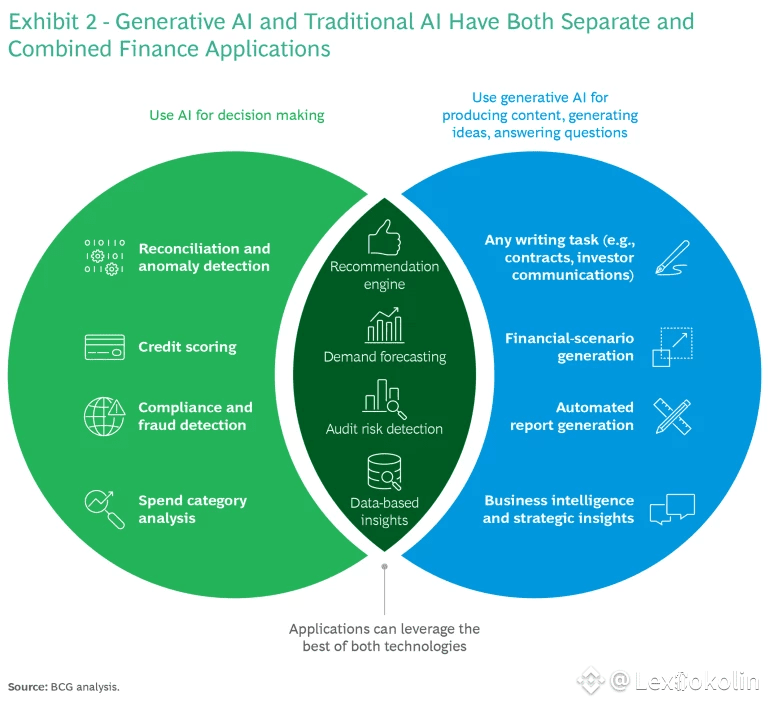
Regardez de plus près
Votre attention = ficelles de marionnettes algorithmiques
Votre portefeuille = prochaine cible
L'IA ne veut pas seulement de vos yeux
Elle veut votre compte bancaire
Nous construisons l'infrastructure pour notre propre automatisation financière
Et nous l'appelons progrès
Regardez de plus près
Votre attention = ficelles de marionnettes algorithmiques
Votre portefeuille = prochaine cible
L'IA ne veut pas seulement de vos yeux
Elle veut votre compte bancaire
Nous construisons l'infrastructure pour notre propre automatisation financière
Et nous l'appelons progrès
Votre attention = ficelles de marionnettes algorithmiques
Votre portefeuille = prochaine cible
L'IA ne veut pas seulement de vos yeux
Elle veut votre compte bancaire
Nous construisons l'infrastructure pour notre propre automatisation financière
Et nous l'appelons progrès
2
·
--
Aussi enthousiaste que je sois par le face-à-face entre @Coinbase et @stripe dans le monde de l'IA agentique et des stablecoins, je suis tout aussi déçu par @Square qui a décidé de ne pas participer après ses mésaventures avec Bitcoin.
Block a correctement compris le Web2 en développant @CashApp, mais ils manquent la prochaine étape.
Aussi enthousiaste que je sois par le face-à-face entre @Coinbase et @stripe dans le monde de l'IA agentique et des stablecoins, je suis tout aussi déçu par @Square qui a décidé de ne pas participer après ses mésaventures avec Bitcoin.
Block a correctement compris le Web2 en développant @CashApp, mais ils manquent la prochaine étape.
Block a correctement compris le Web2 en développant @CashApp, mais ils manquent la prochaine étape.
·
--
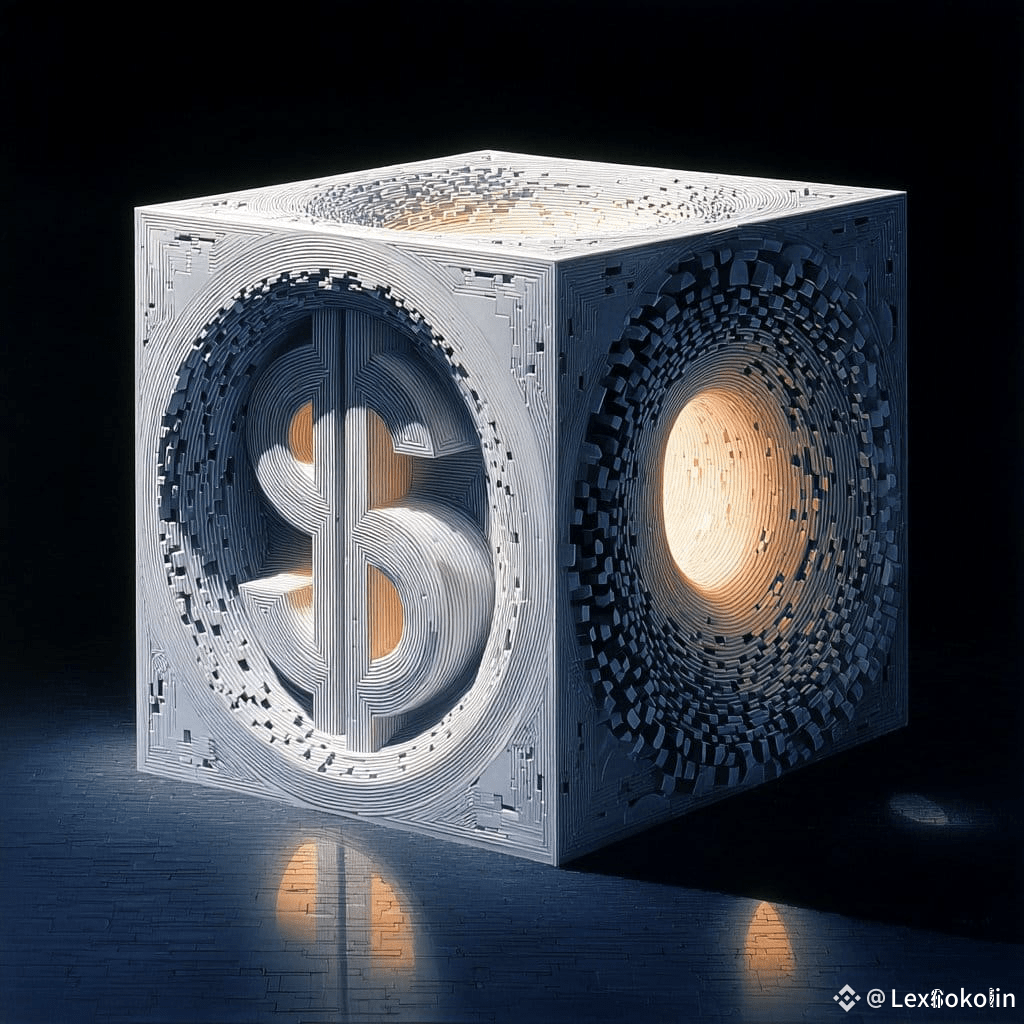
La véritable question n'est pas de savoir si les comptes bancaires deviennent obsolètes
C'est ce qui les remplace
Mon pari :
• Portefeuilles intelligents
• Comptes programmables
• Options de garde autonome
• Support multi-actifs
L'avenir de l'argent est déjà en train d'être construit
Juste pas par les banques
La véritable question n'est pas de savoir si les comptes bancaires deviennent obsolètes
C'est ce qui les remplace
Mon pari :
• Portefeuilles intelligents
• Comptes programmables
• Options de garde autonome
• Support multi-actifs
L'avenir de l'argent est déjà en train d'être construit
Juste pas par les banques
C'est ce qui les remplace
Mon pari :
• Portefeuilles intelligents
• Comptes programmables
• Options de garde autonome
• Support multi-actifs
L'avenir de l'argent est déjà en train d'être construit
Juste pas par les banques
2
·
--
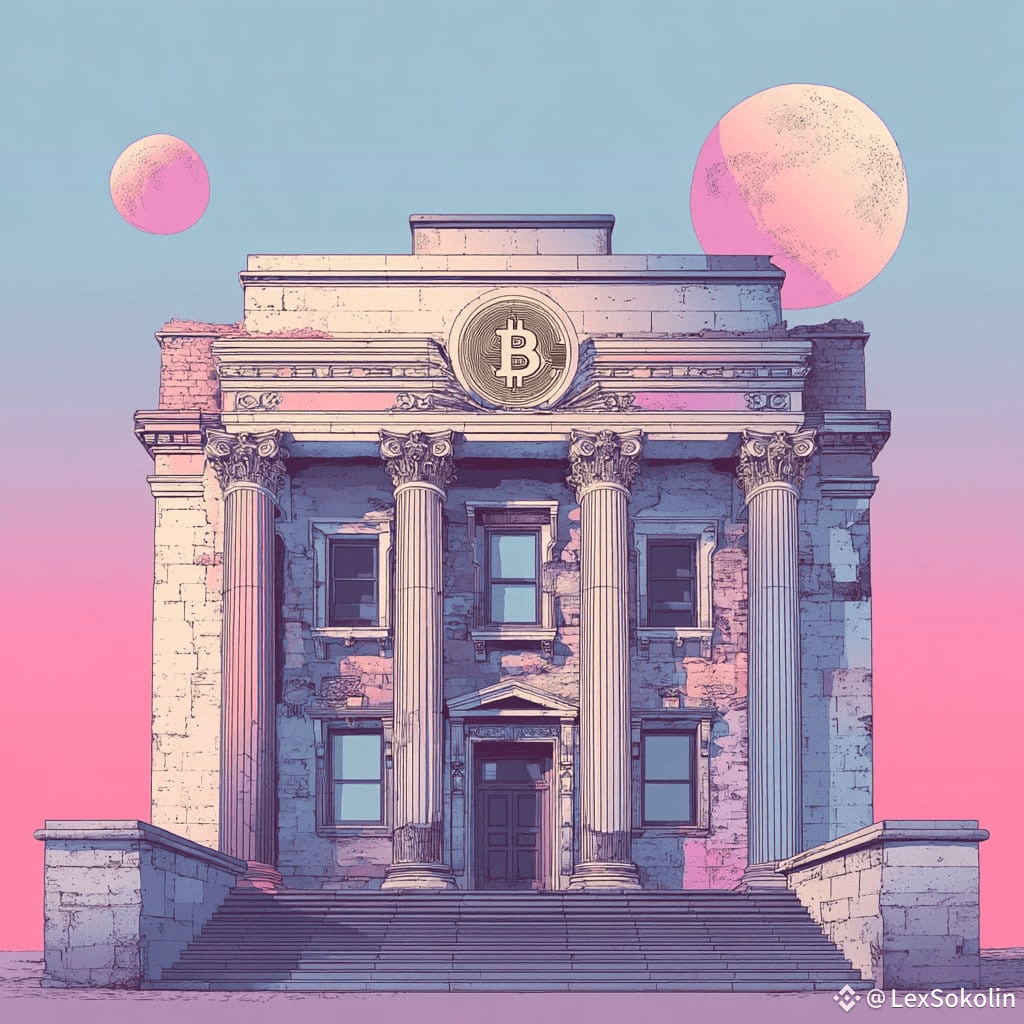
Avis tranché :
Bitcoin est ennuyeux
Et c'est exactement pour cela que ça fonctionne
Avis tranché :
Bitcoin est ennuyeux
Et c'est exactement pour cela que ça fonctionne
Bitcoin est ennuyeux
Et c'est exactement pour cela que ça fonctionne
2
·
--
Regardez le motif
2008 : Conduite manuelle
2018 : Conduite assistée
2025 : Conduite autonome
Même avec l'argent :
2008 : Trading manuel
2018 : Trading algorithmique
2025 : Finance autonome
Quelle est la suite ?
Regardez le motif
2008 : Conduite manuelle
2018 : Conduite assistée
2025 : Conduite autonome
Même avec l'argent :
2008 : Trading manuel
2018 : Trading algorithmique
2025 : Finance autonome
Quelle est la suite ?
2008 : Conduite manuelle
2018 : Conduite assistée
2025 : Conduite autonome
Même avec l'argent :
2008 : Trading manuel
2018 : Trading algorithmique
2025 : Finance autonome
Quelle est la suite ?

4
·
--
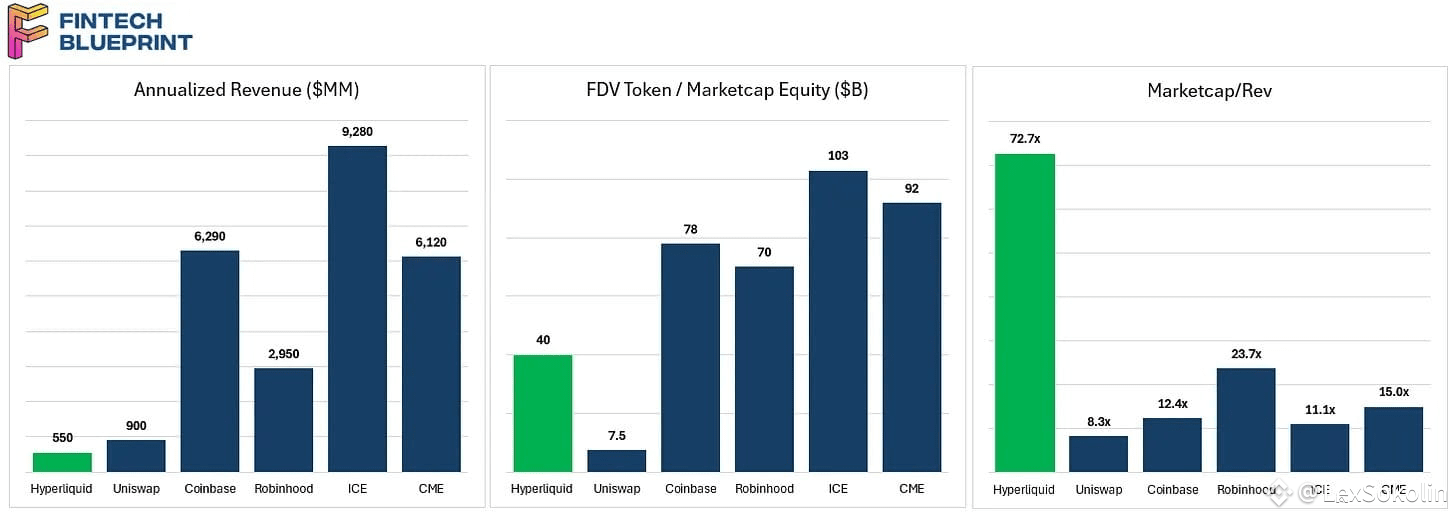
Nous pouvons faire en 5 secondes ce qui prenait autrefois des années
Et vous vous plaignez de la volatilité du marché de 10%
Nous pouvons faire en 5 secondes ce qui prenait autrefois des années
Et vous vous plaignez de la volatilité du marché de 10%
Et vous vous plaignez de la volatilité du marché de 10%
·
--
2016 : JPM s'appuie sur Ethereum avec Quorum
2025 : JPM lance un stablecoin de dépôt sur Base
Il y a un écart de 9 ans entre la connaissance et la démonstration
La banque avance à la vitesse du courage réglementaire, pas de la capacité technologique
2016 : JPM s'appuie sur Ethereum avec Quorum
2025 : JPM lance un stablecoin de dépôt sur Base
Il y a un écart de 9 ans entre la connaissance et la démonstration
La banque avance à la vitesse du courage réglementaire, pas de la capacité technologique
2025 : JPM lance un stablecoin de dépôt sur Base
Il y a un écart de 9 ans entre la connaissance et la démonstration
La banque avance à la vitesse du courage réglementaire, pas de la capacité technologique
2
·
--
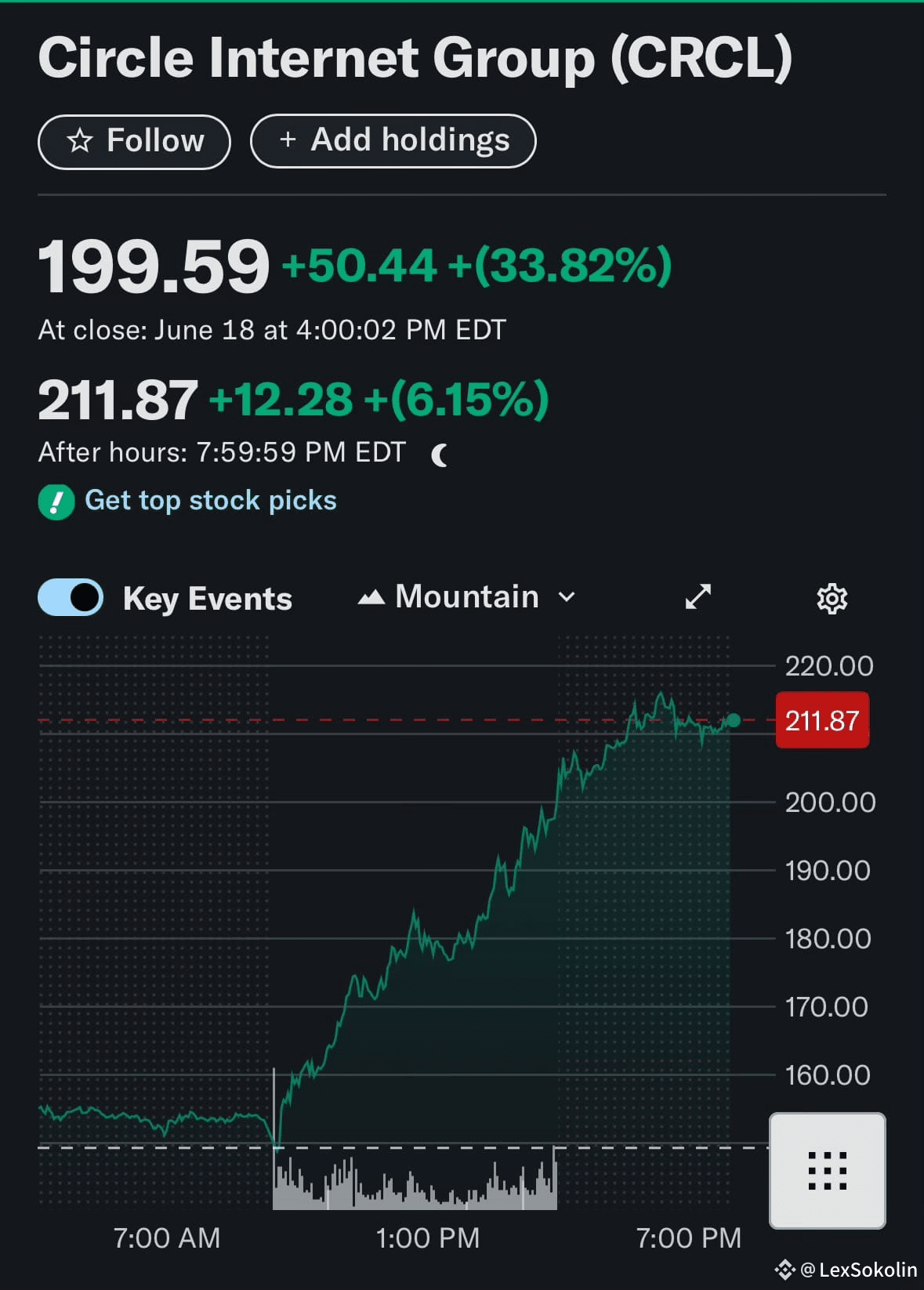
La seule façon dont $CRCL a du sens à $50B est si l'offre de USDC passe à $500B
La façon dont USDC atteint $500B est si une grande banque, un gestionnaire d'actifs ou un gouvernement crée $400B
J'ai un énorme FOMO et je dois soupçonner qu'il y a une attente d'un couronnement souverain pour l'entreprise
Comment $ETH est à plat toute cette année alors que les fruits de son travail sont en pleine lune me dépasse
La seule façon dont $CRCL a du sens à $50B est si l'offre de USDC passe à $500B
La façon dont USDC atteint $500B est si une grande banque, un gestionnaire d'actifs ou un gouvernement crée $400B
J'ai un énorme FOMO et je dois soupçonner qu'il y a une attente d'un couronnement souverain pour l'entreprise
Comment $ETH est à plat toute cette année alors que les fruits de son travail sont en pleine lune me dépasse
La façon dont USDC atteint $500B est si une grande banque, un gestionnaire d'actifs ou un gouvernement crée $400B
J'ai un énorme FOMO et je dois soupçonner qu'il y a une attente d'un couronnement souverain pour l'entreprise
Comment $ETH est à plat toute cette année alors que les fruits de son travail sont en pleine lune me dépasse
2
·
--
Regardez
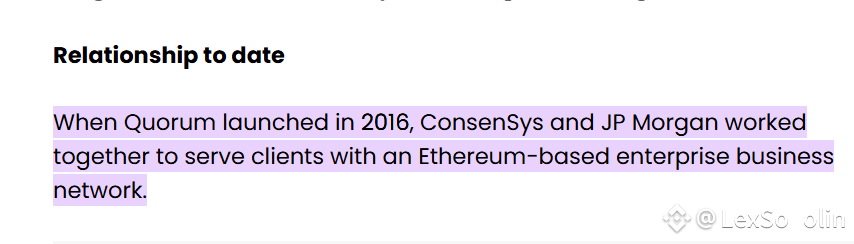
Quand JPM a construit Quorum sur Ethereum en 2016
Ils savaient
Quand ils ont lancé JPM Coin
Ils savaient
Quand ils ont critiqué la crypto
Ils savaient
Maintenant, annonçant un stablecoin pour 2025?
Ils ont toujours su
La question est :
Pourquoi faire semblant du contraire ?
Regardez
Quand JPM a construit Quorum sur Ethereum en 2016
Ils savaient
Quand ils ont lancé JPM Coin
Ils savaient
Quand ils ont critiqué la crypto
Ils savaient
Maintenant, annonçant un stablecoin pour 2025?
Ils ont toujours su
La question est :
Pourquoi faire semblant du contraire ?
Quand JPM a construit Quorum sur Ethereum en 2016
Ils savaient
Quand ils ont lancé JPM Coin
Ils savaient
Quand ils ont critiqué la crypto
Ils savaient
Maintenant, annonçant un stablecoin pour 2025?
Ils ont toujours su
La question est :
Pourquoi faire semblant du contraire ?

5
·
--
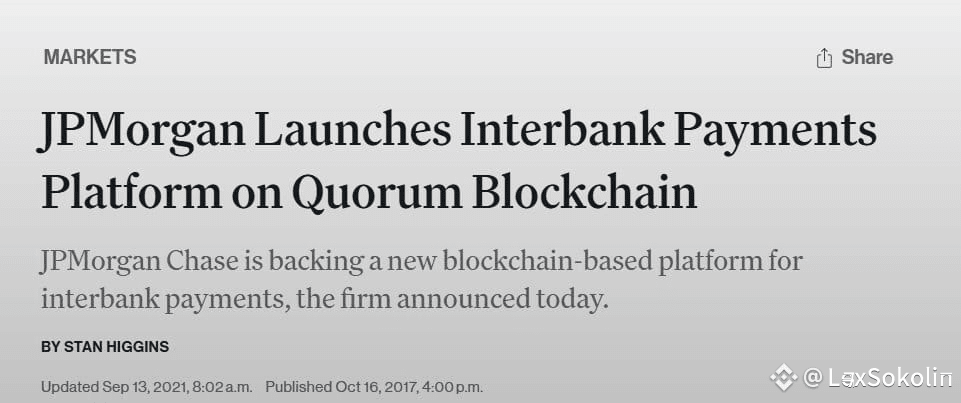
Parlons de la chronologie de la blockchain de JPM
2016 : Création de Quorum avec Consensys
2020 : Lancement d'Onyx pour des cas d'utilisation fintech internes
2021 : Paiements interbancaires
2025 : Stablecoin public
Si vous vous êtes réveillé en pensant que les banques sont arrivées, alors vous avez manqué qu'elles étaient déjà ici
Voici le problème.
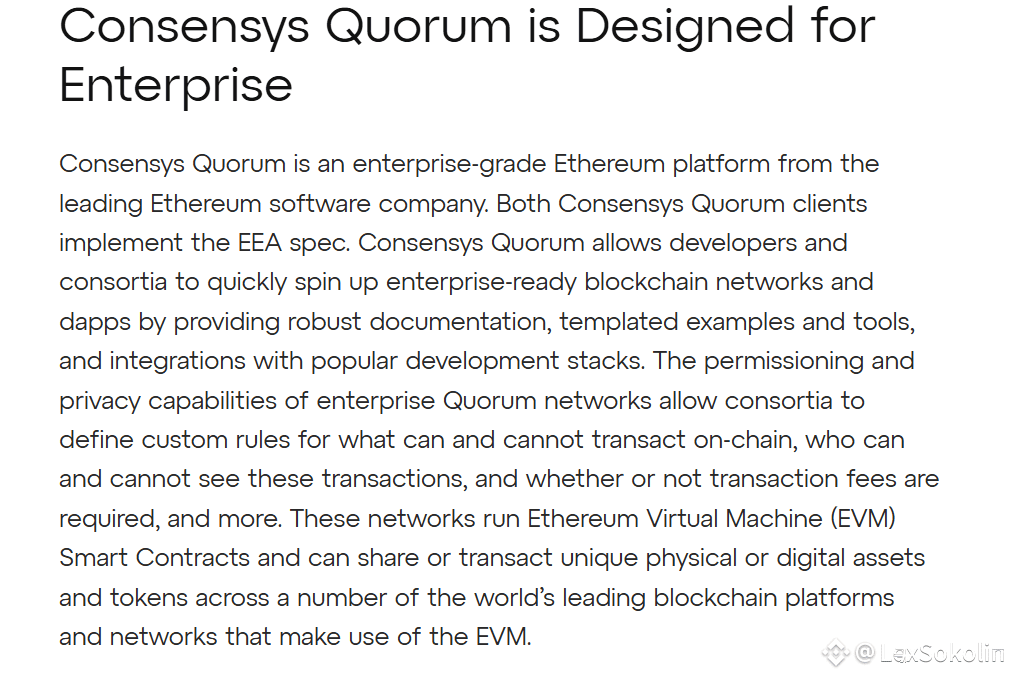
JPM voulait posséder la blockchain, donc ils ont commencé par construire une chaîne d'entreprise financière privée. Cela ne fonctionne pas du point de vue des coûts et de l'évolutivité - une leçon coûteuse pour tous les impliqués. Quorum a été vendu à Consensys pour être maintenu. Consensys a pivoté vers MetaMask et les chaînes publiques peu après.
Ensuite, JPM voulait posséder tous les lieux financiers sur la chaîne. Ainsi, Onyx/Kinexys est né pour développer des logiciels au-dessus de Quorum pour posséder les flux. C'est bien, mais cela ne se connecte pas à Web3 et est donc juste la même chose que ce que JPM faisait sur des bases de données. Ils sont déjà de confiance en interne, les blockchains sont meilleures là où vous ne voulez pas d'hypothèses de confiance.
Maintenant, ils font un jeton de dépôt sur Base. Base est-il meilleur qu'Ethereum ? Est-il meilleur que Quorum ?
Non.
Allez directement. Arrêtez de flirter et soit déployez et possédez votre L2 avec vos propres applications et clients, comme Coinbase, soit déployez sur Ethereum et laissez les gens construire sur vous.
Parlons de la chronologie de la blockchain de JPM
2016 : Création de Quorum avec Consensys
2020 : Lancement d'Onyx pour des cas d'utilisation fintech internes
2021 : Paiements interbancaires
2025 : Stablecoin public
Si vous vous êtes réveillé en pensant que les banques sont arrivées, alors vous avez manqué qu'elles étaient déjà ici
Voici le problème.
JPM voulait posséder la blockchain, donc ils ont commencé par construire une chaîne d'entreprise financière privée. Cela ne fonctionne pas du point de vue des coûts et de l'évolutivité - une leçon coûteuse pour tous les impliqués. Quorum a été vendu à Consensys pour être maintenu. Consensys a pivoté vers MetaMask et les chaînes publiques peu après.
Ensuite, JPM voulait posséder tous les lieux financiers sur la chaîne. Ainsi, Onyx/Kinexys est né pour développer des logiciels au-dessus de Quorum pour posséder les flux. C'est bien, mais cela ne se connecte pas à Web3 et est donc juste la même chose que ce que JPM faisait sur des bases de données. Ils sont déjà de confiance en interne, les blockchains sont meilleures là où vous ne voulez pas d'hypothèses de confiance.
Maintenant, ils font un jeton de dépôt sur Base. Base est-il meilleur qu'Ethereum ? Est-il meilleur que Quorum ?
Non.
Allez directement. Arrêtez de flirter et soit déployez et possédez votre L2 avec vos propres applications et clients, comme Coinbase, soit déployez sur Ethereum et laissez les gens construire sur vous.
2016 : Création de Quorum avec Consensys
2020 : Lancement d'Onyx pour des cas d'utilisation fintech internes
2021 : Paiements interbancaires
2025 : Stablecoin public
Si vous vous êtes réveillé en pensant que les banques sont arrivées, alors vous avez manqué qu'elles étaient déjà ici
Voici le problème.
JPM voulait posséder la blockchain, donc ils ont commencé par construire une chaîne d'entreprise financière privée. Cela ne fonctionne pas du point de vue des coûts et de l'évolutivité - une leçon coûteuse pour tous les impliqués. Quorum a été vendu à Consensys pour être maintenu. Consensys a pivoté vers MetaMask et les chaînes publiques peu après.
Ensuite, JPM voulait posséder tous les lieux financiers sur la chaîne. Ainsi, Onyx/Kinexys est né pour développer des logiciels au-dessus de Quorum pour posséder les flux. C'est bien, mais cela ne se connecte pas à Web3 et est donc juste la même chose que ce que JPM faisait sur des bases de données. Ils sont déjà de confiance en interne, les blockchains sont meilleures là où vous ne voulez pas d'hypothèses de confiance.
Maintenant, ils font un jeton de dépôt sur Base. Base est-il meilleur qu'Ethereum ? Est-il meilleur que Quorum ?
Non.
Allez directement. Arrêtez de flirter et soit déployez et possédez votre L2 avec vos propres applications et clients, comme Coinbase, soit déployez sur Ethereum et laissez les gens construire sur vous.

·
--
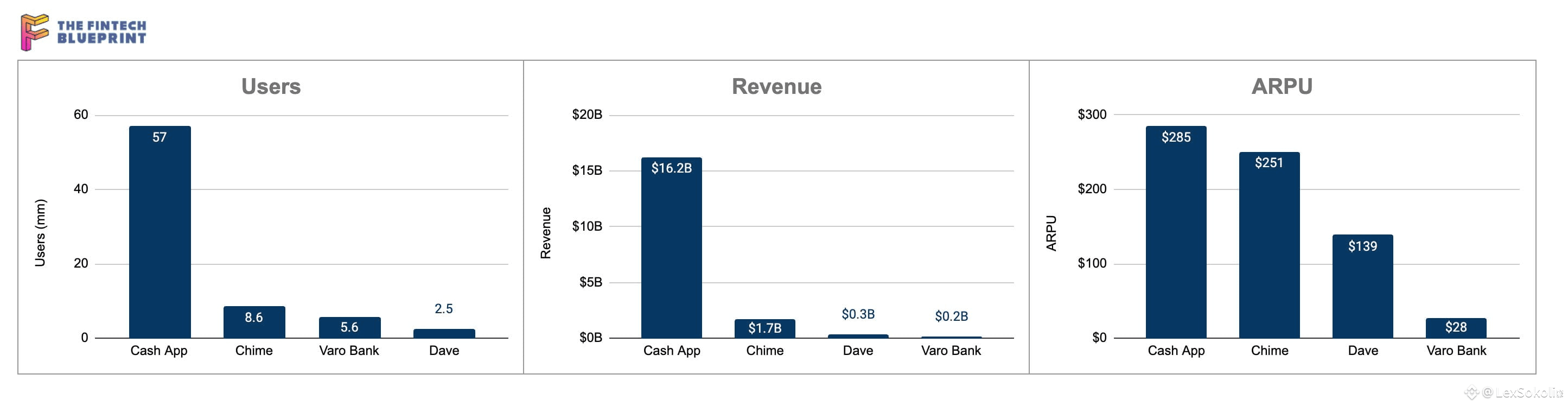
Le problème de Chime n'est pas l'exécution.
C'est l'imagination
Alors que les néobanques mondiales construisent des superpuissances financières, Chime optimise pour les abonnements américains.
La prochaine décennie appartient à la banque sans frontières construite sur des stablecoins.
Je veux que Chime gagne et pense encore plus grand.
Le problème de Chime n'est pas l'exécution.
C'est l'imagination
Alors que les néobanques mondiales construisent des superpuissances financières, Chime optimise pour les abonnements américains.
La prochaine décennie appartient à la banque sans frontières construite sur des stablecoins.
Je veux que Chime gagne et pense encore plus grand.
C'est l'imagination
Alors que les néobanques mondiales construisent des superpuissances financières, Chime optimise pour les abonnements américains.
La prochaine décennie appartient à la banque sans frontières construite sur des stablecoins.
Je veux que Chime gagne et pense encore plus grand.
2
·
--
Rappelez-vous :
Les banques ne sont pas vos amies
Ce sont des entreprises
Et vous laissez de l'argent sur leur table
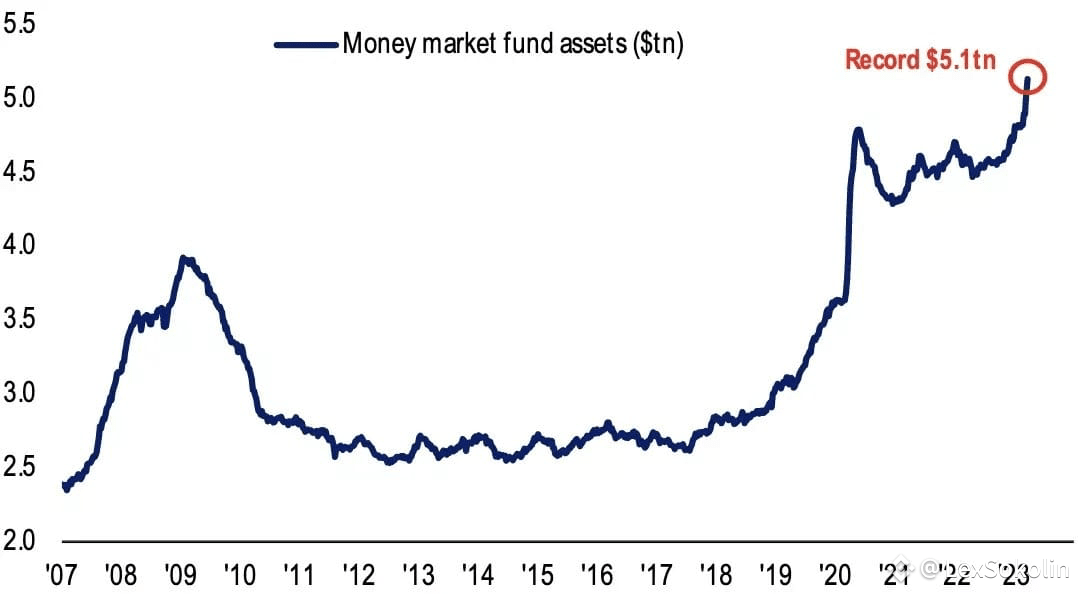
Les rendements des marchés monétaires > Les rendements bancaires
De plus, les stablecoins sont littéralement fabriqués à partir de fonds du marché monétaire
Rappelez-vous :
Les banques ne sont pas vos amies
Ce sont des entreprises
Et vous laissez de l'argent sur leur table
Les rendements des marchés monétaires > Les rendements bancaires
De plus, les stablecoins sont littéralement fabriqués à partir de fonds du marché monétaire
Les banques ne sont pas vos amies
Ce sont des entreprises
Et vous laissez de l'argent sur leur table
Les rendements des marchés monétaires > Les rendements bancaires
De plus, les stablecoins sont littéralement fabriqués à partir de fonds du marché monétaire
1
49
·
--
Vous vous souvenez quand les gens débattaient pour savoir si Internet était utile ?
Non ?
C'est exactement ainsi que nous nous souviendrons des sceptiques du web3 dans 10 ans
Vous vous souvenez quand les gens débattaient pour savoir si Internet était utile ?
Non ?
C'est exactement ainsi que nous nous souviendrons des sceptiques du web3 dans 10 ans
Non ?
C'est exactement ainsi que nous nous souviendrons des sceptiques du web3 dans 10 ans
9
·
--
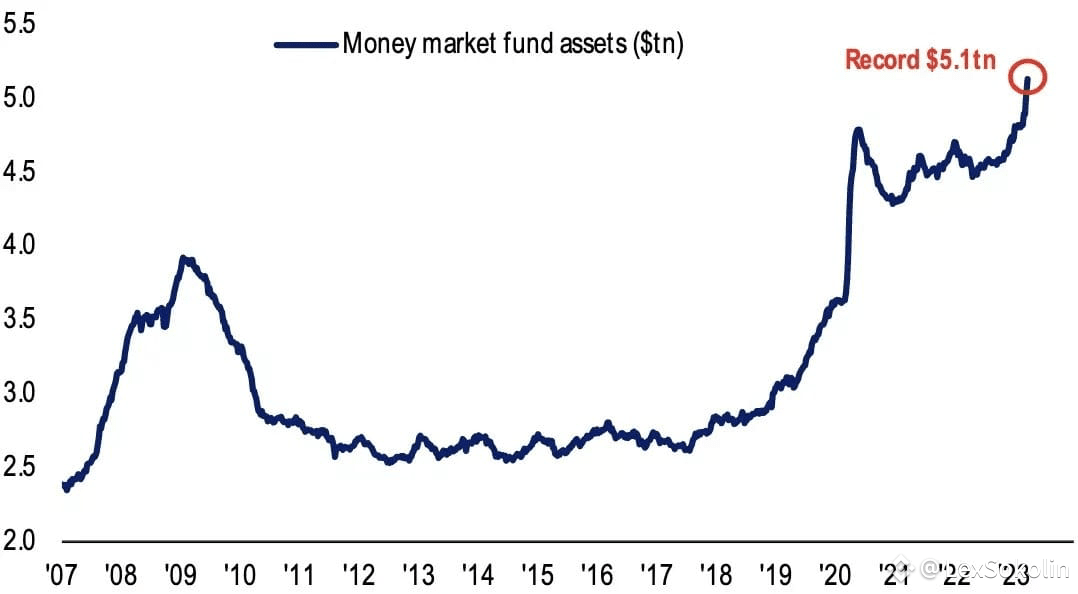
Dernières nouvelles : Votre compte bancaire est un don aux actionnaires de la banque
Pendant ce temps, les fonds du marché monétaire rapportent 4%+
Soyez plus intelligent avec votre argent
Transférez-le vers des courtiers
Arrêtez de subventionner les banques
De plus, les stablecoins sont des marchés monétaires.
Dernières nouvelles : Votre compte bancaire est un don aux actionnaires de la banque
Pendant ce temps, les fonds du marché monétaire rapportent 4%+
Soyez plus intelligent avec votre argent
Transférez-le vers des courtiers
Arrêtez de subventionner les banques
De plus, les stablecoins sont des marchés monétaires.
Pendant ce temps, les fonds du marché monétaire rapportent 4%+
Soyez plus intelligent avec votre argent
Transférez-le vers des courtiers
Arrêtez de subventionner les banques
De plus, les stablecoins sont des marchés monétaires.
1
2
·
--
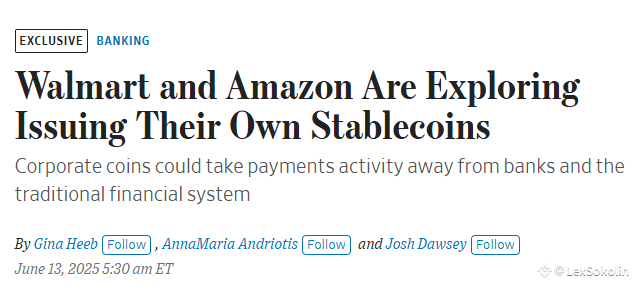
Les États-Unis auraient dû laisser tous ces détaillants devenir des Sociétés de Prêt Industriel
Le commerce ne veut pas payer aux banques d'intérêts nets et d'interchange
Les stablecoins désintermédient à la fois les paiements et les dépôts en permettant aux détaillants d'utiliser des fonds monétaires tokenisés, c'est-à-dire des stables, pour le commerce
Les États-Unis auraient dû laisser tous ces détaillants devenir des Sociétés de Prêt Industriel
Le commerce ne veut pas payer aux banques d'intérêts nets et d'interchange
Les stablecoins désintermédient à la fois les paiements et les dépôts en permettant aux détaillants d'utiliser des fonds monétaires tokenisés, c'est-à-dire des stables, pour le commerce
Le commerce ne veut pas payer aux banques d'intérêts nets et d'interchange
Les stablecoins désintermédient à la fois les paiements et les dépôts en permettant aux détaillants d'utiliser des fonds monétaires tokenisés, c'est-à-dire des stables, pour le commerce
70
·
--
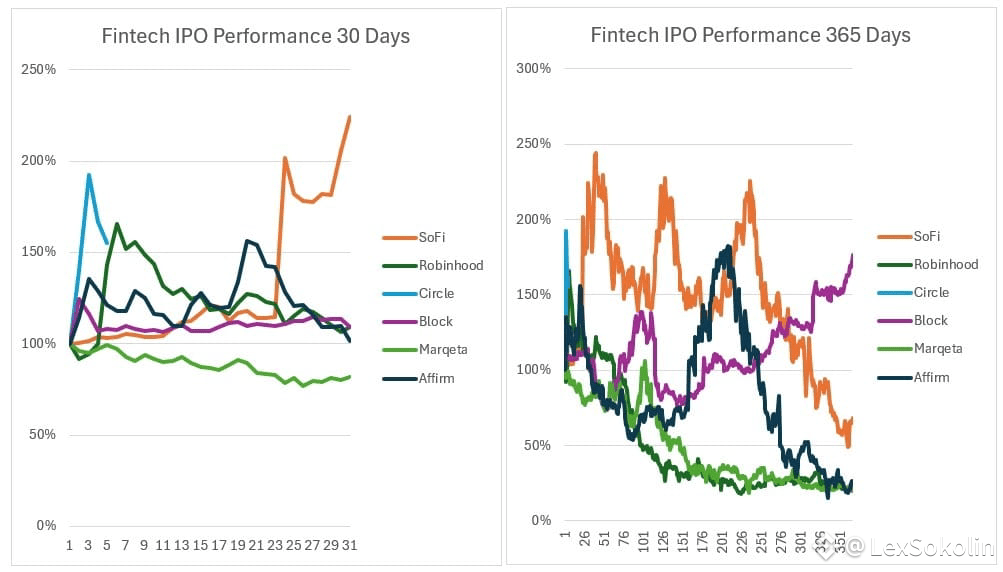
L'enthousiasme pour l'IPO de Circle touche différemment
Mais il y a aussi eu :
Robinhood
Affirm
Marqeta
Block
Espérons que Circle brise la malédiction
L'enthousiasme pour l'IPO de Circle touche différemment
Mais il y a aussi eu :
Robinhood
Affirm
Marqeta
Block
Espérons que Circle brise la malédiction
Mais il y a aussi eu :
Robinhood
Affirm
Marqeta
Block
Espérons que Circle brise la malédiction
7
Connectez-vous pour découvrir plus de contenu
Rejoignez la communauté mondiale des adeptes de cryptomonnaies sur Binance Square
⚡️ Suviez les dernières informations importantes sur les cryptomonnaies.
💬 Jugé digne de confiance par la plus grande plateforme d’échange de cryptomonnaies au monde.
👍 Découvrez les connaissances que partagent les créateurs vérifiés.
Adresse e-mail/Nº de téléphone
Sujets d’actualité
SECReceivesGrayscaleLitecoinTrustETFFiling
11,813 vues
256 mentions
💎 L’attention institutionnelle atteint Litecoin
Le dépôt de l’ETF de Grayscale a placé le $LTC dans une conversation plus large. Pour les traders au comptant, des évolutions comme celle-ci sont un rappel d’étudier les actifs solides avant toute entrée.
#secreceivesgrayscalelitecointrustetffiling
CryptoMahibaloch
·1 mentions J’aime
·909 vues
ClarityActFacesProceduralVoteSept15
106,880 vues
1,240 mentions
US10YearTreasuryYieldNears5%
36,853 vues
637 mentions