
leedz
20 Publications

leedz
15 Suivis
15 Abonnés
18 J’aime
Publications
Tous
Citations
🚀 $SOL Breaks 100 $ : Continuation haussière ou repli à court terme ?
Après une forte hausse de 40 % + depuis les plus bas de mi-août, Solana ( $SOL ) a reconquis le niveau psychologique clé de 100 $ et se consolide actuellement près de 105 $.
Des fondamentaux solides de l’écosystème et une hausse spectaculaire de l’Open Interest alimentent cette dynamique. Cependant, avec un RSI qui s’approche de la zone de surachat sur des horizons plus élevés, les traders devraient se préparer à une volatilité possible autour de ces niveaux techniques critiques :
📊 Niveaux techniques clés
Résistance majeure : 110,00 $ – 112,00 $ (zone de cassure visant 125 $)
Support immédiat : 101,50 $ – 103,00 $
Zone de demande clé : 92,50 $ – 95,00 $ (niveau idéal de réentrée lors de replis profonds)
💡 Stratégie de trading
Configuration haussière : une clôture quotidienne nette au-dessus de 110 $ ouvre la voie à un retest de 120–125 $.
Scénario de repli : si la résistance tient, recherchez un retest sain vers 101–102 $ pour viser des entrées longues avec des stop-loss plus serrés.
Gestion du risque : conservez des stop-loss stricts sous 98 $, car un levier élevé sur les marchés perpétuels pourrait provoquer rapidement des mèches de liquidation.
👇 Quelle est votre position ? Tenez-vous $SOL pour viser 120+ $, ou attendez-vous d’acheter la baisse sous 100 $ ? Discutons-en ci-dessous !
#Solana #SOL #CryptoTrading #TechnicalAnalysis #BinanceSquare
Après une forte hausse de 40 % + depuis les plus bas de mi-août, Solana ( $SOL ) a reconquis le niveau psychologique clé de 100 $ et se consolide actuellement près de 105 $.
Des fondamentaux solides de l’écosystème et une hausse spectaculaire de l’Open Interest alimentent cette dynamique. Cependant, avec un RSI qui s’approche de la zone de surachat sur des horizons plus élevés, les traders devraient se préparer à une volatilité possible autour de ces niveaux techniques critiques :
📊 Niveaux techniques clés
Résistance majeure : 110,00 $ – 112,00 $ (zone de cassure visant 125 $)
Support immédiat : 101,50 $ – 103,00 $
Zone de demande clé : 92,50 $ – 95,00 $ (niveau idéal de réentrée lors de replis profonds)
💡 Stratégie de trading
Configuration haussière : une clôture quotidienne nette au-dessus de 110 $ ouvre la voie à un retest de 120–125 $.
Scénario de repli : si la résistance tient, recherchez un retest sain vers 101–102 $ pour viser des entrées longues avec des stop-loss plus serrés.
Gestion du risque : conservez des stop-loss stricts sous 98 $, car un levier élevé sur les marchés perpétuels pourrait provoquer rapidement des mèches de liquidation.
👇 Quelle est votre position ? Tenez-vous $SOL pour viser 120+ $, ou attendez-vous d’acheter la baisse sous 100 $ ? Discutons-en ci-dessous !
#Solana #SOL #CryptoTrading #TechnicalAnalysis #BinanceSquare
Voir la traduction
#BinanceTurns9 Binance Turns 9 - Built By You
as usually binance is the best exchange ever, just liked the tournament and the anniversary like to be part of the big pict
as usually binance is the best exchange ever, just liked the tournament and the anniversary like to be part of the big pict

Voir la traduction
An interesting mechanism to watch ahead of the #grvt _io launch on July 21 is their approach to the community airdrop claims. Rather than a standard, one-size-fits-all distribution, the project has introduced a gamified dynamic: users can choose to claim their token allocation immediately at the Token Generation Event (TGE) or opt to delay their claim in exchange for an increased allocation multiplier—potentially scaling up to four times the original amount over an extended lock-up period.
This model essentially forces a choice between immediate liquidity and long-term ecosystem alignment, which could significantly mitigate standard day-one dumping pressures. By combining this structure with the live 1,500,000 GRVT Booster Campaign on Binance Wallet, the team is filtering for genuine, high-conviction participants rather than mercenary capital. It’s a bold experiment in token supply management.
#grvt
This model essentially forces a choice between immediate liquidity and long-term ecosystem alignment, which could significantly mitigate standard day-one dumping pressures. By combining this structure with the live 1,500,000 GRVT Booster Campaign on Binance Wallet, the team is filtering for genuine, high-conviction participants rather than mercenary capital. It’s a bold experiment in token supply management.
#grvt
Voir la traduction
#grvt The upcoming launch of @grvt_io on July 21 is shaping up to be one of the most anticipated infrastructure rollouts in the derivatives space. Built using ZKsync's powerful ZK Stack, the platform isn't just delivering typical DEX features; it's pushing the boundaries of capital efficiency.
With its unique membership architecture, holding the token introduces major operational advantages, including optimized margin efficiency, tiered trading fee reductions, and priority access to specialized investment vaults and high-yield products. By mitigating MEV vulnerabilities and smart contract exposure through an enterprise-grade hybrid layout, the platform creates an institutional-ready environment that doesn't compromise on self-custody.
With Coinbase recently adding it to its official asset listing roadmap, the project's macro momentum is undeniable as we head toward the token generation event. Watch this space closely. #grvt
With its unique membership architecture, holding the token introduces major operational advantages, including optimized margin efficiency, tiered trading fee reductions, and priority access to specialized investment vaults and high-yield products. By mitigating MEV vulnerabilities and smart contract exposure through an enterprise-grade hybrid layout, the platform creates an institutional-ready environment that doesn't compromise on self-custody.
With Coinbase recently adding it to its official asset listing roadmap, the project's macro momentum is undeniable as we head toward the token generation event. Watch this space closely. #grvt
Voir la traduction
The next major evolution in crypto derivatives is heavily leaning toward hybrid architectures, and @grvt_io is leading the charge. By combining the blazing execution speed of a centralized platform with the uncompromised security of self-custody, they are solving a massive pain point for modern traders. Built on advanced zero-knowledge infrastructure (the ZK Stack), the platform allows users to retain absolute control over their assets while enjoying ultra-fast matching, minimal slippage, and robust privacy protections. As the ecosystem scales up its trading volume and expands its focus on capital productivity, it is quickly positioning itself as a core infrastructure piece for next-generation perpetual markets. Keep an eye on its growing momentum. #grvt
Voir la traduction
$NEWT The launch of the Newton Mainnet Beta is a significant milestone for institutional DeFi and autonomous on-chain automation. Operating as an EigenLayer-secured Actively Validated Services (AVS) network, @NewtonProtocol(https://www.binance.com/en/square/profile/newtonprotocol) shifts risk management from reactive post-settlement monitoring to real-time, transaction-time authorization.
Using the VaultKit SDK, curators can seamlessly set strict, custom execution policies directly into their smart contracts. What makes these policies powerful is their data backing: Newton integrates manipulation-resistant asset pricing via RedStone and model-driven risk intelligence via Credora. This allows vaults and AI agents to instantly evaluate and block or liquidate risky positions at the very moment a transaction clears. This fundamental architecture provides verifiable, transparent security infrastructure, driving direct structural utility to $NEWT .
#Newt
Using the VaultKit SDK, curators can seamlessly set strict, custom execution policies directly into their smart contracts. What makes these policies powerful is their data backing: Newton integrates manipulation-resistant asset pricing via RedStone and model-driven risk intelligence via Credora. This allows vaults and AI agents to instantly evaluate and block or liquidate risky positions at the very moment a transaction clears. This fundamental architecture provides verifiable, transparent security infrastructure, driving direct structural utility to $NEWT .
#Newt
Voir la traduction
#newt $NEWT
The arrival of the Newton Mainnet Beta marks a major shift in how we approach secure on-chain automation and autonomous AI agents. Alongside this launch, @NewtonProtocol(https://www.binance.com/en/square/profile/newtonprotocol) introduced VaultKit—a powerful SDK designed to make a vault's specific rules fully enforceable at the smart contract layer before a transaction ever settles.
By serving as a decentralized authorization engine, the protocol evaluates transaction intents off-chain via an EigenLayer-secured Actively Validated Services (AVS) network, generating a verifiable cryptographic proof to block or allow actions automatically. This means rules like identity requirements, spending limits, or custom compliance are natively guarded. Furthermore, the integration of launch data partners like RedStone (supplying manipulation-resistant market data) and Credora (delivering real-time risk intelligence) ensures these policies are powered by trusted inputs. For anyone tracking the evolution of secure DeFi infrastructure, the concrete utility backing $NEWT is one to watch closely.
#Newt
The arrival of the Newton Mainnet Beta marks a major shift in how we approach secure on-chain automation and autonomous AI agents. Alongside this launch, @NewtonProtocol(https://www.binance.com/en/square/profile/newtonprotocol) introduced VaultKit—a powerful SDK designed to make a vault's specific rules fully enforceable at the smart contract layer before a transaction ever settles.
By serving as a decentralized authorization engine, the protocol evaluates transaction intents off-chain via an EigenLayer-secured Actively Validated Services (AVS) network, generating a verifiable cryptographic proof to block or allow actions automatically. This means rules like identity requirements, spending limits, or custom compliance are natively guarded. Furthermore, the integration of launch data partners like RedStone (supplying manipulation-resistant market data) and Credora (delivering real-time risk intelligence) ensures these policies are powered by trusted inputs. For anyone tracking the evolution of secure DeFi infrastructure, the concrete utility backing $NEWT is one to watch closely.
#Newt

Voir la traduction
#openledger $OPEN
Exploring the future of decentralized data with @OpenLedger — a project that’s pushing boundaries in how information is structured, shared, and monetized. The vision behind $OPEN is not just about blockchain, but about creating a smarter data economy where transparency and efficiency go hand in hand. As adoption grows, #OpenLedger could become a key layer for next-gen Web3 infrastructure. Keep an eye on this one.
Exploring the future of decentralized data with @OpenLedger — a project that’s pushing boundaries in how information is structured, shared, and monetized. The vision behind $OPEN is not just about blockchain, but about creating a smarter data economy where transparency and efficiency go hand in hand. As adoption grows, #OpenLedger could become a key layer for next-gen Web3 infrastructure. Keep an eye on this one.
Voir la traduction
#genius $GENIUS
Exploring the innovation behind @GeniusOfficial — this project is pushing boundaries with a fresh approach to decentralized intelligence and scalable blockchain solutions. The vision around $GENIUS isn’t just hype, it’s about building real utility and long-term ecosystem value. Definitely a project worth watching as it evolves. #genius
Exploring the innovation behind @GeniusOfficial — this project is pushing boundaries with a fresh approach to decentralized intelligence and scalable blockchain solutions. The vision around $GENIUS isn’t just hype, it’s about building real utility and long-term ecosystem value. Definitely a project worth watching as it evolves. #genius


Voir la traduction
#openledger $OPEN
Exploring the future of decentralized data with @OpenLedger (https://www.binance.com/en/square/profile/openledger)! The vision behind $OPEN is powerful—bringing transparency, scalability, and real utility to on-chain data infrastructure. As more projects shift toward data-driven ecosystems, OpenLedger could play a key role in shaping the next wave of Web3 innovation. Definitely a project worth watching closely. #OpenLedger
Exploring the future of decentralized data with @OpenLedger (https://www.binance.com/en/square/profile/openledger)! The vision behind $OPEN is powerful—bringing transparency, scalability, and real utility to on-chain data infrastructure. As more projects shift toward data-driven ecosystems, OpenLedger could play a key role in shaping the next wave of Web3 innovation. Definitely a project worth watching closely. #OpenLedger
En regardant le marché actuel, Solana (SOL) envoie plusieurs signaux qui suggèrent que son prix actuel (environ **95 $**) pourrait être un point d'entrée stratégique.
Voici une analyse des raisons pour lesquelles SOL semble solide en ce moment :
1. Cassure Technique & Momentum
Inversion de Tendance : Solana a récemment franchi une tendance baissière de longue durée et a récupéré sa Moyenne Mobile Simple (SMA) sur 100 jours pour la première fois depuis fin 2025. C'est un indicateur classique que le momentum à long terme passe de baissier à haussier.
Indicateurs Haussiers : L'indicateur *Supertrend vient de passer au vert, et les analystes techniques surveillent une poussée vers la zone de résistance psychologique de 100 à 105 $. Si cela passe, le prochain objectif majeur est autour de 115 $.
2. Fort Soutien Institutionnel
Entrées d'ETF : Les ETF spot Solana ont connu un mouvement positif constant, avec environ **56 millions de $** d'entrées nettes au cours du dernier mois. Cela montre que des "gros capitaux" accumulent activement à ces niveaux.
Activité des Baleines : Les données on-chain ont récemment montré un portefeuille de baleine dormant se réveillant pour acheter plus de 6 millions de $ de SOL, signalant une confiance de la part des traders à haut patrimoine.
3. Majeures Mises à Niveau de l'Écosystème
La Mise à Niveau Alpenglow : Les tests ont commencé sur Alpenglow, une énorme refonte de l'infrastructure conçue pour rendre le réseau significativement plus rapide et plus évolutif.
Le client validateurs Firedancer, très attendu, se rapproche du mainnet, ce qui pourrait théoriquement propulser la capacité de Solana vers 1 million de transactions par seconde.
4. Utilité en Expansion
Croissance des Stablecoins : Circle a récemment frappé 750 millions de $ en USDC directement sur Solana, renforçant ainsi sa position en tant que chaîne préférée pour la liquidité et les paiements.
Dominance DeFi : **Solana continue de maintenir sa position en tant que deuxième plus grand écosystème DeFi, dépassant souvent Ethereum en volume d'échange décentralisé (DEX) sur 24 heures grâce à ses frais de transaction inférieurs au centime.
La Conclusion**
Bien que SOL se négocie actuellement environ 68 % en dessous de son sommet historique de 295 $, les fondamentaux n'ont jamais été aussi solides.
$SOL
Voici une analyse des raisons pour lesquelles SOL semble solide en ce moment :
1. Cassure Technique & Momentum
Inversion de Tendance : Solana a récemment franchi une tendance baissière de longue durée et a récupéré sa Moyenne Mobile Simple (SMA) sur 100 jours pour la première fois depuis fin 2025. C'est un indicateur classique que le momentum à long terme passe de baissier à haussier.
Indicateurs Haussiers : L'indicateur *Supertrend vient de passer au vert, et les analystes techniques surveillent une poussée vers la zone de résistance psychologique de 100 à 105 $. Si cela passe, le prochain objectif majeur est autour de 115 $.
2. Fort Soutien Institutionnel
Entrées d'ETF : Les ETF spot Solana ont connu un mouvement positif constant, avec environ **56 millions de $** d'entrées nettes au cours du dernier mois. Cela montre que des "gros capitaux" accumulent activement à ces niveaux.
Activité des Baleines : Les données on-chain ont récemment montré un portefeuille de baleine dormant se réveillant pour acheter plus de 6 millions de $ de SOL, signalant une confiance de la part des traders à haut patrimoine.
3. Majeures Mises à Niveau de l'Écosystème
La Mise à Niveau Alpenglow : Les tests ont commencé sur Alpenglow, une énorme refonte de l'infrastructure conçue pour rendre le réseau significativement plus rapide et plus évolutif.
Le client validateurs Firedancer, très attendu, se rapproche du mainnet, ce qui pourrait théoriquement propulser la capacité de Solana vers 1 million de transactions par seconde.
4. Utilité en Expansion
Croissance des Stablecoins : Circle a récemment frappé 750 millions de $ en USDC directement sur Solana, renforçant ainsi sa position en tant que chaîne préférée pour la liquidité et les paiements.
Dominance DeFi : **Solana continue de maintenir sa position en tant que deuxième plus grand écosystème DeFi, dépassant souvent Ethereum en volume d'échange décentralisé (DEX) sur 24 heures grâce à ses frais de transaction inférieurs au centime.
La Conclusion**
Bien que SOL se négocie actuellement environ 68 % en dessous de son sommet historique de 295 $, les fondamentaux n'ont jamais été aussi solides.
$SOL
🚀 Prédiction de prix de Solana : Est-ce que SOL se prépare pour le prochain grand mouvement ?
$SOL reste l'un des projets Layer-1 les plus solides dans le monde de la crypto, et de nombreux analystes pensent que le prochain grand mouvement pourrait venir de la croissance de l'écosystème, de l'adoption institutionnelle et des mises à niveau du réseau comme Firedancer.
📈 Scénario haussier :
Si l'élan du marché revient et que Solana casse les niveaux de résistance majeurs, certaines prévisions voient SOL se diriger vers la fourchette de $150–$250 dans le prochain cycle. (XS)
⚠️ Scénario baissier :
La crypto reste hautement volatile, et plusieurs analystes avertissent qu'une liquidité de marché faible ou une autre phase de risque pourrait renvoyer SOL vers des zones de support plus basses avant une reprise. (FXEmpire)
💡 Ce qui rend Solana intéressant :
• Transactions ultra-rapides
• Activité massive de mèmes
• Écosystème DeFi en pleine expansion
• Attention institutionnelle croissante
• Communauté de développeurs forte
La plus grande question maintenant n'est pas de savoir si Solana va survivre — mais si SOL peut dominer le prochain cycle des altcoins.
👀 Mon avis ?
Si l'adoption continue de croître et que le marché crypto plus large redevient haussier, SOL pourrait surprendre beaucoup de gens.
#Solana #SOL #Crypto #Altcoins #Web3 #DeFi #BinanceSquare #CryptoTrading #Blockchain #BullRun
$SOL reste l'un des projets Layer-1 les plus solides dans le monde de la crypto, et de nombreux analystes pensent que le prochain grand mouvement pourrait venir de la croissance de l'écosystème, de l'adoption institutionnelle et des mises à niveau du réseau comme Firedancer.
📈 Scénario haussier :
Si l'élan du marché revient et que Solana casse les niveaux de résistance majeurs, certaines prévisions voient SOL se diriger vers la fourchette de $150–$250 dans le prochain cycle. (XS)
⚠️ Scénario baissier :
La crypto reste hautement volatile, et plusieurs analystes avertissent qu'une liquidité de marché faible ou une autre phase de risque pourrait renvoyer SOL vers des zones de support plus basses avant une reprise. (FXEmpire)
💡 Ce qui rend Solana intéressant :
• Transactions ultra-rapides
• Activité massive de mèmes
• Écosystème DeFi en pleine expansion
• Attention institutionnelle croissante
• Communauté de développeurs forte
La plus grande question maintenant n'est pas de savoir si Solana va survivre — mais si SOL peut dominer le prochain cycle des altcoins.
👀 Mon avis ?
Si l'adoption continue de croître et que le marché crypto plus large redevient haussier, SOL pourrait surprendre beaucoup de gens.
#Solana #SOL #Crypto #Altcoins #Web3 #DeFi #BinanceSquare #CryptoTrading #Blockchain #BullRun
Solana à 90 $ semble être une forte opportunité 👀
Après une correction majeure par rapport aux sommets précédents, $SOL est maintenant dans une zone d'accumulation clé où l'argent intelligent commence à entrer. Le réseau continue de croître avec des transactions rapides, des frais bas et une adoption croissante dans DeFi & NFTs.
À ce niveau, le rapport risque/récompense devient attractif :
– Le downside est relativement limité par rapport à l'upside
– Un écosystème solide continue de s'étendre
– Historiquement, ces baisses ont été les meilleurs points d'entrée
Si le marché redevient haussier, $SOL à 90 $ pourrait sembler très bon marché avec le recul.
Parfois, les meilleurs mouvements sont inconfortables — mais c'est là que commencent les vrais gains 🚀
Après une correction majeure par rapport aux sommets précédents, $SOL est maintenant dans une zone d'accumulation clé où l'argent intelligent commence à entrer. Le réseau continue de croître avec des transactions rapides, des frais bas et une adoption croissante dans DeFi & NFTs.
À ce niveau, le rapport risque/récompense devient attractif :
– Le downside est relativement limité par rapport à l'upside
– Un écosystème solide continue de s'étendre
– Historiquement, ces baisses ont été les meilleurs points d'entrée
Si le marché redevient haussier, $SOL à 90 $ pourrait sembler très bon marché avec le recul.
Parfois, les meilleurs mouvements sont inconfortables — mais c'est là que commencent les vrais gains 🚀
Voir la traduction
Andy59841


安迪Andy5984
·
--
🤮S'est effondré avant l'aube, les bénéfices ont presque entièrement été restitués, mais cela n'affecte pas le fait que je distribue des enveloppes rouges ! Bonne année !🎉🧧🧧🧧🎁🎁🎁🎁🎁🎁🧧🧧BOÎTE ROUGE GIGANTE
Voir la traduction
2017

إيهاب الحسني - Ehab Hosni
·
--
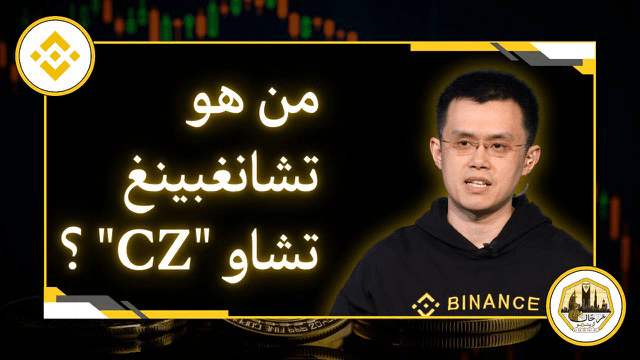
Changpeng Zhao (CZ) : des restaurants de restauration rapide à la direction de Binance
Changpeng Zhao (CZ) est le nom qui a changé le visage des cryptomonnaies. Des débuts modestes à la fondation de la plus grande plateforme d'échange au monde - Binance, CZ est devenu une icône dans le monde de la crypto, malgré les défis juridiques.
⚡ Qui est Changpeng Zhao (CZ) ?
Changpeng Zhao (CZ) est né en 1977 dans le Jiangsu, en Chine, et a ensuite déménagé au Canada.
Il a travaillé jeune dans des restaurants de restauration rapide et des stations-service pour soutenir sa famille.
⚡ Qui est Changpeng Zhao (CZ) ?
Changpeng Zhao (CZ) est né en 1977 dans le Jiangsu, en Chine, et a ensuite déménagé au Canada.
Il a travaillé jeune dans des restaurants de restauration rapide et des stations-service pour soutenir sa famille.
Connectez-vous pour découvrir plus de contenu