
FatherWEB4
6.5k Publications

FatherWEB4
Signaler
Bloquer l’utilisateur
Jurnal | Political | Social Society | Freedom Maximalist | X eazyETH_
Trade régulièrement
4.2 an(s)
220 Suivis
24.7K+ Abonnés
9.0K+ J’aime
Publications
Tous
Citations
Direct
·
--
Article
"Lorsque l'IA entre dans la société : Ma rencontre avec Mira et la culture de l'intelligence vérifiable."Il y a eu un moment récemment où je me suis surpris à penser à l'intelligence artificielle d'une manière qui semblait légèrement troublante. Pas comme un logiciel, pas comme une infrastructure, mais presque comme un participant à la vie sociale. L'IA répondait à des questions, façonnait des opinions, rédigeait des rapports et influençait même des décisions. Et plus j'observais ce changement, plus une simple question commençait à me trotter dans la tête :
Lorsque l'IA devient partie intégrante de notre pensée quotidienne, qui vérifie la vérité derrière ce qu'elle dit ?
Cette question est restée avec moi plus longtemps que je ne l'avais prévu.
"Lorsque l'IA entre dans la société : Ma rencontre avec Mira et la culture de l'intelligence vérifiable."
Il y a eu un moment récemment où je me suis surpris à penser à l'intelligence artificielle d'une manière qui semblait légèrement troublante. Pas comme un logiciel, pas comme une infrastructure, mais presque comme un participant à la vie sociale. L'IA répondait à des questions, façonnait des opinions, rédigeait des rapports et influençait même des décisions. Et plus j'observais ce changement, plus une simple question commençait à me trotter dans la tête :
Lorsque l'IA devient partie intégrante de notre pensée quotidienne, qui vérifie la vérité derrière ce qu'elle dit ?
Cette question est restée avec moi plus longtemps que je ne l'avais prévu.
Lorsque l'IA devient partie intégrante de notre pensée quotidienne, qui vérifie la vérité derrière ce qu'elle dit ?
Cette question est restée avec moi plus longtemps que je ne l'avais prévu.
5
138
·
--
L'inclusion de Mira dans l'OVHcloud Web3 Accelerator est plus qu'un trophée ; c'est un pont tactique vers Dysnix, les experts DevOps qui ont développé Polygon. Pourquoi ce partenariat technique est-il si important ? Il est important car même l'IA la plus avancée est un risque si le réseau en dessous manque de la puissance nécessaire pour rester en ligne ou de la transparence pour être audité.
Alors que d'autres poursuivent des tendances virales, Mira construit discrètement une infrastructure de qualité professionnelle. Cet accent suggère qu'ils construisent le moteur de force industrielle nécessaire pour fournir une IA vérifiable à grande échelle. Ils priorisent les systèmes "invisibles" qui déterminent si un projet survit à la transition d'un laboratoire au monde réel.
Imaginez utiliser une IA pour des risques financiers de haut niveau. Dans le réseau de Mira, la logique n'est pas cachée ; au lieu de cela, des nœuds indépendants vérifient le raisonnement avant qu'il ne soit finalisé sur la chaîne. Cela remplace la foi aveugle par un chemin traçable et vérifié. Pour quiconque prenant des décisions sérieuses, le choix entre une supposition chanceuse et un résultat prouvé est évident.
Pour servir des millions, l'infrastructure doit être pratiquement indestructible, jonglant avec d'énormes calculs et une sécurité cryptographique sans temps d'arrêt. En s'associant à des experts qui ont développé les plus grandes plateformes décentralisées au monde, Mira s'assure que son système peut gérer la demande mondiale et réelle.
Ces mouvements signalent un passage d'expériences théoriques à une ingénierie sérieuse. Mira développe un environnement professionnel où un temps de fonctionnement constant et des données vérifiables sont des normes non négociables. Dans un marché qui perd patience avec des solutions opaques, ils positionnent la stabilité du réseau comme leur principale défense.
En misant sur ces couches structurelles, Mira transforme l'IA en un utilitaire fiable. Cet investissement les prépare à un avenir où les utilisateurs exigent des preuves plutôt que des promesses. Ils ont dépassé le battage médiatique pour se concentrer sur le travail lourd nécessaire pour une véritable responsabilité des machines.
@mira_network #Mira
$MIRA
{future}(MIRAUSDT)
L'inclusion de Mira dans l'OVHcloud Web3 Accelerator est plus qu'un trophée ; c'est un pont tactique vers Dysnix, les experts DevOps qui ont développé Polygon. Pourquoi ce partenariat technique est-il si important ? Il est important car même l'IA la plus avancée est un risque si le réseau en dessous manque de la puissance nécessaire pour rester en ligne ou de la transparence pour être audité.
Alors que d'autres poursuivent des tendances virales, Mira construit discrètement une infrastructure de qualité professionnelle. Cet accent suggère qu'ils construisent le moteur de force industrielle nécessaire pour fournir une IA vérifiable à grande échelle. Ils priorisent les systèmes "invisibles" qui déterminent si un projet survit à la transition d'un laboratoire au monde réel.
Imaginez utiliser une IA pour des risques financiers de haut niveau. Dans le réseau de Mira, la logique n'est pas cachée ; au lieu de cela, des nœuds indépendants vérifient le raisonnement avant qu'il ne soit finalisé sur la chaîne. Cela remplace la foi aveugle par un chemin traçable et vérifié. Pour quiconque prenant des décisions sérieuses, le choix entre une supposition chanceuse et un résultat prouvé est évident.
Pour servir des millions, l'infrastructure doit être pratiquement indestructible, jonglant avec d'énormes calculs et une sécurité cryptographique sans temps d'arrêt. En s'associant à des experts qui ont développé les plus grandes plateformes décentralisées au monde, Mira s'assure que son système peut gérer la demande mondiale et réelle.
Ces mouvements signalent un passage d'expériences théoriques à une ingénierie sérieuse. Mira développe un environnement professionnel où un temps de fonctionnement constant et des données vérifiables sont des normes non négociables. Dans un marché qui perd patience avec des solutions opaques, ils positionnent la stabilité du réseau comme leur principale défense.
En misant sur ces couches structurelles, Mira transforme l'IA en un utilitaire fiable. Cet investissement les prépare à un avenir où les utilisateurs exigent des preuves plutôt que des promesses. Ils ont dépassé le battage médiatique pour se concentrer sur le travail lourd nécessaire pour une véritable responsabilité des machines.
@Mira - Trust Layer of AI #Mira
$MIRA
Alors que d'autres poursuivent des tendances virales, Mira construit discrètement une infrastructure de qualité professionnelle. Cet accent suggère qu'ils construisent le moteur de force industrielle nécessaire pour fournir une IA vérifiable à grande échelle. Ils priorisent les systèmes "invisibles" qui déterminent si un projet survit à la transition d'un laboratoire au monde réel.
Imaginez utiliser une IA pour des risques financiers de haut niveau. Dans le réseau de Mira, la logique n'est pas cachée ; au lieu de cela, des nœuds indépendants vérifient le raisonnement avant qu'il ne soit finalisé sur la chaîne. Cela remplace la foi aveugle par un chemin traçable et vérifié. Pour quiconque prenant des décisions sérieuses, le choix entre une supposition chanceuse et un résultat prouvé est évident.
Pour servir des millions, l'infrastructure doit être pratiquement indestructible, jonglant avec d'énormes calculs et une sécurité cryptographique sans temps d'arrêt. En s'associant à des experts qui ont développé les plus grandes plateformes décentralisées au monde, Mira s'assure que son système peut gérer la demande mondiale et réelle.
Ces mouvements signalent un passage d'expériences théoriques à une ingénierie sérieuse. Mira développe un environnement professionnel où un temps de fonctionnement constant et des données vérifiables sont des normes non négociables. Dans un marché qui perd patience avec des solutions opaques, ils positionnent la stabilité du réseau comme leur principale défense.
En misant sur ces couches structurelles, Mira transforme l'IA en un utilitaire fiable. Cet investissement les prépare à un avenir où les utilisateurs exigent des preuves plutôt que des promesses. Ils ont dépassé le battage médiatique pour se concentrer sur le travail lourd nécessaire pour une véritable responsabilité des machines.
@Mira - Trust Layer of AI #Mira
$MIRA
4
120
·
--
Article
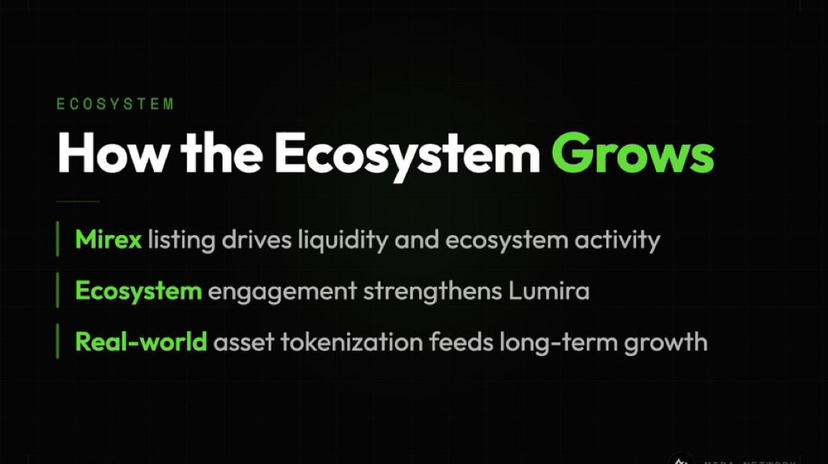
“De la Liquidité à l'Économie Vivante : Le Système Silencieux Alimentant l'Écosystème de Mira."Une chose que j'ai apprise au fil des ans entourée de projets blockchain est que les écosystèmes ne se développent pas comme les gens l'imaginent. De l'extérieur, la croissance ressemble souvent à un moment dramatique unique ; une grande inscription sur un échange, une montée soudaine des prix ou une annonce virale. Mais les véritables écosystèmes se développent rarement comme des explosions. Ils croissent plutôt comme des systèmes qui se renforcent lentement.
Lorsque j'ai commencé à examiner de plus près comment l'écosystème Mira se développe, j'ai remarqué que la structure derrière lui suit cette logique plus calme. Au lieu de considérer la croissance comme un événement isolé, chaque composant est conçu pour renforcer la couche suivante. Prenez la liquidité par exemple. Un partenaire de liquidité a déjà été sécurisé pour Mirex (MRX), mais avec une condition qui révèle beaucoup sur la stratégie : l'activation vient avec une inscription sur un échange de niveau 1. Cela peut sembler un détail technique, mais cela reflète en réalité quelque chose de plus profond sur la façon dont les réseaux mûrissent.
“De la Liquidité à l'Économie Vivante : Le Système Silencieux Alimentant l'Écosystème de Mira."
Une chose que j'ai apprise au fil des ans entourée de projets blockchain est que les écosystèmes ne se développent pas comme les gens l'imaginent. De l'extérieur, la croissance ressemble souvent à un moment dramatique unique ; une grande inscription sur un échange, une montée soudaine des prix ou une annonce virale. Mais les véritables écosystèmes se développent rarement comme des explosions. Ils croissent plutôt comme des systèmes qui se renforcent lentement.
Lorsque j'ai commencé à examiner de plus près comment l'écosystème Mira se développe, j'ai remarqué que la structure derrière lui suit cette logique plus calme. Au lieu de considérer la croissance comme un événement isolé, chaque composant est conçu pour renforcer la couche suivante. Prenez la liquidité par exemple. Un partenaire de liquidité a déjà été sécurisé pour Mirex (MRX), mais avec une condition qui révèle beaucoup sur la stratégie : l'activation vient avec une inscription sur un échange de niveau 1. Cela peut sembler un détail technique, mais cela reflète en réalité quelque chose de plus profond sur la façon dont les réseaux mûrissent.
Lorsque j'ai commencé à examiner de plus près comment l'écosystème Mira se développe, j'ai remarqué que la structure derrière lui suit cette logique plus calme. Au lieu de considérer la croissance comme un événement isolé, chaque composant est conçu pour renforcer la couche suivante. Prenez la liquidité par exemple. Un partenaire de liquidité a déjà été sécurisé pour Mirex (MRX), mais avec une condition qui révèle beaucoup sur la stratégie : l'activation vient avec une inscription sur un échange de niveau 1. Cela peut sembler un détail technique, mais cela reflète en réalité quelque chose de plus profond sur la façon dont les réseaux mûrissent.
1
11
278
·
--
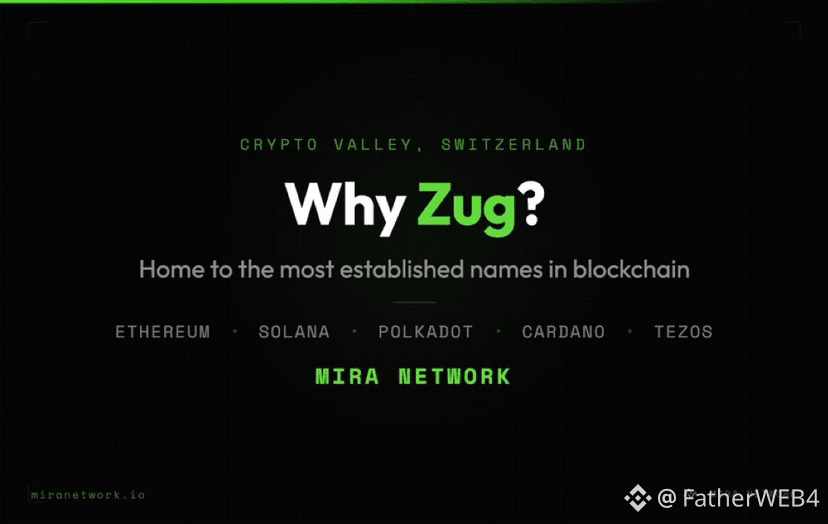
Il y a quelques semaines, j'ai commencé à enquêter sur pourquoi l'emplacement reste un facteur crucial dans une industrie numérique. Alors que le code peut fonctionner n'importe où, l'endroit qu'un projet choisit pour se développer révèle souvent son intention à long terme. Mes recherches se sont concentrées sur pourquoi Mira Network a établi son siège à Zug, une ville suisse qui est devenue discrètement l'épicentre mondial des infrastructures décentralisées.
J'ai vu Zug comme plus qu'une simple coordonnée géographique. Elle fonctionne comme une arène à haute densité pour les percées blockchain, servant de point de départ pour d'énormes protocoles comme Ethereum et Solana. Cet environnement a été construit intentionnellement. La Suisse a établi un cadre réglementaire stable qui permet aux nouvelles technologies de se développer dans des limites légales claires. Pour moi, voir Mira choisir cette base suggère qu'ils s'éloignent des ombres typiques de l'industrie et se concentrent sur une intégration permanente.
Pour un investisseur, cela a une immense importance. La tension entre la décentralisation radicale et la réglementation du monde réel crée souvent un risque structurel. Zug offre un antidote à cette incertitude. Dans cet environnement, la blockchain est devenue une partie organique du paysage économique, soutenue par la collaboration académique, un flux de capitaux constant et la clarté légale nécessaire pour construire des systèmes permanents.
Mira construit un réseau de consensus décentralisé pour vérifier les sorties d'intelligence artificielle. Cette infrastructure n'est pas une expérience à court terme ; c'est un système conçu pour garantir que l'intelligence des machines reste responsable pendant des décennies. En s'installant à Zug, Mira se trouve dans un laboratoire vivant pour la gouvernance, entouré de l'expertise cryptographique et légale qui a façonné les protocoles les plus influents de l'industrie.
L'emplacement ne garantit pas le succès, mais il révèle l'intention. En construisant dans Crypto Valley, #Mira signale un engagement envers la stabilité à long terme plutôt qu'un engouement à court terme. C'est un choix stratégique qui suggère de la patience, un signal rare dans un marché qui évolue aussi rapidement que celui-ci. Mira a choisi Zug parce qu'elle construit un réseau conçu pour survivre.
@mira_network
$MIRA
{future}(MIRAUSDT)
Il y a quelques semaines, j'ai commencé à enquêter sur pourquoi l'emplacement reste un facteur crucial dans une industrie numérique. Alors que le code peut fonctionner n'importe où, l'endroit qu'un projet choisit pour se développer révèle souvent son intention à long terme. Mes recherches se sont concentrées sur pourquoi Mira Network a établi son siège à Zug, une ville suisse qui est devenue discrètement l'épicentre mondial des infrastructures décentralisées.
J'ai vu Zug comme plus qu'une simple coordonnée géographique. Elle fonctionne comme une arène à haute densité pour les percées blockchain, servant de point de départ pour d'énormes protocoles comme Ethereum et Solana. Cet environnement a été construit intentionnellement. La Suisse a établi un cadre réglementaire stable qui permet aux nouvelles technologies de se développer dans des limites légales claires. Pour moi, voir Mira choisir cette base suggère qu'ils s'éloignent des ombres typiques de l'industrie et se concentrent sur une intégration permanente.
Pour un investisseur, cela a une immense importance. La tension entre la décentralisation radicale et la réglementation du monde réel crée souvent un risque structurel. Zug offre un antidote à cette incertitude. Dans cet environnement, la blockchain est devenue une partie organique du paysage économique, soutenue par la collaboration académique, un flux de capitaux constant et la clarté légale nécessaire pour construire des systèmes permanents.
Mira construit un réseau de consensus décentralisé pour vérifier les sorties d'intelligence artificielle. Cette infrastructure n'est pas une expérience à court terme ; c'est un système conçu pour garantir que l'intelligence des machines reste responsable pendant des décennies. En s'installant à Zug, Mira se trouve dans un laboratoire vivant pour la gouvernance, entouré de l'expertise cryptographique et légale qui a façonné les protocoles les plus influents de l'industrie.
L'emplacement ne garantit pas le succès, mais il révèle l'intention. En construisant dans Crypto Valley, #Mira signale un engagement envers la stabilité à long terme plutôt qu'un engouement à court terme. C'est un choix stratégique qui suggère de la patience, un signal rare dans un marché qui évolue aussi rapidement que celui-ci. Mira a choisi Zug parce qu'elle construit un réseau conçu pour survivre.
@Mira - Trust Layer of AI
$MIRA
J'ai vu Zug comme plus qu'une simple coordonnée géographique. Elle fonctionne comme une arène à haute densité pour les percées blockchain, servant de point de départ pour d'énormes protocoles comme Ethereum et Solana. Cet environnement a été construit intentionnellement. La Suisse a établi un cadre réglementaire stable qui permet aux nouvelles technologies de se développer dans des limites légales claires. Pour moi, voir Mira choisir cette base suggère qu'ils s'éloignent des ombres typiques de l'industrie et se concentrent sur une intégration permanente.
Pour un investisseur, cela a une immense importance. La tension entre la décentralisation radicale et la réglementation du monde réel crée souvent un risque structurel. Zug offre un antidote à cette incertitude. Dans cet environnement, la blockchain est devenue une partie organique du paysage économique, soutenue par la collaboration académique, un flux de capitaux constant et la clarté légale nécessaire pour construire des systèmes permanents.
Mira construit un réseau de consensus décentralisé pour vérifier les sorties d'intelligence artificielle. Cette infrastructure n'est pas une expérience à court terme ; c'est un système conçu pour garantir que l'intelligence des machines reste responsable pendant des décennies. En s'installant à Zug, Mira se trouve dans un laboratoire vivant pour la gouvernance, entouré de l'expertise cryptographique et légale qui a façonné les protocoles les plus influents de l'industrie.
L'emplacement ne garantit pas le succès, mais il révèle l'intention. En construisant dans Crypto Valley, #Mira signale un engagement envers la stabilité à long terme plutôt qu'un engouement à court terme. C'est un choix stratégique qui suggère de la patience, un signal rare dans un marché qui évolue aussi rapidement que celui-ci. Mira a choisi Zug parce qu'elle construit un réseau conçu pour survivre.
@Mira - Trust Layer of AI
$MIRA
7
135
·
--

Article
"Lorsque l'intelligence rencontre la responsabilité : Mira, IA et le défi environnemental."Un soir, en lisant un rapport sur la croissance de l'informatique IA, j'ai réalisé quelque chose d'inquiétant : les progrès que nous célébrons en intelligence artificielle consomment silencieusement la planète. Les grands modèles de langage et les réseaux d'apprentissage profond sont formés dans d'énormes centres de données. Des gigawatts d'énergie, des systèmes de refroidissement bourdonnant constamment, des milliers de GPU travaillant en parallèle—c'est l'empreinte cachée de l'intelligence que nous admirons.
Les modèles sont brillants. Les résultats sont impressionnants. Mais le coût est mesuré en carbone et en énergie, pas seulement en dollars. Chaque paramètre supplémentaire, chaque modèle plus grand, ajoute à une facture environnementale croissante que personne ne semble prêt à auditer.
"Lorsque l'intelligence rencontre la responsabilité : Mira, IA et le défi environnemental."
Un soir, en lisant un rapport sur la croissance de l'informatique IA, j'ai réalisé quelque chose d'inquiétant : les progrès que nous célébrons en intelligence artificielle consomment silencieusement la planète. Les grands modèles de langage et les réseaux d'apprentissage profond sont formés dans d'énormes centres de données. Des gigawatts d'énergie, des systèmes de refroidissement bourdonnant constamment, des milliers de GPU travaillant en parallèle—c'est l'empreinte cachée de l'intelligence que nous admirons.
Les modèles sont brillants. Les résultats sont impressionnants. Mais le coût est mesuré en carbone et en énergie, pas seulement en dollars. Chaque paramètre supplémentaire, chaque modèle plus grand, ajoute à une facture environnementale croissante que personne ne semble prêt à auditer.
Les modèles sont brillants. Les résultats sont impressionnants. Mais le coût est mesuré en carbone et en énergie, pas seulement en dollars. Chaque paramètre supplémentaire, chaque modèle plus grand, ajoute à une facture environnementale croissante que personne ne semble prêt à auditer.
6
132
·
--
Les blockchains ont été conçues à l'origine pour résoudre un problème très spécifique : comment parvenir à un accord dans un système où aucune autorité centrale n'existe ?
Pendant des années, la réponse a tourné autour de l'argent. Transactions, tokens, règlements financiers. Mais Mira pousse discrètement ce mécanisme dans un territoire complètement différent. Au lieu de demander aux nœuds de s'accorder sur l'état financier, Mira leur demande de s'accorder sur le raisonnement.
Imaginez un jury numérique où 200 000 participants examinent des milliers de revendications de machines chaque seconde. Dans cet environnement à haute performance, les sorties d'IA sont réduites et vérifiées par des millions de contrôles quotidiens pour garantir que la logique est respectée.
Lorsqu'une IA génère une sortie, le résultat est fragmenté en revendications plus petites qui circulent à travers le réseau. Des modèles indépendants examinent ces revendications et tentent de vérifier si elles tiennent logiquement. Le processus ressemble à une forme de scrutin distribué plutôt qu'à un calcul.
Le consensus n'émerge que lorsque le raisonnement survit à plusieurs perspectives.
C'est ici que la blockchain devient plus qu'une infrastructure. Le mécanisme de consensus agit comme un filtre qui détermine quelles pièces de raisonnement de machine méritent de persister. Toutes les réponses ne survivent pas. Certaines s'effondrent sous le scrutin. D'autres se stabilisent en connaissances vérifiées que le réseau accepte comme fiables.
La chaîne devient essentiellement une couche de règlement non pas pour l'argent, mais pour l'intelligence. C'est une étrange évolution de la logique de la blockchain. La technologie qui sécurisait autrefois la monnaie numérique est maintenant utilisée pour sécuriser la pensée machine.
@mira_network
#Mira $MIRA
Les blockchains ont été conçues à l'origine pour résoudre un problème très spécifique : comment parvenir à un accord dans un système où aucune autorité centrale n'existe ?
Pendant des années, la réponse a tourné autour de l'argent. Transactions, tokens, règlements financiers. Mais Mira pousse discrètement ce mécanisme dans un territoire complètement différent. Au lieu de demander aux nœuds de s'accorder sur l'état financier, Mira leur demande de s'accorder sur le raisonnement.
Imaginez un jury numérique où 200 000 participants examinent des milliers de revendications de machines chaque seconde. Dans cet environnement à haute performance, les sorties d'IA sont réduites et vérifiées par des millions de contrôles quotidiens pour garantir que la logique est respectée.
Lorsqu'une IA génère une sortie, le résultat est fragmenté en revendications plus petites qui circulent à travers le réseau. Des modèles indépendants examinent ces revendications et tentent de vérifier si elles tiennent logiquement. Le processus ressemble à une forme de scrutin distribué plutôt qu'à un calcul.
Le consensus n'émerge que lorsque le raisonnement survit à plusieurs perspectives.
C'est ici que la blockchain devient plus qu'une infrastructure. Le mécanisme de consensus agit comme un filtre qui détermine quelles pièces de raisonnement de machine méritent de persister. Toutes les réponses ne survivent pas. Certaines s'effondrent sous le scrutin. D'autres se stabilisent en connaissances vérifiées que le réseau accepte comme fiables.
La chaîne devient essentiellement une couche de règlement non pas pour l'argent, mais pour l'intelligence. C'est une étrange évolution de la logique de la blockchain. La technologie qui sécurisait autrefois la monnaie numérique est maintenant utilisée pour sécuriser la pensée machine.
@Mira - Trust Layer of AI
#Mira $MIRA
Pendant des années, la réponse a tourné autour de l'argent. Transactions, tokens, règlements financiers. Mais Mira pousse discrètement ce mécanisme dans un territoire complètement différent. Au lieu de demander aux nœuds de s'accorder sur l'état financier, Mira leur demande de s'accorder sur le raisonnement.
Imaginez un jury numérique où 200 000 participants examinent des milliers de revendications de machines chaque seconde. Dans cet environnement à haute performance, les sorties d'IA sont réduites et vérifiées par des millions de contrôles quotidiens pour garantir que la logique est respectée.
Lorsqu'une IA génère une sortie, le résultat est fragmenté en revendications plus petites qui circulent à travers le réseau. Des modèles indépendants examinent ces revendications et tentent de vérifier si elles tiennent logiquement. Le processus ressemble à une forme de scrutin distribué plutôt qu'à un calcul.
Le consensus n'émerge que lorsque le raisonnement survit à plusieurs perspectives.
C'est ici que la blockchain devient plus qu'une infrastructure. Le mécanisme de consensus agit comme un filtre qui détermine quelles pièces de raisonnement de machine méritent de persister. Toutes les réponses ne survivent pas. Certaines s'effondrent sous le scrutin. D'autres se stabilisent en connaissances vérifiées que le réseau accepte comme fiables.
La chaîne devient essentiellement une couche de règlement non pas pour l'argent, mais pour l'intelligence. C'est une étrange évolution de la logique de la blockchain. La technologie qui sécurisait autrefois la monnaie numérique est maintenant utilisée pour sécuriser la pensée machine.
@Mira - Trust Layer of AI
#Mira $MIRA
6
125
·
--
Article
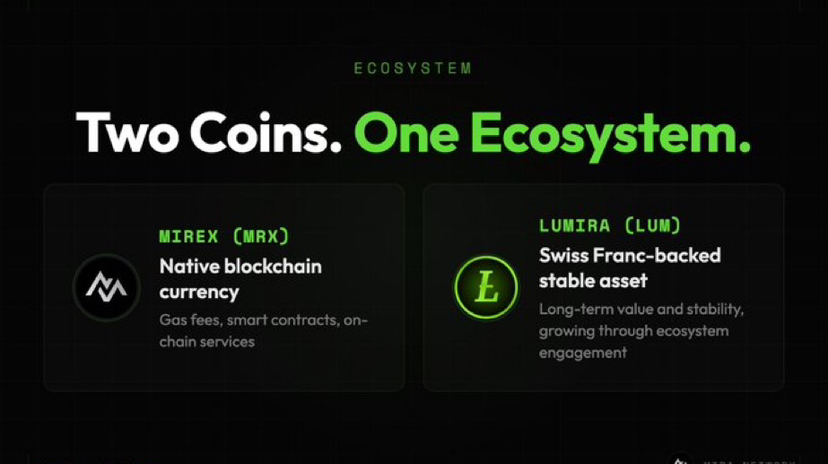
« Pourquoi la vérification de l'IA fonctionne sur deux types de valeur. »Il n'y a pas longtemps, j'essayais d'expliquer Mira à un ami qui ne cessait de poser une question simple : si Mira concerne la vérification de l'IA, pourquoi a-t-elle besoin de deux jetons différents ?
À première vue, cela semble excessif. La plupart des projets blockchain ont déjà du mal à justifier un jeton, sans parler de deux. Mais plus j'y pensais, plus la structure commençait à avoir du sens.
Mira ne se contente pas de construire une infrastructure pour les transactions. Elle construit une économie autour du raisonnement machine.
Et les économies se comportent très différemment des logiciels.
« Pourquoi la vérification de l'IA fonctionne sur deux types de valeur. »
Il n'y a pas longtemps, j'essayais d'expliquer Mira à un ami qui ne cessait de poser une question simple : si Mira concerne la vérification de l'IA, pourquoi a-t-elle besoin de deux jetons différents ?
À première vue, cela semble excessif. La plupart des projets blockchain ont déjà du mal à justifier un jeton, sans parler de deux. Mais plus j'y pensais, plus la structure commençait à avoir du sens.
Mira ne se contente pas de construire une infrastructure pour les transactions. Elle construit une économie autour du raisonnement machine.
Et les économies se comportent très différemment des logiciels.
À première vue, cela semble excessif. La plupart des projets blockchain ont déjà du mal à justifier un jeton, sans parler de deux. Mais plus j'y pensais, plus la structure commençait à avoir du sens.
Mira ne se contente pas de construire une infrastructure pour les transactions. Elle construit une économie autour du raisonnement machine.
Et les économies se comportent très différemment des logiciels.
7
254
·
--
Je pense rarement à l'infrastructure jusqu'à ce qu'elle bouge. La plupart du temps, l'IA se sent légère, existant dans l'arrière-plan invisible d'Internet. Pourtant, chaque système intelligent repose sur une réalité physique de serveurs et de réseaux. Lorsque cette machinerie bouge, tout l'organisme doit s'ajuster.
C'est ce qui se passe avec le réseau Mira pendant sa migration d'AWS vers OVHcloud. Contrairement aux applications ordinaires, un réseau construit pour la vérification de l'IA dépend d'environnements hautement synchronisés. Relocaliser ces nœuds nécessite une recalibration totale, un peu comme déplacer le cerveau d'un organisme vivant.
Si nous reconnaissons que même l'intelligence la plus avancée dépend de serveurs physiques, que se passe-t-il lorsque ces serveurs sont enfin distribués à travers un paysage véritablement décentralisé ?
La réponse réside dans le passage au programme OVHcloud Blockchain Accelerator, qui aligne Mira avec une infrastructure conçue pour la décentralisation. Ce n'est pas simplement une relocalisation ; c'est un ajustement du sol sous le réseau pour s'assurer qu'il est plus stable à la fois idéologiquement et techniquement.
Dans ma propre expérience de navigation à travers cette transition, l'événement Mira x7 Mining Booster a semblé être une reconnaissance tangible de notre persistance. Voir ce multiplicateur s'activer a servi de pont pour récupérer l'élan qui avait été interrompu pendant que la fondation était en train de changer.
Ces moments révèlent que l'IA n'est pas une pure abstraction de modèles et d'algorithmes. Elle dépend d'une infrastructure réelle dans le monde physique. Parfois, améliorer cette fondation signifie interrompre brièvement la machine pour qu'elle puisse revenir plus forte qu'auparavant.
@mira_network
#Mira $MIRA
{future}(MIRAUSDT)
Je pense rarement à l'infrastructure jusqu'à ce qu'elle bouge. La plupart du temps, l'IA se sent légère, existant dans l'arrière-plan invisible d'Internet. Pourtant, chaque système intelligent repose sur une réalité physique de serveurs et de réseaux. Lorsque cette machinerie bouge, tout l'organisme doit s'ajuster.
C'est ce qui se passe avec le réseau Mira pendant sa migration d'AWS vers OVHcloud. Contrairement aux applications ordinaires, un réseau construit pour la vérification de l'IA dépend d'environnements hautement synchronisés. Relocaliser ces nœuds nécessite une recalibration totale, un peu comme déplacer le cerveau d'un organisme vivant.
Si nous reconnaissons que même l'intelligence la plus avancée dépend de serveurs physiques, que se passe-t-il lorsque ces serveurs sont enfin distribués à travers un paysage véritablement décentralisé ?
La réponse réside dans le passage au programme OVHcloud Blockchain Accelerator, qui aligne Mira avec une infrastructure conçue pour la décentralisation. Ce n'est pas simplement une relocalisation ; c'est un ajustement du sol sous le réseau pour s'assurer qu'il est plus stable à la fois idéologiquement et techniquement.
Dans ma propre expérience de navigation à travers cette transition, l'événement Mira x7 Mining Booster a semblé être une reconnaissance tangible de notre persistance. Voir ce multiplicateur s'activer a servi de pont pour récupérer l'élan qui avait été interrompu pendant que la fondation était en train de changer.
Ces moments révèlent que l'IA n'est pas une pure abstraction de modèles et d'algorithmes. Elle dépend d'une infrastructure réelle dans le monde physique. Parfois, améliorer cette fondation signifie interrompre brièvement la machine pour qu'elle puisse revenir plus forte qu'auparavant.
@Mira - Trust Layer of AI
#Mira $MIRA
C'est ce qui se passe avec le réseau Mira pendant sa migration d'AWS vers OVHcloud. Contrairement aux applications ordinaires, un réseau construit pour la vérification de l'IA dépend d'environnements hautement synchronisés. Relocaliser ces nœuds nécessite une recalibration totale, un peu comme déplacer le cerveau d'un organisme vivant.
Si nous reconnaissons que même l'intelligence la plus avancée dépend de serveurs physiques, que se passe-t-il lorsque ces serveurs sont enfin distribués à travers un paysage véritablement décentralisé ?
La réponse réside dans le passage au programme OVHcloud Blockchain Accelerator, qui aligne Mira avec une infrastructure conçue pour la décentralisation. Ce n'est pas simplement une relocalisation ; c'est un ajustement du sol sous le réseau pour s'assurer qu'il est plus stable à la fois idéologiquement et techniquement.
Dans ma propre expérience de navigation à travers cette transition, l'événement Mira x7 Mining Booster a semblé être une reconnaissance tangible de notre persistance. Voir ce multiplicateur s'activer a servi de pont pour récupérer l'élan qui avait été interrompu pendant que la fondation était en train de changer.
Ces moments révèlent que l'IA n'est pas une pure abstraction de modèles et d'algorithmes. Elle dépend d'une infrastructure réelle dans le monde physique. Parfois, améliorer cette fondation signifie interrompre brièvement la machine pour qu'elle puisse revenir plus forte qu'auparavant.
@Mira - Trust Layer of AI
#Mira $MIRA
7
197
·
--
Article
Pourquoi Mira transforme l'IA d'un produit d'entreprise en un droit humain universel ?Regardez en arrière aux débuts d'Internet et souvenez-vous de la promesse d'un monde véritablement ouvert. La vision originale était un bien numérique où les outils de création appartenaient à tout le monde et aucune entité unique ne pouvait posséder la conversation. Mais ce réseau libéré a finalement cédé la place à une usine numérique. Le pouvoir s'est installé entre les mains de quelques énormes silos qui agissent maintenant comme les gardiens de notre réalité.
Maintenant, alors que l'intelligence artificielle devient le nouveau système d'exploitation de la vie humaine, ce même carrefour est réapparu. Les enjeux sont simplement plus élevés cette fois-ci. Il ne s'agit plus seulement de savoir qui héberge des sites web ou stocke des photos. Il s'agit de la nature même du raisonnement. Qui possède réellement l'intelligence qui commence à diriger le monde ?
Pourquoi Mira transforme l'IA d'un produit d'entreprise en un droit humain universel ?
Regardez en arrière aux débuts d'Internet et souvenez-vous de la promesse d'un monde véritablement ouvert. La vision originale était un bien numérique où les outils de création appartenaient à tout le monde et aucune entité unique ne pouvait posséder la conversation. Mais ce réseau libéré a finalement cédé la place à une usine numérique. Le pouvoir s'est installé entre les mains de quelques énormes silos qui agissent maintenant comme les gardiens de notre réalité.
Maintenant, alors que l'intelligence artificielle devient le nouveau système d'exploitation de la vie humaine, ce même carrefour est réapparu. Les enjeux sont simplement plus élevés cette fois-ci. Il ne s'agit plus seulement de savoir qui héberge des sites web ou stocke des photos. Il s'agit de la nature même du raisonnement. Qui possède réellement l'intelligence qui commence à diriger le monde ?
Maintenant, alors que l'intelligence artificielle devient le nouveau système d'exploitation de la vie humaine, ce même carrefour est réapparu. Les enjeux sont simplement plus élevés cette fois-ci. Il ne s'agit plus seulement de savoir qui héberge des sites web ou stocke des photos. Il s'agit de la nature même du raisonnement. Qui possède réellement l'intelligence qui commence à diriger le monde ?
4
8
302
·
--
Je pensais que le plus grand défi pour l'intelligence artificielle était simplement l'échelle brute de son esprit. J'ai passé mon temps à observer la course aux paramètres massifs, aux ensembles de données plus profonds, et à la soif de puissance de traitement. Mais plus je voyais l'IA utilisée dans des environnements réels, plus je réalisais que le problème n'est pas toujours à quel point elle est intelligente. La véritable question est la fiabilité.
L'IA peut sembler extrêmement convaincante tout en étant silencieusement fausse. Elle peut générer des réponses confiantes, analyser des marchés et suggérer des stratégies qui semblent parfaitement logiques. Pourtant, derrière cette confiance, il y a encore des hallucinations et des biais cachés. La plupart du temps, ces erreurs disparaissent simplement sans conséquences réelles.
Mais les choses changent dès que l'IA commence à toucher aux systèmes économiques réels. Lorsque les sorties des machines influencent les échanges, les modèles de risque ou les protocoles automatisés, les erreurs ne sont plus inoffensives. À ce moment-là, l'intelligence seule ne suffit pas. Ce qui compte, c'est de savoir si le résultat peut réellement être fiable.
C'est ici que Mira Network aborde le problème différemment. Au lieu de se concentrer sur la construction d'un autre modèle puissant, Mira se concentre sur la vérification des sorties produites par l'IA. Les résultats peuvent être divisés en revendications plus petites et vérifiés collectivement par un réseau décentralisé pour s'assurer qu'ils sont précis.
La partie intéressante est la couche économique derrière cela. Grâce au jeton MIRA, les validateurs doivent engager du capital lors de la vérification des calculs de l'IA. S'ils approuvent des résultats incorrects, ils risquent de perdre leur mise. S'ils vérifient avec précision, ils gagnent des récompenses. Cette structure simple introduit quelque chose que l'IA connaît rarement aujourd'hui : des conséquences.
Au lieu de demander aux gens de faire aveuglément confiance à l'intelligence des machines, Mira crée un système où les sorties de l'IA doivent survivre à un examen économique. La précision devient précieuse et la fiabilité devient quelque chose que le réseau impose activement. Dans un avenir où les systèmes autonomes prennent plus de décisions, ce type de responsabilité peut compter tout autant que l'intelligence elle-même.
@mira_network
#Mira $MIRA
Je pensais que le plus grand défi pour l'intelligence artificielle était simplement l'échelle brute de son esprit. J'ai passé mon temps à observer la course aux paramètres massifs, aux ensembles de données plus profonds, et à la soif de puissance de traitement. Mais plus je voyais l'IA utilisée dans des environnements réels, plus je réalisais que le problème n'est pas toujours à quel point elle est intelligente. La véritable question est la fiabilité.
L'IA peut sembler extrêmement convaincante tout en étant silencieusement fausse. Elle peut générer des réponses confiantes, analyser des marchés et suggérer des stratégies qui semblent parfaitement logiques. Pourtant, derrière cette confiance, il y a encore des hallucinations et des biais cachés. La plupart du temps, ces erreurs disparaissent simplement sans conséquences réelles.
Mais les choses changent dès que l'IA commence à toucher aux systèmes économiques réels. Lorsque les sorties des machines influencent les échanges, les modèles de risque ou les protocoles automatisés, les erreurs ne sont plus inoffensives. À ce moment-là, l'intelligence seule ne suffit pas. Ce qui compte, c'est de savoir si le résultat peut réellement être fiable.
C'est ici que Mira Network aborde le problème différemment. Au lieu de se concentrer sur la construction d'un autre modèle puissant, Mira se concentre sur la vérification des sorties produites par l'IA. Les résultats peuvent être divisés en revendications plus petites et vérifiés collectivement par un réseau décentralisé pour s'assurer qu'ils sont précis.
La partie intéressante est la couche économique derrière cela. Grâce au jeton MIRA, les validateurs doivent engager du capital lors de la vérification des calculs de l'IA. S'ils approuvent des résultats incorrects, ils risquent de perdre leur mise. S'ils vérifient avec précision, ils gagnent des récompenses. Cette structure simple introduit quelque chose que l'IA connaît rarement aujourd'hui : des conséquences.
Au lieu de demander aux gens de faire aveuglément confiance à l'intelligence des machines, Mira crée un système où les sorties de l'IA doivent survivre à un examen économique. La précision devient précieuse et la fiabilité devient quelque chose que le réseau impose activement. Dans un avenir où les systèmes autonomes prennent plus de décisions, ce type de responsabilité peut compter tout autant que l'intelligence elle-même.
@Mira - Trust Layer of AI
#Mira $MIRA
L'IA peut sembler extrêmement convaincante tout en étant silencieusement fausse. Elle peut générer des réponses confiantes, analyser des marchés et suggérer des stratégies qui semblent parfaitement logiques. Pourtant, derrière cette confiance, il y a encore des hallucinations et des biais cachés. La plupart du temps, ces erreurs disparaissent simplement sans conséquences réelles.
Mais les choses changent dès que l'IA commence à toucher aux systèmes économiques réels. Lorsque les sorties des machines influencent les échanges, les modèles de risque ou les protocoles automatisés, les erreurs ne sont plus inoffensives. À ce moment-là, l'intelligence seule ne suffit pas. Ce qui compte, c'est de savoir si le résultat peut réellement être fiable.
C'est ici que Mira Network aborde le problème différemment. Au lieu de se concentrer sur la construction d'un autre modèle puissant, Mira se concentre sur la vérification des sorties produites par l'IA. Les résultats peuvent être divisés en revendications plus petites et vérifiés collectivement par un réseau décentralisé pour s'assurer qu'ils sont précis.
La partie intéressante est la couche économique derrière cela. Grâce au jeton MIRA, les validateurs doivent engager du capital lors de la vérification des calculs de l'IA. S'ils approuvent des résultats incorrects, ils risquent de perdre leur mise. S'ils vérifient avec précision, ils gagnent des récompenses. Cette structure simple introduit quelque chose que l'IA connaît rarement aujourd'hui : des conséquences.
Au lieu de demander aux gens de faire aveuglément confiance à l'intelligence des machines, Mira crée un système où les sorties de l'IA doivent survivre à un examen économique. La précision devient précieuse et la fiabilité devient quelque chose que le réseau impose activement. Dans un avenir où les systèmes autonomes prennent plus de décisions, ce type de responsabilité peut compter tout autant que l'intelligence elle-même.
@Mira - Trust Layer of AI
#Mira $MIRA
7
81
·
--
Regardez l'augmentation du volume hebdomadaire DEX d'Arbitrum à 5,3 milliards de dollars, soit une augmentation de 56 % en seulement trois jours. Cela représente un moment charnière pour l'évolutivité de Layer 2 suite à la mise à niveau DIA, qui a réduit les frais de transaction à un niveau de base de 0,002 $. Ce changement fournit la première validation définitive de la thèse de la demande élastique, car la réduction du coût d'entrée à près de zéro a réussi à débloquer une activité à haute fréquence et une liquidité qui étaient auparavant contraintes par des environnements de frais plus élevés.
Cette explosion de volume est soutenue par un réseau démontrant des performances de niveau industriel, traitant 910 millions de gaz par seconde à des intervalles de pointe tout en maintenant les coûts de transaction bien en dessous d'un centime. De telles métriques mettent en évidence un changement critique dans l'économie de la blockchain où les revenus totaux augmentent malgré des marges par transaction plus faibles. En privilégiant un volume massif plutôt que des frais individuels élevés, le protocole exécute efficacement une stratégie d'infrastructure à grande échelle qui capte une part dominante du commerce en chaîne.
Le fossé concurrentiel résultant devient de plus en plus difficile à reproduire pour les écosystèmes rivaux. Alors que le réseau continue de gérer un débit de niveau institutionnel sans sacrifier son avantage de faible coût, un cycle auto-renforçant d'adoption des utilisateurs et de liquidité profonde est établi. Cette trajectoire indique qu'Arbitrum va au-delà d'une simple mise à l'échelle et redéfinit fondamentalement les normes économiques pour l'économie mondiale décentralisée.
$ARB
{future}(ARBUSDT)
Regardez l'augmentation du volume hebdomadaire DEX d'Arbitrum à 5,3 milliards de dollars, soit une augmentation de 56 % en seulement trois jours. Cela représente un moment charnière pour l'évolutivité de Layer 2 suite à la mise à niveau DIA, qui a réduit les frais de transaction à un niveau de base de 0,002 $. Ce changement fournit la première validation définitive de la thèse de la demande élastique, car la réduction du coût d'entrée à près de zéro a réussi à débloquer une activité à haute fréquence et une liquidité qui étaient auparavant contraintes par des environnements de frais plus élevés.
Cette explosion de volume est soutenue par un réseau démontrant des performances de niveau industriel, traitant 910 millions de gaz par seconde à des intervalles de pointe tout en maintenant les coûts de transaction bien en dessous d'un centime. De telles métriques mettent en évidence un changement critique dans l'économie de la blockchain où les revenus totaux augmentent malgré des marges par transaction plus faibles. En privilégiant un volume massif plutôt que des frais individuels élevés, le protocole exécute efficacement une stratégie d'infrastructure à grande échelle qui capte une part dominante du commerce en chaîne.
Le fossé concurrentiel résultant devient de plus en plus difficile à reproduire pour les écosystèmes rivaux. Alors que le réseau continue de gérer un débit de niveau institutionnel sans sacrifier son avantage de faible coût, un cycle auto-renforçant d'adoption des utilisateurs et de liquidité profonde est établi. Cette trajectoire indique qu'Arbitrum va au-delà d'une simple mise à l'échelle et redéfinit fondamentalement les normes économiques pour l'économie mondiale décentralisée.
$ARB
Cette explosion de volume est soutenue par un réseau démontrant des performances de niveau industriel, traitant 910 millions de gaz par seconde à des intervalles de pointe tout en maintenant les coûts de transaction bien en dessous d'un centime. De telles métriques mettent en évidence un changement critique dans l'économie de la blockchain où les revenus totaux augmentent malgré des marges par transaction plus faibles. En privilégiant un volume massif plutôt que des frais individuels élevés, le protocole exécute efficacement une stratégie d'infrastructure à grande échelle qui capte une part dominante du commerce en chaîne.
Le fossé concurrentiel résultant devient de plus en plus difficile à reproduire pour les écosystèmes rivaux. Alors que le réseau continue de gérer un débit de niveau institutionnel sans sacrifier son avantage de faible coût, un cycle auto-renforçant d'adoption des utilisateurs et de liquidité profonde est établi. Cette trajectoire indique qu'Arbitrum va au-delà d'une simple mise à l'échelle et redéfinit fondamentalement les normes économiques pour l'économie mondiale décentralisée.
$ARB
12
301
·
--
Article
"Le Coût d'Être Mal: Pourquoi l'IA a Besoin d'un Système Qui Peut Pénaliser les Erreurs."J'ai passé beaucoup de temps à observer comment l'intelligence artificielle existe dans une bulle économique très étrange. Elle génère des réponses, analyse d'énormes ensembles de données et propose même des stratégies financières complexes, pourtant j'ai réalisé quelque chose de troublant. Lorsque l'IA se trompe, rien ne se passe vraiment. Le système produit simplement une autre sortie, l'utilisateur rafraîchit l'invite et l'erreur disparaît dans le bruit d'internet.
Pour moi, il semble que l'IA fonctionne sans réelle implication.
Un modèle peut halluciner une citation ou mal interpréter un ensemble de données, mais le système économique qui l'entoure réagit rarement. Le modèle n'est pas pénalisé. L'infrastructure qui l'héberge ne perd rien. Cette absence de responsabilité est gérable lorsque nous utilisons l'IA pour des tâches occasionnelles, mais alors qu'elle commence à influencer de réelles décisions économiques, ce manque de conséquences devient un risque structurel que je trouve difficile à ignorer.
"Le Coût d'Être Mal: Pourquoi l'IA a Besoin d'un Système Qui Peut Pénaliser les Erreurs."
J'ai passé beaucoup de temps à observer comment l'intelligence artificielle existe dans une bulle économique très étrange. Elle génère des réponses, analyse d'énormes ensembles de données et propose même des stratégies financières complexes, pourtant j'ai réalisé quelque chose de troublant. Lorsque l'IA se trompe, rien ne se passe vraiment. Le système produit simplement une autre sortie, l'utilisateur rafraîchit l'invite et l'erreur disparaît dans le bruit d'internet.
Pour moi, il semble que l'IA fonctionne sans réelle implication.
Un modèle peut halluciner une citation ou mal interpréter un ensemble de données, mais le système économique qui l'entoure réagit rarement. Le modèle n'est pas pénalisé. L'infrastructure qui l'héberge ne perd rien. Cette absence de responsabilité est gérable lorsque nous utilisons l'IA pour des tâches occasionnelles, mais alors qu'elle commence à influencer de réelles décisions économiques, ce manque de conséquences devient un risque structurel que je trouve difficile à ignorer.
Pour moi, il semble que l'IA fonctionne sans réelle implication.
Un modèle peut halluciner une citation ou mal interpréter un ensemble de données, mais le système économique qui l'entoure réagit rarement. Le modèle n'est pas pénalisé. L'infrastructure qui l'héberge ne perd rien. Cette absence de responsabilité est gérable lorsque nous utilisons l'IA pour des tâches occasionnelles, mais alors qu'elle commence à influencer de réelles décisions économiques, ce manque de conséquences devient un risque structurel que je trouve difficile à ignorer.
13
102
·
--
"Le Supermarché de l'Intelligence : Mon Engagement Personnel dans l'Avenir de l'IA."
J'ai toujours voulu faire partie des grands changements technologiques de mon époque.
Mais généralement, les meilleures opportunités sont réservées aux capital-risqueurs ou aux initiés.
MIRA brise ces murs en créant un supermarché mondial pour l'intelligence.
Il transforme les services d'IA abstraits en quelque chose auquel je peux réellement participer.
Grâce aux utilitaires d'IA tokenisés, le succès d'un modèle brillant n'est pas seulement pour les développeurs.
C'est quelque chose que l'ensemble de la communauté peut détenir.
Quand je vois un outil sur MIRA qui résout un problème réel, je peux voir sa valeur reflétée dans le réseau.
Lumira agit comme le miroir de ce progrès collectif, et cela me donne du pouvoir.
Il s'agit de plus que de la finance ; il s'agit d'accès.
Je peux être n'importe où dans le monde et avoir toujours une part dans les outils d'IA les plus avancés.
MIRA démocratise la richesse que l'intelligence crée.
Il offre un chemin où les années à venir sont façonnées par une large communauté plutôt que par un petit groupe d'élites.
J'ai cessé d'être un simple observateur aux marges de ce changement technologique.
Dans le cadre de MIRA, je suis devenu un véritable contributeur dans un réseau qui reconnaît et récompense ma présence.
C'est un changement passant d'un consommateur à un acteur dans l'avenir de l'esprit.
@mira_network
#Mira $MIRA
{future}(MIRAUSDT)
"Le Supermarché de l'Intelligence : Mon Engagement Personnel dans l'Avenir de l'IA."
J'ai toujours voulu faire partie des grands changements technologiques de mon époque.
Mais généralement, les meilleures opportunités sont réservées aux capital-risqueurs ou aux initiés.
MIRA brise ces murs en créant un supermarché mondial pour l'intelligence.
Il transforme les services d'IA abstraits en quelque chose auquel je peux réellement participer.
Grâce aux utilitaires d'IA tokenisés, le succès d'un modèle brillant n'est pas seulement pour les développeurs.
C'est quelque chose que l'ensemble de la communauté peut détenir.
Quand je vois un outil sur MIRA qui résout un problème réel, je peux voir sa valeur reflétée dans le réseau.
Lumira agit comme le miroir de ce progrès collectif, et cela me donne du pouvoir.
Il s'agit de plus que de la finance ; il s'agit d'accès.
Je peux être n'importe où dans le monde et avoir toujours une part dans les outils d'IA les plus avancés.
MIRA démocratise la richesse que l'intelligence crée.
Il offre un chemin où les années à venir sont façonnées par une large communauté plutôt que par un petit groupe d'élites.
J'ai cessé d'être un simple observateur aux marges de ce changement technologique.
Dans le cadre de MIRA, je suis devenu un véritable contributeur dans un réseau qui reconnaît et récompense ma présence.
C'est un changement passant d'un consommateur à un acteur dans l'avenir de l'esprit.
@Mira - Trust Layer of AI
#Mira $MIRA
J'ai toujours voulu faire partie des grands changements technologiques de mon époque.
Mais généralement, les meilleures opportunités sont réservées aux capital-risqueurs ou aux initiés.
MIRA brise ces murs en créant un supermarché mondial pour l'intelligence.
Il transforme les services d'IA abstraits en quelque chose auquel je peux réellement participer.
Grâce aux utilitaires d'IA tokenisés, le succès d'un modèle brillant n'est pas seulement pour les développeurs.
C'est quelque chose que l'ensemble de la communauté peut détenir.
Quand je vois un outil sur MIRA qui résout un problème réel, je peux voir sa valeur reflétée dans le réseau.
Lumira agit comme le miroir de ce progrès collectif, et cela me donne du pouvoir.
Il s'agit de plus que de la finance ; il s'agit d'accès.
Je peux être n'importe où dans le monde et avoir toujours une part dans les outils d'IA les plus avancés.
MIRA démocratise la richesse que l'intelligence crée.
Il offre un chemin où les années à venir sont façonnées par une large communauté plutôt que par un petit groupe d'élites.
J'ai cessé d'être un simple observateur aux marges de ce changement technologique.
Dans le cadre de MIRA, je suis devenu un véritable contributeur dans un réseau qui reconnaît et récompense ma présence.
C'est un changement passant d'un consommateur à un acteur dans l'avenir de l'esprit.
@Mira - Trust Layer of AI
#Mira $MIRA
7
120
·
--
En examinant la transition structurelle dans la tokenomics de Pendle effective à partir du 14 février, cela représente l'un des développements fondamentaux les plus significatifs dans le paysage actuel de la finance décentralisée. En passant à un modèle de rachat de revenus de 80 %, le protocole a institutionnalisé une pression d'achat systématique d'environ 36 millions de dollars par an. Étant donné la capitalisation boursière actuelle de 208 millions de dollars, cela représente un vent arrière mécanique qui fonctionne indépendamment du sentiment du marché, modifiant fondamentalement l'équilibre offre-demande de l'actif.
Ce changement est encore renforcé par la dynamique interne du côté de l'offre du protocole. Actuellement, 58 % de l'offre totale est mise en jeu, avec une durée de verrouillage moyenne pondérée de 1,65 an, suggérant une base d'intervenants hautement sophistiquée et orientée vers le long terme. De plus, le ratio revenus/capitalisation boursière de Pendle de 21,6 % surpasse manifestement les références établies telles qu'Aave, qui maintient actuellement un ratio de 14,4 %. Cette disparité met en évidence une sous-évaluation significative par rapport à la génération de flux de trésorerie organiques.
Malgré ces solides indicateurs internes, le jeton reste 87 % en dessous de son pic historique, indiquant une profonde divergence entre l'action des prix et la performance fondamentale. L'évaluation actuelle du marché ne tient pas compte du "flywheel de rachat" désormais intégré dans l'architecture de base du protocole. À mesure que cette accumulation mécanique continue de comprimer l'offre en circulation, une revalorisation du marché devient une probabilité mathématique plutôt qu'une narration spéculative.
$PENDLE
{future}(PENDLEUSDT)
En examinant la transition structurelle dans la tokenomics de Pendle effective à partir du 14 février, cela représente l'un des développements fondamentaux les plus significatifs dans le paysage actuel de la finance décentralisée. En passant à un modèle de rachat de revenus de 80 %, le protocole a institutionnalisé une pression d'achat systématique d'environ 36 millions de dollars par an. Étant donné la capitalisation boursière actuelle de 208 millions de dollars, cela représente un vent arrière mécanique qui fonctionne indépendamment du sentiment du marché, modifiant fondamentalement l'équilibre offre-demande de l'actif.
Ce changement est encore renforcé par la dynamique interne du côté de l'offre du protocole. Actuellement, 58 % de l'offre totale est mise en jeu, avec une durée de verrouillage moyenne pondérée de 1,65 an, suggérant une base d'intervenants hautement sophistiquée et orientée vers le long terme. De plus, le ratio revenus/capitalisation boursière de Pendle de 21,6 % surpasse manifestement les références établies telles qu'Aave, qui maintient actuellement un ratio de 14,4 %. Cette disparité met en évidence une sous-évaluation significative par rapport à la génération de flux de trésorerie organiques.
Malgré ces solides indicateurs internes, le jeton reste 87 % en dessous de son pic historique, indiquant une profonde divergence entre l'action des prix et la performance fondamentale. L'évaluation actuelle du marché ne tient pas compte du "flywheel de rachat" désormais intégré dans l'architecture de base du protocole. À mesure que cette accumulation mécanique continue de comprimer l'offre en circulation, une revalorisation du marché devient une probabilité mathématique plutôt qu'une narration spéculative.
$PENDLE
Ce changement est encore renforcé par la dynamique interne du côté de l'offre du protocole. Actuellement, 58 % de l'offre totale est mise en jeu, avec une durée de verrouillage moyenne pondérée de 1,65 an, suggérant une base d'intervenants hautement sophistiquée et orientée vers le long terme. De plus, le ratio revenus/capitalisation boursière de Pendle de 21,6 % surpasse manifestement les références établies telles qu'Aave, qui maintient actuellement un ratio de 14,4 %. Cette disparité met en évidence une sous-évaluation significative par rapport à la génération de flux de trésorerie organiques.
Malgré ces solides indicateurs internes, le jeton reste 87 % en dessous de son pic historique, indiquant une profonde divergence entre l'action des prix et la performance fondamentale. L'évaluation actuelle du marché ne tient pas compte du "flywheel de rachat" désormais intégré dans l'architecture de base du protocole. À mesure que cette accumulation mécanique continue de comprimer l'offre en circulation, une revalorisation du marché devient une probabilité mathématique plutôt qu'une narration spéculative.
$PENDLE
10
269
·
--
Apollo Global Management a récemment fait sensation en investissant 90 millions de dollars pour une participation de 9 % dans Morpho, une décision qui intervient alors qu'Aave fait face à d'importants défis de gouvernance interne. Avec des contributeurs clés comme BGD Labs et Marc Zeller qui se retirent, la migration ambitieuse V4 d'Aave semble perdre de son élan. Pour un gestionnaire d'actifs de 840 milliards de dollars comme Apollo, la prévisibilité d'un système modulaire devient plus attrayante que les complexités d'une structure DAO traditionnelle.
L'attraction principale pour les géants institutionnels est la responsabilité légale. Contrairement aux modèles de gouvernance décentralisés qui peuvent être difficiles à naviguer sur le plan légal, Morpho permet aux institutions de travailler avec des entités établies comme Steakhouse et Gauntlet. Ce sont des entités légales reconnues qui offrent un niveau de sécurité et de recours que les grands fonds exigent. Apollo priorise essentiellement la curation professionnelle et des cadres juridiques clairs par rapport à la volatilité des décisions guidées par des tokens de gouvernance.
En fin de compte, la paire de trading MORPHO/AAVE reflète ce récit en évolution. Les participants du marché se tournent de plus en plus vers les "coffres organisés" comme modèle préféré pour la liquidité institutionnelle. Alors qu'Aave traverse sa restructuration interne, Morpho se positionne comme l'infrastructure de choix pour la prochaine vague de capital institutionnel entrant dans l'espace DeFi.
$MORPHO
{future}(MORPHOUSDT)
$AAVE
{future}(AAVEUSDT)
Apollo Global Management a récemment fait sensation en investissant 90 millions de dollars pour une participation de 9 % dans Morpho, une décision qui intervient alors qu'Aave fait face à d'importants défis de gouvernance interne. Avec des contributeurs clés comme BGD Labs et Marc Zeller qui se retirent, la migration ambitieuse V4 d'Aave semble perdre de son élan. Pour un gestionnaire d'actifs de 840 milliards de dollars comme Apollo, la prévisibilité d'un système modulaire devient plus attrayante que les complexités d'une structure DAO traditionnelle.
L'attraction principale pour les géants institutionnels est la responsabilité légale. Contrairement aux modèles de gouvernance décentralisés qui peuvent être difficiles à naviguer sur le plan légal, Morpho permet aux institutions de travailler avec des entités établies comme Steakhouse et Gauntlet. Ce sont des entités légales reconnues qui offrent un niveau de sécurité et de recours que les grands fonds exigent. Apollo priorise essentiellement la curation professionnelle et des cadres juridiques clairs par rapport à la volatilité des décisions guidées par des tokens de gouvernance.
En fin de compte, la paire de trading MORPHO/AAVE reflète ce récit en évolution. Les participants du marché se tournent de plus en plus vers les "coffres organisés" comme modèle préféré pour la liquidité institutionnelle. Alors qu'Aave traverse sa restructuration interne, Morpho se positionne comme l'infrastructure de choix pour la prochaine vague de capital institutionnel entrant dans l'espace DeFi.
$MORPHO
$AAVE
L'attraction principale pour les géants institutionnels est la responsabilité légale. Contrairement aux modèles de gouvernance décentralisés qui peuvent être difficiles à naviguer sur le plan légal, Morpho permet aux institutions de travailler avec des entités établies comme Steakhouse et Gauntlet. Ce sont des entités légales reconnues qui offrent un niveau de sécurité et de recours que les grands fonds exigent. Apollo priorise essentiellement la curation professionnelle et des cadres juridiques clairs par rapport à la volatilité des décisions guidées par des tokens de gouvernance.
En fin de compte, la paire de trading MORPHO/AAVE reflète ce récit en évolution. Les participants du marché se tournent de plus en plus vers les "coffres organisés" comme modèle préféré pour la liquidité institutionnelle. Alors qu'Aave traverse sa restructuration interne, Morpho se positionne comme l'infrastructure de choix pour la prochaine vague de capital institutionnel entrant dans l'espace DeFi.
$MORPHO
$AAVE
10
267
·
--
Article
Et si Mira n'était pas conçue pour accélérer la croissance mais pour décider si la croissance mérite d'exister ?Je suis coincé sur une réalisation troublante chaque fois que je regarde ce que Mira construit réellement. Le monde de la crypto fonctionne généralement sur une fièvre de croissance à tout prix. Tout le monde poursuit les hausses de prix, les indicateurs d'utilisateur vaniteux, et la vitesse de l'engouement. Mais Mira semble différente. Elle se comporte comme un système fondamentalement méfiant envers sa propre expansion. Elle soulève une question étrange : que se passerait-il si Mira n'essayait pas de stimuler la croissance, mais était en réalité un gardien vérifiant si cette croissance est même légitime ?
Dans les marchés cryptographiques traditionnels, le prix explose d'abord et nous inventons la raison plus tard. Mira inverse cette psychologie. Ici, chaque activité doit prouver sa valeur par un chemin mesurable avant de pouvoir revendiquer une quelconque valeur. Je me demande si nous assistons à la naissance d'une économie où la performance est auditée en temps réel au lieu d'être applaudie aveuglément.
Et si Mira n'était pas conçue pour accélérer la croissance mais pour décider si la croissance mérite d'exister ?
Je suis coincé sur une réalisation troublante chaque fois que je regarde ce que Mira construit réellement. Le monde de la crypto fonctionne généralement sur une fièvre de croissance à tout prix. Tout le monde poursuit les hausses de prix, les indicateurs d'utilisateur vaniteux, et la vitesse de l'engouement. Mais Mira semble différente. Elle se comporte comme un système fondamentalement méfiant envers sa propre expansion. Elle soulève une question étrange : que se passerait-il si Mira n'essayait pas de stimuler la croissance, mais était en réalité un gardien vérifiant si cette croissance est même légitime ?
Dans les marchés cryptographiques traditionnels, le prix explose d'abord et nous inventons la raison plus tard. Mira inverse cette psychologie. Ici, chaque activité doit prouver sa valeur par un chemin mesurable avant de pouvoir revendiquer une quelconque valeur. Je me demande si nous assistons à la naissance d'une économie où la performance est auditée en temps réel au lieu d'être applaudie aveuglément.
Dans les marchés cryptographiques traditionnels, le prix explose d'abord et nous inventons la raison plus tard. Mira inverse cette psychologie. Ici, chaque activité doit prouver sa valeur par un chemin mesurable avant de pouvoir revendiquer une quelconque valeur. Je me demande si nous assistons à la naissance d'une économie où la performance est auditée en temps réel au lieu d'être applaudie aveuglément.
7
9
248
·
--
"L'IA a un problème de mémoire. Mira est le remède."
Dernièrement, je ne peux pas m'empêcher de penser à combien nous gaspillons en partant de zéro. Chaque effondrement de marché est une leçon que nous choisissons d'oublier, et chaque sortie d'IA est un fantôme sans passé. Nous sommes obsédés par les résultats en temps réel, mais nous avons ignoré la partie la plus importante de toute économie : la responsabilité. L'IA d'aujourd'hui est un génie amnésique, et c'est une fondation dangereuse sur laquelle bâtir.
Mira Network met fin à ce cycle en donnant à l'intelligence un poids économique permanent.
Au lieu d'un monde où l'IA se contente de cracher des données et disparaît, Mira crée un paysage où les actions laissent une empreinte. Chaque vérification, chaque mise, et chaque contribution sont gravées dans une histoire en chaîne. Ce n'est pas juste un stockage technique ; c'est "Mémoire Économique." Cela signifie que la réputation d'une IA est enfin quelque chose sur lequel vous pouvez compter.
Dans le monde humain, nous appelons cela un parcours professionnel. Nous avons des scores de crédit et des historiques professionnels parce que la confiance n'est pas un moment ; c'est une montagne de preuves. L'IA a vécu sans cela trop longtemps, jugée uniquement par son dernier tour tandis que ses échecs sont effacés par la prochaine invite.
Mira change les mathématiques. En utilisant la vérification décentralisée et $MIRA staking, le réseau impose une implication dans le jeu. Si un modèle d'IA est constamment précis, sa gravité économique augmente. S'il échoue ou trompe, le système réduit sa pertinence. Aucune autorité centrale n'a besoin de jouer le juge ; le marché récompense simplement l'histoire de la vérité.
C'est ainsi que nous dépassons les bots éphémères et commençons à construire de réelles entités numériques. Mira fournit les pistes de vérification et les primitives SDK pour s'assurer qu'à mesure que l'IA grandit, son intégrité grandit avec elle.
Si nous voulons vivre aux côtés de systèmes autonomes, ils ne peuvent pas simplement être intelligents. Ils doivent être cohérents. Et ils doivent se souvenir.
L'IA sans histoire vaut-elle même notre confiance ?
@mira_network
#Mira $MIRA
{future}(MIRAUSDT)
"L'IA a un problème de mémoire. Mira est le remède."
Dernièrement, je ne peux pas m'empêcher de penser à combien nous gaspillons en partant de zéro. Chaque effondrement de marché est une leçon que nous choisissons d'oublier, et chaque sortie d'IA est un fantôme sans passé. Nous sommes obsédés par les résultats en temps réel, mais nous avons ignoré la partie la plus importante de toute économie : la responsabilité. L'IA d'aujourd'hui est un génie amnésique, et c'est une fondation dangereuse sur laquelle bâtir.
Mira Network met fin à ce cycle en donnant à l'intelligence un poids économique permanent.
Au lieu d'un monde où l'IA se contente de cracher des données et disparaît, Mira crée un paysage où les actions laissent une empreinte. Chaque vérification, chaque mise, et chaque contribution sont gravées dans une histoire en chaîne. Ce n'est pas juste un stockage technique ; c'est "Mémoire Économique." Cela signifie que la réputation d'une IA est enfin quelque chose sur lequel vous pouvez compter.
Dans le monde humain, nous appelons cela un parcours professionnel. Nous avons des scores de crédit et des historiques professionnels parce que la confiance n'est pas un moment ; c'est une montagne de preuves. L'IA a vécu sans cela trop longtemps, jugée uniquement par son dernier tour tandis que ses échecs sont effacés par la prochaine invite.
Mira change les mathématiques. En utilisant la vérification décentralisée et $MIRA staking, le réseau impose une implication dans le jeu. Si un modèle d'IA est constamment précis, sa gravité économique augmente. S'il échoue ou trompe, le système réduit sa pertinence. Aucune autorité centrale n'a besoin de jouer le juge ; le marché récompense simplement l'histoire de la vérité.
C'est ainsi que nous dépassons les bots éphémères et commençons à construire de réelles entités numériques. Mira fournit les pistes de vérification et les primitives SDK pour s'assurer qu'à mesure que l'IA grandit, son intégrité grandit avec elle.
Si nous voulons vivre aux côtés de systèmes autonomes, ils ne peuvent pas simplement être intelligents. Ils doivent être cohérents. Et ils doivent se souvenir.
L'IA sans histoire vaut-elle même notre confiance ?
@Mira - Trust Layer of AI
#Mira $MIRA
Dernièrement, je ne peux pas m'empêcher de penser à combien nous gaspillons en partant de zéro. Chaque effondrement de marché est une leçon que nous choisissons d'oublier, et chaque sortie d'IA est un fantôme sans passé. Nous sommes obsédés par les résultats en temps réel, mais nous avons ignoré la partie la plus importante de toute économie : la responsabilité. L'IA d'aujourd'hui est un génie amnésique, et c'est une fondation dangereuse sur laquelle bâtir.
Mira Network met fin à ce cycle en donnant à l'intelligence un poids économique permanent.
Au lieu d'un monde où l'IA se contente de cracher des données et disparaît, Mira crée un paysage où les actions laissent une empreinte. Chaque vérification, chaque mise, et chaque contribution sont gravées dans une histoire en chaîne. Ce n'est pas juste un stockage technique ; c'est "Mémoire Économique." Cela signifie que la réputation d'une IA est enfin quelque chose sur lequel vous pouvez compter.
Dans le monde humain, nous appelons cela un parcours professionnel. Nous avons des scores de crédit et des historiques professionnels parce que la confiance n'est pas un moment ; c'est une montagne de preuves. L'IA a vécu sans cela trop longtemps, jugée uniquement par son dernier tour tandis que ses échecs sont effacés par la prochaine invite.
Mira change les mathématiques. En utilisant la vérification décentralisée et $MIRA staking, le réseau impose une implication dans le jeu. Si un modèle d'IA est constamment précis, sa gravité économique augmente. S'il échoue ou trompe, le système réduit sa pertinence. Aucune autorité centrale n'a besoin de jouer le juge ; le marché récompense simplement l'histoire de la vérité.
C'est ainsi que nous dépassons les bots éphémères et commençons à construire de réelles entités numériques. Mira fournit les pistes de vérification et les primitives SDK pour s'assurer qu'à mesure que l'IA grandit, son intégrité grandit avec elle.
Si nous voulons vivre aux côtés de systèmes autonomes, ils ne peuvent pas simplement être intelligents. Ils doivent être cohérents. Et ils doivent se souvenir.
L'IA sans histoire vaut-elle même notre confiance ?
@Mira - Trust Layer of AI
#Mira $MIRA
2
9
267
·
--
Article
“Zcash : La seule rampe de sortie d'un monde qui ne cesse jamais de surveiller."Tout ce que nous faisons est surveillé.
Le rêve d'une blockchain "publique" s'est transformé en un cauchemar de visibilité totale où chaque dollar que vous dépensez est un point de donnée pour un bot ou un bureaucrate. La plupart des réseaux ne sont que des coffres en verre. Zcash est le seul qui éteint réellement les lumières. Ce n'est pas une question d'être "anonyme" pour le plaisir; il s'agit de la dignité humaine fondamentale de ne pas avoir toute votre vie indexée dans une base de données consultable.
Le véritable changement aujourd'hui n'est pas seulement technique - il est viscéral. Avec la mise à niveau Halo 2 pleinement intégrée, la "configuration de confiance" est un fantôme du passé. Il n'y a pas de clés à voler et pas de fondateurs à qui faire confiance; il n'y a que les mathématiques du Zero-Knowledge. À cause de cela, l'écosystème Zashi a explosé, rendant les transactions protégées par défaut. Aujourd'hui, plus de 75 % du réseau se déplace dans un silence total. Ce n'est plus un outil encombrant pour les techno-activistes; c'est un moyen rapide, élégant et invisible d'exister dans une économie numérique sans être chassé par des algorithmes.
“Zcash : La seule rampe de sortie d'un monde qui ne cesse jamais de surveiller."
Tout ce que nous faisons est surveillé.
Le rêve d'une blockchain "publique" s'est transformé en un cauchemar de visibilité totale où chaque dollar que vous dépensez est un point de donnée pour un bot ou un bureaucrate. La plupart des réseaux ne sont que des coffres en verre. Zcash est le seul qui éteint réellement les lumières. Ce n'est pas une question d'être "anonyme" pour le plaisir; il s'agit de la dignité humaine fondamentale de ne pas avoir toute votre vie indexée dans une base de données consultable.
Le véritable changement aujourd'hui n'est pas seulement technique - il est viscéral. Avec la mise à niveau Halo 2 pleinement intégrée, la "configuration de confiance" est un fantôme du passé. Il n'y a pas de clés à voler et pas de fondateurs à qui faire confiance; il n'y a que les mathématiques du Zero-Knowledge. À cause de cela, l'écosystème Zashi a explosé, rendant les transactions protégées par défaut. Aujourd'hui, plus de 75 % du réseau se déplace dans un silence total. Ce n'est plus un outil encombrant pour les techno-activistes; c'est un moyen rapide, élégant et invisible d'exister dans une économie numérique sans être chassé par des algorithmes.
Le rêve d'une blockchain "publique" s'est transformé en un cauchemar de visibilité totale où chaque dollar que vous dépensez est un point de donnée pour un bot ou un bureaucrate. La plupart des réseaux ne sont que des coffres en verre. Zcash est le seul qui éteint réellement les lumières. Ce n'est pas une question d'être "anonyme" pour le plaisir; il s'agit de la dignité humaine fondamentale de ne pas avoir toute votre vie indexée dans une base de données consultable.
Le véritable changement aujourd'hui n'est pas seulement technique - il est viscéral. Avec la mise à niveau Halo 2 pleinement intégrée, la "configuration de confiance" est un fantôme du passé. Il n'y a pas de clés à voler et pas de fondateurs à qui faire confiance; il n'y a que les mathématiques du Zero-Knowledge. À cause de cela, l'écosystème Zashi a explosé, rendant les transactions protégées par défaut. Aujourd'hui, plus de 75 % du réseau se déplace dans un silence total. Ce n'est plus un outil encombrant pour les techno-activistes; c'est un moyen rapide, élégant et invisible d'exister dans une économie numérique sans être chassé par des algorithmes.
12
325
·
--
Article
"Lorsque l'IA devient gouvernance : La politique silencieuse derrière le Mira Network."Il y a une étrange illusion dans la crypto.
Les gens croient encore que la blockchain a éliminé la politique. Ce n'est pas le cas. Elle a simplement réécrit où la politique se déroule. Dans les systèmes traditionnels, la politique vit à l'intérieur des gouvernements, des institutions et des négociations réglementaires.
Dans la blockchain, la politique a migré dans la conception des protocoles cachés derrière les incitations des validateurs, le vote de gouvernance, la vérification des données et les pénalités économiques. Chaque chaîne aujourd'hui est une infrastructure politique prétendant être un code neutre. Et c'est précisément là que le Mira Network devient intéressant.
"Lorsque l'IA devient gouvernance : La politique silencieuse derrière le Mira Network."
Il y a une étrange illusion dans la crypto.
Les gens croient encore que la blockchain a éliminé la politique. Ce n'est pas le cas. Elle a simplement réécrit où la politique se déroule. Dans les systèmes traditionnels, la politique vit à l'intérieur des gouvernements, des institutions et des négociations réglementaires.
Dans la blockchain, la politique a migré dans la conception des protocoles cachés derrière les incitations des validateurs, le vote de gouvernance, la vérification des données et les pénalités économiques. Chaque chaîne aujourd'hui est une infrastructure politique prétendant être un code neutre. Et c'est précisément là que le Mira Network devient intéressant.
Les gens croient encore que la blockchain a éliminé la politique. Ce n'est pas le cas. Elle a simplement réécrit où la politique se déroule. Dans les systèmes traditionnels, la politique vit à l'intérieur des gouvernements, des institutions et des négociations réglementaires.
Dans la blockchain, la politique a migré dans la conception des protocoles cachés derrière les incitations des validateurs, le vote de gouvernance, la vérification des données et les pénalités économiques. Chaque chaîne aujourd'hui est une infrastructure politique prétendant être un code neutre. Et c'est précisément là que le Mira Network devient intéressant.
9
110
·
--
La plupart des conversations sur l'IA tournent autour de l'alignement. Les machines suivront-elles les valeurs humaines ? Les modèles se comporteront-ils de manière sûre ? L'intelligence restera-t-elle contrôlable ? Mais l'alignement suppose une surveillance. L'avenir qui émerge maintenant n'inclut pas de supervision constante. Les agents IA interagissent de plus en plus avec les marchés, les protocoles et entre eux plus rapidement que les humains ne peuvent intervenir.
Ainsi, la vraie question change. Ce n'est pas est-ce que l'IA est alignée ? Mais qui vérifie le vérificateur ?
Lorsque une IA valide une autre, la confiance s'accumule de manière récursive. Les erreurs se propagent silencieusement. La confiance amplifie les erreurs. Sans vérification, l'intelligence devient un risque systémique.
C'est ici que Mira introduit quelque chose de profondément pratique. Preuve de calcul. Un environnement où les résultats de l'IA portent des garanties vérifiables sur la manière dont ils ont été produits. Cela transforme l'IA d'autorité en participant. Les machines n'annoncent plus les résultats. Elles soumettent des preuves. Et les preuves se développent mieux que la confiance ne pourrait jamais le faire.
En ancrant cette preuve sur la blockchain MIRA 20, nous éliminons le besoin de gardiens centralisés pour valider les données. Chaque calcul devient partie intégrante d'un registre immuable, garantissant que l'intelligence n'est pas seulement puissante, mais prouvablement honnête. C'est la base de l'IA Souveraine, un système où l'utilisateur, et non le fournisseur, détient les clés de la vérité.
Il agit comme la fondation structurelle où la logique algorithmique est soumise à de réels standards de responsabilité, accordant aux entités décentralisées la crédibilité dont elles ont besoin pour fonctionner à l'échelle mondiale. Nous sommes en train de passer à une ère où l'intelligence est dépouillée de son opacité intimidante. Plutôt que d'être une boîte noire à craindre, elle devient une ressource claire et ouverte. C'est une ressource qui est possédée, validée et dirigée par la communauté même qu'elle soutient.
@mira_network
#Mira $MIRA
{future}(MIRAUSDT)
La plupart des conversations sur l'IA tournent autour de l'alignement. Les machines suivront-elles les valeurs humaines ? Les modèles se comporteront-ils de manière sûre ? L'intelligence restera-t-elle contrôlable ? Mais l'alignement suppose une surveillance. L'avenir qui émerge maintenant n'inclut pas de supervision constante. Les agents IA interagissent de plus en plus avec les marchés, les protocoles et entre eux plus rapidement que les humains ne peuvent intervenir.
Ainsi, la vraie question change. Ce n'est pas est-ce que l'IA est alignée ? Mais qui vérifie le vérificateur ?
Lorsque une IA valide une autre, la confiance s'accumule de manière récursive. Les erreurs se propagent silencieusement. La confiance amplifie les erreurs. Sans vérification, l'intelligence devient un risque systémique.
C'est ici que Mira introduit quelque chose de profondément pratique. Preuve de calcul. Un environnement où les résultats de l'IA portent des garanties vérifiables sur la manière dont ils ont été produits. Cela transforme l'IA d'autorité en participant. Les machines n'annoncent plus les résultats. Elles soumettent des preuves. Et les preuves se développent mieux que la confiance ne pourrait jamais le faire.
En ancrant cette preuve sur la blockchain MIRA 20, nous éliminons le besoin de gardiens centralisés pour valider les données. Chaque calcul devient partie intégrante d'un registre immuable, garantissant que l'intelligence n'est pas seulement puissante, mais prouvablement honnête. C'est la base de l'IA Souveraine, un système où l'utilisateur, et non le fournisseur, détient les clés de la vérité.
Il agit comme la fondation structurelle où la logique algorithmique est soumise à de réels standards de responsabilité, accordant aux entités décentralisées la crédibilité dont elles ont besoin pour fonctionner à l'échelle mondiale. Nous sommes en train de passer à une ère où l'intelligence est dépouillée de son opacité intimidante. Plutôt que d'être une boîte noire à craindre, elle devient une ressource claire et ouverte. C'est une ressource qui est possédée, validée et dirigée par la communauté même qu'elle soutient.
@Mira - Trust Layer of AI
#Mira $MIRA
Ainsi, la vraie question change. Ce n'est pas est-ce que l'IA est alignée ? Mais qui vérifie le vérificateur ?
Lorsque une IA valide une autre, la confiance s'accumule de manière récursive. Les erreurs se propagent silencieusement. La confiance amplifie les erreurs. Sans vérification, l'intelligence devient un risque systémique.
C'est ici que Mira introduit quelque chose de profondément pratique. Preuve de calcul. Un environnement où les résultats de l'IA portent des garanties vérifiables sur la manière dont ils ont été produits. Cela transforme l'IA d'autorité en participant. Les machines n'annoncent plus les résultats. Elles soumettent des preuves. Et les preuves se développent mieux que la confiance ne pourrait jamais le faire.
En ancrant cette preuve sur la blockchain MIRA 20, nous éliminons le besoin de gardiens centralisés pour valider les données. Chaque calcul devient partie intégrante d'un registre immuable, garantissant que l'intelligence n'est pas seulement puissante, mais prouvablement honnête. C'est la base de l'IA Souveraine, un système où l'utilisateur, et non le fournisseur, détient les clés de la vérité.
Il agit comme la fondation structurelle où la logique algorithmique est soumise à de réels standards de responsabilité, accordant aux entités décentralisées la crédibilité dont elles ont besoin pour fonctionner à l'échelle mondiale. Nous sommes en train de passer à une ère où l'intelligence est dépouillée de son opacité intimidante. Plutôt que d'être une boîte noire à craindre, elle devient une ressource claire et ouverte. C'est une ressource qui est possédée, validée et dirigée par la communauté même qu'elle soutient.
@Mira - Trust Layer of AI
#Mira $MIRA
8
89
Connectez-vous pour découvrir plus de contenu
Rejoignez la communauté mondiale des adeptes de cryptomonnaies sur Binance Square
⚡️ Suviez les dernières informations importantes sur les cryptomonnaies.
💬 Jugé digne de confiance par la plus grande plateforme d’échange de cryptomonnaies au monde.
👍 Découvrez les connaissances que partagent les créateurs vérifiés.
Adresse e-mail/Nº de téléphone
Sujets d’actualité
DotPlotSignalsOneMoreHikeIn2026
3,663 vues
117 mentions
💥$TRUMP — le récit se complique encore davantage maintenant.💥
Le président Trump continue de vendre un « dividende Trump » de 5 000 $ pour chaque adulte américain si les Républicains conservent le contrôle du Congrès : un plan qui nécessiterait l’approbation du Congrès et pourrait coûter bien plus de 1 000 milliards de dollars.
Mais voici la torsion : le contexte macro vient de se resserrer fortement.
La Fed a déjà relevé ses taux de 25 points de base, portant la fourchette cible à 3,75 %–4,00 %, et le dernier graphique des points indique une hausse supplémentaire en 2026. Les marchés doivent désormais composer avec des rendements plus élevés, un dollar plus fort et une liquidité plus contrainte.
Dans le même temps, le Sénat n’a pas réussi à faire avancer la loi CLARITY, laissant la régulation des cryptomonnaies américaines dans l’incertitude et ramenant sous les projecteurs des jetons liés politiquement.
Ainsi, le scénario autour de $TRUMP prend une forme à trois volets :
💥 Relance budgétaire → potentiellement favorable aux actifs à risque
💥 Taux plus élevés → défavorable à la liquidité
💥 Revers de la loi CLARITY → incertitude réglementaire accrue
Et non, à l’heure actuelle, aucun plan n’a été annoncé pour verser le dividende en TRUMP ou dans toute autre crypto.
Mais si les traders commencent à lier le récit du versement à des jetons associés à Trump, la spéculation pourrait revenir très rapidement.
$TRUMP se retrouve désormais à l’intersection de la politique, de la liquidité et de la réglementation — exactement là où la volatilité a tendance à exploser. 👀
#dotplotsignalsonemorehikein2026 #FedRateWatch #FedHikes25BpsUSStocksClose #ZcashRises6% #CryptoVCFundingRebounds$5.6BInQ2
KimHotbae
·2 mentions J’aime
·1.3k vues
FedHikes25BpsUSStocksClose
6,475 vues
134 mentions
AaveToLaunchRWAMarketOnAvalanche
447 vues
41 mentions