

DoraHacks
399 Publications

DoraHacks
Signaler
Bloquer l’utilisateur
Contribute to crypto/web3, AI, quantum computing, space and other frontier technologies through hackathons with DoraHacks. https://dorahacks.io/
1 Suivis
1.4K+ Abonnés
31.7K+ J’aime
Publications
·
--
Article
Les Règles de l'Élaboration des Règles de HackathonDes Hackathons Réussis Commencent Avec des Règles Efficaces
Des règles claires sont l'épine dorsale d'un hackathon réussi. Sans un cadre solide, ce chaos créatif dans un hackathon peut rapidement se transformer en un cauchemar logistique.
Les meilleures règles ne sont pas une cage pour l'innovation mais les barrières qui garantissent l'équité et la concentration, ainsi que les soumissions comme vous les attendiez. Pour organiser un hackathon de haute qualité, vous n'avez pas besoin de plus de règles ; vous avez besoin des bonnes.
Voici comment élaborer un livre de règles qui donne du pouvoir à vos hackers et garde l'événement sur la bonne voie, en s'appuyant sur l'expérience étendue de DoraHacks(dorahacks.io) dans la gestion de milliers de hackathons.
Les Règles de l'Élaboration des Règles de Hackathon
Des Hackathons Réussis Commencent Avec des Règles Efficaces
Des règles claires sont l'épine dorsale d'un hackathon réussi. Sans un cadre solide, ce chaos créatif dans un hackathon peut rapidement se transformer en un cauchemar logistique.
Les meilleures règles ne sont pas une cage pour l'innovation mais les barrières qui garantissent l'équité et la concentration, ainsi que les soumissions comme vous les attendiez. Pour organiser un hackathon de haute qualité, vous n'avez pas besoin de plus de règles ; vous avez besoin des bonnes.
Voici comment élaborer un livre de règles qui donne du pouvoir à vos hackers et garde l'événement sur la bonne voie, en s'appuyant sur l'expérience étendue de DoraHacks(dorahacks.io) dans la gestion de milliers de hackathons.
Des règles claires sont l'épine dorsale d'un hackathon réussi. Sans un cadre solide, ce chaos créatif dans un hackathon peut rapidement se transformer en un cauchemar logistique.
Les meilleures règles ne sont pas une cage pour l'innovation mais les barrières qui garantissent l'équité et la concentration, ainsi que les soumissions comme vous les attendiez. Pour organiser un hackathon de haute qualité, vous n'avez pas besoin de plus de règles ; vous avez besoin des bonnes.
Voici comment élaborer un livre de règles qui donne du pouvoir à vos hackers et garde l'événement sur la bonne voie, en s'appuyant sur l'expérience étendue de DoraHacks(dorahacks.io) dans la gestion de milliers de hackathons.
239
·
--
Article
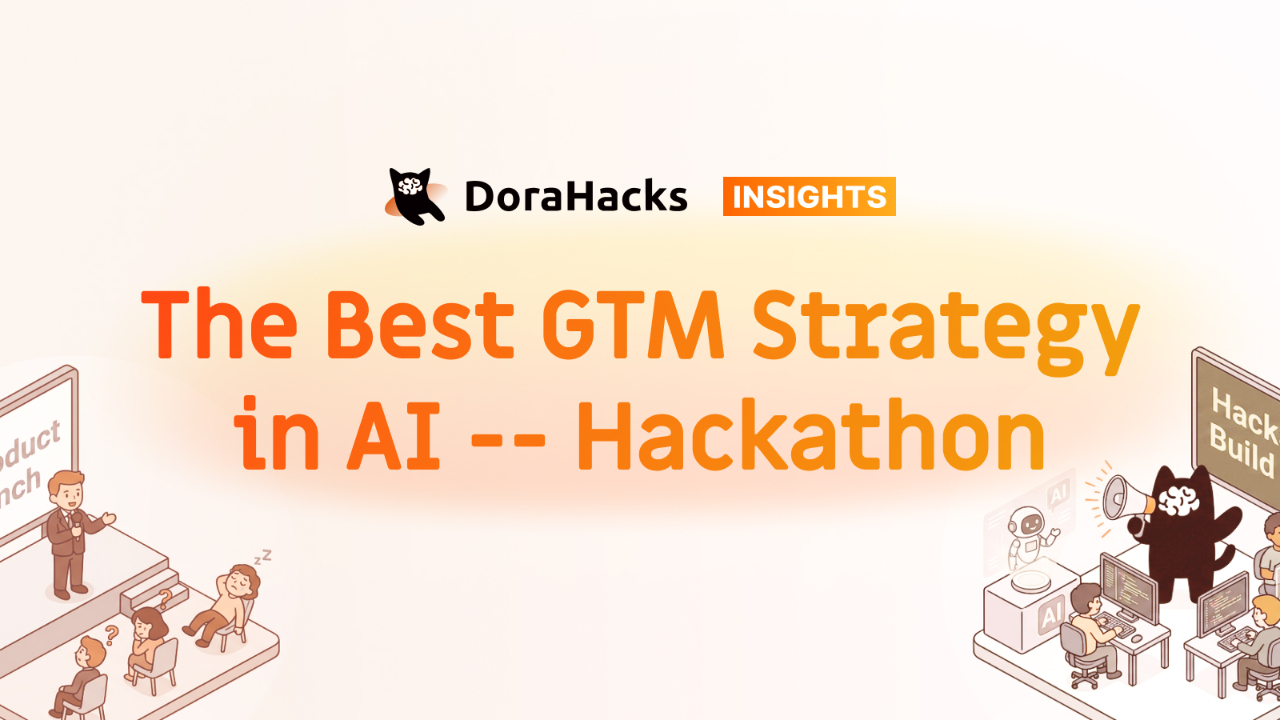
La meilleure stratégie GTM en IA n’est pas un événement de lancement. C’est un hackathon.Par Steve Ngok, Directeur Stratégique chez DoraHacks
J'ai serré la main de Jensen au GTC 2026 la semaine dernière. C'était cool. Mais ce n'est pas la raison pour laquelle j'écris ceci.
Ce qui est resté avec moi s'est produit dans les marges. Aux stands, autour d'un café de conférence, dans ces conversations de quinze minutes dans les couloirs qui redéfinissent discrètement votre façon de penser à toute une industrie. Mon collègue Jonathan Breton et moi avons passé quatre jours au GTC non seulement à regarder des démonstrations, mais à parler aux personnes qui les ont créées. Et la même confession refaisait surface, parfois mot pour mot :
La meilleure stratégie GTM en IA n’est pas un événement de lancement. C’est un hackathon.
Par Steve Ngok, Directeur Stratégique chez DoraHacks
J'ai serré la main de Jensen au GTC 2026 la semaine dernière. C'était cool. Mais ce n'est pas la raison pour laquelle j'écris ceci.
Ce qui est resté avec moi s'est produit dans les marges. Aux stands, autour d'un café de conférence, dans ces conversations de quinze minutes dans les couloirs qui redéfinissent discrètement votre façon de penser à toute une industrie. Mon collègue Jonathan Breton et moi avons passé quatre jours au GTC non seulement à regarder des démonstrations, mais à parler aux personnes qui les ont créées. Et la même confession refaisait surface, parfois mot pour mot :
J'ai serré la main de Jensen au GTC 2026 la semaine dernière. C'était cool. Mais ce n'est pas la raison pour laquelle j'écris ceci.
Ce qui est resté avec moi s'est produit dans les marges. Aux stands, autour d'un café de conférence, dans ces conversations de quinze minutes dans les couloirs qui redéfinissent discrètement votre façon de penser à toute une industrie. Mon collègue Jonathan Breton et moi avons passé quatre jours au GTC non seulement à regarder des démonstrations, mais à parler aux personnes qui les ont créées. Et la même confession refaisait surface, parfois mot pour mot :
186
·
--
Article
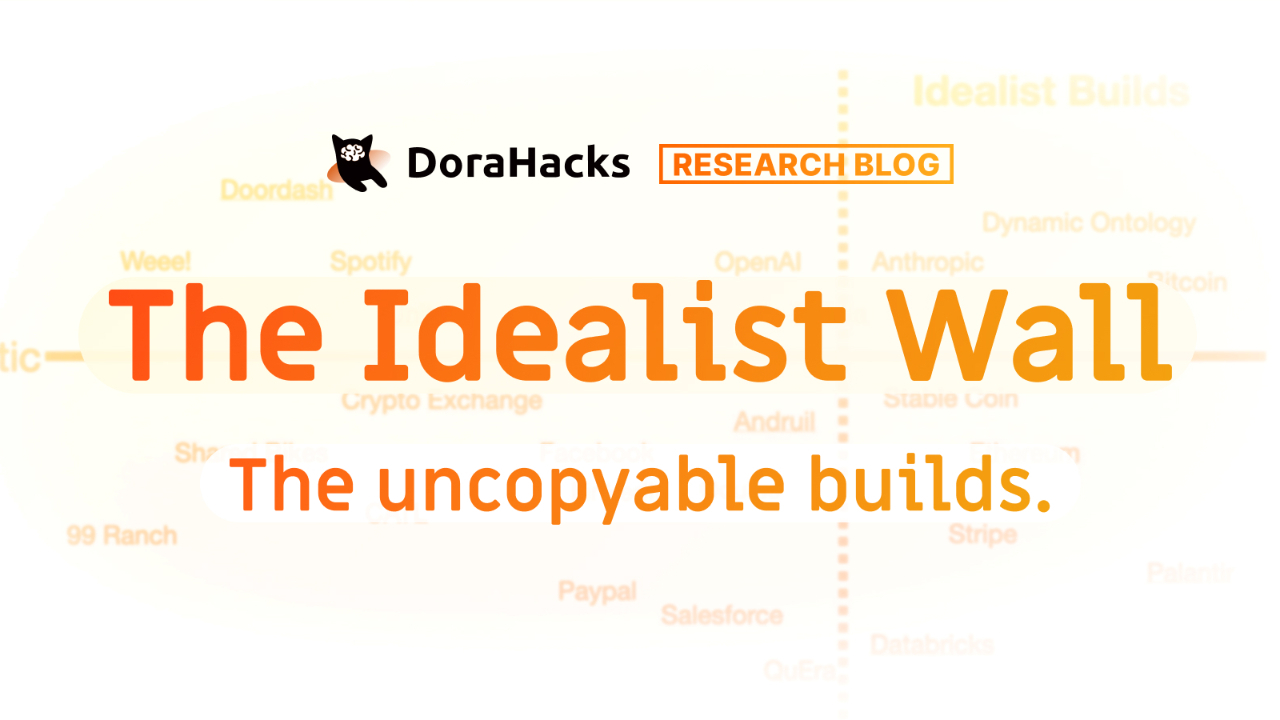
Le Mur IdéalisteIl est important de définir la portée des produits technologiques qui sont véritablement originaux — de 0 à 1. Une question tout aussi intrigante est : dans quelle mesure un produit technologique novateur peut-il être mondialisé — ou est-il intrinsèquement non duplicable ?
Nous pouvons observer qu'il existe des produits novateurs qui sont facilement mondialisés, tandis que d'autres sont extrêmement difficiles à mondialiser. Les deux peuvent représenter des percées, mais ils diffèrent considérablement en termes de duplicabilité. PayPal et Uber ont été facilement mondialisés en Chine, en Inde et dans de nombreux autres endroits. Dans certains cas, les versions localisées ont même surpassé les originales. En comparaison, l'industrie SaaS ne s'est jamais vraiment enracinée dans l'économie chinoise, même pendant ses années de croissance la plus rapide. Un exemple extrême est Palantir : il n'existe effectivement qu'une seule telle entreprise. Même si de nombreux pays désiraient un produit similaire et avaient d'énormes ressources à investir, ils n'ont pas pu construire efficacement quoi que ce soit de véritablement comparable.
Le Mur Idéaliste
Il est important de définir la portée des produits technologiques qui sont véritablement originaux — de 0 à 1. Une question tout aussi intrigante est : dans quelle mesure un produit technologique novateur peut-il être mondialisé — ou est-il intrinsèquement non duplicable ?
Nous pouvons observer qu'il existe des produits novateurs qui sont facilement mondialisés, tandis que d'autres sont extrêmement difficiles à mondialiser. Les deux peuvent représenter des percées, mais ils diffèrent considérablement en termes de duplicabilité. PayPal et Uber ont été facilement mondialisés en Chine, en Inde et dans de nombreux autres endroits. Dans certains cas, les versions localisées ont même surpassé les originales. En comparaison, l'industrie SaaS ne s'est jamais vraiment enracinée dans l'économie chinoise, même pendant ses années de croissance la plus rapide. Un exemple extrême est Palantir : il n'existe effectivement qu'une seule telle entreprise. Même si de nombreux pays désiraient un produit similaire et avaient d'énormes ressources à investir, ils n'ont pas pu construire efficacement quoi que ce soit de véritablement comparable.
Nous pouvons observer qu'il existe des produits novateurs qui sont facilement mondialisés, tandis que d'autres sont extrêmement difficiles à mondialiser. Les deux peuvent représenter des percées, mais ils diffèrent considérablement en termes de duplicabilité. PayPal et Uber ont été facilement mondialisés en Chine, en Inde et dans de nombreux autres endroits. Dans certains cas, les versions localisées ont même surpassé les originales. En comparaison, l'industrie SaaS ne s'est jamais vraiment enracinée dans l'économie chinoise, même pendant ses années de croissance la plus rapide. Un exemple extrême est Palantir : il n'existe effectivement qu'une seule telle entreprise. Même si de nombreux pays désiraient un produit similaire et avaient d'énormes ressources à investir, ils n'ont pas pu construire efficacement quoi que ce soit de véritablement comparable.
2
236
·
--
Article
Hackez-le simplement : un guide de conception pratique (et simplifié) pour les hackathons universitairesRépondez avant de construire : de quoi a réellement besoin un grand hackathon universitaire ?
Il y a des dizaines de milliers d'universités à travers le monde, chacune avec sa propre culture et communauté. Pourtant, le plan pour un hackathon universitaire fluide et agréable, basé sur l'expérience de DoraHacks(https://dorahacks.io/hackathon), est étonnamment universel.
Nous ne voulons pas vous submerger avec un manuel encombrant qui prend des jours à digérer (ou, soyons honnêtes, un qui finit par être trop long à lire du tout :P). Donc, au lieu de cela, l'équipe de DoraHacks a distillé l'ensemble du processus de conception en un ensemble ciblé de 14 questions. Travaillez à travers celles-ci, et votre plan de hackathon se dessinera pratiquement tout seul.
Hackez-le simplement : un guide de conception pratique (et simplifié) pour les hackathons universitaires
Répondez avant de construire : de quoi a réellement besoin un grand hackathon universitaire ?
Il y a des dizaines de milliers d'universités à travers le monde, chacune avec sa propre culture et communauté. Pourtant, le plan pour un hackathon universitaire fluide et agréable, basé sur l'expérience de DoraHacks(https://dorahacks.io/hackathon), est étonnamment universel.
Nous ne voulons pas vous submerger avec un manuel encombrant qui prend des jours à digérer (ou, soyons honnêtes, un qui finit par être trop long à lire du tout :P). Donc, au lieu de cela, l'équipe de DoraHacks a distillé l'ensemble du processus de conception en un ensemble ciblé de 14 questions. Travaillez à travers celles-ci, et votre plan de hackathon se dessinera pratiquement tout seul.
Il y a des dizaines de milliers d'universités à travers le monde, chacune avec sa propre culture et communauté. Pourtant, le plan pour un hackathon universitaire fluide et agréable, basé sur l'expérience de DoraHacks(https://dorahacks.io/hackathon), est étonnamment universel.
Nous ne voulons pas vous submerger avec un manuel encombrant qui prend des jours à digérer (ou, soyons honnêtes, un qui finit par être trop long à lire du tout :P). Donc, au lieu de cela, l'équipe de DoraHacks a distillé l'ensemble du processus de conception en un ensemble ciblé de 14 questions. Travaillez à travers celles-ci, et votre plan de hackathon se dessinera pratiquement tout seul.
1
362
·
--
Article
Construire l'économie agentique | Idées de startup DoraHacks 2026Avec BNB Chain comme exemple
Par Steve Ngok. Remerciements spéciaux à Brick (AGOS) et Neo (Unibase) pour leurs retours et leur révision. Inspiré par le GoodVibes OpenClaw Edition Hackathon de BNB Chain(https://dorahacks.io/hackathon/goodvibes/detail).
Le moment Aha de 2026
OpenClaw est le moment Aha de 2026.
Le concept de MCP (Model Context Protocol) n'est pas nouveau. Mais OpenClaw en open-source a donné à des millions de personnes et d'entreprises leur premier aperçu d'un assistant IA véritablement puissant - capable de gérer le travail humain à une vitesse et une qualité sans précédent.
Construire l'économie agentique | Idées de startup DoraHacks 2026
Avec BNB Chain comme exemple
Par Steve Ngok. Remerciements spéciaux à Brick (AGOS) et Neo (Unibase) pour leurs retours et leur révision. Inspiré par le GoodVibes OpenClaw Edition Hackathon de BNB Chain(https://dorahacks.io/hackathon/goodvibes/detail).
Le moment Aha de 2026
OpenClaw est le moment Aha de 2026.
Le concept de MCP (Model Context Protocol) n'est pas nouveau. Mais OpenClaw en open-source a donné à des millions de personnes et d'entreprises leur premier aperçu d'un assistant IA véritablement puissant - capable de gérer le travail humain à une vitesse et une qualité sans précédent.
Par Steve Ngok. Remerciements spéciaux à Brick (AGOS) et Neo (Unibase) pour leurs retours et leur révision. Inspiré par le GoodVibes OpenClaw Edition Hackathon de BNB Chain(https://dorahacks.io/hackathon/goodvibes/detail).
Le moment Aha de 2026
OpenClaw est le moment Aha de 2026.
Le concept de MCP (Model Context Protocol) n'est pas nouveau. Mais OpenClaw en open-source a donné à des millions de personnes et d'entreprises leur premier aperçu d'un assistant IA véritablement puissant - capable de gérer le travail humain à une vitesse et une qualité sans précédent.
5
145
·
--
Article
Histoire de succès : Chaîne BNBSurfant sur la vague OpenClaw avec des développeurs IA en 2026
La chaîne BNB a fait des hackathons un pilier de sa stratégie d'engagement des développeurs, les organisant chaque année sur DoraHacks dans une variété de formats. Pour lancer 2026, la chaîne BNB a lancé le Good Vibes Hackathon : L'Édition OpenClaw(https://dorahacks.io/hackathon/goodvibes/detail), un sprint de deux semaines qui s'est révélé être l'un de ses événements de construction les plus réussis en 2026.
Les chiffres parlent d'eux-mêmes : près de 300 soumissions de projets de plus de 600 hackers, avec une qualité de soumission moyenne remarquablement élevée mesurée par l'AI BUIDL Reviewer de DoraHacks.
Histoire de succès : Chaîne BNB
Surfant sur la vague OpenClaw avec des développeurs IA en 2026
La chaîne BNB a fait des hackathons un pilier de sa stratégie d'engagement des développeurs, les organisant chaque année sur DoraHacks dans une variété de formats. Pour lancer 2026, la chaîne BNB a lancé le Good Vibes Hackathon : L'Édition OpenClaw(https://dorahacks.io/hackathon/goodvibes/detail), un sprint de deux semaines qui s'est révélé être l'un de ses événements de construction les plus réussis en 2026.
Les chiffres parlent d'eux-mêmes : près de 300 soumissions de projets de plus de 600 hackers, avec une qualité de soumission moyenne remarquablement élevée mesurée par l'AI BUIDL Reviewer de DoraHacks.
La chaîne BNB a fait des hackathons un pilier de sa stratégie d'engagement des développeurs, les organisant chaque année sur DoraHacks dans une variété de formats. Pour lancer 2026, la chaîne BNB a lancé le Good Vibes Hackathon : L'Édition OpenClaw(https://dorahacks.io/hackathon/goodvibes/detail), un sprint de deux semaines qui s'est révélé être l'un de ses événements de construction les plus réussis en 2026.
Les chiffres parlent d'eux-mêmes : près de 300 soumissions de projets de plus de 600 hackers, avec une qualité de soumission moyenne remarquablement élevée mesurée par l'AI BUIDL Reviewer de DoraHacks.
3
164
·
--
Article
Infrastructure de vie privée sur Zcash | Idées de startups DoraHacks 2026Par Steve Ngok, Directeur de la stratégie, DoraHacks
De quoi s'agit-il réellement dans la thèse de la vie privée ?
Un principe fondamental : les individus et les organisations devraient avoir le droit de protéger leur identité et leurs informations quand cela compte.
C'est à la fois une liberté fondamentale et une exigence technique.
Une liberté, car la vie privée financière n'est pas un luxe. C'est ce qui permet à un dissident de recevoir des dons sans persécution, à une entreprise de payer des fournisseurs sans exposer sa stratégie, à une personne de conserver des économies sans devenir une cible. La vie privée rend la participation à l'économie sûre.
Infrastructure de vie privée sur Zcash | Idées de startups DoraHacks 2026
Par Steve Ngok, Directeur de la stratégie, DoraHacks
De quoi s'agit-il réellement dans la thèse de la vie privée ?
Un principe fondamental : les individus et les organisations devraient avoir le droit de protéger leur identité et leurs informations quand cela compte.
C'est à la fois une liberté fondamentale et une exigence technique.
Une liberté, car la vie privée financière n'est pas un luxe. C'est ce qui permet à un dissident de recevoir des dons sans persécution, à une entreprise de payer des fournisseurs sans exposer sa stratégie, à une personne de conserver des économies sans devenir une cible. La vie privée rend la participation à l'économie sûre.
De quoi s'agit-il réellement dans la thèse de la vie privée ?
Un principe fondamental : les individus et les organisations devraient avoir le droit de protéger leur identité et leurs informations quand cela compte.
C'est à la fois une liberté fondamentale et une exigence technique.
Une liberté, car la vie privée financière n'est pas un luxe. C'est ce qui permet à un dissident de recevoir des dons sans persécution, à une entreprise de payer des fournisseurs sans exposer sa stratégie, à une personne de conserver des économies sans devenir une cible. La vie privée rend la participation à l'économie sûre.
233
·
--
Article
Comment concevoir un plan de jugement pour un hackathonUn guide pratique pour les organisateurs
Votre hackathon s'est très bien déroulé. Les soumissions sont arrivées. Vient maintenant la partie où de nombreux hackathons rencontrent des difficultés.
Le jugement semble simple sur le papier : examiner les projets, choisir les gagnants. Mais en pratique, c'est là que des attentes floues, des évaluateurs mal assortis et des délais manqués s'accumulent. La bonne nouvelle : la plupart des problèmes de jugement sont évitables avec une planification préalable.
Voici à quoi cela ressemble basé sur des milliers de hackathons soutenus par DoraHacks.
Définissez ce que vous évaluez réellement
Comment concevoir un plan de jugement pour un hackathon
Un guide pratique pour les organisateurs
Votre hackathon s'est très bien déroulé. Les soumissions sont arrivées. Vient maintenant la partie où de nombreux hackathons rencontrent des difficultés.
Le jugement semble simple sur le papier : examiner les projets, choisir les gagnants. Mais en pratique, c'est là que des attentes floues, des évaluateurs mal assortis et des délais manqués s'accumulent. La bonne nouvelle : la plupart des problèmes de jugement sont évitables avec une planification préalable.
Voici à quoi cela ressemble basé sur des milliers de hackathons soutenus par DoraHacks.
Définissez ce que vous évaluez réellement
Votre hackathon s'est très bien déroulé. Les soumissions sont arrivées. Vient maintenant la partie où de nombreux hackathons rencontrent des difficultés.
Le jugement semble simple sur le papier : examiner les projets, choisir les gagnants. Mais en pratique, c'est là que des attentes floues, des évaluateurs mal assortis et des délais manqués s'accumulent. La bonne nouvelle : la plupart des problèmes de jugement sont évitables avec une planification préalable.
Voici à quoi cela ressemble basé sur des milliers de hackathons soutenus par DoraHacks.
Définissez ce que vous évaluez réellement
2
200
·
--
Article
Histoire de Succès : Stacks x DoraHacksTransformer les Hackathons en Moteur de Croissance
Organiser un hackathon pourrait être facile. Organiser une série qui continue d'attirer des développeurs, produisant de vrais projets, et faisant croître un écosystème est un tout autre jeu.
Stacks l'a compris. En tant que Layer 2 Bitcoin qui apporte des contrats intelligents et des dapps à Bitcoin, ils ont organisé 9 hackathons sur DoraHacks depuis 2025. Ce qui a commencé comme des événements individuels a évolué en un système, qui est devenu un modèle pour construire une communauté de développeurs à travers des hackathons.
Un Système, Pas un Événement Unique
Histoire de Succès : Stacks x DoraHacks
Transformer les Hackathons en Moteur de Croissance
Organiser un hackathon pourrait être facile. Organiser une série qui continue d'attirer des développeurs, produisant de vrais projets, et faisant croître un écosystème est un tout autre jeu.
Stacks l'a compris. En tant que Layer 2 Bitcoin qui apporte des contrats intelligents et des dapps à Bitcoin, ils ont organisé 9 hackathons sur DoraHacks depuis 2025. Ce qui a commencé comme des événements individuels a évolué en un système, qui est devenu un modèle pour construire une communauté de développeurs à travers des hackathons.
Un Système, Pas un Événement Unique
Organiser un hackathon pourrait être facile. Organiser une série qui continue d'attirer des développeurs, produisant de vrais projets, et faisant croître un écosystème est un tout autre jeu.
Stacks l'a compris. En tant que Layer 2 Bitcoin qui apporte des contrats intelligents et des dapps à Bitcoin, ils ont organisé 9 hackathons sur DoraHacks depuis 2025. Ce qui a commencé comme des événements individuels a évolué en un système, qui est devenu un modèle pour construire une communauté de développeurs à travers des hackathons.
Un Système, Pas un Événement Unique
1
170
·
--
Article
Votre DevRel est votre plus grand goulot d'étranglementPar Steve Ngok, Directeur de la stratégie, DoraHacks
Introduction
Chaque entreprise construisant une plateforme pour développeurs dit la même chose : "Nous sommes entièrement consacrés à l'écosystème des développeurs." Elles engagent des équipes DevRel. Elles parrainent des hackathons. Elles remplissent les serveurs Discord de milliers de constructeurs pleins d'espoir. Puis elles regardent, confuses, alors que leur écosystème échoue à croître.
Voici la vérité inconfortable : la plupart des entreprises n'ont pas une bonne équipe DevRel pour commencer. Elles sont en sous-effectif, mal formées ou considérées comme un après-coup. Mais voici ce qui est pire : même les entreprises qui investissent massivement dans DevRel atteignent le même plafond. Une grande équipe DevRel de 10 personnes ne peut pas soutenir de manière significative 10 000 développeurs. Leur capacité a des limites strictes. Et ces limites deviennent celles de votre écosystème.
Votre DevRel est votre plus grand goulot d'étranglement
Par Steve Ngok, Directeur de la stratégie, DoraHacks
Introduction
Chaque entreprise construisant une plateforme pour développeurs dit la même chose : "Nous sommes entièrement consacrés à l'écosystème des développeurs." Elles engagent des équipes DevRel. Elles parrainent des hackathons. Elles remplissent les serveurs Discord de milliers de constructeurs pleins d'espoir. Puis elles regardent, confuses, alors que leur écosystème échoue à croître.
Voici la vérité inconfortable : la plupart des entreprises n'ont pas une bonne équipe DevRel pour commencer. Elles sont en sous-effectif, mal formées ou considérées comme un après-coup. Mais voici ce qui est pire : même les entreprises qui investissent massivement dans DevRel atteignent le même plafond. Une grande équipe DevRel de 10 personnes ne peut pas soutenir de manière significative 10 000 développeurs. Leur capacité a des limites strictes. Et ces limites deviennent celles de votre écosystème.
Introduction
Chaque entreprise construisant une plateforme pour développeurs dit la même chose : "Nous sommes entièrement consacrés à l'écosystème des développeurs." Elles engagent des équipes DevRel. Elles parrainent des hackathons. Elles remplissent les serveurs Discord de milliers de constructeurs pleins d'espoir. Puis elles regardent, confuses, alors que leur écosystème échoue à croître.
Voici la vérité inconfortable : la plupart des entreprises n'ont pas une bonne équipe DevRel pour commencer. Elles sont en sous-effectif, mal formées ou considérées comme un après-coup. Mais voici ce qui est pire : même les entreprises qui investissent massivement dans DevRel atteignent le même plafond. Une grande équipe DevRel de 10 personnes ne peut pas soutenir de manière significative 10 000 développeurs. Leur capacité a des limites strictes. Et ces limites deviennent celles de votre écosystème.
1
411
·
--
Article
À quoi ressemble une bonne soumission de hackathon ?Vous avez passé des heures (peut-être des jours) à construire quelque chose dont vous êtes fier. Mais un projet solide ne garantit pas une soumission solide. La façon dont vous présentez votre travail compte tout autant que le travail lui-même. Les juges examinent des dizaines voire des centaines de soumissions, et celles qui se démarquent sont claires, complètes et faciles à évaluer.
Ce guide couvre ce qui sépare les soumissions gagnantes des soumissions oubliables.
0. Avant tout, lisez attentivement les exigences
Cela peut sembler évident, mais c'est là que de nombreux hackers trébuchent. Avant de commencer à rédiger votre soumission, lisez attentivement les exigences de soumission du hackathon. Comprenez ce qui est obligatoire, ce qui est optionnel et quel format est attendu.
À quoi ressemble une bonne soumission de hackathon ?
Vous avez passé des heures (peut-être des jours) à construire quelque chose dont vous êtes fier. Mais un projet solide ne garantit pas une soumission solide. La façon dont vous présentez votre travail compte tout autant que le travail lui-même. Les juges examinent des dizaines voire des centaines de soumissions, et celles qui se démarquent sont claires, complètes et faciles à évaluer.
Ce guide couvre ce qui sépare les soumissions gagnantes des soumissions oubliables.
0. Avant tout, lisez attentivement les exigences
Cela peut sembler évident, mais c'est là que de nombreux hackers trébuchent. Avant de commencer à rédiger votre soumission, lisez attentivement les exigences de soumission du hackathon. Comprenez ce qui est obligatoire, ce qui est optionnel et quel format est attendu.
Ce guide couvre ce qui sépare les soumissions gagnantes des soumissions oubliables.
0. Avant tout, lisez attentivement les exigences
Cela peut sembler évident, mais c'est là que de nombreux hackers trébuchent. Avant de commencer à rédiger votre soumission, lisez attentivement les exigences de soumission du hackathon. Comprenez ce qui est obligatoire, ce qui est optionnel et quel format est attendu.
2
464
·
--
Article
Comment organiser un hackathon "Vibe Coding"Par Steve Ngok, Directeur de la Stratégie, DoraHacks
Je viens de revenir à Singapour des États-Unis et j'ai remarqué que beaucoup de choses ont changé par rapport à l'année dernière. Du progrès, je dirais. En ce qui concerne les événements pour développeurs, Singapour se rapproche de plus en plus de San Francisco. De nombreuses entreprises technologiques leaders et entreprises d'IA ouvrent des bureaux ici, élargissent leurs équipes et organisent activement des événements pour développeurs afin d'accroître leur présence en Asie.
Lorsque je discutais avec un nouvel ami du bureau de Singapour d'OpenAI au sujet des récents hackathons que j'ai organisés et auxquels j'ai assisté, il m'a demandé : "Quelle est l'ambiance à ces hackathons dernièrement ?"
Comment organiser un hackathon "Vibe Coding"
Par Steve Ngok, Directeur de la Stratégie, DoraHacks
Je viens de revenir à Singapour des États-Unis et j'ai remarqué que beaucoup de choses ont changé par rapport à l'année dernière. Du progrès, je dirais. En ce qui concerne les événements pour développeurs, Singapour se rapproche de plus en plus de San Francisco. De nombreuses entreprises technologiques leaders et entreprises d'IA ouvrent des bureaux ici, élargissent leurs équipes et organisent activement des événements pour développeurs afin d'accroître leur présence en Asie.
Lorsque je discutais avec un nouvel ami du bureau de Singapour d'OpenAI au sujet des récents hackathons que j'ai organisés et auxquels j'ai assisté, il m'a demandé : "Quelle est l'ambiance à ces hackathons dernièrement ?"
Je viens de revenir à Singapour des États-Unis et j'ai remarqué que beaucoup de choses ont changé par rapport à l'année dernière. Du progrès, je dirais. En ce qui concerne les événements pour développeurs, Singapour se rapproche de plus en plus de San Francisco. De nombreuses entreprises technologiques leaders et entreprises d'IA ouvrent des bureaux ici, élargissent leurs équipes et organisent activement des événements pour développeurs afin d'accroître leur présence en Asie.
Lorsque je discutais avec un nouvel ami du bureau de Singapour d'OpenAI au sujet des récents hackathons que j'ai organisés et auxquels j'ai assisté, il m'a demandé : "Quelle est l'ambiance à ces hackathons dernièrement ?"
2
180
·
--
Article
Pourquoi chaque entreprise devrait organiser des hackathons en 2026Par Steve Ngok, Directeur de la Stratégie, DoraHacks
Nous sommes en 2026. L'ère de la consommation passive de technologies est révolue. L'IA dévore le logiciel. Le code écrit du code, et les idées deviennent des applications en un clin d'œil.
Dans cette réalité, la vitesse est la seule monnaie qui compte. L'écart entre une idée et un produit expédié s'est effondré de mois à minutes. Si vous êtes PDG ou fondateur, prenez note : il n'y a qu'un seul endroit où l'avenir se forge en temps réel - les hackathons.
Vous trouverez des développeurs en profonde concentration, courant contre la montre pour transformer des idées brutes en prototypes fonctionnels. L'environnement frénétique récompense la vitesse et la créativité, incarnant la culture d'innovation à un rythme effréné de 2026. Des produits naissent, des technologies sont testées sous pression, des talents sont identifiés, et ceux qui émergent victorieux ont été prouvés dans l'arène la plus difficile que le logiciel puisse offrir.
Pourquoi chaque entreprise devrait organiser des hackathons en 2026
Par Steve Ngok, Directeur de la Stratégie, DoraHacks
Nous sommes en 2026. L'ère de la consommation passive de technologies est révolue. L'IA dévore le logiciel. Le code écrit du code, et les idées deviennent des applications en un clin d'œil.
Dans cette réalité, la vitesse est la seule monnaie qui compte. L'écart entre une idée et un produit expédié s'est effondré de mois à minutes. Si vous êtes PDG ou fondateur, prenez note : il n'y a qu'un seul endroit où l'avenir se forge en temps réel - les hackathons.
Vous trouverez des développeurs en profonde concentration, courant contre la montre pour transformer des idées brutes en prototypes fonctionnels. L'environnement frénétique récompense la vitesse et la créativité, incarnant la culture d'innovation à un rythme effréné de 2026. Des produits naissent, des technologies sont testées sous pression, des talents sont identifiés, et ceux qui émergent victorieux ont été prouvés dans l'arène la plus difficile que le logiciel puisse offrir.
Nous sommes en 2026. L'ère de la consommation passive de technologies est révolue. L'IA dévore le logiciel. Le code écrit du code, et les idées deviennent des applications en un clin d'œil.
Dans cette réalité, la vitesse est la seule monnaie qui compte. L'écart entre une idée et un produit expédié s'est effondré de mois à minutes. Si vous êtes PDG ou fondateur, prenez note : il n'y a qu'un seul endroit où l'avenir se forge en temps réel - les hackathons.
Vous trouverez des développeurs en profonde concentration, courant contre la montre pour transformer des idées brutes en prototypes fonctionnels. L'environnement frénétique récompense la vitesse et la créativité, incarnant la culture d'innovation à un rythme effréné de 2026. Des produits naissent, des technologies sont testées sous pression, des talents sont identifiés, et ceux qui émergent victorieux ont été prouvés dans l'arène la plus difficile que le logiciel puisse offrir.
1
381
·
--
Article
Hackathon en cours : Un guide opérationnel pour les organisateursPourquoi (Une bonne) gestion est importante
Une bonne gestion ne garantit pas un hackathon réussi, mais la négligence presque garantit l'échec. Si les organisateurs se taisent - pas de communication, pas de soutien, pas de promotion continue - les participants perdent confiance et élan. L'énergie s'épuise lors de l'événement, les soumissions diminuent, et les sponsors remarquent.
La phase en direct est celle où votre préparation du hackathon est mise à l'épreuve. Des problèmes inattendus surgiront, et la façon dont vous réagissez définit la réputation de votre hackathon. Une bonne gestion protège également votre équipe de l'épuisement. Avec des processus clairs en place, vous pouvez gérer les défis calmement et avoir encore de l'énergie pour la ligne d'arrivée.
Hackathon en cours : Un guide opérationnel pour les organisateurs
Pourquoi (Une bonne) gestion est importante
Une bonne gestion ne garantit pas un hackathon réussi, mais la négligence presque garantit l'échec. Si les organisateurs se taisent - pas de communication, pas de soutien, pas de promotion continue - les participants perdent confiance et élan. L'énergie s'épuise lors de l'événement, les soumissions diminuent, et les sponsors remarquent.
La phase en direct est celle où votre préparation du hackathon est mise à l'épreuve. Des problèmes inattendus surgiront, et la façon dont vous réagissez définit la réputation de votre hackathon. Une bonne gestion protège également votre équipe de l'épuisement. Avec des processus clairs en place, vous pouvez gérer les défis calmement et avoir encore de l'énergie pour la ligne d'arrivée.
Une bonne gestion ne garantit pas un hackathon réussi, mais la négligence presque garantit l'échec. Si les organisateurs se taisent - pas de communication, pas de soutien, pas de promotion continue - les participants perdent confiance et élan. L'énergie s'épuise lors de l'événement, les soumissions diminuent, et les sponsors remarquent.
La phase en direct est celle où votre préparation du hackathon est mise à l'épreuve. Des problèmes inattendus surgiront, et la façon dont vous réagissez définit la réputation de votre hackathon. Une bonne gestion protège également votre équipe de l'épuisement. Avec des processus clairs en place, vous pouvez gérer les défis calmement et avoir encore de l'énergie pour la ligne d'arrivée.
163
·
--
Nouvelle fonctionnalité : Le jugement des hackathons facilité avec les Juges ExternesNous sommes ravis de vous présenter la nouvelle fonctionnalité Juges Externes, une version mise à jour de la précédente fonctionnalité de jugement manuel, désormais disponible dans le Tableau de bord de l'organisateur.
Les Juges Externes vous offrent un moyen structuré d'inviter des juges, de définir des règles d'évaluation claires et de passer en revue les soumissions BUIDL directement sur la plateforme. Cela vous aide à combiner l'expertise humaine avec une notation structurée pour un processus de jugement plus clair et plus efficace. En même temps, des évaluations par IA sont également disponibles pour référence des juges.
▶︎ Regardez la vidéo pour voir comment fonctionnent les Juges Externes.
Nouvelle fonctionnalité : Le jugement des hackathons facilité avec les Juges Externes
Nous sommes ravis de vous présenter la nouvelle fonctionnalité Juges Externes, une version mise à jour de la précédente fonctionnalité de jugement manuel, désormais disponible dans le Tableau de bord de l'organisateur.
Les Juges Externes vous offrent un moyen structuré d'inviter des juges, de définir des règles d'évaluation claires et de passer en revue les soumissions BUIDL directement sur la plateforme. Cela vous aide à combiner l'expertise humaine avec une notation structurée pour un processus de jugement plus clair et plus efficace. En même temps, des évaluations par IA sont également disponibles pour référence des juges.
▶︎ Regardez la vidéo pour voir comment fonctionnent les Juges Externes.
Les Juges Externes vous offrent un moyen structuré d'inviter des juges, de définir des règles d'évaluation claires et de passer en revue les soumissions BUIDL directement sur la plateforme. Cela vous aide à combiner l'expertise humaine avec une notation structurée pour un processus de jugement plus clair et plus efficace. En même temps, des évaluations par IA sont également disponibles pour référence des juges.
▶︎ Regardez la vidéo pour voir comment fonctionnent les Juges Externes.
1
162
·
--
Article
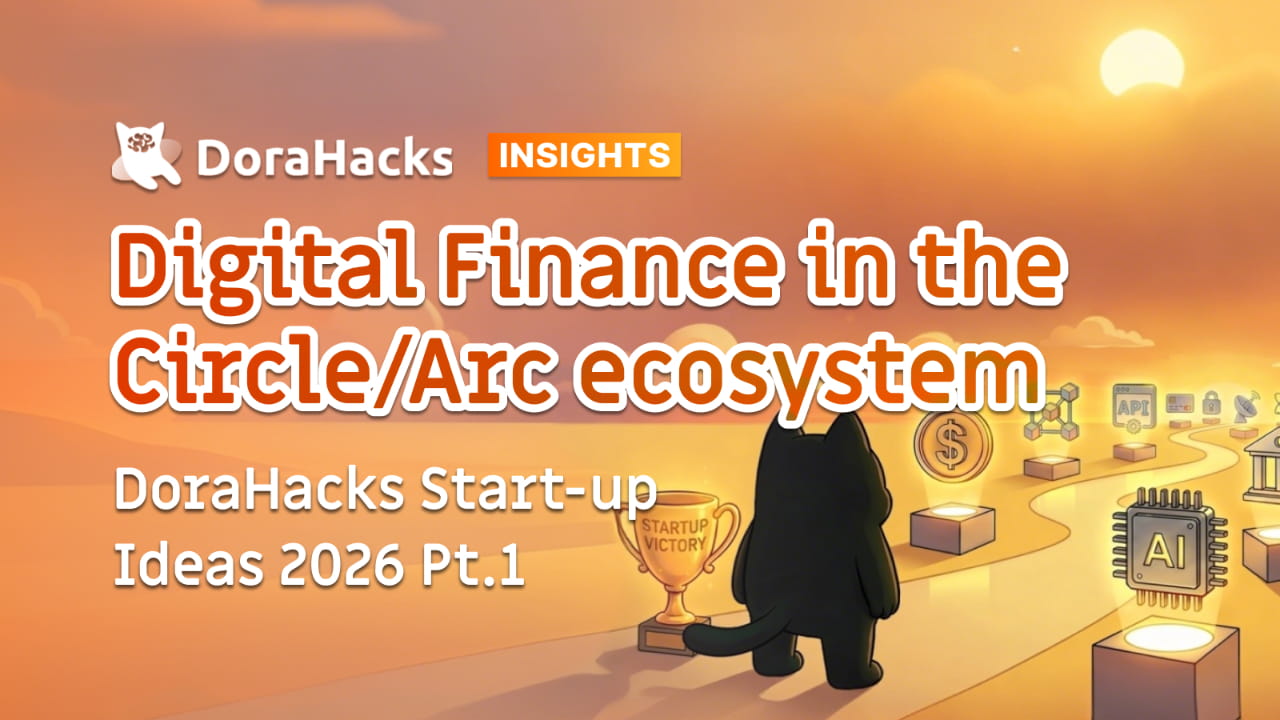
Idées de start-up DoraHacks 2026 : Pt.1 Finance numérique dans l'écosystème Circle/ArcPar Steve Ngok, Directeur de la stratégie, DoraHacks
L'Introduction
Pendant près d'une décennie, l'ordre financier établi a vu la crypto avec scepticisme et mépris. Pour les observateurs dans des tours d'ivoire, l'industrie apparaissait comme peu plus qu'un casino - un théâtre chaotique de spéculation détaché de l'économie réelle. Pendant longtemps, cette critique avait du mérite.
Mais en examinant le paysage de 2026, la confusion initiale a laissé place à une clarté structurelle. L'industrie n'a pas seulement grandi ; elle s'est bifurquée.
Idées de start-up DoraHacks 2026 : Pt.1 Finance numérique dans l'écosystème Circle/Arc
Par Steve Ngok, Directeur de la stratégie, DoraHacks
L'Introduction
Pendant près d'une décennie, l'ordre financier établi a vu la crypto avec scepticisme et mépris. Pour les observateurs dans des tours d'ivoire, l'industrie apparaissait comme peu plus qu'un casino - un théâtre chaotique de spéculation détaché de l'économie réelle. Pendant longtemps, cette critique avait du mérite.
Mais en examinant le paysage de 2026, la confusion initiale a laissé place à une clarté structurelle. L'industrie n'a pas seulement grandi ; elle s'est bifurquée.
L'Introduction
Pendant près d'une décennie, l'ordre financier établi a vu la crypto avec scepticisme et mépris. Pour les observateurs dans des tours d'ivoire, l'industrie apparaissait comme peu plus qu'un casino - un théâtre chaotique de spéculation détaché de l'économie réelle. Pendant longtemps, cette critique avait du mérite.
Mais en examinant le paysage de 2026, la confusion initiale a laissé place à une clarté structurelle. L'industrie n'a pas seulement grandi ; elle s'est bifurquée.
210
·
--
Article
Le Guide du Débutant Hacker : Comment tirer le meilleur parti de vos premiers Hackathons0. Plus que de simplement gagner des prix
Donc, vous êtes prêt à vous inscrire à votre premier hackathon. Peut-être êtes-vous un étudiant universitaire cherchant à créer quelque chose de cool pendant un week-end, ou un développeur solo espérant explorer de nouvelles technologies et rencontrer des personnes partageant les mêmes idées. Quoi qu'il en soit, bienvenue ! Vous êtes sur le point de vivre l'une des meilleures façons d'apprendre, de construire et de grandir en tant que constructeur.
Mais voici quelque chose que la plupart des débutants ne réalisent pas : les hackers qui tirent le plus de bénéfices des hackathons ne sont pas toujours ceux qui gagnent. Les prix sont agréables, mais les compétences, les projets de portfolio et les connexions que vous acquérez durent beaucoup plus longtemps.
Le Guide du Débutant Hacker : Comment tirer le meilleur parti de vos premiers Hackathons
0. Plus que de simplement gagner des prix
Donc, vous êtes prêt à vous inscrire à votre premier hackathon. Peut-être êtes-vous un étudiant universitaire cherchant à créer quelque chose de cool pendant un week-end, ou un développeur solo espérant explorer de nouvelles technologies et rencontrer des personnes partageant les mêmes idées. Quoi qu'il en soit, bienvenue ! Vous êtes sur le point de vivre l'une des meilleures façons d'apprendre, de construire et de grandir en tant que constructeur.
Mais voici quelque chose que la plupart des débutants ne réalisent pas : les hackers qui tirent le plus de bénéfices des hackathons ne sont pas toujours ceux qui gagnent. Les prix sont agréables, mais les compétences, les projets de portfolio et les connexions que vous acquérez durent beaucoup plus longtemps.
Donc, vous êtes prêt à vous inscrire à votre premier hackathon. Peut-être êtes-vous un étudiant universitaire cherchant à créer quelque chose de cool pendant un week-end, ou un développeur solo espérant explorer de nouvelles technologies et rencontrer des personnes partageant les mêmes idées. Quoi qu'il en soit, bienvenue ! Vous êtes sur le point de vivre l'une des meilleures façons d'apprendre, de construire et de grandir en tant que constructeur.
Mais voici quelque chose que la plupart des débutants ne réalisent pas : les hackers qui tirent le plus de bénéfices des hackathons ne sont pas toujours ceux qui gagnent. Les prix sont agréables, mais les compétences, les projets de portfolio et les connexions que vous acquérez durent beaucoup plus longtemps.
1
260
·
--
Article
Étape Zéro : Que faire avant de commencer à organiser un hackathonOrganiser un hackathon peut sembler simple de l'extérieur : créer un site web/page, annoncer quelques prix, et attendre que les soumissions arrivent. En réalité, un hackathon réussi est le résultat de dizaines de décisions prises bien avant le début de l'événement. Vous verrez clairement les différences entre les hackathons bien préparés et ceux mal préparés sur des plateformes comme DoraHacks (https://dorahacks.io).
Une mauvaise préparation entraîne des problèmes prévisibles. Des règles vagues créent des disputes ; des publics cibles peu clairs entraînent un marketing raté ; sous-estimer les besoins en ressources vous laisse en quête de sponsors avant le lancement ou épuise votre équipe avec des charges de travail insoutenables… ces problèmes sont beaucoup plus faciles à prévenir qu'à résoudre en cours d'événement.
Étape Zéro : Que faire avant de commencer à organiser un hackathon
Organiser un hackathon peut sembler simple de l'extérieur : créer un site web/page, annoncer quelques prix, et attendre que les soumissions arrivent. En réalité, un hackathon réussi est le résultat de dizaines de décisions prises bien avant le début de l'événement. Vous verrez clairement les différences entre les hackathons bien préparés et ceux mal préparés sur des plateformes comme DoraHacks (https://dorahacks.io).
Une mauvaise préparation entraîne des problèmes prévisibles. Des règles vagues créent des disputes ; des publics cibles peu clairs entraînent un marketing raté ; sous-estimer les besoins en ressources vous laisse en quête de sponsors avant le lancement ou épuise votre équipe avec des charges de travail insoutenables… ces problèmes sont beaucoup plus faciles à prévenir qu'à résoudre en cours d'événement.
Une mauvaise préparation entraîne des problèmes prévisibles. Des règles vagues créent des disputes ; des publics cibles peu clairs entraînent un marketing raté ; sous-estimer les besoins en ressources vous laisse en quête de sponsors avant le lancement ou épuise votre équipe avec des charges de travail insoutenables… ces problèmes sont beaucoup plus faciles à prévenir qu'à résoudre en cours d'événement.
2
582
·
--
Newsletter du Hackathon 2025 : Édition de Fin d'Année
Dernière newsletter de hackathon de DoraHacks en 2025, présentant des hackathons auxquels vous pouvez encore participer à la fin de l'année, et deux articles de blog : "Le Plan des Hackathons de Trading AI" et "L'Histoire de Succès du Hackathon d'AWS".
https://dorahacks.io/blog/events/grants-hackathons-for-dorahackers/
Newsletter du Hackathon 2025 : Édition de Fin d'Année
Dernière newsletter de hackathon de DoraHacks en 2025, présentant des hackathons auxquels vous pouvez encore participer à la fin de l'année, et deux articles de blog : "Le Plan des Hackathons de Trading AI" et "L'Histoire de Succès du Hackathon d'AWS".
https://dorahacks.io/blog/events/grants-hackathons-for-dorahackers/
Dernière newsletter de hackathon de DoraHacks en 2025, présentant des hackathons auxquels vous pouvez encore participer à la fin de l'année, et deux articles de blog : "Le Plan des Hackathons de Trading AI" et "L'Histoire de Succès du Hackathon d'AWS".
https://dorahacks.io/blog/events/grants-hackathons-for-dorahackers/
1
3
186
·
--
Article
Le Plan Directeur des Hackathons de Trading AI : Pourquoi Ils Comptent et Comment En Organiser UnPar Steve Ngok, Directeur de la Stratégie, DoraHacks
Si vous regardez les données brutes, "le trading humain" est déjà un mythe.
Aujourd'hui, plus de 70% du volume de trading mondial, de la Bourse de New York aux marchés Forex, est exécuté par des algorithmes, pas par des mains.
Pendant des décennies, ce superpouvoir était un club exclusif. Il appartenait aux sociétés de trading à haute fréquence et aux fonds spéculatifs institutionnels disposant du budget pour une infrastructure de plusieurs millions de dollars et des armées de doctorants. Le trader de détail était laissé sur le banc de touche, armé de rien d'autre qu'un graphique et de son intuition, luttant contre des machines qu'il ne pouvait pas voir.
Le Plan Directeur des Hackathons de Trading AI : Pourquoi Ils Comptent et Comment En Organiser Un
Par Steve Ngok, Directeur de la Stratégie, DoraHacks
Si vous regardez les données brutes, "le trading humain" est déjà un mythe.
Aujourd'hui, plus de 70% du volume de trading mondial, de la Bourse de New York aux marchés Forex, est exécuté par des algorithmes, pas par des mains.
Pendant des décennies, ce superpouvoir était un club exclusif. Il appartenait aux sociétés de trading à haute fréquence et aux fonds spéculatifs institutionnels disposant du budget pour une infrastructure de plusieurs millions de dollars et des armées de doctorants. Le trader de détail était laissé sur le banc de touche, armé de rien d'autre qu'un graphique et de son intuition, luttant contre des machines qu'il ne pouvait pas voir.
Si vous regardez les données brutes, "le trading humain" est déjà un mythe.
Aujourd'hui, plus de 70% du volume de trading mondial, de la Bourse de New York aux marchés Forex, est exécuté par des algorithmes, pas par des mains.
Pendant des décennies, ce superpouvoir était un club exclusif. Il appartenait aux sociétés de trading à haute fréquence et aux fonds spéculatifs institutionnels disposant du budget pour une infrastructure de plusieurs millions de dollars et des armées de doctorants. Le trader de détail était laissé sur le banc de touche, armé de rien d'autre qu'un graphique et de son intuition, luttant contre des machines qu'il ne pouvait pas voir.
1
168
Connectez-vous pour découvrir plus de contenu
Rejoignez la communauté mondiale des adeptes de cryptomonnaies sur Binance Square
⚡️ Suviez les dernières informations importantes sur les cryptomonnaies.
💬 Jugé digne de confiance par la plus grande plateforme d’échange de cryptomonnaies au monde.
👍 Découvrez les connaissances que partagent les créateurs vérifiés.
Adresse e-mail/Nº de téléphone
Sujets d’actualité
BinanceLaunchesBinanceIntelligence
447,969 vues
3,222 mentions
#BinanceLaunchesBinanceIntelligence
⚡ L’IA rencontre le trading crypto : Binance Intelligence est disponible ! ⚡
Le trading passe à la vitesse supérieure avec la nouvelle suite d’IA de Binance :
1️⃣ Binance AI : tableaux de bord personnalisés sur les marchés et briefings audio de 4 heures sur la conjoncture des marchés.
2️⃣ Binance AI Pro : créez et exécutez des stratégies automatisées à l’aide de simples instructions en langage naturel.
3️⃣ Binance Agent OS : un environnement de développement pour des agents d’IA financière autonomes.
Décrivez votre stratégie ➔ Testez-la en simulation ➔ Exécutez-la 24 h/24, 7 j/7.
Vous élaborez votre prochaine stratégie de trading avec l’IA ? Dites-nous ce que vous en pensez ci-dessous ! 👇
#BinanceLaunchesBinanceIntelligence #BinanceSquare #CryptoAI #Trading $EDEN
Hazi BNB
·2 mentions J’aime
·1k vues
BitcoinTargets2026OpenAt$87570
3,009 vues
83 mentions
BitcoinRejectedAt$87KThirdTime
2,730 vues
68 mentions