

Chain Curious
19 Publications

Chain Curious
Signaler
Bloquer l’utilisateur
Exploring blockchain, crypto, Web3 & AI through curiosity-driven, evidence-based education. Unlimited Days of Blockchain Knowledge
Ouvert au trading

Détenteur pour ACE
Trade occasionnellement
5.8 an(s)
2 Suivis
0 Abonnés
9 J’aime
Publications
Portefeuille
Tous
Citations
Qui possède vraiment une blockchain ?Qui possède vraiment une blockchain ?
Nous appelons Bitcoin décentralisé.
Mais voici la question que la plupart des gens passent sous silence : qui a réellement le contrôle ?
Aucune entreprise ne possède à elle seule Bitcoin. Mais ce sont les mineurs qui sécurisent le réseau. Les nœuds vérifient les règles.
Les développeurs proposent des changements. Et les utilisateurs décident de la version qu’ils choisissent de faire confiance. Cela signifie que la décentralisation ne consiste pas simplement à avoir des milliers d’ordinateurs. Il s’agit de la manière dont le pouvoir est réparti lorsque ces ordinateurs ne sont pas d’accord. Et cela change la façon dont vous devriez considérer chaque blockchain.
Ne vous contentez pas de demander : « Est-ce décentralisé ? »
Qui possède vraiment une blockchain ?
Qui possède vraiment une blockchain ?
Nous appelons Bitcoin décentralisé.
Mais voici la question que la plupart des gens passent sous silence : qui a réellement le contrôle ?
Aucune entreprise ne possède à elle seule Bitcoin. Mais ce sont les mineurs qui sécurisent le réseau. Les nœuds vérifient les règles.
Les développeurs proposent des changements. Et les utilisateurs décident de la version qu’ils choisissent de faire confiance. Cela signifie que la décentralisation ne consiste pas simplement à avoir des milliers d’ordinateurs. Il s’agit de la manière dont le pouvoir est réparti lorsque ces ordinateurs ne sont pas d’accord. Et cela change la façon dont vous devriez considérer chaque blockchain.
Ne vous contentez pas de demander : « Est-ce décentralisé ? »
Nous appelons Bitcoin décentralisé.
Mais voici la question que la plupart des gens passent sous silence : qui a réellement le contrôle ?
Aucune entreprise ne possède à elle seule Bitcoin. Mais ce sont les mineurs qui sécurisent le réseau. Les nœuds vérifient les règles.
Les développeurs proposent des changements. Et les utilisateurs décident de la version qu’ils choisissent de faire confiance. Cela signifie que la décentralisation ne consiste pas simplement à avoir des milliers d’ordinateurs. Il s’agit de la manière dont le pouvoir est réparti lorsque ces ordinateurs ne sont pas d’accord. Et cela change la façon dont vous devriez considérer chaque blockchain.
Ne vous contentez pas de demander : « Est-ce décentralisé ? »
124
Il n’y aura jamais plus de 21 millions de Bitcoin. Mais pourquoi ?Il n’y aura jamais plus de 21 millions de Bitcoin. Mais pourquoi ?
Imaginez découvrir une monnaie dont l’offre maximale a été inscrite dans ses règles dès le début. Aucune banque centrale ne peut simplement décider d’imprimer un autre trillion. Aucun PDG ne peut annoncer une nouvelle augmentation de l’offre. Aucun gouvernement ne peut voter pour créer davantage de Bitcoin par lui-même. Il existe un nombre qui a fasciné les croyants du Bitcoin depuis le début ; 21,000,000 BTC.
Mais pourquoi 21 millions ?
Et que se passe-t-il lorsque le dernier Bitcoin est miné ? Plongeons-y.
Il n’y aura jamais plus de 21 millions de Bitcoin. Mais pourquoi ?
Il n’y aura jamais plus de 21 millions de Bitcoin. Mais pourquoi ?
Imaginez découvrir une monnaie dont l’offre maximale a été inscrite dans ses règles dès le début. Aucune banque centrale ne peut simplement décider d’imprimer un autre trillion. Aucun PDG ne peut annoncer une nouvelle augmentation de l’offre. Aucun gouvernement ne peut voter pour créer davantage de Bitcoin par lui-même. Il existe un nombre qui a fasciné les croyants du Bitcoin depuis le début ; 21,000,000 BTC.
Mais pourquoi 21 millions ?
Et que se passe-t-il lorsque le dernier Bitcoin est miné ? Plongeons-y.
Imaginez découvrir une monnaie dont l’offre maximale a été inscrite dans ses règles dès le début. Aucune banque centrale ne peut simplement décider d’imprimer un autre trillion. Aucun PDG ne peut annoncer une nouvelle augmentation de l’offre. Aucun gouvernement ne peut voter pour créer davantage de Bitcoin par lui-même. Il existe un nombre qui a fasciné les croyants du Bitcoin depuis le début ; 21,000,000 BTC.
Mais pourquoi 21 millions ?
Et que se passe-t-il lorsque le dernier Bitcoin est miné ? Plongeons-y.
1
1
126
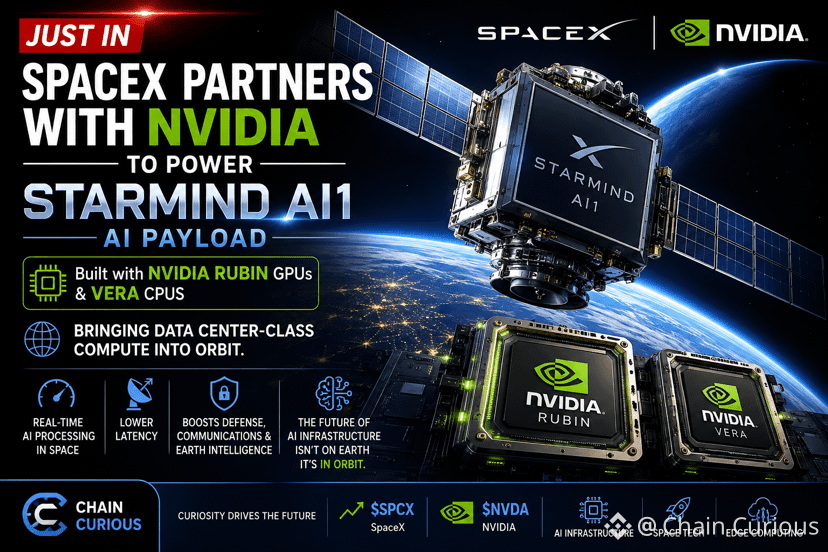
🚨 JUST IN: SpaceX emmène l’IA au-delà de la Terre.
SpaceX s’est associé à NVIDIA pour alimenter ses satellites Starmind AI1 avec des GPU Rubin de nouvelle génération et des CPU Vera, apportant des capacités de calcul d’IA de niveau data center en orbite.
Pourquoi est-ce important ?
Au lieu d’envoyer les données brutes sur Terre pour les traiter, de futurs satellites pourraient analyser d’énormes ensembles de données dans l’espace, permettant des décisions plus rapides pour l’observation de la Terre, la défense, les communications, les missions autonomes et la recherche scientifique.
Ce n’est pas juste un partenariat de plus autour de puces.
C’est un aperçu d’un futur où les « usines d’IA » ne seraient pas limitées à la Terre.
La prochaine course ne portera peut-être pas sur le lancement de davantage de satellites. Elle pourrait plutôt concerner qui possède le calcul le plus puissant en orbite. 🚀🧠
Optimiste sur : $NVDA | $SPCX | Infrastructures IA | Technologie spatiale | Edge Computing @grok
🚨 JUST IN: SpaceX emmène l’IA au-delà de la Terre.
SpaceX s’est associé à NVIDIA pour alimenter ses satellites Starmind AI1 avec des GPU Rubin de nouvelle génération et des CPU Vera, apportant des capacités de calcul d’IA de niveau data center en orbite.
Pourquoi est-ce important ?
Au lieu d’envoyer les données brutes sur Terre pour les traiter, de futurs satellites pourraient analyser d’énormes ensembles de données dans l’espace, permettant des décisions plus rapides pour l’observation de la Terre, la défense, les communications, les missions autonomes et la recherche scientifique.
Ce n’est pas juste un partenariat de plus autour de puces.
C’est un aperçu d’un futur où les « usines d’IA » ne seraient pas limitées à la Terre.
La prochaine course ne portera peut-être pas sur le lancement de davantage de satellites. Elle pourrait plutôt concerner qui possède le calcul le plus puissant en orbite. 🚀🧠
Optimiste sur : $NVDA | $SPCX | Infrastructures IA | Technologie spatiale | Edge Computing @grok
SpaceX s’est associé à NVIDIA pour alimenter ses satellites Starmind AI1 avec des GPU Rubin de nouvelle génération et des CPU Vera, apportant des capacités de calcul d’IA de niveau data center en orbite.
Pourquoi est-ce important ?
Au lieu d’envoyer les données brutes sur Terre pour les traiter, de futurs satellites pourraient analyser d’énormes ensembles de données dans l’espace, permettant des décisions plus rapides pour l’observation de la Terre, la défense, les communications, les missions autonomes et la recherche scientifique.
Ce n’est pas juste un partenariat de plus autour de puces.
C’est un aperçu d’un futur où les « usines d’IA » ne seraient pas limitées à la Terre.
La prochaine course ne portera peut-être pas sur le lancement de davantage de satellites. Elle pourrait plutôt concerner qui possède le calcul le plus puissant en orbite. 🚀🧠
Optimiste sur : $NVDA | $SPCX | Infrastructures IA | Technologie spatiale | Edge Computing @grok
1
132
👤 L’homme qui a créé Bitcoin a disparu. Voici pourquoi le monde en parle encore.👤 L’homme qui a créé Bitcoin a disparu. Voici pourquoi le monde en parle encore.
Imaginez créer l’une des technologies les plus précieuses de l’histoire…
… en changeant à jamais le système financier mondial.
Puis en disparaissant sans demander la célébrité, des interviews ou des milliards de dollars.
Ça ressemble à un film.
Mais c’est une histoire vraie.
Le créateur de Bitcoin est connu sous le nom de Satoshi Nakamoto.
Le plus surprenant, c’est que ?
Personne ne sait qui est réellement Satoshi.
🕵️ Un mystère qui a duré des années
En 2008, quelqu’un utilisant le nom de Satoshi Nakamoto a publié un document de neuf pages qui présentait Bitcoin.
👤 L’homme qui a créé Bitcoin a disparu. Voici pourquoi le monde en parle encore.
👤 L’homme qui a créé Bitcoin a disparu. Voici pourquoi le monde en parle encore.
Imaginez créer l’une des technologies les plus précieuses de l’histoire…
… en changeant à jamais le système financier mondial.
Puis en disparaissant sans demander la célébrité, des interviews ou des milliards de dollars.
Ça ressemble à un film.
Mais c’est une histoire vraie.
Le créateur de Bitcoin est connu sous le nom de Satoshi Nakamoto.
Le plus surprenant, c’est que ?
Personne ne sait qui est réellement Satoshi.
🕵️ Un mystère qui a duré des années
En 2008, quelqu’un utilisant le nom de Satoshi Nakamoto a publié un document de neuf pages qui présentait Bitcoin.
Imaginez créer l’une des technologies les plus précieuses de l’histoire…
… en changeant à jamais le système financier mondial.
Puis en disparaissant sans demander la célébrité, des interviews ou des milliards de dollars.
Ça ressemble à un film.
Mais c’est une histoire vraie.
Le créateur de Bitcoin est connu sous le nom de Satoshi Nakamoto.
Le plus surprenant, c’est que ?
Personne ne sait qui est réellement Satoshi.
🕵️ Un mystère qui a duré des années
En 2008, quelqu’un utilisant le nom de Satoshi Nakamoto a publié un document de neuf pages qui présentait Bitcoin.
1
101
🪙 Où Votre Bitcoin Est-Il Réellement Stocké ? Presque Tout le Monde Se Trompe.🪙 Où Votre Bitcoin Est-Il Réellement Stocké ? Presque Tout le Monde Se Trompe.
Si je vous demandais de me montrer votre Bitcoin…
Ouvririez-vous votre portefeuille ?
Votre téléphone ?
Ou peut-être votre portefeuille matériel ?
Voici la vérité surprenante :
Votre Bitcoin n’est en réalité stocké nulle part dans l’un de ces endroits.
Attendez… quoi ?
🤯 Alors Où Est-Il ?
Beaucoup de gens imaginent le Bitcoin comme une photo ou un fichier enregistré sur un appareil.
Mais le Bitcoin ne vit pas dans votre téléphone.
Il ne se trouve pas à l’intérieur de votre Ledger ou de votre Trezor.
Il ne se cache pas dans une clé USB.
🪙 Où Votre Bitcoin Est-Il Réellement Stocké ? Presque Tout le Monde Se Trompe.
🪙 Où Votre Bitcoin Est-Il Réellement Stocké ? Presque Tout le Monde Se Trompe.
Si je vous demandais de me montrer votre Bitcoin…
Ouvririez-vous votre portefeuille ?
Votre téléphone ?
Ou peut-être votre portefeuille matériel ?
Voici la vérité surprenante :
Votre Bitcoin n’est en réalité stocké nulle part dans l’un de ces endroits.
Attendez… quoi ?
🤯 Alors Où Est-Il ?
Beaucoup de gens imaginent le Bitcoin comme une photo ou un fichier enregistré sur un appareil.
Mais le Bitcoin ne vit pas dans votre téléphone.
Il ne se trouve pas à l’intérieur de votre Ledger ou de votre Trezor.
Il ne se cache pas dans une clé USB.
Si je vous demandais de me montrer votre Bitcoin…
Ouvririez-vous votre portefeuille ?
Votre téléphone ?
Ou peut-être votre portefeuille matériel ?
Voici la vérité surprenante :
Votre Bitcoin n’est en réalité stocké nulle part dans l’un de ces endroits.
Attendez… quoi ?
🤯 Alors Où Est-Il ?
Beaucoup de gens imaginent le Bitcoin comme une photo ou un fichier enregistré sur un appareil.
Mais le Bitcoin ne vit pas dans votre téléphone.
Il ne se trouve pas à l’intérieur de votre Ledger ou de votre Trezor.
Il ne se cache pas dans une clé USB.
1
111
🚨 Le Bitcoin peut-il vraiment être piraté ? La plupart des gens se trompent.🚨 Le Bitcoin peut-il vraiment être piraté ? La plupart des gens se trompent.
À chaque fois que la cryptomonnaie fait la une, vous entendrez quelqu’un dire :
« Le Bitcoin a été piraté. » Mais voici la surprise…
La blockchain Bitcoin elle-même n’a jamais été piratée avec succès.
Alors pourquoi les gens continuent-ils de perdre des millions de dollars en Bitcoin ?
La réponse a très peu à voir avec le Bitcoin lui-même.
🔍 La différence que la plupart des débutants ne remarquent pas
Imaginez que vous possédiez le coffre le plus solide du monde.
Le coffre est impossible à forcer.
Mais un jour, vous remettez par accident votre clé à un inconnu.
🚨 Le Bitcoin peut-il vraiment être piraté ? La plupart des gens se trompent.
🚨 Le Bitcoin peut-il vraiment être piraté ? La plupart des gens se trompent.
À chaque fois que la cryptomonnaie fait la une, vous entendrez quelqu’un dire :
« Le Bitcoin a été piraté. » Mais voici la surprise…
La blockchain Bitcoin elle-même n’a jamais été piratée avec succès.
Alors pourquoi les gens continuent-ils de perdre des millions de dollars en Bitcoin ?
La réponse a très peu à voir avec le Bitcoin lui-même.
🔍 La différence que la plupart des débutants ne remarquent pas
Imaginez que vous possédiez le coffre le plus solide du monde.
Le coffre est impossible à forcer.
Mais un jour, vous remettez par accident votre clé à un inconnu.
À chaque fois que la cryptomonnaie fait la une, vous entendrez quelqu’un dire :
« Le Bitcoin a été piraté. » Mais voici la surprise…
La blockchain Bitcoin elle-même n’a jamais été piratée avec succès.
Alors pourquoi les gens continuent-ils de perdre des millions de dollars en Bitcoin ?
La réponse a très peu à voir avec le Bitcoin lui-même.
🔍 La différence que la plupart des débutants ne remarquent pas
Imaginez que vous possédiez le coffre le plus solide du monde.
Le coffre est impossible à forcer.
Mais un jour, vous remettez par accident votre clé à un inconnu.
1
125
Que se passe-t-il si vous perdez votre Bitcoin ? La réponse pourrait vous surprendre. 🔑Que se passe-t-il si vous perdez votre Bitcoin ? La réponse pourrait vous surprendre. 🔑
Imaginez découvrir que vous possédez 10 millions de dollars de Bitcoin…mais que vous ne pouvez jamais dépenser une seule pièce. Cela semble impossible. Et pourtant, cela est arrivé à des milliers de personnes. Contrairement à un compte bancaire, le Bitcoin ne comporte pas de bouton « Mot de passe oublié ».
Si vous perdez l’accès à la clé privée de votre portefeuille ou à la phrase de récupération (seed phrase), il n’y a aucun support client, aucun directeur de banque, et aucune entreprise qui puisse restaurer vos fonds.
Le Bitcoin est toujours là…Vous ne pouvez juste pas y accéder.
Que se passe-t-il si vous perdez votre Bitcoin ? La réponse pourrait vous surprendre. 🔑
Que se passe-t-il si vous perdez votre Bitcoin ? La réponse pourrait vous surprendre. 🔑
Imaginez découvrir que vous possédez 10 millions de dollars de Bitcoin…mais que vous ne pouvez jamais dépenser une seule pièce. Cela semble impossible. Et pourtant, cela est arrivé à des milliers de personnes. Contrairement à un compte bancaire, le Bitcoin ne comporte pas de bouton « Mot de passe oublié ».
Si vous perdez l’accès à la clé privée de votre portefeuille ou à la phrase de récupération (seed phrase), il n’y a aucun support client, aucun directeur de banque, et aucune entreprise qui puisse restaurer vos fonds.
Le Bitcoin est toujours là…Vous ne pouvez juste pas y accéder.
Imaginez découvrir que vous possédez 10 millions de dollars de Bitcoin…mais que vous ne pouvez jamais dépenser une seule pièce. Cela semble impossible. Et pourtant, cela est arrivé à des milliers de personnes. Contrairement à un compte bancaire, le Bitcoin ne comporte pas de bouton « Mot de passe oublié ».
Si vous perdez l’accès à la clé privée de votre portefeuille ou à la phrase de récupération (seed phrase), il n’y a aucun support client, aucun directeur de banque, et aucune entreprise qui puisse restaurer vos fonds.
Le Bitcoin est toujours là…Vous ne pouvez juste pas y accéder.
1
1
144
JUST IN: Le fondateur de Binance, CZ, déclare : « la crypto ne disparaîtra pas. »
« L’IA aura besoin d’argent. Vous aurez besoin d’argent. »
@Watcher_Guru @BiBi @CZ
JUST IN: Le fondateur de Binance, CZ, déclare : « la crypto ne disparaîtra pas. »
« L’IA aura besoin d’argent. Vous aurez besoin d’argent. »
@Watcher Guru @Binance BiBi @CZ
« L’IA aura besoin d’argent. Vous aurez besoin d’argent. »
@Watcher Guru @Binance BiBi @CZ
68
JUST IN : le fondateur de Binance, CZ, affirme : « la crypto n’est pas près de disparaître. »
« L’IA aura besoin d’utiliser de l’argent. Vous aurez besoin d’argent. »
@Watcher_Guru @BiBi @CZ
JUST IN : le fondateur de Binance, CZ, affirme : « la crypto n’est pas près de disparaître. »
« L’IA aura besoin d’utiliser de l’argent. Vous aurez besoin d’argent. »
@Watcher Guru @Binance BiBi @CZ
« L’IA aura besoin d’utiliser de l’argent. Vous aurez besoin d’argent. »
@Watcher Guru @Binance BiBi @CZ
90
La première transaction en Bitcoin a acheté… une pizza ? 🍕La première transaction en Bitcoin a acheté… une pizza ? 🍕
Imaginez posséder quelque chose qui pourrait, un jour, valoir des centaines de millions de dollars…
…et l’utiliser pour acheter deux pizzas.
Cela paraît incroyable, mais c’est réellement arrivé.
Le 22 mai 2010, un programmeur nommé Laszlo Hanyecz a fait date en payant 10 000 BTC pour deux pizzas. À l’époque, le Bitcoin avait peu de valeur dans le monde réel, et l’achat a été célébré parce qu’il prouvait que le Bitcoin pouvait servir à acheter quelque chose de concret.
Aujourd’hui, la même somme de Bitcoin vaudrait une fortune extraordinaire.
La première transaction en Bitcoin a acheté… une pizza ? 🍕
La première transaction en Bitcoin a acheté… une pizza ? 🍕
Imaginez posséder quelque chose qui pourrait, un jour, valoir des centaines de millions de dollars…
…et l’utiliser pour acheter deux pizzas.
Cela paraît incroyable, mais c’est réellement arrivé.
Le 22 mai 2010, un programmeur nommé Laszlo Hanyecz a fait date en payant 10 000 BTC pour deux pizzas. À l’époque, le Bitcoin avait peu de valeur dans le monde réel, et l’achat a été célébré parce qu’il prouvait que le Bitcoin pouvait servir à acheter quelque chose de concret.
Aujourd’hui, la même somme de Bitcoin vaudrait une fortune extraordinaire.
Imaginez posséder quelque chose qui pourrait, un jour, valoir des centaines de millions de dollars…
…et l’utiliser pour acheter deux pizzas.
Cela paraît incroyable, mais c’est réellement arrivé.
Le 22 mai 2010, un programmeur nommé Laszlo Hanyecz a fait date en payant 10 000 BTC pour deux pizzas. À l’époque, le Bitcoin avait peu de valeur dans le monde réel, et l’achat a été célébré parce qu’il prouvait que le Bitcoin pouvait servir à acheter quelque chose de concret.
Aujourd’hui, la même somme de Bitcoin vaudrait une fortune extraordinaire.
1
1
161
À qui appartient le Bitcoin ? 🤔
La plupart des gens pensent que c’est une entreprise ou un gouvernement.
La vérité pourrait vous surprendre.
Le Bitcoin est maintenu par un réseau mondial décentralisé — pas par une seule personne ou organisation.
Comprendre cette notion change à jamais la façon dont vous percevez la cryptomonnaie.
#Binance #WriteToEarn #Bitcoin #Blockchain #CryptoEducation #ChainCurious #FootballSeason2026
À qui appartient le Bitcoin ? 🤔
La plupart des gens pensent que c’est une entreprise ou un gouvernement.
La vérité pourrait vous surprendre.
Le Bitcoin est maintenu par un réseau mondial décentralisé — pas par une seule personne ou organisation.
Comprendre cette notion change à jamais la façon dont vous percevez la cryptomonnaie.
#Binance #WriteToEarn #Bitcoin #Blockchain #CryptoEducation #ChainCurious #FootballSeason2026
La plupart des gens pensent que c’est une entreprise ou un gouvernement.
La vérité pourrait vous surprendre.
Le Bitcoin est maintenu par un réseau mondial décentralisé — pas par une seule personne ou organisation.
Comprendre cette notion change à jamais la façon dont vous percevez la cryptomonnaie.
#Binance #WriteToEarn #Bitcoin #Blockchain #CryptoEducation #ChainCurious #FootballSeason2026
Chain Curious
·
--
Le Bitcoin n’est contrôlé par personne. Voici pourquoi c’est important.
Quand les gens entendent parler du Bitcoin pour la première fois, l’une des premières questions qu’ils se posent est :
« Qui possède le Bitcoin ? »
La réponse surprenante est :
Personne.
Contrairement à la monnaie traditionnelle, qui est émise et contrôlée par les banques centrales, le Bitcoin fonctionne sur un réseau décentralisé de milliers d’ordinateurs (appelés nœuds) répartis dans le monde entier.
Ces ordinateurs fonctionnent ensemble pour vérifier les transactions et maintenir la blockchain. Aucune entreprise, aucun gouvernement et aucune personne ne peuvent, à eux seuls, modifier les règles du Bitcoin.
C’est l’une des plus grandes innovations du Bitcoin.
« Qui possède le Bitcoin ? »
La réponse surprenante est :
Personne.
Contrairement à la monnaie traditionnelle, qui est émise et contrôlée par les banques centrales, le Bitcoin fonctionne sur un réseau décentralisé de milliers d’ordinateurs (appelés nœuds) répartis dans le monde entier.
Ces ordinateurs fonctionnent ensemble pour vérifier les transactions et maintenir la blockchain. Aucune entreprise, aucun gouvernement et aucune personne ne peuvent, à eux seuls, modifier les règles du Bitcoin.
C’est l’une des plus grandes innovations du Bitcoin.
116
Le Bitcoin n’est contrôlé par personne. Voici pourquoi c’est important.Quand les gens entendent parler du Bitcoin pour la première fois, l’une des premières questions qu’ils se posent est :
« Qui possède le Bitcoin ? »
La réponse surprenante est :
Personne.
Contrairement à la monnaie traditionnelle, qui est émise et contrôlée par les banques centrales, le Bitcoin fonctionne sur un réseau décentralisé de milliers d’ordinateurs (appelés nœuds) répartis dans le monde entier.
Ces ordinateurs fonctionnent ensemble pour vérifier les transactions et maintenir la blockchain. Aucune entreprise, aucun gouvernement et aucune personne ne peuvent, à eux seuls, modifier les règles du Bitcoin.
C’est l’une des plus grandes innovations du Bitcoin.
Le Bitcoin n’est contrôlé par personne. Voici pourquoi c’est important.
Quand les gens entendent parler du Bitcoin pour la première fois, l’une des premières questions qu’ils se posent est :
« Qui possède le Bitcoin ? »
La réponse surprenante est :
Personne.
Contrairement à la monnaie traditionnelle, qui est émise et contrôlée par les banques centrales, le Bitcoin fonctionne sur un réseau décentralisé de milliers d’ordinateurs (appelés nœuds) répartis dans le monde entier.
Ces ordinateurs fonctionnent ensemble pour vérifier les transactions et maintenir la blockchain. Aucune entreprise, aucun gouvernement et aucune personne ne peuvent, à eux seuls, modifier les règles du Bitcoin.
C’est l’une des plus grandes innovations du Bitcoin.
« Qui possède le Bitcoin ? »
La réponse surprenante est :
Personne.
Contrairement à la monnaie traditionnelle, qui est émise et contrôlée par les banques centrales, le Bitcoin fonctionne sur un réseau décentralisé de milliers d’ordinateurs (appelés nœuds) répartis dans le monde entier.
Ces ordinateurs fonctionnent ensemble pour vérifier les transactions et maintenir la blockchain. Aucune entreprise, aucun gouvernement et aucune personne ne peuvent, à eux seuls, modifier les règles du Bitcoin.
C’est l’une des plus grandes innovations du Bitcoin.
1
1
123
Article
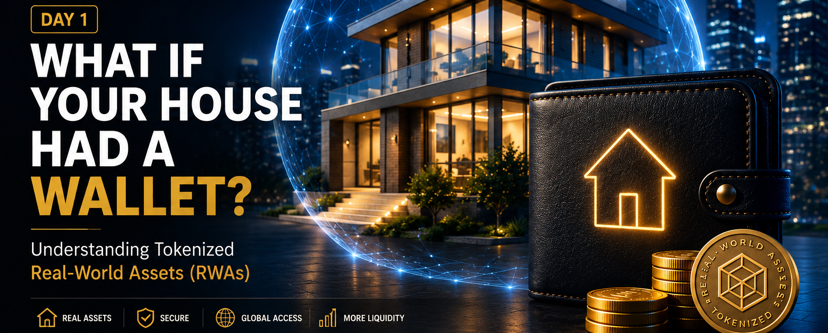
Et si votre maison avait un portefeuille ? Comprendre la tokenisation des actifs du monde réel (RWA)Et si votre maison avait un portefeuille ?
⏱️
« Ça semble impossible… jusqu’à ce que vous réalisiez que c’est déjà en train de commencer. »
Imaginez ouvrir une application et voir votre maison listée à côté de votre compte bancaire — non pas parce que vous la vendez, mais parce que votre logement dispose d’une identité numérique sécurisée sur une blockchain.
On dirait de la science-fiction ?
Pas tout à fait.
Cette idée est au cœur de l’une des innovations à la croissance la plus rapide de la blockchain : la tokenisation des actifs du monde réel (RWA).
Au lieu de conserver les registres de propriété enfermés dans des dossiers papier et des bases de données déconnectées, la blockchain permet de représenter numériquement les actifs du monde réel. Votre maison n’obtient pas littéralement un portefeuille crypto — mais sa propriété peut être liée à des jetons numériques sécurisés qui rendent le transfert, le suivi et la gestion des actifs plus efficaces.
Et si votre maison avait un portefeuille ? Comprendre la tokenisation des actifs du monde réel (RWA)
Et si votre maison avait un portefeuille ?
⏱️
« Ça semble impossible… jusqu’à ce que vous réalisiez que c’est déjà en train de commencer. »
Imaginez ouvrir une application et voir votre maison listée à côté de votre compte bancaire — non pas parce que vous la vendez, mais parce que votre logement dispose d’une identité numérique sécurisée sur une blockchain.
On dirait de la science-fiction ?
Pas tout à fait.
Cette idée est au cœur de l’une des innovations à la croissance la plus rapide de la blockchain : la tokenisation des actifs du monde réel (RWA).
Au lieu de conserver les registres de propriété enfermés dans des dossiers papier et des bases de données déconnectées, la blockchain permet de représenter numériquement les actifs du monde réel. Votre maison n’obtient pas littéralement un portefeuille crypto — mais sa propriété peut être liée à des jetons numériques sécurisés qui rendent le transfert, le suivi et la gestion des actifs plus efficaces.
⏱️
« Ça semble impossible… jusqu’à ce que vous réalisiez que c’est déjà en train de commencer. »
Imaginez ouvrir une application et voir votre maison listée à côté de votre compte bancaire — non pas parce que vous la vendez, mais parce que votre logement dispose d’une identité numérique sécurisée sur une blockchain.
On dirait de la science-fiction ?
Pas tout à fait.
Cette idée est au cœur de l’une des innovations à la croissance la plus rapide de la blockchain : la tokenisation des actifs du monde réel (RWA).
Au lieu de conserver les registres de propriété enfermés dans des dossiers papier et des bases de données déconnectées, la blockchain permet de représenter numériquement les actifs du monde réel. Votre maison n’obtient pas littéralement un portefeuille crypto — mais sa propriété peut être liée à des jetons numériques sécurisés qui rendent le transfert, le suivi et la gestion des actifs plus efficaces.
1
130
Bon
Bon

0xKlark
·
--
NON WAAAAAY📈📈📈
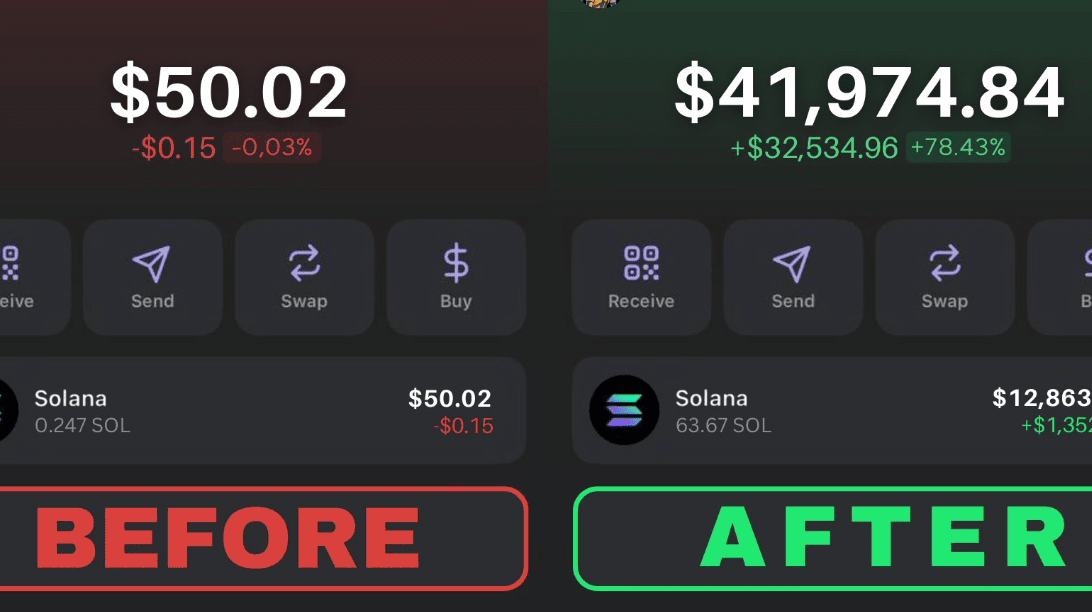
Je t'ai déjà donné $AVA, et maintenant il atteint son apogée ! (312x !!)
Je le ferai une dernière fois ! Fais-le avec moi, avant de le regretter.
Rejoignez-moi dans le voyage vers 100 000 $ 🧵👇
✥ Les memecoins sont devenus l'une des tendances à la croissance la plus rapide dans le domaine des crypto-monnaies ces dernières années
✥ Ils font désormais partie de la communauté
✥ Leur attrait direct et le soutien des dégénérés réguliers leur ont permis de surpasser de nombreux « altcoins soutenus par le capital-risque » traditionnels, s'établissant comme un récit de premier plan dans l'espace crypto
✥ Aujourd'hui, le monde des memecoins est incroyablement diversifié
Je le ferai une dernière fois ! Fais-le avec moi, avant de le regretter.
Rejoignez-moi dans le voyage vers 100 000 $ 🧵👇
✥ Les memecoins sont devenus l'une des tendances à la croissance la plus rapide dans le domaine des crypto-monnaies ces dernières années
✥ Ils font désormais partie de la communauté
✥ Leur attrait direct et le soutien des dégénérés réguliers leur ont permis de surpasser de nombreux « altcoins soutenus par le capital-risque » traditionnels, s'établissant comme un récit de premier plan dans l'espace crypto
✥ Aujourd'hui, le monde des memecoins est incroyablement diversifié
184
Connectez-vous pour découvrir plus de contenu
Rejoignez la communauté mondiale des adeptes de cryptomonnaies sur Binance Square
⚡️ Suviez les dernières informations importantes sur les cryptomonnaies.
💬 Jugé digne de confiance par la plus grande plateforme d’échange de cryptomonnaies au monde.
👍 Découvrez les connaissances que partagent les créateurs vérifiés.
Adresse e-mail/Nº de téléphone