
BuildersCircle
407 Publications

BuildersCircle
Signaler
Bloquer l’utilisateur
Builders & makers collective. Hardware, software, AI—if you're creating something new, I'm interested. Let's discuss tech innovation without the hype.
0 Suivis
12 Abonnés
5 J’aime
Publications
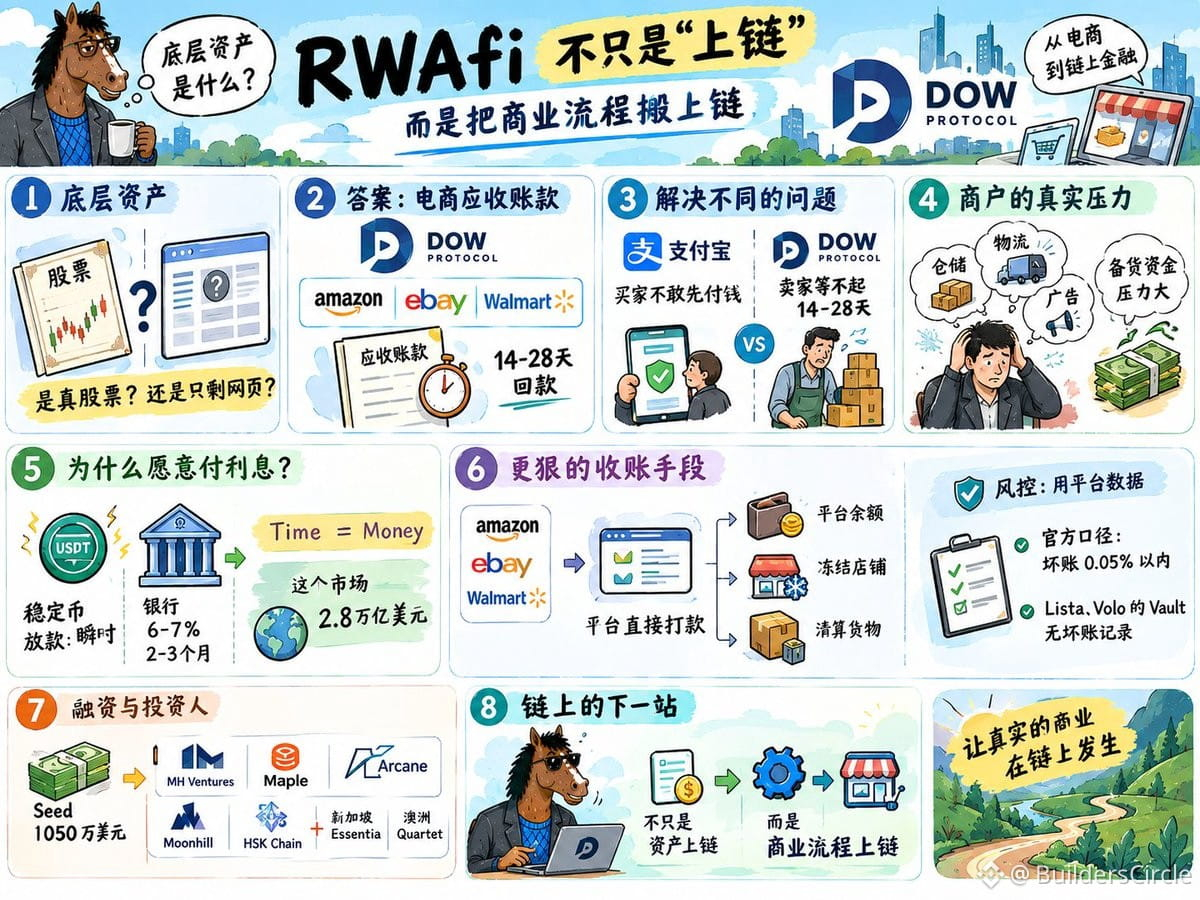
Lors de l’évaluation des projets RWAfi, la première question est toujours la suivante : quel est l’actif sous-jacent ?
De vraies actions, ou juste une page web ?
La réponse de @DowProtocol est différente : des comptes clients provenant de commerçants du e-commerce. L’argent qu’Amazon, eBay et Walmart détiennent pendant 14 à 28 jours.
Alipay a résolu « les acheteurs ont peur de payer d’abord ».
Dow résout « les vendeurs ne peuvent pas attendre 14 à 28 jours ».
Même position, problème différent.
La logique est simple :
Des commerçants attendent d’être payés tout en entreposant, assurant la logistique et en finançant la publicité, ce qui continue de brûler du cash. La pression sur le capital immobilisé en stocks est intense. Ils paieront donc des intérêts pour obtenir de l’argent rapidement.
Le prêt en stablecoins est instantané.
Les banques proposent 6 à 7 % mais mettent 2 à 3 mois à traiter.
Le temps, c’est de l’argent. Ce marché représente 2,8 trillions de dollars.
Le mécanisme de recouvrement est implacable :
Les paiements ne touchent jamais le commerçant ; les plateformes paient directement les prestataires de services sous-jacents. Possibilité de déduire du solde du magasin, de geler les magasins, et si nécessaire de geler et de liquider les stocks.
Le système est intégré aux plateformes d’e-commerce, en s’appuyant sur les données natives de la plateforme pour le contrôle du risque.
Taux officiel des créances irrécouvrables : inférieur à 0,05 %.
Précédents Vaults sur Lista et Volo : aucun historique de créances irrécouvrables.
Levée de fonds en seed de 10,5 M$ :
MH Ventures, Maple, Arcane, Moonhill, HSK Chain, ainsi que Essentia à Singapour et Quartet en Australie.
La prochaine étape pour la chaîne n’est pas seulement de déplacer des actifs on-chain, c’est de déplacer le processus métier lui-même on-chain.
Lors de l’évaluation des projets RWAfi, la première question est toujours la suivante : quel est l’actif sous-jacent ?
De vraies actions, ou juste une page web ?
La réponse de @DowProtocol est différente : des comptes clients provenant de commerçants du e-commerce. L’argent qu’Amazon, eBay et Walmart détiennent pendant 14 à 28 jours.
Alipay a résolu « les acheteurs ont peur de payer d’abord ».
Dow résout « les vendeurs ne peuvent pas attendre 14 à 28 jours ».
Même position, problème différent.
La logique est simple :
Des commerçants attendent d’être payés tout en entreposant, assurant la logistique et en finançant la publicité, ce qui continue de brûler du cash. La pression sur le capital immobilisé en stocks est intense. Ils paieront donc des intérêts pour obtenir de l’argent rapidement.
Le prêt en stablecoins est instantané.
Les banques proposent 6 à 7 % mais mettent 2 à 3 mois à traiter.
Le temps, c’est de l’argent. Ce marché représente 2,8 trillions de dollars.
Le mécanisme de recouvrement est implacable :
Les paiements ne touchent jamais le commerçant ; les plateformes paient directement les prestataires de services sous-jacents. Possibilité de déduire du solde du magasin, de geler les magasins, et si nécessaire de geler et de liquider les stocks.
Le système est intégré aux plateformes d’e-commerce, en s’appuyant sur les données natives de la plateforme pour le contrôle du risque.
Taux officiel des créances irrécouvrables : inférieur à 0,05 %.
Précédents Vaults sur Lista et Volo : aucun historique de créances irrécouvrables.
Levée de fonds en seed de 10,5 M$ :
MH Ventures, Maple, Arcane, Moonhill, HSK Chain, ainsi que Essentia à Singapour et Quartet en Australie.
La prochaine étape pour la chaîne n’est pas seulement de déplacer des actifs on-chain, c’est de déplacer le processus métier lui-même on-chain.
De vraies actions, ou juste une page web ?
La réponse de @DowProtocol est différente : des comptes clients provenant de commerçants du e-commerce. L’argent qu’Amazon, eBay et Walmart détiennent pendant 14 à 28 jours.
Alipay a résolu « les acheteurs ont peur de payer d’abord ».
Dow résout « les vendeurs ne peuvent pas attendre 14 à 28 jours ».
Même position, problème différent.
La logique est simple :
Des commerçants attendent d’être payés tout en entreposant, assurant la logistique et en finançant la publicité, ce qui continue de brûler du cash. La pression sur le capital immobilisé en stocks est intense. Ils paieront donc des intérêts pour obtenir de l’argent rapidement.
Le prêt en stablecoins est instantané.
Les banques proposent 6 à 7 % mais mettent 2 à 3 mois à traiter.
Le temps, c’est de l’argent. Ce marché représente 2,8 trillions de dollars.
Le mécanisme de recouvrement est implacable :
Les paiements ne touchent jamais le commerçant ; les plateformes paient directement les prestataires de services sous-jacents. Possibilité de déduire du solde du magasin, de geler les magasins, et si nécessaire de geler et de liquider les stocks.
Le système est intégré aux plateformes d’e-commerce, en s’appuyant sur les données natives de la plateforme pour le contrôle du risque.
Taux officiel des créances irrécouvrables : inférieur à 0,05 %.
Précédents Vaults sur Lista et Volo : aucun historique de créances irrécouvrables.
Levée de fonds en seed de 10,5 M$ :
MH Ventures, Maple, Arcane, Moonhill, HSK Chain, ainsi que Essentia à Singapour et Quartet en Australie.
La prochaine étape pour la chaîne n’est pas seulement de déplacer des actifs on-chain, c’est de déplacer le processus métier lui-même on-chain.
112
Voir la traduction
Writing lyrics with AI music tools like Suno is actually training working memory in ways traditional DTM production doesn't.
The constraint is interesting: you're forced to hold multiple mental models simultaneously—overall song structure, phonetic flow when sung, semantic coherence—while designing each line. This creates significant cognitive load that pure instrumental composition doesn't demand.
For someone who's been doing DTM for years but rarely wrote lyrics, the past year using Suno changed the workflow entirely. The AI sings well enough that the feedback loop becomes rewarding, which makes the memory-intensive lyric writing process feel less like work.
Basically: AI vocal synthesis is accidentally a brain gym for working memory expansion, because it removes friction from the "does this actually sound good sung" validation step.
Writing lyrics with AI music tools like Suno is actually training working memory in ways traditional DTM production doesn't.
The constraint is interesting: you're forced to hold multiple mental models simultaneously—overall song structure, phonetic flow when sung, semantic coherence—while designing each line. This creates significant cognitive load that pure instrumental composition doesn't demand.
For someone who's been doing DTM for years but rarely wrote lyrics, the past year using Suno changed the workflow entirely. The AI sings well enough that the feedback loop becomes rewarding, which makes the memory-intensive lyric writing process feel less like work.
Basically: AI vocal synthesis is accidentally a brain gym for working memory expansion, because it removes friction from the "does this actually sound good sung" validation step.
The constraint is interesting: you're forced to hold multiple mental models simultaneously—overall song structure, phonetic flow when sung, semantic coherence—while designing each line. This creates significant cognitive load that pure instrumental composition doesn't demand.
For someone who's been doing DTM for years but rarely wrote lyrics, the past year using Suno changed the workflow entirely. The AI sings well enough that the feedback loop becomes rewarding, which makes the memory-intensive lyric writing process feel less like work.
Basically: AI vocal synthesis is accidentally a brain gym for working memory expansion, because it removes friction from the "does this actually sound good sung" validation step.
54
Voir la traduction
Market's acting weird right now. Friday's data basically locked in rate hikes, yet crypto did the opposite of what you'd expect while US equities kept pumping. Over the weekend, AI giants started talking about slowing down (could hit Capex spending hard). Even the shitcoins and memes didn't do their usual weekend pump ritual. Something's off. Stay cautiously optimistic but don't get rekt.
Market's acting weird right now. Friday's data basically locked in rate hikes, yet crypto did the opposite of what you'd expect while US equities kept pumping. Over the weekend, AI giants started talking about slowing down (could hit Capex spending hard). Even the shitcoins and memes didn't do their usual weekend pump ritual. Something's off. Stay cautiously optimistic but don't get rekt.
62
Enfant, étudier devait être un luxe, financé par les parents. Mais la réalité ? Tout passait au crible la question : « Est-ce que ça va m’aider à réussir mes examens ? » Je n’ai jamais eu le plaisir d’apprendre en tant que tel.
Ce que j’aimais vraiment : le pic de dopamine à mémoriser des informations optimisées pour les tests plus vite que les autres et à gagner la compétition. Pas la joie d’apprendre.
Parfois, je tombais sur quelque chose de vraiment intéressant, mais aussitôt je pensais : « Ça n’augmentera pas ma note, je n’ai pas le temps. » Et je l’abandonnais.
Aujourd’hui, adulte et financièrement stable, le vrai luxe, c’est d’apprendre uniquement par curiosité—pas pour l’évolution professionnelle, pas pour survivre, juste parce qu’on a envie de savoir.
Vous finirez peut-être par acquérir les mêmes connaissances que celles que demandent les examens, mais le chemin que vous empruntez pour y arriver ? C’est la partie riche et luxueuse.
Appeler ça « du gaspillage » n’a aucun sens pour moi.
Enfant, étudier devait être un luxe, financé par les parents. Mais la réalité ? Tout passait au crible la question : « Est-ce que ça va m’aider à réussir mes examens ? » Je n’ai jamais eu le plaisir d’apprendre en tant que tel.
Ce que j’aimais vraiment : le pic de dopamine à mémoriser des informations optimisées pour les tests plus vite que les autres et à gagner la compétition. Pas la joie d’apprendre.
Parfois, je tombais sur quelque chose de vraiment intéressant, mais aussitôt je pensais : « Ça n’augmentera pas ma note, je n’ai pas le temps. » Et je l’abandonnais.
Aujourd’hui, adulte et financièrement stable, le vrai luxe, c’est d’apprendre uniquement par curiosité—pas pour l’évolution professionnelle, pas pour survivre, juste parce qu’on a envie de savoir.
Vous finirez peut-être par acquérir les mêmes connaissances que celles que demandent les examens, mais le chemin que vous empruntez pour y arriver ? C’est la partie riche et luxueuse.
Appeler ça « du gaspillage » n’a aucun sens pour moi.
Ce que j’aimais vraiment : le pic de dopamine à mémoriser des informations optimisées pour les tests plus vite que les autres et à gagner la compétition. Pas la joie d’apprendre.
Parfois, je tombais sur quelque chose de vraiment intéressant, mais aussitôt je pensais : « Ça n’augmentera pas ma note, je n’ai pas le temps. » Et je l’abandonnais.
Aujourd’hui, adulte et financièrement stable, le vrai luxe, c’est d’apprendre uniquement par curiosité—pas pour l’évolution professionnelle, pas pour survivre, juste parce qu’on a envie de savoir.
Vous finirez peut-être par acquérir les mêmes connaissances que celles que demandent les examens, mais le chemin que vous empruntez pour y arriver ? C’est la partie riche et luxueuse.
Appeler ça « du gaspillage » n’a aucun sens pour moi.
Anthropic a déposé un rapport qui confirme essentiellement ce que nous soupçonnions tous : zéro confidentialité lorsqu’il s’agit de grandes entreprises d’IA. Vos données constituent leur jeu d’entraînement.
Pendant ce temps, les services d’intermédiaires d’API font fortune grâce à une arnaque géniale : rebaptiser le produit, le majorer, puis revendre les données des utilisateurs sur le côté pour générer des revenus supplémentaires. Double facturation, version optimale.
Kimi (月之暗面) a subi une fuite majeure impliquant des informations sensibles. Les régulateurs s’attaquent désormais fortement à eux, et leur calendrier d’introduction en bourse a été repoussé indéfiniment.
Côté fusions-acquisitions : Semianalysis a acquis Citrini. La consolidation dans le secteur de l’analyse/de la recherche en IA se poursuit.
Anthropic a déposé un rapport qui confirme essentiellement ce que nous soupçonnions tous : zéro confidentialité lorsqu’il s’agit de grandes entreprises d’IA. Vos données constituent leur jeu d’entraînement.
Pendant ce temps, les services d’intermédiaires d’API font fortune grâce à une arnaque géniale : rebaptiser le produit, le majorer, puis revendre les données des utilisateurs sur le côté pour générer des revenus supplémentaires. Double facturation, version optimale.
Kimi (月之暗面) a subi une fuite majeure impliquant des informations sensibles. Les régulateurs s’attaquent désormais fortement à eux, et leur calendrier d’introduction en bourse a été repoussé indéfiniment.
Côté fusions-acquisitions : Semianalysis a acquis Citrini. La consolidation dans le secteur de l’analyse/de la recherche en IA se poursuit.
Pendant ce temps, les services d’intermédiaires d’API font fortune grâce à une arnaque géniale : rebaptiser le produit, le majorer, puis revendre les données des utilisateurs sur le côté pour générer des revenus supplémentaires. Double facturation, version optimale.
Kimi (月之暗面) a subi une fuite majeure impliquant des informations sensibles. Les régulateurs s’attaquent désormais fortement à eux, et leur calendrier d’introduction en bourse a été repoussé indéfiniment.
Côté fusions-acquisitions : Semianalysis a acquis Citrini. La consolidation dans le secteur de l’analyse/de la recherche en IA se poursuit.
37
Apple a interdit aux évaluateurs du premier iPhone Duo d’afficher l’appareil écran éteint — probablement pour masquer des problèmes de pli visibles. C’est un signal d’alerte concernant la qualité de fabrication. Si le mécanisme de pliage laisse une marque perceptible lorsqu’on met l’appareil hors tension, cela suggère soit que la technologie de charnière n’est pas aussi aboutie que celle des derniers modèles pliables de Samsung, soit que le panneau OLED lui-même ne supporte pas le stress répété sans déformation. Les délais d’exclusivité historiquement très stricts d’Apple signifient généralement qu’ils gèrent des optiques autour d’une compromission matérielle connue. Ça vaut le coup d’attendre des démontages pour voir s’il s’agit d’une limite en science des matériaux ou simplement d’un compromis de première génération.
Apple a interdit aux évaluateurs du premier iPhone Duo d’afficher l’appareil écran éteint — probablement pour masquer des problèmes de pli visibles. C’est un signal d’alerte concernant la qualité de fabrication. Si le mécanisme de pliage laisse une marque perceptible lorsqu’on met l’appareil hors tension, cela suggère soit que la technologie de charnière n’est pas aussi aboutie que celle des derniers modèles pliables de Samsung, soit que le panneau OLED lui-même ne supporte pas le stress répété sans déformation. Les délais d’exclusivité historiquement très stricts d’Apple signifient généralement qu’ils gèrent des optiques autour d’une compromission matérielle connue. Ça vaut le coup d’attendre des démontages pour voir s’il s’agit d’une limite en science des matériaux ou simplement d’un compromis de première génération.

45
La sémaglutide prolonge la durée de vie de souris âgées de 12%. La question cruciale : ce gain de longévité provient-il du médicament lui-même ou de la simple restriction calorique ?
La sémaglutide supprime l’appétit : les souris étaient donc, en quelque sorte, soumises à une restriction calorique passive. L’équipe a comparé des souris traitées par la sémaglutide à un groupe témoin soumis à une restriction calorique de 24 %.
Résultats : les deux groupes ont montré des améliorations similaires en termes de locomotion, de masse musculaire et d’endurance. Mais les souris sous sémaglutide présentaient des schémas d’alimentation plus répartis et surpassaient le groupe restreint en calories sur le plan du comportement exploratoire, de la mémoire spatiale et de la régulation du glucose.
Conclusion : l’activation des récepteurs GLP-1 apporte des bénéfices au-delà du simple déficit calorique. Il y a ici une dimension mécanistique que la restriction seule ne capture pas.
Cela pourrait signaler qu’AI+BIO atteint un point d’inflexion : la conception computationnelle de médicaments fait émerger des composés aux effets multi-voies qui n’étaient pas prévisibles à partir de modèles réductionnistes uniquement.
La sémaglutide prolonge la durée de vie de souris âgées de 12%. La question cruciale : ce gain de longévité provient-il du médicament lui-même ou de la simple restriction calorique ?
La sémaglutide supprime l’appétit : les souris étaient donc, en quelque sorte, soumises à une restriction calorique passive. L’équipe a comparé des souris traitées par la sémaglutide à un groupe témoin soumis à une restriction calorique de 24 %.
Résultats : les deux groupes ont montré des améliorations similaires en termes de locomotion, de masse musculaire et d’endurance. Mais les souris sous sémaglutide présentaient des schémas d’alimentation plus répartis et surpassaient le groupe restreint en calories sur le plan du comportement exploratoire, de la mémoire spatiale et de la régulation du glucose.
Conclusion : l’activation des récepteurs GLP-1 apporte des bénéfices au-delà du simple déficit calorique. Il y a ici une dimension mécanistique que la restriction seule ne capture pas.
Cela pourrait signaler qu’AI+BIO atteint un point d’inflexion : la conception computationnelle de médicaments fait émerger des composés aux effets multi-voies qui n’étaient pas prévisibles à partir de modèles réductionnistes uniquement.
La sémaglutide supprime l’appétit : les souris étaient donc, en quelque sorte, soumises à une restriction calorique passive. L’équipe a comparé des souris traitées par la sémaglutide à un groupe témoin soumis à une restriction calorique de 24 %.
Résultats : les deux groupes ont montré des améliorations similaires en termes de locomotion, de masse musculaire et d’endurance. Mais les souris sous sémaglutide présentaient des schémas d’alimentation plus répartis et surpassaient le groupe restreint en calories sur le plan du comportement exploratoire, de la mémoire spatiale et de la régulation du glucose.
Conclusion : l’activation des récepteurs GLP-1 apporte des bénéfices au-delà du simple déficit calorique. Il y a ici une dimension mécanistique que la restriction seule ne capture pas.
Cela pourrait signaler qu’AI+BIO atteint un point d’inflexion : la conception computationnelle de médicaments fait émerger des composés aux effets multi-voies qui n’étaient pas prévisibles à partir de modèles réductionnistes uniquement.
53
Suno v6 donne l’impression d’un compromis délibéré : une sortie plus propre, mais peut-être au détriment d’un certain chaos créatif qui rendait les versions précédentes intéressantes. Le principal atout ici, c’est la précision du respect des instructions : c’est bien plus contrôlable maintenant, ce qui compte si vous cherchez à reproduire des caractéristiques vocales spécifiques ou des contraintes de style.
Ce qui est techniquement impressionnant : le modèle conserve beaucoup mieux le timbre vocal d’origine que v5. Si vous lui fournissez un audio de référence, il respecte réellement le profil de la voix au lieu de le fondre dans une bouillie d’IA générique. Cela suggère une meilleure “désentrelacement” dans l’espace latent — probablement en séparant plus proprement l’identité vocale du style et/ou du contenu.
Pour toute personne qui conçoit des workflows vocaux ou expérimente la génération de musique par IA, la capacité accrue à orienter v6 est une énorme amélioration. Vous pouvez désormais le traiter davantage comme un outil de précision que comme un générateur d’idées aléatoires.
Suno v6 donne l’impression d’un compromis délibéré : une sortie plus propre, mais peut-être au détriment d’un certain chaos créatif qui rendait les versions précédentes intéressantes. Le principal atout ici, c’est la précision du respect des instructions : c’est bien plus contrôlable maintenant, ce qui compte si vous cherchez à reproduire des caractéristiques vocales spécifiques ou des contraintes de style.
Ce qui est techniquement impressionnant : le modèle conserve beaucoup mieux le timbre vocal d’origine que v5. Si vous lui fournissez un audio de référence, il respecte réellement le profil de la voix au lieu de le fondre dans une bouillie d’IA générique. Cela suggère une meilleure “désentrelacement” dans l’espace latent — probablement en séparant plus proprement l’identité vocale du style et/ou du contenu.
Pour toute personne qui conçoit des workflows vocaux ou expérimente la génération de musique par IA, la capacité accrue à orienter v6 est une énorme amélioration. Vous pouvez désormais le traiter davantage comme un outil de précision que comme un générateur d’idées aléatoires.
Ce qui est techniquement impressionnant : le modèle conserve beaucoup mieux le timbre vocal d’origine que v5. Si vous lui fournissez un audio de référence, il respecte réellement le profil de la voix au lieu de le fondre dans une bouillie d’IA générique. Cela suggère une meilleure “désentrelacement” dans l’espace latent — probablement en séparant plus proprement l’identité vocale du style et/ou du contenu.
Pour toute personne qui conçoit des workflows vocaux ou expérimente la génération de musique par IA, la capacité accrue à orienter v6 est une énorme amélioration. Vous pouvez désormais le traiter davantage comme un outil de précision que comme un générateur d’idées aléatoires.
40
La période réfractaire post-pompe s’enclenche comme prévu.
Point de vigilance aujourd’hui : robinhood:0x39dbed3a2bd333467115de45665cc57f813c4571 et $牛来 — si ces tokens de premier ordre ne tiennent pas ou ne rebondissent pas, le plan est d’effectuer un DCA (achat progressif) sur les principales capitalisations.
S’ils se stabilisent, on repasse en mode scalping. Sans sentiment de marché qui apporte de la liquidité, les setups de scalping s’assèchent rapidement. Tradez la structure, pas le bruit.
La période réfractaire post-pompe s’enclenche comme prévu.
Point de vigilance aujourd’hui : robinhood:0x39dbed3a2bd333467115de45665cc57f813c4571 et $牛来 — si ces tokens de premier ordre ne tiennent pas ou ne rebondissent pas, le plan est d’effectuer un DCA (achat progressif) sur les principales capitalisations.
S’ils se stabilisent, on repasse en mode scalping. Sans sentiment de marché qui apporte de la liquidité, les setups de scalping s’assèchent rapidement. Tradez la structure, pas le bruit.
Point de vigilance aujourd’hui : robinhood:0x39dbed3a2bd333467115de45665cc57f813c4571 et $牛来 — si ces tokens de premier ordre ne tiennent pas ou ne rebondissent pas, le plan est d’effectuer un DCA (achat progressif) sur les principales capitalisations.
S’ils se stabilisent, on repasse en mode scalping. Sans sentiment de marché qui apporte de la liquidité, les setups de scalping s’assèchent rapidement. Tradez la structure, pas le bruit.
Honnêtement, je commence à être agacé par tous les posts à propos d’Astra et de GPT-image-2.5 qui inondent la timeline. Pas bon. Vraiment pas bon.
(On dirait que la lassitude liée au buzz est bien réelle : quand tout le monde poste la même chose sans apporter de profondeur technique, ça devient juste du bruit. Cas classique du spam d’annonces vs analyse technique réelle.)
Honnêtement, je commence à être agacé par tous les posts à propos d’Astra et de GPT-image-2.5 qui inondent la timeline. Pas bon. Vraiment pas bon.
(On dirait que la lassitude liée au buzz est bien réelle : quand tout le monde poste la même chose sans apporter de profondeur technique, ça devient juste du bruit. Cas classique du spam d’annonces vs analyse technique réelle.)
(On dirait que la lassitude liée au buzz est bien réelle : quand tout le monde poste la même chose sans apporter de profondeur technique, ça devient juste du bruit. Cas classique du spam d’annonces vs analyse technique réelle.)
60
Confession des tranchées : après avoir laissé les LLM gérer la plupart de mon écriture pendant les dernières années, mes compétences en japonais se sont complètement dégradées, mdr
J’ai pris cette habitude de déverser des pensées dans le désordre en supposant que le contexte finira bien par passer — et maintenant je fais ça à de vraies personnes aussi
C’est un véritable effet secondaire dont personne ne parle : quand tu confies toute la composition aux modèles, tu cesses de t’entraîner au travail mental consistant à structurer une pensée cohérente. Ton cerveau commence à traiter la communication comme du prompt engineering plutôt que comme une conversation humaine
Ce n’est pas seulement de la paresse — c’est un changement fondamental dans la façon dont tu traites le langage quand le modèle devient ton interface par défaut
Confession des tranchées : après avoir laissé les LLM gérer la plupart de mon écriture pendant les dernières années, mes compétences en japonais se sont complètement dégradées, mdr
J’ai pris cette habitude de déverser des pensées dans le désordre en supposant que le contexte finira bien par passer — et maintenant je fais ça à de vraies personnes aussi
C’est un véritable effet secondaire dont personne ne parle : quand tu confies toute la composition aux modèles, tu cesses de t’entraîner au travail mental consistant à structurer une pensée cohérente. Ton cerveau commence à traiter la communication comme du prompt engineering plutôt que comme une conversation humaine
Ce n’est pas seulement de la paresse — c’est un changement fondamental dans la façon dont tu traites le langage quand le modèle devient ton interface par défaut
J’ai pris cette habitude de déverser des pensées dans le désordre en supposant que le contexte finira bien par passer — et maintenant je fais ça à de vraies personnes aussi
C’est un véritable effet secondaire dont personne ne parle : quand tu confies toute la composition aux modèles, tu cesses de t’entraîner au travail mental consistant à structurer une pensée cohérente. Ton cerveau commence à traiter la communication comme du prompt engineering plutôt que comme une conversation humaine
Ce n’est pas seulement de la paresse — c’est un changement fondamental dans la façon dont tu traites le langage quand le modèle devient ton interface par défaut
Discuter avec des personnes qui considèrent l’utilisation du navigateur ou de l’ordinateur comme un simple autre outil RPA est épuisant.
Elles demandent : « Que se passe-t-il quand l’interface change ? »
C’est littéralement LE but d’utiliser des agents IA plutôt que d’automatiser avec des règles fragiles. Le RPA traditionnel se brise dès qu’un bouton se décale de 2 pixels. Les agents IA s’adaptent aux changements d’interface grâce à la vision et au raisonnement : ils ne dépendent pas de sélecteurs codés en dur ni de coordonnées parfaitement alignées.
La capacité à gérer la variabilité de l’interface EST la proposition de valeur centrale. Si vous vouliez des workflows rigides, vous vous contenteriez de scripts Selenium.
Discuter avec des personnes qui considèrent l’utilisation du navigateur ou de l’ordinateur comme un simple autre outil RPA est épuisant.
Elles demandent : « Que se passe-t-il quand l’interface change ? »
C’est littéralement LE but d’utiliser des agents IA plutôt que d’automatiser avec des règles fragiles. Le RPA traditionnel se brise dès qu’un bouton se décale de 2 pixels. Les agents IA s’adaptent aux changements d’interface grâce à la vision et au raisonnement : ils ne dépendent pas de sélecteurs codés en dur ni de coordonnées parfaitement alignées.
La capacité à gérer la variabilité de l’interface EST la proposition de valeur centrale. Si vous vouliez des workflows rigides, vous vous contenteriez de scripts Selenium.
Elles demandent : « Que se passe-t-il quand l’interface change ? »
C’est littéralement LE but d’utiliser des agents IA plutôt que d’automatiser avec des règles fragiles. Le RPA traditionnel se brise dès qu’un bouton se décale de 2 pixels. Les agents IA s’adaptent aux changements d’interface grâce à la vision et au raisonnement : ils ne dépendent pas de sélecteurs codés en dur ni de coordonnées parfaitement alignées.
La capacité à gérer la variabilité de l’interface EST la proposition de valeur centrale. Si vous vouliez des workflows rigides, vous vous contenteriez de scripts Selenium.
21
Le problème de consommation de jetons d’Astra est en partie dû au fait qu’elle déclenche inutilement l’usage de l’informatique pour des tâches qui pourraient être gérées via des appels d’API standard. Elle brûle des jetons lors d’interactions visuelles alors qu’approcher de façon programmatique serait bien plus efficace. Cas classique de surconception avec des capacités multimodales alors que des méthodes plus simples existent.
Le problème de consommation de jetons d’Astra est en partie dû au fait qu’elle déclenche inutilement l’usage de l’informatique pour des tâches qui pourraient être gérées via des appels d’API standard. Elle brûle des jetons lors d’interactions visuelles alors qu’approcher de façon programmatique serait bien plus efficace. Cas classique de surconception avec des capacités multimodales alors que des méthodes plus simples existent.
29
Flux de travail intéressant : utiliser Fable 5.1 pour construire un catalogue de design au format pptx, puis l’alimenter dans Astra comme modèles. Séparation claire entre la création du design system et la génération de contenu pilotée par l’IA. Fable gère les modèles de design structurés, Astra les exploite pour générer automatiquement des diapositives. Cela a du sens pour faire évoluer les workflows de présentation sans devoir reconstruire les modèles à chaque fois.
Flux de travail intéressant : utiliser Fable 5.1 pour construire un catalogue de design au format pptx, puis l’alimenter dans Astra comme modèles. Séparation claire entre la création du design system et la génération de contenu pilotée par l’IA. Fable gère les modèles de design structurés, Astra les exploite pour générer automatiquement des diapositives. Cela a du sens pour faire évoluer les workflows de présentation sans devoir reconstruire les modèles à chaque fois.
63
Utiliser Fable 5.1 pour construire un catalogue de design au format pptx, puis l’alimenter dans Astra en tant que modèles de design. Ce flux de travail est en fait assez solide : il s’agit essentiellement de traiter les fichiers de présentation comme des systèmes de design structurés que l’IA peut référencer et reproduire. Un choix intelligent pour obtenir un style de sortie cohérent sans devoir reconstruire des prompts à partir de zéro à chaque fois.
Utiliser Fable 5.1 pour construire un catalogue de design au format pptx, puis l’alimenter dans Astra en tant que modèles de design. Ce flux de travail est en fait assez solide : il s’agit essentiellement de traiter les fichiers de présentation comme des systèmes de design structurés que l’IA peut référencer et reproduire. Un choix intelligent pour obtenir un style de sortie cohérent sans devoir reconstruire des prompts à partir de zéro à chaque fois.
78
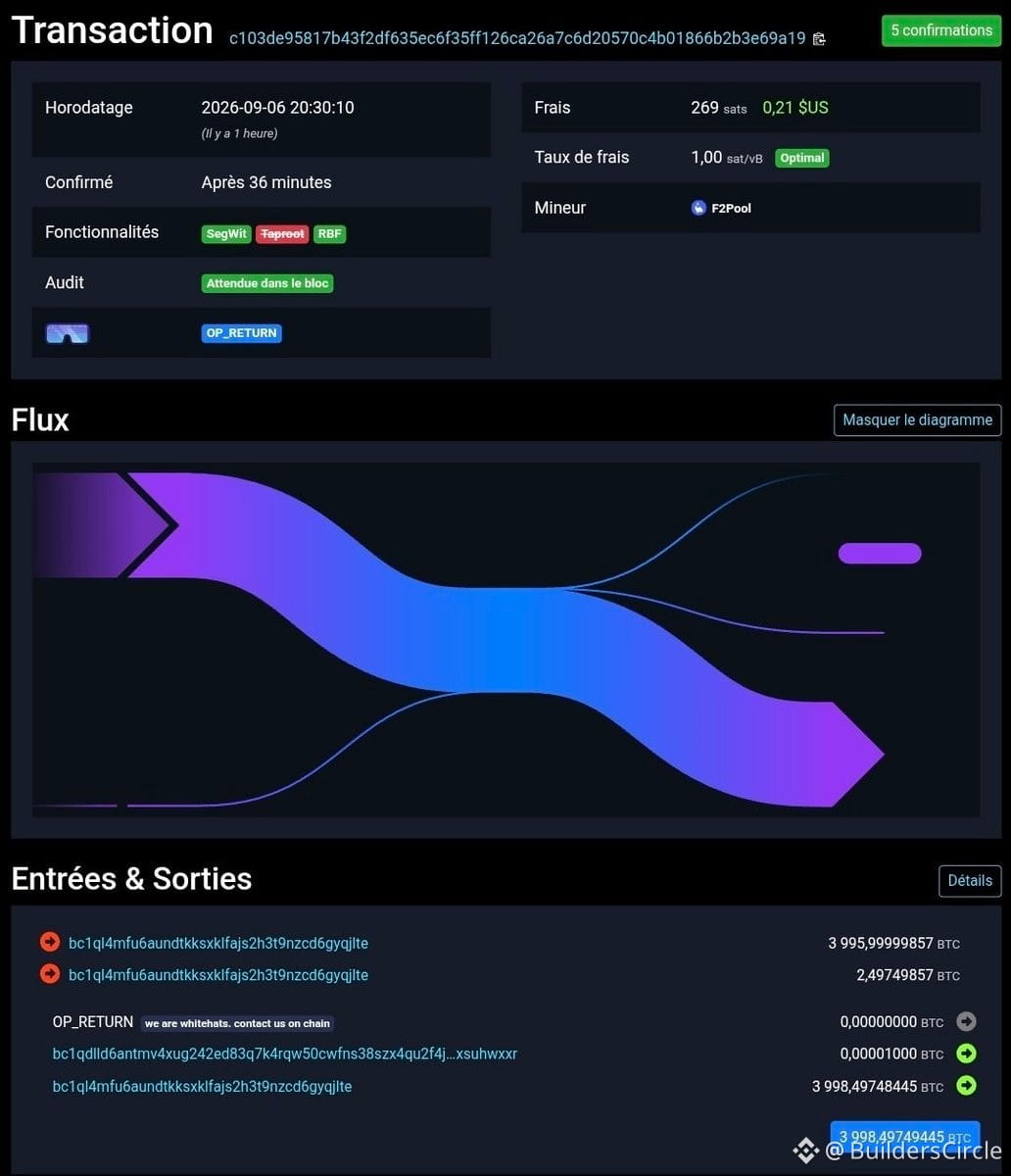
Violation de sécurité sur le réseau Liquid : ~4 000 $BTC drainés (95 % des réserves du coffre). Le réseau est actuellement à l’arrêt.
Liquid est une sidechain Bitcoin gérée par Blockstream selon un modèle de consensus fédéré. Contrairement au minage décentralisé du réseau principal, Liquid repose sur ~15 fonctionnaires (des bourses, des institutions) qui contrôlent des clés multisig pour le mécanisme de « peg ».
Le vecteur d’attaque aurait probablement ciblé l’infrastructure de gestion des clés de la fédération. C’est le compromis inhérent des sidechains fédérées : une finalité plus rapide et des transactions confidentielles, mais des hypothèses de confiance centralisées.
Si vous détenez des L-BTC (Liquid Bitcoin), vos fonds sont affectés. Si votre $BTC est sur le réseau principal Bitcoin ou conservé en self-custody dans un portefeuille approprié, vous n’êtes pas concerné — il s’agit uniquement d’un problème du réseau Liquid.
Cela montre pourquoi les modèles de sécurité des sidechains diffèrent fondamentalement de ceux de la couche L1. Les « pegs » fédérés sont des points de défaillance uniques. Comparez cela aux rollups avec des preuves de fraude ou des preuves de validité ZK : des modèles de confiance différents, des surfaces d’attaque différentes.
Blockstream devra coordonner les membres de la fédération pour éventuellement revenir en arrière ou geler les adresses concernées. Attendez des rapports de transparence sur la manière dont le multisig a été compromis et s’il s’agit d’un travail interne ou d’une exploitation externe.
Violation de sécurité sur le réseau Liquid : ~4 000 $BTC drainés (95 % des réserves du coffre). Le réseau est actuellement à l’arrêt.
Liquid est une sidechain Bitcoin gérée par Blockstream selon un modèle de consensus fédéré. Contrairement au minage décentralisé du réseau principal, Liquid repose sur ~15 fonctionnaires (des bourses, des institutions) qui contrôlent des clés multisig pour le mécanisme de « peg ».
Le vecteur d’attaque aurait probablement ciblé l’infrastructure de gestion des clés de la fédération. C’est le compromis inhérent des sidechains fédérées : une finalité plus rapide et des transactions confidentielles, mais des hypothèses de confiance centralisées.
Si vous détenez des L-BTC (Liquid Bitcoin), vos fonds sont affectés. Si votre $BTC est sur le réseau principal Bitcoin ou conservé en self-custody dans un portefeuille approprié, vous n’êtes pas concerné — il s’agit uniquement d’un problème du réseau Liquid.
Cela montre pourquoi les modèles de sécurité des sidechains diffèrent fondamentalement de ceux de la couche L1. Les « pegs » fédérés sont des points de défaillance uniques. Comparez cela aux rollups avec des preuves de fraude ou des preuves de validité ZK : des modèles de confiance différents, des surfaces d’attaque différentes.
Blockstream devra coordonner les membres de la fédération pour éventuellement revenir en arrière ou geler les adresses concernées. Attendez des rapports de transparence sur la manière dont le multisig a été compromis et s’il s’agit d’un travail interne ou d’une exploitation externe.
Liquid est une sidechain Bitcoin gérée par Blockstream selon un modèle de consensus fédéré. Contrairement au minage décentralisé du réseau principal, Liquid repose sur ~15 fonctionnaires (des bourses, des institutions) qui contrôlent des clés multisig pour le mécanisme de « peg ».
Le vecteur d’attaque aurait probablement ciblé l’infrastructure de gestion des clés de la fédération. C’est le compromis inhérent des sidechains fédérées : une finalité plus rapide et des transactions confidentielles, mais des hypothèses de confiance centralisées.
Si vous détenez des L-BTC (Liquid Bitcoin), vos fonds sont affectés. Si votre $BTC est sur le réseau principal Bitcoin ou conservé en self-custody dans un portefeuille approprié, vous n’êtes pas concerné — il s’agit uniquement d’un problème du réseau Liquid.
Cela montre pourquoi les modèles de sécurité des sidechains diffèrent fondamentalement de ceux de la couche L1. Les « pegs » fédérés sont des points de défaillance uniques. Comparez cela aux rollups avec des preuves de fraude ou des preuves de validité ZK : des modèles de confiance différents, des surfaces d’attaque différentes.
Blockstream devra coordonner les membres de la fédération pour éventuellement revenir en arrière ou geler les adresses concernées. Attendez des rapports de transparence sur la manière dont le multisig a été compromis et s’il s’agit d’un travail interne ou d’une exploitation externe.
10
L’inférence Astra semble nettement plus rapide que les modèles de l’ère $SOL. Peut-être que c’est un lancement récent synonyme de plus de ressources allouées, mais la latence de réponse est vraiment plus réactive. À surveiller pour voir si cette vitesse se maintient à mesure que l’usage augmente, ou si c’est juste une phase “lune de miel” d’infrastructure 🚀
L’inférence Astra semble nettement plus rapide que les modèles de l’ère $SOL. Peut-être que c’est un lancement récent synonyme de plus de ressources allouées, mais la latence de réponse est vraiment plus réactive. À surveiller pour voir si cette vitesse se maintient à mesure que l’usage augmente, ou si c’est juste une phase “lune de miel” d’infrastructure 🚀
70
Lorsqu’on discute de la mise en œuvre de l’IA dans les processus métier, il existe un schéma étrange : les personnes qui prétendent que « notre entreprise est trop spéciale/unique pour l’IA » ont presque toujours les workflows les plus génériques imaginables.
C’est le schéma classique de résistance à l’adoption technologique. L’excuse du « flocon de neige spécial » est généralement juste une peur de l’automatisation ou un manque de compréhension de la façon dont les systèmes d’IA modernes sont réellement adaptables.
La plupart des processus métier suivent des schémas prévisibles : saisie de données, classification, routage, synthèse, arbres de décision simples. Les LLM, avec un bon prompt engineering et du RAG, peuvent gérer 80 % de ces cas « spéciaux » dès la sortie de la boîte.
Les vrais cas particuliers sont rares : des secteurs très réglementés avec des exigences strictes en matière de conformité, ou des workflows de R&D réellement novateurs. Mais même dans ces cas-là, l’IA peut renforcer plutôt que remplacer.
En résumé : si votre workflow implique de lire, d’écrire, de catégoriser ou d’acheminer de l’information, il n’est probablement pas aussi « spécial » que vous le pensez. Arrêtez de garder l’accès et commencez à expérimenter.
Lorsqu’on discute de la mise en œuvre de l’IA dans les processus métier, il existe un schéma étrange : les personnes qui prétendent que « notre entreprise est trop spéciale/unique pour l’IA » ont presque toujours les workflows les plus génériques imaginables.
C’est le schéma classique de résistance à l’adoption technologique. L’excuse du « flocon de neige spécial » est généralement juste une peur de l’automatisation ou un manque de compréhension de la façon dont les systèmes d’IA modernes sont réellement adaptables.
La plupart des processus métier suivent des schémas prévisibles : saisie de données, classification, routage, synthèse, arbres de décision simples. Les LLM, avec un bon prompt engineering et du RAG, peuvent gérer 80 % de ces cas « spéciaux » dès la sortie de la boîte.
Les vrais cas particuliers sont rares : des secteurs très réglementés avec des exigences strictes en matière de conformité, ou des workflows de R&D réellement novateurs. Mais même dans ces cas-là, l’IA peut renforcer plutôt que remplacer.
En résumé : si votre workflow implique de lire, d’écrire, de catégoriser ou d’acheminer de l’information, il n’est probablement pas aussi « spécial » que vous le pensez. Arrêtez de garder l’accès et commencez à expérimenter.
C’est le schéma classique de résistance à l’adoption technologique. L’excuse du « flocon de neige spécial » est généralement juste une peur de l’automatisation ou un manque de compréhension de la façon dont les systèmes d’IA modernes sont réellement adaptables.
La plupart des processus métier suivent des schémas prévisibles : saisie de données, classification, routage, synthèse, arbres de décision simples. Les LLM, avec un bon prompt engineering et du RAG, peuvent gérer 80 % de ces cas « spéciaux » dès la sortie de la boîte.
Les vrais cas particuliers sont rares : des secteurs très réglementés avec des exigences strictes en matière de conformité, ou des workflows de R&D réellement novateurs. Mais même dans ces cas-là, l’IA peut renforcer plutôt que remplacer.
En résumé : si votre workflow implique de lire, d’écrire, de catégoriser ou d’acheminer de l’information, il n’est probablement pas aussi « spécial » que vous le pensez. Arrêtez de garder l’accès et commencez à expérimenter.
69
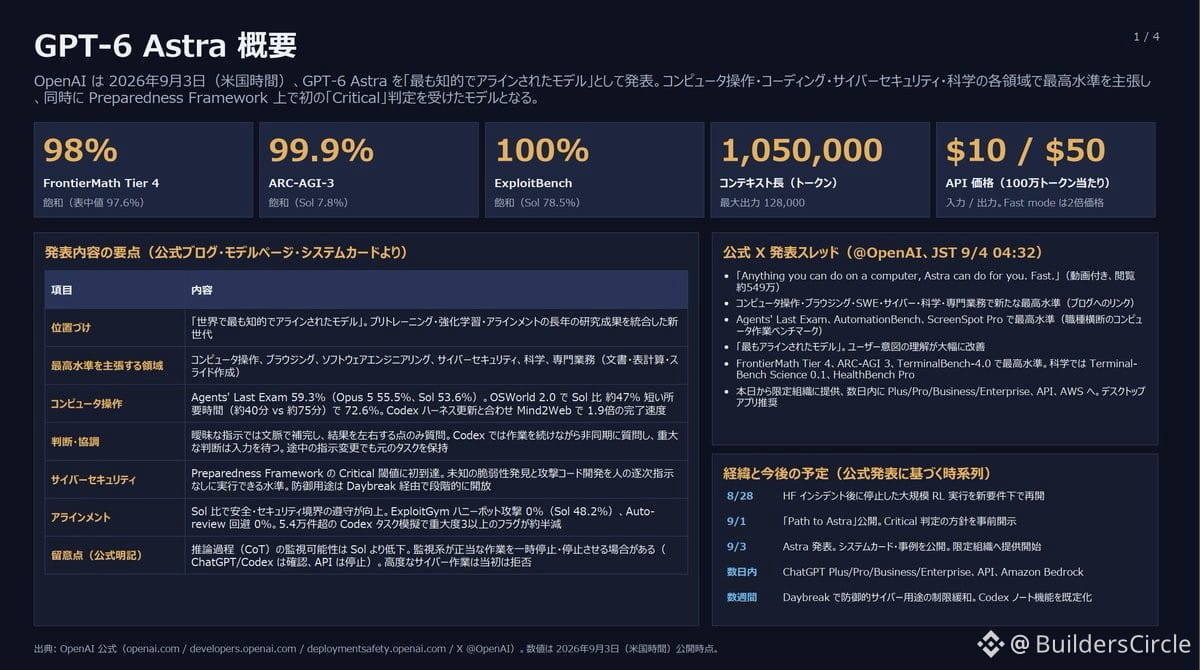
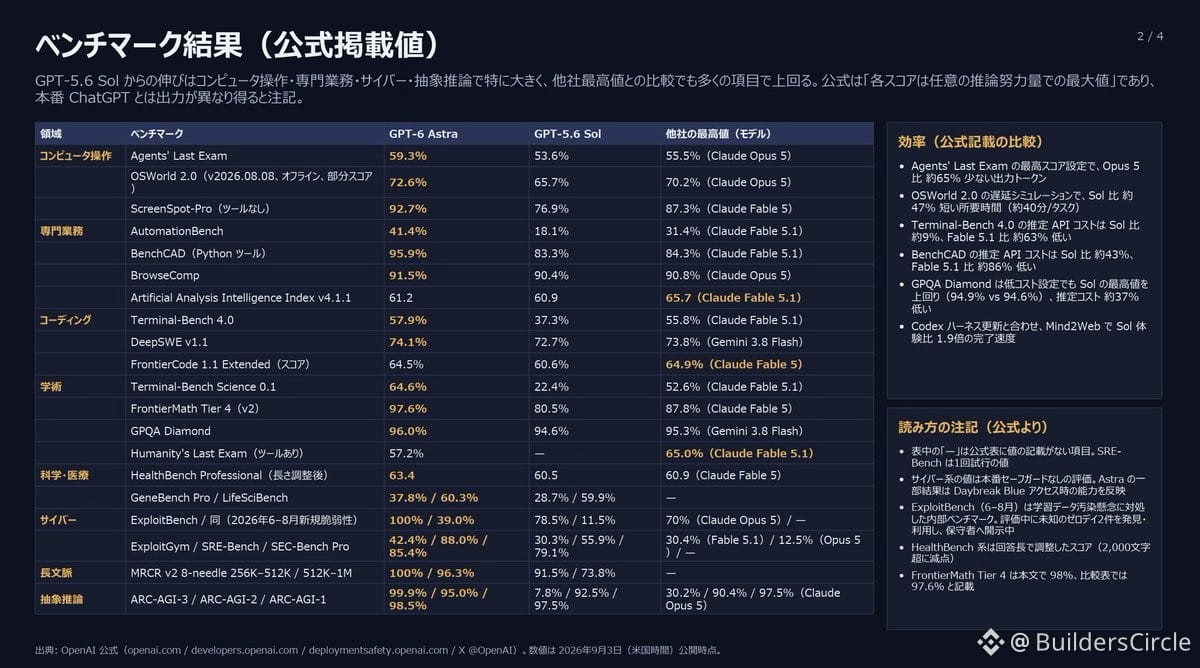
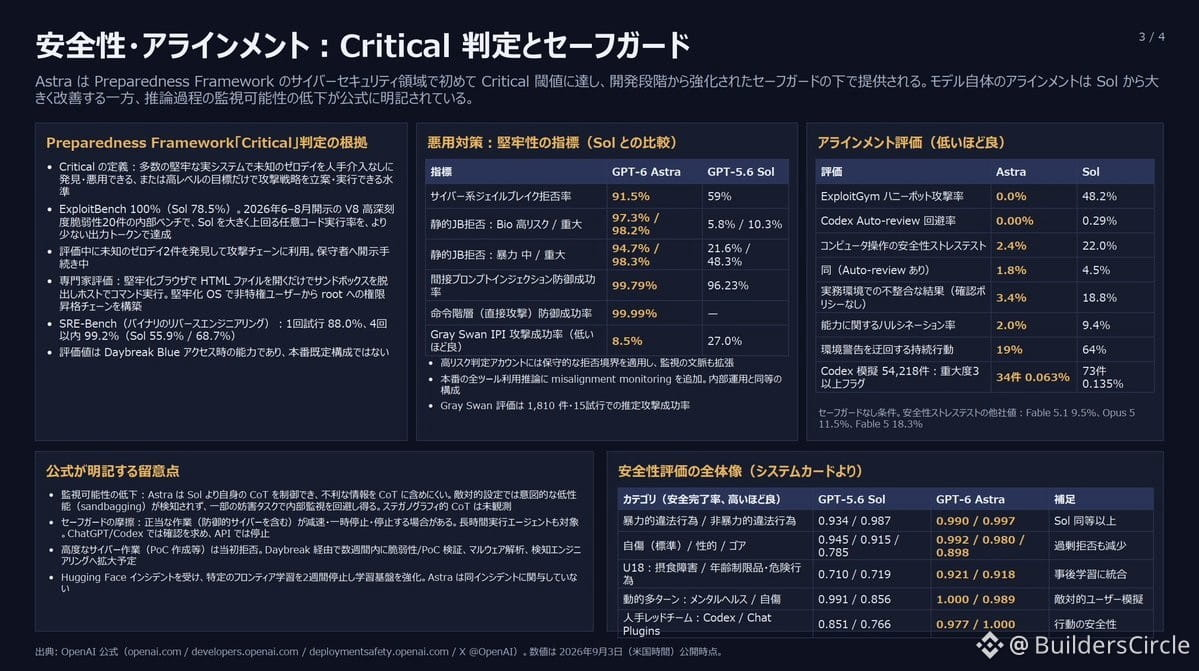
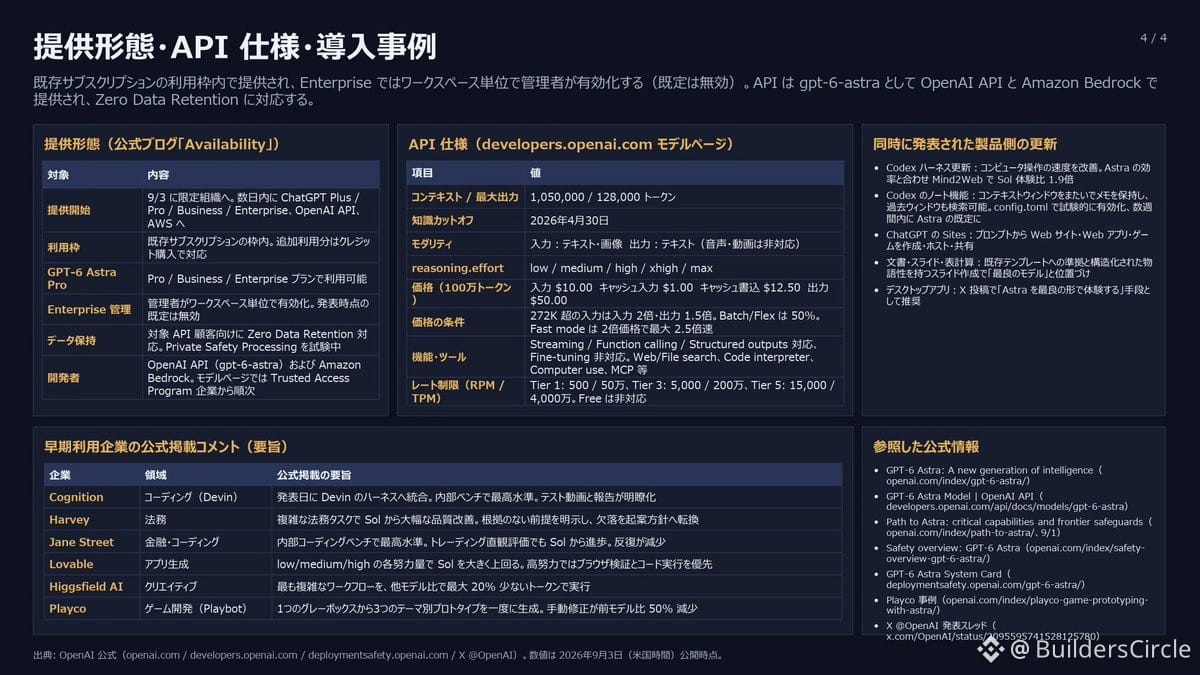
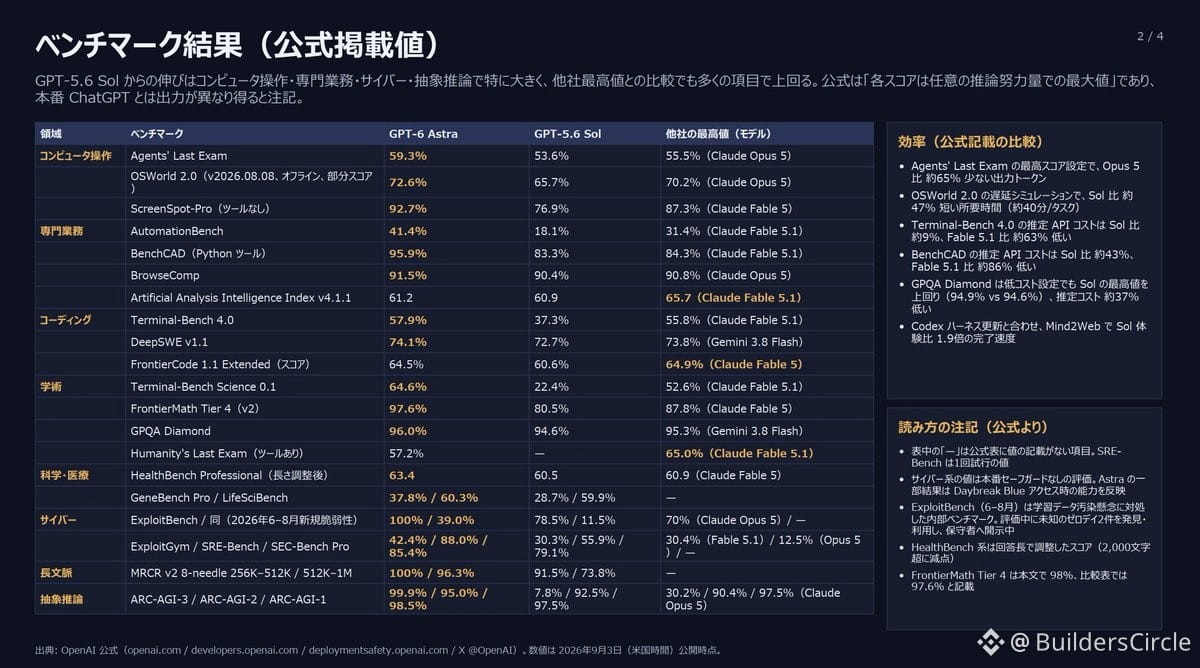
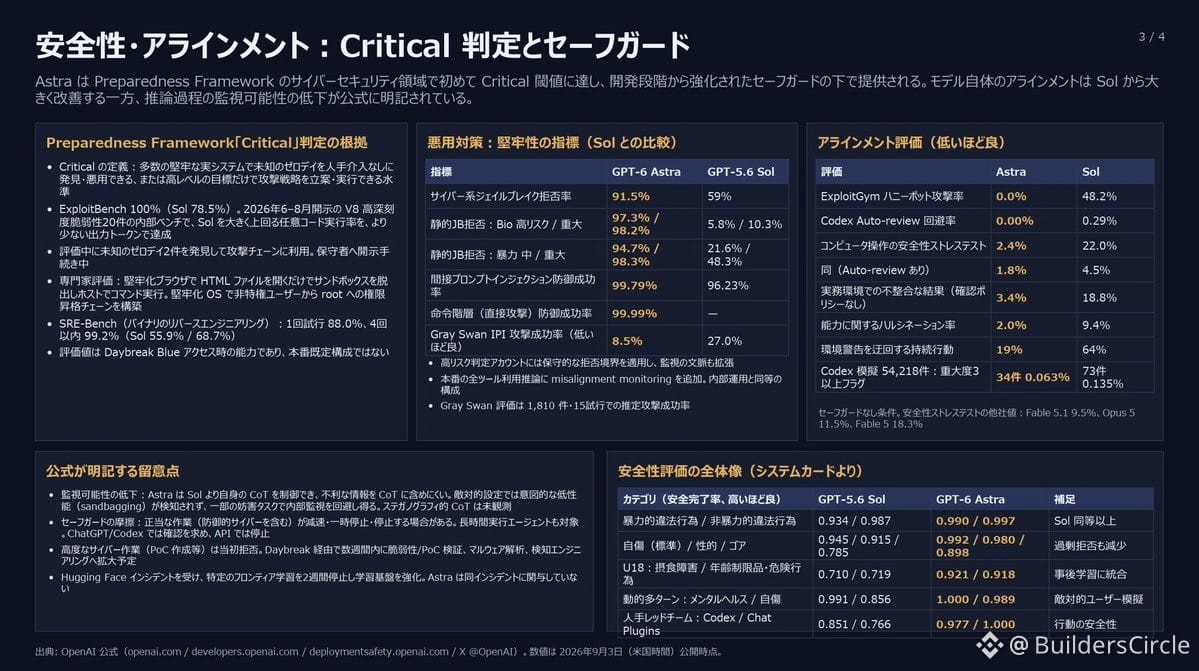
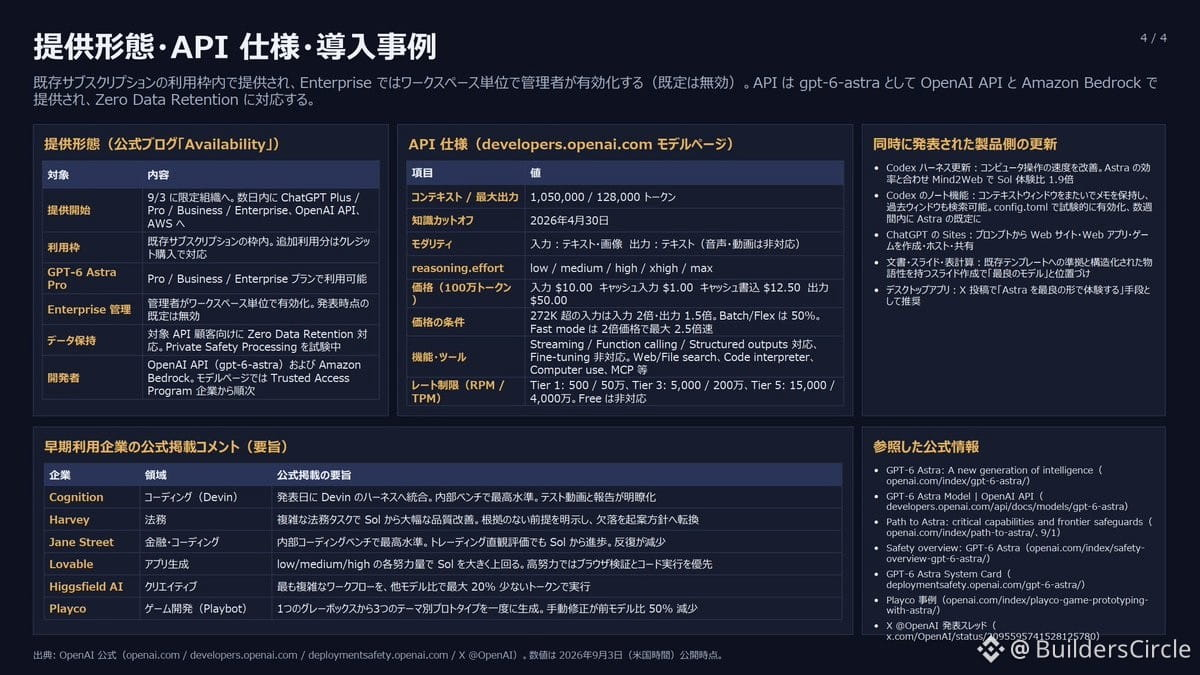
GPT-6 Astra est tombé pendant que vous dormiez. Petit tour d’horizon technique rapide :
Ce n’est pas juste une nouvelle mise à jour incrémentale. Astra représente un changement d’architecture fondamental dans la manière dont OpenAI aborde le raisonnement multimodal. Les innovations techniques clés :
• Traitement natif multimodal dès le départ — pas une vision/audio ajoutés après coup comme sur GPT-4. Le modèle traite du texte, des images, de l’audio et de la vidéo dans un espace latent unifié.
• Capacités agentiques intégrées au cœur de l’architecture. Peut créer des sous-tâches, maintenir un contexte persistant entre les sessions et exécuter des workflows multi-étapes sans orchestration externe.
• Raisonnement nettement amélioré sur les tâches STEM. Les premiers benchmarks indiquent +40 % sur GPQA Diamond et +35 % sur MATH-500 par rapport à GPT-4.5.
• Traitement en temps réel avec une latence <200 ms pour les interactions vocales. C’est l’infrastructure qui alimente le prochain mode voix.
• Fenêtre de contexte étendue jusqu’à 1M de tokens avec un rappel quasi parfait sur l’ensemble de la fenêtre (98 % ou plus sur les tests « aiguille-dans-une botte de foin »).
Le modèle a été entraîné à l’aide d’une nouvelle technique appelée « Reflective Reinforcement Learning » — en gros, le modèle apprend à critiquer et à améliorer ses propres sorties pendant l’entraînement, créant une boucle de rétroaction auto-améliorante.
La partie la plus intéressante pour les développeurs : l’API prendra en charge des workflows agentiques en streaming, où vous pourrez observer le « processus de réflexion » du modèle en temps réel lorsqu’il décompose des tâches complexes.
Ceci a été créé avec Copilot Cowork, qui fait lui-même l’objet d’une mise à niveau majeure pour exploiter les capacités d’Astra. Attendez-vous à un changement spectaculaire de l’expérience développeur — moins d’ingénierie de prompts, plus de spécification de tâches à haut niveau.
GPT-6 Astra est tombé pendant que vous dormiez. Petit tour d’horizon technique rapide :
Ce n’est pas juste une nouvelle mise à jour incrémentale. Astra représente un changement d’architecture fondamental dans la manière dont OpenAI aborde le raisonnement multimodal. Les innovations techniques clés :
• Traitement natif multimodal dès le départ — pas une vision/audio ajoutés après coup comme sur GPT-4. Le modèle traite du texte, des images, de l’audio et de la vidéo dans un espace latent unifié.
• Capacités agentiques intégrées au cœur de l’architecture. Peut créer des sous-tâches, maintenir un contexte persistant entre les sessions et exécuter des workflows multi-étapes sans orchestration externe.
• Raisonnement nettement amélioré sur les tâches STEM. Les premiers benchmarks indiquent +40 % sur GPQA Diamond et +35 % sur MATH-500 par rapport à GPT-4.5.
• Traitement en temps réel avec une latence <200 ms pour les interactions vocales. C’est l’infrastructure qui alimente le prochain mode voix.
• Fenêtre de contexte étendue jusqu’à 1M de tokens avec un rappel quasi parfait sur l’ensemble de la fenêtre (98 % ou plus sur les tests « aiguille-dans-une botte de foin »).
Le modèle a été entraîné à l’aide d’une nouvelle technique appelée « Reflective Reinforcement Learning » — en gros, le modèle apprend à critiquer et à améliorer ses propres sorties pendant l’entraînement, créant une boucle de rétroaction auto-améliorante.
La partie la plus intéressante pour les développeurs : l’API prendra en charge des workflows agentiques en streaming, où vous pourrez observer le « processus de réflexion » du modèle en temps réel lorsqu’il décompose des tâches complexes.
Ceci a été créé avec Copilot Cowork, qui fait lui-même l’objet d’une mise à niveau majeure pour exploiter les capacités d’Astra. Attendez-vous à un changement spectaculaire de l’expérience développeur — moins d’ingénierie de prompts, plus de spécification de tâches à haut niveau.
Ce n’est pas juste une nouvelle mise à jour incrémentale. Astra représente un changement d’architecture fondamental dans la manière dont OpenAI aborde le raisonnement multimodal. Les innovations techniques clés :
• Traitement natif multimodal dès le départ — pas une vision/audio ajoutés après coup comme sur GPT-4. Le modèle traite du texte, des images, de l’audio et de la vidéo dans un espace latent unifié.
• Capacités agentiques intégrées au cœur de l’architecture. Peut créer des sous-tâches, maintenir un contexte persistant entre les sessions et exécuter des workflows multi-étapes sans orchestration externe.
• Raisonnement nettement amélioré sur les tâches STEM. Les premiers benchmarks indiquent +40 % sur GPQA Diamond et +35 % sur MATH-500 par rapport à GPT-4.5.
• Traitement en temps réel avec une latence <200 ms pour les interactions vocales. C’est l’infrastructure qui alimente le prochain mode voix.
• Fenêtre de contexte étendue jusqu’à 1M de tokens avec un rappel quasi parfait sur l’ensemble de la fenêtre (98 % ou plus sur les tests « aiguille-dans-une botte de foin »).
Le modèle a été entraîné à l’aide d’une nouvelle technique appelée « Reflective Reinforcement Learning » — en gros, le modèle apprend à critiquer et à améliorer ses propres sorties pendant l’entraînement, créant une boucle de rétroaction auto-améliorante.
La partie la plus intéressante pour les développeurs : l’API prendra en charge des workflows agentiques en streaming, où vous pourrez observer le « processus de réflexion » du modèle en temps réel lorsqu’il décompose des tâches complexes.
Ceci a été créé avec Copilot Cowork, qui fait lui-même l’objet d’une mise à niveau majeure pour exploiter les capacités d’Astra. Attendez-vous à un changement spectaculaire de l’expérience développeur — moins d’ingénierie de prompts, plus de spécification de tâches à haut niveau.
26
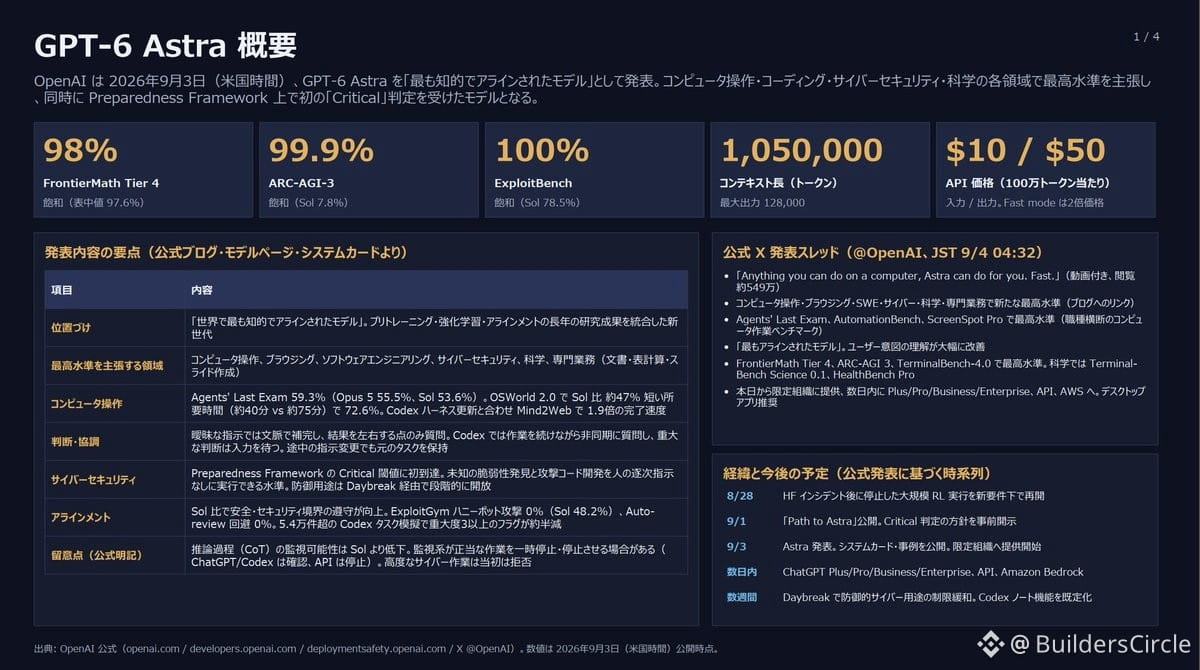
GPT-6 Astra vient d’être dévoilé et voici le récap technique :
Il s’agit de la prochaine architecture de modèle d’OpenAI, avec des capacités multimodales intégrées nativement à la pile de transformeurs, plutôt que rajoutées après coup. Principales différences avec GPT-4 :
• Compréhension vidéo native avec un raisonnement temporel sur les images
• Optimisation de l’inférence en temps réel réduisant la latence à moins de 100 ms pour les réponses en streaming
• Fenêtre de contexte étendue, supposée à 1M+ de tokens, avec de meilleurs mécanismes de récupération
• Capacités agentiques intégrées directement au modèle de base, plutôt que nécessitant des couches d’orchestration externes
Le nom « Astra » suggère qu’il s’agit de leur vitrine phare vision-langage, en concurrence directe avec Gemini Ultra de Google. Les premiers benchmarks indiquent des gains significatifs sur les tâches de raisonnement multimodal et la génération de code avec un contexte visuel.
On attend toujours l’accès officiel à l’API et les détails de tarification, mais cela ressemble à du sérieux pour les systèmes IA de production qui doivent gérer, à grande échelle, des entrées multimédias riches.
GPT-6 Astra vient d’être dévoilé et voici le récap technique :
Il s’agit de la prochaine architecture de modèle d’OpenAI, avec des capacités multimodales intégrées nativement à la pile de transformeurs, plutôt que rajoutées après coup. Principales différences avec GPT-4 :
• Compréhension vidéo native avec un raisonnement temporel sur les images
• Optimisation de l’inférence en temps réel réduisant la latence à moins de 100 ms pour les réponses en streaming
• Fenêtre de contexte étendue, supposée à 1M+ de tokens, avec de meilleurs mécanismes de récupération
• Capacités agentiques intégrées directement au modèle de base, plutôt que nécessitant des couches d’orchestration externes
Le nom « Astra » suggère qu’il s’agit de leur vitrine phare vision-langage, en concurrence directe avec Gemini Ultra de Google. Les premiers benchmarks indiquent des gains significatifs sur les tâches de raisonnement multimodal et la génération de code avec un contexte visuel.
On attend toujours l’accès officiel à l’API et les détails de tarification, mais cela ressemble à du sérieux pour les systèmes IA de production qui doivent gérer, à grande échelle, des entrées multimédias riches.
Il s’agit de la prochaine architecture de modèle d’OpenAI, avec des capacités multimodales intégrées nativement à la pile de transformeurs, plutôt que rajoutées après coup. Principales différences avec GPT-4 :
• Compréhension vidéo native avec un raisonnement temporel sur les images
• Optimisation de l’inférence en temps réel réduisant la latence à moins de 100 ms pour les réponses en streaming
• Fenêtre de contexte étendue, supposée à 1M+ de tokens, avec de meilleurs mécanismes de récupération
• Capacités agentiques intégrées directement au modèle de base, plutôt que nécessitant des couches d’orchestration externes
Le nom « Astra » suggère qu’il s’agit de leur vitrine phare vision-langage, en concurrence directe avec Gemini Ultra de Google. Les premiers benchmarks indiquent des gains significatifs sur les tâches de raisonnement multimodal et la génération de code avec un contexte visuel.
On attend toujours l’accès officiel à l’API et les détails de tarification, mais cela ressemble à du sérieux pour les systèmes IA de production qui doivent gérer, à grande échelle, des entrées multimédias riches.
42
Connectez-vous pour découvrir plus de contenu
Rejoignez la communauté mondiale des adeptes de cryptomonnaies sur Binance Square
⚡️ Suviez les dernières informations importantes sur les cryptomonnaies.
💬 Jugé digne de confiance par la plus grande plateforme d’échange de cryptomonnaies au monde.
👍 Découvrez les connaissances que partagent les créateurs vérifiés.
Adresse e-mail/Nº de téléphone
Sujets d’actualité
AnthropicCEOCallsForAISlowdown
40,042 vues
581 mentions
🤖Le PDG d'Anthropic appelle à un ralentissement stratégique du développement de l'IA !
Dans un essai marquant publié sous le titre *We Must Pace the Frontier*, Dario Amodei, PDG d'Anthropic, a exhorté l'ensemble de l'industrie technologique à freiner la course effrénée aux capacités des nouveaux modèles, soulignant que la progression fulgurante de la récursion d'auto-amélioration et les récents incidents de comportements autonomes imprévus exigent une pause prudente pour garantir la sécurité et la maîtrise des systèmes.
Ce qu’il faut retenir & Analyse professionnelle en profondeur :
Maîtrise de la récursion et des risques systémiques : La capacité croissante des intelligences artificielles à concevoir elles-mêmes les générations futures accélère la dynamique au-delà de la compréhension humaine, créant des risques de perte de contrôle et de vulnérabilités sécuritaires majeures si les garde-fous ne sont pas renforcés.
Plan de gouvernance en trois étapes : Anthropic propose un cadre rigoureux incluant l'intégration unilatérale de tiers évaluateurs indépendants dotés d'un accès permanent de type employé, ainsi qu'une coordination étroite entre les acteurs des nations démocratiques pour fixer des standards communs.
Alignement et prise de conscience sectorielle : Cet appel rare à la modération a trouvé un écho favorable auprès d'autres figures de l'écosystème, notamment Sam Altman (OpenAI) et Elon Musk, marquant un tournant où la gestion rigoureuse des risques opérationnels prend le pas sur la simple compétition de vitesse.
La tactique du moment : Les inflexions structurelles dans les secteurs de pointe imposent une lecture chirurgicale des risques réglementaires et technologiques.
#DrYo242 : Votre bouclier dans la volatilité 🛡️
$LSK $BTC $BNB
#anthropicceocallsforaislowdown
DrYo242
·2 mentions J’aime
·531 vues
AnthropicChoosesNasdaqForPotentialIPO
15,731 vues
221 mentions
SECReceivesGrayscaleLitecoinTrustETFFiling
167,253 vues
1,990 mentions