
Zzullerr
486 Publications

Zzullerr
Signaler
Bloquer l’utilisateur
Medic turned journalist | Insights on DeFi, NFTs, and Web3.
0 Suivis
24 Abonnés
24 J’aime
Publications
·
--
Votre salaire ne vaut rien dans la DeFi 🏦
Une banque peut prêter en se basant sur vos revenus, et chaque grand marché de prêt dans la DeFi ignore complètement vos revenus et exige davantage de garanties que le montant du prêt n’en vaut la peine.
$JUP fait tourner l’un des plus grands marchés de prêt sur $SOL via Jupiter Lend, avec environ 1,1 Md$ déposés et plus de 930 M$ prêtés, et tous ces emprunts sont garantis par des actifs déjà disponibles en tant que collatéral sur la blockchain.
Ce qui signifie que les personnes qui peuvent emprunter sont celles qui avaient le moins besoin d’un prêt.
Ce n’est pas parce que la DeFi pense qu’un salaire est sans valeur : c’est parce qu’il n’existe aucun moyen de le vérifier sans que quelqu’un lise vos relevés bancaires, et personne ne les colle dans un smart contract.
Une vérification de crédit n’est qu’un calcul, mais elle s’appuie sur les chiffres les plus sensibles qu’une personne ait, c’est pourquoi elle a tant de mal à aboutir.
Arcium permet à un prêteur d’effectuer cette vérification sans que quiconque détienne ces données, en découpant les entrées en fragments sur un cluster de nœuds afin qu’aucun nœud ne voie jamais un revenu, un solde ou l’historique de remboursement, et le cluster renvoie tout de même le résultat correct.
Le prêteur obtient en retour une approbation et une limite, et rien d’autre.
Tout ce qui est emprunté est ensuite réglé sur Solana sous la forme d’une transaction publique ordinaire, si bien que le prêt reste aussi vérifiable que n’importe quelle autre position DeFi.
Le volet calcul est en ligne sur Mainnet Alpha depuis le 2 février, et l’explorateur affiche plus de 2,5 millions de calculs effectués jusqu’à présent, ainsi que 10,8 millions de transactions Solana ordinaires qui ont touché le programme Arcium.
Le crédit représente l’essentiel de ce que font les banques, et une petite partie de ce que fait la DeFi. Et je pense que cet écart se refermera sur le réseau capable d’évaluer un emprunteur sans avoir à lire ses données.
#DeFi #Solana
Votre salaire ne vaut rien dans la DeFi 🏦
Une banque peut prêter en se basant sur vos revenus, et chaque grand marché de prêt dans la DeFi ignore complètement vos revenus et exige davantage de garanties que le montant du prêt n’en vaut la peine.
$JUP fait tourner l’un des plus grands marchés de prêt sur $SOL via Jupiter Lend, avec environ 1,1 Md$ déposés et plus de 930 M$ prêtés, et tous ces emprunts sont garantis par des actifs déjà disponibles en tant que collatéral sur la blockchain.
Ce qui signifie que les personnes qui peuvent emprunter sont celles qui avaient le moins besoin d’un prêt.
Ce n’est pas parce que la DeFi pense qu’un salaire est sans valeur : c’est parce qu’il n’existe aucun moyen de le vérifier sans que quelqu’un lise vos relevés bancaires, et personne ne les colle dans un smart contract.
Une vérification de crédit n’est qu’un calcul, mais elle s’appuie sur les chiffres les plus sensibles qu’une personne ait, c’est pourquoi elle a tant de mal à aboutir.
Arcium permet à un prêteur d’effectuer cette vérification sans que quiconque détienne ces données, en découpant les entrées en fragments sur un cluster de nœuds afin qu’aucun nœud ne voie jamais un revenu, un solde ou l’historique de remboursement, et le cluster renvoie tout de même le résultat correct.
Le prêteur obtient en retour une approbation et une limite, et rien d’autre.
Tout ce qui est emprunté est ensuite réglé sur Solana sous la forme d’une transaction publique ordinaire, si bien que le prêt reste aussi vérifiable que n’importe quelle autre position DeFi.
Le volet calcul est en ligne sur Mainnet Alpha depuis le 2 février, et l’explorateur affiche plus de 2,5 millions de calculs effectués jusqu’à présent, ainsi que 10,8 millions de transactions Solana ordinaires qui ont touché le programme Arcium.
Le crédit représente l’essentiel de ce que font les banques, et une petite partie de ce que fait la DeFi. Et je pense que cet écart se refermera sur le réseau capable d’évaluer un emprunteur sans avoir à lire ses données.
#DeFi #Solana
Une banque peut prêter en se basant sur vos revenus, et chaque grand marché de prêt dans la DeFi ignore complètement vos revenus et exige davantage de garanties que le montant du prêt n’en vaut la peine.
$JUP fait tourner l’un des plus grands marchés de prêt sur $SOL via Jupiter Lend, avec environ 1,1 Md$ déposés et plus de 930 M$ prêtés, et tous ces emprunts sont garantis par des actifs déjà disponibles en tant que collatéral sur la blockchain.
Ce qui signifie que les personnes qui peuvent emprunter sont celles qui avaient le moins besoin d’un prêt.
Ce n’est pas parce que la DeFi pense qu’un salaire est sans valeur : c’est parce qu’il n’existe aucun moyen de le vérifier sans que quelqu’un lise vos relevés bancaires, et personne ne les colle dans un smart contract.
Une vérification de crédit n’est qu’un calcul, mais elle s’appuie sur les chiffres les plus sensibles qu’une personne ait, c’est pourquoi elle a tant de mal à aboutir.
Arcium permet à un prêteur d’effectuer cette vérification sans que quiconque détienne ces données, en découpant les entrées en fragments sur un cluster de nœuds afin qu’aucun nœud ne voie jamais un revenu, un solde ou l’historique de remboursement, et le cluster renvoie tout de même le résultat correct.
Le prêteur obtient en retour une approbation et une limite, et rien d’autre.
Tout ce qui est emprunté est ensuite réglé sur Solana sous la forme d’une transaction publique ordinaire, si bien que le prêt reste aussi vérifiable que n’importe quelle autre position DeFi.
Le volet calcul est en ligne sur Mainnet Alpha depuis le 2 février, et l’explorateur affiche plus de 2,5 millions de calculs effectués jusqu’à présent, ainsi que 10,8 millions de transactions Solana ordinaires qui ont touché le programme Arcium.
Le crédit représente l’essentiel de ce que font les banques, et une petite partie de ce que fait la DeFi. Et je pense que cet écart se refermera sur le réseau capable d’évaluer un emprunteur sans avoir à lire ses données.
#DeFi #Solana
61
·
--
117,1 Md$ d’exposition en Corée échangée via le marché RWA perp jusqu’à août, et la couche de tarification située en dessous était Pyth.
SOL a entraîné les utilisateurs de crypto à s’attendre à des marchés qui bougent instantanément. PYTH devient pertinent lorsque cette même attente se heurte à des actifs du monde réel avec des horaires d’échanges locaux, des pauses de trading algorithmique et un risque pendant la nuit.
La Corée n’était pas un simple récit secondaire en août.
SK Hynix a terminé troisième en volume sur les RWA perp.
KORU a terminé neuvième.
SKHY a terminé dixième.
Ensemble, ils ont généré 117,1 Md$, soit 15,6 % du marché suivi.
Puis est venu le test de résistance.
Le 19 août, le KOSPI a chuté d’environ 6 % et a déclenché un « sidecar » de vente du côté des acheteurs pendant cinq minutes pour le trading programmé. Après la clôture, SK Hynix a annoncé un plan de rachat de 40 000 milliards de wons, et l’indice a récupéré presque l’intégralité de la perte de la séance précédente le jour suivant.
C’est exactement là que les RWA perps deviennent intéressants.
Les marchés traditionnels peuvent faire une pause, fermer, rouvrir et réagir à travers différents fuseaux horaires. Sur les plateformes onchain, il faut encore des prix pour le mark price, la marge, les liquidations, le funding et les contrôles de risque pendant que les traders continuent de bouger.
Pyth a tarifié 96,27 % du volume de RWA perp suivi en août sur un marché de 751,9 Md$.
C’est le signal.
Les RWA perps n’ajoutent pas seulement davantage d’actifs.
Ils absorbent des événements réels du marché, au moment où ils se produisent.
Pyth devient la couche de prix sous-jacente à ce changement.
#Altcoin Season# #RWA
117,1 Md$ d’exposition en Corée échangée via le marché RWA perp jusqu’à août, et la couche de tarification située en dessous était Pyth.
SOL a entraîné les utilisateurs de crypto à s’attendre à des marchés qui bougent instantanément. PYTH devient pertinent lorsque cette même attente se heurte à des actifs du monde réel avec des horaires d’échanges locaux, des pauses de trading algorithmique et un risque pendant la nuit.
La Corée n’était pas un simple récit secondaire en août.
SK Hynix a terminé troisième en volume sur les RWA perp.
KORU a terminé neuvième.
SKHY a terminé dixième.
Ensemble, ils ont généré 117,1 Md$, soit 15,6 % du marché suivi.
Puis est venu le test de résistance.
Le 19 août, le KOSPI a chuté d’environ 6 % et a déclenché un « sidecar » de vente du côté des acheteurs pendant cinq minutes pour le trading programmé. Après la clôture, SK Hynix a annoncé un plan de rachat de 40 000 milliards de wons, et l’indice a récupéré presque l’intégralité de la perte de la séance précédente le jour suivant.
C’est exactement là que les RWA perps deviennent intéressants.
Les marchés traditionnels peuvent faire une pause, fermer, rouvrir et réagir à travers différents fuseaux horaires. Sur les plateformes onchain, il faut encore des prix pour le mark price, la marge, les liquidations, le funding et les contrôles de risque pendant que les traders continuent de bouger.
Pyth a tarifié 96,27 % du volume de RWA perp suivi en août sur un marché de 751,9 Md$.
C’est le signal.
Les RWA perps n’ajoutent pas seulement davantage d’actifs.
Ils absorbent des événements réels du marché, au moment où ils se produisent.
Pyth devient la couche de prix sous-jacente à ce changement.
#Altcoin Season# #RWA
SOL a entraîné les utilisateurs de crypto à s’attendre à des marchés qui bougent instantanément. PYTH devient pertinent lorsque cette même attente se heurte à des actifs du monde réel avec des horaires d’échanges locaux, des pauses de trading algorithmique et un risque pendant la nuit.
La Corée n’était pas un simple récit secondaire en août.
SK Hynix a terminé troisième en volume sur les RWA perp.
KORU a terminé neuvième.
SKHY a terminé dixième.
Ensemble, ils ont généré 117,1 Md$, soit 15,6 % du marché suivi.
Puis est venu le test de résistance.
Le 19 août, le KOSPI a chuté d’environ 6 % et a déclenché un « sidecar » de vente du côté des acheteurs pendant cinq minutes pour le trading programmé. Après la clôture, SK Hynix a annoncé un plan de rachat de 40 000 milliards de wons, et l’indice a récupéré presque l’intégralité de la perte de la séance précédente le jour suivant.
C’est exactement là que les RWA perps deviennent intéressants.
Les marchés traditionnels peuvent faire une pause, fermer, rouvrir et réagir à travers différents fuseaux horaires. Sur les plateformes onchain, il faut encore des prix pour le mark price, la marge, les liquidations, le funding et les contrôles de risque pendant que les traders continuent de bouger.
Pyth a tarifié 96,27 % du volume de RWA perp suivi en août sur un marché de 751,9 Md$.
C’est le signal.
Les RWA perps n’ajoutent pas seulement davantage d’actifs.
Ils absorbent des événements réels du marché, au moment où ils se produisent.
Pyth devient la couche de prix sous-jacente à ce changement.
#Altcoin Season# #RWA
78
·
--
Voir la traduction
$B3
is the next $VVV
But you arent ready for that conversation #Altcoin Season#
$B3
is the next $VVV
But you arent ready for that conversation #Altcoin Season#
is the next $VVV
But you arent ready for that conversation #Altcoin Season#

·
--
Voir la traduction
2 Frontier Models Hit One Gateway 🤖
$TAO made machine intelligence something crypto users could access through an open network.
$RENDER showed that the infrastructure behind AI can become an onchain market too.
But an agent that uses several models still has to deal with separate APIs, balances and billing systems.
Every new provider adds another account to fund, another cost dashboard to check and another failure point when a model goes offline.
That gets harder once the agent starts earning onchain because its revenue and inference costs live in completely different systems.
A self-sustaining agent needs a direct route from the crypto it earns to the models it uses.
Without that connection, someone still has to keep topping up accounts and switching providers manually. Bankr’s LLM Gateway puts that workflow behind one API, and Fable 5.1 plus GPT-6 Astra are now available through it.
An agent can access models from Anthropic, Google, OpenAI, xAI, DeepSeek and other providers without rebuilding the application for each one.
The payment layer is the part that interests me.
• Fund inference directly from token launch fees
• Pay with USDC, USDT, ETH or another ERC-20
• Use balances across Base, Polygon, Ethereum, Arbitrum and BNB Chain
• Track usage and cost by model from one dashboard
Other ERC-20 balances are automatically swapped for payment, while automatic failover keeps the agent running if its primary route fails.
That means an agent earning fees onchain can use the same revenue to pay for the intelligence keeping it online.
I am watching whether launch-fee-funded inference becomes the missing operating loop for autonomous agents.
If agents can earn, pay for models and stay online without manual top-ups, their path toward real autonomy gets much shorter.
#AI #AI Agents 🤖#
2 Frontier Models Hit One Gateway 🤖
$TAO made machine intelligence something crypto users could access through an open network.
$RENDER showed that the infrastructure behind AI can become an onchain market too.
But an agent that uses several models still has to deal with separate APIs, balances and billing systems.
Every new provider adds another account to fund, another cost dashboard to check and another failure point when a model goes offline.
That gets harder once the agent starts earning onchain because its revenue and inference costs live in completely different systems.
A self-sustaining agent needs a direct route from the crypto it earns to the models it uses.
Without that connection, someone still has to keep topping up accounts and switching providers manually. Bankr’s LLM Gateway puts that workflow behind one API, and Fable 5.1 plus GPT-6 Astra are now available through it.
An agent can access models from Anthropic, Google, OpenAI, xAI, DeepSeek and other providers without rebuilding the application for each one.
The payment layer is the part that interests me.
• Fund inference directly from token launch fees
• Pay with USDC, USDT, ETH or another ERC-20
• Use balances across Base, Polygon, Ethereum, Arbitrum and BNB Chain
• Track usage and cost by model from one dashboard
Other ERC-20 balances are automatically swapped for payment, while automatic failover keeps the agent running if its primary route fails.
That means an agent earning fees onchain can use the same revenue to pay for the intelligence keeping it online.
I am watching whether launch-fee-funded inference becomes the missing operating loop for autonomous agents.
If agents can earn, pay for models and stay online without manual top-ups, their path toward real autonomy gets much shorter.
#AI #AI Agents 🤖#
$TAO made machine intelligence something crypto users could access through an open network.
$RENDER showed that the infrastructure behind AI can become an onchain market too.
But an agent that uses several models still has to deal with separate APIs, balances and billing systems.
Every new provider adds another account to fund, another cost dashboard to check and another failure point when a model goes offline.
That gets harder once the agent starts earning onchain because its revenue and inference costs live in completely different systems.
A self-sustaining agent needs a direct route from the crypto it earns to the models it uses.
Without that connection, someone still has to keep topping up accounts and switching providers manually. Bankr’s LLM Gateway puts that workflow behind one API, and Fable 5.1 plus GPT-6 Astra are now available through it.
An agent can access models from Anthropic, Google, OpenAI, xAI, DeepSeek and other providers without rebuilding the application for each one.
The payment layer is the part that interests me.
• Fund inference directly from token launch fees
• Pay with USDC, USDT, ETH or another ERC-20
• Use balances across Base, Polygon, Ethereum, Arbitrum and BNB Chain
• Track usage and cost by model from one dashboard
Other ERC-20 balances are automatically swapped for payment, while automatic failover keeps the agent running if its primary route fails.
That means an agent earning fees onchain can use the same revenue to pay for the intelligence keeping it online.
I am watching whether launch-fee-funded inference becomes the missing operating loop for autonomous agents.
If agents can earn, pay for models and stay online without manual top-ups, their path toward real autonomy gets much shorter.
#AI #AI Agents 🤖#
72
·
--
Voir la traduction
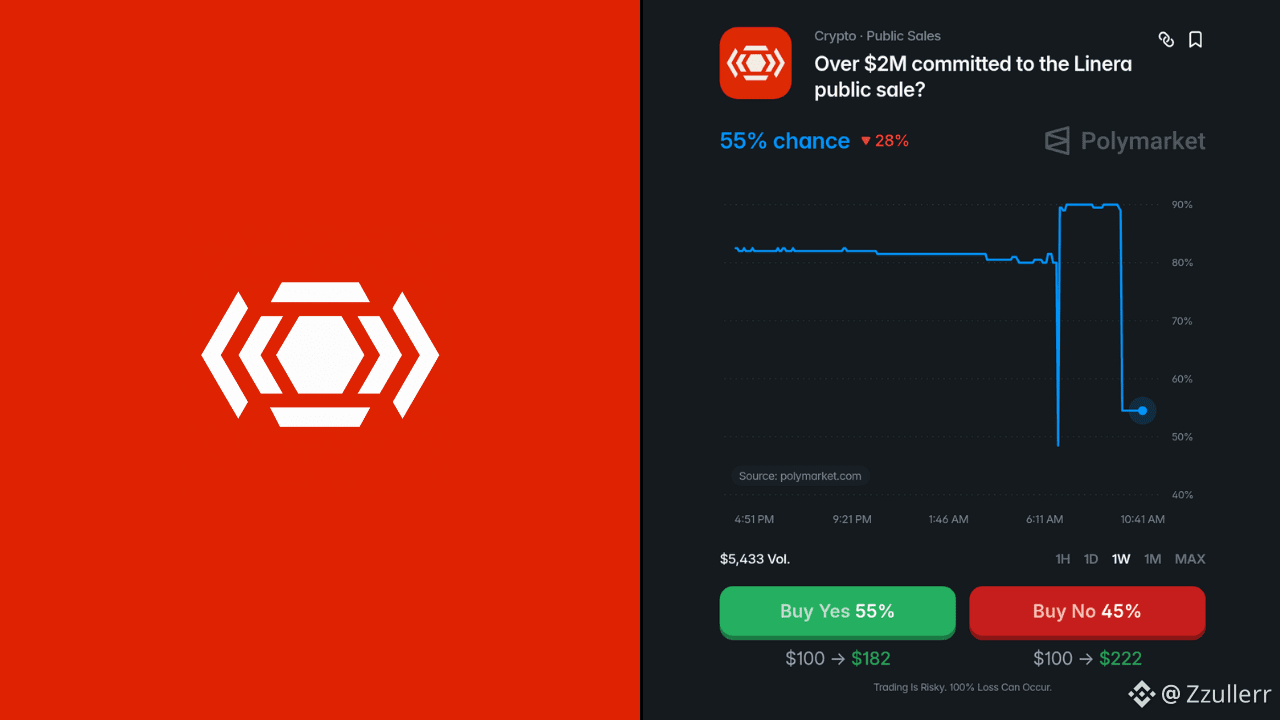
Will $2M hit the Linera sale? 📊
Everyone still technically has this leaning Yes at 55%, and a chunk of that side has been funded through $SOL too, though I'd argue that's a weaker use of the coin than backing the actual trend here.
This market was sitting near 85% not long ago before it cratered hard down into the 50s.
Down a massive 28%, and I don't think that headline number has caught up to the chart yet.
Still fairly quiet, $5,433 in volume, leaving real room for this to keep moving.
I'm taking No, even against the current lean. A drop this steep this recently rarely stops on the first attempt.
Exit anytime, no need to wait around for the sale to actually close, and $HYPE shows up plenty on public sale questions just like this one.
Polymarket remains the place to catch a shift like this early.
#Altcoin Season#
Will $2M hit the Linera sale? 📊
Everyone still technically has this leaning Yes at 55%, and a chunk of that side has been funded through $SOL too, though I'd argue that's a weaker use of the coin than backing the actual trend here.
This market was sitting near 85% not long ago before it cratered hard down into the 50s.
Down a massive 28%, and I don't think that headline number has caught up to the chart yet.
Still fairly quiet, $5,433 in volume, leaving real room for this to keep moving.
I'm taking No, even against the current lean. A drop this steep this recently rarely stops on the first attempt.
Exit anytime, no need to wait around for the sale to actually close, and $HYPE shows up plenty on public sale questions just like this one.
Polymarket remains the place to catch a shift like this early.
#Altcoin Season#
Everyone still technically has this leaning Yes at 55%, and a chunk of that side has been funded through $SOL too, though I'd argue that's a weaker use of the coin than backing the actual trend here.
This market was sitting near 85% not long ago before it cratered hard down into the 50s.
Down a massive 28%, and I don't think that headline number has caught up to the chart yet.
Still fairly quiet, $5,433 in volume, leaving real room for this to keep moving.
I'm taking No, even against the current lean. A drop this steep this recently rarely stops on the first attempt.
Exit anytime, no need to wait around for the sale to actually close, and $HYPE shows up plenty on public sale questions just like this one.
Polymarket remains the place to catch a shift like this early.
#Altcoin Season#
55
·
--
Voir la traduction
Copy Traders Are Watching Your Wallet 🐋
Any wallet that starts performing gets tracked, and the bigger it gets the more people trade off what it does next.
$SXT proves a query ran correctly over a million rows in under a second, which is the kind of engineering that makes wallet-tracking tools instant and cheap.
That proof says nothing about whether the data stayed private, so faster tools just mean faster copying.
And big institutions never accepted this, which is why $CC is being connected by Nasdaq, LSEG, JSCC and Dunamu on a design where each party only ever receives data about its own side.
So retail trades in front of a crowd while institutions quietly refuse to.
Midnight closes that gap, letting a position stay unreadable while still proving it followed the rules.
So the trade works before it is public rather than after everyone has already copied it.
Monument Bank, regulated by the Bank of England, is already tokenizing up to £250M of customer deposits on it.
The best traders on chain already split across a dozen wallets to stay unreadable, and none of them should have to.
#Privacy #Compliance
Copy Traders Are Watching Your Wallet 🐋
Any wallet that starts performing gets tracked, and the bigger it gets the more people trade off what it does next.
$SXT proves a query ran correctly over a million rows in under a second, which is the kind of engineering that makes wallet-tracking tools instant and cheap.
That proof says nothing about whether the data stayed private, so faster tools just mean faster copying.
And big institutions never accepted this, which is why $CC is being connected by Nasdaq, LSEG, JSCC and Dunamu on a design where each party only ever receives data about its own side.
So retail trades in front of a crowd while institutions quietly refuse to.
Midnight closes that gap, letting a position stay unreadable while still proving it followed the rules.
So the trade works before it is public rather than after everyone has already copied it.
Monument Bank, regulated by the Bank of England, is already tokenizing up to £250M of customer deposits on it.
The best traders on chain already split across a dozen wallets to stay unreadable, and none of them should have to.
#Privacy #Compliance
Any wallet that starts performing gets tracked, and the bigger it gets the more people trade off what it does next.
$SXT proves a query ran correctly over a million rows in under a second, which is the kind of engineering that makes wallet-tracking tools instant and cheap.
That proof says nothing about whether the data stayed private, so faster tools just mean faster copying.
And big institutions never accepted this, which is why $CC is being connected by Nasdaq, LSEG, JSCC and Dunamu on a design where each party only ever receives data about its own side.
So retail trades in front of a crowd while institutions quietly refuse to.
Midnight closes that gap, letting a position stay unreadable while still proving it followed the rules.
So the trade works before it is public rather than after everyone has already copied it.
Monument Bank, regulated by the Bank of England, is already tokenizing up to £250M of customer deposits on it.
The best traders on chain already split across a dozen wallets to stay unreadable, and none of them should have to.
#Privacy #Compliance
35
·
--
Voir la traduction
Your Balance Decides The Price You Get 💰
A bot can read your wallet before it quotes you, and what it sees changes the number you are offered.
Automated trading is already running at that scale, and $VIRTUAL supports more than 17,000 agents with most of its daily active wallets on a single readable chain.
Those agents settle constantly without a person checking each decision, and every one of them can see your balance before acting.
And total concealment does not fix it, since $XMR hides everything so completely that no venue could confirm you are allowed to trade at all.
So you either get priced on what you hold or you get locked out of anywhere regulated.
Midnight keeps the balance unreadable while still proving you meet whatever the venue requires.
You get quoted on the trade rather than on the size of your wallet.
No shop reads your bank balance before printing the price, and crypto will keep doing it until the balance stops being readable.
#Privacy #DeFi
Your Balance Decides The Price You Get 💰
A bot can read your wallet before it quotes you, and what it sees changes the number you are offered.
Automated trading is already running at that scale, and $VIRTUAL supports more than 17,000 agents with most of its daily active wallets on a single readable chain.
Those agents settle constantly without a person checking each decision, and every one of them can see your balance before acting.
And total concealment does not fix it, since $XMR hides everything so completely that no venue could confirm you are allowed to trade at all.
So you either get priced on what you hold or you get locked out of anywhere regulated.
Midnight keeps the balance unreadable while still proving you meet whatever the venue requires.
You get quoted on the trade rather than on the size of your wallet.
No shop reads your bank balance before printing the price, and crypto will keep doing it until the balance stops being readable.
#Privacy #DeFi
A bot can read your wallet before it quotes you, and what it sees changes the number you are offered.
Automated trading is already running at that scale, and $VIRTUAL supports more than 17,000 agents with most of its daily active wallets on a single readable chain.
Those agents settle constantly without a person checking each decision, and every one of them can see your balance before acting.
And total concealment does not fix it, since $XMR hides everything so completely that no venue could confirm you are allowed to trade at all.
So you either get priced on what you hold or you get locked out of anywhere regulated.
Midnight keeps the balance unreadable while still proving you meet whatever the venue requires.
You get quoted on the trade rather than on the size of your wallet.
No shop reads your bank balance before printing the price, and crypto will keep doing it until the balance stops being readable.
#Privacy #DeFi
58
·
--
Voir la traduction
The Best Free AI Trading Agent On Telegram 🤖
If your trading AI only analyzes charts when you ask it a question, you're missing out on a lot of what AI can actually do for you.
Pear Protocol's Agent Pear is basically a free quant expert in your pocket that learns how you trade and keeps working even when you're not watching the market.
It remembers your risk tolerance, sizing and trading preferences, monitors real-time quant data and market sentiment 24/7, automatically rebalances your portfolio and pings you when opportunities matching your interests appear.
So if you're watching $ZEC , Agent Pear can flag when catalysts like a Grayscale spot ETF launch and the Zcash network upgrade start creating an interesting setup. Or if $LINK is on an 8-day spot-ETF inflow streak alongside strategic reserve purchases, you can get the signal without spending all day hunting for it yourself.
Then it actually helps you trade the opportunity. Agent Pear constructs pair and basket trades around the latest data, and can use long-short strategies to limit unnecessary directional risk while building protections around your own risk tolerance.
Research. Quant + sentiment analysis. Personalized alerts. Rebalancing. Trade construction and execution.
All from one free AI agent you can literally talk to naturally on Telegram.
#Altcoin Season#
The Best Free AI Trading Agent On Telegram 🤖
If your trading AI only analyzes charts when you ask it a question, you're missing out on a lot of what AI can actually do for you.
Pear Protocol's Agent Pear is basically a free quant expert in your pocket that learns how you trade and keeps working even when you're not watching the market.
It remembers your risk tolerance, sizing and trading preferences, monitors real-time quant data and market sentiment 24/7, automatically rebalances your portfolio and pings you when opportunities matching your interests appear.
So if you're watching $ZEC , Agent Pear can flag when catalysts like a Grayscale spot ETF launch and the Zcash network upgrade start creating an interesting setup. Or if $LINK is on an 8-day spot-ETF inflow streak alongside strategic reserve purchases, you can get the signal without spending all day hunting for it yourself.
Then it actually helps you trade the opportunity. Agent Pear constructs pair and basket trades around the latest data, and can use long-short strategies to limit unnecessary directional risk while building protections around your own risk tolerance.
Research. Quant + sentiment analysis. Personalized alerts. Rebalancing. Trade construction and execution.
All from one free AI agent you can literally talk to naturally on Telegram.
#Altcoin Season#
If your trading AI only analyzes charts when you ask it a question, you're missing out on a lot of what AI can actually do for you.
Pear Protocol's Agent Pear is basically a free quant expert in your pocket that learns how you trade and keeps working even when you're not watching the market.
It remembers your risk tolerance, sizing and trading preferences, monitors real-time quant data and market sentiment 24/7, automatically rebalances your portfolio and pings you when opportunities matching your interests appear.
So if you're watching $ZEC , Agent Pear can flag when catalysts like a Grayscale spot ETF launch and the Zcash network upgrade start creating an interesting setup. Or if $LINK is on an 8-day spot-ETF inflow streak alongside strategic reserve purchases, you can get the signal without spending all day hunting for it yourself.
Then it actually helps you trade the opportunity. Agent Pear constructs pair and basket trades around the latest data, and can use long-short strategies to limit unnecessary directional risk while building protections around your own risk tolerance.
Research. Quant + sentiment analysis. Personalized alerts. Rebalancing. Trade construction and execution.
All from one free AI agent you can literally talk to naturally on Telegram.
#Altcoin Season#
72
·
--
Voir la traduction
What Happens To Bad Results 🤔
Theoriq just did something most teams in this space actively try to avoid doing at almost any cost.
They admitted several of their own early research findings simply didn't hold up under closer scrutiny.
Not deleted. Not quietly reworded. Not buried under a new announcement three days later.
Retracted, on the record, sitting right there for anyone curious enough to go look.
An adversarial process built specifically to refute their own results is what caught the problem before it ever shipped to production.
Independent verification of external data made infrastructure like $LINK the default choice for serious builders years ago, for exactly this same reason.
The same instinct applied internally, turned inward on a team's own claims about itself, is rare enough that it's genuinely worth noticing when it shows up in public.
Most projects only ever publish the wins.
Failures get quietly memory-holed. Retractions almost never happen out loud.
I'd rather follow a team that shows me its retractions too, honestly that's usually the more trustworthy scoreboard to actually watch.
#Altcoin Season# #RWA
What Happens To Bad Results 🤔
Theoriq just did something most teams in this space actively try to avoid doing at almost any cost.
They admitted several of their own early research findings simply didn't hold up under closer scrutiny.
Not deleted. Not quietly reworded. Not buried under a new announcement three days later.
Retracted, on the record, sitting right there for anyone curious enough to go look.
An adversarial process built specifically to refute their own results is what caught the problem before it ever shipped to production.
Independent verification of external data made infrastructure like $LINK the default choice for serious builders years ago, for exactly this same reason.
The same instinct applied internally, turned inward on a team's own claims about itself, is rare enough that it's genuinely worth noticing when it shows up in public.
Most projects only ever publish the wins.
Failures get quietly memory-holed. Retractions almost never happen out loud.
I'd rather follow a team that shows me its retractions too, honestly that's usually the more trustworthy scoreboard to actually watch.
#Altcoin Season# #RWA
Theoriq just did something most teams in this space actively try to avoid doing at almost any cost.
They admitted several of their own early research findings simply didn't hold up under closer scrutiny.
Not deleted. Not quietly reworded. Not buried under a new announcement three days later.
Retracted, on the record, sitting right there for anyone curious enough to go look.
An adversarial process built specifically to refute their own results is what caught the problem before it ever shipped to production.
Independent verification of external data made infrastructure like $LINK the default choice for serious builders years ago, for exactly this same reason.
The same instinct applied internally, turned inward on a team's own claims about itself, is rare enough that it's genuinely worth noticing when it shows up in public.
Most projects only ever publish the wins.
Failures get quietly memory-holed. Retractions almost never happen out loud.
I'd rather follow a team that shows me its retractions too, honestly that's usually the more trustworthy scoreboard to actually watch.
#Altcoin Season# #RWA
69
·
--
Voir la traduction
I Found Why $BTC Is Leading Mindshare 👀
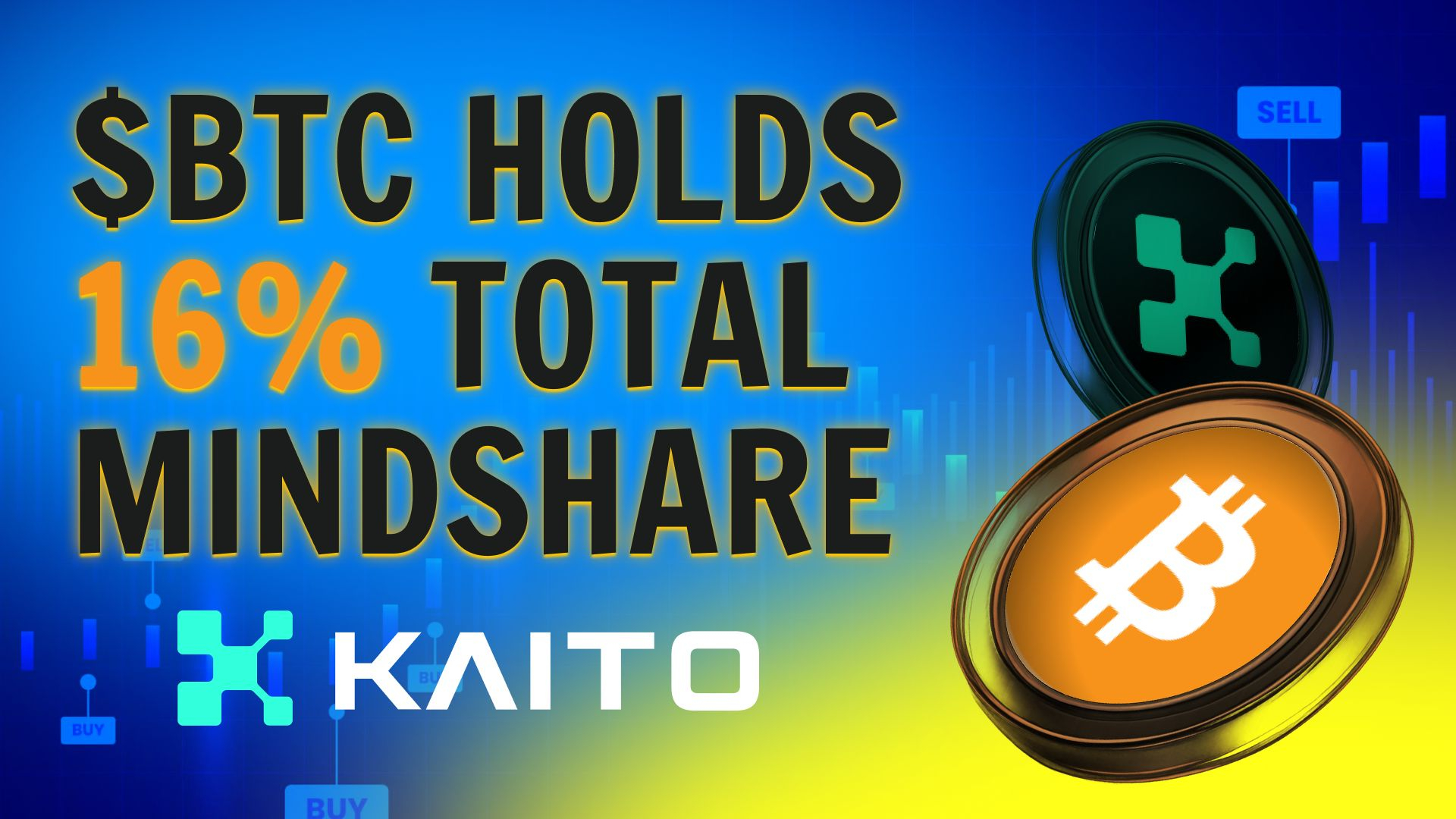
I went to the $KAITO mindshare arena for crypto and found BTC is currently holding 16% of total market mindshare, which means more people are posting about it right now than pretty much any other point I can remember.
That's obviously tied to the price jump we just had, going from 63k all the way to 75k plus, one of the biggest leaps we've seen in a while.
Kaito found that mindshare shift for me, and on top of it, I found the top crypto KOLs actually holding mindshare around BTC right now too.
When a move like that happens on the chart, it's honestly worth following the accounts actually behind it instead of just watching the price alone or being sidelined.
You can find the conversations and help make a decision on what direction you think price is going based on these creators.
Worth checking Kaito Pro daily just for this, since it shows you which tokens, including smaller tokens and hidden gems, are gaining mindshare, and that's basically how you actually join the conversation before it's obvious to everyone else.
#Altcoin Season# #BTC Price Analysis#
I Found Why $BTC Is Leading Mindshare 👀
I went to the $KAITO mindshare arena for crypto and found BTC is currently holding 16% of total market mindshare, which means more people are posting about it right now than pretty much any other point I can remember.
That's obviously tied to the price jump we just had, going from 63k all the way to 75k plus, one of the biggest leaps we've seen in a while.
Kaito found that mindshare shift for me, and on top of it, I found the top crypto KOLs actually holding mindshare around BTC right now too.
When a move like that happens on the chart, it's honestly worth following the accounts actually behind it instead of just watching the price alone or being sidelined.
You can find the conversations and help make a decision on what direction you think price is going based on these creators.
Worth checking Kaito Pro daily just for this, since it shows you which tokens, including smaller tokens and hidden gems, are gaining mindshare, and that's basically how you actually join the conversation before it's obvious to everyone else.
#Altcoin Season# #BTC Price Analysis#
I went to the $KAITO mindshare arena for crypto and found BTC is currently holding 16% of total market mindshare, which means more people are posting about it right now than pretty much any other point I can remember.
That's obviously tied to the price jump we just had, going from 63k all the way to 75k plus, one of the biggest leaps we've seen in a while.
Kaito found that mindshare shift for me, and on top of it, I found the top crypto KOLs actually holding mindshare around BTC right now too.
When a move like that happens on the chart, it's honestly worth following the accounts actually behind it instead of just watching the price alone or being sidelined.
You can find the conversations and help make a decision on what direction you think price is going based on these creators.
Worth checking Kaito Pro daily just for this, since it shows you which tokens, including smaller tokens and hidden gems, are gaining mindshare, and that's basically how you actually join the conversation before it's obvious to everyone else.
#Altcoin Season# #BTC Price Analysis#
79
·
--
Voir la traduction
$HYPE around $83 still looks bullish to me: $90 first, $100–110 next, and if $BTC goes from ~$78.7K to $100K, I’d have HYPE somewhere around $115–125. BTC needs roughly 27% from here. HYPE doing 40–50% during the same risk-on move wouldn’t surprise me, but I need $78–80 to keep holding. Lose that cleanly and I’m much less interested. $86.7 is the level I’m watching now. Clear the recent ATH and I think $90 gets tested pretty quickly. I’m trading the setup on MEXC, where HYPEUSDT perps are already live. MEXC is also running its Infinity Arena futures competition through September 15. The prize pool starts at 1M USDT and can grow as high as 10M USDT depending on participation. And there’s another up-to-$200K campaign with Kaito Studio around MEXC stock education and referrals. So yeah, plenty happening there right now. For HYPE though, my chart stays simple: hold $78–80, break $86.7, then I’m looking at triple digits. #Macro Insights# #BTC Price Analysis#
$HYPE around $83 still looks bullish to me: $90 first, $100–110 next, and if $BTC goes from ~$78.7K to $100K, I’d have HYPE somewhere around $115–125. BTC needs roughly 27% from here. HYPE doing 40–50% during the same risk-on move wouldn’t surprise me, but I need $78–80 to keep holding. Lose that cleanly and I’m much less interested. $86.7 is the level I’m watching now. Clear the recent ATH and I think $90 gets tested pretty quickly. I’m trading the setup on MEXC, where HYPEUSDT perps are already live. MEXC is also running its Infinity Arena futures competition through September 15. The prize pool starts at 1M USDT and can grow as high as 10M USDT depending on participation. And there’s another up-to-$200K campaign with Kaito Studio around MEXC stock education and referrals. So yeah, plenty happening there right now. For HYPE though, my chart stays simple: hold $78–80, break $86.7, then I’m looking at triple digits. #Macro Insights# #BTC Price Analysis#
·
--
Voir la traduction
This Way Of Hiding Data Actually Scales 🔐 There are two serious ways to keep data secret on a blockchain and they work nothing alike. The first is full encryption, and $ZAMA does the math directly on encrypted data without unlocking it, then hands a decryption key to an approved auditor when one has to look. The second is proof, where you never reveal the data at all and instead prove the one thing somebody needs to know about it. That difference decides everything, because handing over a key means your data still exists somewhere readable. $ZEC pioneered the proof side years ago, and it applies that only to payments rather than to anything else you might need to show. So the proof approach already works, it has just never been something you could build on. Midnight takes that approach and makes it programmable, letting a developer pick what gets proven while the data underneath is never revealed to anyone, including whoever is checking. Both designs are real work by serious teams, and I do not think either one disappears. But the one that wins for regulated money will be the one where a leak later is impossible rather than unlikely. #Privacy #ZK
This Way Of Hiding Data Actually Scales 🔐 There are two serious ways to keep data secret on a blockchain and they work nothing alike. The first is full encryption, and $ZAMA does the math directly on encrypted data without unlocking it, then hands a decryption key to an approved auditor when one has to look. The second is proof, where you never reveal the data at all and instead prove the one thing somebody needs to know about it. That difference decides everything, because handing over a key means your data still exists somewhere readable. $ZEC pioneered the proof side years ago, and it applies that only to payments rather than to anything else you might need to show. So the proof approach already works, it has just never been something you could build on. Midnight takes that approach and makes it programmable, letting a developer pick what gets proven while the data underneath is never revealed to anyone, including whoever is checking. Both designs are real work by serious teams, and I do not think either one disappears. But the one that wins for regulated money will be the one where a leak later is impossible rather than unlikely. #Privacy #ZK
64
·
--
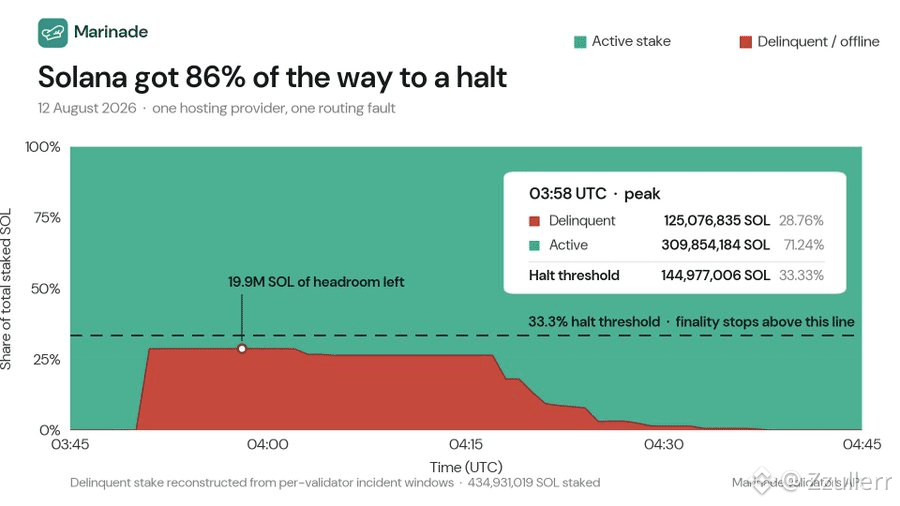
Il y a 2 semaines, $SOL a parcouru 86% du chemin vers un arrêt total ce matin, et cela n’a quasiment été remarqué nulle part. 28,83% des SOL mis en jeu sont devenus délinquants. La finalité s’arrête à 33,34%. Marinade FInance a additionné les récompenses perdues sur l’ensemble des 90 validateurs affectés. 333 SOL. #Altcoin Season#
Il y a 2 semaines, $SOL a parcouru 86% du chemin vers un arrêt total ce matin, et cela n’a quasiment été remarqué nulle part. 28,83% des SOL mis en jeu sont devenus délinquants. La finalité s’arrête à 33,34%. Marinade FInance a additionné les récompenses perdues sur l’ensemble des 90 validateurs affectés. 333 SOL. #Altcoin Season#
47
·
--
Les memecoins et les actions feront exploser le marché 🧠 $ANSEM est l’exemple méta de la façon dont la culture peut devenir liquide. $ZORA pousse cette idée plus loin en permettant à la culture de choisir ce contre quoi elle s’échange. La plupart des memecoins fonctionnent dans une boucle fermée. L’attention fait monter le prix, le prix attire encore plus d’attention, et le cycle s’affaiblit quand l’internet passe à autre chose. Les memestonks introduisent une structure différente. En associant un mème à une action tokenisée, on donne à l’actif culturel une relation économique directe avec du capital en dehors de lui-même. Cette relation ne garantit ni un plancher, ni un rendement, ni un marché qui réussit. Elle crée un nouveau type de transaction dont le comportement peut être influencé par les deux éléments de la paire. Zora rend ces combinaisons disponibles via des Paires personnalisées sur Robinhood Chain, Solana et Base. Les créateurs choisissent l’actif associé, et plus de 2 000 nouvelles paires ont déjà été créées. Les lancements sur Solana sont désormais gratuits, avec la première transaction qui active la pièce. Je suis moins intéressé par le mot « memestonk » que par la couche primitive qui se trouve en dessous. La culture peut désormais former des marchés avec des actifs qu’elle ne pourrait jamais toucher auparavant. Les mèmes deviennent à la fois des symboles culturels et des structures de marché programmables. C’est l’évolution RWA que je surveille de très près. #RWA #Meme Alpha#
Les memecoins et les actions feront exploser le marché 🧠 $ANSEM est l’exemple méta de la façon dont la culture peut devenir liquide. $ZORA pousse cette idée plus loin en permettant à la culture de choisir ce contre quoi elle s’échange. La plupart des memecoins fonctionnent dans une boucle fermée. L’attention fait monter le prix, le prix attire encore plus d’attention, et le cycle s’affaiblit quand l’internet passe à autre chose. Les memestonks introduisent une structure différente. En associant un mème à une action tokenisée, on donne à l’actif culturel une relation économique directe avec du capital en dehors de lui-même. Cette relation ne garantit ni un plancher, ni un rendement, ni un marché qui réussit. Elle crée un nouveau type de transaction dont le comportement peut être influencé par les deux éléments de la paire. Zora rend ces combinaisons disponibles via des Paires personnalisées sur Robinhood Chain, Solana et Base. Les créateurs choisissent l’actif associé, et plus de 2 000 nouvelles paires ont déjà été créées. Les lancements sur Solana sont désormais gratuits, avec la première transaction qui active la pièce. Je suis moins intéressé par le mot « memestonk » que par la couche primitive qui se trouve en dessous. La culture peut désormais former des marchés avec des actifs qu’elle ne pourrait jamais toucher auparavant. Les mèmes deviennent à la fois des symboles culturels et des structures de marché programmables. C’est l’évolution RWA que je surveille de très près. #RWA #Meme Alpha#
66
·
--
Voir la traduction
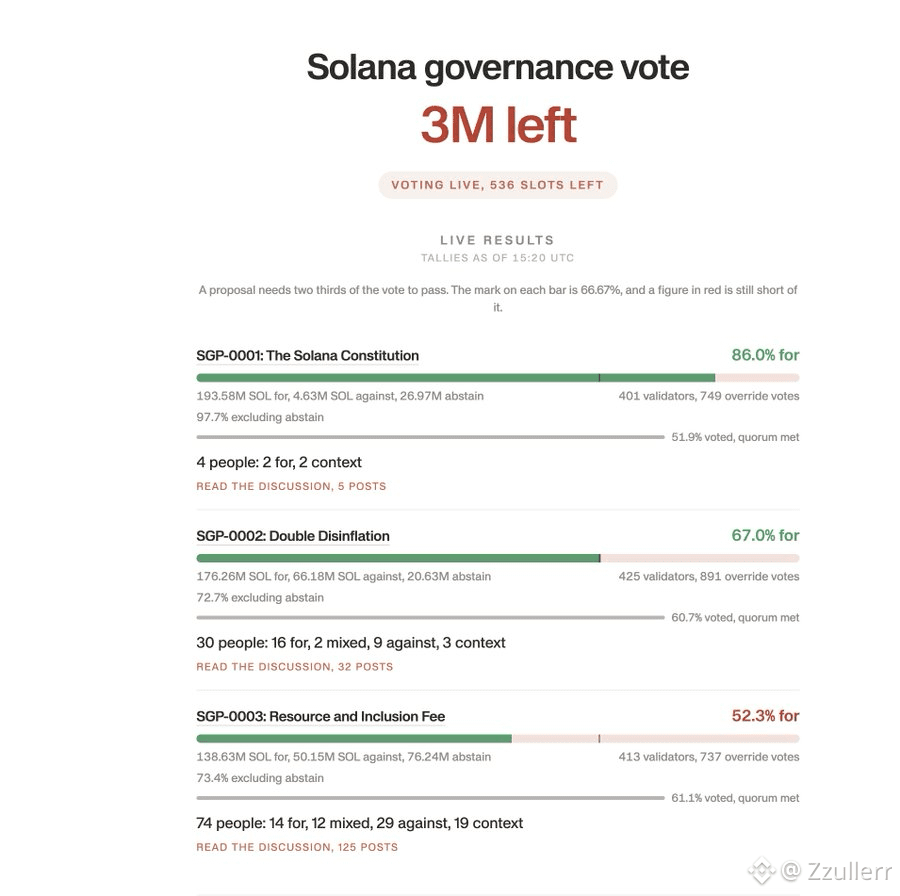
BREAKING: $SOL DISINFLATION PROPOSAL PASSES, FLIPPED IN THE LAST 5 MINUTES BEFORE END OF VOTE 66.7% NEEDED 67% FOR INSANE LAST FEW MINUTES, SOL IS READY TO FLY #Altcoin Season#
BREAKING: $SOL DISINFLATION PROPOSAL PASSES, FLIPPED IN THE LAST 5 MINUTES BEFORE END OF VOTE 66.7% NEEDED 67% FOR INSANE LAST FEW MINUTES, SOL IS READY TO FLY #Altcoin Season#
46
·
--
Voir la traduction
nikita bier is now giving career advice for $7500 for 30 mins sesson There´s rumours associating to him taking a leadership role at $SOL
nikita bier is now giving career advice for $7500 for 30 mins sesson There´s rumours associating to him taking a leadership role at $SOL

41
·
--
Les meilleurs jeux de données d’entraînement ne sont jamais utilisés 🧠 Les dossiers hospitaliers, l’historique des transactions et les informations internes de l’entreprise rendraient n’importe quel modèle plus performant, et rien de tout cela n’est envoyé ailleurs. Les modèles obtiennent uniquement ce que les gens sont prêts à confier, et à l’échelle grand public, c’est largement suffisant. $VVV sert environ 3,5 millions de personnes à travers plus de 200 modèles ouverts, avec à peu près 2 millions d’appels par jour. Mais l’autre type ne bouge jamais, car envoyer un fichier à un modèle signifie que la personne qui exécute le modèle se retrouve à le détenir. Peu importe la manière dont le calcul est organisé, et que le travail soit acheminé via $RENDER, il aboutit sur une capacité louée où l’opérateur peut lire la tâche dès qu’elle arrive. Arcium modifie ce qui est envoyé : il découpe toute entrée en fragments répartis sur un cluster de nœuds, puis ne renvoie que la réponse. Le propriétaire conserve le fichier et obtient quand même le calcul : c’est l’échange que chaque industrie réglementée attendait. Le calcul confidentiel tourne sur le Mainnet Alpha d’Arcium depuis février 2026, et Blackthorn, son protocole IA dédié, est encore à venir. L’IA manque de plus en plus de texte public sur lequel s’entraîner, et c’est la raison pour laquelle, grâce à Arcium, l’action verrouillée n’a pas besoin de rester verrouillée. #Altcoin Season# #AI
Les meilleurs jeux de données d’entraînement ne sont jamais utilisés 🧠 Les dossiers hospitaliers, l’historique des transactions et les informations internes de l’entreprise rendraient n’importe quel modèle plus performant, et rien de tout cela n’est envoyé ailleurs. Les modèles obtiennent uniquement ce que les gens sont prêts à confier, et à l’échelle grand public, c’est largement suffisant. $VVV sert environ 3,5 millions de personnes à travers plus de 200 modèles ouverts, avec à peu près 2 millions d’appels par jour. Mais l’autre type ne bouge jamais, car envoyer un fichier à un modèle signifie que la personne qui exécute le modèle se retrouve à le détenir. Peu importe la manière dont le calcul est organisé, et que le travail soit acheminé via $RENDER, il aboutit sur une capacité louée où l’opérateur peut lire la tâche dès qu’elle arrive. Arcium modifie ce qui est envoyé : il découpe toute entrée en fragments répartis sur un cluster de nœuds, puis ne renvoie que la réponse. Le propriétaire conserve le fichier et obtient quand même le calcul : c’est l’échange que chaque industrie réglementée attendait. Le calcul confidentiel tourne sur le Mainnet Alpha d’Arcium depuis février 2026, et Blackthorn, son protocole IA dédié, est encore à venir. L’IA manque de plus en plus de texte public sur lequel s’entraîner, et c’est la raison pour laquelle, grâce à Arcium, l’action verrouillée n’a pas besoin de rester verrouillée. #Altcoin Season# #AI
63
·
--
Voir la traduction
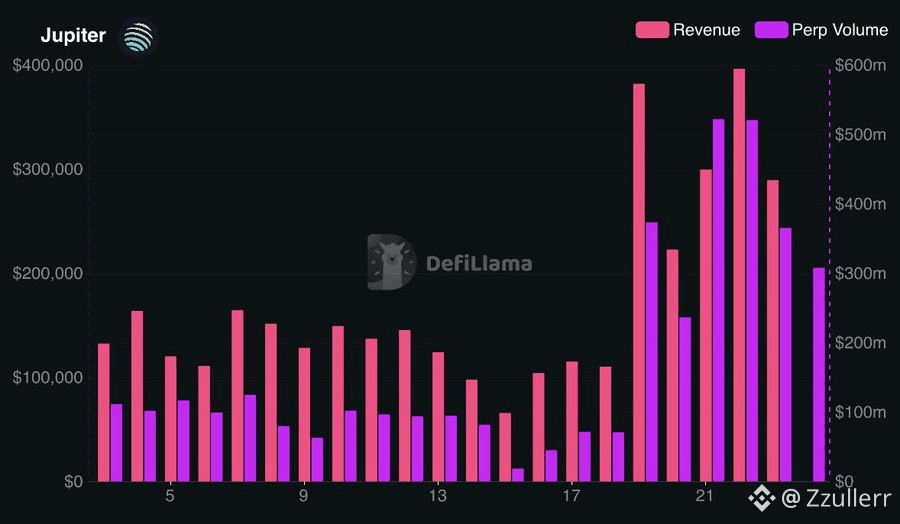
$JUP
has had a great past week
> 2-4x more revenue compared to previous weeks
> doubled the perps volume
> over 70% dex volume
> Number 3 in most fees generated
> almost 160M JUP bought back
Need to keep this pace up, these numbers will skyrocket in the coming bull market
$JUP
has had a great past week
> 2-4x more revenue compared to previous weeks
> doubled the perps volume
> over 70% dex volume
> Number 3 in most fees generated
> almost 160M JUP bought back
Need to keep this pace up, these numbers will skyrocket in the coming bull market
has had a great past week
> 2-4x more revenue compared to previous weeks
> doubled the perps volume
> over 70% dex volume
> Number 3 in most fees generated
> almost 160M JUP bought back
Need to keep this pace up, these numbers will skyrocket in the coming bull market
62
·
--
Voir la traduction
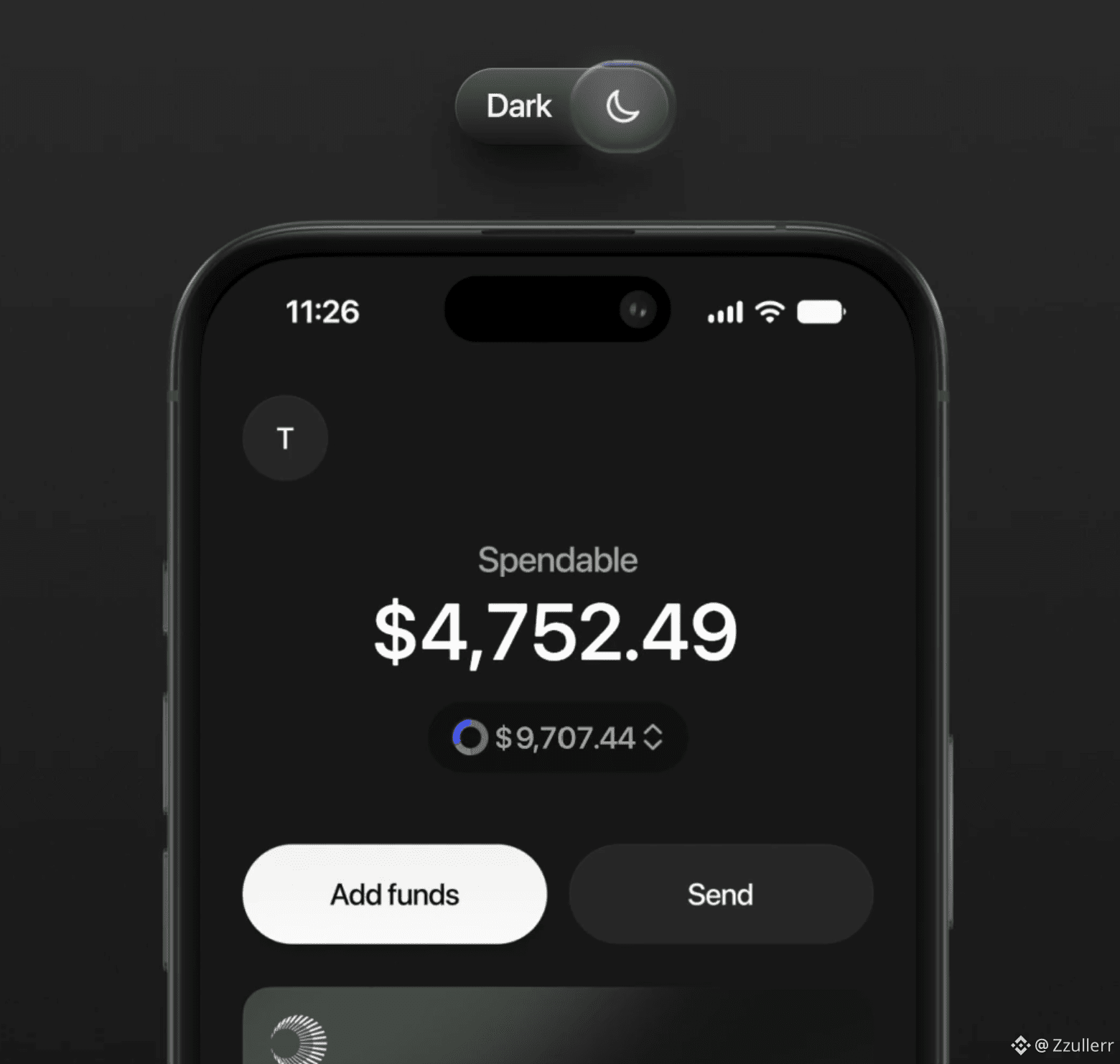
NEW: $XPL just unveiled a new black mode for their interface Want a new account? Register with the code DZULER #Altcoin Season#
NEW: $XPL just unveiled a new black mode for their interface Want a new account? Register with the code DZULER #Altcoin Season#
71
Connectez-vous pour découvrir plus de contenu
Rejoignez la communauté mondiale des adeptes de cryptomonnaies sur Binance Square
⚡️ Suviez les dernières informations importantes sur les cryptomonnaies.
💬 Jugé digne de confiance par la plus grande plateforme d’échange de cryptomonnaies au monde.
👍 Découvrez les connaissances que partagent les créateurs vérifiés.
Adresse e-mail/Nº de téléphone
Sujets d’actualité
SECReceivesGrayscaleLitecoinTrustETFFiling
11,813 vues
265 mentions
💎 L’attention institutionnelle atteint Litecoin
Le dépôt de l’ETF de Grayscale a placé le $LTC dans une conversation plus large. Pour les traders au comptant, des évolutions comme celle-ci sont un rappel d’étudier les actifs solides avant toute entrée.
#secreceivesgrayscalelitecointrustetffiling
CryptoMahibaloch
·1 mentions J’aime
·909 vues
ClarityActFacesProceduralVoteSept15
106,880 vues
1,240 mentions
US10YearTreasuryYieldNears5%
36,853 vues
637 mentions