

Arkiv_Posts
354 Publications

Arkiv_Posts
Signaler
Bloquer l’utilisateur
I'm a nerd!
Ouvert au trading
Trade régulièrement
4.4 an(s)
8 Suivis
100 Abonnés
219 J’aime
Publications
Portefeuille
Tous
Citations
PINNED
·
--

Article
Voir la traduction
Why $CASH Is Interesting Beyond the RewardI have been looking at $CASH from a different angle lately.
A lot of crypto campaigns immediately become about the reward. How much can you get, how quickly can you qualify, and what numbers do you need to hit.
But I think the more useful question is whether the campaign actually gives people a reason to create something worth reading.
The current Plaza Cash Creator Program is built around that idea. The requirement is simple. Create an original public post, include $CASH, meet the account and holding requirements, and submit it for review.
The interesting part is that the rules do not require everyone to say positive things about the project. The current rules specifically allow dissenting opinions when they are supported by evidence.
That matters.
A campaign becomes more useful when creators are allowed to explain what they actually think instead of simply repeating promotional language.
For someone researching $CASH, I would focus on a few basic questions before writing anything.
What problem is the project trying to solve
What is actually happening on chain
Who is building or maintaining the project
What is the token used for
What are the risks
And perhaps most importantly, what information can be independently verified
Those questions are much more useful than simply asking whether a token is going up.
The current program also makes an important distinction between automatic verification and human review. Passing the automatic checks does not mean that a post has been confirmed as authentic or original. The project team still reviews the content before the reward is distributed.
That means creating a thoughtful post is still more important than trying to satisfy a checklist.
The current basic reward is 1 BNCB after approval, while a small percentage of approved posts can receive additional rewards. The published rules say those additional rewards can reach 7 BNCB, but meeting the stated activity thresholds does not guarantee an additional reward.
So I would not approach this as a guaranteed earning opportunity.
I would approach it as an opportunity to research $CASH, form an actual opinion, and share something another person can learn from.
If you are participating, my advice is simple.
Do your own research.
Use information you can verify.
Explain your reasoning instead of making empty claims.
If you disagree with something, explain why and show the evidence.
And do not write something just because you think it will sound bullish.
Good crypto content does not need to shout.
Sometimes the most valuable post is simply one that helps another person understand what they are looking at before they make their own decision.
That is the kind of content I want to see more of on Square.
Why I structured it this way
I deliberately did not make it a fake bullish advertisement.
Your supplied rules explicitly say dissenting opinions with supporting evidence are allowed and that positive feedback is not required.
I also avoided claims such as "this will pump", "guaranteed reward", "best project", or "easy money." That fits better with Binance's guidance around useful, authentic content and avoiding misleading or manipulative material.
And I would not add a pile of hashtags. Binance's guidelines specifically warn against hashtag abuse and irrelevant hashtags. Your campaign's own rule requires $CASH, so that one should remain exactly as required.
One thing I strongly recommend before publishing
Add 2 to 4 genuinely personal observations from your own research. For example:
"I noticed..."
"What surprised me was..."
"One thing I still cannot verify is..."
"I initially thought X, but after looking at Y, I changed my view..."
That will make it sound much more like a real Square creator and less like a polished generic article. Don't invent personal experiences or research you haven't actually done.
SR-6AA166D59CE914EEE09E501D
Why $CASH Is Interesting Beyond the Reward
I have been looking at $CASH from a different angle lately.
A lot of crypto campaigns immediately become about the reward. How much can you get, how quickly can you qualify, and what numbers do you need to hit.
But I think the more useful question is whether the campaign actually gives people a reason to create something worth reading.
The current Plaza Cash Creator Program is built around that idea. The requirement is simple. Create an original public post, include $CASH, meet the account and holding requirements, and submit it for review.
The interesting part is that the rules do not require everyone to say positive things about the project. The current rules specifically allow dissenting opinions when they are supported by evidence.
That matters.
A campaign becomes more useful when creators are allowed to explain what they actually think instead of simply repeating promotional language.
For someone researching $CASH, I would focus on a few basic questions before writing anything.
What problem is the project trying to solve
What is actually happening on chain
Who is building or maintaining the project
What is the token used for
What are the risks
And perhaps most importantly, what information can be independently verified
Those questions are much more useful than simply asking whether a token is going up.
The current program also makes an important distinction between automatic verification and human review. Passing the automatic checks does not mean that a post has been confirmed as authentic or original. The project team still reviews the content before the reward is distributed.
That means creating a thoughtful post is still more important than trying to satisfy a checklist.
The current basic reward is 1 BNCB after approval, while a small percentage of approved posts can receive additional rewards. The published rules say those additional rewards can reach 7 BNCB, but meeting the stated activity thresholds does not guarantee an additional reward.
So I would not approach this as a guaranteed earning opportunity.
I would approach it as an opportunity to research $CASH, form an actual opinion, and share something another person can learn from.
If you are participating, my advice is simple.
Do your own research.
Use information you can verify.
Explain your reasoning instead of making empty claims.
If you disagree with something, explain why and show the evidence.
And do not write something just because you think it will sound bullish.
Good crypto content does not need to shout.
Sometimes the most valuable post is simply one that helps another person understand what they are looking at before they make their own decision.
That is the kind of content I want to see more of on Square.
Why I structured it this way
I deliberately did not make it a fake bullish advertisement.
Your supplied rules explicitly say dissenting opinions with supporting evidence are allowed and that positive feedback is not required.
I also avoided claims such as "this will pump", "guaranteed reward", "best project", or "easy money." That fits better with Binance's guidance around useful, authentic content and avoiding misleading or manipulative material.
And I would not add a pile of hashtags. Binance's guidelines specifically warn against hashtag abuse and irrelevant hashtags. Your campaign's own rule requires $CASH, so that one should remain exactly as required.
One thing I strongly recommend before publishing
Add 2 to 4 genuinely personal observations from your own research. For example:
"I noticed..."
"What surprised me was..."
"One thing I still cannot verify is..."
"I initially thought X, but after looking at Y, I changed my view..."
That will make it sound much more like a real Square creator and less like a polished generic article. Don't invent personal experiences or research you haven't actually done.
SR-6AA166D59CE914EEE09E501D
A lot of crypto campaigns immediately become about the reward. How much can you get, how quickly can you qualify, and what numbers do you need to hit.
But I think the more useful question is whether the campaign actually gives people a reason to create something worth reading.
The current Plaza Cash Creator Program is built around that idea. The requirement is simple. Create an original public post, include $CASH, meet the account and holding requirements, and submit it for review.
The interesting part is that the rules do not require everyone to say positive things about the project. The current rules specifically allow dissenting opinions when they are supported by evidence.
That matters.
A campaign becomes more useful when creators are allowed to explain what they actually think instead of simply repeating promotional language.
For someone researching $CASH, I would focus on a few basic questions before writing anything.
What problem is the project trying to solve
What is actually happening on chain
Who is building or maintaining the project
What is the token used for
What are the risks
And perhaps most importantly, what information can be independently verified
Those questions are much more useful than simply asking whether a token is going up.
The current program also makes an important distinction between automatic verification and human review. Passing the automatic checks does not mean that a post has been confirmed as authentic or original. The project team still reviews the content before the reward is distributed.
That means creating a thoughtful post is still more important than trying to satisfy a checklist.
The current basic reward is 1 BNCB after approval, while a small percentage of approved posts can receive additional rewards. The published rules say those additional rewards can reach 7 BNCB, but meeting the stated activity thresholds does not guarantee an additional reward.
So I would not approach this as a guaranteed earning opportunity.
I would approach it as an opportunity to research $CASH, form an actual opinion, and share something another person can learn from.
If you are participating, my advice is simple.
Do your own research.
Use information you can verify.
Explain your reasoning instead of making empty claims.
If you disagree with something, explain why and show the evidence.
And do not write something just because you think it will sound bullish.
Good crypto content does not need to shout.
Sometimes the most valuable post is simply one that helps another person understand what they are looking at before they make their own decision.
That is the kind of content I want to see more of on Square.
Why I structured it this way
I deliberately did not make it a fake bullish advertisement.
Your supplied rules explicitly say dissenting opinions with supporting evidence are allowed and that positive feedback is not required.
I also avoided claims such as "this will pump", "guaranteed reward", "best project", or "easy money." That fits better with Binance's guidance around useful, authentic content and avoiding misleading or manipulative material.
And I would not add a pile of hashtags. Binance's guidelines specifically warn against hashtag abuse and irrelevant hashtags. Your campaign's own rule requires $CASH, so that one should remain exactly as required.
One thing I strongly recommend before publishing
Add 2 to 4 genuinely personal observations from your own research. For example:
"I noticed..."
"What surprised me was..."
"One thing I still cannot verify is..."
"I initially thought X, but after looking at Y, I changed my view..."
That will make it sound much more like a real Square creator and less like a polished generic article. Don't invent personal experiences or research you haven't actually done.
SR-6AA166D59CE914EEE09E501D
78
PINNED
·
--
Article
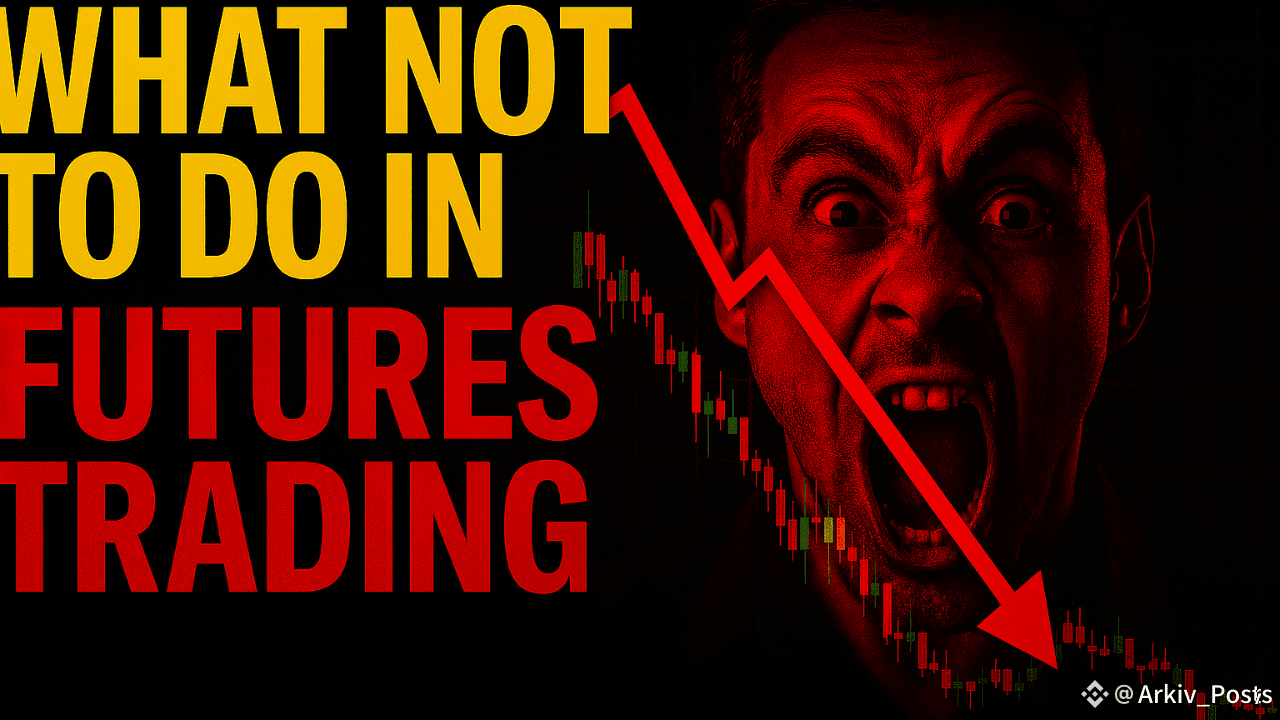
Ce qu'il NE FAUT PAS faire dans le Trading de Futures—Des Échecs de Débutant aux Pièges de Pro🧃 PHASE DÉBUTANT : Là Où l'Innocence Rencontre la Liquidation
❌ 1. Ne Pas Confondre les Futures Avec le Spot
Vous n'achetez pas des pièces—vous pariez sur la direction des prix. Les futures = levier, dates d'expiration (dans certains cas) et risque beaucoup plus élevé. Traitez-le comme un casino avec des conséquences.
❌ 2. Ne Jamais Trader Avant de Comprendre « la Liquidation »
La phrase « 100x de levier, ça a l'air cool » précède souvent l'anéantissement financier. Apprenez votre prix de liquidation, et supposez que le marché veut l'atteindre.
❌ 3. Ne Pas Entrer Sans un Stop-Loss
Ce qu'il NE FAUT PAS faire dans le Trading de Futures—Des Échecs de Débutant aux Pièges de Pro
🧃 PHASE DÉBUTANT : Là Où l'Innocence Rencontre la Liquidation
❌ 1. Ne Pas Confondre les Futures Avec le Spot
Vous n'achetez pas des pièces—vous pariez sur la direction des prix. Les futures = levier, dates d'expiration (dans certains cas) et risque beaucoup plus élevé. Traitez-le comme un casino avec des conséquences.
❌ 2. Ne Jamais Trader Avant de Comprendre « la Liquidation »
La phrase « 100x de levier, ça a l'air cool » précède souvent l'anéantissement financier. Apprenez votre prix de liquidation, et supposez que le marché veut l'atteindre.
❌ 3. Ne Pas Entrer Sans un Stop-Loss
❌ 1. Ne Pas Confondre les Futures Avec le Spot
Vous n'achetez pas des pièces—vous pariez sur la direction des prix. Les futures = levier, dates d'expiration (dans certains cas) et risque beaucoup plus élevé. Traitez-le comme un casino avec des conséquences.
❌ 2. Ne Jamais Trader Avant de Comprendre « la Liquidation »
La phrase « 100x de levier, ça a l'air cool » précède souvent l'anéantissement financier. Apprenez votre prix de liquidation, et supposez que le marché veut l'atteindre.
❌ 3. Ne Pas Entrer Sans un Stop-Loss
8
7
54
30.9k
·
--
Article
Voir la traduction
The $CASH Reward Is Almost the Least Interesting Part1 BNCB.
Up to 7 BNCB.
7 followers.
Post something.
Add $CASH.
Done.
But after going through the current $CASH Creator Program rules, I think that's actually the least interesting way to look at it.
Because this isn't really a test of whether someone can write 40 characters.
It's a test of whether giving creators an incentive can produce something worth reading.
And those are two very different things.
The current rules are straightforward: a creator needs at least 7 followers, an original public post of at least 40 characters, the $CASH tag, and a receiving wallet holding at least 1111 CASH at both submission and approval. The current base approved creator reward is 1 BNCB, with rewards up to 7 BNCB possible under the program's conditions.
None of that guarantees that the resulting post is interesting.
That's where the real experiment begins.
A requirement can produce a post. It can't produce an idea.
Imagine 1,000 creators all see the same campaign.
If all 1,000 simply rewrite the campaign announcement, the platform gets 1,000 versions of basically the same sentence.
Technically, they're posts.
Practically, they're noise.
Now imagine those same 1,000 people approach the campaign from completely different angles.
One examines the reward mechanics.
Another looks at the on-chain side.
Another asks whether creator incentives actually improve information quality.
Another explains the campaign to someone who has never used Square.
Another looks at what happens when criticism is allowed instead of requiring positive sentiment.
Suddenly, the same campaign produces completely different information.
That's the part I find worth discussing.
The scoring system makes this even more interesting
There's a number floating around in the campaign material that can easily be misunderstood:
140.
But 140 isn't simply a quality grade that you unlock by writing an exceptionally good article.
The current reference formula starts at 100 and adds separate components based on followers and engagement, with a maximum of 140. The campaign documentation explicitly says this is a reference score, not an official Binance rating and not a guarantee of reward.
That's an important distinction.
A creator with a small audience isn't going to magically reach the maximum just because they discovered the perfect paragraph.
And there isn't some secret sentence that turns a post into “140.”
The better question is what you can actually control.
You can control whether the idea is original.
You can control whether the information is accurate.
You can control whether you're adding something instead of repeating the campaign page.
And you can control whether your post gives another person a reason to stop scrolling.
Those things matter.
Binance's own CreatorPad documentation says its system evaluates creativity, professionalism and relevance, with originality and meaningful analysis specifically emphasized. It also warns that shallow, repetitive, copied or heavily AI-generated material can be deweighted.
There's a detail I think deserves more attention
The current $CASH rules don't require creators to be blindly positive.
They explicitly state that reasoned criticism is welcome and positive opinions are not a condition of eligibility.
That changes the character of the campaign.
Because a real creator shouldn't have to turn every campaign into:
“This is amazing.
Everyone should participate.
Don't miss this opportunity.”
That's not analysis.
It's advertising.
If something about the mechanics is confusing, say it's confusing.
If something is interesting, explain why.
If something isn't supported by the available information, don't pretend it is.
That approach is much more useful to the reader.
And Binance's own Square guidance encourages creators to do their own research, provide clear logic and structure, share personal views honestly, and avoid misleading or exaggerated information.
The reward creates the incentive. The creator decides what happens next.
This is where I think the $CASH campaign becomes more interesting than the number attached to the reward.
The reward is measurable.
The quality of the information isn't.
You can count BNCB.
You can count followers.
You can count views.
You can count likes.
But you can't reduce a genuinely useful insight to one number quite as easily.
That's why I don't think the smartest way to approach a creator campaign is to ask:
“What do I need to say to get rewarded?”
I'd rather ask:
“What can I say that wouldn't have existed on Square if I hadn't written it?”
That's a much harder question.
It's also a much better standard.
Because if the answer is nothing, then I'm probably just adding another copy of the announcement to the feed.
And this is where $CASH matters
The $CASH tag is a requirement for this campaign.
But the tag itself isn't the content.
That's an easy distinction to forget.
A post doesn't become insightful because $CASH appears at the bottom.
The tag tells the system what the post is about.
The actual writing has to tell the reader why they should care.
That's the difference between participating in a campaign and actually creating something.
One more thing: don't confuse engagement with value
This is probably the easiest trap in creator campaigns.
A post gets views, so it must be good.
A post gets comments, so it must be useful.
Not necessarily.
Binance itself says engagement farming can be detected and that authentic interaction matters; its guidance also warns against repetitive or artificial engagement.
A hundred meaningless comments aren't the same as one person reading something, disagreeing with it, and adding an intelligent point.
The second one actually creates a conversation.
And that's what a creator platform should ultimately be trying to produce.
Not just more posts.
Better conversations.
So, what is the $CASH Creator Program really testing?
On the surface, it's testing whether creators can meet a set of campaign requirements.
Underneath that, I think there's a more interesting test:
Can an incentive create better information instead of simply creating more information?
That's something worth watching.
Because the reward can attract people to the campaign.
But it can't decide what those people contribute.
That's still up to the creator.
And maybe that's the part worth remembering.
The BNCB is the reward.
The post is the work.
And if the work is genuinely useful, the reward becomes the smallest part of the story.
$CASH
#binance #cash #bncb #Write2Earn
The $CASH Reward Is Almost the Least Interesting Part
1 BNCB.
Up to 7 BNCB.
7 followers.
Post something.
Add $CASH.
Done.
But after going through the current $CASH Creator Program rules, I think that's actually the least interesting way to look at it.
Because this isn't really a test of whether someone can write 40 characters.
It's a test of whether giving creators an incentive can produce something worth reading.
And those are two very different things.
The current rules are straightforward: a creator needs at least 7 followers, an original public post of at least 40 characters, the $CASH tag, and a receiving wallet holding at least 1111 CASH at both submission and approval. The current base approved creator reward is 1 BNCB, with rewards up to 7 BNCB possible under the program's conditions.
None of that guarantees that the resulting post is interesting.
That's where the real experiment begins.
A requirement can produce a post. It can't produce an idea.
Imagine 1,000 creators all see the same campaign.
If all 1,000 simply rewrite the campaign announcement, the platform gets 1,000 versions of basically the same sentence.
Technically, they're posts.
Practically, they're noise.
Now imagine those same 1,000 people approach the campaign from completely different angles.
One examines the reward mechanics.
Another looks at the on-chain side.
Another asks whether creator incentives actually improve information quality.
Another explains the campaign to someone who has never used Square.
Another looks at what happens when criticism is allowed instead of requiring positive sentiment.
Suddenly, the same campaign produces completely different information.
That's the part I find worth discussing.
The scoring system makes this even more interesting
There's a number floating around in the campaign material that can easily be misunderstood:
140.
But 140 isn't simply a quality grade that you unlock by writing an exceptionally good article.
The current reference formula starts at 100 and adds separate components based on followers and engagement, with a maximum of 140. The campaign documentation explicitly says this is a reference score, not an official Binance rating and not a guarantee of reward.
That's an important distinction.
A creator with a small audience isn't going to magically reach the maximum just because they discovered the perfect paragraph.
And there isn't some secret sentence that turns a post into “140.”
The better question is what you can actually control.
You can control whether the idea is original.
You can control whether the information is accurate.
You can control whether you're adding something instead of repeating the campaign page.
And you can control whether your post gives another person a reason to stop scrolling.
Those things matter.
Binance's own CreatorPad documentation says its system evaluates creativity, professionalism and relevance, with originality and meaningful analysis specifically emphasized. It also warns that shallow, repetitive, copied or heavily AI-generated material can be deweighted.
There's a detail I think deserves more attention
The current $CASH rules don't require creators to be blindly positive.
They explicitly state that reasoned criticism is welcome and positive opinions are not a condition of eligibility.
That changes the character of the campaign.
Because a real creator shouldn't have to turn every campaign into:
“This is amazing.
Everyone should participate.
Don't miss this opportunity.”
That's not analysis.
It's advertising.
If something about the mechanics is confusing, say it's confusing.
If something is interesting, explain why.
If something isn't supported by the available information, don't pretend it is.
That approach is much more useful to the reader.
And Binance's own Square guidance encourages creators to do their own research, provide clear logic and structure, share personal views honestly, and avoid misleading or exaggerated information.
The reward creates the incentive. The creator decides what happens next.
This is where I think the $CASH campaign becomes more interesting than the number attached to the reward.
The reward is measurable.
The quality of the information isn't.
You can count BNCB.
You can count followers.
You can count views.
You can count likes.
But you can't reduce a genuinely useful insight to one number quite as easily.
That's why I don't think the smartest way to approach a creator campaign is to ask:
“What do I need to say to get rewarded?”
I'd rather ask:
“What can I say that wouldn't have existed on Square if I hadn't written it?”
That's a much harder question.
It's also a much better standard.
Because if the answer is nothing, then I'm probably just adding another copy of the announcement to the feed.
And this is where $CASH matters
The $CASH tag is a requirement for this campaign.
But the tag itself isn't the content.
That's an easy distinction to forget.
A post doesn't become insightful because $CASH appears at the bottom.
The tag tells the system what the post is about.
The actual writing has to tell the reader why they should care.
That's the difference between participating in a campaign and actually creating something.
One more thing: don't confuse engagement with value
This is probably the easiest trap in creator campaigns.
A post gets views, so it must be good.
A post gets comments, so it must be useful.
Not necessarily.
Binance itself says engagement farming can be detected and that authentic interaction matters; its guidance also warns against repetitive or artificial engagement.
A hundred meaningless comments aren't the same as one person reading something, disagreeing with it, and adding an intelligent point.
The second one actually creates a conversation.
And that's what a creator platform should ultimately be trying to produce.
Not just more posts.
Better conversations.
So, what is the $CASH Creator Program really testing?
On the surface, it's testing whether creators can meet a set of campaign requirements.
Underneath that, I think there's a more interesting test:
Can an incentive create better information instead of simply creating more information?
That's something worth watching.
Because the reward can attract people to the campaign.
But it can't decide what those people contribute.
That's still up to the creator.
And maybe that's the part worth remembering.
The BNCB is the reward.
The post is the work.
And if the work is genuinely useful, the reward becomes the smallest part of the story.
$CASH
#binance #cash #bncb #Write2Earn
Up to 7 BNCB.
7 followers.
Post something.
Add $CASH.
Done.
But after going through the current $CASH Creator Program rules, I think that's actually the least interesting way to look at it.
Because this isn't really a test of whether someone can write 40 characters.
It's a test of whether giving creators an incentive can produce something worth reading.
And those are two very different things.
The current rules are straightforward: a creator needs at least 7 followers, an original public post of at least 40 characters, the $CASH tag, and a receiving wallet holding at least 1111 CASH at both submission and approval. The current base approved creator reward is 1 BNCB, with rewards up to 7 BNCB possible under the program's conditions.
None of that guarantees that the resulting post is interesting.
That's where the real experiment begins.
A requirement can produce a post. It can't produce an idea.
Imagine 1,000 creators all see the same campaign.
If all 1,000 simply rewrite the campaign announcement, the platform gets 1,000 versions of basically the same sentence.
Technically, they're posts.
Practically, they're noise.
Now imagine those same 1,000 people approach the campaign from completely different angles.
One examines the reward mechanics.
Another looks at the on-chain side.
Another asks whether creator incentives actually improve information quality.
Another explains the campaign to someone who has never used Square.
Another looks at what happens when criticism is allowed instead of requiring positive sentiment.
Suddenly, the same campaign produces completely different information.
That's the part I find worth discussing.
The scoring system makes this even more interesting
There's a number floating around in the campaign material that can easily be misunderstood:
140.
But 140 isn't simply a quality grade that you unlock by writing an exceptionally good article.
The current reference formula starts at 100 and adds separate components based on followers and engagement, with a maximum of 140. The campaign documentation explicitly says this is a reference score, not an official Binance rating and not a guarantee of reward.
That's an important distinction.
A creator with a small audience isn't going to magically reach the maximum just because they discovered the perfect paragraph.
And there isn't some secret sentence that turns a post into “140.”
The better question is what you can actually control.
You can control whether the idea is original.
You can control whether the information is accurate.
You can control whether you're adding something instead of repeating the campaign page.
And you can control whether your post gives another person a reason to stop scrolling.
Those things matter.
Binance's own CreatorPad documentation says its system evaluates creativity, professionalism and relevance, with originality and meaningful analysis specifically emphasized. It also warns that shallow, repetitive, copied or heavily AI-generated material can be deweighted.
There's a detail I think deserves more attention
The current $CASH rules don't require creators to be blindly positive.
They explicitly state that reasoned criticism is welcome and positive opinions are not a condition of eligibility.
That changes the character of the campaign.
Because a real creator shouldn't have to turn every campaign into:
“This is amazing.
Everyone should participate.
Don't miss this opportunity.”
That's not analysis.
It's advertising.
If something about the mechanics is confusing, say it's confusing.
If something is interesting, explain why.
If something isn't supported by the available information, don't pretend it is.
That approach is much more useful to the reader.
And Binance's own Square guidance encourages creators to do their own research, provide clear logic and structure, share personal views honestly, and avoid misleading or exaggerated information.
The reward creates the incentive. The creator decides what happens next.
This is where I think the $CASH campaign becomes more interesting than the number attached to the reward.
The reward is measurable.
The quality of the information isn't.
You can count BNCB.
You can count followers.
You can count views.
You can count likes.
But you can't reduce a genuinely useful insight to one number quite as easily.
That's why I don't think the smartest way to approach a creator campaign is to ask:
“What do I need to say to get rewarded?”
I'd rather ask:
“What can I say that wouldn't have existed on Square if I hadn't written it?”
That's a much harder question.
It's also a much better standard.
Because if the answer is nothing, then I'm probably just adding another copy of the announcement to the feed.
And this is where $CASH matters
The $CASH tag is a requirement for this campaign.
But the tag itself isn't the content.
That's an easy distinction to forget.
A post doesn't become insightful because $CASH appears at the bottom.
The tag tells the system what the post is about.
The actual writing has to tell the reader why they should care.
That's the difference between participating in a campaign and actually creating something.
One more thing: don't confuse engagement with value
This is probably the easiest trap in creator campaigns.
A post gets views, so it must be good.
A post gets comments, so it must be useful.
Not necessarily.
Binance itself says engagement farming can be detected and that authentic interaction matters; its guidance also warns against repetitive or artificial engagement.
A hundred meaningless comments aren't the same as one person reading something, disagreeing with it, and adding an intelligent point.
The second one actually creates a conversation.
And that's what a creator platform should ultimately be trying to produce.
Not just more posts.
Better conversations.
So, what is the $CASH Creator Program really testing?
On the surface, it's testing whether creators can meet a set of campaign requirements.
Underneath that, I think there's a more interesting test:
Can an incentive create better information instead of simply creating more information?
That's something worth watching.
Because the reward can attract people to the campaign.
But it can't decide what those people contribute.
That's still up to the creator.
And maybe that's the part worth remembering.
The BNCB is the reward.
The post is the work.
And if the work is genuinely useful, the reward becomes the smallest part of the story.
$CASH
#binance #cash #bncb #Write2Earn
150
·
--

Article
Voir la traduction
The Part of a BSC Loss That the Chart Does Not ShowI used to look at a losing trade in a very simple way.
The price went down.
I lost money.
End of story.
After spending more time looking at what actually happens when a trade is executed on BSC, I think that explanation is too simple.
A trading loss is not always just the distance between two numbers on a chart.
There is the price shown on the screen, but there is also the price at which an order can actually execute. There is available liquidity. There is price impact. There is the difference between what someone expects to receive and what the transaction actually settles for.
That distinction became much more obvious to me after experiencing a recent loss on BSC.
What bothered me most was not simply seeing the position go against me.
It was realizing how easy it is to focus on the chart and ignore the mechanics underneath it.
A candle can look perfectly clear after the fact.
The actual trade is not a candle.
It is a transaction happening against available liquidity at a particular moment.
That is an important difference.
Research into cryptocurrency markets has repeatedly looked at liquidity, trading activity, spreads and price impact because these factors affect how markets behave beyond the headline price itself.
During periods of stress, liquidity can deteriorate quickly. When that happens, getting out of a position can become more expensive than the chart initially suggests.
That is one of the lessons I took from my own experience.
I also learned that a cheap blockchain transaction does not necessarily mean a cheap trade.
The network fee is only one part of the equation.
If the asset has thin liquidity or the market moves quickly, the execution itself can matter much more than the network fee.
This is where I think a lot of newer traders misunderstand on chain trading.
They see a low transaction fee and think the transaction is inexpensive.
But the bigger question can be what happens between the price you expect and the price you actually receive.
There is another problem that is even less technical.
After taking a loss, there is a very strong temptation to immediately win it back.
That is where one bad trade can become a series of bad decisions.
Instead of asking whether the next trade is actually good, the mind starts asking how quickly the previous loss can be recovered.
That is not analysis.
That is emotion trying to repair a number on a screen.
I do not think there is anything impressive about pretending a losing trade never happened.
The useful part is understanding it.
What did I assume before entering?
What information did I ignore?
How much liquidity was actually available?
Did I understand the execution conditions?
Was I reacting to the market or reacting to my previous loss?
Those questions are much more useful to me now than simply asking whether the next candle will be green.
And this is also why I am not writing this post as a prediction about $CASH.
I am not going to tell anyone that $CASH will recover a loss.
I am not going to promise profit.
I am not going to turn a community aid program into a trading signal.
A loss is a loss.
The only thing I can honestly take from it is the lesson.
For anyone trading on BSC, I think one of the most useful habits is to look beyond the chart before entering a position.
Look at the liquidity.
Look at the expected execution.
Think about what happens if the market moves quickly.
Understand the transaction you are actually signing.
And perhaps most importantly, know when you are making a decision because the setup makes sense and when you are making it because you want to recover yesterday's mistake.
My recent loss did not teach me how to predict the market.
It taught me that I understood less about execution than I thought I did.
That lesson cost me money.
I would rather learn it once than keep paying for it.
$CASH
This version is deliberately not begging for aid, not promising anything, not pretending the loss proves something about CASH, and not stuffing the article with hashtags. That fits the current Square environment much better: Binance's published guidance emphasizes useful, authentic content and prohibits dishonest or low-quality activity.
One thing you should add yourself if it is true is one concrete sentence from your actual trade, such as the real token, approximate date, and what happened during execution. That is the missing piece that makes this genuinely yours rather than manufactured.
The Part of a BSC Loss That the Chart Does Not Show
I used to look at a losing trade in a very simple way.
The price went down.
I lost money.
End of story.
After spending more time looking at what actually happens when a trade is executed on BSC, I think that explanation is too simple.
A trading loss is not always just the distance between two numbers on a chart.
There is the price shown on the screen, but there is also the price at which an order can actually execute. There is available liquidity. There is price impact. There is the difference between what someone expects to receive and what the transaction actually settles for.
That distinction became much more obvious to me after experiencing a recent loss on BSC.
What bothered me most was not simply seeing the position go against me.
It was realizing how easy it is to focus on the chart and ignore the mechanics underneath it.
A candle can look perfectly clear after the fact.
The actual trade is not a candle.
It is a transaction happening against available liquidity at a particular moment.
That is an important difference.
Research into cryptocurrency markets has repeatedly looked at liquidity, trading activity, spreads and price impact because these factors affect how markets behave beyond the headline price itself.
During periods of stress, liquidity can deteriorate quickly. When that happens, getting out of a position can become more expensive than the chart initially suggests.
That is one of the lessons I took from my own experience.
I also learned that a cheap blockchain transaction does not necessarily mean a cheap trade.
The network fee is only one part of the equation.
If the asset has thin liquidity or the market moves quickly, the execution itself can matter much more than the network fee.
This is where I think a lot of newer traders misunderstand on chain trading.
They see a low transaction fee and think the transaction is inexpensive.
But the bigger question can be what happens between the price you expect and the price you actually receive.
There is another problem that is even less technical.
After taking a loss, there is a very strong temptation to immediately win it back.
That is where one bad trade can become a series of bad decisions.
Instead of asking whether the next trade is actually good, the mind starts asking how quickly the previous loss can be recovered.
That is not analysis.
That is emotion trying to repair a number on a screen.
I do not think there is anything impressive about pretending a losing trade never happened.
The useful part is understanding it.
What did I assume before entering?
What information did I ignore?
How much liquidity was actually available?
Did I understand the execution conditions?
Was I reacting to the market or reacting to my previous loss?
Those questions are much more useful to me now than simply asking whether the next candle will be green.
And this is also why I am not writing this post as a prediction about $CASH.
I am not going to tell anyone that $CASH will recover a loss.
I am not going to promise profit.
I am not going to turn a community aid program into a trading signal.
A loss is a loss.
The only thing I can honestly take from it is the lesson.
For anyone trading on BSC, I think one of the most useful habits is to look beyond the chart before entering a position.
Look at the liquidity.
Look at the expected execution.
Think about what happens if the market moves quickly.
Understand the transaction you are actually signing.
And perhaps most importantly, know when you are making a decision because the setup makes sense and when you are making it because you want to recover yesterday's mistake.
My recent loss did not teach me how to predict the market.
It taught me that I understood less about execution than I thought I did.
That lesson cost me money.
I would rather learn it once than keep paying for it.
$CASH
This version is deliberately not begging for aid, not promising anything, not pretending the loss proves something about CASH, and not stuffing the article with hashtags. That fits the current Square environment much better: Binance's published guidance emphasizes useful, authentic content and prohibits dishonest or low-quality activity.
One thing you should add yourself if it is true is one concrete sentence from your actual trade, such as the real token, approximate date, and what happened during execution. That is the missing piece that makes this genuinely yours rather than manufactured.
The price went down.
I lost money.
End of story.
After spending more time looking at what actually happens when a trade is executed on BSC, I think that explanation is too simple.
A trading loss is not always just the distance between two numbers on a chart.
There is the price shown on the screen, but there is also the price at which an order can actually execute. There is available liquidity. There is price impact. There is the difference between what someone expects to receive and what the transaction actually settles for.
That distinction became much more obvious to me after experiencing a recent loss on BSC.
What bothered me most was not simply seeing the position go against me.
It was realizing how easy it is to focus on the chart and ignore the mechanics underneath it.
A candle can look perfectly clear after the fact.
The actual trade is not a candle.
It is a transaction happening against available liquidity at a particular moment.
That is an important difference.
Research into cryptocurrency markets has repeatedly looked at liquidity, trading activity, spreads and price impact because these factors affect how markets behave beyond the headline price itself.
During periods of stress, liquidity can deteriorate quickly. When that happens, getting out of a position can become more expensive than the chart initially suggests.
That is one of the lessons I took from my own experience.
I also learned that a cheap blockchain transaction does not necessarily mean a cheap trade.
The network fee is only one part of the equation.
If the asset has thin liquidity or the market moves quickly, the execution itself can matter much more than the network fee.
This is where I think a lot of newer traders misunderstand on chain trading.
They see a low transaction fee and think the transaction is inexpensive.
But the bigger question can be what happens between the price you expect and the price you actually receive.
There is another problem that is even less technical.
After taking a loss, there is a very strong temptation to immediately win it back.
That is where one bad trade can become a series of bad decisions.
Instead of asking whether the next trade is actually good, the mind starts asking how quickly the previous loss can be recovered.
That is not analysis.
That is emotion trying to repair a number on a screen.
I do not think there is anything impressive about pretending a losing trade never happened.
The useful part is understanding it.
What did I assume before entering?
What information did I ignore?
How much liquidity was actually available?
Did I understand the execution conditions?
Was I reacting to the market or reacting to my previous loss?
Those questions are much more useful to me now than simply asking whether the next candle will be green.
And this is also why I am not writing this post as a prediction about $CASH.
I am not going to tell anyone that $CASH will recover a loss.
I am not going to promise profit.
I am not going to turn a community aid program into a trading signal.
A loss is a loss.
The only thing I can honestly take from it is the lesson.
For anyone trading on BSC, I think one of the most useful habits is to look beyond the chart before entering a position.
Look at the liquidity.
Look at the expected execution.
Think about what happens if the market moves quickly.
Understand the transaction you are actually signing.
And perhaps most importantly, know when you are making a decision because the setup makes sense and when you are making it because you want to recover yesterday's mistake.
My recent loss did not teach me how to predict the market.
It taught me that I understood less about execution than I thought I did.
That lesson cost me money.
I would rather learn it once than keep paying for it.
$CASH
This version is deliberately not begging for aid, not promising anything, not pretending the loss proves something about CASH, and not stuffing the article with hashtags. That fits the current Square environment much better: Binance's published guidance emphasizes useful, authentic content and prohibits dishonest or low-quality activity.
One thing you should add yourself if it is true is one concrete sentence from your actual trade, such as the real token, approximate date, and what happened during execution. That is the missing piece that makes this genuinely yours rather than manufactured.
65
·
--
[Binance WORD OF THE DAY is RUSH](https://www.binance.com/activity/word-of-the-day/G1231476812483747840/shared?shareParam=eyJhY3Rpdml0eUlkIjoiRzEyMzE0NzY4MTI0ODM3NDc4NDAiLCJuZXdzSWQiOjc2NDU5NTAxOTE2NjAxNjA4MDIsInJvdW5kIjowLCJ1c2VyS2V5IjoiV1UxMjMyNzQ3Mzg0MDI5MDg5NzkyIn0=)
Binance WORD OF THE DAY is RUSH
16
·
--
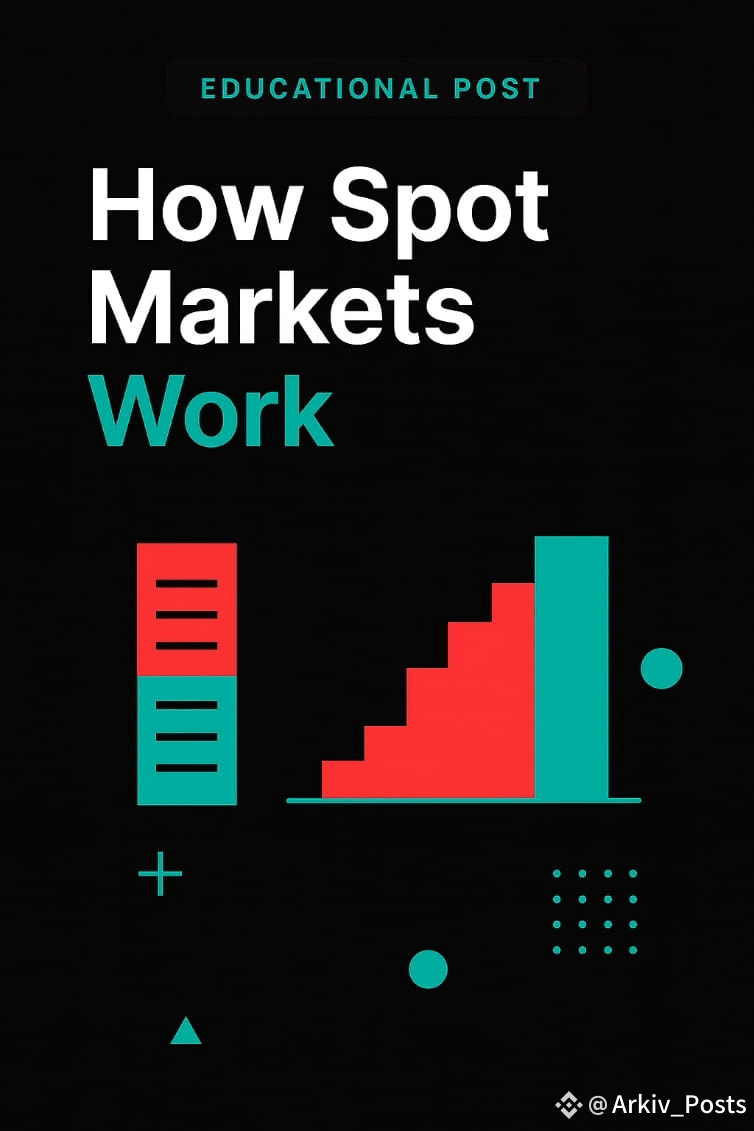
📚 Masterclass de Trading au Comptant — Épisode 2
Sujet : Comment fonctionnent les marchés au comptant
Les marchés au comptant sont où les actifs sont échangés pour **livraison immédiate** — pas d'attente, pas de contrats. Vous achetez, vous possédez. Vous vendez, vous êtes payé.
🧠 Voici comment cela fonctionne :
- Les acheteurs et les vendeurs passent des ordres dans le **livre d'ordres**
- Le marché les associe en fonction du prix et du volume
- Les transactions sont exécutées au **prix au comptant** — la valeur en temps réel
💡 Exemple :
Vous passez un ordre d'ACHAT pour $ETH à 3 600. Si quelqu'un vend à ce prix, la transaction se produit instantanément. C'est le trading au comptant.
Les marchés au comptant sont également appelés **marchés au comptant** car l'échange est direct et rapide. Pas de levier, pas d'expiration — juste une action de prix pure.
#TrendingTopic #Write2Earn #CryptoEducation #BinanceSquare $BTC $ETH $BNB
📚 Masterclass de Trading au Comptant — Épisode 2
Sujet : Comment fonctionnent les marchés au comptant
Les marchés au comptant sont où les actifs sont échangés pour **livraison immédiate** — pas d'attente, pas de contrats. Vous achetez, vous possédez. Vous vendez, vous êtes payé.
🧠 Voici comment cela fonctionne :
- Les acheteurs et les vendeurs passent des ordres dans le **livre d'ordres**
- Le marché les associe en fonction du prix et du volume
- Les transactions sont exécutées au **prix au comptant** — la valeur en temps réel
💡 Exemple :
Vous passez un ordre d'ACHAT pour $ETH à 3 600. Si quelqu'un vend à ce prix, la transaction se produit instantanément. C'est le trading au comptant.
Les marchés au comptant sont également appelés **marchés au comptant** car l'échange est direct et rapide. Pas de levier, pas d'expiration — juste une action de prix pure.
#TrendingTopic #Write2Earn #CryptoEducation #BinanceSquare $BTC $ETH $BNB
Sujet : Comment fonctionnent les marchés au comptant
Les marchés au comptant sont où les actifs sont échangés pour **livraison immédiate** — pas d'attente, pas de contrats. Vous achetez, vous possédez. Vous vendez, vous êtes payé.
🧠 Voici comment cela fonctionne :
- Les acheteurs et les vendeurs passent des ordres dans le **livre d'ordres**
- Le marché les associe en fonction du prix et du volume
- Les transactions sont exécutées au **prix au comptant** — la valeur en temps réel
💡 Exemple :
Vous passez un ordre d'ACHAT pour $ETH à 3 600. Si quelqu'un vend à ce prix, la transaction se produit instantanément. C'est le trading au comptant.
Les marchés au comptant sont également appelés **marchés au comptant** car l'échange est direct et rapide. Pas de levier, pas d'expiration — juste une action de prix pure.
#TrendingTopic #Write2Earn #CryptoEducation #BinanceSquare $BTC $ETH $BNB
78
·
--
📚 Masterclass de Trading au Comptant — Épisode 1
Sujet : Qu'est-ce que le Trading au Comptant ?
Le trading au comptant est la **forme la plus pure de trading** — acheter ou vendre un actif à son prix de marché actuel pour une livraison immédiate. Pas de contrats. Pas d'expiration. Juste une propriété en temps réel.
✅ Vous achetez → Vous le possédez instantanément
✅ Vous vendez → Vous êtes payé instantanément
Le trading au comptant se déroule sur des marchés comme :
- $BTC / $ETH / $BNB (Crypto)
- Paires de Forex comme EUR/USD
- Commodités comme l'Or ou le Pétrole
- Actions comme AAPL ou TSLA
💡 Pourquoi les débutants l'adorent :
- Simple à comprendre
- Tarification transparente
- Pas de levier = risque plus faible
- Accès immédiat à votre actif
Cette série vous guidera des concepts de base aux stratégies de niveau pro — y compris l'analyse technique, la gestion des risques et les décompositions de transactions en direct.
#TrendingTopic #Write2Earn #CryptoEducation #BinanceSquare $BNB
{spot}(BNBUSDT)
📚 Masterclass de Trading au Comptant — Épisode 1
Sujet : Qu'est-ce que le Trading au Comptant ?
Le trading au comptant est la **forme la plus pure de trading** — acheter ou vendre un actif à son prix de marché actuel pour une livraison immédiate. Pas de contrats. Pas d'expiration. Juste une propriété en temps réel.
✅ Vous achetez → Vous le possédez instantanément
✅ Vous vendez → Vous êtes payé instantanément
Le trading au comptant se déroule sur des marchés comme :
- $BTC / $ETH / $BNB (Crypto)
- Paires de Forex comme EUR/USD
- Commodités comme l'Or ou le Pétrole
- Actions comme AAPL ou TSLA
💡 Pourquoi les débutants l'adorent :
- Simple à comprendre
- Tarification transparente
- Pas de levier = risque plus faible
- Accès immédiat à votre actif
Cette série vous guidera des concepts de base aux stratégies de niveau pro — y compris l'analyse technique, la gestion des risques et les décompositions de transactions en direct.
#TrendingTopic #Write2Earn #CryptoEducation #BinanceSquare $BNB
Sujet : Qu'est-ce que le Trading au Comptant ?
Le trading au comptant est la **forme la plus pure de trading** — acheter ou vendre un actif à son prix de marché actuel pour une livraison immédiate. Pas de contrats. Pas d'expiration. Juste une propriété en temps réel.
✅ Vous achetez → Vous le possédez instantanément
✅ Vous vendez → Vous êtes payé instantanément
Le trading au comptant se déroule sur des marchés comme :
- $BTC / $ETH / $BNB (Crypto)
- Paires de Forex comme EUR/USD
- Commodités comme l'Or ou le Pétrole
- Actions comme AAPL ou TSLA
💡 Pourquoi les débutants l'adorent :
- Simple à comprendre
- Tarification transparente
- Pas de levier = risque plus faible
- Accès immédiat à votre actif
Cette série vous guidera des concepts de base aux stratégies de niveau pro — y compris l'analyse technique, la gestion des risques et les décompositions de transactions en direct.
#TrendingTopic #Write2Earn #CryptoEducation #BinanceSquare $BNB

64
·
--
Haussier
📚 Publication Éducative
Thème : Comment utiliser le RSI pour des transactions crypto rentables
L'**Indice de Force Relative (RSI)** est l'un des outils les plus puissants pour repérer les points d'entrée et de sortie dans la crypto. Il mesure l'élan et vous indique quand un actif est **suracheté** (susceptible de baisser) ou **sous-évalué** (susceptible de rebondir).
✅ RSI en dessous de 30 = Sous-évalué → Achat possible
✅ RSI au-dessus de 70 = Suracheté → Vente possible
Exemple :
$BTC a récemment chuté en dessous de RSI 30 sur le graphique horaire et a rebondi en l'espace de 2 heures. Les traders qui l'ont repéré tôt ont réalisé des gains solides.
💡 Astuce : Combinez le RSI avec des zones de support/résistance pour une confirmation plus solide.
#TrendingTopic #Write2Earn #CryptoEducation #BinanceSquare $ETH
{spot}(ETHUSDT)
$BNB
{spot}(BNBUSDT)
📚 Publication Éducative
Thème : Comment utiliser le RSI pour des transactions crypto rentables
L'**Indice de Force Relative (RSI)** est l'un des outils les plus puissants pour repérer les points d'entrée et de sortie dans la crypto. Il mesure l'élan et vous indique quand un actif est **suracheté** (susceptible de baisser) ou **sous-évalué** (susceptible de rebondir).
✅ RSI en dessous de 30 = Sous-évalué → Achat possible
✅ RSI au-dessus de 70 = Suracheté → Vente possible
Exemple :
$BTC a récemment chuté en dessous de RSI 30 sur le graphique horaire et a rebondi en l'espace de 2 heures. Les traders qui l'ont repéré tôt ont réalisé des gains solides.
💡 Astuce : Combinez le RSI avec des zones de support/résistance pour une confirmation plus solide.
#TrendingTopic #Write2Earn #CryptoEducation #BinanceSquare $ETH
$BNB
Thème : Comment utiliser le RSI pour des transactions crypto rentables
L'**Indice de Force Relative (RSI)** est l'un des outils les plus puissants pour repérer les points d'entrée et de sortie dans la crypto. Il mesure l'élan et vous indique quand un actif est **suracheté** (susceptible de baisser) ou **sous-évalué** (susceptible de rebondir).
✅ RSI en dessous de 30 = Sous-évalué → Achat possible
✅ RSI au-dessus de 70 = Suracheté → Vente possible
Exemple :
$BTC a récemment chuté en dessous de RSI 30 sur le graphique horaire et a rebondi en l'espace de 2 heures. Les traders qui l'ont repéré tôt ont réalisé des gains solides.
💡 Astuce : Combinez le RSI avec des zones de support/résistance pour une confirmation plus solide.
#TrendingTopic #Write2Earn #CryptoEducation #BinanceSquare $ETH
$BNB
75
·
--
Et si interroger les données de la blockchain était ultra-rapide et décentralisé ? Lagrange le rend réel. Mention spéciale à @lagrangedev pour avoir débloqué la magie modulaire avec $LA ! Un changement de jeu pour les développeurs, les validateurs et tout l'écosystème Web3. #lagrange 💡
Et si interroger les données de la blockchain était ultra-rapide et décentralisé ? Lagrange le rend réel. Mention spéciale à @Lagrange Official pour avoir débloqué la magie modulaire avec $LA ! Un changement de jeu pour les développeurs, les validateurs et tout l'écosystème Web3. #lagrange 💡

244
·
--
Avez-vous déjà l'impression que la technologie blockchain évolue trop rapidement pour suivre ? Caldera rend cela fluide—modulaire, ultra-rapide et vraiment convivial pour les développeurs. Un grand merci à @Calderaxyz pour construire l'avenir du Web3 un bloc évolutif à la fois. Propulsé par $ERA 💥 #caldera
Avez-vous déjà l'impression que la technologie blockchain évolue trop rapidement pour suivre ? Caldera rend cela fluide—modulaire, ultra-rapide et vraiment convivial pour les développeurs. Un grand merci à @Calderaxyz pour construire l'avenir du Web3 un bloc évolutif à la fois. Propulsé par $ERA 💥 #caldera
1
140
·
--
#BinanceTurns8 Rejoignez-nous dans la #BinanceTurns8 célébration et gagnez une part pouvant aller jusqu'à 888 888 $ en BNB !
#BinanceTurns8 Rejoignez-nous dans la #BinanceTurns8 célébration et gagnez une part pouvant aller jusqu'à 888 888 $ en BNB !
20
·
--

Article
Stratégie de Scalping : Maîtriser l'Art des Micro Profits en MinutesDans le monde à haute octane du trading crypto, le scalping se distingue comme l'une des stratégies les plus intenses et gratifiantes—si c'est bien fait. Il ne s'agit pas de saisir la grande vague ; il s'agit de surfer sur des dizaines de petites ondulations avec précision, rapidité et discipline.
Décomposons ce qu'est vraiment le scalping, comment il fonctionne et comment les meilleurs traders gèrent le chaos.
🧠 Qu'est-ce que le Scalping ?
Le scalping est une stratégie de trading à haute fréquence où les traders visent à tirer profit de petits mouvements de prix—souvent en quelques secondes ou minutes. Contrairement au trading de swing ou de position, les scalpers ne se soucient pas des tendances à long terme. Ils prospèrent sur la volatilité, la liquidité et l'élan.
Stratégie de Scalping : Maîtriser l'Art des Micro Profits en Minutes
Dans le monde à haute octane du trading crypto, le scalping se distingue comme l'une des stratégies les plus intenses et gratifiantes—si c'est bien fait. Il ne s'agit pas de saisir la grande vague ; il s'agit de surfer sur des dizaines de petites ondulations avec précision, rapidité et discipline.
Décomposons ce qu'est vraiment le scalping, comment il fonctionne et comment les meilleurs traders gèrent le chaos.
🧠 Qu'est-ce que le Scalping ?
Le scalping est une stratégie de trading à haute fréquence où les traders visent à tirer profit de petits mouvements de prix—souvent en quelques secondes ou minutes. Contrairement au trading de swing ou de position, les scalpers ne se soucient pas des tendances à long terme. Ils prospèrent sur la volatilité, la liquidité et l'élan.
Décomposons ce qu'est vraiment le scalping, comment il fonctionne et comment les meilleurs traders gèrent le chaos.
🧠 Qu'est-ce que le Scalping ?
Le scalping est une stratégie de trading à haute fréquence où les traders visent à tirer profit de petits mouvements de prix—souvent en quelques secondes ou minutes. Contrairement au trading de swing ou de position, les scalpers ne se soucient pas des tendances à long terme. Ils prospèrent sur la volatilité, la liquidité et l'élan.
106
·
--
Article
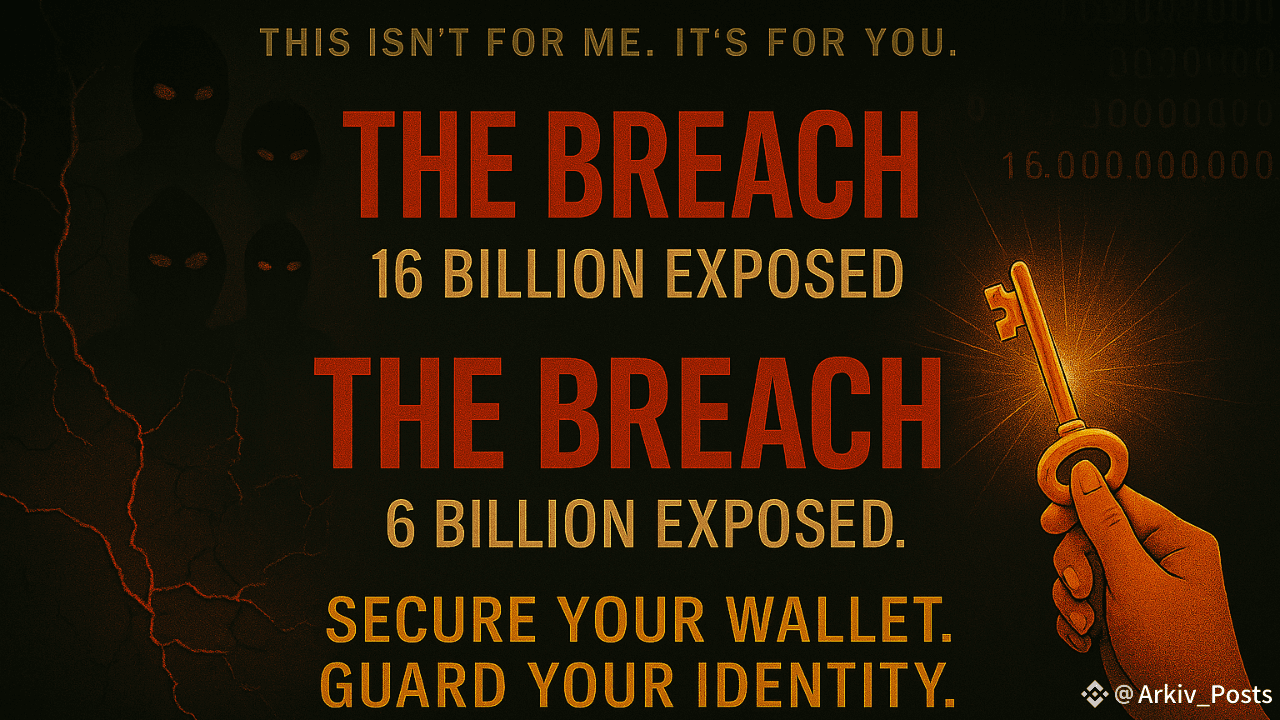
16 milliards de mots de passe divulgués : Pourquoi je crie cela des toits (Encore et Encore et Encore)21 juin 2025
Je l'ai dit auparavant.
Je le dis maintenant.
Et je continuerai à le dire jusqu'à ce que chacun d'entre vous soit en sécurité.
Parce que ce n'est pas juste une autre violation.
C'est la plus grande fuite de mots de passe de l'histoire d'Internet—et elle est déjà utilisée pour détruire des vies, vider des portefeuilles et usurper des identités.
🧨 Que vient-il de se passer ?
Plus de 16 milliards de données d'identification—oui, 16 000 000 000+—ont été divulguées et circulent maintenant sur le dark web. Cela inclut :
🔴 Noms d'utilisateur
🔴 Mots de passe
🔴 Cookies de session
16 milliards de mots de passe divulgués : Pourquoi je crie cela des toits (Encore et Encore et Encore)
21 juin 2025
Je l'ai dit auparavant.
Je le dis maintenant.
Et je continuerai à le dire jusqu'à ce que chacun d'entre vous soit en sécurité.
Parce que ce n'est pas juste une autre violation.
C'est la plus grande fuite de mots de passe de l'histoire d'Internet—et elle est déjà utilisée pour détruire des vies, vider des portefeuilles et usurper des identités.
🧨 Que vient-il de se passer ?
Plus de 16 milliards de données d'identification—oui, 16 000 000 000+—ont été divulguées et circulent maintenant sur le dark web. Cela inclut :
🔴 Noms d'utilisateur
🔴 Mots de passe
🔴 Cookies de session
Je l'ai dit auparavant.
Je le dis maintenant.
Et je continuerai à le dire jusqu'à ce que chacun d'entre vous soit en sécurité.
Parce que ce n'est pas juste une autre violation.
C'est la plus grande fuite de mots de passe de l'histoire d'Internet—et elle est déjà utilisée pour détruire des vies, vider des portefeuilles et usurper des identités.
🧨 Que vient-il de se passer ?
Plus de 16 milliards de données d'identification—oui, 16 000 000 000+—ont été divulguées et circulent maintenant sur le dark web. Cela inclut :
🔴 Noms d'utilisateur
🔴 Mots de passe
🔴 Cookies de session
1
264
·
--

Article
Crypto x Gaming : La Réelle Révolution Qui Se Produit DéjàEn 2025, la fusion de la crypto et du jeu n'est plus un concept futuriste, c'est un écosystème vivant et respirant qui redéfinit notre façon de jouer, de gagner et de posséder. Ce n'est pas de la spéculation. C'est une disruption du monde réel, soutenue par des millions d'utilisateurs, des milliards en volume et une nouvelle génération d'économies numériques.
Plongeons dans les vraies histoires, les vraies plateformes et l'impact réel de cette convergence inarrêtable.
🧬 1. Des Pixels aux Profits : L'Ascension du Play-to-Earn
Le tournant est venu en 2024, lorsque des jeux comme Hamster Combat et Pixels ont explosé sur Telegram et les plateformes Web3. Ce n'étaient pas juste des jeux, c'étaient des écosystèmes financiers.
Crypto x Gaming : La Réelle Révolution Qui Se Produit Déjà
En 2025, la fusion de la crypto et du jeu n'est plus un concept futuriste, c'est un écosystème vivant et respirant qui redéfinit notre façon de jouer, de gagner et de posséder. Ce n'est pas de la spéculation. C'est une disruption du monde réel, soutenue par des millions d'utilisateurs, des milliards en volume et une nouvelle génération d'économies numériques.
Plongeons dans les vraies histoires, les vraies plateformes et l'impact réel de cette convergence inarrêtable.
🧬 1. Des Pixels aux Profits : L'Ascension du Play-to-Earn
Le tournant est venu en 2024, lorsque des jeux comme Hamster Combat et Pixels ont explosé sur Telegram et les plateformes Web3. Ce n'étaient pas juste des jeux, c'étaient des écosystèmes financiers.
Plongeons dans les vraies histoires, les vraies plateformes et l'impact réel de cette convergence inarrêtable.
🧬 1. Des Pixels aux Profits : L'Ascension du Play-to-Earn
Le tournant est venu en 2024, lorsque des jeux comme Hamster Combat et Pixels ont explosé sur Telegram et les plateformes Web3. Ce n'étaient pas juste des jeux, c'étaient des écosystèmes financiers.
540
·
--
Baissier
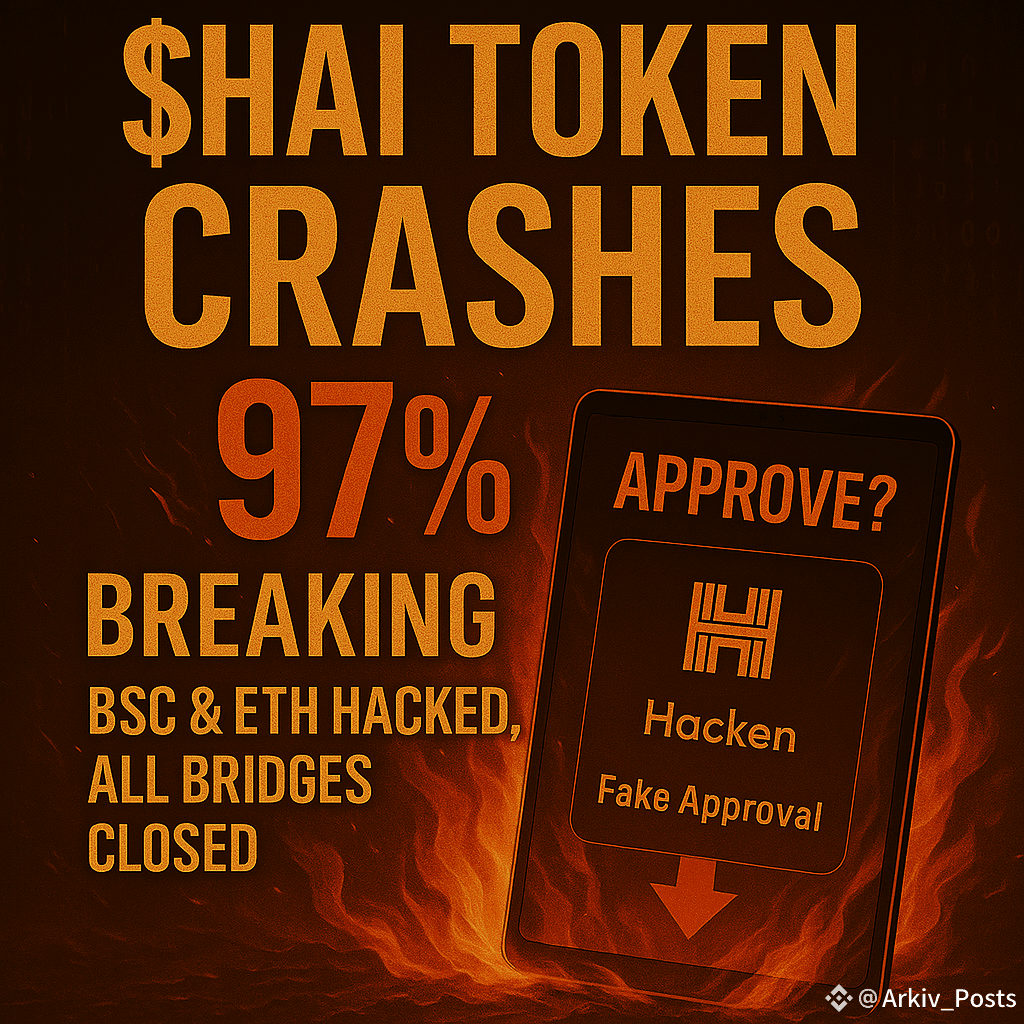
🚨 URGENT: L'effondrement du jeton $HAI de Hacken de 97% suite aux fermetures de ponts inter-chaînes 🚨
Le projet crypto axé sur la cybersécurité Hacken ($HAI) a subi un effondrement dévastateur de 97% de son prix, à la suite d'une violation de sécurité majeure affectant à la fois ses ponts BSC et Ethereum. En réponse, tous les ponts inter-chaînes ont été suspendus, VeChain étant désormais le seul réseau valide et sécurisé pour les transactions HAI.
⚠️ Ce que vous devez savoir
🔴 Le jeton $HAI a chuté d'environ 0,47 $ à environ 0,015 $, effaçant presque toute sa valeur marchande
🔴 Ponts BSC et ETH compromis—les utilisateurs sont invités à éviter toute transaction sur ces chaînes
🔴 Seul VeChain reste opérationnel et sécurisé pour les transferts HAI
🔴 Des approbations frauduleuses et des pop-ups de phishing sont signalés—NE PAS approuver les demandes de portefeuille à moins d'être vérifiées
🛡️ Actions immédiates pour les détenteurs de HAI
✅ NE PAS interagir avec les contrats BSC ou ETH liés à HAI
✅ Révoquez toutes les approbations récentes en utilisant des outils comme Revoke.cash
✅ Déplacez vos HAI vers VeChain si possible
✅ Restez à l'écart des dApps ou des pop-ups suspects—le phishing de style deepfake est en hausse
✅ Surveillez les canaux officiels de Hacken pour des mises à jour vérifiées
🙏 Dernier mot
Ce n'est pas juste une chute de prix—c'est une crise de sécurité à part entière. Si vous détenez des $HAI, agissez rapidement, restez vigilant et priez pour votre protection dans ce paysage de menaces alimenté par l'IA.
"Dans un monde de contrats intelligents, restez plus intelligent. Dans un monde de deepfakes, restez plus ancré dans la vérité."
$HAI
#HAIHack #CryptoAlert #BridgeExploit #VeChainSafe #BinanceSquare #Write2Earn
🚨 URGENT: L'effondrement du jeton $HAI de Hacken de 97% suite aux fermetures de ponts inter-chaînes 🚨
Le projet crypto axé sur la cybersécurité Hacken ($HAI) a subi un effondrement dévastateur de 97% de son prix, à la suite d'une violation de sécurité majeure affectant à la fois ses ponts BSC et Ethereum. En réponse, tous les ponts inter-chaînes ont été suspendus, VeChain étant désormais le seul réseau valide et sécurisé pour les transactions HAI.
⚠️ Ce que vous devez savoir
🔴 Le jeton $HAI a chuté d'environ 0,47 $ à environ 0,015 $, effaçant presque toute sa valeur marchande
🔴 Ponts BSC et ETH compromis—les utilisateurs sont invités à éviter toute transaction sur ces chaînes
🔴 Seul VeChain reste opérationnel et sécurisé pour les transferts HAI
🔴 Des approbations frauduleuses et des pop-ups de phishing sont signalés—NE PAS approuver les demandes de portefeuille à moins d'être vérifiées
🛡️ Actions immédiates pour les détenteurs de HAI
✅ NE PAS interagir avec les contrats BSC ou ETH liés à HAI
✅ Révoquez toutes les approbations récentes en utilisant des outils comme Revoke.cash
✅ Déplacez vos HAI vers VeChain si possible
✅ Restez à l'écart des dApps ou des pop-ups suspects—le phishing de style deepfake est en hausse
✅ Surveillez les canaux officiels de Hacken pour des mises à jour vérifiées
🙏 Dernier mot
Ce n'est pas juste une chute de prix—c'est une crise de sécurité à part entière. Si vous détenez des $HAI, agissez rapidement, restez vigilant et priez pour votre protection dans ce paysage de menaces alimenté par l'IA.
"Dans un monde de contrats intelligents, restez plus intelligent. Dans un monde de deepfakes, restez plus ancré dans la vérité."
$HAI
#HAIHack #CryptoAlert #BridgeExploit #VeChainSafe #BinanceSquare #Write2Earn
Le projet crypto axé sur la cybersécurité Hacken ($HAI) a subi un effondrement dévastateur de 97% de son prix, à la suite d'une violation de sécurité majeure affectant à la fois ses ponts BSC et Ethereum. En réponse, tous les ponts inter-chaînes ont été suspendus, VeChain étant désormais le seul réseau valide et sécurisé pour les transactions HAI.
⚠️ Ce que vous devez savoir
🔴 Le jeton $HAI a chuté d'environ 0,47 $ à environ 0,015 $, effaçant presque toute sa valeur marchande
🔴 Ponts BSC et ETH compromis—les utilisateurs sont invités à éviter toute transaction sur ces chaînes
🔴 Seul VeChain reste opérationnel et sécurisé pour les transferts HAI
🔴 Des approbations frauduleuses et des pop-ups de phishing sont signalés—NE PAS approuver les demandes de portefeuille à moins d'être vérifiées
🛡️ Actions immédiates pour les détenteurs de HAI
✅ NE PAS interagir avec les contrats BSC ou ETH liés à HAI
✅ Révoquez toutes les approbations récentes en utilisant des outils comme Revoke.cash
✅ Déplacez vos HAI vers VeChain si possible
✅ Restez à l'écart des dApps ou des pop-ups suspects—le phishing de style deepfake est en hausse
✅ Surveillez les canaux officiels de Hacken pour des mises à jour vérifiées
🙏 Dernier mot
Ce n'est pas juste une chute de prix—c'est une crise de sécurité à part entière. Si vous détenez des $HAI, agissez rapidement, restez vigilant et priez pour votre protection dans ce paysage de menaces alimenté par l'IA.
"Dans un monde de contrats intelligents, restez plus intelligent. Dans un monde de deepfakes, restez plus ancré dans la vérité."
$HAI
#HAIHack #CryptoAlert #BridgeExploit #VeChainSafe #BinanceSquare #Write2Earn
221
·
--
Haussier
🚨 URGENT : CoinMarketCap Piraté — Des Pop-Ups Deepfake Ciblent les Portefeuilles 🚨
Une grave violation de la sécurité a secoué le monde de la crypto. CoinMarketCap, l'un des noms les plus fiables dans les données crypto, a été piraté, exposant des millions d'utilisateurs à des pop-ups deepfake malveillants conçus pour vider les portefeuilles.
⚠️ Que s'est-il passé ?
🔴 Les utilisateurs visitant CoinMarketCap ont vu de faux pop-ups « Vérifier le Portefeuille », les incitant à connecter leurs portefeuilles et à approuver l'accès. Ces pop-ups imitaient des invites de portefeuille légitimes en utilisant des superpositions d'interface de style deepfake.
🔴 Une fois cliqués, les utilisateurs ont sans le savoir approuvé l'accès aux tokens ERC-20, permettant aux attaquants de vider les fonds directement des portefeuilles.
🔴 Les fournisseurs de portefeuilles comme MetaMask et Phantom ont immédiatement signalé le site comme non sécurisé, avertissant les utilisateurs de ne pas interagir avec des invites.
🧠 Pourquoi c'est si dangereux
Les pop-ups semblaient authentiques, trompant même les utilisateurs expérimentés.
Les victimes pensaient qu'elles approuvaient des mises à jour d'applications ou des vérifications de sécurité.
Une fois approuvés, les portefeuilles étaient compromis instantanément.
🛡️ Ce que VOUS DEVEZ faire maintenant
✅ Ne pas approuver de pop-ups sur CoinMarketCap ou des sites similaires.
✅ Mettez à jour les applications uniquement via le Play Store ou l'App Store—jamais via des invites de navigateur.
✅ Effectuez une analyse de malware et révoquez toutes les autorisations de portefeuille suspectes.
✅ Vérifiez l'activité de votre portefeuille et utilisez des outils comme Revoke.cash pour supprimer les approbations non autorisées.
✅ Priez pour la protection—car dans cette ère alimentée par l'IA, même vos instincts peuvent être trompés.
🙏 Dernier mot
Ce n'est pas juste un hack. C'est un signal d'alarme.
L'IA est désormais utilisée pour imiter la confiance, exploiter les habitudes et voler des identités.
Nous devons rester vigilants, informés et ancrés dans la vérité.
Que Dieu protège vos actifs, votre identité et votre paix d'esprit.
Restez en sécurité. Restez vigilant. Restez souverain.
#Write2Earn
#CoinMarketCapHack #CryptoSecurity #DeepfakeAlert
🚨 URGENT : CoinMarketCap Piraté — Des Pop-Ups Deepfake Ciblent les Portefeuilles 🚨
Une grave violation de la sécurité a secoué le monde de la crypto. CoinMarketCap, l'un des noms les plus fiables dans les données crypto, a été piraté, exposant des millions d'utilisateurs à des pop-ups deepfake malveillants conçus pour vider les portefeuilles.
⚠️ Que s'est-il passé ?
🔴 Les utilisateurs visitant CoinMarketCap ont vu de faux pop-ups « Vérifier le Portefeuille », les incitant à connecter leurs portefeuilles et à approuver l'accès. Ces pop-ups imitaient des invites de portefeuille légitimes en utilisant des superpositions d'interface de style deepfake.
🔴 Une fois cliqués, les utilisateurs ont sans le savoir approuvé l'accès aux tokens ERC-20, permettant aux attaquants de vider les fonds directement des portefeuilles.
🔴 Les fournisseurs de portefeuilles comme MetaMask et Phantom ont immédiatement signalé le site comme non sécurisé, avertissant les utilisateurs de ne pas interagir avec des invites.
🧠 Pourquoi c'est si dangereux
Les pop-ups semblaient authentiques, trompant même les utilisateurs expérimentés.
Les victimes pensaient qu'elles approuvaient des mises à jour d'applications ou des vérifications de sécurité.
Une fois approuvés, les portefeuilles étaient compromis instantanément.
🛡️ Ce que VOUS DEVEZ faire maintenant
✅ Ne pas approuver de pop-ups sur CoinMarketCap ou des sites similaires.
✅ Mettez à jour les applications uniquement via le Play Store ou l'App Store—jamais via des invites de navigateur.
✅ Effectuez une analyse de malware et révoquez toutes les autorisations de portefeuille suspectes.
✅ Vérifiez l'activité de votre portefeuille et utilisez des outils comme Revoke.cash pour supprimer les approbations non autorisées.
✅ Priez pour la protection—car dans cette ère alimentée par l'IA, même vos instincts peuvent être trompés.
🙏 Dernier mot
Ce n'est pas juste un hack. C'est un signal d'alarme.
L'IA est désormais utilisée pour imiter la confiance, exploiter les habitudes et voler des identités.
Nous devons rester vigilants, informés et ancrés dans la vérité.
Que Dieu protège vos actifs, votre identité et votre paix d'esprit.
Restez en sécurité. Restez vigilant. Restez souverain.
#Write2Earn
#CoinMarketCapHack #CryptoSecurity #DeepfakeAlert
Une grave violation de la sécurité a secoué le monde de la crypto. CoinMarketCap, l'un des noms les plus fiables dans les données crypto, a été piraté, exposant des millions d'utilisateurs à des pop-ups deepfake malveillants conçus pour vider les portefeuilles.
⚠️ Que s'est-il passé ?
🔴 Les utilisateurs visitant CoinMarketCap ont vu de faux pop-ups « Vérifier le Portefeuille », les incitant à connecter leurs portefeuilles et à approuver l'accès. Ces pop-ups imitaient des invites de portefeuille légitimes en utilisant des superpositions d'interface de style deepfake.
🔴 Une fois cliqués, les utilisateurs ont sans le savoir approuvé l'accès aux tokens ERC-20, permettant aux attaquants de vider les fonds directement des portefeuilles.
🔴 Les fournisseurs de portefeuilles comme MetaMask et Phantom ont immédiatement signalé le site comme non sécurisé, avertissant les utilisateurs de ne pas interagir avec des invites.
🧠 Pourquoi c'est si dangereux
Les pop-ups semblaient authentiques, trompant même les utilisateurs expérimentés.
Les victimes pensaient qu'elles approuvaient des mises à jour d'applications ou des vérifications de sécurité.
Une fois approuvés, les portefeuilles étaient compromis instantanément.
🛡️ Ce que VOUS DEVEZ faire maintenant
✅ Ne pas approuver de pop-ups sur CoinMarketCap ou des sites similaires.
✅ Mettez à jour les applications uniquement via le Play Store ou l'App Store—jamais via des invites de navigateur.
✅ Effectuez une analyse de malware et révoquez toutes les autorisations de portefeuille suspectes.
✅ Vérifiez l'activité de votre portefeuille et utilisez des outils comme Revoke.cash pour supprimer les approbations non autorisées.
✅ Priez pour la protection—car dans cette ère alimentée par l'IA, même vos instincts peuvent être trompés.
🙏 Dernier mot
Ce n'est pas juste un hack. C'est un signal d'alarme.
L'IA est désormais utilisée pour imiter la confiance, exploiter les habitudes et voler des identités.
Nous devons rester vigilants, informés et ancrés dans la vérité.
Que Dieu protège vos actifs, votre identité et votre paix d'esprit.
Restez en sécurité. Restez vigilant. Restez souverain.
#Write2Earn
#CoinMarketCapHack #CryptoSecurity #DeepfakeAlert
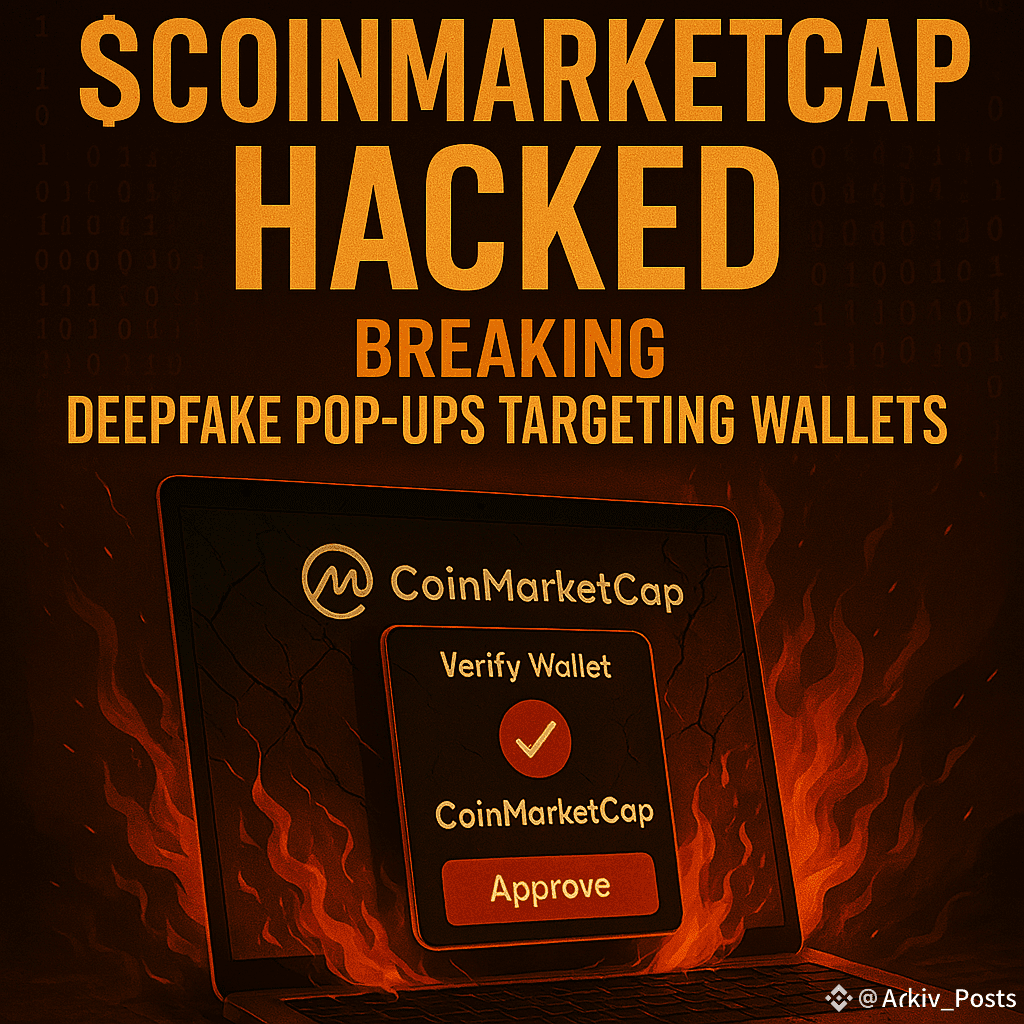
38
Connectez-vous pour découvrir plus de contenu
Rejoignez la communauté mondiale des adeptes de cryptomonnaies sur Binance Square
⚡️ Suviez les dernières informations importantes sur les cryptomonnaies.
💬 Jugé digne de confiance par la plus grande plateforme d’échange de cryptomonnaies au monde.
👍 Découvrez les connaissances que partagent les créateurs vérifiés.
Adresse e-mail/Nº de téléphone