
BeGreenly Coin Official
2.5k Publications

BeGreenly Coin Official
Signaler
Bloquer l’utilisateur
BeGreenly Coin – First Proof-of-Green Blockhain
Green innovations | Community first | Crypto with Conscience
Let’s build a sustainable chain
X: @begreenlyapp
Trade fréquemment
8.7 an(s)
267 Suivis
23.8K+ Abonnés
11.3K+ J’aime
Publications
Tous
Citations
Vidéos
Direct
PINNED
Reconnaissant d'être reconnu par Binance 🙏
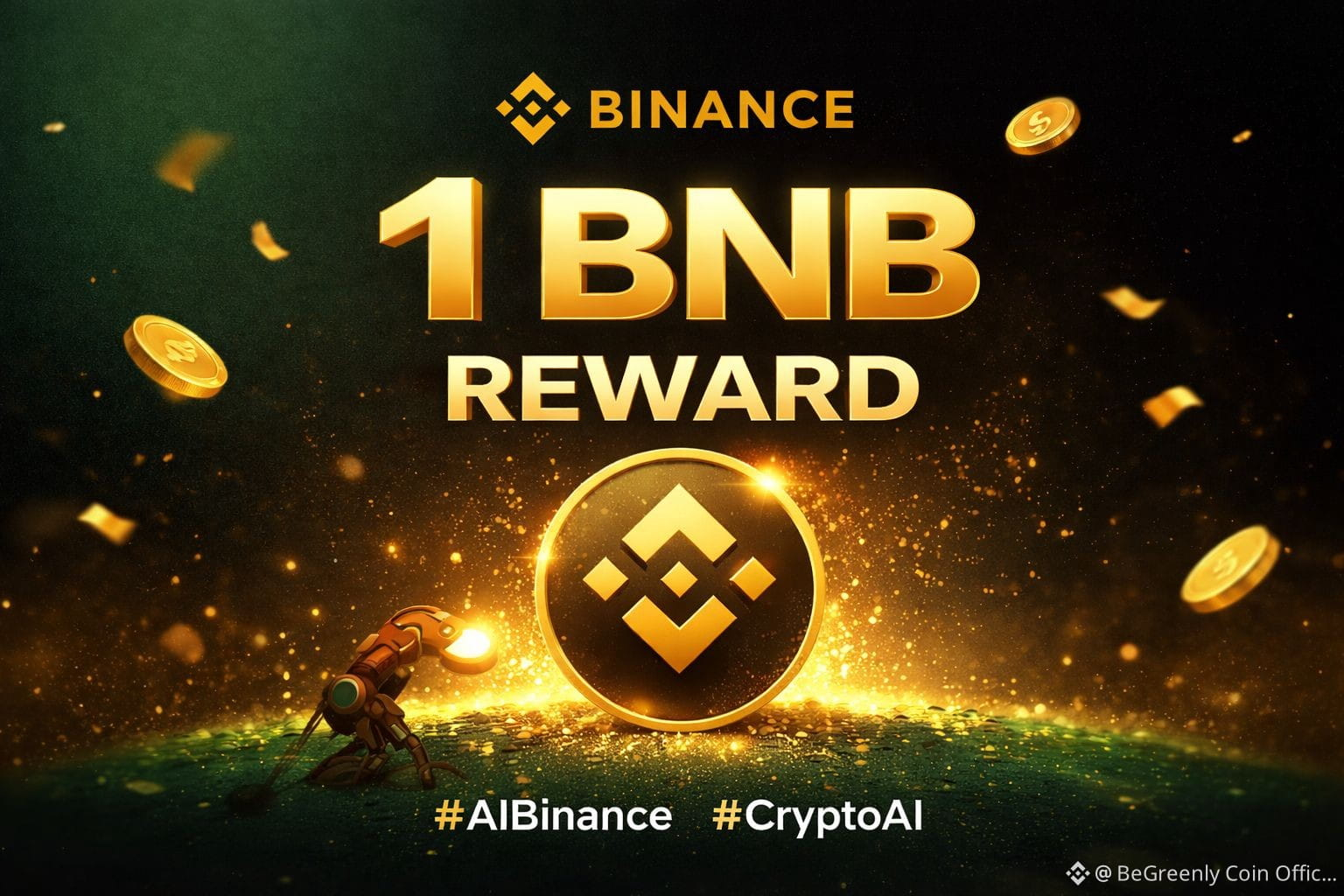
BeGreenly Coin Officiel a été sélectionné comme Gagnant de Nomination dans la Campagne Binance OpenClaw AI 🦞🤖
Merci au Tout-Puissant Allah et heureux de partager que j'ai reçu une récompense de 1 BNB 🎉
Cette reconnaissance reflète la vision que nous construisons à l'intersection de l'IA et de la Crypto — et cela nous motive à continuer d'avancer.
J'apprécie le soutien de l'équipe Binance et de la communauté incroyable 💙
Plus d'innovations à venir bientôt 🚀🌱
#Binance #BNB #AIBinance #CryptoAI #BeGreenly
Reconnaissant d'être reconnu par Binance 🙏
BeGreenly Coin Officiel a été sélectionné comme Gagnant de Nomination dans la Campagne Binance OpenClaw AI 🦞🤖
Merci au Tout-Puissant Allah et heureux de partager que j'ai reçu une récompense de 1 BNB 🎉
Cette reconnaissance reflète la vision que nous construisons à l'intersection de l'IA et de la Crypto — et cela nous motive à continuer d'avancer.
J'apprécie le soutien de l'équipe Binance et de la communauté incroyable 💙
Plus d'innovations à venir bientôt 🚀🌱
#Binance #BNB #AIBinance #CryptoAI #BeGreenly
BeGreenly Coin Officiel a été sélectionné comme Gagnant de Nomination dans la Campagne Binance OpenClaw AI 🦞🤖
Merci au Tout-Puissant Allah et heureux de partager que j'ai reçu une récompense de 1 BNB 🎉
Cette reconnaissance reflète la vision que nous construisons à l'intersection de l'IA et de la Crypto — et cela nous motive à continuer d'avancer.
J'apprécie le soutien de l'équipe Binance et de la communauté incroyable 💙
Plus d'innovations à venir bientôt 🚀🌱
#Binance #BNB #AIBinance #CryptoAI #BeGreenly



Binance Square Official
·
--
Félicitations à notre gagnant du concours OpenClaw :
1ère place 10 BNB - X : @MetaFinancialAI
2ème place 8 BNB - X : @KendineCrypto_
3ème place 6 BNB - X : @Mrblank254
Nominations 1 BNB chacune :
@0xr1 , @BeGreenly Coin Official , @Bharti soni
X : @anub_arakk1, @MonsoonX9, @Pro_3bdo, @Loreano_A, @UnrealBNB, @MayaBNBTrader, @sunnyboicrypto, @ismail96423159, @0xAceVod, @vy_million, @encrypt_wizard, @ScholarOfBlocks, @LiamChainFlow, @alexbnbwave, @awl_pre, @Little_Sam_1428, @amiexbt
Les récompenses des gagnants et des parrainages liés seront traitées dans les deux semaines. Chaque utilisateur ne peut recevoir une récompense qu'une seule fois dans cette campagne.
1ère place 10 BNB - X : @MetaFinancialAI
2ème place 8 BNB - X : @KendineCrypto_
3ème place 6 BNB - X : @Mrblank254
Nominations 1 BNB chacune :
@0xr1 , @BeGreenly Coin Official , @Bharti soni
X : @anub_arakk1, @MonsoonX9, @Pro_3bdo, @Loreano_A, @UnrealBNB, @MayaBNBTrader, @sunnyboicrypto, @ismail96423159, @0xAceVod, @vy_million, @encrypt_wizard, @ScholarOfBlocks, @LiamChainFlow, @alexbnbwave, @awl_pre, @Little_Sam_1428, @amiexbt
Les récompenses des gagnants et des parrainages liés seront traitées dans les deux semaines. Chaque utilisateur ne peut recevoir une récompense qu'une seule fois dans cette campagne.
20
2
52
243
PINNED
Article
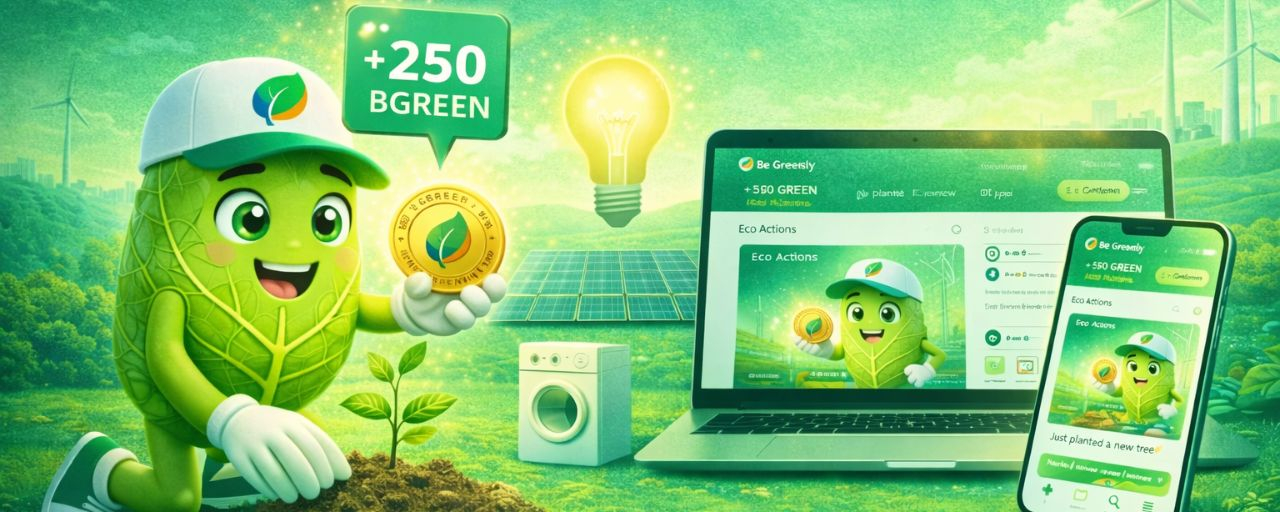
Proof of Green de BeGreenly : Transformer des actions réelles en valeur numériqueDans le monde de la blockchain, la plupart des systèmes s'appuient sur des mécanismes artificiels comme le minage ou le staking pour valider les transactions. Mais que se passerait-il si la validation pouvait venir de quelque chose de réel — quelque chose qui bénéficie réellement à la planète ? C'est exactement là où BeGreenly introduit son concept révolutionnaire : Proof of Green (PoG).
Proof of Green n'est pas juste un autre mécanisme de consensus — c'est un changement complet dans la façon dont les réseaux blockchain fonctionnent. Au lieu de dépendre de la puissance de calcul ou des actifs bloqués, le réseau de BeGreenly est conçu pour valider les transactions à travers des actions environnementales réelles.
Proof of Green de BeGreenly : Transformer des actions réelles en valeur numérique
Dans le monde de la blockchain, la plupart des systèmes s'appuient sur des mécanismes artificiels comme le minage ou le staking pour valider les transactions. Mais que se passerait-il si la validation pouvait venir de quelque chose de réel — quelque chose qui bénéficie réellement à la planète ? C'est exactement là où BeGreenly introduit son concept révolutionnaire : Proof of Green (PoG).
Proof of Green n'est pas juste un autre mécanisme de consensus — c'est un changement complet dans la façon dont les réseaux blockchain fonctionnent. Au lieu de dépendre de la puissance de calcul ou des actifs bloqués, le réseau de BeGreenly est conçu pour valider les transactions à travers des actions environnementales réelles.
Proof of Green n'est pas juste un autre mécanisme de consensus — c'est un changement complet dans la façon dont les réseaux blockchain fonctionnent. Au lieu de dépendre de la puissance de calcul ou des actifs bloqués, le réseau de BeGreenly est conçu pour valider les transactions à travers des actions environnementales réelles.
5
3
44
125
Le CPI pourrait décider de la prochaine décision de la Fed 👀
Les créations d’emplois non agricoles aux États-Unis surpassent les attentes, montrant que le marché du travail reste résilient. Pendant ce temps, la hausse des prix du pétrole, une inflation producteur plus chaude et le rendement du Trésor à 10 ans qui se rapproche de 5 % ont accru la pression sur la Réserve fédérale. Les marchés intègrent actuellement environ une probabilité sur deux tiers de hausse de taux de 25 points de base.
Mon avis : un CPI plus chaud que prévu pourrait rendre une hausse des taux en septembre très probable. Cela renforcerait probablement le dollar et exercerait une pression sur les valeurs technologiques, l’or et le Bitcoin à court terme. En revanche, un CPI core plus frais pourrait soutenir une pause, déclencher un allègement sur l’ensemble des actifs à risque et offrir à nouveau à BTC une opportunité de se redresser.
Je suis prudemment baissier avant la publication, mais la volatilité peut créer des opportunités dans les deux sens. Le chiffre global compte—mais l’inflation sous-jacente et les coûts du logement pourraient déterminer la réaction réelle du marché.
Votre avis : hausse ou pause ?
#CPIWatch #bitcoin #Gold #FederalReserve #CryptoMarket
Le CPI pourrait décider de la prochaine décision de la Fed 👀
Les créations d’emplois non agricoles aux États-Unis surpassent les attentes, montrant que le marché du travail reste résilient. Pendant ce temps, la hausse des prix du pétrole, une inflation producteur plus chaude et le rendement du Trésor à 10 ans qui se rapproche de 5 % ont accru la pression sur la Réserve fédérale. Les marchés intègrent actuellement environ une probabilité sur deux tiers de hausse de taux de 25 points de base.
Mon avis : un CPI plus chaud que prévu pourrait rendre une hausse des taux en septembre très probable. Cela renforcerait probablement le dollar et exercerait une pression sur les valeurs technologiques, l’or et le Bitcoin à court terme. En revanche, un CPI core plus frais pourrait soutenir une pause, déclencher un allègement sur l’ensemble des actifs à risque et offrir à nouveau à BTC une opportunité de se redresser.
Je suis prudemment baissier avant la publication, mais la volatilité peut créer des opportunités dans les deux sens. Le chiffre global compte—mais l’inflation sous-jacente et les coûts du logement pourraient déterminer la réaction réelle du marché.
Votre avis : hausse ou pause ?
#CPIWatch #bitcoin #Gold #FederalReserve #CryptoMarket
Les créations d’emplois non agricoles aux États-Unis surpassent les attentes, montrant que le marché du travail reste résilient. Pendant ce temps, la hausse des prix du pétrole, une inflation producteur plus chaude et le rendement du Trésor à 10 ans qui se rapproche de 5 % ont accru la pression sur la Réserve fédérale. Les marchés intègrent actuellement environ une probabilité sur deux tiers de hausse de taux de 25 points de base.
Mon avis : un CPI plus chaud que prévu pourrait rendre une hausse des taux en septembre très probable. Cela renforcerait probablement le dollar et exercerait une pression sur les valeurs technologiques, l’or et le Bitcoin à court terme. En revanche, un CPI core plus frais pourrait soutenir une pause, déclencher un allègement sur l’ensemble des actifs à risque et offrir à nouveau à BTC une opportunité de se redresser.
Je suis prudemment baissier avant la publication, mais la volatilité peut créer des opportunités dans les deux sens. Le chiffre global compte—mais l’inflation sous-jacente et les coûts du logement pourraient déterminer la réaction réelle du marché.
Votre avis : hausse ou pause ?
#CPIWatch #bitcoin #Gold #FederalReserve #CryptoMarket
74
⏳ DERNIÈRES HEURES pour la campagne $SAHARA !
L’horloge tourne—c’est votre dernière chance de participer et de concourir pour une part du gigantesque pool de prix de 3 000 000 $SAHARA . 🔥
N’attendez pas la fin. Terminez vos missions dès maintenant ! 🚀
#SAHARA #Binance #BinanceSquare
⏳ DERNIÈRES HEURES pour la campagne $SAHARA !
L’horloge tourne—c’est votre dernière chance de participer et de concourir pour une part du gigantesque pool de prix de 3 000 000 $SAHARA . 🔥
N’attendez pas la fin. Terminez vos missions dès maintenant ! 🚀
#SAHARA #Binance #BinanceSquare
L’horloge tourne—c’est votre dernière chance de participer et de concourir pour une part du gigantesque pool de prix de 3 000 000 $SAHARA . 🔥
N’attendez pas la fin. Terminez vos missions dès maintenant ! 🚀
#SAHARA #Binance #BinanceSquare
2
112
Après $TRUMP & $MELANIA… Est-ce que $LAPTOP est le prochain ?
Lancement à 17h (PKT) ou 8h (ET)
On a déjà vu ce cycle.
$TRUMP est arrivé avec un énorme battage médiatique.
$MELANIA a suivi.
Les premiers acheteurs ont eu l’opportunité de gagner beaucoup d’argent, tandis que beaucoup de ceux qui sont entrés après les pumps se sont retrouvés avec d’énormes pertes.
Maintenant, c’est $LAPTOP avec Hunter Biden.
C’est encore une memecoin, et les memecoins suivent généralement une règle brutale :
Les premiers oiseaux font de l’argent. Les acheteurs tardifs finissent souvent comme liquidité de sortie.
Mais $LAPTOP arrive avec un récit différent. Il affirme vouloir aider les communautés, y compris les personnes qui ont perdu de l’argent lors des précédentes folies de memecoins politiques.
Ça a l’air bien.
Mais est-ce que ça va vraiment se passer ainsi ?
Est-ce que $LAPTOP va briser le cycle des memecoins politiques, ou est-ce qu’on s’apprête à voir la même histoire avec un autre nom ?
Aujourd’hui, on découvre qui sont les premiers oiseaux… et qui finit par se retrouver avec le sac.
$LAPTOP #Crypto #Memecoin
{web3_wallet_create}(84530xb095274743941e953c746f9c228da9c18bb6ec29)
Après $TRUMP & $MELANIA … Est-ce que $LAPTOP est le prochain ?
Lancement à 17h (PKT) ou 8h (ET)
On a déjà vu ce cycle.
$TRUMP est arrivé avec un énorme battage médiatique.
$MELANIA a suivi.
Les premiers acheteurs ont eu l’opportunité de gagner beaucoup d’argent, tandis que beaucoup de ceux qui sont entrés après les pumps se sont retrouvés avec d’énormes pertes.
Maintenant, c’est $LAPTOP avec Hunter Biden.
C’est encore une memecoin, et les memecoins suivent généralement une règle brutale :
Les premiers oiseaux font de l’argent. Les acheteurs tardifs finissent souvent comme liquidité de sortie.
Mais $LAPTOP arrive avec un récit différent. Il affirme vouloir aider les communautés, y compris les personnes qui ont perdu de l’argent lors des précédentes folies de memecoins politiques.
Ça a l’air bien.
Mais est-ce que ça va vraiment se passer ainsi ?
Est-ce que $LAPTOP va briser le cycle des memecoins politiques, ou est-ce qu’on s’apprête à voir la même histoire avec un autre nom ?
Aujourd’hui, on découvre qui sont les premiers oiseaux… et qui finit par se retrouver avec le sac.
$LAPTOP #Crypto #Memecoin
Lancement à 17h (PKT) ou 8h (ET)
On a déjà vu ce cycle.
$TRUMP est arrivé avec un énorme battage médiatique.
$MELANIA a suivi.
Les premiers acheteurs ont eu l’opportunité de gagner beaucoup d’argent, tandis que beaucoup de ceux qui sont entrés après les pumps se sont retrouvés avec d’énormes pertes.
Maintenant, c’est $LAPTOP avec Hunter Biden.
C’est encore une memecoin, et les memecoins suivent généralement une règle brutale :
Les premiers oiseaux font de l’argent. Les acheteurs tardifs finissent souvent comme liquidité de sortie.
Mais $LAPTOP arrive avec un récit différent. Il affirme vouloir aider les communautés, y compris les personnes qui ont perdu de l’argent lors des précédentes folies de memecoins politiques.
Ça a l’air bien.
Mais est-ce que ça va vraiment se passer ainsi ?
Est-ce que $LAPTOP va briser le cycle des memecoins politiques, ou est-ce qu’on s’apprête à voir la même histoire avec un autre nom ?
Aujourd’hui, on découvre qui sont les premiers oiseaux… et qui finit par se retrouver avec le sac.
$LAPTOP #Crypto #Memecoin

4
213
Voir la traduction
Claim your BTC now
Claim your BTC now

TAIMOOR_M
·
--
🎁 Le paquet rouge BTC est là ! 🚀
Réclamez votre récompense BTC maintenant ! Commentez CLAIM BTC ci-dessous pour participer et tenter votre chance. 👀
Bonne chance à tous ! 🍀
#BTC #Bitcoin
Réclamez votre récompense BTC maintenant ! Commentez CLAIM BTC ci-dessous pour participer et tenter votre chance. 👀
Bonne chance à tous ! 🍀
#BTC #Bitcoin

101
Fatigué de subir des pertes encore et encore ? Essayez APPX une fois.
Le trading manuellement conduit souvent à des décisions émotionnelles, à l’achat et à la vente au mauvais moment, et au stress de voir vos pertes augmenter, un cycle auquel presque chaque trader a été confronté.
Mettre en place le bot de trading APPX est simple et sécurisé :
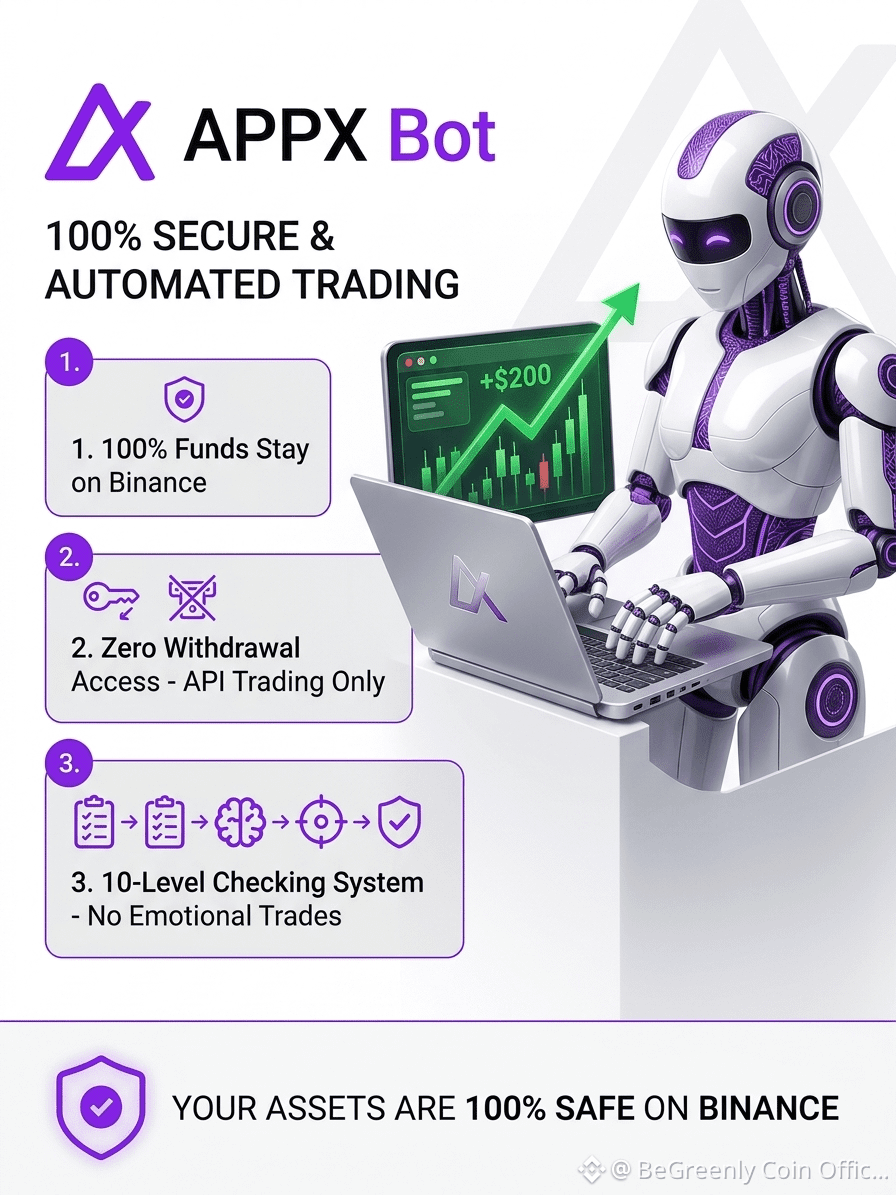
Vos fonds restent en sécurité sur Binance : vos actifs demeurent strictement dans votre compte Binance. APPX ne peut ni retirer, ni transférer, ni déplacer votre argent en aucune circonstance ; vous conservez à tout moment un contrôle total de vos fonds.
Connexion directe : le bot se connecte simplement à votre compte Binance via une API pour exécuter des transactions en votre nom.
Stratégie pilotée par les données : les transactions ne sont exécutées qu’après avoir passé un système de vérification en 10 niveaux, éliminant totalement les approximations et les décisions émotionnelles.
Tradez avec un système éprouvé, pas avec vos émotions. Testez-le vous-même : vous pouvez le mettre en pause ou l’arrêter à tout moment.
APPXBot pour Binance uniquement
Fatigué de subir des pertes encore et encore ? Essayez APPX une fois.
Le trading manuellement conduit souvent à des décisions émotionnelles, à l’achat et à la vente au mauvais moment, et au stress de voir vos pertes augmenter, un cycle auquel presque chaque trader a été confronté.
Mettre en place le bot de trading APPX est simple et sécurisé :
Vos fonds restent en sécurité sur Binance : vos actifs demeurent strictement dans votre compte Binance. APPX ne peut ni retirer, ni transférer, ni déplacer votre argent en aucune circonstance ; vous conservez à tout moment un contrôle total de vos fonds.
Connexion directe : le bot se connecte simplement à votre compte Binance via une API pour exécuter des transactions en votre nom.
Stratégie pilotée par les données : les transactions ne sont exécutées qu’après avoir passé un système de vérification en 10 niveaux, éliminant totalement les approximations et les décisions émotionnelles.
Tradez avec un système éprouvé, pas avec vos émotions. Testez-le vous-même : vous pouvez le mettre en pause ou l’arrêter à tout moment.
APPXBot pour Binance uniquement
Le trading manuellement conduit souvent à des décisions émotionnelles, à l’achat et à la vente au mauvais moment, et au stress de voir vos pertes augmenter, un cycle auquel presque chaque trader a été confronté.
Mettre en place le bot de trading APPX est simple et sécurisé :
Vos fonds restent en sécurité sur Binance : vos actifs demeurent strictement dans votre compte Binance. APPX ne peut ni retirer, ni transférer, ni déplacer votre argent en aucune circonstance ; vous conservez à tout moment un contrôle total de vos fonds.
Connexion directe : le bot se connecte simplement à votre compte Binance via une API pour exécuter des transactions en votre nom.
Stratégie pilotée par les données : les transactions ne sont exécutées qu’après avoir passé un système de vérification en 10 niveaux, éliminant totalement les approximations et les décisions émotionnelles.
Tradez avec un système éprouvé, pas avec vos émotions. Testez-le vous-même : vous pouvez le mettre en pause ou l’arrêter à tout moment.
APPXBot pour Binance uniquement
2
5
69
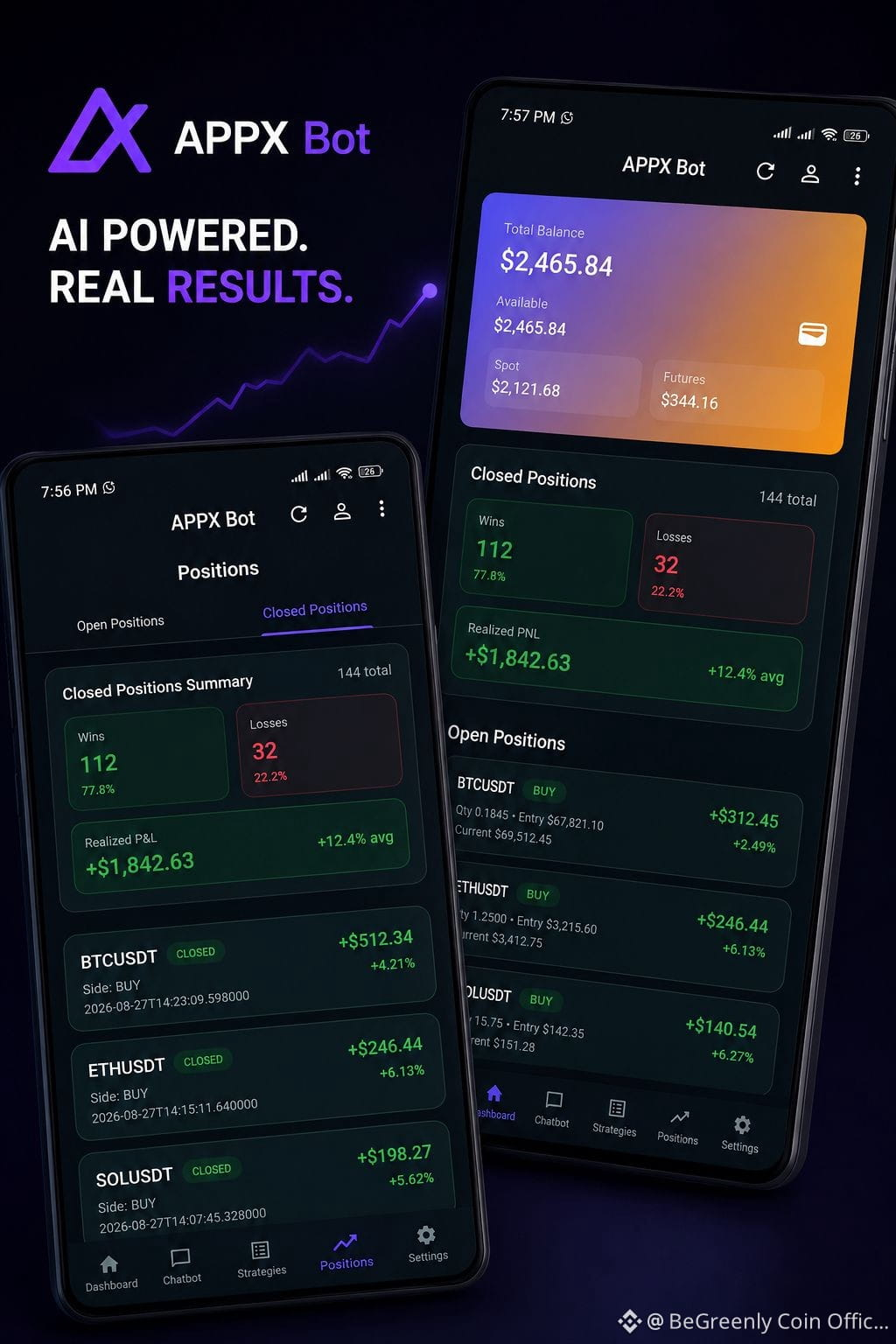
Et si votre bot de trading alimenté par l’IA pouvait réfléchir… sans être autorisé à déclencher ?
C’est exactement ainsi que nous avons conçu APPX Trading Bot.
La plupart des agents de trading IA fonctionnent comme ça :
L’IA réfléchit → l’IA décide → l’IA exécute.
Ça a l’air intelligent.
Jusqu’au moment où l’IA se trompe.
Une mauvaise interprétation.
Une taille de position erronée.
Une décision inattendue.
Et votre argent est déjà engagé dans la transaction.
APPX fait les choses différemment.
Nous avons séparé le cerveau de la gâchette.
Moteur d’exécution
Déterministe. Basé sur des règles. Cohérent. Sans approximation.
Couche de discussion
Parlez à votre bot naturellement. Dites-lui quelle stratégie vous voulez.
Couche de veto par l’IA
L’IA peut dire NON à une transaction risquée.
Mais elle ne peut JAMAIS passer l’ordre elle-même.
Donc, avant qu’un ordre n’arrive sur Binance :
La stratégie dit OUI → la vérification de sécurité par l’IA dit OUI → la transaction s’exécute.
Pas :
« L’IA en a envie » → la transaction s’exécute.
Cette séparation est l’idée centrale.
L’IA vous apporte l’intelligence et la flexibilité.
Le moteur d’exécution vous apporte la cohérence.
Et le veto de l’IA agit comme la dernière barrière de sécurité.
L’IA doit vous aider à contrôler votre trading.
Elle ne devrait pas recevoir les clés de votre argent.
C’est APPX Trading Bot.
L’IA à sa place.
Une exécution déterministe là où c’est important.
APPXBot pour Binance — Trader plus intelligemment. Exécuter de façon cohérente.
Et si votre bot de trading alimenté par l’IA pouvait réfléchir… sans être autorisé à déclencher ?
C’est exactement ainsi que nous avons conçu APPX Trading Bot.
La plupart des agents de trading IA fonctionnent comme ça :
L’IA réfléchit → l’IA décide → l’IA exécute.
Ça a l’air intelligent.
Jusqu’au moment où l’IA se trompe.
Une mauvaise interprétation.
Une taille de position erronée.
Une décision inattendue.
Et votre argent est déjà engagé dans la transaction.
APPX fait les choses différemment.
Nous avons séparé le cerveau de la gâchette.
Moteur d’exécution
Déterministe. Basé sur des règles. Cohérent. Sans approximation.
Couche de discussion
Parlez à votre bot naturellement. Dites-lui quelle stratégie vous voulez.
Couche de veto par l’IA
L’IA peut dire NON à une transaction risquée.
Mais elle ne peut JAMAIS passer l’ordre elle-même.
Donc, avant qu’un ordre n’arrive sur Binance :
La stratégie dit OUI → la vérification de sécurité par l’IA dit OUI → la transaction s’exécute.
Pas :
« L’IA en a envie » → la transaction s’exécute.
Cette séparation est l’idée centrale.
L’IA vous apporte l’intelligence et la flexibilité.
Le moteur d’exécution vous apporte la cohérence.
Et le veto de l’IA agit comme la dernière barrière de sécurité.
L’IA doit vous aider à contrôler votre trading.
Elle ne devrait pas recevoir les clés de votre argent.
C’est APPX Trading Bot.
L’IA à sa place.
Une exécution déterministe là où c’est important.
APPXBot pour Binance — Trader plus intelligemment. Exécuter de façon cohérente.
C’est exactement ainsi que nous avons conçu APPX Trading Bot.
La plupart des agents de trading IA fonctionnent comme ça :
L’IA réfléchit → l’IA décide → l’IA exécute.
Ça a l’air intelligent.
Jusqu’au moment où l’IA se trompe.
Une mauvaise interprétation.
Une taille de position erronée.
Une décision inattendue.
Et votre argent est déjà engagé dans la transaction.
APPX fait les choses différemment.
Nous avons séparé le cerveau de la gâchette.
Moteur d’exécution
Déterministe. Basé sur des règles. Cohérent. Sans approximation.
Couche de discussion
Parlez à votre bot naturellement. Dites-lui quelle stratégie vous voulez.
Couche de veto par l’IA
L’IA peut dire NON à une transaction risquée.
Mais elle ne peut JAMAIS passer l’ordre elle-même.
Donc, avant qu’un ordre n’arrive sur Binance :
La stratégie dit OUI → la vérification de sécurité par l’IA dit OUI → la transaction s’exécute.
Pas :
« L’IA en a envie » → la transaction s’exécute.
Cette séparation est l’idée centrale.
L’IA vous apporte l’intelligence et la flexibilité.
Le moteur d’exécution vous apporte la cohérence.
Et le veto de l’IA agit comme la dernière barrière de sécurité.
L’IA doit vous aider à contrôler votre trading.
Elle ne devrait pas recevoir les clés de votre argent.
C’est APPX Trading Bot.
L’IA à sa place.
Une exécution déterministe là où c’est important.
APPXBot pour Binance — Trader plus intelligemment. Exécuter de façon cohérente.
93
🎙️ Discutons des tendances du marché et des achats périodiques (DCA) de BNB au comptant !
Fin
03 h 07 min 12 sec
16k
34
36
🎙️ Le marché général remonte encore, les ours vont-ils s’en aller comme ça ?
Fin
02 h 48 min 54 sec
9.9k
22
20
Réclamez votre BTC dès maintenant
Réclamez votre BTC dès maintenant
TAIMOOR_M
·
--
HaussierClaim fast BTC🎁🎁🎁

124
Réclamez votre BTC
Réclamez votre BTC
TAIMOOR_M
·
--
🎁 BTC Red Pack est là ! 🚀
Réclamez votre récompense en BTC dès maintenant ! Commentez « CLAIM BTC » ci-dessous pour participer et tenter votre chance. 👀
Réclamez votre récompense en BTC dès maintenant ! Commentez « CLAIM BTC » ci-dessous pour participer et tenter votre chance. 👀

222
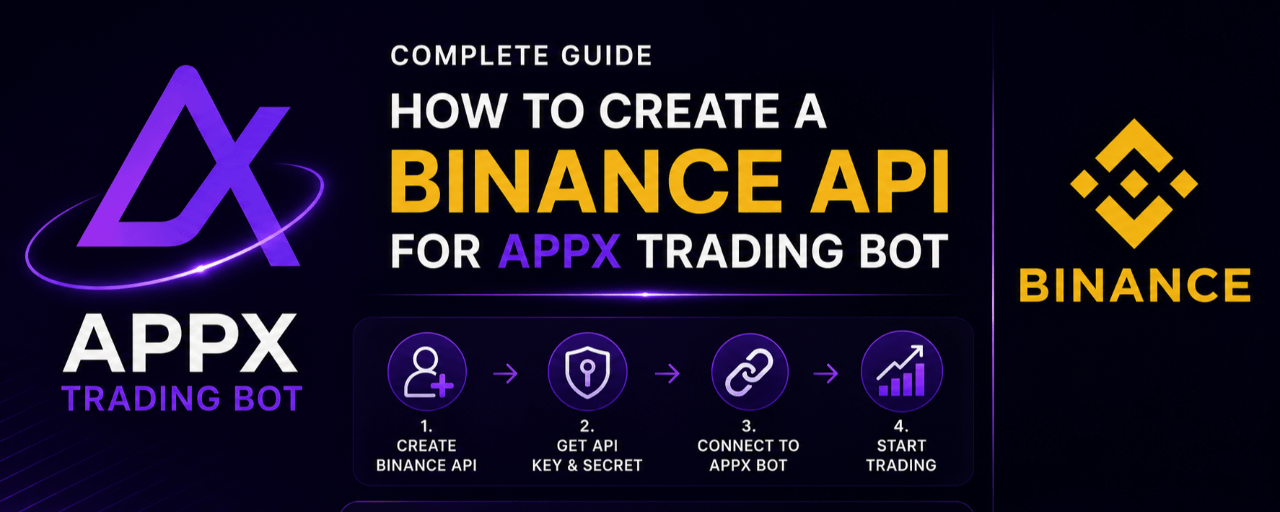
Article
Comment créer une API Binance pour l’APPX Trading Bot (guide complet)Si vous utilisez l’APPX Trading Bot et que vous souhaitez démarrer le trading automatisé, la première et la plus importante étape consiste à créer une clé API Binance. Cette clé API relie le bot à votre compte Binance afin qu’il puisse exécuter des transactions à votre place — de manière sécurisée, sans jamais exposer votre mot de passe ni un accès direct à vos fonds.
Voici un guide pas à pas de l’ensemble du processus.
Étape 1 : Ouvrir la gestion des API
Connectez-vous à votre compte Binance. Dans la barre de recherche en haut, saisissez « Gestion des API » et recherchez-la.
Comment créer une API Binance pour l’APPX Trading Bot (guide complet)
Si vous utilisez l’APPX Trading Bot et que vous souhaitez démarrer le trading automatisé, la première et la plus importante étape consiste à créer une clé API Binance. Cette clé API relie le bot à votre compte Binance afin qu’il puisse exécuter des transactions à votre place — de manière sécurisée, sans jamais exposer votre mot de passe ni un accès direct à vos fonds.
Voici un guide pas à pas de l’ensemble du processus.
Étape 1 : Ouvrir la gestion des API
Connectez-vous à votre compte Binance. Dans la barre de recherche en haut, saisissez « Gestion des API » et recherchez-la.
Voici un guide pas à pas de l’ensemble du processus.
Étape 1 : Ouvrir la gestion des API
Connectez-vous à votre compte Binance. Dans la barre de recherche en haut, saisissez « Gestion des API » et recherchez-la.
8
1
8
274
Connectez-vous pour découvrir plus de contenu
Rejoignez la communauté mondiale des adeptes de cryptomonnaies sur Binance Square
⚡️ Suviez les dernières informations importantes sur les cryptomonnaies.
💬 Jugé digne de confiance par la plus grande plateforme d’échange de cryptomonnaies au monde.
👍 Découvrez les connaissances que partagent les créateurs vérifiés.
Adresse e-mail/Nº de téléphone
Sujets d’actualité
CPIWatch
87M vues
502,917 mentions
Partagez et gagnez des récompenses en trafic dans notre campagne de hashtag tendance
✨Sujet : Le CPI déclenchera-t-il une hausse du taux ?
👉Comment participer :
Publiez une courte publication ou un article avec le hashtag #CPIWatch
Créez du contenu à partir des deux angles ci-dessous :
- Les créations d’emplois non agricoles dépassent les attentes et le CPI arrive bientôt : selon vous, la Fed va-t-elle augmenter le taux ou le maintenir ?
- Bullish ou bearish ? Partagez votre avis et mettez en avant vos actions ou votre trading/portefeuille sur l’or grâce à notre widget de partage des transactions.
🚀Période de la campagne :
- 2026-09-11 3:00 - 2026-09-12 9:00 UTC
🎁Récompense :
- Les publications éligibles conformes aux consignes ci-dessus et contenant plus de 100 mots seront examinées et peuvent recevoir un boost aléatoire de trafic de 500 à 3 000 vues. Vous recevrez une notification de la part de votre secrétaire de flux si votre publication est sélectionnée.
- Ayez une chance de voir votre article mis en avant sur Binance Square Officiel
Vous cherchez des idées pour votre publication ? Visitez la page du sujet #CPIWatch ou la Square Guide on How to Post for Better Reach.
Binance Square Official
·557 mentions J’aime
·1.4M vues
BitcoinReboundsAbove$79KAfterCPI
3,688 vues
132 mentions
BNBTops730USDT
28,473 vues
725 mentions