

cryptoJet 1
380 Publications

cryptoJet 1
Signaler
Bloquer l’utilisateur
Simply here to share a crypto story, tale, news, or alpha.
0 Suivis
7 Abonnés
48 J’aime
Publications
·
--
Aster DEX a brûlé plus de 210 millions de jetons $ASTER, d'une valeur d'environ 148 millions de dollars. Depuis la mise à niveau de sa tokenomique en juin, plus de 32,3 millions de jetons $ASTER ont été brûlés selon le nouveau modèle. $SOL
Aster DEX a brûlé plus de 210 millions de jetons $ASTER, d'une valeur d'environ 148 millions de dollars. Depuis la mise à niveau de sa tokenomique en juin, plus de 32,3 millions de jetons $ASTER ont été brûlés selon le nouveau modèle. $SOL

63
·
--
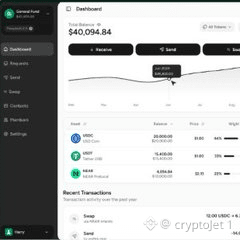
$NEAR lance une plateforme professionnelle permettant de gérer des portefeuilles multisignatures, la paie et des capitaux sur plus de 35 blockchains depuis un seul tableau de bord. Elle prend en charge des actifs comme $BTC, $ETH et $SOL, sans passerelles tierces. #Saison des altcoins#
$NEAR lance une plateforme professionnelle permettant de gérer des portefeuilles multisignatures, la paie et des capitaux sur plus de 35 blockchains depuis un seul tableau de bord. Elle prend en charge des actifs comme $BTC, $ETH et $SOL, sans passerelles tierces. #Saison des altcoins#
81
·
--
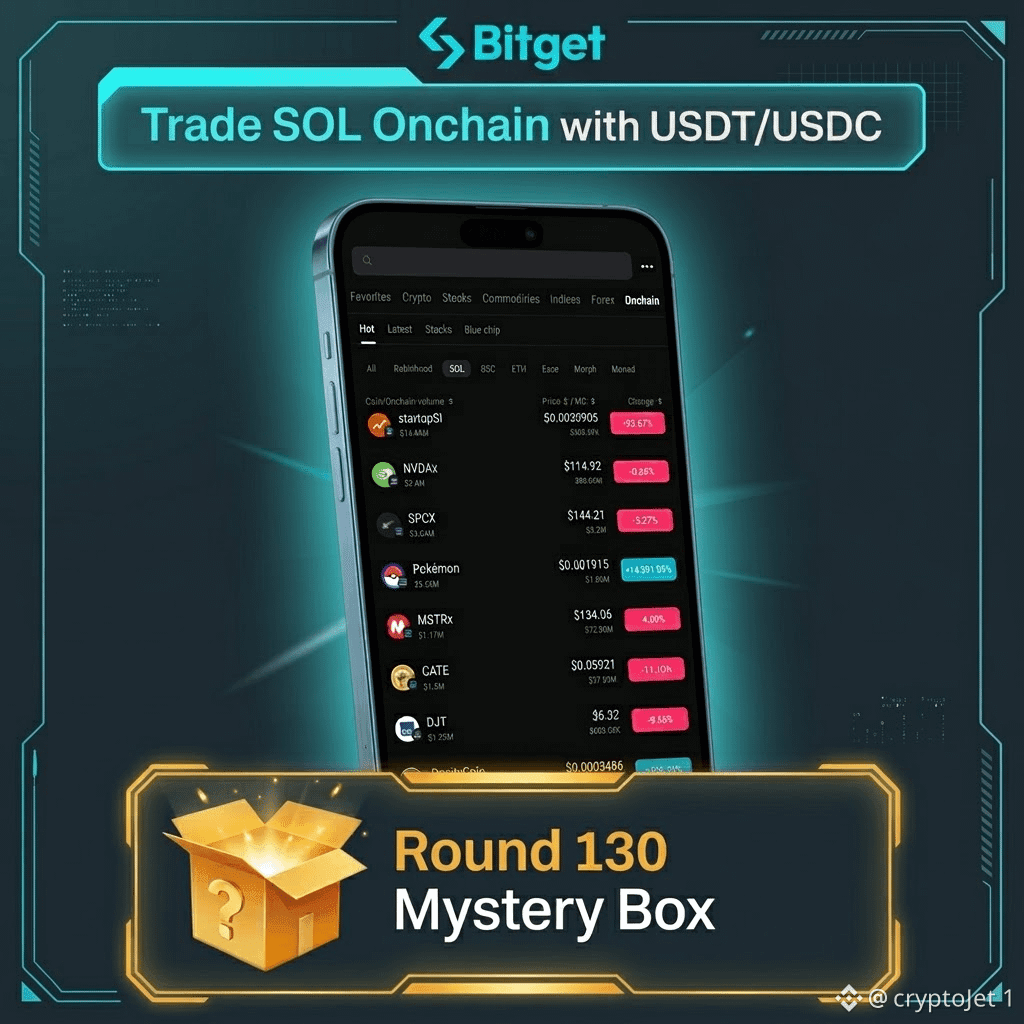
Le marché est plutôt calme ces derniers temps, alors j’en profite pour chercher des projets qui pourraient décoller lorsque la dynamique reprendra. J’explore les memes $SOL sur Bitget Onchain, et $USELESS figure sur ma liste de suivi. C’est un bon moyen de découvrir des tokens aux capitalisations variées sans courir après chaque tendance. Une campagne est également en cours : tous les 50 $ de volume quotidien admissible sur la chaîne SOL donnent droit à une boîte mystère contenant des bons en USDT d’une valeur pouvant atteindre 100 USDT. Le classement permet aussi de gagner jusqu’à 1 000 USDT par participant. Je préfère faire mes recherches maintenant plutôt que de courir après une opportunité quand tout le monde recommencera à s’y intéresser. #Solana
Le marché est plutôt calme ces derniers temps, alors j’en profite pour chercher des projets qui pourraient décoller lorsque la dynamique reprendra. J’explore les memes $SOL sur Bitget Onchain, et $USELESS figure sur ma liste de suivi. C’est un bon moyen de découvrir des tokens aux capitalisations variées sans courir après chaque tendance. Une campagne est également en cours : tous les 50 $ de volume quotidien admissible sur la chaîne SOL donnent droit à une boîte mystère contenant des bons en USDT d’une valeur pouvant atteindre 100 USDT. Le classement permet aussi de gagner jusqu’à 1 000 USDT par participant. Je préfère faire mes recherches maintenant plutôt que de courir après une opportunité quand tout le monde recommencera à s’y intéresser. #Solana
·
--
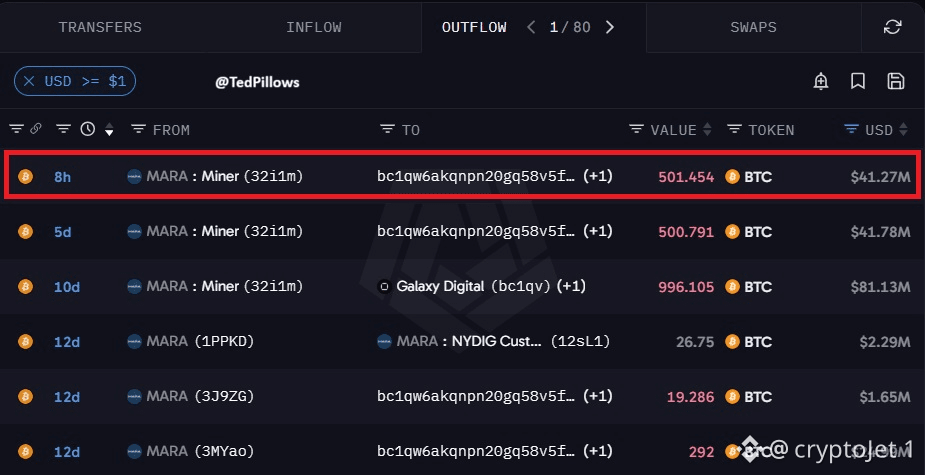
Le mineur de Bitcoin MARA Holdings aurait déposé aujourd’hui sur des plateformes d’échange l’équivalent de 41,27 M$ en $BTC. Une vague de ventes se prépare-t-elle, ou s’agit-il simplement d’un transfert de routine ? Les dépôts sur les plateformes d’échange méritent d’être surveillés, mais ils ne signifient pas automatiquement qu’une vente est imminente. $HYPE
Le mineur de Bitcoin MARA Holdings aurait déposé aujourd’hui sur des plateformes d’échange l’équivalent de 41,27 M$ en $BTC. Une vague de ventes se prépare-t-elle, ou s’agit-il simplement d’un transfert de routine ? Les dépôts sur les plateformes d’échange méritent d’être surveillés, mais ils ne signifient pas automatiquement qu’une vente est imminente. $HYPE
32
·
--
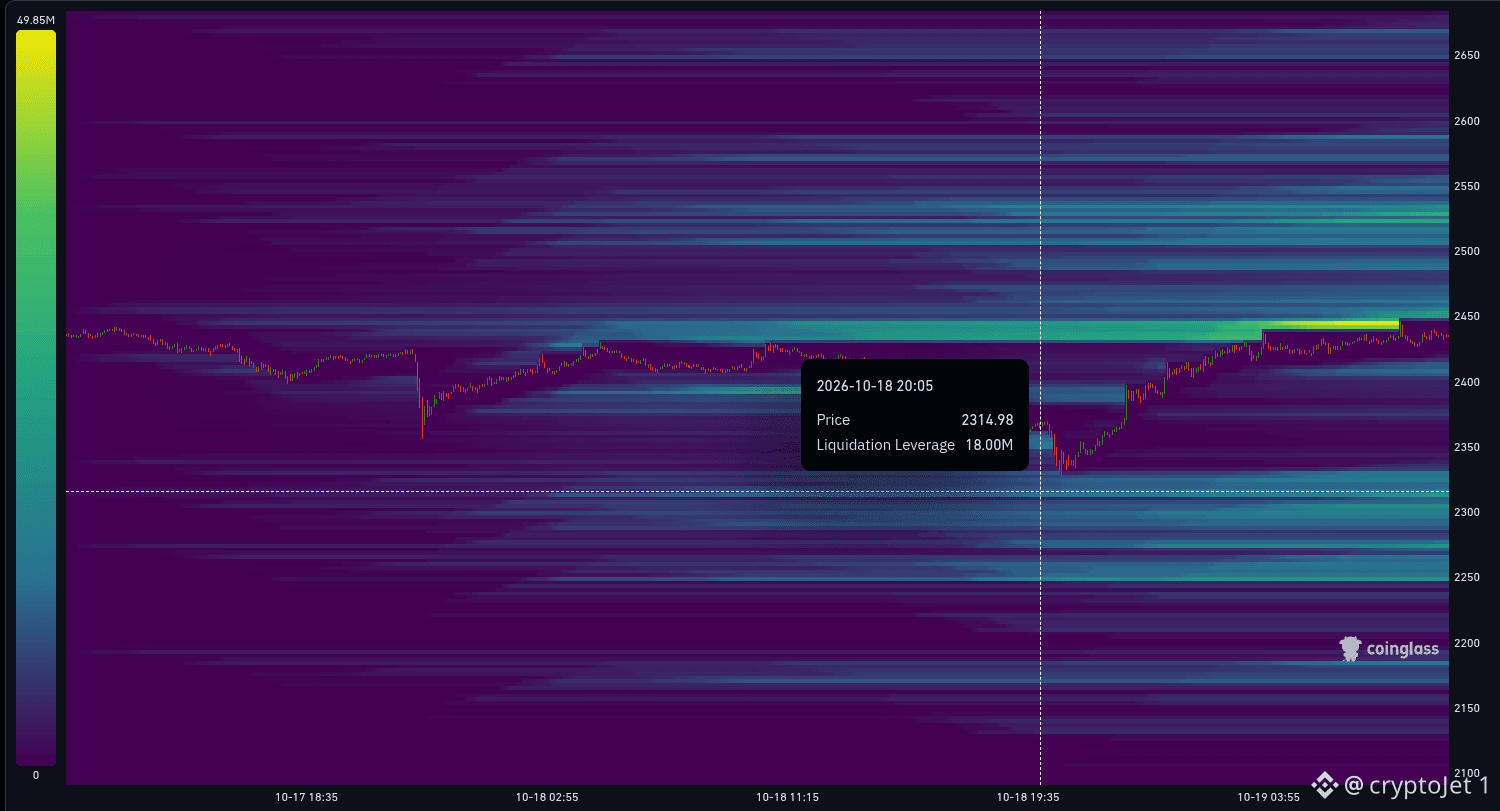
Le scénario le plus favorable pour $ETH cette semaine : ETH a rebondi de façon convaincante depuis la zone des 2 330–2 350 $ et s’approche maintenant de la zone de liquidité des 2 440–2 450 $. Si les haussiers parviennent à franchir cette zone et à s’y maintenir, on pourrait voir le cours atteindre 2 500–2 550 $ cette semaine. Pour l’instant, j’observe la réaction du cours au niveau de la résistance. Un rejet pourrait renvoyer ETH tester un support plus bas, donc la confirmation est essentielle. Voyons si les haussiers peuvent maintenir cette dynamique. $ZEC
Le scénario le plus favorable pour $ETH cette semaine : ETH a rebondi de façon convaincante depuis la zone des 2 330–2 350 $ et s’approche maintenant de la zone de liquidité des 2 440–2 450 $. Si les haussiers parviennent à franchir cette zone et à s’y maintenir, on pourrait voir le cours atteindre 2 500–2 550 $ cette semaine. Pour l’instant, j’observe la réaction du cours au niveau de la résistance. Un rejet pourrait renvoyer ETH tester un support plus bas, donc la confirmation est essentielle. Voyons si les haussiers peuvent maintenir cette dynamique. $ZEC
28
·
--
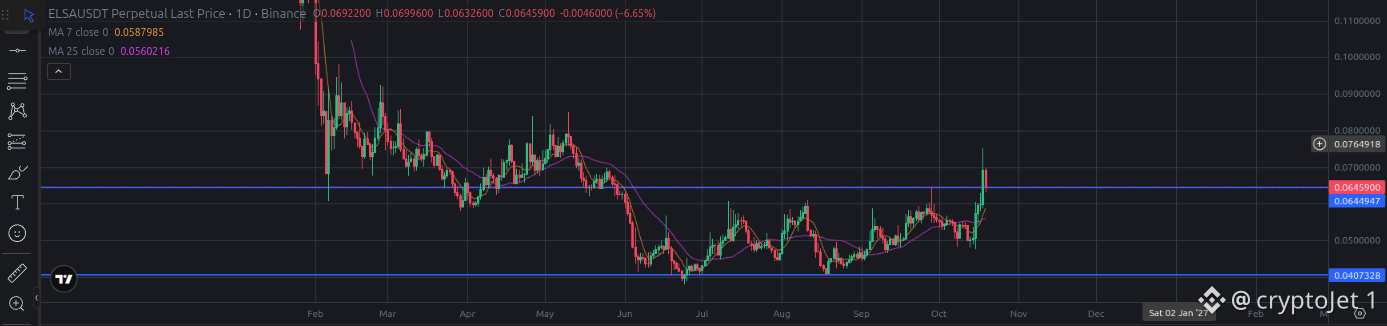
$ELSA Je pensais que le cours allait encore monter, mais la dynamique semble ralentir. Une cassure sous 0.06462 pourrait signaler une baisse supplémentaire, même s'il pourrait simplement s'agir d'un repli avant la prochaine hausse. Je vais surveiller la réaction du cours autour de ce niveau. $HYPE
$ELSA Je pensais que le cours allait encore monter, mais la dynamique semble ralentir. Une cassure sous 0.06462 pourrait signaler une baisse supplémentaire, même s'il pourrait simplement s'agir d'un repli avant la prochaine hausse. Je vais surveiller la réaction du cours autour de ce niveau. $HYPE
38
·
--
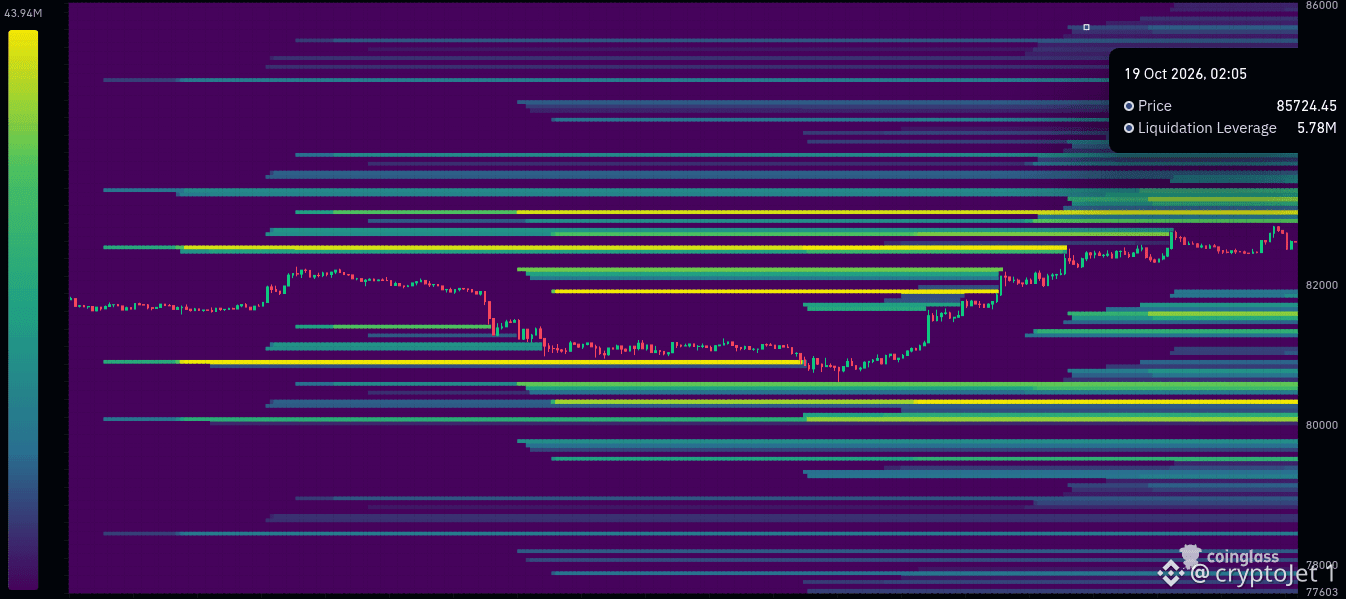
Le meilleur scénario pour le $BTC serait une cassure nette au-dessus de la zone de résistance des 82,8 k$ à 83,3 k$. Si les acheteurs franchissent cette zone et s’y maintiennent, le BTC pourrait se diriger vers les prochains clusters de liquidations situés plus haut. Pour l’instant, j’attends une confirmation de la cassure avant de devenir trop optimiste. $XRP
Le meilleur scénario pour le $BTC serait une cassure nette au-dessus de la zone de résistance des 82,8 k$ à 83,3 k$. Si les acheteurs franchissent cette zone et s’y maintiennent, le BTC pourrait se diriger vers les prochains clusters de liquidations situés plus haut. Pour l’instant, j’attends une confirmation de la cassure avant de devenir trop optimiste. $XRP
55
·
--
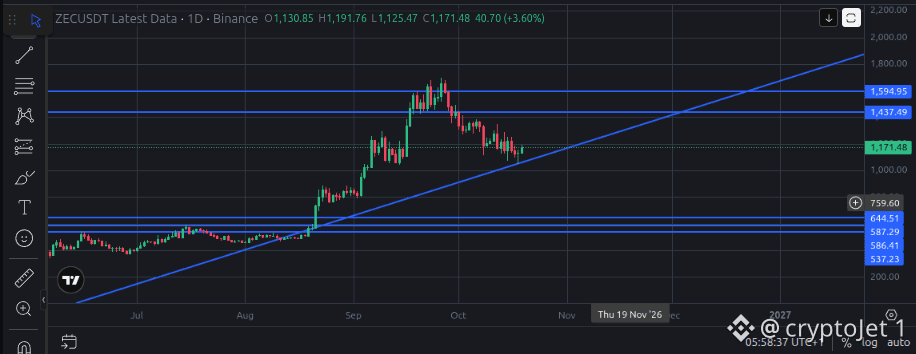
Les graphiques de $ZEC restent haussiers à l'approche de la nouvelle semaine.
Les graphiques de $ZEC restent haussiers à l'approche de la nouvelle semaine.
77
·
--
Unique Wealth a déclaré une exposition au Bitcoin de 10,4 millions de dollars dans son dernier dépôt auprès de la SEC. Cette divulgation met en évidence la manière dont les sociétés d’investissement traditionnelles s’exposent au Bitcoin $BTC par le biais d’ETF, sans détenir directement l’actif. L’intérêt institutionnel pour le Bitcoin mérite toujours d’être suivi. #SaisonDesAltcoins#
Unique Wealth a déclaré une exposition au Bitcoin de 10,4 millions de dollars dans son dernier dépôt auprès de la SEC. Cette divulgation met en évidence la manière dont les sociétés d’investissement traditionnelles s’exposent au Bitcoin $BTC par le biais d’ETF, sans détenir directement l’actif. L’intérêt institutionnel pour le Bitcoin mérite toujours d’être suivi. #SaisonDesAltcoins#

·
--
Les actifs du monde réel tokenisés par $ONDO sur Solana $SOL ont dépassé les 500 millions de dollars** en valeur totale, marquant une nouvelle étape importante pour le secteur des RWA en pleine croissance. La valeur totale des actifs d’Ondo sur Solana a grimpé de 46 % au cours des 30 derniers jours, signe d’une activité croissante autour de l’intégration des actifs financiers traditionnels à la blockchain. La tokenisation permet de représenter des actifs tels que les bons du Trésor américain sur une blockchain, ce qui pourrait les rendre plus faciles d’accès, à transférer et à utiliser dans la finance on-chain. Les actifs du monde réel gagnent toujours plus de terrain à mesure que la finance traditionnelle rencontre la DeFi.
Les actifs du monde réel tokenisés par $ONDO sur Solana $SOL ont dépassé les 500 millions de dollars** en valeur totale, marquant une nouvelle étape importante pour le secteur des RWA en pleine croissance. La valeur totale des actifs d’Ondo sur Solana a grimpé de 46 % au cours des 30 derniers jours, signe d’une activité croissante autour de l’intégration des actifs financiers traditionnels à la blockchain. La tokenisation permet de représenter des actifs tels que les bons du Trésor américain sur une blockchain, ce qui pourrait les rendre plus faciles d’accès, à transférer et à utiliser dans la finance on-chain. Les actifs du monde réel gagnent toujours plus de terrain à mesure que la finance traditionnelle rencontre la DeFi.
29
·
--
🇯🇵 Les trois plus grandes banques japonaises — MUFG, SMBC et Mizuho — ont mené à bien un test conjoint d’un stablecoin adossé au yen destiné aux paiements internationaux. L’essai a évalué comment des jetons numériques en yens pouvaient être émis, transférés et échangés, en mettant l’accent sur les paiements transfrontaliers entre des entreprises au Japon et leurs bureaux à l’étranger. L’objectif ? Rendre les paiements internationaux plus efficaces grâce à la technologie blockchain. La finance traditionnelle et les actifs numériques se rapprochent. $USDC $USDT
🇯🇵 Les trois plus grandes banques japonaises — MUFG, SMBC et Mizuho — ont mené à bien un test conjoint d’un stablecoin adossé au yen destiné aux paiements internationaux. L’essai a évalué comment des jetons numériques en yens pouvaient être émis, transférés et échangés, en mettant l’accent sur les paiements transfrontaliers entre des entreprises au Japon et leurs bureaux à l’étranger. L’objectif ? Rendre les paiements internationaux plus efficaces grâce à la technologie blockchain. La finance traditionnelle et les actifs numériques se rapprochent. $USDC $USDT
29
·
--
La liquidité du TON est répartie entre différents DEX et pools, notamment STONfi, DeDust, Tonco et swapcoffee. Vérifier manuellement chaque plateforme pour trouver un taux d’échange compétitif peut prendre du temps, surtout lorsque le meilleur itinéraire passe par plusieurs pools. Omniston simplifie cette tâche en interrogeant les sources de liquidité connectées et en évaluant les itinéraires, y compris les swaps entre plusieurs DEX et les swaps multi-étapes. Cette fonctionnalité est intégrée à l’expérience de swap de STONfi : les utilisateurs peuvent ainsi consulter le cours obtenu sans avoir à parcourir manuellement différentes plateformes. L’essentiel est de comparer le montant final indiqué, les frais et les conditions de slippage avant de confirmer. Le principe est simple : moins de recherches manuelles et davantage d’options de liquidité à examiner depuis une seule interface. Pour en savoir plus sur les plateformes d’échange décentralisées, rendez-vous sur whatisdex.com/ $TIA $ZEC #Saison des altcoins#
La liquidité du TON est répartie entre différents DEX et pools, notamment STONfi, DeDust, Tonco et swapcoffee. Vérifier manuellement chaque plateforme pour trouver un taux d’échange compétitif peut prendre du temps, surtout lorsque le meilleur itinéraire passe par plusieurs pools. Omniston simplifie cette tâche en interrogeant les sources de liquidité connectées et en évaluant les itinéraires, y compris les swaps entre plusieurs DEX et les swaps multi-étapes. Cette fonctionnalité est intégrée à l’expérience de swap de STONfi : les utilisateurs peuvent ainsi consulter le cours obtenu sans avoir à parcourir manuellement différentes plateformes. L’essentiel est de comparer le montant final indiqué, les frais et les conditions de slippage avant de confirmer. Le principe est simple : moins de recherches manuelles et davantage d’options de liquidité à examiner depuis une seule interface. Pour en savoir plus sur les plateformes d’échange décentralisées, rendez-vous sur whatisdex.com/ $TIA $ZEC #Saison des altcoins#
47
·
--
La liquidité de TON est répartie entre différents DEX et pools, notamment STONfi, DeDust, Tonco et swap.coffee. Vérifier manuellement chaque plateforme pour trouver un taux d’échange compétitif peut prendre du temps, surtout lorsque le meilleur itinéraire implique plusieurs pools. Omniston simplifie cette recherche en interrogeant les sources de liquidité connectées et en évaluant les itinéraires possibles, y compris les échanges entre DEX et les échanges multi-sauts. La solution est intégrée à l’expérience d’échange de STONfi, ce qui permet aux utilisateurs de consulter le cours obtenu sans avoir à parcourir manuellement différentes plateformes. L’essentiel est de comparer le montant final indiqué, les frais et les conditions de slippage avant de confirmer. L’idée est simple : moins de recherches manuelles et davantage d’options de liquidité à envisager depuis une seule interface. Pour en savoir plus sur les plateformes d’échange décentralisées, rendez-vous sur https://whatisdex.com/ $TIA $ZEC #Saison des altcoins#
La liquidité de TON est répartie entre différents DEX et pools, notamment STONfi, DeDust, Tonco et swap.coffee. Vérifier manuellement chaque plateforme pour trouver un taux d’échange compétitif peut prendre du temps, surtout lorsque le meilleur itinéraire implique plusieurs pools. Omniston simplifie cette recherche en interrogeant les sources de liquidité connectées et en évaluant les itinéraires possibles, y compris les échanges entre DEX et les échanges multi-sauts. La solution est intégrée à l’expérience d’échange de STONfi, ce qui permet aux utilisateurs de consulter le cours obtenu sans avoir à parcourir manuellement différentes plateformes. L’essentiel est de comparer le montant final indiqué, les frais et les conditions de slippage avant de confirmer. L’idée est simple : moins de recherches manuelles et davantage d’options de liquidité à envisager depuis une seule interface. Pour en savoir plus sur les plateformes d’échange décentralisées, rendez-vous sur https://whatisdex.com/ $TIA $ZEC #Saison des altcoins#
60
·
--
Lors d’un échange de tokens sur STONfi, deux éléments comptent : le montant estimé et le montant minimum reçu. Le montant estimé indique ce que vous pensez recevoir, tandis que le montant minimum reçu définit le montant le plus bas que vous êtes prêt à accepter en fonction de vos paramètres de slippage. ## Que se passe-t-il lorsque les prix changent ? Imaginez que l’aperçu de votre échange affiche : - Montant estimé : 100 tokens - Montant minimum reçu : 98 tokens Si les conditions du marché changent et que l’échange ne peut fournir que 96 tokens, il devrait échouer ou être annulé si la condition de sortie minimale est appliquée, plutôt que d’être exécuté en dessous de la limite que vous avez acceptée. Cela peut se produire en raison de mouvements de prix ou de variations de liquidité pendant le traitement d’une transaction. N’oubliez pas que les transactions échouées peuvent tout de même entraîner des frais de réseau. Comment Omniston gère-t-il les échanges inter-chaînes ? Les échanges sur une même chaîne et les échanges inter-chaînes gèrent les risques d’exécution différemment. Un échange sur une même chaîne utilise le montant minimum reçu pour imposer une limite de sortie. Omniston coordonne les échanges inter-chaînes au moyen de cotations et d’un modèle de règlement atomique conçu pour que l’échange soit réglé dans son ensemble, plutôt que de ne s’effectuer que d’un seul côté. Les mécanismes diffèrent, mais ils répondent tous deux aux risques susceptibles de survenir pendant l’exécution. Aucun ne garantit la réussite de chaque échange. ## Que devez-vous vérifier avant d’effectuer un échange ? Avant de confirmer un échange, vérifiez le montant estimé, le montant minimum reçu, les paramètres de slippage et les frais applicables. Un minimum plus bas laisse davantage de marge aux variations de prix, mais signifie que vous pourriez accepter un résultat moins avantageux. Un minimum plus strict offre une meilleure protection, mais peut augmenter le risque d’échec de l’échange. Pour une introduction aux échanges décentralisés, consultez [WhatIsDEX](https://whatisdex.com/). En résumé : vérifiez toujours l’aperçu de votre échange. Comprendre le montant minimum reçu vous aide à savoir quel résultat vous êtes prêt à accepter et ce qui pourrait se passer si les conditions du marché changent. $SIREN $NEAR
Lors d’un échange de tokens sur STONfi, deux éléments comptent : le montant estimé et le montant minimum reçu. Le montant estimé indique ce que vous pensez recevoir, tandis que le montant minimum reçu définit le montant le plus bas que vous êtes prêt à accepter en fonction de vos paramètres de slippage. ## Que se passe-t-il lorsque les prix changent ? Imaginez que l’aperçu de votre échange affiche : - Montant estimé : 100 tokens - Montant minimum reçu : 98 tokens Si les conditions du marché changent et que l’échange ne peut fournir que 96 tokens, il devrait échouer ou être annulé si la condition de sortie minimale est appliquée, plutôt que d’être exécuté en dessous de la limite que vous avez acceptée. Cela peut se produire en raison de mouvements de prix ou de variations de liquidité pendant le traitement d’une transaction. N’oubliez pas que les transactions échouées peuvent tout de même entraîner des frais de réseau. Comment Omniston gère-t-il les échanges inter-chaînes ? Les échanges sur une même chaîne et les échanges inter-chaînes gèrent les risques d’exécution différemment. Un échange sur une même chaîne utilise le montant minimum reçu pour imposer une limite de sortie. Omniston coordonne les échanges inter-chaînes au moyen de cotations et d’un modèle de règlement atomique conçu pour que l’échange soit réglé dans son ensemble, plutôt que de ne s’effectuer que d’un seul côté. Les mécanismes diffèrent, mais ils répondent tous deux aux risques susceptibles de survenir pendant l’exécution. Aucun ne garantit la réussite de chaque échange. ## Que devez-vous vérifier avant d’effectuer un échange ? Avant de confirmer un échange, vérifiez le montant estimé, le montant minimum reçu, les paramètres de slippage et les frais applicables. Un minimum plus bas laisse davantage de marge aux variations de prix, mais signifie que vous pourriez accepter un résultat moins avantageux. Un minimum plus strict offre une meilleure protection, mais peut augmenter le risque d’échec de l’échange. Pour une introduction aux échanges décentralisés, consultez [WhatIsDEX](https://whatisdex.com/). En résumé : vérifiez toujours l’aperçu de votre échange. Comprendre le montant minimum reçu vous aide à savoir quel résultat vous êtes prêt à accepter et ce qui pourrait se passer si les conditions du marché changent. $SIREN $NEAR
73
·
--
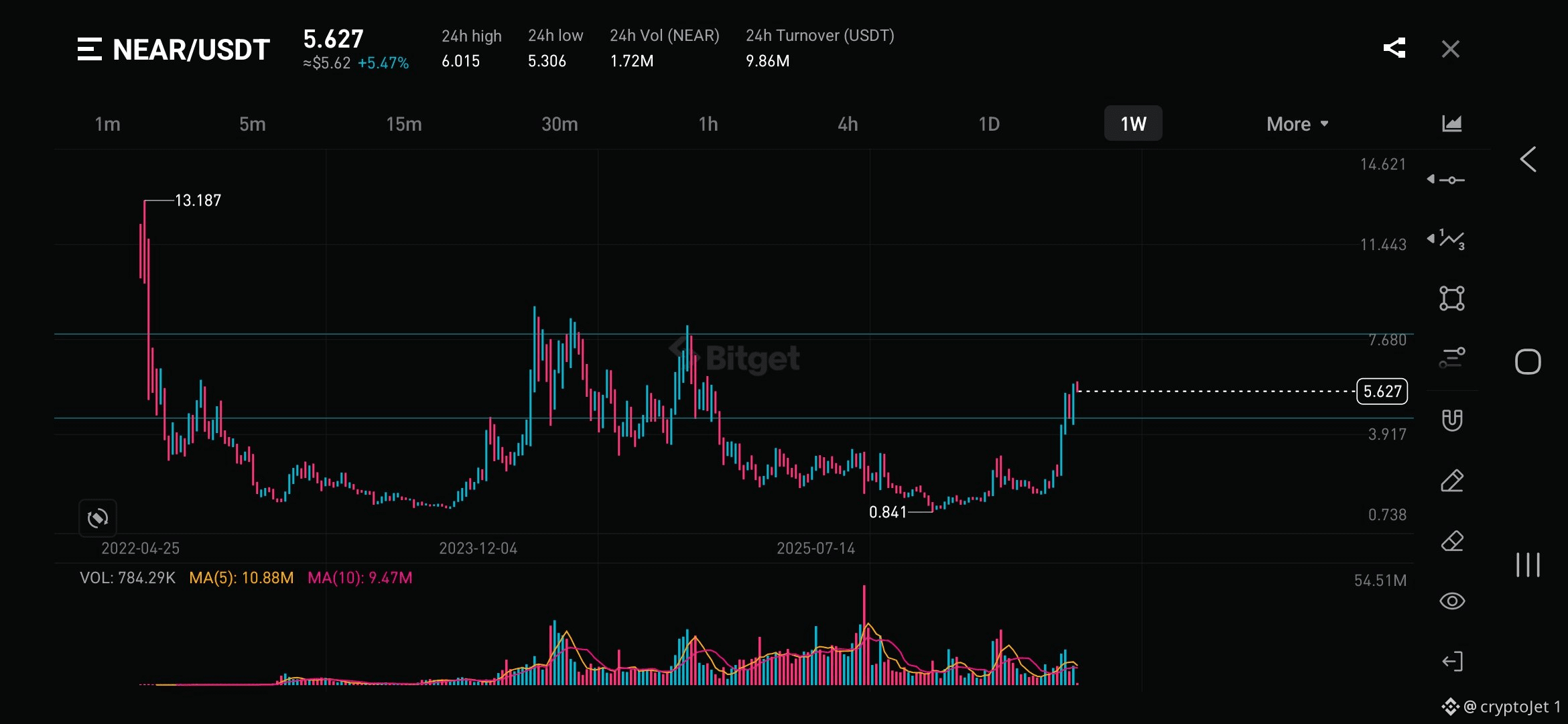
$NEAR est l’un des altcoins qui attirent de plus en plus l’attention ces derniers temps, et cela ne me surprend pas. Avec son intérêt pour l’IA, son utilité dans le monde réel et l’intérêt croissant des institutions, il mérite qu’on le suive de près. $NEAR est récemment passé d’environ 2,30 $ à 5,90 $ en un mois, soit une hausse de plus de 140 %, avec une progression de 13 % en 24 heures et un volume d’échanges d’environ 1 milliard de dollars. Il figure désormais sur ma liste d’altcoins à surveiller sur Bitget. $W
$NEAR est l’un des altcoins qui attirent de plus en plus l’attention ces derniers temps, et cela ne me surprend pas. Avec son intérêt pour l’IA, son utilité dans le monde réel et l’intérêt croissant des institutions, il mérite qu’on le suive de près. $NEAR est récemment passé d’environ 2,30 $ à 5,90 $ en un mois, soit une hausse de plus de 140 %, avec une progression de 13 % en 24 heures et un volume d’échanges d’environ 1 milliard de dollars. Il figure désormais sur ma liste d’altcoins à surveiller sur Bitget. $W
74
·
--
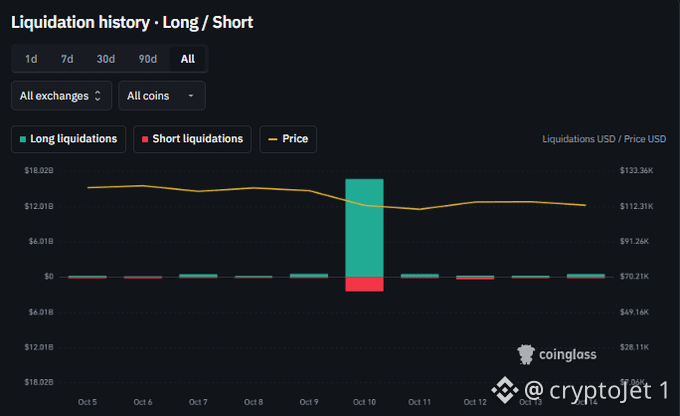
Remontons le temps. Il y a exactement un an, le marché des cryptomonnaies a connu l’un des plus grands épisodes de liquidations de son histoire. Plus de 16,69 milliards de dollars de positions longues et 2,46 milliards de dollars de positions vendeuses ont été liquidés en une seule journée. Un rappel brutal de la rapidité avec laquelle les choses peuvent changer dans le monde des cryptos. Certains traders tentent encore de se remettre de cette journée. $XRP $SOL
Remontons le temps. Il y a exactement un an, le marché des cryptomonnaies a connu l’un des plus grands épisodes de liquidations de son histoire. Plus de 16,69 milliards de dollars de positions longues et 2,46 milliards de dollars de positions vendeuses ont été liquidés en une seule journée. Un rappel brutal de la rapidité avec laquelle les choses peuvent changer dans le monde des cryptos. Certains traders tentent encore de se remettre de cette journée. $XRP $SOL
28
·
--
Treasure ( $MAGIC ) est un projet Web3 issu du jeu vidéo sur blockchain, qui s’étend désormais aux agents IA. $MAGIC est son jeton natif, lié à son écosystème. Ce qui le rend intéressant, c’est la combinaison de l’IA, du jeu vidéo et de la crypto. Mais le point essentiel à surveiller est de savoir si ses produits attireront de vrais utilisateurs et créeront une demande durable pour le jeton. À mon avis, c’est un projet à suivre, mais j’attendrais de voir son adoption et l’évolution de son cours avant d’agir. $STRK
Treasure ( $MAGIC ) est un projet Web3 issu du jeu vidéo sur blockchain, qui s’étend désormais aux agents IA. $MAGIC est son jeton natif, lié à son écosystème. Ce qui le rend intéressant, c’est la combinaison de l’IA, du jeu vidéo et de la crypto. Mais le point essentiel à surveiller est de savoir si ses produits attireront de vrais utilisateurs et créeront une demande durable pour le jeton. À mon avis, c’est un projet à suivre, mais j’attendrais de voir son adoption et l’évolution de son cours avant d’agir. $STRK
28
·
--
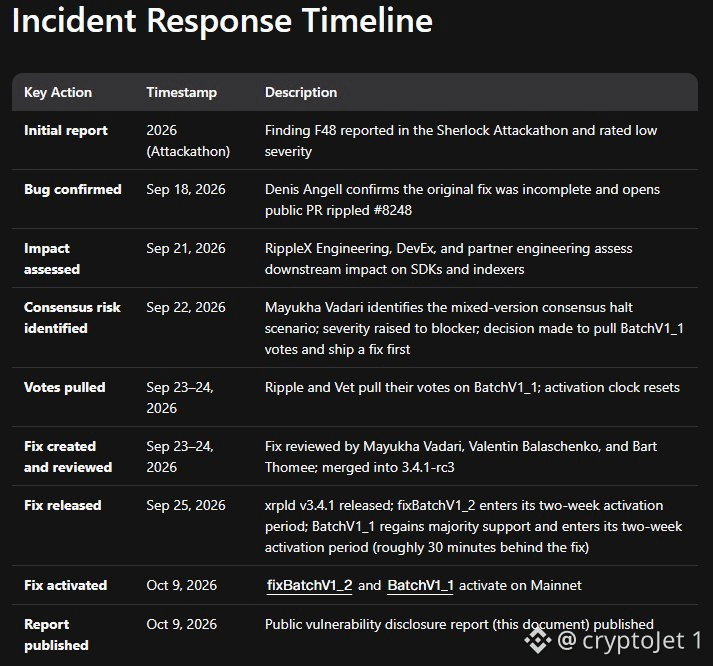
Un bug vieux de dix ans aurait pu mettre des milliards de $XRP en danger. Le XRP Ledger a désormais corrigé cette vulnérabilité, qui aurait pu permettre à des attaquants de créer et de dépenser illégalement des XRP. Rien n’indique qu’elle ait été exploitée sur le réseau public, mais cela rappelle à quel point la sécurité est importante dans la crypto. Même les réseaux bien établis nécessitent des vérifications et des mises à jour régulières. #Ripple
Un bug vieux de dix ans aurait pu mettre des milliards de $XRP en danger. Le XRP Ledger a désormais corrigé cette vulnérabilité, qui aurait pu permettre à des attaquants de créer et de dépenser illégalement des XRP. Rien n’indique qu’elle ait été exploitée sur le réseau public, mais cela rappelle à quel point la sécurité est importante dans la crypto. Même les réseaux bien établis nécessitent des vérifications et des mises à jour régulières. #Ripple
47
·
--
#Stablecoins : l’avenir. Selon Visa, près de la moitié des consommateurs de la région Asie-Pacifique prévoient d’utiliser des stablecoins au cours des cinq prochaines années. Mais voici le plus intéressant : 41 % pensent que les stablecoins prennent toujours de la valeur. Leur adoption progresse, mais l’éducation doit suivre le même rythme. Les stablecoins sont conçus pour maintenir une valeur stable, et non pour voir leur prix augmenter sans cesse. $USDC $USDT
#Stablecoins : l’avenir. Selon Visa, près de la moitié des consommateurs de la région Asie-Pacifique prévoient d’utiliser des stablecoins au cours des cinq prochaines années. Mais voici le plus intéressant : 41 % pensent que les stablecoins prennent toujours de la valeur. Leur adoption progresse, mais l’éducation doit suivre le même rythme. Les stablecoins sont conçus pour maintenir une valeur stable, et non pour voir leur prix augmenter sans cesse. $USDC $USDT

54
·
--
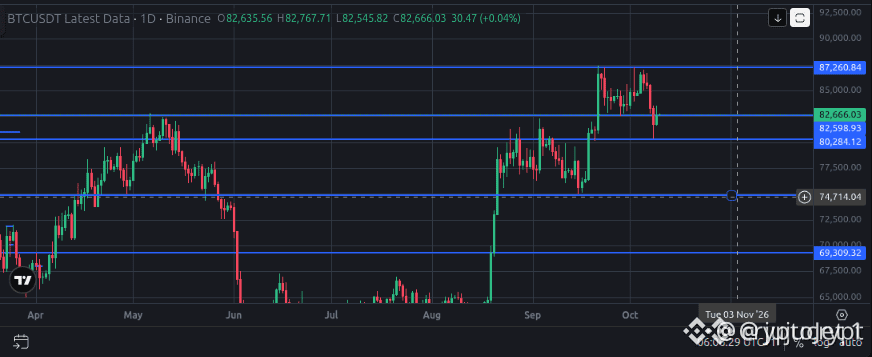
$BTC est de retour à 82 000 $. La position longue d’Ansem reste dans mon radar, avec un stop-loss à 74 000 $. Mais pour l’instant, je me concentre surtout sur le rejet de BTC autour du niveau de support des 80 000 $. $ETH
$BTC est de retour à 82 000 $. La position longue d’Ansem reste dans mon radar, avec un stop-loss à 74 000 $. Mais pour l’instant, je me concentre surtout sur le rejet de BTC autour du niveau de support des 80 000 $. $ETH
71
Connectez-vous pour découvrir plus de contenu
Rejoignez la communauté mondiale des adeptes de cryptomonnaies sur Binance Square
⚡️ Suviez les dernières informations importantes sur les cryptomonnaies.
💬 Jugé digne de confiance par la plus grande plateforme d’échange de cryptomonnaies au monde.
👍 Découvrez les connaissances que partagent les créateurs vérifiés.
Adresse e-mail/Nº de téléphone
Sujets d’actualité
BinancePick
3.3M vues
162,030 mentions
Rejoignez la #SaisonDesRésultats : prévoyez les résultats sur Binance Pick et partagez votre avis sur Binance Square !
Binance Square Official
·417 mentions J’aime
·344.7k vues
EarningsSeason
5.4M vues
26,590 mentions
StrategySkipsBitcoinPurchasesSpends$205MOnSTRCBuybacks
102 vues
6 mentions