

阿尔法牛
32 Publications

阿尔法牛
Signaler
Bloquer l’utilisateur
阿尔法牛 🐂 加密货币交易员 & 清算图分析师 📈捕捉市场趋势与阿尔法信号 🚀投资需谨慎 / 非财务建议
Ouvert au trading
6.2 mois
4 Suivis
27 Abonnés
38 J’aime
Publications
Portefeuille
·
--
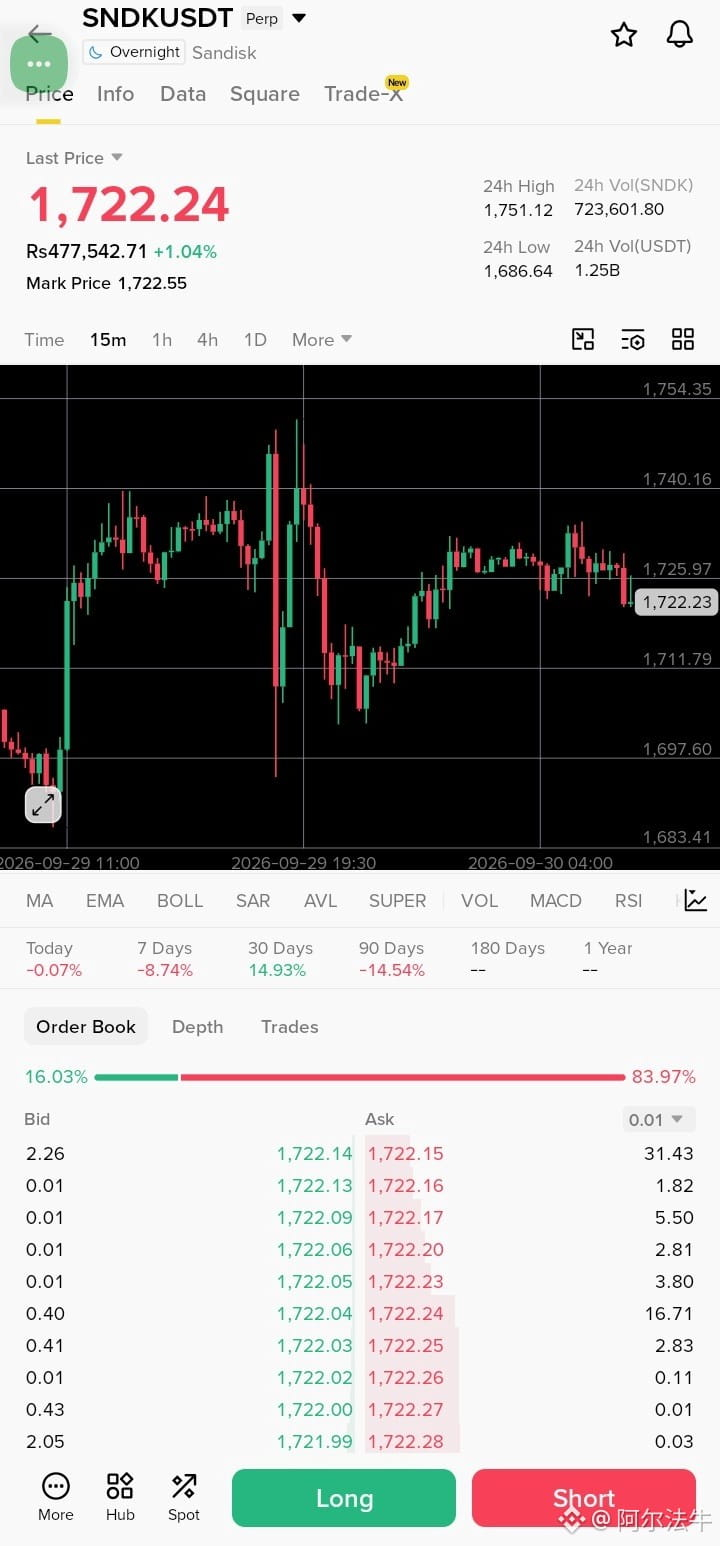
🚨 $SNDK (Sandisk) Alerte Marché ! Gros acheteurs aux commandes ! 🚨
Regardez cet énorme déséquilibre du carnet d’ordres — 83,79 % Acheteurs contre 16,21 % Vendeurs ! 📈🔥
💰 Prix actuel : 1 722,24 $ (+1,04 %)
📊 Plus haut / plus bas sur 24 h : 1 751,12 $ / 1 686,64 $
⚡ Volume sur 24 h (USDT) : 1,25 Md
🚀 Croissance sur 30 jours : +14,93 %
Les haussiers pilotent clairement l’élan, et la pression à l’achat s’accumule rapidement.
❓ Quelle est votre configuration de trade ?
1️⃣ Long (Objectif : cassure à partir de 1 750+)
2️⃣ Short (Rejet attendu au plus haut sur 24 h)
3️⃣ Attendre & Surveiller
Déposez vos objectifs de prix et votre stratégie dans les commentaires ci-dessous ! 👇
#SNDK #CryptoTrading #Futures #BinanceSquare #CryptoAlerts #TradingSignals
$SNDK
{future}(SNDKUSDT)
🚨 $SNDK (Sandisk) Alerte Marché ! Gros acheteurs aux commandes ! 🚨
Regardez cet énorme déséquilibre du carnet d’ordres — 83,79 % Acheteurs contre 16,21 % Vendeurs ! 📈🔥
💰 Prix actuel : 1 722,24 $ (+1,04 %)
📊 Plus haut / plus bas sur 24 h : 1 751,12 $ / 1 686,64 $
⚡ Volume sur 24 h (USDT) : 1,25 Md
🚀 Croissance sur 30 jours : +14,93 %
Les haussiers pilotent clairement l’élan, et la pression à l’achat s’accumule rapidement.
❓ Quelle est votre configuration de trade ?
1️⃣ Long (Objectif : cassure à partir de 1 750+)
2️⃣ Short (Rejet attendu au plus haut sur 24 h)
3️⃣ Attendre & Surveiller
Déposez vos objectifs de prix et votre stratégie dans les commentaires ci-dessous ! 👇
#SNDK #CryptoTrading #Futures #BinanceSquare #CryptoAlerts #TradingSignals
$SNDK
Regardez cet énorme déséquilibre du carnet d’ordres — 83,79 % Acheteurs contre 16,21 % Vendeurs ! 📈🔥
💰 Prix actuel : 1 722,24 $ (+1,04 %)
📊 Plus haut / plus bas sur 24 h : 1 751,12 $ / 1 686,64 $
⚡ Volume sur 24 h (USDT) : 1,25 Md
🚀 Croissance sur 30 jours : +14,93 %
Les haussiers pilotent clairement l’élan, et la pression à l’achat s’accumule rapidement.
❓ Quelle est votre configuration de trade ?
1️⃣ Long (Objectif : cassure à partir de 1 750+)
2️⃣ Short (Rejet attendu au plus haut sur 24 h)
3️⃣ Attendre & Surveiller
Déposez vos objectifs de prix et votre stratégie dans les commentaires ci-dessous ! 👇
#SNDK #CryptoTrading #Futures #BinanceSquare #CryptoAlerts #TradingSignals
$SNDK
1
273
·
--
Haussier
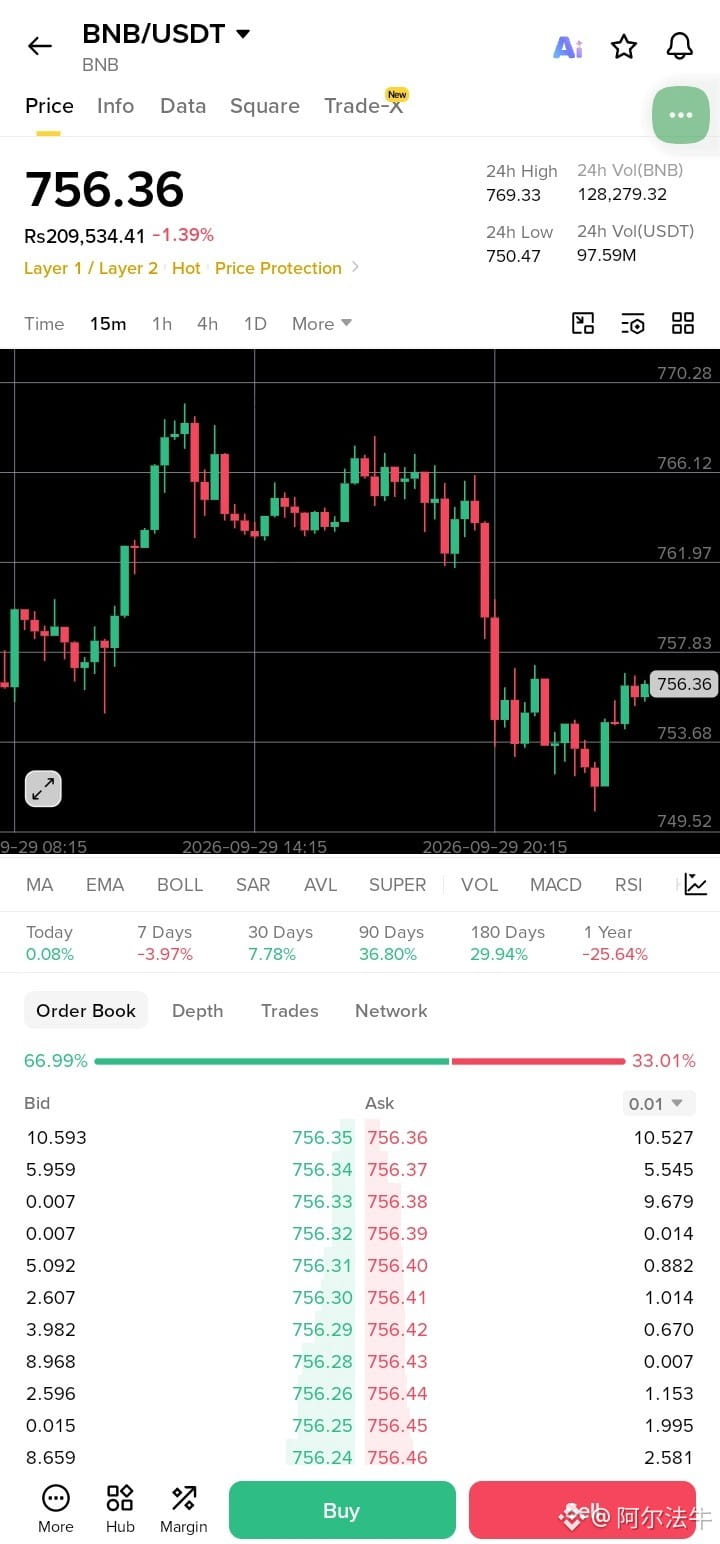
🚀 $BNB Maintien des niveaux clés – Gros mouvement en préparation ? 🟡
$BNB est actuellement en consolidation autour de 756 $ après avoir testé un plus haut sur 24 heures de 769,33 $ et en restant solidement au-dessus de la zone de support des 750,47 $.
Le carnet d’ordres montre une répartition presque parfaitement équilibrée (environ 50/50) entre acheteurs et vendeurs, ce qui indique une énorme compression avant la prochaine cassure décisive !
📊 Points clés des données :
Prix actuel : 756,24 $ (-1,45 %)
Fourchette 24h : 750,47 $ – 769,33 $
Tendance sur 90 jours : Hausse +36,78 % 📈
Sentiment du carnet d’ordres : 49,96 % d’ordres d’achat vs 50,04 % d’ordres de vente (Compression neutre)
⚡ Configuration de trading à surveiller :
🎯 Scénario haussier : Une cassure propre au-dessus de 770 $ ouvre la voie vers 800 $+.
🛡️ Scénario baissier : Perdre le support à 750 $ pourrait déclencher une rapide reconfiguration vers des zones de demande plus basses.
👇 Que faites-vous ici ? Vous accumulez, vous conservez, ou vous attendez 800 $ ? Donnez vos objectifs en commentaire ! 👇
#BNB #Binance #CryptoTrading #TechnicalAnalysis #BNBUSDT #CryptoNews
$BNB
{spot}(BNBUSDT)
🚀 $BNB Maintien des niveaux clés – Gros mouvement en préparation ? 🟡
$BNB est actuellement en consolidation autour de 756 $ après avoir testé un plus haut sur 24 heures de 769,33 $ et en restant solidement au-dessus de la zone de support des 750,47 $.
Le carnet d’ordres montre une répartition presque parfaitement équilibrée (environ 50/50) entre acheteurs et vendeurs, ce qui indique une énorme compression avant la prochaine cassure décisive !
📊 Points clés des données :
Prix actuel : 756,24 $ (-1,45 %)
Fourchette 24h : 750,47 $ – 769,33 $
Tendance sur 90 jours : Hausse +36,78 % 📈
Sentiment du carnet d’ordres : 49,96 % d’ordres d’achat vs 50,04 % d’ordres de vente (Compression neutre)
⚡ Configuration de trading à surveiller :
🎯 Scénario haussier : Une cassure propre au-dessus de 770 $ ouvre la voie vers 800 $+.
🛡️ Scénario baissier : Perdre le support à 750 $ pourrait déclencher une rapide reconfiguration vers des zones de demande plus basses.
👇 Que faites-vous ici ? Vous accumulez, vous conservez, ou vous attendez 800 $ ? Donnez vos objectifs en commentaire ! 👇
#BNB #Binance #CryptoTrading #TechnicalAnalysis #BNBUSDT #CryptoNews
$BNB
$BNB est actuellement en consolidation autour de 756 $ après avoir testé un plus haut sur 24 heures de 769,33 $ et en restant solidement au-dessus de la zone de support des 750,47 $.
Le carnet d’ordres montre une répartition presque parfaitement équilibrée (environ 50/50) entre acheteurs et vendeurs, ce qui indique une énorme compression avant la prochaine cassure décisive !
📊 Points clés des données :
Prix actuel : 756,24 $ (-1,45 %)
Fourchette 24h : 750,47 $ – 769,33 $
Tendance sur 90 jours : Hausse +36,78 % 📈
Sentiment du carnet d’ordres : 49,96 % d’ordres d’achat vs 50,04 % d’ordres de vente (Compression neutre)
⚡ Configuration de trading à surveiller :
🎯 Scénario haussier : Une cassure propre au-dessus de 770 $ ouvre la voie vers 800 $+.
🛡️ Scénario baissier : Perdre le support à 750 $ pourrait déclencher une rapide reconfiguration vers des zones de demande plus basses.
👇 Que faites-vous ici ? Vous accumulez, vous conservez, ou vous attendez 800 $ ? Donnez vos objectifs en commentaire ! 👇
#BNB #Binance #CryptoTrading #TechnicalAnalysis #BNBUSDT #CryptoNews
$BNB
1
86
·
--
Haussier
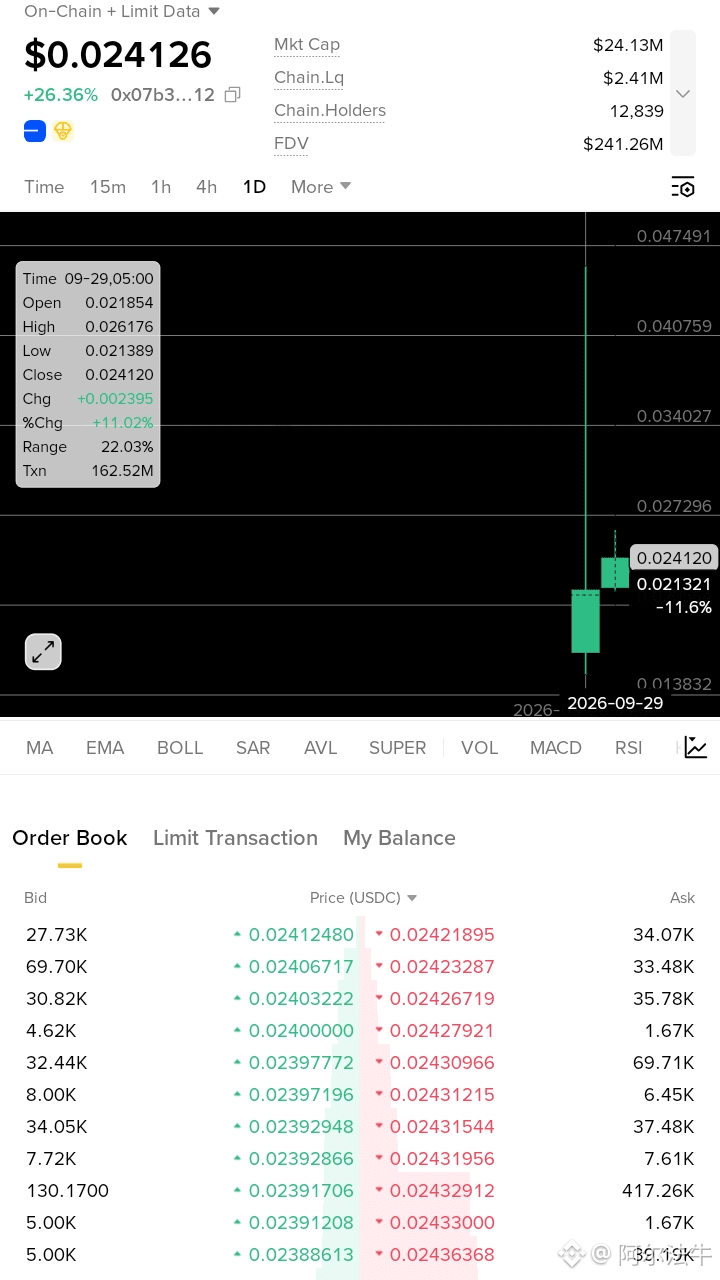
🚨 ALERTE DE RUPTURE XDP : Roulez-vous sur la vague ou regardez-vous depuis la touche ? 🌊🔥
Doppler Finance ($XDP) attire actuellement une attention massive sur le marché à la suite de cotations majeures en bourse et d’une envolée de volumes atteignant plusieurs millions de dollars ! Les graphiques se resserrent en prévision du prochain grand pic de volatilité :
📉 Support clé qui tient bon : les acheteurs défendent avec ferveur les zones de demande inférieures, en absorbant la pression vendeuse.
🚀 Objectifs à la hausse : les regards sont rivés sur une cassure au-delà de la résistance immédiate, tandis que le staking au sein de l’écosystème et les incitations de liquidité insufflent un nouvel élan !
La grande question pour la communauté aujourd’hui :
👉 Accumulez-vous du XDP pour la prochaine grande impulsion, ou attendez-vous un repli plus profond ?
👇 Déposez votre prix d’entrée, la taille de votre position (bag) et vos objectifs ci-dessous ! Êtes-vous en train d’être Long ou Short sur XDP en ce moment ? Voyons vos configurations ! 💰📊
$XDP
{alpha}(84530x07b3d902783c3c12b077508c3b5c00113d1291d0)
#BinanceSquare #XDP #DopplerFinance #CryptoTrading #Altcoins #TradingSignals
🚨 ALERTE DE RUPTURE XDP : Roulez-vous sur la vague ou regardez-vous depuis la touche ? 🌊🔥
Doppler Finance ($XDP ) attire actuellement une attention massive sur le marché à la suite de cotations majeures en bourse et d’une envolée de volumes atteignant plusieurs millions de dollars ! Les graphiques se resserrent en prévision du prochain grand pic de volatilité :
📉 Support clé qui tient bon : les acheteurs défendent avec ferveur les zones de demande inférieures, en absorbant la pression vendeuse.
🚀 Objectifs à la hausse : les regards sont rivés sur une cassure au-delà de la résistance immédiate, tandis que le staking au sein de l’écosystème et les incitations de liquidité insufflent un nouvel élan !
La grande question pour la communauté aujourd’hui :
👉 Accumulez-vous du XDP pour la prochaine grande impulsion, ou attendez-vous un repli plus profond ?
👇 Déposez votre prix d’entrée, la taille de votre position (bag) et vos objectifs ci-dessous ! Êtes-vous en train d’être Long ou Short sur XDP en ce moment ? Voyons vos configurations ! 💰📊
$XDP
#BinanceSquare #XDP #DopplerFinance #CryptoTrading #Altcoins #TradingSignals
Doppler Finance ($XDP ) attire actuellement une attention massive sur le marché à la suite de cotations majeures en bourse et d’une envolée de volumes atteignant plusieurs millions de dollars ! Les graphiques se resserrent en prévision du prochain grand pic de volatilité :
📉 Support clé qui tient bon : les acheteurs défendent avec ferveur les zones de demande inférieures, en absorbant la pression vendeuse.
🚀 Objectifs à la hausse : les regards sont rivés sur une cassure au-delà de la résistance immédiate, tandis que le staking au sein de l’écosystème et les incitations de liquidité insufflent un nouvel élan !
La grande question pour la communauté aujourd’hui :
👉 Accumulez-vous du XDP pour la prochaine grande impulsion, ou attendez-vous un repli plus profond ?
👇 Déposez votre prix d’entrée, la taille de votre position (bag) et vos objectifs ci-dessous ! Êtes-vous en train d’être Long ou Short sur XDP en ce moment ? Voyons vos configurations ! 💰📊
$XDP
#BinanceSquare #XDP #DopplerFinance #CryptoTrading #Altcoins #TradingSignals
1
339
·
--
#BinanceTurns9 Binance fête ses 9 ans - Construit par vous
https://www.binance.com/activity/binance-turns-9?ref=1229613055
#BinanceTurns9 Binance fête ses 9 ans - Construit par vous
https://www.binance.com/activity/binance-turns-9?ref=1229613055
https://www.binance.com/activity/binance-turns-9?ref=1229613055
1
1
·
--
Baissier
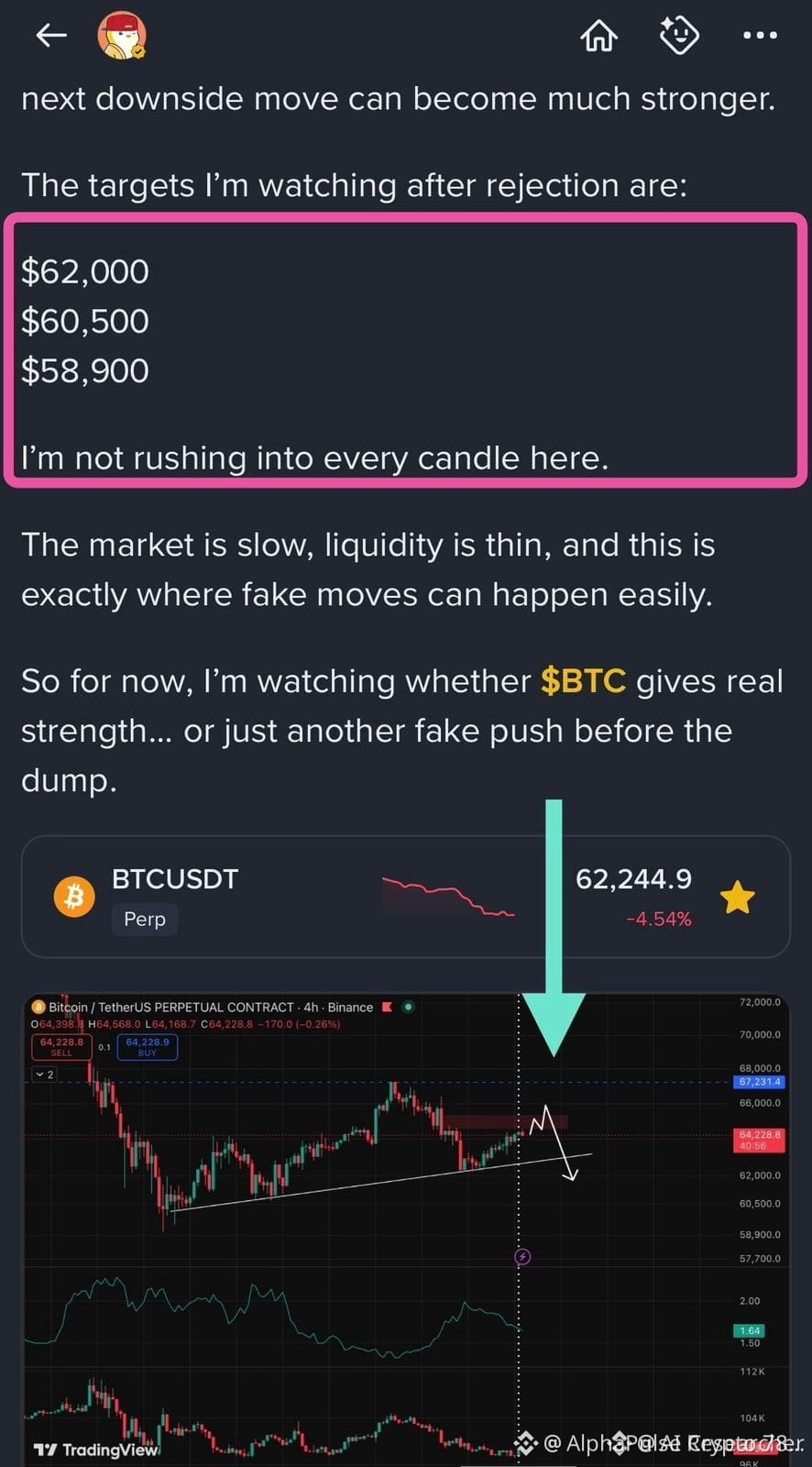
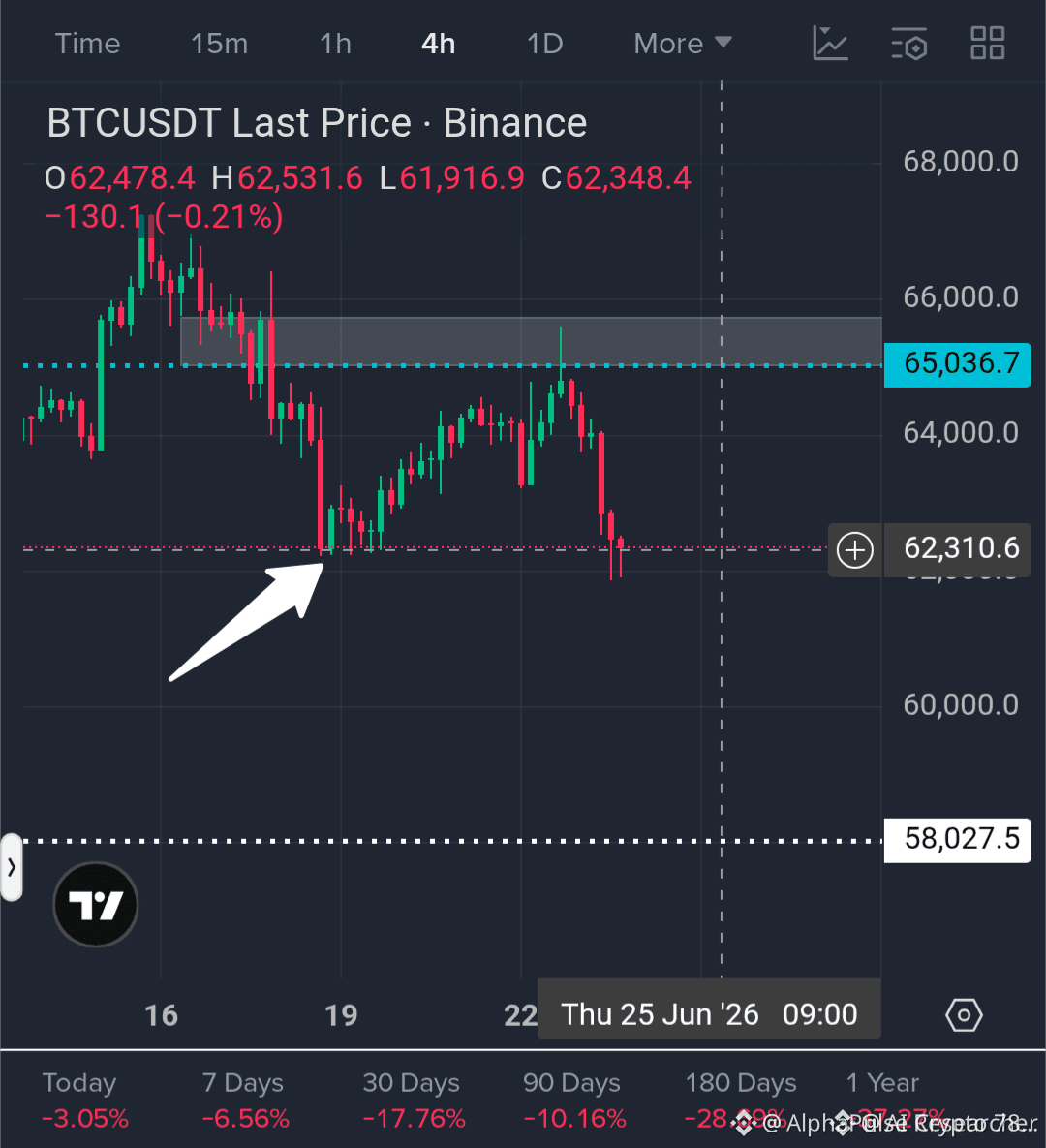
🚨 Urgent $BTC update — le mouvement devient maintenant sérieux.
Depuis les 2 derniers jours, je répétais encore et encore que le marché pouvait évoluer vers la zone des 58 000 $.
À ce moment-là, beaucoup de traders attendaient encore un redressement, mais le graphique montrait déjà une faiblesse.
Le prix a rejeté depuis la zone haute, les acheteurs n’ont pas réussi à tenir la zone, et maintenant la cassure a commencé.
En ce moment, $BTC se trouve près d’une zone de support importante, mais la réaction ne semble pas forte.
Si les acheteurs n’arrivent pas à tenir ici, alors le prochain mouvement à la baisse peut arriver plus vite que ce que les gens pensent.
Mon objectif principal est toujours :
58 000 $
Je pense que ce niveau peut être atteint avant samedi si la même faiblesse continue.
Le marché ne donne pas de signaux haussiers nets.
Le volume est faible, chaque rebond ressemble à un mouvement de soulagement, et les acheteurs se font piéger encore et encore.
C’est pourquoi je ne change pas d’avis.
$BTC a déjà donné la baisse que nous attendions.
La vraie question est maintenant simple :
Ce support tiendra-t-il, ou le marché va-t-il terminer le mouvement complet vers 58K ?
{future}(BTCUSDT)
#BTC #BTC走势分析 #BinanceMarginToListXLMTradingPairs
🚨 Urgent $BTC update — le mouvement devient maintenant sérieux.
Depuis les 2 derniers jours, je répétais encore et encore que le marché pouvait évoluer vers la zone des 58 000 $.
À ce moment-là, beaucoup de traders attendaient encore un redressement, mais le graphique montrait déjà une faiblesse.
Le prix a rejeté depuis la zone haute, les acheteurs n’ont pas réussi à tenir la zone, et maintenant la cassure a commencé.
En ce moment, $BTC se trouve près d’une zone de support importante, mais la réaction ne semble pas forte.
Si les acheteurs n’arrivent pas à tenir ici, alors le prochain mouvement à la baisse peut arriver plus vite que ce que les gens pensent.
Mon objectif principal est toujours :
58 000 $
Je pense que ce niveau peut être atteint avant samedi si la même faiblesse continue.
Le marché ne donne pas de signaux haussiers nets.
Le volume est faible, chaque rebond ressemble à un mouvement de soulagement, et les acheteurs se font piéger encore et encore.
C’est pourquoi je ne change pas d’avis.
$BTC a déjà donné la baisse que nous attendions.
La vraie question est maintenant simple :
Ce support tiendra-t-il, ou le marché va-t-il terminer le mouvement complet vers 58K ?
#BTC #BTC走势分析 #BinanceMarginToListXLMTradingPairs
Depuis les 2 derniers jours, je répétais encore et encore que le marché pouvait évoluer vers la zone des 58 000 $.
À ce moment-là, beaucoup de traders attendaient encore un redressement, mais le graphique montrait déjà une faiblesse.
Le prix a rejeté depuis la zone haute, les acheteurs n’ont pas réussi à tenir la zone, et maintenant la cassure a commencé.
En ce moment, $BTC se trouve près d’une zone de support importante, mais la réaction ne semble pas forte.
Si les acheteurs n’arrivent pas à tenir ici, alors le prochain mouvement à la baisse peut arriver plus vite que ce que les gens pensent.
Mon objectif principal est toujours :
58 000 $
Je pense que ce niveau peut être atteint avant samedi si la même faiblesse continue.
Le marché ne donne pas de signaux haussiers nets.
Le volume est faible, chaque rebond ressemble à un mouvement de soulagement, et les acheteurs se font piéger encore et encore.
C’est pourquoi je ne change pas d’avis.
$BTC a déjà donné la baisse que nous attendions.
La vraie question est maintenant simple :
Ce support tiendra-t-il, ou le marché va-t-il terminer le mouvement complet vers 58K ?
#BTC #BTC走势分析 #BinanceMarginToListXLMTradingPairs
1
48
·
--
Arrêtez.......Arrêtez......Arrêtez.....❗
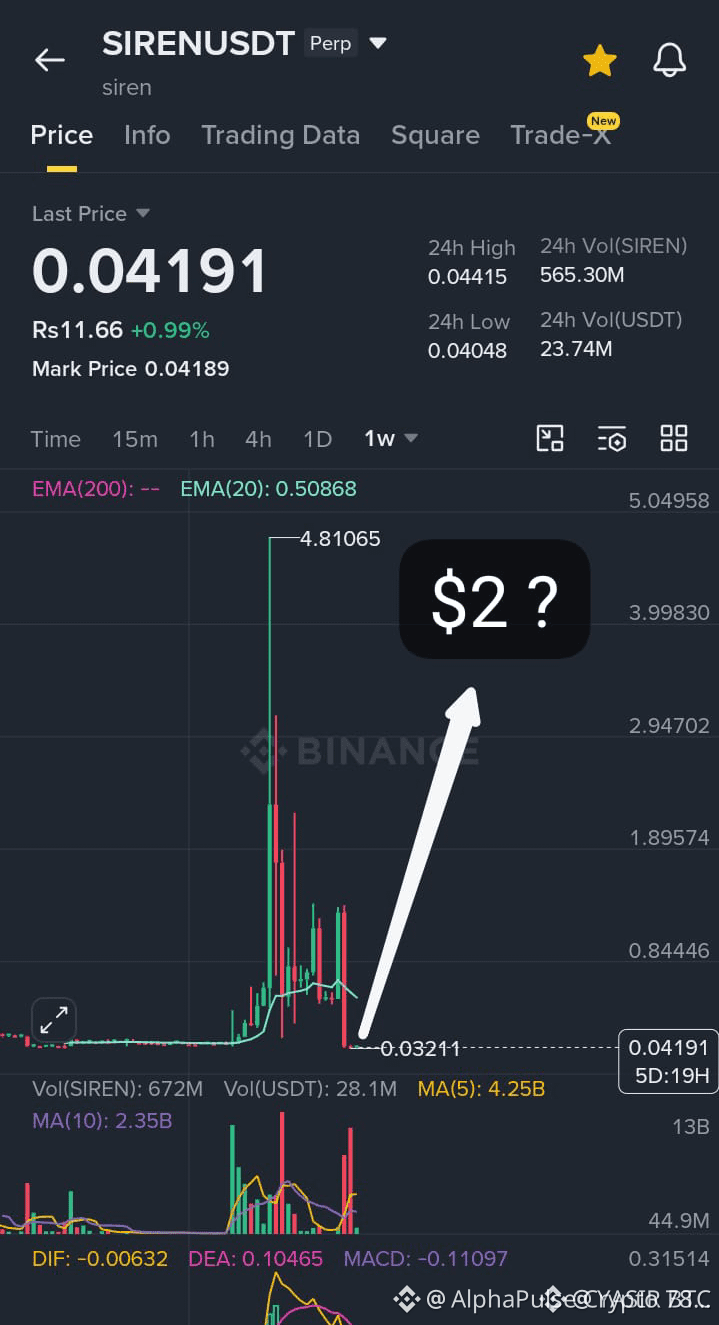
Les gars, laissez-moi vous dire si $SIREN va retoucher 2$ ou pas❗
Les gars, j’en ai vu beaucoup qui publient sur Binance Square en disant "Achetez-le, SIREN ira à 2$"🤡 et il y a plein de gens qui achètent aussi, influencés par les paroles des autres, en mettant des milliers de dollars dans l’achat🤡🤡
Je veux dire, je suis juste choqué de voir comment les gens gaspillent leur argent juste parce que quelqu’un leur dit ça... les gars, regardez : SIREN avait un support à 200EMA à 0,45$, et il le respectait encore et encore, mais maintenant SIREN a aussi cassé ce niveau, et en dessous il n’y a plus aucun support🤡
et c’était une arnaque, une pièce frauduleuse : 90% de son offre était sous le contrôle des whales, et les whales ont maintenant vendu et sont sortis, mais les petits porteurs gardent encore l’espoir... mais maintenant oubliez 2$, ça ne touchera même pas 0,1$😂😂
Achetez $SYN , il atteindra 0,40$ bientôt
👇🏻
{spot}(SYNUSDT)
{future}(SIRENUSDT)
$SYN #SYN #sirean
Arrêtez.......Arrêtez......Arrêtez.....❗
Les gars, laissez-moi vous dire si $SIREN va retoucher 2$ ou pas❗
Les gars, j’en ai vu beaucoup qui publient sur Binance Square en disant "Achetez-le, SIREN ira à 2$"🤡 et il y a plein de gens qui achètent aussi, influencés par les paroles des autres, en mettant des milliers de dollars dans l’achat🤡🤡
Je veux dire, je suis juste choqué de voir comment les gens gaspillent leur argent juste parce que quelqu’un leur dit ça... les gars, regardez : SIREN avait un support à 200EMA à 0,45$, et il le respectait encore et encore, mais maintenant SIREN a aussi cassé ce niveau, et en dessous il n’y a plus aucun support🤡
et c’était une arnaque, une pièce frauduleuse : 90% de son offre était sous le contrôle des whales, et les whales ont maintenant vendu et sont sortis, mais les petits porteurs gardent encore l’espoir... mais maintenant oubliez 2$, ça ne touchera même pas 0,1$😂😂
Achetez $SYN , il atteindra 0,40$ bientôt
👇🏻
$SYN #SYN #sirean
Les gars, laissez-moi vous dire si $SIREN va retoucher 2$ ou pas❗
Les gars, j’en ai vu beaucoup qui publient sur Binance Square en disant "Achetez-le, SIREN ira à 2$"🤡 et il y a plein de gens qui achètent aussi, influencés par les paroles des autres, en mettant des milliers de dollars dans l’achat🤡🤡
Je veux dire, je suis juste choqué de voir comment les gens gaspillent leur argent juste parce que quelqu’un leur dit ça... les gars, regardez : SIREN avait un support à 200EMA à 0,45$, et il le respectait encore et encore, mais maintenant SIREN a aussi cassé ce niveau, et en dessous il n’y a plus aucun support🤡
et c’était une arnaque, une pièce frauduleuse : 90% de son offre était sous le contrôle des whales, et les whales ont maintenant vendu et sont sortis, mais les petits porteurs gardent encore l’espoir... mais maintenant oubliez 2$, ça ne touchera même pas 0,1$😂😂
Achetez $SYN , il atteindra 0,40$ bientôt
👇🏻
$SYN #SYN #sirean
1
59
·
--
Baissier
D’ici la fin de ce prochain mois, $ETH passera à mille, c’est-à-dire 1000.'*
*Mais gardez à l’esprit — ceci est une prédiction. Personne ne peut garantir si l’ETH atteindra réellement 1000K–1200K. Le marché dépend de nombreux facteurs.*
*En ce moment, $ETH se situe à ∼$1765. Pour atteindre 1000K, il faudrait qu’il baisse encore d’environ 37% à partir d’ici.*
$ETH
{spot}(ETHUSDT)
D’ici la fin de ce prochain mois, $ETH passera à mille, c’est-à-dire 1000.'*
*Mais gardez à l’esprit — ceci est une prédiction. Personne ne peut garantir si l’ETH atteindra réellement 1000K–1200K. Le marché dépend de nombreux facteurs.*
*En ce moment, $ETH se situe à ∼$1765. Pour atteindre 1000K, il faudrait qu’il baisse encore d’environ 37% à partir d’ici.*
$ETH
*Mais gardez à l’esprit — ceci est une prédiction. Personne ne peut garantir si l’ETH atteindra réellement 1000K–1200K. Le marché dépend de nombreux facteurs.*
*En ce moment, $ETH se situe à ∼$1765. Pour atteindre 1000K, il faudrait qu’il baisse encore d’environ 37% à partir d’ici.*
$ETH
1
72
·
--
Haussier
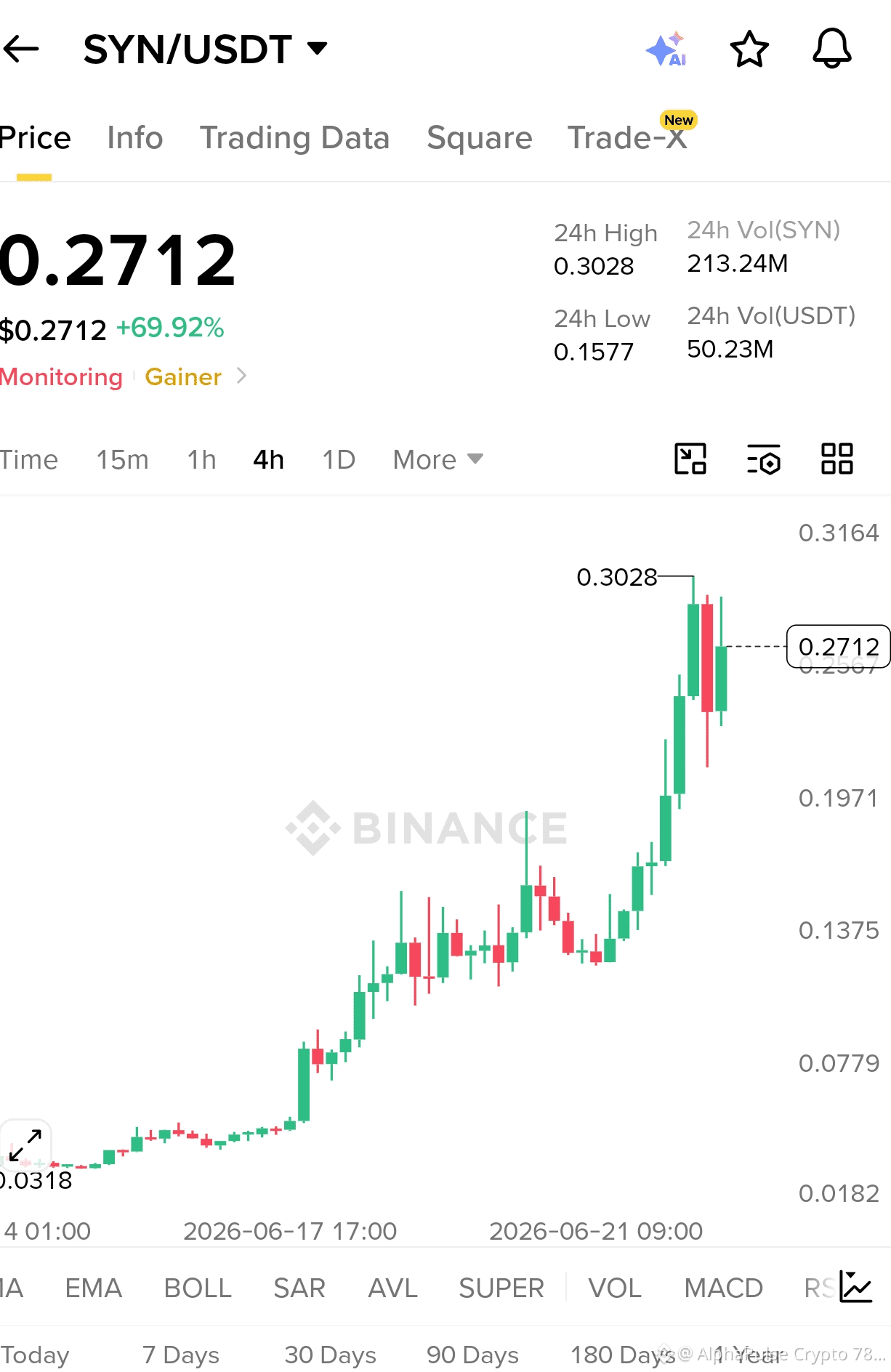
$SYN Configuration de cassure haussière
Je vois $SYN faire preuve d’une force exceptionnelle après une cassure puissante de sa zone d’accumulation. Le graphique en 4H confirme une forte dynamique haussière, avec un volume d’achat agressif et des plus hauts plus élevés. Malgré la récente flambée, le prix reste au-dessus des niveaux clés de cassure, ce qui maintient la tendance haussière.
Raison
Cassure solide issue d’une consolidation
Énorme élan d’achat
Plus hauts et plus bas plus élevés sur le graphique 4H
Les acheteurs défendent la zone de cassure
Expansion du volume soutenant le mouvement
Configuration de trading
Entrée : 0,2650 $ - 0,2750 $
Objectif 1 : 0,3000 $
Objectif 2 : 0,3300 $
Objectif 3 : 0,3600 $
Stop Loss : 0,2350 $
Comment c’est possible
Je surveille SYN pour qu’il maintienne le support au-dessus de la zone de cassure des 0,2500 $. Si les acheteurs continuent de défendre les replis et que le prix reprend 0,3000 $, l’élan peut propulser la prochaine étape vers 0,3300 $ et 0,3600 $. La tendance reste haussière tant que le prix demeure au-dessus de la zone de stop-loss.
Plan
Je entre dans la zone d’entrée, je prends des profits partiels à chaque objectif et je remonte le stop loss à l’équilibre après l’atteinte de l’objectif 1. En raison de la récente montée rapide, il est important de gérer le risque et d’éviter les positions trop larges.
Allons-y et Trade maintenant $SYN
{spot}(SYNUSDT)
#SYN #SYNTH
$SYN Configuration de cassure haussière
Je vois $SYN faire preuve d’une force exceptionnelle après une cassure puissante de sa zone d’accumulation. Le graphique en 4H confirme une forte dynamique haussière, avec un volume d’achat agressif et des plus hauts plus élevés. Malgré la récente flambée, le prix reste au-dessus des niveaux clés de cassure, ce qui maintient la tendance haussière.
Raison
Cassure solide issue d’une consolidation
Énorme élan d’achat
Plus hauts et plus bas plus élevés sur le graphique 4H
Les acheteurs défendent la zone de cassure
Expansion du volume soutenant le mouvement
Configuration de trading
Entrée : 0,2650 $ - 0,2750 $
Objectif 1 : 0,3000 $
Objectif 2 : 0,3300 $
Objectif 3 : 0,3600 $
Stop Loss : 0,2350 $
Comment c’est possible
Je surveille SYN pour qu’il maintienne le support au-dessus de la zone de cassure des 0,2500 $. Si les acheteurs continuent de défendre les replis et que le prix reprend 0,3000 $, l’élan peut propulser la prochaine étape vers 0,3300 $ et 0,3600 $. La tendance reste haussière tant que le prix demeure au-dessus de la zone de stop-loss.
Plan
Je entre dans la zone d’entrée, je prends des profits partiels à chaque objectif et je remonte le stop loss à l’équilibre après l’atteinte de l’objectif 1. En raison de la récente montée rapide, il est important de gérer le risque et d’éviter les positions trop larges.
Allons-y et Trade maintenant $SYN
#SYN #SYNTH
Je vois $SYN faire preuve d’une force exceptionnelle après une cassure puissante de sa zone d’accumulation. Le graphique en 4H confirme une forte dynamique haussière, avec un volume d’achat agressif et des plus hauts plus élevés. Malgré la récente flambée, le prix reste au-dessus des niveaux clés de cassure, ce qui maintient la tendance haussière.
Raison
Cassure solide issue d’une consolidation
Énorme élan d’achat
Plus hauts et plus bas plus élevés sur le graphique 4H
Les acheteurs défendent la zone de cassure
Expansion du volume soutenant le mouvement
Configuration de trading
Entrée : 0,2650 $ - 0,2750 $
Objectif 1 : 0,3000 $
Objectif 2 : 0,3300 $
Objectif 3 : 0,3600 $
Stop Loss : 0,2350 $
Comment c’est possible
Je surveille SYN pour qu’il maintienne le support au-dessus de la zone de cassure des 0,2500 $. Si les acheteurs continuent de défendre les replis et que le prix reprend 0,3000 $, l’élan peut propulser la prochaine étape vers 0,3300 $ et 0,3600 $. La tendance reste haussière tant que le prix demeure au-dessus de la zone de stop-loss.
Plan
Je entre dans la zone d’entrée, je prends des profits partiels à chaque objectif et je remonte le stop loss à l’équilibre après l’atteinte de l’objectif 1. En raison de la récente montée rapide, il est important de gérer le risque et d’éviter les positions trop larges.
Allons-y et Trade maintenant $SYN
#SYN #SYNTH
1
72
·
--
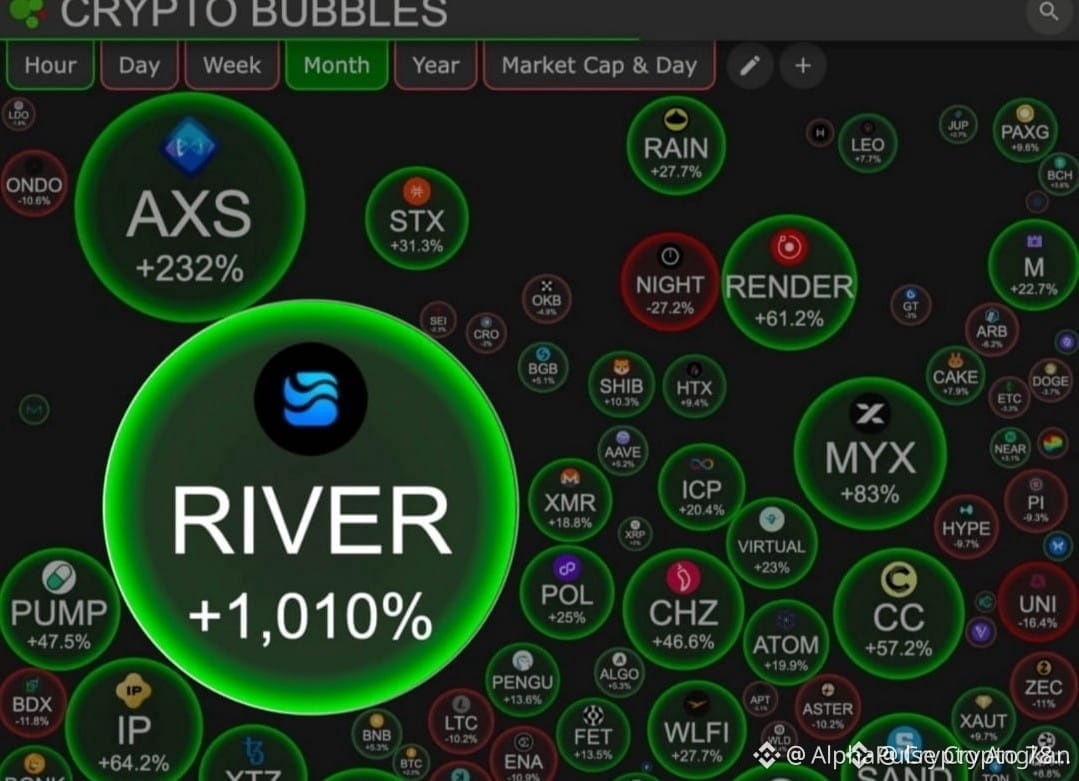
Tu as ri $RIVER à $1
Puis ça a atteint $10
Tu as ri $RIVER à $40
Puis ça a atteint $80
Maintenant, tu as à $4 déposé à $86
#RIVER va atteindre et casser le ATH $100 bientôt❤️🔥🎗️🚀 100X ce n’est pas une blague❤️🔥
Marque mes mots ! Des captures d’écran de ça‼️
$ID
{alpha}(560xda7ad9dea9397cffddae2f8a052b82f1484252b3)
Tu as ri $RIVER à $1
Puis ça a atteint $10
Tu as ri $RIVER à $40
Puis ça a atteint $80
Maintenant, tu as à $4 déposé à $86
#RIVER va atteindre et casser le ATH $100 bientôt❤️🔥🎗️🚀 100X ce n’est pas une blague❤️🔥
Marque mes mots ! Des captures d’écran de ça‼️
$ID
Puis ça a atteint $10
Tu as ri $RIVER à $40
Puis ça a atteint $80
Maintenant, tu as à $4 déposé à $86
#RIVER va atteindre et casser le ATH $100 bientôt❤️🔥🎗️🚀 100X ce n’est pas une blague❤️🔥
Marque mes mots ! Des captures d’écran de ça‼️
$ID
1
1
·
--
Baissier
Parfois, vous devez chasser des opportunités, elles ne viennent pas à vous d'elles-mêmes.
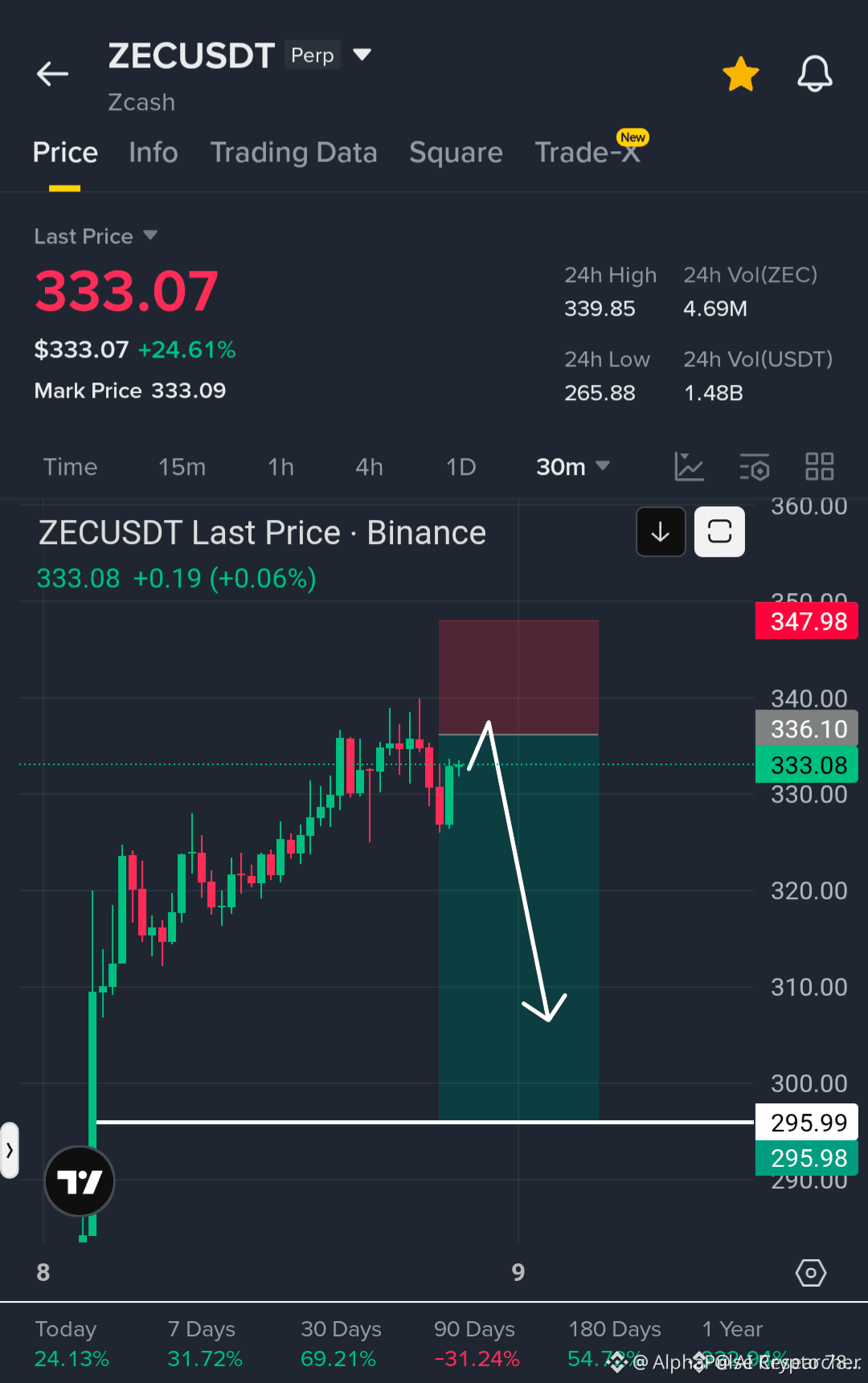
Vendez à découvert sur $ZEC maintenant et remerciez-moi plus tard 😉 ne vous inquiétez pas.
TP : 300–295
SL : Au-dessus de 351
Tradez ici 👇🏻
{future}(ZECUSDT)
Parce que nous n'allons pas acheter le $ZEC ici. Les baleines prennent déjà des bénéfices, et maintenant les ordres stop des acheteurs vont être touchés.
Si vous vendez à découvert avec moi, nous allons réaliser des bénéfices 🤝
Allons-y 👀
#zec #ZECUSDT #BTC
Parfois, vous devez chasser des opportunités, elles ne viennent pas à vous d'elles-mêmes.
Vendez à découvert sur $ZEC maintenant et remerciez-moi plus tard 😉 ne vous inquiétez pas.
TP : 300–295
SL : Au-dessus de 351
Tradez ici 👇🏻
Parce que nous n'allons pas acheter le $ZEC ici. Les baleines prennent déjà des bénéfices, et maintenant les ordres stop des acheteurs vont être touchés.
Si vous vendez à découvert avec moi, nous allons réaliser des bénéfices 🤝
Allons-y 👀
#zec #ZECUSDT #BTC
Vendez à découvert sur $ZEC maintenant et remerciez-moi plus tard 😉 ne vous inquiétez pas.
TP : 300–295
SL : Au-dessus de 351
Tradez ici 👇🏻
Parce que nous n'allons pas acheter le $ZEC ici. Les baleines prennent déjà des bénéfices, et maintenant les ordres stop des acheteurs vont être touchés.
Si vous vendez à découvert avec moi, nous allons réaliser des bénéfices 🤝
Allons-y 👀
#zec #ZECUSDT #BTC
8
·
--
Baissier
Les gars… 😱 écoutez !
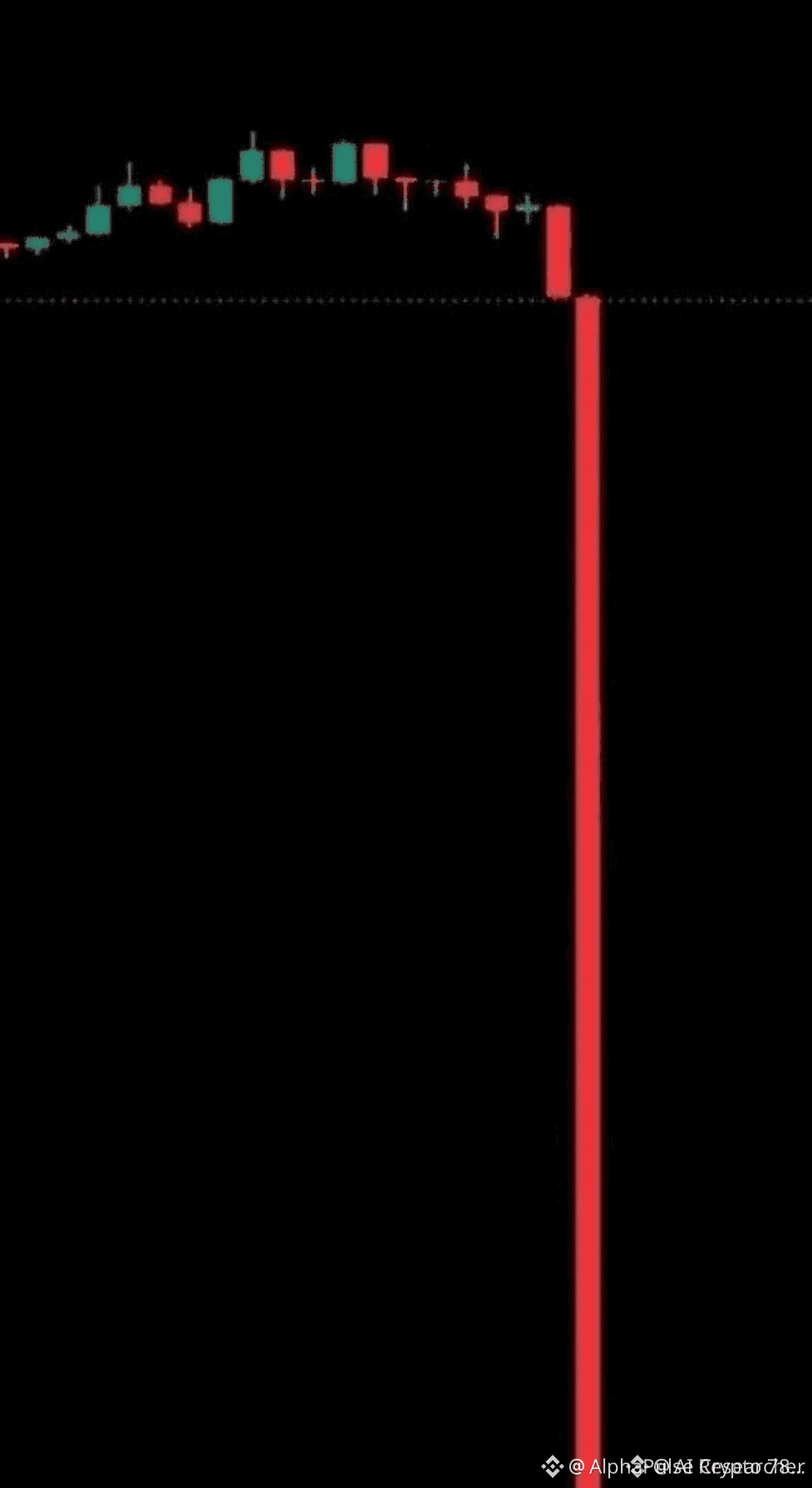
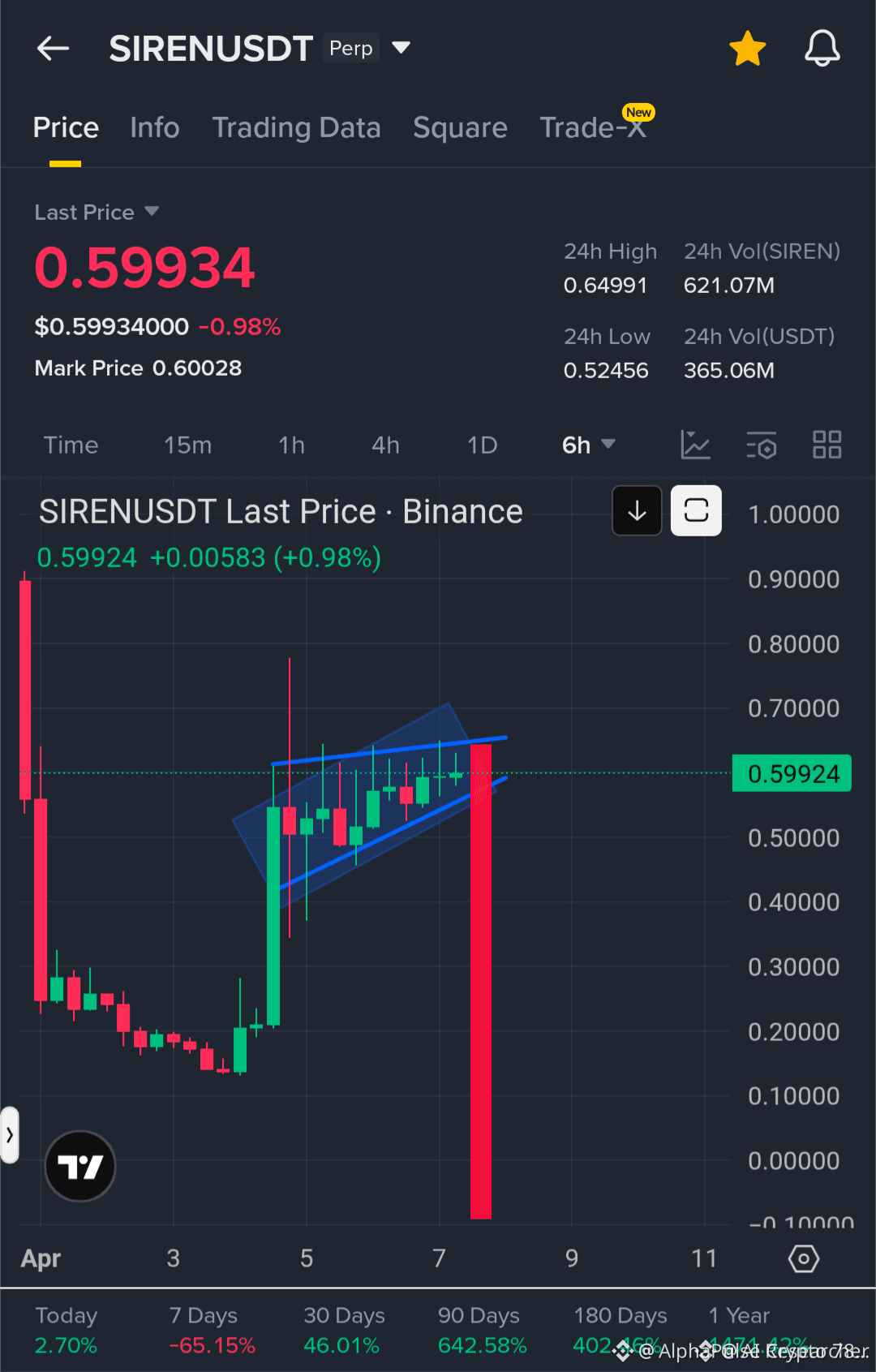
Je viens d'obtenir des infos de type insider… et cela ne semble pas bon pour $SIREN
💀
Tout le monde s'attend à ce que cela atteigne 5 $… mais que diriez-vous si je vous disais que l'opposé est sur le point de se produire ?
Les grands acteurs et les baleines ont déjà terminé de prendre des bénéfices au sommet.
Maintenant, ils ont juste besoin d'une dernière chose… de liquidité.
Et vous savez qui devient liquidité ?
Les personnes qui achètent encore avec espoir… pensant que cela ira plus haut 🤧
C'est comme ça que le jeu fonctionne…
Quand tout le monde est optimiste → l'argent intelligent vend.
$SIREN peut chuter fortement… peut-être même vers 0,1 $ 👀
Et la plupart des gens ne sont pas prêts pour cela.
Vous avez encore le temps… réveillez-vous.
Sinon, plus tard, vous direz : "J'aurais aimé écouter..."
Si vous comprenez le mouvement, vous pouvez même chercher une courte ici avec un risque approprié.
et $ARIA aussi prêt à dégringoler 👀 Vous remarquez ?
Ne tradez pas avec des émotions… tradez intelligemment 😮💨
{future}(SIRENUSDT)
Les gars… 😱 écoutez !
Je viens d'obtenir des infos de type insider… et cela ne semble pas bon pour $SIREN
💀
Tout le monde s'attend à ce que cela atteigne 5 $… mais que diriez-vous si je vous disais que l'opposé est sur le point de se produire ?
Les grands acteurs et les baleines ont déjà terminé de prendre des bénéfices au sommet.
Maintenant, ils ont juste besoin d'une dernière chose… de liquidité.
Et vous savez qui devient liquidité ?
Les personnes qui achètent encore avec espoir… pensant que cela ira plus haut 🤧
C'est comme ça que le jeu fonctionne…
Quand tout le monde est optimiste → l'argent intelligent vend.
$SIREN peut chuter fortement… peut-être même vers 0,1 $ 👀
Et la plupart des gens ne sont pas prêts pour cela.
Vous avez encore le temps… réveillez-vous.
Sinon, plus tard, vous direz : "J'aurais aimé écouter..."
Si vous comprenez le mouvement, vous pouvez même chercher une courte ici avec un risque approprié.
et $ARIA aussi prêt à dégringoler 👀 Vous remarquez ?
Ne tradez pas avec des émotions… tradez intelligemment 😮💨
Je viens d'obtenir des infos de type insider… et cela ne semble pas bon pour $SIREN
💀
Tout le monde s'attend à ce que cela atteigne 5 $… mais que diriez-vous si je vous disais que l'opposé est sur le point de se produire ?
Les grands acteurs et les baleines ont déjà terminé de prendre des bénéfices au sommet.
Maintenant, ils ont juste besoin d'une dernière chose… de liquidité.
Et vous savez qui devient liquidité ?
Les personnes qui achètent encore avec espoir… pensant que cela ira plus haut 🤧
C'est comme ça que le jeu fonctionne…
Quand tout le monde est optimiste → l'argent intelligent vend.
$SIREN peut chuter fortement… peut-être même vers 0,1 $ 👀
Et la plupart des gens ne sont pas prêts pour cela.
Vous avez encore le temps… réveillez-vous.
Sinon, plus tard, vous direz : "J'aurais aimé écouter..."
Si vous comprenez le mouvement, vous pouvez même chercher une courte ici avec un risque approprié.
et $ARIA aussi prêt à dégringoler 👀 Vous remarquez ?
Ne tradez pas avec des émotions… tradez intelligemment 😮💨
1
6
·
--
Baissier
🔴 ETHUSDT [Binance] Alerte de Liquidation
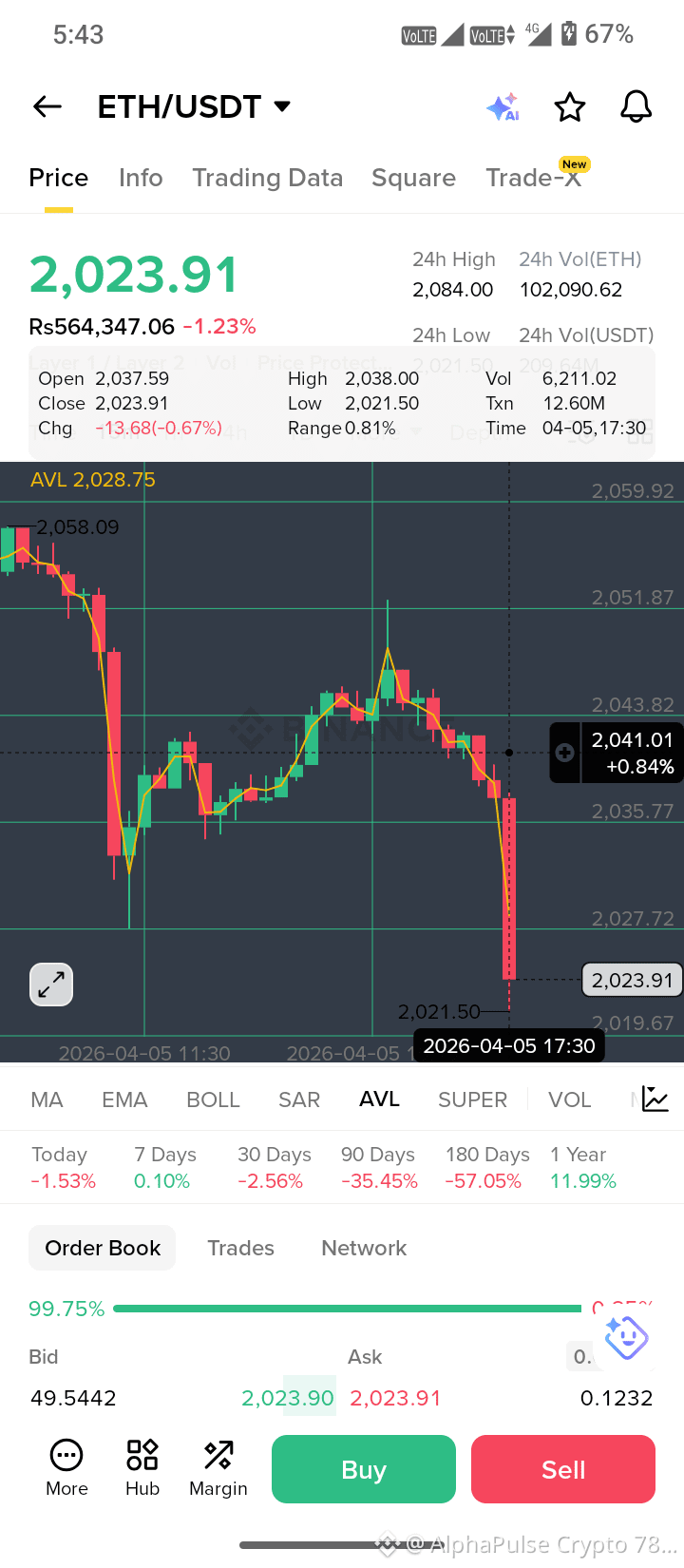
💥 Positions Long Effacées : 140,09 K$
📉 Prix de Liquidation : 2 029 $
⚡ Le marché vient d'éliminer les longs surendettés — un mouvement classique de secousse.
Ce type de liquidation signale généralement une volatilité à court terme et une possible continuation ou inversion selon le suivi.
📊 Ce que cela signifie :
• Les mains faibles sont sorties du marché
• La liquidité a été saisie
• L'argent intelligent pourrait intervenir ensuite
🔥 Prochaine Étape ?
Si le prix se maintient au-dessus de 2 000 $ → rebond potentiel (récupération haussière)
Si la rupture continue → plus de liquidations à venir (pression baissière)
👀 Restez vigilant. Tradez intelligemment.
#ETH #crypto #Binance #liquidation #Trading $ETH
{spot}(ETHUSDT)
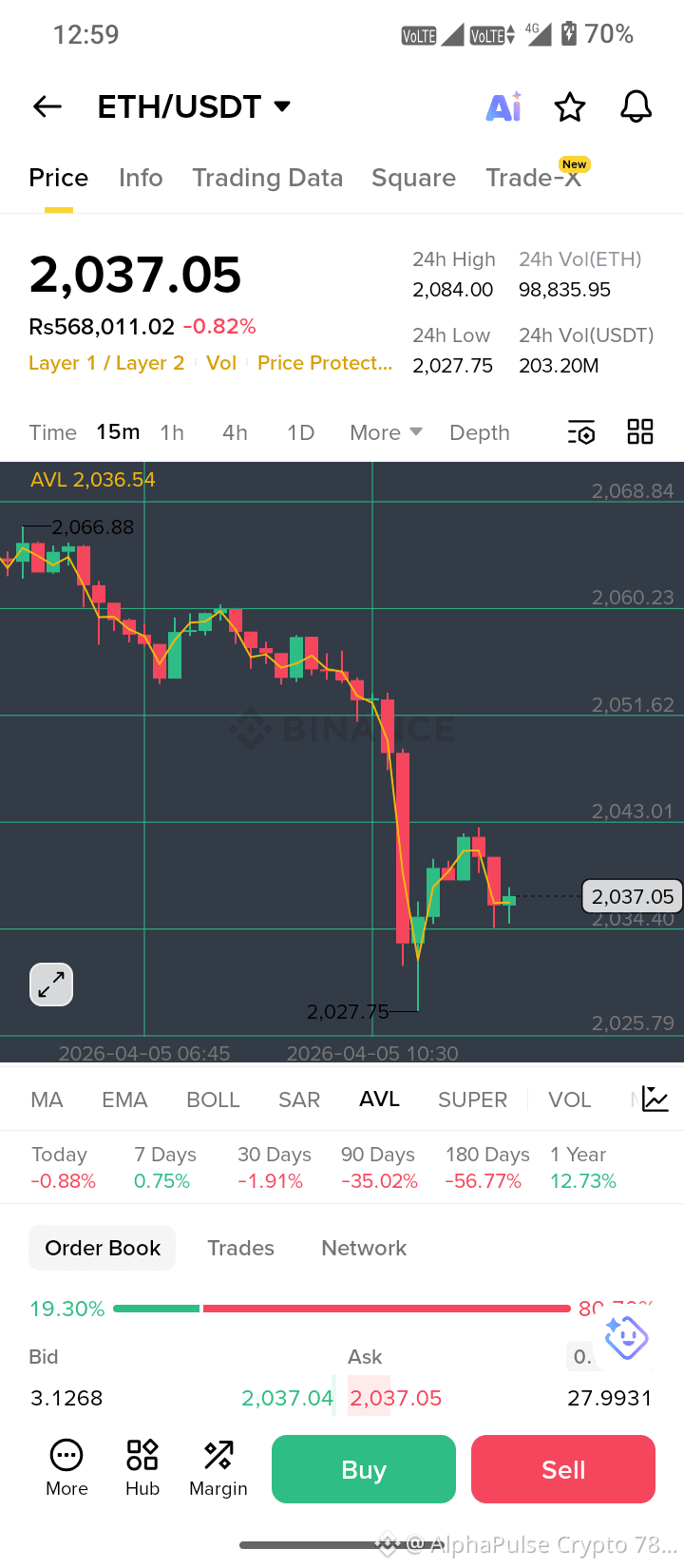
🔴 ETHUSDT [Binance] Alerte de Liquidation
💥 Positions Long Effacées : 140,09 K$
📉 Prix de Liquidation : 2 029 $
⚡ Le marché vient d'éliminer les longs surendettés — un mouvement classique de secousse.
Ce type de liquidation signale généralement une volatilité à court terme et une possible continuation ou inversion selon le suivi.
📊 Ce que cela signifie :
• Les mains faibles sont sorties du marché
• La liquidité a été saisie
• L'argent intelligent pourrait intervenir ensuite
🔥 Prochaine Étape ?
Si le prix se maintient au-dessus de 2 000 $ → rebond potentiel (récupération haussière)
Si la rupture continue → plus de liquidations à venir (pression baissière)
👀 Restez vigilant. Tradez intelligemment.
#ETH #crypto #Binance #liquidation #Trading $ETH
💥 Positions Long Effacées : 140,09 K$
📉 Prix de Liquidation : 2 029 $
⚡ Le marché vient d'éliminer les longs surendettés — un mouvement classique de secousse.
Ce type de liquidation signale généralement une volatilité à court terme et une possible continuation ou inversion selon le suivi.
📊 Ce que cela signifie :
• Les mains faibles sont sorties du marché
• La liquidité a été saisie
• L'argent intelligent pourrait intervenir ensuite
🔥 Prochaine Étape ?
Si le prix se maintient au-dessus de 2 000 $ → rebond potentiel (récupération haussière)
Si la rupture continue → plus de liquidations à venir (pression baissière)
👀 Restez vigilant. Tradez intelligemment.
#ETH #crypto #Binance #liquidation #Trading $ETH
3
1
58
·
--
Baissier
🔴🔴 ETHUSDT [Binance] Alerte de Liquidation
💥 10,18 M $ LONGS ÉLIMINÉS
📍 Prix de Liquidation : 2 028 $
⚡️ Extravagance d'Annihilation !! 🔥
Le marché vient de livrer un brutal shakeout — les longs surendettés ont été complètement obliterés alors que le prix a plongé dans la zone de liquidité.
📉 Mains faibles éliminées.
🧠 Argent intelligent en accumulation ?
👀 Insight Clé :
Ce type de liquidation lourde de longs signale souvent :
• Panique à court terme
• Possible formation de creux local
• Expansion de la volatilité à venir
🚨 Regardez de Près :
Si ETH reprend 2 050 $, nous pourrions voir un rebond.
En cas d'échec → plus de chasses à la liquidité à la baisse à venir.
#ETH #ETHETFsApproved $ETH
{spot}(ETHUSDT)
🔴🔴 ETHUSDT [Binance] Alerte de Liquidation
💥 10,18 M $ LONGS ÉLIMINÉS
📍 Prix de Liquidation : 2 028 $
⚡️ Extravagance d'Annihilation !! 🔥
Le marché vient de livrer un brutal shakeout — les longs surendettés ont été complètement obliterés alors que le prix a plongé dans la zone de liquidité.
📉 Mains faibles éliminées.
🧠 Argent intelligent en accumulation ?
👀 Insight Clé :
Ce type de liquidation lourde de longs signale souvent :
• Panique à court terme
• Possible formation de creux local
• Expansion de la volatilité à venir
🚨 Regardez de Près :
Si ETH reprend 2 050 $, nous pourrions voir un rebond.
En cas d'échec → plus de chasses à la liquidité à la baisse à venir.
#ETH #ETHETFsApproved $ETH
💥 10,18 M $ LONGS ÉLIMINÉS
📍 Prix de Liquidation : 2 028 $
⚡️ Extravagance d'Annihilation !! 🔥
Le marché vient de livrer un brutal shakeout — les longs surendettés ont été complètement obliterés alors que le prix a plongé dans la zone de liquidité.
📉 Mains faibles éliminées.
🧠 Argent intelligent en accumulation ?
👀 Insight Clé :
Ce type de liquidation lourde de longs signale souvent :
• Panique à court terme
• Possible formation de creux local
• Expansion de la volatilité à venir
🚨 Regardez de Près :
Si ETH reprend 2 050 $, nous pourrions voir un rebond.
En cas d'échec → plus de chasses à la liquidité à la baisse à venir.
#ETH #ETHETFsApproved $ETH
2
1
23
·
--
Que attendez-vous, les gars ? 👀
Quand allez-vous acheter $BTC ?
À 70K $ après la rupture ?
Au sommet… comme toujours ?
Pourquoi la plupart des gens n'achètent-ils que lorsque le mouvement est déjà fait ?
L'argent intelligent ne poursuit pas les hausses
Il entre lorsque le marché est silencieux 🔕 avant la tempête.
📈 Je suis LONG sur $BTC à partir d'ici :
🎯 Cible : 68 000
🛑 Stop Loss : 64 200
#BTC走势分析
Tradez ici 👇🏻
{spot}(BTCUSDT)
Ne restez pas juste assis à regarder…
Agissez avant qu'il ne soit trop tard. 👀💰
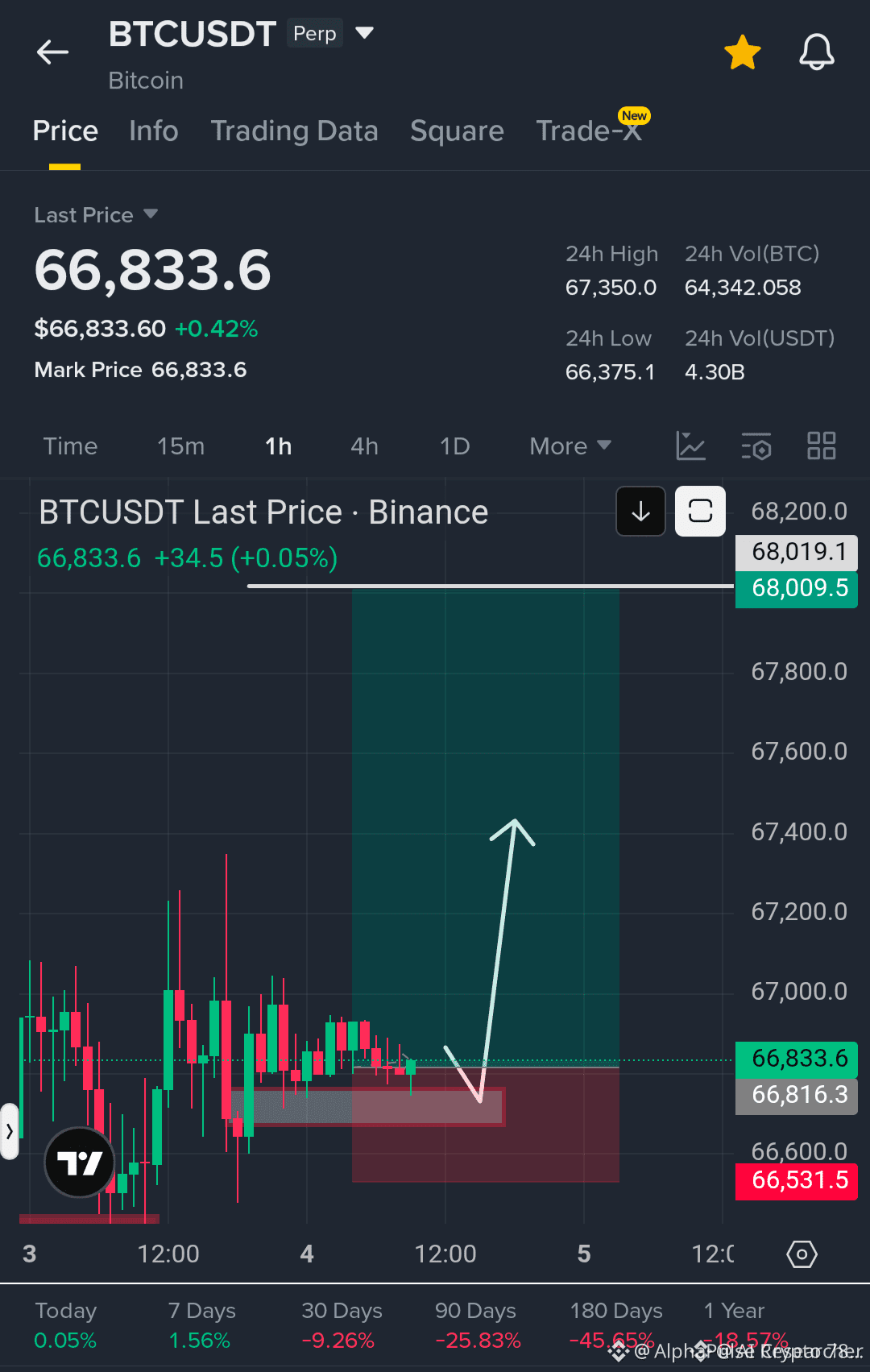
Que attendez-vous, les gars ? 👀
Quand allez-vous acheter $BTC ?
À 70K $ après la rupture ?
Au sommet… comme toujours ?
Pourquoi la plupart des gens n'achètent-ils que lorsque le mouvement est déjà fait ?
L'argent intelligent ne poursuit pas les hausses
Il entre lorsque le marché est silencieux 🔕 avant la tempête.
📈 Je suis LONG sur $BTC à partir d'ici :
🎯 Cible : 68 000
🛑 Stop Loss : 64 200
#BTC走势分析
Tradez ici 👇🏻
Ne restez pas juste assis à regarder…
Agissez avant qu'il ne soit trop tard. 👀💰
Quand allez-vous acheter $BTC ?
À 70K $ après la rupture ?
Au sommet… comme toujours ?
Pourquoi la plupart des gens n'achètent-ils que lorsque le mouvement est déjà fait ?
L'argent intelligent ne poursuit pas les hausses
Il entre lorsque le marché est silencieux 🔕 avant la tempête.
📈 Je suis LONG sur $BTC à partir d'ici :
🎯 Cible : 68 000
🛑 Stop Loss : 64 200
#BTC走势分析
Tradez ici 👇🏻
Ne restez pas juste assis à regarder…
Agissez avant qu'il ne soit trop tard. 👀💰
11
·
--
Haussier
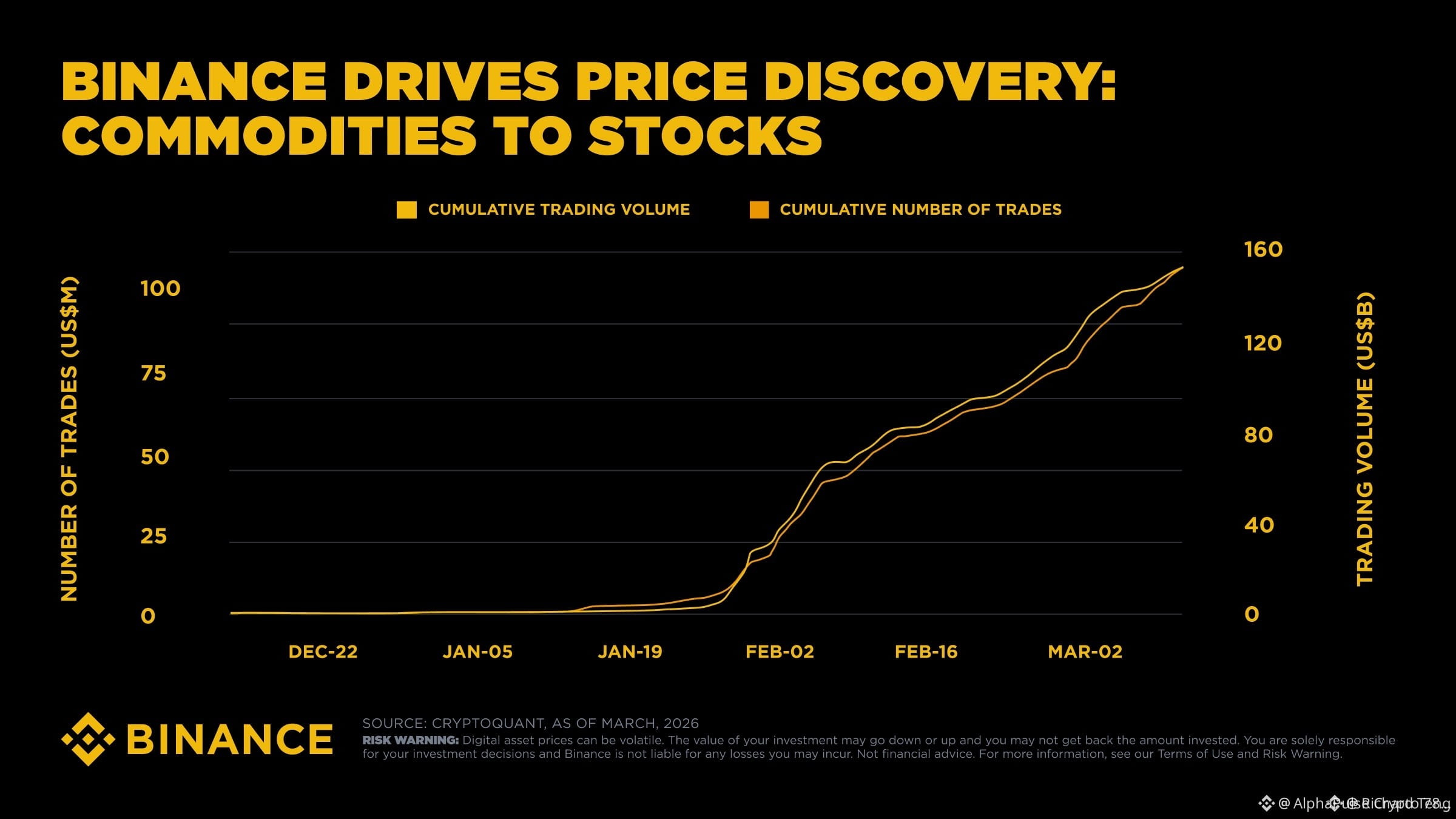
Chez Binance, l'or et l'argent se négocient 24/7, aux côtés d'actions comme Tesla et des ETF sur indices mondiaux. Tout en un seul endroit.
$153B en volume cumulatif et 113M+ transactions plus tard, la demande pour des actifs traditionnels toujours disponibles est claire.
Chez Binance, l'or et l'argent se négocient 24/7, aux côtés d'actions comme Tesla et des ETF sur indices mondiaux. Tout en un seul endroit.
$153B en volume cumulatif et 113M+ transactions plus tard, la demande pour des actifs traditionnels toujours disponibles est claire.
$153B en volume cumulatif et 113M+ transactions plus tard, la demande pour des actifs traditionnels toujours disponibles est claire.
116
·
--
Haussier
$PAXG $XAU $XAG
🟡 OR — LISEZ CECI ATTENTIVEMENT
Dézoomer.
Pas des jours. Pas des semaines. Des années.
En 2009, l'or était autour de 1 096 $.
En 2012, il a atteint près de 1 675 $.
Puis… rien.
De 2013 à 2018, l'or a stagné.
Pas de battage. Pas de gros titres. Pas d'excitation.
La plupart des gens ont perdu tout intérêt.
Et c'est exactement à ce moment-là que l'argent intelligent commence à prêter attention.
En 2019, quelque chose a changé.
L'or a commencé à grimper à nouveau —
1 517 $… puis 1 898 $ en 2020.
Il n'a pas explosé du jour au lendemain.
Il a accumulé de la pression discrètement.
Pendant que la foule poursuivait des profits rapides,
l'or se positionnait.
Puis est venue la rupture.
2023 → au-dessus de 2 000 $
2024 → a choqué beaucoup au-delà de 2 600 $
2025 → a grimpé au-delà de 4 300 $
Ce n'est pas aléatoire.
Des mouvements comme celui-ci ne proviennent pas uniquement du battage médiatique de détail.
C'est quelque chose de plus grand.
Les banques centrales augmentent les réserves.
La dette mondiale est à des niveaux record.
Les devises sont en train d'être diluées.
La confiance dans l'argent papier s'affaiblit.
L'or ne bouge pas comme ça sans raison.
Il bouge comme ça lorsque le système est sous pression.
À 2 000 $ — les gens disaient que c'était cher.
À 3 000 $ — ils riaient.
À 4 000 $ — ils l'appelaient une bulle.
Maintenant, la conversation change.
Est-ce que 10 000 $ est vraiment impossible ?
Ou sommes-nous témoins d'une revalorisation à long terme en temps réel ?
L'or n'est pas soudainement « cher ».
Ce qui change, c'est le pouvoir d'achat.
Chaque cycle offre le même choix :
Préparez-vous tôt et restez calme…
ou attendez — et réagissez émotionnellement plus tard.
L'histoire ne récompense pas la panique.
{spot}(PAXGUSDT)
{spot}(XAUTUSDT)
{future}(XAGUSDT)
$PAXG $XAU $XAG
🟡 OR — LISEZ CECI ATTENTIVEMENT
Dézoomer.
Pas des jours. Pas des semaines. Des années.
En 2009, l'or était autour de 1 096 $.
En 2012, il a atteint près de 1 675 $.
Puis… rien.
De 2013 à 2018, l'or a stagné.
Pas de battage. Pas de gros titres. Pas d'excitation.
La plupart des gens ont perdu tout intérêt.
Et c'est exactement à ce moment-là que l'argent intelligent commence à prêter attention.
En 2019, quelque chose a changé.
L'or a commencé à grimper à nouveau —
1 517 $… puis 1 898 $ en 2020.
Il n'a pas explosé du jour au lendemain.
Il a accumulé de la pression discrètement.
Pendant que la foule poursuivait des profits rapides,
l'or se positionnait.
Puis est venue la rupture.
2023 → au-dessus de 2 000 $
2024 → a choqué beaucoup au-delà de 2 600 $
2025 → a grimpé au-delà de 4 300 $
Ce n'est pas aléatoire.
Des mouvements comme celui-ci ne proviennent pas uniquement du battage médiatique de détail.
C'est quelque chose de plus grand.
Les banques centrales augmentent les réserves.
La dette mondiale est à des niveaux record.
Les devises sont en train d'être diluées.
La confiance dans l'argent papier s'affaiblit.
L'or ne bouge pas comme ça sans raison.
Il bouge comme ça lorsque le système est sous pression.
À 2 000 $ — les gens disaient que c'était cher.
À 3 000 $ — ils riaient.
À 4 000 $ — ils l'appelaient une bulle.
Maintenant, la conversation change.
Est-ce que 10 000 $ est vraiment impossible ?
Ou sommes-nous témoins d'une revalorisation à long terme en temps réel ?
L'or n'est pas soudainement « cher ».
Ce qui change, c'est le pouvoir d'achat.
Chaque cycle offre le même choix :
Préparez-vous tôt et restez calme…
ou attendez — et réagissez émotionnellement plus tard.
L'histoire ne récompense pas la panique.
🟡 OR — LISEZ CECI ATTENTIVEMENT
Dézoomer.
Pas des jours. Pas des semaines. Des années.
En 2009, l'or était autour de 1 096 $.
En 2012, il a atteint près de 1 675 $.
Puis… rien.
De 2013 à 2018, l'or a stagné.
Pas de battage. Pas de gros titres. Pas d'excitation.
La plupart des gens ont perdu tout intérêt.
Et c'est exactement à ce moment-là que l'argent intelligent commence à prêter attention.
En 2019, quelque chose a changé.
L'or a commencé à grimper à nouveau —
1 517 $… puis 1 898 $ en 2020.
Il n'a pas explosé du jour au lendemain.
Il a accumulé de la pression discrètement.
Pendant que la foule poursuivait des profits rapides,
l'or se positionnait.
Puis est venue la rupture.
2023 → au-dessus de 2 000 $
2024 → a choqué beaucoup au-delà de 2 600 $
2025 → a grimpé au-delà de 4 300 $
Ce n'est pas aléatoire.
Des mouvements comme celui-ci ne proviennent pas uniquement du battage médiatique de détail.
C'est quelque chose de plus grand.
Les banques centrales augmentent les réserves.
La dette mondiale est à des niveaux record.
Les devises sont en train d'être diluées.
La confiance dans l'argent papier s'affaiblit.
L'or ne bouge pas comme ça sans raison.
Il bouge comme ça lorsque le système est sous pression.
À 2 000 $ — les gens disaient que c'était cher.
À 3 000 $ — ils riaient.
À 4 000 $ — ils l'appelaient une bulle.
Maintenant, la conversation change.
Est-ce que 10 000 $ est vraiment impossible ?
Ou sommes-nous témoins d'une revalorisation à long terme en temps réel ?
L'or n'est pas soudainement « cher ».
Ce qui change, c'est le pouvoir d'achat.
Chaque cycle offre le même choix :
Préparez-vous tôt et restez calme…
ou attendez — et réagissez émotionnellement plus tard.
L'histoire ne récompense pas la panique.

550
·
--
Attention traders,
Après un fort mouvement dans $STO , mon attention est désormais entièrement sur cette paire.
Le prix a montré une forte poussée, mais la structure commence à sembler surachetée avec des signes potentiels de faiblesse se développant près du sommet. Je n'entre pas immédiatement et j'attends un niveau de confirmation clair avant de prendre une position.
Une fois la confirmation observée, je chercherai une opportunité de vente à découvert car une phase de correction est susceptible de suivre. Ce setup peut offrir un mouvement solide à la baisse si le rejet continue des niveaux actuels.
Si vous voulez l'entrée exacte avant le mouvement, commentez "JE VEUX". Sinon, j'exécuterai en privé et partagerai des mises à jour en conséquence sur $STO .
Cliquez ci-dessous pour prendre le trade
{spot}(STOUSDT)
#STORJ #cryptouniverseofficial
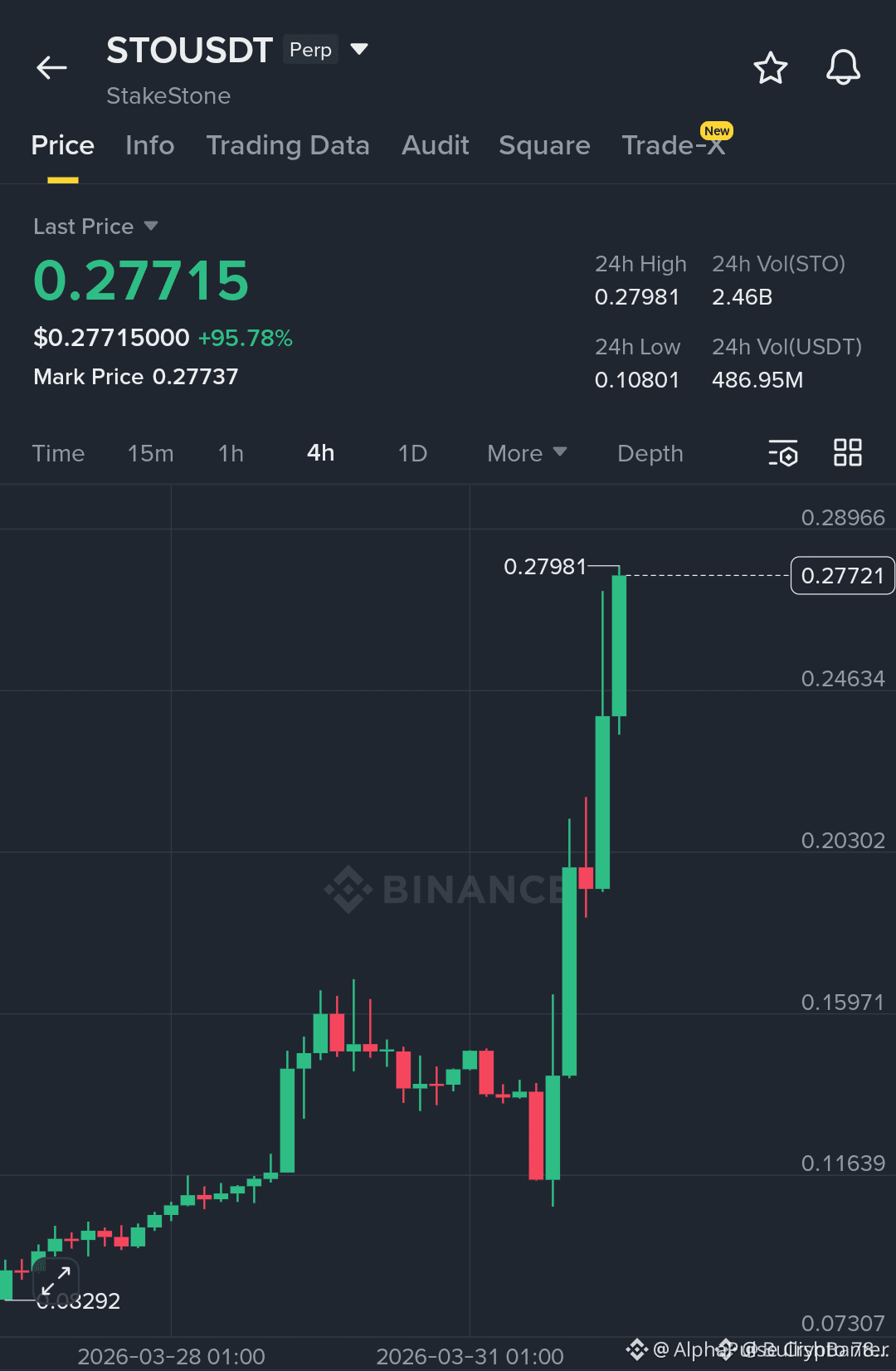
Attention traders,
Après un fort mouvement dans $STO , mon attention est désormais entièrement sur cette paire.
Le prix a montré une forte poussée, mais la structure commence à sembler surachetée avec des signes potentiels de faiblesse se développant près du sommet. Je n'entre pas immédiatement et j'attends un niveau de confirmation clair avant de prendre une position.
Une fois la confirmation observée, je chercherai une opportunité de vente à découvert car une phase de correction est susceptible de suivre. Ce setup peut offrir un mouvement solide à la baisse si le rejet continue des niveaux actuels.
Si vous voulez l'entrée exacte avant le mouvement, commentez "JE VEUX". Sinon, j'exécuterai en privé et partagerai des mises à jour en conséquence sur $STO .
Cliquez ci-dessous pour prendre le trade
#STORJ #cryptouniverseofficial
Après un fort mouvement dans $STO , mon attention est désormais entièrement sur cette paire.
Le prix a montré une forte poussée, mais la structure commence à sembler surachetée avec des signes potentiels de faiblesse se développant près du sommet. Je n'entre pas immédiatement et j'attends un niveau de confirmation clair avant de prendre une position.
Une fois la confirmation observée, je chercherai une opportunité de vente à découvert car une phase de correction est susceptible de suivre. Ce setup peut offrir un mouvement solide à la baisse si le rejet continue des niveaux actuels.
Si vous voulez l'entrée exacte avant le mouvement, commentez "JE VEUX". Sinon, j'exécuterai en privé et partagerai des mises à jour en conséquence sur $STO .
Cliquez ci-dessous pour prendre le trade
#STORJ #cryptouniverseofficial
269
·
--
Nous avons officiellement créé des canaux séparés pour le trading de Binance Futures et de Binance Alpha & Spot comme vous l'avez demandé.
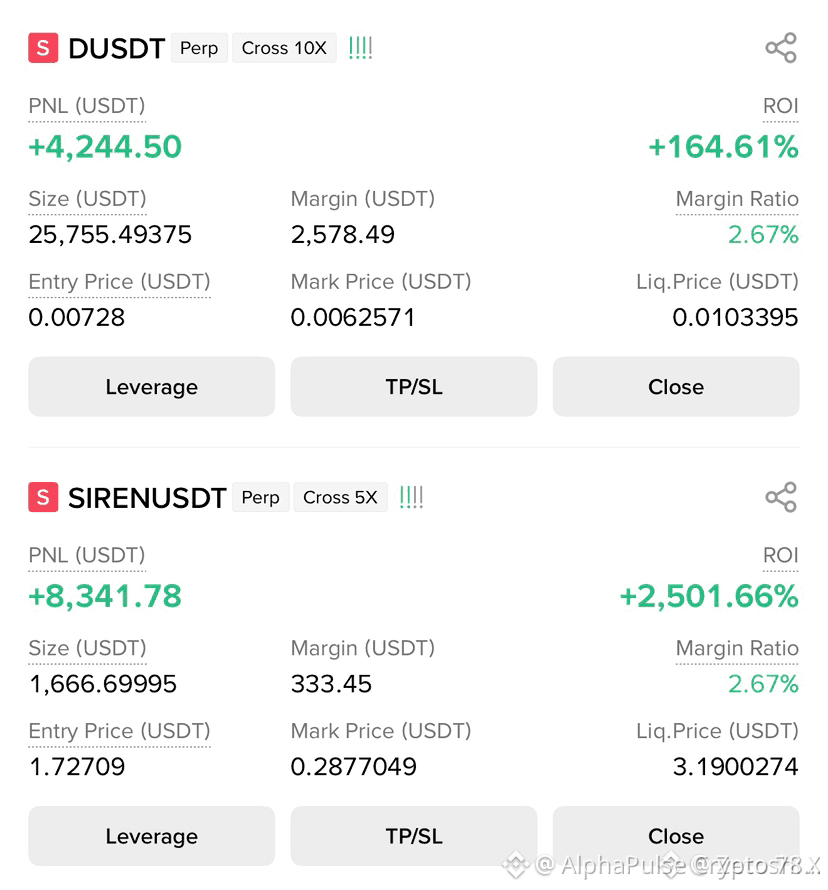
Nos traders Futures impriment déjà de l'argent quotidiennement,
$SIREN 1927% $RIVER 293% $STO 927%
et maintenant la demande pour les appels Alpha augmente rapidement — alors nous avons livré.
💰 Des paquets rouges tombent 10 fois chaque jour
📈 Des opportunités sans cesse
🔥 Une communauté plus forte et plus intelligente
Restons optimistes et construisons la communauté de trading numéro 1 sur Binance 🚀
#RIVER #STORJ/USDT #BTC突破7万大关
{spot}(STOUSDT)
{future}(RIVERUSDT)
{future}(SIRENUSDT)
Nous avons officiellement créé des canaux séparés pour le trading de Binance Futures et de Binance Alpha & Spot comme vous l'avez demandé.
Nos traders Futures impriment déjà de l'argent quotidiennement,
$SIREN 1927% $RIVER 293% $STO 927%
et maintenant la demande pour les appels Alpha augmente rapidement — alors nous avons livré.
💰 Des paquets rouges tombent 10 fois chaque jour
📈 Des opportunités sans cesse
🔥 Une communauté plus forte et plus intelligente
Restons optimistes et construisons la communauté de trading numéro 1 sur Binance 🚀
#RIVER #STORJ/USDT #BTC突破7万大关
Nos traders Futures impriment déjà de l'argent quotidiennement,
$SIREN 1927% $RIVER 293% $STO 927%
et maintenant la demande pour les appels Alpha augmente rapidement — alors nous avons livré.
💰 Des paquets rouges tombent 10 fois chaque jour
📈 Des opportunités sans cesse
🔥 Une communauté plus forte et plus intelligente
Restons optimistes et construisons la communauté de trading numéro 1 sur Binance 🚀
#RIVER #STORJ/USDT #BTC突破7万大关
48
·
--
Haussier
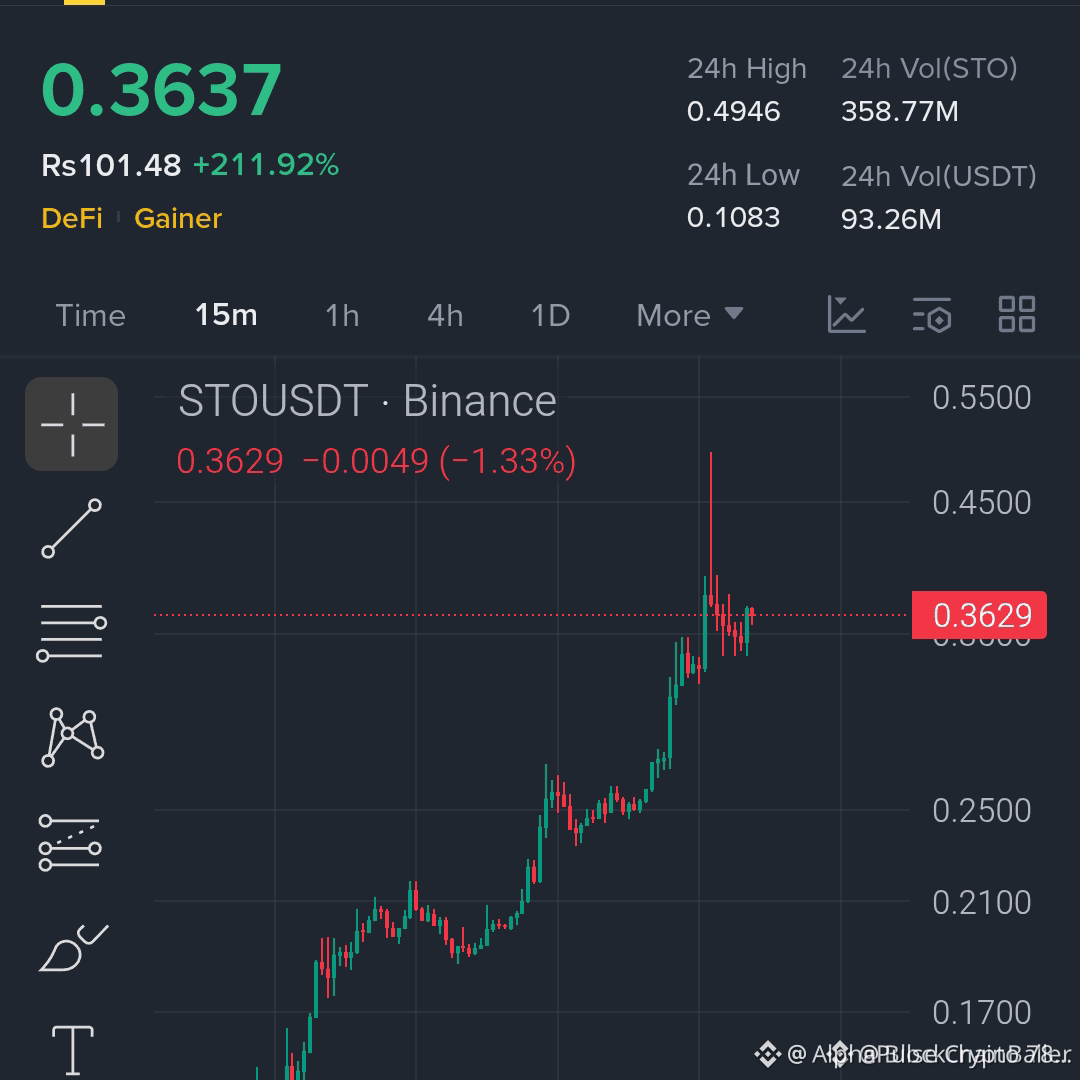
Beaucoup d'entre vous se demandent à propos du $STO short…
Les gars, je suis avec vous, je maintiens ma position short....
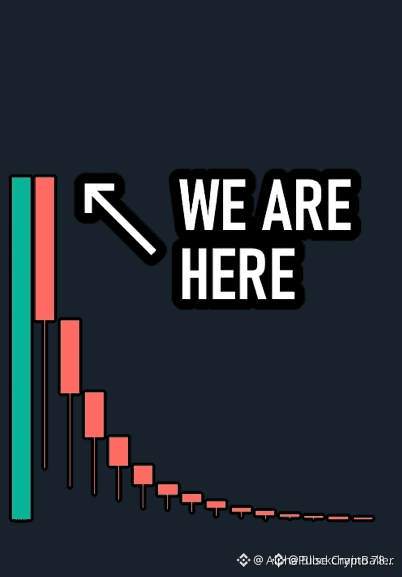
Oui, ce pump était fort, mais maintenant $STO semble suracheté après ce mouvement. ..
Zone d'entrée : 0,36 – 0,39
TP1 : 0,33
TP2 : 0,30
TP3 : 0,26
Stop Loss : 0,47
Ce genre de pics se produit généralement pour attraper la liquidité et piéger les gens au sommet.
Je m'en tiens au plan et reste patient.
Voyons comment cela se déroule 🤝
#STORJ #BTC #ETH $STO
Cliquez ici pour trader 👇
{spot}(STOUSDT)
Beaucoup d'entre vous se demandent à propos du $STO short…
Les gars, je suis avec vous, je maintiens ma position short....
Oui, ce pump était fort, mais maintenant $STO semble suracheté après ce mouvement. ..
Zone d'entrée : 0,36 – 0,39
TP1 : 0,33
TP2 : 0,30
TP3 : 0,26
Stop Loss : 0,47
Ce genre de pics se produit généralement pour attraper la liquidité et piéger les gens au sommet.
Je m'en tiens au plan et reste patient.
Voyons comment cela se déroule 🤝
#STORJ #BTC #ETH $STO
Cliquez ici pour trader 👇
Les gars, je suis avec vous, je maintiens ma position short....
Oui, ce pump était fort, mais maintenant $STO semble suracheté après ce mouvement. ..
Zone d'entrée : 0,36 – 0,39
TP1 : 0,33
TP2 : 0,30
TP3 : 0,26
Stop Loss : 0,47
Ce genre de pics se produit généralement pour attraper la liquidité et piéger les gens au sommet.
Je m'en tiens au plan et reste patient.
Voyons comment cela se déroule 🤝
#STORJ #BTC #ETH $STO
Cliquez ici pour trader 👇
122
·
--
Baissier
Nouvelle opportunité sur $RIVER 👀📊
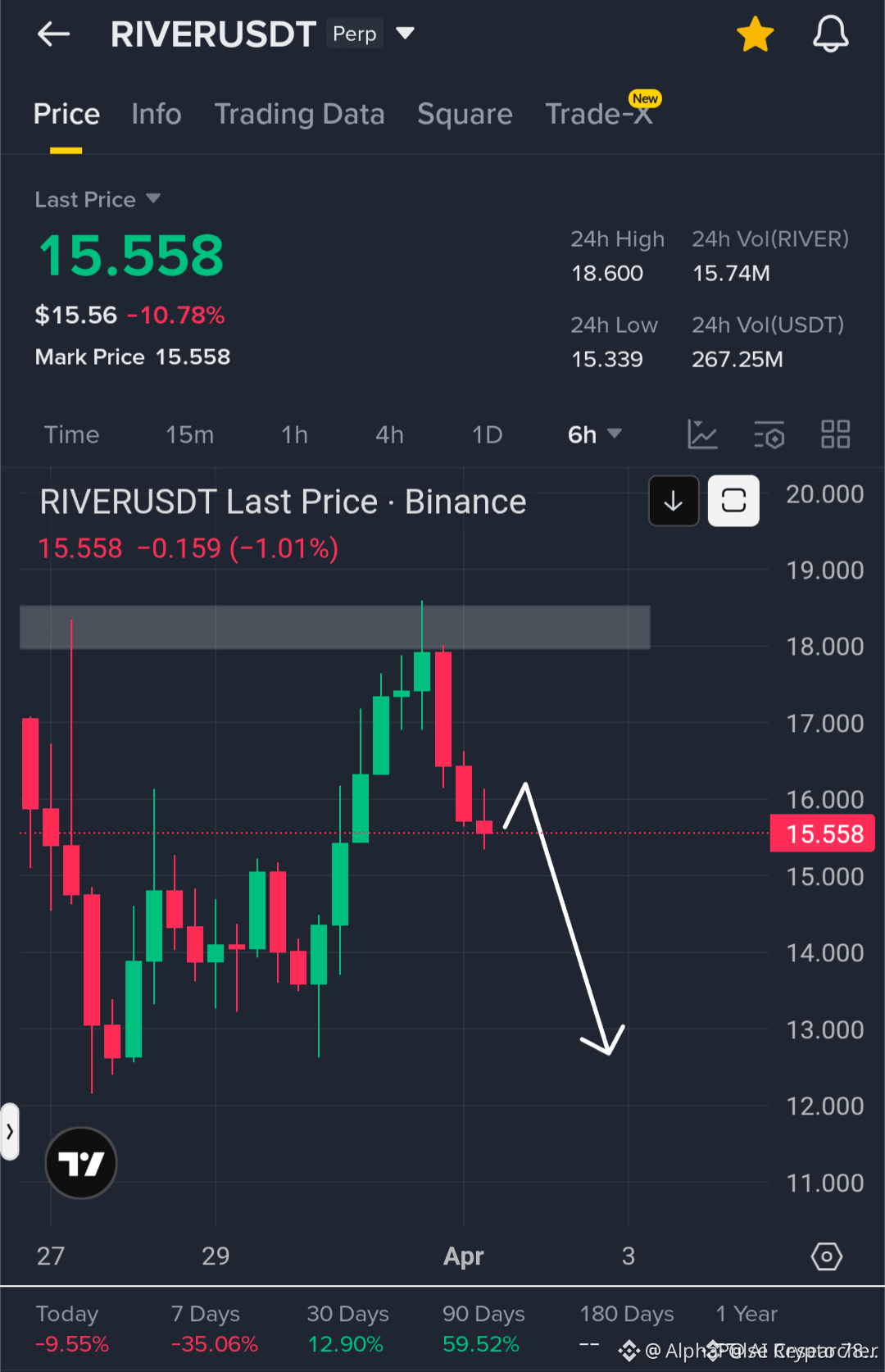
Les gars, une nouvelle configuration se forme sur River, et celle-ci semble propre.
Le prix vient de toucher une zone de résistance clé (zone 17–18) et a montré un rejet clair.
En même temps, la liquidité du côté haussier a déjà été prise, et l'élan commence maintenant à changer.
Plan actuel :
• Biais → Court
• Structure → Continuation faible après le pump
• Attente → Expansion progressive vers le bas
Le mouvement a déjà commencé depuis le sommet, mais la principale chute est encore en attente.
Il y a encore de la place dans cette configuration si elle est gérée correctement.
Maintenant, venons-en à ceux qui étaient déjà dans le trade.
Nous avons maintenu cette position pendant les derniers jours,
et avec un DCA approprié, l'entrée moyenne est maintenant autour de 15,5.
Enfin, le marché réagit exactement comme prévu.
C'est ainsi que fonctionne le trading —
vous ne poursuivez pas les mouvements, vous vous positionnez tôt et restez patient.
Nous avons déjà vu une exécution forte sur des configurations précédentes comme $SIREN,
et maintenant $RIVER se prépare à suivre.
Restez concentrés, des opportunités comme celle-ci ne sont pas aléatoires.
#RİVER #BTC #ETH $RIVER
Cliquez ici pour trader 👇
{future}(RIVERUSDT)
Nouvelle opportunité sur $RIVER 👀📊
Les gars, une nouvelle configuration se forme sur River, et celle-ci semble propre.
Le prix vient de toucher une zone de résistance clé (zone 17–18) et a montré un rejet clair.
En même temps, la liquidité du côté haussier a déjà été prise, et l'élan commence maintenant à changer.
Plan actuel :
• Biais → Court
• Structure → Continuation faible après le pump
• Attente → Expansion progressive vers le bas
Le mouvement a déjà commencé depuis le sommet, mais la principale chute est encore en attente.
Il y a encore de la place dans cette configuration si elle est gérée correctement.
Maintenant, venons-en à ceux qui étaient déjà dans le trade.
Nous avons maintenu cette position pendant les derniers jours,
et avec un DCA approprié, l'entrée moyenne est maintenant autour de 15,5.
Enfin, le marché réagit exactement comme prévu.
C'est ainsi que fonctionne le trading —
vous ne poursuivez pas les mouvements, vous vous positionnez tôt et restez patient.
Nous avons déjà vu une exécution forte sur des configurations précédentes comme $SIREN,
et maintenant $RIVER se prépare à suivre.
Restez concentrés, des opportunités comme celle-ci ne sont pas aléatoires.
#RİVER #BTC #ETH $RIVER
Cliquez ici pour trader 👇
Les gars, une nouvelle configuration se forme sur River, et celle-ci semble propre.
Le prix vient de toucher une zone de résistance clé (zone 17–18) et a montré un rejet clair.
En même temps, la liquidité du côté haussier a déjà été prise, et l'élan commence maintenant à changer.
Plan actuel :
• Biais → Court
• Structure → Continuation faible après le pump
• Attente → Expansion progressive vers le bas
Le mouvement a déjà commencé depuis le sommet, mais la principale chute est encore en attente.
Il y a encore de la place dans cette configuration si elle est gérée correctement.
Maintenant, venons-en à ceux qui étaient déjà dans le trade.
Nous avons maintenu cette position pendant les derniers jours,
et avec un DCA approprié, l'entrée moyenne est maintenant autour de 15,5.
Enfin, le marché réagit exactement comme prévu.
C'est ainsi que fonctionne le trading —
vous ne poursuivez pas les mouvements, vous vous positionnez tôt et restez patient.
Nous avons déjà vu une exécution forte sur des configurations précédentes comme $SIREN,
et maintenant $RIVER se prépare à suivre.
Restez concentrés, des opportunités comme celle-ci ne sont pas aléatoires.
#RİVER #BTC #ETH $RIVER
Cliquez ici pour trader 👇
1
150
Connectez-vous pour découvrir plus de contenu
Rejoignez la communauté mondiale des adeptes de cryptomonnaies sur Binance Square
⚡️ Suviez les dernières informations importantes sur les cryptomonnaies.
💬 Jugé digne de confiance par la plus grande plateforme d’échange de cryptomonnaies au monde.
👍 Découvrez les connaissances que partagent les créateurs vérifiés.
Adresse e-mail/Nº de téléphone
Sujets d’actualité
QNTRises287%
7,634 vues
223 mentions
🚨 QNT vient d’exploser +287%! 🔥
+287% n’est PAS un mouvement normal. 👀
QNT est soudainement devenu parabolique, mettant les traders en alerte maximale alors que l’élan et le volume explosent.
⚠️ Après un mouvement aussi violent, le FOMO peut être dangereux — la volatilité
peut aller dans les deux sens.
📈 À surveiller : volume soutenu + confirmation de cassure
📉 Risque : prises de profits brutales / repli
🔥 QNT ne fait que commencer… ou ce mouvement est-il prêt pour une correction majeure ?
Quel est votre objectif pour QNT ? 👇
#qntrises287% #QNT #Quant #crypto #BinanceSquare
$QNT
ASHFAQ NAEEM
·6 mentions J’aime
·4.7k vues
HSBCNamesStablecoinRedCoinForPhasedLaunch
631 vues
37 mentions
TrumpRejectsAIRulesForVoluntaryAudits
10,622 vues
333 mentions