

Agora_Flux
102 Publications

Agora_Flux
Signaler
Bloquer l’utilisateur
Reflects project's purpose// tech - signals// Analyst // Defi protocol TESTOR// Click + to follow for more info.🚀
0 Suivis
2 Abonnés
3 J’aime
Publications
·
--
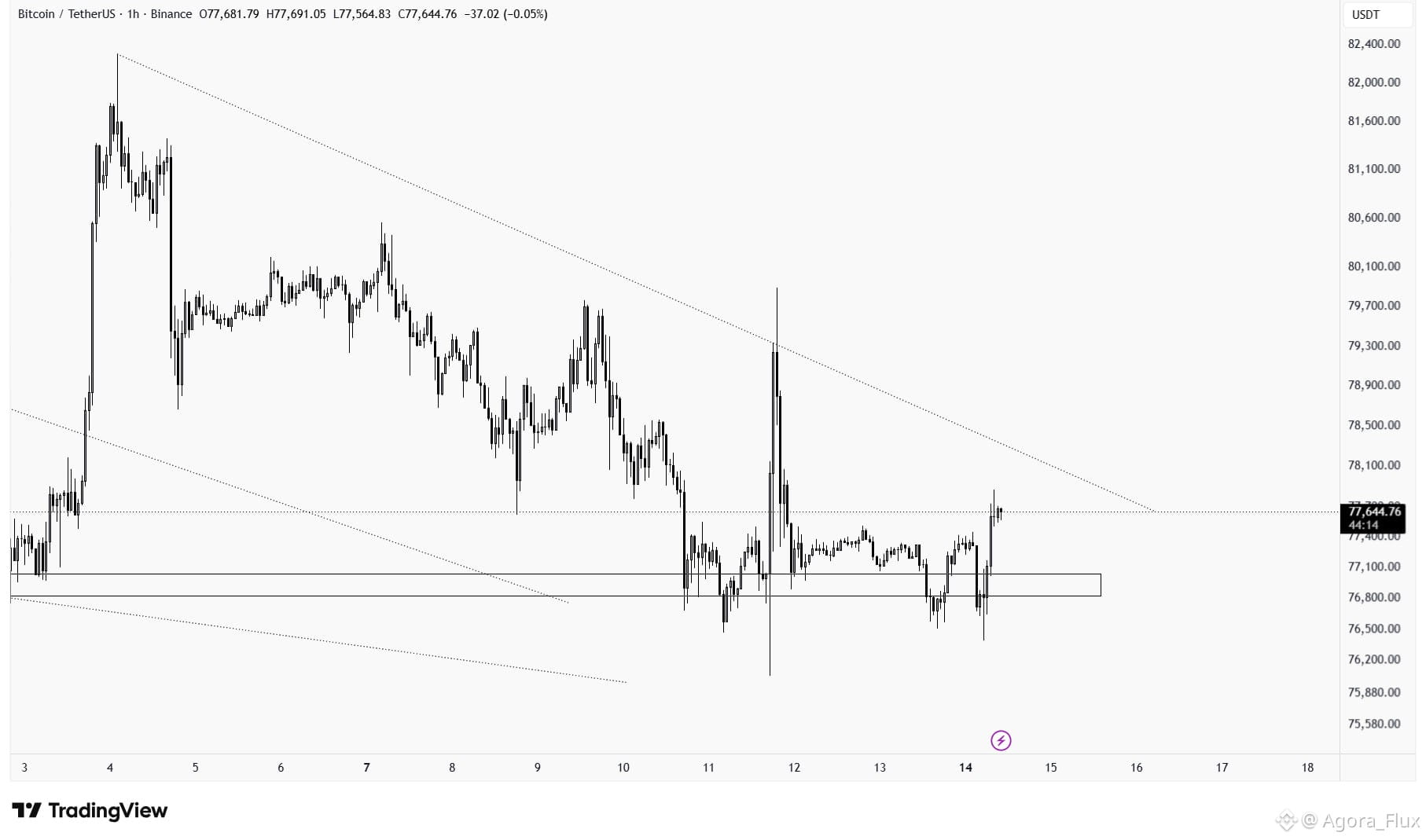
🔴 $BTC a clôturé sa bougie hebdomadaire de manière assez convaincante, avec une clôture baissière forte.
Sur le timeframe horaire, le prix continue de bouger d’avant en arrière autour de la zone de support.
Le prix a de nouveau basculé la zone et devrait être rejeté depuis la ligne de résistance.
#BTC Price Analysis#
🔴 $BTC a clôturé sa bougie hebdomadaire de manière assez convaincante, avec une clôture baissière forte.
Sur le timeframe horaire, le prix continue de bouger d’avant en arrière autour de la zone de support.
Le prix a de nouveau basculé la zone et devrait être rejeté depuis la ligne de résistance.
#BTC Price Analysis#
Sur le timeframe horaire, le prix continue de bouger d’avant en arrière autour de la zone de support.
Le prix a de nouveau basculé la zone et devrait être rejeté depuis la ligne de résistance.
#BTC Price Analysis#
62
·
--
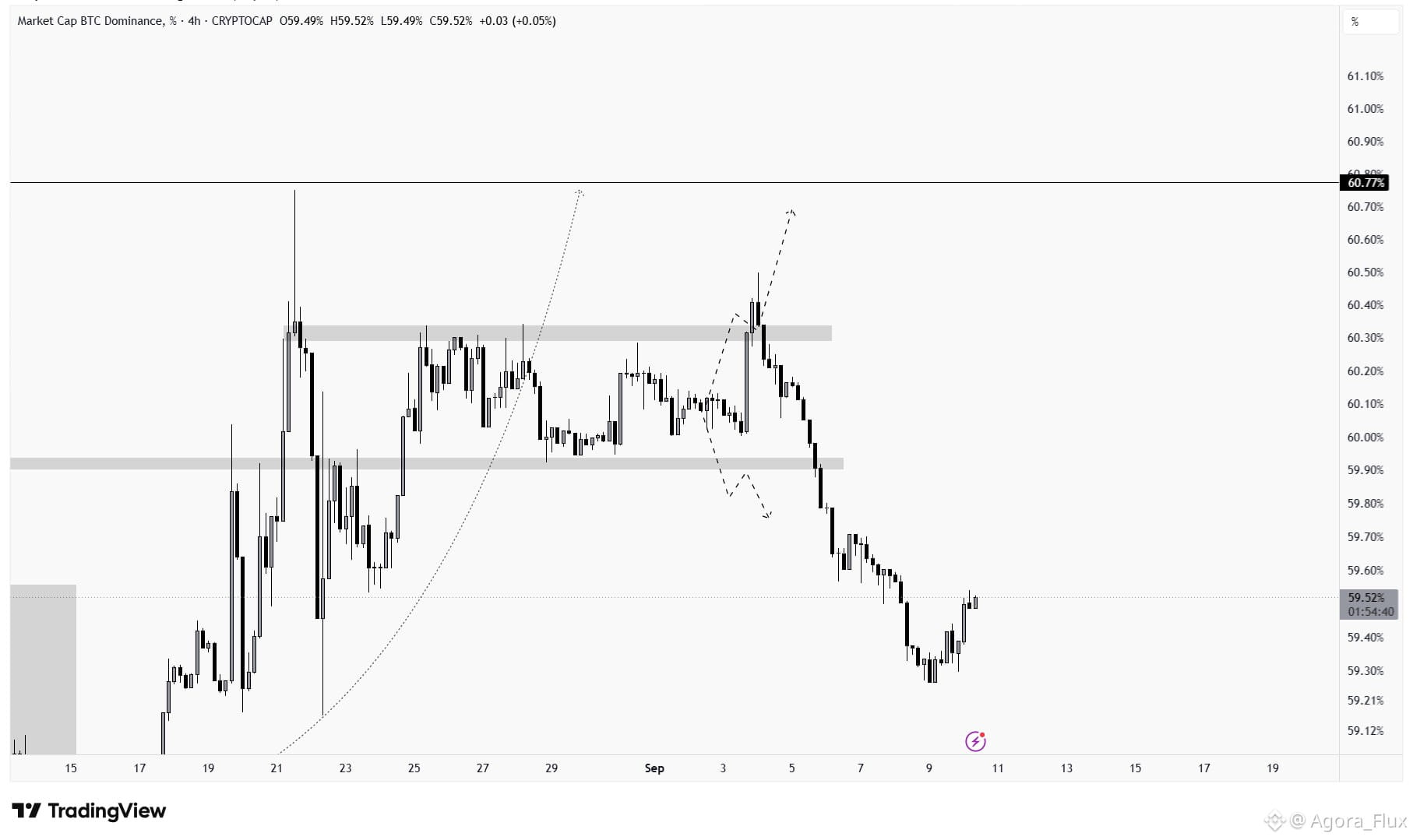
🔴 $BTC.D a fait un faux signal et évolue maintenant à la baisse, avec l’Indice qui flotte entre des zones clés. Si l’Indice descend, il générera déjà de bons flux de capitaux sur les altcoins, comme on l’a vu : les altcoins ont fortement bondi au cours des deux dernières semaines. D’autres mouvements sont attendus, et il pourrait continuer à baisser.
#Analyse du prix BTC#
🔴 $BTC.D a fait un faux signal et évolue maintenant à la baisse, avec l’Indice qui flotte entre des zones clés. Si l’Indice descend, il générera déjà de bons flux de capitaux sur les altcoins, comme on l’a vu : les altcoins ont fortement bondi au cours des deux dernières semaines. D’autres mouvements sont attendus, et il pourrait continuer à baisser.
#Analyse du prix BTC#
#Analyse du prix BTC#
68
·
--
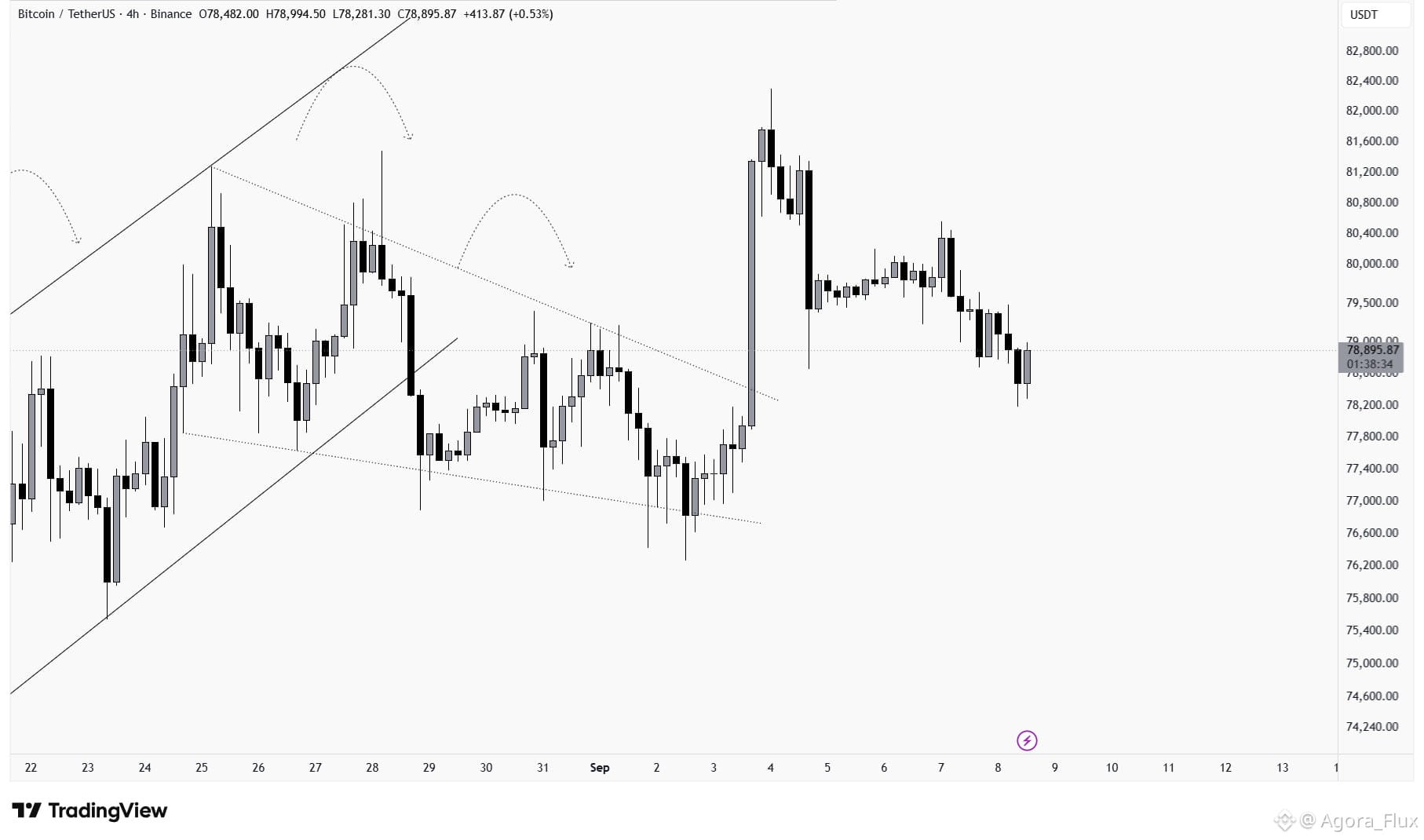
🔴 $BTC a commencé à baisser, en cassant cette petite fourchette à la baisse. Le prix se dirige maintenant vers un retest du modèle en forme de coin descendant, et la séance de New York pourrait apporter quelque chose de nouveau.
#Analyse du prix BTC#
🔴 $BTC a commencé à baisser, en cassant cette petite fourchette à la baisse. Le prix se dirige maintenant vers un retest du modèle en forme de coin descendant, et la séance de New York pourrait apporter quelque chose de nouveau.
#Analyse du prix BTC#
#Analyse du prix BTC#
48
·
--
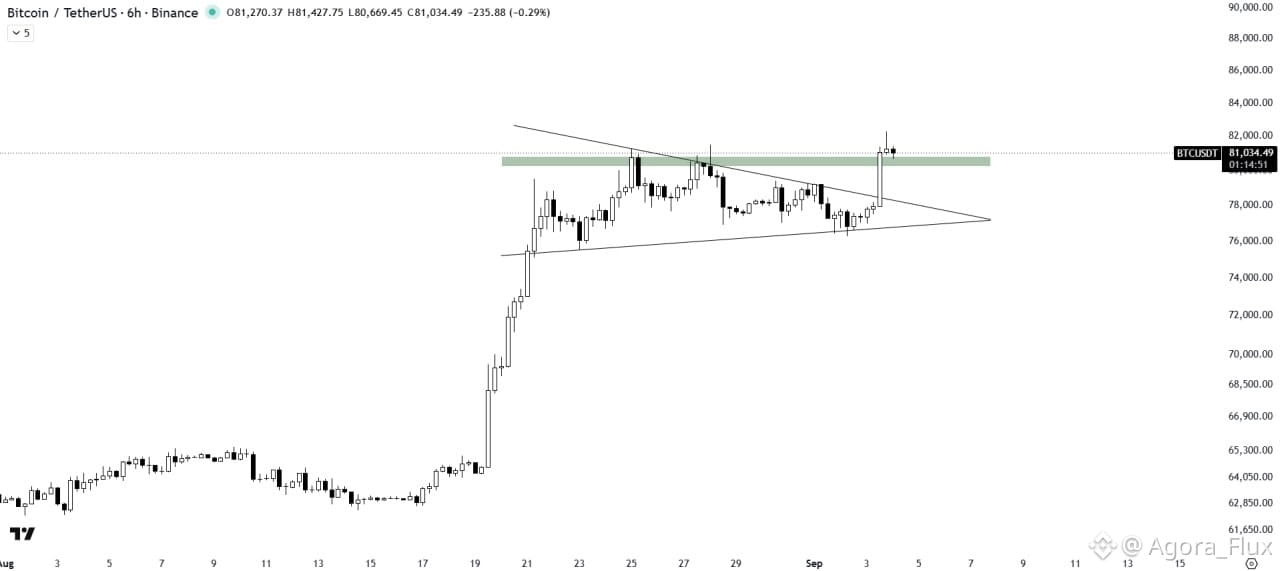
🔴 ANALYSE $BTC/USDT
Bitcoin a cassé le pattern en fanion avec un volume important, signalant un fort momentum haussier.
Actuellement, il teste le niveau clé de support/résistance, et un retest réussi pourrait fournir une confirmation haussière supplémentaire.
Un maintien réussi au-dessus de ce niveau pourrait déclencher une nouvelle hausse du marché. Gardez un œil sur l’évolution supplémentaire de l’action des prix.
#Analyse du prix du BTC#
🔴 ANALYSE $BTC/USDT
Bitcoin a cassé le pattern en fanion avec un volume important, signalant un fort momentum haussier.
Actuellement, il teste le niveau clé de support/résistance, et un retest réussi pourrait fournir une confirmation haussière supplémentaire.
Un maintien réussi au-dessus de ce niveau pourrait déclencher une nouvelle hausse du marché. Gardez un œil sur l’évolution supplémentaire de l’action des prix.
#Analyse du prix du BTC#
Bitcoin a cassé le pattern en fanion avec un volume important, signalant un fort momentum haussier.
Actuellement, il teste le niveau clé de support/résistance, et un retest réussi pourrait fournir une confirmation haussière supplémentaire.
Un maintien réussi au-dessus de ce niveau pourrait déclencher une nouvelle hausse du marché. Gardez un œil sur l’évolution supplémentaire de l’action des prix.
#Analyse du prix du BTC#
71
·
--
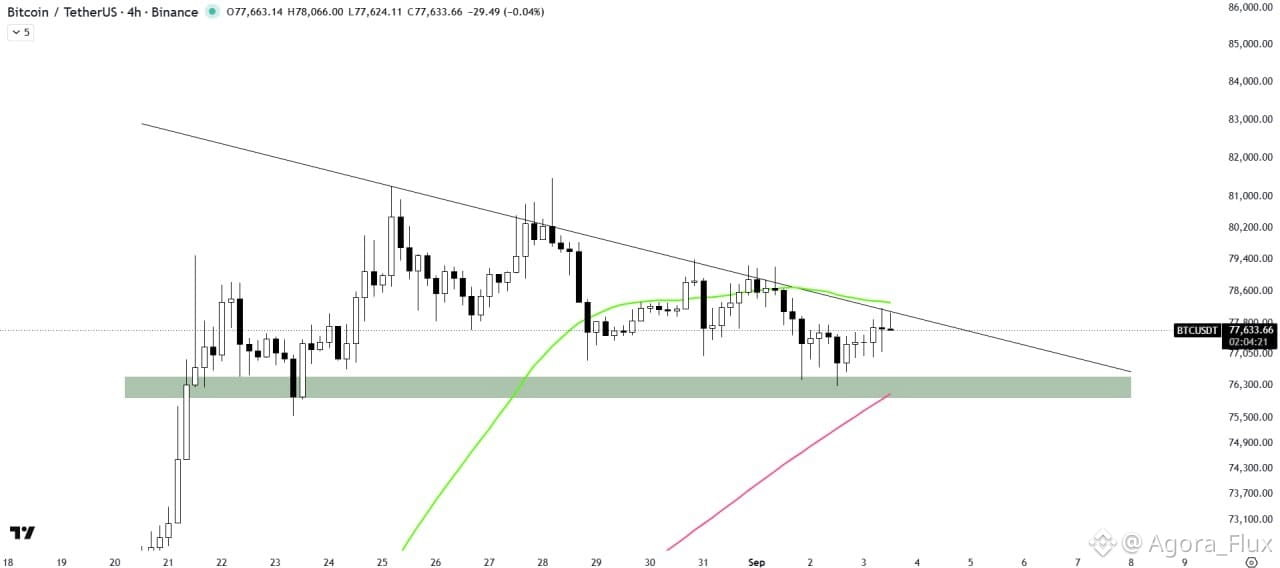
🔴 $BTC/USDT ANALYSE
Bitcoin se consolide au sein du triangle descendant et se négocie actuellement sous la ligne de tendance de résistance.
La moyenne mobile à 50 périodes agit comme une barrière de résistance clé, tandis que la moyenne mobile à 100 périodes fournit un support sous l’action actuelle du prix.
Nous devons attendre une cassure ou une rupture franche du pattern pour confirmer le prochain mouvement directionnel.
#Analyse du prix du BTC#
🔴 $BTC/USDT ANALYSE
Bitcoin se consolide au sein du triangle descendant et se négocie actuellement sous la ligne de tendance de résistance.
La moyenne mobile à 50 périodes agit comme une barrière de résistance clé, tandis que la moyenne mobile à 100 périodes fournit un support sous l’action actuelle du prix.
Nous devons attendre une cassure ou une rupture franche du pattern pour confirmer le prochain mouvement directionnel.
#Analyse du prix du BTC#
Bitcoin se consolide au sein du triangle descendant et se négocie actuellement sous la ligne de tendance de résistance.
La moyenne mobile à 50 périodes agit comme une barrière de résistance clé, tandis que la moyenne mobile à 100 périodes fournit un support sous l’action actuelle du prix.
Nous devons attendre une cassure ou une rupture franche du pattern pour confirmer le prochain mouvement directionnel.
#Analyse du prix du BTC#
64
·
--
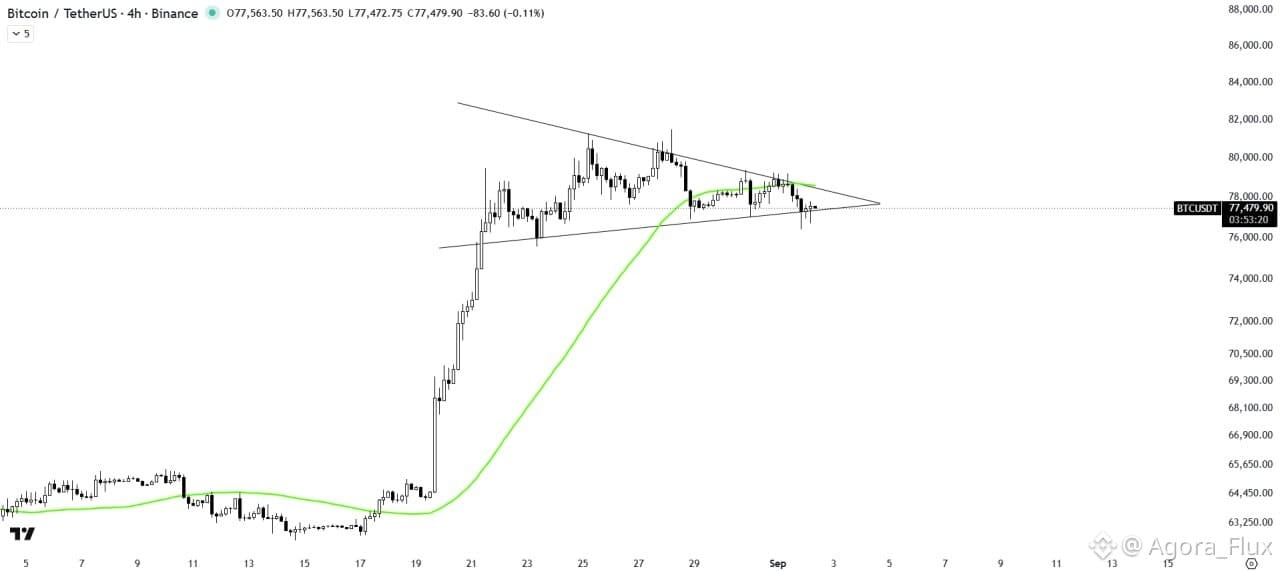
🔴 $BTC/USDT ANALYSE
Bitcoin se consolide à l'intérieur du motif en pennant et se maintient actuellement au-dessus de la ligne de tendance de support.
La moyenne mobile à 50 périodes agit comme une barrière de résistance clé au-dessus de l'action actuelle des prix.
Nous devons attendre une cassure nette du pennant, tandis qu'une rupture sous le support invaliderait la formation.
#BTC Analyse des prix#
🔴 $BTC/USDT ANALYSE
Bitcoin se consolide à l'intérieur du motif en pennant et se maintient actuellement au-dessus de la ligne de tendance de support.
La moyenne mobile à 50 périodes agit comme une barrière de résistance clé au-dessus de l'action actuelle des prix.
Nous devons attendre une cassure nette du pennant, tandis qu'une rupture sous le support invaliderait la formation.
#BTC Analyse des prix#
Bitcoin se consolide à l'intérieur du motif en pennant et se maintient actuellement au-dessus de la ligne de tendance de support.
La moyenne mobile à 50 périodes agit comme une barrière de résistance clé au-dessus de l'action actuelle des prix.
Nous devons attendre une cassure nette du pennant, tandis qu'une rupture sous le support invaliderait la formation.
#BTC Analyse des prix#
79
·
--
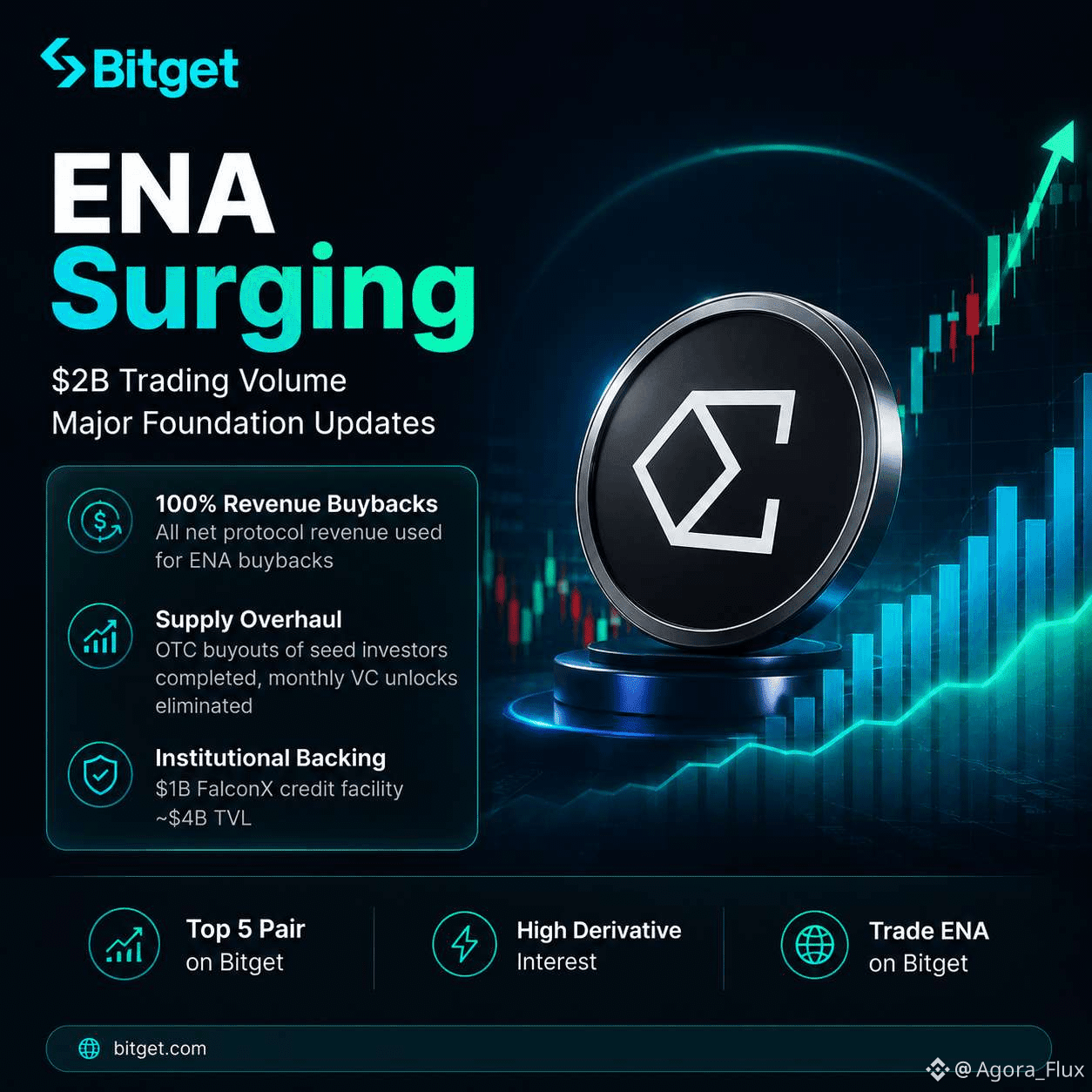
J’ai trouvé quelque chose d’intéressant sur le mouvement d’ETHENA. Je ne surveille pas ENA parce que ça pompe. Je regarde ce qui se passe quand les acheteurs arrêtent de le poursuivre.🤔
Je vérifie la configuration sur Bitget et le volume de 2 Md$ a attiré mon attention, mais pour moi, la plus grande histoire, c’est ce qui se passe derrière le token.
Ethena vient d’approuver l’affectation de 100 % du revenu net du protocole aux rachats de $ENA, tandis que les déblocages mensuels des VC ont été supprimés. C’est important parce que cela change le côté offre de la transaction.
Si le protocole continue de générer des revenus pendant qu’une partie de la pression de vente habituelle disparaît, alors une forte hausse de ENA a quelque chose de plus solide derrière elle que la dynamique seule.
Et avec un TVL autour de 4 Md$ plus la facilité de crédit institutionnelle FalconX, il se passe clairement quelque chose autour d’Ethena, au-delà d’une simple spéculation de détail.
Cela dit, je ne vais pas FOMO sur une bougie après un mouvement comme celui-ci. Mon idée de trading est simple : laisser ENA se replier, même si je trade aussi $ETH. Si les acheteurs interviennent et défendent un plus bas plus élevé, c’est la confirmation que je voudrais avant d’envisager une position longue.
S’il perd cette structure, je m’abstiens. Le récit est intéressant. La réaction lors du prochain repli, c’est vraiment ce que je veux voir.
ETHENA, continuation ou piège ?
#Altcoin Season#
J’ai trouvé quelque chose d’intéressant sur le mouvement d’ETHENA. Je ne surveille pas ENA parce que ça pompe. Je regarde ce qui se passe quand les acheteurs arrêtent de le poursuivre.🤔
Je vérifie la configuration sur Bitget et le volume de 2 Md$ a attiré mon attention, mais pour moi, la plus grande histoire, c’est ce qui se passe derrière le token.
Ethena vient d’approuver l’affectation de 100 % du revenu net du protocole aux rachats de $ENA, tandis que les déblocages mensuels des VC ont été supprimés. C’est important parce que cela change le côté offre de la transaction.
Si le protocole continue de générer des revenus pendant qu’une partie de la pression de vente habituelle disparaît, alors une forte hausse de ENA a quelque chose de plus solide derrière elle que la dynamique seule.
Et avec un TVL autour de 4 Md$ plus la facilité de crédit institutionnelle FalconX, il se passe clairement quelque chose autour d’Ethena, au-delà d’une simple spéculation de détail.
Cela dit, je ne vais pas FOMO sur une bougie après un mouvement comme celui-ci. Mon idée de trading est simple : laisser ENA se replier, même si je trade aussi $ETH. Si les acheteurs interviennent et défendent un plus bas plus élevé, c’est la confirmation que je voudrais avant d’envisager une position longue.
S’il perd cette structure, je m’abstiens. Le récit est intéressant. La réaction lors du prochain repli, c’est vraiment ce que je veux voir.
ETHENA, continuation ou piège ?
#Altcoin Season#
Je vérifie la configuration sur Bitget et le volume de 2 Md$ a attiré mon attention, mais pour moi, la plus grande histoire, c’est ce qui se passe derrière le token.
Ethena vient d’approuver l’affectation de 100 % du revenu net du protocole aux rachats de $ENA, tandis que les déblocages mensuels des VC ont été supprimés. C’est important parce que cela change le côté offre de la transaction.
Si le protocole continue de générer des revenus pendant qu’une partie de la pression de vente habituelle disparaît, alors une forte hausse de ENA a quelque chose de plus solide derrière elle que la dynamique seule.
Et avec un TVL autour de 4 Md$ plus la facilité de crédit institutionnelle FalconX, il se passe clairement quelque chose autour d’Ethena, au-delà d’une simple spéculation de détail.
Cela dit, je ne vais pas FOMO sur une bougie après un mouvement comme celui-ci. Mon idée de trading est simple : laisser ENA se replier, même si je trade aussi $ETH. Si les acheteurs interviennent et défendent un plus bas plus élevé, c’est la confirmation que je voudrais avant d’envisager une position longue.
S’il perd cette structure, je m’abstiens. Le récit est intéressant. La réaction lors du prochain repli, c’est vraiment ce que je veux voir.
ETHENA, continuation ou piège ?
#Altcoin Season#
71
·
--
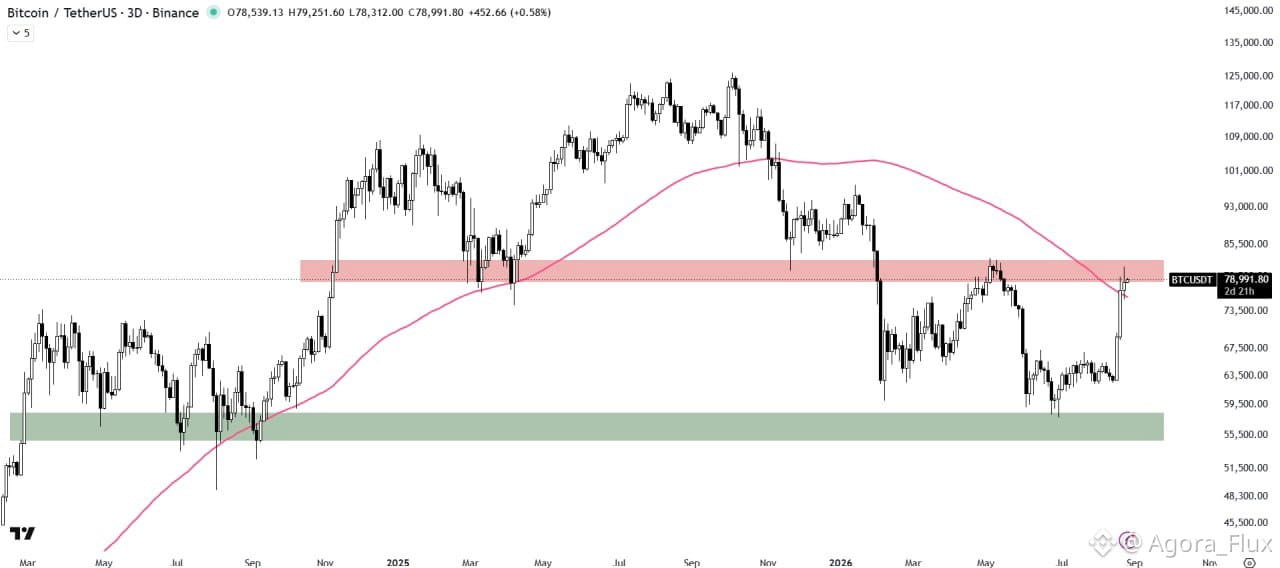
Regardons le $BTC/USDT ANALYSE
Le Bitcoin se négocie au-dessus de la 100MA, qui agit comme un support clé, tandis que le prix reste dans la zone d’offre horizontale.
Un maintien durable au-dessus de la 100MA, suivi d’une cassure de la zone d’offre, pourrait déclencher un fort rallye à la hausse.
En revanche, une cassure sous le support de la 100MA signalerait une poursuite de la baisse sur le marché.
#Analyse du prix BTC#
Regardons le $BTC/USDT ANALYSE
Le Bitcoin se négocie au-dessus de la 100MA, qui agit comme un support clé, tandis que le prix reste dans la zone d’offre horizontale.
Un maintien durable au-dessus de la 100MA, suivi d’une cassure de la zone d’offre, pourrait déclencher un fort rallye à la hausse.
En revanche, une cassure sous le support de la 100MA signalerait une poursuite de la baisse sur le marché.
#Analyse du prix BTC#
Le Bitcoin se négocie au-dessus de la 100MA, qui agit comme un support clé, tandis que le prix reste dans la zone d’offre horizontale.
Un maintien durable au-dessus de la 100MA, suivi d’une cassure de la zone d’offre, pourrait déclencher un fort rallye à la hausse.
En revanche, une cassure sous le support de la 100MA signalerait une poursuite de la baisse sur le marché.
#Analyse du prix BTC#
82
·
--
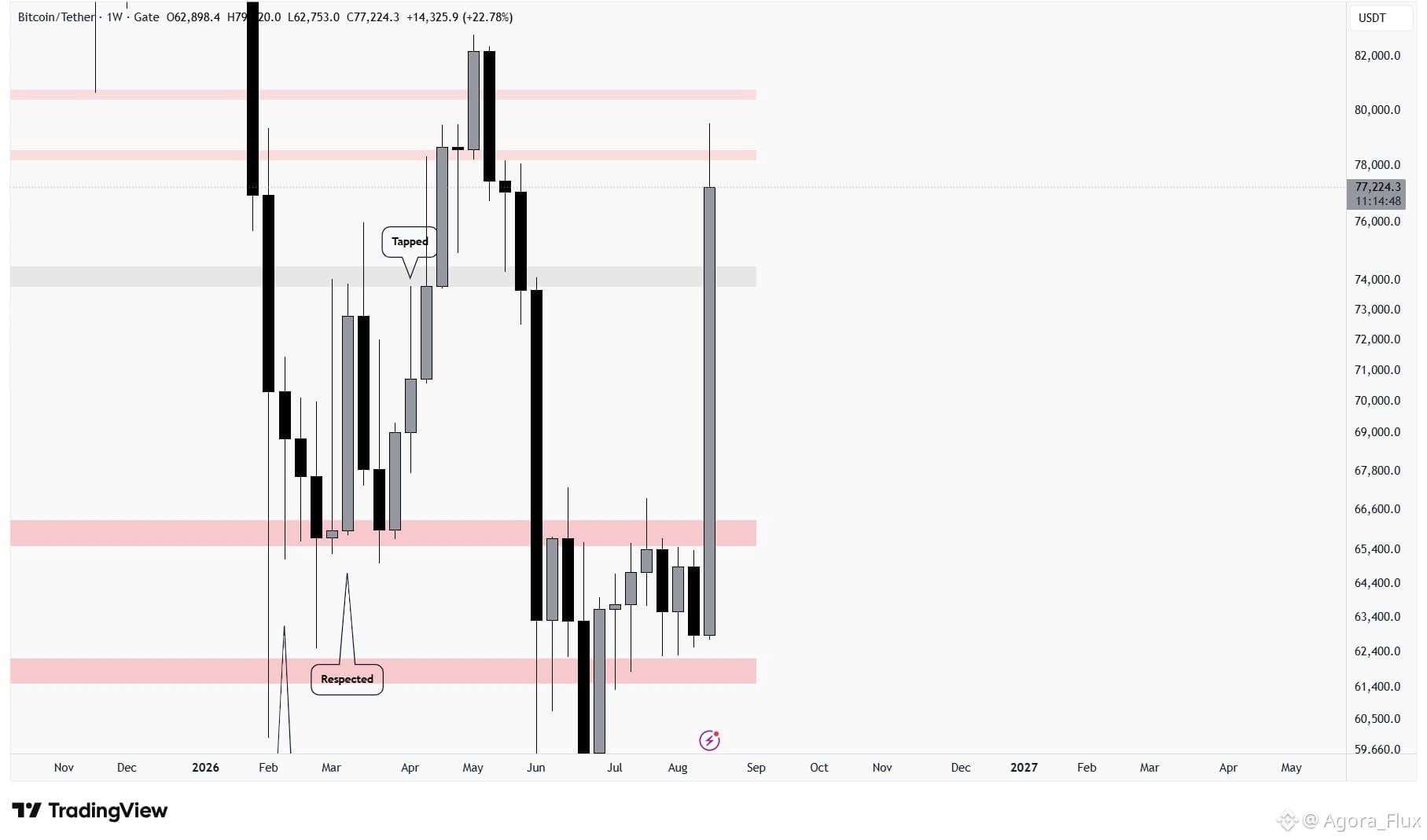
🔴 MISE À JOUR DU BTC EN TF HEBDOMADAIRE :
Le BTC a connu une très forte hausse et une bougie très haussière directement vers la résistance autour de 78 150 $.
Si la bougie de ce jour clôture aussi fortement, attendez-vous à un repli peu profond suivi d’une autre impulsion à la hausse.
Par conséquent, la semaine pourrait inclure une phase de repli.
#Analyse du prix du BTC#
🔴 MISE À JOUR DU BTC EN TF HEBDOMADAIRE :
Le BTC a connu une très forte hausse et une bougie très haussière directement vers la résistance autour de 78 150 $.
Si la bougie de ce jour clôture aussi fortement, attendez-vous à un repli peu profond suivi d’une autre impulsion à la hausse.
Par conséquent, la semaine pourrait inclure une phase de repli.
#Analyse du prix du BTC#
Le BTC a connu une très forte hausse et une bougie très haussière directement vers la résistance autour de 78 150 $.
Si la bougie de ce jour clôture aussi fortement, attendez-vous à un repli peu profond suivi d’une autre impulsion à la hausse.
Par conséquent, la semaine pourrait inclure une phase de repli.
#Analyse du prix du BTC#
77
·
--
Tout le monde s’acharne sur le récit autour de l’IA, mais l’un des mouvements les plus forts de la semaine est venu d’un autre coin du marché pendant que $BTC consolide.
ZEC vient de bondir de plus de 60% en quelques jours, et ce qui a attiré mon attention n’était pas seulement le prix. Sur Bitget, $ZECUSDT a vu son volume exploser alors que les traders réagissaient à deux catalyseurs majeurs en même temps : la mise à jour du dépôt d’un ETF spot par Grayscale et la réussite de la mise à niveau du réseau Ironwood. C’est exactement le genre de combinaison qui maintient généralement la volatilité à un niveau élevé plus longtemps que la plupart ne l’anticipent.
L’angle “ETF” compte parce qu’il attire l’attention d’investisseurs institutionnels. La mise à niveau d’Ironwood compte parce qu’elle renforce l’infrastructure de confidentialité en arrière-plan de Zcash lui-même. Quand le récit et les fondamentaux s’alignent, les marchés ont tendance à s’y intéresser.
La question n’est donc pas de savoir si ZEC a déjà bougé. Il s’agit plutôt de savoir si la volatilité est terminée.
Personnellement, je pense que c’est ici que la stratégie compte plus que la prédiction. Au lieu d’essayer de deviner chaque sommet et chaque creux, je regarde les Grid Futures sur Bitget pour tirer parti des larges variations de prix. Quand un marché commence à bouger de 10 à 20% dans une journée, laisser un bot acheter systématiquement les replis et vendre les rebonds a souvent plus de sens que du trading motivé par l’émotion.
Si ZEC continue d’attirer la spéculation liée aux ETF et l’attention du secteur de la confidentialité, la volatilité pourrait rester l’une des plus grandes opportunités en crypto actuellement. Est-ce que vous vous détournez de ce mouvement, ou pensez-vous que le récit autour des ETF a encore de la place pour continuer ?
#Altcoin Season# #Macro Insights#
Tout le monde s’acharne sur le récit autour de l’IA, mais l’un des mouvements les plus forts de la semaine est venu d’un autre coin du marché pendant que $BTC consolide.
ZEC vient de bondir de plus de 60% en quelques jours, et ce qui a attiré mon attention n’était pas seulement le prix. Sur Bitget, $ZECUSDT a vu son volume exploser alors que les traders réagissaient à deux catalyseurs majeurs en même temps : la mise à jour du dépôt d’un ETF spot par Grayscale et la réussite de la mise à niveau du réseau Ironwood. C’est exactement le genre de combinaison qui maintient généralement la volatilité à un niveau élevé plus longtemps que la plupart ne l’anticipent.
L’angle “ETF” compte parce qu’il attire l’attention d’investisseurs institutionnels. La mise à niveau d’Ironwood compte parce qu’elle renforce l’infrastructure de confidentialité en arrière-plan de Zcash lui-même. Quand le récit et les fondamentaux s’alignent, les marchés ont tendance à s’y intéresser.
La question n’est donc pas de savoir si ZEC a déjà bougé. Il s’agit plutôt de savoir si la volatilité est terminée.
Personnellement, je pense que c’est ici que la stratégie compte plus que la prédiction. Au lieu d’essayer de deviner chaque sommet et chaque creux, je regarde les Grid Futures sur Bitget pour tirer parti des larges variations de prix. Quand un marché commence à bouger de 10 à 20% dans une journée, laisser un bot acheter systématiquement les replis et vendre les rebonds a souvent plus de sens que du trading motivé par l’émotion.
Si ZEC continue d’attirer la spéculation liée aux ETF et l’attention du secteur de la confidentialité, la volatilité pourrait rester l’une des plus grandes opportunités en crypto actuellement. Est-ce que vous vous détournez de ce mouvement, ou pensez-vous que le récit autour des ETF a encore de la place pour continuer ?
#Altcoin Season# #Macro Insights#
ZEC vient de bondir de plus de 60% en quelques jours, et ce qui a attiré mon attention n’était pas seulement le prix. Sur Bitget, $ZECUSDT a vu son volume exploser alors que les traders réagissaient à deux catalyseurs majeurs en même temps : la mise à jour du dépôt d’un ETF spot par Grayscale et la réussite de la mise à niveau du réseau Ironwood. C’est exactement le genre de combinaison qui maintient généralement la volatilité à un niveau élevé plus longtemps que la plupart ne l’anticipent.
L’angle “ETF” compte parce qu’il attire l’attention d’investisseurs institutionnels. La mise à niveau d’Ironwood compte parce qu’elle renforce l’infrastructure de confidentialité en arrière-plan de Zcash lui-même. Quand le récit et les fondamentaux s’alignent, les marchés ont tendance à s’y intéresser.
La question n’est donc pas de savoir si ZEC a déjà bougé. Il s’agit plutôt de savoir si la volatilité est terminée.
Personnellement, je pense que c’est ici que la stratégie compte plus que la prédiction. Au lieu d’essayer de deviner chaque sommet et chaque creux, je regarde les Grid Futures sur Bitget pour tirer parti des larges variations de prix. Quand un marché commence à bouger de 10 à 20% dans une journée, laisser un bot acheter systématiquement les replis et vendre les rebonds a souvent plus de sens que du trading motivé par l’émotion.
Si ZEC continue d’attirer la spéculation liée aux ETF et l’attention du secteur de la confidentialité, la volatilité pourrait rester l’une des plus grandes opportunités en crypto actuellement. Est-ce que vous vous détournez de ce mouvement, ou pensez-vous que le récit autour des ETF a encore de la place pour continuer ?
#Altcoin Season# #Macro Insights#
70
·
--
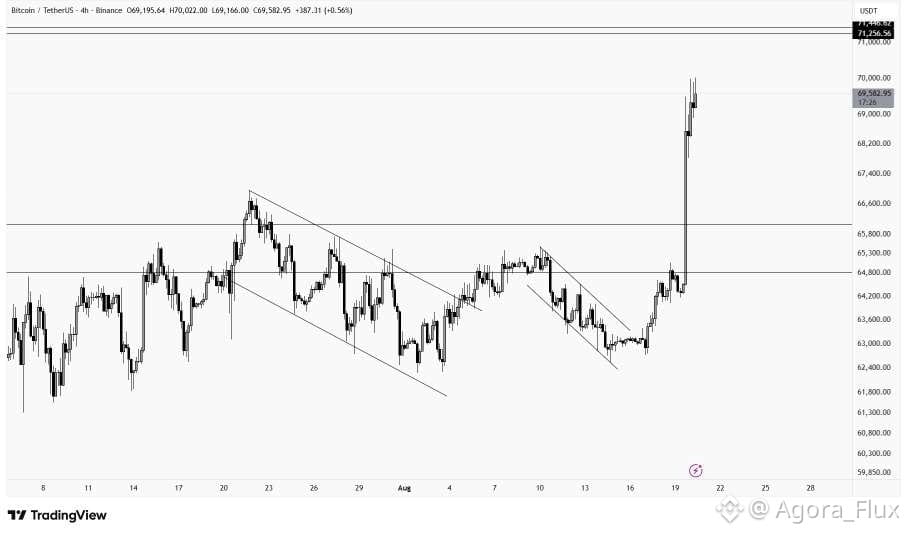
🔴 $BTC a dépassé un niveau de résistance majeur avec une cassure nette, atteignant rapidement le cap des 70 000 $.
La prochaine zone de résistance critique se situe entre 71 250 $ et 71 450 $. À partir de là, le prix peut soit reculer pour une correction (retracement), soit pousser directement vers cette résistance avant qu’une action de marché corrective ne révèle la trajectoire.
#Analyse du prix de BTC#
🔴 $BTC a dépassé un niveau de résistance majeur avec une cassure nette, atteignant rapidement le cap des 70 000 $.
La prochaine zone de résistance critique se situe entre 71 250 $ et 71 450 $. À partir de là, le prix peut soit reculer pour une correction (retracement), soit pousser directement vers cette résistance avant qu’une action de marché corrective ne révèle la trajectoire.
#Analyse du prix de BTC#
La prochaine zone de résistance critique se situe entre 71 250 $ et 71 450 $. À partir de là, le prix peut soit reculer pour une correction (retracement), soit pousser directement vers cette résistance avant qu’une action de marché corrective ne révèle la trajectoire.
#Analyse du prix de BTC#
54
·
--
La plupart des traders traitent encore la DeFi comme si on était en 2022. Je pense qu’ils vont être très surpris. Pendant que je faisais des opérations sur bitget, j’ai appris que le marché adore les récits. Les acteurs les plus avisés aiment les flux de trésorerie. Et pour la première fois depuis un moment, la DeFi commence à offrir les deux.
Pour la première fois depuis des années, la DeFi obtient enfin quelque chose qui lui faisait cruellement défaut :
Une clarté réglementaire.
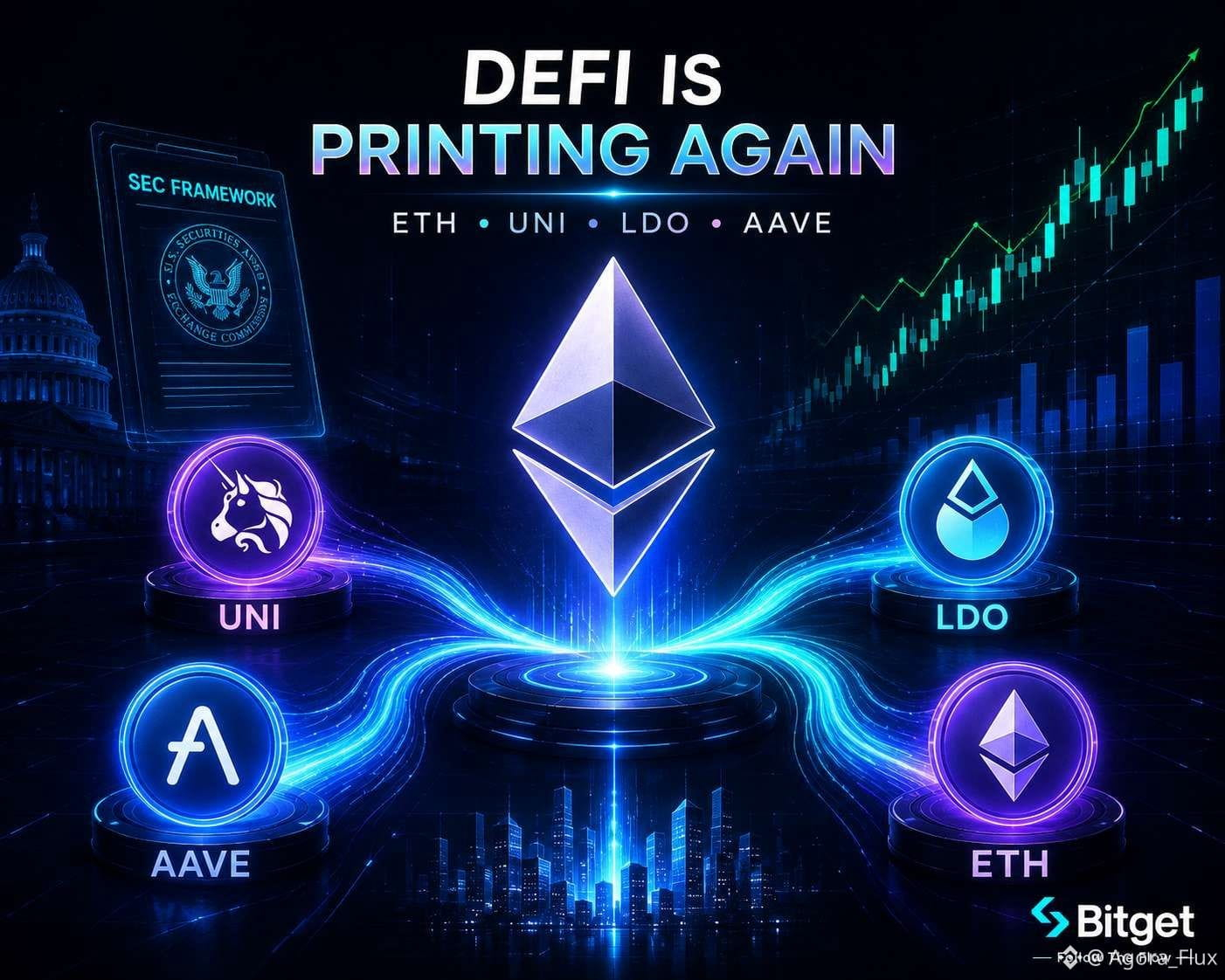
Le cadre crypto proposé par la SEC n’est pas juste un autre titre. S’il est mis en œuvre, il réduit l’un des plus grands risques qui a tenu les institutions à l’écart.
À présent, associez cela à ce qui se passe déjà en coulisses :
• $UNI pousse plus loin la capture de valeur basée sur les frais
• $AAVE continue de dominer le prêt DeFi
• $LDO profite de la croissance du staking sur Ethereum
• $ETH au cœur de l’ensemble de l’écosystème
C’est pour ça que je m’y intéresse : pas parce que les prix bougent, mais parce que les fondamentaux s’améliorent tandis que le sentiment n’a pas encore rattrapé. Et je vais trader UNI et ETH sur bitget.
Si cette rotation continue, selon vous, lequel va surperformer à partir de là ? J’aimerais entendre ce que tout le monde surveille.👇
#Altcoin Season#
La plupart des traders traitent encore la DeFi comme si on était en 2022. Je pense qu’ils vont être très surpris. Pendant que je faisais des opérations sur bitget, j’ai appris que le marché adore les récits. Les acteurs les plus avisés aiment les flux de trésorerie. Et pour la première fois depuis un moment, la DeFi commence à offrir les deux.
Pour la première fois depuis des années, la DeFi obtient enfin quelque chose qui lui faisait cruellement défaut :
Une clarté réglementaire.
Le cadre crypto proposé par la SEC n’est pas juste un autre titre. S’il est mis en œuvre, il réduit l’un des plus grands risques qui a tenu les institutions à l’écart.
À présent, associez cela à ce qui se passe déjà en coulisses :
• $UNI pousse plus loin la capture de valeur basée sur les frais
• $AAVE continue de dominer le prêt DeFi
• $LDO profite de la croissance du staking sur Ethereum
• $ETH au cœur de l’ensemble de l’écosystème
C’est pour ça que je m’y intéresse : pas parce que les prix bougent, mais parce que les fondamentaux s’améliorent tandis que le sentiment n’a pas encore rattrapé. Et je vais trader UNI et ETH sur bitget.
Si cette rotation continue, selon vous, lequel va surperformer à partir de là ? J’aimerais entendre ce que tout le monde surveille.👇
#Altcoin Season#
Pour la première fois depuis des années, la DeFi obtient enfin quelque chose qui lui faisait cruellement défaut :
Une clarté réglementaire.
Le cadre crypto proposé par la SEC n’est pas juste un autre titre. S’il est mis en œuvre, il réduit l’un des plus grands risques qui a tenu les institutions à l’écart.
À présent, associez cela à ce qui se passe déjà en coulisses :
• $UNI pousse plus loin la capture de valeur basée sur les frais
• $AAVE continue de dominer le prêt DeFi
• $LDO profite de la croissance du staking sur Ethereum
• $ETH au cœur de l’ensemble de l’écosystème
C’est pour ça que je m’y intéresse : pas parce que les prix bougent, mais parce que les fondamentaux s’améliorent tandis que le sentiment n’a pas encore rattrapé. Et je vais trader UNI et ETH sur bitget.
Si cette rotation continue, selon vous, lequel va surperformer à partir de là ? J’aimerais entendre ce que tout le monde surveille.👇
#Altcoin Season#
83
·
--
Et si le plus grand rallye de $XRP de ce cycle n’était pas porté par les traders, mais par Washington ?
Pendant des années, le XRP a évolué au gré des gros titres judiciaires. Désormais, il évolue sur quelque chose de bien plus vaste : la réglementation, la politique, et une place à la table du futur système financier.
Pendant des années, la crypto a été traitée comme une outsider de la finance traditionnelle. Cette semaine a semblé différente.
Pour les traders qui cherchent à réagir rapidement à ces évolutions, j’ai suivi le mouvement sur Bitget, où la liquidité de XRP a été active tout au long de la période couverte par l’actualité.
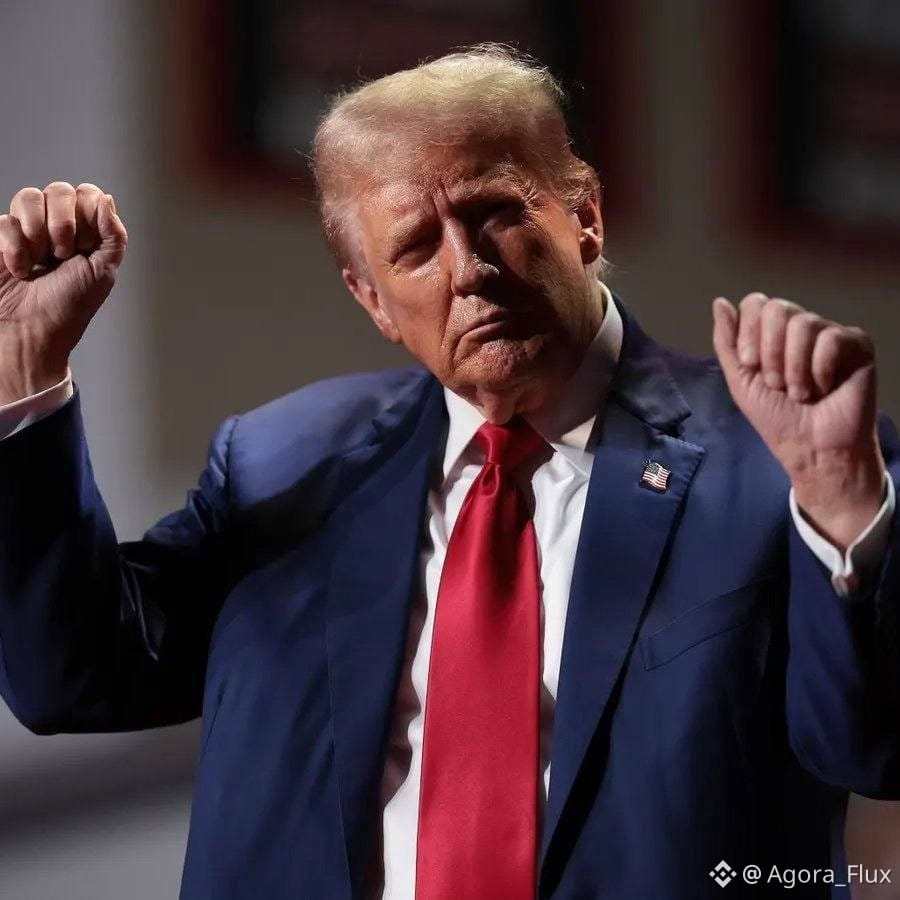
Le président Trump s’est entretenu avec des dirigeants de Ripple, Chainlink, Coinbase, Nasdaq, Kraken, ICE et des régulateurs afin de discuter de la manière dont la crypto s’insère dans le futur du système financier américain. Ce n’est pas un titre façon mème. C’est une infrastructure qui est discutée au plus haut niveau.
C’est pourquoi je surveille de près $XRP.
Si le CLARITY Act avance et que l’incertitude réglementaire continue de s’estomper, le XRP pourrait faire partie des plus grands bénéficiaires. Le marché semble déjà l’intégrer : $XRP progresse à deux chiffres tandis que les volumes explosent sur les échanges.
Ce qui a attiré mon attention n’est pas la hausse en elle-même.
C’est le fait que le XRP passe progressivement d’un récit de « bataille juridique » à un récit d’« infrastructure financière ».
Que vous soyez haussier ou baissier, c’est un changement majeur dans la façon dont le marché perçoit l’actif.
Personnellement, je garde un œil sur le calendrier du CLARITY Act du 15 septembre, car cela pourrait compter davantage que n’importe quelle bougie de prix à court terme.
La vraie question n’est pas de savoir si le XRP a bondi aujourd’hui.
Il s’agit de savoir si le marché commence à intégrer à quoi pourrait ressembler la réglementation crypto au cours des prochaines années.
#Macro Insights# #Altcoin Season#
Et si le plus grand rallye de $XRP de ce cycle n’était pas porté par les traders, mais par Washington ?
Pendant des années, le XRP a évolué au gré des gros titres judiciaires. Désormais, il évolue sur quelque chose de bien plus vaste : la réglementation, la politique, et une place à la table du futur système financier.
Pendant des années, la crypto a été traitée comme une outsider de la finance traditionnelle. Cette semaine a semblé différente.
Pour les traders qui cherchent à réagir rapidement à ces évolutions, j’ai suivi le mouvement sur Bitget, où la liquidité de XRP a été active tout au long de la période couverte par l’actualité.
Le président Trump s’est entretenu avec des dirigeants de Ripple, Chainlink, Coinbase, Nasdaq, Kraken, ICE et des régulateurs afin de discuter de la manière dont la crypto s’insère dans le futur du système financier américain. Ce n’est pas un titre façon mème. C’est une infrastructure qui est discutée au plus haut niveau.
C’est pourquoi je surveille de près $XRP.
Si le CLARITY Act avance et que l’incertitude réglementaire continue de s’estomper, le XRP pourrait faire partie des plus grands bénéficiaires. Le marché semble déjà l’intégrer : $XRP progresse à deux chiffres tandis que les volumes explosent sur les échanges.
Ce qui a attiré mon attention n’est pas la hausse en elle-même.
C’est le fait que le XRP passe progressivement d’un récit de « bataille juridique » à un récit d’« infrastructure financière ».
Que vous soyez haussier ou baissier, c’est un changement majeur dans la façon dont le marché perçoit l’actif.
Personnellement, je garde un œil sur le calendrier du CLARITY Act du 15 septembre, car cela pourrait compter davantage que n’importe quelle bougie de prix à court terme.
La vraie question n’est pas de savoir si le XRP a bondi aujourd’hui.
Il s’agit de savoir si le marché commence à intégrer à quoi pourrait ressembler la réglementation crypto au cours des prochaines années.
#Macro Insights# #Altcoin Season#
Pendant des années, le XRP a évolué au gré des gros titres judiciaires. Désormais, il évolue sur quelque chose de bien plus vaste : la réglementation, la politique, et une place à la table du futur système financier.
Pendant des années, la crypto a été traitée comme une outsider de la finance traditionnelle. Cette semaine a semblé différente.
Pour les traders qui cherchent à réagir rapidement à ces évolutions, j’ai suivi le mouvement sur Bitget, où la liquidité de XRP a été active tout au long de la période couverte par l’actualité.
Le président Trump s’est entretenu avec des dirigeants de Ripple, Chainlink, Coinbase, Nasdaq, Kraken, ICE et des régulateurs afin de discuter de la manière dont la crypto s’insère dans le futur du système financier américain. Ce n’est pas un titre façon mème. C’est une infrastructure qui est discutée au plus haut niveau.
C’est pourquoi je surveille de près $XRP.
Si le CLARITY Act avance et que l’incertitude réglementaire continue de s’estomper, le XRP pourrait faire partie des plus grands bénéficiaires. Le marché semble déjà l’intégrer : $XRP progresse à deux chiffres tandis que les volumes explosent sur les échanges.
Ce qui a attiré mon attention n’est pas la hausse en elle-même.
C’est le fait que le XRP passe progressivement d’un récit de « bataille juridique » à un récit d’« infrastructure financière ».
Que vous soyez haussier ou baissier, c’est un changement majeur dans la façon dont le marché perçoit l’actif.
Personnellement, je garde un œil sur le calendrier du CLARITY Act du 15 septembre, car cela pourrait compter davantage que n’importe quelle bougie de prix à court terme.
La vraie question n’est pas de savoir si le XRP a bondi aujourd’hui.
Il s’agit de savoir si le marché commence à intégrer à quoi pourrait ressembler la réglementation crypto au cours des prochaines années.
#Macro Insights# #Altcoin Season#

·
--
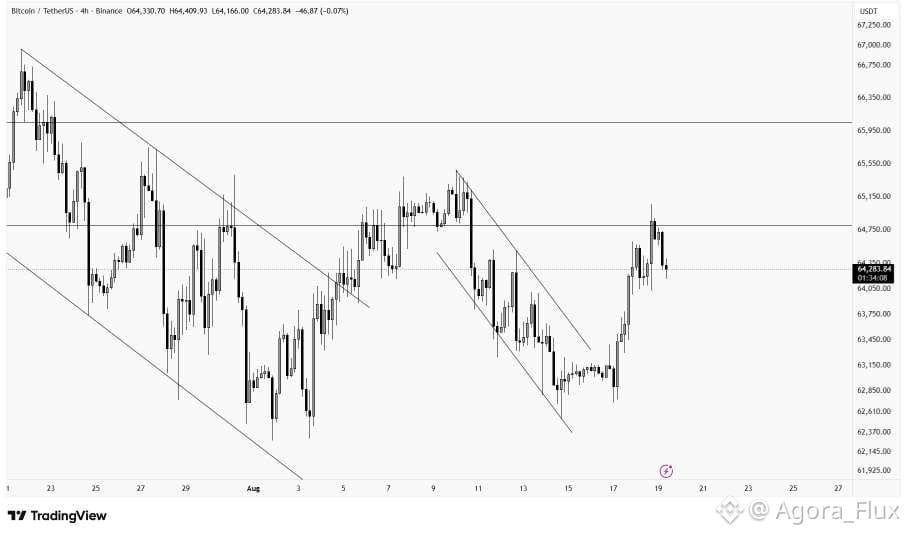
🔴 $BTC a de nouveau testé la zone de résistance, et le niveau continue de tenir fermement.
Le prix a fait face à un rejet net, suggérant un possible retour vers le point milieu de la fourchette actuelle.
Sur le graphique à plus long terme, un motif en Tête-et-Épaules inversée est en train de se former, ce qui pourrait constituer un signal précoce d’un éventuel retournement de tendance.
#Analyse du prix de BTC#
🔴 $BTC a de nouveau testé la zone de résistance, et le niveau continue de tenir fermement.
Le prix a fait face à un rejet net, suggérant un possible retour vers le point milieu de la fourchette actuelle.
Sur le graphique à plus long terme, un motif en Tête-et-Épaules inversée est en train de se former, ce qui pourrait constituer un signal précoce d’un éventuel retournement de tendance.
#Analyse du prix de BTC#
Le prix a fait face à un rejet net, suggérant un possible retour vers le point milieu de la fourchette actuelle.
Sur le graphique à plus long terme, un motif en Tête-et-Épaules inversée est en train de se former, ce qui pourrait constituer un signal précoce d’un éventuel retournement de tendance.
#Analyse du prix de BTC#
61
·
--
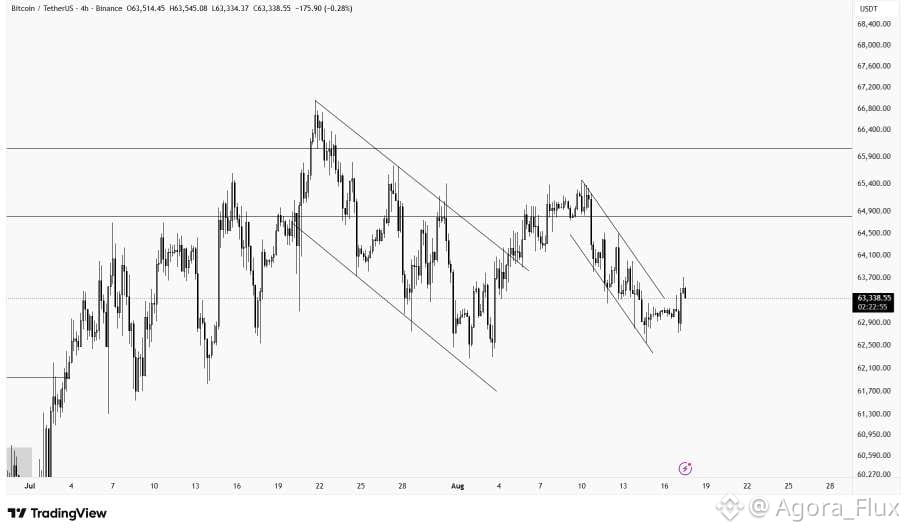
🔴 $BTC a clôturé sa bougie hebdomadaire près de la zone de support, et rien n’est particulièrement clair.
Cette semaine, il est probable que la même chose se produise, et qu’il ne se passe pas grand-chose.
Un mouvement baissier peut être attendu.
#BTC Price Analysis#
🔴 $BTC a clôturé sa bougie hebdomadaire près de la zone de support, et rien n’est particulièrement clair.
Cette semaine, il est probable que la même chose se produise, et qu’il ne se passe pas grand-chose.
Un mouvement baissier peut être attendu.
#BTC Price Analysis#
Cette semaine, il est probable que la même chose se produise, et qu’il ne se passe pas grand-chose.
Un mouvement baissier peut être attendu.
#BTC Price Analysis#
64
·
--
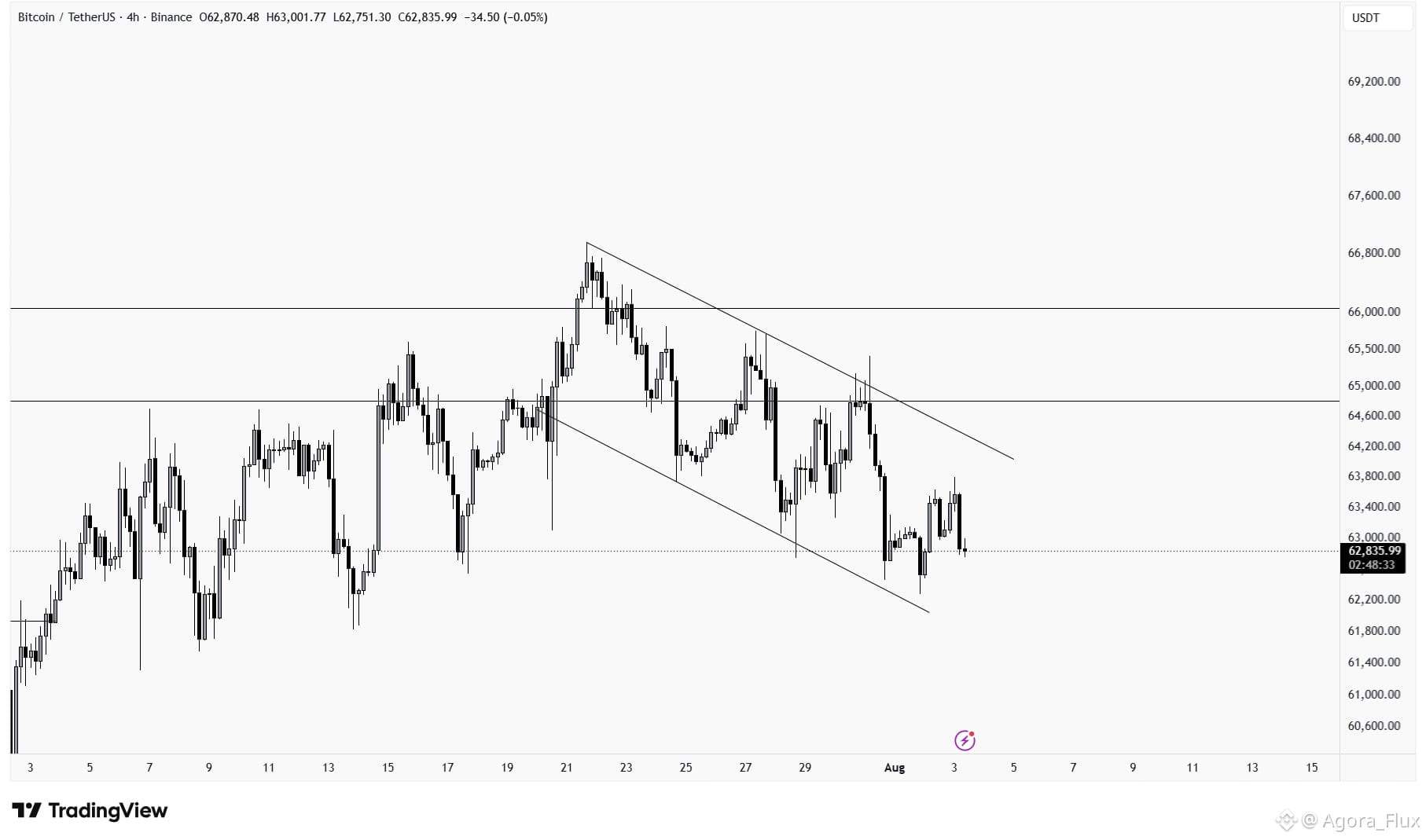
🔴 Le graphique hebdomadaire de $BTC montre la clôture de la bougie entre des niveaux de support et de résistance majeurs.
Sur le timeframe H4, l’action des prix forme un canal étroit, suggérant que la tendance baissière pourrait persister avec un mouvement supplémentaire à la baisse.
#Analyse du prix BTC#
🔴 Le graphique hebdomadaire de $BTC montre la clôture de la bougie entre des niveaux de support et de résistance majeurs.
Sur le timeframe H4, l’action des prix forme un canal étroit, suggérant que la tendance baissière pourrait persister avec un mouvement supplémentaire à la baisse.
#Analyse du prix BTC#
Sur le timeframe H4, l’action des prix forme un canal étroit, suggérant que la tendance baissière pourrait persister avec un mouvement supplémentaire à la baisse.
#Analyse du prix BTC#
76
·
--
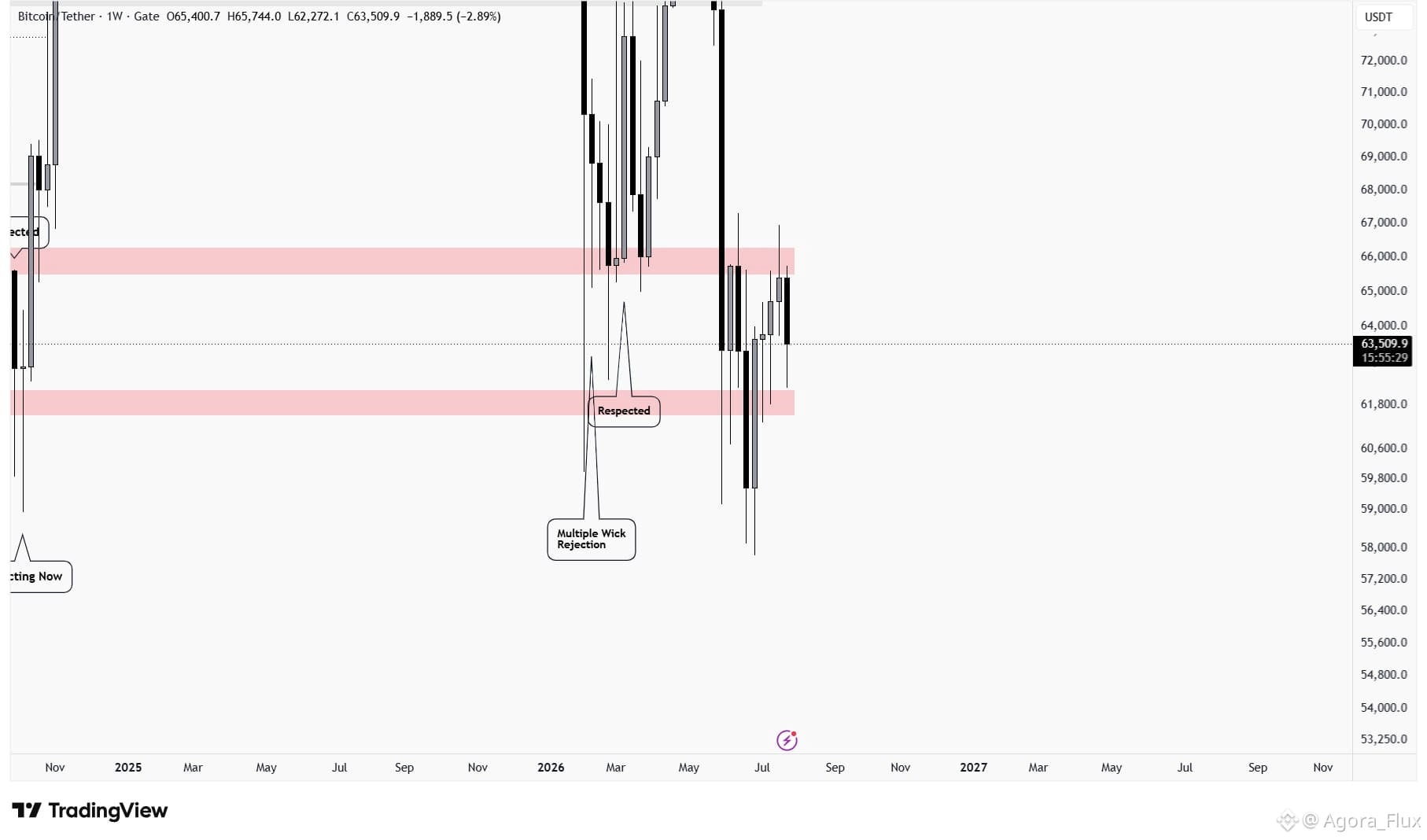
🔴 MISE À JOUR DU BTC EN TEMPS RÉEL HEBDOMADAIRE :
BTC a de nouveau touché la zone cette semaine. Cette semaine, le prix a encore baissé vers la zone de support et l'a presque atteinte.
Le prix évolue maintenant de manière significative et doit montrer une cassure claire à la baisse.
#Analyse du prix du BTC#
🔴 MISE À JOUR DU BTC EN TEMPS RÉEL HEBDOMADAIRE :
BTC a de nouveau touché la zone cette semaine. Cette semaine, le prix a encore baissé vers la zone de support et l'a presque atteinte.
Le prix évolue maintenant de manière significative et doit montrer une cassure claire à la baisse.
#Analyse du prix du BTC#
BTC a de nouveau touché la zone cette semaine. Cette semaine, le prix a encore baissé vers la zone de support et l'a presque atteinte.
Le prix évolue maintenant de manière significative et doit montrer une cassure claire à la baisse.
#Analyse du prix du BTC#
80
·
--
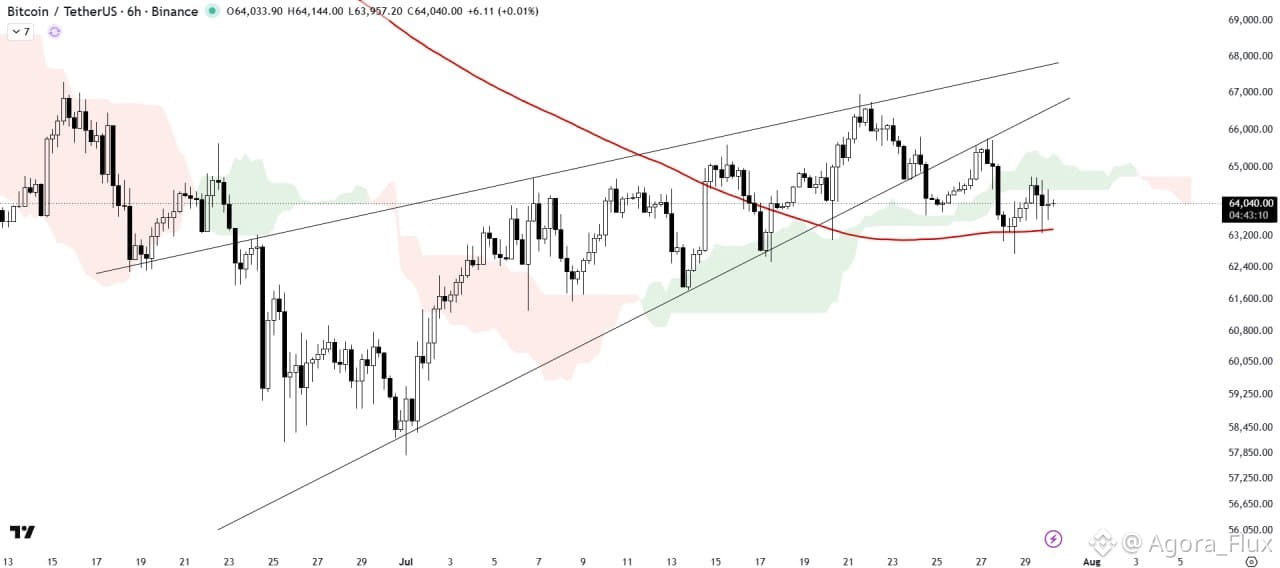
🔴 $BTC/USDT ANALYSE
Le Bitcoin évolue sous le nuage Ichimoku, qui agit comme une forte résistance après la rupture de la figure en triangle ascendant.
Une cassure au-dessus du nuage pourrait déclencher une impulsion haussière, tandis qu’une cassure sous la MM 200 mènerait probablement à une correction supplémentaire du marché.
#TradingSetup
🔴 $BTC/USDT ANALYSE
Le Bitcoin évolue sous le nuage Ichimoku, qui agit comme une forte résistance après la rupture de la figure en triangle ascendant.
Une cassure au-dessus du nuage pourrait déclencher une impulsion haussière, tandis qu’une cassure sous la MM 200 mènerait probablement à une correction supplémentaire du marché.
#TradingSetup
Le Bitcoin évolue sous le nuage Ichimoku, qui agit comme une forte résistance après la rupture de la figure en triangle ascendant.
Une cassure au-dessus du nuage pourrait déclencher une impulsion haussière, tandis qu’une cassure sous la MM 200 mènerait probablement à une correction supplémentaire du marché.
#TradingSetup
50
·
--
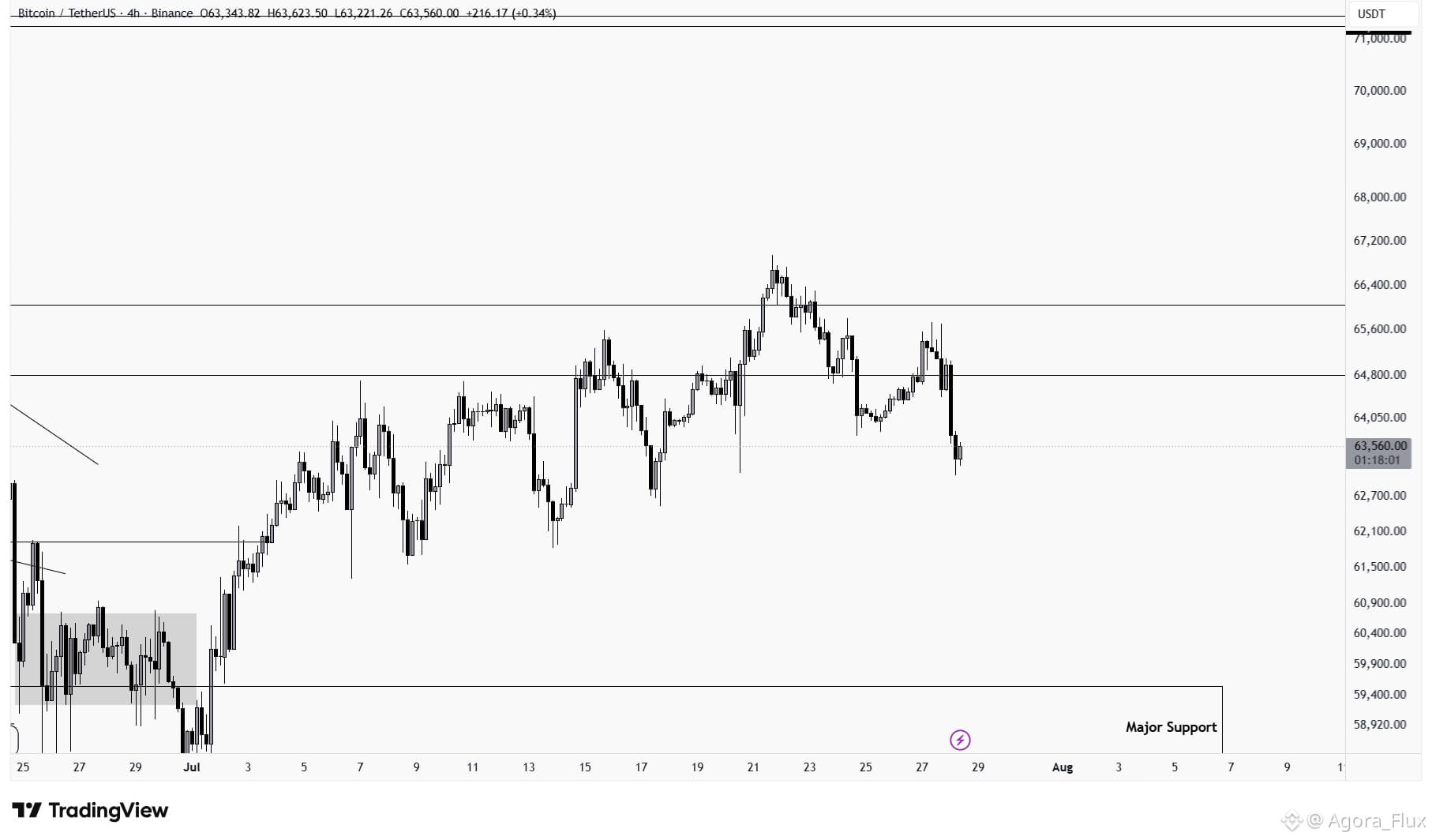
🔴 $BTC a encore baissé, prolongeant sa chute.
Notre point de vue depuis hier reste franchement baissier, et le risque de baisse demeure d’actualité. L
Les traders détenant des positions short doivent les gérer avec prudence.
Gardez à l’esprit que la décision sur le Federal Funds Rate est prévue pour demain, ce qui pourrait ajouter davantage de volatilité.
#Analyse du prix du BTC#
🔴 $BTC a encore baissé, prolongeant sa chute.
Notre point de vue depuis hier reste franchement baissier, et le risque de baisse demeure d’actualité. L
Les traders détenant des positions short doivent les gérer avec prudence.
Gardez à l’esprit que la décision sur le Federal Funds Rate est prévue pour demain, ce qui pourrait ajouter davantage de volatilité.
#Analyse du prix du BTC#
Notre point de vue depuis hier reste franchement baissier, et le risque de baisse demeure d’actualité. L
Les traders détenant des positions short doivent les gérer avec prudence.
Gardez à l’esprit que la décision sur le Federal Funds Rate est prévue pour demain, ce qui pourrait ajouter davantage de volatilité.
#Analyse du prix du BTC#
2
·
--
🔴 Les rachats seront financés en dehors de la Réserve en USD, notamment via des ventes de #BTC et de MSTR, en fonction des conditions de marché.
Notre objectif est que STRC se négocie près de 100 $ avec une liquidité élevée, une faible volatilité et une demande indépendante saine et durable.
Nous ne publierons pas en dessous de 100 $ ~ Saylor
#Macro Insights#
🔴 Les rachats seront financés en dehors de la Réserve en USD, notamment via des ventes de #BTC et de MSTR, en fonction des conditions de marché.
Notre objectif est que STRC se négocie près de 100 $ avec une liquidité élevée, une faible volatilité et une demande indépendante saine et durable.
Nous ne publierons pas en dessous de 100 $ ~ Saylor
#Macro Insights#
Notre objectif est que STRC se négocie près de 100 $ avec une liquidité élevée, une faible volatilité et une demande indépendante saine et durable.
Nous ne publierons pas en dessous de 100 $ ~ Saylor
#Macro Insights#

113
Connectez-vous pour découvrir plus de contenu
Rejoignez la communauté mondiale des adeptes de cryptomonnaies sur Binance Square
⚡️ Suviez les dernières informations importantes sur les cryptomonnaies.
💬 Jugé digne de confiance par la plus grande plateforme d’échange de cryptomonnaies au monde.
👍 Découvrez les connaissances que partagent les créateurs vérifiés.
Adresse e-mail/Nº de téléphone