


Over the past few years, blockchain technology has made enormous progress in raw performance. Block times are faster, fees are lower and throughput keeps increasing. On paper, on-chain trading should feel seamless. Yet traders still experience slippage, failed transactions and unpredictable execution during volatile markets.
This contradiction suggests that speed alone does not solve the real problem.
Most blockchains were designed as general-purpose platforms meant to support many applications at once. Payments, NFTs, gaming and DeFi all share the same infrastructure. But trading behaves differently from other on-chain activities. Financial markets react in milliseconds, and execution quality becomes critical when volatility rises.
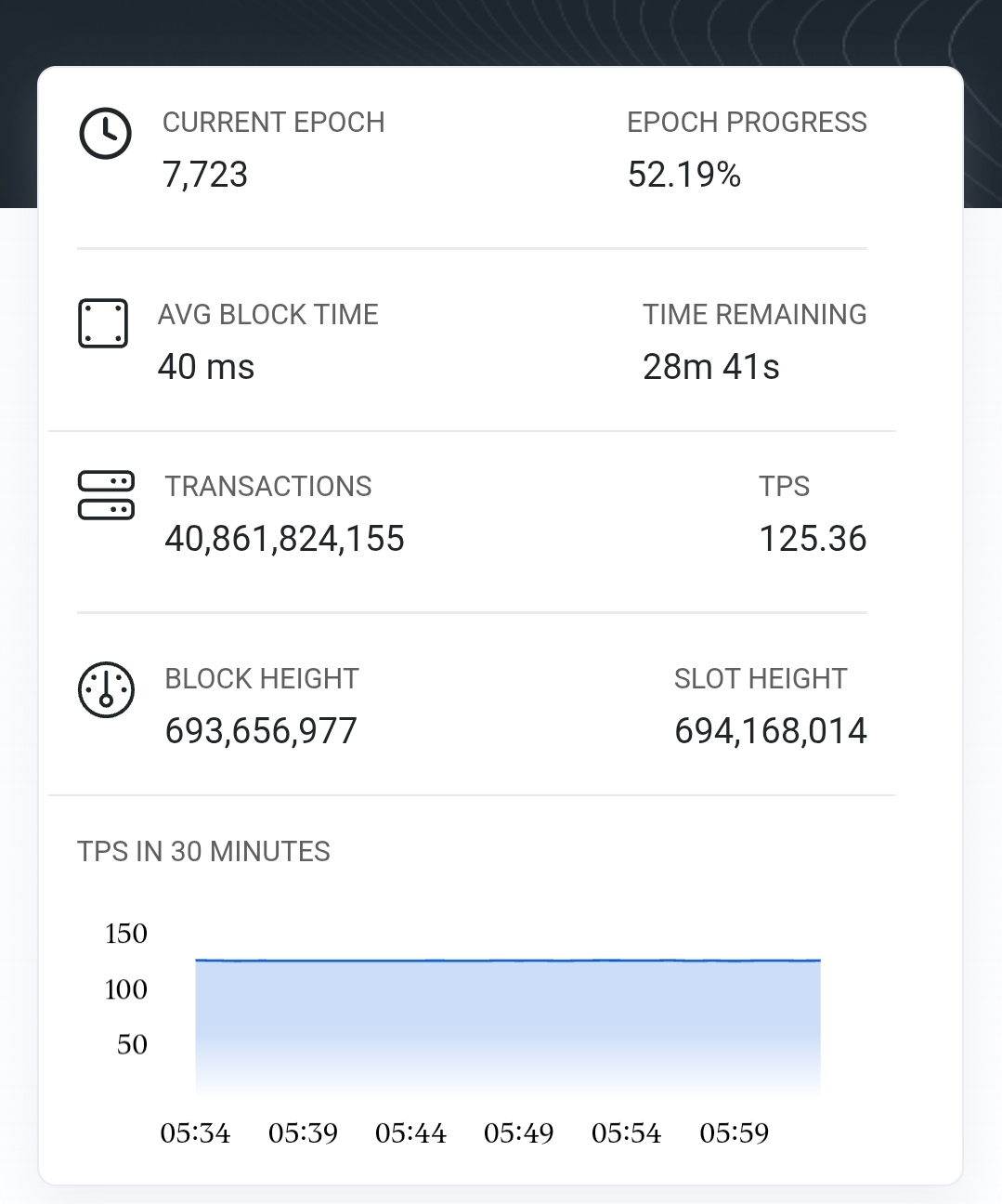
When infrastructure is not specifically optimized for trading, inefficiencies appear even on high-performance chains. Latency between validators, coordination delays and front-running opportunities can still impact the final execution of trades.
This is the type of problem @fogo is trying to explore from a different angle. Instead of focusing purely on general scalability, the project emphasizes infrastructure tailored for performance-sensitive DeFi such as order books, perpetual markets and real-time auctions. The idea is simple: if on-chain markets continue to grow, the underlying infrastructure may need to evolve in the same way traditional financial systems did.
In traditional markets, trading infrastructure was built to prioritize reliability, coordination and predictable execution. On-chain markets may now be entering a similar phase of specialization.
The bigger question for the industry is no longer just how fast a blockchain can be.
It may soon become how reliably trades can execute when markets move quickly.
Do you think execution reliability will become the next major focus for blockchain infrastructure?
