
#chainalysis
chainalysis
80,464 vues
254 mentions
Populaire
Récents

·
--
CHAINALYSIS ASSIGNE LA SECURE ICE DES ÉTATS-UNIS POUR UN CONTRAT DE 94,66 M$ ATTRIBUÉ À UN RIVAL TRM LABS IMPACTANT $USDT ! 🚨 🏦
La bataille pour l’intelligence institutionnelle de la blockchain devient brutale. 🔍 Chainalysis a déposé un recours fédéral contre l’ICE américaine, alléguant qu’un imposant contrat de suivi de 94,66 M$ a été discrètement transféré au rival TRM Labs selon des critères non divulgués et une fenêtre d’appel d’offres absurde de trois jours.
Au cœur du litige figurent les notifications automatisées de gel d’actifs de TRM et les intégrations des émetteurs de stablecoins. L’infrastructure de surveillance gouvernementale subit donc un vaste remaniement avant les plaidoiries du 2 septembre. ⚖️
Cette guerre juridique montre à quel point les enjeux sont élevés pour la conformité on-chain et la domination de la surveillance. 🌊 Ce bras de fer devant le tribunal ralentira-t-il la supervision institutionnelle ou déclenchera-t-il un contrôle encore plus strict des stablecoins sur l’ensemble du marché ? 👇
⚠️ Ceci ne constitue pas un conseil financier. Gérez toujours votre risque. 🛡️
🏷️ #USDT #CryptoNews #Chainalysis #Blockchain #Stablecoins
🦈 👁️
CHAINALYSIS ASSIGNE LA SECURE ICE DES ÉTATS-UNIS POUR UN CONTRAT DE 94,66 M$ ATTRIBUÉ À UN RIVAL TRM LABS IMPACTANT $USDT ! 🚨 🏦
La bataille pour l’intelligence institutionnelle de la blockchain devient brutale. 🔍 Chainalysis a déposé un recours fédéral contre l’ICE américaine, alléguant qu’un imposant contrat de suivi de 94,66 M$ a été discrètement transféré au rival TRM Labs selon des critères non divulgués et une fenêtre d’appel d’offres absurde de trois jours.
Au cœur du litige figurent les notifications automatisées de gel d’actifs de TRM et les intégrations des émetteurs de stablecoins. L’infrastructure de surveillance gouvernementale subit donc un vaste remaniement avant les plaidoiries du 2 septembre. ⚖️
Cette guerre juridique montre à quel point les enjeux sont élevés pour la conformité on-chain et la domination de la surveillance. 🌊 Ce bras de fer devant le tribunal ralentira-t-il la supervision institutionnelle ou déclenchera-t-il un contrôle encore plus strict des stablecoins sur l’ensemble du marché ? 👇
⚠️ Ceci ne constitue pas un conseil financier. Gérez toujours votre risque. 🛡️
🏷️ #USDT #CryptoNews #Chainalysis #Blockchain #Stablecoins
🦈 👁️
La bataille pour l’intelligence institutionnelle de la blockchain devient brutale. 🔍 Chainalysis a déposé un recours fédéral contre l’ICE américaine, alléguant qu’un imposant contrat de suivi de 94,66 M$ a été discrètement transféré au rival TRM Labs selon des critères non divulgués et une fenêtre d’appel d’offres absurde de trois jours.
Au cœur du litige figurent les notifications automatisées de gel d’actifs de TRM et les intégrations des émetteurs de stablecoins. L’infrastructure de surveillance gouvernementale subit donc un vaste remaniement avant les plaidoiries du 2 septembre. ⚖️
Cette guerre juridique montre à quel point les enjeux sont élevés pour la conformité on-chain et la domination de la surveillance. 🌊 Ce bras de fer devant le tribunal ralentira-t-il la supervision institutionnelle ou déclenchera-t-il un contrôle encore plus strict des stablecoins sur l’ensemble du marché ? 👇
⚠️ Ceci ne constitue pas un conseil financier. Gérez toujours votre risque. 🛡️
🏷️ #USDT #CryptoNews #Chainalysis #Blockchain #Stablecoins
🦈 👁️
21

·
--
🚨 AVIS $USDT ON : CHAINALYSIS POURSUIT LA ICE À PROPOS D’UN CONTRAT DE SURVEILLANCE BLOCKCHAIN DE 94 M$ ! 🔍
Une bataille juridique de 94,66 M$ a éclaté entre de grandes sociétés d’expertise en blockchain, alors que Chainalysis poursuit la U.S. ICE pour favoritisme envers un prestataire au profit de TRM Labs. 🏦 La plainte révèle avec quelle intensité les entités gouvernementales se disputent la surveillance en temps réel des stablecoins et des capacités de gel automatisées.
L’argent “intelligent” sait que l’infrastructure de suivi réglementaire s’étend rapidement en coulisses, ce qui influence directement les circuits de liquidité des institutions. 🔍 Les plaidoiries étant prévues pour le 2 septembre, l’issue pourrait redessiner la façon dont les données on-chain et la conformité des stablecoins fonctionnent à travers les principaux réseaux.
💬 Selon vous, des dispositifs de surveillance gouvernementale plus stricts renforceront-ils l’adoption institutionnelle ou pousseront-ils la liquidité davantage vers la décentralisation ? 👇
⚠️ Ceci n’est pas un conseil financier. Gérez toujours votre risque. 🛡️
🏷️ #USDT #Chainalysis #CryptoNews #Blockchain #SmartMoney
🎯 🦈
🚨 AVIS $USDT ON : CHAINALYSIS POURSUIT LA ICE À PROPOS D’UN CONTRAT DE SURVEILLANCE BLOCKCHAIN DE 94 M$ ! 🔍
Une bataille juridique de 94,66 M$ a éclaté entre de grandes sociétés d’expertise en blockchain, alors que Chainalysis poursuit la U.S. ICE pour favoritisme envers un prestataire au profit de TRM Labs. 🏦 La plainte révèle avec quelle intensité les entités gouvernementales se disputent la surveillance en temps réel des stablecoins et des capacités de gel automatisées.
L’argent “intelligent” sait que l’infrastructure de suivi réglementaire s’étend rapidement en coulisses, ce qui influence directement les circuits de liquidité des institutions. 🔍 Les plaidoiries étant prévues pour le 2 septembre, l’issue pourrait redessiner la façon dont les données on-chain et la conformité des stablecoins fonctionnent à travers les principaux réseaux.
💬 Selon vous, des dispositifs de surveillance gouvernementale plus stricts renforceront-ils l’adoption institutionnelle ou pousseront-ils la liquidité davantage vers la décentralisation ? 👇
⚠️ Ceci n’est pas un conseil financier. Gérez toujours votre risque. 🛡️
🏷️ #USDT #Chainalysis #CryptoNews #Blockchain #SmartMoney
🎯 🦈
Une bataille juridique de 94,66 M$ a éclaté entre de grandes sociétés d’expertise en blockchain, alors que Chainalysis poursuit la U.S. ICE pour favoritisme envers un prestataire au profit de TRM Labs. 🏦 La plainte révèle avec quelle intensité les entités gouvernementales se disputent la surveillance en temps réel des stablecoins et des capacités de gel automatisées.
L’argent “intelligent” sait que l’infrastructure de suivi réglementaire s’étend rapidement en coulisses, ce qui influence directement les circuits de liquidité des institutions. 🔍 Les plaidoiries étant prévues pour le 2 septembre, l’issue pourrait redessiner la façon dont les données on-chain et la conformité des stablecoins fonctionnent à travers les principaux réseaux.
💬 Selon vous, des dispositifs de surveillance gouvernementale plus stricts renforceront-ils l’adoption institutionnelle ou pousseront-ils la liquidité davantage vers la décentralisation ? 👇
⚠️ Ceci n’est pas un conseil financier. Gérez toujours votre risque. 🛡️
🏷️ #USDT #Chainalysis #CryptoNews #Blockchain #SmartMoney
🎯 🦈
23

Chainalysis accuse ICE de s’être livrée à une manipulation de contrats blockchain d’une valeur de 95 millions de dollars pour le compte de TRM Labs
• Le tribunal fédéral entend la plainte déposée par Chainalysis contre ICE
• Demande de bloquer le contrat TRM d’une valeur de 95 millions de dollars
• Au moins ICE a accordé le contrat sans appel d’offres ouvert
• Demande à ICE d’organiser un concours public et transparent
#BinanceSquare #CryptoNews #Chainalysis #TRMLabs #ICE
$btc $eth
vlikevn Titanbot
Source : The Block
Chainalysis accuse ICE de s’être livrée à une manipulation de contrats blockchain d’une valeur de 95 millions de dollars pour le compte de TRM Labs
• Le tribunal fédéral entend la plainte déposée par Chainalysis contre ICE
• Demande de bloquer le contrat TRM d’une valeur de 95 millions de dollars
• Au moins ICE a accordé le contrat sans appel d’offres ouvert
• Demande à ICE d’organiser un concours public et transparent
#BinanceSquare #CryptoNews #Chainalysis #TRMLabs #ICE
$btc $eth
vlikevn Titanbot
Source : The Block
• Le tribunal fédéral entend la plainte déposée par Chainalysis contre ICE
• Demande de bloquer le contrat TRM d’une valeur de 95 millions de dollars
• Au moins ICE a accordé le contrat sans appel d’offres ouvert
• Demande à ICE d’organiser un concours public et transparent
#BinanceSquare #CryptoNews #Chainalysis #TRMLabs #ICE
$btc $eth
vlikevn Titanbot
Source : The Block
151
Chainalysis : les activités crypto imposables à l’échelle mondiale atteignent 457 milliards de dollars en 2025
- Chainalysis estime qu’au moins 457 milliards de dollars d’activités crypto imposables ont eu lieu sur la blockchain en 2025.
- Le Cadre de déclaration des actifs crypto (CARF) ne couvre que 14 % de ces activités.
- La source RSS n’a fourni aucun détail supplémentaire sur la répartition par région ou par type d’actif.
#BinanceSquare #CryptoNews #Chainalysis #CARF #CryptoRegulation Blockchain
$btc $eth
vlikevn Titanbot
Source : The Block
Chainalysis : les activités crypto imposables à l’échelle mondiale atteignent 457 milliards de dollars en 2025
- Chainalysis estime qu’au moins 457 milliards de dollars d’activités crypto imposables ont eu lieu sur la blockchain en 2025.
- Le Cadre de déclaration des actifs crypto (CARF) ne couvre que 14 % de ces activités.
- La source RSS n’a fourni aucun détail supplémentaire sur la répartition par région ou par type d’actif.
#BinanceSquare #CryptoNews #Chainalysis #CARF #CryptoRegulation Blockchain
$btc $eth
vlikevn Titanbot
Source : The Block
- Chainalysis estime qu’au moins 457 milliards de dollars d’activités crypto imposables ont eu lieu sur la blockchain en 2025.
- Le Cadre de déclaration des actifs crypto (CARF) ne couvre que 14 % de ces activités.
- La source RSS n’a fourni aucun détail supplémentaire sur la répartition par région ou par type d’actif.
#BinanceSquare #CryptoNews #Chainalysis #CARF #CryptoRegulation Blockchain
$btc $eth
vlikevn Titanbot
Source : The Block
138


Rapport Chainalysis : l’an dernier, les activités cryptées imposables mondiales ont atteint 457 milliards de dollars, le cadre CARF ne couvre que 14 %
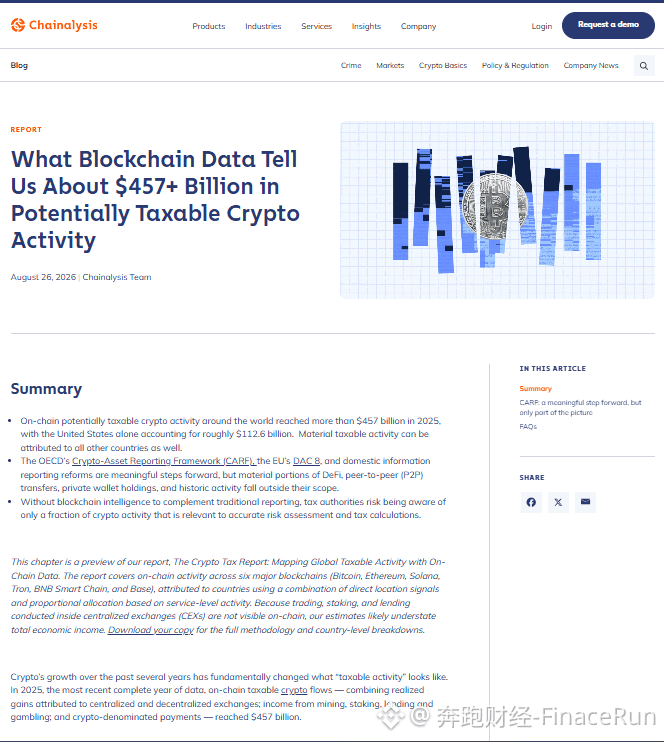
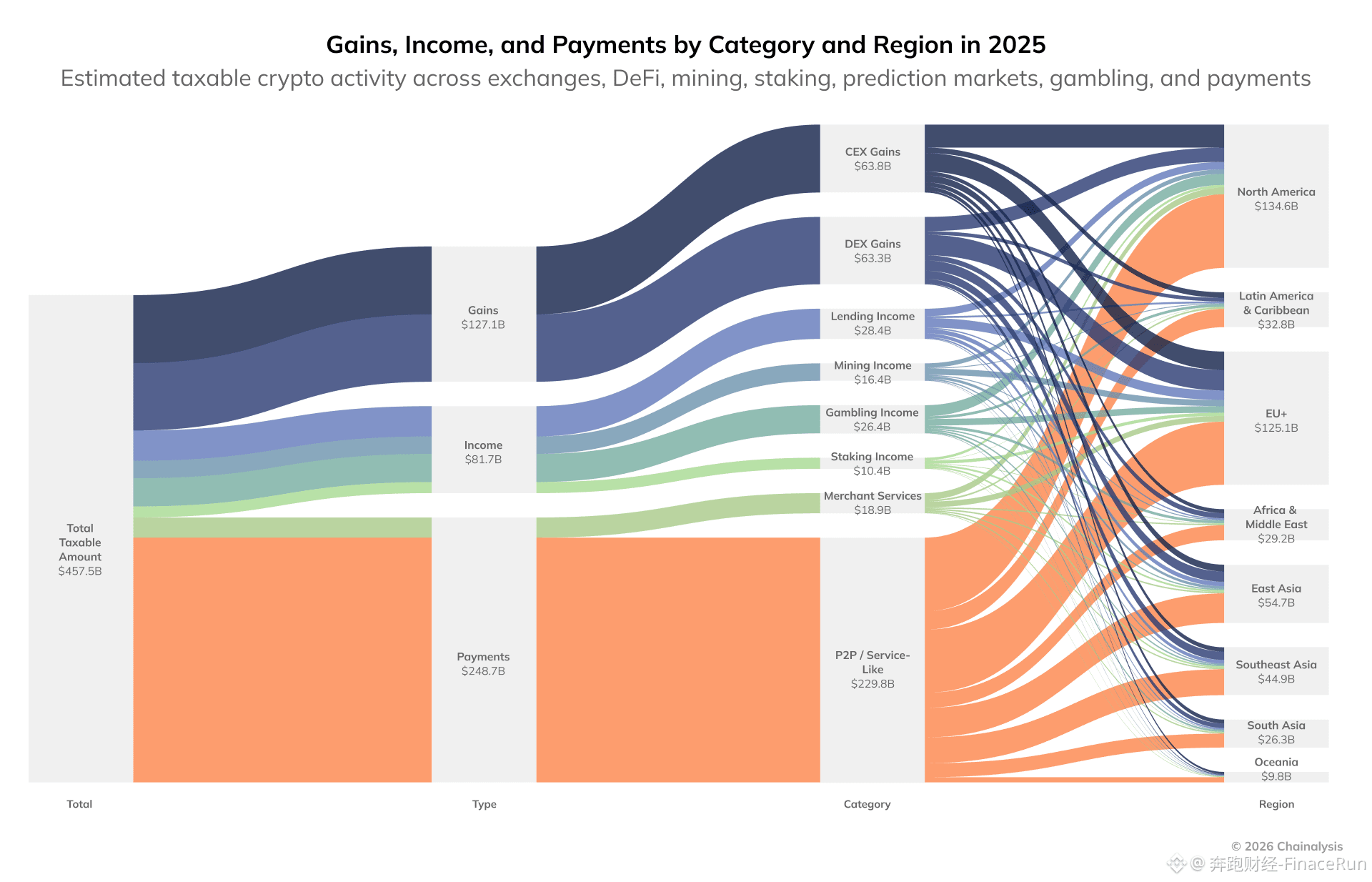
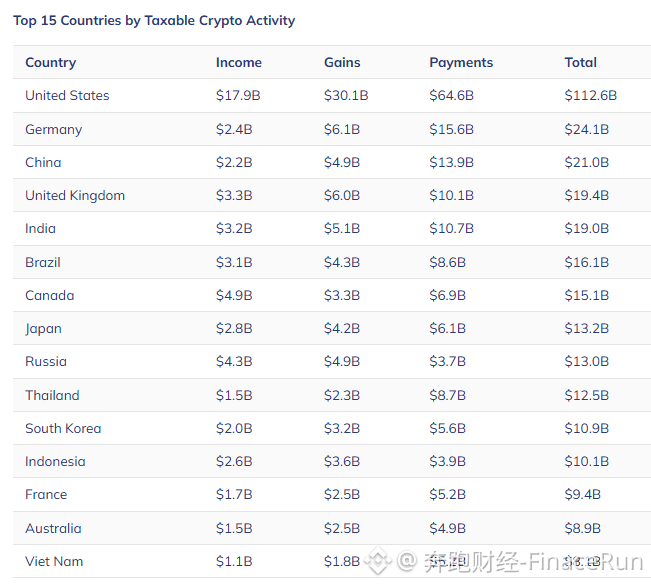
Le 27 août, Chainalysis a publié son « rapport sur la fiscalité des cryptomonnaies » indiquant que, en 2025, le montant total mondial des activités cryptées imposables en chaîne dépassera 457 milliards de dollars, dont les États-Unis représentent la plus grosse part avec environ 1126 milliards de dollars.
Viennent ensuite l’Allemagne (241 milliards de dollars), la Chine (210 milliards de dollars), le Royaume-Uni (194 milliards de dollars) et l’Inde (190 milliards de dollars). Par région, l’Amérique du Nord (1346 milliards) devance les autres en matière de taille des activités imposables, suivie par l’Union européenne (1251 milliards), puis l’Asie de l’Est (547 milliards).
Cette estimation couvre les revenus réalisés, le minage, le staking et les prêts, ainsi que les paiements en cryptomonnaies, mais n’inclut pas les transactions au sein des échanges centralisés.
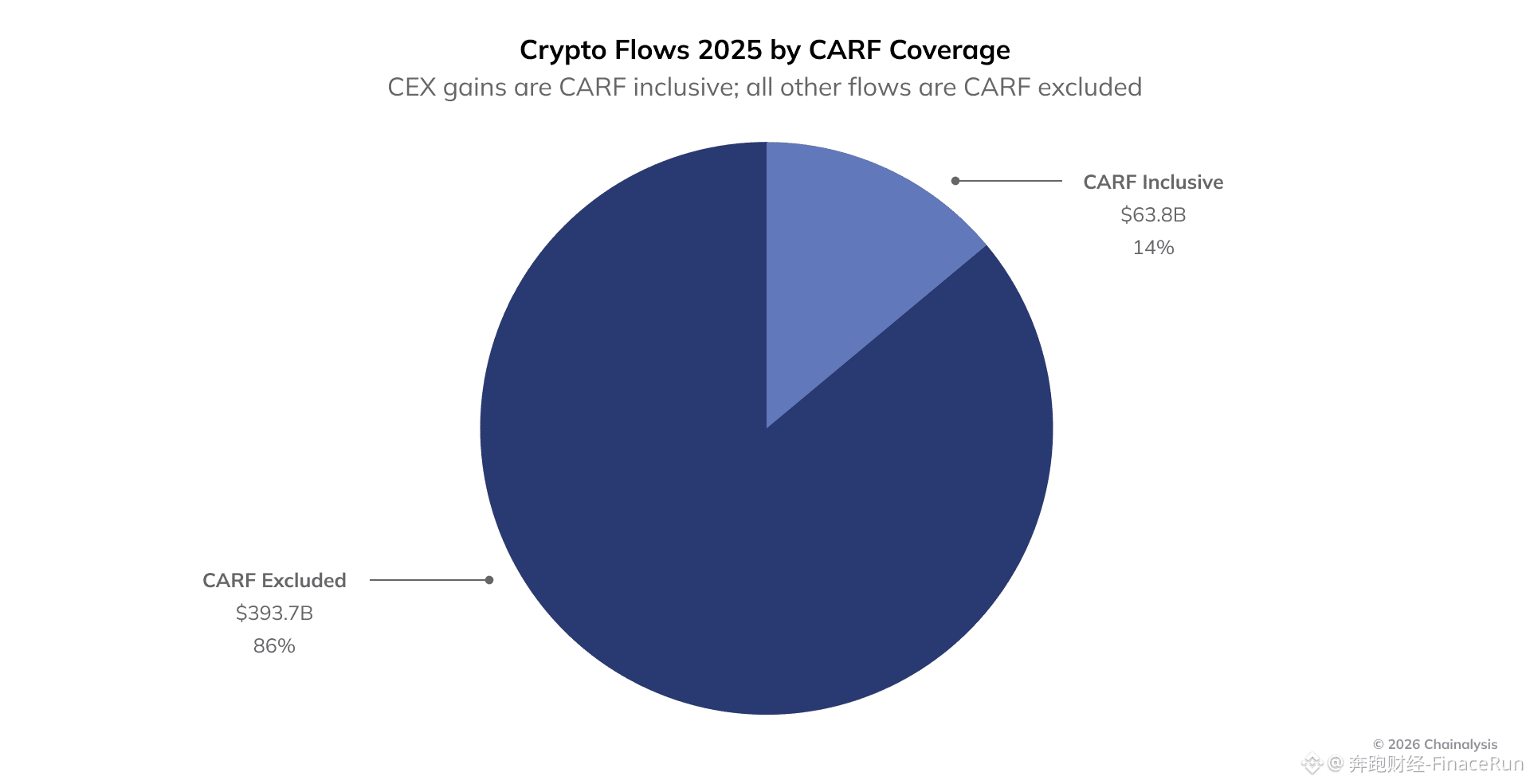
Le rapport indique que le cadre d’échange d’informations sur les crypto-actifs (CARF), établi par l’OCDE, ne couvre actuellement qu’environ 14 % des activités cryptées imposables en chaîne à l’échelle mondiale ; le reste (86 %) des activités se produit principalement sur des bourses décentralisées, via des transferts entre pairs, des flux de revenus en chaîne et des paiements, et n’entre donc pas dans son champ de couverture.
Le CARF a démarré la collecte de données le 1er janvier 2026, couvrant 48 juridictions, dont le Royaume-Uni et l’Union européenne. Il exige que les plateformes concernées collectent des informations sur l’identité des clients et leur résidence fiscale, avec un début prévu d’échanges d’informations transfrontaliers à l’échelle complète à partir de 2027.
Le rapport souligne que la technologie d’intelligence de blockchain peut aider les autorités fiscales à retracer les flux de fonds on-chain, à identifier l’usage de plateformes étrangères ou décentralisées, à reconstituer la base des coûts, et à détecter les sources de revenus provenant notamment du minage, du staking et des prêts.
À l’avenir, à mesure que ces données en chaîne et celles des bourses commenceront à être échangées et à produire une complémentarité d’informations, cela aidera les autorités fiscales à dresser une image plus complète et plus précise des activités des contribuables, en particulier dans les domaines que le CARF et des cadres similaires ne couvrent pas encore.
#Chainalysis #加密税务
Rapport Chainalysis : l’an dernier, les activités cryptées imposables mondiales ont atteint 457 milliards de dollars, le cadre CARF ne couvre que 14 %
Le 27 août, Chainalysis a publié son « rapport sur la fiscalité des cryptomonnaies » indiquant que, en 2025, le montant total mondial des activités cryptées imposables en chaîne dépassera 457 milliards de dollars, dont les États-Unis représentent la plus grosse part avec environ 1126 milliards de dollars.
Viennent ensuite l’Allemagne (241 milliards de dollars), la Chine (210 milliards de dollars), le Royaume-Uni (194 milliards de dollars) et l’Inde (190 milliards de dollars). Par région, l’Amérique du Nord (1346 milliards) devance les autres en matière de taille des activités imposables, suivie par l’Union européenne (1251 milliards), puis l’Asie de l’Est (547 milliards).
Cette estimation couvre les revenus réalisés, le minage, le staking et les prêts, ainsi que les paiements en cryptomonnaies, mais n’inclut pas les transactions au sein des échanges centralisés.
Le rapport indique que le cadre d’échange d’informations sur les crypto-actifs (CARF), établi par l’OCDE, ne couvre actuellement qu’environ 14 % des activités cryptées imposables en chaîne à l’échelle mondiale ; le reste (86 %) des activités se produit principalement sur des bourses décentralisées, via des transferts entre pairs, des flux de revenus en chaîne et des paiements, et n’entre donc pas dans son champ de couverture.
Le CARF a démarré la collecte de données le 1er janvier 2026, couvrant 48 juridictions, dont le Royaume-Uni et l’Union européenne. Il exige que les plateformes concernées collectent des informations sur l’identité des clients et leur résidence fiscale, avec un début prévu d’échanges d’informations transfrontaliers à l’échelle complète à partir de 2027.
Le rapport souligne que la technologie d’intelligence de blockchain peut aider les autorités fiscales à retracer les flux de fonds on-chain, à identifier l’usage de plateformes étrangères ou décentralisées, à reconstituer la base des coûts, et à détecter les sources de revenus provenant notamment du minage, du staking et des prêts.
À l’avenir, à mesure que ces données en chaîne et celles des bourses commenceront à être échangées et à produire une complémentarité d’informations, cela aidera les autorités fiscales à dresser une image plus complète et plus précise des activités des contribuables, en particulier dans les domaines que le CARF et des cadres similaires ne couvrent pas encore.
#Chainalysis #加密税务
Le 27 août, Chainalysis a publié son « rapport sur la fiscalité des cryptomonnaies » indiquant que, en 2025, le montant total mondial des activités cryptées imposables en chaîne dépassera 457 milliards de dollars, dont les États-Unis représentent la plus grosse part avec environ 1126 milliards de dollars.
Viennent ensuite l’Allemagne (241 milliards de dollars), la Chine (210 milliards de dollars), le Royaume-Uni (194 milliards de dollars) et l’Inde (190 milliards de dollars). Par région, l’Amérique du Nord (1346 milliards) devance les autres en matière de taille des activités imposables, suivie par l’Union européenne (1251 milliards), puis l’Asie de l’Est (547 milliards).
Cette estimation couvre les revenus réalisés, le minage, le staking et les prêts, ainsi que les paiements en cryptomonnaies, mais n’inclut pas les transactions au sein des échanges centralisés.
Le rapport indique que le cadre d’échange d’informations sur les crypto-actifs (CARF), établi par l’OCDE, ne couvre actuellement qu’environ 14 % des activités cryptées imposables en chaîne à l’échelle mondiale ; le reste (86 %) des activités se produit principalement sur des bourses décentralisées, via des transferts entre pairs, des flux de revenus en chaîne et des paiements, et n’entre donc pas dans son champ de couverture.
Le CARF a démarré la collecte de données le 1er janvier 2026, couvrant 48 juridictions, dont le Royaume-Uni et l’Union européenne. Il exige que les plateformes concernées collectent des informations sur l’identité des clients et leur résidence fiscale, avec un début prévu d’échanges d’informations transfrontaliers à l’échelle complète à partir de 2027.
Le rapport souligne que la technologie d’intelligence de blockchain peut aider les autorités fiscales à retracer les flux de fonds on-chain, à identifier l’usage de plateformes étrangères ou décentralisées, à reconstituer la base des coûts, et à détecter les sources de revenus provenant notamment du minage, du staking et des prêts.
À l’avenir, à mesure que ces données en chaîne et celles des bourses commenceront à être échangées et à produire une complémentarité d’informations, cela aidera les autorités fiscales à dresser une image plus complète et plus précise des activités des contribuables, en particulier dans les domaines que le CARF et des cadres similaires ne couvrent pas encore.
#Chainalysis #加密税务
729
Chainalysis collabore avec Binance et Coinbase pour démanteler un réseau d’exploitation d’enfants
• « Operation Lighthouse » est une campagne menée par Chainalysis, visant des réseaux d’exploitation d’enfants.
• En collaboration avec les forces de l’application de la loi, l’opération a permis de recueillir plus de 14 000 pistes d’enquête.
• Binance et Coinbase participent en fournissant des données blockchain pour retracer les transactions liées.
• La campagne met en évidence le rôle croissant des sociétés d’analyse blockchain dans l’appui aux enquêtes criminelles.
#BinanceSquare #CryptoNews #Chainalysis #Binance #Coinbase Blockchain
$btc btc
vlikevn Titanbot
Source : CoinDesk
Chainalysis collabore avec Binance et Coinbase pour démanteler un réseau d’exploitation d’enfants
• « Operation Lighthouse » est une campagne menée par Chainalysis, visant des réseaux d’exploitation d’enfants.
• En collaboration avec les forces de l’application de la loi, l’opération a permis de recueillir plus de 14 000 pistes d’enquête.
• Binance et Coinbase participent en fournissant des données blockchain pour retracer les transactions liées.
• La campagne met en évidence le rôle croissant des sociétés d’analyse blockchain dans l’appui aux enquêtes criminelles.
#BinanceSquare #CryptoNews #Chainalysis #Binance #Coinbase Blockchain
$btc btc
vlikevn Titanbot
Source : CoinDesk
• « Operation Lighthouse » est une campagne menée par Chainalysis, visant des réseaux d’exploitation d’enfants.
• En collaboration avec les forces de l’application de la loi, l’opération a permis de recueillir plus de 14 000 pistes d’enquête.
• Binance et Coinbase participent en fournissant des données blockchain pour retracer les transactions liées.
• La campagne met en évidence le rôle croissant des sociétés d’analyse blockchain dans l’appui aux enquêtes criminelles.
#BinanceSquare #CryptoNews #Chainalysis #Binance #Coinbase Blockchain
$btc btc
vlikevn Titanbot
Source : CoinDesk
125
Chainalysis aide à enquêter sur la maltraitance des enfants, en identifiant plus de 7 700 comptes de cryptomonnaies suspects
• Dirigée par Chainalysis, l’opération baptisée Operation Lighthouse a généré 14 300 pistes d’enquête sur 11 plateformes d’échange de cryptomonnaies et des services de paiement.
• Plus de 7 700 comptes suspects liés à des activités de maltraitance des enfants ont été signalés (flag) dans le cadre de cette opération.
• Chainalysis continue d’affirmer le rôle de la technologie blockchain dans le soutien aux organismes d’application de la loi pour retracer les criminels.
#BinanceSquare #CryptoNews #Chainalysis #Blockchain
$btc $eth
#vlikevn Titanbot
Source : CoinTelegraph
Chainalysis aide à enquêter sur la maltraitance des enfants, en identifiant plus de 7 700 comptes de cryptomonnaies suspects
• Dirigée par Chainalysis, l’opération baptisée Operation Lighthouse a généré 14 300 pistes d’enquête sur 11 plateformes d’échange de cryptomonnaies et des services de paiement.
• Plus de 7 700 comptes suspects liés à des activités de maltraitance des enfants ont été signalés (flag) dans le cadre de cette opération.
• Chainalysis continue d’affirmer le rôle de la technologie blockchain dans le soutien aux organismes d’application de la loi pour retracer les criminels.
#BinanceSquare #CryptoNews #Chainalysis #Blockchain
$btc $eth
#vlikevn Titanbot
Source : CoinTelegraph
• Dirigée par Chainalysis, l’opération baptisée Operation Lighthouse a généré 14 300 pistes d’enquête sur 11 plateformes d’échange de cryptomonnaies et des services de paiement.
• Plus de 7 700 comptes suspects liés à des activités de maltraitance des enfants ont été signalés (flag) dans le cadre de cette opération.
• Chainalysis continue d’affirmer le rôle de la technologie blockchain dans le soutien aux organismes d’application de la loi pour retracer les criminels.
#BinanceSquare #CryptoNews #Chainalysis #Blockchain
$btc $eth
#vlikevn Titanbot
Source : CoinTelegraph
194

La lutte pour la suprématie sur la chaîne commence.
Chainalysis poursuit le gouvernement américain au sujet d’un contrat de 94,6 M$ attribué à TRM Labs. Les poids lourds de la cybercriminalité et de l’analyse de la blockchain se disputent la domination. Cette guerre juridique pourrait redéfinir la manière dont les régulateurs surveillent l’ensemble du secteur.
#Chainalysis #CryptoForensics
La lutte pour la suprématie sur la chaîne commence.
Chainalysis poursuit le gouvernement américain au sujet d’un contrat de 94,6 M$ attribué à TRM Labs. Les poids lourds de la cybercriminalité et de l’analyse de la blockchain se disputent la domination. Cette guerre juridique pourrait redéfinir la manière dont les régulateurs surveillent l’ensemble du secteur.
#Chainalysis #CryptoForensics
Chainalysis poursuit le gouvernement américain au sujet d’un contrat de 94,6 M$ attribué à TRM Labs. Les poids lourds de la cybercriminalité et de l’analyse de la blockchain se disputent la domination. Cette guerre juridique pourrait redéfinir la manière dont les régulateurs surveillent l’ensemble du secteur.
#Chainalysis #CryptoForensics

4

·
--
🚨 LA GUERRE JURIDIQUE DE SURVEILLANCE DES BLOCKCHAINS À 94,6 M$ RÉVÈLE LA BATAILLE INSTITUTIONNELLE POUR LA DOMINATION DE L’INTELLIGENCE CRYPTO $BTC ⚖️
Chainalysis a engagé un recours en justice contre l’US ICE au sujet d’un contrat direct de 94,6 M$ attribué à un concurrent, TRM Labs. 🔍 Une fenêtre d’étude de marché, menée dans l’urgence sur six jours, affirmant qu’un seul fournisseur répondait aux exigences, soulève de sérieuses questions sur les mécanismes d’approvisionnement public. 📊
Ce conflit institutionnel met en lumière l’énorme capital en jeu dans la concurrence pour la supervision réglementaire et la domination de la surveillance des marchés. 💡 Alors que des audiences sont prévues pour le 2 septembre, le déplacement d’infrastructures forensiques pourrait redéfinir les dynamiques de conformité sur les principales chaînes d’actifs. 📌
💬 Selon vous, les frictions réglementaires dans les outils de surveillance vont-elles ralentir ou accélérer l’adoption institutionnelle ? 👇
⚠️ Ceci ne constitue pas un conseil financier. Gérez toujours votre risque. 🛡️
🏷️ #BTC #CryptoNews #Chainalysis #Institutional #Blockchain
🎯 🦈
🚨 LA GUERRE JURIDIQUE DE SURVEILLANCE DES BLOCKCHAINS À 94,6 M$ RÉVÈLE LA BATAILLE INSTITUTIONNELLE POUR LA DOMINATION DE L’INTELLIGENCE CRYPTO $BTC ⚖️
Chainalysis a engagé un recours en justice contre l’US ICE au sujet d’un contrat direct de 94,6 M$ attribué à un concurrent, TRM Labs. 🔍 Une fenêtre d’étude de marché, menée dans l’urgence sur six jours, affirmant qu’un seul fournisseur répondait aux exigences, soulève de sérieuses questions sur les mécanismes d’approvisionnement public. 📊
Ce conflit institutionnel met en lumière l’énorme capital en jeu dans la concurrence pour la supervision réglementaire et la domination de la surveillance des marchés. 💡 Alors que des audiences sont prévues pour le 2 septembre, le déplacement d’infrastructures forensiques pourrait redéfinir les dynamiques de conformité sur les principales chaînes d’actifs. 📌
💬 Selon vous, les frictions réglementaires dans les outils de surveillance vont-elles ralentir ou accélérer l’adoption institutionnelle ? 👇
⚠️ Ceci ne constitue pas un conseil financier. Gérez toujours votre risque. 🛡️
🏷️ #BTC #CryptoNews #Chainalysis #Institutional #Blockchain
🎯 🦈
Chainalysis a engagé un recours en justice contre l’US ICE au sujet d’un contrat direct de 94,6 M$ attribué à un concurrent, TRM Labs. 🔍 Une fenêtre d’étude de marché, menée dans l’urgence sur six jours, affirmant qu’un seul fournisseur répondait aux exigences, soulève de sérieuses questions sur les mécanismes d’approvisionnement public. 📊
Ce conflit institutionnel met en lumière l’énorme capital en jeu dans la concurrence pour la supervision réglementaire et la domination de la surveillance des marchés. 💡 Alors que des audiences sont prévues pour le 2 septembre, le déplacement d’infrastructures forensiques pourrait redéfinir les dynamiques de conformité sur les principales chaînes d’actifs. 📌
💬 Selon vous, les frictions réglementaires dans les outils de surveillance vont-elles ralentir ou accélérer l’adoption institutionnelle ? 👇
⚠️ Ceci ne constitue pas un conseil financier. Gérez toujours votre risque. 🛡️
🏷️ #BTC #CryptoNews #Chainalysis #Institutional #Blockchain
🎯 🦈
14

·
--
CHAINALYSIS ENGAGE UNE ACTION EN JUSTICE — GRANDE HISTOIRE DU SECTEUR DE LA CRYPTO
La société d’analyse de blockchain Chainalysis engagerait une action en justice liée à un contrat du gouvernement américain portant sur l’intelligence de la blockchain. L’affaire met en lumière l’importance croissante de l’analyse crypto dans les opérations gouvernementales.
#Chainalysis #CryptoNews #blockchain #Web3 #BinanceSquare
CHAINALYSIS ENGAGE UNE ACTION EN JUSTICE — GRANDE HISTOIRE DU SECTEUR DE LA CRYPTO
La société d’analyse de blockchain Chainalysis engagerait une action en justice liée à un contrat du gouvernement américain portant sur l’intelligence de la blockchain. L’affaire met en lumière l’importance croissante de l’analyse crypto dans les opérations gouvernementales.
#Chainalysis #CryptoNews #blockchain #Web3 #BinanceSquare
La société d’analyse de blockchain Chainalysis engagerait une action en justice liée à un contrat du gouvernement américain portant sur l’intelligence de la blockchain. L’affaire met en lumière l’importance croissante de l’analyse crypto dans les opérations gouvernementales.
#Chainalysis #CryptoNews #blockchain #Web3 #BinanceSquare
3
3

·
--
Article
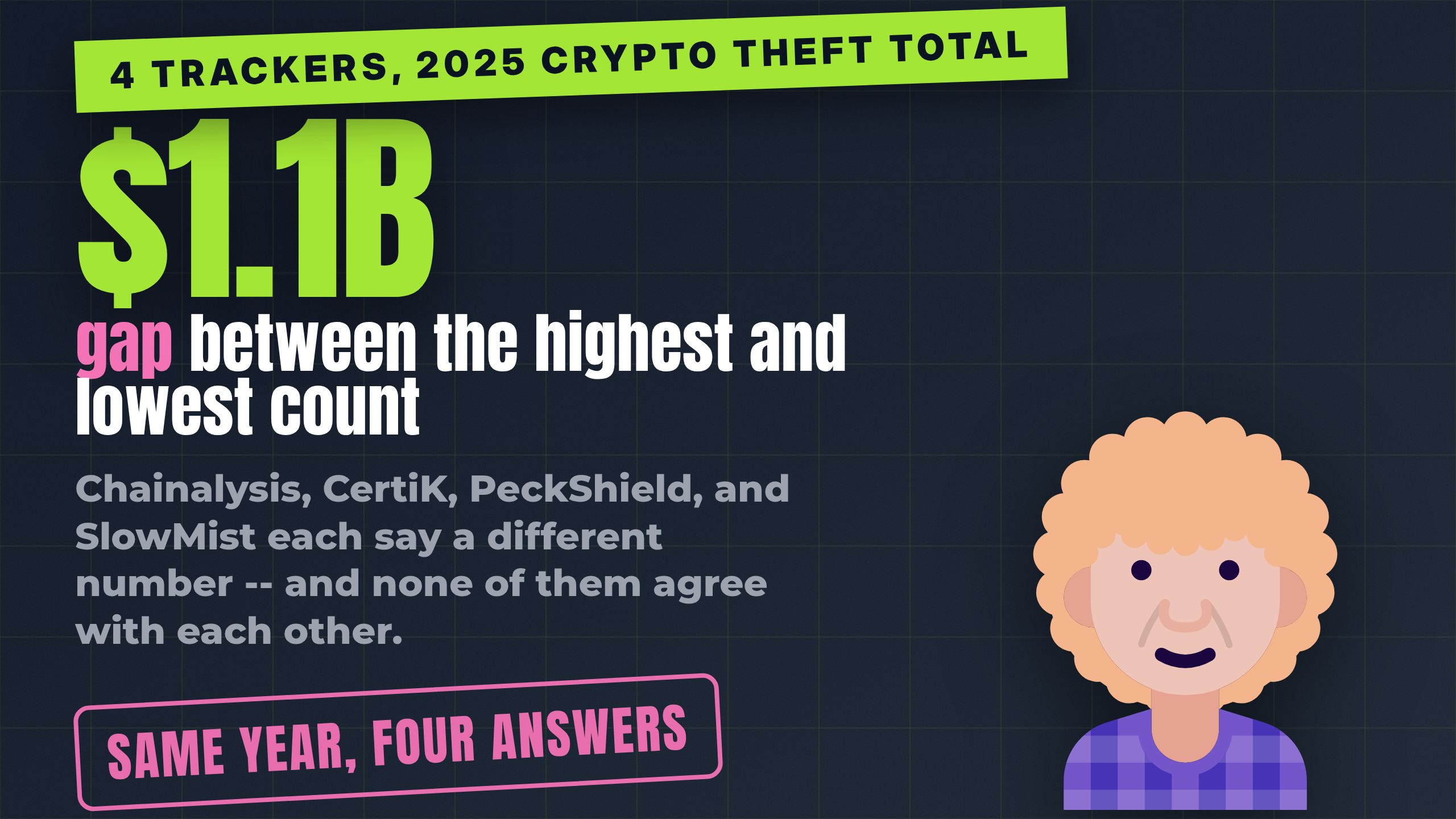
Le chiffre du vol de crypto 2025 sur lequel personne ne peut s’accorderQuatre trackers, un an, et un écart de 1,1 milliard de dollars : personne en cybersécurité crypto ne s’accorde sur le montant réellement dérobé en 2025.
Commencez par le chiffre qui ne fait pas débat. En février 2025, le groupe Lazarus de la Corée du Nord a compromis l’infrastructure du portefeuille froid de Bybit et en a retiré environ 1,5 milliard de dollars en ETH — le plus important vol de crypto de l’histoire. L’avis du FBI (IC3) confirme 1,5 milliard comme chiffre officiel. Dans son propre rapport de fin d’année, Chainalysis cite le même montant pour le même incident. Sur ce point, tous les trackers sérieux s’accordent.
Le chiffre du vol de crypto 2025 sur lequel personne ne peut s’accorder
Quatre trackers, un an, et un écart de 1,1 milliard de dollars : personne en cybersécurité crypto ne s’accorde sur le montant réellement dérobé en 2025.
Commencez par le chiffre qui ne fait pas débat. En février 2025, le groupe Lazarus de la Corée du Nord a compromis l’infrastructure du portefeuille froid de Bybit et en a retiré environ 1,5 milliard de dollars en ETH — le plus important vol de crypto de l’histoire. L’avis du FBI (IC3) confirme 1,5 milliard comme chiffre officiel. Dans son propre rapport de fin d’année, Chainalysis cite le même montant pour le même incident. Sur ce point, tous les trackers sérieux s’accordent.
Commencez par le chiffre qui ne fait pas débat. En février 2025, le groupe Lazarus de la Corée du Nord a compromis l’infrastructure du portefeuille froid de Bybit et en a retiré environ 1,5 milliard de dollars en ETH — le plus important vol de crypto de l’histoire. L’avis du FBI (IC3) confirme 1,5 milliard comme chiffre officiel. Dans son propre rapport de fin d’année, Chainalysis cite le même montant pour le même incident. Sur ce point, tous les trackers sérieux s’accordent.
14
Chainalysis poursuit les États-Unis pour 95 M$ de contrat avec TRM Labs
- Chainalysis poursuit les États-Unis pour un contrat TRM Labs de 95 M$
- Le document de plainte est scellé ; les objections et les mesures de réparation précises n’ont pas été divulguées
- La discussion se poursuit
#BinanceSquare #CryptoNews #Chainalysis #TRMLabs
$btc $eth
#vlikevn Titanbot
Source : CoinTelegraph
Chainalysis poursuit les États-Unis pour 95 M$ de contrat avec TRM Labs
- Chainalysis poursuit les États-Unis pour un contrat TRM Labs de 95 M$
- Le document de plainte est scellé ; les objections et les mesures de réparation précises n’ont pas été divulguées
- La discussion se poursuit
#BinanceSquare #CryptoNews #Chainalysis #TRMLabs
$btc $eth
#vlikevn Titanbot
Source : CoinTelegraph
- Chainalysis poursuit les États-Unis pour un contrat TRM Labs de 95 M$
- Le document de plainte est scellé ; les objections et les mesures de réparation précises n’ont pas été divulguées
- La discussion se poursuit
#BinanceSquare #CryptoNews #Chainalysis #TRMLabs
$btc $eth
#vlikevn Titanbot
Source : CoinTelegraph
136
Chainalysis va déclarer la guerre au gouvernement américain au sujet d’un contrat de 95 millions de dollars accordé à TRM Labs. Cette bataille juridique pourrait redéfinir la manière dont la criminalistique liée à la blockchain fonctionne au niveau fédéral. L’industrie observe cela de près.
#Chainalysis #Regulation
Chainalysis va déclarer la guerre au gouvernement américain au sujet d’un contrat de 95 millions de dollars accordé à TRM Labs. Cette bataille juridique pourrait redéfinir la manière dont la criminalistique liée à la blockchain fonctionne au niveau fédéral. L’industrie observe cela de près.
#Chainalysis #Regulation
#Chainalysis #Regulation
65
Chainalysis propose des normes de traçage de la blockchain
- La société d’analyse blockchain Chainalysis publie une proposition d’ontologie (b bản thể luận) afin d’aider les enquêteurs à identifier des groupes d’adresses de crypto-monnaies et à les relier entre elles.
- L’objectif est d’établir une norme commune pour le traçage des transactions sur la blockchain, afin d’améliorer l’efficacité des enquêtes sur la criminalité financière.
- Cette proposition pourrait influencer la manière dont les organismes chargés de l’application de la loi et les organisations financières suivent les flux de fonds numériques.
#Chainalysis #Blockchain #CryptoNews #TruyVetBlockchain
$btc $eth
#vlikevn Titanbot
Source : CoinDesk
Chainalysis propose des normes de traçage de la blockchain
- La société d’analyse blockchain Chainalysis publie une proposition d’ontologie (b bản thể luận) afin d’aider les enquêteurs à identifier des groupes d’adresses de crypto-monnaies et à les relier entre elles.
- L’objectif est d’établir une norme commune pour le traçage des transactions sur la blockchain, afin d’améliorer l’efficacité des enquêtes sur la criminalité financière.
- Cette proposition pourrait influencer la manière dont les organismes chargés de l’application de la loi et les organisations financières suivent les flux de fonds numériques.
#Chainalysis #Blockchain #CryptoNews #TruyVetBlockchain
$btc $eth
#vlikevn Titanbot
Source : CoinDesk
- La société d’analyse blockchain Chainalysis publie une proposition d’ontologie (b bản thể luận) afin d’aider les enquêteurs à identifier des groupes d’adresses de crypto-monnaies et à les relier entre elles.
- L’objectif est d’établir une norme commune pour le traçage des transactions sur la blockchain, afin d’améliorer l’efficacité des enquêtes sur la criminalité financière.
- Cette proposition pourrait influencer la manière dont les organismes chargés de l’application de la loi et les organisations financières suivent les flux de fonds numériques.
#Chainalysis #Blockchain #CryptoNews #TruyVetBlockchain
$btc $eth
#vlikevn Titanbot
Source : CoinDesk
84

·
--
Les chiffres les plus douloureux de la crypto cette année ne sont peut-être pas le prix. Le rapport de Chainalysis d’hier indique qu’au premier semestre, à lui seul, le vol violent en présentiel — dans le jargon de l’industrie, les « attaques à la clé à molette » — a permis de rafler plus de trente millions de dollars, 46 incidents, et la France est devenue la zone la plus touchée.
Dans la plupart des cas, ces personnes ne cherchent pas d’abord à pirater ton portefeuille. Avant l’attaque, elles savent déjà précisément qui tu es, où tu habites et combien tu as entre les mains, à partir d’une fuite de données, de réseaux sociaux, voire d’informations internes. Puis elles viennent frapper à ta porte. Dans un quart des affaires, l’attaque vise directement les membres de la famille.
Même un cold wallet (portefeuille à froid) conçu pour résister au maximum ne peut pas tenir face à quelqu’un qui connaît ton numéro de rue. $BTC entre les mains, c’est un actif ; une fois exposé, c’est une cible. Chaque phrase publiée en ligne peut servir à dresser le portrait de quelqu’un d’autre à partir de toi.
#钱包安全 #链上安全 #Chainalysis
Les chiffres les plus douloureux de la crypto cette année ne sont peut-être pas le prix. Le rapport de Chainalysis d’hier indique qu’au premier semestre, à lui seul, le vol violent en présentiel — dans le jargon de l’industrie, les « attaques à la clé à molette » — a permis de rafler plus de trente millions de dollars, 46 incidents, et la France est devenue la zone la plus touchée.
Dans la plupart des cas, ces personnes ne cherchent pas d’abord à pirater ton portefeuille. Avant l’attaque, elles savent déjà précisément qui tu es, où tu habites et combien tu as entre les mains, à partir d’une fuite de données, de réseaux sociaux, voire d’informations internes. Puis elles viennent frapper à ta porte. Dans un quart des affaires, l’attaque vise directement les membres de la famille.
Même un cold wallet (portefeuille à froid) conçu pour résister au maximum ne peut pas tenir face à quelqu’un qui connaît ton numéro de rue. $BTC entre les mains, c’est un actif ; une fois exposé, c’est une cible. Chaque phrase publiée en ligne peut servir à dresser le portrait de quelqu’un d’autre à partir de toi.
#钱包安全 #链上安全 #Chainalysis
Dans la plupart des cas, ces personnes ne cherchent pas d’abord à pirater ton portefeuille. Avant l’attaque, elles savent déjà précisément qui tu es, où tu habites et combien tu as entre les mains, à partir d’une fuite de données, de réseaux sociaux, voire d’informations internes. Puis elles viennent frapper à ta porte. Dans un quart des affaires, l’attaque vise directement les membres de la famille.
Même un cold wallet (portefeuille à froid) conçu pour résister au maximum ne peut pas tenir face à quelqu’un qui connaît ton numéro de rue. $BTC entre les mains, c’est un actif ; une fois exposé, c’est une cible. Chaque phrase publiée en ligne peut servir à dresser le portrait de quelqu’un d’autre à partir de toi.
#钱包安全 #链上安全 #Chainalysis

56

·
--
Caché sous la surface du far west de la crypto, un marché calme a émergé, et son potentiel est hallucinant. Chainalysis révèle que le marché des peptides construit sur la crypto a atteint un impressionnant taux de run annual de 100 millions de dollars, en hausse de 159% par rapport au T1.
#Chainalysis #PeptideMarket #CryptoInfrastructure
Cette croissance exponentielle n'est pas juste un petit pic sur le radar, c'est un signal d'un nouveau cas d'utilisation pour la crypto - celui qui pourrait alimenter la prochaine vague d'adoption. Les investisseurs ne se contentent plus d'acheter des coins, ils investissent dans des applications concrètes et des retours potentiels qui dépassent de loin les marchés traditionnels.
Les points clés sont clairs : ce marché s'étend rapidement, et nous pourrions voir une croissance encore plus explosive à court terme. La liste à surveiller : le volume de trading du marché des peptides sur les principales bourses.
Que se passe-t-il lorsque le marché des peptides explose, et que la valeur des peptides hors étiquetage s'envole ? Pouvez-vous repérer la prochaine grande tendance avant qu'il ne soit trop tard ?
Caché sous la surface du far west de la crypto, un marché calme a émergé, et son potentiel est hallucinant. Chainalysis révèle que le marché des peptides construit sur la crypto a atteint un impressionnant taux de run annual de 100 millions de dollars, en hausse de 159% par rapport au T1.
#Chainalysis #PeptideMarket #CryptoInfrastructure
Cette croissance exponentielle n'est pas juste un petit pic sur le radar, c'est un signal d'un nouveau cas d'utilisation pour la crypto - celui qui pourrait alimenter la prochaine vague d'adoption. Les investisseurs ne se contentent plus d'acheter des coins, ils investissent dans des applications concrètes et des retours potentiels qui dépassent de loin les marchés traditionnels.
Les points clés sont clairs : ce marché s'étend rapidement, et nous pourrions voir une croissance encore plus explosive à court terme. La liste à surveiller : le volume de trading du marché des peptides sur les principales bourses.
Que se passe-t-il lorsque le marché des peptides explose, et que la valeur des peptides hors étiquetage s'envole ? Pouvez-vous repérer la prochaine grande tendance avant qu'il ne soit trop tard ?
#Chainalysis #PeptideMarket #CryptoInfrastructure
Cette croissance exponentielle n'est pas juste un petit pic sur le radar, c'est un signal d'un nouveau cas d'utilisation pour la crypto - celui qui pourrait alimenter la prochaine vague d'adoption. Les investisseurs ne se contentent plus d'acheter des coins, ils investissent dans des applications concrètes et des retours potentiels qui dépassent de loin les marchés traditionnels.
Les points clés sont clairs : ce marché s'étend rapidement, et nous pourrions voir une croissance encore plus explosive à court terme. La liste à surveiller : le volume de trading du marché des peptides sur les principales bourses.
Que se passe-t-il lorsque le marché des peptides explose, et que la valeur des peptides hors étiquetage s'envole ? Pouvez-vous repérer la prochaine grande tendance avant qu'il ne soit trop tard ?
6
Vérifié
Rapport de Chainalysis : Les criminels utilisent des actifs numériques émergents pour échapper aux enquêtes fiscales
Selon le dernier rapport de la plateforme d'analyse blockchain Chainalysis, les criminels exploitent des technologies numériques émergentes comme les Ordinals de Bitcoin et les jetons BRC-20 pour dissimuler leur richesse et tenter d'échapper à la traque des autorités fiscales.
Le protocole Ordinals, lancé en 2023, attribue des numéros de série aux plus petites unités de Bitcoin, appelées "satoshi", permettant d'incorporer des images ou des textes dans les transactions Bitcoin. Le standard BRC-20 est construit sur cette base et permet le déploiement, le minting et le transfert on-chain d'inscriptions textuelles.
Chainalysis souligne qu'avec la montée en puissance des actifs numériques, les criminels utilisent de plus en plus fréquemment les NFT, les protocoles DeFi et les nouveaux standards de jetons pour tenter de dissimuler leur richesse aux autorités fiscales et judiciaires.
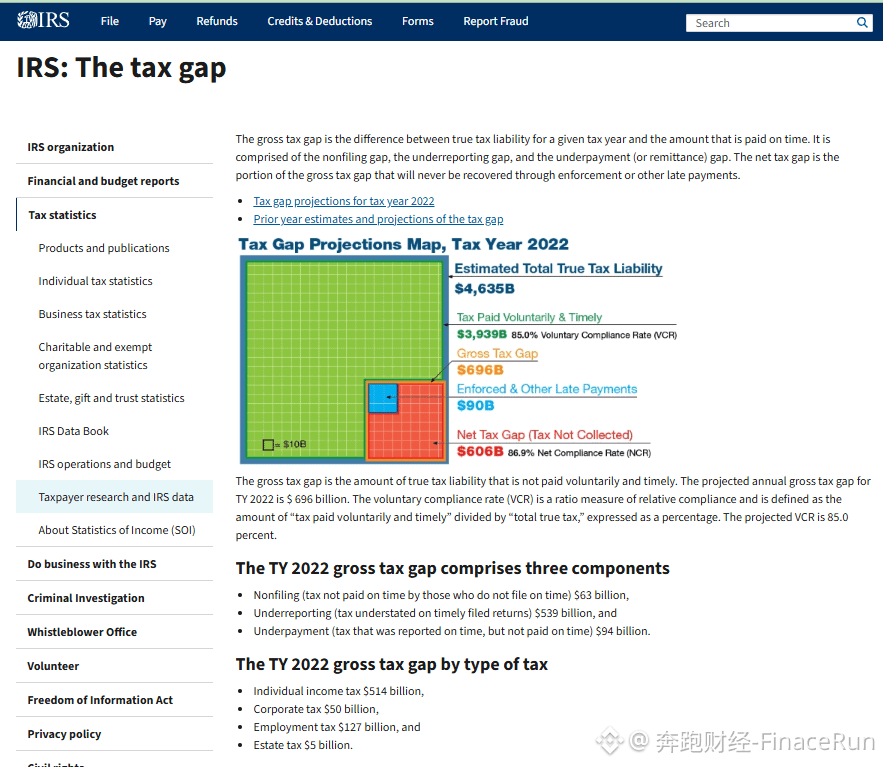
Les données montrent qu'aux États-Unis, seulement 32 % à 56 % des détenteurs de crypto déclarent leurs gains, tandis qu'en Norvège ce taux n'est que de 12 %, ce qui pose un sérieux problème de fraude fiscale. L'IRS estime que le déficit fiscal annuel aux États-Unis pourrait atteindre environ 606 milliards de dollars.
Parallèlement, les autorités italiennes ont récemment démantelé un cas typique. Les suspects ont utilisé les standards Ordinals et BRC-20 pour cacher environ 1,1 million de dollars de gains en capital non déclarés sur le réseau Bitcoin.
Plus précisément, les suspects ont d'abord créé des jetons via le protocole Ordinals et le standard BRC-20, puis les ont vendus à des prix multipliés, transférant les profits en Bitcoin vers un portefeuille principal et réinvestissant continuellement les gains dans de nouveaux jetons inscrits.
Cependant, Chainalysis insiste sur le fait que l'utilisation de la cryptomonnaie pour échapper aux impôts présente des "défauts fatals", car la transparence inhérente de la blockchain laisse une trace permanente et immuable de toutes les transactions.
Des outils d'analyse blockchain permettent de reconstruire des réseaux financiers et de les croiser avec les données rapportées par les échanges, afin de suivre les transactions des personnes soupçonnées de fraude fiscale.
Chainalysis note qu'avec l'émergence continue de nouvelles catégories d'actifs numériques générant des bénéfices, l'écart entre la richesse réelle on-chain et les déclarations fiscales deviendra une cible d'enquête prioritaire pour les régulateurs mondiaux.
De plus, dans l'environnement financier actuel, la nouveauté technologique des cryptomonnaies ne signifie pas anonymat. L'intelligence blockchain est devenue un outil clé pour traquer ces écarts et constitue une infrastructure indispensable pour maintenir l'ordre financier.
#Chainalysis
Rapport de Chainalysis : Les criminels utilisent des actifs numériques émergents pour échapper aux enquêtes fiscales
Selon le dernier rapport de la plateforme d'analyse blockchain Chainalysis, les criminels exploitent des technologies numériques émergentes comme les Ordinals de Bitcoin et les jetons BRC-20 pour dissimuler leur richesse et tenter d'échapper à la traque des autorités fiscales.
Le protocole Ordinals, lancé en 2023, attribue des numéros de série aux plus petites unités de Bitcoin, appelées "satoshi", permettant d'incorporer des images ou des textes dans les transactions Bitcoin. Le standard BRC-20 est construit sur cette base et permet le déploiement, le minting et le transfert on-chain d'inscriptions textuelles.
Chainalysis souligne qu'avec la montée en puissance des actifs numériques, les criminels utilisent de plus en plus fréquemment les NFT, les protocoles DeFi et les nouveaux standards de jetons pour tenter de dissimuler leur richesse aux autorités fiscales et judiciaires.
Les données montrent qu'aux États-Unis, seulement 32 % à 56 % des détenteurs de crypto déclarent leurs gains, tandis qu'en Norvège ce taux n'est que de 12 %, ce qui pose un sérieux problème de fraude fiscale. L'IRS estime que le déficit fiscal annuel aux États-Unis pourrait atteindre environ 606 milliards de dollars.
Parallèlement, les autorités italiennes ont récemment démantelé un cas typique. Les suspects ont utilisé les standards Ordinals et BRC-20 pour cacher environ 1,1 million de dollars de gains en capital non déclarés sur le réseau Bitcoin.
Plus précisément, les suspects ont d'abord créé des jetons via le protocole Ordinals et le standard BRC-20, puis les ont vendus à des prix multipliés, transférant les profits en Bitcoin vers un portefeuille principal et réinvestissant continuellement les gains dans de nouveaux jetons inscrits.
Cependant, Chainalysis insiste sur le fait que l'utilisation de la cryptomonnaie pour échapper aux impôts présente des "défauts fatals", car la transparence inhérente de la blockchain laisse une trace permanente et immuable de toutes les transactions.
Des outils d'analyse blockchain permettent de reconstruire des réseaux financiers et de les croiser avec les données rapportées par les échanges, afin de suivre les transactions des personnes soupçonnées de fraude fiscale.
Chainalysis note qu'avec l'émergence continue de nouvelles catégories d'actifs numériques générant des bénéfices, l'écart entre la richesse réelle on-chain et les déclarations fiscales deviendra une cible d'enquête prioritaire pour les régulateurs mondiaux.
De plus, dans l'environnement financier actuel, la nouveauté technologique des cryptomonnaies ne signifie pas anonymat. L'intelligence blockchain est devenue un outil clé pour traquer ces écarts et constitue une infrastructure indispensable pour maintenir l'ordre financier.
#Chainalysis
Selon le dernier rapport de la plateforme d'analyse blockchain Chainalysis, les criminels exploitent des technologies numériques émergentes comme les Ordinals de Bitcoin et les jetons BRC-20 pour dissimuler leur richesse et tenter d'échapper à la traque des autorités fiscales.
Le protocole Ordinals, lancé en 2023, attribue des numéros de série aux plus petites unités de Bitcoin, appelées "satoshi", permettant d'incorporer des images ou des textes dans les transactions Bitcoin. Le standard BRC-20 est construit sur cette base et permet le déploiement, le minting et le transfert on-chain d'inscriptions textuelles.
Chainalysis souligne qu'avec la montée en puissance des actifs numériques, les criminels utilisent de plus en plus fréquemment les NFT, les protocoles DeFi et les nouveaux standards de jetons pour tenter de dissimuler leur richesse aux autorités fiscales et judiciaires.
Les données montrent qu'aux États-Unis, seulement 32 % à 56 % des détenteurs de crypto déclarent leurs gains, tandis qu'en Norvège ce taux n'est que de 12 %, ce qui pose un sérieux problème de fraude fiscale. L'IRS estime que le déficit fiscal annuel aux États-Unis pourrait atteindre environ 606 milliards de dollars.
Parallèlement, les autorités italiennes ont récemment démantelé un cas typique. Les suspects ont utilisé les standards Ordinals et BRC-20 pour cacher environ 1,1 million de dollars de gains en capital non déclarés sur le réseau Bitcoin.
Plus précisément, les suspects ont d'abord créé des jetons via le protocole Ordinals et le standard BRC-20, puis les ont vendus à des prix multipliés, transférant les profits en Bitcoin vers un portefeuille principal et réinvestissant continuellement les gains dans de nouveaux jetons inscrits.
Cependant, Chainalysis insiste sur le fait que l'utilisation de la cryptomonnaie pour échapper aux impôts présente des "défauts fatals", car la transparence inhérente de la blockchain laisse une trace permanente et immuable de toutes les transactions.
Des outils d'analyse blockchain permettent de reconstruire des réseaux financiers et de les croiser avec les données rapportées par les échanges, afin de suivre les transactions des personnes soupçonnées de fraude fiscale.
Chainalysis note qu'avec l'émergence continue de nouvelles catégories d'actifs numériques générant des bénéfices, l'écart entre la richesse réelle on-chain et les déclarations fiscales deviendra une cible d'enquête prioritaire pour les régulateurs mondiaux.
De plus, dans l'environnement financier actuel, la nouveauté technologique des cryptomonnaies ne signifie pas anonymat. L'intelligence blockchain est devenue un outil clé pour traquer ces écarts et constitue une infrastructure indispensable pour maintenir l'ordre financier.
#Chainalysis


592

🚨 Les autorités fiscales viennent de débusquer une affaire où quelqu'un a caché 1,1 million de dollars de gains en utilisant les Bitcoin Ordinals, et ce n'est que le premier cas qu'ils ont attrapé.
Le playbook était presque élégant.
Créer des tokens BRC-20. Les vendre pour réaliser des bénéfices. Réinjecter les gains dans Bitcoin. Laisser la complexité de la traçabilité de la transaction faire le boulot de camouflage pour vous.
Ça a fonctionné. Jusqu'à ce que ça ne fonctionne plus.
Chainalysis vient de dévoiler le schéma et le fait qu'ils le publient publiquement signifie une chose : ce n'est pas un cas isolé. C'est un tir de sommation.
Parce que voici ce que la plupart des gens ne réalisent pas.
Les Ordinals et les tokens BRC-20 ne sont pas seulement un moment culturel ou une expérience de JPEGs sur Bitcoin. Pour un certain type de personne, ils semblaient être la couche d'obfuscation parfaite, assez récente pour que les outils de conformité n'aient pas encore suivi, suffisamment complexe pour embrouiller les auditeurs, et liés à la couche de base de Bitcoin où le traçage devient plus difficile.
Quelqu'un en Italie aurait apparemment exécuté ce playbook exact avec 1,1 million de dollars en jeu.
Maintenant, Chainalysis a le motif. Et une fois qu'ils ont le motif, chaque autorité fiscale sur la planète a le motif.
La fenêtre vient de se fermer.
Ce qui arrive ensuite n'est pas une seule enquête. C'est une opération coordonnée et quiconque pensait que l'écosystème Ordinals passait sous le radar va découvrir à quel point la criminalistique blockchain a réellement progressé.
Le grand livre n'oublie jamais.
#Bitcoin #Ordinals #BRC20 #CryptoTax #Chainalysis
🚨 Les autorités fiscales viennent de débusquer une affaire où quelqu'un a caché 1,1 million de dollars de gains en utilisant les Bitcoin Ordinals, et ce n'est que le premier cas qu'ils ont attrapé.
Le playbook était presque élégant.
Créer des tokens BRC-20. Les vendre pour réaliser des bénéfices. Réinjecter les gains dans Bitcoin. Laisser la complexité de la traçabilité de la transaction faire le boulot de camouflage pour vous.
Ça a fonctionné. Jusqu'à ce que ça ne fonctionne plus.
Chainalysis vient de dévoiler le schéma et le fait qu'ils le publient publiquement signifie une chose : ce n'est pas un cas isolé. C'est un tir de sommation.
Parce que voici ce que la plupart des gens ne réalisent pas.
Les Ordinals et les tokens BRC-20 ne sont pas seulement un moment culturel ou une expérience de JPEGs sur Bitcoin. Pour un certain type de personne, ils semblaient être la couche d'obfuscation parfaite, assez récente pour que les outils de conformité n'aient pas encore suivi, suffisamment complexe pour embrouiller les auditeurs, et liés à la couche de base de Bitcoin où le traçage devient plus difficile.
Quelqu'un en Italie aurait apparemment exécuté ce playbook exact avec 1,1 million de dollars en jeu.
Maintenant, Chainalysis a le motif. Et une fois qu'ils ont le motif, chaque autorité fiscale sur la planète a le motif.
La fenêtre vient de se fermer.
Ce qui arrive ensuite n'est pas une seule enquête. C'est une opération coordonnée et quiconque pensait que l'écosystème Ordinals passait sous le radar va découvrir à quel point la criminalistique blockchain a réellement progressé.
Le grand livre n'oublie jamais.
#Bitcoin #Ordinals #BRC20 #CryptoTax #Chainalysis
Le playbook était presque élégant.
Créer des tokens BRC-20. Les vendre pour réaliser des bénéfices. Réinjecter les gains dans Bitcoin. Laisser la complexité de la traçabilité de la transaction faire le boulot de camouflage pour vous.
Ça a fonctionné. Jusqu'à ce que ça ne fonctionne plus.
Chainalysis vient de dévoiler le schéma et le fait qu'ils le publient publiquement signifie une chose : ce n'est pas un cas isolé. C'est un tir de sommation.
Parce que voici ce que la plupart des gens ne réalisent pas.
Les Ordinals et les tokens BRC-20 ne sont pas seulement un moment culturel ou une expérience de JPEGs sur Bitcoin. Pour un certain type de personne, ils semblaient être la couche d'obfuscation parfaite, assez récente pour que les outils de conformité n'aient pas encore suivi, suffisamment complexe pour embrouiller les auditeurs, et liés à la couche de base de Bitcoin où le traçage devient plus difficile.
Quelqu'un en Italie aurait apparemment exécuté ce playbook exact avec 1,1 million de dollars en jeu.
Maintenant, Chainalysis a le motif. Et une fois qu'ils ont le motif, chaque autorité fiscale sur la planète a le motif.
La fenêtre vient de se fermer.
Ce qui arrive ensuite n'est pas une seule enquête. C'est une opération coordonnée et quiconque pensait que l'écosystème Ordinals passait sous le radar va découvrir à quel point la criminalistique blockchain a réellement progressé.
Le grand livre n'oublie jamais.
#Bitcoin #Ordinals #BRC20 #CryptoTax #Chainalysis


123

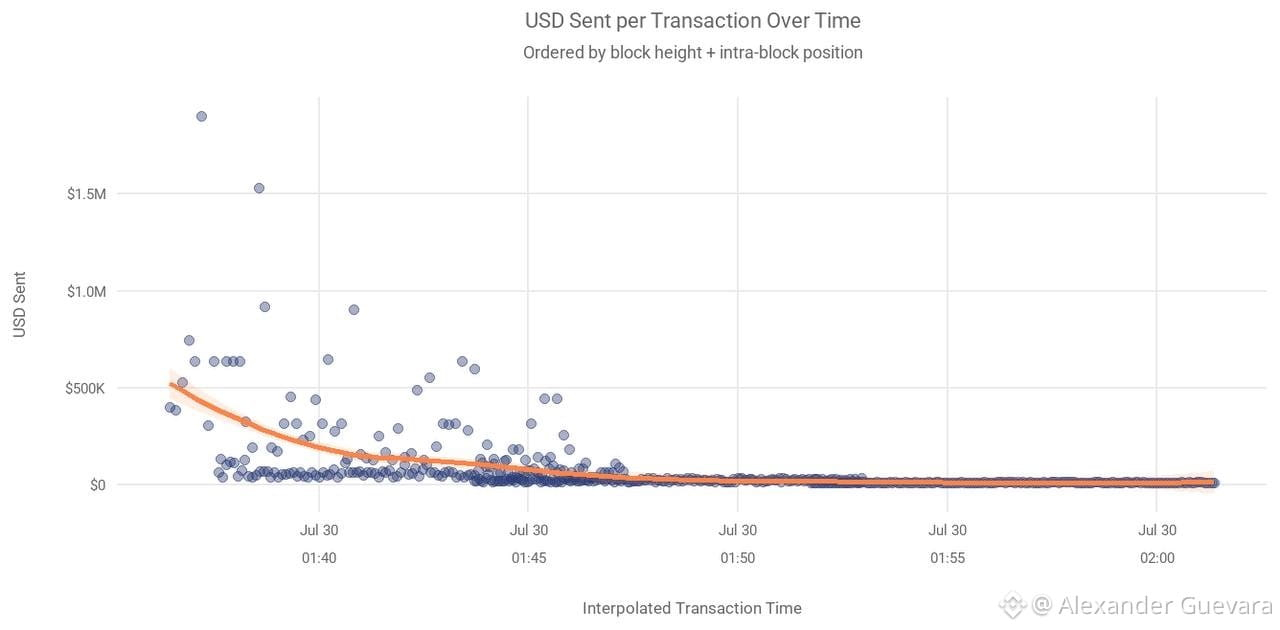
✅🚨 ALERTE : L’analyse de Chainalysis indique que le piratage de Coldcard de plus de 38 M$ a d’abord ciblé des portefeuilles de grande valeur, avec environ 30 millions de dollars dérobés au cours des 10 premières minutes avant que 500 portefeuilles ne soient vidés pendant 25 minutes.
#Chainalysis #Coldcard #BTC #billetera #ciberseguridad $BTC
✅🚨 ALERTE : L’analyse de Chainalysis indique que le piratage de Coldcard de plus de 38 M$ a d’abord ciblé des portefeuilles de grande valeur, avec environ 30 millions de dollars dérobés au cours des 10 premières minutes avant que 500 portefeuilles ne soient vidés pendant 25 minutes.
#Chainalysis #Coldcard #BTC #billetera #ciberseguridad $BTC
#Chainalysis #Coldcard #BTC #billetera #ciberseguridad $BTC
3
173

$BTC TRACING DÉCROCHE UNE NOUVELLE NORME INDUSTRIELLE — CHAINALYSIS ABANDONNE UNE PROPOSITION 🔥
Chainalysis vient de publier un cadre visant à standardiser la manière dont les clusters on-chain sont définis et vérifiés. Ils décomposent les portefeuilles en fragments plus fins et ajoutent une couche de confiance pour les preuves — directement à partir de leur victoire dans l’affaire Bitcoin Fog, où un juge a estimé que leur outil Reactor était « hautement fiable. »
Pour les traders, cela annonce un changement. Les régulateurs disposent d’outils plus affûtés, ce qui pourrait signifier un renforcement de la pression sur les cryptos de confidentialité et les mixers. Si vous détenez $XMR ou que vous traitez des flux sans KYC, surveillez la façon dont le marché réagit à ces standards.
Qu’en pensez-vous — un meilleur traçage vous effraie-t-il ou vous donne-t-il le sentiment d’être plus en sécurité dans ce secteur ?
Ce n’est pas un conseil financier. Gérez toujours votre risque.
#BTC #Chainalysis #OnChain #CryptoRegulation
🔥
$BTC TRACING DÉCROCHE UNE NOUVELLE NORME INDUSTRIELLE — CHAINALYSIS ABANDONNE UNE PROPOSITION 🔥
Chainalysis vient de publier un cadre visant à standardiser la manière dont les clusters on-chain sont définis et vérifiés. Ils décomposent les portefeuilles en fragments plus fins et ajoutent une couche de confiance pour les preuves — directement à partir de leur victoire dans l’affaire Bitcoin Fog, où un juge a estimé que leur outil Reactor était « hautement fiable. »
Pour les traders, cela annonce un changement. Les régulateurs disposent d’outils plus affûtés, ce qui pourrait signifier un renforcement de la pression sur les cryptos de confidentialité et les mixers. Si vous détenez $XMR ou que vous traitez des flux sans KYC, surveillez la façon dont le marché réagit à ces standards.
Qu’en pensez-vous — un meilleur traçage vous effraie-t-il ou vous donne-t-il le sentiment d’être plus en sécurité dans ce secteur ?
Ce n’est pas un conseil financier. Gérez toujours votre risque.
#BTC #Chainalysis #OnChain #CryptoRegulation
🔥
Chainalysis vient de publier un cadre visant à standardiser la manière dont les clusters on-chain sont définis et vérifiés. Ils décomposent les portefeuilles en fragments plus fins et ajoutent une couche de confiance pour les preuves — directement à partir de leur victoire dans l’affaire Bitcoin Fog, où un juge a estimé que leur outil Reactor était « hautement fiable. »
Pour les traders, cela annonce un changement. Les régulateurs disposent d’outils plus affûtés, ce qui pourrait signifier un renforcement de la pression sur les cryptos de confidentialité et les mixers. Si vous détenez $XMR ou que vous traitez des flux sans KYC, surveillez la façon dont le marché réagit à ces standards.
Qu’en pensez-vous — un meilleur traçage vous effraie-t-il ou vous donne-t-il le sentiment d’être plus en sécurité dans ce secteur ?
Ce n’est pas un conseil financier. Gérez toujours votre risque.
#BTC #Chainalysis #OnChain #CryptoRegulation
🔥
96
Connectez-vous pour découvrir plus de contenu
Rejoignez la communauté mondiale des adeptes de cryptomonnaies sur Binance Square
⚡️ Suviez les dernières informations importantes sur les cryptomonnaies.
💬 Jugé digne de confiance par la plus grande plateforme d’échange de cryptomonnaies au monde.
👍 Découvrez les connaissances que partagent les créateurs vérifiés.
Adresse e-mail/Nº de téléphone
Sujets d’actualité
1
#ClarityActFacesProceduralVoteSept15
64,356 vues
841 mentions
2
#US2YearYieldRisesTo4.61%
41,096 vues
727 mentions
3
#US10YearTreasuryYieldNears5%
25,298 vues
432 mentions
4
#CryptoLiquidations$674MIn24H
8,049 vues
92 mentions
5
#TokenizedStockHoldersUp619.1%
27,943 vues
436 mentions
6
#RevolutConfirmsFakeGovEmailDataBreach
50,504 vues
718 mentions
7
#CanadaOSFISaysTokenizedDepositsEqualTraditionalDeposits
2,201 vues
64 mentions
8
#USBankCompletesCrossBorderPaymentPilotOnStellar
48,935 vues
876 mentions
9
#NvidiaInTalksToInvestUpTo$10BInAnthropicIPO
3,759 vues
69 mentions
10
#EtherRalliesAsBearishBetsLiquidate
69,498 vues
1,099 mentions