

Visionary Financial
5.1k Publications

Visionary Financial
 Compte Square Vérifié+
Signaler
Bloquer l’utilisateur
Global News & PR Agency - Covering Emerging Projects In Crypto, Blockchain, Web3, & NFT.
0 Suivis
25.6K+ Abonnés
13.7K+ J’aime
Publications
Article
Why Does My Solana Wallet Show Multiple Accounts?If your Solana wallet shows multiple accounts, it usually means the wallet is managing more than one Solana address. This is normal and can happen when you create additional accounts, import another wallet, restore a wallet, connect a hardware wallet, or use different account types.
Seeing multiple accounts does not automatically mean your wallet has been hacked or that your funds have been duplicated. Each account can have its own Solana address, balance, transaction history, and recovery method.
Why Does My Solana Wallet Show Multiple Accounts?
Your Solana wallet may show multiple accounts because you have created or imported more than one account.
Common reasons include:
You created an additional Solana account.
Your wallet generated multiple accounts from a recovery phrase.
You imported another wallet.
You imported a private key.
You connected a Ledger or another hardware wallet.
You added a watch-only address.
You restored an existing wallet and additional accounts became available.
For example, wallet applications can allow several accounts to be managed from one interface even though each account has a different Solana address.
Can One Solana Wallet Have Multiple Accounts?
Yes. One wallet application can manage multiple Solana accounts.
For example:
Wallet app → Account 1 → Solana address A
Wallet app → Account 2 → Solana address B
Wallet app → Account 3 → Solana address C
Although the accounts appear together inside the same wallet application, they are separate blockchain addresses.
This means that SOL sent to Account 1 does not automatically appear in Account 2.
Why Does My Solana Wallet Have Multiple Addresses?
Each Solana account has its own public address.
When a wallet creates additional accounts, those accounts can have different addresses. This allows users to keep assets and activities separated.
For example, you might use:
One account for holding SOL
One account for trading
One account for NFTs
One account for testing decentralized applications
Having multiple addresses can therefore be a normal wallet-management feature rather than a security problem.
Can Multiple Solana Accounts Use the Same Recovery Phrase?
Yes, depending on how the wallet generates its accounts.
A recovery phrase can be used by some wallet applications to derive multiple accounts. Each derived account can have a different Solana address while being associated with the same recovery phrase.
This is why restoring a wallet can sometimes result in multiple accounts appearing.
However, you should not assume that every account visible inside your wallet is controlled by the same recovery phrase.
An account could instead have been imported using a private key or connected through a hardware wallet.
Why Do I See Multiple Solana Accounts After Restoring My Wallet?
When you restore a wallet, the application may make previously generated or associated accounts available again.
This can be confusing if you only remember using one account.
For example, you may have created another account months ago and forgotten about it. When you restore your wallet, that account may appear again.
The important thing to check is the Solana address associated with each account.
If the address matches an account you previously used, the account is likely one you already had access to.
Why Does One Solana Account Have SOL and Another Has Nothing?
Each Solana account has its own balance.
Suppose your wallet shows:
Account SOL Balance Account 1 2 SOL Account 2 0 SOL Account 3 0.5 SOL
The 2 SOL in Account 1 does not belong to Account 2 or Account 3.
Each account is associated with its own address and blockchain balance.
This is why you should always check which account is selected before sending or receiving SOL.
Is It Normal to Have Multiple Solana Accounts?
Yes. Multiple accounts are a normal feature supported by many crypto wallets.
Users may create separate accounts to organize their crypto activity or separate funds.
For example, someone might keep long-term holdings in one account while using another account for interacting with decentralized applications.
Using separate accounts can also make it easier to identify where specific assets or transactions are located.
Why Does My Solana Wallet Show an Account I Don’t Remember Creating?
There are several possible explanations.
You may have:
Created the account previously and forgotten about it.
Imported an account from another wallet.
Restored a recovery phrase containing additional accounts.
Imported a private key.
Connected a hardware wallet.
Added a watch-only address.
An unfamiliar account appearing in your wallet does not automatically prove that someone has accessed your wallet.
First, check the account’s public address and transaction history.
If the address has transactions you recognize, it may simply be an old account you forgot about.
If the account contains unexpected activity, investigate the account and connected applications carefully.
Can Multiple Solana Accounts Have Different Recovery Methods?
Yes.
This is an important distinction because two accounts displayed in the same wallet application may not necessarily have the same backup method.
For example:
Account A may come from a recovery phrase.
Account B may have been imported using a private key.
Account C may belong to a hardware wallet.
Account D may simply be a watch-only address.
Therefore, backing up one recovery phrase does not necessarily mean every account displayed in your wallet can be restored from that recovery phrase.
Why Does My Ledger Show Multiple Solana Accounts?
A hardware wallet such as Ledger can be used with wallet applications to manage multiple blockchain accounts.
Depending on the wallet software and account configuration, you may see more than one Solana account associated with the hardware device.
If you’re looking for an old Solana address, make sure you’re checking the correct account configuration rather than assuming every account will use the same address.
Your hardware wallet’s recovery method and account configuration are important when restoring access.
Do Multiple Solana Accounts Share the Same Balance?
No.
Each Solana address has its own balance.
For example:
Account A: 1.2 SOL
Account B: 0 SOL
Account C: 4 SOL
The accounts do not share a combined 5.2 SOL balance. The blockchain records the assets separately according to their respective addresses.
If you want to move funds between accounts, you need to make a transaction from one address to another.
Can I Send SOL Between My Solana Accounts?
Yes.
You can generally send SOL from one Solana account to another just like sending SOL to another wallet address.
For example:
Account A → Account B
The transaction transfers SOL from the first account’s address to the second account’s address.
Before confirming the transaction, always verify the destination address and network because blockchain transactions generally cannot simply be reversed after confirmation.
Can I Remove an Extra Solana Account?
In many wallet applications, you can remove or hide an account from the wallet interface.
However, removing an account from the application does not necessarily mean the blockchain address has been permanently deleted.
The address can still exist on the Solana blockchain, and you may be able to regain access later if you have the correct recovery phrase, private key, or hardware wallet.
Before removing an account, make sure you know how it was created and how it can be recovered.
What Happens If I Remove a Solana Account With Funds?
Be careful when removing an account that contains assets.
Removing an account from a wallet interface may only remove it from the application. It does not necessarily transfer or destroy the funds.
If you remove an account without knowing how to restore it, you could make it difficult to access those assets later.
Before removing it, verify:
The account’s Solana address
Its SOL balance
Any tokens or NFTs it holds
Its recovery method
Whether you have the required recovery credentials
Never delete or discard a recovery phrase or private key simply because an account is no longer visible in your wallet.
Are Multiple Solana Accounts Safe?
Having multiple Solana accounts is not inherently unsafe.
The important security issue is how those accounts are controlled and what applications you connect them to.
For example, you can reduce unnecessary risk by:
Keeping recovery phrases private.
Never sharing private keys.
Verifying addresses before sending funds.
Being careful when connecting to unknown decentralized applications.
Using separate accounts for different activities when appropriate.
Keeping valuable long-term holdings separated from accounts used for frequent application interactions.
A wallet showing multiple accounts by itself is not evidence that your wallet has been compromised.
Why Does My Solana Wallet Show Multiple Accounts With the Same Name?
Wallet applications may use generic names such as “Account 1,” “Account 2,” or similar labels.
The account name is simply a way to organize what you see in the wallet interface. The more important identifier is the actual Solana public address.
If two accounts have different addresses, they are separate blockchain accounts even if their displayed names look similar.
You can usually rename accounts within supported wallet applications to make them easier to identify.
How Do I Know Which Solana Account Is Mine?
The easiest way is to compare the public address with an address you have previously used.
You can check:
Your previous transaction records.
Deposit records from exchanges.
Saved wallet addresses.
Blockchain explorers.
Your previous screenshots or account records.
Do not share your recovery phrase or private key while trying to verify an account.
A public Solana address can generally be used to check transaction history and balances without revealing the private credentials needed to control the account.
Why Does My Solana Wallet Show Multiple Accounts After Importing From Another Wallet?
Different wallet applications can organize accounts differently.
When you import or restore a wallet, the new application may display accounts that were previously created or associated with your wallet setup.
The number and appearance of accounts can therefore differ between wallet applications.
If you’re moving from one wallet to another, compare the public Solana addresses rather than relying only on account names.
Does Having Multiple Solana Accounts Mean My Wallet Was Hacked?
No, not by itself.
Multiple accounts can appear for completely normal reasons, including account creation, wallet restoration, importing, hardware-wallet connections, or different account types.
A stronger indication of a security problem would be unexpected transactions or unauthorized activity associated with an account you control.
If you see an unfamiliar transaction, identify the affected address and review what happened before taking further action.
What Should I Do If I Don’t Recognize a Solana Account?
If you see an account you don’t recognize, don’t immediately enter your recovery phrase into another website or give your private key to someone claiming they can help.
Instead:
Record the account’s public address.
Check its transaction history.
Determine whether you previously imported or created it.
Check whether it is connected to a hardware wallet.
Review connected applications if necessary.
Check whether the account holds any assets.
Keep your recovery phrase and private keys completely private.
If you find unauthorized transactions, treat the situation as a potential security issue and avoid interacting with suspicious links or applications.
Bottom Line
If your Solana wallet shows multiple accounts, it is usually because the wallet application is managing multiple Solana addresses. This can happen through additional account creation, wallet restoration, imports, private keys, hardware wallets, or other supported account types.
The most important thing is to remember that each Solana account can have a separate address and balance. Multiple accounts appearing in one wallet interface does not mean your funds are duplicated or that your wallet has automatically been compromised.
Before sending, removing, or restoring an account, check its public address and make sure you understand how that account is backed up.
The post Why Does My Solana Wallet Show Multiple Accounts? appeared first on Visionary Financial.
Why Does My Solana Wallet Show Multiple Accounts?
If your Solana wallet shows multiple accounts, it usually means the wallet is managing more than one Solana address. This is normal and can happen when you create additional accounts, import another wallet, restore a wallet, connect a hardware wallet, or use different account types.
Seeing multiple accounts does not automatically mean your wallet has been hacked or that your funds have been duplicated. Each account can have its own Solana address, balance, transaction history, and recovery method.
Why Does My Solana Wallet Show Multiple Accounts?
Your Solana wallet may show multiple accounts because you have created or imported more than one account.
Common reasons include:
You created an additional Solana account.
Your wallet generated multiple accounts from a recovery phrase.
You imported another wallet.
You imported a private key.
You connected a Ledger or another hardware wallet.
You added a watch-only address.
You restored an existing wallet and additional accounts became available.
For example, wallet applications can allow several accounts to be managed from one interface even though each account has a different Solana address.
Can One Solana Wallet Have Multiple Accounts?
Yes. One wallet application can manage multiple Solana accounts.
For example:
Wallet app → Account 1 → Solana address A
Wallet app → Account 2 → Solana address B
Wallet app → Account 3 → Solana address C
Although the accounts appear together inside the same wallet application, they are separate blockchain addresses.
This means that SOL sent to Account 1 does not automatically appear in Account 2.
Why Does My Solana Wallet Have Multiple Addresses?
Each Solana account has its own public address.
When a wallet creates additional accounts, those accounts can have different addresses. This allows users to keep assets and activities separated.
For example, you might use:
One account for holding SOL
One account for trading
One account for NFTs
One account for testing decentralized applications
Having multiple addresses can therefore be a normal wallet-management feature rather than a security problem.
Can Multiple Solana Accounts Use the Same Recovery Phrase?
Yes, depending on how the wallet generates its accounts.
A recovery phrase can be used by some wallet applications to derive multiple accounts. Each derived account can have a different Solana address while being associated with the same recovery phrase.
This is why restoring a wallet can sometimes result in multiple accounts appearing.
However, you should not assume that every account visible inside your wallet is controlled by the same recovery phrase.
An account could instead have been imported using a private key or connected through a hardware wallet.
Why Do I See Multiple Solana Accounts After Restoring My Wallet?
When you restore a wallet, the application may make previously generated or associated accounts available again.
This can be confusing if you only remember using one account.
For example, you may have created another account months ago and forgotten about it. When you restore your wallet, that account may appear again.
The important thing to check is the Solana address associated with each account.
If the address matches an account you previously used, the account is likely one you already had access to.
Why Does One Solana Account Have SOL and Another Has Nothing?
Each Solana account has its own balance.
Suppose your wallet shows:
Account SOL Balance Account 1 2 SOL Account 2 0 SOL Account 3 0.5 SOL
The 2 SOL in Account 1 does not belong to Account 2 or Account 3.
Each account is associated with its own address and blockchain balance.
This is why you should always check which account is selected before sending or receiving SOL.
Is It Normal to Have Multiple Solana Accounts?
Yes. Multiple accounts are a normal feature supported by many crypto wallets.
Users may create separate accounts to organize their crypto activity or separate funds.
For example, someone might keep long-term holdings in one account while using another account for interacting with decentralized applications.
Using separate accounts can also make it easier to identify where specific assets or transactions are located.
Why Does My Solana Wallet Show an Account I Don’t Remember Creating?
There are several possible explanations.
You may have:
Created the account previously and forgotten about it.
Imported an account from another wallet.
Restored a recovery phrase containing additional accounts.
Imported a private key.
Connected a hardware wallet.
Added a watch-only address.
An unfamiliar account appearing in your wallet does not automatically prove that someone has accessed your wallet.
First, check the account’s public address and transaction history.
If the address has transactions you recognize, it may simply be an old account you forgot about.
If the account contains unexpected activity, investigate the account and connected applications carefully.
Can Multiple Solana Accounts Have Different Recovery Methods?
Yes.
This is an important distinction because two accounts displayed in the same wallet application may not necessarily have the same backup method.
For example:
Account A may come from a recovery phrase.
Account B may have been imported using a private key.
Account C may belong to a hardware wallet.
Account D may simply be a watch-only address.
Therefore, backing up one recovery phrase does not necessarily mean every account displayed in your wallet can be restored from that recovery phrase.
Why Does My Ledger Show Multiple Solana Accounts?
A hardware wallet such as Ledger can be used with wallet applications to manage multiple blockchain accounts.
Depending on the wallet software and account configuration, you may see more than one Solana account associated with the hardware device.
If you’re looking for an old Solana address, make sure you’re checking the correct account configuration rather than assuming every account will use the same address.
Your hardware wallet’s recovery method and account configuration are important when restoring access.
Do Multiple Solana Accounts Share the Same Balance?
No.
Each Solana address has its own balance.
For example:
Account A: 1.2 SOL
Account B: 0 SOL
Account C: 4 SOL
The accounts do not share a combined 5.2 SOL balance. The blockchain records the assets separately according to their respective addresses.
If you want to move funds between accounts, you need to make a transaction from one address to another.
Can I Send SOL Between My Solana Accounts?
Yes.
You can generally send SOL from one Solana account to another just like sending SOL to another wallet address.
For example:
Account A → Account B
The transaction transfers SOL from the first account’s address to the second account’s address.
Before confirming the transaction, always verify the destination address and network because blockchain transactions generally cannot simply be reversed after confirmation.
Can I Remove an Extra Solana Account?
In many wallet applications, you can remove or hide an account from the wallet interface.
However, removing an account from the application does not necessarily mean the blockchain address has been permanently deleted.
The address can still exist on the Solana blockchain, and you may be able to regain access later if you have the correct recovery phrase, private key, or hardware wallet.
Before removing an account, make sure you know how it was created and how it can be recovered.
What Happens If I Remove a Solana Account With Funds?
Be careful when removing an account that contains assets.
Removing an account from a wallet interface may only remove it from the application. It does not necessarily transfer or destroy the funds.
If you remove an account without knowing how to restore it, you could make it difficult to access those assets later.
Before removing it, verify:
The account’s Solana address
Its SOL balance
Any tokens or NFTs it holds
Its recovery method
Whether you have the required recovery credentials
Never delete or discard a recovery phrase or private key simply because an account is no longer visible in your wallet.
Are Multiple Solana Accounts Safe?
Having multiple Solana accounts is not inherently unsafe.
The important security issue is how those accounts are controlled and what applications you connect them to.
For example, you can reduce unnecessary risk by:
Keeping recovery phrases private.
Never sharing private keys.
Verifying addresses before sending funds.
Being careful when connecting to unknown decentralized applications.
Using separate accounts for different activities when appropriate.
Keeping valuable long-term holdings separated from accounts used for frequent application interactions.
A wallet showing multiple accounts by itself is not evidence that your wallet has been compromised.
Why Does My Solana Wallet Show Multiple Accounts With the Same Name?
Wallet applications may use generic names such as “Account 1,” “Account 2,” or similar labels.
The account name is simply a way to organize what you see in the wallet interface. The more important identifier is the actual Solana public address.
If two accounts have different addresses, they are separate blockchain accounts even if their displayed names look similar.
You can usually rename accounts within supported wallet applications to make them easier to identify.
How Do I Know Which Solana Account Is Mine?
The easiest way is to compare the public address with an address you have previously used.
You can check:
Your previous transaction records.
Deposit records from exchanges.
Saved wallet addresses.
Blockchain explorers.
Your previous screenshots or account records.
Do not share your recovery phrase or private key while trying to verify an account.
A public Solana address can generally be used to check transaction history and balances without revealing the private credentials needed to control the account.
Why Does My Solana Wallet Show Multiple Accounts After Importing From Another Wallet?
Different wallet applications can organize accounts differently.
When you import or restore a wallet, the new application may display accounts that were previously created or associated with your wallet setup.
The number and appearance of accounts can therefore differ between wallet applications.
If you’re moving from one wallet to another, compare the public Solana addresses rather than relying only on account names.
Does Having Multiple Solana Accounts Mean My Wallet Was Hacked?
No, not by itself.
Multiple accounts can appear for completely normal reasons, including account creation, wallet restoration, importing, hardware-wallet connections, or different account types.
A stronger indication of a security problem would be unexpected transactions or unauthorized activity associated with an account you control.
If you see an unfamiliar transaction, identify the affected address and review what happened before taking further action.
What Should I Do If I Don’t Recognize a Solana Account?
If you see an account you don’t recognize, don’t immediately enter your recovery phrase into another website or give your private key to someone claiming they can help.
Instead:
Record the account’s public address.
Check its transaction history.
Determine whether you previously imported or created it.
Check whether it is connected to a hardware wallet.
Review connected applications if necessary.
Check whether the account holds any assets.
Keep your recovery phrase and private keys completely private.
If you find unauthorized transactions, treat the situation as a potential security issue and avoid interacting with suspicious links or applications.
Bottom Line
If your Solana wallet shows multiple accounts, it is usually because the wallet application is managing multiple Solana addresses. This can happen through additional account creation, wallet restoration, imports, private keys, hardware wallets, or other supported account types.
The most important thing is to remember that each Solana account can have a separate address and balance. Multiple accounts appearing in one wallet interface does not mean your funds are duplicated or that your wallet has automatically been compromised.
Before sending, removing, or restoring an account, check its public address and make sure you understand how that account is backed up.
The post Why Does My Solana Wallet Show Multiple Accounts? appeared first on Visionary Financial.
Seeing multiple accounts does not automatically mean your wallet has been hacked or that your funds have been duplicated. Each account can have its own Solana address, balance, transaction history, and recovery method.
Why Does My Solana Wallet Show Multiple Accounts?
Your Solana wallet may show multiple accounts because you have created or imported more than one account.
Common reasons include:
You created an additional Solana account.
Your wallet generated multiple accounts from a recovery phrase.
You imported another wallet.
You imported a private key.
You connected a Ledger or another hardware wallet.
You added a watch-only address.
You restored an existing wallet and additional accounts became available.
For example, wallet applications can allow several accounts to be managed from one interface even though each account has a different Solana address.
Can One Solana Wallet Have Multiple Accounts?
Yes. One wallet application can manage multiple Solana accounts.
For example:
Wallet app → Account 1 → Solana address A
Wallet app → Account 2 → Solana address B
Wallet app → Account 3 → Solana address C
Although the accounts appear together inside the same wallet application, they are separate blockchain addresses.
This means that SOL sent to Account 1 does not automatically appear in Account 2.
Why Does My Solana Wallet Have Multiple Addresses?
Each Solana account has its own public address.
When a wallet creates additional accounts, those accounts can have different addresses. This allows users to keep assets and activities separated.
For example, you might use:
One account for holding SOL
One account for trading
One account for NFTs
One account for testing decentralized applications
Having multiple addresses can therefore be a normal wallet-management feature rather than a security problem.
Can Multiple Solana Accounts Use the Same Recovery Phrase?
Yes, depending on how the wallet generates its accounts.
A recovery phrase can be used by some wallet applications to derive multiple accounts. Each derived account can have a different Solana address while being associated with the same recovery phrase.
This is why restoring a wallet can sometimes result in multiple accounts appearing.
However, you should not assume that every account visible inside your wallet is controlled by the same recovery phrase.
An account could instead have been imported using a private key or connected through a hardware wallet.
Why Do I See Multiple Solana Accounts After Restoring My Wallet?
When you restore a wallet, the application may make previously generated or associated accounts available again.
This can be confusing if you only remember using one account.
For example, you may have created another account months ago and forgotten about it. When you restore your wallet, that account may appear again.
The important thing to check is the Solana address associated with each account.
If the address matches an account you previously used, the account is likely one you already had access to.
Why Does One Solana Account Have SOL and Another Has Nothing?
Each Solana account has its own balance.
Suppose your wallet shows:
Account SOL Balance Account 1 2 SOL Account 2 0 SOL Account 3 0.5 SOL
The 2 SOL in Account 1 does not belong to Account 2 or Account 3.
Each account is associated with its own address and blockchain balance.
This is why you should always check which account is selected before sending or receiving SOL.
Is It Normal to Have Multiple Solana Accounts?
Yes. Multiple accounts are a normal feature supported by many crypto wallets.
Users may create separate accounts to organize their crypto activity or separate funds.
For example, someone might keep long-term holdings in one account while using another account for interacting with decentralized applications.
Using separate accounts can also make it easier to identify where specific assets or transactions are located.
Why Does My Solana Wallet Show an Account I Don’t Remember Creating?
There are several possible explanations.
You may have:
Created the account previously and forgotten about it.
Imported an account from another wallet.
Restored a recovery phrase containing additional accounts.
Imported a private key.
Connected a hardware wallet.
Added a watch-only address.
An unfamiliar account appearing in your wallet does not automatically prove that someone has accessed your wallet.
First, check the account’s public address and transaction history.
If the address has transactions you recognize, it may simply be an old account you forgot about.
If the account contains unexpected activity, investigate the account and connected applications carefully.
Can Multiple Solana Accounts Have Different Recovery Methods?
Yes.
This is an important distinction because two accounts displayed in the same wallet application may not necessarily have the same backup method.
For example:
Account A may come from a recovery phrase.
Account B may have been imported using a private key.
Account C may belong to a hardware wallet.
Account D may simply be a watch-only address.
Therefore, backing up one recovery phrase does not necessarily mean every account displayed in your wallet can be restored from that recovery phrase.
Why Does My Ledger Show Multiple Solana Accounts?
A hardware wallet such as Ledger can be used with wallet applications to manage multiple blockchain accounts.
Depending on the wallet software and account configuration, you may see more than one Solana account associated with the hardware device.
If you’re looking for an old Solana address, make sure you’re checking the correct account configuration rather than assuming every account will use the same address.
Your hardware wallet’s recovery method and account configuration are important when restoring access.
Do Multiple Solana Accounts Share the Same Balance?
No.
Each Solana address has its own balance.
For example:
Account A: 1.2 SOL
Account B: 0 SOL
Account C: 4 SOL
The accounts do not share a combined 5.2 SOL balance. The blockchain records the assets separately according to their respective addresses.
If you want to move funds between accounts, you need to make a transaction from one address to another.
Can I Send SOL Between My Solana Accounts?
Yes.
You can generally send SOL from one Solana account to another just like sending SOL to another wallet address.
For example:
Account A → Account B
The transaction transfers SOL from the first account’s address to the second account’s address.
Before confirming the transaction, always verify the destination address and network because blockchain transactions generally cannot simply be reversed after confirmation.
Can I Remove an Extra Solana Account?
In many wallet applications, you can remove or hide an account from the wallet interface.
However, removing an account from the application does not necessarily mean the blockchain address has been permanently deleted.
The address can still exist on the Solana blockchain, and you may be able to regain access later if you have the correct recovery phrase, private key, or hardware wallet.
Before removing an account, make sure you know how it was created and how it can be recovered.
What Happens If I Remove a Solana Account With Funds?
Be careful when removing an account that contains assets.
Removing an account from a wallet interface may only remove it from the application. It does not necessarily transfer or destroy the funds.
If you remove an account without knowing how to restore it, you could make it difficult to access those assets later.
Before removing it, verify:
The account’s Solana address
Its SOL balance
Any tokens or NFTs it holds
Its recovery method
Whether you have the required recovery credentials
Never delete or discard a recovery phrase or private key simply because an account is no longer visible in your wallet.
Are Multiple Solana Accounts Safe?
Having multiple Solana accounts is not inherently unsafe.
The important security issue is how those accounts are controlled and what applications you connect them to.
For example, you can reduce unnecessary risk by:
Keeping recovery phrases private.
Never sharing private keys.
Verifying addresses before sending funds.
Being careful when connecting to unknown decentralized applications.
Using separate accounts for different activities when appropriate.
Keeping valuable long-term holdings separated from accounts used for frequent application interactions.
A wallet showing multiple accounts by itself is not evidence that your wallet has been compromised.
Why Does My Solana Wallet Show Multiple Accounts With the Same Name?
Wallet applications may use generic names such as “Account 1,” “Account 2,” or similar labels.
The account name is simply a way to organize what you see in the wallet interface. The more important identifier is the actual Solana public address.
If two accounts have different addresses, they are separate blockchain accounts even if their displayed names look similar.
You can usually rename accounts within supported wallet applications to make them easier to identify.
How Do I Know Which Solana Account Is Mine?
The easiest way is to compare the public address with an address you have previously used.
You can check:
Your previous transaction records.
Deposit records from exchanges.
Saved wallet addresses.
Blockchain explorers.
Your previous screenshots or account records.
Do not share your recovery phrase or private key while trying to verify an account.
A public Solana address can generally be used to check transaction history and balances without revealing the private credentials needed to control the account.
Why Does My Solana Wallet Show Multiple Accounts After Importing From Another Wallet?
Different wallet applications can organize accounts differently.
When you import or restore a wallet, the new application may display accounts that were previously created or associated with your wallet setup.
The number and appearance of accounts can therefore differ between wallet applications.
If you’re moving from one wallet to another, compare the public Solana addresses rather than relying only on account names.
Does Having Multiple Solana Accounts Mean My Wallet Was Hacked?
No, not by itself.
Multiple accounts can appear for completely normal reasons, including account creation, wallet restoration, importing, hardware-wallet connections, or different account types.
A stronger indication of a security problem would be unexpected transactions or unauthorized activity associated with an account you control.
If you see an unfamiliar transaction, identify the affected address and review what happened before taking further action.
What Should I Do If I Don’t Recognize a Solana Account?
If you see an account you don’t recognize, don’t immediately enter your recovery phrase into another website or give your private key to someone claiming they can help.
Instead:
Record the account’s public address.
Check its transaction history.
Determine whether you previously imported or created it.
Check whether it is connected to a hardware wallet.
Review connected applications if necessary.
Check whether the account holds any assets.
Keep your recovery phrase and private keys completely private.
If you find unauthorized transactions, treat the situation as a potential security issue and avoid interacting with suspicious links or applications.
Bottom Line
If your Solana wallet shows multiple accounts, it is usually because the wallet application is managing multiple Solana addresses. This can happen through additional account creation, wallet restoration, imports, private keys, hardware wallets, or other supported account types.
The most important thing is to remember that each Solana account can have a separate address and balance. Multiple accounts appearing in one wallet interface does not mean your funds are duplicated or that your wallet has automatically been compromised.
Before sending, removing, or restoring an account, check its public address and make sure you understand how that account is backed up.
The post Why Does My Solana Wallet Show Multiple Accounts? appeared first on Visionary Financial.
33
Article
Why Does My Solana Wallet Have Empty Token Accounts?If your Solana wallet shows empty token accounts, it usually means token accounts were created for specific tokens but currently hold zero tokens. This is normal and does not necessarily mean there is a problem with your wallet.
On Solana, a wallet address and a token account are not the same thing. A token account is associated with a specific token mint and stores the balance of that token. Solana’s Associated Token Account program can create a dedicated token account for a wallet and a particular token.
What Is an Empty Token Account on Solana?
An empty token account is a Solana token account whose token balance is currently zero.
For example, your wallet might show:
USDC token account — 0 USDC
USDT token account — 0 USDT
Token A account — 0 tokens
Token B account — 0 tokens
These accounts can still exist on the blockchain even though they contain no tokens.
A token account is linked to a specific token mint, meaning it is designed to hold that particular token.
Why Does My Solana Wallet Have Empty Token Accounts?
There are several reasons your wallet might contain empty token accounts.
The most common are:
You previously held the token and transferred it out.
A token account was created to receive a token but no tokens were ultimately deposited.
A decentralized application created or used a token account.
You swapped or sold the tokens and the balance became zero.
Your wallet application is displaying existing token accounts associated with your address.
An account was created for a token that you no longer use.
Having an empty token account is therefore not unusual.
Why Does Solana Need Token Accounts?
Solana uses token accounts to keep track of token balances.
Your main wallet address does not simply contain every SPL token balance directly. Instead, token accounts are associated with particular token mints and owners.
For example:
Your wallet address
→ USDC token account → USDT token account → Token A account → Token B account
Each token account keeps track of the amount of its associated token.
Solana’s documentation describes a token account as an account associated with a specific mint and owner, while an Associated Token Account provides a standard address for a wallet and token combination.
Why Do I Have Empty Token Accounts If I Never Owned Those Tokens?
A token account can exist even if you don’t currently hold the token.
For example, an account may have been created in preparation for receiving a token. If the token is never sent to you, the account can remain at a zero balance.
Your wallet interface may still display it because the account exists on-chain.
This is one reason you should not assume that every token account displayed in your wallet represents a token you currently own.
Do Empty Token Accounts Mean My Wallet Was Hacked?
Usually, no.
An empty token account by itself is not evidence that your wallet has been compromised.
Token accounts can be created for legitimate reasons, including receiving tokens, interacting with applications, or holding a token that was later transferred away.
If you’re concerned about security, look at your wallet’s transaction history and check for transactions that you don’t recognize.
An empty token account is different from an unauthorized transaction.
Why Does My Solana Wallet Show 0 Tokens?
Your wallet may show a token account with a balance of zero because the account exists but currently contains no tokens.
For example, suppose you previously received 50 USDC and later sent all 50 USDC to another address.
The USDC token account may remain visible even though its token balance is now:
0 USDC
The token account and the token balance are two different things.
The account can exist while its token balance is zero.
Can an Empty Solana Token Account Receive Tokens?
Yes.
If the token account is valid for the relevant token mint, it can be used to hold tokens of that mint.
For example, a USDC token account is designed to hold USDC associated with that particular mint.
When tokens are transferred to a wallet, the appropriate token account may already exist or may need to be created.
Solana’s Associated Token Program provides a standard way to create an associated token account for a wallet and a specific token mint.
Why Do I Have Multiple Empty Token Accounts?
You can have multiple empty token accounts because your wallet may have interacted with multiple tokens over time.
For example:
Token account Balance USDC 0 USDT 0 Token A 0 Token B 0 Token C 0
Each account is associated with a particular token mint.
You might have received some of those tokens previously, attempted to receive them, traded them, or interacted with an application that created the accounts.
Can I Delete Empty Solana Token Accounts?
In many cases, yes.
Solana supports closing token accounts when their token balance is zero. Closing the account removes the token account and transfers its lamports to a destination account.
This is different from simply hiding an account in your wallet application.
Closing an on-chain token account is an actual blockchain transaction.
Do Empty Token Accounts Contain SOL?
They can contain lamports used for the account’s on-chain storage requirements.
This is important because an empty token account can still have an associated SOL-denominated account balance even when its token balance is zero.
Solana documentation explains that closing an empty token account can return its lamports, including the minimum storage balance, to a specified destination.
So an account showing 0 tokens does not necessarily mean it contains zero SOL-denominated lamports.
Can I Get SOL Back From an Empty Token Account?
Potentially, yes.
If the token account is eligible to be closed and its token balance is zero, closing it can return its lamports to a destination account.
The amount recovered depends on the account’s balance and the applicable account structure.
However, the account that originally paid to create the token account does not automatically have to be the recipient of the recovered lamports. The close instruction specifies the destination.
Why Does Closing an Empty Token Account Return SOL?
Solana accounts require lamports to maintain on-chain storage.
When an eligible token account is closed, the account is removed and its remaining lamports can be transferred to another account.
This means the SOL you may recover is not a reward for closing the account. It is the account’s remaining lamport balance being returned as part of the closure process.
Can I Close an Empty Token Account With 0 Balance?
Generally, a standard token account must have a zero token balance before it can be closed.
The Solana Token Program provides a
CloseAccount
instruction for this purpose.
There is a special case for Wrapped SOL token accounts, which can be closed to recover the underlying SOL.
What Happens If I Close an Empty Token Account?
When an eligible token account is closed:
The token account is removed.
Its remaining lamports are transferred to the specified destination.
The token account’s on-chain data is cleared.
The account can no longer be used in its previous form.
The Solana documentation describes the
CloseAccount
instruction as transferring the account’s lamports to a destination and removing the source account.
Is It Safe to Close Empty Token Accounts?
Generally, closing a genuinely empty token account is a normal Solana operation.
However, you should verify the account before closing it.
Check:
Token balance
Token mint
Account owner
Recent transaction history
Whether the account is associated with a token you still use
Whether your wallet supports closing the account safely
Be especially careful when using third-party websites that claim they can automatically clean up your wallet.
Never give a website your recovery phrase or private key to close token accounts.
Why Does My Wallet Keep Creating Empty Token Accounts?
Your wallet or a decentralized application may create token accounts when you interact with certain tokens or services.
For example, an application may need a token account to receive or hold a particular SPL token.
The account can remain even after the token balance later returns to zero.
Whether an account is created automatically depends on the wallet, application, token, and transaction being performed.
What Is the Difference Between a Wallet Address and a Token Account?
This is one of the most important concepts to understand.
Your wallet address is the address you generally use to identify your wallet.
A token account is an on-chain account associated with a particular token mint and owner.
For example:
Wallet address
→ Token Account for USDC → Token Account for USDT → Token Account for another SPL token
The token accounts are not simply different names for your wallet address. They are separate on-chain accounts used to track token balances.
Why Does My Solana Wallet Have Empty Accounts After Sending All My Tokens?
This commonly happens because sending the entire token balance does not necessarily close the token account.
For example:
Before: 100 tokens
Send: 100 tokens
After: 0 tokens
The token account can remain on-chain with a zero token balance until it is closed.
This is why you might still see the token account in your wallet even after transferring all of the tokens away.
Can Empty Token Accounts Affect My Solana Balance?
An empty token account generally does not mean your main SOL balance has disappeared.
However, token accounts themselves can hold lamports for their account-storage requirements. If an eligible empty token account is closed, those lamports can be transferred to another account.
Your wallet may therefore show:
SOL balance: 1.5 SOL
USDC: 0
USDT: 0
The zero token balances do not mean that your SOL has been converted into those tokens or lost.
Why Do Some Empty Token Accounts Have SOL in Them?
A token account can have a lamport balance even when its token balance is zero.
This is because Solana accounts require funding for on-chain storage and newly created accounts must satisfy the applicable rent-exemption requirements.
When an eligible token account is closed, its remaining lamports can be transferred to another account.
What Should I Do With Empty Solana Token Accounts?
If the accounts are legitimate and you don’t need them, you can usually leave them alone or close them if your wallet supports the operation.
If you’re considering closing them, first verify that:
The token balance is actually zero.
You recognize the token account.
You don’t need the account for an upcoming transaction.
You understand where the recovered lamports will be sent.
You are using a trusted wallet interface.
There is no requirement to close every empty token account simply because it has a zero balance.
Can an Empty Token Account Receive a Token Later?
Yes, if it remains a valid token account for that token mint.
An empty account is not necessarily an unusable account. Its current token balance can be zero while the account remains available for the relevant token.
However, if the account has already been closed, it no longer exists as that token account and would need to be created again if required.
Are Empty Token Accounts the Same as Spam Tokens?
No.
An empty token account and a spam token are different things.
An empty token account is an account associated with a token mint that currently has a zero token balance.
A spam token is an unwanted token that may have been sent to your wallet.
You should not interact with an unfamiliar token or website simply because you see an unfamiliar token account.
Why Does My Solana Wallet Show Hundreds of Empty Token Accounts?
A wallet that has interacted with many tokens or decentralized applications can potentially accumulate many token accounts over time.
Some may have zero balances because tokens were transferred out, sold, burned, or never deposited after the account was created.
If your wallet displays a large number of empty accounts, the wallet interface may be showing the underlying on-chain accounts rather than only accounts with current token balances.
Whether you can hide or close them depends on the wallet you are using.
Bottom Line
Empty token accounts are usually normal on Solana.
A token account is a separate on-chain account associated with a particular token mint and wallet owner. It can remain on the blockchain even when its token balance reaches zero.
If an empty token account is eligible for closure, closing it can remove the account and return its remaining lamports to a specified destination.
So if your Solana wallet shows several empty token accounts, there is usually no reason to panic. Check the accounts and their transaction history, and only close accounts when you understand what they are and how the closure works.
The post Why Does My Solana Wallet Have Empty Token Accounts? appeared first on Visionary Financial.
Why Does My Solana Wallet Have Empty Token Accounts?
If your Solana wallet shows empty token accounts, it usually means token accounts were created for specific tokens but currently hold zero tokens. This is normal and does not necessarily mean there is a problem with your wallet.
On Solana, a wallet address and a token account are not the same thing. A token account is associated with a specific token mint and stores the balance of that token. Solana’s Associated Token Account program can create a dedicated token account for a wallet and a particular token.
What Is an Empty Token Account on Solana?
An empty token account is a Solana token account whose token balance is currently zero.
For example, your wallet might show:
USDC token account — 0 USDC
USDT token account — 0 USDT
Token A account — 0 tokens
Token B account — 0 tokens
These accounts can still exist on the blockchain even though they contain no tokens.
A token account is linked to a specific token mint, meaning it is designed to hold that particular token.
Why Does My Solana Wallet Have Empty Token Accounts?
There are several reasons your wallet might contain empty token accounts.
The most common are:
You previously held the token and transferred it out.
A token account was created to receive a token but no tokens were ultimately deposited.
A decentralized application created or used a token account.
You swapped or sold the tokens and the balance became zero.
Your wallet application is displaying existing token accounts associated with your address.
An account was created for a token that you no longer use.
Having an empty token account is therefore not unusual.
Why Does Solana Need Token Accounts?
Solana uses token accounts to keep track of token balances.
Your main wallet address does not simply contain every SPL token balance directly. Instead, token accounts are associated with particular token mints and owners.
For example:
Your wallet address
→ USDC token account → USDT token account → Token A account → Token B account
Each token account keeps track of the amount of its associated token.
Solana’s documentation describes a token account as an account associated with a specific mint and owner, while an Associated Token Account provides a standard address for a wallet and token combination.
Why Do I Have Empty Token Accounts If I Never Owned Those Tokens?
A token account can exist even if you don’t currently hold the token.
For example, an account may have been created in preparation for receiving a token. If the token is never sent to you, the account can remain at a zero balance.
Your wallet interface may still display it because the account exists on-chain.
This is one reason you should not assume that every token account displayed in your wallet represents a token you currently own.
Do Empty Token Accounts Mean My Wallet Was Hacked?
Usually, no.
An empty token account by itself is not evidence that your wallet has been compromised.
Token accounts can be created for legitimate reasons, including receiving tokens, interacting with applications, or holding a token that was later transferred away.
If you’re concerned about security, look at your wallet’s transaction history and check for transactions that you don’t recognize.
An empty token account is different from an unauthorized transaction.
Why Does My Solana Wallet Show 0 Tokens?
Your wallet may show a token account with a balance of zero because the account exists but currently contains no tokens.
For example, suppose you previously received 50 USDC and later sent all 50 USDC to another address.
The USDC token account may remain visible even though its token balance is now:
0 USDC
The token account and the token balance are two different things.
The account can exist while its token balance is zero.
Can an Empty Solana Token Account Receive Tokens?
Yes.
If the token account is valid for the relevant token mint, it can be used to hold tokens of that mint.
For example, a USDC token account is designed to hold USDC associated with that particular mint.
When tokens are transferred to a wallet, the appropriate token account may already exist or may need to be created.
Solana’s Associated Token Program provides a standard way to create an associated token account for a wallet and a specific token mint.
Why Do I Have Multiple Empty Token Accounts?
You can have multiple empty token accounts because your wallet may have interacted with multiple tokens over time.
For example:
Token account Balance USDC 0 USDT 0 Token A 0 Token B 0 Token C 0
Each account is associated with a particular token mint.
You might have received some of those tokens previously, attempted to receive them, traded them, or interacted with an application that created the accounts.
Can I Delete Empty Solana Token Accounts?
In many cases, yes.
Solana supports closing token accounts when their token balance is zero. Closing the account removes the token account and transfers its lamports to a destination account.
This is different from simply hiding an account in your wallet application.
Closing an on-chain token account is an actual blockchain transaction.
Do Empty Token Accounts Contain SOL?
They can contain lamports used for the account’s on-chain storage requirements.
This is important because an empty token account can still have an associated SOL-denominated account balance even when its token balance is zero.
Solana documentation explains that closing an empty token account can return its lamports, including the minimum storage balance, to a specified destination.
So an account showing 0 tokens does not necessarily mean it contains zero SOL-denominated lamports.
Can I Get SOL Back From an Empty Token Account?
Potentially, yes.
If the token account is eligible to be closed and its token balance is zero, closing it can return its lamports to a destination account.
The amount recovered depends on the account’s balance and the applicable account structure.
However, the account that originally paid to create the token account does not automatically have to be the recipient of the recovered lamports. The close instruction specifies the destination.
Why Does Closing an Empty Token Account Return SOL?
Solana accounts require lamports to maintain on-chain storage.
When an eligible token account is closed, the account is removed and its remaining lamports can be transferred to another account.
This means the SOL you may recover is not a reward for closing the account. It is the account’s remaining lamport balance being returned as part of the closure process.
Can I Close an Empty Token Account With 0 Balance?
Generally, a standard token account must have a zero token balance before it can be closed.
The Solana Token Program provides a
CloseAccount
instruction for this purpose.
There is a special case for Wrapped SOL token accounts, which can be closed to recover the underlying SOL.
What Happens If I Close an Empty Token Account?
When an eligible token account is closed:
The token account is removed.
Its remaining lamports are transferred to the specified destination.
The token account’s on-chain data is cleared.
The account can no longer be used in its previous form.
The Solana documentation describes the
CloseAccount
instruction as transferring the account’s lamports to a destination and removing the source account.
Is It Safe to Close Empty Token Accounts?
Generally, closing a genuinely empty token account is a normal Solana operation.
However, you should verify the account before closing it.
Check:
Token balance
Token mint
Account owner
Recent transaction history
Whether the account is associated with a token you still use
Whether your wallet supports closing the account safely
Be especially careful when using third-party websites that claim they can automatically clean up your wallet.
Never give a website your recovery phrase or private key to close token accounts.
Why Does My Wallet Keep Creating Empty Token Accounts?
Your wallet or a decentralized application may create token accounts when you interact with certain tokens or services.
For example, an application may need a token account to receive or hold a particular SPL token.
The account can remain even after the token balance later returns to zero.
Whether an account is created automatically depends on the wallet, application, token, and transaction being performed.
What Is the Difference Between a Wallet Address and a Token Account?
This is one of the most important concepts to understand.
Your wallet address is the address you generally use to identify your wallet.
A token account is an on-chain account associated with a particular token mint and owner.
For example:
Wallet address
→ Token Account for USDC → Token Account for USDT → Token Account for another SPL token
The token accounts are not simply different names for your wallet address. They are separate on-chain accounts used to track token balances.
Why Does My Solana Wallet Have Empty Accounts After Sending All My Tokens?
This commonly happens because sending the entire token balance does not necessarily close the token account.
For example:
Before: 100 tokens
Send: 100 tokens
After: 0 tokens
The token account can remain on-chain with a zero token balance until it is closed.
This is why you might still see the token account in your wallet even after transferring all of the tokens away.
Can Empty Token Accounts Affect My Solana Balance?
An empty token account generally does not mean your main SOL balance has disappeared.
However, token accounts themselves can hold lamports for their account-storage requirements. If an eligible empty token account is closed, those lamports can be transferred to another account.
Your wallet may therefore show:
SOL balance: 1.5 SOL
USDC: 0
USDT: 0
The zero token balances do not mean that your SOL has been converted into those tokens or lost.
Why Do Some Empty Token Accounts Have SOL in Them?
A token account can have a lamport balance even when its token balance is zero.
This is because Solana accounts require funding for on-chain storage and newly created accounts must satisfy the applicable rent-exemption requirements.
When an eligible token account is closed, its remaining lamports can be transferred to another account.
What Should I Do With Empty Solana Token Accounts?
If the accounts are legitimate and you don’t need them, you can usually leave them alone or close them if your wallet supports the operation.
If you’re considering closing them, first verify that:
The token balance is actually zero.
You recognize the token account.
You don’t need the account for an upcoming transaction.
You understand where the recovered lamports will be sent.
You are using a trusted wallet interface.
There is no requirement to close every empty token account simply because it has a zero balance.
Can an Empty Token Account Receive a Token Later?
Yes, if it remains a valid token account for that token mint.
An empty account is not necessarily an unusable account. Its current token balance can be zero while the account remains available for the relevant token.
However, if the account has already been closed, it no longer exists as that token account and would need to be created again if required.
Are Empty Token Accounts the Same as Spam Tokens?
No.
An empty token account and a spam token are different things.
An empty token account is an account associated with a token mint that currently has a zero token balance.
A spam token is an unwanted token that may have been sent to your wallet.
You should not interact with an unfamiliar token or website simply because you see an unfamiliar token account.
Why Does My Solana Wallet Show Hundreds of Empty Token Accounts?
A wallet that has interacted with many tokens or decentralized applications can potentially accumulate many token accounts over time.
Some may have zero balances because tokens were transferred out, sold, burned, or never deposited after the account was created.
If your wallet displays a large number of empty accounts, the wallet interface may be showing the underlying on-chain accounts rather than only accounts with current token balances.
Whether you can hide or close them depends on the wallet you are using.
Bottom Line
Empty token accounts are usually normal on Solana.
A token account is a separate on-chain account associated with a particular token mint and wallet owner. It can remain on the blockchain even when its token balance reaches zero.
If an empty token account is eligible for closure, closing it can remove the account and return its remaining lamports to a specified destination.
So if your Solana wallet shows several empty token accounts, there is usually no reason to panic. Check the accounts and their transaction history, and only close accounts when you understand what they are and how the closure works.
The post Why Does My Solana Wallet Have Empty Token Accounts? appeared first on Visionary Financial.
On Solana, a wallet address and a token account are not the same thing. A token account is associated with a specific token mint and stores the balance of that token. Solana’s Associated Token Account program can create a dedicated token account for a wallet and a particular token.
What Is an Empty Token Account on Solana?
An empty token account is a Solana token account whose token balance is currently zero.
For example, your wallet might show:
USDC token account — 0 USDC
USDT token account — 0 USDT
Token A account — 0 tokens
Token B account — 0 tokens
These accounts can still exist on the blockchain even though they contain no tokens.
A token account is linked to a specific token mint, meaning it is designed to hold that particular token.
Why Does My Solana Wallet Have Empty Token Accounts?
There are several reasons your wallet might contain empty token accounts.
The most common are:
You previously held the token and transferred it out.
A token account was created to receive a token but no tokens were ultimately deposited.
A decentralized application created or used a token account.
You swapped or sold the tokens and the balance became zero.
Your wallet application is displaying existing token accounts associated with your address.
An account was created for a token that you no longer use.
Having an empty token account is therefore not unusual.
Why Does Solana Need Token Accounts?
Solana uses token accounts to keep track of token balances.
Your main wallet address does not simply contain every SPL token balance directly. Instead, token accounts are associated with particular token mints and owners.
For example:
Your wallet address
→ USDC token account → USDT token account → Token A account → Token B account
Each token account keeps track of the amount of its associated token.
Solana’s documentation describes a token account as an account associated with a specific mint and owner, while an Associated Token Account provides a standard address for a wallet and token combination.
Why Do I Have Empty Token Accounts If I Never Owned Those Tokens?
A token account can exist even if you don’t currently hold the token.
For example, an account may have been created in preparation for receiving a token. If the token is never sent to you, the account can remain at a zero balance.
Your wallet interface may still display it because the account exists on-chain.
This is one reason you should not assume that every token account displayed in your wallet represents a token you currently own.
Do Empty Token Accounts Mean My Wallet Was Hacked?
Usually, no.
An empty token account by itself is not evidence that your wallet has been compromised.
Token accounts can be created for legitimate reasons, including receiving tokens, interacting with applications, or holding a token that was later transferred away.
If you’re concerned about security, look at your wallet’s transaction history and check for transactions that you don’t recognize.
An empty token account is different from an unauthorized transaction.
Why Does My Solana Wallet Show 0 Tokens?
Your wallet may show a token account with a balance of zero because the account exists but currently contains no tokens.
For example, suppose you previously received 50 USDC and later sent all 50 USDC to another address.
The USDC token account may remain visible even though its token balance is now:
0 USDC
The token account and the token balance are two different things.
The account can exist while its token balance is zero.
Can an Empty Solana Token Account Receive Tokens?
Yes.
If the token account is valid for the relevant token mint, it can be used to hold tokens of that mint.
For example, a USDC token account is designed to hold USDC associated with that particular mint.
When tokens are transferred to a wallet, the appropriate token account may already exist or may need to be created.
Solana’s Associated Token Program provides a standard way to create an associated token account for a wallet and a specific token mint.
Why Do I Have Multiple Empty Token Accounts?
You can have multiple empty token accounts because your wallet may have interacted with multiple tokens over time.
For example:
Token account Balance USDC 0 USDT 0 Token A 0 Token B 0 Token C 0
Each account is associated with a particular token mint.
You might have received some of those tokens previously, attempted to receive them, traded them, or interacted with an application that created the accounts.
Can I Delete Empty Solana Token Accounts?
In many cases, yes.
Solana supports closing token accounts when their token balance is zero. Closing the account removes the token account and transfers its lamports to a destination account.
This is different from simply hiding an account in your wallet application.
Closing an on-chain token account is an actual blockchain transaction.
Do Empty Token Accounts Contain SOL?
They can contain lamports used for the account’s on-chain storage requirements.
This is important because an empty token account can still have an associated SOL-denominated account balance even when its token balance is zero.
Solana documentation explains that closing an empty token account can return its lamports, including the minimum storage balance, to a specified destination.
So an account showing 0 tokens does not necessarily mean it contains zero SOL-denominated lamports.
Can I Get SOL Back From an Empty Token Account?
Potentially, yes.
If the token account is eligible to be closed and its token balance is zero, closing it can return its lamports to a destination account.
The amount recovered depends on the account’s balance and the applicable account structure.
However, the account that originally paid to create the token account does not automatically have to be the recipient of the recovered lamports. The close instruction specifies the destination.
Why Does Closing an Empty Token Account Return SOL?
Solana accounts require lamports to maintain on-chain storage.
When an eligible token account is closed, the account is removed and its remaining lamports can be transferred to another account.
This means the SOL you may recover is not a reward for closing the account. It is the account’s remaining lamport balance being returned as part of the closure process.
Can I Close an Empty Token Account With 0 Balance?
Generally, a standard token account must have a zero token balance before it can be closed.
The Solana Token Program provides a
CloseAccount
instruction for this purpose.
There is a special case for Wrapped SOL token accounts, which can be closed to recover the underlying SOL.
What Happens If I Close an Empty Token Account?
When an eligible token account is closed:
The token account is removed.
Its remaining lamports are transferred to the specified destination.
The token account’s on-chain data is cleared.
The account can no longer be used in its previous form.
The Solana documentation describes the
CloseAccount
instruction as transferring the account’s lamports to a destination and removing the source account.
Is It Safe to Close Empty Token Accounts?
Generally, closing a genuinely empty token account is a normal Solana operation.
However, you should verify the account before closing it.
Check:
Token balance
Token mint
Account owner
Recent transaction history
Whether the account is associated with a token you still use
Whether your wallet supports closing the account safely
Be especially careful when using third-party websites that claim they can automatically clean up your wallet.
Never give a website your recovery phrase or private key to close token accounts.
Why Does My Wallet Keep Creating Empty Token Accounts?
Your wallet or a decentralized application may create token accounts when you interact with certain tokens or services.
For example, an application may need a token account to receive or hold a particular SPL token.
The account can remain even after the token balance later returns to zero.
Whether an account is created automatically depends on the wallet, application, token, and transaction being performed.
What Is the Difference Between a Wallet Address and a Token Account?
This is one of the most important concepts to understand.
Your wallet address is the address you generally use to identify your wallet.
A token account is an on-chain account associated with a particular token mint and owner.
For example:
Wallet address
→ Token Account for USDC → Token Account for USDT → Token Account for another SPL token
The token accounts are not simply different names for your wallet address. They are separate on-chain accounts used to track token balances.
Why Does My Solana Wallet Have Empty Accounts After Sending All My Tokens?
This commonly happens because sending the entire token balance does not necessarily close the token account.
For example:
Before: 100 tokens
Send: 100 tokens
After: 0 tokens
The token account can remain on-chain with a zero token balance until it is closed.
This is why you might still see the token account in your wallet even after transferring all of the tokens away.
Can Empty Token Accounts Affect My Solana Balance?
An empty token account generally does not mean your main SOL balance has disappeared.
However, token accounts themselves can hold lamports for their account-storage requirements. If an eligible empty token account is closed, those lamports can be transferred to another account.
Your wallet may therefore show:
SOL balance: 1.5 SOL
USDC: 0
USDT: 0
The zero token balances do not mean that your SOL has been converted into those tokens or lost.
Why Do Some Empty Token Accounts Have SOL in Them?
A token account can have a lamport balance even when its token balance is zero.
This is because Solana accounts require funding for on-chain storage and newly created accounts must satisfy the applicable rent-exemption requirements.
When an eligible token account is closed, its remaining lamports can be transferred to another account.
What Should I Do With Empty Solana Token Accounts?
If the accounts are legitimate and you don’t need them, you can usually leave them alone or close them if your wallet supports the operation.
If you’re considering closing them, first verify that:
The token balance is actually zero.
You recognize the token account.
You don’t need the account for an upcoming transaction.
You understand where the recovered lamports will be sent.
You are using a trusted wallet interface.
There is no requirement to close every empty token account simply because it has a zero balance.
Can an Empty Token Account Receive a Token Later?
Yes, if it remains a valid token account for that token mint.
An empty account is not necessarily an unusable account. Its current token balance can be zero while the account remains available for the relevant token.
However, if the account has already been closed, it no longer exists as that token account and would need to be created again if required.
Are Empty Token Accounts the Same as Spam Tokens?
No.
An empty token account and a spam token are different things.
An empty token account is an account associated with a token mint that currently has a zero token balance.
A spam token is an unwanted token that may have been sent to your wallet.
You should not interact with an unfamiliar token or website simply because you see an unfamiliar token account.
Why Does My Solana Wallet Show Hundreds of Empty Token Accounts?
A wallet that has interacted with many tokens or decentralized applications can potentially accumulate many token accounts over time.
Some may have zero balances because tokens were transferred out, sold, burned, or never deposited after the account was created.
If your wallet displays a large number of empty accounts, the wallet interface may be showing the underlying on-chain accounts rather than only accounts with current token balances.
Whether you can hide or close them depends on the wallet you are using.
Bottom Line
Empty token accounts are usually normal on Solana.
A token account is a separate on-chain account associated with a particular token mint and wallet owner. It can remain on the blockchain even when its token balance reaches zero.
If an empty token account is eligible for closure, closing it can remove the account and return its remaining lamports to a specified destination.
So if your Solana wallet shows several empty token accounts, there is usually no reason to panic. Check the accounts and their transaction history, and only close accounts when you understand what they are and how the closure works.
The post Why Does My Solana Wallet Have Empty Token Accounts? appeared first on Visionary Financial.
50
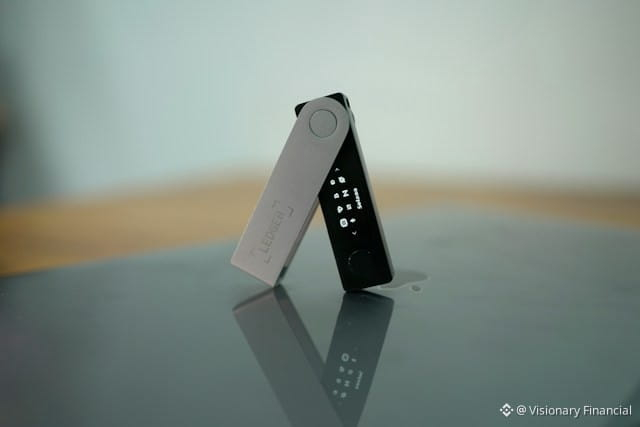
Article
Why Is My Solana Token Balance Not Showing?If your Solana token balance is not showing in your wallet, the tokens may still be on the blockchain. A missing balance can happen because the wallet is displaying the wrong account, the token account has not been recognized by the wallet, the token uses a different token program, the wallet has not refreshed its data, or the tokens were sent to a different Solana address.
Solana keeps token balances in token accounts rather than directly in the main wallet account. Each token account is associated with a particular token mint, so checking the correct wallet address and token account is important when a balance appears to be missing.
Why Is My Solana Token Balance Not Showing?
There are several possible reasons your Solana token balance is not appearing.
The most common are:
You are viewing the wrong wallet account.
The token was sent to a different address.
Your wallet has not refreshed the token balance.
The token is hidden in the wallet interface.
The wallet does not recognize the token metadata.
The token uses Solana’s Token-2022 program.
The token account exists but the wallet interface is not displaying it correctly.
The transaction has not reached the expected confirmation state.
You received a different token with a similar name or symbol.
The token was sent to an incorrect token account or address.
The first step is to verify the transaction and the destination address on-chain rather than relying only on the wallet’s displayed balance.
Why Is My Solana Wallet Showing 0 Tokens?
If your wallet shows a zero balance even though you believe you received tokens, check the exact Solana address currently selected in your wallet.
Solana wallets can manage multiple accounts, and each account can have its own token accounts.
For example:
Account A → 100 tokens
Account B → 0 tokens
If you are currently viewing Account B, your wallet may correctly display a zero balance even though Account A contains the tokens.
This is one of the first things to check when a Solana token balance appears to be missing.
How Do I Check If My Solana Tokens Are Actually There?
The most reliable way to verify a token balance is to check the relevant wallet address and token account on the Solana blockchain.
A Solana token account contains the token balance, and Solana’s RPC tools can retrieve the balance directly from that account.
Check:
Your wallet’s public address.
The transaction signature.
The destination address in the transaction.
The token mint address.
The token account associated with your wallet.
The token balance shown by the blockchain.
If the blockchain shows the tokens but your wallet does not, the issue is likely related to wallet display, token recognition, or account selection rather than the tokens actually disappearing.
Why Is My Solana Token Not Showing After I Received It?
If you recently received a Solana token, the wallet may not immediately display it.
First, verify that the transaction succeeded and that the recipient address matches your wallet address.
Solana uses token accounts for SPL tokens. If the appropriate associated token account does not already exist, it can be created as part of the token transfer process.
If the transaction is confirmed and the correct address received the tokens, but the wallet interface still shows nothing, refreshing the wallet or manually adding the token may resolve the display issue.
Why Is My Solana Token Balance Missing After a Transfer?
If you transferred tokens into your wallet and the balance is missing, don’t assume the tokens are lost.
Check the transfer transaction first.
Confirm:
The transaction succeeded.
The destination address is yours.
The token mint is the one you expected.
The amount transferred is correct.
The relevant token account exists.
Solana token transfers are made between token accounts for the same token mint.
If the transaction went to another address, your wallet will not show the balance because the tokens belong to that other address.
Why Is My Solana Token Balance Not Showing But the Transaction Is Confirmed?
A confirmed transaction does not necessarily mean your wallet interface will immediately display the token.
If the transaction is confirmed, check the actual destination token account.
Solana’s token-account system means the balance is stored in the token account associated with the token mint and owner.
If the blockchain shows a balance but the wallet shows zero, possible explanations include:
Wallet synchronization delay
Hidden token
Unsupported token
Incorrect account selected
Token-2022 compatibility issue
Wallet interface problem
Refreshing the wallet or reopening the application can sometimes update the displayed balance.
Why Is My Solana Token Balance Not Updating?
A wallet can occasionally display an outdated balance.
This can happen because the wallet interface has not refreshed its blockchain data yet.
Try:
Refreshing the wallet.
Closing and reopening the wallet.
Checking that you are connected to Solana mainnet.
Selecting the correct wallet account.
Checking the token on a Solana blockchain explorer.
Comparing the wallet address with the transaction destination.
If the blockchain balance has changed but the wallet still displays the old balance, the discrepancy is likely in the wallet interface rather than the underlying blockchain state.
Why Is My Solana Token Hidden?
Some wallets allow users to hide specific tokens.
A token can therefore exist in your wallet while not appearing in the main asset list.
Look for options such as:
Manage tokens
Hidden tokens
Add token
Import token
Show all assets
Token visibility
The exact terminology depends on the wallet application.
Before manually adding a token, verify its mint address rather than relying only on the token’s name or symbol.
Why Is My Solana Token Not Showing Even Though I Have a Token Account?
A token account can exist on-chain while the wallet interface does not display it.
Solana’s token-account system separates the wallet address from the accounts that actually hold specific tokens. Each token account holds one type of token mint.
For example:
Wallet address
→ Token Account A → USDC
→ Token Account B → USDT
→ Token Account C → Another token
Your wallet application needs to correctly identify and display those token accounts for the balances to appear in its interface.
Why Is My Solana Token Balance Not Showing in Phantom?
If you are using Phantom and a Solana token is missing from the asset list, first verify that the token was actually sent to the correct Phantom address.
Then check:
Your currently selected Phantom account.
The transaction on-chain.
The token mint address.
Whether the token is hidden.
Whether Phantom supports displaying the particular token.
If the blockchain confirms that your address owns the token but the wallet interface does not show it, check Phantom’s current token-management options and support documentation rather than sending the token again.
Why Is My Solana Token Balance Not Showing in Solflare?
If you use Solflare and your token balance is missing, first verify the destination address and token account on-chain.
Then check whether:
The correct wallet account is selected.
The token is hidden.
The token is supported.
The token uses the expected token program.
The transaction was successfully confirmed.
The blockchain balance should be treated as the underlying source of truth when troubleshooting a wallet display problem.
Can a Solana Token Balance Be Hidden But Still Exist?
Yes.
Your wallet interface may hide a token while the underlying token account still exists and contains tokens.
This is why checking the public wallet address and token account on-chain is useful.
If the token account has a positive balance on-chain but the wallet interface doesn’t display it, the issue is generally related to the wallet’s asset display or token recognition.
Why Is My Solana Token Not Showing After Adding the Token Manually?
If manually adding a token doesn’t make the balance appear, verify that you entered the correct mint address.
A token’s name and symbol are not enough to uniquely identify it.
Different tokens can use similar or identical names and symbols.
The mint address identifies the specific token on Solana.
Solana’s token documentation distinguishes the token mint from the token accounts that hold balances.
Always verify the mint address from a trusted source before adding an unfamiliar token.
Why Is My Solana Token Balance Not Showing Because of Token-2022?
Solana has both the original Token Program and the Token Extension Program, commonly known as Token-2022.
Wallet and application support can differ depending on the token and its extensions.
Solana’s official documentation notes that the standard token functionality spans both the original Token Program and Token-2022.
Some newer token features can therefore create compatibility or display differences between wallets.
If the token is using Token-2022, verify that your wallet supports that token and its relevant extensions.
Can a Solana Token Be in the Wrong Token Account?
Yes.
A Solana wallet can have multiple token accounts, and each token account is associated with a specific token mint.
A token account cannot simply hold any token. Solana’s documentation states that a token account holds one kind of mint.
For example:
USDC token account → USDC
USDT token account → USDT
Token A account → Token A
If you are looking at the wrong token account, the balance you’re expecting may not appear there.
Why Is My Solana Token Balance Showing on a Blockchain Explorer but Not in My Wallet?
This usually indicates a difference between the blockchain state and the wallet interface.
If the explorer shows:
Token balance: 500
while your wallet shows:
Token balance: 0
verify that both are referring to exactly the same:
Wallet address
Token mint
Network
Token account
If all four match, the wallet may simply not be displaying or refreshing the token correctly.
Do not send another transaction just because the wallet interface appears empty.
Why Is My Solana Token Balance Showing the Wrong Amount?
A displayed token amount can sometimes differ from what you expect because of token decimals, UI formatting, or token-specific features.
Solana’s RPC balance response includes the raw token amount, decimals, and human-readable amount.
For example, a token may store its balance in a smallest unit while the wallet displays a converted human-readable amount.
Some Token-2022 tokens can also use extensions that affect how balances are displayed. Solana’s Scaled UI Amount extension, for example, can change the displayed UI amount without changing the underlying token amount stored in token accounts.
Why Is My Solana Token Balance Showing as Zero After Selling?
If you sold or transferred your entire token balance, the token account can remain even though its token balance is now zero.
The existence of a token account does not mean it must have a positive balance.
Solana provides an instruction for closing eligible token accounts and returning their remaining lamports to a destination account.
So seeing an old token account with a zero balance after selling your tokens can be completely normal.
Why Is My Solana NFT or Token Not Showing in My Wallet?
NFTs and fungible tokens can be affected by wallet support and metadata recognition.
If the asset exists on-chain but is not appearing in your wallet, verify:
The wallet address.
The token mint.
The transaction.
Whether the wallet supports that asset type.
Whether the token uses Token-2022.
Whether the wallet has hidden the asset.
An asset being absent from the wallet interface does not automatically mean that the asset has disappeared from the blockchain.
What Should I Do If My Solana Token Balance Is Not Showing?
Follow these steps in order:
1. Check the selected wallet account
Make sure you’re viewing the account that received the tokens.
2. Verify the transaction
Find the transaction signature and confirm that the transfer succeeded.
3. Check the destination address
Make sure the destination address belongs to your wallet.
4. Check the token mint
Confirm that the token is the exact asset you intended to receive.
5. Check the token account
Verify that the relevant token account exists and has the expected balance.
6. Refresh your wallet
Close and reopen the wallet or refresh its asset list.
7. Check hidden tokens
Look for a token-management or hidden-assets section.
8. Check Token-2022 compatibility
If the token uses Token-2022, confirm that your wallet supports the token and its relevant extensions.
9. Don’t send the tokens again immediately
If the blockchain already shows the correct balance, sending another transaction could create unnecessary confusion.
Is My Solana Token Lost If It Doesn’t Show in My Wallet?
Not necessarily.
A token that does not appear in the wallet interface may still exist on-chain.
The first thing to determine is whether the token balance exists in the token account associated with your wallet address.
If the blockchain shows the expected token balance, the problem is likely related to the wallet interface, account selection, token visibility, or compatibility.
If the blockchain does not show the token at your address, investigate the original transaction to determine where the tokens were actually sent.
Bottom Line
A Solana token balance that isn’t showing in your wallet does not automatically mean the tokens are gone.
Solana uses separate token accounts to hold SPL token balances, and each token account is associated with a particular token mint.
The fastest way to troubleshoot the problem is to verify the wallet address, transaction, token mint, and token account on-chain.
If the blockchain shows the correct balance but your wallet doesn’t, check the selected account, hidden-token settings, wallet refresh, token support, and Token-2022 compatibility. If the blockchain itself shows no balance, investigate the transaction destination before taking any further action.
The post Why Is My Solana Token Balance Not Showing? appeared first on Visionary Financial.
Why Is My Solana Token Balance Not Showing?
If your Solana token balance is not showing in your wallet, the tokens may still be on the blockchain. A missing balance can happen because the wallet is displaying the wrong account, the token account has not been recognized by the wallet, the token uses a different token program, the wallet has not refreshed its data, or the tokens were sent to a different Solana address.
Solana keeps token balances in token accounts rather than directly in the main wallet account. Each token account is associated with a particular token mint, so checking the correct wallet address and token account is important when a balance appears to be missing.
Why Is My Solana Token Balance Not Showing?
There are several possible reasons your Solana token balance is not appearing.
The most common are:
You are viewing the wrong wallet account.
The token was sent to a different address.
Your wallet has not refreshed the token balance.
The token is hidden in the wallet interface.
The wallet does not recognize the token metadata.
The token uses Solana’s Token-2022 program.
The token account exists but the wallet interface is not displaying it correctly.
The transaction has not reached the expected confirmation state.
You received a different token with a similar name or symbol.
The token was sent to an incorrect token account or address.
The first step is to verify the transaction and the destination address on-chain rather than relying only on the wallet’s displayed balance.
Why Is My Solana Wallet Showing 0 Tokens?
If your wallet shows a zero balance even though you believe you received tokens, check the exact Solana address currently selected in your wallet.
Solana wallets can manage multiple accounts, and each account can have its own token accounts.
For example:
Account A → 100 tokens
Account B → 0 tokens
If you are currently viewing Account B, your wallet may correctly display a zero balance even though Account A contains the tokens.
This is one of the first things to check when a Solana token balance appears to be missing.
How Do I Check If My Solana Tokens Are Actually There?
The most reliable way to verify a token balance is to check the relevant wallet address and token account on the Solana blockchain.
A Solana token account contains the token balance, and Solana’s RPC tools can retrieve the balance directly from that account.
Check:
Your wallet’s public address.
The transaction signature.
The destination address in the transaction.
The token mint address.
The token account associated with your wallet.
The token balance shown by the blockchain.
If the blockchain shows the tokens but your wallet does not, the issue is likely related to wallet display, token recognition, or account selection rather than the tokens actually disappearing.
Why Is My Solana Token Not Showing After I Received It?
If you recently received a Solana token, the wallet may not immediately display it.
First, verify that the transaction succeeded and that the recipient address matches your wallet address.
Solana uses token accounts for SPL tokens. If the appropriate associated token account does not already exist, it can be created as part of the token transfer process.
If the transaction is confirmed and the correct address received the tokens, but the wallet interface still shows nothing, refreshing the wallet or manually adding the token may resolve the display issue.
Why Is My Solana Token Balance Missing After a Transfer?
If you transferred tokens into your wallet and the balance is missing, don’t assume the tokens are lost.
Check the transfer transaction first.
Confirm:
The transaction succeeded.
The destination address is yours.
The token mint is the one you expected.
The amount transferred is correct.
The relevant token account exists.
Solana token transfers are made between token accounts for the same token mint.
If the transaction went to another address, your wallet will not show the balance because the tokens belong to that other address.
Why Is My Solana Token Balance Not Showing But the Transaction Is Confirmed?
A confirmed transaction does not necessarily mean your wallet interface will immediately display the token.
If the transaction is confirmed, check the actual destination token account.
Solana’s token-account system means the balance is stored in the token account associated with the token mint and owner.
If the blockchain shows a balance but the wallet shows zero, possible explanations include:
Wallet synchronization delay
Hidden token
Unsupported token
Incorrect account selected
Token-2022 compatibility issue
Wallet interface problem
Refreshing the wallet or reopening the application can sometimes update the displayed balance.
Why Is My Solana Token Balance Not Updating?
A wallet can occasionally display an outdated balance.
This can happen because the wallet interface has not refreshed its blockchain data yet.
Try:
Refreshing the wallet.
Closing and reopening the wallet.
Checking that you are connected to Solana mainnet.
Selecting the correct wallet account.
Checking the token on a Solana blockchain explorer.
Comparing the wallet address with the transaction destination.
If the blockchain balance has changed but the wallet still displays the old balance, the discrepancy is likely in the wallet interface rather than the underlying blockchain state.
Why Is My Solana Token Hidden?
Some wallets allow users to hide specific tokens.
A token can therefore exist in your wallet while not appearing in the main asset list.
Look for options such as:
Manage tokens
Hidden tokens
Add token
Import token
Show all assets
Token visibility
The exact terminology depends on the wallet application.
Before manually adding a token, verify its mint address rather than relying only on the token’s name or symbol.
Why Is My Solana Token Not Showing Even Though I Have a Token Account?
A token account can exist on-chain while the wallet interface does not display it.
Solana’s token-account system separates the wallet address from the accounts that actually hold specific tokens. Each token account holds one type of token mint.
For example:
Wallet address
→ Token Account A → USDC
→ Token Account B → USDT
→ Token Account C → Another token
Your wallet application needs to correctly identify and display those token accounts for the balances to appear in its interface.
Why Is My Solana Token Balance Not Showing in Phantom?
If you are using Phantom and a Solana token is missing from the asset list, first verify that the token was actually sent to the correct Phantom address.
Then check:
Your currently selected Phantom account.
The transaction on-chain.
The token mint address.
Whether the token is hidden.
Whether Phantom supports displaying the particular token.
If the blockchain confirms that your address owns the token but the wallet interface does not show it, check Phantom’s current token-management options and support documentation rather than sending the token again.
Why Is My Solana Token Balance Not Showing in Solflare?
If you use Solflare and your token balance is missing, first verify the destination address and token account on-chain.
Then check whether:
The correct wallet account is selected.
The token is hidden.
The token is supported.
The token uses the expected token program.
The transaction was successfully confirmed.
The blockchain balance should be treated as the underlying source of truth when troubleshooting a wallet display problem.
Can a Solana Token Balance Be Hidden But Still Exist?
Yes.
Your wallet interface may hide a token while the underlying token account still exists and contains tokens.
This is why checking the public wallet address and token account on-chain is useful.
If the token account has a positive balance on-chain but the wallet interface doesn’t display it, the issue is generally related to the wallet’s asset display or token recognition.
Why Is My Solana Token Not Showing After Adding the Token Manually?
If manually adding a token doesn’t make the balance appear, verify that you entered the correct mint address.
A token’s name and symbol are not enough to uniquely identify it.
Different tokens can use similar or identical names and symbols.
The mint address identifies the specific token on Solana.
Solana’s token documentation distinguishes the token mint from the token accounts that hold balances.
Always verify the mint address from a trusted source before adding an unfamiliar token.
Why Is My Solana Token Balance Not Showing Because of Token-2022?
Solana has both the original Token Program and the Token Extension Program, commonly known as Token-2022.
Wallet and application support can differ depending on the token and its extensions.
Solana’s official documentation notes that the standard token functionality spans both the original Token Program and Token-2022.
Some newer token features can therefore create compatibility or display differences between wallets.
If the token is using Token-2022, verify that your wallet supports that token and its relevant extensions.
Can a Solana Token Be in the Wrong Token Account?
Yes.
A Solana wallet can have multiple token accounts, and each token account is associated with a specific token mint.
A token account cannot simply hold any token. Solana’s documentation states that a token account holds one kind of mint.
For example:
USDC token account → USDC
USDT token account → USDT
Token A account → Token A
If you are looking at the wrong token account, the balance you’re expecting may not appear there.
Why Is My Solana Token Balance Showing on a Blockchain Explorer but Not in My Wallet?
This usually indicates a difference between the blockchain state and the wallet interface.
If the explorer shows:
Token balance: 500
while your wallet shows:
Token balance: 0
verify that both are referring to exactly the same:
Wallet address
Token mint
Network
Token account
If all four match, the wallet may simply not be displaying or refreshing the token correctly.
Do not send another transaction just because the wallet interface appears empty.
Why Is My Solana Token Balance Showing the Wrong Amount?
A displayed token amount can sometimes differ from what you expect because of token decimals, UI formatting, or token-specific features.
Solana’s RPC balance response includes the raw token amount, decimals, and human-readable amount.
For example, a token may store its balance in a smallest unit while the wallet displays a converted human-readable amount.
Some Token-2022 tokens can also use extensions that affect how balances are displayed. Solana’s Scaled UI Amount extension, for example, can change the displayed UI amount without changing the underlying token amount stored in token accounts.
Why Is My Solana Token Balance Showing as Zero After Selling?
If you sold or transferred your entire token balance, the token account can remain even though its token balance is now zero.
The existence of a token account does not mean it must have a positive balance.
Solana provides an instruction for closing eligible token accounts and returning their remaining lamports to a destination account.
So seeing an old token account with a zero balance after selling your tokens can be completely normal.
Why Is My Solana NFT or Token Not Showing in My Wallet?
NFTs and fungible tokens can be affected by wallet support and metadata recognition.
If the asset exists on-chain but is not appearing in your wallet, verify:
The wallet address.
The token mint.
The transaction.
Whether the wallet supports that asset type.
Whether the token uses Token-2022.
Whether the wallet has hidden the asset.
An asset being absent from the wallet interface does not automatically mean that the asset has disappeared from the blockchain.
What Should I Do If My Solana Token Balance Is Not Showing?
Follow these steps in order:
1. Check the selected wallet account
Make sure you’re viewing the account that received the tokens.
2. Verify the transaction
Find the transaction signature and confirm that the transfer succeeded.
3. Check the destination address
Make sure the destination address belongs to your wallet.
4. Check the token mint
Confirm that the token is the exact asset you intended to receive.
5. Check the token account
Verify that the relevant token account exists and has the expected balance.
6. Refresh your wallet
Close and reopen the wallet or refresh its asset list.
7. Check hidden tokens
Look for a token-management or hidden-assets section.
8. Check Token-2022 compatibility
If the token uses Token-2022, confirm that your wallet supports the token and its relevant extensions.
9. Don’t send the tokens again immediately
If the blockchain already shows the correct balance, sending another transaction could create unnecessary confusion.
Is My Solana Token Lost If It Doesn’t Show in My Wallet?
Not necessarily.
A token that does not appear in the wallet interface may still exist on-chain.
The first thing to determine is whether the token balance exists in the token account associated with your wallet address.
If the blockchain shows the expected token balance, the problem is likely related to the wallet interface, account selection, token visibility, or compatibility.
If the blockchain does not show the token at your address, investigate the original transaction to determine where the tokens were actually sent.
Bottom Line
A Solana token balance that isn’t showing in your wallet does not automatically mean the tokens are gone.
Solana uses separate token accounts to hold SPL token balances, and each token account is associated with a particular token mint.
The fastest way to troubleshoot the problem is to verify the wallet address, transaction, token mint, and token account on-chain.
If the blockchain shows the correct balance but your wallet doesn’t, check the selected account, hidden-token settings, wallet refresh, token support, and Token-2022 compatibility. If the blockchain itself shows no balance, investigate the transaction destination before taking any further action.
The post Why Is My Solana Token Balance Not Showing? appeared first on Visionary Financial.
Solana keeps token balances in token accounts rather than directly in the main wallet account. Each token account is associated with a particular token mint, so checking the correct wallet address and token account is important when a balance appears to be missing.
Why Is My Solana Token Balance Not Showing?
There are several possible reasons your Solana token balance is not appearing.
The most common are:
You are viewing the wrong wallet account.
The token was sent to a different address.
Your wallet has not refreshed the token balance.
The token is hidden in the wallet interface.
The wallet does not recognize the token metadata.
The token uses Solana’s Token-2022 program.
The token account exists but the wallet interface is not displaying it correctly.
The transaction has not reached the expected confirmation state.
You received a different token with a similar name or symbol.
The token was sent to an incorrect token account or address.
The first step is to verify the transaction and the destination address on-chain rather than relying only on the wallet’s displayed balance.
Why Is My Solana Wallet Showing 0 Tokens?
If your wallet shows a zero balance even though you believe you received tokens, check the exact Solana address currently selected in your wallet.
Solana wallets can manage multiple accounts, and each account can have its own token accounts.
For example:
Account A → 100 tokens
Account B → 0 tokens
If you are currently viewing Account B, your wallet may correctly display a zero balance even though Account A contains the tokens.
This is one of the first things to check when a Solana token balance appears to be missing.
How Do I Check If My Solana Tokens Are Actually There?
The most reliable way to verify a token balance is to check the relevant wallet address and token account on the Solana blockchain.
A Solana token account contains the token balance, and Solana’s RPC tools can retrieve the balance directly from that account.
Check:
Your wallet’s public address.
The transaction signature.
The destination address in the transaction.
The token mint address.
The token account associated with your wallet.
The token balance shown by the blockchain.
If the blockchain shows the tokens but your wallet does not, the issue is likely related to wallet display, token recognition, or account selection rather than the tokens actually disappearing.
Why Is My Solana Token Not Showing After I Received It?
If you recently received a Solana token, the wallet may not immediately display it.
First, verify that the transaction succeeded and that the recipient address matches your wallet address.
Solana uses token accounts for SPL tokens. If the appropriate associated token account does not already exist, it can be created as part of the token transfer process.
If the transaction is confirmed and the correct address received the tokens, but the wallet interface still shows nothing, refreshing the wallet or manually adding the token may resolve the display issue.
Why Is My Solana Token Balance Missing After a Transfer?
If you transferred tokens into your wallet and the balance is missing, don’t assume the tokens are lost.
Check the transfer transaction first.
Confirm:
The transaction succeeded.
The destination address is yours.
The token mint is the one you expected.
The amount transferred is correct.
The relevant token account exists.
Solana token transfers are made between token accounts for the same token mint.
If the transaction went to another address, your wallet will not show the balance because the tokens belong to that other address.
Why Is My Solana Token Balance Not Showing But the Transaction Is Confirmed?
A confirmed transaction does not necessarily mean your wallet interface will immediately display the token.
If the transaction is confirmed, check the actual destination token account.
Solana’s token-account system means the balance is stored in the token account associated with the token mint and owner.
If the blockchain shows a balance but the wallet shows zero, possible explanations include:
Wallet synchronization delay
Hidden token
Unsupported token
Incorrect account selected
Token-2022 compatibility issue
Wallet interface problem
Refreshing the wallet or reopening the application can sometimes update the displayed balance.
Why Is My Solana Token Balance Not Updating?
A wallet can occasionally display an outdated balance.
This can happen because the wallet interface has not refreshed its blockchain data yet.
Try:
Refreshing the wallet.
Closing and reopening the wallet.
Checking that you are connected to Solana mainnet.
Selecting the correct wallet account.
Checking the token on a Solana blockchain explorer.
Comparing the wallet address with the transaction destination.
If the blockchain balance has changed but the wallet still displays the old balance, the discrepancy is likely in the wallet interface rather than the underlying blockchain state.
Why Is My Solana Token Hidden?
Some wallets allow users to hide specific tokens.
A token can therefore exist in your wallet while not appearing in the main asset list.
Look for options such as:
Manage tokens
Hidden tokens
Add token
Import token
Show all assets
Token visibility
The exact terminology depends on the wallet application.
Before manually adding a token, verify its mint address rather than relying only on the token’s name or symbol.
Why Is My Solana Token Not Showing Even Though I Have a Token Account?
A token account can exist on-chain while the wallet interface does not display it.
Solana’s token-account system separates the wallet address from the accounts that actually hold specific tokens. Each token account holds one type of token mint.
For example:
Wallet address
→ Token Account A → USDC
→ Token Account B → USDT
→ Token Account C → Another token
Your wallet application needs to correctly identify and display those token accounts for the balances to appear in its interface.
Why Is My Solana Token Balance Not Showing in Phantom?
If you are using Phantom and a Solana token is missing from the asset list, first verify that the token was actually sent to the correct Phantom address.
Then check:
Your currently selected Phantom account.
The transaction on-chain.
The token mint address.
Whether the token is hidden.
Whether Phantom supports displaying the particular token.
If the blockchain confirms that your address owns the token but the wallet interface does not show it, check Phantom’s current token-management options and support documentation rather than sending the token again.
Why Is My Solana Token Balance Not Showing in Solflare?
If you use Solflare and your token balance is missing, first verify the destination address and token account on-chain.
Then check whether:
The correct wallet account is selected.
The token is hidden.
The token is supported.
The token uses the expected token program.
The transaction was successfully confirmed.
The blockchain balance should be treated as the underlying source of truth when troubleshooting a wallet display problem.
Can a Solana Token Balance Be Hidden But Still Exist?
Yes.
Your wallet interface may hide a token while the underlying token account still exists and contains tokens.
This is why checking the public wallet address and token account on-chain is useful.
If the token account has a positive balance on-chain but the wallet interface doesn’t display it, the issue is generally related to the wallet’s asset display or token recognition.
Why Is My Solana Token Not Showing After Adding the Token Manually?
If manually adding a token doesn’t make the balance appear, verify that you entered the correct mint address.
A token’s name and symbol are not enough to uniquely identify it.
Different tokens can use similar or identical names and symbols.
The mint address identifies the specific token on Solana.
Solana’s token documentation distinguishes the token mint from the token accounts that hold balances.
Always verify the mint address from a trusted source before adding an unfamiliar token.
Why Is My Solana Token Balance Not Showing Because of Token-2022?
Solana has both the original Token Program and the Token Extension Program, commonly known as Token-2022.
Wallet and application support can differ depending on the token and its extensions.
Solana’s official documentation notes that the standard token functionality spans both the original Token Program and Token-2022.
Some newer token features can therefore create compatibility or display differences between wallets.
If the token is using Token-2022, verify that your wallet supports that token and its relevant extensions.
Can a Solana Token Be in the Wrong Token Account?
Yes.
A Solana wallet can have multiple token accounts, and each token account is associated with a specific token mint.
A token account cannot simply hold any token. Solana’s documentation states that a token account holds one kind of mint.
For example:
USDC token account → USDC
USDT token account → USDT
Token A account → Token A
If you are looking at the wrong token account, the balance you’re expecting may not appear there.
Why Is My Solana Token Balance Showing on a Blockchain Explorer but Not in My Wallet?
This usually indicates a difference between the blockchain state and the wallet interface.
If the explorer shows:
Token balance: 500
while your wallet shows:
Token balance: 0
verify that both are referring to exactly the same:
Wallet address
Token mint
Network
Token account
If all four match, the wallet may simply not be displaying or refreshing the token correctly.
Do not send another transaction just because the wallet interface appears empty.
Why Is My Solana Token Balance Showing the Wrong Amount?
A displayed token amount can sometimes differ from what you expect because of token decimals, UI formatting, or token-specific features.
Solana’s RPC balance response includes the raw token amount, decimals, and human-readable amount.
For example, a token may store its balance in a smallest unit while the wallet displays a converted human-readable amount.
Some Token-2022 tokens can also use extensions that affect how balances are displayed. Solana’s Scaled UI Amount extension, for example, can change the displayed UI amount without changing the underlying token amount stored in token accounts.
Why Is My Solana Token Balance Showing as Zero After Selling?
If you sold or transferred your entire token balance, the token account can remain even though its token balance is now zero.
The existence of a token account does not mean it must have a positive balance.
Solana provides an instruction for closing eligible token accounts and returning their remaining lamports to a destination account.
So seeing an old token account with a zero balance after selling your tokens can be completely normal.
Why Is My Solana NFT or Token Not Showing in My Wallet?
NFTs and fungible tokens can be affected by wallet support and metadata recognition.
If the asset exists on-chain but is not appearing in your wallet, verify:
The wallet address.
The token mint.
The transaction.
Whether the wallet supports that asset type.
Whether the token uses Token-2022.
Whether the wallet has hidden the asset.
An asset being absent from the wallet interface does not automatically mean that the asset has disappeared from the blockchain.
What Should I Do If My Solana Token Balance Is Not Showing?
Follow these steps in order:
1. Check the selected wallet account
Make sure you’re viewing the account that received the tokens.
2. Verify the transaction
Find the transaction signature and confirm that the transfer succeeded.
3. Check the destination address
Make sure the destination address belongs to your wallet.
4. Check the token mint
Confirm that the token is the exact asset you intended to receive.
5. Check the token account
Verify that the relevant token account exists and has the expected balance.
6. Refresh your wallet
Close and reopen the wallet or refresh its asset list.
7. Check hidden tokens
Look for a token-management or hidden-assets section.
8. Check Token-2022 compatibility
If the token uses Token-2022, confirm that your wallet supports the token and its relevant extensions.
9. Don’t send the tokens again immediately
If the blockchain already shows the correct balance, sending another transaction could create unnecessary confusion.
Is My Solana Token Lost If It Doesn’t Show in My Wallet?
Not necessarily.
A token that does not appear in the wallet interface may still exist on-chain.
The first thing to determine is whether the token balance exists in the token account associated with your wallet address.
If the blockchain shows the expected token balance, the problem is likely related to the wallet interface, account selection, token visibility, or compatibility.
If the blockchain does not show the token at your address, investigate the original transaction to determine where the tokens were actually sent.
Bottom Line
A Solana token balance that isn’t showing in your wallet does not automatically mean the tokens are gone.
Solana uses separate token accounts to hold SPL token balances, and each token account is associated with a particular token mint.
The fastest way to troubleshoot the problem is to verify the wallet address, transaction, token mint, and token account on-chain.
If the blockchain shows the correct balance but your wallet doesn’t, check the selected account, hidden-token settings, wallet refresh, token support, and Token-2022 compatibility. If the blockchain itself shows no balance, investigate the transaction destination before taking any further action.
The post Why Is My Solana Token Balance Not Showing? appeared first on Visionary Financial.
51
Article
Why Does My Solana Wallet Have Less SOL Than Expected?If your Solana wallet has less SOL than you expected, the difference is usually caused by a transaction fee, a transfer you made earlier, SOL held in another account, or SOL temporarily used to fund an on-chain account. Your wallet balance represents the lamports held by that specific Solana account, where 1 SOL equals 1 billion lamports.
A balance that looks lower than expected does not automatically mean your SOL has been stolen or disappeared. The fastest way to find the difference is to compare your current balance with your recent transaction history.
Why Does My Solana Wallet Have Less SOL Than Expected?
The most common reasons include:
You paid a Solana transaction fee.
You paid a priority fee.
You sent SOL to another address.
You used a decentralized application that required SOL.
You created a token account.
SOL is being held in another account.
You wrapped SOL into WSOL.
You closed or interacted with an on-chain account.
You are viewing a different wallet account than the one containing the rest of your SOL.
Your wallet interface has not updated correctly.
Solana transactions can contain multiple instructions, so a single transaction can perform more than one operation and affect your SOL balance in several ways.
Does Solana Take SOL as a Transaction Fee?
Yes.
Solana transactions require fees, which are paid in SOL.
The standard base transaction fee is denominated in lamports, and transactions can also include an optional priority fee.
For a simple transaction, the fee is usually very small compared with the amount being transferred. However, if you make many transactions, those small fees can add up.
For example:
Starting balance: 1 SOL
Transaction fees: 0.002 SOL
Expected remaining balance: 0.998 SOL
The exact amount depends on the transactions you performed and any applicable priority fees.
Why Is My Solana Balance Slightly Lower After Sending SOL?
This is usually because the transaction fee is deducted from the sender’s account.
Suppose you have:
5 SOL
and send:
1 SOL
Your balance will generally become slightly less than:
4 SOL
because the transaction also requires a network fee.
Solana’s documentation explains that the account paying for a transaction must authorize the deduction of the required lamports.
Therefore, a small difference between your expected balance and actual balance after a transfer can be completely normal.
Why Did I Lose More SOL Than the Amount I Sent?
If your balance decreased by more than the SOL you intentionally transferred, check the complete transaction details.
A Solana transaction can contain multiple instructions rather than just one simple transfer.
For example, a transaction could involve:
A SOL transfer
Token account creation
A swap
A priority fee
Another program instruction
Some applications bundle several operations into a single transaction.
This is why checking only the amount you remember sending may not explain the entire balance change.
Can Creating a Token Account Reduce My SOL Balance?
Yes.
Creating an on-chain token account can require SOL to fund the account’s storage requirements.
Solana accounts maintain a minimum lamport balance based on the amount of data they store. This balance is generally refundable when an eligible account is closed.
This means you might notice your SOL balance decrease after receiving or interacting with an SPL token if a new token account had to be created.
The SOL isn’t necessarily a permanent fee in this situation. Eligible token accounts can later be closed, with their remaining lamports transferred to a destination account.
Why Does My Solana Wallet Have Less SOL After Receiving a Token?
Receiving a token can sometimes involve creating a token account.
Solana uses separate token accounts to hold SPL tokens. If the required token account did not already exist, creating it requires funding.
Solana’s documentation describes account creation as requiring lamports to fund the account’s on-chain storage.
As a result, you might see something like:
Before receiving token: 1 SOL
After token account creation: slightly less than 1 SOL
This does not necessarily mean you were charged an unusually large transaction fee. Some of the SOL may be held as the token account’s refundable storage balance.
Can Empty Token Accounts Make My SOL Balance Look Lower?
Yes.
An empty token account can still hold lamports.
Solana documentation explains that token accounts can contain a refundable minimum storage balance, and closing an eligible empty token account transfers its lamports to a destination account.
For example, you could have:
Main wallet account: 1 SOL
Empty token account: some additional lamports
Your wallet’s main SOL display may not necessarily make the relationship between those accounts obvious.
If an eligible empty token account is closed, its remaining lamports can be returned to another account.
Why Is My SOL in Another Solana Account?
If you use multiple Solana accounts, some of your SOL may simply be sitting in a different account.
For example:
Account 1: 0.5 SOL
Account 2: 2 SOL
Account 3: 0.1 SOL
If you are currently looking at Account 1, your wallet may show only 0.5 SOL even though you control more SOL through your other accounts.
Always check the selected account before concluding that your balance is missing.
Why Does My Solana Wallet Show Less SOL After a Swap?
A token swap can affect your SOL balance for several reasons.
Depending on the transaction, you may pay:
The swap-related transaction fee
A priority fee
Account-creation costs
The amount of SOL exchanged for the other token
A swap is not necessarily just a simple transfer of SOL.
Because Solana transactions can contain multiple instructions, the complete transaction record is the best way to determine exactly where the SOL went.
Why Is My SOL Missing After Using a Solana DApp?
A decentralized application can submit transactions that interact with Solana programs.
Depending on what you’re doing, the transaction could transfer SOL, create an account, interact with token accounts, or pay network fees.
If your SOL balance changed after using a DApp, check the transaction signature and review every instruction before assuming the funds disappeared.
Never approve transactions you do not understand simply because a website tells you that they are required.
Why Is My Solana Balance Lower After Using a DeFi App?
DeFi transactions can involve multiple operations.
For example, depositing SOL into a protocol might involve:
A transaction fee.
An account or position being created.
SOL being deposited into a program-controlled account.
Additional instructions required by the protocol.
The exact behavior depends on the specific DeFi application.
If you don’t recognize the change, inspect the transaction on-chain and identify the destination accounts and instructions.
Why Is My SOL Balance Lower After Creating a Token?
Creating a token on Solana requires creating and funding accounts that store token-related data.
Solana’s official documentation shows that creating a token mint requires an account with enough lamports to satisfy the required storage balance.
Therefore, creating your own token can reduce your wallet’s available SOL because some SOL is used to fund the necessary on-chain accounts.
Why Is My SOL Balance Lower After Closing a Token Account?
Closing a token account generally sends the account’s remaining lamports to a specified destination.
So closing an eligible token account normally does not reduce your overall SOL simply because the account was closed. Instead, its remaining lamports can be transferred to another account.
However, make sure you’re checking the correct destination account and transaction details.
What Is the Difference Between SOL Balance and Available SOL?
Your wallet’s displayed SOL balance and the amount you can actually spend can sometimes appear different because some SOL may be needed for transaction fees or may be held in accounts associated with other activities.
For example, an account may need to retain enough lamports to remain on-chain rather than being reduced to an invalid intermediate balance. Solana’s account model requires accounts to maintain the applicable minimum storage balance.
This is especially relevant when your wallet contains token accounts or other on-chain accounts.
Can Solana Rent Make My Wallet Balance Lower?
Yes, but the terminology is important.
Solana documentation describes the balance required to keep account data stored on-chain as a rent-related minimum or refundable storage balance. Current Solana documentation explains that these lamports are held in the account and can be recovered when the account is closed.
So if SOL was used to create an account, some of your SOL may be sitting inside that account rather than having simply been consumed as a transaction fee.
Can I Recover SOL From Empty Token Accounts?
If an empty token account is eligible for closure, closing it can return its remaining lamports to a destination account.
The token account must generally have a zero token balance before it can be closed. The Token Program’s
CloseAccount
instruction transfers the account’s lamports and removes the account.
This can be useful if your wallet has accumulated unused token accounts.
However, only close accounts when you understand what they are and what the transaction will do.
Why Does My SOL Balance Change by a Tiny Amount?
Small balance changes are commonly associated with transaction fees.
Solana’s base transaction fee is denominated in lamports, and transactions can also include priority fees.
For example, you might notice a balance changing from:
1.000000 SOL
to:
0.999995 SOL
A small difference like this can simply reflect a network fee.
If the difference is much larger than expected, inspect the transaction details rather than assuming it is just a fee.
Why Is My Solana Wallet Showing the Wrong SOL Balance?
If your wallet’s displayed balance doesn’t match what you see on-chain, first check whether you’re looking at the same address.
Common causes include:
Wrong wallet account selected
Multiple accounts in the wallet
Wallet synchronization delay
SOL held in another account
Wrapped SOL
Recent transaction not reflected correctly in the interface
Compare the wallet’s public address with the address shown by a Solana blockchain explorer.
If the explorer shows the expected balance but the wallet does not, the problem may be with the wallet interface rather than the blockchain.
Does Wrapped SOL Affect My SOL Balance?
Yes.
Wrapped SOL, or WSOL, represents SOL held through Solana’s token system.
WSOL is held in a token account associated with Solana’s native mint. The token account stores the underlying SOL as lamports while tracking a corresponding token amount.
This can make it appear as though some SOL has disappeared from your normal wallet balance when it has actually been converted into or deposited into a wrapped SOL account.
If the WSOL account is closed correctly, its underlying SOL can be returned.
Why Do I Have Less SOL After Wrapping SOL?
When SOL is wrapped, SOL is moved into a token account associated with the native SOL mint.
The SOL isn’t necessarily gone. It is being held in the wrapped SOL account.
Solana’s documentation explains that a wrapped SOL account stores SOL in its lamport balance and tracks the corresponding wrapped token amount.
Unwrapping or closing the appropriate WSOL account can return the underlying SOL.
How Can I Find Where My Missing SOL Went?
The easiest method is to inspect your recent transactions.
Follow these steps:
1. Copy your Solana wallet address
Use the public address of the account showing the unexpected balance.
2. Open a Solana blockchain explorer
Search for your wallet address.
3. Check recent transactions
Look for transactions around the time your balance changed.
4. Identify SOL transfers
Check whether SOL was sent to another address.
5. Check transaction fees
Look for the fee charged by the transaction.
6. Check account creation
Look for token or program accounts that were created.
7. Check WSOL
If you’ve recently used a swap or DeFi application, check whether SOL was wrapped.
8. Compare the final balance
The on-chain account balance should help explain the difference between your expected and actual SOL.
How Do I Know If Someone Took My SOL?
An unexpectedly lower balance does not automatically mean someone stole your SOL.
The strongest way to investigate is to check your transaction history.
Look for:
Unknown SOL transfers
Unknown token swaps
Unfamiliar program interactions
Transactions you did not approve
SOL sent to an address you don’t recognize
If you find an unauthorized transfer, treat it as a potential wallet-security incident.
Do not give your recovery phrase or private key to anyone claiming they can recover the funds.
What Should I Do If My Solana Balance Is Lower Than Expected?
Use this checklist:
Check the selected wallet account.
Copy the public address.
Check the address on a Solana blockchain explorer.
Review recent SOL transfers.
Check transaction fees and priority fees.
Look for recently created token accounts.
Check whether you wrapped SOL.
Review recent swaps and DApp interactions.
Check other Solana accounts you control.
Investigate any transaction you don’t recognize.
Do not send additional SOL to the wallet simply because the displayed balance looks lower until you understand the reason.
Is It Normal for My Solana Wallet to Have Less SOL Than I Deposited?
Yes, if you’ve made transactions after depositing the SOL.
Your initial deposit amount is not necessarily the same as your current balance because subsequent transactions can deduct SOL through transfers, fees, account creation, swaps, or other blockchain operations.
For example:
Deposited: 2 SOL
Sent: 0.5 SOL
Transaction fees: 0.001 SOL
Account-related costs: 0.002 SOL
Remaining: approximately 1.497 SOL
The exact figures depend on what happened on-chain.
Bottom Line
If your Solana wallet has less SOL than expected, start by checking the actual on-chain transaction history for the wallet address.
The difference can come from ordinary transaction fees, priority fees, SOL transfers, token-account creation, other program interactions, multiple wallet accounts, or SOL held as wrapped SOL. Solana accounts hold balances in lamports, and some accounts also contain refundable storage balances that can be recovered when eligible accounts are closed.
If the blockchain shows an unexpected transfer that you did not authorize, that’s a different situation and should be treated as a potential security problem. Otherwise, a smaller-than-expected SOL balance is often explainable by reviewing the transactions and accounts associated with your wallet.
The post Why Does My Solana Wallet Have Less SOL Than Expected? appeared first on Visionary Financial.
Why Does My Solana Wallet Have Less SOL Than Expected?
If your Solana wallet has less SOL than you expected, the difference is usually caused by a transaction fee, a transfer you made earlier, SOL held in another account, or SOL temporarily used to fund an on-chain account. Your wallet balance represents the lamports held by that specific Solana account, where 1 SOL equals 1 billion lamports.
A balance that looks lower than expected does not automatically mean your SOL has been stolen or disappeared. The fastest way to find the difference is to compare your current balance with your recent transaction history.
Why Does My Solana Wallet Have Less SOL Than Expected?
The most common reasons include:
You paid a Solana transaction fee.
You paid a priority fee.
You sent SOL to another address.
You used a decentralized application that required SOL.
You created a token account.
SOL is being held in another account.
You wrapped SOL into WSOL.
You closed or interacted with an on-chain account.
You are viewing a different wallet account than the one containing the rest of your SOL.
Your wallet interface has not updated correctly.
Solana transactions can contain multiple instructions, so a single transaction can perform more than one operation and affect your SOL balance in several ways.
Does Solana Take SOL as a Transaction Fee?
Yes.
Solana transactions require fees, which are paid in SOL.
The standard base transaction fee is denominated in lamports, and transactions can also include an optional priority fee.
For a simple transaction, the fee is usually very small compared with the amount being transferred. However, if you make many transactions, those small fees can add up.
For example:
Starting balance: 1 SOL
Transaction fees: 0.002 SOL
Expected remaining balance: 0.998 SOL
The exact amount depends on the transactions you performed and any applicable priority fees.
Why Is My Solana Balance Slightly Lower After Sending SOL?
This is usually because the transaction fee is deducted from the sender’s account.
Suppose you have:
5 SOL
and send:
1 SOL
Your balance will generally become slightly less than:
4 SOL
because the transaction also requires a network fee.
Solana’s documentation explains that the account paying for a transaction must authorize the deduction of the required lamports.
Therefore, a small difference between your expected balance and actual balance after a transfer can be completely normal.
Why Did I Lose More SOL Than the Amount I Sent?
If your balance decreased by more than the SOL you intentionally transferred, check the complete transaction details.
A Solana transaction can contain multiple instructions rather than just one simple transfer.
For example, a transaction could involve:
A SOL transfer
Token account creation
A swap
A priority fee
Another program instruction
Some applications bundle several operations into a single transaction.
This is why checking only the amount you remember sending may not explain the entire balance change.
Can Creating a Token Account Reduce My SOL Balance?
Yes.
Creating an on-chain token account can require SOL to fund the account’s storage requirements.
Solana accounts maintain a minimum lamport balance based on the amount of data they store. This balance is generally refundable when an eligible account is closed.
This means you might notice your SOL balance decrease after receiving or interacting with an SPL token if a new token account had to be created.
The SOL isn’t necessarily a permanent fee in this situation. Eligible token accounts can later be closed, with their remaining lamports transferred to a destination account.
Why Does My Solana Wallet Have Less SOL After Receiving a Token?
Receiving a token can sometimes involve creating a token account.
Solana uses separate token accounts to hold SPL tokens. If the required token account did not already exist, creating it requires funding.
Solana’s documentation describes account creation as requiring lamports to fund the account’s on-chain storage.
As a result, you might see something like:
Before receiving token: 1 SOL
After token account creation: slightly less than 1 SOL
This does not necessarily mean you were charged an unusually large transaction fee. Some of the SOL may be held as the token account’s refundable storage balance.
Can Empty Token Accounts Make My SOL Balance Look Lower?
Yes.
An empty token account can still hold lamports.
Solana documentation explains that token accounts can contain a refundable minimum storage balance, and closing an eligible empty token account transfers its lamports to a destination account.
For example, you could have:
Main wallet account: 1 SOL
Empty token account: some additional lamports
Your wallet’s main SOL display may not necessarily make the relationship between those accounts obvious.
If an eligible empty token account is closed, its remaining lamports can be returned to another account.
Why Is My SOL in Another Solana Account?
If you use multiple Solana accounts, some of your SOL may simply be sitting in a different account.
For example:
Account 1: 0.5 SOL
Account 2: 2 SOL
Account 3: 0.1 SOL
If you are currently looking at Account 1, your wallet may show only 0.5 SOL even though you control more SOL through your other accounts.
Always check the selected account before concluding that your balance is missing.
Why Does My Solana Wallet Show Less SOL After a Swap?
A token swap can affect your SOL balance for several reasons.
Depending on the transaction, you may pay:
The swap-related transaction fee
A priority fee
Account-creation costs
The amount of SOL exchanged for the other token
A swap is not necessarily just a simple transfer of SOL.
Because Solana transactions can contain multiple instructions, the complete transaction record is the best way to determine exactly where the SOL went.
Why Is My SOL Missing After Using a Solana DApp?
A decentralized application can submit transactions that interact with Solana programs.
Depending on what you’re doing, the transaction could transfer SOL, create an account, interact with token accounts, or pay network fees.
If your SOL balance changed after using a DApp, check the transaction signature and review every instruction before assuming the funds disappeared.
Never approve transactions you do not understand simply because a website tells you that they are required.
Why Is My Solana Balance Lower After Using a DeFi App?
DeFi transactions can involve multiple operations.
For example, depositing SOL into a protocol might involve:
A transaction fee.
An account or position being created.
SOL being deposited into a program-controlled account.
Additional instructions required by the protocol.
The exact behavior depends on the specific DeFi application.
If you don’t recognize the change, inspect the transaction on-chain and identify the destination accounts and instructions.
Why Is My SOL Balance Lower After Creating a Token?
Creating a token on Solana requires creating and funding accounts that store token-related data.
Solana’s official documentation shows that creating a token mint requires an account with enough lamports to satisfy the required storage balance.
Therefore, creating your own token can reduce your wallet’s available SOL because some SOL is used to fund the necessary on-chain accounts.
Why Is My SOL Balance Lower After Closing a Token Account?
Closing a token account generally sends the account’s remaining lamports to a specified destination.
So closing an eligible token account normally does not reduce your overall SOL simply because the account was closed. Instead, its remaining lamports can be transferred to another account.
However, make sure you’re checking the correct destination account and transaction details.
What Is the Difference Between SOL Balance and Available SOL?
Your wallet’s displayed SOL balance and the amount you can actually spend can sometimes appear different because some SOL may be needed for transaction fees or may be held in accounts associated with other activities.
For example, an account may need to retain enough lamports to remain on-chain rather than being reduced to an invalid intermediate balance. Solana’s account model requires accounts to maintain the applicable minimum storage balance.
This is especially relevant when your wallet contains token accounts or other on-chain accounts.
Can Solana Rent Make My Wallet Balance Lower?
Yes, but the terminology is important.
Solana documentation describes the balance required to keep account data stored on-chain as a rent-related minimum or refundable storage balance. Current Solana documentation explains that these lamports are held in the account and can be recovered when the account is closed.
So if SOL was used to create an account, some of your SOL may be sitting inside that account rather than having simply been consumed as a transaction fee.
Can I Recover SOL From Empty Token Accounts?
If an empty token account is eligible for closure, closing it can return its remaining lamports to a destination account.
The token account must generally have a zero token balance before it can be closed. The Token Program’s
CloseAccount
instruction transfers the account’s lamports and removes the account.
This can be useful if your wallet has accumulated unused token accounts.
However, only close accounts when you understand what they are and what the transaction will do.
Why Does My SOL Balance Change by a Tiny Amount?
Small balance changes are commonly associated with transaction fees.
Solana’s base transaction fee is denominated in lamports, and transactions can also include priority fees.
For example, you might notice a balance changing from:
1.000000 SOL
to:
0.999995 SOL
A small difference like this can simply reflect a network fee.
If the difference is much larger than expected, inspect the transaction details rather than assuming it is just a fee.
Why Is My Solana Wallet Showing the Wrong SOL Balance?
If your wallet’s displayed balance doesn’t match what you see on-chain, first check whether you’re looking at the same address.
Common causes include:
Wrong wallet account selected
Multiple accounts in the wallet
Wallet synchronization delay
SOL held in another account
Wrapped SOL
Recent transaction not reflected correctly in the interface
Compare the wallet’s public address with the address shown by a Solana blockchain explorer.
If the explorer shows the expected balance but the wallet does not, the problem may be with the wallet interface rather than the blockchain.
Does Wrapped SOL Affect My SOL Balance?
Yes.
Wrapped SOL, or WSOL, represents SOL held through Solana’s token system.
WSOL is held in a token account associated with Solana’s native mint. The token account stores the underlying SOL as lamports while tracking a corresponding token amount.
This can make it appear as though some SOL has disappeared from your normal wallet balance when it has actually been converted into or deposited into a wrapped SOL account.
If the WSOL account is closed correctly, its underlying SOL can be returned.
Why Do I Have Less SOL After Wrapping SOL?
When SOL is wrapped, SOL is moved into a token account associated with the native SOL mint.
The SOL isn’t necessarily gone. It is being held in the wrapped SOL account.
Solana’s documentation explains that a wrapped SOL account stores SOL in its lamport balance and tracks the corresponding wrapped token amount.
Unwrapping or closing the appropriate WSOL account can return the underlying SOL.
How Can I Find Where My Missing SOL Went?
The easiest method is to inspect your recent transactions.
Follow these steps:
1. Copy your Solana wallet address
Use the public address of the account showing the unexpected balance.
2. Open a Solana blockchain explorer
Search for your wallet address.
3. Check recent transactions
Look for transactions around the time your balance changed.
4. Identify SOL transfers
Check whether SOL was sent to another address.
5. Check transaction fees
Look for the fee charged by the transaction.
6. Check account creation
Look for token or program accounts that were created.
7. Check WSOL
If you’ve recently used a swap or DeFi application, check whether SOL was wrapped.
8. Compare the final balance
The on-chain account balance should help explain the difference between your expected and actual SOL.
How Do I Know If Someone Took My SOL?
An unexpectedly lower balance does not automatically mean someone stole your SOL.
The strongest way to investigate is to check your transaction history.
Look for:
Unknown SOL transfers
Unknown token swaps
Unfamiliar program interactions
Transactions you did not approve
SOL sent to an address you don’t recognize
If you find an unauthorized transfer, treat it as a potential wallet-security incident.
Do not give your recovery phrase or private key to anyone claiming they can recover the funds.
What Should I Do If My Solana Balance Is Lower Than Expected?
Use this checklist:
Check the selected wallet account.
Copy the public address.
Check the address on a Solana blockchain explorer.
Review recent SOL transfers.
Check transaction fees and priority fees.
Look for recently created token accounts.
Check whether you wrapped SOL.
Review recent swaps and DApp interactions.
Check other Solana accounts you control.
Investigate any transaction you don’t recognize.
Do not send additional SOL to the wallet simply because the displayed balance looks lower until you understand the reason.
Is It Normal for My Solana Wallet to Have Less SOL Than I Deposited?
Yes, if you’ve made transactions after depositing the SOL.
Your initial deposit amount is not necessarily the same as your current balance because subsequent transactions can deduct SOL through transfers, fees, account creation, swaps, or other blockchain operations.
For example:
Deposited: 2 SOL
Sent: 0.5 SOL
Transaction fees: 0.001 SOL
Account-related costs: 0.002 SOL
Remaining: approximately 1.497 SOL
The exact figures depend on what happened on-chain.
Bottom Line
If your Solana wallet has less SOL than expected, start by checking the actual on-chain transaction history for the wallet address.
The difference can come from ordinary transaction fees, priority fees, SOL transfers, token-account creation, other program interactions, multiple wallet accounts, or SOL held as wrapped SOL. Solana accounts hold balances in lamports, and some accounts also contain refundable storage balances that can be recovered when eligible accounts are closed.
If the blockchain shows an unexpected transfer that you did not authorize, that’s a different situation and should be treated as a potential security problem. Otherwise, a smaller-than-expected SOL balance is often explainable by reviewing the transactions and accounts associated with your wallet.
The post Why Does My Solana Wallet Have Less SOL Than Expected? appeared first on Visionary Financial.
A balance that looks lower than expected does not automatically mean your SOL has been stolen or disappeared. The fastest way to find the difference is to compare your current balance with your recent transaction history.
Why Does My Solana Wallet Have Less SOL Than Expected?
The most common reasons include:
You paid a Solana transaction fee.
You paid a priority fee.
You sent SOL to another address.
You used a decentralized application that required SOL.
You created a token account.
SOL is being held in another account.
You wrapped SOL into WSOL.
You closed or interacted with an on-chain account.
You are viewing a different wallet account than the one containing the rest of your SOL.
Your wallet interface has not updated correctly.
Solana transactions can contain multiple instructions, so a single transaction can perform more than one operation and affect your SOL balance in several ways.
Does Solana Take SOL as a Transaction Fee?
Yes.
Solana transactions require fees, which are paid in SOL.
The standard base transaction fee is denominated in lamports, and transactions can also include an optional priority fee.
For a simple transaction, the fee is usually very small compared with the amount being transferred. However, if you make many transactions, those small fees can add up.
For example:
Starting balance: 1 SOL
Transaction fees: 0.002 SOL
Expected remaining balance: 0.998 SOL
The exact amount depends on the transactions you performed and any applicable priority fees.
Why Is My Solana Balance Slightly Lower After Sending SOL?
This is usually because the transaction fee is deducted from the sender’s account.
Suppose you have:
5 SOL
and send:
1 SOL
Your balance will generally become slightly less than:
4 SOL
because the transaction also requires a network fee.
Solana’s documentation explains that the account paying for a transaction must authorize the deduction of the required lamports.
Therefore, a small difference between your expected balance and actual balance after a transfer can be completely normal.
Why Did I Lose More SOL Than the Amount I Sent?
If your balance decreased by more than the SOL you intentionally transferred, check the complete transaction details.
A Solana transaction can contain multiple instructions rather than just one simple transfer.
For example, a transaction could involve:
A SOL transfer
Token account creation
A swap
A priority fee
Another program instruction
Some applications bundle several operations into a single transaction.
This is why checking only the amount you remember sending may not explain the entire balance change.
Can Creating a Token Account Reduce My SOL Balance?
Yes.
Creating an on-chain token account can require SOL to fund the account’s storage requirements.
Solana accounts maintain a minimum lamport balance based on the amount of data they store. This balance is generally refundable when an eligible account is closed.
This means you might notice your SOL balance decrease after receiving or interacting with an SPL token if a new token account had to be created.
The SOL isn’t necessarily a permanent fee in this situation. Eligible token accounts can later be closed, with their remaining lamports transferred to a destination account.
Why Does My Solana Wallet Have Less SOL After Receiving a Token?
Receiving a token can sometimes involve creating a token account.
Solana uses separate token accounts to hold SPL tokens. If the required token account did not already exist, creating it requires funding.
Solana’s documentation describes account creation as requiring lamports to fund the account’s on-chain storage.
As a result, you might see something like:
Before receiving token: 1 SOL
After token account creation: slightly less than 1 SOL
This does not necessarily mean you were charged an unusually large transaction fee. Some of the SOL may be held as the token account’s refundable storage balance.
Can Empty Token Accounts Make My SOL Balance Look Lower?
Yes.
An empty token account can still hold lamports.
Solana documentation explains that token accounts can contain a refundable minimum storage balance, and closing an eligible empty token account transfers its lamports to a destination account.
For example, you could have:
Main wallet account: 1 SOL
Empty token account: some additional lamports
Your wallet’s main SOL display may not necessarily make the relationship between those accounts obvious.
If an eligible empty token account is closed, its remaining lamports can be returned to another account.
Why Is My SOL in Another Solana Account?
If you use multiple Solana accounts, some of your SOL may simply be sitting in a different account.
For example:
Account 1: 0.5 SOL
Account 2: 2 SOL
Account 3: 0.1 SOL
If you are currently looking at Account 1, your wallet may show only 0.5 SOL even though you control more SOL through your other accounts.
Always check the selected account before concluding that your balance is missing.
Why Does My Solana Wallet Show Less SOL After a Swap?
A token swap can affect your SOL balance for several reasons.
Depending on the transaction, you may pay:
The swap-related transaction fee
A priority fee
Account-creation costs
The amount of SOL exchanged for the other token
A swap is not necessarily just a simple transfer of SOL.
Because Solana transactions can contain multiple instructions, the complete transaction record is the best way to determine exactly where the SOL went.
Why Is My SOL Missing After Using a Solana DApp?
A decentralized application can submit transactions that interact with Solana programs.
Depending on what you’re doing, the transaction could transfer SOL, create an account, interact with token accounts, or pay network fees.
If your SOL balance changed after using a DApp, check the transaction signature and review every instruction before assuming the funds disappeared.
Never approve transactions you do not understand simply because a website tells you that they are required.
Why Is My Solana Balance Lower After Using a DeFi App?
DeFi transactions can involve multiple operations.
For example, depositing SOL into a protocol might involve:
A transaction fee.
An account or position being created.
SOL being deposited into a program-controlled account.
Additional instructions required by the protocol.
The exact behavior depends on the specific DeFi application.
If you don’t recognize the change, inspect the transaction on-chain and identify the destination accounts and instructions.
Why Is My SOL Balance Lower After Creating a Token?
Creating a token on Solana requires creating and funding accounts that store token-related data.
Solana’s official documentation shows that creating a token mint requires an account with enough lamports to satisfy the required storage balance.
Therefore, creating your own token can reduce your wallet’s available SOL because some SOL is used to fund the necessary on-chain accounts.
Why Is My SOL Balance Lower After Closing a Token Account?
Closing a token account generally sends the account’s remaining lamports to a specified destination.
So closing an eligible token account normally does not reduce your overall SOL simply because the account was closed. Instead, its remaining lamports can be transferred to another account.
However, make sure you’re checking the correct destination account and transaction details.
What Is the Difference Between SOL Balance and Available SOL?
Your wallet’s displayed SOL balance and the amount you can actually spend can sometimes appear different because some SOL may be needed for transaction fees or may be held in accounts associated with other activities.
For example, an account may need to retain enough lamports to remain on-chain rather than being reduced to an invalid intermediate balance. Solana’s account model requires accounts to maintain the applicable minimum storage balance.
This is especially relevant when your wallet contains token accounts or other on-chain accounts.
Can Solana Rent Make My Wallet Balance Lower?
Yes, but the terminology is important.
Solana documentation describes the balance required to keep account data stored on-chain as a rent-related minimum or refundable storage balance. Current Solana documentation explains that these lamports are held in the account and can be recovered when the account is closed.
So if SOL was used to create an account, some of your SOL may be sitting inside that account rather than having simply been consumed as a transaction fee.
Can I Recover SOL From Empty Token Accounts?
If an empty token account is eligible for closure, closing it can return its remaining lamports to a destination account.
The token account must generally have a zero token balance before it can be closed. The Token Program’s
CloseAccount
instruction transfers the account’s lamports and removes the account.
This can be useful if your wallet has accumulated unused token accounts.
However, only close accounts when you understand what they are and what the transaction will do.
Why Does My SOL Balance Change by a Tiny Amount?
Small balance changes are commonly associated with transaction fees.
Solana’s base transaction fee is denominated in lamports, and transactions can also include priority fees.
For example, you might notice a balance changing from:
1.000000 SOL
to:
0.999995 SOL
A small difference like this can simply reflect a network fee.
If the difference is much larger than expected, inspect the transaction details rather than assuming it is just a fee.
Why Is My Solana Wallet Showing the Wrong SOL Balance?
If your wallet’s displayed balance doesn’t match what you see on-chain, first check whether you’re looking at the same address.
Common causes include:
Wrong wallet account selected
Multiple accounts in the wallet
Wallet synchronization delay
SOL held in another account
Wrapped SOL
Recent transaction not reflected correctly in the interface
Compare the wallet’s public address with the address shown by a Solana blockchain explorer.
If the explorer shows the expected balance but the wallet does not, the problem may be with the wallet interface rather than the blockchain.
Does Wrapped SOL Affect My SOL Balance?
Yes.
Wrapped SOL, or WSOL, represents SOL held through Solana’s token system.
WSOL is held in a token account associated with Solana’s native mint. The token account stores the underlying SOL as lamports while tracking a corresponding token amount.
This can make it appear as though some SOL has disappeared from your normal wallet balance when it has actually been converted into or deposited into a wrapped SOL account.
If the WSOL account is closed correctly, its underlying SOL can be returned.
Why Do I Have Less SOL After Wrapping SOL?
When SOL is wrapped, SOL is moved into a token account associated with the native SOL mint.
The SOL isn’t necessarily gone. It is being held in the wrapped SOL account.
Solana’s documentation explains that a wrapped SOL account stores SOL in its lamport balance and tracks the corresponding wrapped token amount.
Unwrapping or closing the appropriate WSOL account can return the underlying SOL.
How Can I Find Where My Missing SOL Went?
The easiest method is to inspect your recent transactions.
Follow these steps:
1. Copy your Solana wallet address
Use the public address of the account showing the unexpected balance.
2. Open a Solana blockchain explorer
Search for your wallet address.
3. Check recent transactions
Look for transactions around the time your balance changed.
4. Identify SOL transfers
Check whether SOL was sent to another address.
5. Check transaction fees
Look for the fee charged by the transaction.
6. Check account creation
Look for token or program accounts that were created.
7. Check WSOL
If you’ve recently used a swap or DeFi application, check whether SOL was wrapped.
8. Compare the final balance
The on-chain account balance should help explain the difference between your expected and actual SOL.
How Do I Know If Someone Took My SOL?
An unexpectedly lower balance does not automatically mean someone stole your SOL.
The strongest way to investigate is to check your transaction history.
Look for:
Unknown SOL transfers
Unknown token swaps
Unfamiliar program interactions
Transactions you did not approve
SOL sent to an address you don’t recognize
If you find an unauthorized transfer, treat it as a potential wallet-security incident.
Do not give your recovery phrase or private key to anyone claiming they can recover the funds.
What Should I Do If My Solana Balance Is Lower Than Expected?
Use this checklist:
Check the selected wallet account.
Copy the public address.
Check the address on a Solana blockchain explorer.
Review recent SOL transfers.
Check transaction fees and priority fees.
Look for recently created token accounts.
Check whether you wrapped SOL.
Review recent swaps and DApp interactions.
Check other Solana accounts you control.
Investigate any transaction you don’t recognize.
Do not send additional SOL to the wallet simply because the displayed balance looks lower until you understand the reason.
Is It Normal for My Solana Wallet to Have Less SOL Than I Deposited?
Yes, if you’ve made transactions after depositing the SOL.
Your initial deposit amount is not necessarily the same as your current balance because subsequent transactions can deduct SOL through transfers, fees, account creation, swaps, or other blockchain operations.
For example:
Deposited: 2 SOL
Sent: 0.5 SOL
Transaction fees: 0.001 SOL
Account-related costs: 0.002 SOL
Remaining: approximately 1.497 SOL
The exact figures depend on what happened on-chain.
Bottom Line
If your Solana wallet has less SOL than expected, start by checking the actual on-chain transaction history for the wallet address.
The difference can come from ordinary transaction fees, priority fees, SOL transfers, token-account creation, other program interactions, multiple wallet accounts, or SOL held as wrapped SOL. Solana accounts hold balances in lamports, and some accounts also contain refundable storage balances that can be recovered when eligible accounts are closed.
If the blockchain shows an unexpected transfer that you did not authorize, that’s a different situation and should be treated as a potential security problem. Otherwise, a smaller-than-expected SOL balance is often explainable by reviewing the transactions and accounts associated with your wallet.
The post Why Does My Solana Wallet Have Less SOL Than Expected? appeared first on Visionary Financial.
70
Article
Why Does a Solana Token Account Have SOL in It?If you look at a Solana token account in a block explorer and see a small amount of SOL inside it, that SOL is usually not your spendable SOL balance. It is typically lamports held by the token account to cover its required on-chain storage balance, often called the rent-exempt balance.
This can be confusing because a token account is designed to hold an SPL token, not ordinary SOL. The important distinction is that every Solana account can hold lamports, while a token account also contains data describing a particular token and its owner.
Why Does a Solana Token Account Have SOL?
A Solana token account has SOL because the account itself requires SOL-denominated lamports to exist on the blockchain.
Solana accounts contain several fields, including a lamport balance and account data. Token accounts use that account data to store information about the token mint, token balance, owner, and other token-related state.
Because the token account occupies space on Solana, it needs a minimum balance of lamports associated with its storage.
So when you create a token account, some SOL is normally deposited into that account as its storage balance.
In simple terms:
Your token account needs a small amount of SOL to exist on-chain.
That SOL is separate from the actual SPL token balance.
For example, a token account could conceptually look like this:
Account information Example Token balance 500 USDC SOL/lamport balance Small amount of SOL Token mint USDC mint address Owner Your wallet Account type SPL token account
The SOL shown there does not necessarily mean you received SOL as a payment.
Is the SOL in a Token Account Actually Mine?
Generally, yes. The lamports belong to the account, subject to Solana’s account ownership and program rules.
However, you should not think of the SOL inside a normal token account as equivalent to the SOL displayed as your wallet’s main SOL balance.
A wallet can have multiple Solana accounts, and each account can have its own lamport balance. Solana’s documentation describes accounts as the fundamental storage units on the network, with every account containing a lamport balance.
This is why an explorer may show SOL associated with an SPL token account even though that address is not your primary wallet address.
Why Is SOL Needed to Create a Token Account?
Creating a token account requires allocating space on Solana for the account’s data.
The account must maintain a minimum balance proportional to the amount of data it stores. Solana calls this rent exemption or the minimum storage balance.
When an associated token account is created, the account creation process provides the required lamports for that account.
The exact amount can vary depending on the account’s size and whether it uses extensions or additional token-account features. Solana’s documentation shows that token account creation involves calculating the required account size and the corresponding rent-exempt balance.
Is the SOL in a Token Account a Gas Fee?
No.
The SOL held by the token account for storage should not be confused with a transaction fee.
Solana uses SOL to pay transaction fees, but the SOL sitting in a token account can instead represent the account’s required storage balance.
For example, there are two different concepts:
Transaction fee: SOL consumed to process a transaction.
Token-account storage balance: Lamports held by the account so it can remain on-chain.
These are not the same thing.
Can a Token Account Hold SOL and an SPL Token at the Same Time?
There is an important distinction here.
A normal SPL token account is associated with a particular token mint. Its token balance is tracked by the Token Program, while the account itself also has a lamport balance because it is a Solana account.
This means an explorer can show both:
an SPL token balance, and
a lamport/SOL balance associated with the account.
However, this does not mean that the token account is functioning like a normal wallet that can freely hold arbitrary SOL in the same way as your main system account.
What about Wrapped SOL?
Wrapped SOL, or WSOL, is different.
WSOL is an SPL token representation of SOL. A token account associated with the native SOL mint can hold SOL in a tokenized form. Solana specifically provides instructions for synchronizing native SOL deposited into a WSOL token account.
So if you see an account associated with Wrapped SOL, the SOL/token relationship can be different from an ordinary USDC, USDT, or other SPL token account.
What Happens to the SOL When You Close a Token Account?
This is one of the most useful things to understand.
When an eligible token account is closed, its lamports can be returned to a destination account. Solana’s documentation describes closing a token account as removing the account and transferring its lamports, including the refundable storage balance, to the destination account.
For a normal token account, the token balance generally needs to be zero before the account can be closed.
So if you created several token accounts over time, some of the SOL you see associated with those accounts may be recoverable by closing accounts you no longer need.
Example
Suppose you previously interacted with several tokens:
Token A → token account created
Token B → token account created
Token C → token account created
Even after selling or transferring the tokens away, the token accounts may still exist.
If an account has a zero token balance and is eligible for closure, closing it can return its stored lamports to another account.
This is why users sometimes discover that they have small amounts of SOL tied up in old token accounts.
Why Does My Solana Wallet Show SOL in a Token Account?
There are several possible reasons:
1. The token account has a storage balance
This is the most common explanation.
The account needs lamports to maintain its on-chain storage, so the account has a SOL-denominated balance.
2. You created an associated token account
Your wallet may automatically create an associated token account when you receive or interact with a particular SPL token.
An associated token account is deterministically derived from a wallet address and token mint and serves as the canonical token account for that wallet and token.
3. You interacted with a token or DApp
Swaps, token transfers, DeFi applications, and other on-chain actions can result in additional token accounts being created.
4. The account is related to Wrapped SOL
If the account is associated with the native SOL mint, it may be a Wrapped SOL account rather than an ordinary token account.
Can I Spend the SOL Shown in My Token Account?
Not necessarily in the same way you spend the SOL in your main wallet account.
The important question is what type of account you’re looking at and why the lamports are there.
If the SOL represents the account’s required storage balance, you generally recover it by closing the token account when it is eligible for closure rather than simply sending that SOL as though the token account were your normal wallet.
For a Wrapped SOL account, the process is different because the SOL is represented through the WSOL token mechanism.
Why Does a Token Account Need SOL if I Never Put SOL There?
You may not have manually deposited it.
When a token account is created, the transaction can fund the account with the required lamports. A wallet or application may handle this automatically when you receive a token or interact with a DApp.
From the user’s perspective, it can therefore look like:
Receive token → token account appears → token account contains a small SOL balance
The SOL is there because the account itself requires funding for its on-chain storage.
Can I Recover the SOL From an Empty Token Account?
Often, yes.
If a token account contains no tokens and meets the requirements for closure, you can close the account and have its lamports returned to a destination account.
This can be useful if your wallet has accumulated many unused token accounts.
However, don’t close accounts blindly. Make sure you understand what the account is used for and verify that it has no token balance or application-specific purpose before closing it.
Why Do I See SOL in Phantom, Solflare, or a Block Explorer?
Different wallets and explorers may display Solana account information differently.
Your main wallet address can own or control multiple accounts, including token accounts. A token account can therefore have its own address and its own lamport balance while still being associated with your wallet.
A block explorer may expose these underlying accounts more explicitly than your wallet interface does.
The important distinction is:
Wallet address ≠ every account controlled by the wallet.
A Solana wallet can interact with multiple accounts, while token accounts are specifically used to track individual token balances.
Does Having SOL in a Token Account Mean I Have More SOL?
Not necessarily in the way your wallet’s main balance suggests.
If several token accounts each contain storage lamports, those lamports are associated with those individual accounts. Your wallet application may or may not include them in the headline SOL balance it displays.
If you want to understand your true SOL holdings, check the individual accounts and the transaction history rather than assuming that every displayed SOL figure represents the same type of balance.
How to Check Why a Solana Token Account Has SOL
You can investigate the account using a Solana block explorer.
Look for:
The token account address
The token mint
The token balance
The lamport/SOL balance
The account owner/program
The account creation transaction
Whether the account is associated with Wrapped SOL
Whether the token account can be closed
Solana RPC account information includes fields such as the account’s lamport balance, owner, data size, and rent-related information, which can help explain why an account has SOL associated with it.
What Happens if You Transfer All the Tokens Out?
Transferring all tokens out does not necessarily delete the token account.
The token account can remain on-chain with a zero token balance while still holding its storage-related lamports.
That is why you might see:
Token balance: 0
but also:
SOL balance: some small amount
The account still exists even though it no longer contains the SPL token.
If it is no longer needed and meets the closure requirements, closing the account can return its lamports.
Bottom Line: Why Does a Solana Token Account Have SOL?
A Solana token account can have SOL because the token account is itself a Solana account and needs lamports to maintain its on-chain storage.
The SOL you see is usually not an SPL token balance and is not necessarily a separate SOL payment. It commonly represents the account’s minimum storage balance.
The key points are:
Solana accounts hold lamports.
Token accounts are Solana accounts used to track specific SPL tokens.
Token accounts require a minimum lamport balance for on-chain storage.
The SOL shown in a token account is therefore often a storage/rent-exempt balance.
It is different from a normal transaction fee.
Closing an eligible token account can return its lamports.
Wrapped SOL accounts are a special case because SOL is represented as an SPL token.
So if you see a small amount of SOL inside a Solana token account, it usually means the account was funded with SOL to keep that token account on-chain—not that the token itself contains SOL.
The post Why Does a Solana Token Account Have SOL in It? appeared first on Visionary Financial.
Why Does a Solana Token Account Have SOL in It?
If you look at a Solana token account in a block explorer and see a small amount of SOL inside it, that SOL is usually not your spendable SOL balance. It is typically lamports held by the token account to cover its required on-chain storage balance, often called the rent-exempt balance.
This can be confusing because a token account is designed to hold an SPL token, not ordinary SOL. The important distinction is that every Solana account can hold lamports, while a token account also contains data describing a particular token and its owner.
Why Does a Solana Token Account Have SOL?
A Solana token account has SOL because the account itself requires SOL-denominated lamports to exist on the blockchain.
Solana accounts contain several fields, including a lamport balance and account data. Token accounts use that account data to store information about the token mint, token balance, owner, and other token-related state.
Because the token account occupies space on Solana, it needs a minimum balance of lamports associated with its storage.
So when you create a token account, some SOL is normally deposited into that account as its storage balance.
In simple terms:
Your token account needs a small amount of SOL to exist on-chain.
That SOL is separate from the actual SPL token balance.
For example, a token account could conceptually look like this:
Account information Example Token balance 500 USDC SOL/lamport balance Small amount of SOL Token mint USDC mint address Owner Your wallet Account type SPL token account
The SOL shown there does not necessarily mean you received SOL as a payment.
Is the SOL in a Token Account Actually Mine?
Generally, yes. The lamports belong to the account, subject to Solana’s account ownership and program rules.
However, you should not think of the SOL inside a normal token account as equivalent to the SOL displayed as your wallet’s main SOL balance.
A wallet can have multiple Solana accounts, and each account can have its own lamport balance. Solana’s documentation describes accounts as the fundamental storage units on the network, with every account containing a lamport balance.
This is why an explorer may show SOL associated with an SPL token account even though that address is not your primary wallet address.
Why Is SOL Needed to Create a Token Account?
Creating a token account requires allocating space on Solana for the account’s data.
The account must maintain a minimum balance proportional to the amount of data it stores. Solana calls this rent exemption or the minimum storage balance.
When an associated token account is created, the account creation process provides the required lamports for that account.
The exact amount can vary depending on the account’s size and whether it uses extensions or additional token-account features. Solana’s documentation shows that token account creation involves calculating the required account size and the corresponding rent-exempt balance.
Is the SOL in a Token Account a Gas Fee?
No.
The SOL held by the token account for storage should not be confused with a transaction fee.
Solana uses SOL to pay transaction fees, but the SOL sitting in a token account can instead represent the account’s required storage balance.
For example, there are two different concepts:
Transaction fee: SOL consumed to process a transaction.
Token-account storage balance: Lamports held by the account so it can remain on-chain.
These are not the same thing.
Can a Token Account Hold SOL and an SPL Token at the Same Time?
There is an important distinction here.
A normal SPL token account is associated with a particular token mint. Its token balance is tracked by the Token Program, while the account itself also has a lamport balance because it is a Solana account.
This means an explorer can show both:
an SPL token balance, and
a lamport/SOL balance associated with the account.
However, this does not mean that the token account is functioning like a normal wallet that can freely hold arbitrary SOL in the same way as your main system account.
What about Wrapped SOL?
Wrapped SOL, or WSOL, is different.
WSOL is an SPL token representation of SOL. A token account associated with the native SOL mint can hold SOL in a tokenized form. Solana specifically provides instructions for synchronizing native SOL deposited into a WSOL token account.
So if you see an account associated with Wrapped SOL, the SOL/token relationship can be different from an ordinary USDC, USDT, or other SPL token account.
What Happens to the SOL When You Close a Token Account?
This is one of the most useful things to understand.
When an eligible token account is closed, its lamports can be returned to a destination account. Solana’s documentation describes closing a token account as removing the account and transferring its lamports, including the refundable storage balance, to the destination account.
For a normal token account, the token balance generally needs to be zero before the account can be closed.
So if you created several token accounts over time, some of the SOL you see associated with those accounts may be recoverable by closing accounts you no longer need.
Example
Suppose you previously interacted with several tokens:
Token A → token account created
Token B → token account created
Token C → token account created
Even after selling or transferring the tokens away, the token accounts may still exist.
If an account has a zero token balance and is eligible for closure, closing it can return its stored lamports to another account.
This is why users sometimes discover that they have small amounts of SOL tied up in old token accounts.
Why Does My Solana Wallet Show SOL in a Token Account?
There are several possible reasons:
1. The token account has a storage balance
This is the most common explanation.
The account needs lamports to maintain its on-chain storage, so the account has a SOL-denominated balance.
2. You created an associated token account
Your wallet may automatically create an associated token account when you receive or interact with a particular SPL token.
An associated token account is deterministically derived from a wallet address and token mint and serves as the canonical token account for that wallet and token.
3. You interacted with a token or DApp
Swaps, token transfers, DeFi applications, and other on-chain actions can result in additional token accounts being created.
4. The account is related to Wrapped SOL
If the account is associated with the native SOL mint, it may be a Wrapped SOL account rather than an ordinary token account.
Can I Spend the SOL Shown in My Token Account?
Not necessarily in the same way you spend the SOL in your main wallet account.
The important question is what type of account you’re looking at and why the lamports are there.
If the SOL represents the account’s required storage balance, you generally recover it by closing the token account when it is eligible for closure rather than simply sending that SOL as though the token account were your normal wallet.
For a Wrapped SOL account, the process is different because the SOL is represented through the WSOL token mechanism.
Why Does a Token Account Need SOL if I Never Put SOL There?
You may not have manually deposited it.
When a token account is created, the transaction can fund the account with the required lamports. A wallet or application may handle this automatically when you receive a token or interact with a DApp.
From the user’s perspective, it can therefore look like:
Receive token → token account appears → token account contains a small SOL balance
The SOL is there because the account itself requires funding for its on-chain storage.
Can I Recover the SOL From an Empty Token Account?
Often, yes.
If a token account contains no tokens and meets the requirements for closure, you can close the account and have its lamports returned to a destination account.
This can be useful if your wallet has accumulated many unused token accounts.
However, don’t close accounts blindly. Make sure you understand what the account is used for and verify that it has no token balance or application-specific purpose before closing it.
Why Do I See SOL in Phantom, Solflare, or a Block Explorer?
Different wallets and explorers may display Solana account information differently.
Your main wallet address can own or control multiple accounts, including token accounts. A token account can therefore have its own address and its own lamport balance while still being associated with your wallet.
A block explorer may expose these underlying accounts more explicitly than your wallet interface does.
The important distinction is:
Wallet address ≠ every account controlled by the wallet.
A Solana wallet can interact with multiple accounts, while token accounts are specifically used to track individual token balances.
Does Having SOL in a Token Account Mean I Have More SOL?
Not necessarily in the way your wallet’s main balance suggests.
If several token accounts each contain storage lamports, those lamports are associated with those individual accounts. Your wallet application may or may not include them in the headline SOL balance it displays.
If you want to understand your true SOL holdings, check the individual accounts and the transaction history rather than assuming that every displayed SOL figure represents the same type of balance.
How to Check Why a Solana Token Account Has SOL
You can investigate the account using a Solana block explorer.
Look for:
The token account address
The token mint
The token balance
The lamport/SOL balance
The account owner/program
The account creation transaction
Whether the account is associated with Wrapped SOL
Whether the token account can be closed
Solana RPC account information includes fields such as the account’s lamport balance, owner, data size, and rent-related information, which can help explain why an account has SOL associated with it.
What Happens if You Transfer All the Tokens Out?
Transferring all tokens out does not necessarily delete the token account.
The token account can remain on-chain with a zero token balance while still holding its storage-related lamports.
That is why you might see:
Token balance: 0
but also:
SOL balance: some small amount
The account still exists even though it no longer contains the SPL token.
If it is no longer needed and meets the closure requirements, closing the account can return its lamports.
Bottom Line: Why Does a Solana Token Account Have SOL?
A Solana token account can have SOL because the token account is itself a Solana account and needs lamports to maintain its on-chain storage.
The SOL you see is usually not an SPL token balance and is not necessarily a separate SOL payment. It commonly represents the account’s minimum storage balance.
The key points are:
Solana accounts hold lamports.
Token accounts are Solana accounts used to track specific SPL tokens.
Token accounts require a minimum lamport balance for on-chain storage.
The SOL shown in a token account is therefore often a storage/rent-exempt balance.
It is different from a normal transaction fee.
Closing an eligible token account can return its lamports.
Wrapped SOL accounts are a special case because SOL is represented as an SPL token.
So if you see a small amount of SOL inside a Solana token account, it usually means the account was funded with SOL to keep that token account on-chain—not that the token itself contains SOL.
The post Why Does a Solana Token Account Have SOL in It? appeared first on Visionary Financial.
This can be confusing because a token account is designed to hold an SPL token, not ordinary SOL. The important distinction is that every Solana account can hold lamports, while a token account also contains data describing a particular token and its owner.
Why Does a Solana Token Account Have SOL?
A Solana token account has SOL because the account itself requires SOL-denominated lamports to exist on the blockchain.
Solana accounts contain several fields, including a lamport balance and account data. Token accounts use that account data to store information about the token mint, token balance, owner, and other token-related state.
Because the token account occupies space on Solana, it needs a minimum balance of lamports associated with its storage.
So when you create a token account, some SOL is normally deposited into that account as its storage balance.
In simple terms:
Your token account needs a small amount of SOL to exist on-chain.
That SOL is separate from the actual SPL token balance.
For example, a token account could conceptually look like this:
Account information Example Token balance 500 USDC SOL/lamport balance Small amount of SOL Token mint USDC mint address Owner Your wallet Account type SPL token account
The SOL shown there does not necessarily mean you received SOL as a payment.
Is the SOL in a Token Account Actually Mine?
Generally, yes. The lamports belong to the account, subject to Solana’s account ownership and program rules.
However, you should not think of the SOL inside a normal token account as equivalent to the SOL displayed as your wallet’s main SOL balance.
A wallet can have multiple Solana accounts, and each account can have its own lamport balance. Solana’s documentation describes accounts as the fundamental storage units on the network, with every account containing a lamport balance.
This is why an explorer may show SOL associated with an SPL token account even though that address is not your primary wallet address.
Why Is SOL Needed to Create a Token Account?
Creating a token account requires allocating space on Solana for the account’s data.
The account must maintain a minimum balance proportional to the amount of data it stores. Solana calls this rent exemption or the minimum storage balance.
When an associated token account is created, the account creation process provides the required lamports for that account.
The exact amount can vary depending on the account’s size and whether it uses extensions or additional token-account features. Solana’s documentation shows that token account creation involves calculating the required account size and the corresponding rent-exempt balance.
Is the SOL in a Token Account a Gas Fee?
No.
The SOL held by the token account for storage should not be confused with a transaction fee.
Solana uses SOL to pay transaction fees, but the SOL sitting in a token account can instead represent the account’s required storage balance.
For example, there are two different concepts:
Transaction fee: SOL consumed to process a transaction.
Token-account storage balance: Lamports held by the account so it can remain on-chain.
These are not the same thing.
Can a Token Account Hold SOL and an SPL Token at the Same Time?
There is an important distinction here.
A normal SPL token account is associated with a particular token mint. Its token balance is tracked by the Token Program, while the account itself also has a lamport balance because it is a Solana account.
This means an explorer can show both:
an SPL token balance, and
a lamport/SOL balance associated with the account.
However, this does not mean that the token account is functioning like a normal wallet that can freely hold arbitrary SOL in the same way as your main system account.
What about Wrapped SOL?
Wrapped SOL, or WSOL, is different.
WSOL is an SPL token representation of SOL. A token account associated with the native SOL mint can hold SOL in a tokenized form. Solana specifically provides instructions for synchronizing native SOL deposited into a WSOL token account.
So if you see an account associated with Wrapped SOL, the SOL/token relationship can be different from an ordinary USDC, USDT, or other SPL token account.
What Happens to the SOL When You Close a Token Account?
This is one of the most useful things to understand.
When an eligible token account is closed, its lamports can be returned to a destination account. Solana’s documentation describes closing a token account as removing the account and transferring its lamports, including the refundable storage balance, to the destination account.
For a normal token account, the token balance generally needs to be zero before the account can be closed.
So if you created several token accounts over time, some of the SOL you see associated with those accounts may be recoverable by closing accounts you no longer need.
Example
Suppose you previously interacted with several tokens:
Token A → token account created
Token B → token account created
Token C → token account created
Even after selling or transferring the tokens away, the token accounts may still exist.
If an account has a zero token balance and is eligible for closure, closing it can return its stored lamports to another account.
This is why users sometimes discover that they have small amounts of SOL tied up in old token accounts.
Why Does My Solana Wallet Show SOL in a Token Account?
There are several possible reasons:
1. The token account has a storage balance
This is the most common explanation.
The account needs lamports to maintain its on-chain storage, so the account has a SOL-denominated balance.
2. You created an associated token account
Your wallet may automatically create an associated token account when you receive or interact with a particular SPL token.
An associated token account is deterministically derived from a wallet address and token mint and serves as the canonical token account for that wallet and token.
3. You interacted with a token or DApp
Swaps, token transfers, DeFi applications, and other on-chain actions can result in additional token accounts being created.
4. The account is related to Wrapped SOL
If the account is associated with the native SOL mint, it may be a Wrapped SOL account rather than an ordinary token account.
Can I Spend the SOL Shown in My Token Account?
Not necessarily in the same way you spend the SOL in your main wallet account.
The important question is what type of account you’re looking at and why the lamports are there.
If the SOL represents the account’s required storage balance, you generally recover it by closing the token account when it is eligible for closure rather than simply sending that SOL as though the token account were your normal wallet.
For a Wrapped SOL account, the process is different because the SOL is represented through the WSOL token mechanism.
Why Does a Token Account Need SOL if I Never Put SOL There?
You may not have manually deposited it.
When a token account is created, the transaction can fund the account with the required lamports. A wallet or application may handle this automatically when you receive a token or interact with a DApp.
From the user’s perspective, it can therefore look like:
Receive token → token account appears → token account contains a small SOL balance
The SOL is there because the account itself requires funding for its on-chain storage.
Can I Recover the SOL From an Empty Token Account?
Often, yes.
If a token account contains no tokens and meets the requirements for closure, you can close the account and have its lamports returned to a destination account.
This can be useful if your wallet has accumulated many unused token accounts.
However, don’t close accounts blindly. Make sure you understand what the account is used for and verify that it has no token balance or application-specific purpose before closing it.
Why Do I See SOL in Phantom, Solflare, or a Block Explorer?
Different wallets and explorers may display Solana account information differently.
Your main wallet address can own or control multiple accounts, including token accounts. A token account can therefore have its own address and its own lamport balance while still being associated with your wallet.
A block explorer may expose these underlying accounts more explicitly than your wallet interface does.
The important distinction is:
Wallet address ≠ every account controlled by the wallet.
A Solana wallet can interact with multiple accounts, while token accounts are specifically used to track individual token balances.
Does Having SOL in a Token Account Mean I Have More SOL?
Not necessarily in the way your wallet’s main balance suggests.
If several token accounts each contain storage lamports, those lamports are associated with those individual accounts. Your wallet application may or may not include them in the headline SOL balance it displays.
If you want to understand your true SOL holdings, check the individual accounts and the transaction history rather than assuming that every displayed SOL figure represents the same type of balance.
How to Check Why a Solana Token Account Has SOL
You can investigate the account using a Solana block explorer.
Look for:
The token account address
The token mint
The token balance
The lamport/SOL balance
The account owner/program
The account creation transaction
Whether the account is associated with Wrapped SOL
Whether the token account can be closed
Solana RPC account information includes fields such as the account’s lamport balance, owner, data size, and rent-related information, which can help explain why an account has SOL associated with it.
What Happens if You Transfer All the Tokens Out?
Transferring all tokens out does not necessarily delete the token account.
The token account can remain on-chain with a zero token balance while still holding its storage-related lamports.
That is why you might see:
Token balance: 0
but also:
SOL balance: some small amount
The account still exists even though it no longer contains the SPL token.
If it is no longer needed and meets the closure requirements, closing the account can return its lamports.
Bottom Line: Why Does a Solana Token Account Have SOL?
A Solana token account can have SOL because the token account is itself a Solana account and needs lamports to maintain its on-chain storage.
The SOL you see is usually not an SPL token balance and is not necessarily a separate SOL payment. It commonly represents the account’s minimum storage balance.
The key points are:
Solana accounts hold lamports.
Token accounts are Solana accounts used to track specific SPL tokens.
Token accounts require a minimum lamport balance for on-chain storage.
The SOL shown in a token account is therefore often a storage/rent-exempt balance.
It is different from a normal transaction fee.
Closing an eligible token account can return its lamports.
Wrapped SOL accounts are a special case because SOL is represented as an SPL token.
So if you see a small amount of SOL inside a Solana token account, it usually means the account was funded with SOL to keep that token account on-chain—not that the token itself contains SOL.
The post Why Does a Solana Token Account Have SOL in It? appeared first on Visionary Financial.
75

Article
What Happens When a Solana Token Account Is Closed?When a Solana token account is closed, the account is removed from the blockchain and its remaining lamports (SOL) are transferred to a destination account. For a normal SPL token account, the token balance generally must be zero before it can be closed. The main exception is a Wrapped SOL account, which can be closed to recover the underlying SOL.
This is why closing unused Solana token accounts can return the small amount of SOL that was originally used to keep those accounts on-chain.
What Does Closing a Solana Token Account Mean?
A token account is a separate Solana account used to track a particular SPL token.
For example, your wallet might have:
A SOL account
A USDC token account
A USDT token account
A BONK token account
Several other token accounts
If you stop using one of those token accounts, you may be able to close it.
The Token Program’s
CloseAccount
instruction transfers the account’s lamports to a destination account, clears the account’s data, and removes the account.
In simple terms:
Close token account → account disappears → its remaining SOL goes to the destination account.
What Happens to the SOL When a Token Account Is Closed?
The SOL is not normally destroyed.
Instead, the token account’s remaining lamports are transferred to the account you specify as the destination.
This includes the account’s refundable minimum storage balance. Solana’s documentation specifically describes closing a token account as transferring its lamports, including the refundable storage balance, to a destination account.
For example, imagine you have an unused token account containing:
Token balance: 0
SOL/lamports: small amount
When you successfully close the account, that SOL can be returned to your main wallet or another eligible destination.
Simple example
Before closing:
Token Account
USDC: 0
SOL: small storage balance
After closing:
Token Account
No longer exists
Your wallet
Receives the token account’s remaining lamports
The exact amount returned depends on the account’s remaining lamport balance.
Do You Lose the Tokens When You Close a Token Account?
For a normal SPL token account, you generally cannot close it while it still has tokens.
The standard requirement is that the token account’s balance must be zero before it can be closed.
So if you have 100 USDC in a token account, you normally need to:
Transfer the USDC somewhere else, or otherwise bring the balance to zero.
Close the now-empty token account.
Receive its remaining lamports in the destination account.
Closing the account is therefore not the same thing as burning the tokens.
Does Closing a Token Account Burn the Token?
No.
Closing a token account and burning tokens are two different operations.
Burning tokens permanently decreases the token balance and the mint’s total supply. Closing an account, on the other hand, removes the token account itself and transfers its remaining lamports to a destination account.
For example:
Burn
100 tokens → 0 tokens Token supply decreases.
Close account
0 tokens → account removed Account’s lamports → destination account
This distinction is important because closing an empty token account does not destroy the underlying token itself.
What Happens If the Token Account Has a Balance?
For most ordinary SPL tokens, the account cannot simply be closed while it contains tokens.
If the account contains 50 tokens, you generally need to move or otherwise dispose of those tokens first so that the account balance becomes zero.
Solana’s token-account documentation specifies zero token balance as the normal requirement for closing an account.
There are special cases depending on the token program and extensions, so you should not assume every token account follows exactly the same rules.
What Happens to an Empty Token Account?
An empty token account can remain on-chain even after its token balance reaches zero.
This is why you might see a token account showing:
Token balance: 0
while still having a small SOL balance associated with it.
The account still exists until a valid close instruction removes it.
Once it is closed:
The token account is removed.
Its account data is cleared.
Its remaining lamports are transferred.
The token account address no longer represents that existing account.
Solana’s documentation describes the
CloseAccount
instruction as transferring lamports, clearing the source account’s data, and removing the source account.
Where Does the Recovered SOL Go?
The recovered SOL goes to the destination account specified in the close instruction.
It does not automatically have to go back to the wallet that originally paid to create the account.
This is an important detail when dealing with associated token accounts.
Solana documentation notes that the account that paid to create an associated token account does not automatically receive the recovered balance when that token account is closed.
The close authority chooses the destination according to the instruction’s requirements.
Can You Get the SOL Back From an Old Token Account?
Yes, if the token account is eligible for closure.
This is one reason users sometimes discover that they have recoverable SOL sitting in unused token accounts.
For example, you may have previously interacted with:
USDC
USDT
NFTs
DeFi tokens
Meme coins
Other SPL tokens
Some of those interactions may have created token accounts.
If you later transfer the tokens away, the accounts can remain empty. Closing eligible unused accounts can return their remaining lamports.
Solana provides tooling specifically for closing token accounts, and its documentation describes the recovered lamports as including the refundable storage balance.
What Happens When You Close a Wrapped SOL Account?
Wrapped SOL, or WSOL, is a special case.
A normal token account generally requires a zero token balance before closure. A Wrapped SOL account is different because its token balance represents underlying SOL.
Solana documentation states that Wrapped SOL token accounts can be closed with a non-zero token balance to recover the underlying SOL.
In simple terms:
WSOL → close account → underlying SOL is returned
This is also commonly referred to as unwrapping SOL.
For ordinary SPL tokens, closing the account does not convert the tokens into SOL.
Can a Frozen Token Account Be Closed?
A frozen token account can still be closed if its token balance is zero, according to Solana’s token-account documentation.
So being frozen does not automatically mean an empty token account can never be closed.
However, token accounts using additional Token Extensions can have extra restrictions or checks. Solana notes that the Token Extension Program can apply additional close-account checks for certain extensions.
Does Closing a Token Account Cost SOL?
The close operation itself is a transaction and therefore can involve a network transaction fee.
However, the main point of closing an unused token account is that its remaining account balance can be returned to the destination account.
So you may spend a small amount on the transaction while recovering the account’s stored lamports.
The amount you ultimately receive depends on the account’s actual remaining balance and the transaction costs involved.
Can a Closed Solana Token Account Be Reopened?
Not as the same existing account state.
Once the token account is closed, the account is removed. If you later need a token account for that same token again, a new token account can be created.
This is important because closing an account does not permanently prevent your wallet from holding that token in the future.
For example:
USDC token account → closed
Later:
Receive USDC → a new USDC token account can be created
The old account and the new account are not the same active account.
Does Closing a Token Account Delete the Token?
No.
This is another common misunderstanding.
A token account is not the same thing as the token’s mint.
The mint represents the token itself and its supply rules. A token account is an account that tracks how many units of that token a particular owner controls.
Therefore:
Close token account ≠ delete token
You are only removing one account that held or tracked that token.
The token can continue to exist on Solana and other wallets can continue holding it.
What Happens to Your Token Account Address After Closure?
After the account is closed, the address no longer represents that active token account.
A block explorer may still show the address in historical transaction records because blockchain transactions are permanent records.
You may therefore see an old token account address in transaction history even though the account itself no longer exists.
This distinction is important:
Historical transaction ≠ currently active account
A closed account can remain visible in blockchain history without remaining an active token account.
Why Do I Still See a Closed Token Account in a Block Explorer?
Blockchain explorers can display historical activity associated with an address.
Closing an account does not erase the transaction history that involved that account.
For example, an explorer may show:
Token account creation
Token transfers
Token balance changes
Close Account instruction
Final lamport transfer
After closure, the address may show that the account no longer exists while still retaining its historical transaction records.
Solana Explorer examples can show accounts that have been closed while preserving their transaction history.
Can You Close a Token Account With Zero Tokens but SOL Inside?
Yes, this is one of the common reasons for closing an unused token account.
The account can have:
Token balance: 0
SOL/lamports: remaining storage balance
If it meets the Token Program’s requirements, closing the account transfers those lamports to the chosen destination account.
This is essentially how you recover the SOL that was tied up in the unused account.
Why Would Someone Close a Solana Token Account?
There are several reasons.
Recover unused SOL
Unused token accounts can contain refundable lamports.
Reduce account clutter
A wallet that has interacted with many tokens can accumulate many token accounts.
Clean up old accounts
If you no longer use a token, closing its empty account can clean up your account structure.
Unwrap SOL
Closing a Wrapped SOL account can return the underlying SOL.
What If I Accidentally Close the Wrong Token Account?
You should be careful before approving a token-account closure.
For ordinary tokens, make sure:
The token balance is zero.
You recognize the account.
You understand which destination receives the lamports.
You are not relying on the account for an application-specific purpose.
You are using a trusted wallet or application.
If you later need that token again, a new token account may be created, but it will not restore the old account’s state or historical account identity.
How to Check Whether a Solana Token Account Was Closed
You can inspect the token account address using a Solana block explorer.
Look for:
Account status
Token balance
Transaction history
Close Account instruction
Lamport/SOL transfer
Destination account
A successful
CloseAccount
instruction is the key transaction event to look for.
After closure, the account should no longer exist as an active token account.
Does Closing a Token Account Refund All the SOL?
The account’s remaining lamports are transferred to the destination account, including the refundable storage balance.
However, you should distinguish between:
The lamports in the token account
The transaction fee paid to execute the closure
The transaction fee is separate and is not simply added back to the account’s recovered balance.
So the amount that arrives in the destination account can be affected by transaction costs and the account’s actual remaining balance.
Bottom Line: What Happens When a Solana Token Account Is Closed?
When a Solana token account is closed, the account is removed, its remaining lamports are transferred to a destination account, and its token-account data is cleared. For normal SPL tokens, the token balance generally must be zero first.
The key points are:
Closing a token account removes that account.
Its remaining SOL/lamports are transferred to a destination account.
The refundable storage balance can therefore be recovered.
Normal SPL token accounts generally need a zero token balance before closure.
Closing an account is not the same as burning tokens.
Closing a token account does not delete the underlying token or mint.
A closed account’s historical transactions can still be visible on a block explorer.
Wrapped SOL accounts are a special case because closing them can recover the underlying SOL.
A new token account can be created later if you need to hold the token again.
In short, closing a Solana token account is essentially a cleanup operation that removes the unused account and returns its remaining lamports to the destination you specify.
The post What Happens When a Solana Token Account Is Closed? appeared first on Visionary Financial.
What Happens When a Solana Token Account Is Closed?
When a Solana token account is closed, the account is removed from the blockchain and its remaining lamports (SOL) are transferred to a destination account. For a normal SPL token account, the token balance generally must be zero before it can be closed. The main exception is a Wrapped SOL account, which can be closed to recover the underlying SOL.
This is why closing unused Solana token accounts can return the small amount of SOL that was originally used to keep those accounts on-chain.
What Does Closing a Solana Token Account Mean?
A token account is a separate Solana account used to track a particular SPL token.
For example, your wallet might have:
A SOL account
A USDC token account
A USDT token account
A BONK token account
Several other token accounts
If you stop using one of those token accounts, you may be able to close it.
The Token Program’s
CloseAccount
instruction transfers the account’s lamports to a destination account, clears the account’s data, and removes the account.
In simple terms:
Close token account → account disappears → its remaining SOL goes to the destination account.
What Happens to the SOL When a Token Account Is Closed?
The SOL is not normally destroyed.
Instead, the token account’s remaining lamports are transferred to the account you specify as the destination.
This includes the account’s refundable minimum storage balance. Solana’s documentation specifically describes closing a token account as transferring its lamports, including the refundable storage balance, to a destination account.
For example, imagine you have an unused token account containing:
Token balance: 0
SOL/lamports: small amount
When you successfully close the account, that SOL can be returned to your main wallet or another eligible destination.
Simple example
Before closing:
Token Account
USDC: 0
SOL: small storage balance
After closing:
Token Account
No longer exists
Your wallet
Receives the token account’s remaining lamports
The exact amount returned depends on the account’s remaining lamport balance.
Do You Lose the Tokens When You Close a Token Account?
For a normal SPL token account, you generally cannot close it while it still has tokens.
The standard requirement is that the token account’s balance must be zero before it can be closed.
So if you have 100 USDC in a token account, you normally need to:
Transfer the USDC somewhere else, or otherwise bring the balance to zero.
Close the now-empty token account.
Receive its remaining lamports in the destination account.
Closing the account is therefore not the same thing as burning the tokens.
Does Closing a Token Account Burn the Token?
No.
Closing a token account and burning tokens are two different operations.
Burning tokens permanently decreases the token balance and the mint’s total supply. Closing an account, on the other hand, removes the token account itself and transfers its remaining lamports to a destination account.
For example:
Burn
100 tokens → 0 tokens Token supply decreases.
Close account
0 tokens → account removed Account’s lamports → destination account
This distinction is important because closing an empty token account does not destroy the underlying token itself.
What Happens If the Token Account Has a Balance?
For most ordinary SPL tokens, the account cannot simply be closed while it contains tokens.
If the account contains 50 tokens, you generally need to move or otherwise dispose of those tokens first so that the account balance becomes zero.
Solana’s token-account documentation specifies zero token balance as the normal requirement for closing an account.
There are special cases depending on the token program and extensions, so you should not assume every token account follows exactly the same rules.
What Happens to an Empty Token Account?
An empty token account can remain on-chain even after its token balance reaches zero.
This is why you might see a token account showing:
Token balance: 0
while still having a small SOL balance associated with it.
The account still exists until a valid close instruction removes it.
Once it is closed:
The token account is removed.
Its account data is cleared.
Its remaining lamports are transferred.
The token account address no longer represents that existing account.
Solana’s documentation describes the
CloseAccount
instruction as transferring lamports, clearing the source account’s data, and removing the source account.
Where Does the Recovered SOL Go?
The recovered SOL goes to the destination account specified in the close instruction.
It does not automatically have to go back to the wallet that originally paid to create the account.
This is an important detail when dealing with associated token accounts.
Solana documentation notes that the account that paid to create an associated token account does not automatically receive the recovered balance when that token account is closed.
The close authority chooses the destination according to the instruction’s requirements.
Can You Get the SOL Back From an Old Token Account?
Yes, if the token account is eligible for closure.
This is one reason users sometimes discover that they have recoverable SOL sitting in unused token accounts.
For example, you may have previously interacted with:
USDC
USDT
NFTs
DeFi tokens
Meme coins
Other SPL tokens
Some of those interactions may have created token accounts.
If you later transfer the tokens away, the accounts can remain empty. Closing eligible unused accounts can return their remaining lamports.
Solana provides tooling specifically for closing token accounts, and its documentation describes the recovered lamports as including the refundable storage balance.
What Happens When You Close a Wrapped SOL Account?
Wrapped SOL, or WSOL, is a special case.
A normal token account generally requires a zero token balance before closure. A Wrapped SOL account is different because its token balance represents underlying SOL.
Solana documentation states that Wrapped SOL token accounts can be closed with a non-zero token balance to recover the underlying SOL.
In simple terms:
WSOL → close account → underlying SOL is returned
This is also commonly referred to as unwrapping SOL.
For ordinary SPL tokens, closing the account does not convert the tokens into SOL.
Can a Frozen Token Account Be Closed?
A frozen token account can still be closed if its token balance is zero, according to Solana’s token-account documentation.
So being frozen does not automatically mean an empty token account can never be closed.
However, token accounts using additional Token Extensions can have extra restrictions or checks. Solana notes that the Token Extension Program can apply additional close-account checks for certain extensions.
Does Closing a Token Account Cost SOL?
The close operation itself is a transaction and therefore can involve a network transaction fee.
However, the main point of closing an unused token account is that its remaining account balance can be returned to the destination account.
So you may spend a small amount on the transaction while recovering the account’s stored lamports.
The amount you ultimately receive depends on the account’s actual remaining balance and the transaction costs involved.
Can a Closed Solana Token Account Be Reopened?
Not as the same existing account state.
Once the token account is closed, the account is removed. If you later need a token account for that same token again, a new token account can be created.
This is important because closing an account does not permanently prevent your wallet from holding that token in the future.
For example:
USDC token account → closed
Later:
Receive USDC → a new USDC token account can be created
The old account and the new account are not the same active account.
Does Closing a Token Account Delete the Token?
No.
This is another common misunderstanding.
A token account is not the same thing as the token’s mint.
The mint represents the token itself and its supply rules. A token account is an account that tracks how many units of that token a particular owner controls.
Therefore:
Close token account ≠ delete token
You are only removing one account that held or tracked that token.
The token can continue to exist on Solana and other wallets can continue holding it.
What Happens to Your Token Account Address After Closure?
After the account is closed, the address no longer represents that active token account.
A block explorer may still show the address in historical transaction records because blockchain transactions are permanent records.
You may therefore see an old token account address in transaction history even though the account itself no longer exists.
This distinction is important:
Historical transaction ≠ currently active account
A closed account can remain visible in blockchain history without remaining an active token account.
Why Do I Still See a Closed Token Account in a Block Explorer?
Blockchain explorers can display historical activity associated with an address.
Closing an account does not erase the transaction history that involved that account.
For example, an explorer may show:
Token account creation
Token transfers
Token balance changes
Close Account instruction
Final lamport transfer
After closure, the address may show that the account no longer exists while still retaining its historical transaction records.
Solana Explorer examples can show accounts that have been closed while preserving their transaction history.
Can You Close a Token Account With Zero Tokens but SOL Inside?
Yes, this is one of the common reasons for closing an unused token account.
The account can have:
Token balance: 0
SOL/lamports: remaining storage balance
If it meets the Token Program’s requirements, closing the account transfers those lamports to the chosen destination account.
This is essentially how you recover the SOL that was tied up in the unused account.
Why Would Someone Close a Solana Token Account?
There are several reasons.
Recover unused SOL
Unused token accounts can contain refundable lamports.
Reduce account clutter
A wallet that has interacted with many tokens can accumulate many token accounts.
Clean up old accounts
If you no longer use a token, closing its empty account can clean up your account structure.
Unwrap SOL
Closing a Wrapped SOL account can return the underlying SOL.
What If I Accidentally Close the Wrong Token Account?
You should be careful before approving a token-account closure.
For ordinary tokens, make sure:
The token balance is zero.
You recognize the account.
You understand which destination receives the lamports.
You are not relying on the account for an application-specific purpose.
You are using a trusted wallet or application.
If you later need that token again, a new token account may be created, but it will not restore the old account’s state or historical account identity.
How to Check Whether a Solana Token Account Was Closed
You can inspect the token account address using a Solana block explorer.
Look for:
Account status
Token balance
Transaction history
Close Account instruction
Lamport/SOL transfer
Destination account
A successful
CloseAccount
instruction is the key transaction event to look for.
After closure, the account should no longer exist as an active token account.
Does Closing a Token Account Refund All the SOL?
The account’s remaining lamports are transferred to the destination account, including the refundable storage balance.
However, you should distinguish between:
The lamports in the token account
The transaction fee paid to execute the closure
The transaction fee is separate and is not simply added back to the account’s recovered balance.
So the amount that arrives in the destination account can be affected by transaction costs and the account’s actual remaining balance.
Bottom Line: What Happens When a Solana Token Account Is Closed?
When a Solana token account is closed, the account is removed, its remaining lamports are transferred to a destination account, and its token-account data is cleared. For normal SPL tokens, the token balance generally must be zero first.
The key points are:
Closing a token account removes that account.
Its remaining SOL/lamports are transferred to a destination account.
The refundable storage balance can therefore be recovered.
Normal SPL token accounts generally need a zero token balance before closure.
Closing an account is not the same as burning tokens.
Closing a token account does not delete the underlying token or mint.
A closed account’s historical transactions can still be visible on a block explorer.
Wrapped SOL accounts are a special case because closing them can recover the underlying SOL.
A new token account can be created later if you need to hold the token again.
In short, closing a Solana token account is essentially a cleanup operation that removes the unused account and returns its remaining lamports to the destination you specify.
The post What Happens When a Solana Token Account Is Closed? appeared first on Visionary Financial.
This is why closing unused Solana token accounts can return the small amount of SOL that was originally used to keep those accounts on-chain.
What Does Closing a Solana Token Account Mean?
A token account is a separate Solana account used to track a particular SPL token.
For example, your wallet might have:
A SOL account
A USDC token account
A USDT token account
A BONK token account
Several other token accounts
If you stop using one of those token accounts, you may be able to close it.
The Token Program’s
CloseAccount
instruction transfers the account’s lamports to a destination account, clears the account’s data, and removes the account.
In simple terms:
Close token account → account disappears → its remaining SOL goes to the destination account.
What Happens to the SOL When a Token Account Is Closed?
The SOL is not normally destroyed.
Instead, the token account’s remaining lamports are transferred to the account you specify as the destination.
This includes the account’s refundable minimum storage balance. Solana’s documentation specifically describes closing a token account as transferring its lamports, including the refundable storage balance, to a destination account.
For example, imagine you have an unused token account containing:
Token balance: 0
SOL/lamports: small amount
When you successfully close the account, that SOL can be returned to your main wallet or another eligible destination.
Simple example
Before closing:
Token Account
USDC: 0
SOL: small storage balance
After closing:
Token Account
No longer exists
Your wallet
Receives the token account’s remaining lamports
The exact amount returned depends on the account’s remaining lamport balance.
Do You Lose the Tokens When You Close a Token Account?
For a normal SPL token account, you generally cannot close it while it still has tokens.
The standard requirement is that the token account’s balance must be zero before it can be closed.
So if you have 100 USDC in a token account, you normally need to:
Transfer the USDC somewhere else, or otherwise bring the balance to zero.
Close the now-empty token account.
Receive its remaining lamports in the destination account.
Closing the account is therefore not the same thing as burning the tokens.
Does Closing a Token Account Burn the Token?
No.
Closing a token account and burning tokens are two different operations.
Burning tokens permanently decreases the token balance and the mint’s total supply. Closing an account, on the other hand, removes the token account itself and transfers its remaining lamports to a destination account.
For example:
Burn
100 tokens → 0 tokens Token supply decreases.
Close account
0 tokens → account removed Account’s lamports → destination account
This distinction is important because closing an empty token account does not destroy the underlying token itself.
What Happens If the Token Account Has a Balance?
For most ordinary SPL tokens, the account cannot simply be closed while it contains tokens.
If the account contains 50 tokens, you generally need to move or otherwise dispose of those tokens first so that the account balance becomes zero.
Solana’s token-account documentation specifies zero token balance as the normal requirement for closing an account.
There are special cases depending on the token program and extensions, so you should not assume every token account follows exactly the same rules.
What Happens to an Empty Token Account?
An empty token account can remain on-chain even after its token balance reaches zero.
This is why you might see a token account showing:
Token balance: 0
while still having a small SOL balance associated with it.
The account still exists until a valid close instruction removes it.
Once it is closed:
The token account is removed.
Its account data is cleared.
Its remaining lamports are transferred.
The token account address no longer represents that existing account.
Solana’s documentation describes the
CloseAccount
instruction as transferring lamports, clearing the source account’s data, and removing the source account.
Where Does the Recovered SOL Go?
The recovered SOL goes to the destination account specified in the close instruction.
It does not automatically have to go back to the wallet that originally paid to create the account.
This is an important detail when dealing with associated token accounts.
Solana documentation notes that the account that paid to create an associated token account does not automatically receive the recovered balance when that token account is closed.
The close authority chooses the destination according to the instruction’s requirements.
Can You Get the SOL Back From an Old Token Account?
Yes, if the token account is eligible for closure.
This is one reason users sometimes discover that they have recoverable SOL sitting in unused token accounts.
For example, you may have previously interacted with:
USDC
USDT
NFTs
DeFi tokens
Meme coins
Other SPL tokens
Some of those interactions may have created token accounts.
If you later transfer the tokens away, the accounts can remain empty. Closing eligible unused accounts can return their remaining lamports.
Solana provides tooling specifically for closing token accounts, and its documentation describes the recovered lamports as including the refundable storage balance.
What Happens When You Close a Wrapped SOL Account?
Wrapped SOL, or WSOL, is a special case.
A normal token account generally requires a zero token balance before closure. A Wrapped SOL account is different because its token balance represents underlying SOL.
Solana documentation states that Wrapped SOL token accounts can be closed with a non-zero token balance to recover the underlying SOL.
In simple terms:
WSOL → close account → underlying SOL is returned
This is also commonly referred to as unwrapping SOL.
For ordinary SPL tokens, closing the account does not convert the tokens into SOL.
Can a Frozen Token Account Be Closed?
A frozen token account can still be closed if its token balance is zero, according to Solana’s token-account documentation.
So being frozen does not automatically mean an empty token account can never be closed.
However, token accounts using additional Token Extensions can have extra restrictions or checks. Solana notes that the Token Extension Program can apply additional close-account checks for certain extensions.
Does Closing a Token Account Cost SOL?
The close operation itself is a transaction and therefore can involve a network transaction fee.
However, the main point of closing an unused token account is that its remaining account balance can be returned to the destination account.
So you may spend a small amount on the transaction while recovering the account’s stored lamports.
The amount you ultimately receive depends on the account’s actual remaining balance and the transaction costs involved.
Can a Closed Solana Token Account Be Reopened?
Not as the same existing account state.
Once the token account is closed, the account is removed. If you later need a token account for that same token again, a new token account can be created.
This is important because closing an account does not permanently prevent your wallet from holding that token in the future.
For example:
USDC token account → closed
Later:
Receive USDC → a new USDC token account can be created
The old account and the new account are not the same active account.
Does Closing a Token Account Delete the Token?
No.
This is another common misunderstanding.
A token account is not the same thing as the token’s mint.
The mint represents the token itself and its supply rules. A token account is an account that tracks how many units of that token a particular owner controls.
Therefore:
Close token account ≠ delete token
You are only removing one account that held or tracked that token.
The token can continue to exist on Solana and other wallets can continue holding it.
What Happens to Your Token Account Address After Closure?
After the account is closed, the address no longer represents that active token account.
A block explorer may still show the address in historical transaction records because blockchain transactions are permanent records.
You may therefore see an old token account address in transaction history even though the account itself no longer exists.
This distinction is important:
Historical transaction ≠ currently active account
A closed account can remain visible in blockchain history without remaining an active token account.
Why Do I Still See a Closed Token Account in a Block Explorer?
Blockchain explorers can display historical activity associated with an address.
Closing an account does not erase the transaction history that involved that account.
For example, an explorer may show:
Token account creation
Token transfers
Token balance changes
Close Account instruction
Final lamport transfer
After closure, the address may show that the account no longer exists while still retaining its historical transaction records.
Solana Explorer examples can show accounts that have been closed while preserving their transaction history.
Can You Close a Token Account With Zero Tokens but SOL Inside?
Yes, this is one of the common reasons for closing an unused token account.
The account can have:
Token balance: 0
SOL/lamports: remaining storage balance
If it meets the Token Program’s requirements, closing the account transfers those lamports to the chosen destination account.
This is essentially how you recover the SOL that was tied up in the unused account.
Why Would Someone Close a Solana Token Account?
There are several reasons.
Recover unused SOL
Unused token accounts can contain refundable lamports.
Reduce account clutter
A wallet that has interacted with many tokens can accumulate many token accounts.
Clean up old accounts
If you no longer use a token, closing its empty account can clean up your account structure.
Unwrap SOL
Closing a Wrapped SOL account can return the underlying SOL.
What If I Accidentally Close the Wrong Token Account?
You should be careful before approving a token-account closure.
For ordinary tokens, make sure:
The token balance is zero.
You recognize the account.
You understand which destination receives the lamports.
You are not relying on the account for an application-specific purpose.
You are using a trusted wallet or application.
If you later need that token again, a new token account may be created, but it will not restore the old account’s state or historical account identity.
How to Check Whether a Solana Token Account Was Closed
You can inspect the token account address using a Solana block explorer.
Look for:
Account status
Token balance
Transaction history
Close Account instruction
Lamport/SOL transfer
Destination account
A successful
CloseAccount
instruction is the key transaction event to look for.
After closure, the account should no longer exist as an active token account.
Does Closing a Token Account Refund All the SOL?
The account’s remaining lamports are transferred to the destination account, including the refundable storage balance.
However, you should distinguish between:
The lamports in the token account
The transaction fee paid to execute the closure
The transaction fee is separate and is not simply added back to the account’s recovered balance.
So the amount that arrives in the destination account can be affected by transaction costs and the account’s actual remaining balance.
Bottom Line: What Happens When a Solana Token Account Is Closed?
When a Solana token account is closed, the account is removed, its remaining lamports are transferred to a destination account, and its token-account data is cleared. For normal SPL tokens, the token balance generally must be zero first.
The key points are:
Closing a token account removes that account.
Its remaining SOL/lamports are transferred to a destination account.
The refundable storage balance can therefore be recovered.
Normal SPL token accounts generally need a zero token balance before closure.
Closing an account is not the same as burning tokens.
Closing a token account does not delete the underlying token or mint.
A closed account’s historical transactions can still be visible on a block explorer.
Wrapped SOL accounts are a special case because closing them can recover the underlying SOL.
A new token account can be created later if you need to hold the token again.
In short, closing a Solana token account is essentially a cleanup operation that removes the unused account and returns its remaining lamports to the destination you specify.
The post What Happens When a Solana Token Account Is Closed? appeared first on Visionary Financial.
151
Narrowing the Lens: HirschmannPrivate Examined Through a Single Asset ClassMost platform evaluations try to be comprehensive. They range across equities, commodities, indices, and currencies, sampling a little of each and arriving at an overall verdict. That approach suits a generalist. It does less for the trader who has chosen a single market and works it with consistent depth, because what matters to that trader, including the granularity of charting, the precision of order controls, and the cost structure on repeated similar trades, tends to get averaged into a broader impression rather than examined on its own terms. This HirschmannPrivate review takes a different approach: one asset class, evaluated in full.
The asset class chosen here is foreign exchange. The forex trader has specific requirements: tight spreads across major and minor pairs, charting tools capable of showing price action across multiple timeframes simultaneously, order types that accommodate both trend following and range trading, and research sources that address macro events directly. Whether HirschmannPrivate delivers against those requirements is what this review sets out to determine.
Charting When the Instrument Never Changes
For a specialist trader, the chart workspace is the primary working environment. The key question is not whether the platform offers charts, but whether those charts can be configured once and trusted to stay that way across sessions. On HirschmannPrivate, saved workspaces persist between logins, and a layout built around a currency pair, with a chosen indicator set, a preferred timeframe, and overlaid drawing tools, remains intact the next time the platform opens. Rebuilding a workspace from scratch before each session is a genuine friction cost, and that reliability removes it.
Indicator depth is adequate for most technical approaches used in currency markets. Moving averages, momentum oscillators, Bollinger Bands, and volume indicators are all present, and overlays can be stacked without the chart becoming unreadable. Timeframe switching is quick, and the ability to run two or more chart panels in the same view, one for the longer trend and one for entry timing, is available without a separate window. For a trader whose entire day involves the same pair through different timeframes, that multi-panel capability is practical rather than decorative.
Order Infrastructure for a Repetitive Trading Pattern
A specialist trader does not vary their order logic much from session to session. They rely on limit entries, stop losses placed at defined technical levels, and take profit targets set before the position is opened. HirschmannPrivate supports limit orders, market orders, stop orders, and contingent structures where one order cancels the other if the alternative fills. For a currency trader managing a position against a technical level, having both a stop and a target active simultaneously without manual cancellation is a standard operational requirement, and the platform handles it cleanly.
Execution confirmation appears immediately after an order is submitted, with the fill price displayed clearly. Slippage during quieter market periods appeared modest in testing, though traders operating around major data releases should expect spreads to widen during periods of high volatility. The position ticket shows running profit and loss in the account currency, the current spread, and the distance from both the stop and the target. That is the information a focused trader needs without calculating it manually.
This HirschmannPrivate Review Measured on Pricing Alone
For a trader who executes frequently within a single market, cost structure matters more than it does for a generalist. The relevant questions are how wide the spreads are on the specific pairs being traded, whether they narrow during high-volume sessions, and what overnight financing applies to positions held past the daily close. HirschmannPrivate uses a spread-based model on forex pairs. On major pairs such as the euro against the US dollar or the pound against the US dollar, spreads are competitive during the main European and US sessions and widen predictably during the Asian session on pairs where liquidity is thinner, which any experienced forex trader will expect.
Overnight financing is calculated as a small charge or credit depending on the direction of the trade and the interest rate differential between the two currencies. The platform displays the applicable overnight rate on the instrument detail screen before a position is opened, so there is no ambiguity about the cost of holding. For traders who hold across days, knowing the figure in advance is the minimum standard, and HirschmannPrivate meets it.
Research Sources When the Focus Is Always Macroeconomic
Currency prices respond to macroeconomic data: interest rate decisions, inflation figures, employment numbers, and GDP readings. A forex specialist does not need equity analyst commentary or commodity supply reports. The research tools within HirschmannPrivate are weighted toward market news and economic event tracking. An economic calendar built into the platform lists upcoming releases by country, time, and expected market impact, allowing a trader working a specific pair to see when volatility is likely to arrive and from which direction.
Commentary is available on major currency pairs, covering the technical and fundamental picture. The depth is sufficient for traders who use it as a secondary check rather than a primary signal, though those whose entire research process relies on text analysis may find the volume thinner than dedicated financial media. That is a realistic expectation for a platform aimed at active traders, and the tools available cover the core requirements of anyone trading the main currency pairs with a structured approach. This HirschmannPrivate review found the economic calendar the most consistently useful of the available research features.
Account Structure Considered From a Specialist Perspective
A trader working one instrument class may approach account setup differently from a generalist. The relevant considerations are whether the available leverage on forex positions suits the trading style, whether the minimum position size allows for precise risk control, and whether the account can be funded and withdrawn without friction. On HirschmannPrivate, forex trading is available across a range of position sizes, and leverage options are present within regulatory parameters. Traders who size positions carefully, keeping risk per trade within a fixed percentage of the account, will find the minimum trade increments practical for that kind of management.
Demo account access is available, which is relevant for a specialist trader arriving with experience in a different instrument who wants to validate that their charting setup and order workflow translate before committing capital. The transition from demo to live trading preserves the same interface, so nothing learned on the practice account needs to be relearned on the live one.
Support When the Questions Are Always the Same Kind
A specialist trader contacts support for a narrower range of reasons than a generalist: order execution queries, platform configuration questions, and occasionally account or funding issues. Support at HirschmannPrivate is available via live chat and email, with response times that are reasonable during business hours. In testing, questions about order types and position management were answered accurately, without redirection to general FAQ content that did not address the specific question asked.
Educational resources are structured by topic rather than by asset class, which means a forex trader will find relevant material on technical analysis, order management, and risk control within a broader library rather than a dedicated currency section. That is a navigational point rather than a substantive gap: the content is present, and a trader who knows what they are looking for will find it. On the mechanics of the platform itself, this HirschmannPrivate review found the help documentation clear enough that most operational questions can be resolved without raising a support ticket at all.
For more information, visit HirschmannPrivate.com
Disclaimer: The content of this article is provided for general informational purposes only and should not be interpreted as personalised financial or trading advice. The author makes no representations or warranties regarding the accuracy, completeness, or timeliness of the information presented. Market dynamics are subject to frequent change, and past insights may not reflect current conditions. Readers should independently verify all facts and consult with a qualified financial adviser before making any investment decisions. The author and publisher accept no responsibility for any financial losses, decisions, or consequences resulting from reliance on this content. All actions taken based on this information are at your own risk.
The post Narrowing the Lens: HirschmannPrivate Examined Through a Single Asset Class appeared first on Visionary Financial.
Narrowing the Lens: HirschmannPrivate Examined Through a Single Asset Class
Most platform evaluations try to be comprehensive. They range across equities, commodities, indices, and currencies, sampling a little of each and arriving at an overall verdict. That approach suits a generalist. It does less for the trader who has chosen a single market and works it with consistent depth, because what matters to that trader, including the granularity of charting, the precision of order controls, and the cost structure on repeated similar trades, tends to get averaged into a broader impression rather than examined on its own terms. This HirschmannPrivate review takes a different approach: one asset class, evaluated in full.
The asset class chosen here is foreign exchange. The forex trader has specific requirements: tight spreads across major and minor pairs, charting tools capable of showing price action across multiple timeframes simultaneously, order types that accommodate both trend following and range trading, and research sources that address macro events directly. Whether HirschmannPrivate delivers against those requirements is what this review sets out to determine.
Charting When the Instrument Never Changes
For a specialist trader, the chart workspace is the primary working environment. The key question is not whether the platform offers charts, but whether those charts can be configured once and trusted to stay that way across sessions. On HirschmannPrivate, saved workspaces persist between logins, and a layout built around a currency pair, with a chosen indicator set, a preferred timeframe, and overlaid drawing tools, remains intact the next time the platform opens. Rebuilding a workspace from scratch before each session is a genuine friction cost, and that reliability removes it.
Indicator depth is adequate for most technical approaches used in currency markets. Moving averages, momentum oscillators, Bollinger Bands, and volume indicators are all present, and overlays can be stacked without the chart becoming unreadable. Timeframe switching is quick, and the ability to run two or more chart panels in the same view, one for the longer trend and one for entry timing, is available without a separate window. For a trader whose entire day involves the same pair through different timeframes, that multi-panel capability is practical rather than decorative.
Order Infrastructure for a Repetitive Trading Pattern
A specialist trader does not vary their order logic much from session to session. They rely on limit entries, stop losses placed at defined technical levels, and take profit targets set before the position is opened. HirschmannPrivate supports limit orders, market orders, stop orders, and contingent structures where one order cancels the other if the alternative fills. For a currency trader managing a position against a technical level, having both a stop and a target active simultaneously without manual cancellation is a standard operational requirement, and the platform handles it cleanly.
Execution confirmation appears immediately after an order is submitted, with the fill price displayed clearly. Slippage during quieter market periods appeared modest in testing, though traders operating around major data releases should expect spreads to widen during periods of high volatility. The position ticket shows running profit and loss in the account currency, the current spread, and the distance from both the stop and the target. That is the information a focused trader needs without calculating it manually.
This HirschmannPrivate Review Measured on Pricing Alone
For a trader who executes frequently within a single market, cost structure matters more than it does for a generalist. The relevant questions are how wide the spreads are on the specific pairs being traded, whether they narrow during high-volume sessions, and what overnight financing applies to positions held past the daily close. HirschmannPrivate uses a spread-based model on forex pairs. On major pairs such as the euro against the US dollar or the pound against the US dollar, spreads are competitive during the main European and US sessions and widen predictably during the Asian session on pairs where liquidity is thinner, which any experienced forex trader will expect.
Overnight financing is calculated as a small charge or credit depending on the direction of the trade and the interest rate differential between the two currencies. The platform displays the applicable overnight rate on the instrument detail screen before a position is opened, so there is no ambiguity about the cost of holding. For traders who hold across days, knowing the figure in advance is the minimum standard, and HirschmannPrivate meets it.
Research Sources When the Focus Is Always Macroeconomic
Currency prices respond to macroeconomic data: interest rate decisions, inflation figures, employment numbers, and GDP readings. A forex specialist does not need equity analyst commentary or commodity supply reports. The research tools within HirschmannPrivate are weighted toward market news and economic event tracking. An economic calendar built into the platform lists upcoming releases by country, time, and expected market impact, allowing a trader working a specific pair to see when volatility is likely to arrive and from which direction.
Commentary is available on major currency pairs, covering the technical and fundamental picture. The depth is sufficient for traders who use it as a secondary check rather than a primary signal, though those whose entire research process relies on text analysis may find the volume thinner than dedicated financial media. That is a realistic expectation for a platform aimed at active traders, and the tools available cover the core requirements of anyone trading the main currency pairs with a structured approach. This HirschmannPrivate review found the economic calendar the most consistently useful of the available research features.
Account Structure Considered From a Specialist Perspective
A trader working one instrument class may approach account setup differently from a generalist. The relevant considerations are whether the available leverage on forex positions suits the trading style, whether the minimum position size allows for precise risk control, and whether the account can be funded and withdrawn without friction. On HirschmannPrivate, forex trading is available across a range of position sizes, and leverage options are present within regulatory parameters. Traders who size positions carefully, keeping risk per trade within a fixed percentage of the account, will find the minimum trade increments practical for that kind of management.
Demo account access is available, which is relevant for a specialist trader arriving with experience in a different instrument who wants to validate that their charting setup and order workflow translate before committing capital. The transition from demo to live trading preserves the same interface, so nothing learned on the practice account needs to be relearned on the live one.
Support When the Questions Are Always the Same Kind
A specialist trader contacts support for a narrower range of reasons than a generalist: order execution queries, platform configuration questions, and occasionally account or funding issues. Support at HirschmannPrivate is available via live chat and email, with response times that are reasonable during business hours. In testing, questions about order types and position management were answered accurately, without redirection to general FAQ content that did not address the specific question asked.
Educational resources are structured by topic rather than by asset class, which means a forex trader will find relevant material on technical analysis, order management, and risk control within a broader library rather than a dedicated currency section. That is a navigational point rather than a substantive gap: the content is present, and a trader who knows what they are looking for will find it. On the mechanics of the platform itself, this HirschmannPrivate review found the help documentation clear enough that most operational questions can be resolved without raising a support ticket at all.
For more information, visit HirschmannPrivate.com
Disclaimer: The content of this article is provided for general informational purposes only and should not be interpreted as personalised financial or trading advice. The author makes no representations or warranties regarding the accuracy, completeness, or timeliness of the information presented. Market dynamics are subject to frequent change, and past insights may not reflect current conditions. Readers should independently verify all facts and consult with a qualified financial adviser before making any investment decisions. The author and publisher accept no responsibility for any financial losses, decisions, or consequences resulting from reliance on this content. All actions taken based on this information are at your own risk.
The post Narrowing the Lens: HirschmannPrivate Examined Through a Single Asset Class appeared first on Visionary Financial.
The asset class chosen here is foreign exchange. The forex trader has specific requirements: tight spreads across major and minor pairs, charting tools capable of showing price action across multiple timeframes simultaneously, order types that accommodate both trend following and range trading, and research sources that address macro events directly. Whether HirschmannPrivate delivers against those requirements is what this review sets out to determine.
Charting When the Instrument Never Changes
For a specialist trader, the chart workspace is the primary working environment. The key question is not whether the platform offers charts, but whether those charts can be configured once and trusted to stay that way across sessions. On HirschmannPrivate, saved workspaces persist between logins, and a layout built around a currency pair, with a chosen indicator set, a preferred timeframe, and overlaid drawing tools, remains intact the next time the platform opens. Rebuilding a workspace from scratch before each session is a genuine friction cost, and that reliability removes it.
Indicator depth is adequate for most technical approaches used in currency markets. Moving averages, momentum oscillators, Bollinger Bands, and volume indicators are all present, and overlays can be stacked without the chart becoming unreadable. Timeframe switching is quick, and the ability to run two or more chart panels in the same view, one for the longer trend and one for entry timing, is available without a separate window. For a trader whose entire day involves the same pair through different timeframes, that multi-panel capability is practical rather than decorative.
Order Infrastructure for a Repetitive Trading Pattern
A specialist trader does not vary their order logic much from session to session. They rely on limit entries, stop losses placed at defined technical levels, and take profit targets set before the position is opened. HirschmannPrivate supports limit orders, market orders, stop orders, and contingent structures where one order cancels the other if the alternative fills. For a currency trader managing a position against a technical level, having both a stop and a target active simultaneously without manual cancellation is a standard operational requirement, and the platform handles it cleanly.
Execution confirmation appears immediately after an order is submitted, with the fill price displayed clearly. Slippage during quieter market periods appeared modest in testing, though traders operating around major data releases should expect spreads to widen during periods of high volatility. The position ticket shows running profit and loss in the account currency, the current spread, and the distance from both the stop and the target. That is the information a focused trader needs without calculating it manually.
This HirschmannPrivate Review Measured on Pricing Alone
For a trader who executes frequently within a single market, cost structure matters more than it does for a generalist. The relevant questions are how wide the spreads are on the specific pairs being traded, whether they narrow during high-volume sessions, and what overnight financing applies to positions held past the daily close. HirschmannPrivate uses a spread-based model on forex pairs. On major pairs such as the euro against the US dollar or the pound against the US dollar, spreads are competitive during the main European and US sessions and widen predictably during the Asian session on pairs where liquidity is thinner, which any experienced forex trader will expect.
Overnight financing is calculated as a small charge or credit depending on the direction of the trade and the interest rate differential between the two currencies. The platform displays the applicable overnight rate on the instrument detail screen before a position is opened, so there is no ambiguity about the cost of holding. For traders who hold across days, knowing the figure in advance is the minimum standard, and HirschmannPrivate meets it.
Research Sources When the Focus Is Always Macroeconomic
Currency prices respond to macroeconomic data: interest rate decisions, inflation figures, employment numbers, and GDP readings. A forex specialist does not need equity analyst commentary or commodity supply reports. The research tools within HirschmannPrivate are weighted toward market news and economic event tracking. An economic calendar built into the platform lists upcoming releases by country, time, and expected market impact, allowing a trader working a specific pair to see when volatility is likely to arrive and from which direction.
Commentary is available on major currency pairs, covering the technical and fundamental picture. The depth is sufficient for traders who use it as a secondary check rather than a primary signal, though those whose entire research process relies on text analysis may find the volume thinner than dedicated financial media. That is a realistic expectation for a platform aimed at active traders, and the tools available cover the core requirements of anyone trading the main currency pairs with a structured approach. This HirschmannPrivate review found the economic calendar the most consistently useful of the available research features.
Account Structure Considered From a Specialist Perspective
A trader working one instrument class may approach account setup differently from a generalist. The relevant considerations are whether the available leverage on forex positions suits the trading style, whether the minimum position size allows for precise risk control, and whether the account can be funded and withdrawn without friction. On HirschmannPrivate, forex trading is available across a range of position sizes, and leverage options are present within regulatory parameters. Traders who size positions carefully, keeping risk per trade within a fixed percentage of the account, will find the minimum trade increments practical for that kind of management.
Demo account access is available, which is relevant for a specialist trader arriving with experience in a different instrument who wants to validate that their charting setup and order workflow translate before committing capital. The transition from demo to live trading preserves the same interface, so nothing learned on the practice account needs to be relearned on the live one.
Support When the Questions Are Always the Same Kind
A specialist trader contacts support for a narrower range of reasons than a generalist: order execution queries, platform configuration questions, and occasionally account or funding issues. Support at HirschmannPrivate is available via live chat and email, with response times that are reasonable during business hours. In testing, questions about order types and position management were answered accurately, without redirection to general FAQ content that did not address the specific question asked.
Educational resources are structured by topic rather than by asset class, which means a forex trader will find relevant material on technical analysis, order management, and risk control within a broader library rather than a dedicated currency section. That is a navigational point rather than a substantive gap: the content is present, and a trader who knows what they are looking for will find it. On the mechanics of the platform itself, this HirschmannPrivate review found the help documentation clear enough that most operational questions can be resolved without raising a support ticket at all.
For more information, visit HirschmannPrivate.com
Disclaimer: The content of this article is provided for general informational purposes only and should not be interpreted as personalised financial or trading advice. The author makes no representations or warranties regarding the accuracy, completeness, or timeliness of the information presented. Market dynamics are subject to frequent change, and past insights may not reflect current conditions. Readers should independently verify all facts and consult with a qualified financial adviser before making any investment decisions. The author and publisher accept no responsibility for any financial losses, decisions, or consequences resulting from reliance on this content. All actions taken based on this information are at your own risk.
The post Narrowing the Lens: HirschmannPrivate Examined Through a Single Asset Class appeared first on Visionary Financial.
1
292
Article
Northern Index Review: a Grounded Look At Their CFD Platform, Security Protocols, and Leverage Model
When evaluating online derivative providers, separating operational transparency from marketing claims is crucial. Northern Index (NorthernIndex.com), operating under the umbrella of The Northern Fund, targets active CFD traders—particularly across Canada and the UK—by emphasizing institutional infrastructure, structured account tiers, and risk management tools.
Here is an objective walkthrough of what Northern Index brings to the table, how CFDs compare to direct equity ownership, and what traders should realistically expect.
Core Security & Operational Framework
For traders evaluating broker safety, security protocols and regulatory alignment form the first line of defense. Northern Index bases its operational pitch on three core pillars:
Segregated Client Funds: Retail funds are held in isolated accounts at partner banking institutions, preventing the broker from utilizing client capital for operational expenses or liquidity needs.
Compliance & Verification Protocols: Operational compliance follows strict Know Your Customer (KYC) and Anti-Money Laundering (AML) frameworks—such as processing Canadian transactions through FINTRAC-registered MSB channels.
Negative Balance Protection: Automated risk protocols ensure retail account balances cannot drop below zero during extreme market gap events, effectively capping maximum potential losses to total deposited capital.
Account Structure & Tier Breakdowns
Northern Index structures its offerings across five distinct account tiers, scaling trading conditions, research access, and dedicated support based on deposit capital:
Premier Tier ($10,000 Minimum Deposit)
Support & Management: Dedicated Account Executive and 24/7 priority live chat.
Trading Adjustments: 10% spread discount and automated technical analysis via Autochartist.
Elite Tier ($25,000 Minimum Deposit)
Support & Management: Senior Account Manager alongside a 24/7 priority hotline and live chat.
Trading Adjustments: 15% spread discount, intraday trade ideas, and Trading Central Essentials integration.
Prestige Tier ($50,000 Minimum Deposit)
Support & Management: Senior Relationship Manager and access to a VIP support hotline.
Trading Adjustments: 20% spread discount, institutional market commentary, and complimentary VPS hosting for automated trading.
Signature Tier ($100,000 Minimum Deposit)
Support & Management: Executive Relationship Director and personalized monthly risk consultations.
Trading Adjustments: 30% spread discount, analyst flash alerts, and executive strategy sessions.
Private Wealth Tier ($500,000+ Minimum Deposit)
Support & Management: Direct access to senior management, a dedicated Private Wealth Director, and a white-glove private client desk.
Trading Adjustments: Institutional pricing with raw spreads, tailored commission structures, FIX API access, and MAM/PAMM multi-account manager support where available.
CFDs vs. Traditional Asset Ownership
Northern Index specializes in Contracts for Difference (CFDs). Before trading, it is vital to understand how CFDs differ fundamentally from purchasing traditional spot assets or physical stocks:
Derivatives vs. Direct Ownership: When buying real stock on an exchange, you own equity in the underlying company, gaining voting rights and direct shareholder entitlement. Trading a CFD is a financial contract that settlement tracks the price difference of an asset without transfer of physical ownership.
Two-Way Flexibility: CFDs allow traders to easily take long (buy) or short (sell) positions without the borrow fees or complex mechanics associated with traditional stock shorting.
Leverage Mechanics: Traditional equities typically require 100% upfront capital (1:1). CFDs utilize margin, enabling traders to control a larger market position with a fraction of the capital outlay.
Realistic Expectations Around Leverage and Risk
While leverage increases capital efficiency, realistic financial planning requires treating leverage as a double-edged sword:
Magnified Results: Controlling a $10,000 index position with $1,000 capital (10:1 leverage) doubles your percentage gains on small upward moves, but equally accelerates potential losses on minor adverse price shifts.
Overnight Financing (Swap Rates): Holding leveraged CFD positions open overnight incurs overnight financing costs (swaps). As a result, CFDs are structured primarily for short-to-medium-term tactical positions rather than multi-year buy-and-hold investing.
Risk Mitigation Tools: Utilizing the platform’s automated stop-loss orders, real-time slippage protection, and tier-appropriate position sizing is essential for preserving long-term trading capital.
5. What Traders Are Saying: Client Feedback from Canada & the UK
User sentiment across target regions highlights core operational strengths—particularly platform usability, deposit efficiency, and responsive client support.
Seamless Onboarding & Usability (Ontario, Canada) “Signing up took just a few minutes, and the web platform is remarkably clean. Everything is right where you need it without messy navigation menus, making execution straightforward even for daily market scans.”
Responsive Support Channels (London, UK) “When managing leveraged CFD positions, quick access to support matters. Having a dedicated account representative alongside immediate priority live chat provided quick, clear answers on risk parameters when needed.”
Fast Funding & Smooth Withdrawals (Alberta, Canada) “Deposits went through instantly, and processing withdrawals was entirely routine. It’s refreshing to work with a broker where funding procedures move smoothly without unnecessary delays.”
Expansive Multi-Asset Access (Manchester, UK) “Having access to a vast range of asset classes on one account—from major global indices to commodities and foreign exchange—allows for easy diversification without managing multiple trading accounts.”
Transparent Execution Conditions (British Columbia, Canada) “The automated negative balance protection and upfront margin parameters offer peace of mind. Execution is fast, slippage is minimal, and pricing models remain transparent.”
Summary Verdict
Northern Index offers a well-structured ecosystem for traders seeking multi-asset CFD exposure with institutional backing, responsive support, and clear account scaling. By focusing on verified compliance routines, segregated capital, and comprehensive risk mitigation, it provides a transparent environment—provided traders approach leverage responsibly and maintain disciplined risk management.
The post Northern Index Review: A Grounded Look at Their CFD Platform, Security Protocols, and Leverage Model appeared first on Visionary Financial.
When evaluating online derivative providers, separating operational transparency from marketing claims is crucial. Northern Index (NorthernIndex.com), operating under the umbrella of The Northern Fund, targets active CFD traders—particularly across Canada and the UK—by emphasizing institutional infrastructure, structured account tiers, and risk management tools.
Here is an objective walkthrough of what Northern Index brings to the table, how CFDs compare to direct equity ownership, and what traders should realistically expect.
Core Security & Operational Framework
For traders evaluating broker safety, security protocols and regulatory alignment form the first line of defense. Northern Index bases its operational pitch on three core pillars:
Segregated Client Funds: Retail funds are held in isolated accounts at partner banking institutions, preventing the broker from utilizing client capital for operational expenses or liquidity needs.
Compliance & Verification Protocols: Operational compliance follows strict Know Your Customer (KYC) and Anti-Money Laundering (AML) frameworks—such as processing Canadian transactions through FINTRAC-registered MSB channels.
Negative Balance Protection: Automated risk protocols ensure retail account balances cannot drop below zero during extreme market gap events, effectively capping maximum potential losses to total deposited capital.
Account Structure & Tier Breakdowns
Northern Index structures its offerings across five distinct account tiers, scaling trading conditions, research access, and dedicated support based on deposit capital:
Premier Tier ($10,000 Minimum Deposit)
Support & Management: Dedicated Account Executive and 24/7 priority live chat.
Trading Adjustments: 10% spread discount and automated technical analysis via Autochartist.
Elite Tier ($25,000 Minimum Deposit)
Support & Management: Senior Account Manager alongside a 24/7 priority hotline and live chat.
Trading Adjustments: 15% spread discount, intraday trade ideas, and Trading Central Essentials integration.
Prestige Tier ($50,000 Minimum Deposit)
Support & Management: Senior Relationship Manager and access to a VIP support hotline.
Trading Adjustments: 20% spread discount, institutional market commentary, and complimentary VPS hosting for automated trading.
Signature Tier ($100,000 Minimum Deposit)
Support & Management: Executive Relationship Director and personalized monthly risk consultations.
Trading Adjustments: 30% spread discount, analyst flash alerts, and executive strategy sessions.
Private Wealth Tier ($500,000+ Minimum Deposit)
Support & Management: Direct access to senior management, a dedicated Private Wealth Director, and a white-glove private client desk.
Trading Adjustments: Institutional pricing with raw spreads, tailored commission structures, FIX API access, and MAM/PAMM multi-account manager support where available.
CFDs vs. Traditional Asset Ownership
Northern Index specializes in Contracts for Difference (CFDs). Before trading, it is vital to understand how CFDs differ fundamentally from purchasing traditional spot assets or physical stocks:
Derivatives vs. Direct Ownership: When buying real stock on an exchange, you own equity in the underlying company, gaining voting rights and direct shareholder entitlement. Trading a CFD is a financial contract that settlement tracks the price difference of an asset without transfer of physical ownership.
Two-Way Flexibility: CFDs allow traders to easily take long (buy) or short (sell) positions without the borrow fees or complex mechanics associated with traditional stock shorting.
Leverage Mechanics: Traditional equities typically require 100% upfront capital (1:1). CFDs utilize margin, enabling traders to control a larger market position with a fraction of the capital outlay.
Realistic Expectations Around Leverage and Risk
While leverage increases capital efficiency, realistic financial planning requires treating leverage as a double-edged sword:
Magnified Results: Controlling a $10,000 index position with $1,000 capital (10:1 leverage) doubles your percentage gains on small upward moves, but equally accelerates potential losses on minor adverse price shifts.
Overnight Financing (Swap Rates): Holding leveraged CFD positions open overnight incurs overnight financing costs (swaps). As a result, CFDs are structured primarily for short-to-medium-term tactical positions rather than multi-year buy-and-hold investing.
Risk Mitigation Tools: Utilizing the platform’s automated stop-loss orders, real-time slippage protection, and tier-appropriate position sizing is essential for preserving long-term trading capital.
5. What Traders Are Saying: Client Feedback from Canada & the UK
User sentiment across target regions highlights core operational strengths—particularly platform usability, deposit efficiency, and responsive client support.
Seamless Onboarding & Usability (Ontario, Canada) “Signing up took just a few minutes, and the web platform is remarkably clean. Everything is right where you need it without messy navigation menus, making execution straightforward even for daily market scans.”
Responsive Support Channels (London, UK) “When managing leveraged CFD positions, quick access to support matters. Having a dedicated account representative alongside immediate priority live chat provided quick, clear answers on risk parameters when needed.”
Fast Funding & Smooth Withdrawals (Alberta, Canada) “Deposits went through instantly, and processing withdrawals was entirely routine. It’s refreshing to work with a broker where funding procedures move smoothly without unnecessary delays.”
Expansive Multi-Asset Access (Manchester, UK) “Having access to a vast range of asset classes on one account—from major global indices to commodities and foreign exchange—allows for easy diversification without managing multiple trading accounts.”
Transparent Execution Conditions (British Columbia, Canada) “The automated negative balance protection and upfront margin parameters offer peace of mind. Execution is fast, slippage is minimal, and pricing models remain transparent.”
Summary Verdict
Northern Index offers a well-structured ecosystem for traders seeking multi-asset CFD exposure with institutional backing, responsive support, and clear account scaling. By focusing on verified compliance routines, segregated capital, and comprehensive risk mitigation, it provides a transparent environment—provided traders approach leverage responsibly and maintain disciplined risk management.
The post Northern Index Review: A Grounded Look at Their CFD Platform, Security Protocols, and Leverage Model appeared first on Visionary Financial.
Northern Index Review: a Grounded Look At Their CFD Platform, Security Protocols, and Leverage Model
When evaluating online derivative providers, separating operational transparency from marketing claims is crucial. Northern Index (NorthernIndex.com), operating under the umbrella of The Northern Fund, targets active CFD traders—particularly across Canada and the UK—by emphasizing institutional infrastructure, structured account tiers, and risk management tools.
Here is an objective walkthrough of what Northern Index brings to the table, how CFDs compare to direct equity ownership, and what traders should realistically expect.
Core Security & Operational Framework
For traders evaluating broker safety, security protocols and regulatory alignment form the first line of defense. Northern Index bases its operational pitch on three core pillars:
Segregated Client Funds: Retail funds are held in isolated accounts at partner banking institutions, preventing the broker from utilizing client capital for operational expenses or liquidity needs.
Compliance & Verification Protocols: Operational compliance follows strict Know Your Customer (KYC) and Anti-Money Laundering (AML) frameworks—such as processing Canadian transactions through FINTRAC-registered MSB channels.
Negative Balance Protection: Automated risk protocols ensure retail account balances cannot drop below zero during extreme market gap events, effectively capping maximum potential losses to total deposited capital.
Account Structure & Tier Breakdowns
Northern Index structures its offerings across five distinct account tiers, scaling trading conditions, research access, and dedicated support based on deposit capital:
Premier Tier ($10,000 Minimum Deposit)
Support & Management: Dedicated Account Executive and 24/7 priority live chat.
Trading Adjustments: 10% spread discount and automated technical analysis via Autochartist.
Elite Tier ($25,000 Minimum Deposit)
Support & Management: Senior Account Manager alongside a 24/7 priority hotline and live chat.
Trading Adjustments: 15% spread discount, intraday trade ideas, and Trading Central Essentials integration.
Prestige Tier ($50,000 Minimum Deposit)
Support & Management: Senior Relationship Manager and access to a VIP support hotline.
Trading Adjustments: 20% spread discount, institutional market commentary, and complimentary VPS hosting for automated trading.
Signature Tier ($100,000 Minimum Deposit)
Support & Management: Executive Relationship Director and personalized monthly risk consultations.
Trading Adjustments: 30% spread discount, analyst flash alerts, and executive strategy sessions.
Private Wealth Tier ($500,000+ Minimum Deposit)
Support & Management: Direct access to senior management, a dedicated Private Wealth Director, and a white-glove private client desk.
Trading Adjustments: Institutional pricing with raw spreads, tailored commission structures, FIX API access, and MAM/PAMM multi-account manager support where available.
CFDs vs. Traditional Asset Ownership
Northern Index specializes in Contracts for Difference (CFDs). Before trading, it is vital to understand how CFDs differ fundamentally from purchasing traditional spot assets or physical stocks:
Derivatives vs. Direct Ownership: When buying real stock on an exchange, you own equity in the underlying company, gaining voting rights and direct shareholder entitlement. Trading a CFD is a financial contract that settlement tracks the price difference of an asset without transfer of physical ownership.
Two-Way Flexibility: CFDs allow traders to easily take long (buy) or short (sell) positions without the borrow fees or complex mechanics associated with traditional stock shorting.
Leverage Mechanics: Traditional equities typically require 100% upfront capital (1:1). CFDs utilize margin, enabling traders to control a larger market position with a fraction of the capital outlay.
Realistic Expectations Around Leverage and Risk
While leverage increases capital efficiency, realistic financial planning requires treating leverage as a double-edged sword:
Magnified Results: Controlling a $10,000 index position with $1,000 capital (10:1 leverage) doubles your percentage gains on small upward moves, but equally accelerates potential losses on minor adverse price shifts.
Overnight Financing (Swap Rates): Holding leveraged CFD positions open overnight incurs overnight financing costs (swaps). As a result, CFDs are structured primarily for short-to-medium-term tactical positions rather than multi-year buy-and-hold investing.
Risk Mitigation Tools: Utilizing the platform’s automated stop-loss orders, real-time slippage protection, and tier-appropriate position sizing is essential for preserving long-term trading capital.
5. What Traders Are Saying: Client Feedback from Canada & the UK
User sentiment across target regions highlights core operational strengths—particularly platform usability, deposit efficiency, and responsive client support.
Seamless Onboarding & Usability (Ontario, Canada) “Signing up took just a few minutes, and the web platform is remarkably clean. Everything is right where you need it without messy navigation menus, making execution straightforward even for daily market scans.”
Responsive Support Channels (London, UK) “When managing leveraged CFD positions, quick access to support matters. Having a dedicated account representative alongside immediate priority live chat provided quick, clear answers on risk parameters when needed.”
Fast Funding & Smooth Withdrawals (Alberta, Canada) “Deposits went through instantly, and processing withdrawals was entirely routine. It’s refreshing to work with a broker where funding procedures move smoothly without unnecessary delays.”
Expansive Multi-Asset Access (Manchester, UK) “Having access to a vast range of asset classes on one account—from major global indices to commodities and foreign exchange—allows for easy diversification without managing multiple trading accounts.”
Transparent Execution Conditions (British Columbia, Canada) “The automated negative balance protection and upfront margin parameters offer peace of mind. Execution is fast, slippage is minimal, and pricing models remain transparent.”
Summary Verdict
Northern Index offers a well-structured ecosystem for traders seeking multi-asset CFD exposure with institutional backing, responsive support, and clear account scaling. By focusing on verified compliance routines, segregated capital, and comprehensive risk mitigation, it provides a transparent environment—provided traders approach leverage responsibly and maintain disciplined risk management.
The post Northern Index Review: A Grounded Look at Their CFD Platform, Security Protocols, and Leverage Model appeared first on Visionary Financial.
1
362
Vérifié
SPX37P Enters the AI-Driven Blockchain Landscape With a Futuristic VisionThe cryptocurrency market is increasingly moving beyond the traditional concept of digital currencies. Artificial intelligence, automation and emerging technologies are becoming important themes across the blockchain sector, creating new opportunities for projects seeking to build technology-focused ecosystems.
SPX37P is entering this evolving market with a concept that combines blockchain and artificial intelligence with a space-inspired identity. The project is currently being introduced through a token presale while outlining a broader vision centered on technology, automation and digital participation.
Rather than presenting itself solely as another cryptocurrency, SPX37P is building its identity around several of the technology trends attracting attention across the digital economy.
A New Generation of Technology-Focused Crypto Projects
Blockchain technology has developed considerably since the earliest days of cryptocurrency.
While Bitcoin and other early digital assets primarily focused on decentralized money and financial applications, today’s projects often explore areas such as artificial intelligence, gaming, decentralized applications, automation and digital infrastructure.
This changing environment provides space for projects with more technology-oriented narratives.
SPX37P is positioning itself within this broader movement by combining blockchain infrastructure with AI-focused concepts and futuristic space themes. The result is a project identity designed to appeal to audiences interested in the intersection of cryptocurrency and emerging technology.
Artificial Intelligence Is Reshaping Digital Innovation
Artificial intelligence has become one of the defining technology trends of the current decade.
AI is being incorporated into software development, business processes, data analysis, content creation, research and automation. As these applications continue to expand, blockchain developers and cryptocurrency projects are also exploring how decentralized networks could interact with intelligent digital systems.
SPX37P incorporates AI into its broader project narrative.
The objective is to associate the token with the growing conversation around intelligent digital ecosystems, automation and next-generation computing. Whether that vision develops into practical functionality will ultimately depend on the project’s technical progress and implementation.
For now, the AI component gives SPX37P a technology-focused identity that extends beyond the conventional cryptocurrency narrative.
Why Space Technology Fits the Concept
Space exploration has long represented technological ambition and futuristic innovation.
Modern aerospace development relies heavily on advanced computing, robotics, automation and artificial intelligence. These connections make the space sector a natural source of inspiration for technology-oriented blockchain projects.
SPX37P uses this futuristic association as part of its branding.
The project’s space-inspired identity may also remind audiences of the growing popularity of private space companies and entrepreneurs working to expand access to space technology. Elon Musk, through SpaceX, is one of the most recognizable figures associated with this broader movement.
However, branding similarities or references to space technology should not be interpreted as evidence of an official relationship.
There is no basis for claiming that Elon Musk owns, sponsors, endorses or is involved with SPX37P unless independently verifiable evidence establishes such a connection.
SPX37P’s Presale Marks an Early Stage
SPX37P is currently being introduced through an early token presale.
For cryptocurrency projects, a presale can serve as an initial stage for presenting the project, building an early community and introducing the token before subsequent development milestones.
At the same time, early-stage participation carries considerable uncertainty.
Potential participants should examine the project’s official documentation, tokenomics, development roadmap, technical information and any partnership claims before making decisions. A presale does not guarantee future adoption, exchange listings, technological development or token performance.
Independent research remains particularly important when evaluating emerging digital assets.
Automation Adds Another Layer to the Project
Automation is becoming a major part of modern digital infrastructure.
Businesses and software platforms increasingly use automated systems to handle repetitive processes, improve efficiency and create more responsive digital experiences.
SPX37P incorporates automation into its wider technology narrative, supporting the project’s positioning around AI and futuristic digital systems.
The important consideration will be how these concepts translate into actual products or services.
Future users and observers will be able to assess the project more meaningfully as additional technical details, functionality and development milestones become available.
More Than a Token Narrative
The cryptocurrency market is highly competitive, with thousands of digital assets competing for attention.
For a new project, simply launching a token may not be enough to create long-term relevance.
SPX37P is attempting to differentiate itself through a broader ecosystem concept that connects blockchain with artificial intelligence, automation and space-inspired technology.
This approach allows the project to participate in several major technology conversations simultaneously.
However, strong branding alone cannot establish lasting value. Long-term success will depend on development, utility, transparency, adoption and the project’s ability to deliver on its stated objectives.
Building an Early Community
Technology ecosystems require more than infrastructure. They also depend on people who use, develop and support them.
As an early-stage project, SPX37P has an opportunity to build a community around its technology-focused vision. Interest from cryptocurrency users, AI enthusiasts and people attracted to futuristic technology could become an important part of the project’s development.
Community growth should nevertheless be evaluated carefully.
Numbers, engagement claims and promotional statements are best considered alongside observable development activity and independently verifiable information.
Where AI, Blockchain and Space-Inspired Technology Meet
SPX37P’s concept can be viewed through three connected themes.
Artificial intelligence represents intelligent computing and automation. Blockchain provides the decentralized digital framework. Space technology contributes the project’s futuristic identity and association with advanced engineering.
These themes are not entirely separate.
AI and automation are already becoming increasingly important across areas such as aerospace, robotics, software and digital infrastructure. Blockchain, meanwhile, continues to attract experimentation in new technology sectors.
SPX37P is attempting to bring these ideas together under a single cryptocurrency project.
What Will Determine SPX37P’s Future?
The project’s future will ultimately depend on execution rather than its narrative alone.
Several factors could influence its development, including technical progress, transparency, community participation, market conditions, practical utility and the delivery of roadmap objectives.
As the project moves beyond its early stages, these factors may provide a clearer picture of whether its technology-focused concept can develop into a sustainable ecosystem.
For potential participants, monitoring actual progress will be more useful than relying solely on promotional messaging.
A Project Positioned Around Emerging Technology
SPX37P is entering the cryptocurrency market at a time when artificial intelligence and blockchain are increasingly being discussed as complementary technologies.
Its space-inspired branding adds another dimension to that positioning, giving the project a distinctly futuristic identity.
The combination of AI, automation and blockchain could attract attention from audiences interested in the next generation of digital technology. However, the project’s long-term prospects will depend on whether its vision can be supported by meaningful development and real-world utility.
For now, SPX37P remains an emerging project using its presale phase to introduce its concept and establish an audience around its technology-focused vision.
About SPX37P
SPX37P is an emerging cryptocurrency project built around themes including blockchain, artificial intelligence, automation and space-inspired innovation.
Its branding reflects growing public interest in futuristic technology and the convergence of AI with emerging digital infrastructure.
References to Elon Musk, SpaceX or the wider commercial space industry should not be interpreted as evidence of an official relationship with SPX37P. Any claim involving ownership, endorsement, sponsorship or direct participation should be supported by independently verifiable evidence.
Disclaimer: This article is provided for informational purposes only and does not constitute financial, investment, legal or other professional advice. Cryptocurrency presales can involve substantial risk, including the possibility of losing some or all of the funds invested. Readers should conduct their own research, verify project information and review official documentation before making any financial decision.
The post SPX37P Enters the AI-Driven Blockchain Landscape With a Futuristic Vision appeared first on Visionary Financial.
SPX37P Enters the AI-Driven Blockchain Landscape With a Futuristic Vision
The cryptocurrency market is increasingly moving beyond the traditional concept of digital currencies. Artificial intelligence, automation and emerging technologies are becoming important themes across the blockchain sector, creating new opportunities for projects seeking to build technology-focused ecosystems.
SPX37P is entering this evolving market with a concept that combines blockchain and artificial intelligence with a space-inspired identity. The project is currently being introduced through a token presale while outlining a broader vision centered on technology, automation and digital participation.
Rather than presenting itself solely as another cryptocurrency, SPX37P is building its identity around several of the technology trends attracting attention across the digital economy.
A New Generation of Technology-Focused Crypto Projects
Blockchain technology has developed considerably since the earliest days of cryptocurrency.
While Bitcoin and other early digital assets primarily focused on decentralized money and financial applications, today’s projects often explore areas such as artificial intelligence, gaming, decentralized applications, automation and digital infrastructure.
This changing environment provides space for projects with more technology-oriented narratives.
SPX37P is positioning itself within this broader movement by combining blockchain infrastructure with AI-focused concepts and futuristic space themes. The result is a project identity designed to appeal to audiences interested in the intersection of cryptocurrency and emerging technology.
Artificial Intelligence Is Reshaping Digital Innovation
Artificial intelligence has become one of the defining technology trends of the current decade.
AI is being incorporated into software development, business processes, data analysis, content creation, research and automation. As these applications continue to expand, blockchain developers and cryptocurrency projects are also exploring how decentralized networks could interact with intelligent digital systems.
SPX37P incorporates AI into its broader project narrative.
The objective is to associate the token with the growing conversation around intelligent digital ecosystems, automation and next-generation computing. Whether that vision develops into practical functionality will ultimately depend on the project’s technical progress and implementation.
For now, the AI component gives SPX37P a technology-focused identity that extends beyond the conventional cryptocurrency narrative.
Why Space Technology Fits the Concept
Space exploration has long represented technological ambition and futuristic innovation.
Modern aerospace development relies heavily on advanced computing, robotics, automation and artificial intelligence. These connections make the space sector a natural source of inspiration for technology-oriented blockchain projects.
SPX37P uses this futuristic association as part of its branding.
The project’s space-inspired identity may also remind audiences of the growing popularity of private space companies and entrepreneurs working to expand access to space technology. Elon Musk, through SpaceX, is one of the most recognizable figures associated with this broader movement.
However, branding similarities or references to space technology should not be interpreted as evidence of an official relationship.
There is no basis for claiming that Elon Musk owns, sponsors, endorses or is involved with SPX37P unless independently verifiable evidence establishes such a connection.
SPX37P’s Presale Marks an Early Stage
SPX37P is currently being introduced through an early token presale.
For cryptocurrency projects, a presale can serve as an initial stage for presenting the project, building an early community and introducing the token before subsequent development milestones.
At the same time, early-stage participation carries considerable uncertainty.
Potential participants should examine the project’s official documentation, tokenomics, development roadmap, technical information and any partnership claims before making decisions. A presale does not guarantee future adoption, exchange listings, technological development or token performance.
Independent research remains particularly important when evaluating emerging digital assets.
Automation Adds Another Layer to the Project
Automation is becoming a major part of modern digital infrastructure.
Businesses and software platforms increasingly use automated systems to handle repetitive processes, improve efficiency and create more responsive digital experiences.
SPX37P incorporates automation into its wider technology narrative, supporting the project’s positioning around AI and futuristic digital systems.
The important consideration will be how these concepts translate into actual products or services.
Future users and observers will be able to assess the project more meaningfully as additional technical details, functionality and development milestones become available.
More Than a Token Narrative
The cryptocurrency market is highly competitive, with thousands of digital assets competing for attention.
For a new project, simply launching a token may not be enough to create long-term relevance.
SPX37P is attempting to differentiate itself through a broader ecosystem concept that connects blockchain with artificial intelligence, automation and space-inspired technology.
This approach allows the project to participate in several major technology conversations simultaneously.
However, strong branding alone cannot establish lasting value. Long-term success will depend on development, utility, transparency, adoption and the project’s ability to deliver on its stated objectives.
Building an Early Community
Technology ecosystems require more than infrastructure. They also depend on people who use, develop and support them.
As an early-stage project, SPX37P has an opportunity to build a community around its technology-focused vision. Interest from cryptocurrency users, AI enthusiasts and people attracted to futuristic technology could become an important part of the project’s development.
Community growth should nevertheless be evaluated carefully.
Numbers, engagement claims and promotional statements are best considered alongside observable development activity and independently verifiable information.
Where AI, Blockchain and Space-Inspired Technology Meet
SPX37P’s concept can be viewed through three connected themes.
Artificial intelligence represents intelligent computing and automation. Blockchain provides the decentralized digital framework. Space technology contributes the project’s futuristic identity and association with advanced engineering.
These themes are not entirely separate.
AI and automation are already becoming increasingly important across areas such as aerospace, robotics, software and digital infrastructure. Blockchain, meanwhile, continues to attract experimentation in new technology sectors.
SPX37P is attempting to bring these ideas together under a single cryptocurrency project.
What Will Determine SPX37P’s Future?
The project’s future will ultimately depend on execution rather than its narrative alone.
Several factors could influence its development, including technical progress, transparency, community participation, market conditions, practical utility and the delivery of roadmap objectives.
As the project moves beyond its early stages, these factors may provide a clearer picture of whether its technology-focused concept can develop into a sustainable ecosystem.
For potential participants, monitoring actual progress will be more useful than relying solely on promotional messaging.
A Project Positioned Around Emerging Technology
SPX37P is entering the cryptocurrency market at a time when artificial intelligence and blockchain are increasingly being discussed as complementary technologies.
Its space-inspired branding adds another dimension to that positioning, giving the project a distinctly futuristic identity.
The combination of AI, automation and blockchain could attract attention from audiences interested in the next generation of digital technology. However, the project’s long-term prospects will depend on whether its vision can be supported by meaningful development and real-world utility.
For now, SPX37P remains an emerging project using its presale phase to introduce its concept and establish an audience around its technology-focused vision.
About SPX37P
SPX37P is an emerging cryptocurrency project built around themes including blockchain, artificial intelligence, automation and space-inspired innovation.
Its branding reflects growing public interest in futuristic technology and the convergence of AI with emerging digital infrastructure.
References to Elon Musk, SpaceX or the wider commercial space industry should not be interpreted as evidence of an official relationship with SPX37P. Any claim involving ownership, endorsement, sponsorship or direct participation should be supported by independently verifiable evidence.
Disclaimer: This article is provided for informational purposes only and does not constitute financial, investment, legal or other professional advice. Cryptocurrency presales can involve substantial risk, including the possibility of losing some or all of the funds invested. Readers should conduct their own research, verify project information and review official documentation before making any financial decision.
The post SPX37P Enters the AI-Driven Blockchain Landscape With a Futuristic Vision appeared first on Visionary Financial.
SPX37P is entering this evolving market with a concept that combines blockchain and artificial intelligence with a space-inspired identity. The project is currently being introduced through a token presale while outlining a broader vision centered on technology, automation and digital participation.
Rather than presenting itself solely as another cryptocurrency, SPX37P is building its identity around several of the technology trends attracting attention across the digital economy.
A New Generation of Technology-Focused Crypto Projects
Blockchain technology has developed considerably since the earliest days of cryptocurrency.
While Bitcoin and other early digital assets primarily focused on decentralized money and financial applications, today’s projects often explore areas such as artificial intelligence, gaming, decentralized applications, automation and digital infrastructure.
This changing environment provides space for projects with more technology-oriented narratives.
SPX37P is positioning itself within this broader movement by combining blockchain infrastructure with AI-focused concepts and futuristic space themes. The result is a project identity designed to appeal to audiences interested in the intersection of cryptocurrency and emerging technology.
Artificial Intelligence Is Reshaping Digital Innovation
Artificial intelligence has become one of the defining technology trends of the current decade.
AI is being incorporated into software development, business processes, data analysis, content creation, research and automation. As these applications continue to expand, blockchain developers and cryptocurrency projects are also exploring how decentralized networks could interact with intelligent digital systems.
SPX37P incorporates AI into its broader project narrative.
The objective is to associate the token with the growing conversation around intelligent digital ecosystems, automation and next-generation computing. Whether that vision develops into practical functionality will ultimately depend on the project’s technical progress and implementation.
For now, the AI component gives SPX37P a technology-focused identity that extends beyond the conventional cryptocurrency narrative.
Why Space Technology Fits the Concept
Space exploration has long represented technological ambition and futuristic innovation.
Modern aerospace development relies heavily on advanced computing, robotics, automation and artificial intelligence. These connections make the space sector a natural source of inspiration for technology-oriented blockchain projects.
SPX37P uses this futuristic association as part of its branding.
The project’s space-inspired identity may also remind audiences of the growing popularity of private space companies and entrepreneurs working to expand access to space technology. Elon Musk, through SpaceX, is one of the most recognizable figures associated with this broader movement.
However, branding similarities or references to space technology should not be interpreted as evidence of an official relationship.
There is no basis for claiming that Elon Musk owns, sponsors, endorses or is involved with SPX37P unless independently verifiable evidence establishes such a connection.
SPX37P’s Presale Marks an Early Stage
SPX37P is currently being introduced through an early token presale.
For cryptocurrency projects, a presale can serve as an initial stage for presenting the project, building an early community and introducing the token before subsequent development milestones.
At the same time, early-stage participation carries considerable uncertainty.
Potential participants should examine the project’s official documentation, tokenomics, development roadmap, technical information and any partnership claims before making decisions. A presale does not guarantee future adoption, exchange listings, technological development or token performance.
Independent research remains particularly important when evaluating emerging digital assets.
Automation Adds Another Layer to the Project
Automation is becoming a major part of modern digital infrastructure.
Businesses and software platforms increasingly use automated systems to handle repetitive processes, improve efficiency and create more responsive digital experiences.
SPX37P incorporates automation into its wider technology narrative, supporting the project’s positioning around AI and futuristic digital systems.
The important consideration will be how these concepts translate into actual products or services.
Future users and observers will be able to assess the project more meaningfully as additional technical details, functionality and development milestones become available.
More Than a Token Narrative
The cryptocurrency market is highly competitive, with thousands of digital assets competing for attention.
For a new project, simply launching a token may not be enough to create long-term relevance.
SPX37P is attempting to differentiate itself through a broader ecosystem concept that connects blockchain with artificial intelligence, automation and space-inspired technology.
This approach allows the project to participate in several major technology conversations simultaneously.
However, strong branding alone cannot establish lasting value. Long-term success will depend on development, utility, transparency, adoption and the project’s ability to deliver on its stated objectives.
Building an Early Community
Technology ecosystems require more than infrastructure. They also depend on people who use, develop and support them.
As an early-stage project, SPX37P has an opportunity to build a community around its technology-focused vision. Interest from cryptocurrency users, AI enthusiasts and people attracted to futuristic technology could become an important part of the project’s development.
Community growth should nevertheless be evaluated carefully.
Numbers, engagement claims and promotional statements are best considered alongside observable development activity and independently verifiable information.
Where AI, Blockchain and Space-Inspired Technology Meet
SPX37P’s concept can be viewed through three connected themes.
Artificial intelligence represents intelligent computing and automation. Blockchain provides the decentralized digital framework. Space technology contributes the project’s futuristic identity and association with advanced engineering.
These themes are not entirely separate.
AI and automation are already becoming increasingly important across areas such as aerospace, robotics, software and digital infrastructure. Blockchain, meanwhile, continues to attract experimentation in new technology sectors.
SPX37P is attempting to bring these ideas together under a single cryptocurrency project.
What Will Determine SPX37P’s Future?
The project’s future will ultimately depend on execution rather than its narrative alone.
Several factors could influence its development, including technical progress, transparency, community participation, market conditions, practical utility and the delivery of roadmap objectives.
As the project moves beyond its early stages, these factors may provide a clearer picture of whether its technology-focused concept can develop into a sustainable ecosystem.
For potential participants, monitoring actual progress will be more useful than relying solely on promotional messaging.
A Project Positioned Around Emerging Technology
SPX37P is entering the cryptocurrency market at a time when artificial intelligence and blockchain are increasingly being discussed as complementary technologies.
Its space-inspired branding adds another dimension to that positioning, giving the project a distinctly futuristic identity.
The combination of AI, automation and blockchain could attract attention from audiences interested in the next generation of digital technology. However, the project’s long-term prospects will depend on whether its vision can be supported by meaningful development and real-world utility.
For now, SPX37P remains an emerging project using its presale phase to introduce its concept and establish an audience around its technology-focused vision.
About SPX37P
SPX37P is an emerging cryptocurrency project built around themes including blockchain, artificial intelligence, automation and space-inspired innovation.
Its branding reflects growing public interest in futuristic technology and the convergence of AI with emerging digital infrastructure.
References to Elon Musk, SpaceX or the wider commercial space industry should not be interpreted as evidence of an official relationship with SPX37P. Any claim involving ownership, endorsement, sponsorship or direct participation should be supported by independently verifiable evidence.
Disclaimer: This article is provided for informational purposes only and does not constitute financial, investment, legal or other professional advice. Cryptocurrency presales can involve substantial risk, including the possibility of losing some or all of the funds invested. Readers should conduct their own research, verify project information and review official documentation before making any financial decision.
The post SPX37P Enters the AI-Driven Blockchain Landscape With a Futuristic Vision appeared first on Visionary Financial.
452

Article
GameChain Collective Redefines Web3 Gaming Through Collaboration and Co-CreationSingapore, October 6, 2026
GameChain Collective has created a new path for Web3 gaming by introducing collaboration as a core of innovation. Powered by Times of Games, the platform is back with a space where ideas are shared openly and development happens collectively.
As a community-led platform, the initiative connects builders, developers, and gaming leaders focused on creating long-term value in blockchain-based gaming ecosystems.
GameChain Collective’s foundation focuses on maximizing Web3 gaming growth through shared knowledge and resources. The platform promotes co-development for solo developers and publishers. It encourages shared learning through discussions, tutorials, and direct collaborations. It promotes a group mentality that collaborates, evaluates theories, and supports an expanding ecosystem of on-chain gaming.
The event focuses on some of the most critical areas shaping Web3 gaming today. These include player-owned economies, tokenomics, and scalable infrastructure. Conversations are held on how ownership and incentives are being redesigned through blockchain technology.
Builders examine how in-game assets can move across ecosystems, how token models can be sustainable, and how infrastructure can support millions of users without compromising efficiency.
The goal of GameChain Collective is to address real issues that developers face and identify potential solutions. From panels and fireside chats featuring industry leaders to proper user interaction, the event aims to bring structure to help improve the overall Web3 gaming environment.
By focusing on builder-oriented networking, these sessions facilitate in-person engagement with developers, founders, and investors. It also helps establish the event as a platform for new collaborations where new ideas, partnerships, and projects are discussed.
Over the years, GameChain Collective has established a strong presence across prominent global regions, including Abu Dhabi and Singapore. These editions have connected a number of top voices in the gaming and blockchain industry. Last year’s panel featured “The Future of Play: Innovation, Ownership, and Incentives.” The conversation featured Frederico Kessler, the CPO and Partner at Funfair Ventures; Raiford C. Cockfield III, CEO and Founder of Good Game Group Inc.; Nick Samarin, the CEO of OneWayBlock; Karn Chakerverty, Founder and CEO of Kult Games; and Michael Harding, Director at Foundation Ventures Group. They spoke about how Web3 is transforming gaming systems and the way we interact with players.
In addition, Paul Shikhaleev, Head of Sales and Partnership Operations at Cointelegraph, underscored the new ways in which Web 3.0 is shaping monetisation models and gaming user engagement.
Beyond the event itself, GameChain Collective continues to grow as a community. Members gain access to co-development benefits, shared resources, and ongoing knowledge exchange. This means that the effects of the platform go beyond a single meeting so that you develop continuous learning and cooperation.
If you’re a developer looking to partner with a publisher for your next big Web3 gaming initiative, or you’re a publisher looking for the sleeper indie hit, then GameChain Collective is where you should be. It’s also a wonderful platform to discover the future of gaming and upcoming projects that can redefine the gaming and digital entertainment space.
Join GameChain Collective and build a future where Web3 gaming grows through collaboration, not competition.
The post GameChain Collective Redefines Web3 Gaming Through Collaboration and Co-Creation appeared first on Visionary Financial.
GameChain Collective Redefines Web3 Gaming Through Collaboration and Co-Creation
Singapore, October 6, 2026
GameChain Collective has created a new path for Web3 gaming by introducing collaboration as a core of innovation. Powered by Times of Games, the platform is back with a space where ideas are shared openly and development happens collectively.
As a community-led platform, the initiative connects builders, developers, and gaming leaders focused on creating long-term value in blockchain-based gaming ecosystems.
GameChain Collective’s foundation focuses on maximizing Web3 gaming growth through shared knowledge and resources. The platform promotes co-development for solo developers and publishers. It encourages shared learning through discussions, tutorials, and direct collaborations. It promotes a group mentality that collaborates, evaluates theories, and supports an expanding ecosystem of on-chain gaming.
The event focuses on some of the most critical areas shaping Web3 gaming today. These include player-owned economies, tokenomics, and scalable infrastructure. Conversations are held on how ownership and incentives are being redesigned through blockchain technology.
Builders examine how in-game assets can move across ecosystems, how token models can be sustainable, and how infrastructure can support millions of users without compromising efficiency.
The goal of GameChain Collective is to address real issues that developers face and identify potential solutions. From panels and fireside chats featuring industry leaders to proper user interaction, the event aims to bring structure to help improve the overall Web3 gaming environment.
By focusing on builder-oriented networking, these sessions facilitate in-person engagement with developers, founders, and investors. It also helps establish the event as a platform for new collaborations where new ideas, partnerships, and projects are discussed.
Over the years, GameChain Collective has established a strong presence across prominent global regions, including Abu Dhabi and Singapore. These editions have connected a number of top voices in the gaming and blockchain industry. Last year’s panel featured “The Future of Play: Innovation, Ownership, and Incentives.” The conversation featured Frederico Kessler, the CPO and Partner at Funfair Ventures; Raiford C. Cockfield III, CEO and Founder of Good Game Group Inc.; Nick Samarin, the CEO of OneWayBlock; Karn Chakerverty, Founder and CEO of Kult Games; and Michael Harding, Director at Foundation Ventures Group. They spoke about how Web3 is transforming gaming systems and the way we interact with players.
In addition, Paul Shikhaleev, Head of Sales and Partnership Operations at Cointelegraph, underscored the new ways in which Web 3.0 is shaping monetisation models and gaming user engagement.
Beyond the event itself, GameChain Collective continues to grow as a community. Members gain access to co-development benefits, shared resources, and ongoing knowledge exchange. This means that the effects of the platform go beyond a single meeting so that you develop continuous learning and cooperation.
If you’re a developer looking to partner with a publisher for your next big Web3 gaming initiative, or you’re a publisher looking for the sleeper indie hit, then GameChain Collective is where you should be. It’s also a wonderful platform to discover the future of gaming and upcoming projects that can redefine the gaming and digital entertainment space.
Join GameChain Collective and build a future where Web3 gaming grows through collaboration, not competition.
The post GameChain Collective Redefines Web3 Gaming Through Collaboration and Co-Creation appeared first on Visionary Financial.
GameChain Collective has created a new path for Web3 gaming by introducing collaboration as a core of innovation. Powered by Times of Games, the platform is back with a space where ideas are shared openly and development happens collectively.
As a community-led platform, the initiative connects builders, developers, and gaming leaders focused on creating long-term value in blockchain-based gaming ecosystems.
GameChain Collective’s foundation focuses on maximizing Web3 gaming growth through shared knowledge and resources. The platform promotes co-development for solo developers and publishers. It encourages shared learning through discussions, tutorials, and direct collaborations. It promotes a group mentality that collaborates, evaluates theories, and supports an expanding ecosystem of on-chain gaming.
The event focuses on some of the most critical areas shaping Web3 gaming today. These include player-owned economies, tokenomics, and scalable infrastructure. Conversations are held on how ownership and incentives are being redesigned through blockchain technology.
Builders examine how in-game assets can move across ecosystems, how token models can be sustainable, and how infrastructure can support millions of users without compromising efficiency.
The goal of GameChain Collective is to address real issues that developers face and identify potential solutions. From panels and fireside chats featuring industry leaders to proper user interaction, the event aims to bring structure to help improve the overall Web3 gaming environment.
By focusing on builder-oriented networking, these sessions facilitate in-person engagement with developers, founders, and investors. It also helps establish the event as a platform for new collaborations where new ideas, partnerships, and projects are discussed.
Over the years, GameChain Collective has established a strong presence across prominent global regions, including Abu Dhabi and Singapore. These editions have connected a number of top voices in the gaming and blockchain industry. Last year’s panel featured “The Future of Play: Innovation, Ownership, and Incentives.” The conversation featured Frederico Kessler, the CPO and Partner at Funfair Ventures; Raiford C. Cockfield III, CEO and Founder of Good Game Group Inc.; Nick Samarin, the CEO of OneWayBlock; Karn Chakerverty, Founder and CEO of Kult Games; and Michael Harding, Director at Foundation Ventures Group. They spoke about how Web3 is transforming gaming systems and the way we interact with players.
In addition, Paul Shikhaleev, Head of Sales and Partnership Operations at Cointelegraph, underscored the new ways in which Web 3.0 is shaping monetisation models and gaming user engagement.
Beyond the event itself, GameChain Collective continues to grow as a community. Members gain access to co-development benefits, shared resources, and ongoing knowledge exchange. This means that the effects of the platform go beyond a single meeting so that you develop continuous learning and cooperation.
If you’re a developer looking to partner with a publisher for your next big Web3 gaming initiative, or you’re a publisher looking for the sleeper indie hit, then GameChain Collective is where you should be. It’s also a wonderful platform to discover the future of gaming and upcoming projects that can redefine the gaming and digital entertainment space.
Join GameChain Collective and build a future where Web3 gaming grows through collaboration, not competition.
The post GameChain Collective Redefines Web3 Gaming Through Collaboration and Co-Creation appeared first on Visionary Financial.
250

Article
From Play-to-Earn to Player Ownership: GameChain Collective Drives the Next Gaming Evolution Singapore, August 29, 2026
Gaming experiences get bigger and better as futuristic voices from across the industry meet under one roof at GameChain Collective!
Modern-day gamers are evolving from being mere content consumers to owners, contributors, and stakeholders within digital worlds. This trend is rewriting the narrative of how games are developed, distributed, and experienced. GameChain Collective enters this moment as a platform that explores the next generation of gaming models, where ownership and incentives govern the ecosystem. Powered by Times of Games, the program is bringing together builders, founders, and innovators working at the intersection of gaming and blockchain.
The industry is seeing a clear transformation. Player-owned assets are gaining traction as blockchain technology introduces true digital ownership. With in-game economies transitioning into decentralized systems, in-game tokens and assets are evolving into transferable assets. This movement is changing the rapport between players and developers. Value now flows across ecosystems where users can engage in governance, trade assets, and influence outcomes.
GameChain Collective is organized around this change, with a focus on player-driven ecosystems and long-term value creation. The event will explore key topics shaping the future of Web3 gaming. Sessions will discuss NFTs and their real utility in video games. Discussions will also take a close look at in-game economies, i.e., how to design sustainable systems where incentives support long-term growth rather than short-term hype. Another major subject will be interoperability. i.e., allowing assets to move seamlessly across different games. Monetization strategies will be discussed in depth, with honest conversations around balancing revenue generation and also maintaining strong user trust and engagement.
GameChain Collective has been thoughtfully created to spark genuine conversations. Insight-driven panels will bring together active industry leaders and builders who are shaping the space. Fireside chats will offer candid, in-depth discussions about the real challenges and tough decisions founders and developers face every day. These will be complemented by open forums where participants can freely share their experiences and viewpoints. The event will also create valuable networking opportunities, connecting attendees with potential partners, investors, and collaborators to turn ideas into action.
This gathering is built for a specific and motivated audience. Gaming founders and studio teams will discover fresh models and tools that can directly strengthen their projects. Blockchain developers will discuss infrastructure solutions capable of powering scalable, efficient gaming experiences. Investors active in GameFi will have the chance to meet promising new teams and innovative concepts. On the other side, ecosystem builders and community leaders will share distinctive insights on driving adoption and sustainable growth.
Why is GameChain Collective different from a typical conference? Well, because of its strong focus on co-development and open knowledge sharing.
Attendees are encouraged to both contribute their expertise and learn from others in equal measure. The growing GameChain community fosters an environment where projects can thrive together by pooling knowledge, resources, and ideas. At its heart, the event believes that real collaboration leads to stronger, more resilient outcomes for the entire ecosystem.
Gaming and blockchain are merging quickly, and such platforms like this are becoming increasingly important. Even though adoption is growing by leaps and bounds every minute, several challenges remain around scalability, sustainability, and delivering great user experiences. Developers are racing to build systems that can handle large player bases without compromising performance or security. At the same time, new economic models are needed to ensure both creators and players benefit over the long term. GameChain Collective gives one a practical space to move beyond theoretical discussions and work on real, actionable solutions.
Times of Games guarantees strong industry visibility and credibility. Notably, it has also received coverage from over 70 media outlets in previous editions.
Beyond the event itself, GameChain Collective is a thriving, ongoing community. Members enjoy continued access to co-development opportunities, shared resources, and educational content.
As the gaming industry collectively marches toward ownership-driven models, platforms like GameChain Collective connect ideas with execution and bring together the people shaping the next stage of digital gaming experiences.
Date: October 6, 2026
Location: Singapore
The post From Play-to-Earn to Player Ownership: GameChain Collective Drives the Next Gaming Evolution appeared first on Visionary Financial.
From Play-to-Earn to Player Ownership: GameChain Collective Drives the Next Gaming Evolution
Singapore, August 29, 2026
Gaming experiences get bigger and better as futuristic voices from across the industry meet under one roof at GameChain Collective!
Modern-day gamers are evolving from being mere content consumers to owners, contributors, and stakeholders within digital worlds. This trend is rewriting the narrative of how games are developed, distributed, and experienced. GameChain Collective enters this moment as a platform that explores the next generation of gaming models, where ownership and incentives govern the ecosystem. Powered by Times of Games, the program is bringing together builders, founders, and innovators working at the intersection of gaming and blockchain.
The industry is seeing a clear transformation. Player-owned assets are gaining traction as blockchain technology introduces true digital ownership. With in-game economies transitioning into decentralized systems, in-game tokens and assets are evolving into transferable assets. This movement is changing the rapport between players and developers. Value now flows across ecosystems where users can engage in governance, trade assets, and influence outcomes.
GameChain Collective is organized around this change, with a focus on player-driven ecosystems and long-term value creation. The event will explore key topics shaping the future of Web3 gaming. Sessions will discuss NFTs and their real utility in video games. Discussions will also take a close look at in-game economies, i.e., how to design sustainable systems where incentives support long-term growth rather than short-term hype. Another major subject will be interoperability. i.e., allowing assets to move seamlessly across different games. Monetization strategies will be discussed in depth, with honest conversations around balancing revenue generation and also maintaining strong user trust and engagement.
GameChain Collective has been thoughtfully created to spark genuine conversations. Insight-driven panels will bring together active industry leaders and builders who are shaping the space. Fireside chats will offer candid, in-depth discussions about the real challenges and tough decisions founders and developers face every day. These will be complemented by open forums where participants can freely share their experiences and viewpoints. The event will also create valuable networking opportunities, connecting attendees with potential partners, investors, and collaborators to turn ideas into action.
This gathering is built for a specific and motivated audience. Gaming founders and studio teams will discover fresh models and tools that can directly strengthen their projects. Blockchain developers will discuss infrastructure solutions capable of powering scalable, efficient gaming experiences. Investors active in GameFi will have the chance to meet promising new teams and innovative concepts. On the other side, ecosystem builders and community leaders will share distinctive insights on driving adoption and sustainable growth.
Why is GameChain Collective different from a typical conference? Well, because of its strong focus on co-development and open knowledge sharing.
Attendees are encouraged to both contribute their expertise and learn from others in equal measure. The growing GameChain community fosters an environment where projects can thrive together by pooling knowledge, resources, and ideas. At its heart, the event believes that real collaboration leads to stronger, more resilient outcomes for the entire ecosystem.
Gaming and blockchain are merging quickly, and such platforms like this are becoming increasingly important. Even though adoption is growing by leaps and bounds every minute, several challenges remain around scalability, sustainability, and delivering great user experiences. Developers are racing to build systems that can handle large player bases without compromising performance or security. At the same time, new economic models are needed to ensure both creators and players benefit over the long term. GameChain Collective gives one a practical space to move beyond theoretical discussions and work on real, actionable solutions.
Times of Games guarantees strong industry visibility and credibility. Notably, it has also received coverage from over 70 media outlets in previous editions.
Beyond the event itself, GameChain Collective is a thriving, ongoing community. Members enjoy continued access to co-development opportunities, shared resources, and educational content.
As the gaming industry collectively marches toward ownership-driven models, platforms like GameChain Collective connect ideas with execution and bring together the people shaping the next stage of digital gaming experiences.
Date: October 6, 2026
Location: Singapore
The post From Play-to-Earn to Player Ownership: GameChain Collective Drives the Next Gaming Evolution appeared first on Visionary Financial.
Gaming experiences get bigger and better as futuristic voices from across the industry meet under one roof at GameChain Collective!
Modern-day gamers are evolving from being mere content consumers to owners, contributors, and stakeholders within digital worlds. This trend is rewriting the narrative of how games are developed, distributed, and experienced. GameChain Collective enters this moment as a platform that explores the next generation of gaming models, where ownership and incentives govern the ecosystem. Powered by Times of Games, the program is bringing together builders, founders, and innovators working at the intersection of gaming and blockchain.
The industry is seeing a clear transformation. Player-owned assets are gaining traction as blockchain technology introduces true digital ownership. With in-game economies transitioning into decentralized systems, in-game tokens and assets are evolving into transferable assets. This movement is changing the rapport between players and developers. Value now flows across ecosystems where users can engage in governance, trade assets, and influence outcomes.
GameChain Collective is organized around this change, with a focus on player-driven ecosystems and long-term value creation. The event will explore key topics shaping the future of Web3 gaming. Sessions will discuss NFTs and their real utility in video games. Discussions will also take a close look at in-game economies, i.e., how to design sustainable systems where incentives support long-term growth rather than short-term hype. Another major subject will be interoperability. i.e., allowing assets to move seamlessly across different games. Monetization strategies will be discussed in depth, with honest conversations around balancing revenue generation and also maintaining strong user trust and engagement.
GameChain Collective has been thoughtfully created to spark genuine conversations. Insight-driven panels will bring together active industry leaders and builders who are shaping the space. Fireside chats will offer candid, in-depth discussions about the real challenges and tough decisions founders and developers face every day. These will be complemented by open forums where participants can freely share their experiences and viewpoints. The event will also create valuable networking opportunities, connecting attendees with potential partners, investors, and collaborators to turn ideas into action.
This gathering is built for a specific and motivated audience. Gaming founders and studio teams will discover fresh models and tools that can directly strengthen their projects. Blockchain developers will discuss infrastructure solutions capable of powering scalable, efficient gaming experiences. Investors active in GameFi will have the chance to meet promising new teams and innovative concepts. On the other side, ecosystem builders and community leaders will share distinctive insights on driving adoption and sustainable growth.
Why is GameChain Collective different from a typical conference? Well, because of its strong focus on co-development and open knowledge sharing.
Attendees are encouraged to both contribute their expertise and learn from others in equal measure. The growing GameChain community fosters an environment where projects can thrive together by pooling knowledge, resources, and ideas. At its heart, the event believes that real collaboration leads to stronger, more resilient outcomes for the entire ecosystem.
Gaming and blockchain are merging quickly, and such platforms like this are becoming increasingly important. Even though adoption is growing by leaps and bounds every minute, several challenges remain around scalability, sustainability, and delivering great user experiences. Developers are racing to build systems that can handle large player bases without compromising performance or security. At the same time, new economic models are needed to ensure both creators and players benefit over the long term. GameChain Collective gives one a practical space to move beyond theoretical discussions and work on real, actionable solutions.
Times of Games guarantees strong industry visibility and credibility. Notably, it has also received coverage from over 70 media outlets in previous editions.
Beyond the event itself, GameChain Collective is a thriving, ongoing community. Members enjoy continued access to co-development opportunities, shared resources, and educational content.
As the gaming industry collectively marches toward ownership-driven models, platforms like GameChain Collective connect ideas with execution and bring together the people shaping the next stage of digital gaming experiences.
Date: October 6, 2026
Location: Singapore
The post From Play-to-Earn to Player Ownership: GameChain Collective Drives the Next Gaming Evolution appeared first on Visionary Financial.
296

Article
Utorg Launches Utapp Crypto Wallet and Card for IOS Users, Expanding Its Consumer Product EcosystemAbu Dhabi, United Arab Emirates, August 21, 2026
Utapp brings Utorg’s self-custodial wallet and crypto card experience to iOS in a new product environment built for the company’s next stage of consumer growth. The app gives users one place to buy, hold, send, swap and spend crypto, while creating the foundation for new wallet, card and payment features planned for release in the coming months.
The iOS launch equally introduces gasless crypto swaps alongside core wallet and card functionality. Utorg will use Utapp as the consumer home for future product releases as it expands its app experience beyond the current wallet and card offering. Users can already download Utapp on the App store.
Existing iPhone users can restore access to their wallets and cards in Utapp in a few steps using their recovery phrase. Utorg will email a detailed guide to affected users. The change applies only to iOS. Android users can continue using the app as before.
“Utapp is not a cosmetic update. It is the product home we have built for the next phase of our business expansion,” said Daniel Stolberg, Co-founder at Utorg. “It gives us a stronger foundation to bring new wallet, card and payment products to users, while keeping the experience simple and putting control of funds where it belongs: with the user.”
Today, Utorg’s ecosystem serves more than 2 million users across 130+ countries and combines a self-custodial crypto wallet with tools for holding, buying, sending, swapping, and spending digital assets. Through its card product, users can spend crypto at more than 80 million merchants worldwide where regular cards are accepted.
As the company’s products are MiCA-compliant, it allows Utapp to operate within the EU’s new regulatory framework for crypto-asset services. Combined with Utorg’s growing wallet, card, and payment infrastructure, the authorization supports the company’s plans to expand its products and reach a broader user base across the globe.
The Utorg team confirmed users can expect further announcements in the coming months, including new features, partnerships, and product launches as the company plans to continue its global expansion.
About Utorg
Utorg is a fintech company founded in 2019 and headquartered in Abu Dhabi, building infrastructure for digital assets. For consumers, Utorg offers a self-custodial crypto wallet and card through Utorg App for Android and Utapp for iOS, making it simpler to buy, hold, send, receive and spend crypto without giving up control of funds. For businesses, Utorg provides infrastructure for embedded crypto payment flows, cross-border settlement and white-label solutions. The company is backed by Dragonfly and TA Ventures and operates globally.
The post Utorg launches Utapp crypto wallet and card for iOS users, expanding its consumer product ecosystem appeared first on Visionary Financial.
Utorg Launches Utapp Crypto Wallet and Card for IOS Users, Expanding Its Consumer Product Ecosystem
Abu Dhabi, United Arab Emirates, August 21, 2026
Utapp brings Utorg’s self-custodial wallet and crypto card experience to iOS in a new product environment built for the company’s next stage of consumer growth. The app gives users one place to buy, hold, send, swap and spend crypto, while creating the foundation for new wallet, card and payment features planned for release in the coming months.
The iOS launch equally introduces gasless crypto swaps alongside core wallet and card functionality. Utorg will use Utapp as the consumer home for future product releases as it expands its app experience beyond the current wallet and card offering. Users can already download Utapp on the App store.
Existing iPhone users can restore access to their wallets and cards in Utapp in a few steps using their recovery phrase. Utorg will email a detailed guide to affected users. The change applies only to iOS. Android users can continue using the app as before.
“Utapp is not a cosmetic update. It is the product home we have built for the next phase of our business expansion,” said Daniel Stolberg, Co-founder at Utorg. “It gives us a stronger foundation to bring new wallet, card and payment products to users, while keeping the experience simple and putting control of funds where it belongs: with the user.”
Today, Utorg’s ecosystem serves more than 2 million users across 130+ countries and combines a self-custodial crypto wallet with tools for holding, buying, sending, swapping, and spending digital assets. Through its card product, users can spend crypto at more than 80 million merchants worldwide where regular cards are accepted.
As the company’s products are MiCA-compliant, it allows Utapp to operate within the EU’s new regulatory framework for crypto-asset services. Combined with Utorg’s growing wallet, card, and payment infrastructure, the authorization supports the company’s plans to expand its products and reach a broader user base across the globe.
The Utorg team confirmed users can expect further announcements in the coming months, including new features, partnerships, and product launches as the company plans to continue its global expansion.
About Utorg
Utorg is a fintech company founded in 2019 and headquartered in Abu Dhabi, building infrastructure for digital assets. For consumers, Utorg offers a self-custodial crypto wallet and card through Utorg App for Android and Utapp for iOS, making it simpler to buy, hold, send, receive and spend crypto without giving up control of funds. For businesses, Utorg provides infrastructure for embedded crypto payment flows, cross-border settlement and white-label solutions. The company is backed by Dragonfly and TA Ventures and operates globally.
The post Utorg launches Utapp crypto wallet and card for iOS users, expanding its consumer product ecosystem appeared first on Visionary Financial.
Utapp brings Utorg’s self-custodial wallet and crypto card experience to iOS in a new product environment built for the company’s next stage of consumer growth. The app gives users one place to buy, hold, send, swap and spend crypto, while creating the foundation for new wallet, card and payment features planned for release in the coming months.
The iOS launch equally introduces gasless crypto swaps alongside core wallet and card functionality. Utorg will use Utapp as the consumer home for future product releases as it expands its app experience beyond the current wallet and card offering. Users can already download Utapp on the App store.
Existing iPhone users can restore access to their wallets and cards in Utapp in a few steps using their recovery phrase. Utorg will email a detailed guide to affected users. The change applies only to iOS. Android users can continue using the app as before.
“Utapp is not a cosmetic update. It is the product home we have built for the next phase of our business expansion,” said Daniel Stolberg, Co-founder at Utorg. “It gives us a stronger foundation to bring new wallet, card and payment products to users, while keeping the experience simple and putting control of funds where it belongs: with the user.”
Today, Utorg’s ecosystem serves more than 2 million users across 130+ countries and combines a self-custodial crypto wallet with tools for holding, buying, sending, swapping, and spending digital assets. Through its card product, users can spend crypto at more than 80 million merchants worldwide where regular cards are accepted.
As the company’s products are MiCA-compliant, it allows Utapp to operate within the EU’s new regulatory framework for crypto-asset services. Combined with Utorg’s growing wallet, card, and payment infrastructure, the authorization supports the company’s plans to expand its products and reach a broader user base across the globe.
The Utorg team confirmed users can expect further announcements in the coming months, including new features, partnerships, and product launches as the company plans to continue its global expansion.
About Utorg
Utorg is a fintech company founded in 2019 and headquartered in Abu Dhabi, building infrastructure for digital assets. For consumers, Utorg offers a self-custodial crypto wallet and card through Utorg App for Android and Utapp for iOS, making it simpler to buy, hold, send, receive and spend crypto without giving up control of funds. For businesses, Utorg provides infrastructure for embedded crypto payment flows, cross-border settlement and white-label solutions. The company is backed by Dragonfly and TA Ventures and operates globally.
The post Utorg launches Utapp crypto wallet and card for iOS users, expanding its consumer product ecosystem appeared first on Visionary Financial.
341

Article
Ethiopia Marks New Milestone in Interest-Free Banking and Takaful DevelopmentAddis Ababa, Ethiopia, August 20,2026
6th International Interest-Free Banking and Takaful Forum by AlHuda CIBE Connects Global Expertise with Africa’s Emerging Islamic Finance Markets
Ethiopia has reached another important milestone in the development of its interest-free banking and Takaful industry with the successful convening of the 6th International Interest-Free Banking and Takaful Forum, organized by AlHuda Centre of Islamic Banking and Economics (AlHuda CIBE) at the Hyatt Regency Addis Ababa.
Held under the theme “Connecting Global Expertise with Africa’s Emerging Islamic Finance Markets,” the Forum brought together regulators, policymakers, banking and insurance executives, Shariah experts, fintech professionals, academics, investors, consultants and other industry stakeholders. Participants representing 20 countries attended the Forum, reflecting the growing international interest in Ethiopia and Africa as emerging markets for interest-free banking, Takaful and financial solutions.
Speaking at the Forum, Mr. Muhammad Zubair, Chief Executive Officer of AlHuda CIBE, said that Ethiopia has made encouraging progress in developing its interest-free banking and finance industry and possesses considerable potential for further expansion.
He stated that the increasing participation of financial institutions, regulatory developments, demand for interest-free financial services and growing awareness among customers are providing a strong foundation for the sector.
Mr. Zubair further highlighted the importance of developing qualified human resources to sustain this growth. He said that AlHuda CIBE’s Online Professional Development Program has attracted around 800 registered professionals, demonstrating the strong demand for specialized knowledge and professional capacity in the industry.
“The future growth of interest-free banking and finance in Ethiopia will depend not only on expanding institutions and products, but also on developing a strong pool of qualified professionals. The participation of around 800 professionals in our online development initiative is an encouraging sign and will contribute toward addressing the human-resource and professional-capacity gap in the interest-free finance industry,” Mr. Zubair said.
He added that AlHuda CIBE has maintained a long-standing commitment to the development of interest-free finance in Ethiopia. Its contributions have included supporting the establishment of the first three Takaful window operations in Ethiopia, professional and institutional capacity building, technical assistance, and arranging international exposure visits for Ethiopian professionals to learn from established interest-free banking and Takaful markets in different countries.
H.E. Solomon Desta, Vice Governor – Financial Stability, National Bank of Ethiopia, emphasized the Bank’s continued commitment to strengthening the country’s interest-free finance ecosystem.
“The National Bank of Ethiopia appreciates the role of AlHuda CIBE since it entered the Ethiopian market. Their contributions have been instrumental in building the foundation for our interest-free finance sector. We are committed to the continued development of regulatory frameworks towards interest-free banking and Takaful, recognizing their vital role in financial inclusion alongside instruments like Micro Takaful. As part of our institutional transformation, the Bank has devised many change tools in respect of interest-free banking and Takaful. With the development of our capital market and the Ethiopian Securities Exchange, our future is focused on more inclusion. AlHuda is doing well, and we are confident that such events will bring more changes and further developments in the sector.”
Mr. Abdirahman Omar Ibrahim, Director of Public Debt Management, Central Bank of Somaliland, Somaliland, said that Somaliland is doing its best in interest-free banking and Takaful and that he will share and learn from the experience gained at the Forum.
“Somaliland is doing its best in interest-free banking and Takaful. This Forum provides a valuable opportunity to share our experience and learn from the global expertise gathered here, which will further strengthen our efforts in developing a robust and inclusive interest-free financial sector.”
Dr. Yared Mola, President of the Association of Ethiopian Insurers (AEI), Ethiopia, highlighted the growing importance of Takaful within Ethiopia’s evolving insurance landscape.
He stated that as President of AEI, building capacity, regulatory changes and creating awareness are key lessons learned from this Forum.
“Since the introduction of Takaful by AlHuda CIBE in Ethiopia, we have witnessed increasing growth in the sector. This Forum has provided valuable insights on capacity building, regulatory developments, and awareness creation, which are essential for the continued expansion of Takaful and its contribution to financial inclusion,” Dr. Yared Mola said.
He emphasized that sustained development would require greater public awareness, professional capacity, suitable regulatory frameworks, product innovation and continued cooperation among insurers, regulators and industry stakeholders.
The Forum was attended by distinguished government representatives, regulators and industry leaders, including H.E. Solomon Desta, Vice Governor – Financial Stability, National Bank of Ethiopia; H.E. Semereta Sewasew, State Minister of Finance, Ethiopia; Mr. Abdirahman Omar Ibrahim, Director of Public Debt Management, Central Bank of Somaliland, Somaliland; Dr. Yared Mola, President, Association of Ethiopian Insurers; Mr. Muhammad Asad Mehmood, Head of Chancery, Embassy of Pakistan in Ethiopia; and H.E. Mr. Zuhair Abdullah Ensour, Ambassador of Jordan in Addis Ababa.
The participation of senior regulators, policymakers and financial-sector professionals demonstrated the increasing institutional interest in creating a sustainable and inclusive ecosystem for interest-free financial services across Africa.
The Forum featured a series of technical and strategic discussions addressing the industry’s most pressing opportunities and challenges.
The technical session on “Interest-Free Banking in Africa — Growth, Opportunities & the Road Ahead” examined Ethiopia’s evolving legal and regulatory framework, the future of banking in Africa, community banking, MSME and retail finance, Shariah governance, and strategies for building profitable and sustainable interest-free banking institutions.
A dedicated panel discussion on “Takaful, Re-Takaful and TakaTech” explored the development of Shariah-compliant insurance, technology-driven Takaful models, market expansion and the role of Takaful in strengthening inclusive financial protection.
The afternoon panel on “Fintech, Shariah Governance and Interest-Free Capital Markets” examined the role of financial technology in accelerating Islamic finance adoption, Shariah governance, interest-free capital-market development and emerging opportunities for financial innovation.
An important feature of the Forum was the signing of institutional cooperation agreements between AlHuda CIBE and Digaf MFI, Capital Financial Excellence Center (CaFEC) S.C. respectively, aimed at strengthening professional and industry development.
The Forum also featured the inauguration of the 12th African Islamic Finance Summit – Hargeisa, Somaliland, further strengthening AlHuda CIBE’s commitment to developing Islamic finance platforms and professional collaboration across the African continent.
The Forum concluded with the distribution of Professional Development Program Certificates, reinforcing the importance of human-capital development and continuous professional learning for the sustainable growth of the industry.
The 6th International Interest-Free Banking and Takaful Forum was held under the patronage of the National Bank of Ethiopia and in association with Ethiopian Reinsurance. MAC & RO Capital FZC participated as Gold Partner, while Digaf joined as Technology Sponsor. The Forum was also supported by a diverse group of financial institutions and industry stakeholders, with sponsors including Bank of Somaliland, Dahabshiil Bank International, OGold, Ahli Takaful, Nyala Insurance S.C. and Open Space Financial Services.
About AlHuda CIBE
AlHuda Center of Islamic Banking and Economics (CIBE) is a well-recognized name in Islamic banking and finance industry for research and provide state-of-the-art Advisory Consultancy and Education through various well-recognized modes viz. Islamic Financial Product Development, Shariah Advisory, Trainings Workshops, and Islamic Microfinance and Takaful Consultancies etc. side by side through our distinguished, generally acceptable and known Publications in Islamic Banking and Finance.
We are dedicated to serving the community as a unique institution, advisory and capacity building for the last twelve years. The prime goal has always been to remain stick to the commitments providing Services not only in UAE/Pakistan but all over the world. We have so far served in more than 35 Countries for the development of Islamic Banking and Finance industry. For further Details about AlHuda CIBE, please visit: www.alhudacibe.com
For Media Contact:
Ms. Shehla Hameed
Communication Associate
info@alhudacibe.com
Call: +971 50 842 1423
The post Ethiopia Marks New Milestone in Interest-Free Banking and Takaful Development appeared first on Visionary Financial.
Ethiopia Marks New Milestone in Interest-Free Banking and Takaful Development
Addis Ababa, Ethiopia, August 20,2026
6th International Interest-Free Banking and Takaful Forum by AlHuda CIBE Connects Global Expertise with Africa’s Emerging Islamic Finance Markets
Ethiopia has reached another important milestone in the development of its interest-free banking and Takaful industry with the successful convening of the 6th International Interest-Free Banking and Takaful Forum, organized by AlHuda Centre of Islamic Banking and Economics (AlHuda CIBE) at the Hyatt Regency Addis Ababa.
Held under the theme “Connecting Global Expertise with Africa’s Emerging Islamic Finance Markets,” the Forum brought together regulators, policymakers, banking and insurance executives, Shariah experts, fintech professionals, academics, investors, consultants and other industry stakeholders. Participants representing 20 countries attended the Forum, reflecting the growing international interest in Ethiopia and Africa as emerging markets for interest-free banking, Takaful and financial solutions.
Speaking at the Forum, Mr. Muhammad Zubair, Chief Executive Officer of AlHuda CIBE, said that Ethiopia has made encouraging progress in developing its interest-free banking and finance industry and possesses considerable potential for further expansion.
He stated that the increasing participation of financial institutions, regulatory developments, demand for interest-free financial services and growing awareness among customers are providing a strong foundation for the sector.
Mr. Zubair further highlighted the importance of developing qualified human resources to sustain this growth. He said that AlHuda CIBE’s Online Professional Development Program has attracted around 800 registered professionals, demonstrating the strong demand for specialized knowledge and professional capacity in the industry.
“The future growth of interest-free banking and finance in Ethiopia will depend not only on expanding institutions and products, but also on developing a strong pool of qualified professionals. The participation of around 800 professionals in our online development initiative is an encouraging sign and will contribute toward addressing the human-resource and professional-capacity gap in the interest-free finance industry,” Mr. Zubair said.
He added that AlHuda CIBE has maintained a long-standing commitment to the development of interest-free finance in Ethiopia. Its contributions have included supporting the establishment of the first three Takaful window operations in Ethiopia, professional and institutional capacity building, technical assistance, and arranging international exposure visits for Ethiopian professionals to learn from established interest-free banking and Takaful markets in different countries.
H.E. Solomon Desta, Vice Governor – Financial Stability, National Bank of Ethiopia, emphasized the Bank’s continued commitment to strengthening the country’s interest-free finance ecosystem.
“The National Bank of Ethiopia appreciates the role of AlHuda CIBE since it entered the Ethiopian market. Their contributions have been instrumental in building the foundation for our interest-free finance sector. We are committed to the continued development of regulatory frameworks towards interest-free banking and Takaful, recognizing their vital role in financial inclusion alongside instruments like Micro Takaful. As part of our institutional transformation, the Bank has devised many change tools in respect of interest-free banking and Takaful. With the development of our capital market and the Ethiopian Securities Exchange, our future is focused on more inclusion. AlHuda is doing well, and we are confident that such events will bring more changes and further developments in the sector.”
Mr. Abdirahman Omar Ibrahim, Director of Public Debt Management, Central Bank of Somaliland, Somaliland, said that Somaliland is doing its best in interest-free banking and Takaful and that he will share and learn from the experience gained at the Forum.
“Somaliland is doing its best in interest-free banking and Takaful. This Forum provides a valuable opportunity to share our experience and learn from the global expertise gathered here, which will further strengthen our efforts in developing a robust and inclusive interest-free financial sector.”
Dr. Yared Mola, President of the Association of Ethiopian Insurers (AEI), Ethiopia, highlighted the growing importance of Takaful within Ethiopia’s evolving insurance landscape.
He stated that as President of AEI, building capacity, regulatory changes and creating awareness are key lessons learned from this Forum.
“Since the introduction of Takaful by AlHuda CIBE in Ethiopia, we have witnessed increasing growth in the sector. This Forum has provided valuable insights on capacity building, regulatory developments, and awareness creation, which are essential for the continued expansion of Takaful and its contribution to financial inclusion,” Dr. Yared Mola said.
He emphasized that sustained development would require greater public awareness, professional capacity, suitable regulatory frameworks, product innovation and continued cooperation among insurers, regulators and industry stakeholders.
The Forum was attended by distinguished government representatives, regulators and industry leaders, including H.E. Solomon Desta, Vice Governor – Financial Stability, National Bank of Ethiopia; H.E. Semereta Sewasew, State Minister of Finance, Ethiopia; Mr. Abdirahman Omar Ibrahim, Director of Public Debt Management, Central Bank of Somaliland, Somaliland; Dr. Yared Mola, President, Association of Ethiopian Insurers; Mr. Muhammad Asad Mehmood, Head of Chancery, Embassy of Pakistan in Ethiopia; and H.E. Mr. Zuhair Abdullah Ensour, Ambassador of Jordan in Addis Ababa.
The participation of senior regulators, policymakers and financial-sector professionals demonstrated the increasing institutional interest in creating a sustainable and inclusive ecosystem for interest-free financial services across Africa.
The Forum featured a series of technical and strategic discussions addressing the industry’s most pressing opportunities and challenges.
The technical session on “Interest-Free Banking in Africa — Growth, Opportunities & the Road Ahead” examined Ethiopia’s evolving legal and regulatory framework, the future of banking in Africa, community banking, MSME and retail finance, Shariah governance, and strategies for building profitable and sustainable interest-free banking institutions.
A dedicated panel discussion on “Takaful, Re-Takaful and TakaTech” explored the development of Shariah-compliant insurance, technology-driven Takaful models, market expansion and the role of Takaful in strengthening inclusive financial protection.
The afternoon panel on “Fintech, Shariah Governance and Interest-Free Capital Markets” examined the role of financial technology in accelerating Islamic finance adoption, Shariah governance, interest-free capital-market development and emerging opportunities for financial innovation.
An important feature of the Forum was the signing of institutional cooperation agreements between AlHuda CIBE and Digaf MFI, Capital Financial Excellence Center (CaFEC) S.C. respectively, aimed at strengthening professional and industry development.
The Forum also featured the inauguration of the 12th African Islamic Finance Summit – Hargeisa, Somaliland, further strengthening AlHuda CIBE’s commitment to developing Islamic finance platforms and professional collaboration across the African continent.
The Forum concluded with the distribution of Professional Development Program Certificates, reinforcing the importance of human-capital development and continuous professional learning for the sustainable growth of the industry.
The 6th International Interest-Free Banking and Takaful Forum was held under the patronage of the National Bank of Ethiopia and in association with Ethiopian Reinsurance. MAC & RO Capital FZC participated as Gold Partner, while Digaf joined as Technology Sponsor. The Forum was also supported by a diverse group of financial institutions and industry stakeholders, with sponsors including Bank of Somaliland, Dahabshiil Bank International, OGold, Ahli Takaful, Nyala Insurance S.C. and Open Space Financial Services.
About AlHuda CIBE
AlHuda Center of Islamic Banking and Economics (CIBE) is a well-recognized name in Islamic banking and finance industry for research and provide state-of-the-art Advisory Consultancy and Education through various well-recognized modes viz. Islamic Financial Product Development, Shariah Advisory, Trainings Workshops, and Islamic Microfinance and Takaful Consultancies etc. side by side through our distinguished, generally acceptable and known Publications in Islamic Banking and Finance.
We are dedicated to serving the community as a unique institution, advisory and capacity building for the last twelve years. The prime goal has always been to remain stick to the commitments providing Services not only in UAE/Pakistan but all over the world. We have so far served in more than 35 Countries for the development of Islamic Banking and Finance industry. For further Details about AlHuda CIBE, please visit: www.alhudacibe.com
For Media Contact:
Ms. Shehla Hameed
Communication Associate
info@alhudacibe.com
Call: +971 50 842 1423
The post Ethiopia Marks New Milestone in Interest-Free Banking and Takaful Development appeared first on Visionary Financial.
6th International Interest-Free Banking and Takaful Forum by AlHuda CIBE Connects Global Expertise with Africa’s Emerging Islamic Finance Markets
Ethiopia has reached another important milestone in the development of its interest-free banking and Takaful industry with the successful convening of the 6th International Interest-Free Banking and Takaful Forum, organized by AlHuda Centre of Islamic Banking and Economics (AlHuda CIBE) at the Hyatt Regency Addis Ababa.
Held under the theme “Connecting Global Expertise with Africa’s Emerging Islamic Finance Markets,” the Forum brought together regulators, policymakers, banking and insurance executives, Shariah experts, fintech professionals, academics, investors, consultants and other industry stakeholders. Participants representing 20 countries attended the Forum, reflecting the growing international interest in Ethiopia and Africa as emerging markets for interest-free banking, Takaful and financial solutions.
Speaking at the Forum, Mr. Muhammad Zubair, Chief Executive Officer of AlHuda CIBE, said that Ethiopia has made encouraging progress in developing its interest-free banking and finance industry and possesses considerable potential for further expansion.
He stated that the increasing participation of financial institutions, regulatory developments, demand for interest-free financial services and growing awareness among customers are providing a strong foundation for the sector.
Mr. Zubair further highlighted the importance of developing qualified human resources to sustain this growth. He said that AlHuda CIBE’s Online Professional Development Program has attracted around 800 registered professionals, demonstrating the strong demand for specialized knowledge and professional capacity in the industry.
“The future growth of interest-free banking and finance in Ethiopia will depend not only on expanding institutions and products, but also on developing a strong pool of qualified professionals. The participation of around 800 professionals in our online development initiative is an encouraging sign and will contribute toward addressing the human-resource and professional-capacity gap in the interest-free finance industry,” Mr. Zubair said.
He added that AlHuda CIBE has maintained a long-standing commitment to the development of interest-free finance in Ethiopia. Its contributions have included supporting the establishment of the first three Takaful window operations in Ethiopia, professional and institutional capacity building, technical assistance, and arranging international exposure visits for Ethiopian professionals to learn from established interest-free banking and Takaful markets in different countries.
H.E. Solomon Desta, Vice Governor – Financial Stability, National Bank of Ethiopia, emphasized the Bank’s continued commitment to strengthening the country’s interest-free finance ecosystem.
“The National Bank of Ethiopia appreciates the role of AlHuda CIBE since it entered the Ethiopian market. Their contributions have been instrumental in building the foundation for our interest-free finance sector. We are committed to the continued development of regulatory frameworks towards interest-free banking and Takaful, recognizing their vital role in financial inclusion alongside instruments like Micro Takaful. As part of our institutional transformation, the Bank has devised many change tools in respect of interest-free banking and Takaful. With the development of our capital market and the Ethiopian Securities Exchange, our future is focused on more inclusion. AlHuda is doing well, and we are confident that such events will bring more changes and further developments in the sector.”
Mr. Abdirahman Omar Ibrahim, Director of Public Debt Management, Central Bank of Somaliland, Somaliland, said that Somaliland is doing its best in interest-free banking and Takaful and that he will share and learn from the experience gained at the Forum.
“Somaliland is doing its best in interest-free banking and Takaful. This Forum provides a valuable opportunity to share our experience and learn from the global expertise gathered here, which will further strengthen our efforts in developing a robust and inclusive interest-free financial sector.”
Dr. Yared Mola, President of the Association of Ethiopian Insurers (AEI), Ethiopia, highlighted the growing importance of Takaful within Ethiopia’s evolving insurance landscape.
He stated that as President of AEI, building capacity, regulatory changes and creating awareness are key lessons learned from this Forum.
“Since the introduction of Takaful by AlHuda CIBE in Ethiopia, we have witnessed increasing growth in the sector. This Forum has provided valuable insights on capacity building, regulatory developments, and awareness creation, which are essential for the continued expansion of Takaful and its contribution to financial inclusion,” Dr. Yared Mola said.
He emphasized that sustained development would require greater public awareness, professional capacity, suitable regulatory frameworks, product innovation and continued cooperation among insurers, regulators and industry stakeholders.
The Forum was attended by distinguished government representatives, regulators and industry leaders, including H.E. Solomon Desta, Vice Governor – Financial Stability, National Bank of Ethiopia; H.E. Semereta Sewasew, State Minister of Finance, Ethiopia; Mr. Abdirahman Omar Ibrahim, Director of Public Debt Management, Central Bank of Somaliland, Somaliland; Dr. Yared Mola, President, Association of Ethiopian Insurers; Mr. Muhammad Asad Mehmood, Head of Chancery, Embassy of Pakistan in Ethiopia; and H.E. Mr. Zuhair Abdullah Ensour, Ambassador of Jordan in Addis Ababa.
The participation of senior regulators, policymakers and financial-sector professionals demonstrated the increasing institutional interest in creating a sustainable and inclusive ecosystem for interest-free financial services across Africa.
The Forum featured a series of technical and strategic discussions addressing the industry’s most pressing opportunities and challenges.
The technical session on “Interest-Free Banking in Africa — Growth, Opportunities & the Road Ahead” examined Ethiopia’s evolving legal and regulatory framework, the future of banking in Africa, community banking, MSME and retail finance, Shariah governance, and strategies for building profitable and sustainable interest-free banking institutions.
A dedicated panel discussion on “Takaful, Re-Takaful and TakaTech” explored the development of Shariah-compliant insurance, technology-driven Takaful models, market expansion and the role of Takaful in strengthening inclusive financial protection.
The afternoon panel on “Fintech, Shariah Governance and Interest-Free Capital Markets” examined the role of financial technology in accelerating Islamic finance adoption, Shariah governance, interest-free capital-market development and emerging opportunities for financial innovation.
An important feature of the Forum was the signing of institutional cooperation agreements between AlHuda CIBE and Digaf MFI, Capital Financial Excellence Center (CaFEC) S.C. respectively, aimed at strengthening professional and industry development.
The Forum also featured the inauguration of the 12th African Islamic Finance Summit – Hargeisa, Somaliland, further strengthening AlHuda CIBE’s commitment to developing Islamic finance platforms and professional collaboration across the African continent.
The Forum concluded with the distribution of Professional Development Program Certificates, reinforcing the importance of human-capital development and continuous professional learning for the sustainable growth of the industry.
The 6th International Interest-Free Banking and Takaful Forum was held under the patronage of the National Bank of Ethiopia and in association with Ethiopian Reinsurance. MAC & RO Capital FZC participated as Gold Partner, while Digaf joined as Technology Sponsor. The Forum was also supported by a diverse group of financial institutions and industry stakeholders, with sponsors including Bank of Somaliland, Dahabshiil Bank International, OGold, Ahli Takaful, Nyala Insurance S.C. and Open Space Financial Services.
About AlHuda CIBE
AlHuda Center of Islamic Banking and Economics (CIBE) is a well-recognized name in Islamic banking and finance industry for research and provide state-of-the-art Advisory Consultancy and Education through various well-recognized modes viz. Islamic Financial Product Development, Shariah Advisory, Trainings Workshops, and Islamic Microfinance and Takaful Consultancies etc. side by side through our distinguished, generally acceptable and known Publications in Islamic Banking and Finance.
We are dedicated to serving the community as a unique institution, advisory and capacity building for the last twelve years. The prime goal has always been to remain stick to the commitments providing Services not only in UAE/Pakistan but all over the world. We have so far served in more than 35 Countries for the development of Islamic Banking and Finance industry. For further Details about AlHuda CIBE, please visit: www.alhudacibe.com
For Media Contact:
Ms. Shehla Hameed
Communication Associate
info@alhudacibe.com
Call: +971 50 842 1423
The post Ethiopia Marks New Milestone in Interest-Free Banking and Takaful Development appeared first on Visionary Financial.
235

Article
Southeast Asia’s Largest Web3 Summit Draws 10,000+ As Indonesia Moves to Institutionalize BlockchainIndonesia Blockchain Week (IDBW) 2026 concluded on August 13 after welcoming more than 12,000 attendees across two days, marking the highest turnout in the event’s six-year history and reinforcing its position as Southeast Asia’s largest institutional Web3 conference. The event also drew support from more than 300 sponsors, reflecting growing confidence in Indonesia’s digital asset and Web3 ecosystem.
This year, IDBW brought together more than 75 global and regional speakers from over 30 countries. The lineup included leaders from digital asset exchanges, regulators, government ministries, and key players across the digital finance industry, creating a platform where policymakers and industry leaders could engage directly on the future of blockchain and digital assets.
Beyond the scale of the event, IDBW 2026 also reflected a broader shift in how Indonesia is positioning blockchain within its national economic agenda. Just days before the event opened, President Prabowo signed a regulation recognizing blockchain, AI, IoT/Web3, and cybersecurity as official creative-economy subsectors, bringing these emerging technologies into a policy framework that can support funding, talent development, and greater regulatory attention.
The move distinguishes Indonesia from many other jurisdictions, where blockchain and crypto are typically approached primarily through financial-services or securities regulation. By placing blockchain within the creative economy, Indonesia is signaling that it views the technology not only as part of the financial sector, but also as a strategic driver of innovation, digital transformation, and long-term economic growth.
“We don’t want Indonesia to be just a market, we want Indonesia to be a builder,”
Indonesia’s Minister of Creative Economy, Teuku Riefky Harsya, told the summit, framing blockchain as central to a sector that already contributes 7.38% of GDP and is targeting 8% by next year.
Rachmat Pambudy, Minister of National Development Planning and head of Bappenas, Indonesia’s national planning agency, added that the goal is to ensure blockchain’s benefits “are felt equally, not only in major cities, but across regions,” positioning it within the country’s broader infrastructure strategy rather than treating it as a standalone tech trend.
The policy signal drew a global industry response. Speakers included Binance co-CEO Richard Teng, Bitget CEO Gracy Chen, TRON founder Justin Sun, Aster CEO Leonard Leung, MEXC CEO Vugar Usiyev, and senior representatives from OKX, Tether, BNB Chain, Circle, Chainalysis, and TRM Labs, alongside Indonesian founders building the domestic ecosystem, including Indodax, IDRX, and Ajaib. Panel topics centered on themes with global resonance: real-world asset tokenization, on-chain payment infrastructure, digital identity, and how regulators are approaching crypto oversight in one of the world’s largest emerging digital economies.
Two features distinguished this year’s edition from a standard conference format. Traders Royale, powered by decentralized exchange Aster, ran a live head-to-head trading tournament pitting professional traders and KOLs against each other, a format organizers describe as part competition, part market education for a retail-trading audience. The Pitch Royale put early-stage Web3 startups directly in front of venture capital firms, an increasingly common but still high-value format for founders in emerging markets seeking international investor access.
“We didn’t build IDBW for one edition, we built it for a generation,” said Aditya Raflein, Chairman and Founder of IDBW. “As long as there’s one Indonesian builder with a big dream, IDBW will always be here to help that dream speak to the world.”
The event was backed by OKX Wallet, Tether, Aster, Binance Academy, BNB Chain, D3 Labs, Tangem, FLOQ, Indodax, Mobee, Onigiri, Anoa Token, BitGo, Bitget, Sumsub, MEXC, Bybit Indonesia, GSR, Pinetree Securities, Ajaib, MDI Ventures, Ciptadana Sekuritas Asia, and Meteon Run, alongside the Blockchain Association of Indonesia (ABI), AFTECH, Thrilld Labs, and Arktivak, plus more than 100 community, media, and event partners.
About Indonesia Blockchain Week
Indonesia Blockchain Week (IDBW) is a leading annual conference dedicated to accelerating the adoption and development of blockchain technology across Southeast Asia. Since its launch in 2019, IDBW has become a key platform for industry stakeholders to exchange insights, expand their networks, and explore collaboration opportunities within the blockchain ecosystem.
With the support of industry leaders, regulators, and technology innovators, IDBW aims to help shape a stronger and more forward-looking future for the region’s blockchain ecosystem.
The post Southeast Asia’s Largest Web3 Summit Draws 10,000+ as Indonesia Moves to Institutionalize Blockchain appeared first on Visionary Financial.
Southeast Asia’s Largest Web3 Summit Draws 10,000+ As Indonesia Moves to Institutionalize Blockchain
Indonesia Blockchain Week (IDBW) 2026 concluded on August 13 after welcoming more than 12,000 attendees across two days, marking the highest turnout in the event’s six-year history and reinforcing its position as Southeast Asia’s largest institutional Web3 conference. The event also drew support from more than 300 sponsors, reflecting growing confidence in Indonesia’s digital asset and Web3 ecosystem.
This year, IDBW brought together more than 75 global and regional speakers from over 30 countries. The lineup included leaders from digital asset exchanges, regulators, government ministries, and key players across the digital finance industry, creating a platform where policymakers and industry leaders could engage directly on the future of blockchain and digital assets.
Beyond the scale of the event, IDBW 2026 also reflected a broader shift in how Indonesia is positioning blockchain within its national economic agenda. Just days before the event opened, President Prabowo signed a regulation recognizing blockchain, AI, IoT/Web3, and cybersecurity as official creative-economy subsectors, bringing these emerging technologies into a policy framework that can support funding, talent development, and greater regulatory attention.
The move distinguishes Indonesia from many other jurisdictions, where blockchain and crypto are typically approached primarily through financial-services or securities regulation. By placing blockchain within the creative economy, Indonesia is signaling that it views the technology not only as part of the financial sector, but also as a strategic driver of innovation, digital transformation, and long-term economic growth.
“We don’t want Indonesia to be just a market, we want Indonesia to be a builder,”
Indonesia’s Minister of Creative Economy, Teuku Riefky Harsya, told the summit, framing blockchain as central to a sector that already contributes 7.38% of GDP and is targeting 8% by next year.
Rachmat Pambudy, Minister of National Development Planning and head of Bappenas, Indonesia’s national planning agency, added that the goal is to ensure blockchain’s benefits “are felt equally, not only in major cities, but across regions,” positioning it within the country’s broader infrastructure strategy rather than treating it as a standalone tech trend.
The policy signal drew a global industry response. Speakers included Binance co-CEO Richard Teng, Bitget CEO Gracy Chen, TRON founder Justin Sun, Aster CEO Leonard Leung, MEXC CEO Vugar Usiyev, and senior representatives from OKX, Tether, BNB Chain, Circle, Chainalysis, and TRM Labs, alongside Indonesian founders building the domestic ecosystem, including Indodax, IDRX, and Ajaib. Panel topics centered on themes with global resonance: real-world asset tokenization, on-chain payment infrastructure, digital identity, and how regulators are approaching crypto oversight in one of the world’s largest emerging digital economies.
Two features distinguished this year’s edition from a standard conference format. Traders Royale, powered by decentralized exchange Aster, ran a live head-to-head trading tournament pitting professional traders and KOLs against each other, a format organizers describe as part competition, part market education for a retail-trading audience. The Pitch Royale put early-stage Web3 startups directly in front of venture capital firms, an increasingly common but still high-value format for founders in emerging markets seeking international investor access.
“We didn’t build IDBW for one edition, we built it for a generation,” said Aditya Raflein, Chairman and Founder of IDBW. “As long as there’s one Indonesian builder with a big dream, IDBW will always be here to help that dream speak to the world.”
The event was backed by OKX Wallet, Tether, Aster, Binance Academy, BNB Chain, D3 Labs, Tangem, FLOQ, Indodax, Mobee, Onigiri, Anoa Token, BitGo, Bitget, Sumsub, MEXC, Bybit Indonesia, GSR, Pinetree Securities, Ajaib, MDI Ventures, Ciptadana Sekuritas Asia, and Meteon Run, alongside the Blockchain Association of Indonesia (ABI), AFTECH, Thrilld Labs, and Arktivak, plus more than 100 community, media, and event partners.
About Indonesia Blockchain Week
Indonesia Blockchain Week (IDBW) is a leading annual conference dedicated to accelerating the adoption and development of blockchain technology across Southeast Asia. Since its launch in 2019, IDBW has become a key platform for industry stakeholders to exchange insights, expand their networks, and explore collaboration opportunities within the blockchain ecosystem.
With the support of industry leaders, regulators, and technology innovators, IDBW aims to help shape a stronger and more forward-looking future for the region’s blockchain ecosystem.
The post Southeast Asia’s Largest Web3 Summit Draws 10,000+ as Indonesia Moves to Institutionalize Blockchain appeared first on Visionary Financial.
This year, IDBW brought together more than 75 global and regional speakers from over 30 countries. The lineup included leaders from digital asset exchanges, regulators, government ministries, and key players across the digital finance industry, creating a platform where policymakers and industry leaders could engage directly on the future of blockchain and digital assets.
Beyond the scale of the event, IDBW 2026 also reflected a broader shift in how Indonesia is positioning blockchain within its national economic agenda. Just days before the event opened, President Prabowo signed a regulation recognizing blockchain, AI, IoT/Web3, and cybersecurity as official creative-economy subsectors, bringing these emerging technologies into a policy framework that can support funding, talent development, and greater regulatory attention.
The move distinguishes Indonesia from many other jurisdictions, where blockchain and crypto are typically approached primarily through financial-services or securities regulation. By placing blockchain within the creative economy, Indonesia is signaling that it views the technology not only as part of the financial sector, but also as a strategic driver of innovation, digital transformation, and long-term economic growth.
“We don’t want Indonesia to be just a market, we want Indonesia to be a builder,”
Indonesia’s Minister of Creative Economy, Teuku Riefky Harsya, told the summit, framing blockchain as central to a sector that already contributes 7.38% of GDP and is targeting 8% by next year.
Rachmat Pambudy, Minister of National Development Planning and head of Bappenas, Indonesia’s national planning agency, added that the goal is to ensure blockchain’s benefits “are felt equally, not only in major cities, but across regions,” positioning it within the country’s broader infrastructure strategy rather than treating it as a standalone tech trend.
The policy signal drew a global industry response. Speakers included Binance co-CEO Richard Teng, Bitget CEO Gracy Chen, TRON founder Justin Sun, Aster CEO Leonard Leung, MEXC CEO Vugar Usiyev, and senior representatives from OKX, Tether, BNB Chain, Circle, Chainalysis, and TRM Labs, alongside Indonesian founders building the domestic ecosystem, including Indodax, IDRX, and Ajaib. Panel topics centered on themes with global resonance: real-world asset tokenization, on-chain payment infrastructure, digital identity, and how regulators are approaching crypto oversight in one of the world’s largest emerging digital economies.
Two features distinguished this year’s edition from a standard conference format. Traders Royale, powered by decentralized exchange Aster, ran a live head-to-head trading tournament pitting professional traders and KOLs against each other, a format organizers describe as part competition, part market education for a retail-trading audience. The Pitch Royale put early-stage Web3 startups directly in front of venture capital firms, an increasingly common but still high-value format for founders in emerging markets seeking international investor access.
“We didn’t build IDBW for one edition, we built it for a generation,” said Aditya Raflein, Chairman and Founder of IDBW. “As long as there’s one Indonesian builder with a big dream, IDBW will always be here to help that dream speak to the world.”
The event was backed by OKX Wallet, Tether, Aster, Binance Academy, BNB Chain, D3 Labs, Tangem, FLOQ, Indodax, Mobee, Onigiri, Anoa Token, BitGo, Bitget, Sumsub, MEXC, Bybit Indonesia, GSR, Pinetree Securities, Ajaib, MDI Ventures, Ciptadana Sekuritas Asia, and Meteon Run, alongside the Blockchain Association of Indonesia (ABI), AFTECH, Thrilld Labs, and Arktivak, plus more than 100 community, media, and event partners.
About Indonesia Blockchain Week
Indonesia Blockchain Week (IDBW) is a leading annual conference dedicated to accelerating the adoption and development of blockchain technology across Southeast Asia. Since its launch in 2019, IDBW has become a key platform for industry stakeholders to exchange insights, expand their networks, and explore collaboration opportunities within the blockchain ecosystem.
With the support of industry leaders, regulators, and technology innovators, IDBW aims to help shape a stronger and more forward-looking future for the region’s blockchain ecosystem.
The post Southeast Asia’s Largest Web3 Summit Draws 10,000+ as Indonesia Moves to Institutionalize Blockchain appeared first on Visionary Financial.
204
Article
Best Affordable Crypto Press Release Services: How to Get Maximum Exposure Without Overspending Why Choosing the Right Crypto Press Release Service Matters
A crypto press release is one of the fastest ways to increase visibility for your blockchain project, exchange, NFT collection, Web3 startup, DeFi platform, or token launch. However, not every press release service delivers real results. Some simply distribute your announcement to low-quality websites with little traffic, while others secure placements on reputable crypto publications that attract investors, traders, journalists, and industry professionals. Choosing the right provider can make the difference between a campaign that generates attention and one that gets ignored.
What Makes a High-Quality Crypto Press Release Service?
The best crypto press release services focus on quality rather than quantity. Instead of promising thousands of meaningless syndications, they secure placements on trusted crypto news websites with real readers and strong domain authority. A quality provider also offers professional writing, SEO optimization, distribution strategy, transparent reporting, and realistic expectations about campaign performance.
How to Find Affordable Crypto Press Release Services
Affordable does not mean cheap. The goal is to maximize value for every dollar spent. Compare providers based on the quality of their media network, previous client results, turnaround time, editorial standards, reporting, and customer support. A slightly higher investment often delivers significantly better visibility than the lowest-priced option.
Compare Publication Quality Instead of Distribution Numbers
Many companies advertise hundreds of guaranteed placements, but the majority may have little authority or organic traffic. Focus on whether your press release can appear on respected crypto news websites that are trusted by the blockchain community. A smaller number of premium placements usually provides better long-term value than hundreds of low-quality syndications.
Choose a Service That Understands Crypto
Crypto projects require specialized knowledge. A provider experienced in blockchain, DeFi, NFTs, AI crypto projects, GameFi, and Web3 understands industry terminology and knows how to position your announcement for journalists and readers. This expertise helps improve credibility and increases the likelihood of media coverage.
Look for SEO-Optimized Press Release Writing
An effective press release should rank in search engines while remaining newsworthy. It should naturally include relevant keywords, compelling headlines, clear subheadings, structured formatting, and valuable information. Professional optimization improves visibility for both search engines and readers without sounding overly promotional.
Ask About Guaranteed Media Placements
Before purchasing any package, ask exactly where your press release may be published. Reputable providers are transparent about their media relationships and distribution network. Understanding publication quality helps you evaluate whether the pricing reflects genuine value.
Evaluate Turnaround Time
Crypto markets move quickly. Product launches, exchange listings, partnerships, fundraising announcements, and token updates often require fast publication. Choose a provider capable of delivering quality work within your required timeframe without sacrificing editorial standards.
Check Previous Client Results
Reliable crypto PR agencies are willing to showcase previous campaigns, case studies, or publication examples. Reviewing past work helps you understand the quality of writing, media coverage, and overall professionalism before making a decision.
Avoid Unrealistic Promises
No legitimate PR agency can guarantee investor funding, token price increases, viral success, or front-page coverage on every major publication. Be cautious of services making unrealistic claims. Professional agencies focus on increasing exposure, brand awareness, and media visibility through credible distribution.
Questions to Ask Before Hiring a Crypto Press Release Service
Ask which publications are included, whether writing is included in the package, how revisions are handled, whether SEO optimization is provided, how long publication takes, what reporting you will receive, whether links are dofollow or nofollow where applicable, and if additional editorial placements are available.
Signs You Are Getting Good Value
A worthwhile crypto press release service provides transparent pricing, experienced writers, strong media relationships, clear communication, detailed reporting, quality customer support, and placements on reputable cryptocurrency news websites. These factors contribute far more to campaign success than simply choosing the lowest price.
Final Thoughts
Finding the best affordable crypto press release service requires balancing cost with quality. Instead of focusing only on price, evaluate publication quality, industry expertise, SEO capabilities, transparency, turnaround time, and proven experience. Investing in a reputable crypto PR service can significantly improve your project’s visibility, credibility, and long-term growth while delivering a much stronger return on investment than low-quality distribution networks.
Frequently Asked Questions
What is a crypto press release service?
A crypto press release service writes and distributes announcements about blockchain, cryptocurrency, Web3, NFT, and DeFi projects to relevant media outlets to increase visibility and credibility.
How much do crypto press release services cost?
Pricing varies depending on the publications included, writing services, distribution network, and guaranteed placements. Premium placements generally cost more but often provide significantly better results.
Are affordable crypto press release services worth it?
Yes, provided they focus on quality publications, professional writing, and transparent reporting rather than simply offering hundreds of low-value syndications.
How do I choose the best crypto PR service?
Compare publication quality, writing expertise, SEO optimization, turnaround time, previous campaign results, customer support, pricing transparency, and industry experience before making your decision.
Can a crypto press release improve SEO?
Yes. A professionally written and optimized press release can improve online visibility, generate brand mentions, earn backlinks where applicable, and increase search engine exposure.
What information should I include in a crypto press release?
Include your project overview, announcement details, key milestones, company background, leadership quotes, website, contact information, and any relevant supporting data.
How long does it take for a crypto press release to be published?
Publication time depends on the provider and the selected media outlets. Some campaigns are published within 24 to 48 hours, while premium editorial placements may take longer.
Should I choose the cheapest crypto press release package?
Not necessarily. The cheapest package may provide little value if it only distributes your announcement to low-quality websites. Focus on reputable publications and measurable results instead of price alone.
The post Best Affordable Crypto Press Release Services: How to Get Maximum Exposure Without Overspending appeared first on Visionary Financial.
Best Affordable Crypto Press Release Services: How to Get Maximum Exposure Without Overspending
Why Choosing the Right Crypto Press Release Service Matters
A crypto press release is one of the fastest ways to increase visibility for your blockchain project, exchange, NFT collection, Web3 startup, DeFi platform, or token launch. However, not every press release service delivers real results. Some simply distribute your announcement to low-quality websites with little traffic, while others secure placements on reputable crypto publications that attract investors, traders, journalists, and industry professionals. Choosing the right provider can make the difference between a campaign that generates attention and one that gets ignored.
What Makes a High-Quality Crypto Press Release Service?
The best crypto press release services focus on quality rather than quantity. Instead of promising thousands of meaningless syndications, they secure placements on trusted crypto news websites with real readers and strong domain authority. A quality provider also offers professional writing, SEO optimization, distribution strategy, transparent reporting, and realistic expectations about campaign performance.
How to Find Affordable Crypto Press Release Services
Affordable does not mean cheap. The goal is to maximize value for every dollar spent. Compare providers based on the quality of their media network, previous client results, turnaround time, editorial standards, reporting, and customer support. A slightly higher investment often delivers significantly better visibility than the lowest-priced option.
Compare Publication Quality Instead of Distribution Numbers
Many companies advertise hundreds of guaranteed placements, but the majority may have little authority or organic traffic. Focus on whether your press release can appear on respected crypto news websites that are trusted by the blockchain community. A smaller number of premium placements usually provides better long-term value than hundreds of low-quality syndications.
Choose a Service That Understands Crypto
Crypto projects require specialized knowledge. A provider experienced in blockchain, DeFi, NFTs, AI crypto projects, GameFi, and Web3 understands industry terminology and knows how to position your announcement for journalists and readers. This expertise helps improve credibility and increases the likelihood of media coverage.
Look for SEO-Optimized Press Release Writing
An effective press release should rank in search engines while remaining newsworthy. It should naturally include relevant keywords, compelling headlines, clear subheadings, structured formatting, and valuable information. Professional optimization improves visibility for both search engines and readers without sounding overly promotional.
Ask About Guaranteed Media Placements
Before purchasing any package, ask exactly where your press release may be published. Reputable providers are transparent about their media relationships and distribution network. Understanding publication quality helps you evaluate whether the pricing reflects genuine value.
Evaluate Turnaround Time
Crypto markets move quickly. Product launches, exchange listings, partnerships, fundraising announcements, and token updates often require fast publication. Choose a provider capable of delivering quality work within your required timeframe without sacrificing editorial standards.
Check Previous Client Results
Reliable crypto PR agencies are willing to showcase previous campaigns, case studies, or publication examples. Reviewing past work helps you understand the quality of writing, media coverage, and overall professionalism before making a decision.
Avoid Unrealistic Promises
No legitimate PR agency can guarantee investor funding, token price increases, viral success, or front-page coverage on every major publication. Be cautious of services making unrealistic claims. Professional agencies focus on increasing exposure, brand awareness, and media visibility through credible distribution.
Questions to Ask Before Hiring a Crypto Press Release Service
Ask which publications are included, whether writing is included in the package, how revisions are handled, whether SEO optimization is provided, how long publication takes, what reporting you will receive, whether links are dofollow or nofollow where applicable, and if additional editorial placements are available.
Signs You Are Getting Good Value
A worthwhile crypto press release service provides transparent pricing, experienced writers, strong media relationships, clear communication, detailed reporting, quality customer support, and placements on reputable cryptocurrency news websites. These factors contribute far more to campaign success than simply choosing the lowest price.
Final Thoughts
Finding the best affordable crypto press release service requires balancing cost with quality. Instead of focusing only on price, evaluate publication quality, industry expertise, SEO capabilities, transparency, turnaround time, and proven experience. Investing in a reputable crypto PR service can significantly improve your project’s visibility, credibility, and long-term growth while delivering a much stronger return on investment than low-quality distribution networks.
Frequently Asked Questions
What is a crypto press release service?
A crypto press release service writes and distributes announcements about blockchain, cryptocurrency, Web3, NFT, and DeFi projects to relevant media outlets to increase visibility and credibility.
How much do crypto press release services cost?
Pricing varies depending on the publications included, writing services, distribution network, and guaranteed placements. Premium placements generally cost more but often provide significantly better results.
Are affordable crypto press release services worth it?
Yes, provided they focus on quality publications, professional writing, and transparent reporting rather than simply offering hundreds of low-value syndications.
How do I choose the best crypto PR service?
Compare publication quality, writing expertise, SEO optimization, turnaround time, previous campaign results, customer support, pricing transparency, and industry experience before making your decision.
Can a crypto press release improve SEO?
Yes. A professionally written and optimized press release can improve online visibility, generate brand mentions, earn backlinks where applicable, and increase search engine exposure.
What information should I include in a crypto press release?
Include your project overview, announcement details, key milestones, company background, leadership quotes, website, contact information, and any relevant supporting data.
How long does it take for a crypto press release to be published?
Publication time depends on the provider and the selected media outlets. Some campaigns are published within 24 to 48 hours, while premium editorial placements may take longer.
Should I choose the cheapest crypto press release package?
Not necessarily. The cheapest package may provide little value if it only distributes your announcement to low-quality websites. Focus on reputable publications and measurable results instead of price alone.
The post Best Affordable Crypto Press Release Services: How to Get Maximum Exposure Without Overspending appeared first on Visionary Financial.
A crypto press release is one of the fastest ways to increase visibility for your blockchain project, exchange, NFT collection, Web3 startup, DeFi platform, or token launch. However, not every press release service delivers real results. Some simply distribute your announcement to low-quality websites with little traffic, while others secure placements on reputable crypto publications that attract investors, traders, journalists, and industry professionals. Choosing the right provider can make the difference between a campaign that generates attention and one that gets ignored.
What Makes a High-Quality Crypto Press Release Service?
The best crypto press release services focus on quality rather than quantity. Instead of promising thousands of meaningless syndications, they secure placements on trusted crypto news websites with real readers and strong domain authority. A quality provider also offers professional writing, SEO optimization, distribution strategy, transparent reporting, and realistic expectations about campaign performance.
How to Find Affordable Crypto Press Release Services
Affordable does not mean cheap. The goal is to maximize value for every dollar spent. Compare providers based on the quality of their media network, previous client results, turnaround time, editorial standards, reporting, and customer support. A slightly higher investment often delivers significantly better visibility than the lowest-priced option.
Compare Publication Quality Instead of Distribution Numbers
Many companies advertise hundreds of guaranteed placements, but the majority may have little authority or organic traffic. Focus on whether your press release can appear on respected crypto news websites that are trusted by the blockchain community. A smaller number of premium placements usually provides better long-term value than hundreds of low-quality syndications.
Choose a Service That Understands Crypto
Crypto projects require specialized knowledge. A provider experienced in blockchain, DeFi, NFTs, AI crypto projects, GameFi, and Web3 understands industry terminology and knows how to position your announcement for journalists and readers. This expertise helps improve credibility and increases the likelihood of media coverage.
Look for SEO-Optimized Press Release Writing
An effective press release should rank in search engines while remaining newsworthy. It should naturally include relevant keywords, compelling headlines, clear subheadings, structured formatting, and valuable information. Professional optimization improves visibility for both search engines and readers without sounding overly promotional.
Ask About Guaranteed Media Placements
Before purchasing any package, ask exactly where your press release may be published. Reputable providers are transparent about their media relationships and distribution network. Understanding publication quality helps you evaluate whether the pricing reflects genuine value.
Evaluate Turnaround Time
Crypto markets move quickly. Product launches, exchange listings, partnerships, fundraising announcements, and token updates often require fast publication. Choose a provider capable of delivering quality work within your required timeframe without sacrificing editorial standards.
Check Previous Client Results
Reliable crypto PR agencies are willing to showcase previous campaigns, case studies, or publication examples. Reviewing past work helps you understand the quality of writing, media coverage, and overall professionalism before making a decision.
Avoid Unrealistic Promises
No legitimate PR agency can guarantee investor funding, token price increases, viral success, or front-page coverage on every major publication. Be cautious of services making unrealistic claims. Professional agencies focus on increasing exposure, brand awareness, and media visibility through credible distribution.
Questions to Ask Before Hiring a Crypto Press Release Service
Ask which publications are included, whether writing is included in the package, how revisions are handled, whether SEO optimization is provided, how long publication takes, what reporting you will receive, whether links are dofollow or nofollow where applicable, and if additional editorial placements are available.
Signs You Are Getting Good Value
A worthwhile crypto press release service provides transparent pricing, experienced writers, strong media relationships, clear communication, detailed reporting, quality customer support, and placements on reputable cryptocurrency news websites. These factors contribute far more to campaign success than simply choosing the lowest price.
Final Thoughts
Finding the best affordable crypto press release service requires balancing cost with quality. Instead of focusing only on price, evaluate publication quality, industry expertise, SEO capabilities, transparency, turnaround time, and proven experience. Investing in a reputable crypto PR service can significantly improve your project’s visibility, credibility, and long-term growth while delivering a much stronger return on investment than low-quality distribution networks.
Frequently Asked Questions
What is a crypto press release service?
A crypto press release service writes and distributes announcements about blockchain, cryptocurrency, Web3, NFT, and DeFi projects to relevant media outlets to increase visibility and credibility.
How much do crypto press release services cost?
Pricing varies depending on the publications included, writing services, distribution network, and guaranteed placements. Premium placements generally cost more but often provide significantly better results.
Are affordable crypto press release services worth it?
Yes, provided they focus on quality publications, professional writing, and transparent reporting rather than simply offering hundreds of low-value syndications.
How do I choose the best crypto PR service?
Compare publication quality, writing expertise, SEO optimization, turnaround time, previous campaign results, customer support, pricing transparency, and industry experience before making your decision.
Can a crypto press release improve SEO?
Yes. A professionally written and optimized press release can improve online visibility, generate brand mentions, earn backlinks where applicable, and increase search engine exposure.
What information should I include in a crypto press release?
Include your project overview, announcement details, key milestones, company background, leadership quotes, website, contact information, and any relevant supporting data.
How long does it take for a crypto press release to be published?
Publication time depends on the provider and the selected media outlets. Some campaigns are published within 24 to 48 hours, while premium editorial placements may take longer.
Should I choose the cheapest crypto press release package?
Not necessarily. The cheapest package may provide little value if it only distributes your announcement to low-quality websites. Focus on reputable publications and measurable results instead of price alone.
The post Best Affordable Crypto Press Release Services: How to Get Maximum Exposure Without Overspending appeared first on Visionary Financial.
326

Article
AI-Driven LiveOps and Mobile Dominance Take Center Stage At Global Games Show Riyadh 2026Riyadh, Kingdom of Saudi Arabia, June 29-30, 2026
Riyadh cemented its status as the world’s most vibrant sandbox for interactive media as the Global Games Show Riyadh held from 29-30th June, concluded its highly anticipated two-day B2B run. Shifting focus away from traditional console lifecycles, the event leaned heavily into technological innovations that transformed the back end of game development, including cloud gaming, AR/VR, and automated AI game design. It also focused on an emerging gaming platform: mobile phones.
Defying the challenges of the prevailing geopolitical landscape, organized by VAP Group and powered by Times Of Games, the event emerged as a resounding success. Co-located with Global AI Show Riyadh and Global Blockchain Show Riyadh, the two-day summit attracted 15,000+ registrations, welcomed 6,723 attendees, featured 100+ global speakers and 100 exhibitors, and convened a 70% CXO-level delegation from 80+ countries.
Bringing together game developers, publishers, Web3 gaming pioneers, esports leaders, investors, content creators, technology providers, and policymakers, the event showcased how gaming is rapidly evolving into a multi-billion-dollar global ecosystem at the intersection of artificial intelligence, blockchain, immersive technologies, digital ownership, and entertainment. The event also witnessed the announcement of VAP Group’s most ambitious initiative yet- The launch of VAP Ventures, a strategic initiative to back 100 startups by 2030 and accelerate the next chapter of the global innovation ecosystem.
The Global Intersection For Entertainment And Digital Entertainment
The Global Games Show opened with a keynote by Johnson Yeh, Founder & CEO of Ambrus Studio, who explored the future of immersive gaming, highlighting how emerging technologies are redefining player experiences beyond traditional screens.
Also, a keynote by Virginia Villar Arribas, Director of the Private Sector Partnerships Service at the UN World Food Programme, who demonstrated how gaming and play can drive social impact by advancing global awareness, education, and humanitarian initiatives.
The Global Games Show Riyadh attracted game studios, publishers, Web3 gaming, esports, investment, technology providers, and game communities from across the globe. The event highlighted the fact that the world of gaming and digital entertainment has evolved at an unprecedented rate. Mobile-centric ecosystems took the center stage, and the discussions at the event have established this new platform as a key economic engine.
In this context, Charity Joy, CEO, Mirai said, “The future of gaming will be defined by immersive experiences, meaningful communities and the incredible talent building them. What excites us most about the Kingdom of Saudi Arabia is the ambition, creativity and passion of its young developers. They aren’t just participating in the future of gaming, they’re helping create it!”
Mobile gaming has also altered the competitive landscape, with discussions highlighting that expensive PCs and consoles aren’t a requirement to get into esports. Games like PUBG and Mobile Legends Bang Bang set the ball rolling, and other games are following suit all over the world.
Visionaries in Gaming Defined the Next Generation of Gaming
Over the course of the event, key visionaries and thought leaders discussed key aspects of gaming and esports. These themes and agendas included:
Few Notable Speakers Included:
Johnson Yeh – Founder & CEO, Ambrus Studio
Nayef BinHumaid – Chairman of the Board, Saudi Baseball and Softball Federation
Nadeem Bakhsh – Chief Executive Officer, webook.com
Virginia Villar Arribas – Director, Private Sector Partnerships Service, UN World Food Programme (WFP)
Hassan Yusuf – Head of Partnerships, Real Madrid Foundation – Education Football Program powered by Riyadh Schools
Kanessa Muluneh – Chief Executive Officer, Rise of Fearless
Yasmina Kazitani – President, Blockchain Game Alliance
Few Notable Exhibitors:
ClubMOS Technologies LLC
Cropr Digital Limited
Plotdex
JPYR
Arkonix
TorusChain Association
Smartflow
The Loopcraft
EGS
Setup Master the Art of Gaming
Venn Studio
Mobile Gaming and Digital Ownership At the Core of Digital Entertainment
As mobile gaming and digital ownership rapidly evolve, their combination is redefining how digital entertainment is perceived and consumed worldwide. The agenda featured deep dives into how decentralized architectures enable new avenues for player ownership, monetization, and community engagement, rewriting the traditional dynamic between developers and their audience. Furthermore, esports pioneers and gaming founders addressed the maturity of the mobile esports ecosystem across the MENA region, Asia, and LATAM, examining the next generation of tournament structures and revenue-generation models.
“The future of gaming belongs to those who can bring together technology, creativity, and community. Global Games Show is where those conversations begin, and we’re excited to see the ideas born in Riyadh evolve into the next generation of global gaming experiences.” – Vishal Parmar, Founder & CEO, VAP Group
Building the Future of Gaming By Addressing the Foundational Pillars of Gaming
The conclusion of Global Games Show Riyadh 2026 set the foundation for the evolution of interactive gaming and digital entertainment. The positive momentum generated by attendees, exhibitors, and speakers at this event will inform the decisions that will shape the discussions at the Global Games Show 2026 Abu Dhabi.
About Global Games Show
The Global Games Show is the ultimate B2B gaming event for the next evolution of interactive entertainment. This elite event series is dedicated to uniting major industry titans, visionary developers, and investors to map out the future of gaming.
About VAP Group
With 13+ years of expertise, VAP Group is a premier global consulting and media powerhouse driving the next wave of technology-led growth.
Through its media ecosystem and flagship events, including the Global AI Show, Global Games Show, and Global Blockchain Show, VAP Group connects policymakers, enterprises, and innovators worldwide, enabling strategic communications, ecosystem-building, and talent solutions.
Media Enquiries: media@globalgamesshow.com
The post AI-Driven LiveOps and Mobile Dominance Take Center Stage at Global Games Show Riyadh 2026 appeared first on Visionary Financial.
AI-Driven LiveOps and Mobile Dominance Take Center Stage At Global Games Show Riyadh 2026
Riyadh, Kingdom of Saudi Arabia, June 29-30, 2026
Riyadh cemented its status as the world’s most vibrant sandbox for interactive media as the Global Games Show Riyadh held from 29-30th June, concluded its highly anticipated two-day B2B run. Shifting focus away from traditional console lifecycles, the event leaned heavily into technological innovations that transformed the back end of game development, including cloud gaming, AR/VR, and automated AI game design. It also focused on an emerging gaming platform: mobile phones.
Defying the challenges of the prevailing geopolitical landscape, organized by VAP Group and powered by Times Of Games, the event emerged as a resounding success. Co-located with Global AI Show Riyadh and Global Blockchain Show Riyadh, the two-day summit attracted 15,000+ registrations, welcomed 6,723 attendees, featured 100+ global speakers and 100 exhibitors, and convened a 70% CXO-level delegation from 80+ countries.
Bringing together game developers, publishers, Web3 gaming pioneers, esports leaders, investors, content creators, technology providers, and policymakers, the event showcased how gaming is rapidly evolving into a multi-billion-dollar global ecosystem at the intersection of artificial intelligence, blockchain, immersive technologies, digital ownership, and entertainment. The event also witnessed the announcement of VAP Group’s most ambitious initiative yet- The launch of VAP Ventures, a strategic initiative to back 100 startups by 2030 and accelerate the next chapter of the global innovation ecosystem.
The Global Intersection For Entertainment And Digital Entertainment
The Global Games Show opened with a keynote by Johnson Yeh, Founder & CEO of Ambrus Studio, who explored the future of immersive gaming, highlighting how emerging technologies are redefining player experiences beyond traditional screens.
Also, a keynote by Virginia Villar Arribas, Director of the Private Sector Partnerships Service at the UN World Food Programme, who demonstrated how gaming and play can drive social impact by advancing global awareness, education, and humanitarian initiatives.
The Global Games Show Riyadh attracted game studios, publishers, Web3 gaming, esports, investment, technology providers, and game communities from across the globe. The event highlighted the fact that the world of gaming and digital entertainment has evolved at an unprecedented rate. Mobile-centric ecosystems took the center stage, and the discussions at the event have established this new platform as a key economic engine.
In this context, Charity Joy, CEO, Mirai said, “The future of gaming will be defined by immersive experiences, meaningful communities and the incredible talent building them. What excites us most about the Kingdom of Saudi Arabia is the ambition, creativity and passion of its young developers. They aren’t just participating in the future of gaming, they’re helping create it!”
Mobile gaming has also altered the competitive landscape, with discussions highlighting that expensive PCs and consoles aren’t a requirement to get into esports. Games like PUBG and Mobile Legends Bang Bang set the ball rolling, and other games are following suit all over the world.
Visionaries in Gaming Defined the Next Generation of Gaming
Over the course of the event, key visionaries and thought leaders discussed key aspects of gaming and esports. These themes and agendas included:
Few Notable Speakers Included:
Johnson Yeh – Founder & CEO, Ambrus Studio
Nayef BinHumaid – Chairman of the Board, Saudi Baseball and Softball Federation
Nadeem Bakhsh – Chief Executive Officer, webook.com
Virginia Villar Arribas – Director, Private Sector Partnerships Service, UN World Food Programme (WFP)
Hassan Yusuf – Head of Partnerships, Real Madrid Foundation – Education Football Program powered by Riyadh Schools
Kanessa Muluneh – Chief Executive Officer, Rise of Fearless
Yasmina Kazitani – President, Blockchain Game Alliance
Few Notable Exhibitors:
ClubMOS Technologies LLC
Cropr Digital Limited
Plotdex
JPYR
Arkonix
TorusChain Association
Smartflow
The Loopcraft
EGS
Setup Master the Art of Gaming
Venn Studio
Mobile Gaming and Digital Ownership At the Core of Digital Entertainment
As mobile gaming and digital ownership rapidly evolve, their combination is redefining how digital entertainment is perceived and consumed worldwide. The agenda featured deep dives into how decentralized architectures enable new avenues for player ownership, monetization, and community engagement, rewriting the traditional dynamic between developers and their audience. Furthermore, esports pioneers and gaming founders addressed the maturity of the mobile esports ecosystem across the MENA region, Asia, and LATAM, examining the next generation of tournament structures and revenue-generation models.
“The future of gaming belongs to those who can bring together technology, creativity, and community. Global Games Show is where those conversations begin, and we’re excited to see the ideas born in Riyadh evolve into the next generation of global gaming experiences.” – Vishal Parmar, Founder & CEO, VAP Group
Building the Future of Gaming By Addressing the Foundational Pillars of Gaming
The conclusion of Global Games Show Riyadh 2026 set the foundation for the evolution of interactive gaming and digital entertainment. The positive momentum generated by attendees, exhibitors, and speakers at this event will inform the decisions that will shape the discussions at the Global Games Show 2026 Abu Dhabi.
About Global Games Show
The Global Games Show is the ultimate B2B gaming event for the next evolution of interactive entertainment. This elite event series is dedicated to uniting major industry titans, visionary developers, and investors to map out the future of gaming.
About VAP Group
With 13+ years of expertise, VAP Group is a premier global consulting and media powerhouse driving the next wave of technology-led growth.
Through its media ecosystem and flagship events, including the Global AI Show, Global Games Show, and Global Blockchain Show, VAP Group connects policymakers, enterprises, and innovators worldwide, enabling strategic communications, ecosystem-building, and talent solutions.
Media Enquiries: media@globalgamesshow.com
The post AI-Driven LiveOps and Mobile Dominance Take Center Stage at Global Games Show Riyadh 2026 appeared first on Visionary Financial.
Riyadh cemented its status as the world’s most vibrant sandbox for interactive media as the Global Games Show Riyadh held from 29-30th June, concluded its highly anticipated two-day B2B run. Shifting focus away from traditional console lifecycles, the event leaned heavily into technological innovations that transformed the back end of game development, including cloud gaming, AR/VR, and automated AI game design. It also focused on an emerging gaming platform: mobile phones.
Defying the challenges of the prevailing geopolitical landscape, organized by VAP Group and powered by Times Of Games, the event emerged as a resounding success. Co-located with Global AI Show Riyadh and Global Blockchain Show Riyadh, the two-day summit attracted 15,000+ registrations, welcomed 6,723 attendees, featured 100+ global speakers and 100 exhibitors, and convened a 70% CXO-level delegation from 80+ countries.
Bringing together game developers, publishers, Web3 gaming pioneers, esports leaders, investors, content creators, technology providers, and policymakers, the event showcased how gaming is rapidly evolving into a multi-billion-dollar global ecosystem at the intersection of artificial intelligence, blockchain, immersive technologies, digital ownership, and entertainment. The event also witnessed the announcement of VAP Group’s most ambitious initiative yet- The launch of VAP Ventures, a strategic initiative to back 100 startups by 2030 and accelerate the next chapter of the global innovation ecosystem.
The Global Intersection For Entertainment And Digital Entertainment
The Global Games Show opened with a keynote by Johnson Yeh, Founder & CEO of Ambrus Studio, who explored the future of immersive gaming, highlighting how emerging technologies are redefining player experiences beyond traditional screens.
Also, a keynote by Virginia Villar Arribas, Director of the Private Sector Partnerships Service at the UN World Food Programme, who demonstrated how gaming and play can drive social impact by advancing global awareness, education, and humanitarian initiatives.
The Global Games Show Riyadh attracted game studios, publishers, Web3 gaming, esports, investment, technology providers, and game communities from across the globe. The event highlighted the fact that the world of gaming and digital entertainment has evolved at an unprecedented rate. Mobile-centric ecosystems took the center stage, and the discussions at the event have established this new platform as a key economic engine.
In this context, Charity Joy, CEO, Mirai said, “The future of gaming will be defined by immersive experiences, meaningful communities and the incredible talent building them. What excites us most about the Kingdom of Saudi Arabia is the ambition, creativity and passion of its young developers. They aren’t just participating in the future of gaming, they’re helping create it!”
Mobile gaming has also altered the competitive landscape, with discussions highlighting that expensive PCs and consoles aren’t a requirement to get into esports. Games like PUBG and Mobile Legends Bang Bang set the ball rolling, and other games are following suit all over the world.
Visionaries in Gaming Defined the Next Generation of Gaming
Over the course of the event, key visionaries and thought leaders discussed key aspects of gaming and esports. These themes and agendas included:
Few Notable Speakers Included:
Johnson Yeh – Founder & CEO, Ambrus Studio
Nayef BinHumaid – Chairman of the Board, Saudi Baseball and Softball Federation
Nadeem Bakhsh – Chief Executive Officer, webook.com
Virginia Villar Arribas – Director, Private Sector Partnerships Service, UN World Food Programme (WFP)
Hassan Yusuf – Head of Partnerships, Real Madrid Foundation – Education Football Program powered by Riyadh Schools
Kanessa Muluneh – Chief Executive Officer, Rise of Fearless
Yasmina Kazitani – President, Blockchain Game Alliance
Few Notable Exhibitors:
ClubMOS Technologies LLC
Cropr Digital Limited
Plotdex
JPYR
Arkonix
TorusChain Association
Smartflow
The Loopcraft
EGS
Setup Master the Art of Gaming
Venn Studio
Mobile Gaming and Digital Ownership At the Core of Digital Entertainment
As mobile gaming and digital ownership rapidly evolve, their combination is redefining how digital entertainment is perceived and consumed worldwide. The agenda featured deep dives into how decentralized architectures enable new avenues for player ownership, monetization, and community engagement, rewriting the traditional dynamic between developers and their audience. Furthermore, esports pioneers and gaming founders addressed the maturity of the mobile esports ecosystem across the MENA region, Asia, and LATAM, examining the next generation of tournament structures and revenue-generation models.
“The future of gaming belongs to those who can bring together technology, creativity, and community. Global Games Show is where those conversations begin, and we’re excited to see the ideas born in Riyadh evolve into the next generation of global gaming experiences.” – Vishal Parmar, Founder & CEO, VAP Group
Building the Future of Gaming By Addressing the Foundational Pillars of Gaming
The conclusion of Global Games Show Riyadh 2026 set the foundation for the evolution of interactive gaming and digital entertainment. The positive momentum generated by attendees, exhibitors, and speakers at this event will inform the decisions that will shape the discussions at the Global Games Show 2026 Abu Dhabi.
About Global Games Show
The Global Games Show is the ultimate B2B gaming event for the next evolution of interactive entertainment. This elite event series is dedicated to uniting major industry titans, visionary developers, and investors to map out the future of gaming.
About VAP Group
With 13+ years of expertise, VAP Group is a premier global consulting and media powerhouse driving the next wave of technology-led growth.
Through its media ecosystem and flagship events, including the Global AI Show, Global Games Show, and Global Blockchain Show, VAP Group connects policymakers, enterprises, and innovators worldwide, enabling strategic communications, ecosystem-building, and talent solutions.
Media Enquiries: media@globalgamesshow.com
The post AI-Driven LiveOps and Mobile Dominance Take Center Stage at Global Games Show Riyadh 2026 appeared first on Visionary Financial.
138
Article
VAP Group Unveils VAP Ventures to Back 100 Startups By 2030, Marking Its Next Chapter in Building...Riyadh, Saudi Arabia, June 30, 2026
VAP Group’s CEO, Vishal Parmar at the launch in Riyadh
VAP Group announced the launch of VAP Ventures, its dedicated investment arm, marking a significant milestone in the company’s evolution from building global platforms for innovation to directly supporting the founders shaping the future of technology.
The announcement was made at the Global AI Show, Global Games Show, and Global Blockchain Show Riyadh 2026, from 29-30 June, where thousands of global industry leaders, innovators, investors and decision-makers have gathered to explore the technologies defining the next decade. The introduction of VAP Ventures represents one of the flagship announcements of this year’s Riyadh editions.
For years, VAP Group’s global stages have brought together founders, enterprises, governments and investors across AI, Web3, blockchain, gaming and emerging technologies. Through VAP Ventures, the company is taking the next step moving beyond creating opportunities for conversations to building the next generation of high-impact startups..
Over the next five years, VAP Ventures will back 100 startups by 2030 building across AI, Web3 & Blockchain, and Digital Games. The initiative reflects VAP Group’s long-term commitment to strengthening the global innovation economy through an integrated ecosystem that combines investment with market access and strategic growth support.
Unlike traditional investment models, VAP Ventures is designed to provide more than funding. Each selected startup will receive a blended support with direct capital alongside access to VAP Group’s media ecosystem, marketing capabilities, talent network and globally recognised event platforms. The objective is to help founders move from early-stage ideas to scalable businesses with the resources needed beyond investment alone.
VAP Ventures will focus on technologies shaping the future of the digital economy, including enterprise AI, Web3 infrastructure, blockchain innovation and next-generation gaming ecosystems. The initiative is strategically aligned with the Kingdom’s vision of fostering innovation, entrepreneurship and knowledge-based industries while supporting globally ambitious founders.
Key Highlights
100 startups to be backed by 2030
Launching from Riyadh, KSA
Focus sectors: Artificial Intelligence, Web3 & Blockchain, and Digital Games
Support extending beyond capital to include media, marketing, talent and global stage access
“We gave founders a stage for years. Now we’re backing them. VAP Ventures will invest in more than 100 startups across AI, Web3, and gaming over five years in capital, media, talent, and reach, all under one roof. This is visibility turning into vital support” Vishal Parmar, Founder & CEO, VAP Group.
The launch of VAP Ventures reinforces VAP Group’s broader mission to strengthen the global innovation economy by bringing together capital, media, talent and international platforms under one roof. By expanding from convening innovators to backing them, the company aims to create lasting impact across the startup ecosystem while enabling the next generation of technology companies to grow from the region onto the global stage.
Startups interested in applying to VAP Ventures will be able to submit their details through the dedicated application platform, including company information and pitch materials, as the initiative begins building its inaugural cohort.
About VAP Group
With 13+ years of expertise, VAP Group is a premier global consulting and media powerhouse driving the next wave of technology-led growth.
Through its media ecosystem and flagship events, including the Global AI Show, Global Games Show, and Global Blockchain Show, VAP Group connects policymakers, enterprises, and innovators worldwide, enabling strategic communications, ecosystem-building, and talent solutions.
For more information: https://www.vapgroup.co/vap-ventures/
Media Enquiries:
media@vapgroup.co
The post VAP Group Unveils VAP Ventures to Back 100 Startups by 2030, Marking Its Next Chapter in Building the Global Innovation Ecosystem appeared first on Visionary Financial.
VAP Group Unveils VAP Ventures to Back 100 Startups By 2030, Marking Its Next Chapter in Building...
Riyadh, Saudi Arabia, June 30, 2026
VAP Group’s CEO, Vishal Parmar at the launch in Riyadh
VAP Group announced the launch of VAP Ventures, its dedicated investment arm, marking a significant milestone in the company’s evolution from building global platforms for innovation to directly supporting the founders shaping the future of technology.
The announcement was made at the Global AI Show, Global Games Show, and Global Blockchain Show Riyadh 2026, from 29-30 June, where thousands of global industry leaders, innovators, investors and decision-makers have gathered to explore the technologies defining the next decade. The introduction of VAP Ventures represents one of the flagship announcements of this year’s Riyadh editions.
For years, VAP Group’s global stages have brought together founders, enterprises, governments and investors across AI, Web3, blockchain, gaming and emerging technologies. Through VAP Ventures, the company is taking the next step moving beyond creating opportunities for conversations to building the next generation of high-impact startups..
Over the next five years, VAP Ventures will back 100 startups by 2030 building across AI, Web3 & Blockchain, and Digital Games. The initiative reflects VAP Group’s long-term commitment to strengthening the global innovation economy through an integrated ecosystem that combines investment with market access and strategic growth support.
Unlike traditional investment models, VAP Ventures is designed to provide more than funding. Each selected startup will receive a blended support with direct capital alongside access to VAP Group’s media ecosystem, marketing capabilities, talent network and globally recognised event platforms. The objective is to help founders move from early-stage ideas to scalable businesses with the resources needed beyond investment alone.
VAP Ventures will focus on technologies shaping the future of the digital economy, including enterprise AI, Web3 infrastructure, blockchain innovation and next-generation gaming ecosystems. The initiative is strategically aligned with the Kingdom’s vision of fostering innovation, entrepreneurship and knowledge-based industries while supporting globally ambitious founders.
Key Highlights
100 startups to be backed by 2030
Launching from Riyadh, KSA
Focus sectors: Artificial Intelligence, Web3 & Blockchain, and Digital Games
Support extending beyond capital to include media, marketing, talent and global stage access
“We gave founders a stage for years. Now we’re backing them. VAP Ventures will invest in more than 100 startups across AI, Web3, and gaming over five years in capital, media, talent, and reach, all under one roof. This is visibility turning into vital support” Vishal Parmar, Founder & CEO, VAP Group.
The launch of VAP Ventures reinforces VAP Group’s broader mission to strengthen the global innovation economy by bringing together capital, media, talent and international platforms under one roof. By expanding from convening innovators to backing them, the company aims to create lasting impact across the startup ecosystem while enabling the next generation of technology companies to grow from the region onto the global stage.
Startups interested in applying to VAP Ventures will be able to submit their details through the dedicated application platform, including company information and pitch materials, as the initiative begins building its inaugural cohort.
About VAP Group
With 13+ years of expertise, VAP Group is a premier global consulting and media powerhouse driving the next wave of technology-led growth.
Through its media ecosystem and flagship events, including the Global AI Show, Global Games Show, and Global Blockchain Show, VAP Group connects policymakers, enterprises, and innovators worldwide, enabling strategic communications, ecosystem-building, and talent solutions.
For more information: https://www.vapgroup.co/vap-ventures/
Media Enquiries:
media@vapgroup.co
The post VAP Group Unveils VAP Ventures to Back 100 Startups by 2030, Marking Its Next Chapter in Building the Global Innovation Ecosystem appeared first on Visionary Financial.
VAP Group’s CEO, Vishal Parmar at the launch in Riyadh
VAP Group announced the launch of VAP Ventures, its dedicated investment arm, marking a significant milestone in the company’s evolution from building global platforms for innovation to directly supporting the founders shaping the future of technology.
The announcement was made at the Global AI Show, Global Games Show, and Global Blockchain Show Riyadh 2026, from 29-30 June, where thousands of global industry leaders, innovators, investors and decision-makers have gathered to explore the technologies defining the next decade. The introduction of VAP Ventures represents one of the flagship announcements of this year’s Riyadh editions.
For years, VAP Group’s global stages have brought together founders, enterprises, governments and investors across AI, Web3, blockchain, gaming and emerging technologies. Through VAP Ventures, the company is taking the next step moving beyond creating opportunities for conversations to building the next generation of high-impact startups..
Over the next five years, VAP Ventures will back 100 startups by 2030 building across AI, Web3 & Blockchain, and Digital Games. The initiative reflects VAP Group’s long-term commitment to strengthening the global innovation economy through an integrated ecosystem that combines investment with market access and strategic growth support.
Unlike traditional investment models, VAP Ventures is designed to provide more than funding. Each selected startup will receive a blended support with direct capital alongside access to VAP Group’s media ecosystem, marketing capabilities, talent network and globally recognised event platforms. The objective is to help founders move from early-stage ideas to scalable businesses with the resources needed beyond investment alone.
VAP Ventures will focus on technologies shaping the future of the digital economy, including enterprise AI, Web3 infrastructure, blockchain innovation and next-generation gaming ecosystems. The initiative is strategically aligned with the Kingdom’s vision of fostering innovation, entrepreneurship and knowledge-based industries while supporting globally ambitious founders.
Key Highlights
100 startups to be backed by 2030
Launching from Riyadh, KSA
Focus sectors: Artificial Intelligence, Web3 & Blockchain, and Digital Games
Support extending beyond capital to include media, marketing, talent and global stage access
“We gave founders a stage for years. Now we’re backing them. VAP Ventures will invest in more than 100 startups across AI, Web3, and gaming over five years in capital, media, talent, and reach, all under one roof. This is visibility turning into vital support” Vishal Parmar, Founder & CEO, VAP Group.
The launch of VAP Ventures reinforces VAP Group’s broader mission to strengthen the global innovation economy by bringing together capital, media, talent and international platforms under one roof. By expanding from convening innovators to backing them, the company aims to create lasting impact across the startup ecosystem while enabling the next generation of technology companies to grow from the region onto the global stage.
Startups interested in applying to VAP Ventures will be able to submit their details through the dedicated application platform, including company information and pitch materials, as the initiative begins building its inaugural cohort.
About VAP Group
With 13+ years of expertise, VAP Group is a premier global consulting and media powerhouse driving the next wave of technology-led growth.
Through its media ecosystem and flagship events, including the Global AI Show, Global Games Show, and Global Blockchain Show, VAP Group connects policymakers, enterprises, and innovators worldwide, enabling strategic communications, ecosystem-building, and talent solutions.
For more information: https://www.vapgroup.co/vap-ventures/
Media Enquiries:
media@vapgroup.co
The post VAP Group Unveils VAP Ventures to Back 100 Startups by 2030, Marking Its Next Chapter in Building the Global Innovation Ecosystem appeared first on Visionary Financial.
158

Article
From Code to Country: Global AI Show Riyadh 2026 Ignites the Era of Agentic AI and Nation-BuildingRiyadh, Kingdom of Saudi Arabia, July 7, 2026
The Global AI Show Riyadh held from 29-30th June,2026 cementing its status as the definitive anchor for the Kingdom’s newly designated “Year of Artificial Intelligence.”
Defying the challenges of the prevailing geopolitical landscape, organized by VAP Group and powered by Times Of AI, the event emerged as a resounding success. Co-located with Global Blockchain Show Riyadh and Global Games Show Riyadh, the two-day summit attracted 15,000+ registrations, welcomed 6,723 attendees, featured 100+ global speakers and 100 exhibitors, and convened a 70% CXO-level delegation from 80+ countries. The unprecedented international participation reinforced Kingdom of Saudi Arabia’s growing role as a global AI powerhouse while marking a decisive shift from experimental AI pilots to centralized, nation-scale AI deployment.
As a forward-looking platform, the Global AI Show served as an example of how to create an environment for collaboration, constructive dialogue, and ultimately action, connecting the newest technologies with large-scale, real-world applications across multiple sectors and government entities. The event also witnessed the announcement of VAP Group’s most ambitious initiative yet- The launch of VAP Ventures, a strategic initiative to back 100 startups by 2030 and accelerate the next chapter of the global innovation ecosystem.
The 2026 edition highlighted the “Human-AI Interaction” framework. Keynote tracks focused heavily on workforce planning, AI-driven recruitment, and upskilling programs designed to equip the next generation of Saudi talent with the tools required to steer autonomous digital agents.
A Worldwide Convergence of Thought Leaders and Visionaries
The Global AI Show welcomed attendees from all over the world, including AI enthusiasts, developers, and government officials. This diverse mix of attendees highlights that AI isn’t just a concept anymore; it’s being adopted across industries as a key component for optimizing workflows.
The first day of the Global AI Show witnessed an opening keynote by Dr. Mohammed Nasser Alshahrani, Executive Advisor to the Minister, Council of Economic and Development Affairs,Kingdom of Saudi Arabia, on why data quality will define the winners of the AI era and how trustworthy, transparent AI systems can drive real-world impact.
Day 2 opened with the keynote speech by Nezar Al Turki, Chief Information Officer, Ministry of National Guard, outlining the shift from digital transformation to AI transformation and the leadership, governance, and workforce foundations required to scale AI-driven enterprises.
Actionable Insights Arise At The Global AI Show Riyadh
The two-day summit featured panel discussions, keynote speeches, informal discussions, and industry-relevant sessions. The discussions on the agenda included practical examples and opportunities for incorporating AI further into modern-day industries.
The summit explored the next frontier of artificial intelligence through discussions on agentic AI, sovereign AI infrastructure, enterprise AI transformation, responsible governance, AI-powered healthcare, financial services innovation, cybersecurity, workforce development, and the future of human-AI collaboration. Michael Lints, Founding Partner MENA, Golden Gate Ventures remarked, “The AI era is reshaping venture capital. Today’s founders need more than funding, they need access to infrastructure, strategic partnerships and global networks that help them move from breakthrough ideas to scalable businesses faster than ever before!”
The sessions also examined scalable AI deployment, investment opportunities, digital public infrastructure, intelligent automation, and the role of AI in accelerating Saudi Vision 2030 while strengthening cross-border innovation and economic collaboration.
Few Notable Speakers Included:
Ibraheem Sheerah– Chief Transformation Officer, Digital Transformation & Technology, Saudi Arabian Airlines Holding (Saudia Group)
Layla AlSalehi– Director General, Ministry of Health, Kingdom of Saudi Arabia
Paul Pacifico– Chief Executive Officer, Saudi Music Commission, Ministry of Culture
Nate Busa– Executive Director, AI & Emerging Technologies, NEOM
Amal Dokhan– Managing Partner, 500 Global MENA
Kalyana Sivagnanam– Group Chief Executive Officer, Petromin Corporation
Ayman Alhabib– Chief Data & AI Officer, D360 Bank
Abdulrahman Alonaizan– Head of Data & Artificial Intelligence, Arab National Bank (ANB)
Alyn Bailey– Chief Human Resources Officer, Albawani Holding
Abdulaziz Al-Ghufaili– AI & Digital Transformation Leader, Saudi Aramco
Abdullah Alshargi– AI & Innovation Executive, Saudi Authority for Data and Artificial Intelligence (SDAIA)
Aamir Khalid Pirzada– Chief Technology Officer, Mozn
Mohamed Alhussein– Artificial Intelligence Advisor & Digital Transformation Leader
Global AI founders, policymakers, investors, researchers, and enterprise technology leadersrepresenting 80+ countries, driving discussions on the future of agentic AI, enterprise transformation, and sovereign AI ecosystems.
Innovation and Exhibition Spotlight
The exhibition floor emerged as a vibrant hub of innovation, bringing together a diverse lineup of leading technology companies, AI pioneers, startups, and solution providers showcasing cutting-edge advancements shaping the future of artificial intelligence. From enterprise AI platforms and cybersecurity to HR technology, observability, autonomous systems, and intelligent infrastructure, exhibitors and sponsors demonstrated real-world solutions that fostered meaningful collaborations, sparked investment conversations, and accelerated technology adoption across industries.
Few Notable Exhibitors:
Zen HR
Netskope
Nournet
Magna AI
Sarj Digital Information Technology CO.
Edarat Group
NTT Data
Dynatrace
Scale AI
AQUIVIO Inc.
Takween
SAS
Thethinkthankx
ait
Emotii
OPM UAE
Fanruan Software
ManageEngine
Wakeb Data Company
Kamsora
Sigmix Inc.
Cloud Wave Telecommunications and Information Technology Company LLC
ai
Open
Sirma Group Holding
Wafra Greentech
AI Moves From Being An Afterthought To A Key Driver of Innovation
It’s not a surprise to see AI transforming how industries operate these days. From simply generating reports to optimizing workflows in critical areas like healthcare, the technology has made almost every aspect of work more efficient. The Global AI Show united innovators, regulators, and policymakers under one roof to ensure AI is scaled and incorporated into systems responsibly.
“What we’ve built with the Global AI Show goes far beyond a conference into a catalyst for global innovation. Seeing thousands of innovators, decision-makers, and entrepreneurs come together in Riyadh has been incredibly inspiring.Our vision has always been to create a platform where conversations lead to collaboration and collaboration leads to action. VAP Ventures is the natural next step in that journey, empowering founders who will shape the future of global innovation.” — Vishal Parmar, Founder & CEO, VAP Group
The momentum established at this summit will carry forward to the next Global AI Show set for Abu Dhabi on 12-13 November, 2026. This creates a perfect window for the discussions at Riyadh to materialize into something tangible and distribution-ready for the Abu Dhabi edition.
About Global AI Show
The Global AI Show is the definitive international stage where the future of artificial intelligence is forged. Hosted by VAP Group, this premier AI summit and conference unites global CXOs, visionary policymakers, and tech pioneers to move beyond the hype and address the real-world impact of AI.
About VAP Group
With 13+ years of expertise, VAP Group is a premier global consulting and media powerhouse driving the next wave of technology-led growth.
Through its media ecosystem and flagship events, including the Global AI Show, Global Games Show, and Global Blockchain Show, VAP Group connects policymakers, enterprises, and innovators worldwide, enabling strategic communications, ecosystem-building, and talent solutions.
Media Enquiries: media@globalaishow.com
The post From Code to Country: Global AI Show Riyadh 2026 Ignites the Era of Agentic AI and Nation-Building appeared first on Visionary Financial.
From Code to Country: Global AI Show Riyadh 2026 Ignites the Era of Agentic AI and Nation-Building
Riyadh, Kingdom of Saudi Arabia, July 7, 2026
The Global AI Show Riyadh held from 29-30th June,2026 cementing its status as the definitive anchor for the Kingdom’s newly designated “Year of Artificial Intelligence.”
Defying the challenges of the prevailing geopolitical landscape, organized by VAP Group and powered by Times Of AI, the event emerged as a resounding success. Co-located with Global Blockchain Show Riyadh and Global Games Show Riyadh, the two-day summit attracted 15,000+ registrations, welcomed 6,723 attendees, featured 100+ global speakers and 100 exhibitors, and convened a 70% CXO-level delegation from 80+ countries. The unprecedented international participation reinforced Kingdom of Saudi Arabia’s growing role as a global AI powerhouse while marking a decisive shift from experimental AI pilots to centralized, nation-scale AI deployment.
As a forward-looking platform, the Global AI Show served as an example of how to create an environment for collaboration, constructive dialogue, and ultimately action, connecting the newest technologies with large-scale, real-world applications across multiple sectors and government entities. The event also witnessed the announcement of VAP Group’s most ambitious initiative yet- The launch of VAP Ventures, a strategic initiative to back 100 startups by 2030 and accelerate the next chapter of the global innovation ecosystem.
The 2026 edition highlighted the “Human-AI Interaction” framework. Keynote tracks focused heavily on workforce planning, AI-driven recruitment, and upskilling programs designed to equip the next generation of Saudi talent with the tools required to steer autonomous digital agents.
A Worldwide Convergence of Thought Leaders and Visionaries
The Global AI Show welcomed attendees from all over the world, including AI enthusiasts, developers, and government officials. This diverse mix of attendees highlights that AI isn’t just a concept anymore; it’s being adopted across industries as a key component for optimizing workflows.
The first day of the Global AI Show witnessed an opening keynote by Dr. Mohammed Nasser Alshahrani, Executive Advisor to the Minister, Council of Economic and Development Affairs,Kingdom of Saudi Arabia, on why data quality will define the winners of the AI era and how trustworthy, transparent AI systems can drive real-world impact.
Day 2 opened with the keynote speech by Nezar Al Turki, Chief Information Officer, Ministry of National Guard, outlining the shift from digital transformation to AI transformation and the leadership, governance, and workforce foundations required to scale AI-driven enterprises.
Actionable Insights Arise At The Global AI Show Riyadh
The two-day summit featured panel discussions, keynote speeches, informal discussions, and industry-relevant sessions. The discussions on the agenda included practical examples and opportunities for incorporating AI further into modern-day industries.
The summit explored the next frontier of artificial intelligence through discussions on agentic AI, sovereign AI infrastructure, enterprise AI transformation, responsible governance, AI-powered healthcare, financial services innovation, cybersecurity, workforce development, and the future of human-AI collaboration. Michael Lints, Founding Partner MENA, Golden Gate Ventures remarked, “The AI era is reshaping venture capital. Today’s founders need more than funding, they need access to infrastructure, strategic partnerships and global networks that help them move from breakthrough ideas to scalable businesses faster than ever before!”
The sessions also examined scalable AI deployment, investment opportunities, digital public infrastructure, intelligent automation, and the role of AI in accelerating Saudi Vision 2030 while strengthening cross-border innovation and economic collaboration.
Few Notable Speakers Included:
Ibraheem Sheerah– Chief Transformation Officer, Digital Transformation & Technology, Saudi Arabian Airlines Holding (Saudia Group)
Layla AlSalehi– Director General, Ministry of Health, Kingdom of Saudi Arabia
Paul Pacifico– Chief Executive Officer, Saudi Music Commission, Ministry of Culture
Nate Busa– Executive Director, AI & Emerging Technologies, NEOM
Amal Dokhan– Managing Partner, 500 Global MENA
Kalyana Sivagnanam– Group Chief Executive Officer, Petromin Corporation
Ayman Alhabib– Chief Data & AI Officer, D360 Bank
Abdulrahman Alonaizan– Head of Data & Artificial Intelligence, Arab National Bank (ANB)
Alyn Bailey– Chief Human Resources Officer, Albawani Holding
Abdulaziz Al-Ghufaili– AI & Digital Transformation Leader, Saudi Aramco
Abdullah Alshargi– AI & Innovation Executive, Saudi Authority for Data and Artificial Intelligence (SDAIA)
Aamir Khalid Pirzada– Chief Technology Officer, Mozn
Mohamed Alhussein– Artificial Intelligence Advisor & Digital Transformation Leader
Global AI founders, policymakers, investors, researchers, and enterprise technology leadersrepresenting 80+ countries, driving discussions on the future of agentic AI, enterprise transformation, and sovereign AI ecosystems.
Innovation and Exhibition Spotlight
The exhibition floor emerged as a vibrant hub of innovation, bringing together a diverse lineup of leading technology companies, AI pioneers, startups, and solution providers showcasing cutting-edge advancements shaping the future of artificial intelligence. From enterprise AI platforms and cybersecurity to HR technology, observability, autonomous systems, and intelligent infrastructure, exhibitors and sponsors demonstrated real-world solutions that fostered meaningful collaborations, sparked investment conversations, and accelerated technology adoption across industries.
Few Notable Exhibitors:
Zen HR
Netskope
Nournet
Magna AI
Sarj Digital Information Technology CO.
Edarat Group
NTT Data
Dynatrace
Scale AI
AQUIVIO Inc.
Takween
SAS
Thethinkthankx
ait
Emotii
OPM UAE
Fanruan Software
ManageEngine
Wakeb Data Company
Kamsora
Sigmix Inc.
Cloud Wave Telecommunications and Information Technology Company LLC
ai
Open
Sirma Group Holding
Wafra Greentech
AI Moves From Being An Afterthought To A Key Driver of Innovation
It’s not a surprise to see AI transforming how industries operate these days. From simply generating reports to optimizing workflows in critical areas like healthcare, the technology has made almost every aspect of work more efficient. The Global AI Show united innovators, regulators, and policymakers under one roof to ensure AI is scaled and incorporated into systems responsibly.
“What we’ve built with the Global AI Show goes far beyond a conference into a catalyst for global innovation. Seeing thousands of innovators, decision-makers, and entrepreneurs come together in Riyadh has been incredibly inspiring.Our vision has always been to create a platform where conversations lead to collaboration and collaboration leads to action. VAP Ventures is the natural next step in that journey, empowering founders who will shape the future of global innovation.” — Vishal Parmar, Founder & CEO, VAP Group
The momentum established at this summit will carry forward to the next Global AI Show set for Abu Dhabi on 12-13 November, 2026. This creates a perfect window for the discussions at Riyadh to materialize into something tangible and distribution-ready for the Abu Dhabi edition.
About Global AI Show
The Global AI Show is the definitive international stage where the future of artificial intelligence is forged. Hosted by VAP Group, this premier AI summit and conference unites global CXOs, visionary policymakers, and tech pioneers to move beyond the hype and address the real-world impact of AI.
About VAP Group
With 13+ years of expertise, VAP Group is a premier global consulting and media powerhouse driving the next wave of technology-led growth.
Through its media ecosystem and flagship events, including the Global AI Show, Global Games Show, and Global Blockchain Show, VAP Group connects policymakers, enterprises, and innovators worldwide, enabling strategic communications, ecosystem-building, and talent solutions.
Media Enquiries: media@globalaishow.com
The post From Code to Country: Global AI Show Riyadh 2026 Ignites the Era of Agentic AI and Nation-Building appeared first on Visionary Financial.
The Global AI Show Riyadh held from 29-30th June,2026 cementing its status as the definitive anchor for the Kingdom’s newly designated “Year of Artificial Intelligence.”
Defying the challenges of the prevailing geopolitical landscape, organized by VAP Group and powered by Times Of AI, the event emerged as a resounding success. Co-located with Global Blockchain Show Riyadh and Global Games Show Riyadh, the two-day summit attracted 15,000+ registrations, welcomed 6,723 attendees, featured 100+ global speakers and 100 exhibitors, and convened a 70% CXO-level delegation from 80+ countries. The unprecedented international participation reinforced Kingdom of Saudi Arabia’s growing role as a global AI powerhouse while marking a decisive shift from experimental AI pilots to centralized, nation-scale AI deployment.
As a forward-looking platform, the Global AI Show served as an example of how to create an environment for collaboration, constructive dialogue, and ultimately action, connecting the newest technologies with large-scale, real-world applications across multiple sectors and government entities. The event also witnessed the announcement of VAP Group’s most ambitious initiative yet- The launch of VAP Ventures, a strategic initiative to back 100 startups by 2030 and accelerate the next chapter of the global innovation ecosystem.
The 2026 edition highlighted the “Human-AI Interaction” framework. Keynote tracks focused heavily on workforce planning, AI-driven recruitment, and upskilling programs designed to equip the next generation of Saudi talent with the tools required to steer autonomous digital agents.
A Worldwide Convergence of Thought Leaders and Visionaries
The Global AI Show welcomed attendees from all over the world, including AI enthusiasts, developers, and government officials. This diverse mix of attendees highlights that AI isn’t just a concept anymore; it’s being adopted across industries as a key component for optimizing workflows.
The first day of the Global AI Show witnessed an opening keynote by Dr. Mohammed Nasser Alshahrani, Executive Advisor to the Minister, Council of Economic and Development Affairs,Kingdom of Saudi Arabia, on why data quality will define the winners of the AI era and how trustworthy, transparent AI systems can drive real-world impact.
Day 2 opened with the keynote speech by Nezar Al Turki, Chief Information Officer, Ministry of National Guard, outlining the shift from digital transformation to AI transformation and the leadership, governance, and workforce foundations required to scale AI-driven enterprises.
Actionable Insights Arise At The Global AI Show Riyadh
The two-day summit featured panel discussions, keynote speeches, informal discussions, and industry-relevant sessions. The discussions on the agenda included practical examples and opportunities for incorporating AI further into modern-day industries.
The summit explored the next frontier of artificial intelligence through discussions on agentic AI, sovereign AI infrastructure, enterprise AI transformation, responsible governance, AI-powered healthcare, financial services innovation, cybersecurity, workforce development, and the future of human-AI collaboration. Michael Lints, Founding Partner MENA, Golden Gate Ventures remarked, “The AI era is reshaping venture capital. Today’s founders need more than funding, they need access to infrastructure, strategic partnerships and global networks that help them move from breakthrough ideas to scalable businesses faster than ever before!”
The sessions also examined scalable AI deployment, investment opportunities, digital public infrastructure, intelligent automation, and the role of AI in accelerating Saudi Vision 2030 while strengthening cross-border innovation and economic collaboration.
Few Notable Speakers Included:
Ibraheem Sheerah– Chief Transformation Officer, Digital Transformation & Technology, Saudi Arabian Airlines Holding (Saudia Group)
Layla AlSalehi– Director General, Ministry of Health, Kingdom of Saudi Arabia
Paul Pacifico– Chief Executive Officer, Saudi Music Commission, Ministry of Culture
Nate Busa– Executive Director, AI & Emerging Technologies, NEOM
Amal Dokhan– Managing Partner, 500 Global MENA
Kalyana Sivagnanam– Group Chief Executive Officer, Petromin Corporation
Ayman Alhabib– Chief Data & AI Officer, D360 Bank
Abdulrahman Alonaizan– Head of Data & Artificial Intelligence, Arab National Bank (ANB)
Alyn Bailey– Chief Human Resources Officer, Albawani Holding
Abdulaziz Al-Ghufaili– AI & Digital Transformation Leader, Saudi Aramco
Abdullah Alshargi– AI & Innovation Executive, Saudi Authority for Data and Artificial Intelligence (SDAIA)
Aamir Khalid Pirzada– Chief Technology Officer, Mozn
Mohamed Alhussein– Artificial Intelligence Advisor & Digital Transformation Leader
Global AI founders, policymakers, investors, researchers, and enterprise technology leadersrepresenting 80+ countries, driving discussions on the future of agentic AI, enterprise transformation, and sovereign AI ecosystems.
Innovation and Exhibition Spotlight
The exhibition floor emerged as a vibrant hub of innovation, bringing together a diverse lineup of leading technology companies, AI pioneers, startups, and solution providers showcasing cutting-edge advancements shaping the future of artificial intelligence. From enterprise AI platforms and cybersecurity to HR technology, observability, autonomous systems, and intelligent infrastructure, exhibitors and sponsors demonstrated real-world solutions that fostered meaningful collaborations, sparked investment conversations, and accelerated technology adoption across industries.
Few Notable Exhibitors:
Zen HR
Netskope
Nournet
Magna AI
Sarj Digital Information Technology CO.
Edarat Group
NTT Data
Dynatrace
Scale AI
AQUIVIO Inc.
Takween
SAS
Thethinkthankx
ait
Emotii
OPM UAE
Fanruan Software
ManageEngine
Wakeb Data Company
Kamsora
Sigmix Inc.
Cloud Wave Telecommunications and Information Technology Company LLC
ai
Open
Sirma Group Holding
Wafra Greentech
AI Moves From Being An Afterthought To A Key Driver of Innovation
It’s not a surprise to see AI transforming how industries operate these days. From simply generating reports to optimizing workflows in critical areas like healthcare, the technology has made almost every aspect of work more efficient. The Global AI Show united innovators, regulators, and policymakers under one roof to ensure AI is scaled and incorporated into systems responsibly.
“What we’ve built with the Global AI Show goes far beyond a conference into a catalyst for global innovation. Seeing thousands of innovators, decision-makers, and entrepreneurs come together in Riyadh has been incredibly inspiring.Our vision has always been to create a platform where conversations lead to collaboration and collaboration leads to action. VAP Ventures is the natural next step in that journey, empowering founders who will shape the future of global innovation.” — Vishal Parmar, Founder & CEO, VAP Group
The momentum established at this summit will carry forward to the next Global AI Show set for Abu Dhabi on 12-13 November, 2026. This creates a perfect window for the discussions at Riyadh to materialize into something tangible and distribution-ready for the Abu Dhabi edition.
About Global AI Show
The Global AI Show is the definitive international stage where the future of artificial intelligence is forged. Hosted by VAP Group, this premier AI summit and conference unites global CXOs, visionary policymakers, and tech pioneers to move beyond the hype and address the real-world impact of AI.
About VAP Group
With 13+ years of expertise, VAP Group is a premier global consulting and media powerhouse driving the next wave of technology-led growth.
Through its media ecosystem and flagship events, including the Global AI Show, Global Games Show, and Global Blockchain Show, VAP Group connects policymakers, enterprises, and innovators worldwide, enabling strategic communications, ecosystem-building, and talent solutions.
Media Enquiries: media@globalaishow.com
The post From Code to Country: Global AI Show Riyadh 2026 Ignites the Era of Agentic AI and Nation-Building appeared first on Visionary Financial.
1
155
Article
Riyadh Emerges As a Global Powerhouse As Blockchain Infrastructure & AI Take Center Stage At Glob...The Global Blockchain Show Riyadh held from 29-30th June,2026 successfully wrapped up its exclusive two-day B2B run, charting an evolutionary path where decentralized networks, AI, and immersive digital platforms converge. The summit heavily prioritized structural tech innovations altering the back end of Web3, including chain abstraction and the massive data infrastructure needed to support future-ready enterprise tech.
Defying the challenges of the prevailing geopolitical landscape, organized by VAP Group and powered by Times Of Blockchain, the event emerged as a resounding success. Co-located with Global AI Show Riyadh and Global Games Show Riyadh, the two-day summit attracted 15,000+ registrations, welcomed 6,723 attendees, featured 100+ global speakers and 100 exhibitors, and convened a 70% CXO-level delegation from 80+ countries. The event leveraged Riyadh’s fast-growing position as a technological sandbox to accelerate deals between early-stage Web3 creators, enterprise infrastructure providers, and global financial backers. The event also witnessed the announcement of VAP Group’s most ambitious initiative yet- The launch of VAP Ventures, a strategic initiative to back 100 startups by 2030 and accelerate the next chapter of the global innovation ecosystem.
Rewriting Global Investment with Enterprise Protocols
Main-stage sessions in Riyadh delivered an overwhelming consensus: the blockchain ecosystem has definitively decoupled from pure speculation, maturing into a friction-free, parallel economic layer. Discussions highlighted how scalable architecture and interoperable networks are modernizing global commerce, allowing enterprises to bypass cumbersome legacy systems. The panel discussions reinforced blockchain’s transition from emerging technology to critical infrastructure, enabling secure digital finance, tokenized assets, and faster cross-border commerce.
A central theme of the summit was the push toward “invisible blockchain.” Experts detailed how gasless transactions and streamlined onboarding abstract away complex technical barriers, enabling corporations to secure digital identities and automate monetization on a multi-billion-dollar scale.
The Global Blockchain Show opened with a spotlight session by Meow, Co-Founder of Jupiter where he mentioned, “Decentralized finance has demonstrated that financial systems can be transparent, programmable and globally accessible. The next phase isn’t about replacing traditional finance, it’s about combining the strengths of both to create a more inclusive and resilient financial ecosystem.”
The summit also featured a keynote by Shabir Momin, President & Founder of TorusChain, who shared his vision for the future of blockchain, emphasizing innovation, enterprise adoption, and the technologies shaping the next generation of decentralized ecosystems.
Shaping the Decentralized Horizon
The summit explored the future of decentralized technologies through discussions on digital banking, decentralized finance (DeFi), AI and blockchain convergence, Web3 infrastructure, cybersecurity, tokenized ecosystems, digital identity, blockchain-powered enterprise transformation, and the evolution of decentralized infrastructure. Sessions also examined blockchain’s role in enabling secure digital economies, intelligent automation, cross-industry innovation, and advancing Kingdom of Saudi Arabia’s vision as a global hub for emerging technologies.
The event featured 100+ distinguished global speakers from government, enterprise, academia, Web3, fintech, and global blockchain organizations.
Few Notable Speakers Included:
Meow – Co-Founder, Jupiter
Morrad Irsane – CEO & Co-Founder, Takadao
Dr. Mohammed Abdur Rahman – Full Professor & Chairman, Department of Cyber Security & Forensic Computing, University of Prince Mugrin
Ryan Turner – Founder & CEO, Arkonix
Alona Shevtsova – Chief Executive Officer, Sends
Mr. Ulysses Demos – Chief Global Data Officer, Red Sea Global
Nishanth Kumar Pathi – Director, Cybersecurity & Governance, Gulf Air Group
Billal Yamak – Chairman & Co-Founder, Web3 Alliance of Saudi Arabia (WASA)
Mostafa Abusamra – CEO & Co-Founder, HealthyGaming of Saudi Arabia
Talal Al Hammad – Editor-in-Chief, entArabi
Shabir Momin – President & Founder, TorusChain
Alongside leading blockchain founders, Web3 innovators, cybersecurity experts, fintech executives, enterprise leaders, and policymakers from across the global digital asset ecosystem, discussions centered on the future of decentralized infrastructure, intelligent finance, and the convergence of AI and blockchain technologies.
The Intersect of Tokenization, Entertainment, and Intelligent Networks
A primary pillar of the 2026 agenda was the powerful convergence of Artificial Intelligence, advanced gaming models, and secure blockchain networks. Industry leaders outlined how tokenization and decentralized finance (DeFi) are transforming global investment models through enhanced accessibility and digital ownership. Deep dives highlighted how these decentralized architectures create secure data provenance for both regional corporate ecosystems and global entertainment networks.
The exhibition floor brought together a dynamic mix of global blockchain innovators, Web3 pioneers, infrastructure providers, and enterprise technology leaders, creating a vibrant marketplace for collaboration, investment, and next-generation digital innovation.
Leading sponsors and exhibitors and other prominent Web3 ecosystem partners showcased cutting-edge solutions spanning decentralized finance, digital identity, enterprise blockchain, cybersecurity, tokenization, and intelligent infrastructure, reinforcing the event’s role as a catalyst for blockchain adoption in the Kingdom of Saudi Arabia and beyond.
Few Notable Exhibitors:
ClubMOS Technologies LLC
Cropr Digital Limited
Plotdex
JPYR
Arkonix
TorusChain Association
Smartflow
The Loopcraft
EGS
Setup Master the Art of Gaming
Venn Studio
Destination Abu Dhabi: Continuing the Web3 Momentum
“The conversations in Riyadh reaffirmed that the future of blockchain will be built through collaboration, not competition. Our commitment is to keep creating platforms where visionary founders, enterprises, and investors come together to build what’s next.” — Vishal Parmar, Founder & CEO, VAP Group.
The close of the Riyadh edition signals a massive leap forward for the regional digital ecosystem. The strategic discussions and corporate partnerships established here will directly inform the agenda for the upcoming Global Blockchain Show Abu Dhabi.
About Global Blockchain Show
The Global Blockchain Show is the premier global conference for the decentralized ecosystem. Structured as a high-stakes business platform, it bridges the gap between the trailblazing builders architecture-ing the decentralized economy and institutional investors looking for the next breakout project.
About VAP Group
With 13+ years of expertise, VAP Group is a premier global consulting and media powerhouse driving the next wave of technology-led growth.
Through its media ecosystem and flagship events, including the Global AI Show, Global Games Show, and Global Blockchain Show, VAP Group connects policymakers, enterprises, and innovators worldwide, enabling strategic communications, ecosystem-building, and talent solutions.
Media Enquiries: media@globalblockchainshow.com
The post Riyadh Emerges as a Global Powerhouse as Blockchain Infrastructure & AI Take Center Stage at Global Blockchain Show 2026 appeared first on Visionary Financial.
Riyadh Emerges As a Global Powerhouse As Blockchain Infrastructure & AI Take Center Stage At Glob...
The Global Blockchain Show Riyadh held from 29-30th June,2026 successfully wrapped up its exclusive two-day B2B run, charting an evolutionary path where decentralized networks, AI, and immersive digital platforms converge. The summit heavily prioritized structural tech innovations altering the back end of Web3, including chain abstraction and the massive data infrastructure needed to support future-ready enterprise tech.
Defying the challenges of the prevailing geopolitical landscape, organized by VAP Group and powered by Times Of Blockchain, the event emerged as a resounding success. Co-located with Global AI Show Riyadh and Global Games Show Riyadh, the two-day summit attracted 15,000+ registrations, welcomed 6,723 attendees, featured 100+ global speakers and 100 exhibitors, and convened a 70% CXO-level delegation from 80+ countries. The event leveraged Riyadh’s fast-growing position as a technological sandbox to accelerate deals between early-stage Web3 creators, enterprise infrastructure providers, and global financial backers. The event also witnessed the announcement of VAP Group’s most ambitious initiative yet- The launch of VAP Ventures, a strategic initiative to back 100 startups by 2030 and accelerate the next chapter of the global innovation ecosystem.
Rewriting Global Investment with Enterprise Protocols
Main-stage sessions in Riyadh delivered an overwhelming consensus: the blockchain ecosystem has definitively decoupled from pure speculation, maturing into a friction-free, parallel economic layer. Discussions highlighted how scalable architecture and interoperable networks are modernizing global commerce, allowing enterprises to bypass cumbersome legacy systems. The panel discussions reinforced blockchain’s transition from emerging technology to critical infrastructure, enabling secure digital finance, tokenized assets, and faster cross-border commerce.
A central theme of the summit was the push toward “invisible blockchain.” Experts detailed how gasless transactions and streamlined onboarding abstract away complex technical barriers, enabling corporations to secure digital identities and automate monetization on a multi-billion-dollar scale.
The Global Blockchain Show opened with a spotlight session by Meow, Co-Founder of Jupiter where he mentioned, “Decentralized finance has demonstrated that financial systems can be transparent, programmable and globally accessible. The next phase isn’t about replacing traditional finance, it’s about combining the strengths of both to create a more inclusive and resilient financial ecosystem.”
The summit also featured a keynote by Shabir Momin, President & Founder of TorusChain, who shared his vision for the future of blockchain, emphasizing innovation, enterprise adoption, and the technologies shaping the next generation of decentralized ecosystems.
Shaping the Decentralized Horizon
The summit explored the future of decentralized technologies through discussions on digital banking, decentralized finance (DeFi), AI and blockchain convergence, Web3 infrastructure, cybersecurity, tokenized ecosystems, digital identity, blockchain-powered enterprise transformation, and the evolution of decentralized infrastructure. Sessions also examined blockchain’s role in enabling secure digital economies, intelligent automation, cross-industry innovation, and advancing Kingdom of Saudi Arabia’s vision as a global hub for emerging technologies.
The event featured 100+ distinguished global speakers from government, enterprise, academia, Web3, fintech, and global blockchain organizations.
Few Notable Speakers Included:
Meow – Co-Founder, Jupiter
Morrad Irsane – CEO & Co-Founder, Takadao
Dr. Mohammed Abdur Rahman – Full Professor & Chairman, Department of Cyber Security & Forensic Computing, University of Prince Mugrin
Ryan Turner – Founder & CEO, Arkonix
Alona Shevtsova – Chief Executive Officer, Sends
Mr. Ulysses Demos – Chief Global Data Officer, Red Sea Global
Nishanth Kumar Pathi – Director, Cybersecurity & Governance, Gulf Air Group
Billal Yamak – Chairman & Co-Founder, Web3 Alliance of Saudi Arabia (WASA)
Mostafa Abusamra – CEO & Co-Founder, HealthyGaming of Saudi Arabia
Talal Al Hammad – Editor-in-Chief, entArabi
Shabir Momin – President & Founder, TorusChain
Alongside leading blockchain founders, Web3 innovators, cybersecurity experts, fintech executives, enterprise leaders, and policymakers from across the global digital asset ecosystem, discussions centered on the future of decentralized infrastructure, intelligent finance, and the convergence of AI and blockchain technologies.
The Intersect of Tokenization, Entertainment, and Intelligent Networks
A primary pillar of the 2026 agenda was the powerful convergence of Artificial Intelligence, advanced gaming models, and secure blockchain networks. Industry leaders outlined how tokenization and decentralized finance (DeFi) are transforming global investment models through enhanced accessibility and digital ownership. Deep dives highlighted how these decentralized architectures create secure data provenance for both regional corporate ecosystems and global entertainment networks.
The exhibition floor brought together a dynamic mix of global blockchain innovators, Web3 pioneers, infrastructure providers, and enterprise technology leaders, creating a vibrant marketplace for collaboration, investment, and next-generation digital innovation.
Leading sponsors and exhibitors and other prominent Web3 ecosystem partners showcased cutting-edge solutions spanning decentralized finance, digital identity, enterprise blockchain, cybersecurity, tokenization, and intelligent infrastructure, reinforcing the event’s role as a catalyst for blockchain adoption in the Kingdom of Saudi Arabia and beyond.
Few Notable Exhibitors:
ClubMOS Technologies LLC
Cropr Digital Limited
Plotdex
JPYR
Arkonix
TorusChain Association
Smartflow
The Loopcraft
EGS
Setup Master the Art of Gaming
Venn Studio
Destination Abu Dhabi: Continuing the Web3 Momentum
“The conversations in Riyadh reaffirmed that the future of blockchain will be built through collaboration, not competition. Our commitment is to keep creating platforms where visionary founders, enterprises, and investors come together to build what’s next.” — Vishal Parmar, Founder & CEO, VAP Group.
The close of the Riyadh edition signals a massive leap forward for the regional digital ecosystem. The strategic discussions and corporate partnerships established here will directly inform the agenda for the upcoming Global Blockchain Show Abu Dhabi.
About Global Blockchain Show
The Global Blockchain Show is the premier global conference for the decentralized ecosystem. Structured as a high-stakes business platform, it bridges the gap between the trailblazing builders architecture-ing the decentralized economy and institutional investors looking for the next breakout project.
About VAP Group
With 13+ years of expertise, VAP Group is a premier global consulting and media powerhouse driving the next wave of technology-led growth.
Through its media ecosystem and flagship events, including the Global AI Show, Global Games Show, and Global Blockchain Show, VAP Group connects policymakers, enterprises, and innovators worldwide, enabling strategic communications, ecosystem-building, and talent solutions.
Media Enquiries: media@globalblockchainshow.com
The post Riyadh Emerges as a Global Powerhouse as Blockchain Infrastructure & AI Take Center Stage at Global Blockchain Show 2026 appeared first on Visionary Financial.
Defying the challenges of the prevailing geopolitical landscape, organized by VAP Group and powered by Times Of Blockchain, the event emerged as a resounding success. Co-located with Global AI Show Riyadh and Global Games Show Riyadh, the two-day summit attracted 15,000+ registrations, welcomed 6,723 attendees, featured 100+ global speakers and 100 exhibitors, and convened a 70% CXO-level delegation from 80+ countries. The event leveraged Riyadh’s fast-growing position as a technological sandbox to accelerate deals between early-stage Web3 creators, enterprise infrastructure providers, and global financial backers. The event also witnessed the announcement of VAP Group’s most ambitious initiative yet- The launch of VAP Ventures, a strategic initiative to back 100 startups by 2030 and accelerate the next chapter of the global innovation ecosystem.
Rewriting Global Investment with Enterprise Protocols
Main-stage sessions in Riyadh delivered an overwhelming consensus: the blockchain ecosystem has definitively decoupled from pure speculation, maturing into a friction-free, parallel economic layer. Discussions highlighted how scalable architecture and interoperable networks are modernizing global commerce, allowing enterprises to bypass cumbersome legacy systems. The panel discussions reinforced blockchain’s transition from emerging technology to critical infrastructure, enabling secure digital finance, tokenized assets, and faster cross-border commerce.
A central theme of the summit was the push toward “invisible blockchain.” Experts detailed how gasless transactions and streamlined onboarding abstract away complex technical barriers, enabling corporations to secure digital identities and automate monetization on a multi-billion-dollar scale.
The Global Blockchain Show opened with a spotlight session by Meow, Co-Founder of Jupiter where he mentioned, “Decentralized finance has demonstrated that financial systems can be transparent, programmable and globally accessible. The next phase isn’t about replacing traditional finance, it’s about combining the strengths of both to create a more inclusive and resilient financial ecosystem.”
The summit also featured a keynote by Shabir Momin, President & Founder of TorusChain, who shared his vision for the future of blockchain, emphasizing innovation, enterprise adoption, and the technologies shaping the next generation of decentralized ecosystems.
Shaping the Decentralized Horizon
The summit explored the future of decentralized technologies through discussions on digital banking, decentralized finance (DeFi), AI and blockchain convergence, Web3 infrastructure, cybersecurity, tokenized ecosystems, digital identity, blockchain-powered enterprise transformation, and the evolution of decentralized infrastructure. Sessions also examined blockchain’s role in enabling secure digital economies, intelligent automation, cross-industry innovation, and advancing Kingdom of Saudi Arabia’s vision as a global hub for emerging technologies.
The event featured 100+ distinguished global speakers from government, enterprise, academia, Web3, fintech, and global blockchain organizations.
Few Notable Speakers Included:
Meow – Co-Founder, Jupiter
Morrad Irsane – CEO & Co-Founder, Takadao
Dr. Mohammed Abdur Rahman – Full Professor & Chairman, Department of Cyber Security & Forensic Computing, University of Prince Mugrin
Ryan Turner – Founder & CEO, Arkonix
Alona Shevtsova – Chief Executive Officer, Sends
Mr. Ulysses Demos – Chief Global Data Officer, Red Sea Global
Nishanth Kumar Pathi – Director, Cybersecurity & Governance, Gulf Air Group
Billal Yamak – Chairman & Co-Founder, Web3 Alliance of Saudi Arabia (WASA)
Mostafa Abusamra – CEO & Co-Founder, HealthyGaming of Saudi Arabia
Talal Al Hammad – Editor-in-Chief, entArabi
Shabir Momin – President & Founder, TorusChain
Alongside leading blockchain founders, Web3 innovators, cybersecurity experts, fintech executives, enterprise leaders, and policymakers from across the global digital asset ecosystem, discussions centered on the future of decentralized infrastructure, intelligent finance, and the convergence of AI and blockchain technologies.
The Intersect of Tokenization, Entertainment, and Intelligent Networks
A primary pillar of the 2026 agenda was the powerful convergence of Artificial Intelligence, advanced gaming models, and secure blockchain networks. Industry leaders outlined how tokenization and decentralized finance (DeFi) are transforming global investment models through enhanced accessibility and digital ownership. Deep dives highlighted how these decentralized architectures create secure data provenance for both regional corporate ecosystems and global entertainment networks.
The exhibition floor brought together a dynamic mix of global blockchain innovators, Web3 pioneers, infrastructure providers, and enterprise technology leaders, creating a vibrant marketplace for collaboration, investment, and next-generation digital innovation.
Leading sponsors and exhibitors and other prominent Web3 ecosystem partners showcased cutting-edge solutions spanning decentralized finance, digital identity, enterprise blockchain, cybersecurity, tokenization, and intelligent infrastructure, reinforcing the event’s role as a catalyst for blockchain adoption in the Kingdom of Saudi Arabia and beyond.
Few Notable Exhibitors:
ClubMOS Technologies LLC
Cropr Digital Limited
Plotdex
JPYR
Arkonix
TorusChain Association
Smartflow
The Loopcraft
EGS
Setup Master the Art of Gaming
Venn Studio
Destination Abu Dhabi: Continuing the Web3 Momentum
“The conversations in Riyadh reaffirmed that the future of blockchain will be built through collaboration, not competition. Our commitment is to keep creating platforms where visionary founders, enterprises, and investors come together to build what’s next.” — Vishal Parmar, Founder & CEO, VAP Group.
The close of the Riyadh edition signals a massive leap forward for the regional digital ecosystem. The strategic discussions and corporate partnerships established here will directly inform the agenda for the upcoming Global Blockchain Show Abu Dhabi.
About Global Blockchain Show
The Global Blockchain Show is the premier global conference for the decentralized ecosystem. Structured as a high-stakes business platform, it bridges the gap between the trailblazing builders architecture-ing the decentralized economy and institutional investors looking for the next breakout project.
About VAP Group
With 13+ years of expertise, VAP Group is a premier global consulting and media powerhouse driving the next wave of technology-led growth.
Through its media ecosystem and flagship events, including the Global AI Show, Global Games Show, and Global Blockchain Show, VAP Group connects policymakers, enterprises, and innovators worldwide, enabling strategic communications, ecosystem-building, and talent solutions.
Media Enquiries: media@globalblockchainshow.com
The post Riyadh Emerges as a Global Powerhouse as Blockchain Infrastructure & AI Take Center Stage at Global Blockchain Show 2026 appeared first on Visionary Financial.
178
Article
Visionary Financial Introduces AI Authority Builder, Combining AI Website Audits With a Digital P...MIAMI, Florida — VF Digital Assets Media LLC, the company behind Visionary Financial, today announced the launch of AI Authority Builder, a new platform designed to help businesses evaluate their online authority and immediately connect with digital PR and media solutions that strengthen brand visibility.
The platform introduces a more actionable approach to website analysis by combining a complimentary AI-powered authority audit with a marketplace offering PR distribution, editorial placements, backlink opportunities, and digital authority-building services.
While many website audit tools simply identify technical issues or SEO gaps, AI Authority Builder was developed to help organizations understand the broader factors that influence online credibility. After generating a personalized Authority Report, users receive recommendations alongside direct access to services that can help improve their authority across search engines, AI-powered search experiences, and digital media.
Visionary Financial has spent years helping brands increase online exposure through digital PR campaigns, editorial publishing, and cryptocurrency and fintech media distribution. The introduction of a free AI website authority audit expands that ecosystem by giving businesses a centralized destination to evaluate their digital authority before implementing a strategy to strengthen it.
The free platform analyzes multiple authority signals, including:
Website Authority
Search Visibility
Backlink Strength
Editorial Presence
PR Visibility
Brand Authority
Growth Opportunities
Within approximately one minute, users receive a customized Authority Report highlighting current strengths, areas for improvement, and prioritized recommendations designed to support long-term digital growth.
The platform arrives as businesses increasingly recognize that online authority extends beyond traditional SEO rankings. AI search platforms, editorial mentions, authoritative backlinks, media coverage, and brand credibility all play a growing role in how organizations are discovered and trusted online.
AI Authority Builder was created to simplify that process by bringing authority analysis and implementation together within a single experience. Rather than relying on multiple vendors for audits, PR distribution, editorial outreach, and authority-building campaigns, businesses can evaluate their digital footprint and immediately explore solutions tailored to their results.
The integrated marketplace allows organizations to launch press release campaigns, purchase editorial placements, build authoritative backlinks, and expand media visibility from one centralized platform.
The launch also reflects Visionary Financial’s continued expansion beyond financial publishing into a broader digital authority platform serving businesses across AI, SaaS, finance, technology, blockchain, cryptocurrency, and other growth-focused industries.
Businesses can generate a complimentary AI website authority audit by visiting https://visionary-finance.com/ai-authority-builder/.
About Visionary Financial
Visionary Financial, a brand of VF Digital Assets Media LLC, is a digital authority platform that helps organizations grow online visibility through AI-powered website authority audits, digital PR, editorial publishing, crypto PR distribution, and authority-building solutions. By combining intelligent analysis with an integrated marketplace of media services, Visionary Financial provides businesses with the tools needed to build lasting digital credibility and online authority.
The post Visionary Financial Introduces AI Authority Builder, Combining AI Website Audits with a Digital PR Marketplace appeared first on Visionary Financial.
Visionary Financial Introduces AI Authority Builder, Combining AI Website Audits With a Digital P...
MIAMI, Florida — VF Digital Assets Media LLC, the company behind Visionary Financial, today announced the launch of AI Authority Builder, a new platform designed to help businesses evaluate their online authority and immediately connect with digital PR and media solutions that strengthen brand visibility.
The platform introduces a more actionable approach to website analysis by combining a complimentary AI-powered authority audit with a marketplace offering PR distribution, editorial placements, backlink opportunities, and digital authority-building services.
While many website audit tools simply identify technical issues or SEO gaps, AI Authority Builder was developed to help organizations understand the broader factors that influence online credibility. After generating a personalized Authority Report, users receive recommendations alongside direct access to services that can help improve their authority across search engines, AI-powered search experiences, and digital media.
Visionary Financial has spent years helping brands increase online exposure through digital PR campaigns, editorial publishing, and cryptocurrency and fintech media distribution. The introduction of a free AI website authority audit expands that ecosystem by giving businesses a centralized destination to evaluate their digital authority before implementing a strategy to strengthen it.
The free platform analyzes multiple authority signals, including:
Website Authority
Search Visibility
Backlink Strength
Editorial Presence
PR Visibility
Brand Authority
Growth Opportunities
Within approximately one minute, users receive a customized Authority Report highlighting current strengths, areas for improvement, and prioritized recommendations designed to support long-term digital growth.
The platform arrives as businesses increasingly recognize that online authority extends beyond traditional SEO rankings. AI search platforms, editorial mentions, authoritative backlinks, media coverage, and brand credibility all play a growing role in how organizations are discovered and trusted online.
AI Authority Builder was created to simplify that process by bringing authority analysis and implementation together within a single experience. Rather than relying on multiple vendors for audits, PR distribution, editorial outreach, and authority-building campaigns, businesses can evaluate their digital footprint and immediately explore solutions tailored to their results.
The integrated marketplace allows organizations to launch press release campaigns, purchase editorial placements, build authoritative backlinks, and expand media visibility from one centralized platform.
The launch also reflects Visionary Financial’s continued expansion beyond financial publishing into a broader digital authority platform serving businesses across AI, SaaS, finance, technology, blockchain, cryptocurrency, and other growth-focused industries.
Businesses can generate a complimentary AI website authority audit by visiting https://visionary-finance.com/ai-authority-builder/.
About Visionary Financial
Visionary Financial, a brand of VF Digital Assets Media LLC, is a digital authority platform that helps organizations grow online visibility through AI-powered website authority audits, digital PR, editorial publishing, crypto PR distribution, and authority-building solutions. By combining intelligent analysis with an integrated marketplace of media services, Visionary Financial provides businesses with the tools needed to build lasting digital credibility and online authority.
The post Visionary Financial Introduces AI Authority Builder, Combining AI Website Audits with a Digital PR Marketplace appeared first on Visionary Financial.
The platform introduces a more actionable approach to website analysis by combining a complimentary AI-powered authority audit with a marketplace offering PR distribution, editorial placements, backlink opportunities, and digital authority-building services.
While many website audit tools simply identify technical issues or SEO gaps, AI Authority Builder was developed to help organizations understand the broader factors that influence online credibility. After generating a personalized Authority Report, users receive recommendations alongside direct access to services that can help improve their authority across search engines, AI-powered search experiences, and digital media.
Visionary Financial has spent years helping brands increase online exposure through digital PR campaigns, editorial publishing, and cryptocurrency and fintech media distribution. The introduction of a free AI website authority audit expands that ecosystem by giving businesses a centralized destination to evaluate their digital authority before implementing a strategy to strengthen it.
The free platform analyzes multiple authority signals, including:
Website Authority
Search Visibility
Backlink Strength
Editorial Presence
PR Visibility
Brand Authority
Growth Opportunities
Within approximately one minute, users receive a customized Authority Report highlighting current strengths, areas for improvement, and prioritized recommendations designed to support long-term digital growth.
The platform arrives as businesses increasingly recognize that online authority extends beyond traditional SEO rankings. AI search platforms, editorial mentions, authoritative backlinks, media coverage, and brand credibility all play a growing role in how organizations are discovered and trusted online.
AI Authority Builder was created to simplify that process by bringing authority analysis and implementation together within a single experience. Rather than relying on multiple vendors for audits, PR distribution, editorial outreach, and authority-building campaigns, businesses can evaluate their digital footprint and immediately explore solutions tailored to their results.
The integrated marketplace allows organizations to launch press release campaigns, purchase editorial placements, build authoritative backlinks, and expand media visibility from one centralized platform.
The launch also reflects Visionary Financial’s continued expansion beyond financial publishing into a broader digital authority platform serving businesses across AI, SaaS, finance, technology, blockchain, cryptocurrency, and other growth-focused industries.
Businesses can generate a complimentary AI website authority audit by visiting https://visionary-finance.com/ai-authority-builder/.
About Visionary Financial
Visionary Financial, a brand of VF Digital Assets Media LLC, is a digital authority platform that helps organizations grow online visibility through AI-powered website authority audits, digital PR, editorial publishing, crypto PR distribution, and authority-building solutions. By combining intelligent analysis with an integrated marketplace of media services, Visionary Financial provides businesses with the tools needed to build lasting digital credibility and online authority.
The post Visionary Financial Introduces AI Authority Builder, Combining AI Website Audits with a Digital PR Marketplace appeared first on Visionary Financial.
222
Connectez-vous pour découvrir plus de contenu
Rejoignez la communauté mondiale des adeptes de cryptomonnaies sur Binance Square
⚡️ Suviez les dernières informations importantes sur les cryptomonnaies.
💬 Jugé digne de confiance par la plus grande plateforme d’échange de cryptomonnaies au monde.
👍 Découvrez les connaissances que partagent les créateurs vérifiés.
Adresse e-mail/Nº de téléphone
Sujets d’actualité
SECApproves3xLongCryptoCommodityETPs
11 vues
10 mentions
Polkadot (DOT) is undergoing a critical retest of local overhead resistance, showing mixed technical signals across short and long timeframes.
1. Price Action & Market Structure
Current Zone: Hovering near $1.20 – $1.25. Lower-timeframe (1H) structures show higher lows, indicating short-term bullish momentum driven by broader altcoin rotation.
Primary Resistance: $1.25. This zone has capped multiple recovery attempts. A sustained breakout above this level is required to open targets near $1.30 and higher resistance around $2.10.
Key Support Levels: $1.15 – $1.17 serves as immediate support. A breakdown below this range risks a pullback toward key support at $1.05 – $1.10.
2. Indicators & Sentiment
Momentum: Indicators like the 50-day SMA ($1.14) and Parabolic SAR suggest short-term upward momentum, though higher-timeframe trends remain macro-bearish.
RSI: Oscillating in neutral-to-slightly bullish territory (~50–55), reflecting market indecision at current resistance levels.
3. Strategic Outlook
Bullish Scenario: A daily candle close above $1.25 invalidates the overhead supply, setting up a continuation toward $1.30+.
Bearish Scenario: Rejection at the $1.25 resistance level favors sellers, with near-term downside risk targeting the $1.15 support or $1.05 multi-timeframe floor.
#dot #SECApproves3xLongCryptoCommodityETPs #G7PlansToReleaseUpTo100MBarrelsOilDiesel #ICBASuesOCCOverCryptoBankCharters #levelsabovemagical
$DOT
$SAND
Levels Above Magical
·1 mentions J’aime
·11 vues
G7PlansToReleaseUpTo100MBarrelsOilDiesel
917 vues
56 mentions
ICBASuesOCCOverCryptoBankCharters
558 vues
38 mentions