

Muhamad_Farhan
12 Publications

Muhamad_Farhan
Signaler
Bloquer l’utilisateur
Ouvert au trading

Détenteur pour BTC
Trade régulièrement
4.9 an(s)
2 Suivis
1 Abonnés
0 J’aime
Publications
Portefeuille
Article
ETH$ETH The Glamsterdam upgrade—anchored by EIP-7928—introduces structural changes to how the Ethereum Virtual Machine (EVM) processes transactions, drastically altering parallel execution capability and Layer 1 gas dynamics.
1. Enabling Deterministic Parallel Execution
Historically, Ethereum nodes executed transactions sequentially (one by one). Node execution could not safely process transactions in parallel because it was impossible to know beforehand if two separate transactions would attempt to read or modify the exact same storage slot or contract state.
EIP-7928 solves this by introducing Block-Level Access Lists (BALs):
Pre-declared State Mapping: A block builder constructs and attaches an enforced BAL to the block header. This list maps out every account address, contract code, and storage slot that will be accessed or updated by each transaction within that block.
Conflict Detection at a Glance: Because nodes receive this explicit, verified map upfront, they can instantly identify which transactions are disjoint (accessing non-overlapping state).
Multi-threaded EVM: Transactions without state conflicts run concurrently across separate CPU cores. Instead of a single-threaded queue, execution becomes multi-threaded, allowing nodes to process transactions concurrently before merging the post-state diffs into a unified state root.
2. Impact on Layer 1 Gas Fees
EIP-7928 and parallelization alter gas fees in two key ways: structural baseline costs and overall transaction throughput.
A. Gas Limit Scaling & Reduced Baseline Gas
Higher Block Gas Limits: Sequential execution creates a sharp hardware bottleneck (CPU time spent on EVM execution). By introducing parallel IO and execution, node processing times improve by 30% or more. This extra headroom allows developers to safely raise the global block gas limit (from 36M–45M up toward 60M+) without overloading node operators.
Lower Gas Spikes: Expanding total available block space relieves congestion on Layer 1. This keeps EIP-1559 base fees lower and more stable during high-demand events like NFT drops or.$BTC #BTC☀ #Binance
{spot}(BTCUSDT)
{spot}(ETHUSDT)
ETH
$ETH The Glamsterdam upgrade—anchored by EIP-7928—introduces structural changes to how the Ethereum Virtual Machine (EVM) processes transactions, drastically altering parallel execution capability and Layer 1 gas dynamics.
1. Enabling Deterministic Parallel Execution
Historically, Ethereum nodes executed transactions sequentially (one by one). Node execution could not safely process transactions in parallel because it was impossible to know beforehand if two separate transactions would attempt to read or modify the exact same storage slot or contract state.
EIP-7928 solves this by introducing Block-Level Access Lists (BALs):
Pre-declared State Mapping: A block builder constructs and attaches an enforced BAL to the block header. This list maps out every account address, contract code, and storage slot that will be accessed or updated by each transaction within that block.
Conflict Detection at a Glance: Because nodes receive this explicit, verified map upfront, they can instantly identify which transactions are disjoint (accessing non-overlapping state).
Multi-threaded EVM: Transactions without state conflicts run concurrently across separate CPU cores. Instead of a single-threaded queue, execution becomes multi-threaded, allowing nodes to process transactions concurrently before merging the post-state diffs into a unified state root.
2. Impact on Layer 1 Gas Fees
EIP-7928 and parallelization alter gas fees in two key ways: structural baseline costs and overall transaction throughput.
A. Gas Limit Scaling & Reduced Baseline Gas
Higher Block Gas Limits: Sequential execution creates a sharp hardware bottleneck (CPU time spent on EVM execution). By introducing parallel IO and execution, node processing times improve by 30% or more. This extra headroom allows developers to safely raise the global block gas limit (from 36M–45M up toward 60M+) without overloading node operators.
Lower Gas Spikes: Expanding total available block space relieves congestion on Layer 1. This keeps EIP-1559 base fees lower and more stable during high-demand events like NFT drops or.$BTC #BTC☀ #Binance
1. Enabling Deterministic Parallel Execution
Historically, Ethereum nodes executed transactions sequentially (one by one). Node execution could not safely process transactions in parallel because it was impossible to know beforehand if two separate transactions would attempt to read or modify the exact same storage slot or contract state.
EIP-7928 solves this by introducing Block-Level Access Lists (BALs):
Pre-declared State Mapping: A block builder constructs and attaches an enforced BAL to the block header. This list maps out every account address, contract code, and storage slot that will be accessed or updated by each transaction within that block.
Conflict Detection at a Glance: Because nodes receive this explicit, verified map upfront, they can instantly identify which transactions are disjoint (accessing non-overlapping state).
Multi-threaded EVM: Transactions without state conflicts run concurrently across separate CPU cores. Instead of a single-threaded queue, execution becomes multi-threaded, allowing nodes to process transactions concurrently before merging the post-state diffs into a unified state root.
2. Impact on Layer 1 Gas Fees
EIP-7928 and parallelization alter gas fees in two key ways: structural baseline costs and overall transaction throughput.
A. Gas Limit Scaling & Reduced Baseline Gas
Higher Block Gas Limits: Sequential execution creates a sharp hardware bottleneck (CPU time spent on EVM execution). By introducing parallel IO and execution, node processing times improve by 30% or more. This extra headroom allows developers to safely raise the global block gas limit (from 36M–45M up toward 60M+) without overloading node operators.
Lower Gas Spikes: Expanding total available block space relieves congestion on Layer 1. This keeps EIP-1559 base fees lower and more stable during high-demand events like NFT drops or.$BTC #BTC☀ #Binance
47
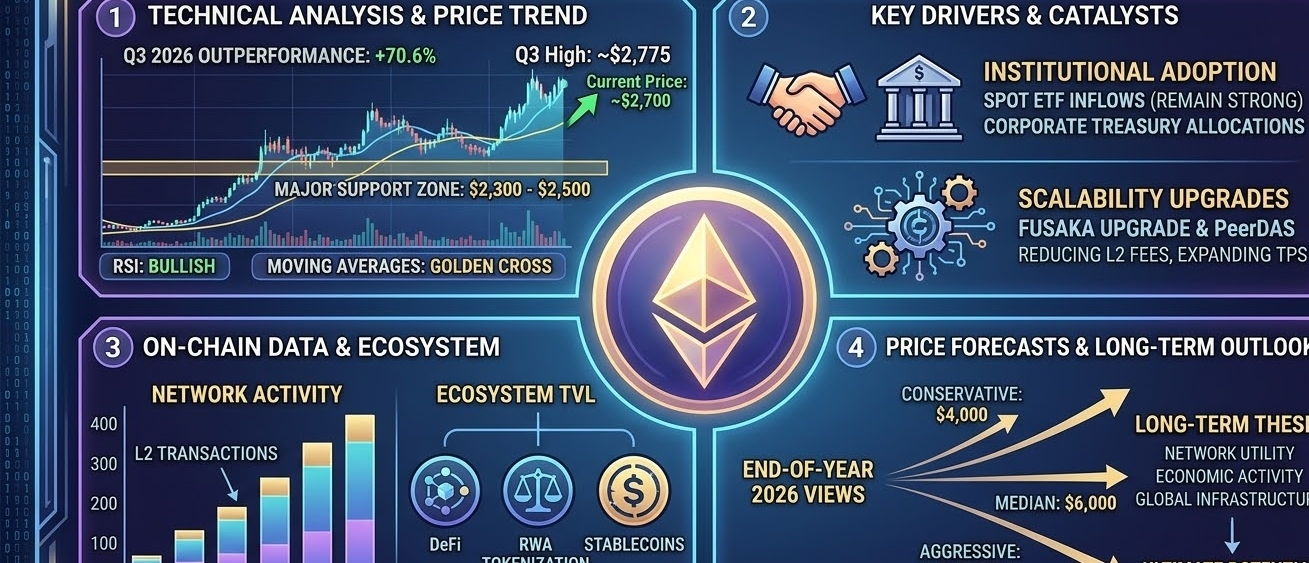
$ETH $BTC #Binance Market Snapshot
Current Price: ~$2,695–$2,705 USD
Market Capitalization: ~$330 Billion
24-Hour Trading Volume: ~$15 Billion
Key Ecosystem & Network Updates
1. Protocol Roadmap & Upgrades
Glamsterdam Upgrade: The Ethereum Foundation announced that the Glamsterdam upgrade is scheduled for Sepolia testnet activation. This upgrade focuses on L1 scaling via:
EIP-7732 (Enshrined Proposer-Builder Separation): Reduces network reliance on external MEV middleware.
EIP-7928 (Block-level Access Lists): Enables parallel transaction execution to boost Layer-1 throughput.
Hegota Upgrade Horizon: Hegota remains on the longer-term roadmap to introduce Verkle Trees, aimed at capping state growth and enabling lighter node operations.
2. Economic & Staking Dynamics
Issuance & Inflation Rate: ETH activity fluctuates near mild annual inflation (~0.5%–0.7%) as Layer-2 adoption (Base, Arbitrum, Optimism) handles a significant share of execution volume. High L2 usage lowers L1 gas fees, which reduces total ETH burned via EIP-1559 compared to peak DeFi cycles.
Institutional & L2 Scaling: Layer-2 networks combined with Ethereum L1 process over 100,000 TPS total capacity, driven by high stablecoin supply (such as USDC expansion) and institutional tokenized real-world assets (RWAs).
{spot}(ETHUSDT)
#BTC #Binance #bitcoin
$ETH $BTC #Binance Market Snapshot
Current Price: ~$2,695–$2,705 USD
Market Capitalization: ~$330 Billion
24-Hour Trading Volume: ~$15 Billion
Key Ecosystem & Network Updates
1. Protocol Roadmap & Upgrades
Glamsterdam Upgrade: The Ethereum Foundation announced that the Glamsterdam upgrade is scheduled for Sepolia testnet activation. This upgrade focuses on L1 scaling via:
EIP-7732 (Enshrined Proposer-Builder Separation): Reduces network reliance on external MEV middleware.
EIP-7928 (Block-level Access Lists): Enables parallel transaction execution to boost Layer-1 throughput.
Hegota Upgrade Horizon: Hegota remains on the longer-term roadmap to introduce Verkle Trees, aimed at capping state growth and enabling lighter node operations.
2. Economic & Staking Dynamics
Issuance & Inflation Rate: ETH activity fluctuates near mild annual inflation (~0.5%–0.7%) as Layer-2 adoption (Base, Arbitrum, Optimism) handles a significant share of execution volume. High L2 usage lowers L1 gas fees, which reduces total ETH burned via EIP-1559 compared to peak DeFi cycles.
Institutional & L2 Scaling: Layer-2 networks combined with Ethereum L1 process over 100,000 TPS total capacity, driven by high stablecoin supply (such as USDC expansion) and institutional tokenized real-world assets (RWAs).
#BTC #Binance #bitcoin
Current Price: ~$2,695–$2,705 USD
Market Capitalization: ~$330 Billion
24-Hour Trading Volume: ~$15 Billion
Key Ecosystem & Network Updates
1. Protocol Roadmap & Upgrades
Glamsterdam Upgrade: The Ethereum Foundation announced that the Glamsterdam upgrade is scheduled for Sepolia testnet activation. This upgrade focuses on L1 scaling via:
EIP-7732 (Enshrined Proposer-Builder Separation): Reduces network reliance on external MEV middleware.
EIP-7928 (Block-level Access Lists): Enables parallel transaction execution to boost Layer-1 throughput.
Hegota Upgrade Horizon: Hegota remains on the longer-term roadmap to introduce Verkle Trees, aimed at capping state growth and enabling lighter node operations.
2. Economic & Staking Dynamics
Issuance & Inflation Rate: ETH activity fluctuates near mild annual inflation (~0.5%–0.7%) as Layer-2 adoption (Base, Arbitrum, Optimism) handles a significant share of execution volume. High L2 usage lowers L1 gas fees, which reduces total ETH burned via EIP-1559 compared to peak DeFi cycles.
Institutional & L2 Scaling: Layer-2 networks combined with Ethereum L1 process over 100,000 TPS total capacity, driven by high stablecoin supply (such as USDC expansion) and institutional tokenized real-world assets (RWAs).
#BTC #Binance #bitcoin
64
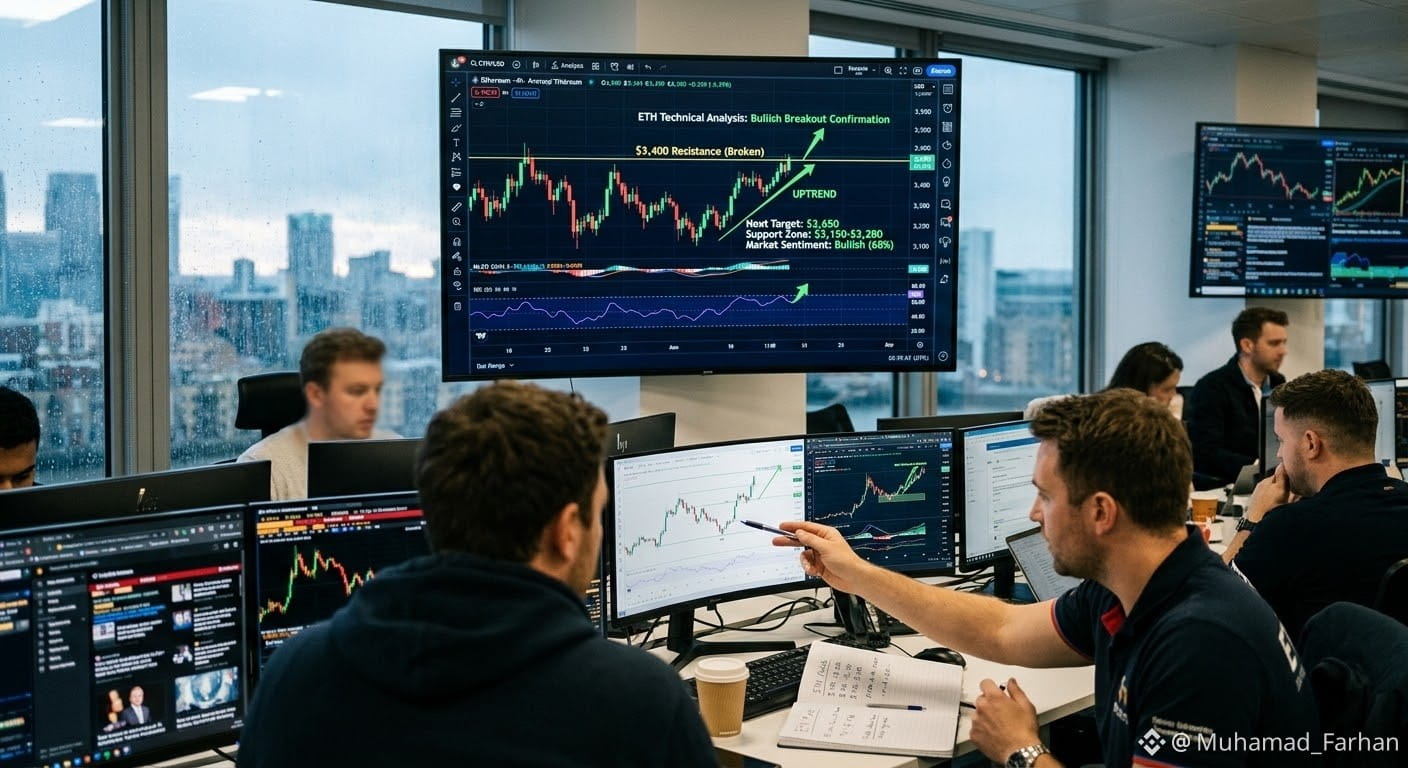
$ETH $BTC Ethereum (ETH) market details as of October 1, 2026:
Key Metrics
Current Price: ~$2,675 USD (~9,828 AED)
24-Hour Trading Range: $2,626 – $2,780
Key Support Levels: $2,626 (20-day EMA) / $2,545
Key Resistance Levels: $2,780 / $2,850
Market Overview
September Performance: ETH closed September up 8.77%, marking its second-best September performance in decade-long history.
Technical Setup: The 14-day RSI sits near 62, indicating solid bullish momentum without being overbought. Holding above the 20-day Exponential Moving Average ($2,619) maintains a positive near-term outlook.
Derivatives & Liquidations: Approximately $56.8M in crypto liquidations occurred over the past 24 hours, predominantly long positions as leverage cooled following the late-September rally.
{spot}(ETHUSDT)
#Ethereum #BinanceSquareFamily #BTC☀
{future}(BTCUSDT)
$ETH $BTC Ethereum (ETH) market details as of October 1, 2026:
Key Metrics
Current Price: ~$2,675 USD (~9,828 AED)
24-Hour Trading Range: $2,626 – $2,780
Key Support Levels: $2,626 (20-day EMA) / $2,545
Key Resistance Levels: $2,780 / $2,850
Market Overview
September Performance: ETH closed September up 8.77%, marking its second-best September performance in decade-long history.
Technical Setup: The 14-day RSI sits near 62, indicating solid bullish momentum without being overbought. Holding above the 20-day Exponential Moving Average ($2,619) maintains a positive near-term outlook.
Derivatives & Liquidations: Approximately $56.8M in crypto liquidations occurred over the past 24 hours, predominantly long positions as leverage cooled following the late-September rally.
#Ethereum #BinanceSquareFamily #BTC☀
Key Metrics
Current Price: ~$2,675 USD (~9,828 AED)
24-Hour Trading Range: $2,626 – $2,780
Key Support Levels: $2,626 (20-day EMA) / $2,545
Key Resistance Levels: $2,780 / $2,850
Market Overview
September Performance: ETH closed September up 8.77%, marking its second-best September performance in decade-long history.
Technical Setup: The 14-day RSI sits near 62, indicating solid bullish momentum without being overbought. Holding above the 20-day Exponential Moving Average ($2,619) maintains a positive near-term outlook.
Derivatives & Liquidations: Approximately $56.8M in crypto liquidations occurred over the past 24 hours, predominantly long positions as leverage cooled following the late-September rally.
#Ethereum #BinanceSquareFamily #BTC☀
52
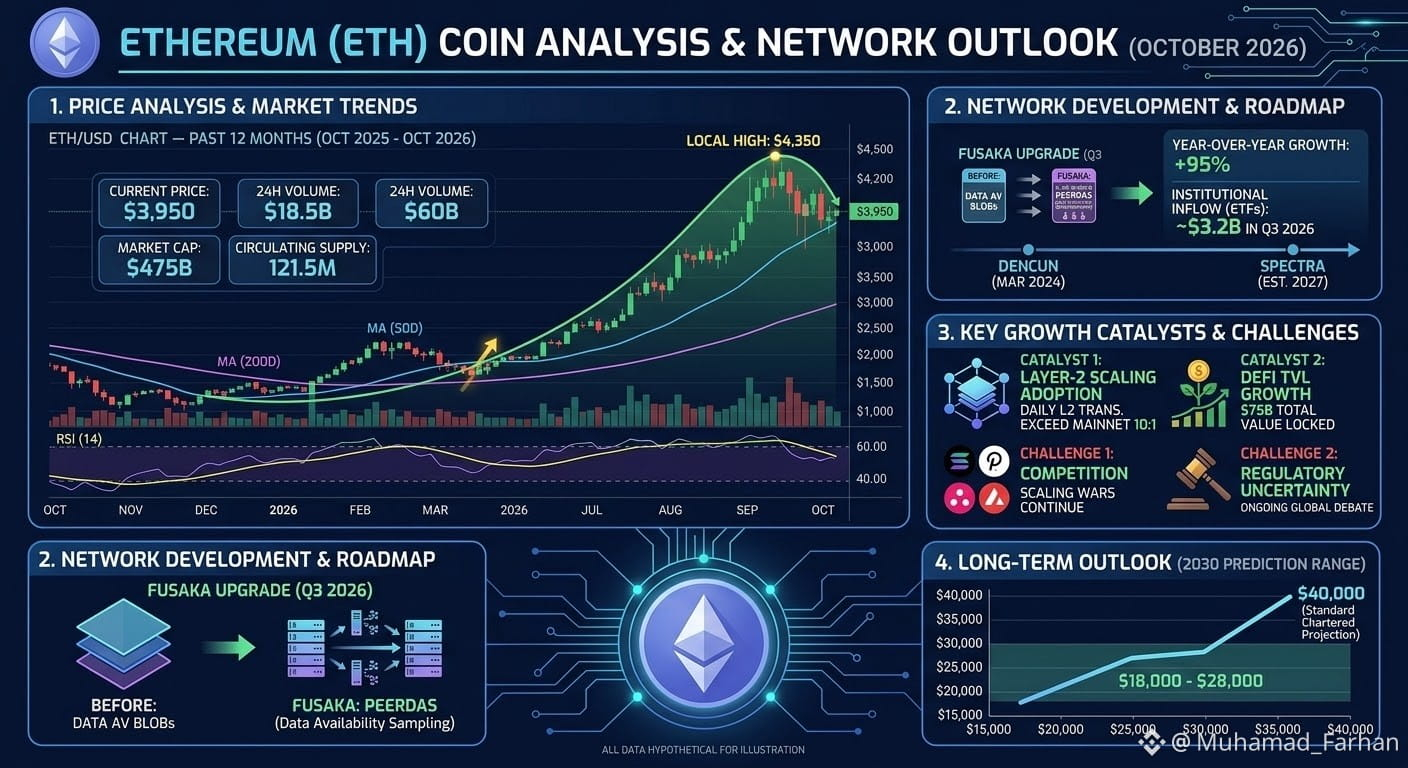
$ETH $BTC Ethereum (ETH) is trading at approximately $2,672 (or ~9,900 AED).
Key Market Snapshot:
24-Hour Range: $2,655.56 – $2,746.01
24-Hour Performance: Mildly positive (+0.22% over 24h)
24-Hour Trading Volume: ~$14.69 Billion
Market Capitalization: ~$326.24 Billion
Current Technical Setup & Sentiment:
Consolidation Phase: ETH is fluctuating within a key range of $2,620 to $2,780, testing primary resistance near the $2,700 level.
On-Chain Indicators: Exchange reserves have seen a slight influx recently (up ~125k ETH), indicating moderate profit-taking near resistance levels.
Leverage & Demand: Derivatives open interest has cooled off slightly, pointing to reduced market leverage and potential price stabilization before a breakout.#binanacesquare #Binance #BTC
{spot}(ETHUSDT)
$ETH $BTC Ethereum (ETH) is trading at approximately $2,672 (or ~9,900 AED).
Key Market Snapshot:
24-Hour Range: $2,655.56 – $2,746.01
24-Hour Performance: Mildly positive (+0.22% over 24h)
24-Hour Trading Volume: ~$14.69 Billion
Market Capitalization: ~$326.24 Billion
Current Technical Setup & Sentiment:
Consolidation Phase: ETH is fluctuating within a key range of $2,620 to $2,780, testing primary resistance near the $2,700 level.
On-Chain Indicators: Exchange reserves have seen a slight influx recently (up ~125k ETH), indicating moderate profit-taking near resistance levels.
Leverage & Demand: Derivatives open interest has cooled off slightly, pointing to reduced market leverage and potential price stabilization before a breakout.#binanacesquare #Binance #BTC
Key Market Snapshot:
24-Hour Range: $2,655.56 – $2,746.01
24-Hour Performance: Mildly positive (+0.22% over 24h)
24-Hour Trading Volume: ~$14.69 Billion
Market Capitalization: ~$326.24 Billion
Current Technical Setup & Sentiment:
Consolidation Phase: ETH is fluctuating within a key range of $2,620 to $2,780, testing primary resistance near the $2,700 level.
On-Chain Indicators: Exchange reserves have seen a slight influx recently (up ~125k ETH), indicating moderate profit-taking near resistance levels.
Leverage & Demand: Derivatives open interest has cooled off slightly, pointing to reduced market leverage and potential price stabilization before a breakout.#binanacesquare #Binance #BTC
71
$SOL $BTC #Binance Solana (SOL) is trading around $118–$122, maintaining a top-7 market capitalization position at roughly $71 Billion.
1. Current Price Action & Technical Overview
Key Resistance Zone: $125.00 – $127.50. A sustained breakout above $127.50 is necessary to confirm a shift toward a broader bullish continuation.
Support Levels: Strong immediate support sits around $114.00 – $117.00. A drop below this zone risks a secondary correction toward $107 – $110.
Short-Term Trend: The token has gained ~13% to 17% over the past 30 days, recovering steadily from earlier quarterly dips, though it remains under its all-time peak of ~$294–$295.
2. Fundamental & Institutional Drivers
Institutional Inflows: Dedicated Solana funds and ETF products continue to show steady inflows—notably with products like Bitwise's Solana ETF attracting consistent daily net buying.
Protocol & Scaling Upgrades:
Slot Time Reduction: Core consensus optimizations have pushed target block times down to ~250ms.
Transaction Limits: Transaction V1 spec updates enlarged maximum payload sizes to 4,096 bytes, facilitating more complex DeFi routines and dApp interactions.
Real-World Asset (RWA) Integration: Institutional momentum continues via initiatives like Project Harmonia, bringing traditional asset management platforms directly into tokenized funds on Solana.
3. Bullish vs. Bearish Considerations
Catalysts for Growth (Bull Case)Key Risks & Resistance (Bear Case)High throughput and low fees sustain dominant position in high-frequency DeFi, NFTs, and payment settlement.Macro crypto-market volatility and short-term profit-taking near major $125 resistance.Consistent institutional ETF accumulation.Occasional validator routing issues or consensus pressure during high-traffic spikes.Tokenomics adjustments (validator approvals reducing inflation emission schedule).Stiff competition from Layer-2 ecosystems on Ethereum and emerging alt-L1 chains. #BTC☀ #BinanceSquareFamily #solana
{spot}(SOLUSDT)
$SOL $BTC #Binance Solana (SOL) is trading around $118–$122, maintaining a top-7 market capitalization position at roughly $71 Billion.
1. Current Price Action & Technical Overview
Key Resistance Zone: $125.00 – $127.50. A sustained breakout above $127.50 is necessary to confirm a shift toward a broader bullish continuation.
Support Levels: Strong immediate support sits around $114.00 – $117.00. A drop below this zone risks a secondary correction toward $107 – $110.
Short-Term Trend: The token has gained ~13% to 17% over the past 30 days, recovering steadily from earlier quarterly dips, though it remains under its all-time peak of ~$294–$295.
2. Fundamental & Institutional Drivers
Institutional Inflows: Dedicated Solana funds and ETF products continue to show steady inflows—notably with products like Bitwise's Solana ETF attracting consistent daily net buying.
Protocol & Scaling Upgrades:
Slot Time Reduction: Core consensus optimizations have pushed target block times down to ~250ms.
Transaction Limits: Transaction V1 spec updates enlarged maximum payload sizes to 4,096 bytes, facilitating more complex DeFi routines and dApp interactions.
Real-World Asset (RWA) Integration: Institutional momentum continues via initiatives like Project Harmonia, bringing traditional asset management platforms directly into tokenized funds on Solana.
3. Bullish vs. Bearish Considerations
Catalysts for Growth (Bull Case)Key Risks & Resistance (Bear Case)High throughput and low fees sustain dominant position in high-frequency DeFi, NFTs, and payment settlement.Macro crypto-market volatility and short-term profit-taking near major $125 resistance.Consistent institutional ETF accumulation.Occasional validator routing issues or consensus pressure during high-traffic spikes.Tokenomics adjustments (validator approvals reducing inflation emission schedule).Stiff competition from Layer-2 ecosystems on Ethereum and emerging alt-L1 chains. #BTC☀ #BinanceSquareFamily #solana
1. Current Price Action & Technical Overview
Key Resistance Zone: $125.00 – $127.50. A sustained breakout above $127.50 is necessary to confirm a shift toward a broader bullish continuation.
Support Levels: Strong immediate support sits around $114.00 – $117.00. A drop below this zone risks a secondary correction toward $107 – $110.
Short-Term Trend: The token has gained ~13% to 17% over the past 30 days, recovering steadily from earlier quarterly dips, though it remains under its all-time peak of ~$294–$295.
2. Fundamental & Institutional Drivers
Institutional Inflows: Dedicated Solana funds and ETF products continue to show steady inflows—notably with products like Bitwise's Solana ETF attracting consistent daily net buying.
Protocol & Scaling Upgrades:
Slot Time Reduction: Core consensus optimizations have pushed target block times down to ~250ms.
Transaction Limits: Transaction V1 spec updates enlarged maximum payload sizes to 4,096 bytes, facilitating more complex DeFi routines and dApp interactions.
Real-World Asset (RWA) Integration: Institutional momentum continues via initiatives like Project Harmonia, bringing traditional asset management platforms directly into tokenized funds on Solana.
3. Bullish vs. Bearish Considerations
Catalysts for Growth (Bull Case)Key Risks & Resistance (Bear Case)High throughput and low fees sustain dominant position in high-frequency DeFi, NFTs, and payment settlement.Macro crypto-market volatility and short-term profit-taking near major $125 resistance.Consistent institutional ETF accumulation.Occasional validator routing issues or consensus pressure during high-traffic spikes.Tokenomics adjustments (validator approvals reducing inflation emission schedule).Stiff competition from Layer-2 ecosystems on Ethereum and emerging alt-L1 chains. #BTC☀ #BinanceSquareFamily #solana

74
$SOL $BTC Here is the current real-time market data for Solana (SOL):
Solana (SOL) Market Overview
Current Price: ~$119.24 USD
24-Hour Change: +1.18%
Market Capitalization: ~$70.1 Billion USD
24-Hour Trading Volume: ~$3.4 Billion USD
Circulating Supply: ~587.8 Million SOL
Today's Key Market Levels
Technical IndicatorLevel (USD)Immediate Resistance$120.00 - $125.00Current Pivot Zone$118.50 - $119.50Support Levels$114.25 / $112.00 #BTC☀ #BinanceSquareFamily #EarningsSeason
{spot}(SOLUSDT)
$SOL $BTC Here is the current real-time market data for Solana (SOL):
Solana (SOL) Market Overview
Current Price: ~$119.24 USD
24-Hour Change: +1.18%
Market Capitalization: ~$70.1 Billion USD
24-Hour Trading Volume: ~$3.4 Billion USD
Circulating Supply: ~587.8 Million SOL
Today's Key Market Levels
Technical IndicatorLevel (USD)Immediate Resistance$120.00 - $125.00Current Pivot Zone$118.50 - $119.50Support Levels$114.25 / $112.00 #BTC☀ #BinanceSquareFamily #EarningsSeason
Solana (SOL) Market Overview
Current Price: ~$119.24 USD
24-Hour Change: +1.18%
Market Capitalization: ~$70.1 Billion USD
24-Hour Trading Volume: ~$3.4 Billion USD
Circulating Supply: ~587.8 Million SOL
Today's Key Market Levels
Technical IndicatorLevel (USD)Immediate Resistance$120.00 - $125.00Current Pivot Zone$118.50 - $119.50Support Levels$114.25 / $112.00 #BTC☀ #BinanceSquareFamily #EarningsSeason

42
$SOL #Binance Here is the latest news and market breakdown for Solana (SOL) today:
📊 Price & Market Overview
Current Price: ~$119.10 - $119.50 USD
24-Hour Volume: ~$3.38 Billion USD
Market Sentiment: Neutral to slightly bullish, with price consolidating in the $117–$120 range.
📰 Key Headlines Today
Institutional ETF Inflows Remain Strong
Spot Solana ETFs continue to see sustained institutional interest. Daily net inflows recently hovered around $12.7 million, bringing total 30-day ETF inflows to over $278 million.
Network Protocol Upgrades & Scalability
Following recent mainnet updates—such as expanding maximum transaction sizes to 4,096 bytes and shortening block slot latency—developers continue leveraging the higher throughput for complex multi-sig operations and DeFi apps.
Key Technical Levels to Watch
Resistance: Key hurdle is between $124 and $127.50. A clear breakout above $127.50 could trigger an extended rally.
Support: Downside protection rests at $114–$117. Slipping below $114 could lead to a test of lower support near $110 or $107.
#BinanceSquareFamily #solana #BTC
{spot}(SOLUSDT)
$SOL #Binance Here is the latest news and market breakdown for Solana (SOL) today:
📊 Price & Market Overview
Current Price: ~$119.10 - $119.50 USD
24-Hour Volume: ~$3.38 Billion USD
Market Sentiment: Neutral to slightly bullish, with price consolidating in the $117–$120 range.
📰 Key Headlines Today
Institutional ETF Inflows Remain Strong
Spot Solana ETFs continue to see sustained institutional interest. Daily net inflows recently hovered around $12.7 million, bringing total 30-day ETF inflows to over $278 million.
Network Protocol Upgrades & Scalability
Following recent mainnet updates—such as expanding maximum transaction sizes to 4,096 bytes and shortening block slot latency—developers continue leveraging the higher throughput for complex multi-sig operations and DeFi apps.
Key Technical Levels to Watch
Resistance: Key hurdle is between $124 and $127.50. A clear breakout above $127.50 could trigger an extended rally.
Support: Downside protection rests at $114–$117. Slipping below $114 could lead to a test of lower support near $110 or $107.
#BinanceSquareFamily #solana #BTC
📊 Price & Market Overview
Current Price: ~$119.10 - $119.50 USD
24-Hour Volume: ~$3.38 Billion USD
Market Sentiment: Neutral to slightly bullish, with price consolidating in the $117–$120 range.
📰 Key Headlines Today
Institutional ETF Inflows Remain Strong
Spot Solana ETFs continue to see sustained institutional interest. Daily net inflows recently hovered around $12.7 million, bringing total 30-day ETF inflows to over $278 million.
Network Protocol Upgrades & Scalability
Following recent mainnet updates—such as expanding maximum transaction sizes to 4,096 bytes and shortening block slot latency—developers continue leveraging the higher throughput for complex multi-sig operations and DeFi apps.
Key Technical Levels to Watch
Resistance: Key hurdle is between $124 and $127.50. A clear breakout above $127.50 could trigger an extended rally.
Support: Downside protection rests at $114–$117. Slipping below $114 could lead to a test of lower support near $110 or $107.
#BinanceSquareFamily #solana #BTC
65
$BTC #BinanceSquareFamily
Bitcoin (BTC) Market Overview
Price: ~$84,390 USD
24-Hour Range: $82,570 – $84,390 USD
Market Capitalization: ~$1.70 Trillion USD
24-Hour Volume: ~$13.2 Billion USD
Circulating Supply: ~20.09 Million BTC
#BTC☀ #StrategyAdds1666BTCHoldingsReach847666 #BitMineETHHoldingsTop6Million
{spot}(BTCUSDT)
$BTC #BinanceSquareFamily
Bitcoin (BTC) Market Overview
Price: ~$84,390 USD
24-Hour Range: $82,570 – $84,390 USD
Market Capitalization: ~$1.70 Trillion USD
24-Hour Volume: ~$13.2 Billion USD
Circulating Supply: ~20.09 Million BTC
#BTC☀ #StrategyAdds1666BTCHoldingsReach847666 #BitMineETHHoldingsTop6Million
Bitcoin (BTC) Market Overview
Price: ~$84,390 USD
24-Hour Range: $82,570 – $84,390 USD
Market Capitalization: ~$1.70 Trillion USD
24-Hour Volume: ~$13.2 Billion USD
Circulating Supply: ~20.09 Million BTC
#BTC☀ #StrategyAdds1666BTCHoldingsReach847666 #BitMineETHHoldingsTop6Million
31
$BTC #binanace Binance is the world's largest cryptocurrency exchange by trading volume, and Bitcoin (BTC) is the first and largest cryptocurrency by market capitalization.
Here is a simple guide on how to buy or trade Bitcoin on Binance:
1. Create and Verify an Account
Sign up on the Binance website or download the Binance app.
Complete Identity Verification (KYC) using a photo ID to enable deposits, purchases, and withdrawals.
2. Ways to Buy Bitcoin (BTC) on Binance
Credit/Debit Card: Quickest method—enter your card details directly in the "Buy Crypto" section.
Bank Deposit: Transfer fiat currency (e.g., USD, EUR, AED) to your Binance account balance.
Binance P2P: Buy directly from other sellers using local bank transfers or payment apps with escrow protection.
Binance Convert / Spot Market: Convert existing holdings or trade directly using trading pairs like BTC/USDT.
3. Safety Tips
Enable Two-Factor Authentication (2FA) using Google Authenticator or hardware keys.
Use a personal wallet (like Trust Wallet or a hardware wallet) if you plan to hold Bitcoin long-term rather than trading actively.
#btc70k #Binance #TrendingTopic
{spot}(BTCUSDT)
$BTC #binanace Binance is the world's largest cryptocurrency exchange by trading volume, and Bitcoin (BTC) is the first and largest cryptocurrency by market capitalization.
Here is a simple guide on how to buy or trade Bitcoin on Binance:
1. Create and Verify an Account
Sign up on the Binance website or download the Binance app.
Complete Identity Verification (KYC) using a photo ID to enable deposits, purchases, and withdrawals.
2. Ways to Buy Bitcoin (BTC) on Binance
Credit/Debit Card: Quickest method—enter your card details directly in the "Buy Crypto" section.
Bank Deposit: Transfer fiat currency (e.g., USD, EUR, AED) to your Binance account balance.
Binance P2P: Buy directly from other sellers using local bank transfers or payment apps with escrow protection.
Binance Convert / Spot Market: Convert existing holdings or trade directly using trading pairs like BTC/USDT.
3. Safety Tips
Enable Two-Factor Authentication (2FA) using Google Authenticator or hardware keys.
Use a personal wallet (like Trust Wallet or a hardware wallet) if you plan to hold Bitcoin long-term rather than trading actively.
#btc70k #Binance #TrendingTopic
Here is a simple guide on how to buy or trade Bitcoin on Binance:
1. Create and Verify an Account
Sign up on the Binance website or download the Binance app.
Complete Identity Verification (KYC) using a photo ID to enable deposits, purchases, and withdrawals.
2. Ways to Buy Bitcoin (BTC) on Binance
Credit/Debit Card: Quickest method—enter your card details directly in the "Buy Crypto" section.
Bank Deposit: Transfer fiat currency (e.g., USD, EUR, AED) to your Binance account balance.
Binance P2P: Buy directly from other sellers using local bank transfers or payment apps with escrow protection.
Binance Convert / Spot Market: Convert existing holdings or trade directly using trading pairs like BTC/USDT.
3. Safety Tips
Enable Two-Factor Authentication (2FA) using Google Authenticator or hardware keys.
Use a personal wallet (like Trust Wallet or a hardware wallet) if you plan to hold Bitcoin long-term rather than trading actively.
#btc70k #Binance #TrendingTopic

70
$BITCOIN
#BTC #Bitcoin❗ #BitcoinETFs #OpenAIDelaysGPT6.1OverSafetyIssues Candlesticks: Green bodies show price going up, while red bodies show price going down.
Wicks: The thin upper and lower lines display the exact high and low price points reached.
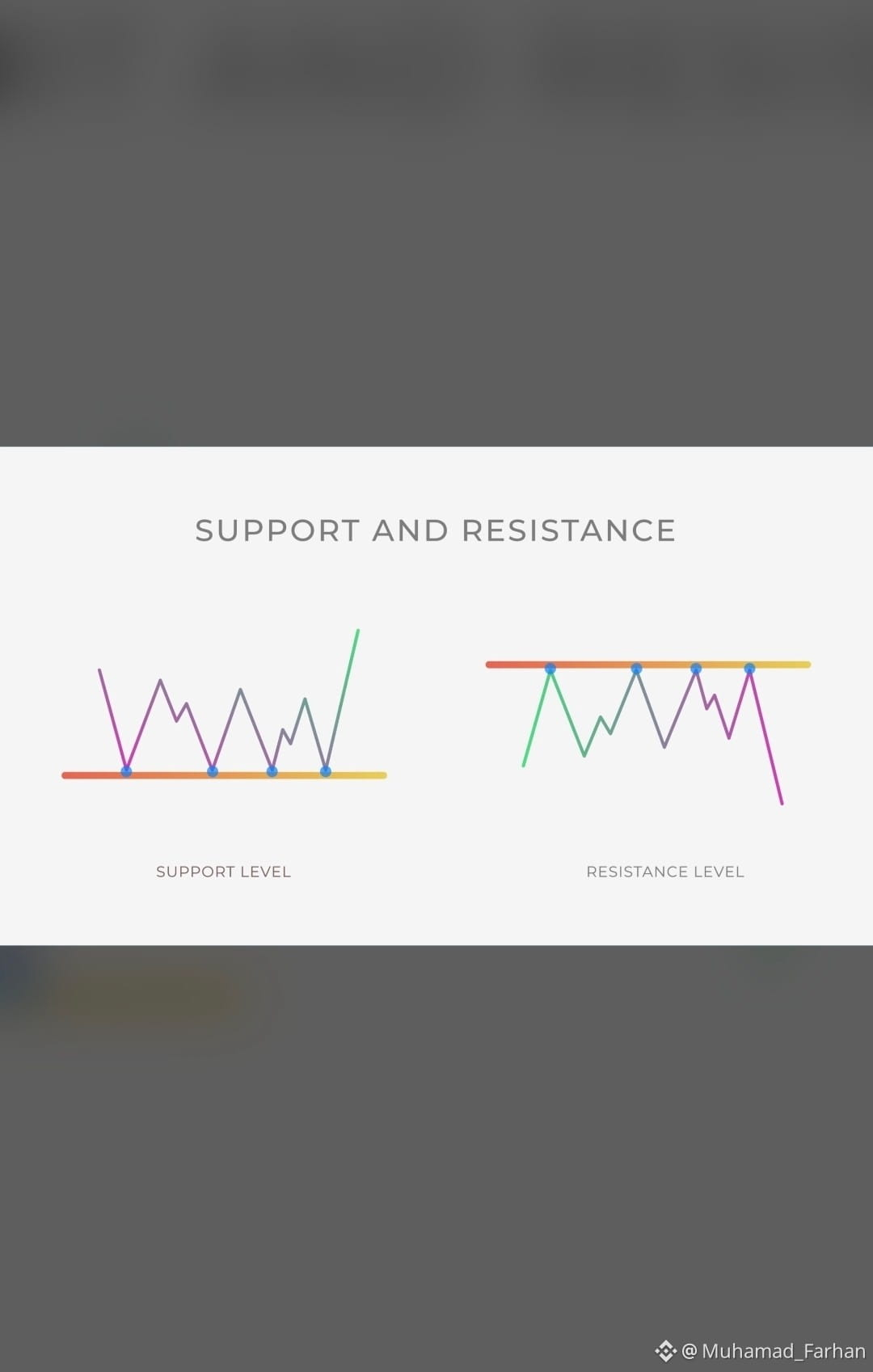
Support Level: The horizontal price floor where buyers enter to stop the price from falling further.
Resistance Level: The price ceiling where sellers exit, preventing the price from climbing higher.
Trend Identification: Higher highs and higher lows mark an uptrend; lower highs and lows mark a downtrend.
Volume: Tall bottom bars confirm strong trading participation behind price moves.
RSI Indicator: Values above 70 indicate overbought conditions; values below 30 signal oversold conditions.
Moving Averages: Trend lines like 50-day or 200-day smooth out daily noise to track overall direction.
{spot}(BTCUSDT)
$BITCOIN
#BTC #Bitcoin❗ #BitcoinETFs #OpenAIDelaysGPT6.1OverSafetyIssues Candlesticks: Green bodies show price going up, while red bodies show price going down.
Wicks: The thin upper and lower lines display the exact high and low price points reached.
Support Level: The horizontal price floor where buyers enter to stop the price from falling further.
Resistance Level: The price ceiling where sellers exit, preventing the price from climbing higher.
Trend Identification: Higher highs and higher lows mark an uptrend; lower highs and lows mark a downtrend.
Volume: Tall bottom bars confirm strong trading participation behind price moves.
RSI Indicator: Values above 70 indicate overbought conditions; values below 30 signal oversold conditions.
Moving Averages: Trend lines like 50-day or 200-day smooth out daily noise to track overall direction.
#BTC #Bitcoin❗ #BitcoinETFs #OpenAIDelaysGPT6.1OverSafetyIssues Candlesticks: Green bodies show price going up, while red bodies show price going down.
Wicks: The thin upper and lower lines display the exact high and low price points reached.
Support Level: The horizontal price floor where buyers enter to stop the price from falling further.
Resistance Level: The price ceiling where sellers exit, preventing the price from climbing higher.
Trend Identification: Higher highs and higher lows mark an uptrend; lower highs and lows mark a downtrend.
Volume: Tall bottom bars confirm strong trading participation behind price moves.
RSI Indicator: Values above 70 indicate overbought conditions; values below 30 signal oversold conditions.
Moving Averages: Trend lines like 50-day or 200-day smooth out daily noise to track overall direction.
83
$BTC
Here is a quick technical breakdown of key Bitcoin market structures and candlestick signals to watch when analyzing a chart:
Core Structure Check
Trend Direction: Identify higher highs and higher lows for an uptrend, or lower highs and lower lows for a downtrend. Avoid trading directly against the dominant higher-timeframe trend.
Key Levels: Mark strong horizontal support and resistance zones where price has previously reacted multiple times.
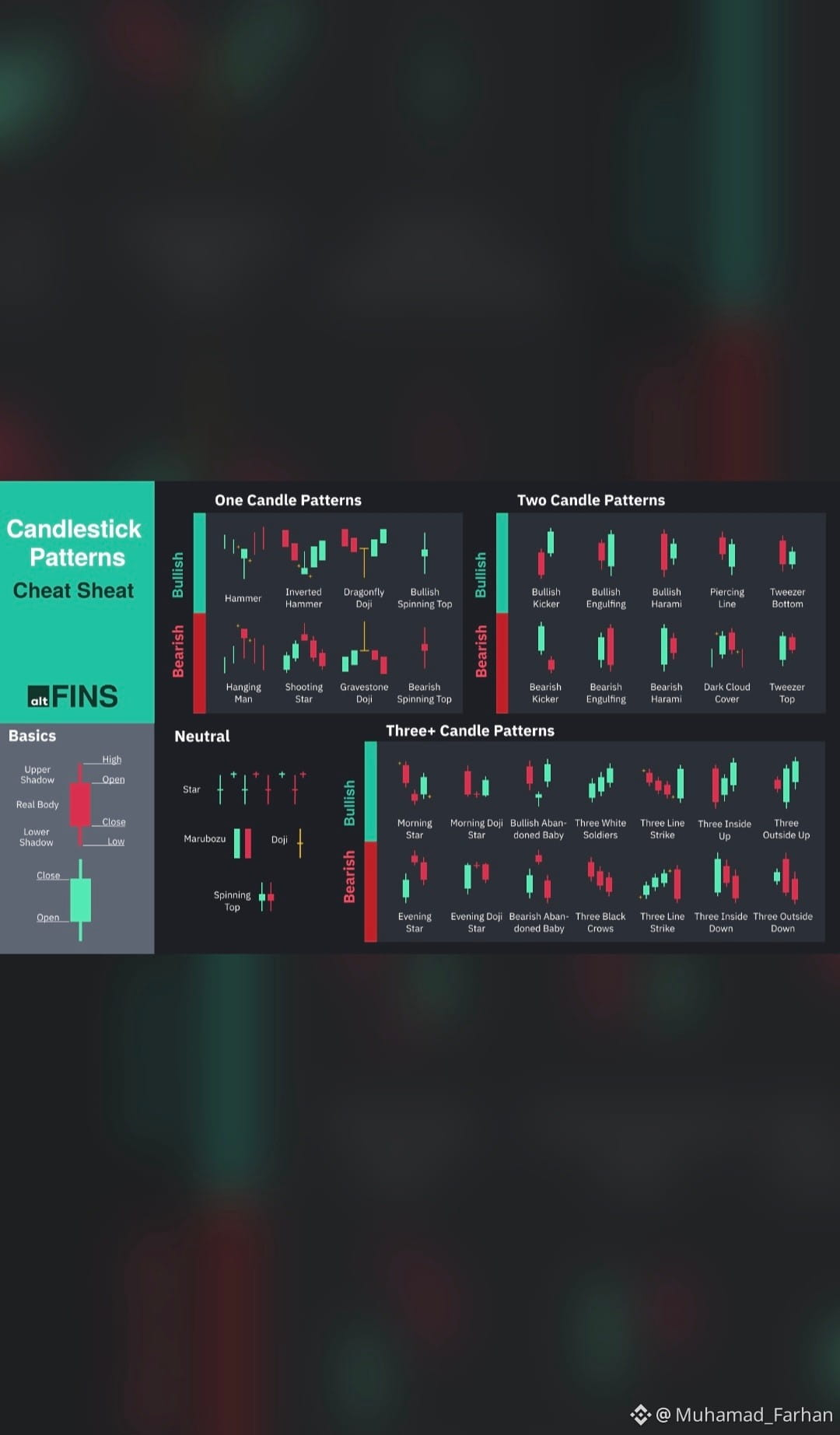
Candlestick Signals: Watch for reversal indicators near key levels, such as a Bullish Engulfing at support or a Shooting Star at major resistance.
Volume & Momentum: Confirm price breakouts with rising volume to avoid liquidity traps and false breakouts.
{spot}(BTCUSDT)
#USDTAdds845900HoldersInPast7Days #QNTFallsOver40%FromMorningHigh #ChainlinkLaunchesCCIP2WithEnterpriseVerification #UKFCAWinsCourtOrderToRecover851400Pounds #btc70k
$BTC
Here is a quick technical breakdown of key Bitcoin market structures and candlestick signals to watch when analyzing a chart:
Core Structure Check
Trend Direction: Identify higher highs and higher lows for an uptrend, or lower highs and lower lows for a downtrend. Avoid trading directly against the dominant higher-timeframe trend.
Key Levels: Mark strong horizontal support and resistance zones where price has previously reacted multiple times.
Candlestick Signals: Watch for reversal indicators near key levels, such as a Bullish Engulfing at support or a Shooting Star at major resistance.
Volume & Momentum: Confirm price breakouts with rising volume to avoid liquidity traps and false breakouts.
#USDTAdds845900HoldersInPast7Days #QNTFallsOver40%FromMorningHigh #ChainlinkLaunchesCCIP2WithEnterpriseVerification #UKFCAWinsCourtOrderToRecover851400Pounds #btc70k
Here is a quick technical breakdown of key Bitcoin market structures and candlestick signals to watch when analyzing a chart:
Core Structure Check
Trend Direction: Identify higher highs and higher lows for an uptrend, or lower highs and lower lows for a downtrend. Avoid trading directly against the dominant higher-timeframe trend.
Key Levels: Mark strong horizontal support and resistance zones where price has previously reacted multiple times.
Candlestick Signals: Watch for reversal indicators near key levels, such as a Bullish Engulfing at support or a Shooting Star at major resistance.
Volume & Momentum: Confirm price breakouts with rising volume to avoid liquidity traps and false breakouts.
#USDTAdds845900HoldersInPast7Days #QNTFallsOver40%FromMorningHigh #ChainlinkLaunchesCCIP2WithEnterpriseVerification #UKFCAWinsCourtOrderToRecover851400Pounds #btc70k
94
Connectez-vous pour découvrir plus de contenu
Rejoignez la communauté mondiale des adeptes de cryptomonnaies sur Binance Square
⚡️ Suviez les dernières informations importantes sur les cryptomonnaies.
💬 Jugé digne de confiance par la plus grande plateforme d’échange de cryptomonnaies au monde.
👍 Découvrez les connaissances que partagent les créateurs vérifiés.
Adresse e-mail/Nº de téléphone
Sujets d’actualité
EtherGains70.9%InQ3
81,422 vues
824 mentions
One of the best third quarters in history 💰
September closed out last night, and with it, the quarter. For the quarter, BTC is up 42%—the second-best Q3 on record. ETH had a record-breaking Q3 overall, up 70%.
Looking at the chart, things are still looking good: we’re holding support, but we’re testing it more and more often. Plus, ETF momentum is weakening — inflows are gradually declining, and yesterday saw outflows for the first time in a long while.
Yes, historically, October has been a good month for crypto — it’s not called “Uptober” for nothing. But it’s also one of the most volatile months. Last year, for example, we managed to hit a new all-time high (ATH) and experience a flash crash.
🚀 High Accuracy Trades.
$BTC
$ETH
$SOL
#EtherGains70.9%InQ3 #DollarIndexHitsHighestSinceMay2025 #CFTCSubmitsTwoEventContractRulesToWhiteHouse #MicronBeatsEarningsLiftsGuidance
Knowledge is Power
·0 mentions J’aime
·164 vues
TreasuryLetsStatesFileStablecoinCertificationsEarly
4,080 vues
43 mentions
US10YearYieldNears5.3%
110,026 vues
926 mentions