
Shehab Goma
15.9k Publications

Shehab Goma
 Compte Square Vérifié+
Signaler
Bloquer l’utilisateur
Crypto enthusiast exploring the world of blockchain, DeFi, and NFTs. Always learning and connecting with others in the space. Let’s build the future of finance
Ouvert au trading
Trade fréquemment
4.6 an(s)
633 Suivis
37.8K+ Abonnés
38.0K+ J’aime
Publications
Portefeuille
Tous
Citations
Direct
PINNED
·
--
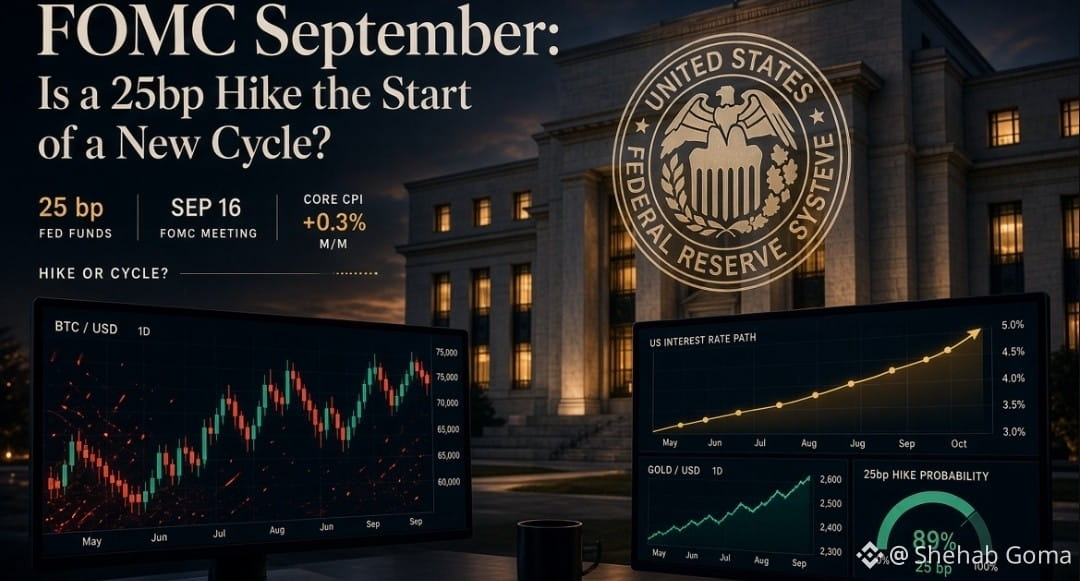
FOMC Septembre : Une hausse de 25 pb est-elle le début d’un nouveau cycle ?
Les marchés crypto et traditionnels retiennent leur souffle à l’approche du FOMC de septembre ! Avec l’augmentation de 0,3 % du CPI core d’août en glissement mensuel, la probabilité d’une hausse de 25 pb cette semaine a explosé pour atteindre près de 90 %. La question brûlante à l’esprit de tout le monde : s’agit-il d’un ajustement ponctuel, ou du début d’un cycle de hausses plus long ?
Si la hausse se confirme, comment cela se répercutera-t-il sur les marchés ? Pour le BTC, je m’attends à une volatilité à court terme. Si la hausse est entièrement anticipée, nous pourrions assister à un rebond « sell the news » (vendre la nouvelle) soulagé. Les actions technologiques devraient continuer à subir la pression liée à des coûts d’emprunt plus élevés. En revanche, l’or pourrait d’abord reculer, mais briller rapidement en tant qu’actif refuge si les craintes de récession s’intensifient.
Personnellement, je penche prudemment vers une tendance baissière à court terme, mais haussière à long terme pour la crypto.
Prochain mouvement : je ne vais pas tout mettre. Je conserve mes positions BTC spot de base, tout en gardant des liquidités prêtes à acheter la baisse si l’annonce de la Fed déclenche un mouvement de purge. J’utiliserai le Trade Sharing Widget pour consigner mes entrées exactes et rester entièrement transparent.
Anticipez-vous une hausse et comment la tradez-vous ?
Êtes-vous plutôt haussier ou baissier ? Partagez vos graphiques et vos configurations de trading dans les commentaires ! 👇
#FedRateWatch
FOMC Septembre : Une hausse de 25 pb est-elle le début d’un nouveau cycle ?
Les marchés crypto et traditionnels retiennent leur souffle à l’approche du FOMC de septembre ! Avec l’augmentation de 0,3 % du CPI core d’août en glissement mensuel, la probabilité d’une hausse de 25 pb cette semaine a explosé pour atteindre près de 90 %. La question brûlante à l’esprit de tout le monde : s’agit-il d’un ajustement ponctuel, ou du début d’un cycle de hausses plus long ?
Si la hausse se confirme, comment cela se répercutera-t-il sur les marchés ? Pour le BTC, je m’attends à une volatilité à court terme. Si la hausse est entièrement anticipée, nous pourrions assister à un rebond « sell the news » (vendre la nouvelle) soulagé. Les actions technologiques devraient continuer à subir la pression liée à des coûts d’emprunt plus élevés. En revanche, l’or pourrait d’abord reculer, mais briller rapidement en tant qu’actif refuge si les craintes de récession s’intensifient.
Personnellement, je penche prudemment vers une tendance baissière à court terme, mais haussière à long terme pour la crypto.
Prochain mouvement : je ne vais pas tout mettre. Je conserve mes positions BTC spot de base, tout en gardant des liquidités prêtes à acheter la baisse si l’annonce de la Fed déclenche un mouvement de purge. J’utiliserai le Trade Sharing Widget pour consigner mes entrées exactes et rester entièrement transparent.
Anticipez-vous une hausse et comment la tradez-vous ?
Êtes-vous plutôt haussier ou baissier ? Partagez vos graphiques et vos configurations de trading dans les commentaires ! 👇
#FedRateWatch
Les marchés crypto et traditionnels retiennent leur souffle à l’approche du FOMC de septembre ! Avec l’augmentation de 0,3 % du CPI core d’août en glissement mensuel, la probabilité d’une hausse de 25 pb cette semaine a explosé pour atteindre près de 90 %. La question brûlante à l’esprit de tout le monde : s’agit-il d’un ajustement ponctuel, ou du début d’un cycle de hausses plus long ?
Si la hausse se confirme, comment cela se répercutera-t-il sur les marchés ? Pour le BTC, je m’attends à une volatilité à court terme. Si la hausse est entièrement anticipée, nous pourrions assister à un rebond « sell the news » (vendre la nouvelle) soulagé. Les actions technologiques devraient continuer à subir la pression liée à des coûts d’emprunt plus élevés. En revanche, l’or pourrait d’abord reculer, mais briller rapidement en tant qu’actif refuge si les craintes de récession s’intensifient.
Personnellement, je penche prudemment vers une tendance baissière à court terme, mais haussière à long terme pour la crypto.
Prochain mouvement : je ne vais pas tout mettre. Je conserve mes positions BTC spot de base, tout en gardant des liquidités prêtes à acheter la baisse si l’annonce de la Fed déclenche un mouvement de purge. J’utiliserai le Trade Sharing Widget pour consigner mes entrées exactes et rester entièrement transparent.
Anticipez-vous une hausse et comment la tradez-vous ?
Êtes-vous plutôt haussier ou baissier ? Partagez vos graphiques et vos configurations de trading dans les commentaires ! 👇
#FedRateWatch
1
195
·
--
Vérifié
NFP a déjà été solide et maintenant c’est le CPI qui sort. Le cœur est ressorti à 0,3% au lieu de 0,2%. C’est le chiffre que la Fed surveille réellement.
Les emplois ont été forts (162k contre les 50k bas attendus) et ils ont aussi révisé les mois précédents à la hausse. Le marché du travail ne se détériore pas. Et l’inflation ne baisse pas non plus de façon nette. Après être restée toute l’année entre 3,50% et 3,75%, une pause la semaine prochaine me paraît faible. Je pense qu’ils feront une hausse de 25 pdb les 15–16.
Je ne poursuis pas le risque avant la réunion. Je suis long sur l’or via les futures plutôt.
Pourquoi :
L’énergie reste élevée, ce qui rend l’inflation plus difficile à faire retomber
La géopolitique est chaotique, donc l’or garde un acheteur
S’ils relèvent le taux mais sans écraser l’inflation, l’or tient mieux que les valeurs croissance
Trade en direct ci-dessous. S’ils relèvent et que la communication n’est pas encore plus hawkish, j’ajouterai du risque plus tard.
D’ici là, je reste prudent sur les actions et je conserve cet or long. Si cette logique te parle, abonne-toi. Ton avis — hausse ou pause ?
#CPIWatch
NFP a déjà été solide et maintenant c’est le CPI qui sort. Le cœur est ressorti à 0,3% au lieu de 0,2%. C’est le chiffre que la Fed surveille réellement.
Les emplois ont été forts (162k contre les 50k bas attendus) et ils ont aussi révisé les mois précédents à la hausse. Le marché du travail ne se détériore pas. Et l’inflation ne baisse pas non plus de façon nette. Après être restée toute l’année entre 3,50% et 3,75%, une pause la semaine prochaine me paraît faible. Je pense qu’ils feront une hausse de 25 pdb les 15–16.
Je ne poursuis pas le risque avant la réunion. Je suis long sur l’or via les futures plutôt.
Pourquoi :
L’énergie reste élevée, ce qui rend l’inflation plus difficile à faire retomber
La géopolitique est chaotique, donc l’or garde un acheteur
S’ils relèvent le taux mais sans écraser l’inflation, l’or tient mieux que les valeurs croissance
Trade en direct ci-dessous. S’ils relèvent et que la communication n’est pas encore plus hawkish, j’ajouterai du risque plus tard.
D’ici là, je reste prudent sur les actions et je conserve cet or long. Si cette logique te parle, abonne-toi. Ton avis — hausse ou pause ?
#CPIWatch
Les emplois ont été forts (162k contre les 50k bas attendus) et ils ont aussi révisé les mois précédents à la hausse. Le marché du travail ne se détériore pas. Et l’inflation ne baisse pas non plus de façon nette. Après être restée toute l’année entre 3,50% et 3,75%, une pause la semaine prochaine me paraît faible. Je pense qu’ils feront une hausse de 25 pdb les 15–16.
Je ne poursuis pas le risque avant la réunion. Je suis long sur l’or via les futures plutôt.
Pourquoi :
L’énergie reste élevée, ce qui rend l’inflation plus difficile à faire retomber
La géopolitique est chaotique, donc l’or garde un acheteur
S’ils relèvent le taux mais sans écraser l’inflation, l’or tient mieux que les valeurs croissance
Trade en direct ci-dessous. S’ils relèvent et que la communication n’est pas encore plus hawkish, j’ajouterai du risque plus tard.
D’ici là, je reste prudent sur les actions et je conserve cet or long. Si cette logique te parle, abonne-toi. Ton avis — hausse ou pause ?
#CPIWatch
2
5
903
·
--
Le crépuscule a peut-être résolu l’un des plus grands problèmes auxquels font face les L1 spécialisées : amener les développeurs à s’en soucier.
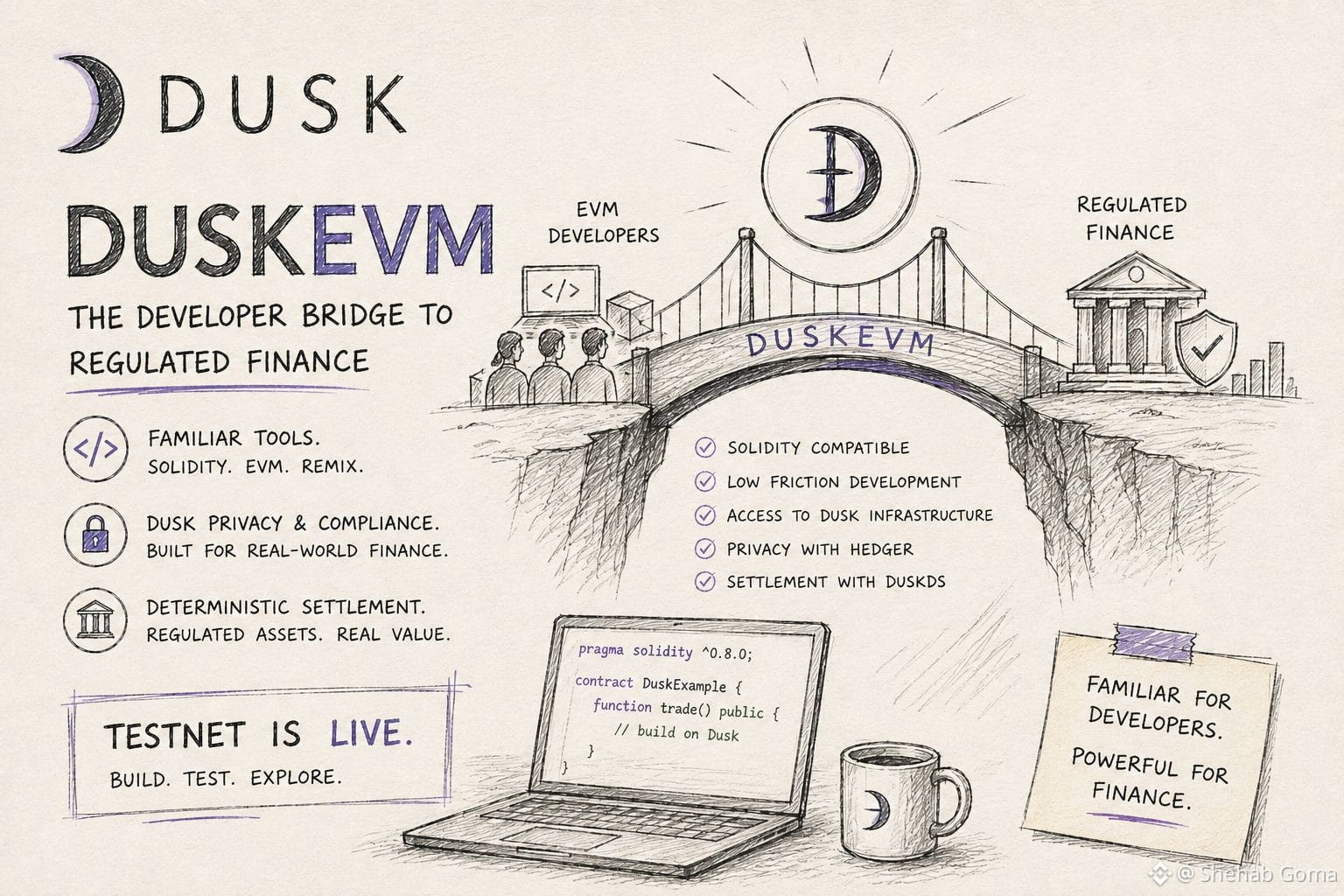
DuskEVM est maintenant en ligne sur le testnet.
À première vue, « la compatibilité EVM » ressemble à une nouvelle fonctionnalité blockchain.
Mais je pense que l’histoire la plus importante, c’est ce que Dusk fait avec.
Les développeurs peuvent utiliser un outillage Solidity et EVM familier, tandis que Dusk conserve son objectif centré sur quelque chose que la plupart des chaînes généralistes ne sont pas conçues pour prendre en charge de manière spécifique :
les marchés financiers réglementés.
Cela crée une combinaison intéressante.
D’un côté, vous avez l’écosystème existant des développeurs EVM.
De l’autre, vous avez l’infrastructure de Dusk pour la confidentialité, la conformité, le règlement déterministe et les actifs réglementés.
Et DuskEVM se situe entre les deux.
Le point important, c’est que ce n’est pas seulement une question d’attirer davantage de smart contracts.
Si les développeurs peuvent créer des actifs tokenisés, des applications de trading et une infrastructure financière en utilisant des outils familiers — tout en accédant aux capacités de confidentialité et de règlement de Dusk — le marché adressable des développeurs devient beaucoup plus vaste.
Mais voici la partie que je surveille de près :
L’activité sur le testnet n’est pas une adoption.
Le vrai jalon ne sera pas le nombre de contrats déployés.
Ce sera de savoir si les développeurs transforment ces contrats en applications qui attirent de vrais utilisateurs, de vrais actifs et de véritables activités financières.
Si cela se produit, DuskEVM pourrait devenir plus qu’une simple couche EVM.
Cela pourrait devenir la passerelle développeurs vers l’écosystème de finance réglementée de Dusk.
Pensez-vous que la compatibilité EVM puisse être le catalyseur qui amène enfin des développeurs sérieux dans Dusk ?
@Dusk_Foundation #dusk $DUSK
{future}(DUSKUSDT)
Le crépuscule a peut-être résolu l’un des plus grands problèmes auxquels font face les L1 spécialisées : amener les développeurs à s’en soucier.
DuskEVM est maintenant en ligne sur le testnet.
À première vue, « la compatibilité EVM » ressemble à une nouvelle fonctionnalité blockchain.
Mais je pense que l’histoire la plus importante, c’est ce que Dusk fait avec.
Les développeurs peuvent utiliser un outillage Solidity et EVM familier, tandis que Dusk conserve son objectif centré sur quelque chose que la plupart des chaînes généralistes ne sont pas conçues pour prendre en charge de manière spécifique :
les marchés financiers réglementés.
Cela crée une combinaison intéressante.
D’un côté, vous avez l’écosystème existant des développeurs EVM.
De l’autre, vous avez l’infrastructure de Dusk pour la confidentialité, la conformité, le règlement déterministe et les actifs réglementés.
Et DuskEVM se situe entre les deux.
Le point important, c’est que ce n’est pas seulement une question d’attirer davantage de smart contracts.
Si les développeurs peuvent créer des actifs tokenisés, des applications de trading et une infrastructure financière en utilisant des outils familiers — tout en accédant aux capacités de confidentialité et de règlement de Dusk — le marché adressable des développeurs devient beaucoup plus vaste.
Mais voici la partie que je surveille de près :
L’activité sur le testnet n’est pas une adoption.
Le vrai jalon ne sera pas le nombre de contrats déployés.
Ce sera de savoir si les développeurs transforment ces contrats en applications qui attirent de vrais utilisateurs, de vrais actifs et de véritables activités financières.
Si cela se produit, DuskEVM pourrait devenir plus qu’une simple couche EVM.
Cela pourrait devenir la passerelle développeurs vers l’écosystème de finance réglementée de Dusk.
Pensez-vous que la compatibilité EVM puisse être le catalyseur qui amène enfin des développeurs sérieux dans Dusk ?
@Dusk #dusk $DUSK
DuskEVM est maintenant en ligne sur le testnet.
À première vue, « la compatibilité EVM » ressemble à une nouvelle fonctionnalité blockchain.
Mais je pense que l’histoire la plus importante, c’est ce que Dusk fait avec.
Les développeurs peuvent utiliser un outillage Solidity et EVM familier, tandis que Dusk conserve son objectif centré sur quelque chose que la plupart des chaînes généralistes ne sont pas conçues pour prendre en charge de manière spécifique :
les marchés financiers réglementés.
Cela crée une combinaison intéressante.
D’un côté, vous avez l’écosystème existant des développeurs EVM.
De l’autre, vous avez l’infrastructure de Dusk pour la confidentialité, la conformité, le règlement déterministe et les actifs réglementés.
Et DuskEVM se situe entre les deux.
Le point important, c’est que ce n’est pas seulement une question d’attirer davantage de smart contracts.
Si les développeurs peuvent créer des actifs tokenisés, des applications de trading et une infrastructure financière en utilisant des outils familiers — tout en accédant aux capacités de confidentialité et de règlement de Dusk — le marché adressable des développeurs devient beaucoup plus vaste.
Mais voici la partie que je surveille de près :
L’activité sur le testnet n’est pas une adoption.
Le vrai jalon ne sera pas le nombre de contrats déployés.
Ce sera de savoir si les développeurs transforment ces contrats en applications qui attirent de vrais utilisateurs, de vrais actifs et de véritables activités financières.
Si cela se produit, DuskEVM pourrait devenir plus qu’une simple couche EVM.
Cela pourrait devenir la passerelle développeurs vers l’écosystème de finance réglementée de Dusk.
Pensez-vous que la compatibilité EVM puisse être le catalyseur qui amène enfin des développeurs sérieux dans Dusk ?
@Dusk #dusk $DUSK
2
206
·
--
Un détail au sujet de Dusk a attiré mon attention aujourd’hui :
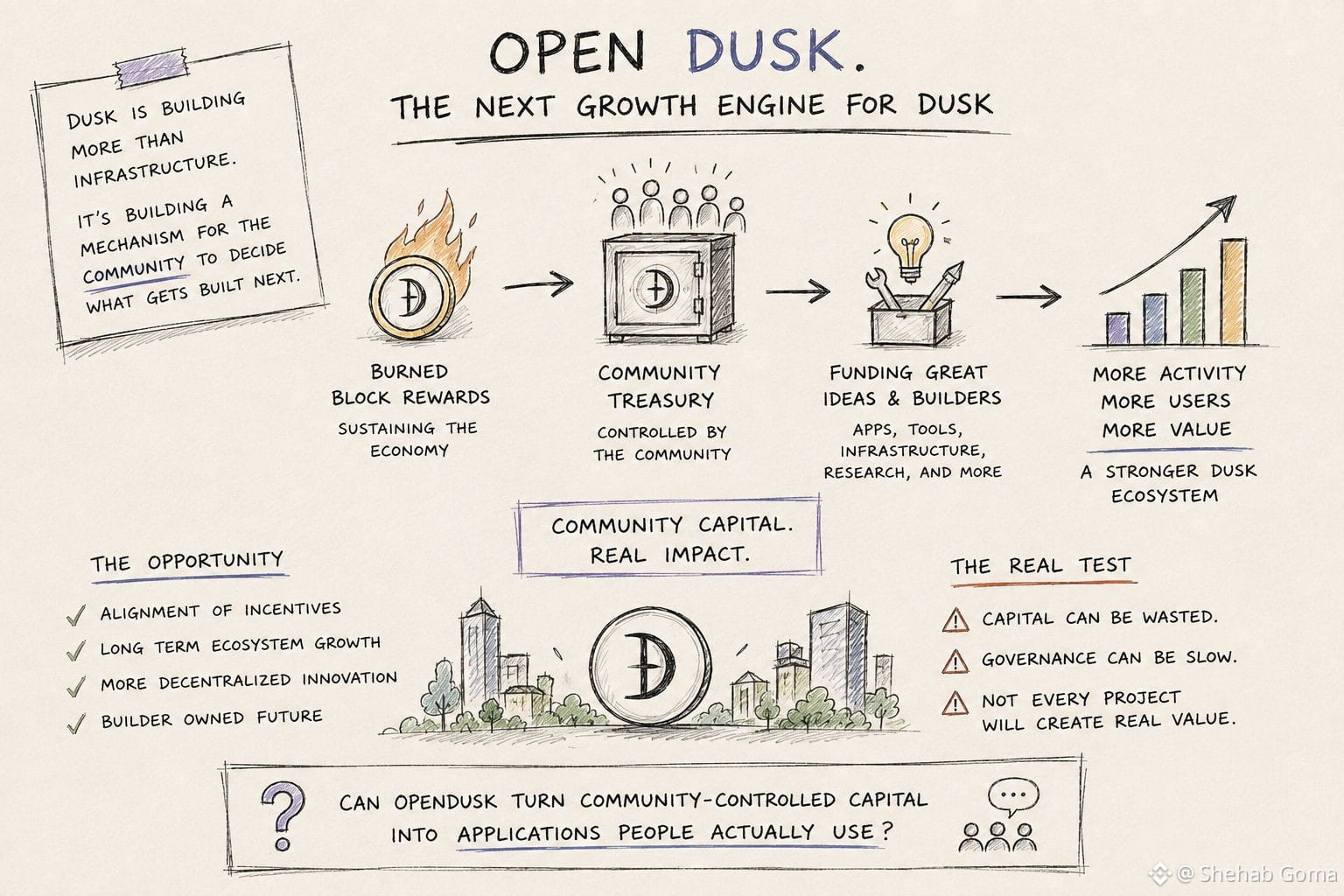
La prochaine phase de croissance pourrait dépendre moins de ce que Dusk construit lui-même — et davantage de ce que la communauté est capable de construire autour.
C’est pourquoi je suis OpenDusk de près.
Imaginez un exemple simple :
Si, à terme, une trésorerie communautaire dispose de suffisamment de ressources pour financer 10 équipes sérieuses — des développeurs, des outils, de la recherche, des applications financières, de l’infrastructure — la valeur n’est pas seulement l’argent distribué.
C’est le nombre de nouvelles raisons qu’ont les gens d’utiliser Dusk.
Plus de contributeurs → plus d’applications → plus d’activité → plus de demande pour le réseau sous-jacent.
Et cela crée quelque chose que je pense être plus important qu’un autre récit court terme :
un écosystème capable de se renforcer de l’intérieur.
Mais il existe une vraie tension ici.
Une trésorerie seule ne crée pas de croissance.
Le capital peut être gaspillé.
La gouvernance peut devenir lente.
Le financement peut être attribué à des projets qui semblent impressionnants mais qui ne génèrent aucun utilisateur.
Donc, pour moi, le vrai test d’OpenDusk n’est pas :
« La communauté a-t-elle approuvé une trésorerie ? »
C’est plutôt :
Le capital contrôlé par la communauté peut-il se transformer en applications que les gens utilisent réellement ?
Si Dusk réussit cette partie, le financement d’un écosystème décentralisé pourrait-il devenir l’un de ses plus grands catalyseurs de croissance ?
@Dusk_Foundation #dusk
$DUSK
{future}(DUSKUSDT)
$TAC
{future}(TACUSDT)
$MAGMA
{future}(MAGMAUSDT)
Un détail au sujet de Dusk a attiré mon attention aujourd’hui :
La prochaine phase de croissance pourrait dépendre moins de ce que Dusk construit lui-même — et davantage de ce que la communauté est capable de construire autour.
C’est pourquoi je suis OpenDusk de près.
Imaginez un exemple simple :
Si, à terme, une trésorerie communautaire dispose de suffisamment de ressources pour financer 10 équipes sérieuses — des développeurs, des outils, de la recherche, des applications financières, de l’infrastructure — la valeur n’est pas seulement l’argent distribué.
C’est le nombre de nouvelles raisons qu’ont les gens d’utiliser Dusk.
Plus de contributeurs → plus d’applications → plus d’activité → plus de demande pour le réseau sous-jacent.
Et cela crée quelque chose que je pense être plus important qu’un autre récit court terme :
un écosystème capable de se renforcer de l’intérieur.
Mais il existe une vraie tension ici.
Une trésorerie seule ne crée pas de croissance.
Le capital peut être gaspillé.
La gouvernance peut devenir lente.
Le financement peut être attribué à des projets qui semblent impressionnants mais qui ne génèrent aucun utilisateur.
Donc, pour moi, le vrai test d’OpenDusk n’est pas :
« La communauté a-t-elle approuvé une trésorerie ? »
C’est plutôt :
Le capital contrôlé par la communauté peut-il se transformer en applications que les gens utilisent réellement ?
Si Dusk réussit cette partie, le financement d’un écosystème décentralisé pourrait-il devenir l’un de ses plus grands catalyseurs de croissance ?
@Dusk #dusk
$DUSK
$TAC
$MAGMA
La prochaine phase de croissance pourrait dépendre moins de ce que Dusk construit lui-même — et davantage de ce que la communauté est capable de construire autour.
C’est pourquoi je suis OpenDusk de près.
Imaginez un exemple simple :
Si, à terme, une trésorerie communautaire dispose de suffisamment de ressources pour financer 10 équipes sérieuses — des développeurs, des outils, de la recherche, des applications financières, de l’infrastructure — la valeur n’est pas seulement l’argent distribué.
C’est le nombre de nouvelles raisons qu’ont les gens d’utiliser Dusk.
Plus de contributeurs → plus d’applications → plus d’activité → plus de demande pour le réseau sous-jacent.
Et cela crée quelque chose que je pense être plus important qu’un autre récit court terme :
un écosystème capable de se renforcer de l’intérieur.
Mais il existe une vraie tension ici.
Une trésorerie seule ne crée pas de croissance.
Le capital peut être gaspillé.
La gouvernance peut devenir lente.
Le financement peut être attribué à des projets qui semblent impressionnants mais qui ne génèrent aucun utilisateur.
Donc, pour moi, le vrai test d’OpenDusk n’est pas :
« La communauté a-t-elle approuvé une trésorerie ? »
C’est plutôt :
Le capital contrôlé par la communauté peut-il se transformer en applications que les gens utilisent réellement ?
Si Dusk réussit cette partie, le financement d’un écosystème décentralisé pourrait-il devenir l’un de ses plus grands catalyseurs de croissance ?
@Dusk #dusk
$DUSK
$TAC
$MAGMA
2
4
502
·
--
Vérifié
Je vérifiais les taux trois ou quatre fois par jour. Pas parce que je le voulais. Parce que je devais.
Une seule pointe et la boucle que j’avais soigneusement construite se mettrait à saigner. Je m’asseyais là à calculer s’il fallait tout défaire plus tôt ou parier sur le fait que le taux redescendrait. Ça n’a jamais ressemblé à un investissement. Plutôt à surveiller une position qui pourrait se retourner contre moi à tout moment. Cette anxiété constante, à faible intensité, c’est encore sur quoi repose la plupart de la DeFi. @termmax est le premier protocole qui m’a fait arrêter.
Vous choisissez le taux et la durée au départ. Puis vous fermez l’onglet. Le montant que vous verrouillez est le montant que vous obtenez. Pas de surprises à mi-terme. Pas de sauts soudains qui vous obligent à réagir. Ce qui m’intéresse davantage que le marketing, c’est la manière dont cela change le comportement. Quand le coût du capital est connu à l’avance, les gens dimensionnent différemment leurs positions.
Ils restent plus longtemps. Ils cessent de traiter chaque marché comme une ferme à court terme qu’il faut surveiller, comme un enfant agité. Le protocole n’a pas seulement ajouté des taux fixes au-dessus de l’ancien système. Il a reconstruit la position de crédit elle-même pour que, dès le premier jour, les deux parties soient claires et négociables. Ce choix de conception unique est ce qui permet au capital de rester plus sereinement investi, au lieu de chercher sans cesse la sortie.
Nous sommes à quatre jours du TMX TGE.
Je me demande combien de personnes continueront à rafraîchir les taux par habitude… et combien commenceront enfin à traiter le crédit on-chain comme quelque chose qu’elles peuvent réellement planifier.
Qu’est-ce qui changerait, dans votre façon de dimensionner et de gérer votre période de détention, si vous n’aviez plus jamais à vous inquiéter du fait que le taux évolue contre vous ?
#TermMax
$BLESS
{alpha}(560x7c8217517ed4711fe2deccdfeffe8d906b9ae11f)
$BTW
{alpha}(560x444045b0ee1ee319a660a5e3d604ca0ffa35acaa)
$APR
{alpha}(560x299ad4299da5b2b93fba4c96967b040c7f611099)
Qu’est-ce qui vous gêne le plus dans le prêt DeFi ?
Je vérifiais les taux trois ou quatre fois par jour. Pas parce que je le voulais. Parce que je devais.
Une seule pointe et la boucle que j’avais soigneusement construite se mettrait à saigner. Je m’asseyais là à calculer s’il fallait tout défaire plus tôt ou parier sur le fait que le taux redescendrait. Ça n’a jamais ressemblé à un investissement. Plutôt à surveiller une position qui pourrait se retourner contre moi à tout moment. Cette anxiété constante, à faible intensité, c’est encore sur quoi repose la plupart de la DeFi. @TermMax est le premier protocole qui m’a fait arrêter.
Vous choisissez le taux et la durée au départ. Puis vous fermez l’onglet. Le montant que vous verrouillez est le montant que vous obtenez. Pas de surprises à mi-terme. Pas de sauts soudains qui vous obligent à réagir. Ce qui m’intéresse davantage que le marketing, c’est la manière dont cela change le comportement. Quand le coût du capital est connu à l’avance, les gens dimensionnent différemment leurs positions.
Ils restent plus longtemps. Ils cessent de traiter chaque marché comme une ferme à court terme qu’il faut surveiller, comme un enfant agité. Le protocole n’a pas seulement ajouté des taux fixes au-dessus de l’ancien système. Il a reconstruit la position de crédit elle-même pour que, dès le premier jour, les deux parties soient claires et négociables. Ce choix de conception unique est ce qui permet au capital de rester plus sereinement investi, au lieu de chercher sans cesse la sortie.
Nous sommes à quatre jours du TMX TGE.
Je me demande combien de personnes continueront à rafraîchir les taux par habitude… et combien commenceront enfin à traiter le crédit on-chain comme quelque chose qu’elles peuvent réellement planifier.
Qu’est-ce qui changerait, dans votre façon de dimensionner et de gérer votre période de détention, si vous n’aviez plus jamais à vous inquiéter du fait que le taux évolue contre vous ?
#TermMax
$BLESS
$BTW
$APR
Qu’est-ce qui vous gêne le plus dans le prêt DeFi ?
Une seule pointe et la boucle que j’avais soigneusement construite se mettrait à saigner. Je m’asseyais là à calculer s’il fallait tout défaire plus tôt ou parier sur le fait que le taux redescendrait. Ça n’a jamais ressemblé à un investissement. Plutôt à surveiller une position qui pourrait se retourner contre moi à tout moment. Cette anxiété constante, à faible intensité, c’est encore sur quoi repose la plupart de la DeFi. @TermMax est le premier protocole qui m’a fait arrêter.
Vous choisissez le taux et la durée au départ. Puis vous fermez l’onglet. Le montant que vous verrouillez est le montant que vous obtenez. Pas de surprises à mi-terme. Pas de sauts soudains qui vous obligent à réagir. Ce qui m’intéresse davantage que le marketing, c’est la manière dont cela change le comportement. Quand le coût du capital est connu à l’avance, les gens dimensionnent différemment leurs positions.
Ils restent plus longtemps. Ils cessent de traiter chaque marché comme une ferme à court terme qu’il faut surveiller, comme un enfant agité. Le protocole n’a pas seulement ajouté des taux fixes au-dessus de l’ancien système. Il a reconstruit la position de crédit elle-même pour que, dès le premier jour, les deux parties soient claires et négociables. Ce choix de conception unique est ce qui permet au capital de rester plus sereinement investi, au lieu de chercher sans cesse la sortie.
Nous sommes à quatre jours du TMX TGE.
Je me demande combien de personnes continueront à rafraîchir les taux par habitude… et combien commenceront enfin à traiter le crédit on-chain comme quelque chose qu’elles peuvent réellement planifier.
Qu’est-ce qui changerait, dans votre façon de dimensionner et de gérer votre période de détention, si vous n’aviez plus jamais à vous inquiéter du fait que le taux évolue contre vous ?
#TermMax
$BLESS
$BTW
$APR
Qu’est-ce qui vous gêne le plus dans le prêt DeFi ?
🔵 Rate suddenly spiking
40%
🟢 Constantly checking rates
20%
🟡 Liquidation risk
40%
⚪️ Nothing I just farm
0%
5 Votes • Vote fermé
2
6
697
·
--
Pendant longtemps, j’ai traité la tokenisation comme une destination.
Obtenir l’actif onchain et le travail acharné était fait. J’avais tort. Le véritable goulot d’étranglement réside dans tout ce qui vient après. Dossiers de propriété, vérifications d’éligibilité, restrictions de transfert, rapprochement du paiement et de la livraison, puis le travail continu des dividendes, du vote et des opérations sur titres. La plupart des actifs tokenisés laissent encore tout cela dispersé entre des systèmes distincts, qui ont constamment besoin d’être rapprochés.
@Dusk_Foundation aborde le sujet différemment. Le but n’est pas seulement de représenter l’actif : il s’agit d’exécuter l’ensemble du cycle de vie de la propriété sur un seul et même enregistrement partagé. L’émission, l’éligibilité, le règlement et la gestion restent connectés. Les informations sensibles restent contrôlées. Les transferts qui génèrent des coûts et des retards disparaissent simplement.
C’est la différence discrète entre une enveloppe numérique et une infrastructure de marché réelle. Quand l’intégralité du parcours, de l’émission à la gestion, ne nécessite plus cinq registres distincts qui doivent parler entre eux, quel pourcentage des marchés privés et réglementés, selon vous, devient enfin réalisable pour une mise onchain ?
#dusk
$DUSK
{future}(DUSKUSDT)
$AVAAI
{future}(AVAAIUSDT)
$BLESS
{future}(BLESSUSDT)
Plus grand défi pour les actifs réglementés onchain ?
Pendant longtemps, j’ai traité la tokenisation comme une destination.
Obtenir l’actif onchain et le travail acharné était fait. J’avais tort. Le véritable goulot d’étranglement réside dans tout ce qui vient après. Dossiers de propriété, vérifications d’éligibilité, restrictions de transfert, rapprochement du paiement et de la livraison, puis le travail continu des dividendes, du vote et des opérations sur titres. La plupart des actifs tokenisés laissent encore tout cela dispersé entre des systèmes distincts, qui ont constamment besoin d’être rapprochés.
@Dusk aborde le sujet différemment. Le but n’est pas seulement de représenter l’actif : il s’agit d’exécuter l’ensemble du cycle de vie de la propriété sur un seul et même enregistrement partagé. L’émission, l’éligibilité, le règlement et la gestion restent connectés. Les informations sensibles restent contrôlées. Les transferts qui génèrent des coûts et des retards disparaissent simplement.
C’est la différence discrète entre une enveloppe numérique et une infrastructure de marché réelle. Quand l’intégralité du parcours, de l’émission à la gestion, ne nécessite plus cinq registres distincts qui doivent parler entre eux, quel pourcentage des marchés privés et réglementés, selon vous, devient enfin réalisable pour une mise onchain ?
#dusk
$DUSK
$AVAAI
$BLESS
Plus grand défi pour les actifs réglementés onchain ?
Obtenir l’actif onchain et le travail acharné était fait. J’avais tort. Le véritable goulot d’étranglement réside dans tout ce qui vient après. Dossiers de propriété, vérifications d’éligibilité, restrictions de transfert, rapprochement du paiement et de la livraison, puis le travail continu des dividendes, du vote et des opérations sur titres. La plupart des actifs tokenisés laissent encore tout cela dispersé entre des systèmes distincts, qui ont constamment besoin d’être rapprochés.
@Dusk aborde le sujet différemment. Le but n’est pas seulement de représenter l’actif : il s’agit d’exécuter l’ensemble du cycle de vie de la propriété sur un seul et même enregistrement partagé. L’émission, l’éligibilité, le règlement et la gestion restent connectés. Les informations sensibles restent contrôlées. Les transferts qui génèrent des coûts et des retards disparaissent simplement.
C’est la différence discrète entre une enveloppe numérique et une infrastructure de marché réelle. Quand l’intégralité du parcours, de l’émission à la gestion, ne nécessite plus cinq registres distincts qui doivent parler entre eux, quel pourcentage des marchés privés et réglementés, selon vous, devient enfin réalisable pour une mise onchain ?
#dusk
$DUSK
$AVAAI
$BLESS
Plus grand défi pour les actifs réglementés onchain ?
🔵 Tokenizing the asset
25%
🟢 Full lifecycle
50%
🟡 Privacy & compliance
0%
⚪️ Liquidity
25%
4 Votes • Vote fermé
4
4
1.3k
·
--
Vérifié
TermMax ne résout pas vraiment un problème de prêt. Il résout un problème de certitude des taux.
Je suis passé en revue le livre blanc TMX de mars 2026 et un détail a retenu mon attention : TermMax se construit autour d’un DeFi à taux fixe et durée fixe, plutôt que d’accepter les taux variables par défaut.
FT = exposition à taux fixe.
Les prêteurs achètent des FT en dessous de leur valeur faciale et les rachètent à l’échéance, ce qui fige le rendement au moment où ils entrent.
XT = l’autre côté de la dette.
Les emprunteurs reçoivent des XT et peuvent les vendre pour obtenir de la liquidité, ce qui fige l’économie de leur emprunt.
Ensuite, il y a GT, un NFT qui regroupe collatéral et dette dans une position à effet de levier. Au lieu de boucler manuellement emprunt → collatéral → emprunt, la position peut être créée via une seule transaction.
@termmax utilise un AMM de Range Order sur mesure, où les curateurs travaillent avec des fourchettes de TAEG cibles plutôt qu’avec des fourchettes de prix conventionnelles.
Le livre blanc indique que les fonds inutilisés peuvent être déployés dans des protocoles à taux variable tels que Aave, Morpho et Venus, en attendant la demande de taux fixes.
Cela crée un arbitrage intéressant :
Les marchés à taux fixe ont besoin de liquidité.
Mais les apporteurs de liquidité ont aussi besoin d’efficacité du capital.
TermMax tente de répondre aux deux via des ordres atomiques + un déploiement des fonds en attente.
Les tokenomics méritent aussi un examen plus approfondi.
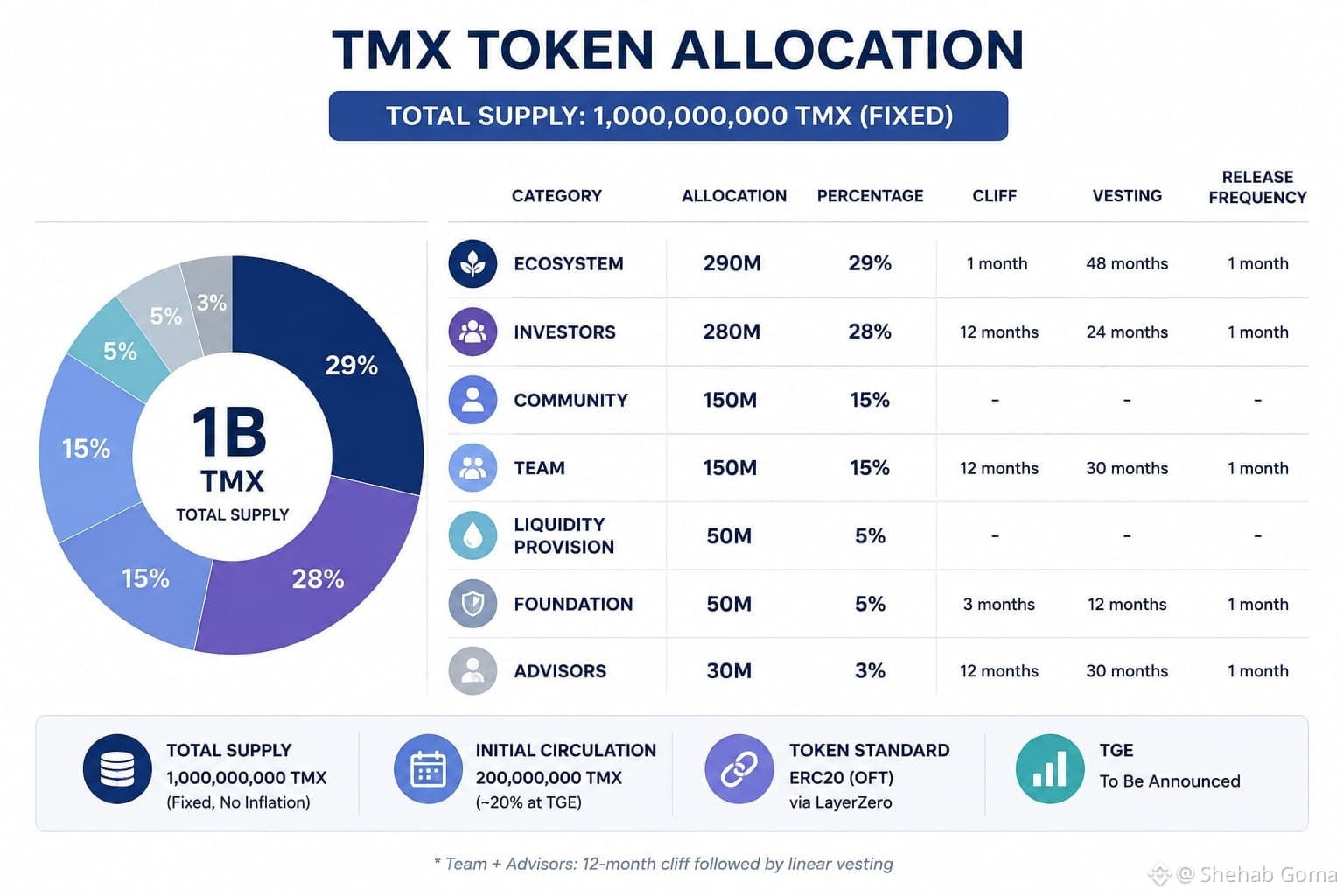
Offre maximale de 1B TMX
Circulation initiale de 200M
Allocation écosystème de 29%
28% investisseurs
15% équipe
15% communauté
L’allocation écosystème est acquise sur 48 mois, tandis que les allocations pour l’équipe et les investisseurs comportent des périodes d’acquisition de 12 mois, suivies d’un vesting.
Le TMX lui-même est conçu autour de la gouvernance et du staking, avec des revenus de trésorerie pouvant provenir des frais de trading, d’emprunt et de liquidation.
La vraie question n’est pas de savoir si les taux fixes semblent utiles.
La question est de savoir si #TermMax peut générer une demande réelle suffisante en taux fixes pour rendre cette structure de marché économiquement significative.
Le livre blanc rapporte 64M$+ de TVL, 837K+ de portefeuilles enregistrés et 170K+ d’utilisateurs actifs quotidiens de pointe.
Cette activité peut-elle se traduire par une demande durable pour des emprunts à taux fixe et des produits structurés ?
{alpha}(560xbeea1d618e533a387d941f58a7d4c9b7bd377777)
$ONG
{future}(ONGUSDT)
{future}(BTWUSDT)
TermMax ne résout pas vraiment un problème de prêt. Il résout un problème de certitude des taux.
Je suis passé en revue le livre blanc TMX de mars 2026 et un détail a retenu mon attention : TermMax se construit autour d’un DeFi à taux fixe et durée fixe, plutôt que d’accepter les taux variables par défaut.
FT = exposition à taux fixe.
Les prêteurs achètent des FT en dessous de leur valeur faciale et les rachètent à l’échéance, ce qui fige le rendement au moment où ils entrent.
XT = l’autre côté de la dette.
Les emprunteurs reçoivent des XT et peuvent les vendre pour obtenir de la liquidité, ce qui fige l’économie de leur emprunt.
Ensuite, il y a GT, un NFT qui regroupe collatéral et dette dans une position à effet de levier. Au lieu de boucler manuellement emprunt → collatéral → emprunt, la position peut être créée via une seule transaction.
@TermMax utilise un AMM de Range Order sur mesure, où les curateurs travaillent avec des fourchettes de TAEG cibles plutôt qu’avec des fourchettes de prix conventionnelles.
Le livre blanc indique que les fonds inutilisés peuvent être déployés dans des protocoles à taux variable tels que Aave, Morpho et Venus, en attendant la demande de taux fixes.
Cela crée un arbitrage intéressant :
Les marchés à taux fixe ont besoin de liquidité.
Mais les apporteurs de liquidité ont aussi besoin d’efficacité du capital.
TermMax tente de répondre aux deux via des ordres atomiques + un déploiement des fonds en attente.
Les tokenomics méritent aussi un examen plus approfondi.
Offre maximale de 1B TMX
Circulation initiale de 200M
Allocation écosystème de 29%
28% investisseurs
15% équipe
15% communauté
L’allocation écosystème est acquise sur 48 mois, tandis que les allocations pour l’équipe et les investisseurs comportent des périodes d’acquisition de 12 mois, suivies d’un vesting.
Le TMX lui-même est conçu autour de la gouvernance et du staking, avec des revenus de trésorerie pouvant provenir des frais de trading, d’emprunt et de liquidation.
La vraie question n’est pas de savoir si les taux fixes semblent utiles.
La question est de savoir si #TermMax peut générer une demande réelle suffisante en taux fixes pour rendre cette structure de marché économiquement significative.
Le livre blanc rapporte 64M$+ de TVL, 837K+ de portefeuilles enregistrés et 170K+ d’utilisateurs actifs quotidiens de pointe.
Cette activité peut-elle se traduire par une demande durable pour des emprunts à taux fixe et des produits structurés ?
$ONG
Je suis passé en revue le livre blanc TMX de mars 2026 et un détail a retenu mon attention : TermMax se construit autour d’un DeFi à taux fixe et durée fixe, plutôt que d’accepter les taux variables par défaut.
FT = exposition à taux fixe.
Les prêteurs achètent des FT en dessous de leur valeur faciale et les rachètent à l’échéance, ce qui fige le rendement au moment où ils entrent.
XT = l’autre côté de la dette.
Les emprunteurs reçoivent des XT et peuvent les vendre pour obtenir de la liquidité, ce qui fige l’économie de leur emprunt.
Ensuite, il y a GT, un NFT qui regroupe collatéral et dette dans une position à effet de levier. Au lieu de boucler manuellement emprunt → collatéral → emprunt, la position peut être créée via une seule transaction.
@TermMax utilise un AMM de Range Order sur mesure, où les curateurs travaillent avec des fourchettes de TAEG cibles plutôt qu’avec des fourchettes de prix conventionnelles.
Le livre blanc indique que les fonds inutilisés peuvent être déployés dans des protocoles à taux variable tels que Aave, Morpho et Venus, en attendant la demande de taux fixes.
Cela crée un arbitrage intéressant :
Les marchés à taux fixe ont besoin de liquidité.
Mais les apporteurs de liquidité ont aussi besoin d’efficacité du capital.
TermMax tente de répondre aux deux via des ordres atomiques + un déploiement des fonds en attente.
Les tokenomics méritent aussi un examen plus approfondi.
Offre maximale de 1B TMX
Circulation initiale de 200M
Allocation écosystème de 29%
28% investisseurs
15% équipe
15% communauté
L’allocation écosystème est acquise sur 48 mois, tandis que les allocations pour l’équipe et les investisseurs comportent des périodes d’acquisition de 12 mois, suivies d’un vesting.
Le TMX lui-même est conçu autour de la gouvernance et du staking, avec des revenus de trésorerie pouvant provenir des frais de trading, d’emprunt et de liquidation.
La vraie question n’est pas de savoir si les taux fixes semblent utiles.
La question est de savoir si #TermMax peut générer une demande réelle suffisante en taux fixes pour rendre cette structure de marché économiquement significative.
Le livre blanc rapporte 64M$+ de TVL, 837K+ de portefeuilles enregistrés et 170K+ d’utilisateurs actifs quotidiens de pointe.
Cette activité peut-elle se traduire par une demande durable pour des emprunts à taux fixe et des produits structurés ?
$ONG
1
7
1k
·
--
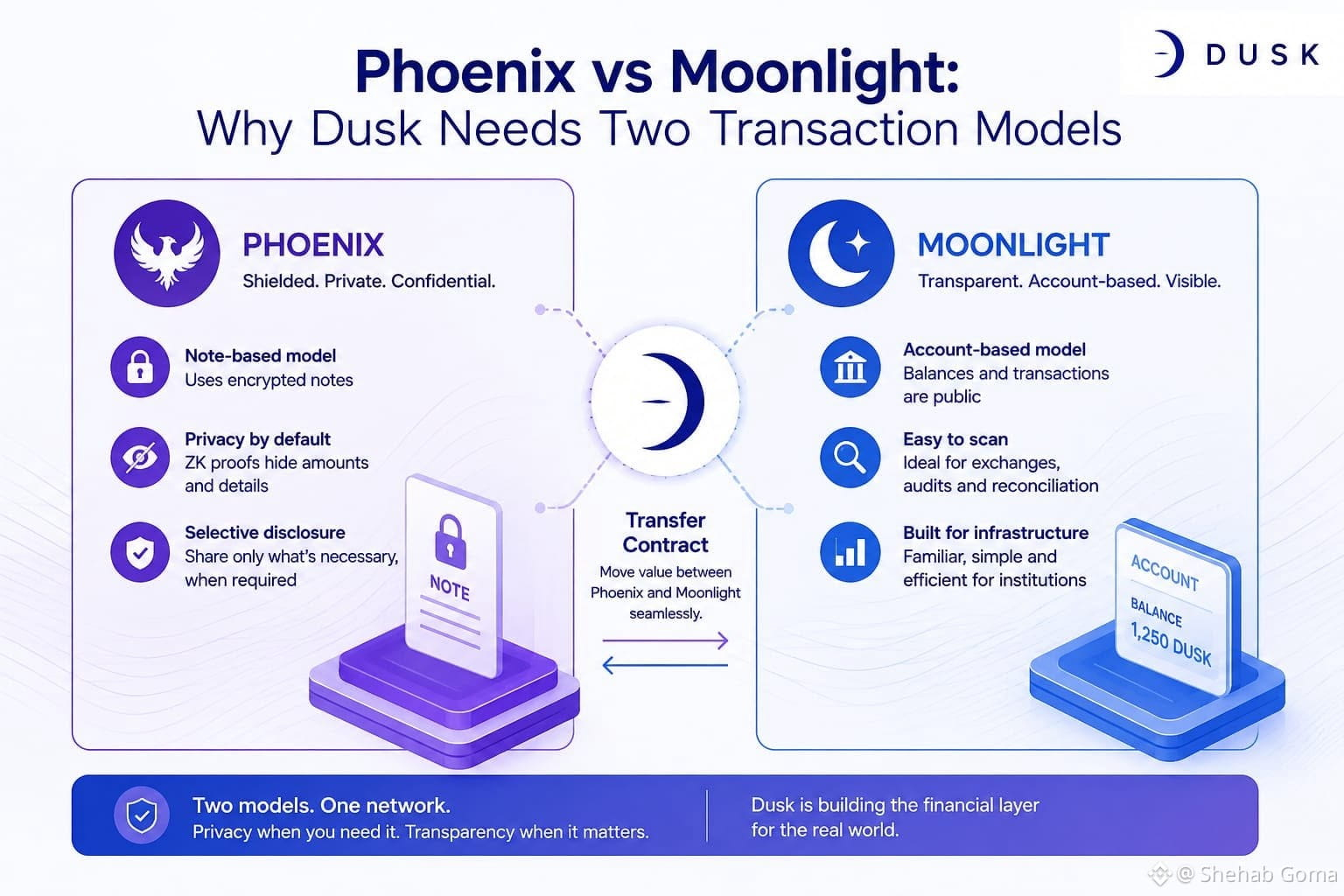
Phoenix contre Moonlight : Pourquoi Dusk avait besoin de deux modèles de transaction
Je pense que la partie la plus mal comprise de @Dusk_Foundation n’est pas sa couche de confidentialité.
C’est la raison pour laquelle Dusk a construit, dès le départ, un modèle de transaction transparent aux côtés de Phoenix.
La réponse est simple : les marchés financiers ne fonctionnent pas avec une seule exigence de confidentialité.
Le livre blanc 2024 de Dusk décrit Moonlight comme la couche de transaction publique ajoutée en parallèle de Phoenix. Moonlight utilise un modèle basé sur des comptes, où les adresses et les soldes sont visibles. Phoenix emprunte le chemin inverse : des transactions protégées, basées sur des notes, avec des preuves à divulgation de connaissance nulle.
Avec Moonlight, un échange peut analyser les comptes, rapprocher les soldes et traiter les dépôts à l’aide d’un modèle de registre public familier. La documentation d’intégration actuelle de Dusk recommande d’ailleurs Moonlight pour les dépôts et retraits des échanges, car Phoenix nécessite une architecture différente de garde et d’analyse.
Ses notes sont chiffrées, tandis que les preuves à connaissance nulle permettent au réseau de vérifier des éléments comme la validité et la protection contre la double dépense sans révéler le montant de la transaction ni les notes spécifiques utilisées. Dusk a aussi conçu une divulgation sélective pour que la confidentialité ne signifie pas automatiquement « absence de responsabilité ».
Ainsi, le choix de conception initial n’était pas :
Phoenix contre Moonlight.
C’était :
la confidentialité quand c’est nécessaire + la transparence quand c’est requis.
Et il y a une mise à jour importante en 2026.
Le hard fork AEGIS de Dusk a corrigé 39 constats, dont 7 problèmes critiques, avec une cause racine critique liée à l’attachement des frais/remboursements de Phoenix.
Plus important encore, la documentation réseau la plus récente indique que la mise à niveau Boreas met fin aux transactions Phoenix sur le réseau, tandis que la gestion canonique des transactions a progressé.
Phoenix n’était pas simplement une fonctionnalité de confidentialité. C’était une expérience visant à faire fonctionner un règlement confidentiel aux côtés d’un rail financier public.
Ce sont des exigences de règlement différentes.
L’évolution de Dusk est particulièrement intéressante précisément parce que le protocole affine désormais les parties de cette architecture à double modèle initiale qui doivent encore appartenir à la pile de production.
#dusk
$DUSK
Phoenix contre Moonlight : Pourquoi Dusk avait besoin de deux modèles de transaction
Je pense que la partie la plus mal comprise de @Dusk n’est pas sa couche de confidentialité.
C’est la raison pour laquelle Dusk a construit, dès le départ, un modèle de transaction transparent aux côtés de Phoenix.
La réponse est simple : les marchés financiers ne fonctionnent pas avec une seule exigence de confidentialité.
Le livre blanc 2024 de Dusk décrit Moonlight comme la couche de transaction publique ajoutée en parallèle de Phoenix. Moonlight utilise un modèle basé sur des comptes, où les adresses et les soldes sont visibles. Phoenix emprunte le chemin inverse : des transactions protégées, basées sur des notes, avec des preuves à divulgation de connaissance nulle.
Avec Moonlight, un échange peut analyser les comptes, rapprocher les soldes et traiter les dépôts à l’aide d’un modèle de registre public familier. La documentation d’intégration actuelle de Dusk recommande d’ailleurs Moonlight pour les dépôts et retraits des échanges, car Phoenix nécessite une architecture différente de garde et d’analyse.
Ses notes sont chiffrées, tandis que les preuves à connaissance nulle permettent au réseau de vérifier des éléments comme la validité et la protection contre la double dépense sans révéler le montant de la transaction ni les notes spécifiques utilisées. Dusk a aussi conçu une divulgation sélective pour que la confidentialité ne signifie pas automatiquement « absence de responsabilité ».
Ainsi, le choix de conception initial n’était pas :
Phoenix contre Moonlight.
C’était :
la confidentialité quand c’est nécessaire + la transparence quand c’est requis.
Et il y a une mise à jour importante en 2026.
Le hard fork AEGIS de Dusk a corrigé 39 constats, dont 7 problèmes critiques, avec une cause racine critique liée à l’attachement des frais/remboursements de Phoenix.
Plus important encore, la documentation réseau la plus récente indique que la mise à niveau Boreas met fin aux transactions Phoenix sur le réseau, tandis que la gestion canonique des transactions a progressé.
Phoenix n’était pas simplement une fonctionnalité de confidentialité. C’était une expérience visant à faire fonctionner un règlement confidentiel aux côtés d’un rail financier public.
Ce sont des exigences de règlement différentes.
L’évolution de Dusk est particulièrement intéressante précisément parce que le protocole affine désormais les parties de cette architecture à double modèle initiale qui doivent encore appartenir à la pile de production.
#dusk
$DUSK
Je pense que la partie la plus mal comprise de @Dusk n’est pas sa couche de confidentialité.
C’est la raison pour laquelle Dusk a construit, dès le départ, un modèle de transaction transparent aux côtés de Phoenix.
La réponse est simple : les marchés financiers ne fonctionnent pas avec une seule exigence de confidentialité.
Le livre blanc 2024 de Dusk décrit Moonlight comme la couche de transaction publique ajoutée en parallèle de Phoenix. Moonlight utilise un modèle basé sur des comptes, où les adresses et les soldes sont visibles. Phoenix emprunte le chemin inverse : des transactions protégées, basées sur des notes, avec des preuves à divulgation de connaissance nulle.
Avec Moonlight, un échange peut analyser les comptes, rapprocher les soldes et traiter les dépôts à l’aide d’un modèle de registre public familier. La documentation d’intégration actuelle de Dusk recommande d’ailleurs Moonlight pour les dépôts et retraits des échanges, car Phoenix nécessite une architecture différente de garde et d’analyse.
Ses notes sont chiffrées, tandis que les preuves à connaissance nulle permettent au réseau de vérifier des éléments comme la validité et la protection contre la double dépense sans révéler le montant de la transaction ni les notes spécifiques utilisées. Dusk a aussi conçu une divulgation sélective pour que la confidentialité ne signifie pas automatiquement « absence de responsabilité ».
Ainsi, le choix de conception initial n’était pas :
Phoenix contre Moonlight.
C’était :
la confidentialité quand c’est nécessaire + la transparence quand c’est requis.
Et il y a une mise à jour importante en 2026.
Le hard fork AEGIS de Dusk a corrigé 39 constats, dont 7 problèmes critiques, avec une cause racine critique liée à l’attachement des frais/remboursements de Phoenix.
Plus important encore, la documentation réseau la plus récente indique que la mise à niveau Boreas met fin aux transactions Phoenix sur le réseau, tandis que la gestion canonique des transactions a progressé.
Phoenix n’était pas simplement une fonctionnalité de confidentialité. C’était une expérience visant à faire fonctionner un règlement confidentiel aux côtés d’un rail financier public.
Ce sont des exigences de règlement différentes.
L’évolution de Dusk est particulièrement intéressante précisément parce que le protocole affine désormais les parties de cette architecture à double modèle initiale qui doivent encore appartenir à la pile de production.
#dusk
$DUSK
1
3
150
·
--
Vérifié
TermMax fonctionne avec 3 jetons — voici ce que chacun fait réellement.
J’ai dû relire ceci trois fois avant que ça fasse “tilt” :
FT = Une obligation à escompte. Achetez en dessous du pair, puis soyez remboursé 1:1 à l’échéance.
GT = Un NFT pour votre position sur votre dette.
XT = L’obligation d’intérêt qui s’associe à FT.
Ma première réaction ? Trop de jargon.
Mais ensuite, j’ai compris.
La plupart des protocoles de prêt DeFi traitent tout comme une seule grande réserve. Un seul taux. Un seul profil de risque. Une taille unique.
TermMax renverse ça. Il découpe le prêt en trois éléments distincts :
FT – Vous l’achetez pour moins de 1 $. À l’échéance, il est remboursé 1:1. L’écart ? C’est votre rendement fixe. Pas de surprise.
XT – Il s’associe à FT. 1 FT + 1 XT = 1 jeton de dette. Quand le prêt arrive à échéance, FT est remboursé et XT devient sans valeur. Cela sépare le principal de l’intérêt.
GT – Un NFT pour votre position avec effet de levier. Pas d’angoisse de liquidation. Pas besoin qu’une oracler surveille en permanence.
Voilà ce qui m’a le plus marqué :
la plupart des projets ajoutent simplement des fonctionnalités. @termmax repense en réalité la manière dont le prêt fonctionne “en coulisses”.
Un seul pool devient trois marchés. Chacun avec sa propre tarification. Chacun avec son propre risque.
Et le calendrier ? Le TGE est dans 6 jours.
Alors voilà ce à quoi je reviens sans cesse :
Si #TermMax peut découper le prêt en trois éléments négociables — qu’est-ce d’autre dans la DeFi est actuellement regroupé alors que ce ne devrait probablement pas être le cas ?
Quel découpage compte le plus ?
TermMax fonctionne avec 3 jetons — voici ce que chacun fait réellement.
J’ai dû relire ceci trois fois avant que ça fasse “tilt” :
FT = Une obligation à escompte. Achetez en dessous du pair, puis soyez remboursé 1:1 à l’échéance.
GT = Un NFT pour votre position sur votre dette.
XT = L’obligation d’intérêt qui s’associe à FT.
Ma première réaction ? Trop de jargon.
Mais ensuite, j’ai compris.
La plupart des protocoles de prêt DeFi traitent tout comme une seule grande réserve. Un seul taux. Un seul profil de risque. Une taille unique.
TermMax renverse ça. Il découpe le prêt en trois éléments distincts :
FT – Vous l’achetez pour moins de 1 $. À l’échéance, il est remboursé 1:1. L’écart ? C’est votre rendement fixe. Pas de surprise.
XT – Il s’associe à FT. 1 FT + 1 XT = 1 jeton de dette. Quand le prêt arrive à échéance, FT est remboursé et XT devient sans valeur. Cela sépare le principal de l’intérêt.
GT – Un NFT pour votre position avec effet de levier. Pas d’angoisse de liquidation. Pas besoin qu’une oracler surveille en permanence.
Voilà ce qui m’a le plus marqué :
la plupart des projets ajoutent simplement des fonctionnalités. @TermMax repense en réalité la manière dont le prêt fonctionne “en coulisses”.
Un seul pool devient trois marchés. Chacun avec sa propre tarification. Chacun avec son propre risque.
Et le calendrier ? Le TGE est dans 6 jours.
Alors voilà ce à quoi je reviens sans cesse :
Si #TermMax peut découper le prêt en trois éléments négociables — qu’est-ce d’autre dans la DeFi est actuellement regroupé alors que ce ne devrait probablement pas être le cas ?
Quel découpage compte le plus ?
J’ai dû relire ceci trois fois avant que ça fasse “tilt” :
FT = Une obligation à escompte. Achetez en dessous du pair, puis soyez remboursé 1:1 à l’échéance.
GT = Un NFT pour votre position sur votre dette.
XT = L’obligation d’intérêt qui s’associe à FT.
Ma première réaction ? Trop de jargon.
Mais ensuite, j’ai compris.
La plupart des protocoles de prêt DeFi traitent tout comme une seule grande réserve. Un seul taux. Un seul profil de risque. Une taille unique.
TermMax renverse ça. Il découpe le prêt en trois éléments distincts :
FT – Vous l’achetez pour moins de 1 $. À l’échéance, il est remboursé 1:1. L’écart ? C’est votre rendement fixe. Pas de surprise.
XT – Il s’associe à FT. 1 FT + 1 XT = 1 jeton de dette. Quand le prêt arrive à échéance, FT est remboursé et XT devient sans valeur. Cela sépare le principal de l’intérêt.
GT – Un NFT pour votre position avec effet de levier. Pas d’angoisse de liquidation. Pas besoin qu’une oracler surveille en permanence.
Voilà ce qui m’a le plus marqué :
la plupart des projets ajoutent simplement des fonctionnalités. @TermMax repense en réalité la manière dont le prêt fonctionne “en coulisses”.
Un seul pool devient trois marchés. Chacun avec sa propre tarification. Chacun avec son propre risque.
Et le calendrier ? Le TGE est dans 6 jours.
Alors voilà ce à quoi je reviens sans cesse :
Si #TermMax peut découper le prêt en trois éléments négociables — qu’est-ce d’autre dans la DeFi est actuellement regroupé alors que ce ne devrait probablement pas être le cas ?
Quel découpage compte le plus ?
Principal (FT)
0%
Interest (XT)
100%
Leverage (GT)
0%
1 Votes • Vote fermé
1
3
137
·
--
Vérifié
Je me souviens de rester à fixer la documentation de Dusk, en essayant de comprendre ce qui la rendait différente.
Tout le monde parle de tokenisation. De la vitesse de règlement. De la conformité. Mais @Dusk_Foundation est en train d’en tester quelque chose de totalement différent : une confidentialité lisible par le régulateur.
Les blockchains traditionnelles vous offrent un choix binaire. Tout est public. Ou tout est caché. Dans les deux cas, cela ne fonctionne pas pour la finance réglementée.
La solution de Dusk, c’est la divulgation sélective. Les transactions restent privées par défaut. Mais les régulateurs peuvent vérifier la conformité si nécessaire — en ne révélant que ce qui est requis, rien de plus.
Les preuves à divulgation nulle de connaissance permettent de prouver qu’une transaction est valide sans exposer qui, comment, ni combien, ni à qui. Une confidentialité conçue pour la confiance, pas pour l’opacité.
La dynamique est déjà visible. Sozu détient 26 M$ d’actifs mis en jeu. NPEX apporte 300 M€ de titres tokenisés via #dusk . Et 21X, premier détenteur de la licence UE DLT-TSS, a intégré Dusk en tant que partenaire actif.
Voilà ce à quoi je reviens sans cesse : si la technologie pour une finance privée et conforme existe depuis des années, pourquoi a-t-il fallu autant de temps pour y arriver ?
Peut-être parce qu’on s’est concentrés sur la construction de chaînes plus rapides plutôt que sur la création de chaînes que les régulateurs peuvent approuver. Dusk n’a pas seulement lancé un autre L1. Ils en ont construit un où la confidentialité et la conformité ne sont pas des compromis — ce sont des fonctionnalités.
Qu’est-ce qui freine votre industrie — la technologie, ou la confiance ?
$DUSK
{future}(DUSKUSDT)
Je me souviens de rester à fixer la documentation de Dusk, en essayant de comprendre ce qui la rendait différente.
Tout le monde parle de tokenisation. De la vitesse de règlement. De la conformité. Mais @Dusk est en train d’en tester quelque chose de totalement différent : une confidentialité lisible par le régulateur.
Les blockchains traditionnelles vous offrent un choix binaire. Tout est public. Ou tout est caché. Dans les deux cas, cela ne fonctionne pas pour la finance réglementée.
La solution de Dusk, c’est la divulgation sélective. Les transactions restent privées par défaut. Mais les régulateurs peuvent vérifier la conformité si nécessaire — en ne révélant que ce qui est requis, rien de plus.
Les preuves à divulgation nulle de connaissance permettent de prouver qu’une transaction est valide sans exposer qui, comment, ni combien, ni à qui. Une confidentialité conçue pour la confiance, pas pour l’opacité.
La dynamique est déjà visible. Sozu détient 26 M$ d’actifs mis en jeu. NPEX apporte 300 M€ de titres tokenisés via #dusk . Et 21X, premier détenteur de la licence UE DLT-TSS, a intégré Dusk en tant que partenaire actif.
Voilà ce à quoi je reviens sans cesse : si la technologie pour une finance privée et conforme existe depuis des années, pourquoi a-t-il fallu autant de temps pour y arriver ?
Peut-être parce qu’on s’est concentrés sur la construction de chaînes plus rapides plutôt que sur la création de chaînes que les régulateurs peuvent approuver. Dusk n’a pas seulement lancé un autre L1. Ils en ont construit un où la confidentialité et la conformité ne sont pas des compromis — ce sont des fonctionnalités.
Qu’est-ce qui freine votre industrie — la technologie, ou la confiance ?
$DUSK
Tout le monde parle de tokenisation. De la vitesse de règlement. De la conformité. Mais @Dusk est en train d’en tester quelque chose de totalement différent : une confidentialité lisible par le régulateur.
Les blockchains traditionnelles vous offrent un choix binaire. Tout est public. Ou tout est caché. Dans les deux cas, cela ne fonctionne pas pour la finance réglementée.
La solution de Dusk, c’est la divulgation sélective. Les transactions restent privées par défaut. Mais les régulateurs peuvent vérifier la conformité si nécessaire — en ne révélant que ce qui est requis, rien de plus.
Les preuves à divulgation nulle de connaissance permettent de prouver qu’une transaction est valide sans exposer qui, comment, ni combien, ni à qui. Une confidentialité conçue pour la confiance, pas pour l’opacité.
La dynamique est déjà visible. Sozu détient 26 M$ d’actifs mis en jeu. NPEX apporte 300 M€ de titres tokenisés via #dusk . Et 21X, premier détenteur de la licence UE DLT-TSS, a intégré Dusk en tant que partenaire actif.
Voilà ce à quoi je reviens sans cesse : si la technologie pour une finance privée et conforme existe depuis des années, pourquoi a-t-il fallu autant de temps pour y arriver ?
Peut-être parce qu’on s’est concentrés sur la construction de chaînes plus rapides plutôt que sur la création de chaînes que les régulateurs peuvent approuver. Dusk n’a pas seulement lancé un autre L1. Ils en ont construit un où la confidentialité et la conformité ne sont pas des compromis — ce sont des fonctionnalités.
Qu’est-ce qui freine votre industrie — la technologie, ou la confiance ?
$DUSK

15
8
182
·
--
Haussier
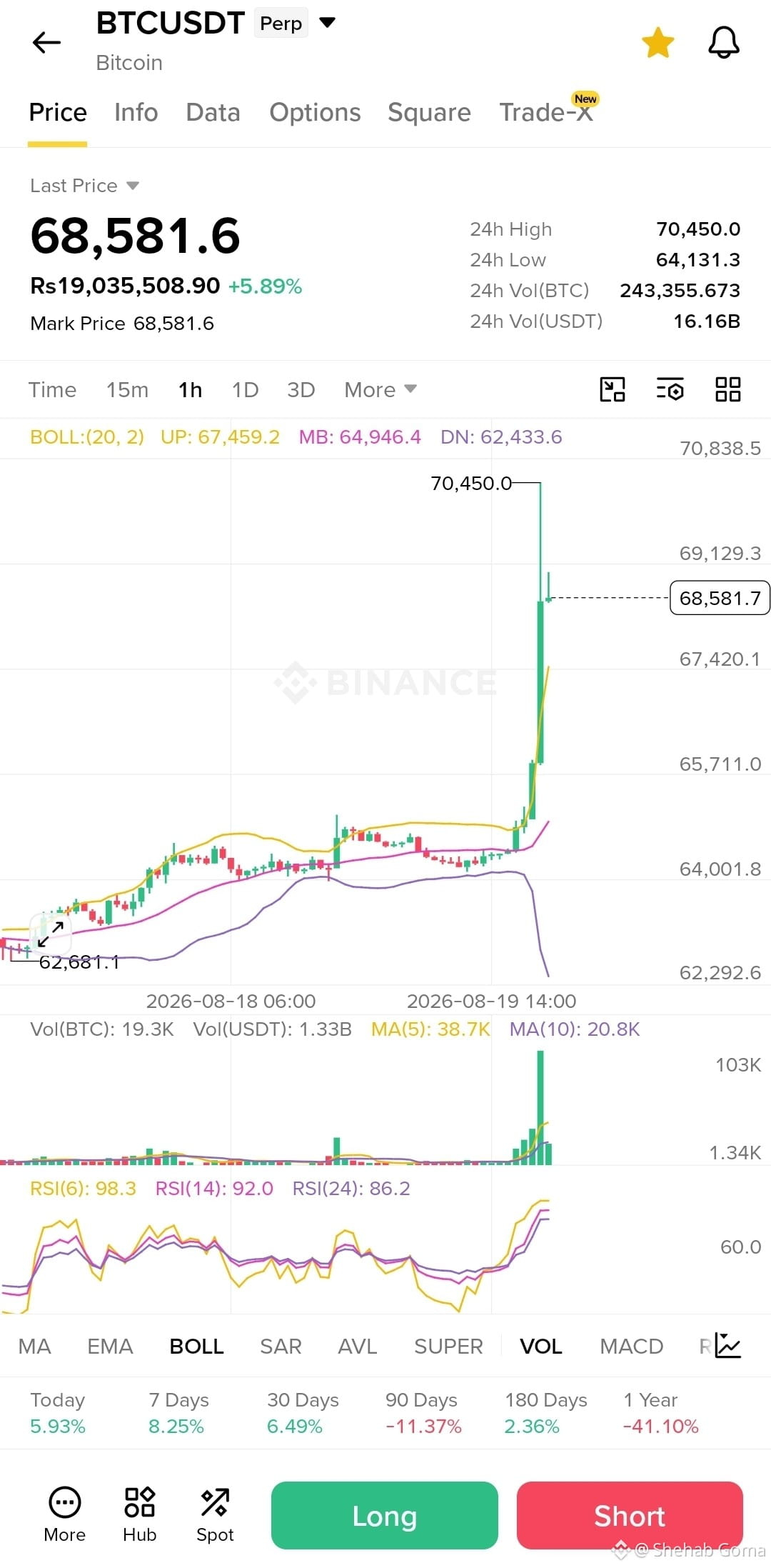
Après une si longue attente, le BTC a enfin décidé de se réveiller ! Revoir un peu de vert fait tellement du bien. Espérons que ce n’est que le début. 💚
#CryptoRally
#FOMCWatch
#btc70k
$BTC
{future}(BTCUSDT)
$ETH
{future}(ETHUSDT)
$BNB
{future}(BNBUSDT)
Après une si longue attente, le BTC a enfin décidé de se réveiller ! Revoir un peu de vert fait tellement du bien. Espérons que ce n’est que le début. 💚
#CryptoRally
#FOMCWatch
#btc70k
$BTC
$ETH
$BNB
#CryptoRally
#FOMCWatch
#btc70k
$BTC
$ETH
$BNB
1
198
·
--
Partiellement vrai
J’ai appris ça à la dure.
L’an dernier, je me suis lancé dans un pool de variables à 18% de rendement annuel (APY). Trois semaines plus tard ? 4%. Sans avertissement. Juste moins.
Ce n’est pas de la planification. C’est deviner avec un signe de pourcentage.
Ce dont j’avais vraiment besoin, c’était simple : savoir ce que j’allais gagner le mois prochain, plutôt que courir après ce que je pourrais gagner aujourd’hui.
C’est là que @termmax a fait tilt pour moi.
Un exemple concret a frappé juste :
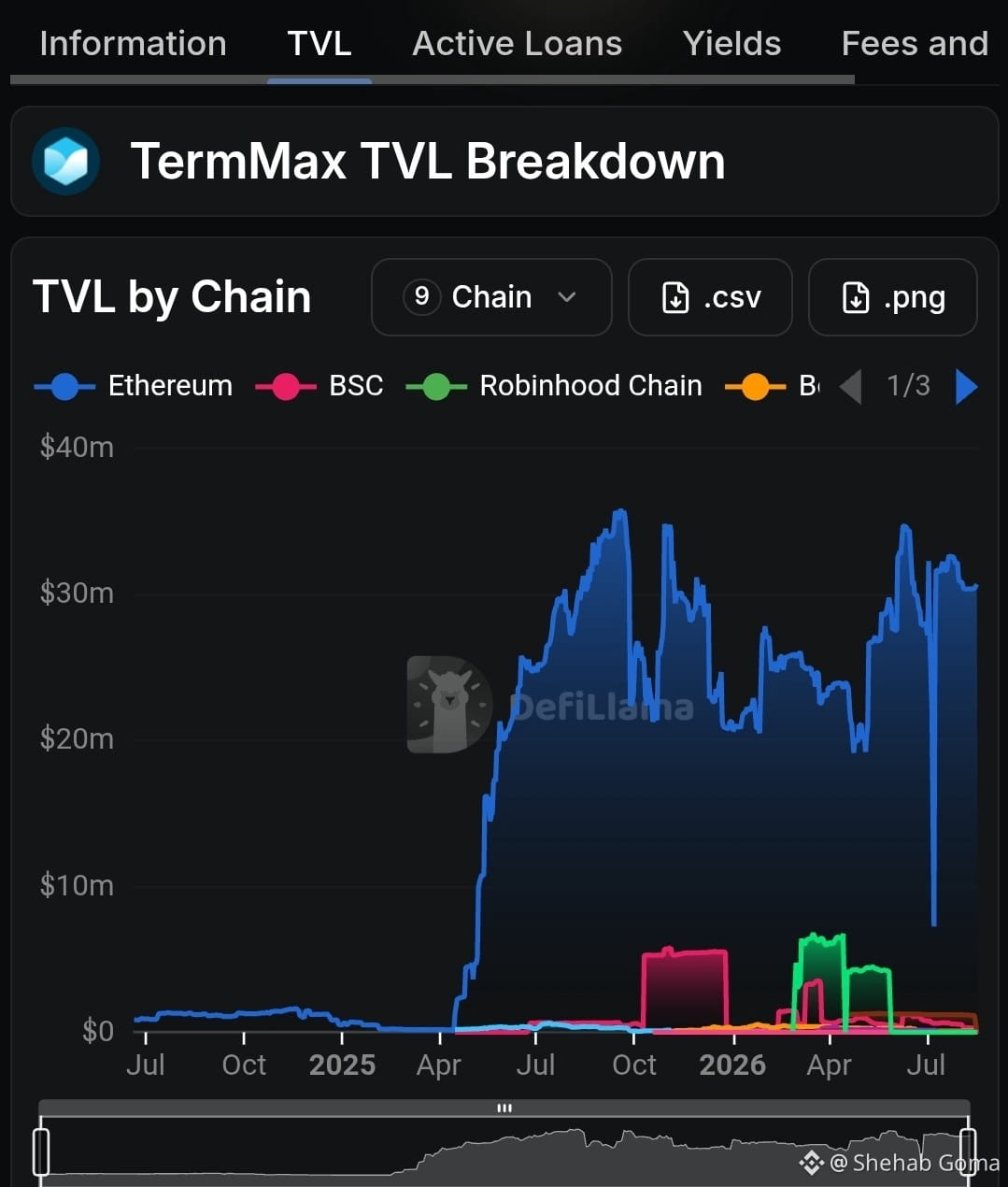
Récemment, Aave a publié une hausse du coût d’emprunt sur 24 heures de plus de 40% dans certains marchés. Imaginez essayer de gérer une trésorerie là-dessus. Vous ne pouvez pas.
#TermMax a été lancé sur HyperEVM il y a seulement 2 jours — sa 9e chaîne. Les utilisateurs peuvent emprunter de l’USDC contre HyperUSD avec un taux verrouillé dès l’entrée. C’est ça, la différence : les conditions sont connues dès le départ.
La leçon à plus grande échelle est encore plus intéressante.
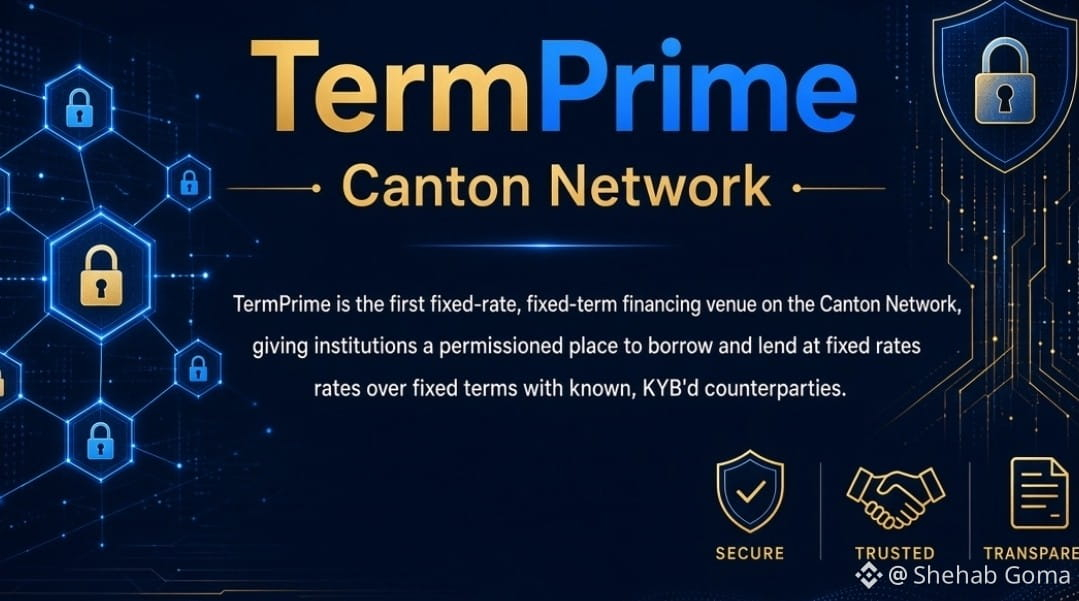
TermPrime — son espace institutionnel à taux fixe — est passé en ligne sur le réseau Canton. Ce n’est pas juste de l’expérimentation des natifs de DeFi. C’est de l’infrastructure pour des participants qui se soucient du terme, du coût et de la prévisibilité.
C’est peut-être là le changement le plus important : la DeFi qui devient quelque chose autour de quoi les utilisateurs peuvent réellement structurer leur stratégie, plutôt que quelque chose dans lequel on ne fait que spéculer.
Alors la question est : si des taux fixes existaient pour chaque actif demain — est-ce que vous chercheriez encore des rendements variables ?
J’ai appris ça à la dure.
L’an dernier, je me suis lancé dans un pool de variables à 18% de rendement annuel (APY). Trois semaines plus tard ? 4%. Sans avertissement. Juste moins.
Ce n’est pas de la planification. C’est deviner avec un signe de pourcentage.
Ce dont j’avais vraiment besoin, c’était simple : savoir ce que j’allais gagner le mois prochain, plutôt que courir après ce que je pourrais gagner aujourd’hui.
C’est là que @TermMax a fait tilt pour moi.
Un exemple concret a frappé juste :
Récemment, Aave a publié une hausse du coût d’emprunt sur 24 heures de plus de 40% dans certains marchés. Imaginez essayer de gérer une trésorerie là-dessus. Vous ne pouvez pas.
#TermMax a été lancé sur HyperEVM il y a seulement 2 jours — sa 9e chaîne. Les utilisateurs peuvent emprunter de l’USDC contre HyperUSD avec un taux verrouillé dès l’entrée. C’est ça, la différence : les conditions sont connues dès le départ.
La leçon à plus grande échelle est encore plus intéressante.
TermPrime — son espace institutionnel à taux fixe — est passé en ligne sur le réseau Canton. Ce n’est pas juste de l’expérimentation des natifs de DeFi. C’est de l’infrastructure pour des participants qui se soucient du terme, du coût et de la prévisibilité.
C’est peut-être là le changement le plus important : la DeFi qui devient quelque chose autour de quoi les utilisateurs peuvent réellement structurer leur stratégie, plutôt que quelque chose dans lequel on ne fait que spéculer.
Alors la question est : si des taux fixes existaient pour chaque actif demain — est-ce que vous chercheriez encore des rendements variables ?
L’an dernier, je me suis lancé dans un pool de variables à 18% de rendement annuel (APY). Trois semaines plus tard ? 4%. Sans avertissement. Juste moins.
Ce n’est pas de la planification. C’est deviner avec un signe de pourcentage.
Ce dont j’avais vraiment besoin, c’était simple : savoir ce que j’allais gagner le mois prochain, plutôt que courir après ce que je pourrais gagner aujourd’hui.
C’est là que @TermMax a fait tilt pour moi.
Un exemple concret a frappé juste :
Récemment, Aave a publié une hausse du coût d’emprunt sur 24 heures de plus de 40% dans certains marchés. Imaginez essayer de gérer une trésorerie là-dessus. Vous ne pouvez pas.
#TermMax a été lancé sur HyperEVM il y a seulement 2 jours — sa 9e chaîne. Les utilisateurs peuvent emprunter de l’USDC contre HyperUSD avec un taux verrouillé dès l’entrée. C’est ça, la différence : les conditions sont connues dès le départ.
La leçon à plus grande échelle est encore plus intéressante.
TermPrime — son espace institutionnel à taux fixe — est passé en ligne sur le réseau Canton. Ce n’est pas juste de l’expérimentation des natifs de DeFi. C’est de l’infrastructure pour des participants qui se soucient du terme, du coût et de la prévisibilité.
C’est peut-être là le changement le plus important : la DeFi qui devient quelque chose autour de quoi les utilisateurs peuvent réellement structurer leur stratégie, plutôt que quelque chose dans lequel on ne fait que spéculer.
Alors la question est : si des taux fixes existaient pour chaque actif demain — est-ce que vous chercheriez encore des rendements variables ?
13
9
298
·
--
Je pensais autrefois que la tokenisation était la réponse. Mettre tous les actifs du monde réel onchain, et soudain tout devient liquide et accessible.
Puis j’ai regardé les chiffres.
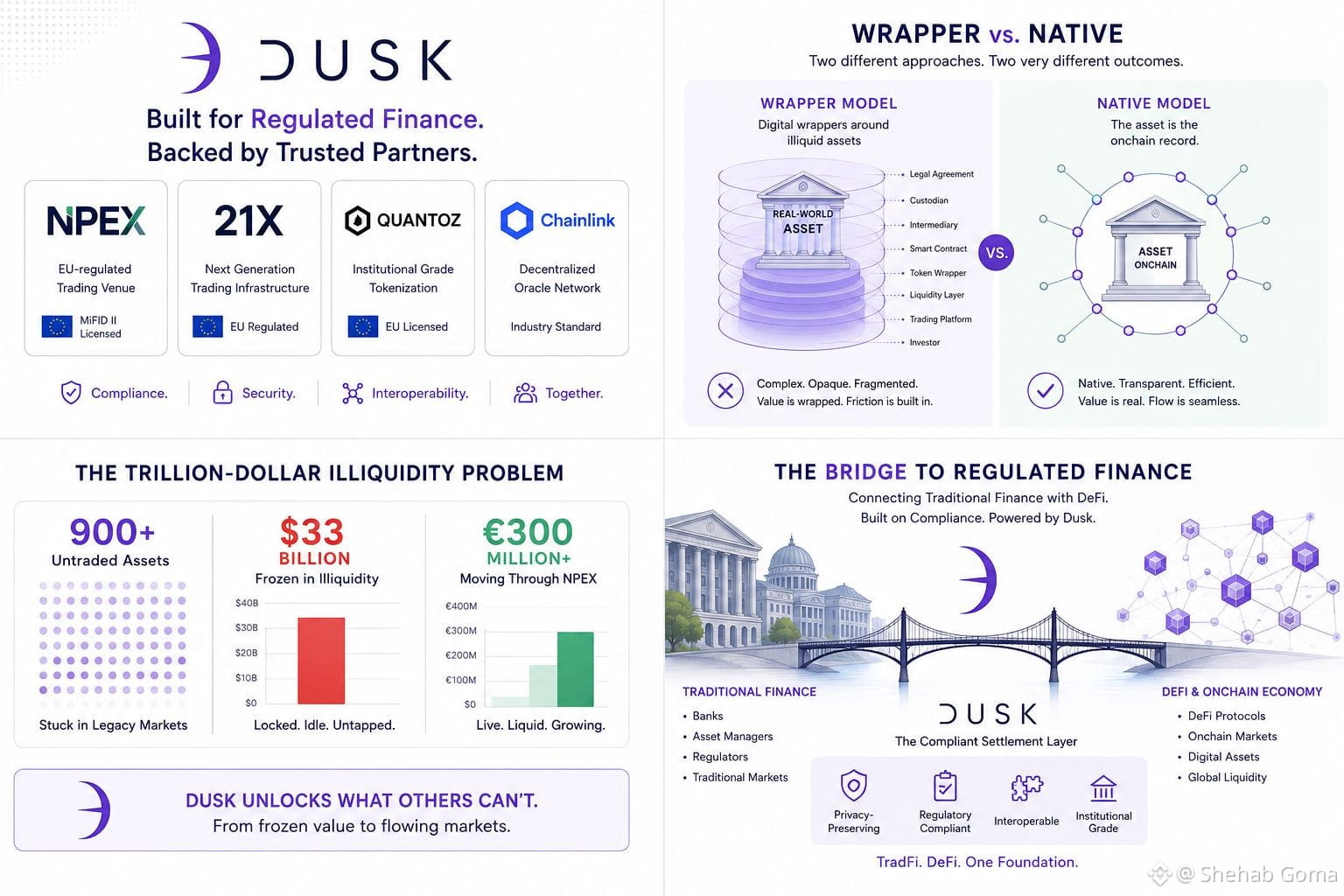
Pour chaque dollar de valeur tokenisée que vous pouvez réellement négocier, il y en a environ 10 qui restent là à ne rien faire, comme un reçu numérique. D’après les données de RWA.xyz, plus de 900 actifs sur 1 300 sont restés une semaine entière sans aucune transaction. Soit 33 milliards de dollars immobilisés.
La tokenisation n’a pas résolu la liquidité. Elle a simplement créé des enveloppes numériques autour d’actifs illiquides.
Le vrai problème n’a jamais été de mettre des actifs onchain. C’était de les rendre effectivement négociables—avec une finalité juridique, une conformité intégrée et un règlement qui compte.
@Dusk_Foundation adopte une approche différente. Grâce à NPEX, une bourse néerlandaise régulée par l’AFM, ils font passer plus de 300 millions d’euros de titres tokenisés onchain. Des actions et des obligations réelles, avec un règlement en secondes plutôt qu’en jours. Via 21X, la négociation et le règlement sont fusionnés en une seule action atomique—reconnue par le droit de l’UE.
Quantoz fournit l’actif de règlement : EURQ, un euro numérique conforme à la MiCA. Fiat régulé, onchain.
L’infrastructure est là. Et l’activité suggère que ça résonne—le protocole de staking liquide de Dusk, Sozu, détient déjà plus de 26 millions de dollars d’actifs mis en jeu. C’est une participation réelle, pas une spéculation.
Alors si la tokenisation était censée libérer la liquidité, pourquoi la plupart des actifs tokenisés sont-ils à peine négociés ?
Peut-être parce qu’on s’est concentrés sur l’enrobage d’actifs au lieu de reconstruire l’infrastructure de règlement. #dusk construit quelque chose avec lequel les régulateurs peuvent réellement travailler.
Quelle est la chose qui bloque le plus votre secteur pour passer onchain ?
$DUSK
{future}(DUSKUSDT)
Je pensais autrefois que la tokenisation était la réponse. Mettre tous les actifs du monde réel onchain, et soudain tout devient liquide et accessible.
Puis j’ai regardé les chiffres.
Pour chaque dollar de valeur tokenisée que vous pouvez réellement négocier, il y en a environ 10 qui restent là à ne rien faire, comme un reçu numérique. D’après les données de RWA.xyz, plus de 900 actifs sur 1 300 sont restés une semaine entière sans aucune transaction. Soit 33 milliards de dollars immobilisés.
La tokenisation n’a pas résolu la liquidité. Elle a simplement créé des enveloppes numériques autour d’actifs illiquides.
Le vrai problème n’a jamais été de mettre des actifs onchain. C’était de les rendre effectivement négociables—avec une finalité juridique, une conformité intégrée et un règlement qui compte.
@Dusk adopte une approche différente. Grâce à NPEX, une bourse néerlandaise régulée par l’AFM, ils font passer plus de 300 millions d’euros de titres tokenisés onchain. Des actions et des obligations réelles, avec un règlement en secondes plutôt qu’en jours. Via 21X, la négociation et le règlement sont fusionnés en une seule action atomique—reconnue par le droit de l’UE.
Quantoz fournit l’actif de règlement : EURQ, un euro numérique conforme à la MiCA. Fiat régulé, onchain.
L’infrastructure est là. Et l’activité suggère que ça résonne—le protocole de staking liquide de Dusk, Sozu, détient déjà plus de 26 millions de dollars d’actifs mis en jeu. C’est une participation réelle, pas une spéculation.
Alors si la tokenisation était censée libérer la liquidité, pourquoi la plupart des actifs tokenisés sont-ils à peine négociés ?
Peut-être parce qu’on s’est concentrés sur l’enrobage d’actifs au lieu de reconstruire l’infrastructure de règlement. #dusk construit quelque chose avec lequel les régulateurs peuvent réellement travailler.
Quelle est la chose qui bloque le plus votre secteur pour passer onchain ?
$DUSK
Puis j’ai regardé les chiffres.
Pour chaque dollar de valeur tokenisée que vous pouvez réellement négocier, il y en a environ 10 qui restent là à ne rien faire, comme un reçu numérique. D’après les données de RWA.xyz, plus de 900 actifs sur 1 300 sont restés une semaine entière sans aucune transaction. Soit 33 milliards de dollars immobilisés.
La tokenisation n’a pas résolu la liquidité. Elle a simplement créé des enveloppes numériques autour d’actifs illiquides.
Le vrai problème n’a jamais été de mettre des actifs onchain. C’était de les rendre effectivement négociables—avec une finalité juridique, une conformité intégrée et un règlement qui compte.
@Dusk adopte une approche différente. Grâce à NPEX, une bourse néerlandaise régulée par l’AFM, ils font passer plus de 300 millions d’euros de titres tokenisés onchain. Des actions et des obligations réelles, avec un règlement en secondes plutôt qu’en jours. Via 21X, la négociation et le règlement sont fusionnés en une seule action atomique—reconnue par le droit de l’UE.
Quantoz fournit l’actif de règlement : EURQ, un euro numérique conforme à la MiCA. Fiat régulé, onchain.
L’infrastructure est là. Et l’activité suggère que ça résonne—le protocole de staking liquide de Dusk, Sozu, détient déjà plus de 26 millions de dollars d’actifs mis en jeu. C’est une participation réelle, pas une spéculation.
Alors si la tokenisation était censée libérer la liquidité, pourquoi la plupart des actifs tokenisés sont-ils à peine négociés ?
Peut-être parce qu’on s’est concentrés sur l’enrobage d’actifs au lieu de reconstruire l’infrastructure de règlement. #dusk construit quelque chose avec lequel les régulateurs peuvent réellement travailler.
Quelle est la chose qui bloque le plus votre secteur pour passer onchain ?
$DUSK
3
4
208
·
--
Les APY flottants ne sont pas une opportunité. Ce sont de l’incertitude portant un masque de rendement.
Un jour, c’est 20 %. Le lendemain, c’est 5 %.
C’est très bien pour l’agriculture (farming). C’est terrible pour la planification.
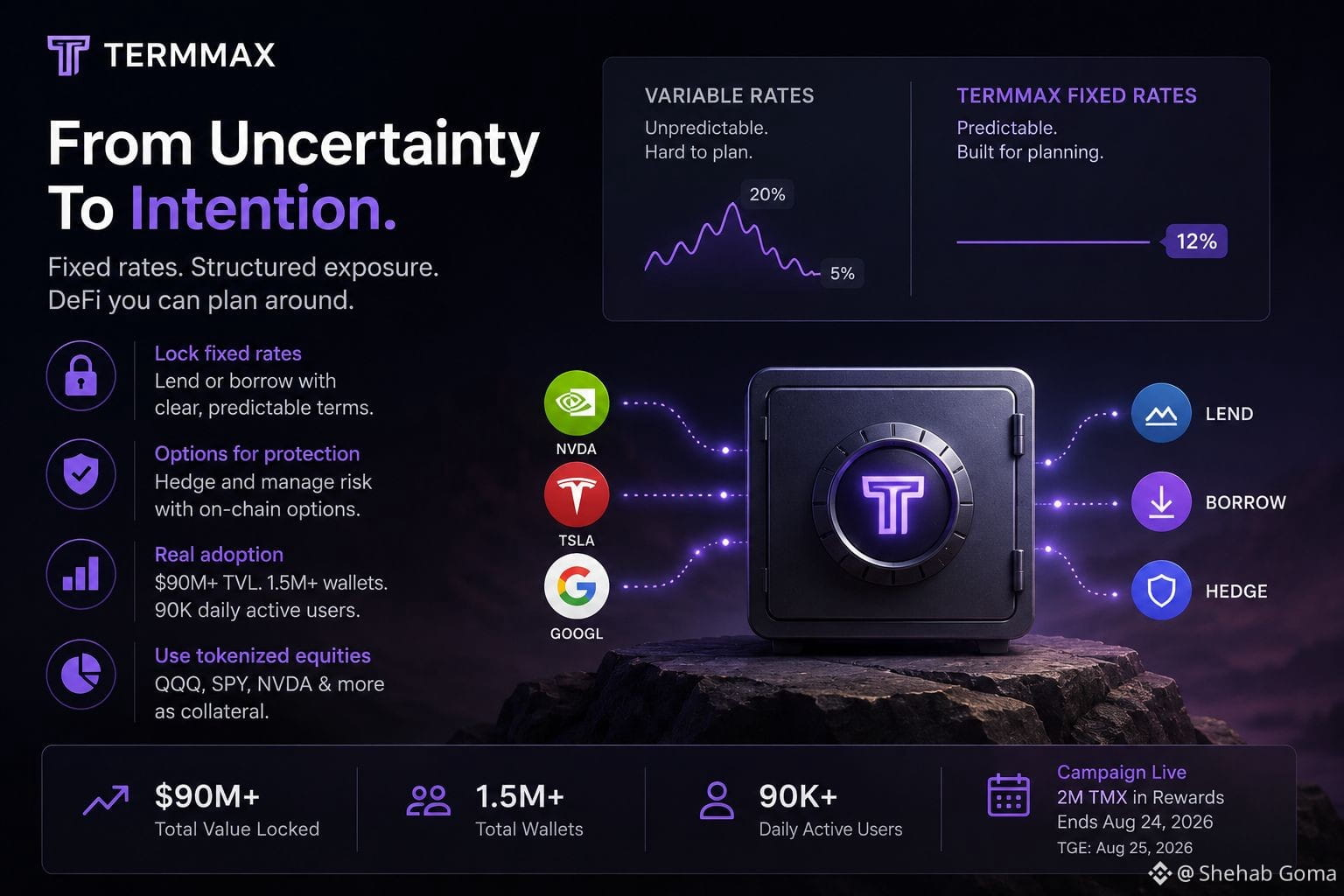
Voici ce que @termmax fait réellement différemment : au lieu de taux variables qui bougent en permanence, il permet aux utilisateurs de verrouiller des taux fixes pour le prêt et l’emprunt. Imaginez cela comme une obligation DeFi — les conditions sont plus claires dès le départ, donc la position est plus facile à planifier.
Ajoutez sa couche “options” par-dessus, et le produit commence à ressembler moins à une course au taux pur et davantage à une exposition structurée. Les utilisateurs ne se contentent pas de prêter ou d’emprunter — ils peuvent aussi se couvrir et gérer le risque plus intentionnellement.
L’adoption est déjà visible : 90 M$+ de TVL, 1,5 M+ de portefeuilles, 90 K d’utilisateurs actifs quotidiens.
Mais le signal le plus important est le changement sous-jacent :
D’une course à des taux changeants vers la fixation de coûts connus
Des prédictions d’issues au fait de planifier autour de conditions fixes
De la simple chasse au rendement à l’utilisation d’actions tokenisées comme QQQ, SPY et NVDA en tant que collatéral avec une exposition à taux défini
C’est, je pense, la partie qui compte. Pas parce que ça ressemble davantage à la TradFi. Mais parce que cela rend la DeFi plus facile à utiliser, avec intention.
Bien sûr, le compromis, c’est un upside plus faible dans une frénésie. Les taux fixes ne vont pas soudainement exploser comme peuvent le faire les rendements variables. Mais c’est précisément le but : vous échangez la volatilité contre de la prévisibilité.
La campagne #TermMax Booster est en direct sur Binance Square, avec 2 M TMX en récompenses, se terminant le 24 août 2026, avant le TGE du 25 août 2026.
Mais la question la plus importante est simple :
La DeFi reste-t-elle un marché pour poursuivre la volatilité, ou commence-t-elle à devenir un marché sur lequel les gens peuvent réellement se projeter ?
@termmax #TermMax
Les APY flottants ne sont pas une opportunité. Ce sont de l’incertitude portant un masque de rendement.
Un jour, c’est 20 %. Le lendemain, c’est 5 %.
C’est très bien pour l’agriculture (farming). C’est terrible pour la planification.
Voici ce que @TermMax fait réellement différemment : au lieu de taux variables qui bougent en permanence, il permet aux utilisateurs de verrouiller des taux fixes pour le prêt et l’emprunt. Imaginez cela comme une obligation DeFi — les conditions sont plus claires dès le départ, donc la position est plus facile à planifier.
Ajoutez sa couche “options” par-dessus, et le produit commence à ressembler moins à une course au taux pur et davantage à une exposition structurée. Les utilisateurs ne se contentent pas de prêter ou d’emprunter — ils peuvent aussi se couvrir et gérer le risque plus intentionnellement.
L’adoption est déjà visible : 90 M$+ de TVL, 1,5 M+ de portefeuilles, 90 K d’utilisateurs actifs quotidiens.
Mais le signal le plus important est le changement sous-jacent :
D’une course à des taux changeants vers la fixation de coûts connus
Des prédictions d’issues au fait de planifier autour de conditions fixes
De la simple chasse au rendement à l’utilisation d’actions tokenisées comme QQQ, SPY et NVDA en tant que collatéral avec une exposition à taux défini
C’est, je pense, la partie qui compte. Pas parce que ça ressemble davantage à la TradFi. Mais parce que cela rend la DeFi plus facile à utiliser, avec intention.
Bien sûr, le compromis, c’est un upside plus faible dans une frénésie. Les taux fixes ne vont pas soudainement exploser comme peuvent le faire les rendements variables. Mais c’est précisément le but : vous échangez la volatilité contre de la prévisibilité.
La campagne #TermMax Booster est en direct sur Binance Square, avec 2 M TMX en récompenses, se terminant le 24 août 2026, avant le TGE du 25 août 2026.
Mais la question la plus importante est simple :
La DeFi reste-t-elle un marché pour poursuivre la volatilité, ou commence-t-elle à devenir un marché sur lequel les gens peuvent réellement se projeter ?
@TermMax #TermMax
Un jour, c’est 20 %. Le lendemain, c’est 5 %.
C’est très bien pour l’agriculture (farming). C’est terrible pour la planification.
Voici ce que @TermMax fait réellement différemment : au lieu de taux variables qui bougent en permanence, il permet aux utilisateurs de verrouiller des taux fixes pour le prêt et l’emprunt. Imaginez cela comme une obligation DeFi — les conditions sont plus claires dès le départ, donc la position est plus facile à planifier.
Ajoutez sa couche “options” par-dessus, et le produit commence à ressembler moins à une course au taux pur et davantage à une exposition structurée. Les utilisateurs ne se contentent pas de prêter ou d’emprunter — ils peuvent aussi se couvrir et gérer le risque plus intentionnellement.
L’adoption est déjà visible : 90 M$+ de TVL, 1,5 M+ de portefeuilles, 90 K d’utilisateurs actifs quotidiens.
Mais le signal le plus important est le changement sous-jacent :
D’une course à des taux changeants vers la fixation de coûts connus
Des prédictions d’issues au fait de planifier autour de conditions fixes
De la simple chasse au rendement à l’utilisation d’actions tokenisées comme QQQ, SPY et NVDA en tant que collatéral avec une exposition à taux défini
C’est, je pense, la partie qui compte. Pas parce que ça ressemble davantage à la TradFi. Mais parce que cela rend la DeFi plus facile à utiliser, avec intention.
Bien sûr, le compromis, c’est un upside plus faible dans une frénésie. Les taux fixes ne vont pas soudainement exploser comme peuvent le faire les rendements variables. Mais c’est précisément le but : vous échangez la volatilité contre de la prévisibilité.
La campagne #TermMax Booster est en direct sur Binance Square, avec 2 M TMX en récompenses, se terminant le 24 août 2026, avant le TGE du 25 août 2026.
Mais la question la plus importante est simple :
La DeFi reste-t-elle un marché pour poursuivre la volatilité, ou commence-t-elle à devenir un marché sur lequel les gens peuvent réellement se projeter ?
@TermMax #TermMax
12
10
498
·
--
Vérifié
Je pensais autrefois que le principal obstacle de la tokenisation était la vitesse. Des blocs plus rapides. Une latence plus faible. Plus de TPS. Mais je m’étais trompé.
Le vrai goulot d’étranglement n’a jamais été lié à la rapidité avec laquelle on peut régler. Il s’agissait de savoir si le règlement est comptabilisé.
Essayez d’expliquer à un régulateur qu’une transaction obligataire de 50 millions d’euros a été réglée en deux secondes—mais qu’il n’y a aucune finalité juridiquement reconnue, aucune piste exploitable, aucun cadre de conformité. Ils ne se soucient pas de votre temps de bloc. Ils se soucient d’un règlement opposable.
C’est la tension que @Dusk_Foundation cherche en réalité à résoudre.
NPEX, une bourse néerlandaise réglementée par l’AFM, fait passer plus de 300 millions d’euros de titres tokenisés onchain via Dusk. De vraies actions et obligations, réglées en quelques secondes, pas en jours. 21X—la première entreprise à recevoir la licence DLT-TSS de l’UE—fusionne légalement la négociation et le règlement en une seule action atomique. Aucun intermédiaire de chambre de compensation. Juste une finalité au niveau du protocole, reconnue par le droit de l’UE.
Quantoz fournit l’actif de règlement : EURQ, un euro numérique conforme MiCA. Un fiat réglementé, onchain.
Ajoutez Cordial Systems, avec plus de 20 milliards de dollars en conservation de crédit privé onchain, et Chainlink pour relier 65+ chaînes.
Sozu, le protocole de liquid staking de Dusk, détient déjà plus de 26 millions de dollars d’actifs misés. Une participation réelle, pas de la spéculation.
Voici la question inconfortable : si la technologie n’a jamais été le problème, pourquoi a-t-il fallu autant de temps ?
Peut-être parce que nous avons optimisé pour la vitesse alors que nous aurions dû optimiser pour la confiance. Dusk et ses partenaires autorisés dans l’UE ont construit quelque chose que les régulateurs peuvent réellement approuver.
Quel est l’unique élément qui freine votre secteur à passer onchain—et est-ce vraiment de la technologie, ou quelque chose de plus profond ?
#dusk
$DUSK
{future}(DUSKUSDT)
Le plus grand obstacle à l’adoption de la blockchain par les institutions ?
Je pensais autrefois que le principal obstacle de la tokenisation était la vitesse. Des blocs plus rapides. Une latence plus faible. Plus de TPS. Mais je m’étais trompé.
Le vrai goulot d’étranglement n’a jamais été lié à la rapidité avec laquelle on peut régler. Il s’agissait de savoir si le règlement est comptabilisé.
Essayez d’expliquer à un régulateur qu’une transaction obligataire de 50 millions d’euros a été réglée en deux secondes—mais qu’il n’y a aucune finalité juridiquement reconnue, aucune piste exploitable, aucun cadre de conformité. Ils ne se soucient pas de votre temps de bloc. Ils se soucient d’un règlement opposable.
C’est la tension que @Dusk cherche en réalité à résoudre.
NPEX, une bourse néerlandaise réglementée par l’AFM, fait passer plus de 300 millions d’euros de titres tokenisés onchain via Dusk. De vraies actions et obligations, réglées en quelques secondes, pas en jours. 21X—la première entreprise à recevoir la licence DLT-TSS de l’UE—fusionne légalement la négociation et le règlement en une seule action atomique. Aucun intermédiaire de chambre de compensation. Juste une finalité au niveau du protocole, reconnue par le droit de l’UE.
Quantoz fournit l’actif de règlement : EURQ, un euro numérique conforme MiCA. Un fiat réglementé, onchain.
Ajoutez Cordial Systems, avec plus de 20 milliards de dollars en conservation de crédit privé onchain, et Chainlink pour relier 65+ chaînes.
Sozu, le protocole de liquid staking de Dusk, détient déjà plus de 26 millions de dollars d’actifs misés. Une participation réelle, pas de la spéculation.
Voici la question inconfortable : si la technologie n’a jamais été le problème, pourquoi a-t-il fallu autant de temps ?
Peut-être parce que nous avons optimisé pour la vitesse alors que nous aurions dû optimiser pour la confiance. Dusk et ses partenaires autorisés dans l’UE ont construit quelque chose que les régulateurs peuvent réellement approuver.
Quel est l’unique élément qui freine votre secteur à passer onchain—et est-ce vraiment de la technologie, ou quelque chose de plus profond ?
#dusk
$DUSK
Le plus grand obstacle à l’adoption de la blockchain par les institutions ?
Le vrai goulot d’étranglement n’a jamais été lié à la rapidité avec laquelle on peut régler. Il s’agissait de savoir si le règlement est comptabilisé.
Essayez d’expliquer à un régulateur qu’une transaction obligataire de 50 millions d’euros a été réglée en deux secondes—mais qu’il n’y a aucune finalité juridiquement reconnue, aucune piste exploitable, aucun cadre de conformité. Ils ne se soucient pas de votre temps de bloc. Ils se soucient d’un règlement opposable.
C’est la tension que @Dusk cherche en réalité à résoudre.
NPEX, une bourse néerlandaise réglementée par l’AFM, fait passer plus de 300 millions d’euros de titres tokenisés onchain via Dusk. De vraies actions et obligations, réglées en quelques secondes, pas en jours. 21X—la première entreprise à recevoir la licence DLT-TSS de l’UE—fusionne légalement la négociation et le règlement en une seule action atomique. Aucun intermédiaire de chambre de compensation. Juste une finalité au niveau du protocole, reconnue par le droit de l’UE.
Quantoz fournit l’actif de règlement : EURQ, un euro numérique conforme MiCA. Un fiat réglementé, onchain.
Ajoutez Cordial Systems, avec plus de 20 milliards de dollars en conservation de crédit privé onchain, et Chainlink pour relier 65+ chaînes.
Sozu, le protocole de liquid staking de Dusk, détient déjà plus de 26 millions de dollars d’actifs misés. Une participation réelle, pas de la spéculation.
Voici la question inconfortable : si la technologie n’a jamais été le problème, pourquoi a-t-il fallu autant de temps ?
Peut-être parce que nous avons optimisé pour la vitesse alors que nous aurions dû optimiser pour la confiance. Dusk et ses partenaires autorisés dans l’UE ont construit quelque chose que les régulateurs peuvent réellement approuver.
Quel est l’unique élément qui freine votre secteur à passer onchain—et est-ce vraiment de la technologie, ou quelque chose de plus profond ?
#dusk
$DUSK
Le plus grand obstacle à l’adoption de la blockchain par les institutions ?
🔹 Regulatory uncertainty
0%
🔹 Legal settlement finality
0%
🔹 Privacy concerns
100%
🔹 Interoperability
0%
1 Votes • Vote fermé
9
8
173
·
--
Trading sur 30 j de 756.4 USDT en $DUSK
Plus je regarde @Dusk_Foundation , moins l’expression « chaîne de confidentialité » me semble être le bon cadre.
Ce qui a vraiment fait tilt est plus simple.
Les institutions n’ont jamais voulu l’anonymat.
Elles voulaient déplacer de vrais actifs sans que chaque position et paiement ne se transforme en une stratégie publique — et sans rendre la conformité impossible.
Les chaînes transparentes fuient des informations. Un simple paiement d’intérêt peut révéler la taille des fonds.
Les chaînes de confidentialité pures sont bloquées parce que les contreparties et les régulateurs ne peuvent pas vérifier ce dont ils ont besoin.
L’une diffuse des données commerciales.
L’autre fait échouer le service conformité.
La seule configuration qui fonctionne consiste à garder les données privées par défaut tout en permettant aux bonnes parties de confirmer l’éligibilité lorsque c’est nécessaire.
Ce n’est pas de la confidentialité.
C’est de l’autorisation.
#dusk se trouve du côté « autorisation » de cette ligne.
Et plus ce marché dure, plus c’est évident : l’autorisation est le véritable produit.
$DUSK
Plus je regarde @Dusk , moins l’expression « chaîne de confidentialité » me semble être le bon cadre.
Ce qui a vraiment fait tilt est plus simple.
Les institutions n’ont jamais voulu l’anonymat.
Elles voulaient déplacer de vrais actifs sans que chaque position et paiement ne se transforme en une stratégie publique — et sans rendre la conformité impossible.
Les chaînes transparentes fuient des informations. Un simple paiement d’intérêt peut révéler la taille des fonds.
Les chaînes de confidentialité pures sont bloquées parce que les contreparties et les régulateurs ne peuvent pas vérifier ce dont ils ont besoin.
L’une diffuse des données commerciales.
L’autre fait échouer le service conformité.
La seule configuration qui fonctionne consiste à garder les données privées par défaut tout en permettant aux bonnes parties de confirmer l’éligibilité lorsque c’est nécessaire.
Ce n’est pas de la confidentialité.
C’est de l’autorisation.
#dusk se trouve du côté « autorisation » de cette ligne.
Et plus ce marché dure, plus c’est évident : l’autorisation est le véritable produit.
$DUSK
Ce qui a vraiment fait tilt est plus simple.
Les institutions n’ont jamais voulu l’anonymat.
Elles voulaient déplacer de vrais actifs sans que chaque position et paiement ne se transforme en une stratégie publique — et sans rendre la conformité impossible.
Les chaînes transparentes fuient des informations. Un simple paiement d’intérêt peut révéler la taille des fonds.
Les chaînes de confidentialité pures sont bloquées parce que les contreparties et les régulateurs ne peuvent pas vérifier ce dont ils ont besoin.
L’une diffuse des données commerciales.
L’autre fait échouer le service conformité.
La seule configuration qui fonctionne consiste à garder les données privées par défaut tout en permettant aux bonnes parties de confirmer l’éligibilité lorsque c’est nécessaire.
Ce n’est pas de la confidentialité.
C’est de l’autorisation.
#dusk se trouve du côté « autorisation » de cette ligne.
Et plus ce marché dure, plus c’est évident : l’autorisation est le véritable produit.
$DUSK
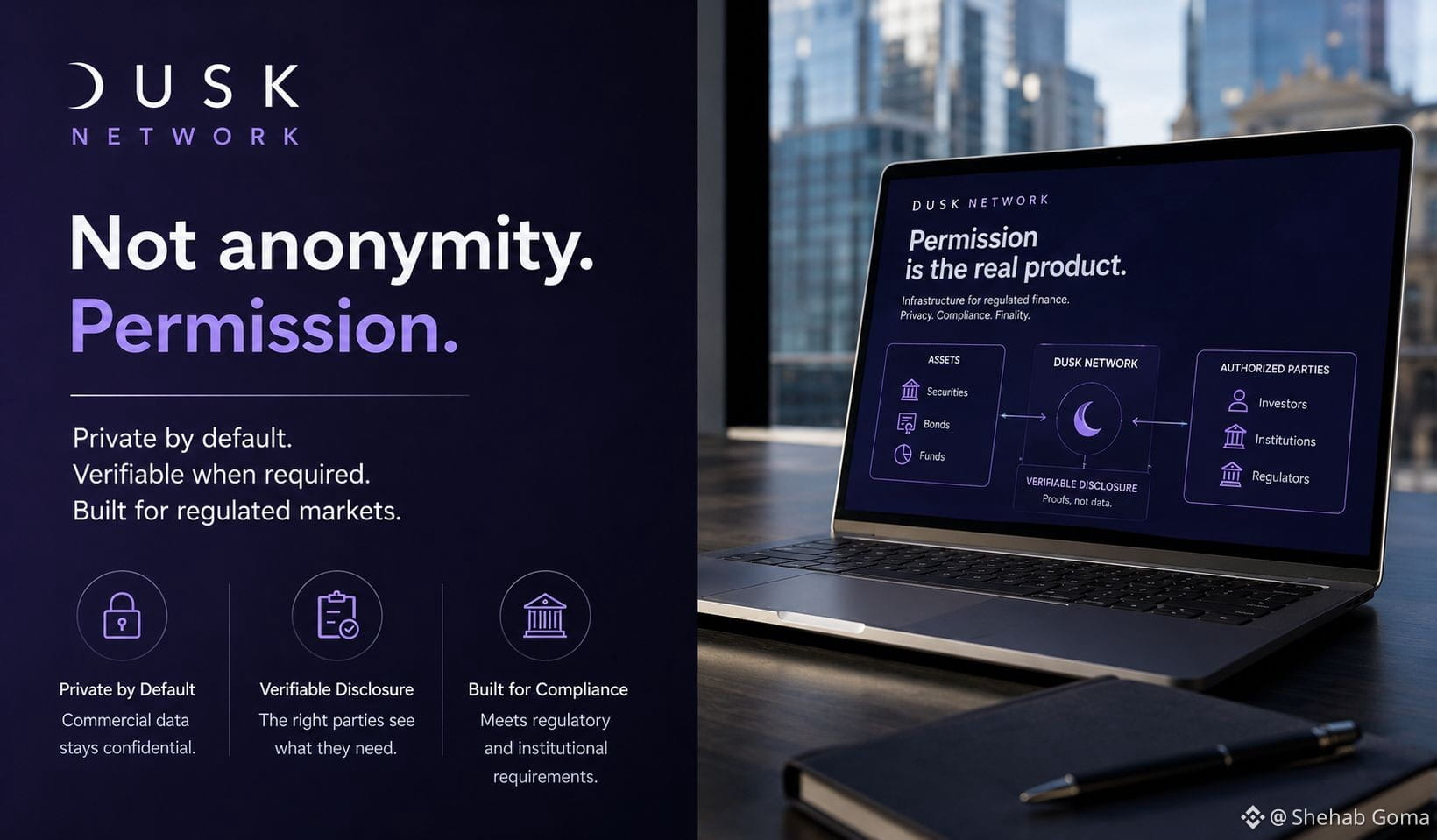
6
7
227
·
--
Haussier
Vérifié
Je pensais autrefois que « la DeFi institutionnelle » était un oxymore.
Nous avions la capacité de traitement, les smart contracts et les outils de confidentialité depuis des années. Mais la vraie limite n’était pas la vitesse. C’était la finalité juridique. Comment régler une obligation de 50 M€ en quelques secondes tout en garantissant qu’un régulateur puisse encore auditer la contrepartie ? Pendant longtemps, la réponse était simplement : on ne peut pas.
L’approche de Dusk répond à cela. Ils ont conçu une L1 sensible à la conformité, où des preuves à divulgation nulle de connaissance offrent une transparence vérifiable, et non l’anonymat. Les régulateurs disposent de la visibilité ; les contreparties conservent la confidentialité. L’infrastructure est nécessaire, mais le vrai signal réside dans les partenaires agréés qui s’y branchent.
NPEX, une bourse néerlandaise régulée par l’AFM, a déjà facilité plus de 200 M€ de financement pour les PME. Ils migrent leurs actions et obligations cotées vers Dusk—ce qui représente 300 M€ d’actifs réglementés rejoignant des rails de règlement dont la finalité se fait en secondes, pas en jours. Ensuite, il y a 21X : la première entité à avoir reçu la licence DLT-TSS de l’UE, qui fusionne légalement trading et settlement en une seule action atomique on-chain. Aucun intermédiaire de chambre de compensation. Juste la finalité au niveau du protocole, reconnue par le droit de l’UE.
Quantoz Payments, un EMI conforme à la MiCA, fournit l’actif de règlement : EURQ, un euro numérique entièrement adossé—une monnaie fiduciaire régulée et programmable on-chain. Ajoutez Cordial Systems, avec plus de 20 milliards de dollars en garde d’actifs privés on-chain, et Chainlink pour relier 65+ chaînes. La base est là : de la monnaie fiduciaire régulée injectée, émission conforme, exécution atomique.
La confiance et l’adoption se construiront progressivement. Le protocole Sozu de Dusk détient déjà 26,6 millions d’actifs mis en jeu—un signal concret que le réseau sécurise une participation significative. Et avec 300 M€ en mouvement depuis NPEX, cela ressemble moins à un test qu’au début d’un changement structurel. La question n’est plus de savoir si les marchés de capitaux passent on-chain, mais quelle couche de règlement les régulateurs finiront par faire confiance. Dusk et ses partenaires agréés au niveau de l’UE rendent cette réponse de plus en plus claire.
@Dusk_Foundation #dusk $DUSK
{future}(DUSKUSDT)
Je pensais autrefois que « la DeFi institutionnelle » était un oxymore.
Nous avions la capacité de traitement, les smart contracts et les outils de confidentialité depuis des années. Mais la vraie limite n’était pas la vitesse. C’était la finalité juridique. Comment régler une obligation de 50 M€ en quelques secondes tout en garantissant qu’un régulateur puisse encore auditer la contrepartie ? Pendant longtemps, la réponse était simplement : on ne peut pas.
L’approche de Dusk répond à cela. Ils ont conçu une L1 sensible à la conformité, où des preuves à divulgation nulle de connaissance offrent une transparence vérifiable, et non l’anonymat. Les régulateurs disposent de la visibilité ; les contreparties conservent la confidentialité. L’infrastructure est nécessaire, mais le vrai signal réside dans les partenaires agréés qui s’y branchent.
NPEX, une bourse néerlandaise régulée par l’AFM, a déjà facilité plus de 200 M€ de financement pour les PME. Ils migrent leurs actions et obligations cotées vers Dusk—ce qui représente 300 M€ d’actifs réglementés rejoignant des rails de règlement dont la finalité se fait en secondes, pas en jours. Ensuite, il y a 21X : la première entité à avoir reçu la licence DLT-TSS de l’UE, qui fusionne légalement trading et settlement en une seule action atomique on-chain. Aucun intermédiaire de chambre de compensation. Juste la finalité au niveau du protocole, reconnue par le droit de l’UE.
Quantoz Payments, un EMI conforme à la MiCA, fournit l’actif de règlement : EURQ, un euro numérique entièrement adossé—une monnaie fiduciaire régulée et programmable on-chain. Ajoutez Cordial Systems, avec plus de 20 milliards de dollars en garde d’actifs privés on-chain, et Chainlink pour relier 65+ chaînes. La base est là : de la monnaie fiduciaire régulée injectée, émission conforme, exécution atomique.
La confiance et l’adoption se construiront progressivement. Le protocole Sozu de Dusk détient déjà 26,6 millions d’actifs mis en jeu—un signal concret que le réseau sécurise une participation significative. Et avec 300 M€ en mouvement depuis NPEX, cela ressemble moins à un test qu’au début d’un changement structurel. La question n’est plus de savoir si les marchés de capitaux passent on-chain, mais quelle couche de règlement les régulateurs finiront par faire confiance. Dusk et ses partenaires agréés au niveau de l’UE rendent cette réponse de plus en plus claire.
@Dusk #dusk $DUSK
Nous avions la capacité de traitement, les smart contracts et les outils de confidentialité depuis des années. Mais la vraie limite n’était pas la vitesse. C’était la finalité juridique. Comment régler une obligation de 50 M€ en quelques secondes tout en garantissant qu’un régulateur puisse encore auditer la contrepartie ? Pendant longtemps, la réponse était simplement : on ne peut pas.
L’approche de Dusk répond à cela. Ils ont conçu une L1 sensible à la conformité, où des preuves à divulgation nulle de connaissance offrent une transparence vérifiable, et non l’anonymat. Les régulateurs disposent de la visibilité ; les contreparties conservent la confidentialité. L’infrastructure est nécessaire, mais le vrai signal réside dans les partenaires agréés qui s’y branchent.
NPEX, une bourse néerlandaise régulée par l’AFM, a déjà facilité plus de 200 M€ de financement pour les PME. Ils migrent leurs actions et obligations cotées vers Dusk—ce qui représente 300 M€ d’actifs réglementés rejoignant des rails de règlement dont la finalité se fait en secondes, pas en jours. Ensuite, il y a 21X : la première entité à avoir reçu la licence DLT-TSS de l’UE, qui fusionne légalement trading et settlement en une seule action atomique on-chain. Aucun intermédiaire de chambre de compensation. Juste la finalité au niveau du protocole, reconnue par le droit de l’UE.
Quantoz Payments, un EMI conforme à la MiCA, fournit l’actif de règlement : EURQ, un euro numérique entièrement adossé—une monnaie fiduciaire régulée et programmable on-chain. Ajoutez Cordial Systems, avec plus de 20 milliards de dollars en garde d’actifs privés on-chain, et Chainlink pour relier 65+ chaînes. La base est là : de la monnaie fiduciaire régulée injectée, émission conforme, exécution atomique.
La confiance et l’adoption se construiront progressivement. Le protocole Sozu de Dusk détient déjà 26,6 millions d’actifs mis en jeu—un signal concret que le réseau sécurise une participation significative. Et avec 300 M€ en mouvement depuis NPEX, cela ressemble moins à un test qu’au début d’un changement structurel. La question n’est plus de savoir si les marchés de capitaux passent on-chain, mais quelle couche de règlement les régulateurs finiront par faire confiance. Dusk et ses partenaires agréés au niveau de l’UE rendent cette réponse de plus en plus claire.
@Dusk #dusk $DUSK
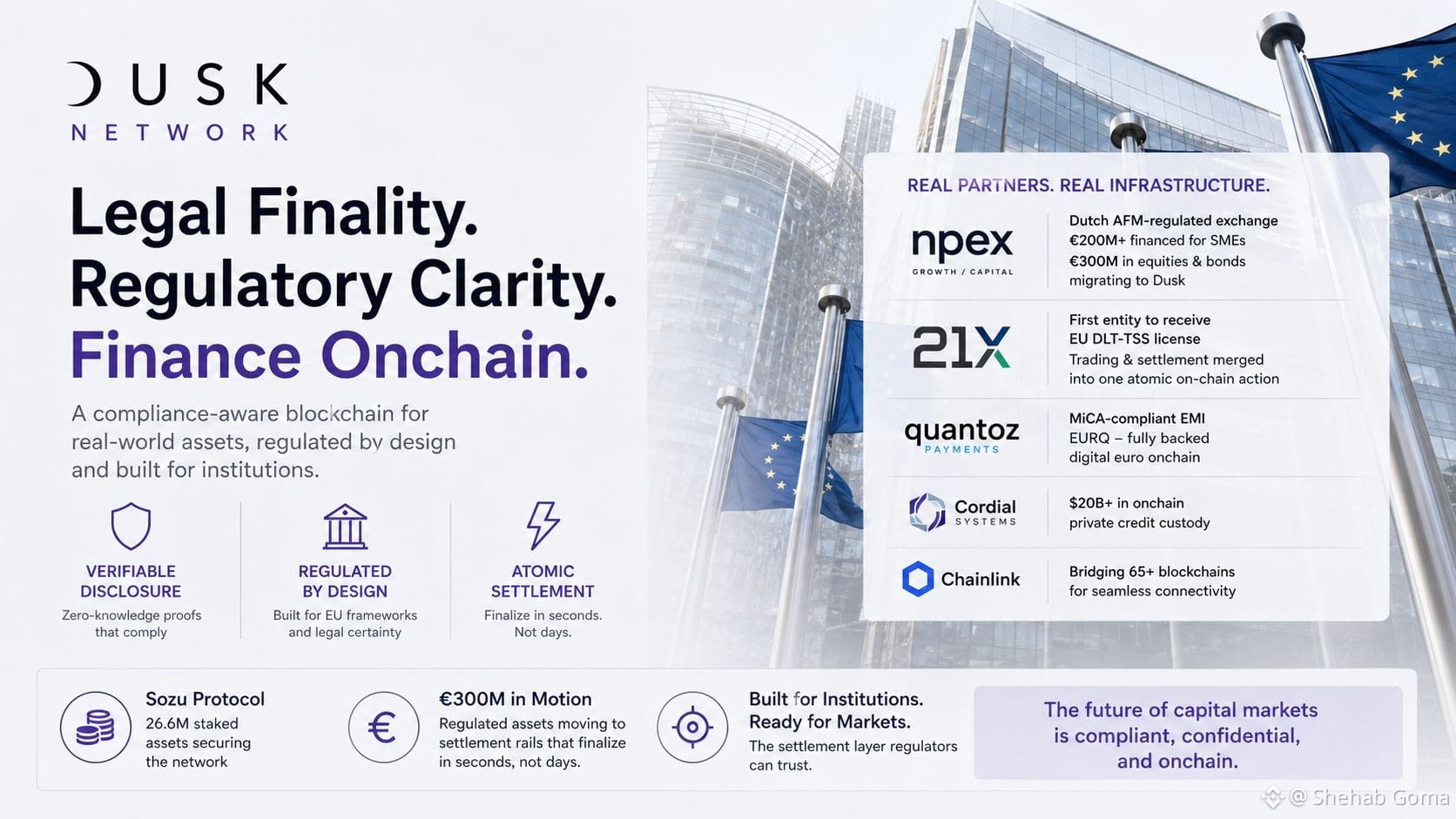
13
8
289
·
--
Vérifié
Plongez dans la campagne CreatorPad @Dusk_Foundation actuellement en ligne jusqu’au 26 août. 480 000 #dusk en jeu, plus 40 000 USDC pour des lives. Des tâches simples—de courts posts, suivre le compte, un échange de 10 $DUSK .
Le produit en dessous, lui, est tout l’opposé de simple.
La plupart des projets RWA tokenisent des produits. Une action, une obligation, un fonds—on l’enveloppe, on le liste, on l’appelle on-chain. Dusk Trade fait quelque chose de différent. Le produit se positionne comme un nouveau type de courtier—l’infrastructure qui se situe entre les investisseurs et les actifs, gérant l’éligibilité, le règlement et les divulgations autorisées. Pas juste une marketplace. L’ensemble du flux de travail du marché.
C’est là que se situe la tension. La campagne attire des utilisateurs retail qui publient du contenu en format court. Le produit est conçu pour des workflows financiers réglementés, où la logique de conformité doit être intégrée à l’émission des actifs, et non ajoutée après.
Grâce à NPEX, Dusk détient des licences MTF, Broker et ECSP, avec DLT-TSS en attente, et un pipeline de plus de 300 millions d’euros de titres tokenisés. Pas encore de règlement en direct. Mais l’infrastructure suppose une finalité déterministe, une divulgation sélective et de véritables obligations réglementaires.
La campagne demande aux gens de publier pour des points. Le produit est conçu pour des intermédiaires financiers, pas pour des utilisateurs qui publient pour des points.
Le fossé n’est pas forcément un problème. Mais la question que je reviens sans cesse est la suivante : si une campagne pensée pour l’engagement retail réussit, est-ce que cela nous apprend quelque chose sur le fait que la thèse de la couche “broker” fonctionne réellement ? Ou est-ce que cela ne fait que montrer que les incitations fonctionnent ?
Plongez dans la campagne CreatorPad @Dusk actuellement en ligne jusqu’au 26 août. 480 000 #dusk en jeu, plus 40 000 USDC pour des lives. Des tâches simples—de courts posts, suivre le compte, un échange de 10 $DUSK .
Le produit en dessous, lui, est tout l’opposé de simple.
La plupart des projets RWA tokenisent des produits. Une action, une obligation, un fonds—on l’enveloppe, on le liste, on l’appelle on-chain. Dusk Trade fait quelque chose de différent. Le produit se positionne comme un nouveau type de courtier—l’infrastructure qui se situe entre les investisseurs et les actifs, gérant l’éligibilité, le règlement et les divulgations autorisées. Pas juste une marketplace. L’ensemble du flux de travail du marché.
C’est là que se situe la tension. La campagne attire des utilisateurs retail qui publient du contenu en format court. Le produit est conçu pour des workflows financiers réglementés, où la logique de conformité doit être intégrée à l’émission des actifs, et non ajoutée après.
Grâce à NPEX, Dusk détient des licences MTF, Broker et ECSP, avec DLT-TSS en attente, et un pipeline de plus de 300 millions d’euros de titres tokenisés. Pas encore de règlement en direct. Mais l’infrastructure suppose une finalité déterministe, une divulgation sélective et de véritables obligations réglementaires.
La campagne demande aux gens de publier pour des points. Le produit est conçu pour des intermédiaires financiers, pas pour des utilisateurs qui publient pour des points.
Le fossé n’est pas forcément un problème. Mais la question que je reviens sans cesse est la suivante : si une campagne pensée pour l’engagement retail réussit, est-ce que cela nous apprend quelque chose sur le fait que la thèse de la couche “broker” fonctionne réellement ? Ou est-ce que cela ne fait que montrer que les incitations fonctionnent ?
Le produit en dessous, lui, est tout l’opposé de simple.
La plupart des projets RWA tokenisent des produits. Une action, une obligation, un fonds—on l’enveloppe, on le liste, on l’appelle on-chain. Dusk Trade fait quelque chose de différent. Le produit se positionne comme un nouveau type de courtier—l’infrastructure qui se situe entre les investisseurs et les actifs, gérant l’éligibilité, le règlement et les divulgations autorisées. Pas juste une marketplace. L’ensemble du flux de travail du marché.
C’est là que se situe la tension. La campagne attire des utilisateurs retail qui publient du contenu en format court. Le produit est conçu pour des workflows financiers réglementés, où la logique de conformité doit être intégrée à l’émission des actifs, et non ajoutée après.
Grâce à NPEX, Dusk détient des licences MTF, Broker et ECSP, avec DLT-TSS en attente, et un pipeline de plus de 300 millions d’euros de titres tokenisés. Pas encore de règlement en direct. Mais l’infrastructure suppose une finalité déterministe, une divulgation sélective et de véritables obligations réglementaires.
La campagne demande aux gens de publier pour des points. Le produit est conçu pour des intermédiaires financiers, pas pour des utilisateurs qui publient pour des points.
Le fossé n’est pas forcément un problème. Mais la question que je reviens sans cesse est la suivante : si une campagne pensée pour l’engagement retail réussit, est-ce que cela nous apprend quelque chose sur le fait que la thèse de la couche “broker” fonctionne réellement ? Ou est-ce que cela ne fait que montrer que les incitations fonctionnent ?
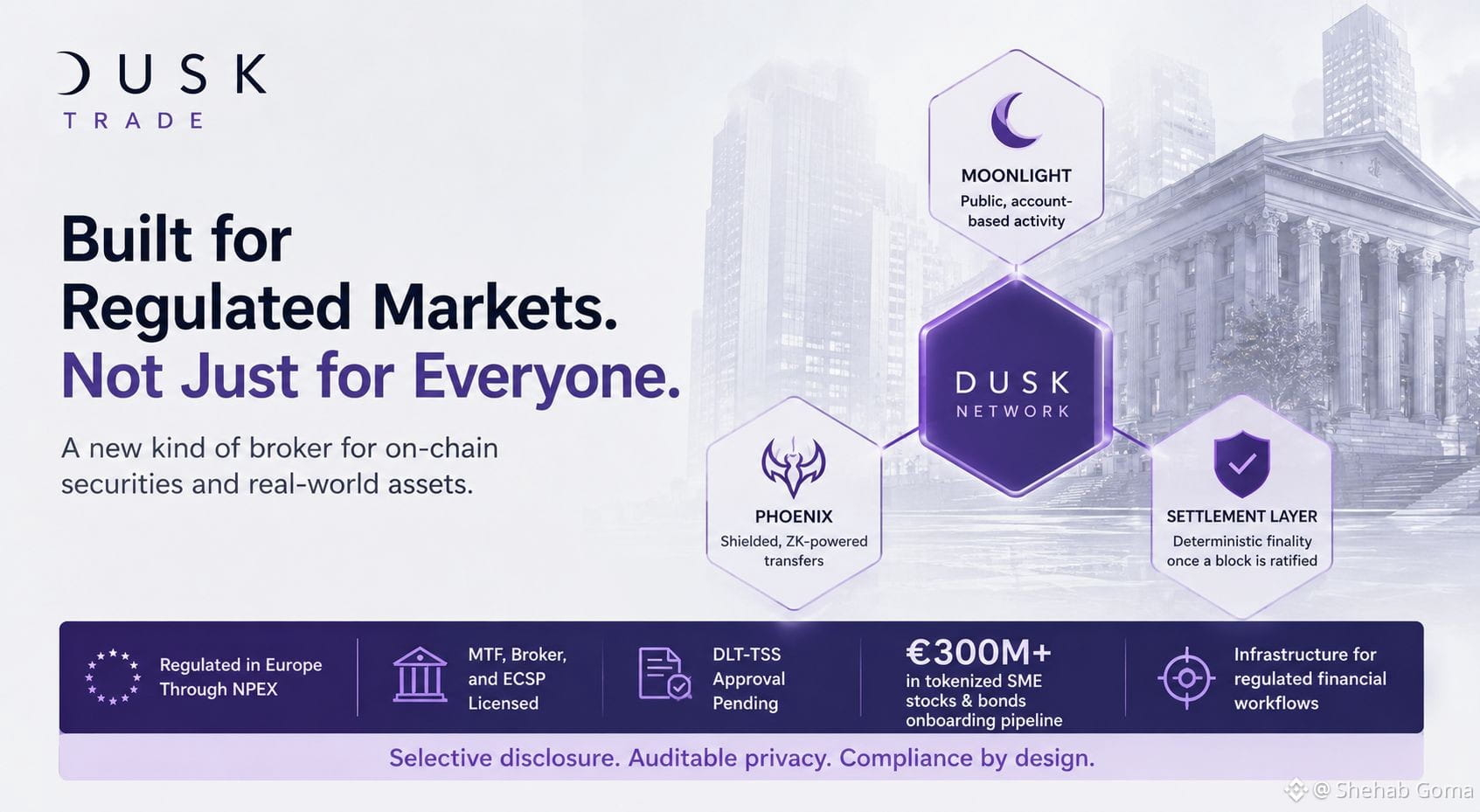
16
10
290
·
--
Vérifié
J’ai remarqué la campagne Dusk CreatorPad lancée aujourd’hui sur Binance Square—du 13 août au 26 août, avec 480 000 DUSK au classement, plus jusqu’à 40 000 USDC pour des récompenses de livestream, et un échange minimum de 10 $ $DUSK pour être éligible. Mécaniques de croissance standard. Ce qui m’a frappé, c’est le contraste entre l’audience que cela attire et ce que Dusk construit réellement.
La plupart des crypto traitent la confidentialité comme un moyen de se cacher. #dusk la considère comme une divulgation sélective selon des règles. Cela semble moins radical, mais pour la finance réglementée, c’est peut-être plus important. Les marchés ont besoin d’une confidentialité vérifiable, et non de transactions opaques type « boîte noire ».
L’architecture de Dusk reflète cela : Moonlight pour l’activité publique basée sur les comptes, Phoenix pour des transferts ZK protégés, le tout sur la même chaîne. Pas une opacité universelle, mais une confidentialité contextuelle dépendante.
La même logique apparaît dans le règlement. @Dusk_Foundation repose sur une finalité déterministe une fois qu’un bloc est ratifié, ce qui compte pour les valeurs mobilières, car un règlement échoué ou ambigu peut engendrer des problèmes de conformité en aval.
Et le lien NPEX rend l’ambition concrète : plus de 300 M€ en actions et obligations de PME tokenisées sont associés à ce pipeline d’onboarding via l’écosystème de Dusk. Pas encore de règlement on-chain en direct, mais un signal réel du marché qu’il veut servir.
La question plus large est de savoir si la confidentialité sera éventuellement revalorisée—non pas comme anonymat pour les individus, mais comme confidentialité pour les marchés.
J’ai remarqué la campagne Dusk CreatorPad lancée aujourd’hui sur Binance Square—du 13 août au 26 août, avec 480 000 DUSK au classement, plus jusqu’à 40 000 USDC pour des récompenses de livestream, et un échange minimum de 10 $ $DUSK pour être éligible. Mécaniques de croissance standard. Ce qui m’a frappé, c’est le contraste entre l’audience que cela attire et ce que Dusk construit réellement.
La plupart des crypto traitent la confidentialité comme un moyen de se cacher. #dusk la considère comme une divulgation sélective selon des règles. Cela semble moins radical, mais pour la finance réglementée, c’est peut-être plus important. Les marchés ont besoin d’une confidentialité vérifiable, et non de transactions opaques type « boîte noire ».
L’architecture de Dusk reflète cela : Moonlight pour l’activité publique basée sur les comptes, Phoenix pour des transferts ZK protégés, le tout sur la même chaîne. Pas une opacité universelle, mais une confidentialité contextuelle dépendante.
La même logique apparaît dans le règlement. @Dusk repose sur une finalité déterministe une fois qu’un bloc est ratifié, ce qui compte pour les valeurs mobilières, car un règlement échoué ou ambigu peut engendrer des problèmes de conformité en aval.
Et le lien NPEX rend l’ambition concrète : plus de 300 M€ en actions et obligations de PME tokenisées sont associés à ce pipeline d’onboarding via l’écosystème de Dusk. Pas encore de règlement on-chain en direct, mais un signal réel du marché qu’il veut servir.
La question plus large est de savoir si la confidentialité sera éventuellement revalorisée—non pas comme anonymat pour les individus, mais comme confidentialité pour les marchés.
La plupart des crypto traitent la confidentialité comme un moyen de se cacher. #dusk la considère comme une divulgation sélective selon des règles. Cela semble moins radical, mais pour la finance réglementée, c’est peut-être plus important. Les marchés ont besoin d’une confidentialité vérifiable, et non de transactions opaques type « boîte noire ».
L’architecture de Dusk reflète cela : Moonlight pour l’activité publique basée sur les comptes, Phoenix pour des transferts ZK protégés, le tout sur la même chaîne. Pas une opacité universelle, mais une confidentialité contextuelle dépendante.
La même logique apparaît dans le règlement. @Dusk repose sur une finalité déterministe une fois qu’un bloc est ratifié, ce qui compte pour les valeurs mobilières, car un règlement échoué ou ambigu peut engendrer des problèmes de conformité en aval.
Et le lien NPEX rend l’ambition concrète : plus de 300 M€ en actions et obligations de PME tokenisées sont associés à ce pipeline d’onboarding via l’écosystème de Dusk. Pas encore de règlement on-chain en direct, mais un signal réel du marché qu’il veut servir.
La question plus large est de savoir si la confidentialité sera éventuellement revalorisée—non pas comme anonymat pour les individus, mais comme confidentialité pour les marchés.
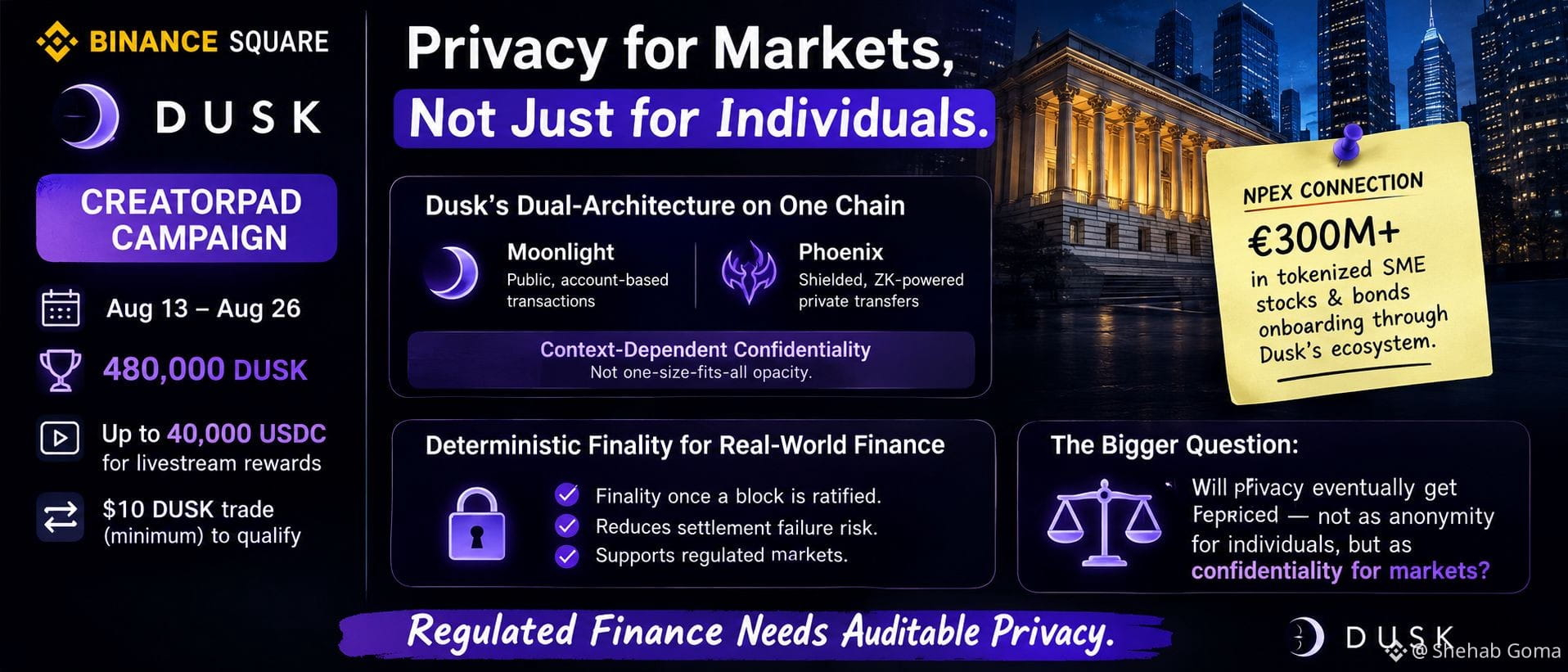
22
14
303
·
--
🚨 MISE À JOUR DU MARCHÉ : l’IPC de juillet s’est établi à 3,4 %, exactement conforme aux prévisions.
L’IPC hors alimentation et énergie (core) a ralenti à 2,5 %, également en ligne avec les attentes.
📈 IPC mensuel : +0,1 %, rebondissant après -0,4 % en juin.
$APR
{future}(APRUSDT)
$PROM
{future}(PROMUSDT)
$BR
{future}(BRUSDT)
🚨 MISE À JOUR DU MARCHÉ : l’IPC de juillet s’est établi à 3,4 %, exactement conforme aux prévisions.
L’IPC hors alimentation et énergie (core) a ralenti à 2,5 %, également en ligne avec les attentes.
📈 IPC mensuel : +0,1 %, rebondissant après -0,4 % en juin.
$APR
$PROM
$BR
L’IPC hors alimentation et énergie (core) a ralenti à 2,5 %, également en ligne avec les attentes.
📈 IPC mensuel : +0,1 %, rebondissant après -0,4 % en juin.
$APR
$PROM
$BR
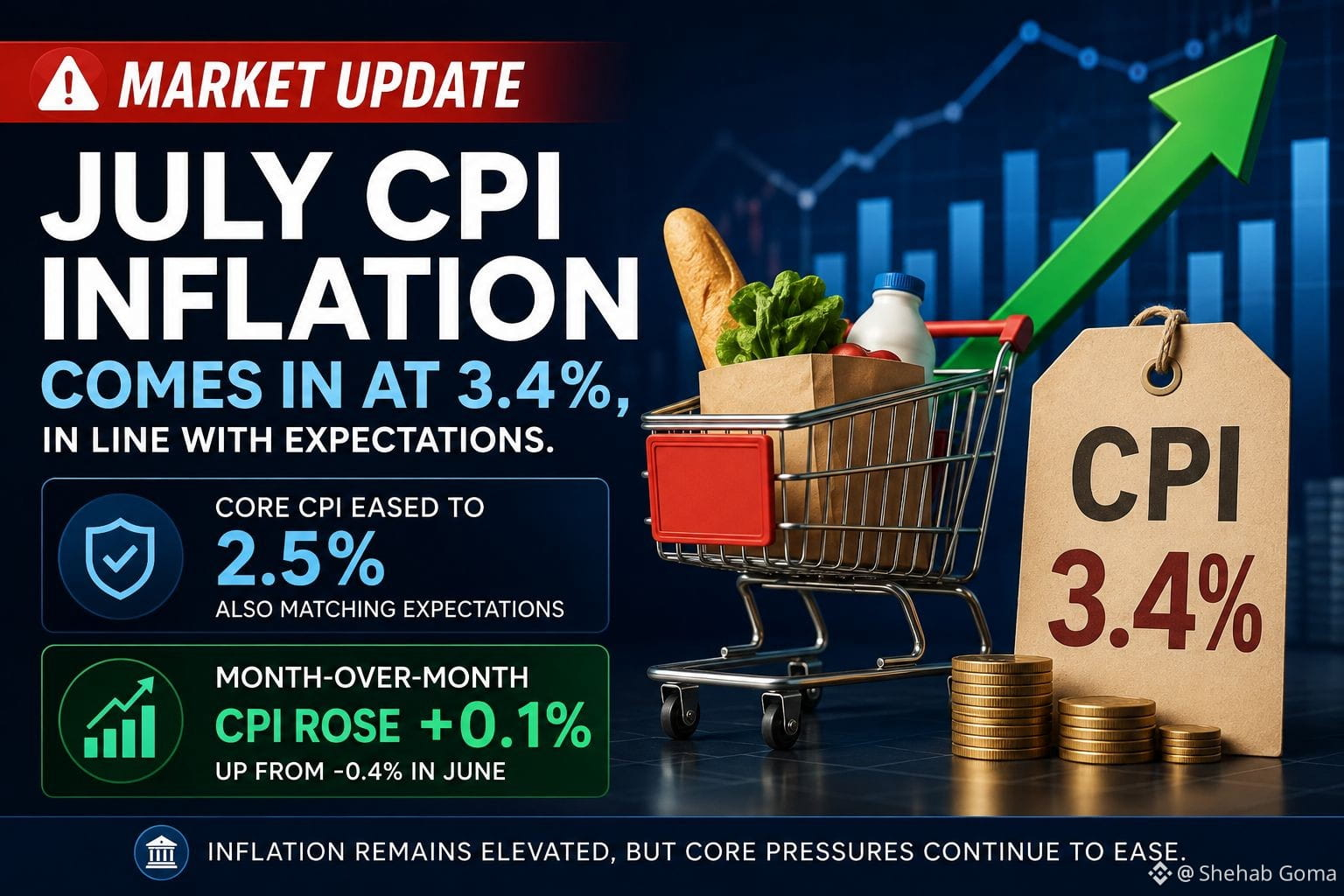
306
Connectez-vous pour découvrir plus de contenu
Rejoignez la communauté mondiale des adeptes de cryptomonnaies sur Binance Square
⚡️ Suviez les dernières informations importantes sur les cryptomonnaies.
💬 Jugé digne de confiance par la plus grande plateforme d’échange de cryptomonnaies au monde.
👍 Découvrez les connaissances que partagent les créateurs vérifiés.
Adresse e-mail/Nº de téléphone
Sujets d’actualité
AIStocksWhatNext
469,663 vues
3,487 mentions
Partagez et gagnez une récompense de trafic dans notre campagne de hashtag tendance
✨Sujet : Quelles autres opportunités d’investissement restent-elles alors que les actions liées à l’IA continuent de grimper ?
👉Comment participer :
Publiez une courte publication ou un article avec le hashtag #AIStocksWhatNext
Partagez si vous êtes plutôt haussier ou baissier, et publiez vos avoirs en actions IA ou votre transaction — utiliser le widget de trading peut améliorer votre éligibilité.
Vous pouvez aussi renforcer votre publication en partageant des données ou des graphiques, et en évitant les images générées par l’IA.
✍️Créez du contenu à partir des angles ci-dessous :
- Nvidia affirme que les ventes de puces vont doubler l’an prochain, et que les principaux acteurs de l’IA continuent d’enregistrer des revenus records ; les dépenses en calcul qui soutiennent tout cela sont tout aussi impressionnantes. La demande en IA décolle-t-elle vraiment ? Et combien de temps cela peut-il durer ? Les actions IA montent partout. Est-ce une vraie cassure, ou juste un rebond à court terme ?
- Des leaders de l’industrie appellent à ralentir le développement de l’IA, tandis que Trump prévoit de construire une « Force IA », affirmant que l’IA pourrait représenter 25 % du PIB américain à l’avenir. De quel côté êtes-vous ? Le soutien au niveau des États sera-t-il un gain de long terme pour les actions IA ?
- Achetez-vous des actions liées à l’IA ? Partagez votre transaction/position liée à l’IA avec notre widget de partage de trading.
⏰Période de la campagne :
- 2026-09-22 7:00 - 2026-09-24 4:00 UTC
🎁Récompense :
- Les publications qualifiées qui respectent les consignes ci-dessus et contiennent plus de 100 mots seront examinées et pourront recevoir un boost aléatoire de trafic de 500 à 3 000 vues. Vous recevrez une notification de la part de votre secrétaire de flux si votre publication est sélectionnée.
- Ayez une chance de voir votre article mis en avant sur Binance Square Official
Vous cherchez des idées pour votre publication ? Visitez la page du sujet #AIStocksWhatNext ou la page Square Guide on How to Post for Better Reach.
Binance Square Official
·413 mentions J’aime
·1M vues
BitcoinTops$87KAtEightMonthHigh
288 vues
18 mentions
ZECBreaksAbove$1600AtRecordHigh
64 vues
5 mentions