
CryptoWithGanesh
96 Publications

CryptoWithGanesh
Signaler
Bloquer l’utilisateur
Simple Crypto Updates BTC ETH Altcoins Visual insights Data first No hype.
Ouvert au trading
Trade fréquemment
1.8 an(s)
1.2K+ Suivis
276 Abonnés
67 J’aime
Publications
Portefeuille
Tous
Citations
Vidéos
Article
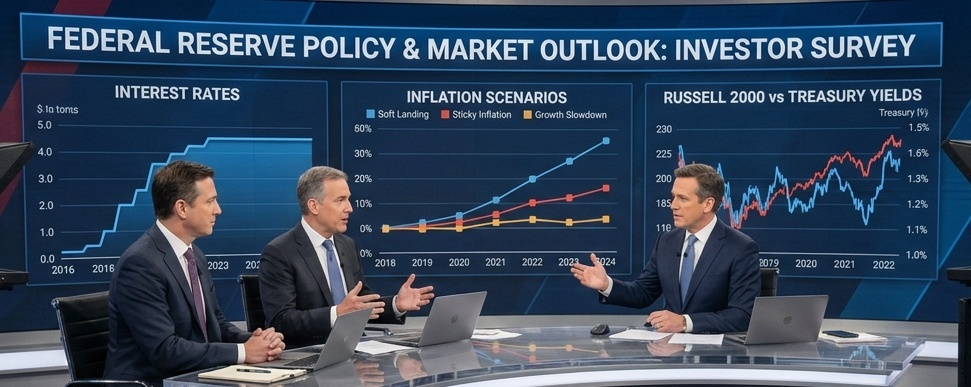
Toujours l’état d’esprit d’investisseur Meger ci-dessous 👇 👇 En résumé : privilégier la discipline plutôt que le FOMOTrois scénarios macroéconomiques qui façonnent les petites capitalisations et la prochaine décision de la Fed
Les marchés financiers évoluent rarement en fonction d’un seul titre d’actualité : ils sont tiraillés entre l’inflation, la croissance économique et les anticipations concernant la Réserve fédérale. En ce moment, les traders comme les investisseurs à long terme évaluent trois trajectoires macroéconomiques distinctes. Chacun de ces scénarios entraîne des conséquences très différentes pour les actions de petites capitalisations sensibles aux taux d’intérêt
(comme le Russell 2000 ou des indices de référence plus larges tels que $IWM / $IWV)
et les instruments à effet de levier inversé comme $TZA.
Toujours l’état d’esprit d’investisseur Meger ci-dessous 👇 👇 En résumé : privilégier la discipline plutôt que le FOMO
Trois scénarios macroéconomiques qui façonnent les petites capitalisations et la prochaine décision de la Fed
Les marchés financiers évoluent rarement en fonction d’un seul titre d’actualité : ils sont tiraillés entre l’inflation, la croissance économique et les anticipations concernant la Réserve fédérale. En ce moment, les traders comme les investisseurs à long terme évaluent trois trajectoires macroéconomiques distinctes. Chacun de ces scénarios entraîne des conséquences très différentes pour les actions de petites capitalisations sensibles aux taux d’intérêt
(comme le Russell 2000 ou des indices de référence plus larges tels que $IWM / $IWV)
et les instruments à effet de levier inversé comme $TZA.
119

Article
La langue ne devrait pas être un mur, mais un pont — vos mots, accessibles dans toutes les langues.Connectez-vous au-delà des frontières, des cultures et des conversations en quelques secondes :
Votre langue, à votre façon : consultez du contenu en toute simplicité dans la langue de votre choix, en un seul geste.👇
Si vous publiez sur Binance Square en hindi ou dans votre langue maternelle, votre publication est généralement publiée dans cette même langue. Cela signifie que les utilisateurs qui n’ont pas utilisé la fonctionnalité de traduction verront votre publication originale en hindi.
Boutons d’appel à l’action (CTA) : essayez la traduction instantanée et explorez dans votre langue
Commencez à parler au monde entier avec le texte de présentation de la page d’accueil d’exemple
La langue ne devrait pas être un mur, mais un pont — vos mots, accessibles dans toutes les langues.
Connectez-vous au-delà des frontières, des cultures et des conversations en quelques secondes :
Votre langue, à votre façon : consultez du contenu en toute simplicité dans la langue de votre choix, en un seul geste.👇
Si vous publiez sur Binance Square en hindi ou dans votre langue maternelle, votre publication est généralement publiée dans cette même langue. Cela signifie que les utilisateurs qui n’ont pas utilisé la fonctionnalité de traduction verront votre publication originale en hindi.
Boutons d’appel à l’action (CTA) : essayez la traduction instantanée et explorez dans votre langue
Commencez à parler au monde entier avec le texte de présentation de la page d’accueil d’exemple
1
254
Un rêve sur l’avenir de l’IA#AnthropicBreaksBelowIPOPriceAmidAISlump
La nuit dernière, j’ai fait un rêve très vivant qui m’a donné l’impression d’entrevoir l’avenir.
#ElonMusk ,#Grok ,#AI bot ,
#ADPWeeklyPrivatePayrollsSlowTo21000
Je me suis vu dehors, en train d’observer un bot d’IA — Grok — travailler comme dans une scène de film futuriste. Dans le rêve, je me sentais comme le dirigeant d’une entreprise, gérant mes intérêts, ma charge de travail et mon portefeuille d’investissement avec l’aide de l’IA.$SPCXB ,$BTC ,$BNB
Grok semblait capable de comprendre les consignes que je lui avais données et de tout gérer en conséquence. Lorsqu’une tâche nécessitait un autre type d’expertise, il semblait faire appel à un autre assistant spécialisé en IA — presque comme si l’on embauchait un expert habilité pour s’occuper d’une responsabilité précise.
À mon réveil, je me suis senti incroyablement enthousiaste, inspiré et plein d’énergie positive. Il est difficile de décrire les émotions que j’ai ressenties, mais ce rêve m’a amené à réfléchir profondément à la façon dont l’IA pourrait transformer l’avenir du travail, de la finance et de la prise de décision.
À mes yeux, la vision et la contribution d’Elon Musk dans le domaine de l’IA représentent l’une des avancées les plus innovantes de notre époque. Les possibilités offertes par l’IA dans les cryptomonnaies, les actions, les obligations et les plateformes d’investissement sont véritablement fascinantes.
L’IA pourrait-elle un jour nous aider à gérer notre charge de travail, à analyser les marchés, à organiser nos finances et à accompagner nos investissements, en suivant nos propres consignes ?
Ce rêve a éveillé ma curiosité quant à l’avenir du trading et de l’investissement grâce à l’IA. Qu’en pensez-vous ?
Partagez vos réflexions et vos questions dans les commentaires ci-dessous. 👇
Suivez @GaneshCrypto
Un rêve sur l’avenir de l’IA#AnthropicBreaksBelowIPOPriceAmidAISlump
La nuit dernière, j’ai fait un rêve très vivant qui m’a donné l’impression d’entrevoir l’avenir.
#ElonMusk ,#Grok ,#AI bot ,
#ADPWeeklyPrivatePayrollsSlowTo21000
Je me suis vu dehors, en train d’observer un bot d’IA — Grok — travailler comme dans une scène de film futuriste. Dans le rêve, je me sentais comme le dirigeant d’une entreprise, gérant mes intérêts, ma charge de travail et mon portefeuille d’investissement avec l’aide de l’IA.$SPCXB ,$BTC ,$BNB
Grok semblait capable de comprendre les consignes que je lui avais données et de tout gérer en conséquence. Lorsqu’une tâche nécessitait un autre type d’expertise, il semblait faire appel à un autre assistant spécialisé en IA — presque comme si l’on embauchait un expert habilité pour s’occuper d’une responsabilité précise.
À mon réveil, je me suis senti incroyablement enthousiaste, inspiré et plein d’énergie positive. Il est difficile de décrire les émotions que j’ai ressenties, mais ce rêve m’a amené à réfléchir profondément à la façon dont l’IA pourrait transformer l’avenir du travail, de la finance et de la prise de décision.
À mes yeux, la vision et la contribution d’Elon Musk dans le domaine de l’IA représentent l’une des avancées les plus innovantes de notre époque. Les possibilités offertes par l’IA dans les cryptomonnaies, les actions, les obligations et les plateformes d’investissement sont véritablement fascinantes.
L’IA pourrait-elle un jour nous aider à gérer notre charge de travail, à analyser les marchés, à organiser nos finances et à accompagner nos investissements, en suivant nos propres consignes ?
Ce rêve a éveillé ma curiosité quant à l’avenir du trading et de l’investissement grâce à l’IA. Qu’en pensez-vous ?
Partagez vos réflexions et vos questions dans les commentaires ci-dessous. 👇
Suivez @CryptoWithGanesh

1
247
·
--
Haussier
#NVIDIAReinstatesJensenHuangasCEO
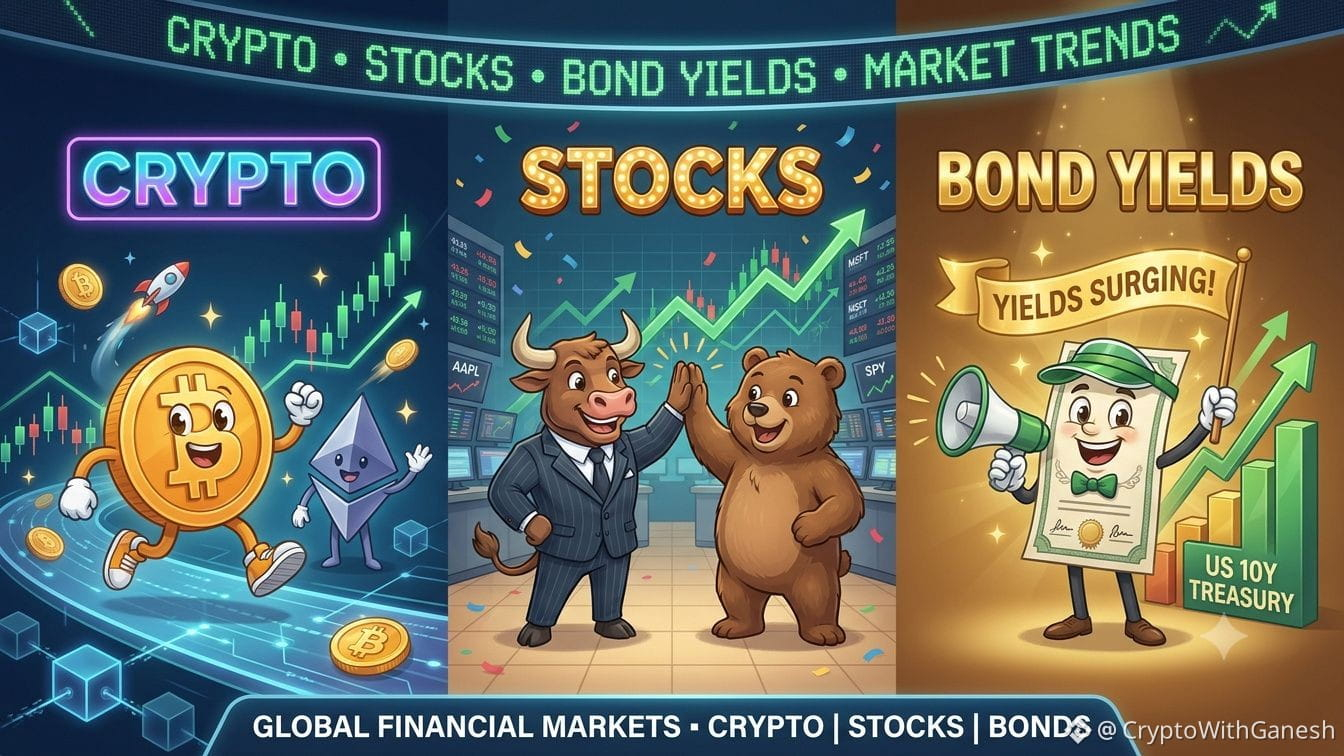
Sondage sur les perspectives du marché : le contexte est haussier, le rallye semble sans fin. Jensen Huang ne prendra pas de décision avant.
Qu’en pensez-vous, les amis ? 🤔🤔🤔 Est-ce que j’ai raison ou tort ?
Écrivez un commentaire ci-dessous et partagez pour demander l’avis d’autres personnes.
$NVII.ETF ,$NVDAB ,$NVDA
#NVDA/SOL ,#WillMarketsStageAThanksgivingReliefRally? ,#WillOctCorePCEShiftFedHikeExpectations?
2
64
#SolanaSets2027RoadmapToDoubleComputeCapacity $BTC ,$ETH ,$SOL
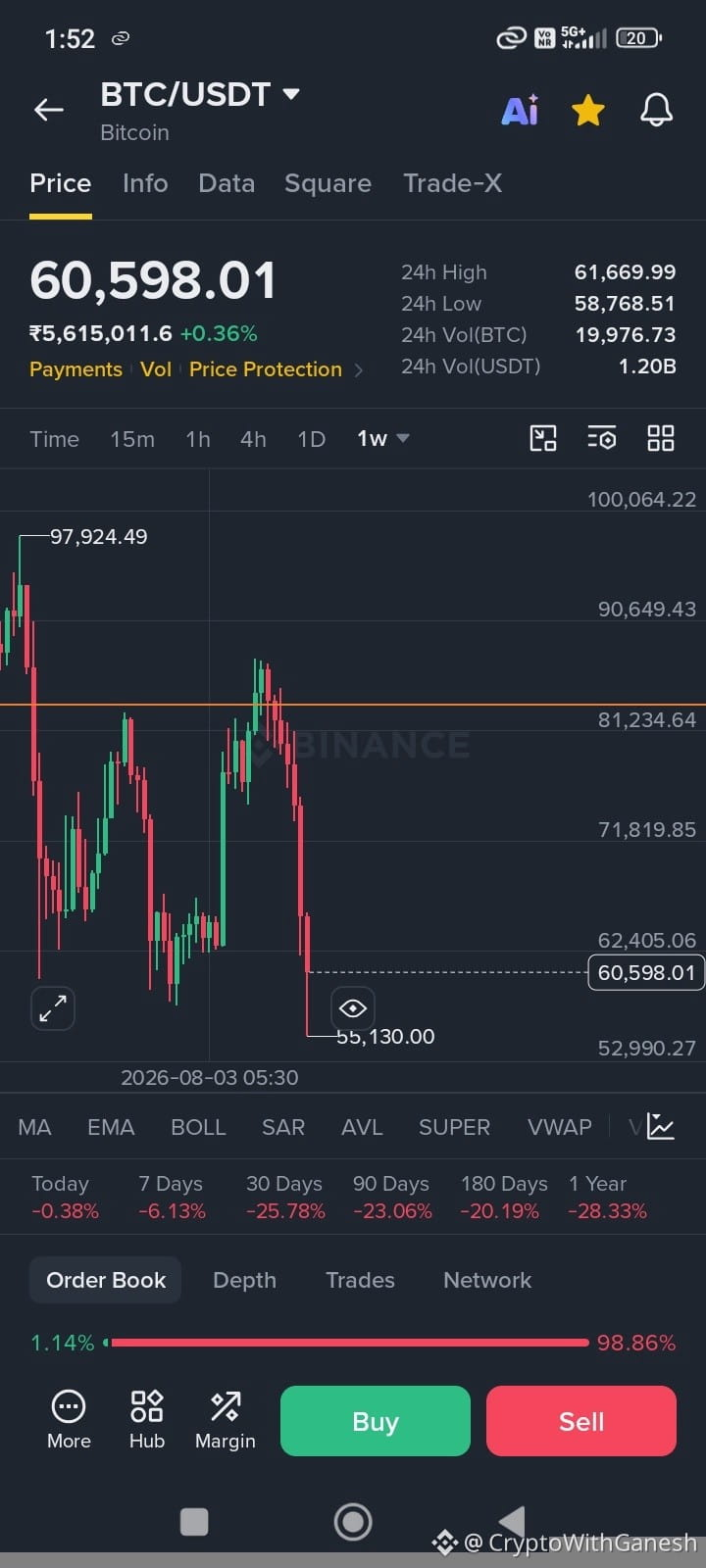
Le marché du BTC a déjà connu une correction importante en prévision des événements à venir. À mon avis, cela pourrait préparer le terrain à une hausse avant le Nouvel An ou au cours du premier trimestre.
D’après mon analyse graphique, j’avais déjà indiqué que le BTC pourrait revenir vers la prochaine zone de résistance majeure, située autour de 82 000–85 000 $. Ensuite, le marché pourrait devenir très volatil — comme dans un jeu du gendarme et du voleur 🚨 — en cherchant potentiellement des liquidités dans la zone supérieure, autour de 90 000–98 000 $, au cours du prochain exercice financier.#GlobalStocksFaceLongestLosingStreakSince2023
L’or pourrait également connaître un regain d’intérêt acheteur avant ou après octobre 2027, ou à l’approche du troisième trimestre. Cette prévision s’appuie sur mes observations graphiques et ma compréhension des cycles de rotation des capitaux. Nous verrons avec le temps si cette analyse se révèle exacte.
🧐🧐🧐🧐🧐🧐👇👇👇
Honnêtement, je m’attache à tirer des leçons des phases de marché aussi bien favorables que défavorables. J’ai fondé mon approche sur un principe pratique. Je ne partage généralement pas tous les détails, mais je sais que je dois exprimer publiquement mes idées afin que davantage de personnes puissent échanger avec moi et apprendre grâce à l’éducation financière.
#BlackRockLaunchesHKDollarDigitalLiquidityFund
Vous pouvez évaluer mes connaissances des marchés à travers les principes et les analyses que je partage. Je me suis formé en suivant une idée essentielle :
📌 « Dans ce monde difficile, personne ne révèle ses secrets pour gagner de l’argent. Vous devez trouver votre propre voie. »
#TwentyOneCapitalAdds172.25BTC
Nous devons trouver notre propre avantage. Ceux qui développent leurs connaissances, leur discipline et leur patience peuvent prendre de meilleures décisions dans la vie comme sur les marchés.
Si vous partagez ce point de vue, faites-le connaître et suivez-moi pour découvrir d’autres articles instructifs et des analyses rapides des marchés. 🥰
1
150
#RateHikeExpectations ,#BinanceSquareFamily ,$BTC ,$ETH
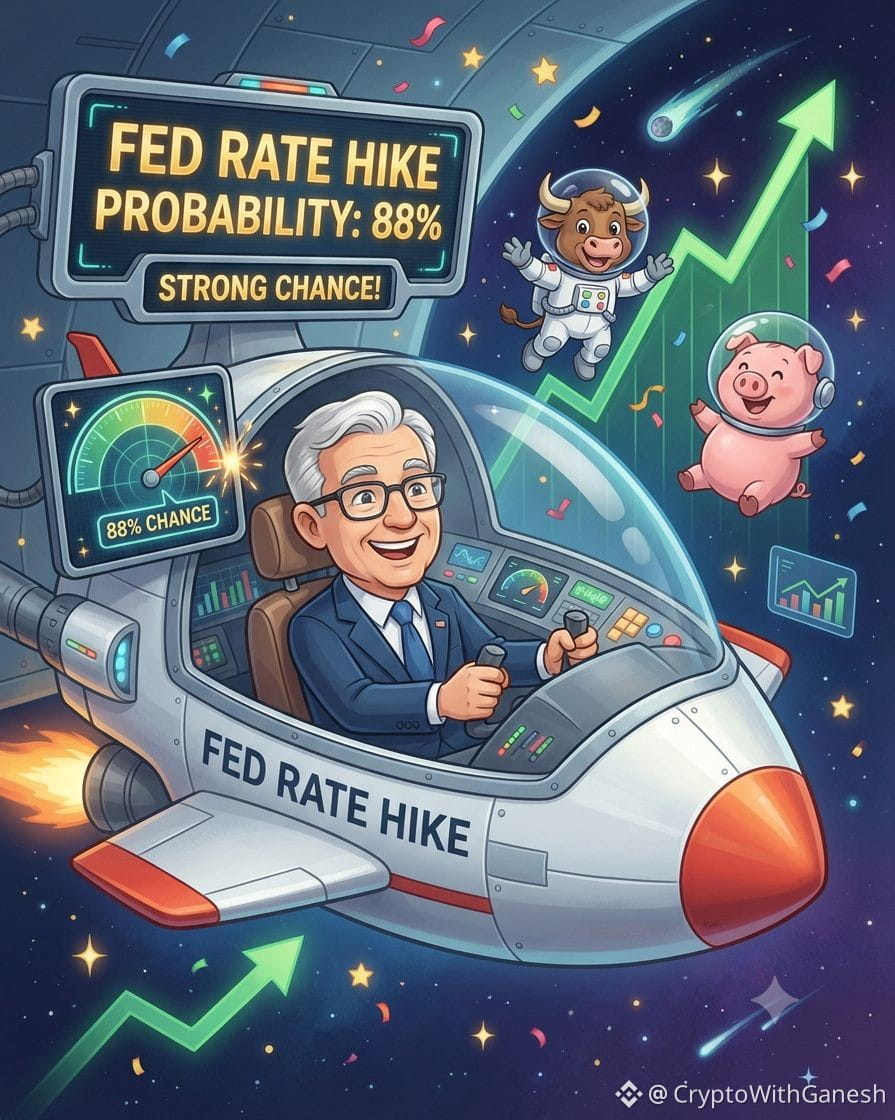
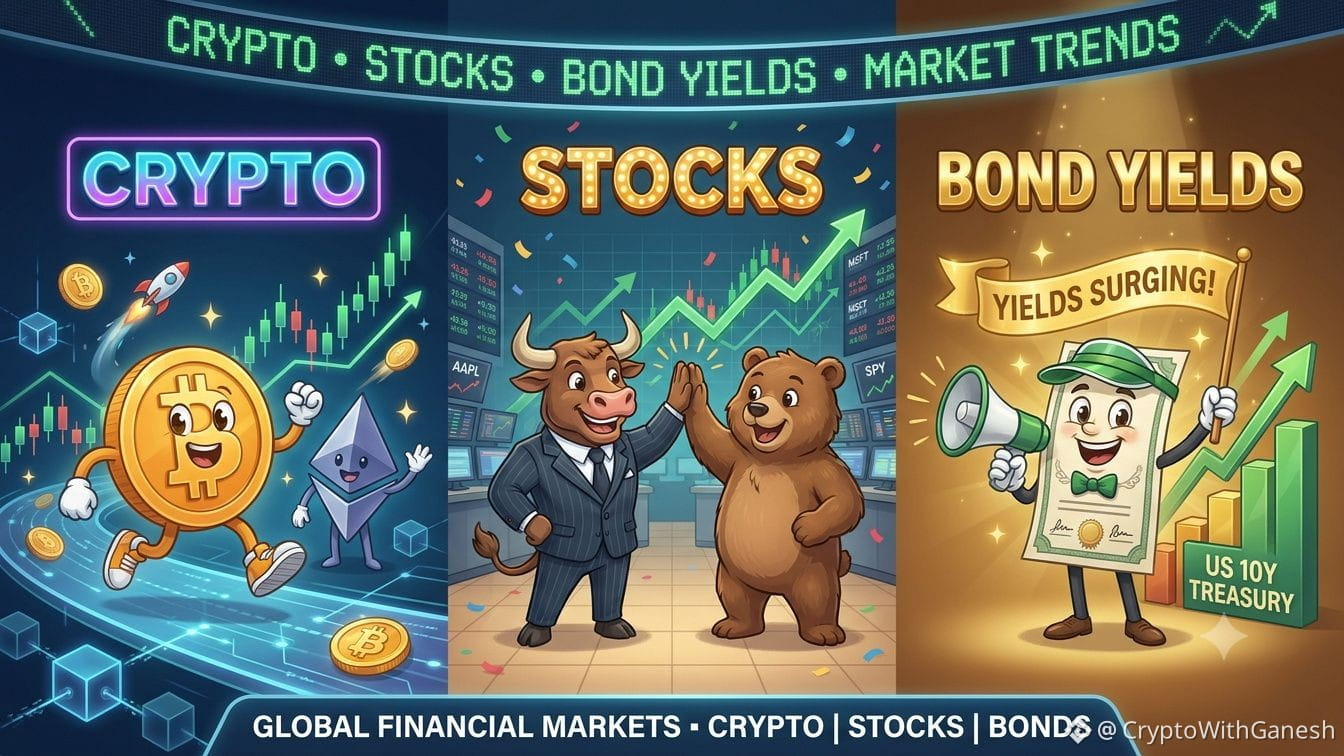
Pensez-vous que la Fed pourrait reporter sa décision de relever les taux au trimestre prochain ? 🤔🤔🤔 #doyouthinkFedPostPonedRateHike
Imaginez la scène du film World War Z qui se déroule en Israël : lorsque le monde entier est convaincu qu’une hausse des taux est très probable, voire inévitable, pourrait-il se passer quelque chose de différent en coulisses ?#FedInterestRate
Depuis près d’un mois, 🚀💥📉 le marché est déjà orienté à la baisse. Les sorties de bitcoins s’accélèrent et, partout, le discours est le même : la hausse des taux est confirmée. Mais lorsque ce genre de sentiment se généralise, j’ai l’impression que le marché a peut-être déjà corrigé ses cours en fonction de ces attentes et commencé à intégrer le risque.💥💥💥#FedRateDecisions
Pour faire simple : les valorisations excessives et les ratios cours/bénéfices se sont modérés, tandis que les prix du pétrole se sont déjà stabilisés. Le pétrole a une valeur intrinsèque, et son prix a grimpé puis s’est maintenu autour de 95 $ lorsque les marchés mondiaux étaient sous pression en raison des tensions liées à la guerre cette année.
Mon analyse est que, pendant la guerre entre la Russie et l’Ukraine🤜🤛🤜🤛🚨🚨🚨, le pétrole brut avait déjà augmenté, puis s’était stabilisé autour de 81 $ en raison de sa valeur intrinsèque.
À présent, compte tenu de la situation des chaînes d’approvisionnement mondiales et du renforcement de l’indice du dollar américain, je pense que le pétrole brut pourrait ne pas passer sous la barre des 81 $, à moins que l’or et le dollar américain n’évoluent d’une manière qui change la donne, car ils sont étroitement liés par l’offre et la demande.$TQQQB
Pour comprendre le fonctionnement de cette relation de coopération et les raisons de ces dynamiques de marché « en coulisses », laissez un commentaire ci-dessous.👇👇👇🤝
2
445
#BTCReboundsAbove60KAmidWhaleDipBuying
🚨🚨🚨🚨🚨Dernière minute🚨🚨🚨🚨
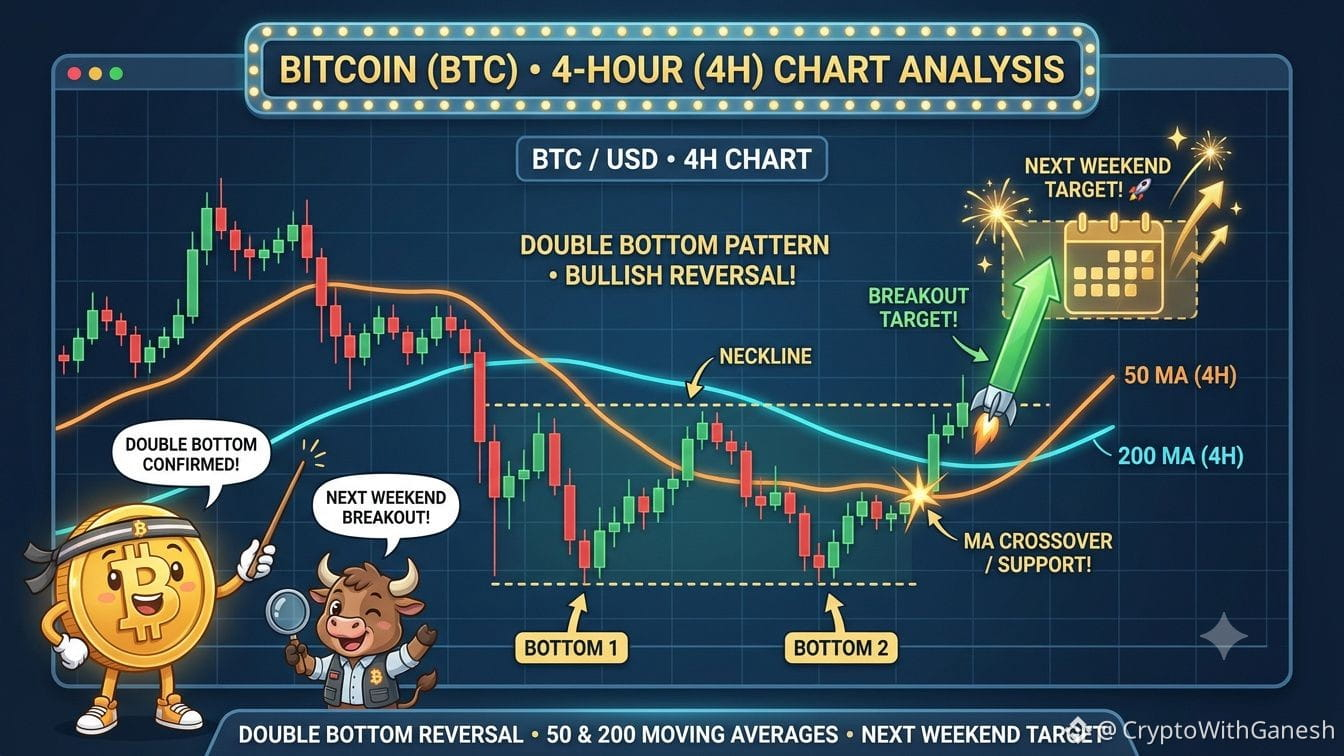
Je veux partager avec vous tous mon analyse du BTC pour les 2 prochaines semaines.
Analyse 📌📌📌
Pourquoi suis-je si confiant dans mon analyse ?
👇 Mes observations solides, mes recherches de backtesting, ma lecture des graphiques et mes 14 ans d'expérience en coulisses dans le domaine des cycles financiers.
Et surtout 🤔🤔🤔 une intuition s'est déclenchée dans mon cerveau quand j'ai calculé les jours à rebours depuis des années.
🧐 Je ne sais pas pourquoi je dis ça, mais honnêtement, voici mon analyse pour les 2 prochaines semaines avant la réunion de la Fed : le marché devrait connaître une correction.
🤔🤔 Pourquoi est-ce que je dis que le BTC va faire une pause et reculer la semaine prochaine ?
:- Parce que mon marché donne toujours des incitations uniquement aux vendeurs à découvert et aux probabilités.
Ne vous inquiétez pas, je vais vous expliquer.
Imaginez que vous et moi sommes en dehors du marché et que je passe un ordre à bas prix, alors que le marché a déjà réagi à hauteur de -30 % à un scénario défavorable.
Dans ce cas, le prix que j'ai choisi finit toujours par s'imposer, sans négociation.
En ce moment, l'ensemble du marché du BTC a déjà corrigé en anticipant la probabilité de futures hausses des taux de la Fed, et maintenant, j'ai l'impression qu'il est moins cher d'acheter avant les autres.
Voyons ce qui va se passer au cours des 2 prochaines semaines.
Si j'ai raison, ma précision augmentera encore de quelques points de pourcentage.
Je le prouverai par mes observations.
Alors, les amis, restez calmes et détendez-vous : la semaine prochaine, nous pourrions prendre une position longue sur le BTC, peut-être jusqu'à la décision de la Fed.
Shakalaka boum shalaka boum 💥💥💥💥💥 J'ai un autre secret concernant la décision de la Fed.
Cette fois, lors de l'événement de la Fed, j'espère ne pas avoir raison ; j'espère me tromper au sujet de la décision de la Fed.
Vous voulez savoir pourquoi je dis ça ? Alors écrivez-le dans les commentaires.
Et si vous pensez la même chose, partagez avec plus de personnes. Suivez aussi @GaneshCrypto pour plus d'informations sur les données et événements à venir, les perspectives du marché et bien plus encore.
#BTCRebound ,#btcpullback ,#BTCBreakingNews ,$BTC ,$ETH ,$BNB
#BTCReboundsAbove60KAmidWhaleDipBuying
🚨🚨🚨🚨🚨Dernière minute🚨🚨🚨🚨
Je veux partager avec vous tous mon analyse du BTC pour les 2 prochaines semaines.
Analyse 📌📌📌
Pourquoi suis-je si confiant dans mon analyse ?
👇 Mes observations solides, mes recherches de backtesting, ma lecture des graphiques et mes 14 ans d'expérience en coulisses dans le domaine des cycles financiers.
Et surtout 🤔🤔🤔 une intuition s'est déclenchée dans mon cerveau quand j'ai calculé les jours à rebours depuis des années.
🧐 Je ne sais pas pourquoi je dis ça, mais honnêtement, voici mon analyse pour les 2 prochaines semaines avant la réunion de la Fed : le marché devrait connaître une correction.
🤔🤔 Pourquoi est-ce que je dis que le BTC va faire une pause et reculer la semaine prochaine ?
:- Parce que mon marché donne toujours des incitations uniquement aux vendeurs à découvert et aux probabilités.
Ne vous inquiétez pas, je vais vous expliquer.
Imaginez que vous et moi sommes en dehors du marché et que je passe un ordre à bas prix, alors que le marché a déjà réagi à hauteur de -30 % à un scénario défavorable.
Dans ce cas, le prix que j'ai choisi finit toujours par s'imposer, sans négociation.
En ce moment, l'ensemble du marché du BTC a déjà corrigé en anticipant la probabilité de futures hausses des taux de la Fed, et maintenant, j'ai l'impression qu'il est moins cher d'acheter avant les autres.
Voyons ce qui va se passer au cours des 2 prochaines semaines.
Si j'ai raison, ma précision augmentera encore de quelques points de pourcentage.
Je le prouverai par mes observations.
Alors, les amis, restez calmes et détendez-vous : la semaine prochaine, nous pourrions prendre une position longue sur le BTC, peut-être jusqu'à la décision de la Fed.
Shakalaka boum shalaka boum 💥💥💥💥💥 J'ai un autre secret concernant la décision de la Fed.
Cette fois, lors de l'événement de la Fed, j'espère ne pas avoir raison ; j'espère me tromper au sujet de la décision de la Fed.
Vous voulez savoir pourquoi je dis ça ? Alors écrivez-le dans les commentaires.
Et si vous pensez la même chose, partagez avec plus de personnes. Suivez aussi @CryptoWithGanesh pour plus d'informations sur les données et événements à venir, les perspectives du marché et bien plus encore.
#BTCRebound ,#btcpullback ,#BTCBreakingNews ,$BTC ,$ETH ,$BNB
1
2
147
Article
Space and Time (SXT) : la couche d’infrastructure des données prouvées par ZK#hotcryto #TrendingTopic De mon point de vue, #blockchain si l’on parle du monde de nos jours, c’est toujours un sujet de discussion 👇👇👇👇
Dans le monde de la blockchain, les données posent un problème majeur : les contrats intelligents ont besoin de données externes fiables, mais ils ne peuvent pas faire directement confiance aux bases de données traditionnelles ni à l’historique complet de la blockchain. Space and Time tente de résoudre cette difficulté.
C’est une plateforme de données basée sur la blockchain qui permet d’accéder aux données on-chain et off-chain au moyen de requêtes SQL — et surtout, elle fournit une preuve à divulgation nulle de connaissance avec les résultats de la requête. Cela signifie qu’une application peut vérifier cryptographiquement les résultats des données sans faire confiance à une entité centrale.
Space and Time (SXT) : la couche d’infrastructure des données prouvées par ZK
#hotcryto #TrendingTopic De mon point de vue, #blockchain si l’on parle du monde de nos jours, c’est toujours un sujet de discussion 👇👇👇👇
Dans le monde de la blockchain, les données posent un problème majeur : les contrats intelligents ont besoin de données externes fiables, mais ils ne peuvent pas faire directement confiance aux bases de données traditionnelles ni à l’historique complet de la blockchain. Space and Time tente de résoudre cette difficulté.
C’est une plateforme de données basée sur la blockchain qui permet d’accéder aux données on-chain et off-chain au moyen de requêtes SQL — et surtout, elle fournit une preuve à divulgation nulle de connaissance avec les résultats de la requête. Cela signifie qu’une application peut vérifier cryptographiquement les résultats des données sans faire confiance à une entité centrale.
1
88
Article
Voir la traduction
“Important Global Event ka Crypto par Impact”#CorePCEBeatLiftsFedHikeOdds “Important Global Event ka Crypto par Impact” 💥💥💥💥🗯️🗯️🗯️🗯️💥💥💥💥He ek strong, evergreen aur high-engagement question or topic hai par jankari par jyadatar log jante nahi exactly iske bare me
is bat ko dhyan me rakhkar me ye jankari is article ke me de raha hu—especially agar aap complex global news, events or #crypto market ki volitility ko lekar confuse he toh ek article pura pade.
Crypto market sirf #Bitcoin, #Ethereum ya kisi ek exchange ki news se move nahi hota. Global economy, central bank ke decisions, inflation data, geopolitical tensions aur regulation jaise events bhi market sentiment ko badal sakte hain.
Iska simple matlab: 🚨🤛🤜🌍jab duniya mein bada financial ya political event hota hai, investors ka risk lene ka mood badal sakta hai. Crypto high-volatility asset class hai, isliye iska reaction kabhi-kabhi traditional markets se tez ho sakta hai.
Interest Rate Decisions ka Impact
#CanBTCReboundAfterFallingBelow60K?
US Federal Reserve jaise central banks jab interest rates badhate, ghataate ya same rakhte hain, to global liquidity aur investor sentiment par asar pad sakta hai.
Mechanism simple hai:🤔🤔🤔🤔🤔
Higher interest rates → safer instruments par returns attractive lag sakte hain → risk assets par pressure aa sakta hai.
Lower interest rates ya easy monetary policy → liquidity conditions improve ho sakti hain → risk appetite better ho sakti hai.
Lekin market ka reaction sirf decision par nahi, future guidance par bhi depend karta hai.👇👇👇
Crypto ke liye focus sirf “rate cut hua ya nahi” nahi hona chahiye. Market yeh bhi dekhta hai ki inflation control mein hai ya nahi, growth kaisi hai aur future policy ka signal kya hai.
Inflation Data: CPI aur PPI Kyun Important Hain?🧐🤔
Inflation reports—jaise Consumer Price Index aur Producer Price Index—batati hain ki prices economy mein kitni tezi se badh rahe hain.☝️🚨🚨🚨🚨🚀🚀🚀🚀
Agar inflation expected se zyada aaye, to market soch sakta hai ki central banks rates ko longer period tak high rakh sakte hain. Isse risk assets mein volatility badh sakti hai.
Agar inflation data soft aaye, to investors ko policy easing ki possibility zyada lag sakti hai. Lekin ek single data point final trend decide nahi karta; jobs data, growth data aur central-bank commentary bhi matter karte hain.
US Dollar 💵aur Bond📑 Yields ka Role
#TrendingTopic
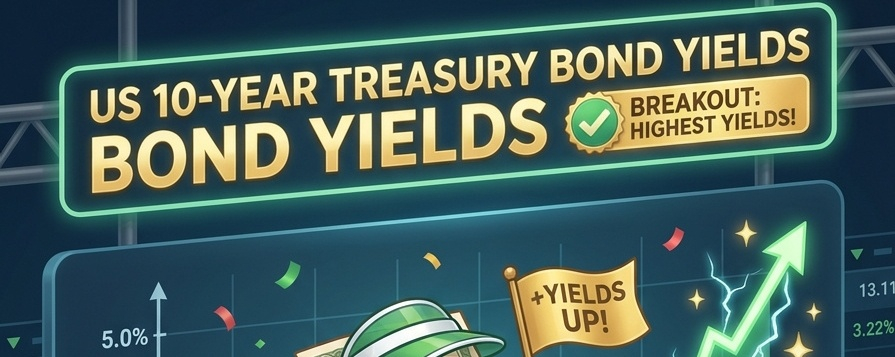
Crypto market ko samajhne ke liye US Dollar Index aur US Treasury yields bhi important indicators hain.
Dollar strong hone par global liquidity conditions tighter feel ho sakti hain.
Bond yields badhne par investors ke paas lower-risk return options zyada attractive lag sakte hain.
Dollar ya yields mein sharp moves crypto aur equities dono mein volatility trigger kar sakte hain.
Yeh fixed rule nahi hai, lekin macro news ke time $BTC aur $ETH ke price swings ko explain karne mein yeh factors useful context dete hain.
Geopolitical Events ka Crypto par Effect
Global#trendingtopic related Cold Wars(tariffhike),War-risk, trade restrictions, sanctions, elections aur international tensions markets mein uncertainty badha sakte hain.
Short term mein uncertainty ke wajah se investors risk exposure kam kar sakte hain, jisse crypto mein rapid moves dikh sakte hain. Kabhi-kabhi market pehle panic karta hai aur baad mein details clear hone par reaction reverse bhi ho sakta hai.
Isliye geopolitical headlines ke waqt sirf first candle dekhkar conclusion nikalna risky ho sakta hai.
Regulation aur ETF-Related News
Crypto-specific regulation, institutional adoption aur ETF-related developments sentiment ko directly affect kar sakte hain.
Positive policy clarity se institutions aur long-term participants ka confidence improve ho sakta hai. Dusri taraf, unclear rules, restrictions ya enforcement headlines uncertainty create kar sakte hain.
Yahan ek important point: headline positive ya negative hone ke baad bhi price move depend karega ki market ne us news ko pehle se kitna price-in kiya tha.
Stock Market aur Crypto ka Connection
Nasdaq$TQQQB jaise technology-heavy stock indices ka movement crypto sentiment ke liye useful signal ho sakta hai. Jab broad risk appetite strong hoti hai, crypto mein bhi interest badh sakta hai. Jab equities mein sharp sell-off hota hai, crypto par bhi pressure aa sakta hai.
Lekin correlation hamesha same nahi rehta. Crypto ki apni news—ETF flows, exchange activity, token unlocks, network upgrades aur large liquidations—kabhi-kabhi macro news se bhi zyada powerful factor ban sakti hai.
Crypto Investor ko Kya Track Karna Chahiye?
Important global event ke din in cheezon par focus rakho:
Event ka actual result: expectation ke comparison mein kya aaya?Central-bank guidance: aage ka signal kya hai?BTC aur ETH ki immediate price reactionTrading volume aur derivatives market ki activityUS dollar aur bond yields ka movementKya market ne event ko pehle se price-in kar diya tha?Risk management: sharp volatility mein FOMO aur panic dono se bachna
Final Takeaway
Global events crypto ke liye sirf “positive” ya “negative” nahi hote. Unka impact liquidity, risk appetite, investor expectations aur market positioning ke through aata hai. Isliye best approach headline ke basis par excitement ya fear mein react karna nahi, balki event ke data aur market reaction ko step-by-step samajhna hai.
🌍 Global news ka Bitcoin aur crypto market par kya impact padta hai?
Answer: Interest rates, inflation, dollar, war-risk aur regulation—ye sab crypto sentiment ko influence kar sakte hain.
Is article ko share karo agar apko pasand hai to or aage crypto market related information mere sath simple Hindi mein samjho
Jankari achi lagi to like karo or muje batao comment box me apko konse topic par jankari chahiye
Sabse important article "global events ke time market ko kaise read karein." 👇 turat notification apko mile isliye muje follow karo
CryptoHindi #Bitcoin #BTC #CryptoNews #CryptoEducation #GlobalMarkets #CryptoMarket #IndianCrypto
Dis:-Yeh article educational purpose ke liye hai; crypto assets mein volatility aur loss ka risk hota hai.
“Important Global Event ka Crypto par Impact”
#CorePCEBeatLiftsFedHikeOdds “Important Global Event ka Crypto par Impact” 💥💥💥💥🗯️🗯️🗯️🗯️💥💥💥💥He ek strong, evergreen aur high-engagement question or topic hai par jankari par jyadatar log jante nahi exactly iske bare me
is bat ko dhyan me rakhkar me ye jankari is article ke me de raha hu—especially agar aap complex global news, events or #crypto market ki volitility ko lekar confuse he toh ek article pura pade.
Crypto market sirf #Bitcoin, #Ethereum ya kisi ek exchange ki news se move nahi hota. Global economy, central bank ke decisions, inflation data, geopolitical tensions aur regulation jaise events bhi market sentiment ko badal sakte hain.
Iska simple matlab: 🚨🤛🤜🌍jab duniya mein bada financial ya political event hota hai, investors ka risk lene ka mood badal sakta hai. Crypto high-volatility asset class hai, isliye iska reaction kabhi-kabhi traditional markets se tez ho sakta hai.
Interest Rate Decisions ka Impact
#CanBTCReboundAfterFallingBelow60K?
US Federal Reserve jaise central banks jab interest rates badhate, ghataate ya same rakhte hain, to global liquidity aur investor sentiment par asar pad sakta hai.
Mechanism simple hai:🤔🤔🤔🤔🤔
Higher interest rates → safer instruments par returns attractive lag sakte hain → risk assets par pressure aa sakta hai.
Lower interest rates ya easy monetary policy → liquidity conditions improve ho sakti hain → risk appetite better ho sakti hai.
Lekin market ka reaction sirf decision par nahi, future guidance par bhi depend karta hai.👇👇👇
Crypto ke liye focus sirf “rate cut hua ya nahi” nahi hona chahiye. Market yeh bhi dekhta hai ki inflation control mein hai ya nahi, growth kaisi hai aur future policy ka signal kya hai.
Inflation Data: CPI aur PPI Kyun Important Hain?🧐🤔
Inflation reports—jaise Consumer Price Index aur Producer Price Index—batati hain ki prices economy mein kitni tezi se badh rahe hain.☝️🚨🚨🚨🚨🚀🚀🚀🚀
Agar inflation expected se zyada aaye, to market soch sakta hai ki central banks rates ko longer period tak high rakh sakte hain. Isse risk assets mein volatility badh sakti hai.
Agar inflation data soft aaye, to investors ko policy easing ki possibility zyada lag sakti hai. Lekin ek single data point final trend decide nahi karta; jobs data, growth data aur central-bank commentary bhi matter karte hain.
US Dollar 💵aur Bond📑 Yields ka Role
#TrendingTopic
Crypto market ko samajhne ke liye US Dollar Index aur US Treasury yields bhi important indicators hain.
Dollar strong hone par global liquidity conditions tighter feel ho sakti hain.
Bond yields badhne par investors ke paas lower-risk return options zyada attractive lag sakte hain.
Dollar ya yields mein sharp moves crypto aur equities dono mein volatility trigger kar sakte hain.
Yeh fixed rule nahi hai, lekin macro news ke time $BTC aur $ETH ke price swings ko explain karne mein yeh factors useful context dete hain.
Geopolitical Events ka Crypto par Effect
Global#trendingtopic related Cold Wars(tariffhike),War-risk, trade restrictions, sanctions, elections aur international tensions markets mein uncertainty badha sakte hain.
Short term mein uncertainty ke wajah se investors risk exposure kam kar sakte hain, jisse crypto mein rapid moves dikh sakte hain. Kabhi-kabhi market pehle panic karta hai aur baad mein details clear hone par reaction reverse bhi ho sakta hai.
Isliye geopolitical headlines ke waqt sirf first candle dekhkar conclusion nikalna risky ho sakta hai.
Regulation aur ETF-Related News
Crypto-specific regulation, institutional adoption aur ETF-related developments sentiment ko directly affect kar sakte hain.
Positive policy clarity se institutions aur long-term participants ka confidence improve ho sakta hai. Dusri taraf, unclear rules, restrictions ya enforcement headlines uncertainty create kar sakte hain.
Yahan ek important point: headline positive ya negative hone ke baad bhi price move depend karega ki market ne us news ko pehle se kitna price-in kiya tha.
Stock Market aur Crypto ka Connection
Nasdaq$TQQQB jaise technology-heavy stock indices ka movement crypto sentiment ke liye useful signal ho sakta hai. Jab broad risk appetite strong hoti hai, crypto mein bhi interest badh sakta hai. Jab equities mein sharp sell-off hota hai, crypto par bhi pressure aa sakta hai.
Lekin correlation hamesha same nahi rehta. Crypto ki apni news—ETF flows, exchange activity, token unlocks, network upgrades aur large liquidations—kabhi-kabhi macro news se bhi zyada powerful factor ban sakti hai.
Crypto Investor ko Kya Track Karna Chahiye?
Important global event ke din in cheezon par focus rakho:
Event ka actual result: expectation ke comparison mein kya aaya?Central-bank guidance: aage ka signal kya hai?BTC aur ETH ki immediate price reactionTrading volume aur derivatives market ki activityUS dollar aur bond yields ka movementKya market ne event ko pehle se price-in kar diya tha?Risk management: sharp volatility mein FOMO aur panic dono se bachna
Final Takeaway
Global events crypto ke liye sirf “positive” ya “negative” nahi hote. Unka impact liquidity, risk appetite, investor expectations aur market positioning ke through aata hai. Isliye best approach headline ke basis par excitement ya fear mein react karna nahi, balki event ke data aur market reaction ko step-by-step samajhna hai.
🌍 Global news ka Bitcoin aur crypto market par kya impact padta hai?
Answer: Interest rates, inflation, dollar, war-risk aur regulation—ye sab crypto sentiment ko influence kar sakte hain.
Is article ko share karo agar apko pasand hai to or aage crypto market related information mere sath simple Hindi mein samjho
Jankari achi lagi to like karo or muje batao comment box me apko konse topic par jankari chahiye
Sabse important article "global events ke time market ko kaise read karein." 👇 turat notification apko mile isliye muje follow karo
CryptoHindi #Bitcoin #BTC #CryptoNews #CryptoEducation #GlobalMarkets #CryptoMarket #IndianCrypto
Dis:-Yeh article educational purpose ke liye hai; crypto assets mein volatility aur loss ka risk hota hai.
2
87
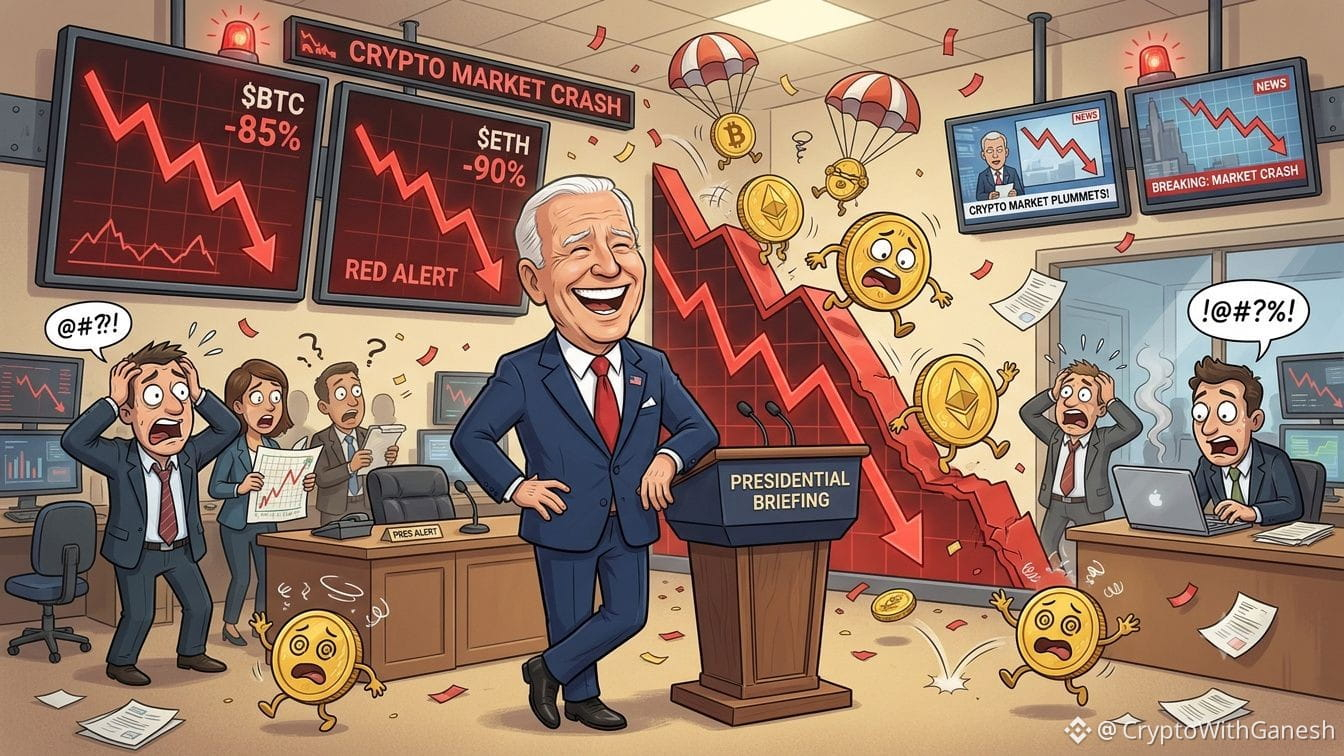
#HKBillProposesHK
#CryptocurrencyWealth
$ETH
$BTC #LeProjetDeLoiDeHongKongProposeUneAmendeDe100000HK$PourLesTitresCryptoNonAutorises
👇👇👇👇👇👇👇
Un acteur majeur à l’échelle mondiale, et tout le monde devrait toujours être au courant de ce qui lui arrive quand quelque chose se passe autour de nous.
Qu’en pensez-vous, ai-je tort ou raison ?
Dites-le-moi en commentaire
et suivez @GaneshCrypto
#DonaldTrumpNFT
#CanBTCReboundAfterFallingBelow60K?
$TQQQB ,#TQQQUSDT
Pourquoi est-ce que je dis ça ? Il n’y a que quelques raisons, et vous serez choqués. On dirait que c’est l’un des piliers économiques les plus importants.
Et tout le monde devrait le savoir avant la décision de la Fed.
Alors, si vous voulez en savoir plus, répondez-moi dans les commentaires 🎁🎁🎁 avant la réunion de la Fed. Sinon, vous allez tous passer à côté, c’est sûr. Alors dépêchez-vous et écrivez un commentaire, partagez avec les autres avant qu’il ne soit trop tard
#HKBillProposesHK
#CryptocurrencyWealth
$ETH
$BTC #LeProjetDeLoiDeHongKongProposeUneAmendeDe100000HK$PourLesTitresCryptoNonAutorises
👇👇👇👇👇👇👇
Un acteur majeur à l’échelle mondiale, et tout le monde devrait toujours être au courant de ce qui lui arrive quand quelque chose se passe autour de nous.
Qu’en pensez-vous, ai-je tort ou raison ?
Dites-le-moi en commentaire
et suivez @CryptoWithGanesh
#DonaldTrumpNFT
#CanBTCReboundAfterFallingBelow60K?
$TQQQB ,#TQQQUSDT
Pourquoi est-ce que je dis ça ? Il n’y a que quelques raisons, et vous serez choqués. On dirait que c’est l’un des piliers économiques les plus importants.
Et tout le monde devrait le savoir avant la décision de la Fed.
Alors, si vous voulez en savoir plus, répondez-moi dans les commentaires 🎁🎁🎁 avant la réunion de la Fed. Sinon, vous allez tous passer à côté, c’est sûr. Alors dépêchez-vous et écrivez un commentaire, partagez avec les autres avant qu’il ne soit trop tard
1
72
$BTC $ETH
Les amis, voici ma première vidéo de projet d’IA.
Si elle vous plaît, commentez et suggérez-moi le sujet que vous aimeriez voir dans une autre vidéo.
N’oubliez surtout pas de commenter, les amis, et soutenez-moi. Je suis tellement enthousiaste à l’idée de tout ça 😊😊😊😊😊
Et rejoignez-nous pour vivre une expérience vraiment palpitante ☝️☝️
suivez@GaneshCrypto
@Square-Creator-62cba15ec2f5
#Aİ ,#AIVideo ,#whydump ,#ETHSell
$BTC $ETH
Les amis, voici ma première vidéo de projet d’IA.
Si elle vous plaît, commentez et suggérez-moi le sujet que vous aimeriez voir dans une autre vidéo.
N’oubliez surtout pas de commenter, les amis, et soutenez-moi. Je suis tellement enthousiaste à l’idée de tout ça 😊😊😊😊😊
Et rejoignez-nous pour vivre une expérience vraiment palpitante ☝️☝️
suivez@CryptoWithGanesh
@AUGUSTHA
#Aİ ,#AIVideo ,#whydump ,#ETHSell
1
158
[https://www.binance.com/download?utm_medium=screenshot](https://www.binance.com/download?utm_medium=screenshot)
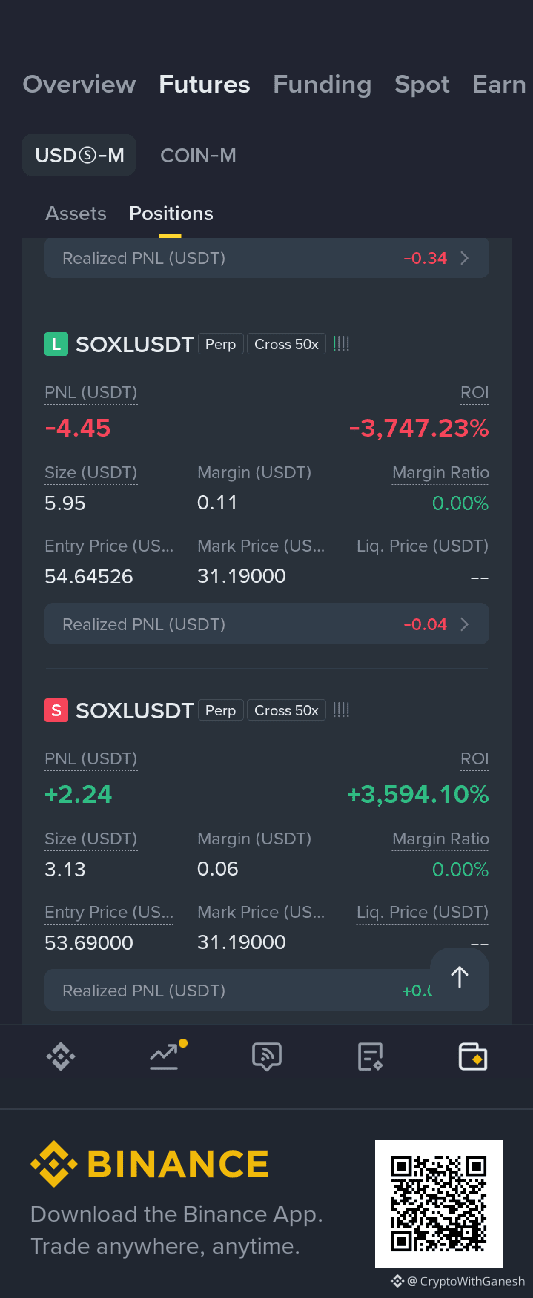
Les gars 🤔🤔🤔, qu’en pensez-vous ? Est-ce le moment de vendre ou de rester en position longue ?
Qu’en pensez-vous 👋👋👋 : la baisse est-elle terminée ou peut-elle encore s’accentuer ? 👇👇👇
Écrivez-moi en commentaire, répondez-moi et dites-moi quelle pression vendeuse il reste.
Donnez votre avis en commentaire.
Et suivez-moi pour rester en contact : suivre@GaneshCrypto
#HotTrends ,#shortsellinginsemiconductor
#berishtrendinsoxl ,#sellingpressuresoxlb
$SOXLB $SOXL
https://www.binance.com/download?utm_medium=screenshot
Les gars 🤔🤔🤔, qu’en pensez-vous ? Est-ce le moment de vendre ou de rester en position longue ?
Qu’en pensez-vous 👋👋👋 : la baisse est-elle terminée ou peut-elle encore s’accentuer ? 👇👇👇
Écrivez-moi en commentaire, répondez-moi et dites-moi quelle pression vendeuse il reste.
Donnez votre avis en commentaire.
Et suivez-moi pour rester en contact : suivre@CryptoWithGanesh
#HotTrends ,#shortsellinginsemiconductor
#berishtrendinsoxl ,#sellingpressuresoxlb
$SOXLB $SOXL
Source : partage d’utilisateur sur Binance
1.1k
Article
Voir la traduction
Bond market ka bahut important concept hai. Simple line me#CorePCEBeatLiftsFedHikeOdds
Bond market ka bahut important concept hai. Simple line me:
Jitna bond ka maturity period lamba hota hai, utne zyada saal tak uske fixed coupon payments aur principal repayment purane interest rate par locked rehte hain. Jab market interest rates badalte hain, un future fixed cash flows ki aaj ki value zyada badalti hai. Isi ko interest-rate sensitivity kehte hain.
Pehle basic mechanism samjho
Bond kharidte waqt aapko do tarah ke cash flows milte hain:
Coupon/interest payment — jaise har saal ₹50
Face value/principal — maturity par, jaise ₹1,000 wapas
Agar market interest rate badh jaaye, naye bonds higher coupon dene lagte hain. Aapka purana low-coupon bond comparatively kam attractive ho jata hai, isliye uski market price girti hai.
Agar market interest rate gire, naye bonds kam coupon dene lagte hain. Aapka purana high-coupon bond attractive ho jata hai, isliye uski market price badhti hai.
So:
Interest rates ↑ → Bond prices ↓
Interest rates ↓ → Bond prices ↑
Long-term bond zyada sensitive kyun?
Cash flows bahut door future me milte hain
Long-term bond me principal aur kai coupon payments bahut baad milte hain—10, 20, ya 30 saal baad.
Future me milne wale paise ki aaj ki value discounting se nikalti hai:
\[
PV = \frac{Future\ Cash\ Flow}{(1+r)^n}
\]
Yahan:
r = market interest rate / yield
n = kitne saal baad payment milega
Jab n bada hota hai, r me chhota sa change bhi denominator par bada effect daalta hai. Isliye bond price me larger movement hota hai.
Intuition
Aaj se 1 saal baad milne wale ₹1,000 ki value rate change se thodi badlegi.
Lekin 30 saal baad milne wale ₹1,000 ki present value rate change ke saath kaafi badal sakti hai, kyunki change 30 saal tak compounding/discounting me apply hota hai.
Ek simple example
Maan lo do zero-coupon bonds hain—dono maturity par ₹1,000 denge:
Bond A: 1 saal baad ₹1,000
Bond B: 10 saal baad ₹1,000
Agar market rate 5% ho:
\[
Price = \frac{1000}{(1.05)^n}
\]
1-year bond ki value lagbhag ₹952.38
10-year bond ki value lagbhag ₹613.91
Agar rate 6% ho jaaye:
1-year bond ki value lagbhag ₹943.40
10-year bond ki value lagbhag ₹558.39
Matlab rate me sirf 1% badhotri par:
1-year bond ki price around 0.94% giri
10-year bond ki price around 9.04% giri
Yehi core reason hai: distant future cash flow ki present value rate change ke liye far more sensitive hoti hai.
Long-term bond ka “problem” kya hota hai?
Long-term bond holder ne apna coupon rate zyada samay ke liye lock kar liya hota hai.
Maan lo aapke paas 20-year bond hai jo 5% coupon de raha hai. Kuch time baad market rates 7% ho gaye.
Ab investor ke paas choice hai:
aapka old bond: 5% coupon
naya bond: 7% coupon
Koi investor old 5% bond ko face value par kyun lega, jab naya 7% mil raha hai?
Old bond tabhi bikega jab uski price neeche aaye, taaki lower coupon ke bawajood buyer ko market ke aas-paas return mil sake.
Aur kyunki 5% vs 7% ka gap agle kai saalon tak effect karega, long-term bond ki price ko zyada adjust hona padta hai.
Short-term bond me investor ko jaldi principal wapas mil jayega aur woh usse new, higher-rate bond me reinvest kar sakega. Isliye uska loss comparatively limited hota hai.
Short-term bond kam sensitive kyun hota hai?
Short-term bond ki maturity jaldi hoti hai—maan lo 1–2 saal me.
Rate badhne par bhi:
uska principal jaldi wapas aa jayega;
investor jaldi new higher-interest-rate environment me reinvest kar sakta hai;
purane low coupon ka disadvantage sirf kuch samay ke liye hota hai.
Isliye uski price me zyada adjustment ki zarurat nahi padti.
Short-term bond = “jaldi reset/reinvest karne ka option.”
Long-term bond = “purane coupon rate me lamba lock-in.”
Duration: sensitivity measure karne ka technical tool
Bond ki interest-rate sensitivity ko measure karne ke liye duration use hota hai.
Rough rule:
\[
\%\ Price\ Change \approx - Duration \times Yield\ Change
\]
Example:
Bond duration = 2
Yield change = +1%
To approximate price change:
\[
-2 \times 1\% = -2\%
\]
Aur agar:
Bond duration = 10
Yield change = +1%
To approximate price change:
\[
-10 \times 1\% = -10\%
\]
Isliye long maturity bonds generally high-duration hote hain aur rate movement par unki prices zyada fluctuate karti hain.
Ye approximation hai; actual price movement convexity ki wajah se thoda alag ho sakta hai.
Coupon bhi matter karta hai—sirf maturity nahi
Ek important nuance: same maturity ke do bonds me lower-coupon bond generally zyada sensitive hota hai.
Kyun?
Kyuki low-coupon bond me aapko kam cash jaldi milta hai aur value ka bada hissa maturity ke end me milta hai. Cash flows aur door shift ho jaate hain.
Isliye:
Long maturity + low coupon = high interest-rate risk
Short maturity + high coupon = comparatively low interest-rate risk
Zero-coupon bond sabse extreme example hai: usme koi annual coupon nahi hota; pura paisa maturity par milta hai. Isliye uski duration lagbhag maturity ke barabar hoti hai.
“Long-term bond hi kyun?” ka exact answer
Long-term bond hi zyada sensitive isliye hota hai kyunki:
Uske cash flows zyada door future me hote hain
Future cash flow ko discount karte waqt interest-rate change ka effect zyada compound hota hai.
Low coupon ka disadvantage lambi duration tak chalta hai
Naye bonds high yield dene lagen to purana bond bahut saalon tak lower coupon deta rahega.
Principal jaldi recover nahi hota
Short-term bond holder jaldi maturity amount lekar new rate par reinvest kar sakta hai; long-term holder ko wait karna padta hai.
Price ko market yield ke saath align hone ke liye zyada adjust karna hota hai
Long period ke fixed payments ko current market return ke equivalent banane ke liye price me bada change chahiye.
Ek daily-life analogy
Socho do job contracts hain:
Contract A: 1 saal ke liye fixed salary
Contract B: 20 saal ke liye fixed salary
Agar market me salaries suddenly bahut badh jaayein, kaunsa contract comparatively zyada unattractive lagega?
20-year fixed-salary contract, kyunki aap bahut lambi period tak low pay par locked ho.
Bond me bhi same idea hai:
coupon = fixed salary
maturity = contract duration
market yield = market salary level
bond price = contract ko kisi aur ko transfer karne ki value
Ek line me final clarity
Interest rate change ka impact jitne zyada saalon ke cash flows par padega, bond price utni zyada move karegi. Long-term bonds me ye impact many years tak chalta hai; short-term bonds me jaldi khatam ho jata hai.
{future}(TMFUSDT)
#Agar meri jankari apko acchi lagi to ise like jada logo ke sath share karo kyuki
jankari hi satarkta ki chhavi he
Bina jankari ke aap na satark re payenge na sahi fesla le payenge
Apko kis vishay par jankari chahiye muje comment likho or saval ya confusion he kis vishay ko leke market outlook or financial discipline ko lekar muje batao me apki madat karunga
#bondmarket ,#BitcoinAndStocksSlipAgainAmidTrump’sTariffPlans #NasdaqFuturesSlideMoreThan3%
#USOctoberPCEPriceIndexAt0.3%MoM
Mere sath jude rahne ke liye muje follow karo follow@GaneshCrypto
Bond market ka bahut important concept hai. Simple line me
#CorePCEBeatLiftsFedHikeOdds
Bond market ka bahut important concept hai. Simple line me:
Jitna bond ka maturity period lamba hota hai, utne zyada saal tak uske fixed coupon payments aur principal repayment purane interest rate par locked rehte hain. Jab market interest rates badalte hain, un future fixed cash flows ki aaj ki value zyada badalti hai. Isi ko interest-rate sensitivity kehte hain.
Pehle basic mechanism samjho
Bond kharidte waqt aapko do tarah ke cash flows milte hain:
Coupon/interest payment — jaise har saal ₹50
Face value/principal — maturity par, jaise ₹1,000 wapas
Agar market interest rate badh jaaye, naye bonds higher coupon dene lagte hain. Aapka purana low-coupon bond comparatively kam attractive ho jata hai, isliye uski market price girti hai.
Agar market interest rate gire, naye bonds kam coupon dene lagte hain. Aapka purana high-coupon bond attractive ho jata hai, isliye uski market price badhti hai.
So:
Interest rates ↑ → Bond prices ↓
Interest rates ↓ → Bond prices ↑
Long-term bond zyada sensitive kyun?
Cash flows bahut door future me milte hain
Long-term bond me principal aur kai coupon payments bahut baad milte hain—10, 20, ya 30 saal baad.
Future me milne wale paise ki aaj ki value discounting se nikalti hai:
\[
PV = \frac{Future\ Cash\ Flow}{(1+r)^n}
\]
Yahan:
r = market interest rate / yield
n = kitne saal baad payment milega
Jab n bada hota hai, r me chhota sa change bhi denominator par bada effect daalta hai. Isliye bond price me larger movement hota hai.
Intuition
Aaj se 1 saal baad milne wale ₹1,000 ki value rate change se thodi badlegi.
Lekin 30 saal baad milne wale ₹1,000 ki present value rate change ke saath kaafi badal sakti hai, kyunki change 30 saal tak compounding/discounting me apply hota hai.
Ek simple example
Maan lo do zero-coupon bonds hain—dono maturity par ₹1,000 denge:
Bond A: 1 saal baad ₹1,000
Bond B: 10 saal baad ₹1,000
Agar market rate 5% ho:
\[
Price = \frac{1000}{(1.05)^n}
\]
1-year bond ki value lagbhag ₹952.38
10-year bond ki value lagbhag ₹613.91
Agar rate 6% ho jaaye:
1-year bond ki value lagbhag ₹943.40
10-year bond ki value lagbhag ₹558.39
Matlab rate me sirf 1% badhotri par:
1-year bond ki price around 0.94% giri
10-year bond ki price around 9.04% giri
Yehi core reason hai: distant future cash flow ki present value rate change ke liye far more sensitive hoti hai.
Long-term bond ka “problem” kya hota hai?
Long-term bond holder ne apna coupon rate zyada samay ke liye lock kar liya hota hai.
Maan lo aapke paas 20-year bond hai jo 5% coupon de raha hai. Kuch time baad market rates 7% ho gaye.
Ab investor ke paas choice hai:
aapka old bond: 5% coupon
naya bond: 7% coupon
Koi investor old 5% bond ko face value par kyun lega, jab naya 7% mil raha hai?
Old bond tabhi bikega jab uski price neeche aaye, taaki lower coupon ke bawajood buyer ko market ke aas-paas return mil sake.
Aur kyunki 5% vs 7% ka gap agle kai saalon tak effect karega, long-term bond ki price ko zyada adjust hona padta hai.
Short-term bond me investor ko jaldi principal wapas mil jayega aur woh usse new, higher-rate bond me reinvest kar sakega. Isliye uska loss comparatively limited hota hai.
Short-term bond kam sensitive kyun hota hai?
Short-term bond ki maturity jaldi hoti hai—maan lo 1–2 saal me.
Rate badhne par bhi:
uska principal jaldi wapas aa jayega;
investor jaldi new higher-interest-rate environment me reinvest kar sakta hai;
purane low coupon ka disadvantage sirf kuch samay ke liye hota hai.
Isliye uski price me zyada adjustment ki zarurat nahi padti.
Short-term bond = “jaldi reset/reinvest karne ka option.”
Long-term bond = “purane coupon rate me lamba lock-in.”
Duration: sensitivity measure karne ka technical tool
Bond ki interest-rate sensitivity ko measure karne ke liye duration use hota hai.
Rough rule:
\[
\%\ Price\ Change \approx - Duration \times Yield\ Change
\]
Example:
Bond duration = 2
Yield change = +1%
To approximate price change:
\[
-2 \times 1\% = -2\%
\]
Aur agar:
Bond duration = 10
Yield change = +1%
To approximate price change:
\[
-10 \times 1\% = -10\%
\]
Isliye long maturity bonds generally high-duration hote hain aur rate movement par unki prices zyada fluctuate karti hain.
Ye approximation hai; actual price movement convexity ki wajah se thoda alag ho sakta hai.
Coupon bhi matter karta hai—sirf maturity nahi
Ek important nuance: same maturity ke do bonds me lower-coupon bond generally zyada sensitive hota hai.
Kyun?
Kyuki low-coupon bond me aapko kam cash jaldi milta hai aur value ka bada hissa maturity ke end me milta hai. Cash flows aur door shift ho jaate hain.
Isliye:
Long maturity + low coupon = high interest-rate risk
Short maturity + high coupon = comparatively low interest-rate risk
Zero-coupon bond sabse extreme example hai: usme koi annual coupon nahi hota; pura paisa maturity par milta hai. Isliye uski duration lagbhag maturity ke barabar hoti hai.
“Long-term bond hi kyun?” ka exact answer
Long-term bond hi zyada sensitive isliye hota hai kyunki:
Uske cash flows zyada door future me hote hain
Future cash flow ko discount karte waqt interest-rate change ka effect zyada compound hota hai.
Low coupon ka disadvantage lambi duration tak chalta hai
Naye bonds high yield dene lagen to purana bond bahut saalon tak lower coupon deta rahega.
Principal jaldi recover nahi hota
Short-term bond holder jaldi maturity amount lekar new rate par reinvest kar sakta hai; long-term holder ko wait karna padta hai.
Price ko market yield ke saath align hone ke liye zyada adjust karna hota hai
Long period ke fixed payments ko current market return ke equivalent banane ke liye price me bada change chahiye.
Ek daily-life analogy
Socho do job contracts hain:
Contract A: 1 saal ke liye fixed salary
Contract B: 20 saal ke liye fixed salary
Agar market me salaries suddenly bahut badh jaayein, kaunsa contract comparatively zyada unattractive lagega?
20-year fixed-salary contract, kyunki aap bahut lambi period tak low pay par locked ho.
Bond me bhi same idea hai:
coupon = fixed salary
maturity = contract duration
market yield = market salary level
bond price = contract ko kisi aur ko transfer karne ki value
Ek line me final clarity
Interest rate change ka impact jitne zyada saalon ke cash flows par padega, bond price utni zyada move karegi. Long-term bonds me ye impact many years tak chalta hai; short-term bonds me jaldi khatam ho jata hai.
#Agar meri jankari apko acchi lagi to ise like jada logo ke sath share karo kyuki
jankari hi satarkta ki chhavi he
Bina jankari ke aap na satark re payenge na sahi fesla le payenge
Apko kis vishay par jankari chahiye muje comment likho or saval ya confusion he kis vishay ko leke market outlook or financial discipline ko lekar muje batao me apki madat karunga
#bondmarket ,#BitcoinAndStocksSlipAgainAmidTrump’sTariffPlans #NasdaqFuturesSlideMoreThan3%
#USOctoberPCEPriceIndexAt0.3%MoM
Mere sath jude rahne ke liye muje follow karo follow@CryptoWithGanesh
28
« Perspectives du marché crypto aujourd’hui
La volatilité persiste sur le BTC, l’ETH et les altcoins. Dans l’ensemble, même si les perspectives du marché sont haussières, on constate qu’il souffre encore à ce jour.
Pour comprendre le marché, observez aussi le volume, les grandes actualités et les flux de capitaux, en plus des prix.
Quelle crypto suivez-vous aujourd’hui : BTC, ETH ou SOL ? Dites-le en commentaire.
#Crypto #Bitcoin #Ethereum #MarketUpdate
{spot}(BTCUSDT)
{future}(ETHUSDT)
{spot}(SOLUSDT)
« Perspectives du marché crypto aujourd’hui
La volatilité persiste sur le BTC, l’ETH et les altcoins. Dans l’ensemble, même si les perspectives du marché sont haussières, on constate qu’il souffre encore à ce jour.
Pour comprendre le marché, observez aussi le volume, les grandes actualités et les flux de capitaux, en plus des prix.
Quelle crypto suivez-vous aujourd’hui : BTC, ETH ou SOL ? Dites-le en commentaire.
#Crypto #Bitcoin #Ethereum #MarketUpdate
108
·
--
Haussier
Bienvenue sur Crypto avec Ganesh 🌍🤖
Bonjour à toutes et à tous ! Je suis Ganesh, et cette page propose des actualités sur le marché des cryptomonnaies, simples, visuelles et axées sur les données.
Vous y trouverez :
📊 Des actualités rapides sur BTC, ETH et les altcoins
🤖 Des explications sur les cryptomonnaies en style cartoon
📰 Les principales actualités du marché, expliquées simplement
📈 Des indicateurs clés comme le volume, le sentiment et les tendances du marché
🛡️ Du contenu prudent, sans exagération ni promesses
Mon objectif est de rendre les cryptomonnaies plus faciles à suivre pour tout le monde, que vous découvriez le marché ou que vous le suiviez déjà au quotidien.
Je me concentrerai sur les faits, les visuels et des explications claires. Le marché des cryptomonnaies évolue vite : faites toujours vos propres recherches et gérez les risques.
Suivez la page et apprenons ensemble en observant le marché.
Suivez @GaneshCrypto pour des actualités simples sur les cryptomonnaies. 🤖
Quelle cryptomonnaie suivez-vous le plus en ce moment : BTC, ETH, SOL ou une autre ? Dites-le en commentaire 👇
Crypto #Bitcoin #Ethereum #Altcoins #MarchéCrypto #ActualitésMarché #BinanceSquare #CryptoEducation💡🚀
119
Article
Voir la traduction
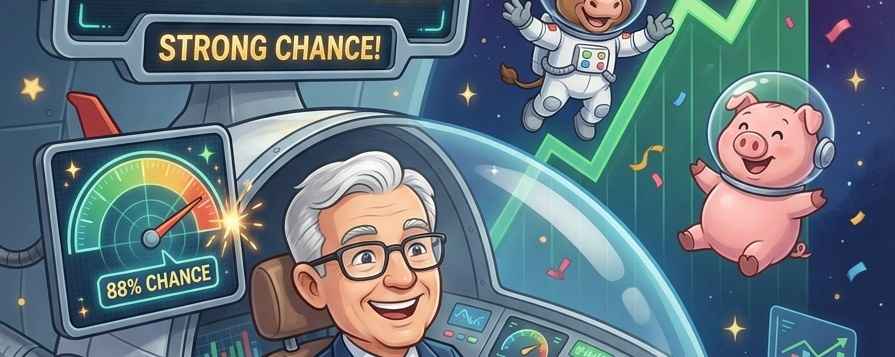
""Fed Role play ""#CorePCEBeatLiftsFedHikeOdds
""Fed ko balance banana hota hai: rate jaldi kam kare to inflation wapas badh sakti hai; bahut der high rakhe to growth aur jobs par pressure badh sakta hai.""
Let's understand it
Fed ka kaam economy ko na zyada garam hone dena hai, na zyada thanda। Isliye use inflation aur growth/jobs ke beech balance banana padta hai।
1) Fed ke paas main tool kya hai?
Fed ka sabse bada tool interest rate hai—specifically federal funds rate.
Is rate ka effect poori economy me dheere-dheere failta hai:
Fed rate badhata/high rakhta hai → loans mehange → spending aur borrowing slow → demand thandi → prices par pressure kam → inflation cool
Aur ulta:
Fed rate ghatata hai → loans saste → borrowing/spending badh sakti hai → demand tez → business sales aur hiring support → lekin prices fir se tez badhne ka risk
Fed ko in dono risks ko saath dekhna hota hai।
2) Inflation actually hoti kaise hai?
Inflation ka simple matlab hai: average prices time ke saath badh rahe hain।
Maan lo ek city me logon ke paas income aur credit dono achanak zyada available ho gaye। Log zyada:
cars,
homes,
travel,
restaurant services,
electronics,
business equipment
kharidne lage।
Agar supply utni tez nahi badh sakti—jaise factories, workers, houses, flights ya raw materials limited hain—businesses prices badha dete hain।
Bahut zyada demand + limited supply = inflation pressure.
Kuch inflation external shocks se bhi hoti hai, jaise oil price shock, supply-chain disruption ya food production problem। Interest rates in shocks ko seedha khatam nahi karti, lekin Fed demand ko cool karke inflation ke spread ko kam karne ki koshish karta hai।
3) Rate high rakhne se inflation kaise kam hoti hai?
A. Consumers par effect
High rates se credit-card interest, auto loan, mortgage aur personal loan ki cost badh sakti hai।
Maan lo koi family ghar kharidna chahti hai।
Lower mortgage rate par monthly installment manageable lag sakti hai।
Higher mortgage rate par wahi ghar ki monthly installment zyada ho jaati hai।
Kuch families purchase postpone kar deti hain। Housing demand dheemi hoti hai। Builders, furniture, appliances aur related services ki demand bhi relatively slow ho sakti hai।
Ye ek family ka example hai; jab lakho households aur businesses spending postpone karte hain, total demand par effect aata hai।
B. Businesses par effect
High rates par companies ke liye:
expansion loan,warehouse financing,new machinery loan,working-capital credit,old debt refinance
sab mehange ho sakte hain।
Maan lo ek small company ko nayi factory line lagane ke liye loan chahiye। Agar interest cost zyada ho, to expected profit kam lag sakta hai। Company project delay kar sakti hai, kam hiring kar sakti hai, ya expenses control kar sakti hai।
Isse economy me demand aur investment dono ki speed kam hoti hai।
C. Asset prices aur confidence par effect
Higher interest rates bonds aur savings products ka return relatively attractive bana sakte hain। Isse risky assets—jaise high-growth stocks, small caps aur crypto—ki valuations par pressure aa sakta hai।
Agar asset prices weak hon, households aur companies apni future spending me cautious ho sakte hain। Isse bhi demand cool ho sakti hai।
D. Labour market par effect
Jab companies sales aur expansion ko leke cautious hoti hain, hiring ki speed slow ho sakti hai। Job openings kam ho sakti hain, wage growth moderate ho sakti hai।
Agar wages aur demand bahut tez na badhein, service prices par pressure dheere-dheere kam ho sakta hai।
4) Fed “restrictive” kab kehlata hai?
Har economy ke liye ek approximate neutral rate hota hai—aisa rate jo na economy ko strongly stimulate kare aur na strongly slow करे। Exact neutral rate pata nahi hota; Fed ise estimates se judge karta hai।
Jab policy rate neutral level se upar hota hai aur borrowing/spending par noticeable brake lagata hai, policy ko restrictive kaha jata hai।
Iska goal punishment nahi hota। Goal hai demand ko itna cool karna ki inflation target ke paas aa sake—bina unnecessary recession ke।
5) Rate jaldi kam karne se inflation wapas kaise badh sakti hai?
Maan lo inflation 6% se girkar 3% ho gayi, lekin Fed ka target 2% hai। Agar Fed is stage par rates bahut jaldi aur bahut zyada cut kar de, to markets aur borrowers ko signal mil sakta hai ki money fir se easy ho rahi hai।
Possible chain:
Fast rate cuts → borrowing cheaper → homes/cars/business loans ki demand badhe → spending aur investment tez → companies ko prices badhane ki power mile → inflation 2% par rukne ke bajay fir se badhe
Isme ek aur factor hai: expectations।
Agar households aur businesses maan lein ki prices future me fast badhenge, to:
workers higher wages demand kar sakte hain;
companies future cost badhne ke darr se prices pehle hi badha sakti hain;
consumers purchases jaldi karne lag sakte hain।
Ye inflation ko sticky bana sakta hai। Fed isliye inflation expectations ko anchored rakhna chahta hai—yaani logon ko vishwas rahe ki medium term me inflation low aur stable rahegi।
Hypothetical example
Maan lo:
inflation 5% thi;
rate hikes ke baad inflation 3% ho gayi;
lekin rent aur services abhi bhi fast grow kar rahi hain।
Agar isi waqt rates sharply cut ho jaayen, demand fir se accelerate ho sakti hai। Result ye ho sakta hai ki inflation 2% tak aane ke bajay 3%–4% ke zone me atki rahe ya wapas badhe। Ye sirf example hai; actual outcome energy, jobs, fiscal spending aur global supply par bhi depend karega।
6) Rate bahut der high rakhne se growth aur jobs par pressure kaise aata hai?
High rates ka effect immediately nahi dikhta। Loans fixed period ke ho sakte hain, companies ke paas cash reserves ho sakte hain, aur consumers kuch time tak spend karte reh sakte hain।
Lekin time ke saath:
High rate for long → debt refinance mehenga → investment slow → sales growth slow → hiring kam → unemployment badhne ka risk → household income growth slow → spending aur slow
Agar ye cycle bahut far tak chali gayi, economy recession me ja sakti hai।
Example: Small business
Maan lo ek restaurant chain ko purana business loan renew karna hai।
Pehle uska interest cost low thi।
Renewal par rate kaafi high ho gaya।
Ab monthly interest bill badh gaya।
Company ke paas options ho sakte hain:
new outlets na kholna,renovations delay karna,hiring freeze,staff hours reduce karna,prices badhana।
Agar bahut businesses aisa karte hain, jobs aur growth dono par pressure badh sakta hai।
Example: Household
Ek household ka mortgage fixed rate par hai, isliye un par immediate effect nahi hua। Lekin unka car loan, credit card, ya naya home purchase mehenga ho gaya। Woh discretionary spending—travel, dining, electronics—reduce kar sakte hain।
Jab bahut households spending cut karte hain, businesses ki sales kam ho sakti hain। Businesses hiring/investment cut karte hain। Isse jobs par pressure aa sakta hai।
7) Fed ka “balance” exactly kya hai?
Fed ek single number nahi dekhta। Woh bahut data dekhta hai, jaise:
Inflation dataHeadline PCE: overall inflationCore PCE: food aur energy hata kar underlying inflationCPI: consumer prices ka early and widely watched signalrent, services, wages, goods aur energy ke price trendsJobs dataunemployment ratemonthly job creationjob openingswage growthlayoffsweekly unemployment claimsGrowth dataconsumer spendingretail salesGDPmanufacturing and services activityhousing marketbusiness investmentFinancial conditionsTreasury yieldsmortgage and corporate borrowing costsdollar strengthbank lending standardscredit spreadsstock-market and broader risk sentiment
Fed in sabko dekhkar estimate karta hai ki current policy:
inflation ko enough cool kar rahi hai ya nahi;
economy ko unnecessary damage to nahi de rahi;
inflation future me target ke paas sustainably ja sakti hai ya nahi।
8) Fed ke saamne common scenarios
Scenario 1: Inflation high, jobs strong
Agar prices fast badh rahi hain aur jobs market strong hai, Fed inflation ko priority de sakta hai। Rates high reh sakti hain, ya policy aur tight ho sakti hai।
Reason: strong demand inflation ko sustain kar sakti hai।
Scenario 2: Inflation neeche aa rahi hai, jobs stable hain
Ye relatively favorable setup hota hai।
Fed wait karke dekhta hai ki disinflation sustainable hai ya nahi। Agar inflation target ki taraf consistently badh rahi ho aur jobs weak na ho, to policy future me gradually less restrictive ho sakti hai।
Scenario 3: Inflation high, growth/jobs weak
Ye difficult case hai, jise kabhi-kabhi stagflation-type pressure kaha jata hai।
Fed ke paas easy answer nahi hota:
rate high rakhe to jobs/growth aur hurt ho sakte hain;
rate jaldi cut kare to inflation control mushkil ho sakta hai।
Isliye Fed usually data trend, inflation expectations aur slowdown ki severity ko closely dekhta hai।
Scenario 4: Inflation near target, jobs quickly weak
Agar inflation enough cool ho aur unemployment/firing trend sharply worsen ho, Fed growth and employment risks ko zyada weight de sakta hai। Policy easing ki probability badh sakti hai।
9) “Lag effect” kyun important hai?
Fed aaj rate change kare, uska full effect kal nahi aata।
Roughly:
financial markets often react immediately;
new mortgage/loan rates relatively quickly adjust ho sakte hain;
household spending and business investment ka effect months me build hota hai;
inflation aur labour market par broader impact aur zyada time le sakta hai।
Isliye Fed ko future-looking hona padta hai। Sirf aaj ke inflation number par reaction dena risky ho sakta hai, kyunki current policy ka full impact abhi economy me baaki ho sakta hai।
10) Ek full simplified story
Maan lo economy me demand bahut fast chal rahi hai:
Jobs strong hain, wages badh rahi hain, log spending kar rahe hain।
Businesses ke paas customers zyada hain; woh prices badha dete hain।
Inflation 2% se upar chali jaati hai।
Fed rates high karta hai।
Loans aur mortgages mehange hote hain।
Households aur businesses kuch purchases/investments postpone karte hain।
Demand gradual slow hoti hai।
Businesses ko prices utni fast badhana mushkil hota hai।
Inflation cool hoti hai।
Lekin agar Fed step 4 me itna zyada ya itne lambe time tak tight rahe ki steps 5–7 bahut strongly ho jaayen, to:
business revenue weak ho sakta hai,
hiring kam ho sakti hai,
layoffs badh sakte hain,
growth sharply slow ho sakti hai।
Aur agar Fed inflation cool hote hi policy ko bahut jaldi loose kar de, to steps 1–3 dobara start hone ka risk hota hai।
{future}(IWMUSDT)
Isi ko Fed ka balance kehte hain: inflation ko 2% ke paas lana, lekin economy aur jobs ko unnecessarily crash ki taraf na dhakelna।
{etf_us}(IWS.ETF)
11) Russell 2000, TZA aur crypto se connection
Russell 2000 / small caps
Small-cap companies aksar:
borrowing cost ke liye zyada sensitive hoti hain;
domestic US demand par zyada depend karti hain;
refinancing risk zyada face kar sakti hain।
Isliye high-for-long rate environment small caps par pressure daal sakta hai। Agar financial conditions ease hoti hain, to small caps ka sentiment improve ho sakta hai—but actual outcome earnings, credit conditions aur growth data par depend karta hai।
TZA
TZA Russell 2000 ki daily inverse leveraged exposure dene ka target rakhta hai। Agar Russell 2000 weak ho, TZA daily basis par opposite direction me move karne ki koshish kar sakta hai। Lekin ye daily-reset structure wala product hai; multi-day performance simple inverse multiple jaisa hona zaroori nahi।
Crypto
Fed policy crypto ko mainly:
global liquidity,
US dollar,
Treasury yields,
risk appetite
ke through impact karti hai। Tighter conditions risk assets ke liye headwind ban sakti hain, lekin crypto ki move sirf Fed par depend nahi karti—adoption, regulation, flows, token-specific news aur market positioning bhi important hain।
{future}(TMFUSDT)
Short me: Fed inflation ko control karne ke liye demand par brake lagata hai, lekin brake itna hard ya itne lambe time tak nahi lagana chahta ki economy aur jobs ko unnecessary nuksan ho।$TZA.ETF
If you are clear out or understand this concept or old mis conception about fed
Follow @GaneshCrypto for simple crypto updates.
#Fed ,#FOMC ,#Misconception ,#USOctoberPCEPriceIndexAt0.3%MoM
""Fed Role play ""
#CorePCEBeatLiftsFedHikeOdds
""Fed ko balance banana hota hai: rate jaldi kam kare to inflation wapas badh sakti hai; bahut der high rakhe to growth aur jobs par pressure badh sakta hai.""
Let's understand it
Fed ka kaam economy ko na zyada garam hone dena hai, na zyada thanda। Isliye use inflation aur growth/jobs ke beech balance banana padta hai।
1) Fed ke paas main tool kya hai?
Fed ka sabse bada tool interest rate hai—specifically federal funds rate.
Is rate ka effect poori economy me dheere-dheere failta hai:
Fed rate badhata/high rakhta hai → loans mehange → spending aur borrowing slow → demand thandi → prices par pressure kam → inflation cool
Aur ulta:
Fed rate ghatata hai → loans saste → borrowing/spending badh sakti hai → demand tez → business sales aur hiring support → lekin prices fir se tez badhne ka risk
Fed ko in dono risks ko saath dekhna hota hai।
2) Inflation actually hoti kaise hai?
Inflation ka simple matlab hai: average prices time ke saath badh rahe hain।
Maan lo ek city me logon ke paas income aur credit dono achanak zyada available ho gaye। Log zyada:
cars,
homes,
travel,
restaurant services,
electronics,
business equipment
kharidne lage।
Agar supply utni tez nahi badh sakti—jaise factories, workers, houses, flights ya raw materials limited hain—businesses prices badha dete hain।
Bahut zyada demand + limited supply = inflation pressure.
Kuch inflation external shocks se bhi hoti hai, jaise oil price shock, supply-chain disruption ya food production problem। Interest rates in shocks ko seedha khatam nahi karti, lekin Fed demand ko cool karke inflation ke spread ko kam karne ki koshish karta hai।
3) Rate high rakhne se inflation kaise kam hoti hai?
A. Consumers par effect
High rates se credit-card interest, auto loan, mortgage aur personal loan ki cost badh sakti hai।
Maan lo koi family ghar kharidna chahti hai।
Lower mortgage rate par monthly installment manageable lag sakti hai।
Higher mortgage rate par wahi ghar ki monthly installment zyada ho jaati hai।
Kuch families purchase postpone kar deti hain। Housing demand dheemi hoti hai। Builders, furniture, appliances aur related services ki demand bhi relatively slow ho sakti hai।
Ye ek family ka example hai; jab lakho households aur businesses spending postpone karte hain, total demand par effect aata hai।
B. Businesses par effect
High rates par companies ke liye:
expansion loan,warehouse financing,new machinery loan,working-capital credit,old debt refinance
sab mehange ho sakte hain।
Maan lo ek small company ko nayi factory line lagane ke liye loan chahiye। Agar interest cost zyada ho, to expected profit kam lag sakta hai। Company project delay kar sakti hai, kam hiring kar sakti hai, ya expenses control kar sakti hai।
Isse economy me demand aur investment dono ki speed kam hoti hai।
C. Asset prices aur confidence par effect
Higher interest rates bonds aur savings products ka return relatively attractive bana sakte hain। Isse risky assets—jaise high-growth stocks, small caps aur crypto—ki valuations par pressure aa sakta hai।
Agar asset prices weak hon, households aur companies apni future spending me cautious ho sakte hain। Isse bhi demand cool ho sakti hai।
D. Labour market par effect
Jab companies sales aur expansion ko leke cautious hoti hain, hiring ki speed slow ho sakti hai। Job openings kam ho sakti hain, wage growth moderate ho sakti hai।
Agar wages aur demand bahut tez na badhein, service prices par pressure dheere-dheere kam ho sakta hai।
4) Fed “restrictive” kab kehlata hai?
Har economy ke liye ek approximate neutral rate hota hai—aisa rate jo na economy ko strongly stimulate kare aur na strongly slow करे। Exact neutral rate pata nahi hota; Fed ise estimates se judge karta hai।
Jab policy rate neutral level se upar hota hai aur borrowing/spending par noticeable brake lagata hai, policy ko restrictive kaha jata hai।
Iska goal punishment nahi hota। Goal hai demand ko itna cool karna ki inflation target ke paas aa sake—bina unnecessary recession ke।
5) Rate jaldi kam karne se inflation wapas kaise badh sakti hai?
Maan lo inflation 6% se girkar 3% ho gayi, lekin Fed ka target 2% hai। Agar Fed is stage par rates bahut jaldi aur bahut zyada cut kar de, to markets aur borrowers ko signal mil sakta hai ki money fir se easy ho rahi hai।
Possible chain:
Fast rate cuts → borrowing cheaper → homes/cars/business loans ki demand badhe → spending aur investment tez → companies ko prices badhane ki power mile → inflation 2% par rukne ke bajay fir se badhe
Isme ek aur factor hai: expectations।
Agar households aur businesses maan lein ki prices future me fast badhenge, to:
workers higher wages demand kar sakte hain;
companies future cost badhne ke darr se prices pehle hi badha sakti hain;
consumers purchases jaldi karne lag sakte hain।
Ye inflation ko sticky bana sakta hai। Fed isliye inflation expectations ko anchored rakhna chahta hai—yaani logon ko vishwas rahe ki medium term me inflation low aur stable rahegi।
Hypothetical example
Maan lo:
inflation 5% thi;
rate hikes ke baad inflation 3% ho gayi;
lekin rent aur services abhi bhi fast grow kar rahi hain।
Agar isi waqt rates sharply cut ho jaayen, demand fir se accelerate ho sakti hai। Result ye ho sakta hai ki inflation 2% tak aane ke bajay 3%–4% ke zone me atki rahe ya wapas badhe। Ye sirf example hai; actual outcome energy, jobs, fiscal spending aur global supply par bhi depend karega।
6) Rate bahut der high rakhne se growth aur jobs par pressure kaise aata hai?
High rates ka effect immediately nahi dikhta। Loans fixed period ke ho sakte hain, companies ke paas cash reserves ho sakte hain, aur consumers kuch time tak spend karte reh sakte hain।
Lekin time ke saath:
High rate for long → debt refinance mehenga → investment slow → sales growth slow → hiring kam → unemployment badhne ka risk → household income growth slow → spending aur slow
Agar ye cycle bahut far tak chali gayi, economy recession me ja sakti hai।
Example: Small business
Maan lo ek restaurant chain ko purana business loan renew karna hai।
Pehle uska interest cost low thi।
Renewal par rate kaafi high ho gaya।
Ab monthly interest bill badh gaya।
Company ke paas options ho sakte hain:
new outlets na kholna,renovations delay karna,hiring freeze,staff hours reduce karna,prices badhana।
Agar bahut businesses aisa karte hain, jobs aur growth dono par pressure badh sakta hai।
Example: Household
Ek household ka mortgage fixed rate par hai, isliye un par immediate effect nahi hua। Lekin unka car loan, credit card, ya naya home purchase mehenga ho gaya। Woh discretionary spending—travel, dining, electronics—reduce kar sakte hain।
Jab bahut households spending cut karte hain, businesses ki sales kam ho sakti hain। Businesses hiring/investment cut karte hain। Isse jobs par pressure aa sakta hai।
7) Fed ka “balance” exactly kya hai?
Fed ek single number nahi dekhta। Woh bahut data dekhta hai, jaise:
Inflation dataHeadline PCE: overall inflationCore PCE: food aur energy hata kar underlying inflationCPI: consumer prices ka early and widely watched signalrent, services, wages, goods aur energy ke price trendsJobs dataunemployment ratemonthly job creationjob openingswage growthlayoffsweekly unemployment claimsGrowth dataconsumer spendingretail salesGDPmanufacturing and services activityhousing marketbusiness investmentFinancial conditionsTreasury yieldsmortgage and corporate borrowing costsdollar strengthbank lending standardscredit spreadsstock-market and broader risk sentiment
Fed in sabko dekhkar estimate karta hai ki current policy:
inflation ko enough cool kar rahi hai ya nahi;
economy ko unnecessary damage to nahi de rahi;
inflation future me target ke paas sustainably ja sakti hai ya nahi।
8) Fed ke saamne common scenarios
Scenario 1: Inflation high, jobs strong
Agar prices fast badh rahi hain aur jobs market strong hai, Fed inflation ko priority de sakta hai। Rates high reh sakti hain, ya policy aur tight ho sakti hai।
Reason: strong demand inflation ko sustain kar sakti hai।
Scenario 2: Inflation neeche aa rahi hai, jobs stable hain
Ye relatively favorable setup hota hai।
Fed wait karke dekhta hai ki disinflation sustainable hai ya nahi। Agar inflation target ki taraf consistently badh rahi ho aur jobs weak na ho, to policy future me gradually less restrictive ho sakti hai।
Scenario 3: Inflation high, growth/jobs weak
Ye difficult case hai, jise kabhi-kabhi stagflation-type pressure kaha jata hai।
Fed ke paas easy answer nahi hota:
rate high rakhe to jobs/growth aur hurt ho sakte hain;
rate jaldi cut kare to inflation control mushkil ho sakta hai।
Isliye Fed usually data trend, inflation expectations aur slowdown ki severity ko closely dekhta hai।
Scenario 4: Inflation near target, jobs quickly weak
Agar inflation enough cool ho aur unemployment/firing trend sharply worsen ho, Fed growth and employment risks ko zyada weight de sakta hai। Policy easing ki probability badh sakti hai।
9) “Lag effect” kyun important hai?
Fed aaj rate change kare, uska full effect kal nahi aata।
Roughly:
financial markets often react immediately;
new mortgage/loan rates relatively quickly adjust ho sakte hain;
household spending and business investment ka effect months me build hota hai;
inflation aur labour market par broader impact aur zyada time le sakta hai।
Isliye Fed ko future-looking hona padta hai। Sirf aaj ke inflation number par reaction dena risky ho sakta hai, kyunki current policy ka full impact abhi economy me baaki ho sakta hai।
10) Ek full simplified story
Maan lo economy me demand bahut fast chal rahi hai:
Jobs strong hain, wages badh rahi hain, log spending kar rahe hain।
Businesses ke paas customers zyada hain; woh prices badha dete hain।
Inflation 2% se upar chali jaati hai।
Fed rates high karta hai।
Loans aur mortgages mehange hote hain।
Households aur businesses kuch purchases/investments postpone karte hain।
Demand gradual slow hoti hai।
Businesses ko prices utni fast badhana mushkil hota hai।
Inflation cool hoti hai।
Lekin agar Fed step 4 me itna zyada ya itne lambe time tak tight rahe ki steps 5–7 bahut strongly ho jaayen, to:
business revenue weak ho sakta hai,
hiring kam ho sakti hai,
layoffs badh sakte hain,
growth sharply slow ho sakti hai।
Aur agar Fed inflation cool hote hi policy ko bahut jaldi loose kar de, to steps 1–3 dobara start hone ka risk hota hai।
Isi ko Fed ka balance kehte hain: inflation ko 2% ke paas lana, lekin economy aur jobs ko unnecessarily crash ki taraf na dhakelna।
11) Russell 2000, TZA aur crypto se connection
Russell 2000 / small caps
Small-cap companies aksar:
borrowing cost ke liye zyada sensitive hoti hain;
domestic US demand par zyada depend karti hain;
refinancing risk zyada face kar sakti hain।
Isliye high-for-long rate environment small caps par pressure daal sakta hai। Agar financial conditions ease hoti hain, to small caps ka sentiment improve ho sakta hai—but actual outcome earnings, credit conditions aur growth data par depend karta hai।
TZA
TZA Russell 2000 ki daily inverse leveraged exposure dene ka target rakhta hai। Agar Russell 2000 weak ho, TZA daily basis par opposite direction me move karne ki koshish kar sakta hai। Lekin ye daily-reset structure wala product hai; multi-day performance simple inverse multiple jaisa hona zaroori nahi।
Crypto
Fed policy crypto ko mainly:
global liquidity,
US dollar,
Treasury yields,
risk appetite
ke through impact karti hai। Tighter conditions risk assets ke liye headwind ban sakti hain, lekin crypto ki move sirf Fed par depend nahi karti—adoption, regulation, flows, token-specific news aur market positioning bhi important hain।
Short me: Fed inflation ko control karne ke liye demand par brake lagata hai, lekin brake itna hard ya itne lambe time tak nahi lagana chahta ki economy aur jobs ko unnecessary nuksan ho।$TZA.ETF
If you are clear out or understand this concept or old mis conception about fed
Follow @GaneshCrypto for simple crypto updates.
#Fed ,#FOMC ,#Misconception ,#USOctoberPCEPriceIndexAt0.3%MoM
1
82

Article
Voir la traduction
How Do High Interest Rates Reduce Inflation?#CorePCEBeatLiftsFedHikeOdds
How Do High Interest Rates Reduce Inflation?
When a central bank keeps interest rates high, borrowing becomes more expensive. That may sound technical—but it affects everyday life, from buying a home to running a business.
A. Impact on Consumers
Higher rates can raise the cost of:
Credit-card borrowing Auto loans Home loans / mortgages Personal loans
Imagine a family planning to buy a house.
With a lower mortgage rate, the monthly installment may feel affordable. But when mortgage rates rise, the installment for the same house becomes much higher.
As a result, some families delay buying a home.
When this happens across millions of households:
Housing demand slows
Demand for furniture, appliances, interiors, and related services may soften
Overall consumer spending becomes more cautious
Less demand means businesses find it harder to keep increasing prices. Over time, this can help bring inflation under control.
B. Impact on Businesses
High interest rates also make borrowing more costly for companies. Expenses can rise for:
Expansion loans Warehouse financing New machinery and equipment Working-capital credit Refinancing older debt
Because funding becomes expensive, some businesses postpone expansion, hiring, inventory purchases, or major investments.
This can reduce overall demand in the economy—and when demand cools, price pressure may also ease.
The Simple Idea
High interest rates do not reduce inflation overnight.
They work by making borrowing and spending slower, which cools excess demand in the economy.
However, there is a trade-off: if rates stay too high for too long, growth, jobs, and business activity can also be affected.
In one line:
Higher rates → Costlier borrowing → Lower spending and investment → Slower demand → Lower inflation pressure.
Follow @GaneshCrypto for simple crypto updates.
#fed ,#infilation ,#EconomicAlert ,#EconomicInsight
{future}(TMFUSDT)
{future}(TQQQUSDT)
{future}(TZAUSDT)
How Do High Interest Rates Reduce Inflation?
#CorePCEBeatLiftsFedHikeOdds
How Do High Interest Rates Reduce Inflation?
When a central bank keeps interest rates high, borrowing becomes more expensive. That may sound technical—but it affects everyday life, from buying a home to running a business.
A. Impact on Consumers
Higher rates can raise the cost of:
Credit-card borrowing Auto loans Home loans / mortgages Personal loans
Imagine a family planning to buy a house.
With a lower mortgage rate, the monthly installment may feel affordable. But when mortgage rates rise, the installment for the same house becomes much higher.
As a result, some families delay buying a home.
When this happens across millions of households:
Housing demand slows
Demand for furniture, appliances, interiors, and related services may soften
Overall consumer spending becomes more cautious
Less demand means businesses find it harder to keep increasing prices. Over time, this can help bring inflation under control.
B. Impact on Businesses
High interest rates also make borrowing more costly for companies. Expenses can rise for:
Expansion loans Warehouse financing New machinery and equipment Working-capital credit Refinancing older debt
Because funding becomes expensive, some businesses postpone expansion, hiring, inventory purchases, or major investments.
This can reduce overall demand in the economy—and when demand cools, price pressure may also ease.
The Simple Idea
High interest rates do not reduce inflation overnight.
They work by making borrowing and spending slower, which cools excess demand in the economy.
However, there is a trade-off: if rates stay too high for too long, growth, jobs, and business activity can also be affected.
In one line:
Higher rates → Costlier borrowing → Lower spending and investment → Slower demand → Lower inflation pressure.
Follow @GaneshCrypto for simple crypto updates.
#fed ,#infilation ,#EconomicAlert ,#EconomicInsight
1
401
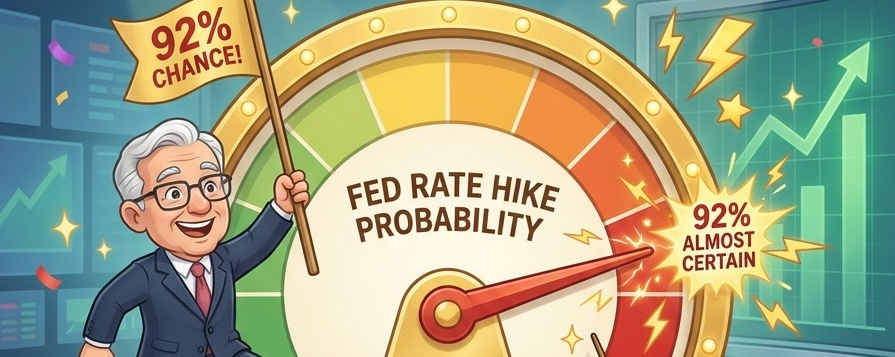
Article
Voir la traduction
“Policy rate restrictive”#CorePCEBeatLiftsFedHikeOdds ,#USOctoberPCEPriceIndexAt0.3%MoM
“Policy rate restrictive” ka matlab: Fed ki interest rate itni high hai ki loan lena aur spending karna mehenga padta hai, jisse inflation ko thanda karne ki koshish hoti hai.
September PCE 3.60% aur core PCE 3.10% ka matlab: prices abhi bhi pichhle saal se zyada hain aur inflation Fed ke 2% target se upar hai.
Fed ko balance banana hota hai: rate jaldi kam kare to inflation wapas badh sakti hai; bahut der high rakhe to growth aur jobs par pressure badh sakta hai.
Is statement ka simple meaning hai: US mein mehngai abhi poori tarah control nahi hui hai, isliye Fed interest rates ko relatively high rakh raha hai. High rates economy ki speed ko slow karti hain, taaki prices itni tez na badhein.
1) Policy rate kya hota hai?
Policy rate Fed ki benchmark interest rate hoti hai. Banks ek-doosre ko short-term paise kis cost par lend karte hain, us par iska asar hota hai. Phir yahi effect aage credit-card interest, personal loan, business loan, mortgage aur corporate borrowing cost tak pahunchta hai.
Jab Fed rate badhata ya high rakhta hai:
loan lena mehenga hota hai;
log aur companies borrowing/spending kam kar sakte hain;
businesses expansion aur hiring dheemi kar sakti hain;
demand dheere padti hai;
demand thandi hone par companies ko prices tez badhane ki kam power milti hai.
Is process ko economy ko restrictive rakhna kehte hain—yaani rate normal ya neutral level se upar hai aur economic demand par brake laga raha hai.
2) PCE inflation kya measure karta hai?
PCE = Personal Consumption Expenditures. Ye US consumers ki cheezon aur services par spending ke prices ko track karta hai. Fed ise inflation dekhne ke liye bahut importance deta hai.
September PCE 3.60% YoY ka arth: September mein consumers ne jo basket kharida, uski average price ek saal pehle ke September se 3.60% zyada thi.
YoY (year-on-year) ka matlab hai: isi mahine ko pichhle saal ke isi mahine se compare karna.
Fed ka long-run inflation target 2% hai. Isliye 3.60% target se upar hai: inflation cool hui ho sakti hai, lekin abhi desired level par nahi hai.
3) Core PCE alag kyun dekha jata hai?
Core PCE headline PCE se food aur energy prices ko hata kar dekhta hai.
Food aur fuel ki prices weather, war, oil supply ya seasonal factors se achanak bahut move kar sakti hain. Unko hata kar core PCE economy ki underlying price pressure ko zyada clearly dikhane ki koshish karta hai.
Core PCE 3.10% YoY ka matlab: food aur energy ko chhodkar prices ek saal mein 3.10% badhe. Ye bhi Fed ke 2% target se upar hai, isliye Fed ke liye inflation concern abhi khatam nahi hota.
4) Headline 3.60% aur core 3.10% mein farq kya bolta hai?
Headline inflation core se 0.50 percentage point zyada hai. Iska matlab us period mein food/energy ya unse related volatile components ne overall inflation ko relatively zyada push kiya.
Lekin core bhi 3.10% hai, to sirf oil ya food ko blame karke inflation concern ignore nahi kiya ja sakta. Services—jaise rent, insurance, healthcare, travel aur labour-intensive services—mein price pressure policy makers closely dekhte hain.
5) Fed rate high rakhne ka actual chain reaction
Ek simplified chain dekho:
High Fed rate → banks aur markets ki funding cost high → loans/mortgages/business financing costly → demand dheemi → price increases par pressure kam → inflation gradually cool
Ye effect turant nahi hota. Monetary policy ka impact aksar months mein economy tak pahunchta hai, aur har sector par same speed se nahi aata.
6) Hypothetical example
Maan lo ek business ko expansion ke liye loan chahiye:
Low-rate environment mein loan interest 4% ho sakta tha.
Restrictive-rate environment mein wohi funding cost 8% ho jaye.
Higher cost dekhkar company expansion postpone kar sakti hai. Agar bahut si companies aur consumers aisa karein, economy ki total demand slow hoti hai. Demand slow hone par retailers aur service providers ke liye prices fast badhana mushkil ho sakta hai.
Yeh sirf samjhane ka example hai; actual loan rates har borrower, bank aur loan type ke hisaab se alag hote hain.
7) Is data ke baad Fed ke saamne teen broad situations
Inflation dheere-dheere 2% ke paas aaye aur jobs stable rahein: policy ko future mein less restrictive karne ki guzarish market mein badh sakti hai.
Inflation 3% ke aas-paas chipki rahe ya phir badhe: Fed restrictive tone zyada der tak rakh sakta hai, kyunki jaldi easing se inflation dobara accelerate hone ka risk hota hai.
Growth aur jobs noticeably weak hon, lekin inflation high rahe: ye difficult situation hoti hai. Fed ko inflation control aur economic weakness—dono risks ko balance karna padta hai.
8) Markets par iska asar
US dollar aur Treasury yields: Fed ka hawkish tone—yaani inflation ko control karne ke liye tight policy par focus—yields aur dollar ko support de sakta hai.
Large-cap stocks: profitable, cash-rich companies comparatively resilient ho sakti hain, par valuation pressure aa sakta hai.
Russell 2000 / small caps: small companies debt aur domestic demand ke liye zyada sensitive ho sakti hain. High borrowing cost unke margins aur refinancing par pressure bana sakti hai.
KOSPI 200 aur global equities: US rates, dollar aur global risk appetite ke through indirect effect aa sakta hai.
Crypto: liquidity conditions aur risk appetite important hote hain. Tighter financial conditions risk assets ke liye headwind ban sakti hain, lekin crypto reaction sirf Fed par depend nahi karta.
#BitcoinAndStocksSlipAgainAmidTrump’sTariffPlans #NasdaqFuturesSlideMoreThan3%
#fedinterest
Isliye ek hi inflation number dekhkar market ka fixed direction maan lena sahi nahi hai. Market reaction is baat par depend karta hai ki data expectations ke against kaisa aaya, labour market kya signal de raha hai, aur Fed apni future policy ke baare mein kya language use karta hai.
The above is market analysis and does not constitute investment advice.
$BTC ,$TMF
“Policy rate restrictive”
#CorePCEBeatLiftsFedHikeOdds ,#USOctoberPCEPriceIndexAt0.3%MoM
“Policy rate restrictive” ka matlab: Fed ki interest rate itni high hai ki loan lena aur spending karna mehenga padta hai, jisse inflation ko thanda karne ki koshish hoti hai.
September PCE 3.60% aur core PCE 3.10% ka matlab: prices abhi bhi pichhle saal se zyada hain aur inflation Fed ke 2% target se upar hai.
Fed ko balance banana hota hai: rate jaldi kam kare to inflation wapas badh sakti hai; bahut der high rakhe to growth aur jobs par pressure badh sakta hai.
Is statement ka simple meaning hai: US mein mehngai abhi poori tarah control nahi hui hai, isliye Fed interest rates ko relatively high rakh raha hai. High rates economy ki speed ko slow karti hain, taaki prices itni tez na badhein.
1) Policy rate kya hota hai?
Policy rate Fed ki benchmark interest rate hoti hai. Banks ek-doosre ko short-term paise kis cost par lend karte hain, us par iska asar hota hai. Phir yahi effect aage credit-card interest, personal loan, business loan, mortgage aur corporate borrowing cost tak pahunchta hai.
Jab Fed rate badhata ya high rakhta hai:
loan lena mehenga hota hai;
log aur companies borrowing/spending kam kar sakte hain;
businesses expansion aur hiring dheemi kar sakti hain;
demand dheere padti hai;
demand thandi hone par companies ko prices tez badhane ki kam power milti hai.
Is process ko economy ko restrictive rakhna kehte hain—yaani rate normal ya neutral level se upar hai aur economic demand par brake laga raha hai.
2) PCE inflation kya measure karta hai?
PCE = Personal Consumption Expenditures. Ye US consumers ki cheezon aur services par spending ke prices ko track karta hai. Fed ise inflation dekhne ke liye bahut importance deta hai.
September PCE 3.60% YoY ka arth: September mein consumers ne jo basket kharida, uski average price ek saal pehle ke September se 3.60% zyada thi.
YoY (year-on-year) ka matlab hai: isi mahine ko pichhle saal ke isi mahine se compare karna.
Fed ka long-run inflation target 2% hai. Isliye 3.60% target se upar hai: inflation cool hui ho sakti hai, lekin abhi desired level par nahi hai.
3) Core PCE alag kyun dekha jata hai?
Core PCE headline PCE se food aur energy prices ko hata kar dekhta hai.
Food aur fuel ki prices weather, war, oil supply ya seasonal factors se achanak bahut move kar sakti hain. Unko hata kar core PCE economy ki underlying price pressure ko zyada clearly dikhane ki koshish karta hai.
Core PCE 3.10% YoY ka matlab: food aur energy ko chhodkar prices ek saal mein 3.10% badhe. Ye bhi Fed ke 2% target se upar hai, isliye Fed ke liye inflation concern abhi khatam nahi hota.
4) Headline 3.60% aur core 3.10% mein farq kya bolta hai?
Headline inflation core se 0.50 percentage point zyada hai. Iska matlab us period mein food/energy ya unse related volatile components ne overall inflation ko relatively zyada push kiya.
Lekin core bhi 3.10% hai, to sirf oil ya food ko blame karke inflation concern ignore nahi kiya ja sakta. Services—jaise rent, insurance, healthcare, travel aur labour-intensive services—mein price pressure policy makers closely dekhte hain.
5) Fed rate high rakhne ka actual chain reaction
Ek simplified chain dekho:
High Fed rate → banks aur markets ki funding cost high → loans/mortgages/business financing costly → demand dheemi → price increases par pressure kam → inflation gradually cool
Ye effect turant nahi hota. Monetary policy ka impact aksar months mein economy tak pahunchta hai, aur har sector par same speed se nahi aata.
6) Hypothetical example
Maan lo ek business ko expansion ke liye loan chahiye:
Low-rate environment mein loan interest 4% ho sakta tha.
Restrictive-rate environment mein wohi funding cost 8% ho jaye.
Higher cost dekhkar company expansion postpone kar sakti hai. Agar bahut si companies aur consumers aisa karein, economy ki total demand slow hoti hai. Demand slow hone par retailers aur service providers ke liye prices fast badhana mushkil ho sakta hai.
Yeh sirf samjhane ka example hai; actual loan rates har borrower, bank aur loan type ke hisaab se alag hote hain.
7) Is data ke baad Fed ke saamne teen broad situations
Inflation dheere-dheere 2% ke paas aaye aur jobs stable rahein: policy ko future mein less restrictive karne ki guzarish market mein badh sakti hai.
Inflation 3% ke aas-paas chipki rahe ya phir badhe: Fed restrictive tone zyada der tak rakh sakta hai, kyunki jaldi easing se inflation dobara accelerate hone ka risk hota hai.
Growth aur jobs noticeably weak hon, lekin inflation high rahe: ye difficult situation hoti hai. Fed ko inflation control aur economic weakness—dono risks ko balance karna padta hai.
8) Markets par iska asar
US dollar aur Treasury yields: Fed ka hawkish tone—yaani inflation ko control karne ke liye tight policy par focus—yields aur dollar ko support de sakta hai.
Large-cap stocks: profitable, cash-rich companies comparatively resilient ho sakti hain, par valuation pressure aa sakta hai.
Russell 2000 / small caps: small companies debt aur domestic demand ke liye zyada sensitive ho sakti hain. High borrowing cost unke margins aur refinancing par pressure bana sakti hai.
KOSPI 200 aur global equities: US rates, dollar aur global risk appetite ke through indirect effect aa sakta hai.
Crypto: liquidity conditions aur risk appetite important hote hain. Tighter financial conditions risk assets ke liye headwind ban sakti hain, lekin crypto reaction sirf Fed par depend nahi karta.
#BitcoinAndStocksSlipAgainAmidTrump’sTariffPlans #NasdaqFuturesSlideMoreThan3%
#fedinterest
Isliye ek hi inflation number dekhkar market ka fixed direction maan lena sahi nahi hai. Market reaction is baat par depend karta hai ki data expectations ke against kaisa aaya, labour market kya signal de raha hai, aur Fed apni future policy ke baare mein kya language use karta hai.
The above is market analysis and does not constitute investment advice.
$BTC ,$TMF
1
32
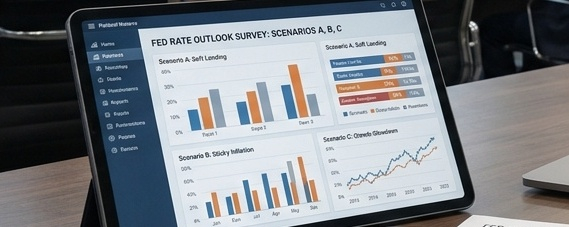
Article
Voir la traduction
🚨inflation is above the Fed’s 2% objective,👇while consumer spending was still positive but🚨💥🤔Inflation: latest confirmed data
The latest confirmed Fed-preferred inflation reading is September 2026 PCE:👇👇👇
Headline PCE inflation: 3.60% year-on-yearCore PCE inflation: 3.10% year-on-yearMonthly headline PCE: +0.50%Monthly core PCE: +0.30%Personal spending: +0.50% month-on-monthReal consumer spending: roughly flat month-on-monthPersonal saving rate: 3.80%
BEA data therefore shows inflation is above the Fed’s 2% objective, while consumer spending was still positive but real spending momentum was weak. (bea.gov)
The next PCE release, covering October 2026, is scheduled for 2026-11-25. (bea.gov)
CPI consumer prices ka broad measure hai; PCE consumer spending aur substitution patterns ko zyada dynamically capture karta hai.
Core PCE, PCE se food aur energy ko hata deta hai, taaki underlying inflation trend clearer dikhe.
Fed policy mein Core PCE ko khas importance deta hai, jabki CPI market reaction ke liye bhi bahut important hota hai.
1) CPI kya hai?🧐🤔🤔
CPI = Consumer Price Index.
Ye measure karta hai ki aam consumers ke liye daily goods aur services—jaise rent, food, petrol, kapde, medical care—kitne mehange hue.
CPI ek fixed-type basket ko track karta hai. Isliye agar kisi item ki price bahut badh jaaye aur log uska cheaper alternative lene lagen, CPI us change ko comparatively kam reflect kar sakta hai.
2) PCE kya hai?👇👇
PCE = Personal Consumption Expenditures Price Index.
Ye bhi US consumers ki prices measure karta hai, lekin isme consumer spending ka wider picture hota hai.
PCE mein data businesses se bhi aata hai—jaise hospitals, retailers aur service providers. Ye consumer behavior ke changes ko zyada adjust karta hai: agar beef mehenga ho aur log chicken zyada lene lagen, PCE us substitution ko better capture karne ki koshish karta hai.
3) Core PCE kya hai?🤔🤔🤔
Core PCE = PCE inflation, food aur energy ko hata kar.
Food aur petrol/oil prices weather, supply disruption ya geopolitical events ki wajah se jaldi aur sharply move kar sakte hain. Inko remove karke Core PCE underlying inflation pressure ko dikhata hai—jaise rent, wages-linked services, healthcare aur insurance.
Ek simple hypothetical example
Maan lo ek saal mein:
petrol prices bahut badh jaati hain,
lekin rent, healthcare aur baaki services relatively stable hain.
To headline CPI/PCE zyada high aa sakta hai, kyunki energy prices add hui hain.
Lekin Core PCE comparatively lower aa sakta hai, kyunki petrol aur food usme include nahi hote.
Ulta, agar energy stable hai lekin rent aur services consistently mehange ho rahe hain, to Core PCE elevated reh sakta hai—Fed isko zyada concerning signal maan sakta hai.
Main difference, ek table mein
| Measure | Kya cover karta hai | Food & energy | Kaun release karta hai | Fed ke liye relevance |
|---|---|---|---|---|
| CPI | Consumer basket ki prices | Included | Bureau of Labor Statistics | Inflation ka early, widely watched signal |
| PCE | Consumer spending ka broader measure | Included | Bureau of Economic Analysis | Fed ka preferred headline inflation gauge |
| Core PCE | PCE minus food and energy | Excluded | Bureau of Economic Analysis | Underlying inflation trend ke liye Fed ka key measure |
Trader ke liye kyun important hai?
CPI expected se high aaye, to market soch sakta hai Fed rates longer time high rakhega; yields aur US dollar react kar sakte hain, aur risk assets par pressure aa sakta hai.
PCE/Core PCE high rahe, to Fed ke 2% inflation target tak pahunchne ki progress slow lag sakti hai.
Data expectations se lower aaye, to markets less-restrictive policy ki possibility price kar sakte hain.
Market sirf number nahi dekhta—woh actual data ko expectations, jobs data, growth aur Fed ki language ke against compare karta hai.
Yeh sirf market education ke liye hai, investment advice nahi hai agar apko ye article acha laga to is share karo taki or log ko jankari mil jaye.
#CanMarketsReboundAfterThanksgiving? #CorePCEBeatLiftsFedHikeOdds #USOctoberPCEPriceIndexAt0.3%MoM #EvolveAtBinanceBlockchainWeek #BitcoinAndStocksSlipAgainAmidTrump’sTariffPlans Comment me likho konse topic par jankari chahiye apko or follow up @GaneshCrypto
{future}(TMFUSDT)
{future}(TQQQUSDT)
🚨inflation is above the Fed’s 2% objective,👇while consumer spending was still positive but🚨💥🤔
Inflation: latest confirmed data
The latest confirmed Fed-preferred inflation reading is September 2026 PCE:👇👇👇
Headline PCE inflation: 3.60% year-on-yearCore PCE inflation: 3.10% year-on-yearMonthly headline PCE: +0.50%Monthly core PCE: +0.30%Personal spending: +0.50% month-on-monthReal consumer spending: roughly flat month-on-monthPersonal saving rate: 3.80%
BEA data therefore shows inflation is above the Fed’s 2% objective, while consumer spending was still positive but real spending momentum was weak. (bea.gov)
The next PCE release, covering October 2026, is scheduled for 2026-11-25. (bea.gov)
CPI consumer prices ka broad measure hai; PCE consumer spending aur substitution patterns ko zyada dynamically capture karta hai.
Core PCE, PCE se food aur energy ko hata deta hai, taaki underlying inflation trend clearer dikhe.
Fed policy mein Core PCE ko khas importance deta hai, jabki CPI market reaction ke liye bhi bahut important hota hai.
1) CPI kya hai?🧐🤔🤔
CPI = Consumer Price Index.
Ye measure karta hai ki aam consumers ke liye daily goods aur services—jaise rent, food, petrol, kapde, medical care—kitne mehange hue.
CPI ek fixed-type basket ko track karta hai. Isliye agar kisi item ki price bahut badh jaaye aur log uska cheaper alternative lene lagen, CPI us change ko comparatively kam reflect kar sakta hai.
2) PCE kya hai?👇👇
PCE = Personal Consumption Expenditures Price Index.
Ye bhi US consumers ki prices measure karta hai, lekin isme consumer spending ka wider picture hota hai.
PCE mein data businesses se bhi aata hai—jaise hospitals, retailers aur service providers. Ye consumer behavior ke changes ko zyada adjust karta hai: agar beef mehenga ho aur log chicken zyada lene lagen, PCE us substitution ko better capture karne ki koshish karta hai.
3) Core PCE kya hai?🤔🤔🤔
Core PCE = PCE inflation, food aur energy ko hata kar.
Food aur petrol/oil prices weather, supply disruption ya geopolitical events ki wajah se jaldi aur sharply move kar sakte hain. Inko remove karke Core PCE underlying inflation pressure ko dikhata hai—jaise rent, wages-linked services, healthcare aur insurance.
Ek simple hypothetical example
Maan lo ek saal mein:
petrol prices bahut badh jaati hain,
lekin rent, healthcare aur baaki services relatively stable hain.
To headline CPI/PCE zyada high aa sakta hai, kyunki energy prices add hui hain.
Lekin Core PCE comparatively lower aa sakta hai, kyunki petrol aur food usme include nahi hote.
Ulta, agar energy stable hai lekin rent aur services consistently mehange ho rahe hain, to Core PCE elevated reh sakta hai—Fed isko zyada concerning signal maan sakta hai.
Main difference, ek table mein
| Measure | Kya cover karta hai | Food & energy | Kaun release karta hai | Fed ke liye relevance |
|---|---|---|---|---|
| CPI | Consumer basket ki prices | Included | Bureau of Labor Statistics | Inflation ka early, widely watched signal |
| PCE | Consumer spending ka broader measure | Included | Bureau of Economic Analysis | Fed ka preferred headline inflation gauge |
| Core PCE | PCE minus food and energy | Excluded | Bureau of Economic Analysis | Underlying inflation trend ke liye Fed ka key measure |
Trader ke liye kyun important hai?
CPI expected se high aaye, to market soch sakta hai Fed rates longer time high rakhega; yields aur US dollar react kar sakte hain, aur risk assets par pressure aa sakta hai.
PCE/Core PCE high rahe, to Fed ke 2% inflation target tak pahunchne ki progress slow lag sakti hai.
Data expectations se lower aaye, to markets less-restrictive policy ki possibility price kar sakte hain.
Market sirf number nahi dekhta—woh actual data ko expectations, jobs data, growth aur Fed ki language ke against compare karta hai.
Yeh sirf market education ke liye hai, investment advice nahi hai agar apko ye article acha laga to is share karo taki or log ko jankari mil jaye.
#CanMarketsReboundAfterThanksgiving? #CorePCEBeatLiftsFedHikeOdds #USOctoberPCEPriceIndexAt0.3%MoM #EvolveAtBinanceBlockchainWeek #BitcoinAndStocksSlipAgainAmidTrump’sTariffPlans Comment me likho konse topic par jankari chahiye apko or follow up @CryptoWithGanesh
1
220
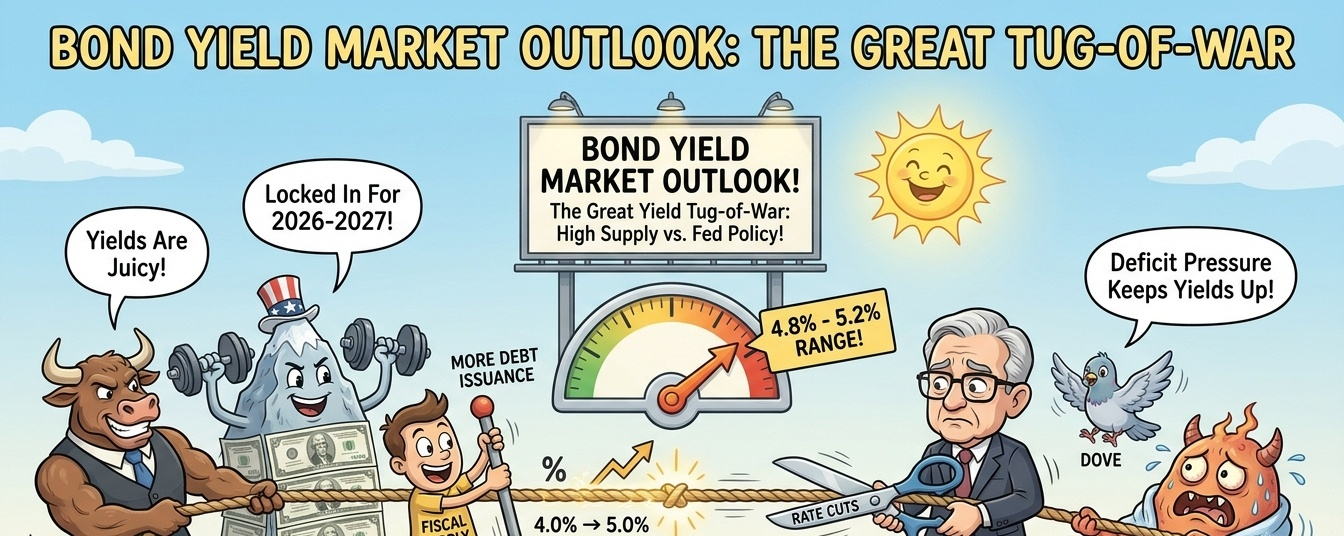
Article
Voir la traduction
Current macro snapshot — as of year 🚀🚀2026{future}(BTCUSDT)
{future}(TZAUSDT)
{future}(IWMUSDT)
🚨🚨💥💥Russell 2000 aur crypto markets short-term volatility will start soon🚨🚨💥💥💥
Current US macro picture: policy rate is still restrictive, while September PCE inflation was 3.60% YoY and core PCE 3.10% YoY.
Main market trigger is the December 8–9, 2026 Fed meeting; the decision, updated projections and dot plot can move US equities, Russell 2000-linked contracts and crypto.
Outlook depends on whether inflation cools without jobs/growth weakening sharply; both upside and downside scenarios remain open.
Current macro snapshot — as of year 2026
1) Fed rate and key dates
The next Fed/FOMC meeting is 2026-12-08 to 2026-12-09. This meeting includes updated economic projections and the dot plot, so the market will focus not only on the rate decision but also on the Fed’s inflation and growth language. The Federal Reserve’s official calendar confirms this schedule. (federalreserve.gov)
The latest policy decision was on 2026-10-28. For the current exact fed-funds target range, I would rely on the Fed’s latest statement rather than estimate it from market commentary.
#CanMarketsReboundAfterThanksgiving?
2) Inflation: latest confirmed data
The latest confirmed Fed-preferred inflation reading is September 2026 PCE:
Headline PCE inflation: 3.60% year-on-yearCore PCE inflation: 3.10% year-on-yearMonthly headline PCE: +0.50%Monthly core PCE: +0.30%Personal spending: +0.50% month-on-monthReal consumer spending: roughly flat month-on-monthPersonal saving rate: 3.80%
#CorePCEBeatLiftsFedHikeOdds
BEA data therefore shows inflation is above the Fed’s 2% objective, while consumer spending was still positive but real spending momentum was weak. (bea.gov)
The next PCE release, covering October 2026, is scheduled for 2026-11-25. (bea.gov)
3) US economy: current reading
The mixed picture is:
Inflation: still higher than the Fed’s target.
Consumer demand: nominal spending remains positive, but inflation-adjusted spending has softened.
Rates: restrictive policy remains a headwind for small caps, lower-quality credit, housing-sensitive sectors and leveraged businesses.
Russell 2000 / small caps: these are especially sensitive to borrowing costs, bank lending conditions and domestic-growth expectations.
For contracts such as TZAUSDT—which tracks the inverse leveraged small-cap ETF—the most important inputs are Russell 2000 direction, bond yields, Fed messaging and growth data.
4) Three major scenarios
A. Disinflation / softer-landing scenario
If upcoming inflation data cools while employment and consumer activity do not weaken sharply, markets may interpret it as room for less restrictive Fed policy later. That environment can support rate-sensitive small-cap shares and may weigh on inverse small-cap products such as TZA.
B. Sticky-inflation scenario
If core inflation stays elevated or re-accelerates, the Fed may keep a restrictive tone for longer. Treasury yields can remain high, financial conditions may stay tight, and smaller companies may face more pressure because refinancing costs matter more for them. This can be relatively supportive for TZA’s underlying inverse exposure, though daily moves remain volatile.
C. Growth-slowdown scenario
If jobs, consumption or credit conditions deteriorate materially, markets can initially become risk-off. Russell 2000 often reacts strongly because it has broad domestic and cyclical exposure. However, if the slowdown becomes severe enough to increase expectations of future easing, markets can reverse quickly—so the path matters, not only the final Fed decision.#USOctoberPCEPriceIndexAt0.3%MoM
5) Global response to watch
Global markets are broadly reacting to four themes:
US dollar and Treasury yields: higher yields/dollar can pressure emerging markets, commodities and risk assets.Central-bank divergence: markets compare the Fed’s stance with Europe, Japan, China and other major economies; policy gaps can move FX and capital flows.Growth and trade conditions: weaker global demand can hurt cyclical equities and industrials, while renewed demand can improve risk appetite.Oil and geopolitical risk: higher energy prices can feed inflation expectations and complicate the Fed’s task.
What matters most before the Fed meeting
October PCE inflation on 2026-11-25 Upcoming US jobs data Treasury-yield and US-dollar reaction Fed speakers’ language on inflation progress versus growth risks Whether Russell 2000 breadth improves or remains weak relative to large-cap stocks
Yeh market analysis hai, investment advice nahi hai.
#NasdaqFuturesSlideMoreThan3%
Agle Fed/FOMC interest-rate decision ki date 9 December 2026, Wednesday hai. Meeting 8–9 December ko hogi, aur rate statement/decision 2:00 PM New York time (ET) par aayega—India mein lagbhag 10 December, 12:30 AM IST. Is meeting ke saath Fed projections aur dot plot bhi release honge. (federalreserve.gov)
Fed rate decision USD, US stocks, Russell 2000 aur crypto markets mein short-term volatility la sakta hai; actual reaction inflation outlook, growth outlook aur Fed ke guidance par depend karega.#EvolveAtBinanceBlockchainWeek
Agar apko ye article acha laga to is share karo taki or logo ko jankari mil Mujse jude rahne ke liye muje comment me likho apko konse topic par jankari chahiye.
Follow up @GaneshCrypto
Current macro snapshot — as of year 🚀🚀2026
🚨🚨💥💥Russell 2000 aur crypto markets short-term volatility will start soon🚨🚨💥💥💥
Current US macro picture: policy rate is still restrictive, while September PCE inflation was 3.60% YoY and core PCE 3.10% YoY.
Main market trigger is the December 8–9, 2026 Fed meeting; the decision, updated projections and dot plot can move US equities, Russell 2000-linked contracts and crypto.
Outlook depends on whether inflation cools without jobs/growth weakening sharply; both upside and downside scenarios remain open.
Current macro snapshot — as of year 2026
1) Fed rate and key dates
The next Fed/FOMC meeting is 2026-12-08 to 2026-12-09. This meeting includes updated economic projections and the dot plot, so the market will focus not only on the rate decision but also on the Fed’s inflation and growth language. The Federal Reserve’s official calendar confirms this schedule. (federalreserve.gov)
The latest policy decision was on 2026-10-28. For the current exact fed-funds target range, I would rely on the Fed’s latest statement rather than estimate it from market commentary.
#CanMarketsReboundAfterThanksgiving?
2) Inflation: latest confirmed data
The latest confirmed Fed-preferred inflation reading is September 2026 PCE:
Headline PCE inflation: 3.60% year-on-yearCore PCE inflation: 3.10% year-on-yearMonthly headline PCE: +0.50%Monthly core PCE: +0.30%Personal spending: +0.50% month-on-monthReal consumer spending: roughly flat month-on-monthPersonal saving rate: 3.80%
#CorePCEBeatLiftsFedHikeOdds
BEA data therefore shows inflation is above the Fed’s 2% objective, while consumer spending was still positive but real spending momentum was weak. (bea.gov)
The next PCE release, covering October 2026, is scheduled for 2026-11-25. (bea.gov)
3) US economy: current reading
The mixed picture is:
Inflation: still higher than the Fed’s target.
Consumer demand: nominal spending remains positive, but inflation-adjusted spending has softened.
Rates: restrictive policy remains a headwind for small caps, lower-quality credit, housing-sensitive sectors and leveraged businesses.
Russell 2000 / small caps: these are especially sensitive to borrowing costs, bank lending conditions and domestic-growth expectations.
For contracts such as TZAUSDT—which tracks the inverse leveraged small-cap ETF—the most important inputs are Russell 2000 direction, bond yields, Fed messaging and growth data.
4) Three major scenarios
A. Disinflation / softer-landing scenario
If upcoming inflation data cools while employment and consumer activity do not weaken sharply, markets may interpret it as room for less restrictive Fed policy later. That environment can support rate-sensitive small-cap shares and may weigh on inverse small-cap products such as TZA.
B. Sticky-inflation scenario
If core inflation stays elevated or re-accelerates, the Fed may keep a restrictive tone for longer. Treasury yields can remain high, financial conditions may stay tight, and smaller companies may face more pressure because refinancing costs matter more for them. This can be relatively supportive for TZA’s underlying inverse exposure, though daily moves remain volatile.
C. Growth-slowdown scenario
If jobs, consumption or credit conditions deteriorate materially, markets can initially become risk-off. Russell 2000 often reacts strongly because it has broad domestic and cyclical exposure. However, if the slowdown becomes severe enough to increase expectations of future easing, markets can reverse quickly—so the path matters, not only the final Fed decision.#USOctoberPCEPriceIndexAt0.3%MoM
5) Global response to watch
Global markets are broadly reacting to four themes:
US dollar and Treasury yields: higher yields/dollar can pressure emerging markets, commodities and risk assets.Central-bank divergence: markets compare the Fed’s stance with Europe, Japan, China and other major economies; policy gaps can move FX and capital flows.Growth and trade conditions: weaker global demand can hurt cyclical equities and industrials, while renewed demand can improve risk appetite.Oil and geopolitical risk: higher energy prices can feed inflation expectations and complicate the Fed’s task.
What matters most before the Fed meeting
October PCE inflation on 2026-11-25 Upcoming US jobs data Treasury-yield and US-dollar reaction Fed speakers’ language on inflation progress versus growth risks Whether Russell 2000 breadth improves or remains weak relative to large-cap stocks
Yeh market analysis hai, investment advice nahi hai.
#NasdaqFuturesSlideMoreThan3%
Agle Fed/FOMC interest-rate decision ki date 9 December 2026, Wednesday hai. Meeting 8–9 December ko hogi, aur rate statement/decision 2:00 PM New York time (ET) par aayega—India mein lagbhag 10 December, 12:30 AM IST. Is meeting ke saath Fed projections aur dot plot bhi release honge. (federalreserve.gov)
Fed rate decision USD, US stocks, Russell 2000 aur crypto markets mein short-term volatility la sakta hai; actual reaction inflation outlook, growth outlook aur Fed ke guidance par depend karega.#EvolveAtBinanceBlockchainWeek
Agar apko ye article acha laga to is share karo taki or logo ko jankari mil Mujse jude rahne ke liye muje comment me likho apko konse topic par jankari chahiye.
Follow up @CryptoWithGanesh
1
208
Connectez-vous pour découvrir plus de contenu
Rejoignez la communauté mondiale des adeptes de cryptomonnaies sur Binance Square
⚡️ Suviez les dernières informations importantes sur les cryptomonnaies.
💬 Jugé digne de confiance par la plus grande plateforme d’échange de cryptomonnaies au monde.
👍 Découvrez les connaissances que partagent les créateurs vérifiés.
Adresse e-mail/Nº de téléphone
Sujets d’actualité
CanMarketsReboundAfterThanksgiving?
53,981 vues
910 mentions
Les paris sur une hausse des taux persistent à l’approche de la fermeture des marchés américains pour Thanksgiving
Binance News
·2 mentions J’aime
·2.5k vues
CouldSpaceX’sOrbitalDataCentersBoostAIChipDemand?
31,378 vues
572 mentions
EvolveAtBinanceBlockchainWeek
707,132 vues
8,183 mentions