

Shaheen 69
17.6k Publications

Shaheen 69
 Compte Square Vérifié+
Signaler
Bloquer l’utilisateur
✅ Verified Creator | Trader | Sharing Crypto Insights, Market Trends & Opportunities X @WaseemMazhar789

Détenteur pour APT
Trade fréquemment
5.5 an(s)
1.5K+ Suivis
61.3K+ Abonnés
30.8K+ J’aime
Publications
Tous
Citations
PINNED
·
--
LearnWithShaheen69
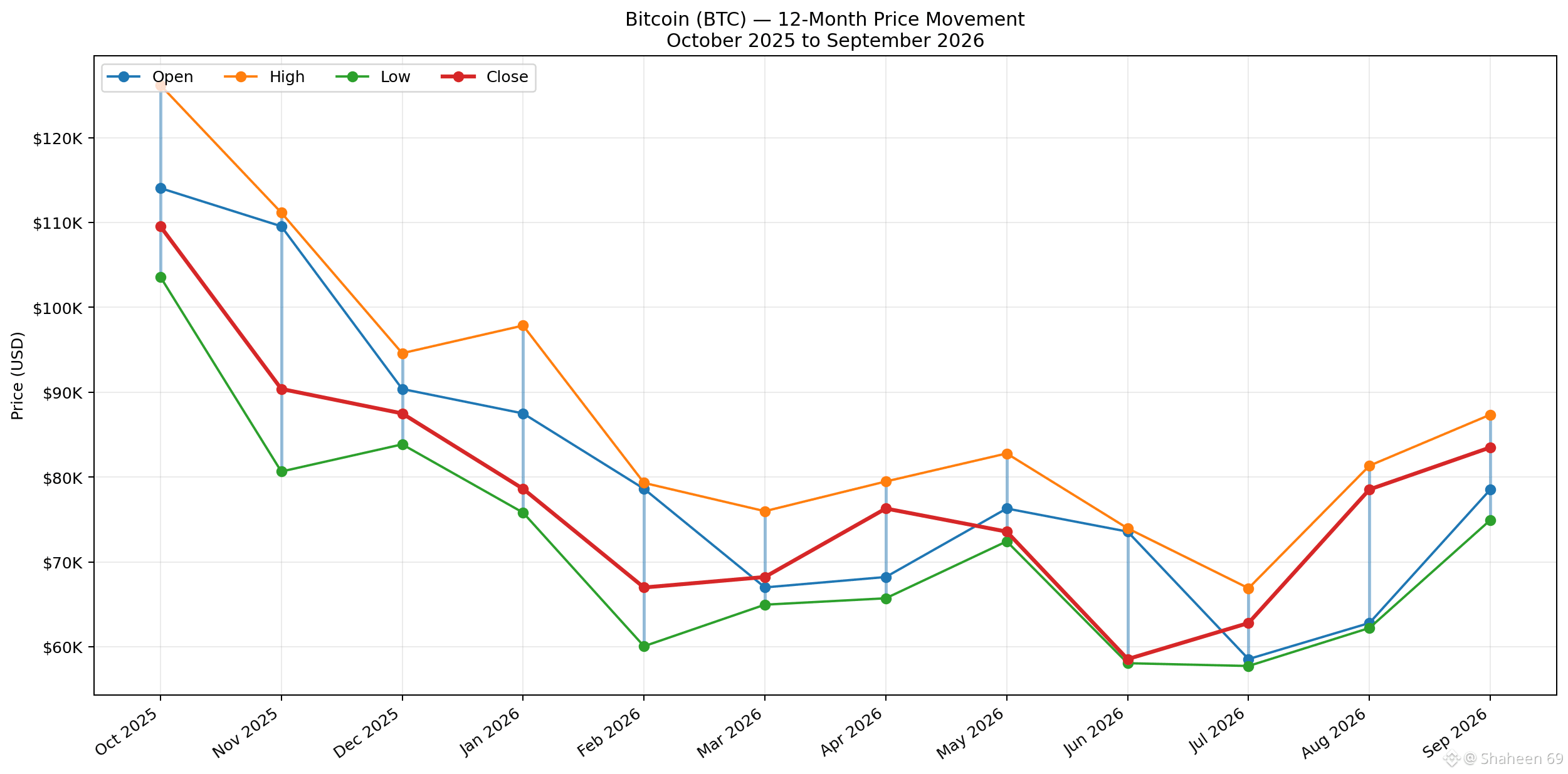
📊 BTC’s 1-Year Journey: From $126K ATH to $57K Low
Bitcoin’s one-year journey is a strong reminder of market volatility. From around $114K in October 2025 to an ATH near $126K, followed by a major correction, BTC showed how quickly sentiment can change.
My lesson: Don’t put your entire portfolio into one trade. Keep some funds in reserve, protect profits, use proper position sizing, and avoid emotional decisions. Markets will always give another opportunity—protecting your capital should come first.
$BTC
LearnWithShaheen69
📊 BTC’s 1-Year Journey: From $126K ATH to $57K Low
Bitcoin’s one-year journey is a strong reminder of market volatility. From around $114K in October 2025 to an ATH near $126K, followed by a major correction, BTC showed how quickly sentiment can change.
My lesson: Don’t put your entire portfolio into one trade. Keep some funds in reserve, protect profits, use proper position sizing, and avoid emotional decisions. Markets will always give another opportunity—protecting your capital should come first.
$BTC
📊 BTC’s 1-Year Journey: From $126K ATH to $57K Low
Bitcoin’s one-year journey is a strong reminder of market volatility. From around $114K in October 2025 to an ATH near $126K, followed by a major correction, BTC showed how quickly sentiment can change.
My lesson: Don’t put your entire portfolio into one trade. Keep some funds in reserve, protect profits, use proper position sizing, and avoid emotional decisions. Markets will always give another opportunity—protecting your capital should come first.
$BTC
1.1k
39
57
1.1k





·
--
nice
nice

Sheemm
·
--
🎁🎁🎁🎁 GOOD AFTERNOON
LIKE REPOST COMMENT
AND CLAIM YOUR GIFT 🎁🎁🎁🎁
$BNB 🎁🎁🎁🎁
$MOVR
$GTC
LIKE REPOST COMMENT
AND CLAIM YOUR GIFT 🎁🎁🎁🎁
$BNB 🎁🎁🎁🎁
$MOVR
$GTC
199
·
--
Haussier
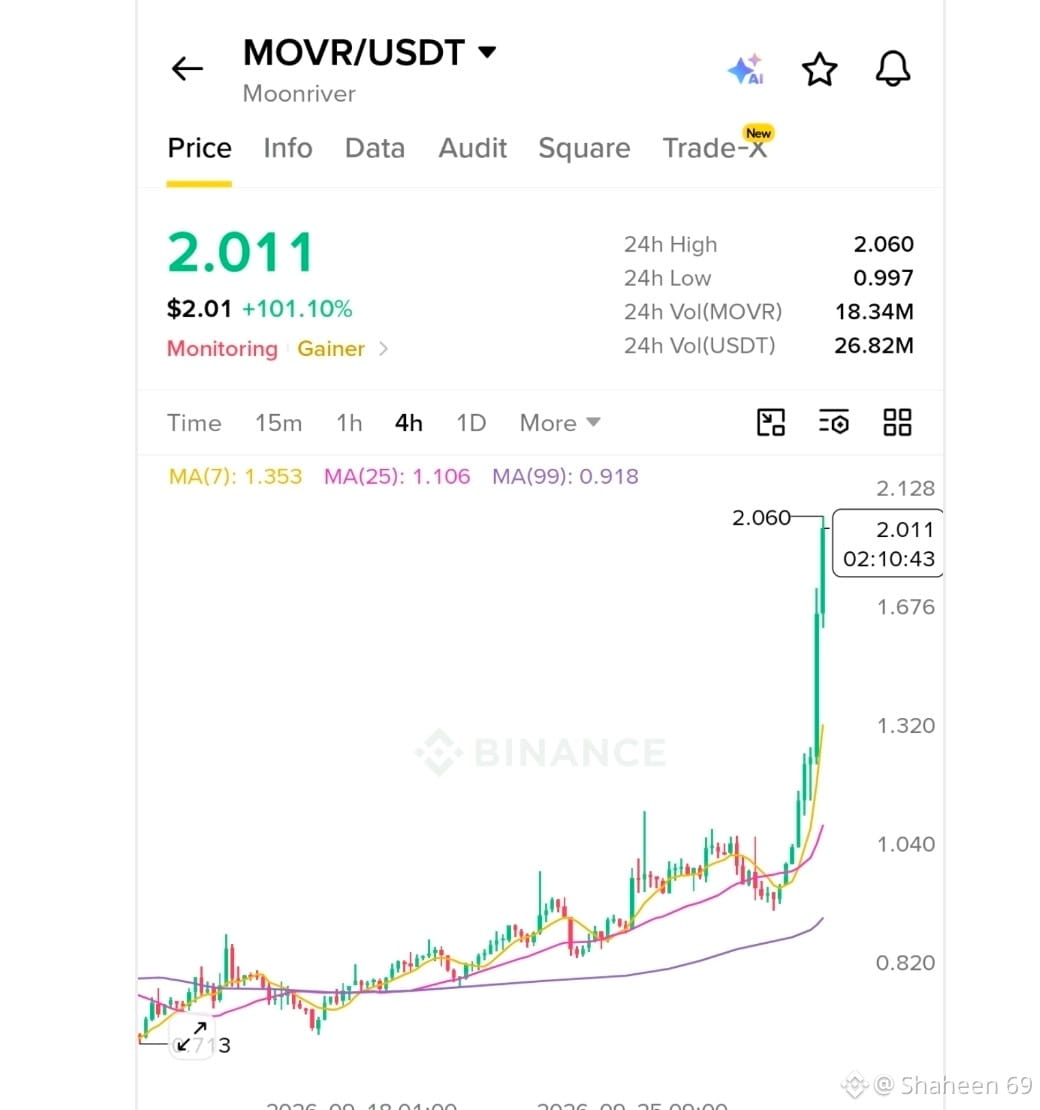
$MOVR has expanded aggressively into the 2.060 high and is now consolidating near the top of its vertical move.
The setup looks extended after a major impulse, making a pullback into dynamic support necessary before considering a safer entry.
Entry: 1.676 - 1.700 SL: 1.320 TP1: 2.011 TP2: 2.060 TP3: 2.128
LONG $MOVR 👇
Would you chase the current expansion or wait for a pullback near key support?
NFA / DYOR
$MOVR
$MOVR has expanded aggressively into the 2.060 high and is now consolidating near the top of its vertical move.
The setup looks extended after a major impulse, making a pullback into dynamic support necessary before considering a safer entry.
Entry: 1.676 - 1.700 SL: 1.320 TP1: 2.011 TP2: 2.060 TP3: 2.128
LONG $MOVR 👇
Would you chase the current expansion or wait for a pullback near key support?
NFA / DYOR
$MOVR
The setup looks extended after a major impulse, making a pullback into dynamic support necessary before considering a safer entry.
Entry: 1.676 - 1.700 SL: 1.320 TP1: 2.011 TP2: 2.060 TP3: 2.128
LONG $MOVR 👇
Would you chase the current expansion or wait for a pullback near key support?
NFA / DYOR
$MOVR
217
·
--
Haussier
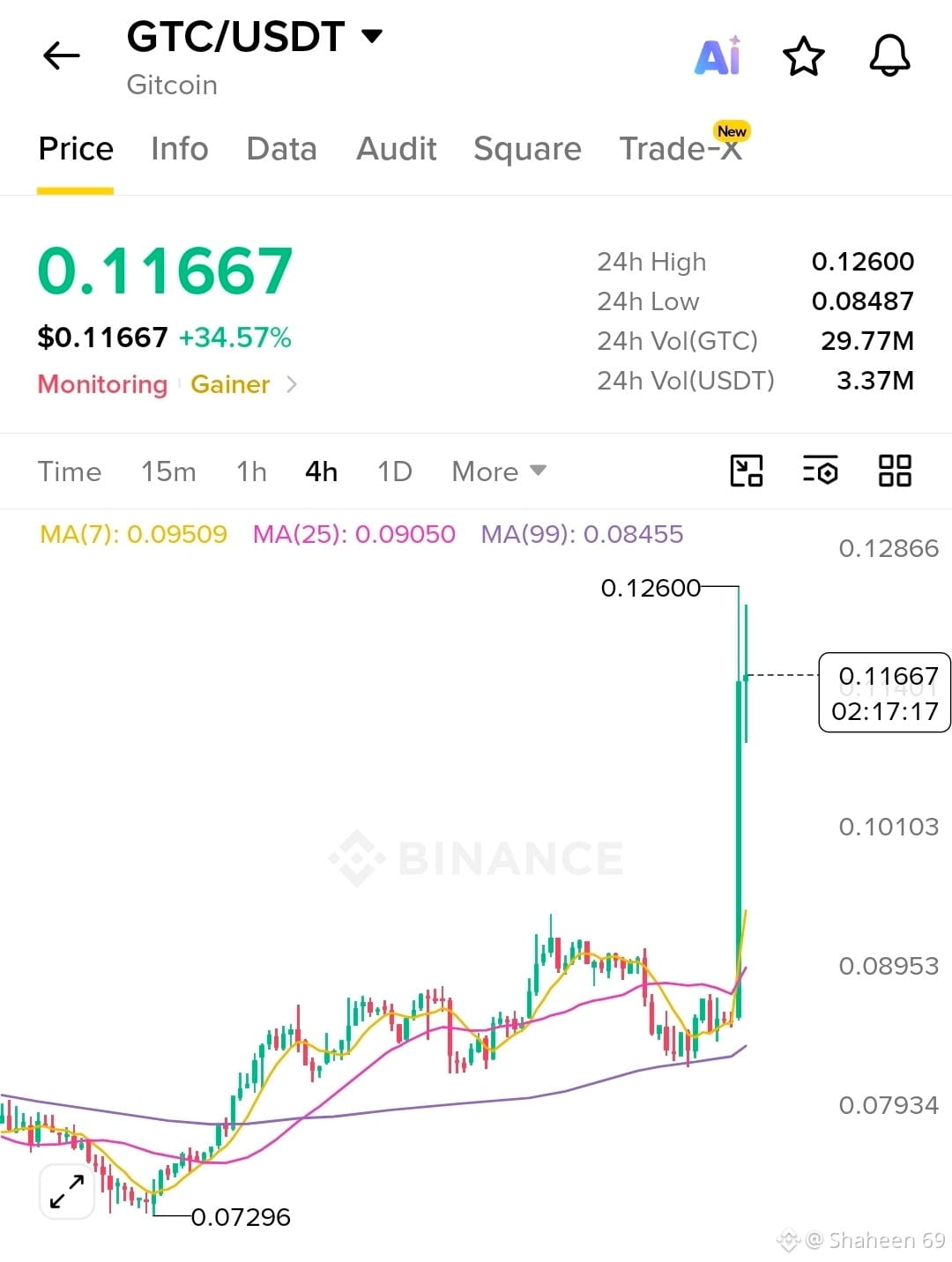
$GTC has pulled back into its consolidation area after rejecting the local high at 0.12600.
Price is attempting to build support well above the previous breakout zone near 0.10103 following the massive impulse candle.
Entry: 0.11000 - 0.11667 SL: 0.10000 TP1: 0.12600 TP2: 0.12866 TP3: 0.13500
LONG $GTC 👇
Would you enter during this initial pullback, or wait for the candle to close and confirm support?
NFA / DYOR
$GTC
$GTC has pulled back into its consolidation area after rejecting the local high at 0.12600.
Price is attempting to build support well above the previous breakout zone near 0.10103 following the massive impulse candle.
Entry: 0.11000 - 0.11667 SL: 0.10000 TP1: 0.12600 TP2: 0.12866 TP3: 0.13500
LONG $GTC 👇
Would you enter during this initial pullback, or wait for the candle to close and confirm support?
NFA / DYOR
$GTC
Price is attempting to build support well above the previous breakout zone near 0.10103 following the massive impulse candle.
Entry: 0.11000 - 0.11667 SL: 0.10000 TP1: 0.12600 TP2: 0.12866 TP3: 0.13500
LONG $GTC 👇
Would you enter during this initial pullback, or wait for the candle to close and confirm support?
NFA / DYOR
$GTC
2
679
·
--
Haussier
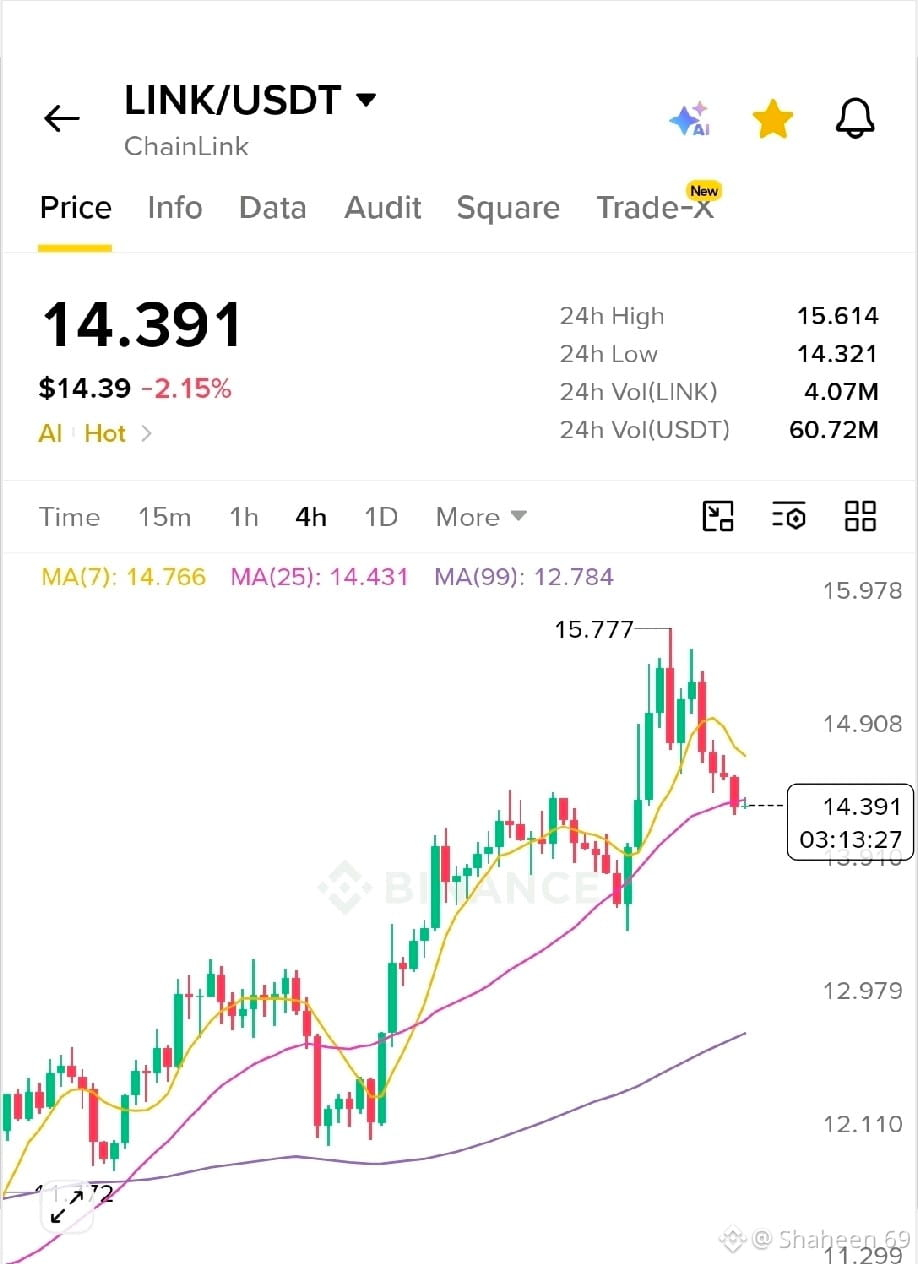
$LINK has pulled back directly into moving average support after rejecting the recent high near 15.777.
Buyers are attempting to hold this retest zone around the 14.39 level to maintain the overall bullish structure.
Entry: 14.350 - 14.400 SL: 13.800 TP1: 14.900 TP2: 15.600 TP3: 15.970
LONG $LINK 👇
Would you enter around this support retest, or wait for price to reclaim 14.76 first?
NFA / DYOR
$LINK
{future}(LINKUSDT)
$LINK has pulled back directly into moving average support after rejecting the recent high near 15.777.
Buyers are attempting to hold this retest zone around the 14.39 level to maintain the overall bullish structure.
Entry: 14.350 - 14.400 SL: 13.800 TP1: 14.900 TP2: 15.600 TP3: 15.970
LONG $LINK 👇
Would you enter around this support retest, or wait for price to reclaim 14.76 first?
NFA / DYOR
$LINK
Buyers are attempting to hold this retest zone around the 14.39 level to maintain the overall bullish structure.
Entry: 14.350 - 14.400 SL: 13.800 TP1: 14.900 TP2: 15.600 TP3: 15.970
LONG $LINK 👇
Would you enter around this support retest, or wait for price to reclaim 14.76 first?
NFA / DYOR
$LINK
156
·
--
Haussier
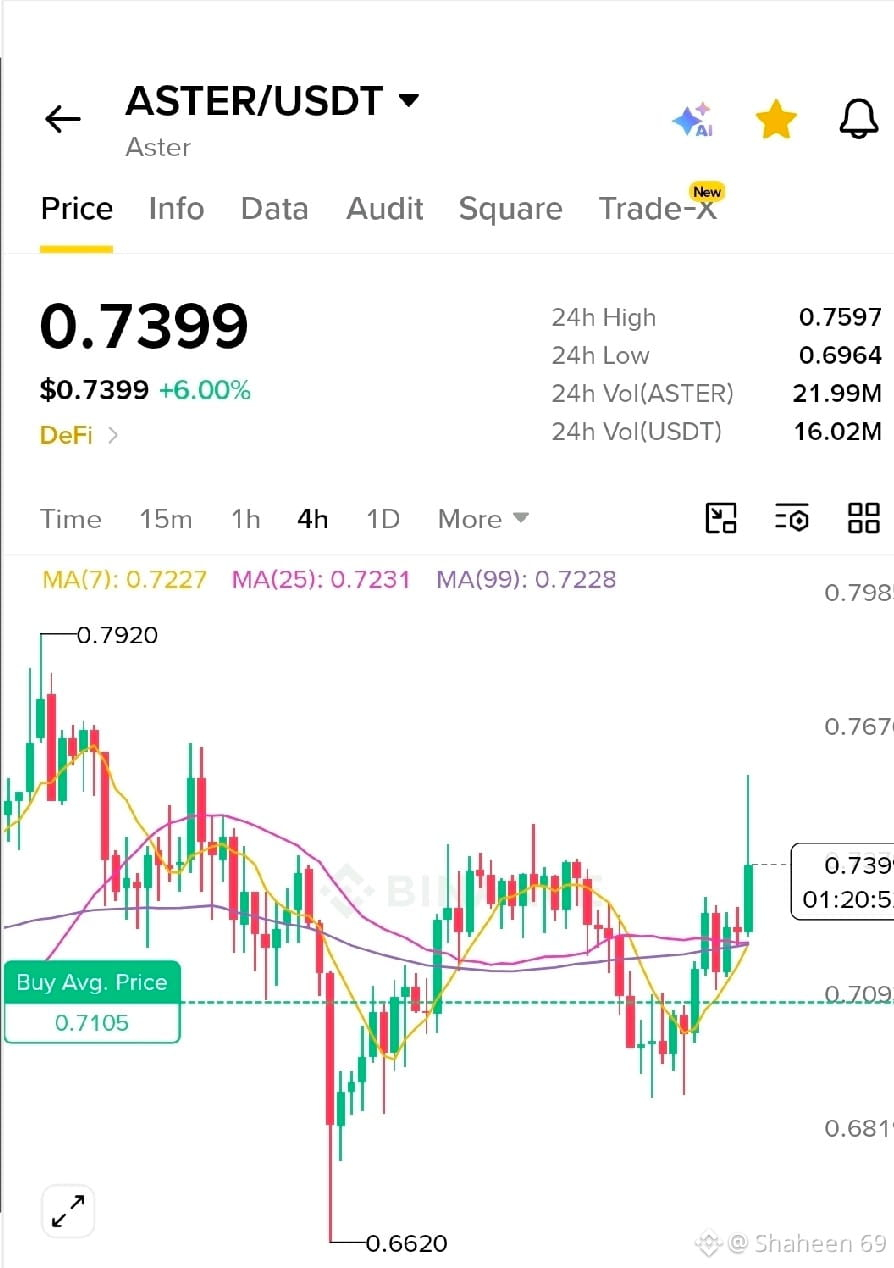
$ASTER is breaking out strong from its recent consolidation range.
Price has reclaimed all key moving averages, signaling a potential shift back into short-term bullish momentum.
Entry: 0.7300 - 0.7399 SL: 0.7090 TP1: 0.7590 TP2: 0.7670 TP3: 0.7920
LONG $ASTER 👇
Would you enter this expansion move now or wait for a retest closer to support?
NFA / DYOR
$ASTER
$ASTER is breaking out strong from its recent consolidation range.
Price has reclaimed all key moving averages, signaling a potential shift back into short-term bullish momentum.
Entry: 0.7300 - 0.7399 SL: 0.7090 TP1: 0.7590 TP2: 0.7670 TP3: 0.7920
LONG $ASTER 👇
Would you enter this expansion move now or wait for a retest closer to support?
NFA / DYOR
$ASTER
Price has reclaimed all key moving averages, signaling a potential shift back into short-term bullish momentum.
Entry: 0.7300 - 0.7399 SL: 0.7090 TP1: 0.7590 TP2: 0.7670 TP3: 0.7920
LONG $ASTER 👇
Would you enter this expansion move now or wait for a retest closer to support?
NFA / DYOR
$ASTER
342
·
--
Vérifié
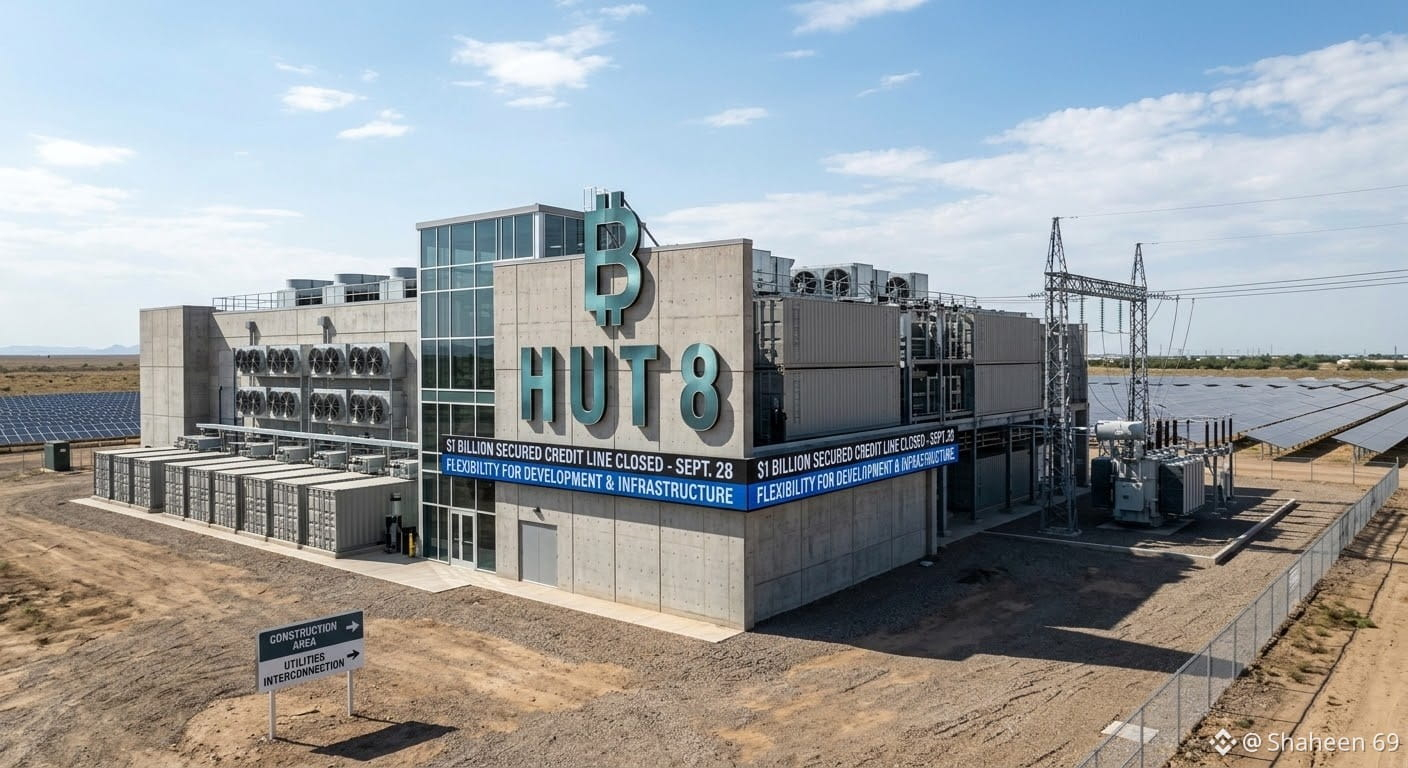
Bitcoin miner Hut 8 just unlocked $1 billion in potential liquidity, giving it massive flexibility to scale operations. ⚡
The company closed a four-year senior secured credit line, allowing it to draw cash or issue letters of credit to back construction and utility obligations without tying up operational cash as collateral. At the time of closing, no funds were drawn, preserving the full capacity for future development.
For the crypto market, this signals growing institutional confidence in infrastructure financing. By leveraging bank capacity instead of selling Bitcoin reserves or heavily diluting equity, major miners can continue expanding energy and hardware capacity even through shifting market cycles.
As mining entities secure traditional credit lines, they improve their cash management and long-term stability, which supports broader ecosystem infrastructure.
Will this non-dilutive financing model set a new benchmark for large-scale Bitcoin miners, or do debt-backed expansions carry hidden risks if market conditions shift?
#bitcoin #CryptoNewss #Mining #Hut8
$MOVR $QNT $PHA
Bitcoin miner Hut 8 just unlocked $1 billion in potential liquidity, giving it massive flexibility to scale operations. ⚡
The company closed a four-year senior secured credit line, allowing it to draw cash or issue letters of credit to back construction and utility obligations without tying up operational cash as collateral. At the time of closing, no funds were drawn, preserving the full capacity for future development.
For the crypto market, this signals growing institutional confidence in infrastructure financing. By leveraging bank capacity instead of selling Bitcoin reserves or heavily diluting equity, major miners can continue expanding energy and hardware capacity even through shifting market cycles.
As mining entities secure traditional credit lines, they improve their cash management and long-term stability, which supports broader ecosystem infrastructure.
Will this non-dilutive financing model set a new benchmark for large-scale Bitcoin miners, or do debt-backed expansions carry hidden risks if market conditions shift?
#bitcoin #CryptoNewss #Mining #Hut8
$MOVR $QNT $PHA
The company closed a four-year senior secured credit line, allowing it to draw cash or issue letters of credit to back construction and utility obligations without tying up operational cash as collateral. At the time of closing, no funds were drawn, preserving the full capacity for future development.
For the crypto market, this signals growing institutional confidence in infrastructure financing. By leveraging bank capacity instead of selling Bitcoin reserves or heavily diluting equity, major miners can continue expanding energy and hardware capacity even through shifting market cycles.
As mining entities secure traditional credit lines, they improve their cash management and long-term stability, which supports broader ecosystem infrastructure.
Will this non-dilutive financing model set a new benchmark for large-scale Bitcoin miners, or do debt-backed expansions carry hidden risks if market conditions shift?
#bitcoin #CryptoNewss #Mining #Hut8
$MOVR $QNT $PHA
4
1.4k
·
--
The Federal Reserve's stablecoin proposal would put a general two-business-day limit on redemption by issuers it supervises.
For a customer holding stablecoins at an exchange, the first step is getting that venue to release or convert the balance. In a July 28 snapshot, researchers located $76 billion of stablecoins at centralized exchanges, where a customer may have to deal with the venue before reaching an issuer.
Researchers at the Andersen Institute for Finance and Economics located that amount across 12 reserve-backed dollar stablecoins. They call the exchange figure a lower bound because some exchange wallets cannot be identified.
The Federal Reserve's stablecoin proposal would put a general two-business-day limit on redemption by issuers it supervises.
For a customer holding stablecoins at an exchange, the first step is getting that venue to release or convert the balance. In a July 28 snapshot, researchers located $76 billion of stablecoins at centralized exchanges, where a customer may have to deal with the venue before reaching an issuer.
Researchers at the Andersen Institute for Finance and Economics located that amount across 12 reserve-backed dollar stablecoins. They call the exchange figure a lower bound because some exchange wallets cannot be identified.
For a customer holding stablecoins at an exchange, the first step is getting that venue to release or convert the balance. In a July 28 snapshot, researchers located $76 billion of stablecoins at centralized exchanges, where a customer may have to deal with the venue before reaching an issuer.
Researchers at the Andersen Institute for Finance and Economics located that amount across 12 reserve-backed dollar stablecoins. They call the exchange figure a lower bound because some exchange wallets cannot be identified.
402
·
--
Mixed US economic signals are keeping Bitcoin stuck below key resistance levels as macro uncertainty lingers 📈📉
Fresh data shows US job openings cooled to 7.1 million in August (down from a revised 7.3 million in July), signaling a slowing labor market that typically supports lower interest rates. However, consumer anxiety is rising. The Conference Board’s Consumer Confidence Index dropped to 81.9 in September, while average 12-month inflation expectations climbed to 6.1%, and 68.4% of respondents now expect higher rates ahead.
For Bitcoin, this creates a split narrative. A softening labor market usually bolsters the case for Fed rate cuts and cheaper liquidity. Yet persistent inflation fears and rising yield expectations limit immediate upside, leaving BTC struggling to reclaim the $84,000 support zone after touching a recent low near $82,775.
Without clear directional momentum from macroeconomic data, crypto markets remain caught between rate-cut hopes and inflation headwinds.
Do you think macro conditions will push BTC higher, or is more sideways price action ahead?
#bitcoin #Crypto #FedRateWatch #macroeconomy
Mixed US economic signals are keeping Bitcoin stuck below key resistance levels as macro uncertainty lingers 📈📉
Fresh data shows US job openings cooled to 7.1 million in August (down from a revised 7.3 million in July), signaling a slowing labor market that typically supports lower interest rates. However, consumer anxiety is rising. The Conference Board’s Consumer Confidence Index dropped to 81.9 in September, while average 12-month inflation expectations climbed to 6.1%, and 68.4% of respondents now expect higher rates ahead.
For Bitcoin, this creates a split narrative. A softening labor market usually bolsters the case for Fed rate cuts and cheaper liquidity. Yet persistent inflation fears and rising yield expectations limit immediate upside, leaving BTC struggling to reclaim the $84,000 support zone after touching a recent low near $82,775.
Without clear directional momentum from macroeconomic data, crypto markets remain caught between rate-cut hopes and inflation headwinds.
Do you think macro conditions will push BTC higher, or is more sideways price action ahead?
#bitcoin #Crypto #FedRateWatch #macroeconomy
Fresh data shows US job openings cooled to 7.1 million in August (down from a revised 7.3 million in July), signaling a slowing labor market that typically supports lower interest rates. However, consumer anxiety is rising. The Conference Board’s Consumer Confidence Index dropped to 81.9 in September, while average 12-month inflation expectations climbed to 6.1%, and 68.4% of respondents now expect higher rates ahead.
For Bitcoin, this creates a split narrative. A softening labor market usually bolsters the case for Fed rate cuts and cheaper liquidity. Yet persistent inflation fears and rising yield expectations limit immediate upside, leaving BTC struggling to reclaim the $84,000 support zone after touching a recent low near $82,775.
Without clear directional momentum from macroeconomic data, crypto markets remain caught between rate-cut hopes and inflation headwinds.
Do you think macro conditions will push BTC higher, or is more sideways price action ahead?
#bitcoin #Crypto #FedRateWatch #macroeconomy
1
370
·
--
Haussier
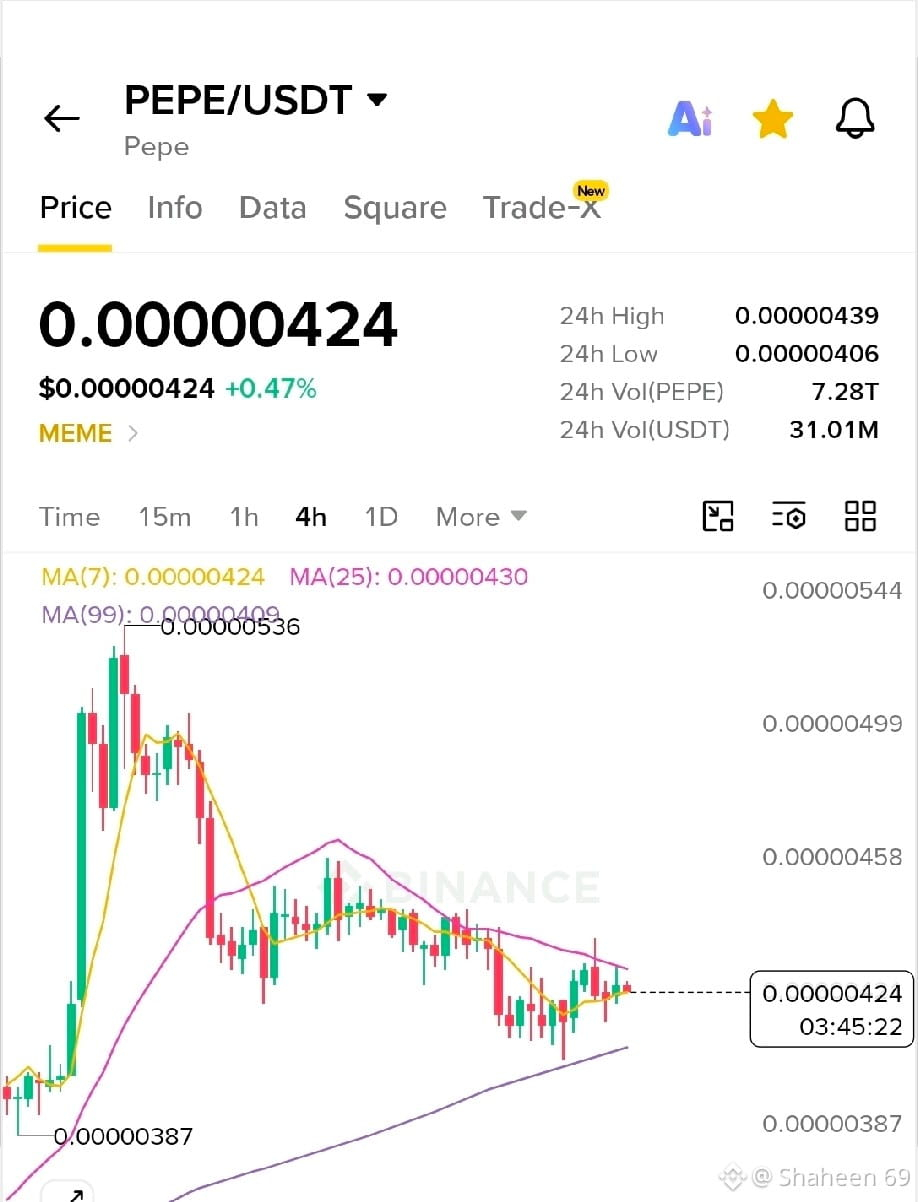
$PEPE is compressing tightly between support and resistance near the 0.00000424 level.
Price is continuing to form higher lows off the bottom trendline while holding above the 0.00000406 support area.
Entry: 0.00000420 - 0.00000425 SL: 0.00000400 TP1: 0.00000458 TP2: 0.00000499 TP3: 0.00000544
LONG $PEPE 👇
Are you looking to enter inside this tight range, or waiting for a confirmed breakout above resistance?
NFA / DYOR
$PEPE
$PEPE is compressing tightly between support and resistance near the 0.00000424 level.
Price is continuing to form higher lows off the bottom trendline while holding above the 0.00000406 support area.
Entry: 0.00000420 - 0.00000425 SL: 0.00000400 TP1: 0.00000458 TP2: 0.00000499 TP3: 0.00000544
LONG $PEPE 👇
Are you looking to enter inside this tight range, or waiting for a confirmed breakout above resistance?
NFA / DYOR
$PEPE
Price is continuing to form higher lows off the bottom trendline while holding above the 0.00000406 support area.
Entry: 0.00000420 - 0.00000425 SL: 0.00000400 TP1: 0.00000458 TP2: 0.00000499 TP3: 0.00000544
LONG $PEPE 👇
Are you looking to enter inside this tight range, or waiting for a confirmed breakout above resistance?
NFA / DYOR
$PEPE
2
518
·
--
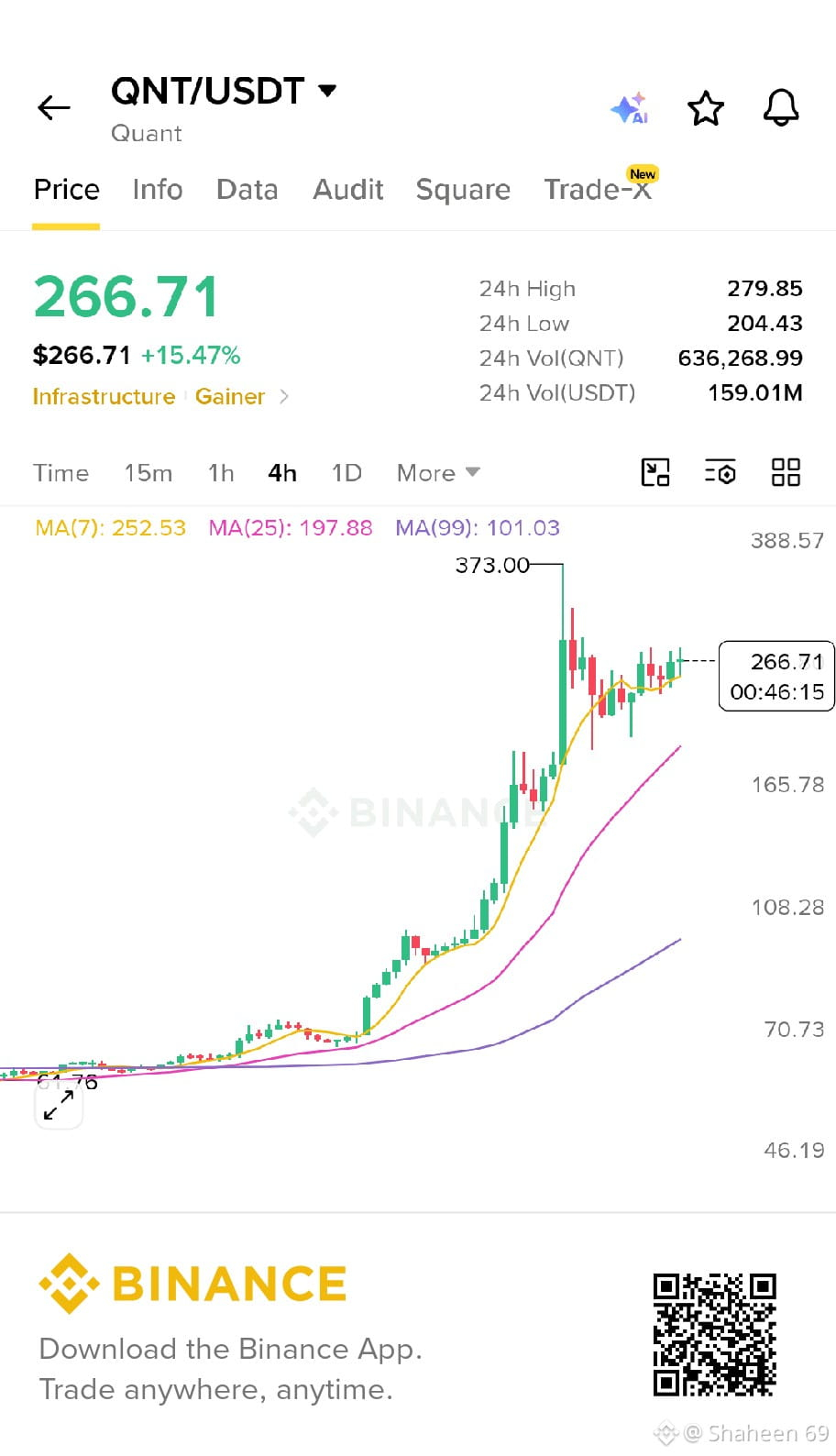
$QNT is pushing higher off the short-term moving average support after consolidating below its recent high.
The trend remains strong above MA(7), with buyers consistently defending pullbacks to build higher lows.
Entry: 260.00 - 266.71 SL: 240.00 TP1: 279.85 TP2: 320.00 TP3: 373.00
LONG $QNT 👇
Would you join the trend here or wait for a retest closer to the 240 level?
NFA / DYOR
$QNT
$QNT is pushing higher off the short-term moving average support after consolidating below its recent high.
The trend remains strong above MA(7), with buyers consistently defending pullbacks to build higher lows.
Entry: 260.00 - 266.71 SL: 240.00 TP1: 279.85 TP2: 320.00 TP3: 373.00
LONG $QNT 👇
Would you join the trend here or wait for a retest closer to the 240 level?
NFA / DYOR
$QNT
The trend remains strong above MA(7), with buyers consistently defending pullbacks to build higher lows.
Entry: 260.00 - 266.71 SL: 240.00 TP1: 279.85 TP2: 320.00 TP3: 373.00
LONG $QNT 👇
Would you join the trend here or wait for a retest closer to the 240 level?
NFA / DYOR
$QNT
526
·
--
Haussier
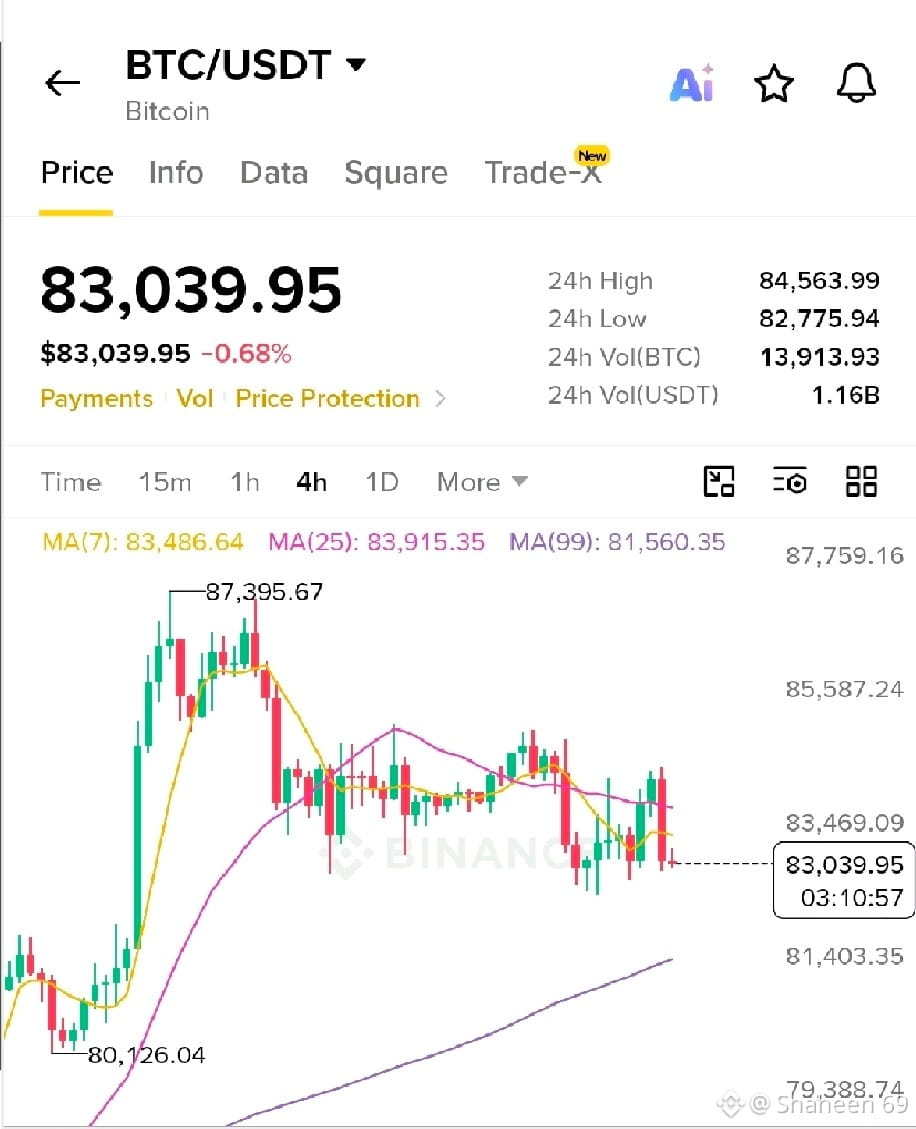
$BTC is holding above local support after a pullback, with price consolidating above the $82,700 zone.
Buyers have defended this region, keeping the short-term structure intact for a potential push back toward upper resistance levels.
Entry: 82,700 - 83,050 SL: 81,400 TP1: 83,900 TP2: 84,560 TP3: 85,580
LONG $BTC 👇
Would you enter around current support or wait for a push back above the moving averages first?
NFA / DYOR
$BTC
$BTC is holding above local support after a pullback, with price consolidating above the $82,700 zone.
Buyers have defended this region, keeping the short-term structure intact for a potential push back toward upper resistance levels.
Entry: 82,700 - 83,050 SL: 81,400 TP1: 83,900 TP2: 84,560 TP3: 85,580
LONG $BTC 👇
Would you enter around current support or wait for a push back above the moving averages first?
NFA / DYOR
$BTC
Buyers have defended this region, keeping the short-term structure intact for a potential push back toward upper resistance levels.
Entry: 82,700 - 83,050 SL: 81,400 TP1: 83,900 TP2: 84,560 TP3: 85,580
LONG $BTC 👇
Would you enter around current support or wait for a push back above the moving averages first?
NFA / DYOR
$BTC
1
2
259
·
--
Haussier
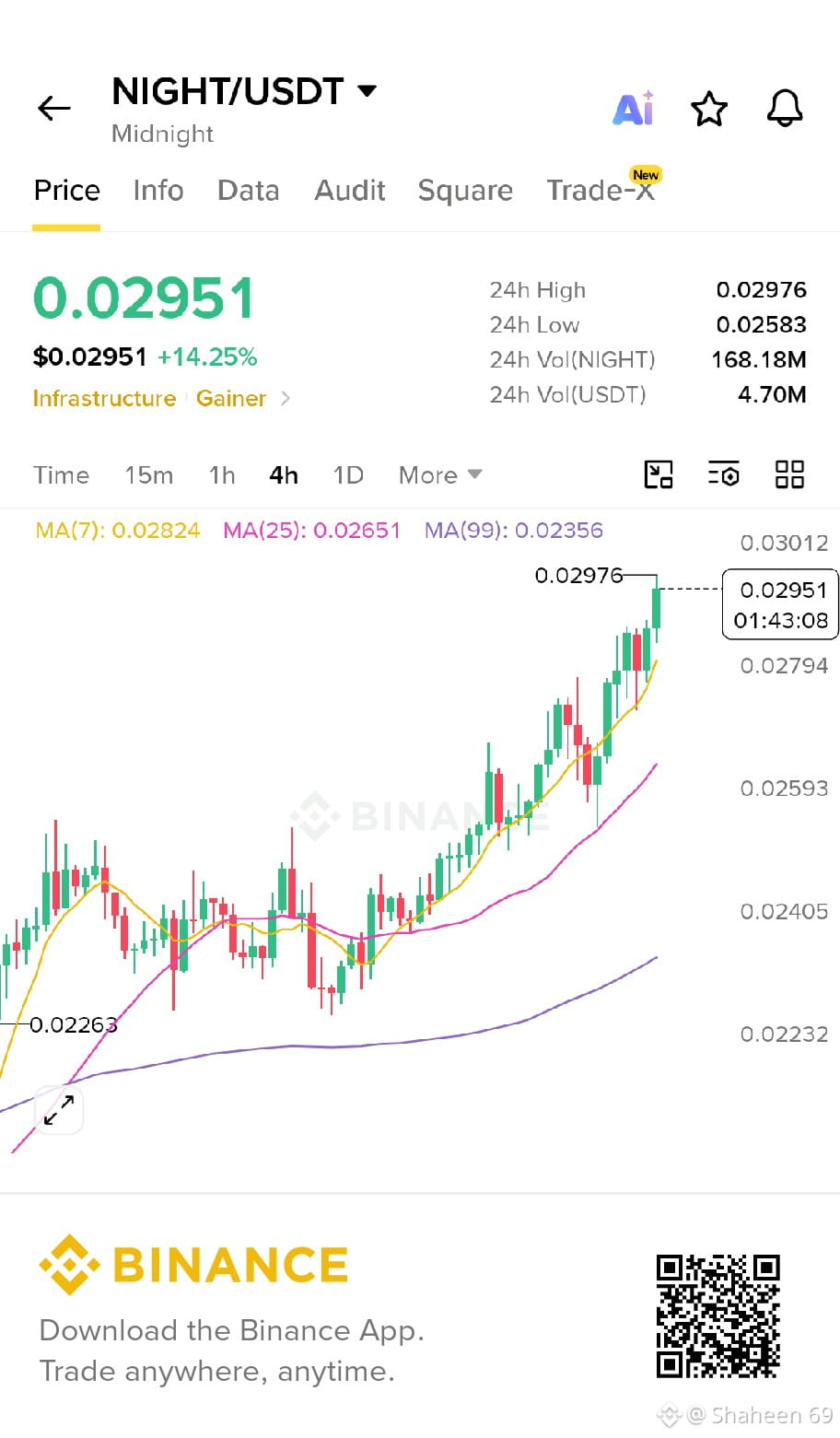
$NIGHT is pushing into its recent high at 0.02976 after maintaining a steady series of higher lows on the 4h chart.
Price continues to respect the short-term moving average, showing strong buyer support on every minor pullback.
Entry: 0.02794 - 0.02951 SL: 0.02583 TP1: 0.02976 TP2: 0.03012 TP3: 0.03200
LONG $NIGHT 👇
Would you enter during this momentum push, or wait for a pullback closer to MA support?
NFA / DYOR
$NIGHT
$NIGHT is pushing into its recent high at 0.02976 after maintaining a steady series of higher lows on the 4h chart.
Price continues to respect the short-term moving average, showing strong buyer support on every minor pullback.
Entry: 0.02794 - 0.02951 SL: 0.02583 TP1: 0.02976 TP2: 0.03012 TP3: 0.03200
LONG $NIGHT 👇
Would you enter during this momentum push, or wait for a pullback closer to MA support?
NFA / DYOR
$NIGHT
Price continues to respect the short-term moving average, showing strong buyer support on every minor pullback.
Entry: 0.02794 - 0.02951 SL: 0.02583 TP1: 0.02976 TP2: 0.03012 TP3: 0.03200
LONG $NIGHT 👇
Would you enter during this momentum push, or wait for a pullback closer to MA support?
NFA / DYOR
$NIGHT
117
·
--
Haussier
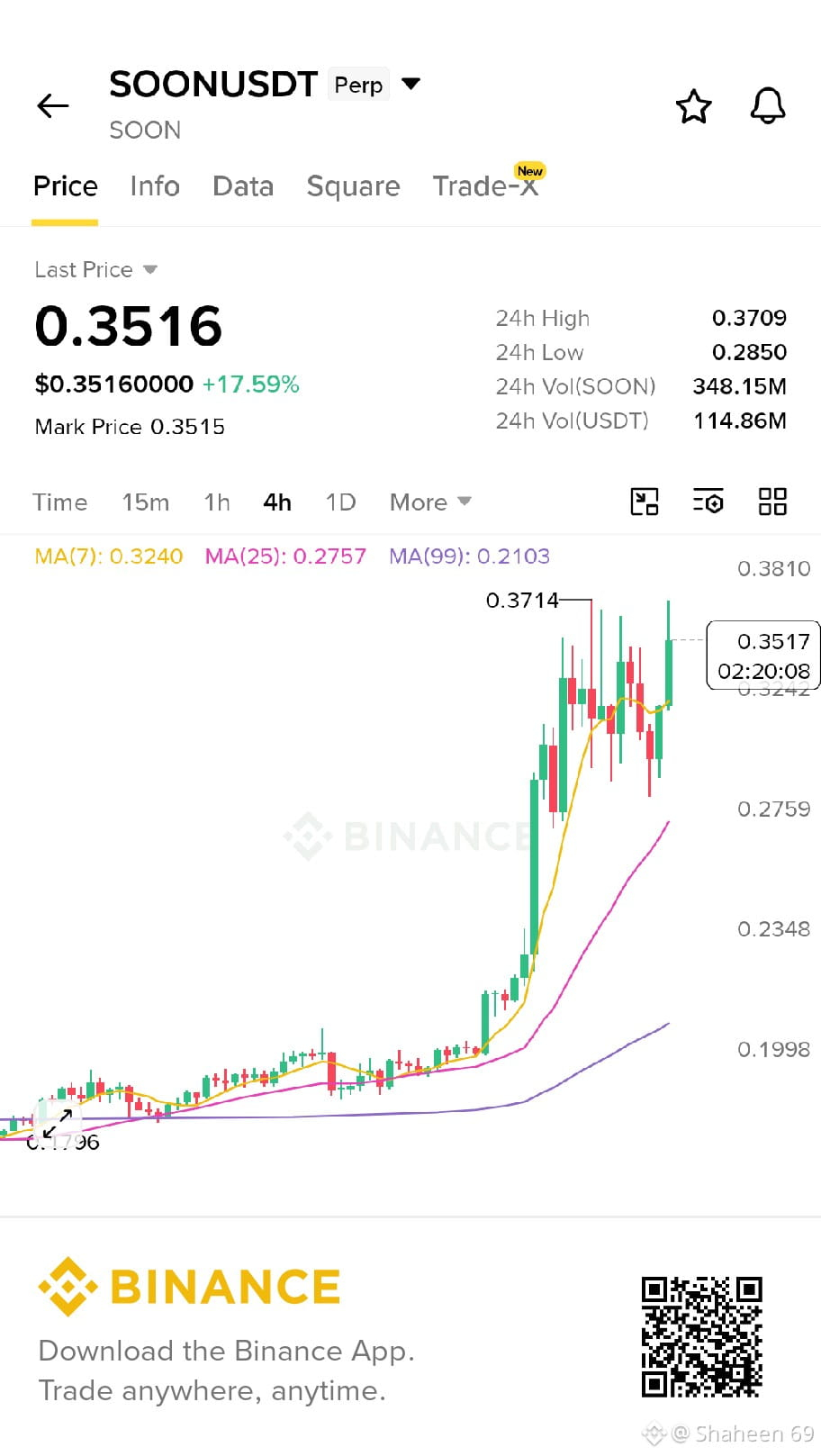
$SOON is pushing back toward its recent local high after finding strong support above the 7 MA.
Price is attempting to continue the strong 4H bullish market structure, but must break through the immediate resistance zone to sustain momentum.
Entry: 0.3450 - 0.3516 SL: 0.3220 TP1: 0.3714 TP2: 0.3810 TP3: 0.4000
LONG $SOON 👇
Would you enter on this pullback or wait for a confirmed 4H close above the 0.3714 high?
NFA / DYOR
$SOON
$SOON is pushing back toward its recent local high after finding strong support above the 7 MA.
Price is attempting to continue the strong 4H bullish market structure, but must break through the immediate resistance zone to sustain momentum.
Entry: 0.3450 - 0.3516 SL: 0.3220 TP1: 0.3714 TP2: 0.3810 TP3: 0.4000
LONG $SOON 👇
Would you enter on this pullback or wait for a confirmed 4H close above the 0.3714 high?
NFA / DYOR
$SOON
Price is attempting to continue the strong 4H bullish market structure, but must break through the immediate resistance zone to sustain momentum.
Entry: 0.3450 - 0.3516 SL: 0.3220 TP1: 0.3714 TP2: 0.3810 TP3: 0.4000
LONG $SOON 👇
Would you enter on this pullback or wait for a confirmed 4H close above the 0.3714 high?
NFA / DYOR
$SOON
1
331
·
--
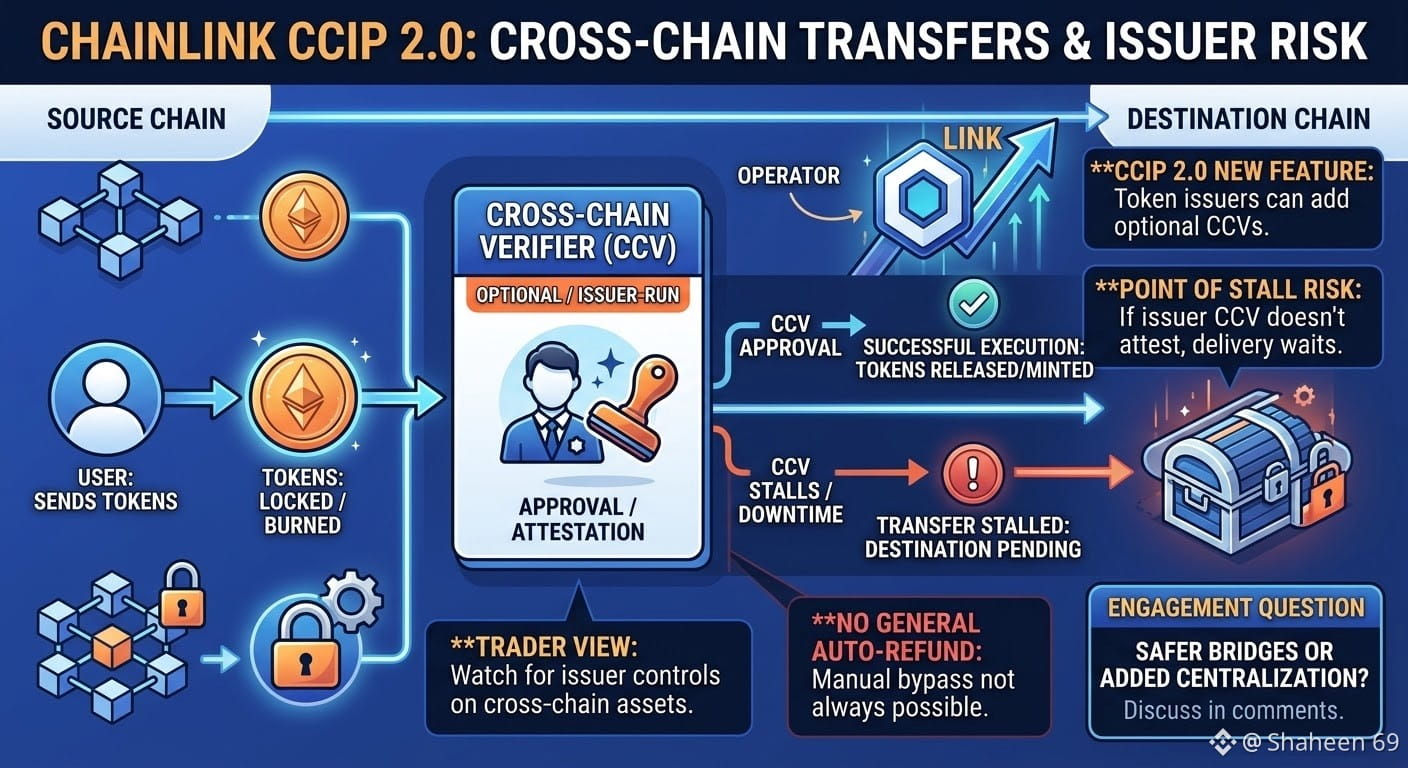
Chainlink has officially introduced CCIP 2.0, featuring a new Cross-Chain Verifier (CCV) system that allows token issuers to require extra verification step before tokens complete a transfer across blockchains.
Under this setup, tokens can be locked or burned on the source chain before the extra verifier gives approval. If that third-party verifier experiences downtime or fails to issue a proof, destination delivery stalls—leaving funds pending with no general automatic refund option.
While this feature adds an extra layer of control and compliance for token creators, it also introduces a potential single point of failure. If an issuer-run verifier goes offline, user funds could end up temporarily stuck in transit.
For traders and DeFi users, moving funds across chains requires paying closer attention to which protocol-level risks and issuer controls exist on specific token bridges.
Will optional issuer verifiers make cross-chain bridges safer, or does this add unnecessary centralization to DeFi?
#Chainlink #CCIP #DeFi #CryptoNews
$LINK
$HBAR
Chainlink has officially introduced CCIP 2.0, featuring a new Cross-Chain Verifier (CCV) system that allows token issuers to require extra verification step before tokens complete a transfer across blockchains.
Under this setup, tokens can be locked or burned on the source chain before the extra verifier gives approval. If that third-party verifier experiences downtime or fails to issue a proof, destination delivery stalls—leaving funds pending with no general automatic refund option.
While this feature adds an extra layer of control and compliance for token creators, it also introduces a potential single point of failure. If an issuer-run verifier goes offline, user funds could end up temporarily stuck in transit.
For traders and DeFi users, moving funds across chains requires paying closer attention to which protocol-level risks and issuer controls exist on specific token bridges.
Will optional issuer verifiers make cross-chain bridges safer, or does this add unnecessary centralization to DeFi?
#Chainlink #CCIP #DeFi #CryptoNews
$LINK
$HBAR
Under this setup, tokens can be locked or burned on the source chain before the extra verifier gives approval. If that third-party verifier experiences downtime or fails to issue a proof, destination delivery stalls—leaving funds pending with no general automatic refund option.
While this feature adds an extra layer of control and compliance for token creators, it also introduces a potential single point of failure. If an issuer-run verifier goes offline, user funds could end up temporarily stuck in transit.
For traders and DeFi users, moving funds across chains requires paying closer attention to which protocol-level risks and issuer controls exist on specific token bridges.
Will optional issuer verifiers make cross-chain bridges safer, or does this add unnecessary centralization to DeFi?
#Chainlink #CCIP #DeFi #CryptoNews
$LINK
$HBAR
2
371
·
--
Haussier
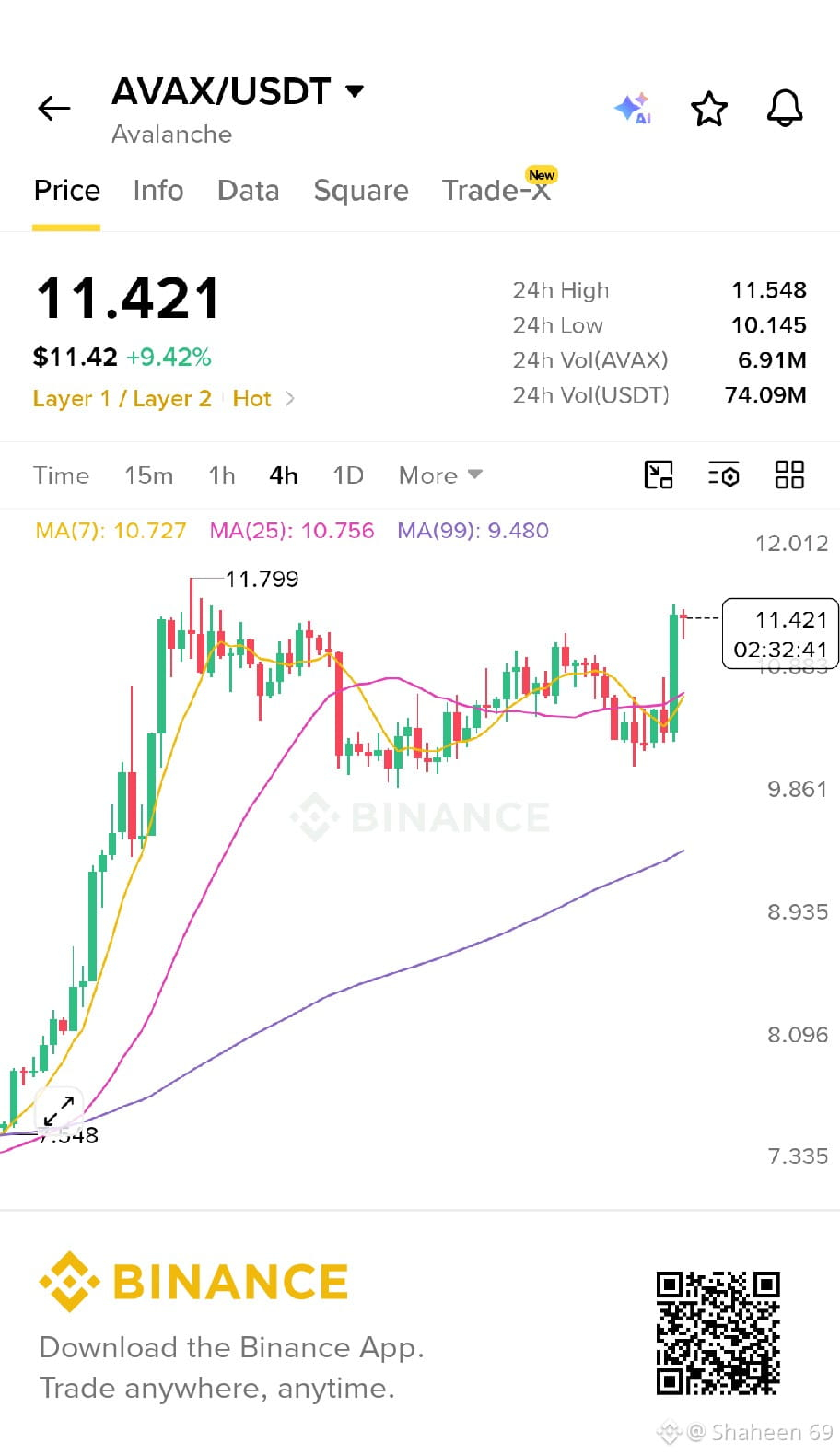
$AVAX is pushing strong momentum out of a consolidation base and eyeing the previous high.
Buyers have reclaimed the short-term moving averages after holding a higher low structure above key support.
Entry: 11.20 - 11.42 SL: 10.60 TP1: 11.54 TP2: 11.80 TP3: 12.00
LONG $AVAX 👇
Would you chase this current impulse or wait for a pullback into the moving averages?
NFA / DYOR
$AVAX
$AVAX is pushing strong momentum out of a consolidation base and eyeing the previous high.
Buyers have reclaimed the short-term moving averages after holding a higher low structure above key support.
Entry: 11.20 - 11.42 SL: 10.60 TP1: 11.54 TP2: 11.80 TP3: 12.00
LONG $AVAX 👇
Would you chase this current impulse or wait for a pullback into the moving averages?
NFA / DYOR
$AVAX
Buyers have reclaimed the short-term moving averages after holding a higher low structure above key support.
Entry: 11.20 - 11.42 SL: 10.60 TP1: 11.54 TP2: 11.80 TP3: 12.00
LONG $AVAX 👇
Would you chase this current impulse or wait for a pullback into the moving averages?
NFA / DYOR
$AVAX
1
150
·
--
Haussier
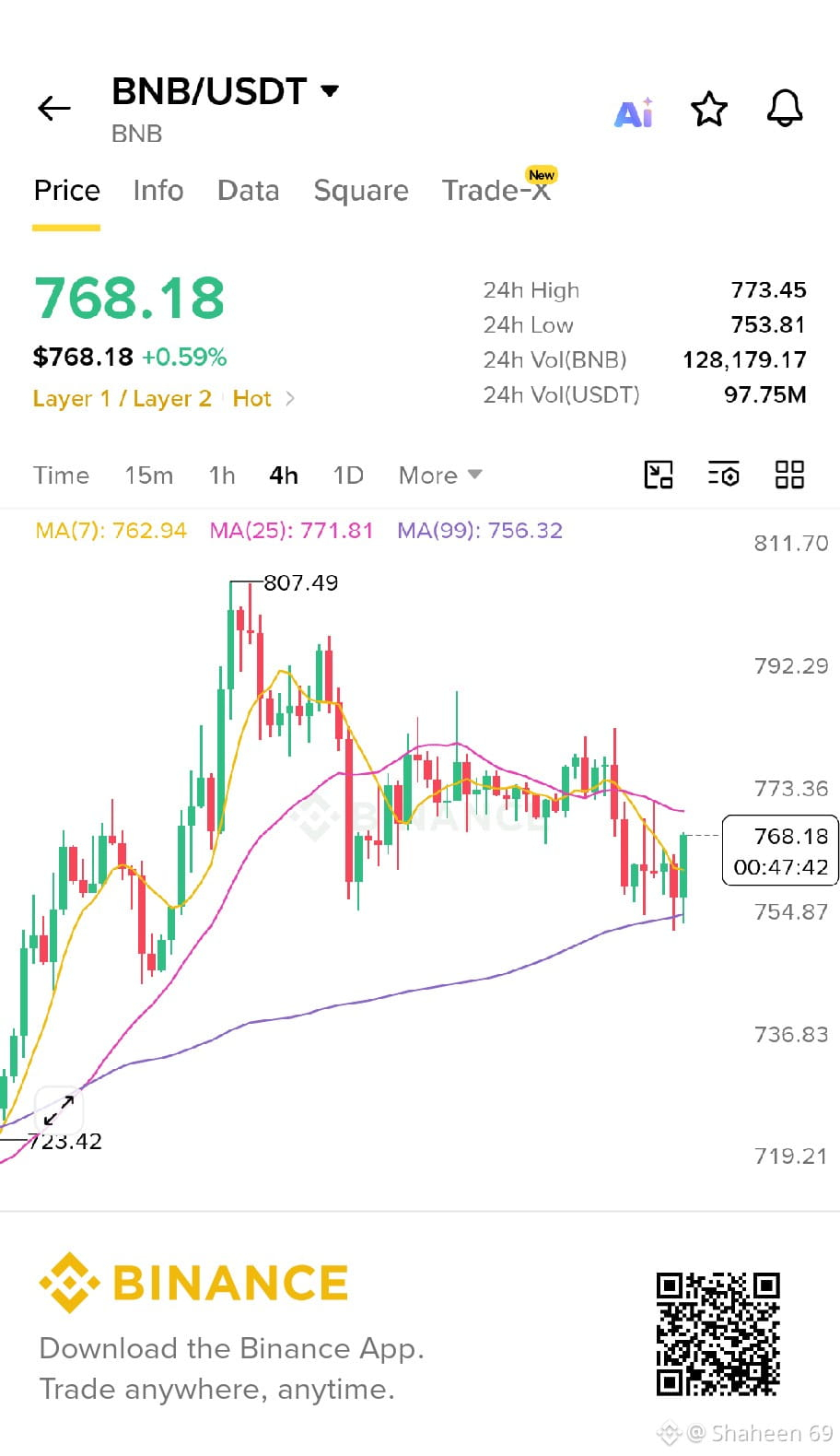
$BNB is bouncing after finding solid support near the MA(99) line on the 4h chart.
Buyers have stepped in to defend the recent dip near 754.87, keeping the broader structure intact.
Entry: 765.00 - 768.18 SL: 753.80 TP1: 773.45 TP2: 792.29 TP3: 807.49
LONG $BNB 👇
Would you enter on this bounce or wait for a full reclaim of the MA(25) level?
NFA / DYOR
$BNB
$BNB is bouncing after finding solid support near the MA(99) line on the 4h chart.
Buyers have stepped in to defend the recent dip near 754.87, keeping the broader structure intact.
Entry: 765.00 - 768.18 SL: 753.80 TP1: 773.45 TP2: 792.29 TP3: 807.49
LONG $BNB 👇
Would you enter on this bounce or wait for a full reclaim of the MA(25) level?
NFA / DYOR
$BNB
Buyers have stepped in to defend the recent dip near 754.87, keeping the broader structure intact.
Entry: 765.00 - 768.18 SL: 753.80 TP1: 773.45 TP2: 792.29 TP3: 807.49
LONG $BNB 👇
Would you enter on this bounce or wait for a full reclaim of the MA(25) level?
NFA / DYOR
$BNB
143
·
--
Haussier
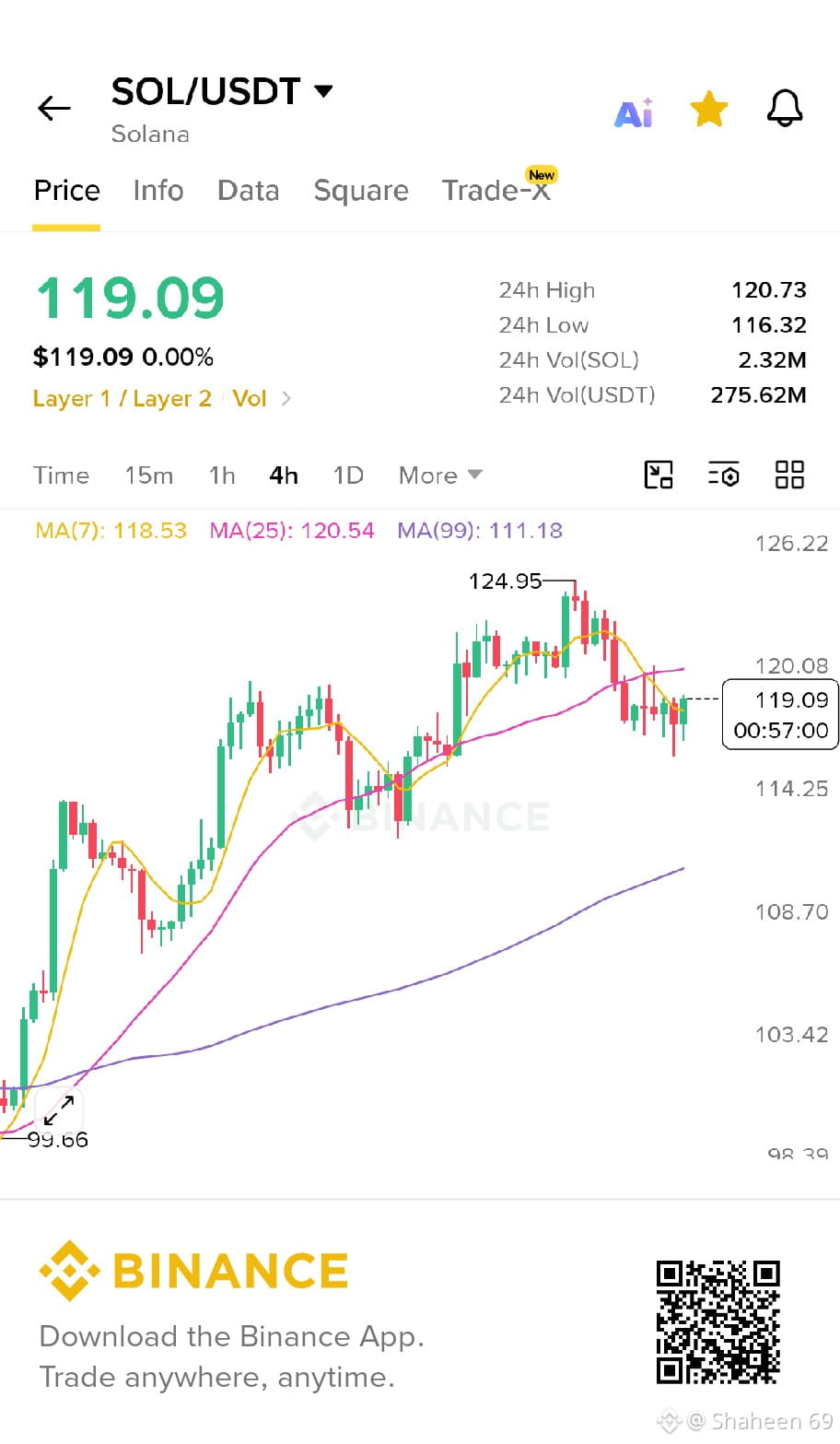
$SOL is showing a possible long setup. Holding above 116.32 keeps the setup valid.
Entry: 118.50 - 119.10 SL: 116.00 TP1: 120.54 | TP2: 124.95 | TP3: 126.22
Long $SOL 👇
Do you think SOL can push past the 120.54 resistance area soon?
NFA / DYOR
$SOL
$SOL is showing a possible long setup. Holding above 116.32 keeps the setup valid.
Entry: 118.50 - 119.10 SL: 116.00 TP1: 120.54 | TP2: 124.95 | TP3: 126.22
Long $SOL 👇
Do you think SOL can push past the 120.54 resistance area soon?
NFA / DYOR
$SOL
Entry: 118.50 - 119.10 SL: 116.00 TP1: 120.54 | TP2: 124.95 | TP3: 126.22
Long $SOL 👇
Do you think SOL can push past the 120.54 resistance area soon?
NFA / DYOR
$SOL
1
1
221
Connectez-vous pour découvrir plus de contenu
Rejoignez la communauté mondiale des adeptes de cryptomonnaies sur Binance Square
⚡️ Suviez les dernières informations importantes sur les cryptomonnaies.
💬 Jugé digne de confiance par la plus grande plateforme d’échange de cryptomonnaies au monde.
👍 Découvrez les connaissances que partagent les créateurs vérifiés.
Adresse e-mail/Nº de téléphone