

#positionsizing
positionsizing
27,988 vues
224 mentions
Populaire
Récents

·
--
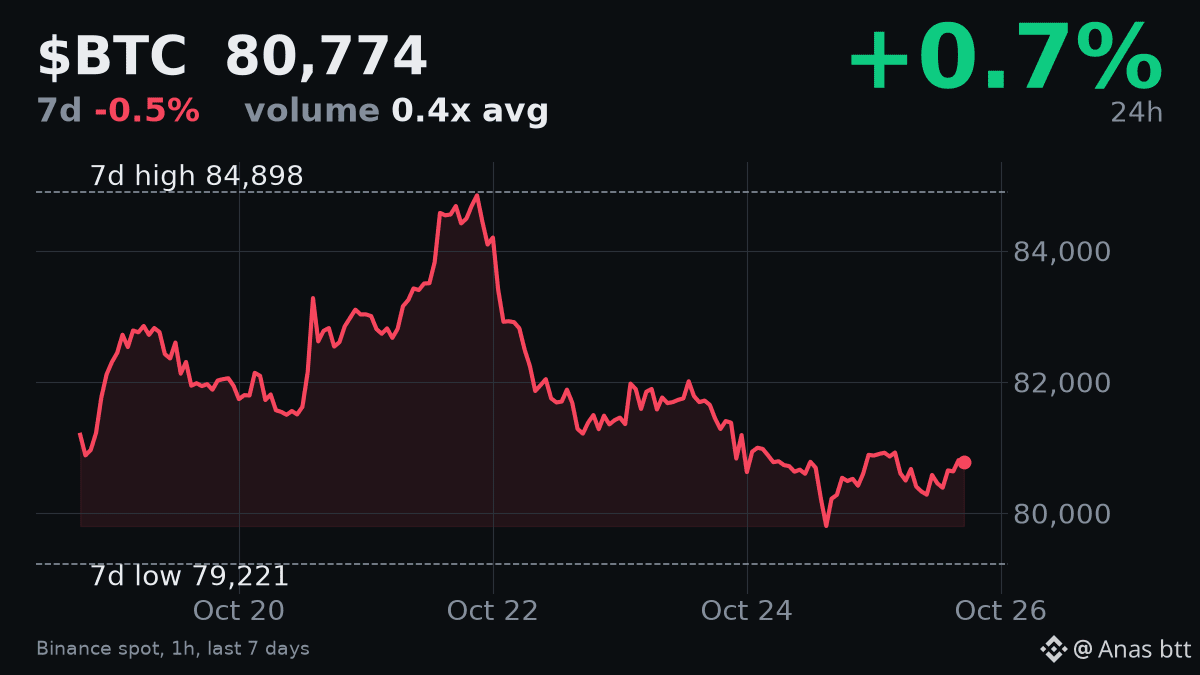
Today, $BTC is trading at $80,774, sitting almost 4.86% below its 7-day high. Many traders focus heavily on finding the 'perfect' entry point. However, managing your risk per trade is often more important for long-term success.
Position sizing is about deciding how much capital to allocate to any single trade. For instance, if you consider buying $BTC at its current price, you must also define where you would exit if the trade goes wrong. If you set your exit level near the 7-day low of $79,220, that defines your potential loss per coin.
The critical lesson is that even a seemingly good entry can lead to significant losses if you risk too much capital on it. A poor entry with a small, defined risk is often better than a perfect entry where you expose too much of your account. The market will always have unexpected moves.
My view is that focusing on position sizing and managing risk should be a trader's priority, regardless of market conditions for coins like $BTC or $ETH. This is what keeps you in the game.
What to watch next: always calculate your risk per trade before entering, not after.
#PositionSizing #RiskManagement
Today, $BTC is trading at $80,774, sitting almost 4.86% below its 7-day high. Many traders focus heavily on finding the 'perfect' entry point. However, managing your risk per trade is often more important for long-term success.
Position sizing is about deciding how much capital to allocate to any single trade. For instance, if you consider buying $BTC at its current price, you must also define where you would exit if the trade goes wrong. If you set your exit level near the 7-day low of $79,220, that defines your potential loss per coin.
The critical lesson is that even a seemingly good entry can lead to significant losses if you risk too much capital on it. A poor entry with a small, defined risk is often better than a perfect entry where you expose too much of your account. The market will always have unexpected moves.
My view is that focusing on position sizing and managing risk should be a trader's priority, regardless of market conditions for coins like $BTC or $ETH . This is what keeps you in the game.
What to watch next: always calculate your risk per trade before entering, not after.
#PositionSizing #RiskManagement
59

·
--
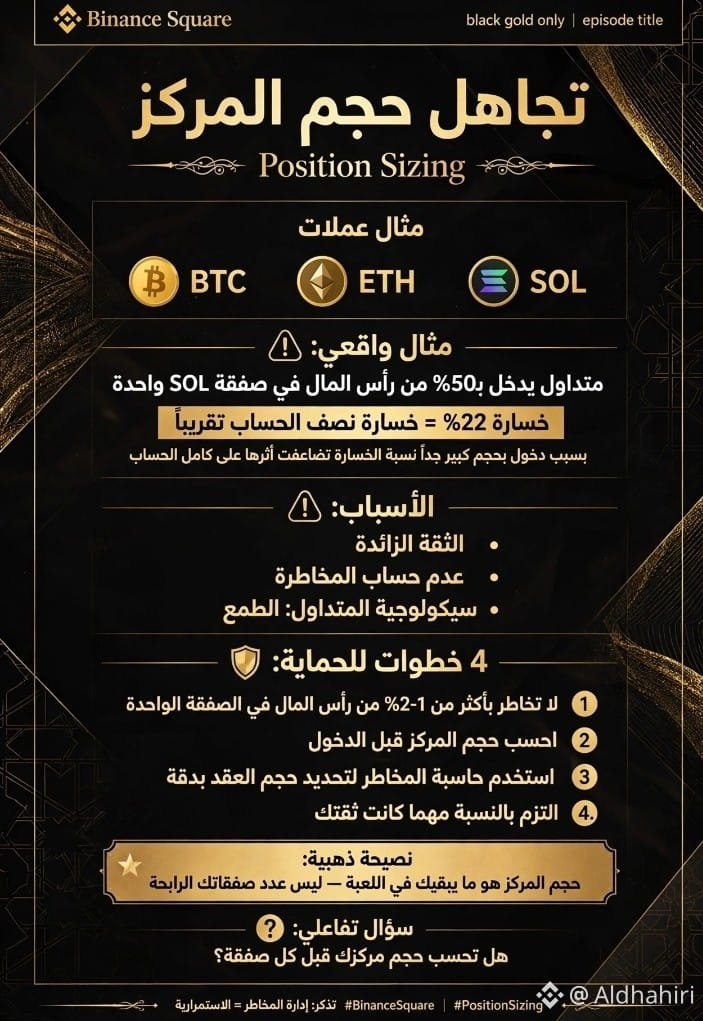
تجاهل حجم المركز - Position Sizing
عملات BTC • ETH • SOL
مثال واقعي:
متداول يدخل بـ 50% من رأس المال في صفقة SOL واحدة
خسارة 22% = خسارة نصف الحساب تقريباً
بسبب دخول بحجم كبير جداً نسبة الخسارة تضاعف أثرها على كامل الحساب
الأسباب:
> • الثقة الزائدة
> • عدم حساب المخاطرة
> • سيكولوجية المتداول: الطمع
خطوات للحماية:
1- لا تخاطر بأكثر من 1-2% من رأس المال في الصفقة الواحدة
2- احسب حجم المركز قبل الدخول
3- استخدم حاسبة المخاطر لتحديد حجم العقد بدقة
4- التزم بالنسبة مهما كانت ثقتك
$BNB
{future}(BNBUSDT)
$ETH
{future}(ETHUSDT)
$SOL
{future}(SOLUSDT)
#BinanceSquare
#CryptoTrading #BTC #PositionSizing
تجاهل حجم المركز - Position Sizing
عملات BTC • ETH • SOL
مثال واقعي:
متداول يدخل بـ 50% من رأس المال في صفقة SOL واحدة
خسارة 22% = خسارة نصف الحساب تقريباً
بسبب دخول بحجم كبير جداً نسبة الخسارة تضاعف أثرها على كامل الحساب
الأسباب:
> • الثقة الزائدة
> • عدم حساب المخاطرة
> • سيكولوجية المتداول: الطمع
خطوات للحماية:
1- لا تخاطر بأكثر من 1-2% من رأس المال في الصفقة الواحدة
2- احسب حجم المركز قبل الدخول
3- استخدم حاسبة المخاطر لتحديد حجم العقد بدقة
4- التزم بالنسبة مهما كانت ثقتك
$BNB
$ETH
$SOL
#BinanceSquare
#CryptoTrading #BTC #PositionSizing
1
8
2k

·
--
Your budget doesn't get bigger because a price forecast sounds confident. It has clearly failed to read the thread.
Before taking a position, work out how a bad outcome would affect money you actually need. Include fees and the possibility that you can't exit at the price you planned.
Choose the amount you can afford to risk before choosing which forecast to believe.
Confidence is easy to resize. Rent usually isn't.
$BTC
#RiskManagement #PositionSizing
43
·
--
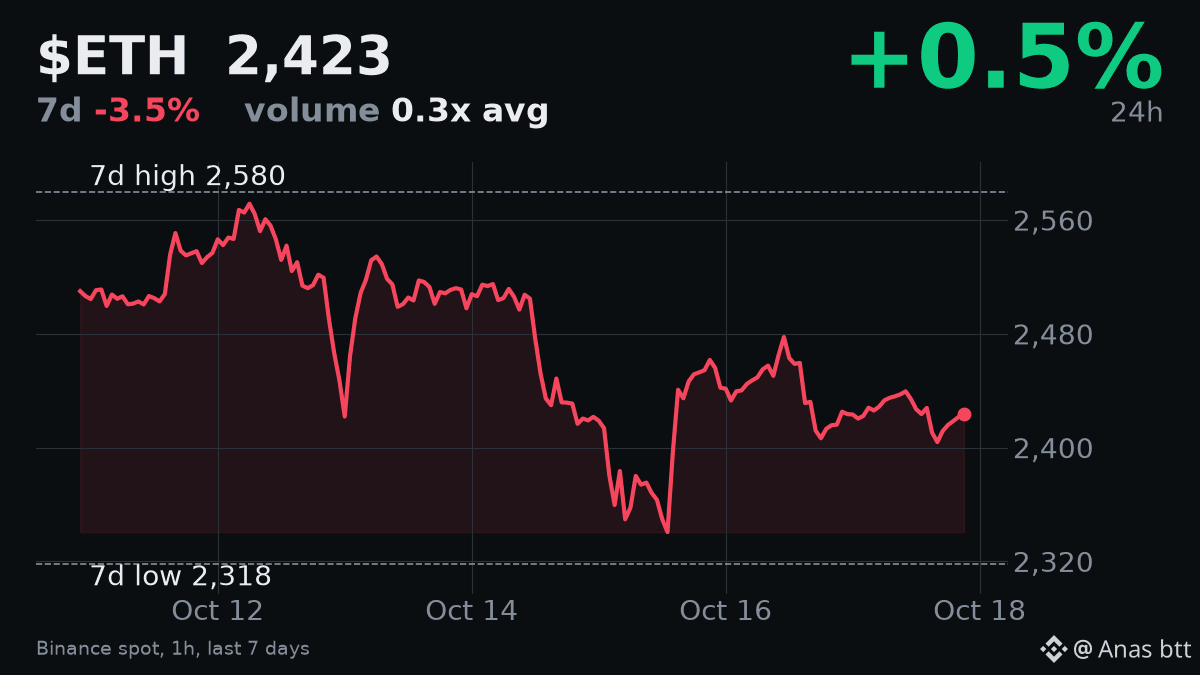
Position sizing means deciding how much of an asset to buy or sell for a trade. It is about how much capital I put at risk. For example, $ETH is currently trading at $2423.33. If I decide my stop loss would be the 7-day low of $2318, my risk per $ETH is about $105.33.
I aim to risk only a small percentage of my total capital on any single trade, often 1% or less. If I have $10,000 and decide to risk 1%, I can lose up to $100 on that trade.
This means I could buy about 0.95 $ETH ($100 / $105.33 per coin risk). The exact entry price for $ETH matters less than ensuring the potential loss from that trade, if it goes wrong, fits within my risk limit. A good entry means nothing if the trade size is too large for the stop loss. Focus on how much you can lose, not just how much you can make.
#PositionSizing #RiskManagement
24

#PositionSizing #RiskManagement
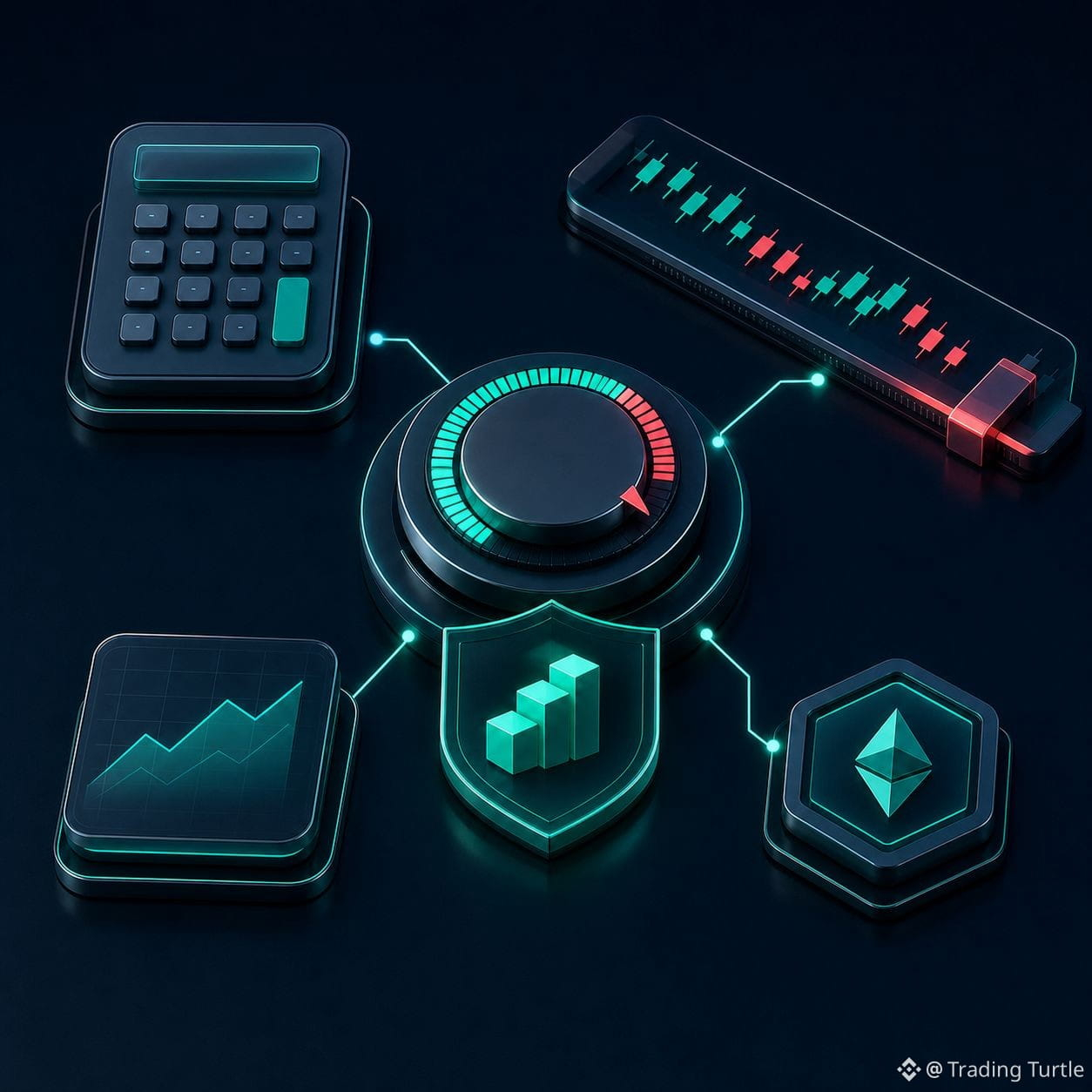
Entry is USD 100 and the assumed stop fill is USD 95. With USD 500 of planned risk, would you buy 5 units or 100 units?
Answer: 100 units. Each unit has USD 5 of assumed loss, so 500 / 5 = 100. Five units would risk USD 25 under the same assumption.
This is cash-position arithmetic before costs. Contract multipliers, gaps and slippage need separate treatment.
73

·
--
Risk management is not about avoiding losses — it is about surviving them.
Most traders blow up not because they picked the wrong asset, but because they sized incorrectly. A 2% portfolio allocation to a position can drop 80% and barely register. A 30% allocation to the same trade can end your year in a week.
The math that matters:
• Position size controls your maximum regret, not your stop-loss.
• A 50% drawdown requires a 100% recovery. Every percent deeper makes the math exponentially harder.
• Volatility-adjusted sizing (dividing by ATR or realized vol) automatically scales you down in choppy conditions without requiring discipline in the moment.
The biggest edge for $BTC and $ETH holders over the past four years was not timing entries perfectly — it was having enough dry powder to buy at the depths rather than being forced to sell. $BNB went through 70–80% retracements before multi-year highs. Survivors sized for the retracement, not just the upside.
Risk management is the compounding that happens in the background: you stay in the game long enough for your thesis to play out.
Define your max drawdown tolerance before you enter, not after.
#RiskManagement #CryptoTrading #PositionSizing #Crypto2026
81


Show me your position size, and I will tell you your survival rate. Most retail traders blow up not because their bias was wrong, but because they treated a micro-cap order book like a high-liquidity playground. When you push heavy size into thin books, you do not trade the market. You become the market.
Liquidity dictates your exit. If your position size represents more than one percent of the daily trading volume, you are trapped before you even click buy. Slippage will eat your paper profits alive on the way out. Scale your size to the depth of the book, not your greed. Keep your risk-of-ruin zero by calculating the exit friction first.
Manage your risk, watch the order books, and always protect your capital. This is not financial advice, so make sure to DYOR before entering any setup. Let $BTC and $ETH handle the heavy size, and keep the wild plays small. 📊🛡️🔥 #Write2Earn #CryptoTrading #PositionSizing #RiskManagement
42

·
--
Position size is the difference between a bad trade and a blown account.
A wrong idea on $BTC with 2% risk is just a loss. The same idea with 25% risk is a problem.
What percentage of your portfolio do you risk on a single idea right now?
#PositionSizing #RiskManagement $BTC $ETH
Position size is the difference between a bad trade and a blown account.
A wrong idea on $BTC with 2% risk is just a loss. The same idea with 25% risk is a problem.
What percentage of your portfolio do you risk on a single idea right now?
#PositionSizing #RiskManagement $BTC $ETH
A wrong idea on $BTC with 2% risk is just a loss. The same idea with 25% risk is a problem.
What percentage of your portfolio do you risk on a single idea right now?
#PositionSizing #RiskManagement $BTC $ETH
9

·
--
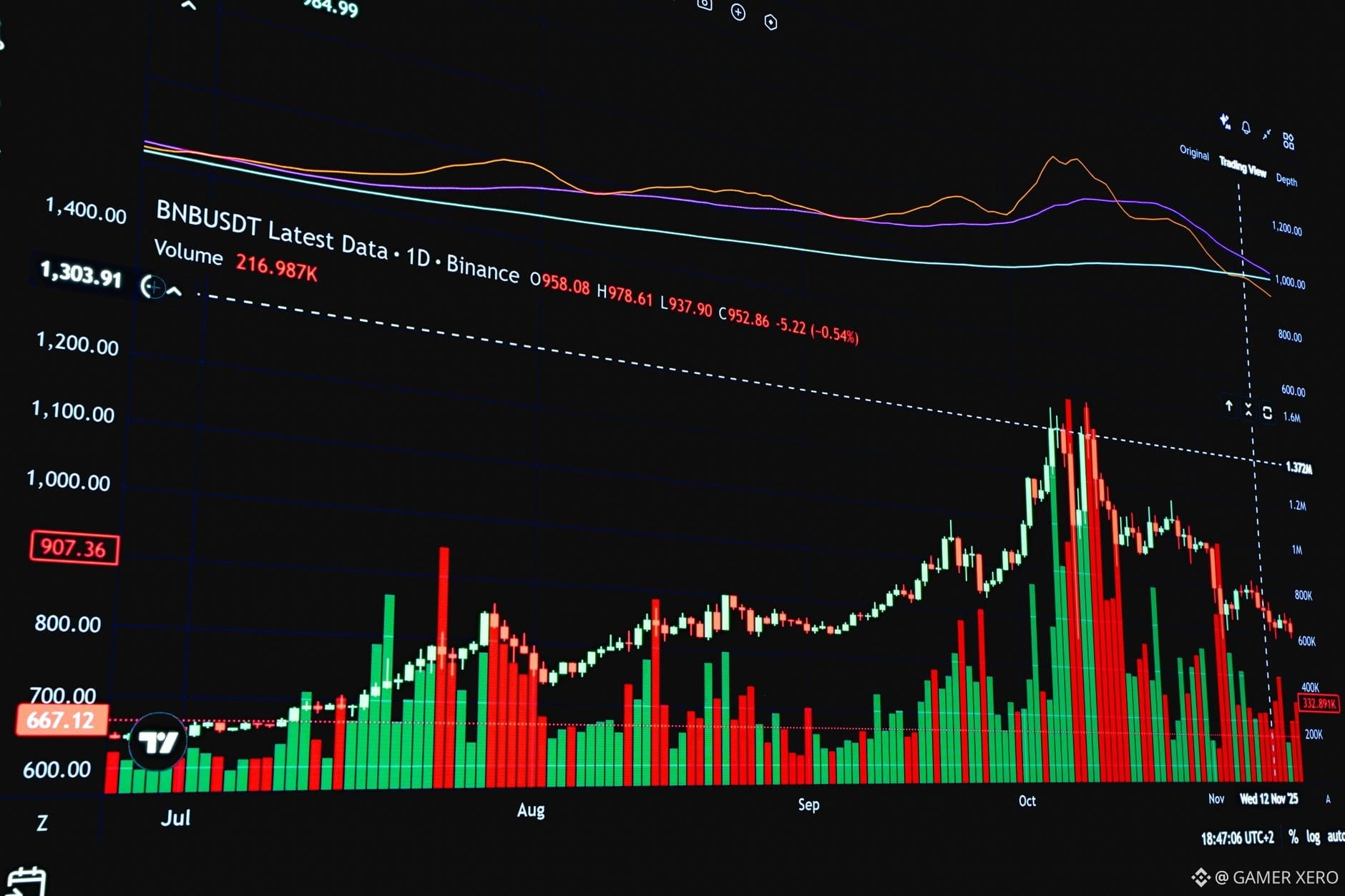
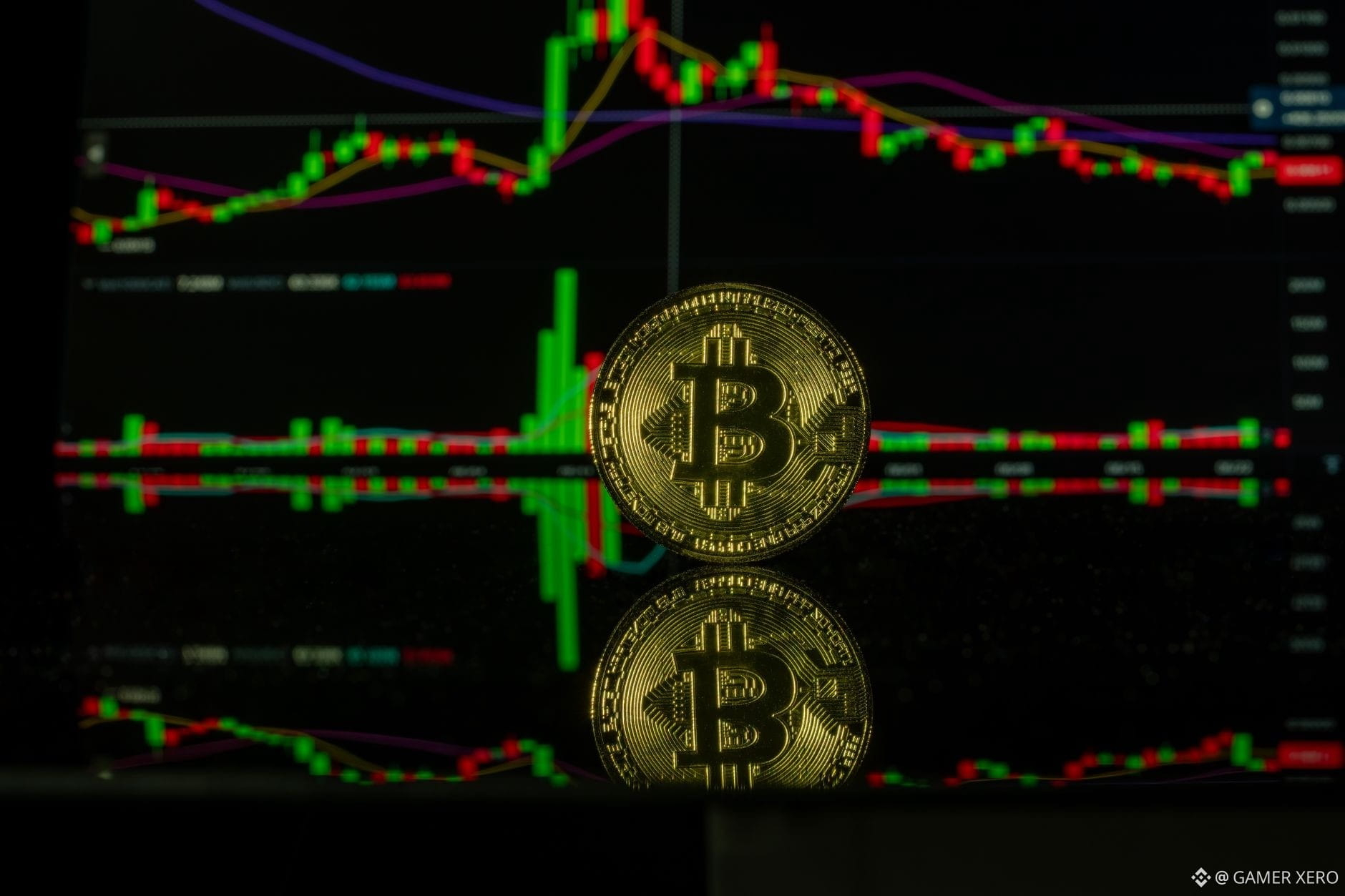
I was watching $BTC trade around $64,964 with a tight 24‑hour range of $64,166‑$65,391 and thought about how a simple risk‑management tweak can keep a portfolio safe when volatility feels low.
Imagine you have $10,000 allocated to crypto. You decide to risk only 2 % on any single trade – that’s $200. If you enter a long position at the current price, set a stop‑loss just below the recent low, say $64,100. The distance from entry to stop is about $864, roughly 1.3 % of the price. To keep the dollar risk at $200, you’d size the position at $200 / 0.013 ≈ $15,400 — which exceeds your capital, so you’d either reduce the stake or tighten the stop. In practice you might buy $2,500 worth of $BTC, giving you a $30 loss if the stop hits, well within the 2 % limit.
How do you currently size positions and place stops when the market is ranging?
#CryptoRisk #PositionSizing #CapitalPreservation #GAMERXERO
I was watching $BTC trade around $64,964 with a tight 24‑hour range of $64,166‑$65,391 and thought about how a simple risk‑management tweak can keep a portfolio safe when volatility feels low.
Imagine you have $10,000 allocated to crypto. You decide to risk only 2 % on any single trade – that’s $200. If you enter a long position at the current price, set a stop‑loss just below the recent low, say $64,100. The distance from entry to stop is about $864, roughly 1.3 % of the price. To keep the dollar risk at $200, you’d size the position at $200 / 0.013 ≈ $15,400 — which exceeds your capital, so you’d either reduce the stake or tighten the stop. In practice you might buy $2,500 worth of $BTC , giving you a $30 loss if the stop hits, well within the 2 % limit.
How do you currently size positions and place stops when the market is ranging?
#CryptoRisk #PositionSizing #CapitalPreservation #GAMERXERO
30
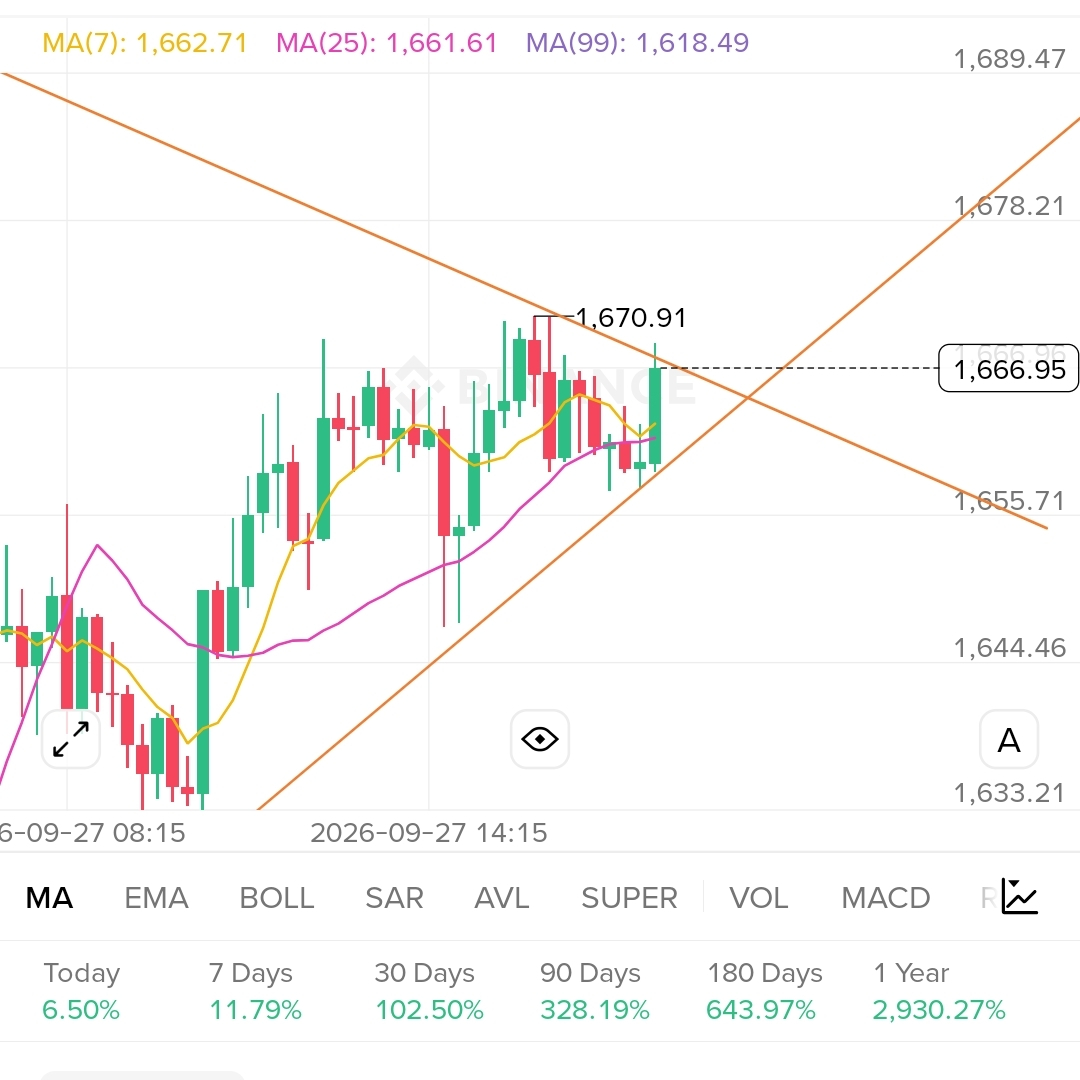
🛡️💰 Remember my $600 disaster? That was leverage gone wild, but the *real* killer was position sizing. After blowing my account, I learned: never risk more than 1-2% of your total capital on *any single trade*. Let's say you have $1000. Your max risk per trade is $10 (1%) to $20 (2%). Now, calculate your stop-loss distance. If entry is $10 and stop is $9.90, you risk $0.10 per unit. With max $10 risk, you can buy $10 / $0.10 = 100 units. This means you can be wrong 50-100 times before blowing your $1000, assuming you always use your stop. It keeps you in the game! Without it, one bad trade *will* end you. Calculate your max units *before* every single trade. It's boring, but it's your survival manual.
#PositionSizing #RiskManagement #FuturesTrading #BinanceSquare #TradeSmart
#PositionSizing #RiskManagement #FuturesTrading #BinanceSquare #TradeSmart
20

·
--
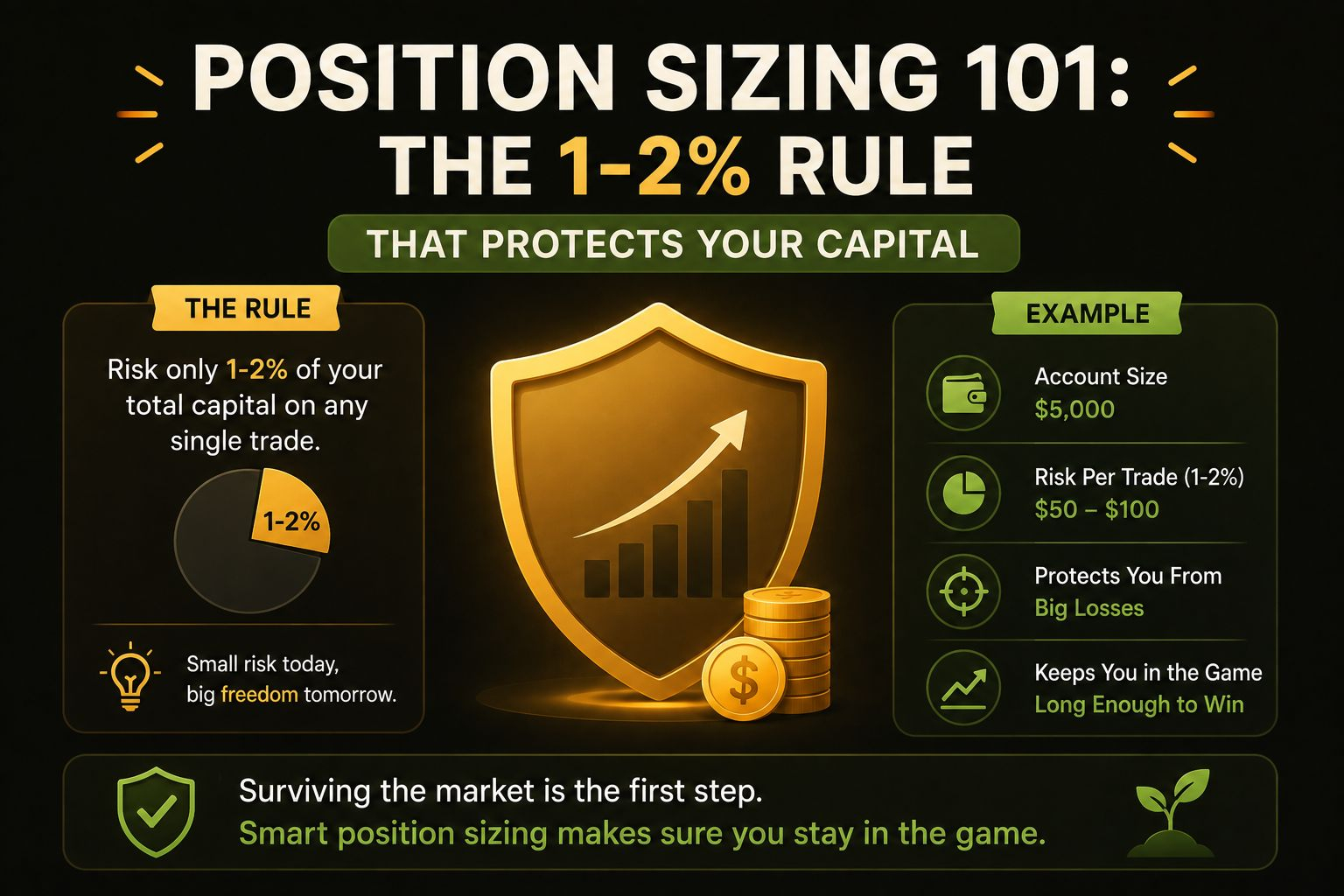
Position Sizing 101: The 1-2% Rule That Protects Your Capital
Risking a small fixed % per trade so a losing streak can't wipe you out; show the math
#RiskManagement #PositionSizing
$SOL $ZEC $BNB
{future}(BNBUSDT)
{spot}(ZECUSDT)
{future}(SOLUSDT)
Position Sizing 101: The 1-2% Rule That Protects Your Capital
Risking a small fixed % per trade so a losing streak can't wipe you out; show the math
#RiskManagement #PositionSizing
$SOL $ZEC $BNB
Risking a small fixed % per trade so a losing streak can't wipe you out; show the math
#RiskManagement #PositionSizing
$SOL $ZEC $BNB
159

Position sizing is paramount for $C and $AWE. I never risk more than I'm comfortable losing on any single trade. This protects my capital and my mental state, allowing me to execute trades for Target 1, Target 2, and Target 3 calmly.
🔥 Deep Market Intel
✅ Order Book: Balanced DOM (1.01x)
✅ 1H Open Interest: Accumulating (+)
✅ Whales L/S: 50.9% Long
✅ Taker Flow: 0.87x 📊
#PositionSizing #CapitalProtection
Position sizing is paramount for $C and $AWE . I never risk more than I'm comfortable losing on any single trade. This protects my capital and my mental state, allowing me to execute trades for Target 1, Target 2, and Target 3 calmly.
🔥 Deep Market Intel
✅ Order Book: Balanced DOM (1.01x)
✅ 1H Open Interest: Accumulating (+)
✅ Whales L/S: 50.9% Long
✅ Taker Flow: 0.87x 📊
#PositionSizing #CapitalProtection
🔥 Deep Market Intel
✅ Order Book: Balanced DOM (1.01x)
✅ 1H Open Interest: Accumulating (+)
✅ Whales L/S: 50.9% Long
✅ Taker Flow: 0.87x 📊
#PositionSizing #CapitalProtection
1
850
·
--
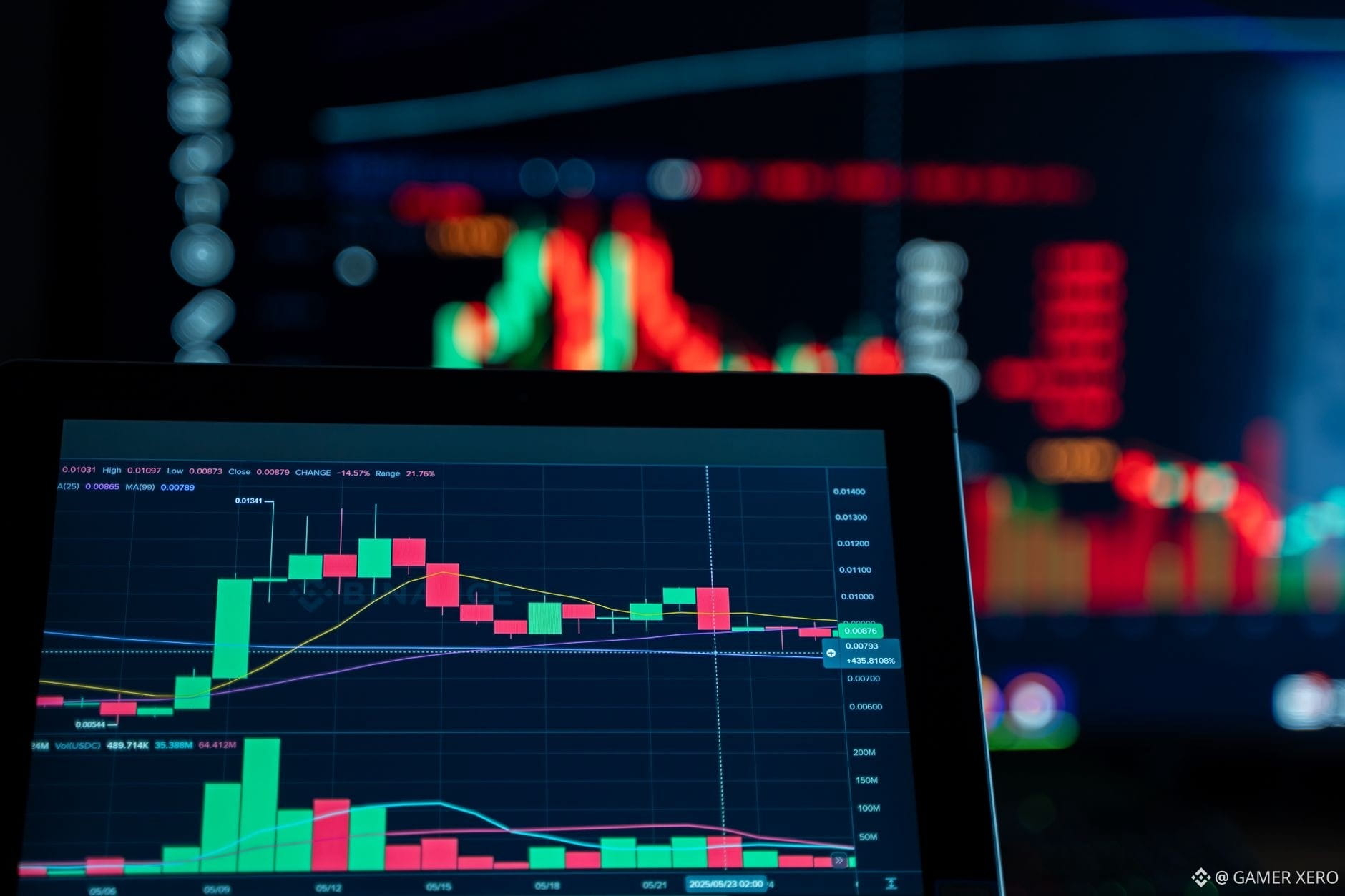
Seeing $BTC hover around $63,600 and $ETH near $1,858, I’m reminded how easy it is to let a single trade dictate the day. The first line of defense is a clear stop‑loss rule that matches your risk tolerance, not the market’s mood.
I usually set the stop a few percent below the entry, but I also look at recent swing lows. For example, if I bought $BTC at $63,500, the 24‑hour low of $62,445 gives a natural floor. Placing a stop at $62,250 (roughly 2 % under entry) caps the loss while leaving room for normal volatility.
Next comes position sizing. If my daily risk budget is 1 % of the total capital, a $2,000 loss on a $200,000 account is the max I’d accept. With a $2,250 stop distance, that translates to roughly 0.89 BTC (≈ $2,000) – enough to stay in the trade without blowing the account.
Finally, discipline matters more than any indicator. When the price ticks close to the stop, resist the urge to “move the goalposts.” Accept the loss, review the trade, and reset for the next setup.
How do you balance stop‑loss tightness with the risk of getting stopped out on normal swings?
#CryptoRisk #TradingDiscipline #PositionSizing #GAMERXERO
70
🛡️💰 I blew up $600 ignoring position sizing. It’s the one skill separating surviving traders from blown accounts. Never risk more than 1-2% of your capital per trade.
Real numbers: You have a $1000 account. Your max risk per trade: $1000 * 0.02 = $20. Now, say your BTC futures stop-loss is $100 away from your entry. Your position size is max risk / stop-loss: $20 / $100 = 0.2 BTC. You only open a 0.2 BTC position, regardless of your platform's leverage options.
This prevents blowups. If you hit your stop-loss, you lose just $20. You can lose 10 trades consecutively and still have $800 (80% of capital) left. Compare that to risking $100 per trade and getting wiped out in 2-3 losses. This keeps you in the game. Calculate this before *every single trade*.
#PositionSizing #RiskManagement #FuturesTrading #TradeSmart #BinanceSquare
40

·
--
The Position Sizing Method -1 📉
Putting all your money into a single trade is highly risky. The easiest way to reduce losses is by using the position sizing method.
Never risk more than $1\%$ to $2\%$ of your total capital on a single trade. For example, if your portfolio has $1000, you should not lose more than $10$ or $20$ if a trade goes wrong.
This strategy will protect your $USDT and keep you in the game longer.
#PositionSizing #RiskControl #SmartTrading #CapitalProtection #BTC
60

·
--
Baissier
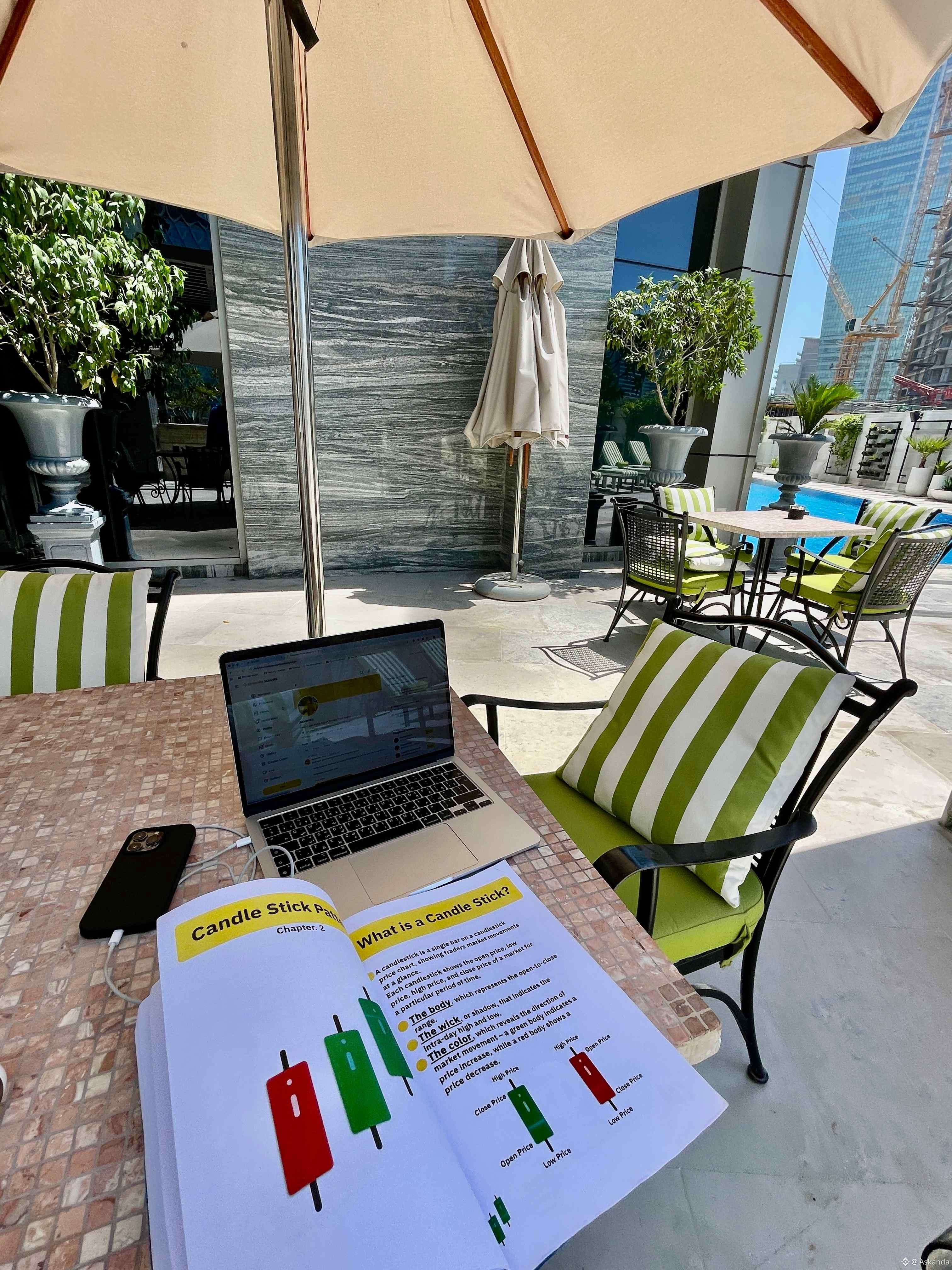
😭 Your Position Sizing Matter More Than Strategy
Many traders focus only on finding the perfect entry, but risk management and position sizing are what keep traders profitable over the long term.
✅Risk Management Comes First
Before entering any trade, decide how much you are willing to lose if the trade goes against you. A good rule is to risk only 1% to 2% of your trading account on a single trade. This protects your capital and allows you to survive losing streaks.
✅ Position Sizing Is the Key
Your position size should be based on your stop loss, not your emotions. If your stop loss is wide, use a smaller position size. If your stop loss is tight, you can use a larger position size while keeping the same risk amount. This keeps your losses consistent from trade to trade.
✅Think Like a Professional Trader
Professional traders do not focus on how much they can make. They focus on how much they can lose. By controlling risk and using proper position sizing, you can stay in the market longer and take advantage of future opportunities.
✅Remember:
A great strategy without risk management can destroy an account, but strong risk management can keep an average strategy profitable.
#RiskManagement #PositionSizing #CryptoTrading #Bitcoin #BinanceFutures #TradingTips #BinanceSquare #Askanda
1
384
·
--
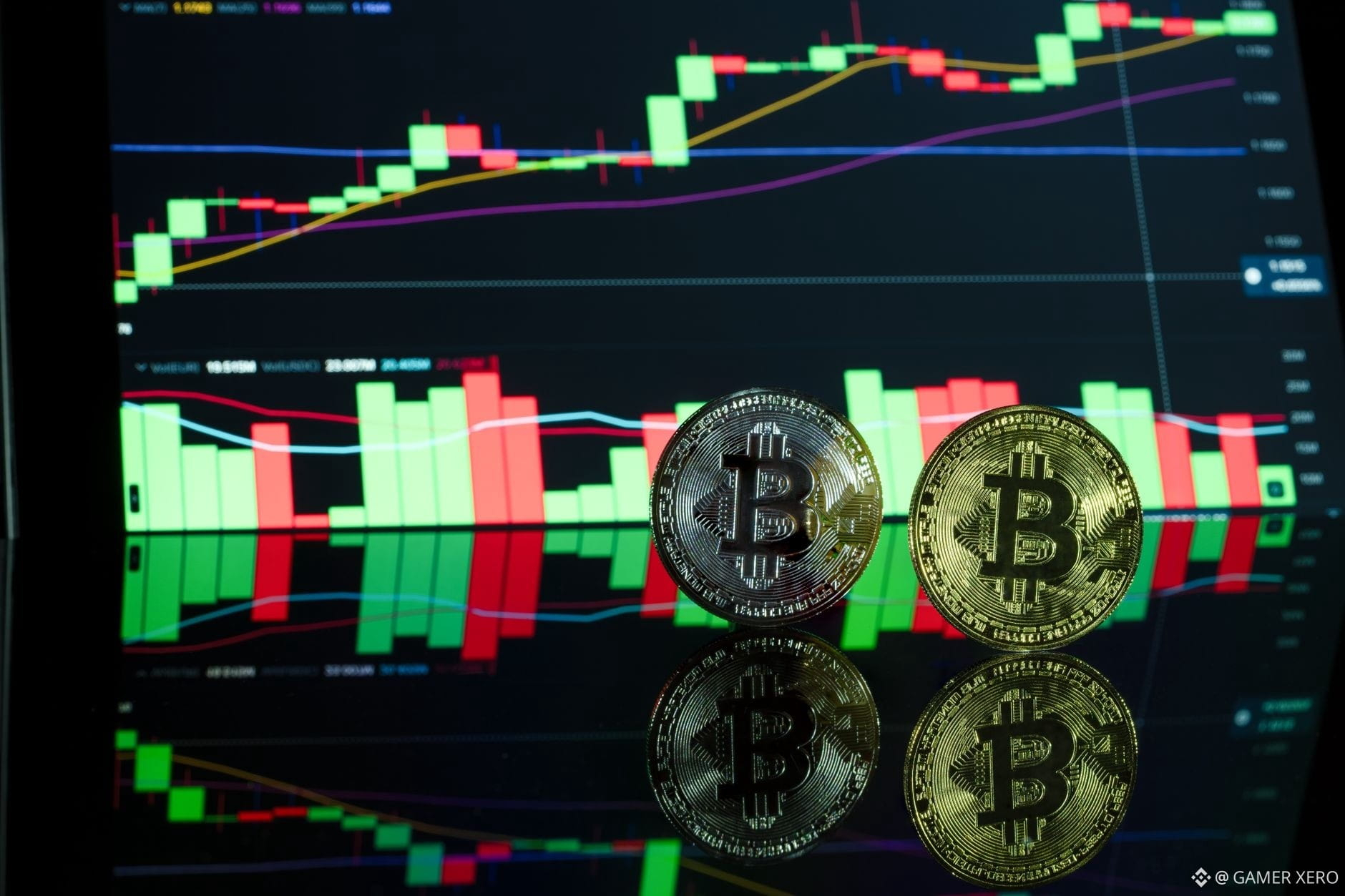
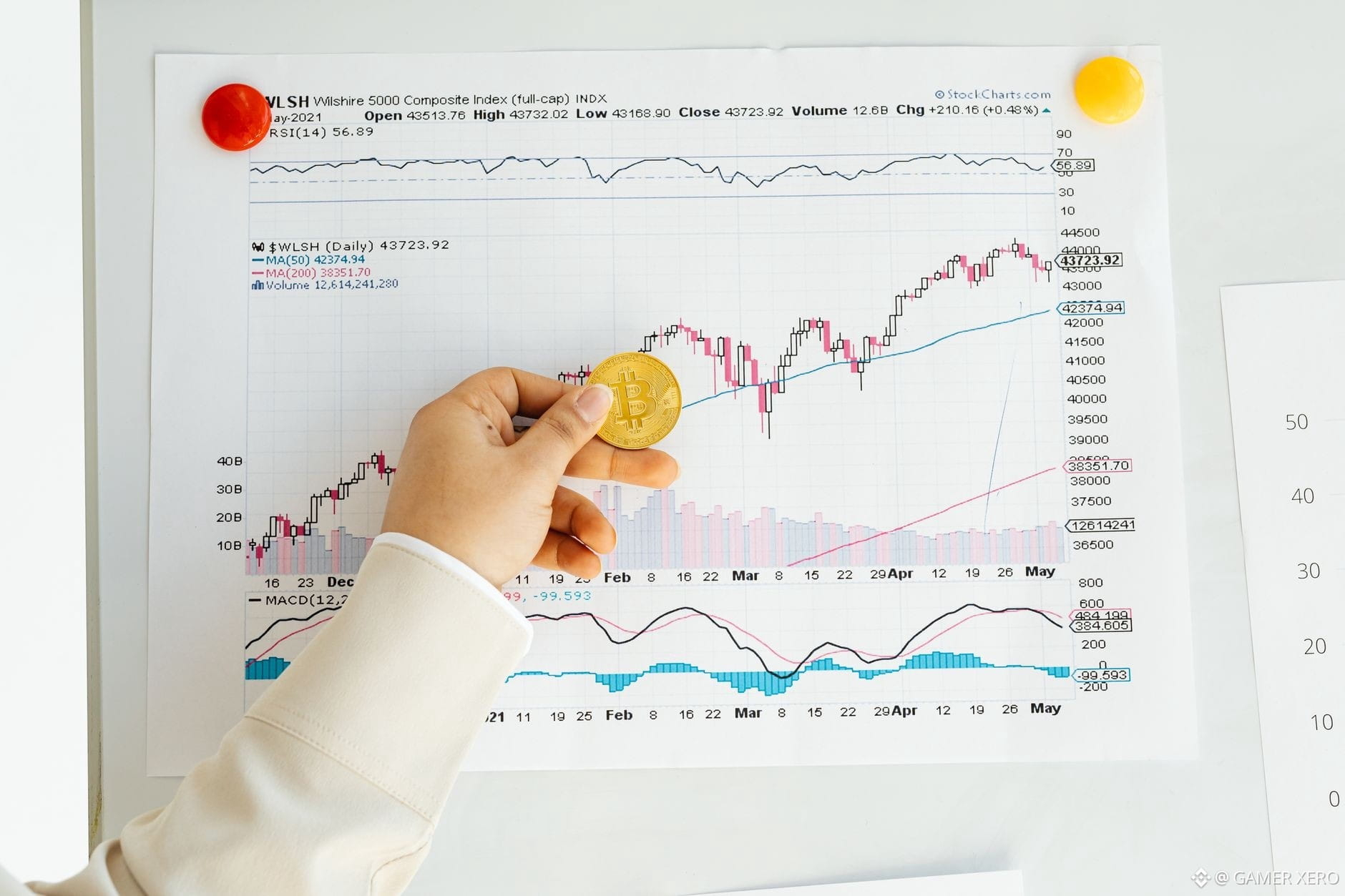
$BTC is trading around $63,627 on Binance, a narrow 24 h range that feels comfortable but can turn volatile in minutes. That’s the perfect backdrop to test a disciplined stop‑loss plan instead of hoping the price will keep inching higher.
I start by defining my risk per trade – 1 % of my total capital. If my account is $10 k, that means $100 max loss. I then calculate the distance from entry to a logical stop. In this case I’d place the stop a few hundred dollars below the current level, say around $63,200, where the recent low sits. The $427 gap translates to a $100 loss if I size the position at roughly 0.004 BTC (≈$254). That tiny slice keeps the account safe while still letting the trade breathe.
Sticking to a pre‑set risk level and adjusting stops only after price confirms a move removes emotion from the equation. How do you size your positions when the market hugs a tight range?
#CryptoRisk #PositionSizing #TradingDiscipline #GAMERXERO
33
🤔📉 Heard stories about blown accounts? I *was* one, blowing $600 on leveraged futures. The secret to surviving isn't predicting pumps, it's position sizing. Embrace the 1-2% rule: never risk more than 1-2% of your total capital on *any single trade*.
Let's say you have $1000. Your max risk per trade is $10 (1%). If your strategy’s stop loss is $0.01 away from your entry per coin (e.g., entering at $0.50, SL at $0.49), you can buy 1000 coins ($10 risk / $0.01 SL per coin). This simple math means even if you hit 10 consecutive stop losses, you've only lost 10% of your account. That's a recoverable hit, not a wipeout. Calculate this *before* every trade. It’s the ultimate shield.
#PositionSizing #RiskManagement #FuturesTrading #TradingTips #DontBlowUp
26

·
--
Baissier
🪙 $NOKB at $11.12 (-4.96%)! Practice Position Sizing! 📉
Low-priced coins like #NOKB can be extremely volatile. This is where Position Sizing becomes your shield 📐. Never allocate more than 1-2% of your entire portfolio to highly volatile assets. If you go all-in on one coin, you invite liquidation. Trade smart, protect your main fund! 🔐
#PositionSizing #NOKB #CryptoRisk #BinanceSquare 🛡️
278

·
--
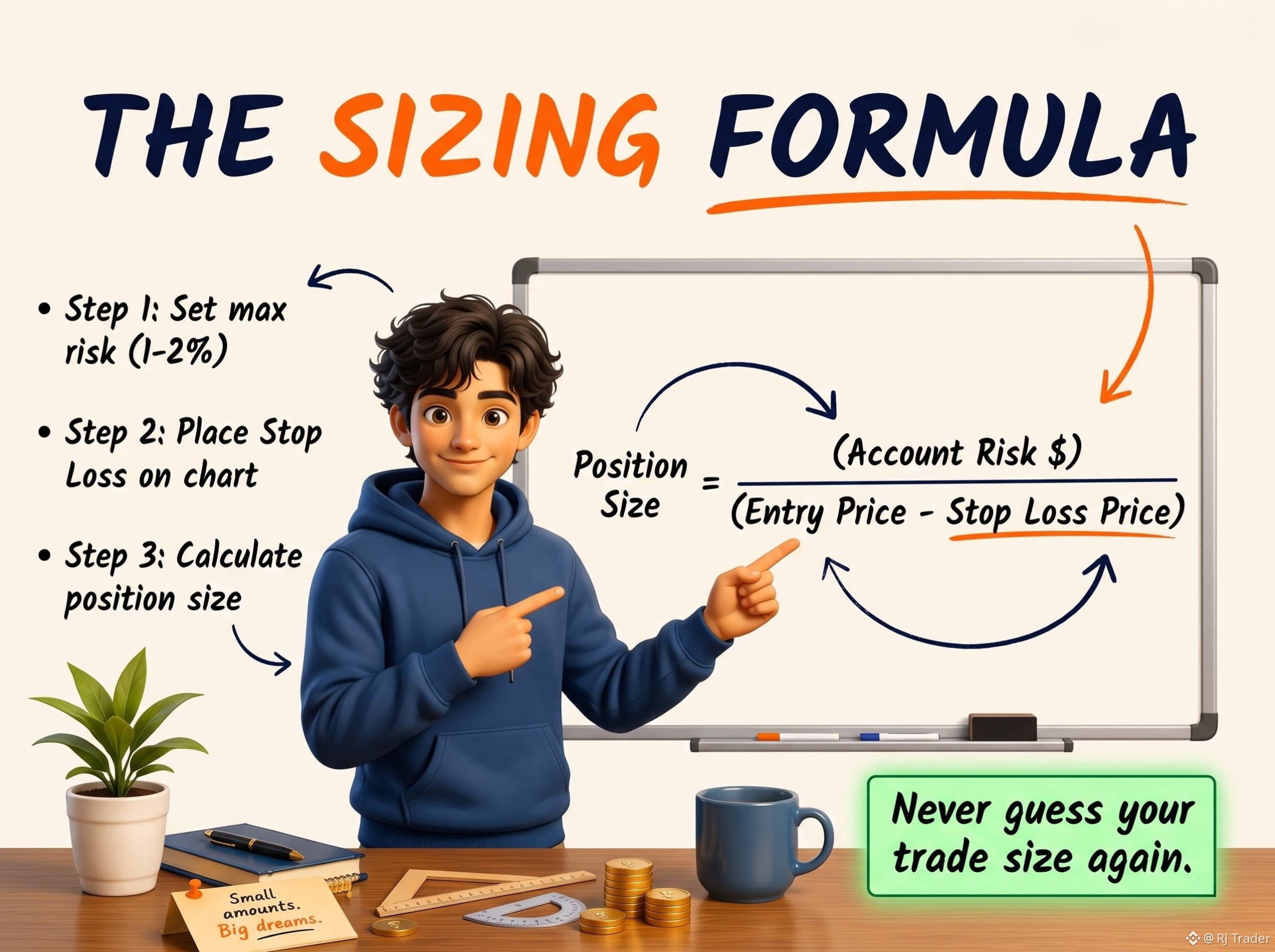
6/7 The Sizing Formula
Stop betting your rent money on a "feeling." 🧮💸 Part 6: The Exact Position Sizing Formula to keep you safe.
Save this post right now 🔖 so you never risk too much again! What percentage do you risk per trade?
#PositionSizing #RiskManagement #CryptoMath #The1PercentHabits
6/7 The Sizing Formula
Stop betting your rent money on a "feeling." 🧮💸 Part 6: The Exact Position Sizing Formula to keep you safe.
Save this post right now 🔖 so you never risk too much again! What percentage do you risk per trade?
#PositionSizing #RiskManagement #CryptoMath #The1PercentHabits
Stop betting your rent money on a "feeling." 🧮💸 Part 6: The Exact Position Sizing Formula to keep you safe.
Save this post right now 🔖 so you never risk too much again! What percentage do you risk per trade?
#PositionSizing #RiskManagement #CryptoMath #The1PercentHabits
1
33
Connectez-vous pour découvrir plus de contenu
Rejoignez la communauté mondiale des adeptes de cryptomonnaies sur Binance Square
⚡️ Suviez les dernières informations importantes sur les cryptomonnaies.
💬 Jugé digne de confiance par la plus grande plateforme d’échange de cryptomonnaies au monde.
👍 Découvrez les connaissances que partagent les créateurs vérifiés.
Adresse e-mail/Nº de téléphone
Sujets d’actualité
1
#BitcoinSlipsBelow$80KAgain
0 vues
2 mentions
2
#StrategySkipsBitcoinPurchasesSpends$205MOnSTRCBuybacks
2,100 vues
60 mentions
3
#BitmineAdds10452ETH
19,048 vues
393 mentions
4
#SouthKoreaConsidersEducationTaxOnCryptoExchanges
13,968 vues
338 mentions
5
#OCCUrgesCommunityBanksToEnterStablecoinPayments
11,379 vues
201 mentions
6
#RippleWinsFullApprovalAsNationalTrustBank
11,090 vues
210 mentions
7
#AkashSelectsSolanaAsMigrationTarget
8,291 vues
104 mentions
8
#OndoToOpenSubscriptionsForOpenAIPreIPOTokenizedNotes
452 vues
21 mentions
9
#AnthropicTTMRevenueGrewAbout1200%
64,596 vues
637 mentions
10
#AnthropicS1ExpectedToday
46,417 vues
433 mentions