

Askanda
1.2k Publications
Askanda
 Binance Square Vérifié
Signaler
Bloquer l’utilisateur
Travel Crypto Trader, Signals Provider. Teach trading

Level 1 Creator
Trade régulièrement
7 an(s)
6 Suivis
31.5K+ Abonnés
12.9K+ J’aime
1 Badges
Publications
Tous
Citations
Vidéos
PINNED
·
--
Haussier
Last year. you remembered in the telegram group.
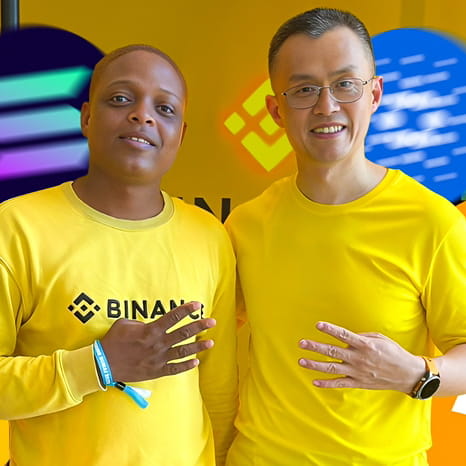
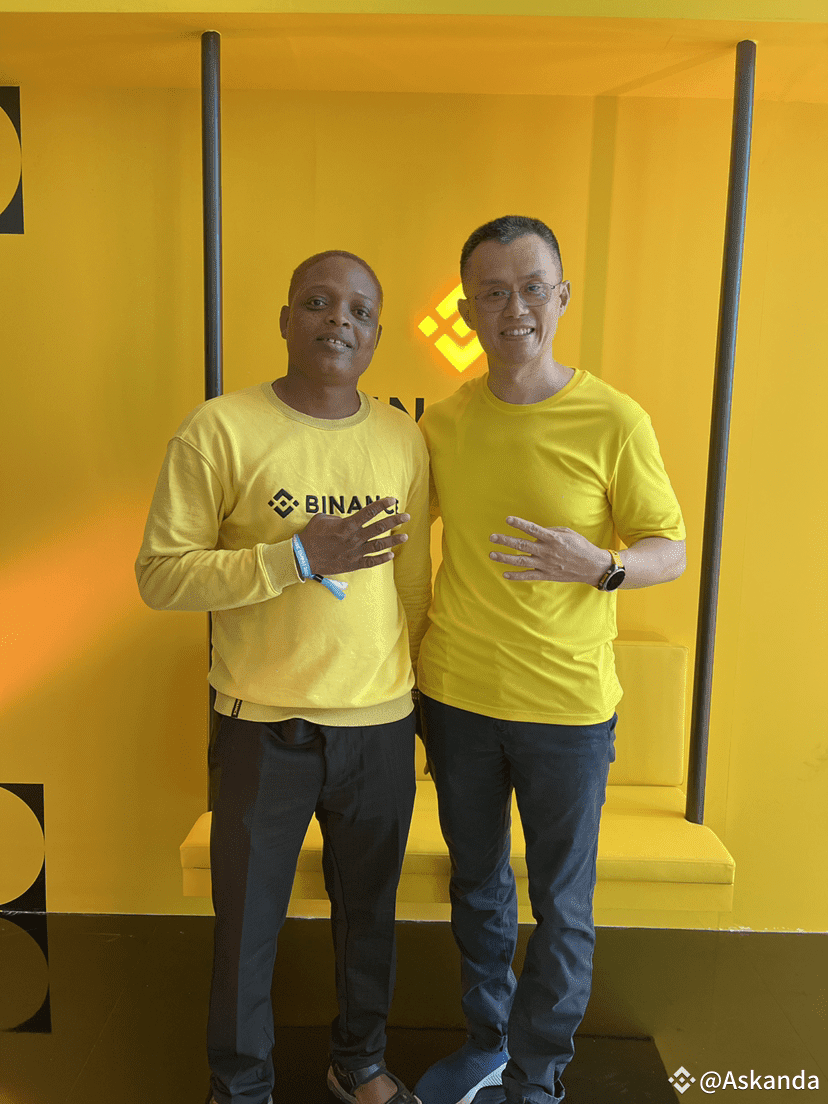
I told you guys, I wanted to meet CEO of Binance and ask him some questions.
Yesterday Isha Allah. I did
It was like a dream. I was not sure 🤔. This morning I think it actually happened
God is God. Just keep moving forward
Small wins sustains growth.
You will thank me later.
@CZ
@richardteng
#BinanceAlphaAlert
#AirdropSafetyGuide
#Trump100Days
$BTC
$BNB
$ETH
Last year. you remembered in the telegram group.
I told you guys, I wanted to meet CEO of Binance and ask him some questions.
Yesterday Isha Allah. I did
It was like a dream. I was not sure 🤔. This morning I think it actually happened
God is God. Just keep moving forward
Small wins sustains growth.
You will thank me later.
@CZ
@Richard Teng
#BinanceAlphaAlert
#AirdropSafetyGuide
#Trump100Days
$BTC
$BNB
$ETH
I told you guys, I wanted to meet CEO of Binance and ask him some questions.
Yesterday Isha Allah. I did
It was like a dream. I was not sure 🤔. This morning I think it actually happened
God is God. Just keep moving forward
Small wins sustains growth.
You will thank me later.
@CZ
@Richard Teng
#BinanceAlphaAlert
#AirdropSafetyGuide
#Trump100Days
$BTC
$BNB
$ETH
14
9
73
1.3k
PINNED
·
--
Baissier
Don’t do this ever again…
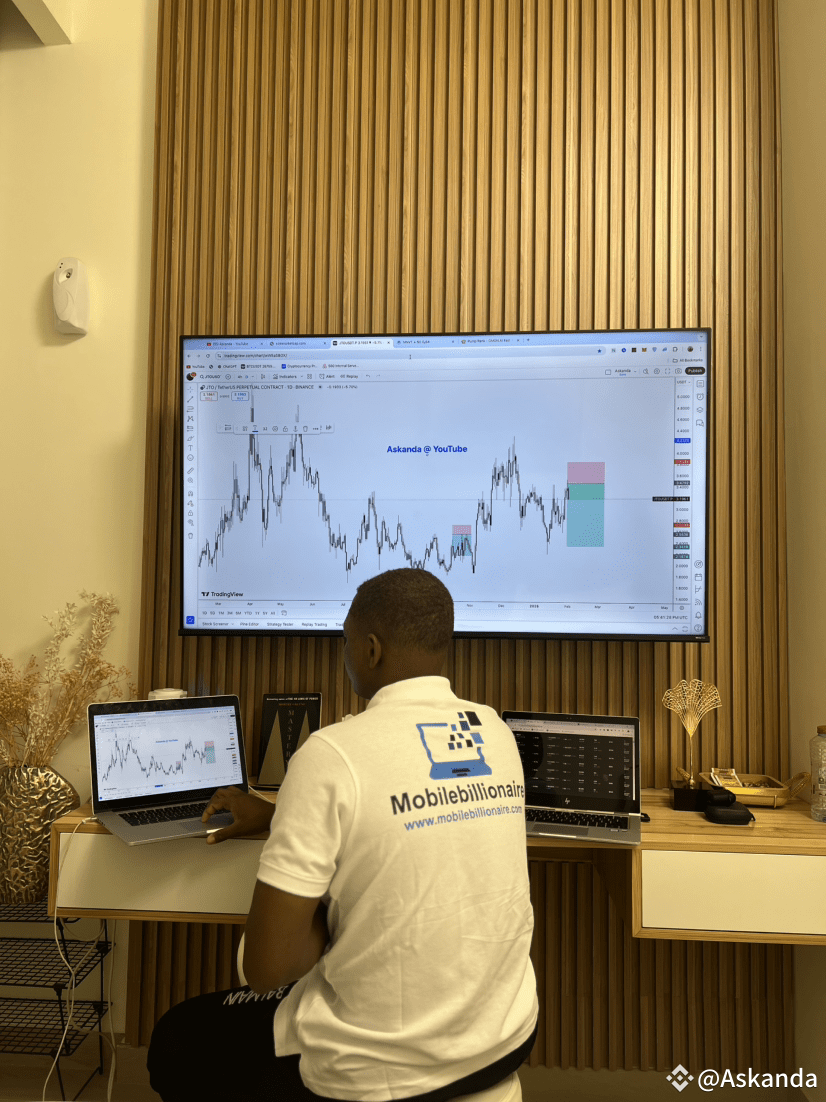
When I first started day trading, I was trading all day, every day.
It seemed logical, right? More trades = more opportunities for profit.
This approach was actually costing me money.
The real game-changer came when I shifted my perspective on how much I should actually trade.
Instead of chasing the market, I learned to let the market come to me.
You don’t need so many trades. Just 2-3 trades per week is more than enough.
It’s about quality, not quantity.
You wait for the price to hit your predetermined levels - these are the moments the market presents real opportunities.
Many traders fall into the trap of forcing trades in between these key levels. Why?
Because they're addicted to the action of trading, not because the market is signaling a clear opportunity. It's a subtle but crucial difference.
Trading isn't about being active all the time. It's about being patient, and strategic.
So next time, before you jump into a trade, ask yourself: "Am I trading from a key level, or am I just feeding my addiction to trade?"
Your wallet will thank you later.
Less can truly be more in trading.
#USTariffs
#CzechBitcoinReserve?
#BitcoinReserveWave
$SOL
$BTC
$XRP
Don’t do this ever again…
When I first started day trading, I was trading all day, every day.
It seemed logical, right? More trades = more opportunities for profit.
This approach was actually costing me money.
The real game-changer came when I shifted my perspective on how much I should actually trade.
Instead of chasing the market, I learned to let the market come to me.
You don’t need so many trades. Just 2-3 trades per week is more than enough.
It’s about quality, not quantity.
You wait for the price to hit your predetermined levels - these are the moments the market presents real opportunities.
Many traders fall into the trap of forcing trades in between these key levels. Why?
Because they're addicted to the action of trading, not because the market is signaling a clear opportunity. It's a subtle but crucial difference.
Trading isn't about being active all the time. It's about being patient, and strategic.
So next time, before you jump into a trade, ask yourself: "Am I trading from a key level, or am I just feeding my addiction to trade?"
Your wallet will thank you later.
Less can truly be more in trading.
#USTariffs
#CzechBitcoinReserve?
#BitcoinReserveWave
$SOL
$BTC
$XRP
When I first started day trading, I was trading all day, every day.
It seemed logical, right? More trades = more opportunities for profit.
This approach was actually costing me money.
The real game-changer came when I shifted my perspective on how much I should actually trade.
Instead of chasing the market, I learned to let the market come to me.
You don’t need so many trades. Just 2-3 trades per week is more than enough.
It’s about quality, not quantity.
You wait for the price to hit your predetermined levels - these are the moments the market presents real opportunities.
Many traders fall into the trap of forcing trades in between these key levels. Why?
Because they're addicted to the action of trading, not because the market is signaling a clear opportunity. It's a subtle but crucial difference.
Trading isn't about being active all the time. It's about being patient, and strategic.
So next time, before you jump into a trade, ask yourself: "Am I trading from a key level, or am I just feeding my addiction to trade?"
Your wallet will thank you later.
Less can truly be more in trading.
#USTariffs
#CzechBitcoinReserve?
#BitcoinReserveWave
$SOL
$BTC
$XRP
83
47
227
145.6k
·
--
trading crypto with my brother in ghana @Binance_Margin #cryptouniverseofficial
trading crypto with my brother in ghana @Binance Margin #cryptouniverseofficial
1
440
·
--
I Found a Secret Way to Trade Meme Coins (Works Fast!)
If you’re interested in crypto day trading, meme coin trading, altcoin trading, Binance trading, and finding trading opportunities, this video is for you. #cryptouniverseofficial #DayTradingTips #BTCBreaks80K
I Found a Secret Way to Trade Meme Coins (Works Fast!)
If you’re interested in crypto day trading, meme coin trading, altcoin trading, Binance trading, and finding trading opportunities, this video is for you. #cryptouniverseofficial #DayTradingTips #BTCBreaks80K
If you’re interested in crypto day trading, meme coin trading, altcoin trading, Binance trading, and finding trading opportunities, this video is for you. #cryptouniverseofficial #DayTradingTips #BTCBreaks80K
4
1.6k
·
--
Make your first $10k online
Follow me for daily money making tips
#fyp #ghanatiktok 🇬🇭 #makemoneyonline
Make your first $10k online
Follow me for daily money making tips
#fyp #ghanatiktok 🇬🇭 #makemoneyonline
Follow me for daily money making tips
#fyp #ghanatiktok 🇬🇭 #makemoneyonline
2
479
·
--
1
6
385
·
--
Want to learn how to start Crypto Day Trading in 2027? In this video, I break down the basics of crypto day trading, how to find trading opportunities, choose the right coins, manage risk, and build a simple trading plan. #askanda #DayTradingTips #bnb
Want to learn how to start Crypto Day Trading in 2027? In this video, I break down the basics of crypto day trading, how to find trading opportunities, choose the right coins, manage risk, and build a simple trading plan. #askanda #DayTradingTips #bnb
6
465
·
--
3
250
·
--
learn how to open multiple positions ? #AppleDebutsFoldablePhone #askanda
learn how to open multiple positions ? #AppleDebutsFoldablePhone #askanda
1
5
648
Connectez-vous pour découvrir plus de contenu
Rejoignez la communauté mondiale des adeptes de cryptomonnaies sur Binance Square
⚡️ Suviez les dernières informations importantes sur les cryptomonnaies.
💬 Jugé digne de confiance par la plus grande plateforme d’échange de cryptomonnaies au monde.
👍 Découvrez les connaissances que partagent les créateurs vérifiés.
Adresse e-mail/Nº de téléphone
Sujets d’actualité
CircleMints500MUSDCOnSolana
79,680 vues
1,826 mentions
#circlemints500musdconsolana
🚨 $500M USDC MINTED ON SOLANA! 💵🔥
Circle Treasury just minted 500M USDC on Solana, pushing total global supply to $75.2B! 📈✨
💡 Quick Reality Check:
🔹 Minting = Fresh Inventory Creation (Not instant buying power!🛒
🔹 Real Trigger = Capital Deployment into DeFi, Exchanges & Pools! 🌐🚀
🎯 Coins to Watch:
⚡ $SOL — Network activity is booming, and fresh liquidity continues to drive ecosystem growth!
💎 $RARE — A high-volatility altcoin that reacts fast to fresh market liquidity and sentiment!🪐
💥 Are you accumulating now or waiting for full capital deployment? Drop your thoughts below! 👇✨
#CircleMints500MUSDCOnSolana
#PolymarketBankFailureBetsDrawFDICConcern
#BlackRockBuildsTokenizedPortfoliosForOndo
#BitwiseFilesToListNEARETFOnNYSEArca
Hifza Rubab
·4 mentions J’aime
·4.4k vues
PolymarketBankFailureBetsDrawFDICConcern
85,070 vues
1,700 mentions
BlackRockBuildsTokenizedPortfoliosForOndo
75,901 vues
1,206 mentions