

#bitcoinmaximalism
bitcoinmaximalism
35,868 vues
125 mentions
Populaire
Récents

·
--
Haussier
A Bitcoin I Buy Last week with 0.63 Usdt goes to 1.37Usdt, I think it will be Something Great if hold The Bitcoin till 2030 #BitcoinMaximalism #Bitcoinhaving
A Bitcoin I Buy Last week with 0.63 Usdt goes to 1.37Usdt, I think it will be Something Great if hold The Bitcoin till 2030 #BitcoinMaximalism #Bitcoinhaving
61

·
--
Article
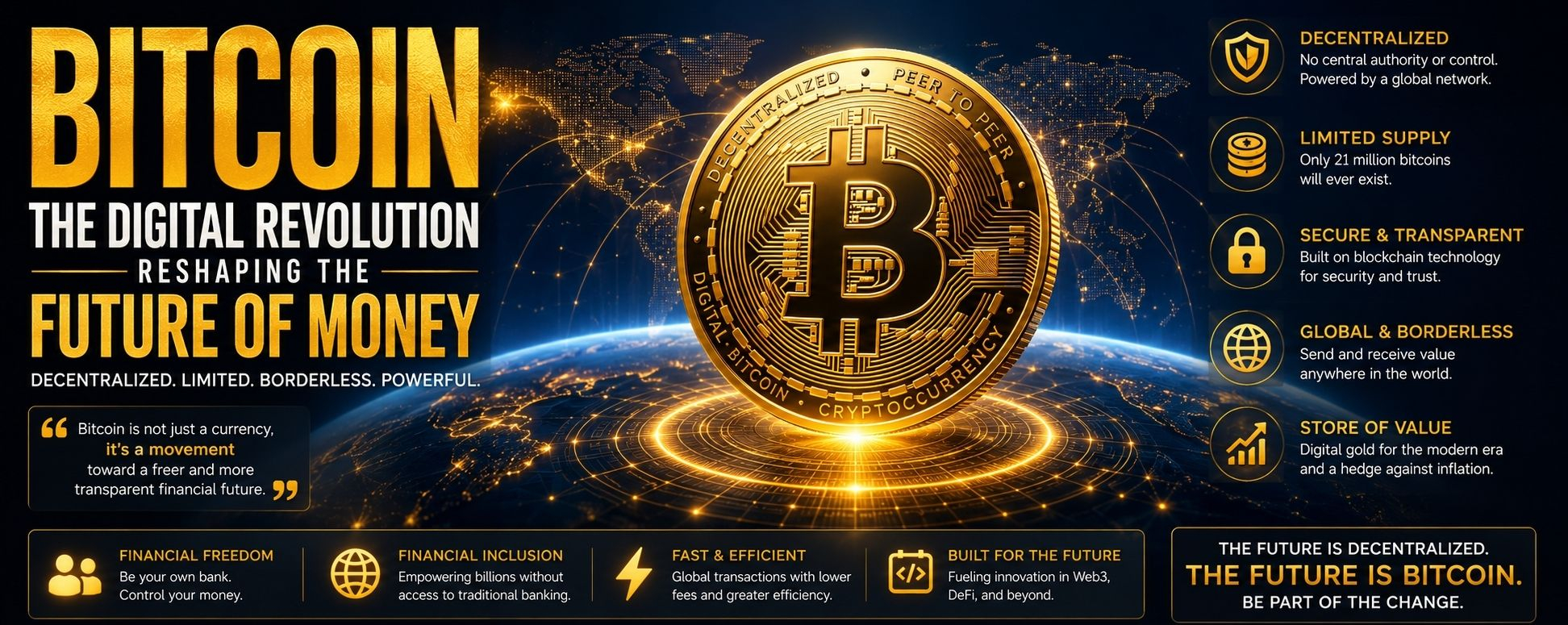
Bitcoin: The Digital Revolution Reshaping the Future of Money$BITCOIN has transformed from an experimental digital currency into one of the most discussed financial innovations of the 21st century. Created in 2009 by the mysterious figure known as Satoshi Nakamoto, $NVDAB Bitcoin introduced a new way of transferring value without relying on banks, governments, or other centralized institutions.
At its core, Bitcoin operates on a technology called the blockchain, a decentralized public ledger that records every transaction across a global network of computers. This system allows transactions to be verified transparently while reducing the need for intermediaries. Because the network is maintained by thousands of independent participants, Bitcoin is designed to be resistant to censorship and single points of failure.
One of Bitcoin's most distinctive features is its limited supply. Only 21 million bitcoins will ever exist, making scarcity a fundamental part of its design. Supporters argue that this fixed supply helps protect against inflation and gives Bitcoin characteristics similar to digital gold. As a result, many investors view Bitcoin not only as a payment system but also as a long-term store of value.
Over the years, Bitcoin has attracted individuals, businesses, and institutions seeking alternatives to traditional financial systems. Its growing adoption has fueled discussions about financial freedom, global accessibility, and the future of money in an increasingly digital world. While price volatility remains a challenge, Bitcoin continues to demonstrate resilience through multiple market cycles.
Beyond investment, Bitcoin represents a broader shift toward decentralized technologies. It has inspired the development of thousands of digital assets and blockchain-based applications, influencing industries far beyond finance. Whether used for cross-border payments, wealth preservation, or technological innovation, Bitcoin has established itself as a powerful force in the modern economy.
As the world becomes more connected and digital, Bitcoin's role in shaping the next generation of financial infrastructure remains one of the most important developments to watch. Its journey is still unfolding, but its impact on the global conversation about money, trust, and decentralization is already undeniable.
#BitcoinMaximalism #OilErasesGains #SKHynixADRListing #MemeCoreMTokenCrashes80% #HormuzStraitShips20MBarrelsDaily
Bitcoin: The Digital Revolution Reshaping the Future of Money
$BITCOIN has transformed from an experimental digital currency into one of the most discussed financial innovations of the 21st century. Created in 2009 by the mysterious figure known as Satoshi Nakamoto, $NVDAB Bitcoin introduced a new way of transferring value without relying on banks, governments, or other centralized institutions.
At its core, Bitcoin operates on a technology called the blockchain, a decentralized public ledger that records every transaction across a global network of computers. This system allows transactions to be verified transparently while reducing the need for intermediaries. Because the network is maintained by thousands of independent participants, Bitcoin is designed to be resistant to censorship and single points of failure.
One of Bitcoin's most distinctive features is its limited supply. Only 21 million bitcoins will ever exist, making scarcity a fundamental part of its design. Supporters argue that this fixed supply helps protect against inflation and gives Bitcoin characteristics similar to digital gold. As a result, many investors view Bitcoin not only as a payment system but also as a long-term store of value.
Over the years, Bitcoin has attracted individuals, businesses, and institutions seeking alternatives to traditional financial systems. Its growing adoption has fueled discussions about financial freedom, global accessibility, and the future of money in an increasingly digital world. While price volatility remains a challenge, Bitcoin continues to demonstrate resilience through multiple market cycles.
Beyond investment, Bitcoin represents a broader shift toward decentralized technologies. It has inspired the development of thousands of digital assets and blockchain-based applications, influencing industries far beyond finance. Whether used for cross-border payments, wealth preservation, or technological innovation, Bitcoin has established itself as a powerful force in the modern economy.
As the world becomes more connected and digital, Bitcoin's role in shaping the next generation of financial infrastructure remains one of the most important developments to watch. Its journey is still unfolding, but its impact on the global conversation about money, trust, and decentralization is already undeniable.
#BitcoinMaximalism #OilErasesGains #SKHynixADRListing #MemeCoreMTokenCrashes80% #HormuzStraitShips20MBarrelsDaily
At its core, Bitcoin operates on a technology called the blockchain, a decentralized public ledger that records every transaction across a global network of computers. This system allows transactions to be verified transparently while reducing the need for intermediaries. Because the network is maintained by thousands of independent participants, Bitcoin is designed to be resistant to censorship and single points of failure.
One of Bitcoin's most distinctive features is its limited supply. Only 21 million bitcoins will ever exist, making scarcity a fundamental part of its design. Supporters argue that this fixed supply helps protect against inflation and gives Bitcoin characteristics similar to digital gold. As a result, many investors view Bitcoin not only as a payment system but also as a long-term store of value.
Over the years, Bitcoin has attracted individuals, businesses, and institutions seeking alternatives to traditional financial systems. Its growing adoption has fueled discussions about financial freedom, global accessibility, and the future of money in an increasingly digital world. While price volatility remains a challenge, Bitcoin continues to demonstrate resilience through multiple market cycles.
Beyond investment, Bitcoin represents a broader shift toward decentralized technologies. It has inspired the development of thousands of digital assets and blockchain-based applications, influencing industries far beyond finance. Whether used for cross-border payments, wealth preservation, or technological innovation, Bitcoin has established itself as a powerful force in the modern economy.
As the world becomes more connected and digital, Bitcoin's role in shaping the next generation of financial infrastructure remains one of the most important developments to watch. Its journey is still unfolding, but its impact on the global conversation about money, trust, and decentralization is already undeniable.
#BitcoinMaximalism #OilErasesGains #SKHynixADRListing #MemeCoreMTokenCrashes80% #HormuzStraitShips20MBarrelsDaily
132

#Bitcoin #Crypto #Bullish #Bearish#Bitcoin❗ #bitcoin.” #BitcoinForecast #BitcoinMaximalism
🕓🕓🕓Where do you think the price of $BTC is headed by the end of this week?🕓🕓🕓
{spot}(BTCUSDT)
#Bitcoin #Crypto #Bullish #Bearish#Bitcoin❗ #bitcoin.” #BitcoinForecast #BitcoinMaximalism
🕓🕓🕓Where do you think the price of $BTC is headed by the end of this week?🕓🕓🕓
🕓🕓🕓Where do you think the price of $BTC is headed by the end of this week?🕓🕓🕓
Bullish
67%
Bearish
33%
Sideways
0%
3 Votes • Vote fermé
72

🚀🔥 **$BTC
{spot}(BTCUSDT)
TO $1M? THE SUPERCYCLE DEBATE IS JUST GETTING STARTED. 👀**
Could Bitcoin eventually reach **$1,000,000**?
I believe it’s possible.
A single powerful cycle could potentially take $BTC much higher than previous cycles — and if the traditional 4-year cycle continues, it may simply take more time. ⏳
Bitcoin keeps maturing with every cycle, while adoption and market infrastructure continue to evolve.
But here’s the important part:
📈 Don’t expect a straight line up
📉 Corrections will happen
🧠 Avoid panic decisions
💰 DCA can be a way to spread entries over time
**$1M is a target, not a guarantee.**
The real question is:
**How many cycles will Bitcoin need to get there? 👀₿**
#BTC #Bitcoin #BitcoinMaximalism 1000000 #Crypto #CryptoTrading #BitcoinNews #Supercycle #DCA #Investing #BinanceSquare
🚀🔥 **$BTC
TO $1M? THE SUPERCYCLE DEBATE IS JUST GETTING STARTED. 👀**
Could Bitcoin eventually reach **$1,000,000**?
I believe it’s possible.
A single powerful cycle could potentially take $BTC much higher than previous cycles — and if the traditional 4-year cycle continues, it may simply take more time. ⏳
Bitcoin keeps maturing with every cycle, while adoption and market infrastructure continue to evolve.
But here’s the important part:
📈 Don’t expect a straight line up
📉 Corrections will happen
🧠 Avoid panic decisions
💰 DCA can be a way to spread entries over time
**$1M is a target, not a guarantee.**
The real question is:
**How many cycles will Bitcoin need to get there? 👀₿**
#BTC #Bitcoin #BitcoinMaximalism 1000000 #Crypto #CryptoTrading #BitcoinNews #Supercycle #DCA #Investing #BinanceSquare
TO $1M? THE SUPERCYCLE DEBATE IS JUST GETTING STARTED. 👀**
Could Bitcoin eventually reach **$1,000,000**?
I believe it’s possible.
A single powerful cycle could potentially take $BTC much higher than previous cycles — and if the traditional 4-year cycle continues, it may simply take more time. ⏳
Bitcoin keeps maturing with every cycle, while adoption and market infrastructure continue to evolve.
But here’s the important part:
📈 Don’t expect a straight line up
📉 Corrections will happen
🧠 Avoid panic decisions
💰 DCA can be a way to spread entries over time
**$1M is a target, not a guarantee.**
The real question is:
**How many cycles will Bitcoin need to get there? 👀₿**
#BTC #Bitcoin #BitcoinMaximalism 1000000 #Crypto #CryptoTrading #BitcoinNews #Supercycle #DCA #Investing #BinanceSquare
11

₿ $BITCOIN : PRICE SE ZYADA, EK IDEA
Bitcoin ko sirf price ke lens se dekhna easy hai, lekin asal story is se kaafi badi hai.
Market kabhi upar jaati hai, kabhi neeche — lekin $BITCOIN ka core idea decentralization, limited supply aur financial sovereignty ke around hai.
Short-term mein volatility normal hai. Long-term mein sabse important cheez noise nahi, balki adoption, network activity aur overall market conditions hain.
Hype ke bajaye data ko follow karein. DYOR. 📊₿
#BitcoinMaximalism #BTC突破7万大关 #Crypto #blockchaineconomy #dyor
{spot}(BTCUSDT)
₿ $BITCOIN : PRICE SE ZYADA, EK IDEA
Bitcoin ko sirf price ke lens se dekhna easy hai, lekin asal story is se kaafi badi hai.
Market kabhi upar jaati hai, kabhi neeche — lekin $BITCOIN ka core idea decentralization, limited supply aur financial sovereignty ke around hai.
Short-term mein volatility normal hai. Long-term mein sabse important cheez noise nahi, balki adoption, network activity aur overall market conditions hain.
Hype ke bajaye data ko follow karein. DYOR. 📊₿
#BitcoinMaximalism #BTC突破7万大关 #Crypto #blockchaineconomy #dyor
Bitcoin ko sirf price ke lens se dekhna easy hai, lekin asal story is se kaafi badi hai.
Market kabhi upar jaati hai, kabhi neeche — lekin $BITCOIN ka core idea decentralization, limited supply aur financial sovereignty ke around hai.
Short-term mein volatility normal hai. Long-term mein sabse important cheez noise nahi, balki adoption, network activity aur overall market conditions hain.
Hype ke bajaye data ko follow karein. DYOR. 📊₿
#BitcoinMaximalism #BTC突破7万大关 #Crypto #blockchaineconomy #dyor
96

·
--
Haussier
$BITCOIN
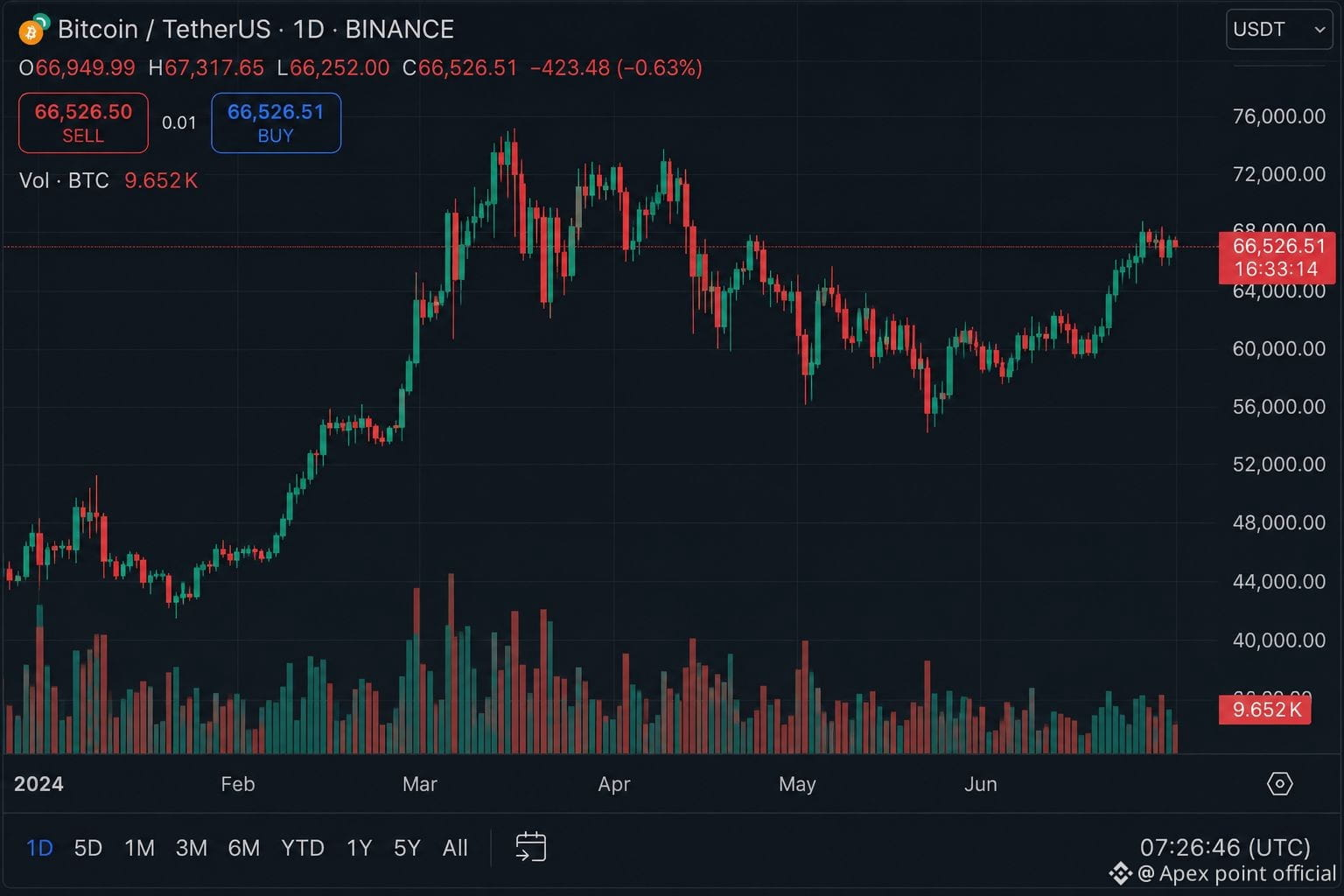
Holding above local support. Volume is drying up, which tells me a move is coming soon. Watching for a clean break above resistance before adding size.
#bitcoin #BitcoinDunyamiz #BitcoinForecast #BitcoinMaximalism
$ETH – Still lagging against BTC. The ETF narrative is cooling off, but fundamentals haven't changed. Accumulating slowly in this range.
#Ethereum✅
$BNB – Quiet but steady. The Binance ecosystem continues building regardless of price action.
---
Just entered a **long on $ETH** at $2,520 with a stop at $2,480. Target $2,620.
Live trade link in comments – see entry, stop, and current P&L in real time.
---
Going live in 15 minutes to walk through the exact chart levels I'm watching. Will share entries as they happen.
---
What's your move this week – long, short, or waiting on the sidelines?
💵💵💵💵💵🔥🔥🔥🔥🚀🚀🚀🚀
$BITCOIN
Holding above local support. Volume is drying up, which tells me a move is coming soon. Watching for a clean break above resistance before adding size.
#bitcoin #BitcoinDunyamiz #BitcoinForecast #BitcoinMaximalism
$ETH – Still lagging against BTC. The ETF narrative is cooling off, but fundamentals haven't changed. Accumulating slowly in this range.
#Ethereum✅
$BNB – Quiet but steady. The Binance ecosystem continues building regardless of price action.
---
Just entered a **long on $ETH ** at $2,520 with a stop at $2,480. Target $2,620.
Live trade link in comments – see entry, stop, and current P&L in real time.
---
Going live in 15 minutes to walk through the exact chart levels I'm watching. Will share entries as they happen.
---
What's your move this week – long, short, or waiting on the sidelines?
💵💵💵💵💵🔥🔥🔥🔥🚀🚀🚀🚀
Holding above local support. Volume is drying up, which tells me a move is coming soon. Watching for a clean break above resistance before adding size.
#bitcoin #BitcoinDunyamiz #BitcoinForecast #BitcoinMaximalism
$ETH – Still lagging against BTC. The ETF narrative is cooling off, but fundamentals haven't changed. Accumulating slowly in this range.
#Ethereum✅
$BNB – Quiet but steady. The Binance ecosystem continues building regardless of price action.
---
Just entered a **long on $ETH ** at $2,520 with a stop at $2,480. Target $2,620.
Live trade link in comments – see entry, stop, and current P&L in real time.
---
Going live in 15 minutes to walk through the exact chart levels I'm watching. Will share entries as they happen.
---
What's your move this week – long, short, or waiting on the sidelines?
💵💵💵💵💵🔥🔥🔥🔥🚀🚀🚀🚀
86

Article
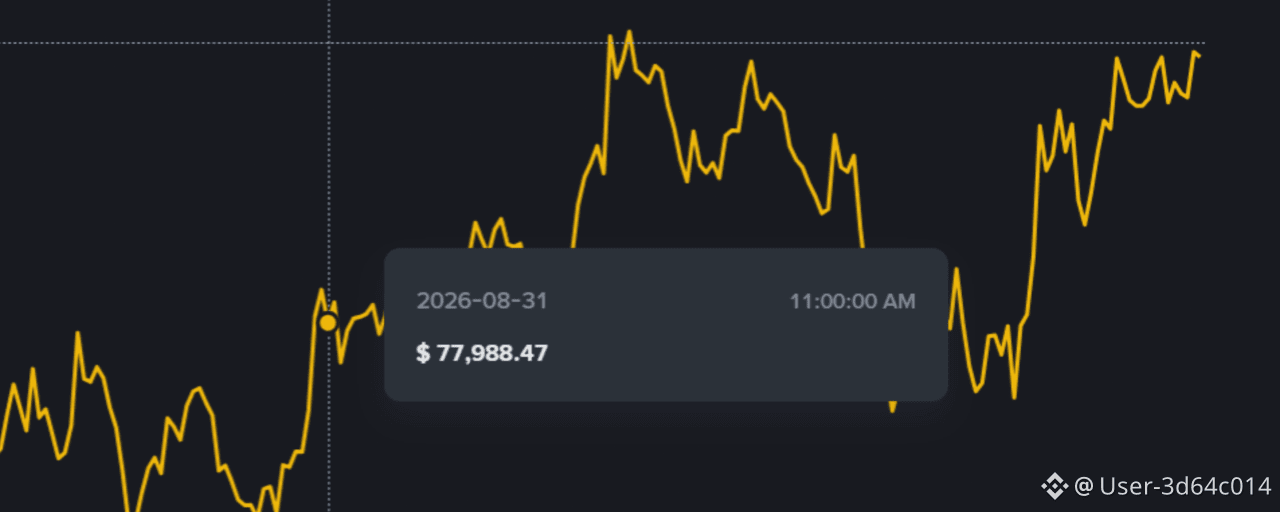
IT SEEMS LIKE IT WILL HIT AROUND 80K SOON !!!!!!!!!!!!!#BitcoinDunyamiz
#BitcoinMaximalism
IT SEEMS LIKE IT WILL HIT AROUND 80K SOON !!!!!!!!!!!!!
15

·
--
🔥 Fear dominates, but smart money watches closely
The crypto market is facing strong selling pressure as Bitcoin recently dropped below the important $60K psychological level, while traders remain cautious ahead of major macroeconomic data.
📌 Current Market Picture:
₿ Bitcoin (BTC): Testing support zone around $60K
Ξ Ethereum (ETH): Under pressure as risk appetite weakens
📊 Market Sentiment: Fear remains high after heavy liquidations and volatility
💡 What traders are watching:
✅ If BTC holds the $60K area → possible recovery attempt
⚠️ If support breaks → more downside volatility possible
🔥 Strong projects with real adoption may outperform during uncertainty
Remember:
"Markets transfer wealth from impatient traders to disciplined investors."
No panic. No FOMO.
Study the trend. Manage risk. Stay patient. 📈
#BitcoinMaximalism #CryptoNewss #BTC #Ethereum #MarketAnalysis #BinanceSquare #TradingPsychology
🔥 Fear dominates, but smart money watches closely
The crypto market is facing strong selling pressure as Bitcoin recently dropped below the important $60K psychological level, while traders remain cautious ahead of major macroeconomic data.
📌 Current Market Picture:
₿ Bitcoin (BTC): Testing support zone around $60K
Ξ Ethereum (ETH): Under pressure as risk appetite weakens
📊 Market Sentiment: Fear remains high after heavy liquidations and volatility
💡 What traders are watching:
✅ If BTC holds the $60K area → possible recovery attempt
⚠️ If support breaks → more downside volatility possible
🔥 Strong projects with real adoption may outperform during uncertainty
Remember:
"Markets transfer wealth from impatient traders to disciplined investors."
No panic. No FOMO.
Study the trend. Manage risk. Stay patient. 📈
#BitcoinMaximalism #CryptoNewss #BTC #Ethereum #MarketAnalysis #BinanceSquare #TradingPsychology
The crypto market is facing strong selling pressure as Bitcoin recently dropped below the important $60K psychological level, while traders remain cautious ahead of major macroeconomic data.
📌 Current Market Picture:
₿ Bitcoin (BTC): Testing support zone around $60K
Ξ Ethereum (ETH): Under pressure as risk appetite weakens
📊 Market Sentiment: Fear remains high after heavy liquidations and volatility
💡 What traders are watching:
✅ If BTC holds the $60K area → possible recovery attempt
⚠️ If support breaks → more downside volatility possible
🔥 Strong projects with real adoption may outperform during uncertainty
Remember:
"Markets transfer wealth from impatient traders to disciplined investors."
No panic. No FOMO.
Study the trend. Manage risk. Stay patient. 📈
#BitcoinMaximalism #CryptoNewss #BTC #Ethereum #MarketAnalysis #BinanceSquare #TradingPsychology
117
·
--
Haussier
been disclosed, their specific scripts will only be revealed when they are spent for the first time. All of the stolen BTC in the three waves were created after the block that included the vulnerable firmware release on March 17, 2021.Galaxy Research said its monitoring of three waves of attacks tied to a Coldcard key vulnerability suggests the first two waves followed a similar pattern. Both consolidated funds into at least several shared addresses, used the same P2WPKH output format and derivation path combinations, and occurred 27 hours apart, indicating they were likely carried out by the same attacker, although they differed in fee settings and in whether they used RBF signals.
According to Foresight News, the third wave differed from the first two in multiple ways. It abandoned shared consolidation addresses in favor of separate destination addresses for each victim, stored funds in P2WSH rather than P2WPKH, averaged 6.37 victims per batch instead of liquidating one by one, and scanned only the default derivation path.
Galaxy Research said the third wave could reflect the same attacker using updated tools or a separate attacker exploiting the same publicly disclosed vulnerable key space. The on-chain data cannot distinguish between those possibilities, and the firm said it cannot confirm any connection between the three waves, though it can confirm that each wave involved a single operator.
Attackers now control 1,366.3865 BTC, and none of the funds in the final addresses have been spent. The first two waves involved 1,158.8148 BTC across seven addresses under ongoing monitoring, while the third wave involved 293 P2WSH vault addresses. Because the scripts for those addresses have not #Bitcoin #BTC #Crypto #DailyTradingHub #CryptoTrading #BTCUSDT #Blockchain #CryptoNewss ptoPakistan #TradingStrategies💼💰 trategy Web3News #BitcoinMaximalism oinNews #MarketUpdate #PremiumCrypto
been disclosed, their specific scripts will only be revealed when they are spent for the first time. All of the stolen BTC in the three waves were created after the block that included the vulnerable firmware release on March 17, 2021.Galaxy Research said its monitoring of three waves of attacks tied to a Coldcard key vulnerability suggests the first two waves followed a similar pattern. Both consolidated funds into at least several shared addresses, used the same P2WPKH output format and derivation path combinations, and occurred 27 hours apart, indicating they were likely carried out by the same attacker, although they differed in fee settings and in whether they used RBF signals.
According to Foresight News, the third wave differed from the first two in multiple ways. It abandoned shared consolidation addresses in favor of separate destination addresses for each victim, stored funds in P2WSH rather than P2WPKH, averaged 6.37 victims per batch instead of liquidating one by one, and scanned only the default derivation path.
Galaxy Research said the third wave could reflect the same attacker using updated tools or a separate attacker exploiting the same publicly disclosed vulnerable key space. The on-chain data cannot distinguish between those possibilities, and the firm said it cannot confirm any connection between the three waves, though it can confirm that each wave involved a single operator.
Attackers now control 1,366.3865 BTC, and none of the funds in the final addresses have been spent. The first two waves involved 1,158.8148 BTC across seven addresses under ongoing monitoring, while the third wave involved 293 P2WSH vault addresses. Because the scripts for those addresses have not #Bitcoin #BTC #Crypto #DailyTradingHub #CryptoTrading #BTCUSDT #Blockchain #CryptoNewss ptoPakistan #TradingStrategies💼💰 trategy Web3News #BitcoinMaximalism oinNews #MarketUpdate #PremiumCrypto
According to Foresight News, the third wave differed from the first two in multiple ways. It abandoned shared consolidation addresses in favor of separate destination addresses for each victim, stored funds in P2WSH rather than P2WPKH, averaged 6.37 victims per batch instead of liquidating one by one, and scanned only the default derivation path.
Galaxy Research said the third wave could reflect the same attacker using updated tools or a separate attacker exploiting the same publicly disclosed vulnerable key space. The on-chain data cannot distinguish between those possibilities, and the firm said it cannot confirm any connection between the three waves, though it can confirm that each wave involved a single operator.
Attackers now control 1,366.3865 BTC, and none of the funds in the final addresses have been spent. The first two waves involved 1,158.8148 BTC across seven addresses under ongoing monitoring, while the third wave involved 293 P2WSH vault addresses. Because the scripts for those addresses have not #Bitcoin #BTC #Crypto #DailyTradingHub #CryptoTrading #BTCUSDT #Blockchain #CryptoNewss ptoPakistan #TradingStrategies💼💰 trategy Web3News #BitcoinMaximalism oinNews #MarketUpdate #PremiumCrypto
1
80

🚨 US-Iran Ceasefire Tensions Are Shaking Global Markets Again 👀⚠️
Just when investors thought tensions were cooling down...
Fresh reports pushed fear back into the market 😭
Oil volatility is rising.
Crypto markets are reacting.
And global investors are watching every headline closely 👀
One conflict in the Middle East can impact:
🛢 Oil prices
📈 Stock markets
₿ Bitcoin volatility
💰 Global liquidity
That’s why traders everywhere are suddenly becoming cautious again ⚡
Right now the market feels trapped between:
🕊 Peace hopes
⚔️ Fear of escalation
And every new update moves billions of dollars instantly 🚀
Question:
If tensions fully calm down... does crypto enter another massive rally? 👇
#BitcoinMaximalism #Crypto #Iran #markets $BTC $CL
🚨 US-Iran Ceasefire Tensions Are Shaking Global Markets Again 👀⚠️
Just when investors thought tensions were cooling down...
Fresh reports pushed fear back into the market 😭
Oil volatility is rising.
Crypto markets are reacting.
And global investors are watching every headline closely 👀
One conflict in the Middle East can impact:
🛢 Oil prices
📈 Stock markets
₿ Bitcoin volatility
💰 Global liquidity
That’s why traders everywhere are suddenly becoming cautious again ⚡
Right now the market feels trapped between:
🕊 Peace hopes
⚔️ Fear of escalation
And every new update moves billions of dollars instantly 🚀
Question:
If tensions fully calm down... does crypto enter another massive rally? 👇
#BitcoinMaximalism #Crypto #Iran #markets $BTC $CL
Just when investors thought tensions were cooling down...
Fresh reports pushed fear back into the market 😭
Oil volatility is rising.
Crypto markets are reacting.
And global investors are watching every headline closely 👀
One conflict in the Middle East can impact:
🛢 Oil prices
📈 Stock markets
₿ Bitcoin volatility
💰 Global liquidity
That’s why traders everywhere are suddenly becoming cautious again ⚡
Right now the market feels trapped between:
🕊 Peace hopes
⚔️ Fear of escalation
And every new update moves billions of dollars instantly 🚀
Question:
If tensions fully calm down... does crypto enter another massive rally? 👇
#BitcoinMaximalism #Crypto #Iran #markets $BTC $CL

309


·
--
Article
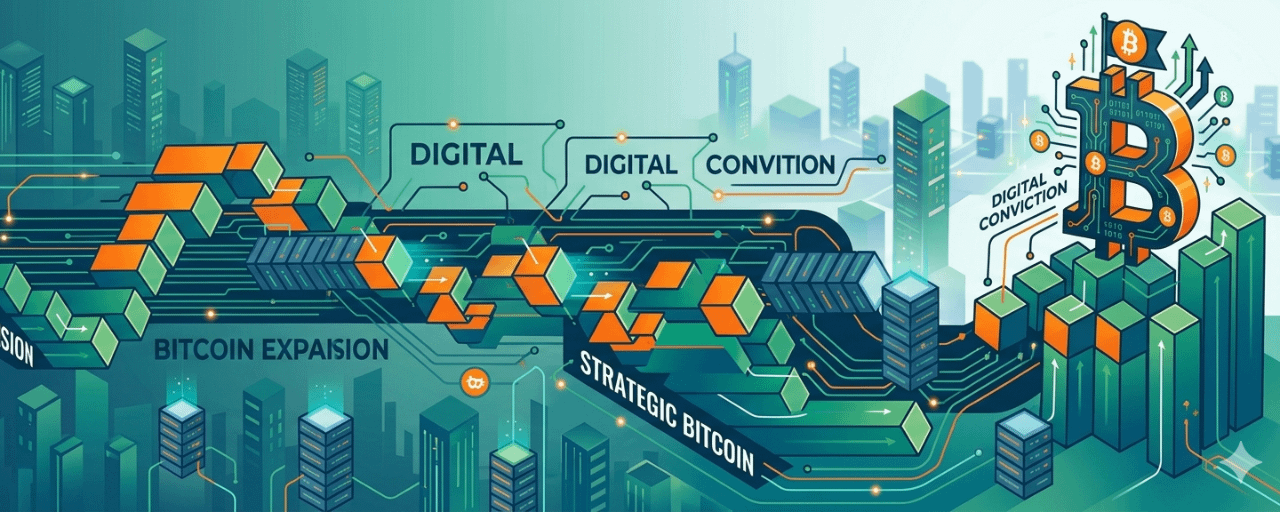
Capital B Strengthens Digital Conviction with Strategic Bitcoin ExpansionIn a financial world steadily tilting toward digital assets, French-listed company Capital B has once again signaled its long-term confidence in Bitcoin by expanding its holdings. The firm recently acquired an additional 12 BTC, bringing its total reserves to an impressive 2,937 BTC, according to NS3.AI. While the size of this latest purchase may appear modest in isolation, its significance lies in the consistency and clarity of Capital B’s broader strategy one rooted in accumulation, conviction, and forward-looking asset allocation.
This move reflects a growing trend among institutional players who are no longer viewing Bitcoin as a speculative outlier, but as a strategic reserve asset. For Capital B, each incremental addition reinforces a disciplined approach rather than a reaction to short-term market fluctuations. It suggests a belief that value in the digital age is increasingly defined by scarcity, decentralization, and resilience qualities that Bitcoin continues to embody.
The milestone of 2,937 BTC positions Capital B among a notable class of corporate holders who are actively integrating Bitcoin into their financial architecture. This accumulation is not merely about balance sheet diversification; it represents a shift in how companies perceive long-term value preservation. In an era marked by inflation concerns, currency volatility, and evolving financial systems, Bitcoin offers an alternative that operates beyond traditional monetary constraints.
What stands out even more is the timing and intent behind such acquisitions. Rather than chasing market hype, Capital B appears to be executing a steady accumulation strategy—one that prioritizes patience over speculation. This disciplined approach reduces exposure to volatility while steadily increasing the company’s stake in a finite asset. It reflects a mindset aligned with long-term positioning rather than short-term gains.
At a broader level, this development contributes to the narrative of institutional validation of Bitcoin. Every additional BTC held by a publicly listed company strengthens the perception of Bitcoin as a legitimate and increasingly essential component of modern finance. It also sets a precedent for other firms evaluating their own exposure to digital assets, especially as regulatory clarity and infrastructure continue to improve globally.
Moreover, Capital B’s growing Bitcoin treasury highlights a subtle but important transformation in corporate strategy. Companies are no longer limited to traditional asset classes when thinking about treasury management. Instead, they are exploring new financial frontiers where digital assets play a meaningful role in balancing risk and opportunity. In this context, Bitcoin is not just an investment—it becomes a strategic layer within a company’s financial identity.
As Capital B moves forward, its Bitcoin holdings will likely remain a focal point for both investors and market observers. The company’s continued commitment signals more than just participation in the crypto space; it reflects belief, resilience, and a willingness to adapt to the evolving landscape of global finance.
In the end, the story of Capital B is not defined by a single purchase, but by a pattern of intentional growth—one Bitcoin at a time.
$BITCOIN
#BitcoinDunyamiz
#BBitcoin
#Write2Earn
#BitcoinMaximalism
Capital B Strengthens Digital Conviction with Strategic Bitcoin Expansion
In a financial world steadily tilting toward digital assets, French-listed company Capital B has once again signaled its long-term confidence in Bitcoin by expanding its holdings. The firm recently acquired an additional 12 BTC, bringing its total reserves to an impressive 2,937 BTC, according to NS3.AI. While the size of this latest purchase may appear modest in isolation, its significance lies in the consistency and clarity of Capital B’s broader strategy one rooted in accumulation, conviction, and forward-looking asset allocation.
This move reflects a growing trend among institutional players who are no longer viewing Bitcoin as a speculative outlier, but as a strategic reserve asset. For Capital B, each incremental addition reinforces a disciplined approach rather than a reaction to short-term market fluctuations. It suggests a belief that value in the digital age is increasingly defined by scarcity, decentralization, and resilience qualities that Bitcoin continues to embody.
The milestone of 2,937 BTC positions Capital B among a notable class of corporate holders who are actively integrating Bitcoin into their financial architecture. This accumulation is not merely about balance sheet diversification; it represents a shift in how companies perceive long-term value preservation. In an era marked by inflation concerns, currency volatility, and evolving financial systems, Bitcoin offers an alternative that operates beyond traditional monetary constraints.
What stands out even more is the timing and intent behind such acquisitions. Rather than chasing market hype, Capital B appears to be executing a steady accumulation strategy—one that prioritizes patience over speculation. This disciplined approach reduces exposure to volatility while steadily increasing the company’s stake in a finite asset. It reflects a mindset aligned with long-term positioning rather than short-term gains.
At a broader level, this development contributes to the narrative of institutional validation of Bitcoin. Every additional BTC held by a publicly listed company strengthens the perception of Bitcoin as a legitimate and increasingly essential component of modern finance. It also sets a precedent for other firms evaluating their own exposure to digital assets, especially as regulatory clarity and infrastructure continue to improve globally.
Moreover, Capital B’s growing Bitcoin treasury highlights a subtle but important transformation in corporate strategy. Companies are no longer limited to traditional asset classes when thinking about treasury management. Instead, they are exploring new financial frontiers where digital assets play a meaningful role in balancing risk and opportunity. In this context, Bitcoin is not just an investment—it becomes a strategic layer within a company’s financial identity.
As Capital B moves forward, its Bitcoin holdings will likely remain a focal point for both investors and market observers. The company’s continued commitment signals more than just participation in the crypto space; it reflects belief, resilience, and a willingness to adapt to the evolving landscape of global finance.
In the end, the story of Capital B is not defined by a single purchase, but by a pattern of intentional growth—one Bitcoin at a time.
$BITCOIN
#BitcoinDunyamiz
#BBitcoin
#Write2Earn
#BitcoinMaximalism
This move reflects a growing trend among institutional players who are no longer viewing Bitcoin as a speculative outlier, but as a strategic reserve asset. For Capital B, each incremental addition reinforces a disciplined approach rather than a reaction to short-term market fluctuations. It suggests a belief that value in the digital age is increasingly defined by scarcity, decentralization, and resilience qualities that Bitcoin continues to embody.
The milestone of 2,937 BTC positions Capital B among a notable class of corporate holders who are actively integrating Bitcoin into their financial architecture. This accumulation is not merely about balance sheet diversification; it represents a shift in how companies perceive long-term value preservation. In an era marked by inflation concerns, currency volatility, and evolving financial systems, Bitcoin offers an alternative that operates beyond traditional monetary constraints.
What stands out even more is the timing and intent behind such acquisitions. Rather than chasing market hype, Capital B appears to be executing a steady accumulation strategy—one that prioritizes patience over speculation. This disciplined approach reduces exposure to volatility while steadily increasing the company’s stake in a finite asset. It reflects a mindset aligned with long-term positioning rather than short-term gains.
At a broader level, this development contributes to the narrative of institutional validation of Bitcoin. Every additional BTC held by a publicly listed company strengthens the perception of Bitcoin as a legitimate and increasingly essential component of modern finance. It also sets a precedent for other firms evaluating their own exposure to digital assets, especially as regulatory clarity and infrastructure continue to improve globally.
Moreover, Capital B’s growing Bitcoin treasury highlights a subtle but important transformation in corporate strategy. Companies are no longer limited to traditional asset classes when thinking about treasury management. Instead, they are exploring new financial frontiers where digital assets play a meaningful role in balancing risk and opportunity. In this context, Bitcoin is not just an investment—it becomes a strategic layer within a company’s financial identity.
As Capital B moves forward, its Bitcoin holdings will likely remain a focal point for both investors and market observers. The company’s continued commitment signals more than just participation in the crypto space; it reflects belief, resilience, and a willingness to adapt to the evolving landscape of global finance.
In the end, the story of Capital B is not defined by a single purchase, but by a pattern of intentional growth—one Bitcoin at a time.
$BITCOIN
#BitcoinDunyamiz
#BBitcoin
#Write2Earn
#BitcoinMaximalism
3
9
376

Most Bitcoin holders are just sitting on their BTC doing absolutely nothing with it.
Like bro your Bitcoin is just sleeping in your wallet. No yield, no returns, just vibes.
I came across @Bedrock recently and honestly it changed how I think about BTC.
So basically what they've built is this you put your BTC in, you get uniBTC back, and your Bitcoin starts earning yield while you still have access to it. You're not locking it away forever. It stays liquid.
And then there's brBTC which is even more interesting. It takes your BTC and spreads it across multiple protocols automatically to find the best returns. You don't have to do anything manually. It just works.
The staking side is pretty straightforward too. You stake and earn BR tokens. Then you can lock those $BR tokens to get veBR. That gives you a say in how the protocol runs plus better rewards on top. So the longer you stay the more you benefit.
They're already on like 6 different chains Ethereum, BNB Chain, Solana, Arbitrum and more. So it's not just one ecosystem, it's spreading fast.
BTCFi is still super early. Most people I know in crypto haven't even tried it yet. That's usually a good sign honestly.
Are you already using your BTC in DeFi or still just holding? Drop your answer bellow
@Bedrock $BR #Bedrock #BTCFi #BitcoinMaximalism #BinanceSquareFamily
Most Bitcoin holders are just sitting on their BTC doing absolutely nothing with it.
Like bro your Bitcoin is just sleeping in your wallet. No yield, no returns, just vibes.
I came across @Bedrock recently and honestly it changed how I think about BTC.
So basically what they've built is this you put your BTC in, you get uniBTC back, and your Bitcoin starts earning yield while you still have access to it. You're not locking it away forever. It stays liquid.
And then there's brBTC which is even more interesting. It takes your BTC and spreads it across multiple protocols automatically to find the best returns. You don't have to do anything manually. It just works.
The staking side is pretty straightforward too. You stake and earn BR tokens. Then you can lock those $BR tokens to get veBR. That gives you a say in how the protocol runs plus better rewards on top. So the longer you stay the more you benefit.
They're already on like 6 different chains Ethereum, BNB Chain, Solana, Arbitrum and more. So it's not just one ecosystem, it's spreading fast.
BTCFi is still super early. Most people I know in crypto haven't even tried it yet. That's usually a good sign honestly.
Are you already using your BTC in DeFi or still just holding? Drop your answer bellow
@Bedrock $BR #Bedrock #BTCFi #BitcoinMaximalism #BinanceSquareFamily
Like bro your Bitcoin is just sleeping in your wallet. No yield, no returns, just vibes.
I came across @Bedrock recently and honestly it changed how I think about BTC.
So basically what they've built is this you put your BTC in, you get uniBTC back, and your Bitcoin starts earning yield while you still have access to it. You're not locking it away forever. It stays liquid.
And then there's brBTC which is even more interesting. It takes your BTC and spreads it across multiple protocols automatically to find the best returns. You don't have to do anything manually. It just works.
The staking side is pretty straightforward too. You stake and earn BR tokens. Then you can lock those $BR tokens to get veBR. That gives you a say in how the protocol runs plus better rewards on top. So the longer you stay the more you benefit.
They're already on like 6 different chains Ethereum, BNB Chain, Solana, Arbitrum and more. So it's not just one ecosystem, it's spreading fast.
BTCFi is still super early. Most people I know in crypto haven't even tried it yet. That's usually a good sign honestly.
Are you already using your BTC in DeFi or still just holding? Drop your answer bellow
@Bedrock $BR #Bedrock #BTCFi #BitcoinMaximalism #BinanceSquareFamily

101

·
--
Points
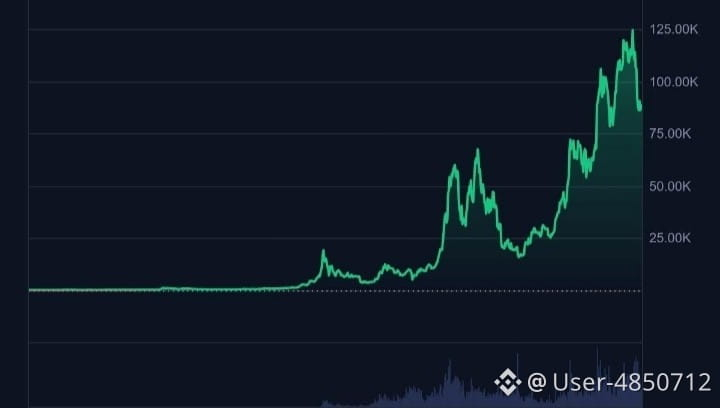
📉 $BTC has recently fallen below the $70,000 level after strong selling pressure and ETF outflows.
⚠️ Market sentiment has weakened as investors shift some capital toward AI-related stocks and other sectors.
🛡️ Major support is around $68,000–$70,000, while resistance is near $74,000–$75,000.
📊 Despite short-term volatility, long-term $BTC adoption and institutional interest remain important bullish factors.
#Bitcoinhaving #USClarityActAdvancesToSenateAgenda
#BitcoinMaximalism
{spot}(BTCUSDT)
Points
📉 $BTC has recently fallen below the $70,000 level after strong selling pressure and ETF outflows.
⚠️ Market sentiment has weakened as investors shift some capital toward AI-related stocks and other sectors.
🛡️ Major support is around $68,000–$70,000, while resistance is near $74,000–$75,000.
📊 Despite short-term volatility, long-term $BTC adoption and institutional interest remain important bullish factors.
#Bitcoinhaving #USClarityActAdvancesToSenateAgenda
#BitcoinMaximalism
📉 $BTC has recently fallen below the $70,000 level after strong selling pressure and ETF outflows.
⚠️ Market sentiment has weakened as investors shift some capital toward AI-related stocks and other sectors.
🛡️ Major support is around $68,000–$70,000, while resistance is near $74,000–$75,000.
📊 Despite short-term volatility, long-term $BTC adoption and institutional interest remain important bullish factors.
#Bitcoinhaving #USClarityActAdvancesToSenateAgenda
#BitcoinMaximalism
80

·
--
🚨 BTC 早期收盘价格 👀
🔸 2010:$0.30
🔸 2011:$4.70
🔸 2012:$13
🔸 2013:$805 🔥
🔸 2014:$320
🔸 2015:$430
🔸 2016:$960
🔸 2017:$14,000 🚀
🔸 2018:$3,700 🩸
🔸 2019:$7,200
🔸 2020:$28,900
🔸 2021:$46,300
🔸 2022:$16,500 😭
🔸 2023:$42,200
🔸 2024:👀
🔸 2025:?🚀
从几美分…
到改变全球金融市场 ⚡
$BTC 依然是加密世界的王者 👑
问题来了:
你认为 BTC 下一轮会到多少?👇🔥
#BTC、 #BitcoinMaximalism #Crypto #BullRun $BTC
🚨 BTC 早期收盘价格 👀
🔸 2010:$0.30
🔸 2011:$4.70
🔸 2012:$13
🔸 2013:$805 🔥
🔸 2014:$320
🔸 2015:$430
🔸 2016:$960
🔸 2017:$14,000 🚀
🔸 2018:$3,700 🩸
🔸 2019:$7,200
🔸 2020:$28,900
🔸 2021:$46,300
🔸 2022:$16,500 😭
🔸 2023:$42,200
🔸 2024:👀
🔸 2025:?🚀
从几美分…
到改变全球金融市场 ⚡
$BTC 依然是加密世界的王者 👑
问题来了:
你认为 BTC 下一轮会到多少?👇🔥
#BTC、 #BitcoinMaximalism #Crypto #BullRun $BTC
🔸 2010:$0.30
🔸 2011:$4.70
🔸 2012:$13
🔸 2013:$805 🔥
🔸 2014:$320
🔸 2015:$430
🔸 2016:$960
🔸 2017:$14,000 🚀
🔸 2018:$3,700 🩸
🔸 2019:$7,200
🔸 2020:$28,900
🔸 2021:$46,300
🔸 2022:$16,500 😭
🔸 2023:$42,200
🔸 2024:👀
🔸 2025:?🚀
从几美分…
到改变全球金融市场 ⚡
$BTC 依然是加密世界的王者 👑
问题来了:
你认为 BTC 下一轮会到多少?👇🔥
#BTC、 #BitcoinMaximalism #Crypto #BullRun $BTC

54
🚨 Fed Minutes Just Turned The Market Nervous Again 👀🏦
The latest Fed signals suggest interest rates could stay higher for longer ⚡
And markets reacted FAST 😭
📉 Stocks shaking
₿ Bitcoin volatility rising
💰 Traders becoming cautious again
One sentence from the Federal Reserve...
Can move the entire global market 👀
Crypto traders love liquidity 🚀
But hawkish policy usually brings fear back into the market.
Now the big question:
Will the Fed slow the bull run... or just create another buying opportunity? 👇
#BitcoinMaximalism #Crypto #Fed $XRP $SOL
🚨 Fed Minutes Just Turned The Market Nervous Again 👀🏦
The latest Fed signals suggest interest rates could stay higher for longer ⚡
And markets reacted FAST 😭
📉 Stocks shaking
₿ Bitcoin volatility rising
💰 Traders becoming cautious again
One sentence from the Federal Reserve...
Can move the entire global market 👀
Crypto traders love liquidity 🚀
But hawkish policy usually brings fear back into the market.
Now the big question:
Will the Fed slow the bull run... or just create another buying opportunity? 👇
#BitcoinMaximalism #Crypto #Fed $XRP $SOL
The latest Fed signals suggest interest rates could stay higher for longer ⚡
And markets reacted FAST 😭
📉 Stocks shaking
₿ Bitcoin volatility rising
💰 Traders becoming cautious again
One sentence from the Federal Reserve...
Can move the entire global market 👀
Crypto traders love liquidity 🚀
But hawkish policy usually brings fear back into the market.
Now the big question:
Will the Fed slow the bull run... or just create another buying opportunity? 👇
#BitcoinMaximalism #Crypto #Fed $XRP $SOL

179
·
--
Haussier
🚨 SPACEX + BITCOIN = INSTITUTIONAL ADOPTION ENTERS A NEW PHASE 🟠🚀
This is bigger than a headline…
🚀 SpaceX goes public
🟠 Massive BTC exposure enters traditional markets
💰 Passive investors may now hold indirect Bitcoin exposure without even buying BTC
Market signal? 👇
The narrative is shifting from:
❌ “Should institutions buy Bitcoin?”
to
✅ “How much Bitcoin exposure already exists?”
If mega-cap balance sheets keep adding BTC:
📈 Demand rises
⚡ Supply tightens
🔥 Long-term conviction gets stronger
The biggest moves happen when the crowd notices too late. 👀
Watch closely:
• BTC dominance
• ETF flows
• Institutional accumulation
• Market sentiment shift
Community vote👇
🚀 BTC six figures next
⚡ Slow accumulation
💀 Overhyped narrative
#BitcoinMaximalism $SPCX
🚨 SPACEX + BITCOIN = INSTITUTIONAL ADOPTION ENTERS A NEW PHASE 🟠🚀
This is bigger than a headline…
🚀 SpaceX goes public
🟠 Massive BTC exposure enters traditional markets
💰 Passive investors may now hold indirect Bitcoin exposure without even buying BTC
Market signal? 👇
The narrative is shifting from:
❌ “Should institutions buy Bitcoin?”
to
✅ “How much Bitcoin exposure already exists?”
If mega-cap balance sheets keep adding BTC:
📈 Demand rises
⚡ Supply tightens
🔥 Long-term conviction gets stronger
The biggest moves happen when the crowd notices too late. 👀
Watch closely:
• BTC dominance
• ETF flows
• Institutional accumulation
• Market sentiment shift
Community vote👇
🚀 BTC six figures next
⚡ Slow accumulation
💀 Overhyped narrative
#BitcoinMaximalism $SPCX
This is bigger than a headline…
🚀 SpaceX goes public
🟠 Massive BTC exposure enters traditional markets
💰 Passive investors may now hold indirect Bitcoin exposure without even buying BTC
Market signal? 👇
The narrative is shifting from:
❌ “Should institutions buy Bitcoin?”
to
✅ “How much Bitcoin exposure already exists?”
If mega-cap balance sheets keep adding BTC:
📈 Demand rises
⚡ Supply tightens
🔥 Long-term conviction gets stronger
The biggest moves happen when the crowd notices too late. 👀
Watch closely:
• BTC dominance
• ETF flows
• Institutional accumulation
• Market sentiment shift
Community vote👇
🚀 BTC six figures next
⚡ Slow accumulation
💀 Overhyped narrative
#BitcoinMaximalism $SPCX
340

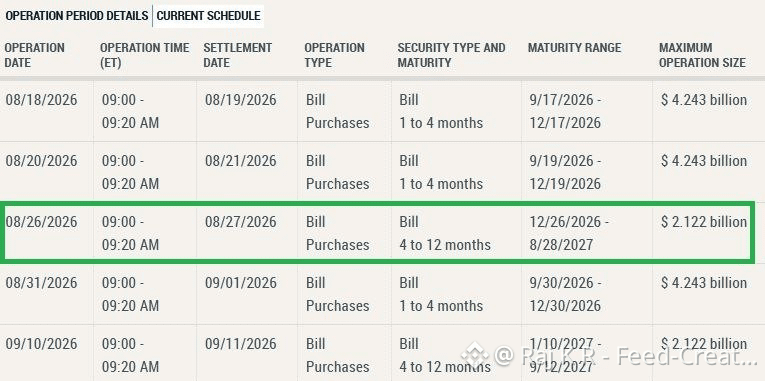
🏮BREAKING: 🇺🇸 Fed to inject $2.122B into the economy today.
#BTC #ETH Big pump coming $
#SECSendsCryptoCustodyRuleToWhiteHouse #BitcoinFaces$6.4BOptionsExpiry #BitcoinMaximalism
🏮BREAKING: 🇺🇸 Fed to inject $2.122B into the economy today.
#BTC #ETH Big pump coming $
#SECSendsCryptoCustodyRuleToWhiteHouse #BitcoinFaces$6.4BOptionsExpiry #BitcoinMaximalism
#BTC #ETH Big pump coming $
#SECSendsCryptoCustodyRuleToWhiteHouse #BitcoinFaces$6.4BOptionsExpiry #BitcoinMaximalism
1
104

BITCOIN BREAKS $77K — Is This the Start of the Real Bull Run?Bitcoin just smashed through $77,000 and the entire crypto market is buzzing on Binance Square right now.
According to latest market data, BTC surged as Iran reopened the Strait of Hormuz, easing global oil and geopolitical tensions. At the same time, Charles Schwab announced the rollout of spot crypto trading for its millions of clients — bringing traditional finance deeper into crypto than ever before.
Key Highlights Today:
BTC Price Action: Broke $77K resistance → Currently hovering near $76,500–$77,200. Many traders calling this the "middle of the bull market" pattern repeating from 2025.Altcoin Recovery Signals? → Several altcoins pumping together after days of consolidation. Is the rotation finally here?Charles Schwab Goes Crypto → One of America’s biggest brokerages launching spot trading. Expect massive institutional inflows in the coming weeks.Kelp DAO Exploit Drama → $292M ETH exploit hits AAVE hard (-19% today). Liquidity crisis alert — always DYOR on DeFi plays!Fed Rate Cut Odds Rising → Softer US data boosting expectations for easier money → Classic risk-on fuel for crypto.Market cap now sits at $2.54T–$2.58T with healthy 24h gains.
What’s Next?
Will Bitcoin push toward $80K this week?
Or is this another fake out before a healthy correction?
Bullish on BTC?
Al season loading?
Or cautious because of recent exploits?
Drop your price predictions and favorite plays in the comments 👇
I’m watching $COMBO (already +157% today) and the broader altcoin rotation very closely.
#BitcoinMaximalism #BTC #cryptonewstoday #BinanceSquare #muhammadajmal_0
$BTC
{spot}(BTCUSDT)
BITCOIN BREAKS $77K — Is This the Start of the Real Bull Run?
Bitcoin just smashed through $77,000 and the entire crypto market is buzzing on Binance Square right now.
According to latest market data, BTC surged as Iran reopened the Strait of Hormuz, easing global oil and geopolitical tensions. At the same time, Charles Schwab announced the rollout of spot crypto trading for its millions of clients — bringing traditional finance deeper into crypto than ever before.
Key Highlights Today:
BTC Price Action: Broke $77K resistance → Currently hovering near $76,500–$77,200. Many traders calling this the "middle of the bull market" pattern repeating from 2025.Altcoin Recovery Signals? → Several altcoins pumping together after days of consolidation. Is the rotation finally here?Charles Schwab Goes Crypto → One of America’s biggest brokerages launching spot trading. Expect massive institutional inflows in the coming weeks.Kelp DAO Exploit Drama → $292M ETH exploit hits AAVE hard (-19% today). Liquidity crisis alert — always DYOR on DeFi plays!Fed Rate Cut Odds Rising → Softer US data boosting expectations for easier money → Classic risk-on fuel for crypto.Market cap now sits at $2.54T–$2.58T with healthy 24h gains.
What’s Next?
Will Bitcoin push toward $80K this week?
Or is this another fake out before a healthy correction?
Bullish on BTC?
Al season loading?
Or cautious because of recent exploits?
Drop your price predictions and favorite plays in the comments 👇
I’m watching $COMBO (already +157% today) and the broader altcoin rotation very closely.
#BitcoinMaximalism #BTC #cryptonewstoday #BinanceSquare #muhammadajmal_0
$BTC
According to latest market data, BTC surged as Iran reopened the Strait of Hormuz, easing global oil and geopolitical tensions. At the same time, Charles Schwab announced the rollout of spot crypto trading for its millions of clients — bringing traditional finance deeper into crypto than ever before.
Key Highlights Today:
BTC Price Action: Broke $77K resistance → Currently hovering near $76,500–$77,200. Many traders calling this the "middle of the bull market" pattern repeating from 2025.Altcoin Recovery Signals? → Several altcoins pumping together after days of consolidation. Is the rotation finally here?Charles Schwab Goes Crypto → One of America’s biggest brokerages launching spot trading. Expect massive institutional inflows in the coming weeks.Kelp DAO Exploit Drama → $292M ETH exploit hits AAVE hard (-19% today). Liquidity crisis alert — always DYOR on DeFi plays!Fed Rate Cut Odds Rising → Softer US data boosting expectations for easier money → Classic risk-on fuel for crypto.Market cap now sits at $2.54T–$2.58T with healthy 24h gains.
What’s Next?
Will Bitcoin push toward $80K this week?
Or is this another fake out before a healthy correction?
Bullish on BTC?
Al season loading?
Or cautious because of recent exploits?
Drop your price predictions and favorite plays in the comments 👇
I’m watching $COMBO (already +157% today) and the broader altcoin rotation very closely.
#BitcoinMaximalism #BTC #cryptonewstoday #BinanceSquare #muhammadajmal_0
$BTC
71
Connectez-vous pour découvrir plus de contenu
Rejoignez la communauté mondiale des adeptes de cryptomonnaies sur Binance Square
⚡️ Suviez les dernières informations importantes sur les cryptomonnaies.
💬 Jugé digne de confiance par la plus grande plateforme d’échange de cryptomonnaies au monde.
👍 Découvrez les connaissances que partagent les créateurs vérifiés.
Adresse e-mail/Nº de téléphone
Sujets d’actualité
1
#EarningsSeason
165,358 vues
1,543 mentions
2
#BitwiseLaunchesFirstSpotNEARETF
3,268 vues
150 mentions
3
#USJobOpeningsFallToFiveMonthLow
5,062 vues
118 mentions
4
#ECBToTestAIAgentsInDigitalEuroPayments
10,042 vues
304 mentions
5
#JapanFSABacksFourthStablecoinTradeSettlementPilot
11,222 vues
355 mentions
6
#BitgetHackerFailsToMoveStolenFunds
24,778 vues
491 mentions
7
#BitMineETHHoldingsTop6Million
23,625 vues
625 mentions
8
#StrategyAdds1666BTCHoldingsReach847666
19,782 vues
438 mentions
9
#NvidiaApproves$150BBuyback
4,130 vues
67 mentions
10
#OpenAIDelaysGPT6.1OverSafetyIssues
32,211 vues
803 mentions