

#a1xo
a1xo
16,664 vues
357 mentions
Populaire
Récents


A1XO
·
--
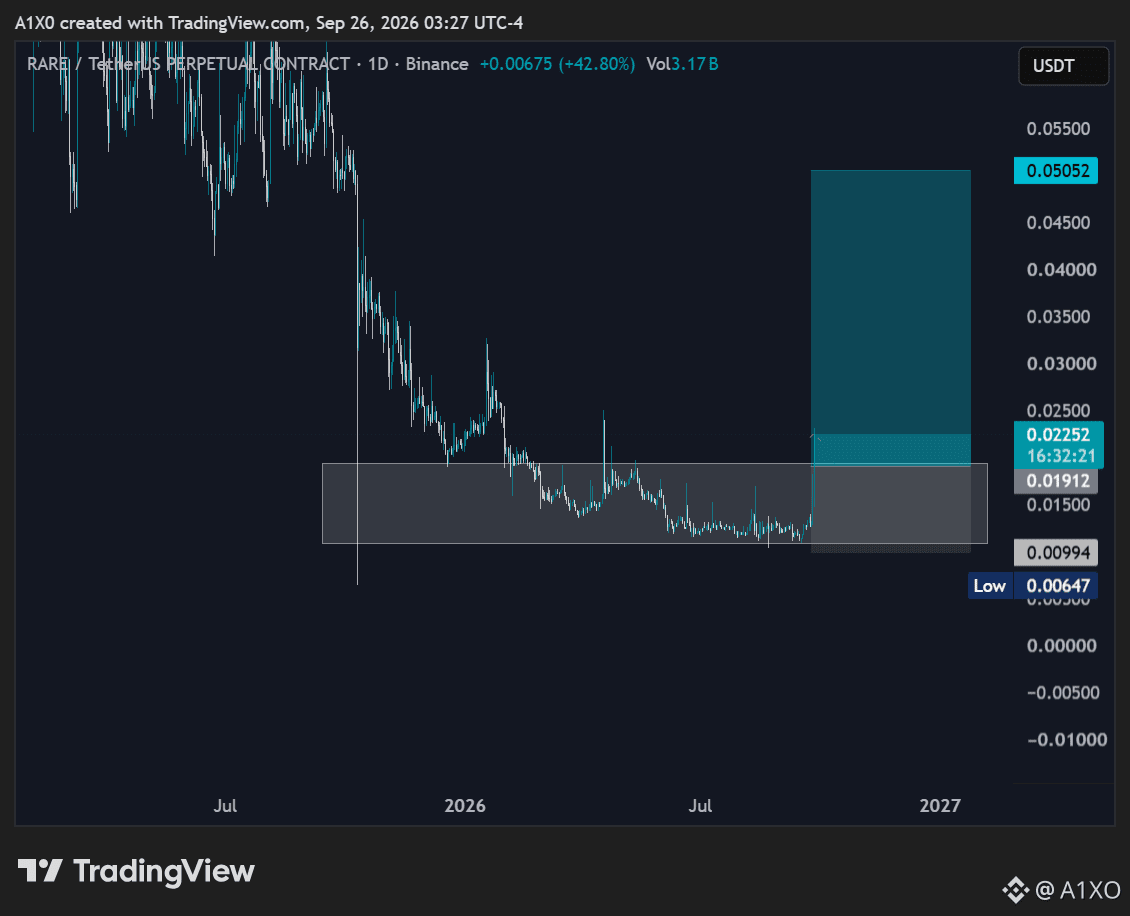
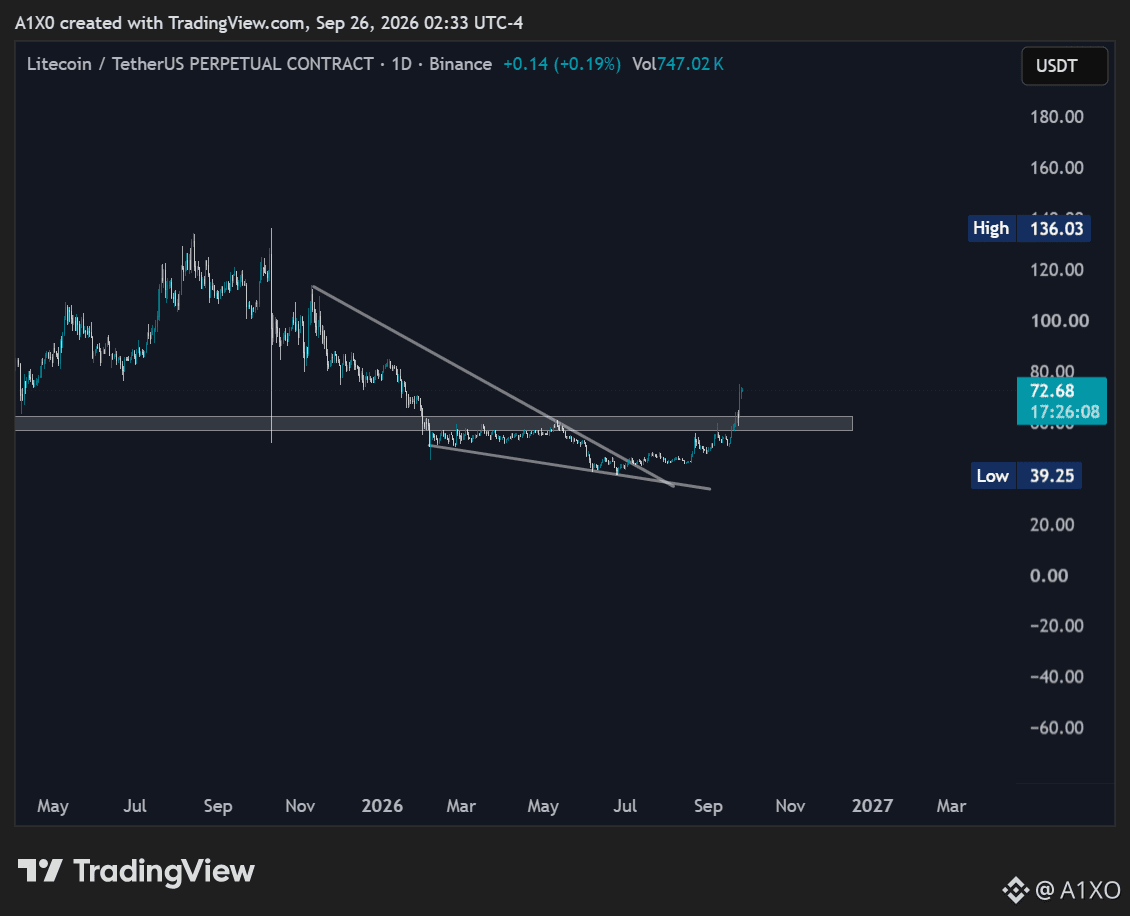
$RARE BUY SETUP. 👀🔥
RARE is breaking out of a long accumulation zone, with $0.05052 as the target. 🎯
I’m watching this one closely. 🚀
#RARE #Crypto #Trading #A1XO
RARE is breaking out of a long accumulation zone, with $0.05052 as the target. 🎯
I’m watching this one closely. 🚀
#RARE #Crypto #Trading #A1XO
A1XO
·
--
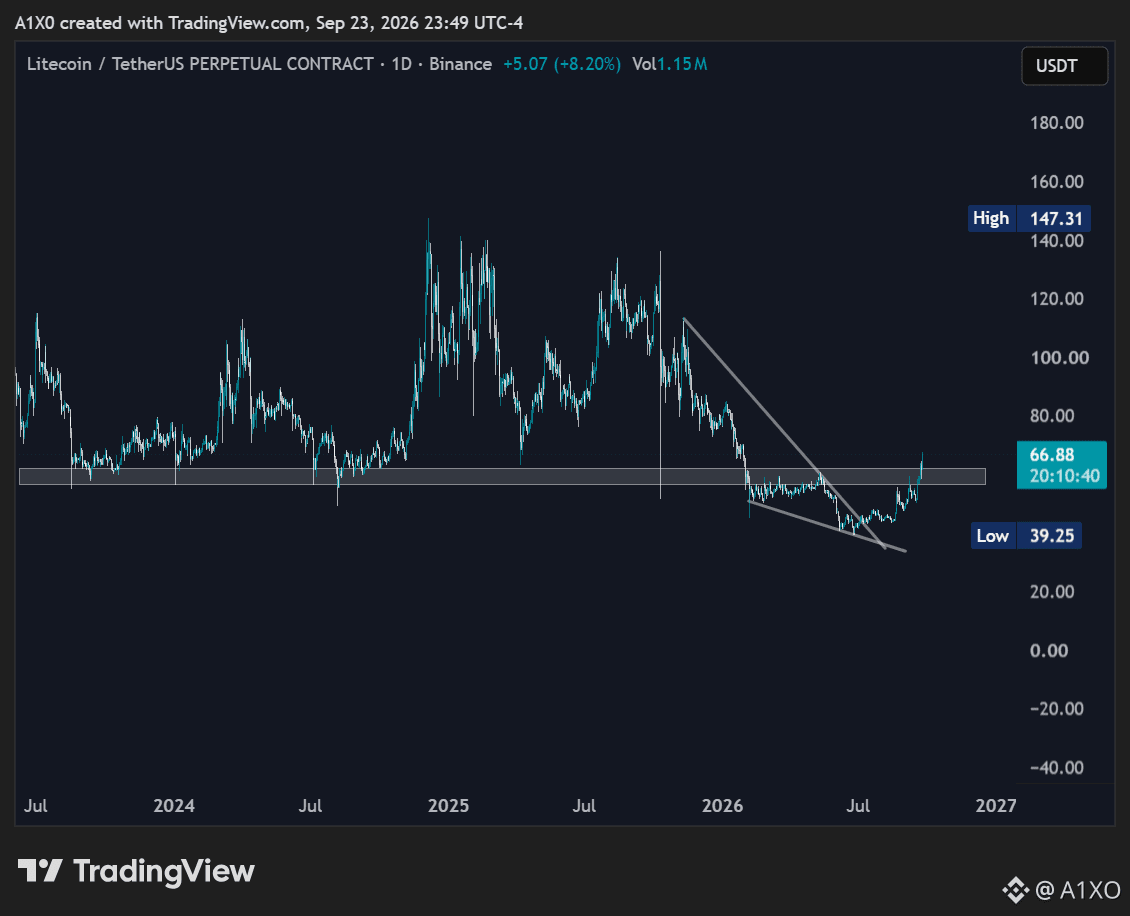
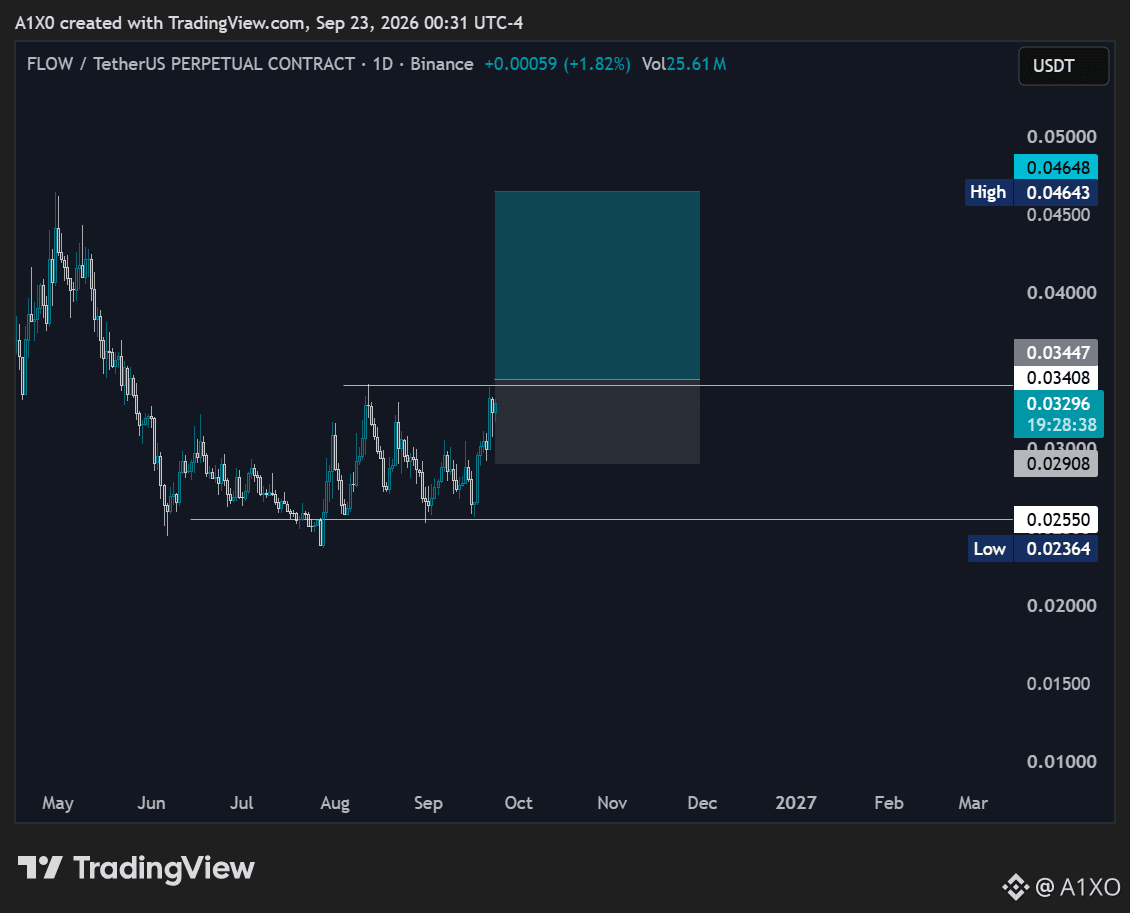
$LTC rally is getting started. 👀🚀
After months of accumulation, LTC is finally waking up.
Now the real question — how far can this move go? 📈
#LTC #crypto #trading #A1XO
After months of accumulation, LTC is finally waking up.
Now the real question — how far can this move go? 📈
#LTC #crypto #trading #A1XO
A1XO
·
--
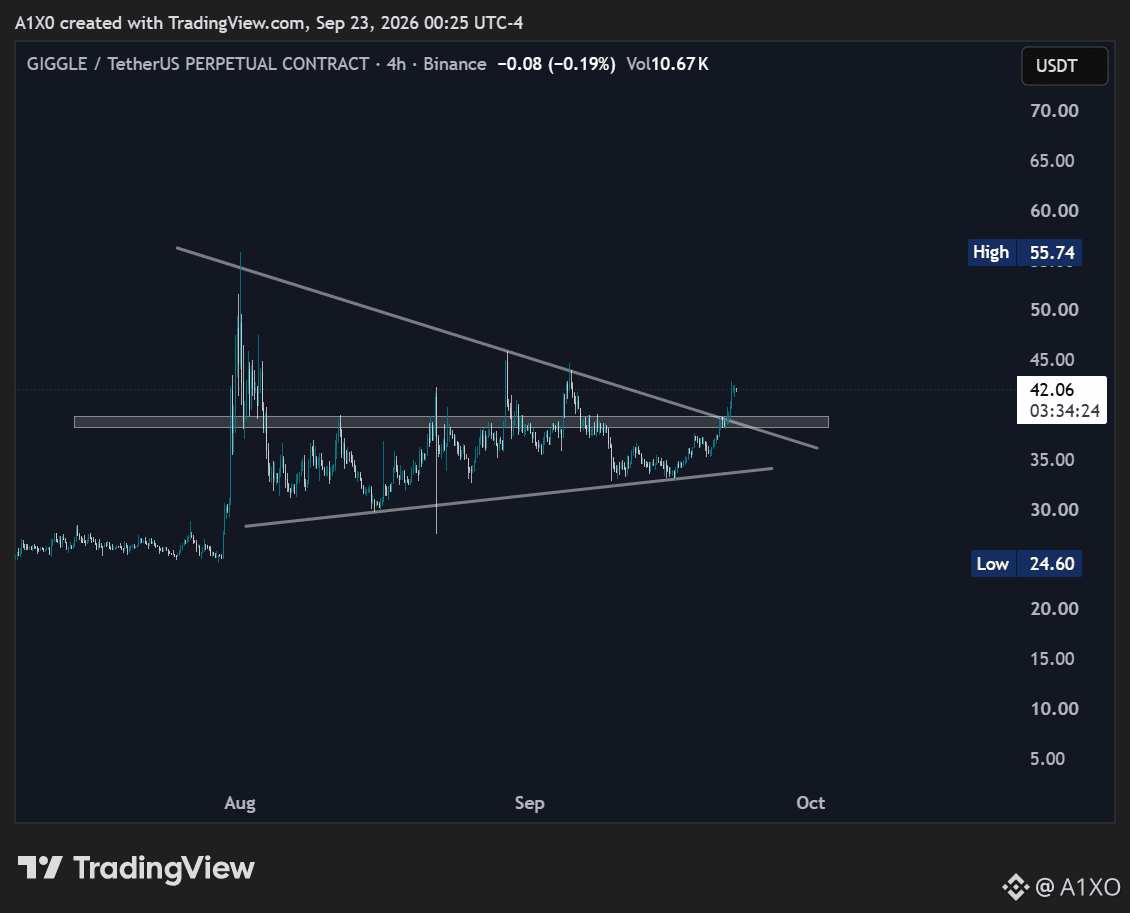
$FLOW BUY SETUP. 👀🔥
FLOW is finally pushing against a key resistance around $0.0340. A clean daily close above this zone could open the way toward $0.04648. 🎯
Invalidation below $0.02908. 📊
#FLOW #Crypto #Trading #A1XO
FLOW is finally pushing against a key resistance around $0.0340. A clean daily close above this zone could open the way toward $0.04648. 🎯
Invalidation below $0.02908. 📊
#FLOW #Crypto #Trading #A1XO
A1XO
·
--
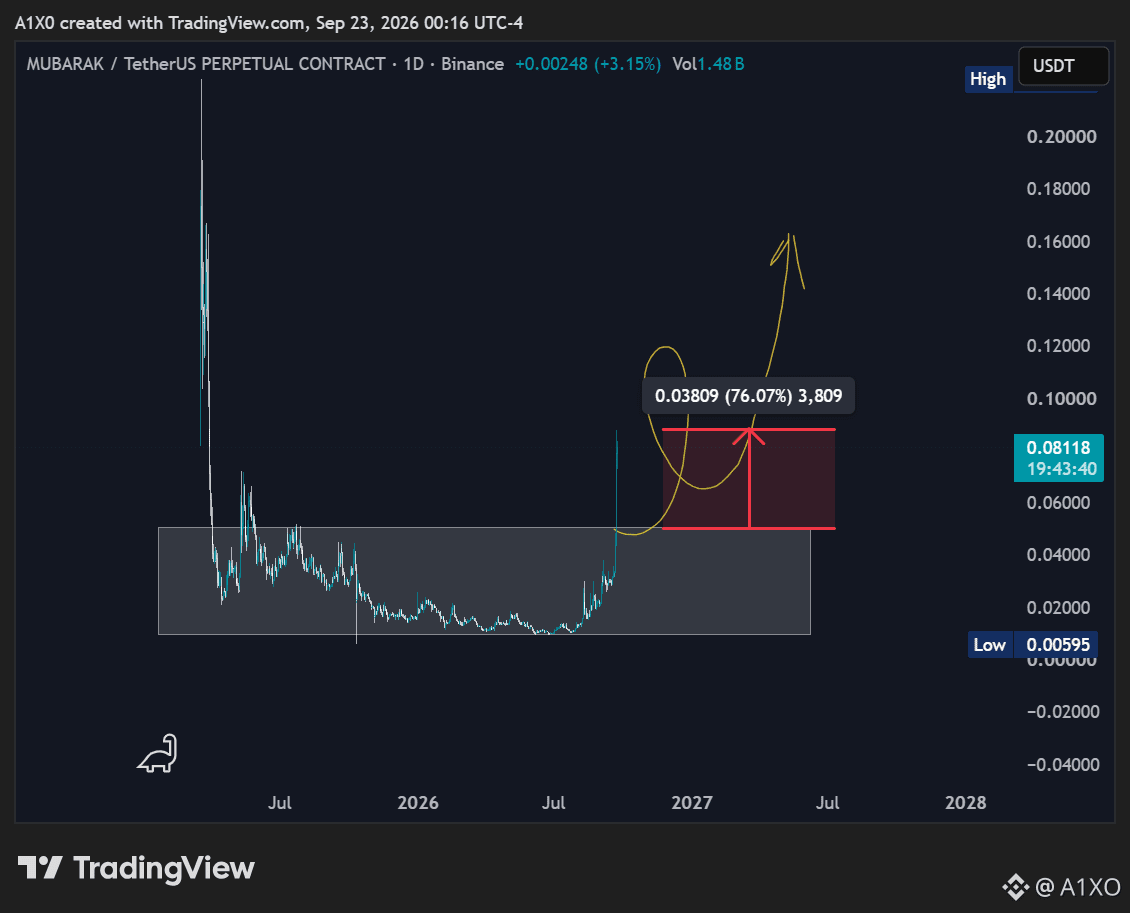
Can $MUBARAK do it? 👀🚀
The breakout is here… now let’s see if it can really fly. 📈🔥
#MUBARAK #Crypto #Trading #A1XO
The breakout is here… now let’s see if it can really fly. 📈🔥
#MUBARAK #Crypto #Trading #A1XO
A1XO
·
--
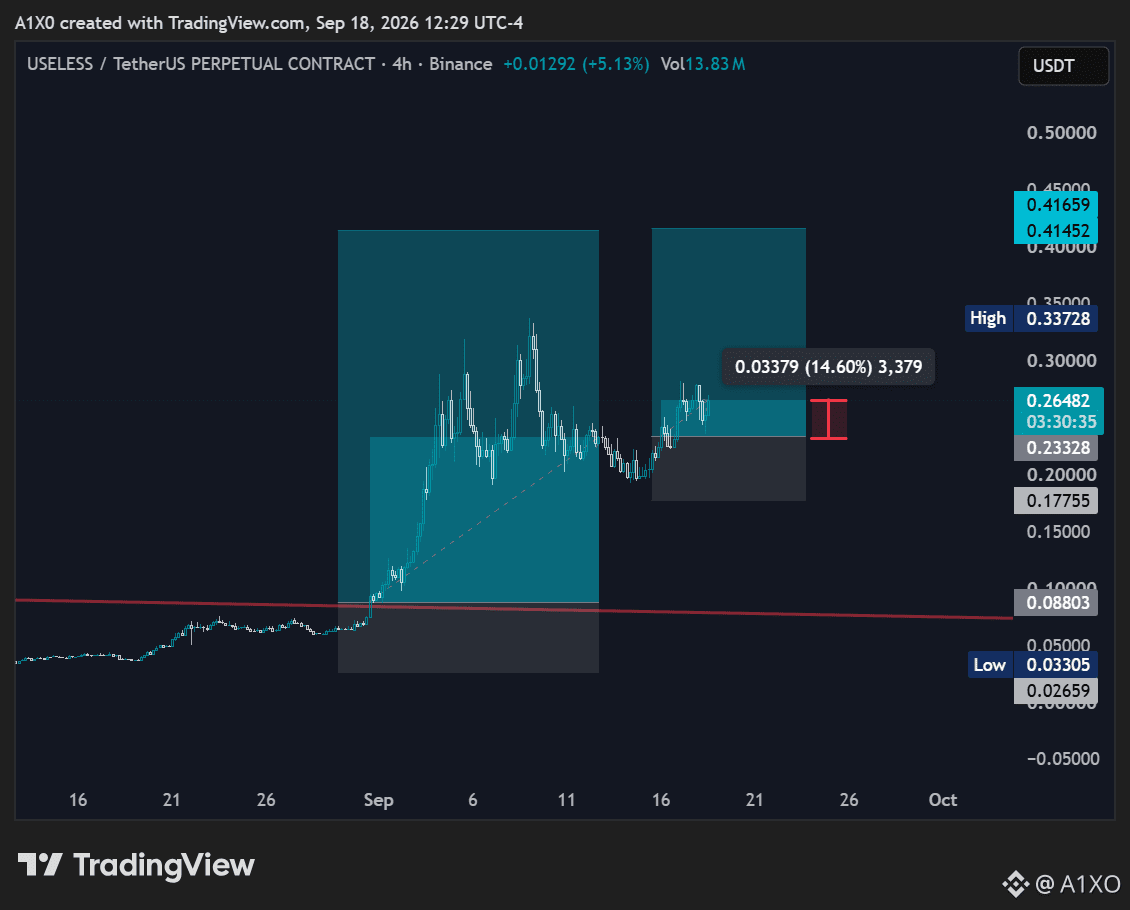
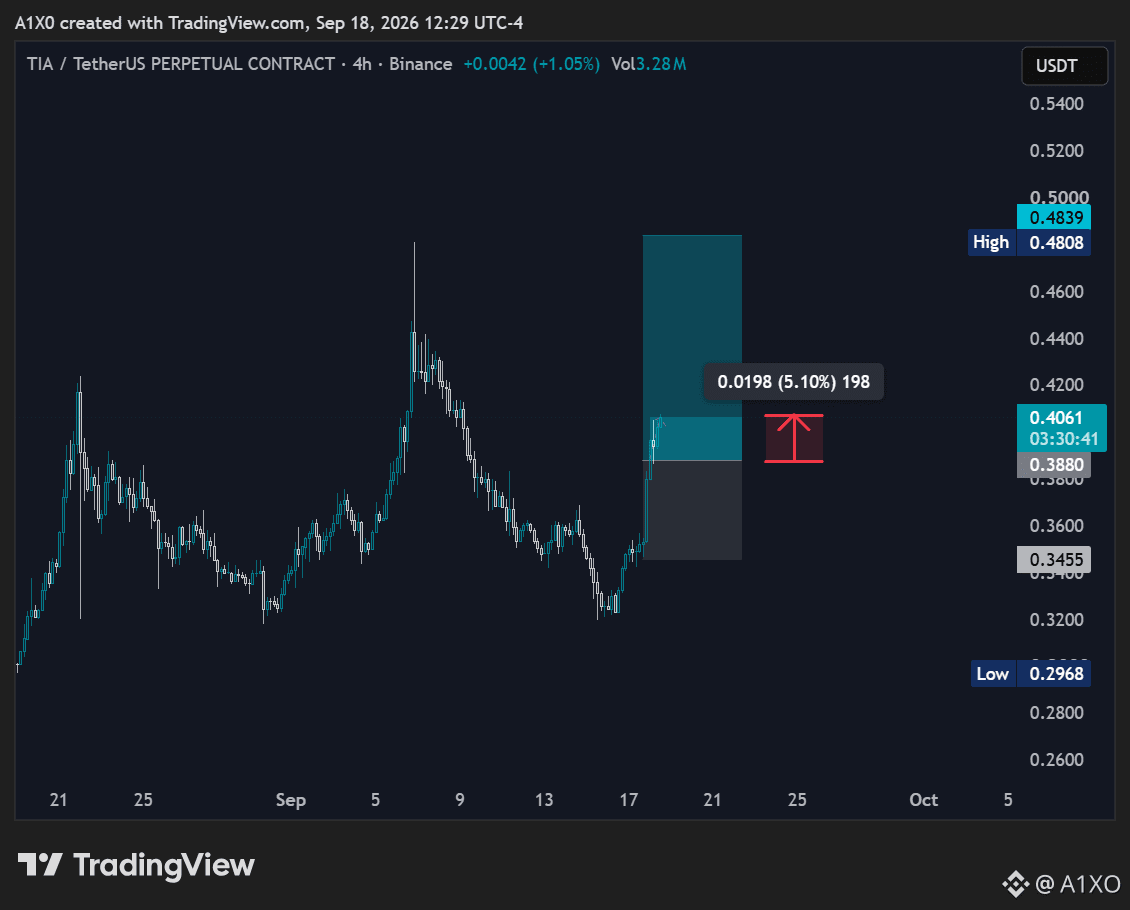
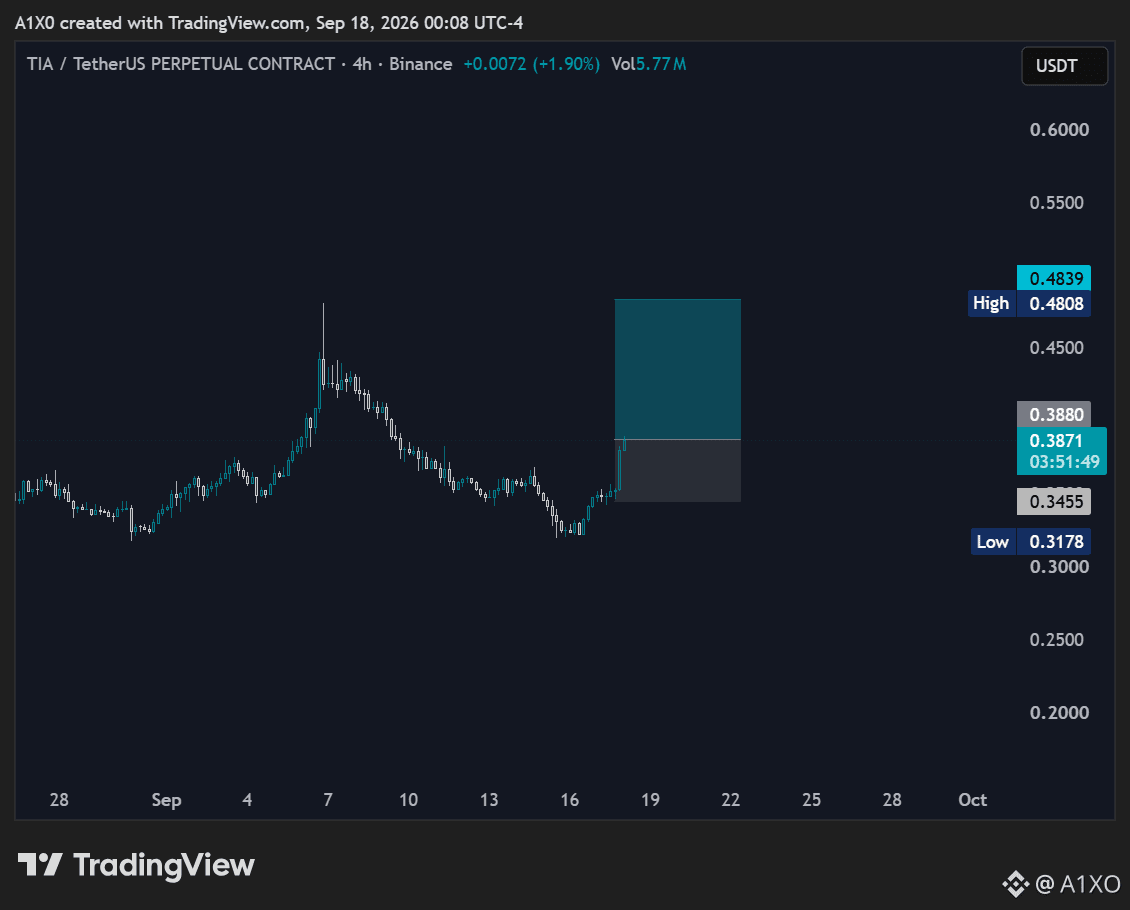
$TIA BUY SETUP. 👀🔥
TIA is breaking higher on the 4H chart. I’m watching for continuation toward $0.4839. 🎯
Invalidation below $0.3455. 📊
#tia #crypto #trading #A1XO
TIA is breaking higher on the 4H chart. I’m watching for continuation toward $0.4839. 🎯
Invalidation below $0.3455. 📊
#tia #crypto #trading #A1XO
A1XO
·
--
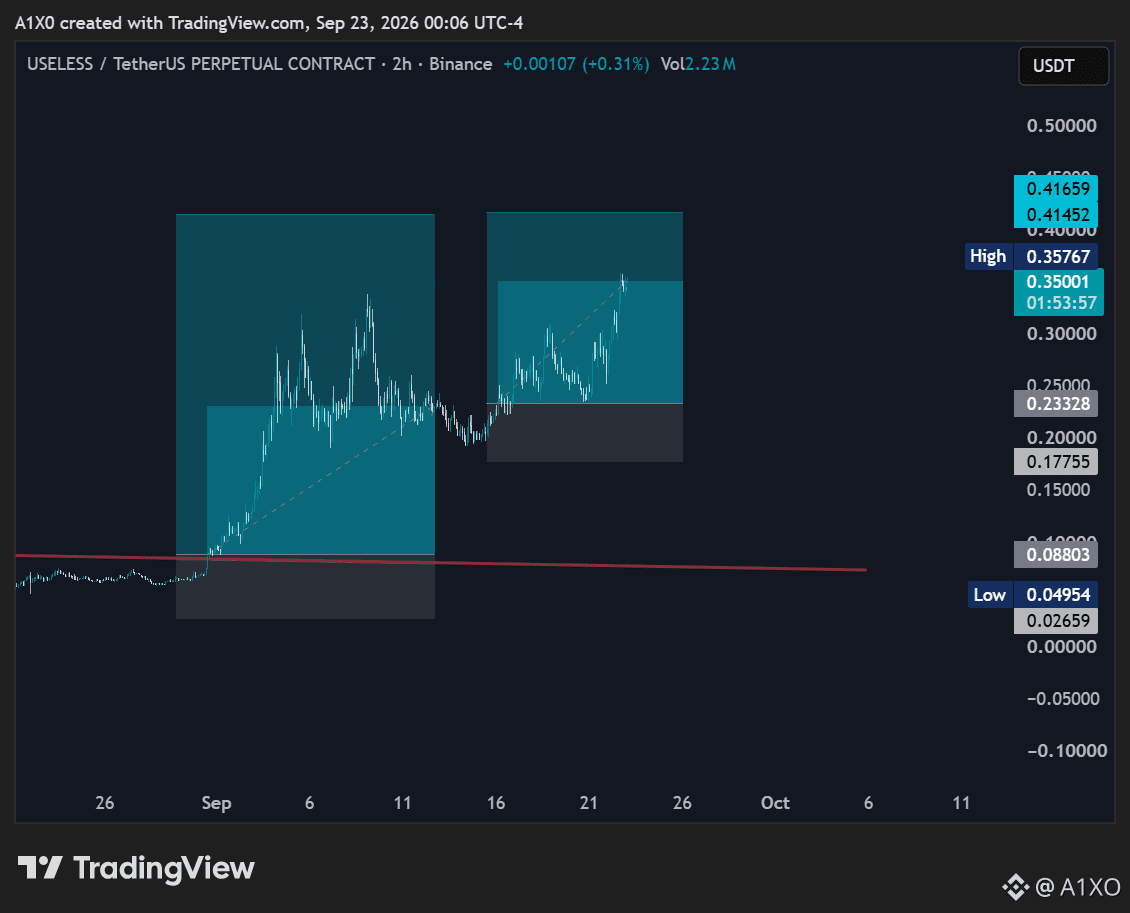
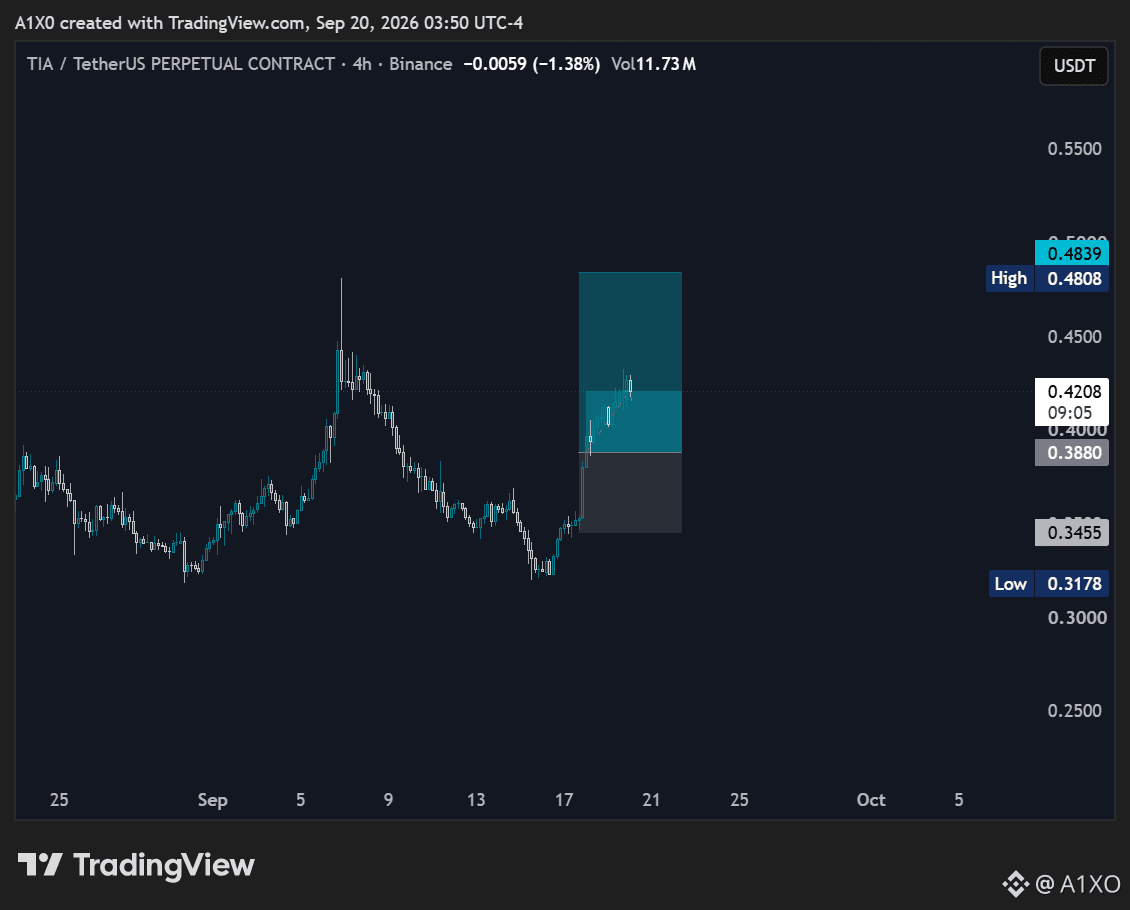
$USELESS CAN BE USEFUL AGAIN. 👀🔥
Our first setup already delivered a great move. Now USELESS is giving us another setup, with $0.41452 back in focus. 🎯
Same coin. New opportunity. 🚀
#useless #crypto #trading #A1XO
Our first setup already delivered a great move. Now USELESS is giving us another setup, with $0.41452 back in focus. 🎯
Same coin. New opportunity. 🚀
#useless #crypto #trading #A1XO
A1XO
·
--
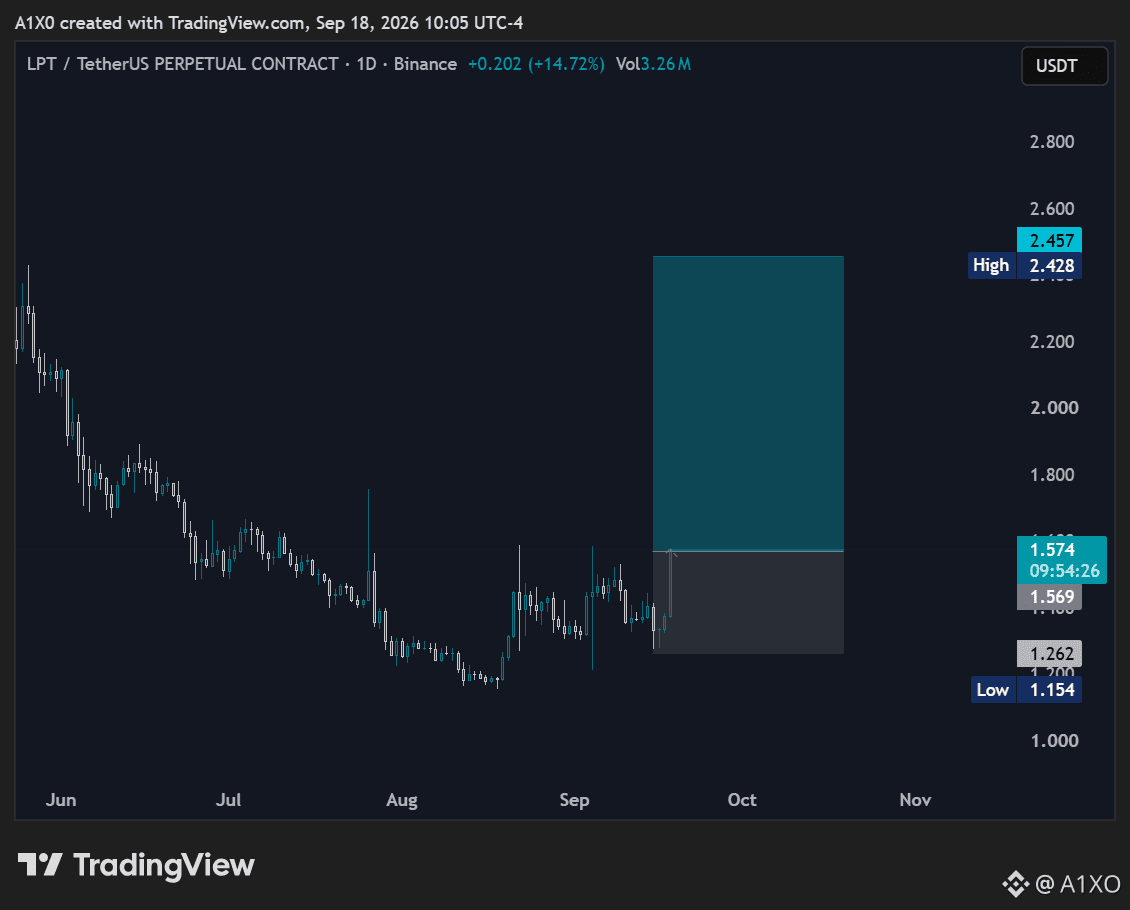
$TIA BUY SETUP. 👀🔥
TIA is breaking higher on the 4H chart. I’m watching for continuation toward $0.4839. 🎯
Invalidation below $0.3455. 📊
#tia #crypto #trading #A1XO
TIA is breaking higher on the 4H chart. I’m watching for continuation toward $0.4839. 🎯
Invalidation below $0.3455. 📊
#tia #crypto #trading #A1XO
A1XO
·
--
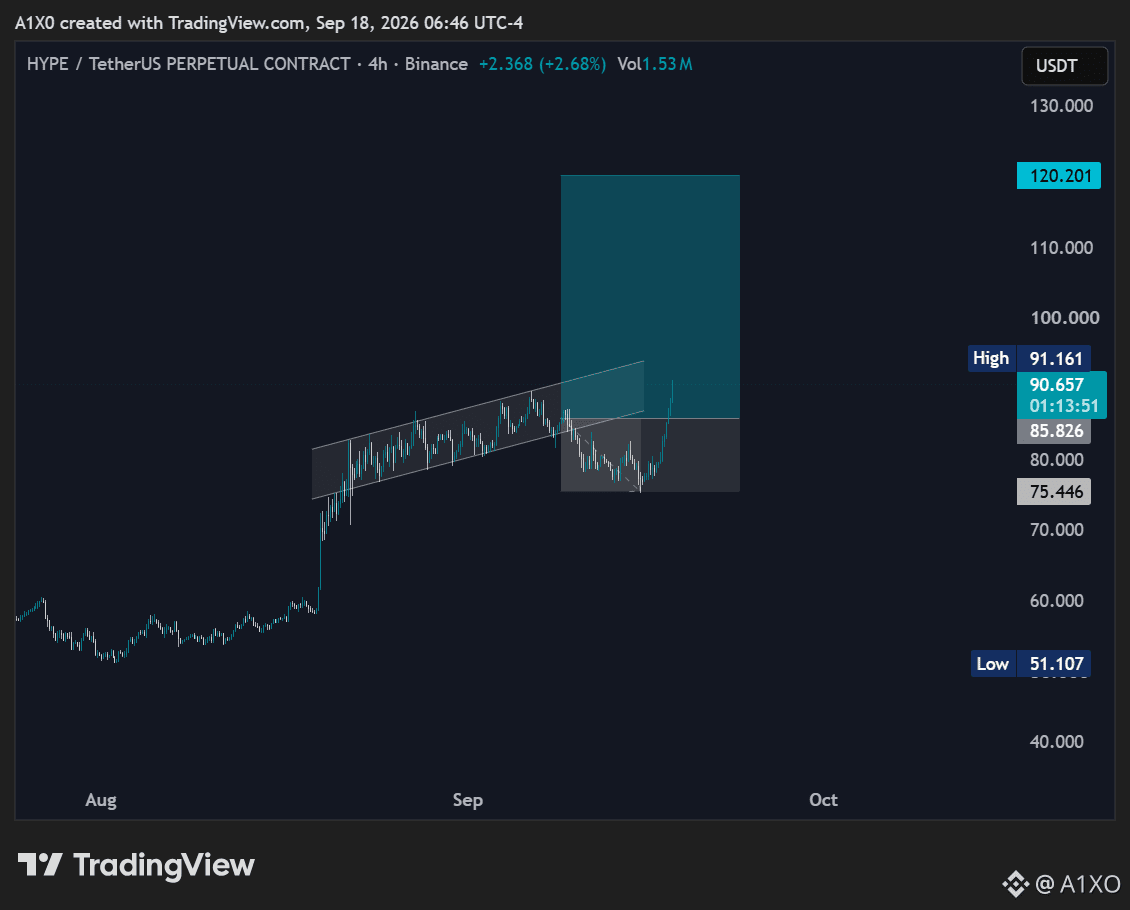
$HYPE setting up for a massive move. 🚀
Price has been building a base above 85.75 support. This looks like accumulation before the next leg up.
Entry: Current levels
🎯 Target: 120.00
❌ Invalidation: Below 75.44
Structure is holding. Now we wait for momentum to confirm.
Who's watching this one? 👀
#hype #altcoins #cryptotrading #A1XO
Price has been building a base above 85.75 support. This looks like accumulation before the next leg up.
Entry: Current levels
🎯 Target: 120.00
❌ Invalidation: Below 75.44
Structure is holding. Now we wait for momentum to confirm.
Who's watching this one? 👀
#hype #altcoins #cryptotrading #A1XO
A1XO
·
--
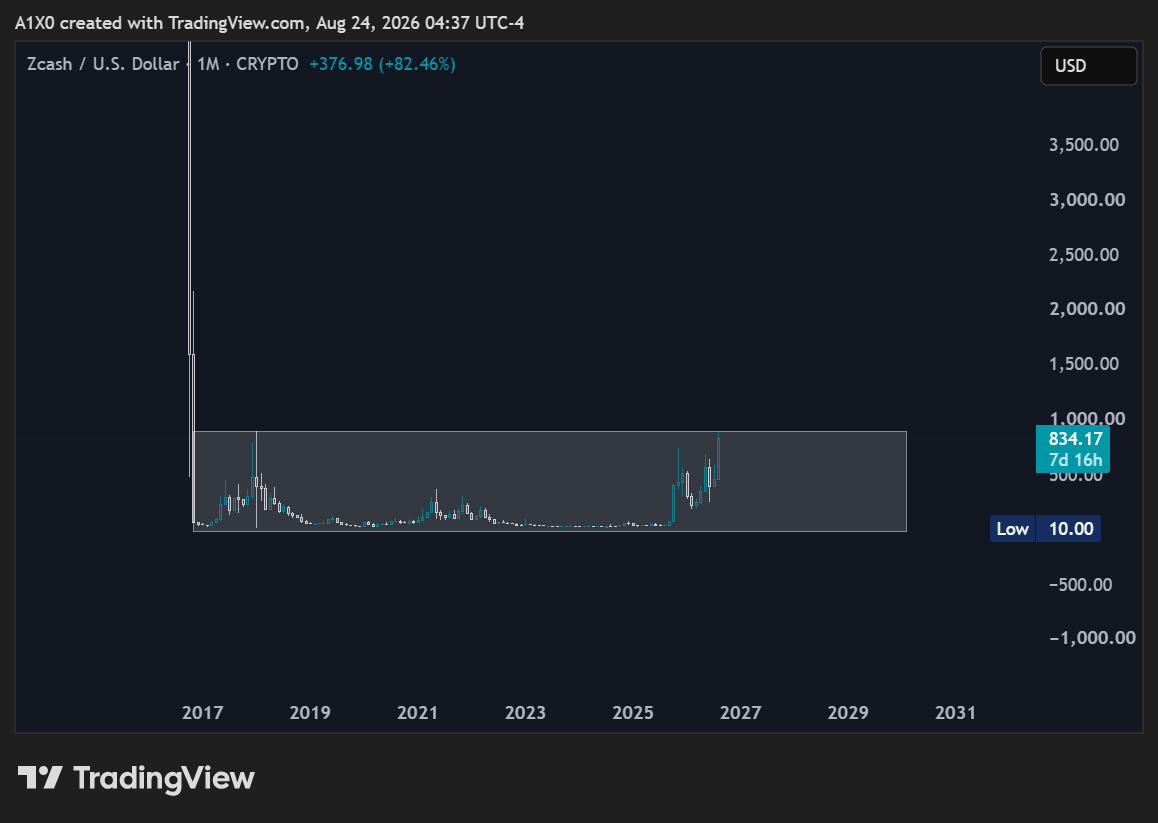
What happens if $ZEC breaks out of this 10-year box? 👀
Honestly… this could get scary.
#zec #crypto #A1XO
Honestly… this could get scary.
#zec #crypto #A1XO
A1XO
·
--
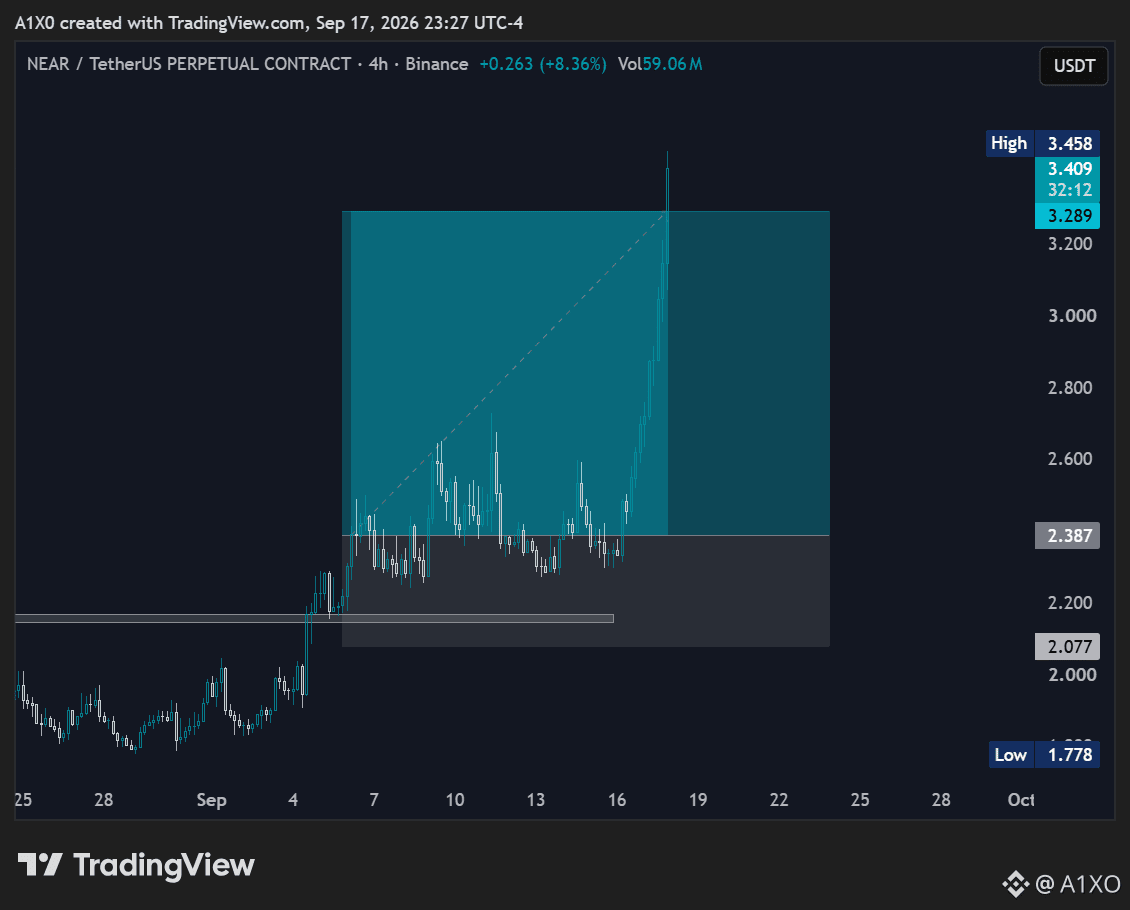
Haussier$NEAR LONG SETUP ACTIVATED. 🚀
The 4H candle has closed above the $2.387 resistance, confirming the breakout.
Our long setup is now active, with $3.289 as the main target. The setup is invalidated below $2.077.
Manage risk accordingly. 👀
$NEAR #Near
#altcoins #cryptotrading #A1XO
The 4H candle has closed above the $2.387 resistance, confirming the breakout.
Our long setup is now active, with $3.289 as the main target. The setup is invalidated below $2.077.
Manage risk accordingly. 👀
$NEAR #Near
#altcoins #cryptotrading #A1XO
Connectez-vous pour découvrir plus de contenu