

#openusd
openusd
10,151 vues
92 mentions
Populaire
Récents


·
--
💵 Open USD Enters the Stablecoin Race
🚀 OUSD Launches
🌐 Open Standard has launched Open USD (OUSD) on Ethereum, Solana, Base, and Tempo.
💳 The stablecoin targets payments, banking, cross-border transfers, settlement, and institutional trading.
🤝 Partner-Driven Model
🏦 Coinbase, Mastercard, Shopify, Stripe, and Visa are its five founding investors.
📈 Open Standard plans to distribute much of its equity over 4–5 years based on partners’ contributions to OUSD growth and activity.
💰 Challenging USDT & USDC
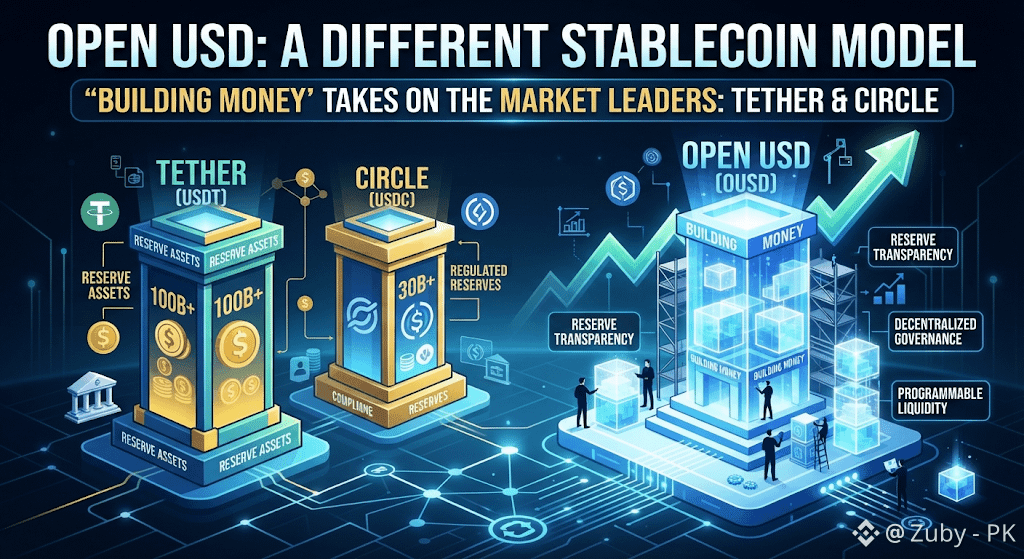
🌎 OUSD enters a $300B+ stablecoin market dominated by Tether’s USDT and Circle’s USDC.
⚡ It also plans to eliminate minting and burning fees, potentially lowering costs for large users.
🔮 Long-Term Vision
🌍 Open Standard aims to make stablecoins a major part of global payments and eventually support hundreds of trillions of dollars in annual money movement.
🏷️#OpenUSD #OUSD #Stablecoins #CryptoPayments #DigitalDollar
💵 Open USD Enters the Stablecoin Race
🚀 OUSD Launches
🌐 Open Standard has launched Open USD (OUSD) on Ethereum, Solana, Base, and Tempo.
💳 The stablecoin targets payments, banking, cross-border transfers, settlement, and institutional trading.
🤝 Partner-Driven Model
🏦 Coinbase, Mastercard, Shopify, Stripe, and Visa are its five founding investors.
📈 Open Standard plans to distribute much of its equity over 4–5 years based on partners’ contributions to OUSD growth and activity.
💰 Challenging USDT & USDC
🌎 OUSD enters a $300B+ stablecoin market dominated by Tether’s USDT and Circle’s USDC.
⚡ It also plans to eliminate minting and burning fees, potentially lowering costs for large users.
🔮 Long-Term Vision
🌍 Open Standard aims to make stablecoins a major part of global payments and eventually support hundreds of trillions of dollars in annual money movement.
🏷️#OpenUSD #OUSD #Stablecoins #CryptoPayments #DigitalDollar
🚀 OUSD Launches
🌐 Open Standard has launched Open USD (OUSD) on Ethereum, Solana, Base, and Tempo.
💳 The stablecoin targets payments, banking, cross-border transfers, settlement, and institutional trading.
🤝 Partner-Driven Model
🏦 Coinbase, Mastercard, Shopify, Stripe, and Visa are its five founding investors.
📈 Open Standard plans to distribute much of its equity over 4–5 years based on partners’ contributions to OUSD growth and activity.
💰 Challenging USDT & USDC
🌎 OUSD enters a $300B+ stablecoin market dominated by Tether’s USDT and Circle’s USDC.
⚡ It also plans to eliminate minting and burning fees, potentially lowering costs for large users.
🔮 Long-Term Vision
🌍 Open Standard aims to make stablecoins a major part of global payments and eventually support hundreds of trillions of dollars in annual money movement.
🏷️#OpenUSD #OUSD #Stablecoins #CryptoPayments #DigitalDollar
2
4
305

Open USD has launched across four blockchains with over $1 billion in liquidity commitments. The new model links rewards and ownership directly to token supply and usage.
#OpenUSD #LiquidityInjection
Open USD has launched across four blockchains with over $1 billion in liquidity commitments. The new model links rewards and ownership directly to token supply and usage.
#OpenUSD #LiquidityInjection
#OpenUSD #LiquidityInjection
36

·
--
Haussier
🚀 Open Standard Launches Open $USDC ($OUSD) Backed by BlackRock & BNY!
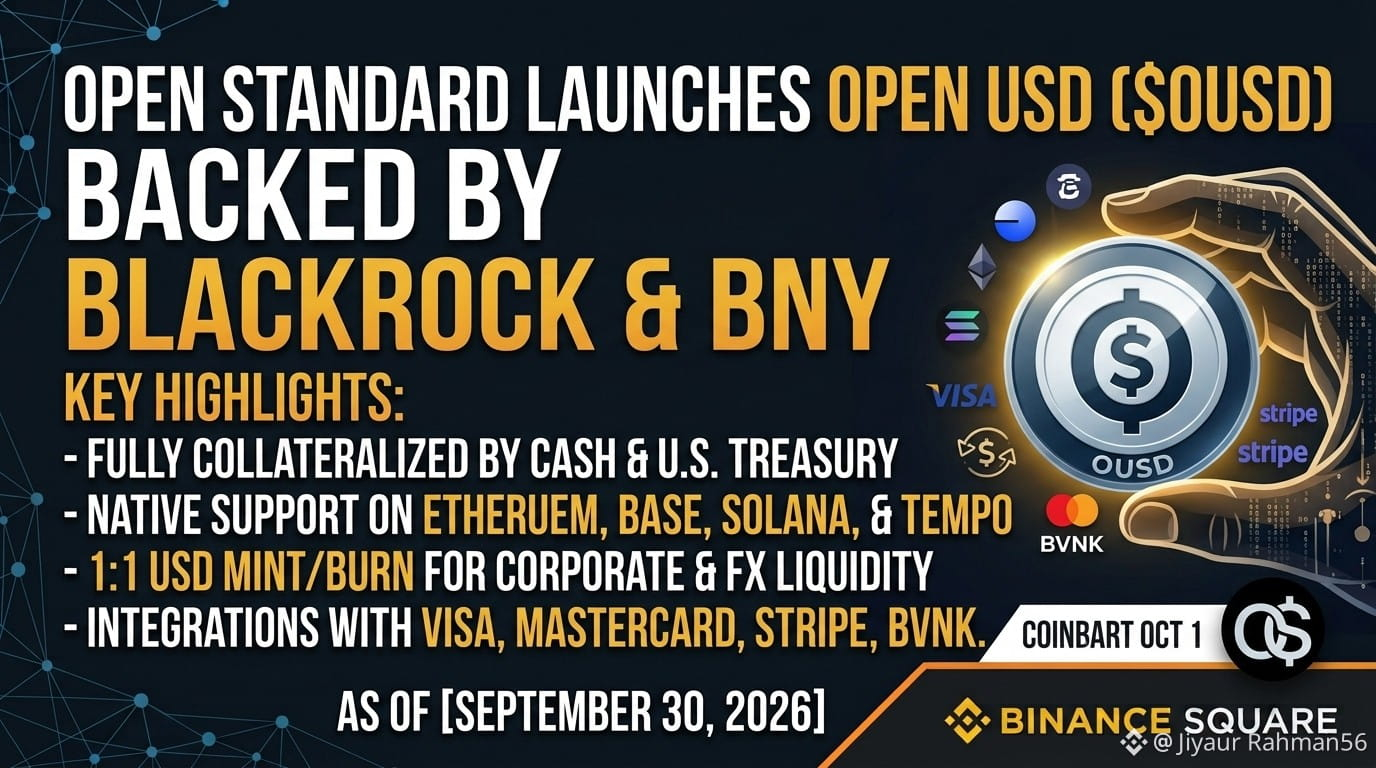
A new institutional-grade stablecoin has officially entered the market. Open Standard has launched Open USD ($OUSD), fully collateralized by cash and U.S. treasury reserves held at BlackRock, BNY Mellon, and Lead Bank.
🔥 Key Highlights:
1:1 USD Conversions: Offers zero-cost minting and burning for corporate treasuries, remittances, and FX liquidity.
Multi-Chain Native: Deployed on Ethereum, Base, Solana, and Tempo networks.
Top-Tier Integrations: Out-of-the-box support with Visa, Mastercard, Stripe, and BVNK.
Coinbase Support: Official integration begins on October 1.
With backing from global financial titans, will $OUSD set a new benchmark for institutional stablecoins?
What are your thoughts on this launch? Share below! 👇
#OpenUSD #OUSD #CryptoNews #BinanceSquare #Web3
{future}(USDCUSDT)
{spot}(USDCUSDT)
🚀 Open Standard Launches Open $USDC ($OUSD) Backed by BlackRock & BNY!
A new institutional-grade stablecoin has officially entered the market. Open Standard has launched Open USD ($OUSD), fully collateralized by cash and U.S. treasury reserves held at BlackRock, BNY Mellon, and Lead Bank.
🔥 Key Highlights:
1:1 USD Conversions: Offers zero-cost minting and burning for corporate treasuries, remittances, and FX liquidity.
Multi-Chain Native: Deployed on Ethereum, Base, Solana, and Tempo networks.
Top-Tier Integrations: Out-of-the-box support with Visa, Mastercard, Stripe, and BVNK.
Coinbase Support: Official integration begins on October 1.
With backing from global financial titans, will $OUSD set a new benchmark for institutional stablecoins?
What are your thoughts on this launch? Share below! 👇
#OpenUSD #OUSD #CryptoNews #BinanceSquare #Web3
A new institutional-grade stablecoin has officially entered the market. Open Standard has launched Open USD ($OUSD), fully collateralized by cash and U.S. treasury reserves held at BlackRock, BNY Mellon, and Lead Bank.
🔥 Key Highlights:
1:1 USD Conversions: Offers zero-cost minting and burning for corporate treasuries, remittances, and FX liquidity.
Multi-Chain Native: Deployed on Ethereum, Base, Solana, and Tempo networks.
Top-Tier Integrations: Out-of-the-box support with Visa, Mastercard, Stripe, and BVNK.
Coinbase Support: Official integration begins on October 1.
With backing from global financial titans, will $OUSD set a new benchmark for institutional stablecoins?
What are your thoughts on this launch? Share below! 👇
#OpenUSD #OUSD #CryptoNews #BinanceSquare #Web3
47
Article
Pi Network se une al consorcio Open USD!🚨 UN PASO HISTÓRICO EN EL ECOSISTEMA DE FINANZAS GLOBALES Y WEB3: ¡Pi Network se une al consorcio Open USD! 🌐
Se ha producido un avance trascendental en la intersección entre los gigantes de las finanzas tradicionales y las tecnologías descentralizadas. A partir del 29 de septiembre de 2026, Pi Network ocupa su lugar en la lista oficial de "Socios del Ecosistema" de Open USD (OUSD), una *stablecoin* (moneda estable) de próxima generación. Entonces, ¿qué significa esta inclusión histórica para el futuro institucional de Pi? A continuación, exploramos todos los detalles. 👇
🏛️ ¿Qué es Open USD (OUSD) y quién está detrás?
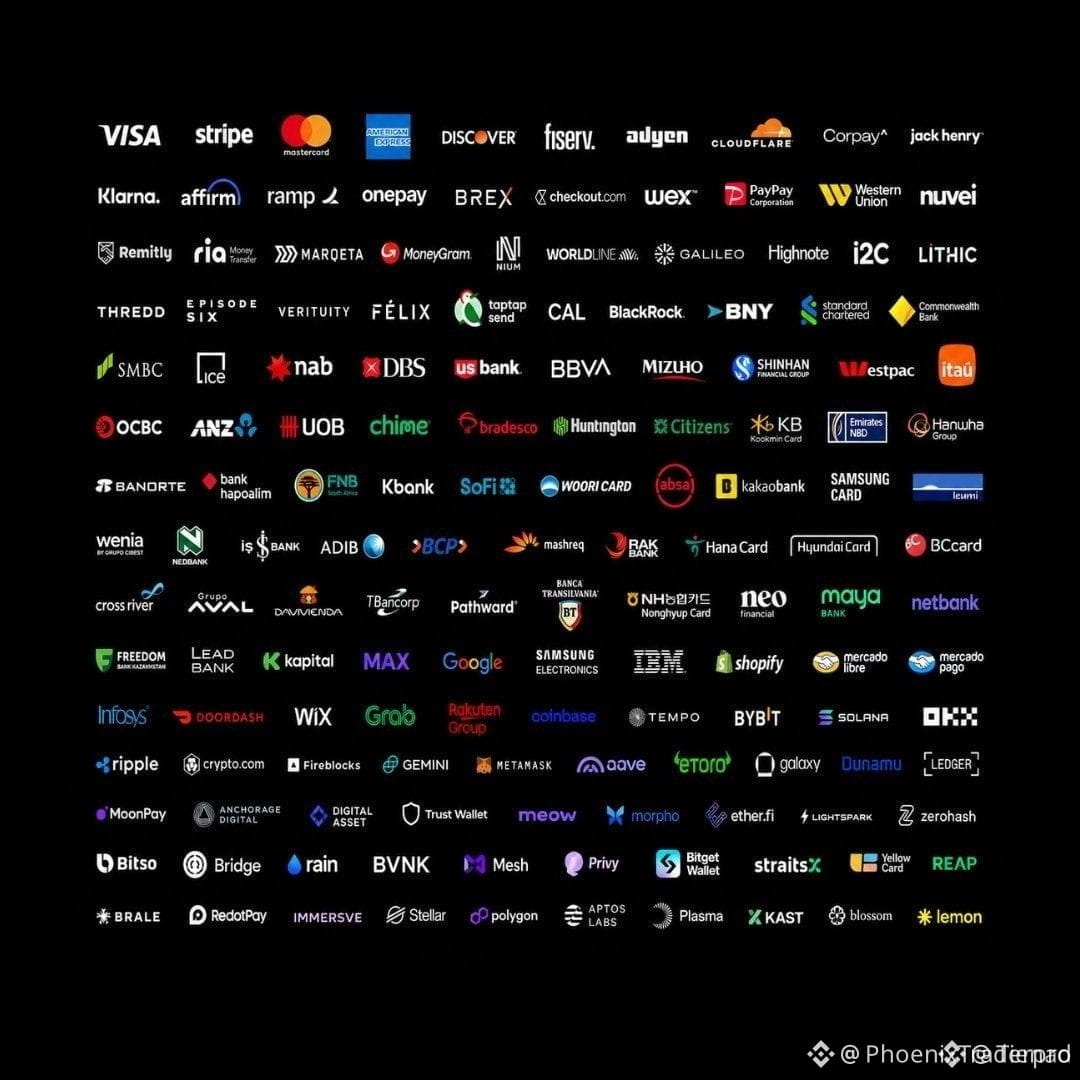
Open USD es una *stablecoin* vinculada al dólar estadounidense y diseñada para el ámbito empresarial; está gestionada por el consorcio "Open Standard" —que agrupa a más de 140 gigantes mundiales—, lo que garantiza que no quede bajo el monopolio de una sola compañía.
▪️ Entre sus impulsores figuran titanes de las finanzas y la tecnología como Visa, Mastercard, Google, BlackRock, Stripe y Coinbase.
▪️ Cuenta con un respaldo total (relación 1:1) en efectivo y letras del Tesoro de EE. UU. a corto plazo.
▪️ Está diseñada para transferencias de valor transfronterizas por valor de billones de dólares, ofreciendo comisiones de transacción nulas y una capacidad ilimitada de emisión y canje a escala global.
🤝 La posición estratégica de Pi Network:
Un "Socio del Ecosistema", no solo un cliente
La inclusión de Pi Network en la lista oficial de socios de Open Standard —específicamente en la categoría "P"— no es una simple contratación de servicios estándar. Pi se posiciona como un socio empresarial comprometido a integrar esta enorme infraestructura en su propia red y a contribuir a su adopción global. Esto significa que el ecosistema Pi obtiene acceso a un fondo de liquidez conectado con el mundo exterior.
💸 La mayor revolución del sector: el modelo de reparto de ingresos
En los modelos tradicionales como USDT (Tether) o USDC (Circle), los ingresos por intereses generados a partir de miles de millones de dólares en reservas van a parar exclusivamente a las arcas de la empresa emisora. Sin embargo, Open USD rompe los esquemas:
▪️ Los rendimientos generados a partir de las reservas se redistribuyen entre las empresas asociadas (incluida Pi Network) que integran OUSD en sus sistemas, generan volumen y facilitan la distribución.
▪️ Este modelo tiene el potencial de crear una fuente de ingresos corporativos sostenible para el ecosistema de Pi Network, proveniente de un fondo de liquidez global multimillonario.
⚙️ Infraestructura tecnológica y la importancia del momento oportuno
No es casualidad que esta asociación se formalice en este preciso momento. Las actualizaciones del protocolo completadas como parte de los preparativos para la Open Mainnet de la red, las mejoras críticas en la arquitectura de los nodos, la maduración de los SDK para desarrolladores y la configuración de la infraestructura del Pi DEX (intercambio descentralizado) han sentado las bases técnicas perfectas para integrar un puente de liquidez institucional como OUSD.
🌍 Visión de futuro: ¿Qué nos espera?
Con su lanzamiento inicial en la red Solana y preparándose para un futuro multicadena, Open USD abre puertas revolucionarias para la enorme base de usuarios móviles de Pi Network:
▪️ Puentes de moneda fiduciaria (puntos de entrada y salida) fluidos y sin comisiones dentro de las dApps de Pi y las plataformas comerciales. ▪️ Confianza institucional y una medida de valor estándar para permitir que marcas globales se unan al ecosistema de Pi.
▪️ La evolución de Pi: de ser una red aislada a convertirse en un actor que moldea la economía global junto a los gigantes de las finanzas tradicionales.
El mundo está despertando. Pi Network está fusionando su visión Web3 —preparada para albergar a miles de millones de usuarios— con lo más destacado de las finanzas tradicionales. El futuro está tomando forma mucho más rápido de lo que imaginábamos. 🚀
#PiNetwork #OPENUSD $GOOGL.US
Pi Network se une al consorcio Open USD!
🚨 UN PASO HISTÓRICO EN EL ECOSISTEMA DE FINANZAS GLOBALES Y WEB3: ¡Pi Network se une al consorcio Open USD! 🌐
Se ha producido un avance trascendental en la intersección entre los gigantes de las finanzas tradicionales y las tecnologías descentralizadas. A partir del 29 de septiembre de 2026, Pi Network ocupa su lugar en la lista oficial de "Socios del Ecosistema" de Open USD (OUSD), una *stablecoin* (moneda estable) de próxima generación. Entonces, ¿qué significa esta inclusión histórica para el futuro institucional de Pi? A continuación, exploramos todos los detalles. 👇
🏛️ ¿Qué es Open USD (OUSD) y quién está detrás?
Open USD es una *stablecoin* vinculada al dólar estadounidense y diseñada para el ámbito empresarial; está gestionada por el consorcio "Open Standard" —que agrupa a más de 140 gigantes mundiales—, lo que garantiza que no quede bajo el monopolio de una sola compañía.
▪️ Entre sus impulsores figuran titanes de las finanzas y la tecnología como Visa, Mastercard, Google, BlackRock, Stripe y Coinbase.
▪️ Cuenta con un respaldo total (relación 1:1) en efectivo y letras del Tesoro de EE. UU. a corto plazo.
▪️ Está diseñada para transferencias de valor transfronterizas por valor de billones de dólares, ofreciendo comisiones de transacción nulas y una capacidad ilimitada de emisión y canje a escala global.
🤝 La posición estratégica de Pi Network:
Un "Socio del Ecosistema", no solo un cliente
La inclusión de Pi Network en la lista oficial de socios de Open Standard —específicamente en la categoría "P"— no es una simple contratación de servicios estándar. Pi se posiciona como un socio empresarial comprometido a integrar esta enorme infraestructura en su propia red y a contribuir a su adopción global. Esto significa que el ecosistema Pi obtiene acceso a un fondo de liquidez conectado con el mundo exterior.
💸 La mayor revolución del sector: el modelo de reparto de ingresos
En los modelos tradicionales como USDT (Tether) o USDC (Circle), los ingresos por intereses generados a partir de miles de millones de dólares en reservas van a parar exclusivamente a las arcas de la empresa emisora. Sin embargo, Open USD rompe los esquemas:
▪️ Los rendimientos generados a partir de las reservas se redistribuyen entre las empresas asociadas (incluida Pi Network) que integran OUSD en sus sistemas, generan volumen y facilitan la distribución.
▪️ Este modelo tiene el potencial de crear una fuente de ingresos corporativos sostenible para el ecosistema de Pi Network, proveniente de un fondo de liquidez global multimillonario.
⚙️ Infraestructura tecnológica y la importancia del momento oportuno
No es casualidad que esta asociación se formalice en este preciso momento. Las actualizaciones del protocolo completadas como parte de los preparativos para la Open Mainnet de la red, las mejoras críticas en la arquitectura de los nodos, la maduración de los SDK para desarrolladores y la configuración de la infraestructura del Pi DEX (intercambio descentralizado) han sentado las bases técnicas perfectas para integrar un puente de liquidez institucional como OUSD.
🌍 Visión de futuro: ¿Qué nos espera?
Con su lanzamiento inicial en la red Solana y preparándose para un futuro multicadena, Open USD abre puertas revolucionarias para la enorme base de usuarios móviles de Pi Network:
▪️ Puentes de moneda fiduciaria (puntos de entrada y salida) fluidos y sin comisiones dentro de las dApps de Pi y las plataformas comerciales. ▪️ Confianza institucional y una medida de valor estándar para permitir que marcas globales se unan al ecosistema de Pi.
▪️ La evolución de Pi: de ser una red aislada a convertirse en un actor que moldea la economía global junto a los gigantes de las finanzas tradicionales.
El mundo está despertando. Pi Network está fusionando su visión Web3 —preparada para albergar a miles de millones de usuarios— con lo más destacado de las finanzas tradicionales. El futuro está tomando forma mucho más rápido de lo que imaginábamos. 🚀
#PiNetwork #OPENUSD $GOOGL.US
Se ha producido un avance trascendental en la intersección entre los gigantes de las finanzas tradicionales y las tecnologías descentralizadas. A partir del 29 de septiembre de 2026, Pi Network ocupa su lugar en la lista oficial de "Socios del Ecosistema" de Open USD (OUSD), una *stablecoin* (moneda estable) de próxima generación. Entonces, ¿qué significa esta inclusión histórica para el futuro institucional de Pi? A continuación, exploramos todos los detalles. 👇
🏛️ ¿Qué es Open USD (OUSD) y quién está detrás?
Open USD es una *stablecoin* vinculada al dólar estadounidense y diseñada para el ámbito empresarial; está gestionada por el consorcio "Open Standard" —que agrupa a más de 140 gigantes mundiales—, lo que garantiza que no quede bajo el monopolio de una sola compañía.
▪️ Entre sus impulsores figuran titanes de las finanzas y la tecnología como Visa, Mastercard, Google, BlackRock, Stripe y Coinbase.
▪️ Cuenta con un respaldo total (relación 1:1) en efectivo y letras del Tesoro de EE. UU. a corto plazo.
▪️ Está diseñada para transferencias de valor transfronterizas por valor de billones de dólares, ofreciendo comisiones de transacción nulas y una capacidad ilimitada de emisión y canje a escala global.
🤝 La posición estratégica de Pi Network:
Un "Socio del Ecosistema", no solo un cliente
La inclusión de Pi Network en la lista oficial de socios de Open Standard —específicamente en la categoría "P"— no es una simple contratación de servicios estándar. Pi se posiciona como un socio empresarial comprometido a integrar esta enorme infraestructura en su propia red y a contribuir a su adopción global. Esto significa que el ecosistema Pi obtiene acceso a un fondo de liquidez conectado con el mundo exterior.
💸 La mayor revolución del sector: el modelo de reparto de ingresos
En los modelos tradicionales como USDT (Tether) o USDC (Circle), los ingresos por intereses generados a partir de miles de millones de dólares en reservas van a parar exclusivamente a las arcas de la empresa emisora. Sin embargo, Open USD rompe los esquemas:
▪️ Los rendimientos generados a partir de las reservas se redistribuyen entre las empresas asociadas (incluida Pi Network) que integran OUSD en sus sistemas, generan volumen y facilitan la distribución.
▪️ Este modelo tiene el potencial de crear una fuente de ingresos corporativos sostenible para el ecosistema de Pi Network, proveniente de un fondo de liquidez global multimillonario.
⚙️ Infraestructura tecnológica y la importancia del momento oportuno
No es casualidad que esta asociación se formalice en este preciso momento. Las actualizaciones del protocolo completadas como parte de los preparativos para la Open Mainnet de la red, las mejoras críticas en la arquitectura de los nodos, la maduración de los SDK para desarrolladores y la configuración de la infraestructura del Pi DEX (intercambio descentralizado) han sentado las bases técnicas perfectas para integrar un puente de liquidez institucional como OUSD.
🌍 Visión de futuro: ¿Qué nos espera?
Con su lanzamiento inicial en la red Solana y preparándose para un futuro multicadena, Open USD abre puertas revolucionarias para la enorme base de usuarios móviles de Pi Network:
▪️ Puentes de moneda fiduciaria (puntos de entrada y salida) fluidos y sin comisiones dentro de las dApps de Pi y las plataformas comerciales. ▪️ Confianza institucional y una medida de valor estándar para permitir que marcas globales se unan al ecosistema de Pi.
▪️ La evolución de Pi: de ser una red aislada a convertirse en un actor que moldea la economía global junto a los gigantes de las finanzas tradicionales.
El mundo está despertando. Pi Network está fusionando su visión Web3 —preparada para albergar a miles de millones de usuarios— con lo más destacado de las finanzas tradicionales. El futuro está tomando forma mucho más rápido de lo que imaginábamos. 🚀
#PiNetwork #OPENUSD $GOOGL.US
GOOGLUS+1,87%
143

·
--
📰 Open Standard 推出美元稳定币 Open USD,主打的不是单纯“锚定美元”,而是把储备收益和使用方之间的分配重新设计了一遍。
项目方公布的模式是:共享储备收益,开发者按笔支付小额手续费,企业兑换法币时不收赎回费。Open Standard 称,会按合作方的贡献比例,向使用 Open USD 的机构和开发者分配类似国债收益的利息。
🔥 这点确实有点特别。现在很多稳定币的收益主要集中在发行方手里,结算方、企业和开发者承担了使用成本,却不一定能分到储备带来的收益。Open USD 想解决的,正是这种激励错配。
说实话,项目方的目标也不小:Visa、Mastercard 结算、交易所抵押品、企业现金管理,以及跨境 Fintech 基础设施,都希望能用 Open USD 替代部分法币场景。
💡 但能不能真正进入这些业务,还要看合作方愿不愿意接入,以及储备收益分配能否长期跑通。毕竟企业更在意成本、赎回效率和结算稳定性,不会只因为“有收益”就直接换系统。
🤔 你觉得稳定币把储备收益分给机构和开发者,会成为企业采用的新吸引力吗?
#OpenUSD #稳定币 #RWA #加密支付
📰 Open Standard 推出美元稳定币 Open USD,主打的不是单纯“锚定美元”,而是把储备收益和使用方之间的分配重新设计了一遍。
项目方公布的模式是:共享储备收益,开发者按笔支付小额手续费,企业兑换法币时不收赎回费。Open Standard 称,会按合作方的贡献比例,向使用 Open USD 的机构和开发者分配类似国债收益的利息。
🔥 这点确实有点特别。现在很多稳定币的收益主要集中在发行方手里,结算方、企业和开发者承担了使用成本,却不一定能分到储备带来的收益。Open USD 想解决的,正是这种激励错配。
说实话,项目方的目标也不小:Visa、Mastercard 结算、交易所抵押品、企业现金管理,以及跨境 Fintech 基础设施,都希望能用 Open USD 替代部分法币场景。
💡 但能不能真正进入这些业务,还要看合作方愿不愿意接入,以及储备收益分配能否长期跑通。毕竟企业更在意成本、赎回效率和结算稳定性,不会只因为“有收益”就直接换系统。
🤔 你觉得稳定币把储备收益分给机构和开发者,会成为企业采用的新吸引力吗?
#OpenUSD #稳定币 #RWA #加密支付
项目方公布的模式是:共享储备收益,开发者按笔支付小额手续费,企业兑换法币时不收赎回费。Open Standard 称,会按合作方的贡献比例,向使用 Open USD 的机构和开发者分配类似国债收益的利息。
🔥 这点确实有点特别。现在很多稳定币的收益主要集中在发行方手里,结算方、企业和开发者承担了使用成本,却不一定能分到储备带来的收益。Open USD 想解决的,正是这种激励错配。
说实话,项目方的目标也不小:Visa、Mastercard 结算、交易所抵押品、企业现金管理,以及跨境 Fintech 基础设施,都希望能用 Open USD 替代部分法币场景。
💡 但能不能真正进入这些业务,还要看合作方愿不愿意接入,以及储备收益分配能否长期跑通。毕竟企业更在意成本、赎回效率和结算稳定性,不会只因为“有收益”就直接换系统。
🤔 你觉得稳定币把储备收益分给机构和开发者,会成为企业采用的新吸引力吗?
#OpenUSD #稳定币 #RWA #加密支付

7

$ARPA IS AT THE CENTER OF AN OPEN USD CONTROVERSY THAT COULD SHAKE SENTIMENT 🔥
Korean firms listed as Open USD partners are now denying any formal talks. This creates a major uncertainty gap — the market is split between panic and opportunity. Early volume spikes suggest big players are accumulating while retail hesitates.
Are you buying the confusion or waiting for clarity?
Not financial advice. Always manage your risk.
#ARPA #OpenUSD #NewsTrading #MarketSentiment
💎
$ARPA IS AT THE CENTER OF AN OPEN USD CONTROVERSY THAT COULD SHAKE SENTIMENT 🔥
Korean firms listed as Open USD partners are now denying any formal talks. This creates a major uncertainty gap — the market is split between panic and opportunity. Early volume spikes suggest big players are accumulating while retail hesitates.
Are you buying the confusion or waiting for clarity?
Not financial advice. Always manage your risk.
#ARPA #OpenUSD #NewsTrading #MarketSentiment
💎
Korean firms listed as Open USD partners are now denying any formal talks. This creates a major uncertainty gap — the market is split between panic and opportunity. Early volume spikes suggest big players are accumulating while retail hesitates.
Are you buying the confusion or waiting for clarity?
Not financial advice. Always manage your risk.
#ARPA #OpenUSD #NewsTrading #MarketSentiment
💎

209

OpenUSD: Đối Thủ Của Circle Gặp Khó Khăn Lớn Trong Cuộc Chiến Áp Dụng
* OpenUSD, một liên minh stablecoin được hỗ trợ bởi Stripe và Coinbase, đang nổi lên như một đối thủ tiềm năng của Circle (nhà phát hành USDC).
* Mặc dù có sự hậu thuẫn từ các tên tuổi lớn, các nhà phân tích cho rằng OpenUSD sẽ đối mặt với thách thức lớn trong việc xây dựng mạng lưới và thúc đẩy sự chấp nhận rộng rãi.
* Việc tập hợp các đối tác lớn dễ hơn nhiều so với việc thuyết phục người dùng và thị trường chấp nhận một stablecoin mới.
* Điều này cho thấy OpenUSD còn một chặng đường dài và gian nan để thực sự đe dọa vị thế của Circle trên thị trường stablecoin.
#OpenUSD #Circle #Stablecoin #USDC #CryptoNews BinanceSquare
$usdc
vlikevn Titanbot
Nguồn: CoinDesk
OpenUSD: Đối Thủ Của Circle Gặp Khó Khăn Lớn Trong Cuộc Chiến Áp Dụng
* OpenUSD, một liên minh stablecoin được hỗ trợ bởi Stripe và Coinbase, đang nổi lên như một đối thủ tiềm năng của Circle (nhà phát hành USDC).
* Mặc dù có sự hậu thuẫn từ các tên tuổi lớn, các nhà phân tích cho rằng OpenUSD sẽ đối mặt với thách thức lớn trong việc xây dựng mạng lưới và thúc đẩy sự chấp nhận rộng rãi.
* Việc tập hợp các đối tác lớn dễ hơn nhiều so với việc thuyết phục người dùng và thị trường chấp nhận một stablecoin mới.
* Điều này cho thấy OpenUSD còn một chặng đường dài và gian nan để thực sự đe dọa vị thế của Circle trên thị trường stablecoin.
#OpenUSD #Circle #Stablecoin #USDC #CryptoNews BinanceSquare
$usdc
vlikevn Titanbot
Nguồn: CoinDesk
* OpenUSD, một liên minh stablecoin được hỗ trợ bởi Stripe và Coinbase, đang nổi lên như một đối thủ tiềm năng của Circle (nhà phát hành USDC).
* Mặc dù có sự hậu thuẫn từ các tên tuổi lớn, các nhà phân tích cho rằng OpenUSD sẽ đối mặt với thách thức lớn trong việc xây dựng mạng lưới và thúc đẩy sự chấp nhận rộng rãi.
* Việc tập hợp các đối tác lớn dễ hơn nhiều so với việc thuyết phục người dùng và thị trường chấp nhận một stablecoin mới.
* Điều này cho thấy OpenUSD còn một chặng đường dài và gian nan để thực sự đe dọa vị thế của Circle trên thị trường stablecoin.
#OpenUSD #Circle #Stablecoin #USDC #CryptoNews BinanceSquare
$usdc
vlikevn Titanbot
Nguồn: CoinDesk
30

·
--
🔍 为什么Open USD让Circle如此害怕?把商业逻辑讲清楚
先说USDC现在怎么赚钱:
Circle发行USDC,把对应的美元拿去买国债,国债利息全归Circle和Coinbase。
用户持有USDC?对不起,利息和你没关系。
商家接受USDC付款?辛苦了,利息也和你没关系。
Open USD怎么做的?
✅ 免费铸造和赎回,无手续费、无规模上限
✅ 储备金利息按比例分给所有合作伙伴,而不是独吞
✅ 治理权归所有参与者,不是单一公司说了算
简单说:同样是稳定币,Open USD愿意把钱分给帮它推广的人,Circle不愿意。
如果你是Visa、Mastercard,你会帮谁推广?
当然,这套联盟模式历史上也有失败案例——Paxos推出的类似联盟稳定币USDG,供应量还在$30亿左右,远不及USDC的$736亿。
所以这件事最终会怎么发展,还需要时间验证。
但这次的联盟规模和阵容,比以往任何一次都更强大。
你会用Open USD吗?👇
#OpenUSD #稳定币 #BinanceSquare
🔍 为什么Open USD让Circle如此害怕?把商业逻辑讲清楚
先说USDC现在怎么赚钱:
Circle发行USDC,把对应的美元拿去买国债,国债利息全归Circle和Coinbase。
用户持有USDC?对不起,利息和你没关系。
商家接受USDC付款?辛苦了,利息也和你没关系。
Open USD怎么做的?
✅ 免费铸造和赎回,无手续费、无规模上限
✅ 储备金利息按比例分给所有合作伙伴,而不是独吞
✅ 治理权归所有参与者,不是单一公司说了算
简单说:同样是稳定币,Open USD愿意把钱分给帮它推广的人,Circle不愿意。
如果你是Visa、Mastercard,你会帮谁推广?
当然,这套联盟模式历史上也有失败案例——Paxos推出的类似联盟稳定币USDG,供应量还在$30亿左右,远不及USDC的$736亿。
所以这件事最终会怎么发展,还需要时间验证。
但这次的联盟规模和阵容,比以往任何一次都更强大。
你会用Open USD吗?👇
#OpenUSD #稳定币 #BinanceSquare
先说USDC现在怎么赚钱:
Circle发行USDC,把对应的美元拿去买国债,国债利息全归Circle和Coinbase。
用户持有USDC?对不起,利息和你没关系。
商家接受USDC付款?辛苦了,利息也和你没关系。
Open USD怎么做的?
✅ 免费铸造和赎回,无手续费、无规模上限
✅ 储备金利息按比例分给所有合作伙伴,而不是独吞
✅ 治理权归所有参与者,不是单一公司说了算
简单说:同样是稳定币,Open USD愿意把钱分给帮它推广的人,Circle不愿意。
如果你是Visa、Mastercard,你会帮谁推广?
当然,这套联盟模式历史上也有失败案例——Paxos推出的类似联盟稳定币USDG,供应量还在$30亿左右,远不及USDC的$736亿。
所以这件事最终会怎么发展,还需要时间验证。
但这次的联盟规模和阵容,比以往任何一次都更强大。
你会用Open USD吗?👇
#OpenUSD #稳定币 #BinanceSquare
1
293

·
--
Article
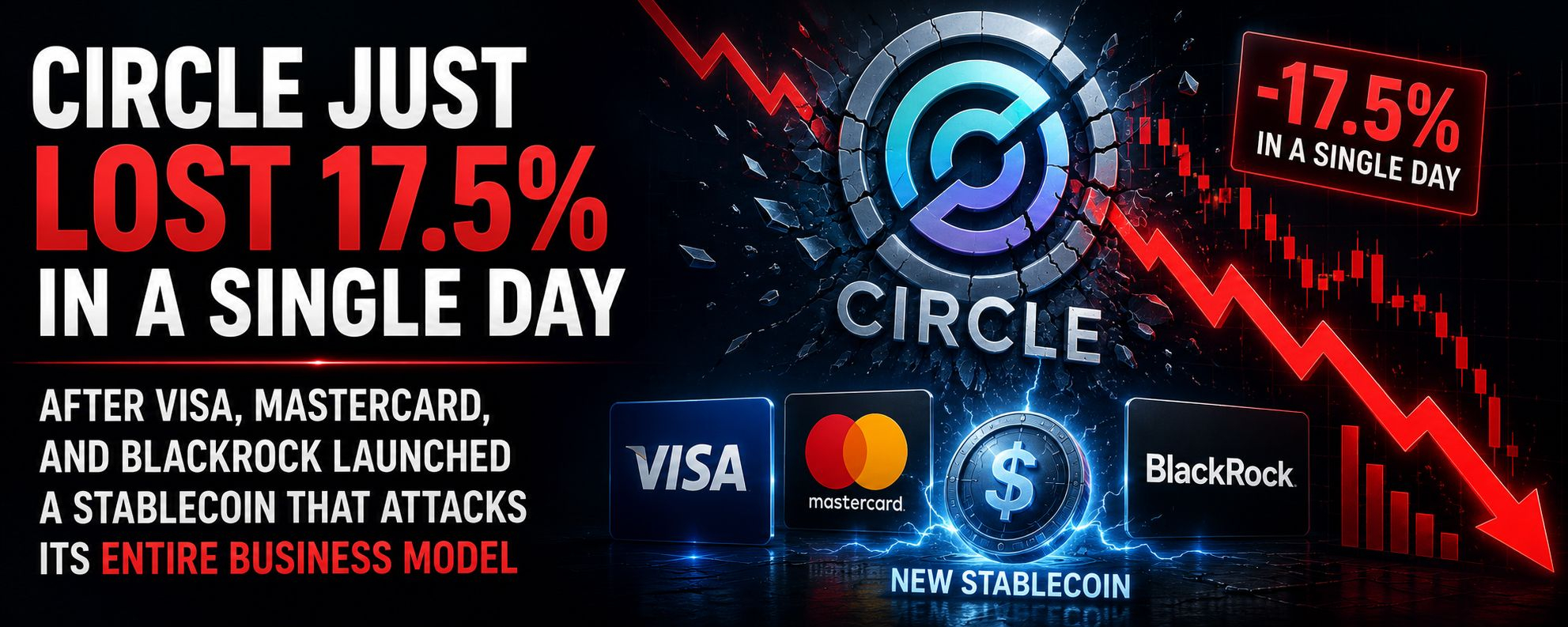
Circle Just Lost 17.5% in a Single Day After Visa, Mastercard, and BlackRock Launched a Stablecoin TCircle Internet Group — the company behind USDC and one of the most closely watched stablecoin stocks on Wall Street — just had its worst single trading day since going public. CRCL cratered more than 17% on June 30, closing near $62, after a consortium of 140+ companies launched a direct competitor to USDC called Open USD.
The list of backers is the actual story here. Visa. Mastercard. Stripe. Coinbase. BlackRock. BNY Mellon. American Express. Standard Chartern. BBVA. US Bank. These are not scrappy crypto startups trying to chip away at Circle's market share — these are the exact institutional partners Circle has spent years building relationships with, now backing a rival product simultaneously.
The mechanism explains why the market reacted this violently. Reserve interest generated 99% of Circle's revenue in 2024. Circle pays Coinbase — one of its own core distribution partners — $908 million a year just to help distribute USDC. Open USD flips that entire economic model: zero minting fees, zero redemption fees, no volume caps, and 100% of Treasury interest earned on reserves gets shared directly with partners instead of being captured by the issuer. For Visa, Mastercard, and Stripe — companies that move enormous transaction volume but have historically earned nothing from Circle's reserve income — Open USD offers them a direct cut of profits they were previously generating for someone else for free. Tether CEO Paolo Ardoino summed up the moment perfectly on X: "Welcome OUSD. Player 2 has entered the game."
Here's the honest complication that keeps this from being an automatic USDC death sentence: consortium-backed stablecoins have struggled before. PayPal's PYUSD has only reached $2.6 billion market cap after three years. Ripple's RLUSD sits at $1.6 billion after nearly two years. USDC currently commands roughly $73 billion, and USDT dominates at $145 billion. Network effects in stablecoins are brutal — liquidity, integrations, and trust compound over years, and a new consortium token doesn't inherit any of that automatically just because Visa's logo is attached.
CRCL had already shed 40% over the prior 30 days heading into this news, partly due to being removed from Russell Growth indices during June's reconstitution. William Blair maintains an Outperform rating, citing Circle's first-mover advantage. But the technical picture is ugly — the stock broke below its $84.37 double-top neckline and analysts are now watching $50, with $40 as the next downside target if that breaks.
The bigger picture for Binance Square readers: stablecoin competition just got dramatically more intense, with the biggest payment networks on earth now directly incentivized to push a rival token. Watch how fast OUSD actually gains real transaction volume versus USDC — that data, not the stock price reaction, will tell you whether this is a genuine threat or an overreaction.
Please subscribe, like, and share this article. It genuinely helps.
#Circle #USDC #stablecoin #OPENUSD #BinanceSquare
Circle Just Lost 17.5% in a Single Day After Visa, Mastercard, and BlackRock Launched a Stablecoin T
Circle Internet Group — the company behind USDC and one of the most closely watched stablecoin stocks on Wall Street — just had its worst single trading day since going public. CRCL cratered more than 17% on June 30, closing near $62, after a consortium of 140+ companies launched a direct competitor to USDC called Open USD.
The list of backers is the actual story here. Visa. Mastercard. Stripe. Coinbase. BlackRock. BNY Mellon. American Express. Standard Chartern. BBVA. US Bank. These are not scrappy crypto startups trying to chip away at Circle's market share — these are the exact institutional partners Circle has spent years building relationships with, now backing a rival product simultaneously.
The mechanism explains why the market reacted this violently. Reserve interest generated 99% of Circle's revenue in 2024. Circle pays Coinbase — one of its own core distribution partners — $908 million a year just to help distribute USDC. Open USD flips that entire economic model: zero minting fees, zero redemption fees, no volume caps, and 100% of Treasury interest earned on reserves gets shared directly with partners instead of being captured by the issuer. For Visa, Mastercard, and Stripe — companies that move enormous transaction volume but have historically earned nothing from Circle's reserve income — Open USD offers them a direct cut of profits they were previously generating for someone else for free. Tether CEO Paolo Ardoino summed up the moment perfectly on X: "Welcome OUSD. Player 2 has entered the game."
Here's the honest complication that keeps this from being an automatic USDC death sentence: consortium-backed stablecoins have struggled before. PayPal's PYUSD has only reached $2.6 billion market cap after three years. Ripple's RLUSD sits at $1.6 billion after nearly two years. USDC currently commands roughly $73 billion, and USDT dominates at $145 billion. Network effects in stablecoins are brutal — liquidity, integrations, and trust compound over years, and a new consortium token doesn't inherit any of that automatically just because Visa's logo is attached.
CRCL had already shed 40% over the prior 30 days heading into this news, partly due to being removed from Russell Growth indices during June's reconstitution. William Blair maintains an Outperform rating, citing Circle's first-mover advantage. But the technical picture is ugly — the stock broke below its $84.37 double-top neckline and analysts are now watching $50, with $40 as the next downside target if that breaks.
The bigger picture for Binance Square readers: stablecoin competition just got dramatically more intense, with the biggest payment networks on earth now directly incentivized to push a rival token. Watch how fast OUSD actually gains real transaction volume versus USDC — that data, not the stock price reaction, will tell you whether this is a genuine threat or an overreaction.
Please subscribe, like, and share this article. It genuinely helps.
#Circle #USDC #stablecoin #OPENUSD #BinanceSquare
The list of backers is the actual story here. Visa. Mastercard. Stripe. Coinbase. BlackRock. BNY Mellon. American Express. Standard Chartern. BBVA. US Bank. These are not scrappy crypto startups trying to chip away at Circle's market share — these are the exact institutional partners Circle has spent years building relationships with, now backing a rival product simultaneously.
The mechanism explains why the market reacted this violently. Reserve interest generated 99% of Circle's revenue in 2024. Circle pays Coinbase — one of its own core distribution partners — $908 million a year just to help distribute USDC. Open USD flips that entire economic model: zero minting fees, zero redemption fees, no volume caps, and 100% of Treasury interest earned on reserves gets shared directly with partners instead of being captured by the issuer. For Visa, Mastercard, and Stripe — companies that move enormous transaction volume but have historically earned nothing from Circle's reserve income — Open USD offers them a direct cut of profits they were previously generating for someone else for free. Tether CEO Paolo Ardoino summed up the moment perfectly on X: "Welcome OUSD. Player 2 has entered the game."
Here's the honest complication that keeps this from being an automatic USDC death sentence: consortium-backed stablecoins have struggled before. PayPal's PYUSD has only reached $2.6 billion market cap after three years. Ripple's RLUSD sits at $1.6 billion after nearly two years. USDC currently commands roughly $73 billion, and USDT dominates at $145 billion. Network effects in stablecoins are brutal — liquidity, integrations, and trust compound over years, and a new consortium token doesn't inherit any of that automatically just because Visa's logo is attached.
CRCL had already shed 40% over the prior 30 days heading into this news, partly due to being removed from Russell Growth indices during June's reconstitution. William Blair maintains an Outperform rating, citing Circle's first-mover advantage. But the technical picture is ugly — the stock broke below its $84.37 double-top neckline and analysts are now watching $50, with $40 as the next downside target if that breaks.
The bigger picture for Binance Square readers: stablecoin competition just got dramatically more intense, with the biggest payment networks on earth now directly incentivized to push a rival token. Watch how fast OUSD actually gains real transaction volume versus USDC — that data, not the stock price reaction, will tell you whether this is a genuine threat or an overreaction.
Please subscribe, like, and share this article. It genuinely helps.
#Circle #USDC #stablecoin #OPENUSD #BinanceSquare
CRCL-2,03%
CRCLUS-0,03%
107
·
--
Article
Visa, Mastercard, Coinbase, and BlackRock Just Teamed Up to Launch a StablecoinThis is still the story trending across every crypto platform right now, and Binance's own search leaderboard has it ranked directly alongside MiCA's launch and Trump's $1.4 billion disclosure as one of this week's three biggest crypto stories. Open USD — a new dollar-pegged stablecoin — launched this week backed by a consortium of more than 140 companies including Visa, Mastercard, Stripe, Coinbase, and BlackRock.
I covered the immediate market impact yesterday — Circle's stock crashed 17.5% on the news, its worst single-day performance since going public. But it's worth stepping back today and understanding exactly why this specific coalition of backers makes Open USD structurally different from every other stablecoin challenger that's tried and failed to dent USDC or USDT's dominance.
Every previous consortium-backed stablecoin challenge — PayPal's $PYUSD after three years still sits at $2.6 billion market cap, Ripple's $RLUSD after nearly two years sits at $1.6 billion — has struggled precisely because a single company backing a stablecoin doesn't automatically bring genuine transaction volume with it. Open USD is different in one crucial structural way: Visa and Mastercard aren't just "supporting" this stablecoin, they're payment networks that literally control the rails through which a meaningful percentage of global commerce flows. If Visa and Mastercard start routing even a modest percentage of their existing transaction volume through Open USD instead of traditional card rails or competing stablecoins, that's not speculative adoption — that's forced volume from infrastructure these companies already own and control.
The economic model is the real disruption here, and it's worth understanding precisely. Circle currently pays Coinbase $908 million annually just to distribute USDC — meaning Circle's own key partner has been a major line-item cost rather than a profit center. Open USD flips this entirely: zero minting fees, zero redemption fees, no volume caps, and 100% of Treasury reserve interest earned gets shared directly with the partners generating that volume. For Visa, Mastercard, and Stripe, that means they finally capture economic upside from stablecoin volume they were previously helping generate for someone else's bottom line, for free.
The realistic timeline matters for anyone trying to trade this story rather than just read about it. Open USD faces the exact same cold-start adoption problem every stablecoin challenger faces — announcing 140 backers is very different from those backers actually routing meaningful daily transaction volume through the new token. William Blair maintains an Outperform rating on Circle specifically citing this first-mover advantage gap. Watch Open USD's actual on-chain transaction volume over the coming weeks, not just the headline backer list, to know whether this genuinely threatens USDC's $73 billion market position or fades like every consortium stablecoin before it.$SPCXB
Please subscribe, like, and share this article. It genuinely helps.$NVDAB
#OpenUSD #Stablecoin #Visa #Mastercard #Circle #BinanceSquare
Visa, Mastercard, Coinbase, and BlackRock Just Teamed Up to Launch a Stablecoin
This is still the story trending across every crypto platform right now, and Binance's own search leaderboard has it ranked directly alongside MiCA's launch and Trump's $1.4 billion disclosure as one of this week's three biggest crypto stories. Open USD — a new dollar-pegged stablecoin — launched this week backed by a consortium of more than 140 companies including Visa, Mastercard, Stripe, Coinbase, and BlackRock.
I covered the immediate market impact yesterday — Circle's stock crashed 17.5% on the news, its worst single-day performance since going public. But it's worth stepping back today and understanding exactly why this specific coalition of backers makes Open USD structurally different from every other stablecoin challenger that's tried and failed to dent USDC or USDT's dominance.
Every previous consortium-backed stablecoin challenge — PayPal's $PYUSD after three years still sits at $2.6 billion market cap, Ripple's $RLUSD after nearly two years sits at $1.6 billion — has struggled precisely because a single company backing a stablecoin doesn't automatically bring genuine transaction volume with it. Open USD is different in one crucial structural way: Visa and Mastercard aren't just "supporting" this stablecoin, they're payment networks that literally control the rails through which a meaningful percentage of global commerce flows. If Visa and Mastercard start routing even a modest percentage of their existing transaction volume through Open USD instead of traditional card rails or competing stablecoins, that's not speculative adoption — that's forced volume from infrastructure these companies already own and control.
The economic model is the real disruption here, and it's worth understanding precisely. Circle currently pays Coinbase $908 million annually just to distribute USDC — meaning Circle's own key partner has been a major line-item cost rather than a profit center. Open USD flips this entirely: zero minting fees, zero redemption fees, no volume caps, and 100% of Treasury reserve interest earned gets shared directly with the partners generating that volume. For Visa, Mastercard, and Stripe, that means they finally capture economic upside from stablecoin volume they were previously helping generate for someone else's bottom line, for free.
The realistic timeline matters for anyone trying to trade this story rather than just read about it. Open USD faces the exact same cold-start adoption problem every stablecoin challenger faces — announcing 140 backers is very different from those backers actually routing meaningful daily transaction volume through the new token. William Blair maintains an Outperform rating on Circle specifically citing this first-mover advantage gap. Watch Open USD's actual on-chain transaction volume over the coming weeks, not just the headline backer list, to know whether this genuinely threatens USDC's $73 billion market position or fades like every consortium stablecoin before it.$SPCXB
Please subscribe, like, and share this article. It genuinely helps.$NVDAB
#OpenUSD #Stablecoin #Visa #Mastercard #Circle #BinanceSquare
I covered the immediate market impact yesterday — Circle's stock crashed 17.5% on the news, its worst single-day performance since going public. But it's worth stepping back today and understanding exactly why this specific coalition of backers makes Open USD structurally different from every other stablecoin challenger that's tried and failed to dent USDC or USDT's dominance.
Every previous consortium-backed stablecoin challenge — PayPal's $PYUSD after three years still sits at $2.6 billion market cap, Ripple's $RLUSD after nearly two years sits at $1.6 billion — has struggled precisely because a single company backing a stablecoin doesn't automatically bring genuine transaction volume with it. Open USD is different in one crucial structural way: Visa and Mastercard aren't just "supporting" this stablecoin, they're payment networks that literally control the rails through which a meaningful percentage of global commerce flows. If Visa and Mastercard start routing even a modest percentage of their existing transaction volume through Open USD instead of traditional card rails or competing stablecoins, that's not speculative adoption — that's forced volume from infrastructure these companies already own and control.
The economic model is the real disruption here, and it's worth understanding precisely. Circle currently pays Coinbase $908 million annually just to distribute USDC — meaning Circle's own key partner has been a major line-item cost rather than a profit center. Open USD flips this entirely: zero minting fees, zero redemption fees, no volume caps, and 100% of Treasury reserve interest earned gets shared directly with the partners generating that volume. For Visa, Mastercard, and Stripe, that means they finally capture economic upside from stablecoin volume they were previously helping generate for someone else's bottom line, for free.
The realistic timeline matters for anyone trying to trade this story rather than just read about it. Open USD faces the exact same cold-start adoption problem every stablecoin challenger faces — announcing 140 backers is very different from those backers actually routing meaningful daily transaction volume through the new token. William Blair maintains an Outperform rating on Circle specifically citing this first-mover advantage gap. Watch Open USD's actual on-chain transaction volume over the coming weeks, not just the headline backer list, to know whether this genuinely threatens USDC's $73 billion market position or fades like every consortium stablecoin before it.$SPCXB
Please subscribe, like, and share this article. It genuinely helps.$NVDAB
#OpenUSD #Stablecoin #Visa #Mastercard #Circle #BinanceSquare
CRCL-2,03%
CRCLUS-0,03%
127

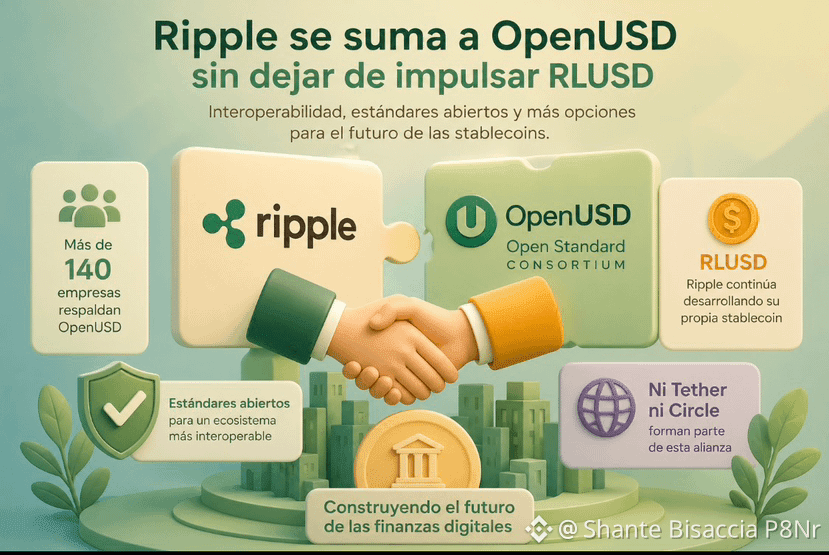
🚨 Ripple se suma a OpenUSD sin dejar de impulsar RLUSD.
La compañía confirmó su incorporación al consorcio Open Standard como socio de integración de OpenUSD, una nueva stablecoin respaldada por mas de 140 empresas. Lejos de significar un abandono de RLUSD, Ripple ha dejado en claro que continuará desarrollando su propia moneda estable.
Esta decisión muestra que la empresa apuesta por la interoperabilidad y por la construcción de estándares abiertos para el ecos de las stablecoins, participando activamente en iniciativas que puedan beneficiar a toda la industria.
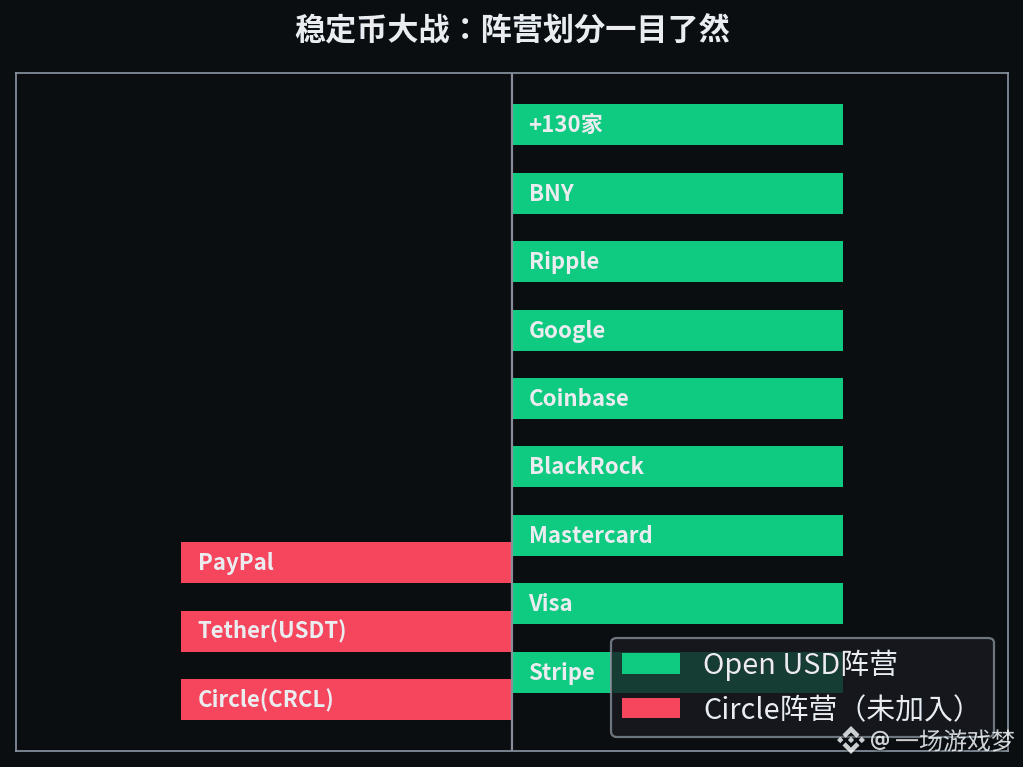
Un dato llamativo es que ni Tether ni Circle, los dos principales emisores de stablecoins del mercado, forman parte de esta alianza. La participación de Ripple podría fortalecer la adopción de OpenUSD y consolidar su papel como uno de los actores más influyentes en la evolución de la infraestructura financiera basada en blockchain.
Este enfoque no implica una competencia entre OpenUSD y RLUSD, sino una estrategia para impulsar un ecosistema más interoperable, donde distintas soluciones puedan coexistir y complementarse.
#Ripple $XRP $RLUSD #OpenUSD #Stablecoins
🚨 Ripple se suma a OpenUSD sin dejar de impulsar RLUSD.
La compañía confirmó su incorporación al consorcio Open Standard como socio de integración de OpenUSD, una nueva stablecoin respaldada por mas de 140 empresas. Lejos de significar un abandono de RLUSD, Ripple ha dejado en claro que continuará desarrollando su propia moneda estable.
Esta decisión muestra que la empresa apuesta por la interoperabilidad y por la construcción de estándares abiertos para el ecos de las stablecoins, participando activamente en iniciativas que puedan beneficiar a toda la industria.
Un dato llamativo es que ni Tether ni Circle, los dos principales emisores de stablecoins del mercado, forman parte de esta alianza. La participación de Ripple podría fortalecer la adopción de OpenUSD y consolidar su papel como uno de los actores más influyentes en la evolución de la infraestructura financiera basada en blockchain.
Este enfoque no implica una competencia entre OpenUSD y RLUSD, sino una estrategia para impulsar un ecosistema más interoperable, donde distintas soluciones puedan coexistir y complementarse.
#Ripple $XRP $RLUSD #OpenUSD #Stablecoins
La compañía confirmó su incorporación al consorcio Open Standard como socio de integración de OpenUSD, una nueva stablecoin respaldada por mas de 140 empresas. Lejos de significar un abandono de RLUSD, Ripple ha dejado en claro que continuará desarrollando su propia moneda estable.
Esta decisión muestra que la empresa apuesta por la interoperabilidad y por la construcción de estándares abiertos para el ecos de las stablecoins, participando activamente en iniciativas que puedan beneficiar a toda la industria.
Un dato llamativo es que ni Tether ni Circle, los dos principales emisores de stablecoins del mercado, forman parte de esta alianza. La participación de Ripple podría fortalecer la adopción de OpenUSD y consolidar su papel como uno de los actores más influyentes en la evolución de la infraestructura financiera basada en blockchain.
Este enfoque no implica una competencia entre OpenUSD y RLUSD, sino una estrategia para impulsar un ecosistema más interoperable, donde distintas soluciones puedan coexistir y complementarse.
#Ripple $XRP $RLUSD #OpenUSD #Stablecoins
1
210

·
--
Why OpenLedger’s Verifiable Data Layer Is a Game Changer for AIA major unresolved challenge at the intersection of cryptocurrency and artificial intelligence is the issue of data provenance. How can one be certain that the dataset utilized for model training remains unaltered?
This is where @OpenLedger comes into play — a blockchain crafted specifically to address this concern. By utilizing a scalable and verifiable data layer, OpenLedger guarantees that every data element can be traced, is immutable, and can be audited. The era of opaque training datasets is over.
The ecosystem is driven by the native token $OPEN, which motivates data contributors, validators, and AI developers to engage in a transparent data marketplace.
What truly excites me is that OpenLedger is not merely a concept. Their testnet is actively handling verifiable data streams, and its architecture is designed to support practical AI applications — rather than just DeFi trends.
To achieve accountability in AI, infrastructure like #OpenLedger is essential. With strong foundations, a clear vision, and an expanding community of builders, this is certainly a project to keep an eye on in 2026.@Square-Creator-a1f131473399 #open $OPEN
{future}(OPENUSDT)
$BNB
{spot}(BNBUSDT)
#openusdt #OPENUSD #openladgechain #openladger
Why OpenLedger’s Verifiable Data Layer Is a Game Changer for AI
A major unresolved challenge at the intersection of cryptocurrency and artificial intelligence is the issue of data provenance. How can one be certain that the dataset utilized for model training remains unaltered?
This is where @OpenLedger comes into play — a blockchain crafted specifically to address this concern. By utilizing a scalable and verifiable data layer, OpenLedger guarantees that every data element can be traced, is immutable, and can be audited. The era of opaque training datasets is over.
The ecosystem is driven by the native token $OPEN , which motivates data contributors, validators, and AI developers to engage in a transparent data marketplace.
What truly excites me is that OpenLedger is not merely a concept. Their testnet is actively handling verifiable data streams, and its architecture is designed to support practical AI applications — rather than just DeFi trends.
To achieve accountability in AI, infrastructure like #OpenLedger is essential. With strong foundations, a clear vision, and an expanding community of builders, this is certainly a project to keep an eye on in 2026.@Open #open $OPEN
$BNB
#openusdt #OPENUSD #openladgechain #openladger
This is where @OpenLedger comes into play — a blockchain crafted specifically to address this concern. By utilizing a scalable and verifiable data layer, OpenLedger guarantees that every data element can be traced, is immutable, and can be audited. The era of opaque training datasets is over.
The ecosystem is driven by the native token $OPEN , which motivates data contributors, validators, and AI developers to engage in a transparent data marketplace.
What truly excites me is that OpenLedger is not merely a concept. Their testnet is actively handling verifiable data streams, and its architecture is designed to support practical AI applications — rather than just DeFi trends.
To achieve accountability in AI, infrastructure like #OpenLedger is essential. With strong foundations, a clear vision, and an expanding community of builders, this is certainly a project to keep an eye on in 2026.@Open #open $OPEN
$BNB
#openusdt #OPENUSD #openladgechain #openladger
1
34

·
--
Why OpenUSD's 'real threat' th
The stablecoin landscape faces a new challenger backed by tech giants. Stripe and major exchanges have joined forces to launch OpenUSD, positioning it as infrastructure-grade competition to Circle's USDC. On paper, the consortium brings unparalleled distribution networks and enterprise credibility.
But building a dominant stablecoin isn't about assembling big-name partners. It's about network effects, regulator trust, and user mindshare—three moats that don't collapse overnight. Circle spent years embedding USDC across DeFi protocols, custodians, and payment rails. That runway matters.
OpenUSD's structural challenge: yes, it has Stripe's checkout pipeline and exchange dominance. But adoption isn't switching costs for users—it's inertia for developers, compliance frameworks for institutions, and liquidity depth for traders. Each requires separate persuasion.
The market reaction—Circle stock diving 13%—signals fear of disruption. Yet history shows stablecoin dominance shifts slowly. Terra's collapse wiped out $40B in value overnight. Trust takes decades; loss happens in seconds.
What the Stripe alliance really tests: can consortium model outpace single-entity execution? Time-to-market favors the consortium. Network maturity favors incumbency. The winner need not be first—it need only be reliable when settlement windows close.
This dynamic matters beyond one stablecoin. Infrastructure battles reveal whether crypto achieves critical mass through fragmentation or consolidation. Distributed versus centralized in the settlement layer mirrors debates in consensus mechanisms themselves.
Will OpenUSD's backing convert to real-world liquidity, or remain a whitepaper projection? The next 12-18 months determine if consortium capital outweighs network inertia.
Could consortium backing overcome entrenched network effects, or does history favor incumbency? Drop your take below. 👇
#StablecoinCompetition #OpenUSD #CryptoInfrastructure
Why OpenUSD's 'real threat' th
The stablecoin landscape faces a new challenger backed by tech giants. Stripe and major exchanges have joined forces to launch OpenUSD, positioning it as infrastructure-grade competition to Circle's USDC. On paper, the consortium brings unparalleled distribution networks and enterprise credibility.
But building a dominant stablecoin isn't about assembling big-name partners. It's about network effects, regulator trust, and user mindshare—three moats that don't collapse overnight. Circle spent years embedding USDC across DeFi protocols, custodians, and payment rails. That runway matters.
OpenUSD's structural challenge: yes, it has Stripe's checkout pipeline and exchange dominance. But adoption isn't switching costs for users—it's inertia for developers, compliance frameworks for institutions, and liquidity depth for traders. Each requires separate persuasion.
The market reaction—Circle stock diving 13%—signals fear of disruption. Yet history shows stablecoin dominance shifts slowly. Terra's collapse wiped out $40B in value overnight. Trust takes decades; loss happens in seconds.
What the Stripe alliance really tests: can consortium model outpace single-entity execution? Time-to-market favors the consortium. Network maturity favors incumbency. The winner need not be first—it need only be reliable when settlement windows close.
This dynamic matters beyond one stablecoin. Infrastructure battles reveal whether crypto achieves critical mass through fragmentation or consolidation. Distributed versus centralized in the settlement layer mirrors debates in consensus mechanisms themselves.
Will OpenUSD's backing convert to real-world liquidity, or remain a whitepaper projection? The next 12-18 months determine if consortium capital outweighs network inertia.
Could consortium backing overcome entrenched network effects, or does history favor incumbency? Drop your take below. 👇
#StablecoinCompetition #OpenUSD #CryptoInfrastructure
The stablecoin landscape faces a new challenger backed by tech giants. Stripe and major exchanges have joined forces to launch OpenUSD, positioning it as infrastructure-grade competition to Circle's USDC. On paper, the consortium brings unparalleled distribution networks and enterprise credibility.
But building a dominant stablecoin isn't about assembling big-name partners. It's about network effects, regulator trust, and user mindshare—three moats that don't collapse overnight. Circle spent years embedding USDC across DeFi protocols, custodians, and payment rails. That runway matters.
OpenUSD's structural challenge: yes, it has Stripe's checkout pipeline and exchange dominance. But adoption isn't switching costs for users—it's inertia for developers, compliance frameworks for institutions, and liquidity depth for traders. Each requires separate persuasion.
The market reaction—Circle stock diving 13%—signals fear of disruption. Yet history shows stablecoin dominance shifts slowly. Terra's collapse wiped out $40B in value overnight. Trust takes decades; loss happens in seconds.
What the Stripe alliance really tests: can consortium model outpace single-entity execution? Time-to-market favors the consortium. Network maturity favors incumbency. The winner need not be first—it need only be reliable when settlement windows close.
This dynamic matters beyond one stablecoin. Infrastructure battles reveal whether crypto achieves critical mass through fragmentation or consolidation. Distributed versus centralized in the settlement layer mirrors debates in consensus mechanisms themselves.
Will OpenUSD's backing convert to real-world liquidity, or remain a whitepaper projection? The next 12-18 months determine if consortium capital outweighs network inertia.
Could consortium backing overcome entrenched network effects, or does history favor incumbency? Drop your take below. 👇
#StablecoinCompetition #OpenUSD #CryptoInfrastructure
USDC+0,00%
CRCLUS-0,03%
54

·
--
Haussier
140 Perusahaan Global Luncurkan "OpenUSD"
Kabar paling signifikan datang dari sektor aset stabil (stablecoin). Sebanyak 140 perusahaan global berkolaborasi mendukung peluncuran OpenUSD, sebuah stablecoin baru yang dirancang untuk menjadi pesaing langsung Tether (USDT). Langkah masif ini menandai pergeseran besar di mana korporasi multinasional mulai mengambil alih infrastruktur pembayaran digital global guna mengurangi dominasi pemain tunggal.
#OPENUSD
140 Perusahaan Global Luncurkan "OpenUSD"
Kabar paling signifikan datang dari sektor aset stabil (stablecoin). Sebanyak 140 perusahaan global berkolaborasi mendukung peluncuran OpenUSD, sebuah stablecoin baru yang dirancang untuk menjadi pesaing langsung Tether (USDT). Langkah masif ini menandai pergeseran besar di mana korporasi multinasional mulai mengambil alih infrastruktur pembayaran digital global guna mengurangi dominasi pemain tunggal.
#OPENUSD
Kabar paling signifikan datang dari sektor aset stabil (stablecoin). Sebanyak 140 perusahaan global berkolaborasi mendukung peluncuran OpenUSD, sebuah stablecoin baru yang dirancang untuk menjadi pesaing langsung Tether (USDT). Langkah masif ini menandai pergeseran besar di mana korporasi multinasional mulai mengambil alih infrastruktur pembayaran digital global guna mengurangi dominasi pemain tunggal.
#OPENUSD
17


科技巨头联合推出稳定币OpenUSD,Circle股价单日暴跌18%!
在传统金融与加密世界加速融合的当下,稳定币赛道再添重磅玩家。谷歌、PayPal等多家科技巨头联手推出新稳定币OpenUSD,消息一出,直接引发市场震动。
作为USDC发行商的Circle,股价应声暴跌18%,市场用脚投票了对新竞争者的反应。稳定币赛道一直是兵家必争之地,如今传统科技巨头下场,是否会改写现有格局?
一方面,巨头入场带来了主流资本进一步认可,另一方面也意味着竞争将更加白热化。对于稳定币来说,信任、规模和合规是核心壁垒,新来者能否挑战现有格局?Circle能否守住阵地?
欢迎在评论区聊聊你对稳定币赛道新变局的看法。
#OpenUSD #稳定币 #Circle
科技巨头联合推出稳定币OpenUSD,Circle股价单日暴跌18%!
在传统金融与加密世界加速融合的当下,稳定币赛道再添重磅玩家。谷歌、PayPal等多家科技巨头联手推出新稳定币OpenUSD,消息一出,直接引发市场震动。
作为USDC发行商的Circle,股价应声暴跌18%,市场用脚投票了对新竞争者的反应。稳定币赛道一直是兵家必争之地,如今传统科技巨头下场,是否会改写现有格局?
一方面,巨头入场带来了主流资本进一步认可,另一方面也意味着竞争将更加白热化。对于稳定币来说,信任、规模和合规是核心壁垒,新来者能否挑战现有格局?Circle能否守住阵地?
欢迎在评论区聊聊你对稳定币赛道新变局的看法。
#OpenUSD #稳定币 #Circle
在传统金融与加密世界加速融合的当下,稳定币赛道再添重磅玩家。谷歌、PayPal等多家科技巨头联手推出新稳定币OpenUSD,消息一出,直接引发市场震动。
作为USDC发行商的Circle,股价应声暴跌18%,市场用脚投票了对新竞争者的反应。稳定币赛道一直是兵家必争之地,如今传统科技巨头下场,是否会改写现有格局?
一方面,巨头入场带来了主流资本进一步认可,另一方面也意味着竞争将更加白热化。对于稳定币来说,信任、规模和合规是核心壁垒,新来者能否挑战现有格局?Circle能否守住阵地?
欢迎在评论区聊聊你对稳定币赛道新变局的看法。
#OpenUSD #稳定币 #Circle
CRCL-2,03%
CRCLUS-0,03%
27

·
--
Ethereum Institutional 宣布稳定币 Open USD 在上线首日即完成以太坊主网部署。该项目披露已获得超 140 家机构支持,其中包括 Visa、Mastercard、Stripe、BlackRock 和纽约梅隆银行等传统金融与支付巨头。
所有储备产生的收益将分配给推动其增长的合作伙伴,显示出以机构分发为核心的冷启动策略。与其他依赖原生加密市场内循环的稳定币项目不同,Open USD 的早期参与者结构更偏重链下支付和传统资管通道,若落地顺利可能为以太坊网络引入新的链上结算需求。
后续需关注其在 DeFi 协议中的集成速度以及流动性深度能否支撑其使用场景。
仅作市场观察,不构成投资建议。
#稳定币 #以太坊 #OpenUSD
Ethereum Institutional 宣布稳定币 Open USD 在上线首日即完成以太坊主网部署。该项目披露已获得超 140 家机构支持,其中包括 Visa、Mastercard、Stripe、BlackRock 和纽约梅隆银行等传统金融与支付巨头。
所有储备产生的收益将分配给推动其增长的合作伙伴,显示出以机构分发为核心的冷启动策略。与其他依赖原生加密市场内循环的稳定币项目不同,Open USD 的早期参与者结构更偏重链下支付和传统资管通道,若落地顺利可能为以太坊网络引入新的链上结算需求。
后续需关注其在 DeFi 协议中的集成速度以及流动性深度能否支撑其使用场景。
仅作市场观察,不构成投资建议。
#稳定币 #以太坊 #OpenUSD
所有储备产生的收益将分配给推动其增长的合作伙伴,显示出以机构分发为核心的冷启动策略。与其他依赖原生加密市场内循环的稳定币项目不同,Open USD 的早期参与者结构更偏重链下支付和传统资管通道,若落地顺利可能为以太坊网络引入新的链上结算需求。
后续需关注其在 DeFi 协议中的集成速度以及流动性深度能否支撑其使用场景。
仅作市场观察,不构成投资建议。
#稳定币 #以太坊 #OpenUSD
148

·
--
140家机构联手推新稳定币,聪明钱在布什么局?刚看到一个数据我整个人都愣住了。
Visa、BlackRock、Stripe、Coinbase、Mastercard、American Express——140多家机构,一起推了一个叫Open USD的稳定币。140家,不是14家,是140家。这什么概念?你们知道之前USDC出来的时候Circle一家撑了多少年才做到今天的规模吗?Open USD一上来就140家,包括你的银行卡发卡行。
有人说这不就是又一个USDT吗?格局小了姐妹们。
Open USD的设计跟现有所有稳定币都不一样。第一,企业零成本铸造赎回——大机构不需要付几百万手续费。第二,储备资产的收益扣完管理费全部返还合作伙伴——也就是说Visa把用户存在OUSD里的钱拿去投资,赚了钱分给Visa,不是分给Open Standard。第三,不是单一公司控制,是Open Standard和合作伙伴组成董事会一起管。
这招太狠了。USDT和USDC的商业模式是吃储备金利息,现在OUSD直接把这个利益让出去。Tether和Circle怎么跟?
而且今天还有个数据特别值得看。88%的企业表示未来12个月内可能或极可能采用稳定币,跨境支付成本平均降低35%。月支付规模超1亿美金的企业成本节省高达47%。这不是炒币圈在聊的事,是沃尔玛、亚马逊、星巴克们的CFO在关心的事。
Circle CEO Jeremy Allaire今天也发了长文,说USDC还是最受信任的稳定币,欢迎竞争。但你品,你细品。BlackRock和Visa以"合作伙伴"身份进了OUSD的生态,没有进USDC的。说明大资本在选边站了。
聪明的钱不一定会告诉你买哪个币,但它一定会告诉你钱往哪流。140家机构同时挤进一个赛道,不是为了好玩。它们看到的是全球每年几百万亿的支付流量。
$USDC #稳定币 #OpenUSD #机构入场
140家机构联手推新稳定币,聪明钱在布什么局?
刚看到一个数据我整个人都愣住了。
Visa、BlackRock、Stripe、Coinbase、Mastercard、American Express——140多家机构,一起推了一个叫Open USD的稳定币。140家,不是14家,是140家。这什么概念?你们知道之前USDC出来的时候Circle一家撑了多少年才做到今天的规模吗?Open USD一上来就140家,包括你的银行卡发卡行。
有人说这不就是又一个USDT吗?格局小了姐妹们。
Open USD的设计跟现有所有稳定币都不一样。第一,企业零成本铸造赎回——大机构不需要付几百万手续费。第二,储备资产的收益扣完管理费全部返还合作伙伴——也就是说Visa把用户存在OUSD里的钱拿去投资,赚了钱分给Visa,不是分给Open Standard。第三,不是单一公司控制,是Open Standard和合作伙伴组成董事会一起管。
这招太狠了。USDT和USDC的商业模式是吃储备金利息,现在OUSD直接把这个利益让出去。Tether和Circle怎么跟?
而且今天还有个数据特别值得看。88%的企业表示未来12个月内可能或极可能采用稳定币,跨境支付成本平均降低35%。月支付规模超1亿美金的企业成本节省高达47%。这不是炒币圈在聊的事,是沃尔玛、亚马逊、星巴克们的CFO在关心的事。
Circle CEO Jeremy Allaire今天也发了长文,说USDC还是最受信任的稳定币,欢迎竞争。但你品,你细品。BlackRock和Visa以"合作伙伴"身份进了OUSD的生态,没有进USDC的。说明大资本在选边站了。
聪明的钱不一定会告诉你买哪个币,但它一定会告诉你钱往哪流。140家机构同时挤进一个赛道,不是为了好玩。它们看到的是全球每年几百万亿的支付流量。
$USDC #稳定币 #OpenUSD #机构入场
Visa、BlackRock、Stripe、Coinbase、Mastercard、American Express——140多家机构,一起推了一个叫Open USD的稳定币。140家,不是14家,是140家。这什么概念?你们知道之前USDC出来的时候Circle一家撑了多少年才做到今天的规模吗?Open USD一上来就140家,包括你的银行卡发卡行。
有人说这不就是又一个USDT吗?格局小了姐妹们。
Open USD的设计跟现有所有稳定币都不一样。第一,企业零成本铸造赎回——大机构不需要付几百万手续费。第二,储备资产的收益扣完管理费全部返还合作伙伴——也就是说Visa把用户存在OUSD里的钱拿去投资,赚了钱分给Visa,不是分给Open Standard。第三,不是单一公司控制,是Open Standard和合作伙伴组成董事会一起管。
这招太狠了。USDT和USDC的商业模式是吃储备金利息,现在OUSD直接把这个利益让出去。Tether和Circle怎么跟?
而且今天还有个数据特别值得看。88%的企业表示未来12个月内可能或极可能采用稳定币,跨境支付成本平均降低35%。月支付规模超1亿美金的企业成本节省高达47%。这不是炒币圈在聊的事,是沃尔玛、亚马逊、星巴克们的CFO在关心的事。
Circle CEO Jeremy Allaire今天也发了长文,说USDC还是最受信任的稳定币,欢迎竞争。但你品,你细品。BlackRock和Visa以"合作伙伴"身份进了OUSD的生态,没有进USDC的。说明大资本在选边站了。
聪明的钱不一定会告诉你买哪个币,但它一定会告诉你钱往哪流。140家机构同时挤进一个赛道,不是为了好玩。它们看到的是全球每年几百万亿的支付流量。
$USDC #稳定币 #OpenUSD #机构入场
72

Visa, Coinbase і Stripe запускають стейблкоїн Open USD!
#OpenUSD #CryptoNews #Visa #Stripe #USDT
Справжня бомба на крипторинку! Організація Open Standard оголосила про запуск нового стейблкоїна Open USD, і навколо цього проєкту вже об'єдналися понад 140 гігантів. Серед партнерів — Visa, Mastercard, American Express, Stripe, Coinbase, Ripple, Blackrock, BNY, Solana та OKX. Повноцінний старт заплановано на кінець 2026 року.
Чому це змінить правила гри? Open USD створено для великого бізнесу, який переміщує гігантські обсяги доларів. Головні фішки проєкту:
1. Емісія та погашення монети будуть абсолютно безкоштовними та без жодних лімітів.
2. Усі партнери отримуватимуть дохід від резервів (за вирахуванням операційних витрат).
3. Керуватиме активом рада партнерів, а не якась одна компанія.
Stripe вже заявив, що зробить Open USD монетою за замовчуванням на своїй платформі.
Visa, Coinbase і Stripe запускають стейблкоїн Open USD!
#OpenUSD #CryptoNews #Visa #Stripe #USDT
Справжня бомба на крипторинку! Організація Open Standard оголосила про запуск нового стейблкоїна Open USD, і навколо цього проєкту вже об'єдналися понад 140 гігантів. Серед партнерів — Visa, Mastercard, American Express, Stripe, Coinbase, Ripple, Blackrock, BNY, Solana та OKX. Повноцінний старт заплановано на кінець 2026 року.
Чому це змінить правила гри? Open USD створено для великого бізнесу, який переміщує гігантські обсяги доларів. Головні фішки проєкту:
1. Емісія та погашення монети будуть абсолютно безкоштовними та без жодних лімітів.
2. Усі партнери отримуватимуть дохід від резервів (за вирахуванням операційних витрат).
3. Керуватиме активом рада партнерів, а не якась одна компанія.
Stripe вже заявив, що зробить Open USD монетою за замовчуванням на своїй платформі.
#OpenUSD #CryptoNews #Visa #Stripe #USDT
Справжня бомба на крипторинку! Організація Open Standard оголосила про запуск нового стейблкоїна Open USD, і навколо цього проєкту вже об'єдналися понад 140 гігантів. Серед партнерів — Visa, Mastercard, American Express, Stripe, Coinbase, Ripple, Blackrock, BNY, Solana та OKX. Повноцінний старт заплановано на кінець 2026 року.
Чому це змінить правила гри? Open USD створено для великого бізнесу, який переміщує гігантські обсяги доларів. Головні фішки проєкту:
1. Емісія та погашення монети будуть абсолютно безкоштовними та без жодних лімітів.
2. Усі партнери отримуватимуть дохід від резервів (за вирахуванням операційних витрат).
3. Керуватиме активом рада партнерів, а не якась одна компанія.
Stripe вже заявив, що зробить Open USD монетою за замовчуванням на своїй платформі.

147
Connectez-vous pour découvrir plus de contenu
Rejoignez la communauté mondiale des adeptes de cryptomonnaies sur Binance Square
⚡️ Suviez les dernières informations importantes sur les cryptomonnaies.
💬 Jugé digne de confiance par la plus grande plateforme d’échange de cryptomonnaies au monde.
👍 Découvrez les connaissances que partagent les créateurs vérifiés.
Adresse e-mail/Nº de téléphone
Sujets d’actualité
1
#MetaMaskExitsLidoValidatorsAfterSecurityIncident
34,911 vues
645 mentions
2
#MicronBeatsEarningsLiftsGuidance
23,208 vues
536 mentions
3
#CFTCSubmitsTwoEventContractRulesToWhiteHouse
18,321 vues
474 mentions
4
#BitcoinClears$85200
30,743 vues
327 mentions
5
#AltcoinSeasonIndexHoldsAbove60For5Days
154,568 vues
2,003 mentions
6
#USADPAdds90000JobsInSeptember
73,509 vues
1,150 mentions
7
#USCorePCEEasesTo3%InAugust
49,111 vues
748 mentions
8
#KospiPostsWorstQuarterSince2020
27,001 vues
615 mentions
9
#SECToClarifyOnChainFundraisingRules
66,656 vues
823 mentions
10
#UKFCAOpensCryptoFirmAuthorization
62,564 vues
689 mentions