

#liquiditypools
liquiditypools
20,255 vues
133 mentions
Populaire
Récents

·
--
𝐇𝐨𝐰 𝐋𝐢𝐪𝐮𝐢𝐝𝐢𝐭𝐲 𝐏𝐨𝐨𝐥𝐬 𝐆𝐞𝐧𝐞𝐫𝐚𝐭𝐞 𝐑𝐞𝐰𝐚𝐫𝐝𝐬 𝐨𝐧 @ston_fi.
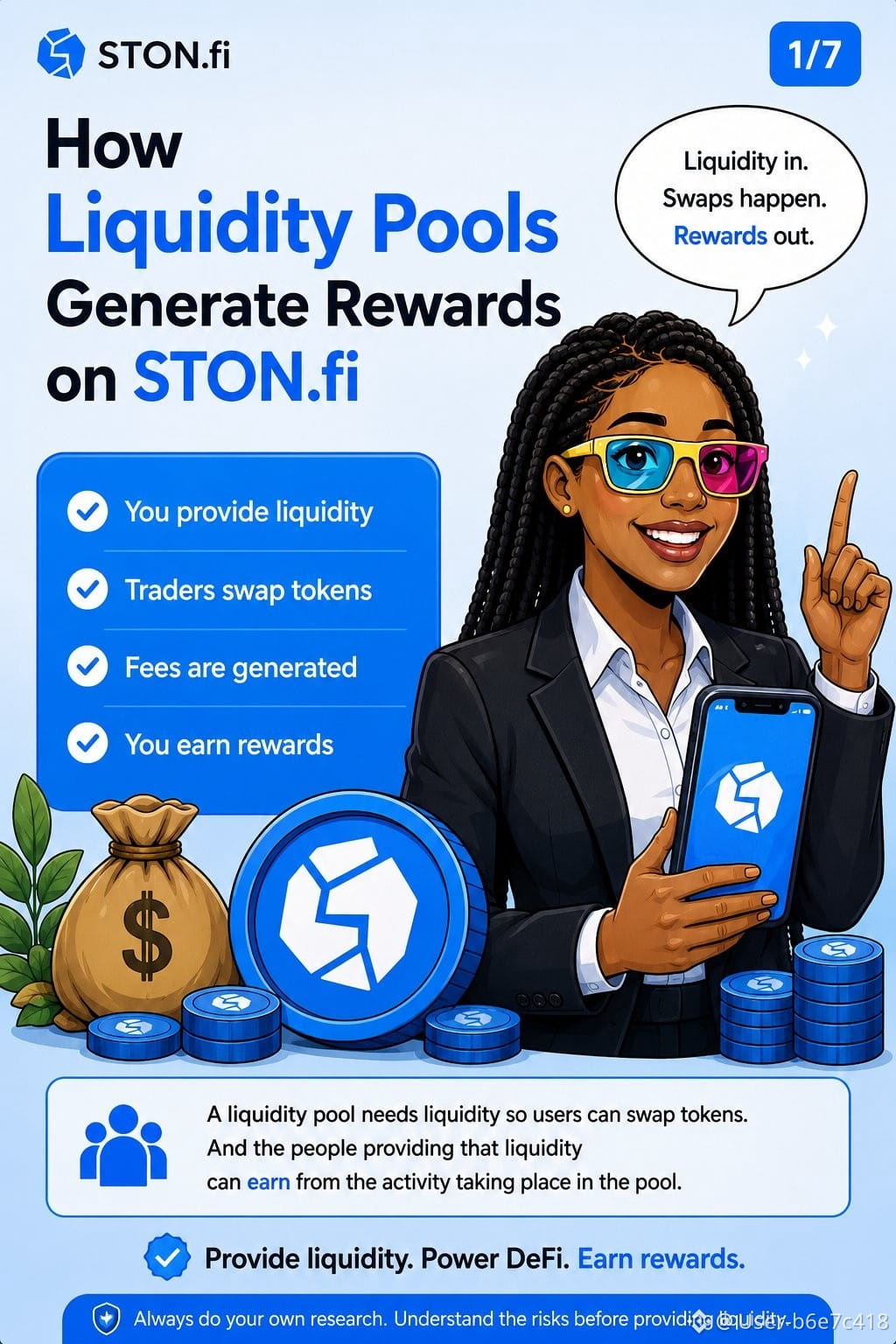
1/ I used to think liquidity pools were only for advanced DeFi users.
The first time I came across terms like AMM, LP tokens, trading fees, APR, farming and impermanent loss, it felt like there was too much to understand before I could even start
After spending more time exploring STON.fi, I realized the main idea is actually pretty simple.
A liquidity pool needs liquidity so users can swap tokens.
And the people providing that liquidity can earn from the activity taking place in the pool.
🧵That’s what I want to break down 👇
#STONfi #DeFi #LiquidityPools #TON
𝐇𝐨𝐰 𝐋𝐢𝐪𝐮𝐢𝐝𝐢𝐭𝐲 𝐏𝐨𝐨𝐥𝐬 𝐆𝐞𝐧𝐞𝐫𝐚𝐭𝐞 𝐑𝐞𝐰𝐚𝐫𝐝𝐬 𝐨𝐧 @ston_fi.
1/ I used to think liquidity pools were only for advanced DeFi users.
The first time I came across terms like AMM, LP tokens, trading fees, APR, farming and impermanent loss, it felt like there was too much to understand before I could even start
After spending more time exploring STON.fi, I realized the main idea is actually pretty simple.
A liquidity pool needs liquidity so users can swap tokens.
And the people providing that liquidity can earn from the activity taking place in the pool.
🧵That’s what I want to break down 👇
#STONfi #DeFi #LiquidityPools #TON
1/ I used to think liquidity pools were only for advanced DeFi users.
The first time I came across terms like AMM, LP tokens, trading fees, APR, farming and impermanent loss, it felt like there was too much to understand before I could even start
After spending more time exploring STON.fi, I realized the main idea is actually pretty simple.
A liquidity pool needs liquidity so users can swap tokens.
And the people providing that liquidity can earn from the activity taking place in the pool.
🧵That’s what I want to break down 👇
#STONfi #DeFi #LiquidityPools #TON
71

📚 What Is Impermanent Loss?: The hidden risk of providing liquidity in DeFi pools
On July 19, 2026, Impermanent loss occurs when you provide liquidity to a decentralized exchange pool and the price ratio of the deposited assets changes. If the price moves significantly, you may end up with less value than if you had simply held the assets.
This is a key concept for anyone participating in DeFi on Ethereum $ETH or Solana $SOL. While trading fees and yield rewards can offset impermanent loss, it's important to understand the risk before depositing into liquidity pools.
📌 Key Takeaway:
Impermanent loss is the trade-off for earning DeFi yields. It's not a loss until you withdraw, but understanding it is essential for anyone providing liquidity — especially in volatile markets.
#DeFi #ImpermanentLoss #LiquidityPools
#BinanceAlphaAlert
📚 What Is Impermanent Loss?: The hidden risk of providing liquidity in DeFi pools
On July 19, 2026, Impermanent loss occurs when you provide liquidity to a decentralized exchange pool and the price ratio of the deposited assets changes. If the price moves significantly, you may end up with less value than if you had simply held the assets.
This is a key concept for anyone participating in DeFi on Ethereum $ETH or Solana $SOL . While trading fees and yield rewards can offset impermanent loss, it's important to understand the risk before depositing into liquidity pools.
📌 Key Takeaway:
Impermanent loss is the trade-off for earning DeFi yields. It's not a loss until you withdraw, but understanding it is essential for anyone providing liquidity — especially in volatile markets.
#DeFi #ImpermanentLoss #LiquidityPools
#BinanceAlphaAlert
On July 19, 2026, Impermanent loss occurs when you provide liquidity to a decentralized exchange pool and the price ratio of the deposited assets changes. If the price moves significantly, you may end up with less value than if you had simply held the assets.
This is a key concept for anyone participating in DeFi on Ethereum $ETH or Solana $SOL . While trading fees and yield rewards can offset impermanent loss, it's important to understand the risk before depositing into liquidity pools.
📌 Key Takeaway:
Impermanent loss is the trade-off for earning DeFi yields. It's not a loss until you withdraw, but understanding it is essential for anyone providing liquidity — especially in volatile markets.
#DeFi #ImpermanentLoss #LiquidityPools
#BinanceAlphaAlert
49

·
--
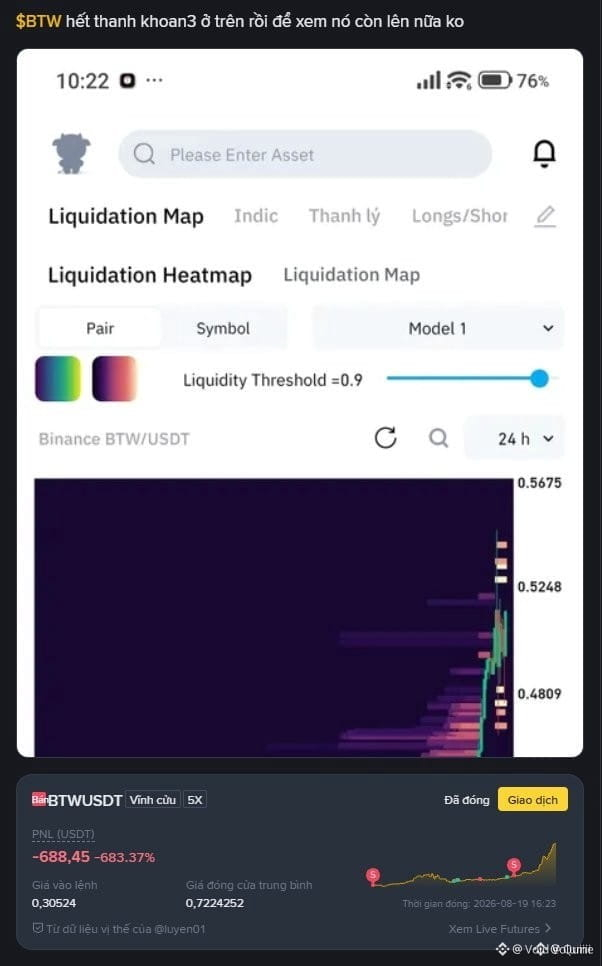
🚨 LESSON IN LIQUIDITY: $BTW SQUEEZES SHORTS FOR -683% AS UPPER POOLS REMAIN UNTOUCHED! 🦈
Attempting to short parabolic momentum without waiting for structural exhaustion is a classic retail trap. $BTW recently delivered a severe lesson, expanding from 0.305 up to 0.722 and squeezing early short positions into heavy liquidations. 📊
Smart money is actively reading the order flow, and significant uncollected liquidity pools still rest above current price action. 🌊 Fading aggressive momentum simply because price looks overextended is high risk while institutional buy-stops continue fueling the drive. ⚡
We remain composed, tracking market structure until clear supply absorption and exhaustion print on higher timeframes. 💡 Are you waiting for the final liquidity sweep above resistance, or letting this squeeze play out from the sidelines? 👇
⚠️ Not financial advice. Always manage your risk. 🛡️
🏷️ #BTW #ShortSqueeze #LiquidityPools #CryptoAnalysis
🎯 🦈
🚨 LESSON IN LIQUIDITY: $BTW SQUEEZES SHORTS FOR -683% AS UPPER POOLS REMAIN UNTOUCHED! 🦈
Attempting to short parabolic momentum without waiting for structural exhaustion is a classic retail trap. $BTW recently delivered a severe lesson, expanding from 0.305 up to 0.722 and squeezing early short positions into heavy liquidations. 📊
Smart money is actively reading the order flow, and significant uncollected liquidity pools still rest above current price action. 🌊 Fading aggressive momentum simply because price looks overextended is high risk while institutional buy-stops continue fueling the drive. ⚡
We remain composed, tracking market structure until clear supply absorption and exhaustion print on higher timeframes. 💡 Are you waiting for the final liquidity sweep above resistance, or letting this squeeze play out from the sidelines? 👇
⚠️ Not financial advice. Always manage your risk. 🛡️
🏷️ #BTW #ShortSqueeze #LiquidityPools #CryptoAnalysis
🎯 🦈
Attempting to short parabolic momentum without waiting for structural exhaustion is a classic retail trap. $BTW recently delivered a severe lesson, expanding from 0.305 up to 0.722 and squeezing early short positions into heavy liquidations. 📊
Smart money is actively reading the order flow, and significant uncollected liquidity pools still rest above current price action. 🌊 Fading aggressive momentum simply because price looks overextended is high risk while institutional buy-stops continue fueling the drive. ⚡
We remain composed, tracking market structure until clear supply absorption and exhaustion print on higher timeframes. 💡 Are you waiting for the final liquidity sweep above resistance, or letting this squeeze play out from the sidelines? 👇
⚠️ Not financial advice. Always manage your risk. 🛡️
🏷️ #BTW #ShortSqueeze #LiquidityPools #CryptoAnalysis
🎯 🦈
129
⚡ Liquidity Pools Explained: The engines behind decentralized exchanges
On August 1, 2026, A liquidity pool is a smart contract holding two or more tokens, which traders swap against. Providers deposit assets into the pool and earn a share of trading fees in return.
These pools power the DEX economy — the model that lets platforms like Uniswap settle trades without an order book. They are the reason on-chain trading can run 24/7.
📌 Key Takeaway:
Liquidity pools turned every token holder into a potential market maker. Understanding them is the key to grasping how decentralized trading actually works.
#LiquidityPools #DeFi
#BinanceAlphaAlert
⚡ Liquidity Pools Explained: The engines behind decentralized exchanges
On August 1, 2026, A liquidity pool is a smart contract holding two or more tokens, which traders swap against. Providers deposit assets into the pool and earn a share of trading fees in return.
These pools power the DEX economy — the model that lets platforms like Uniswap settle trades without an order book. They are the reason on-chain trading can run 24/7.
📌 Key Takeaway:
Liquidity pools turned every token holder into a potential market maker. Understanding them is the key to grasping how decentralized trading actually works.
#LiquidityPools #DeFi
#BinanceAlphaAlert
On August 1, 2026, A liquidity pool is a smart contract holding two or more tokens, which traders swap against. Providers deposit assets into the pool and earn a share of trading fees in return.
These pools power the DEX economy — the model that lets platforms like Uniswap settle trades without an order book. They are the reason on-chain trading can run 24/7.
📌 Key Takeaway:
Liquidity pools turned every token holder into a potential market maker. Understanding them is the key to grasping how decentralized trading actually works.
#LiquidityPools #DeFi
#BinanceAlphaAlert
22

·
--
Binance Wallet DeFi Hub Launch
Binance Wallet's Earn section is now a full DeFi hub — access 40+ protocols, 1,000+ pools, DeFi Loans, and Liquidity Pools across BSC, Ethereum, Base, and Arbitrum, all with built-in position tracking. A $2M rewards campaign with weekly themes kicks off May 28.
#BinanceWallet #DeFi #LiquidityPools #CryptoEarn
Binance Wallet DeFi Hub Launch
Binance Wallet's Earn section is now a full DeFi hub — access 40+ protocols, 1,000+ pools, DeFi Loans, and Liquidity Pools across BSC, Ethereum, Base, and Arbitrum, all with built-in position tracking. A $2M rewards campaign with weekly themes kicks off May 28.
#BinanceWallet #DeFi #LiquidityPools #CryptoEarn
Binance Wallet's Earn section is now a full DeFi hub — access 40+ protocols, 1,000+ pools, DeFi Loans, and Liquidity Pools across BSC, Ethereum, Base, and Arbitrum, all with built-in position tracking. A $2M rewards campaign with weekly themes kicks off May 28.
#BinanceWallet #DeFi #LiquidityPools #CryptoEarn

72

·
--
DeFi platform hits $25 million milestone
Spreadefi Users Deploy Over $25 Million in Liquidity Pools in the Second Quarter
This milestone matters to traders and holders as it indicates growing interest in the decentralized finance sector. Spreadefi's success is a positive sign for the industry, which has been slowly recovering from a period of subdued activity. Users should watch for continued growth and adoption of DeFi platforms.
#DeFi #Crypto #LiquidityPools #Blockchain
DeFi platform hits $25 million milestone
Spreadefi Users Deploy Over $25 Million in Liquidity Pools in the Second Quarter
This milestone matters to traders and holders as it indicates growing interest in the decentralized finance sector. Spreadefi's success is a positive sign for the industry, which has been slowly recovering from a period of subdued activity. Users should watch for continued growth and adoption of DeFi platforms.
#DeFi #Crypto #LiquidityPools #Blockchain
Spreadefi Users Deploy Over $25 Million in Liquidity Pools in the Second Quarter
This milestone matters to traders and holders as it indicates growing interest in the decentralized finance sector. Spreadefi's success is a positive sign for the industry, which has been slowly recovering from a period of subdued activity. Users should watch for continued growth and adoption of DeFi platforms.
#DeFi #Crypto #LiquidityPools #Blockchain
44
·
--
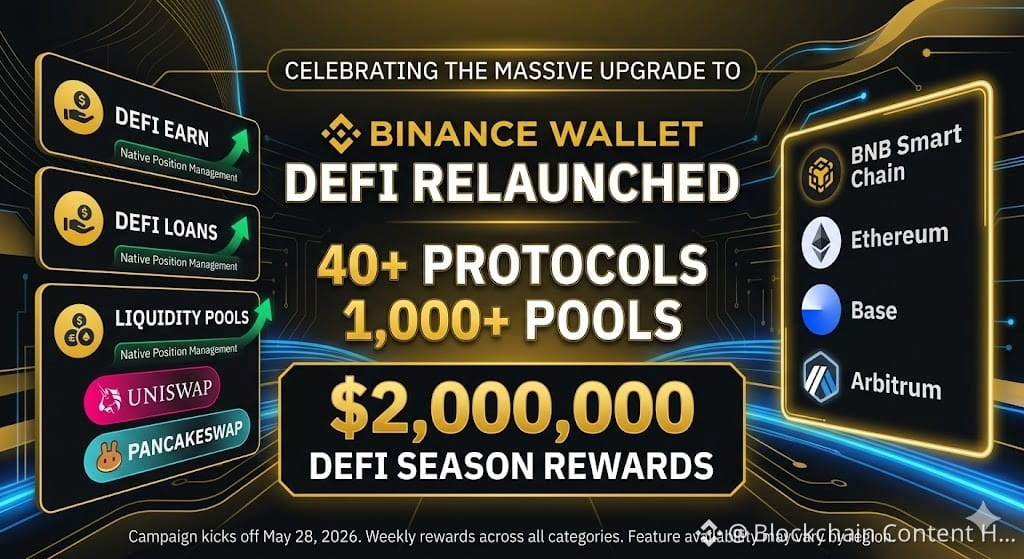
Binance Wallet has relaunched its DeFi section with a major upgrade, now covering 40+ protocols and 1,000+ pools across BNB Smart Chain, Ethereum, Base, and Arbitrum. Users can now access DeFi Earn, DeFi Loans, and Liquidity Pools — including Uniswap and PancakeSwap — all in one place with native position management. A $2,000,000 DeFi Season rewards campaign kicked off on May 28, 2026, rolling out weekly across all three categories. Feature availability may vary by region.
#BinanceWallet #DeFi #LiquidityPools #cryptoearningsbinance
Binance Wallet has relaunched its DeFi section with a major upgrade, now covering 40+ protocols and 1,000+ pools across BNB Smart Chain, Ethereum, Base, and Arbitrum. Users can now access DeFi Earn, DeFi Loans, and Liquidity Pools — including Uniswap and PancakeSwap — all in one place with native position management. A $2,000,000 DeFi Season rewards campaign kicked off on May 28, 2026, rolling out weekly across all three categories. Feature availability may vary by region.
#BinanceWallet #DeFi #LiquidityPools #cryptoearningsbinance
#BinanceWallet #DeFi #LiquidityPools #cryptoearningsbinance
31

·
--
Haussier
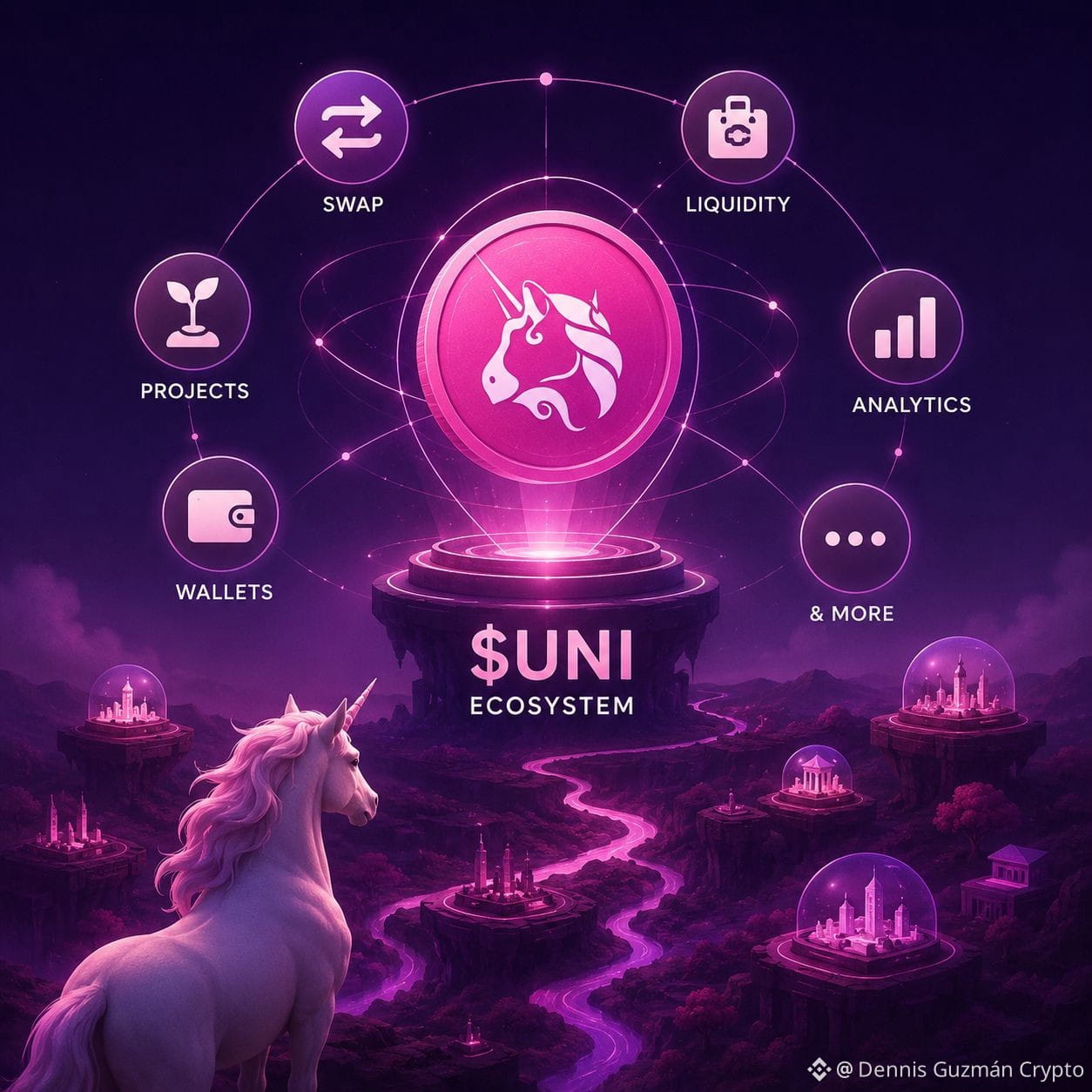
El tejido conectivo de Uniswap ($UNI ) lidera el ecosistema de las finanzas descentralizadas mediante su tecnología de liquidez concentrada.
{future}(UNIUSDT)
Decenas de plataformas de préstamo, agregadores de rendimiento y aplicaciones Web3 se construyen directamente sobre sus contratos inteligentes para aprovechar sus fondos de reserva autónomos, permitiendo intercambios de tokens automáticos las 24 horas del día. #UNI #DeFiEcosystem #LiquidityPools
El tejido conectivo de Uniswap ($UNI ) lidera el ecosistema de las finanzas descentralizadas mediante su tecnología de liquidez concentrada.
Decenas de plataformas de préstamo, agregadores de rendimiento y aplicaciones Web3 se construyen directamente sobre sus contratos inteligentes para aprovechar sus fondos de reserva autónomos, permitiendo intercambios de tokens automáticos las 24 horas del día. #UNI #DeFiEcosystem #LiquidityPools
Decenas de plataformas de préstamo, agregadores de rendimiento y aplicaciones Web3 se construyen directamente sobre sus contratos inteligentes para aprovechar sus fondos de reserva autónomos, permitiendo intercambios de tokens automáticos las 24 horas del día. #UNI #DeFiEcosystem #LiquidityPools
1
100

·
--
Did you know that a popular decentralized exchange (DEX) just quietly changed the way users interact with their liquidity pools (LPs)?
Uniswap v4 protocol fees are now a thing, and according to founder Hayden Adams, these fees are tacked onto existing LP rates across seven chains after governance voted to approve the change. This means that liquidity providers won't see a drop in their LP rates, but they will be paying more to provide liquidity due to the new fees #DeFi #LiquidityPools.
Let's look at an example: if you're providing liquidity to the ETH/USDT pair on Uniswap and previously earned an LP rate of 5%, you'll still earn a 5% APY, but you'll also pay a 0.01% fee on the trade. It might be a small addition, but it's still an essential concept for LPs to understand.
So, what can you do to adjust to this change? Be sure to review your LP strategies and calculate the impact of these fees on your returns #APYCalculator.
Now, what do you think this change will mean for the future of Uniswap and LPs in the DeFi space?
Did you know that a popular decentralized exchange (DEX) just quietly changed the way users interact with their liquidity pools (LPs)?
Uniswap v4 protocol fees are now a thing, and according to founder Hayden Adams, these fees are tacked onto existing LP rates across seven chains after governance voted to approve the change. This means that liquidity providers won't see a drop in their LP rates, but they will be paying more to provide liquidity due to the new fees #DeFi #LiquidityPools.
Let's look at an example: if you're providing liquidity to the ETH/USDT pair on Uniswap and previously earned an LP rate of 5%, you'll still earn a 5% APY, but you'll also pay a 0.01% fee on the trade. It might be a small addition, but it's still an essential concept for LPs to understand.
So, what can you do to adjust to this change? Be sure to review your LP strategies and calculate the impact of these fees on your returns #APYCalculator.
Now, what do you think this change will mean for the future of Uniswap and LPs in the DeFi space?
Uniswap v4 protocol fees are now a thing, and according to founder Hayden Adams, these fees are tacked onto existing LP rates across seven chains after governance voted to approve the change. This means that liquidity providers won't see a drop in their LP rates, but they will be paying more to provide liquidity due to the new fees #DeFi #LiquidityPools.
Let's look at an example: if you're providing liquidity to the ETH/USDT pair on Uniswap and previously earned an LP rate of 5%, you'll still earn a 5% APY, but you'll also pay a 0.01% fee on the trade. It might be a small addition, but it's still an essential concept for LPs to understand.
So, what can you do to adjust to this change? Be sure to review your LP strategies and calculate the impact of these fees on your returns #APYCalculator.
Now, what do you think this change will mean for the future of Uniswap and LPs in the DeFi space?
23

·
--

Article
How TON’s Upgrades Are Reshaping DeFi ReturnsI think the recent improvement in tsTON liquidity economics is easier to understand when we stop looking at APR as a single number.
There are several forces working together underneath it. TON’s faster block production has improved the environment for staking, while lower network fees make smaller trades and arbitrage opportunities more economically viable. Those changes can flow directly into liquid staking and, ultimately, into tsTON liquidity pools.
The first layer: staking
tsTON represents staked TON and the rewards generated by that staking position.
So when staking economics improve, tsTON itself has a stronger underlying value-accrual mechanism.
That creates an important distinction from a normal liquidity pool.
A conventional LP position may rely heavily on trading fees or incentives. With tsTON, part of the economic return comes from exposure to the staking rewards embedded in the asset.
The second layer: trading fees
The other side is trading activity.
Cheaper transactions can make more arbitrage and rebalancing strategies profitable. When traders find price differences between tsTON/TON and tsTON/USDT markets, they can trade across those pools to capture the spread.
Those trades create volume.
Volume creates fees.
And fees can flow back to liquidity providers.
This creates an interesting relationship:
Staking rewards → tsTON value accrual → price differences → arbitrage → trading volume → LP fees
That connection is easy to miss when looking only at the displayed APR.
Why the 75/25 structure matters
The tsTON/TON pool's weighted structure also deserves attention.
With roughly 75% exposure to tsTON and 25% to TON, liquidity providers have greater exposure to the liquid-staking asset than they would in a traditional 50/50 pool.
That can make the position more sensitive to tsTON's value accumulation.
But it also means LPs should not confuse staking exposure with guaranteed profit.
The real outcome still depends on trading volume, the tsTON/TON exchange rate, liquidity conditions and impermanent-loss effects.
What interests me most isn't simply that tsTON pools can show attractive APRs.
It's the fact that several layers of TON's ecosystem are beginning to reinforce each other.
Faster infrastructure can strengthen staking.Staking strengthens tsTON.tsTON creates new DeFi liquidity.Lower fees encourage trading.Trading creates fee opportunities.
That is a much more interesting story than a high APR number on a dashboard.
For me, the key metric going forward isn't just “How high is the APR?”
It's “How much of that APR is being generated organically by staking economics and real trading activity?”
If staking remains productive, liquidity continues deepening and genuine trading volume stays healthy, tsTON could become an increasingly important bridge between TON's staking economy and its DeFi economy.
$BTC $SOL #LiquidityPools #TONDeFiEcosystem #TrendingTopic
How TON’s Upgrades Are Reshaping DeFi Returns
I think the recent improvement in tsTON liquidity economics is easier to understand when we stop looking at APR as a single number.
There are several forces working together underneath it. TON’s faster block production has improved the environment for staking, while lower network fees make smaller trades and arbitrage opportunities more economically viable. Those changes can flow directly into liquid staking and, ultimately, into tsTON liquidity pools.
The first layer: staking
tsTON represents staked TON and the rewards generated by that staking position.
So when staking economics improve, tsTON itself has a stronger underlying value-accrual mechanism.
That creates an important distinction from a normal liquidity pool.
A conventional LP position may rely heavily on trading fees or incentives. With tsTON, part of the economic return comes from exposure to the staking rewards embedded in the asset.
The second layer: trading fees
The other side is trading activity.
Cheaper transactions can make more arbitrage and rebalancing strategies profitable. When traders find price differences between tsTON/TON and tsTON/USDT markets, they can trade across those pools to capture the spread.
Those trades create volume.
Volume creates fees.
And fees can flow back to liquidity providers.
This creates an interesting relationship:
Staking rewards → tsTON value accrual → price differences → arbitrage → trading volume → LP fees
That connection is easy to miss when looking only at the displayed APR.
Why the 75/25 structure matters
The tsTON/TON pool's weighted structure also deserves attention.
With roughly 75% exposure to tsTON and 25% to TON, liquidity providers have greater exposure to the liquid-staking asset than they would in a traditional 50/50 pool.
That can make the position more sensitive to tsTON's value accumulation.
But it also means LPs should not confuse staking exposure with guaranteed profit.
The real outcome still depends on trading volume, the tsTON/TON exchange rate, liquidity conditions and impermanent-loss effects.
What interests me most isn't simply that tsTON pools can show attractive APRs.
It's the fact that several layers of TON's ecosystem are beginning to reinforce each other.
Faster infrastructure can strengthen staking.Staking strengthens tsTON.tsTON creates new DeFi liquidity.Lower fees encourage trading.Trading creates fee opportunities.
That is a much more interesting story than a high APR number on a dashboard.
For me, the key metric going forward isn't just “How high is the APR?”
It's “How much of that APR is being generated organically by staking economics and real trading activity?”
If staking remains productive, liquidity continues deepening and genuine trading volume stays healthy, tsTON could become an increasingly important bridge between TON's staking economy and its DeFi economy.
$BTC $SOL #LiquidityPools #TONDeFiEcosystem #TrendingTopic
There are several forces working together underneath it. TON’s faster block production has improved the environment for staking, while lower network fees make smaller trades and arbitrage opportunities more economically viable. Those changes can flow directly into liquid staking and, ultimately, into tsTON liquidity pools.
The first layer: staking
tsTON represents staked TON and the rewards generated by that staking position.
So when staking economics improve, tsTON itself has a stronger underlying value-accrual mechanism.
That creates an important distinction from a normal liquidity pool.
A conventional LP position may rely heavily on trading fees or incentives. With tsTON, part of the economic return comes from exposure to the staking rewards embedded in the asset.
The second layer: trading fees
The other side is trading activity.
Cheaper transactions can make more arbitrage and rebalancing strategies profitable. When traders find price differences between tsTON/TON and tsTON/USDT markets, they can trade across those pools to capture the spread.
Those trades create volume.
Volume creates fees.
And fees can flow back to liquidity providers.
This creates an interesting relationship:
Staking rewards → tsTON value accrual → price differences → arbitrage → trading volume → LP fees
That connection is easy to miss when looking only at the displayed APR.
Why the 75/25 structure matters
The tsTON/TON pool's weighted structure also deserves attention.
With roughly 75% exposure to tsTON and 25% to TON, liquidity providers have greater exposure to the liquid-staking asset than they would in a traditional 50/50 pool.
That can make the position more sensitive to tsTON's value accumulation.
But it also means LPs should not confuse staking exposure with guaranteed profit.
The real outcome still depends on trading volume, the tsTON/TON exchange rate, liquidity conditions and impermanent-loss effects.
What interests me most isn't simply that tsTON pools can show attractive APRs.
It's the fact that several layers of TON's ecosystem are beginning to reinforce each other.
Faster infrastructure can strengthen staking.Staking strengthens tsTON.tsTON creates new DeFi liquidity.Lower fees encourage trading.Trading creates fee opportunities.
That is a much more interesting story than a high APR number on a dashboard.
For me, the key metric going forward isn't just “How high is the APR?”
It's “How much of that APR is being generated organically by staking economics and real trading activity?”
If staking remains productive, liquidity continues deepening and genuine trading volume stays healthy, tsTON could become an increasingly important bridge between TON's staking economy and its DeFi economy.
$BTC $SOL #LiquidityPools #TONDeFiEcosystem #TrendingTopic
1
103
·
--
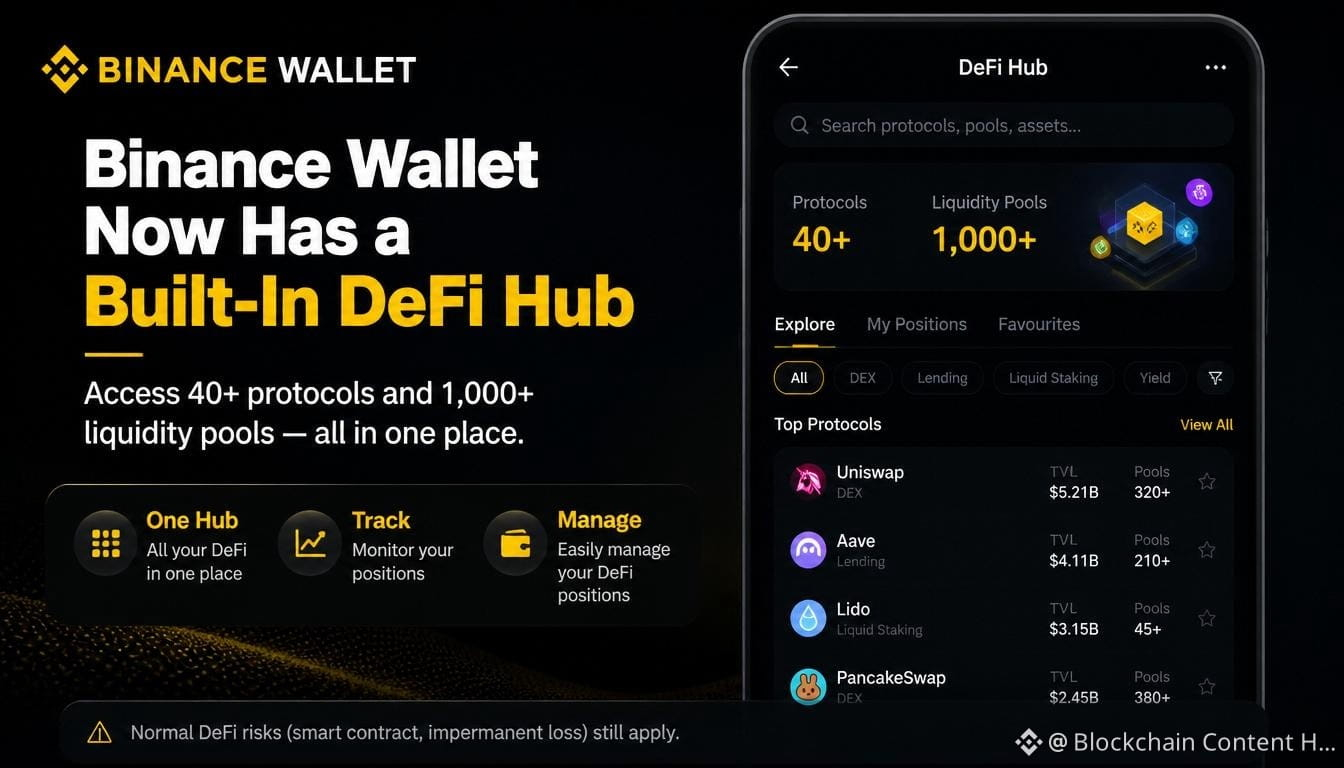
Binance Wallet Now Has a Built-In DeFi Hub 🔵
Binance Wallet launched a native DeFi hub with access to 40+ protocols and 1,000+ liquidity pools — all in one place. Track and manage DeFi positions without jumping between dApps. Normal DeFi risks (smart contract, impermanent loss) still apply.
#Binance #BinanceWallet #DeFi #LiquidityPools
Binance Wallet Now Has a Built-In DeFi Hub 🔵
Binance Wallet launched a native DeFi hub with access to 40+ protocols and 1,000+ liquidity pools — all in one place. Track and manage DeFi positions without jumping between dApps. Normal DeFi risks (smart contract, impermanent loss) still apply.
#Binance #BinanceWallet #DeFi #LiquidityPools
Binance Wallet launched a native DeFi hub with access to 40+ protocols and 1,000+ liquidity pools — all in one place. Track and manage DeFi positions without jumping between dApps. Normal DeFi risks (smart contract, impermanent loss) still apply.
#Binance #BinanceWallet #DeFi #LiquidityPools
134

·
--
Have you noticed how retail keeps longing every breakout while the real order books tell a completely different story?
Most traders end up round-tripping their portfolios or getting wicked out because they fixate on arbitrary resistance levels instead of tracking where the capital actually rests.
Looking at the current order depth for $BTC, the immediate overhead liquidity concentrated around $75K is actually just the surface layer. When you analyze the real institutional positioning, the truly heavy bids are sitting much lower, clustered aggressively between the $60K and $50K ranges.
Smart money is clearly preparing for a deeper sweep rather than chasing higher prices right now. If high-beta assets like $ETH or $SOL start feeling the squeeze, that lower band is where the real absorption happens before any sustainable expansion.
Are you actively positioning for that lower liquidity pool, or expecting a clean push through $75K first?
#Bitcoin #CryptoTrading #LiquidityPools
Have you noticed how retail keeps longing every breakout while the real order books tell a completely different story?
Most traders end up round-tripping their portfolios or getting wicked out because they fixate on arbitrary resistance levels instead of tracking where the capital actually rests.
Looking at the current order depth for $BTC , the immediate overhead liquidity concentrated around $75K is actually just the surface layer. When you analyze the real institutional positioning, the truly heavy bids are sitting much lower, clustered aggressively between the $60K and $50K ranges.
Smart money is clearly preparing for a deeper sweep rather than chasing higher prices right now. If high-beta assets like $ETH or $SOL start feeling the squeeze, that lower band is where the real absorption happens before any sustainable expansion.
Are you actively positioning for that lower liquidity pool, or expecting a clean push through $75K first?
#Bitcoin #CryptoTrading #LiquidityPools
Most traders end up round-tripping their portfolios or getting wicked out because they fixate on arbitrary resistance levels instead of tracking where the capital actually rests.
Looking at the current order depth for $BTC , the immediate overhead liquidity concentrated around $75K is actually just the surface layer. When you analyze the real institutional positioning, the truly heavy bids are sitting much lower, clustered aggressively between the $60K and $50K ranges.
Smart money is clearly preparing for a deeper sweep rather than chasing higher prices right now. If high-beta assets like $ETH or $SOL start feeling the squeeze, that lower band is where the real absorption happens before any sustainable expansion.
Are you actively positioning for that lower liquidity pool, or expecting a clean push through $75K first?
#Bitcoin #CryptoTrading #LiquidityPools

64

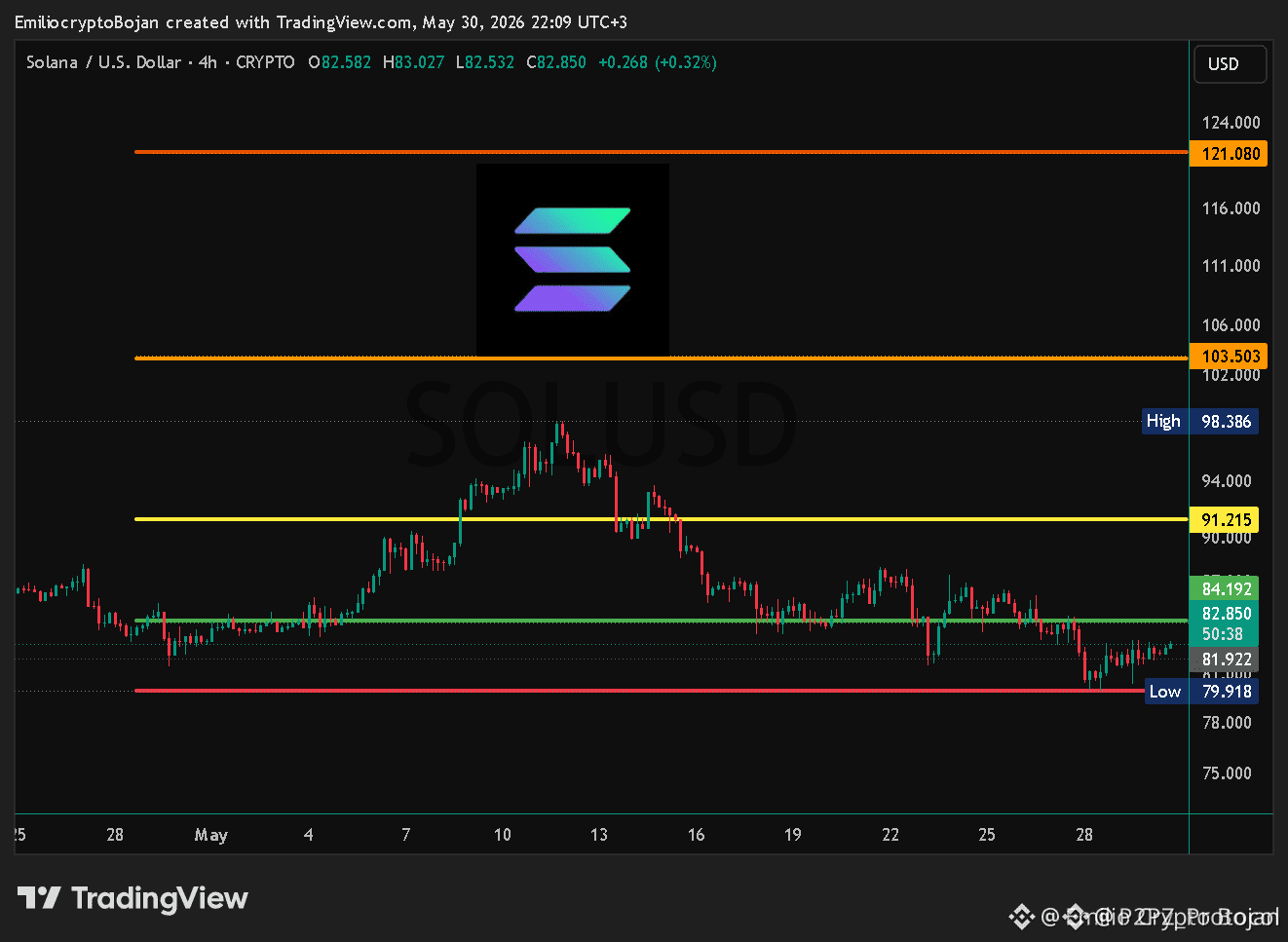
تم سحب السيولة بنجاح (Liquidity Sweep)! $SOL يرتد الآن من منطقة الطلب المؤسسية بعد طرد الأيدي الضعيفة. 📉 Structure Shift
صناع السوق حددوا الهدف، وتأكيد كسر الهيكل السعري صعوداً$SOL سيعني رحلة سريعة ومباشرة نحو القمة التالية. راقبوا الإغلاق!$SOL ⚡
#SmartMoneyConcepts #SMC #LiquidityPools #solana
تم سحب السيولة بنجاح (Liquidity Sweep)! $SOL يرتد الآن من منطقة الطلب المؤسسية بعد طرد الأيدي الضعيفة. 📉 Structure Shift
صناع السوق حددوا الهدف، وتأكيد كسر الهيكل السعري صعوداً$SOL سيعني رحلة سريعة ومباشرة نحو القمة التالية. راقبوا الإغلاق!$SOL ⚡
#SmartMoneyConcepts #SMC #LiquidityPools #solana
صناع السوق حددوا الهدف، وتأكيد كسر الهيكل السعري صعوداً$SOL سيعني رحلة سريعة ومباشرة نحو القمة التالية. راقبوا الإغلاق!$SOL ⚡
#SmartMoneyConcepts #SMC #LiquidityPools #solana
449

·
--
Haussier
✅Análisis Institucional: Mapa de Liquidaciones de $BTC y Zonas de Intervención
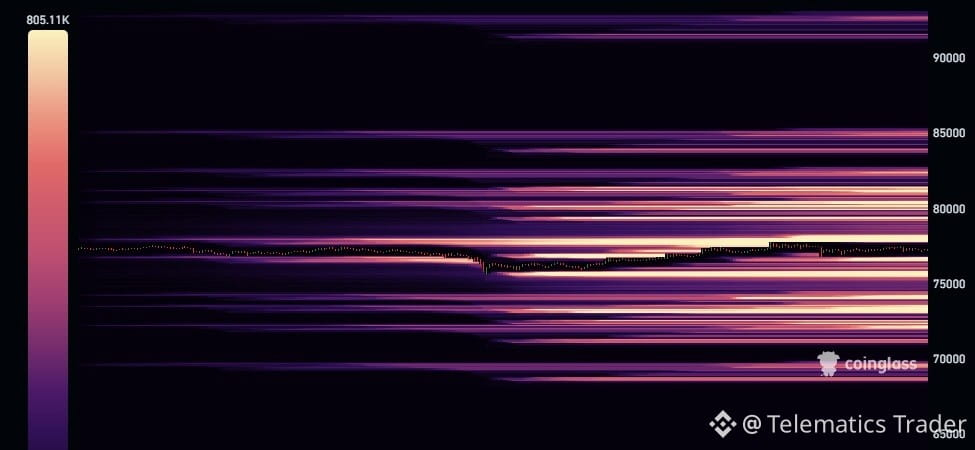
El análisis del Heatmap de Liquidaciones (24h) revela una compresión estructural clave. La acción del precio se encuentra en un punto de inflexión donde las piscinas de liquidez acumuladas dictarán la volatilidad a corto plazo.
1. Dinámica de Creadores de Mercado (Market Makers):
Zona de atracción superior ($78.500 – $81.500): La mayor densidad de liquidez (brillo superior a los 800K) reside sobre los máximos locales. Una ruptura sostenida por encima de $78.500 provocará una cascada de cierres forzados (short squeeze), empujando el precio con fuerza hacia la franja psicológica de los $80.000 – $81.000.
⚡Absorción previa completada: La corrección anterior hacia los $75.000 ejecutó un barrido de apalancamiento en longs, permitiendo una acumulación estructural en la base antes del impulso actual.
🔥2. Niveles Clave y Puntos de Decisión:
Resistencia / Expansión de Liquidez: $78.500 – $81.000. Zona crítica donde reside el mayor volumen de liquidación de posiciones cortas.
🔴Soporte Estructural / Invalidez: $75.200 – $74.000. Perder este nivel reactivaría la búsqueda de liquidez inferior hacia el bloque profundo de los $72.000.
💸Estrategia: La estructura favorece la búsqueda de la piscina superior antes de un retroceso mayor. Se recomienda buscar confirmación de absorción en retrocesos hacia soportes intermedios o esperar la toma completa de liquidez en los $80K para evaluar agotamiento comprador.
💬 ¿Consideras que el barrido en $75K fue suficiente para catapultar a BTC directo a los $81K, o veremos un rechazo en los $78.5K? Deja tu escenario en los comentarios.
#BTC #cryptotrading #LiquidityPools #BinanceSquareBTC
✅Análisis Institucional: Mapa de Liquidaciones de $BTC y Zonas de Intervención
El análisis del Heatmap de Liquidaciones (24h) revela una compresión estructural clave. La acción del precio se encuentra en un punto de inflexión donde las piscinas de liquidez acumuladas dictarán la volatilidad a corto plazo.
1. Dinámica de Creadores de Mercado (Market Makers):
Zona de atracción superior ($78.500 – $81.500): La mayor densidad de liquidez (brillo superior a los 800K) reside sobre los máximos locales. Una ruptura sostenida por encima de $78.500 provocará una cascada de cierres forzados (short squeeze), empujando el precio con fuerza hacia la franja psicológica de los $80.000 – $81.000.
⚡Absorción previa completada: La corrección anterior hacia los $75.000 ejecutó un barrido de apalancamiento en longs, permitiendo una acumulación estructural en la base antes del impulso actual.
🔥2. Niveles Clave y Puntos de Decisión:
Resistencia / Expansión de Liquidez: $78.500 – $81.000. Zona crítica donde reside el mayor volumen de liquidación de posiciones cortas.
🔴Soporte Estructural / Invalidez: $75.200 – $74.000. Perder este nivel reactivaría la búsqueda de liquidez inferior hacia el bloque profundo de los $72.000.
💸Estrategia: La estructura favorece la búsqueda de la piscina superior antes de un retroceso mayor. Se recomienda buscar confirmación de absorción en retrocesos hacia soportes intermedios o esperar la toma completa de liquidez en los $80K para evaluar agotamiento comprador.
💬 ¿Consideras que el barrido en $75K fue suficiente para catapultar a BTC directo a los $81K, o veremos un rechazo en los $78.5K? Deja tu escenario en los comentarios.
#BTC #cryptotrading #LiquidityPools #BinanceSquareBTC
El análisis del Heatmap de Liquidaciones (24h) revela una compresión estructural clave. La acción del precio se encuentra en un punto de inflexión donde las piscinas de liquidez acumuladas dictarán la volatilidad a corto plazo.
1. Dinámica de Creadores de Mercado (Market Makers):
Zona de atracción superior ($78.500 – $81.500): La mayor densidad de liquidez (brillo superior a los 800K) reside sobre los máximos locales. Una ruptura sostenida por encima de $78.500 provocará una cascada de cierres forzados (short squeeze), empujando el precio con fuerza hacia la franja psicológica de los $80.000 – $81.000.
⚡Absorción previa completada: La corrección anterior hacia los $75.000 ejecutó un barrido de apalancamiento en longs, permitiendo una acumulación estructural en la base antes del impulso actual.
🔥2. Niveles Clave y Puntos de Decisión:
Resistencia / Expansión de Liquidez: $78.500 – $81.000. Zona crítica donde reside el mayor volumen de liquidación de posiciones cortas.
🔴Soporte Estructural / Invalidez: $75.200 – $74.000. Perder este nivel reactivaría la búsqueda de liquidez inferior hacia el bloque profundo de los $72.000.
💸Estrategia: La estructura favorece la búsqueda de la piscina superior antes de un retroceso mayor. Se recomienda buscar confirmación de absorción en retrocesos hacia soportes intermedios o esperar la toma completa de liquidez en los $80K para evaluar agotamiento comprador.
💬 ¿Consideras que el barrido en $75K fue suficiente para catapultar a BTC directo a los $81K, o veremos un rechazo en los $78.5K? Deja tu escenario en los comentarios.
#BTC #cryptotrading #LiquidityPools #BinanceSquareBTC

4
1.3k

·
--
Article
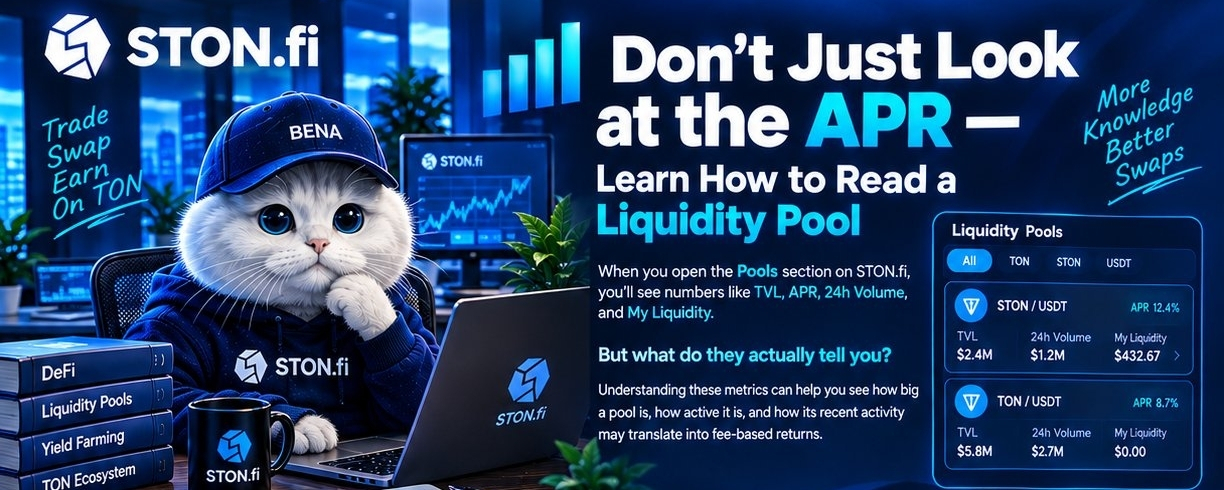
📊 Don’t Just Look at the APR — Learn How to Read a Liquidity PoolWhen you open the Pools section on STON.fi, you’ll see numbers like TVL, APR, 24h Volume, and My Liquidity.
But what do they actually tell you?
Understanding these metrics can help you see how big a pool is, how active it is, and how its recent activity may translate into fee-based returns.
💰 TVL — How Much Liquidity Is There?
TVL (Total Value Locked) represents the total dollar value deposited in the pool.
Generally, higher TVL means deeper liquidity, which can help support larger swaps with lower price impact.
📈 APR — What Could the Recent Activity Generate?
APR is an annualized estimate based on recent pool activity.
It can change as trading volume, liquidity, fees, and market conditions change.
So remember:
APR is an estimate, not a guaranteed return.
🔄 24h Volume — Is the Pool Active?
24h Volume shows how much trading has happened through the pool over the last 24 hours.
Higher trading activity can generate more swap fees for liquidity providers.
But don't look at volume alone. A pool with high volume and very low TVL can behave very differently from a deep pool with high TVL.
👤 My Liquidity — What Did You Provide?
My Liquidity shows the amount of liquidity you personally provided to the pool.
It helps you quickly track your position and see how much you currently have in that pool.
🧠 How Should You Read Them Together?
Think of it like this:
TVL → How deep is the pool?
24h Volume → How active is it?
APR → What recent activity may translate into annually?
My Liquidity → What's your position?
The important part is not to judge a pool using just one number.
Pool metrics are dynamic, so they can change as liquidity, trading activity, token prices, and market conditions change.
Before providing liquidity, don't just ask “What is the APR?”
Ask:
“How deep is the pool, how active is it, and what is actually driving the return?” 📊
@stonfi
#STONfi #TON #DeFi #LiquidityPools #APR #TVL #Crypto $HBAR
{spot}(HBARUSDT)
$QNT
{future}(QNTUSDT)
$GRAM
{future}(GRAMUSDT)
📊 Don’t Just Look at the APR — Learn How to Read a Liquidity Pool
When you open the Pools section on STON.fi, you’ll see numbers like TVL, APR, 24h Volume, and My Liquidity.
But what do they actually tell you?
Understanding these metrics can help you see how big a pool is, how active it is, and how its recent activity may translate into fee-based returns.
💰 TVL — How Much Liquidity Is There?
TVL (Total Value Locked) represents the total dollar value deposited in the pool.
Generally, higher TVL means deeper liquidity, which can help support larger swaps with lower price impact.
📈 APR — What Could the Recent Activity Generate?
APR is an annualized estimate based on recent pool activity.
It can change as trading volume, liquidity, fees, and market conditions change.
So remember:
APR is an estimate, not a guaranteed return.
🔄 24h Volume — Is the Pool Active?
24h Volume shows how much trading has happened through the pool over the last 24 hours.
Higher trading activity can generate more swap fees for liquidity providers.
But don't look at volume alone. A pool with high volume and very low TVL can behave very differently from a deep pool with high TVL.
👤 My Liquidity — What Did You Provide?
My Liquidity shows the amount of liquidity you personally provided to the pool.
It helps you quickly track your position and see how much you currently have in that pool.
🧠 How Should You Read Them Together?
Think of it like this:
TVL → How deep is the pool?
24h Volume → How active is it?
APR → What recent activity may translate into annually?
My Liquidity → What's your position?
The important part is not to judge a pool using just one number.
Pool metrics are dynamic, so they can change as liquidity, trading activity, token prices, and market conditions change.
Before providing liquidity, don't just ask “What is the APR?”
Ask:
“How deep is the pool, how active is it, and what is actually driving the return?” 📊
@STONfi DEX
#STONfi #TON #DeFi #LiquidityPools #APR #TVL #Crypto $HBAR
$QNT
$GRAM
But what do they actually tell you?
Understanding these metrics can help you see how big a pool is, how active it is, and how its recent activity may translate into fee-based returns.
💰 TVL — How Much Liquidity Is There?
TVL (Total Value Locked) represents the total dollar value deposited in the pool.
Generally, higher TVL means deeper liquidity, which can help support larger swaps with lower price impact.
📈 APR — What Could the Recent Activity Generate?
APR is an annualized estimate based on recent pool activity.
It can change as trading volume, liquidity, fees, and market conditions change.
So remember:
APR is an estimate, not a guaranteed return.
🔄 24h Volume — Is the Pool Active?
24h Volume shows how much trading has happened through the pool over the last 24 hours.
Higher trading activity can generate more swap fees for liquidity providers.
But don't look at volume alone. A pool with high volume and very low TVL can behave very differently from a deep pool with high TVL.
👤 My Liquidity — What Did You Provide?
My Liquidity shows the amount of liquidity you personally provided to the pool.
It helps you quickly track your position and see how much you currently have in that pool.
🧠 How Should You Read Them Together?
Think of it like this:
TVL → How deep is the pool?
24h Volume → How active is it?
APR → What recent activity may translate into annually?
My Liquidity → What's your position?
The important part is not to judge a pool using just one number.
Pool metrics are dynamic, so they can change as liquidity, trading activity, token prices, and market conditions change.
Before providing liquidity, don't just ask “What is the APR?”
Ask:
“How deep is the pool, how active is it, and what is actually driving the return?” 📊
@STONfi DEX
#STONfi #TON #DeFi #LiquidityPools #APR #TVL #Crypto $HBAR
$QNT
$GRAM
114
·
--
Article
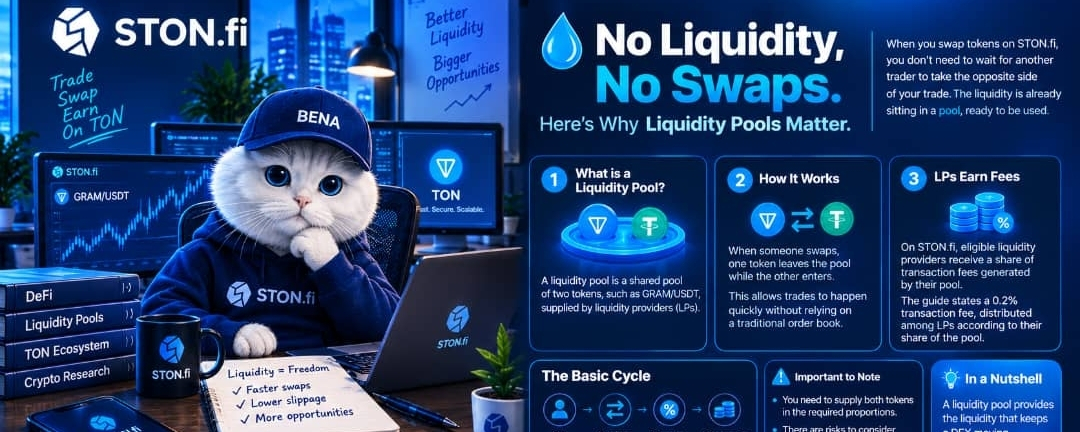
💧 No Liquidity, No Swaps. Here’s Why Liquidity Pools Matter.When you swap tokens on STON.fi, you don't need to wait for another trader to take the opposite side of your trade. The liquidity is already sitting in a pool, ready to be used.
A liquidity pool is basically a shared pool of two tokens, such as GRAM/USDT, supplied by liquidity providers (LPs).
When someone swaps, one token leaves the pool while the other enters. This allows trades to happen quickly without relying on a traditional order book.
But here's the interesting part: the people providing that liquidity can earn from the activity.
On STON.fi, eligible liquidity providers receive a share of transaction fees generated by their pool. The guide states a 0.2% transaction fee, distributed among LPs according to their share of the pool.
So the basic cycle is:
LPs provide liquidity → Traders swap → Fees are generated → LPs receive their share.
Of course, providing liquidity also means supplying both tokens in the required proportions, and there are risks to consider.
But at its core, that's what a liquidity pool does:
It provides the liquidity that keeps a DEX moving.
@stonfi #STONfi #DeFi #LiquidityPools #TON #Crypto
$QI
$QUICK
{spot}(QUICKUSDT)
$GRAM
{future}(GRAMUSDT)
💧 No Liquidity, No Swaps. Here’s Why Liquidity Pools Matter.
When you swap tokens on STON.fi, you don't need to wait for another trader to take the opposite side of your trade. The liquidity is already sitting in a pool, ready to be used.
A liquidity pool is basically a shared pool of two tokens, such as GRAM/USDT, supplied by liquidity providers (LPs).
When someone swaps, one token leaves the pool while the other enters. This allows trades to happen quickly without relying on a traditional order book.
But here's the interesting part: the people providing that liquidity can earn from the activity.
On STON.fi, eligible liquidity providers receive a share of transaction fees generated by their pool. The guide states a 0.2% transaction fee, distributed among LPs according to their share of the pool.
So the basic cycle is:
LPs provide liquidity → Traders swap → Fees are generated → LPs receive their share.
Of course, providing liquidity also means supplying both tokens in the required proportions, and there are risks to consider.
But at its core, that's what a liquidity pool does:
It provides the liquidity that keeps a DEX moving.
@STONfi DEX #STONfi #DeFi #LiquidityPools #TON #Crypto
$QI
$QUICK
$GRAM
A liquidity pool is basically a shared pool of two tokens, such as GRAM/USDT, supplied by liquidity providers (LPs).
When someone swaps, one token leaves the pool while the other enters. This allows trades to happen quickly without relying on a traditional order book.
But here's the interesting part: the people providing that liquidity can earn from the activity.
On STON.fi, eligible liquidity providers receive a share of transaction fees generated by their pool. The guide states a 0.2% transaction fee, distributed among LPs according to their share of the pool.
So the basic cycle is:
LPs provide liquidity → Traders swap → Fees are generated → LPs receive their share.
Of course, providing liquidity also means supplying both tokens in the required proportions, and there are risks to consider.
But at its core, that's what a liquidity pool does:
It provides the liquidity that keeps a DEX moving.
@STONfi DEX #STONfi #DeFi #LiquidityPools #TON #Crypto
$QI
$QUICK
$GRAM
516

·
--
🚨 $BTC $ETH $BNB LIQUIDITY TRAPS ALIGN BEFORE CLARITY DECISION 💣
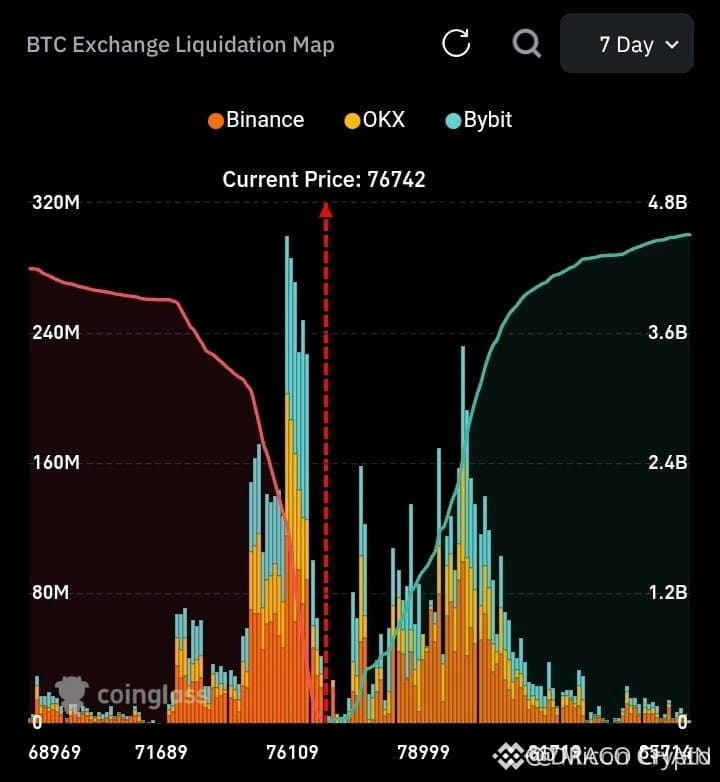
📌 $BTC carries a dense cluster of short-side liquidity near $79,500 — a prime zone for an engineered sweep by smart money. 🦈 Institutional desks often target these stops to fuel liquidity before directional commitment.
🌊 Meanwhile $ETH reveals long-side vulnerability around $76,000 on the downside, setting a liquidity pool that could be hunted before reversal. $BNB sits at the mercy of the Clarity outcome — passage squeezes shorts, failure crushes longs. 🔍 Structure dictates patience until one side is flushed.
💬 Which asset are you tracking for the first liquidity grab — BTC's upside hunt or ETH's downside sweep? 👇
⚠️ Not financial advice. Always manage your risk. 🛡️
🏷️ #BTC #ETH #BNB #LiquidityPools #SmartMoney
🦈 🎯
🚨 $BTC $ETH $BNB LIQUIDITY TRAPS ALIGN BEFORE CLARITY DECISION 💣
📌 $BTC carries a dense cluster of short-side liquidity near $79,500 — a prime zone for an engineered sweep by smart money. 🦈 Institutional desks often target these stops to fuel liquidity before directional commitment.
🌊 Meanwhile $ETH reveals long-side vulnerability around $76,000 on the downside, setting a liquidity pool that could be hunted before reversal. $BNB sits at the mercy of the Clarity outcome — passage squeezes shorts, failure crushes longs. 🔍 Structure dictates patience until one side is flushed.
💬 Which asset are you tracking for the first liquidity grab — BTC's upside hunt or ETH's downside sweep? 👇
⚠️ Not financial advice. Always manage your risk. 🛡️
🏷️ #BTC #ETH #BNB #LiquidityPools #SmartMoney
🦈 🎯
📌 $BTC carries a dense cluster of short-side liquidity near $79,500 — a prime zone for an engineered sweep by smart money. 🦈 Institutional desks often target these stops to fuel liquidity before directional commitment.
🌊 Meanwhile $ETH reveals long-side vulnerability around $76,000 on the downside, setting a liquidity pool that could be hunted before reversal. $BNB sits at the mercy of the Clarity outcome — passage squeezes shorts, failure crushes longs. 🔍 Structure dictates patience until one side is flushed.
💬 Which asset are you tracking for the first liquidity grab — BTC's upside hunt or ETH's downside sweep? 👇
⚠️ Not financial advice. Always manage your risk. 🛡️
🏷️ #BTC #ETH #BNB #LiquidityPools #SmartMoney
🦈 🎯
42

🚨 $ARB COLLATERAL RATIO HIKE SIGNALS INSTITUTIONAL LIQUIDITY SHAKEOUT IMMINENT 💣
The top-tier exchange’s upcoming collateral recalibration on Sept 18 reshapes leverage topography across key alts. 📊 $ARB and $WLD see collateral ratios bumped to 60%, tightening dealer risk, while $BLUR and cohort get slashed to 10%, opening leverage floodgates.
🔍 This uniMMR shift crafts fresh liquidity pools as forced deleveraging may trigger stop hunts into thin order books. 🌊 Smart money will likely position around these engineered liquidation cascades rather than chase retail momentum.
💬 Will you be hedging exposure before the 14:00 UTC+8 parameter flip or fishing for the liquidity sweep? 👇
⚠️ Not financial advice. Always manage your risk. 🛡️
🏷️ #ARB #MarginShift #LiquidityPools #RiskManagement #Crypto
🔥 💎
🚨 $ARB COLLATERAL RATIO HIKE SIGNALS INSTITUTIONAL LIQUIDITY SHAKEOUT IMMINENT 💣
The top-tier exchange’s upcoming collateral recalibration on Sept 18 reshapes leverage topography across key alts. 📊 $ARB and $WLD see collateral ratios bumped to 60%, tightening dealer risk, while $BLUR and cohort get slashed to 10%, opening leverage floodgates.
🔍 This uniMMR shift crafts fresh liquidity pools as forced deleveraging may trigger stop hunts into thin order books. 🌊 Smart money will likely position around these engineered liquidation cascades rather than chase retail momentum.
💬 Will you be hedging exposure before the 14:00 UTC+8 parameter flip or fishing for the liquidity sweep? 👇
⚠️ Not financial advice. Always manage your risk. 🛡️
🏷️ #ARB #MarginShift #LiquidityPools #RiskManagement #Crypto
🔥 💎
The top-tier exchange’s upcoming collateral recalibration on Sept 18 reshapes leverage topography across key alts. 📊 $ARB and $WLD see collateral ratios bumped to 60%, tightening dealer risk, while $BLUR and cohort get slashed to 10%, opening leverage floodgates.
🔍 This uniMMR shift crafts fresh liquidity pools as forced deleveraging may trigger stop hunts into thin order books. 🌊 Smart money will likely position around these engineered liquidation cascades rather than chase retail momentum.
💬 Will you be hedging exposure before the 14:00 UTC+8 parameter flip or fishing for the liquidity sweep? 👇
⚠️ Not financial advice. Always manage your risk. 🛡️
🏷️ #ARB #MarginShift #LiquidityPools #RiskManagement #Crypto
🔥 💎
129

·
--

Article
Bitcoin’s True Value: Liquidity, Choice, and Long-Term Conviction🚀 🌐
Bitcoin continues to set itself apart from the broader financial market by highlighting the power of true decentralization and investor patience. In the open market, unique liquidity pool dynamics on decentralized exchanges are shifting how users trade, offering seamless swaps and deeper market depth without traditional middlemen. This highly open, permissionless network architecture stands in stark contrast to emerging central bank digital currency (CBDC) frameworks. While state-backed CBDCs focus heavily on centralized surveillance, transaction limits, and financial control, the premier cryptocurrency offers absolute economic freedom, transparency, and unalterable property rights.
This core difference is what fuels the unbreakable long-term holder psychology. Dedicated investors, often referred to as "HODLers," look past short-term market noise and daily price volatility. Their conviction is backed by the hard data of a fixed supply, knowing that fiat currencies will continue to lose purchasing power over time.
The original financial revolution championed by @BitcoinKE is built precisely for this long-term perspective. As the clear differences between centralized control and digital freedom widen, $BTC
{spot}(BTCUSDT)
serves as both a secure shield against inflation and the ultimate vehicle for global wealth preservation. 💎
#CircleIssues250MUSDCOnSolana #LiquidityPools #CBDC #HolderPsychology #cryptofreedom
Bitcoin’s True Value: Liquidity, Choice, and Long-Term Conviction
🚀 🌐
Bitcoin continues to set itself apart from the broader financial market by highlighting the power of true decentralization and investor patience. In the open market, unique liquidity pool dynamics on decentralized exchanges are shifting how users trade, offering seamless swaps and deeper market depth without traditional middlemen. This highly open, permissionless network architecture stands in stark contrast to emerging central bank digital currency (CBDC) frameworks. While state-backed CBDCs focus heavily on centralized surveillance, transaction limits, and financial control, the premier cryptocurrency offers absolute economic freedom, transparency, and unalterable property rights.
This core difference is what fuels the unbreakable long-term holder psychology. Dedicated investors, often referred to as "HODLers," look past short-term market noise and daily price volatility. Their conviction is backed by the hard data of a fixed supply, knowing that fiat currencies will continue to lose purchasing power over time.
The original financial revolution championed by @BitcoinKE is built precisely for this long-term perspective. As the clear differences between centralized control and digital freedom widen, $BTC
serves as both a secure shield against inflation and the ultimate vehicle for global wealth preservation. 💎
#CircleIssues250MUSDCOnSolana #LiquidityPools #CBDC #HolderPsychology #cryptofreedom
Bitcoin continues to set itself apart from the broader financial market by highlighting the power of true decentralization and investor patience. In the open market, unique liquidity pool dynamics on decentralized exchanges are shifting how users trade, offering seamless swaps and deeper market depth without traditional middlemen. This highly open, permissionless network architecture stands in stark contrast to emerging central bank digital currency (CBDC) frameworks. While state-backed CBDCs focus heavily on centralized surveillance, transaction limits, and financial control, the premier cryptocurrency offers absolute economic freedom, transparency, and unalterable property rights.
This core difference is what fuels the unbreakable long-term holder psychology. Dedicated investors, often referred to as "HODLers," look past short-term market noise and daily price volatility. Their conviction is backed by the hard data of a fixed supply, knowing that fiat currencies will continue to lose purchasing power over time.
The original financial revolution championed by @BitcoinKE is built precisely for this long-term perspective. As the clear differences between centralized control and digital freedom widen, $BTC
serves as both a secure shield against inflation and the ultimate vehicle for global wealth preservation. 💎
#CircleIssues250MUSDCOnSolana #LiquidityPools #CBDC #HolderPsychology #cryptofreedom
35
💧 Liquidity Pools and Impermanent Loss: What every LP provider should know
On July 16, 2026, liquidity pools are essential infrastructure for DeFi. A liquidity pool is a smart contract that holds reserves of two or more tokens, enabling trading on AMM-based DEXs. Providers deposit tokens and earn fees from trades.
Impermanent loss occurs when the price ratio of pooled tokens changes after you deposit. If one token's price rises significantly relative to the other, you would have been better off holding both tokens separately than providing liquidity.
To minimize impermanent loss: choose stablecoin pairs ($USDT/$USDC), select pools with volatile assets paired with stablecoins, or provide liquidity in concentrated ranges. High trading fee volume can offset impermanent loss over time.
📌 Key Takeaway:
Liquidity pools enable DEX trading but expose providers to impermanent loss. Stablecoin pairs minimize this risk, while high fee volume can offset potential losses.
#LiquidityPools #DeFi
#BinanceAlphaAlert
💧 Liquidity Pools and Impermanent Loss: What every LP provider should know
On July 16, 2026, liquidity pools are essential infrastructure for DeFi. A liquidity pool is a smart contract that holds reserves of two or more tokens, enabling trading on AMM-based DEXs. Providers deposit tokens and earn fees from trades.
Impermanent loss occurs when the price ratio of pooled tokens changes after you deposit. If one token's price rises significantly relative to the other, you would have been better off holding both tokens separately than providing liquidity.
To minimize impermanent loss: choose stablecoin pairs ($USDT/$USDC ), select pools with volatile assets paired with stablecoins, or provide liquidity in concentrated ranges. High trading fee volume can offset impermanent loss over time.
📌 Key Takeaway:
Liquidity pools enable DEX trading but expose providers to impermanent loss. Stablecoin pairs minimize this risk, while high fee volume can offset potential losses.
#LiquidityPools #DeFi
#BinanceAlphaAlert
On July 16, 2026, liquidity pools are essential infrastructure for DeFi. A liquidity pool is a smart contract that holds reserves of two or more tokens, enabling trading on AMM-based DEXs. Providers deposit tokens and earn fees from trades.
Impermanent loss occurs when the price ratio of pooled tokens changes after you deposit. If one token's price rises significantly relative to the other, you would have been better off holding both tokens separately than providing liquidity.
To minimize impermanent loss: choose stablecoin pairs ($USDT/$USDC ), select pools with volatile assets paired with stablecoins, or provide liquidity in concentrated ranges. High trading fee volume can offset impermanent loss over time.
📌 Key Takeaway:
Liquidity pools enable DEX trading but expose providers to impermanent loss. Stablecoin pairs minimize this risk, while high fee volume can offset potential losses.
#LiquidityPools #DeFi
#BinanceAlphaAlert
20
Connectez-vous pour découvrir plus de contenu
Rejoignez la communauté mondiale des adeptes de cryptomonnaies sur Binance Square
⚡️ Suviez les dernières informations importantes sur les cryptomonnaies.
💬 Jugé digne de confiance par la plus grande plateforme d’échange de cryptomonnaies au monde.
👍 Découvrez les connaissances que partagent les créateurs vérifiés.
Adresse e-mail/Nº de téléphone
Sujets d’actualité
1
#BitgetHackerFailsToMoveStolenFunds
427 vues
60 mentions
2
#BitMineETHHoldingsTop6Million
3,428 vues
213 mentions
3
#StrategyAdds1666BTCHoldingsReach847666
2,449 vues
161 mentions
4
#NvidiaApproves$150BBuyback
2,485 vues
57 mentions
5
#OpenAIDelaysGPT6.1OverSafetyIssues
14,137 vues
486 mentions
6
#AMDToAcquireWorldLabsFor$8.2B
1,272 vues
47 mentions
7
#AnthropicIPOProspectusCouldValueItOver$2T
4,302 vues
73 mentions
8
#HackersDrainOver12.4MXRPFromDCENTWallets
29,239 vues
593 mentions
9
#SECSaysDecentralizedTokenBuybacksNotInvestmentContracts
2,550 vues
39 mentions
10
#UKFCAWinsCourtOrderToRecover851400Pounds
85,455 vues
1,433 mentions