

yabarich
2k Publicaciones

yabarich
Denunciar
Bloquear usuario
16 Siguiendo
20 Seguidores
519 Me gusta
Publicaciones
Todo
Cotizaciones
·
--
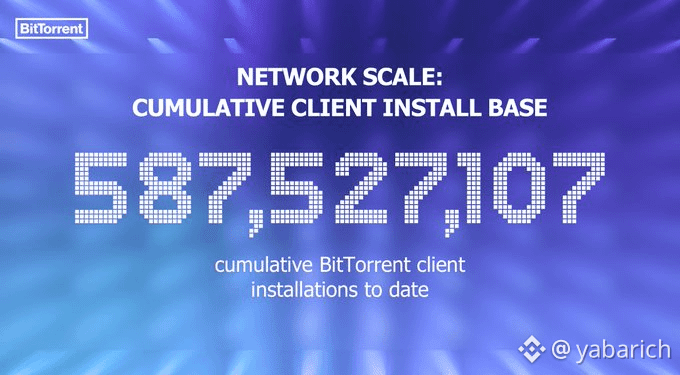
🌍 587,527,107 INSTALACIONES: UNA PRESENCIA CADA VEZ MAYOR DEL SOFTWARE
El total de instalaciones del cliente de BitTorrent, según el último informe, ha alcanzado los 587,527,107.
Esta cifra refleja la distribución acumulada de su software y ofrece una perspectiva útil sobre el alcance que han tenido los clientes de BitTorrent en los dispositivos a lo largo del tiempo.
Una instalación es un punto de partida. La experiencia posterior determina si una persona seguirá usando el software.
Para el ecosistema, este hito representa tanto un récord de distribución como una invitación a seguir mejorando el producto: una configuración sencilla, controles fáciles de entender y orientación útil cuando surjan preguntas.
El total no representa la misma cantidad de usuarios únicos o activos, ni demuestra por sí solo la fiabilidad. Esas dimensiones requieren pruebas propias.
Lo que sí demuestra es una presencia considerable y aún en expansión.
Cada nueva instalación crea otra oportunidad para ofrecer una experiencia útil.
@BitTorrent_Official @JustinSun #TRONEcoStar #BitTorrent #BTT
🌍 587,527,107 INSTALACIONES: UNA PRESENCIA CADA VEZ MAYOR DEL SOFTWARE
El total de instalaciones del cliente de BitTorrent, según el último informe, ha alcanzado los 587,527,107.
Esta cifra refleja la distribución acumulada de su software y ofrece una perspectiva útil sobre el alcance que han tenido los clientes de BitTorrent en los dispositivos a lo largo del tiempo.
Una instalación es un punto de partida. La experiencia posterior determina si una persona seguirá usando el software.
Para el ecosistema, este hito representa tanto un récord de distribución como una invitación a seguir mejorando el producto: una configuración sencilla, controles fáciles de entender y orientación útil cuando surjan preguntas.
El total no representa la misma cantidad de usuarios únicos o activos, ni demuestra por sí solo la fiabilidad. Esas dimensiones requieren pruebas propias.
Lo que sí demuestra es una presencia considerable y aún en expansión.
Cada nueva instalación crea otra oportunidad para ofrecer una experiencia útil.
@BitTorrent_Official @Justin Sun孙宇晨 #TRONEcoStar #BitTorrent #BTT
El total de instalaciones del cliente de BitTorrent, según el último informe, ha alcanzado los 587,527,107.
Esta cifra refleja la distribución acumulada de su software y ofrece una perspectiva útil sobre el alcance que han tenido los clientes de BitTorrent en los dispositivos a lo largo del tiempo.
Una instalación es un punto de partida. La experiencia posterior determina si una persona seguirá usando el software.
Para el ecosistema, este hito representa tanto un récord de distribución como una invitación a seguir mejorando el producto: una configuración sencilla, controles fáciles de entender y orientación útil cuando surjan preguntas.
El total no representa la misma cantidad de usuarios únicos o activos, ni demuestra por sí solo la fiabilidad. Esas dimensiones requieren pruebas propias.
Lo que sí demuestra es una presencia considerable y aún en expansión.
Cada nueva instalación crea otra oportunidad para ofrecer una experiencia útil.
@BitTorrent_Official @Justin Sun孙宇晨 #TRONEcoStar #BitTorrent #BTT
6
·
--
🌍 587,527,107 instalaciones: una presencia de software en constante expansión
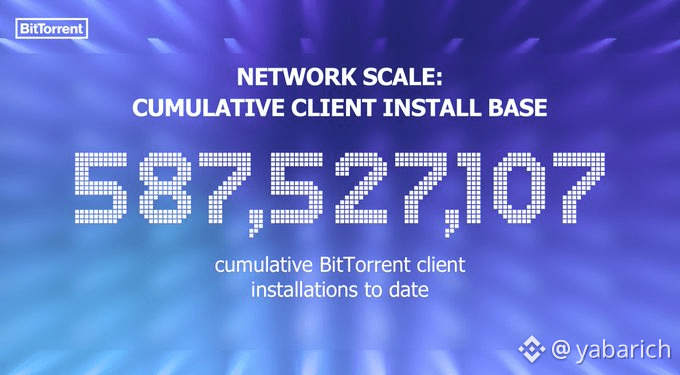
BitTorrent anunció recientemente que el número acumulado de instalaciones de su cliente ha alcanzado las 587,527,107.
Esta cifra refleja la distribución acumulada del software y ofrece una referencia para observar el alcance que los clientes de BitTorrent han tenido en los dispositivos a lo largo del tiempo.
La instalación es solo el punto de partida. La experiencia posterior influye en que el software se convierta o no en una herramienta que los usuarios sigan utilizando.
Para el ecosistema, este hito registra la escala de su distribución y también recuerda al equipo que debe seguir mejorando el producto: un proceso de instalación claro, un funcionamiento fácil de entender y ayuda disponible cuando surgen problemas.
El total acumulado de instalaciones no equivale al mismo número de usuarios únicos o activos, ni demuestra por sí solo la fiabilidad. Cada uno de estos aspectos requiere datos propios.
Lo que sí está claro es que existe una enorme base de instalaciones que sigue creciendo.
Cada nueva instalación es una oportunidad para ofrecer una experiencia útil.
@BitTorrent_Official @JustinSun #TRONEcoStar #BitTorrent #BTT
🌍 587,527,107 instalaciones: una presencia de software en constante expansión
BitTorrent anunció recientemente que el número acumulado de instalaciones de su cliente ha alcanzado las 587,527,107.
Esta cifra refleja la distribución acumulada del software y ofrece una referencia para observar el alcance que los clientes de BitTorrent han tenido en los dispositivos a lo largo del tiempo.
La instalación es solo el punto de partida. La experiencia posterior influye en que el software se convierta o no en una herramienta que los usuarios sigan utilizando.
Para el ecosistema, este hito registra la escala de su distribución y también recuerda al equipo que debe seguir mejorando el producto: un proceso de instalación claro, un funcionamiento fácil de entender y ayuda disponible cuando surgen problemas.
El total acumulado de instalaciones no equivale al mismo número de usuarios únicos o activos, ni demuestra por sí solo la fiabilidad. Cada uno de estos aspectos requiere datos propios.
Lo que sí está claro es que existe una enorme base de instalaciones que sigue creciendo.
Cada nueva instalación es una oportunidad para ofrecer una experiencia útil.
@BitTorrent_Official @Justin Sun孙宇晨 #TRONEcoStar #BitTorrent #BTT
BitTorrent anunció recientemente que el número acumulado de instalaciones de su cliente ha alcanzado las 587,527,107.
Esta cifra refleja la distribución acumulada del software y ofrece una referencia para observar el alcance que los clientes de BitTorrent han tenido en los dispositivos a lo largo del tiempo.
La instalación es solo el punto de partida. La experiencia posterior influye en que el software se convierta o no en una herramienta que los usuarios sigan utilizando.
Para el ecosistema, este hito registra la escala de su distribución y también recuerda al equipo que debe seguir mejorando el producto: un proceso de instalación claro, un funcionamiento fácil de entender y ayuda disponible cuando surgen problemas.
El total acumulado de instalaciones no equivale al mismo número de usuarios únicos o activos, ni demuestra por sí solo la fiabilidad. Cada uno de estos aspectos requiere datos propios.
Lo que sí está claro es que existe una enorme base de instalaciones que sigue creciendo.
Cada nueva instalación es una oportunidad para ofrecer una experiencia útil.
@BitTorrent_Official @Justin Sun孙宇晨 #TRONEcoStar #BitTorrent #BTT
32
·
--
📈 OTRAS 397,563 INSTALACIONES DESDE LA CAPTURA ANTERIOR
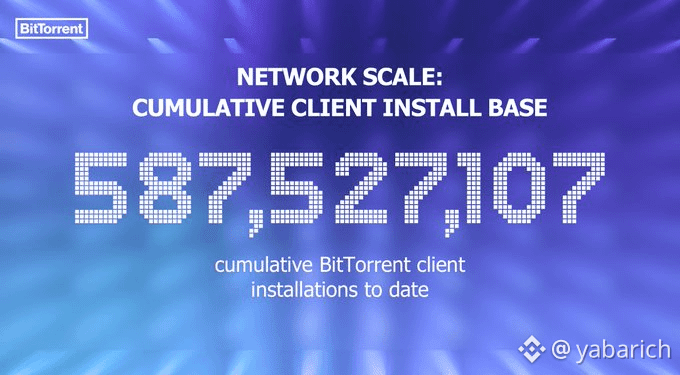
El total más reciente de instalaciones de clientes informado por BitTorrent es de 587,527,107.
En comparación con la cifra compartida anteriormente, 587,129,544, esto representa un aumento de 397,563 instalaciones, suponiendo que el alcance del informe no haya cambiado.
La diferencia le da al titular una idea más concreta del movimiento. El total acumulado describe la huella alcanzada hasta ahora; el aumento entre capturas muestra las instalaciones adicionales registradas.
Sin fechas de informe coincidentes, esa diferencia no debería etiquetarse como una tasa de crecimiento diaria o semanal.
Aun así, ofrece una observación útil: el número de instalaciones informado sigue aumentando.
Seguir capturas definidas de manera coherente a lo largo del tiempo puede ayudar a la comunidad a comprender mejor el ritmo de distribución del software.
El hito marca la escala. El cambio entre hitos muestra el movimiento.
@BitTorrent_Official @JustinSun #TRONEcoStar #BitTorrent #BTT
📈 OTRAS 397,563 INSTALACIONES DESDE LA CAPTURA ANTERIOR
El total más reciente de instalaciones de clientes informado por BitTorrent es de 587,527,107.
En comparación con la cifra compartida anteriormente, 587,129,544, esto representa un aumento de 397,563 instalaciones, suponiendo que el alcance del informe no haya cambiado.
La diferencia le da al titular una idea más concreta del movimiento. El total acumulado describe la huella alcanzada hasta ahora; el aumento entre capturas muestra las instalaciones adicionales registradas.
Sin fechas de informe coincidentes, esa diferencia no debería etiquetarse como una tasa de crecimiento diaria o semanal.
Aun así, ofrece una observación útil: el número de instalaciones informado sigue aumentando.
Seguir capturas definidas de manera coherente a lo largo del tiempo puede ayudar a la comunidad a comprender mejor el ritmo de distribución del software.
El hito marca la escala. El cambio entre hitos muestra el movimiento.
@BitTorrent_Official @Justin Sun孙宇晨 #TRONEcoStar #BitTorrent #BTT
El total más reciente de instalaciones de clientes informado por BitTorrent es de 587,527,107.
En comparación con la cifra compartida anteriormente, 587,129,544, esto representa un aumento de 397,563 instalaciones, suponiendo que el alcance del informe no haya cambiado.
La diferencia le da al titular una idea más concreta del movimiento. El total acumulado describe la huella alcanzada hasta ahora; el aumento entre capturas muestra las instalaciones adicionales registradas.
Sin fechas de informe coincidentes, esa diferencia no debería etiquetarse como una tasa de crecimiento diaria o semanal.
Aun así, ofrece una observación útil: el número de instalaciones informado sigue aumentando.
Seguir capturas definidas de manera coherente a lo largo del tiempo puede ayudar a la comunidad a comprender mejor el ritmo de distribución del software.
El hito marca la escala. El cambio entre hitos muestra el movimiento.
@BitTorrent_Official @Justin Sun孙宇晨 #TRONEcoStar #BitTorrent #BTT
41
·
--
📈 397,563 instalaciones más que en la instantánea anterior
La cifra acumulada de instalaciones del cliente de BitTorrent anunciada más recientemente es de 587,527,107.
En comparación con las 587,129,544 compartidas anteriormente, esto supone 397,563 instalaciones más, siempre que se utilice el mismo criterio de recuento.
Esta diferencia concreta el cambio en la cifra total. El total acumulado muestra la cobertura alcanzada, mientras que el incremento entre dos instantáneas refleja los nuevos registros.
Si no se dispone de las fechas de recuento correspondientes, no se debería describir directamente esta diferencia como crecimiento diario o semanal.
Aun así, ofrece una observación útil: la cifra de instalaciones anunciada sigue aumentando.
El seguimiento continuo de instantáneas basadas en el mismo criterio ayuda a la comunidad a comprender mejor el ritmo de crecimiento de la distribución del software.
Los hitos registran la escala; los cambios entre ellos muestran el progreso.
@BitTorrent_Official @JustinSun #TRONEcoStar #BitTorrent #BTT
📈 397,563 instalaciones más que en la instantánea anterior
La cifra acumulada de instalaciones del cliente de BitTorrent anunciada más recientemente es de 587,527,107.
En comparación con las 587,129,544 compartidas anteriormente, esto supone 397,563 instalaciones más, siempre que se utilice el mismo criterio de recuento.
Esta diferencia concreta el cambio en la cifra total. El total acumulado muestra la cobertura alcanzada, mientras que el incremento entre dos instantáneas refleja los nuevos registros.
Si no se dispone de las fechas de recuento correspondientes, no se debería describir directamente esta diferencia como crecimiento diario o semanal.
Aun así, ofrece una observación útil: la cifra de instalaciones anunciada sigue aumentando.
El seguimiento continuo de instantáneas basadas en el mismo criterio ayuda a la comunidad a comprender mejor el ritmo de crecimiento de la distribución del software.
Los hitos registran la escala; los cambios entre ellos muestran el progreso.
@BitTorrent_Official @Justin Sun孙宇晨 #TRONEcoStar #BitTorrent #BTT
La cifra acumulada de instalaciones del cliente de BitTorrent anunciada más recientemente es de 587,527,107.
En comparación con las 587,129,544 compartidas anteriormente, esto supone 397,563 instalaciones más, siempre que se utilice el mismo criterio de recuento.
Esta diferencia concreta el cambio en la cifra total. El total acumulado muestra la cobertura alcanzada, mientras que el incremento entre dos instantáneas refleja los nuevos registros.
Si no se dispone de las fechas de recuento correspondientes, no se debería describir directamente esta diferencia como crecimiento diario o semanal.
Aun así, ofrece una observación útil: la cifra de instalaciones anunciada sigue aumentando.
El seguimiento continuo de instantáneas basadas en el mismo criterio ayuda a la comunidad a comprender mejor el ritmo de crecimiento de la distribución del software.
Los hitos registran la escala; los cambios entre ellos muestran el progreso.
@BitTorrent_Official @Justin Sun孙宇晨 #TRONEcoStar #BitTorrent #BTT
74
·
--
🔄 ¿QUÉ PASA DESPUÉS DE LA DESCARGA?
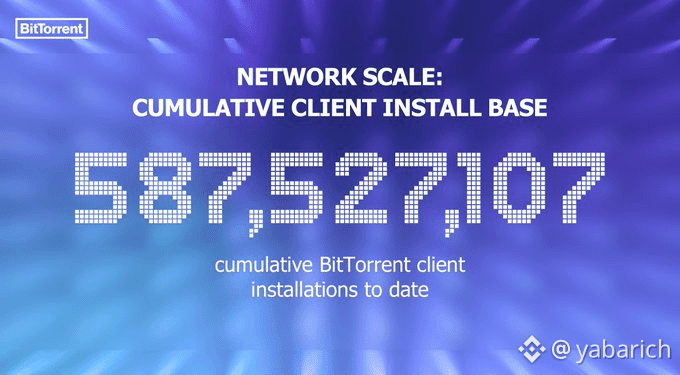
587,527,107 instalaciones notificadas de clientes BitTorrent representan una extensa trayectoria de distribución de software.
La siguiente pregunta útil es qué ocurre después de la instalación.
¿Alguien completa su primera tarea? ¿Vuelve a usar el programa cuando vuelve a necesitarlo? ¿Qué funciones pasan a formar parte de su rutina y dónde encuentra dificultades?
Estas preguntas conectan la distribución con el valor continuo del producto.
Para quienes desarrollan productos, comprender ese recorrido puede revelar dónde una pequeña mejora puede marcar una diferencia importante: instrucciones más claras, una interfaz más fácil de entender o una mejor asistencia para resolver un problema habitual.
Los datos sobre el uso activo y la retención ayudarían a evaluar esa parte de la historia.
El hito de la instalación merece reconocimiento. La experiencia cotidiana determina en qué puede convertirse cada nueva instalación.
Un producto útil se gana su lugar cada vez que alguien decide volver a abrirlo.
@BitTorrent_Official @JustinSun #TRONEcoStar #BitTorrent #BTT
🔄 ¿QUÉ PASA DESPUÉS DE LA DESCARGA?
587,527,107 instalaciones notificadas de clientes BitTorrent representan una extensa trayectoria de distribución de software.
La siguiente pregunta útil es qué ocurre después de la instalación.
¿Alguien completa su primera tarea? ¿Vuelve a usar el programa cuando vuelve a necesitarlo? ¿Qué funciones pasan a formar parte de su rutina y dónde encuentra dificultades?
Estas preguntas conectan la distribución con el valor continuo del producto.
Para quienes desarrollan productos, comprender ese recorrido puede revelar dónde una pequeña mejora puede marcar una diferencia importante: instrucciones más claras, una interfaz más fácil de entender o una mejor asistencia para resolver un problema habitual.
Los datos sobre el uso activo y la retención ayudarían a evaluar esa parte de la historia.
El hito de la instalación merece reconocimiento. La experiencia cotidiana determina en qué puede convertirse cada nueva instalación.
Un producto útil se gana su lugar cada vez que alguien decide volver a abrirlo.
@BitTorrent_Official @Justin Sun孙宇晨 #TRONEcoStar #BitTorrent #BTT
587,527,107 instalaciones notificadas de clientes BitTorrent representan una extensa trayectoria de distribución de software.
La siguiente pregunta útil es qué ocurre después de la instalación.
¿Alguien completa su primera tarea? ¿Vuelve a usar el programa cuando vuelve a necesitarlo? ¿Qué funciones pasan a formar parte de su rutina y dónde encuentra dificultades?
Estas preguntas conectan la distribución con el valor continuo del producto.
Para quienes desarrollan productos, comprender ese recorrido puede revelar dónde una pequeña mejora puede marcar una diferencia importante: instrucciones más claras, una interfaz más fácil de entender o una mejor asistencia para resolver un problema habitual.
Los datos sobre el uso activo y la retención ayudarían a evaluar esa parte de la historia.
El hito de la instalación merece reconocimiento. La experiencia cotidiana determina en qué puede convertirse cada nueva instalación.
Un producto útil se gana su lugar cada vez que alguien decide volver a abrirlo.
@BitTorrent_Official @Justin Sun孙宇晨 #TRONEcoStar #BitTorrent #BTT

66
·
--
🔄 ¿Qué ocurre después de la descarga?
El cliente BitTorrent ha alcanzado un total de 587,527,107 instalaciones, dejando constancia de una amplia trayectoria de distribución de software.
El siguiente aspecto que merece atención es la experiencia posterior a la instalación.
¿Pueden los usuarios completar su primera tarea? Cuando vuelven a necesitarlo, ¿abren el software de nuevo? ¿Qué funciones se integran en sus hábitos diarios y dónde encuentran dificultades?
Estas preguntas conectan la distribución del software con su valor sostenido como producto.
Para quienes desarrollan productos, comprender este recorrido ayuda a identificar dónde pueden marcar la diferencia pequeñas mejoras: instrucciones más claras, una interfaz más fácil de entender o un mejor soporte para los problemas más frecuentes.
Los datos de uso activo y retención pueden ayudar a evaluar esta parte.
Los hitos de instalaciones merecen celebrarse, pero la experiencia diaria determina en qué puede convertirse cada nueva instalación.
Cuando los usuarios vuelven a elegir abrir el software, el producto demuestra una vez más el valor que aporta a sus vidas.
@BitTorrent_Official @JustinSun #TRONEcoStar
🔄 ¿Qué ocurre después de la descarga?
El cliente BitTorrent ha alcanzado un total de 587,527,107 instalaciones, dejando constancia de una amplia trayectoria de distribución de software.
El siguiente aspecto que merece atención es la experiencia posterior a la instalación.
¿Pueden los usuarios completar su primera tarea? Cuando vuelven a necesitarlo, ¿abren el software de nuevo? ¿Qué funciones se integran en sus hábitos diarios y dónde encuentran dificultades?
Estas preguntas conectan la distribución del software con su valor sostenido como producto.
Para quienes desarrollan productos, comprender este recorrido ayuda a identificar dónde pueden marcar la diferencia pequeñas mejoras: instrucciones más claras, una interfaz más fácil de entender o un mejor soporte para los problemas más frecuentes.
Los datos de uso activo y retención pueden ayudar a evaluar esta parte.
Los hitos de instalaciones merecen celebrarse, pero la experiencia diaria determina en qué puede convertirse cada nueva instalación.
Cuando los usuarios vuelven a elegir abrir el software, el producto demuestra una vez más el valor que aporta a sus vidas.
@BitTorrent_Official @Justin Sun孙宇晨 #TRONEcoStar
El cliente BitTorrent ha alcanzado un total de 587,527,107 instalaciones, dejando constancia de una amplia trayectoria de distribución de software.
El siguiente aspecto que merece atención es la experiencia posterior a la instalación.
¿Pueden los usuarios completar su primera tarea? Cuando vuelven a necesitarlo, ¿abren el software de nuevo? ¿Qué funciones se integran en sus hábitos diarios y dónde encuentran dificultades?
Estas preguntas conectan la distribución del software con su valor sostenido como producto.
Para quienes desarrollan productos, comprender este recorrido ayuda a identificar dónde pueden marcar la diferencia pequeñas mejoras: instrucciones más claras, una interfaz más fácil de entender o un mejor soporte para los problemas más frecuentes.
Los datos de uso activo y retención pueden ayudar a evaluar esta parte.
Los hitos de instalaciones merecen celebrarse, pero la experiencia diaria determina en qué puede convertirse cada nueva instalación.
Cuando los usuarios vuelven a elegir abrir el software, el producto demuestra una vez más el valor que aporta a sus vidas.
@BitTorrent_Official @Justin Sun孙宇晨 #TRONEcoStar

110
·
--
📅 Desde la ventana de descuentos hasta la operación a largo plazo
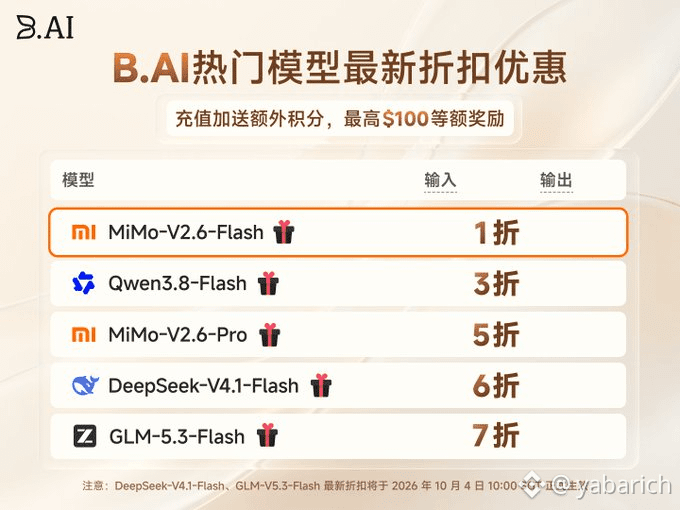
La matriz de precios con descuento lanzada por B.AI el 4 de octubre ofrece condiciones atractivas para el desarrollo y la ejecución de flujos de trabajo de IA.
Una forma útil de planificar es considerar por separado dos escenarios: operar con los precios de descuento publicados y operar cuando las condiciones de descuento cambian en el futuro.
Esto ayuda al equipo a entender qué funciones aún pueden costearse, qué llamadas requieren una vigilancia más estrecha y qué modelos alternativos vale la pena evaluar.
También facilita evaluar el compromiso a largo plazo al ofrecer funcionalidades a los usuarios. Una función que se pone en línea hoy puede seguir generando costos de llamadas en el futuro.
Durante el periodo de descuento, el equipo puede acumular datos reales de uso: cuántas llamadas requiere cada tarea, la longitud típica de las salidas, el grado de reutilización y el gasto por cada usuario activo.
Estas observaciones, más que un simple porcentaje de descuento, apoyan mejor el presupuesto futuro.
El descuento puede ayudar a que el producto despegue; entender los costos operativos, en cambio, ayuda al equipo a planificar la siguiente etapa.
@JustinSun #TRONEcoStar #Aİ
📅 Desde la ventana de descuentos hasta la operación a largo plazo
La matriz de precios con descuento lanzada por B.AI el 4 de octubre ofrece condiciones atractivas para el desarrollo y la ejecución de flujos de trabajo de IA.
Una forma útil de planificar es considerar por separado dos escenarios: operar con los precios de descuento publicados y operar cuando las condiciones de descuento cambian en el futuro.
Esto ayuda al equipo a entender qué funciones aún pueden costearse, qué llamadas requieren una vigilancia más estrecha y qué modelos alternativos vale la pena evaluar.
También facilita evaluar el compromiso a largo plazo al ofrecer funcionalidades a los usuarios. Una función que se pone en línea hoy puede seguir generando costos de llamadas en el futuro.
Durante el periodo de descuento, el equipo puede acumular datos reales de uso: cuántas llamadas requiere cada tarea, la longitud típica de las salidas, el grado de reutilización y el gasto por cada usuario activo.
Estas observaciones, más que un simple porcentaje de descuento, apoyan mejor el presupuesto futuro.
El descuento puede ayudar a que el producto despegue; entender los costos operativos, en cambio, ayuda al equipo a planificar la siguiente etapa.
@Justin Sun孙宇晨 #TRONEcoStar #Aİ
La matriz de precios con descuento lanzada por B.AI el 4 de octubre ofrece condiciones atractivas para el desarrollo y la ejecución de flujos de trabajo de IA.
Una forma útil de planificar es considerar por separado dos escenarios: operar con los precios de descuento publicados y operar cuando las condiciones de descuento cambian en el futuro.
Esto ayuda al equipo a entender qué funciones aún pueden costearse, qué llamadas requieren una vigilancia más estrecha y qué modelos alternativos vale la pena evaluar.
También facilita evaluar el compromiso a largo plazo al ofrecer funcionalidades a los usuarios. Una función que se pone en línea hoy puede seguir generando costos de llamadas en el futuro.
Durante el periodo de descuento, el equipo puede acumular datos reales de uso: cuántas llamadas requiere cada tarea, la longitud típica de las salidas, el grado de reutilización y el gasto por cada usuario activo.
Estas observaciones, más que un simple porcentaje de descuento, apoyan mejor el presupuesto futuro.
El descuento puede ayudar a que el producto despegue; entender los costos operativos, en cambio, ayuda al equipo a planificar la siguiente etapa.
@Justin Sun孙宇晨 #TRONEcoStar #Aİ
12
·
--
📅 CONSTRUYENDO MÁS ALLÁ DE LA VENTANA PROMOCIONAL
La matriz de descuentos del 4 de octubre de B.AI crea un período atractivo para desarrollar y ejecutar flujos de trabajo de IA.
Un ejercicio útil de planificación es considerar la aplicación bajo dos condiciones: el precio promocional anunciado y un escenario en el que esos términos cambian.
Esto ayuda a los equipos a entender qué funciones siguen siendo accesibles, dónde es necesario monitorear más de cerca el uso y qué alternativas de modelo merecen evaluarse.
También facilita evaluar los compromisos del producto. Una función ofrecida a los usuarios hoy puede generar costos recurrentes mucho después de su primer lanzamiento.
Durante la promoción, los equipos pueden recopilar llamadas reales de uso por tarea, la longitud de salida típica, el uso repetido y el gasto por usuario activo.
Estas observaciones brindan una base más sólida para la presupuestación futura que solo un porcentaje de descuento.
Una promoción puede ayudar a que un producto arranque. Comprender sus costos de funcionamiento ayuda al equipo a planificar lo que viene después.
@JustinSun #TRONEcoStar #Aİ
📅 CONSTRUYENDO MÁS ALLÁ DE LA VENTANA PROMOCIONAL
La matriz de descuentos del 4 de octubre de B.AI crea un período atractivo para desarrollar y ejecutar flujos de trabajo de IA.
Un ejercicio útil de planificación es considerar la aplicación bajo dos condiciones: el precio promocional anunciado y un escenario en el que esos términos cambian.
Esto ayuda a los equipos a entender qué funciones siguen siendo accesibles, dónde es necesario monitorear más de cerca el uso y qué alternativas de modelo merecen evaluarse.
También facilita evaluar los compromisos del producto. Una función ofrecida a los usuarios hoy puede generar costos recurrentes mucho después de su primer lanzamiento.
Durante la promoción, los equipos pueden recopilar llamadas reales de uso por tarea, la longitud de salida típica, el uso repetido y el gasto por usuario activo.
Estas observaciones brindan una base más sólida para la presupuestación futura que solo un porcentaje de descuento.
Una promoción puede ayudar a que un producto arranque. Comprender sus costos de funcionamiento ayuda al equipo a planificar lo que viene después.
@Justin Sun孙宇晨 #TRONEcoStar #Aİ
La matriz de descuentos del 4 de octubre de B.AI crea un período atractivo para desarrollar y ejecutar flujos de trabajo de IA.
Un ejercicio útil de planificación es considerar la aplicación bajo dos condiciones: el precio promocional anunciado y un escenario en el que esos términos cambian.
Esto ayuda a los equipos a entender qué funciones siguen siendo accesibles, dónde es necesario monitorear más de cerca el uso y qué alternativas de modelo merecen evaluarse.
También facilita evaluar los compromisos del producto. Una función ofrecida a los usuarios hoy puede generar costos recurrentes mucho después de su primer lanzamiento.
Durante la promoción, los equipos pueden recopilar llamadas reales de uso por tarea, la longitud de salida típica, el uso repetido y el gasto por usuario activo.
Estas observaciones brindan una base más sólida para la presupuestación futura que solo un porcentaje de descuento.
Una promoción puede ayudar a que un producto arranque. Comprender sus costos de funcionamiento ayuda al equipo a planificar lo que viene después.
@Justin Sun孙宇晨 #TRONEcoStar #Aİ
26
·
--
🌱 Un equipo pequeño también puede explorar necesidades concretas y profundas
Los desarrolladores independientes pueden tener una idea práctica, pero no contar con un presupuesto suficiente para llamadas a modelos.
Esa idea podría ser un asistente para procesar un formato de documento específico, una herramienta de programación que dé soporte a algún flujo de desarrollo, o un Agente para completar una tarea empresarial repetitiva.
Los descuentos por niveles de B.AI permiten que los equipos exploren estas aplicaciones enfocadas utilizando distintos modelos a un costo menor.
Esto tiene mucho sentido, porque los productos útiles a menudo comienzan con una comprensión profunda de las necesidades de un pequeño grupo de usuarios. Los desarrolladores que conocen sus problemas cotidianos pueden crear valor alrededor de escenarios concretos.
Además, al reducir los costos del modelo, el presupuesto deja más margen para recopilar comentarios y mejorar la experiencia.
Llevarlo a la práctica de verdad todavía requiere tiempo, trabajo de integración y un problema claro que valga la pena resolver.
El valor de este tipo de oportunidades está en permitir que más creadores conviertan su experiencia profesional en productos que realmente funcionen.
@JustinSun #TRONEcoStar #Aİ
🌱 Un equipo pequeño también puede explorar necesidades concretas y profundas
Los desarrolladores independientes pueden tener una idea práctica, pero no contar con un presupuesto suficiente para llamadas a modelos.
Esa idea podría ser un asistente para procesar un formato de documento específico, una herramienta de programación que dé soporte a algún flujo de desarrollo, o un Agente para completar una tarea empresarial repetitiva.
Los descuentos por niveles de B.AI permiten que los equipos exploren estas aplicaciones enfocadas utilizando distintos modelos a un costo menor.
Esto tiene mucho sentido, porque los productos útiles a menudo comienzan con una comprensión profunda de las necesidades de un pequeño grupo de usuarios. Los desarrolladores que conocen sus problemas cotidianos pueden crear valor alrededor de escenarios concretos.
Además, al reducir los costos del modelo, el presupuesto deja más margen para recopilar comentarios y mejorar la experiencia.
Llevarlo a la práctica de verdad todavía requiere tiempo, trabajo de integración y un problema claro que valga la pena resolver.
El valor de este tipo de oportunidades está en permitir que más creadores conviertan su experiencia profesional en productos que realmente funcionen.
@Justin Sun孙宇晨 #TRONEcoStar #Aİ
Los desarrolladores independientes pueden tener una idea práctica, pero no contar con un presupuesto suficiente para llamadas a modelos.
Esa idea podría ser un asistente para procesar un formato de documento específico, una herramienta de programación que dé soporte a algún flujo de desarrollo, o un Agente para completar una tarea empresarial repetitiva.
Los descuentos por niveles de B.AI permiten que los equipos exploren estas aplicaciones enfocadas utilizando distintos modelos a un costo menor.
Esto tiene mucho sentido, porque los productos útiles a menudo comienzan con una comprensión profunda de las necesidades de un pequeño grupo de usuarios. Los desarrolladores que conocen sus problemas cotidianos pueden crear valor alrededor de escenarios concretos.
Además, al reducir los costos del modelo, el presupuesto deja más margen para recopilar comentarios y mejorar la experiencia.
Llevarlo a la práctica de verdad todavía requiere tiempo, trabajo de integración y un problema claro que valga la pena resolver.
El valor de este tipo de oportunidades está en permitir que más creadores conviertan su experiencia profesional en productos que realmente funcionen.
@Justin Sun孙宇晨 #TRONEcoStar #Aİ

174
·
--
🌱 LOS EQUIPOS PEQUEÑOS PUEDEN EXPLORAR PROBLEMAS ESPECÍFICOS
Un desarrollador independiente puede tener una idea útil sin un gran presupuesto para el uso de modelos.
Quizá sea un asistente para un formato de documento en particular, una herramienta de programación para un flujo de trabajo específico o un Agente que gestione una tarea empresarial repetitiva.
Los descuentos escalonados de B.AI pueden hacer que sea más asequible explorar estas aplicaciones enfocadas en varias opciones de modelos.
Esto importa porque los productos útiles a menudo comienzan con una comprensión precisa de un pequeño grupo de usuarios. Un desarrollador cercano a sus problemas diarios puede crear algo relevante sin necesidad de atender cada caso de uso posible.
Los costos más bajos de los modelos dejan más margen en el presupuesto para recopilar comentarios y perfeccionar la experiencia.
Aun así, la ejecución requiere tiempo, trabajo de integración y un problema claro por resolver.
La oportunidad es darles a más creadores una oportunidad práctica para convertir conocimientos especializados en un producto funcional.
@JustinSun #TRONEcoStar #Aİ
🌱 LOS EQUIPOS PEQUEÑOS PUEDEN EXPLORAR PROBLEMAS ESPECÍFICOS
Un desarrollador independiente puede tener una idea útil sin un gran presupuesto para el uso de modelos.
Quizá sea un asistente para un formato de documento en particular, una herramienta de programación para un flujo de trabajo específico o un Agente que gestione una tarea empresarial repetitiva.
Los descuentos escalonados de B.AI pueden hacer que sea más asequible explorar estas aplicaciones enfocadas en varias opciones de modelos.
Esto importa porque los productos útiles a menudo comienzan con una comprensión precisa de un pequeño grupo de usuarios. Un desarrollador cercano a sus problemas diarios puede crear algo relevante sin necesidad de atender cada caso de uso posible.
Los costos más bajos de los modelos dejan más margen en el presupuesto para recopilar comentarios y perfeccionar la experiencia.
Aun así, la ejecución requiere tiempo, trabajo de integración y un problema claro por resolver.
La oportunidad es darles a más creadores una oportunidad práctica para convertir conocimientos especializados en un producto funcional.
@Justin Sun孙宇晨 #TRONEcoStar #Aİ
Un desarrollador independiente puede tener una idea útil sin un gran presupuesto para el uso de modelos.
Quizá sea un asistente para un formato de documento en particular, una herramienta de programación para un flujo de trabajo específico o un Agente que gestione una tarea empresarial repetitiva.
Los descuentos escalonados de B.AI pueden hacer que sea más asequible explorar estas aplicaciones enfocadas en varias opciones de modelos.
Esto importa porque los productos útiles a menudo comienzan con una comprensión precisa de un pequeño grupo de usuarios. Un desarrollador cercano a sus problemas diarios puede crear algo relevante sin necesidad de atender cada caso de uso posible.
Los costos más bajos de los modelos dejan más margen en el presupuesto para recopilar comentarios y perfeccionar la experiencia.
Aun así, la ejecución requiere tiempo, trabajo de integración y un problema claro por resolver.
La oportunidad es darles a más creadores una oportunidad práctica para convertir conocimientos especializados en un producto funcional.
@Justin Sun孙宇晨 #TRONEcoStar #Aİ

62
·
--
⚙️ Selección de múltiples modelos, necesita una visión clara de costos
Cuando los desarrolladores necesitan administrar varios modelos dentro de una misma aplicación, la posición de B.AI “por encima del modelo y por debajo del agente” cobra un significado práctico.
Diferentes tareas requieren diferentes condiciones del sistema: procesamiento de documentos largos, programación, entradas multimodales o la ejecución de agentes en múltiples pasos.
La nueva matriz de promociones cambia las condiciones de costo para estas elecciones. Con el enrutamiento, la medición y la facturación unificados, el equipo obtiene un punto central para gestionar y observar el gasto de las llamadas.
Esto ayuda a comparar el uso de distintos modelos y, cuando cambien los precios o las necesidades de las tareas, volver a evaluar la asignación de recursos.
La plataforma unificada también necesita una identificación clara de los modelos: el equipo debe poder vincular los resultados de las tareas, los modelos realmente utilizados y los costos correspondientes.
Su valor está en hacer que las opciones en constante aumento sean más fáciles de administrar.
Cuando los desarrolladores entienden qué aporta cada modelo a la aplicación, la amplia gama de modelos puede desempeñar un papel real.
Experiencia: chat.b.ai/chat
@JustinSun #TRONEcoStar #Aİ
⚙️ Selección de múltiples modelos, necesita una visión clara de costos
Cuando los desarrolladores necesitan administrar varios modelos dentro de una misma aplicación, la posición de B.AI “por encima del modelo y por debajo del agente” cobra un significado práctico.
Diferentes tareas requieren diferentes condiciones del sistema: procesamiento de documentos largos, programación, entradas multimodales o la ejecución de agentes en múltiples pasos.
La nueva matriz de promociones cambia las condiciones de costo para estas elecciones. Con el enrutamiento, la medición y la facturación unificados, el equipo obtiene un punto central para gestionar y observar el gasto de las llamadas.
Esto ayuda a comparar el uso de distintos modelos y, cuando cambien los precios o las necesidades de las tareas, volver a evaluar la asignación de recursos.
La plataforma unificada también necesita una identificación clara de los modelos: el equipo debe poder vincular los resultados de las tareas, los modelos realmente utilizados y los costos correspondientes.
Su valor está en hacer que las opciones en constante aumento sean más fáciles de administrar.
Cuando los desarrolladores entienden qué aporta cada modelo a la aplicación, la amplia gama de modelos puede desempeñar un papel real.
Experiencia: chat.b.ai/chat
@Justin Sun孙宇晨 #TRONEcoStar #Aİ
Cuando los desarrolladores necesitan administrar varios modelos dentro de una misma aplicación, la posición de B.AI “por encima del modelo y por debajo del agente” cobra un significado práctico.
Diferentes tareas requieren diferentes condiciones del sistema: procesamiento de documentos largos, programación, entradas multimodales o la ejecución de agentes en múltiples pasos.
La nueva matriz de promociones cambia las condiciones de costo para estas elecciones. Con el enrutamiento, la medición y la facturación unificados, el equipo obtiene un punto central para gestionar y observar el gasto de las llamadas.
Esto ayuda a comparar el uso de distintos modelos y, cuando cambien los precios o las necesidades de las tareas, volver a evaluar la asignación de recursos.
La plataforma unificada también necesita una identificación clara de los modelos: el equipo debe poder vincular los resultados de las tareas, los modelos realmente utilizados y los costos correspondientes.
Su valor está en hacer que las opciones en constante aumento sean más fáciles de administrar.
Cuando los desarrolladores entienden qué aporta cada modelo a la aplicación, la amplia gama de modelos puede desempeñar un papel real.
Experiencia: chat.b.ai/chat
@Justin Sun孙宇晨 #TRONEcoStar #Aİ
188
·
--
⚙️ LA ELECCIÓN DEL MODELO REQUIERE CLARIDAD EN LOS COSTOS
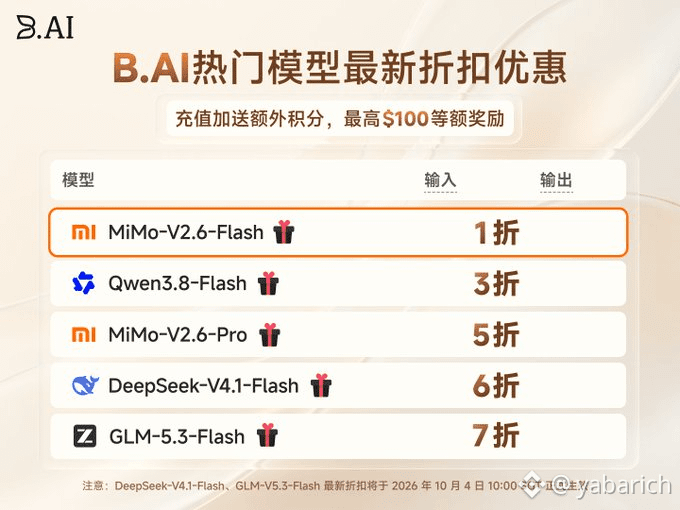
La propuesta de B.AI—por encima de los modelos y por debajo de los Agentes—se vuelve práctica cuando los desarrolladores necesitan gestionar varias opciones de modelos dentro de una misma aplicación.
Diferentes tareas pueden imponer distintas demandas al sistema: documentos largos, programación, entrada multimodal o la ejecución de Agentes en varios pasos.
La matriz de descuentos actualizada cambia la economía de esas decisiones. El enrutamiento, la medición y la facturación unificados les brindan a los equipos un lugar común para gestionar el acceso y observar el gasto.
Eso puede facilitar comparar el uso entre modelos y replantear decisiones de asignación a medida que cambian los precios o los requisitos de carga.
Una plataforma compartida también deja claro que la identificación del modelo es importante: los equipos deberían poder vincular el resultado de una tarea con el modelo utilizado y su costo asociado.
El valor está en hacer manejable un conjunto cada vez mayor de opciones.
Se vuelven útiles más modelos cuando los desarrolladores pueden entender qué aporta cada uno a la aplicación.
Explora: chat.b.ai/chat
@JustinSun #TRONEcoStar #AI
⚙️ LA ELECCIÓN DEL MODELO REQUIERE CLARIDAD EN LOS COSTOS
La propuesta de B.AI—por encima de los modelos y por debajo de los Agentes—se vuelve práctica cuando los desarrolladores necesitan gestionar varias opciones de modelos dentro de una misma aplicación.
Diferentes tareas pueden imponer distintas demandas al sistema: documentos largos, programación, entrada multimodal o la ejecución de Agentes en varios pasos.
La matriz de descuentos actualizada cambia la economía de esas decisiones. El enrutamiento, la medición y la facturación unificados les brindan a los equipos un lugar común para gestionar el acceso y observar el gasto.
Eso puede facilitar comparar el uso entre modelos y replantear decisiones de asignación a medida que cambian los precios o los requisitos de carga.
Una plataforma compartida también deja claro que la identificación del modelo es importante: los equipos deberían poder vincular el resultado de una tarea con el modelo utilizado y su costo asociado.
El valor está en hacer manejable un conjunto cada vez mayor de opciones.
Se vuelven útiles más modelos cuando los desarrolladores pueden entender qué aporta cada uno a la aplicación.
Explora: chat.b.ai/chat
@Justin Sun孙宇晨 #TRONEcoStar #AI
La propuesta de B.AI—por encima de los modelos y por debajo de los Agentes—se vuelve práctica cuando los desarrolladores necesitan gestionar varias opciones de modelos dentro de una misma aplicación.
Diferentes tareas pueden imponer distintas demandas al sistema: documentos largos, programación, entrada multimodal o la ejecución de Agentes en varios pasos.
La matriz de descuentos actualizada cambia la economía de esas decisiones. El enrutamiento, la medición y la facturación unificados les brindan a los equipos un lugar común para gestionar el acceso y observar el gasto.
Eso puede facilitar comparar el uso entre modelos y replantear decisiones de asignación a medida que cambian los precios o los requisitos de carga.
Una plataforma compartida también deja claro que la identificación del modelo es importante: los equipos deberían poder vincular el resultado de una tarea con el modelo utilizado y su costo asociado.
El valor está en hacer manejable un conjunto cada vez mayor de opciones.
Se vuelven útiles más modelos cuando los desarrolladores pueden entender qué aporta cada uno a la aplicación.
Explora: chat.b.ai/chat
@Justin Sun孙宇晨 #TRONEcoStar #AI
50
·
--
📊 ¿CUÁNTO CUESTA REALMENTE UNA TAREA COMPLETADA?
Los nuevos descuentos del modelo de B.AI hacen que los precios sean más atractivos en varias familias de modelos. Comparar su valor todavía requiere observar el trabajo que se está completando.
Una medida útil es el costo total de lograr un resultado aceptable.
Esto incluye los tokens utilizados en la solicitud inicial, las llamadas de seguimiento y cualquier reintento. Un modelo que necesita menos intentos puede resultar más económico incluso cuando su precio por token es más alto.
Para los flujos de trabajo de Agentes, esto es especialmente relevante porque una única solicitud de un usuario puede activar varias llamadas a modelos.
La medición y facturación unificadas de B.AI pueden proporcionar una base para hacer un seguimiento de esos costos, mientras que los desarrolladores evalúan la calidad de la salida y las tasas de finalización.
La comparación práctica es directa:
▪️ La misma tarea
▪️ El mismo requisito de calidad
▪️ El uso total hasta la finalización
La matriz de descuentos del 4 de octubre crea nuevas opciones de precios. Las pruebas de carga revelan qué opción ofrece el mejor valor para una aplicación en particular.
@JustinSun #TRONEcoStar #AI #AIAgents
📊 ¿CUÁNTO CUESTA REALMENTE UNA TAREA COMPLETADA?
Los nuevos descuentos del modelo de B.AI hacen que los precios sean más atractivos en varias familias de modelos. Comparar su valor todavía requiere observar el trabajo que se está completando.
Una medida útil es el costo total de lograr un resultado aceptable.
Esto incluye los tokens utilizados en la solicitud inicial, las llamadas de seguimiento y cualquier reintento. Un modelo que necesita menos intentos puede resultar más económico incluso cuando su precio por token es más alto.
Para los flujos de trabajo de Agentes, esto es especialmente relevante porque una única solicitud de un usuario puede activar varias llamadas a modelos.
La medición y facturación unificadas de B.AI pueden proporcionar una base para hacer un seguimiento de esos costos, mientras que los desarrolladores evalúan la calidad de la salida y las tasas de finalización.
La comparación práctica es directa:
▪️ La misma tarea
▪️ El mismo requisito de calidad
▪️ El uso total hasta la finalización
La matriz de descuentos del 4 de octubre crea nuevas opciones de precios. Las pruebas de carga revelan qué opción ofrece el mejor valor para una aplicación en particular.
@Justin Sun孙宇晨 #TRONEcoStar #AI #AIAgents
Los nuevos descuentos del modelo de B.AI hacen que los precios sean más atractivos en varias familias de modelos. Comparar su valor todavía requiere observar el trabajo que se está completando.
Una medida útil es el costo total de lograr un resultado aceptable.
Esto incluye los tokens utilizados en la solicitud inicial, las llamadas de seguimiento y cualquier reintento. Un modelo que necesita menos intentos puede resultar más económico incluso cuando su precio por token es más alto.
Para los flujos de trabajo de Agentes, esto es especialmente relevante porque una única solicitud de un usuario puede activar varias llamadas a modelos.
La medición y facturación unificadas de B.AI pueden proporcionar una base para hacer un seguimiento de esos costos, mientras que los desarrolladores evalúan la calidad de la salida y las tasas de finalización.
La comparación práctica es directa:
▪️ La misma tarea
▪️ El mismo requisito de calidad
▪️ El uso total hasta la finalización
La matriz de descuentos del 4 de octubre crea nuevas opciones de precios. Las pruebas de carga revelan qué opción ofrece el mejor valor para una aplicación en particular.
@Justin Sun孙宇晨 #TRONEcoStar #AI #AIAgents

76
·
--
📊 ¿Completar una tarea requiere realmente cuántos costos?
La nueva ronda de promociones de B.AI hace que los precios de varias series de modelos sean más atractivos. Además del valor de uso de cada uno, también hay que tener en cuenta qué trabajo se ha completado finalmente.
Una forma útil de medirlo es observar el costo total necesario para obtener un resultado válido.
Esto incluye los Tokens consumidos por la primera solicitud, las llamadas posteriores y los reintentos. Aunque un modelo tenga un precio unitario más alto, si permite completar la tarea con menos intentos, también podría ofrecer una ventaja en costos.
En flujos de trabajo de agentes, este punto es especialmente importante, porque una solicitud del usuario puede activar múltiples llamadas a modelos.
La medición y facturación unificadas de B.AI pueden servir como base para rastrear estos costos; al mismo tiempo, los desarrolladores pueden evaluar tanto la calidad de la salida como la tasa de finalización de las tareas.
La comparación práctica puede basarse en tres condiciones:
▪️ La misma tarea
▪️ Los mismos requisitos de calidad
▪️ El consumo total de llamadas antes de completarla
La matriz de ofertas del 4 de octubre trae nuevas opciones de precios, y las pruebas reales de tareas ayudan a determinar qué opción se adapta mejor a aplicaciones específicas.
@JustinSun #TRONEcoStar #AI #AIAgents
📊 ¿Completar una tarea requiere realmente cuántos costos?
La nueva ronda de promociones de B.AI hace que los precios de varias series de modelos sean más atractivos. Además del valor de uso de cada uno, también hay que tener en cuenta qué trabajo se ha completado finalmente.
Una forma útil de medirlo es observar el costo total necesario para obtener un resultado válido.
Esto incluye los Tokens consumidos por la primera solicitud, las llamadas posteriores y los reintentos. Aunque un modelo tenga un precio unitario más alto, si permite completar la tarea con menos intentos, también podría ofrecer una ventaja en costos.
En flujos de trabajo de agentes, este punto es especialmente importante, porque una solicitud del usuario puede activar múltiples llamadas a modelos.
La medición y facturación unificadas de B.AI pueden servir como base para rastrear estos costos; al mismo tiempo, los desarrolladores pueden evaluar tanto la calidad de la salida como la tasa de finalización de las tareas.
La comparación práctica puede basarse en tres condiciones:
▪️ La misma tarea
▪️ Los mismos requisitos de calidad
▪️ El consumo total de llamadas antes de completarla
La matriz de ofertas del 4 de octubre trae nuevas opciones de precios, y las pruebas reales de tareas ayudan a determinar qué opción se adapta mejor a aplicaciones específicas.
@Justin Sun孙宇晨 #TRONEcoStar #AI #AIAgents
La nueva ronda de promociones de B.AI hace que los precios de varias series de modelos sean más atractivos. Además del valor de uso de cada uno, también hay que tener en cuenta qué trabajo se ha completado finalmente.
Una forma útil de medirlo es observar el costo total necesario para obtener un resultado válido.
Esto incluye los Tokens consumidos por la primera solicitud, las llamadas posteriores y los reintentos. Aunque un modelo tenga un precio unitario más alto, si permite completar la tarea con menos intentos, también podría ofrecer una ventaja en costos.
En flujos de trabajo de agentes, este punto es especialmente importante, porque una solicitud del usuario puede activar múltiples llamadas a modelos.
La medición y facturación unificadas de B.AI pueden servir como base para rastrear estos costos; al mismo tiempo, los desarrolladores pueden evaluar tanto la calidad de la salida como la tasa de finalización de las tareas.
La comparación práctica puede basarse en tres condiciones:
▪️ La misma tarea
▪️ Los mismos requisitos de calidad
▪️ El consumo total de llamadas antes de completarla
La matriz de ofertas del 4 de octubre trae nuevas opciones de precios, y las pruebas reales de tareas ayudan a determinar qué opción se adapta mejor a aplicaciones específicas.
@Justin Sun孙宇晨 #TRONEcoStar #AI #AIAgents

97
·
--
📱 MILLONES DE USUARIOS, NECESIDADES DE DISPOSITIVOS DIFERENTES
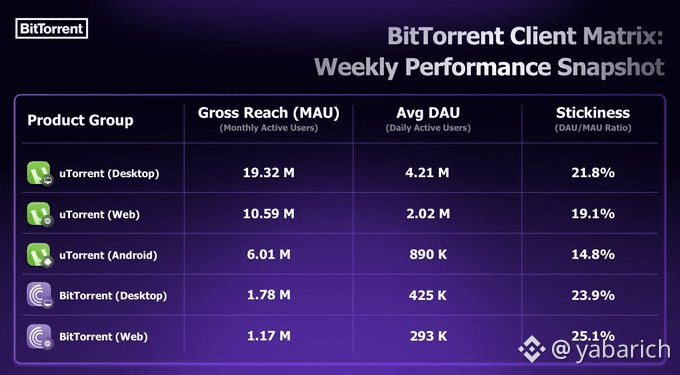
uTorrent Android alcanza 6.01M en la última BitTorrent Client Matrix.
Junto con las cifras de escritorio y web, esto destaca por qué un ecosistema de clientes se beneficia de contar con múltiples formas de acceder a la misma utilidad central.
Un usuario móvil opera con restricciones diferentes: duración de la batería, almacenamiento disponible, conexiones cambiantes y una pantalla más pequeña. Los usuarios de escritorio pueden tener expectativas distintas sobre la gestión de archivos y sesiones más largas.
Estas diferencias le dan a cada cliente un papel de producto distinto.
La cifra de alcance en Android establece la escala de esa audiencia móvil. Comprender su actividad y retención a lo largo del tiempo ayudaría a explicar cómo la experiencia móvil encaja en el ecosistema más amplio.
Para BitTorrent, atender múltiples dispositivos significa adaptar continuamente la experiencia a la manera en que las personas realmente los usan.
@BitTorrent_Official @JustinSun #TRONEcoStar #BTT
📱 MILLONES DE USUARIOS, NECESIDADES DE DISPOSITIVOS DIFERENTES
uTorrent Android alcanza 6.01M en la última BitTorrent Client Matrix.
Junto con las cifras de escritorio y web, esto destaca por qué un ecosistema de clientes se beneficia de contar con múltiples formas de acceder a la misma utilidad central.
Un usuario móvil opera con restricciones diferentes: duración de la batería, almacenamiento disponible, conexiones cambiantes y una pantalla más pequeña. Los usuarios de escritorio pueden tener expectativas distintas sobre la gestión de archivos y sesiones más largas.
Estas diferencias le dan a cada cliente un papel de producto distinto.
La cifra de alcance en Android establece la escala de esa audiencia móvil. Comprender su actividad y retención a lo largo del tiempo ayudaría a explicar cómo la experiencia móvil encaja en el ecosistema más amplio.
Para BitTorrent, atender múltiples dispositivos significa adaptar continuamente la experiencia a la manera en que las personas realmente los usan.
@BitTorrent_Official @Justin Sun孙宇晨 #TRONEcoStar #BTT
uTorrent Android alcanza 6.01M en la última BitTorrent Client Matrix.
Junto con las cifras de escritorio y web, esto destaca por qué un ecosistema de clientes se beneficia de contar con múltiples formas de acceder a la misma utilidad central.
Un usuario móvil opera con restricciones diferentes: duración de la batería, almacenamiento disponible, conexiones cambiantes y una pantalla más pequeña. Los usuarios de escritorio pueden tener expectativas distintas sobre la gestión de archivos y sesiones más largas.
Estas diferencias le dan a cada cliente un papel de producto distinto.
La cifra de alcance en Android establece la escala de esa audiencia móvil. Comprender su actividad y retención a lo largo del tiempo ayudaría a explicar cómo la experiencia móvil encaja en el ecosistema más amplio.
Para BitTorrent, atender múltiples dispositivos significa adaptar continuamente la experiencia a la manera en que las personas realmente los usan.
@BitTorrent_Official @Justin Sun孙宇晨 #TRONEcoStar #BTT

25
·
--
📊 ALCANCE Y COMPROMISO CUENTAN HISTORIAS DIFERENTES
El informe semanal de instantáneas de BitTorrent reporta 41.19M de alcance bruto y 8.45M de usuarios activos diarios promedio. BitTorrent Web también registra 25.1% de nivel de fidelidad.
Juntos, estos indicadores ofrecen diferentes perspectivas del ecosistema del cliente:
▪️ El alcance describe la amplitud de la audiencia que reporta.
▪️ La actividad diaria muestra la escala del uso de día a día.
▪️ La fidelidad agrega una visión de la frecuencia del compromiso según la definición del informe.
Para un producto de software maduro, atraer atención y convertirse en una rutina son logros separados.
Eso hace que el indicador de compromiso del cliente web sea valioso para seguirlo en informes futuros. Una tendencia constante sería más informativa que una sola lectura semanal.
La historia más sólida del producto surge cuando la distribución amplia se acompaña de un uso recurrente.
@BitTorrent_Official @JustinSun #TRONEcoStar
📊 ALCANCE Y COMPROMISO CUENTAN HISTORIAS DIFERENTES
El informe semanal de instantáneas de BitTorrent reporta 41.19M de alcance bruto y 8.45M de usuarios activos diarios promedio. BitTorrent Web también registra 25.1% de nivel de fidelidad.
Juntos, estos indicadores ofrecen diferentes perspectivas del ecosistema del cliente:
▪️ El alcance describe la amplitud de la audiencia que reporta.
▪️ La actividad diaria muestra la escala del uso de día a día.
▪️ La fidelidad agrega una visión de la frecuencia del compromiso según la definición del informe.
Para un producto de software maduro, atraer atención y convertirse en una rutina son logros separados.
Eso hace que el indicador de compromiso del cliente web sea valioso para seguirlo en informes futuros. Una tendencia constante sería más informativa que una sola lectura semanal.
La historia más sólida del producto surge cuando la distribución amplia se acompaña de un uso recurrente.
@BitTorrent_Official @Justin Sun孙宇晨 #TRONEcoStar
El informe semanal de instantáneas de BitTorrent reporta 41.19M de alcance bruto y 8.45M de usuarios activos diarios promedio. BitTorrent Web también registra 25.1% de nivel de fidelidad.
Juntos, estos indicadores ofrecen diferentes perspectivas del ecosistema del cliente:
▪️ El alcance describe la amplitud de la audiencia que reporta.
▪️ La actividad diaria muestra la escala del uso de día a día.
▪️ La fidelidad agrega una visión de la frecuencia del compromiso según la definición del informe.
Para un producto de software maduro, atraer atención y convertirse en una rutina son logros separados.
Eso hace que el indicador de compromiso del cliente web sea valioso para seguirlo en informes futuros. Una tendencia constante sería más informativa que una sola lectura semanal.
La historia más sólida del producto surge cuando la distribución amplia se acompaña de un uso recurrente.
@BitTorrent_Official @Justin Sun孙宇晨 #TRONEcoStar

4
·
--
🖥️ EL ESCRITORIO SIGUE SIENDO CENTRAL PARA EL USO DE BitTorrent
La última Matriz de Clientes de BitTorrent informa 8.45M de usuarios activos diarios promedio, y uTorrent Desktop aporta 4.21M.
Esto significa que un cliente de escritorio representa aproximadamente la mitad de la actividad diaria reportada en toda la matriz.
Es un recordatorio útil de dónde importa más la ejecución del producto. Para un cliente que atiende a millones de usuarios diarios, la gestión de descargas, la eficiencia de recursos y una interfaz familiar pueden tener un impacto significativo en la experiencia general.
Las plataformas nuevas amplían las formas en que las personas se conectan. Seguir manteniendo los productos que la gente usa todos los días sigue siendo igual de importante.
La pregunta que vale la pena seguir es cómo evoluciona esta base de escritorio con el tiempo y cómo contribuyen otros clientes junto a ella.
Un ecosistema maduro crece tanto a través de nuevos puntos de entrada como de la utilidad continua para los usuarios existentes.
@BitTorrent_Official @JustinSun #TRONEcoStar #BTT
🖥️ EL ESCRITORIO SIGUE SIENDO CENTRAL PARA EL USO DE BitTorrent
La última Matriz de Clientes de BitTorrent informa 8.45M de usuarios activos diarios promedio, y uTorrent Desktop aporta 4.21M.
Esto significa que un cliente de escritorio representa aproximadamente la mitad de la actividad diaria reportada en toda la matriz.
Es un recordatorio útil de dónde importa más la ejecución del producto. Para un cliente que atiende a millones de usuarios diarios, la gestión de descargas, la eficiencia de recursos y una interfaz familiar pueden tener un impacto significativo en la experiencia general.
Las plataformas nuevas amplían las formas en que las personas se conectan. Seguir manteniendo los productos que la gente usa todos los días sigue siendo igual de importante.
La pregunta que vale la pena seguir es cómo evoluciona esta base de escritorio con el tiempo y cómo contribuyen otros clientes junto a ella.
Un ecosistema maduro crece tanto a través de nuevos puntos de entrada como de la utilidad continua para los usuarios existentes.
@BitTorrent_Official @Justin Sun孙宇晨 #TRONEcoStar #BTT
La última Matriz de Clientes de BitTorrent informa 8.45M de usuarios activos diarios promedio, y uTorrent Desktop aporta 4.21M.
Esto significa que un cliente de escritorio representa aproximadamente la mitad de la actividad diaria reportada en toda la matriz.
Es un recordatorio útil de dónde importa más la ejecución del producto. Para un cliente que atiende a millones de usuarios diarios, la gestión de descargas, la eficiencia de recursos y una interfaz familiar pueden tener un impacto significativo en la experiencia general.
Las plataformas nuevas amplían las formas en que las personas se conectan. Seguir manteniendo los productos que la gente usa todos los días sigue siendo igual de importante.
La pregunta que vale la pena seguir es cómo evoluciona esta base de escritorio con el tiempo y cómo contribuyen otros clientes junto a ella.
Un ecosistema maduro crece tanto a través de nuevos puntos de entrada como de la utilidad continua para los usuarios existentes.
@BitTorrent_Official @Justin Sun孙宇晨 #TRONEcoStar #BTT
32
·
--
UNA JORNADA CLARA PARA EL USUARIO AYUDA A QUE EL CONOCIMIENTO SE DIFUNDA 🧭
La oferta S3 de USDD contiene una secuencia que los educadores de la comunidad pueden explicar paso a paso: obtener USDD, proporcionarlo en JustLend DAO y seguir las ganancias base más las recompensas de la campaña.
Para usuarios que comienzan con USDT, el anuncio identifica una ruta de conversión PSM 1:1 con deslizamiento cero.
Eso hace posible organizar la orientación en torno a una ruta concreta:
• Explicar la ruta admitida para obtener USDD.
• Mostrar dónde se aplica el mínimo de 100 USDD.
• Identificar la información mostrada antes de la confirmación.
• Explicar dónde revisar la posición y las recompensas.
La guía más sólida también hace visibles las condiciones de cada etapa, incluidos los costos de transacción y cualquier restricción asociada con el préstamo respaldado por colateral.
Para el ecosistema, una guía clara puede facilitar el acceso a una campaña en distintos niveles de experiencia.
El fondo de recompensas de 600.000 USDD llama la atención. Una ruta bien explicada ayuda a las personas a entender en qué están participando, y les deja conocimientos que pueden usar más allá de S3.
@usddio @JustinSun #TRONEcoStar
UNA JORNADA CLARA PARA EL USUARIO AYUDA A QUE EL CONOCIMIENTO SE DIFUNDA 🧭
La oferta S3 de USDD contiene una secuencia que los educadores de la comunidad pueden explicar paso a paso: obtener USDD, proporcionarlo en JustLend DAO y seguir las ganancias base más las recompensas de la campaña.
Para usuarios que comienzan con USDT, el anuncio identifica una ruta de conversión PSM 1:1 con deslizamiento cero.
Eso hace posible organizar la orientación en torno a una ruta concreta:
• Explicar la ruta admitida para obtener USDD.
• Mostrar dónde se aplica el mínimo de 100 USDD.
• Identificar la información mostrada antes de la confirmación.
• Explicar dónde revisar la posición y las recompensas.
La guía más sólida también hace visibles las condiciones de cada etapa, incluidos los costos de transacción y cualquier restricción asociada con el préstamo respaldado por colateral.
Para el ecosistema, una guía clara puede facilitar el acceso a una campaña en distintos niveles de experiencia.
El fondo de recompensas de 600.000 USDD llama la atención. Una ruta bien explicada ayuda a las personas a entender en qué están participando, y les deja conocimientos que pueden usar más allá de S3.
@USDD - Decentralized USD @Justin Sun孙宇晨 #TRONEcoStar
La oferta S3 de USDD contiene una secuencia que los educadores de la comunidad pueden explicar paso a paso: obtener USDD, proporcionarlo en JustLend DAO y seguir las ganancias base más las recompensas de la campaña.
Para usuarios que comienzan con USDT, el anuncio identifica una ruta de conversión PSM 1:1 con deslizamiento cero.
Eso hace posible organizar la orientación en torno a una ruta concreta:
• Explicar la ruta admitida para obtener USDD.
• Mostrar dónde se aplica el mínimo de 100 USDD.
• Identificar la información mostrada antes de la confirmación.
• Explicar dónde revisar la posición y las recompensas.
La guía más sólida también hace visibles las condiciones de cada etapa, incluidos los costos de transacción y cualquier restricción asociada con el préstamo respaldado por colateral.
Para el ecosistema, una guía clara puede facilitar el acceso a una campaña en distintos niveles de experiencia.
El fondo de recompensas de 600.000 USDD llama la atención. Una ruta bien explicada ayuda a las personas a entender en qué están participando, y les deja conocimientos que pueden usar más allá de S3.
@USDD - Decentralized USD @Justin Sun孙宇晨 #TRONEcoStar
14
·
--
Rendimiento base, más un fondo de recompensas por etapas 💚
El evento TRON DeFi Summer S3 de USDD combina el APR base del JustLend DAO con las recompensas del evento de 600.000 USDD a repartir entre todos.
Los participantes deben entender dos partes:
• El rendimiento base correspondiente a la posición de suministro.
• Las recompensas adicionales asignadas según las reglas del evento.
Esta diferencia es muy importante al evaluar los retornos mostrados. Incluso si la posición subyacente se mantiene sin cambios, la variación en la parte de recompensas del evento puede afectar el rendimiento total.
Los 600.000 USDD representan el presupuesto de recompensas a repartir. La asignación individual depende de las reglas aplicables y de si se cumplen las condiciones para participar.
El monto mínimo de depósito para el evento es de 100 USDD, y el anuncio no establece un límite máximo de depósito, ofreciendo una puerta de entrada para participantes de distintos tamaños.
Una comparación útil es comprender cómo estas dos partes de los rendimientos actúan sobre una posición concreta durante el período real de participación.
📅 Del 4 de octubre de 2026 a las 08:00 al 3 de diciembre de 2026 a las 07:59 (SGT)
Comprender la composición de los retornos ayuda a dar seguimiento continuo a la participación durante todo el período del evento.
@usddio @JustinSun #TRONEcoStar
Rendimiento base, más un fondo de recompensas por etapas 💚
El evento TRON DeFi Summer S3 de USDD combina el APR base del JustLend DAO con las recompensas del evento de 600.000 USDD a repartir entre todos.
Los participantes deben entender dos partes:
• El rendimiento base correspondiente a la posición de suministro.
• Las recompensas adicionales asignadas según las reglas del evento.
Esta diferencia es muy importante al evaluar los retornos mostrados. Incluso si la posición subyacente se mantiene sin cambios, la variación en la parte de recompensas del evento puede afectar el rendimiento total.
Los 600.000 USDD representan el presupuesto de recompensas a repartir. La asignación individual depende de las reglas aplicables y de si se cumplen las condiciones para participar.
El monto mínimo de depósito para el evento es de 100 USDD, y el anuncio no establece un límite máximo de depósito, ofreciendo una puerta de entrada para participantes de distintos tamaños.
Una comparación útil es comprender cómo estas dos partes de los rendimientos actúan sobre una posición concreta durante el período real de participación.
📅 Del 4 de octubre de 2026 a las 08:00 al 3 de diciembre de 2026 a las 07:59 (SGT)
Comprender la composición de los retornos ayuda a dar seguimiento continuo a la participación durante todo el período del evento.
@USDD - Decentralized USD @Justin Sun孙宇晨 #TRONEcoStar
El evento TRON DeFi Summer S3 de USDD combina el APR base del JustLend DAO con las recompensas del evento de 600.000 USDD a repartir entre todos.
Los participantes deben entender dos partes:
• El rendimiento base correspondiente a la posición de suministro.
• Las recompensas adicionales asignadas según las reglas del evento.
Esta diferencia es muy importante al evaluar los retornos mostrados. Incluso si la posición subyacente se mantiene sin cambios, la variación en la parte de recompensas del evento puede afectar el rendimiento total.
Los 600.000 USDD representan el presupuesto de recompensas a repartir. La asignación individual depende de las reglas aplicables y de si se cumplen las condiciones para participar.
El monto mínimo de depósito para el evento es de 100 USDD, y el anuncio no establece un límite máximo de depósito, ofreciendo una puerta de entrada para participantes de distintos tamaños.
Una comparación útil es comprender cómo estas dos partes de los rendimientos actúan sobre una posición concreta durante el período real de participación.
📅 Del 4 de octubre de 2026 a las 08:00 al 3 de diciembre de 2026 a las 07:59 (SGT)
Comprender la composición de los retornos ayuda a dar seguimiento continuo a la participación durante todo el período del evento.
@USDD - Decentralized USD @Justin Sun孙宇晨 #TRONEcoStar

162
·
--
LA FLEXIBILIDAD TIENE MÁS DE UNA DIMENSIÓN ⚙️
El anuncio de S3 de USDD combina depósitos y retiros flexibles con la elegibilidad continua para usar los activos proporcionados como garantía.
Eso crea dos posibilidades distintas: obtener ganancias a través de una posición de suministro y, cuando corresponda, usar esa posición para respaldar un préstamo.
La segunda introduce una relación adicional que gestionar.
Un participante que esté considerando el uso de garantías necesita entender:
• Si el uso de garantías se ha habilitado.
• Cómo cualquier préstamo pendiente afecta la capacidad de retiro.
• Qué condiciones determinan la salud de la posición.
• Cómo el reembolso cambia la cantidad disponible para retirar.
La función de acceso flexible del anuncio debe leerse junto con los requisitos de cualquier posición de préstamo.
Ser elegible como garantía no requiere que el usuario pida un préstamo. Ofrece una opción adicional con sus propias condiciones.
Para USDD, esto amplía la utilidad de una posición de suministro y, al mismo tiempo, deja claro que la información del producto es especialmente valiosa.
La mejor experiencia permite a los usuarios diferenciar la participación simple de las responsabilidades adicionales que conlleva pedir un préstamo.
@usddio @JustinSun @DeFi_JUST #TRONEcoStar
LA FLEXIBILIDAD TIENE MÁS DE UNA DIMENSIÓN ⚙️
El anuncio de S3 de USDD combina depósitos y retiros flexibles con la elegibilidad continua para usar los activos proporcionados como garantía.
Eso crea dos posibilidades distintas: obtener ganancias a través de una posición de suministro y, cuando corresponda, usar esa posición para respaldar un préstamo.
La segunda introduce una relación adicional que gestionar.
Un participante que esté considerando el uso de garantías necesita entender:
• Si el uso de garantías se ha habilitado.
• Cómo cualquier préstamo pendiente afecta la capacidad de retiro.
• Qué condiciones determinan la salud de la posición.
• Cómo el reembolso cambia la cantidad disponible para retirar.
La función de acceso flexible del anuncio debe leerse junto con los requisitos de cualquier posición de préstamo.
Ser elegible como garantía no requiere que el usuario pida un préstamo. Ofrece una opción adicional con sus propias condiciones.
Para USDD, esto amplía la utilidad de una posición de suministro y, al mismo tiempo, deja claro que la información del producto es especialmente valiosa.
La mejor experiencia permite a los usuarios diferenciar la participación simple de las responsabilidades adicionales que conlleva pedir un préstamo.
@USDD - Decentralized USD @Justin Sun孙宇晨 @JUST DAO #TRONEcoStar
El anuncio de S3 de USDD combina depósitos y retiros flexibles con la elegibilidad continua para usar los activos proporcionados como garantía.
Eso crea dos posibilidades distintas: obtener ganancias a través de una posición de suministro y, cuando corresponda, usar esa posición para respaldar un préstamo.
La segunda introduce una relación adicional que gestionar.
Un participante que esté considerando el uso de garantías necesita entender:
• Si el uso de garantías se ha habilitado.
• Cómo cualquier préstamo pendiente afecta la capacidad de retiro.
• Qué condiciones determinan la salud de la posición.
• Cómo el reembolso cambia la cantidad disponible para retirar.
La función de acceso flexible del anuncio debe leerse junto con los requisitos de cualquier posición de préstamo.
Ser elegible como garantía no requiere que el usuario pida un préstamo. Ofrece una opción adicional con sus propias condiciones.
Para USDD, esto amplía la utilidad de una posición de suministro y, al mismo tiempo, deja claro que la información del producto es especialmente valiosa.
La mejor experiencia permite a los usuarios diferenciar la participación simple de las responsabilidades adicionales que conlleva pedir un préstamo.
@USDD - Decentralized USD @Justin Sun孙宇晨 @JUST DAO #TRONEcoStar

17
Inicia sesión para explorar más contenidos
Únete a usuarios de criptomonedas de todo el mundo en Binance Square
⚡️ Obtén la información más reciente y útil sobre criptomonedas.
💬 Confía en el mayor exchange de criptomonedas del mundo.
👍 Descubre opiniones reales de creadores verificados.
Correo electrónico/número de teléfono
Temas en tendencia
FedMinutesFocusOnOctoberPause
66,373 visualizaciones
851 participa(n) en el debate
#fedminutesfocusonoctoberpause
:
🚨🔥 ÚLTIMA HORA | #FedMinutesFocusOnOctoberPause 🔥🚨
✍️ By ElCryptoBoy
🏦🇺🇸 Las actas de la Reserva Federal (Fed) han puesto a los mercados en máxima alerta. Todo apunta a que la Fed podría optar por una pausa en las subidas de tipos de interés durante octubre, después de señales de inflación más moderada y una desaceleración del mercado laboral. [[Informació...nce Square]](https://www.binance.com/es/square/hashtag/fedminutesfocusonoctoberpause)
👀 ¿Por qué importa?
✅ Una pausa en los tipos suele favorecer a los activos de riesgo.
✅ Más liquidez potencial = mejor sentimiento para los mercados.
✅ Bitcoin 🟠, Ethereum 🔷 y las altcoins 🚀 podrían reaccionar con fuerte volatilidad ante cualquier mensaje de la Fed. [[Informació...nce Square]](https://www.binance.com/es/square/hashtag/fedminutesfocusonoctoberpause)
📉 Las probabilidades de una subida de tipos han caído considerablemente según el sentimiento reflejado en la comunidad, mientras los inversores esperan conocer los detalles de las actas. [[Informació...nce Square]](https://www.binance.com/es/square/hashtag/fedminutesfocusonoctoberpause)
🔥 El mercado se divide:
🟢 Fed pausa → BTC podría buscar nuevos máximos 📈
🟡 Fed cauta → volatilidad y consolidación ⚖️
🔴 Fed agresiva → presión bajista para las criptos 📉
💬 Mientras tanto, el hashtag#FedMinutesFocusOnOctoberPause se vuelve viral entre traders y analistas que buscan la próxima gran señal macroeconómica. [[Informació...nce Square]](https://www.binance.com/es/square/hashtag/fedminutesfocusonoctoberpause)
👉 ¿Tú qué opinas?
🚀 #BitcoinToTheMoon
😎 #BullRunLoading
🔥 #CryptoNews
💰 #FedMinutes
📊 #BTC
⚡ #ElCryptoBoy
Esta publicación es informativa y no constituye asesoramiento financiero. 📌
ELCRYPTOBOY
·1 «Me gusta»
·1.1k visualizaciones
BinanceLaunchesBinanceIntelligence
1M visualizaciones
6,116 participa(n) en el debate
EvernorthDelaysNasdaqDebutToOct12
3,208 visualizaciones
154 participa(n) en el debate