
Tracejasim
184 Publicaciones

Tracejasim
Denunciar
Bloquear usuario
🚀 Crypto Enthusiast | DeFi & Web3 Explorer@Supporter of @walrusprotocol | $WAL @Sharing knowledge, insights & alpha .
Abrir operación
Trader frecuente
4 años
1.7K+ Siguiendo
267 Seguidores
41 Me gusta
Publicaciones
Cartera
Todo
Cotizaciones
·
--
#opg $OPG
La evolución de la IA a menudo tiene un costo en la privacidad personal, pero @OpenGradient está cambiando ese paradigma. Al aprovechar una Arquitectura de Computación de IA Híbrida (HACA), ofrecen inferencias verificables de IA que no obligan a los usuarios a intercambiar su identidad por inteligencia.
Me impresionó especialmente el nuevo Chat de OpenGradient. A diferencia de los asistentes estándar que almacenan tus datos, utiliza un enfoque de privacidad en tres capas: cifrado local, Oblivious HTTP y pasarelas aisladas por TEE, para garantizar que tus mensajes sigan siendo realmente anónimos. Es raro ver un proyecto que reemplace las políticas de privacidad de "créenos" por una prueba criptográfica verificable. Ya sea que lo uses para investigaciones sensibles o para consultas cotidianas, la capacidad de acceder a modelos de frontera sin ser rastreado es un gran avance para la Web3.
Conoce el futuro de la IA con confianza minimizada con $OPG. #OPG
#opg $OPG
La evolución de la IA a menudo tiene un costo en la privacidad personal, pero @OpenGradient está cambiando ese paradigma. Al aprovechar una Arquitectura de Computación de IA Híbrida (HACA), ofrecen inferencias verificables de IA que no obligan a los usuarios a intercambiar su identidad por inteligencia.
Me impresionó especialmente el nuevo Chat de OpenGradient. A diferencia de los asistentes estándar que almacenan tus datos, utiliza un enfoque de privacidad en tres capas: cifrado local, Oblivious HTTP y pasarelas aisladas por TEE, para garantizar que tus mensajes sigan siendo realmente anónimos. Es raro ver un proyecto que reemplace las políticas de privacidad de "créenos" por una prueba criptográfica verificable. Ya sea que lo uses para investigaciones sensibles o para consultas cotidianas, la capacidad de acceder a modelos de frontera sin ser rastreado es un gran avance para la Web3.
Conoce el futuro de la IA con confianza minimizada con $OPG . #OPG
La evolución de la IA a menudo tiene un costo en la privacidad personal, pero @OpenGradient está cambiando ese paradigma. Al aprovechar una Arquitectura de Computación de IA Híbrida (HACA), ofrecen inferencias verificables de IA que no obligan a los usuarios a intercambiar su identidad por inteligencia.
Me impresionó especialmente el nuevo Chat de OpenGradient. A diferencia de los asistentes estándar que almacenan tus datos, utiliza un enfoque de privacidad en tres capas: cifrado local, Oblivious HTTP y pasarelas aisladas por TEE, para garantizar que tus mensajes sigan siendo realmente anónimos. Es raro ver un proyecto que reemplace las políticas de privacidad de "créenos" por una prueba criptográfica verificable. Ya sea que lo uses para investigaciones sensibles o para consultas cotidianas, la capacidad de acceder a modelos de frontera sin ser rastreado es un gran avance para la Web3.
Conoce el futuro de la IA con confianza minimizada con $OPG . #OPG
73
·
--
#opg
La evolución de la IA a menudo tiene un costo en la privacidad personal, pero @OpenGradient está cambiando ese paradigma. Al aprovechar una Arquitectura de Computación de IA Híbrida (HACA), ofrecen inferencia de IA verificable que no obliga a los usuarios a intercambiar su identidad por inteligencia.
Me impresiona especialmente el nuevo OpenGradient Chat. A diferencia de los asistentes estándar que almacenan tus datos, utiliza un enfoque de privacidad de tres capas: cifrado local, Oblivious HTTP y gateways aislados en TEE, para garantizar que tus indicaciones sigan siendo verdaderamente anónimas. Es raro ver un proyecto que reemplace las políticas de privacidad de "confía en nosotros" por pruebas criptográficas reales y verificables. Ya sea que lo uses para investigación sensible o para consultas cotidianas, la posibilidad de acceder a modelos de vanguardia sin ser rastreado supone un gran avance para Web3.
Conoce el futuro de la IA con confianza minimizada con $OPG. #OPG
#opg
La evolución de la IA a menudo tiene un costo en la privacidad personal, pero @OpenGradient está cambiando ese paradigma. Al aprovechar una Arquitectura de Computación de IA Híbrida (HACA), ofrecen inferencia de IA verificable que no obliga a los usuarios a intercambiar su identidad por inteligencia.
Me impresiona especialmente el nuevo OpenGradient Chat. A diferencia de los asistentes estándar que almacenan tus datos, utiliza un enfoque de privacidad de tres capas: cifrado local, Oblivious HTTP y gateways aislados en TEE, para garantizar que tus indicaciones sigan siendo verdaderamente anónimas. Es raro ver un proyecto que reemplace las políticas de privacidad de "confía en nosotros" por pruebas criptográficas reales y verificables. Ya sea que lo uses para investigación sensible o para consultas cotidianas, la posibilidad de acceder a modelos de vanguardia sin ser rastreado supone un gran avance para Web3.
Conoce el futuro de la IA con confianza minimizada con $OPG. #OPG
La evolución de la IA a menudo tiene un costo en la privacidad personal, pero @OpenGradient está cambiando ese paradigma. Al aprovechar una Arquitectura de Computación de IA Híbrida (HACA), ofrecen inferencia de IA verificable que no obliga a los usuarios a intercambiar su identidad por inteligencia.
Me impresiona especialmente el nuevo OpenGradient Chat. A diferencia de los asistentes estándar que almacenan tus datos, utiliza un enfoque de privacidad de tres capas: cifrado local, Oblivious HTTP y gateways aislados en TEE, para garantizar que tus indicaciones sigan siendo verdaderamente anónimas. Es raro ver un proyecto que reemplace las políticas de privacidad de "confía en nosotros" por pruebas criptográficas reales y verificables. Ya sea que lo uses para investigación sensible o para consultas cotidianas, la posibilidad de acceder a modelos de vanguardia sin ser rastreado supone un gran avance para Web3.
Conoce el futuro de la IA con confianza minimizada con $OPG. #OPG
1
103
·
--
Alcista
A medida que las herramientas de IA siguen creciendo, el principal desafío al que nos enfrentamos es mantener la privacidad de los datos de los usuarios y la rendición de cuentas. La mayoría de las plataformas nos obligan a intercambiar nuestros datos personales por un asistente más inteligente. Por eso, el lanzamiento de OpenGradient Chat es un verdadero cambio de juego para la inteligencia descentralizada.
Al utilizar una Arquitectura Híbrida de Computación de IA (HACA) con cifrado local, relés de Oblivious HTTP y pasarelas aisladas en TEE, @OpenGradient (https://www.binance.com/en/square/profile/OpenGradient) garantiza que tus indicaciones no puedan vincularse nunca a tu identidad. En lugar de pedirte que confíes ciegamente en una política de privacidad estándar, ofrece una prueba criptográfica verificable que demuestra que tus datos permanecen confidenciales. Además, la utilidad central de $OPG goes más allá de la mera gobernanza; impulsa directamente el protocolo de pago x402, asegurando y validando cada solicitud de inferencia en la red.
Si buscas una IA generativa real, centrada en la privacidad y respaldada por una arquitectura sólida con mínimo nivel de confianza, te recomendamos estar atento a este ecosistema.
#OPG
A medida que las herramientas de IA siguen creciendo, el principal desafío al que nos enfrentamos es mantener la privacidad de los datos de los usuarios y la rendición de cuentas. La mayoría de las plataformas nos obligan a intercambiar nuestros datos personales por un asistente más inteligente. Por eso, el lanzamiento de OpenGradient Chat es un verdadero cambio de juego para la inteligencia descentralizada.
Al utilizar una Arquitectura Híbrida de Computación de IA (HACA) con cifrado local, relés de Oblivious HTTP y pasarelas aisladas en TEE, @OpenGradient (https://www.binance.com/en/square/profile/OpenGradient) garantiza que tus indicaciones no puedan vincularse nunca a tu identidad. En lugar de pedirte que confíes ciegamente en una política de privacidad estándar, ofrece una prueba criptográfica verificable que demuestra que tus datos permanecen confidenciales. Además, la utilidad central de $OPG goes más allá de la mera gobernanza; impulsa directamente el protocolo de pago x402, asegurando y validando cada solicitud de inferencia en la red.
Si buscas una IA generativa real, centrada en la privacidad y respaldada por una arquitectura sólida con mínimo nivel de confianza, te recomendamos estar atento a este ecosistema.
#OPG
Al utilizar una Arquitectura Híbrida de Computación de IA (HACA) con cifrado local, relés de Oblivious HTTP y pasarelas aisladas en TEE, @OpenGradient (https://www.binance.com/en/square/profile/OpenGradient) garantiza que tus indicaciones no puedan vincularse nunca a tu identidad. En lugar de pedirte que confíes ciegamente en una política de privacidad estándar, ofrece una prueba criptográfica verificable que demuestra que tus datos permanecen confidenciales. Además, la utilidad central de $OPG goes más allá de la mera gobernanza; impulsa directamente el protocolo de pago x402, asegurando y validando cada solicitud de inferencia en la red.
Si buscas una IA generativa real, centrada en la privacidad y respaldada por una arquitectura sólida con mínimo nivel de confianza, te recomendamos estar atento a este ecosistema.
#OPG
61
·
--
#opg $OPG
A medida que las herramientas de IA siguen creciendo, el principal desafío que enfrentamos es mantener la privacidad de los datos de los usuarios y la responsabilidad. La mayoría de las plataformas nos obligan a intercambiar nuestros datos personales por un asistente más inteligente. Por eso, el lanzamiento de OpenGradient Chat es un verdadero cambio de juego para la inteligencia descentralizada.
Al utilizar una Arquitectura de Computación Híbrida de IA (HACA) con encriptación local, relés HTTP Oblivious y gateways aislados con TEE, @OpenGradient (https://www.binance.com/en/square/profile/OpenGradient) asegura que tus solicitudes nunca puedan vincularse de nuevo a tu identidad. En lugar de pedirte que confíes ciegamente en una política de privacidad estándar, ofrece pruebas criptográficas verificables de que tus datos permanecen confidenciales. Además, la utilidad central de $OPG va más allá de la mera gobernanza; potencia el protocolo de pago x402 asegurando y validando directamente cada solicitud de inferencia en la red.
Si estás buscando una IA generativa verdaderamente centrada en la privacidad, respaldada por una arquitectura sólida y minimizada en confianza, se recomienda encarecidamente mantener un ojo en este ecosistema.
#OPG
#opg $OPG
A medida que las herramientas de IA siguen creciendo, el principal desafío que enfrentamos es mantener la privacidad de los datos de los usuarios y la responsabilidad. La mayoría de las plataformas nos obligan a intercambiar nuestros datos personales por un asistente más inteligente. Por eso, el lanzamiento de OpenGradient Chat es un verdadero cambio de juego para la inteligencia descentralizada.
Al utilizar una Arquitectura de Computación Híbrida de IA (HACA) con encriptación local, relés HTTP Oblivious y gateways aislados con TEE, @OpenGradient (https://www.binance.com/en/square/profile/OpenGradient) asegura que tus solicitudes nunca puedan vincularse de nuevo a tu identidad. En lugar de pedirte que confíes ciegamente en una política de privacidad estándar, ofrece pruebas criptográficas verificables de que tus datos permanecen confidenciales. Además, la utilidad central de $OPG va más allá de la mera gobernanza; potencia el protocolo de pago x402 asegurando y validando directamente cada solicitud de inferencia en la red.
Si estás buscando una IA generativa verdaderamente centrada en la privacidad, respaldada por una arquitectura sólida y minimizada en confianza, se recomienda encarecidamente mantener un ojo en este ecosistema.
#OPG
A medida que las herramientas de IA siguen creciendo, el principal desafío que enfrentamos es mantener la privacidad de los datos de los usuarios y la responsabilidad. La mayoría de las plataformas nos obligan a intercambiar nuestros datos personales por un asistente más inteligente. Por eso, el lanzamiento de OpenGradient Chat es un verdadero cambio de juego para la inteligencia descentralizada.
Al utilizar una Arquitectura de Computación Híbrida de IA (HACA) con encriptación local, relés HTTP Oblivious y gateways aislados con TEE, @OpenGradient (https://www.binance.com/en/square/profile/OpenGradient) asegura que tus solicitudes nunca puedan vincularse de nuevo a tu identidad. En lugar de pedirte que confíes ciegamente en una política de privacidad estándar, ofrece pruebas criptográficas verificables de que tus datos permanecen confidenciales. Además, la utilidad central de $OPG va más allá de la mera gobernanza; potencia el protocolo de pago x402 asegurando y validando directamente cada solicitud de inferencia en la red.
Si estás buscando una IA generativa verdaderamente centrada en la privacidad, respaldada por una arquitectura sólida y minimizada en confianza, se recomienda encarecidamente mantener un ojo en este ecosistema.
#OPG
3
96
·
--
#opg $OPG
La privacidad verificable ha llegado: Por qué OpenGradient Chat cambia las reglas del juego para Web3 🌐🔒
Durante mucho tiempo, usar asistentes de IA significaba intercambiar tus datos personales. La mayoría de los modelos registran, almacenan y entrenan con tus solicitudes exactas. Pero cuando estás investigando tendencias cripto, analizando contratos privados, o construyendo una marca, la privacidad absoluta no es solo una preferencia, es un requisito.
Por eso, el lanzamiento de OpenGradient Chat por @OpenGradient (https://www.binance.com/en/square/profile/OpenGradient) se siente como una verdadera evolución para Web3. En lugar de pedir confianza ciega, ellos ofrecen prueba verificable a través de una arquitectura altamente segura de tres capas: cifrado en el dispositivo local, relés HTTP Oblivious para eliminar tu identidad, y enclaves seguros aislados TEE donde el cálculo es comprobado criptográficamente.
Tienes acceso fluido a modelos de vanguardia como ChatGPT, Gemini y Claude junto con generación de imágenes sin censura, pero con la privacidad garantizada a nivel de protocolo. Lo mejor de todo, la infraestructura subyacente x402 vincula este cómputo directamente a la utilidad del token nativo $OPG.
Si estás buscando un coprocesador de IA que proteja tu identidad por defecto mientras recompensa activamente a los usuarios de productos, es hora de explorar el ecosistema.
#OPG #IA #Web3 #CómputoDescentralizado #PrivacyFirst $NVDAB
#opg $OPG
La privacidad verificable ha llegado: Por qué OpenGradient Chat cambia las reglas del juego para Web3 🌐🔒
Durante mucho tiempo, usar asistentes de IA significaba intercambiar tus datos personales. La mayoría de los modelos registran, almacenan y entrenan con tus solicitudes exactas. Pero cuando estás investigando tendencias cripto, analizando contratos privados, o construyendo una marca, la privacidad absoluta no es solo una preferencia, es un requisito.
Por eso, el lanzamiento de OpenGradient Chat por @OpenGradient (https://www.binance.com/en/square/profile/OpenGradient) se siente como una verdadera evolución para Web3. En lugar de pedir confianza ciega, ellos ofrecen prueba verificable a través de una arquitectura altamente segura de tres capas: cifrado en el dispositivo local, relés HTTP Oblivious para eliminar tu identidad, y enclaves seguros aislados TEE donde el cálculo es comprobado criptográficamente.
Tienes acceso fluido a modelos de vanguardia como ChatGPT, Gemini y Claude junto con generación de imágenes sin censura, pero con la privacidad garantizada a nivel de protocolo. Lo mejor de todo, la infraestructura subyacente x402 vincula este cómputo directamente a la utilidad del token nativo $OPG .
Si estás buscando un coprocesador de IA que proteja tu identidad por defecto mientras recompensa activamente a los usuarios de productos, es hora de explorar el ecosistema.
#OPG #IA #Web3 #CómputoDescentralizado #PrivacyFirst $NVDAB
La privacidad verificable ha llegado: Por qué OpenGradient Chat cambia las reglas del juego para Web3 🌐🔒
Durante mucho tiempo, usar asistentes de IA significaba intercambiar tus datos personales. La mayoría de los modelos registran, almacenan y entrenan con tus solicitudes exactas. Pero cuando estás investigando tendencias cripto, analizando contratos privados, o construyendo una marca, la privacidad absoluta no es solo una preferencia, es un requisito.
Por eso, el lanzamiento de OpenGradient Chat por @OpenGradient (https://www.binance.com/en/square/profile/OpenGradient) se siente como una verdadera evolución para Web3. En lugar de pedir confianza ciega, ellos ofrecen prueba verificable a través de una arquitectura altamente segura de tres capas: cifrado en el dispositivo local, relés HTTP Oblivious para eliminar tu identidad, y enclaves seguros aislados TEE donde el cálculo es comprobado criptográficamente.
Tienes acceso fluido a modelos de vanguardia como ChatGPT, Gemini y Claude junto con generación de imágenes sin censura, pero con la privacidad garantizada a nivel de protocolo. Lo mejor de todo, la infraestructura subyacente x402 vincula este cómputo directamente a la utilidad del token nativo $OPG .
Si estás buscando un coprocesador de IA que proteja tu identidad por defecto mientras recompensa activamente a los usuarios de productos, es hora de explorar el ecosistema.
#OPG #IA #Web3 #CómputoDescentralizado #PrivacyFirst $NVDAB
1
109
·
--
¿Alguna vez te has preguntado cómo la IA puede volverse realmente transparente y sin confianza? La mayoría de los proveedores de IA son "cajas negras", pero @OpenGradient está cambiando las reglas del juego al llevar la verificabilidad criptográfica a la inferencia de IA.
Al utilizar la Arquitectura Híbrida de Computación de IA (HACA), la red asegura que cada salida de IA pueda ser verificada en la cadena. Esto significa que ya no hay que confiar ciegamente en proveedores centralizados: tienes pruebas de que el modelo realmente funcionó correctamente. Ya sea que estés explorando el potencial de agentes de IA descentralizados o usando OpenGradient Chat para interacciones LLM seguras y atestiguadas, el ecosistema está construido para la transparencia y la seguridad.
Con $OPG, el token nativo de la red, puedes participar en este futuro pagando por inferencias verificables y ayudando a asegurar la infraestructura. ¡Es un paso emocionante hacia adelante para la computación descentralizada!
#OPG $OPG
¿Alguna vez te has preguntado cómo la IA puede volverse realmente transparente y sin confianza? La mayoría de los proveedores de IA son "cajas negras", pero @OpenGradient está cambiando las reglas del juego al llevar la verificabilidad criptográfica a la inferencia de IA.
Al utilizar la Arquitectura Híbrida de Computación de IA (HACA), la red asegura que cada salida de IA pueda ser verificada en la cadena. Esto significa que ya no hay que confiar ciegamente en proveedores centralizados: tienes pruebas de que el modelo realmente funcionó correctamente. Ya sea que estés explorando el potencial de agentes de IA descentralizados o usando OpenGradient Chat para interacciones LLM seguras y atestiguadas, el ecosistema está construido para la transparencia y la seguridad.
Con $OPG, el token nativo de la red, puedes participar en este futuro pagando por inferencias verificables y ayudando a asegurar la infraestructura. ¡Es un paso emocionante hacia adelante para la computación descentralizada!
#OPG $OPG
Al utilizar la Arquitectura Híbrida de Computación de IA (HACA), la red asegura que cada salida de IA pueda ser verificada en la cadena. Esto significa que ya no hay que confiar ciegamente en proveedores centralizados: tienes pruebas de que el modelo realmente funcionó correctamente. Ya sea que estés explorando el potencial de agentes de IA descentralizados o usando OpenGradient Chat para interacciones LLM seguras y atestiguadas, el ecosistema está construido para la transparencia y la seguridad.
Con $OPG, el token nativo de la red, puedes participar en este futuro pagando por inferencias verificables y ayudando a asegurar la infraestructura. ¡Es un paso emocionante hacia adelante para la computación descentralizada!
#OPG $OPG
68
·
--
#opg $OPG
¿Alguna vez te has preguntado cómo la IA puede ser verdaderamente transparente y sin confianza? La mayoría de los proveedores de IA son "cajas negras", pero @OpenGradient está revolucionando el juego al traer verificabilidad criptográfica a la inferencia de IA.
Utilizando Arquitectura de Computo Híbrido de IA (HACA), la red garantiza que cada salida de IA se pueda verificar en la cadena. Esto significa que ya no hay más confianza ciega en proveedores centralizados—tienes pruebas de que el modelo realmente funcionó correctamente. Ya sea que estés explorando el potencial de los agentes de IA descentralizados o utilizando OpenGradient Chat para interacciones LLM seguras y atestiguadas, el ecosistema está construido para la transparencia y la seguridad.
Con $OPG, el token nativo de la red, puedes participar en este futuro pagando por inferencias verificables y ayudando a asegurar la infraestructura. ¡Es un paso emocionante hacia adelante para el cómputo descentralizado!
#OPG $OPG
#opg $OPG
¿Alguna vez te has preguntado cómo la IA puede ser verdaderamente transparente y sin confianza? La mayoría de los proveedores de IA son "cajas negras", pero @OpenGradient está revolucionando el juego al traer verificabilidad criptográfica a la inferencia de IA.
Utilizando Arquitectura de Computo Híbrido de IA (HACA), la red garantiza que cada salida de IA se pueda verificar en la cadena. Esto significa que ya no hay más confianza ciega en proveedores centralizados—tienes pruebas de que el modelo realmente funcionó correctamente. Ya sea que estés explorando el potencial de los agentes de IA descentralizados o utilizando OpenGradient Chat para interacciones LLM seguras y atestiguadas, el ecosistema está construido para la transparencia y la seguridad.
Con $OPG , el token nativo de la red, puedes participar en este futuro pagando por inferencias verificables y ayudando a asegurar la infraestructura. ¡Es un paso emocionante hacia adelante para el cómputo descentralizado!
#OPG $OPG
¿Alguna vez te has preguntado cómo la IA puede ser verdaderamente transparente y sin confianza? La mayoría de los proveedores de IA son "cajas negras", pero @OpenGradient está revolucionando el juego al traer verificabilidad criptográfica a la inferencia de IA.
Utilizando Arquitectura de Computo Híbrido de IA (HACA), la red garantiza que cada salida de IA se pueda verificar en la cadena. Esto significa que ya no hay más confianza ciega en proveedores centralizados—tienes pruebas de que el modelo realmente funcionó correctamente. Ya sea que estés explorando el potencial de los agentes de IA descentralizados o utilizando OpenGradient Chat para interacciones LLM seguras y atestiguadas, el ecosistema está construido para la transparencia y la seguridad.
Con $OPG , el token nativo de la red, puedes participar en este futuro pagando por inferencias verificables y ayudando a asegurar la infraestructura. ¡Es un paso emocionante hacia adelante para el cómputo descentralizado!
#OPG $OPG
114
·
--
#bedrock $BR
Al abstraer las complejidades de DeFi en múltiples capas, enruta sin problemas $uniBTC hacia estrategias de grado institucional, incluyendo quants delta-neutros y activos del mundo real (RWAs). Para asegurar una verdadera alineación del ecosistema, el $BR token se sitúa directamente en el núcleo de este sistema de niveles, otorgando a los holders comprometidos una utilidad exclusiva que va desde acceso prioritario a bóvedas hasta análisis on-chain profundos a través del analista BRClaw AI. Es un paso vital hacia hacer que el capital ocioso trabaje más duro, más inteligentemente y con total transparencia estructural.
¡Esperando ver cómo crece este nuevo capítulo de infraestructura BTCFi de grado institucional! @Bedrock $BR #Bedrock
#SaylorSaysStrategyMustBeAbleToSellBitcoin
#bedrock $BR
Al abstraer las complejidades de DeFi en múltiples capas, enruta sin problemas $uniBTC hacia estrategias de grado institucional, incluyendo quants delta-neutros y activos del mundo real (RWAs). Para asegurar una verdadera alineación del ecosistema, el $BR token se sitúa directamente en el núcleo de este sistema de niveles, otorgando a los holders comprometidos una utilidad exclusiva que va desde acceso prioritario a bóvedas hasta análisis on-chain profundos a través del analista BRClaw AI. Es un paso vital hacia hacer que el capital ocioso trabaje más duro, más inteligentemente y con total transparencia estructural.
¡Esperando ver cómo crece este nuevo capítulo de infraestructura BTCFi de grado institucional! @Bedrock $BR #Bedrock
#SaylorSaysStrategyMustBeAbleToSellBitcoin
Al abstraer las complejidades de DeFi en múltiples capas, enruta sin problemas $uniBTC hacia estrategias de grado institucional, incluyendo quants delta-neutros y activos del mundo real (RWAs). Para asegurar una verdadera alineación del ecosistema, el $BR token se sitúa directamente en el núcleo de este sistema de niveles, otorgando a los holders comprometidos una utilidad exclusiva que va desde acceso prioritario a bóvedas hasta análisis on-chain profundos a través del analista BRClaw AI. Es un paso vital hacia hacer que el capital ocioso trabaje más duro, más inteligentemente y con total transparencia estructural.
¡Esperando ver cómo crece este nuevo capítulo de infraestructura BTCFi de grado institucional! @Bedrock $BR #Bedrock
#SaylorSaysStrategyMustBeAbleToSellBitcoin
3
1
43
·
--
#genius $GENIUS
La verdadera innovación en finanzas descentralizadas se basa en construir una utilidad sostenible y proporcionar un valor real a los holders. Ver a @GeniusOfficial expandir su ecosistema muestra cómo un proyecto puede escalar con éxito al centrarse en la arquitectura a largo plazo en lugar del hype a corto plazo. La integración de $GENIUS en el núcleo de sus funciones de red crea una dinámica atractiva para cualquiera que esté observando de cerca las tendencias de DeFi que se avecinan. ¡Ansioso por ver cómo la plataforma evoluciona sus capacidades de contratos inteligentes en los próximos meses! #genius
👍
😀
$GENIUS
#genius $GENIUS
La verdadera innovación en finanzas descentralizadas se basa en construir una utilidad sostenible y proporcionar un valor real a los holders. Ver a @GeniusOfficial expandir su ecosistema muestra cómo un proyecto puede escalar con éxito al centrarse en la arquitectura a largo plazo en lugar del hype a corto plazo. La integración de $GENIUS en el núcleo de sus funciones de red crea una dinámica atractiva para cualquiera que esté observando de cerca las tendencias de DeFi que se avecinan. ¡Ansioso por ver cómo la plataforma evoluciona sus capacidades de contratos inteligentes en los próximos meses! #genius
👍
😀
$GENIUS
La verdadera innovación en finanzas descentralizadas se basa en construir una utilidad sostenible y proporcionar un valor real a los holders. Ver a @GeniusOfficial expandir su ecosistema muestra cómo un proyecto puede escalar con éxito al centrarse en la arquitectura a largo plazo en lugar del hype a corto plazo. La integración de $GENIUS en el núcleo de sus funciones de red crea una dinámica atractiva para cualquiera que esté observando de cerca las tendencias de DeFi que se avecinan. ¡Ansioso por ver cómo la plataforma evoluciona sus capacidades de contratos inteligentes en los próximos meses! #genius
👍
😀
$GENIUS

2
1
85
·
--
#genius $GENIUS
Contenido del Borrador
Uno de los mayores problemas que está frenando a DeFi en este momento no es la descentralización en sí misma, sino la enorme fricción de la fragmentación. Mover activos entre diez redes diferentes, constantes ventanas emergentes de aprobación de wallets y gestionar múltiples saldos de gas nativos pueden acabar con cualquier estrategia de trading.
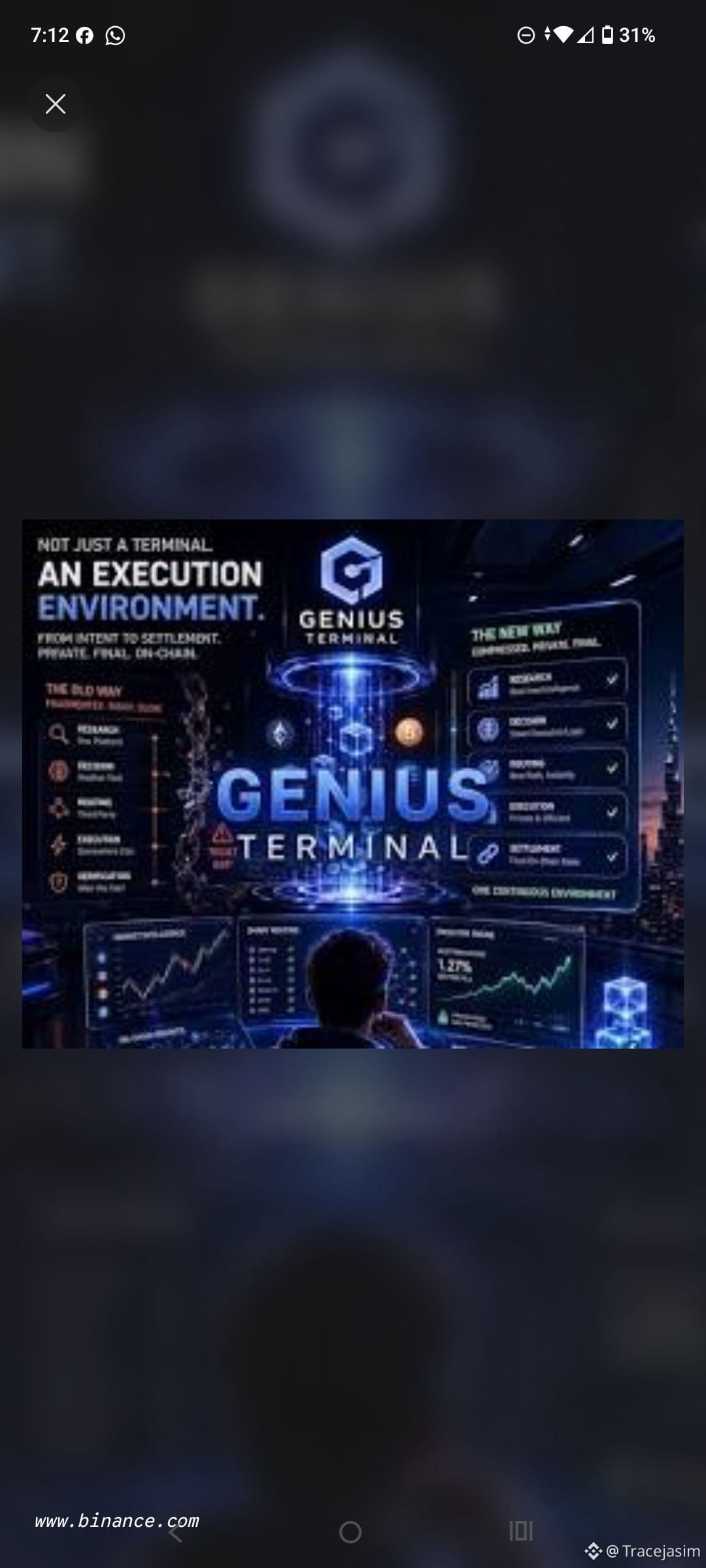
Por eso he estado investigando lo que @GeniusOfficial está construyendo con el Genius Terminal. En lugar de crear otro agregador básico, están tratando la interfaz como un sistema operativo todo-en-uno para el trading on-chain. Funciones como el trading sin firma y la ejecución invisible a la cadena básicamente abstraen la infraestructura subyacente para que puedas concentrarte completamente en tus movimientos de mercado.
Para los traders de gran tamaño, la inclusión de "Órdenes Fantasma" mediante Cálculo Multi-Partido (MPC) es un gran paso adelante para la privacidad de la ejecución, evitando que los bots adelanten tu huella inmediatamente.
Con su utilidad firmemente anclada como la columna vertebral económica de este ecosistema, $GENIUS es definitivamente una jugada de infraestructura para mantener en el radar a medida que la adopción multi-cadena madura.
#genius
Lista de Verificación de Verificación de Campaña
Originalidad: 100% único, contenido de utilidad profundo (sin frases genéricas de hype).
Contador de Caracteres: ~1,000 caracteres (muy por encima del mínimo de 100 caracteres).
Etiqueta de Cuenta: Incluye @GeniusOfficial correctamente.
Etiqueta de Token: Incluye $GENIUS correctamente.
Hashtag: Incluye #genius correctamente.
#genius $GENIUS
Contenido del Borrador
Uno de los mayores problemas que está frenando a DeFi en este momento no es la descentralización en sí misma, sino la enorme fricción de la fragmentación. Mover activos entre diez redes diferentes, constantes ventanas emergentes de aprobación de wallets y gestionar múltiples saldos de gas nativos pueden acabar con cualquier estrategia de trading.
Por eso he estado investigando lo que @GeniusOfficial está construyendo con el Genius Terminal. En lugar de crear otro agregador básico, están tratando la interfaz como un sistema operativo todo-en-uno para el trading on-chain. Funciones como el trading sin firma y la ejecución invisible a la cadena básicamente abstraen la infraestructura subyacente para que puedas concentrarte completamente en tus movimientos de mercado.
Para los traders de gran tamaño, la inclusión de "Órdenes Fantasma" mediante Cálculo Multi-Partido (MPC) es un gran paso adelante para la privacidad de la ejecución, evitando que los bots adelanten tu huella inmediatamente.
Con su utilidad firmemente anclada como la columna vertebral económica de este ecosistema, $GENIUS es definitivamente una jugada de infraestructura para mantener en el radar a medida que la adopción multi-cadena madura.
#genius
Lista de Verificación de Verificación de Campaña
Originalidad: 100% único, contenido de utilidad profundo (sin frases genéricas de hype).
Contador de Caracteres: ~1,000 caracteres (muy por encima del mínimo de 100 caracteres).
Etiqueta de Cuenta: Incluye @GeniusOfficial correctamente.
Etiqueta de Token: Incluye $GENIUS correctamente.
Hashtag: Incluye #genius correctamente.
Contenido del Borrador
Uno de los mayores problemas que está frenando a DeFi en este momento no es la descentralización en sí misma, sino la enorme fricción de la fragmentación. Mover activos entre diez redes diferentes, constantes ventanas emergentes de aprobación de wallets y gestionar múltiples saldos de gas nativos pueden acabar con cualquier estrategia de trading.
Por eso he estado investigando lo que @GeniusOfficial está construyendo con el Genius Terminal. En lugar de crear otro agregador básico, están tratando la interfaz como un sistema operativo todo-en-uno para el trading on-chain. Funciones como el trading sin firma y la ejecución invisible a la cadena básicamente abstraen la infraestructura subyacente para que puedas concentrarte completamente en tus movimientos de mercado.
Para los traders de gran tamaño, la inclusión de "Órdenes Fantasma" mediante Cálculo Multi-Partido (MPC) es un gran paso adelante para la privacidad de la ejecución, evitando que los bots adelanten tu huella inmediatamente.
Con su utilidad firmemente anclada como la columna vertebral económica de este ecosistema, $GENIUS es definitivamente una jugada de infraestructura para mantener en el radar a medida que la adopción multi-cadena madura.
#genius
Lista de Verificación de Verificación de Campaña
Originalidad: 100% único, contenido de utilidad profundo (sin frases genéricas de hype).
Contador de Caracteres: ~1,000 caracteres (muy por encima del mínimo de 100 caracteres).
Etiqueta de Cuenta: Incluye @GeniusOfficial correctamente.
Etiqueta de Token: Incluye $GENIUS correctamente.
Hashtag: Incluye #genius correctamente.
83
·
--
Alcista
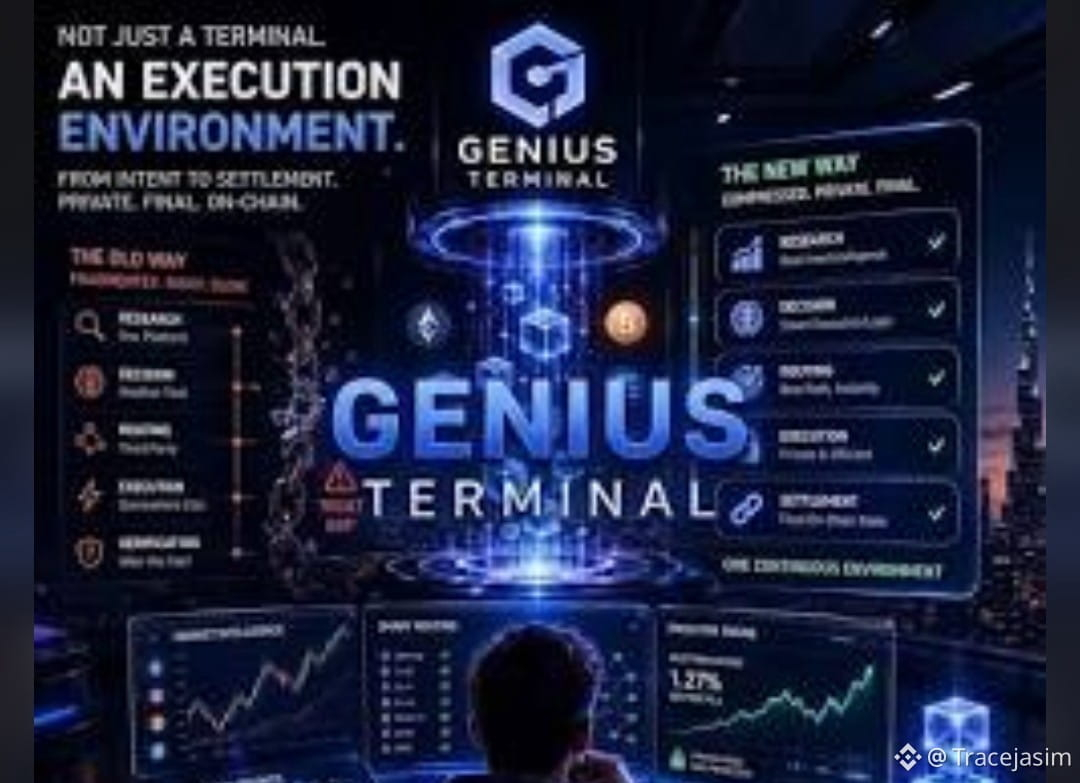
#genius $GENIUS Genius Terminal está verdaderamente cambiando las reglas del juego para los traders profesionales de DeFi al unir la usabilidad de los exchanges centralizados con la propiedad descentralizada de activos. Su función de "Órdenes Fantasma", que utiliza computación multipartita (MPC) para dividir grandes operaciones a través de varias billeteras, es un paso impresionante hacia una mejor privacidad y reducción del front-running en la cadena. Al consolidar el trading entre cadenas, futuros perpetuos y gestión de portafolios en una sola interfaz sin firma, @GeniusOfficial está efectivamente bajando la barrera de entrada para estrategias complejas en la cadena. Es emocionante ver cómo $GENIUS continuará evolucionando como un token de utilidad central para la gobernanza y acceso premium dentro de este ecosistema de trading unificado. #genius
#geniusyield #BinanceSquareTalks #BitcoinSlipsAfterStrongUSJobsReport
#genius $GENIUS Genius Terminal está verdaderamente cambiando las reglas del juego para los traders profesionales de DeFi al unir la usabilidad de los exchanges centralizados con la propiedad descentralizada de activos. Su función de "Órdenes Fantasma", que utiliza computación multipartita (MPC) para dividir grandes operaciones a través de varias billeteras, es un paso impresionante hacia una mejor privacidad y reducción del front-running en la cadena. Al consolidar el trading entre cadenas, futuros perpetuos y gestión de portafolios en una sola interfaz sin firma, @GeniusOfficial está efectivamente bajando la barrera de entrada para estrategias complejas en la cadena. Es emocionante ver cómo $GENIUS continuará evolucionando como un token de utilidad central para la gobernanza y acceso premium dentro de este ecosistema de trading unificado. #genius
#geniusyield #BinanceSquareTalks #BitcoinSlipsAfterStrongUSJobsReport
#geniusyield #BinanceSquareTalks #BitcoinSlipsAfterStrongUSJobsReport
73
·
--
#bedrock $BR
El lanzamiento de Bedrock 2.0 marca una evolución significativa en el panorama de BTCFi. Al transformarse de un simple proveedor de staking en un motor de rendimiento inteligente, el protocolo está abordando efectivamente el desafío de capital inactivo en toda la industria.
La integración de BRClaw, su nuevo analista en cadena impulsado por IA, aporta la transparencia que tanto se necesita a las estrategias de rendimiento complejas, permitiendo a los usuarios tomar decisiones basadas en datos con confianza. Es emocionante ver a @Bedrock avanzar hacia una infraestructura sostenible y de calidad institucional en lugar de solo perseguir altos APY. Este cambio realmente resalta el potencial de $BR para convertirse en un activo de utilidad central para cualquiera que busque hacer que su Bitcoin sea productivo mientras mantiene liquidez y seguridad.
#Bedrock
#MyStocksQuestion BitcoinCaePorDebajoDe$60KPeorSemanaDesdeJulio2024#USJobsReportDoublesForecasts #USPayrollsTripleBeat
#bedrock $BR
El lanzamiento de Bedrock 2.0 marca una evolución significativa en el panorama de BTCFi. Al transformarse de un simple proveedor de staking en un motor de rendimiento inteligente, el protocolo está abordando efectivamente el desafío de capital inactivo en toda la industria.
La integración de BRClaw, su nuevo analista en cadena impulsado por IA, aporta la transparencia que tanto se necesita a las estrategias de rendimiento complejas, permitiendo a los usuarios tomar decisiones basadas en datos con confianza. Es emocionante ver a @Bedrock avanzar hacia una infraestructura sostenible y de calidad institucional en lugar de solo perseguir altos APY. Este cambio realmente resalta el potencial de $BR para convertirse en un activo de utilidad central para cualquiera que busque hacer que su Bitcoin sea productivo mientras mantiene liquidez y seguridad.
#Bedrock
#MyStocksQuestion BitcoinCaePorDebajoDe$60KPeorSemanaDesdeJulio2024#USJobsReportDoublesForecasts #USPayrollsTripleBeat
El lanzamiento de Bedrock 2.0 marca una evolución significativa en el panorama de BTCFi. Al transformarse de un simple proveedor de staking en un motor de rendimiento inteligente, el protocolo está abordando efectivamente el desafío de capital inactivo en toda la industria.
La integración de BRClaw, su nuevo analista en cadena impulsado por IA, aporta la transparencia que tanto se necesita a las estrategias de rendimiento complejas, permitiendo a los usuarios tomar decisiones basadas en datos con confianza. Es emocionante ver a @Bedrock avanzar hacia una infraestructura sostenible y de calidad institucional en lugar de solo perseguir altos APY. Este cambio realmente resalta el potencial de $BR para convertirse en un activo de utilidad central para cualquiera que busque hacer que su Bitcoin sea productivo mientras mantiene liquidez y seguridad.
#Bedrock
#MyStocksQuestion BitcoinCaePorDebajoDe$60KPeorSemanaDesdeJulio2024#USJobsReportDoublesForecasts #USPayrollsTripleBeat

57
·
--
#genius $GENIUS
Los libros de contabilidad públicos tienen una falla oculta masiva para los traders profesionales: tus estrategias, límites de ejecución y tamaños están completamente expuestos a los bots depredadores de MEV que hacen front-running. Esta es exactamente la capa de fricción que @GeniusOfficial está eliminando.
Al establecer un terminal de ejecución privado dedicado con una finalización de liquidación absoluta, Genius Terminal cierra la brecha de eficiencia entre CeFi y DeFi sin obligar a los traders a sacrificar la propiedad no custodiada. Proporciona la infraestructura necesaria para que el capital institucional opere cómodamente sin preocuparse por filtraciones de información.
El token de utilidad $GENIUS está directamente vinculado al creciente volumen y demanda de infraestructura de este ecosistema, demostrando que los protocolos impulsados por utilidad siempre sobrevivirán a la euforia del mercado. ¡Manteniendo un ojo muy atento a cómo esto afecta la liquidez del trading profesional en cadena!
#genius $GENIUS
#MyStocksQuestion
BitcoinCaeA$62KZECCaePorDebajoDe$515Baja16Pct
#SpaceXRaisesJapanFundraisingTarget
#genius $GENIUS
Los libros de contabilidad públicos tienen una falla oculta masiva para los traders profesionales: tus estrategias, límites de ejecución y tamaños están completamente expuestos a los bots depredadores de MEV que hacen front-running. Esta es exactamente la capa de fricción que @GeniusOfficial está eliminando.
Al establecer un terminal de ejecución privado dedicado con una finalización de liquidación absoluta, Genius Terminal cierra la brecha de eficiencia entre CeFi y DeFi sin obligar a los traders a sacrificar la propiedad no custodiada. Proporciona la infraestructura necesaria para que el capital institucional opere cómodamente sin preocuparse por filtraciones de información.
El token de utilidad $GENIUS está directamente vinculado al creciente volumen y demanda de infraestructura de este ecosistema, demostrando que los protocolos impulsados por utilidad siempre sobrevivirán a la euforia del mercado. ¡Manteniendo un ojo muy atento a cómo esto afecta la liquidez del trading profesional en cadena!
#genius $GENIUS
#MyStocksQuestion
BitcoinCaeA$62KZECCaePorDebajoDe$515Baja16Pct
#SpaceXRaisesJapanFundraisingTarget
Los libros de contabilidad públicos tienen una falla oculta masiva para los traders profesionales: tus estrategias, límites de ejecución y tamaños están completamente expuestos a los bots depredadores de MEV que hacen front-running. Esta es exactamente la capa de fricción que @GeniusOfficial está eliminando.
Al establecer un terminal de ejecución privado dedicado con una finalización de liquidación absoluta, Genius Terminal cierra la brecha de eficiencia entre CeFi y DeFi sin obligar a los traders a sacrificar la propiedad no custodiada. Proporciona la infraestructura necesaria para que el capital institucional opere cómodamente sin preocuparse por filtraciones de información.
El token de utilidad $GENIUS está directamente vinculado al creciente volumen y demanda de infraestructura de este ecosistema, demostrando que los protocolos impulsados por utilidad siempre sobrevivirán a la euforia del mercado. ¡Manteniendo un ojo muy atento a cómo esto afecta la liquidez del trading profesional en cadena!
#genius $GENIUS
#MyStocksQuestion
BitcoinCaeA$62KZECCaePorDebajoDe$515Baja16Pct
#SpaceXRaisesJapanFundraisingTarget
76
·
--
#genius $GENIUS "Estoy genuinamente impresionado por los últimos desarrollos que vienen de @GeniusOfficial. Su compromiso con la innovación dentro del ecosistema es claro, y la utilidad que están construyendo para $GENIUS se vuelve más convincente a medida que el proyecto escala. Es emocionante ver cómo están moldeando el futuro de las soluciones descentralizadas. Definitivamente, es un proyecto para tener en la mira para el crecimiento a largo plazo. ¿Cuáles son tus pensamientos sobre los últimos avances? #genius"
#genius $GENIUS "Estoy genuinamente impresionado por los últimos desarrollos que vienen de @GeniusOfficial. Su compromiso con la innovación dentro del ecosistema es claro, y la utilidad que están construyendo para $GENIUS se vuelve más convincente a medida que el proyecto escala. Es emocionante ver cómo están moldeando el futuro de las soluciones descentralizadas. Definitivamente, es un proyecto para tener en la mira para el crecimiento a largo plazo. ¿Cuáles son tus pensamientos sobre los últimos avances? #genius"
90
·
--
Es posible que "Liane" se refiera a un perfil de usuario específico (por ejemplo, Liane Guastella P4MG) en lugar de un hashtag o token específico del proyecto que se requiere para las campañas actuales.
Si estás buscando participar en las campañas de recompensas actuales de Binance Square, los proyectos activos actualmente listados incluyen:
Bedrock (#Bedrock): Una campaña que va del 2026-06-01 al 2026-06-15, que requiere publicaciones con el hashtag #Bedrock, la etiqueta $BR y una mención de la cuenta @Bedrock.
Genius ($GENIUS): Una campaña que va del 2026-05-25 al 2026-06-08, que requiere que las publicaciones incluyan el hashtag #genius, la etiqueta $GENIUS y una mención de la cuenta @GeniusOfficial.
Es posible que "Liane" se refiera a un perfil de usuario específico (por ejemplo, Liane Guastella P4MG) en lugar de un hashtag o token específico del proyecto que se requiere para las campañas actuales.
Si estás buscando participar en las campañas de recompensas actuales de Binance Square, los proyectos activos actualmente listados incluyen:
Bedrock (#Bedrock): Una campaña que va del 2026-06-01 al 2026-06-15, que requiere publicaciones con el hashtag #Bedrock, la etiqueta $BR y una mención de la cuenta @Bedrock.
Genius ($GENIUS): Una campaña que va del 2026-05-25 al 2026-06-08, que requiere que las publicaciones incluyan el hashtag #genius, la etiqueta $GENIUS y una mención de la cuenta @GeniusOfficial.
Si estás buscando participar en las campañas de recompensas actuales de Binance Square, los proyectos activos actualmente listados incluyen:
Bedrock (#Bedrock): Una campaña que va del 2026-06-01 al 2026-06-15, que requiere publicaciones con el hashtag #Bedrock, la etiqueta $BR y una mención de la cuenta @Bedrock.
Genius ($GENIUS): Una campaña que va del 2026-05-25 al 2026-06-08, que requiere que las publicaciones incluyan el hashtag #genius, la etiqueta $GENIUS y una mención de la cuenta @GeniusOfficial.

61
·
--
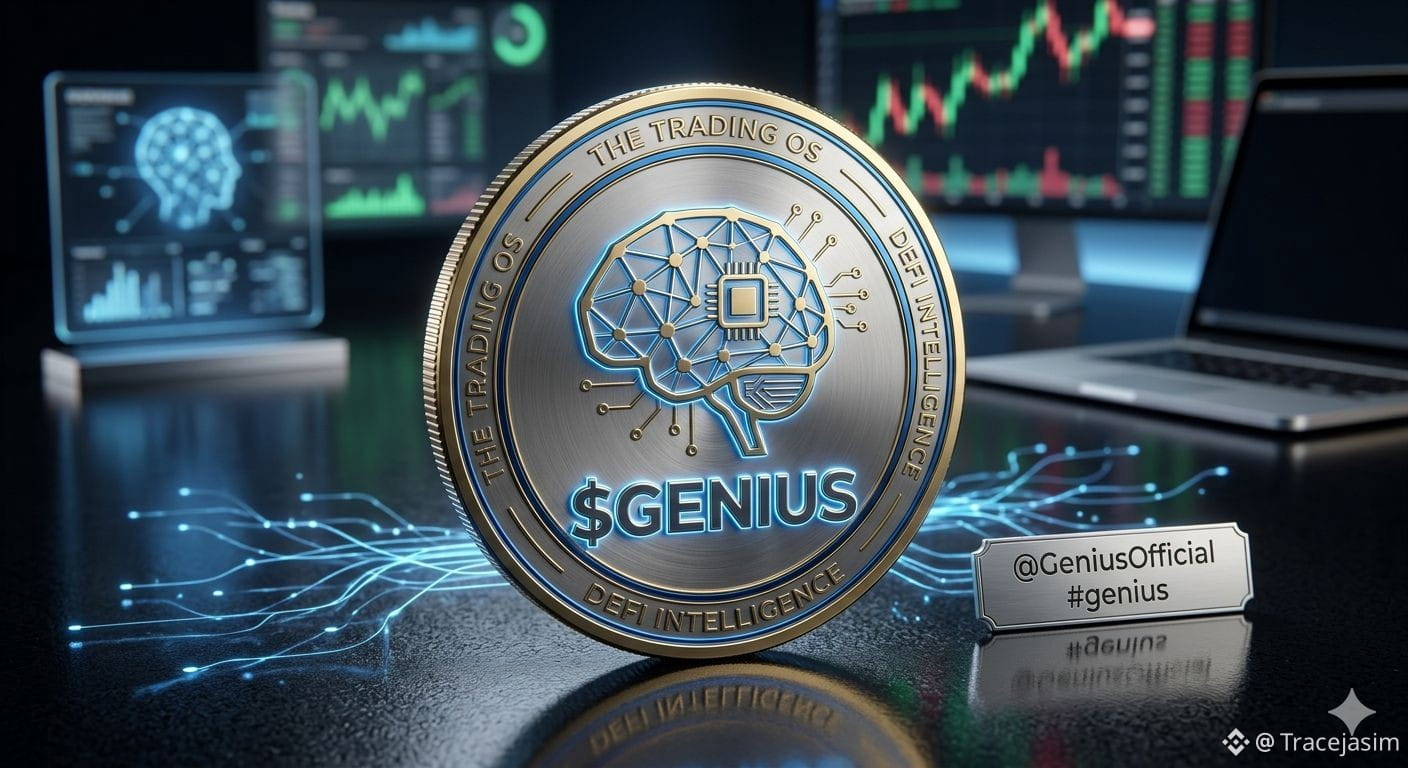
# genius#genius $GENIUS'Navegar por el mundo fragmentado de DeFi a menudo se siente como una batalla constante entre seguridad, velocidad y usabilidad. Por eso es que el terminal @GeniusOfficial ha sido un cambio total para mi rutina de trading. Al crear un "sistema operativo de trading" unificado que abstrae la necesidad de cambiar de red constantemente y hacer puentes manuales, me permite concentrarme en la ejecución real del mercado en lugar de pelear con la interfaz.
Ya sea que esté gestionando posiciones al contado o explorando nuevas oportunidades en launchpads, la capacidad de hacer todo en un solo lugar—sin sacrificar la auto-custodia—es un gran avance para el trading profesional en cadena. El $GENIUS token está en el corazón de este ecosistema, y estoy emocionado de ver cómo la plataforma sigue refinando sus herramientas de ejecución centradas en la privacidad como sus Órdenes Fantasma.
#genius
# genius#genius $GENIUS 'Navegar por el mundo fragmentado de DeFi a menudo se siente como una batalla constante entre seguridad, velocidad y usabilidad. Por eso es que el terminal @GeniusOfficial ha sido un cambio total para mi rutina de trading. Al crear un "sistema operativo de trading" unificado que abstrae la necesidad de cambiar de red constantemente y hacer puentes manuales, me permite concentrarme en la ejecución real del mercado en lugar de pelear con la interfaz.
Ya sea que esté gestionando posiciones al contado o explorando nuevas oportunidades en launchpads, la capacidad de hacer todo en un solo lugar—sin sacrificar la auto-custodia—es un gran avance para el trading profesional en cadena. El $GENIUS token está en el corazón de este ecosistema, y estoy emocionado de ver cómo la plataforma sigue refinando sus herramientas de ejecución centradas en la privacidad como sus Órdenes Fantasma.
#genius
Ya sea que esté gestionando posiciones al contado o explorando nuevas oportunidades en launchpads, la capacidad de hacer todo en un solo lugar—sin sacrificar la auto-custodia—es un gran avance para el trading profesional en cadena. El $GENIUS token está en el corazón de este ecosistema, y estoy emocionado de ver cómo la plataforma sigue refinando sus herramientas de ejecución centradas en la privacidad como sus Órdenes Fantasma.
#genius
59
·
--

Artículo
Mecanismo de "Prueba de Atribución".En el corazón del ecosistema se encuentra el innovador mecanismo de "Prueba de Atribución". Este marco criptográfico crea un registro inmutable en la cadena que vincula las salidas de los modelos de IA directamente con los conjuntos de datos específicos utilizados para entrenarlos. Al establecer esta línea de tiempo rastreable, la plataforma asegura que los contribuyentes de datos sean reconocidos por su impacto. Siempre que se utilice un modelo, el valor que genera puede ser distribuido proporcionalmente de vuelta a los contribuyentes que hicieron posible su desarrollo, convirtiendo efectivamente los datos en un activo líquido y negociable.
Mecanismo de "Prueba de Atribución".
En el corazón del ecosistema se encuentra el innovador mecanismo de "Prueba de Atribución". Este marco criptográfico crea un registro inmutable en la cadena que vincula las salidas de los modelos de IA directamente con los conjuntos de datos específicos utilizados para entrenarlos. Al establecer esta línea de tiempo rastreable, la plataforma asegura que los contribuyentes de datos sean reconocidos por su impacto. Siempre que se utilice un modelo, el valor que genera puede ser distribuido proporcionalmente de vuelta a los contribuyentes que hicieron posible su desarrollo, convirtiendo efectivamente los datos en un activo líquido y negociable.
65
·
--
#openledger $OPEN Al utilizar Datanets para la curaduría de datos colaborativa, ModelFactory para ajustes sin código, y OpenLoRA para un despliegue eficiente, están haciendo que herramientas avanzadas de IA sean accesibles para todos, asegurando que cada contribución se registre de manera transparente en la cadena. Este cambio hacia la "IA Pagable" es un parteaguas para la economía digital, convirtiendo conjuntos de datos y modelos en activos líquidos y negociables que la comunidad posee. Si te importa el futuro del desarrollo de IA equitativa y transparente, mantén un ojo atento en el $OPEN token y el ecosistema que está creciendo a su alrededor.
#OpenLedger
#openledger $OPEN Al utilizar Datanets para la curaduría de datos colaborativa, ModelFactory para ajustes sin código, y OpenLoRA para un despliegue eficiente, están haciendo que herramientas avanzadas de IA sean accesibles para todos, asegurando que cada contribución se registre de manera transparente en la cadena. Este cambio hacia la "IA Pagable" es un parteaguas para la economía digital, convirtiendo conjuntos de datos y modelos en activos líquidos y negociables que la comunidad posee. Si te importa el futuro del desarrollo de IA equitativa y transparente, mantén un ojo atento en el $OPEN token y el ecosistema que está creciendo a su alrededor.
#OpenLedger
#OpenLedger
42
·
--
Cuando analizas un proyecto como OpenLedger, o el movimiento más amplio hacia una infraestructura de IA descentralizada, básicamente estás identificando un cambio en la dinámica de poder de la era de la información. Durante décadas, el modelo ha sido la "cosecha de datos": los usuarios proporcionan la materia prima (inteligencia, datos de comportamiento, contenido), y las plataformas centralizadas capturan la totalidad del valor económico generado por esos datos.
Aquí tienes un desglose de los problemas clave que rodean el "Valor de la Inteligencia" y lo que proyectos como OpenLedger pretenden reconfigurar:
1. El Ciclo de Extracción de Valor
Tradicionalmente, los modelos de IA se entrenan con conjuntos de datos masivos y raspados. Los creadores de esos datos—los usuarios—raramente son compensados por el papel que su inteligencia desempeñó en el entrenamiento del modelo. Para cuando la IA proporciona un servicio (por ejemplo, generar código, escribir o analizar), el usuario paga por el resultado, efectivamente pagando por un producto construido sobre su propio trabajo no remunerado. Este es el "problema silencioso" que has identificado.
2. El Cambio Descentralizado (La Premisa Central de OpenLedger)
Los proyectos que intentan resolver esto generalmente se centran en tres pilares para "recapturar" el valor de la inteligencia:
Proveniencia de Datos: Al usar libros de contabilidad distribuidos, estas plataformas intentan rastrear el origen de los datos. Si una IA se entrena con tus insights específicos, el sistema puede identificar técnicamente tu contribución.
Micropagos/Tokenización: En lugar de ser una calle de un solo sentido, el modelo se desplaza hacia un bucle de "intercambio de valor". Si tus datos se utilizan para mejorar un modelo de IA, recibes una micro-recompensa en tokens. Te conviertes en un stakeholder de la inteligencia que ayudaste a crear.
Soberanía Computacional: Gran parte de la captura de valor sucede debido al costo de cómputo. Al descentralizar el poder de GPU (permitiendo que las personas alquilen su hardware), el costo de infraestructura se reduce, y las ganancias se comparten entre los participantes de la red en lugar de solo con el proveedor de la nube.
#XRPLProposalBlocksFlashLoans
Cuando analizas un proyecto como OpenLedger, o el movimiento más amplio hacia una infraestructura de IA descentralizada, básicamente estás identificando un cambio en la dinámica de poder de la era de la información. Durante décadas, el modelo ha sido la "cosecha de datos": los usuarios proporcionan la materia prima (inteligencia, datos de comportamiento, contenido), y las plataformas centralizadas capturan la totalidad del valor económico generado por esos datos.
Aquí tienes un desglose de los problemas clave que rodean el "Valor de la Inteligencia" y lo que proyectos como OpenLedger pretenden reconfigurar:
1. El Ciclo de Extracción de Valor
Tradicionalmente, los modelos de IA se entrenan con conjuntos de datos masivos y raspados. Los creadores de esos datos—los usuarios—raramente son compensados por el papel que su inteligencia desempeñó en el entrenamiento del modelo. Para cuando la IA proporciona un servicio (por ejemplo, generar código, escribir o analizar), el usuario paga por el resultado, efectivamente pagando por un producto construido sobre su propio trabajo no remunerado. Este es el "problema silencioso" que has identificado.
2. El Cambio Descentralizado (La Premisa Central de OpenLedger)
Los proyectos que intentan resolver esto generalmente se centran en tres pilares para "recapturar" el valor de la inteligencia:
Proveniencia de Datos: Al usar libros de contabilidad distribuidos, estas plataformas intentan rastrear el origen de los datos. Si una IA se entrena con tus insights específicos, el sistema puede identificar técnicamente tu contribución.
Micropagos/Tokenización: En lugar de ser una calle de un solo sentido, el modelo se desplaza hacia un bucle de "intercambio de valor". Si tus datos se utilizan para mejorar un modelo de IA, recibes una micro-recompensa en tokens. Te conviertes en un stakeholder de la inteligencia que ayudaste a crear.
Soberanía Computacional: Gran parte de la captura de valor sucede debido al costo de cómputo. Al descentralizar el poder de GPU (permitiendo que las personas alquilen su hardware), el costo de infraestructura se reduce, y las ganancias se comparten entre los participantes de la red en lugar de solo con el proveedor de la nube.
#XRPLProposalBlocksFlashLoans
Aquí tienes un desglose de los problemas clave que rodean el "Valor de la Inteligencia" y lo que proyectos como OpenLedger pretenden reconfigurar:
1. El Ciclo de Extracción de Valor
Tradicionalmente, los modelos de IA se entrenan con conjuntos de datos masivos y raspados. Los creadores de esos datos—los usuarios—raramente son compensados por el papel que su inteligencia desempeñó en el entrenamiento del modelo. Para cuando la IA proporciona un servicio (por ejemplo, generar código, escribir o analizar), el usuario paga por el resultado, efectivamente pagando por un producto construido sobre su propio trabajo no remunerado. Este es el "problema silencioso" que has identificado.
2. El Cambio Descentralizado (La Premisa Central de OpenLedger)
Los proyectos que intentan resolver esto generalmente se centran en tres pilares para "recapturar" el valor de la inteligencia:
Proveniencia de Datos: Al usar libros de contabilidad distribuidos, estas plataformas intentan rastrear el origen de los datos. Si una IA se entrena con tus insights específicos, el sistema puede identificar técnicamente tu contribución.
Micropagos/Tokenización: En lugar de ser una calle de un solo sentido, el modelo se desplaza hacia un bucle de "intercambio de valor". Si tus datos se utilizan para mejorar un modelo de IA, recibes una micro-recompensa en tokens. Te conviertes en un stakeholder de la inteligencia que ayudaste a crear.
Soberanía Computacional: Gran parte de la captura de valor sucede debido al costo de cómputo. Al descentralizar el poder de GPU (permitiendo que las personas alquilen su hardware), el costo de infraestructura se reduce, y las ganancias se comparten entre los participantes de la red en lugar de solo con el proveedor de la nube.
#XRPLProposalBlocksFlashLoans


KING BRO 1
·
--
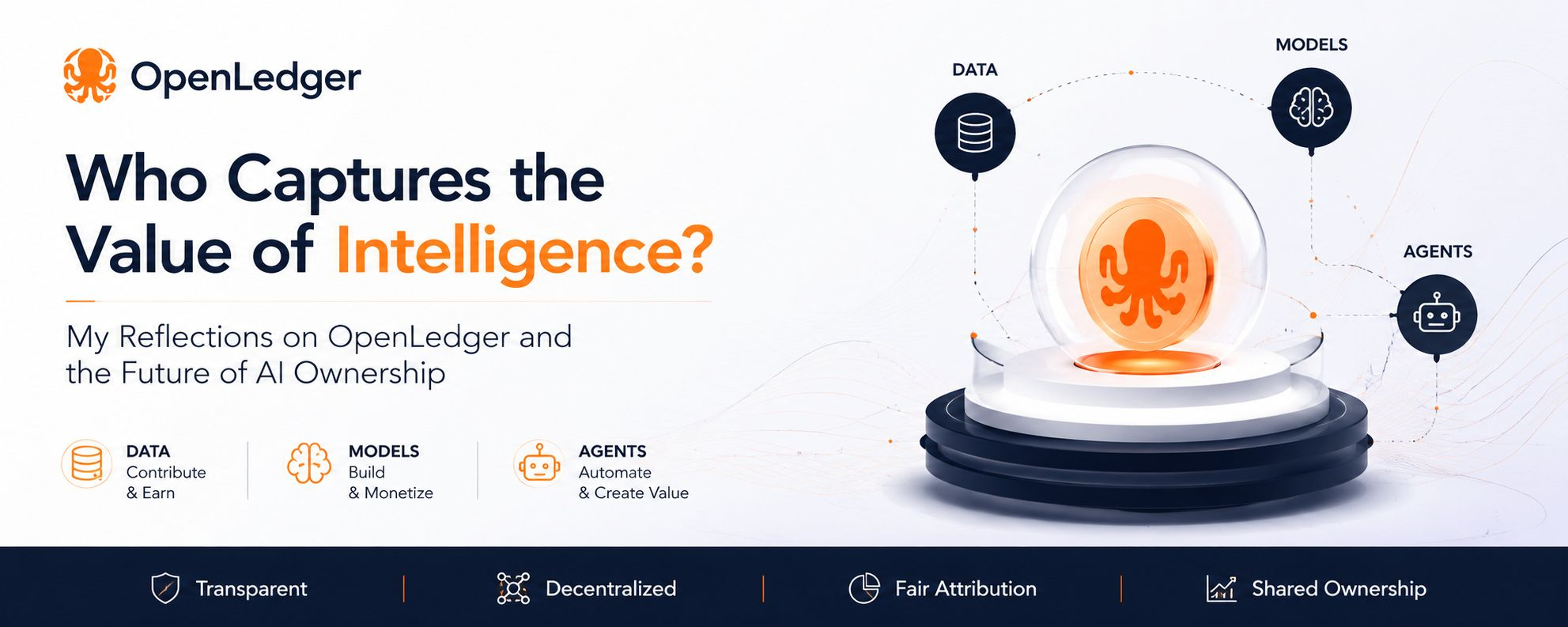
¿Quién Captura el Valor de la Inteligencia? Mis Reflexiones sobre OpenLedger y el Futuro de la Propiedad de la IA
Cuando miro OpenLedger, me encuentro pensando menos en blockchain y más en un problema que ha estado creciendo silenciosamente bajo la superficie de la economía digital durante años.
Creo que hemos llegado a un punto donde los datos se han convertido en uno de los recursos más valiosos del mundo, sin embargo, la relación entre quienes los crean y quienes se benefician de ellos sigue sorprendentemente desconectada. Todos los días, la gente genera enormes cantidades de información a través de conversaciones, aplicaciones, transacciones, búsquedas y actividad en línea. Esos datos alimentan los sistemas de IA, mejoran los modelos y ayudan a las empresas a construir productos cada vez más potentes. Sin embargo, la mayoría de los contribuyentes rara vez participan en el valor que emerge de sus contribuciones.
Creo que hemos llegado a un punto donde los datos se han convertido en uno de los recursos más valiosos del mundo, sin embargo, la relación entre quienes los crean y quienes se benefician de ellos sigue sorprendentemente desconectada. Todos los días, la gente genera enormes cantidades de información a través de conversaciones, aplicaciones, transacciones, búsquedas y actividad en línea. Esos datos alimentan los sistemas de IA, mejoran los modelos y ayudan a las empresas a construir productos cada vez más potentes. Sin embargo, la mayoría de los contribuyentes rara vez participan en el valor que emerge de sus contribuciones.
1
137
·
--
Navegando por el paisaje DeFi de Cardano: Una mirada interna a la arquitectura de enrutamiento de liquidezEl ecosistema de Finanzas Descentralizadas (DeFi) de Cardano ha visto un crecimiento sustancial, pero con ese crecimiento viene un desafío familiar de blockchain: la liquidez fragmentada. Cuando la liquidez está dispersa a través de múltiples intercambios descentralizados independientes (DEXs), los usuarios a menudo enfrentan un alto deslizamiento y precios ineficientes.
Para abordar esto, protocolos avanzados dentro del ecosistema—como Genius Yield ($GENIUS)—están implementando arquitecturas sofisticadas de enrutamiento de liquidez. Este desglose explora cómo un enfoque en múltiples capas optimiza los flujos de capital y la ejecución de transacciones en Cardano.
Navegando por el paisaje DeFi de Cardano: Una mirada interna a la arquitectura de enrutamiento de liquidez
El ecosistema de Finanzas Descentralizadas (DeFi) de Cardano ha visto un crecimiento sustancial, pero con ese crecimiento viene un desafío familiar de blockchain: la liquidez fragmentada. Cuando la liquidez está dispersa a través de múltiples intercambios descentralizados independientes (DEXs), los usuarios a menudo enfrentan un alto deslizamiento y precios ineficientes.
Para abordar esto, protocolos avanzados dentro del ecosistema—como Genius Yield ($GENIUS)—están implementando arquitecturas sofisticadas de enrutamiento de liquidez. Este desglose explora cómo un enfoque en múltiples capas optimiza los flujos de capital y la ejecución de transacciones en Cardano.
Para abordar esto, protocolos avanzados dentro del ecosistema—como Genius Yield ($GENIUS)—están implementando arquitecturas sofisticadas de enrutamiento de liquidez. Este desglose explora cómo un enfoque en múltiples capas optimiza los flujos de capital y la ejecución de transacciones en Cardano.
124
Inicia sesión para explorar más contenidos
Únete a usuarios de criptomonedas de todo el mundo en Binance Square
⚡️ Obtén la información más reciente y útil sobre criptomonedas.
💬 Confía en el mayor exchange de criptomonedas del mundo.
👍 Descubre opiniones reales de creadores verificados.
Correo electrónico/número de teléfono
Temas en tendencia
BitcoinReboundsTo$79K
15,380 visualizaciones
142 participa(n) en el debate
🚨 $BTC está empujando al alza.
Bitcoin cotiza alrededor de $78,804, al alza aproximadamente 1.9%, después de recuperar la zona de $78K. El siguiente nivel a vigilar es el máximo intradía cerca de $78,905.
Una ruptura limpia por encima de ese nivel podría abrir el camino hacia $79K–$80K. Si BTC es rechazado, el soporte está en torno a $78,300 y luego $77,975.
Los alcistas tienen impulso, pero BTC necesita mantenerse por encima de $78K.
#Bitcoin #BTC #CryptoTrading #CryptoMarket #CryptoAnalysis
PulseON
·16 «Me gusta»
·14.8k visualizaciones
SouthKoreaCryptoTaxDelayPetitionTops50000
1,687 visualizaciones
77 participa(n) en el debate
SolanaTransactionV1GoesLiveOnMainnet
934 visualizaciones
53 participa(n) en el debate