
sanicityboy
6 Publicaciones

sanicityboy
Denunciar
Bloquear usuario
Blockchain and web3 education , crypto market research and analysis
9 Siguiendo
0 Seguidores
2 Me gusta
Publicaciones
·
--
Ver traducción
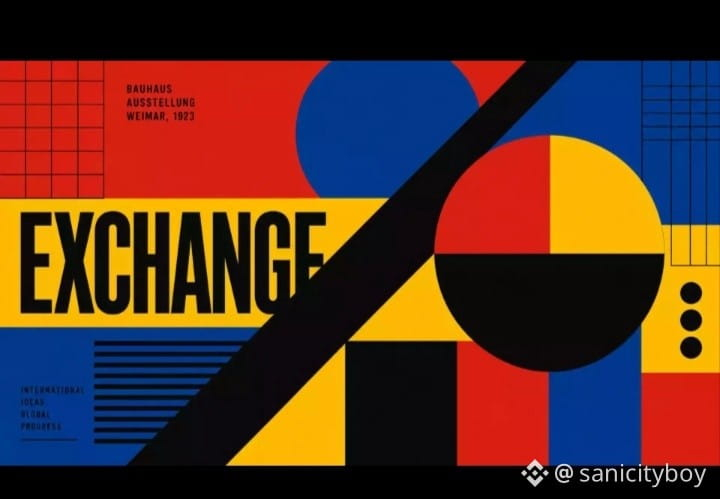
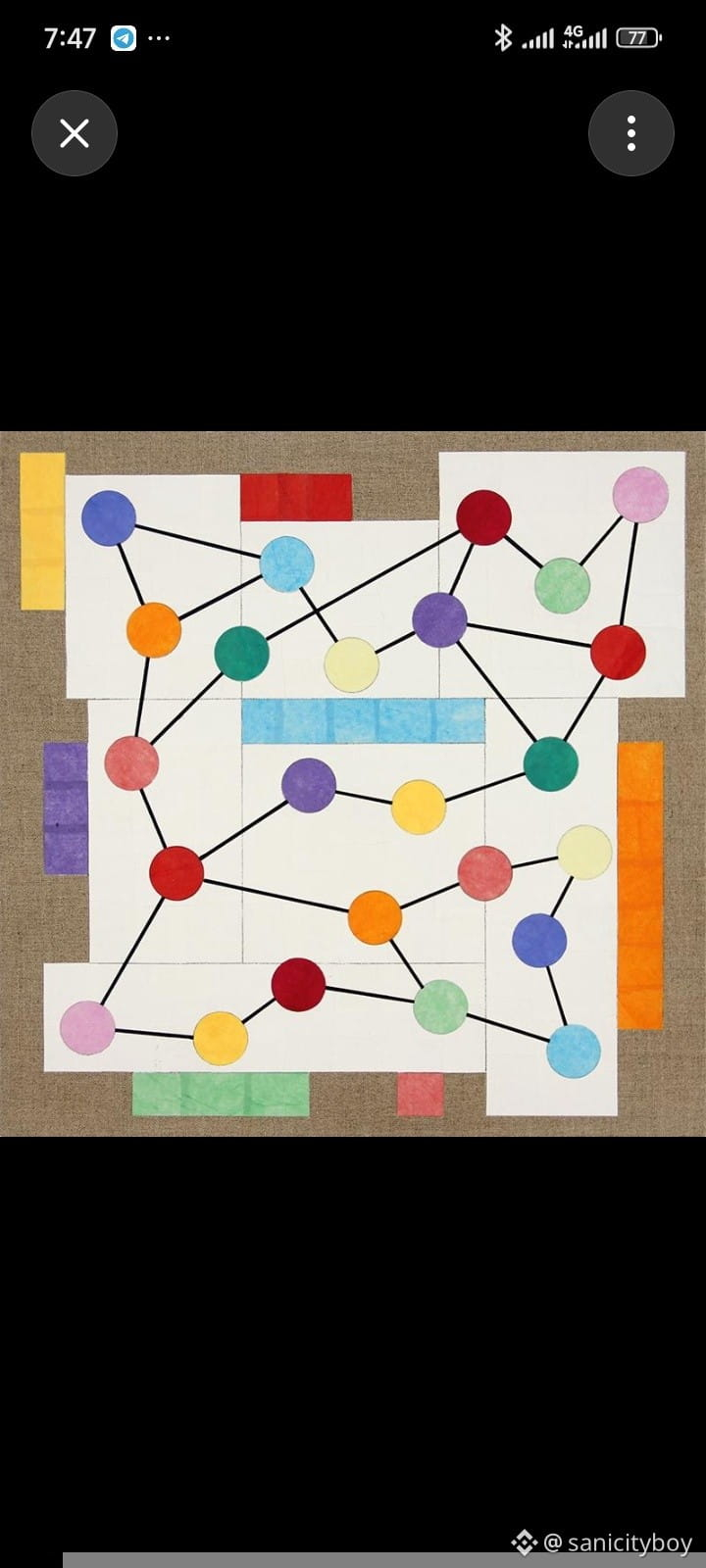
CEX, DEX, DeFi & How Crypto Infrastructure Works
Understanding the Technology Powering Decentralized Finance.
The crypto ecosystem is built on interconnected technologies that make digital transactions, trading, and financial services possible without relying entirely on traditional institutions.
CEX (Centralized Exchange): Platforms operated by companies that allow users to buy, sell, and trade cryptocurrencies through centralized systems.
DEX (Decentralized Exchange): Blockchain-powered platforms that enable peer-to-peer crypto trading through smart contracts, giving users greater control over their assets.
DeFi (Decentralized Finance): An open financial ecosystem that uses blockchain technology and smart contracts to provide services such as lending, borrowing, staking, and trading without traditional intermediaries.
How Does Crypto Infrastructure Work?
Behind every crypto transaction is an infrastructure working together:
Blockchain: Records and verifies transactions.
Smart Contracts: Automate financial operations.
Wallets: Enable users to manage digital assets.
Oracles: Connect blockchain networks to real-world data.
Bridges: Connect different blockchain ecosystems.
The Bigger Picture
CEX provides accessibility, DEX enables decentralized trading, and DeFi creates new financial possibilities.
Together, they form the foundation of a new digital economy built around transparency, accessibility, and financial freedom.
Crypto is more than digital money; it is an entirely new financial infrastructure.


71
·
--
Ver traducción
Wallets, Private Keys, Public Keys & Seed Phrases: Understanding the Foundation of Crypto Ownership
The world of cryptocurrency is built on ownership, security, and control. At the heart of this ecosystem are four essential concepts: wallets, public keys, private keys, and seed phrases. Understanding how they work is fundamental to navigating Web3 safely and confidently.
1. Crypto Wallets: Your Gateway to Web3
A crypto wallet is a tool that allows you to manage your digital assets, interact with blockchain networks, and access decentralized applications (dApps). It doesn't physically store your cryptocurrency; instead, it manages the keys that prove ownership and authorize transactions.
2. Public Keys: Your Digital Identity
A public key is cryptographically linked to your private key. It helps generate your wallet address, which others can use to send you cryptocurrency. Think of it as your digital account number: you can share it without exposing your funds.
3. Private Keys: The Power of Ownership
Your private key is the secret that authorizes transactions and proves control over your assets. Anyone who gains access to it may gain control of your funds. It must remain confidential at all times.
4. Seed Phrases: Your Ultimate Recovery Key
A seed phrase is a sequence of 12 or 24 words used to recover a wallet and regenerate its keys. It serves as a critical backup if your device is lost, damaged, or inaccessible. Never share it or store it carelessly.
The Bigger Picture
In Web3, financial freedom comes with personal responsibility. There is no traditional password-reset button when you lose access to your wallet.
Remember: Your wallet connects you to Web3, your public key enables receiving, your private key grants control, and your seed phrase protects recovery.
True digital ownership begins with understanding how to protect it.
#blochain#digital#web3
_Sanicityboy
78
·
--
Ver traducción
WEB1, WEB2 AND WEB3: THE EVOLUTION OF THE INTERNET
From Reading to Creating, and Finally Owning.
The internet has undergone a remarkable transformation, changing how people access information, communicate, create content, and exchange value. This evolution is defined by three generations: Web1, Web2, and Web3.
1. Web1: The Read-Only Internet
Emerging in the early 1990s, Web1 introduced a world where users could access information through static websites. Interaction was limited, and most content was published and controlled by website owners.
Its defining purpose was information accessibility.
2. Web2: The Read-Write Internet
Web2 transformed the internet into an interactive ecosystem. Users could create content, share ideas, communicate, and build communities through platforms like Facebook, YouTube, Instagram, and X.
However, centralized companies largely controlled the platforms, user data, and digital infrastructure.
Its defining purpose was participation and connectivity.
3. Web3: The Read-Write-Own Internet
Web3 introduces a new vision of the internet powered by blockchain technology, decentralization, and digital ownership.
Through cryptocurrencies, NFTs, smart contracts, and decentralized applications (dApps), users can gain greater control over their digital assets and participate in decentralized ecosystems without relying entirely on centralized intermediaries.
Its defining purpose is ownership and user empowerment.
Why Does This Evolution Matter?
Web3 extends beyond cryptocurrency. It creates opportunities in decentralized finance (DeFi), digital identity, real-world asset (RWA) tokenization, and digital ownership.
Although challenges involving security, scalability, regulation, and adoption remain, its potential continues to attract innovation.
Final Thoughts
The evolution of the internet represents a fundamental shift in digital participation.
Web1 connected us to information. Web2 connected us to people. Web3 seeks to connect us to ownership.
#Web3 #Web2 #Web1 #Blockchain #InternetEvolution #DigitalOwnership
_Sanicityboy
75
·
--
¿Qué es la cadena de bloques? Cómo funcionan los libros contables distribuidos
La cadena de bloques es una de las tecnologías más importantes que impulsan el ecosistema Web3. Desde Bitcoin y Ethereum hasta DeFi y los NFT, está cambiando la forma en que las personas almacenan, verifican y transfieren valor digital.
Pero ¿qué es exactamente la cadena de bloques?
La cadena de bloques es un libro contable digital distribuido que registra transacciones en una red de computadoras, en lugar de depender por completo de una autoridad central.
Consta de bloques conectados que contienen datos de transacciones. Cada bloque está vinculado criptográficamente al anterior, lo que crea un registro cronológico difícil de modificar sin que se detecte.
Cómo funcionan los libros contables distribuidos
La tecnología de libro contable distribuido (DLT, por sus siglas en inglés) es una base de datos compartida que mantienen varios participantes de la red.
A diferencia de las bases de datos tradicionales, que controla un administrador central, los libros contables distribuidos permiten que los participantes verifiquen y mantengan registros compartidos.
La cadena de bloques es una forma de DLT, pero no todos los libros contables distribuidos utilizan una arquitectura de cadena de bloques.
¿Cómo funciona la cadena de bloques?
El proceso es sencillo:
Un usuario inicia una transacción.
La red la recibe y la valida.
Las transacciones válidas se agrupan en bloques.
El consenso establece el registro aceptado.
Se actualiza la cadena de bloques.
¿Por qué es importante?
La cadena de bloques impulsa importantes innovaciones de Web3, entre ellas:
DeFi: Servicios financieros descentralizados.
NFT: Propiedad digital verificable.
Contratos inteligentes: Acuerdos digitales automatizados.
Tokenización: Representación digital de activos.
Sin embargo, la cadena de bloques no está completamente libre de riesgos. Las vulnerabilidades de los contratos inteligentes, el robo de claves privadas y los puentes inseguros siguen siendo importantes desafíos de seguridad.
Reflexiones finales
La cadena de bloques es mucho más que criptomonedas. Representa un nuevo enfoque de la propiedad digital, la transparencia y la confianza.
Entender la cadena de bloques significa comprender los cimientos sobre los que se está construyendo gran parte de Web3.
Aprende sobre la tecnología. Ve más allá de la especulación.
— Sanicityboy
#CadenaDeBloques #Web3 #EducaciónCripto
134
·
--
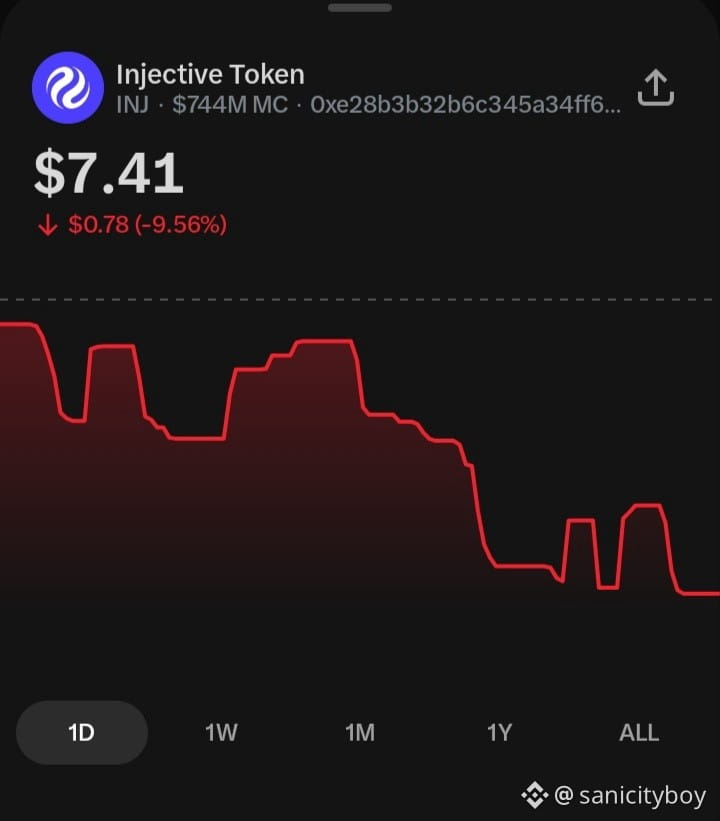
Poseedores de $INJ, estamos bendecidos 🤸
La paciencia da sus frutos, pueblo hausa
Poseedores de $INJ, estamos bendecidos 🤸
La paciencia da sus frutos, pueblo hausa
La paciencia da sus frutos, pueblo hausa
440
Inicia sesión para explorar más contenidos
Únete a usuarios de criptomonedas de todo el mundo en Binance Square
⚡️ Obtén la información más reciente y útil sobre criptomonedas.
💬 Confía en el mayor exchange de criptomonedas del mundo.
👍 Descubre opiniones reales de creadores verificados.
Correo electrónico/número de teléfono
Temas en tendencia
A Packed Week of Earnings and Data Tests Markets
37,773 visualizaciones
272 participa(n) en el debate
🚨🇺🇸 ¡SE VIENE UNA GRAN SEMANA PARA LOS MERCADOS!
Los mercados ya descuentan una subida de tasas de la Fed en diciembre y $BTC podrían producirse grandes movimientos la próxima semana.
Esto es lo que se viene:
• Lunes: habla Warsh, presidente de la Fed
• Martes: ventas minoristas de EE. UU. + resultados de $NVDA
• Miércoles: actas del FOMC
• Jueves: solicitudes de subsidio por desempleo + índice de la Fed de Filadelfia
• Viernes: confianza del consumidor + discursos de miembros de la Fed
Todas las miradas están puestas en $BTC mientras comienza otra semana importante.
#bitcoin
Mookie
·10 «Me gusta»
·5.3k visualizaciones
AnthropicIPOTestsInvestorAppetiteForAI
46,007 visualizaciones
844 participa(n) en el debate
BitcoinExtendsLosingStreakToSixWeeks
7,273 visualizaciones
209 participa(n) en el debate