
H A S S A A N
11.1k Publicaciones
H A S S A A N
Denunciar
Bloquear usuario
Hold dreams, take risks.
Abrir operación
Trader frecuente
2.3 años
104 Siguiendo
19.3K+ Seguidores
82.7K+ Me gusta
Publicaciones
Cartera
Todo
Cotizaciones
Vídeos
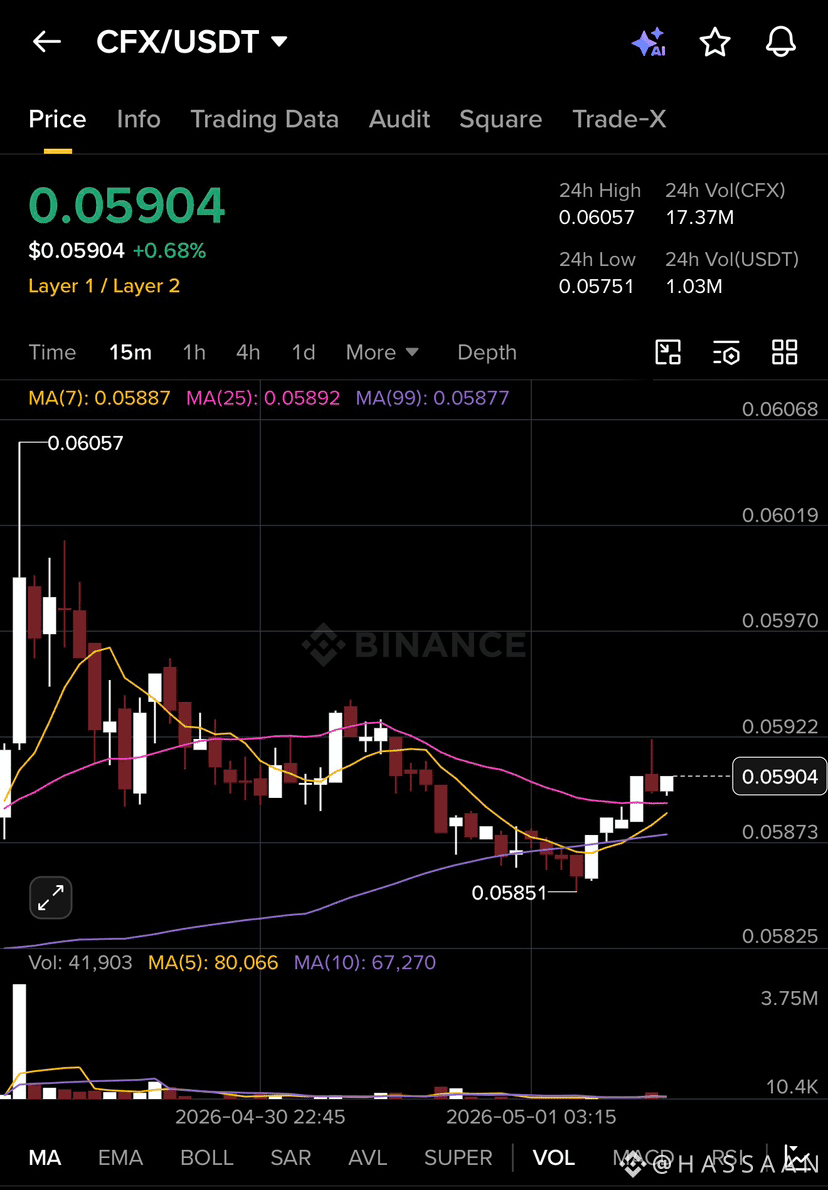
$CFX está empezando a moverse hacia arriba.
El precio está subiendo paso a paso, manteniéndose fuerte en las correcciones.
Más compradores están entrando a medida que el volumen crece.
Se siente como si algo más grande estuviera formándose aquí.
$CFX está empezando a moverse hacia arriba.
El precio está subiendo paso a paso, manteniéndose fuerte en las correcciones.
Más compradores están entrando a medida que el volumen crece.
Se siente como si algo más grande estuviera formándose aquí.
El precio está subiendo paso a paso, manteniéndose fuerte en las correcciones.
Más compradores están entrando a medida que el volumen crece.
Se siente como si algo más grande estuviera formándose aquí.
1
774
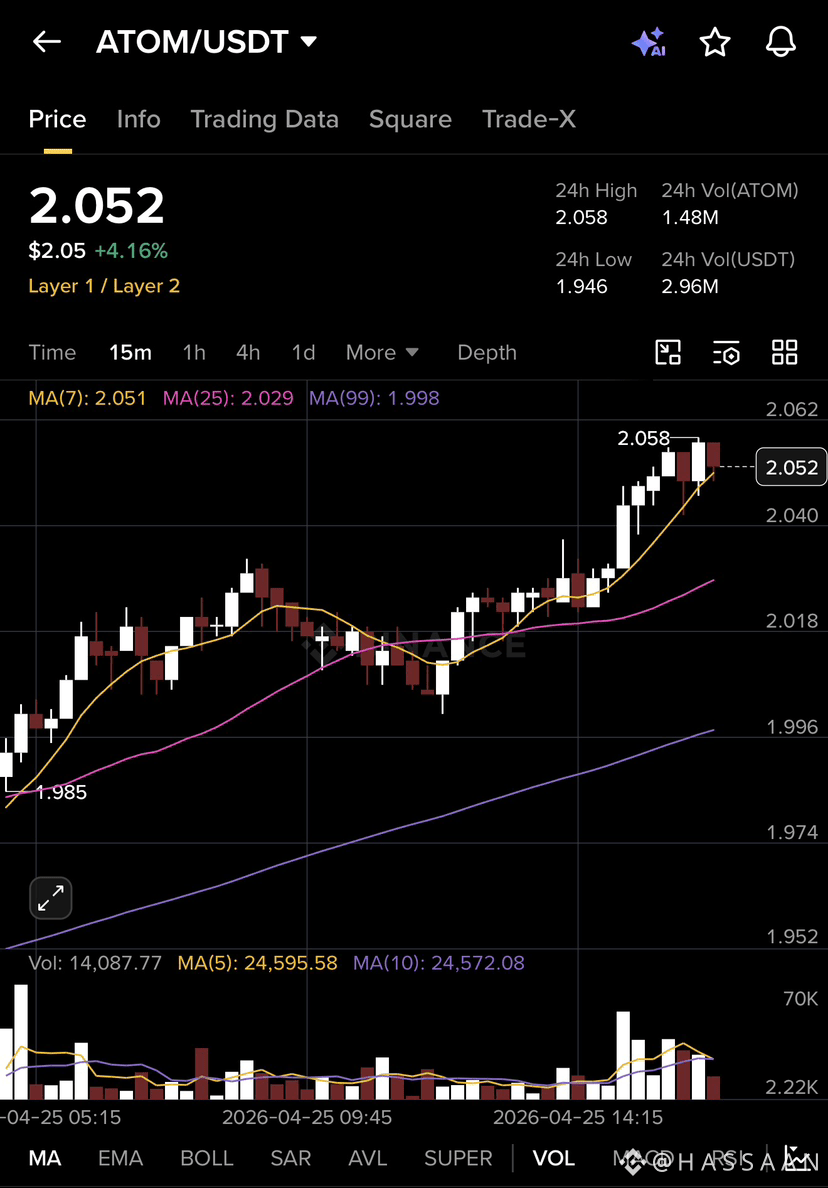
$ATOM se está moviendo bien hacia arriba.
El precio sigue subiendo con fuerza constante.
El volumen está aumentando a medida que más compradores entran al juego.
Parece que podría seguir empujando más alto.
$ATOM se está moviendo bien hacia arriba.
El precio sigue subiendo con fuerza constante.
El volumen está aumentando a medida que más compradores entran al juego.
Parece que podría seguir empujando más alto.
El precio sigue subiendo con fuerza constante.
El volumen está aumentando a medida que más compradores entran al juego.
Parece que podría seguir empujando más alto.
656
·
--
Alcista
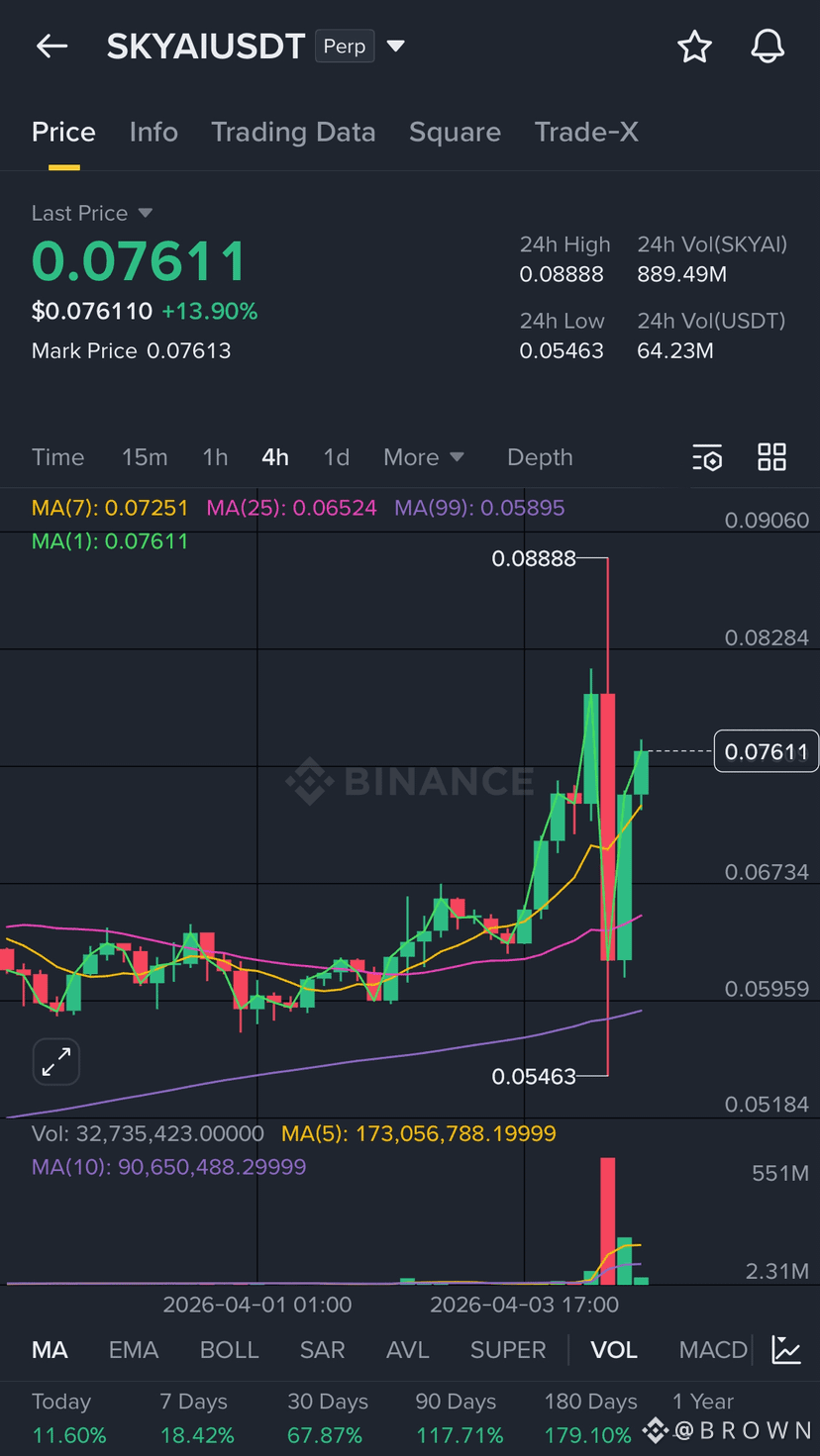
$SKYAI – Momentum desvaneciéndose en resistencia, formando configuración corta
Rechazo limpio después del pico, mecha superior larga + volumen de venta pesado muestra que la oferta está interviniendo. Precio luchando por recuperar los máximos.
Plan de Trading Corto $SKYAI (máx 10x)
Entrada: 0.0735 – 0.0780
SL: 0.082
TP: 0.0680
TP: 0.0625
TP: 0.0570
Movimiento rápido hacia arriba, continuación débil, agotamiento clásico. Si no puede mantenerse por encima del rango medio, es probable que la liquidez a la baja se active a continuación.
Comercio $SKYAI aquí 👇
$SKYAI – Momentum desvaneciéndose en resistencia, formando configuración corta
Rechazo limpio después del pico, mecha superior larga + volumen de venta pesado muestra que la oferta está interviniendo. Precio luchando por recuperar los máximos.
Plan de Trading Corto $SKYAI (máx 10x)
Entrada: 0.0735 – 0.0780
SL: 0.082
TP: 0.0680
TP: 0.0625
TP: 0.0570
Movimiento rápido hacia arriba, continuación débil, agotamiento clásico. Si no puede mantenerse por encima del rango medio, es probable que la liquidez a la baja se active a continuación.
Comercio $SKYAI aquí 👇
Rechazo limpio después del pico, mecha superior larga + volumen de venta pesado muestra que la oferta está interviniendo. Precio luchando por recuperar los máximos.
Plan de Trading Corto $SKYAI (máx 10x)
Entrada: 0.0735 – 0.0780
SL: 0.082
TP: 0.0680
TP: 0.0625
TP: 0.0570
Movimiento rápido hacia arriba, continuación débil, agotamiento clásico. Si no puede mantenerse por encima del rango medio, es probable que la liquidez a la baja se active a continuación.
Comercio $SKYAI aquí 👇
1
230
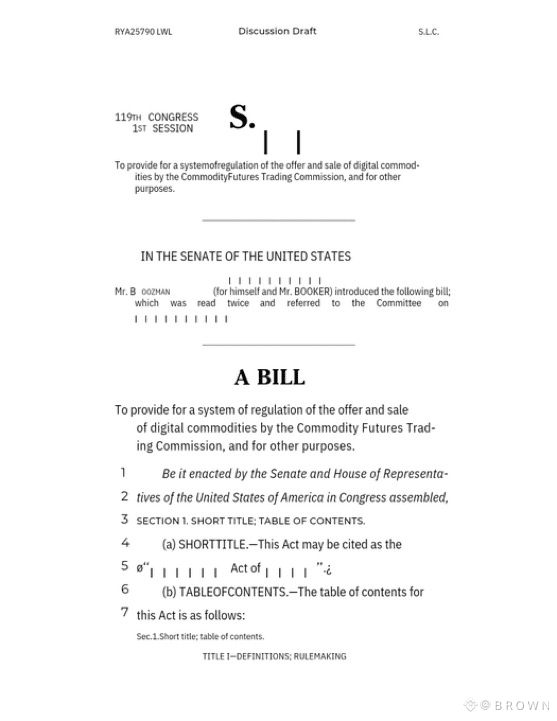
🚨 Se siente como un punto de inflexión.
El proyecto de ley CLARITY supuestamente está cerrando en pocas horas.
Años de incertidumbre... potencialmente reemplazados por reglas claras de la noche a la mañana.
Si esto se concreta, no es solo una noticia — es infraestructura para la próxima fase.
Los mercados no esperan claridad.
Reajustan los precios en el momento en que llega.
Mantente listo.
🚨 Se siente como un punto de inflexión.
El proyecto de ley CLARITY supuestamente está cerrando en pocas horas.
Años de incertidumbre... potencialmente reemplazados por reglas claras de la noche a la mañana.
Si esto se concreta, no es solo una noticia — es infraestructura para la próxima fase.
Los mercados no esperan claridad.
Reajustan los precios en el momento en que llega.
Mantente listo.
El proyecto de ley CLARITY supuestamente está cerrando en pocas horas.
Años de incertidumbre... potencialmente reemplazados por reglas claras de la noche a la mañana.
Si esto se concreta, no es solo una noticia — es infraestructura para la próxima fase.
Los mercados no esperan claridad.
Reajustan los precios en el momento en que llega.
Mantente listo.
1
2
359
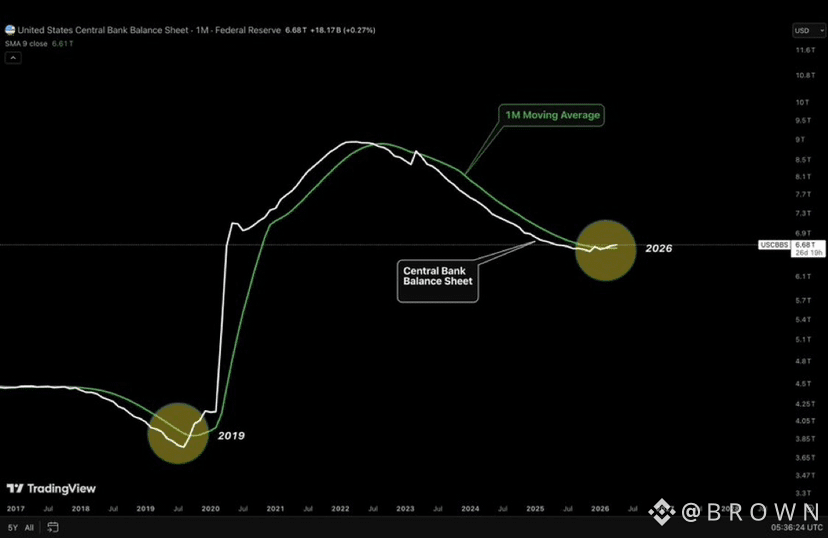
¡LA LIQUIDEZ ESTÁ A PUNTO DE REGRESAR!!
En 2019, la Fed comenzó a expandir su balance y a inyectar dinero en el sistema. A los mercados les encantó.
Desde que el QT terminó en diciembre de 2025, la Fed ya ha inyectado $160 mil millones.
Más dinero en el sistema significa más reservas en los bancos. Más reservas significan más dinero fluyendo hacia los mercados. Y, históricamente, eso ha sido muy bueno para las acciones y las criptomonedas.
¡LA LIQUIDEZ ESTÁ A PUNTO DE REGRESAR!!
En 2019, la Fed comenzó a expandir su balance y a inyectar dinero en el sistema. A los mercados les encantó.
Desde que el QT terminó en diciembre de 2025, la Fed ya ha inyectado $160 mil millones.
Más dinero en el sistema significa más reservas en los bancos. Más reservas significan más dinero fluyendo hacia los mercados. Y, históricamente, eso ha sido muy bueno para las acciones y las criptomonedas.
En 2019, la Fed comenzó a expandir su balance y a inyectar dinero en el sistema. A los mercados les encantó.
Desde que el QT terminó en diciembre de 2025, la Fed ya ha inyectado $160 mil millones.
Más dinero en el sistema significa más reservas en los bancos. Más reservas significan más dinero fluyendo hacia los mercados. Y, históricamente, eso ha sido muy bueno para las acciones y las criptomonedas.
3
402
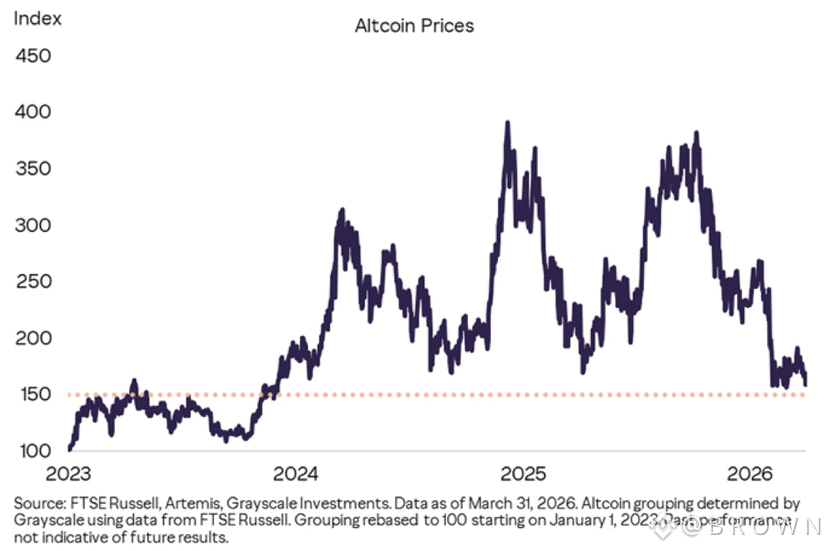
🔥 ACTUALIZACIÓN:
Las principales altcoins, incluyendo $ETH, $SOL, $LINK, $SUI, y $AVAX pueden ofrecer un punto de entrada atractivo ya que se negocian cerca de mínimos de varios años, según Grayscale.
🔥 ACTUALIZACIÓN:
Las principales altcoins, incluyendo $ETH, $SOL, $LINK, $SUI, y $AVAX pueden ofrecer un punto de entrada atractivo ya que se negocian cerca de mínimos de varios años, según Grayscale.
Las principales altcoins, incluyendo $ETH, $SOL, $LINK, $SUI, y $AVAX pueden ofrecer un punto de entrada atractivo ya que se negocian cerca de mínimos de varios años, según Grayscale.
3
419
·
--
Alcista
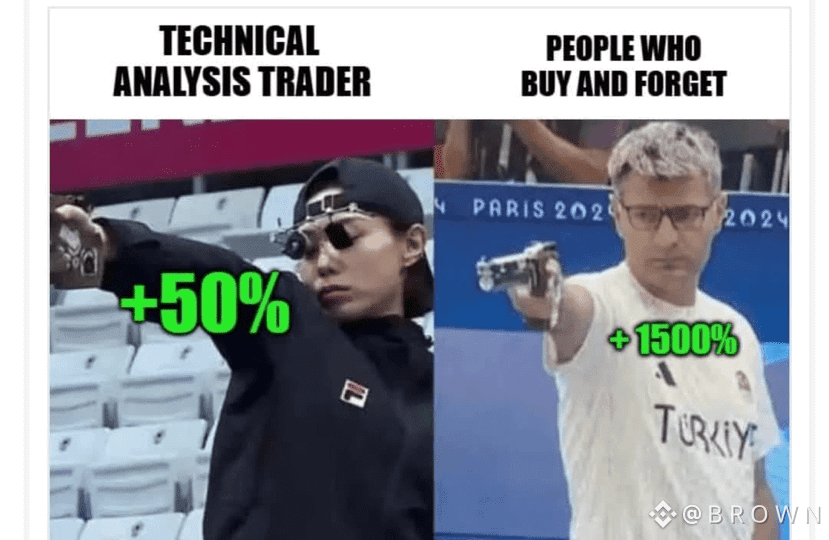
Deja de saltar dentro y fuera de cada movimiento.
Elige una tesis en la que creas, comprométete con ella y déjala desarrollarse.
#TradingTales #TradeToWin
Deja de saltar dentro y fuera de cada movimiento.
Elige una tesis en la que creas, comprométete con ella y déjala desarrollarse.
#TradingTales #TradeToWin
Elige una tesis en la que creas, comprométete con ella y déjala desarrollarse.
#TradingTales #TradeToWin
8
207
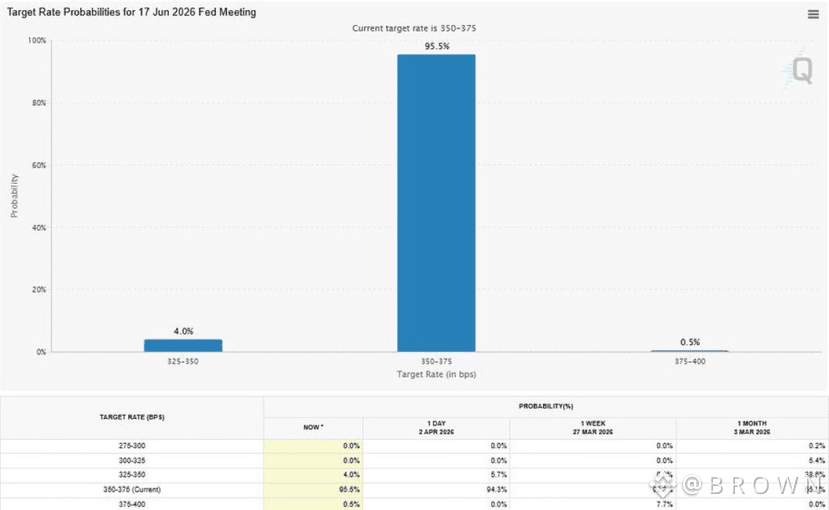
Los datos sólidos de nóminas no agrícolas han aumentado aún más las expectativas de que la Fed mantenga su política.
Los mercados ahora están valorando una probabilidad del 95.5% de que la Reserva Federal mantenga las tasas sin cambios.
Los recortes de tasas siguen siendo postergados.
Los datos sólidos de nóminas no agrícolas han aumentado aún más las expectativas de que la Fed mantenga su política.
Los mercados ahora están valorando una probabilidad del 95.5% de que la Reserva Federal mantenga las tasas sin cambios.
Los recortes de tasas siguen siendo postergados.
Los mercados ahora están valorando una probabilidad del 95.5% de que la Reserva Federal mantenga las tasas sin cambios.
Los recortes de tasas siguen siendo postergados.
10
282
Los RWAs siguen siendo uno de los pocos sectores que muestran una verdadera tracción en este momento.
Los activos tokenizados están alrededor de $26.7B, con los bonos del Tesoro de EE. UU. liderando el flujo. Mientras la mayoría del mercado se desacelera, el capital sigue rotando hacia activos del mundo real en la cadena.
Vista actualizada:
→ Valor de activos distribuidos: ~$26.71B (+2.31% en 30d)
→ Valor de activos representados: ~$345.07B
Esto no se basa en narrativas: es capital buscando estabilidad y rendimiento.
$ONDO $CFG
Los RWAs siguen siendo uno de los pocos sectores que muestran una verdadera tracción en este momento.
Los activos tokenizados están alrededor de $26.7B, con los bonos del Tesoro de EE. UU. liderando el flujo. Mientras la mayoría del mercado se desacelera, el capital sigue rotando hacia activos del mundo real en la cadena.
Vista actualizada:
→ Valor de activos distribuidos: ~$26.71B (+2.31% en 30d)
→ Valor de activos representados: ~$345.07B
Esto no se basa en narrativas: es capital buscando estabilidad y rendimiento.
$ONDO $CFG
Los activos tokenizados están alrededor de $26.7B, con los bonos del Tesoro de EE. UU. liderando el flujo. Mientras la mayoría del mercado se desacelera, el capital sigue rotando hacia activos del mundo real en la cadena.
Vista actualizada:
→ Valor de activos distribuidos: ~$26.71B (+2.31% en 30d)
→ Valor de activos representados: ~$345.07B
Esto no se basa en narrativas: es capital buscando estabilidad y rendimiento.
$ONDO $CFG
Has the season started?
33%
Or is it too early?
67%
3 Votos • Votación cerrada
10
718
·
--
Alcista
🔥 JUSTO AHORA:
El fundador de Binance, CZ, está listo para lanzar su libro "La Libertad del Dinero" la próxima semana.
#CZ
🔥 JUSTO AHORA:
El fundador de Binance, CZ, está listo para lanzar su libro "La Libertad del Dinero" la próxima semana.
#CZ
El fundador de Binance, CZ, está listo para lanzar su libro "La Libertad del Dinero" la próxima semana.
#CZ

9
173
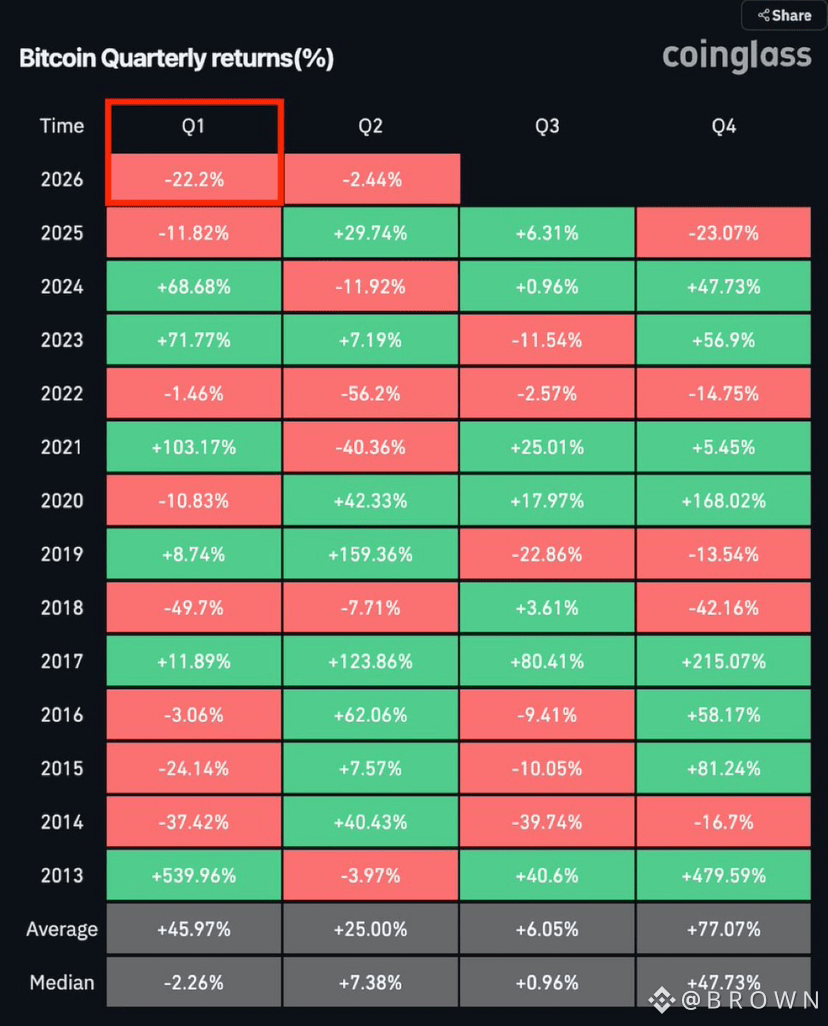
Bitcoin acaba de concluir su peor primer trimestre en 8 años.
8 AÑOS.
Bitcoin acaba de concluir su peor primer trimestre en 8 años.
8 AÑOS.
8 AÑOS.
7
203
🚨ÚLTIMA HORA🚨
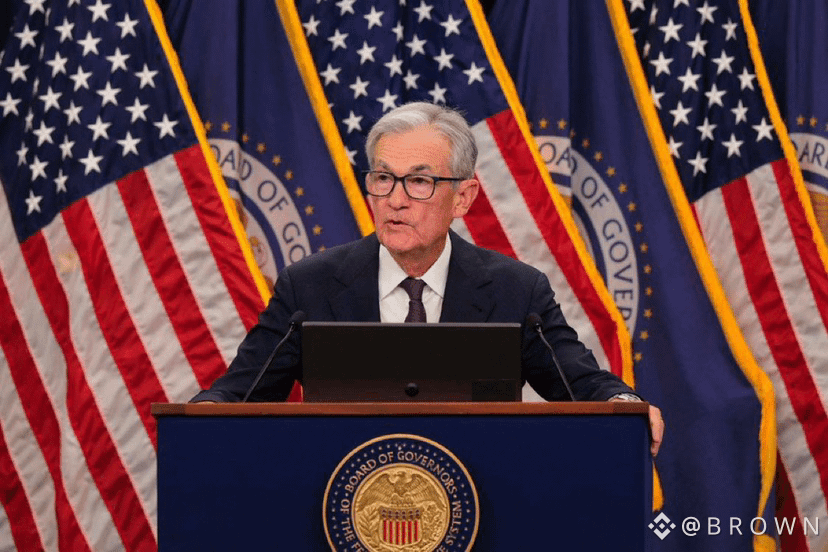
🇺🇸 La tasa de desempleo en EE. UU. fue del 4.3%
Expectativas: 4.4%
🚨ÚLTIMA HORA🚨
🇺🇸 La tasa de desempleo en EE. UU. fue del 4.3%
Expectativas: 4.4%
🇺🇸 La tasa de desempleo en EE. UU. fue del 4.3%
Expectativas: 4.4%
10
273
·
--
Alcista
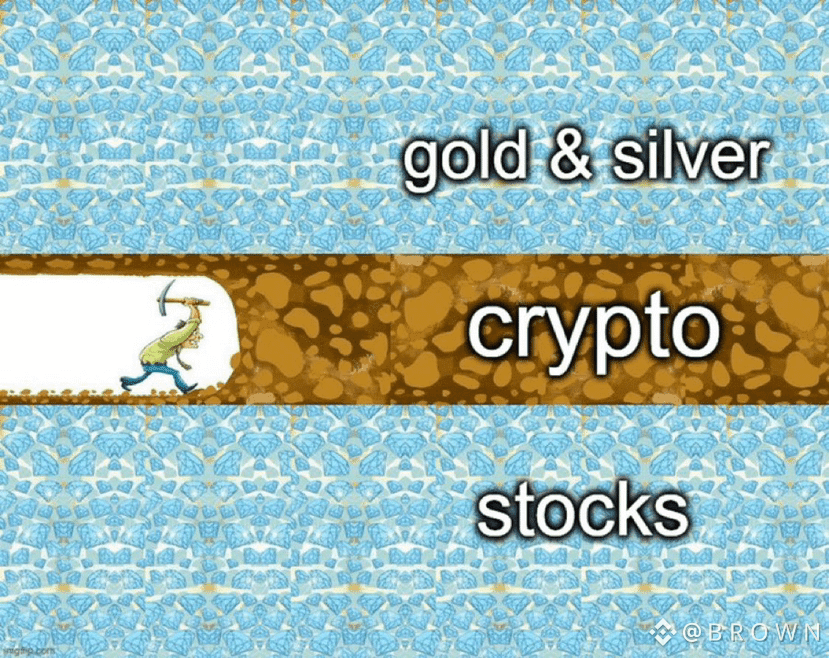
Cripto después del primer presidente pro criptomonedas.
Cripto después del primer presidente pro criptomonedas.
7
77
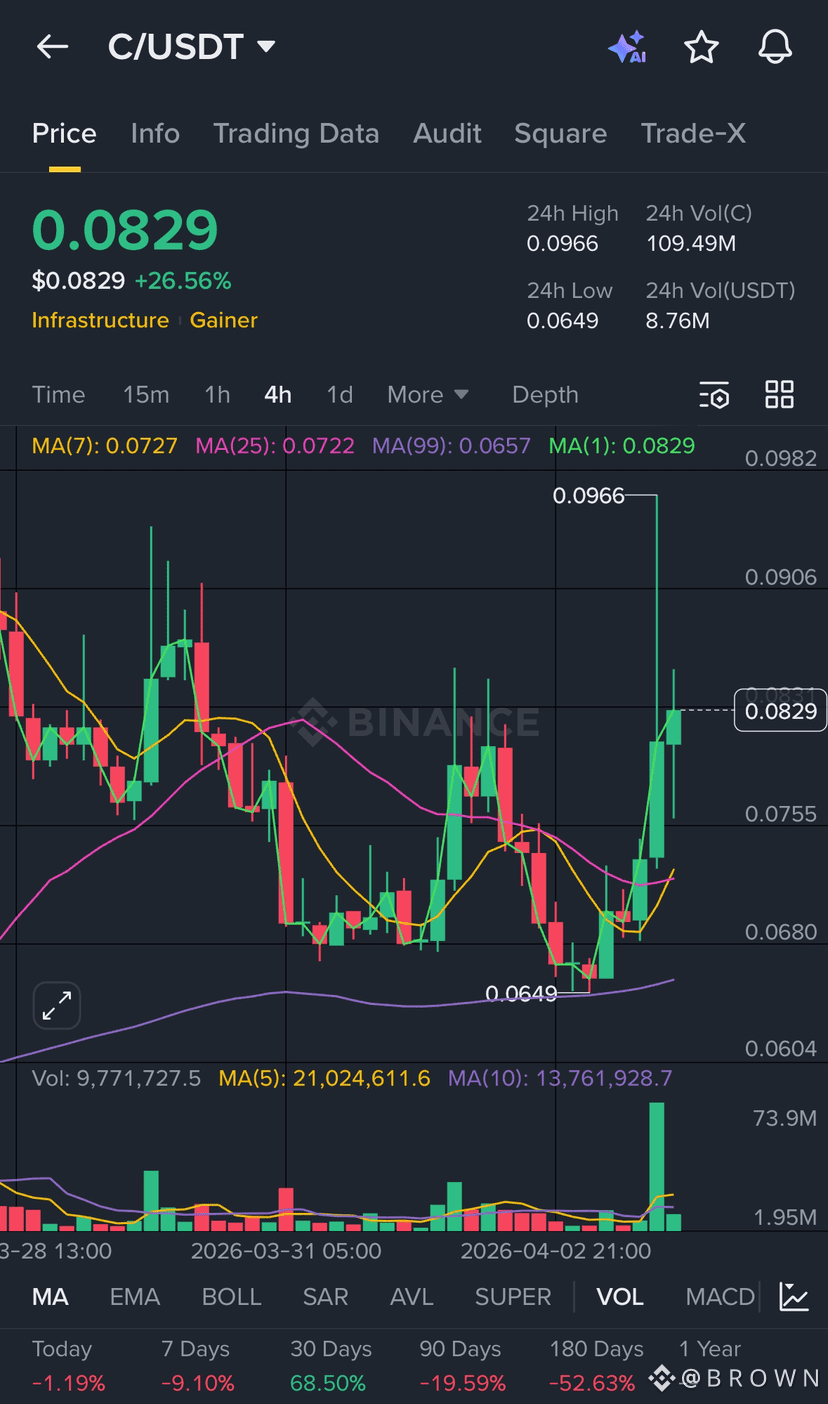
$C reacción fuerte desde los mínimos y el impulso se aceleró rápidamente.
Rebote limpio desde la zona de 0.065 y ahora empujando de nuevo hacia 0.08+ con volumen entrando. Ese movimiento muestra que los compradores están activos nuevamente.
No estoy persiguiendo este aumento, pero si se mantiene por encima del soporte, esto podría convertirse en una sólida continuación.
¡Parece que la fuerza temprana está regresando!!
🤟🏻❤️🔥
{spot}(CUSDT)
$C reacción fuerte desde los mínimos y el impulso se aceleró rápidamente.
Rebote limpio desde la zona de 0.065 y ahora empujando de nuevo hacia 0.08+ con volumen entrando. Ese movimiento muestra que los compradores están activos nuevamente.
No estoy persiguiendo este aumento, pero si se mantiene por encima del soporte, esto podría convertirse en una sólida continuación.
¡Parece que la fuerza temprana está regresando!!
🤟🏻❤️🔥
Rebote limpio desde la zona de 0.065 y ahora empujando de nuevo hacia 0.08+ con volumen entrando. Ese movimiento muestra que los compradores están activos nuevamente.
No estoy persiguiendo este aumento, pero si se mantiene por encima del soporte, esto podría convertirse en una sólida continuación.
¡Parece que la fuerza temprana está regresando!!
🤟🏻❤️🔥
7
158
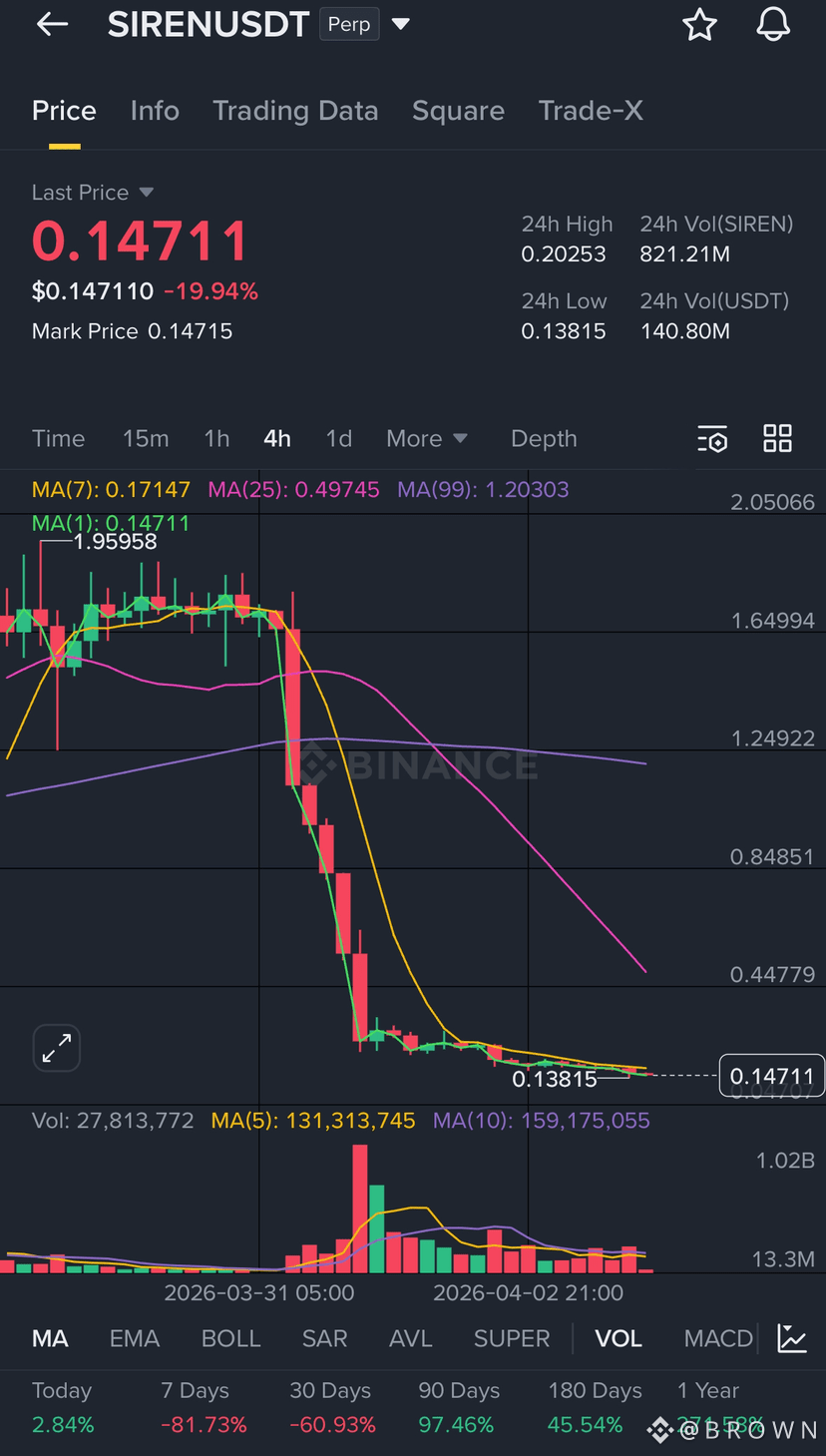
$SIREN comenzando a desacelerarse después de esa fuerte caída.
El precio se está estabilizando cerca de los mínimos, y puedes ver que la presión de venta se está aliviando un poco. Aún no es fuerte, pero así es como suelen comenzar las bases tempranas.
No estoy saltando, pero estoy observando de cerca un cambio en el impulso.
Si esto se mantiene y se desarrolla, podríamos ver una recuperación decente 👀
🚨🤌🏻
{future}(SIRENUSDT)
$SIREN comenzando a desacelerarse después de esa fuerte caída.
El precio se está estabilizando cerca de los mínimos, y puedes ver que la presión de venta se está aliviando un poco. Aún no es fuerte, pero así es como suelen comenzar las bases tempranas.
No estoy saltando, pero estoy observando de cerca un cambio en el impulso.
Si esto se mantiene y se desarrolla, podríamos ver una recuperación decente 👀
🚨🤌🏻
El precio se está estabilizando cerca de los mínimos, y puedes ver que la presión de venta se está aliviando un poco. Aún no es fuerte, pero así es como suelen comenzar las bases tempranas.
No estoy saltando, pero estoy observando de cerca un cambio en el impulso.
Si esto se mantiene y se desarrolla, podríamos ver una recuperación decente 👀
🚨🤌🏻
2
6
506
·
--
Alcista
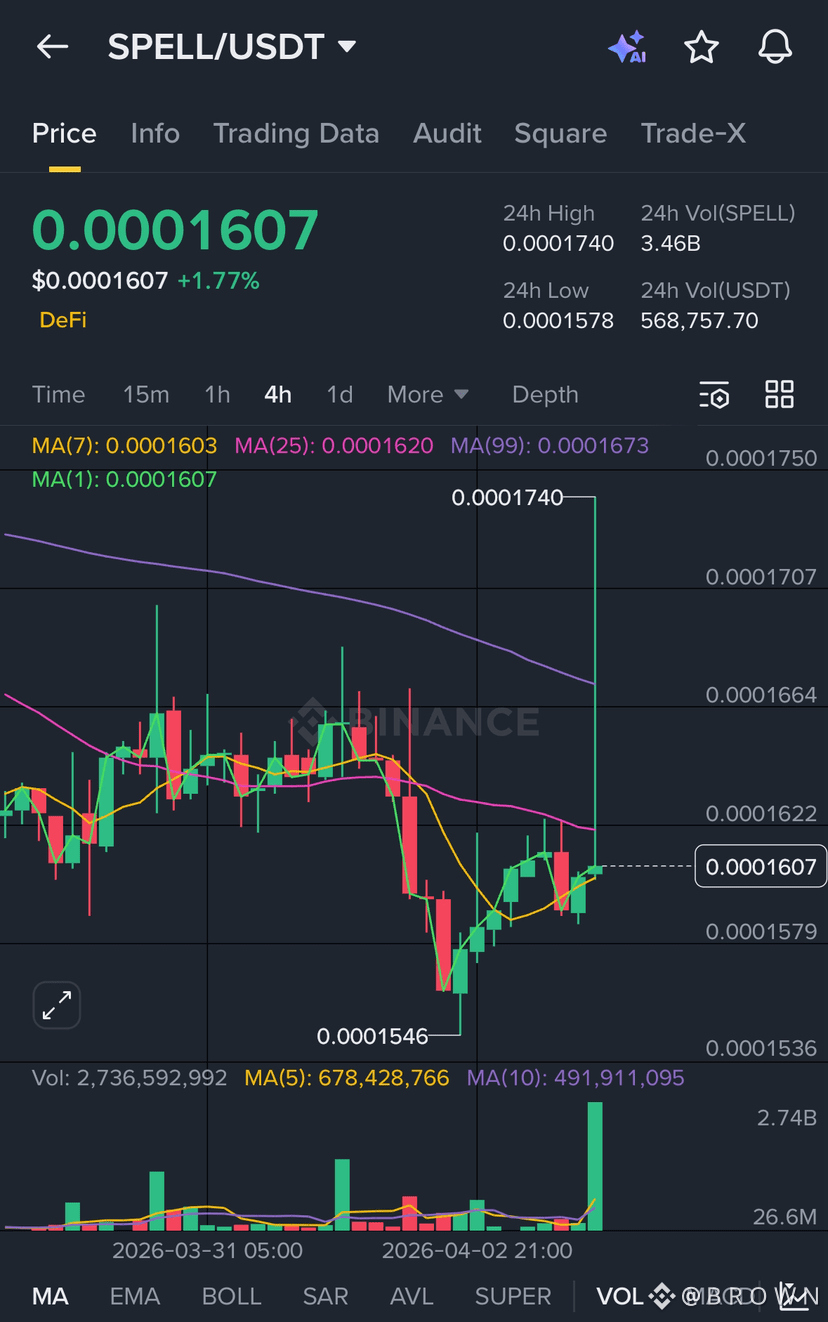
$SPELL mostrando signos de vida después de esa caída, pero aún necesita confirmación.
Buen rebote desde el área de 0.000154, y comenzando a recuperar la estructura a corto plazo. El aumento de volumen es interesante, pero el precio todavía está por debajo de la resistencia.
Para mí, esto es esperar una ruptura clara antes de sentirme seguro.
Los primeros signos están ahí, solo que aún no están completamente presentes
✨🧞♂️
{spot}(SPELLUSDT)
$SPELL mostrando signos de vida después de esa caída, pero aún necesita confirmación.
Buen rebote desde el área de 0.000154, y comenzando a recuperar la estructura a corto plazo. El aumento de volumen es interesante, pero el precio todavía está por debajo de la resistencia.
Para mí, esto es esperar una ruptura clara antes de sentirme seguro.
Los primeros signos están ahí, solo que aún no están completamente presentes
✨🧞♂️
Buen rebote desde el área de 0.000154, y comenzando a recuperar la estructura a corto plazo. El aumento de volumen es interesante, pero el precio todavía está por debajo de la resistencia.
Para mí, esto es esperar una ruptura clara antes de sentirme seguro.
Los primeros signos están ahí, solo que aún no están completamente presentes
✨🧞♂️
6
249
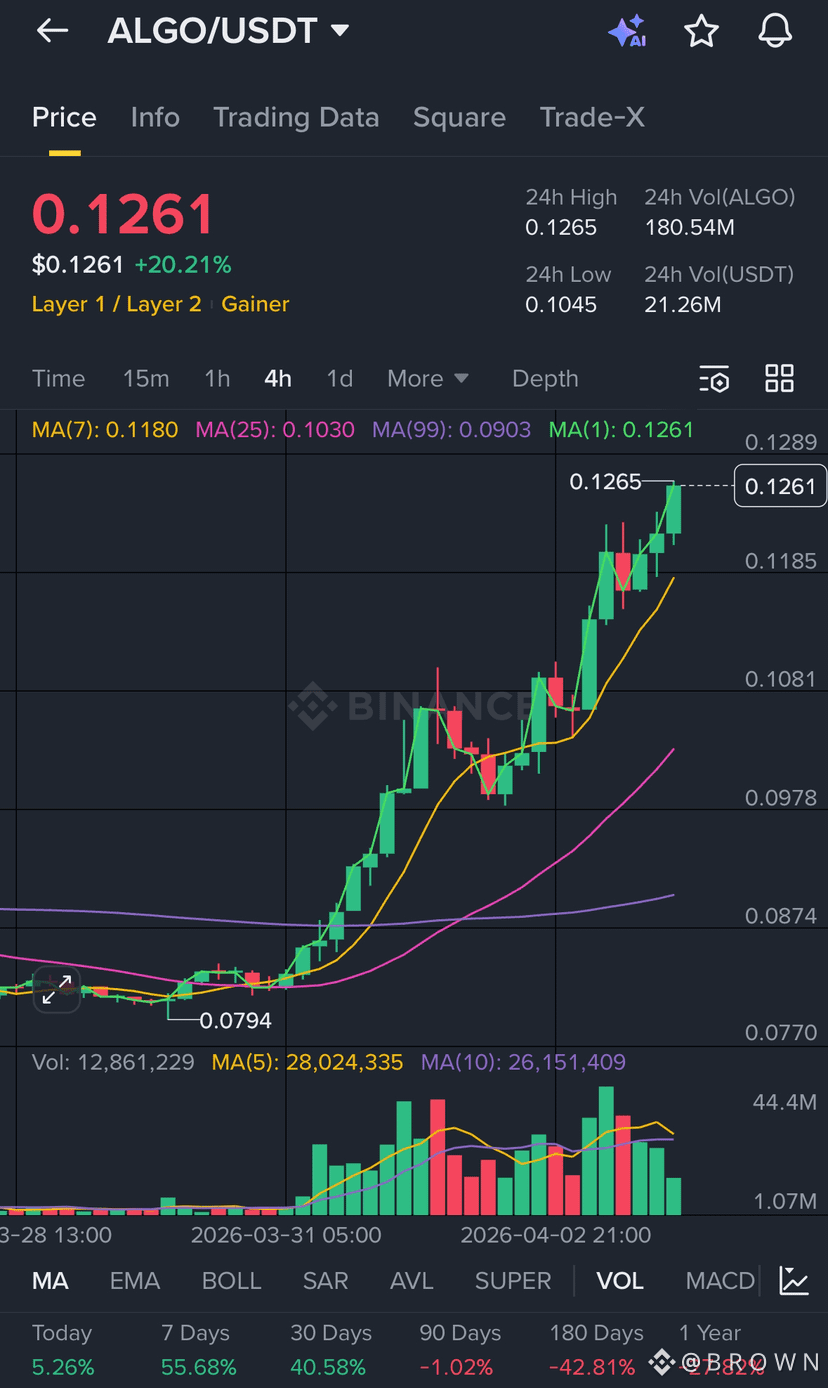
$ALGO tendencia limpia, fuerte impulso y sin signos de desaceleración aún.
Bonita ruptura de la zona de 0.08 y ahora empujando hacia nuevos máximos alrededor de 0.126. La estructura es sólida, máximos más altos, mínimos más altos, los compradores tienen el control total.
No estoy persiguiendo esta extensión, las caídas en el soporte son donde estoy interesado.
Mientras se mantenga, esto puede seguir tendiendo hacia arriba 👀
{spot}(ALGOUSDT)
$ALGO tendencia limpia, fuerte impulso y sin signos de desaceleración aún.
Bonita ruptura de la zona de 0.08 y ahora empujando hacia nuevos máximos alrededor de 0.126. La estructura es sólida, máximos más altos, mínimos más altos, los compradores tienen el control total.
No estoy persiguiendo esta extensión, las caídas en el soporte son donde estoy interesado.
Mientras se mantenga, esto puede seguir tendiendo hacia arriba 👀
Bonita ruptura de la zona de 0.08 y ahora empujando hacia nuevos máximos alrededor de 0.126. La estructura es sólida, máximos más altos, mínimos más altos, los compradores tienen el control total.
No estoy persiguiendo esta extensión, las caídas en el soporte son donde estoy interesado.
Mientras se mantenga, esto puede seguir tendiendo hacia arriba 👀
6
214
·
--
Alcista
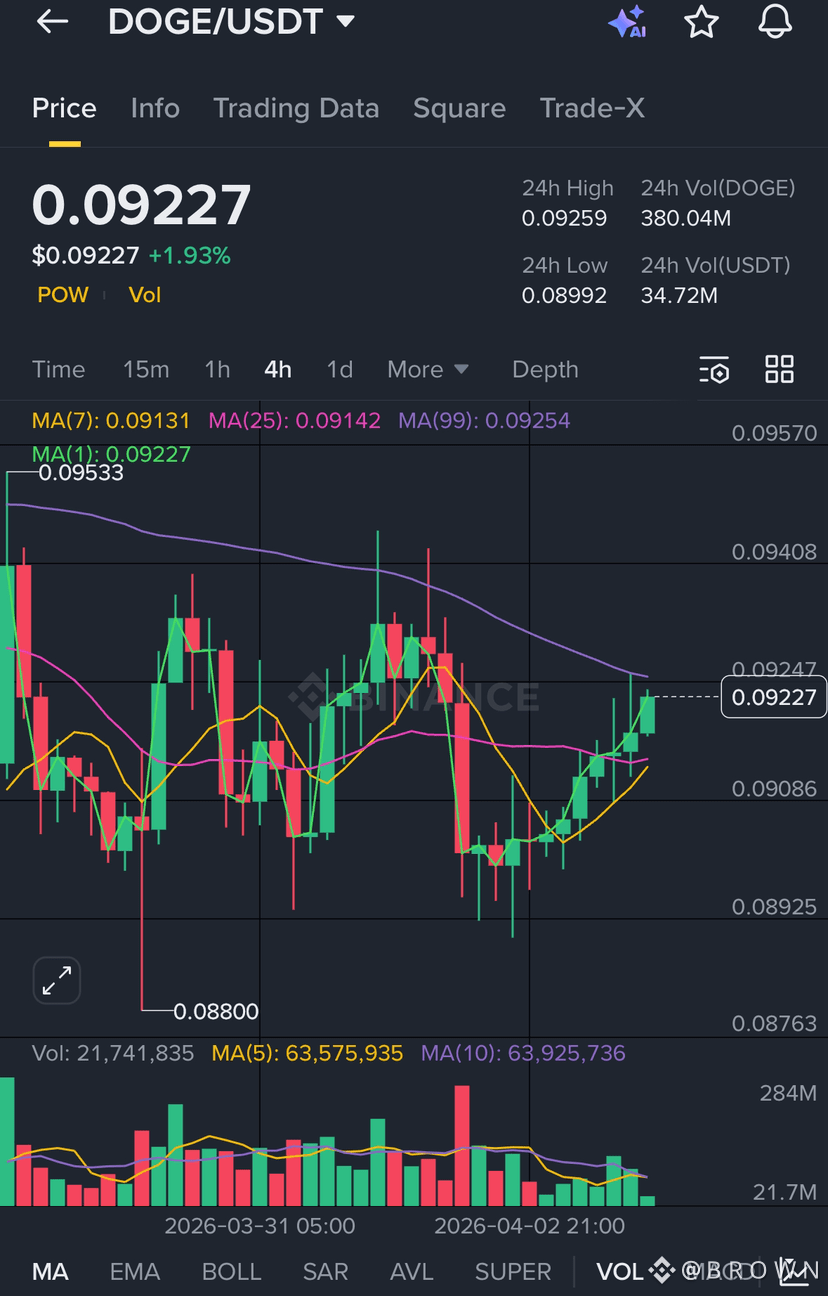
$DOGE comenzando a curvarse aquí después de mantener bien esa zona de 0.088.
Movimiento lento de regreso por encima de 0.092, y puedes ver que la momentum se está acumulando con mínimos más altos formándose. Nada explosivo aún, pero la estructura está mejorando.
Todavía lo trataría como un rango hasta que tengamos una ruptura clara por encima de la resistencia.
Paciencia aquí, pero está comenzando a verse mejor 👀
🐕🐕
{spot}(DOGEUSDT)
$DOGE comenzando a curvarse aquí después de mantener bien esa zona de 0.088.
Movimiento lento de regreso por encima de 0.092, y puedes ver que la momentum se está acumulando con mínimos más altos formándose. Nada explosivo aún, pero la estructura está mejorando.
Todavía lo trataría como un rango hasta que tengamos una ruptura clara por encima de la resistencia.
Paciencia aquí, pero está comenzando a verse mejor 👀
🐕🐕
Movimiento lento de regreso por encima de 0.092, y puedes ver que la momentum se está acumulando con mínimos más altos formándose. Nada explosivo aún, pero la estructura está mejorando.
Todavía lo trataría como un rango hasta que tengamos una ruptura clara por encima de la resistencia.
Paciencia aquí, pero está comenzando a verse mejor 👀
🐕🐕
5
169
·
--
Bajista
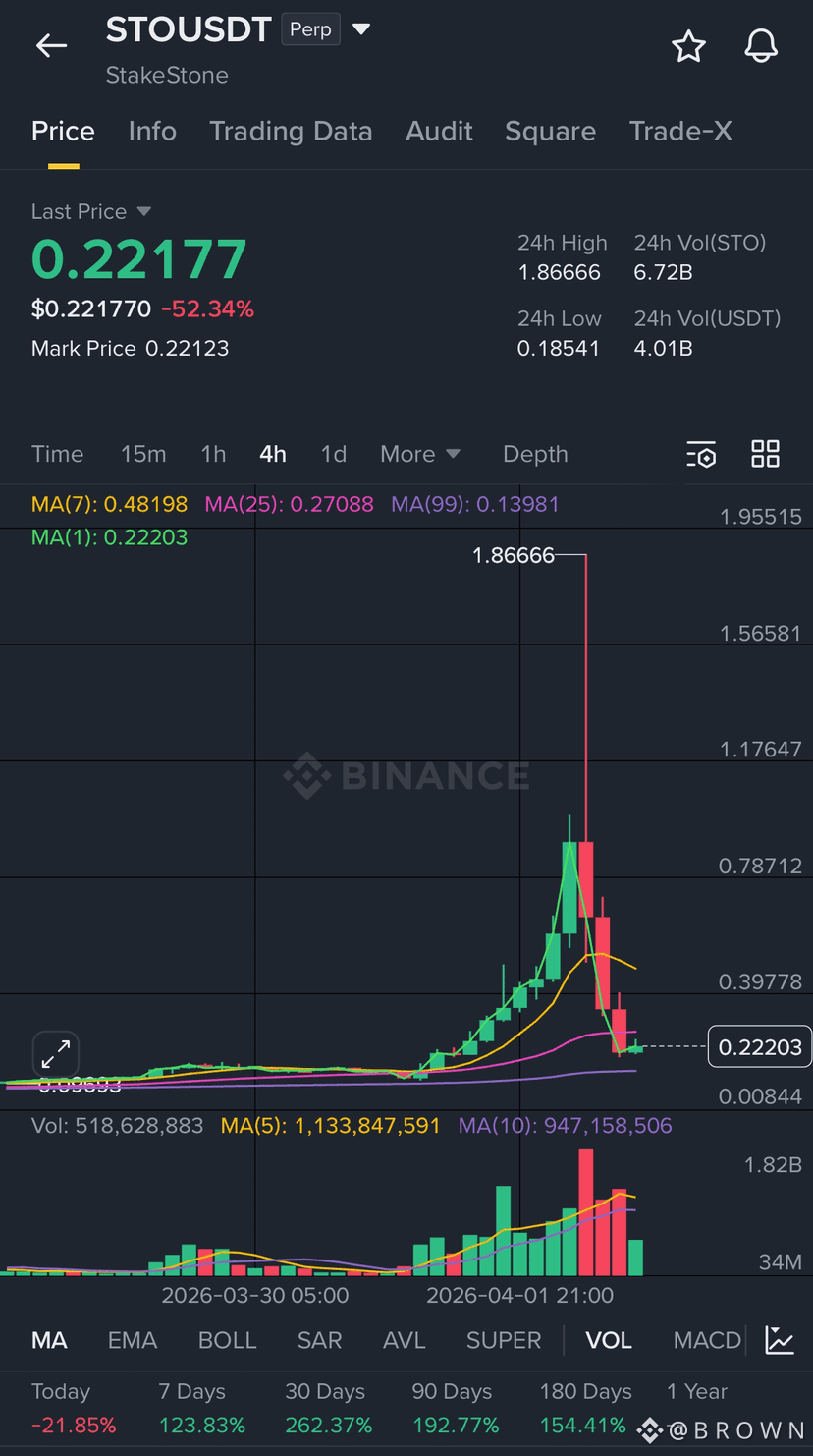
Me desperté, abrí el gráfico… y sí, eso fue diferente.
$STO sentado alrededor de $0.22 después de esa caída…
-50% de movimiento, directo hacia abajo.
No hay tiempo para sobrepensarlo, estoy en una pérdida.
Pero este es el lado real del trading.
Aumentos rápidos, correcciones aún más rápidas.
Una cosa en mi mente:
👉 Mantente concentrado.
Sin pánico, sin perseguir.
¿Esa pérdida?
No la cerraré así.
👉 Ajustamos
👉 Ejecutamos
👉 Lo recuperamos adecuadamente
Hoy no se trata de emociones.
Se trata de disciplina y configuraciones limpias.
Nos atraparon en el movimiento,
hora de movernos de manera más inteligente. 💰
$STO
{spot}(STOUSDT)
Me desperté, abrí el gráfico… y sí, eso fue diferente.
$STO sentado alrededor de $0.22 después de esa caída…
-50% de movimiento, directo hacia abajo.
No hay tiempo para sobrepensarlo, estoy en una pérdida.
Pero este es el lado real del trading.
Aumentos rápidos, correcciones aún más rápidas.
Una cosa en mi mente:
👉 Mantente concentrado.
Sin pánico, sin perseguir.
¿Esa pérdida?
No la cerraré así.
👉 Ajustamos
👉 Ejecutamos
👉 Lo recuperamos adecuadamente
Hoy no se trata de emociones.
Se trata de disciplina y configuraciones limpias.
Nos atraparon en el movimiento,
hora de movernos de manera más inteligente. 💰
$STO
$STO sentado alrededor de $0.22 después de esa caída…
-50% de movimiento, directo hacia abajo.
No hay tiempo para sobrepensarlo, estoy en una pérdida.
Pero este es el lado real del trading.
Aumentos rápidos, correcciones aún más rápidas.
Una cosa en mi mente:
👉 Mantente concentrado.
Sin pánico, sin perseguir.
¿Esa pérdida?
No la cerraré así.
👉 Ajustamos
👉 Ejecutamos
👉 Lo recuperamos adecuadamente
Hoy no se trata de emociones.
Se trata de disciplina y configuraciones limpias.
Nos atraparon en el movimiento,
hora de movernos de manera más inteligente. 💰
$STO
2
1
14
643
·
--
Bajista
🚨 OTRO DÍA ROJO EN LOS MERCADOS
Trillones borrados hoy en acciones & criptomonedas.
El petróleo está subiendo fuertemente.
Todo esto sigue el anuncio de Trump de que la Operación Epic Fury continuará por otras 2-3 semanas.
El fondo probablemente NO esté en.
Deberíamos ver otro empuje a la baja para las criptomonedas.
$40,000-$50,000 sería una oportunidad de compra increíble si terminamos allí.
🚨 OTRO DÍA ROJO EN LOS MERCADOS
Trillones borrados hoy en acciones & criptomonedas.
El petróleo está subiendo fuertemente.
Todo esto sigue el anuncio de Trump de que la Operación Epic Fury continuará por otras 2-3 semanas.
El fondo probablemente NO esté en.
Deberíamos ver otro empuje a la baja para las criptomonedas.
$40,000-$50,000 sería una oportunidad de compra increíble si terminamos allí.
Trillones borrados hoy en acciones & criptomonedas.
El petróleo está subiendo fuertemente.
Todo esto sigue el anuncio de Trump de que la Operación Epic Fury continuará por otras 2-3 semanas.
El fondo probablemente NO esté en.
Deberíamos ver otro empuje a la baja para las criptomonedas.
$40,000-$50,000 sería una oportunidad de compra increíble si terminamos allí.

1
13
1.8k
Inicia sesión para explorar más contenidos
Únete a usuarios de criptomonedas de todo el mundo en Binance Square
⚡️ Obtén la información más reciente y útil sobre criptomonedas.
💬 Confía en el mayor exchange de criptomonedas del mundo.
👍 Descubre opiniones reales de creadores verificados.
Correo electrónico/número de teléfono
Temas en tendencia
ClarityActFacesProceduralVoteSept15
28,535 visualizaciones
496 participa(n) en el debate
El 15 de septiembre de 2026, el Senado de EE. UU. celebrará una votación procedural decisiva (cloture) para determinar si el CLARITY Act (H.R. 3633) puede avanzar a un debate formal en el pleno.
Esta votación, programada para las 2:15 p. m. (hora del este), requiere una supermayoría de 60 votos para superar el filibusterismo. Es importante destacar que no se trata de la votación final de aprobación de la ley, sino de un paso procesal para permitir la discusión y posibles enmiendas.
Puntos clave del contexto:
Origen del retraso: La votación fue pospuesta a septiembre porque los demócratas del Senado se negaron a permitir que el proyecto de ley llegara al pleno antes de la recesión de agosto.
Contenido de la ley: El CLARITY Act busca dividir la supervisión de los activos digitales entre la SEC y la CFTC, estableciendo un marco regulatorio federal para el mercado criptográfico.
Riesgos y plazos: Si la votación de clóture no alcanza los 60 votos, el proyecto de ley probablemente quede "muerto" para el año 2026. Incluso si se aprueba, el Senado tiene poco tiempo antes de las elecciones de medio término de noviembre de 2026, y la Cámara de Representantes ha cancelado sesiones de votación a finales de septiembre, lo que complica la aprobación final antes de que el proyecto llegue a la firma presidencial.
Presión política: La senadora Cynthia Lummis ha presionado a los demócratas para que apoyen la ley, argumentando que si no se aprueba en el actual Congreso, la próxima oportunidad real para una legislación de mercado criptográfico podría no llegar hasta 2030. #clarityactfacesproceduralvotesept15
PrzRmsJohnJr Square-Creator
·2 «Me gusta»
·515 visualizaciones
US2YearYieldRisesTo4.61%
26,168 visualizaciones
538 participa(n) en el debate
US10YearTreasuryYieldNears5%
13,766 visualizaciones
304 participa(n) en el debate