
h jeet
31 Publicaciones

h jeet
Denunciar
Bloquear usuario
Writer

#BinanceTurns7
Abrir operación
Trader frecuente
4.5 años
11 Siguiendo
200 Seguidores
313 Me gusta
1 Insignias
Publicaciones
Cartera
PINNED
·
--
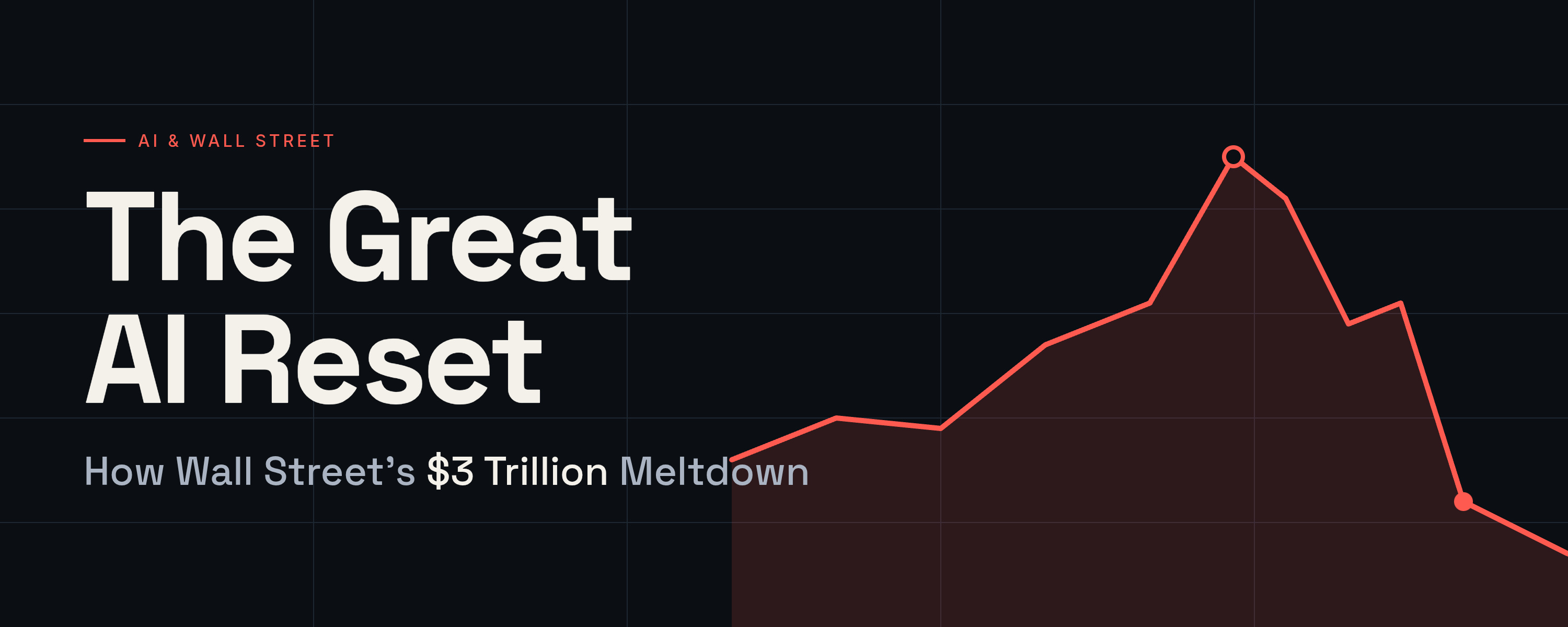
El gran reinicio de la IA: cómo se desplomaron 3 billones de dólares en Wall Street
El 5 de noviembre de 2026, los mercados financieros mundiales experimentaron un enorme cambio tectónico: más de 3 billones de dólares en capitalización bursátil se evaporaron durante el nuevo «Jueves Negro» de Wall Street. Impulsadas por el estallido de la burbuja de la IA, las grandes tecnológicas sufrieron un duro golpe, aunque mercados emergentes como India registraron entradas de capital récord, en una sorprendente divergencia del mercado.
La oleada de ventas asestó un duro golpe a los principales índices estadounidenses:
👉 Nasdaq Composite: cayó un 5,5 % (su mayor descenso en un solo día desde mediados de 2025)
👉 S&P 500: se desplomó un 4,4 %
👉 Dow Jones: perdió más de 1.800 puntos (-3,4 %)
Los fabricantes de chips para IA y los proveedores de infraestructura en la nube se llevaron la peor parte de la caída:
👉 Nvidia (-9,3 %): perdió unos 450.000 millones de dólares en valor de mercado en 24 horas
👉 Micron (-17,5 %): fuerte oleada de ventas entre los proveedores de memoria
👉 AMD (-17,3 %): el mayor descenso en la fabricación de chips
👉CoreWeave (-9,8 %): sufrió un duro golpe en la
infraestructura en la nube dedicada a la IA
Aunque los resultados electorales y las regulaciones sobre la energía de los centros de datos desencadenaron el desplome, los problemas estructurales lo hicieron inevitable. Las cuentas simplemente no cuadran:
👉 Ampliar la infraestructura mundial de IAG hasta los 100 gigavatios requiere unos 8 billones de dólares.
👉 Atender esa deuda exige unos 800.000 millones de dólares en beneficios netos anuales; sin embargo, los ingresos totales de la industria de la IA rondan apenas los 100.000 millones de dólares y sus beneficios netos son prácticamente inexistentes.
Además, el «capital circular» creó una ilusión de crecimiento: los inversores inyectaron miles de millones en empresas emergentes que enseguida gastaron esos fondos en los servicios en la nube de sus propios inversores. Hasta el 47 % de la cartera de pedidos de servicios en la nube de Oracle y el 41 % de la de Microsoft dependen de estos circuitos.
Al igual que en el estallido de las puntocom de 2000, este reinicio no acabará con la IA, pero sí ha puesto fin a la era del capital de riesgo especulativo y circular. Ahora el capital vuelve a dirigirse hacia una economía unitaria tangible y flujos de efectivo reales.
330
·
--
Alcista
Ver traducción
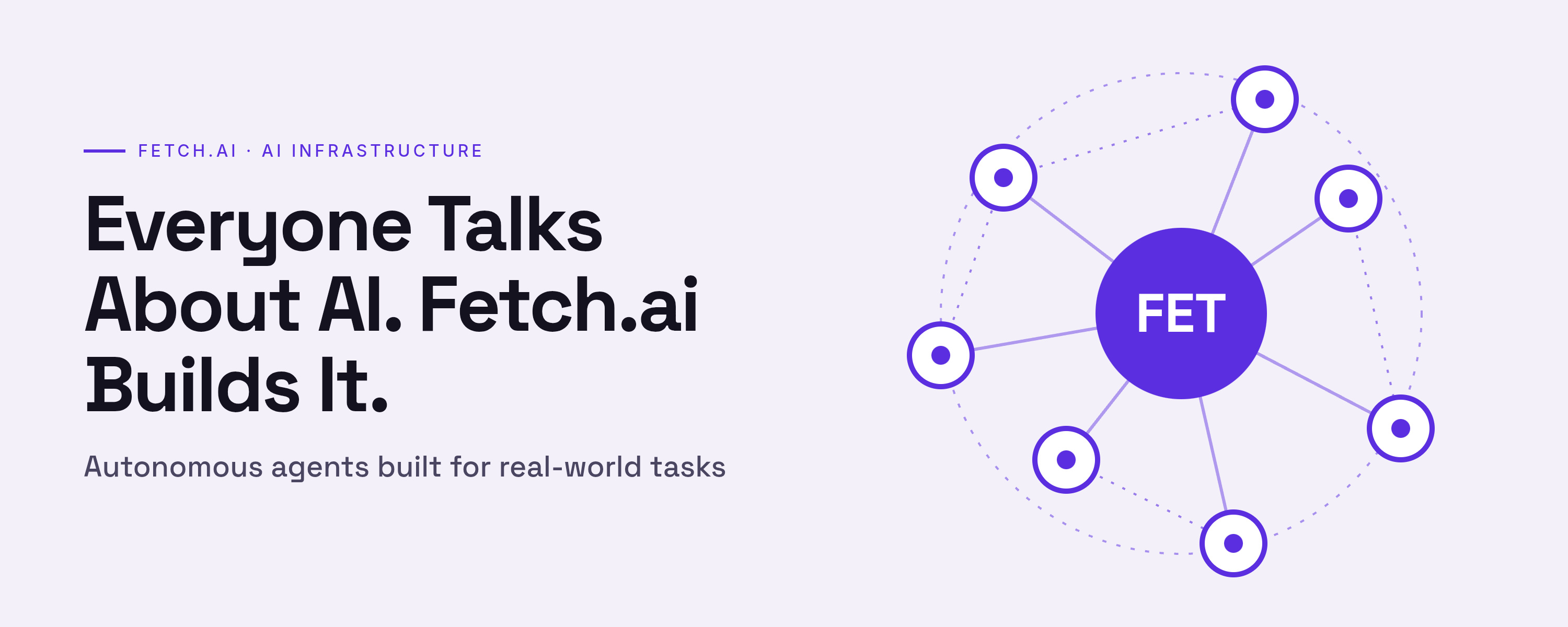
Everyone Talks About AI. Fetch.ai Builds It
Fetch.ai isn’t another buzzword token. It’s building the AI coordination layer that lets machines think, negotiate, and act autonomously. Most investors will notice it after the big move.
Already on Binance, still massively underestimated
Binance listing removes the biggest barrier — access. What’s missing isn’t availability, it’s attention.
This isn’t hype AI — it’s usable AI
Fetch.ai’s autonomous agents are designed to book services, optimize logistics, manage data, and automate decisions. While meme coins trend on social media, FET is quietly targeting real economic activity.
AI is exploding across industries, but decentralized AI infrastructure is still early. FET sits directly in that gap. When narratives shift from “AI talk” to “AI execution,” price discovery can be brutal for late buyers.
Most people ignore projects like Fetch.ai because they don’t pump every week. That’s usually how asymmetric opportunities look at the beginning.
High risk, yes . Fetch.ai is volatile, uncomfortable, and misunderstood — exactly the conditions that create outsized returns if the thesis plays out.
Bottom line:
People will buy Fetch.ai later — when it’s obvious, more expensive, and crowded. The only real question is whether you prefer early conviction or late confirmation.
7
2k
·
--
Ver traducción
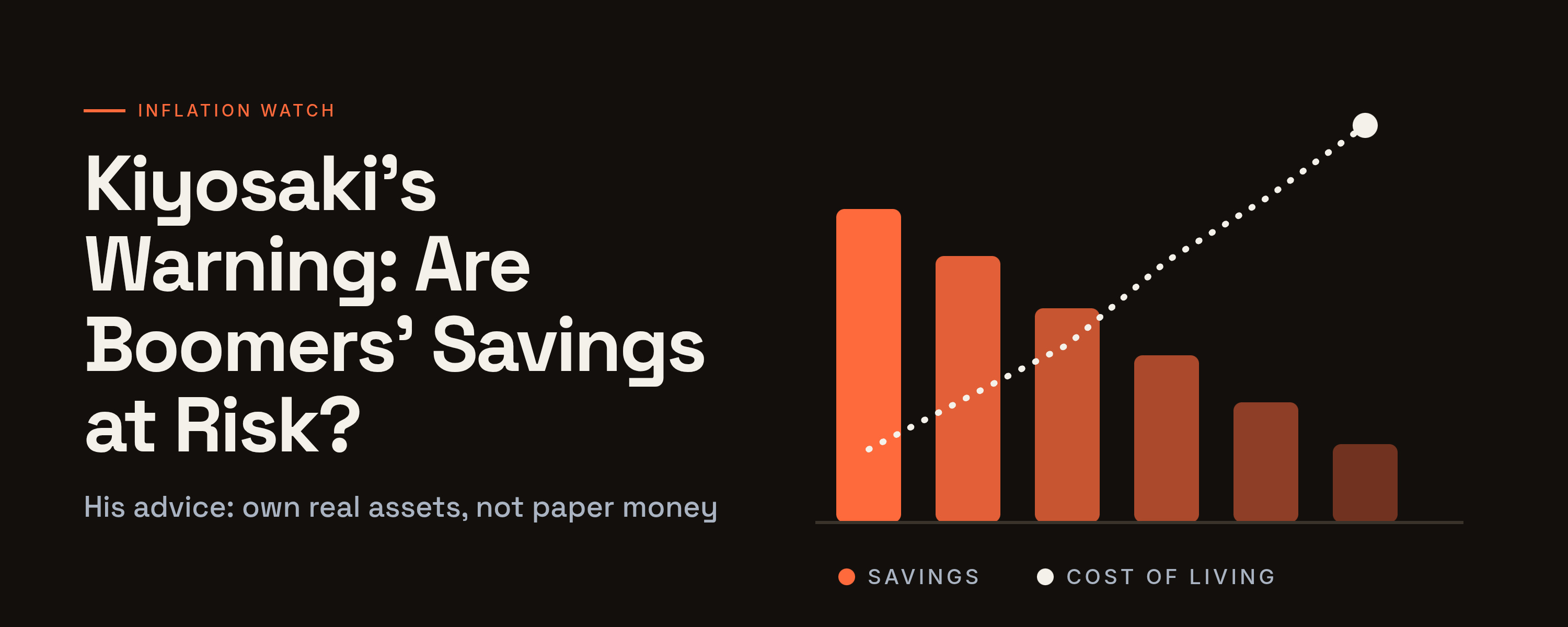
Kiyosaki’s Warning: Are Boomers’ Savings at Risk?”
Robert Kiyosaki, author of Rich Dad, Poor Dad, has issued a chilling warning: millions of American baby boomers could soon lose their savings, homes, and financial security.
“The boomers don’t have enough money to survive inflation,” Kiyosaki said. “We’re going to see homelessness like never before. Inflation will wipe out Social Security — your parents could end up on the streets.”
The Fed’s Mistake
Kiyosaki blames the Federal Reserve’s endless money printing for creating “fake wealth.” According to him, the Fed’s policies have inflated the rich while crushing the middle class.
“When you print fake money, you make life harder for ordinary people,” he explained. “The rich own assets that rise in price. Everyone else just watches costs skyrocket — food, rent, healthcare, everything.”
The Boomer Crisis
Once the most fortunate generation, baby boomers are now retiring into an economy stacked against them. Rising medical bills, shrinking savings, and Social Security checks that can’t match inflation are eroding decades of financial progress.
Experts agree that cost-of-living adjustments fail to reflect real inflation in housing, energy, and healthcare.
Kiyosaki’s Advice
“The system is breaking,” he warned. “If your wealth depends on paper money, you’re in danger. Own real assets — gold, silver, Bitcoin, real estate, or businesses that create cash flow.”
The Bottom Line
Whether you agree with him or not, Kiyosaki’s warning is clear: inflation is eating away at the middle class, and time is running out to prepare. Real assets, not paper promises, may be the only path to survival.
18
8
143
133.3k
·
--
Artículo
Ver traducción
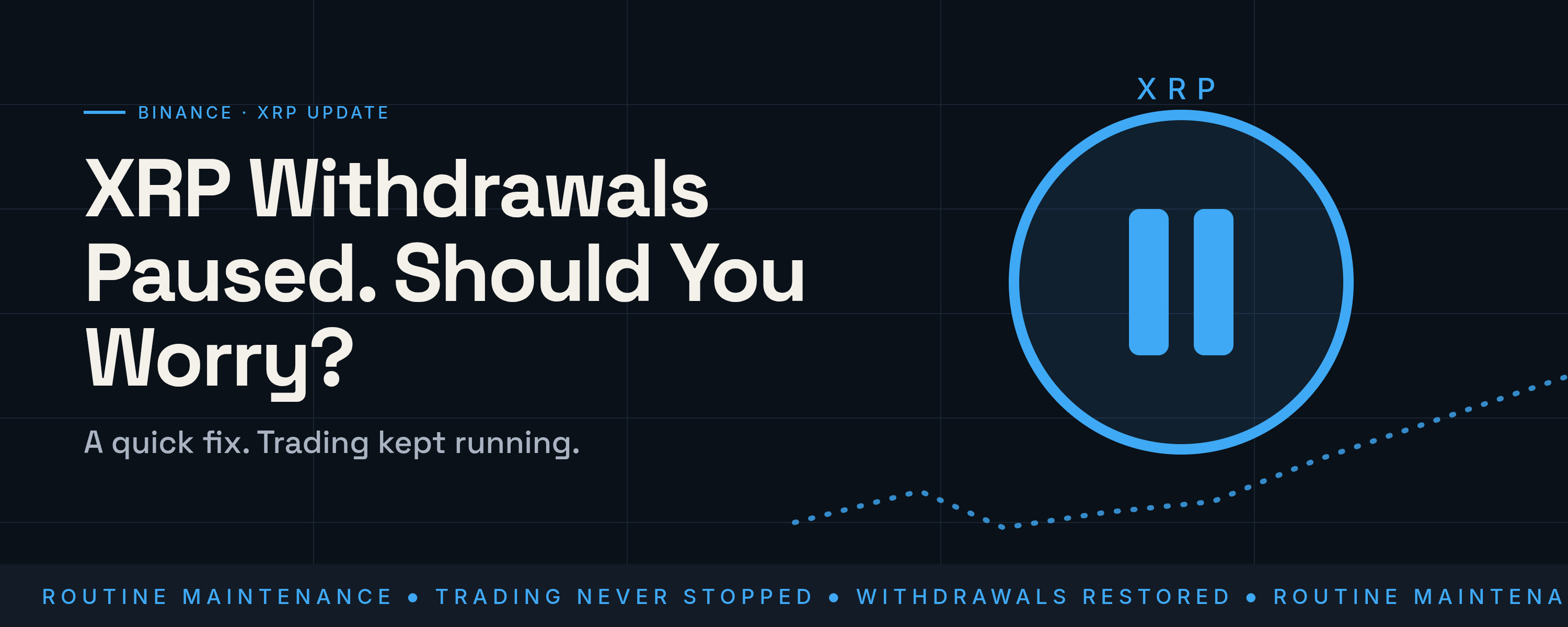
XRP Withdrawals Paused. Should You Worry?The recent suspension of XRP withdrawals on Binance has stirred considerable discussion in the cryptocurrency community. Here’s a closer look at the situation, its implications, and the reactions from various stakeholders.
Key Details
Withdrawal Suspension:
Binance paused XRP withdrawals for routine maintenance on wallets linked to the Ripple Ledger (XRPL).
Duration:
The maintenance was completed swiftly, and withdrawals were restored shortly after the announcement.
Trading Status:
While withdrawals were halted, XRP trading on Binance continued without interruption. Users could still withdraw XRP through alternative networks, such as ERC20 and BEP20.
Community Reactions
Investor Concerns:
The announcement raised alarm among XRP holders, leading to discussions about the risks associated with centralized exchanges. Many voiced concerns over potential impacts on liquidity and access to their assets.
Expert Advice:
Figures like Edward Farina suggested that users consider moving their assets off centralized platforms to mitigate risks of withdrawal issues during such maintenance events.
Regulatory Implications
Ripple vs. XRP Distinction:
The incident reignited conversations about the ongoing regulatory discourse surrounding Ripple, the payment company, and XRP, its native asset. This distinction is crucial as it influences legal interpretations of XRP's classification and its status under U.S. securities laws.
Investor Sentiment:
Uncertainties about regulatory clarity may lead to hesitance among potential investors, affecting XRP's market performance.
Intellectual Insights
Centralization vs. Decentralization:
This incident highlights a critical debate in the cryptocurrency world about the safety and reliability of centralized exchanges versus decentralized platforms. While centralized exchanges offer convenience and liquidity, they also pose risks during maintenance or operational issues.
Regulatory Landscape:
As regulators increasingly scrutinize digital assets, the need for clear guidelines becomes paramount. The confusion between Ripple and XRP underscores the complexities in classifying cryptocurrencies and the necessity for comprehensive legal frameworks.
Investor Behavior:
The quick reactions from the community reflect a growing awareness among investors about the importance of self-custody. As the market matures, more investors are prioritizing security and control over their assets.
The temporary halt of XRP withdrawals on Binance serves as a reminder of the inherent risks in cryptocurrency trading, particularly with centralized exchanges. As the community navigates these challenges, ongoing discussions about regulation and asset custody will likely shape the future landscape of digital currencies. Investors are encouraged to stay informed and consider the implications of their trading choices in an evolving market.
XRP Withdrawals Paused. Should You Worry?
The recent suspension of XRP withdrawals on Binance has stirred considerable discussion in the cryptocurrency community. Here’s a closer look at the situation, its implications, and the reactions from various stakeholders.
Key Details
Withdrawal Suspension:
Binance paused XRP withdrawals for routine maintenance on wallets linked to the Ripple Ledger (XRPL).
Duration:
The maintenance was completed swiftly, and withdrawals were restored shortly after the announcement.
Trading Status:
While withdrawals were halted, XRP trading on Binance continued without interruption. Users could still withdraw XRP through alternative networks, such as ERC20 and BEP20.
Community Reactions
Investor Concerns:
The announcement raised alarm among XRP holders, leading to discussions about the risks associated with centralized exchanges. Many voiced concerns over potential impacts on liquidity and access to their assets.
Expert Advice:
Figures like Edward Farina suggested that users consider moving their assets off centralized platforms to mitigate risks of withdrawal issues during such maintenance events.
Regulatory Implications
Ripple vs. XRP Distinction:
The incident reignited conversations about the ongoing regulatory discourse surrounding Ripple, the payment company, and XRP, its native asset. This distinction is crucial as it influences legal interpretations of XRP's classification and its status under U.S. securities laws.
Investor Sentiment:
Uncertainties about regulatory clarity may lead to hesitance among potential investors, affecting XRP's market performance.
Intellectual Insights
Centralization vs. Decentralization:
This incident highlights a critical debate in the cryptocurrency world about the safety and reliability of centralized exchanges versus decentralized platforms. While centralized exchanges offer convenience and liquidity, they also pose risks during maintenance or operational issues.
Regulatory Landscape:
As regulators increasingly scrutinize digital assets, the need for clear guidelines becomes paramount. The confusion between Ripple and XRP underscores the complexities in classifying cryptocurrencies and the necessity for comprehensive legal frameworks.
Investor Behavior:
The quick reactions from the community reflect a growing awareness among investors about the importance of self-custody. As the market matures, more investors are prioritizing security and control over their assets.
The temporary halt of XRP withdrawals on Binance serves as a reminder of the inherent risks in cryptocurrency trading, particularly with centralized exchanges. As the community navigates these challenges, ongoing discussions about regulation and asset custody will likely shape the future landscape of digital currencies. Investors are encouraged to stay informed and consider the implications of their trading choices in an evolving market.
1
5
8.9k
·
--

Artículo
Por qué todo el mundo habla de repente de las memecoins Expectación, comunidad y FOMO.En octubre de 2024, las memecoins han captado la atención tanto de inversores como de entusiastas de las criptomonedas. Aquí tienes un análisis detallado de por qué son tendencia este mes:
Dinámica del mercado
1. Repuntes recientes de precios:
Muchas memecoins han experimentado subidas significativas de precio recientemente, lo que ha renovado el interés tanto de inversores minoristas como institucionales.
2. Aumento del volumen de negociación:
Un repunte del volumen de negociación indica un mayor interés y actividad en las memecoins, lo que las hace más atractivas para los traders que buscan ganancias a corto plazo.
Por qué todo el mundo habla de repente de las memecoins Expectación, comunidad y FOMO.
En octubre de 2024, las memecoins han captado la atención tanto de inversores como de entusiastas de las criptomonedas. Aquí tienes un análisis detallado de por qué son tendencia este mes:
Dinámica del mercado
1. Repuntes recientes de precios:
Muchas memecoins han experimentado subidas significativas de precio recientemente, lo que ha renovado el interés tanto de inversores minoristas como institucionales.
2. Aumento del volumen de negociación:
Un repunte del volumen de negociación indica un mayor interés y actividad en las memecoins, lo que las hace más atractivas para los traders que buscan ganancias a corto plazo.
3
1.1k
·
--
Artículo
Ver traducción
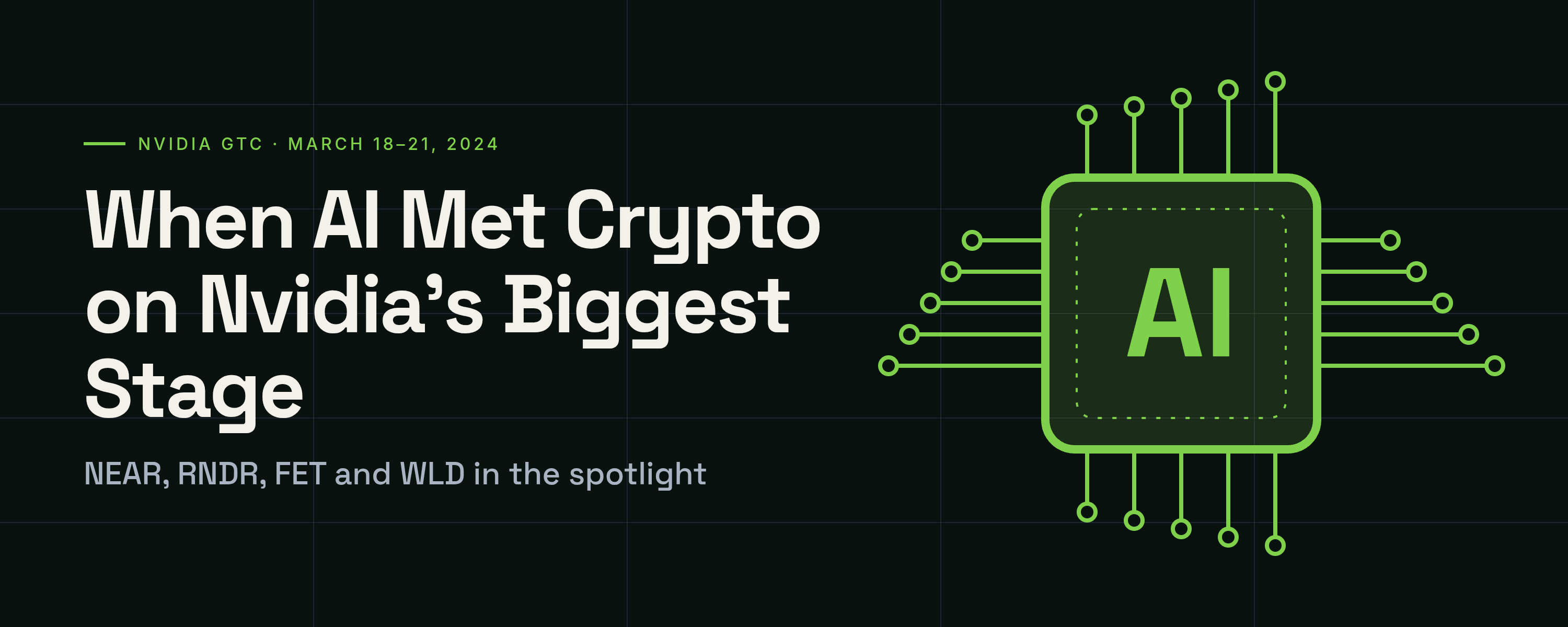
When AI Met Crypto on Nvidia’s Biggest StageMark your calendars for March 18-21, 2024, as the tech world braces itself for the much-anticipated Nvidia GPU Technology Conference . This annual gathering serves as a nexus for innovation, drawing a diverse array of professionals from IT, development, engineering, research, and investment sectors. At the heart of the conference lies a compelling agenda: to explore the frontier of artificial intelligence (A.I), machine learning, computer graphics, data science, and autonomous systems.
Nvidia Corporation renowned for its cutting-edge graphics processing units (GPUs), spearheads this transformative event. The visionary behind Nvidia, Jensen Huang, will grace the conference with his presence, underscoring the company's commitment to pioneering advancements in technology.
While GTC traditionally caters to a broad spectrum of tech enthusiasts, this year's edition has stirred particular excitement within the crypto community. What's causing the buzz? The announcement of eminent crypto founders' participation has set the stage for a convergence of two worlds: traditional tech giants and the rapidly evolving crypto sphere.
Among the notable figures slated to attend is Illia Polosukhin, co-founder of NEAR Protocol. His presence underscores the pivotal role of AI in shaping the future of blockchain protocols. Polosukhin's keynote speech and panel discussion on 'Transforming AI' promise to provide invaluable insights into the symbiotic relationship between AI and crypto.
But NEAR Protocol isn't the only crypto project making waves. Tokens such as Render , Fetch.ai , and Worldcoin have also found themselves in the spotlight. As news of their involvement in GTC spreads, investors and traders are bracing themselves for potential market movements.
Why the fervent interest in AI-centric tokens?
The answer lies in the intrinsic link between AI technology and the burgeoning crypto landscape. As blockchain protocols strive for faster and more efficient processing and storage solutions, AI emerges as the indispensable tool of the future. The marriage of AI and crypto heralds a new era of innovation, promising to reshape industries and redefine the boundaries of possibility.
Indeed, 2024 may well be remembered as the "Gradual year of AI" in the crypto realm. As the crypto market eagerly awaits the insights and revelations to emerge from Nvidia GTC, one thing is clear: the future of crypto is inexorably intertwined with the transformative power of artificial intelligence.
When AI Met Crypto on Nvidia’s Biggest Stage
Mark your calendars for March 18-21, 2024, as the tech world braces itself for the much-anticipated Nvidia GPU Technology Conference . This annual gathering serves as a nexus for innovation, drawing a diverse array of professionals from IT, development, engineering, research, and investment sectors. At the heart of the conference lies a compelling agenda: to explore the frontier of artificial intelligence (A.I), machine learning, computer graphics, data science, and autonomous systems.
Nvidia Corporation renowned for its cutting-edge graphics processing units (GPUs), spearheads this transformative event. The visionary behind Nvidia, Jensen Huang, will grace the conference with his presence, underscoring the company's commitment to pioneering advancements in technology.
While GTC traditionally caters to a broad spectrum of tech enthusiasts, this year's edition has stirred particular excitement within the crypto community. What's causing the buzz? The announcement of eminent crypto founders' participation has set the stage for a convergence of two worlds: traditional tech giants and the rapidly evolving crypto sphere.
Among the notable figures slated to attend is Illia Polosukhin, co-founder of NEAR Protocol. His presence underscores the pivotal role of AI in shaping the future of blockchain protocols. Polosukhin's keynote speech and panel discussion on 'Transforming AI' promise to provide invaluable insights into the symbiotic relationship between AI and crypto.
But NEAR Protocol isn't the only crypto project making waves. Tokens such as Render , Fetch.ai , and Worldcoin have also found themselves in the spotlight. As news of their involvement in GTC spreads, investors and traders are bracing themselves for potential market movements.
Why the fervent interest in AI-centric tokens?
The answer lies in the intrinsic link between AI technology and the burgeoning crypto landscape. As blockchain protocols strive for faster and more efficient processing and storage solutions, AI emerges as the indispensable tool of the future. The marriage of AI and crypto heralds a new era of innovation, promising to reshape industries and redefine the boundaries of possibility.
Indeed, 2024 may well be remembered as the "Gradual year of AI" in the crypto realm. As the crypto market eagerly awaits the insights and revelations to emerge from Nvidia GTC, one thing is clear: the future of crypto is inexorably intertwined with the transformative power of artificial intelligence.
3
11
3.2k
Inicia sesión para explorar más contenidos
Únete a usuarios de criptomonedas de todo el mundo en Binance Square
⚡️ Obtén la información más reciente y útil sobre criptomonedas.
💬 Confía en el mayor exchange de criptomonedas del mundo.
👍 Descubre opiniones reales de creadores verificados.
Correo electrónico/número de teléfono
Temas en tendencia
CPITestsDecemberRateOutlook
733,970 visualizaciones
3,540 participa(n) en el debate
Se prevé que el IPC de octubre suba un 0,3%, lo que mantendría a la Fed encaminada a subir las tasas en diciembre
Binance News
·8 «Me gusta»
·9.5k visualizaciones
NvidiaInvestigatesAfterHuang’sAffairApology
291,881 visualizaciones
2,281 participa(n) en el debate
AnthropicRejectsIPODelayValuationinQuestion
78,363 visualizaciones
735 participa(n) en el debate