

Elara Brooks
139 Publicaciones

Elara Brooks
Denunciar
Bloquear usuario
53 Siguiendo
251 Seguidores
341 Me gusta
Publicaciones
Todo
Cotizaciones
·
--
DuskEVM podría eventualmente hacer que la parte del desarrollo del ecosistema sea más fácil de medir.
Solidity y Hardhat permiten que los desarrolladores trabajen con herramientas con las que ya están familiarizados.
Ahora yo vigilaría tres cosas:
Despliegues.
Aplicaciones activas.
Usuarios recurrentes.
Si esas cifras crecen juntas, la tesis sobre la infraestructura se vuelve más interesante.
Si no, la accesibilidad para desarrolladores por sí sola no será suficiente.
#dusk $DUSK @Dusk_Foundation
DuskEVM podría eventualmente hacer que la parte del desarrollo del ecosistema sea más fácil de medir.
Solidity y Hardhat permiten que los desarrolladores trabajen con herramientas con las que ya están familiarizados.
Ahora yo vigilaría tres cosas:
Despliegues.
Aplicaciones activas.
Usuarios recurrentes.
Si esas cifras crecen juntas, la tesis sobre la infraestructura se vuelve más interesante.
Si no, la accesibilidad para desarrolladores por sí sola no será suficiente.
#dusk $DUSK @Dusk
Solidity y Hardhat permiten que los desarrolladores trabajen con herramientas con las que ya están familiarizados.
Ahora yo vigilaría tres cosas:
Despliegues.
Aplicaciones activas.
Usuarios recurrentes.
Si esas cifras crecen juntas, la tesis sobre la infraestructura se vuelve más interesante.
Si no, la accesibilidad para desarrolladores por sí sola no será suficiente.
#dusk $DUSK @Dusk
1
82
·
--
El atardecer tiene una ambiciosa tesis de infraestructura en torno a la privacidad y los mercados financieros regulados.
DuskEVM añade otra pieza práctica al hacer que el desarrollo en Solidity y Hardhat sea más accesible.
Pero la infraestructura es solo el comienzo.
La pregunta más difícil es si los desarrolladores crean aplicaciones útiles y si los usuarios realmente interactúan con ellas.
Ahí es donde creo que llegará la próxima señal significativa.
No otra narrativa.
No otra predicción.
Comportamiento real de la red.
#dusk $DUSK @Dusk_Foundation
El atardecer tiene una ambiciosa tesis de infraestructura en torno a la privacidad y los mercados financieros regulados.
DuskEVM añade otra pieza práctica al hacer que el desarrollo en Solidity y Hardhat sea más accesible.
Pero la infraestructura es solo el comienzo.
La pregunta más difícil es si los desarrolladores crean aplicaciones útiles y si los usuarios realmente interactúan con ellas.
Ahí es donde creo que llegará la próxima señal significativa.
No otra narrativa.
No otra predicción.
Comportamiento real de la red.
#dusk $DUSK @Dusk
DuskEVM añade otra pieza práctica al hacer que el desarrollo en Solidity y Hardhat sea más accesible.
Pero la infraestructura es solo el comienzo.
La pregunta más difícil es si los desarrolladores crean aplicaciones útiles y si los usuarios realmente interactúan con ellas.
Ahí es donde creo que llegará la próxima señal significativa.
No otra narrativa.
No otra predicción.
Comportamiento real de la red.
#dusk $DUSK @Dusk
1
65
·
--
La tesis de Dusk no es simplemente “poner todo en la cadena.”
Es más bien:
¿Cómo se llevan activos financieros a la cadena preservando los requisitos que ya tienen los mercados regulados?
Ese es un problema más difícil.
Privacidad, cumplimiento, liquidación e interoperabilidad se vuelven importantes.
El reciente lanzamiento de DuskEVM añade accesibilidad para desarrolladores a esa ecuación.
Creo que la próxima señal importante vendrá de aplicaciones reales y del comportamiento de la red, más que de otro ciclo narrativo.
#dusk $DUSK @Dusk_Foundation
La tesis de Dusk no es simplemente “poner todo en la cadena.”
Es más bien:
¿Cómo se llevan activos financieros a la cadena preservando los requisitos que ya tienen los mercados regulados?
Ese es un problema más difícil.
Privacidad, cumplimiento, liquidación e interoperabilidad se vuelven importantes.
El reciente lanzamiento de DuskEVM añade accesibilidad para desarrolladores a esa ecuación.
Creo que la próxima señal importante vendrá de aplicaciones reales y del comportamiento de la red, más que de otro ciclo narrativo.
#dusk $DUSK @Dusk
Es más bien:
¿Cómo se llevan activos financieros a la cadena preservando los requisitos que ya tienen los mercados regulados?
Ese es un problema más difícil.
Privacidad, cumplimiento, liquidación e interoperabilidad se vuelven importantes.
El reciente lanzamiento de DuskEVM añade accesibilidad para desarrolladores a esa ecuación.
Creo que la próxima señal importante vendrá de aplicaciones reales y del comportamiento de la red, más que de otro ciclo narrativo.
#dusk $DUSK @Dusk
1
72
·
--
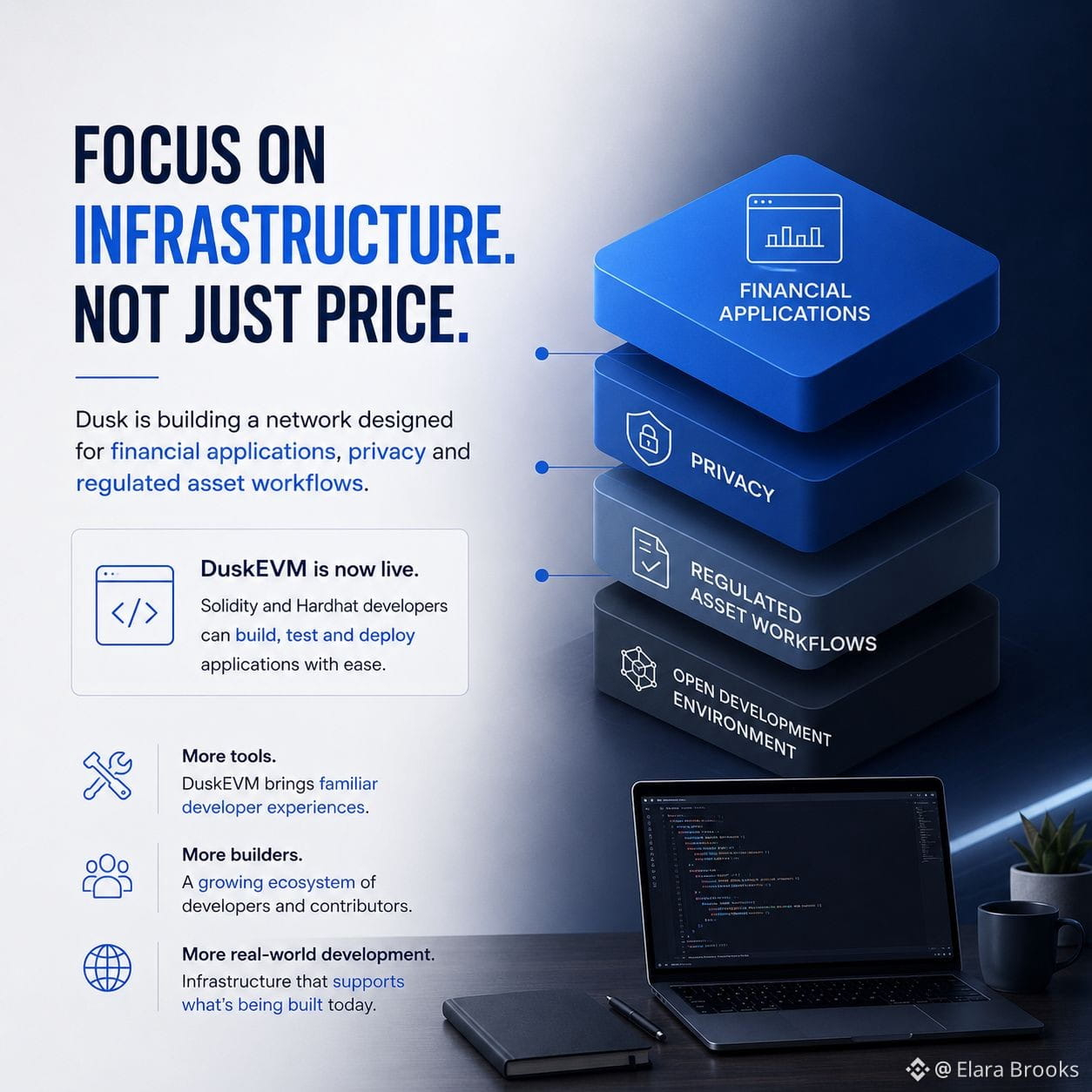
Es fácil hablar de DUSK a través de gráficos de precios.
Me interesa más la infraestructura que se está construyendo debajo.
Dusk está trabajando en una red diseñada en torno a aplicaciones financieras, la privacidad y flujos de activos regulados.
El reciente lanzamiento de DuskEVM agrega otra capa práctica al permitir que desarrolladores de Solidity y Hardhat prueben aplicaciones.
Eso crea una fase de desarrollo más medible.
En lugar de preguntar en qué podría convertirse DUSK, prefiero ver qué despliegan realmente los desarrolladores
#dusk $DUSK @Dusk_Foundation
Es fácil hablar de DUSK a través de gráficos de precios.
Me interesa más la infraestructura que se está construyendo debajo.
Dusk está trabajando en una red diseñada en torno a aplicaciones financieras, la privacidad y flujos de activos regulados.
El reciente lanzamiento de DuskEVM agrega otra capa práctica al permitir que desarrolladores de Solidity y Hardhat prueben aplicaciones.
Eso crea una fase de desarrollo más medible.
En lugar de preguntar en qué podría convertirse DUSK, prefiero ver qué despliegan realmente los desarrolladores
#dusk $DUSK @Dusk
Me interesa más la infraestructura que se está construyendo debajo.
Dusk está trabajando en una red diseñada en torno a aplicaciones financieras, la privacidad y flujos de activos regulados.
El reciente lanzamiento de DuskEVM agrega otra capa práctica al permitir que desarrolladores de Solidity y Hardhat prueben aplicaciones.
Eso crea una fase de desarrollo más medible.
En lugar de preguntar en qué podría convertirse DUSK, prefiero ver qué despliegan realmente los desarrolladores
#dusk $DUSK @Dusk
1
73
·
--
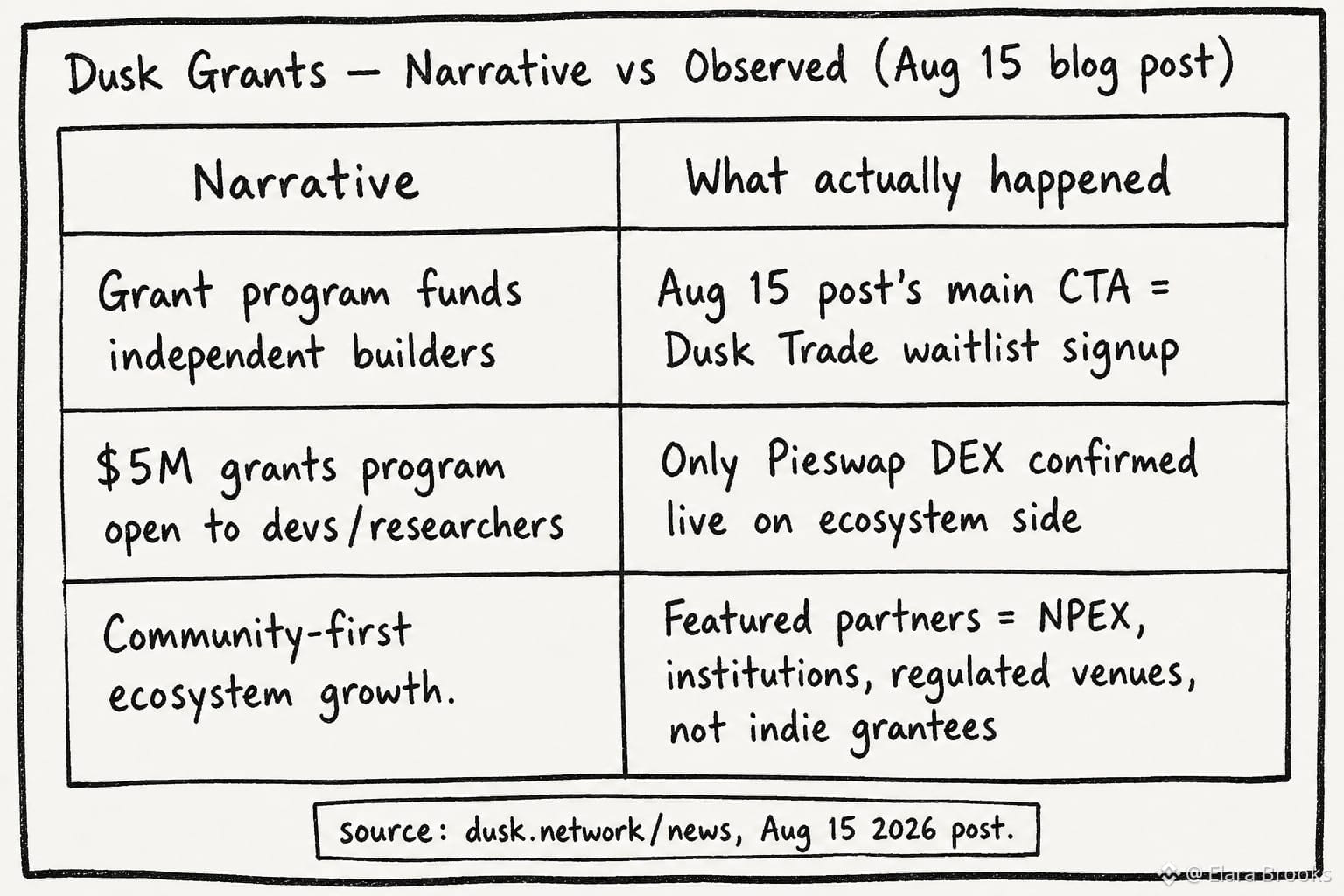
SME-tokenization en su blog esta semana (15 de agosto) y estuve con eso más tiempo del planeado durante la tarea #Dusk CreatorPad… algo no me encajó bien al principio.
El texto completo repasa la emisión, la incorporación de inversores, la liquidación — seis etapas, un solo registro de propiedad compartida. Buena estructuración. Pero si bajas hasta el final, el pedido real es “unirse a la lista de espera de Dusk Trade”. No es una solicitud de subvención. No es documentación para creadores. Es una lista de espera, para instituciones y flujos cercanos a NPEX.
Mientras tanto, la parte orientada a la comunidad — lo de esos $DUSK grants/dev fund — sigue leyendo más delgada de lo que sugiere la hoja de ruta. Solo hay un dApp realmente activo en el lado del ecosistema, mientras que el mensaje de tokenización sigue expandiéndose hacia bancos y centros regulados.
Hmm. Tiene sentido comercialmente — las instituciones avanzan primero, la infraestructura de cumplimiento necesita clientes ancla antes de que necesite herramientas para aficionados. Aun así, es un buen recordatorio para separar “existe un programa de subvenciones” de “el programa de subvenciones está distribuyendo activamente a creadores independientes ahora mismo”.
@Dusk_Foundation ¿Alguien realmente ha recibido respuesta a una subvención en este ciclo, o todavía son principalmente solicitudes entrantes que están en revisión?
#dusk $DUSK @Dusk_Foundation
SME-tokenization en su blog esta semana (15 de agosto) y estuve con eso más tiempo del planeado durante la tarea #Dusk CreatorPad… algo no me encajó bien al principio.
El texto completo repasa la emisión, la incorporación de inversores, la liquidación — seis etapas, un solo registro de propiedad compartida. Buena estructuración. Pero si bajas hasta el final, el pedido real es “unirse a la lista de espera de Dusk Trade”. No es una solicitud de subvención. No es documentación para creadores. Es una lista de espera, para instituciones y flujos cercanos a NPEX.
Mientras tanto, la parte orientada a la comunidad — lo de esos $DUSK grants/dev fund — sigue leyendo más delgada de lo que sugiere la hoja de ruta. Solo hay un dApp realmente activo en el lado del ecosistema, mientras que el mensaje de tokenización sigue expandiéndose hacia bancos y centros regulados.
Hmm. Tiene sentido comercialmente — las instituciones avanzan primero, la infraestructura de cumplimiento necesita clientes ancla antes de que necesite herramientas para aficionados. Aun así, es un buen recordatorio para separar “existe un programa de subvenciones” de “el programa de subvenciones está distribuyendo activamente a creadores independientes ahora mismo”.
@Dusk ¿Alguien realmente ha recibido respuesta a una subvención en este ciclo, o todavía son principalmente solicitudes entrantes que están en revisión?
#dusk $DUSK @Dusk
El texto completo repasa la emisión, la incorporación de inversores, la liquidación — seis etapas, un solo registro de propiedad compartida. Buena estructuración. Pero si bajas hasta el final, el pedido real es “unirse a la lista de espera de Dusk Trade”. No es una solicitud de subvención. No es documentación para creadores. Es una lista de espera, para instituciones y flujos cercanos a NPEX.
Mientras tanto, la parte orientada a la comunidad — lo de esos $DUSK grants/dev fund — sigue leyendo más delgada de lo que sugiere la hoja de ruta. Solo hay un dApp realmente activo en el lado del ecosistema, mientras que el mensaje de tokenización sigue expandiéndose hacia bancos y centros regulados.
Hmm. Tiene sentido comercialmente — las instituciones avanzan primero, la infraestructura de cumplimiento necesita clientes ancla antes de que necesite herramientas para aficionados. Aun así, es un buen recordatorio para separar “existe un programa de subvenciones” de “el programa de subvenciones está distribuyendo activamente a creadores independientes ahora mismo”.
@Dusk ¿Alguien realmente ha recibido respuesta a una subvención en este ciclo, o todavía son principalmente solicitudes entrantes que están en revisión?
#dusk $DUSK @Dusk
2
63
·
--
Dusk destacó recientemente la infraestructura de tokenización para pymes y mercados privados.
La idea es interesante porque históricamente los activos de los mercados privados han sido difíciles de acceder y transferir de forma eficiente.
Ponerlos en la cadena podría cambiar partes de ese proceso.
Pero la tokenización en sí no es el final del camino.
La infraestructura necesita respaldar el flujo de trabajo financiero en torno a esos activos.
Ahí es donde cobra relevancia el enfoque de Dusk en privacidad, cumplimiento y liquidación.
El concepto es sólido.
La pregunta real es qué tan rápido se desarrolla la adopción práctica.
#dusk $DUSK @Dusk_Foundation
Dusk destacó recientemente la infraestructura de tokenización para pymes y mercados privados.
La idea es interesante porque históricamente los activos de los mercados privados han sido difíciles de acceder y transferir de forma eficiente.
Ponerlos en la cadena podría cambiar partes de ese proceso.
Pero la tokenización en sí no es el final del camino.
La infraestructura necesita respaldar el flujo de trabajo financiero en torno a esos activos.
Ahí es donde cobra relevancia el enfoque de Dusk en privacidad, cumplimiento y liquidación.
El concepto es sólido.
La pregunta real es qué tan rápido se desarrolla la adopción práctica.
#dusk $DUSK @Dusk
La idea es interesante porque históricamente los activos de los mercados privados han sido difíciles de acceder y transferir de forma eficiente.
Ponerlos en la cadena podría cambiar partes de ese proceso.
Pero la tokenización en sí no es el final del camino.
La infraestructura necesita respaldar el flujo de trabajo financiero en torno a esos activos.
Ahí es donde cobra relevancia el enfoque de Dusk en privacidad, cumplimiento y liquidación.
El concepto es sólido.
La pregunta real es qué tan rápido se desarrolla la adopción práctica.
#dusk $DUSK @Dusk
2
4
79
·
--
El crepúsculo ha tenido suficientes desarrollos interesantes de infraestructura.
Pero las redes cripto eventualmente se enfrentan a la misma prueba:
¿La gente realmente las está usando?
DuskEVM ahora ofrece a los desarrolladores de Solidity y Hardhat una forma más familiar de experimentar con la red.
Eso crea una oportunidad útil para medir lo que viene después.
El interés de los desarrolladores es una señal.
Las implementaciones repetidas y la actividad sostenida son señales más fuertes.
Para mí, la siguiente fase de Dusk tiene menos que ver con explicar la tecnología y más con observar lo que se construye.
#dusk $DUSK @Dusk_Foundation
El crepúsculo ha tenido suficientes desarrollos interesantes de infraestructura.
Pero las redes cripto eventualmente se enfrentan a la misma prueba:
¿La gente realmente las está usando?
DuskEVM ahora ofrece a los desarrolladores de Solidity y Hardhat una forma más familiar de experimentar con la red.
Eso crea una oportunidad útil para medir lo que viene después.
El interés de los desarrolladores es una señal.
Las implementaciones repetidas y la actividad sostenida son señales más fuertes.
Para mí, la siguiente fase de Dusk tiene menos que ver con explicar la tecnología y más con observar lo que se construye.
#dusk $DUSK @Dusk
Pero las redes cripto eventualmente se enfrentan a la misma prueba:
¿La gente realmente las está usando?
DuskEVM ahora ofrece a los desarrolladores de Solidity y Hardhat una forma más familiar de experimentar con la red.
Eso crea una oportunidad útil para medir lo que viene después.
El interés de los desarrolladores es una señal.
Las implementaciones repetidas y la actividad sostenida son señales más fuertes.
Para mí, la siguiente fase de Dusk tiene menos que ver con explicar la tecnología y más con observar lo que se construye.
#dusk $DUSK @Dusk
2
68
·
--
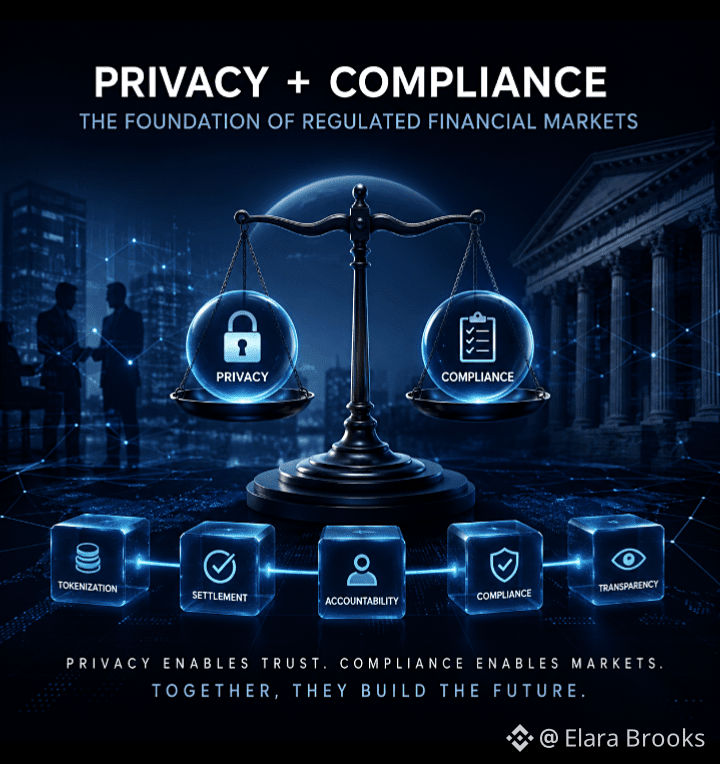
Cuando la gente habla de Dusk, la privacidad suele ser el primer tema.
Pero creo que la pregunta más grande es cómo encaja la privacidad en la infraestructura financiera regulada.
Los mercados no solo necesitan transacciones confidenciales.
También necesitan rendición de cuentas, cumplimiento y un asentamiento predecible.
Ese es un problema de diseño mucho más complejo.
La posición de Dusk en torno a los mercados financieros tokenizados hace que esta combinación sea especialmente interesante.
Todavía estoy observando para ver cuánta actividad real en el mundo termina desarrollándose en torno a la tesis.
#dusk $DUSK @Dusk_Foundation
Cuando la gente habla de Dusk, la privacidad suele ser el primer tema.
Pero creo que la pregunta más grande es cómo encaja la privacidad en la infraestructura financiera regulada.
Los mercados no solo necesitan transacciones confidenciales.
También necesitan rendición de cuentas, cumplimiento y un asentamiento predecible.
Ese es un problema de diseño mucho más complejo.
La posición de Dusk en torno a los mercados financieros tokenizados hace que esta combinación sea especialmente interesante.
Todavía estoy observando para ver cuánta actividad real en el mundo termina desarrollándose en torno a la tesis.
#dusk $DUSK @Dusk
Pero creo que la pregunta más grande es cómo encaja la privacidad en la infraestructura financiera regulada.
Los mercados no solo necesitan transacciones confidenciales.
También necesitan rendición de cuentas, cumplimiento y un asentamiento predecible.
Ese es un problema de diseño mucho más complejo.
La posición de Dusk en torno a los mercados financieros tokenizados hace que esta combinación sea especialmente interesante.
Todavía estoy observando para ver cuánta actividad real en el mundo termina desarrollándose en torno a la tesis.
#dusk $DUSK @Dusk
1
2
61
·
--
Una de las novedades de Dusk más prácticas recientes ha sido la compatibilidad de DuskEVM para Solidity y Hardhat.
Para los desarrolladores que ya trabajan en el ecosistema de Ethereum, las herramientas conocidas pueden eliminar una cantidad significativa de fricción.
Eso no crea automáticamente adopción.
Pero hace que la experimentación sea más fácil.
Preferiría ver qué sucede a continuación: contratos desplegados, aplicaciones probadas y desarrolladores que vuelven después del experimento inicial.
La tecnología se está haciendo más accesible.
Ahora hay que seguir con el uso.
#dusk $DUSK @Dusk_Foundation
Una de las novedades de Dusk más prácticas recientes ha sido la compatibilidad de DuskEVM para Solidity y Hardhat.
Para los desarrolladores que ya trabajan en el ecosistema de Ethereum, las herramientas conocidas pueden eliminar una cantidad significativa de fricción.
Eso no crea automáticamente adopción.
Pero hace que la experimentación sea más fácil.
Preferiría ver qué sucede a continuación: contratos desplegados, aplicaciones probadas y desarrolladores que vuelven después del experimento inicial.
La tecnología se está haciendo más accesible.
Ahora hay que seguir con el uso.
#dusk $DUSK @Dusk
Para los desarrolladores que ya trabajan en el ecosistema de Ethereum, las herramientas conocidas pueden eliminar una cantidad significativa de fricción.
Eso no crea automáticamente adopción.
Pero hace que la experimentación sea más fácil.
Preferiría ver qué sucede a continuación: contratos desplegados, aplicaciones probadas y desarrolladores que vuelven después del experimento inicial.
La tecnología se está haciendo más accesible.
Ahora hay que seguir con el uso.
#dusk $DUSK @Dusk
2
84
·
--
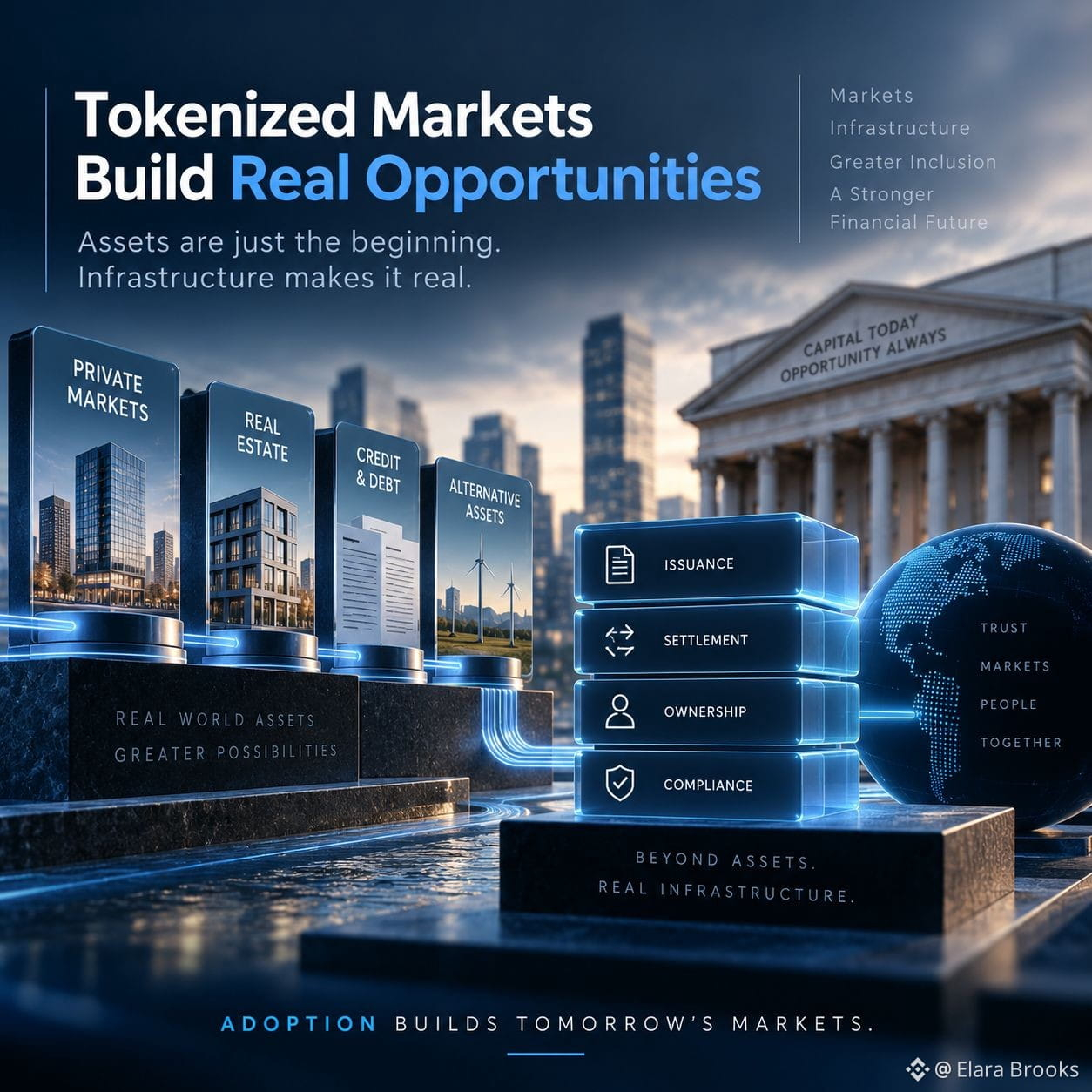
El crepúsculo se está posicionando de forma cada vez más sólida en torno a los mercados financieros tokenizados, en particular los flujos de trabajo de los mercados privados.
Esa distinción importa.
La tokenización no es solo cuestión de crear una representación digital de un activo. Las instituciones financieras también necesitan procesos relativos a la emisión, la liquidación, la propiedad y el cumplimiento.
Dusk está intentando abordar esa capa de infraestructura más amplia.
Mi punto de vista es que la métrica interesante no será cuántos activos se pueden tokenizar teóricamente.
Será si los emisores reales y los participantes financieros utilizan efectivamente la infraestructura.
#dusk $DUSK @Dusk_Foundation
El crepúsculo se está posicionando de forma cada vez más sólida en torno a los mercados financieros tokenizados, en particular los flujos de trabajo de los mercados privados.
Esa distinción importa.
La tokenización no es solo cuestión de crear una representación digital de un activo. Las instituciones financieras también necesitan procesos relativos a la emisión, la liquidación, la propiedad y el cumplimiento.
Dusk está intentando abordar esa capa de infraestructura más amplia.
Mi punto de vista es que la métrica interesante no será cuántos activos se pueden tokenizar teóricamente.
Será si los emisores reales y los participantes financieros utilizan efectivamente la infraestructura.
#dusk $DUSK @Dusk
Esa distinción importa.
La tokenización no es solo cuestión de crear una representación digital de un activo. Las instituciones financieras también necesitan procesos relativos a la emisión, la liquidación, la propiedad y el cumplimiento.
Dusk está intentando abordar esa capa de infraestructura más amplia.
Mi punto de vista es que la métrica interesante no será cuántos activos se pueden tokenizar teóricamente.
Será si los emisores reales y los participantes financieros utilizan efectivamente la infraestructura.
#dusk $DUSK @Dusk
1
2
80
·
--
Alcista
DuskEVM se lanzó el 10 de agosto, dando a los desarrolladores la posibilidad de desplegar y probar aplicaciones usando Solidity y Hardhat.
Creo que esto es más importante de lo que parece inicialmente.
La infraestructura se vuelve más fácil de evaluar cuando los desarrolladores pueden usar herramientas que ya entienden. Lo siguiente que vale la pena vigilar no es otro anuncio, sino si los desarrolladores realmente despliegan contratos, prueban aplicaciones y generan actividad de red sostenida.
Para Dusk, esto podría ser una transición importante desde el desarrollo de infraestructura hacia el uso medible del ecosistema
#dusk $DUSK @Dusk_Foundation
DuskEVM se lanzó el 10 de agosto, dando a los desarrolladores la posibilidad de desplegar y probar aplicaciones usando Solidity y Hardhat.
Creo que esto es más importante de lo que parece inicialmente.
La infraestructura se vuelve más fácil de evaluar cuando los desarrolladores pueden usar herramientas que ya entienden. Lo siguiente que vale la pena vigilar no es otro anuncio, sino si los desarrolladores realmente despliegan contratos, prueban aplicaciones y generan actividad de red sostenida.
Para Dusk, esto podría ser una transición importante desde el desarrollo de infraestructura hacia el uso medible del ecosistema
#dusk $DUSK @Dusk
Creo que esto es más importante de lo que parece inicialmente.
La infraestructura se vuelve más fácil de evaluar cuando los desarrolladores pueden usar herramientas que ya entienden. Lo siguiente que vale la pena vigilar no es otro anuncio, sino si los desarrolladores realmente despliegan contratos, prueban aplicaciones y generan actividad de red sostenida.
Para Dusk, esto podría ser una transición importante desde el desarrollo de infraestructura hacia el uso medible del ecosistema
#dusk $DUSK @Dusk
2
70
·
--
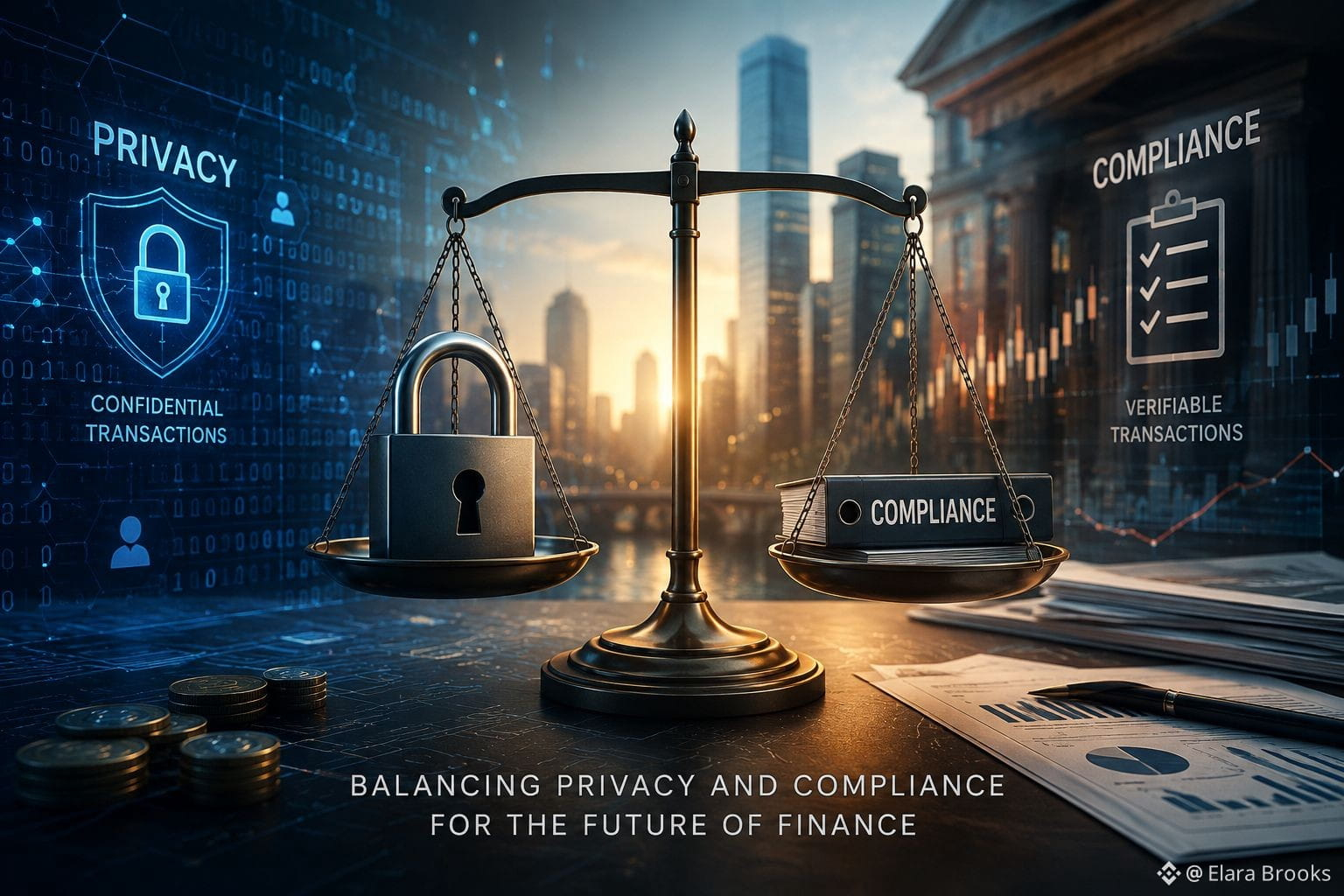
La transparencia en blockchain es poderosa, pero los mercados financieros también necesitan privacidad.
Ahí es donde $DUSK se vuelve interesante. En lugar de tratar la privacidad y el cumplimiento como opuestos, $DUSK está construyendo infraestructura diseñada para llevar ambos aspectos a las finanzas onchain.
El futuro de la infraestructura de blockchain financiera puede necesitar ambas cosas.
#dusk $DUSK @Dusk_Foundation
La transparencia en blockchain es poderosa, pero los mercados financieros también necesitan privacidad.
Ahí es donde $DUSK se vuelve interesante. En lugar de tratar la privacidad y el cumplimiento como opuestos, $DUSK está construyendo infraestructura diseñada para llevar ambos aspectos a las finanzas onchain.
El futuro de la infraestructura de blockchain financiera puede necesitar ambas cosas.
#dusk $DUSK @Dusk
Ahí es donde $DUSK se vuelve interesante. En lugar de tratar la privacidad y el cumplimiento como opuestos, $DUSK está construyendo infraestructura diseñada para llevar ambos aspectos a las finanzas onchain.
El futuro de la infraestructura de blockchain financiera puede necesitar ambas cosas.
#dusk $DUSK @Dusk
2
65
·
--
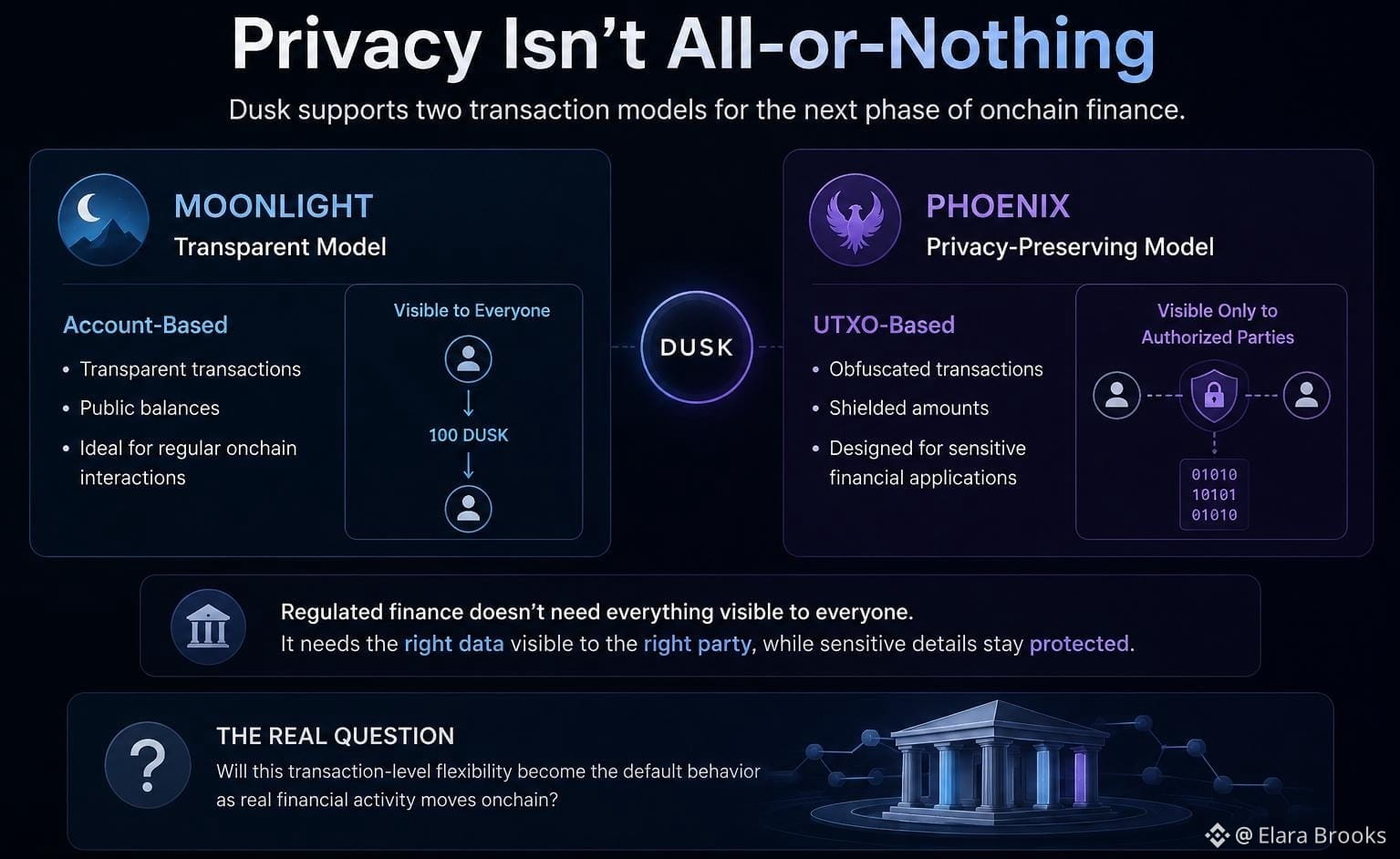
Lo que me hizo detenerme mientras excavaba en Dusk fue lo diferente que se siente la idea de "finanzas privadas" cuando observas el modelo de transacción real.
Estaba revisando @Dusk_Foundation y $DUSK durante la tarea de CreatorPad, y la parte interesante es que Dusk no obliga a que cada transacción encaje en el mismo modelo de privacidad. Su protocolo admite tanto Moonlight, el modelo transparente basado en cuentas, como Phoenix, el modelo basado en UTXO que puede gestionar transacciones ofuscadas. Ese detalle está en el whitepaper actual de Dusk, y cambia la forma en que veo #Dusk.
Para las aplicaciones financieras, esa flexibilidad me importa más que el relato de la privacidad en sí. Un activo regulado probablemente no necesite que cada interacción quede oculta de todo el mundo. Necesita la información adecuada visible para la parte adecuada, mientras que los detalles sensibles permanecen protegidos. El diseño de Dusk parece estar construido alrededor de esa distinción, en lugar de tratar la privacidad como un interruptor de todo o nada.
Al principio pensé que la parte interesante sería el enfoque de la tokenización. Después de profundizar, estoy menos seguro. La gran pregunta ahora es si esta flexibilidad a nivel de transacción realmente se convierte en el comportamiento por defecto a medida que la actividad financiera real avanza onchain…
#dusk $DUSK @Dusk_Foundation
Lo que me hizo detenerme mientras excavaba en Dusk fue lo diferente que se siente la idea de "finanzas privadas" cuando observas el modelo de transacción real.
Estaba revisando @Dusk y $DUSK durante la tarea de CreatorPad, y la parte interesante es que Dusk no obliga a que cada transacción encaje en el mismo modelo de privacidad. Su protocolo admite tanto Moonlight, el modelo transparente basado en cuentas, como Phoenix, el modelo basado en UTXO que puede gestionar transacciones ofuscadas. Ese detalle está en el whitepaper actual de Dusk, y cambia la forma en que veo #Dusk.
Para las aplicaciones financieras, esa flexibilidad me importa más que el relato de la privacidad en sí. Un activo regulado probablemente no necesite que cada interacción quede oculta de todo el mundo. Necesita la información adecuada visible para la parte adecuada, mientras que los detalles sensibles permanecen protegidos. El diseño de Dusk parece estar construido alrededor de esa distinción, en lugar de tratar la privacidad como un interruptor de todo o nada.
Al principio pensé que la parte interesante sería el enfoque de la tokenización. Después de profundizar, estoy menos seguro. La gran pregunta ahora es si esta flexibilidad a nivel de transacción realmente se convierte en el comportamiento por defecto a medida que la actividad financiera real avanza onchain…
#dusk $DUSK @Dusk
Estaba revisando @Dusk y $DUSK durante la tarea de CreatorPad, y la parte interesante es que Dusk no obliga a que cada transacción encaje en el mismo modelo de privacidad. Su protocolo admite tanto Moonlight, el modelo transparente basado en cuentas, como Phoenix, el modelo basado en UTXO que puede gestionar transacciones ofuscadas. Ese detalle está en el whitepaper actual de Dusk, y cambia la forma en que veo #Dusk.
Para las aplicaciones financieras, esa flexibilidad me importa más que el relato de la privacidad en sí. Un activo regulado probablemente no necesite que cada interacción quede oculta de todo el mundo. Necesita la información adecuada visible para la parte adecuada, mientras que los detalles sensibles permanecen protegidos. El diseño de Dusk parece estar construido alrededor de esa distinción, en lugar de tratar la privacidad como un interruptor de todo o nada.
Al principio pensé que la parte interesante sería el enfoque de la tokenización. Después de profundizar, estoy menos seguro. La gran pregunta ahora es si esta flexibilidad a nivel de transacción realmente se convierte en el comportamiento por defecto a medida que la actividad financiera real avanza onchain…
#dusk $DUSK @Dusk
2
63
·
--
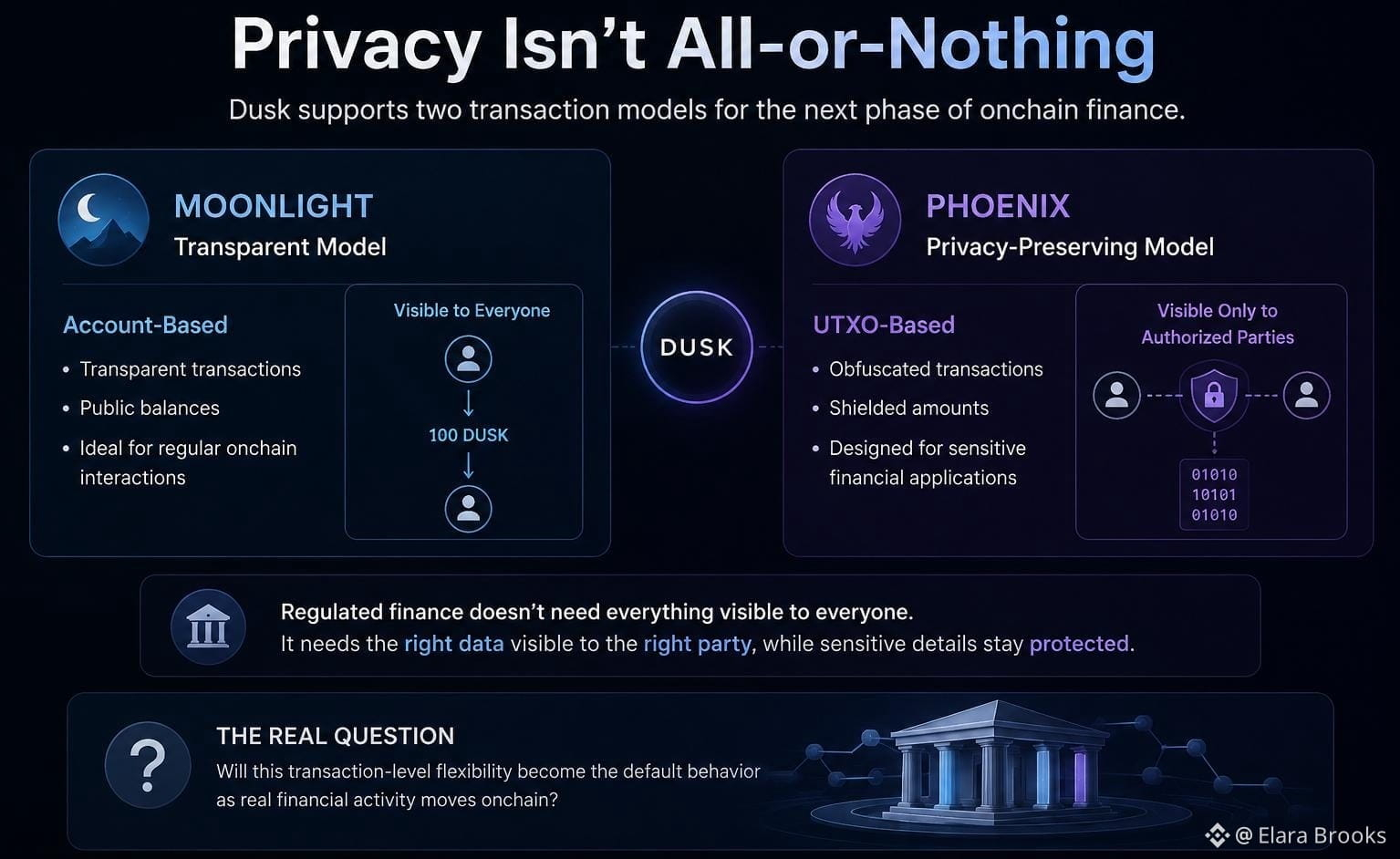
Lo que me hizo detenerme mientras buscaba entre Dusk fue lo diferente que se siente la idea de “finanzas privadas” cuando observas el modelo de transacciones real.
Estaba revisando @Dusk_Foundation y $DUSK durante la tarea de CreatorPad, y lo interesante es que Dusk no obliga a que todas las transacciones sigan el mismo modelo de privacidad. Su protocolo admite tanto Moonlight, el modelo transparente basado en cuentas, como Phoenix, el modelo basado en UTXO que puede gestionar transacciones ofuscadas. Ese detalle está en el whitepaper actual de Dusk, y cambia la forma en que miro #Dusk.
Para las aplicaciones financieras, esa flexibilidad me importa más que el relato sobre la privacidad en sí. Es probable que un activo regulado no necesite que cada interacción esté oculta para todos. Necesita la información correcta visible para la parte adecuada, mientras que los detalles sensibles permanezcan protegidos. El diseño de Dusk parece estar construido alrededor de esa distinción, en lugar de tratar la privacidad como un interruptor de todo o nada.
Al principio pensé que lo interesante estaría en el enfoque de la tokenización. Después de profundizar, estoy menos seguro. La gran pregunta ahora es si esta flexibilidad a nivel de transacción realmente se convierte en el comportamiento predeterminado a medida que la actividad financiera real avanza onchain…
Lo que me hizo detenerme mientras buscaba entre Dusk fue lo diferente que se siente la idea de “finanzas privadas” cuando observas el modelo de transacciones real.
Estaba revisando @Dusk y $DUSK durante la tarea de CreatorPad, y lo interesante es que Dusk no obliga a que todas las transacciones sigan el mismo modelo de privacidad. Su protocolo admite tanto Moonlight, el modelo transparente basado en cuentas, como Phoenix, el modelo basado en UTXO que puede gestionar transacciones ofuscadas. Ese detalle está en el whitepaper actual de Dusk, y cambia la forma en que miro #Dusk.
Para las aplicaciones financieras, esa flexibilidad me importa más que el relato sobre la privacidad en sí. Es probable que un activo regulado no necesite que cada interacción esté oculta para todos. Necesita la información correcta visible para la parte adecuada, mientras que los detalles sensibles permanezcan protegidos. El diseño de Dusk parece estar construido alrededor de esa distinción, en lugar de tratar la privacidad como un interruptor de todo o nada.
Al principio pensé que lo interesante estaría en el enfoque de la tokenización. Después de profundizar, estoy menos seguro. La gran pregunta ahora es si esta flexibilidad a nivel de transacción realmente se convierte en el comportamiento predeterminado a medida que la actividad financiera real avanza onchain…
Estaba revisando @Dusk y $DUSK durante la tarea de CreatorPad, y lo interesante es que Dusk no obliga a que todas las transacciones sigan el mismo modelo de privacidad. Su protocolo admite tanto Moonlight, el modelo transparente basado en cuentas, como Phoenix, el modelo basado en UTXO que puede gestionar transacciones ofuscadas. Ese detalle está en el whitepaper actual de Dusk, y cambia la forma en que miro #Dusk.
Para las aplicaciones financieras, esa flexibilidad me importa más que el relato sobre la privacidad en sí. Es probable que un activo regulado no necesite que cada interacción esté oculta para todos. Necesita la información correcta visible para la parte adecuada, mientras que los detalles sensibles permanezcan protegidos. El diseño de Dusk parece estar construido alrededor de esa distinción, en lugar de tratar la privacidad como un interruptor de todo o nada.
Al principio pensé que lo interesante estaría en el enfoque de la tokenización. Después de profundizar, estoy menos seguro. La gran pregunta ahora es si esta flexibilidad a nivel de transacción realmente se convierte en el comportamiento predeterminado a medida que la actividad financiera real avanza onchain…
1
2
86
·
--
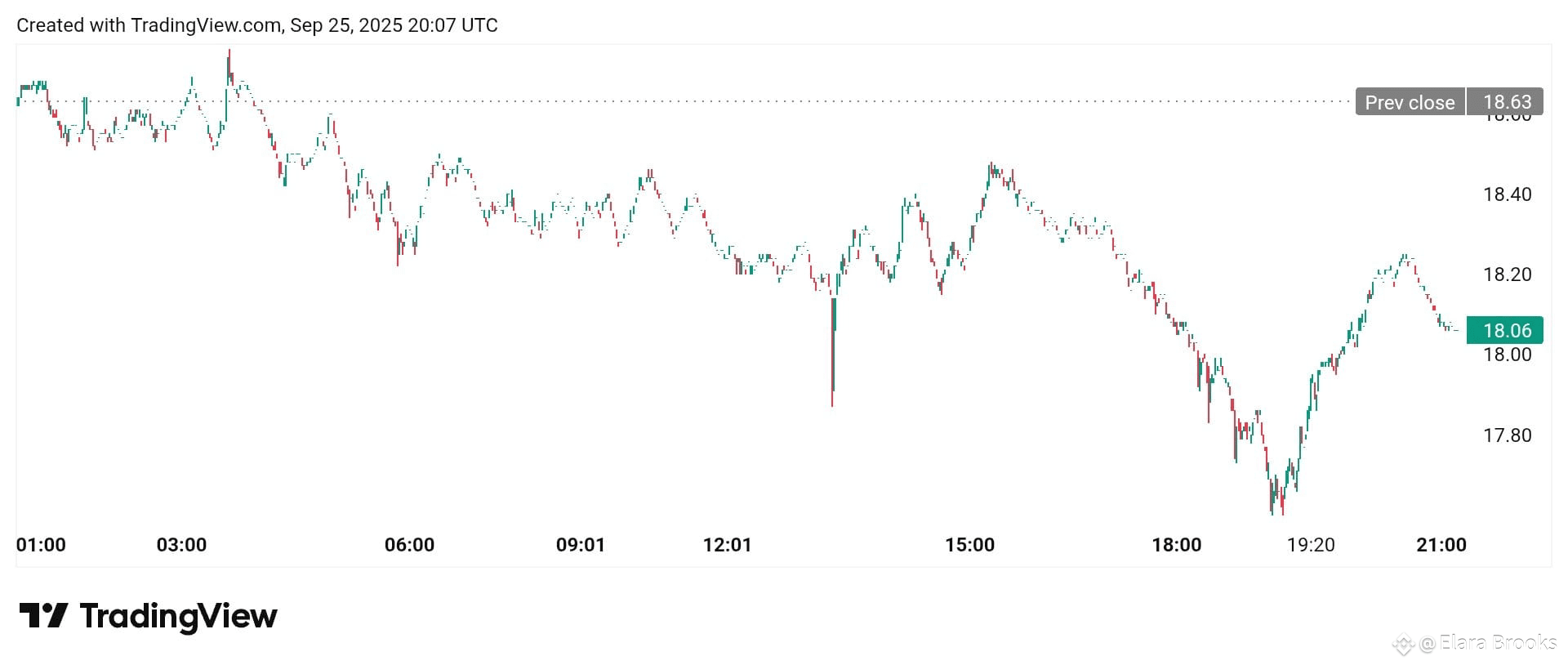
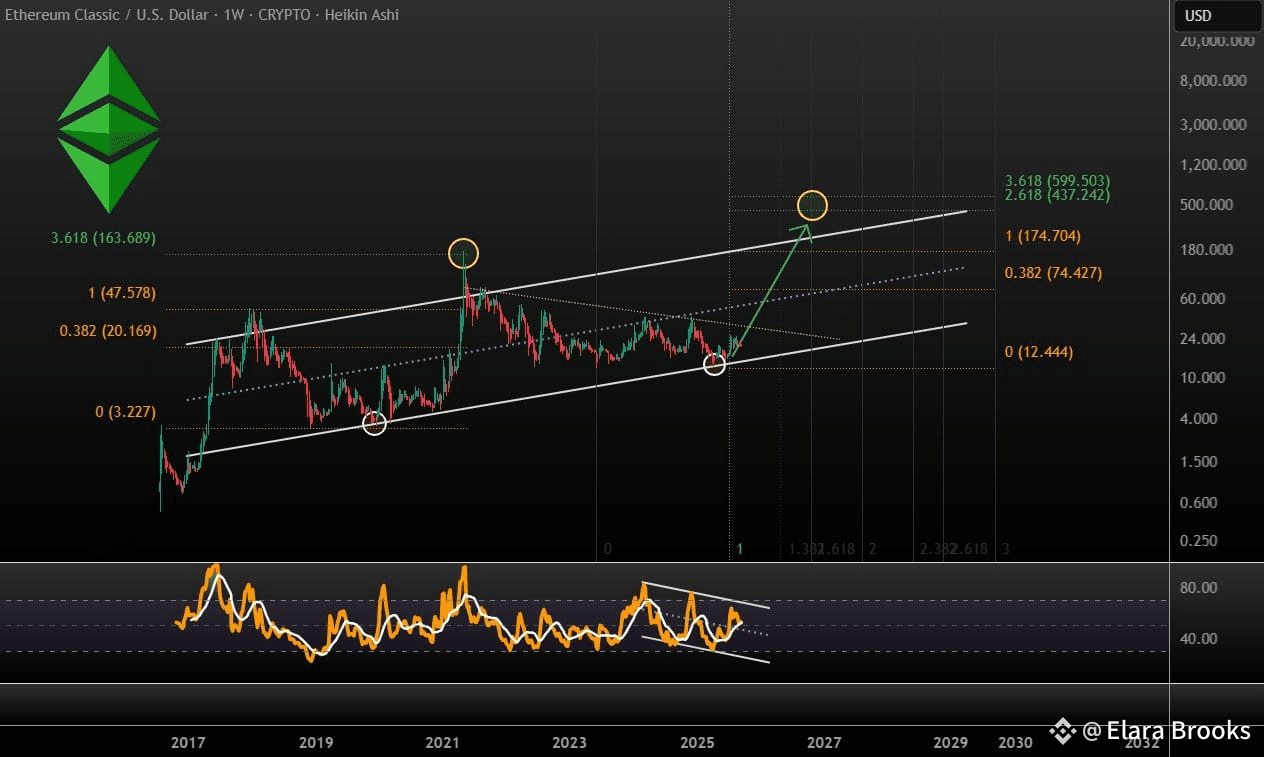
$ETC sigue siendo uno de los activos PoW más subestimados.
Con inmutabilidad, suministro fijo y resistencia probada, está bien posicionado para la rotación de capital más allá de $BTC & $ETH .
La consolidación actual sugiere que se está construyendo fuerza, a menudo una preparación para movimientos bruscos.
#Write2Earn
$ETC sigue siendo uno de los activos PoW más subestimados.
Con inmutabilidad, suministro fijo y resistencia probada, está bien posicionado para la rotación de capital más allá de $BTC & $ETH .
La consolidación actual sugiere que se está construyendo fuerza, a menudo una preparación para movimientos bruscos.
#Write2Earn
Con inmutabilidad, suministro fijo y resistencia probada, está bien posicionado para la rotación de capital más allá de $BTC & $ETH .
La consolidación actual sugiere que se está construyendo fuerza, a menudo una preparación para movimientos bruscos.
#Write2Earn
2
79
·
--
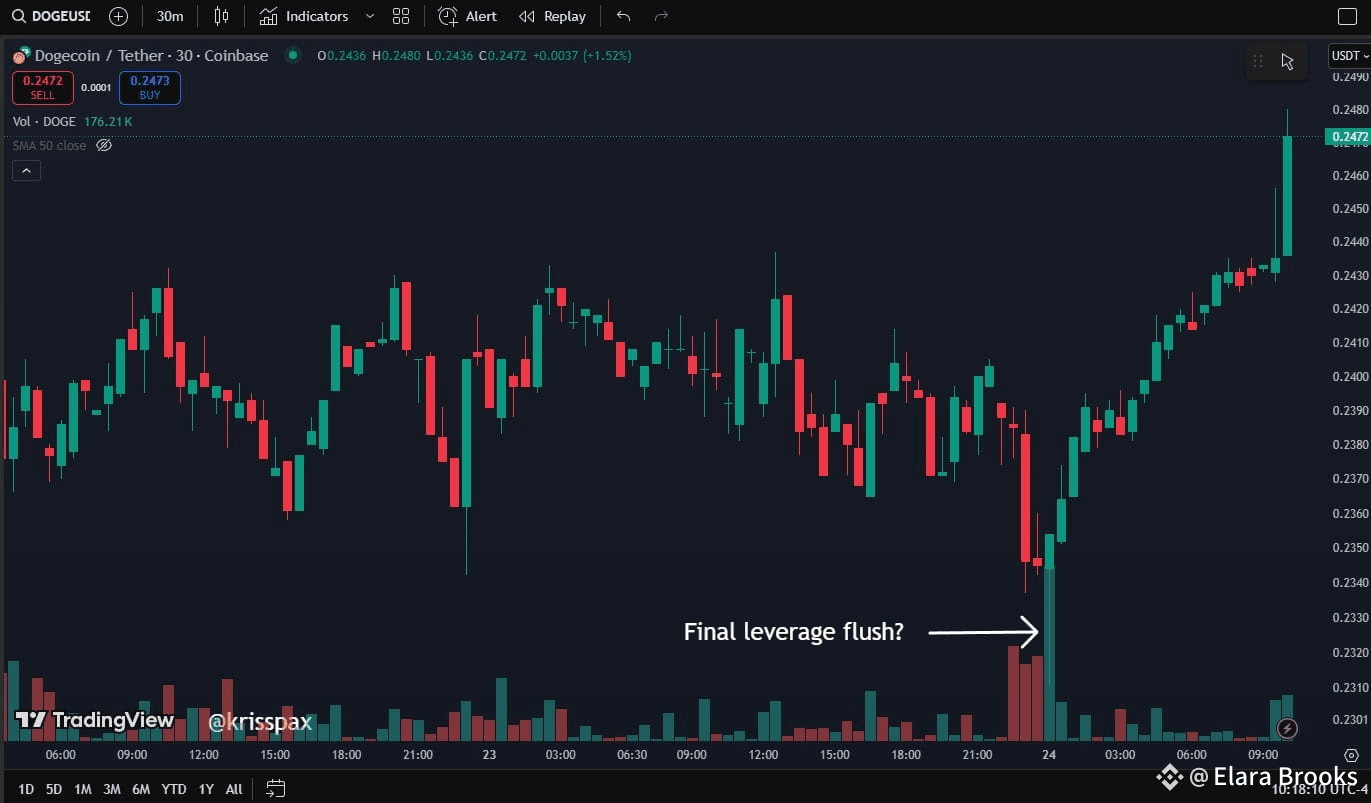
¡DOGE está intentando romper!
¿Fue el movimiento de esta mañana la liquidación final antes de la corrida?
$DOGE #Write2Earn
¡DOGE está intentando romper!
¿Fue el movimiento de esta mañana la liquidación final antes de la corrida?
$DOGE #Write2Earn
¿Fue el movimiento de esta mañana la liquidación final antes de la corrida?
$DOGE #Write2Earn
3
100
·
--
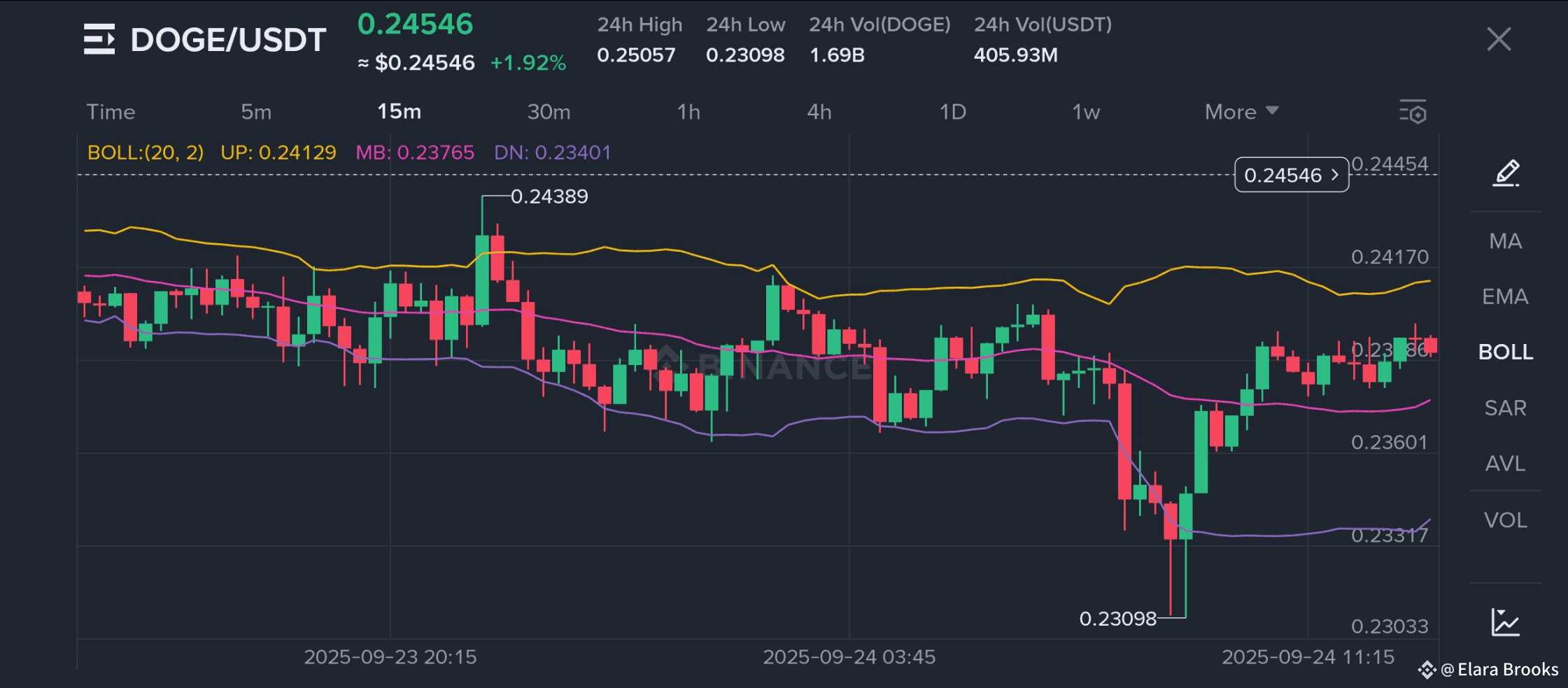
$DOGE acaba de rebotar fuertemente desde el soporte y se mantiene fuerte por encima de la media de Bollinger 👀
La próxima parada parece ser la banda superior 🔥
#Write2Earn
$DOGE acaba de rebotar fuertemente desde el soporte y se mantiene fuerte por encima de la media de Bollinger 👀
La próxima parada parece ser la banda superior 🔥
#Write2Earn
La próxima parada parece ser la banda superior 🔥
#Write2Earn
108
·
--
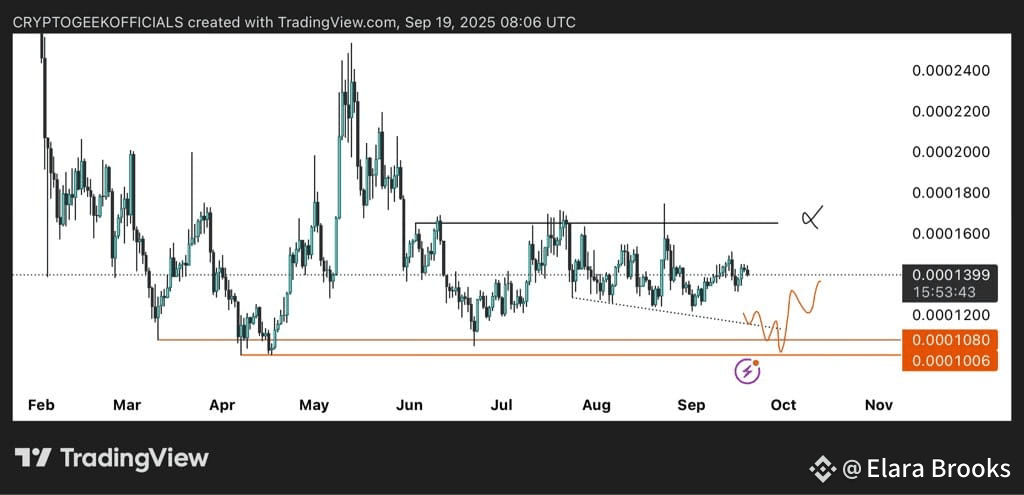
$DOGS actualización ⏳
Vista del gráfico de 1D
Área de soporte marcada con alertas en su lugar
#Write2Earn
$DOGS actualización ⏳
Vista del gráfico de 1D
Área de soporte marcada con alertas en su lugar
#Write2Earn
Vista del gráfico de 1D
Área de soporte marcada con alertas en su lugar
#Write2Earn
2
3
1
274
Inicia sesión para explorar más contenidos
Únete a usuarios de criptomonedas de todo el mundo en Binance Square
⚡️ Obtén la información más reciente y útil sobre criptomonedas.
💬 Confía en el mayor exchange de criptomonedas del mundo.
👍 Descubre opiniones reales de creadores verificados.
Correo electrónico/número de teléfono
Temas en tendencia
FedMinutesFocusOnOctoberPause
384,551 visualizaciones
2,414 participa(n) en el debate
🚨 LA FED ACABA DE DAR UNA GRAN PISTA: ¿PAUSA EN OCTUBRE A LA VISTA?
Wall Street apuesta a que la Fed PISARÁ EL FRENO en octubre. Y los operadores de criptomonedas están muy atentos. 👀
Las últimas actas del FOMC han centrado la atención en una posible pausa en la reunión del 27 y 28 de octubre.
📊 El panorama del mercado:
🔥 Mantener las tasas en octubre: aproximadamente un 82,8 % según las últimas probabilidades publicadas.
🔥 Probabilidad de una subida de tasas: aproximadamente un 17,2 %.
🔥 El debilitamiento del mercado laboral hace más difícil justificar una subida inmediata.
Pero aquí viene el giro.
UNA PAUSA NO ES UN RECORTE DE TASAS.
La Fed podría mantener las tasas en octubre y dejar abierta la posibilidad de volver a endurecer la política monetaria más adelante.
Para $BTC, $ ETH y $XAU, esa diferencia importa.
Una pausa podría aliviar la presión inmediata sobre los activos de riesgo. Pero la inflación persistente y los elevados rendimientos de los bonos del Tesoro aún podrían frenar el impulso alcista.
⚠️ LA GRAN PREGUNTA:
¿Se está posicionando Wall Street ante una ruptura alcista de las criptomonedas o preparando otra enorme trampa alcista antes de la próxima decisión de la Fed?
$BTC $ETH $BNB $SOL $XAU
#fedminutesfocusonoctoberpause #BinanceLaunchesBinanceIntelligence #EvernorthDelaysNasdaqDebutToOct12 #RobinhoodAdds25MInBitcoinToBalanceSheet $25MInBitcoinToBalanceSh #SP500AndNasdaqHitRecordHighs
Carmelita Gilliland zXSW
·9 «Me gusta»
·13.8k visualizaciones
VitalikWarnsAICouldWeakenCryptographySecurity
2,358 visualizaciones
161 participa(n) en el debate
XRPSpotETFsHold$1.7BWeeklyInflowsSlow
427 visualizaciones
25 participa(n) en el debate