

Crypto Saagaa - Official
455 Publicaciones

Crypto Saagaa - Official
Denunciar
Bloquear usuario
I am Crypto Saaga: A Youtube Channel! We are dedicated to bring the most recent most insightful updates that are authentic about crypto on this BINANCE platform
Abrir operación
Trader frecuente
8.8 años
46 Siguiendo
779 Seguidores
618 Me gusta
Publicaciones
Cartera
Todo
Cotizaciones
Vídeos
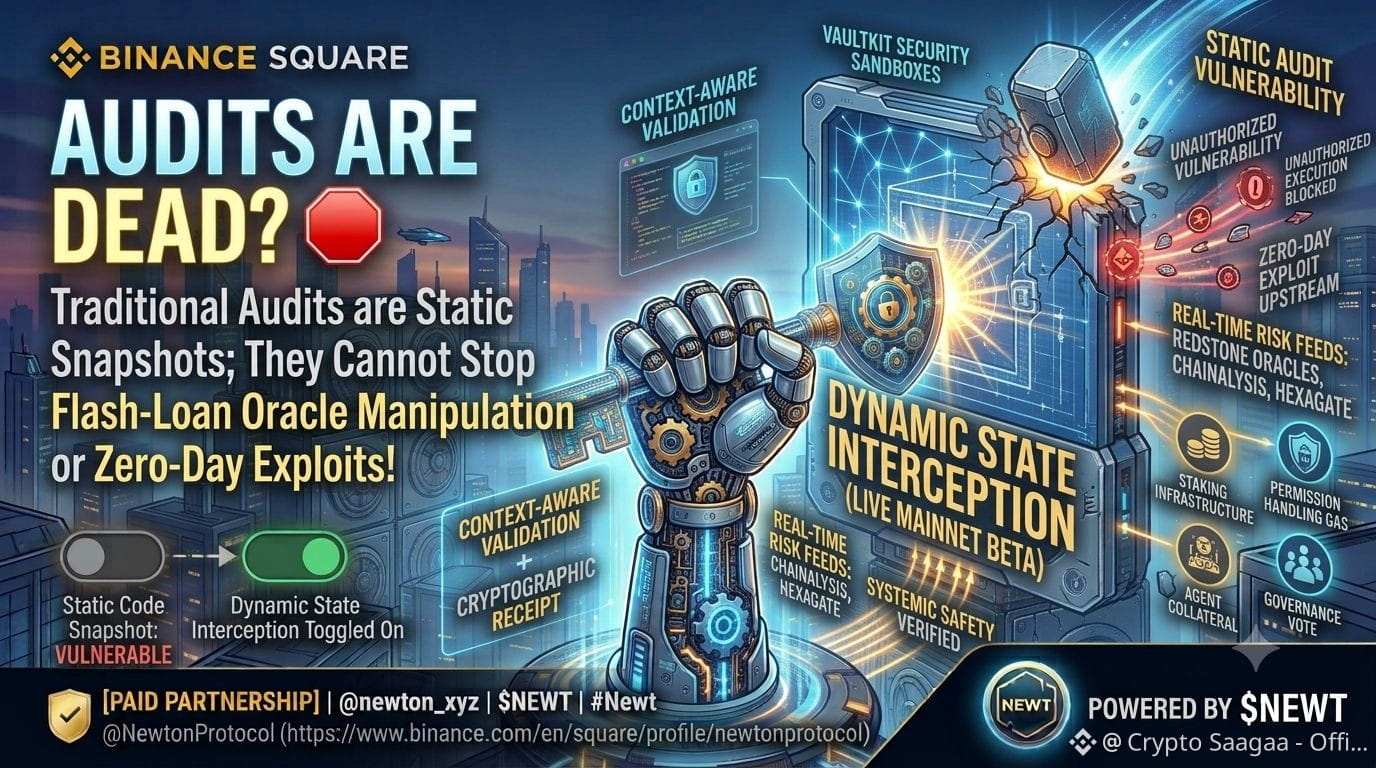
La falla fundamental de las auditorías tradicionales de Web3 es que son completamente estáticas. Una auditoría de alto costo de un contrato inteligente es simplemente una instantánea del código tomada en el vacío. No logra tener en cuenta por completo anomalías económicas dinámicas, manipulaciones de oráculos inducidas por flash-loans, ni exploits de día cero.
La live Newton Mainnet Beta cambia esta dinámica al pasar de reglas de código estáticas a Dynamic State Interception. Al encapsular los activos dentro de sandboxes seguros de VaultKit, el protocolo evalúa el contexto de la transacción en tiempo real antes de que ocurra la ejecución.
Al extraer fuentes de riesgo instantáneo de pilares de infraestructura como RedStone, Chainalysis y Hexagate, el marco verifica la seguridad sistémica dentro de TEEs fuera de la cadena antes de que una transacción pueda alterar el libro mayor. A medida que esta capa proactiva de seguridad escala para proteger bóvedas automatizadas y flujos de trabajo complejos de agentes de IA, la utilidad estructural de $NEWT como token de staking por consenso de la red y de manejo de permisos escala en paralelo. @NewtonProtocol o#Newt
#newt $NEWT
La falla fundamental de las auditorías tradicionales de Web3 es que son completamente estáticas. Una auditoría de alto costo de un contrato inteligente es simplemente una instantánea del código tomada en el vacío. No logra tener en cuenta por completo anomalías económicas dinámicas, manipulaciones de oráculos inducidas por flash-loans, ni exploits de día cero.
La live Newton Mainnet Beta cambia esta dinámica al pasar de reglas de código estáticas a Dynamic State Interception. Al encapsular los activos dentro de sandboxes seguros de VaultKit, el protocolo evalúa el contexto de la transacción en tiempo real antes de que ocurra la ejecución.
Al extraer fuentes de riesgo instantáneo de pilares de infraestructura como RedStone, Chainalysis y Hexagate, el marco verifica la seguridad sistémica dentro de TEEs fuera de la cadena antes de que una transacción pueda alterar el libro mayor. A medida que esta capa proactiva de seguridad escala para proteger bóvedas automatizadas y flujos de trabajo complejos de agentes de IA, la utilidad estructural de $NEWT como token de staking por consenso de la red y de manejo de permisos escala en paralelo. @NewtonProtocol o#Newt
#newt $NEWT
La live Newton Mainnet Beta cambia esta dinámica al pasar de reglas de código estáticas a Dynamic State Interception. Al encapsular los activos dentro de sandboxes seguros de VaultKit, el protocolo evalúa el contexto de la transacción en tiempo real antes de que ocurra la ejecución.
Al extraer fuentes de riesgo instantáneo de pilares de infraestructura como RedStone, Chainalysis y Hexagate, el marco verifica la seguridad sistémica dentro de TEEs fuera de la cadena antes de que una transacción pueda alterar el libro mayor. A medida que esta capa proactiva de seguridad escala para proteger bóvedas automatizadas y flujos de trabajo complejos de agentes de IA, la utilidad estructural de $NEWT como token de staking por consenso de la red y de manejo de permisos escala en paralelo. @NewtonProtocol o#Newt
#newt $NEWT
1
73
Artículo
Intercepción de estado dinámico: por qué las auditorías de contratos inteligentes ya no son suficientes en Web3En el panorama actual de Web3, la prueba definitiva de seguridad siempre ha sido la auditoría de contratos inteligentes de terceros. Los protocolos gastan cientos de miles de dólares para asegurarse de que su bytecode esté libre de fallos lógicos. Sin embargo, con frecuencia vemos bóvedas auditadas, de varios millones de dólares, drenadas en cuestión de bloques.
La falla estructural no es necesariamente la calidad de las auditorías; es su naturaleza estática. Una auditoría es una instantánea del código en un vacío. No puede predecir anomalías económicas dinámicas, manipulaciones de oráculos inducidas por préstamos relámpago, ni comportamientos erráticos del mempool por parte de capital de alta velocidad.
Intercepción de estado dinámico: por qué las auditorías de contratos inteligentes ya no son suficientes en Web3
En el panorama actual de Web3, la prueba definitiva de seguridad siempre ha sido la auditoría de contratos inteligentes de terceros. Los protocolos gastan cientos de miles de dólares para asegurarse de que su bytecode esté libre de fallos lógicos. Sin embargo, con frecuencia vemos bóvedas auditadas, de varios millones de dólares, drenadas en cuestión de bloques.
La falla estructural no es necesariamente la calidad de las auditorías; es su naturaleza estática. Una auditoría es una instantánea del código en un vacío. No puede predecir anomalías económicas dinámicas, manipulaciones de oráculos inducidas por préstamos relámpago, ni comportamientos erráticos del mempool por parte de capital de alta velocidad.
La falla estructural no es necesariamente la calidad de las auditorías; es su naturaleza estática. Una auditoría es una instantánea del código en un vacío. No puede predecir anomalías económicas dinámicas, manipulaciones de oráculos inducidas por préstamos relámpago, ni comportamientos erráticos del mempool por parte de capital de alta velocidad.
1
88
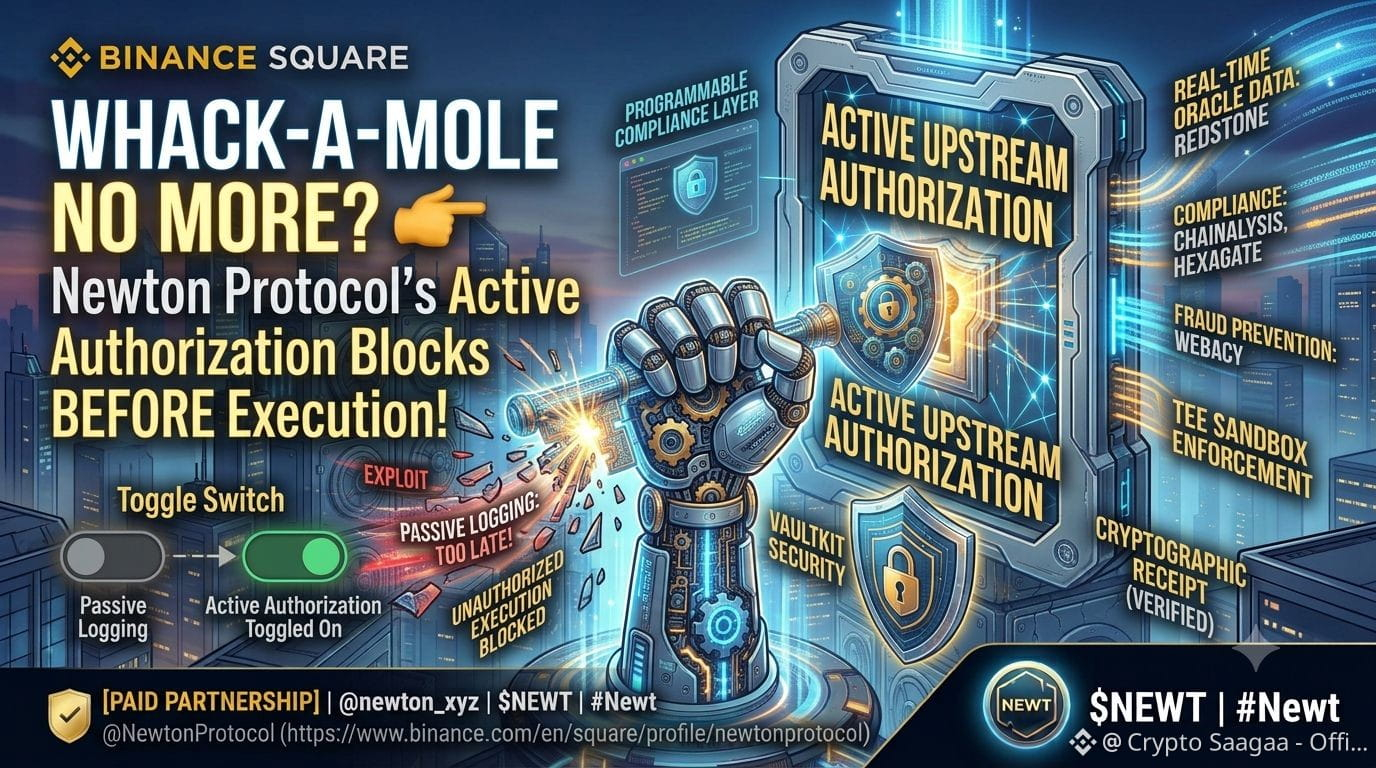
La verdadera razón por la que la seguridad en DeFi se siente como un juego interminable de golpear al topo no es el código de contratos inteligentes — es la realidad del registro pasivo. Ahora mismo, la infraestructura te dice cómo fuiste explotado después de que el capital ya se ha ido.
La Beta en vivo de Newton Mainnet invierte por completo esta secuencia. Al establecer una capa de restricción aguas arriba usando TEE, @NewtonProtocol l cambia el paradigma de la auditoría pasiva a la autorización activa en el momento de la transacción.
Con VaultKit controlando activamente el riesgo al extraer feeds de condiciones en tiempo real de socios como RedStone, los protocolos por fin pueden bloquear la ejecución no autorizada antes de que llegue al libro mayor. A medida que estos entornos seguros tipo sandbox escalan para manejar bóvedas institucionales y flujos de trabajo automatizados de agentes de IA, la utilidad estructural de $NEWT as como token de coordinación y permisos escala en paralelo. #Newt
#newt $NEWT
La verdadera razón por la que la seguridad en DeFi se siente como un juego interminable de golpear al topo no es el código de contratos inteligentes — es la realidad del registro pasivo. Ahora mismo, la infraestructura te dice cómo fuiste explotado después de que el capital ya se ha ido.
La Beta en vivo de Newton Mainnet invierte por completo esta secuencia. Al establecer una capa de restricción aguas arriba usando TEE, @NewtonProtocol l cambia el paradigma de la auditoría pasiva a la autorización activa en el momento de la transacción.
Con VaultKit controlando activamente el riesgo al extraer feeds de condiciones en tiempo real de socios como RedStone, los protocolos por fin pueden bloquear la ejecución no autorizada antes de que llegue al libro mayor. A medida que estos entornos seguros tipo sandbox escalan para manejar bóvedas institucionales y flujos de trabajo automatizados de agentes de IA, la utilidad estructural de $NEWT as como token de coordinación y permisos escala en paralelo. #Newt
#newt $NEWT
La Beta en vivo de Newton Mainnet invierte por completo esta secuencia. Al establecer una capa de restricción aguas arriba usando TEE, @NewtonProtocol l cambia el paradigma de la auditoría pasiva a la autorización activa en el momento de la transacción.
Con VaultKit controlando activamente el riesgo al extraer feeds de condiciones en tiempo real de socios como RedStone, los protocolos por fin pueden bloquear la ejecución no autorizada antes de que llegue al libro mayor. A medida que estos entornos seguros tipo sandbox escalan para manejar bóvedas institucionales y flujos de trabajo automatizados de agentes de IA, la utilidad estructural de $NEWT as como token de coordinación y permisos escala en paralelo. #Newt
#newt $NEWT
55
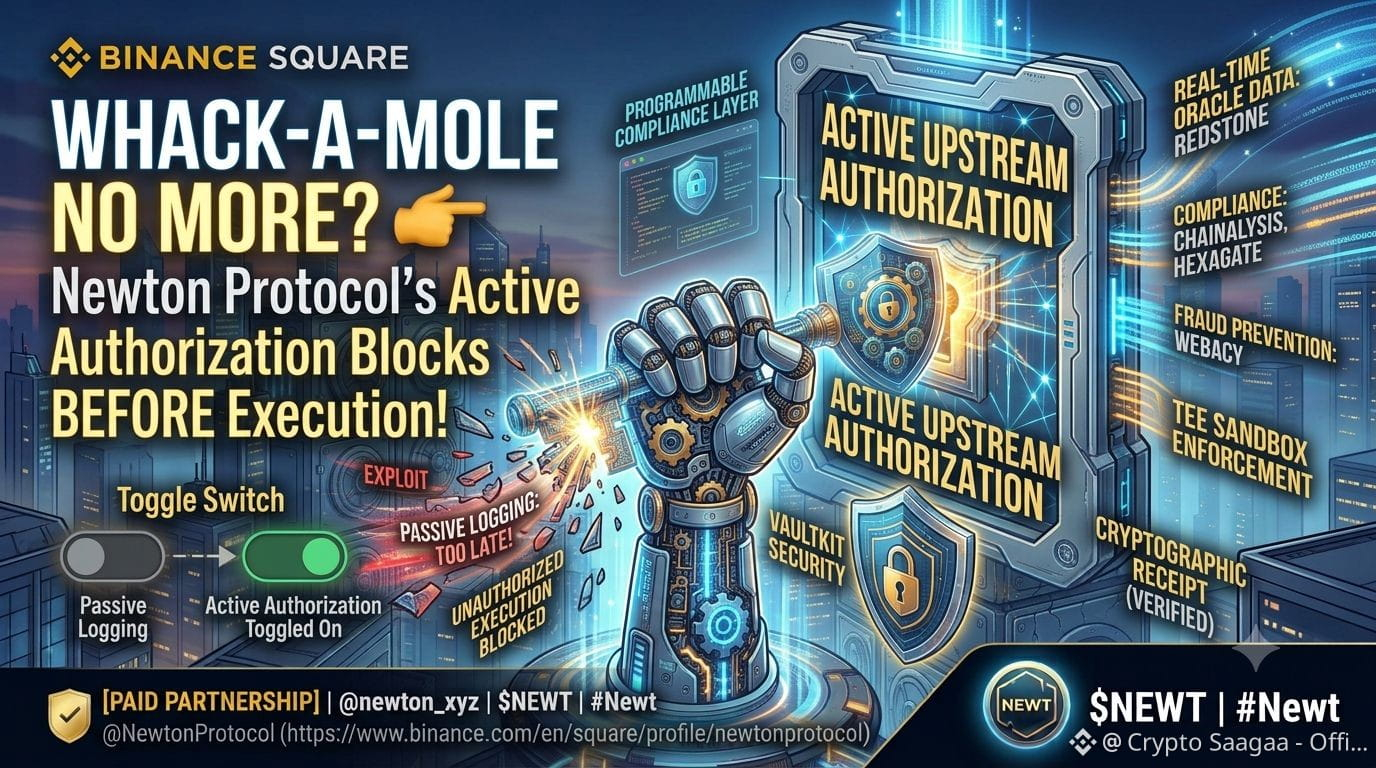
La razón real por la que la seguridad en DeFi se siente como un juego interminable de golpear al topo no es que el código inteligente sea “malo”—es la realidad del registro pasivo. Ahora mismo, la infraestructura te dice cómo te explotaron después de que el capital ya se ha ido.
La Newton Mainnet Beta en vivo invierte completamente esta secuencia. Al establecer una capa de restricciones aguas arriba usando TEEs, @NewtonProtocol cambia el paradigma de la auditoría pasiva a la autorización activa, en el momento de la transacción.
Con VaultKit controlando activamente el riesgo al extraer feeds de condiciones en tiempo real de socios como RedStone, los protocolos por fin pueden bloquear ejecuciones no autorizadas antes de que llegue al libro mayor.
A medida que estos sandboxes seguros escalan para gestionar bóvedas institucionales y flujos de trabajo automatizados de agentes de IA, la utilidad estructural de $NEWT como token de coordinación y permisos escala a la par. #Newt
La razón real por la que la seguridad en DeFi se siente como un juego interminable de golpear al topo no es que el código inteligente sea “malo”—es la realidad del registro pasivo. Ahora mismo, la infraestructura te dice cómo te explotaron después de que el capital ya se ha ido.
La Newton Mainnet Beta en vivo invierte completamente esta secuencia. Al establecer una capa de restricciones aguas arriba usando TEEs, @NewtonProtocol cambia el paradigma de la auditoría pasiva a la autorización activa, en el momento de la transacción.
Con VaultKit controlando activamente el riesgo al extraer feeds de condiciones en tiempo real de socios como RedStone, los protocolos por fin pueden bloquear ejecuciones no autorizadas antes de que llegue al libro mayor.
A medida que estos sandboxes seguros escalan para gestionar bóvedas institucionales y flujos de trabajo automatizados de agentes de IA, la utilidad estructural de $NEWT como token de coordinación y permisos escala a la par. #Newt
La Newton Mainnet Beta en vivo invierte completamente esta secuencia. Al establecer una capa de restricciones aguas arriba usando TEEs, @NewtonProtocol cambia el paradigma de la auditoría pasiva a la autorización activa, en el momento de la transacción.
Con VaultKit controlando activamente el riesgo al extraer feeds de condiciones en tiempo real de socios como RedStone, los protocolos por fin pueden bloquear ejecuciones no autorizadas antes de que llegue al libro mayor.
A medida que estos sandboxes seguros escalan para gestionar bóvedas institucionales y flujos de trabajo automatizados de agentes de IA, la utilidad estructural de $NEWT como token de coordinación y permisos escala a la par. #Newt
2
81
Artículo
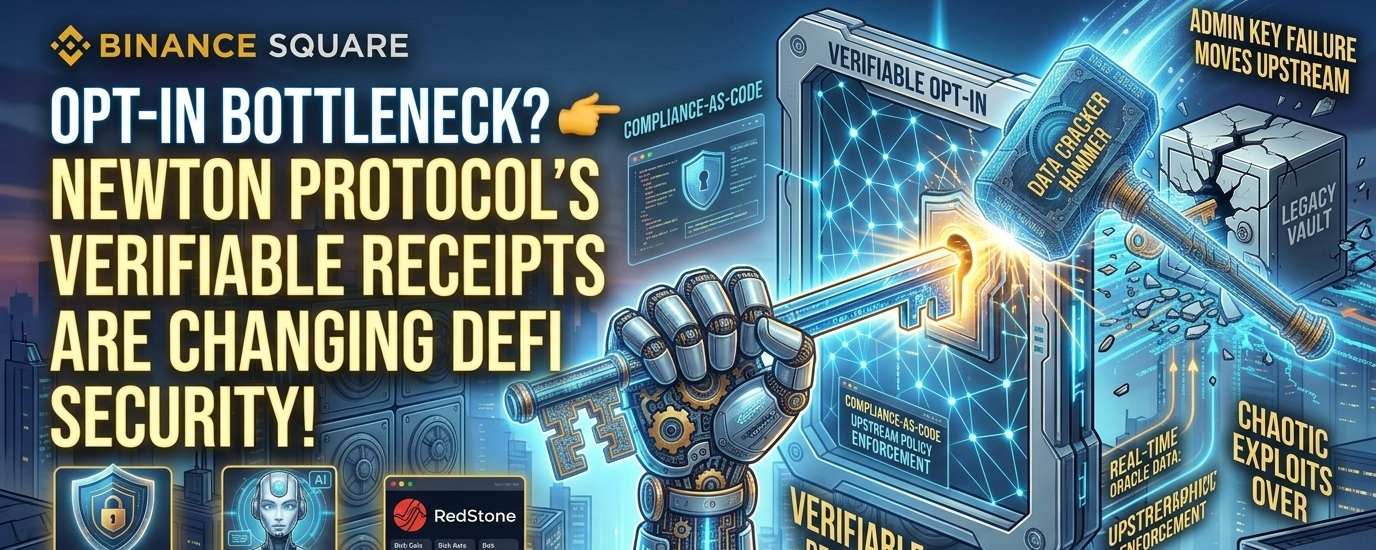
Más allá del libro de seguridad: la arquitectura de la restricción en Newton Mainnet BetaCuando las plataformas de infraestructura hablan de seguridad, casi siempre recurren por defecto a hablar de cifrado, código auditable o configuraciones de multisig. Si bien estas primitivas son esenciales, todas operan bajo un supuesto compartido y defectuoso: que el papel de un smart contract es estrictamente ejecutar una transacción una vez que se conceden los permisos. Tratan la seguridad como un candado en la puerta, pero no ofrecen nada para gobernar el comportamiento una vez que un usuario o un sistema autónomo está dentro de la sala.
La llegada de la Newton Mainnet Beta en Base y Ethereum marca una clara ruptura con este modo de pensar. Al desarrollar lo que puede describirse como una "Constraint Layer" modular, @NewtonProtocol no están creando una nueva blockchain para competir en velocidad de ejecución. En cambio, están enviando un marco de políticas upstream que redefine la relación entre la ejecución de código y los límites operativos.
Más allá del libro de seguridad: la arquitectura de la restricción en Newton Mainnet Beta
Cuando las plataformas de infraestructura hablan de seguridad, casi siempre recurren por defecto a hablar de cifrado, código auditable o configuraciones de multisig. Si bien estas primitivas son esenciales, todas operan bajo un supuesto compartido y defectuoso: que el papel de un smart contract es estrictamente ejecutar una transacción una vez que se conceden los permisos. Tratan la seguridad como un candado en la puerta, pero no ofrecen nada para gobernar el comportamiento una vez que un usuario o un sistema autónomo está dentro de la sala.
La llegada de la Newton Mainnet Beta en Base y Ethereum marca una clara ruptura con este modo de pensar. Al desarrollar lo que puede describirse como una "Constraint Layer" modular, @NewtonProtocol no están creando una nueva blockchain para competir en velocidad de ejecución. En cambio, están enviando un marco de políticas upstream que redefine la relación entre la ejecución de código y los límites operativos.
La llegada de la Newton Mainnet Beta en Base y Ethereum marca una clara ruptura con este modo de pensar. Al desarrollar lo que puede describirse como una "Constraint Layer" modular, @NewtonProtocol no están creando una nueva blockchain para competir en velocidad de ejecución. En cambio, están enviando un marco de políticas upstream que redefine la relación entre la ejecución de código y los límites operativos.
1
86
Artículo
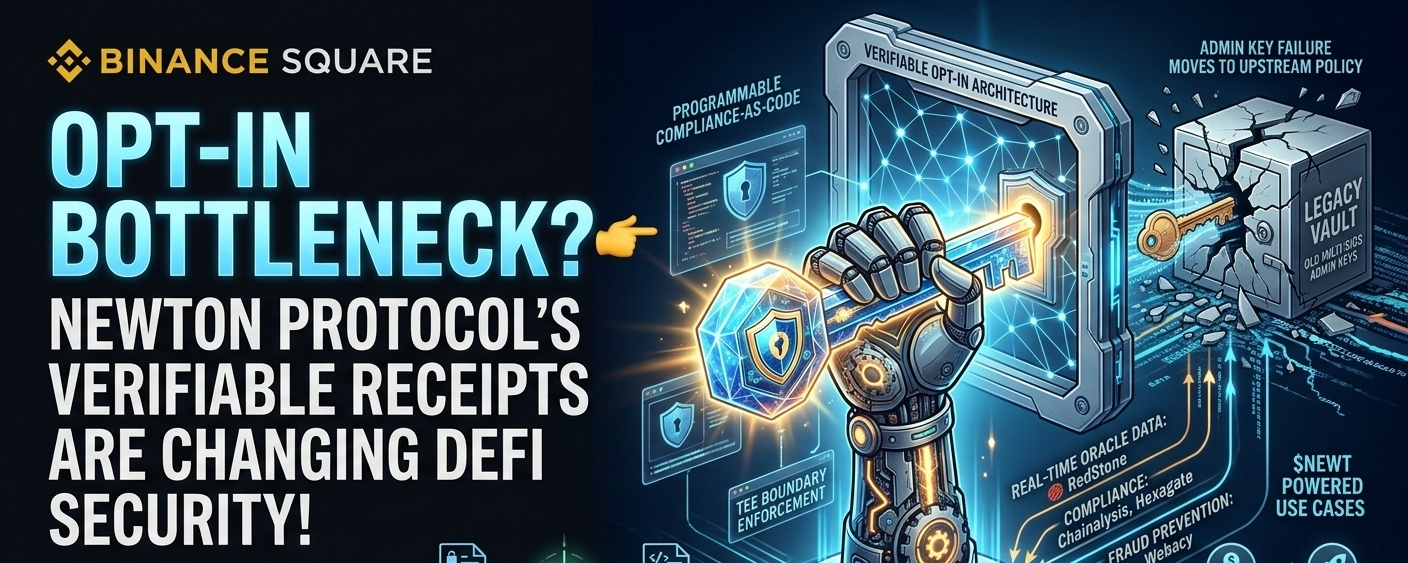
La realidad estructural detrás de Newton Mainnet Beta y VaultKitCuando un gran proyecto de infraestructura llega a su mainnet, la comunidad cripto suele esperar un interruptor mágico: una migración inmediata y a nivel de todo el ecosistema hacia un paradigma más seguro. Sin embargo, la utilidad real de la infraestructura descentralizada no reside en la aplicación automatizada de forma general, sino en su granularidad.
Con el lanzamiento reciente de Newton Mainnet Beta en Ethereum y Base, los despliegues de su herramienta de desarrolladores característica—Newton VaultKit—revelan una arquitectura que aborda un punto ciego estructural de DeFi: la transición de la "seguridad basada en la esperanza" hacia un cumplimiento activo y programable como código.
La realidad estructural detrás de Newton Mainnet Beta y VaultKit
Cuando un gran proyecto de infraestructura llega a su mainnet, la comunidad cripto suele esperar un interruptor mágico: una migración inmediata y a nivel de todo el ecosistema hacia un paradigma más seguro. Sin embargo, la utilidad real de la infraestructura descentralizada no reside en la aplicación automatizada de forma general, sino en su granularidad.
Con el lanzamiento reciente de Newton Mainnet Beta en Ethereum y Base, los despliegues de su herramienta de desarrolladores característica—Newton VaultKit—revelan una arquitectura que aborda un punto ciego estructural de DeFi: la transición de la "seguridad basada en la esperanza" hacia un cumplimiento activo y programable como código.
Con el lanzamiento reciente de Newton Mainnet Beta en Ethereum y Base, los despliegues de su herramienta de desarrolladores característica—Newton VaultKit—revelan una arquitectura que aborda un punto ciego estructural de DeFi: la transición de la "seguridad basada en la esperanza" hacia un cumplimiento activo y programable como código.
132
Artículo
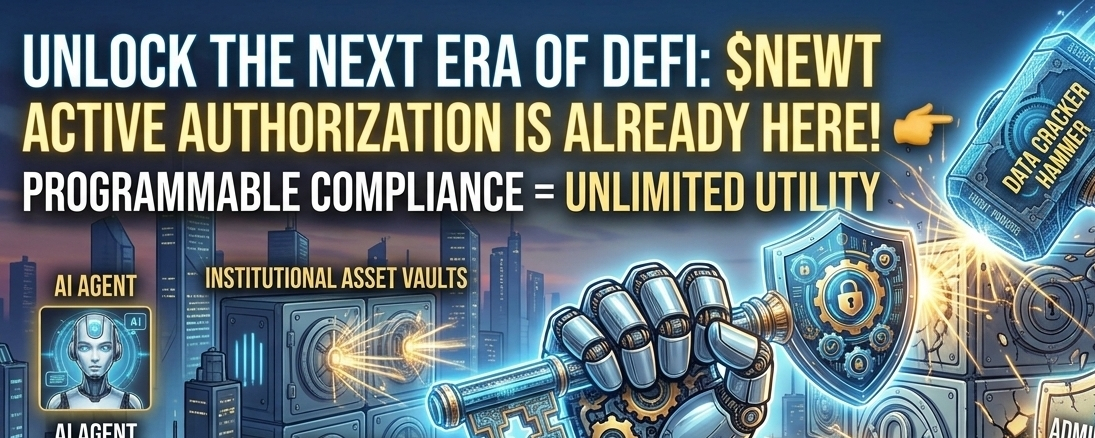
Por qué Newton Mainnet Beta explora una «capa de restricciones» on-chainLa mayoría de los debates sobre actualizaciones de infraestructura se centran por completo en la velocidad de ejecución, la optimización de gas o el puente de liquidez entre cadenas. Aunque estos parámetros son vitales, ignoran un problema arquitectónico fundamental que ha aquejado a las finanzas descentralizadas desde el primer día: la ausencia total de una capa activa de autorización on-chain.
Actualmente, cuando un capital interactúa con un contrato inteligente, el sistema asume permisos completos a menos que se detenga explícitamente mediante una regla codificada o una clave administrativa manual. Si una clave de administrador se ve comprometida, o un agente autónomo muestra una lógica errática, la transacción igualmente se confirma. Este es el vacío estructural que @NewtonProtocol pretende resolver mediante su recién implementada Newton Mainnet Beta.
Por qué Newton Mainnet Beta explora una «capa de restricciones» on-chain
La mayoría de los debates sobre actualizaciones de infraestructura se centran por completo en la velocidad de ejecución, la optimización de gas o el puente de liquidez entre cadenas. Aunque estos parámetros son vitales, ignoran un problema arquitectónico fundamental que ha aquejado a las finanzas descentralizadas desde el primer día: la ausencia total de una capa activa de autorización on-chain.
Actualmente, cuando un capital interactúa con un contrato inteligente, el sistema asume permisos completos a menos que se detenga explícitamente mediante una regla codificada o una clave administrativa manual. Si una clave de administrador se ve comprometida, o un agente autónomo muestra una lógica errática, la transacción igualmente se confirma. Este es el vacío estructural que @NewtonProtocol pretende resolver mediante su recién implementada Newton Mainnet Beta.
Actualmente, cuando un capital interactúa con un contrato inteligente, el sistema asume permisos completos a menos que se detenga explícitamente mediante una regla codificada o una clave administrativa manual. Si una clave de administrador se ve comprometida, o un agente autónomo muestra una lógica errática, la transacción igualmente se confirma. Este es el vacío estructural que @NewtonProtocol pretende resolver mediante su recién implementada Newton Mainnet Beta.
50
"El intermediario invisible" !!
La infraestructura cripto le encanta debatir la velocidad de ejecución y el rendimiento, pero ¿qué sucede entre la intención del usuario y la liquidación? Ahora mismo, es en gran medida un juego de confianza.
La Vista Previa Beta de la Mainnet de Newton en vivo está introduciendo un motor de políticas descentralizado que, efectivamente, se sitúa aguas arriba de la ejecución. Al envolver la lógica de las transacciones dentro de una "caja de restricciones" verificable mediante Entornos de Ejecución Confiable (TEEs), @NewtonProtocol garantiza que el cumplimiento se ejecute como código, y no como una ocurrencia tardía.
Con los primeros despliegues del SDK VaultKit, que protegen posiciones automatizadas complejas mediante entradas de datos en tiempo real de RedStone, estamos buscando un cambio de arquitectura. La utilidad de la red de $NEWT que impulsa el staking, el colateral y el manejo de permisos en forma de gas convierte este marco en una infraestructura de alto impacto a la que conviene prestar mucha atención.
#newt $NEWT
"El intermediario invisible" !!
La infraestructura cripto le encanta debatir la velocidad de ejecución y el rendimiento, pero ¿qué sucede entre la intención del usuario y la liquidación? Ahora mismo, es en gran medida un juego de confianza.
La Vista Previa Beta de la Mainnet de Newton en vivo está introduciendo un motor de políticas descentralizado que, efectivamente, se sitúa aguas arriba de la ejecución. Al envolver la lógica de las transacciones dentro de una "caja de restricciones" verificable mediante Entornos de Ejecución Confiable (TEEs), @NewtonProtocol garantiza que el cumplimiento se ejecute como código, y no como una ocurrencia tardía.
Con los primeros despliegues del SDK VaultKit, que protegen posiciones automatizadas complejas mediante entradas de datos en tiempo real de RedStone, estamos buscando un cambio de arquitectura. La utilidad de la red de $NEWT que impulsa el staking, el colateral y el manejo de permisos en forma de gas convierte este marco en una infraestructura de alto impacto a la que conviene prestar mucha atención.
#newt $NEWT
La infraestructura cripto le encanta debatir la velocidad de ejecución y el rendimiento, pero ¿qué sucede entre la intención del usuario y la liquidación? Ahora mismo, es en gran medida un juego de confianza.
La Vista Previa Beta de la Mainnet de Newton en vivo está introduciendo un motor de políticas descentralizado que, efectivamente, se sitúa aguas arriba de la ejecución. Al envolver la lógica de las transacciones dentro de una "caja de restricciones" verificable mediante Entornos de Ejecución Confiable (TEEs), @NewtonProtocol garantiza que el cumplimiento se ejecute como código, y no como una ocurrencia tardía.
Con los primeros despliegues del SDK VaultKit, que protegen posiciones automatizadas complejas mediante entradas de datos en tiempo real de RedStone, estamos buscando un cambio de arquitectura. La utilidad de la red de $NEWT que impulsa el staking, el colateral y el manejo de permisos en forma de gas convierte este marco en una infraestructura de alto impacto a la que conviene prestar mucha atención.
#newt $NEWT
1
79
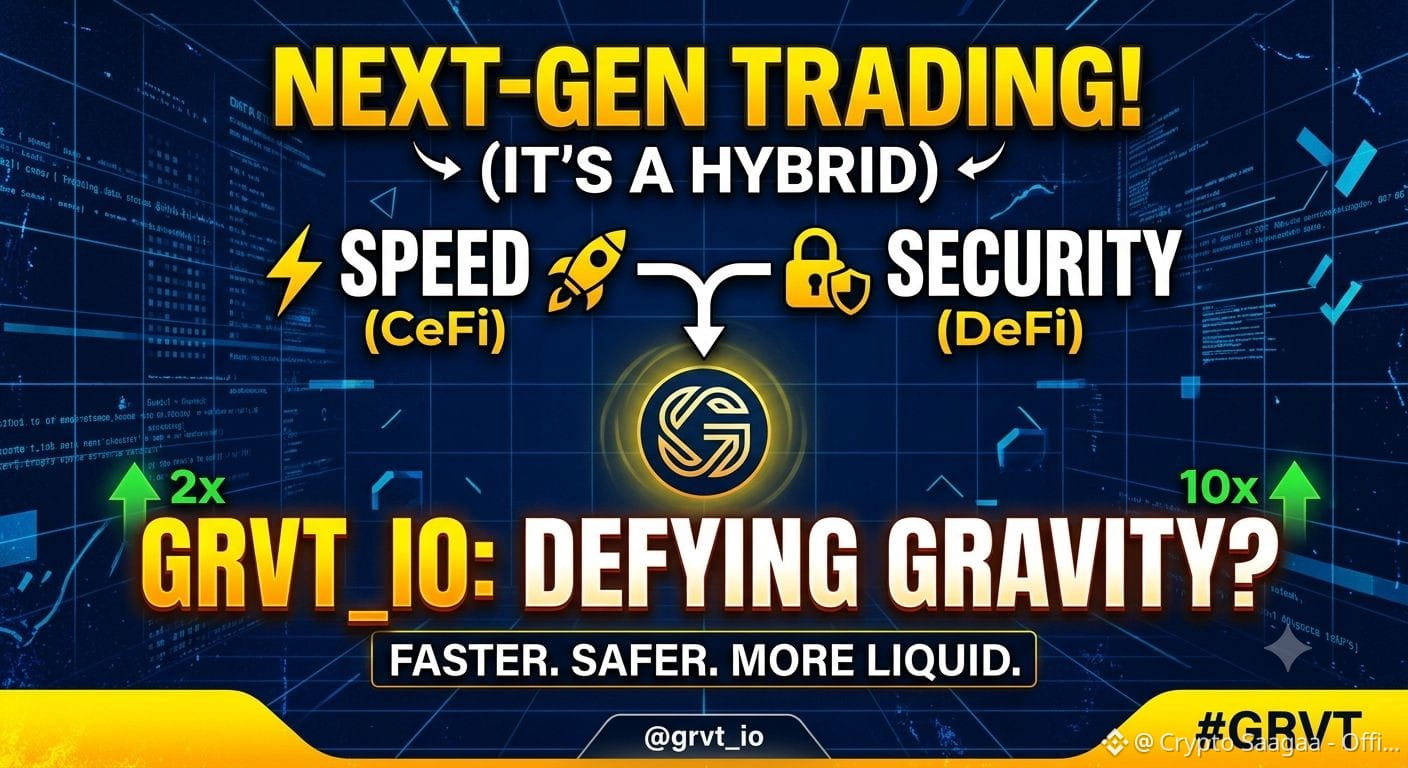
El trading de derivados de criptomonedas está a punto de alcanzar un nuevo nivel de eficiencia.
Manteniendo un ojo de cerca en @grvt_io , ya que redefinen el sector con su modelo de exchange híbrido, combinando lo mejor de la velocidad de CeFi y la seguridad de DeFi.
¡Esperamos ver cómo escalan la liquidez y la experiencia del usuario en los próximos meses!
#grvt
El trading de derivados de criptomonedas está a punto de alcanzar un nuevo nivel de eficiencia.
Manteniendo un ojo de cerca en @grvt_io , ya que redefinen el sector con su modelo de exchange híbrido, combinando lo mejor de la velocidad de CeFi y la seguridad de DeFi.
¡Esperamos ver cómo escalan la liquidez y la experiencia del usuario en los próximos meses!
#grvt
Manteniendo un ojo de cerca en @grvt_io , ya que redefinen el sector con su modelo de exchange híbrido, combinando lo mejor de la velocidad de CeFi y la seguridad de DeFi.
¡Esperamos ver cómo escalan la liquidez y la experiencia del usuario en los próximos meses!
#grvt
65
Artículo
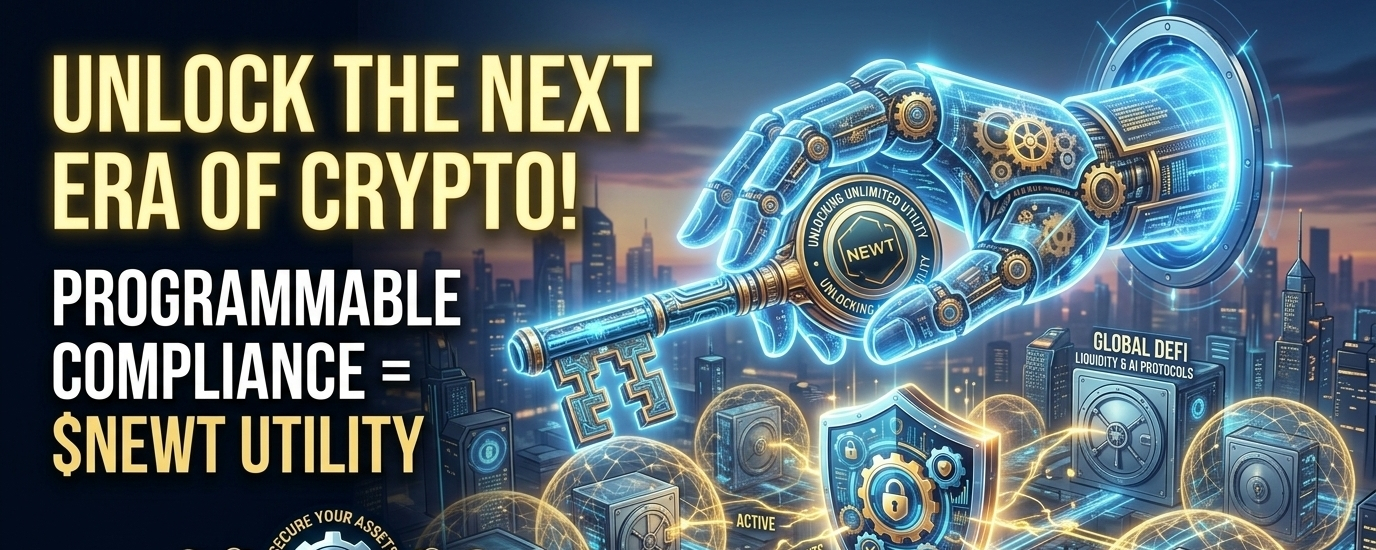
Cambia la secuencia: por qué Newton Mainnet Beta explora una "capa de restricción" en la cadenaLa mayoría de las discusiones sobre actualizaciones de infraestructura se centran por completo en la velocidad de ejecución, la optimización de gas o el puente de liquidez entre cadenas. Aunque son vitales, estos parámetros ignoran un problema fundamental de arquitectura que ha afectado a las finanzas descentralizadas desde el primer día: la ausencia total de una capa activa de autorización en la cadena.
Actualmente, cuando un capital interactúa con un contrato inteligente, el sistema asume un permiso total a menos que se detenga explícitamente mediante una regla codificada o una clave administrativa manual. Si se compromete una clave de administrador o un agente autónomo presenta una lógica errática, la transacción se procesa igualmente. Este es el vacío estructural que
Cambia la secuencia: por qué Newton Mainnet Beta explora una "capa de restricción" en la cadena
La mayoría de las discusiones sobre actualizaciones de infraestructura se centran por completo en la velocidad de ejecución, la optimización de gas o el puente de liquidez entre cadenas. Aunque son vitales, estos parámetros ignoran un problema fundamental de arquitectura que ha afectado a las finanzas descentralizadas desde el primer día: la ausencia total de una capa activa de autorización en la cadena.
Actualmente, cuando un capital interactúa con un contrato inteligente, el sistema asume un permiso total a menos que se detenga explícitamente mediante una regla codificada o una clave administrativa manual. Si se compromete una clave de administrador o un agente autónomo presenta una lógica errática, la transacción se procesa igualmente. Este es el vacío estructural que
Actualmente, cuando un capital interactúa con un contrato inteligente, el sistema asume un permiso total a menos que se detenga explícitamente mediante una regla codificada o una clave administrativa manual. Si se compromete una clave de administrador o un agente autónomo presenta una lógica errática, la transacción se procesa igualmente. Este es el vacío estructural que
11
84
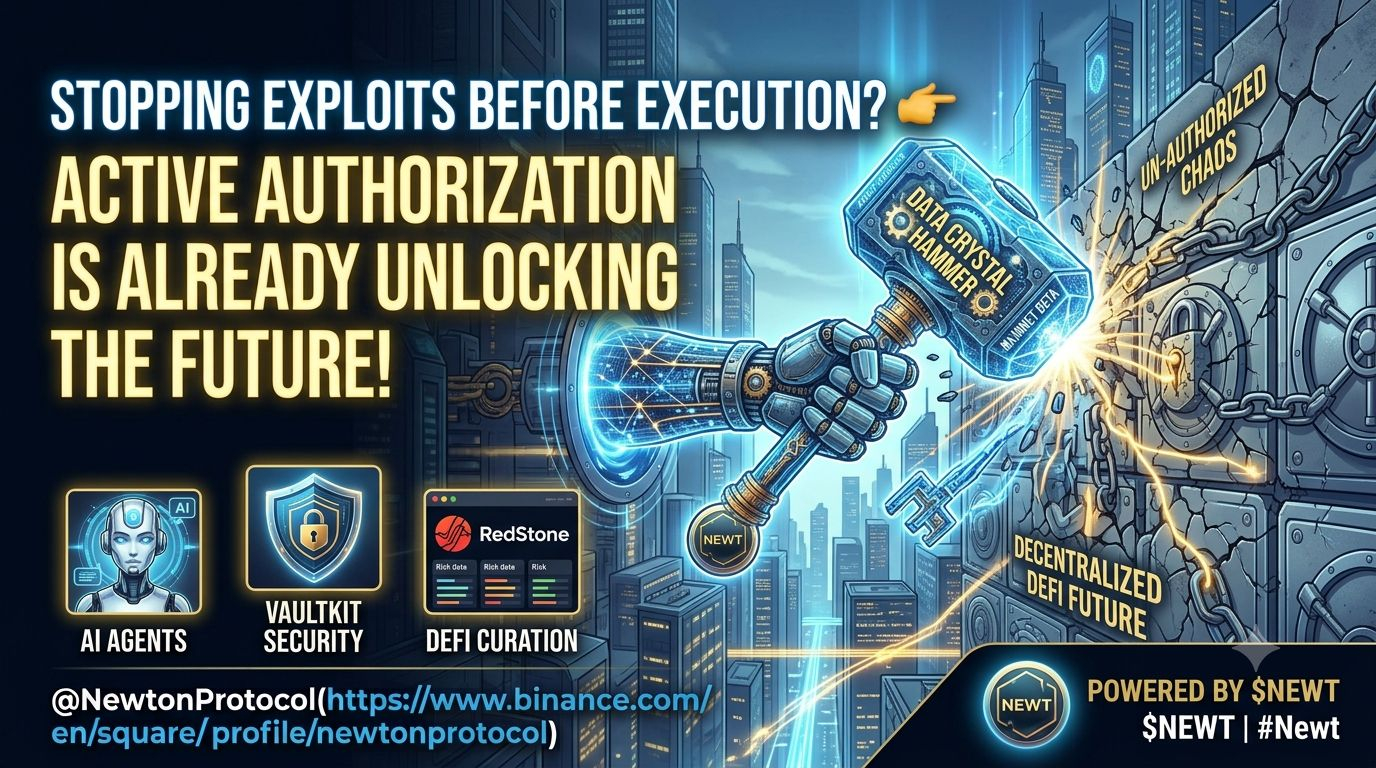
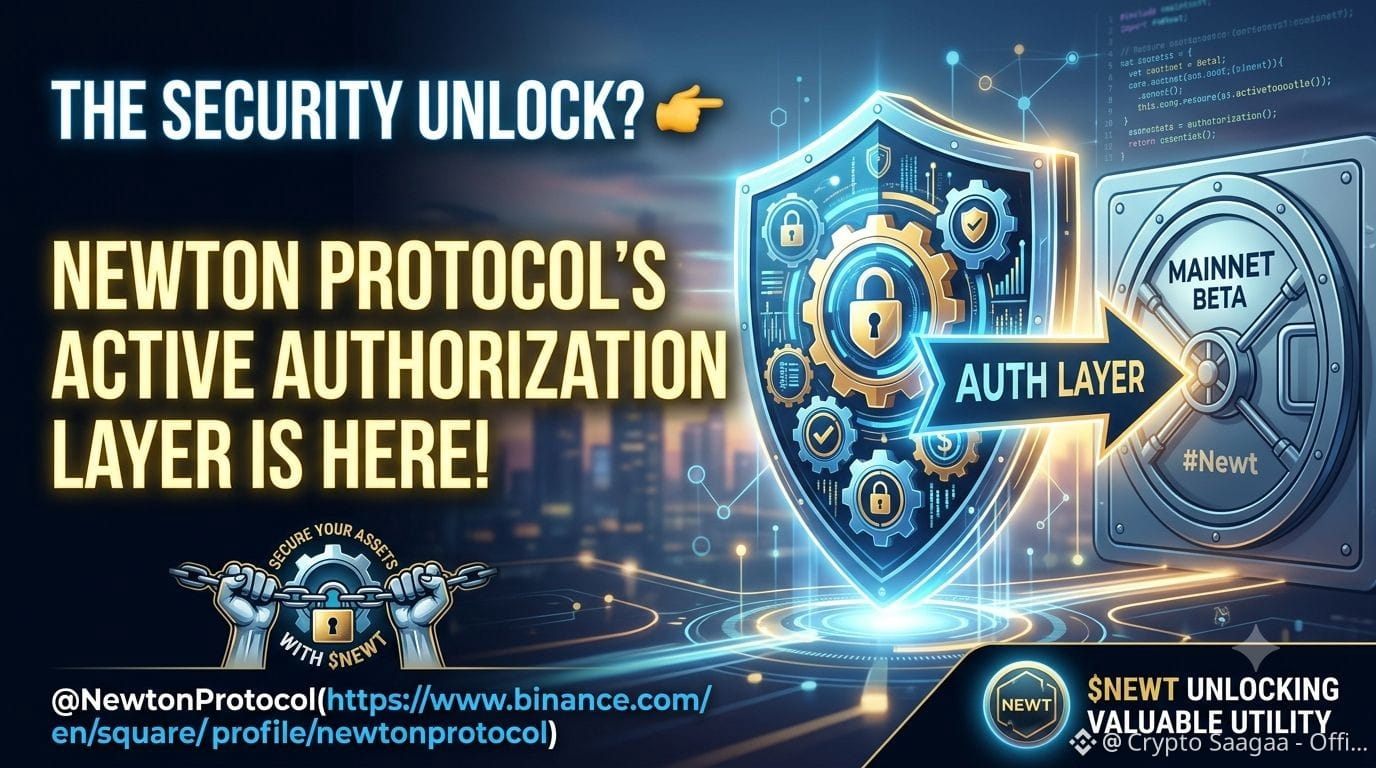
El DeFi tradicional asume que una transacción es completamente permisible hasta que llega a un contrato inteligente, pero @NewtonProtocol(https://www.binance.com/en/square/profile/newtonprotocol) está cambiando fundamentalmente la secuencia.
Con el Newton Mainnet Beta ya en marcha en Base y Ethereum, están introduciendo una capa activa de autorización que evalúa la intención aguas arriba antes de que una transacción se asiente.
Al utilizar Entornos de Ejecución Confiables (TEEs) y herramientas como VaultKit, los creadores por fin pueden implementar cumplimiento programable y verificable como código sin comprometer la descentralización.
Esto da a los desarrolladores control total sobre quién puede actuar, cuándo y bajo qué condiciones exactas. La utilidad del $NEWT token está creciendo mientras asegura este cómputo de red. Entusiasmado por ver cómo escalan las integraciones en los principales centros DeFi. #Newt
#newt $NEWT
El DeFi tradicional asume que una transacción es completamente permisible hasta que llega a un contrato inteligente, pero @NewtonProtocol(https://www.binance.com/en/square/profile/newtonprotocol) está cambiando fundamentalmente la secuencia.
Con el Newton Mainnet Beta ya en marcha en Base y Ethereum, están introduciendo una capa activa de autorización que evalúa la intención aguas arriba antes de que una transacción se asiente.
Al utilizar Entornos de Ejecución Confiables (TEEs) y herramientas como VaultKit, los creadores por fin pueden implementar cumplimiento programable y verificable como código sin comprometer la descentralización.
Esto da a los desarrolladores control total sobre quién puede actuar, cuándo y bajo qué condiciones exactas. La utilidad del $NEWT token está creciendo mientras asegura este cómputo de red. Entusiasmado por ver cómo escalan las integraciones en los principales centros DeFi. #Newt
#newt $NEWT
Con el Newton Mainnet Beta ya en marcha en Base y Ethereum, están introduciendo una capa activa de autorización que evalúa la intención aguas arriba antes de que una transacción se asiente.
Al utilizar Entornos de Ejecución Confiables (TEEs) y herramientas como VaultKit, los creadores por fin pueden implementar cumplimiento programable y verificable como código sin comprometer la descentralización.
Esto da a los desarrolladores control total sobre quién puede actuar, cuándo y bajo qué condiciones exactas. La utilidad del $NEWT token está creciendo mientras asegura este cómputo de red. Entusiasmado por ver cómo escalan las integraciones en los principales centros DeFi. #Newt
#newt $NEWT
16
5
104
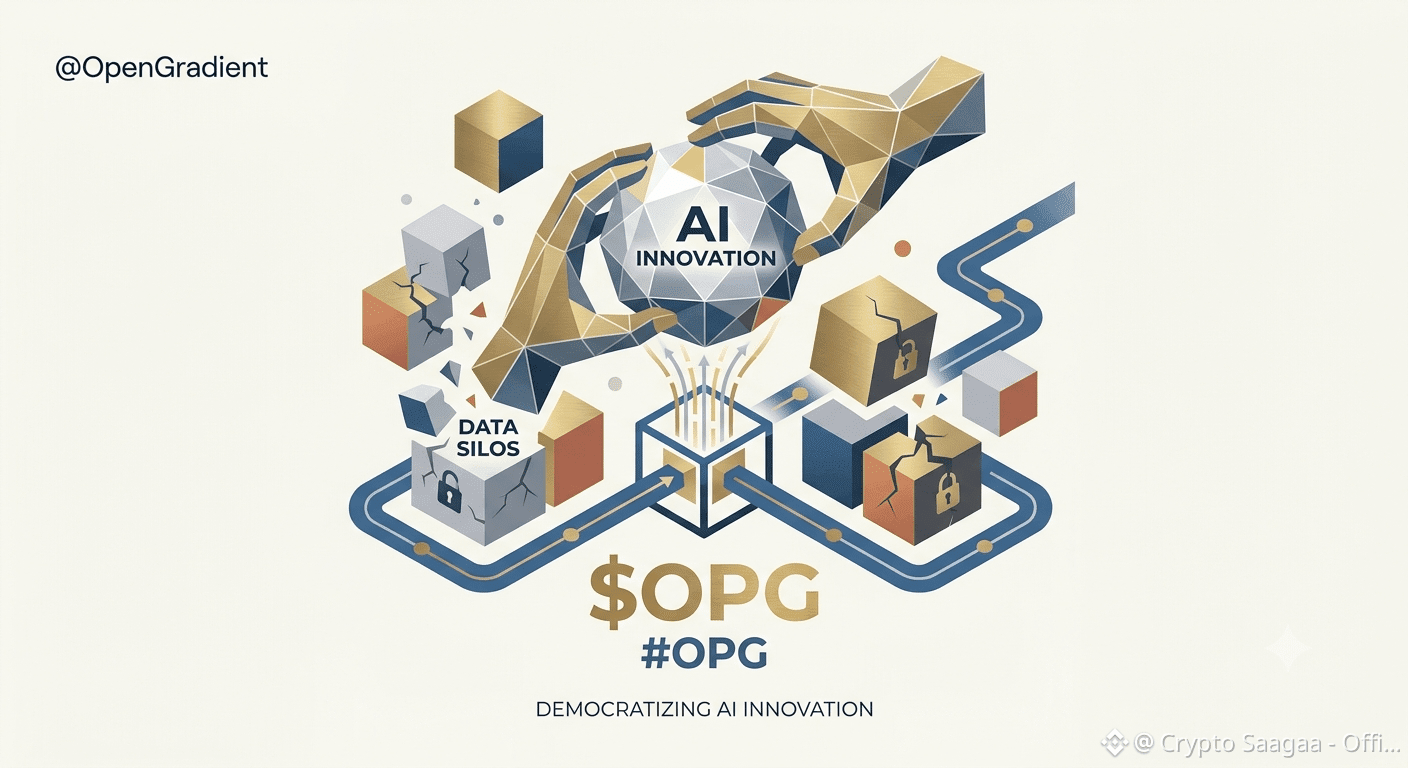
El desarrollo de la IA está topándose con un muro y ese muro son los silos de datos. 🛑 Aunque los desarrolladores tienen algoritmos increíbles, acceder a conjuntos de datos de calidad y diversos suele estar bloqueado por sistemas propietarios cerrados o por enormes riesgos de privacidad. Esto centraliza el poder en manos de unos pocos gigantes tecnológicos.
$OPG está hecho para derribar estos muros y democratizar la innovación en IA.
La red ofrece una infraestructura verificable y que preserva la privacidad, donde los datos pueden fluir de forma segura, permitiendo que los modelos aprendan sin comprometer la privacidad de los usuarios.
Al desbloquear estos ecosistemas de datos antes cerrados, @OpenGradient está habilitando una nueva generación de modelos de IA realmente especializados y de alto rendimiento, desde la medicina de precisión hasta las finanzas descentralizadas.
Estamos presenciando el amanecer de una IA real, de código abierto. 🌍
#OPG $OPG
El desarrollo de la IA está topándose con un muro y ese muro son los silos de datos. 🛑 Aunque los desarrolladores tienen algoritmos increíbles, acceder a conjuntos de datos de calidad y diversos suele estar bloqueado por sistemas propietarios cerrados o por enormes riesgos de privacidad. Esto centraliza el poder en manos de unos pocos gigantes tecnológicos.
$OPG está hecho para derribar estos muros y democratizar la innovación en IA.
La red ofrece una infraestructura verificable y que preserva la privacidad, donde los datos pueden fluir de forma segura, permitiendo que los modelos aprendan sin comprometer la privacidad de los usuarios.
Al desbloquear estos ecosistemas de datos antes cerrados, @OpenGradient está habilitando una nueva generación de modelos de IA realmente especializados y de alto rendimiento, desde la medicina de precisión hasta las finanzas descentralizadas.
Estamos presenciando el amanecer de una IA real, de código abierto. 🌍
#OPG $OPG
$OPG está hecho para derribar estos muros y democratizar la innovación en IA.
La red ofrece una infraestructura verificable y que preserva la privacidad, donde los datos pueden fluir de forma segura, permitiendo que los modelos aprendan sin comprometer la privacidad de los usuarios.
Al desbloquear estos ecosistemas de datos antes cerrados, @OpenGradient está habilitando una nueva generación de modelos de IA realmente especializados y de alto rendimiento, desde la medicina de precisión hasta las finanzas descentralizadas.
Estamos presenciando el amanecer de una IA real, de código abierto. 🌍
#OPG $OPG
6
93
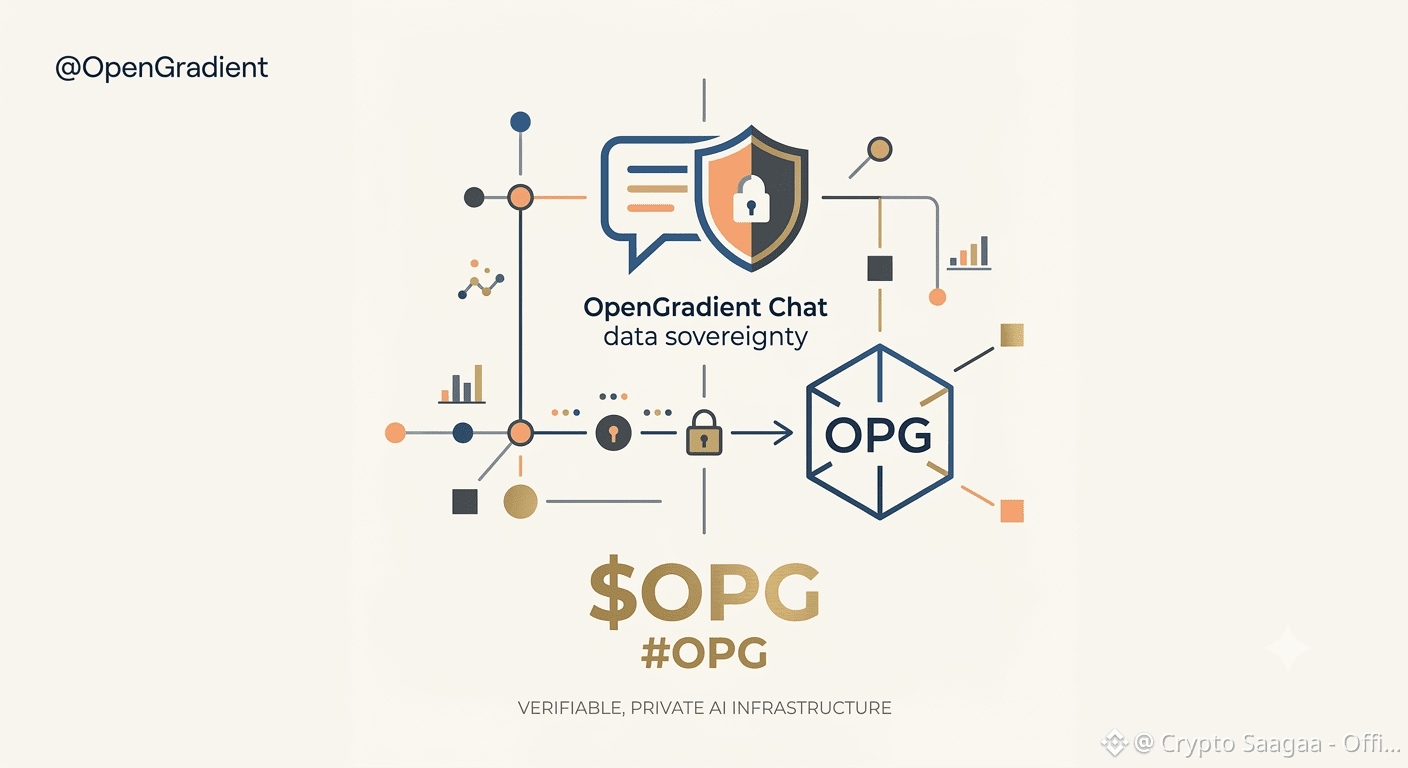
La IA se ha integrado rápidamente en nuestras rutinas diarias, pero las herramientas estándar tienen un gran inconveniente: de manera habitual cedemos nuestros datos personales y el historial de búsqueda a cambio de comodidad.
Por eso, la arquitectura que hay detrás de @OpenGradient t es un avance tan importante. Con OpenGradient Chat, no tienes que elegir entre capacidades avanzadas de IA y privacidad absoluta. Al incorporar una estructura descentralizada impulsada por Entornos de Ejecución Confiable (TEEs) y cifrado local, garantiza que tus indicaciones y tus datos permanezcan completamente seguros y totalmente desvinculados de tu identidad. Es un gran paso hacia una verdadera soberanía de datos en Web3. Manteniendo una atención constante en $OPG mientras lideran el avance hacia una infraestructura de IA verificable y privada.
#OPG
#opg $OPG
La IA se ha integrado rápidamente en nuestras rutinas diarias, pero las herramientas estándar tienen un gran inconveniente: de manera habitual cedemos nuestros datos personales y el historial de búsqueda a cambio de comodidad.
Por eso, la arquitectura que hay detrás de @OpenGradient t es un avance tan importante. Con OpenGradient Chat, no tienes que elegir entre capacidades avanzadas de IA y privacidad absoluta. Al incorporar una estructura descentralizada impulsada por Entornos de Ejecución Confiable (TEEs) y cifrado local, garantiza que tus indicaciones y tus datos permanezcan completamente seguros y totalmente desvinculados de tu identidad. Es un gran paso hacia una verdadera soberanía de datos en Web3. Manteniendo una atención constante en $OPG mientras lideran el avance hacia una infraestructura de IA verificable y privada.
#OPG
#opg $OPG
Por eso, la arquitectura que hay detrás de @OpenGradient t es un avance tan importante. Con OpenGradient Chat, no tienes que elegir entre capacidades avanzadas de IA y privacidad absoluta. Al incorporar una estructura descentralizada impulsada por Entornos de Ejecución Confiable (TEEs) y cifrado local, garantiza que tus indicaciones y tus datos permanezcan completamente seguros y totalmente desvinculados de tu identidad. Es un gran paso hacia una verdadera soberanía de datos en Web3. Manteniendo una atención constante en $OPG mientras lideran el avance hacia una infraestructura de IA verificable y privada.
#OPG
#opg $OPG
7
1
101
¡Opinión impopular!! 👇
El mayor retorno de inversión es un negocio real que construyes.
¡No hay ningún otro vehículo de inversión, acciones, ponzi o cripto!
#bitcoin #CrudeFuturesSink #STRCBelowParSlowsStrategyBTCBuys
¡Opinión impopular!! 👇
El mayor retorno de inversión es un negocio real que construyes.
¡No hay ningún otro vehículo de inversión, acciones, ponzi o cripto!
#bitcoin #CrudeFuturesSink #STRCBelowParSlowsStrategyBTCBuys
El mayor retorno de inversión es un negocio real que construyes.
¡No hay ningún otro vehículo de inversión, acciones, ponzi o cripto!
#bitcoin #CrudeFuturesSink #STRCBelowParSlowsStrategyBTCBuys
27
¿Cuál es el mejor consejo o lección que has encontrado en cripto y que te hizo ganar más dinero que cualquier otro?
¿Cuál es el mejor consejo o lección que has encontrado en cripto y que te hizo ganar más dinero que cualquier otro?
79
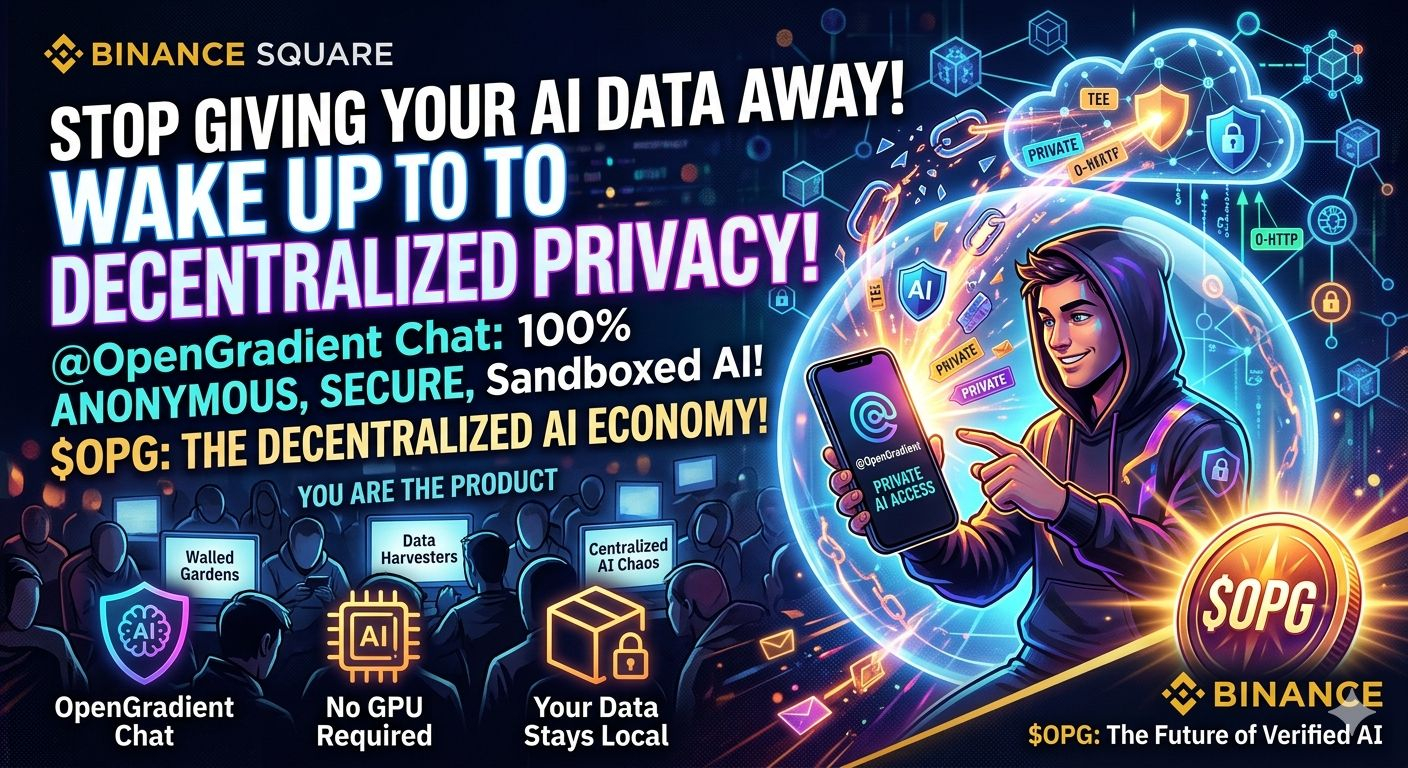
¿Alguna vez has pensado en cuánta información sensible alimentas a la IA cada día? Pronósticos financieros, preguntas de salud, lógica de codificación—todo se encuentra en servidores centralizados, esperando una brecha.
Por eso el movimiento de IA descentralizada está cambiando de marcha, y @OpenGradient está liderando la carga.
Con OpenGradient Chat, obtienes un escudo completo de privacidad para interacciones de IA. En lugar de vincular tus preguntas nocturnas o datos propietarios a tu identidad del mundo real, OpenGradient utiliza HTTP Oblivioso (RFC 9458) y Entornos de Ejecución Confiables (TEEs). Esto asegura que tus indicaciones estén completamente desacopladas de tu identidad antes de que toquen modelos de frontera como ChatGPT, Claude o Gemini. Además, puedes ejecutar un agente de IA en un entorno aislado localmente en tu dispositivo—sin necesidad de GPU, y tus archivos nunca abandonan tu máquina.
En el núcleo de esta infraestructura está $OPG, que potencia una computación de IA descentralizada y criptográficamente verificable que escala sin sacrificar la privacidad. Al manejar la ejecución fuera de la cadena en nodos GPU y validar las pruebas criptográficas a nivel de consenso, la red resuelve el problema de la "Caja Negra de IA" mientras mantiene velocidades ultrarrápidas de Web2.
Deja de regalar tu huella de datos gratis. Prueba una forma privada y anónima de acceder a IA de primera categoría.
#opg $OPG
¿Alguna vez has pensado en cuánta información sensible alimentas a la IA cada día? Pronósticos financieros, preguntas de salud, lógica de codificación—todo se encuentra en servidores centralizados, esperando una brecha.
Por eso el movimiento de IA descentralizada está cambiando de marcha, y @OpenGradient está liderando la carga.
Con OpenGradient Chat, obtienes un escudo completo de privacidad para interacciones de IA. En lugar de vincular tus preguntas nocturnas o datos propietarios a tu identidad del mundo real, OpenGradient utiliza HTTP Oblivioso (RFC 9458) y Entornos de Ejecución Confiables (TEEs). Esto asegura que tus indicaciones estén completamente desacopladas de tu identidad antes de que toquen modelos de frontera como ChatGPT, Claude o Gemini. Además, puedes ejecutar un agente de IA en un entorno aislado localmente en tu dispositivo—sin necesidad de GPU, y tus archivos nunca abandonan tu máquina.
En el núcleo de esta infraestructura está $OPG , que potencia una computación de IA descentralizada y criptográficamente verificable que escala sin sacrificar la privacidad. Al manejar la ejecución fuera de la cadena en nodos GPU y validar las pruebas criptográficas a nivel de consenso, la red resuelve el problema de la "Caja Negra de IA" mientras mantiene velocidades ultrarrápidas de Web2.
Deja de regalar tu huella de datos gratis. Prueba una forma privada y anónima de acceder a IA de primera categoría.
#opg $OPG
Por eso el movimiento de IA descentralizada está cambiando de marcha, y @OpenGradient está liderando la carga.
Con OpenGradient Chat, obtienes un escudo completo de privacidad para interacciones de IA. En lugar de vincular tus preguntas nocturnas o datos propietarios a tu identidad del mundo real, OpenGradient utiliza HTTP Oblivioso (RFC 9458) y Entornos de Ejecución Confiables (TEEs). Esto asegura que tus indicaciones estén completamente desacopladas de tu identidad antes de que toquen modelos de frontera como ChatGPT, Claude o Gemini. Además, puedes ejecutar un agente de IA en un entorno aislado localmente en tu dispositivo—sin necesidad de GPU, y tus archivos nunca abandonan tu máquina.
En el núcleo de esta infraestructura está $OPG , que potencia una computación de IA descentralizada y criptográficamente verificable que escala sin sacrificar la privacidad. Al manejar la ejecución fuera de la cadena en nodos GPU y validar las pruebas criptográficas a nivel de consenso, la red resuelve el problema de la "Caja Negra de IA" mientras mantiene velocidades ultrarrápidas de Web2.
Deja de regalar tu huella de datos gratis. Prueba una forma privada y anónima de acceder a IA de primera categoría.
#opg $OPG
5
111
La mayoría de las veces no verás ganancias 🥲
¿Sabes por qué?
porque invertiste en algo en lo que no estabas seguro, pero alguien que confiabas estaba seguro de ello.
¡NO CONFÍES EN NADIE!
¡Es Crypto!
El 95% de la gente está ganando dinero con las pérdidas de otros.
Mantente alejado de las manipulaciones.
APRENDE crypto de la manera difícil y GANA DINERO REAL 🤑
LA MANERA LENTA
¡LA MANERA SEGURA!!
#IranMandatesHormuzShipInsurance #THORChainRecoveryEntersFinalPhase #BitcoinETFWeeklyOutflowsDrop87%
La mayoría de las veces no verás ganancias 🥲
¿Sabes por qué?
porque invertiste en algo en lo que no estabas seguro, pero alguien que confiabas estaba seguro de ello.
¡NO CONFÍES EN NADIE!
¡Es Crypto!
El 95% de la gente está ganando dinero con las pérdidas de otros.
Mantente alejado de las manipulaciones.
APRENDE crypto de la manera difícil y GANA DINERO REAL 🤑
LA MANERA LENTA
¡LA MANERA SEGURA!!
#IranMandatesHormuzShipInsurance #THORChainRecoveryEntersFinalPhase #BitcoinETFWeeklyOutflowsDrop87%
¿Sabes por qué?
porque invertiste en algo en lo que no estabas seguro, pero alguien que confiabas estaba seguro de ello.
¡NO CONFÍES EN NADIE!
¡Es Crypto!
El 95% de la gente está ganando dinero con las pérdidas de otros.
Mantente alejado de las manipulaciones.
APRENDE crypto de la manera difícil y GANA DINERO REAL 🤑
LA MANERA LENTA
¡LA MANERA SEGURA!!
#IranMandatesHormuzShipInsurance #THORChainRecoveryEntersFinalPhase #BitcoinETFWeeklyOutflowsDrop87%
72
·
--
Alcista
$NVDAB podría ser el próximo cambio de juego!!! 👀
$NVDAB podría ser el próximo cambio de juego!!! 👀
1
6
Si no estás comprando @bitcoin @Solana_Official o @PolkadotNetwork
¡Créeme!
Te estás preparando para fallar...
Si no estás comprando @Bitcoin @Solana Official o @Polkadot Network
¡Créeme!
Te estás preparando para fallar...
¡Créeme!
Te estás preparando para fallar...
1
86
¡La ironía de la vida es esa!!!
$BTC es la única moneda en cripto que tiene el potencial de traerte fortuna sin tener que APRENDER, invertir o investigar nada SOBRE cripto!!
¡Es así de simple y aún así la gente no la compra!!!
¡La ironía de la vida es esa!!!
$BTC es la única moneda en cripto que tiene el potencial de traerte fortuna sin tener que APRENDER, invertir o investigar nada SOBRE cripto!!
¡Es así de simple y aún así la gente no la compra!!!
$BTC es la única moneda en cripto que tiene el potencial de traerte fortuna sin tener que APRENDER, invertir o investigar nada SOBRE cripto!!
¡Es así de simple y aún así la gente no la compra!!!
29
Inicia sesión para explorar más contenidos
Únete a usuarios de criptomonedas de todo el mundo en Binance Square
⚡️ Obtén la información más reciente y útil sobre criptomonedas.
💬 Confía en el mayor exchange de criptomonedas del mundo.
👍 Descubre opiniones reales de creadores verificados.
Correo electrónico/número de teléfono
Temas en tendencia
BinancePick
3.4M visualizaciones
165,648 participa(n) en el debate
¡Únete a #TemporadaDeResultados: predice resultados en Binance Pick y comparte tu opinión en Binance Square!
Binance Square Official
·420 «Me gusta»
·345.7k visualizaciones
EarningsSeason
5.5M visualizaciones
27,001 participa(n) en el debate
StrategySkipsBitcoinPurchasesSpends$205MOnSTRCBuybacks
1,040 visualizaciones
34 participa(n) en el debate