

VinCoop
525 Publicaciones

VinCoop
Denunciar
Bloquear usuario
Market Analyst | Blockchain Infrastructure & Tokenomics Deep research on ecosystem growth and sustainable token design. :trophy: Top CoinMarketCap KoL :handshake: Partnering for Growth: Institutional Services & Listing Partner at MEXC, WhiteBIT
0 Siguiendo
6 Seguidores
31 Me gusta
Publicaciones
·
--
Ver traducción
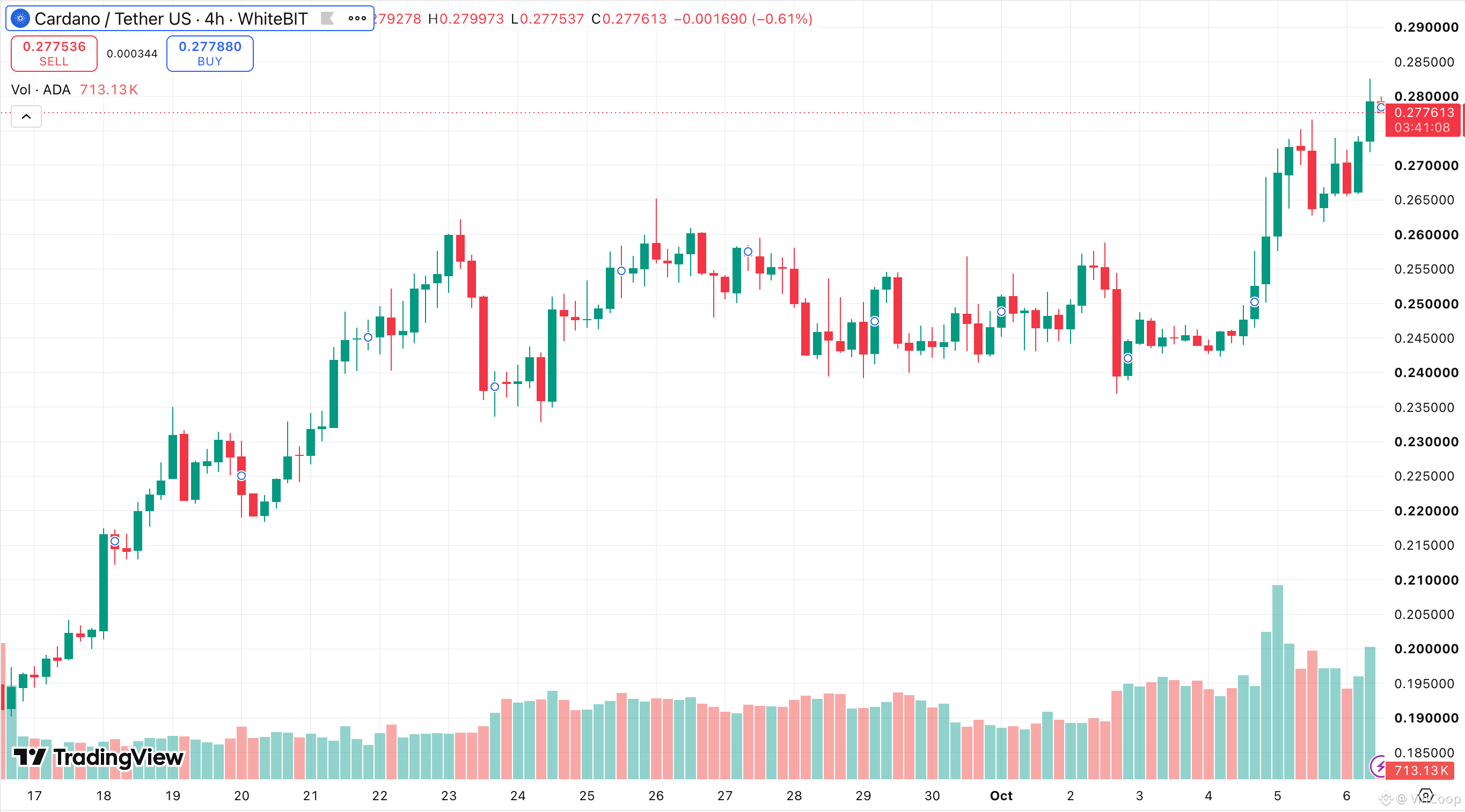
📈 $ADA ’s Breakout Looks Bigger Than a Simple Short Squeeze ADA’s latest move caught my attention because the derivatives data doesn’t look like a typical short squeeze. ADA gained around 10% in two days, pushing above $0.27, while open interest jumped roughly 25% to $304M. Even measured in ADA rather than dollars, OI still rose about 13%. That points to new positions entering the market, not only shorts getting forced out. ( CryptoPotato ) 🐋 Whale activity picked up too. Santiment counted 413 transactions above $100K on October 5, around 2.2× the recent weekday average. Funding had been deeply negative before flipping positive, so short covering probably helped - it just doesn’t explain the whole move. 📊 Now I’d keep an eye on $0.27. If ADA can hold the breakout while open interest and whale activity stay elevated, the move starts looking more like fresh positioning with buyers willing to stay in. $BTC still sets the broader mood, but ADA is showing some strength of its own here. If $BTC stays stable and $0.27 turns into support, I’d be much more interested in what comes next than in the initial 10% jump. Not financial advice. Always DYOR. #BTC Price Analysis# #Bitcoin Price Prediction: What is Bitcoins next move?#
📈 $ADA ’s Breakout Looks Bigger Than a Simple Short Squeeze ADA’s latest move caught my attention because the derivatives data doesn’t look like a typical short squeeze. ADA gained around 10% in two days, pushing above $0.27, while open interest jumped roughly 25% to $304M. Even measured in ADA rather than dollars, OI still rose about 13%. That points to new positions entering the market, not only shorts getting forced out. ( CryptoPotato ) 🐋 Whale activity picked up too. Santiment counted 413 transactions above $100K on October 5, around 2.2× the recent weekday average. Funding had been deeply negative before flipping positive, so short covering probably helped - it just doesn’t explain the whole move. 📊 Now I’d keep an eye on $0.27. If ADA can hold the breakout while open interest and whale activity stay elevated, the move starts looking more like fresh positioning with buyers willing to stay in. $BTC still sets the broader mood, but ADA is showing some strength of its own here. If $BTC stays stable and $0.27 turns into support, I’d be much more interested in what comes next than in the initial 10% jump. Not financial advice. Always DYOR. #BTC Price Analysis# #Bitcoin Price Prediction: What is Bitcoins next move?#
46
·
--
Ver traducción
⚡ 3x Bitcoin and Ether ETFs Just Cleared a Major U.S. Hurdle This caught my attention because we’ve gone from spot crypto ETFs to triple-leveraged exposure pretty quickly. On October 2, the SEC approved Cboe’s rule change to list six 3x leveraged ETFs from Volatility Shares. Two track Bitcoin and Ether, while the others cover gold, silver, oil and natural gas. These would be the first U.S. crypto ETFs to move beyond the previous 2x leverage ceiling. (CoinPaprika) But there’s an important detail here: the Bitcoin and Ether funds won’t hold the assets directly. They’ll use futures and aim for 3x the daily move, with leverage resetting every day. So if $BTC moves +2% in a session, the Bitcoin fund is designed to target roughly +6% for that day - before fees and tracking differences. Over several days, the math can look very different because of compounding and volatility. 📌 And “approved” doesn’t mean they start trading today. The exchange listing rule has been cleared, but a separate registration statement still needs to become effective, with no launch date announced yet. I think the bigger story is how wide the regulated crypto product shelf is becoming. Investors can now get spot exposure, 2x products and potentially 3x daily exposure to $BTC through traditional market infrastructure. That gives traders more choice, but 3x daily leverage is definitely something I’d read the mechanics of very carefully before touching. 👀 Not financial advice. Always DYOR. #BTC Price Analysis# #Bitcoin Price Prediction: What is Bitcoins next move?#
⚡ 3x Bitcoin and Ether ETFs Just Cleared a Major U.S. Hurdle This caught my attention because we’ve gone from spot crypto ETFs to triple-leveraged exposure pretty quickly. On October 2, the SEC approved Cboe’s rule change to list six 3x leveraged ETFs from Volatility Shares. Two track Bitcoin and Ether, while the others cover gold, silver, oil and natural gas. These would be the first U.S. crypto ETFs to move beyond the previous 2x leverage ceiling. (CoinPaprika) But there’s an important detail here: the Bitcoin and Ether funds won’t hold the assets directly. They’ll use futures and aim for 3x the daily move, with leverage resetting every day. So if $BTC moves +2% in a session, the Bitcoin fund is designed to target roughly +6% for that day - before fees and tracking differences. Over several days, the math can look very different because of compounding and volatility. 📌 And “approved” doesn’t mean they start trading today. The exchange listing rule has been cleared, but a separate registration statement still needs to become effective, with no launch date announced yet. I think the bigger story is how wide the regulated crypto product shelf is becoming. Investors can now get spot exposure, 2x products and potentially 3x daily exposure to $BTC through traditional market infrastructure. That gives traders more choice, but 3x daily leverage is definitely something I’d read the mechanics of very carefully before touching. 👀 Not financial advice. Always DYOR. #BTC Price Analysis# #Bitcoin Price Prediction: What is Bitcoins next move?#

76
·
--
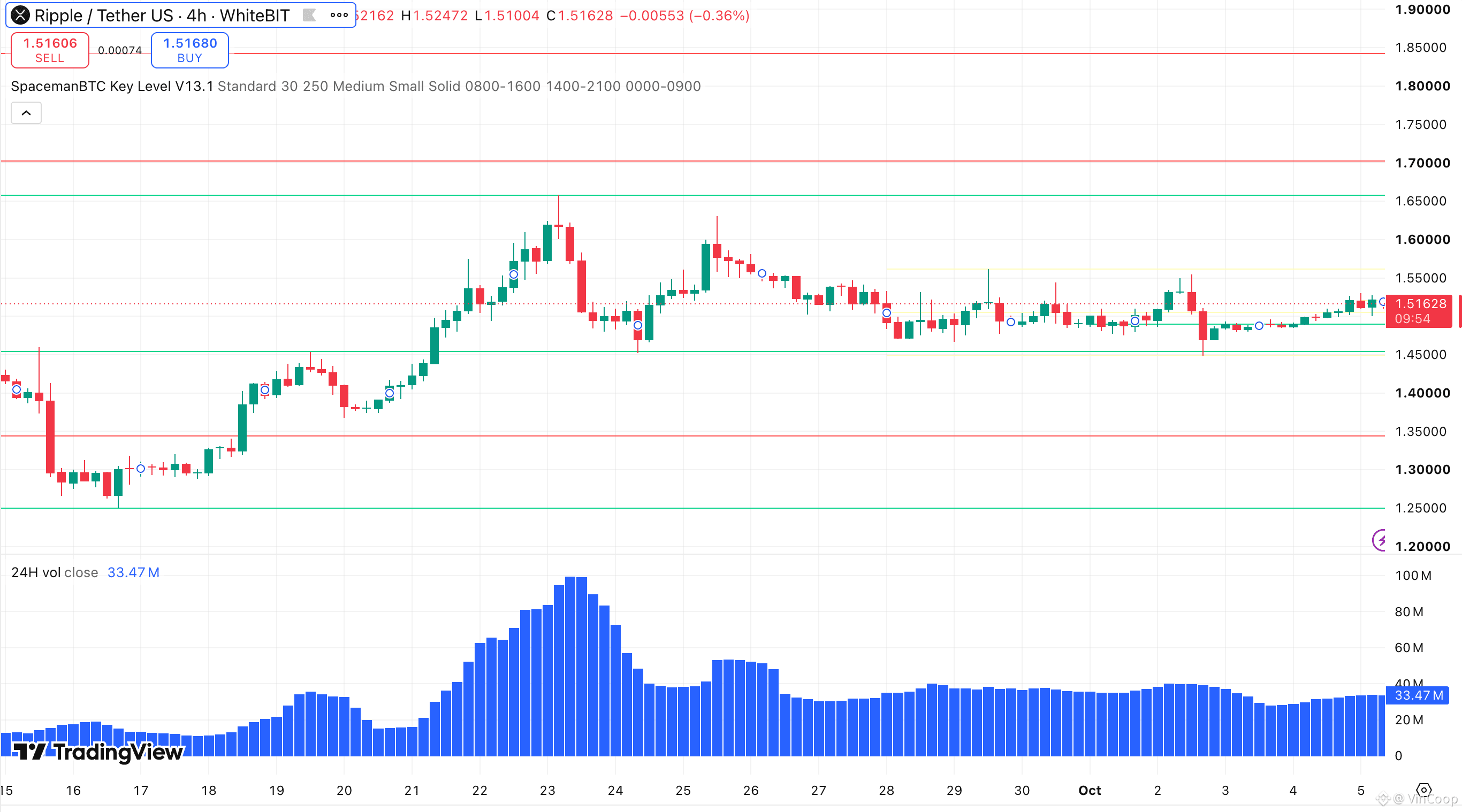
👀 $XRP se acerca a un punto decisivo. Acabo de leer el último análisis de XRP de Finbold y, por ahora, el gráfico es bastante sencillo. XRP se ha estado consolidando dentro de un triángulo descendente en el gráfico de 4 horas, y el precio se acerca al vértice. El analista Ali Martinez dice que el nivel realmente importante es $1.53: XRP necesita seguir cerrando por encima para confirmar un movimiento hacia $1.62. 📍 Así que tendría tres niveles en pantalla: $1.47 → límite inferior del patrón $1.53 → confirmación de ruptura $1.62 → próxima zona si los compradores toman el control. El volumen de negociación también subió más de un 75%, hasta alrededor de $1.95B, lo que hace más interesante el próximo intento de ruptura. Sin embargo, la demanda de las ballenas sigue relativamente tranquila, así que querría ver que ese volumen se mantenga fuerte y no desaparezca después de una sola sesión. $BTC sigue siendo importante aquí, porque un mercado general estable le da a XRP más margen para resolver el patrón por sí solo. Si $BTC mantiene una tendencia favorable y XRP logra cerrar de forma constante por encima de $1.53, el camino hacia $1.62 empieza a verse mucho más despejado. No lo complicaría demasiado: primero vigila $1.53; el objetivo, después. 📊 Esto no es asesoramiento financiero. Investiga siempre por tu cuenta. #Análisis del precio de BTC# #Predicción del precio de Bitcoin: ¿cuál será el próximo movimiento de Bitcoin?# #XRP
👀 $XRP se acerca a un punto decisivo. Acabo de leer el último análisis de XRP de Finbold y, por ahora, el gráfico es bastante sencillo. XRP se ha estado consolidando dentro de un triángulo descendente en el gráfico de 4 horas, y el precio se acerca al vértice. El analista Ali Martinez dice que el nivel realmente importante es $1.53: XRP necesita seguir cerrando por encima para confirmar un movimiento hacia $1.62. 📍 Así que tendría tres niveles en pantalla: $1.47 → límite inferior del patrón $1.53 → confirmación de ruptura $1.62 → próxima zona si los compradores toman el control. El volumen de negociación también subió más de un 75%, hasta alrededor de $1.95B, lo que hace más interesante el próximo intento de ruptura. Sin embargo, la demanda de las ballenas sigue relativamente tranquila, así que querría ver que ese volumen se mantenga fuerte y no desaparezca después de una sola sesión. $BTC sigue siendo importante aquí, porque un mercado general estable le da a XRP más margen para resolver el patrón por sí solo. Si $BTC mantiene una tendencia favorable y XRP logra cerrar de forma constante por encima de $1.53, el camino hacia $1.62 empieza a verse mucho más despejado. No lo complicaría demasiado: primero vigila $1.53; el objetivo, después. 📊 Esto no es asesoramiento financiero. Investiga siempre por tu cuenta. #Análisis del precio de BTC# #Predicción del precio de Bitcoin: ¿cuál será el próximo movimiento de Bitcoin?# #XRP

51
·
--
🧾 La ruta más barata sobre el papel, la más difícil de documentar 💸 Imagina una empresa que acaba de cerrar una gran operación con $BTC y ahora necesita convertir los fondos a moneda fíat. Al principio, las preguntas son sencillas: ¿qué ruta es más barata?, ¿cuánto tarda en llegar el dinero y cuánto costará la transferencia? Pero cuando se trata de cantidades mayores, surgen otras preguntas. Un banco podría preguntar de dónde proceden los fondos, el área de cumplimiento podría necesitar conocer la contraparte exacta y el equipo financiero tal vez tenga que reconstruir la liquidación meses después. Por eso, evaluaría la ruta con tres preguntas sencillas. 👇 1️⃣ ¿Podemos rastrearla? Elige un retiro grande de los últimos 90 días y reconstruye el registro. Con P2P, las contrapartes y los documentos pueden estar repartidos entre varias transacciones. 2️⃣ ¿Quién estaba al otro lado? Tener varias contrapartes puede implicar más trabajo de verificación y documentación. 3️⃣ ¿Qué tan grande puede ser una sola transacción sin complicaciones? Para liquidaciones habituales de $BTC, dividir cantidades grandes en muchas transferencias puede convertirse rápidamente en un dolor de cabeza operativo. 🏦 En ese caso, probablemente también analizaría si una solución institucional de entrada y salida de moneda fíat podría simplificar el proceso. WhiteBIT On/Off-Ramp, por ejemplo, podría permitir operar mediante una relación KYB, realizar de antemano las comprobaciones sobre el origen de los fondos, transferir EUR a través de SEPA y utilizar límites estándar de hasta €100,000 al día, con límites personalizados según el nivel de KYB y otras condiciones aplicables. https://institutional.whitebit.com/payments-for-businesses?utm_source=coinmarketcap&utm_medium=vinonoffR&utm_campaign=post Para las grandes cantidades, compararía algo más que la comisión. También me fijaría en lo clara que es la trazabilidad, lo fácil que resulta identificar a la contraparte y si la liquidación se puede explicar incluso seis meses después, sin tener que abrir cinco hojas de cálculo y buscar mensajes antiguos. 😅 #Análisis del precio de BTC# #Predicción del precio de Bitcoin: ¿Cuál será el próximo movimiento de Bitcoin?#
🧾 La ruta más barata sobre el papel, la más difícil de documentar 💸 Imagina una empresa que acaba de cerrar una gran operación con $BTC y ahora necesita convertir los fondos a moneda fíat. Al principio, las preguntas son sencillas: ¿qué ruta es más barata?, ¿cuánto tarda en llegar el dinero y cuánto costará la transferencia? Pero cuando se trata de cantidades mayores, surgen otras preguntas. Un banco podría preguntar de dónde proceden los fondos, el área de cumplimiento podría necesitar conocer la contraparte exacta y el equipo financiero tal vez tenga que reconstruir la liquidación meses después. Por eso, evaluaría la ruta con tres preguntas sencillas. 👇 1️⃣ ¿Podemos rastrearla? Elige un retiro grande de los últimos 90 días y reconstruye el registro. Con P2P, las contrapartes y los documentos pueden estar repartidos entre varias transacciones. 2️⃣ ¿Quién estaba al otro lado? Tener varias contrapartes puede implicar más trabajo de verificación y documentación. 3️⃣ ¿Qué tan grande puede ser una sola transacción sin complicaciones? Para liquidaciones habituales de $BTC, dividir cantidades grandes en muchas transferencias puede convertirse rápidamente en un dolor de cabeza operativo. 🏦 En ese caso, probablemente también analizaría si una solución institucional de entrada y salida de moneda fíat podría simplificar el proceso. WhiteBIT On/Off-Ramp, por ejemplo, podría permitir operar mediante una relación KYB, realizar de antemano las comprobaciones sobre el origen de los fondos, transferir EUR a través de SEPA y utilizar límites estándar de hasta €100,000 al día, con límites personalizados según el nivel de KYB y otras condiciones aplicables. https://institutional.whitebit.com/payments-for-businesses?utm_source=coinmarketcap&utm_medium=vinonoffR&utm_campaign=post Para las grandes cantidades, compararía algo más que la comisión. También me fijaría en lo clara que es la trazabilidad, lo fácil que resulta identificar a la contraparte y si la liquidación se puede explicar incluso seis meses después, sin tener que abrir cinco hojas de cálculo y buscar mensajes antiguos. 😅 #Análisis del precio de BTC# #Predicción del precio de Bitcoin: ¿Cuál será el próximo movimiento de Bitcoin?#

4
·
--
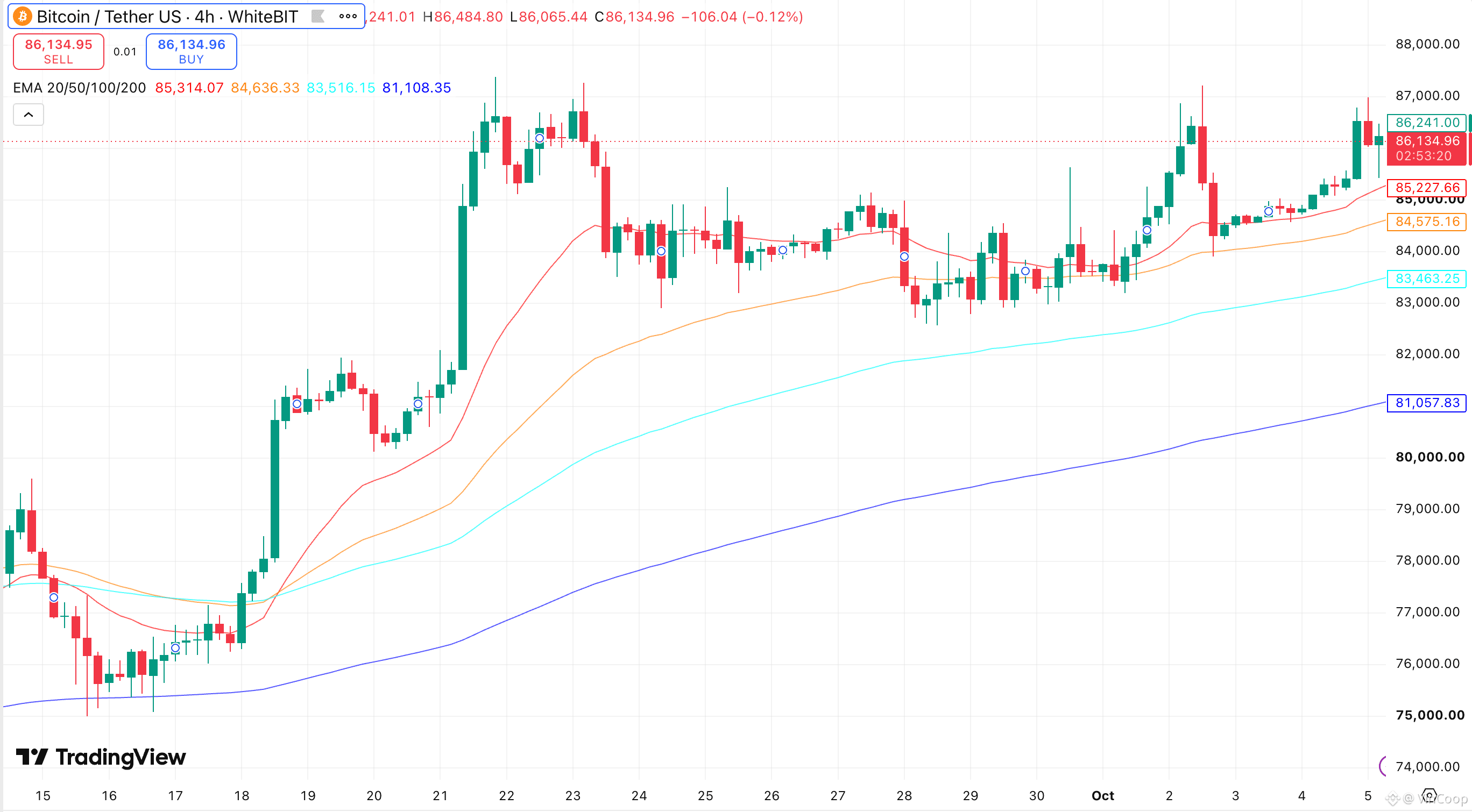
📊 Bitcoin está un 15 % por encima del costo base de los tenedores a corto plazo. Leí la última nota de Axel Adler Jr. sobre Bitcoin, y la cifra que tendría presente es $74,100. El 4 de octubre, $BTC estaba alrededor de $85,300, así que los tenedores a corto plazo se encontraban aproximadamente un 15 % por encima de su costo base promedio. Ese margen era más cercano al 19 % a finales de septiembre, así que se ha reducido un poco, pero este grupo sigue cómodamente en ganancias. La oferta de los tenedores a corto plazo también creció alrededor de 87,000 BTC en 30 días, hasta alcanzar los 3.94M BTC. Eso nos indica que hay más monedas pasando a esta parte del mercado, aunque no significa que los 87,000 BTC fueran compras nuevas: las transferencias y el envejecimiento de las monedas también pueden afectar la métrica. 📈 Así que no lo complicaría demasiado. Mientras $BTC se mantenga muy por encima de los $74.1K, los compradores recientes no estarán bajo mucha presión. Si el precio se acerca a ese nivel y la oferta de los tenedores a corto plazo empieza a reducirse, entonces sí prestaría más atención. Por ahora, el panorama sigue viéndose bastante saludable: los compradores recientes tienen un margen razonable y siguen aumentando su exposición. Esto no es asesoramiento financiero. Investiga siempre por tu cuenta. #Análisis del precio de BTC# #Predicción del precio de Bitcoin: ¿cuál será el próximo movimiento de Bitcoin?#
📊 Bitcoin está un 15 % por encima del costo base de los tenedores a corto plazo. Leí la última nota de Axel Adler Jr. sobre Bitcoin, y la cifra que tendría presente es $74,100. El 4 de octubre, $BTC estaba alrededor de $85,300, así que los tenedores a corto plazo se encontraban aproximadamente un 15 % por encima de su costo base promedio. Ese margen era más cercano al 19 % a finales de septiembre, así que se ha reducido un poco, pero este grupo sigue cómodamente en ganancias. La oferta de los tenedores a corto plazo también creció alrededor de 87,000 BTC en 30 días, hasta alcanzar los 3.94M BTC. Eso nos indica que hay más monedas pasando a esta parte del mercado, aunque no significa que los 87,000 BTC fueran compras nuevas: las transferencias y el envejecimiento de las monedas también pueden afectar la métrica. 📈 Así que no lo complicaría demasiado. Mientras $BTC se mantenga muy por encima de los $74.1K, los compradores recientes no estarán bajo mucha presión. Si el precio se acerca a ese nivel y la oferta de los tenedores a corto plazo empieza a reducirse, entonces sí prestaría más atención. Por ahora, el panorama sigue viéndose bastante saludable: los compradores recientes tienen un margen razonable y siguen aumentando su exposición. Esto no es asesoramiento financiero. Investiga siempre por tu cuenta. #Análisis del precio de BTC# #Predicción del precio de Bitcoin: ¿cuál será el próximo movimiento de Bitcoin?#
57
·
--
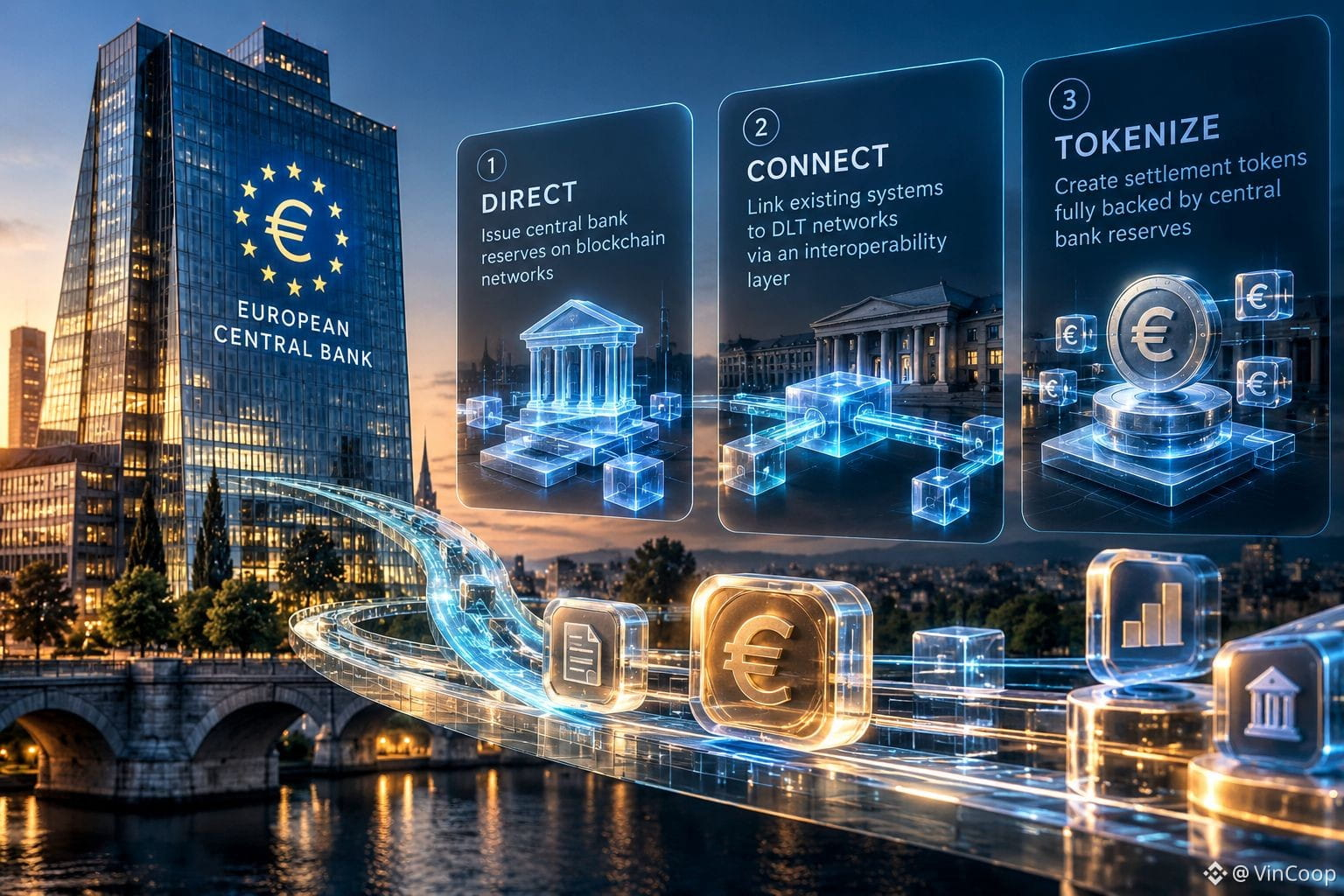
🏦 El BCE está probando 3 formas de llevar el dinero del banco central a la cadena El BCE ya no habla de la liquidación tokenizada como una idea abstracta. Está analizando tres arquitecturas diferentes para conectar el dinero del banco central con redes blockchain programables. (The Cryptonomist) Las opciones son bastante distintas: 🔹 Directa → emitir reservas del banco central directamente en plataformas programables. 🔹 Conectada → mantener los sistemas de liquidación existentes y crear una capa de interoperabilidad con redes DLT. 🔹 Tokenizada → crear tokens de liquidación privados totalmente respaldados por reservas depositadas en el banco central. El segundo modelo me llama la atención porque requiere menos cambios en la infraestructura. Los bancos podrían conservar gran parte de sus sistemas actuales mientras los valores tokenizados, los depósitos y otros activos digitales operan en redes conectadas. El BCE ya está explorando esta dirección con Pontes, mientras que Appia apunta más lejos, hacia una infraestructura más amplia para mercados tokenizados. ⚡ Y hay una razón práctica para todo esto: la liquidación atómica. El activo y el pago pueden transferirse juntos, en lugar de pasar por varios procesos separados. En una encuesta de Lloyds citada, el 60% de los encuestados señaló que los pagos y la liquidación más rápidos eran uno de los principales beneficios de la tokenización. $BTC demostró que los activos basados en blockchain pueden alcanzar una escala institucional. Lo que Europa está trabajando ahora en resolver es un problema distinto: acercar la capa de liquidación propiamente dicha a esa misma tecnología. La pregunta importante es qué parte del sistema financiero actual puede conectarse a vías tokenizadas sin tener que reconstruirlo desde cero. En última instancia, esa transición podría tener una relevancia mucho mayor que el propio $BTC. #Análisis del precio de BTC# #Predicción del precio de Bitcoin: ¿Cuál será el próximo movimiento de Bitcoin?#
🏦 El BCE está probando 3 formas de llevar el dinero del banco central a la cadena El BCE ya no habla de la liquidación tokenizada como una idea abstracta. Está analizando tres arquitecturas diferentes para conectar el dinero del banco central con redes blockchain programables. (The Cryptonomist) Las opciones son bastante distintas: 🔹 Directa → emitir reservas del banco central directamente en plataformas programables. 🔹 Conectada → mantener los sistemas de liquidación existentes y crear una capa de interoperabilidad con redes DLT. 🔹 Tokenizada → crear tokens de liquidación privados totalmente respaldados por reservas depositadas en el banco central. El segundo modelo me llama la atención porque requiere menos cambios en la infraestructura. Los bancos podrían conservar gran parte de sus sistemas actuales mientras los valores tokenizados, los depósitos y otros activos digitales operan en redes conectadas. El BCE ya está explorando esta dirección con Pontes, mientras que Appia apunta más lejos, hacia una infraestructura más amplia para mercados tokenizados. ⚡ Y hay una razón práctica para todo esto: la liquidación atómica. El activo y el pago pueden transferirse juntos, en lugar de pasar por varios procesos separados. En una encuesta de Lloyds citada, el 60% de los encuestados señaló que los pagos y la liquidación más rápidos eran uno de los principales beneficios de la tokenización. $BTC demostró que los activos basados en blockchain pueden alcanzar una escala institucional. Lo que Europa está trabajando ahora en resolver es un problema distinto: acercar la capa de liquidación propiamente dicha a esa misma tecnología. La pregunta importante es qué parte del sistema financiero actual puede conectarse a vías tokenizadas sin tener que reconstruirlo desde cero. En última instancia, esa transición podría tener una relevancia mucho mayor que el propio $BTC. #Análisis del precio de BTC# #Predicción del precio de Bitcoin: ¿Cuál será el próximo movimiento de Bitcoin?#
65
·
--
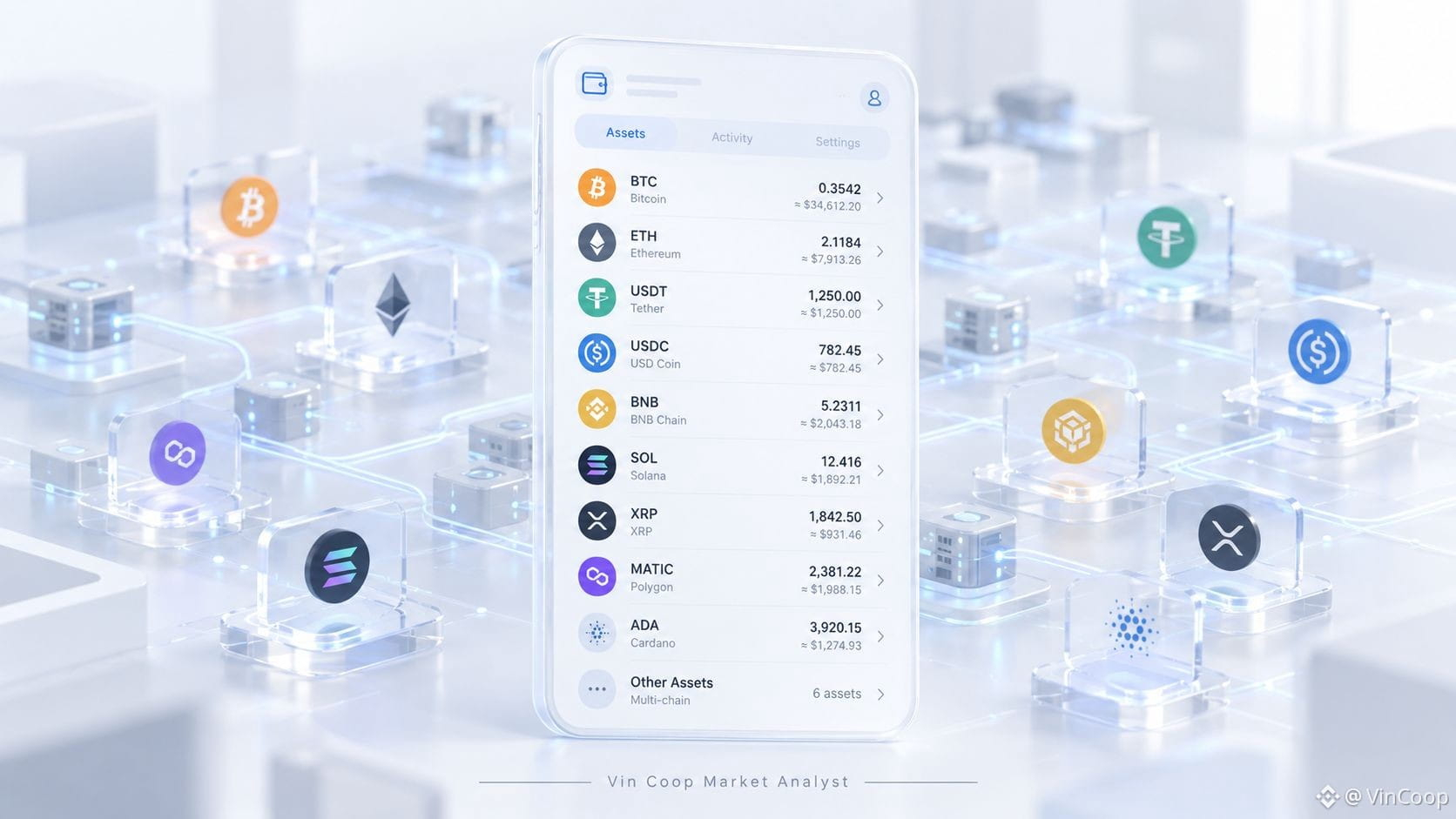
Una billetera puede mostrar 300 activos. Alguien todavía tiene que mantenerlos funcionando. Desde el lado del usuario, la cobertura amplia de activos parece sencilla: abrir la billetera, elegir $BTC , $ETH , una stablecoin u otro activo compatible, y realizar una transacción. Para el equipo de producto, esa lista solo es la parte visible. Cada red compatible tiene que seguir funcionando después del lanzamiento. Los depósitos deben detectarse correctamente, las reglas de transacción y las comisiones tienen que mantenerse actualizadas, las conexiones de nodos o RPC requieren monitoreo y las comprobaciones de cumplimiento continúan en segundo plano. Luego, los protocolos se actualizan, las redes cambian o aparecen forks, mientras los usuarios aún esperan que la billetera funcione con normalidad. Ahí es donde un gran catálogo de activos se convierte en una cuestión de infraestructura y no solo en una característica del producto. En mi último artículo de Medium, analizo qué hay detrás de la amplia cobertura de la billetera y comparo cómo WhiteBIT Wallet-as-a-Service, Fireblocks WaaS y BitGo WaaS abordan esa capa de mantenimiento. La pregunta clave no es solo cuántos activos admite un proveedor, sino cuánto de ese trabajo técnico continuo todavía tiene que llevar a cabo tu propio equipo. 👉 Lee el artículo completo: https://medium.com/@Vin_Coop/adding-an-asset-takes-minutes-supporting-it-can-last-for-years-c805f09bac05?postPublishedType=initial #BTC Price Analysis# #Bitcoin Price Prediction: What is Bitcoins next move?# #Ad #BTC
Una billetera puede mostrar 300 activos. Alguien todavía tiene que mantenerlos funcionando. Desde el lado del usuario, la cobertura amplia de activos parece sencilla: abrir la billetera, elegir $BTC , $ETH , una stablecoin u otro activo compatible, y realizar una transacción. Para el equipo de producto, esa lista solo es la parte visible. Cada red compatible tiene que seguir funcionando después del lanzamiento. Los depósitos deben detectarse correctamente, las reglas de transacción y las comisiones tienen que mantenerse actualizadas, las conexiones de nodos o RPC requieren monitoreo y las comprobaciones de cumplimiento continúan en segundo plano. Luego, los protocolos se actualizan, las redes cambian o aparecen forks, mientras los usuarios aún esperan que la billetera funcione con normalidad. Ahí es donde un gran catálogo de activos se convierte en una cuestión de infraestructura y no solo en una característica del producto. En mi último artículo de Medium, analizo qué hay detrás de la amplia cobertura de la billetera y comparo cómo WhiteBIT Wallet-as-a-Service, Fireblocks WaaS y BitGo WaaS abordan esa capa de mantenimiento. La pregunta clave no es solo cuántos activos admite un proveedor, sino cuánto de ese trabajo técnico continuo todavía tiene que llevar a cabo tu propio equipo. 👉 Lee el artículo completo: https://medium.com/@Vin_Coop/adding-an-asset-takes-minutes-supporting-it-can-last-for-years-c805f09bac05?postPublishedType=initial #BTC Price Analysis# #Bitcoin Price Prediction: What is Bitcoins next move?# #Ad #BTC
50
·
--
Tres fechas que cambiaron la configuración cripto esta semana $BTC , $XRP y $SHIB se movieron por razones distintas esta semana, así que la forma más clara de leer el mercado es cronológicamente en lugar de a través de una sola narrativa amplia de “rally cripto”. 30 de septiembre - El macro abrió la puerta. Bitcoin se movió por encima de $85K después de que la inflación PCE de agosto llegara al 3.4%, por debajo del 3.7% esperado. El mismo día, RippleX abrió la enmienda LendingProtocolV1_1 para la votación de validadores, acercando XRPL a la infraestructura nativa de préstamos. 1 de octubre - Se impuso la actividad de red. Según se informa, XRPL procesó más de 900M en actividad de 24 horas, mientras que el ciclo de escrow de octubre de Ripple liberó 1B XRP antes de que se bloquearan de nuevo 700M XRP. 2 de octubre - Bitcoin rompió al alza, SHIB confirmó el impulso. Las nóminas de EE. UU. aumentaron solo en 29,000, muy por debajo de las expectativas de aproximadamente 84,000–90,000, y BTC empujó por encima de $87K. El mismo día, SHIB registró su primer cruce dorado diario en casi dos años, después de cerrar septiembre con +13.5%, su mes más fuerte de 2026. Así que esta semana no estuvo impulsada por un solo catalizador. Bitcoin reaccionó al macro, XRP ganó avances en infraestructura y SHIB llevó su propia señal de impulso. Las próximas fechas ya se ven: 8 de octubre para el trading de XRPN, 20 de octubre para audiencias de la SEC y 27–28 de octubre para la próxima decisión del FOMC. #Altcoin Season# #BTC Price Analysis# #Ripple #SHIB
Tres fechas que cambiaron la configuración cripto esta semana $BTC , $XRP y $SHIB se movieron por razones distintas esta semana, así que la forma más clara de leer el mercado es cronológicamente en lugar de a través de una sola narrativa amplia de “rally cripto”. 30 de septiembre - El macro abrió la puerta. Bitcoin se movió por encima de $85K después de que la inflación PCE de agosto llegara al 3.4%, por debajo del 3.7% esperado. El mismo día, RippleX abrió la enmienda LendingProtocolV1_1 para la votación de validadores, acercando XRPL a la infraestructura nativa de préstamos. 1 de octubre - Se impuso la actividad de red. Según se informa, XRPL procesó más de 900M en actividad de 24 horas, mientras que el ciclo de escrow de octubre de Ripple liberó 1B XRP antes de que se bloquearan de nuevo 700M XRP. 2 de octubre - Bitcoin rompió al alza, SHIB confirmó el impulso. Las nóminas de EE. UU. aumentaron solo en 29,000, muy por debajo de las expectativas de aproximadamente 84,000–90,000, y BTC empujó por encima de $87K. El mismo día, SHIB registró su primer cruce dorado diario en casi dos años, después de cerrar septiembre con +13.5%, su mes más fuerte de 2026. Así que esta semana no estuvo impulsada por un solo catalizador. Bitcoin reaccionó al macro, XRP ganó avances en infraestructura y SHIB llevó su propia señal de impulso. Las próximas fechas ya se ven: 8 de octubre para el trading de XRPN, 20 de octubre para audiencias de la SEC y 27–28 de octubre para la próxima decisión del FOMC. #Altcoin Season# #BTC Price Analysis# #Ripple #SHIB

61
·
--
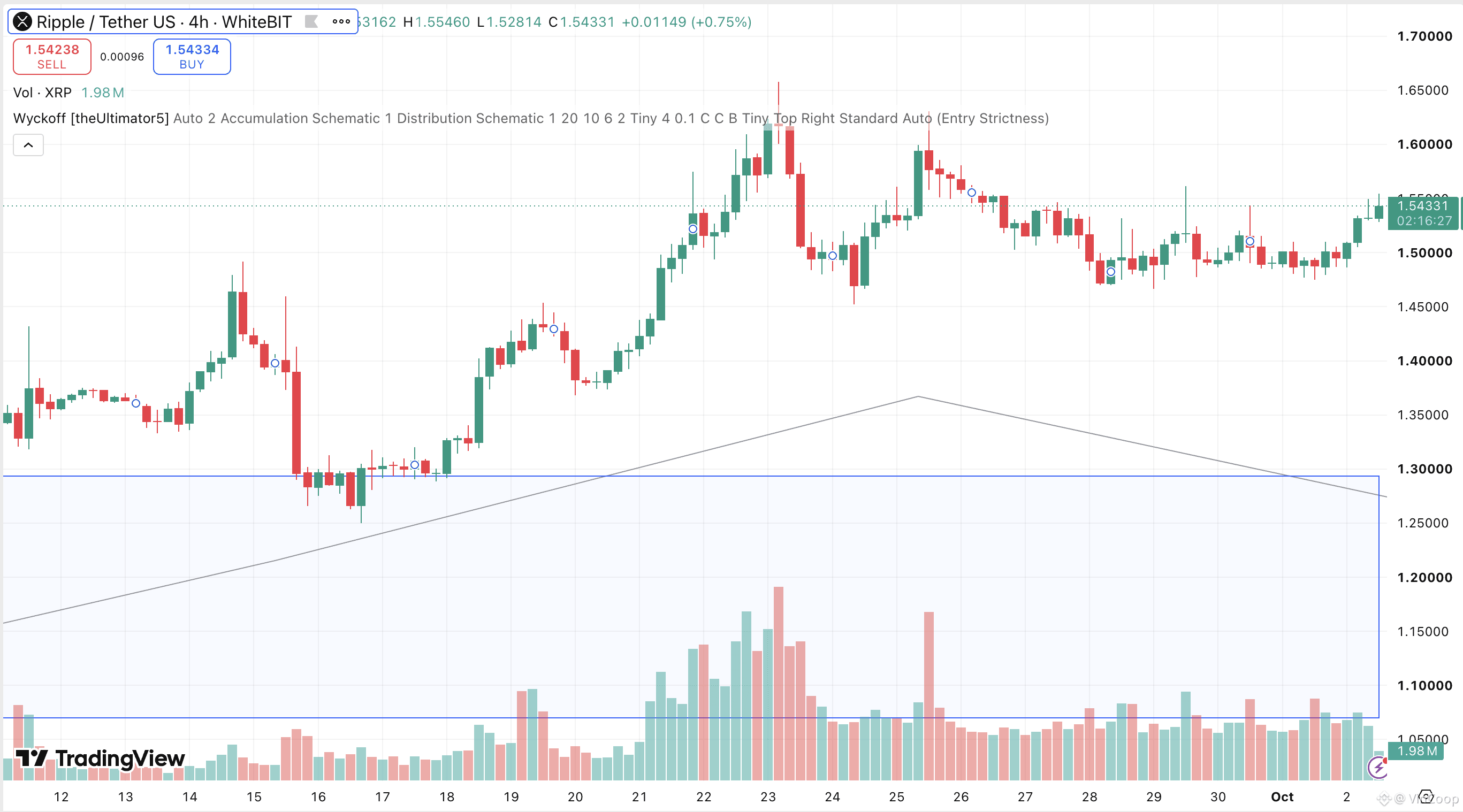
⚡ $XRP Tuvo un reinicio de 15% de apalancamiento: mientras el precio mantenía la mayor parte de su movimiento Aquí tienes un setup de XRP que en realidad me gusta seguir porque tres partes del mercado están contando historias ligeramente diferentes. 🎯 Derivados: El interés abierto de XRP en Binance cayó 15.3%, pasando de un máximo de seis meses de $616.1M a unos $521.5M. Las tasas de financiación también bajaron de 0.010 a 0.005, lo que significa que ha salido algo de “calor” especulativo del mercado. (Benzinga) 🐋 Ballenas: casi sin movimiento grande. Los saldos de los grandes tenedores se mantuvieron alrededor de 3.90B XRP durante la última semana. Así que esto no parece una estampida de ballenas saliendo —ni una compra agresiva de la caída—. ⛓️ Red: la actividad se está moviendo en la otra dirección. Las transacciones en XRP Ledger promediaron 1.96M, subiendo 23% semana contra semana. Mientras tanto, XRP todavía está solo alrededor de un 5% por debajo de su máximo de seis meses. Esa combinación vale la pena vigilar: menos apalancamiento + precio relativamente estable + mayor actividad de la red. Si $BTC mantiene al mercado general en terreno constructivo, XRP estaría entrando en su próximo movimiento con un setup de derivados más limpio. ¿Mi lectura? Preferiría ver el reinicio del apalancamiento mientras el precio se mantiene, en lugar de que el apalancamiento siga expandiéndose más rápido que la demanda del contado. 👀 La siguiente pista es si aparecen nuevos compradores en spot —especialmente si $BTC le da a las altcoins algo de margen. No es asesoramiento financiero. DYOR. #BTC Price Analysis# #Bitcoin Price Prediction: What is Bitcoins next move?# #XRP
⚡ $XRP Tuvo un reinicio de 15% de apalancamiento: mientras el precio mantenía la mayor parte de su movimiento Aquí tienes un setup de XRP que en realidad me gusta seguir porque tres partes del mercado están contando historias ligeramente diferentes. 🎯 Derivados: El interés abierto de XRP en Binance cayó 15.3%, pasando de un máximo de seis meses de $616.1M a unos $521.5M. Las tasas de financiación también bajaron de 0.010 a 0.005, lo que significa que ha salido algo de “calor” especulativo del mercado. (Benzinga) 🐋 Ballenas: casi sin movimiento grande. Los saldos de los grandes tenedores se mantuvieron alrededor de 3.90B XRP durante la última semana. Así que esto no parece una estampida de ballenas saliendo —ni una compra agresiva de la caída—. ⛓️ Red: la actividad se está moviendo en la otra dirección. Las transacciones en XRP Ledger promediaron 1.96M, subiendo 23% semana contra semana. Mientras tanto, XRP todavía está solo alrededor de un 5% por debajo de su máximo de seis meses. Esa combinación vale la pena vigilar: menos apalancamiento + precio relativamente estable + mayor actividad de la red. Si $BTC mantiene al mercado general en terreno constructivo, XRP estaría entrando en su próximo movimiento con un setup de derivados más limpio. ¿Mi lectura? Preferiría ver el reinicio del apalancamiento mientras el precio se mantiene, en lugar de que el apalancamiento siga expandiéndose más rápido que la demanda del contado. 👀 La siguiente pista es si aparecen nuevos compradores en spot —especialmente si $BTC le da a las altcoins algo de margen. No es asesoramiento financiero. DYOR. #BTC Price Analysis# #Bitcoin Price Prediction: What is Bitcoins next move?# #XRP
72
·
--
Antes de que Añadas Yield, Decide para Quién Es Agregar yield de $BTC a un producto fintech se ve como una decisión de infraestructura hasta que llegas a la parte que los usuarios realmente sienten: quién se queda con el rendimiento. Si la mayor parte va a los usuarios, la tasa pasa a formar parte de la oferta. Los clientes pueden compararla con otras apps, lo que puede ayudar con la adquisición y la retención, pero también coloca el producto en competencia directa por tasas y hace que cada cambio en los términos sea más visible. Si una mayor parte del rendimiento se queda con el negocio, la misma infraestructura sirve para un propósito diferente. La experiencia del cliente puede cambiar apenas, mientras que el valor aparece en el margen en su lugar. Un negocio también puede dividir el rendimiento. Ese punto intermedio es técnicamente posible en productos como WhiteBIT Yield-as-a-Service, donde el cliente puede configurar la distribución entre 80+ activos compatibles, de modo que parte del yield generado llegue a los usuarios mientras otra parte permanece con la plataforma. https://institutional.whitebit.com/yield-as-a-service?utm_source=coinmarketcap&utm_medium=Yaas_vinc&utm_campaign=post La división entonces empieza a afectar los precios, la forma en que la función se posiciona para los usuarios, el reporte y lo que el equipo finalmente mide como éxito. Por eso yo tomaría esta decisión antes de que la integración se finalice. Pasar más significa que la función tiene que ganarse su lugar en la propuesta al cliente. Retener más significa que tiene que justificarse en la economía unitaria. Un híbrido tiene que hacer lo suficiente de ambas cosas para que valga la pena el compromiso. Aviso: Esto no es asesoramiento financiero ni de inversión. Haz tu propia investigación antes de tomar cualquier decisión. Úsalo bajo tu propio riesgo. #Análisis del Precio de BTC# #Predicción del Precio de Bitcoin: ¿Cuál es el siguiente movimiento de Bitcoin?# #Anuncio #BTC
Antes de que Añadas Yield, Decide para Quién Es Agregar yield de $BTC a un producto fintech se ve como una decisión de infraestructura hasta que llegas a la parte que los usuarios realmente sienten: quién se queda con el rendimiento. Si la mayor parte va a los usuarios, la tasa pasa a formar parte de la oferta. Los clientes pueden compararla con otras apps, lo que puede ayudar con la adquisición y la retención, pero también coloca el producto en competencia directa por tasas y hace que cada cambio en los términos sea más visible. Si una mayor parte del rendimiento se queda con el negocio, la misma infraestructura sirve para un propósito diferente. La experiencia del cliente puede cambiar apenas, mientras que el valor aparece en el margen en su lugar. Un negocio también puede dividir el rendimiento. Ese punto intermedio es técnicamente posible en productos como WhiteBIT Yield-as-a-Service, donde el cliente puede configurar la distribución entre 80+ activos compatibles, de modo que parte del yield generado llegue a los usuarios mientras otra parte permanece con la plataforma. https://institutional.whitebit.com/yield-as-a-service?utm_source=coinmarketcap&utm_medium=Yaas_vinc&utm_campaign=post La división entonces empieza a afectar los precios, la forma en que la función se posiciona para los usuarios, el reporte y lo que el equipo finalmente mide como éxito. Por eso yo tomaría esta decisión antes de que la integración se finalice. Pasar más significa que la función tiene que ganarse su lugar en la propuesta al cliente. Retener más significa que tiene que justificarse en la economía unitaria. Un híbrido tiene que hacer lo suficiente de ambas cosas para que valga la pena el compromiso. Aviso: Esto no es asesoramiento financiero ni de inversión. Haz tu propia investigación antes de tomar cualquier decisión. Úsalo bajo tu propio riesgo. #Análisis del Precio de BTC# #Predicción del Precio de Bitcoin: ¿Cuál es el siguiente movimiento de Bitcoin?# #Anuncio #BTC

·
--
XRP se movió primero, el papeleo de la SEC llegó después $XRP subió 7.7% después de que Bitwise presentara un prospecto enmendado el 18 de septiembre, pero la reacción del mercado se adelantó a lo que realmente significaba la presentación. El ETF de Bitwise sobre XRP ya se estaba negociando en NYSE Arca con el ticker XRP, así que el documento no creó un fondo nuevo ni aprobó una cotización fresca. Diez días después, el 28 de septiembre, la SEC emitió el Aviso oficial de Eficacia para esa enmienda, y Bitwise presentó el prospecto final 424B3 el mismo día. La secuencia importa: el paso regulatorio que entró en vigor fue una actualización de un registro existente, no un lanzamiento de un ETF nuevo. Tampoco cambió nada fundamental en la estructura del producto. El fondo todavía mantiene directamente XRP, conserva su ratio de gastos anual del 0.34%, usa Coinbase Custody para los tokens y BNY Mellon para funciones administrativas. Así que lo interesante no es el aviso de la SEC en sí, sino la reacción del mercado a su alrededor. XRP ganó 7.7% con una presentación que se interpretó ampliamente de forma errónea, mostrando qué tan rápido pueden mover el precio los titulares regulatorios incluso cuando el producto subyacente apenas cambia. #Ripple #XRP
XRP se movió primero, el papeleo de la SEC llegó después $XRP subió 7.7% después de que Bitwise presentara un prospecto enmendado el 18 de septiembre, pero la reacción del mercado se adelantó a lo que realmente significaba la presentación. El ETF de Bitwise sobre XRP ya se estaba negociando en NYSE Arca con el ticker XRP, así que el documento no creó un fondo nuevo ni aprobó una cotización fresca. Diez días después, el 28 de septiembre, la SEC emitió el Aviso oficial de Eficacia para esa enmienda, y Bitwise presentó el prospecto final 424B3 el mismo día. La secuencia importa: el paso regulatorio que entró en vigor fue una actualización de un registro existente, no un lanzamiento de un ETF nuevo. Tampoco cambió nada fundamental en la estructura del producto. El fondo todavía mantiene directamente XRP, conserva su ratio de gastos anual del 0.34%, usa Coinbase Custody para los tokens y BNY Mellon para funciones administrativas. Así que lo interesante no es el aviso de la SEC en sí, sino la reacción del mercado a su alrededor. XRP ganó 7.7% con una presentación que se interpretó ampliamente de forma errónea, mostrando qué tan rápido pueden mover el precio los titulares regulatorios incluso cuando el producto subyacente apenas cambia. #Ripple #XRP

41
·
--
$84M incautados - pero el vínculo cripto es menor que lo que sugiere el titular. $USDT aparece en un caso de decomiso en EE. UU. que involucra cerca de $84M vinculados a una firma de pagos de Montana, Capstone. Pero la mayor parte del dinero incautado no era cripto: los fiscales incautaron unos $81M de Wells Fargo, aproximadamente $2M de JPMorgan Chase y alrededor de $1,2M en USDT. El caso se centra en cómo, supuestamente, operaba Capstone. Los fiscales dicen que la empresa se presentó como un negocio de TI mientras movía dinero para firmas cripto, y que, por separado, participó en un esquema que convirtió ganancias de fraude en cripto, suplantando a agentes del FBI. Hay tres capas diferentes aquí: Exposición bancaria: ~$83M incautados de dos grandes bancos de EE. UU. Exposición cripto: ~$1,2M en USDT incautados. Responsabilidad legal: los fiscales no han alegado ninguna conducta indebida por parte de Tether. Tether dijo que era un cliente del banco de Dominica involucrado y que no tenía conocimiento de la conducta presuntamente atribuida a Capstone. Capstone niega cualquier irregularidad y planea impugnar la queja. Así que esto es menos una historia sobre cómo las stablecoins son la fuente del problema y más sobre intermediarios de pagos, acceso a cuentas y controles de cumplimiento en ambos ámbitos: banca tradicional y rieles de cripto. #USDT #Tether #Altcoin Season#
$84M incautados - pero el vínculo cripto es menor que lo que sugiere el titular. $USDT aparece en un caso de decomiso en EE. UU. que involucra cerca de $84M vinculados a una firma de pagos de Montana, Capstone. Pero la mayor parte del dinero incautado no era cripto: los fiscales incautaron unos $81M de Wells Fargo, aproximadamente $2M de JPMorgan Chase y alrededor de $1,2M en USDT. El caso se centra en cómo, supuestamente, operaba Capstone. Los fiscales dicen que la empresa se presentó como un negocio de TI mientras movía dinero para firmas cripto, y que, por separado, participó en un esquema que convirtió ganancias de fraude en cripto, suplantando a agentes del FBI. Hay tres capas diferentes aquí: Exposición bancaria: ~$83M incautados de dos grandes bancos de EE. UU. Exposición cripto: ~$1,2M en USDT incautados. Responsabilidad legal: los fiscales no han alegado ninguna conducta indebida por parte de Tether. Tether dijo que era un cliente del banco de Dominica involucrado y que no tenía conocimiento de la conducta presuntamente atribuida a Capstone. Capstone niega cualquier irregularidad y planea impugnar la queja. Así que esto es menos una historia sobre cómo las stablecoins son la fuente del problema y más sobre intermediarios de pagos, acceso a cuentas y controles de cumplimiento en ambos ámbitos: banca tradicional y rieles de cripto. #USDT #Tether #Altcoin Season#

52
·
--
🤫 Una llamada nocturna con amigos me mostró lo rotas que realmente están la mayoría de las categorías VIP. La semana pasada, dos amigos traders y yo estábamos en nuestra llamada habitual repasando setups y acabamos comparando los beneficios de los exchanges. Resultó que los tres estábamos en el mismo nivel VIP, lo cual me sorprendió, porque podíamos operar de formas muchísimo más diferentes. 🗣️ Uno de ellos casi no opera. Mantiene un saldo alto, mayormente en $BTC , y revisa el mercado quizá dos veces por semana. 🗣️ El otro tiene la mayor parte de su capital en planes de depósitos cripto fijos, mientras que yo hago scalping de futuros casi todos los días. En la mayoría de los sistemas de niveles que he usado, a dos de nosotros nos habrían bajado la categoría. Esos programas miden silenciosamente una sola cosa: el volumen de operaciones, y si no generas operaciones constantes, te desplazas hacia abajo no importa cuáseánto capital mantengas allí. Así que abrí los términos del Programa VIP de WhiteBIT para ver cómo pasaba. https://bit.ly/46WZ2g0 💡 Mi amigo con custodia califica solo por el saldo promedio 💡 Mi amigo de depósitos entra mediante planes de depósitos cripto fijos de 30+ días equivalentes a 100,000+ USDT 💡 Yo estoy cubierto por el volumen de futuros, y el volumen spot también funcionaría. Cumplir solo uno de estos requisitos es suficiente, así que ninguno de nosotros tuvo que ajustar una estrategia para encajar con las reglas. Creo que puedes saber para quién se diseñó un programa por las estrategias que castiga en silencio. 🔍 Aquí, dejar que cuente cualquiera de los criterios reduce la mayoría de esas penalizaciones. Tres de nosotros y tres formas distintas de operar. Pero un solo nivel, y es esa la parte a la que vuelvo una y otra vez. Aviso: Esto no es asesoramiento financiero ni de inversión. Haz tu propia investigación (DYOR) antes de tomar cualquier decisión. Úsalo bajo tu propio riesgo. #BTC Price Analysis# #Bitcoin Price Prediction: What is Bitcoins next move?#
🤫 Una llamada nocturna con amigos me mostró lo rotas que realmente están la mayoría de las categorías VIP. La semana pasada, dos amigos traders y yo estábamos en nuestra llamada habitual repasando setups y acabamos comparando los beneficios de los exchanges. Resultó que los tres estábamos en el mismo nivel VIP, lo cual me sorprendió, porque podíamos operar de formas muchísimo más diferentes. 🗣️ Uno de ellos casi no opera. Mantiene un saldo alto, mayormente en $BTC , y revisa el mercado quizá dos veces por semana. 🗣️ El otro tiene la mayor parte de su capital en planes de depósitos cripto fijos, mientras que yo hago scalping de futuros casi todos los días. En la mayoría de los sistemas de niveles que he usado, a dos de nosotros nos habrían bajado la categoría. Esos programas miden silenciosamente una sola cosa: el volumen de operaciones, y si no generas operaciones constantes, te desplazas hacia abajo no importa cuáseánto capital mantengas allí. Así que abrí los términos del Programa VIP de WhiteBIT para ver cómo pasaba. https://bit.ly/46WZ2g0 💡 Mi amigo con custodia califica solo por el saldo promedio 💡 Mi amigo de depósitos entra mediante planes de depósitos cripto fijos de 30+ días equivalentes a 100,000+ USDT 💡 Yo estoy cubierto por el volumen de futuros, y el volumen spot también funcionaría. Cumplir solo uno de estos requisitos es suficiente, así que ninguno de nosotros tuvo que ajustar una estrategia para encajar con las reglas. Creo que puedes saber para quién se diseñó un programa por las estrategias que castiga en silencio. 🔍 Aquí, dejar que cuente cualquiera de los criterios reduce la mayoría de esas penalizaciones. Tres de nosotros y tres formas distintas de operar. Pero un solo nivel, y es esa la parte a la que vuelvo una y otra vez. Aviso: Esto no es asesoramiento financiero ni de inversión. Haz tu propia investigación (DYOR) antes de tomar cualquier decisión. Úsalo bajo tu propio riesgo. #BTC Price Analysis# #Bitcoin Price Prediction: What is Bitcoins next move?#

2
·
--
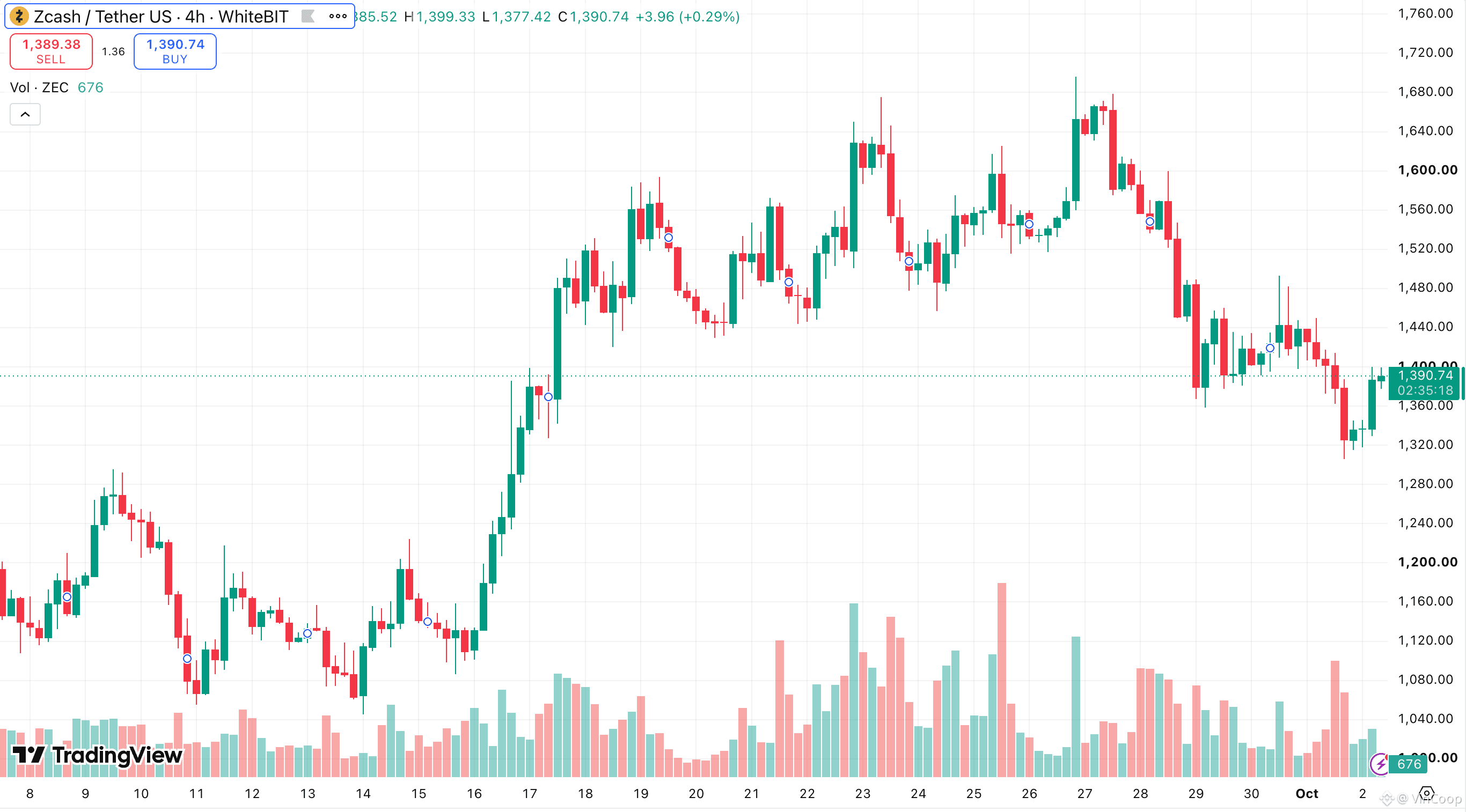
🐋 Las ballenas ZEC están comprando la caída: $1,400 es ahora el nivel que estoy vigilando Zcash se ha corregido desde su reciente máximo de $1,680, pero el panorama on-chain es más interesante que el movimiento del precio por sí solo. Una ballena grande acumuló 22,960 ZEC con un valor aproximado de $31.7M, y luego añadió otros 4,200 $ZEC con un valor de alrededor de $5.84M. (AMBCrypto) 📊 Mi plan: - $1,400 → primer nivel importante de estabilización - $1,300–$1,350 → siguiente zona de soporte si los vendedores siguen activos - 🐋 65,158 ZEC → aproximadamente $91M en poder de un clúster de ballenas rastreado - ~$1,510 → su precio de entrada promedio Ese último número importa. Las ballenas parecen estar acumulando antes de que se confirme un fondo claro, en lugar de esperar a que el gráfico gire. Si las monedas siguen alejándose de los exchanges, la oferta disponible para vender podría ajustarse. Si empiezan a volver a los exchanges, yo interpretaría el escenario de manera muy diferente. También importan las condiciones del mercado en general. Si $BTC mantiene su estructura, ZEC tiene más margen para que la acumulación de ballenas se traduzca en fortaleza del precio, en vez de solo absorber ventas en curso. 👀 $1,400 + los flujos de ballenas son las dos señales que vale la pena vigilar juntas. Si ZEC se estabiliza ahí mientras la acumulación continúa y $BTC se mantiene constructivo, el escenario se vuelve mucho más claro. No es asesoramiento financiero. #BTC Price Analysis# #ZEC #Bitcoin Price Prediction: What is Bitcoins next move?#
🐋 Las ballenas ZEC están comprando la caída: $1,400 es ahora el nivel que estoy vigilando Zcash se ha corregido desde su reciente máximo de $1,680, pero el panorama on-chain es más interesante que el movimiento del precio por sí solo. Una ballena grande acumuló 22,960 ZEC con un valor aproximado de $31.7M, y luego añadió otros 4,200 $ZEC con un valor de alrededor de $5.84M. (AMBCrypto) 📊 Mi plan: - $1,400 → primer nivel importante de estabilización - $1,300–$1,350 → siguiente zona de soporte si los vendedores siguen activos - 🐋 65,158 ZEC → aproximadamente $91M en poder de un clúster de ballenas rastreado - ~$1,510 → su precio de entrada promedio Ese último número importa. Las ballenas parecen estar acumulando antes de que se confirme un fondo claro, en lugar de esperar a que el gráfico gire. Si las monedas siguen alejándose de los exchanges, la oferta disponible para vender podría ajustarse. Si empiezan a volver a los exchanges, yo interpretaría el escenario de manera muy diferente. También importan las condiciones del mercado en general. Si $BTC mantiene su estructura, ZEC tiene más margen para que la acumulación de ballenas se traduzca en fortaleza del precio, en vez de solo absorber ventas en curso. 👀 $1,400 + los flujos de ballenas son las dos señales que vale la pena vigilar juntas. Si ZEC se estabiliza ahí mientras la acumulación continúa y $BTC se mantiene constructivo, el escenario se vuelve mucho más claro. No es asesoramiento financiero. #BTC Price Analysis# #ZEC #Bitcoin Price Prediction: What is Bitcoins next move?#
81
·
--
🔥 Encontré una forma de hacer que $BTC se sienta como un regalo real ¿Alguna vez regalaste cripto a alguien? Este año decidí que cada vez que vea “regalo monetario” en la lista de deseos de alguien, le daré en su lugar un pedacito de $BTC . 💭 Ya lo hice antes, y a la gente normalmente le encantaba recibir el propio Bitcoin. Pero 5 minutos después empezó la parte menos emocionante: cuando estábamos sentados juntos, averiguando billeteras, cuentas y todo el tema técnico. No es precisamente un ambiente festivo 😅 Así que empecé a buscar una manera de que el regalo de Bitcoin se sintiera como un regalo de verdad, sin convertirme en soporte técnico… Y creo que lo encontré ⚡️ 📌 Puedes imprimirlo y dárselo como tarjeta, compartir un enlace o un código QR, o enviarlo como PDF. Así es como podría verse un WB Check en WhiteBIT: https://bit.ly/4yW1U8E Una presentación bonita es una cosa, pero la mecánica importa aún más: yo creo el cheque, elijo el monto, agrego un mensaje (obviamente la parte más importante) y lo envío. La persona que lo recibe no necesita tener ya una cuenta en WhiteBIT solo para recibirlo, y puede reclamar la cripto más tarde cuando le apetezca 🎁 Esa fue la clave para mí. No le pedí a mi amigo que se convirtiera en “una persona de cripto” antes de que pudiera disfrutar de un regalo cripto; simplemente le di el regalo y dejé la configuración para después: mucho más parecido a cómo debería funcionar un presente. Así fue, básicamente, como optimicé toda la rutina de regalar cripto en mi vida… Aviso legal: Esto no es asesoramiento financiero ni de inversión. Infórmate por tu cuenta (DYOR) antes de tomar cualquier decisión. Úsalo bajo tu propio riesgo. #BTC Price Analysis# #Bitcoin Price Prediction: What is Bitcoins next move?# #Ad
🔥 Encontré una forma de hacer que $BTC se sienta como un regalo real ¿Alguna vez regalaste cripto a alguien? Este año decidí que cada vez que vea “regalo monetario” en la lista de deseos de alguien, le daré en su lugar un pedacito de $BTC . 💭 Ya lo hice antes, y a la gente normalmente le encantaba recibir el propio Bitcoin. Pero 5 minutos después empezó la parte menos emocionante: cuando estábamos sentados juntos, averiguando billeteras, cuentas y todo el tema técnico. No es precisamente un ambiente festivo 😅 Así que empecé a buscar una manera de que el regalo de Bitcoin se sintiera como un regalo de verdad, sin convertirme en soporte técnico… Y creo que lo encontré ⚡️ 📌 Puedes imprimirlo y dárselo como tarjeta, compartir un enlace o un código QR, o enviarlo como PDF. Así es como podría verse un WB Check en WhiteBIT: https://bit.ly/4yW1U8E Una presentación bonita es una cosa, pero la mecánica importa aún más: yo creo el cheque, elijo el monto, agrego un mensaje (obviamente la parte más importante) y lo envío. La persona que lo recibe no necesita tener ya una cuenta en WhiteBIT solo para recibirlo, y puede reclamar la cripto más tarde cuando le apetezca 🎁 Esa fue la clave para mí. No le pedí a mi amigo que se convirtiera en “una persona de cripto” antes de que pudiera disfrutar de un regalo cripto; simplemente le di el regalo y dejé la configuración para después: mucho más parecido a cómo debería funcionar un presente. Así fue, básicamente, como optimicé toda la rutina de regalar cripto en mi vida… Aviso legal: Esto no es asesoramiento financiero ni de inversión. Infórmate por tu cuenta (DYOR) antes de tomar cualquier decisión. Úsalo bajo tu propio riesgo. #BTC Price Analysis# #Bitcoin Price Prediction: What is Bitcoins next move?# #Ad

4
·
--
Las ballenas están enviando tres señales diferentes en BTC, ETH y XRP $BTC las ballenas recortaron sus tenencias en aproximadamente 30.000 BTC esta semana, equivalente a unos $2.52B a precios actuales. En el mismo período, las ballenas de ETH fueron en la dirección contraria y acumularon alrededor de 60.000 ETH por valor de $162M, mientras que los saldos de las ballenas de XRP se mantuvieron casi sin cambios cerca de 3.90B XRP. Eso crea una rara separación en tres vías: BTC → distribución ETH → acumulación XRP → sin cambios significativos Los flujos de los ETF añaden otra capa. Los fondos de Bitcoin terminaron una racha de entradas de nueve días con $148.69M en salidas, mientras que los ETF de Ethereum se revirtieron después de siete sesiones positivas y perdieron $62.39M. Los ETF de XRP no atrajeron dinero nuevo en las dos últimas sesiones, pero ahora llevan ocho sesiones seguidas sin una salida neta. La estructura de precios tampoco se ha roto todavía. BTC se está consolidando por debajo de la resistencia de $85.6K–$87.6K, mientras que XRP se sitúa cerca de $1.49, con resistencias alrededor de $1.51 y $1.60. La divergencia interesante es que el comportamiento de las grandes carteras y los flujos de los ETF no cuentan la misma historia. Las ballenas de Ethereum están comprando mientras que los fondos de ETH ven reembolsos; las ballenas de Bitcoin están recortando mientras que el precio sigue firme técnicamente, y XRP muestra el menor movimiento en ambos frentes. #BTC Price Analysis# #Bitcoin Price Prediction: ¿Cuál será el próximo movimiento de Bitcoins?# #Ad
Las ballenas están enviando tres señales diferentes en BTC, ETH y XRP $BTC las ballenas recortaron sus tenencias en aproximadamente 30.000 BTC esta semana, equivalente a unos $2.52B a precios actuales. En el mismo período, las ballenas de ETH fueron en la dirección contraria y acumularon alrededor de 60.000 ETH por valor de $162M, mientras que los saldos de las ballenas de XRP se mantuvieron casi sin cambios cerca de 3.90B XRP. Eso crea una rara separación en tres vías: BTC → distribución ETH → acumulación XRP → sin cambios significativos Los flujos de los ETF añaden otra capa. Los fondos de Bitcoin terminaron una racha de entradas de nueve días con $148.69M en salidas, mientras que los ETF de Ethereum se revirtieron después de siete sesiones positivas y perdieron $62.39M. Los ETF de XRP no atrajeron dinero nuevo en las dos últimas sesiones, pero ahora llevan ocho sesiones seguidas sin una salida neta. La estructura de precios tampoco se ha roto todavía. BTC se está consolidando por debajo de la resistencia de $85.6K–$87.6K, mientras que XRP se sitúa cerca de $1.49, con resistencias alrededor de $1.51 y $1.60. La divergencia interesante es que el comportamiento de las grandes carteras y los flujos de los ETF no cuentan la misma historia. Las ballenas de Ethereum están comprando mientras que los fondos de ETH ven reembolsos; las ballenas de Bitcoin están recortando mientras que el precio sigue firme técnicamente, y XRP muestra el menor movimiento en ambos frentes. #BTC Price Analysis# #Bitcoin Price Prediction: ¿Cuál será el próximo movimiento de Bitcoins?# #Ad

52
·
--
Un robo de 0.36 ETH enciende una salida de validadores de 523,000 ETH $ETH está atravesando un inusual shock de staking: se informa que MetaMask está saliendo de aproximadamente 17,000 validadores que mantienen alrededor de 523,000 ETH después de que las recompensas por comisiones de 18 de 19 validadores que producen bloques fueran redirigidas a una dirección externa. La cantidad supuestamente capturada fue mínima: alrededor de 0.36 ETH. La respuesta operativa no. La cola total de salidas de validadores de Ethereum ya se ha elevado a aproximadamente 773,447 ETH, su mayor acumulación desde diciembre de 2025, con una espera estimada de 13 días y 10 horas para la salida, más otros 7.6 días para el barrido de retiros. Lo que hace que el incidente sea importante es la brecha entre lo que se sabe y lo que aún no se resuelve. Conocido: parte de la infraestructura de MetaMask fue comprometida; los validadores afectados están siendo retirados, y MetaMask afirma que no hay una amenaza inmediata para los usuarios de las carteras. Aún desconocido: si las claves de firma de los validadores estuvieron expuestas, si ocurrió algún slashing y por qué 821 validadores potencialmente afectados, según se informa, siguen activos. La cola de Ethereum está funcionando como estaba previsto: las salidas están deliberadamente limitadas en el ritmo para proteger la estabilidad de proof-of-stake. Pero este caso muestra cómo un incidente relativamente pequeño a nivel de validadores puede traducirse en un embotellamiento mucho mayor del staking cuando los operadores deciden retirar cientos de miles de ETH como medida precautoria. #Altcoin Season# #ETH #Ethereum
Un robo de 0.36 ETH enciende una salida de validadores de 523,000 ETH $ETH está atravesando un inusual shock de staking: se informa que MetaMask está saliendo de aproximadamente 17,000 validadores que mantienen alrededor de 523,000 ETH después de que las recompensas por comisiones de 18 de 19 validadores que producen bloques fueran redirigidas a una dirección externa. La cantidad supuestamente capturada fue mínima: alrededor de 0.36 ETH. La respuesta operativa no. La cola total de salidas de validadores de Ethereum ya se ha elevado a aproximadamente 773,447 ETH, su mayor acumulación desde diciembre de 2025, con una espera estimada de 13 días y 10 horas para la salida, más otros 7.6 días para el barrido de retiros. Lo que hace que el incidente sea importante es la brecha entre lo que se sabe y lo que aún no se resuelve. Conocido: parte de la infraestructura de MetaMask fue comprometida; los validadores afectados están siendo retirados, y MetaMask afirma que no hay una amenaza inmediata para los usuarios de las carteras. Aún desconocido: si las claves de firma de los validadores estuvieron expuestas, si ocurrió algún slashing y por qué 821 validadores potencialmente afectados, según se informa, siguen activos. La cola de Ethereum está funcionando como estaba previsto: las salidas están deliberadamente limitadas en el ritmo para proteger la estabilidad de proof-of-stake. Pero este caso muestra cómo un incidente relativamente pequeño a nivel de validadores puede traducirse en un embotellamiento mucho mayor del staking cuando los operadores deciden retirar cientos de miles de ETH como medida precautoria. #Altcoin Season# #ETH #Ethereum

65
·
--
XRP Está Cayendo Mientras Los Pagos Con Máquina de XRPL Se Aceleran $XRP cotiza alrededor de $1.49, con una caída de aproximadamente 1.3%, incluso cuando la XRP Ledger acaba de superar los 10.8M de pagos x402. La red pasó de 1M a 10M de pagos a agentes en menos de tres meses y ahora procesa aproximadamente 500,000 pagos por día. El contraste útil es simple: Precio: ~$1.49 Pagos a agentes: 10.8M Ritmo actual: ~500K/día Servicios/API pagaderos en vivo: 2,287 Capitalización de mercado RLUSD: ~$2.49B Estos pagos provienen de agentes de IA que usan x402 para pagar servicios como inferencia, acceso a datos y APIs financieras, con la liquidación ocurriendo en XRPL en XRP o RLUSD. Mientras tanto, el mercado también absorbió un vencimiento programado de una liberación de escrow de 1B XRP sin un shock importante en el precio. La fuente dice que las liquidaciones de XRP totalizaron solo alrededor de $6.22M, mientras que 31.845B XRP permanecieron en escrow después. Así que la configuración actual de XRP no se está definiendo solo por el precio. El uso se está expandiendo en pagos máquina-a-máquina mientras el token en sí se mantiene relativamente plano, un recordatorio útil de que la actividad de la red y el precio del mercado pueden divergir durante largos periodos. #Ripple #XRP #Ad #Altcoin Season#
XRP Está Cayendo Mientras Los Pagos Con Máquina de XRPL Se Aceleran $XRP cotiza alrededor de $1.49, con una caída de aproximadamente 1.3%, incluso cuando la XRP Ledger acaba de superar los 10.8M de pagos x402. La red pasó de 1M a 10M de pagos a agentes en menos de tres meses y ahora procesa aproximadamente 500,000 pagos por día. El contraste útil es simple: Precio: ~$1.49 Pagos a agentes: 10.8M Ritmo actual: ~500K/día Servicios/API pagaderos en vivo: 2,287 Capitalización de mercado RLUSD: ~$2.49B Estos pagos provienen de agentes de IA que usan x402 para pagar servicios como inferencia, acceso a datos y APIs financieras, con la liquidación ocurriendo en XRPL en XRP o RLUSD. Mientras tanto, el mercado también absorbió un vencimiento programado de una liberación de escrow de 1B XRP sin un shock importante en el precio. La fuente dice que las liquidaciones de XRP totalizaron solo alrededor de $6.22M, mientras que 31.845B XRP permanecieron en escrow después. Así que la configuración actual de XRP no se está definiendo solo por el precio. El uso se está expandiendo en pagos máquina-a-máquina mientras el token en sí se mantiene relativamente plano, un recordatorio útil de que la actividad de la red y el precio del mercado pueden divergir durante largos periodos. #Ripple #XRP #Ad #Altcoin Season#
63
·
--
Un usuario, cinco aplicaciones: ¿Necesitas cinco billeteras? Una empresa puede crear varios productos para la misma audiencia y, accidentalmente, fragmentar la experiencia de la billetera en el camino. Imagina al mismo usuario moviéndose entre un juego, un marketplace, una app de recompensas y un producto de pago $BTC dentro de un mismo ecosistema. Si cada app aprovisiona una billetera separada, ese usuario puede terminar gestionando distintos saldos y cuentas, aunque, desde su perspectiva, nunca realmente salió de la misma plataforma. Openfort Wallet-as-a-Service aborda esto con un modelo de billetera entre apps. Openfort permite a un negocio crear una única identidad de billetera por usuario a nivel de la organización y mostrarla en diferentes frontends web, móviles y de juegos. Los saldos, permisos y límites pueden mantenerse consistentes en toda la suite de productos en lugar de reconstruirse para cada aplicación. https://www.openfort.io/wallet-as-a-service?utm_source=coinmarketcap&utm_medium=wAAs_vinc&utm_campaign=post Openfort admite límites de gasto a nivel de organización, listas de permitidos de contratos y claves de sesión por encima de apps individuales, preservando a la vez la UX del frontend. Su herramienta de permisos de 2026 restringe el acceso a claves de sesión, los montos de uso y la duración. La gestión de claves es sin custodia, ofreciendo infraestructura de OpenSigner de código abierto autohospedada. Las métricas a nivel de plataforma informan 1M+ billeteras, 10M+ transacciones, velocidades de firma <200ms y 99.99% de disponibilidad. Los permisos de billetera y los controles de transacciones no reemplazan el cumplimiento de KYC/AML: esas siguen siendo responsabilidades separadas. Para empresas con múltiples productos, esto cambia el modelo WaaS: en lugar de desplegar nuevas billeteras a medida que el ecosistema se expande, la infraestructura mantiene una identidad de billetera consistente a través de aplicaciones cambiantes. Aviso: Esto no es asesoramiento financiero ni de inversión. Haz tu propia investigación (DYOR) antes de tomar cualquier decisión. Úsalo bajo tu propio riesgo. #Análisis del precio de BTC# #Predicción del precio de Bitcoin: ¿cuál es el siguiente movimiento de Bitcoin?# #Anuncio #BTC
Un usuario, cinco aplicaciones: ¿Necesitas cinco billeteras? Una empresa puede crear varios productos para la misma audiencia y, accidentalmente, fragmentar la experiencia de la billetera en el camino. Imagina al mismo usuario moviéndose entre un juego, un marketplace, una app de recompensas y un producto de pago $BTC dentro de un mismo ecosistema. Si cada app aprovisiona una billetera separada, ese usuario puede terminar gestionando distintos saldos y cuentas, aunque, desde su perspectiva, nunca realmente salió de la misma plataforma. Openfort Wallet-as-a-Service aborda esto con un modelo de billetera entre apps. Openfort permite a un negocio crear una única identidad de billetera por usuario a nivel de la organización y mostrarla en diferentes frontends web, móviles y de juegos. Los saldos, permisos y límites pueden mantenerse consistentes en toda la suite de productos en lugar de reconstruirse para cada aplicación. https://www.openfort.io/wallet-as-a-service?utm_source=coinmarketcap&utm_medium=wAAs_vinc&utm_campaign=post Openfort admite límites de gasto a nivel de organización, listas de permitidos de contratos y claves de sesión por encima de apps individuales, preservando a la vez la UX del frontend. Su herramienta de permisos de 2026 restringe el acceso a claves de sesión, los montos de uso y la duración. La gestión de claves es sin custodia, ofreciendo infraestructura de OpenSigner de código abierto autohospedada. Las métricas a nivel de plataforma informan 1M+ billeteras, 10M+ transacciones, velocidades de firma <200ms y 99.99% de disponibilidad. Los permisos de billetera y los controles de transacciones no reemplazan el cumplimiento de KYC/AML: esas siguen siendo responsabilidades separadas. Para empresas con múltiples productos, esto cambia el modelo WaaS: en lugar de desplegar nuevas billeteras a medida que el ecosistema se expande, la infraestructura mantiene una identidad de billetera consistente a través de aplicaciones cambiantes. Aviso: Esto no es asesoramiento financiero ni de inversión. Haz tu propia investigación (DYOR) antes de tomar cualquier decisión. Úsalo bajo tu propio riesgo. #Análisis del precio de BTC# #Predicción del precio de Bitcoin: ¿cuál es el siguiente movimiento de Bitcoin?# #Anuncio #BTC

24
·
--
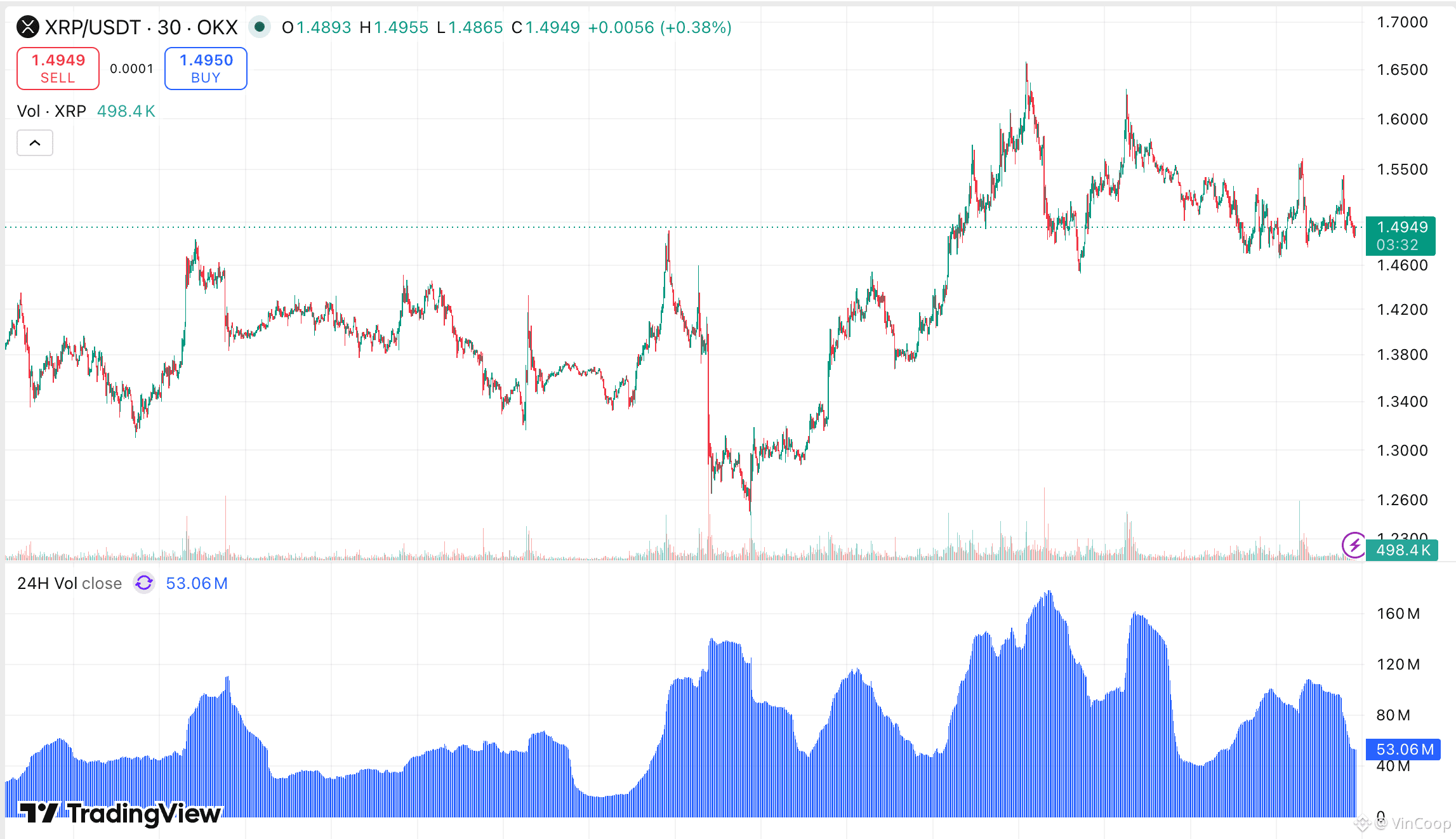
XRP se mantiene cerca de 1,50 USD mientras el interés abierto aumenta 32% $XRP cotiza alrededor de 1,49–1,50 USD, mientras que los datos de derivados muestran que el posicionamiento se está construyendo mucho más rápido de lo que se mueve el precio. Del 16 al 27 de septiembre, el interés abierto de XRP en Binance subió de aproximadamente 210M USD a 276,5M USD, es decir, cerca de un 32%. En el mismo periodo, el CVD de futuros perpetuos en Binance cayó de alrededor de -1,0B USD a -1,29B USD, mientras que el CVD estimado al contado en las principales CEXs bajó de -2,27B USD a -2,70B USD. En otras palabras, XRP se mantuvo bien por encima de sus niveles de mediados de septiembre incluso cuando las ventas agresivas siguieron dominando. El gráfico de 30 minutos ahora muestra a XRP consolidándose cerca de 1,50 USD después de varios movimientos recientes por encima de 1,55. El rango inmediato a vigilar es aproximadamente 1,46–1,55 USD: una ruptura limpia en cualquiera de los dos lados daría más información que el interés abierto por sí solo. Por separado, WhiteBIT amplió su integración de TradingView este mes con perpetuos de TradFi vinculados a activos del mercado tradicional, incluidos acciones, materias primas y ETFs. Aviso legal: Este contenido es solo para fines informativos y no constituye asesoramiento financiero. Las parejas TradFi son instrumentos derivados que siguen activos del mercado tradicional y no proporcionan propiedad de los activos subyacentes. La disponibilidad varía según la jurisdicción. #Altcoin Season# #Ripple #Ad #XRP
XRP se mantiene cerca de 1,50 USD mientras el interés abierto aumenta 32% $XRP cotiza alrededor de 1,49–1,50 USD, mientras que los datos de derivados muestran que el posicionamiento se está construyendo mucho más rápido de lo que se mueve el precio. Del 16 al 27 de septiembre, el interés abierto de XRP en Binance subió de aproximadamente 210M USD a 276,5M USD, es decir, cerca de un 32%. En el mismo periodo, el CVD de futuros perpetuos en Binance cayó de alrededor de -1,0B USD a -1,29B USD, mientras que el CVD estimado al contado en las principales CEXs bajó de -2,27B USD a -2,70B USD. En otras palabras, XRP se mantuvo bien por encima de sus niveles de mediados de septiembre incluso cuando las ventas agresivas siguieron dominando. El gráfico de 30 minutos ahora muestra a XRP consolidándose cerca de 1,50 USD después de varios movimientos recientes por encima de 1,55. El rango inmediato a vigilar es aproximadamente 1,46–1,55 USD: una ruptura limpia en cualquiera de los dos lados daría más información que el interés abierto por sí solo. Por separado, WhiteBIT amplió su integración de TradingView este mes con perpetuos de TradFi vinculados a activos del mercado tradicional, incluidos acciones, materias primas y ETFs. Aviso legal: Este contenido es solo para fines informativos y no constituye asesoramiento financiero. Las parejas TradFi son instrumentos derivados que siguen activos del mercado tradicional y no proporcionan propiedad de los activos subyacentes. La disponibilidad varía según la jurisdicción. #Altcoin Season# #Ripple #Ad #XRP
51
Inicia sesión para explorar más contenidos
Únete a usuarios de criptomonedas de todo el mundo en Binance Square
⚡️ Obtén la información más reciente y útil sobre criptomonedas.
💬 Confía en el mayor exchange de criptomonedas del mundo.
👍 Descubre opiniones reales de creadores verificados.
Correo electrónico/número de teléfono
Temas en tendencia
BinanceLaunchesBinanceIntelligence
287,906 visualizaciones
2,486 participa(n) en el debate
La verdadera prueba para Binance Intelligence no es si la IA puede generar una estrategia
Zaki Web3 Media
·5 «Me gusta»
·8.4k visualizaciones
BitcoinTargets2026OpenAt$87570
589 visualizaciones
36 participa(n) en el debate
BitcoinRejectedAt$87KThirdTime
752 visualizaciones
41 participa(n) en el debate