

Crypto_juju
281 Publicaciones

Crypto_juju
Denunciar
Bloquear usuario
Uniquely me, but crypto has my heart, ohh am in love with defi and am here to let everyone know about it
0 Siguiendo
10 Seguidores
55 Me gusta
Publicaciones
·
--
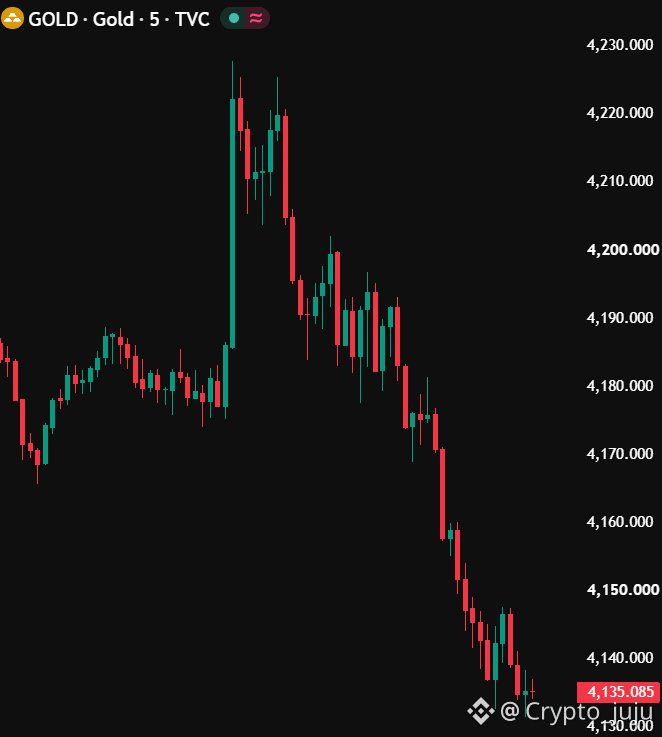
Alrededor de $730B se ha borrado del oro y la plata en los últimos 150 minutos. Datos buenos o malos, los metales preciosos están sufriendo un golpe serio ahora mismo. Estoy observando para ver dónde se asienta la presión vendedora desde aquí. $ZEC
Alrededor de $730B se ha borrado del oro y la plata en los últimos 150 minutos. Datos buenos o malos, los metales preciosos están sufriendo un golpe serio ahora mismo. Estoy observando para ver dónde se asienta la presión vendedora desde aquí. $ZEC
52
·
--
Ver traducción
$CT is the official token of Concrete, a decentralized finance (DeFi) platform that automatically and safely grows crypto through smart, risk-managed "vaults." Holding CT gives you a direct say in how the platform operates, allowing you to vote on future upgrades (governance) and tweak the settings of these automated vaults (configuration). The token officially launched on September 30, 2026, following a mysterious teaser campaign, and the project is backed by major crypto investors like Polychain and VanEck. Simply put, CT is the digital key that lets the community steer and customize a high-tech, automated crypto savings system.
$CT is the official token of Concrete, a decentralized finance (DeFi) platform that automatically and safely grows crypto through smart, risk-managed "vaults." Holding CT gives you a direct say in how the platform operates, allowing you to vote on future upgrades (governance) and tweak the settings of these automated vaults (configuration). The token officially launched on September 30, 2026, following a mysterious teaser campaign, and the project is backed by major crypto investors like Polychain and VanEck. Simply put, CT is the digital key that lets the community steer and customize a high-tech, automated crypto savings system.
65
·
--
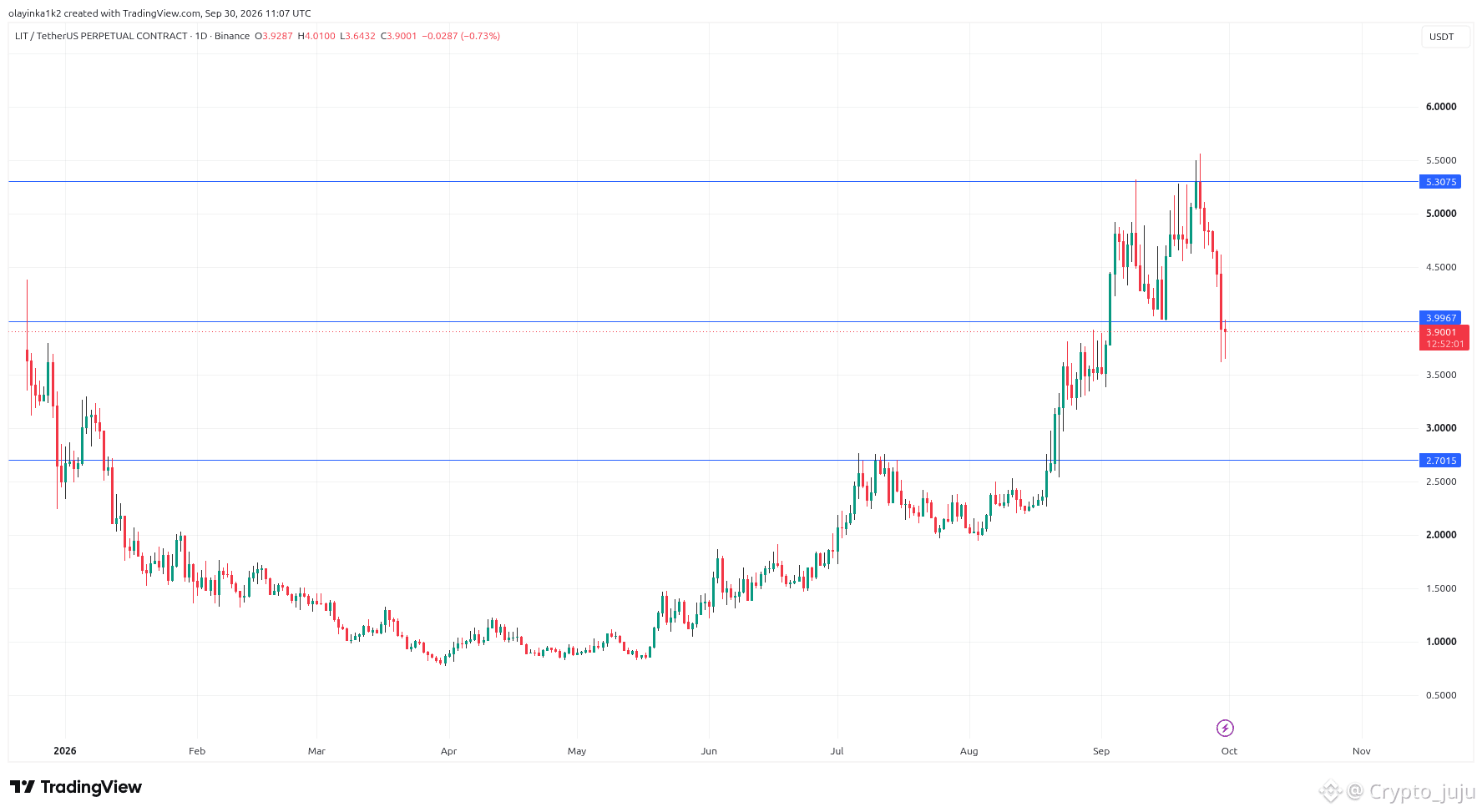
$LIT ha estado captando mi atención últimamente. He estado mirando el DEX desde hace un tiempo, y el aumento del volumen y la atención que está recibiendo están empezando a hacer el gráfico más interesante. Incluso se habla de que LIT podría tomar una página de $HYPE , pero a mí me interesa más ver si el volumen y la actividad realmente pueden seguir creciendo. Honestamente, me recuerda un poco a Ston y @ston_fi . stonfi también ha tenido un año bastante activo hasta ahora, especialmente con el cross-chain volviéndose una parte más grande de la plataforma. Lo que me parece interesante es cómo los DEXs están convirtiéndose poco a poco en algo más que lugares para intercambiar tokens. Cuando se combinan la liquidez, el volumen y el acceso cross-chain, todo el ecosistema se vuelve mucho más interesante de observar. LIT está en mi radar por ahora. Y definitivamente seguiré observando qué hace STON y qué construye después.
$LIT ha estado captando mi atención últimamente. He estado mirando el DEX desde hace un tiempo, y el aumento del volumen y la atención que está recibiendo están empezando a hacer el gráfico más interesante. Incluso se habla de que LIT podría tomar una página de $HYPE , pero a mí me interesa más ver si el volumen y la actividad realmente pueden seguir creciendo. Honestamente, me recuerda un poco a Ston y @ston_fi . stonfi también ha tenido un año bastante activo hasta ahora, especialmente con el cross-chain volviéndose una parte más grande de la plataforma. Lo que me parece interesante es cómo los DEXs están convirtiéndose poco a poco en algo más que lugares para intercambiar tokens. Cuando se combinan la liquidez, el volumen y el acceso cross-chain, todo el ecosistema se vuelve mucho más interesante de observar. LIT está en mi radar por ahora. Y definitivamente seguiré observando qué hace STON y qué construye después.
39
·
--
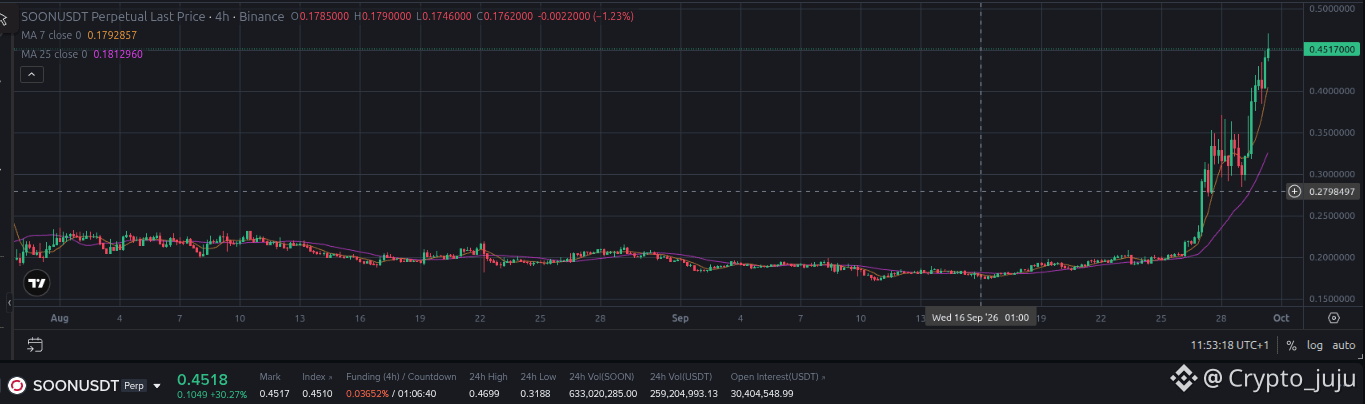
$ASTER vuelve a estar en la cima de mi lista de seguimiento y empieza a mostrar algo de movimiento. ¿Podemos ver si vuelve rumbo a $0.20? Estoy mirando la gráfica de cerca. El reciente tuit de CZ podría tener algo que ver con la atención renovada, pero aun así me gustaría ver cómo se comporta el precio desde aquí antes de emocionarme demasiado. $SOON también está subiendo hoy, así que es otra gráfica que tengo en la mira. Mientras tanto, hay una actualización pequeña pero útil de la campaña de Flight Deals de @ston_fi. La recompensa del SafePal X1 acaba de ser más fácil de desbloquear. Se eliminó el requisito anterior de volumen de swap cross-chain de $200. Ahora, solo necesitas: * Completar la misión de la tripulación de SafePal * Hacer al menos un swap cross-chain elegible * Tener 2,000 millas El SafePal X1 se envía después de que termine la campaña, y las actualizaciones de Flight Deals se renuevan cada martes. Sinceramente, me gusta este tipo de actualización. Menos fricción, menos requisitos, y le da a la gente una forma más sencilla de explorar swaps cross-chain mientras gana millas. Ahora de vuelta a las gráficas.
$ASTER vuelve a estar en la cima de mi lista de seguimiento y empieza a mostrar algo de movimiento. ¿Podemos ver si vuelve rumbo a $0.20? Estoy mirando la gráfica de cerca. El reciente tuit de CZ podría tener algo que ver con la atención renovada, pero aun así me gustaría ver cómo se comporta el precio desde aquí antes de emocionarme demasiado. $SOON también está subiendo hoy, así que es otra gráfica que tengo en la mira. Mientras tanto, hay una actualización pequeña pero útil de la campaña de Flight Deals de @ston_fi. La recompensa del SafePal X1 acaba de ser más fácil de desbloquear. Se eliminó el requisito anterior de volumen de swap cross-chain de $200. Ahora, solo necesitas: * Completar la misión de la tripulación de SafePal * Hacer al menos un swap cross-chain elegible * Tener 2,000 millas El SafePal X1 se envía después de que termine la campaña, y las actualizaciones de Flight Deals se renuevan cada martes. Sinceramente, me gusta este tipo de actualización. Menos fricción, menos requisitos, y le da a la gente una forma más sencilla de explorar swaps cross-chain mientras gana millas. Ahora de vuelta a las gráficas.
67
·
--
He estado investigando $AVAX últimamente, y la historia es bastante interesante. Avalanche empezó con una idea sencilla: hacer que las transacciones en blockchain sean más rápidas y más escalables sin sacrificar demasiado la descentralización. Con el tiempo, ha crecido hasta convertirse en un ecosistema en el que los desarrolladores pueden construir sus propias redes y aplicaciones usando la infraestructura de Avalanche. La parte que estoy observando ahora es cuánto impulso real y adopción puede seguir construyendo el ecosistema. Para mí, $AVAX es uno de esos proyectos que vale la pena tener en la mira.
He estado investigando $AVAX últimamente, y la historia es bastante interesante. Avalanche empezó con una idea sencilla: hacer que las transacciones en blockchain sean más rápidas y más escalables sin sacrificar demasiado la descentralización. Con el tiempo, ha crecido hasta convertirse en un ecosistema en el que los desarrolladores pueden construir sus propias redes y aplicaciones usando la infraestructura de Avalanche. La parte que estoy observando ahora es cuánto impulso real y adopción puede seguir construyendo el ecosistema. Para mí, $AVAX es uno de esos proyectos que vale la pena tener en la mira.
112
·
--
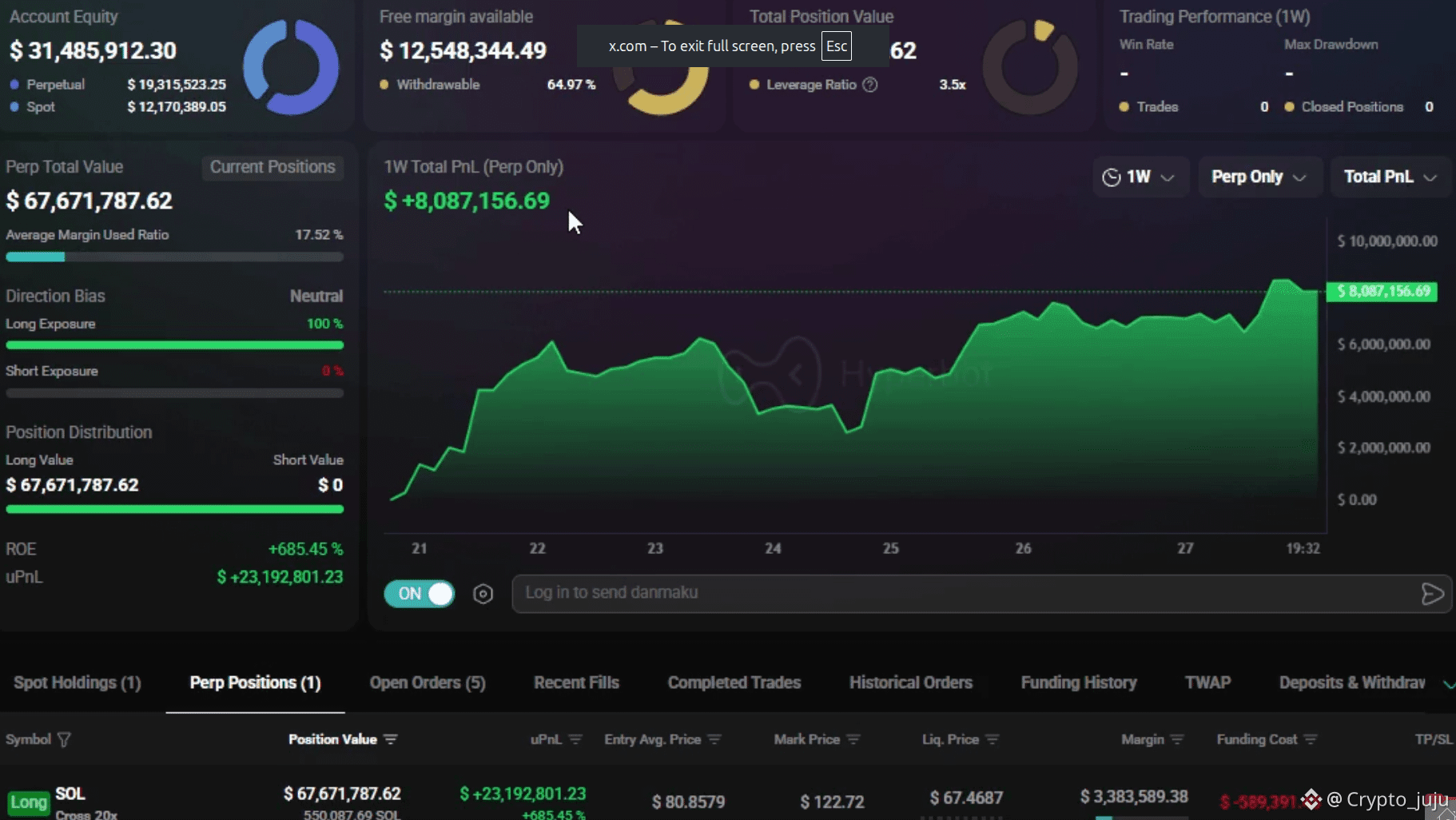
Las ballenas de $SOL están haciendo movimientos serios. Las posiciones largas de ballenas en Bitfinex se han disparado, mientras que los ETFs de Solana compraron 2.32M de SOL, por un valor de alrededor de $278M, durante las últimas dos semanas. El AUM total de los ETFs ahora ronda los $2.28B. Con las ballenas acumulando y la demanda de los ETFs aumentando, ¿Solana se está preparando para otra temporada de memes? $XRP
Las ballenas de $SOL están haciendo movimientos serios. Las posiciones largas de ballenas en Bitfinex se han disparado, mientras que los ETFs de Solana compraron 2.32M de SOL, por un valor de alrededor de $278M, durante las últimas dos semanas. El AUM total de los ETFs ahora ronda los $2.28B. Con las ballenas acumulando y la demanda de los ETFs aumentando, ¿Solana se está preparando para otra temporada de memes? $XRP
·
--
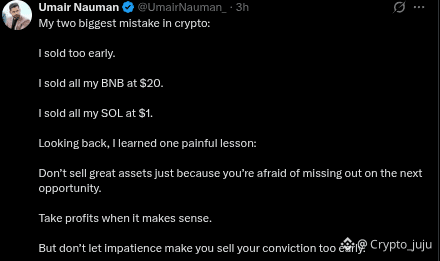
Acabo de ver el tweet de alguien que vendió allí su $SOL y su $BNB temprano, maldita sea
Acabo de ver el tweet de alguien que vendió allí su $SOL y su $BNB temprano, maldita sea
7
·
--
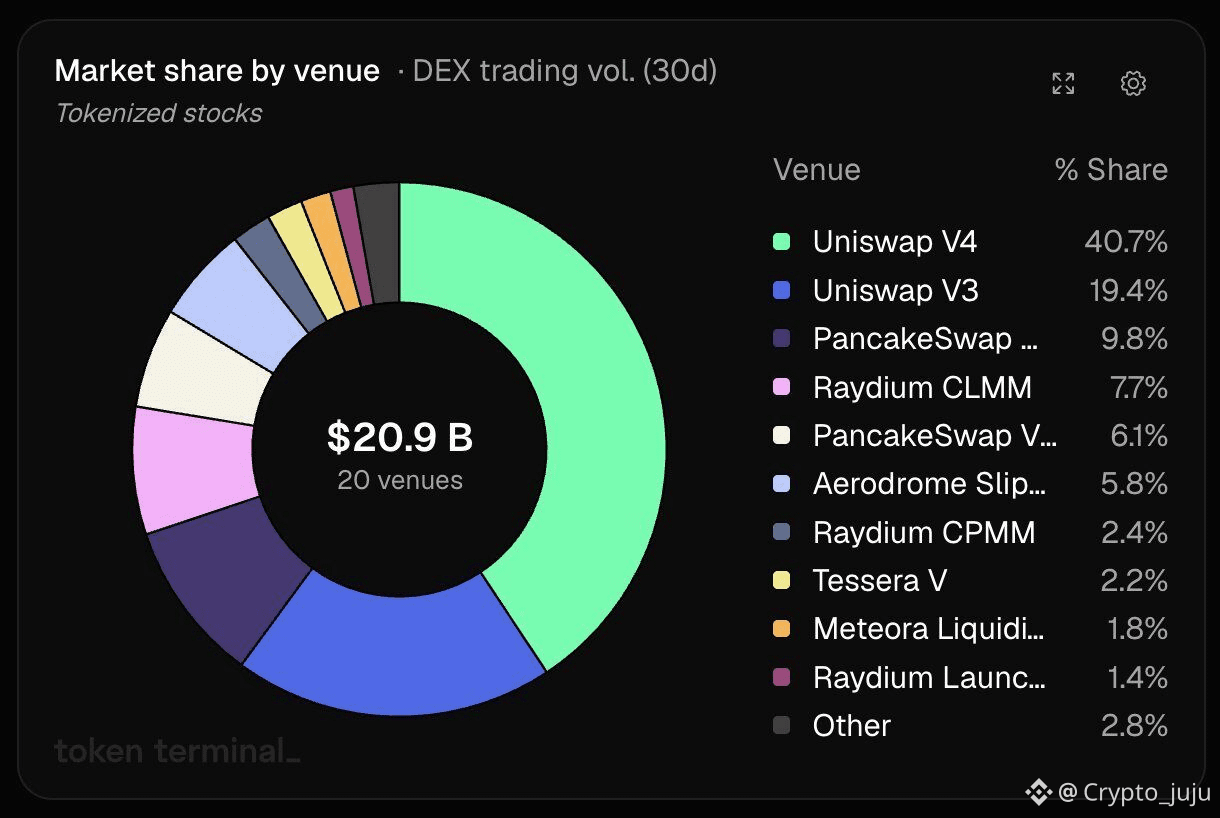
Las acciones tokenizadas empiezan a parecer menos un experimento lateral en DeFi. En los últimos 30 días, las acciones tokenizadas hicieron 20.9B USD en volumen de trading en DEX, con Uniswap $UNI V3 y V4 representando aproximadamente $12.6B**, o el 60.1% del total. Eso es mucha actividad para una clase de activo que ni siquiera formaba parte de la conversación habitual de DeFi hace no mucho. También me hizo pensar en xStocks en @ston_fi. He estado viendo cómo los xStocks encajan en TON y, sinceramente, hace que el lado de RWA de DeFi se sienta mucho más práctico. Puedes intercambiar por activos tokenizados como AAPLx, NVDAx y TSLAx directamente a través de stonfi, con los xStocks en tu billetera TON como activos onchain. Lo que encuentro aún más interesante es la infraestructura subyacente. Los xStocks son uno de los primeros activos que usan la ejecución en escrow de Omniston, lo que permite al sistema aprovechar la liquidez con precios de resolver en lugar de depender solo de las típicas pools de AMM. Entonces, mientras los titulares hablan de que el volumen de acciones tokenizadas alcanza miles de millones, hay otra historia ocurriendo por debajo: los activos tradicionales se están volviendo onchain y la infraestructura de DeFi se está adaptando a ellos. Creo que todavía estamos bastante temprano para ver cómo es eso en realidad. $XRP #Altcoin Season#
Las acciones tokenizadas empiezan a parecer menos un experimento lateral en DeFi. En los últimos 30 días, las acciones tokenizadas hicieron 20.9B USD en volumen de trading en DEX, con Uniswap $UNI V3 y V4 representando aproximadamente $12.6B**, o el 60.1% del total. Eso es mucha actividad para una clase de activo que ni siquiera formaba parte de la conversación habitual de DeFi hace no mucho. También me hizo pensar en xStocks en @ston_fi. He estado viendo cómo los xStocks encajan en TON y, sinceramente, hace que el lado de RWA de DeFi se sienta mucho más práctico. Puedes intercambiar por activos tokenizados como AAPLx, NVDAx y TSLAx directamente a través de stonfi, con los xStocks en tu billetera TON como activos onchain. Lo que encuentro aún más interesante es la infraestructura subyacente. Los xStocks son uno de los primeros activos que usan la ejecución en escrow de Omniston, lo que permite al sistema aprovechar la liquidez con precios de resolver en lugar de depender solo de las típicas pools de AMM. Entonces, mientras los titulares hablan de que el volumen de acciones tokenizadas alcanza miles de millones, hay otra historia ocurriendo por debajo: los activos tradicionales se están volviendo onchain y la infraestructura de DeFi se está adaptando a ellos. Creo que todavía estamos bastante temprano para ver cómo es eso en realidad. $XRP #Altcoin Season#
·
--
Así que esta semana se siente como la temporada $NEAR en onchain. Y sinceramente, una cosa de ser un trencher es que tienes que ser rápido para notar cuando la atención empieza a moverse hacia otro lado. Las trincheras de $SOL siguen activas, pero creo que es fácil ponerse demasiado cómodo mirando solo una cadena. A veces, el siguiente movimiento interesante está ocurriendo en algún lugar que ni siquiera estabas mirando. Por eso también he estado prestando más atención a la actividad entre cadenas últimamente. **Omniston acaba de superar $7.5M en volumen de swaps cross-chain de todos los tiempos**, más del doble de la marca de $3M que alcanzó a principios de este mes. Ese tipo de crecimiento es interesante porque muestra que la liquidez no se queda en un solo ecosistema. La gente se mueve entre cadenas y la infraestructura que conecta esos ecosistemas se vuelve más importante a medida que crece la actividad. Así que sí, mantén un ojo en las trincheras de SOL. Pero no te olvides de mirar a tu alrededor. #Altcoin Season#
Así que esta semana se siente como la temporada $NEAR en onchain. Y sinceramente, una cosa de ser un trencher es que tienes que ser rápido para notar cuando la atención empieza a moverse hacia otro lado. Las trincheras de $SOL siguen activas, pero creo que es fácil ponerse demasiado cómodo mirando solo una cadena. A veces, el siguiente movimiento interesante está ocurriendo en algún lugar que ni siquiera estabas mirando. Por eso también he estado prestando más atención a la actividad entre cadenas últimamente. **Omniston acaba de superar $7.5M en volumen de swaps cross-chain de todos los tiempos**, más del doble de la marca de $3M que alcanzó a principios de este mes. Ese tipo de crecimiento es interesante porque muestra que la liquidez no se queda en un solo ecosistema. La gente se mueve entre cadenas y la infraestructura que conecta esos ecosistemas se vuelve más importante a medida que crece la actividad. Así que sí, mantén un ojo en las trincheras de SOL. Pero no te olvides de mirar a tu alrededor. #Altcoin Season#
25
·
--
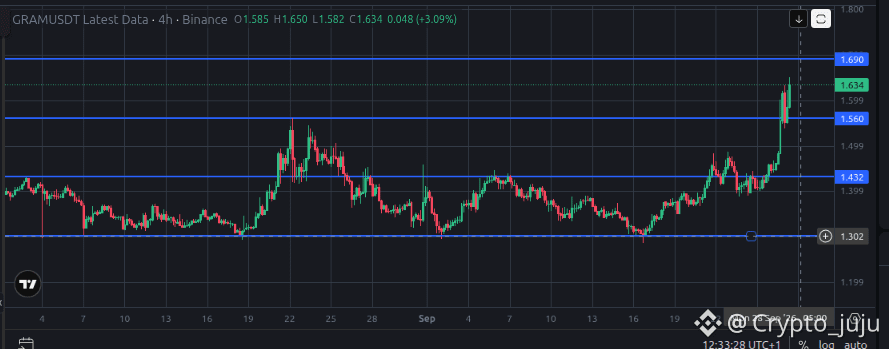
$GRAM está empujando hacia $1.69 Si el impulso se mantiene, me encantaría verlo probar $2 la próxima semana, pero por ahora solo estoy observando cómo reacciona el precio alrededor de estos niveles. Un movimiento fuerte de GRAM también es interesante para el ecosistema de @ston_fi porque más actividad puede significar más atención y liquidez en el lado de DeFi de TON. También tengo los ojos puestos en STON. Veamos cómo reacciona si GRAM sigue moviéndose. $ZEC #Altcoin Season#
$GRAM está empujando hacia $1.69 Si el impulso se mantiene, me encantaría verlo probar $2 la próxima semana, pero por ahora solo estoy observando cómo reacciona el precio alrededor de estos niveles. Un movimiento fuerte de GRAM también es interesante para el ecosistema de @ston_fi porque más actividad puede significar más atención y liquidez en el lado de DeFi de TON. También tengo los ojos puestos en STON. Veamos cómo reacciona si GRAM sigue moviéndose. $ZEC #Altcoin Season#
46
·
--
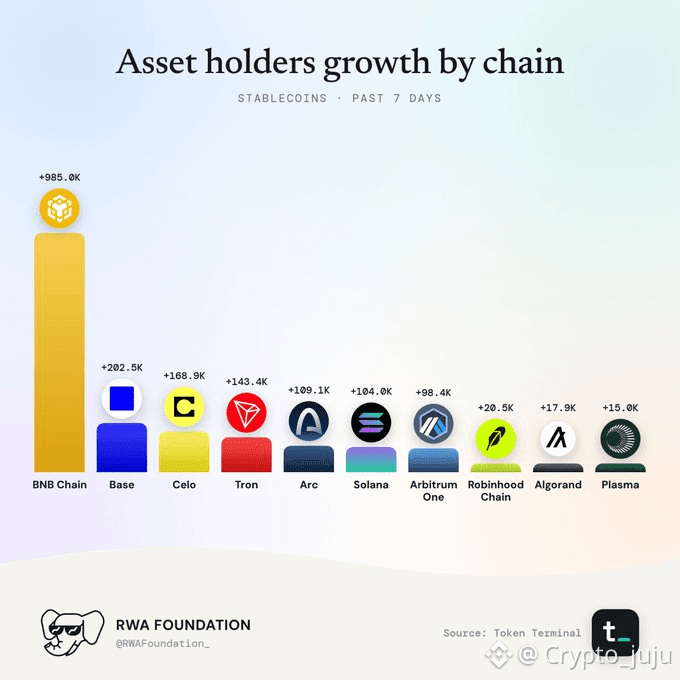
$BNB Chain está viendo un aumento notable en la adopción de stablecoins. Aproximadamente 985K nuevos titulares de stablecoins se unieron a la cadena durante los últimos 7 días. Eso es casi 5 veces más que la siguiente cadena en el mismo periodo. Es interesante ver hacia dónde empieza a fluir esta nueva actividad de #StableCoin a continuación.
$BNB Chain está viendo un aumento notable en la adopción de stablecoins. Aproximadamente 985K nuevos titulares de stablecoins se unieron a la cadena durante los últimos 7 días. Eso es casi 5 veces más que la siguiente cadena en el mismo periodo. Es interesante ver hacia dónde empieza a fluir esta nueva actividad de #StableCoin a continuación.
42
·
--
$QNT es el token detrás de Quant, un proyecto enfocado en la interoperabilidad blockchain. Su tecnología Overledger está diseñada para conectar diferentes blockchains con sistemas financieros existentes. Quant también participa en la iniciativa On-Chain Money de The Clearing House, que explora depósitos tokenizados y la liquidación en cadena. Así que la historia principal alrededor de $QNT es simple: conectar las finanzas tradicionales con diferentes redes blockchain.
$QNT es el token detrás de Quant, un proyecto enfocado en la interoperabilidad blockchain. Su tecnología Overledger está diseñada para conectar diferentes blockchains con sistemas financieros existentes. Quant también participa en la iniciativa On-Chain Money de The Clearing House, que explora depósitos tokenizados y la liquidación en cadena. Así que la historia principal alrededor de $QNT es simple: conectar las finanzas tradicionales con diferentes redes blockchain.
61
·
--
$ZEC va camino de $2K y, sinceramente, este movimiento ha estado de locos. $HYPE tampoco parece mirar demasiado lejos por detrás. Echando la vista atrás y viendo cómo se han movido algunas de estas monedas este año, maldita… qué año. Y mientras todo el mundo está mirando los gráficos, yo también he estado prestando atención a parte de la actividad que está ocurriendo debajo. Omniston ha estado procesando más intercambios entre cadenas (cross-chain) entre TON y otras redes, y BNB Chain → TON se ha convertido recientemente en una de las rutas más concurridas. Me parece interesante porque el precio es solo una cara del mercado. También está la infraestructura moviendo liquidez en silencio mientras todos estos gráficos se vuelven locos. Qué año para las criptomonedas. Y ni siquiera hemos terminado todavía.
$ZEC va camino de $2K y, sinceramente, este movimiento ha estado de locos. $HYPE tampoco parece mirar demasiado lejos por detrás. Echando la vista atrás y viendo cómo se han movido algunas de estas monedas este año, maldita… qué año. Y mientras todo el mundo está mirando los gráficos, yo también he estado prestando atención a parte de la actividad que está ocurriendo debajo. Omniston ha estado procesando más intercambios entre cadenas (cross-chain) entre TON y otras redes, y BNB Chain → TON se ha convertido recientemente en una de las rutas más concurridas. Me parece interesante porque el precio es solo una cara del mercado. También está la infraestructura moviendo liquidez en silencio mientras todos estos gráficos se vuelven locos. Qué año para las criptomonedas. Y ni siquiera hemos terminado todavía.
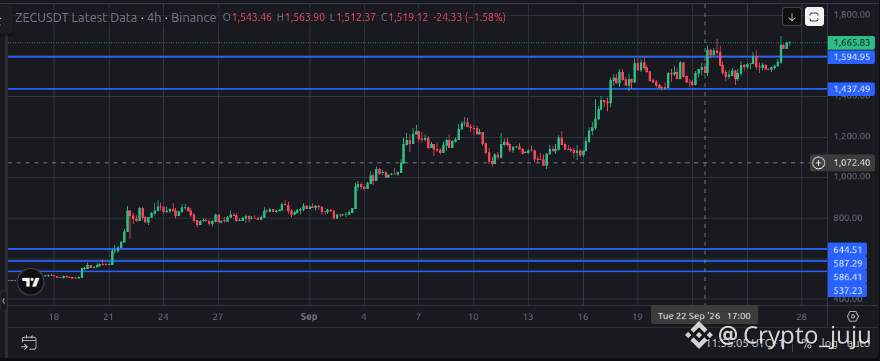
67
·
--
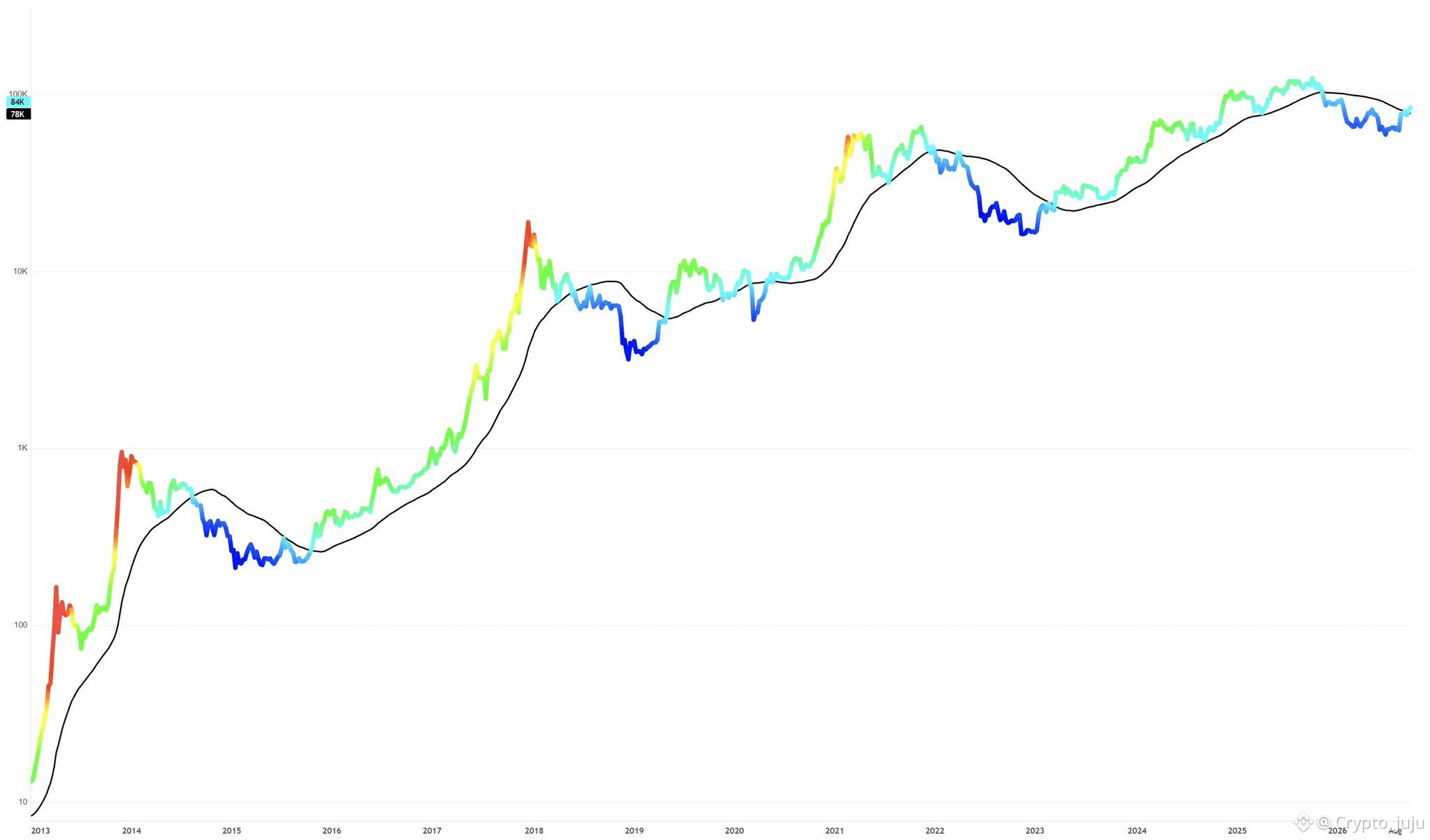
$BTC está dando todas las señales en verde ahora mismo. Lo veo, lo acepto. $XRP parece listo para seguir también. ¿$5 pronto? Mientras tanto, los swaps cross-chain de @ston_fi nunca habían sido tan simples. Conectas tus billeteras de TON y TRON, eliges lo que quieres intercambiar, revisas la cantidad que vas a recibir, confirmas y la app se encarga del resto. Sin puente tradicional. Sin CEX en medio. Solo: **Conectar → Elegir → Confirmar → Recibir. Ese es el tipo de experiencia cross-chain que me gusta. Tan simple que no necesitas pensar en lo que está pasando detrás de cámaras. #Altcoin Season#
$BTC está dando todas las señales en verde ahora mismo. Lo veo, lo acepto. $XRP parece listo para seguir también. ¿$5 pronto? Mientras tanto, los swaps cross-chain de @ston_fi nunca habían sido tan simples. Conectas tus billeteras de TON y TRON, eliges lo que quieres intercambiar, revisas la cantidad que vas a recibir, confirmas y la app se encarga del resto. Sin puente tradicional. Sin CEX en medio. Solo: **Conectar → Elegir → Confirmar → Recibir. Ese es el tipo de experiencia cross-chain que me gusta. Tan simple que no necesitas pensar en lo que está pasando detrás de cámaras. #Altcoin Season#
·
--
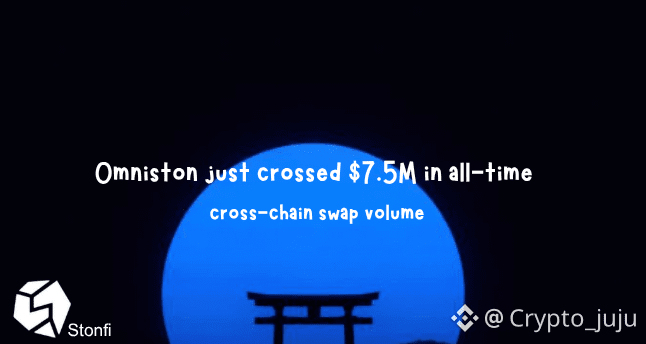
Solana $SOL acaba de superar 1 millón de titulares de acciones tokenizadas Y en el lado de TON, Omniston acaba de superar los $7.5M en volumen de intercambio cross-chain de todos los tiempos. Lo que llamó mi atención es lo rápido que esa cifra está creciendo. Omniston superó la marca de $3M a principios de este mes, y solo la semana del 17 al 23 de septiembre registró alrededor de **$1.8M** en volumen cross-chain, un 26% más que la semana anterior. Aún más interesante: $BNB Chain → TON representó el 78% de ese volumen semanal. Diferentes ecosistemas, diferentes casos de uso, pero creo que aquí hay una historia similar: **Cuando las cadenas siguen construyendo, la actividad finalmente empieza a reflejarse. Activos tokenizados, intercambios cross-chain, liquidez, nuevas apps no siempre es algo ruidoso al principio. A veces solo notas que los números crecen. #Altcoin Season#
Solana $SOL acaba de superar 1 millón de titulares de acciones tokenizadas Y en el lado de TON, Omniston acaba de superar los $7.5M en volumen de intercambio cross-chain de todos los tiempos. Lo que llamó mi atención es lo rápido que esa cifra está creciendo. Omniston superó la marca de $3M a principios de este mes, y solo la semana del 17 al 23 de septiembre registró alrededor de **$1.8M** en volumen cross-chain, un 26% más que la semana anterior. Aún más interesante: $BNB Chain → TON representó el 78% de ese volumen semanal. Diferentes ecosistemas, diferentes casos de uso, pero creo que aquí hay una historia similar: **Cuando las cadenas siguen construyendo, la actividad finalmente empieza a reflejarse. Activos tokenizados, intercambios cross-chain, liquidez, nuevas apps no siempre es algo ruidoso al principio. A veces solo notas que los números crecen. #Altcoin Season#
28
·
--
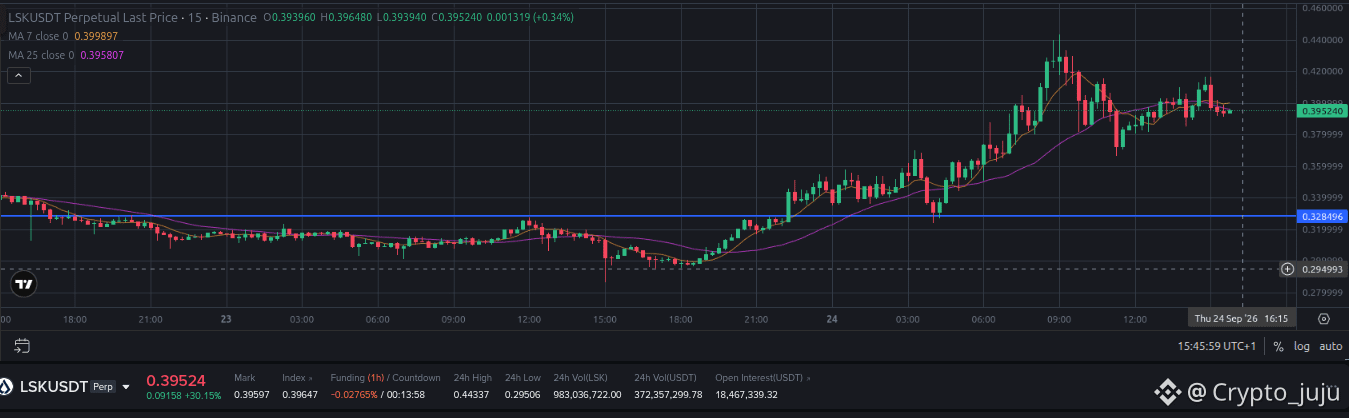
$PROVE vuelve a estar activo y bombeando otra vez. $LSK también ha estado fuerte, así que empiezo a sentir que el mercado podría estar recuperando algo de impulso. Aun así, no me apresuro. Solo estoy observando cómo se desarrollan estos movimientos y hacia dónde empieza a fluir la liquidez. Del lado de @ston_fi , he estado poniendo mi GEMSTON en uso y actualizando mis Stonkbots. Honestamente, es bastante gracioso ver cómo cambian los bots cuando los mejoras Pero al mismo tiempo, se siente como una buena forma de familiarizarme más con el lado NFT de Stonfi en lugar de solo intercambiar y hacer farming. Vine por la parte DeFi. Ahora, de alguna manera, estoy mejorando pequeños bots NFT. #Altcoin Season#
$PROVE vuelve a estar activo y bombeando otra vez. $LSK también ha estado fuerte, así que empiezo a sentir que el mercado podría estar recuperando algo de impulso. Aun así, no me apresuro. Solo estoy observando cómo se desarrollan estos movimientos y hacia dónde empieza a fluir la liquidez. Del lado de @ston_fi , he estado poniendo mi GEMSTON en uso y actualizando mis Stonkbots. Honestamente, es bastante gracioso ver cómo cambian los bots cuando los mejoras Pero al mismo tiempo, se siente como una buena forma de familiarizarme más con el lado NFT de Stonfi en lugar de solo intercambiar y hacer farming. Vine por la parte DeFi. Ahora, de alguna manera, estoy mejorando pequeños bots NFT. #Altcoin Season#
71
·
--
El mercado de las stablecoins podría estar encaminándose en dos direcciones diferentes. $USDT y $USDC ya son enormes, con alrededor de $255B combinados, pero la GENIUS Act limita los pagos de rendimiento en estas stablecoins tradicionales. Luego tienes las stablecoins “productivas”, que están diseñadas para dar a los usuarios un retorno sobre los activos que las respaldan. Ahí es donde RealFi está construyendo. Es interesante ver cómo las stablecoins evolucionan de simplemente mantener valor a potencialmente poner ese valor a trabajar.
El mercado de las stablecoins podría estar encaminándose en dos direcciones diferentes. $USDT y $USDC ya son enormes, con alrededor de $255B combinados, pero la GENIUS Act limita los pagos de rendimiento en estas stablecoins tradicionales. Luego tienes las stablecoins “productivas”, que están diseñadas para dar a los usuarios un retorno sobre los activos que las respaldan. Ahí es donde RealFi está construyendo. Es interesante ver cómo las stablecoins evolucionan de simplemente mantener valor a potencialmente poner ese valor a trabajar.
44
·
--
Esto es interesante. BlackRock + $ONDO es otra señal de que las finanzas tradicionales están cada vez más cómodas con los activos onchain. Ondo acaba de lanzar Carteras Inteligentes basadas en estrategias de inversión desarrolladas por BlackRock, y cada cartera está representada por un único token onchain. Y esto me hizo pensar en xStocks en @ston_fi. El enfoque es un poco diferente, pero la idea más grande es similar: llevar una exposición familiar del mercado tradicional al mundo de la blockchain. Con xStocks, activos como APLx, NVDAx, TSLAx, SPYx y GOOGLx se representan como tokens en TON. Los usuarios elegibles pueden intercambiarlos a través de Stonfi y mantenerlos en su billetera de TON. Así que estamos empezando a ver que se unen diferentes piezas del mismo rompecabezas. BlackRock aporta estrategias de cartera tradicionales. Ondo convierte esas estrategias en carteras onchain. Productos como xStocks aportan exposición individual al mercado en forma de tokens onchain. Y DeFi proporciona la infraestructura para que estos activos realmente se muevan, se negocien e interactúen con otros productos onchain. Lo interesante no es solo poner activos tradicionales en la cadena. Es lo que sucede cuando esos activos pueden interactuar realmente con DeFi. $LSK
Esto es interesante. BlackRock + $ONDO es otra señal de que las finanzas tradicionales están cada vez más cómodas con los activos onchain. Ondo acaba de lanzar Carteras Inteligentes basadas en estrategias de inversión desarrolladas por BlackRock, y cada cartera está representada por un único token onchain. Y esto me hizo pensar en xStocks en @ston_fi. El enfoque es un poco diferente, pero la idea más grande es similar: llevar una exposición familiar del mercado tradicional al mundo de la blockchain. Con xStocks, activos como APLx, NVDAx, TSLAx, SPYx y GOOGLx se representan como tokens en TON. Los usuarios elegibles pueden intercambiarlos a través de Stonfi y mantenerlos en su billetera de TON. Así que estamos empezando a ver que se unen diferentes piezas del mismo rompecabezas. BlackRock aporta estrategias de cartera tradicionales. Ondo convierte esas estrategias en carteras onchain. Productos como xStocks aportan exposición individual al mercado en forma de tokens onchain. Y DeFi proporciona la infraestructura para que estos activos realmente se muevan, se negocien e interactúen con otros productos onchain. Lo interesante no es solo poner activos tradicionales en la cadena. Es lo que sucede cuando esos activos pueden interactuar realmente con DeFi. $LSK

51
·
--
$ZEC está destacándose entre las altcoins ahora mismo. Desde que $BTC alcanzó su máximo histórico, solo 9 de las 50 principales altcoins han logrado superar a Bitcoin. ZEC lidera con una gran ventaja, y su rendimiento llega a alrededor de 14x el de Bitcoin en ese periodo. HYPE , XMR y NEAR también están entre las pocas que han superado. Lo interesante para mí es la falta de fortaleza general en las altcoins. Algunos nombres lo están haciendo muy bien, pero la mayor parte del mercado todavía va por detrás de BTC. Así que mantengo a ZEC en la lista de seguimiento y le presto más atención a la fuerza relativa que simplemente persiguiendo lo que esté moviéndose. #Altcoin Season#
$ZEC está destacándose entre las altcoins ahora mismo. Desde que $BTC alcanzó su máximo histórico, solo 9 de las 50 principales altcoins han logrado superar a Bitcoin. ZEC lidera con una gran ventaja, y su rendimiento llega a alrededor de 14x el de Bitcoin en ese periodo. HYPE , XMR y NEAR también están entre las pocas que han superado. Lo interesante para mí es la falta de fortaleza general en las altcoins. Algunos nombres lo están haciendo muy bien, pero la mayor parte del mercado todavía va por detrás de BTC. Así que mantengo a ZEC en la lista de seguimiento y le presto más atención a la fuerza relativa que simplemente persiguiendo lo que esté moviéndose. #Altcoin Season#
72
·
--
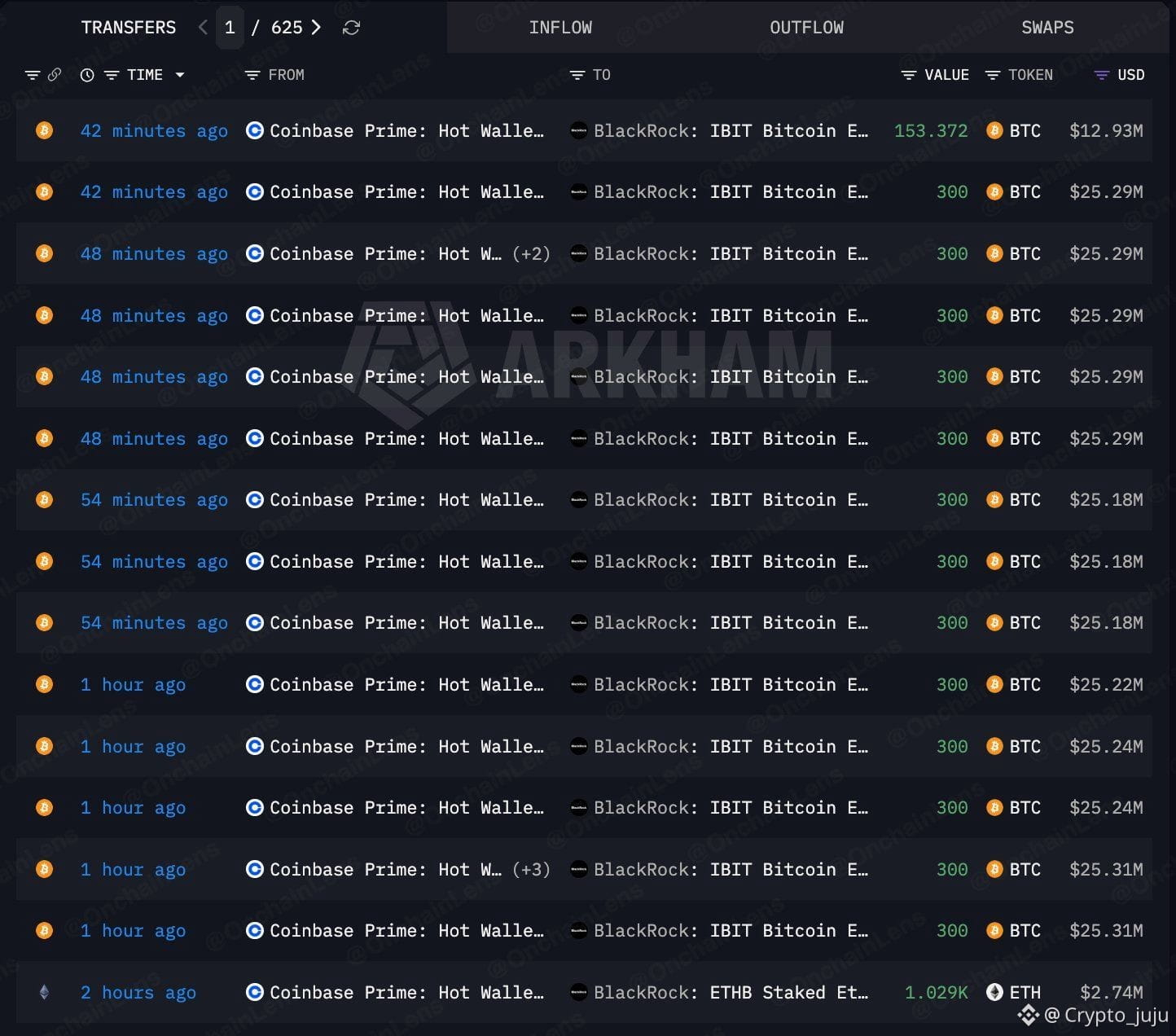
Los nombres más importantes están comprando las caídas. #BlackRock ’s IBIT supuestamente acumuló y retiró alrededor de 3,75K $BTC, valorados en aproximadamente $316M, de Coinbase Prime durante la última hora. Mientras el mercado está ocupado mirando la caída, detrás de escena está ocurriendo una compra seria de BTC. Mientras tanto, hoy hay algo pasando por el lado de @ston_fi. El AMA “Inside the Cross-Chain Flight: Your Questions, Our Answers” comienza a las 15:00 UTC. El equipo de Stonfi responderá preguntas de la comunidad sobre la campaña **One Swap. Across Chains** y cómo funcionan realmente los swaps entre cadenas. Y además hay un incentivo extra: 3 de las mejores preguntas reciben 50 STON cada una, en total 150 STON. Además, quédate hasta el final por una palabra secreta que te da puntos extra de la campaña. Compras de $BTC en segundo plano, charla entre cadenas en el otro lado. Un día interesante en cripto. $UNI
Los nombres más importantes están comprando las caídas. #BlackRock ’s IBIT supuestamente acumuló y retiró alrededor de 3,75K $BTC, valorados en aproximadamente $316M, de Coinbase Prime durante la última hora. Mientras el mercado está ocupado mirando la caída, detrás de escena está ocurriendo una compra seria de BTC. Mientras tanto, hoy hay algo pasando por el lado de @ston_fi. El AMA “Inside the Cross-Chain Flight: Your Questions, Our Answers” comienza a las 15:00 UTC. El equipo de Stonfi responderá preguntas de la comunidad sobre la campaña **One Swap. Across Chains** y cómo funcionan realmente los swaps entre cadenas. Y además hay un incentivo extra: 3 de las mejores preguntas reciben 50 STON cada una, en total 150 STON. Además, quédate hasta el final por una palabra secreta que te da puntos extra de la campaña. Compras de $BTC en segundo plano, charla entre cadenas en el otro lado. Un día interesante en cripto. $UNI
66
Inicia sesión para explorar más contenidos
Únete a usuarios de criptomonedas de todo el mundo en Binance Square
⚡️ Obtén la información más reciente y útil sobre criptomonedas.
💬 Confía en el mayor exchange de criptomonedas del mundo.
👍 Descubre opiniones reales de creadores verificados.
Correo electrónico/número de teléfono
Temas en tendencia
BinanceLaunchesBinanceIntelligence
416,175 visualizaciones
3,142 participa(n) en el debate
🚀 ¡La Inteligencia Artificial llega de forma directa al trading! 🚀
El ecosistema cripto acaba de dar su paso más ambicioso hacia la automatización accesible para todos.
Con el hashtag #BinanceLaunchesBinanceIntelligence, celebramos el lanzamiento oficial de Binance Intelligence, una nueva capa de IA integrada que viene a cerrar por completo la brecha del conocimiento financiero.
Ya seas un principiante o un trader algorítmico avanzado, esta suite de tres productos te ofrece herramientas de nivel institucional directamente en la app que usas todos los días:
Binance AI (Gratuito):
Una experiencia adaptativa que personaliza resúmenes de mercado (Market Briefs cada 4 horas) y alertas según tu nivel de conocimiento y portafolio.
Binance AI Pro:
Un agente financiero personal que transforma tus ideas en lenguaje natural en estrategias ejecutables de trading automatizado las 24/7.
Binance Agent OS:
La infraestructura ideal para desarrolladores que buscan conectar aplicaciones e IA directamente con las capacidades de la plataforma mediante APIs.
💡 Mi consejo de hoy:
Aprovechá estas herramientas para potenciar tus análisis técnicos, pero mantené siempre una correcta gestión de riesgo sin dejarte llevar por las emociones del mercado.
¿Qué herramienta tenés más ganas de probar primero?
¡Te leo en los comentarios! 👇
#BinanceLaunchesBinanceIntelligence #WriteToEarn #Crypto #Trading #BinanceAI#binancelaunchesbinanceintelligence
AlchemyS7
·4 «Me gusta»
·6.3k visualizaciones
BitcoinTargets2026OpenAt$87570
2,552 visualizaciones
77 participa(n) en el debate
BitcoinRejectedAt$87KThirdTime
2,501 visualizaciones
64 participa(n) en el debate