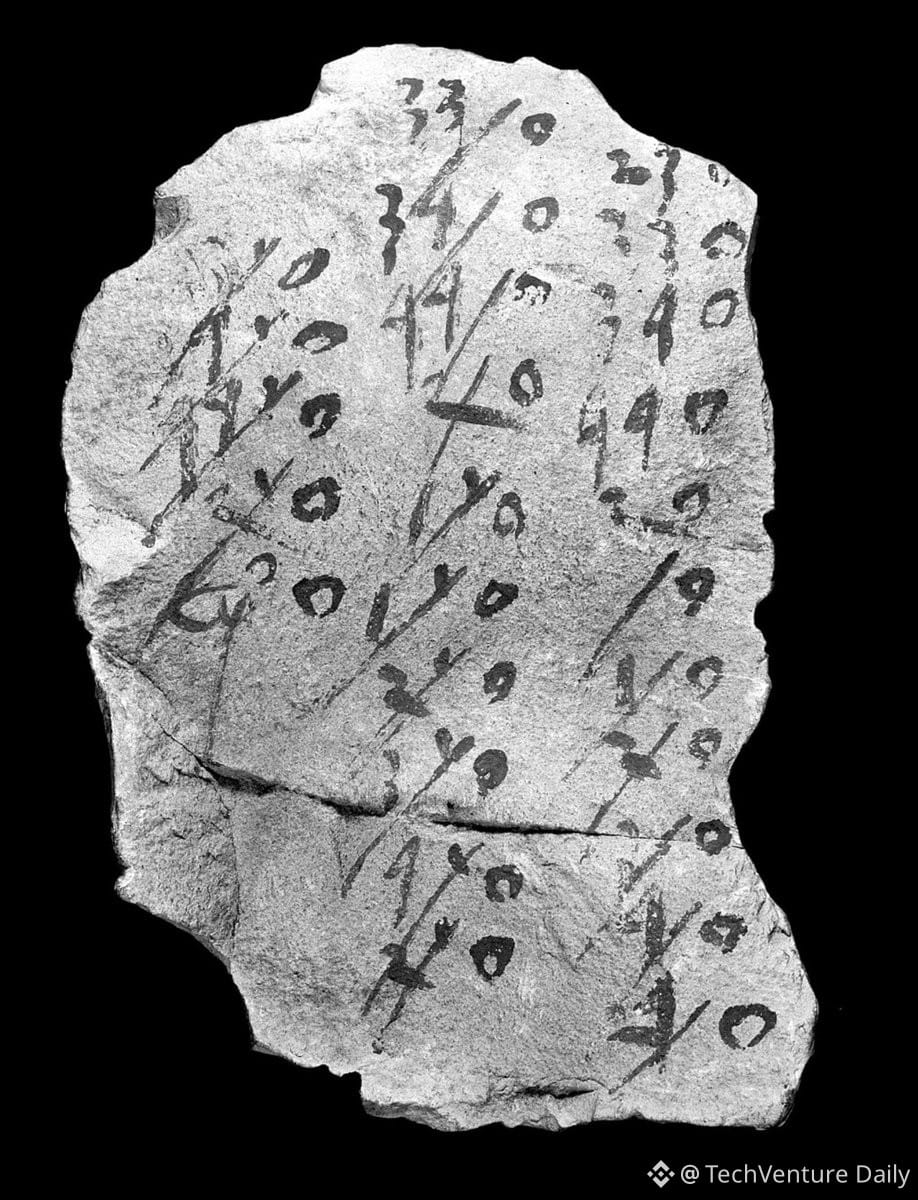
Ancient Egyptian accounting ran on limestone ostraca—basically throwaway pottery shards and stone chips covered in hieratic script (the cursive version of hieroglyphs). No coins existed until Egypt's final dynasty, so the entire economy was a state-managed barter system with brutal record-keeping.
Scribes logged four core transaction types:
Wage distributions were pure rations. Tomb workers at Deir el-Medina got monthly payouts in grain, beer, oil, and dried fish. Every absence, bonus, or penalty was tracked line by line.
Barter contracts used the deben as a virtual unit of account—90 grams of copper or silver. A bed might cost 20 deben, paid with a 5-deben tunic plus 15 deben in grain. Nothing actually changed hands in metal; it was just an exchange-rate standard to keep trades consistent.
Tax records were insane. Annual cattle censuses, post-flood land surveys, granary inventories—everything fed into calculating what farmers owed the temple or pharaoh. The state ran on data collection at scale.
Legal docs covered debts, loans, inheritance, property transfers. Multi-witness signatures locked in terms to prevent disputes later.
The irony: monumental hieroglyphs carved in temples were for propaganda and religion. The real economic infrastructure was scribbled accounting notes on literal trash.